BJJ Gi Sizing Guide for a Better Training Fit
A gi that is too large becomes something your training partners can hang onto all round. One that is too small can restrict your shoulders, ride up during guard work, and become uncomfortable after a few washes. This BJJ gi sizing guide helps you sort out the details before you buy, from reading a size chart to deciding whether a little extra room is useful for your training.
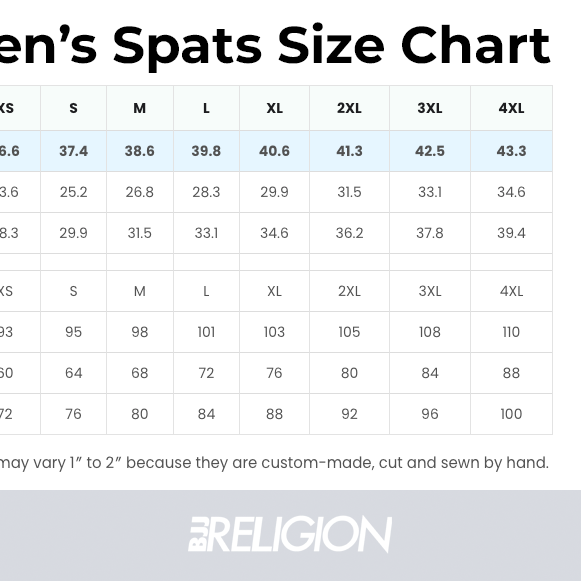
Start With the Brand's Gi Size Chart
The size printed on a gi - A1, A2, A3, and so on - is a starting point, not a universal standard. An A2 from one manufacturer can fit very differently from an A2 from another. Some cuts are broad through the chest and shoulders, while others are trimmer through the body or shorter in the sleeves.
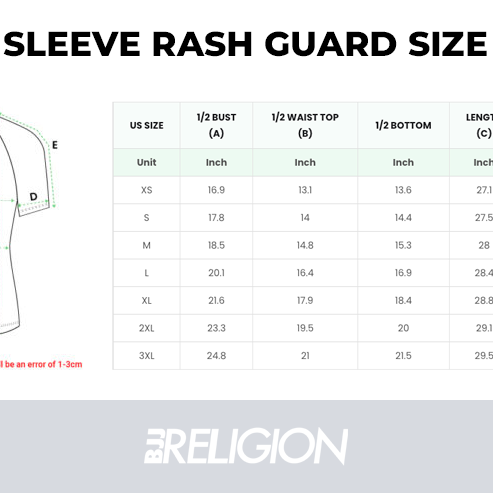
Always begin with the specific brand's chart and compare your current height and weight to its recommended range. If the chart includes chest, waist, sleeve, inseam, or wingspan measurements, use them. Those numbers usually tell you more than height and weight alone, especially if you are built outside the middle of the chart.
For example, a 5-foot-10, 175-pound white belt with average proportions may land cleanly in an A2. A 5-foot-10, 175-pound lifter with a large chest and shoulders may be more comfortable in an A2H or A3 jacket with pants that are adjusted separately if available. A lean 6-foot-1 student at the same weight may need an A2L or A3L to avoid sleeves that sit too high on the forearm.
What the Letters Usually Mean
Most adult gi sizing uses A for adult, followed by a number that increases with overall size. Common variations include L for long, H for husky or heavyweight builds, and F for women-specific cuts. These labels are helpful, but they are not identical across every gi.
A long size generally adds length in the sleeves, jacket skirt, and pants without adding as much width. A husky size typically provides more room through the chest, waist, thighs, and seat. If you are between standard sizes, choosing the version that matches your proportions is often better than simply sizing up across the board.
How a BJJ Gi Should Fit Before Washing
Try on a new gi with the assumption that it may shrink, particularly if it is 100% cotton. Before its first wash, the jacket should let you reach overhead, frame from bottom side control, and extend your arms for grip fighting without pulling sharply across the shoulders or armpits.
The sleeves should not be comically long, but a little extra length is normal on an unwashed gi. When you straighten your arm, the cuff should generally reach near your wrist bone. If it already stops well above the wrist, it is unlikely to improve after washing.
Pants should allow a full squat, a technical stand-up, and repeated hip escapes without binding at the hips or thighs. Check the inseam while moving, not just while standing in front of a mirror. A pair of pants can feel fine upright and become restrictive the first time you play closed guard or pummel your legs from half guard.
The jacket body should overlap comfortably when you tie your belt. If the skirt barely meets in front, or the lapels pull apart every time you turn for a back take, the jacket is probably too small. On the other hand, a very oversized jacket can make collar grips and sleeve control much easier for your partner during sparring.
Account for Shrinkage Before You Commit
Cotton gis shrink most when exposed to heat. How much depends on the fabric, weave, manufacturing process, and wash routine, so there is no reliable one-size-fits-all percentage. Pre-shrunk does not mean shrink-proof. It usually means the major initial shrinkage has already been addressed, not that the gi will never change.
If your new gi fits perfectly while dry and unwashed, be careful. Wash it cold and hang dry for the first few cycles, then reassess. This is the safest route for a gi that is close to the short end of your preferred fit.
If the gi is slightly roomy but otherwise right, a warm wash and limited tumble drying can bring it in gradually. Check it after each cycle rather than trying to force all the shrinkage at once. It is much easier to remove a small amount of length than to fix sleeves that became too short for class or a tournament inspection.
This matters most with competition-focused fits. A hobbyist who trains mostly nogi and puts on a gi once a week may not care about an extra inch in the cuffs. A competitor who expects hard sleeve grips, collar drags, and referee uniform checks should be more conservative. A gi that passes at home can change after several washes and become unusable for an event.
Shrink Jacket and Pants Separately When Needed
Jackets and pants do not always shrink at the same rate. If the jacket fits correctly but the pants are long, wash and dry the pants separately according to the care instructions. The same approach works in reverse if the pants are right but the sleeves need a small adjustment.
Avoid treating high heat as a sizing tool unless you can afford the risk. It can shorten a gi quickly, but it can also create uneven results, stiffen the fabric, and shorten one part more than another.
Check Competition Rules If You Plan to Compete
Academy training gives you more flexibility than a sanctioned tournament. In a regular evening class, your coach may be fine with a slightly roomy jacket as long as it is clean, safe, and functional. At a competition, the gi needs to meet the event organizer's current requirements for color, condition, sleeve length, pant length, and overall fit.
Do not assume that a gi is competition legal because it is labeled that way. Requirements vary by organization and can change. Before packing for an event, try the gi on after it has been washed, tie the belt you will wear, and extend your arms. If you are near the limit, bring a backup gi when possible.
A common mistake is buying a competition gi in a tight, trim fit, then training in it for several months before the tournament. Between washing, drilling arm drags, and hard rounds where sleeves get pulled constantly, a close fit can become too close. Give yourself reasonable room from the start.
Fit Advice for Women, Kids, and In-Between Sizes
Women-specific gi cuts can be useful because they often account for a different shoulder-to-waist and hip-to-thigh proportion. They are not mandatory. Some women prefer an unisex cut for more room in the shoulders or longer sleeves, while others find a women-specific size more comfortable during guard retention and scramble-heavy rounds. The best choice is the one that lets you move freely without excess fabric getting in the way.
For kids, use height and weight as a baseline but leave room for normal growth. Avoid buying a gi so oversized that a child has to roll up sleeves and pant cuffs for months. Extra material can make breakfalls, grip drills, and basic movement harder, and it gives training partners a lot of fabric to control. A modest amount of room is practical; several sizes too large is not.
If you fall between two adult sizes, think about where you notice fit problems first. Broad shoulders, thick thighs, and a larger chest usually favor the larger option or a husky cut. Long arms and legs usually favor a long option. If you are planning a significant weight change, buy for the body you train in now unless that change is immediate and certain. A gi should work for Tuesday night sparring, not just a future version of your wardrobe.
Use Movement as the Final Test
Measurements get you close, but Jiu Jitsu movement tells the truth. Once the gi is on, perform a few simple checks: squat deeply, reach overhead, make a technical stand-up, sit to guard, and extend your arms as if you are establishing sleeve grips. None of these should feel restricted.
Then consider your usual room. A gi that feels comfortable during solo movement may feel different when someone is pulling you into collar-sleeve guard, controlling your elbow from mount, or gripping your pants during a passing round. You want enough space to move and breathe, but not so much material that the gi becomes a handle factory.
A good gi fit is not about looking tailored while standing still. It is about staying comfortable through drilling, surviving hard sparring, and still fitting the way you need it to after laundry day. Take the extra few minutes to measure, check the chart, and plan for shrinkage. Your shoulders, training partners, and future tournament bag will all be better for it.