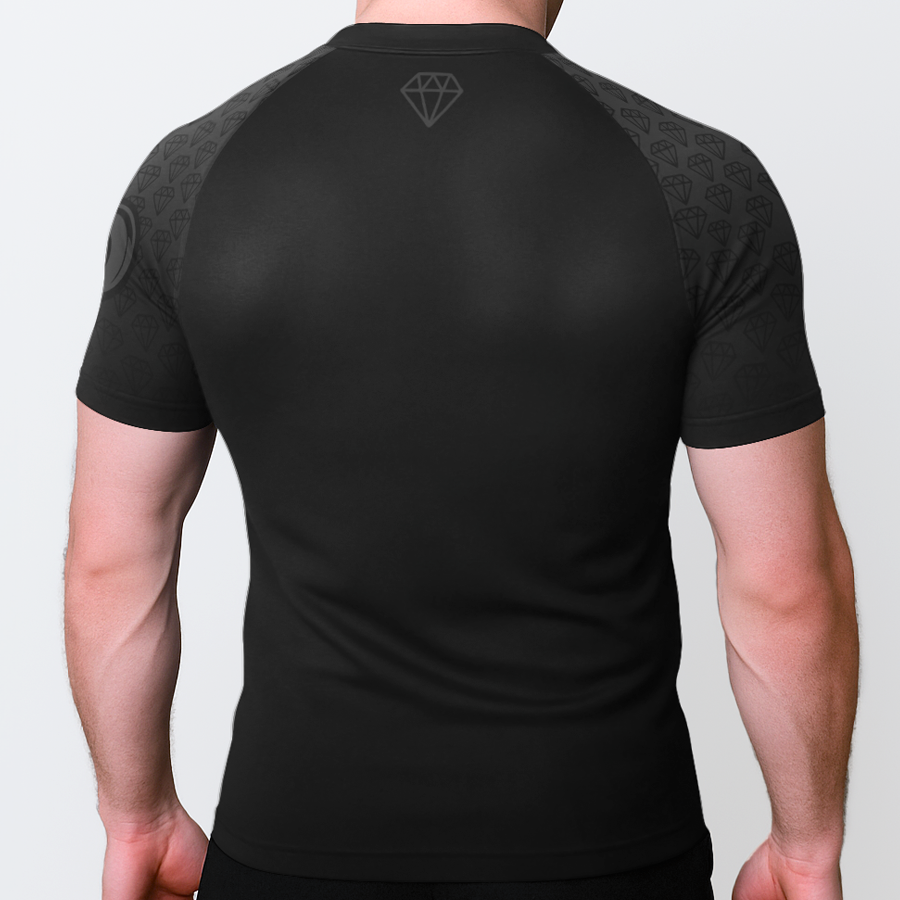
BJJ Gi Color Rules Explained
You usually learn about bjj gi color rules one of two ways - by reading the tournament handbook before weigh-ins, or by showing up to class in a gi your academy does not allow. Neither is ideal. Gi color seems like a small detail until you are packing for your first competition, joining a new school, or buying a second gi and realizing not every color works everywhere.
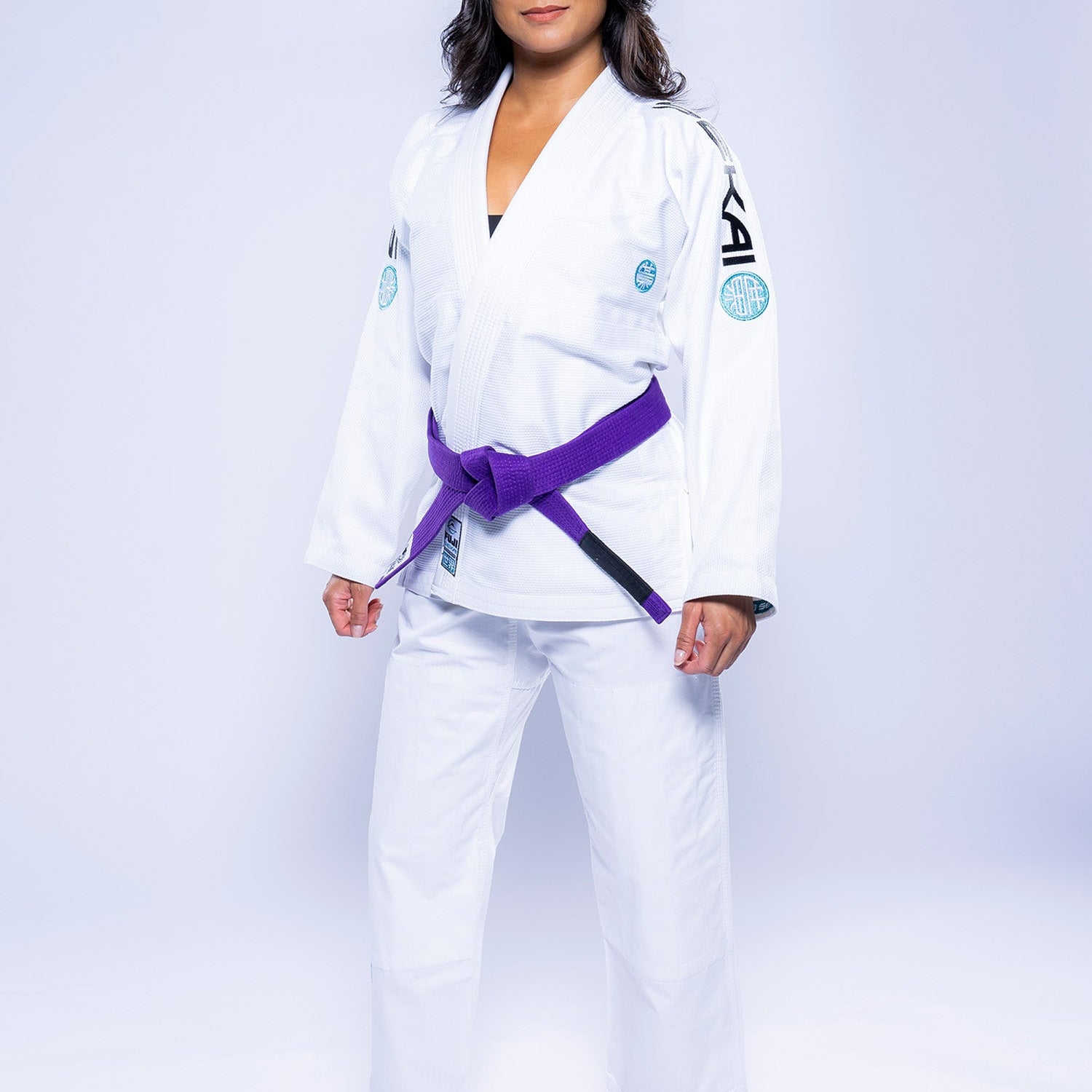
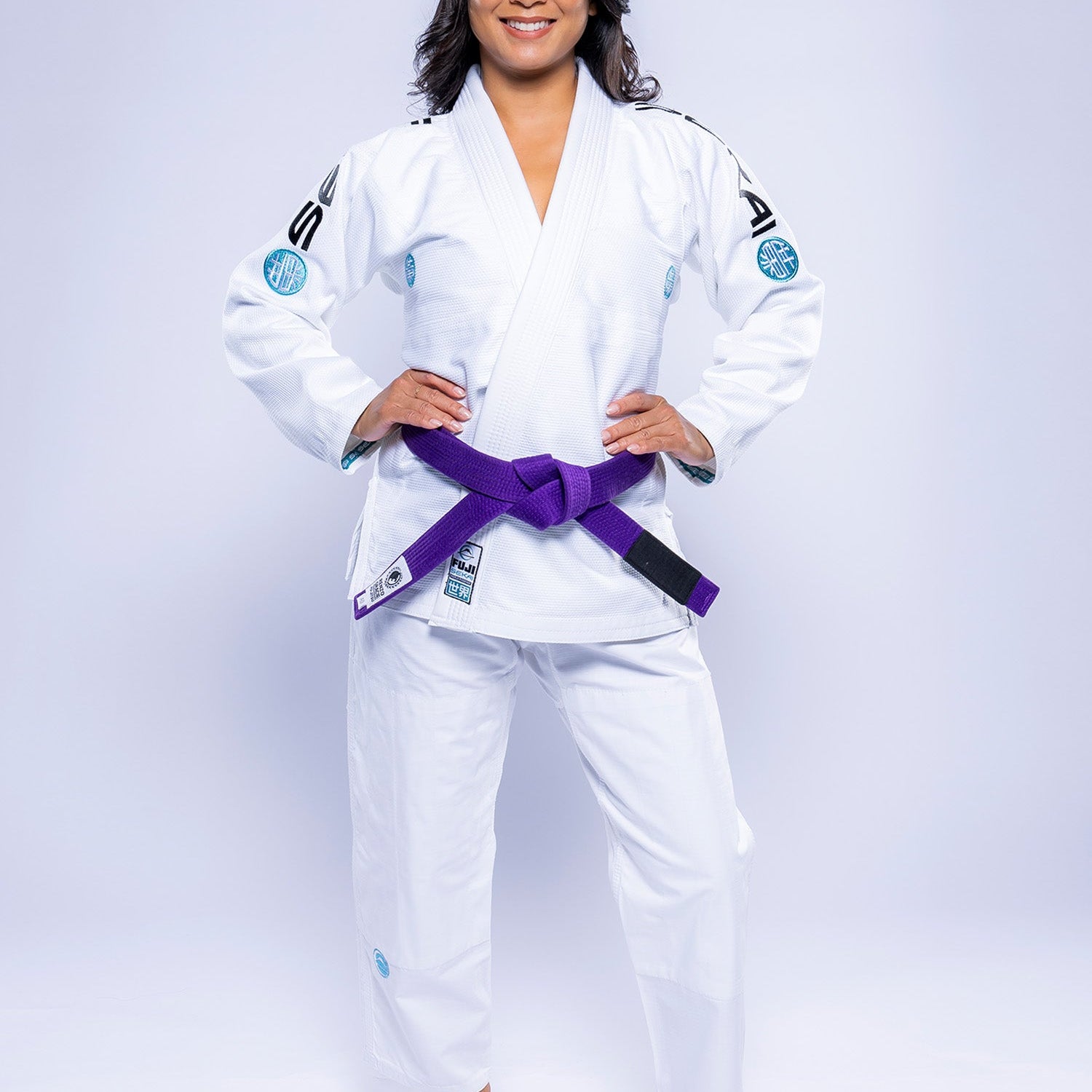
For most students, the short answer is simple: white, blue, and black are the safest choices. But the longer answer matters, especially if you train at a school with a uniform policy, compete under IBJJF rules, or want one gi that can handle regular classes, open mats, and tournaments without any surprises.
What the bjj gi color rules actually are
In day-to-day training, gi color rules depend mostly on your academy. Some schools let students wear almost any gi color as long as it is clean and in good condition. Others keep it strict and allow only white gis, or white and blue, or academy-branded uniforms only. If you have ever visited another gym and noticed everyone wearing the same gi, that is usually a school policy, not a universal Jiu Jitsu rule.
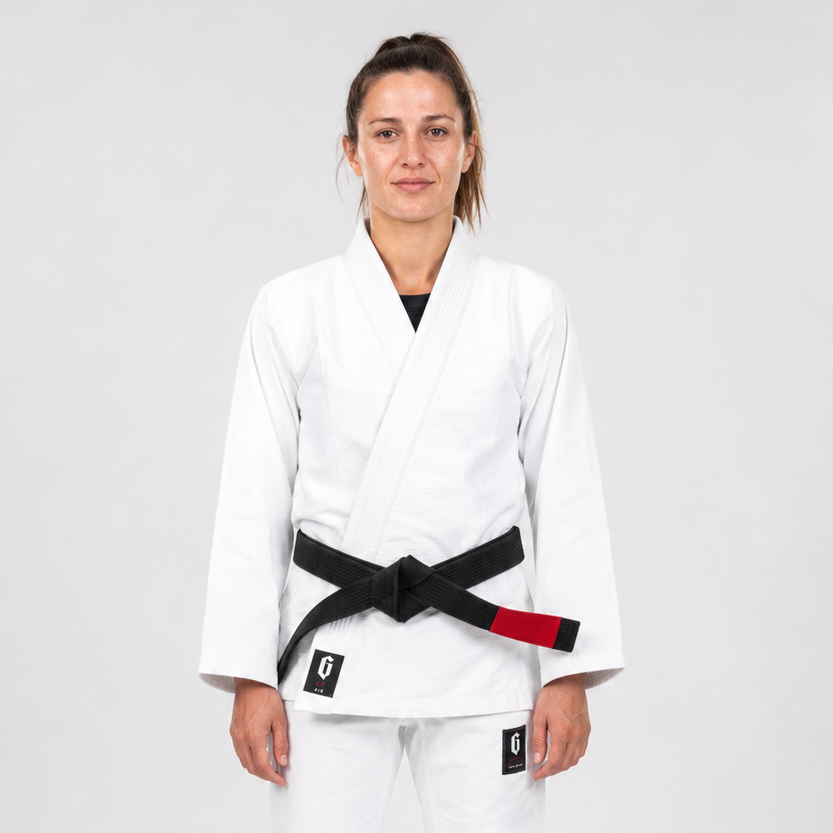
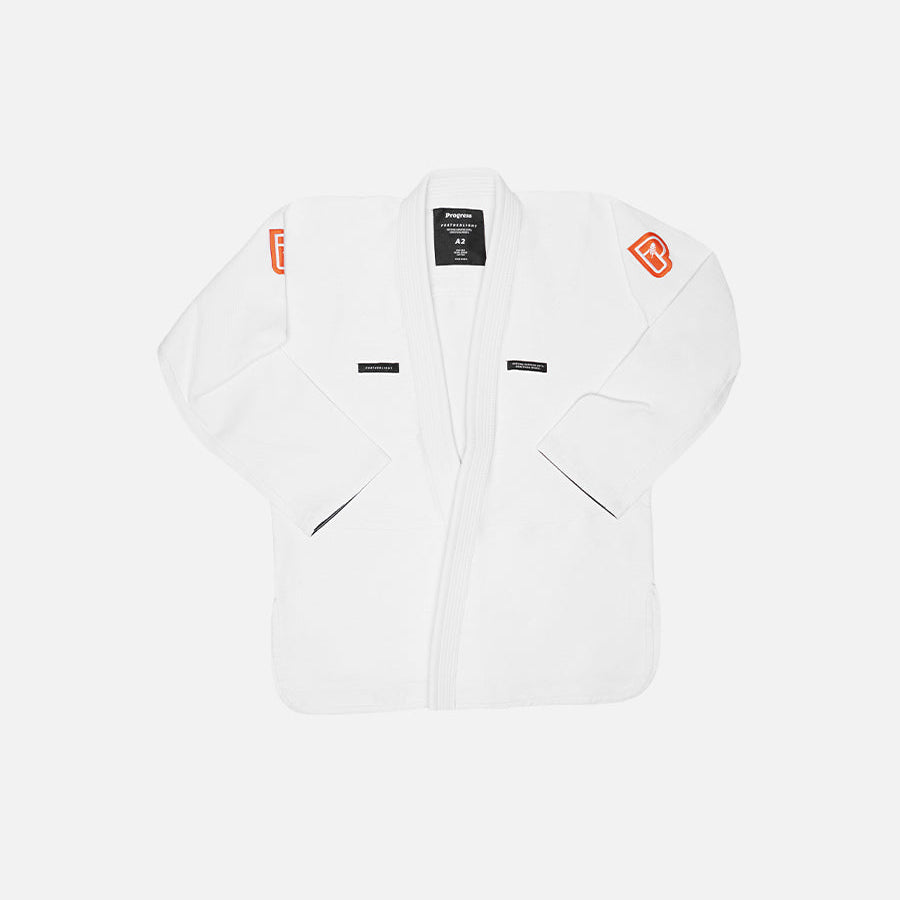
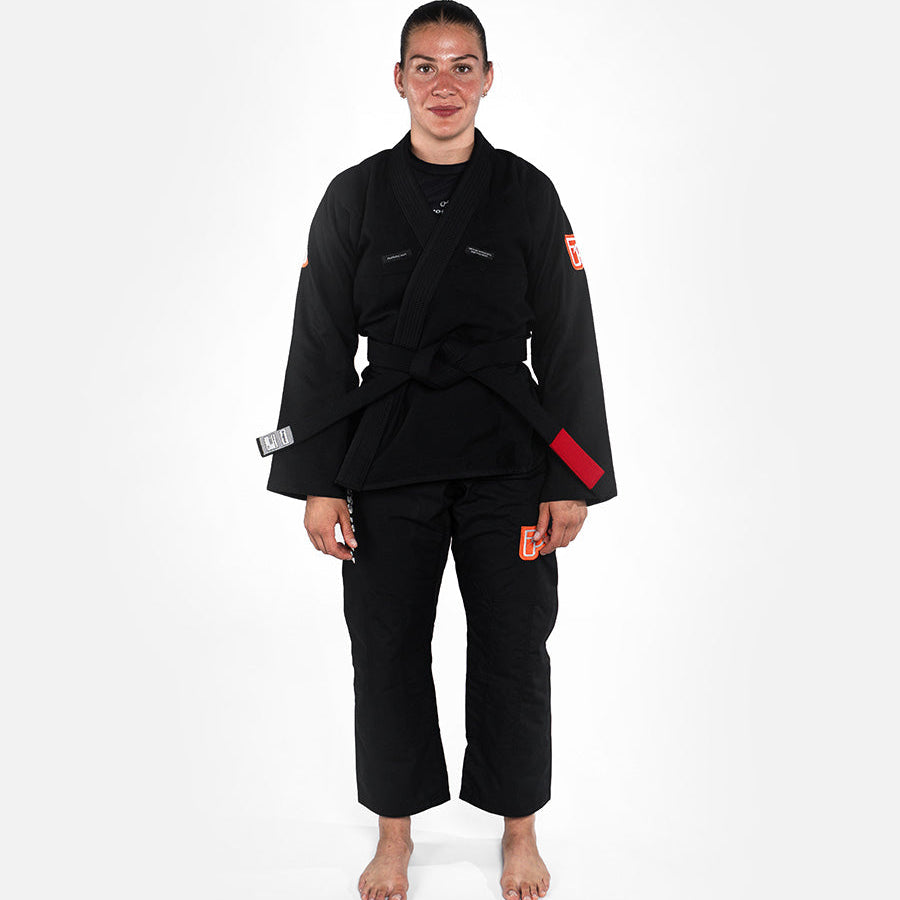
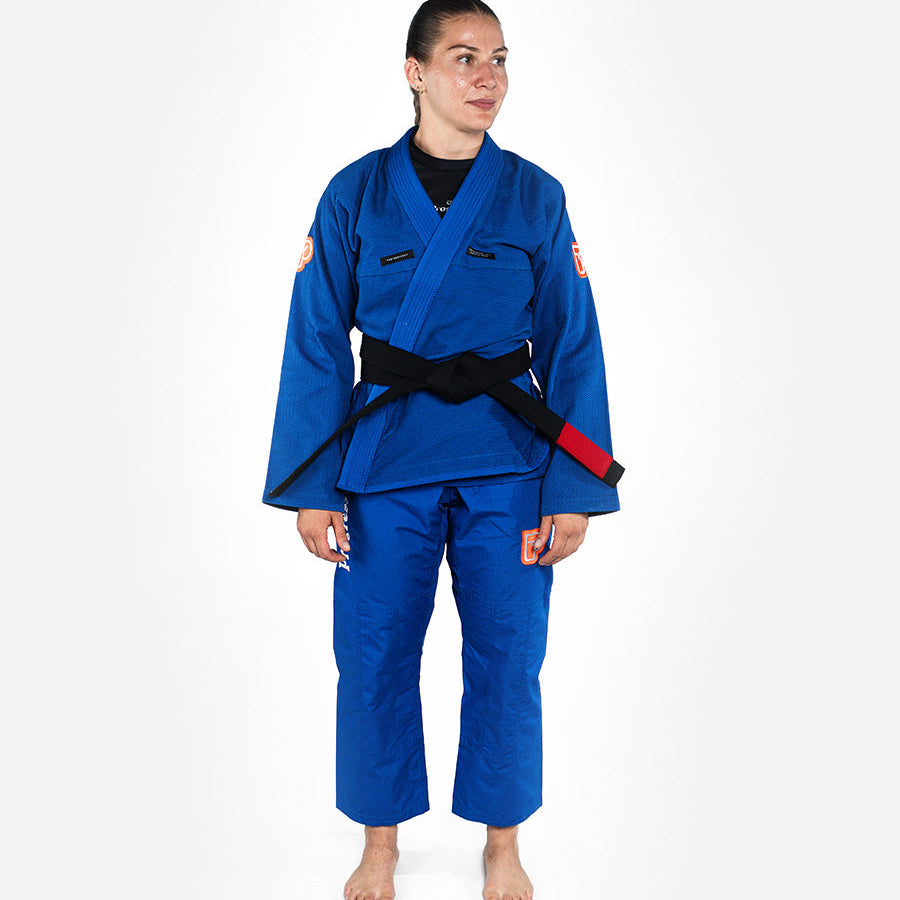
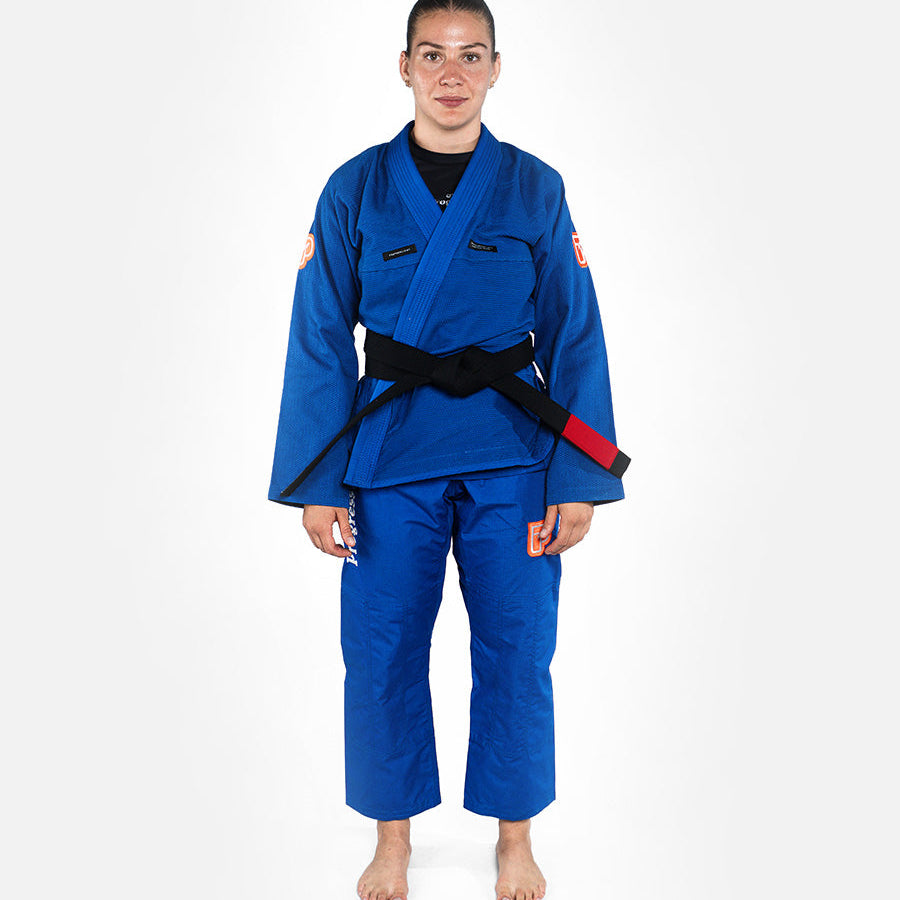
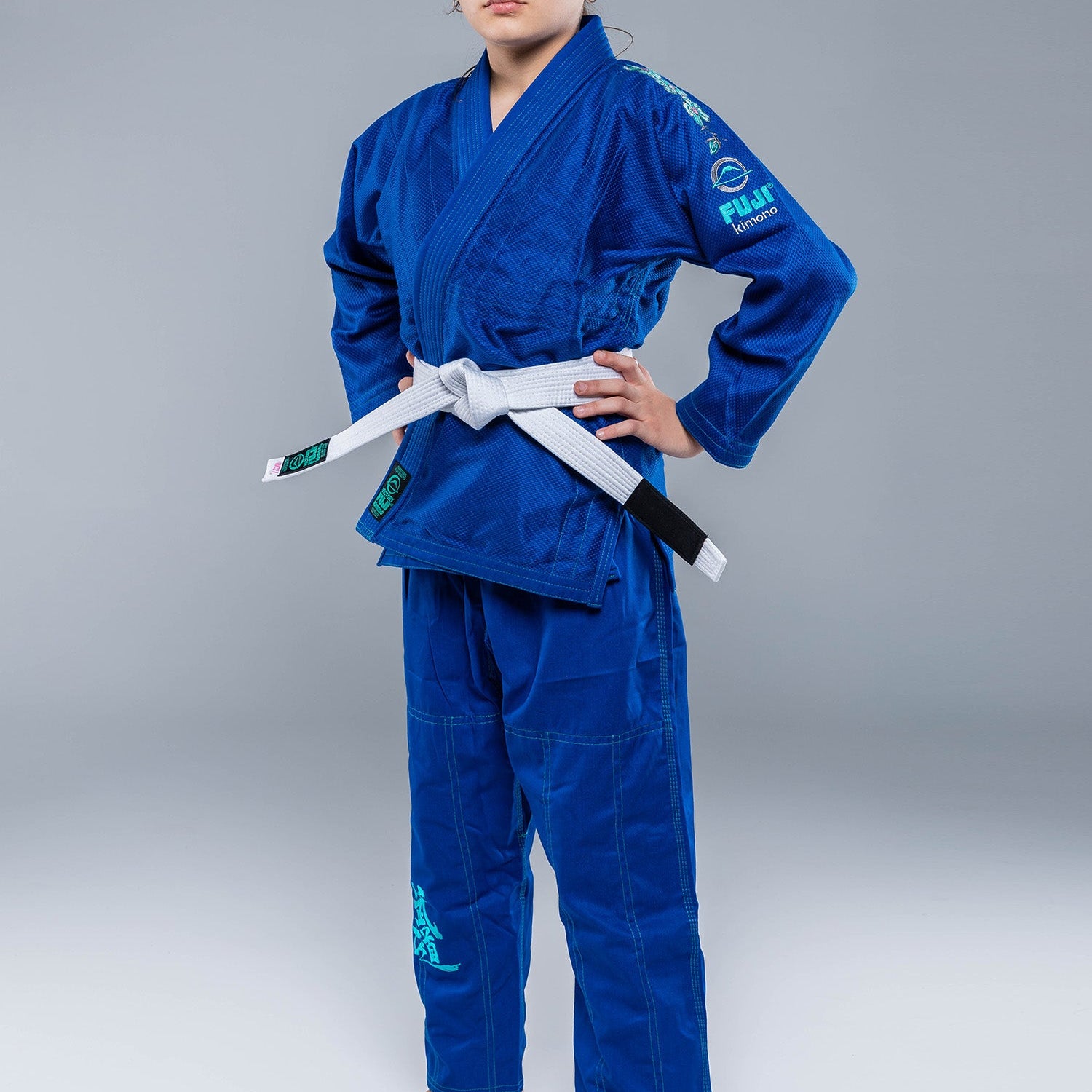
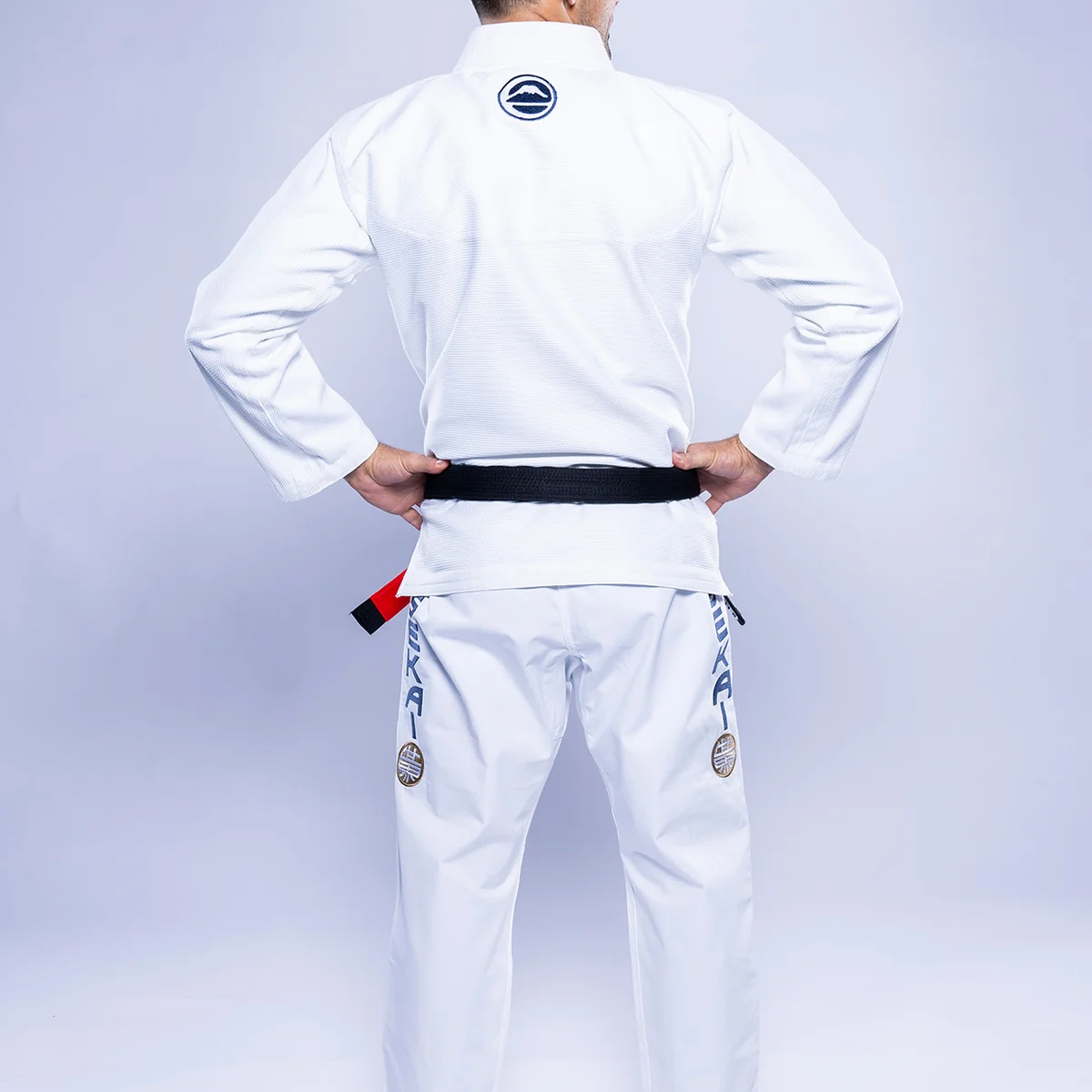
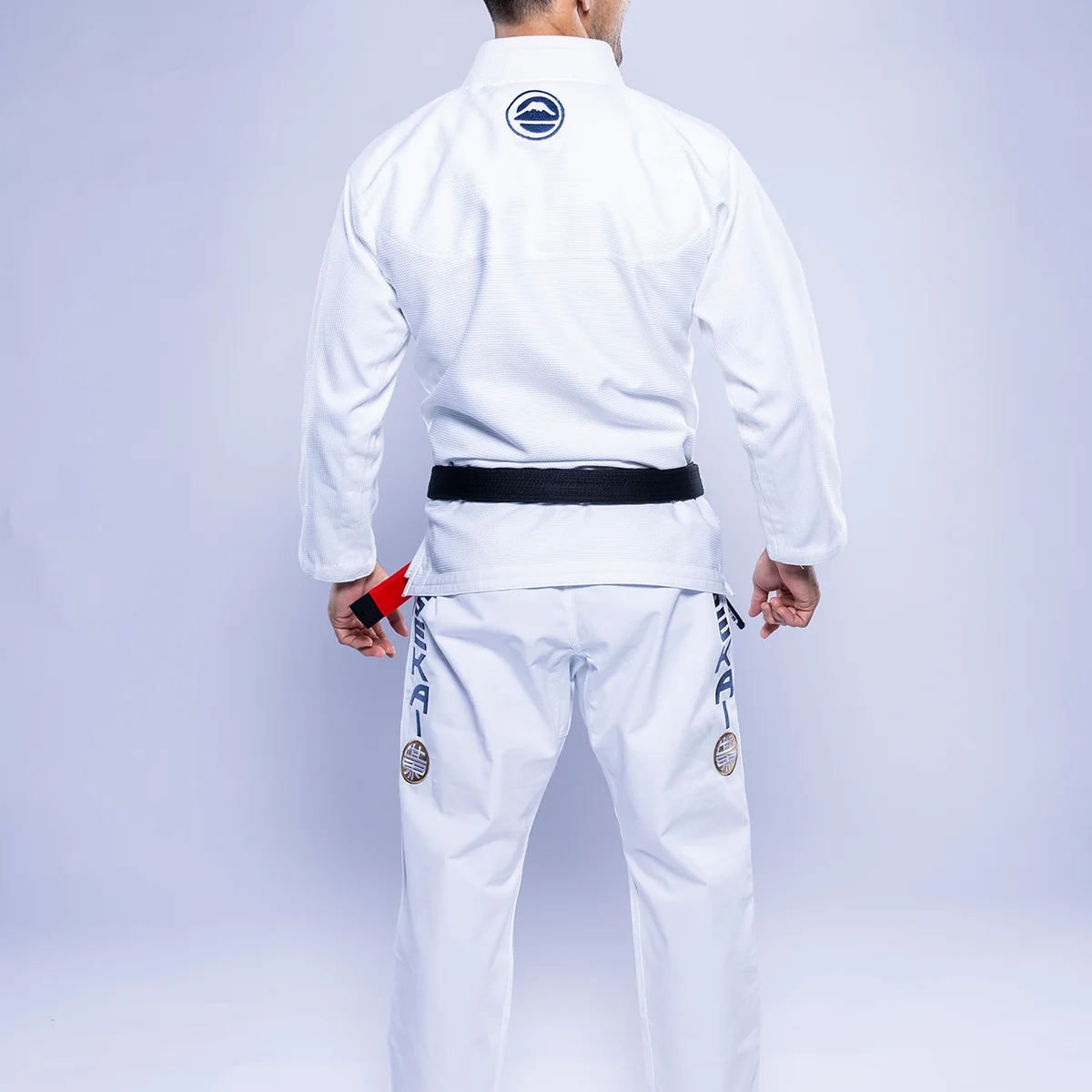
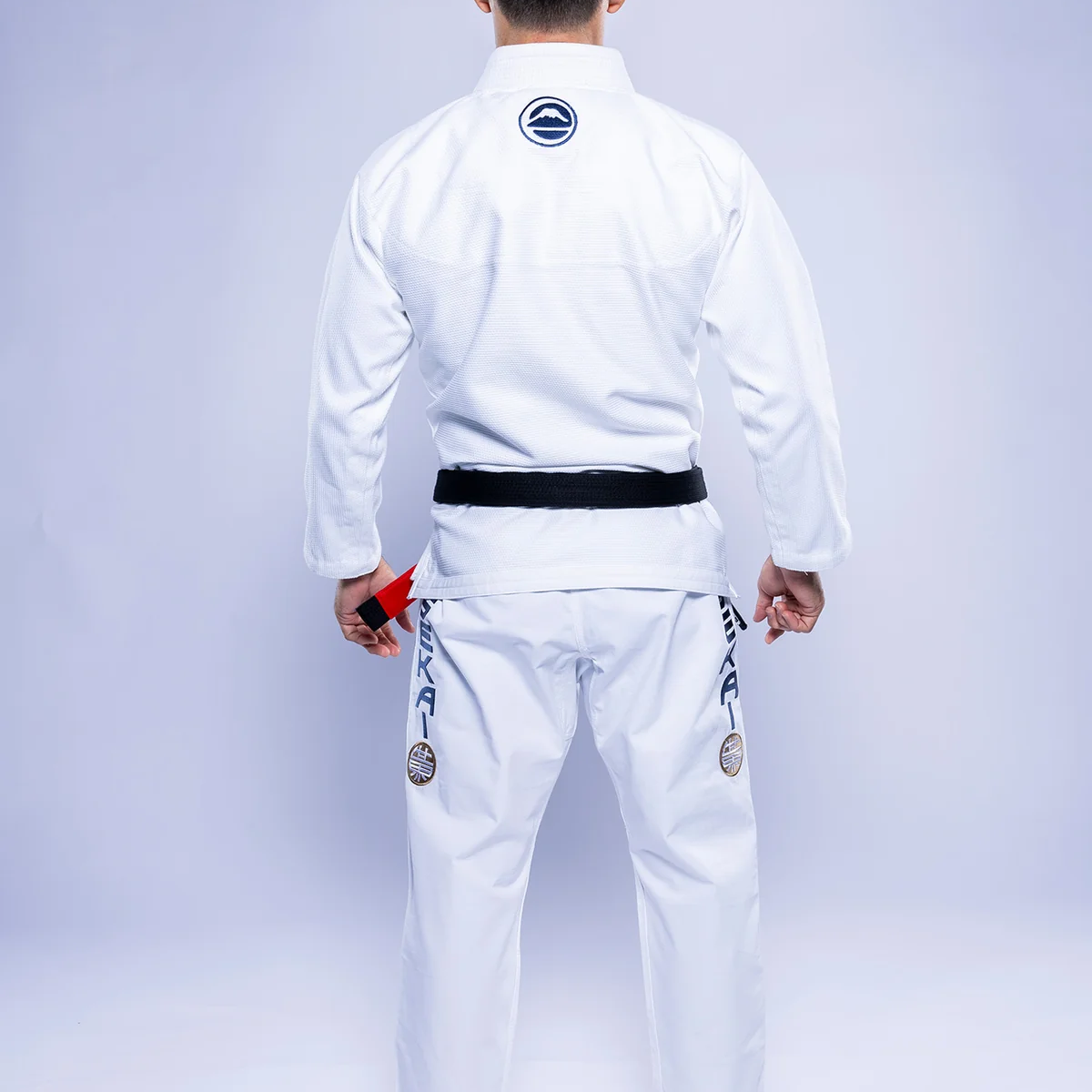
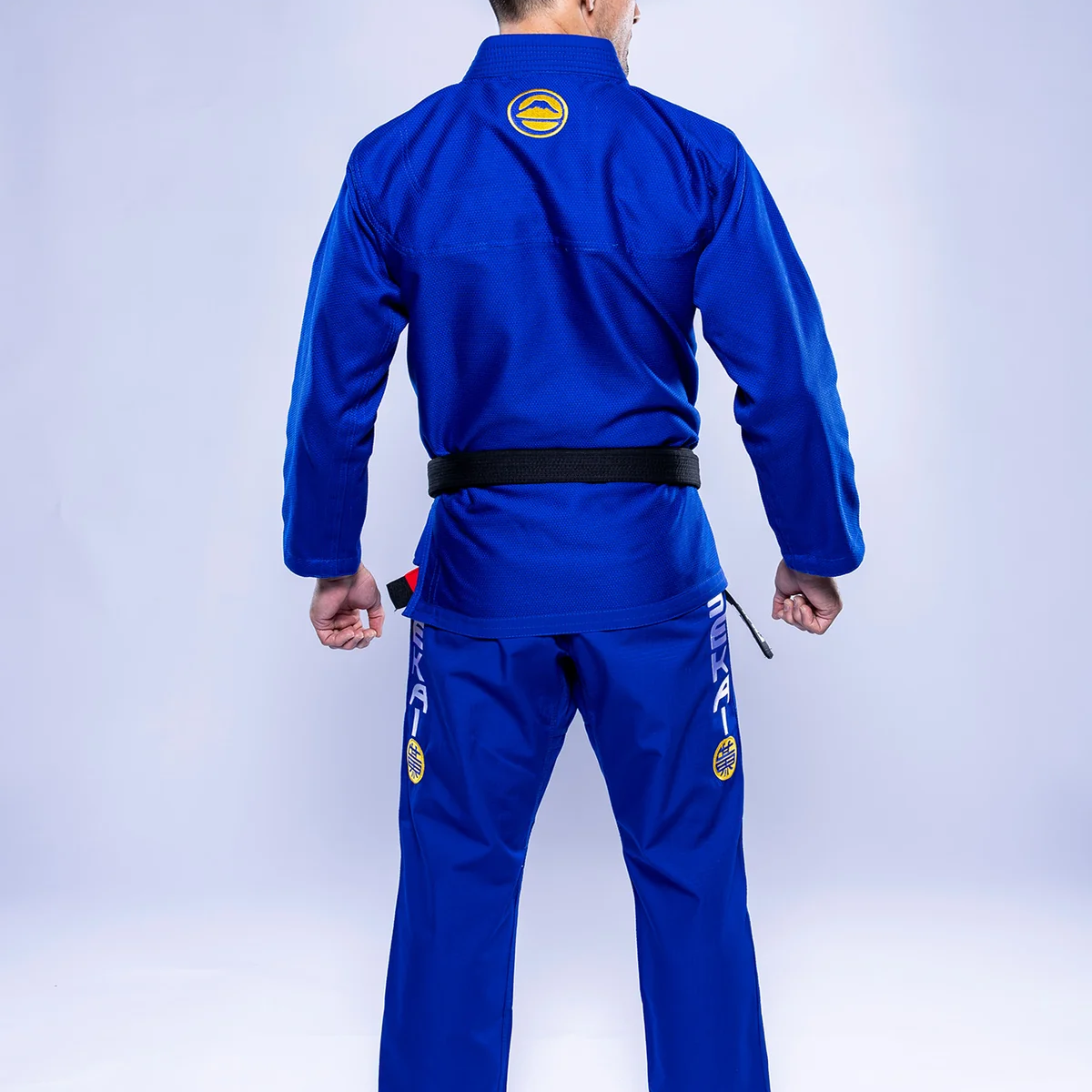
For competition, the standard most people care about is the IBJJF rule set. Under those rules, the approved gi colors are white, royal blue, and black. The gi also needs to be made from woven cotton or similar material, be in good condition, and meet the required fit standards. That means no torn collars, no weird contrast fabric that changes the look of the gi, and no jacket or pants in unapproved colors.
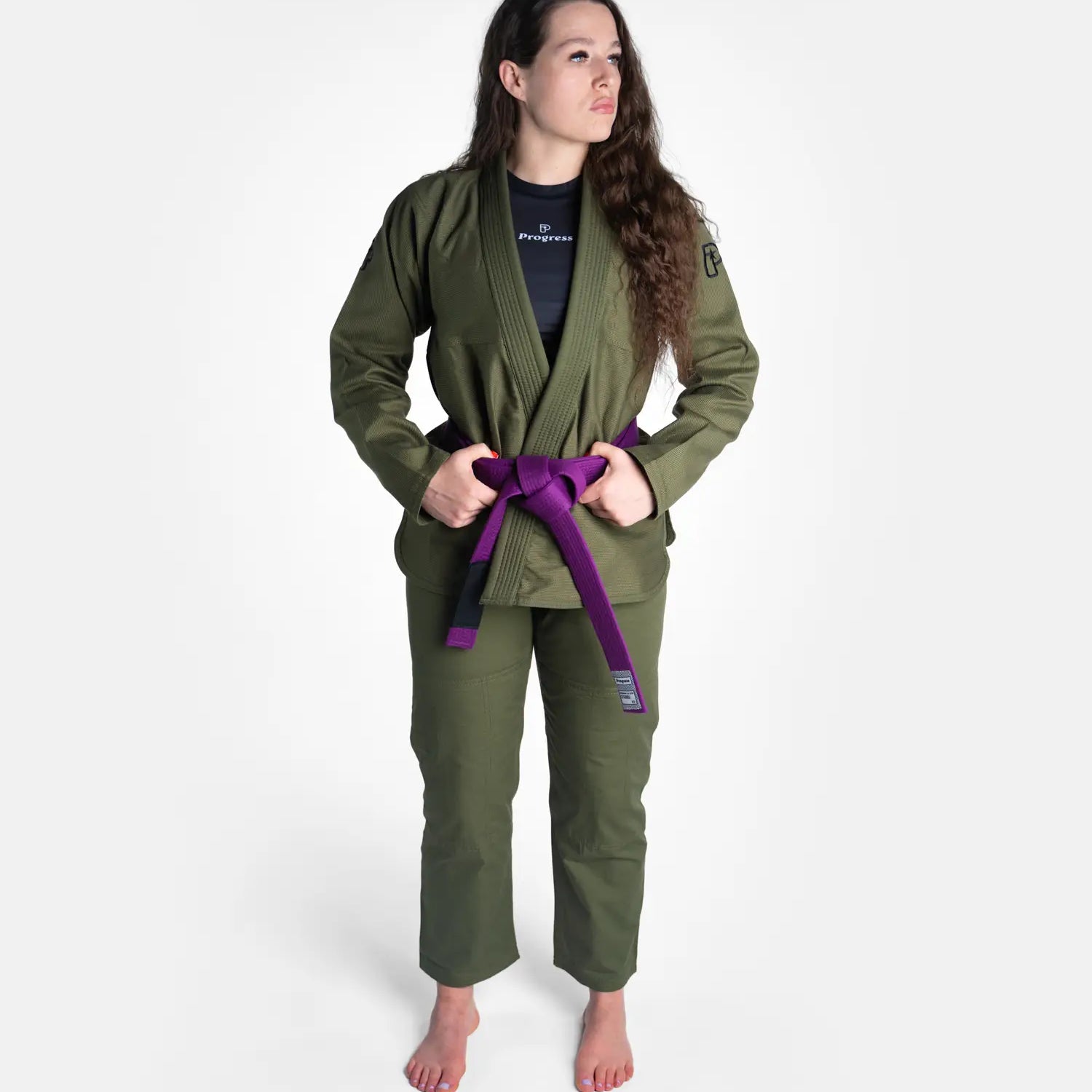
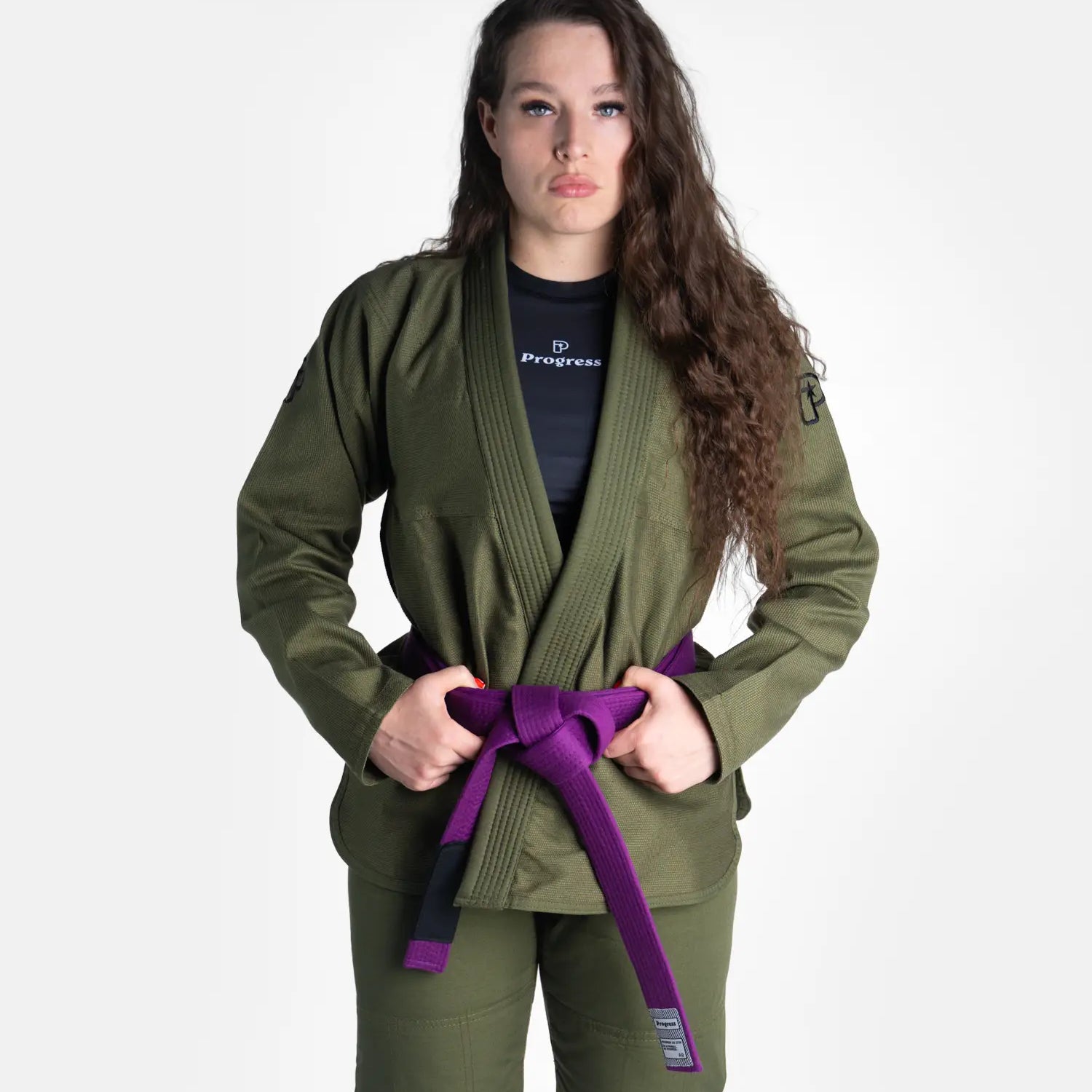
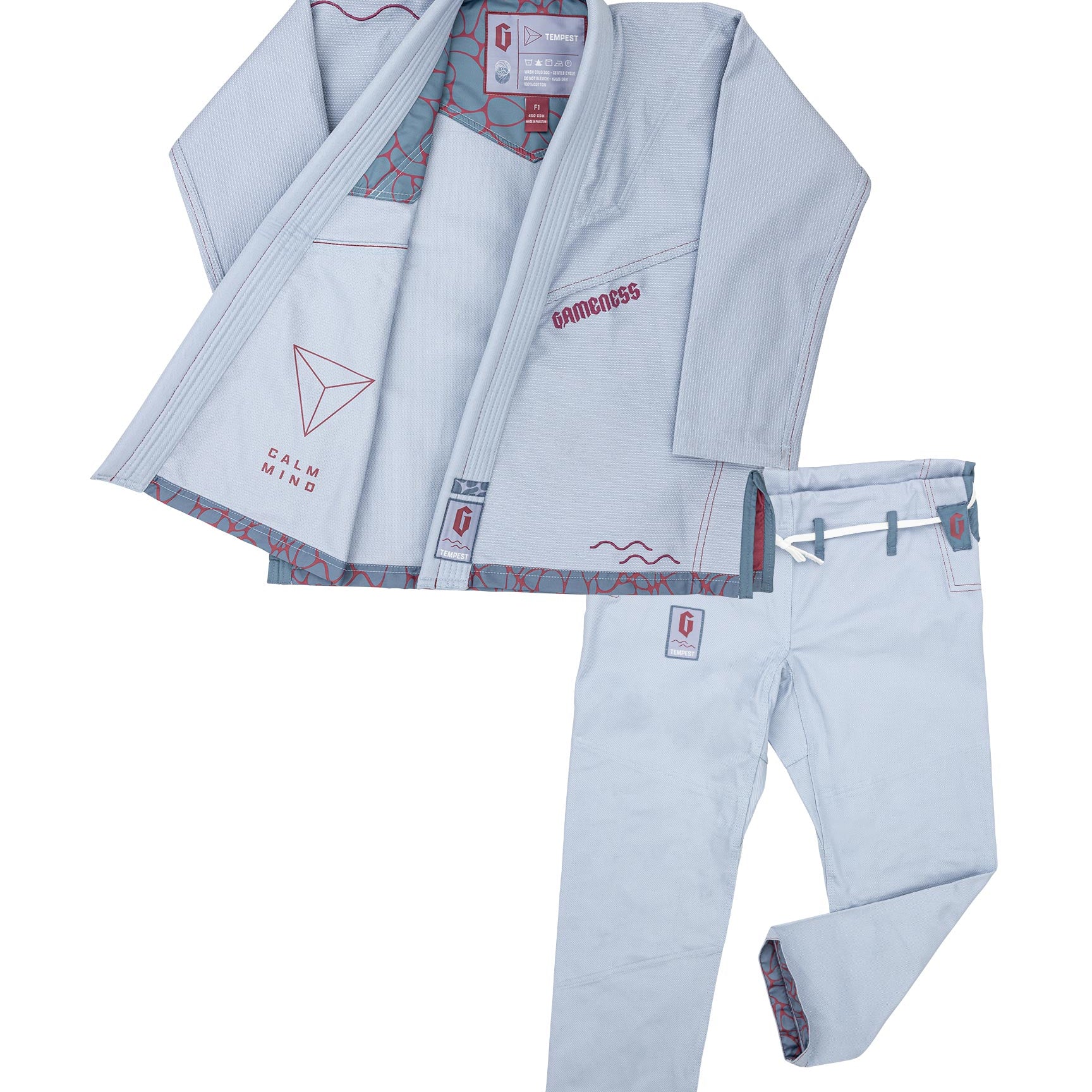
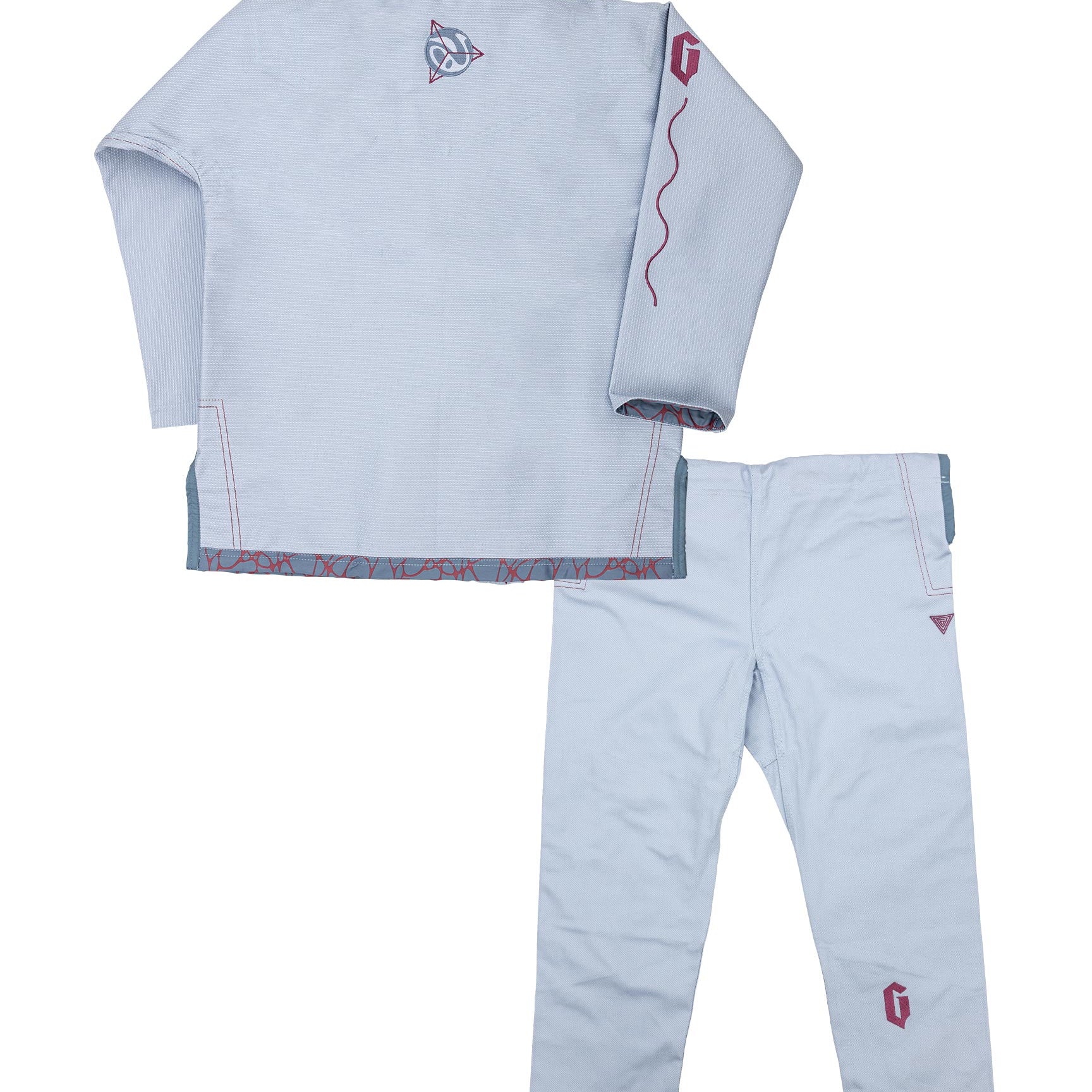
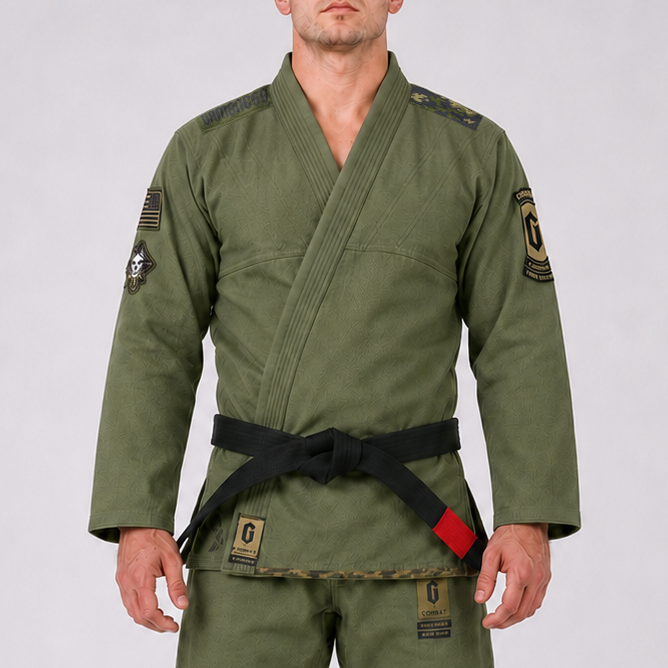
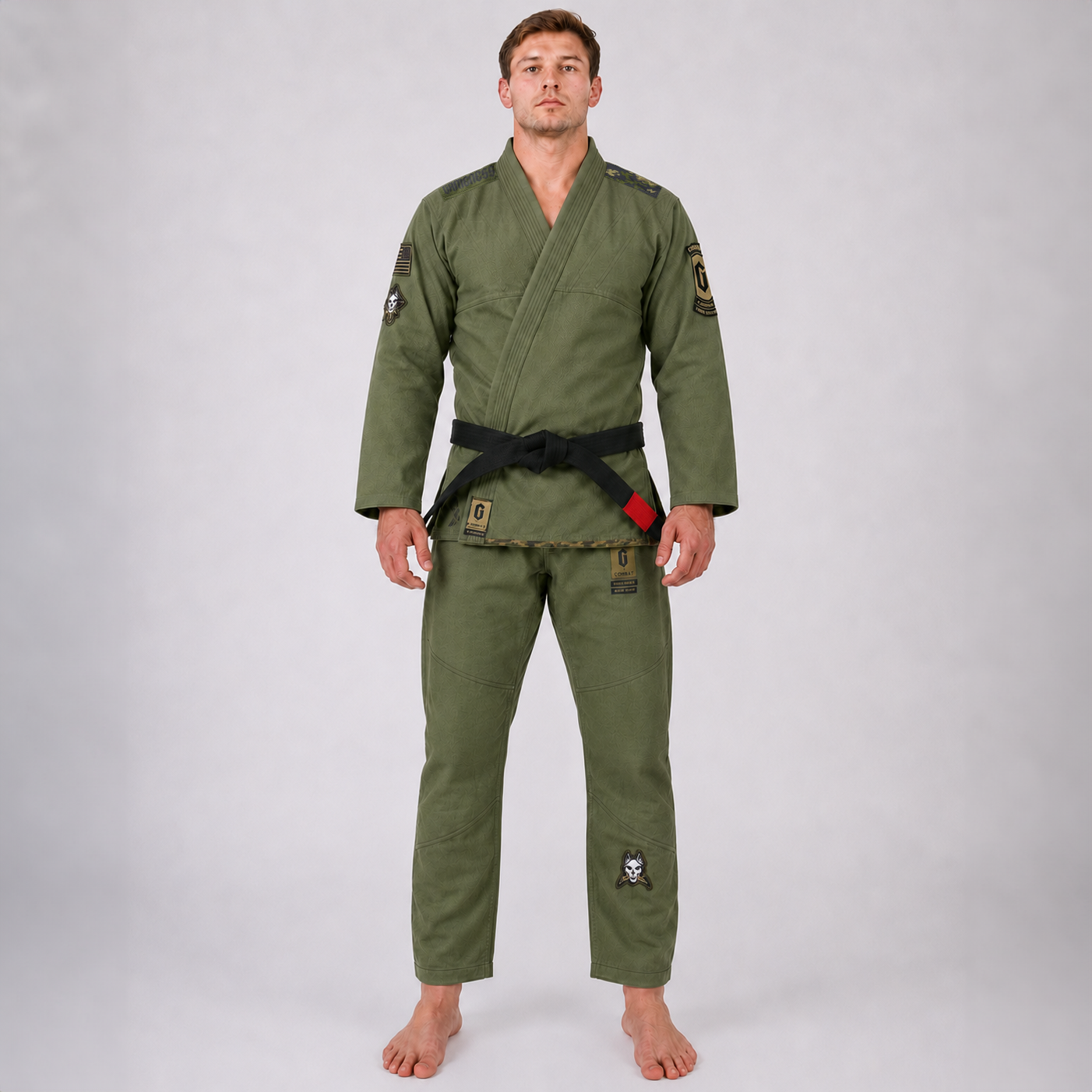
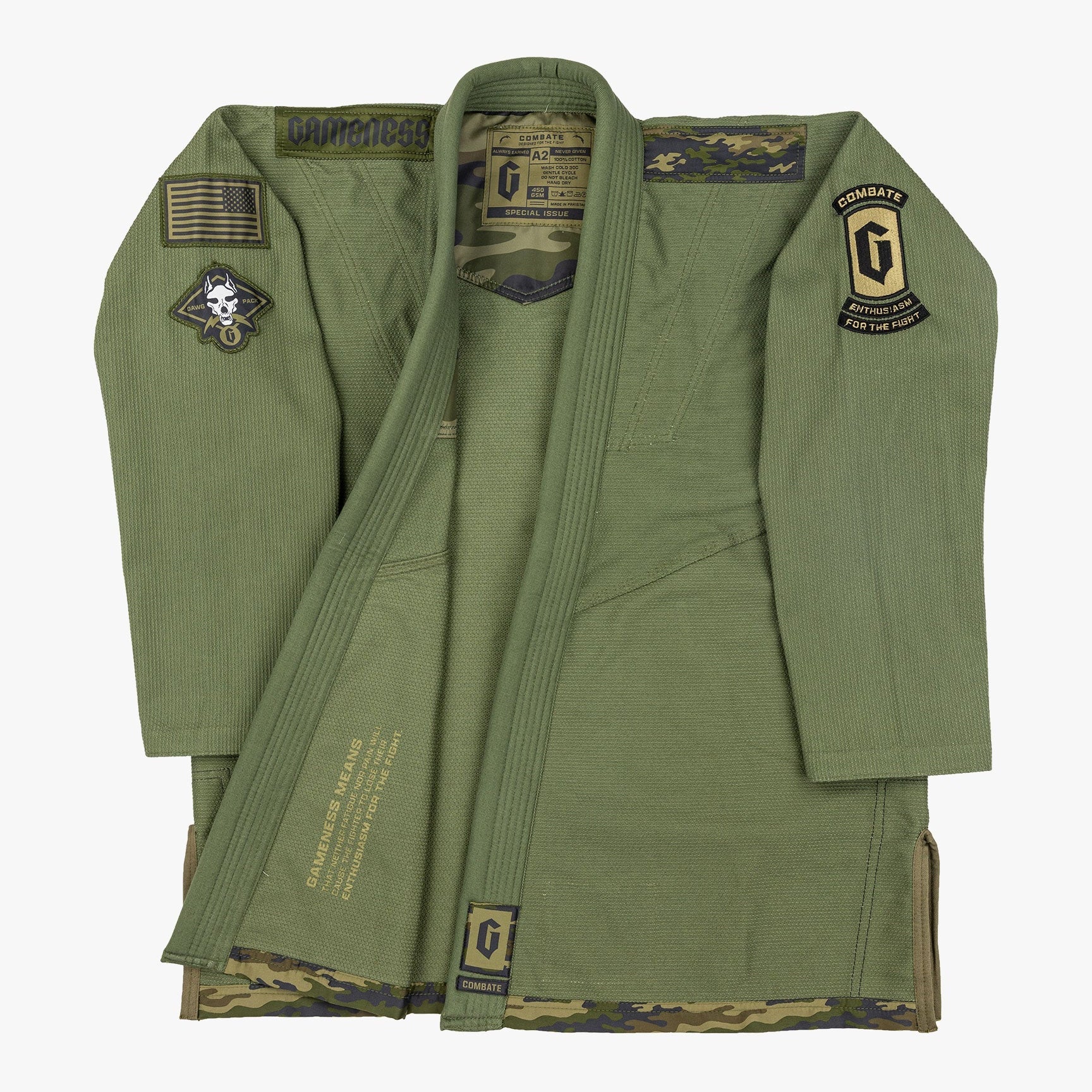
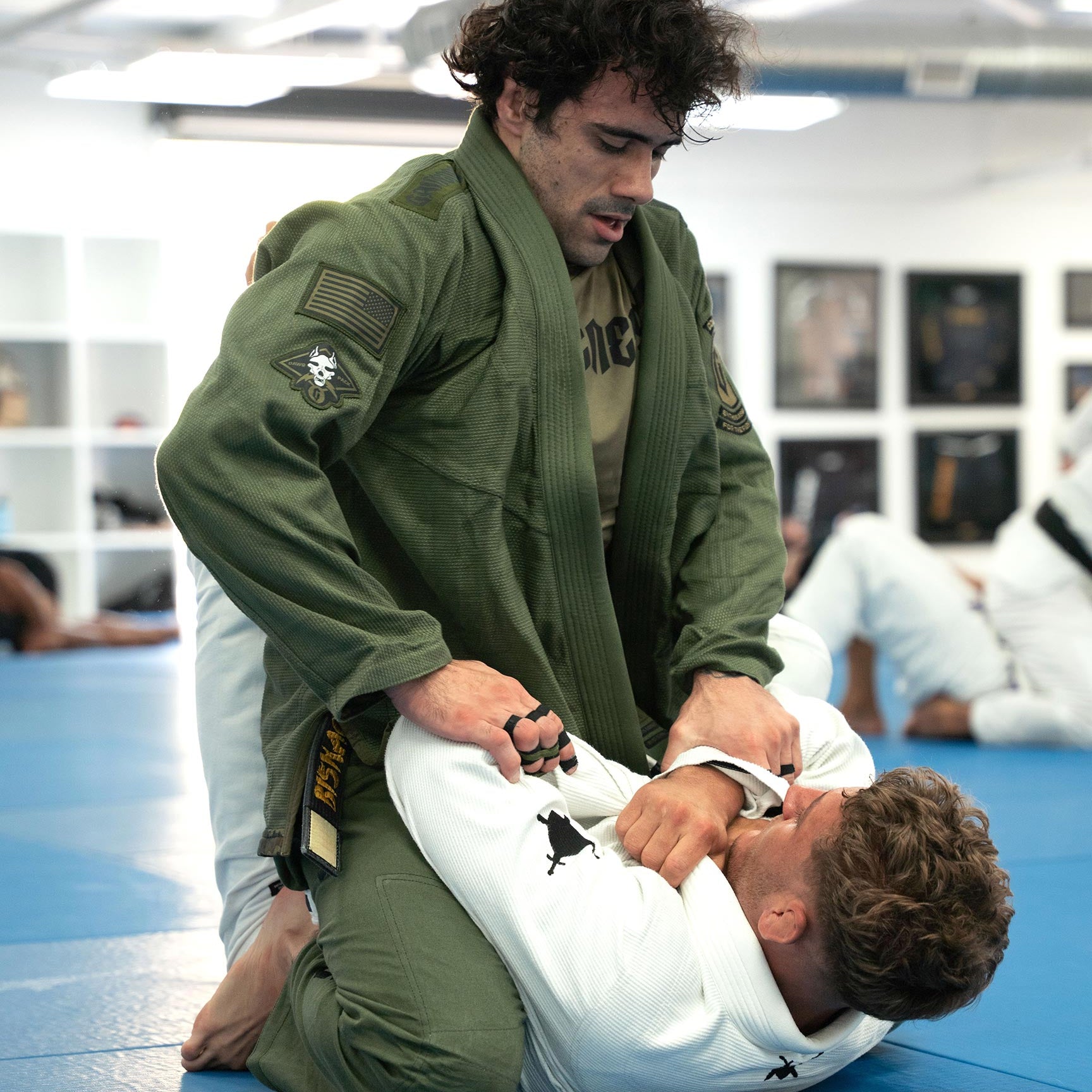
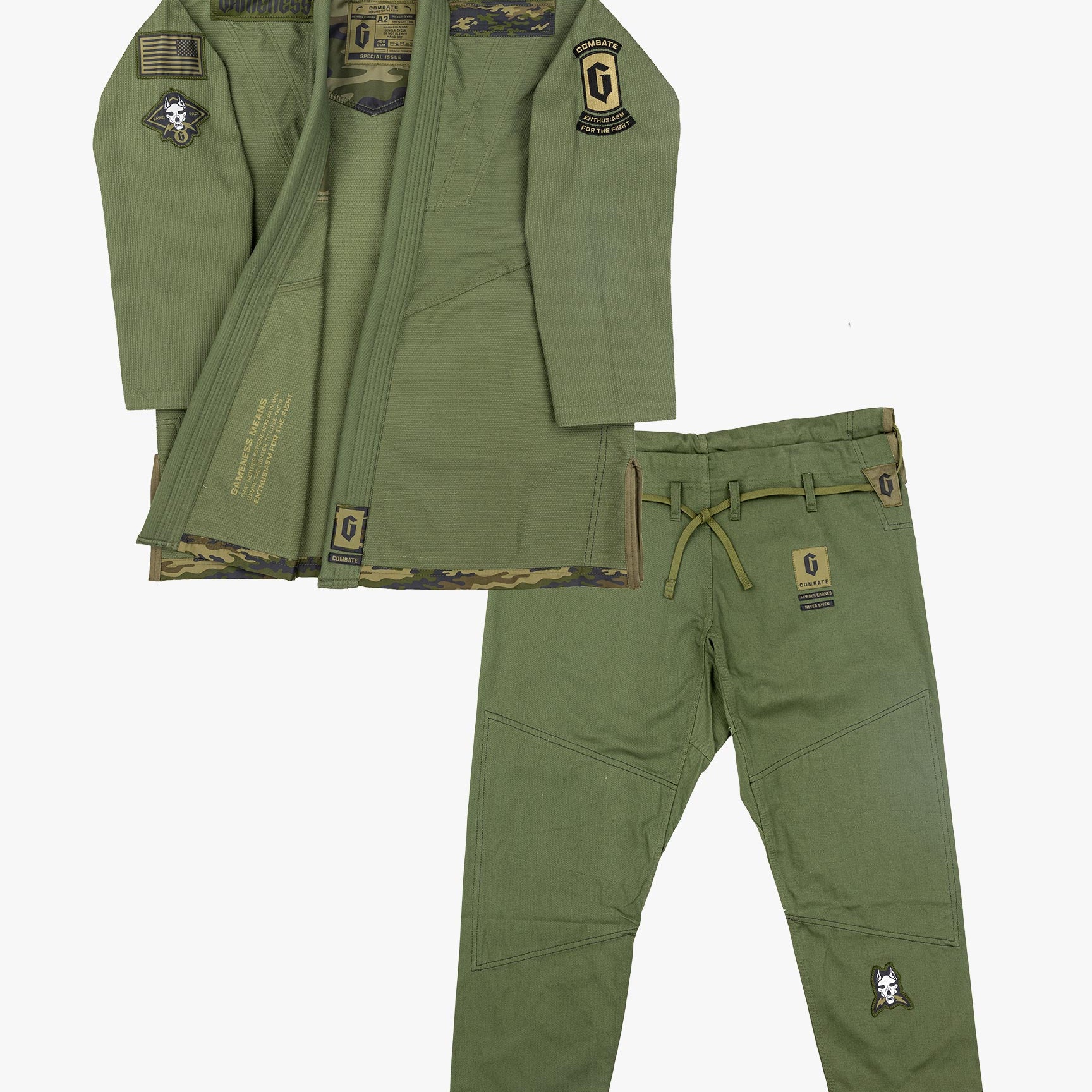
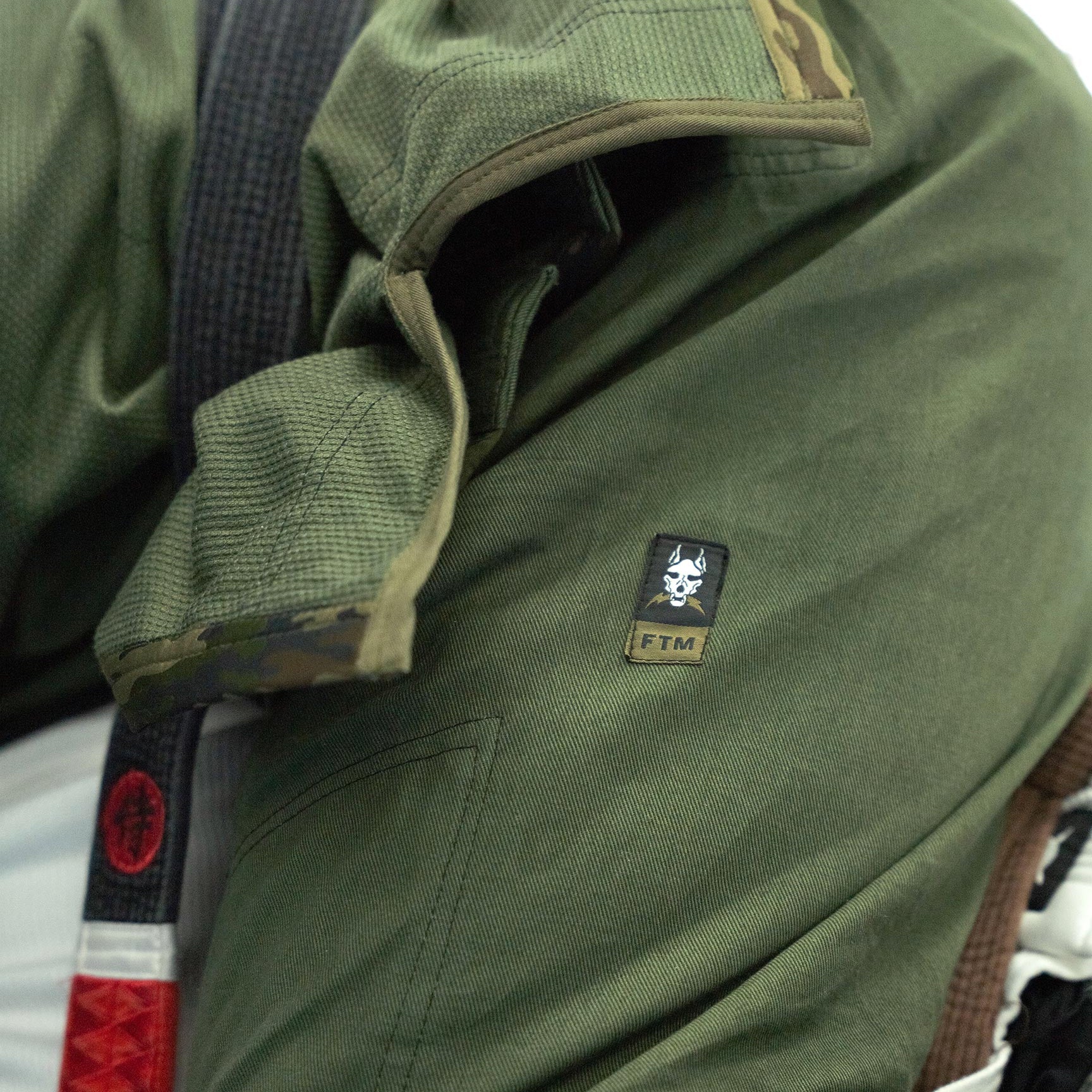
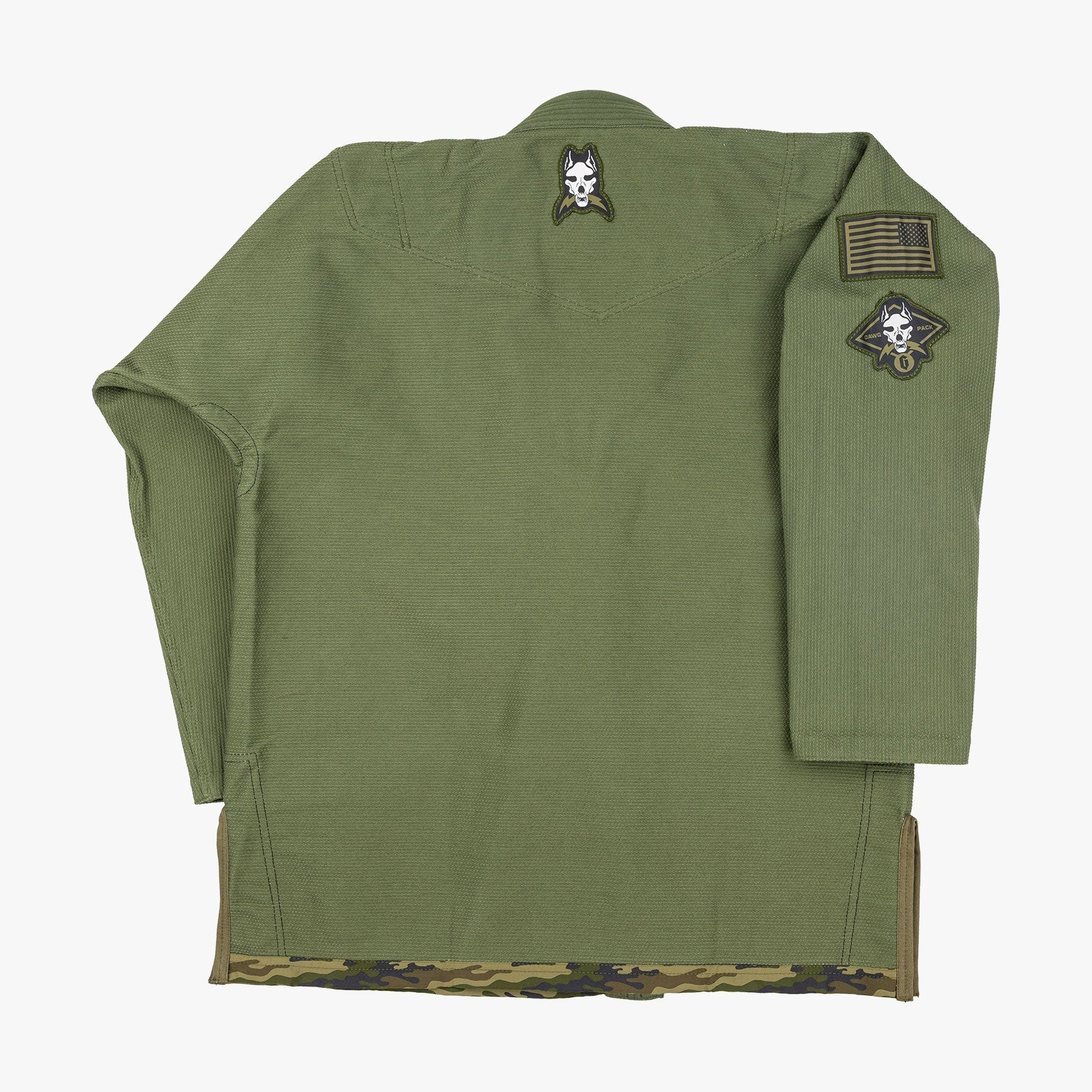
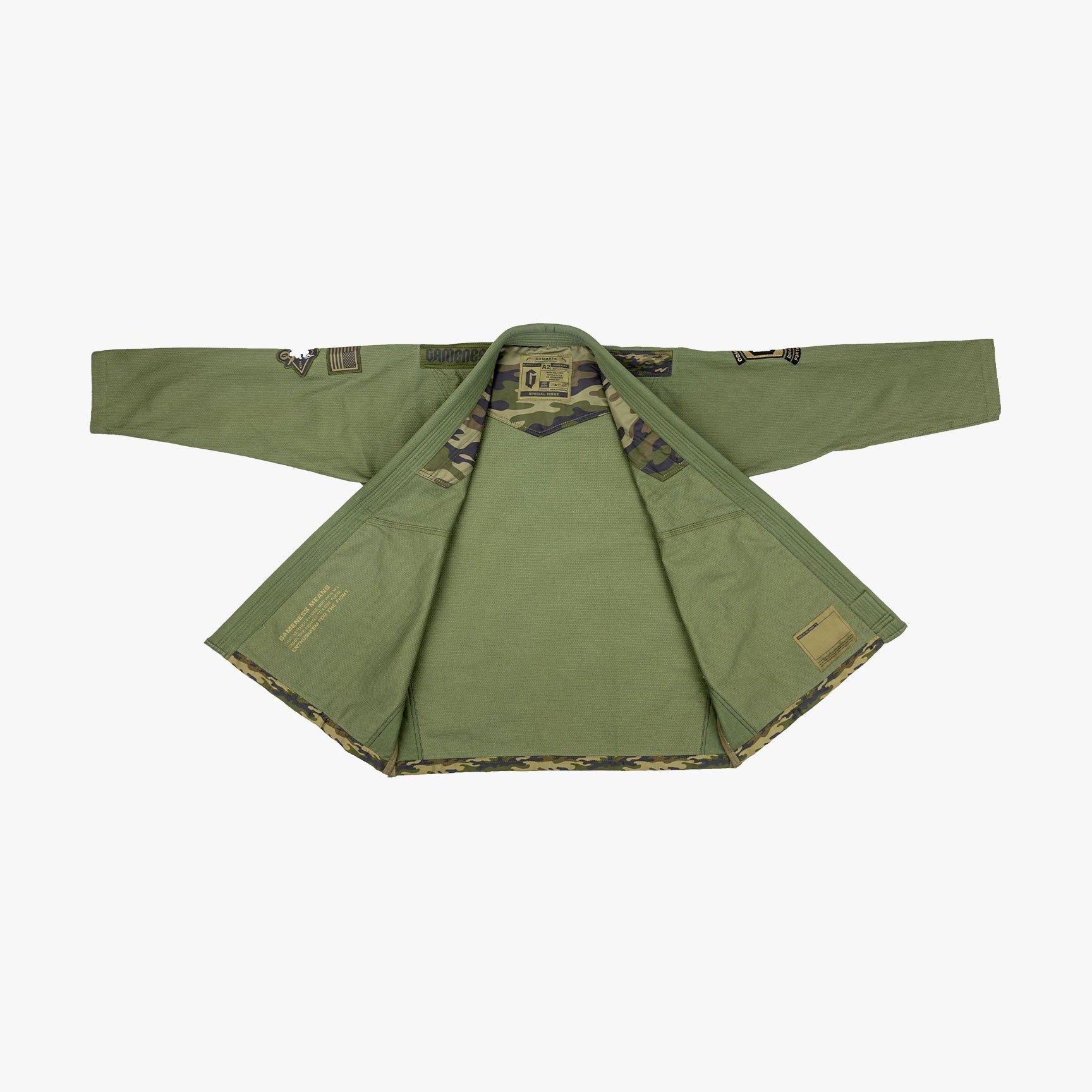
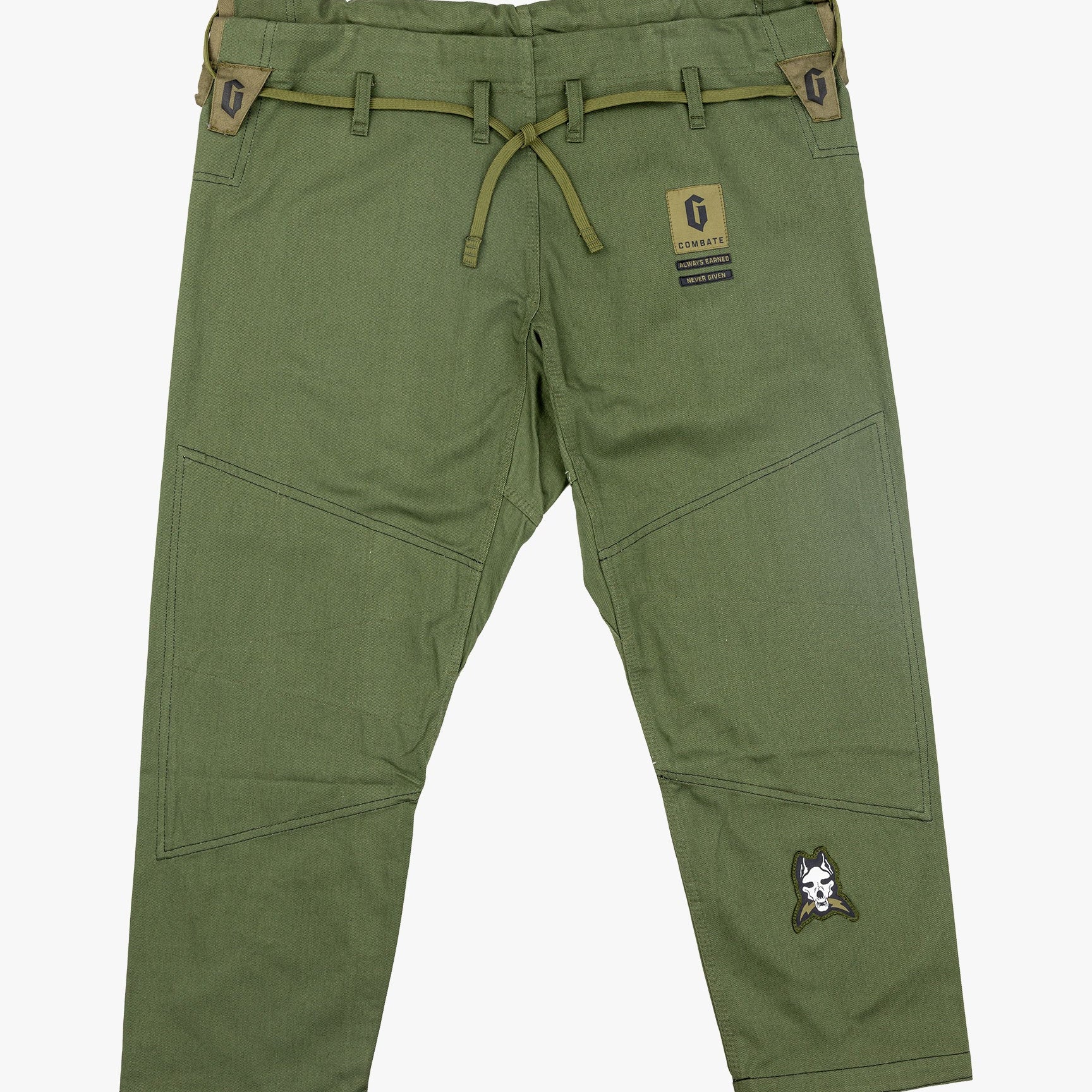
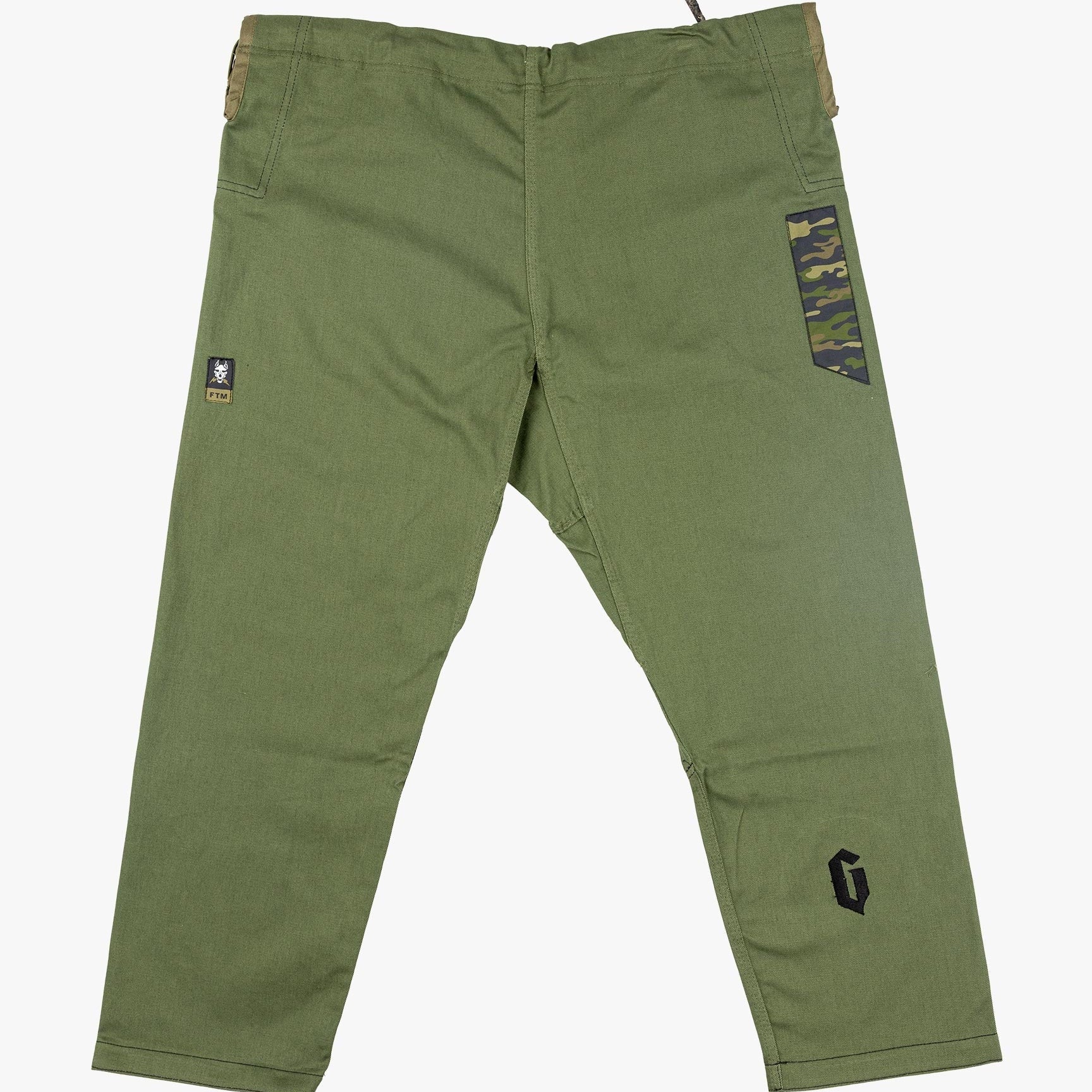
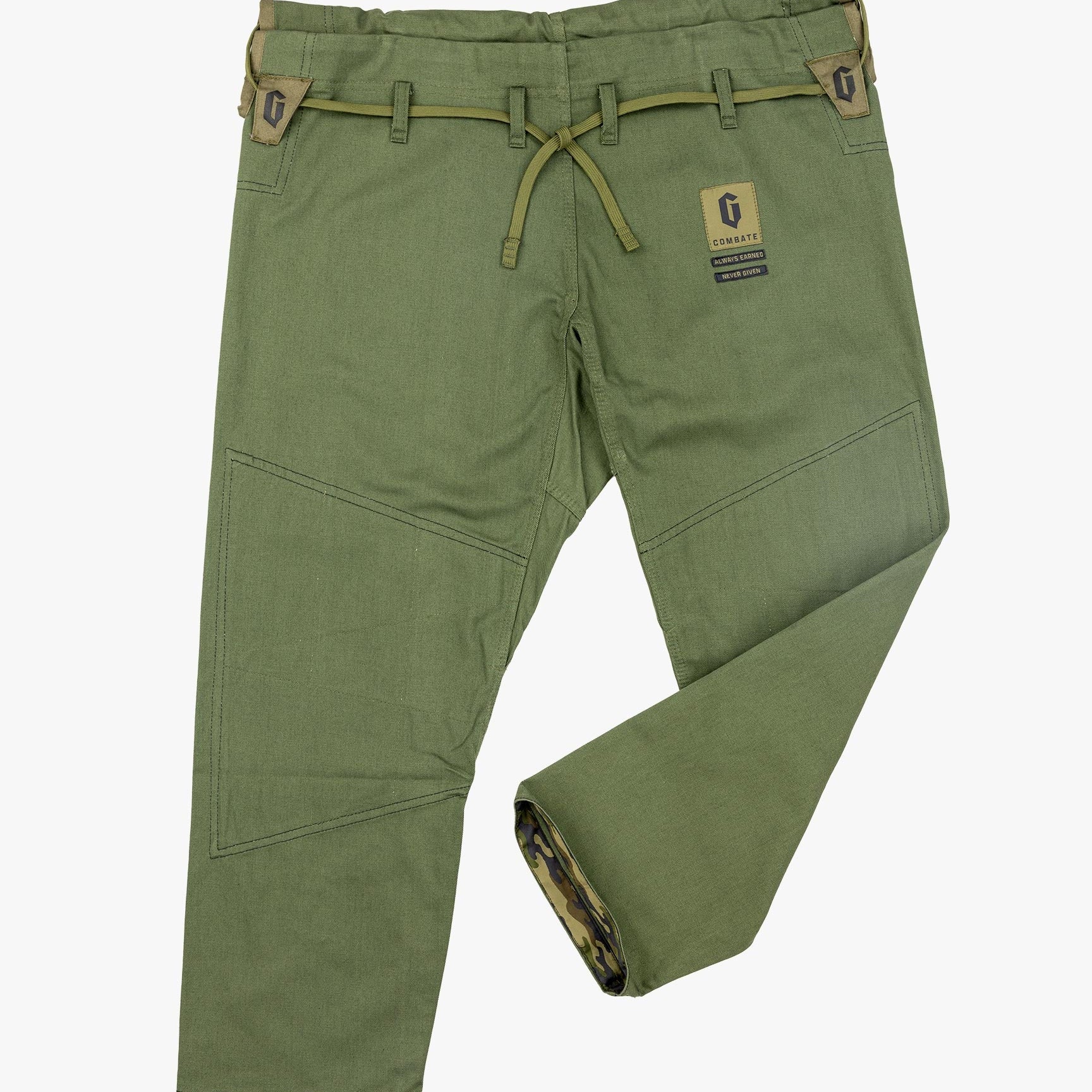
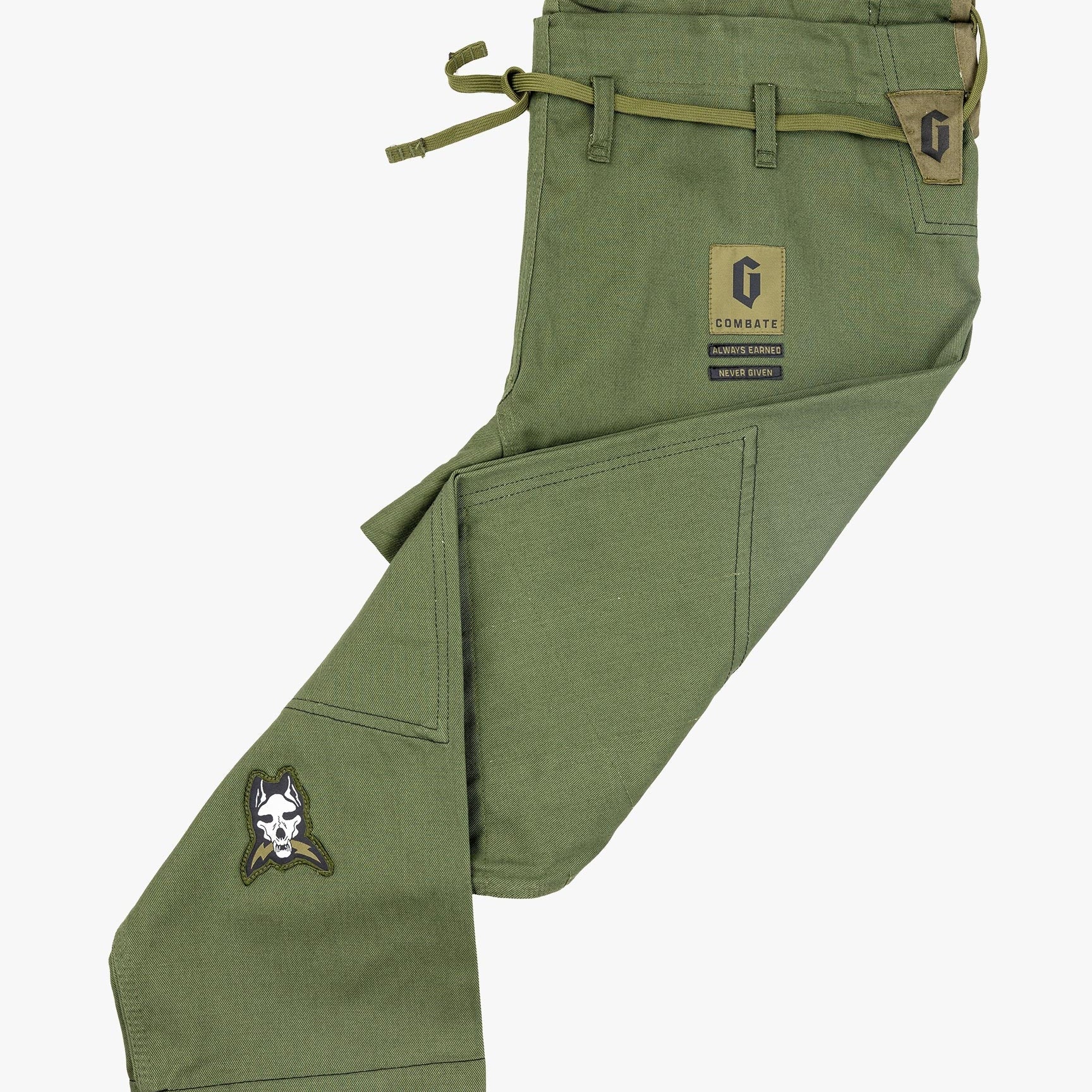
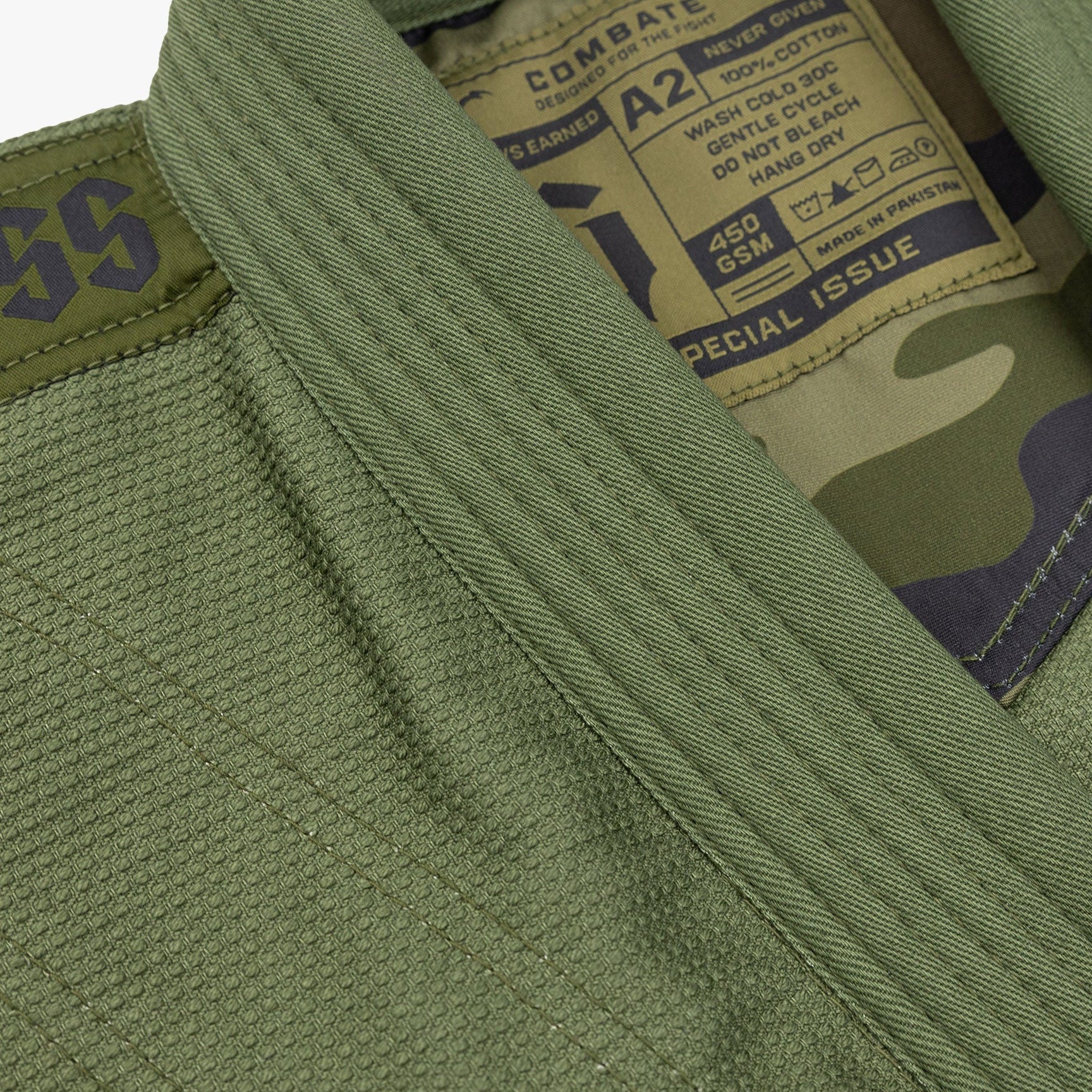
That is where people get tripped up. A green gi might be fine for Tuesday night drilling. A gray gi with custom stitching might be fine at your local no-frills in-house event. But if you register for an IBJJF event, those same choices can become a problem at gear check.
IBJJF gi color rules and where they matter
If you compete even occasionally, it helps to think about IBJJF gi color rules as the safest baseline. They matter most at IBJJF tournaments, but they also influence what many students buy because nobody wants to own an expensive gi they cannot compete in.
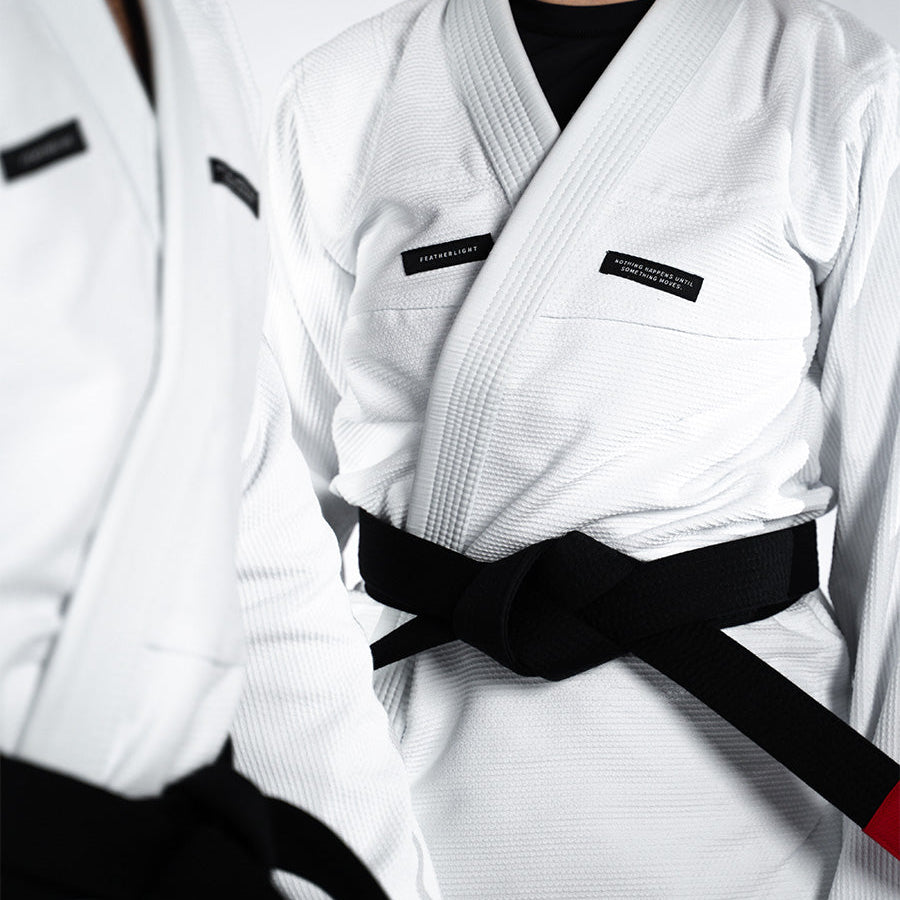
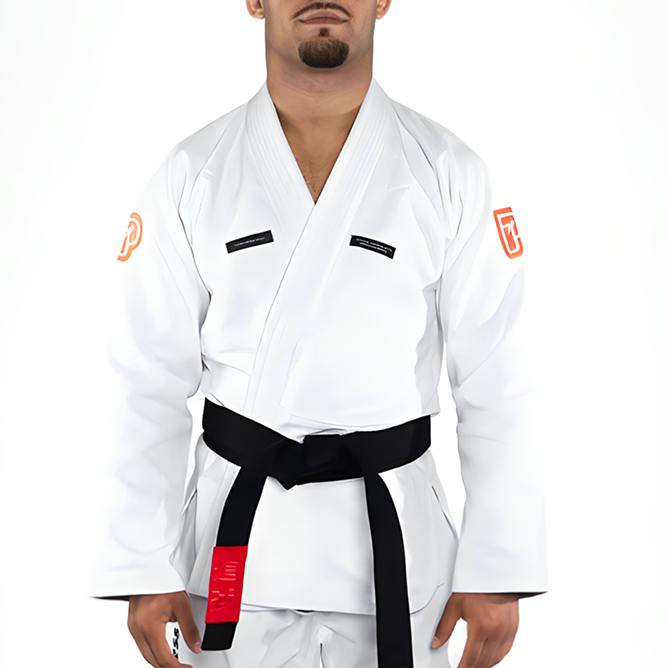
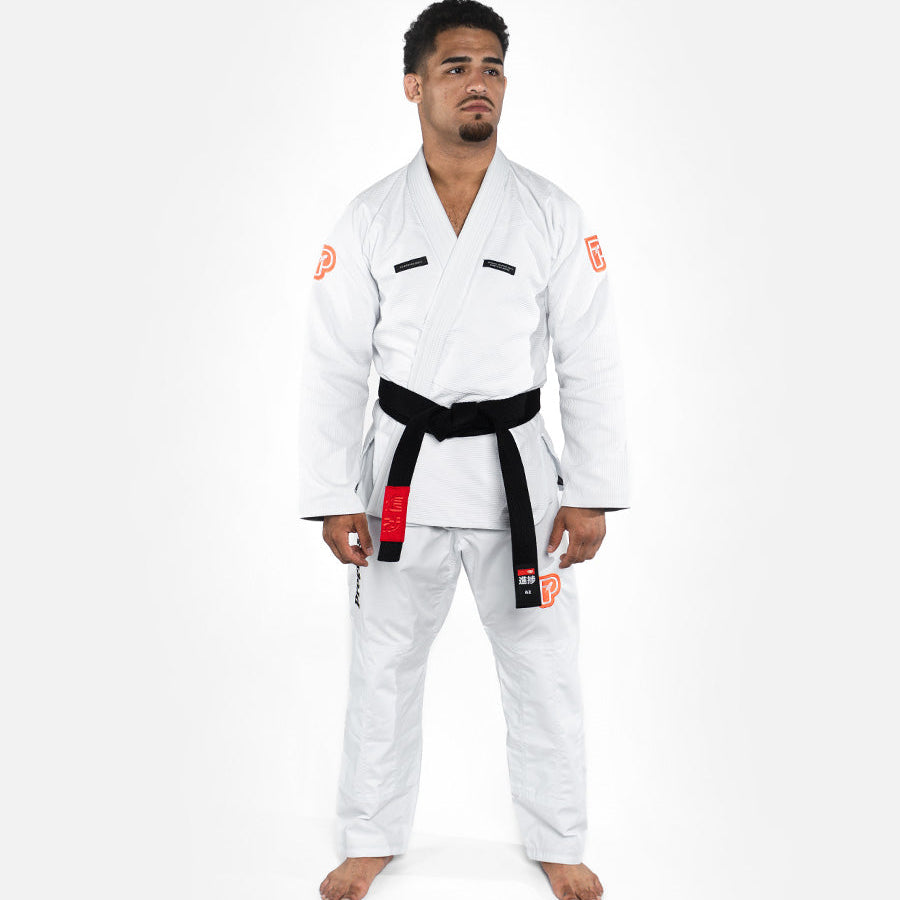
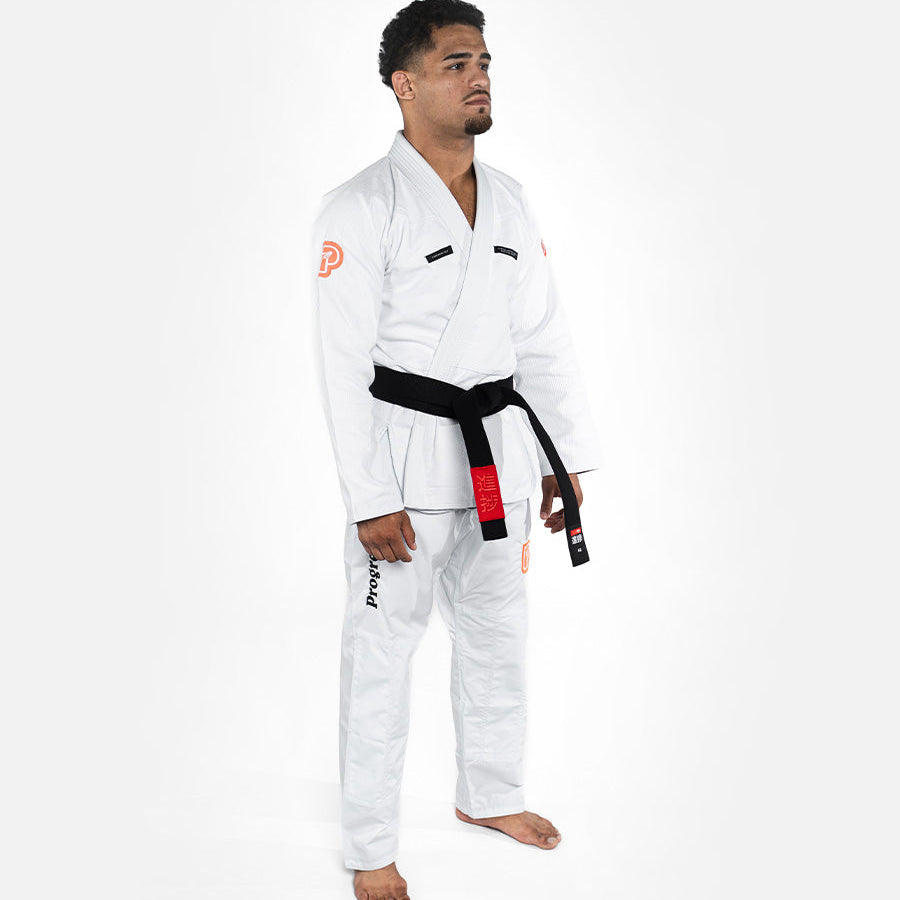
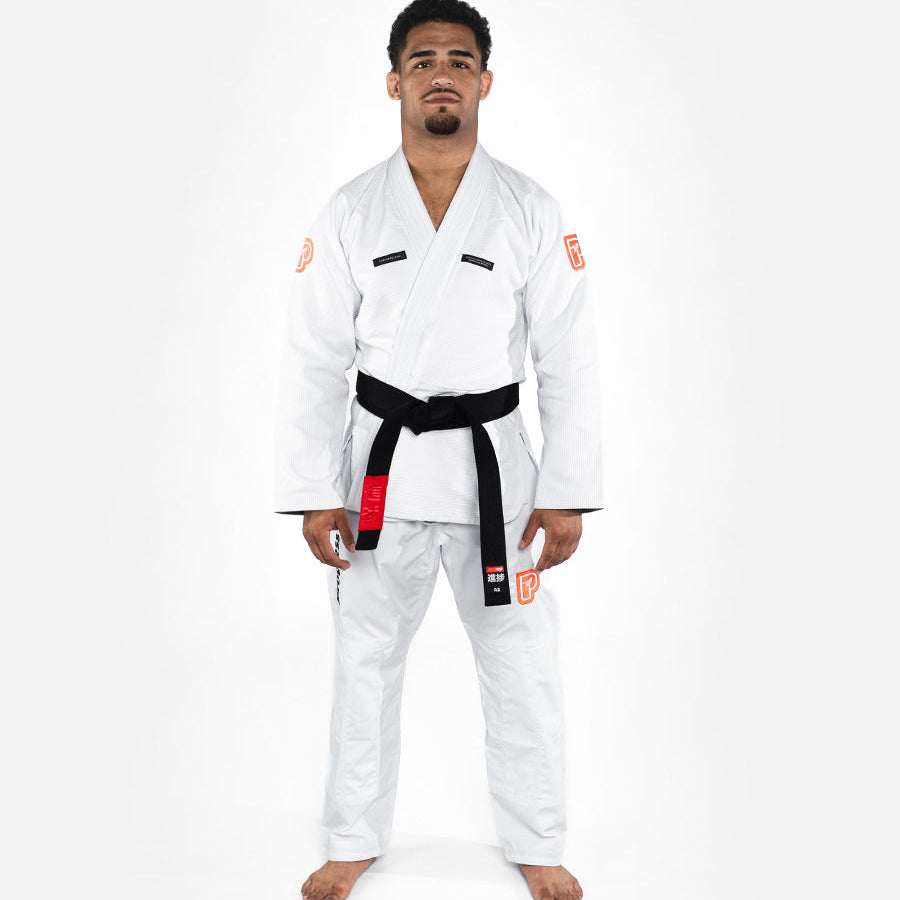
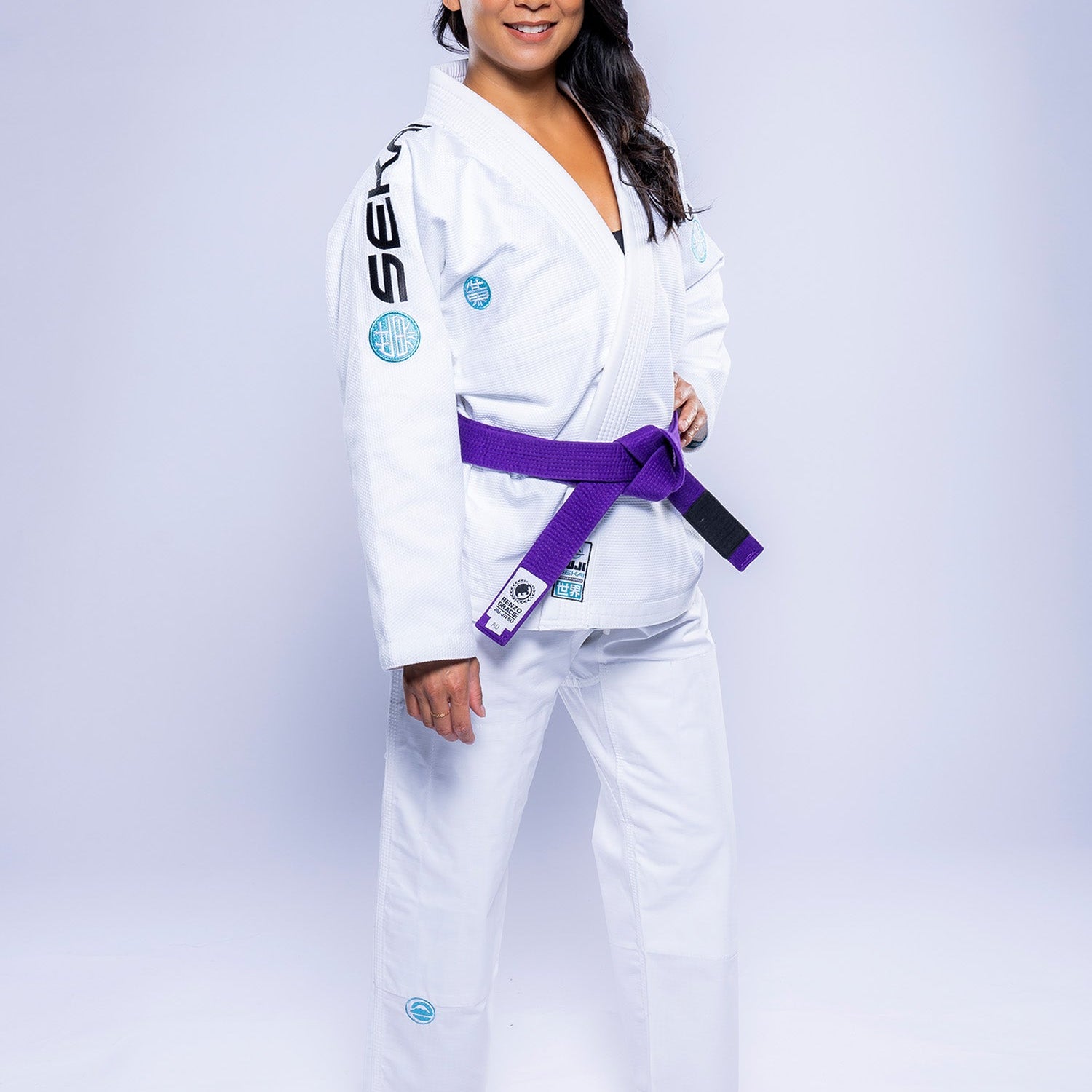
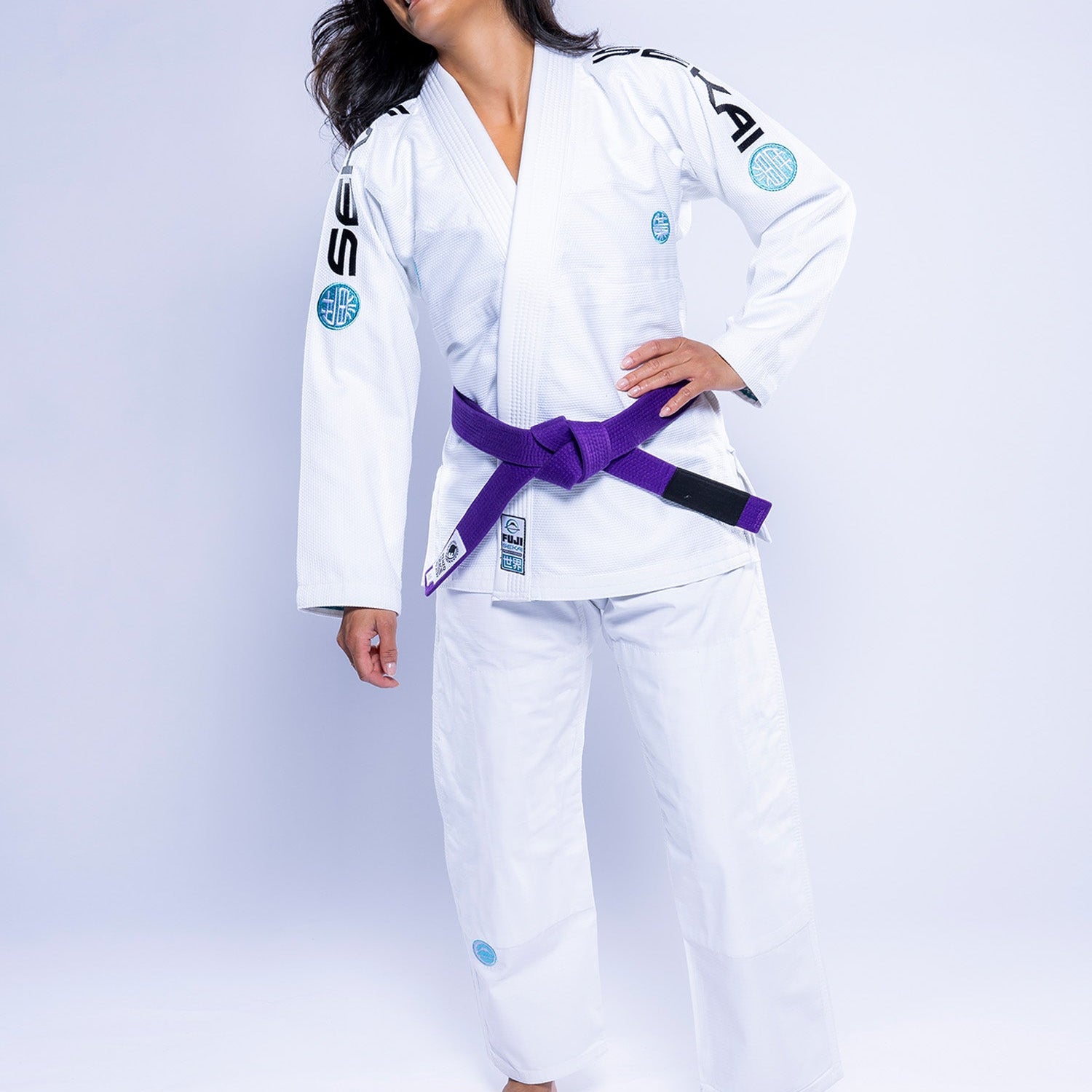
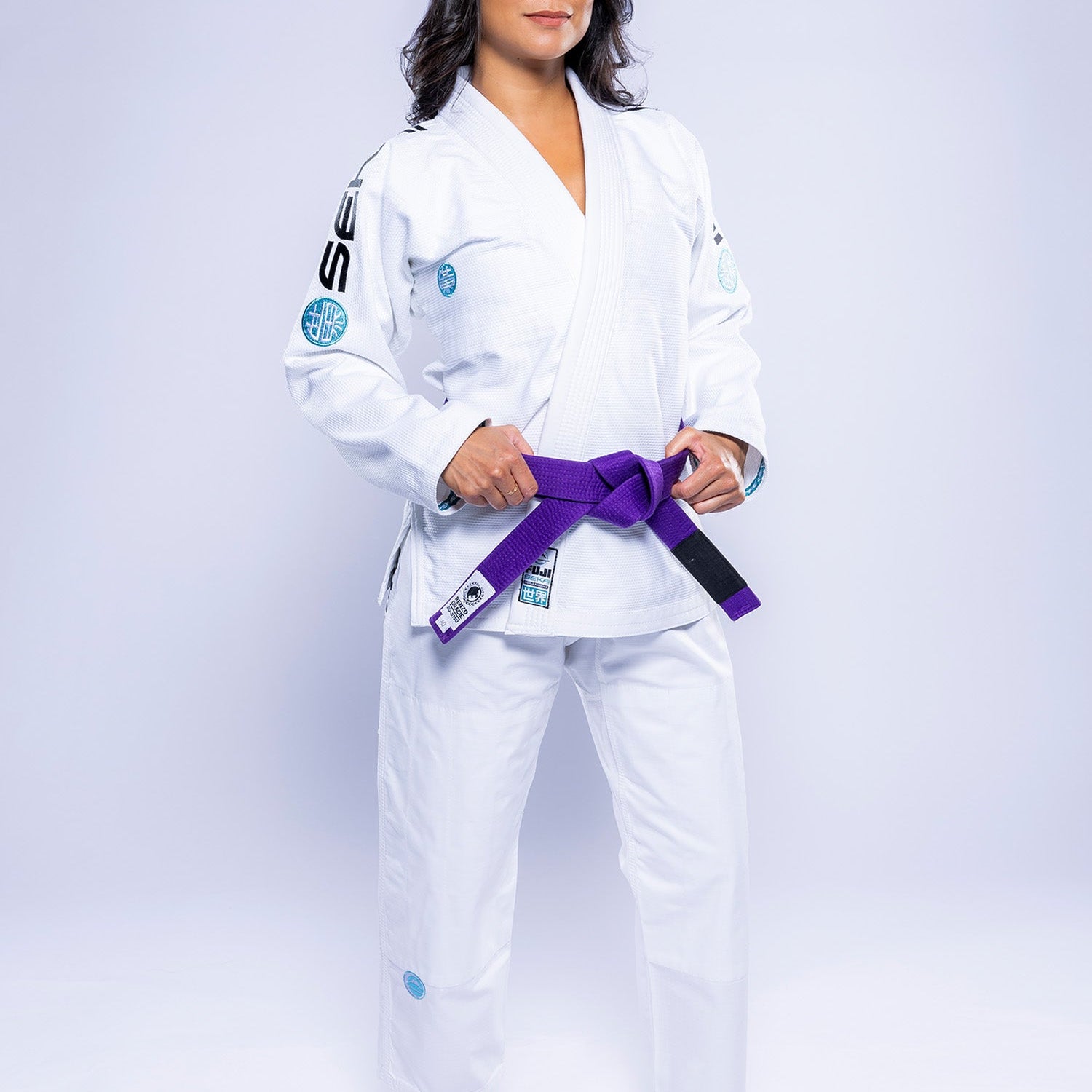
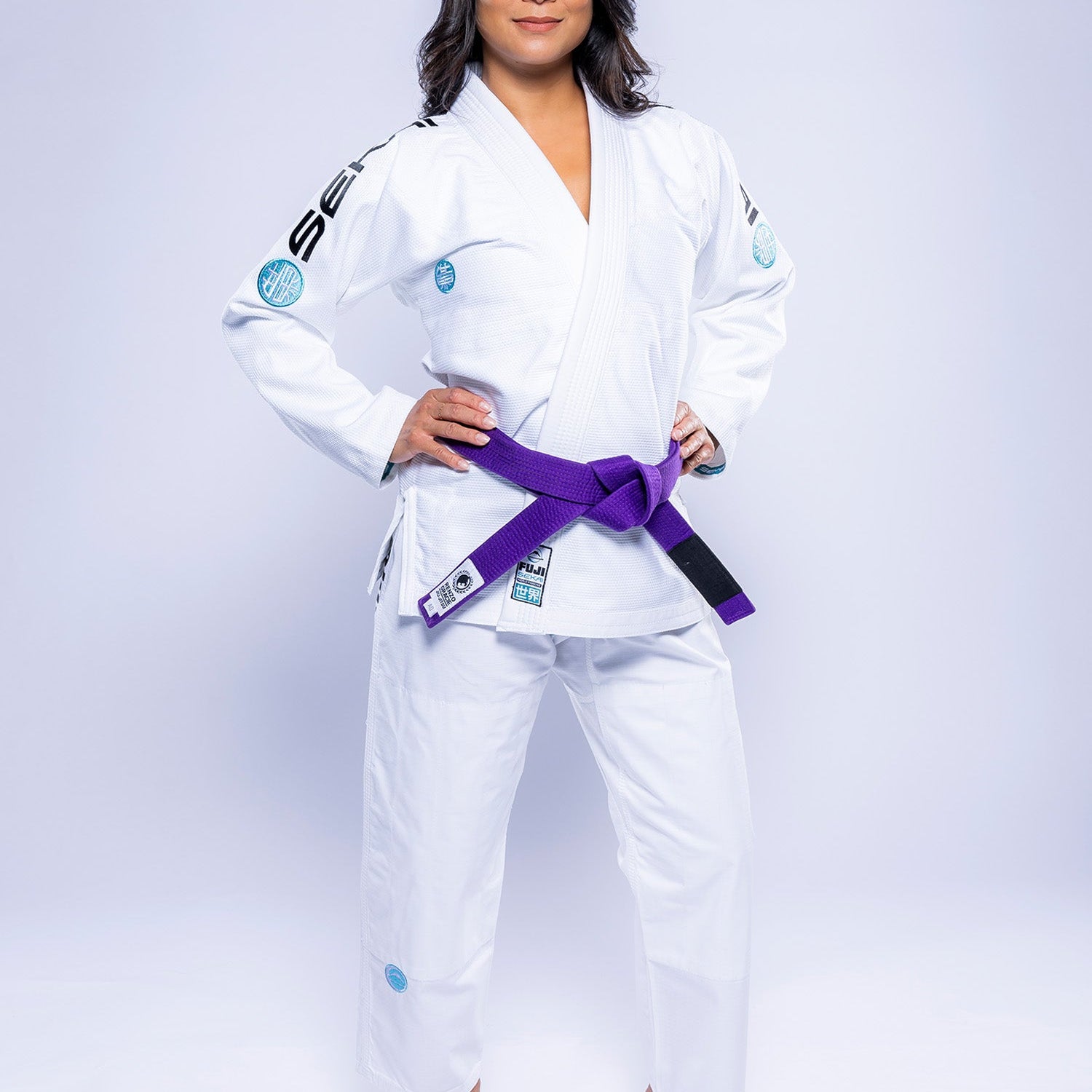
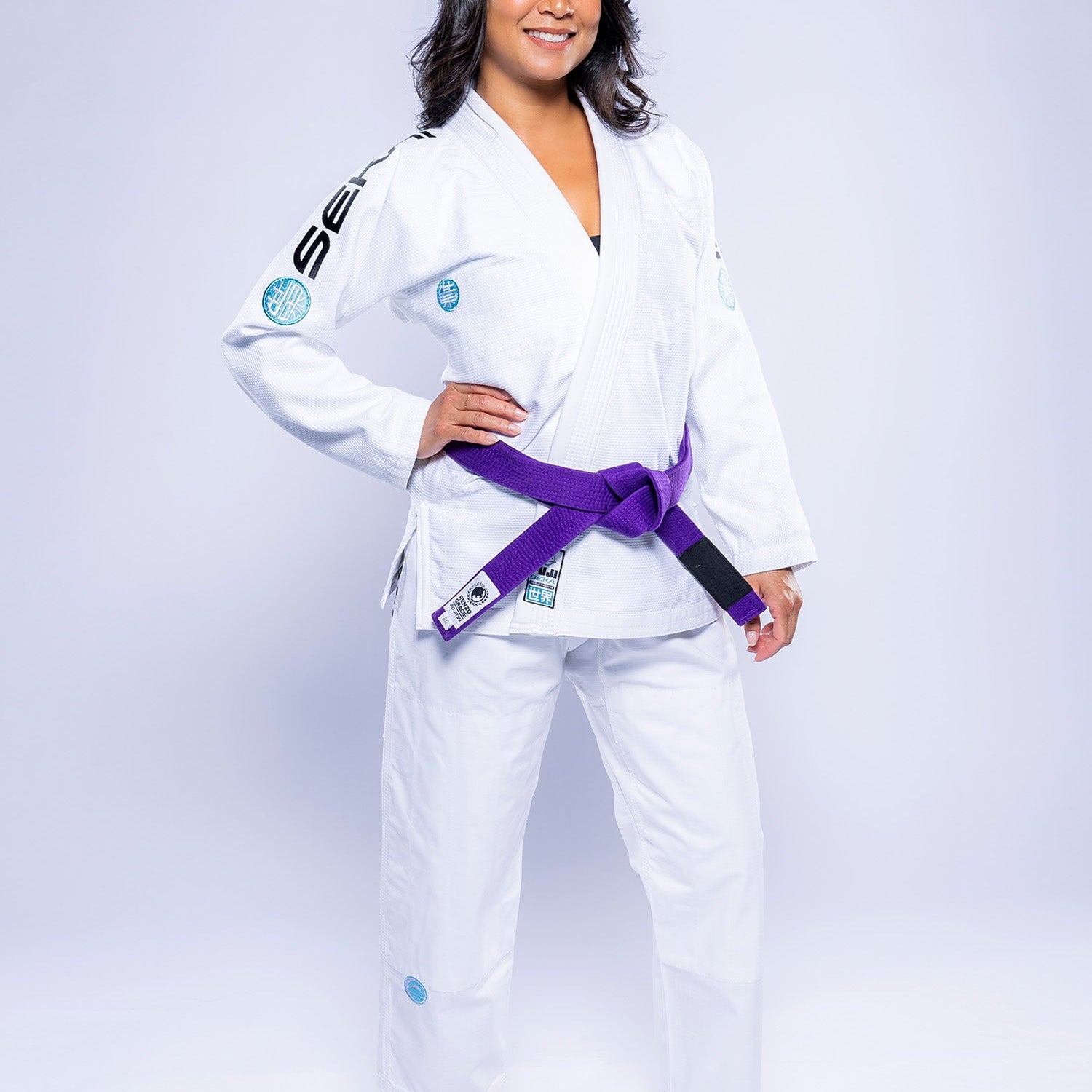
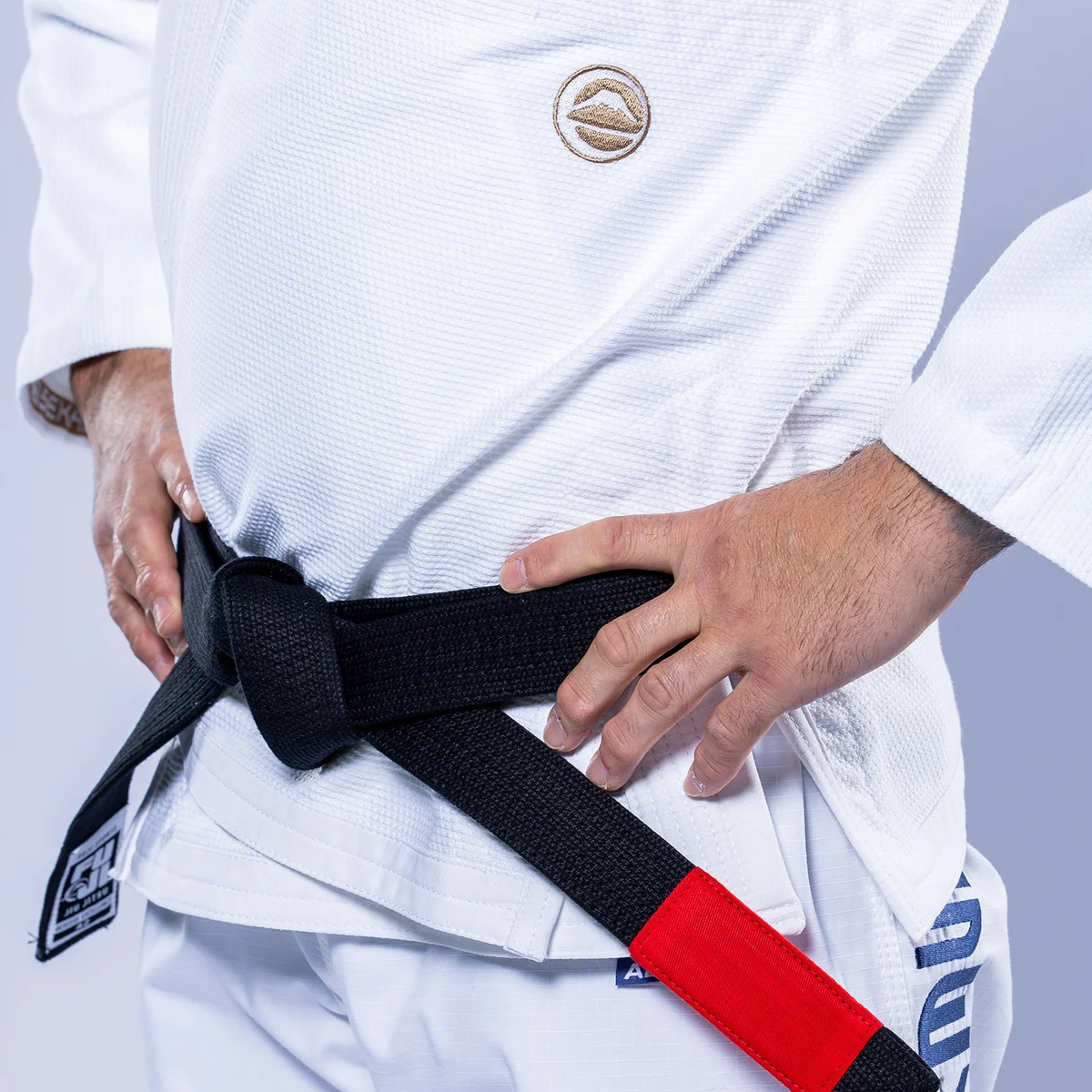
The practical standard is straightforward. White, blue, and black are approved. The jacket and pants need to match in color. The belt rank still follows the usual system, of course, but belt color has nothing to do with gi color approval. A white belt can wear a black gi. A black belt can wear a white gi. Those are separate things.
Fit and condition also matter as much as color. A legal white gi that shrank too much in the dryer can fail inspection. So can blue pants paired with a black jacket, even if both pieces are individually approved colors. If you have trained long enough, you have probably seen someone scrambling in the bullpen because their sleeves were too short or because they mixed gi pieces from two sets.
This comes up a lot with travel and last-minute tournament prep. A student may train all year in a navy-looking gi that seemed close enough to blue in the academy mirror, then find out at competition check-in that it does not pass as royal blue. Another common issue is old black gis that have faded into a charcoal tone. Usually the problem is not dramatic, but the closer you stay to standard colors, the less likely you are to deal with any debate on competition day.
Why some academies have stricter gi color policies
A strict school uniform policy is not always about tradition for tradition's sake. Sometimes it is about presentation, sometimes team identity, and sometimes it just makes things simpler for students and staff.
For example, beginner programs often work better when coaches can easily spot white belts by belt color and keep the class visually organized without a mix of bright gis, hooded warmups, and random patches everywhere. Kids classes are another place where uniform rules show up often because parents already have enough to track with belts, sizes, and laundry. A clear gi policy cuts down on confusion.
There is also a practical academy culture side to it. Some gyms want everyone in white gis for promotions, team photos, seminars, or competition classes. Others allow black and blue for normal training but ask students to wear white for belt ceremonies. None of that is unusual. It is just part of how a school chooses to run itself.
If you are switching gyms, ask before you buy. That matters more than internet advice. A black gi may be perfectly acceptable at one academy and completely off-limits at another. The same goes for patches, ranked rash guards worn under the gi, or branded team gear.
Choosing the right gi color for how you actually train
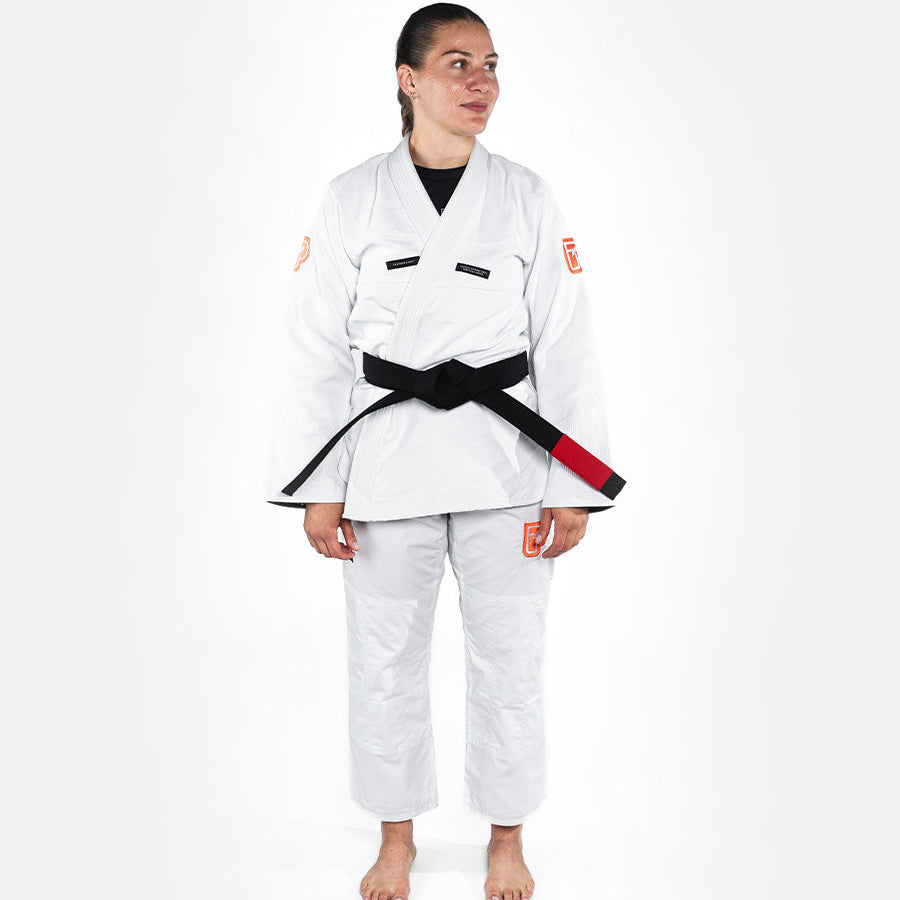
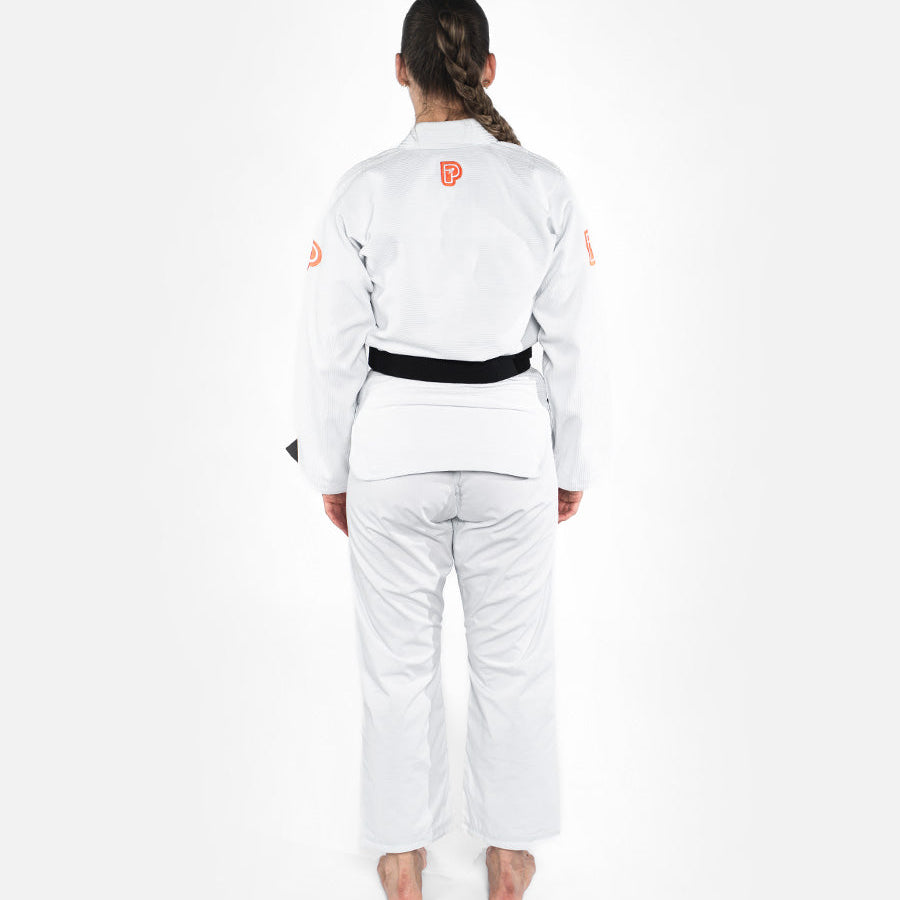
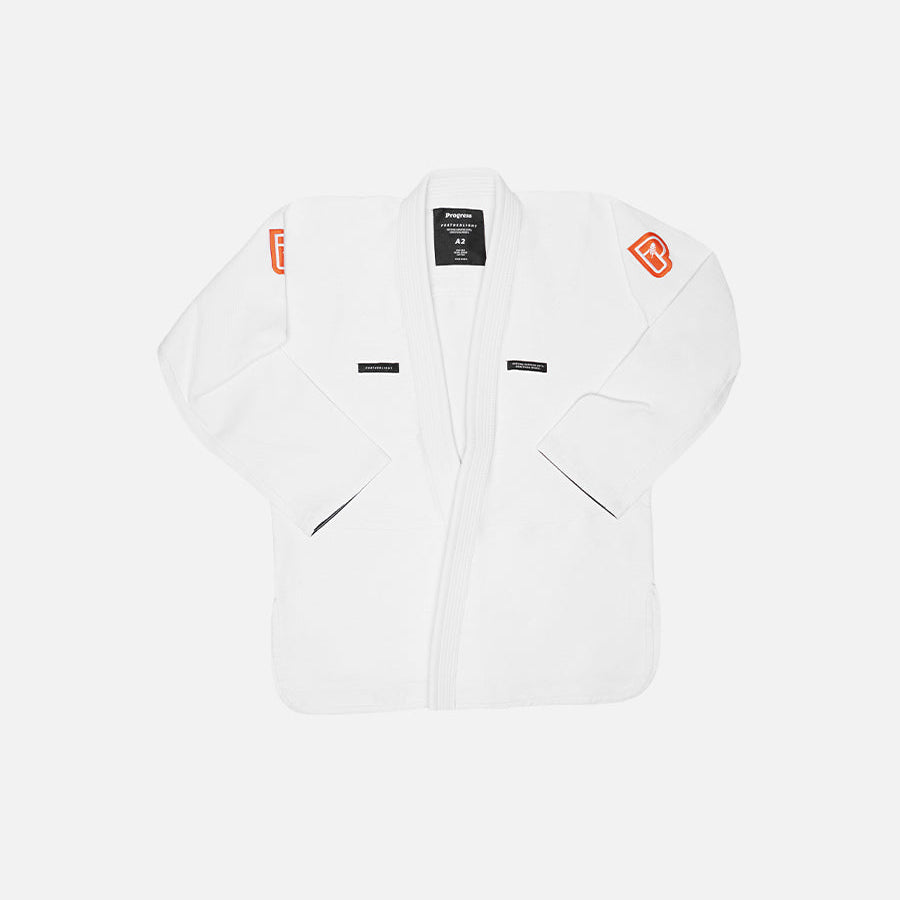
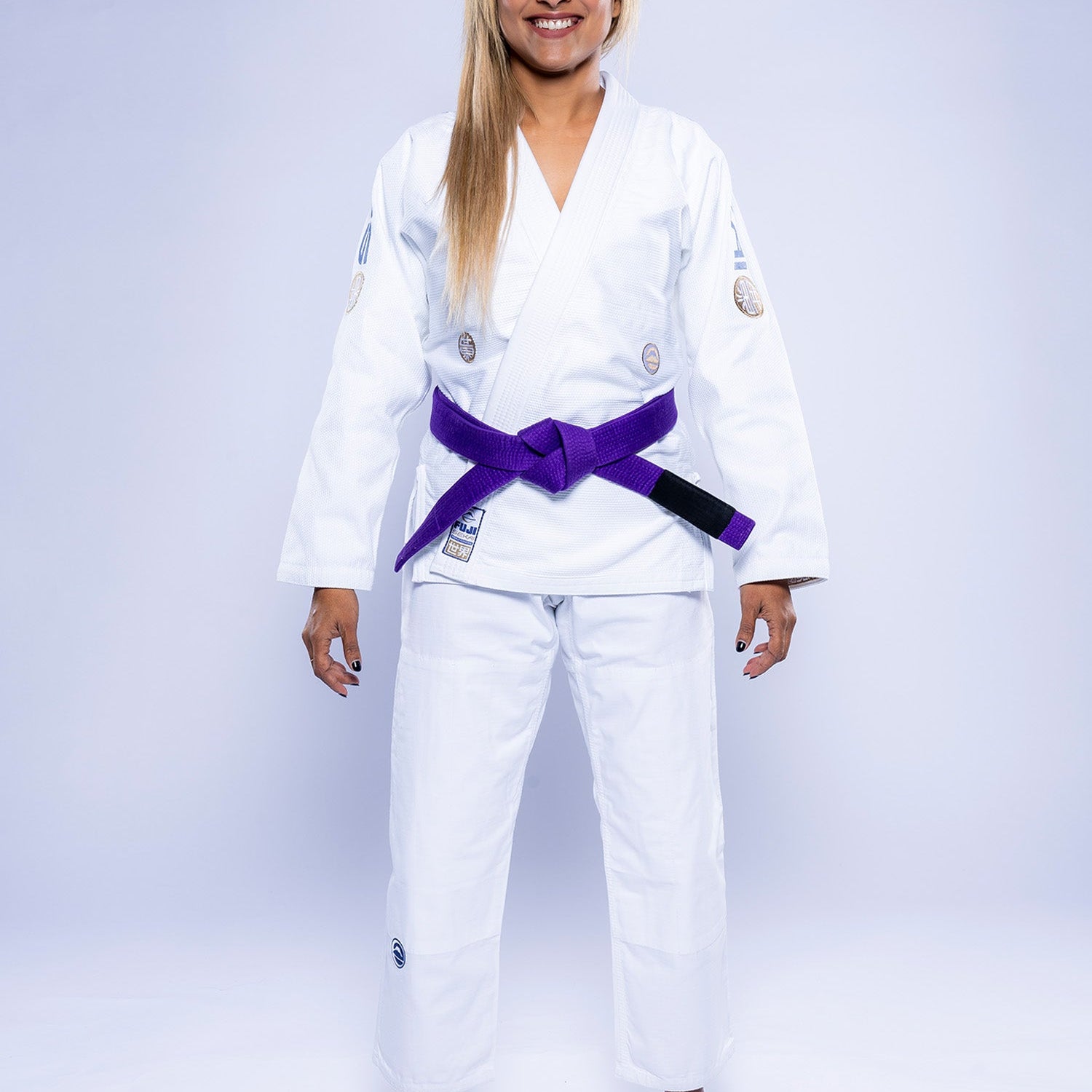
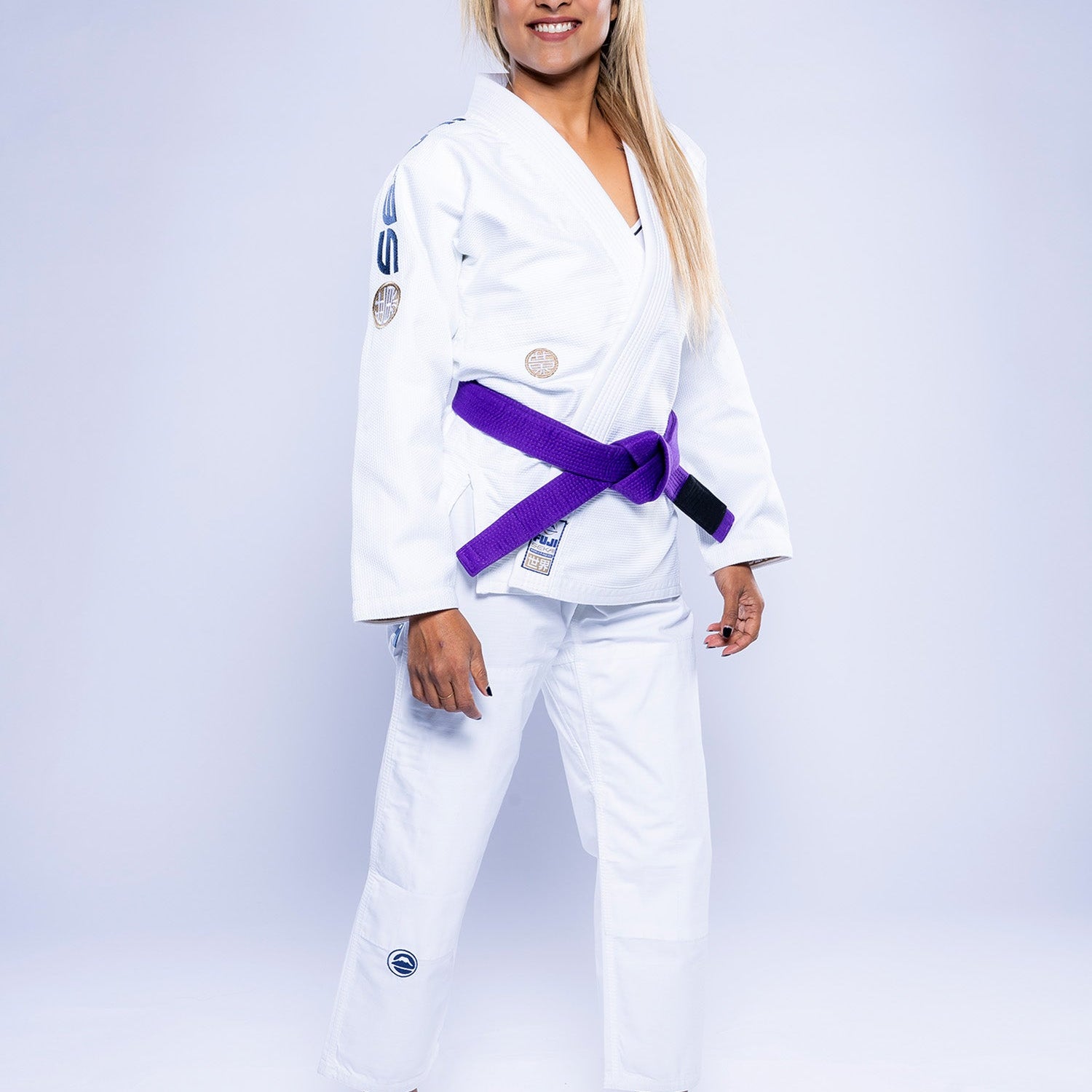
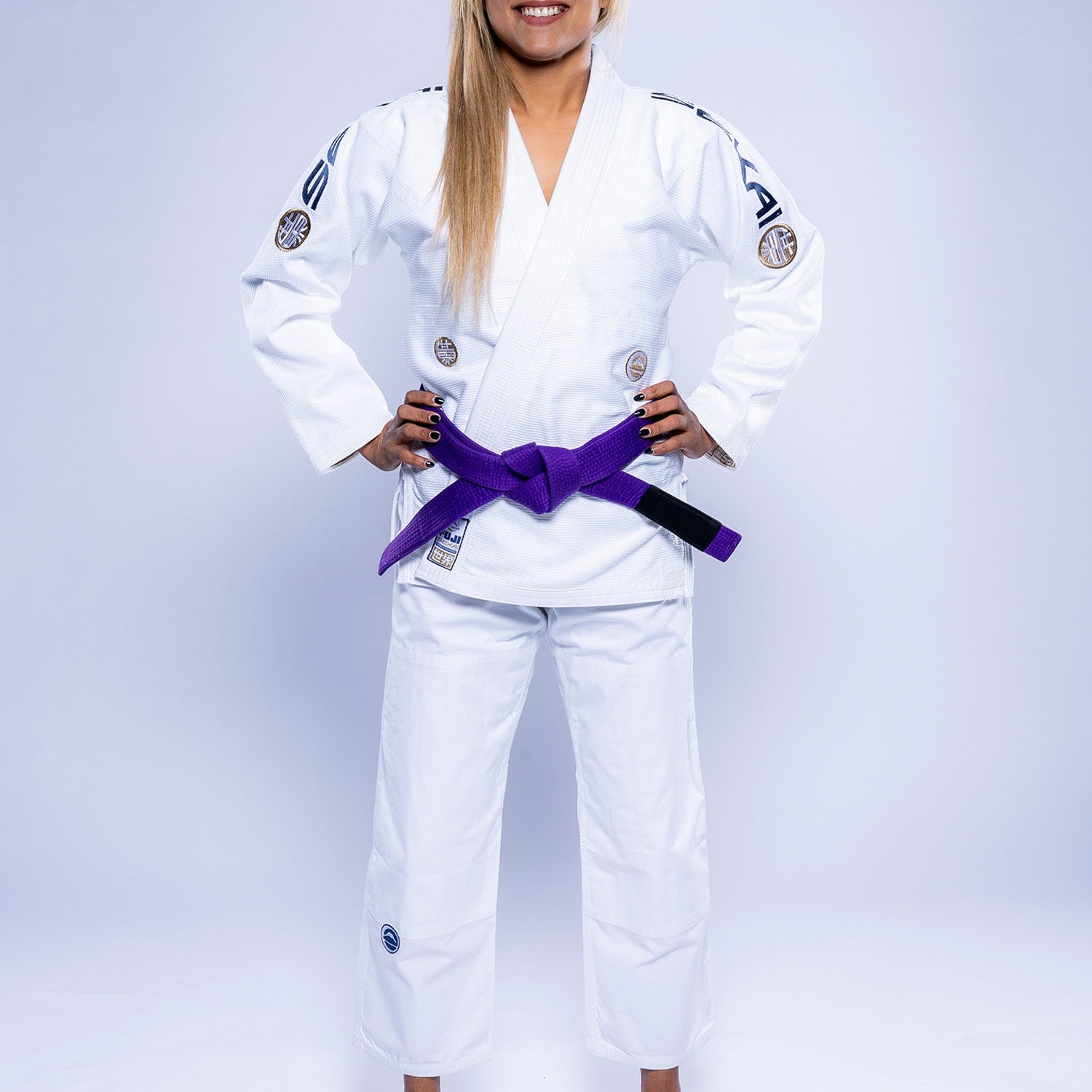
If you only want one gi, white is still the most universally accepted option, but it comes with trade-offs. It looks sharp, it is accepted almost everywhere, and it works for nearly any tournament that uses standard rules. On the other hand, white shows everything. Sweat, mat grime, blood from a split lip, and tape residue all show up faster. If you train hard three or four times a week, white gis need more attention to stay looking clean.
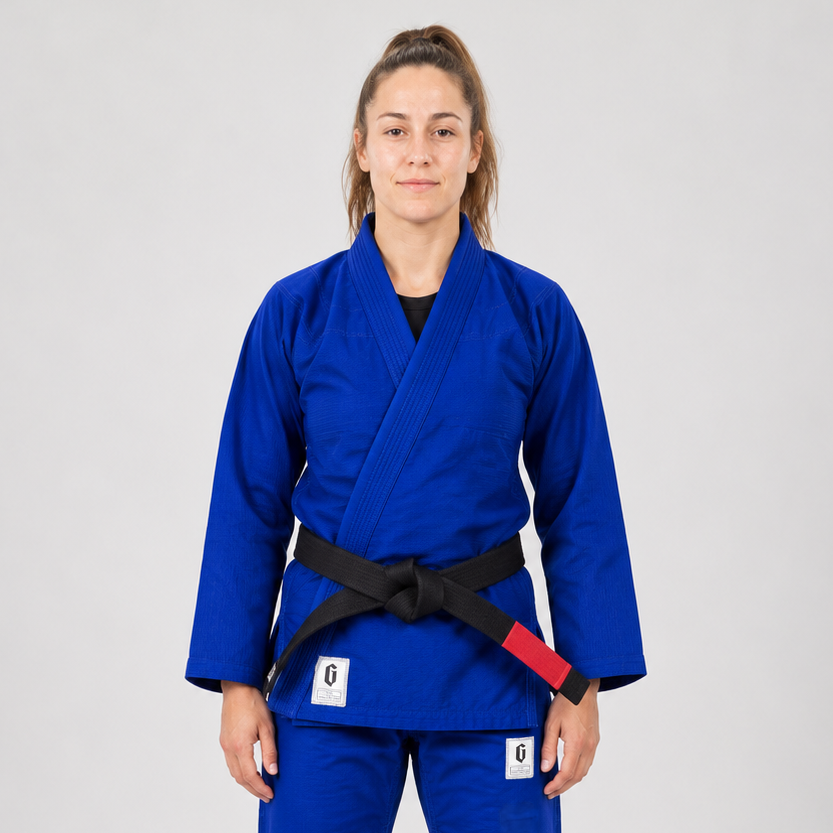
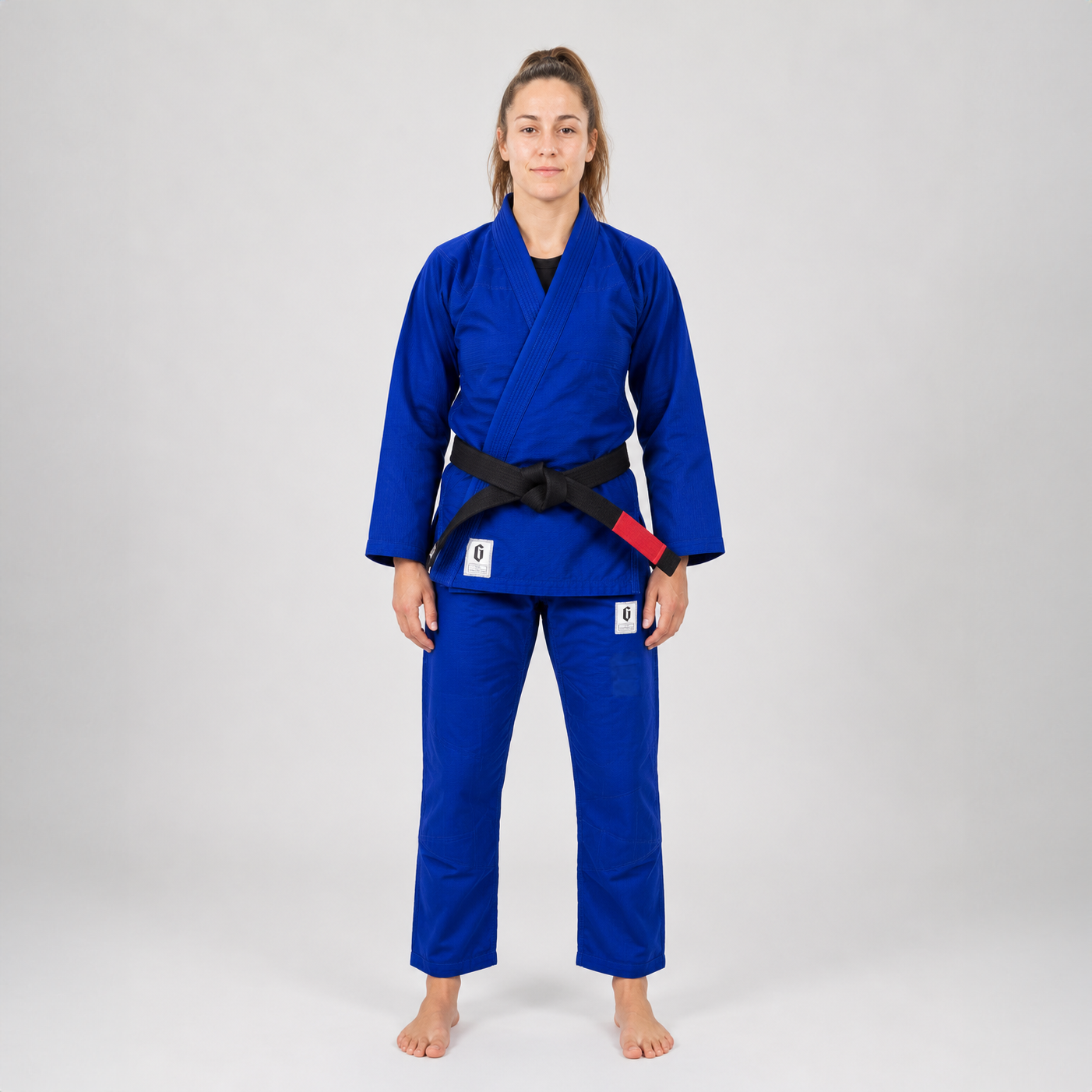
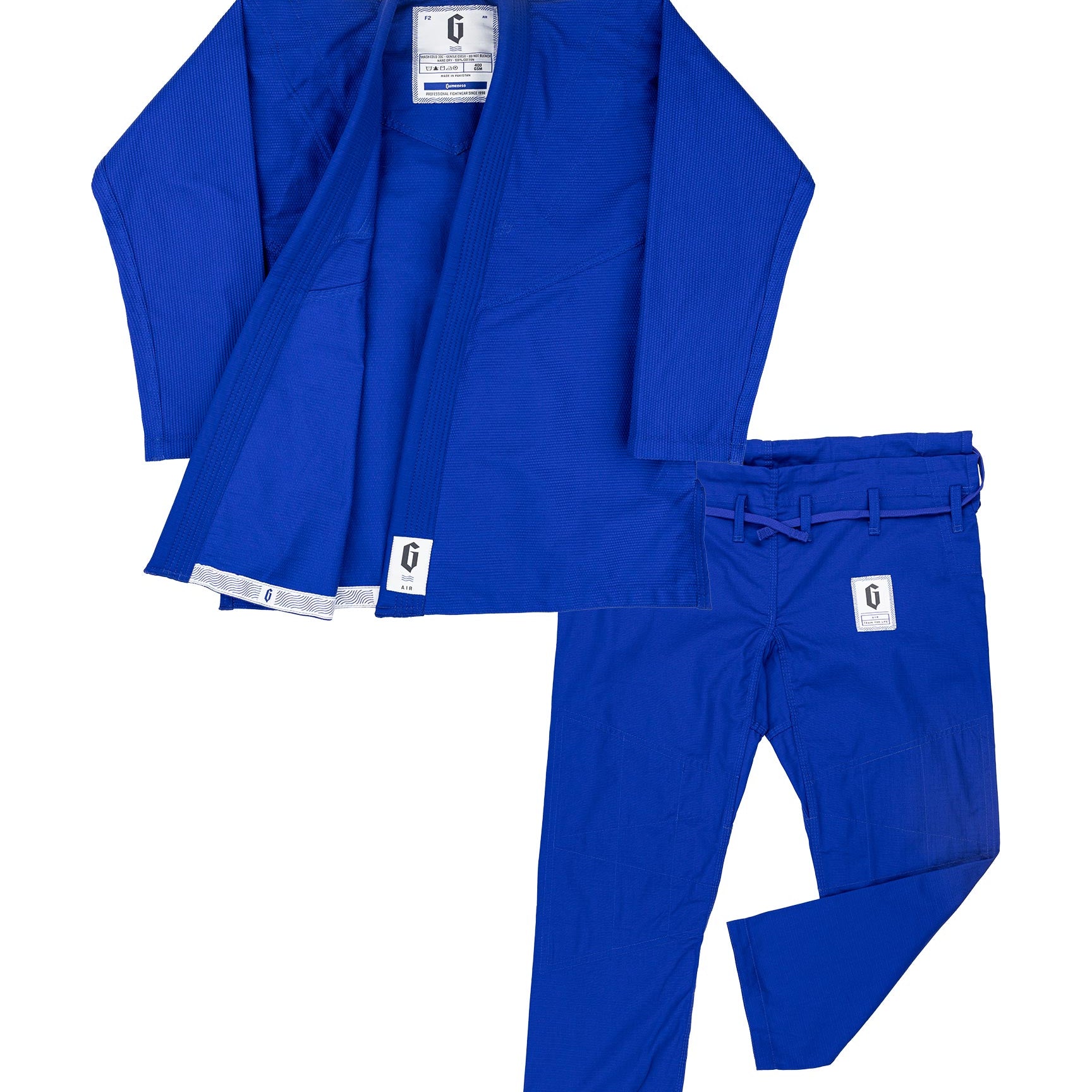
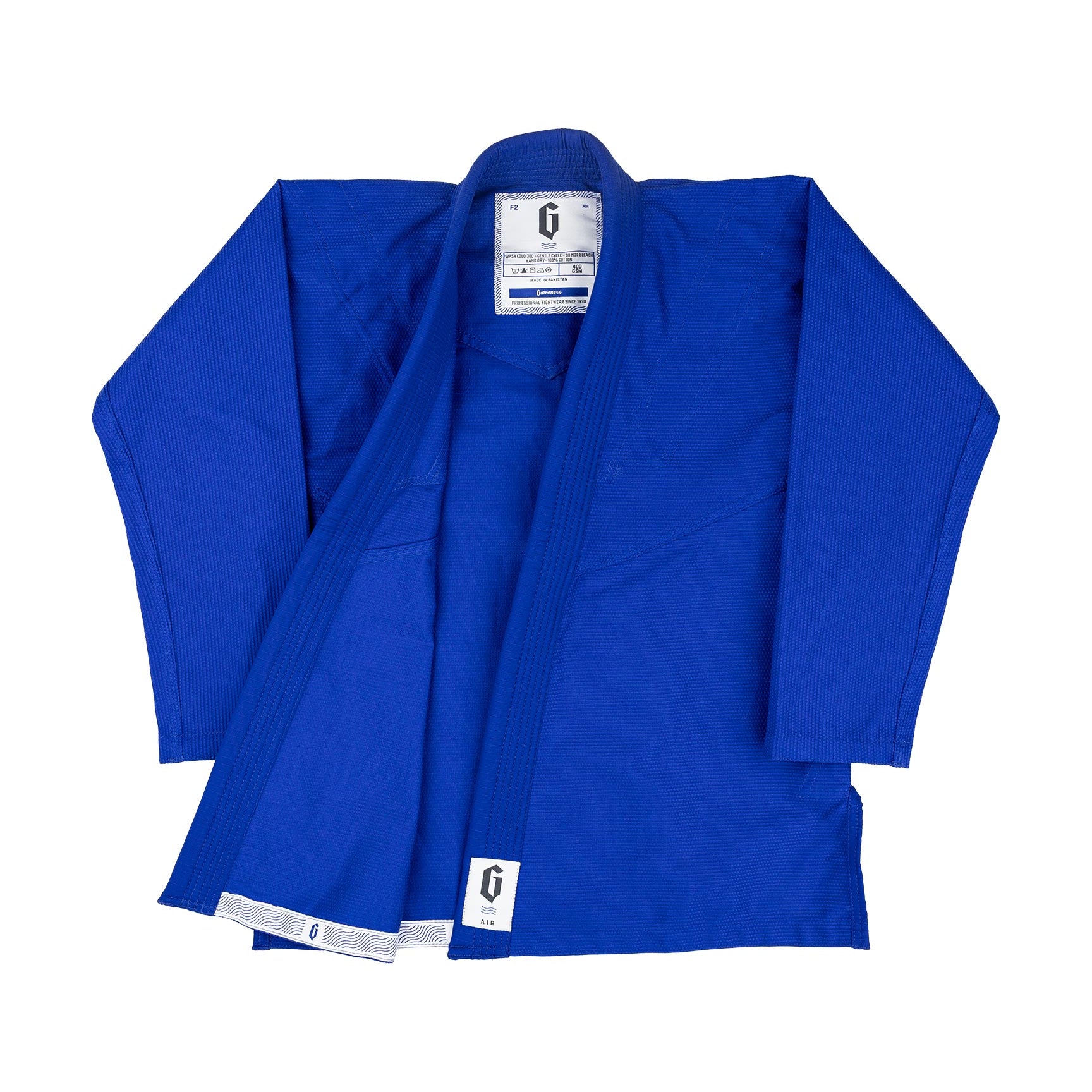
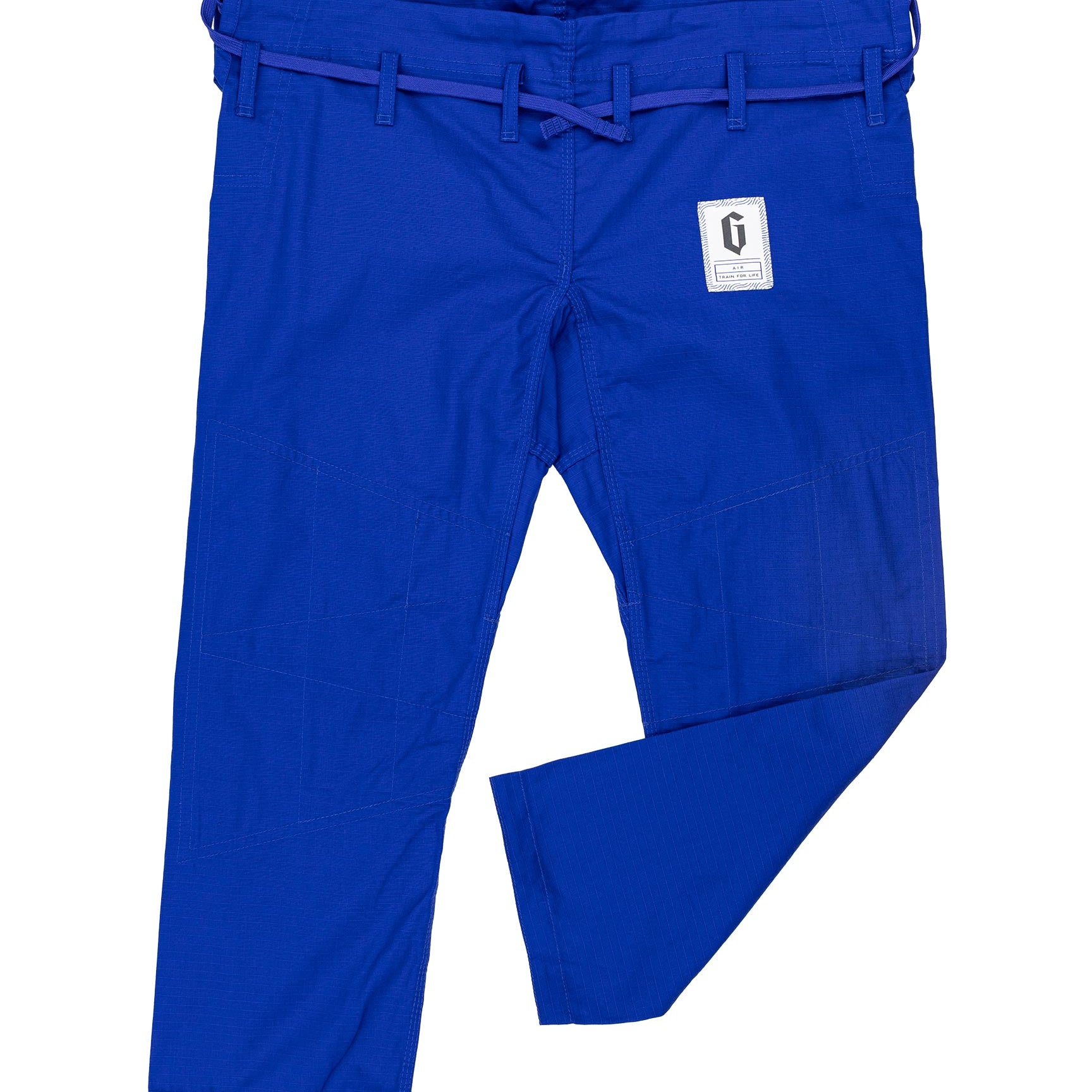
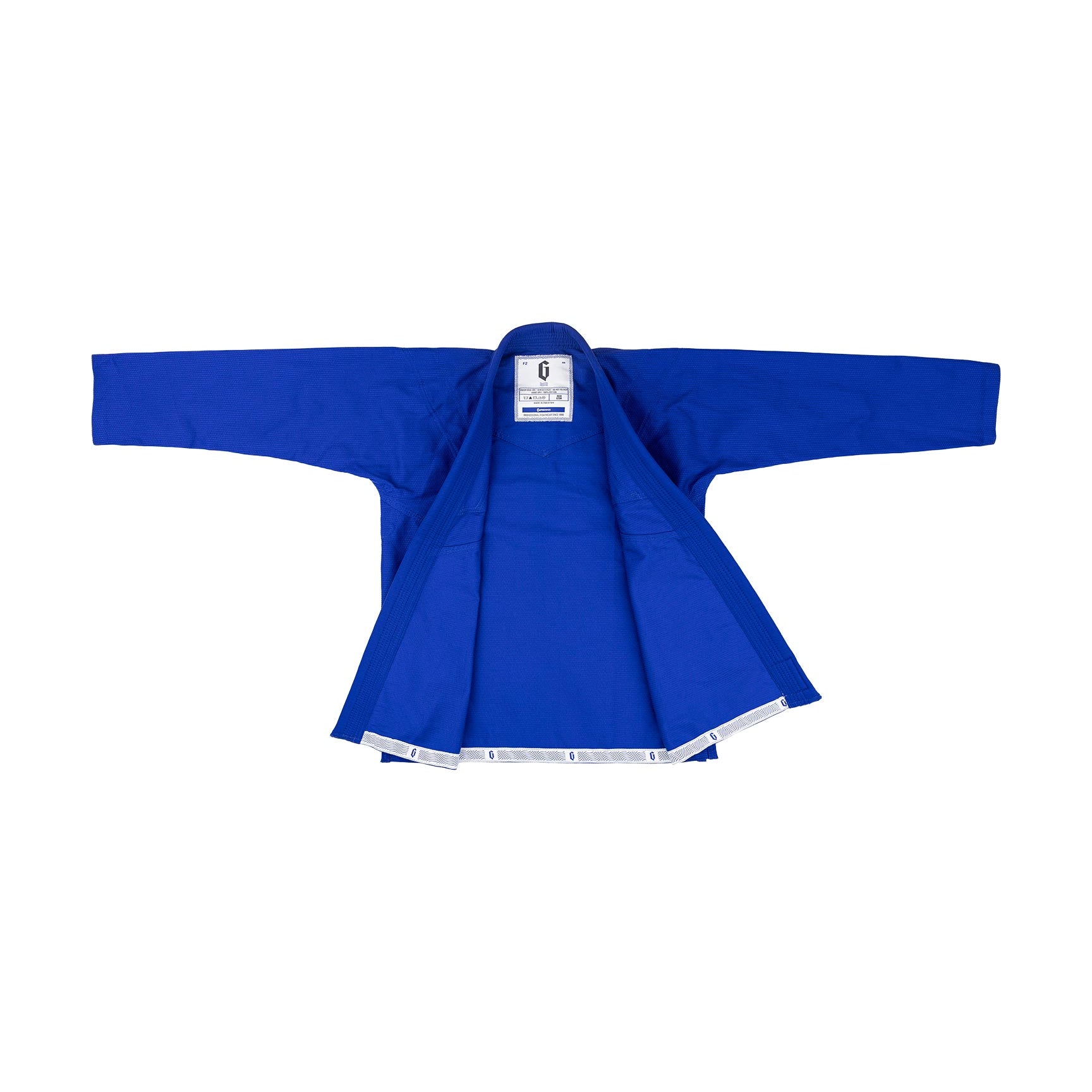
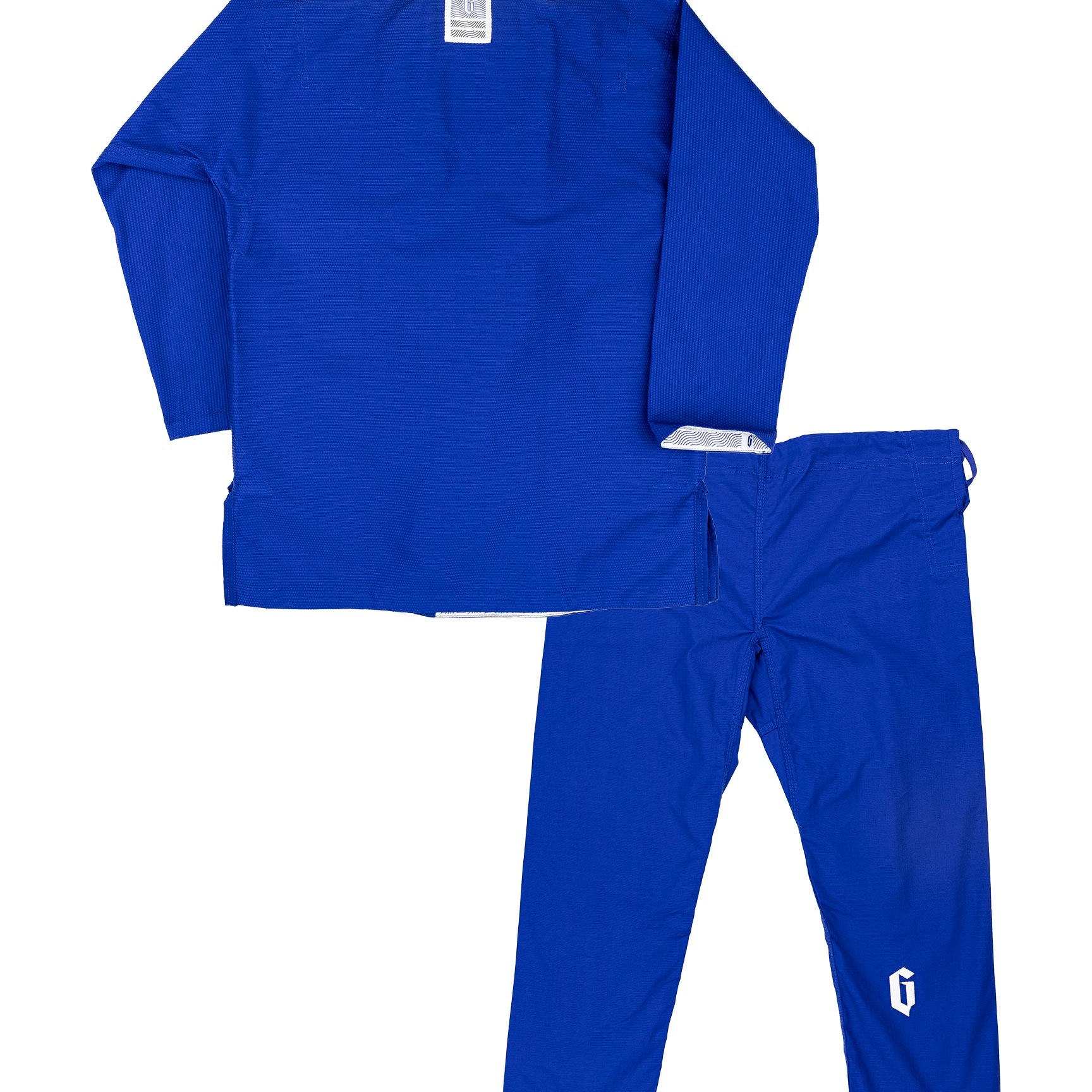
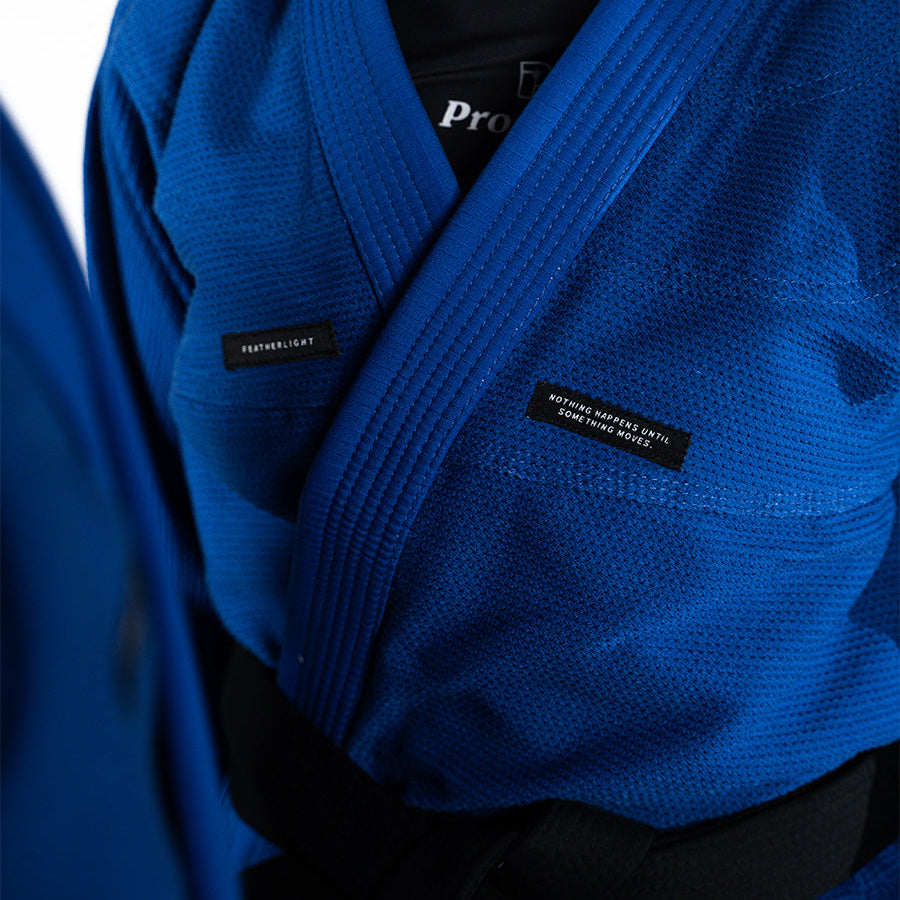
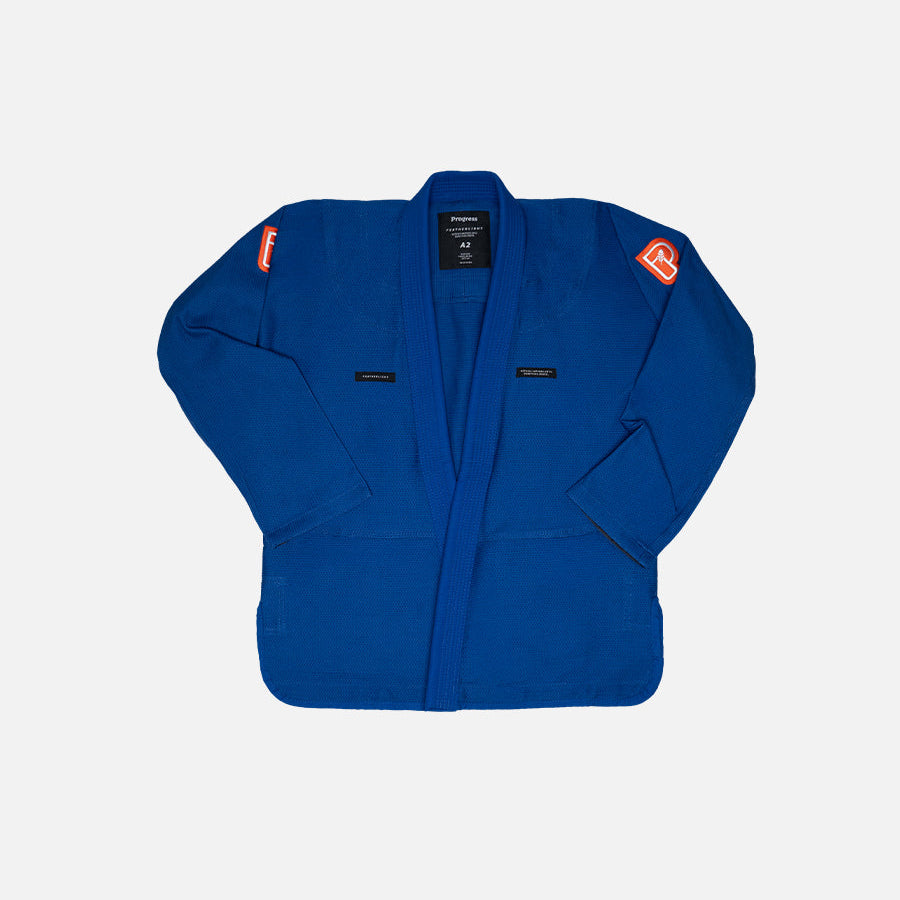
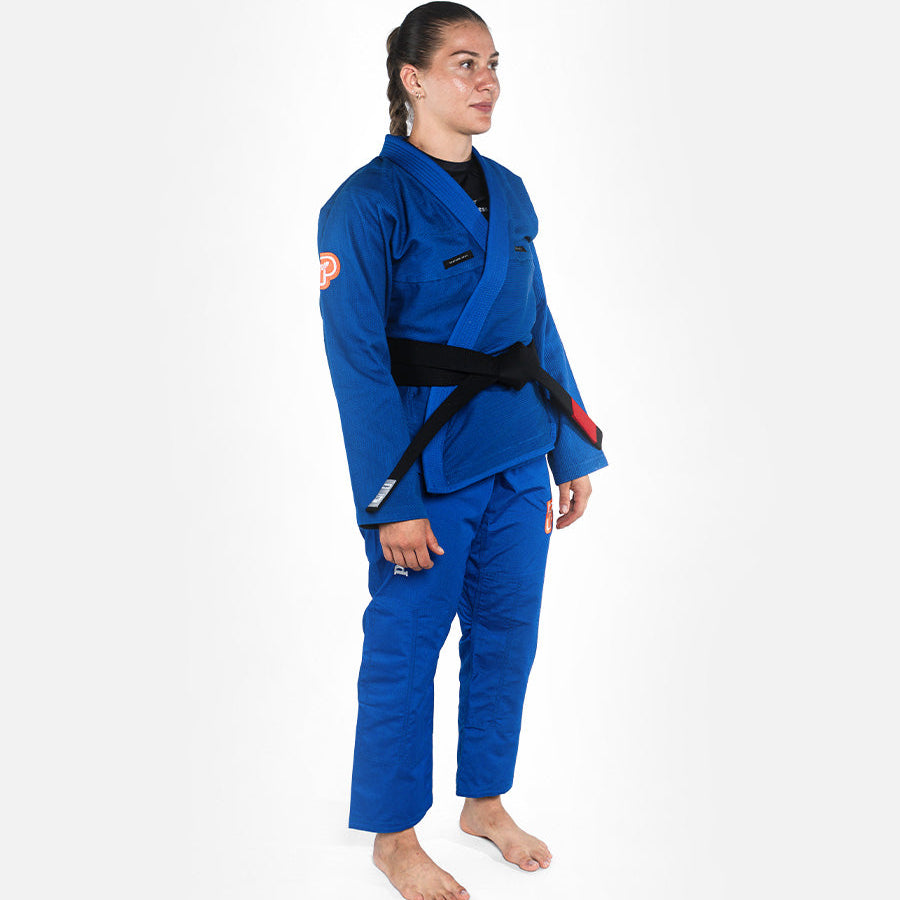
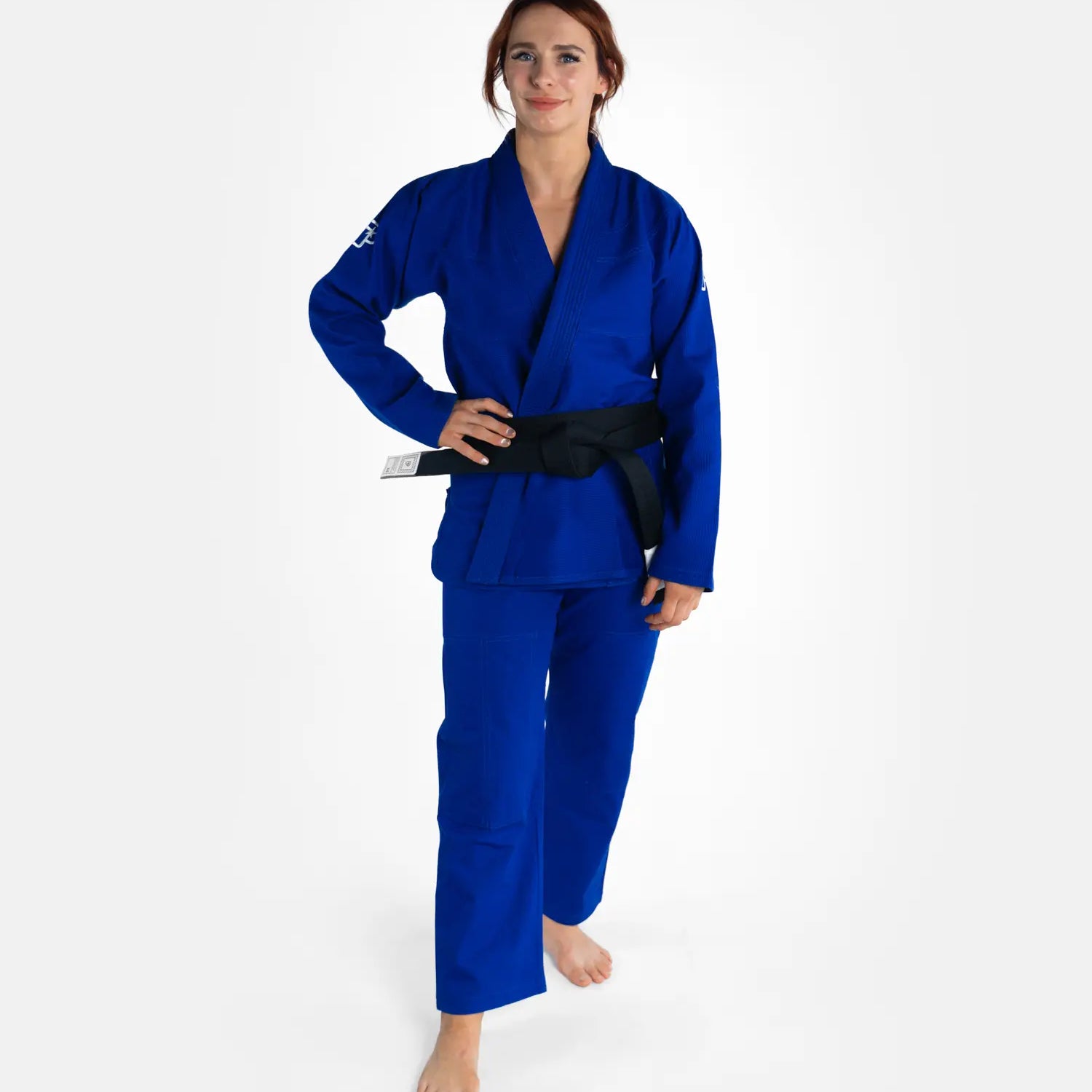
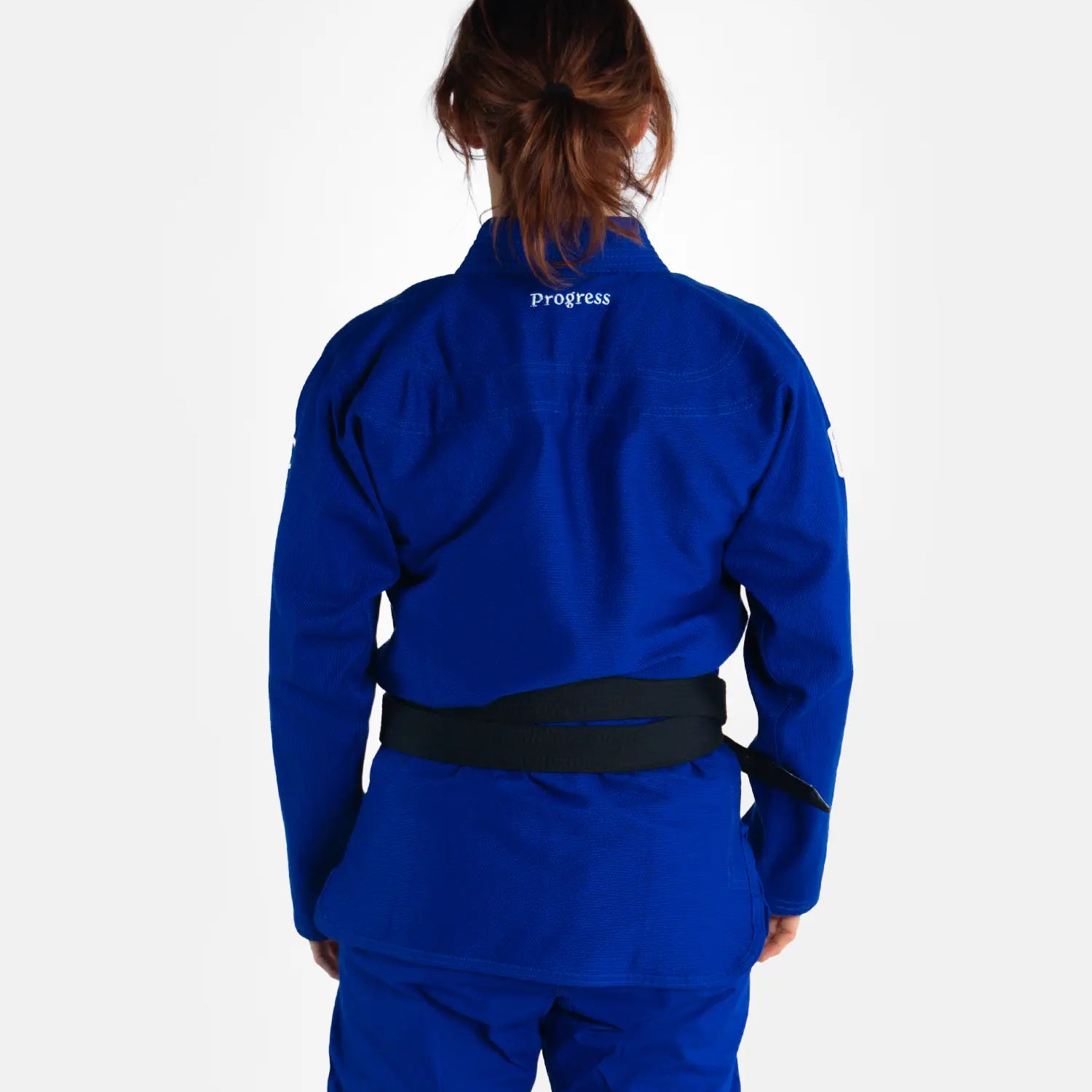
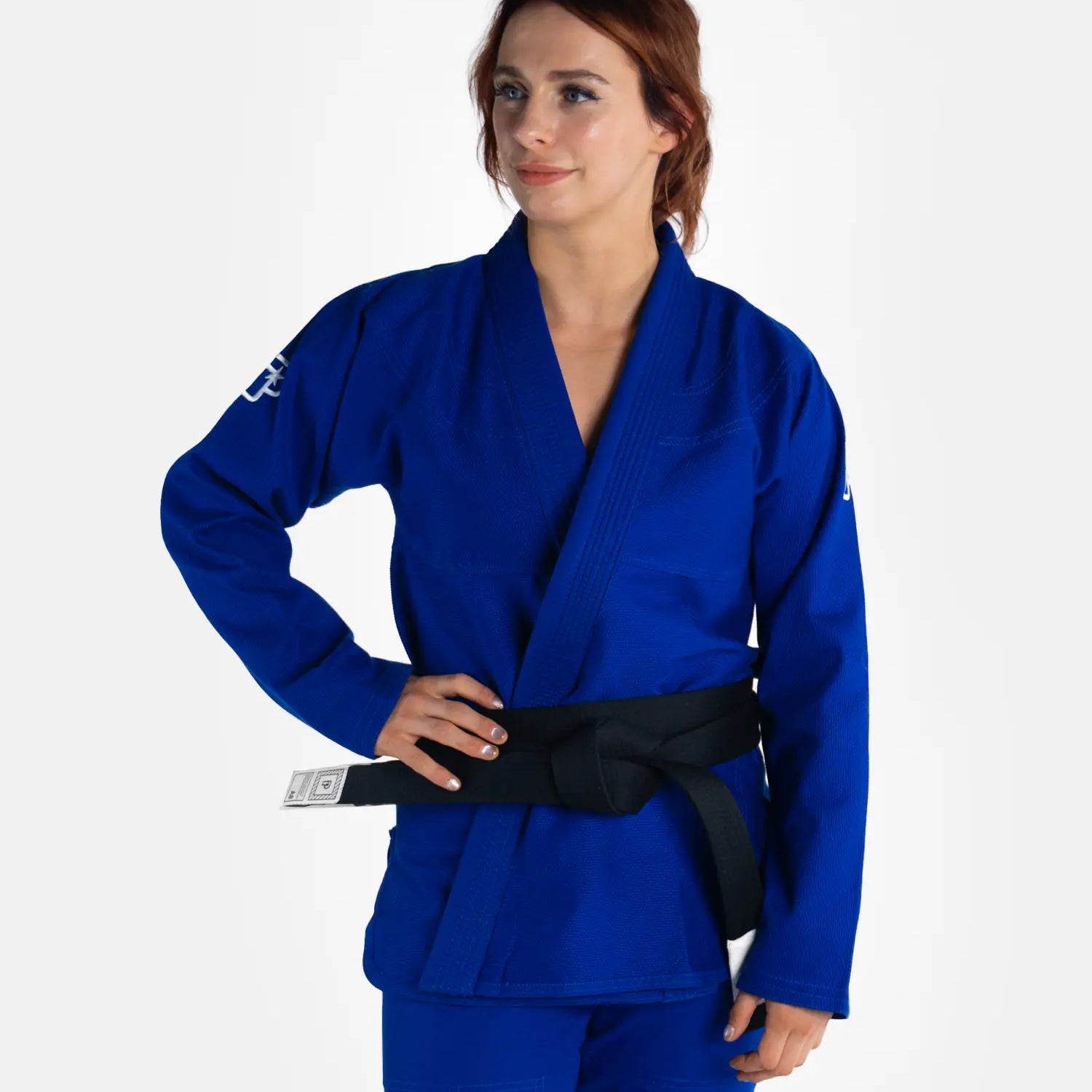
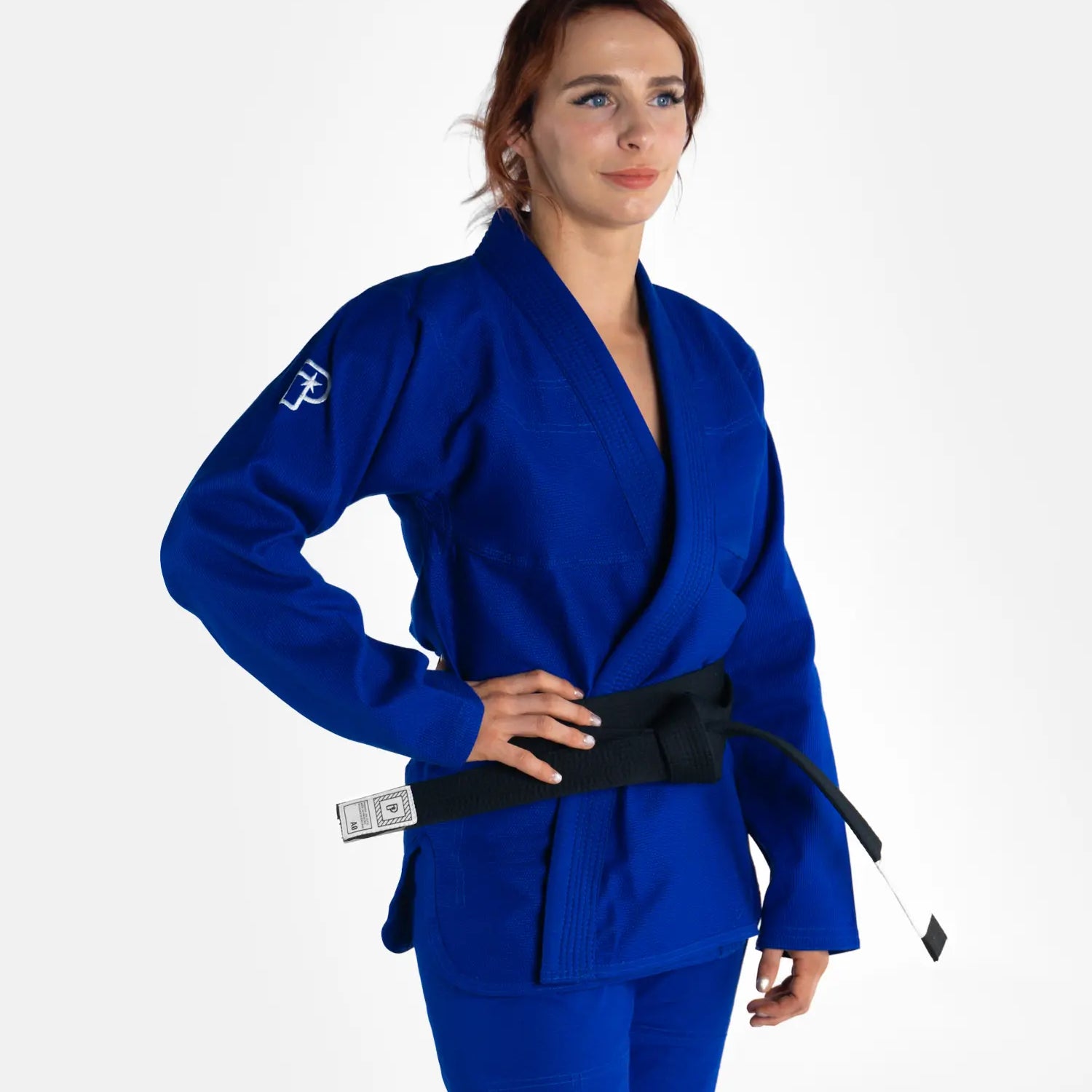
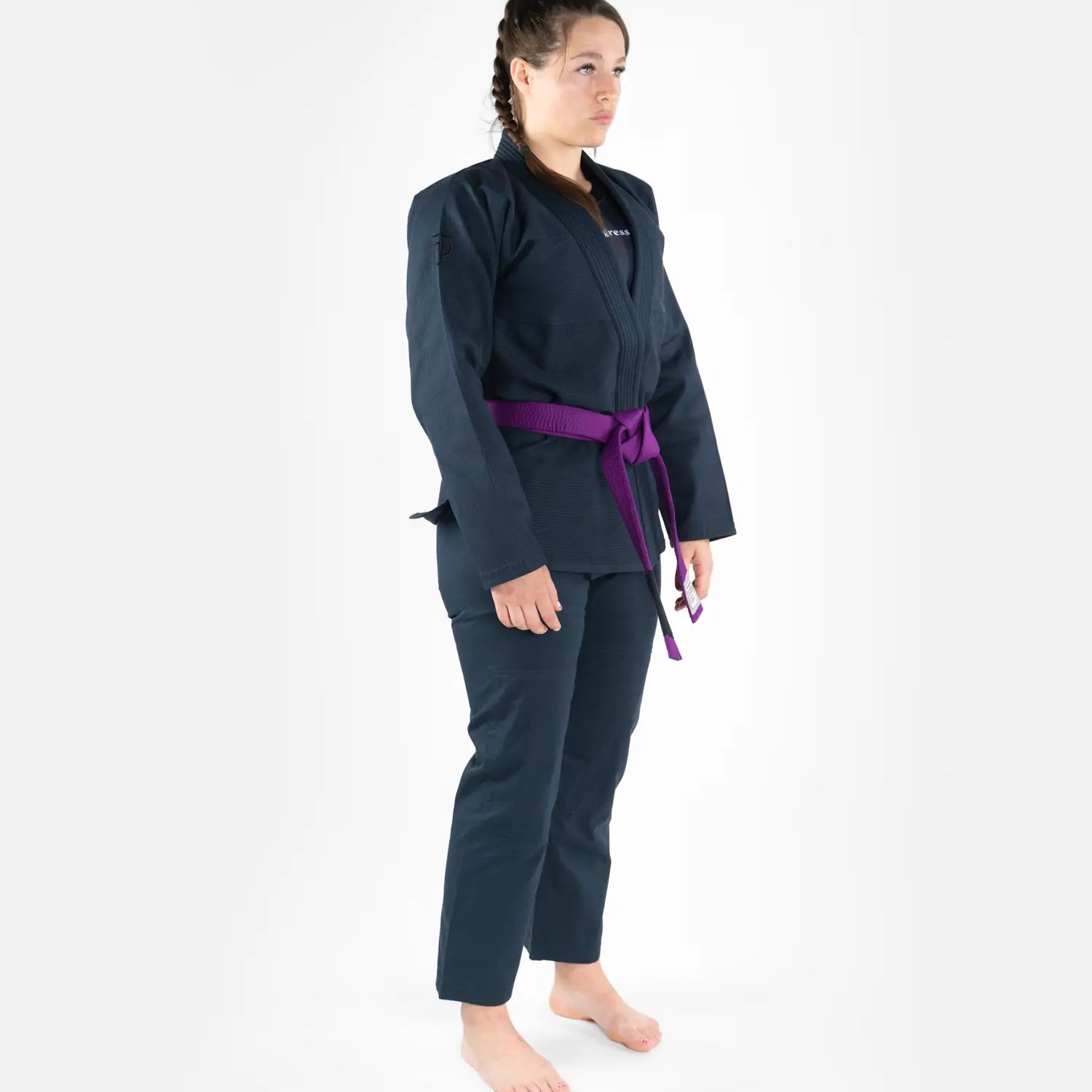
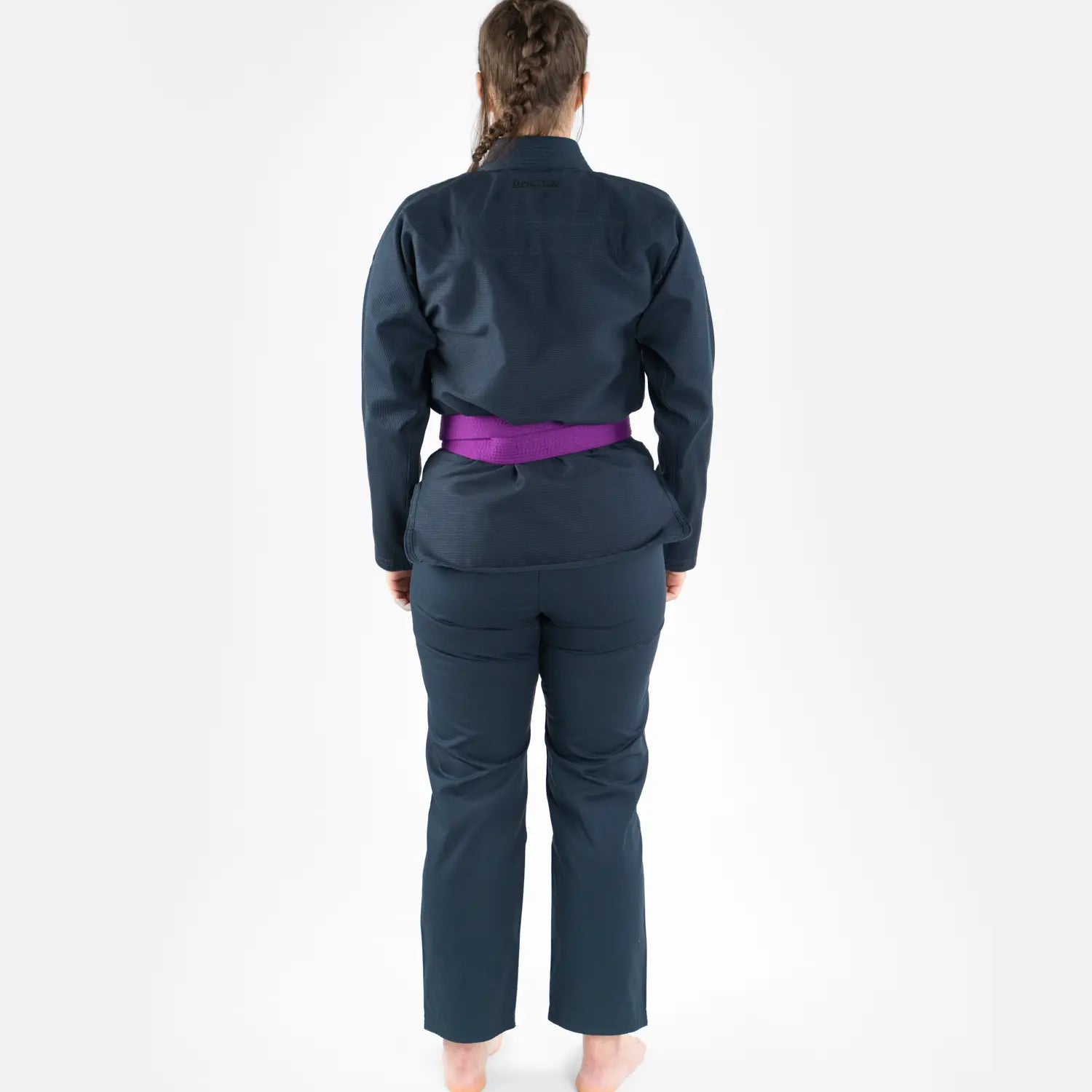
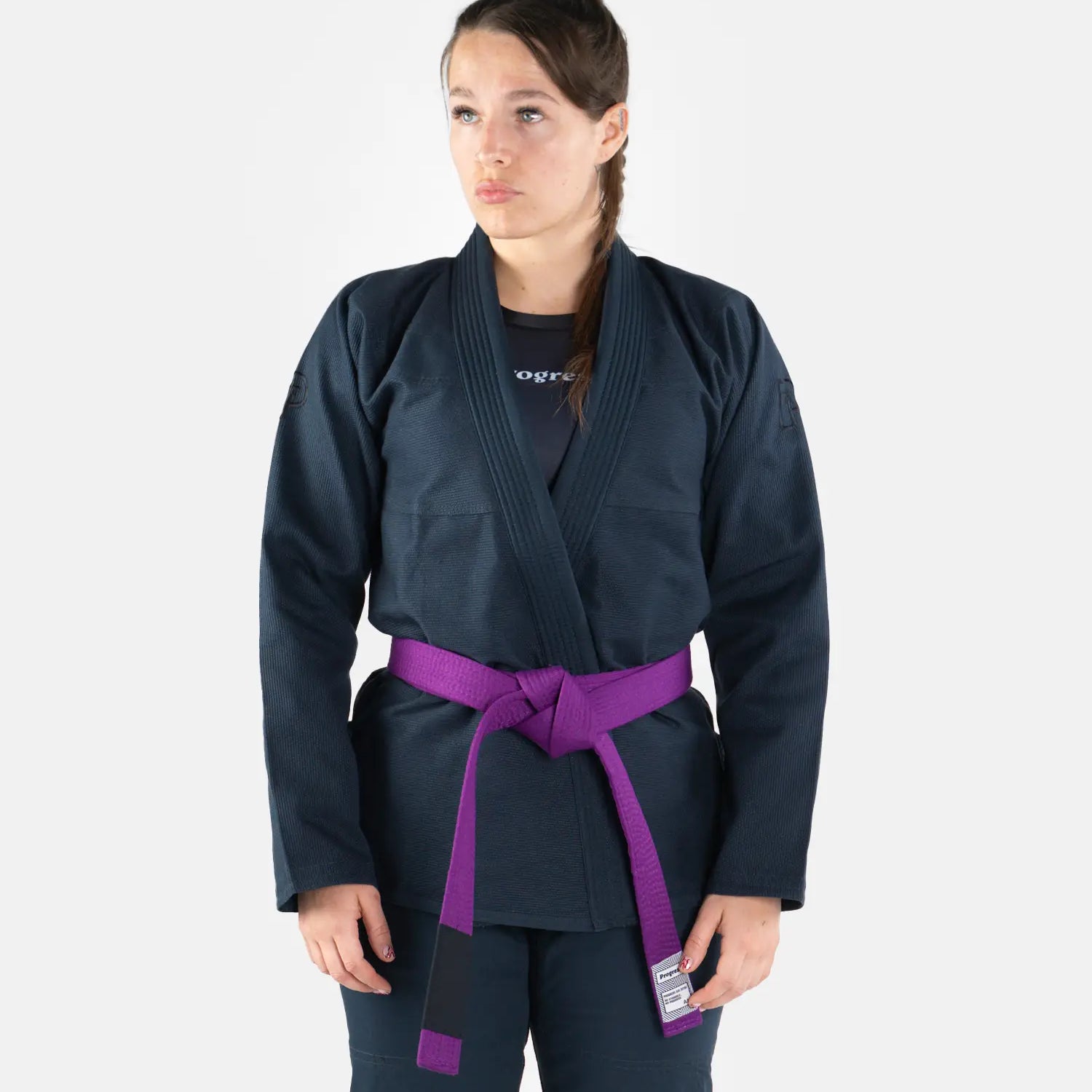
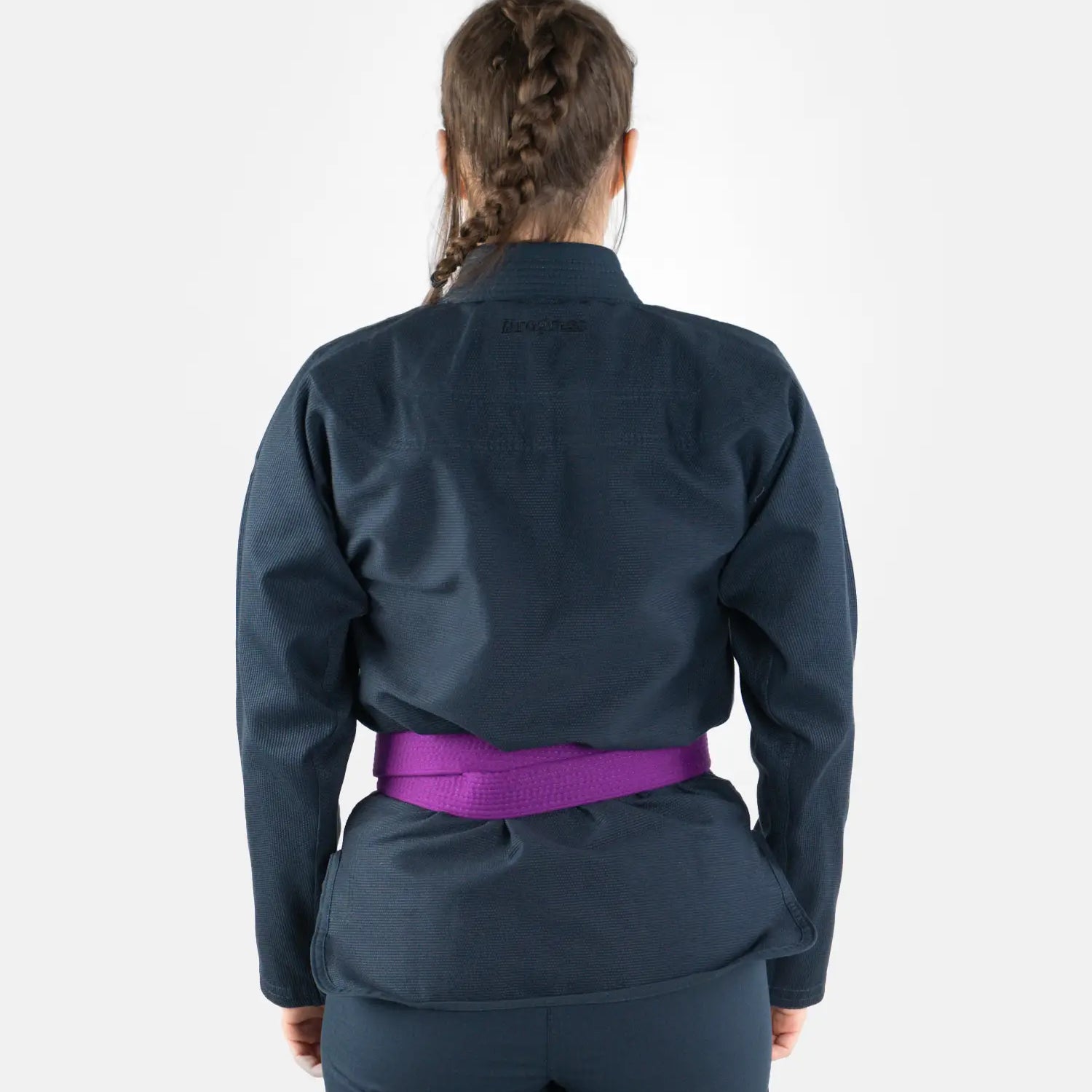
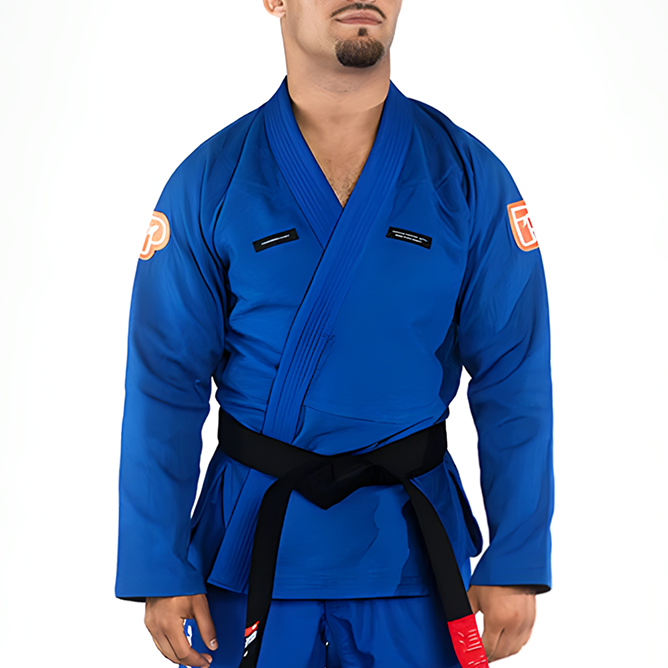
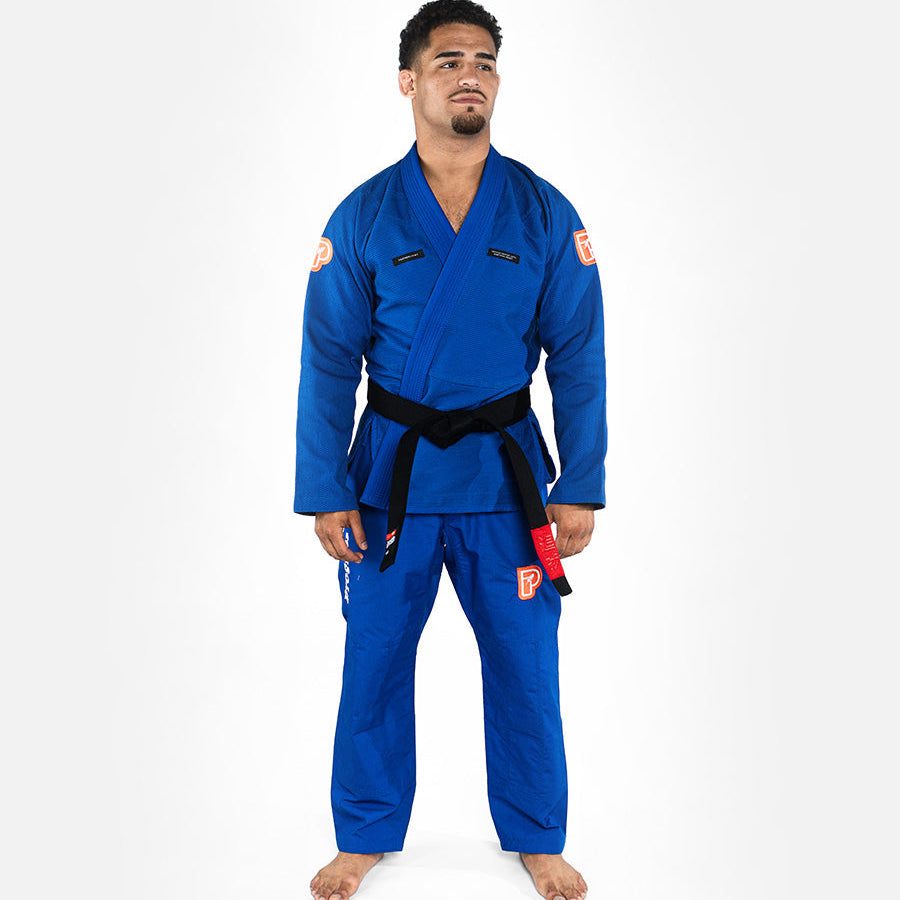
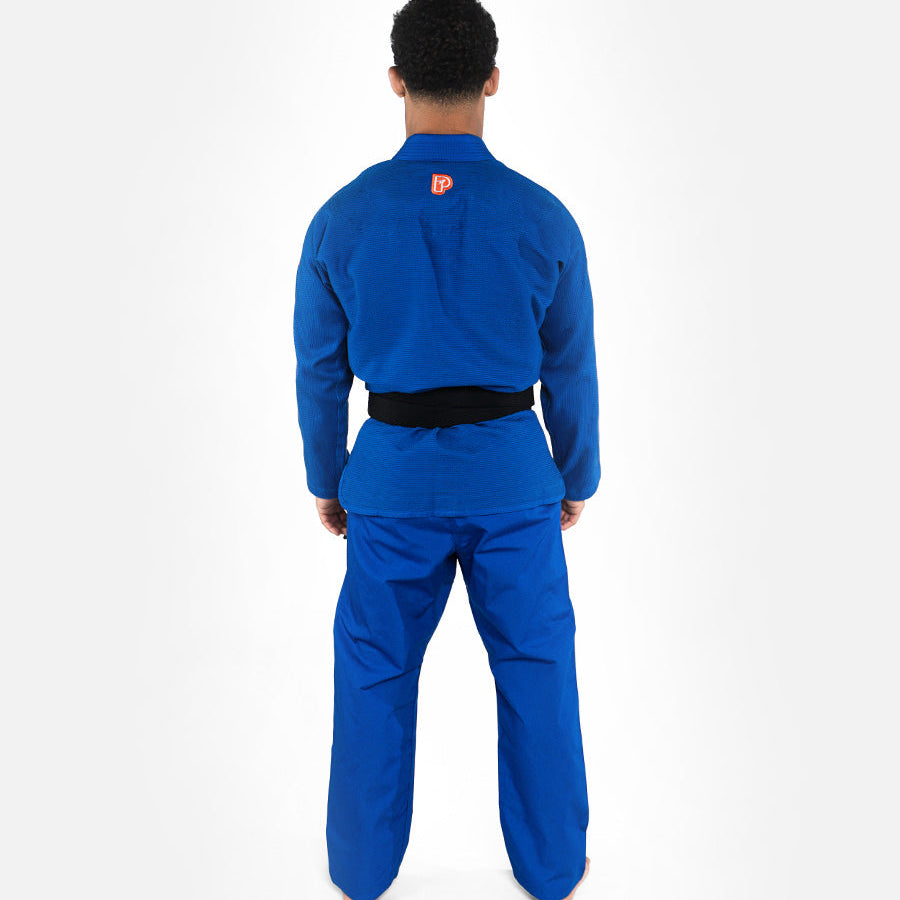
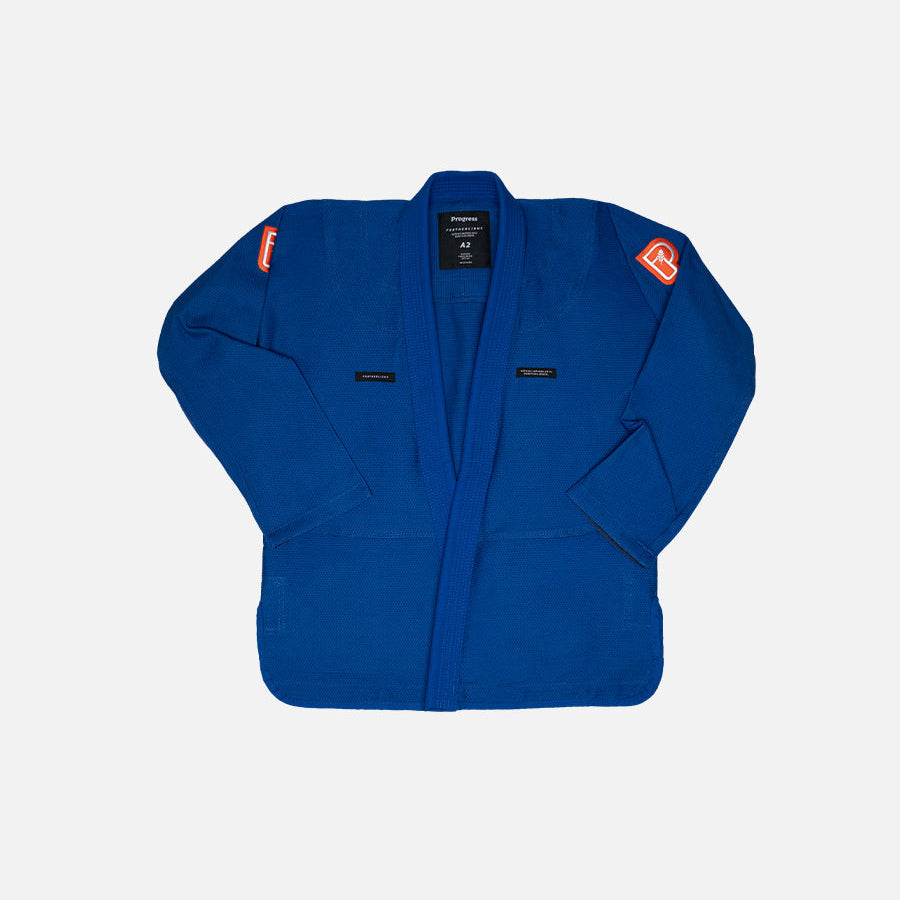
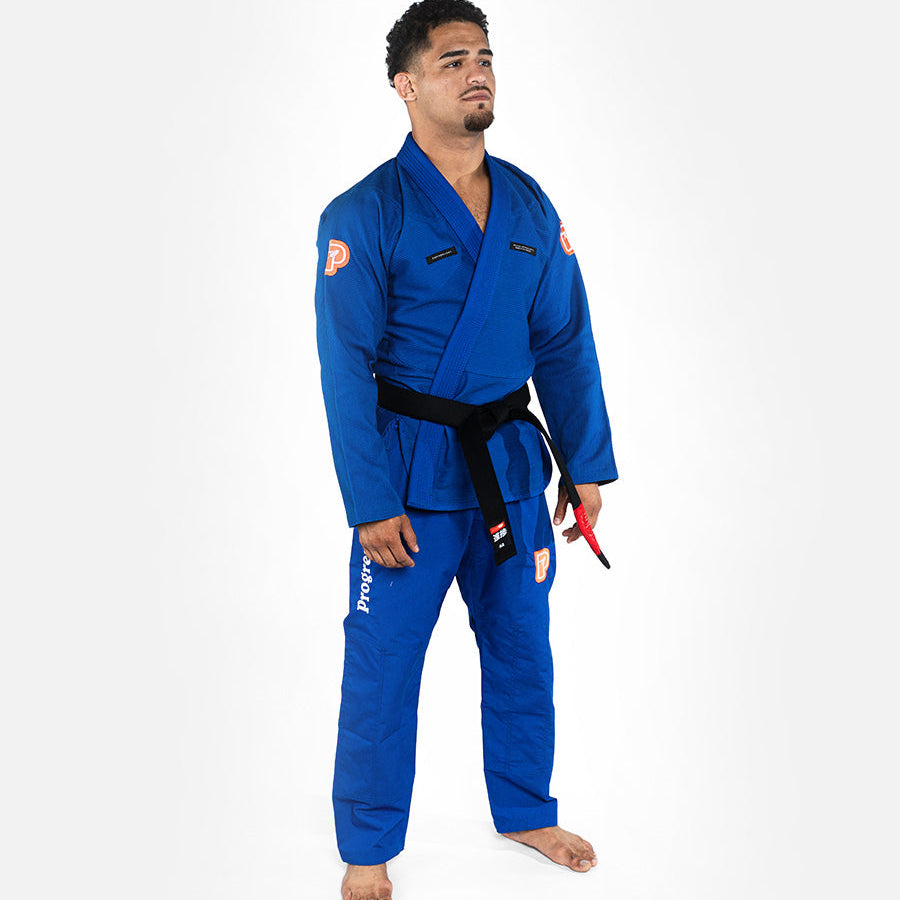
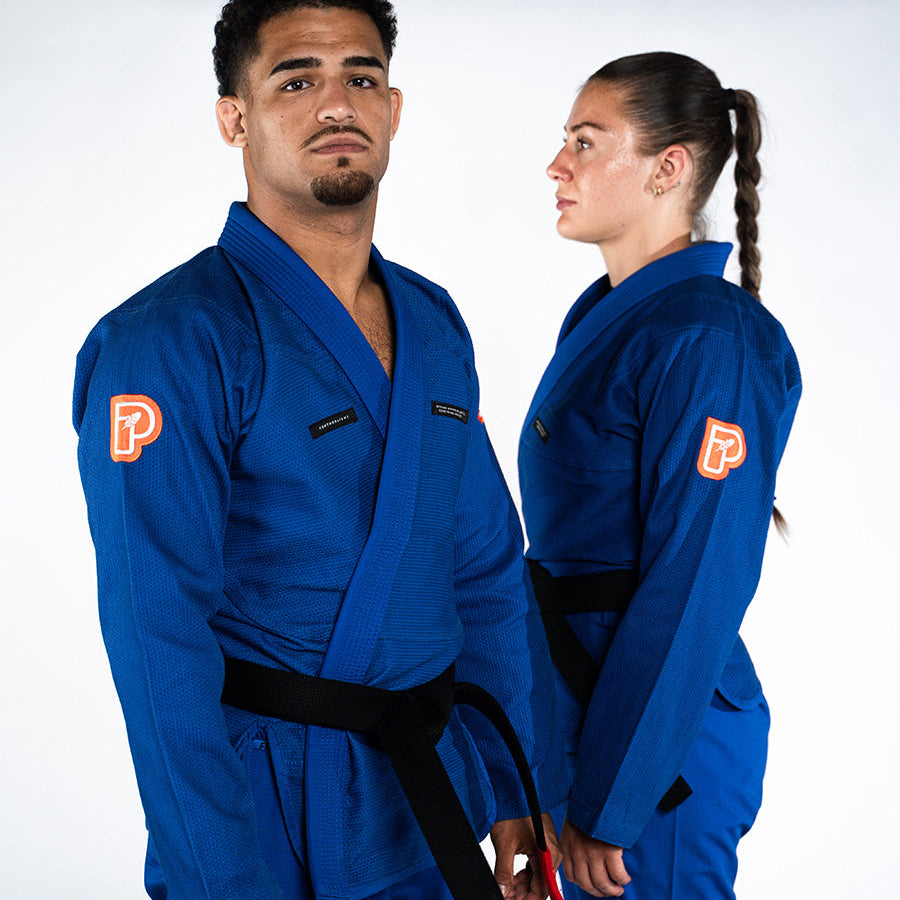
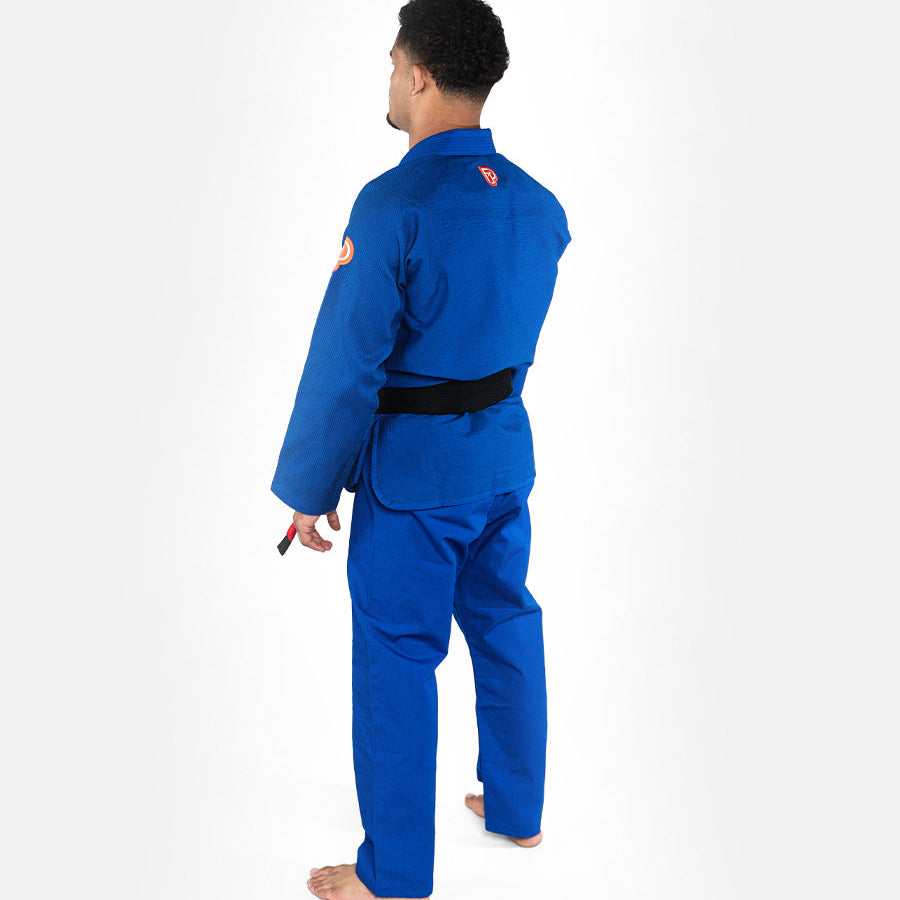
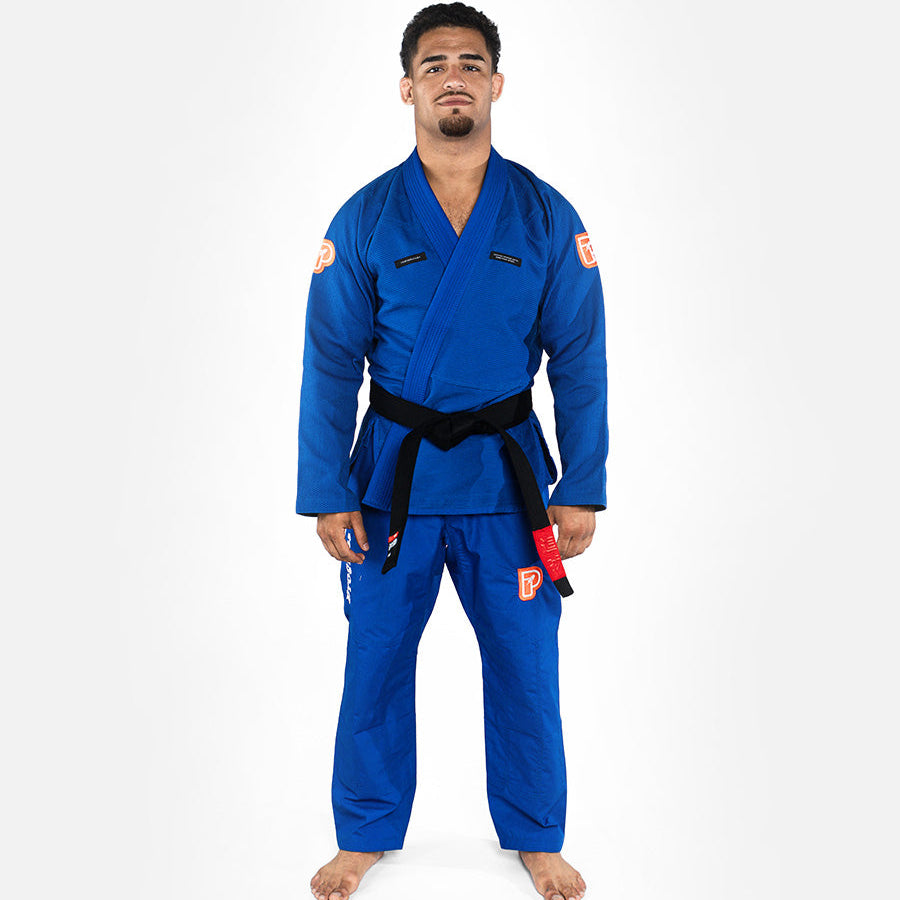
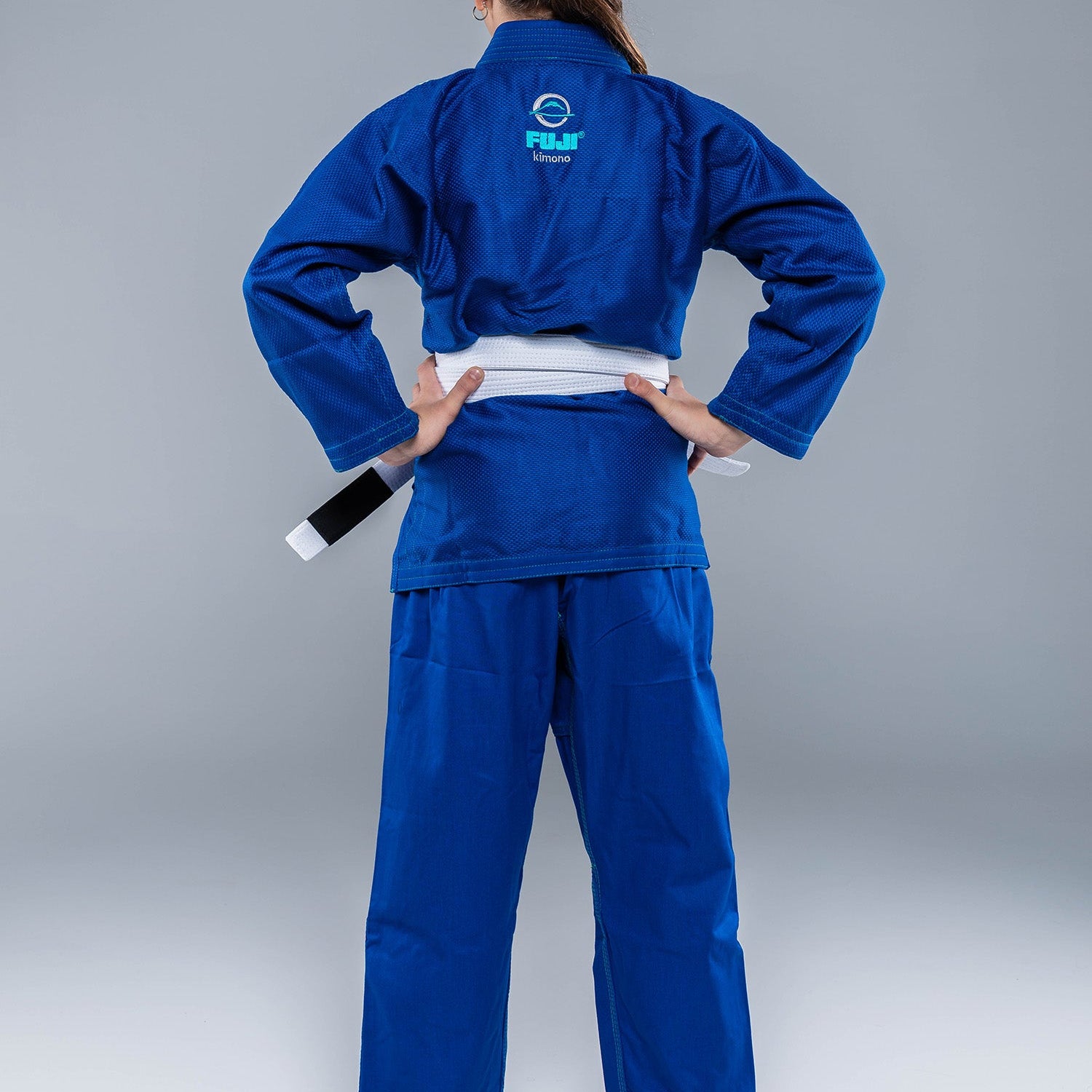
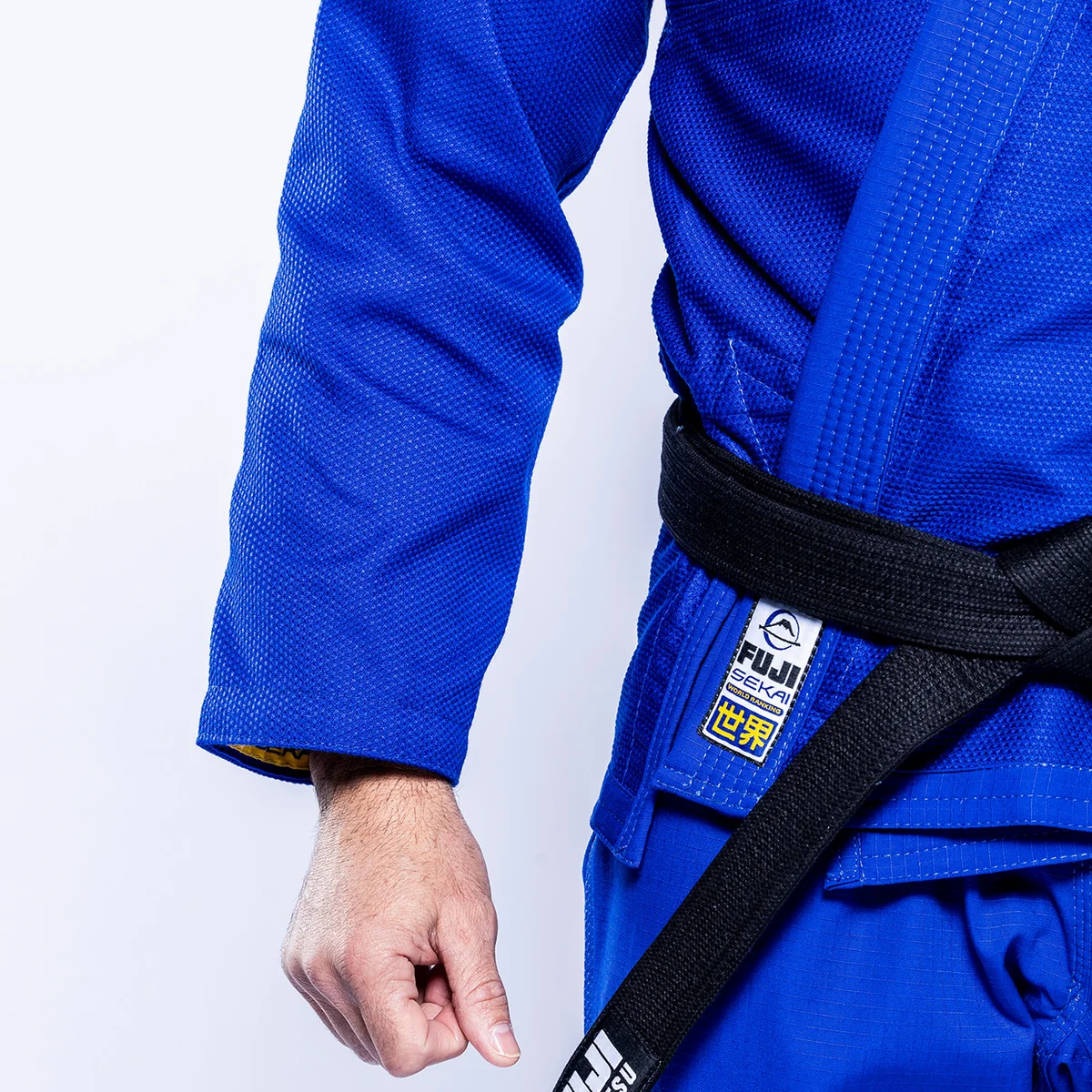
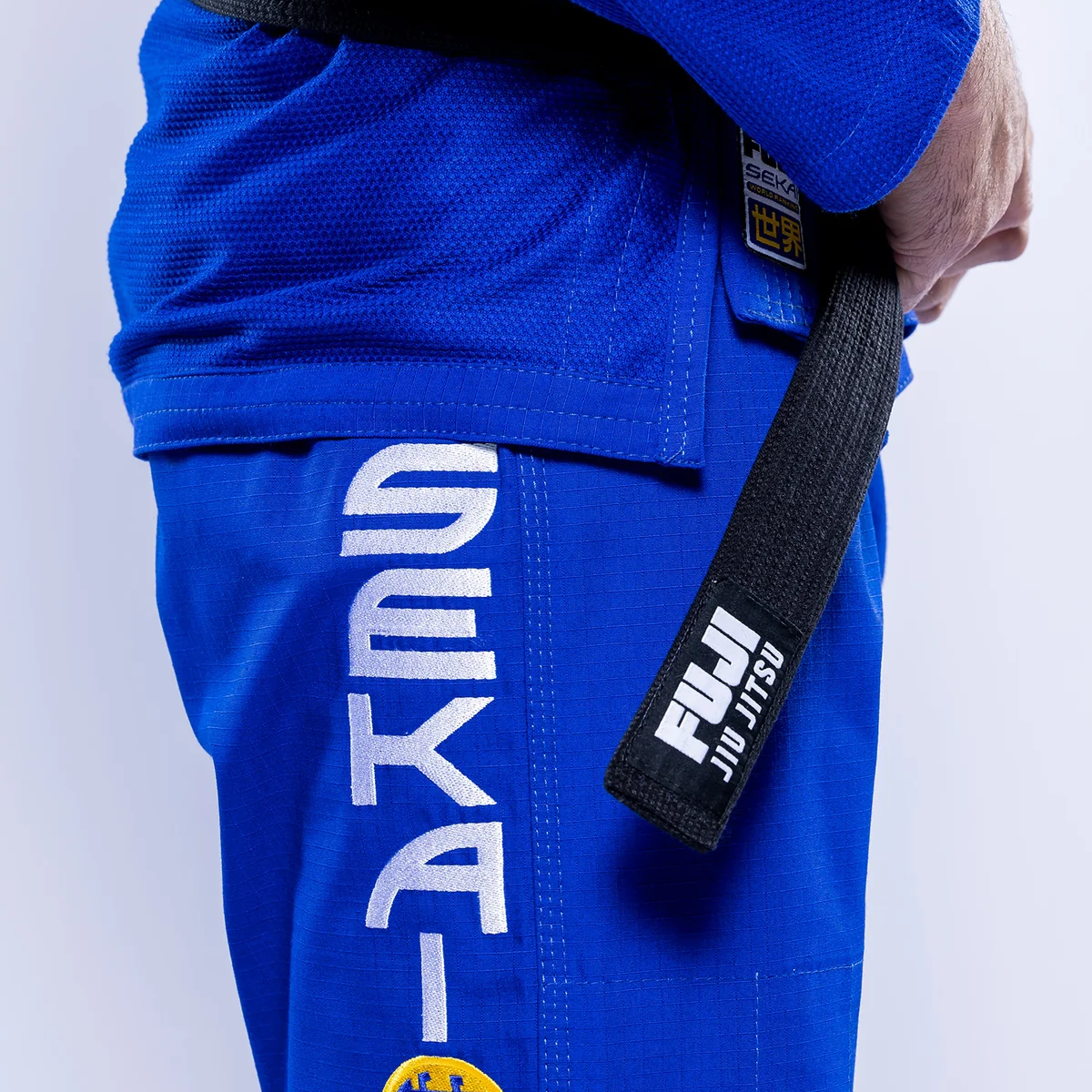
Blue is the middle-ground choice for a lot of grapplers. It is competition legal, hides stains better than white, and usually fits in fine at most academies that do not require a specific uniform. If you are the kind of student who does lunch class, tosses your gi in a bag, and washes it later that evening, blue tends to stay presentable longer.
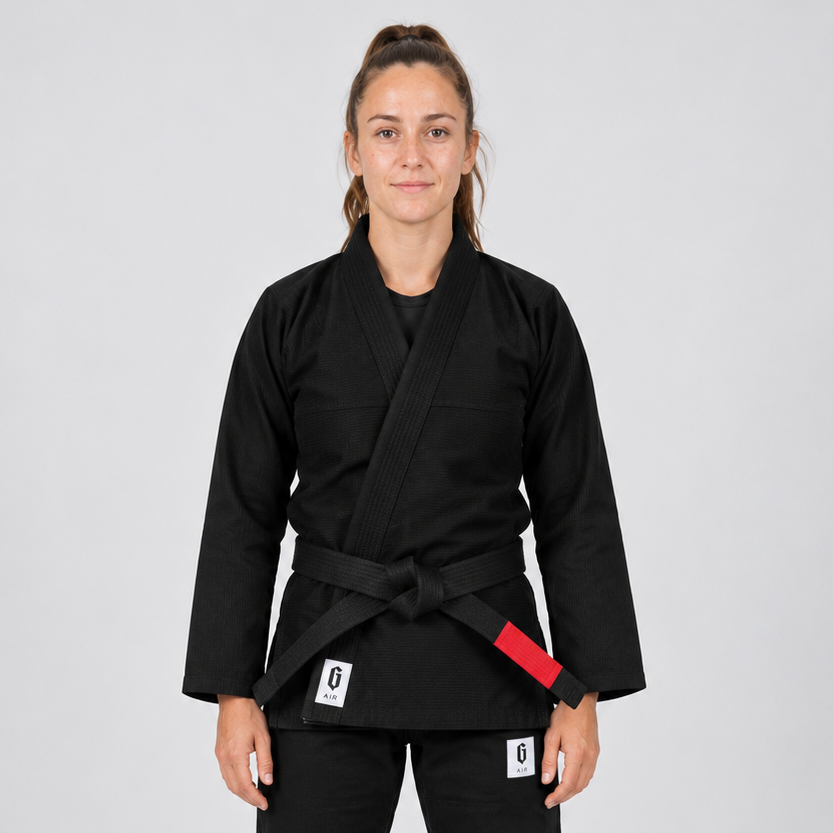
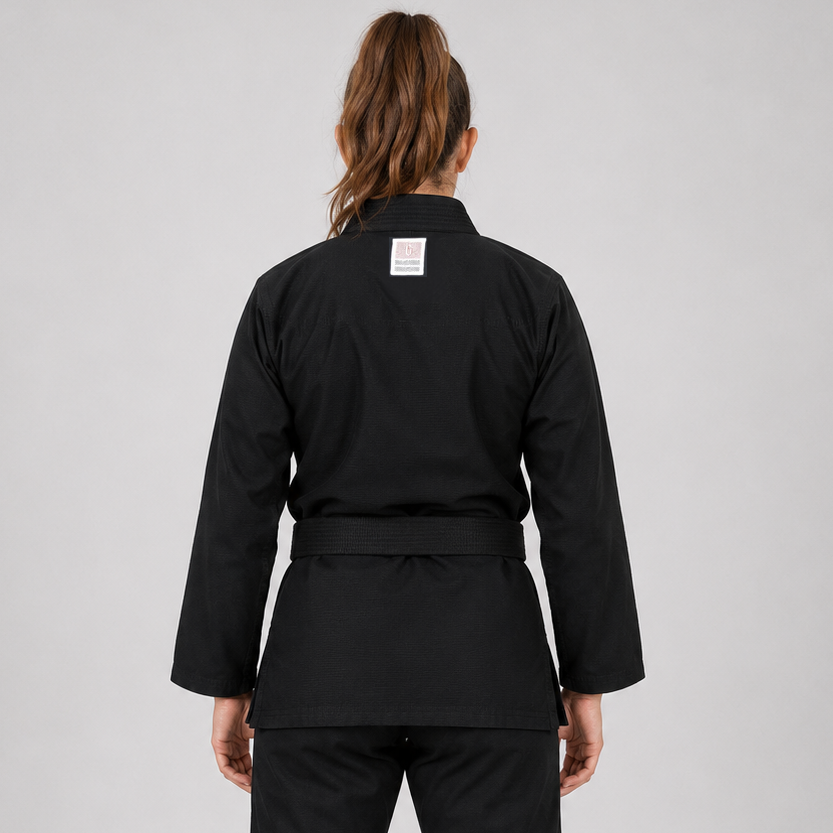
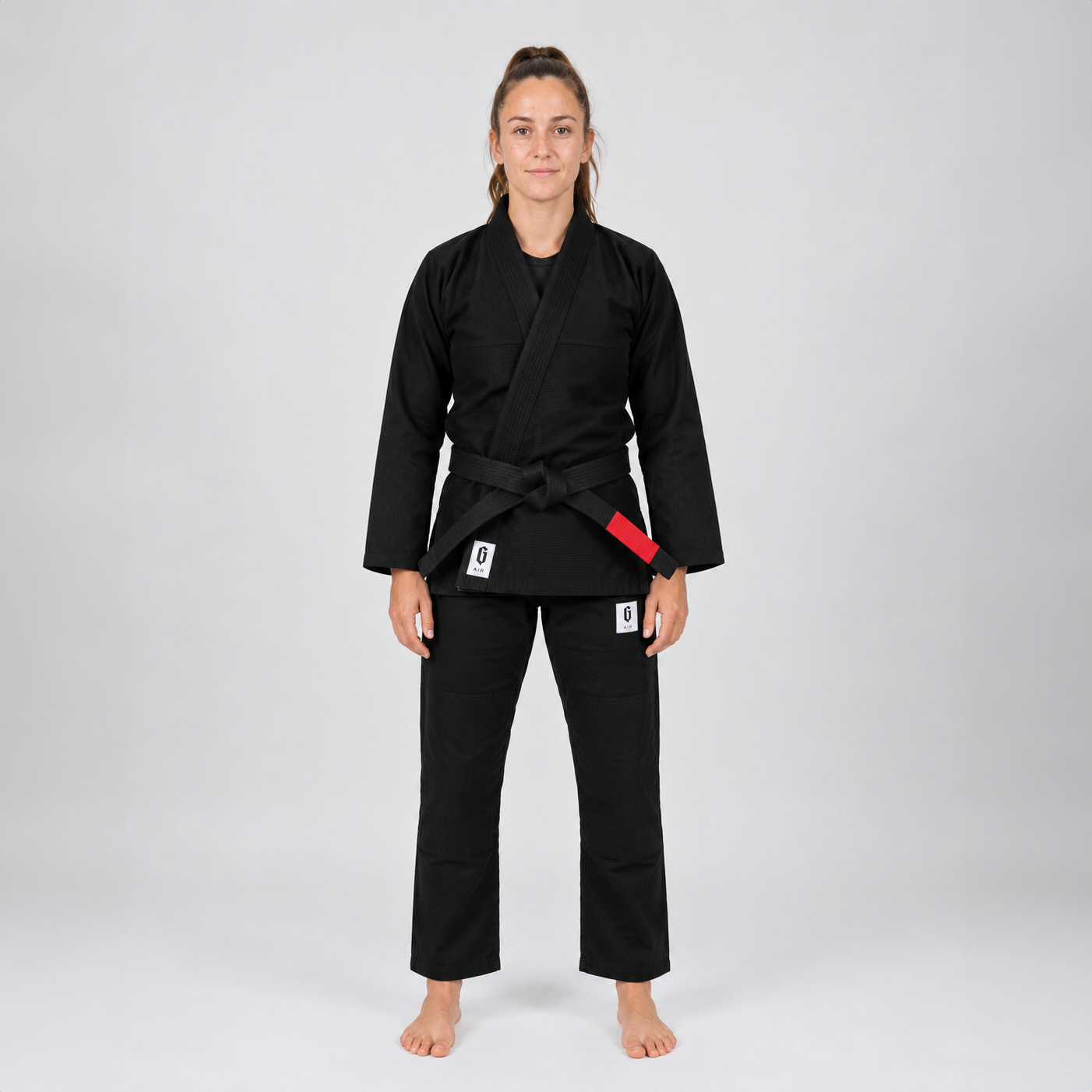
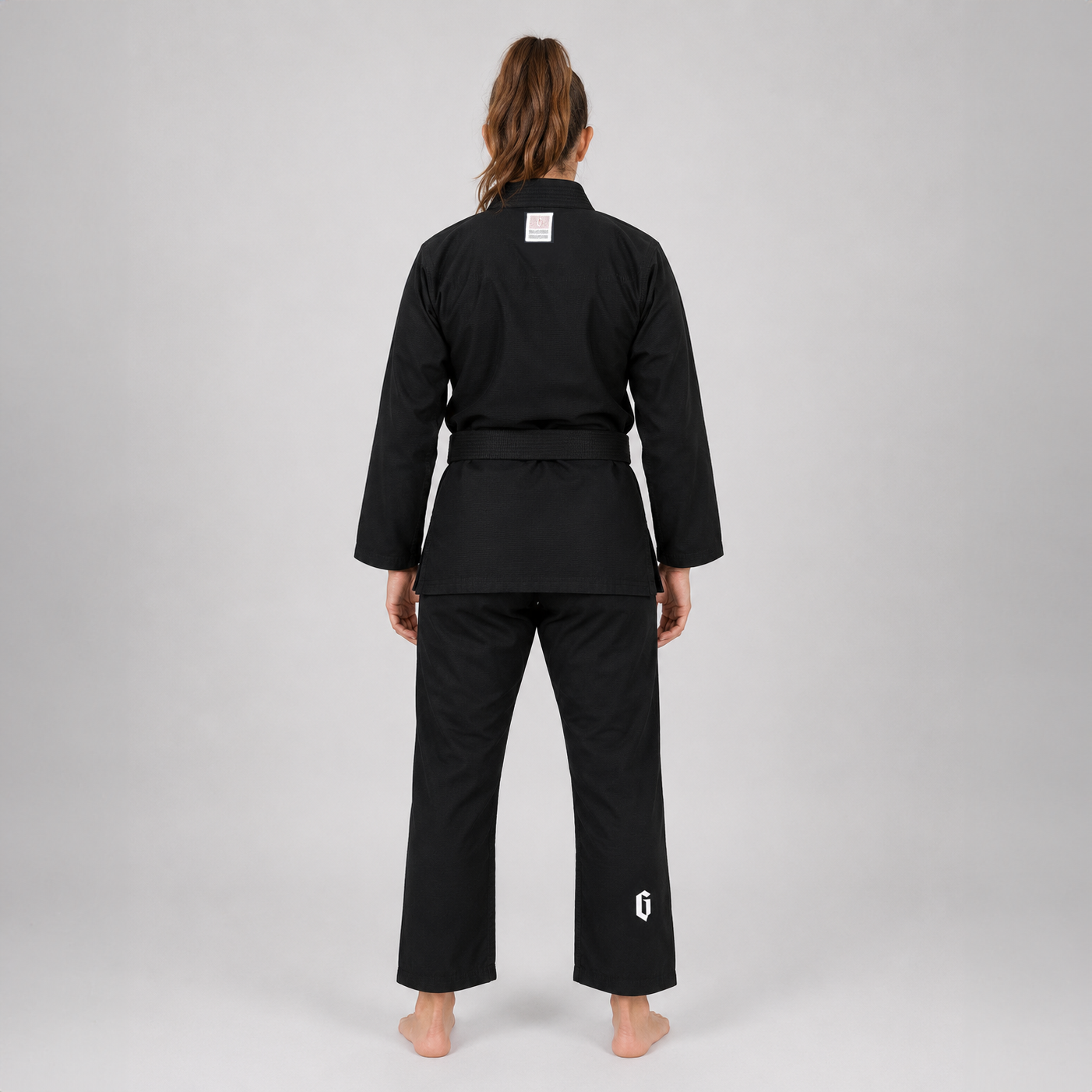
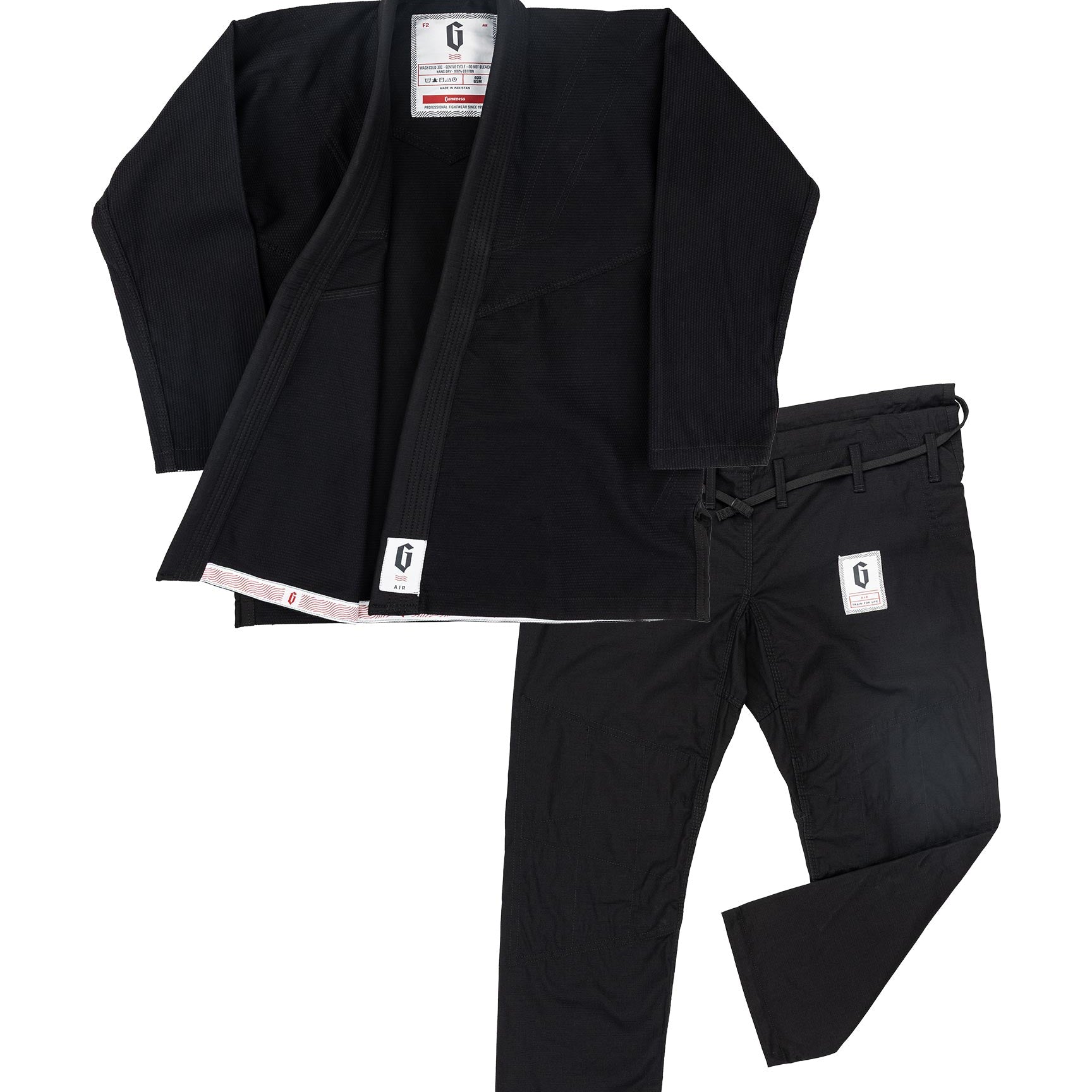
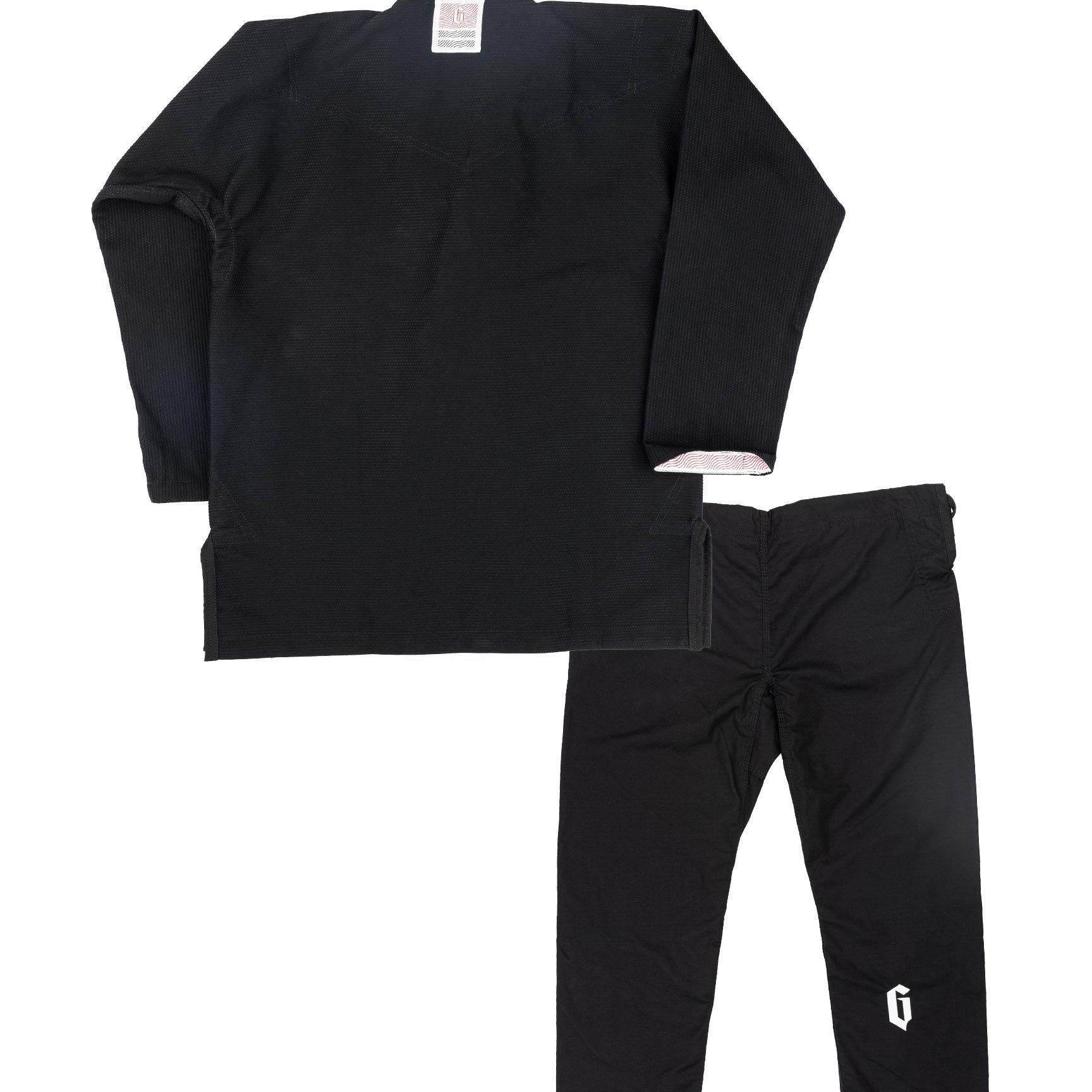
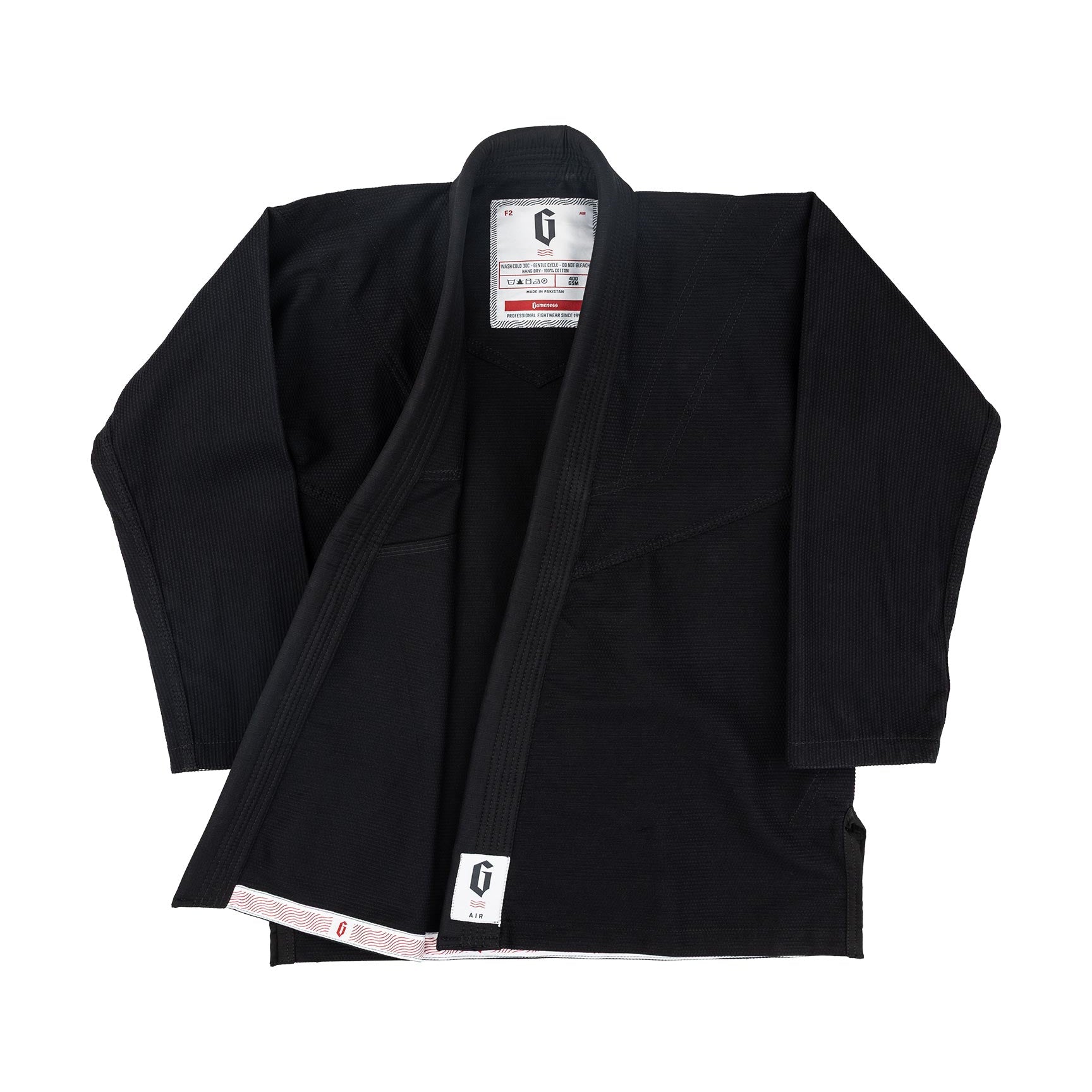
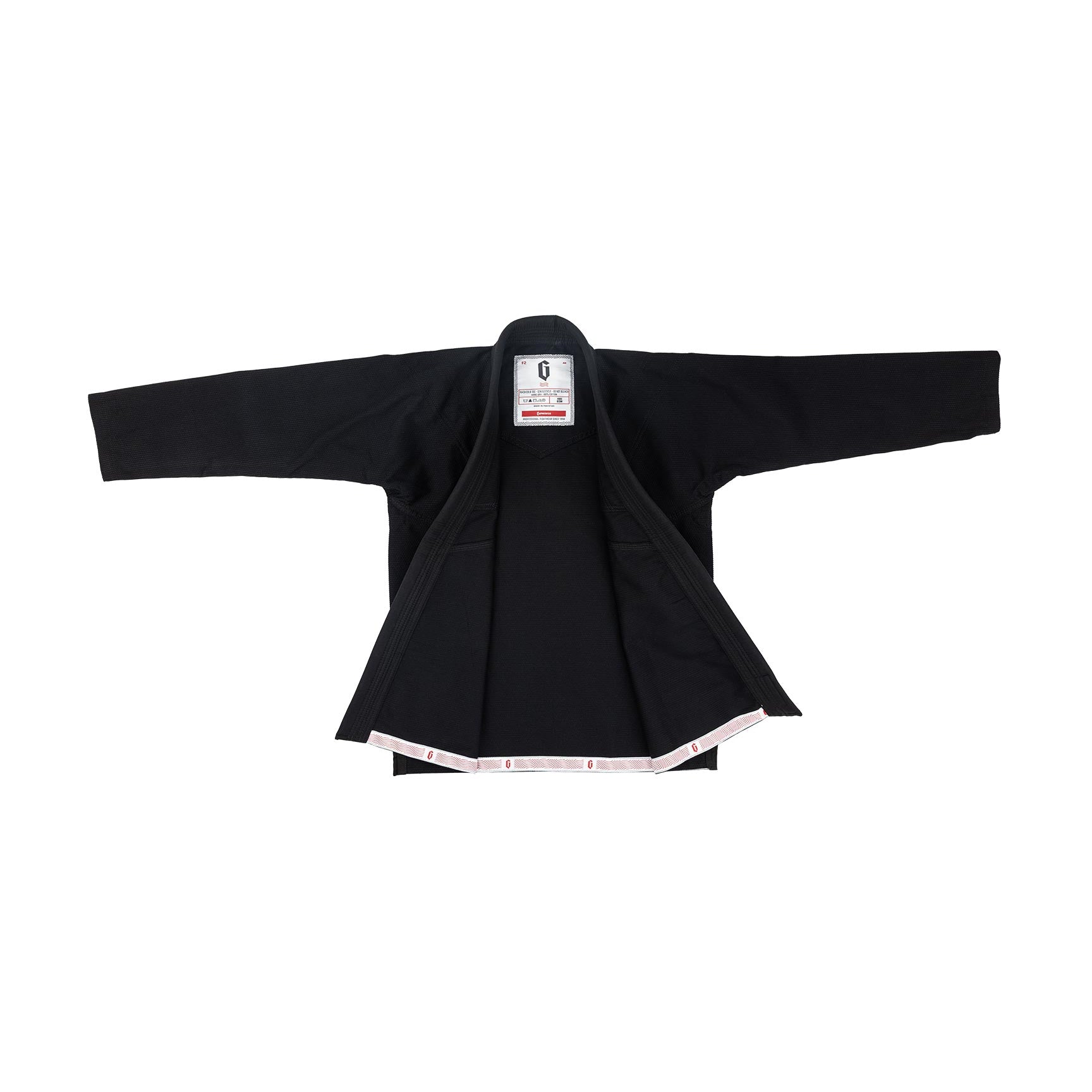
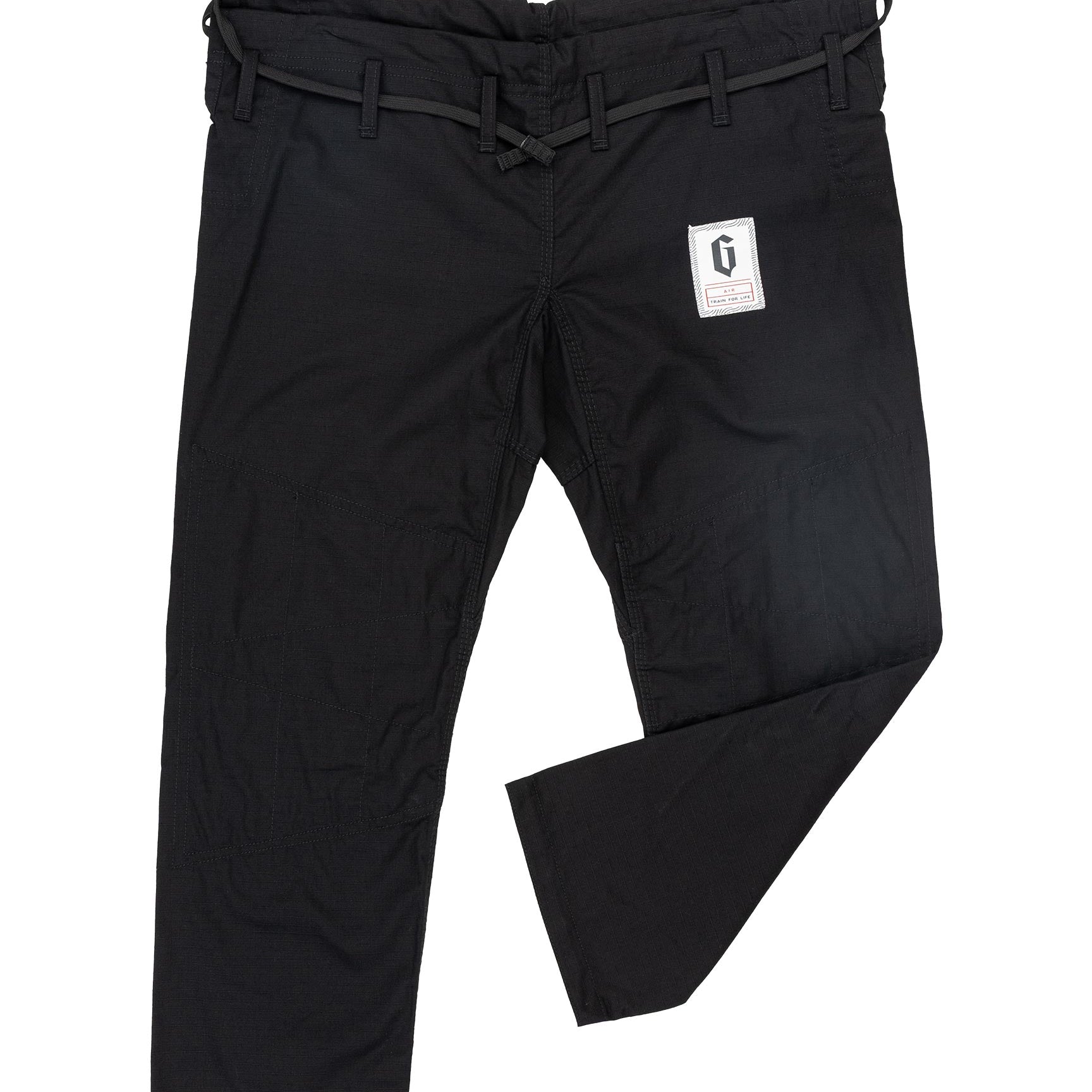
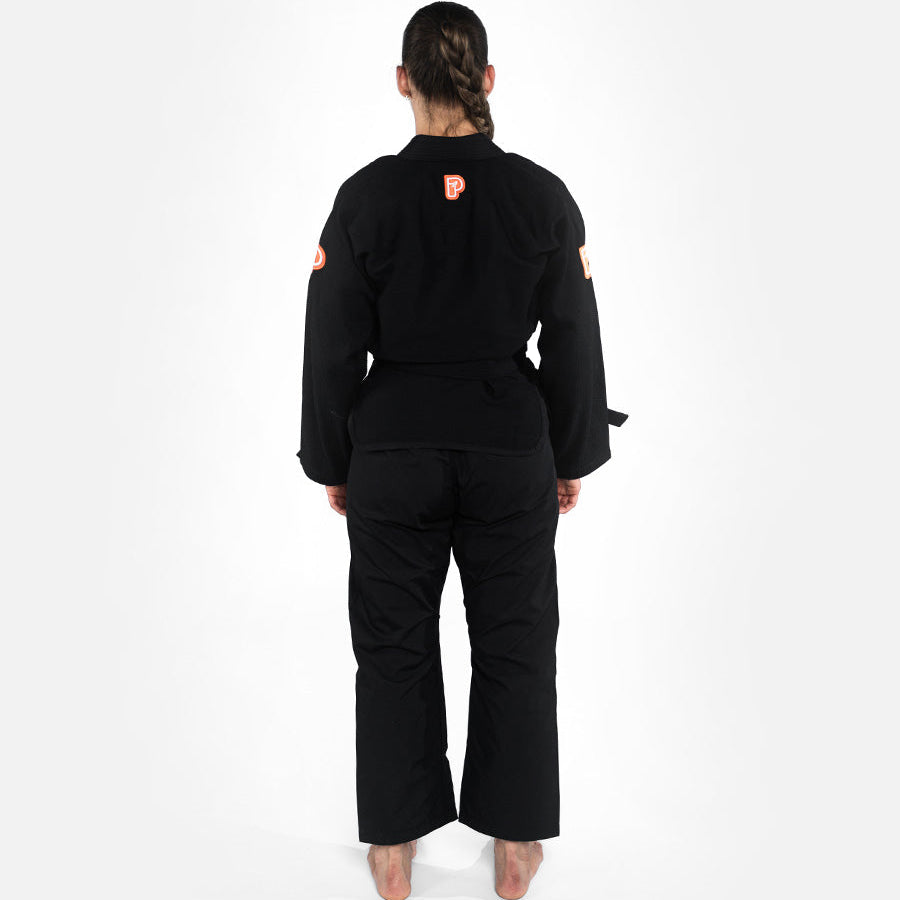
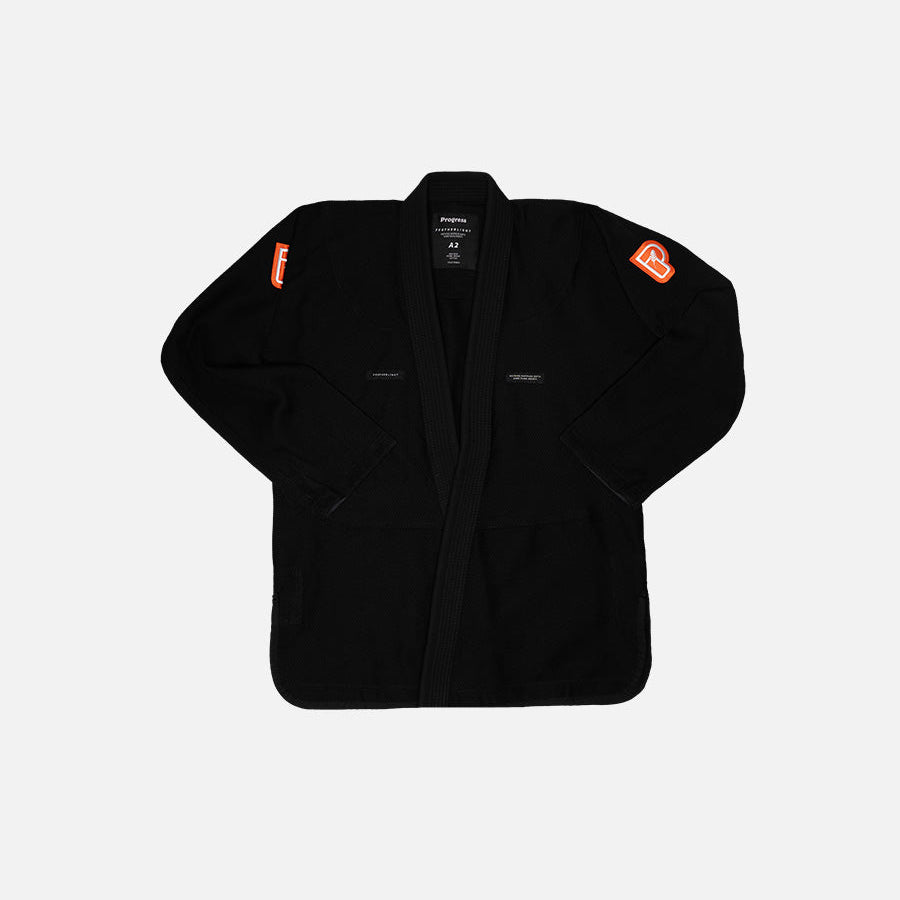
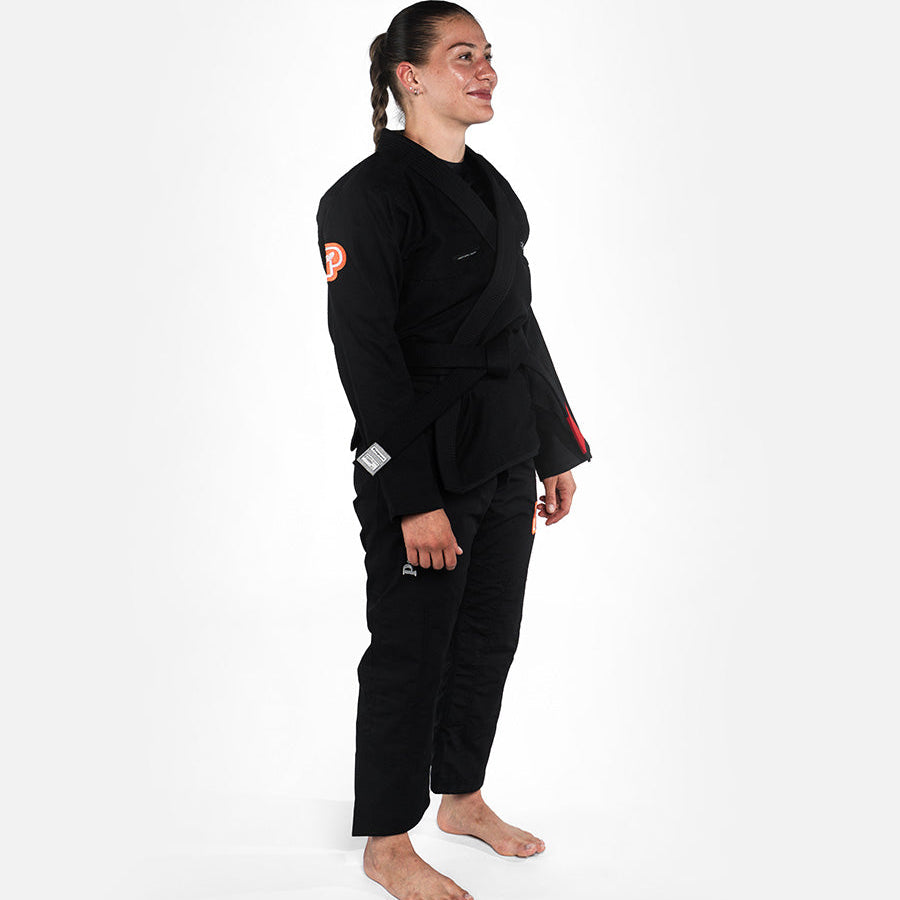
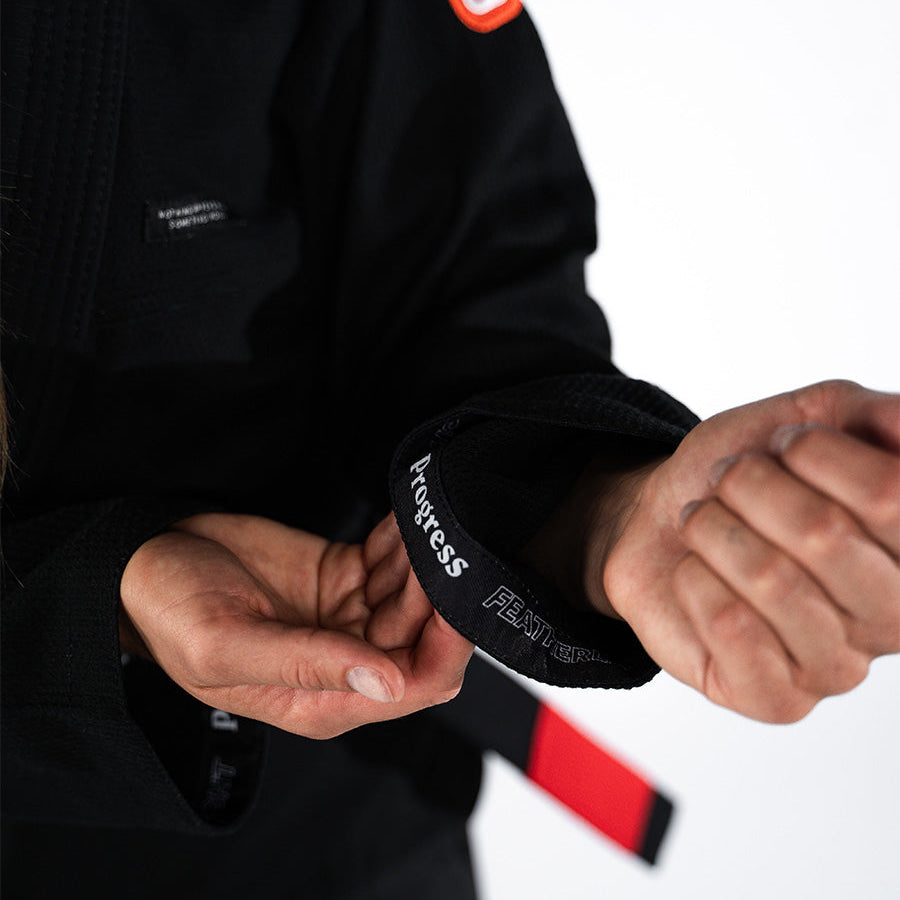
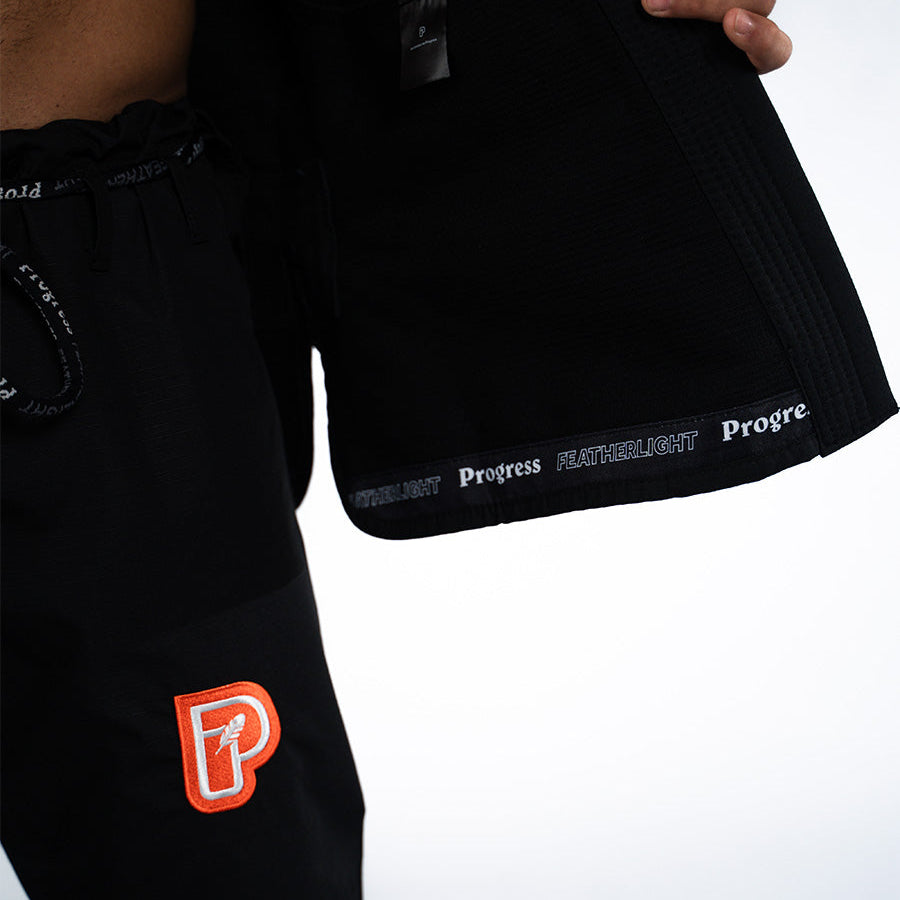
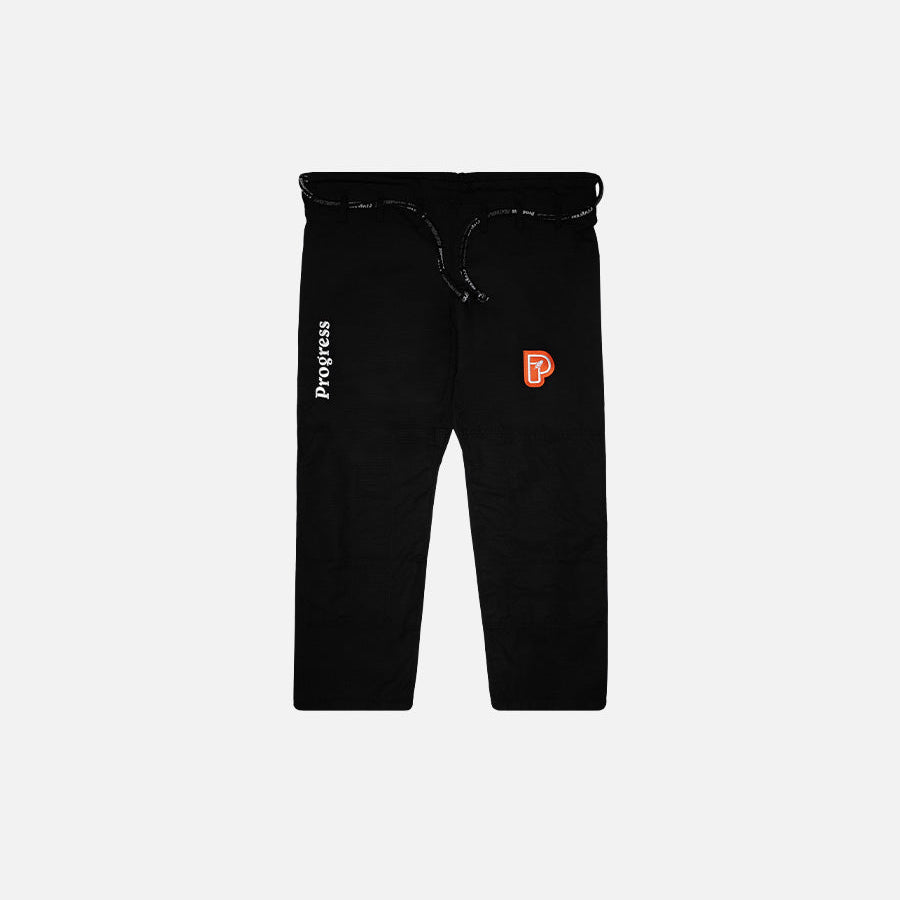
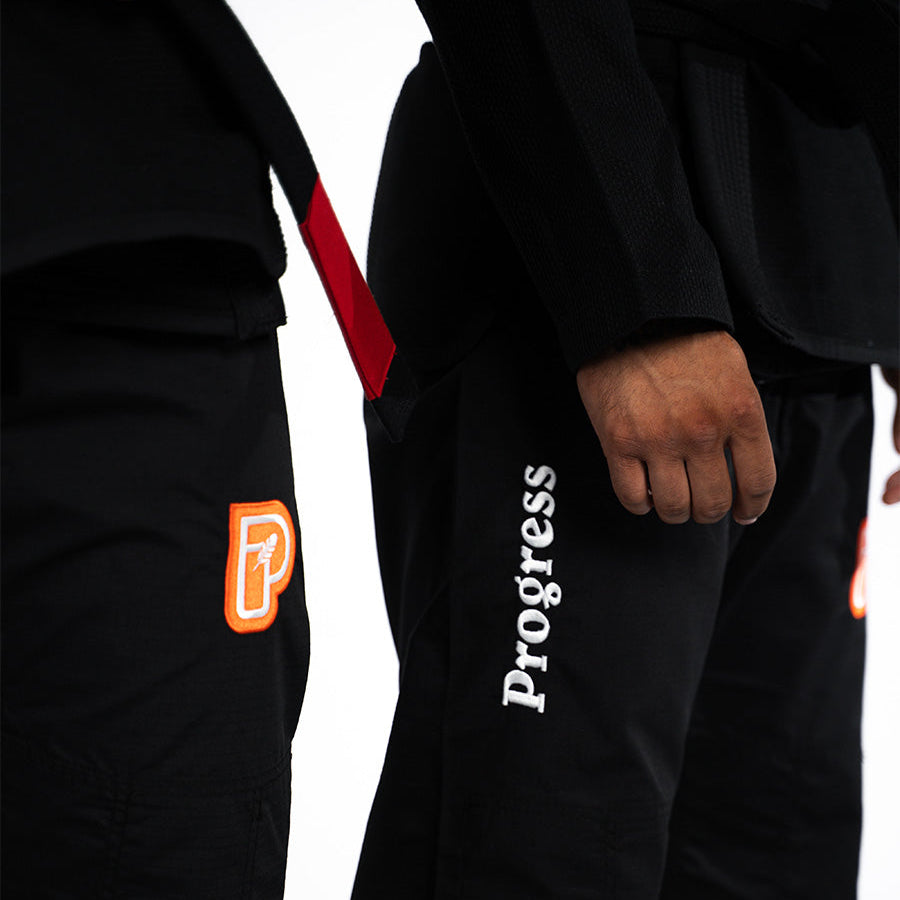
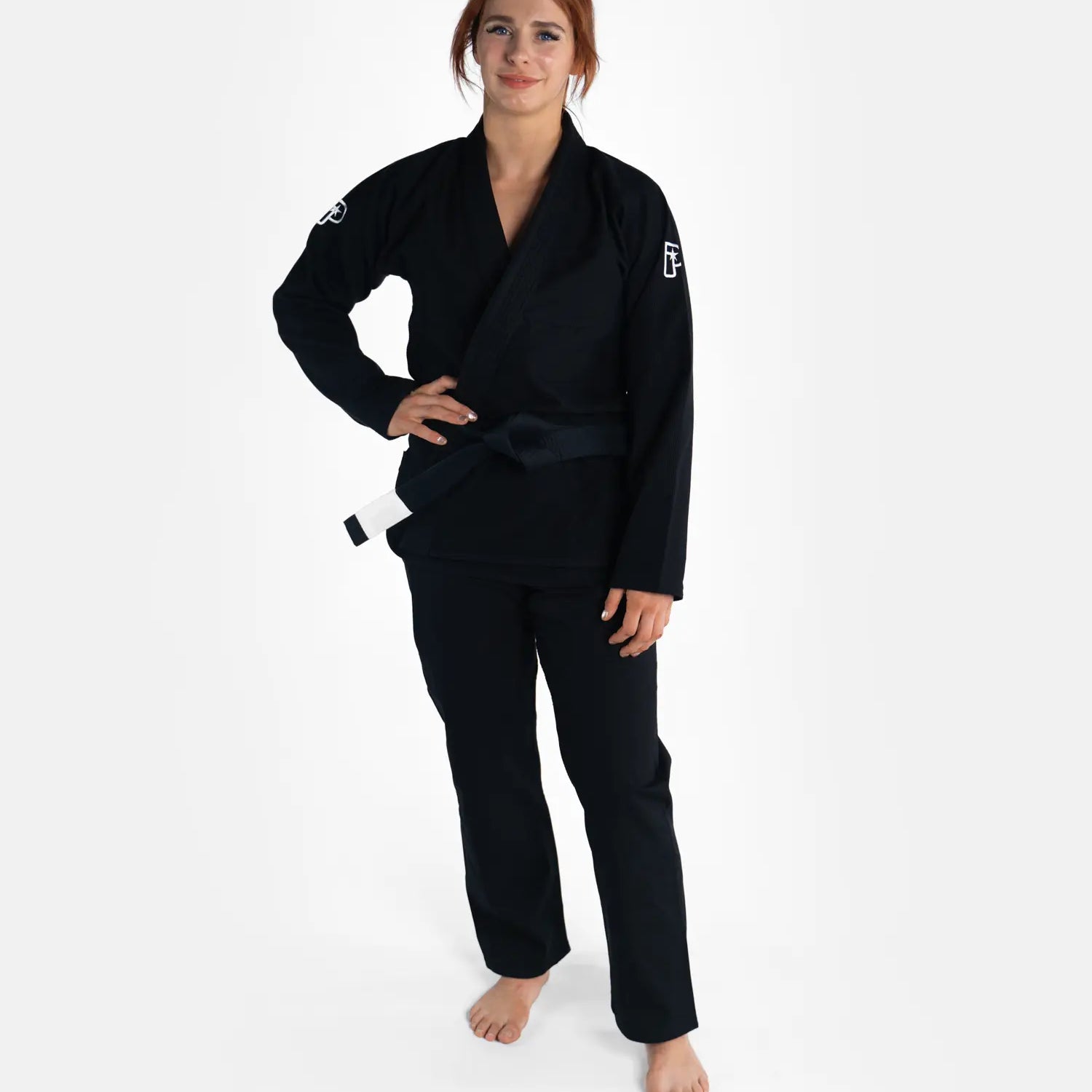
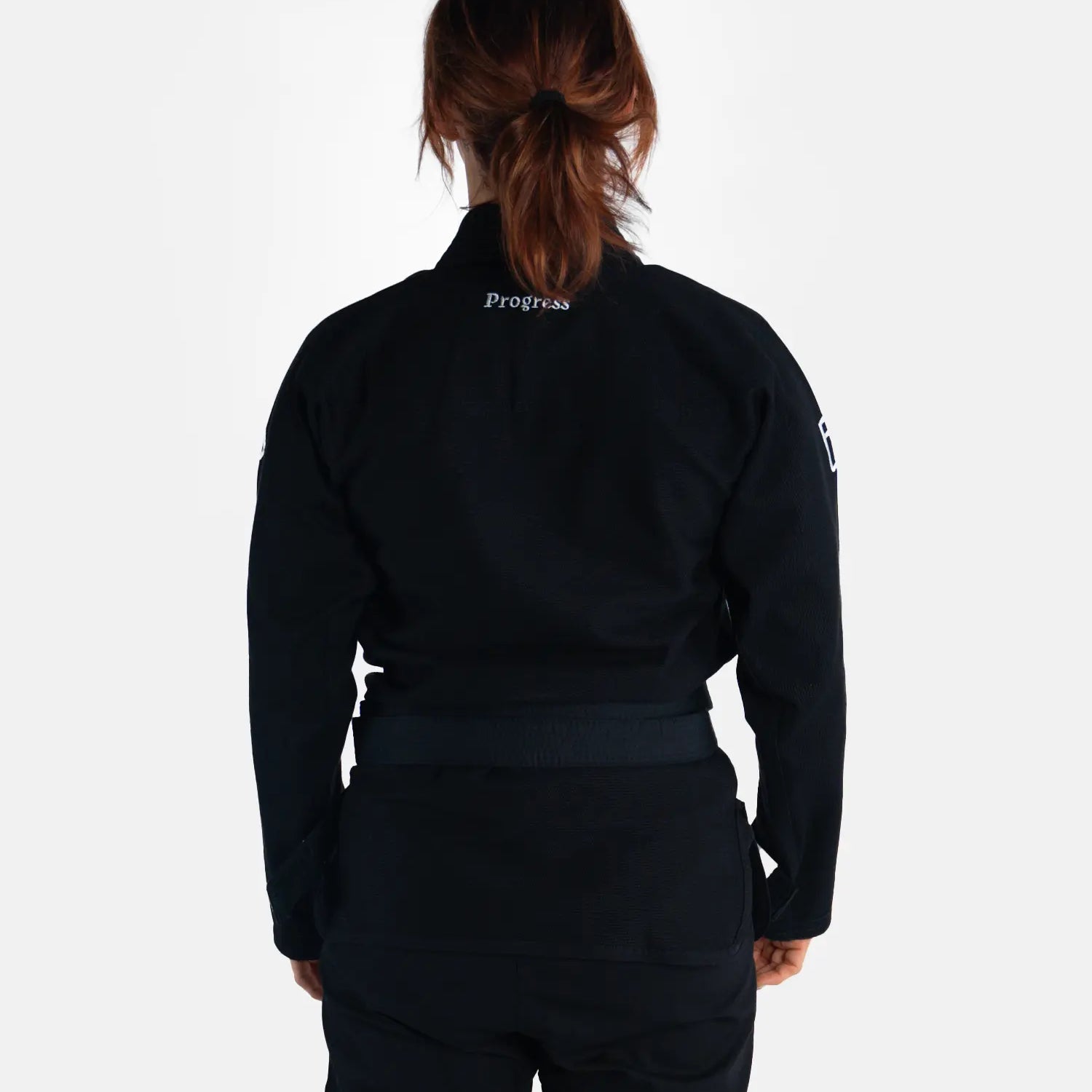
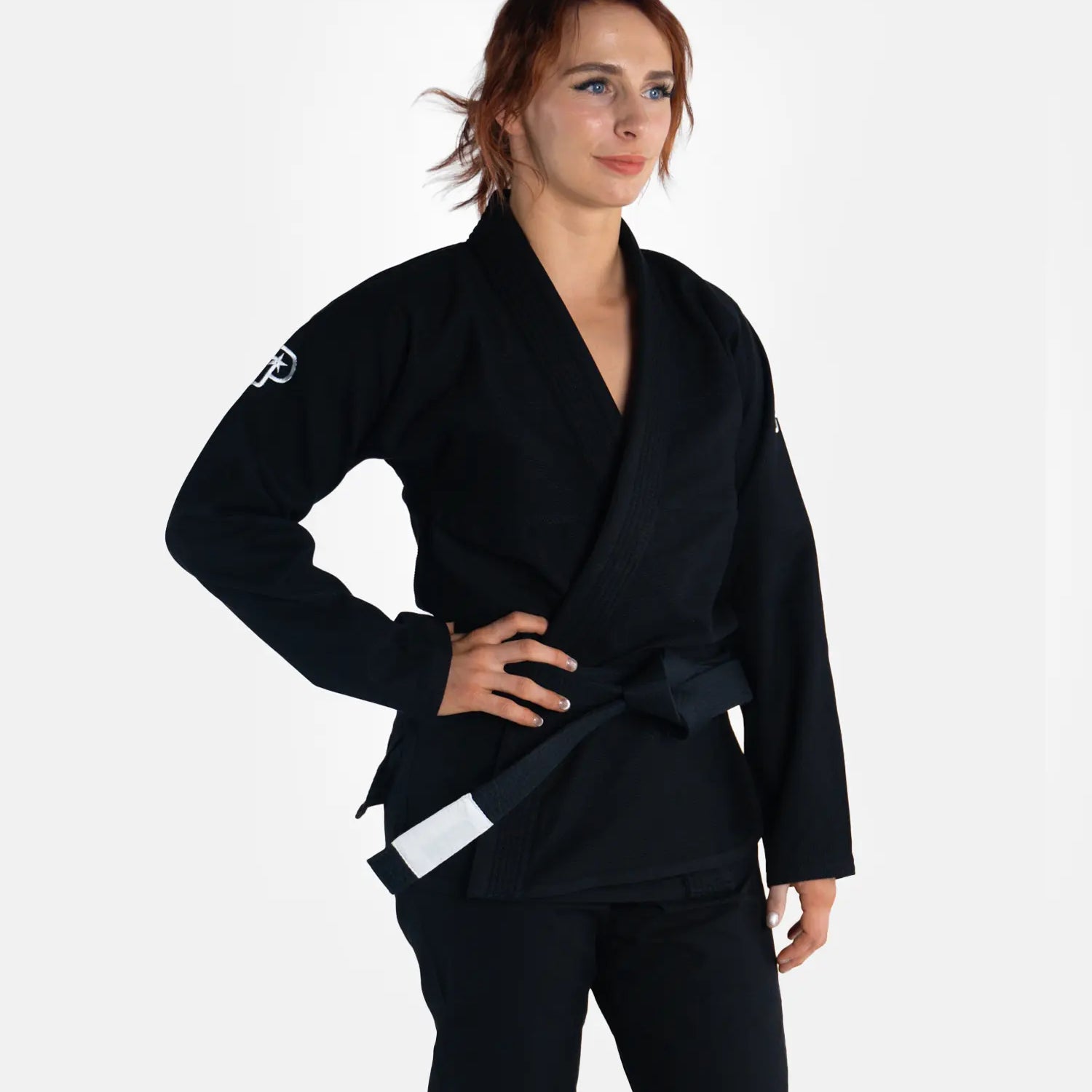
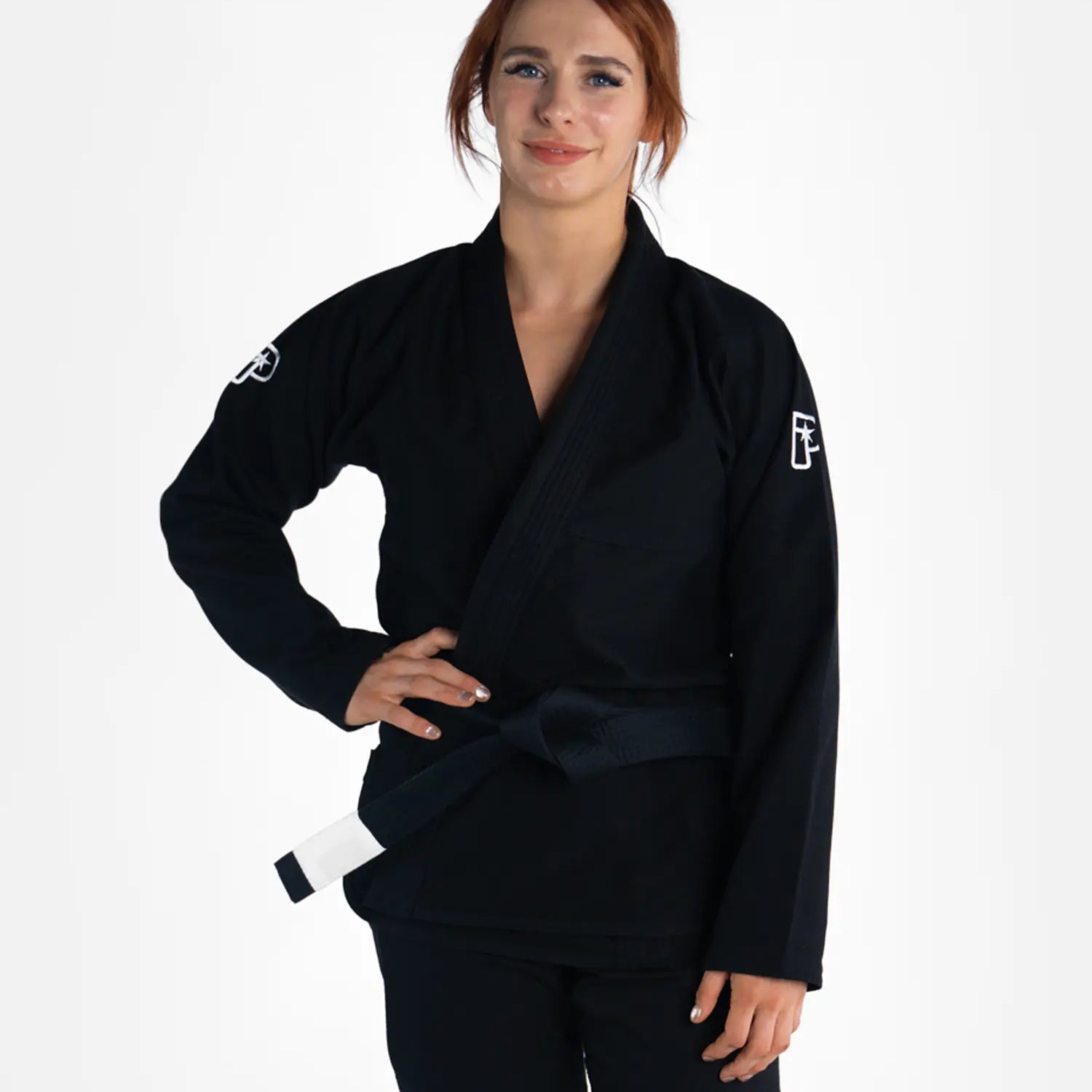
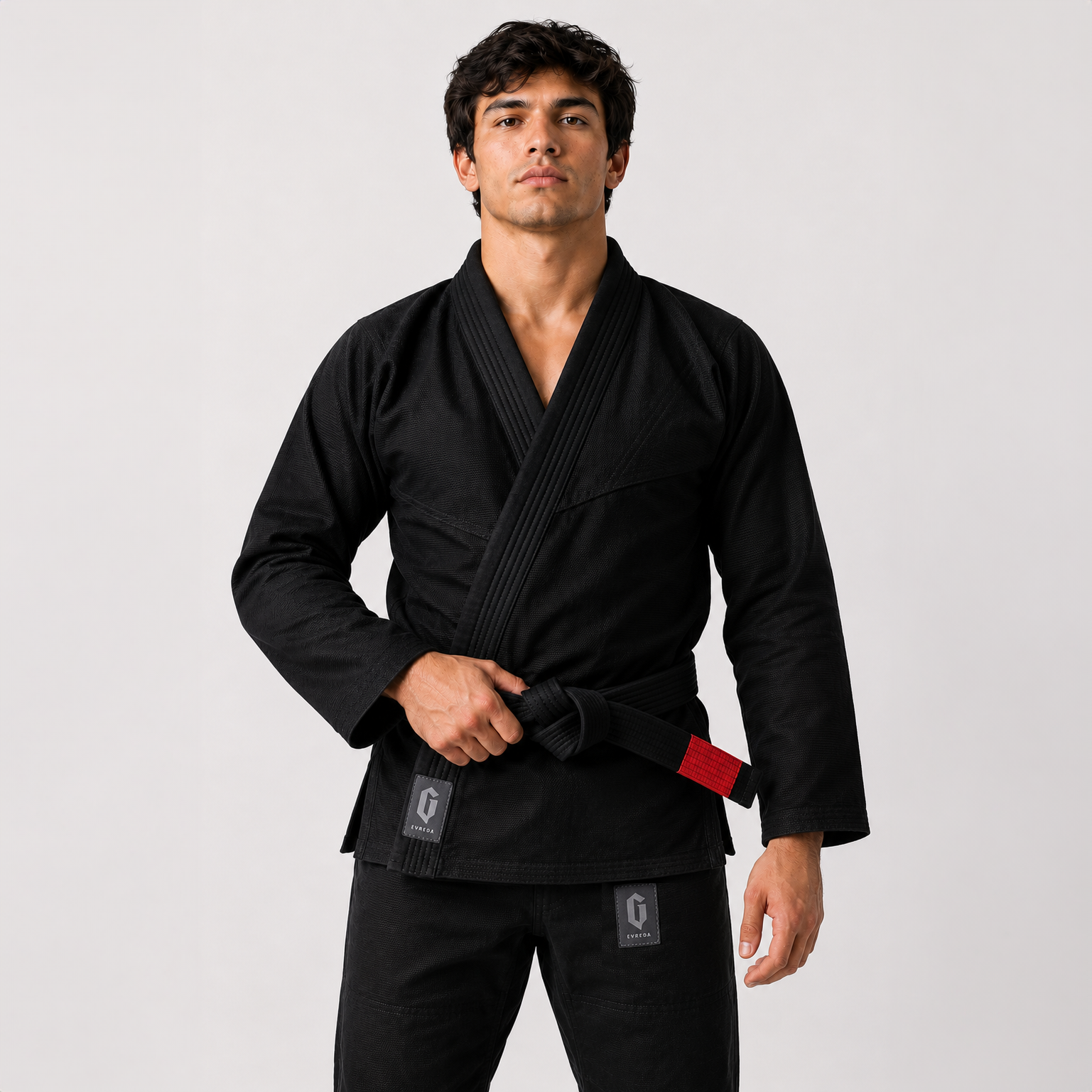
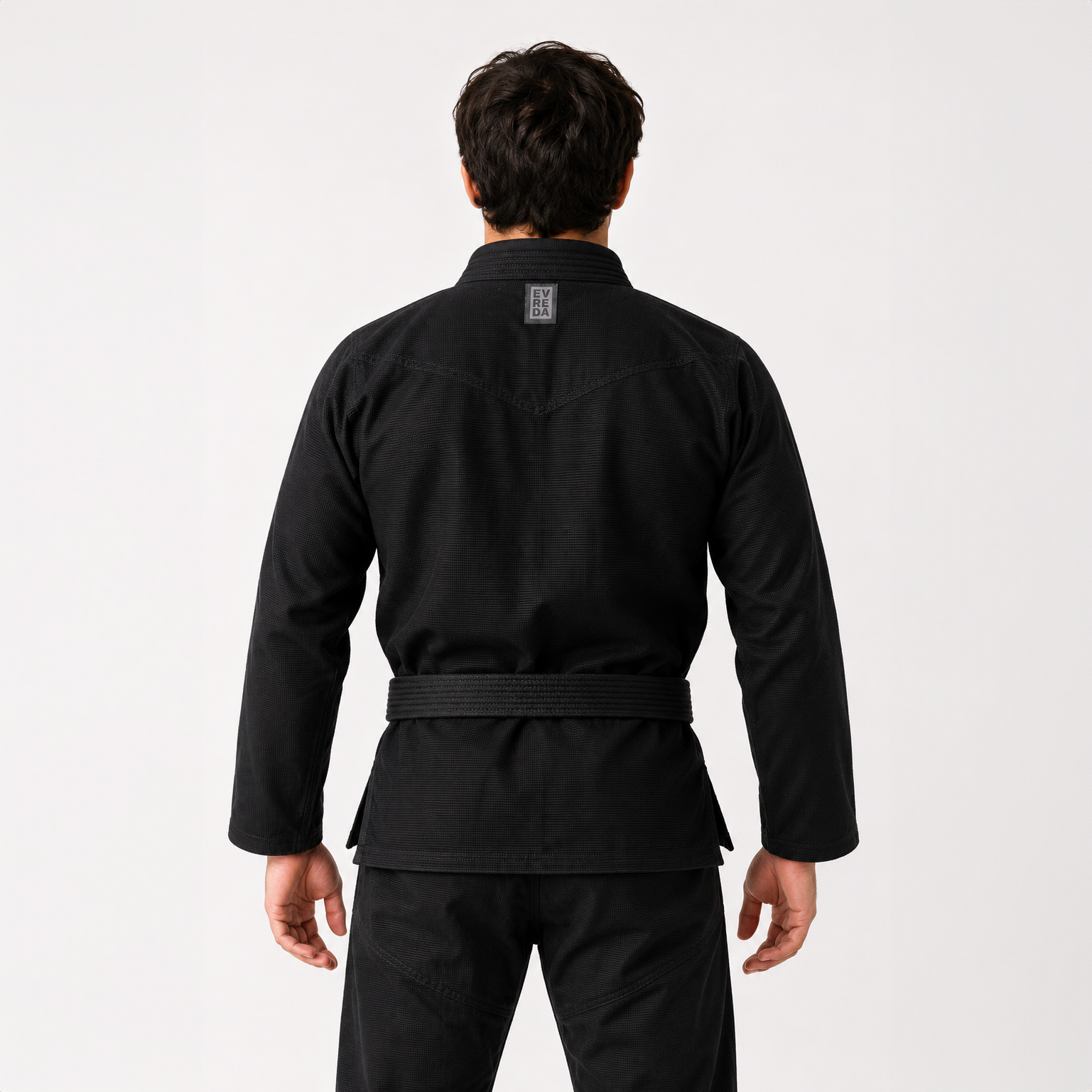
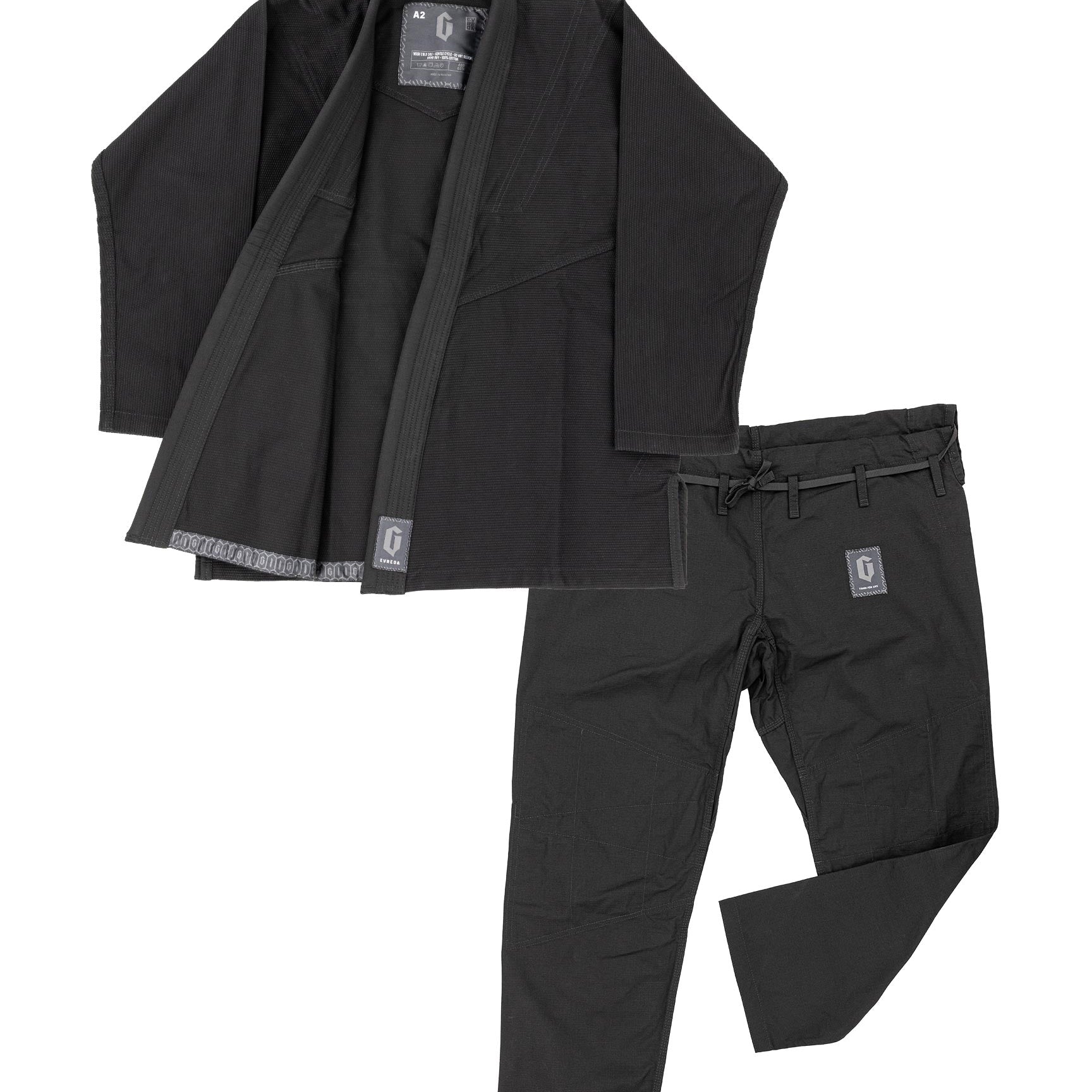
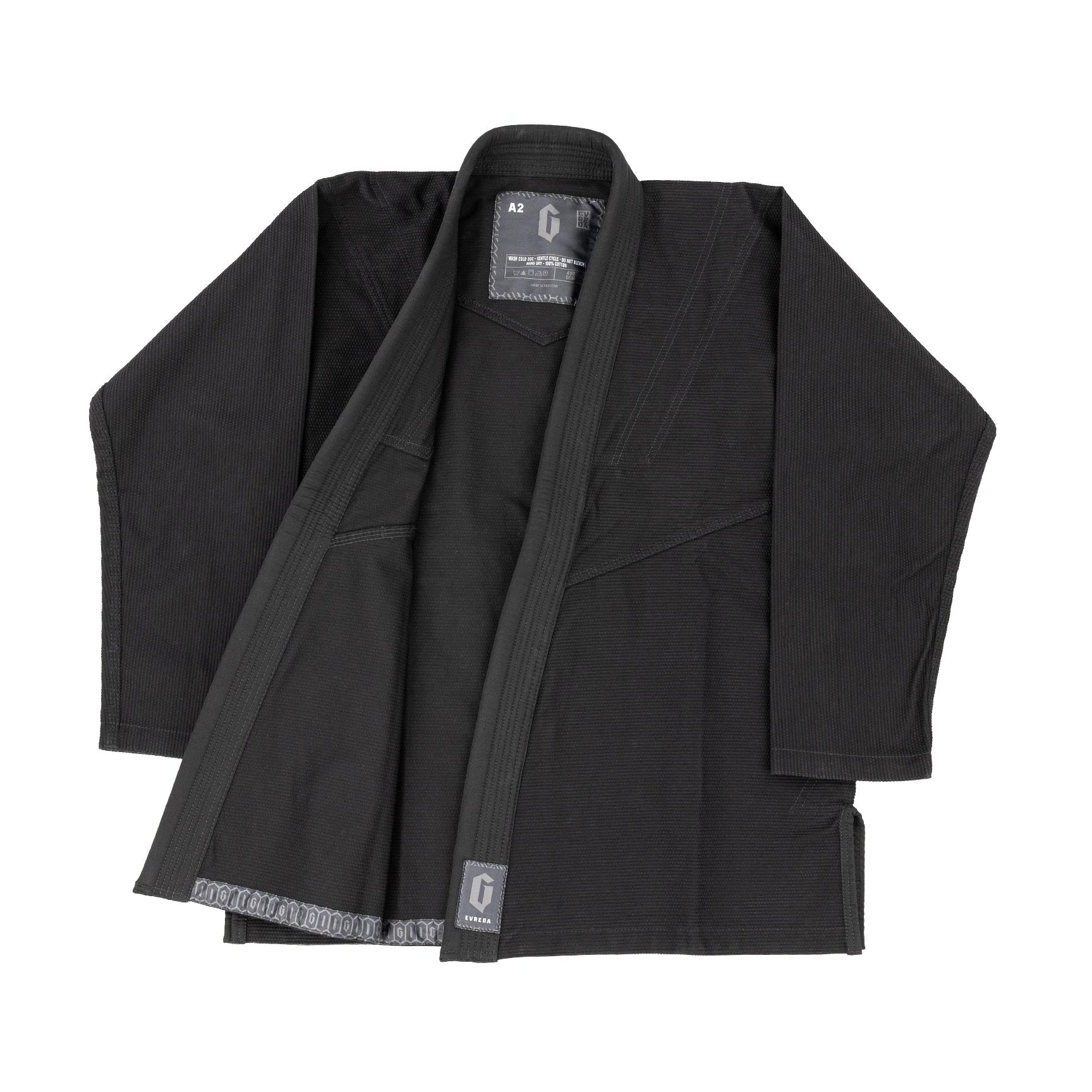
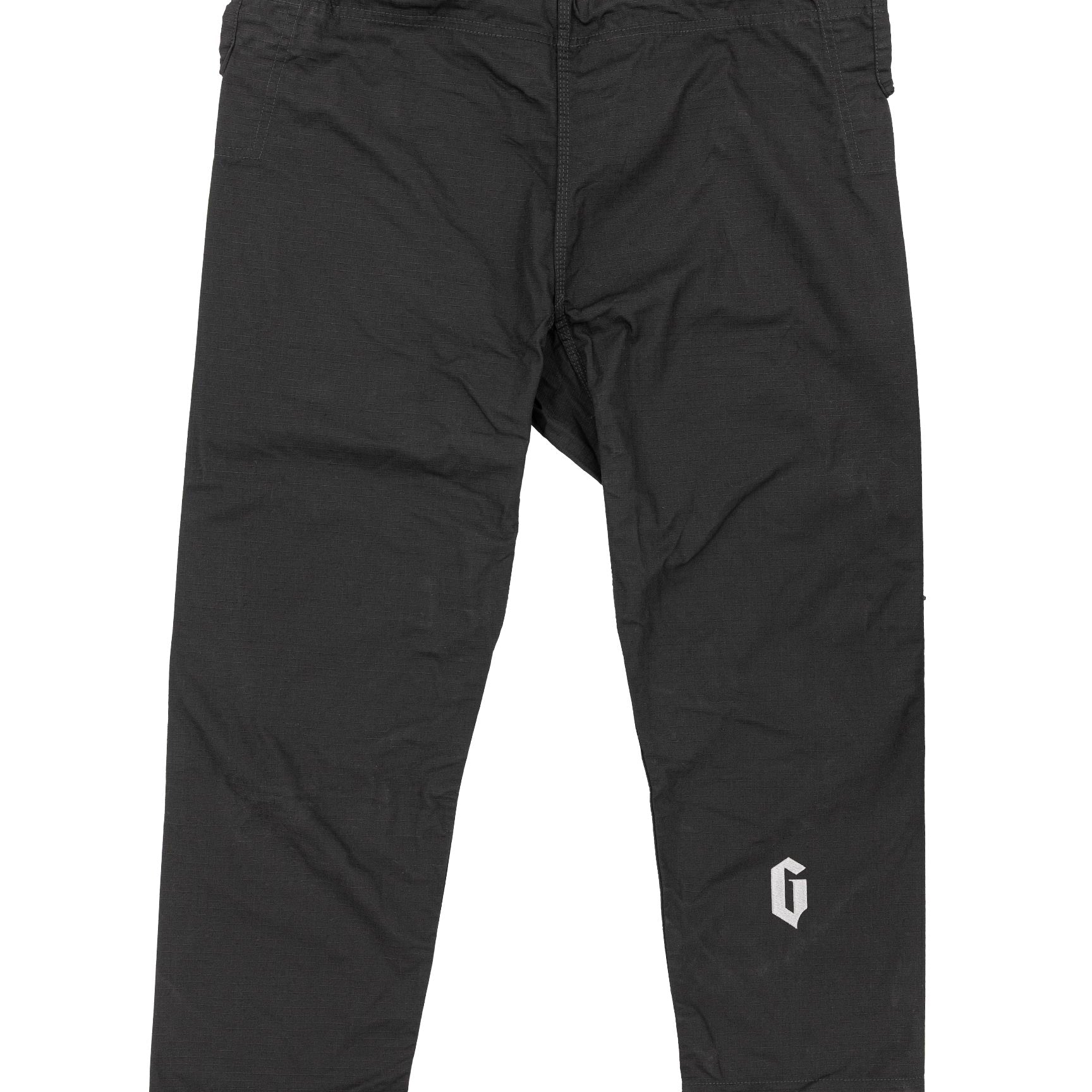
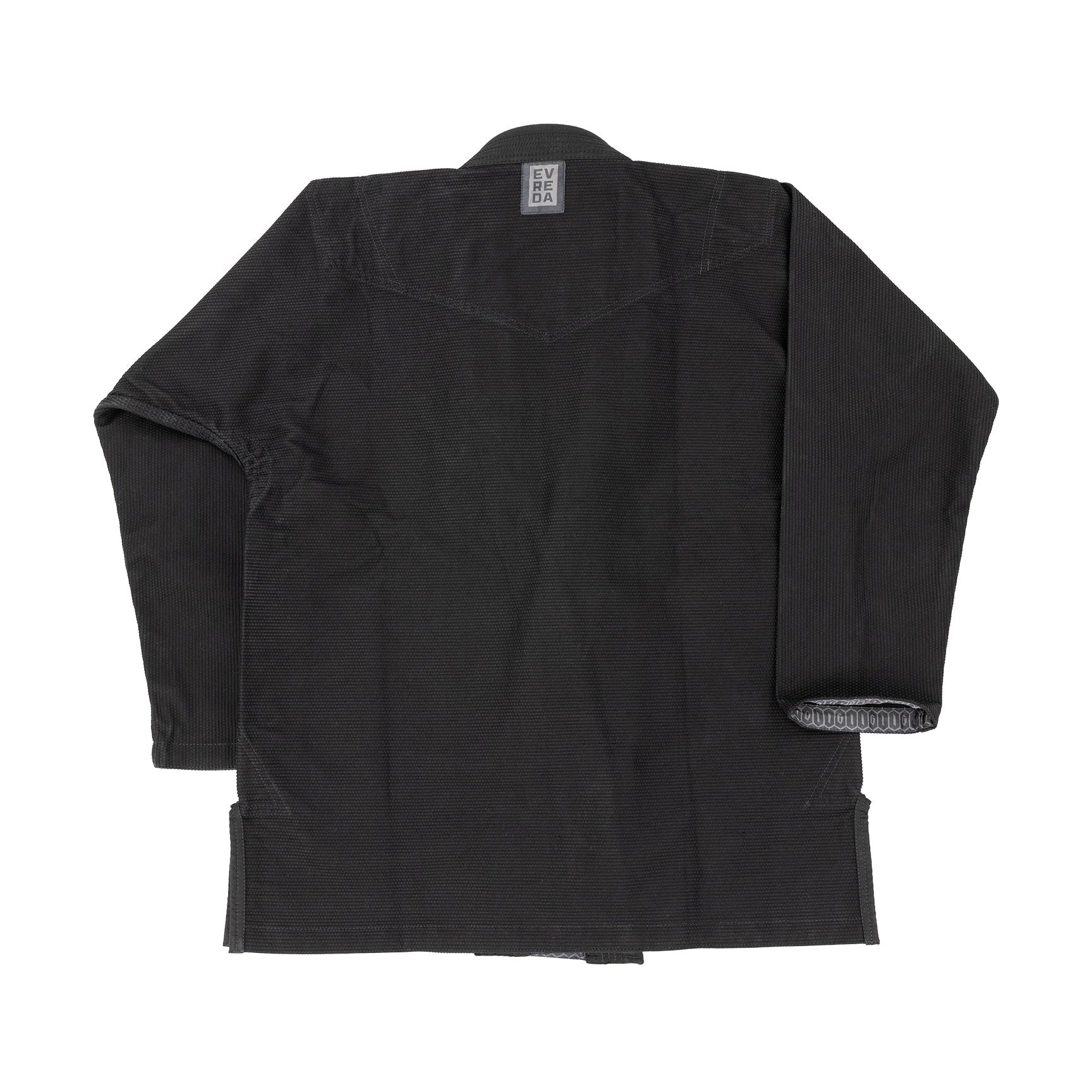
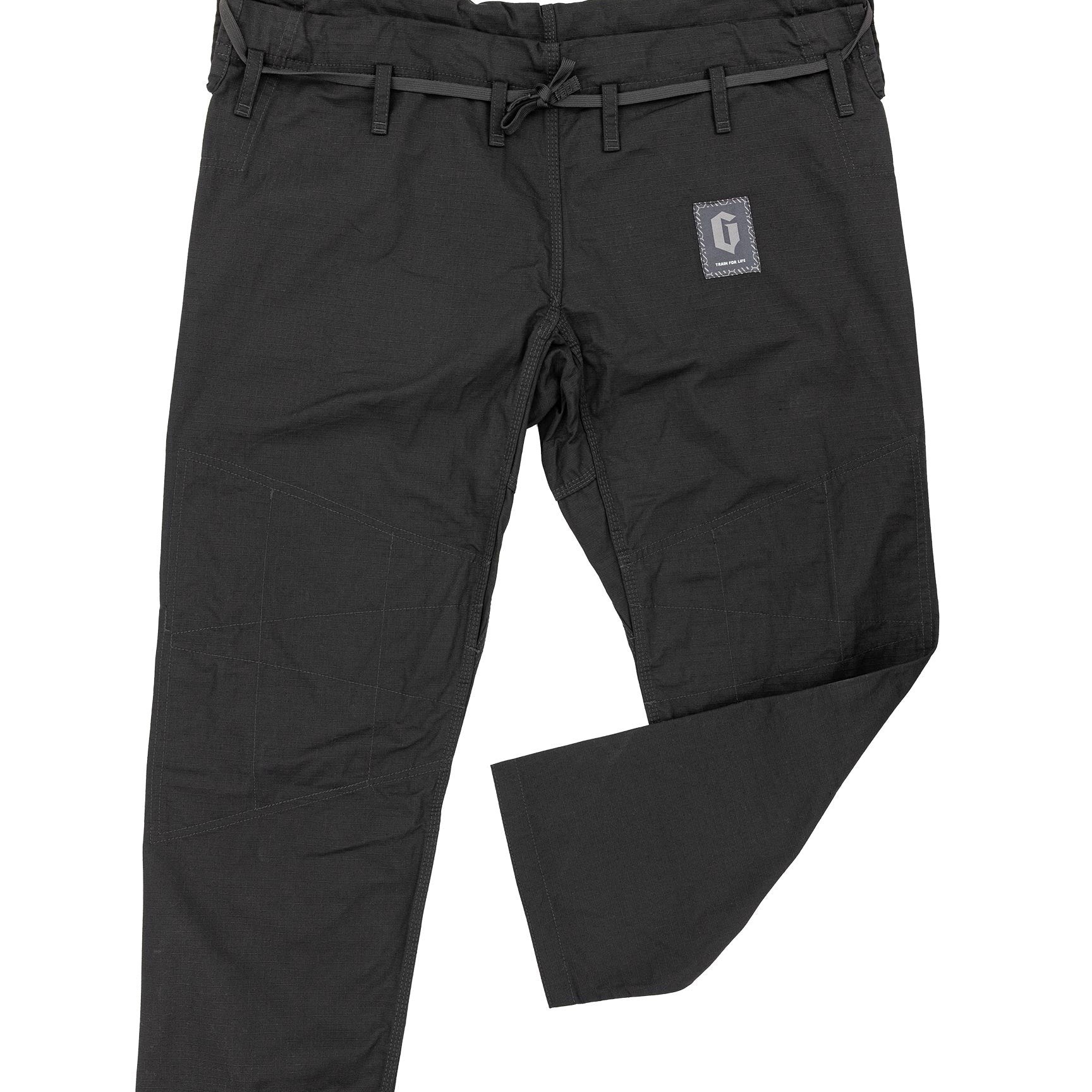
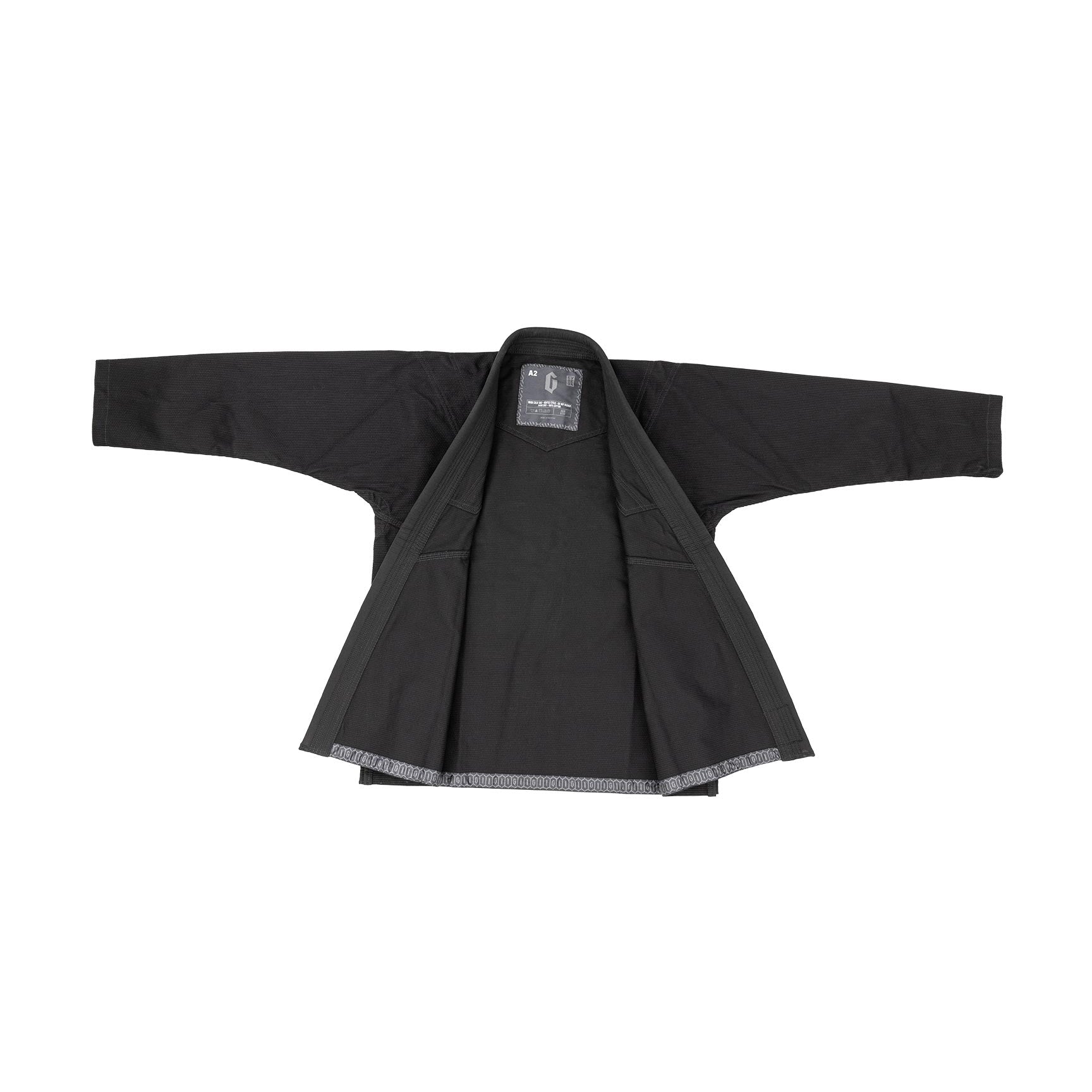
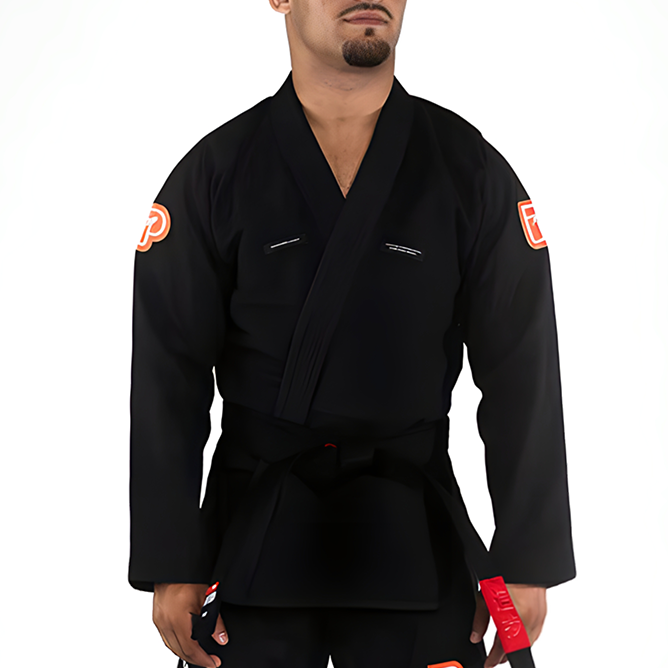
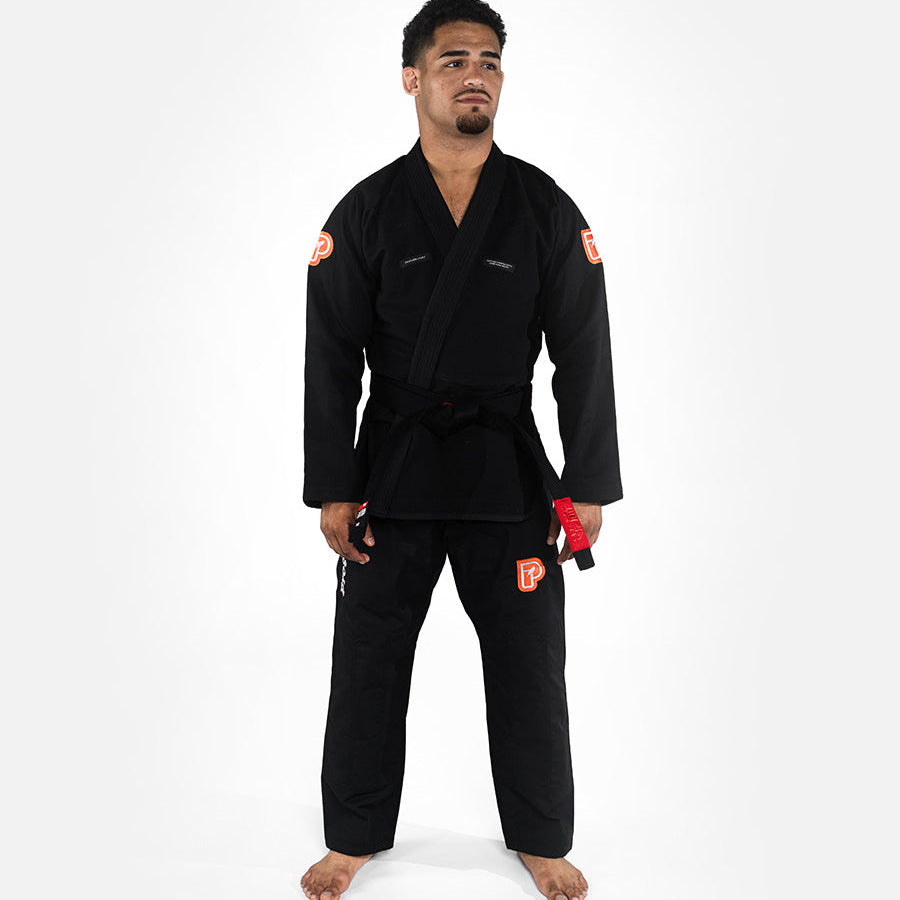
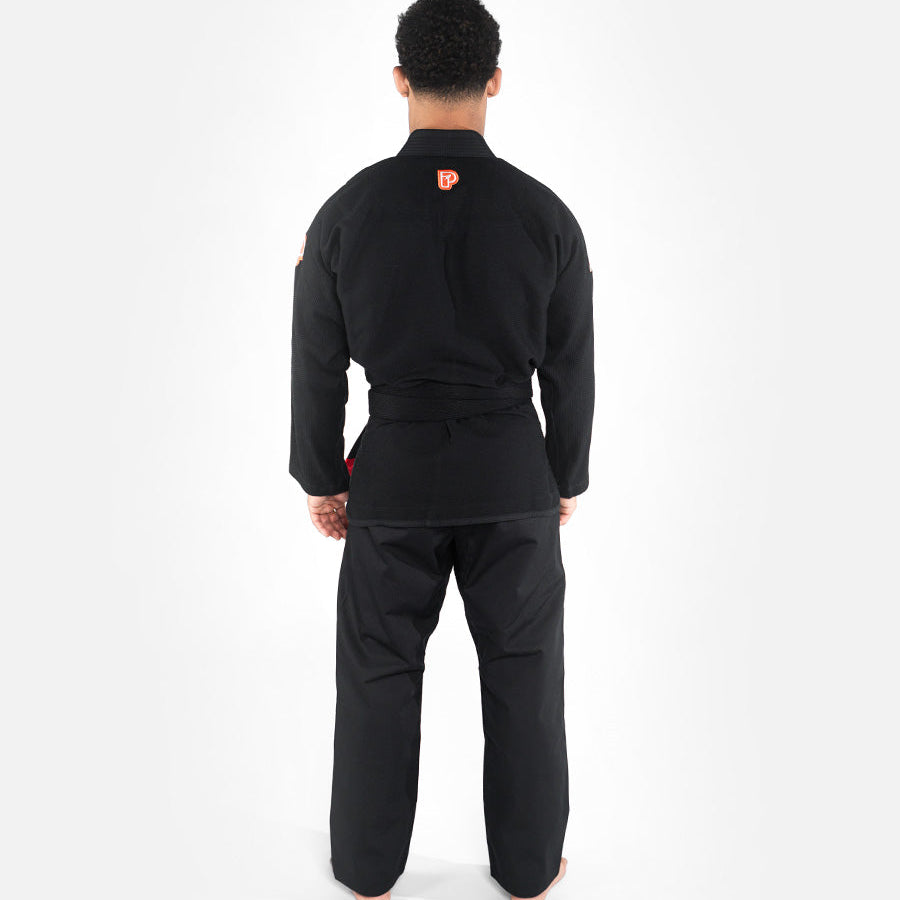
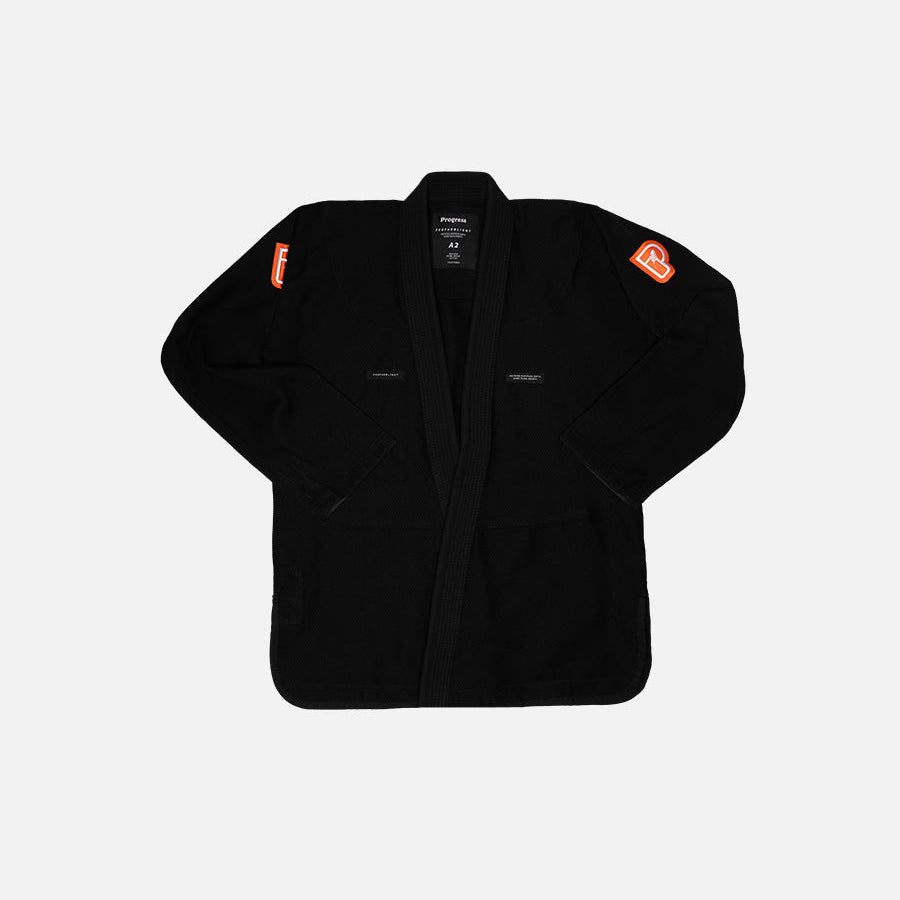
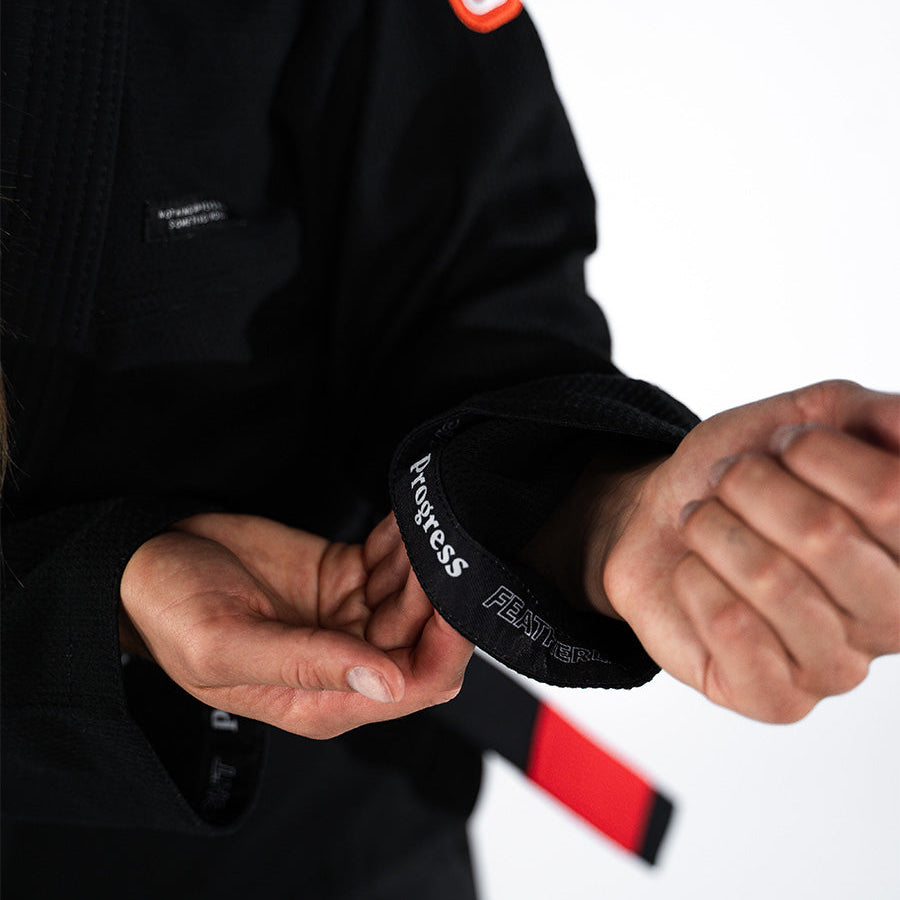
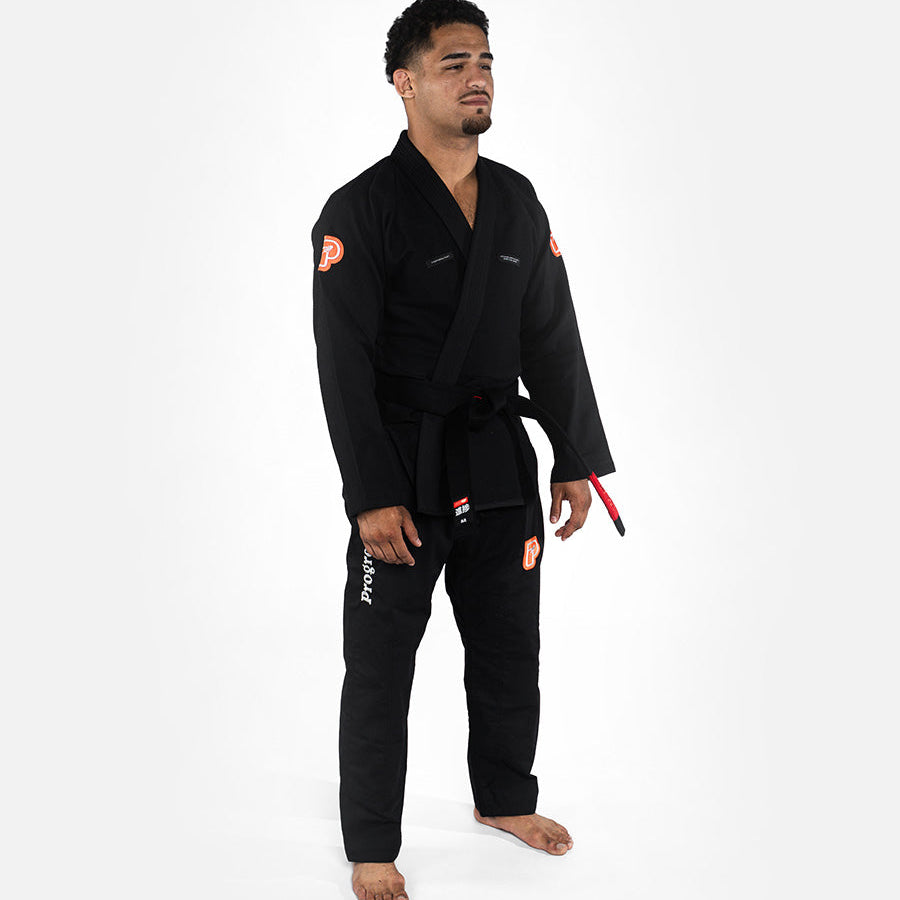
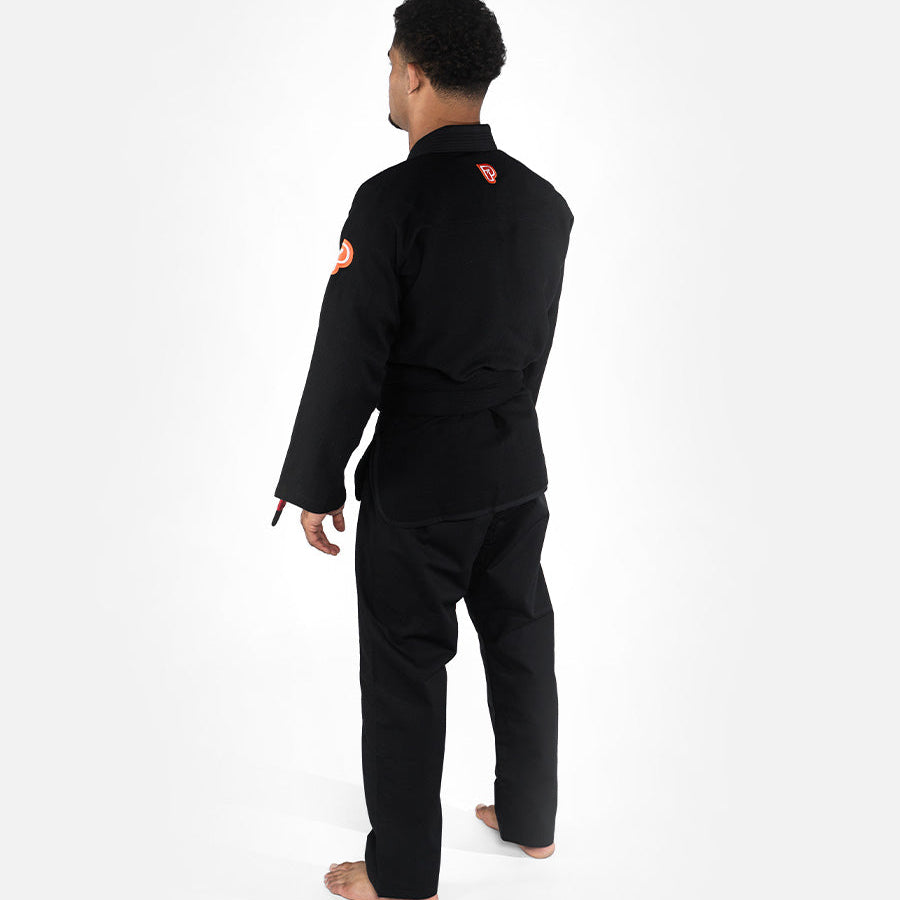
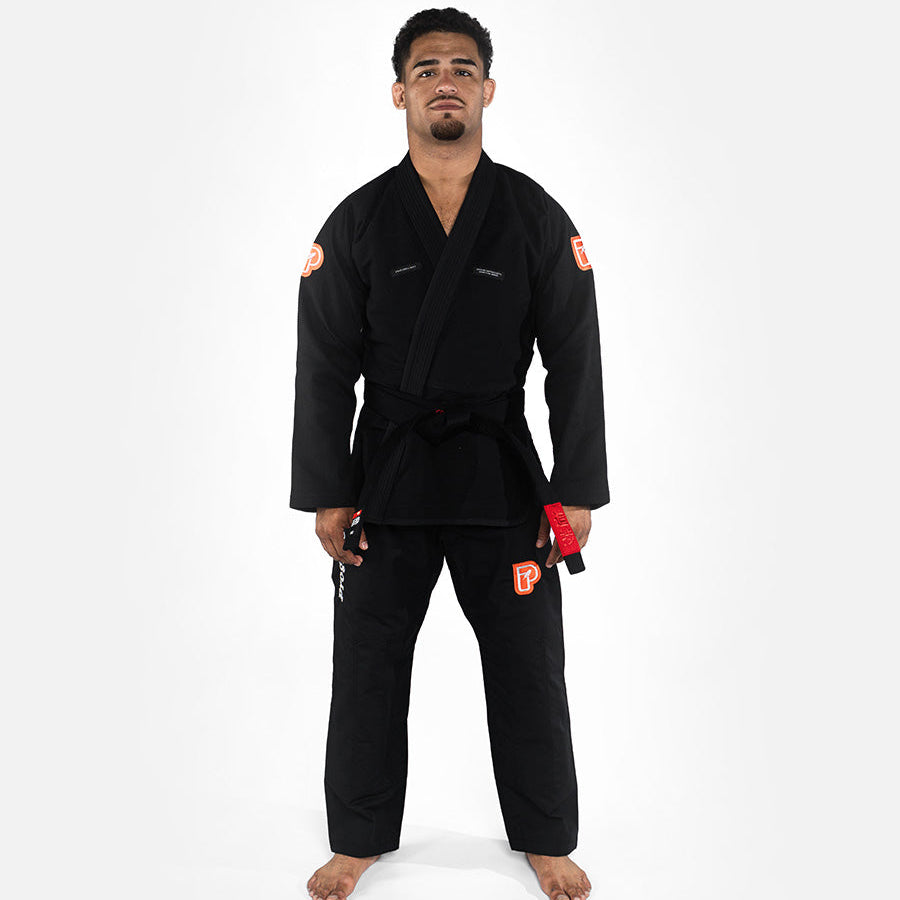
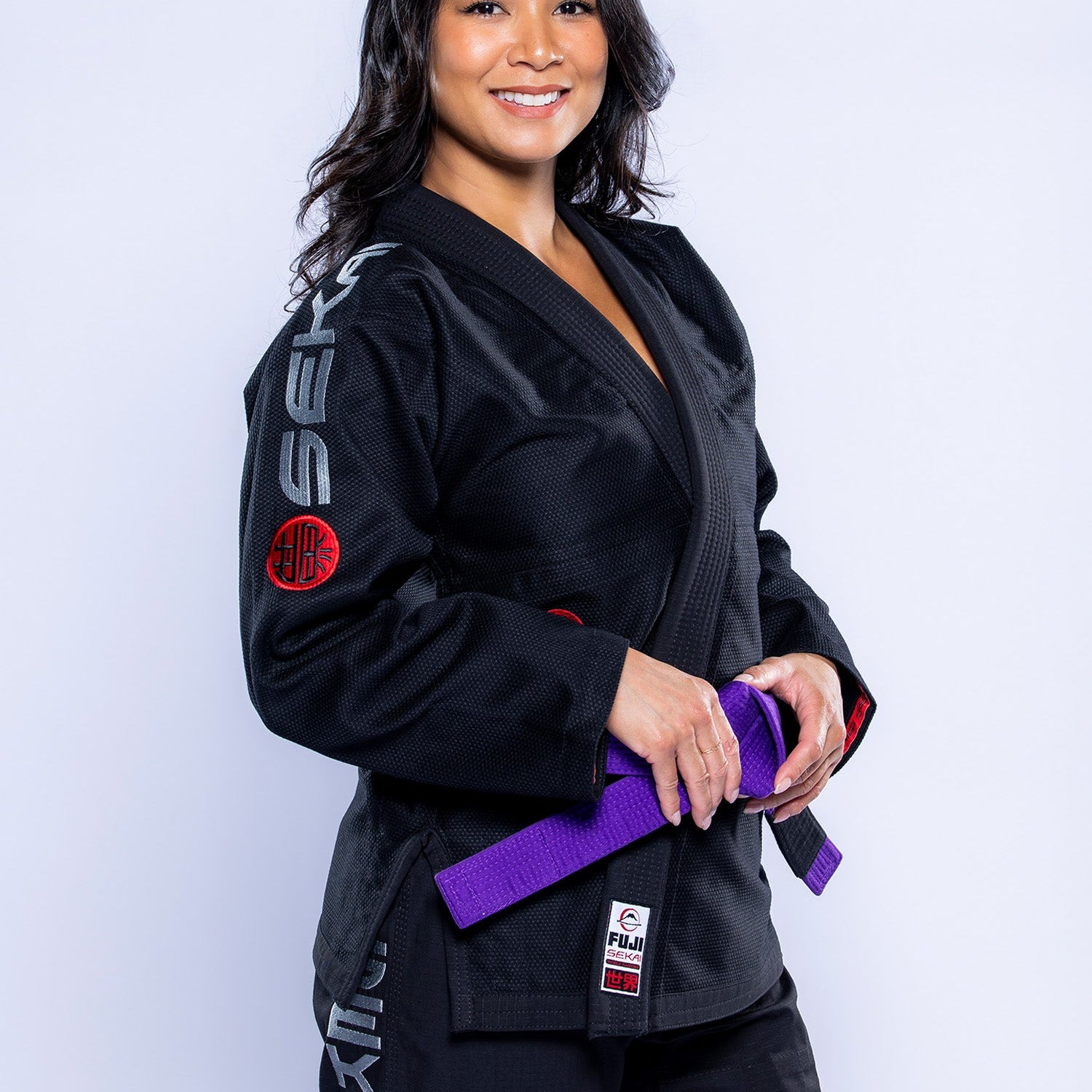
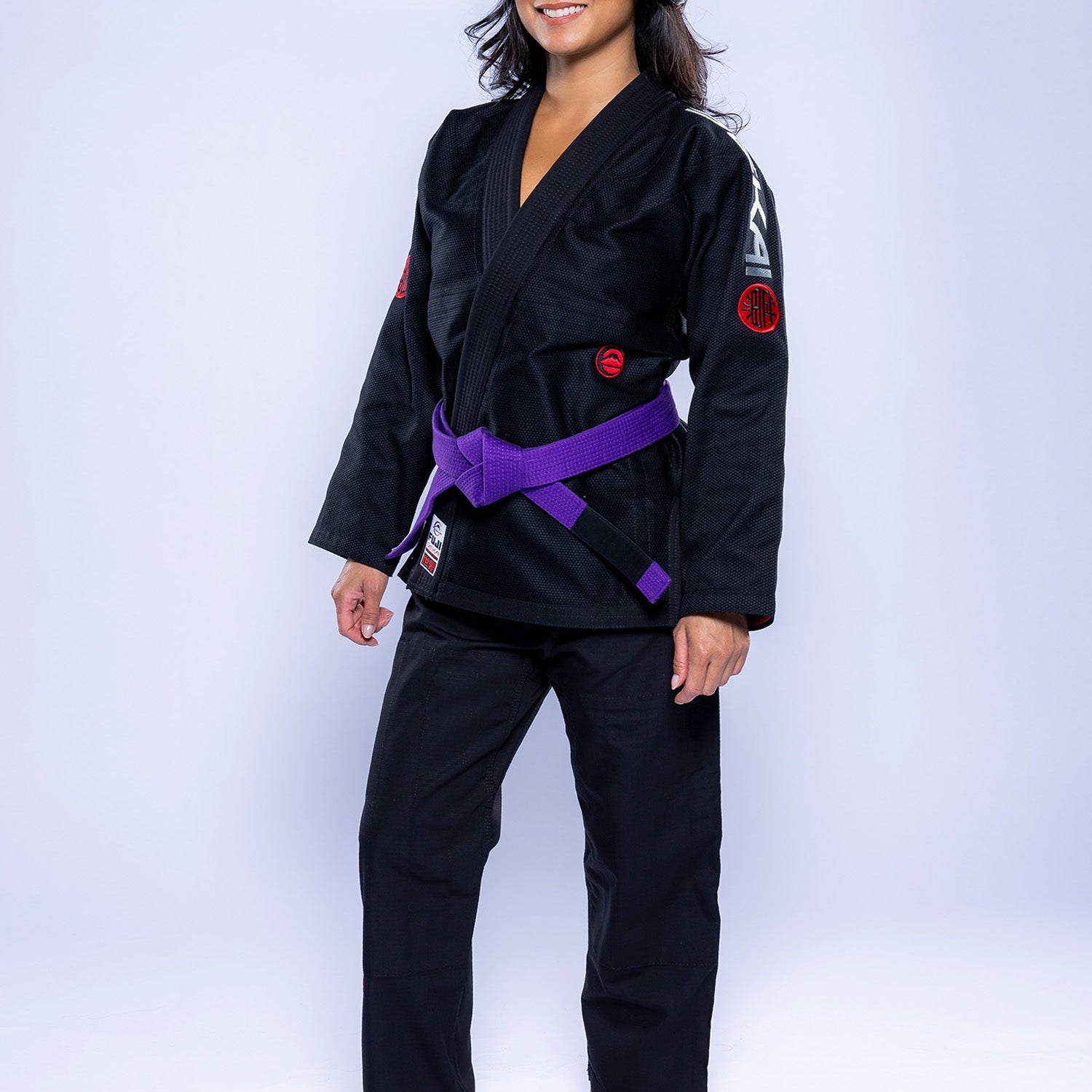
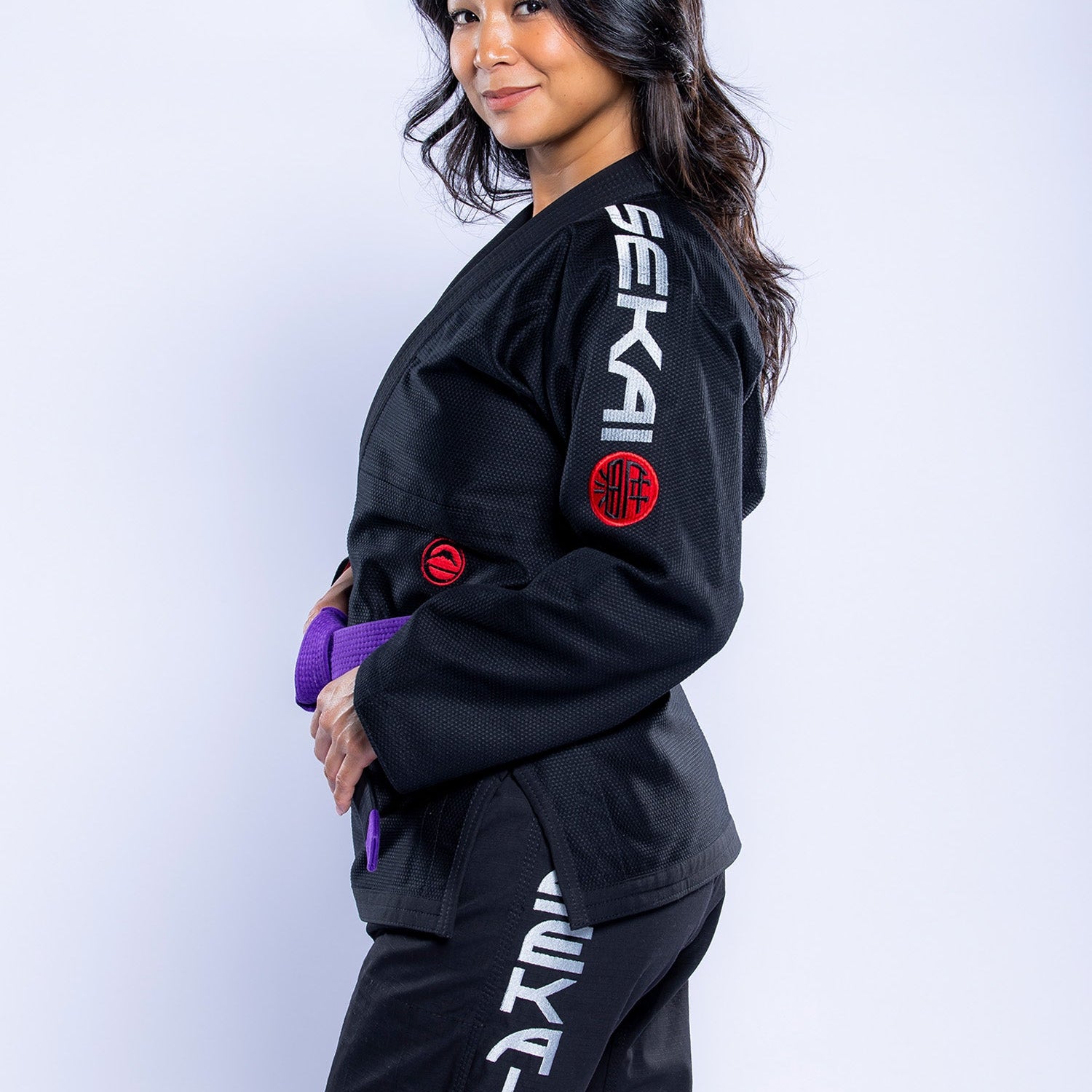
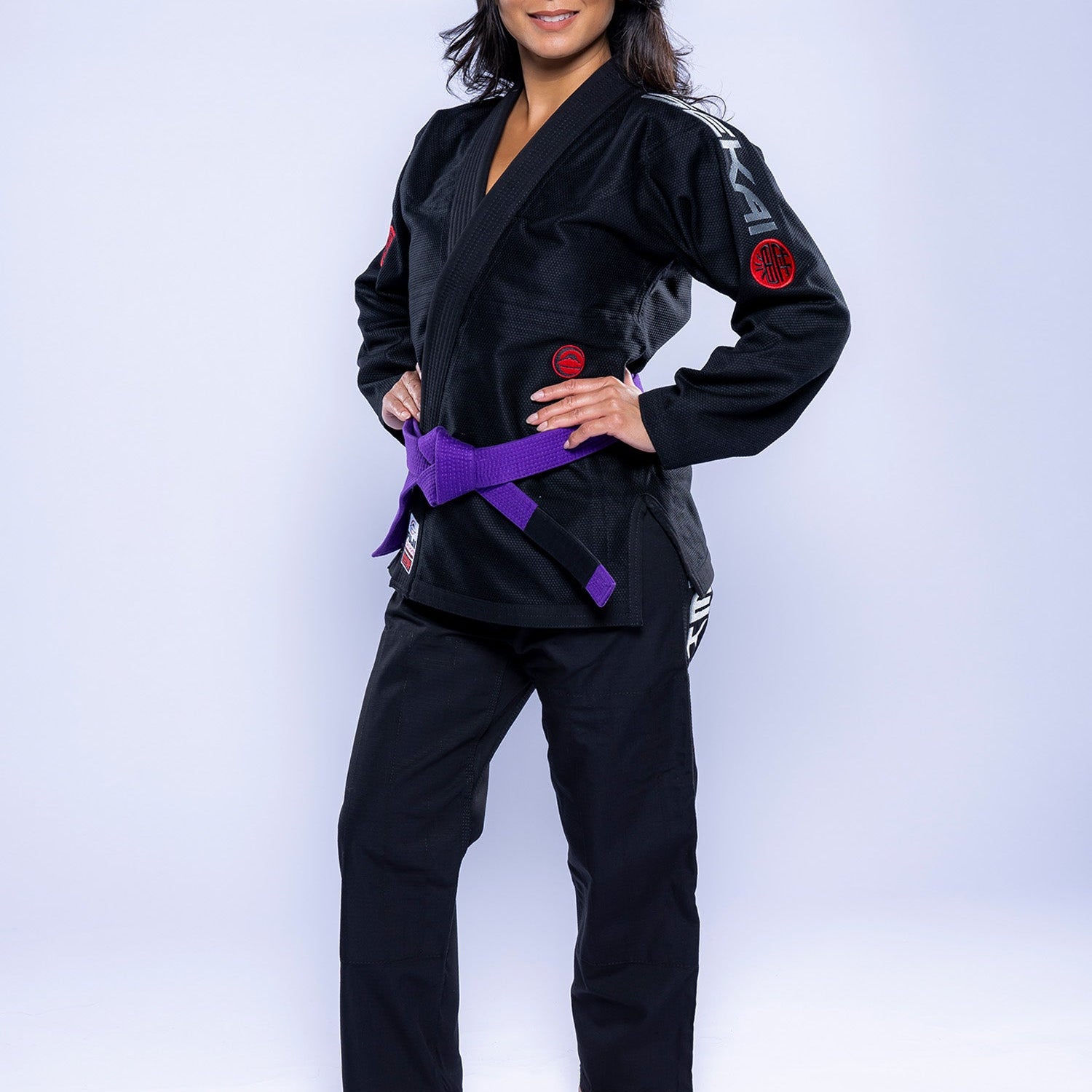
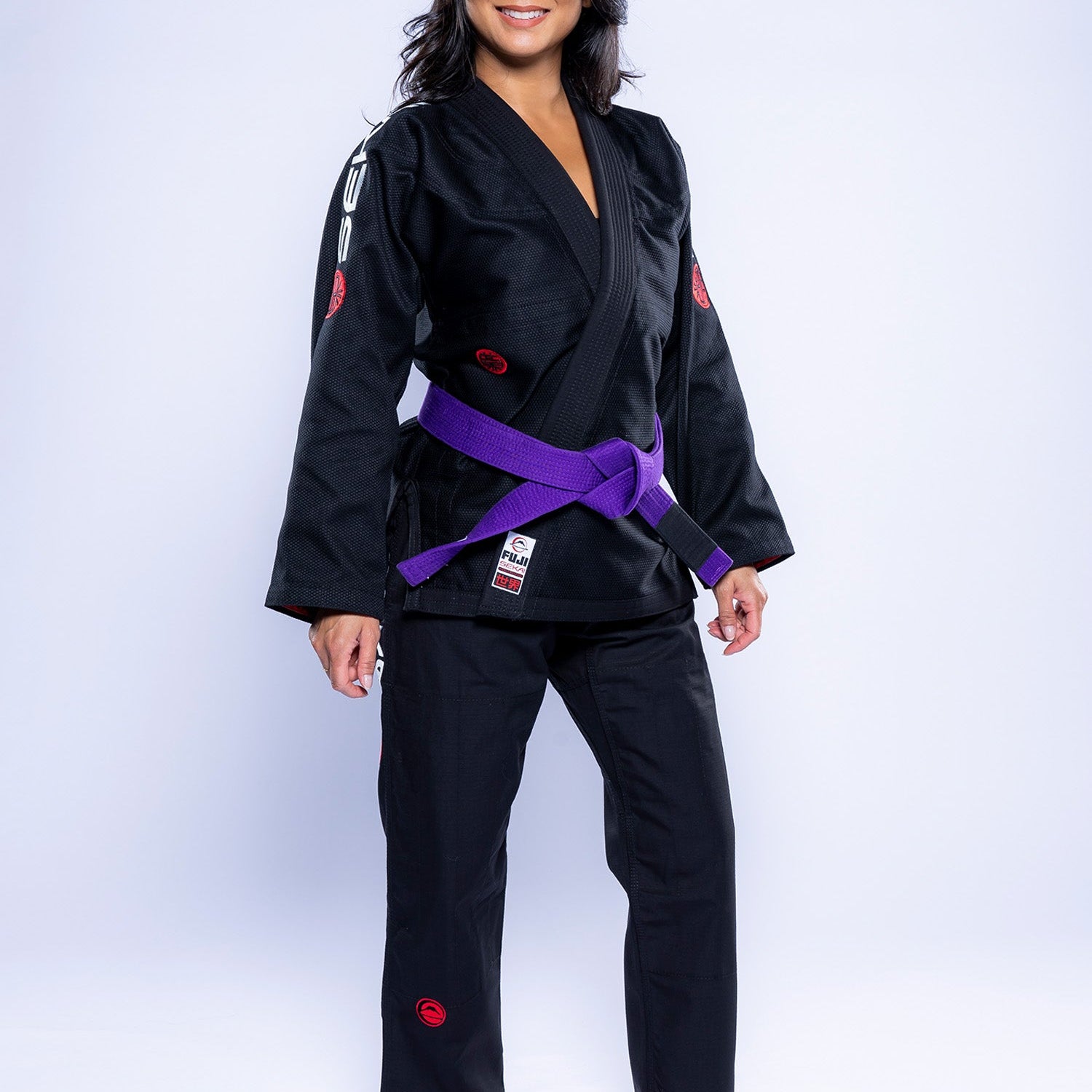
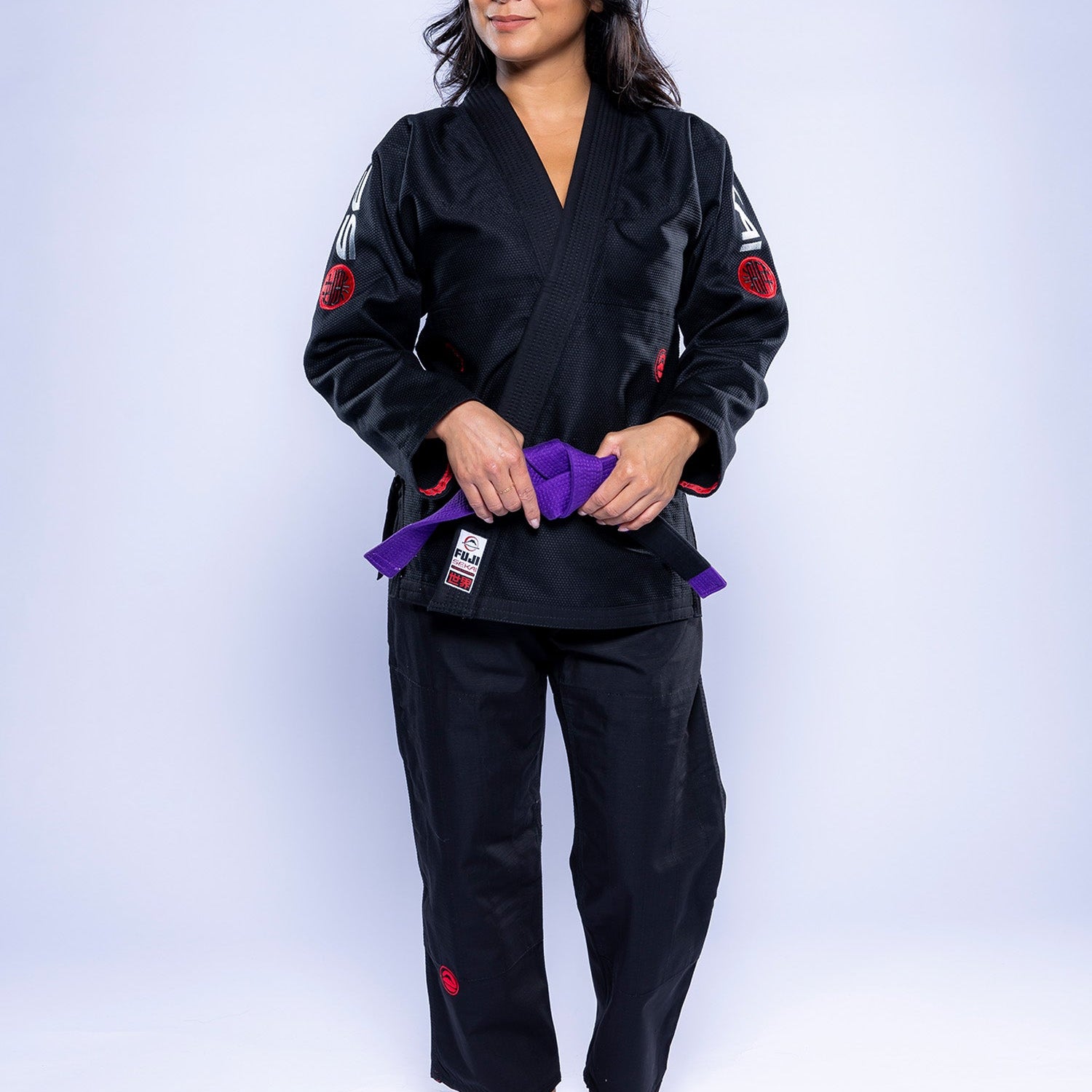
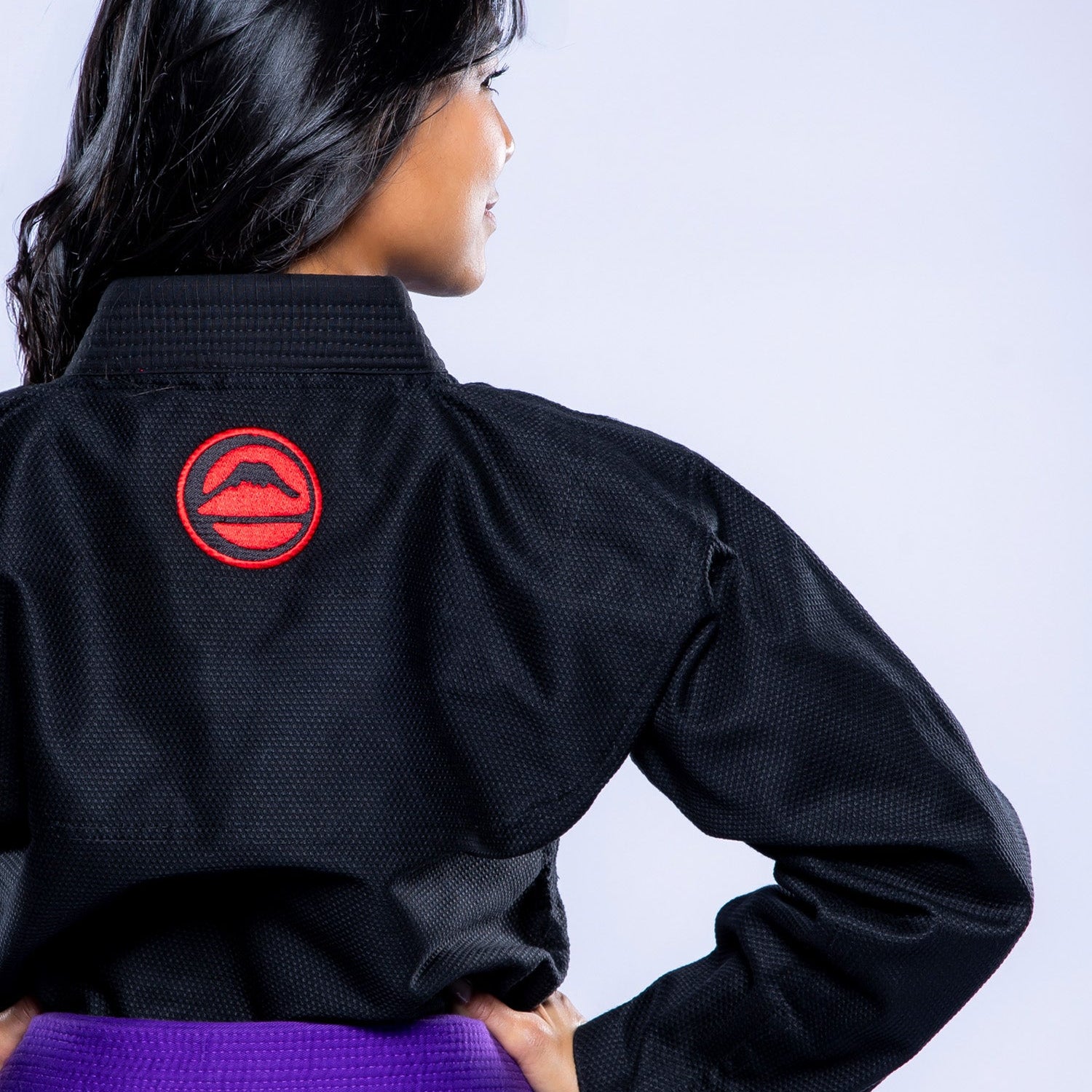
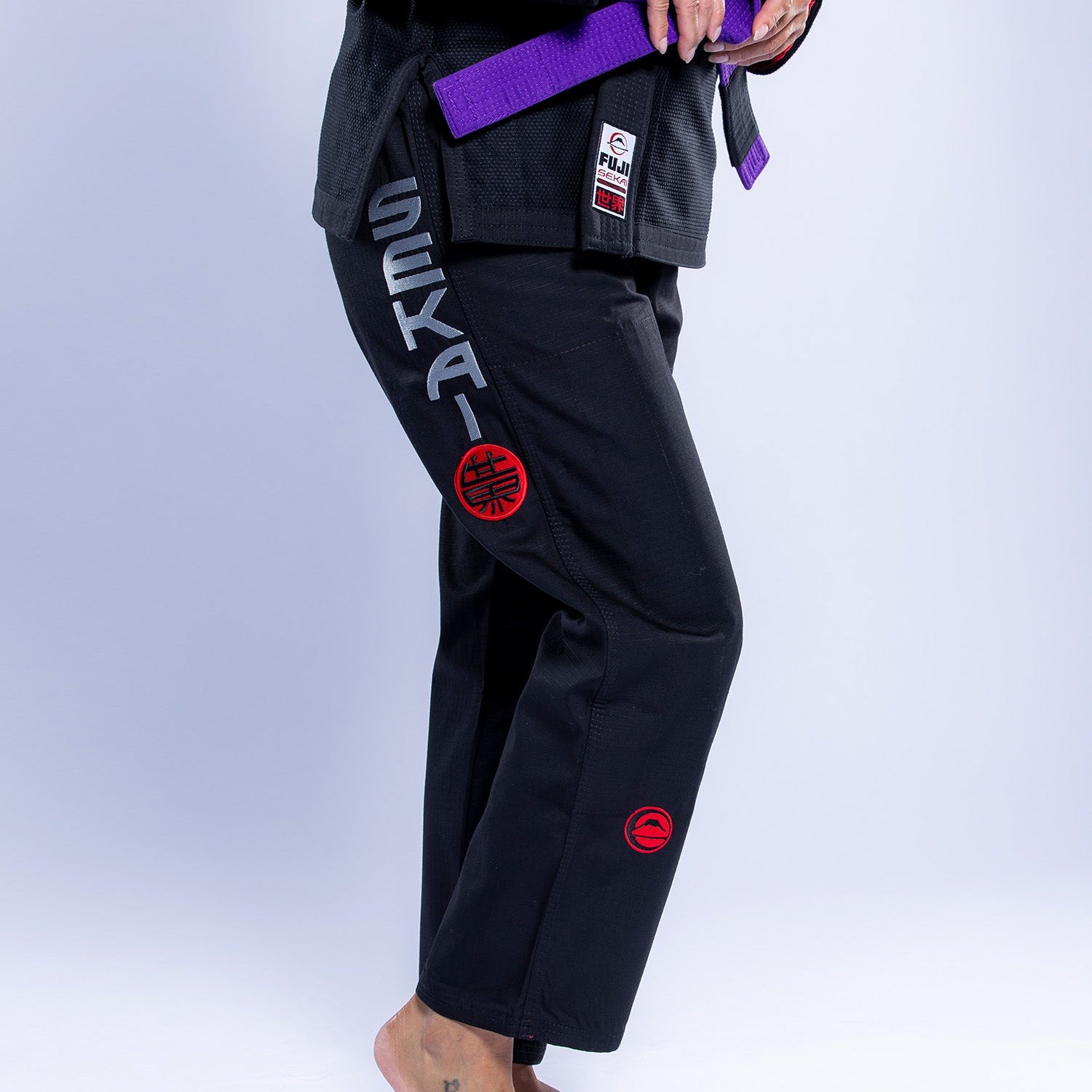
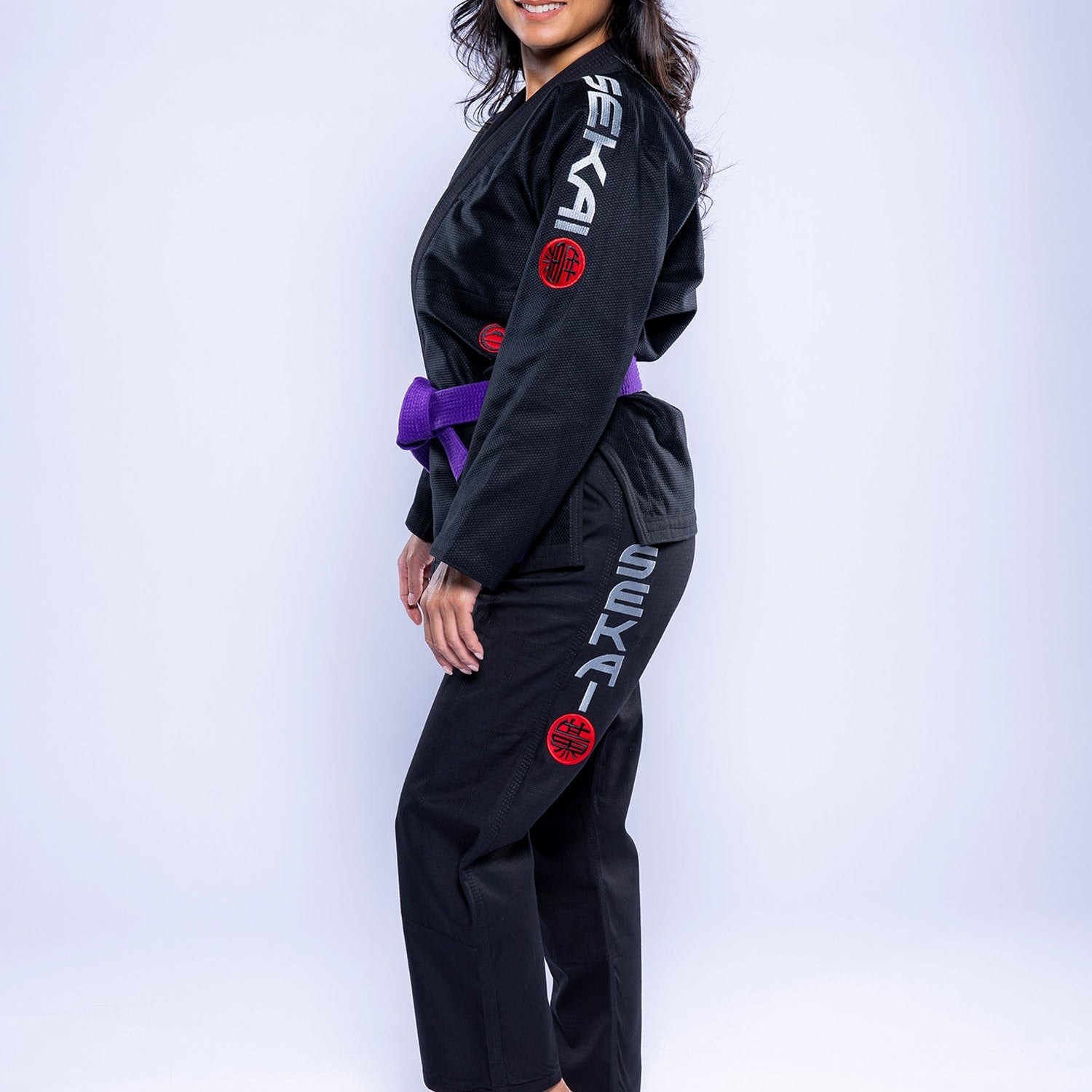
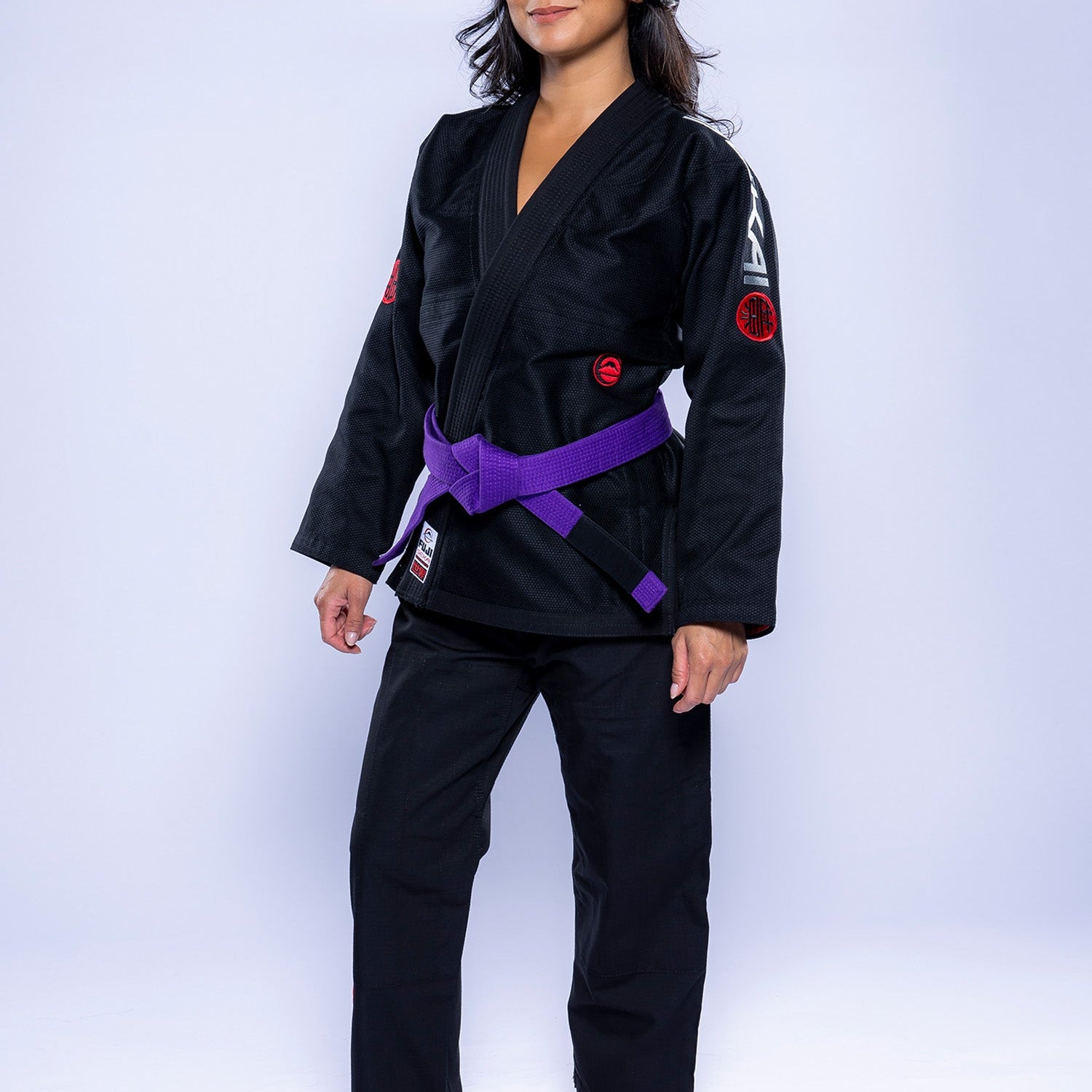
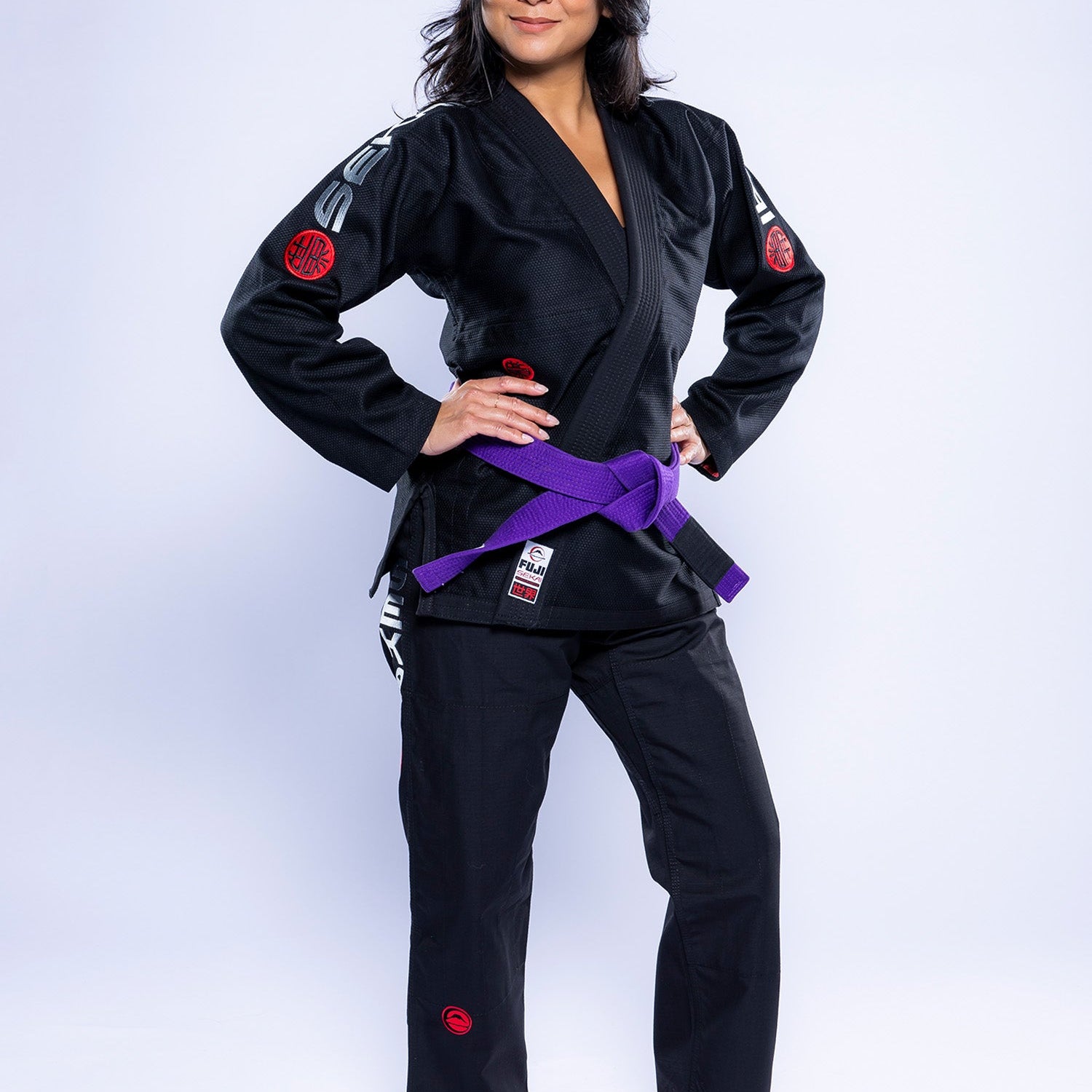
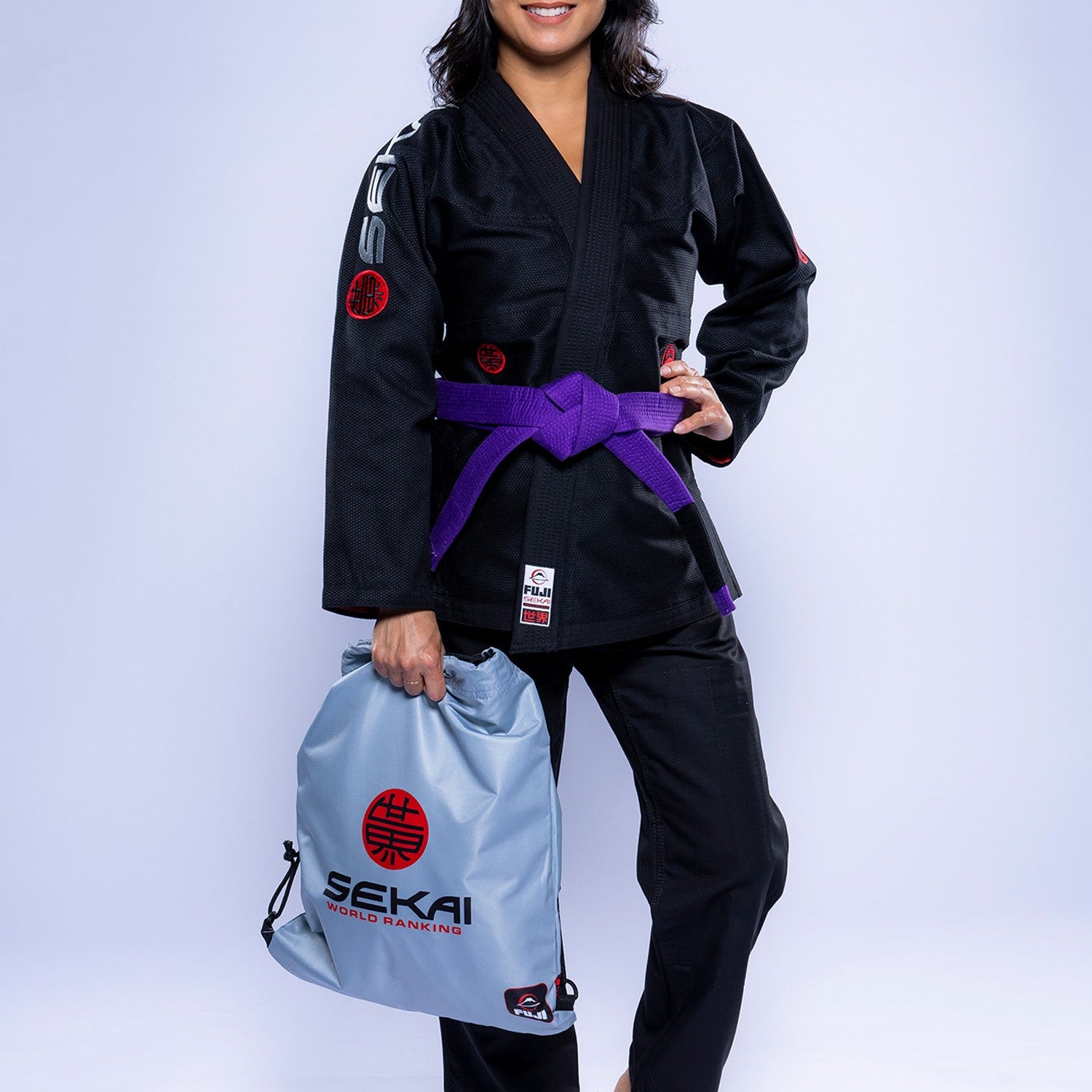
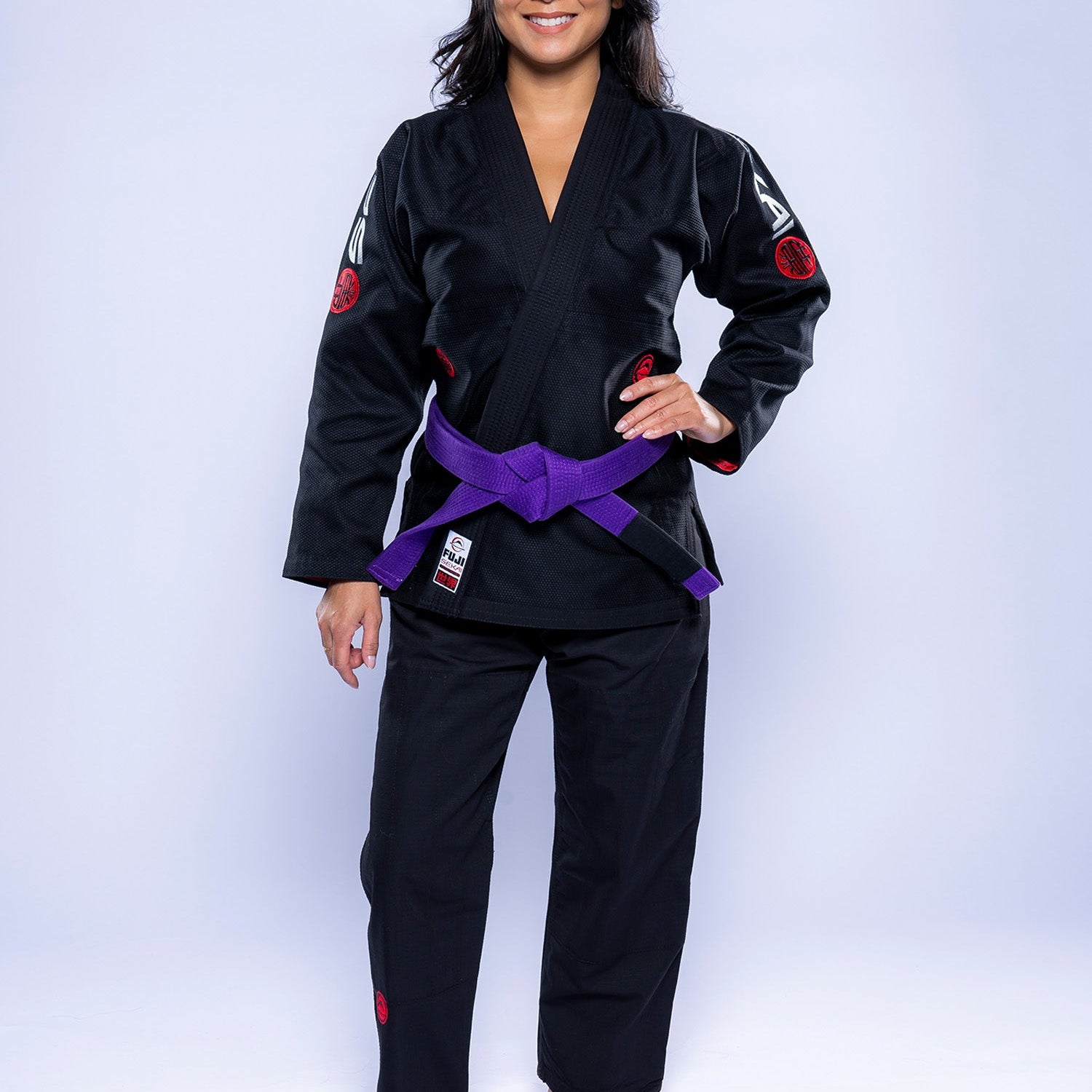
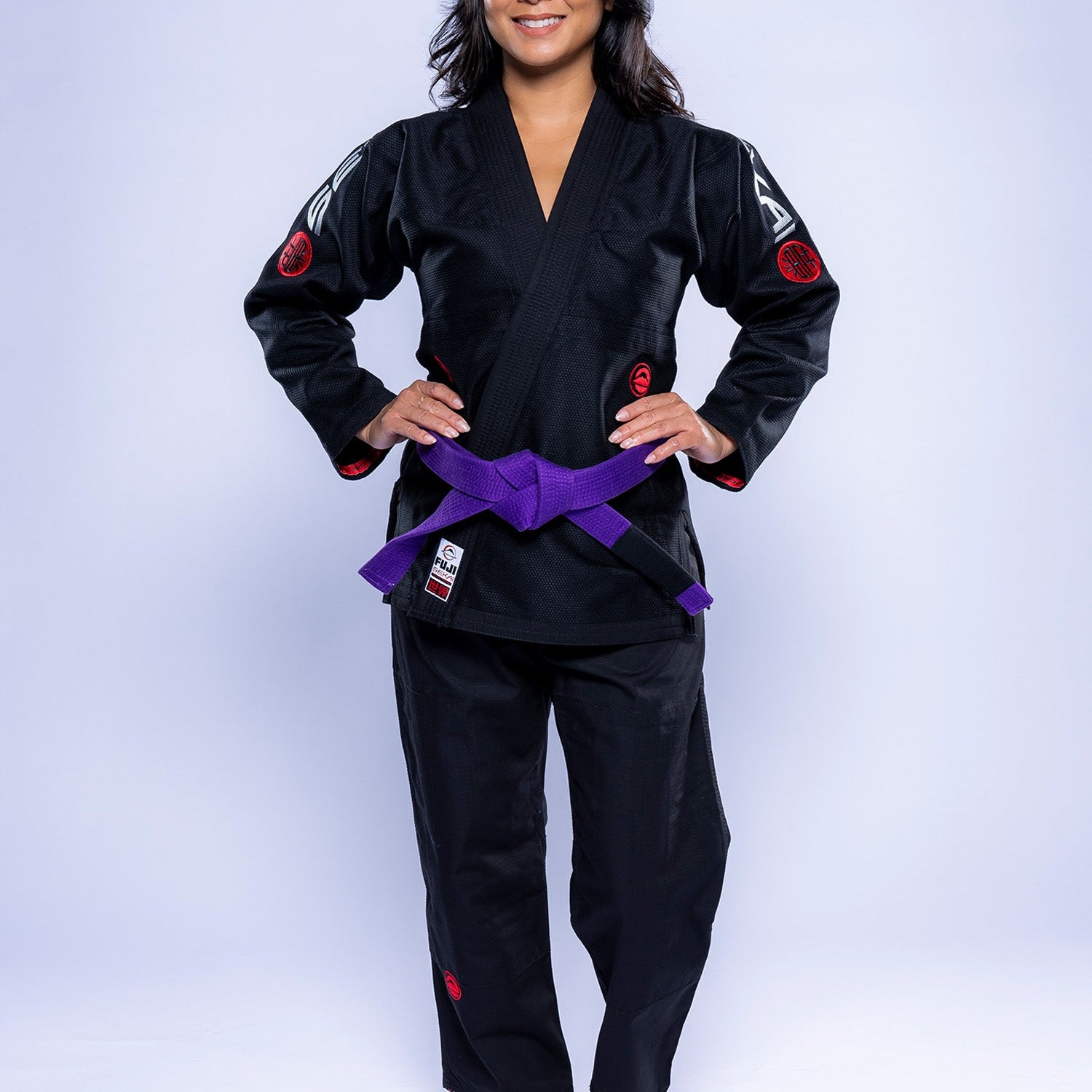
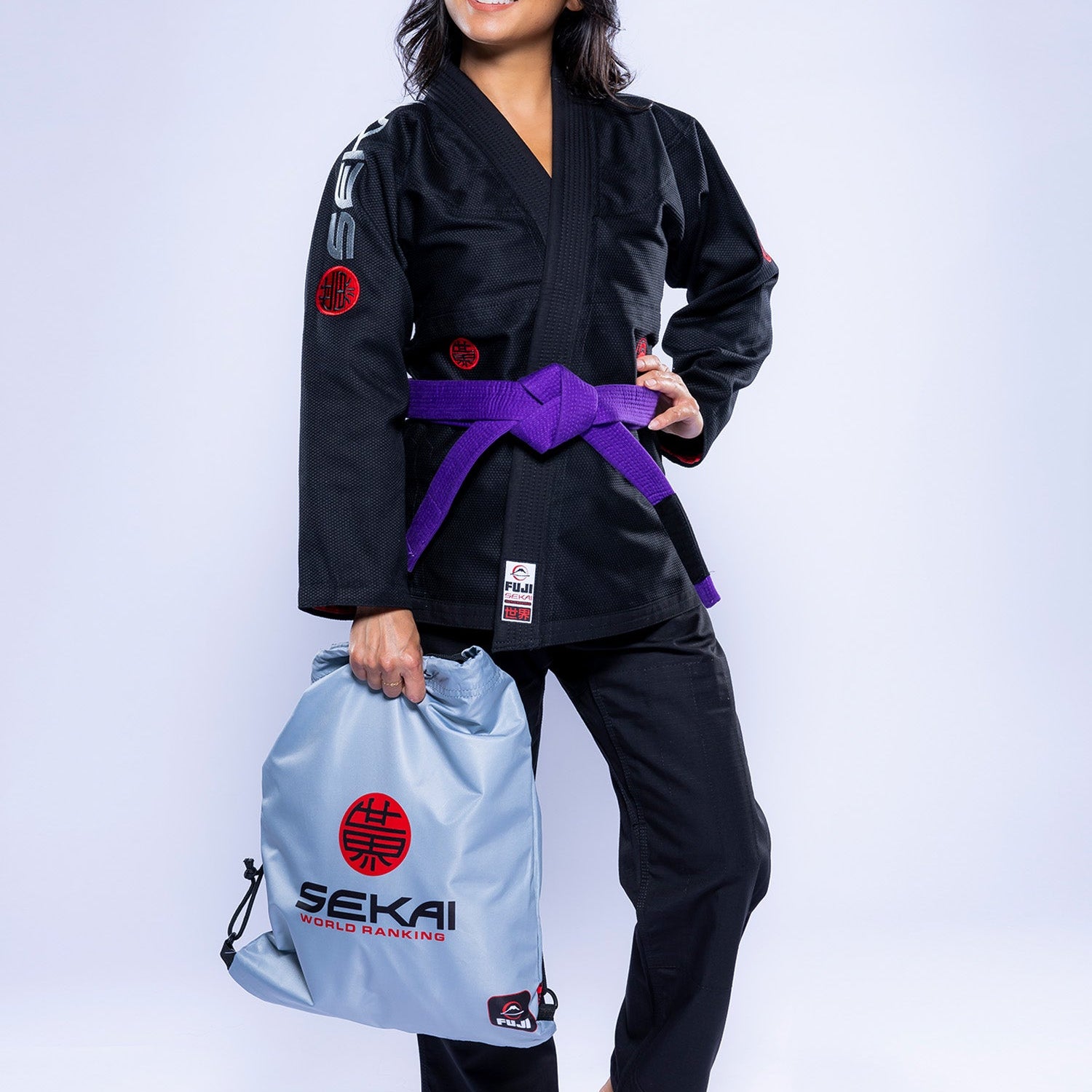
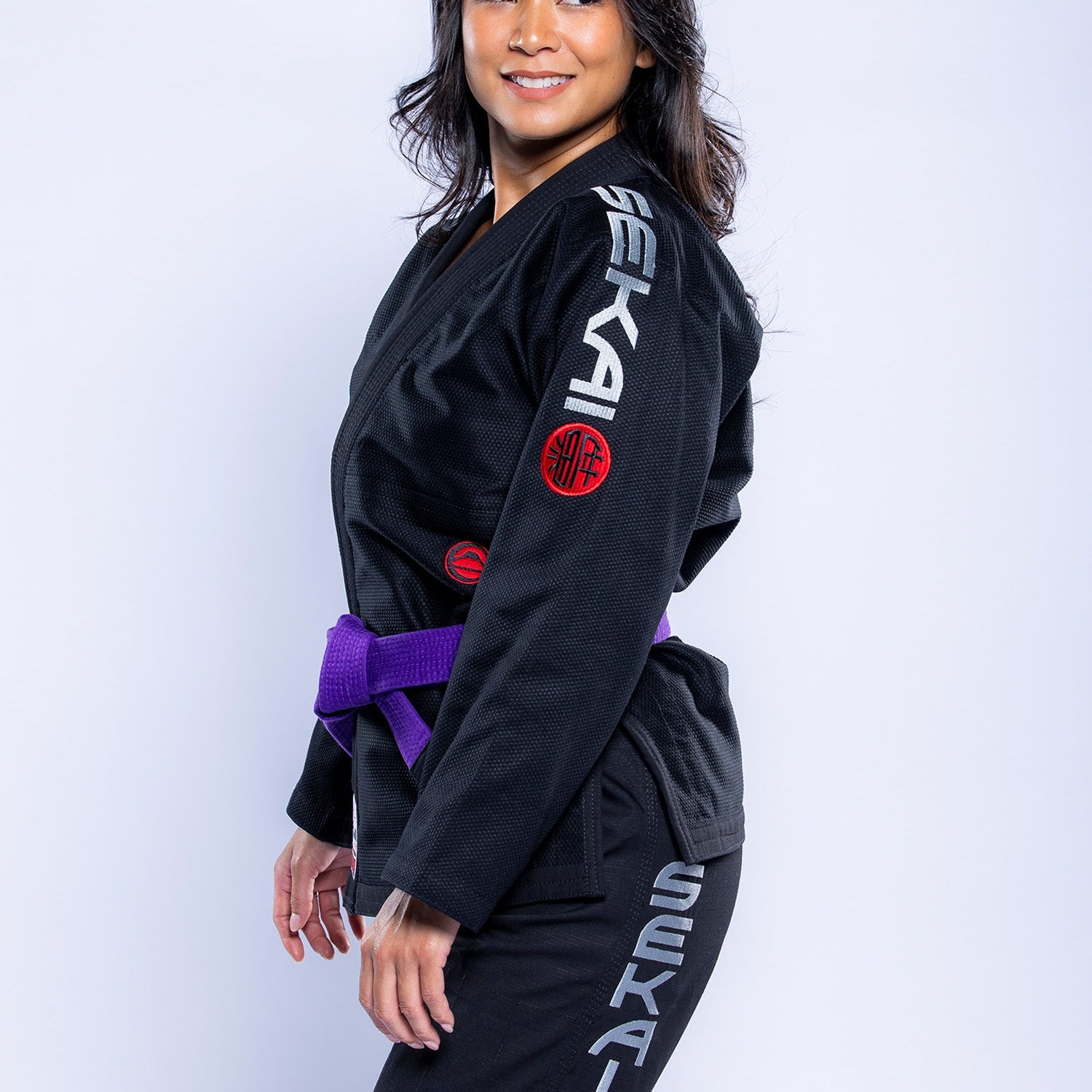
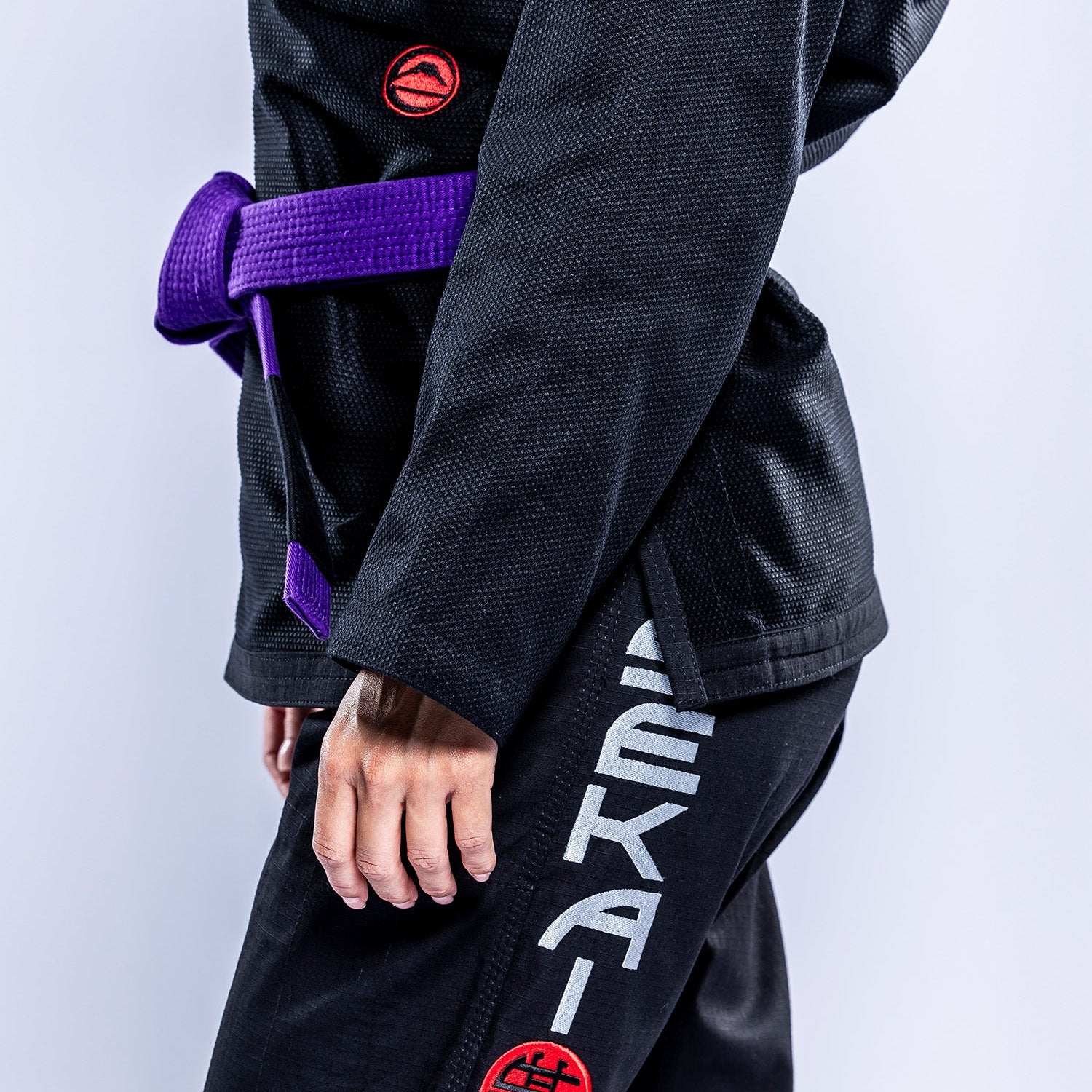
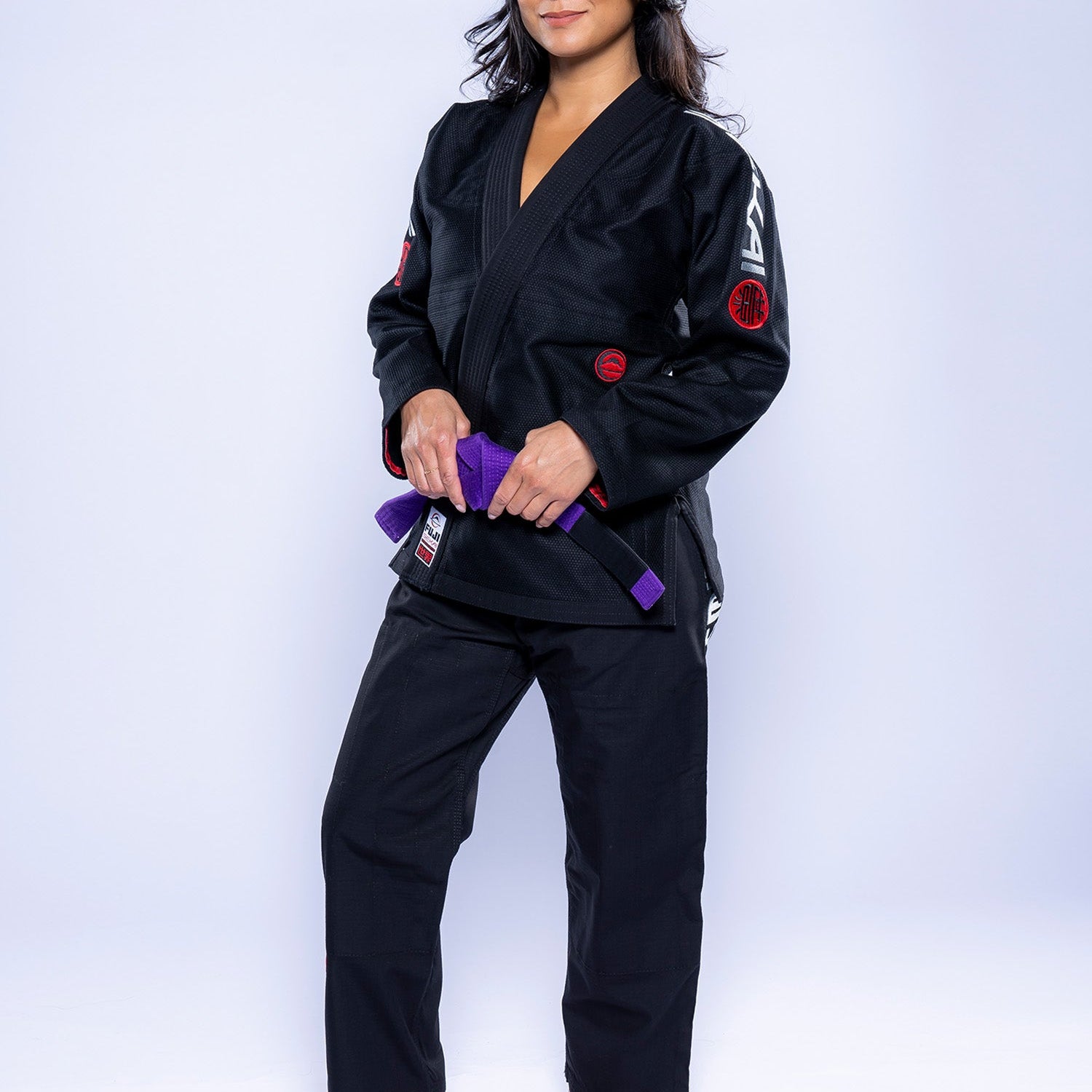
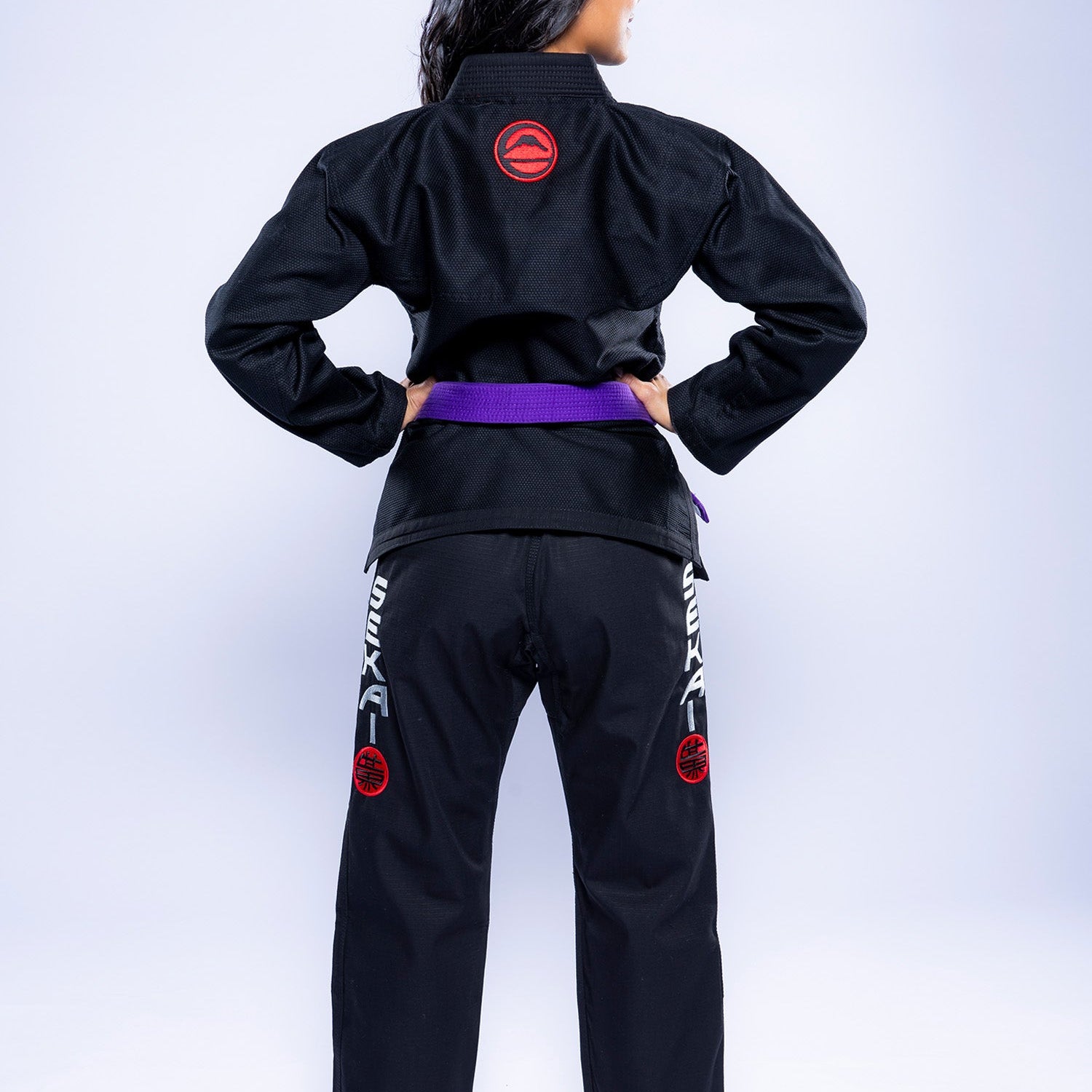
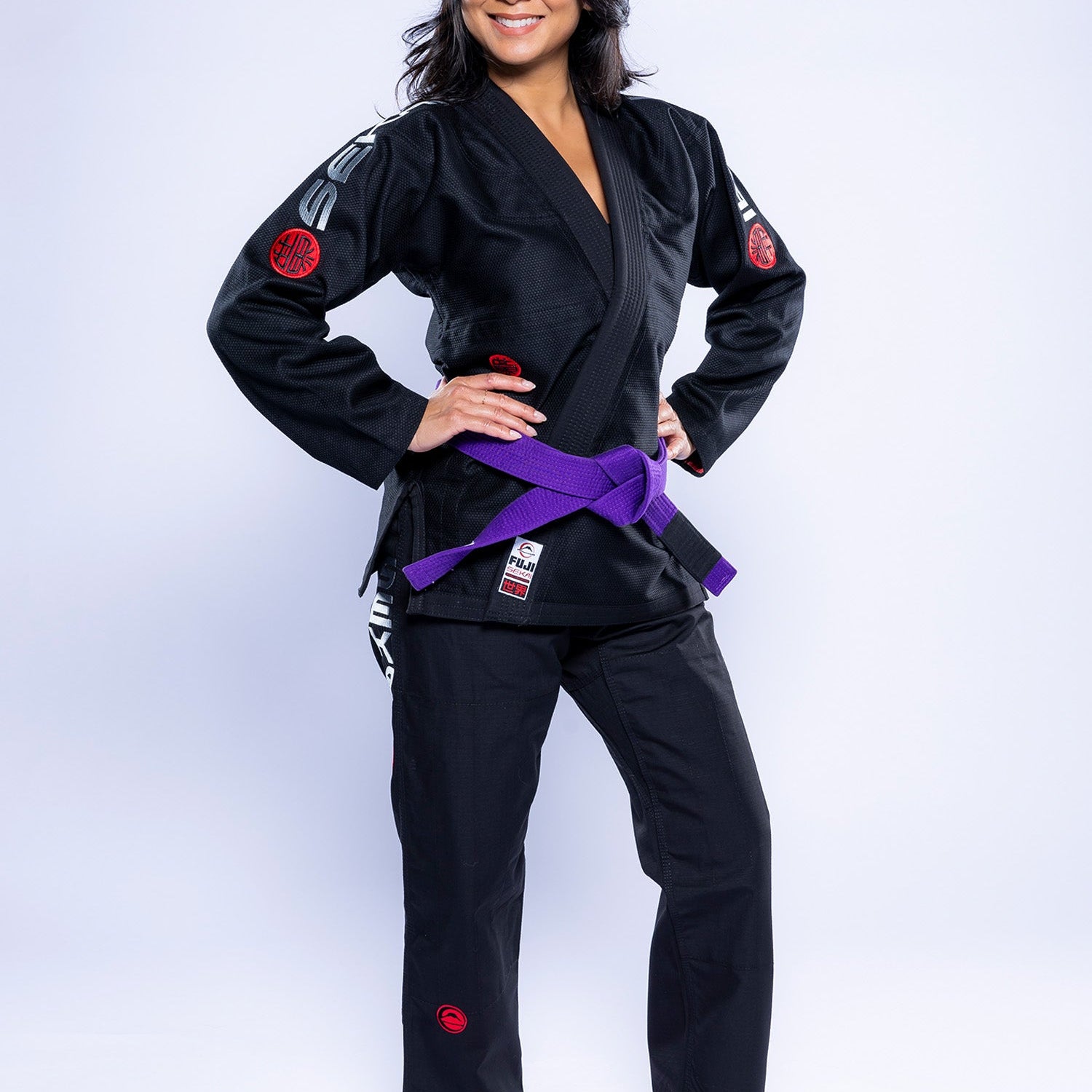
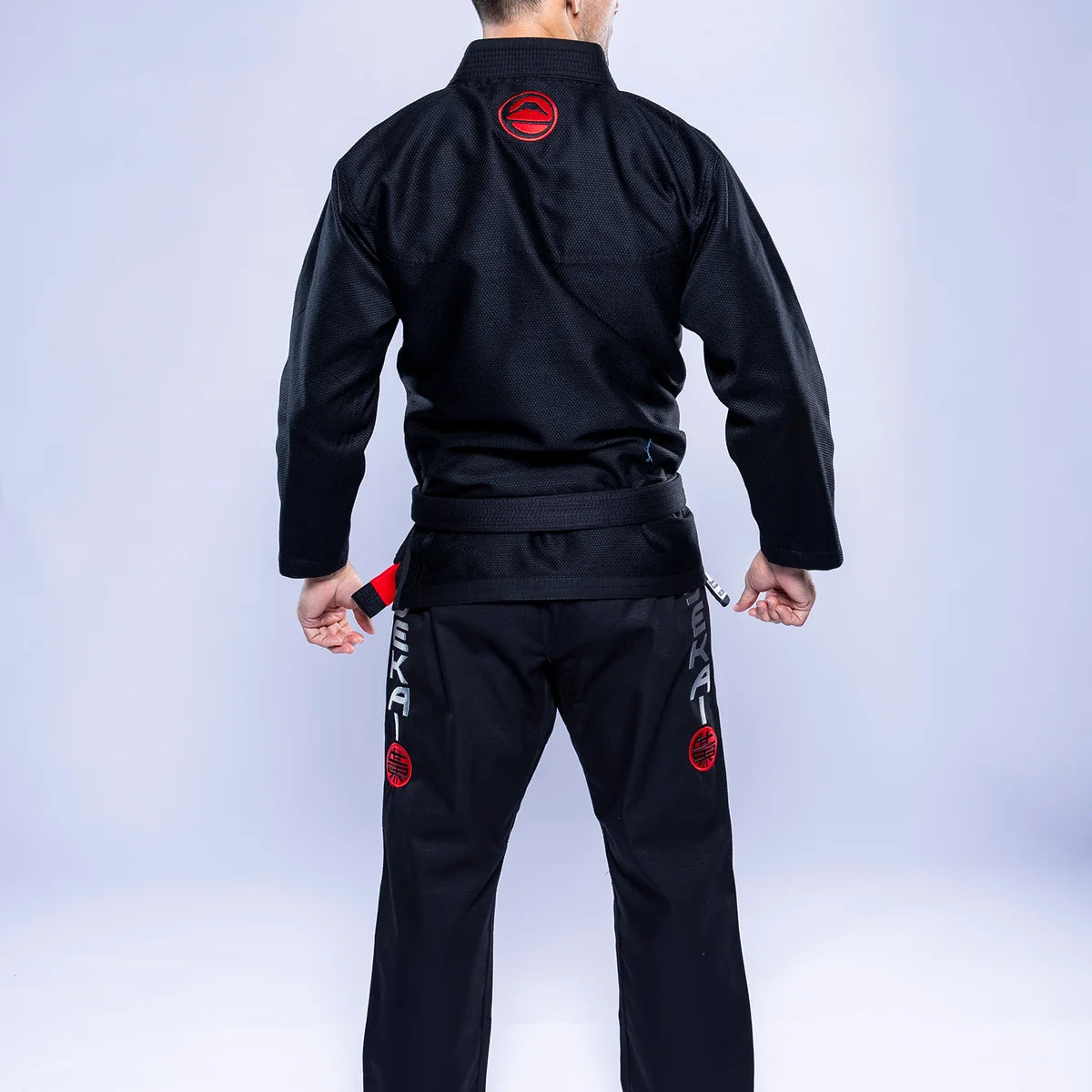
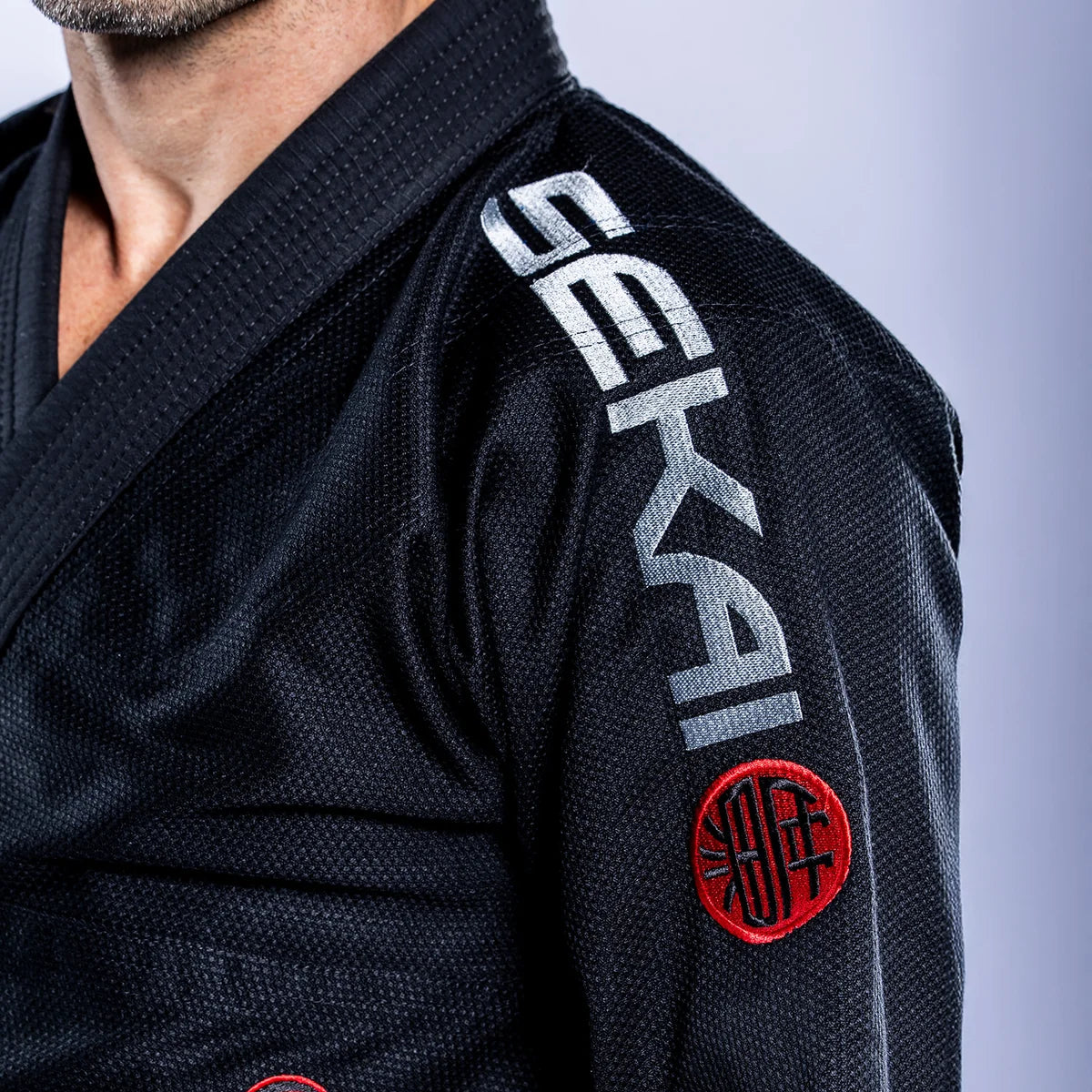
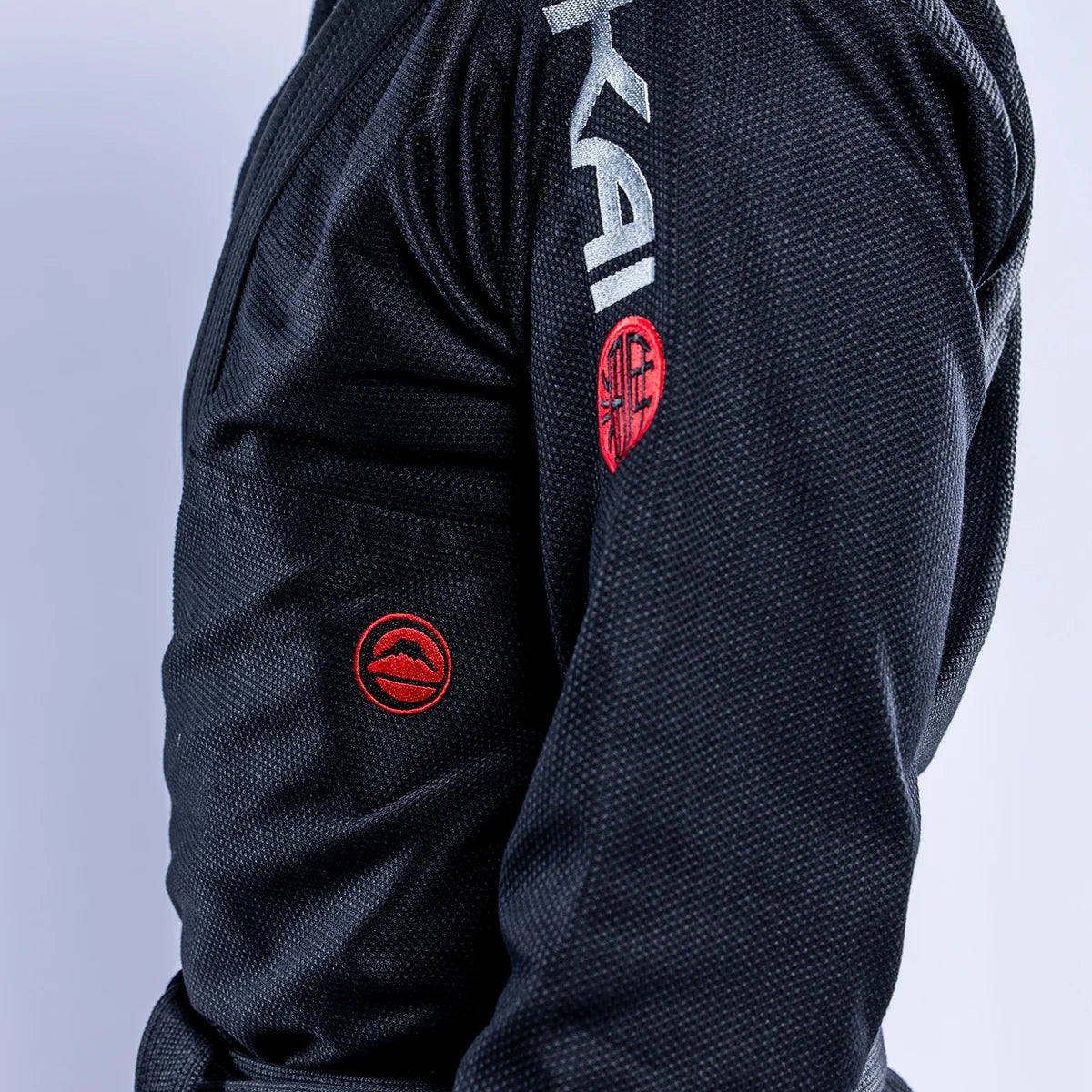
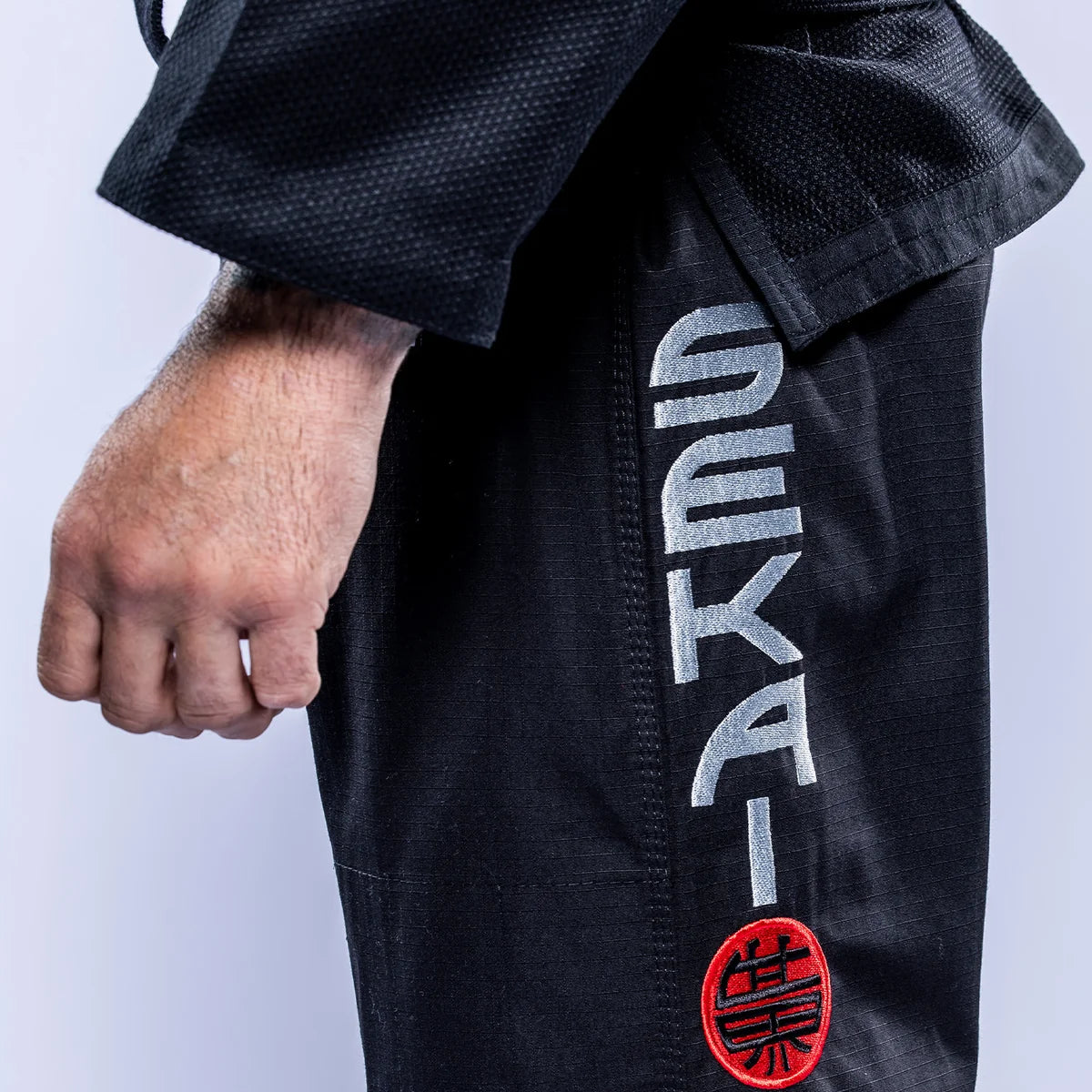
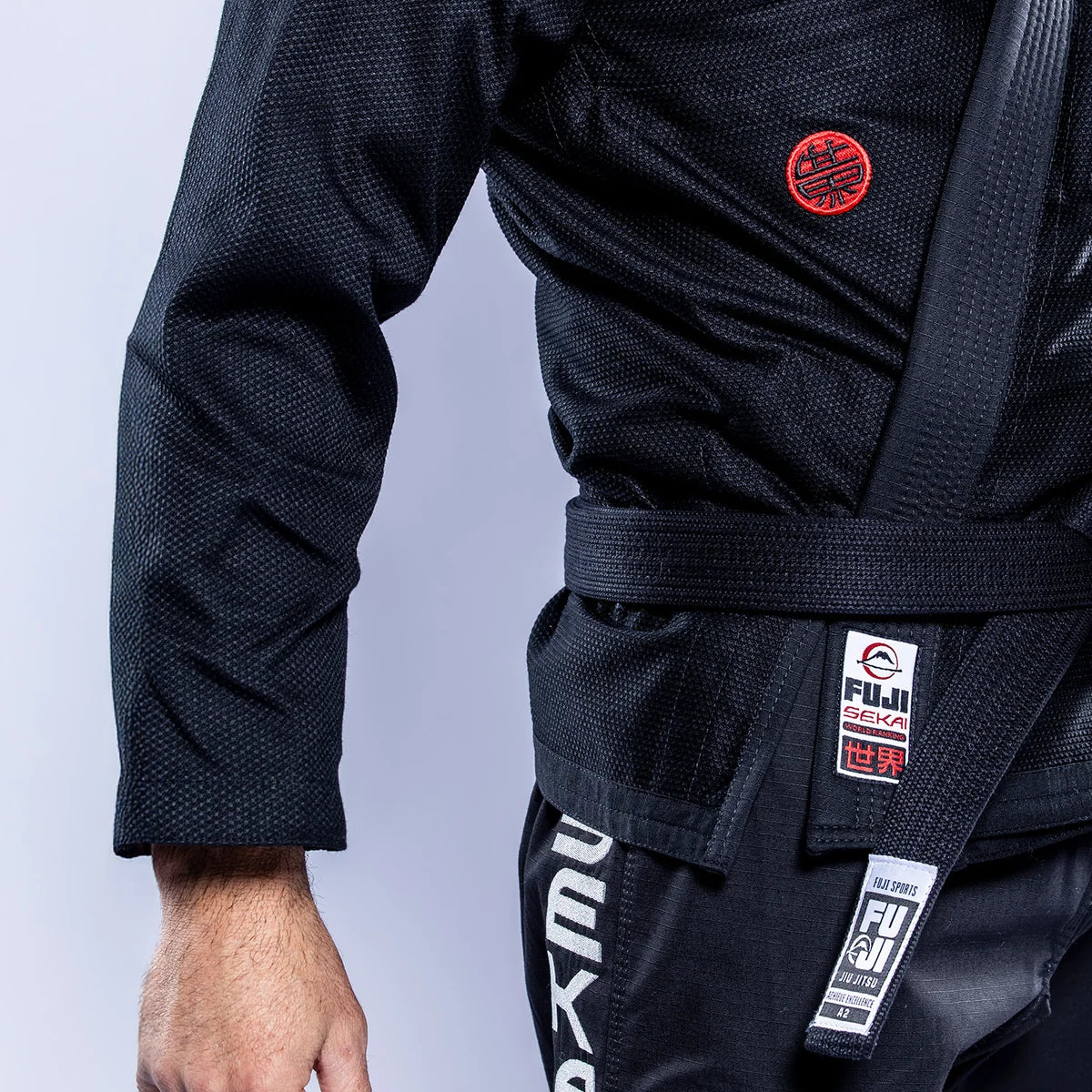
Black is popular for the same reason many people like black rash guards and black shorts - it is easy to maintain and forgiving. It hides wear well, does not look beat up as quickly, and works for plenty of schools and tournaments. The downside is that some traditional academies do not allow it, and faded black gis can start looking rough after a lot of wash cycles.
That is why experienced students often keep more than one color in rotation. A white gi for promotions or seminars, a blue or black gi for daily sparring, and sometimes a backup gi for back-to-back classes or tournament weekends. If you train morning fundamentals and evening comp class on the same day, having options matters.
Common mistakes with bjj gi color rules
The biggest mistake is assuming all tournaments follow the same standards. They do not. Some local events are relaxed. Others are very strict, even if they are not IBJJF. Always check the event rules before signing up, especially if you plan to wear anything other than white, royal blue, or black.
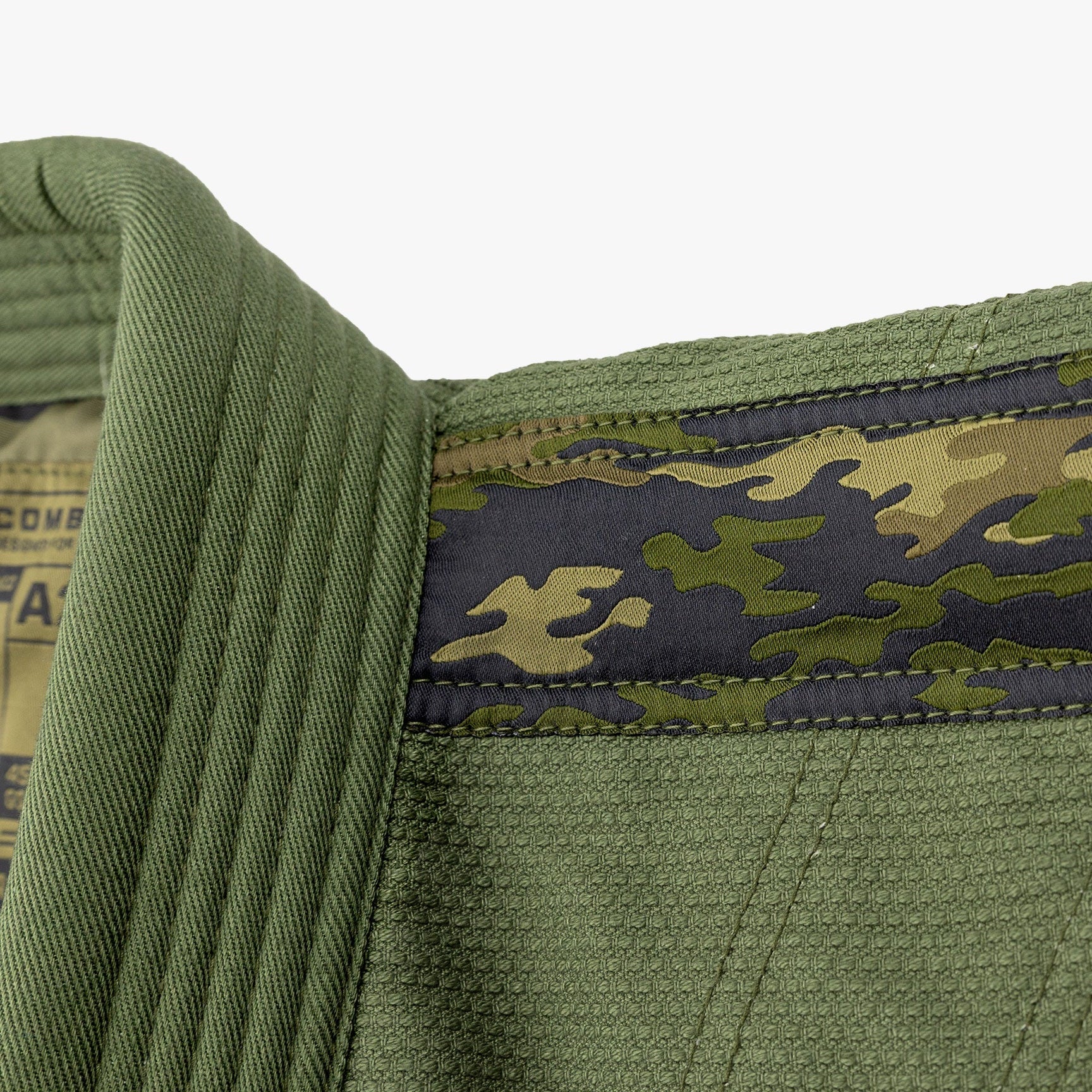
The second mistake is confusing stylish with legal. Contrast stitching, unusual ripstop colors, mixed tops and pants, and fashion-forward shades might look great in the academy. That does not mean they will pass inspection. If your goal is to have one dependable competition gi, safer is better.
The third mistake is ignoring school policy because a color is technically legal in competition. An academy can still say no. A student might buy a tournament-legal black gi, then find out their gym requires white gis for all fundamentals classes. That is not the gi company's fault or the tournament's fault. It is just a mismatch between purchase and use case.
A fourth issue is overthinking rank and color. New students sometimes ask if certain gi colors are only for advanced belts. In most cases, no. Belt rank is the rank system. Gi color is just uniform color, unless your school has its own internal expectations.
The simplest way to avoid problems
If you are brand new, ask your instructor what your academy allows before buying anything. If you want to compete, make sure at least one of your gis is white, blue, or black and fits properly after washing. If you train often, think about maintenance as much as appearance.
That usually leads to a smart setup. A beginner who trains twice a week may be fine with one white gi if their academy allows it. A hobbyist doing four or five sessions a week might prefer blue or black for easier upkeep. A competitor cutting weight, warming up, and going through gi check should own at least one gi that is plainly legal with no gray areas.
There is nothing wrong with liking a certain look. Plenty of grapplers care about cut, weave, patch design, and color. Just match that preference to your real training life. The gi that looks best on your screen is not always the one that makes the most sense for class, competition, and constant laundry.
When in doubt, boring wins. In Jiu Jitsu, that is often a compliment.
Shop Our New Releases

Fast & Free Shipping!

Fast & Free Shipping!

Fast & Free Shipping!


Fast & Free Shipping!


































Fast & Free Shipping!






































Fast & Free Shipping!