What to Wear to Jiu Jitsu Class

Showing up to your first jiu jitsu class in the wrong gear is almost a rite of passage. Someone always walks in wearing basketball shorts with pockets, a huge cotton T-shirt, or a brand-new gi that still feels like cardboard.
If you’re wondering what to wear to jiu jitsu class, the short answer is simple: wear what your academy asks for, make sure it’s clean, and choose gear that lets you move, grip, sweat, and train safely.
The longer answer depends on the type of class. Gi, no-gi, and trial classes all have slightly different expectations. What works for drilling armbars and shrimping across the mat might not be the same thing you want for hard rounds, takedowns, or open mat.
What to wear depends on the class type
The first thing to figure out is whether you’re going to a gi or no-gi class. A lot of academies offer both. Some beginner programs start with gi only, while others let new students try either format.
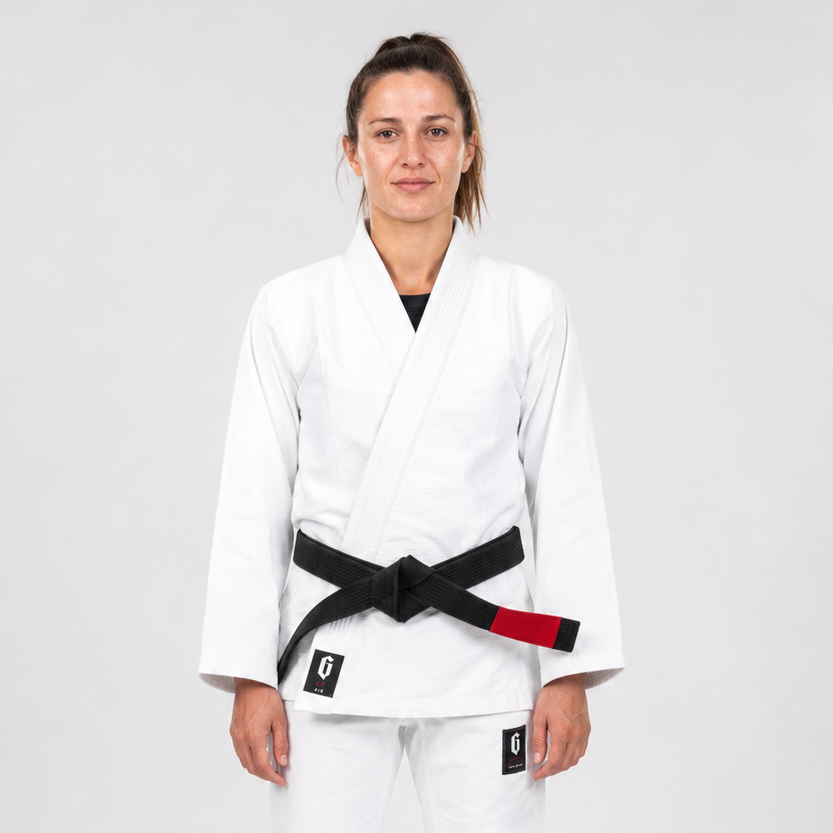
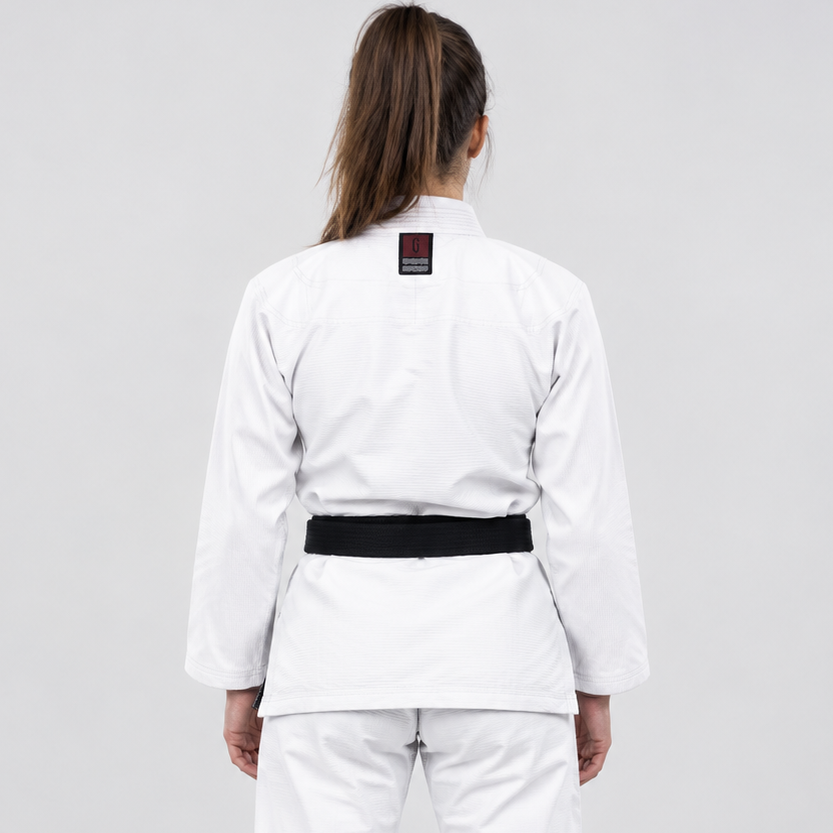
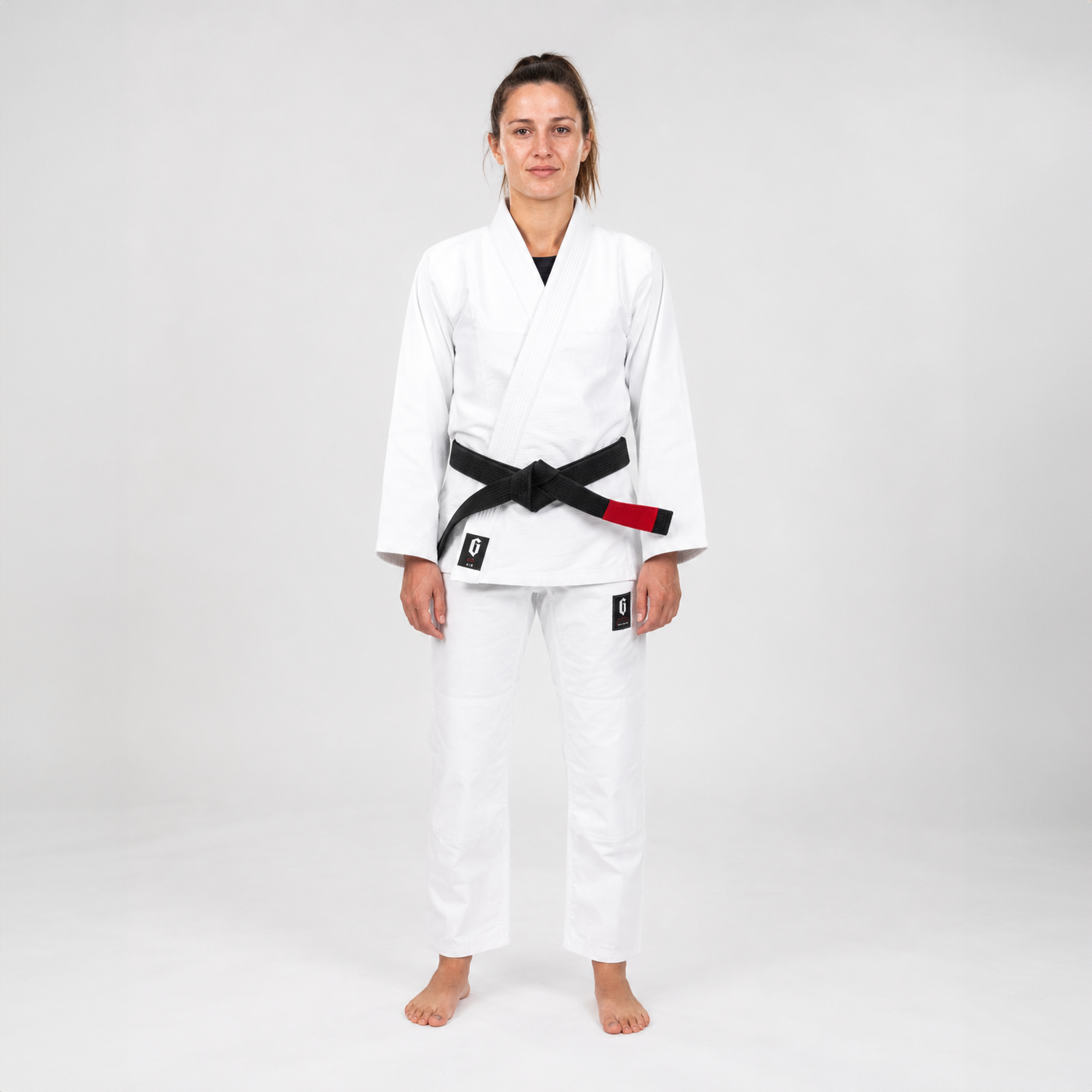
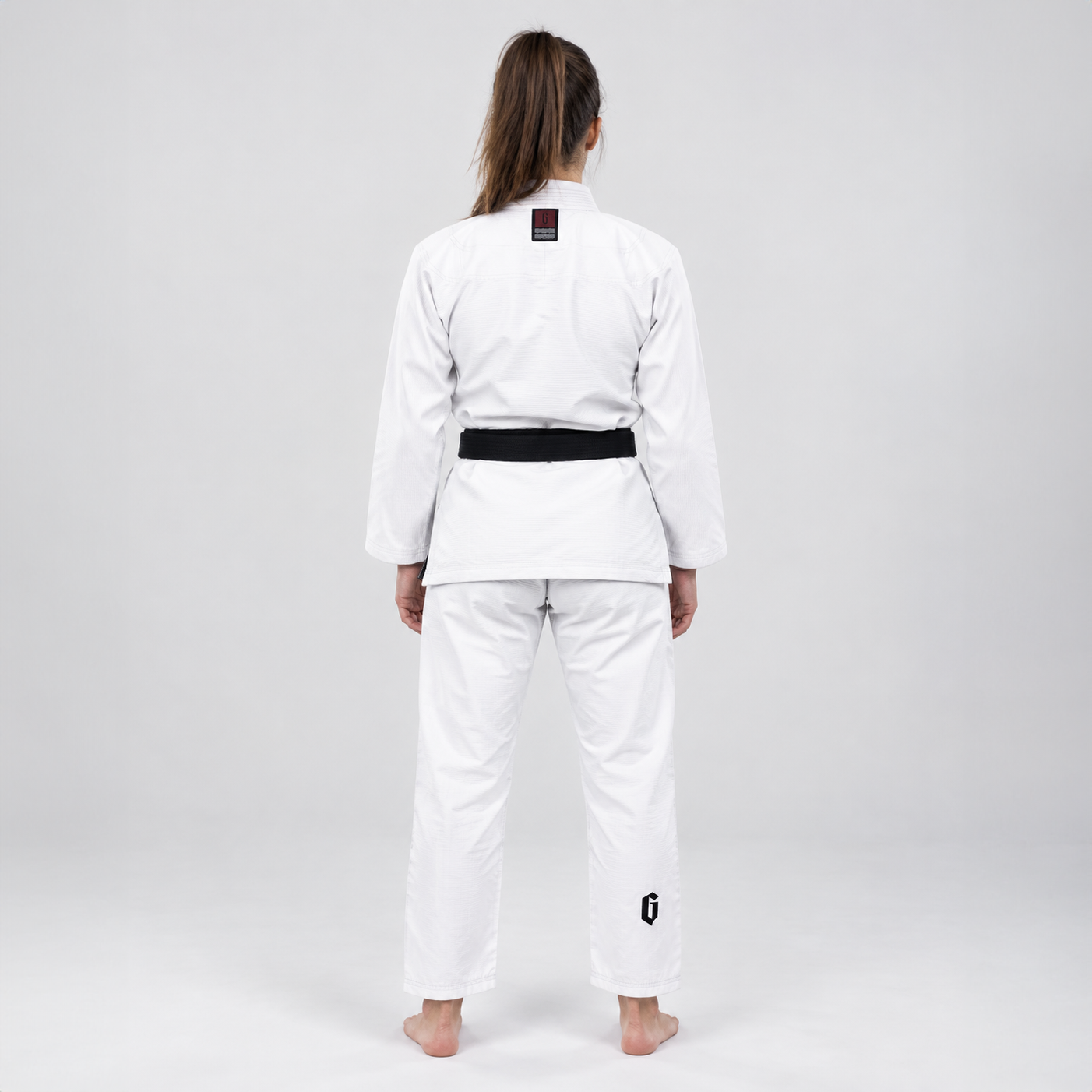
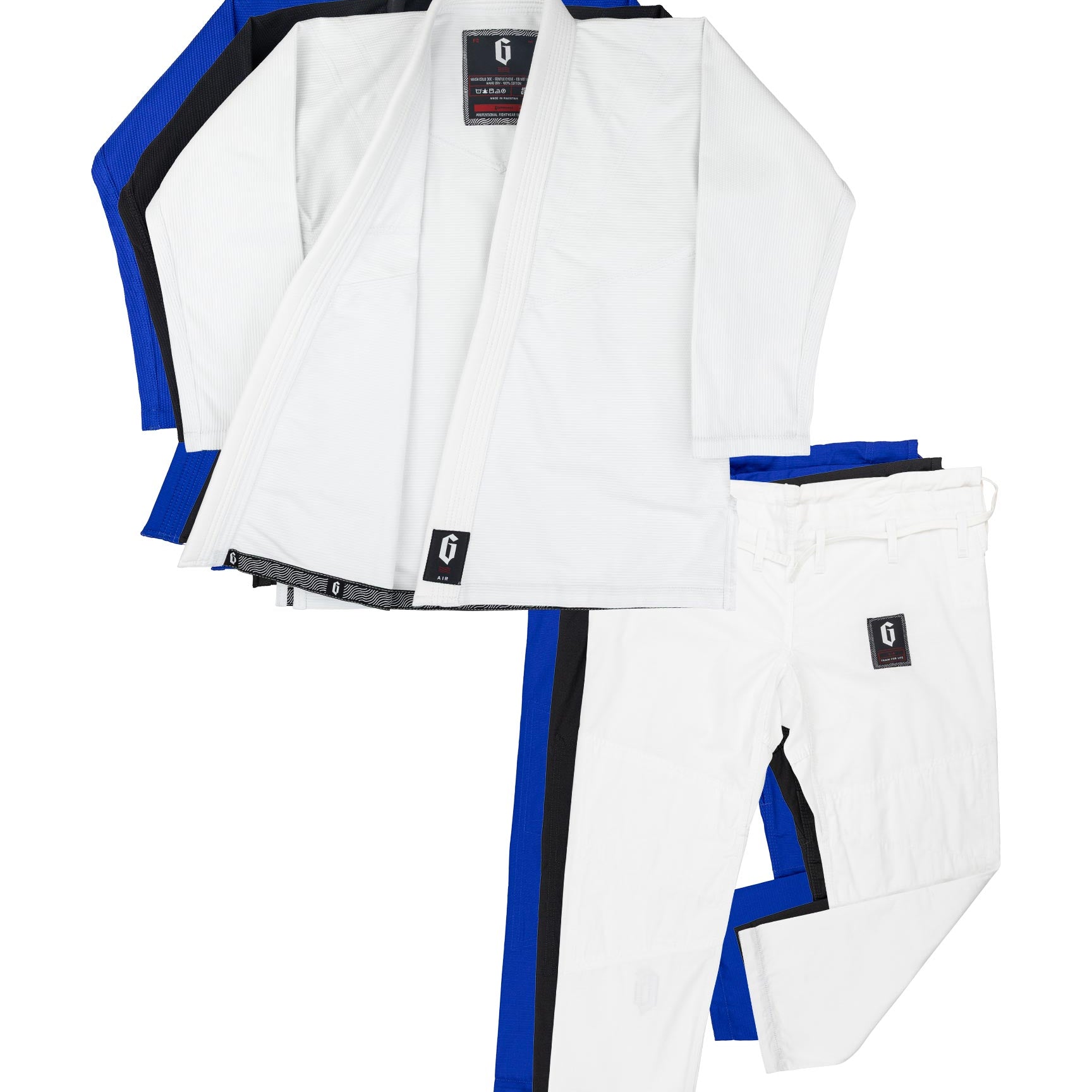
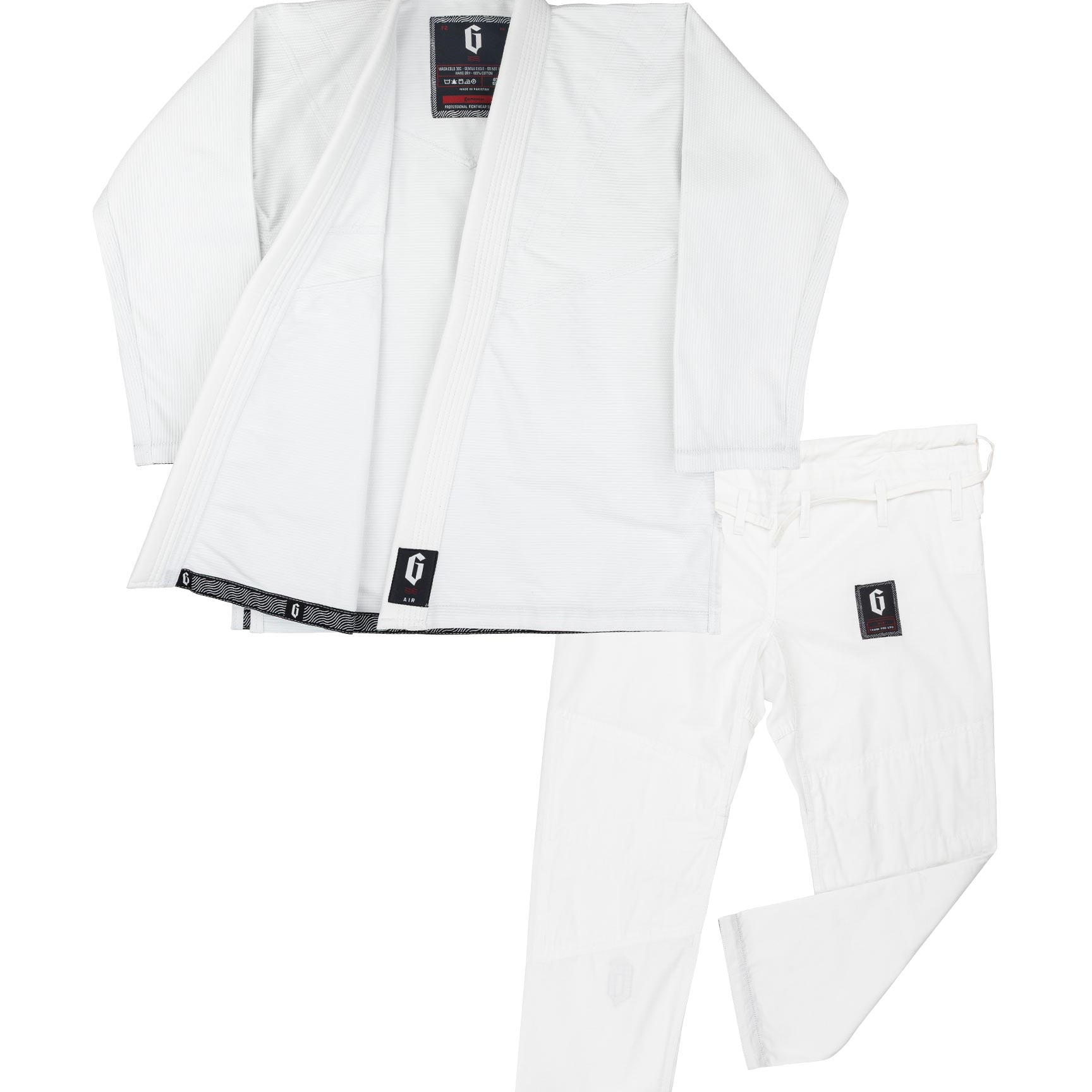
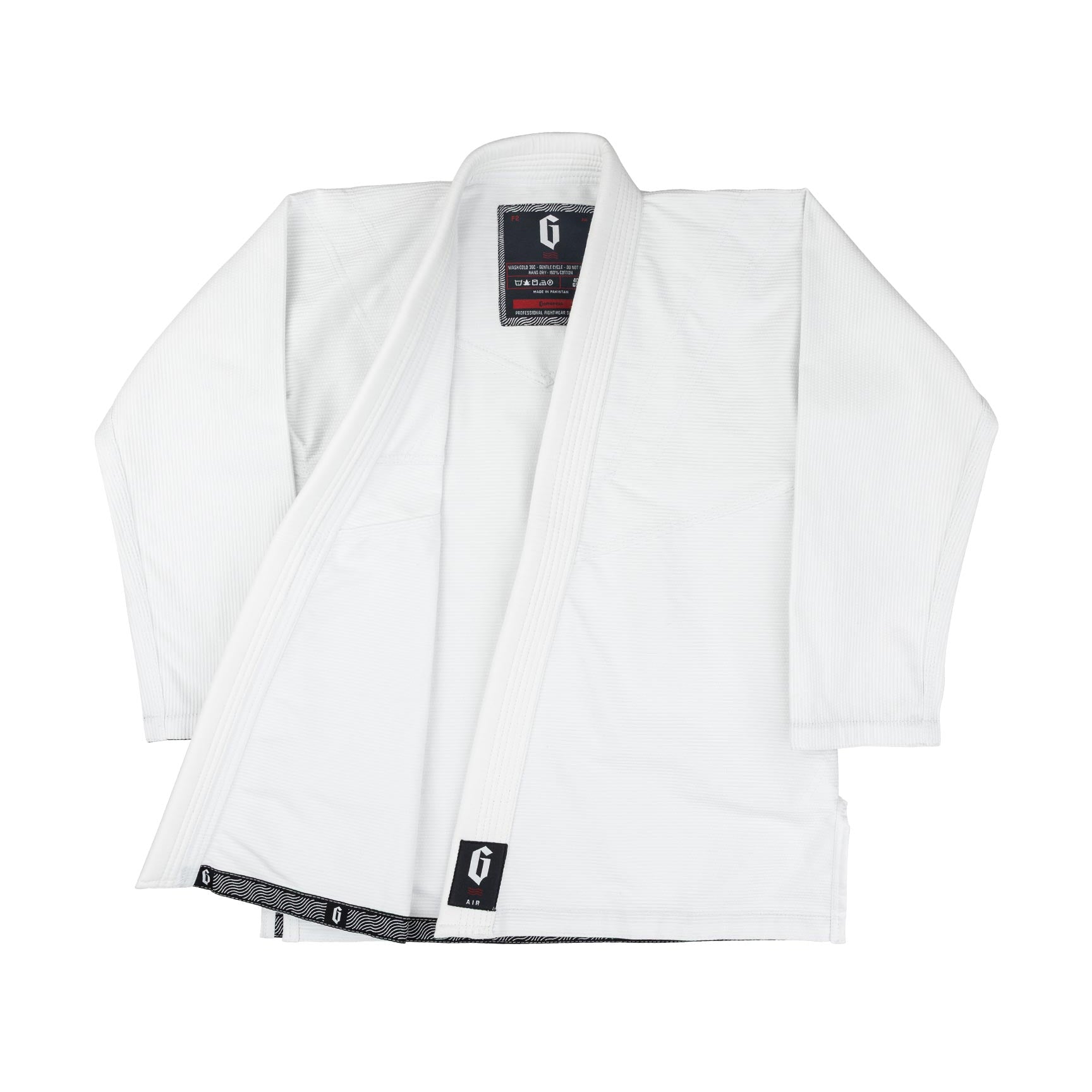
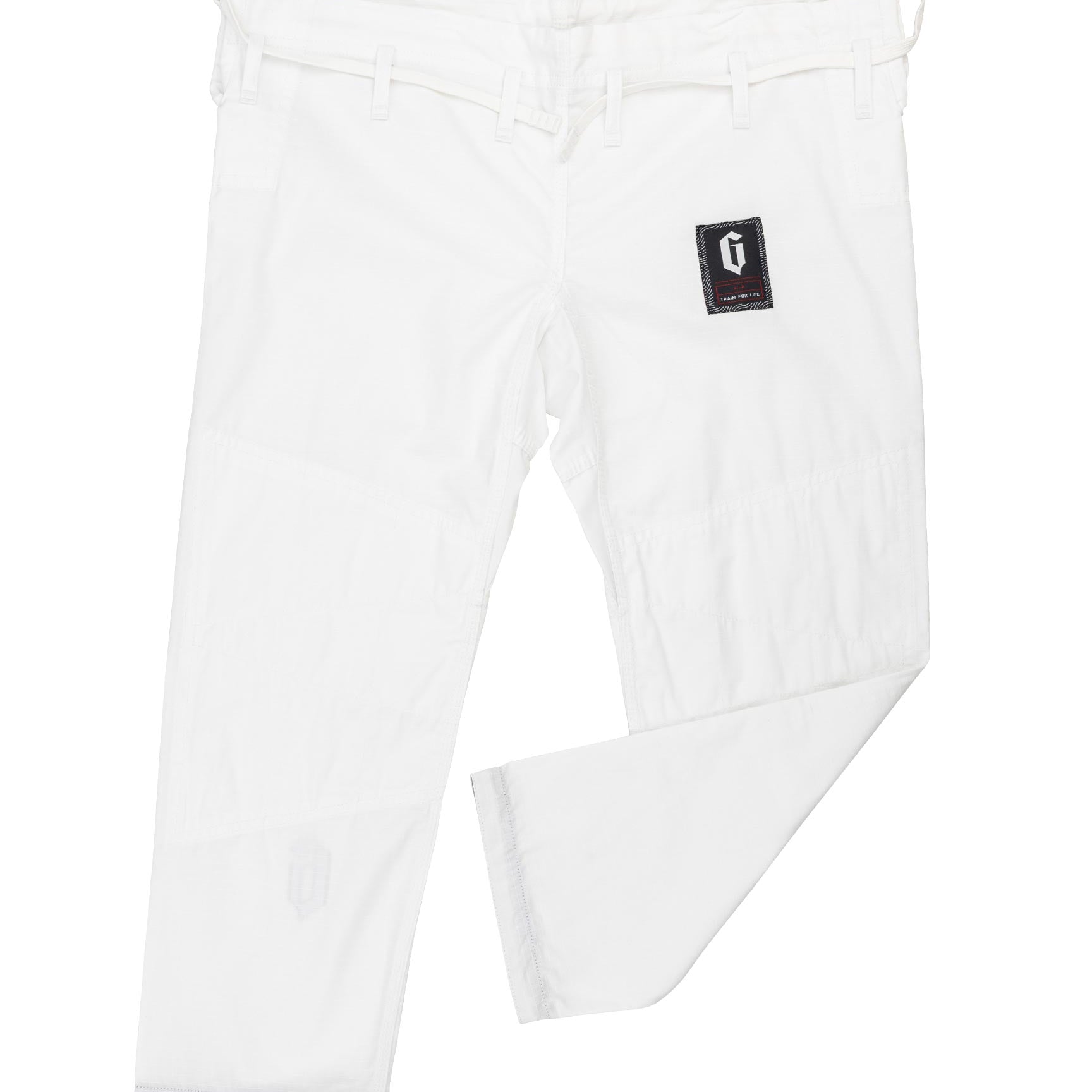
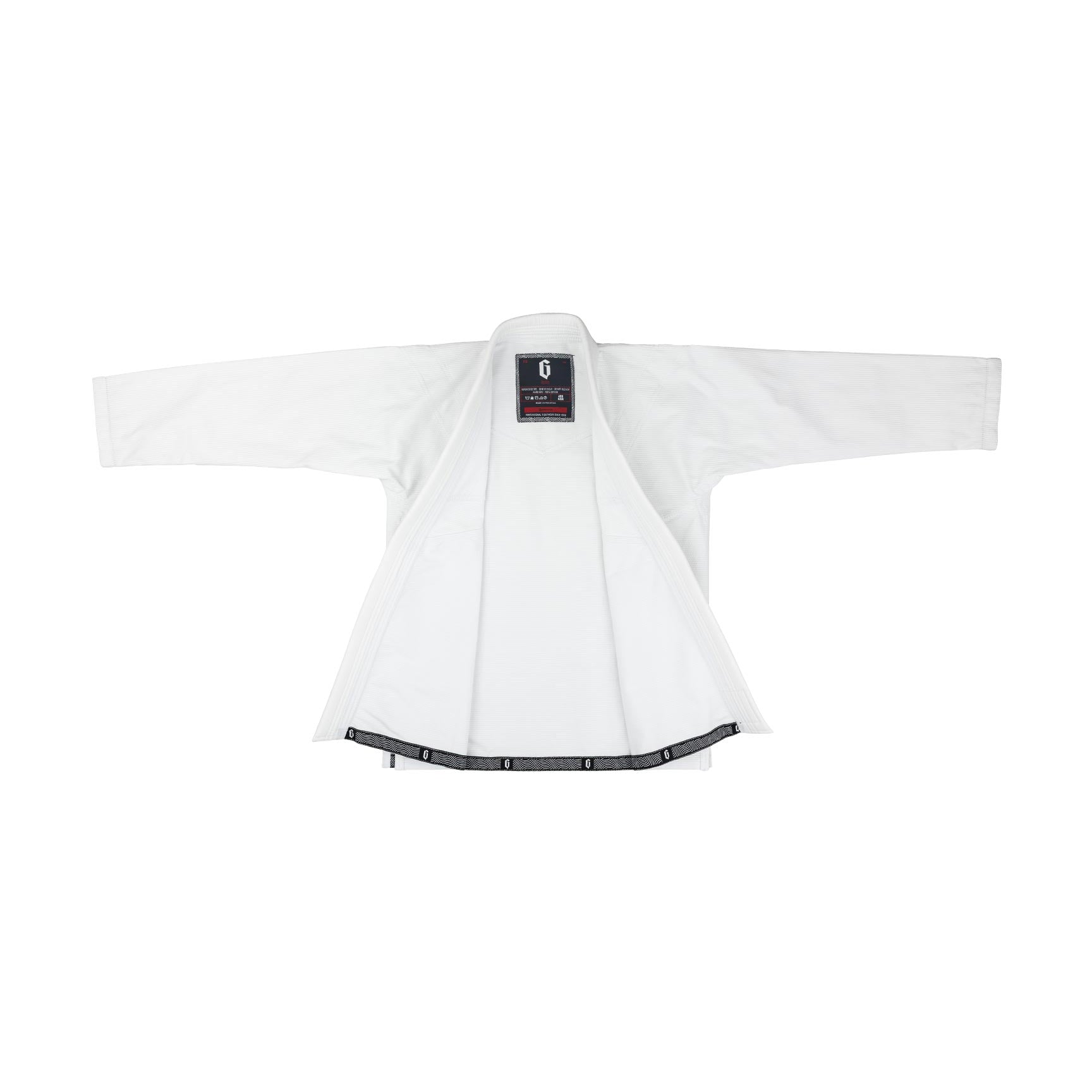
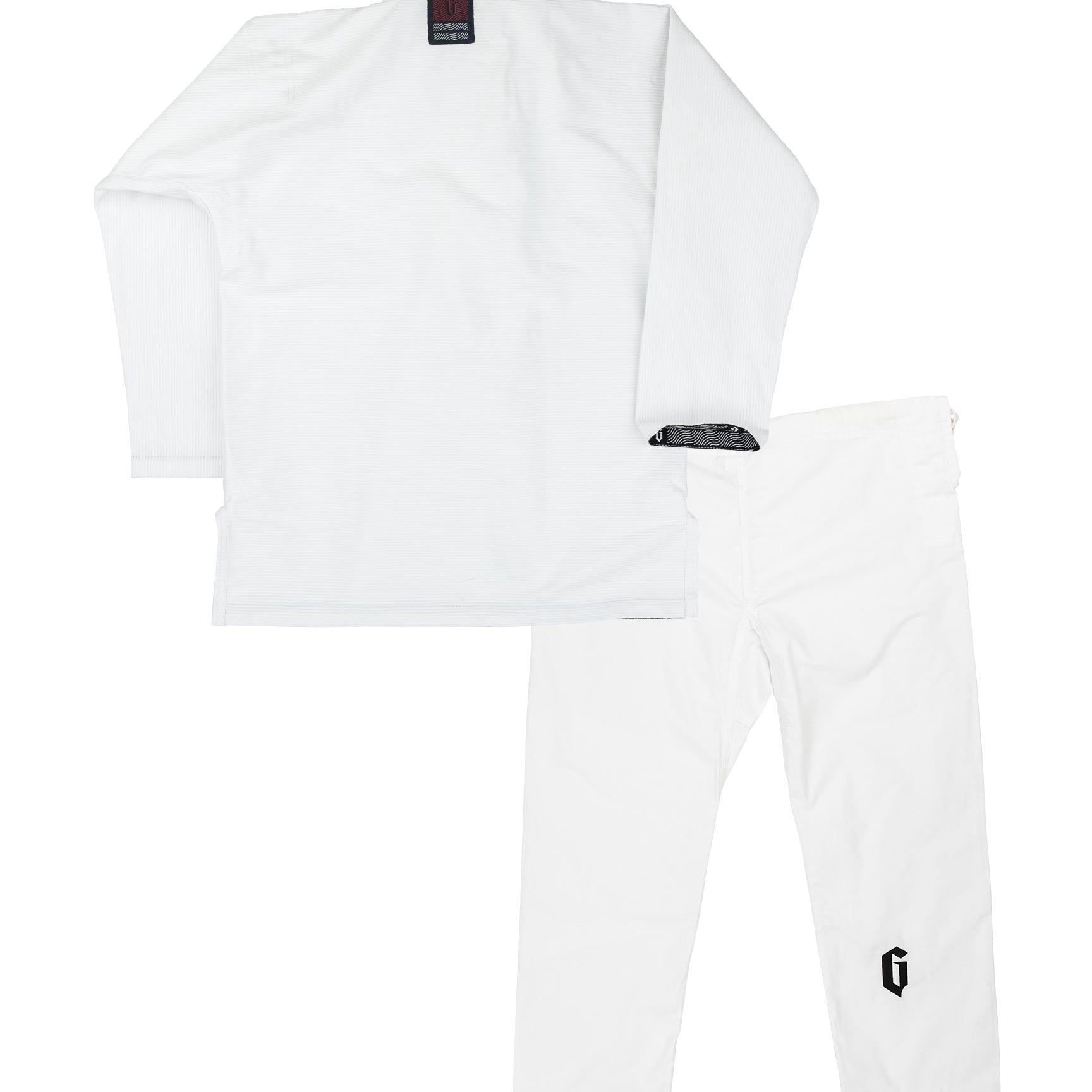
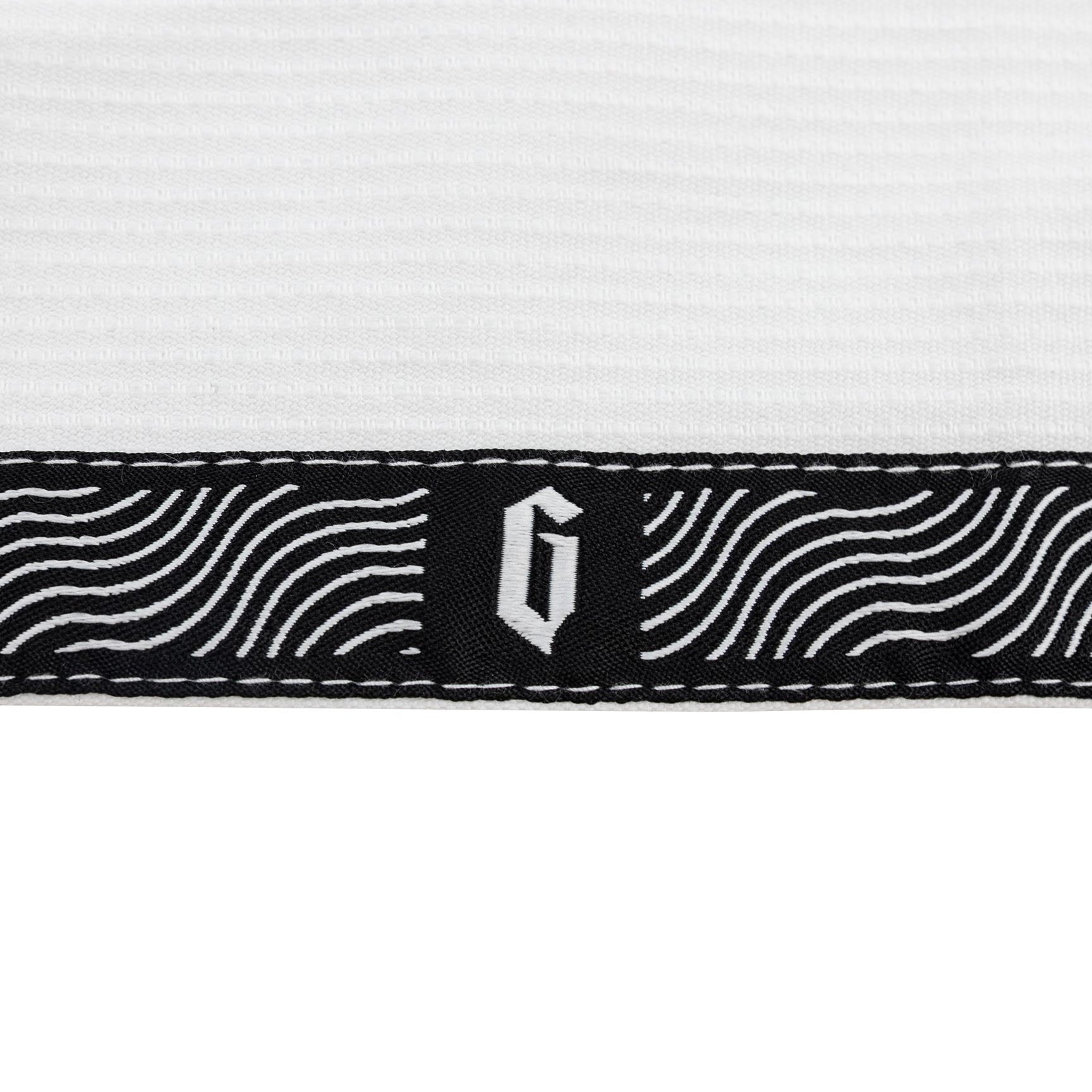
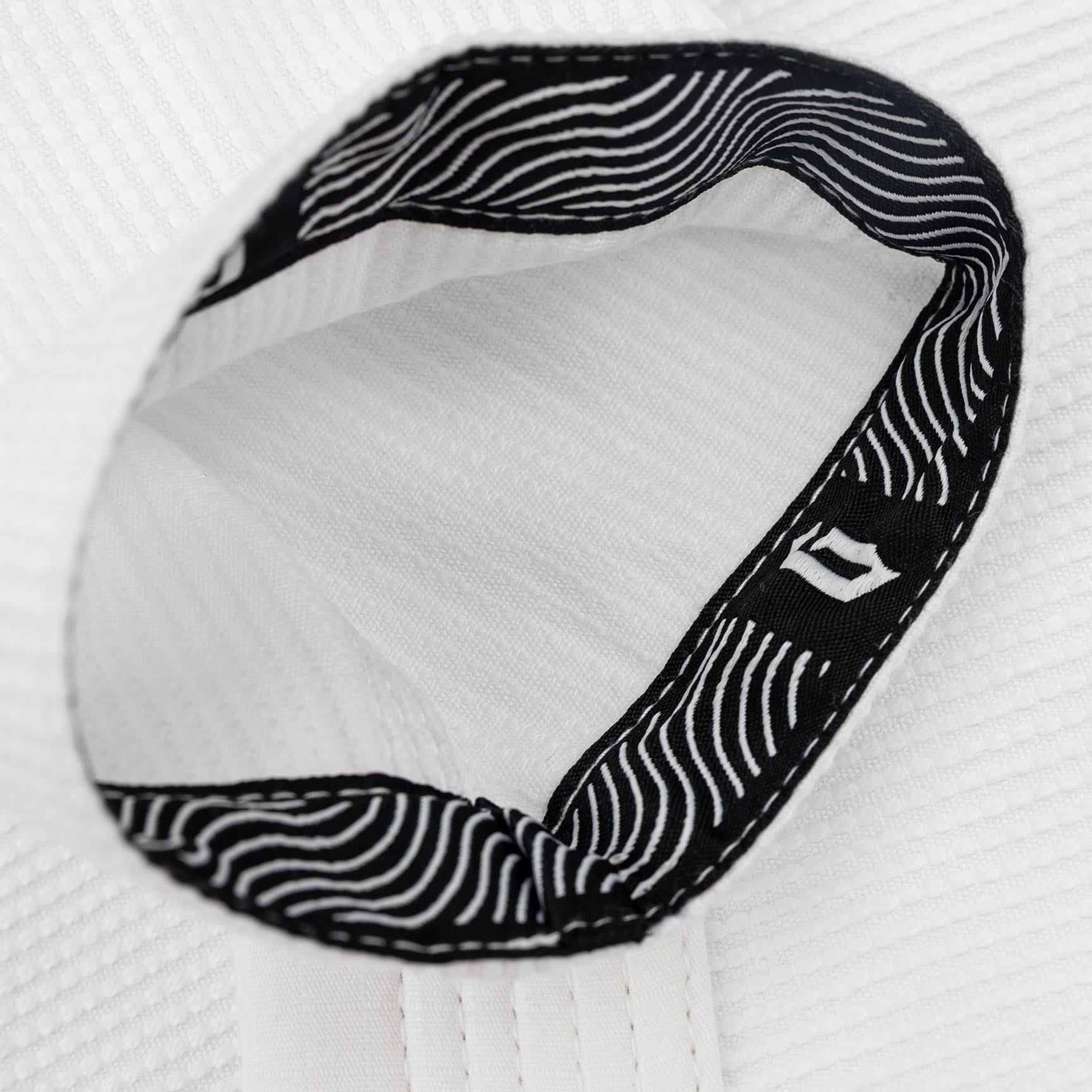
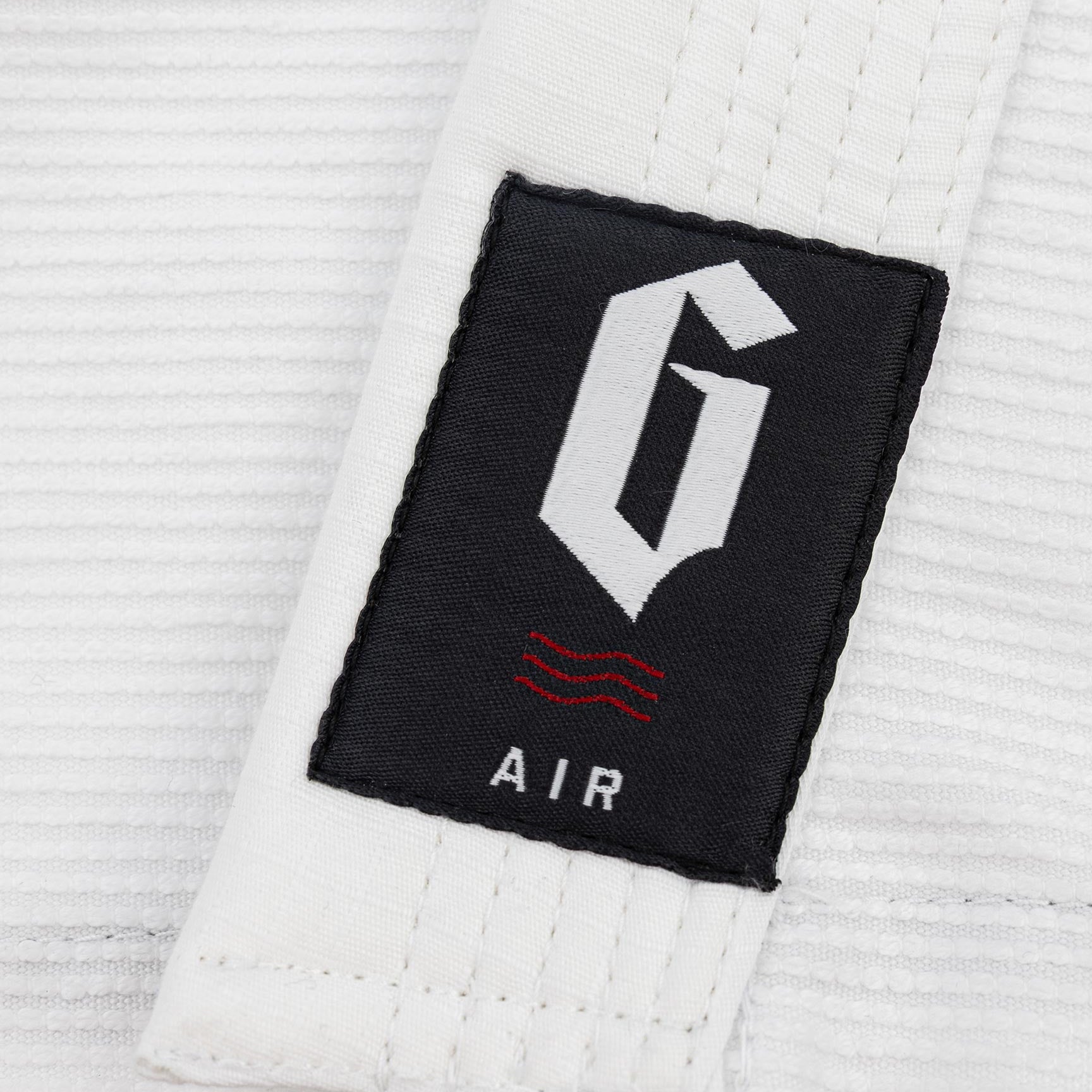
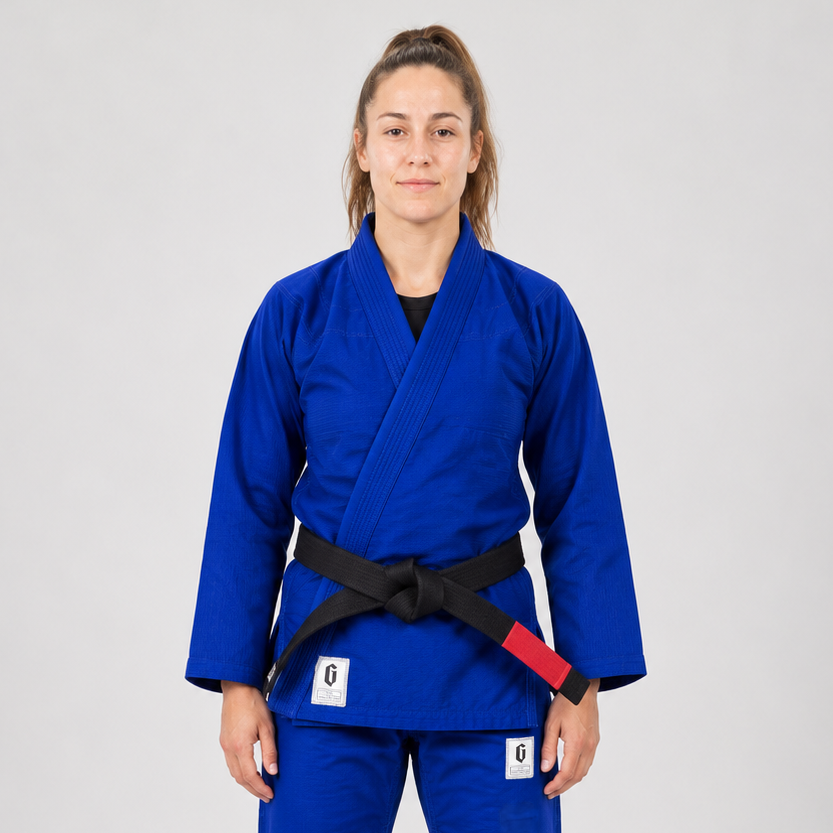
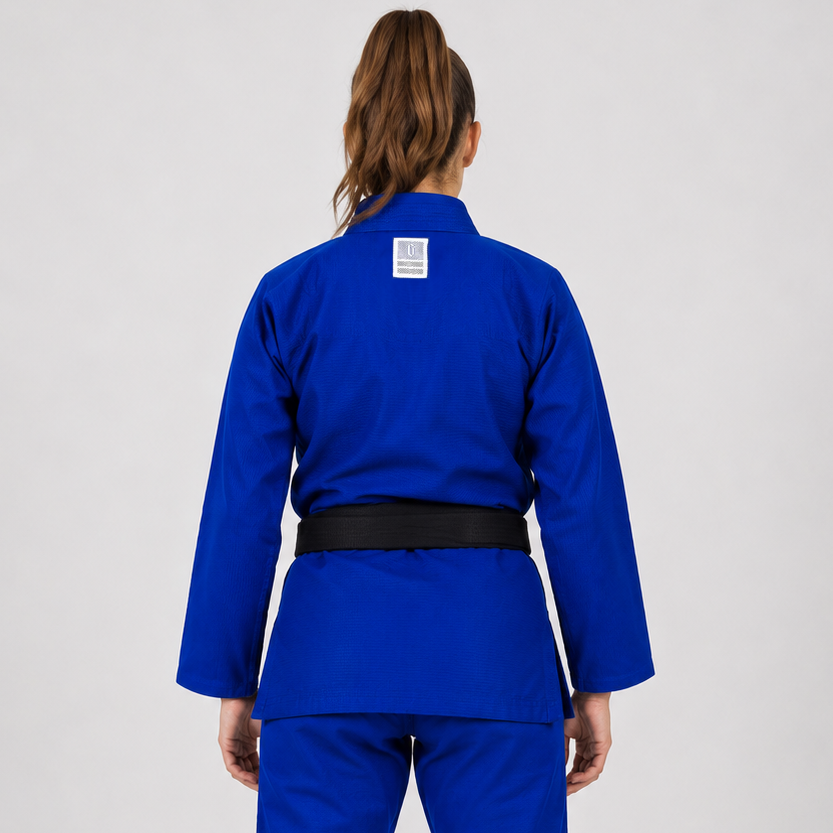
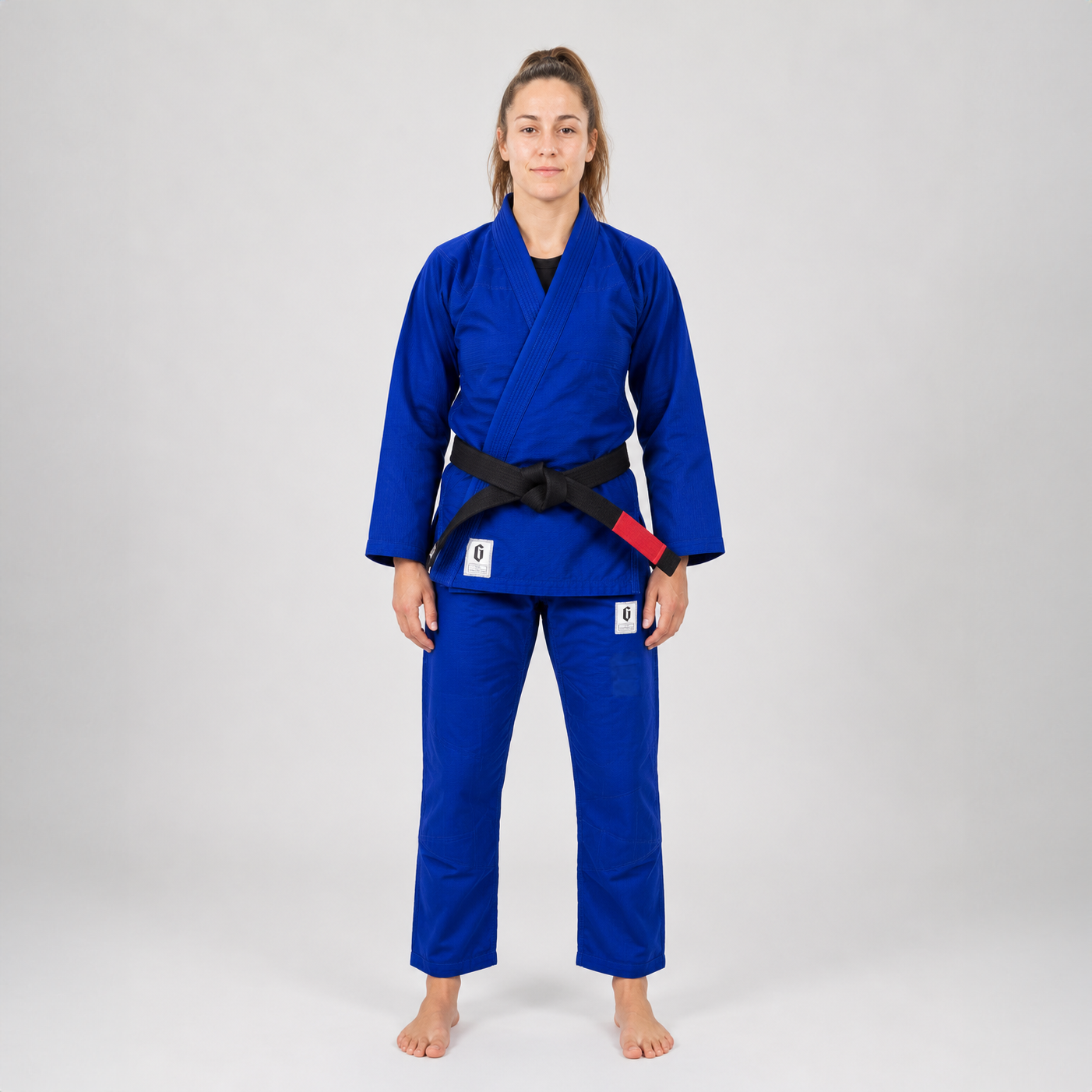
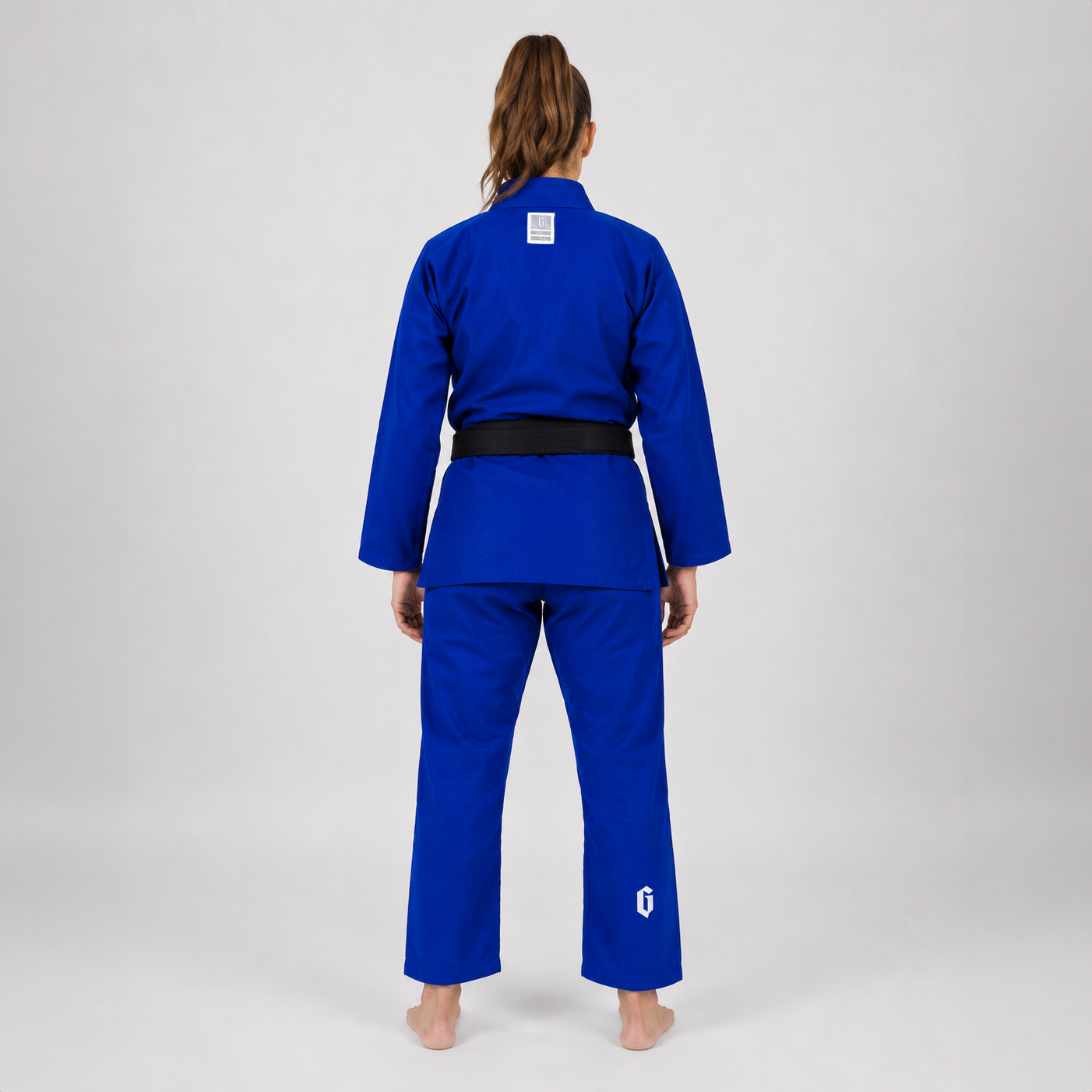
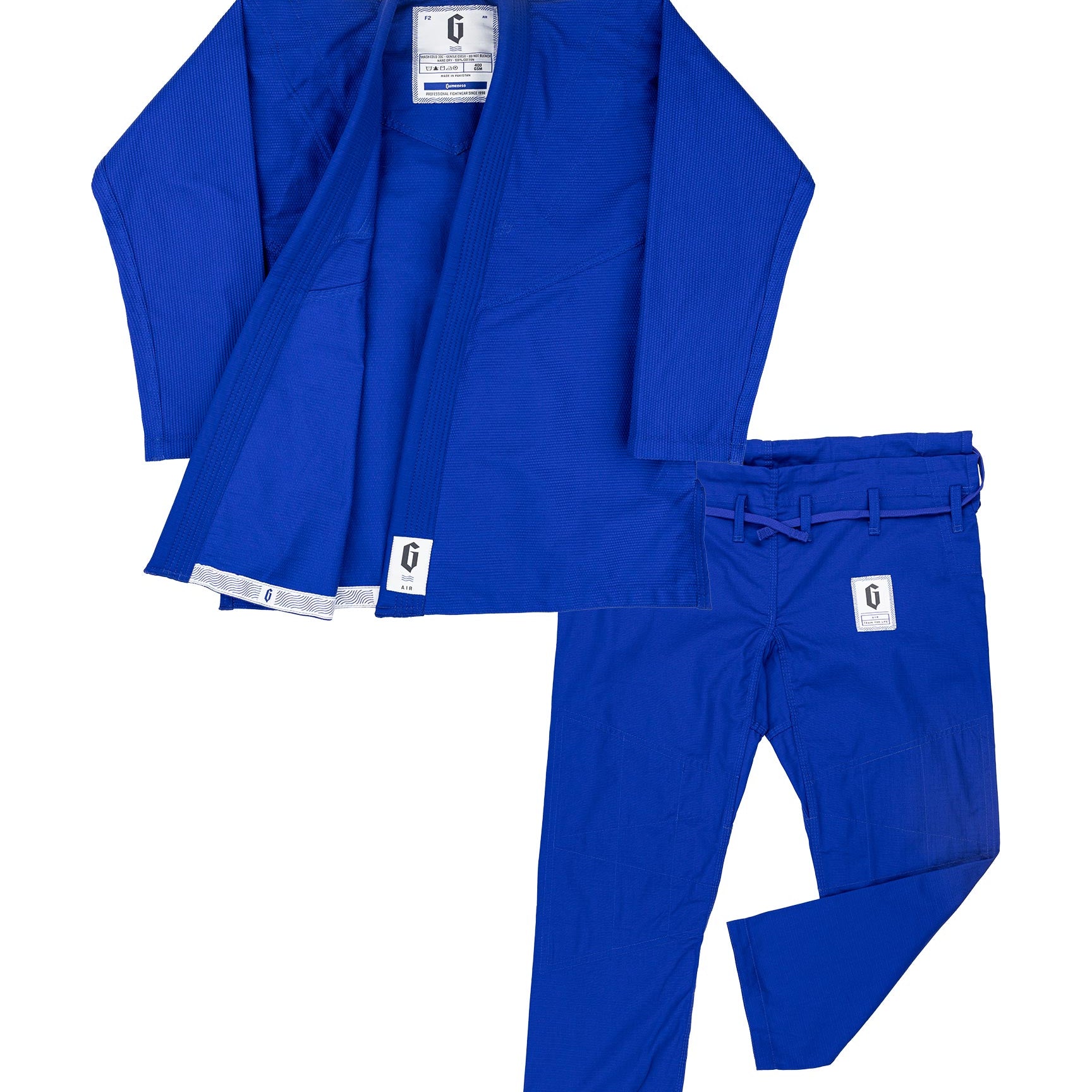
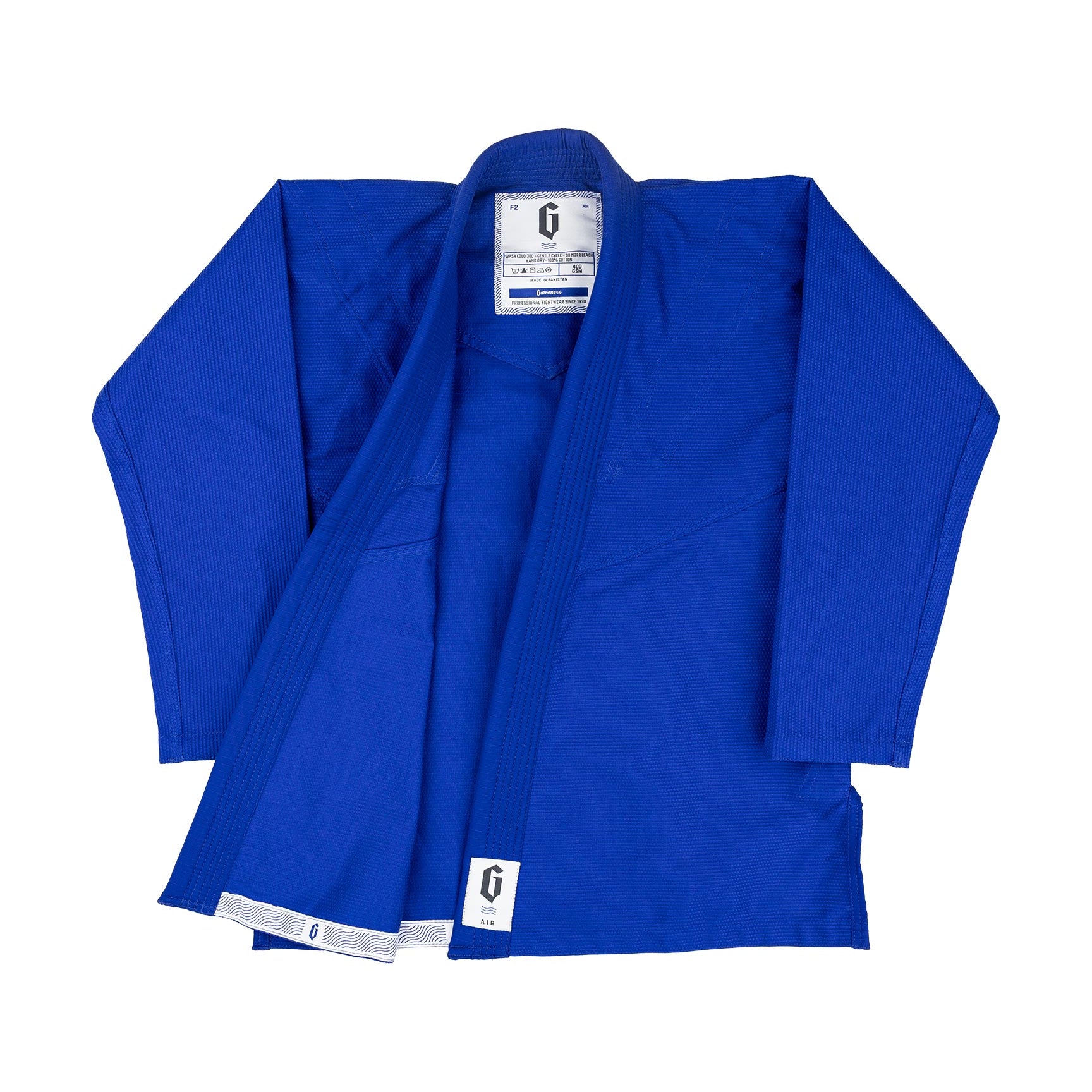
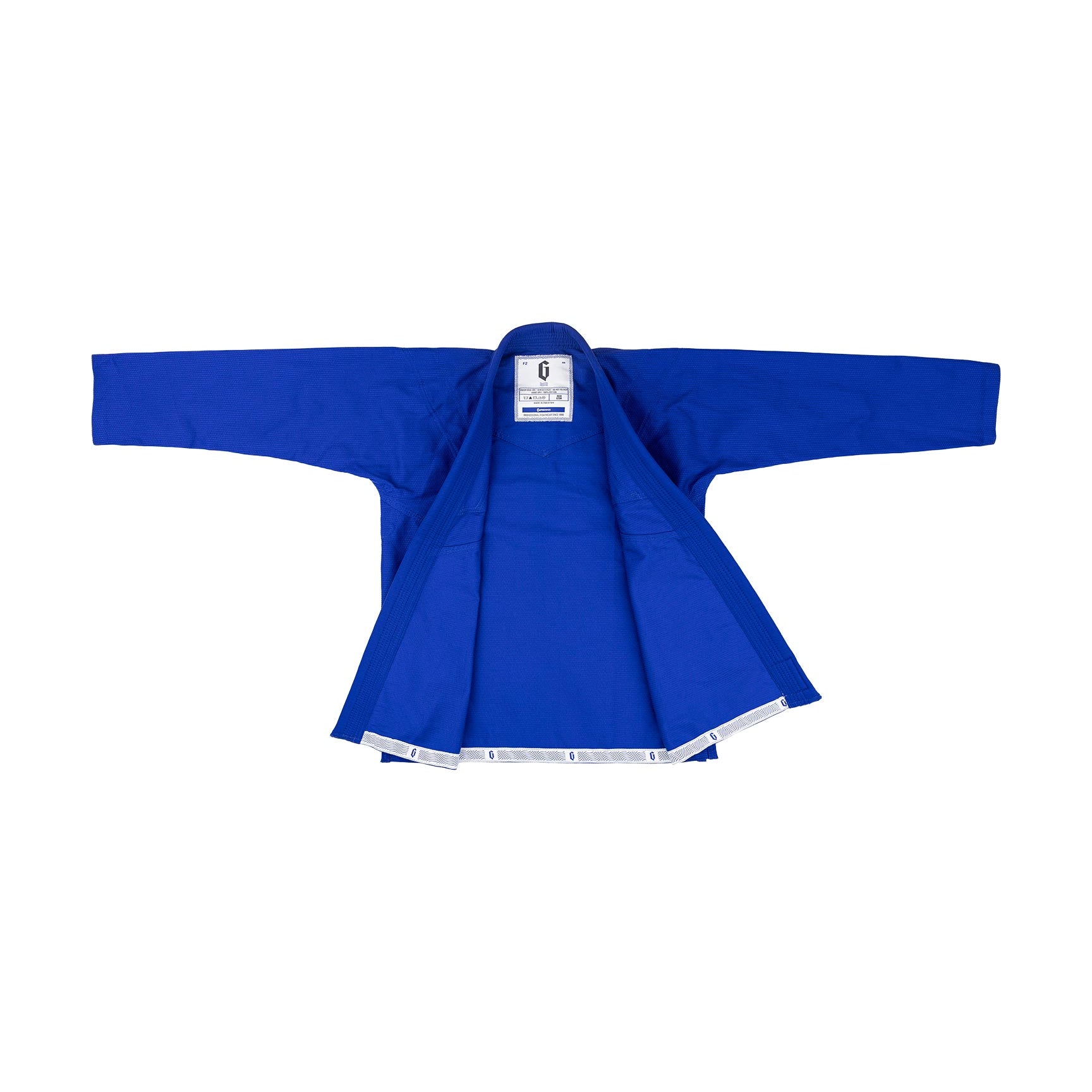
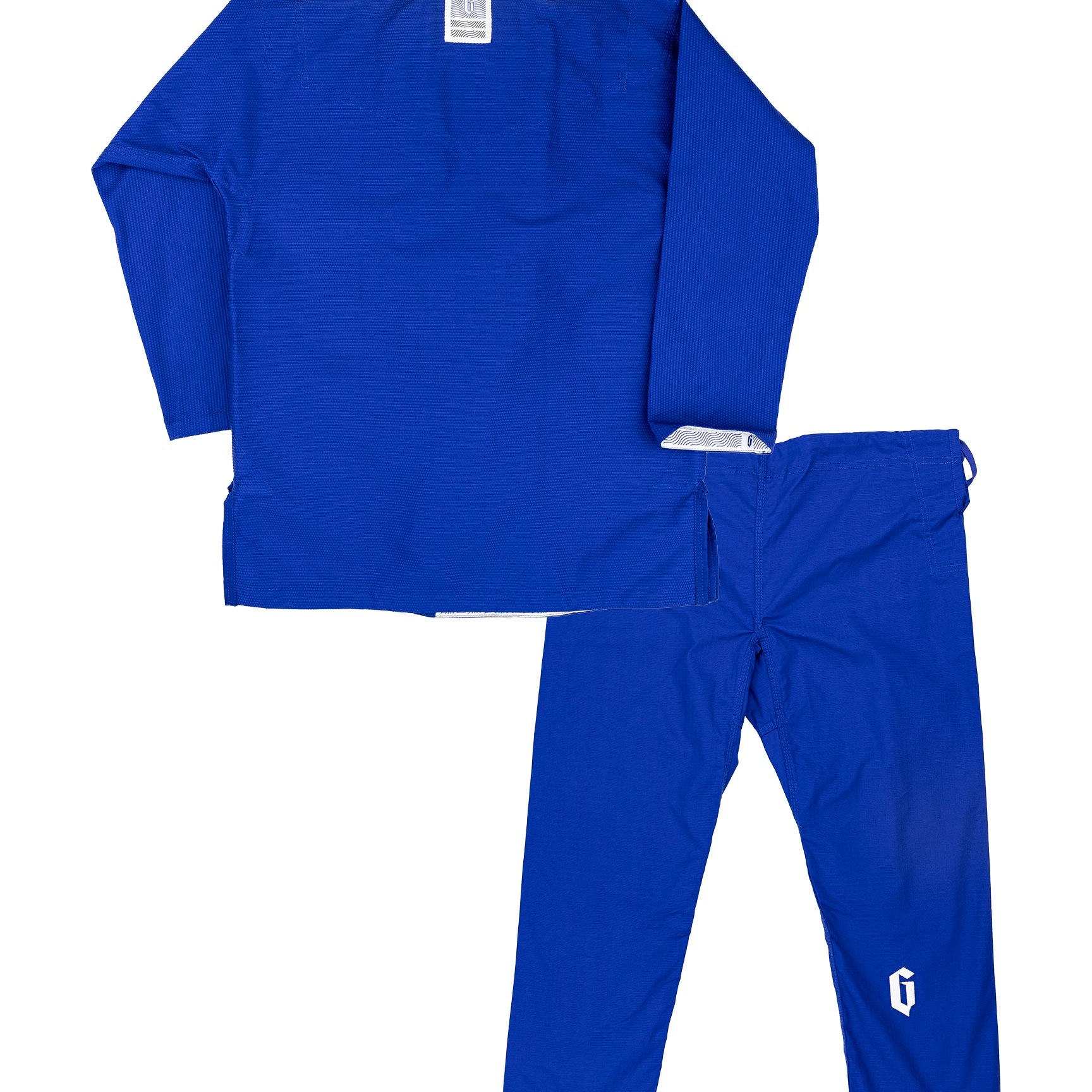
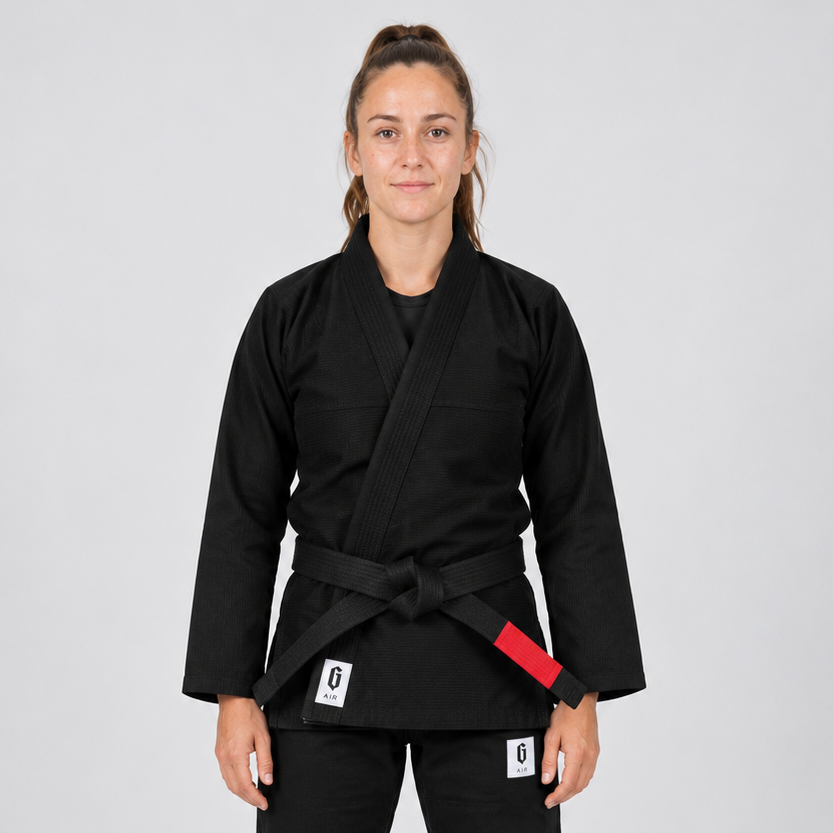
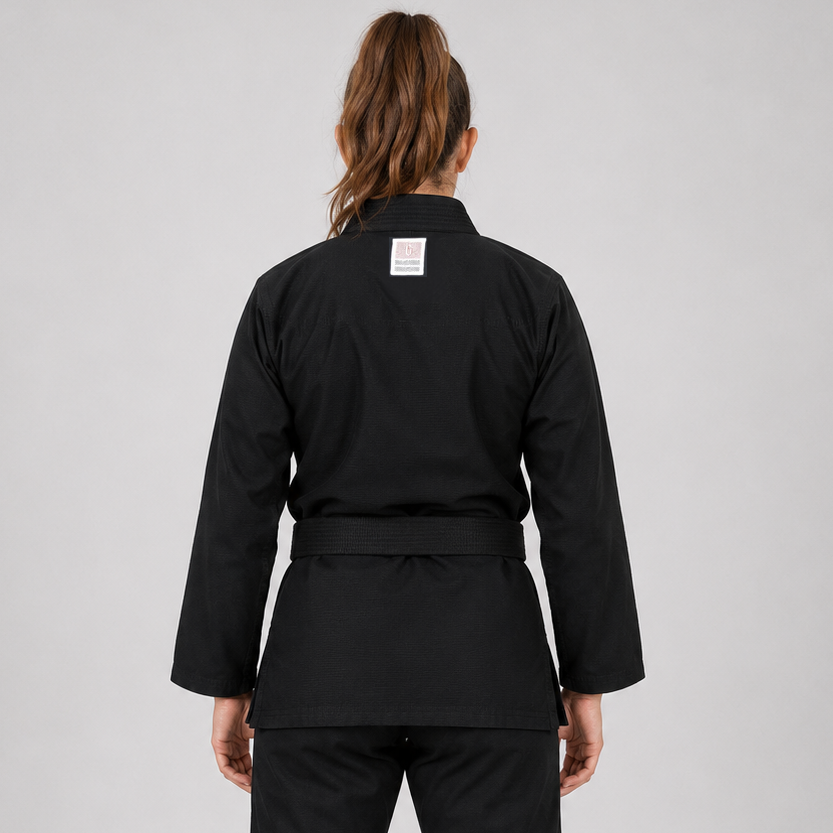
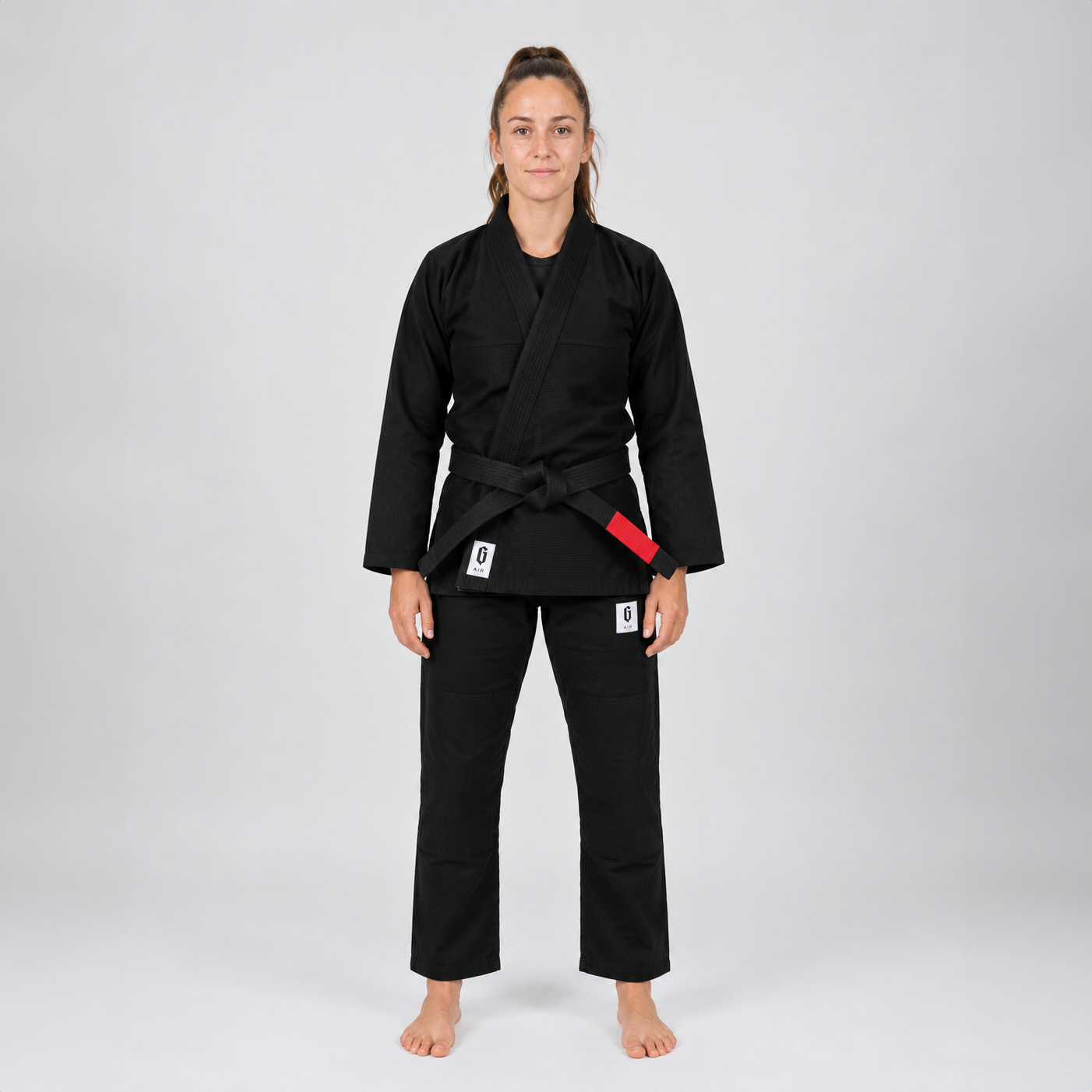
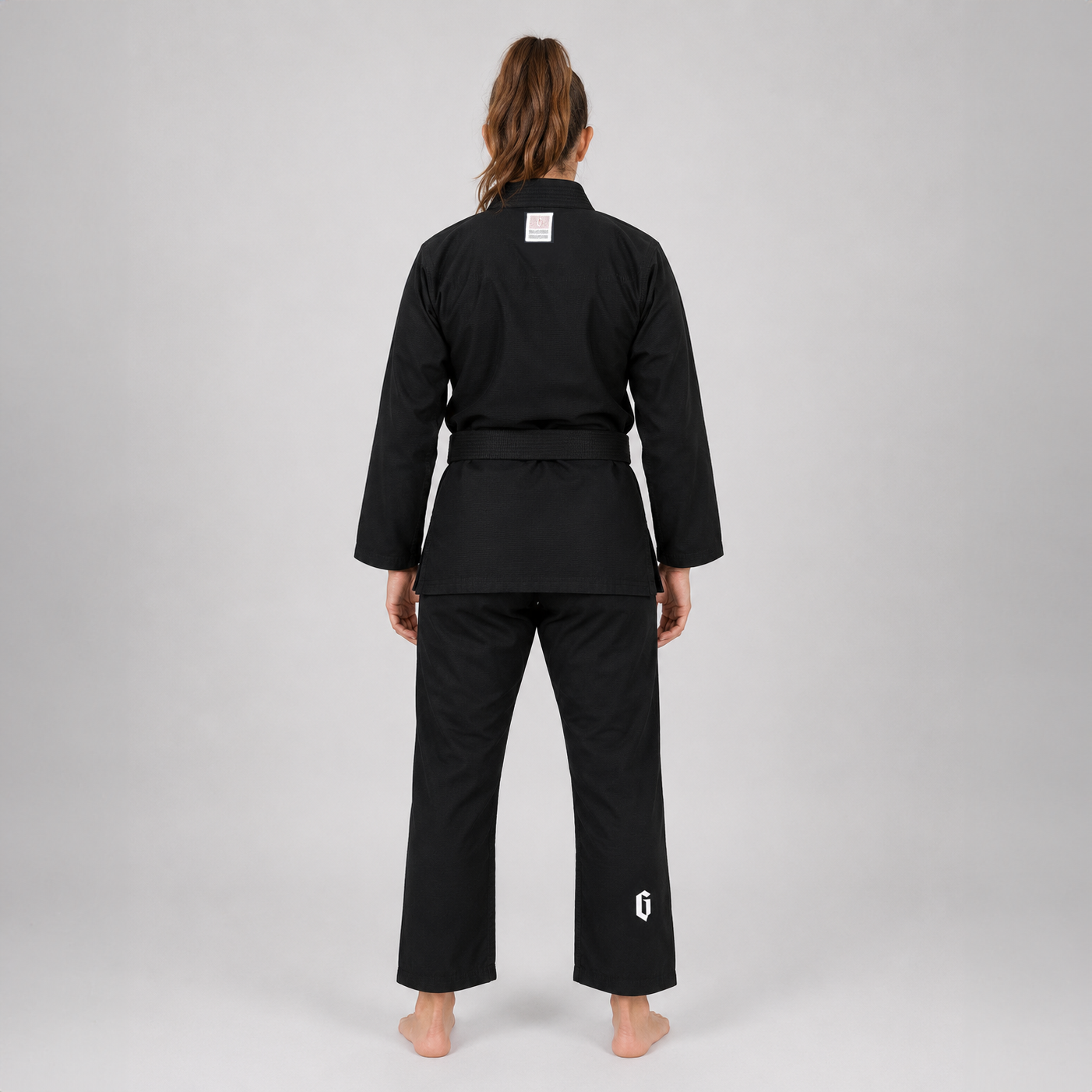
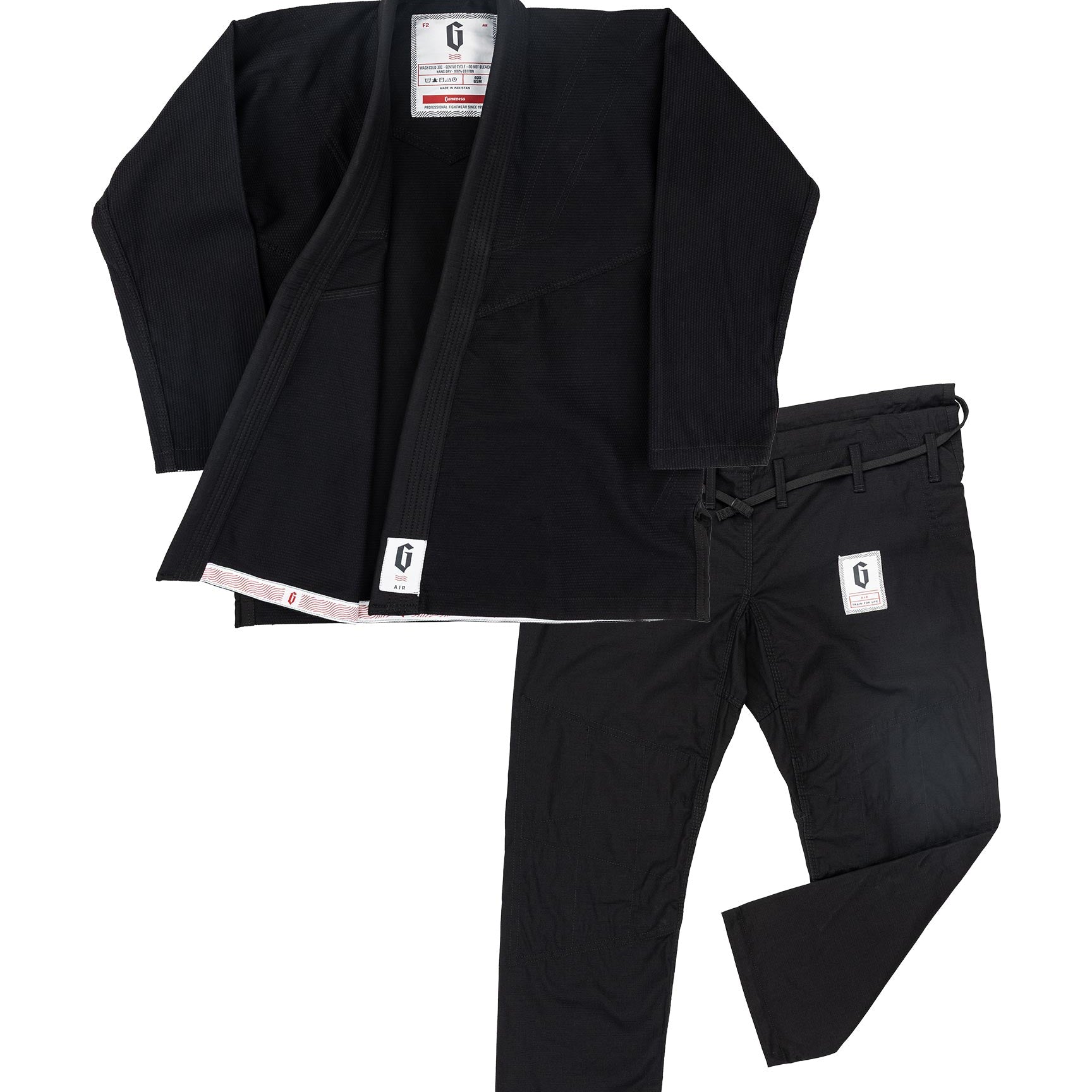
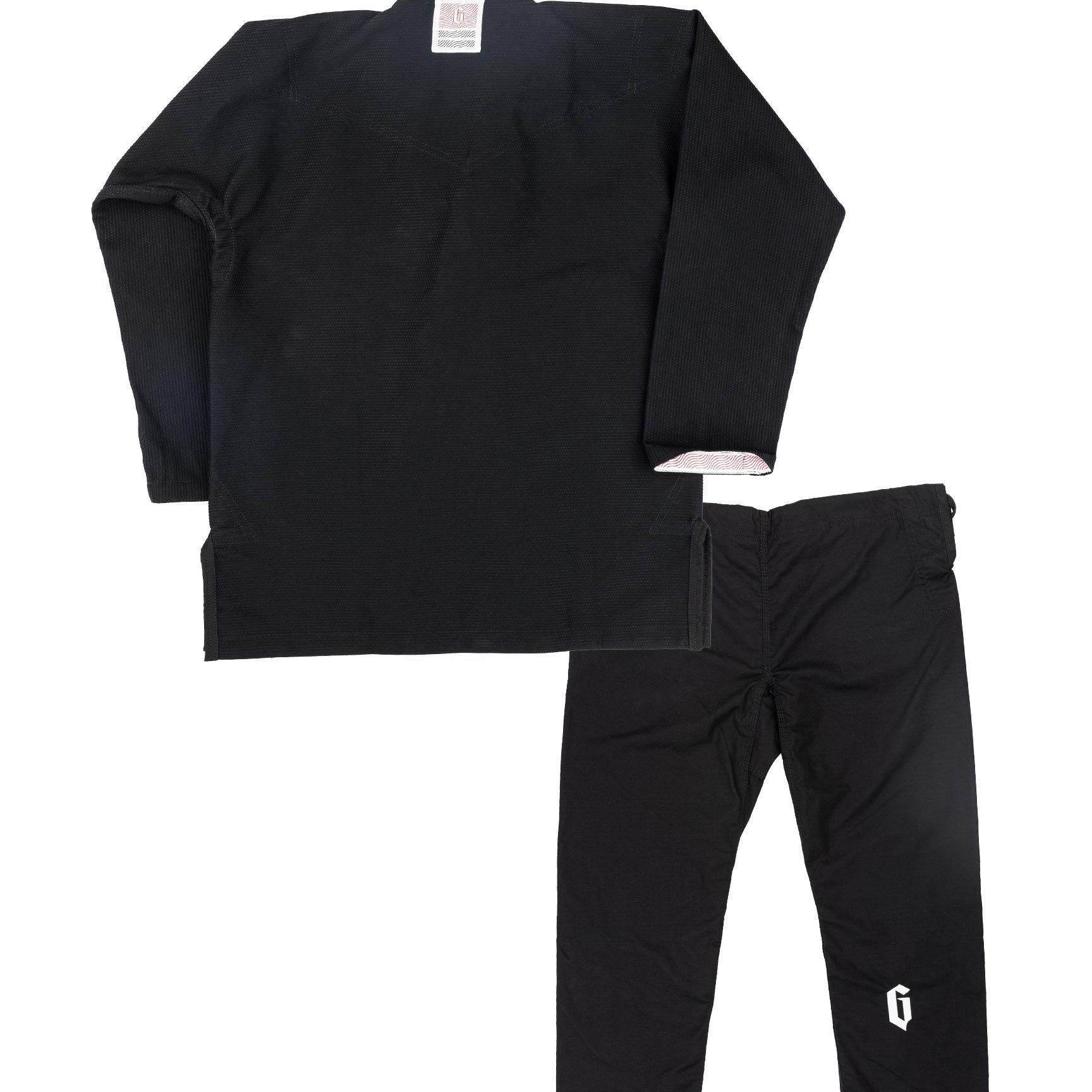
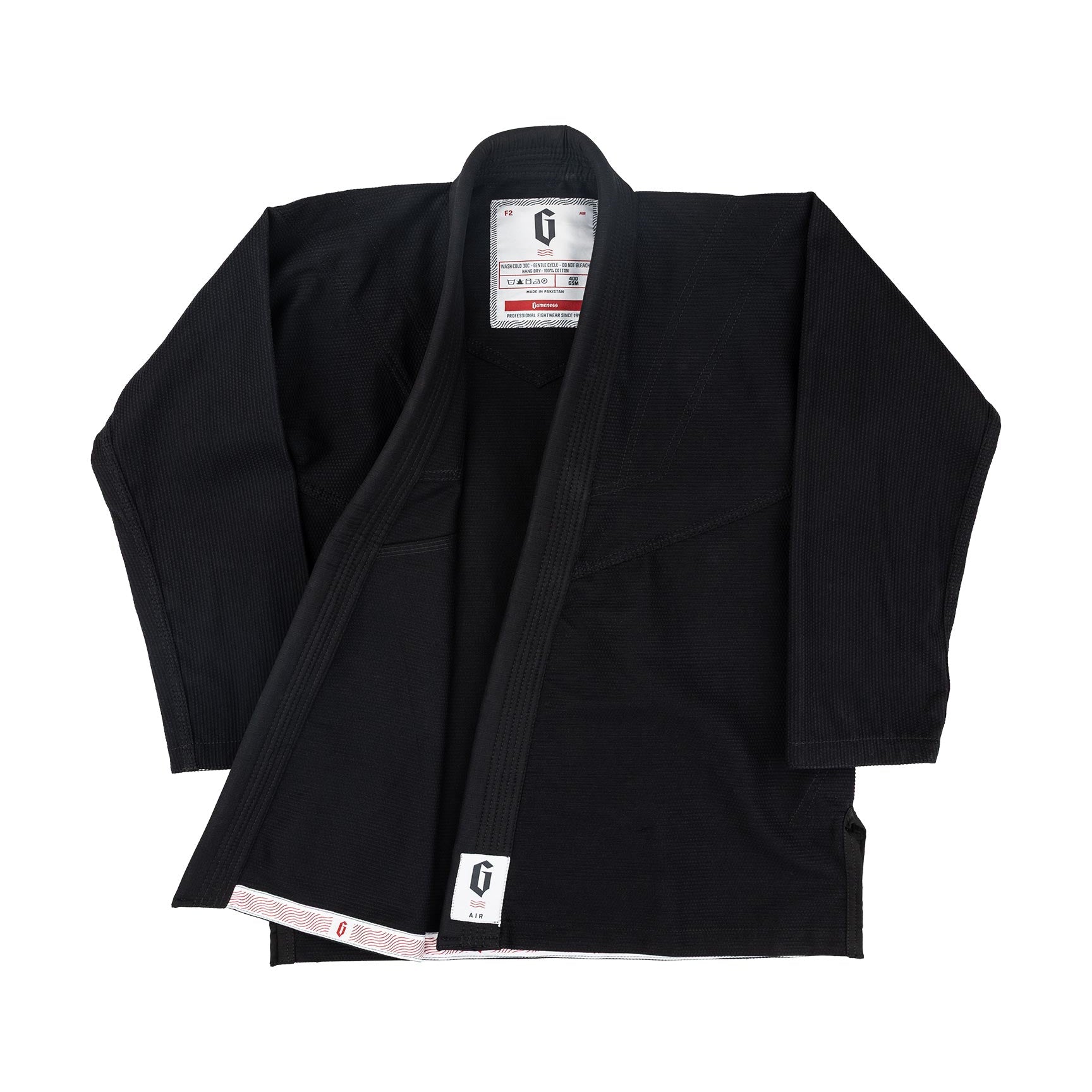
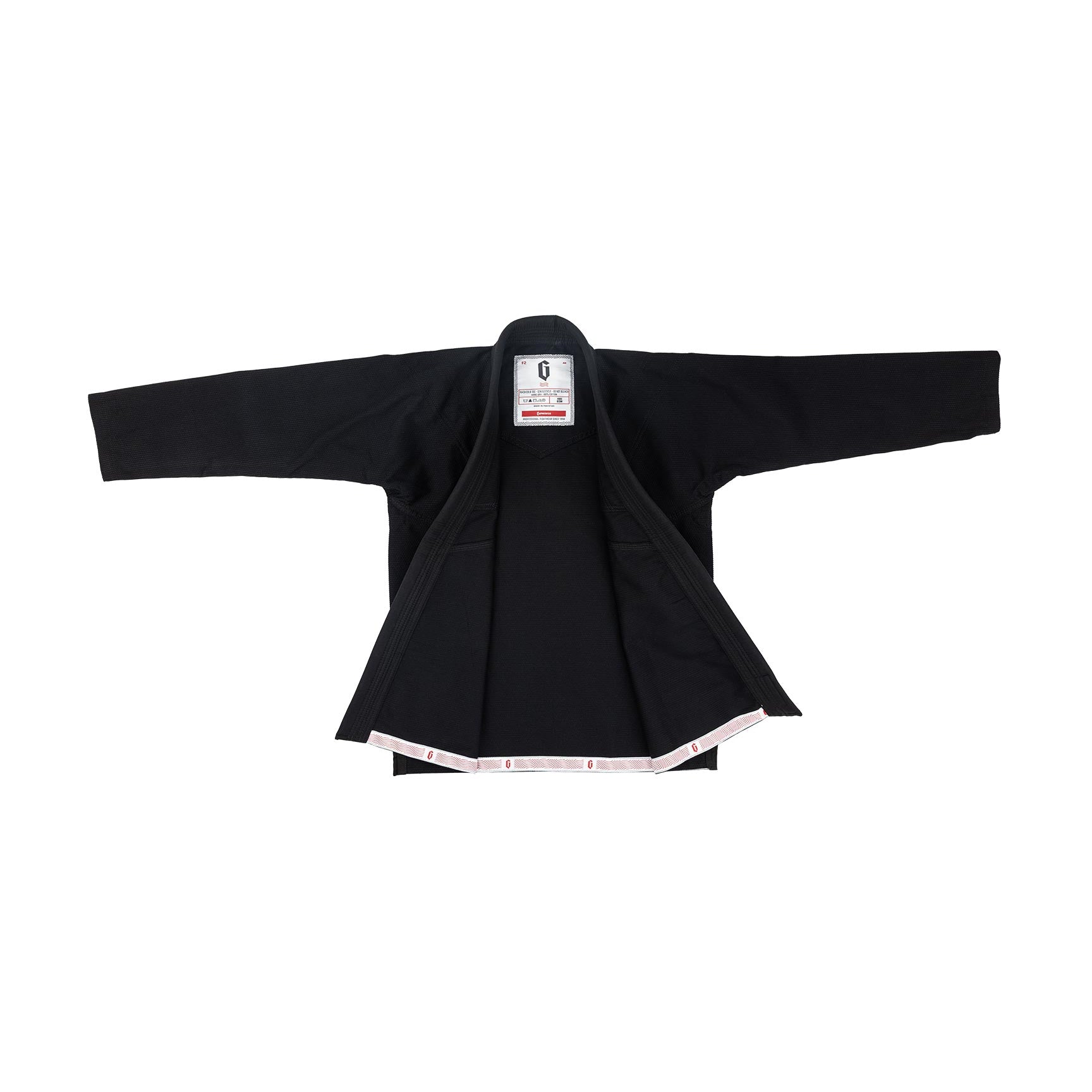
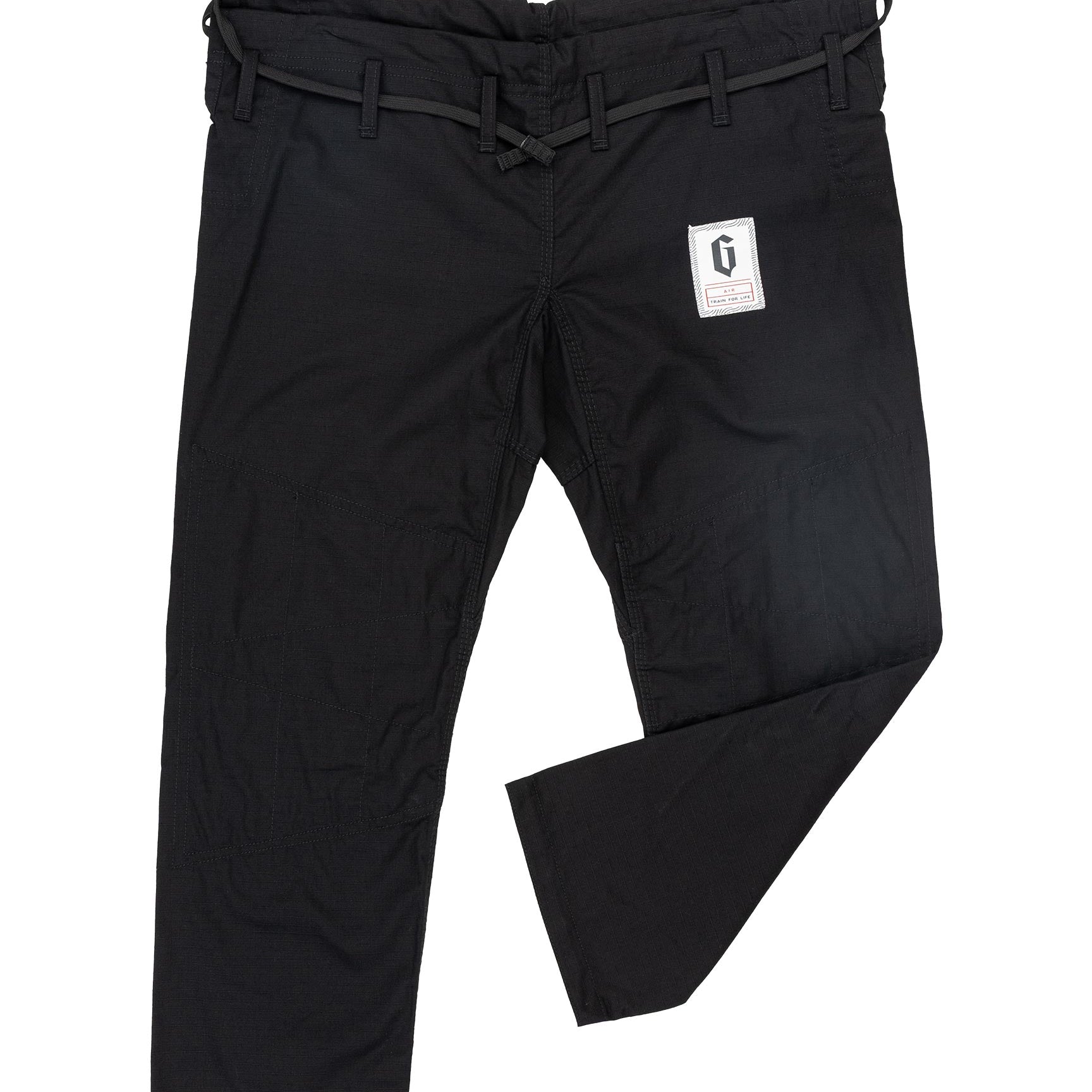
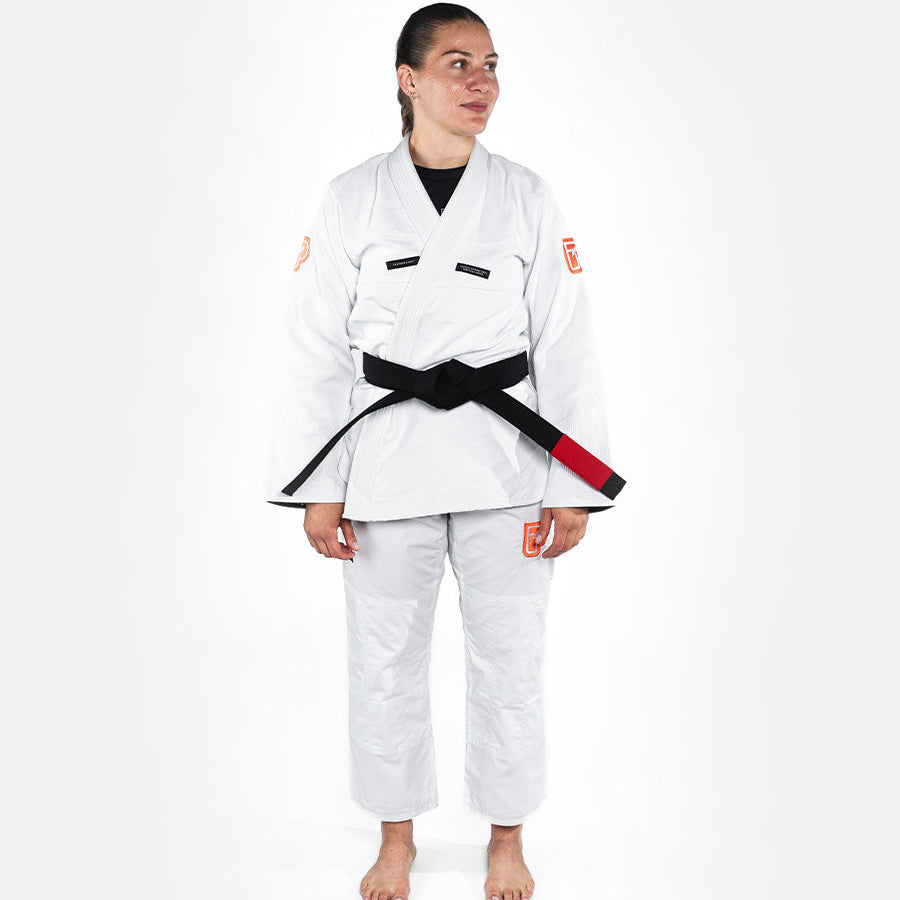
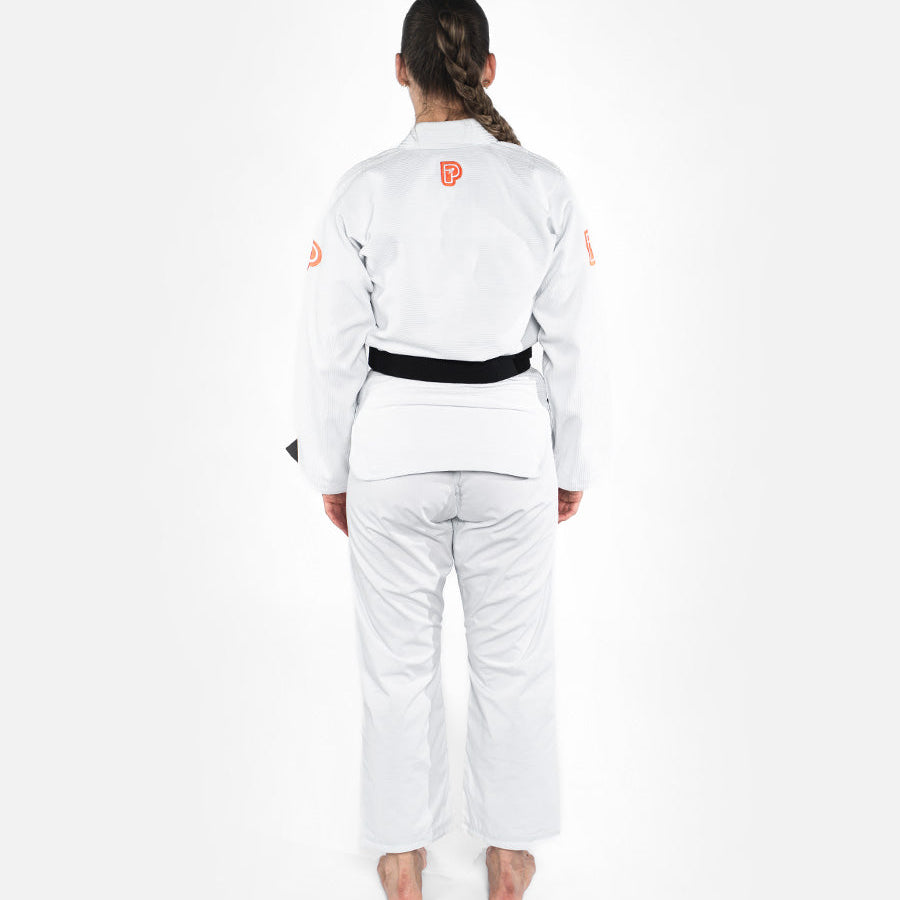
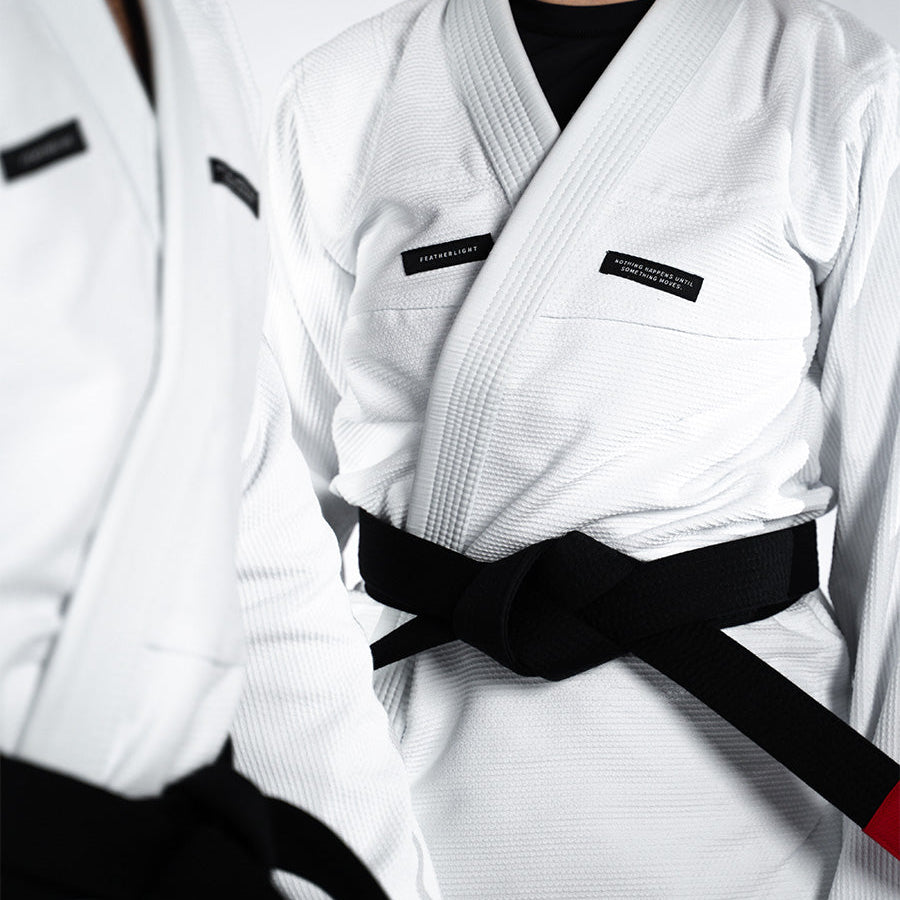
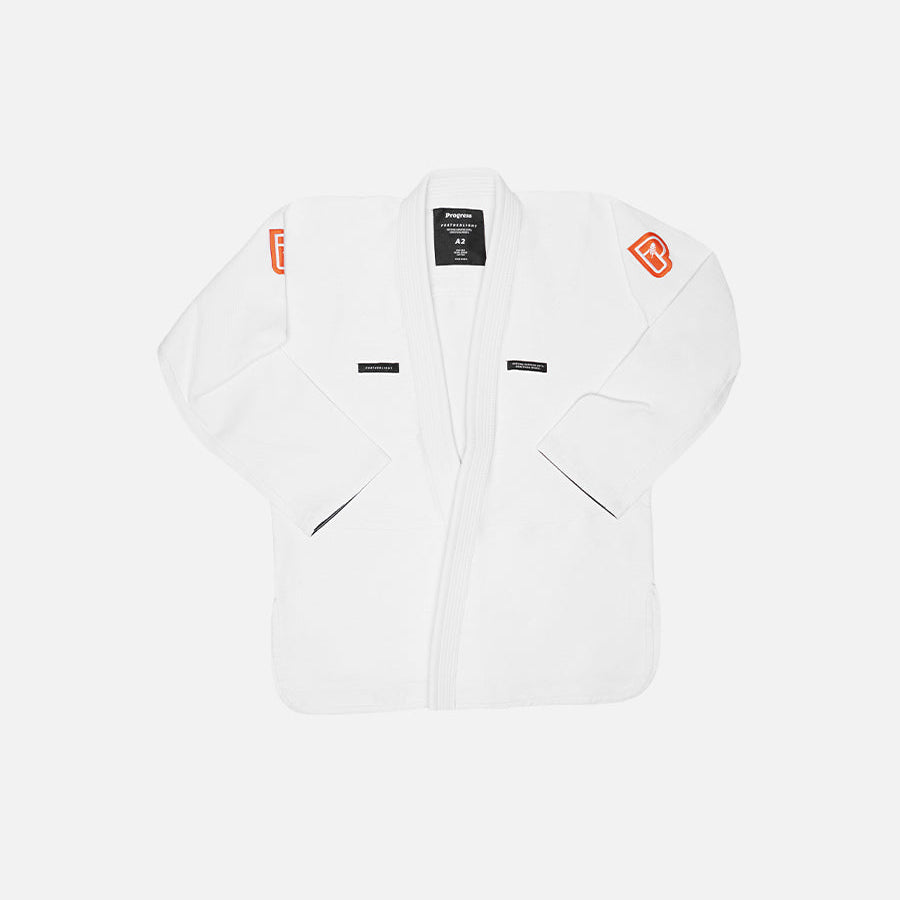
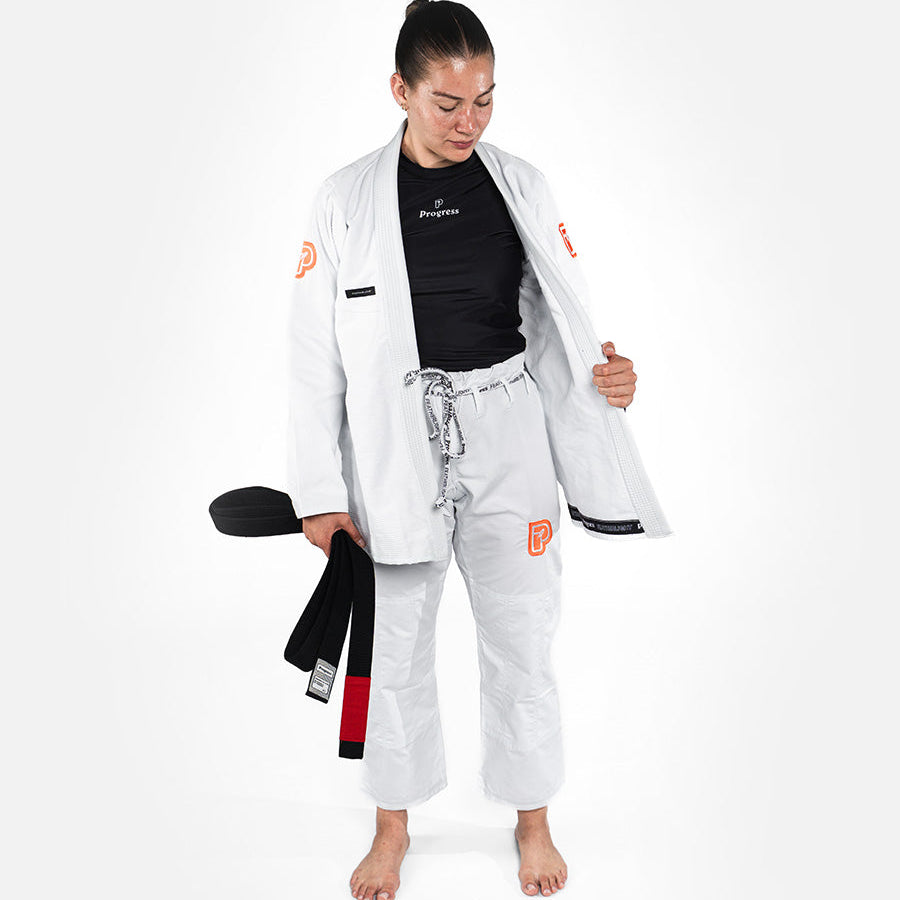
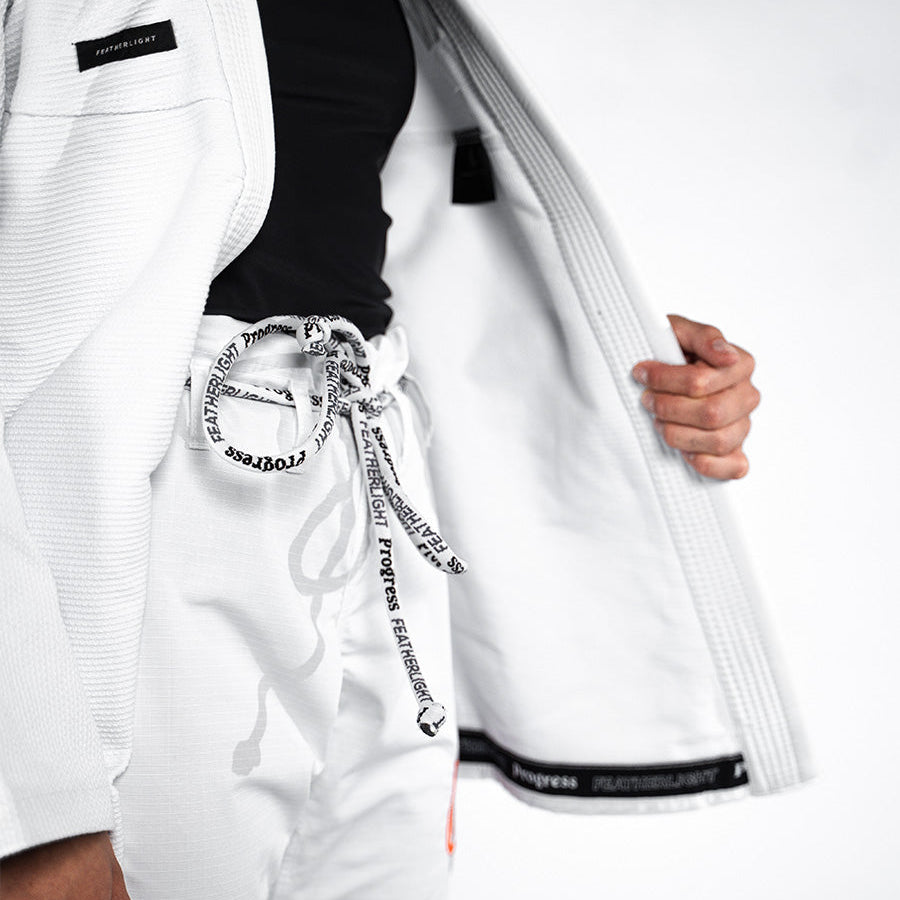
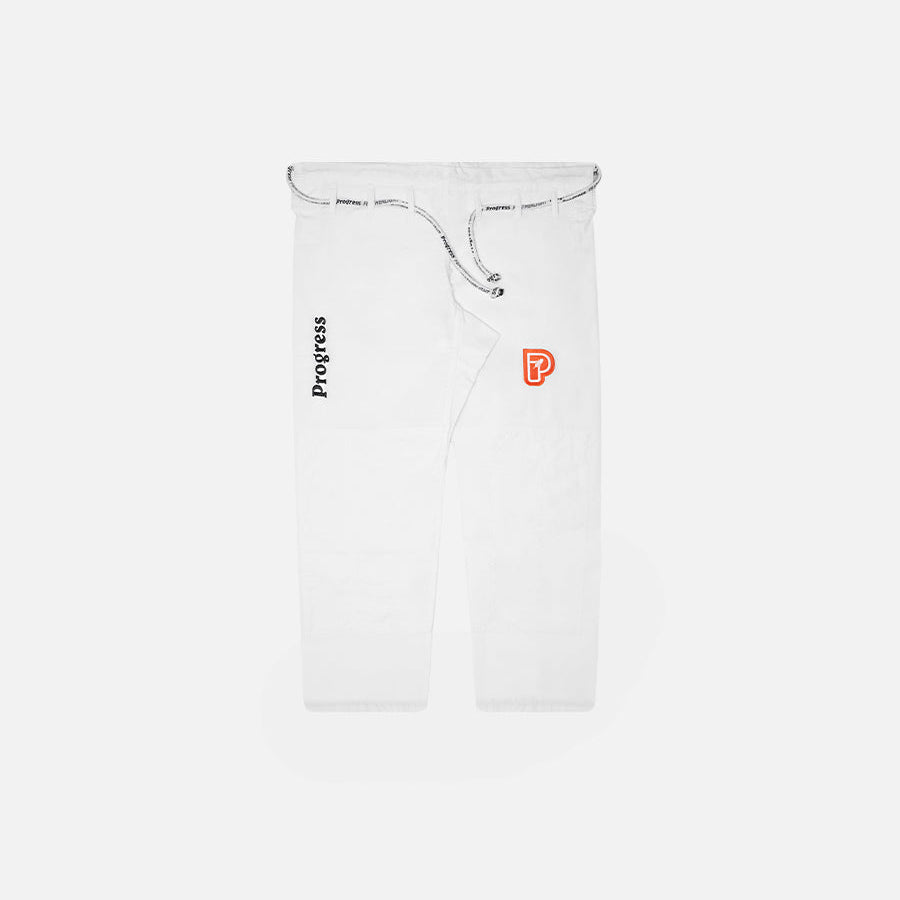
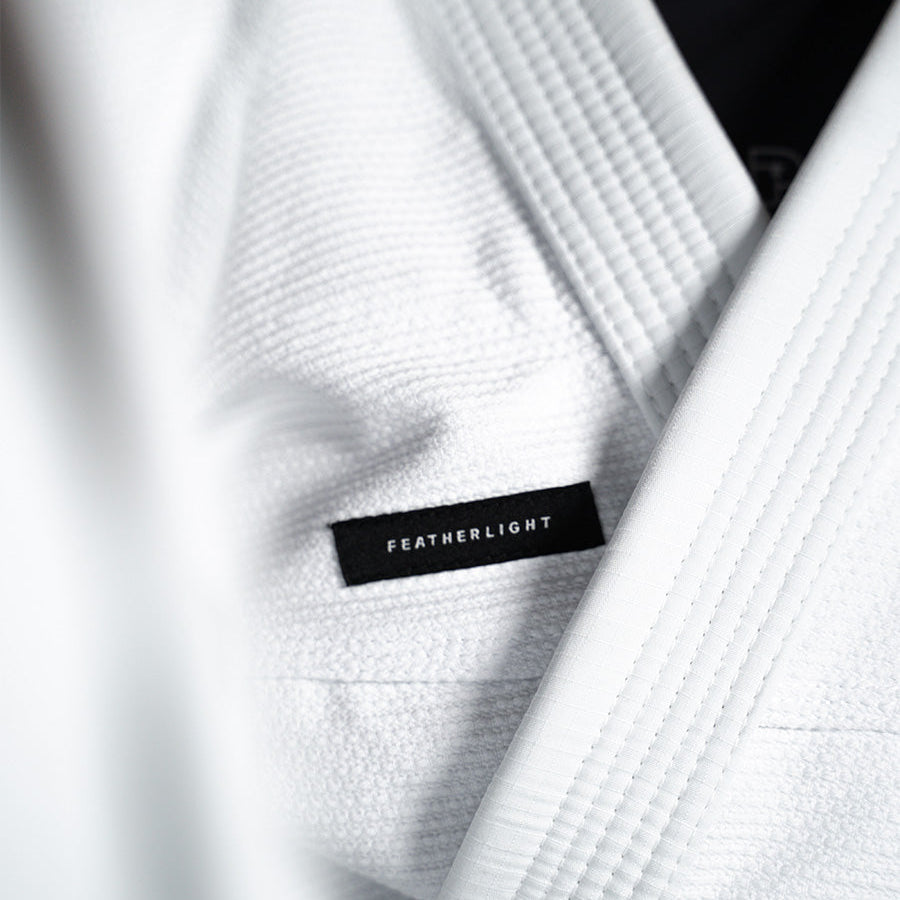
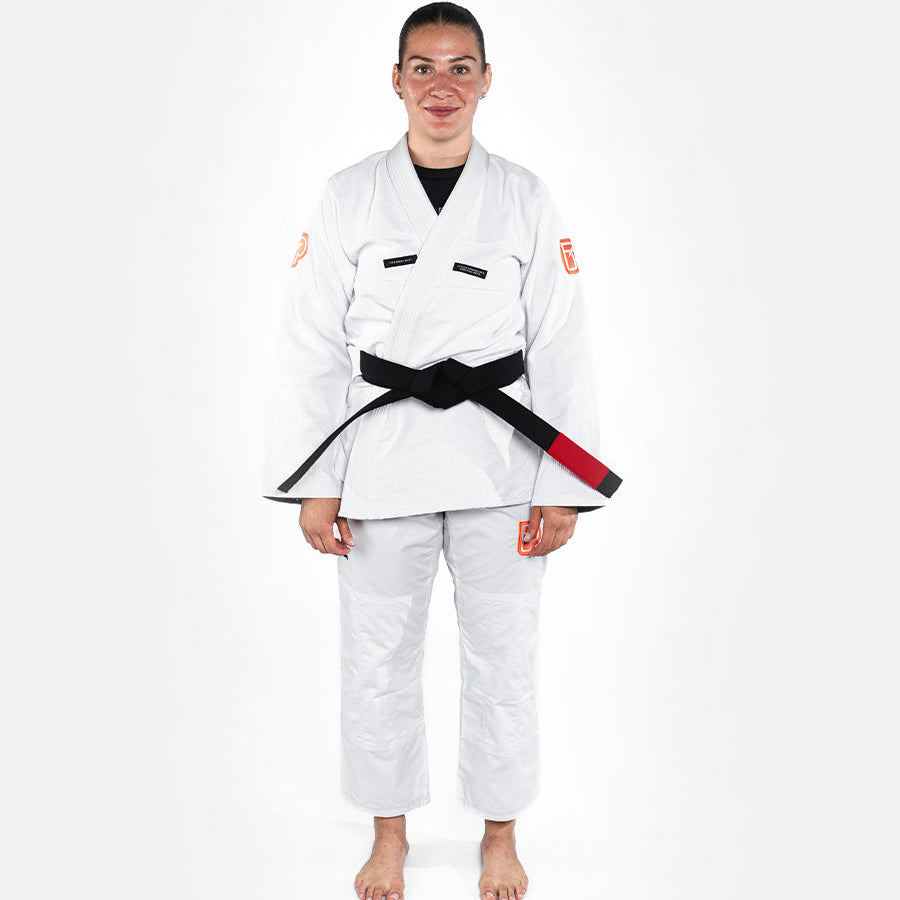
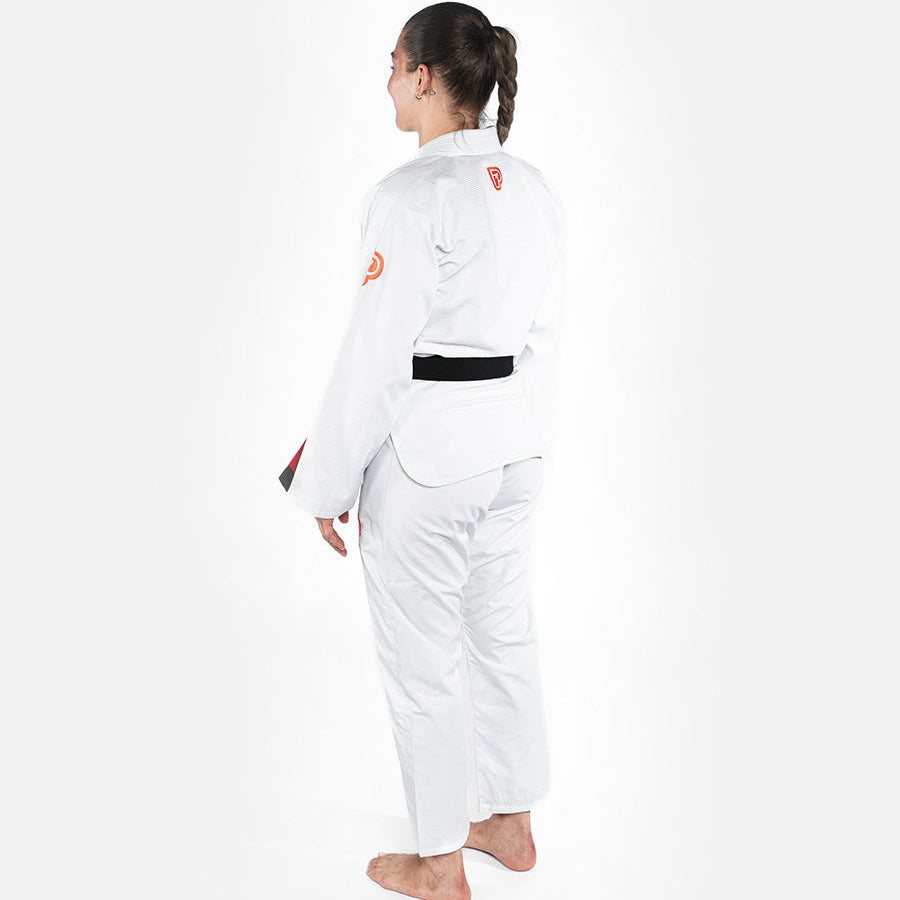
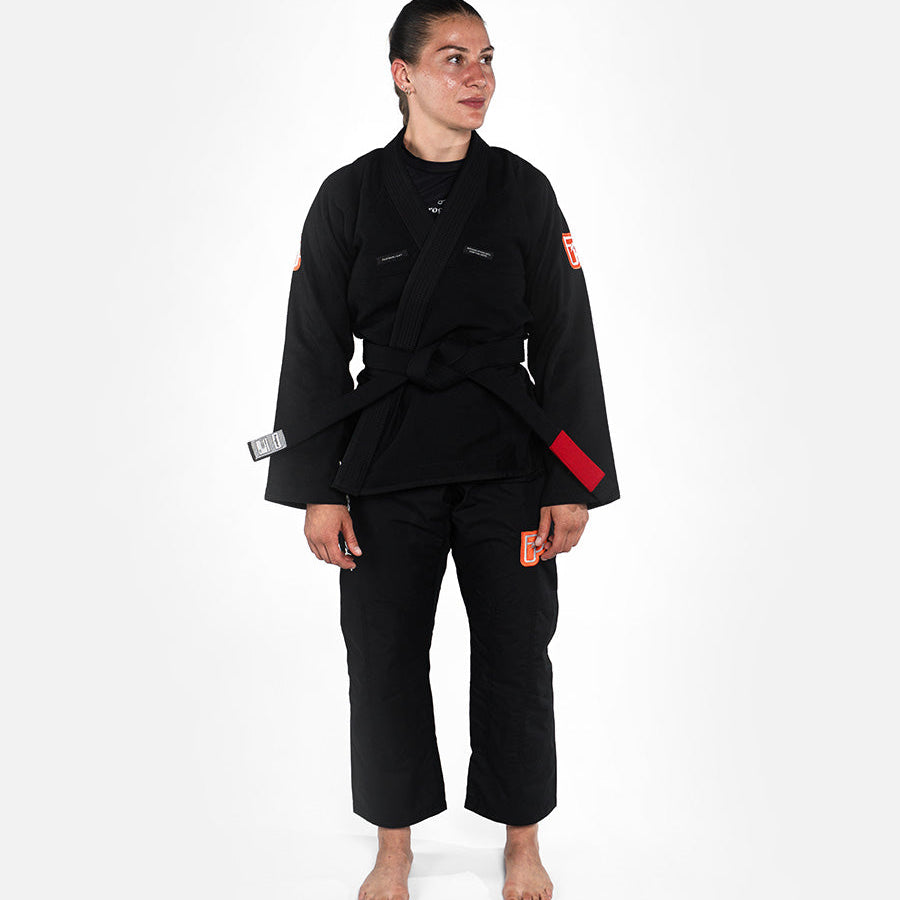
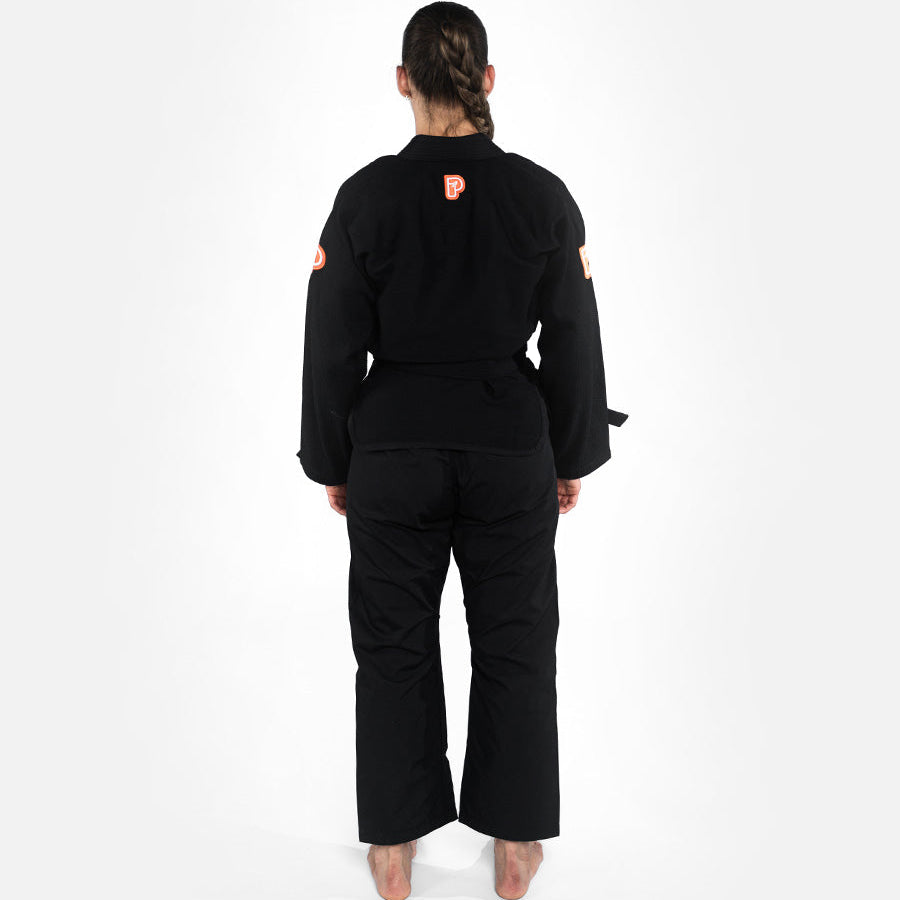
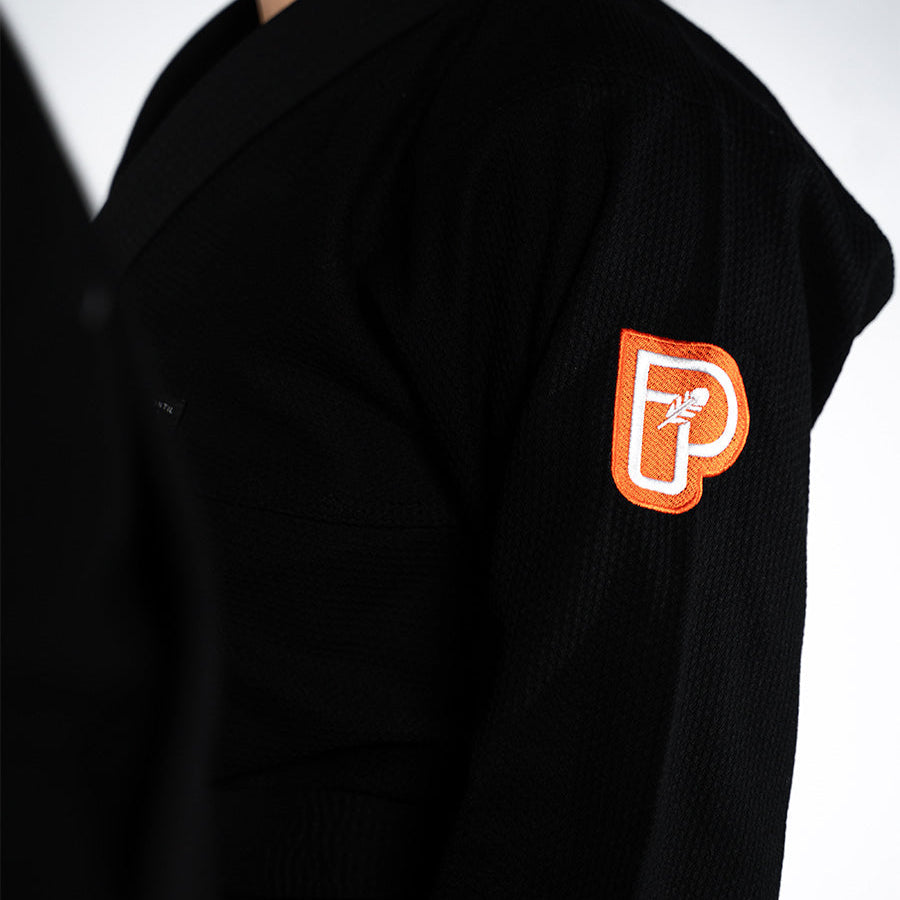
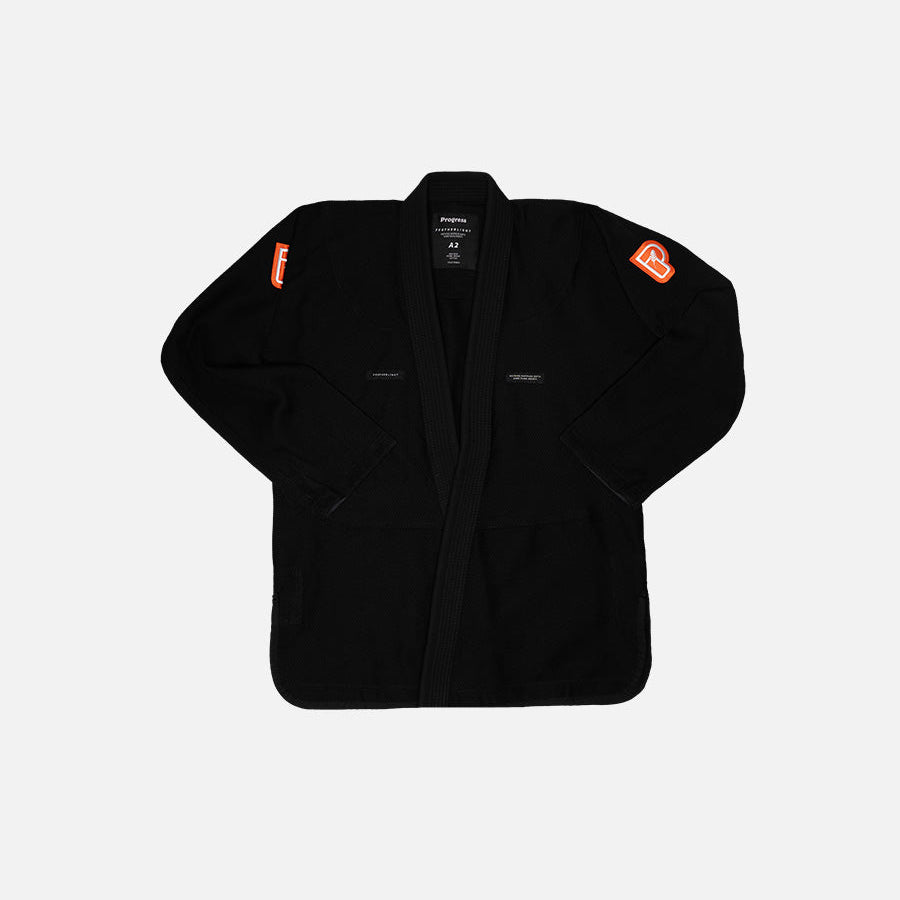
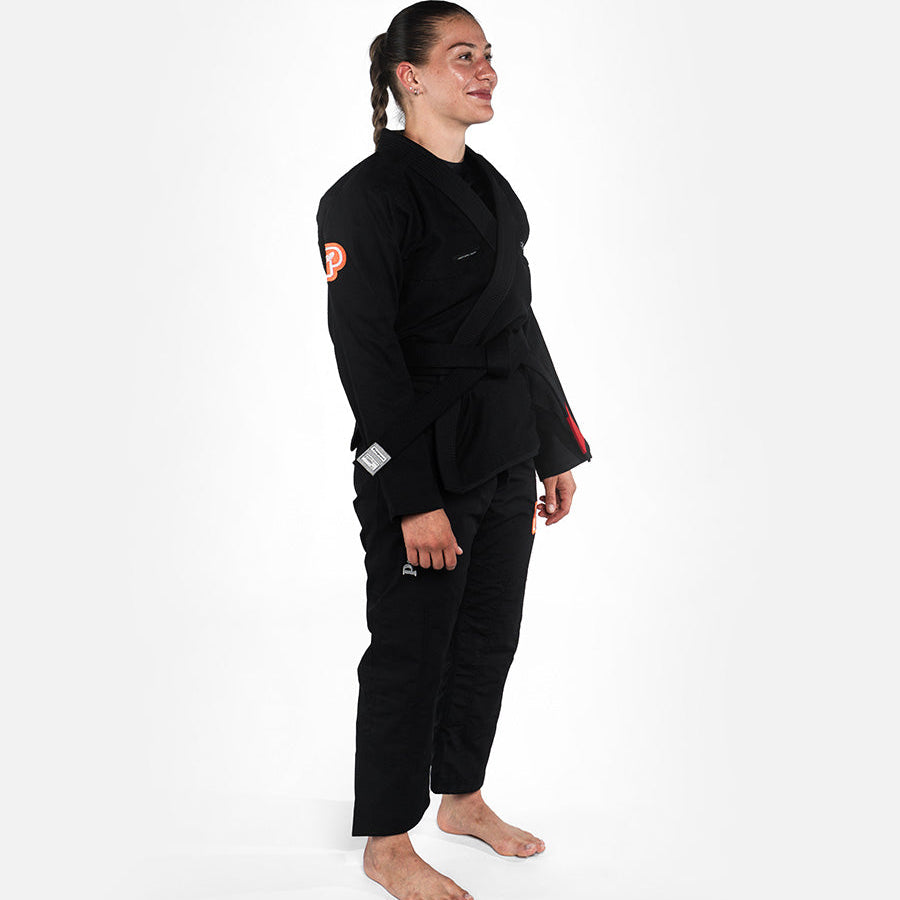
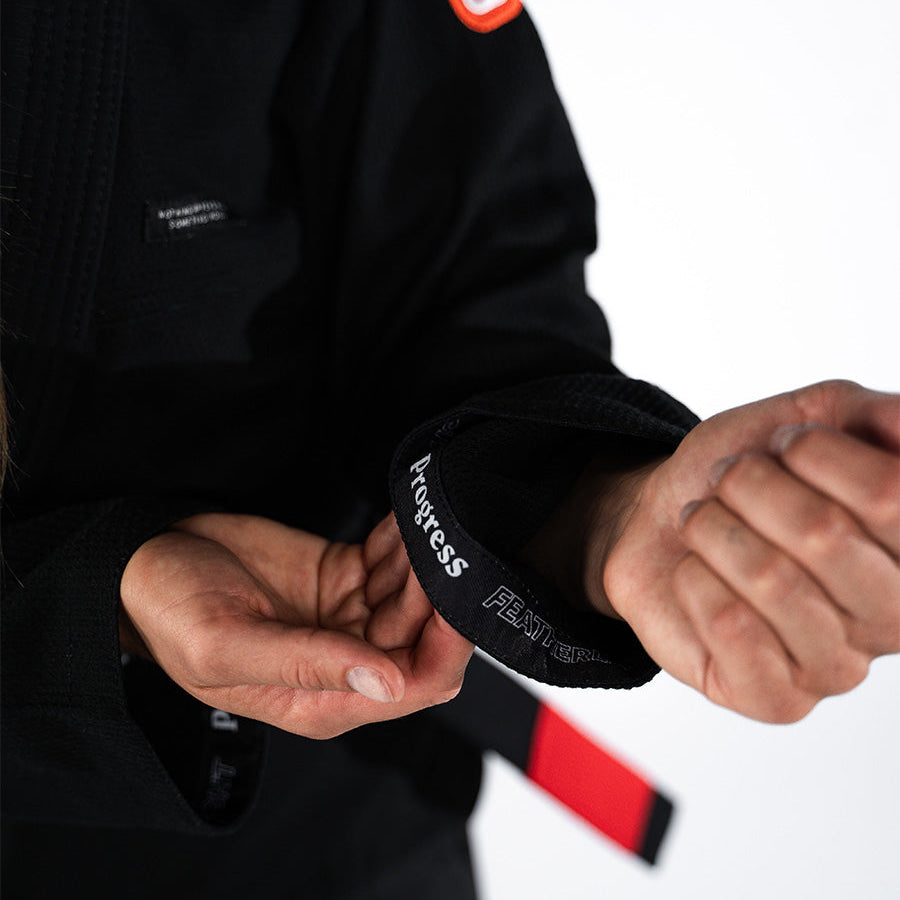
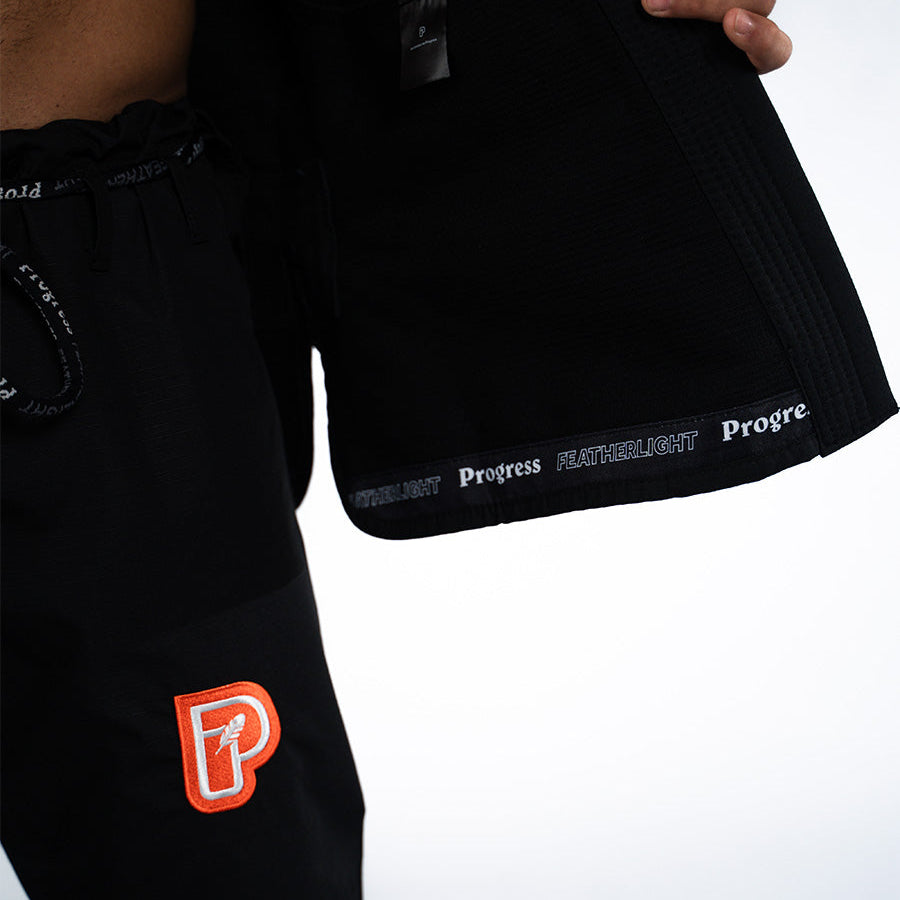
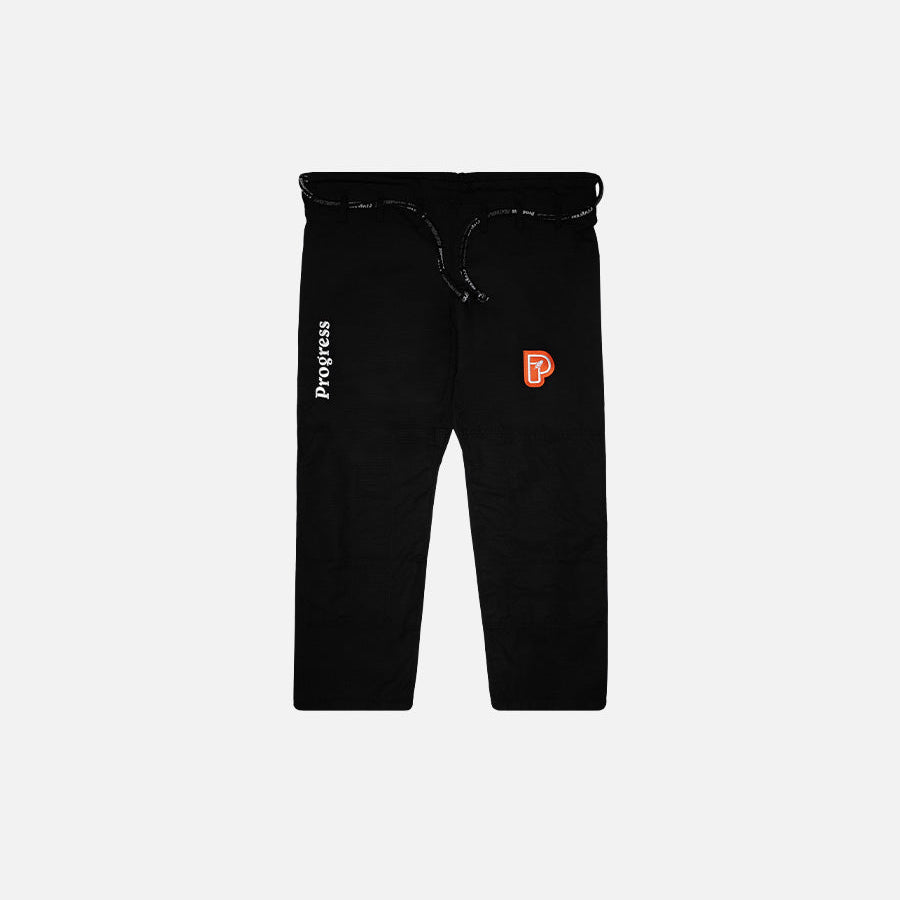
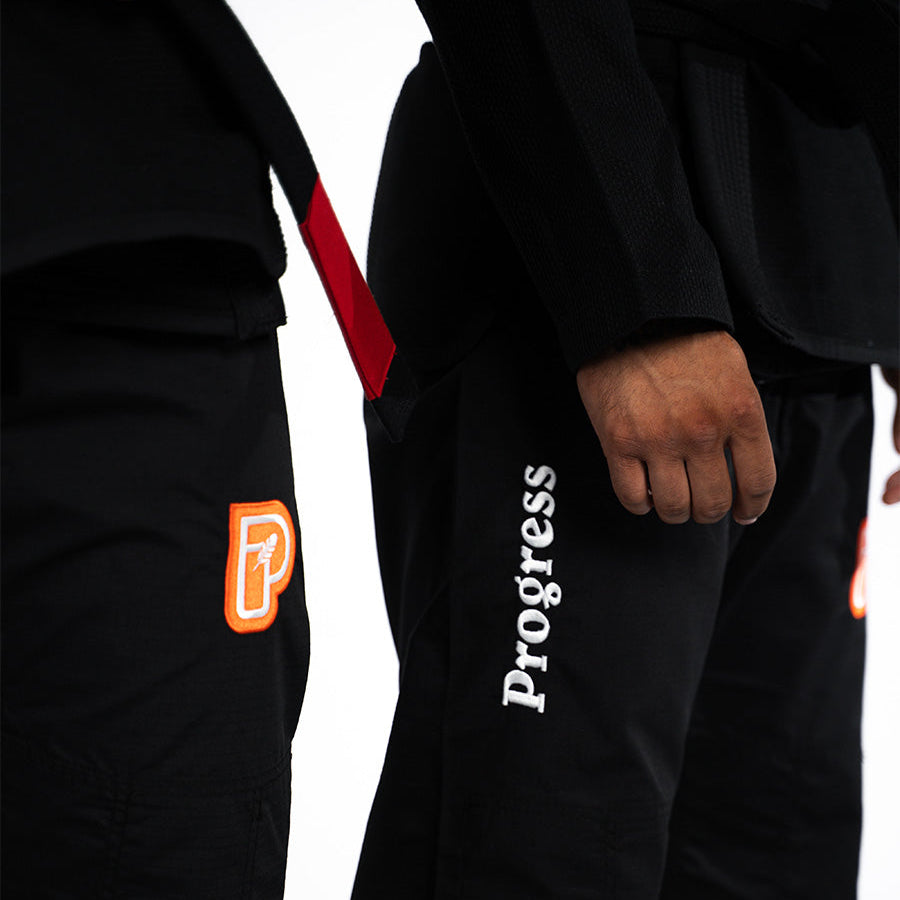
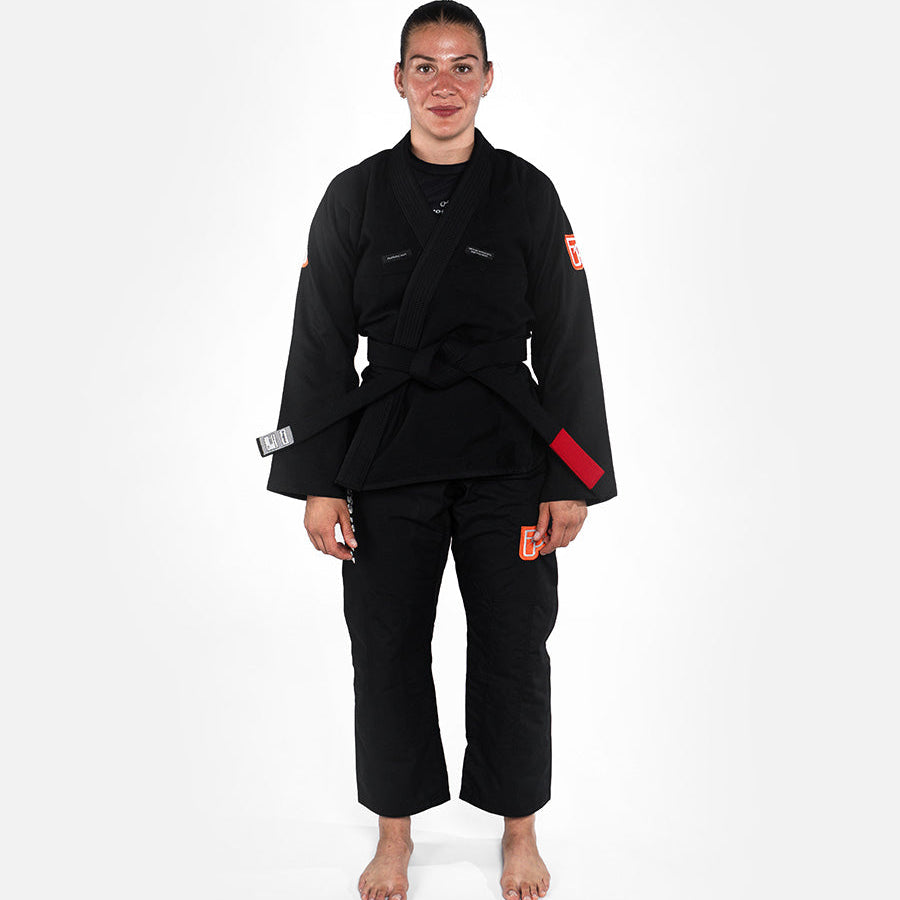
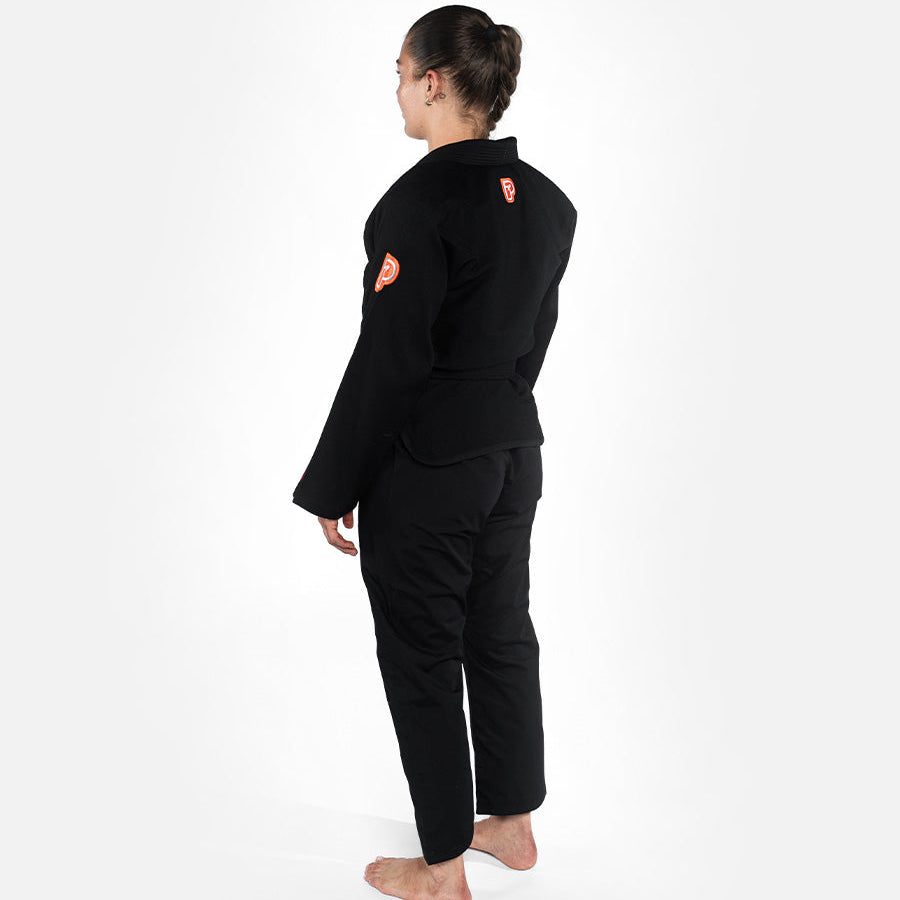
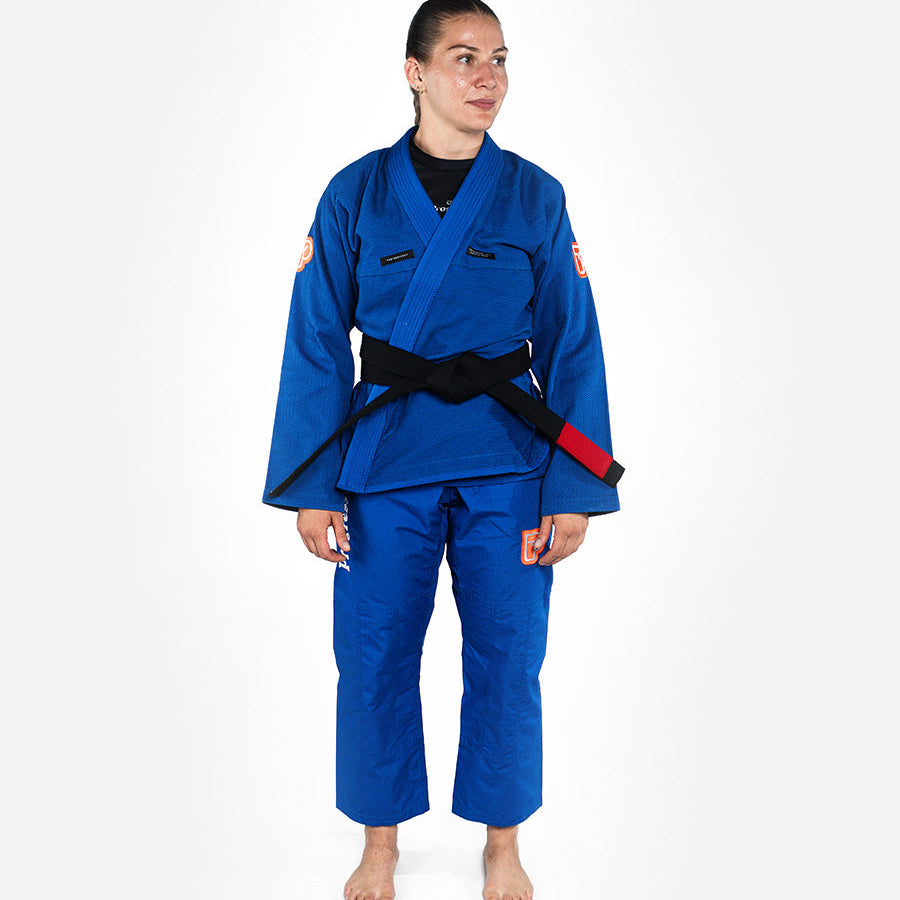
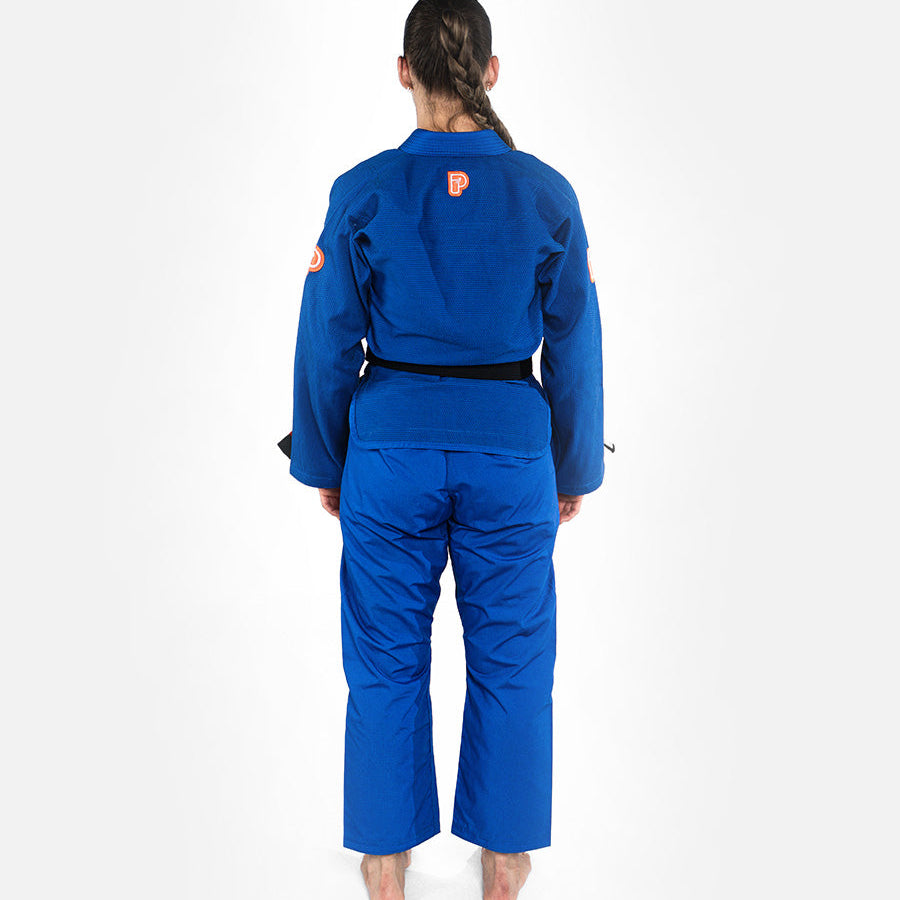
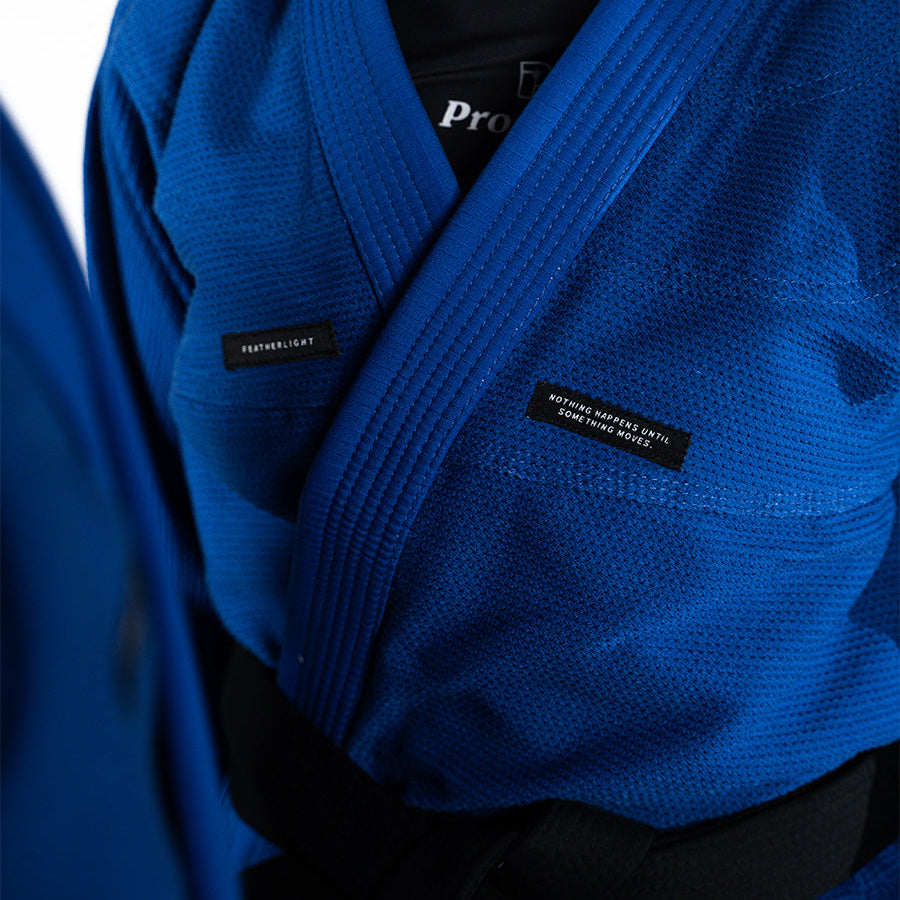
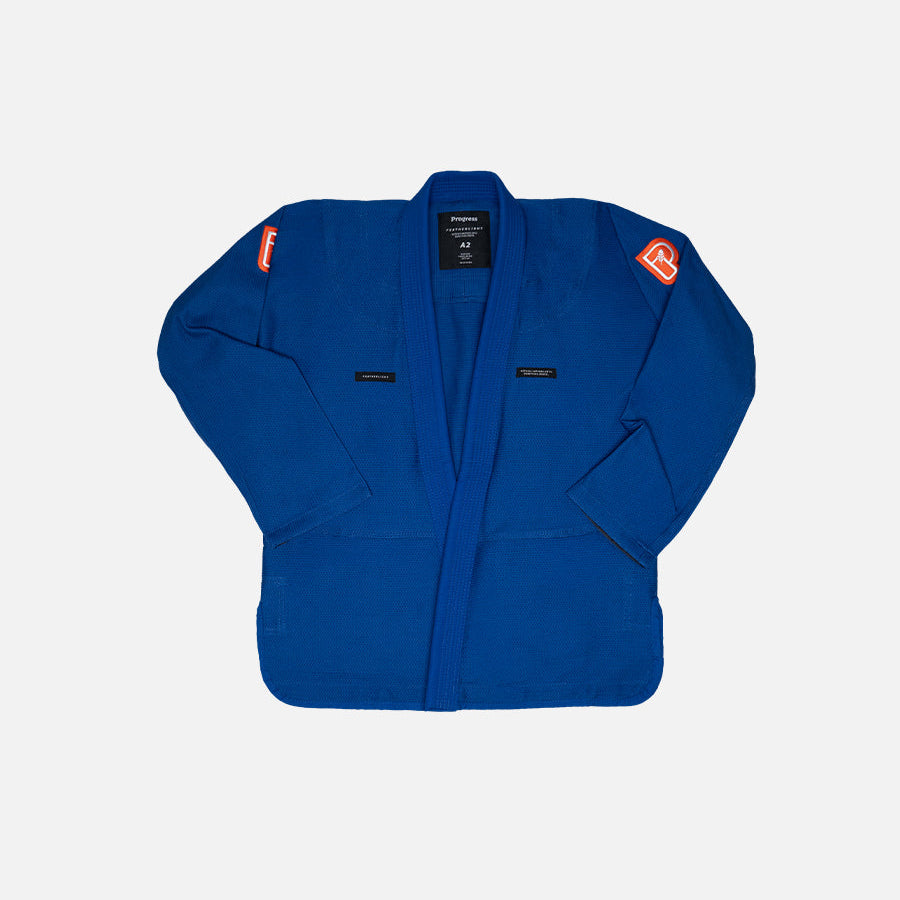
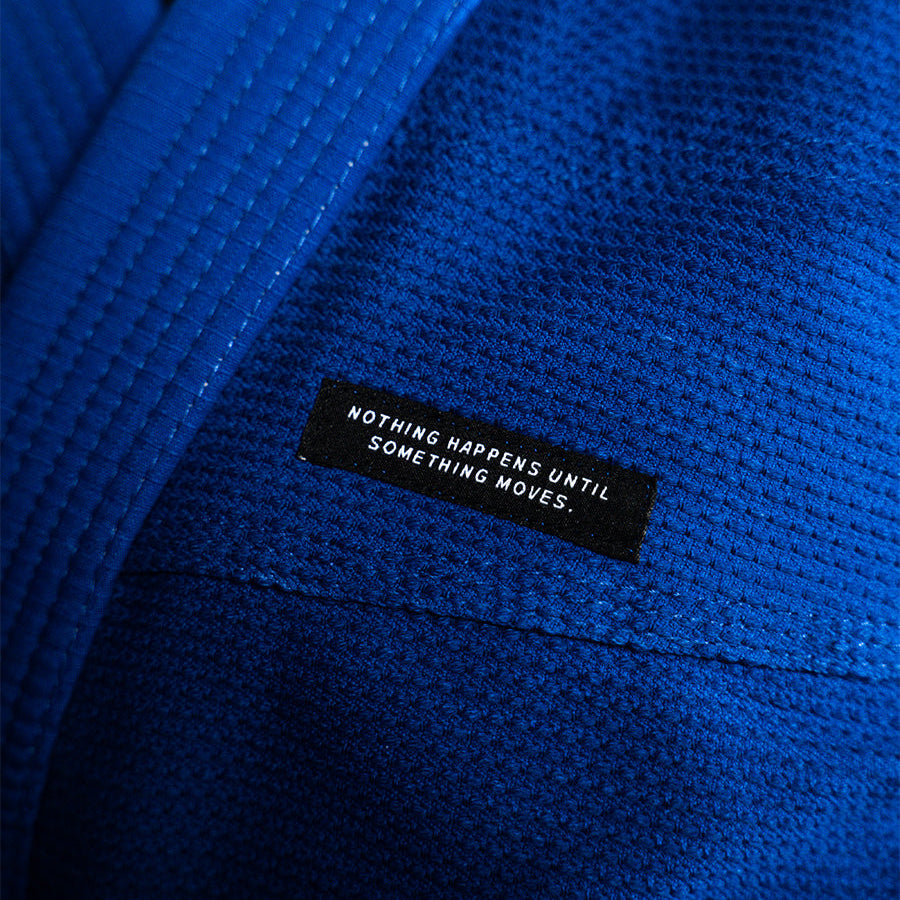
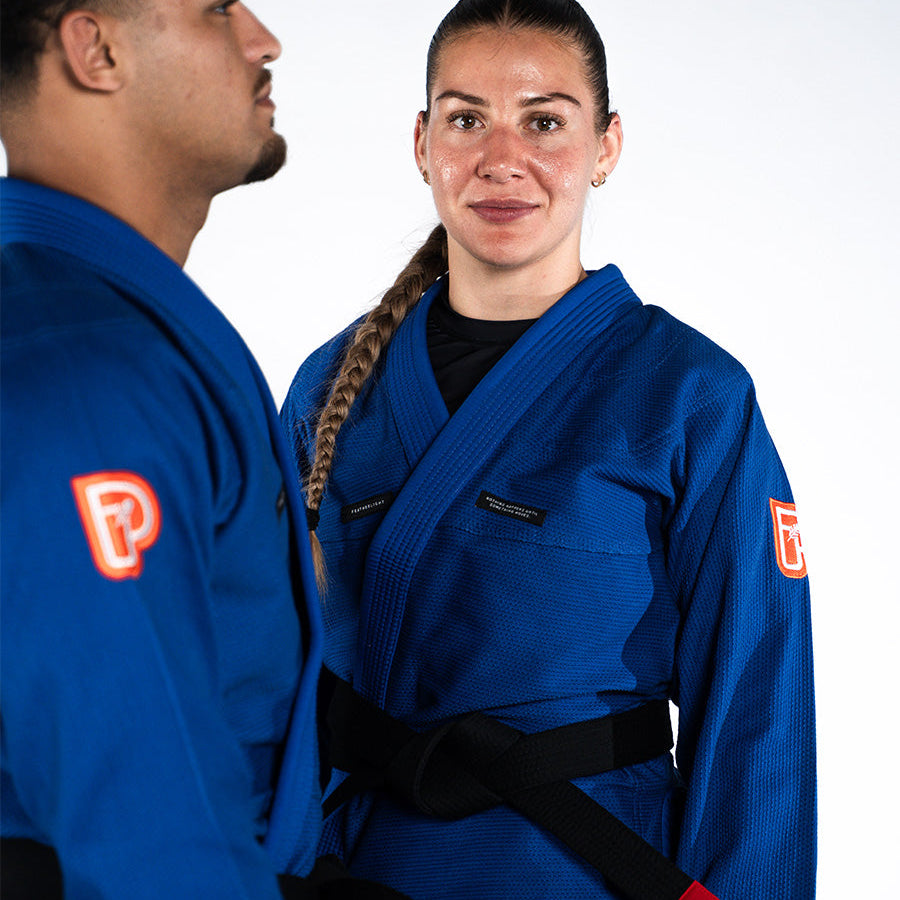
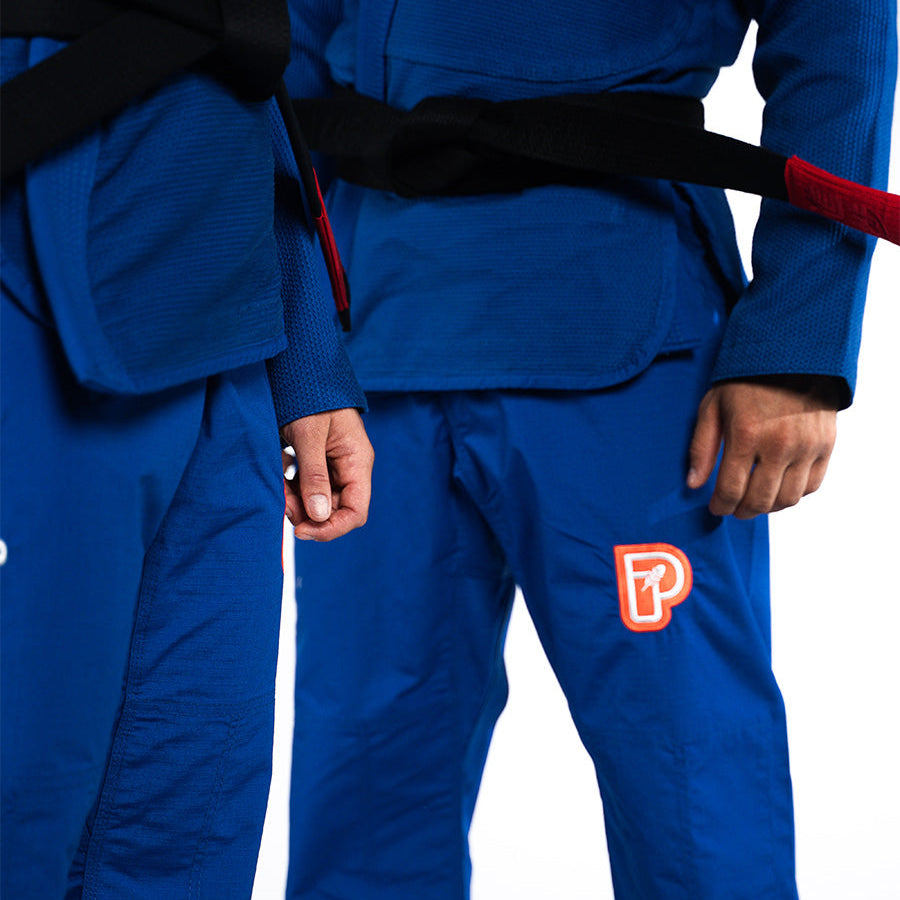
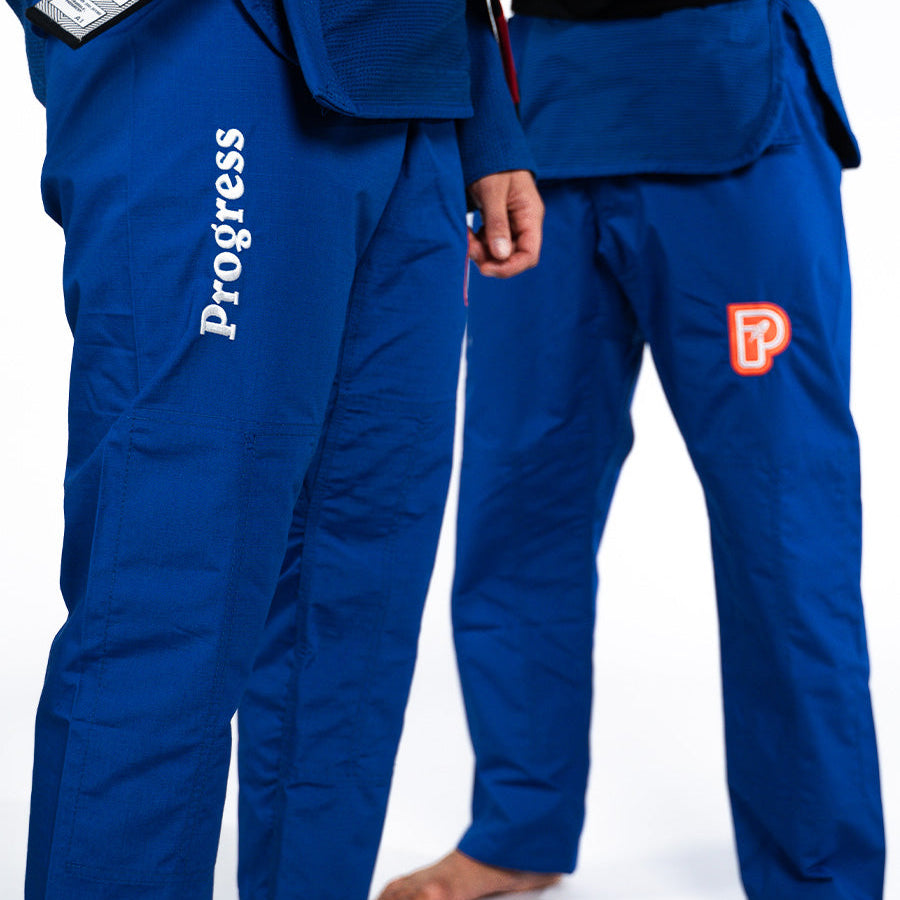
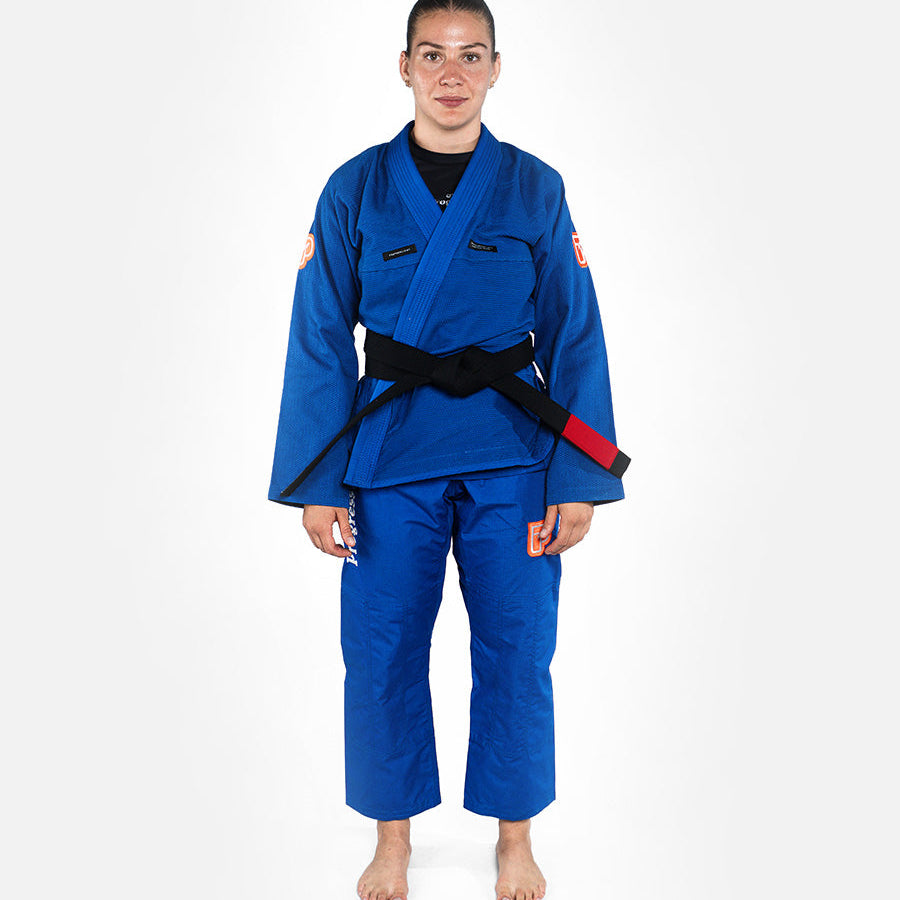
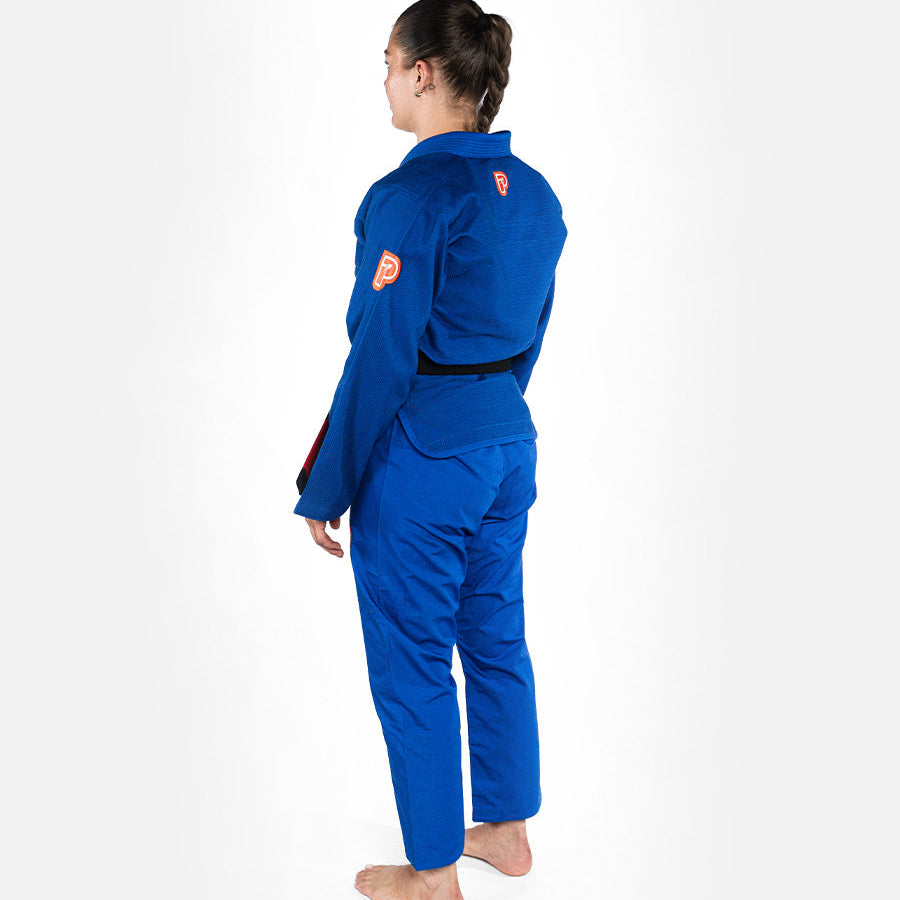
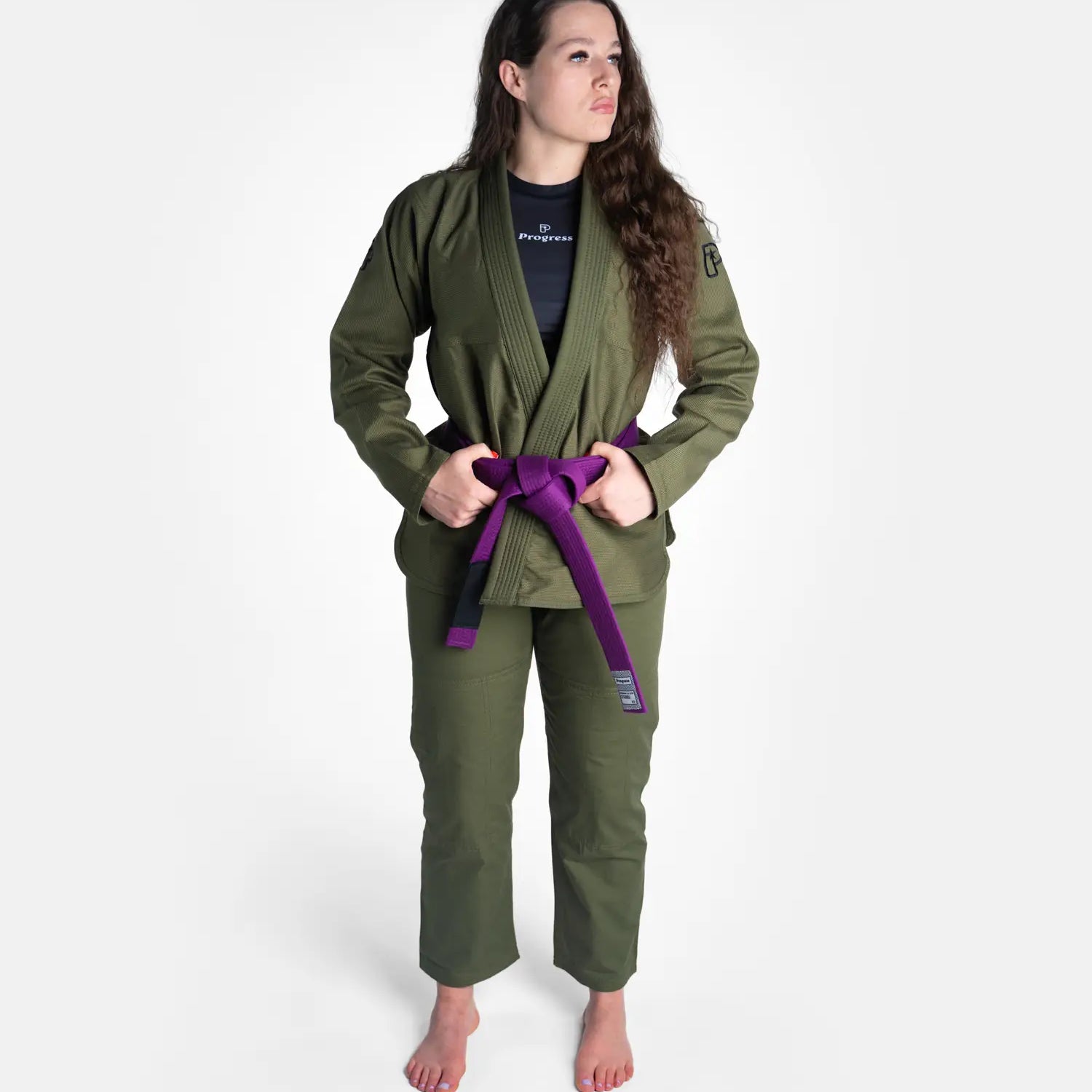
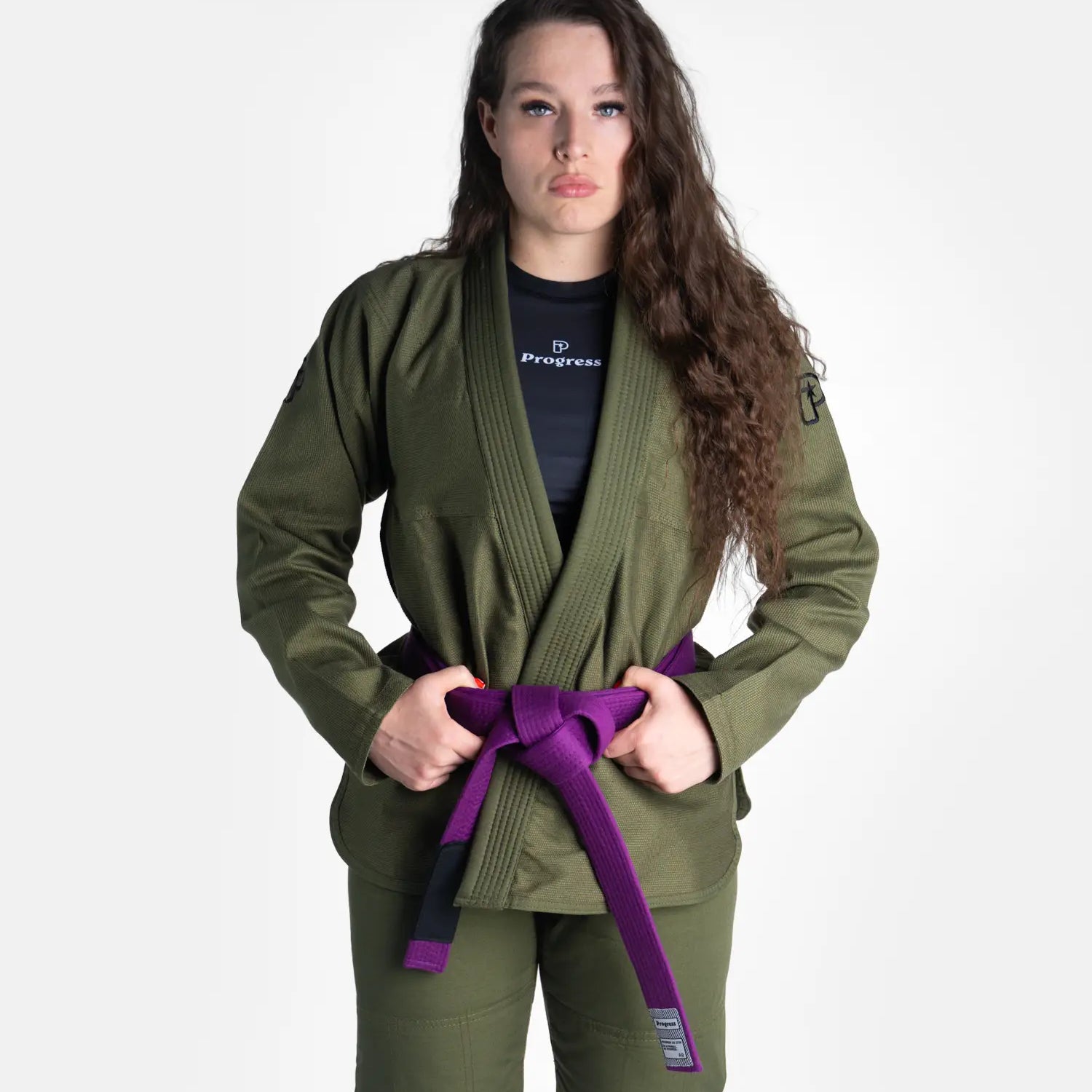
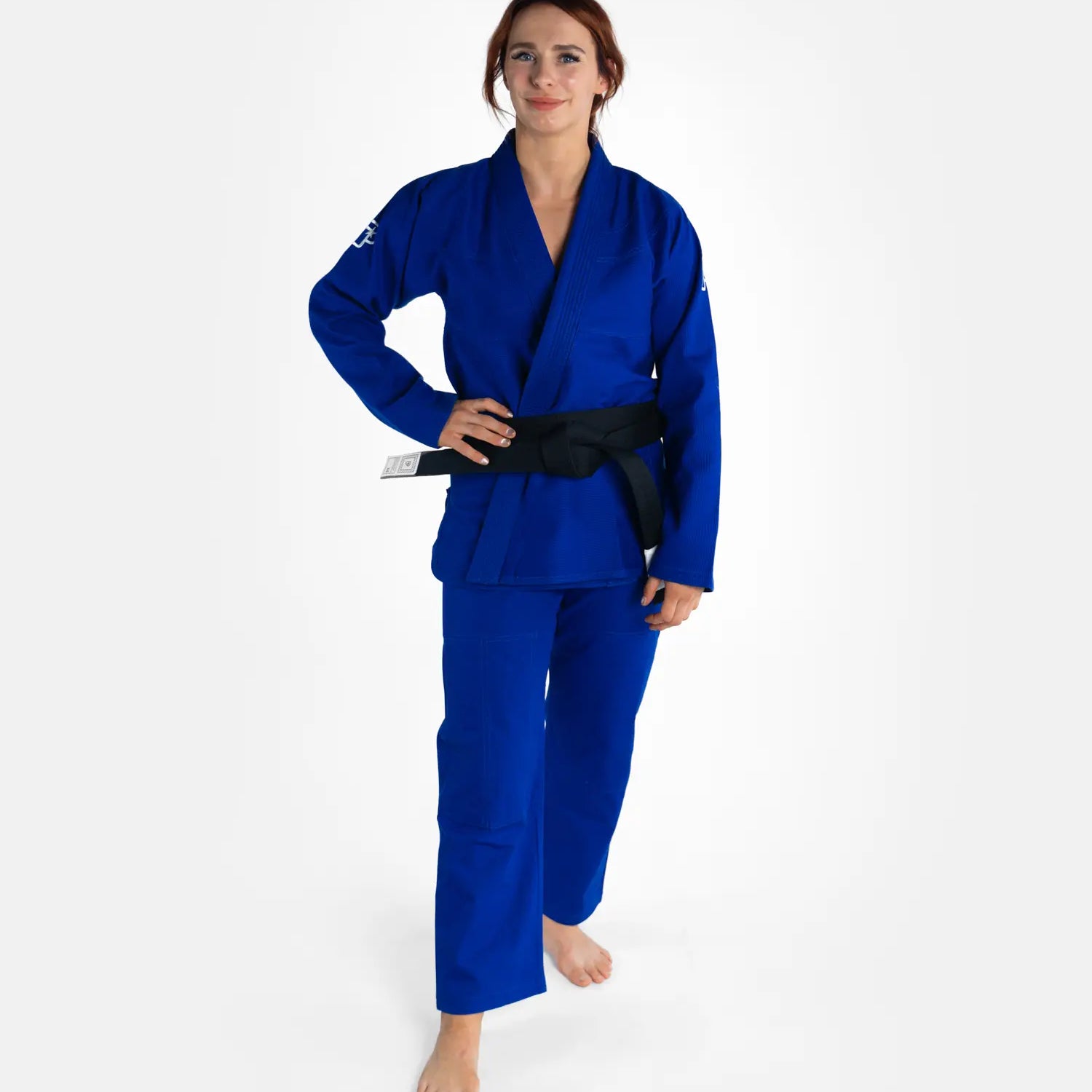
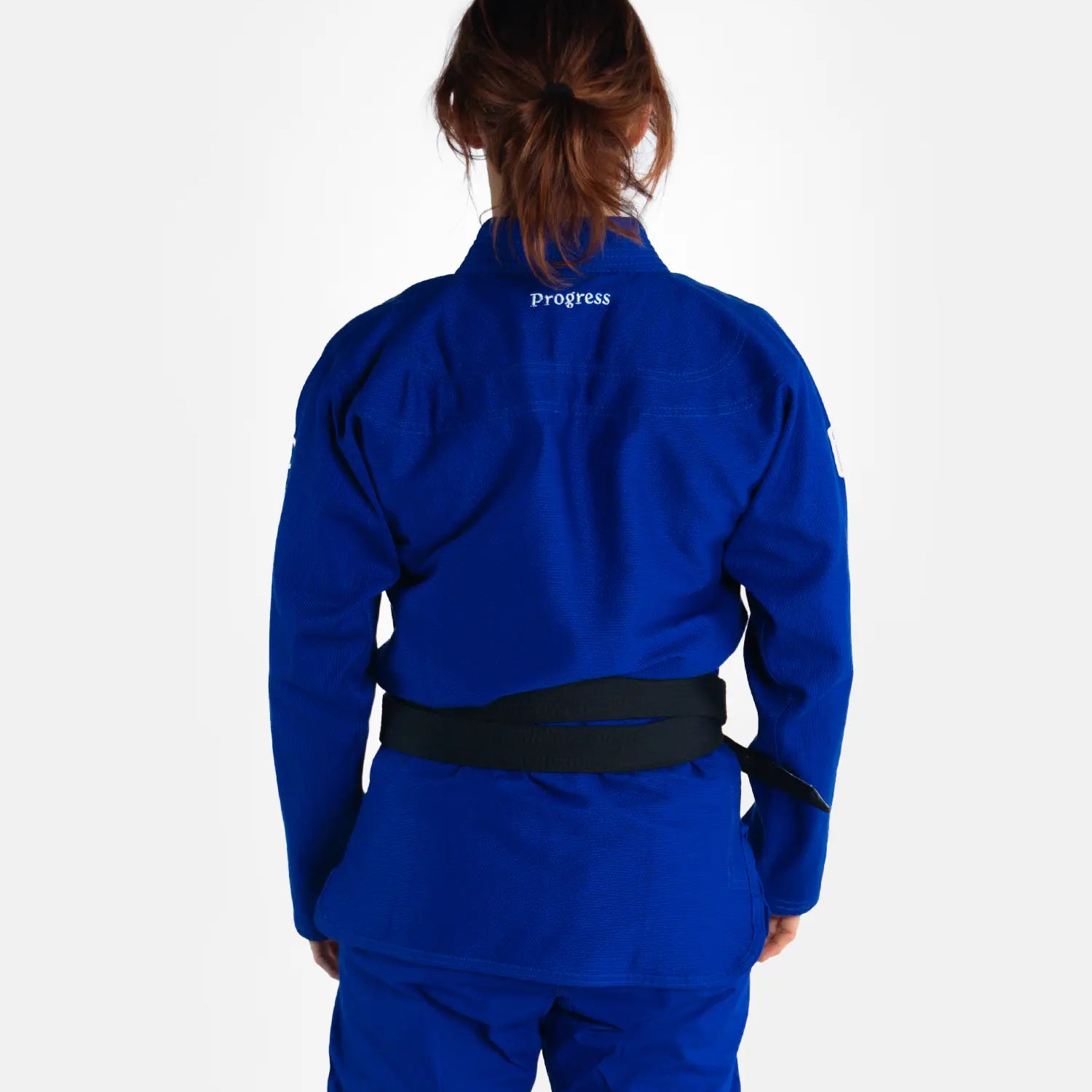
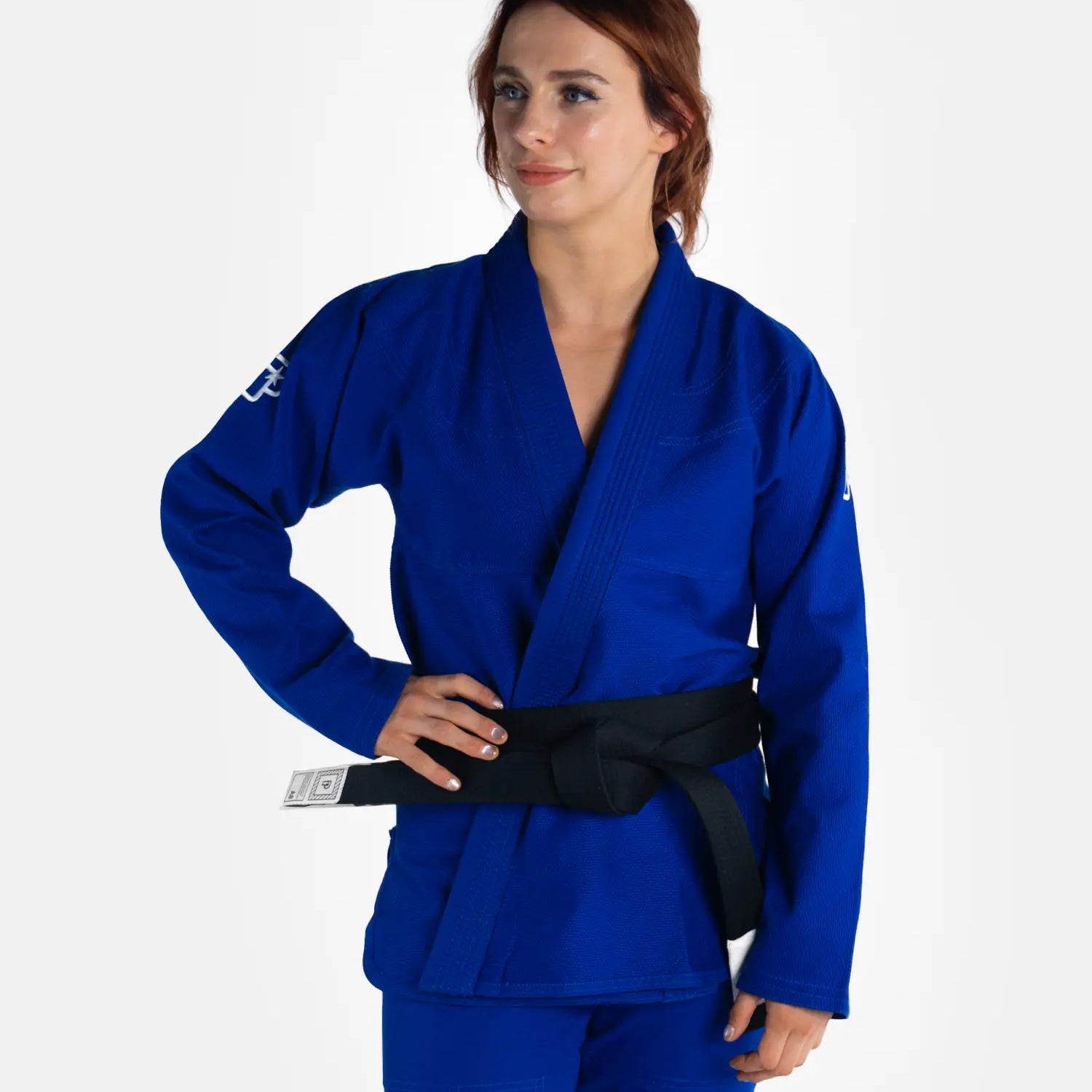
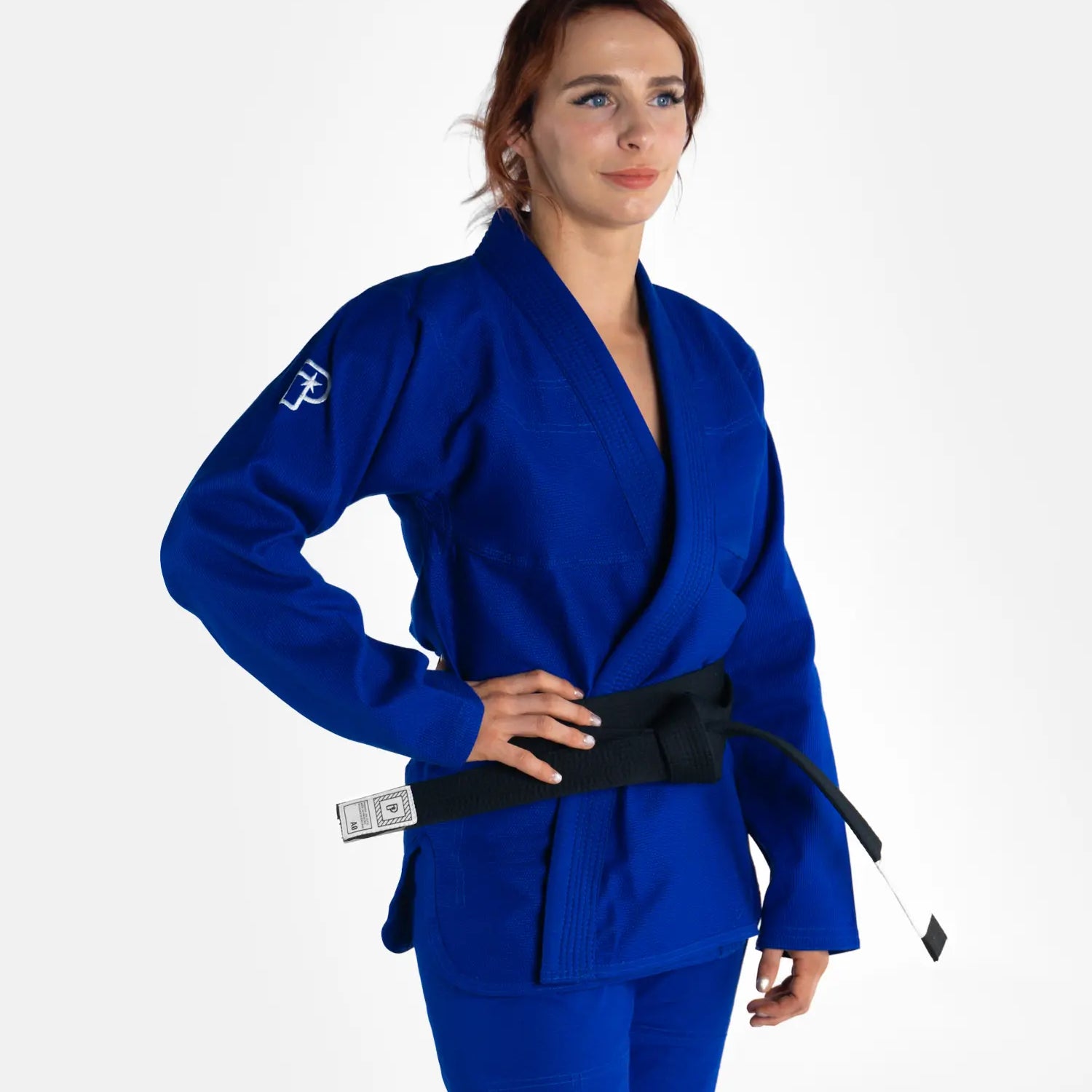
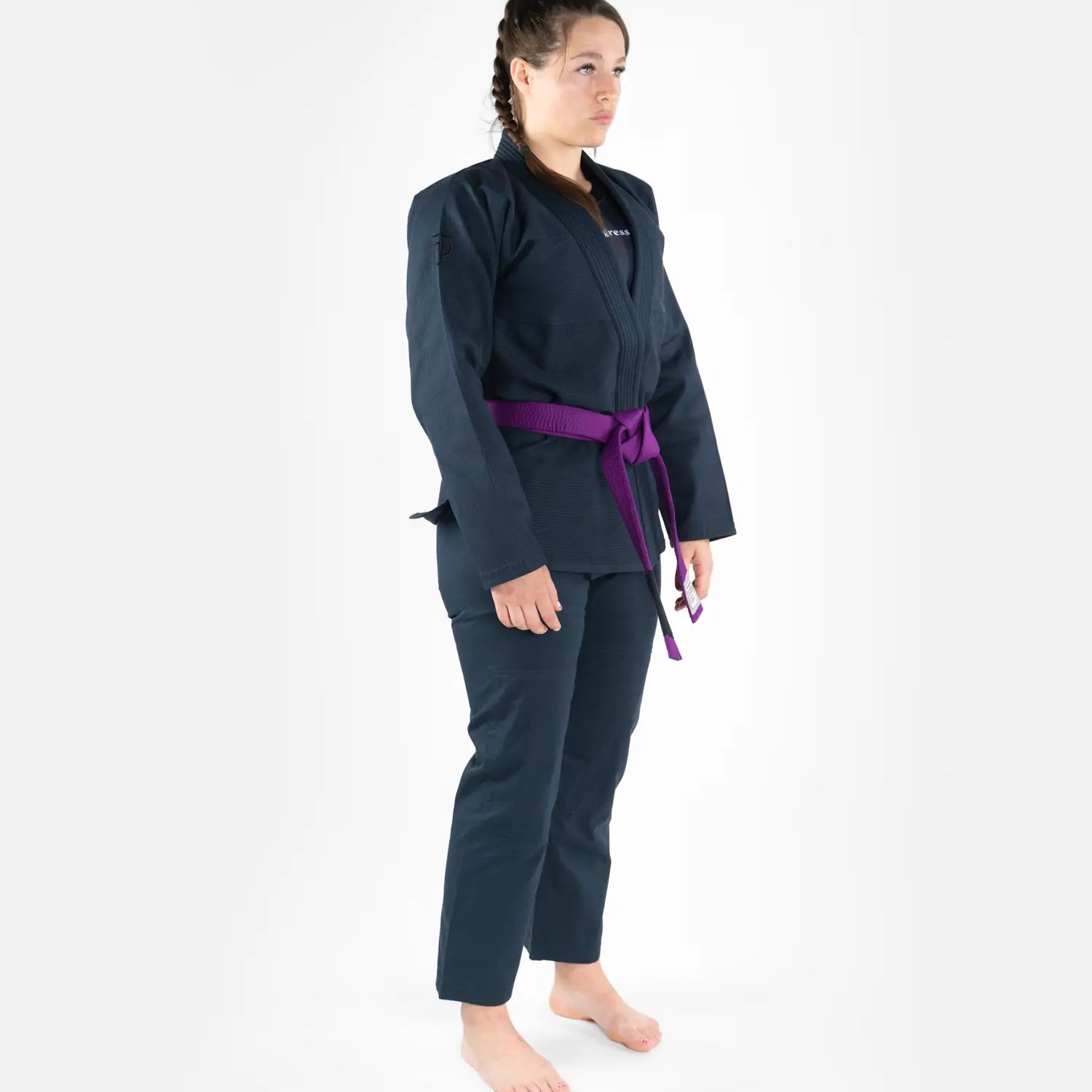
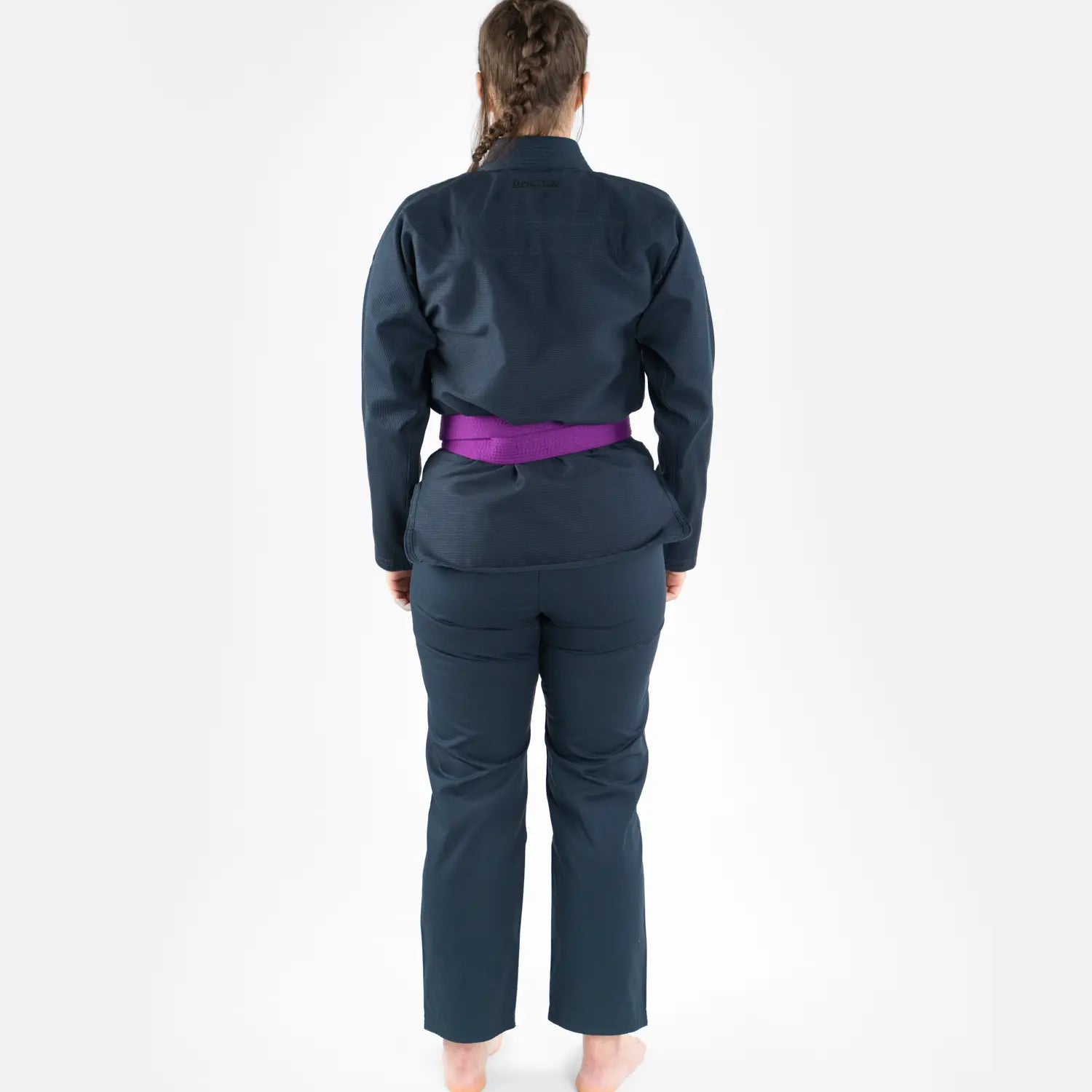
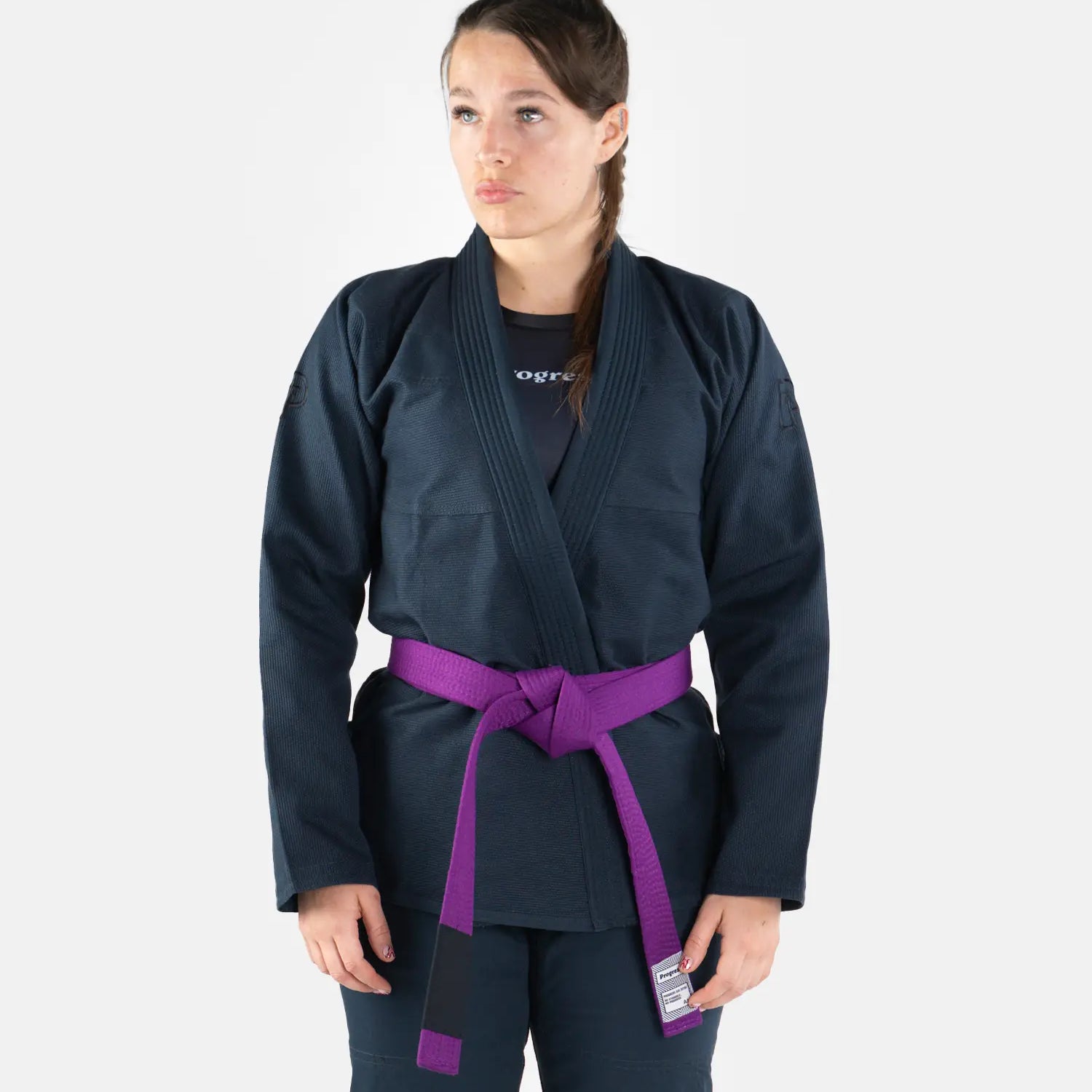
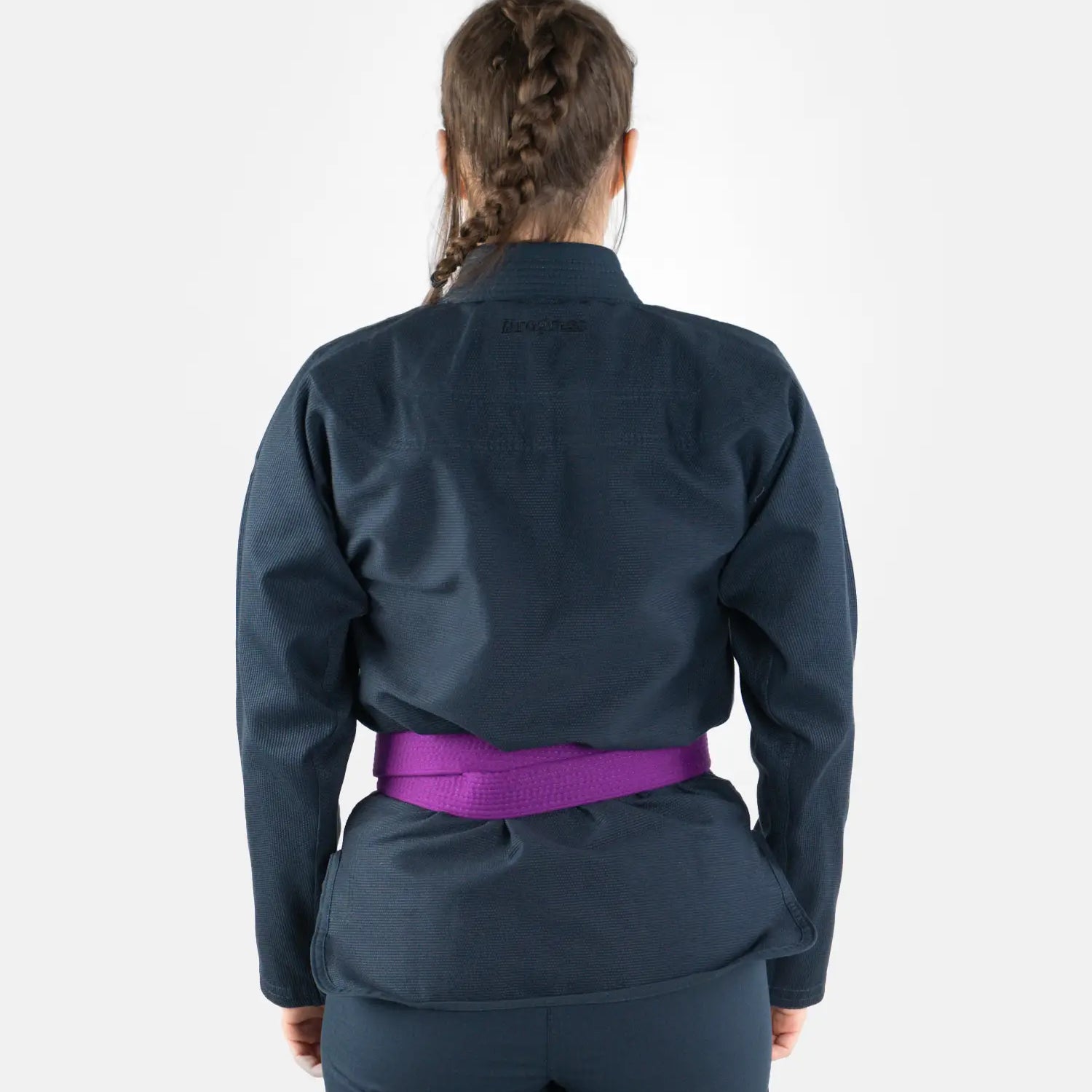
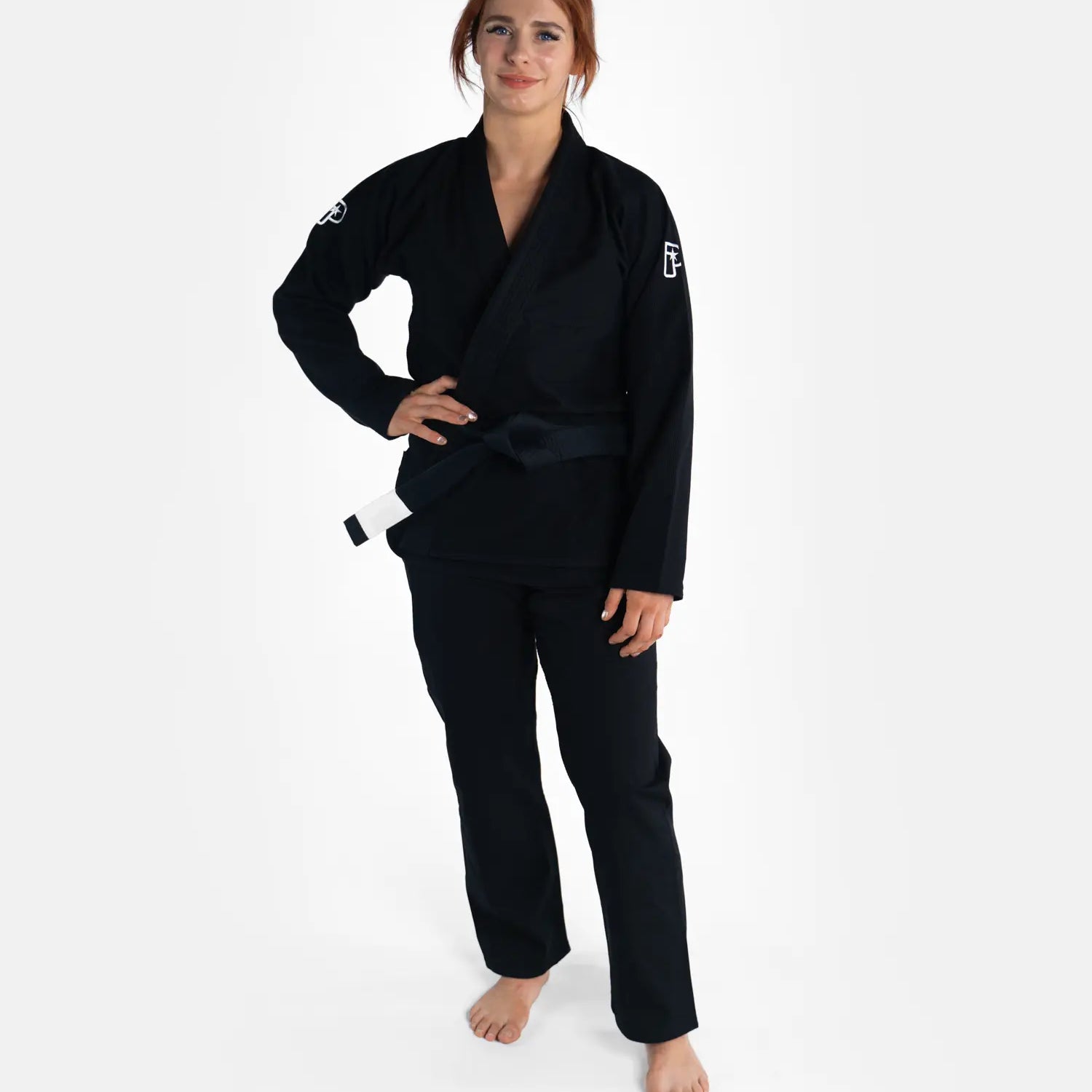
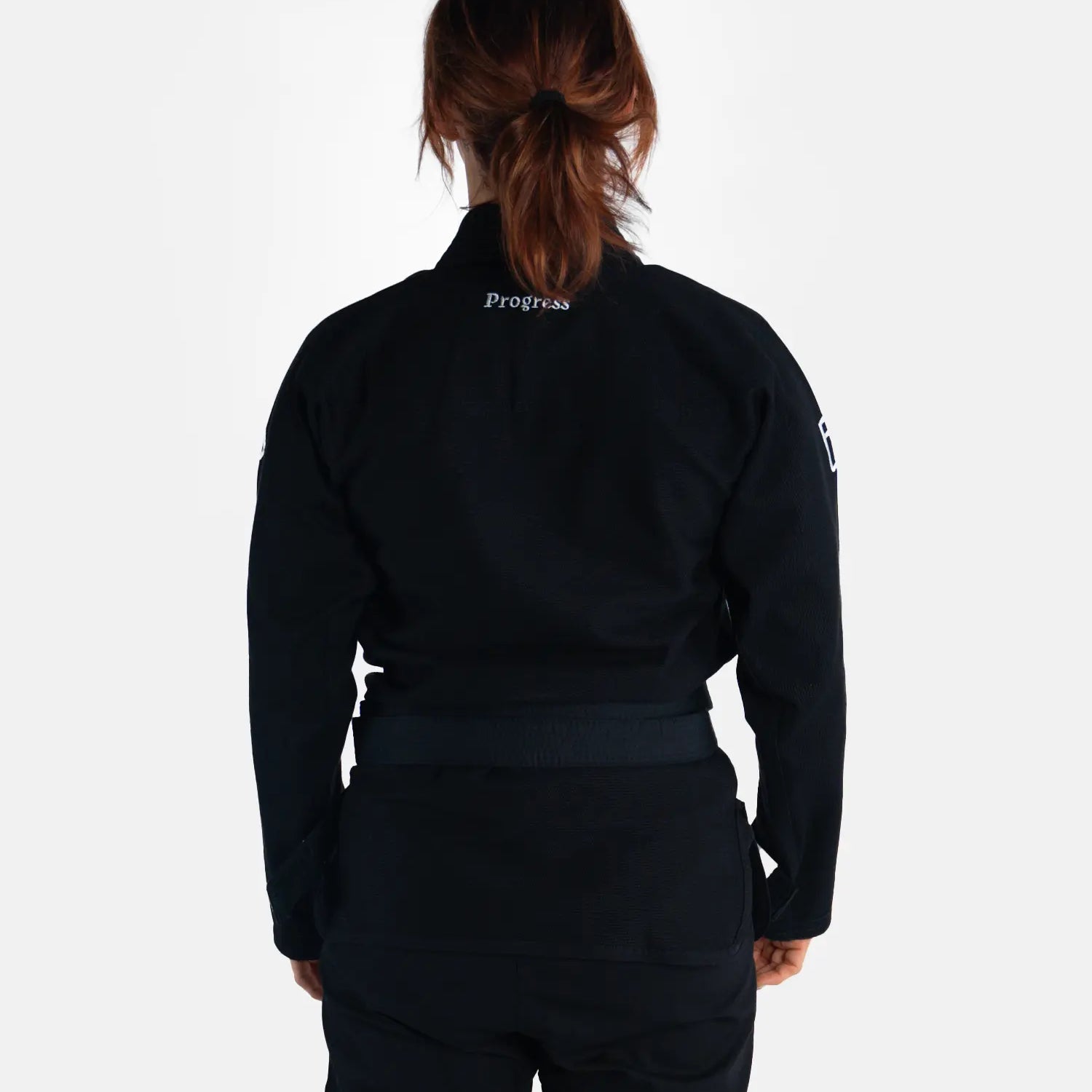
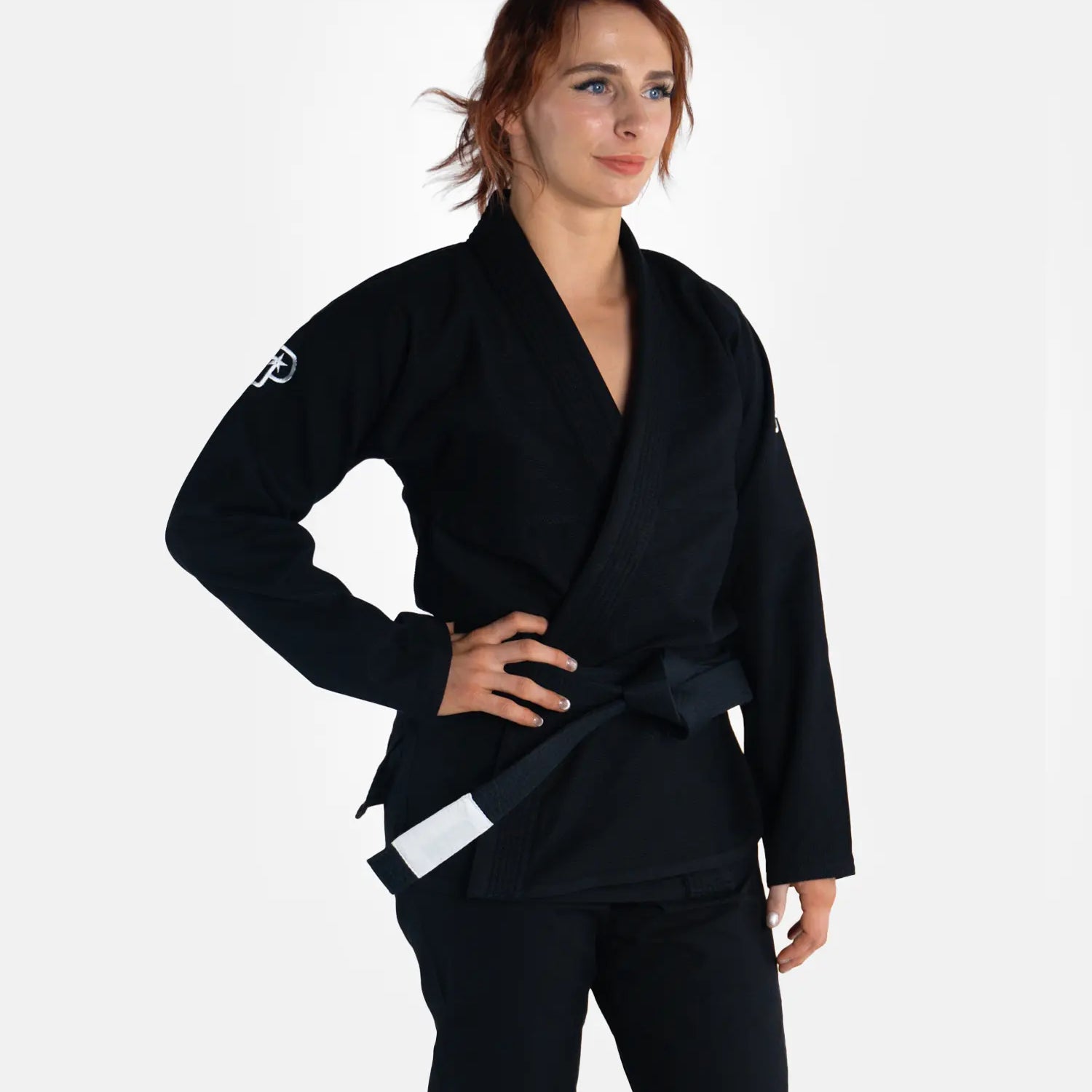
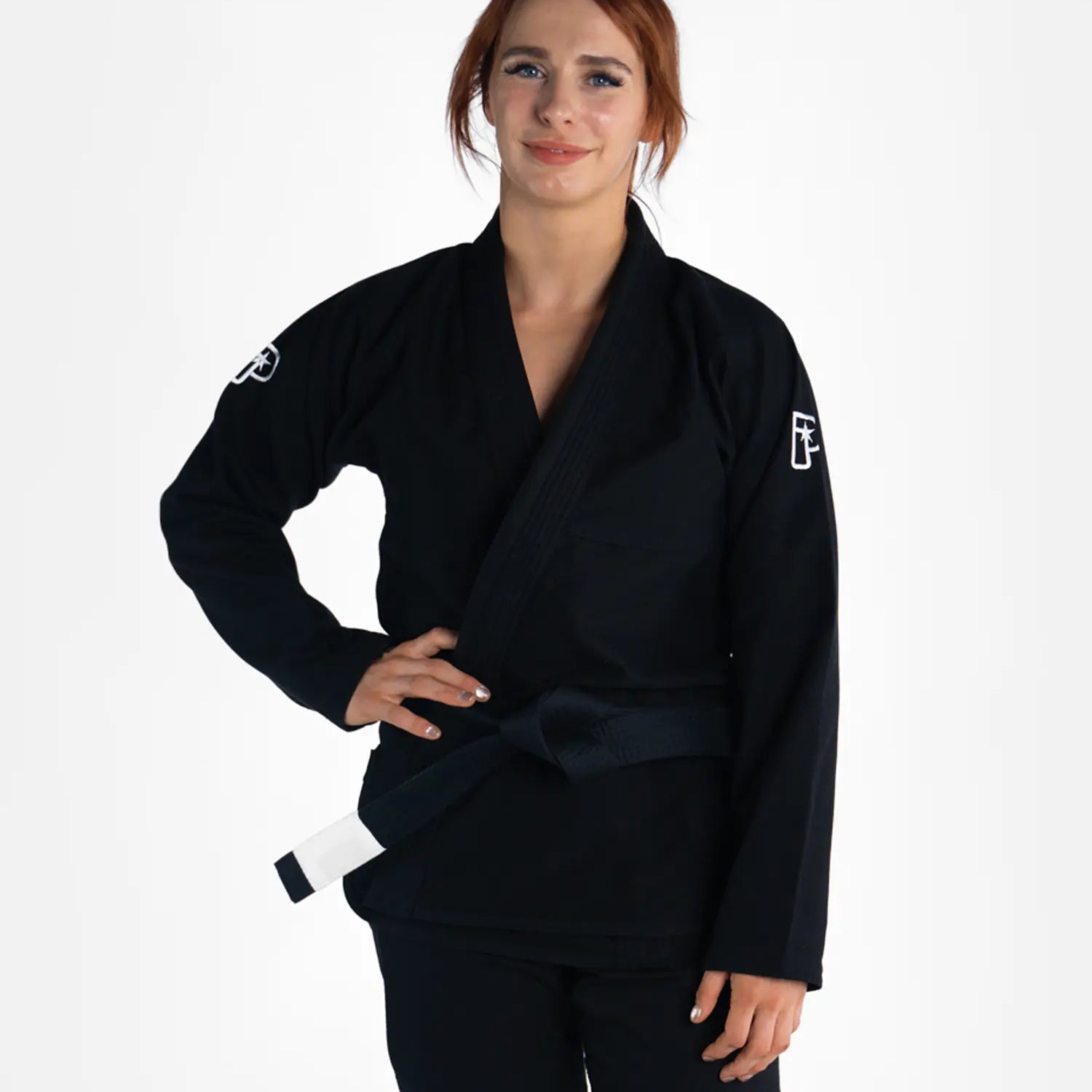
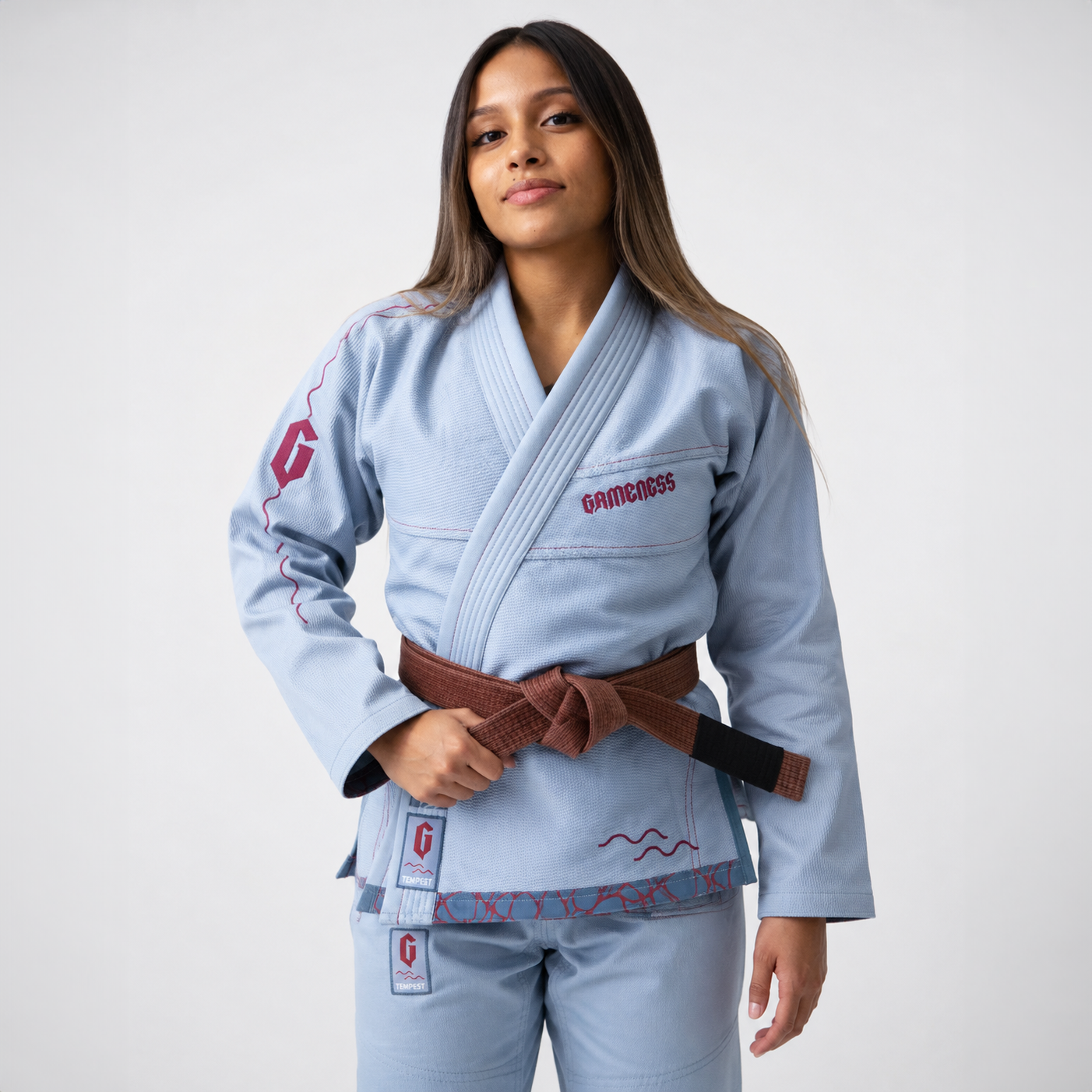
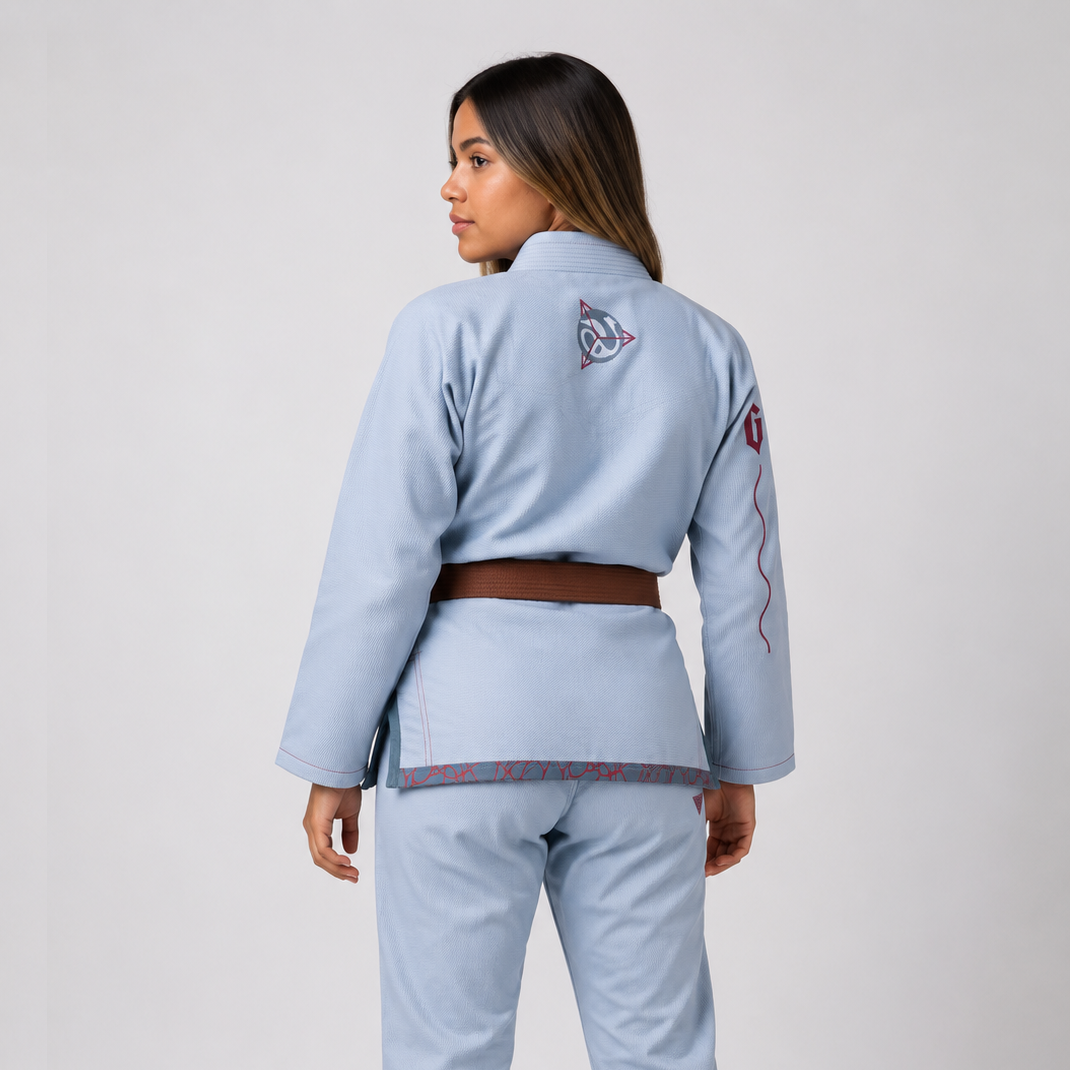
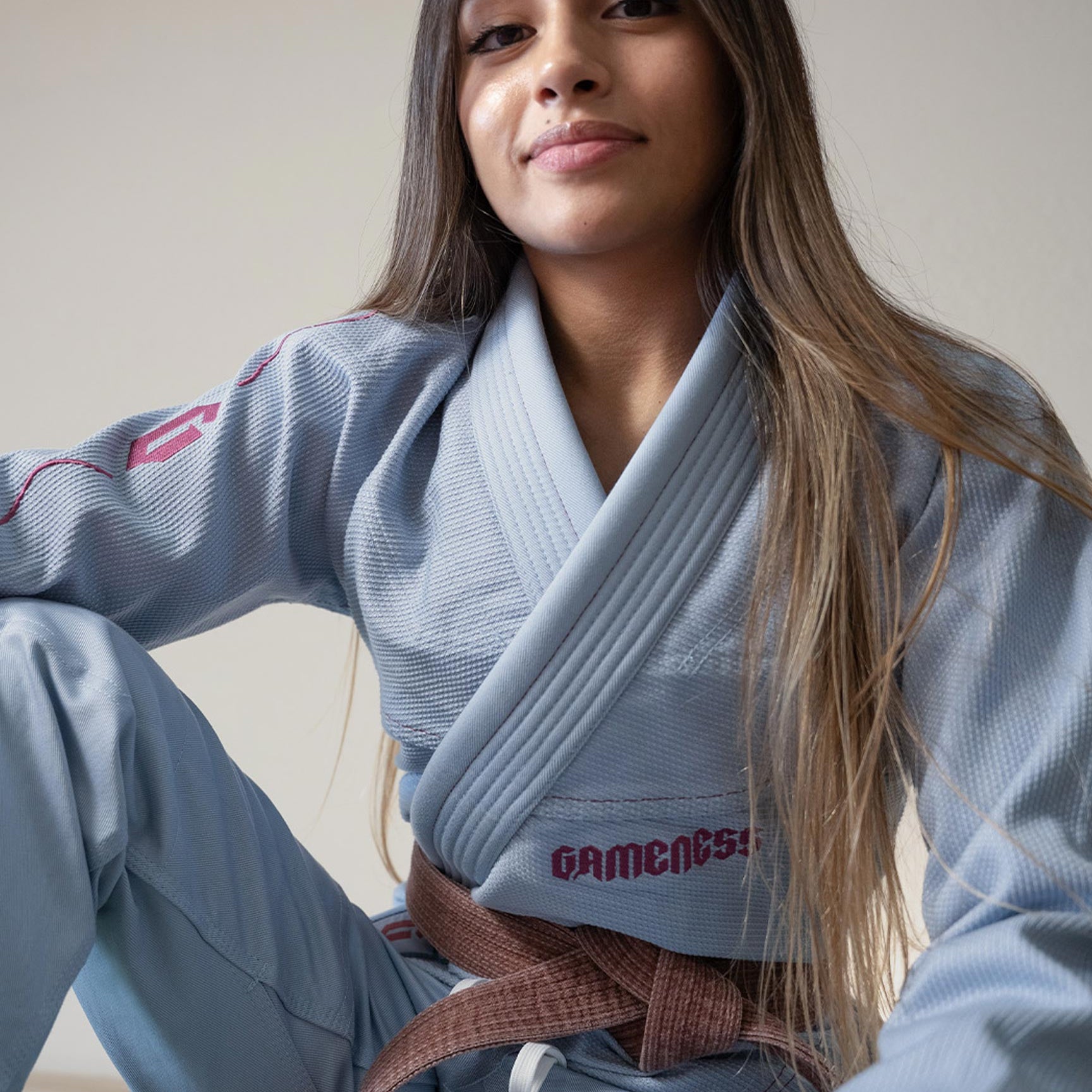
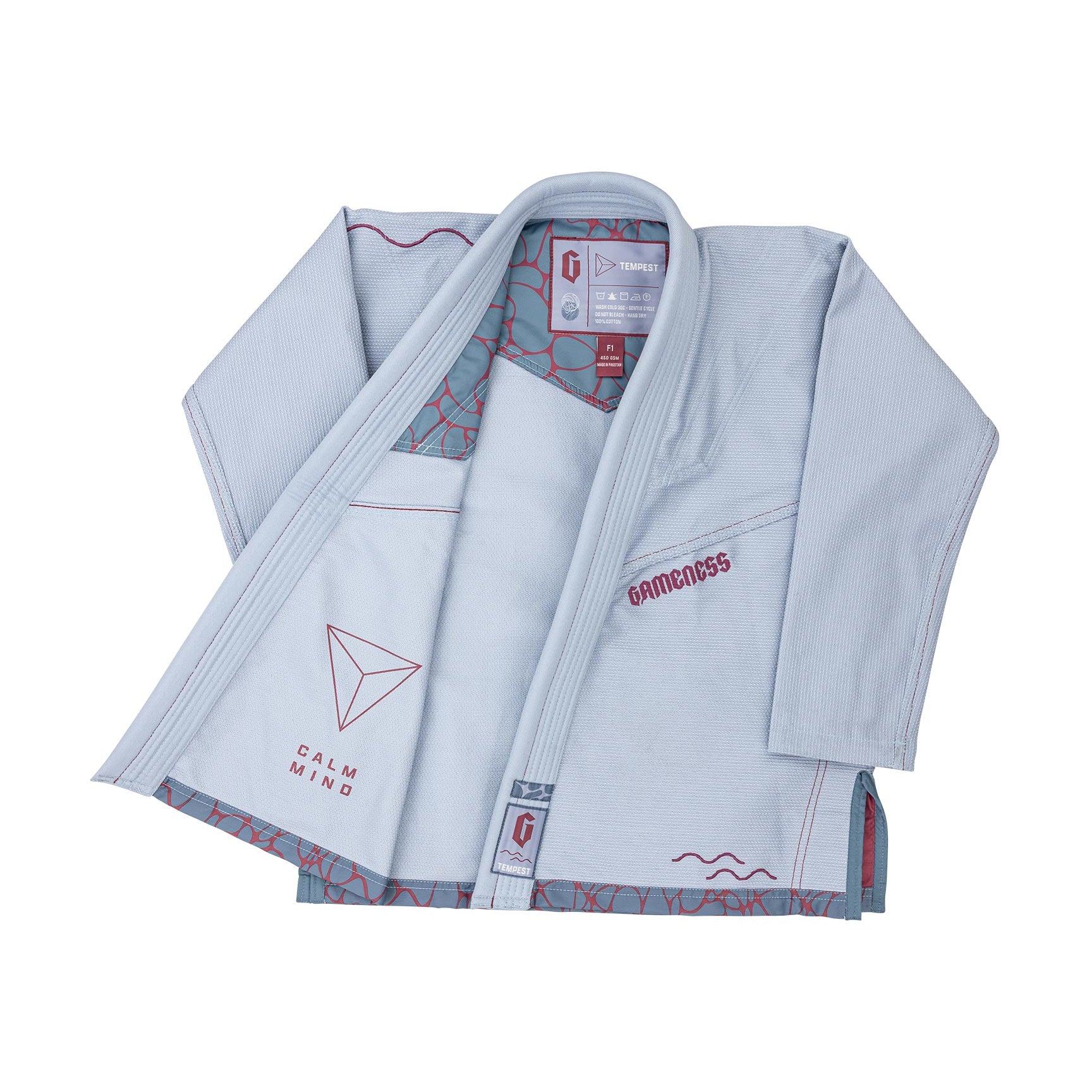
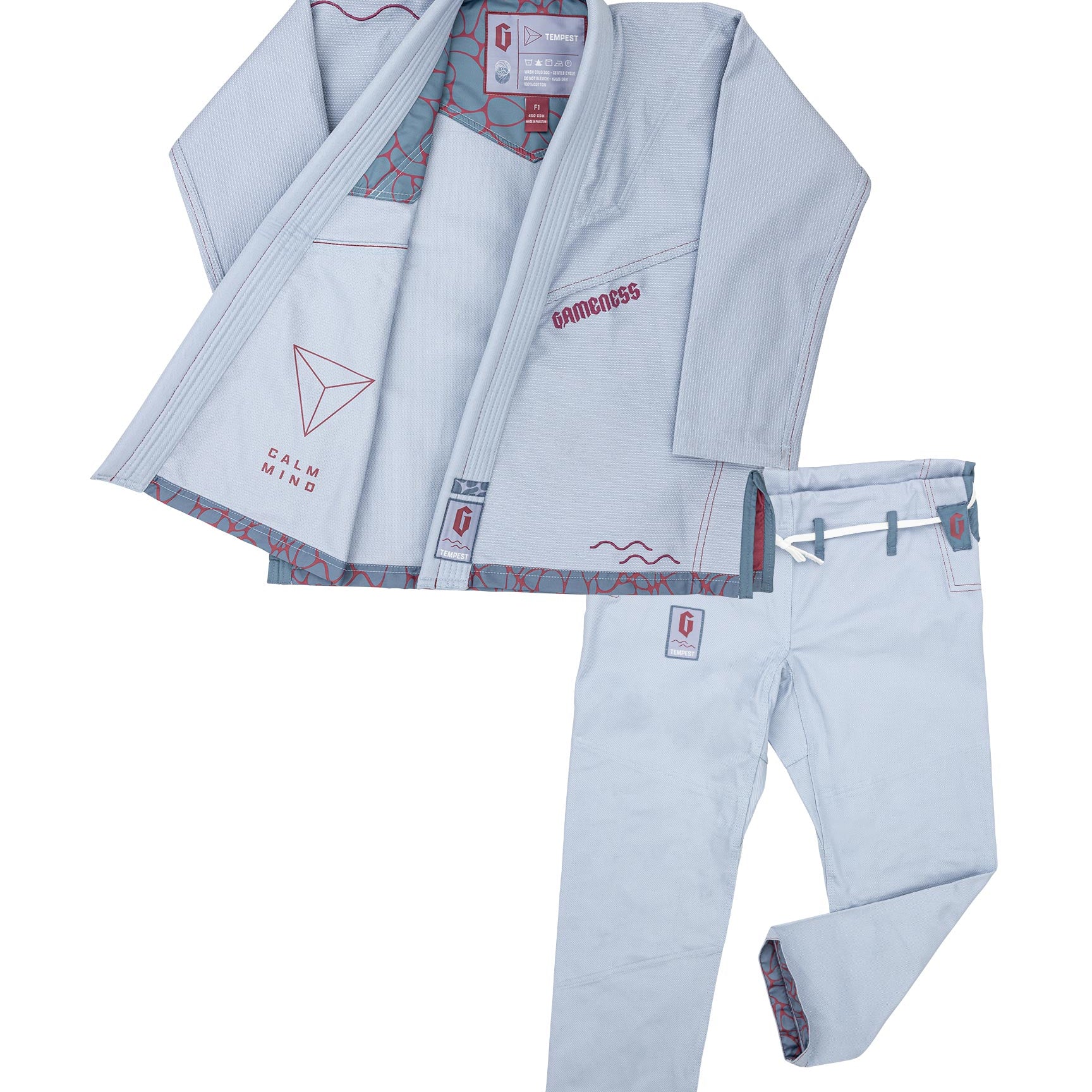
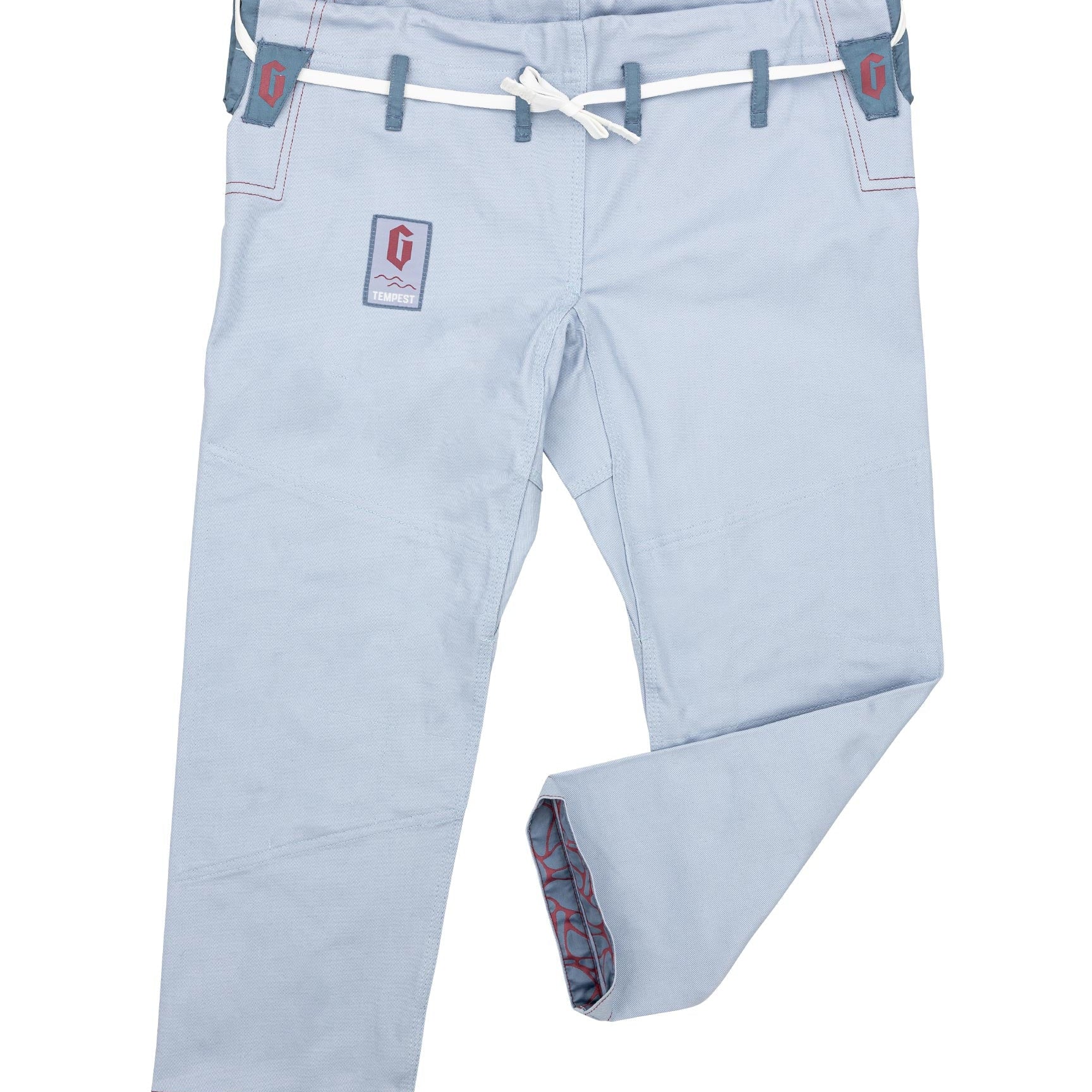
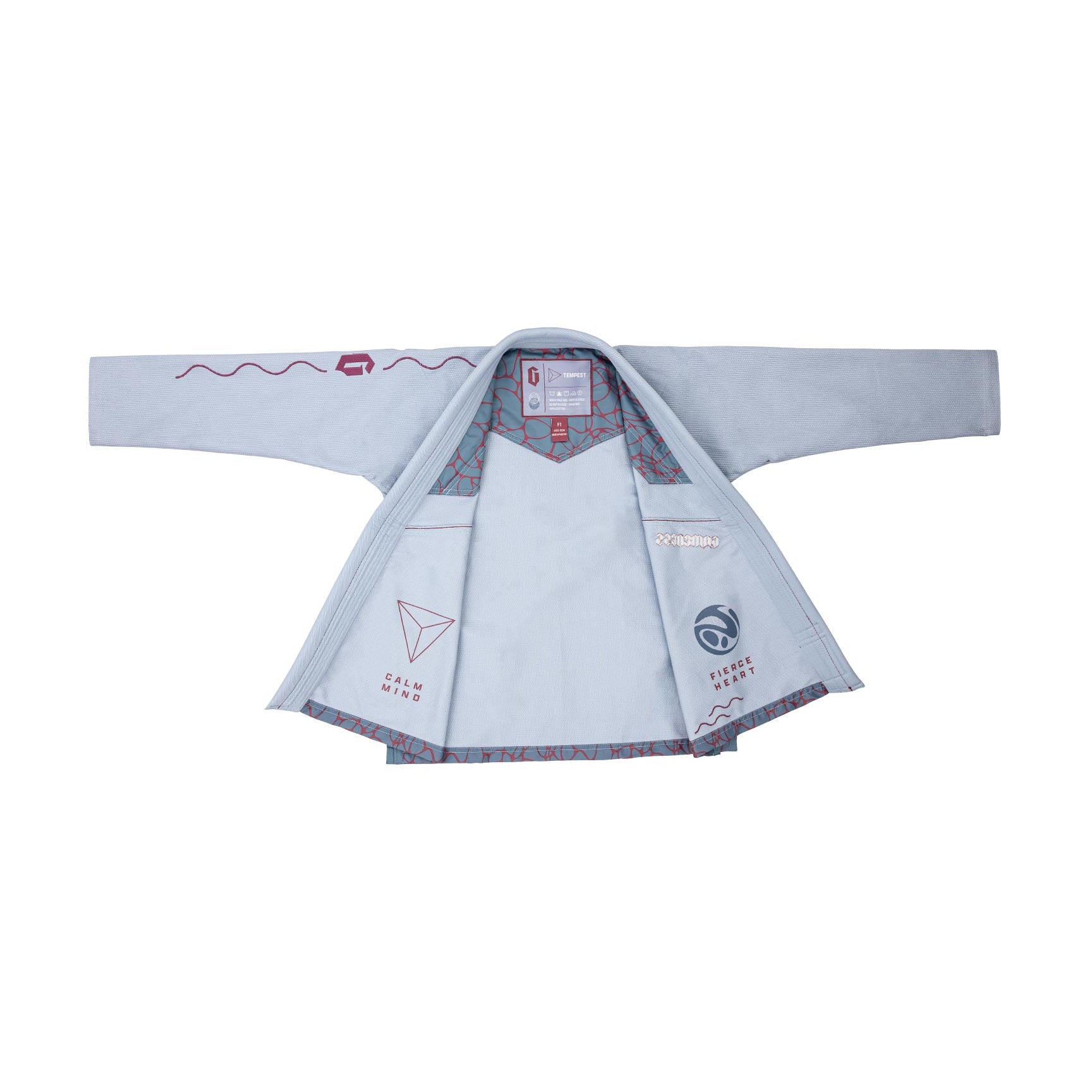
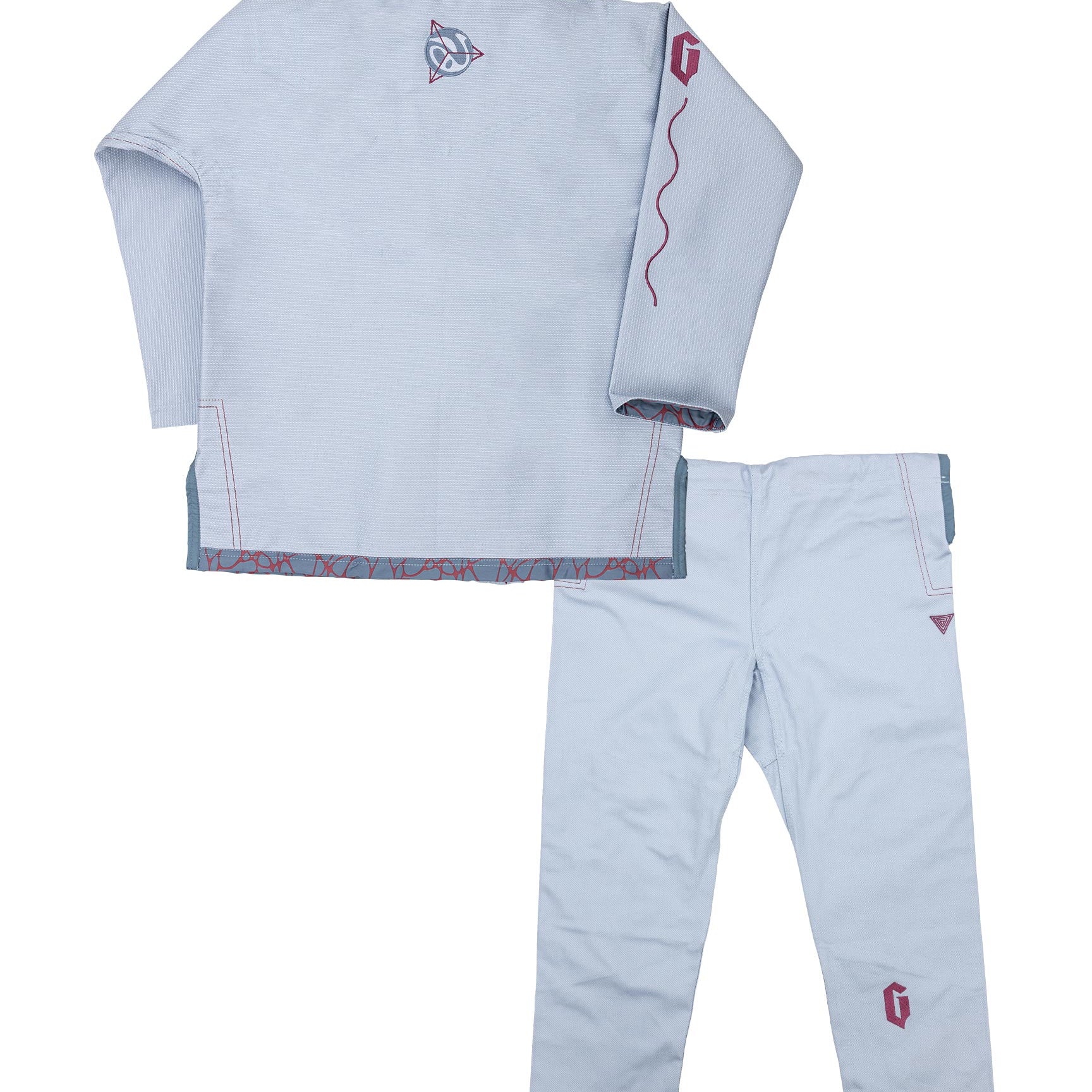
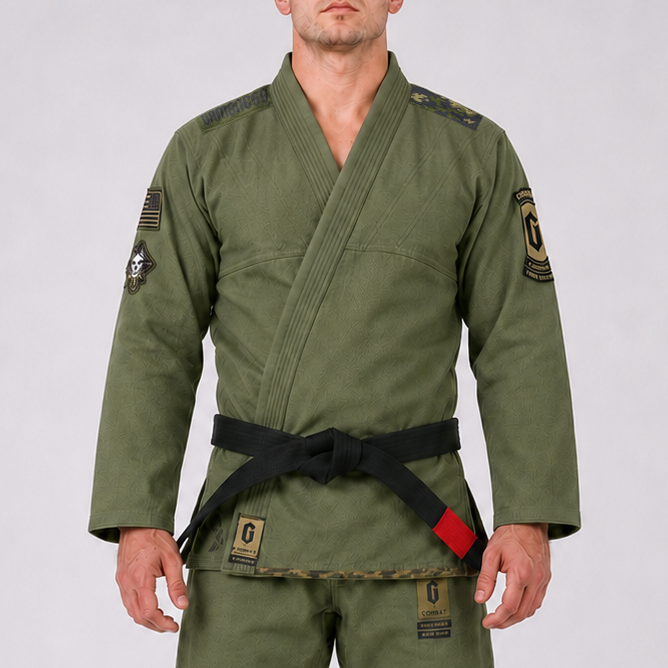
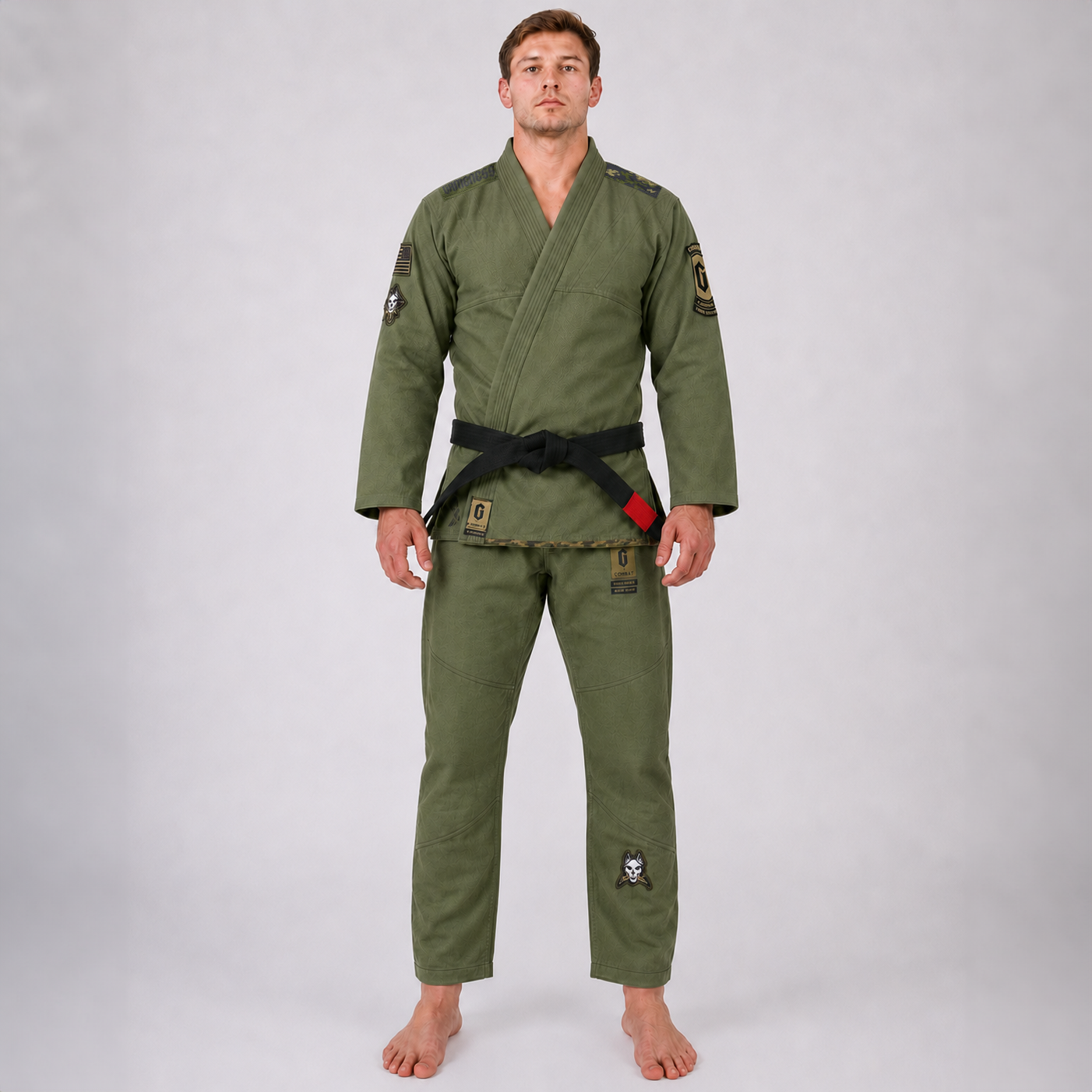
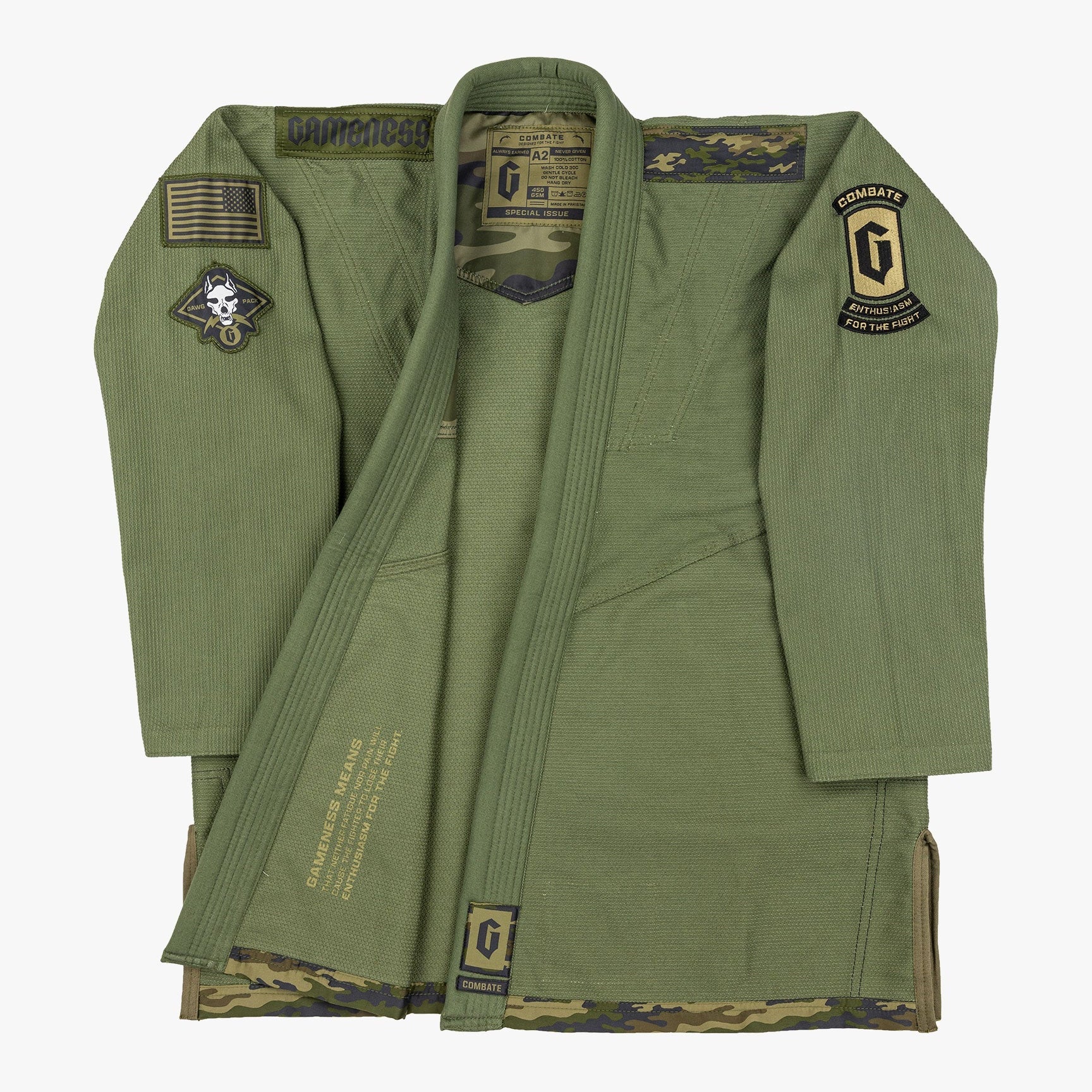
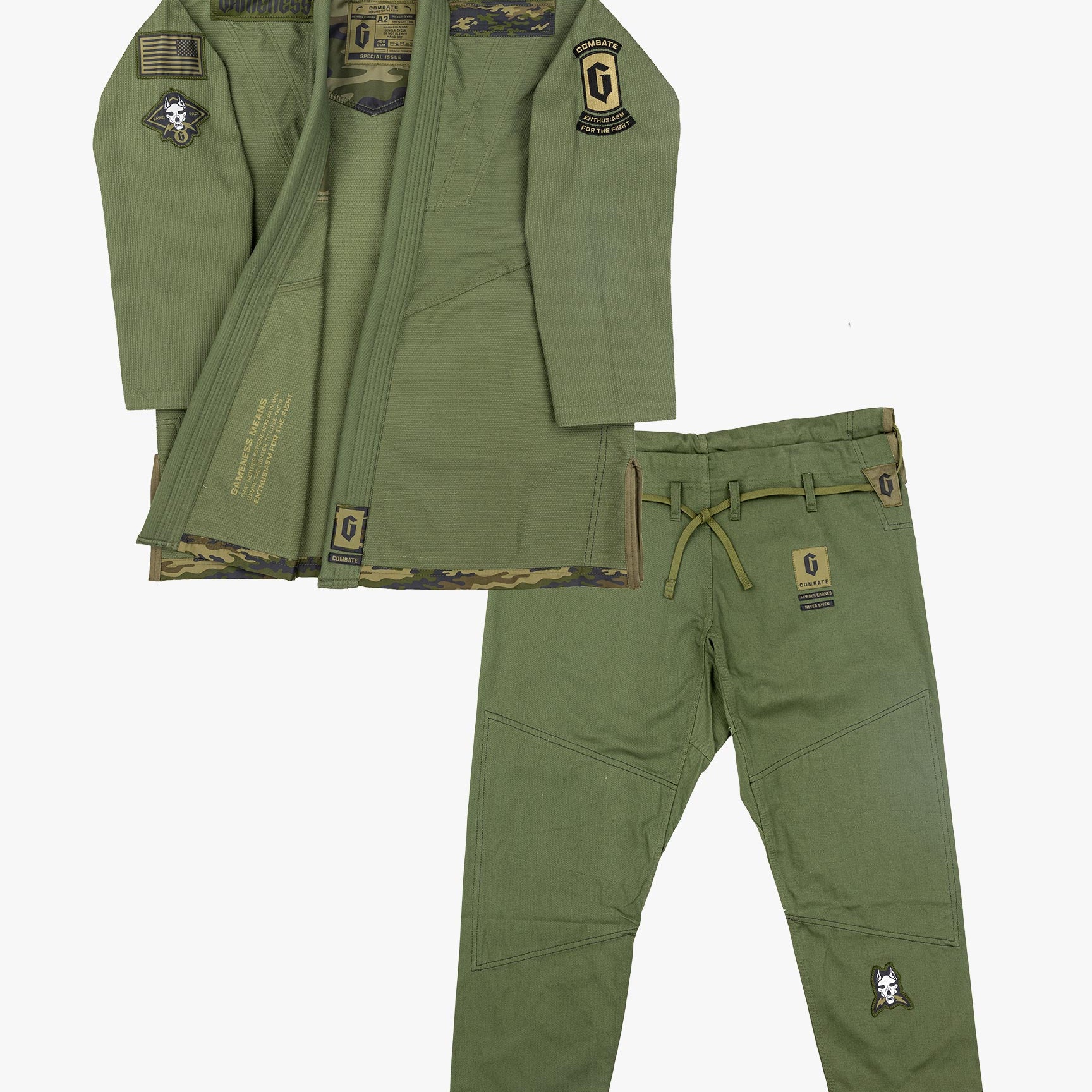
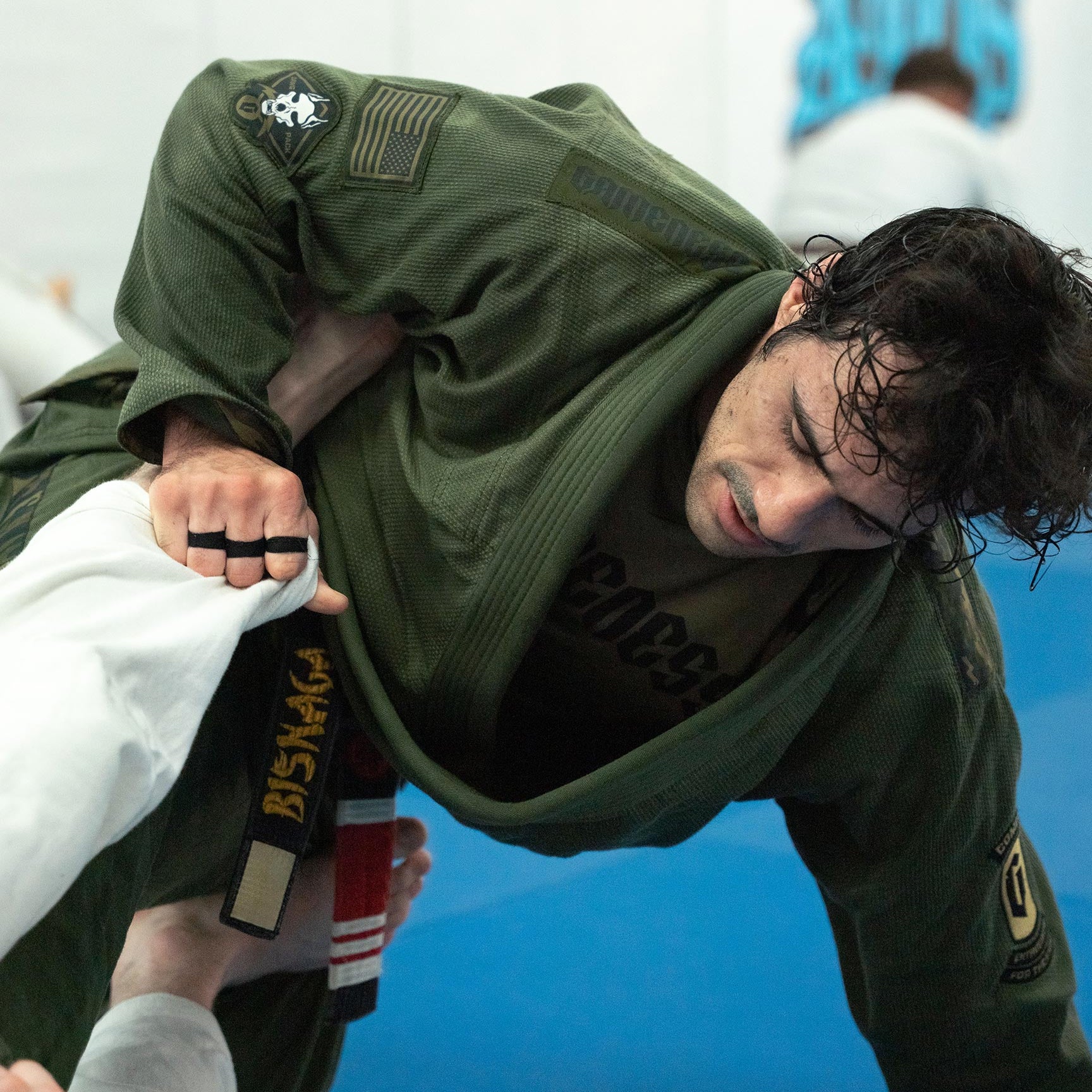
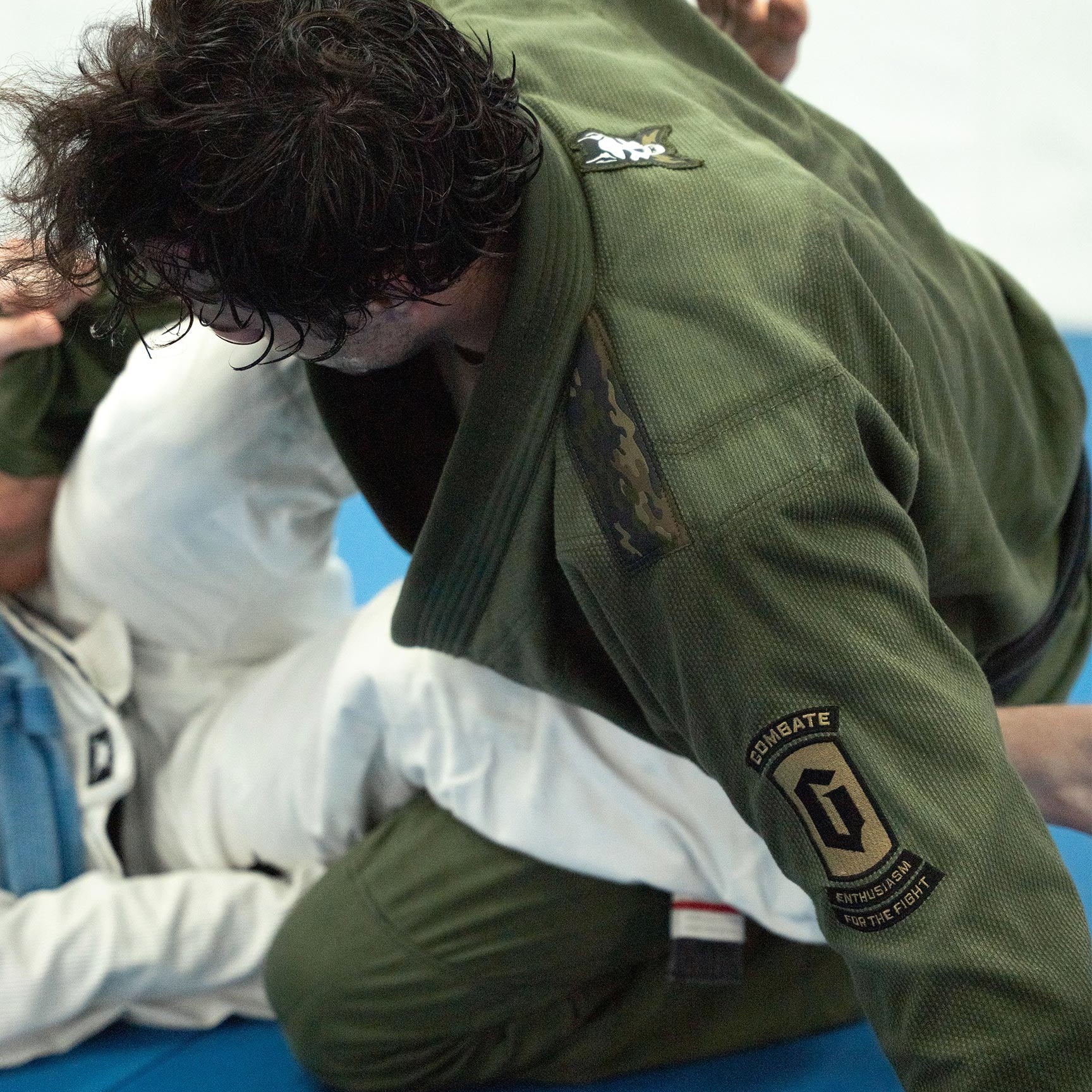
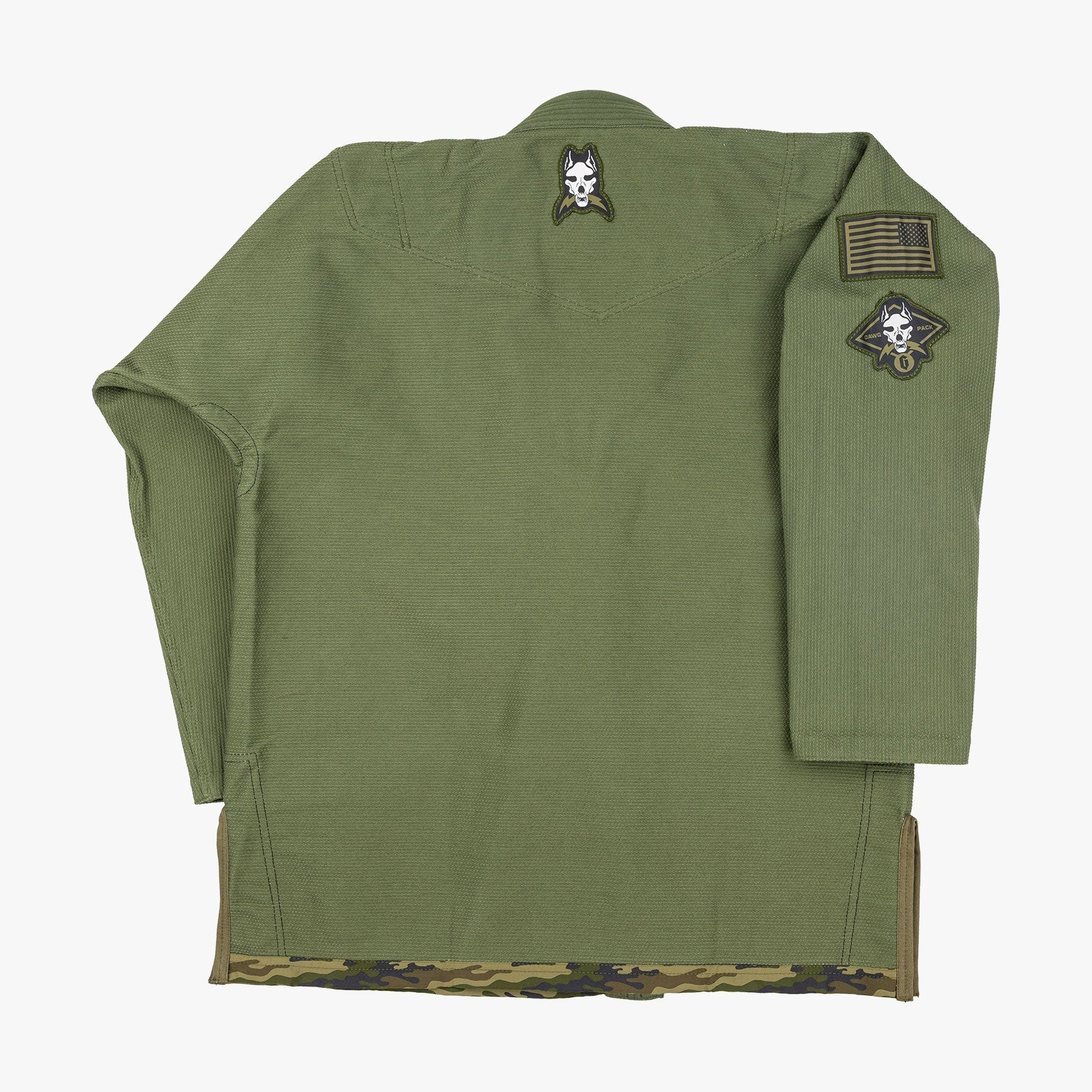
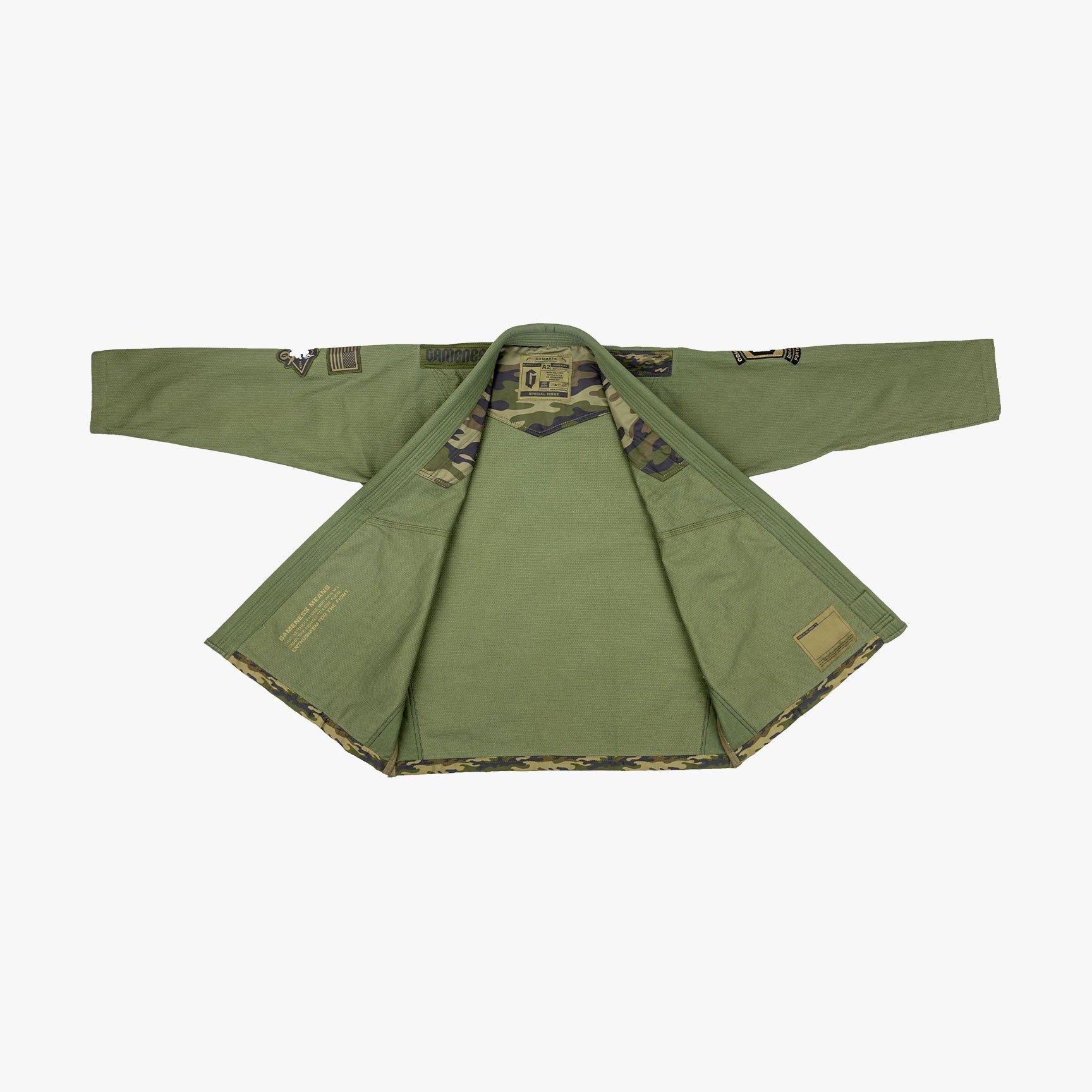
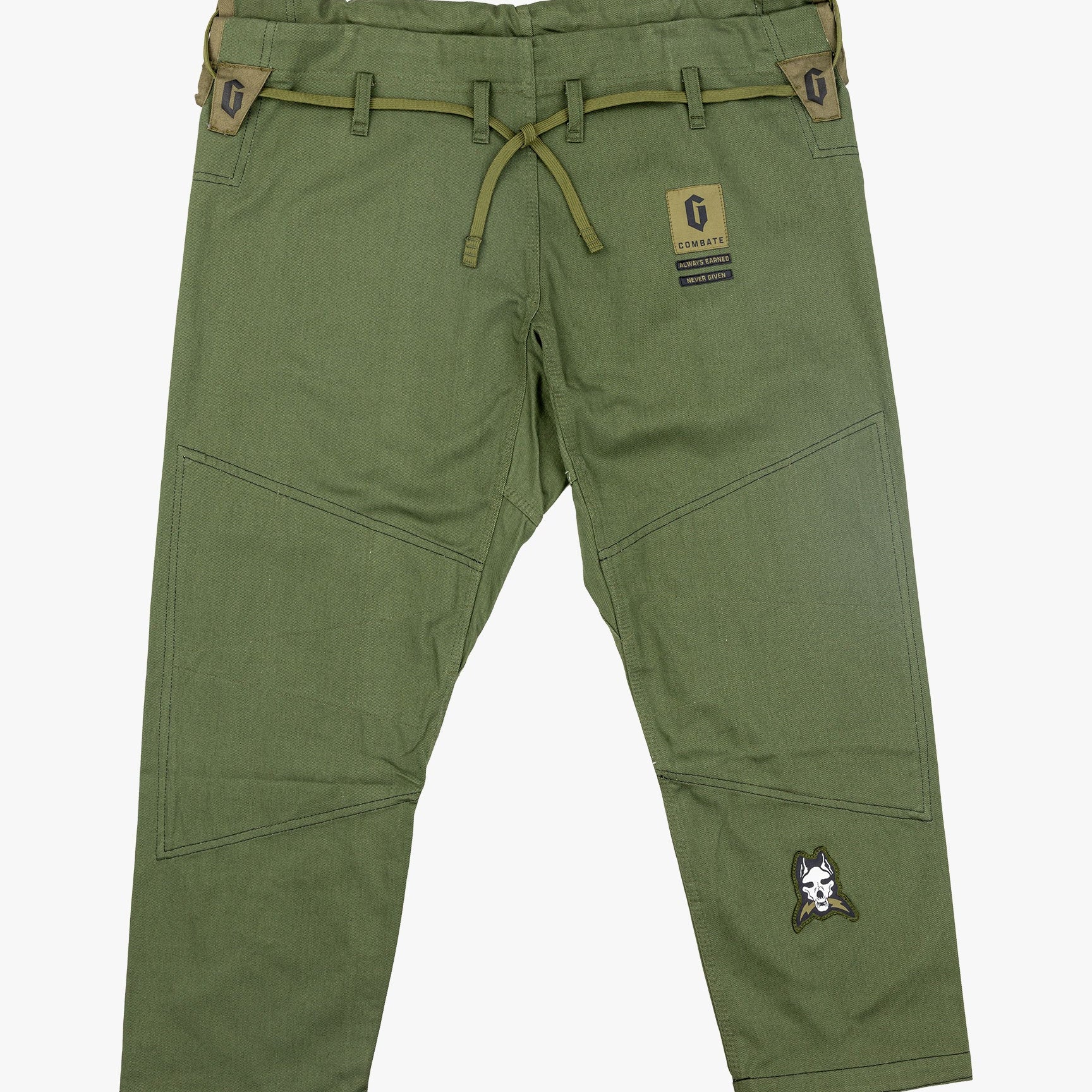
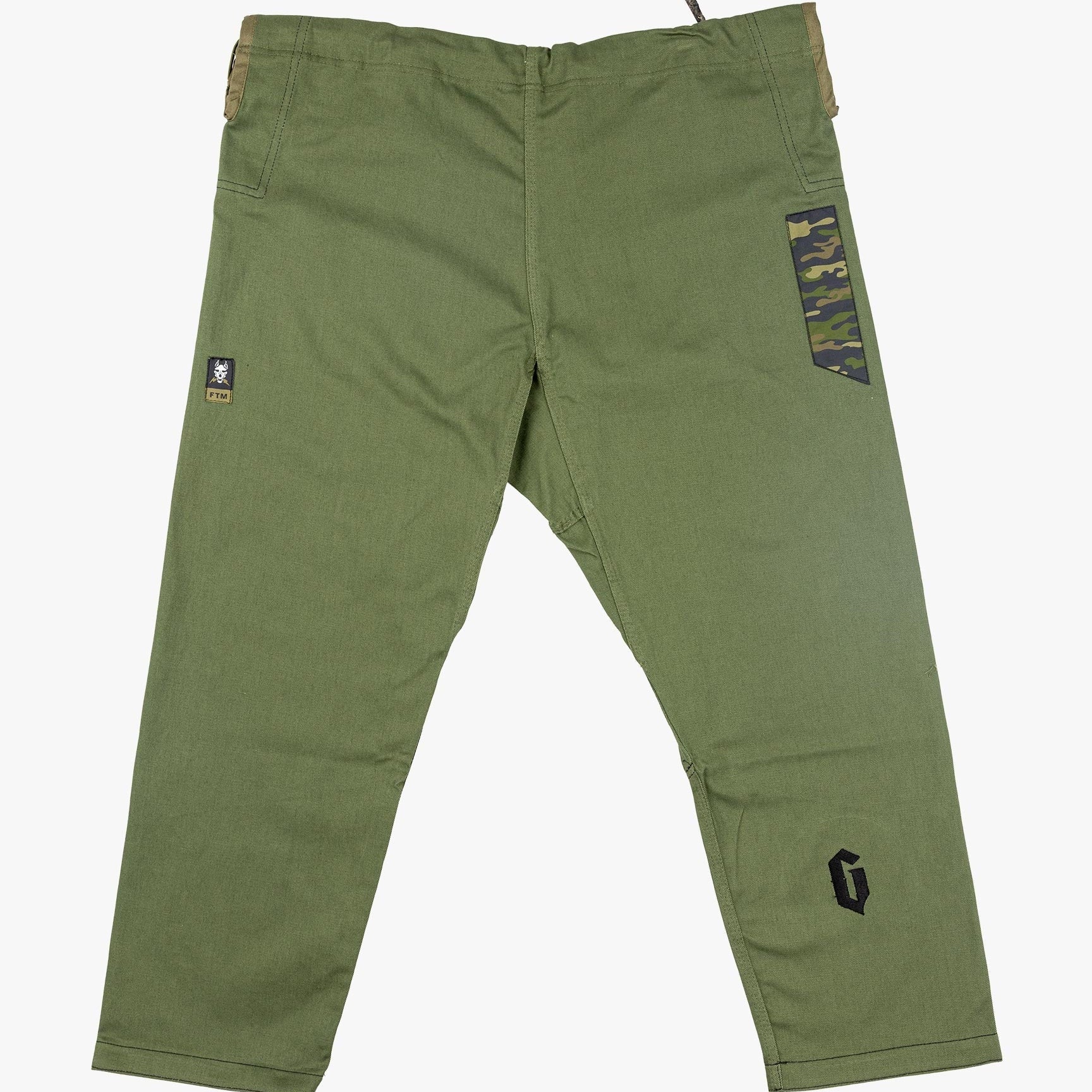
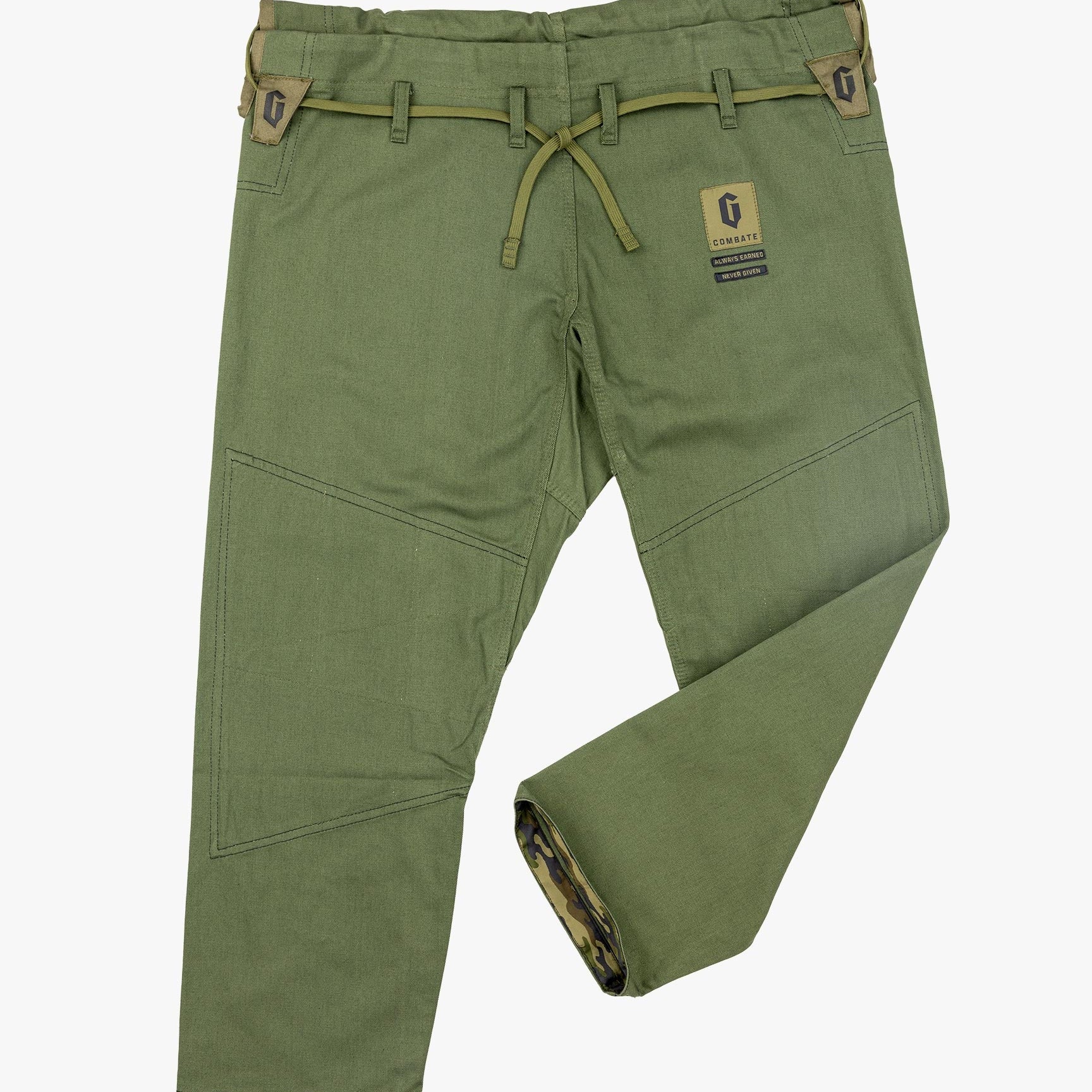
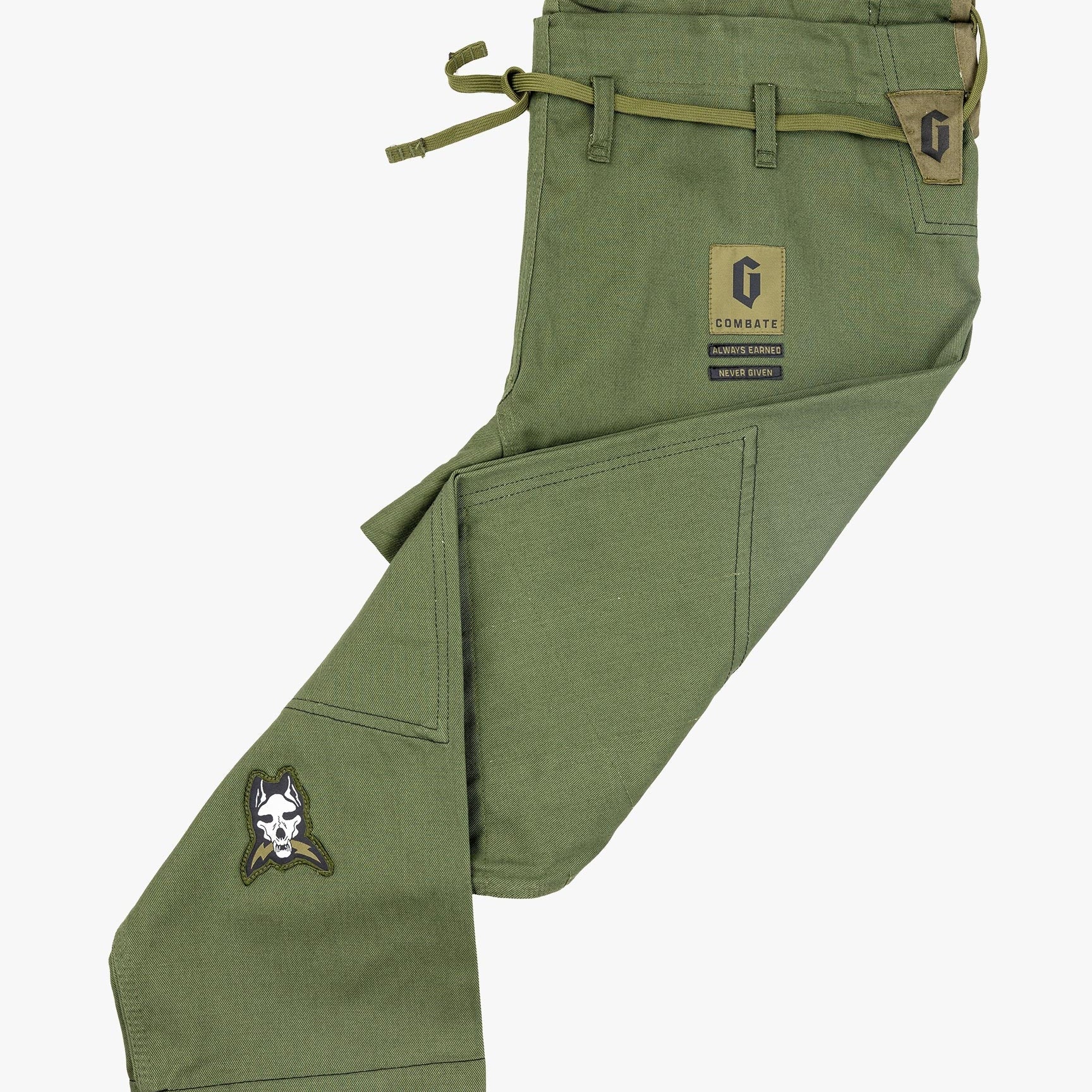
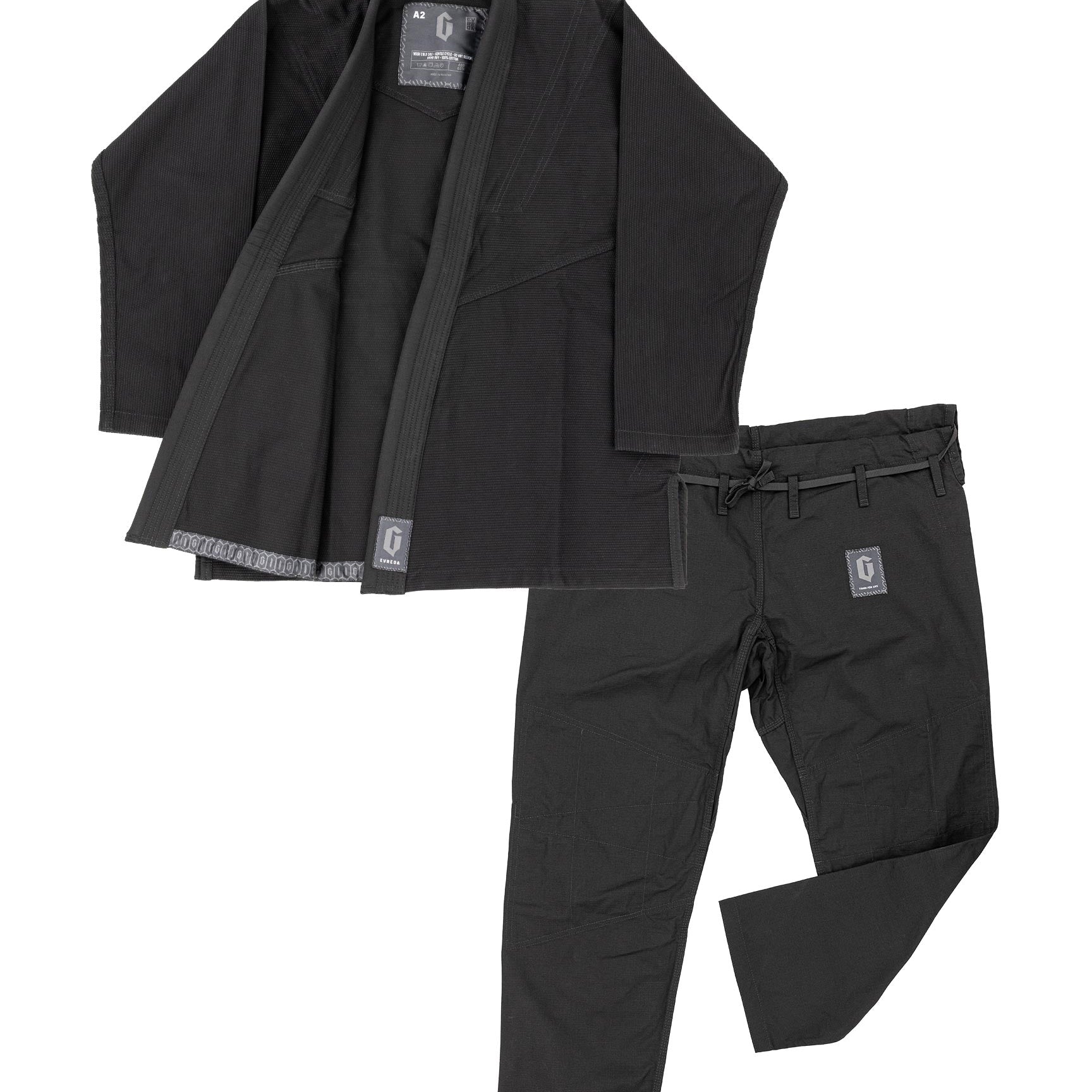
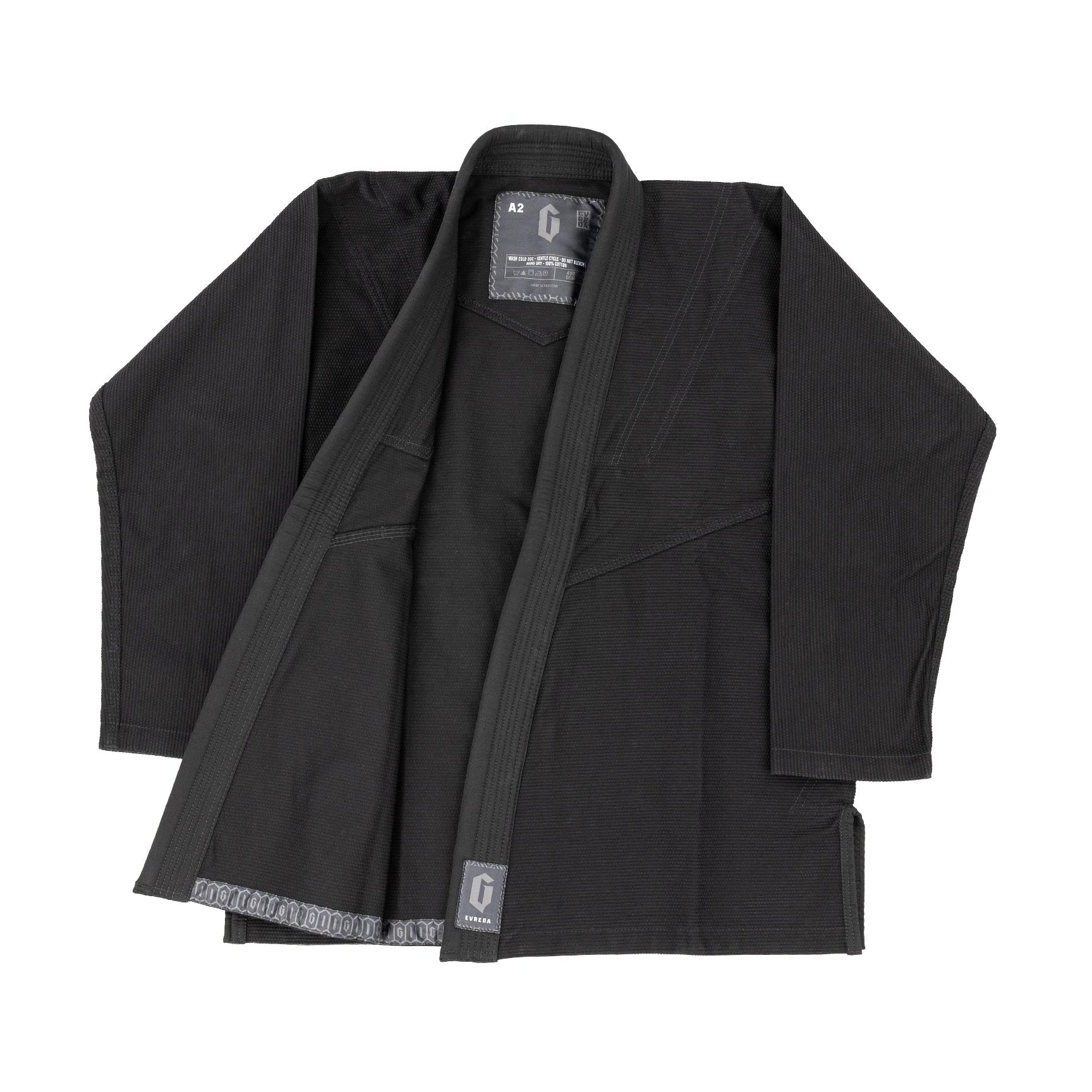
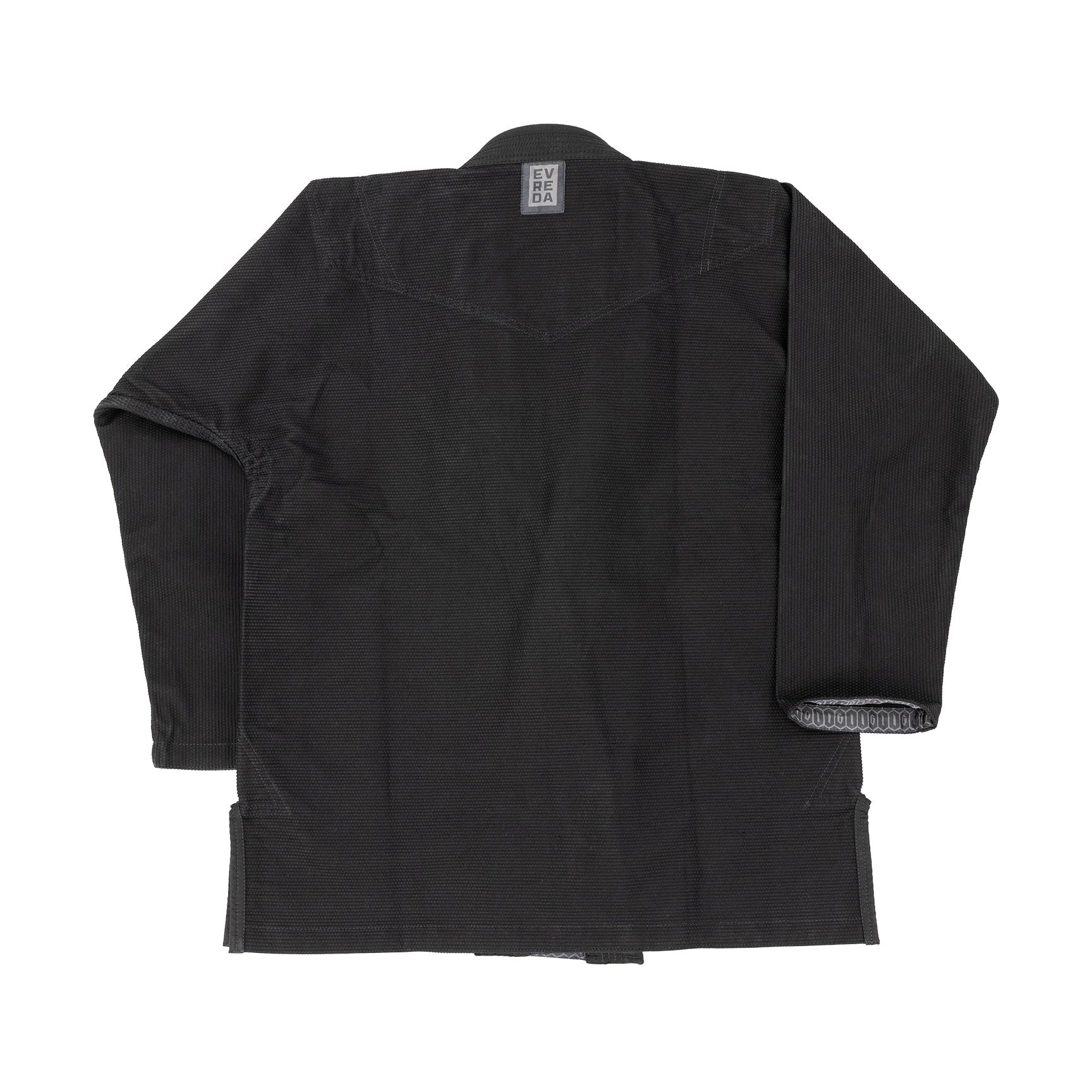
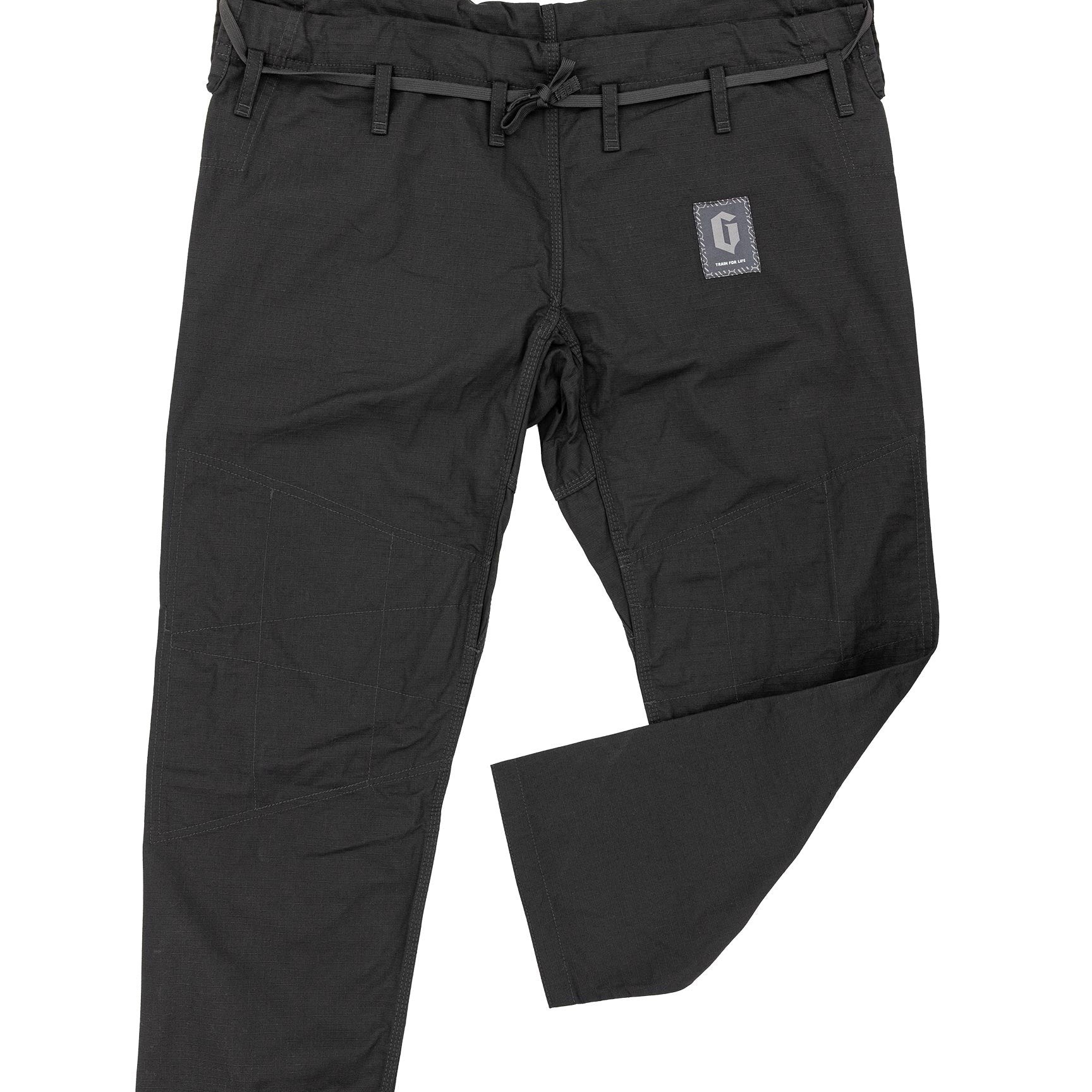
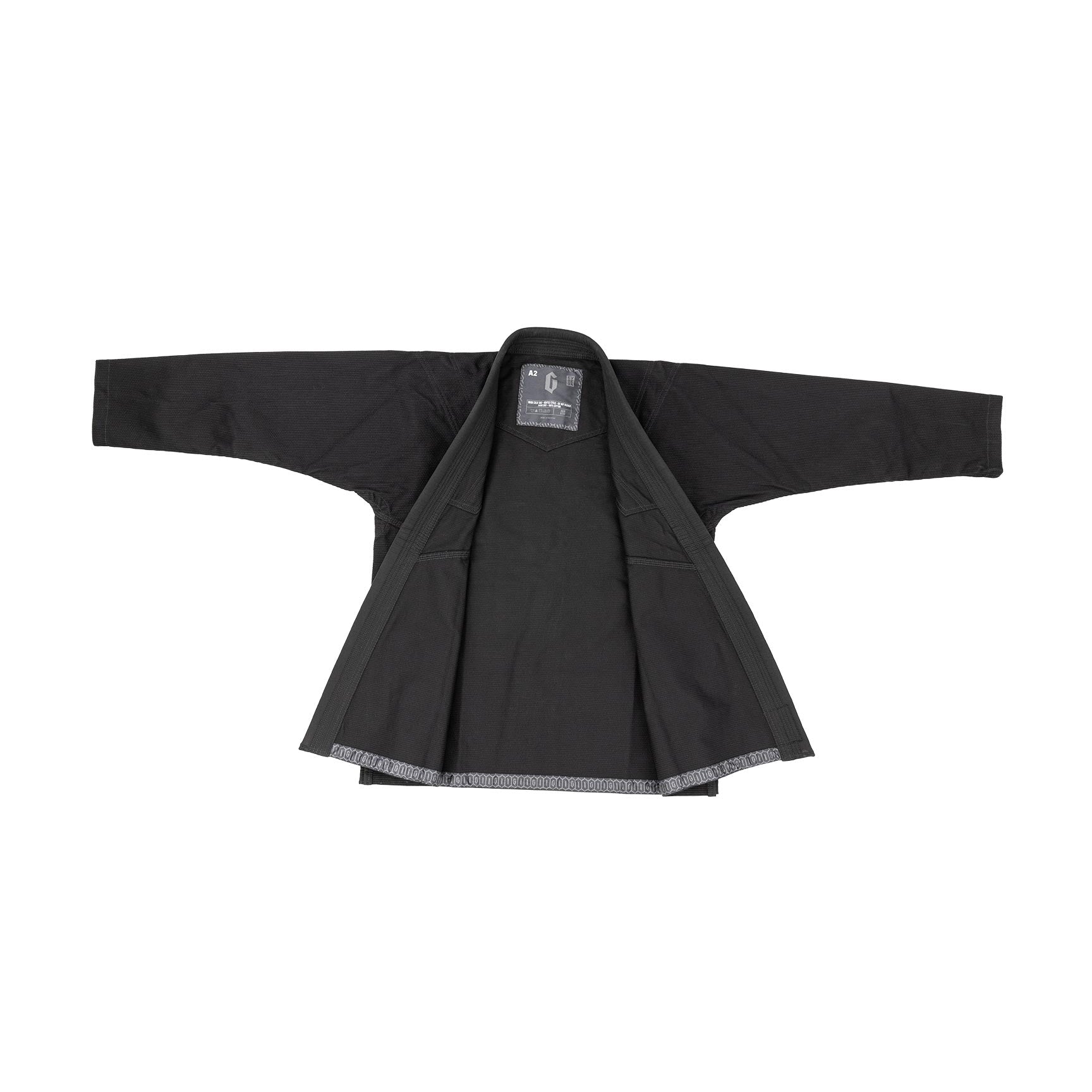
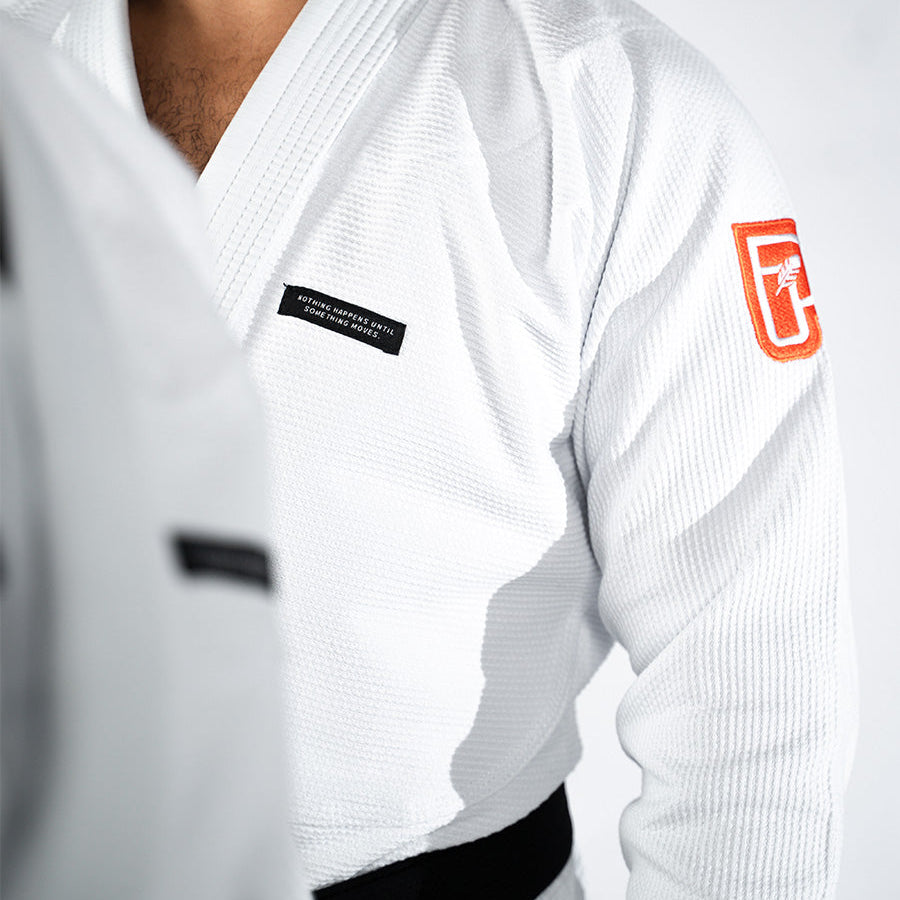
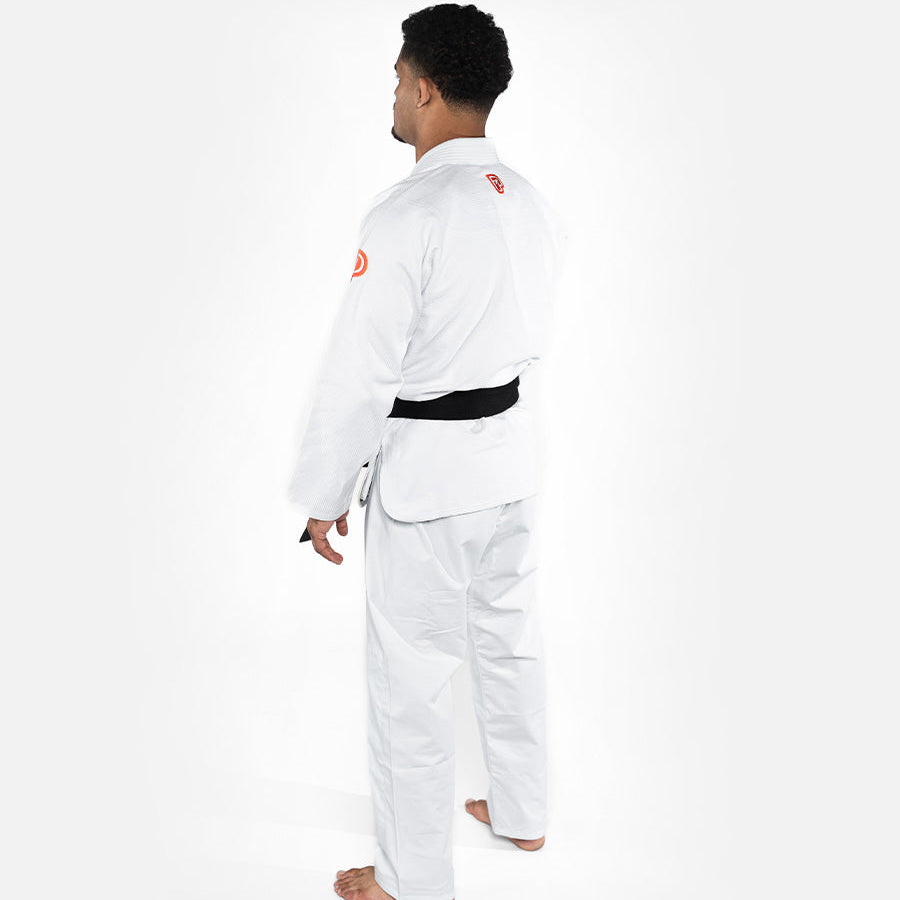
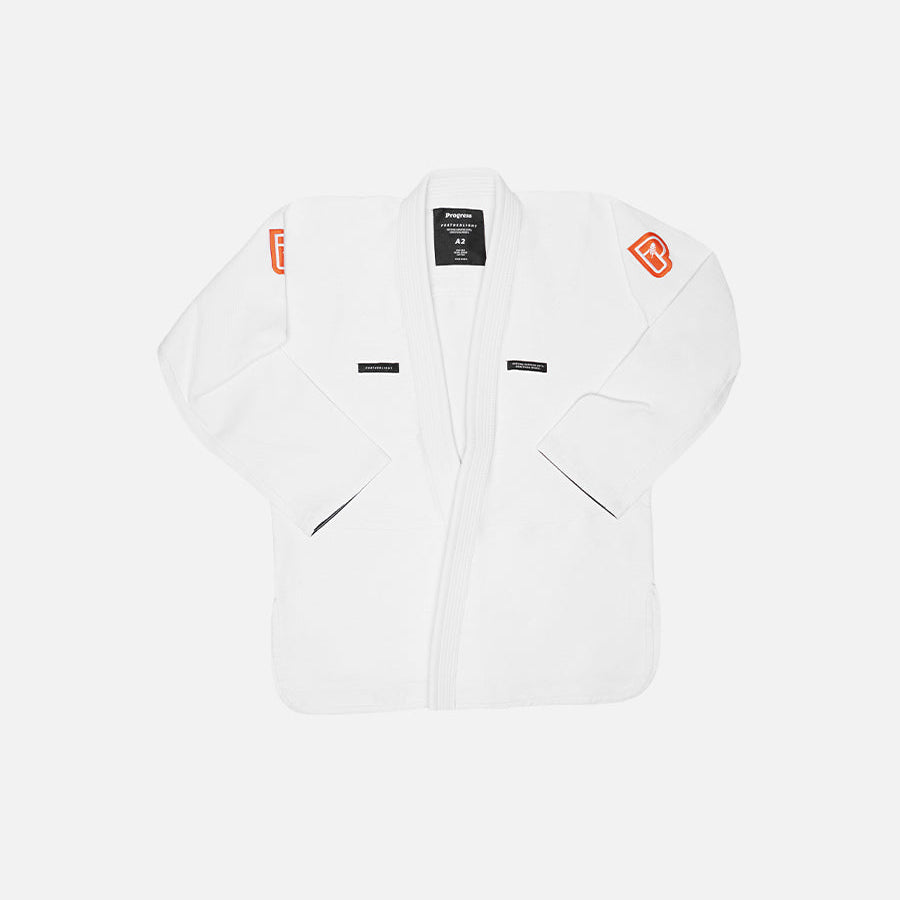
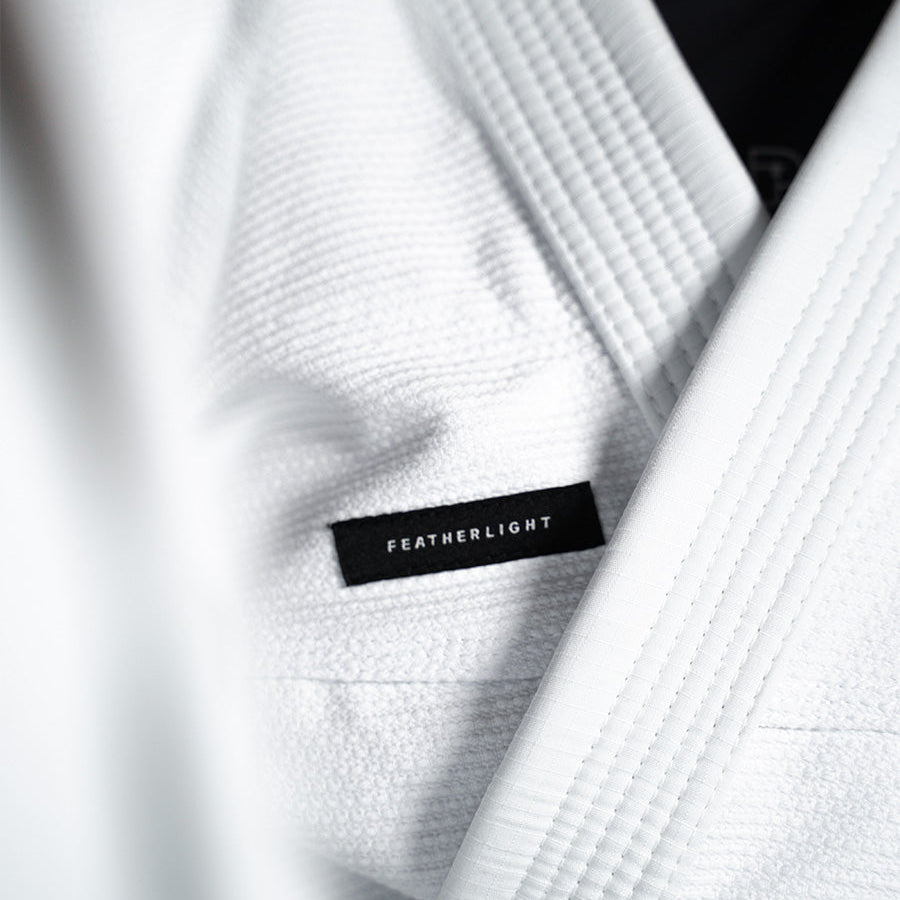
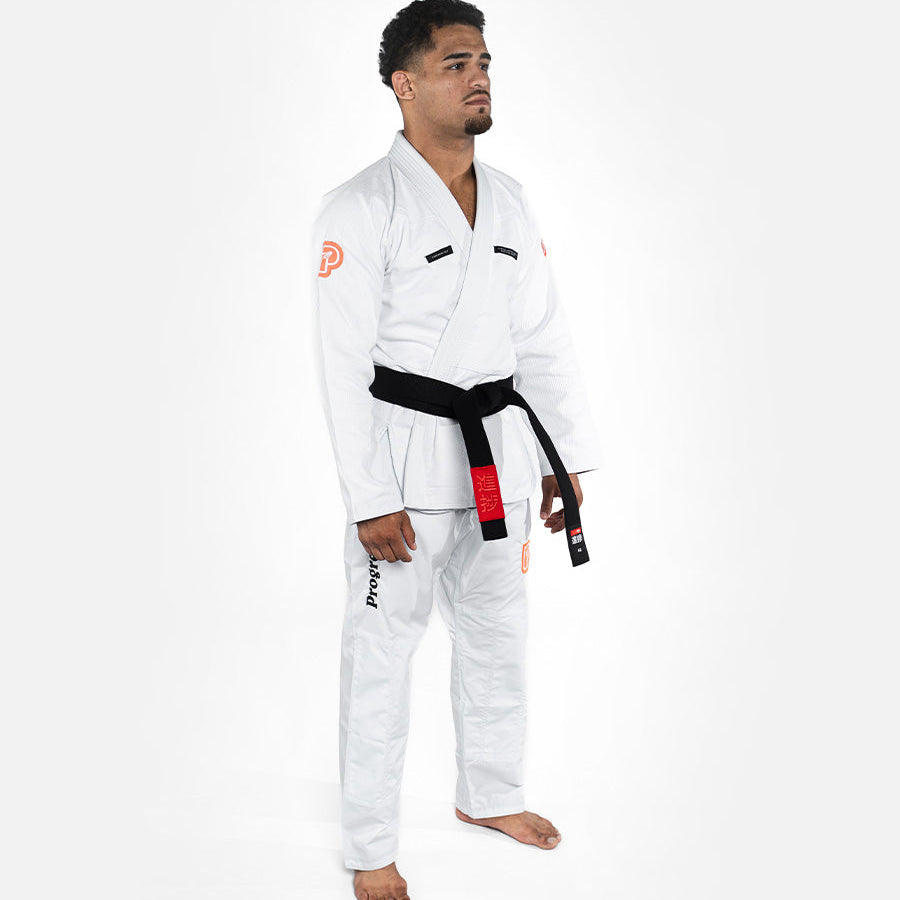
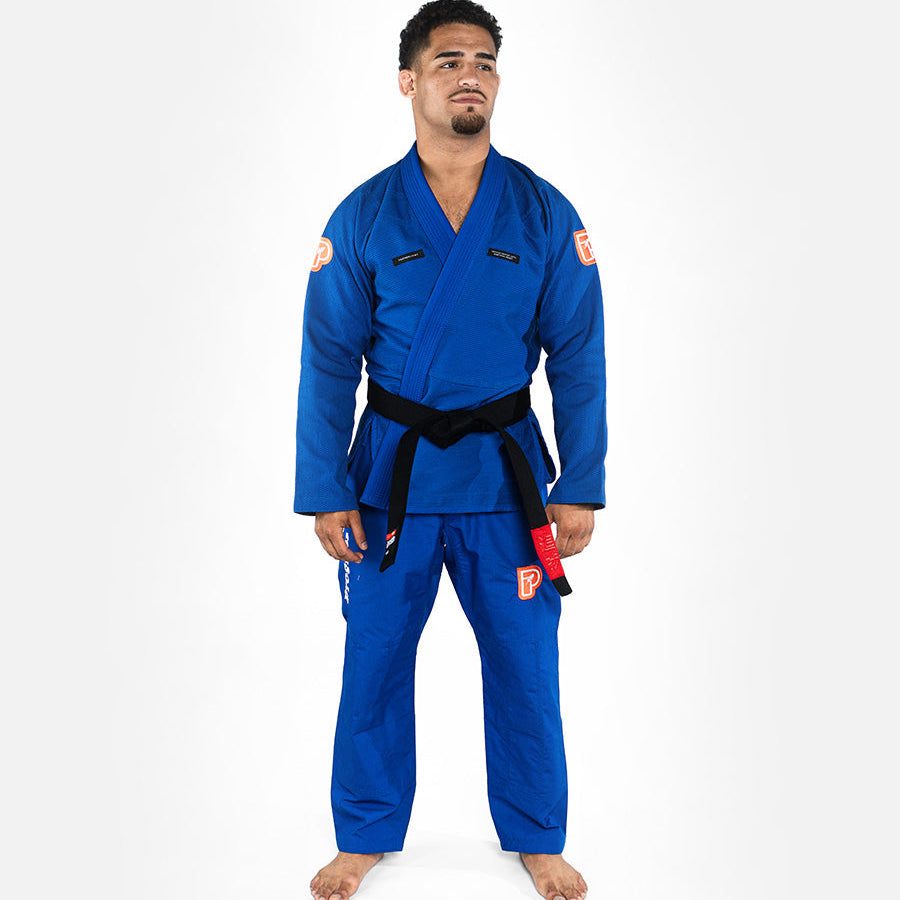
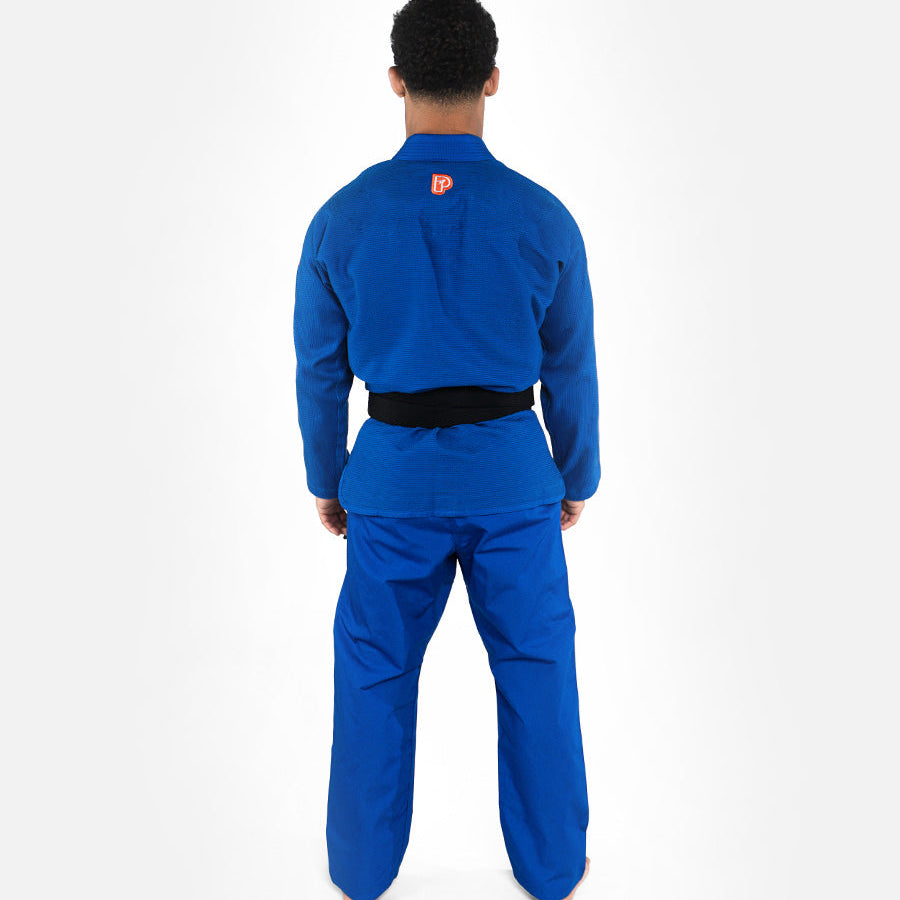
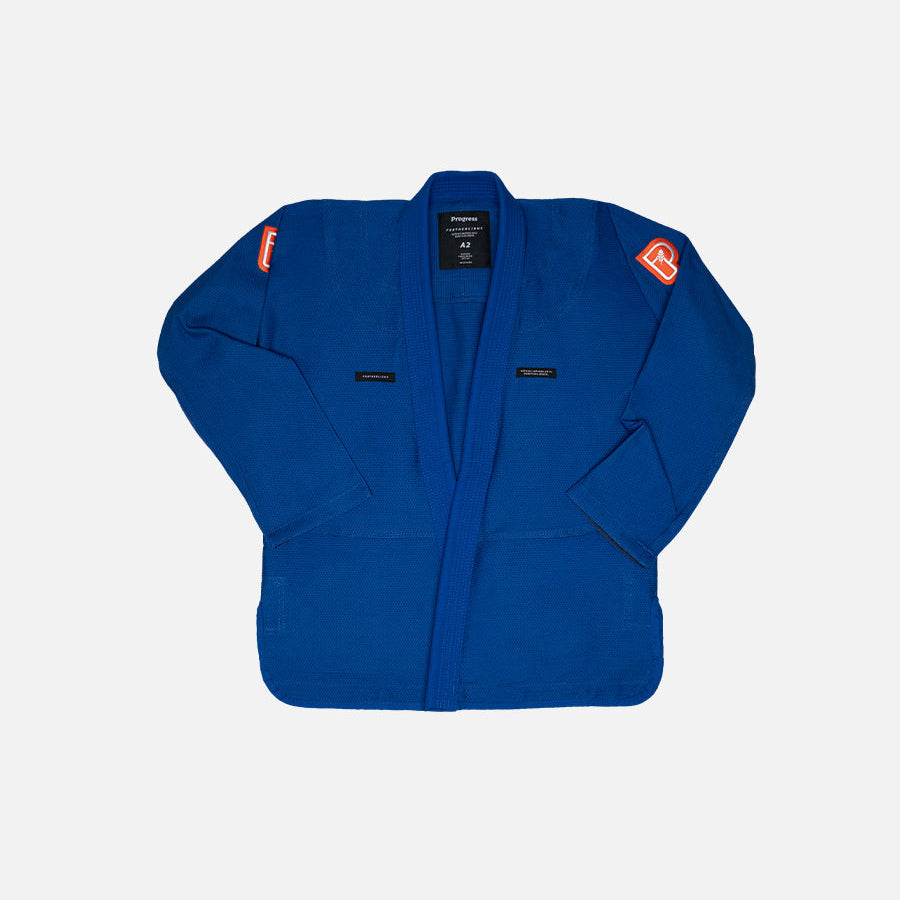
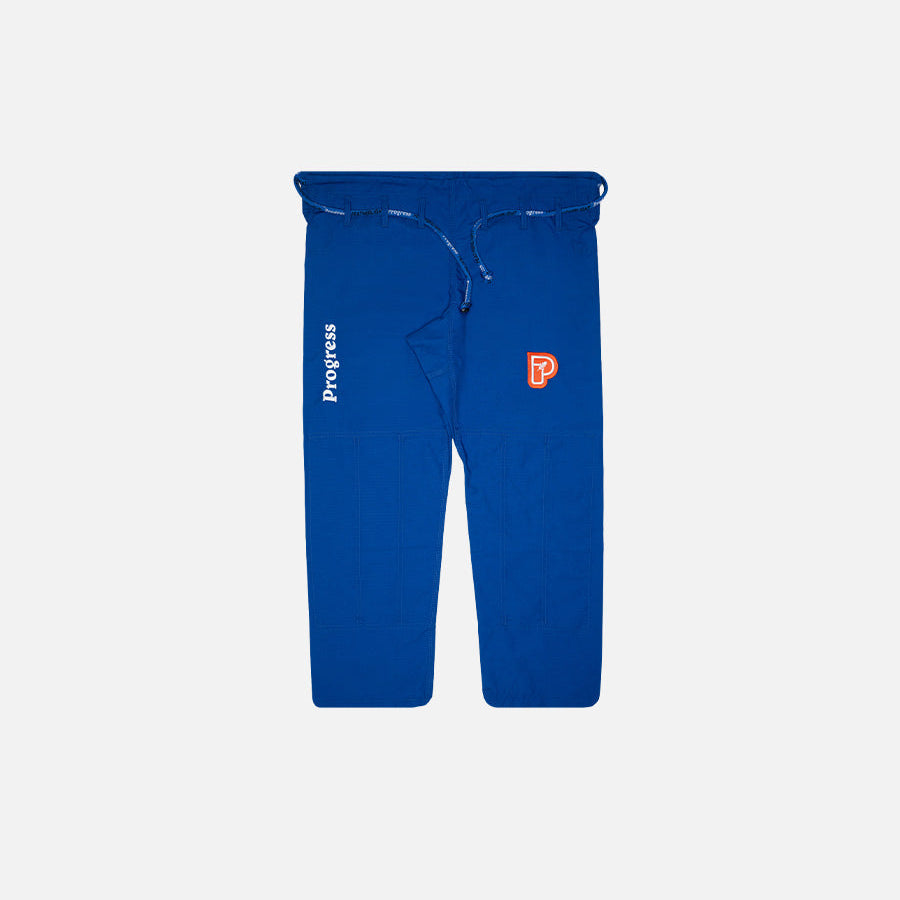
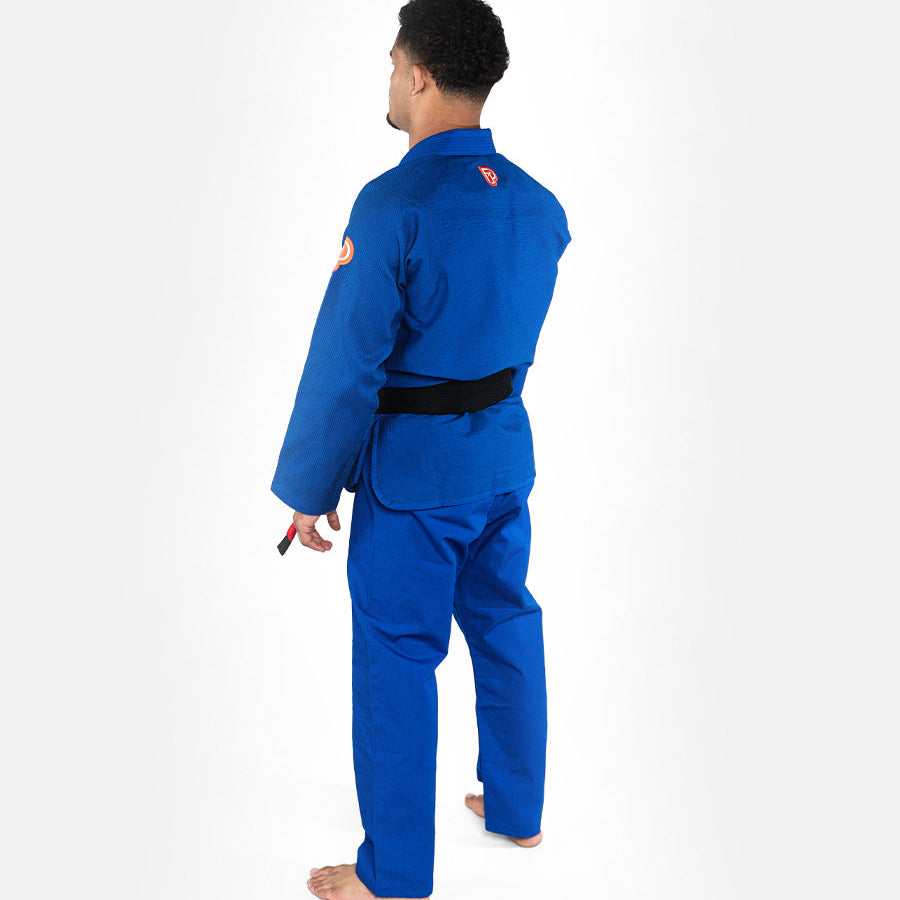
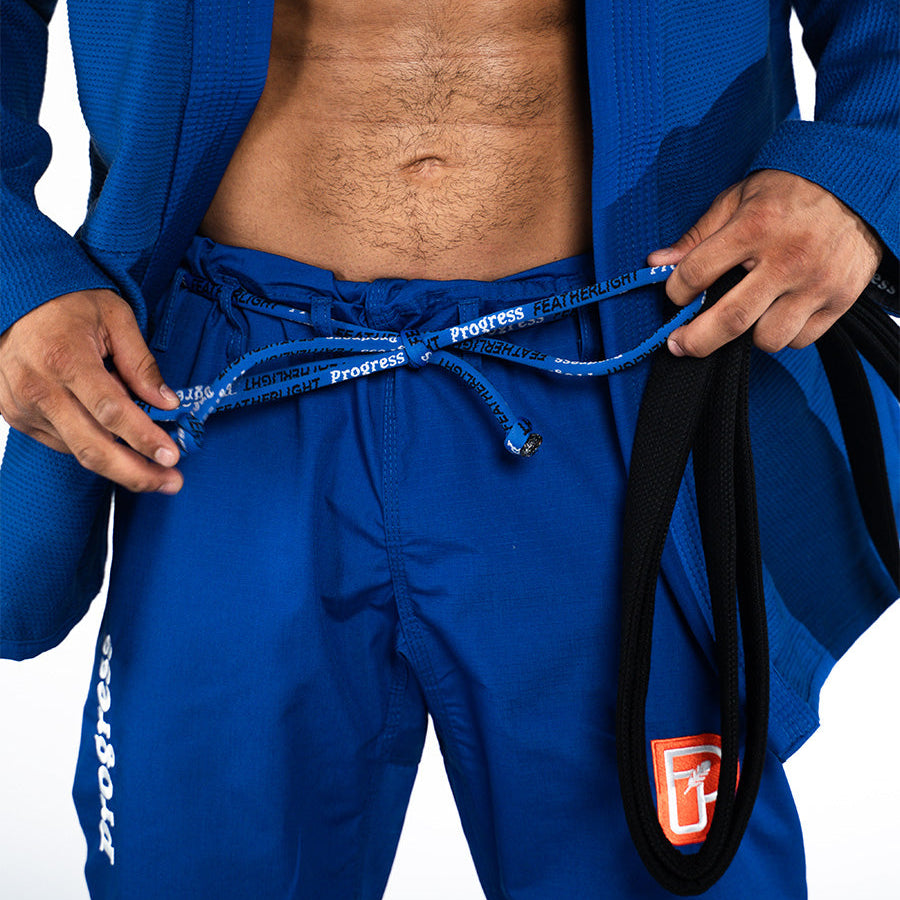
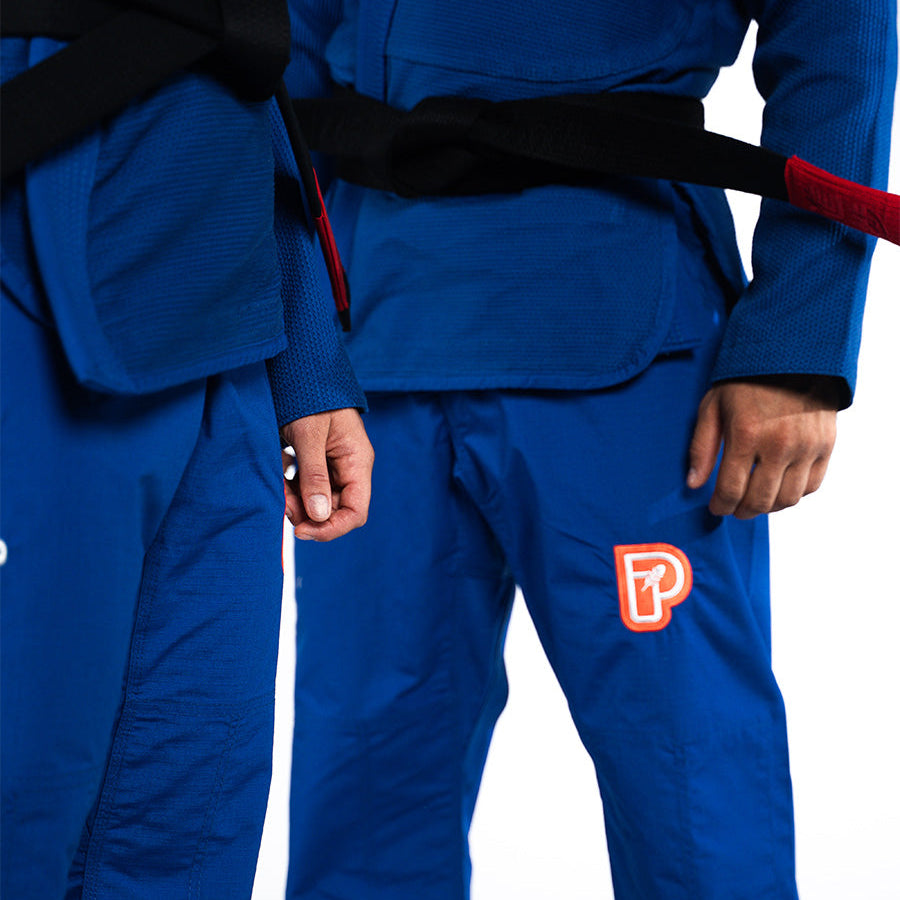
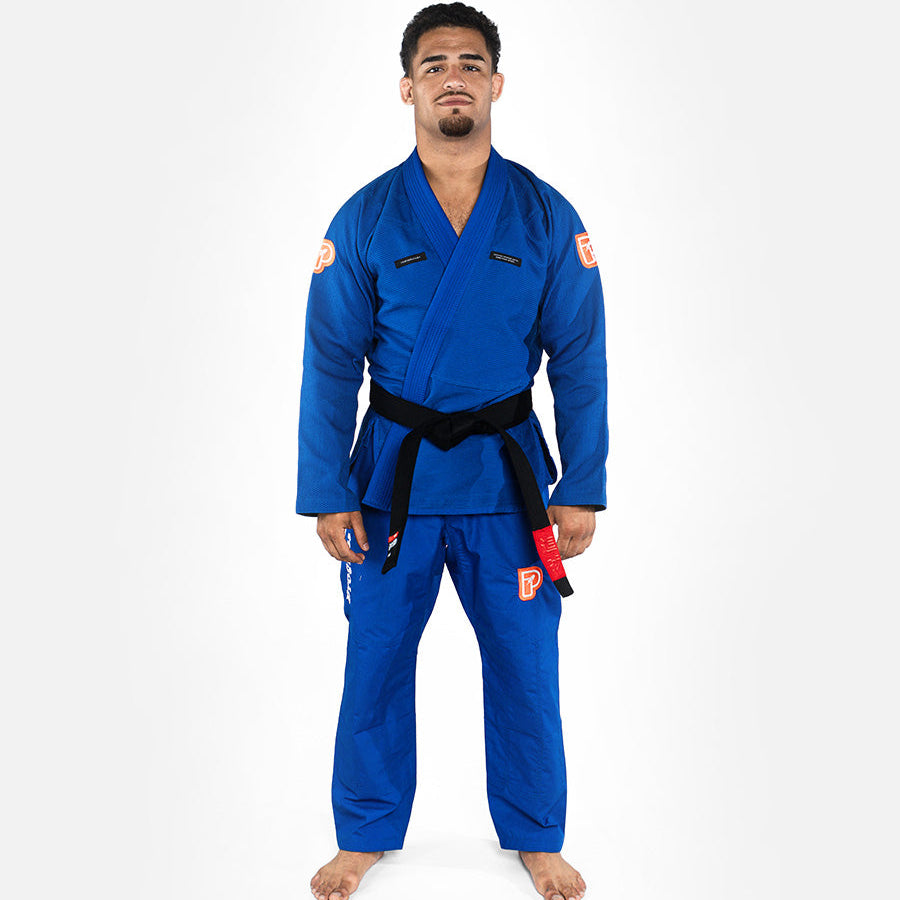
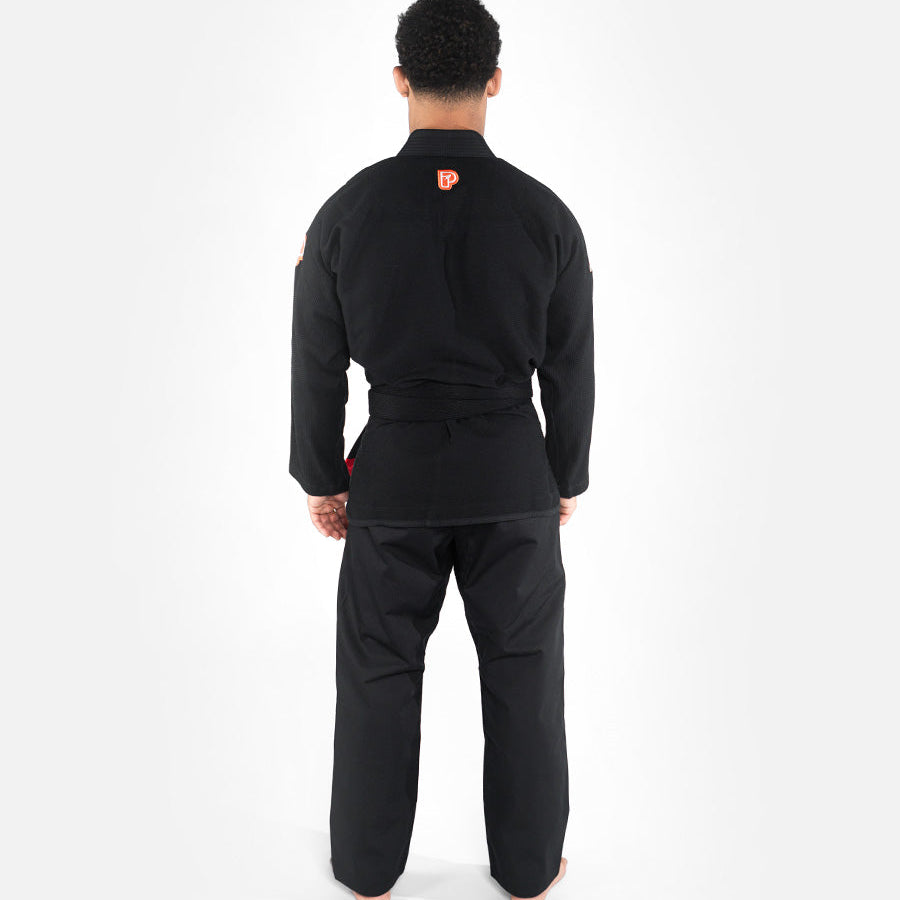
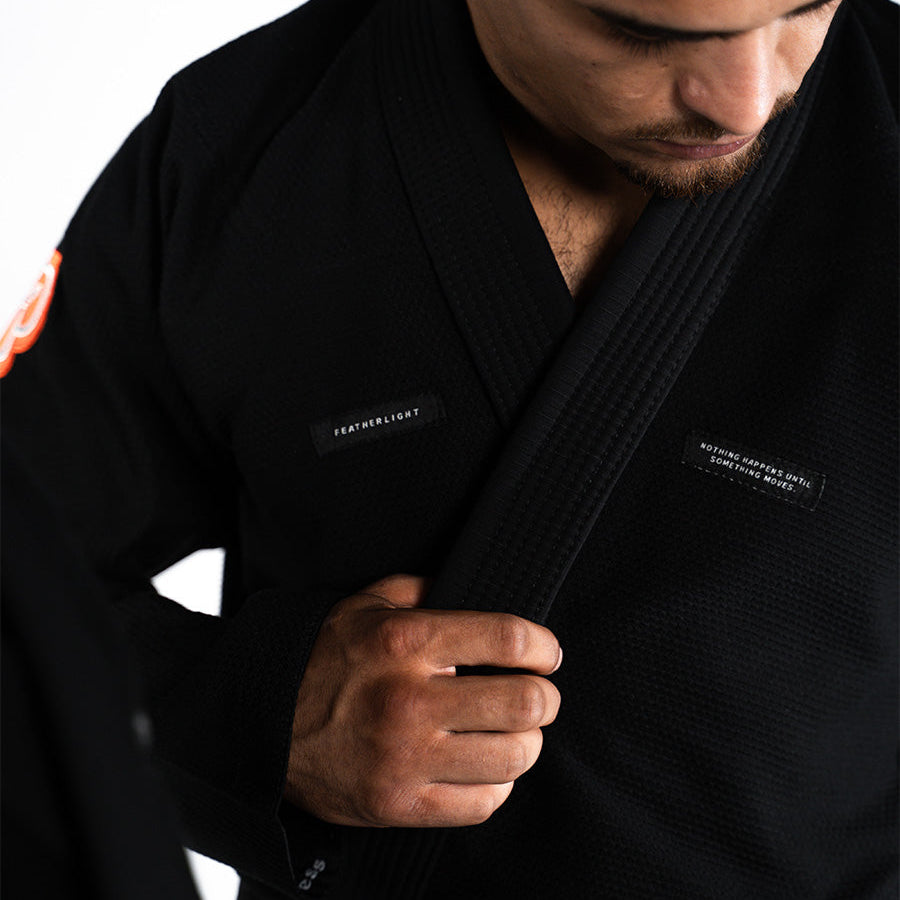
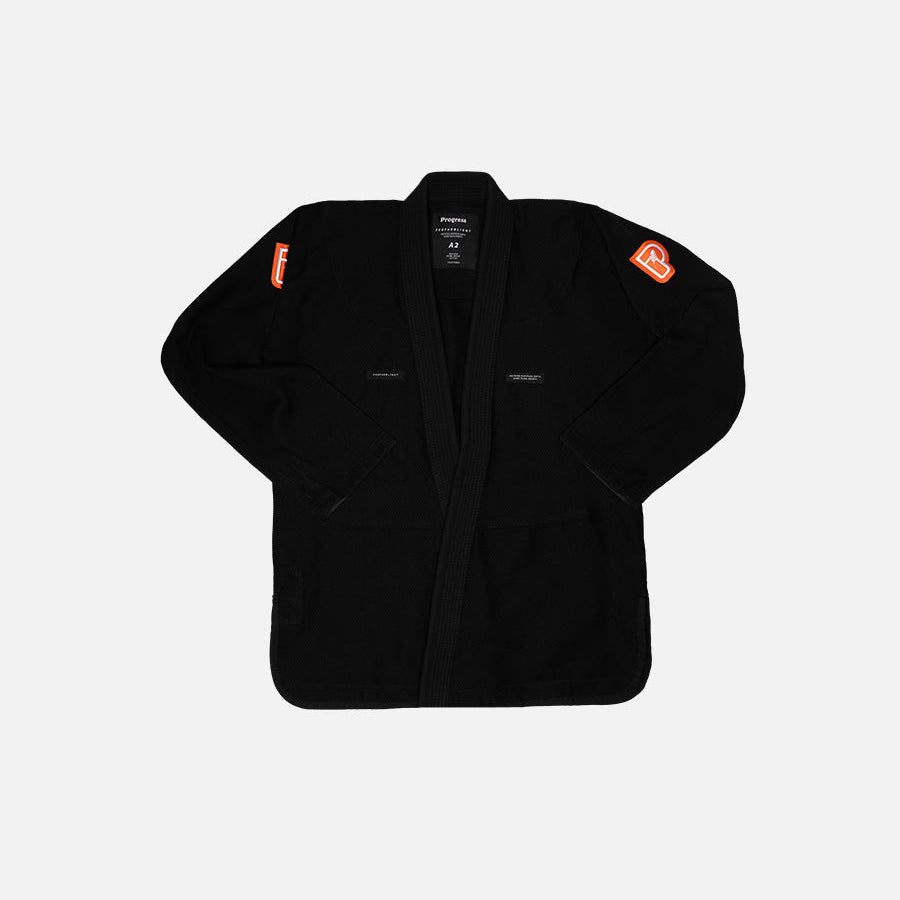
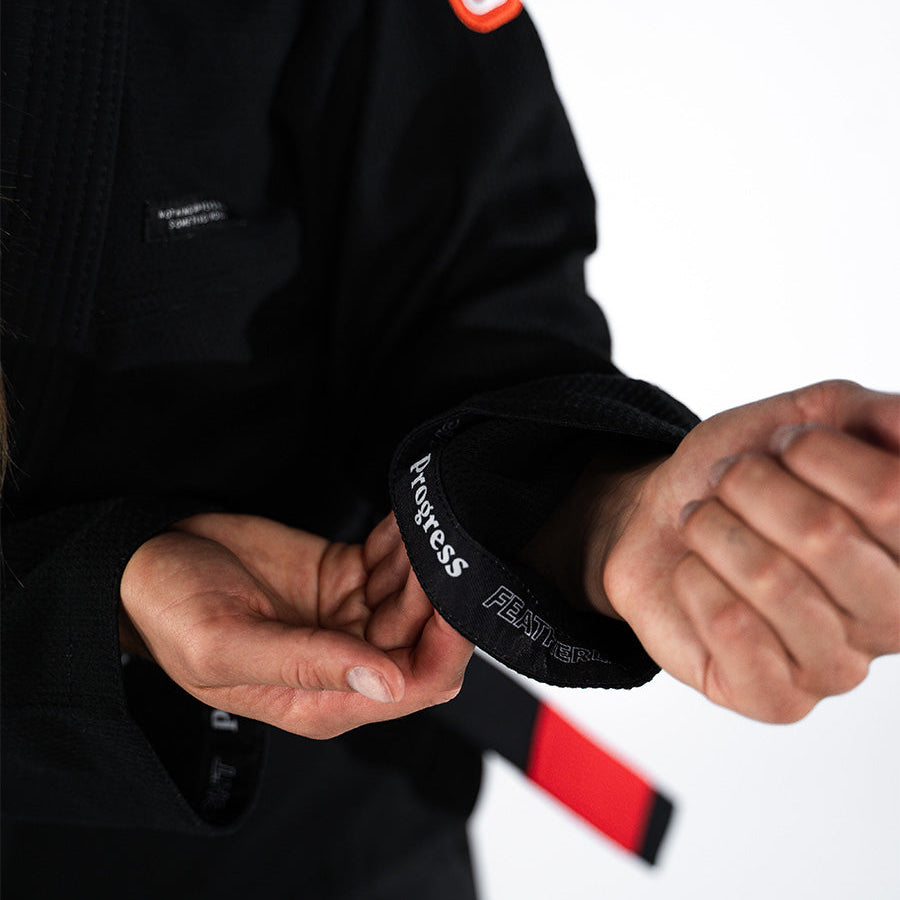
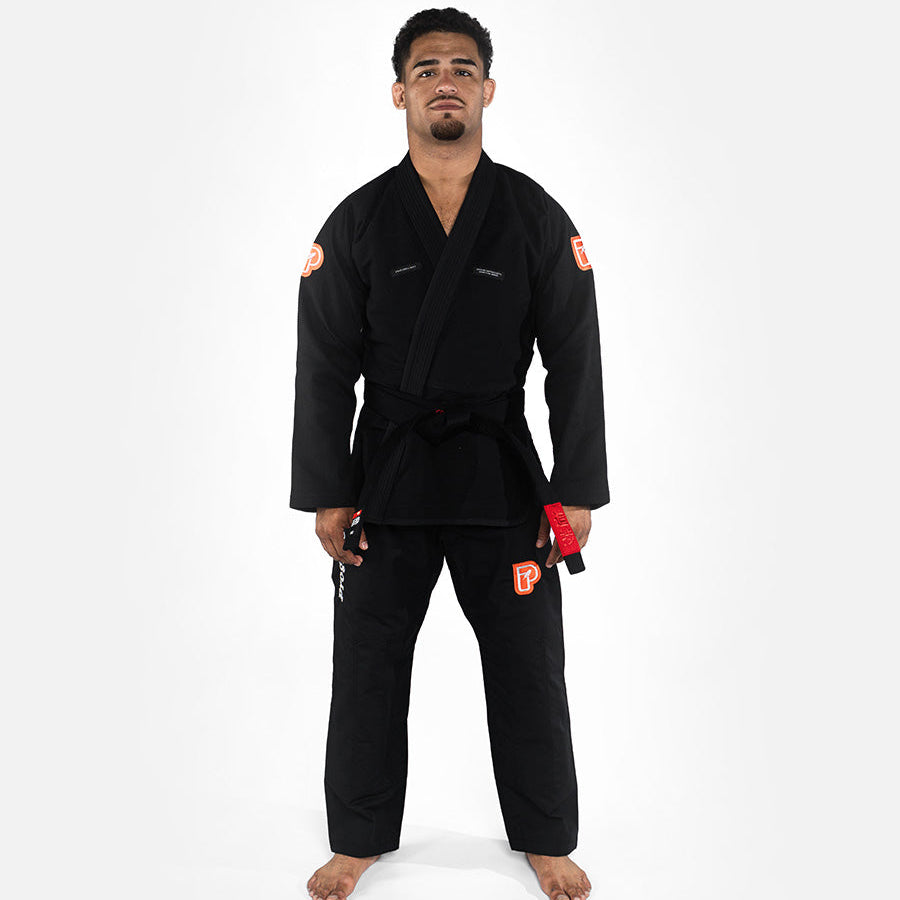
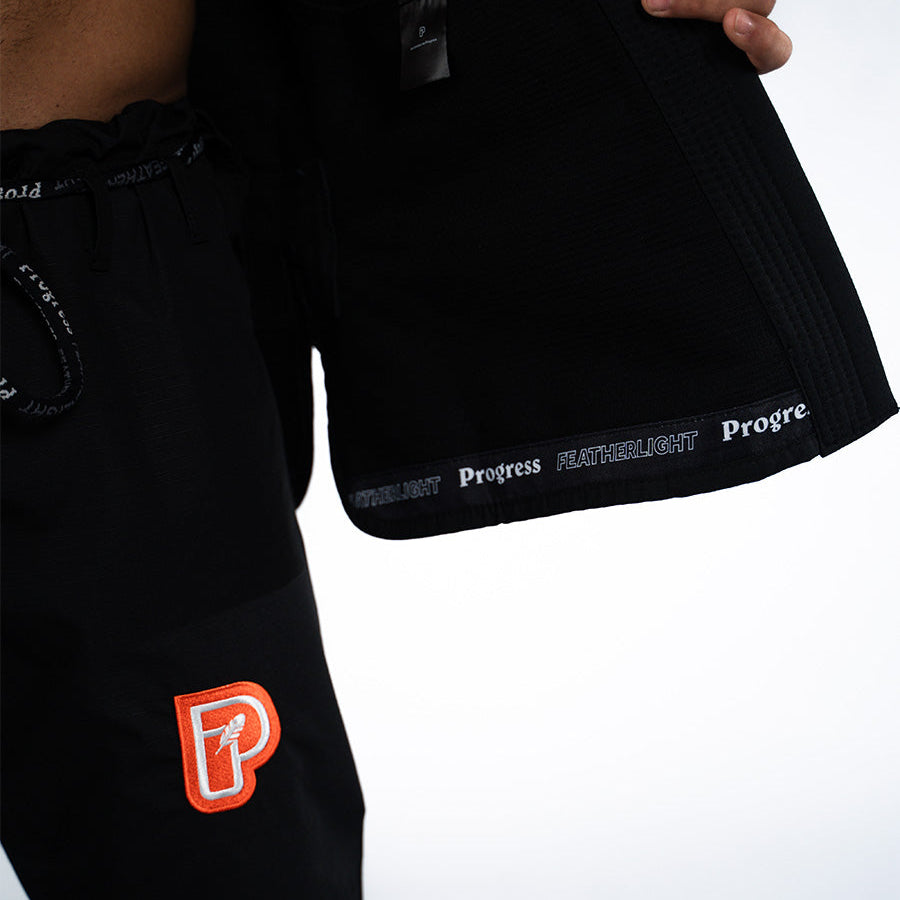
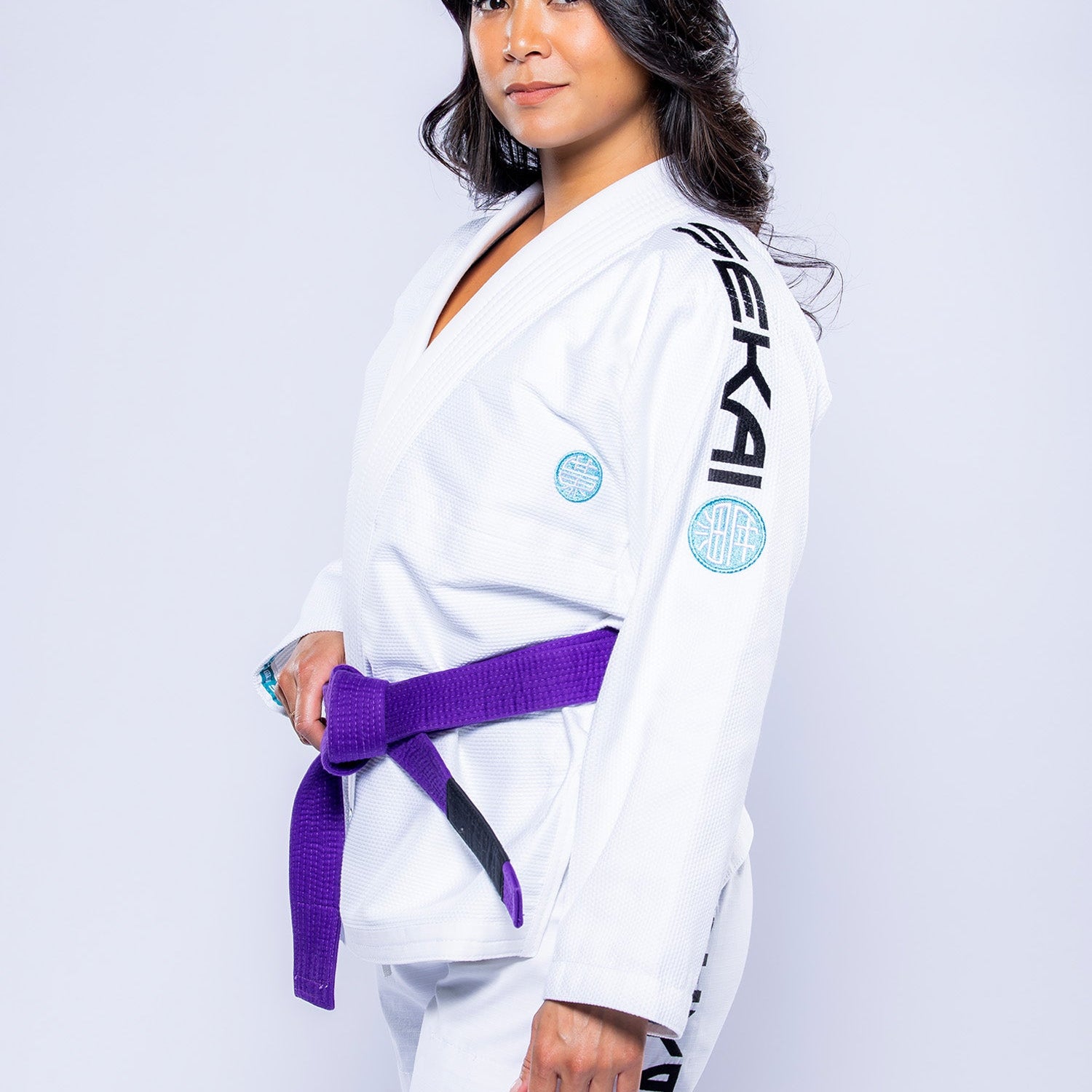
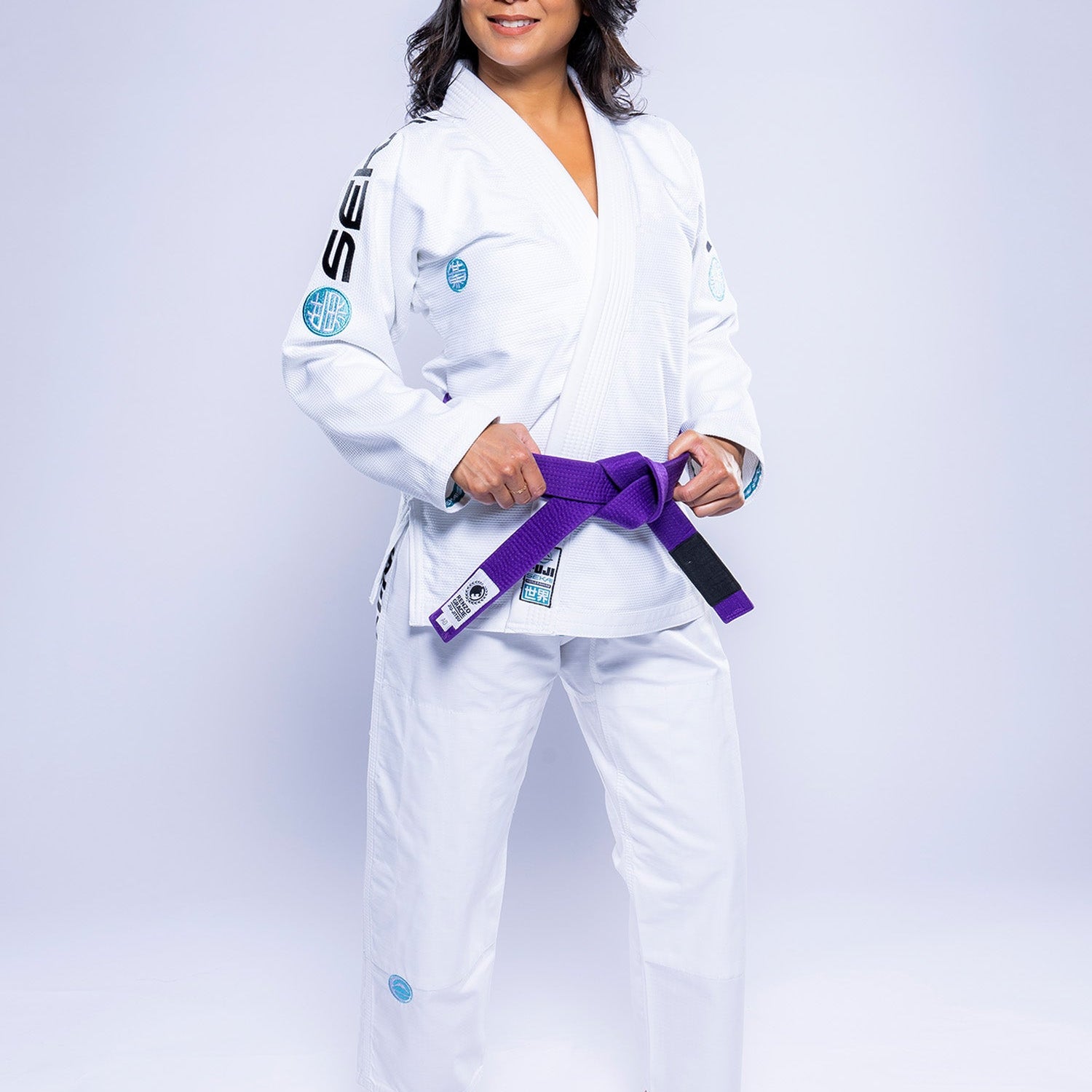
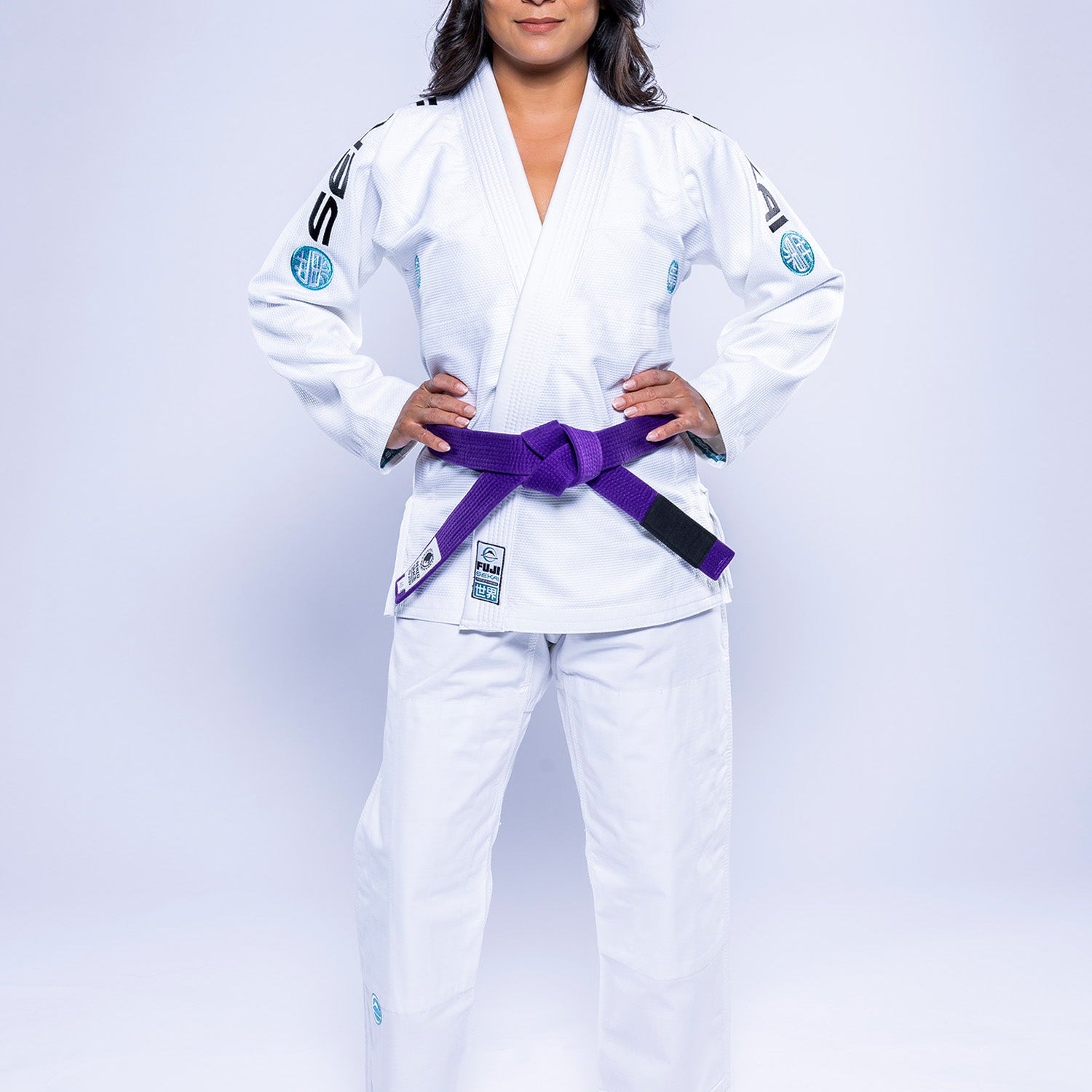
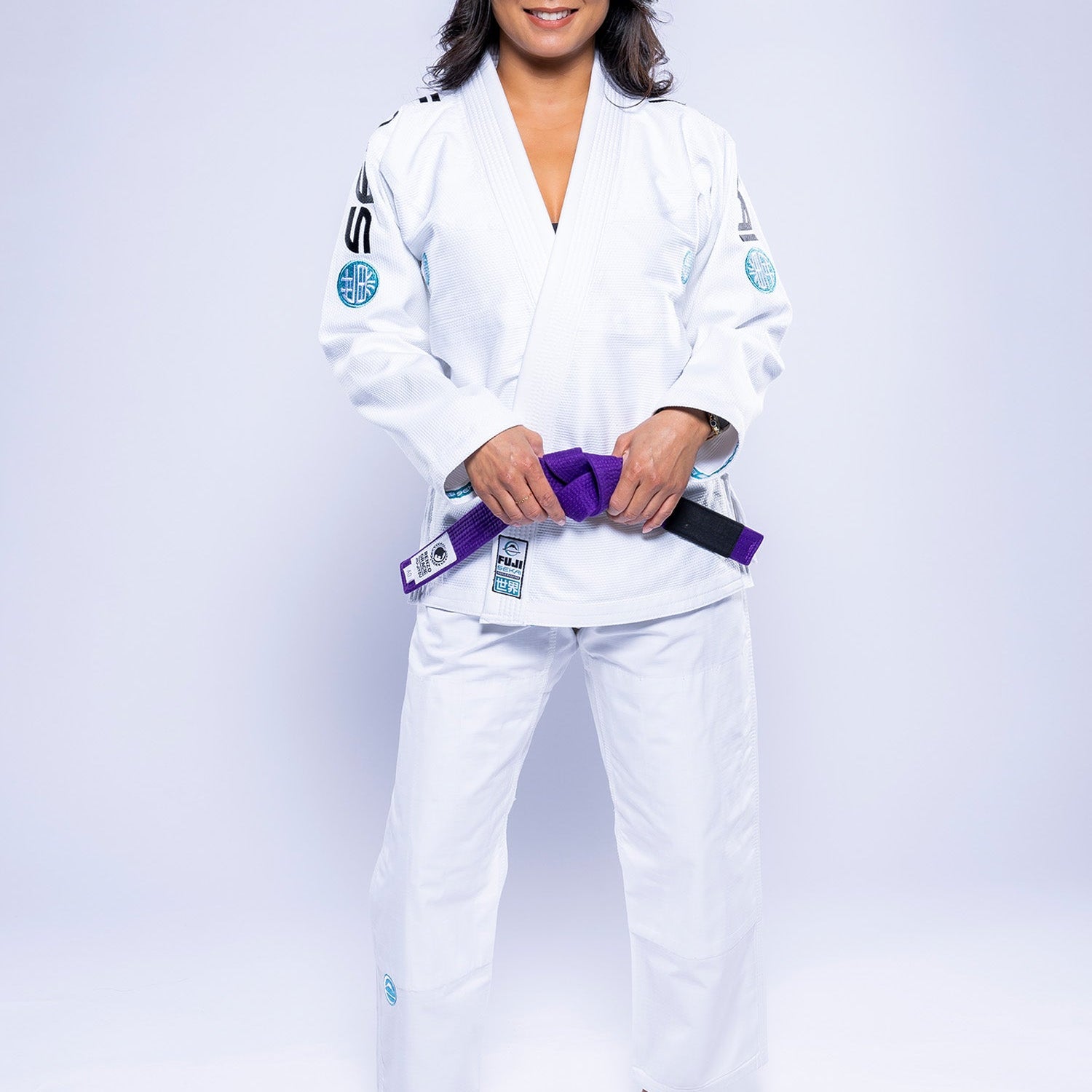
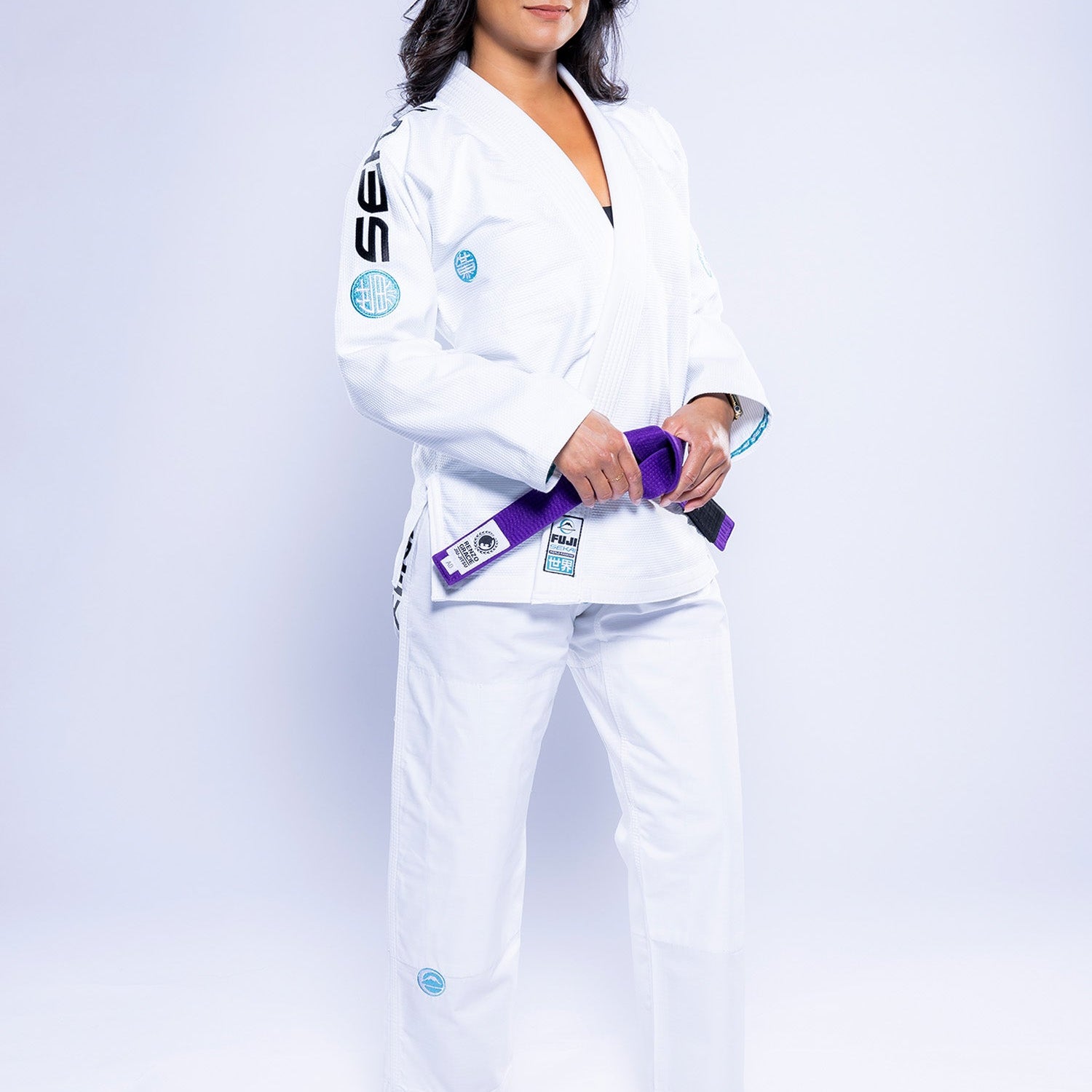
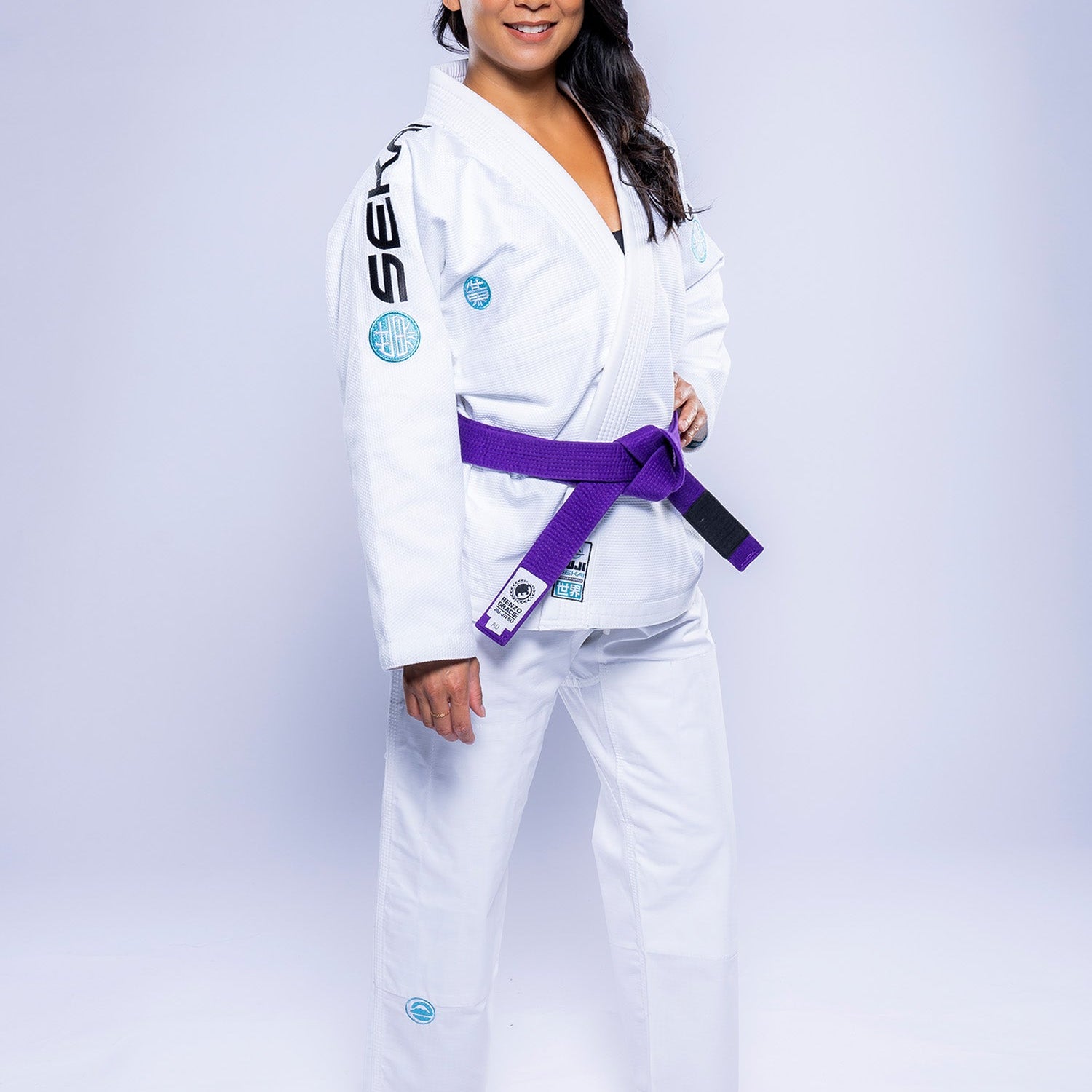
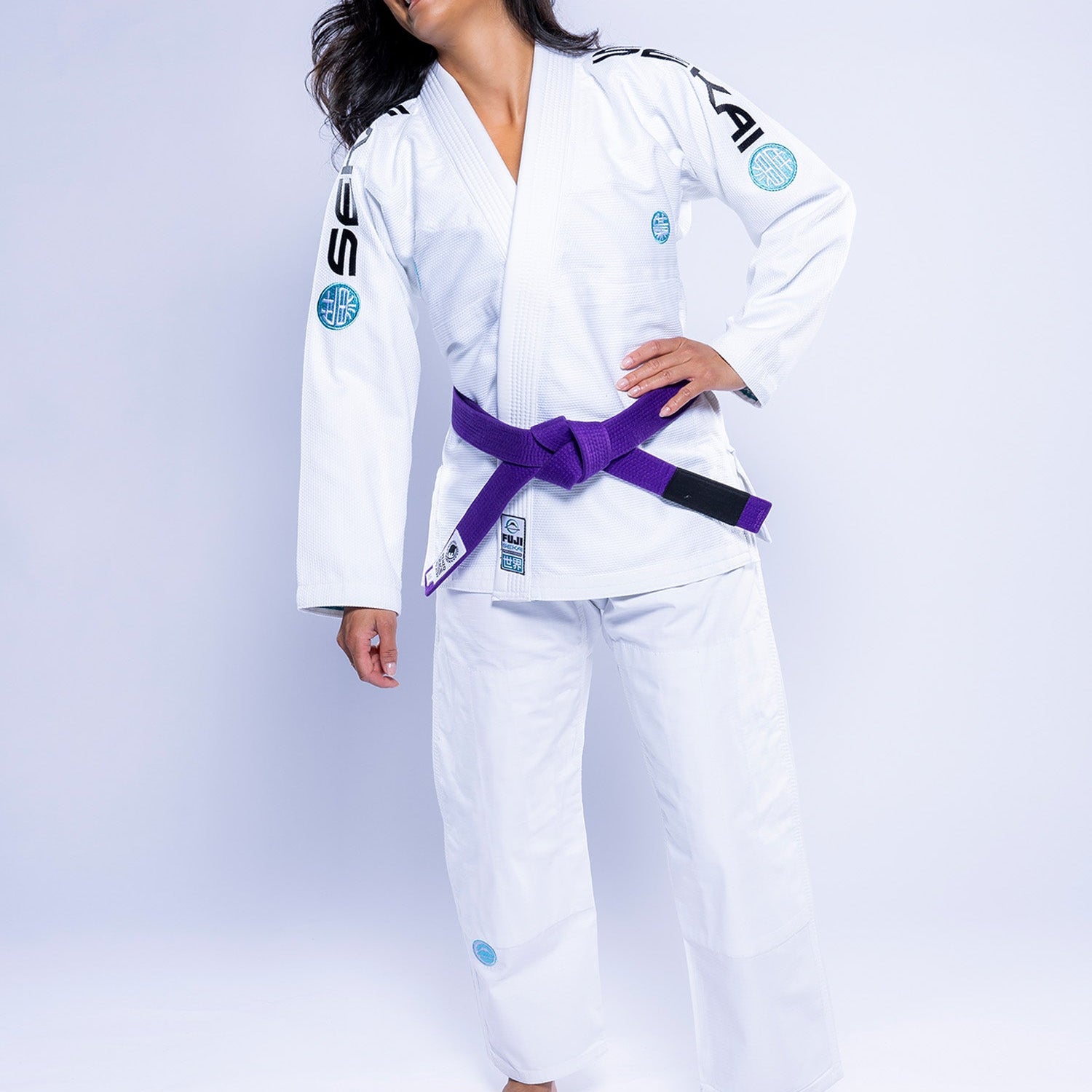
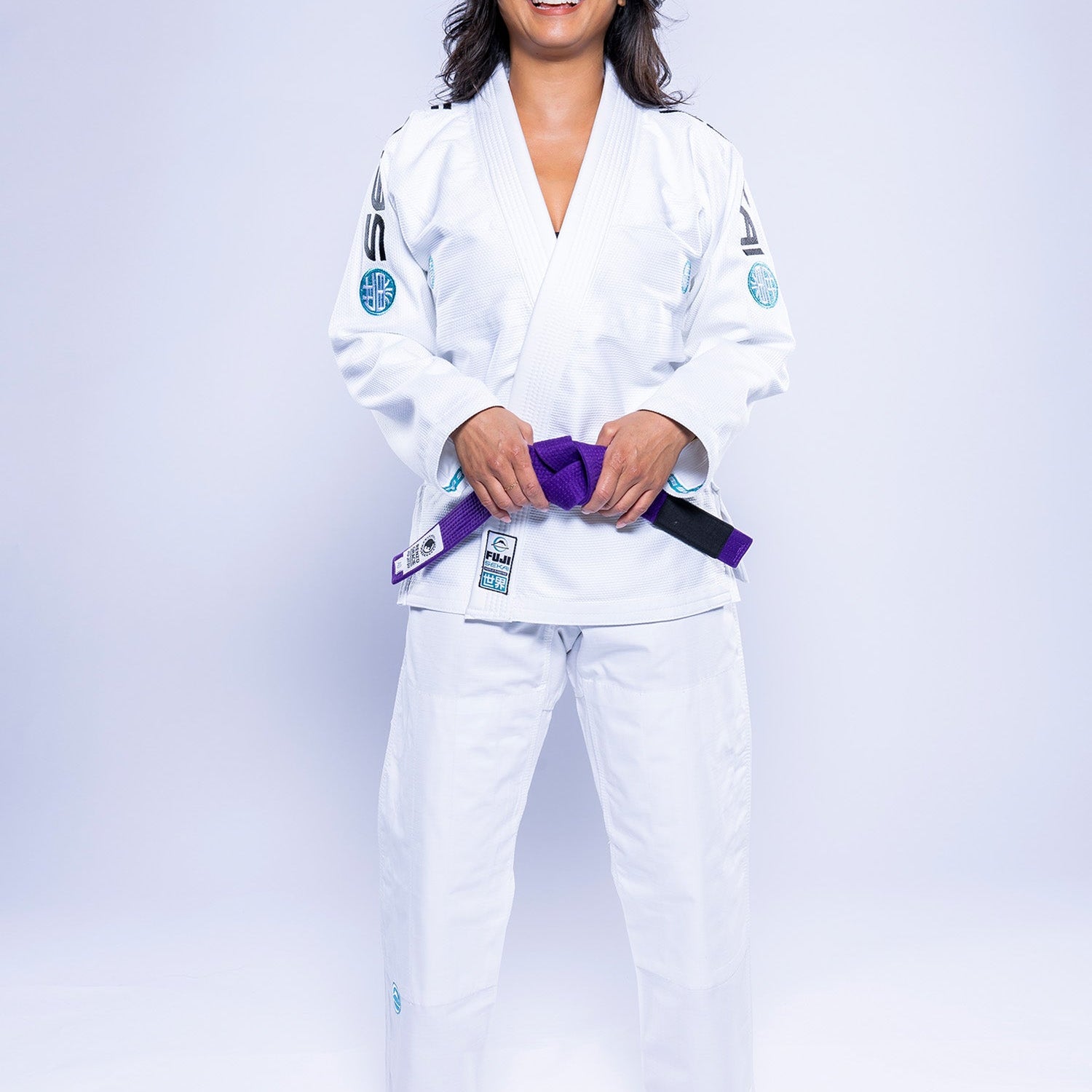
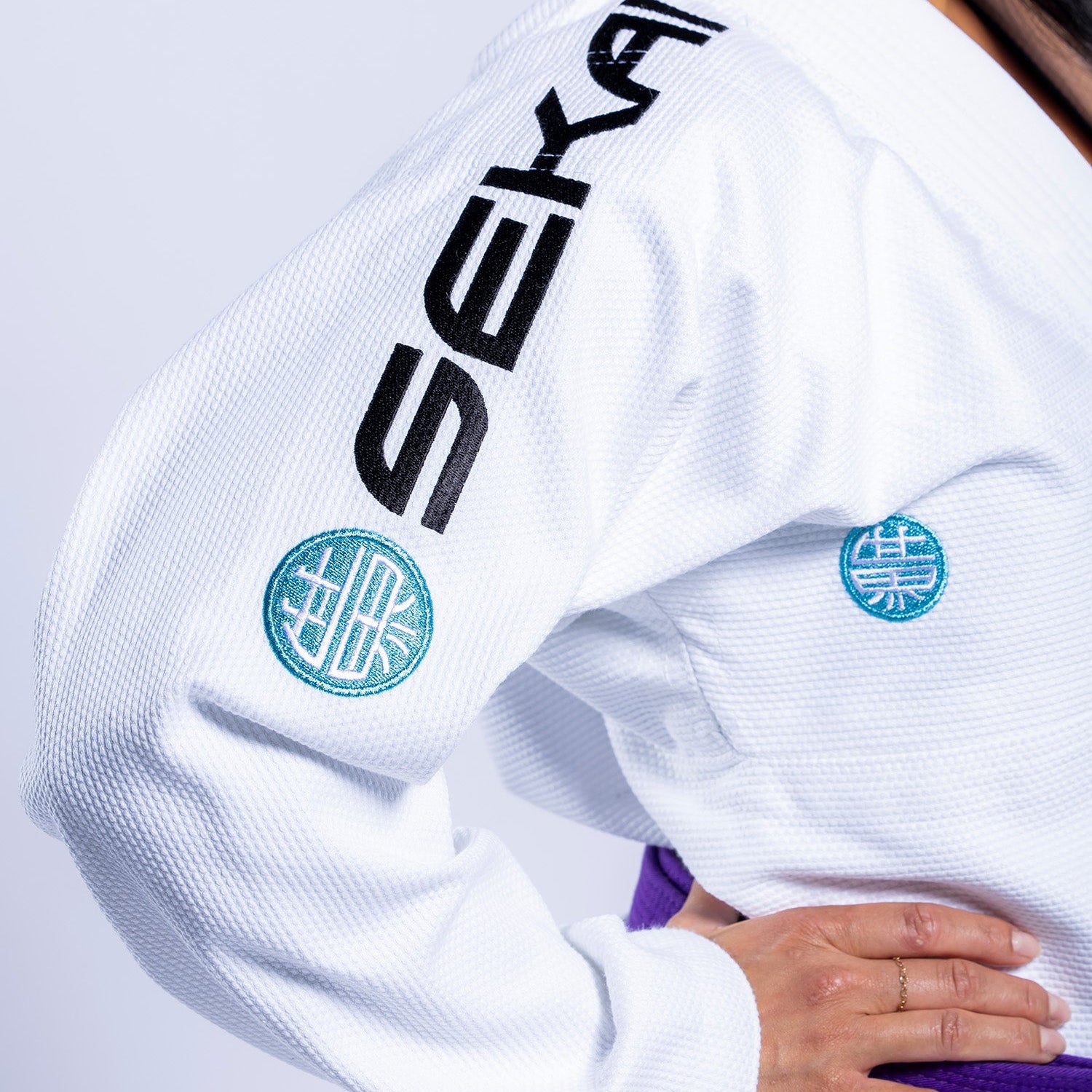
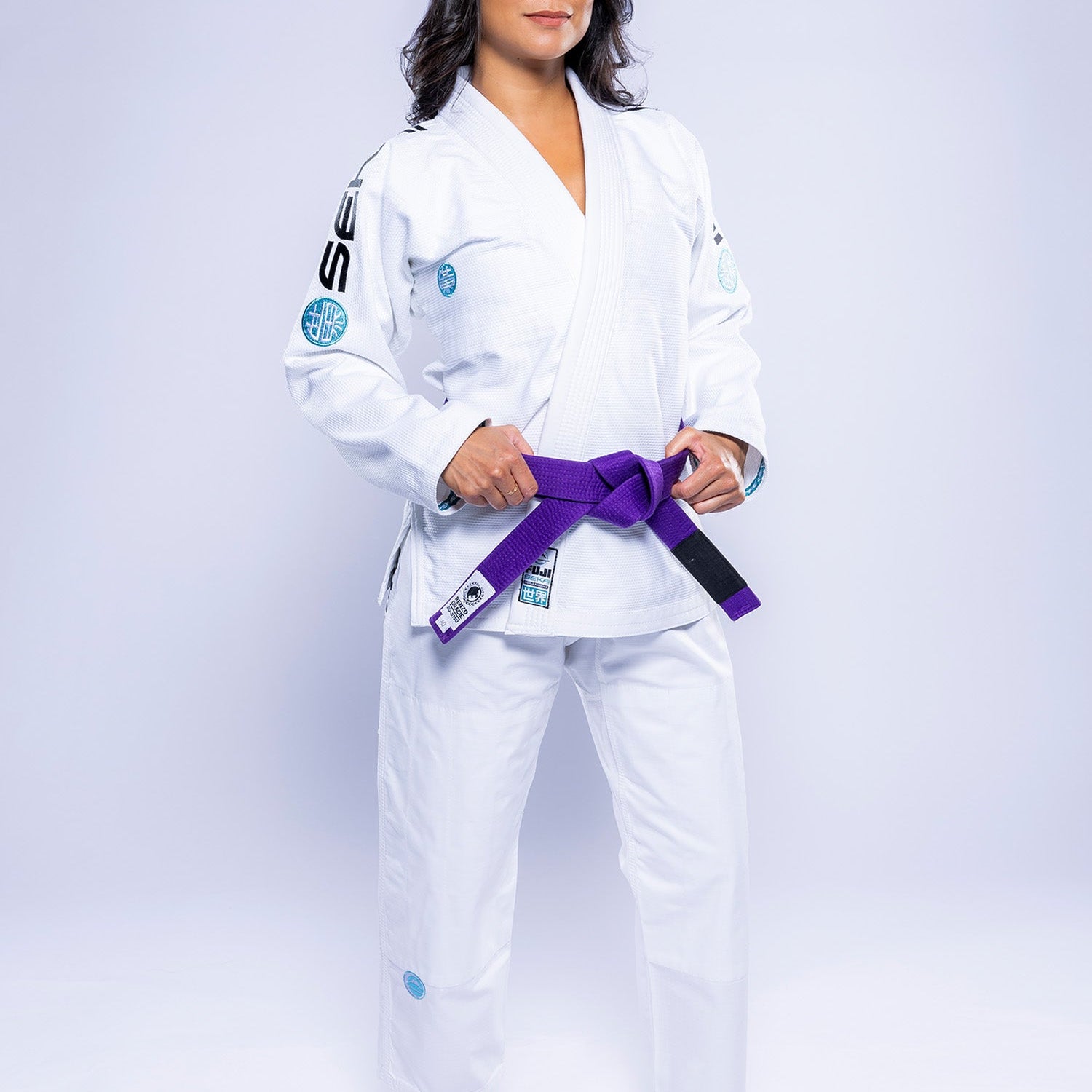
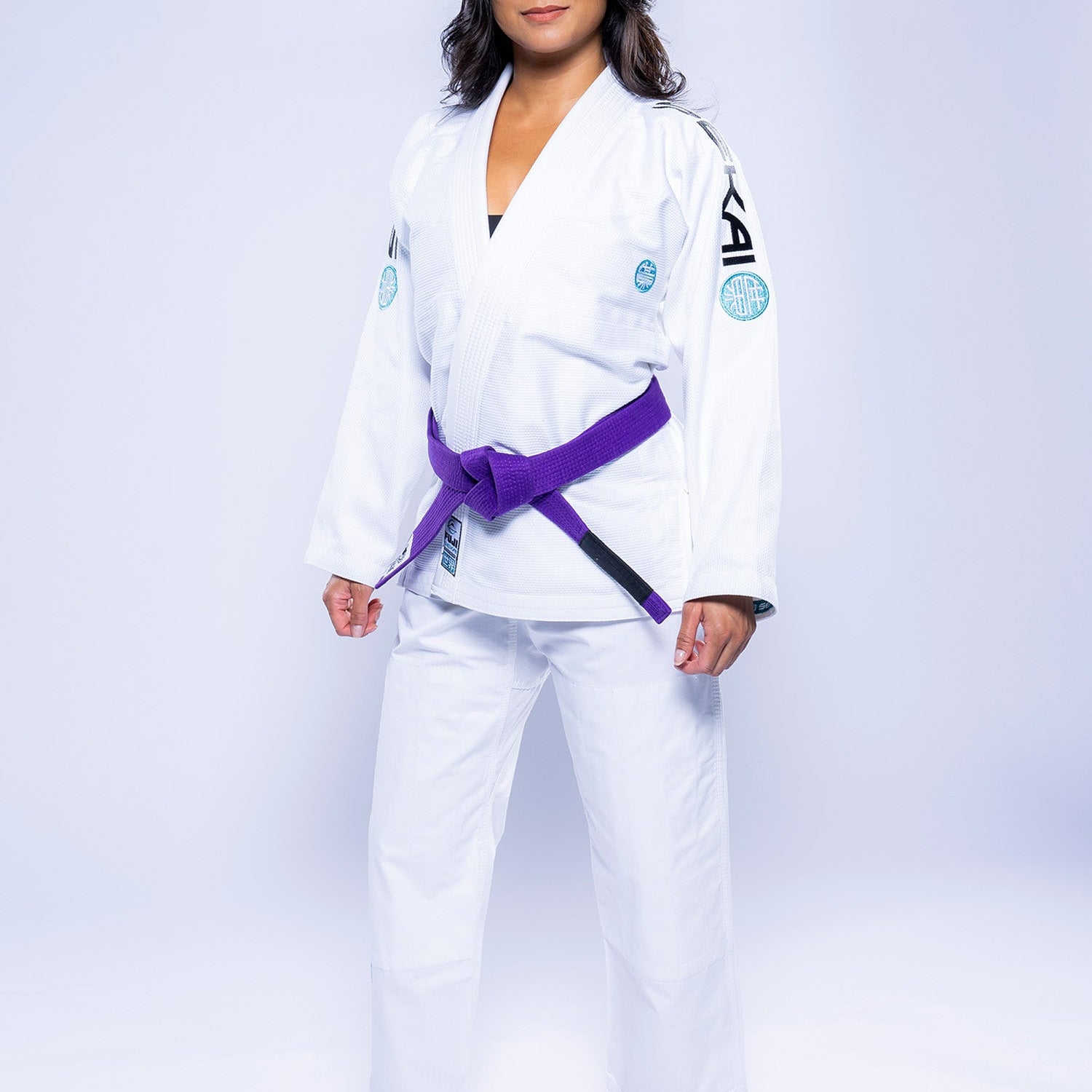
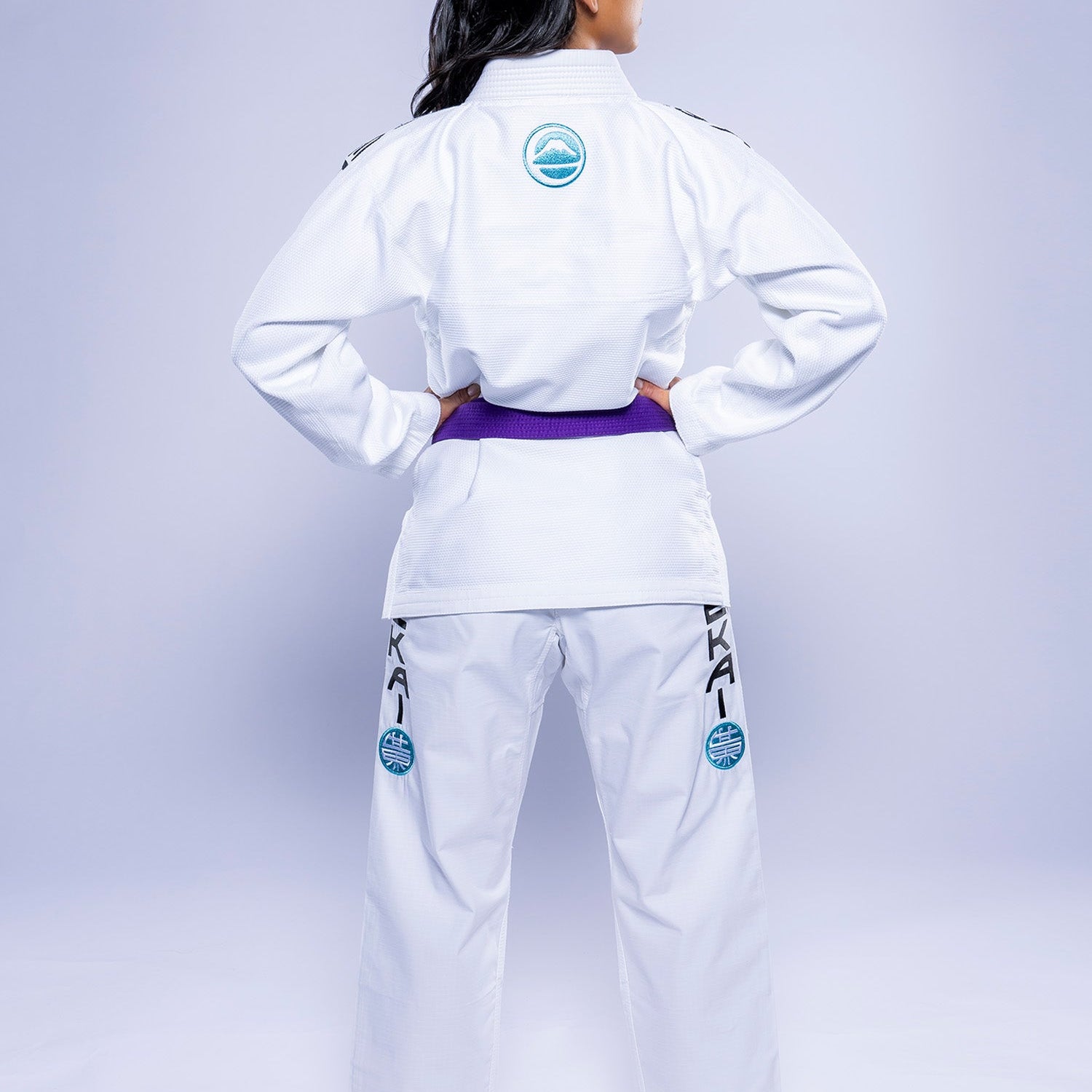
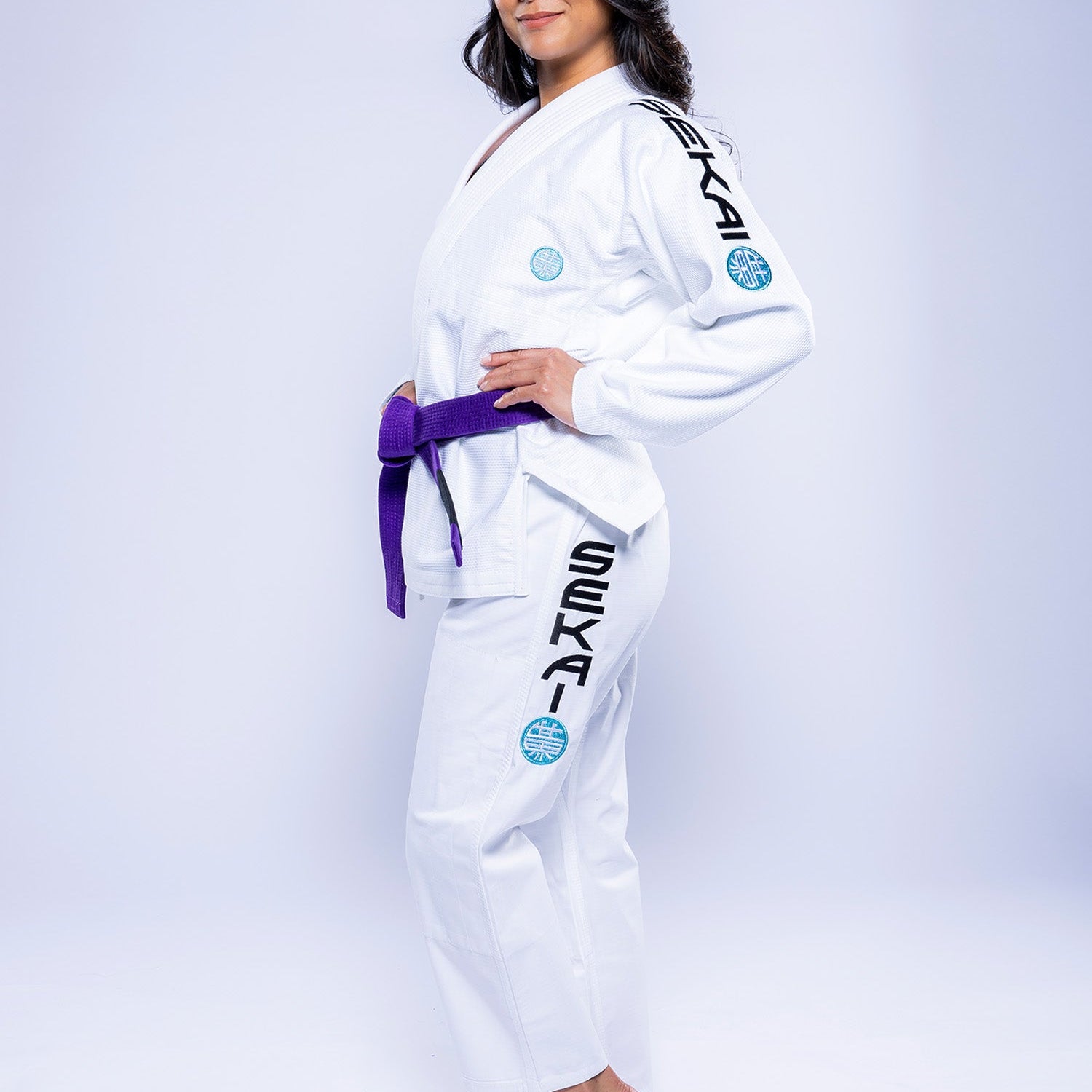
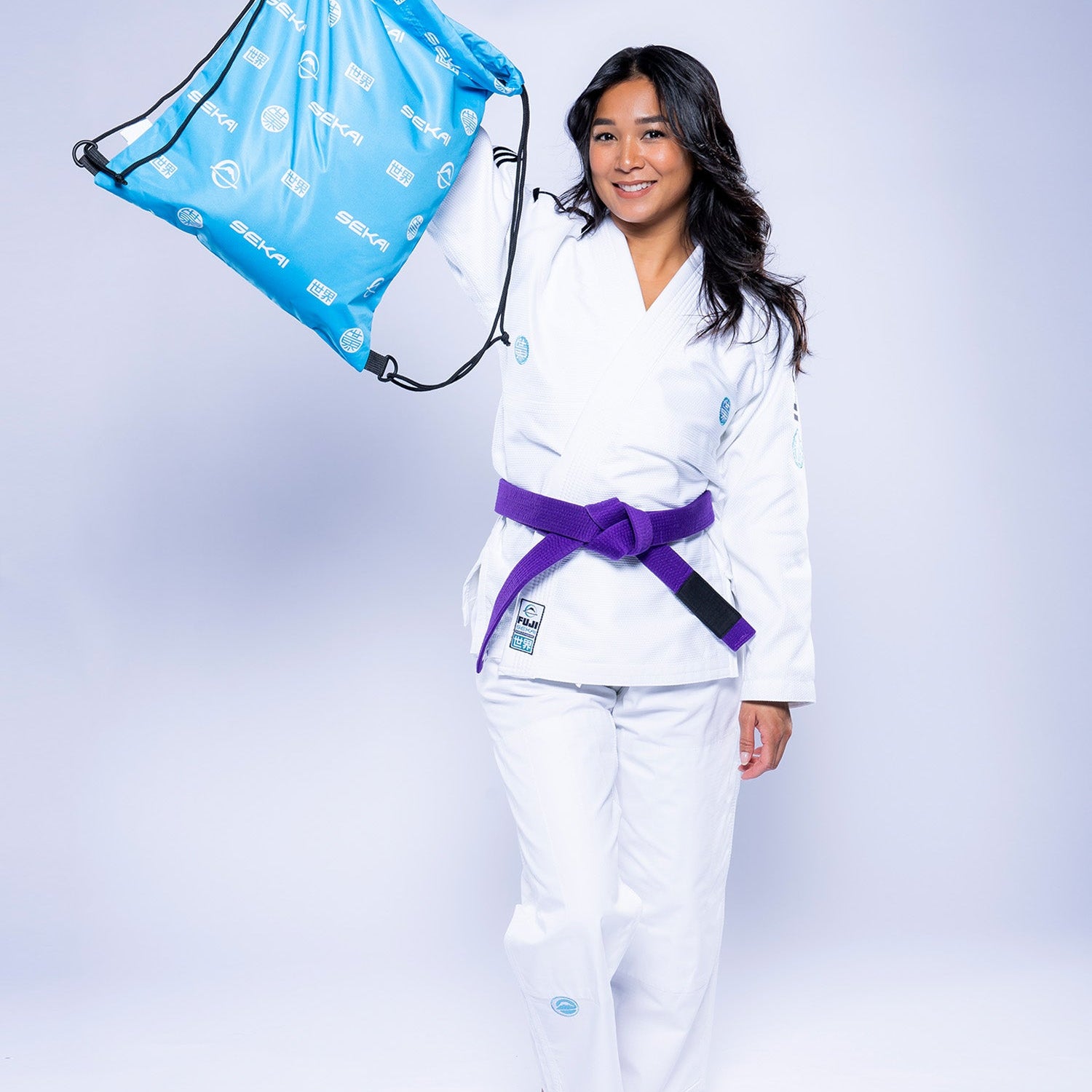
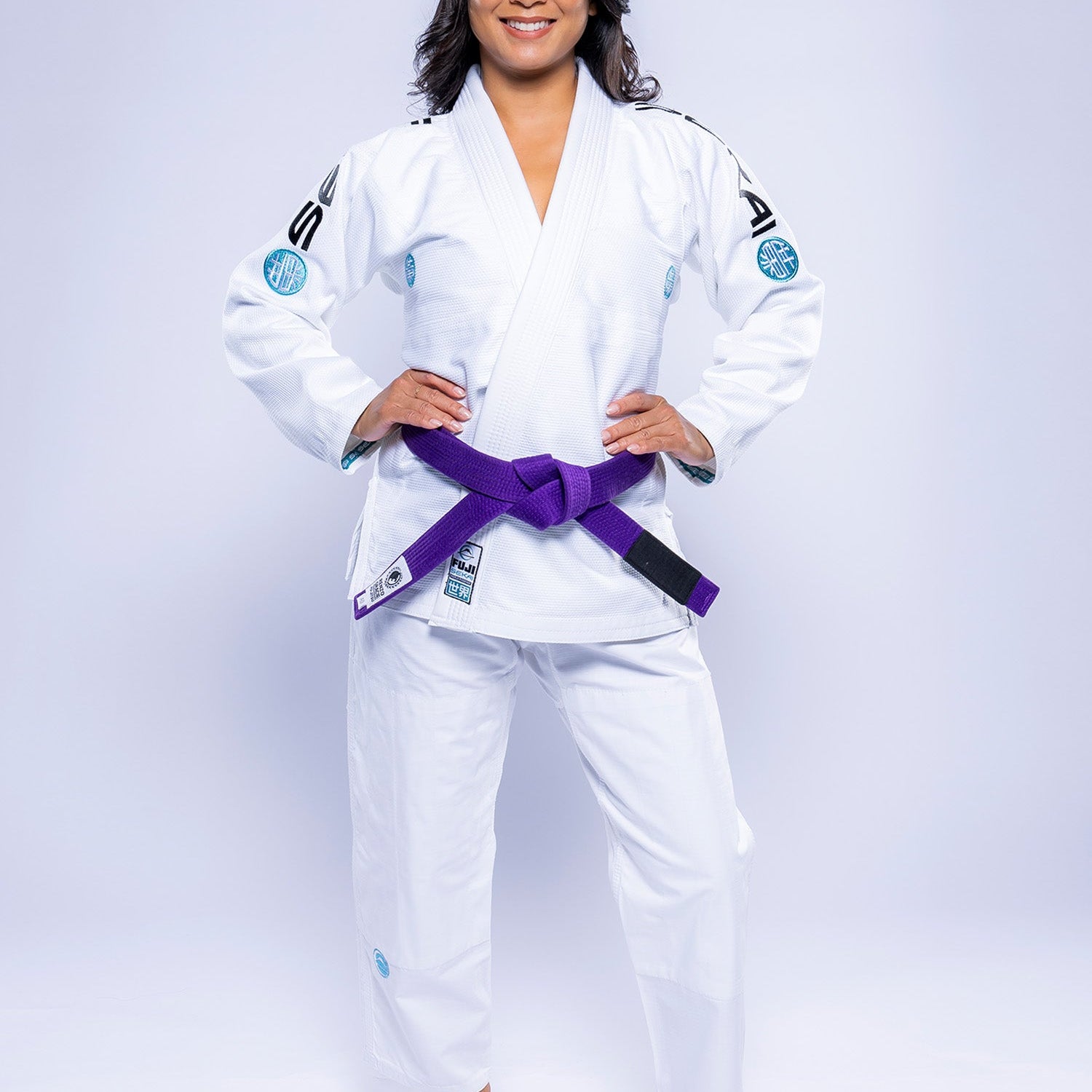
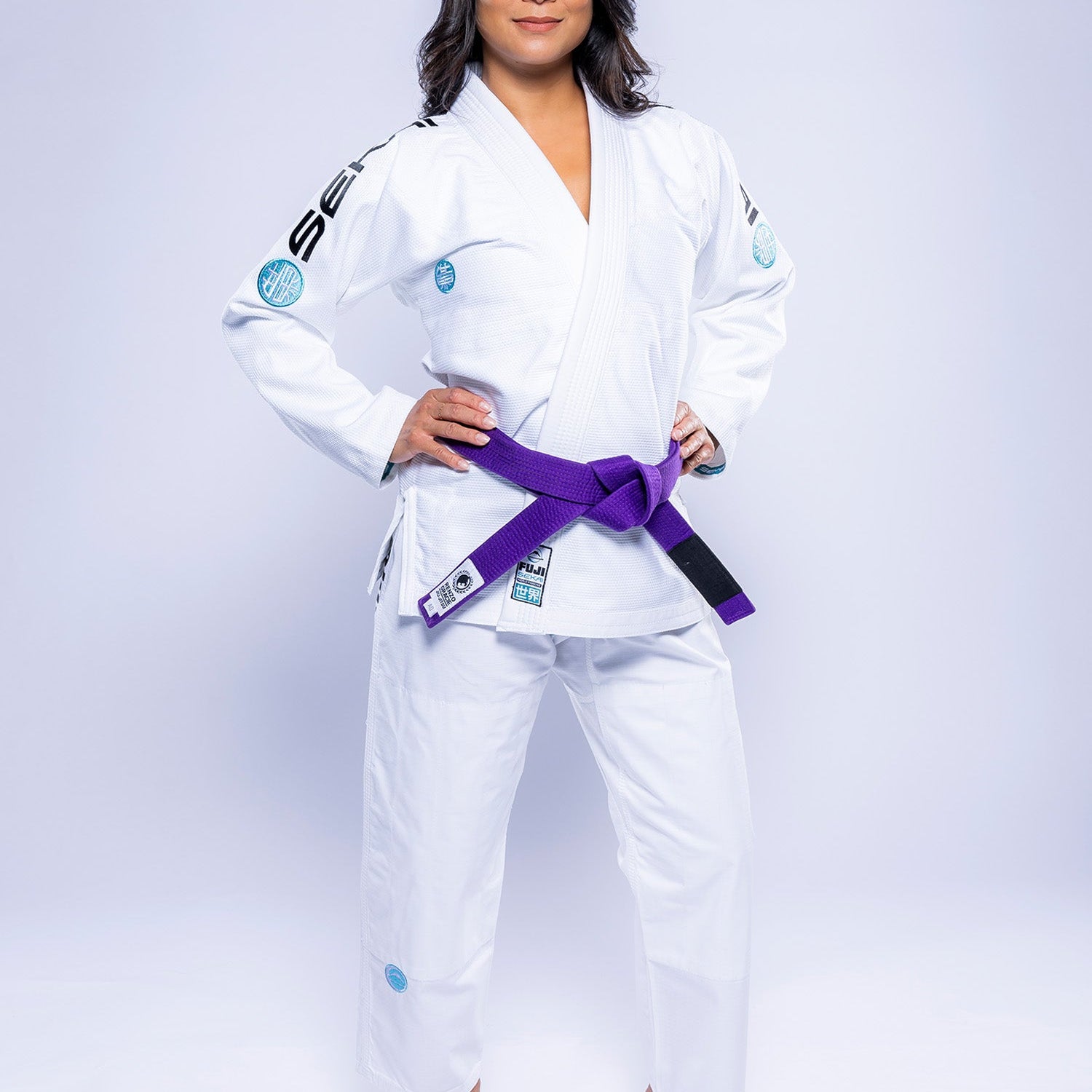
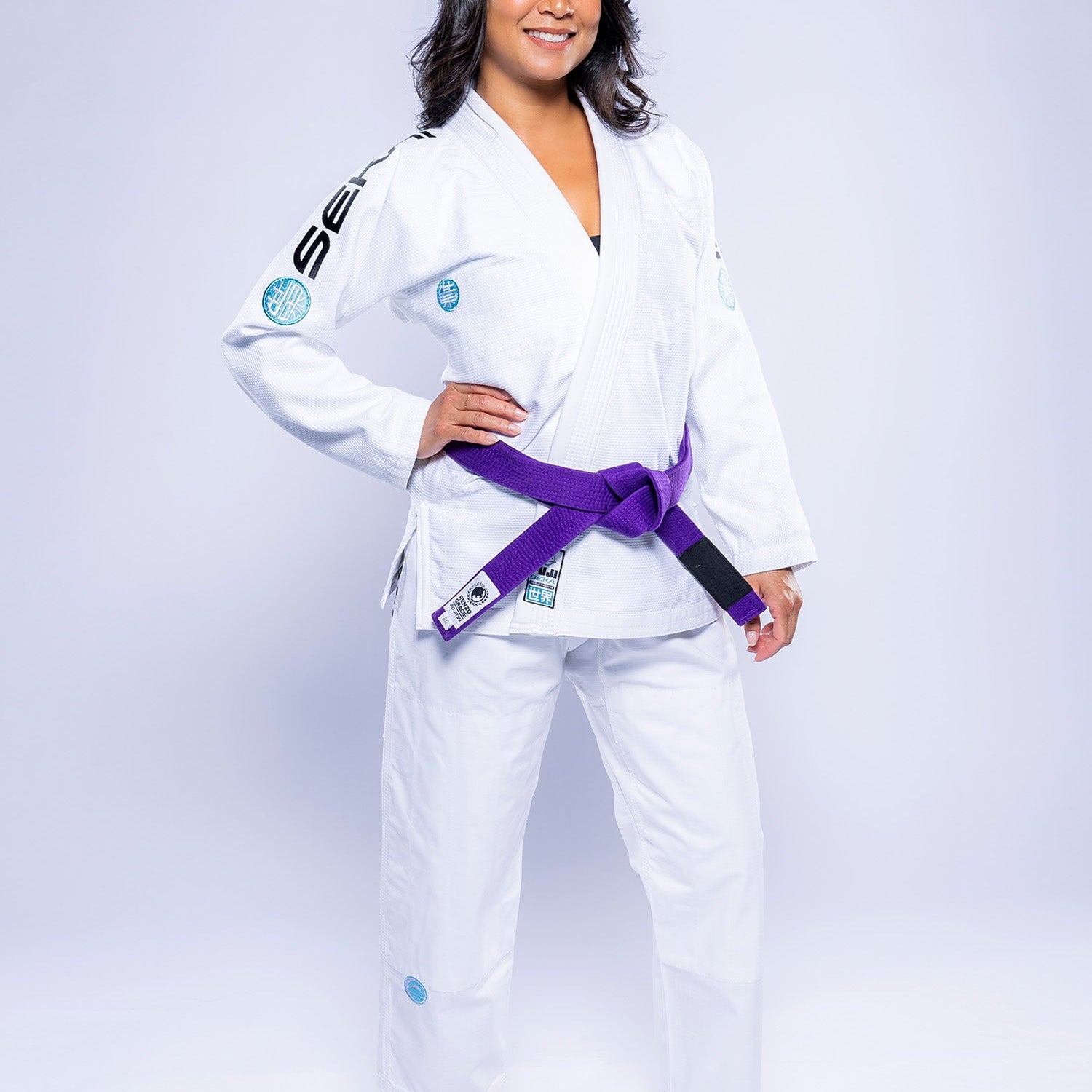
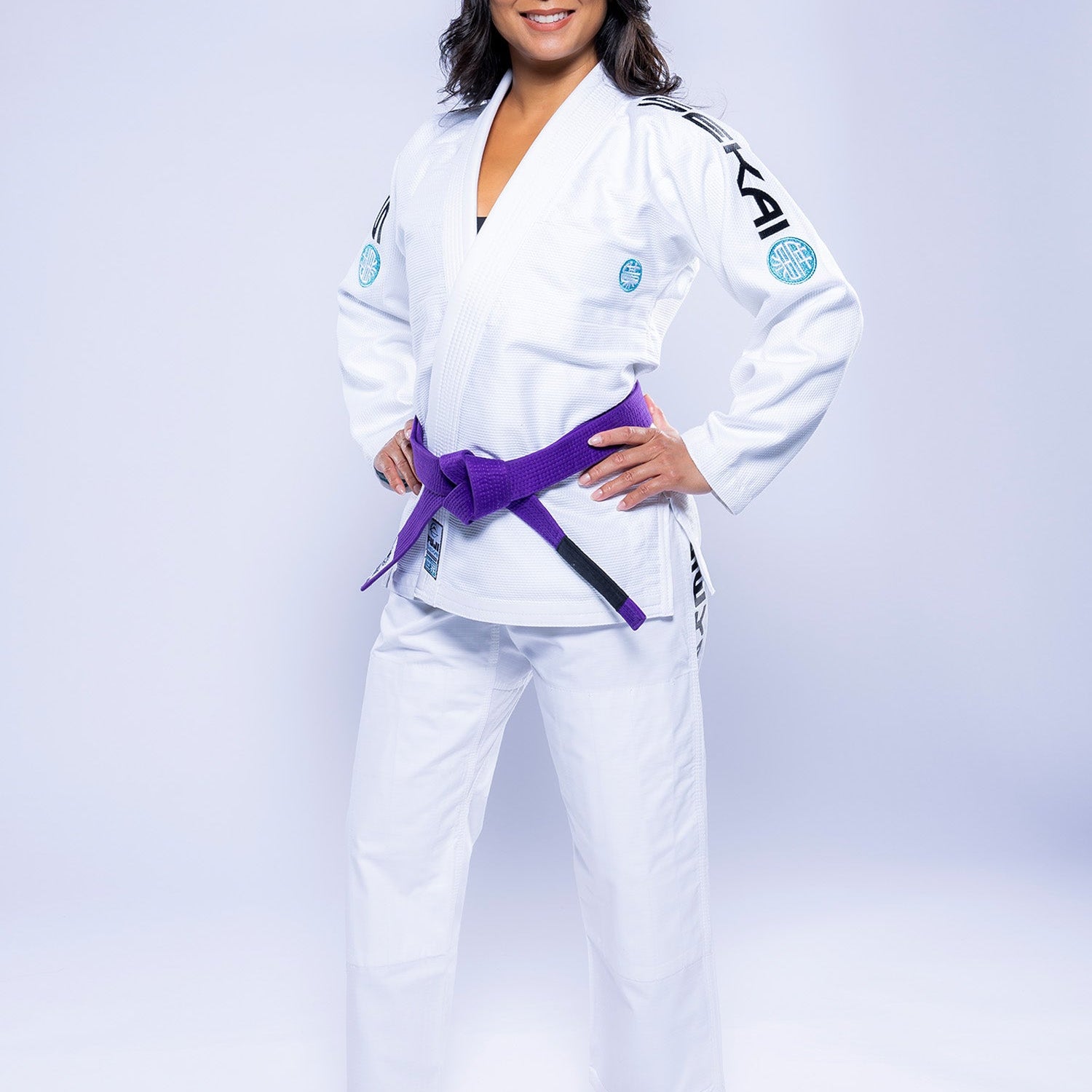
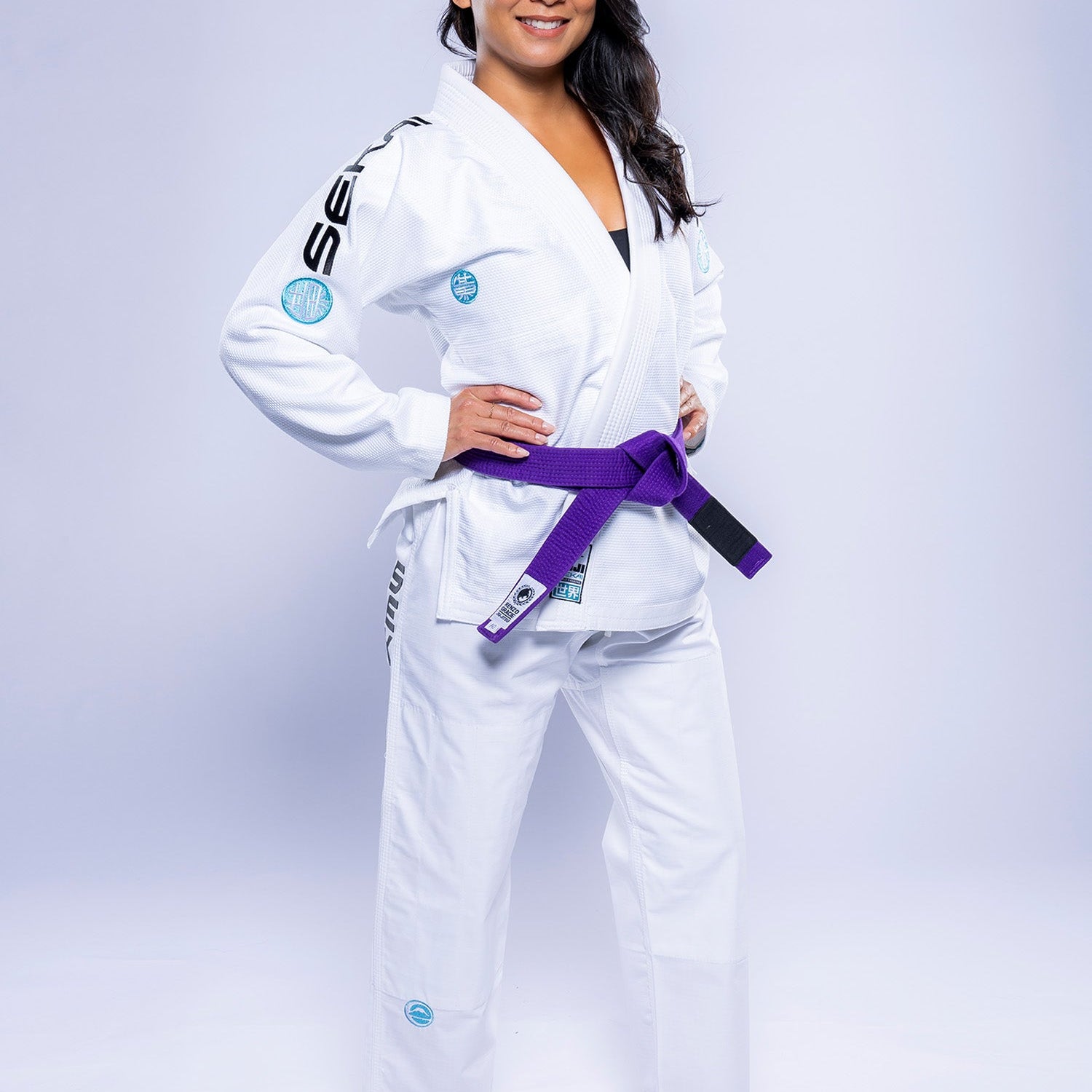
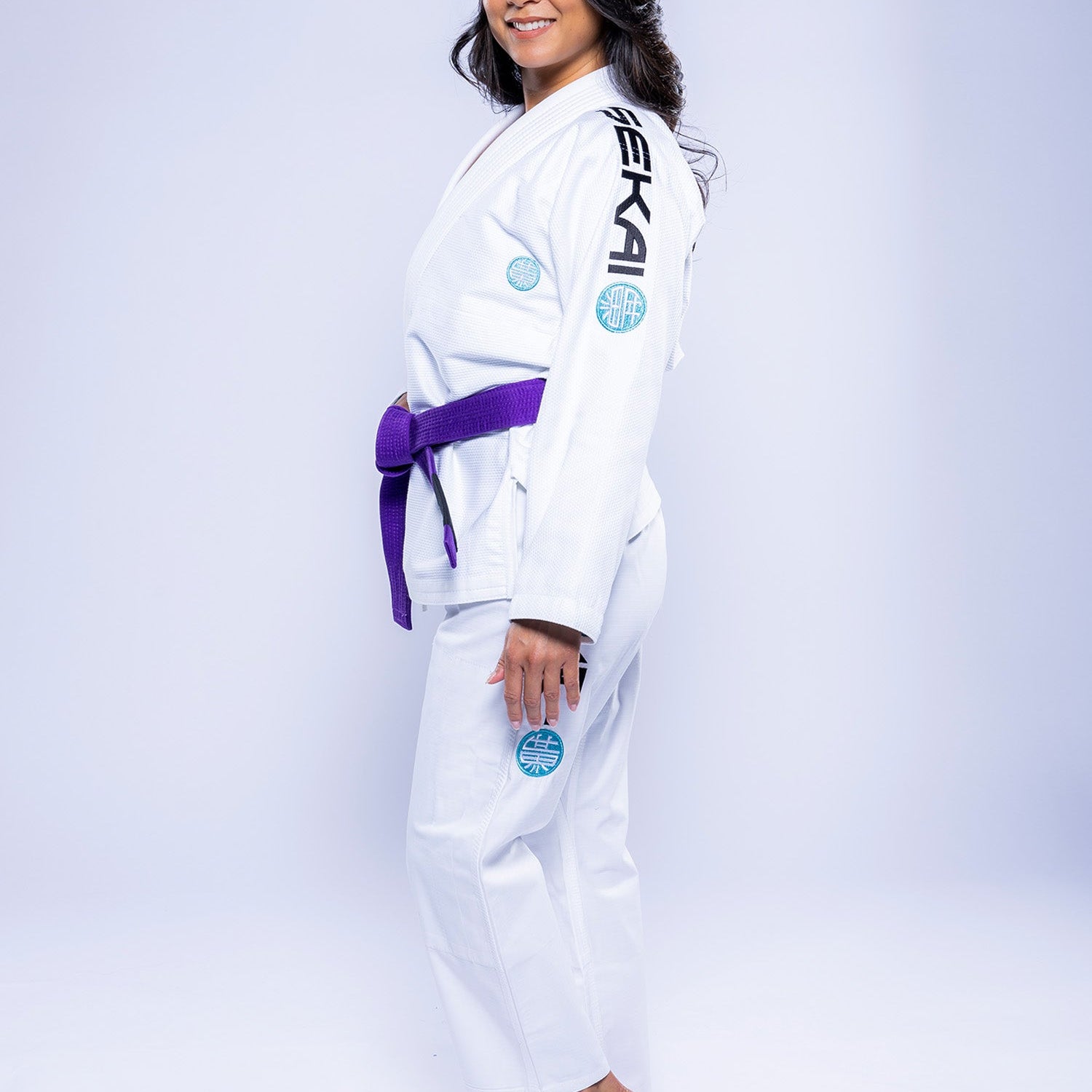
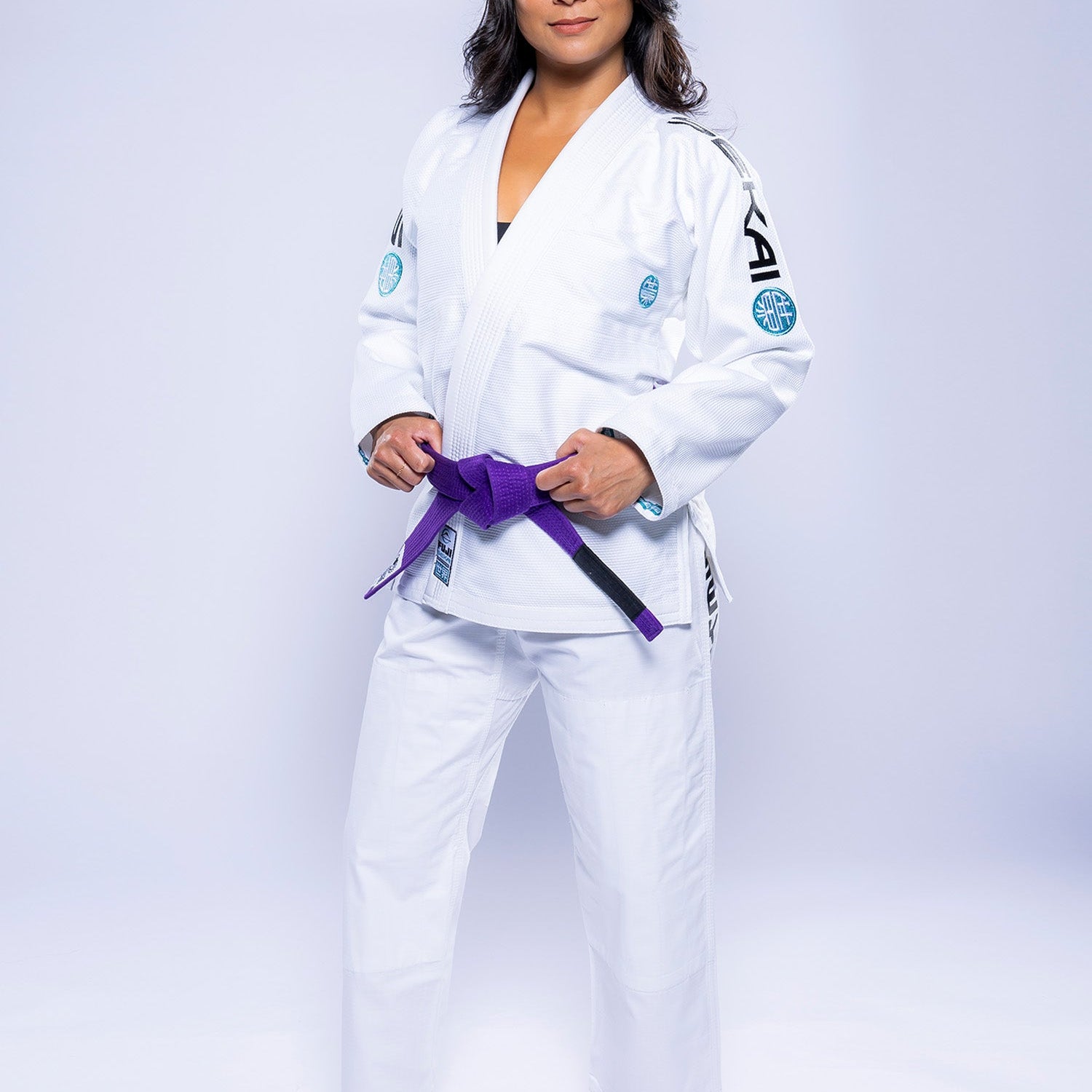
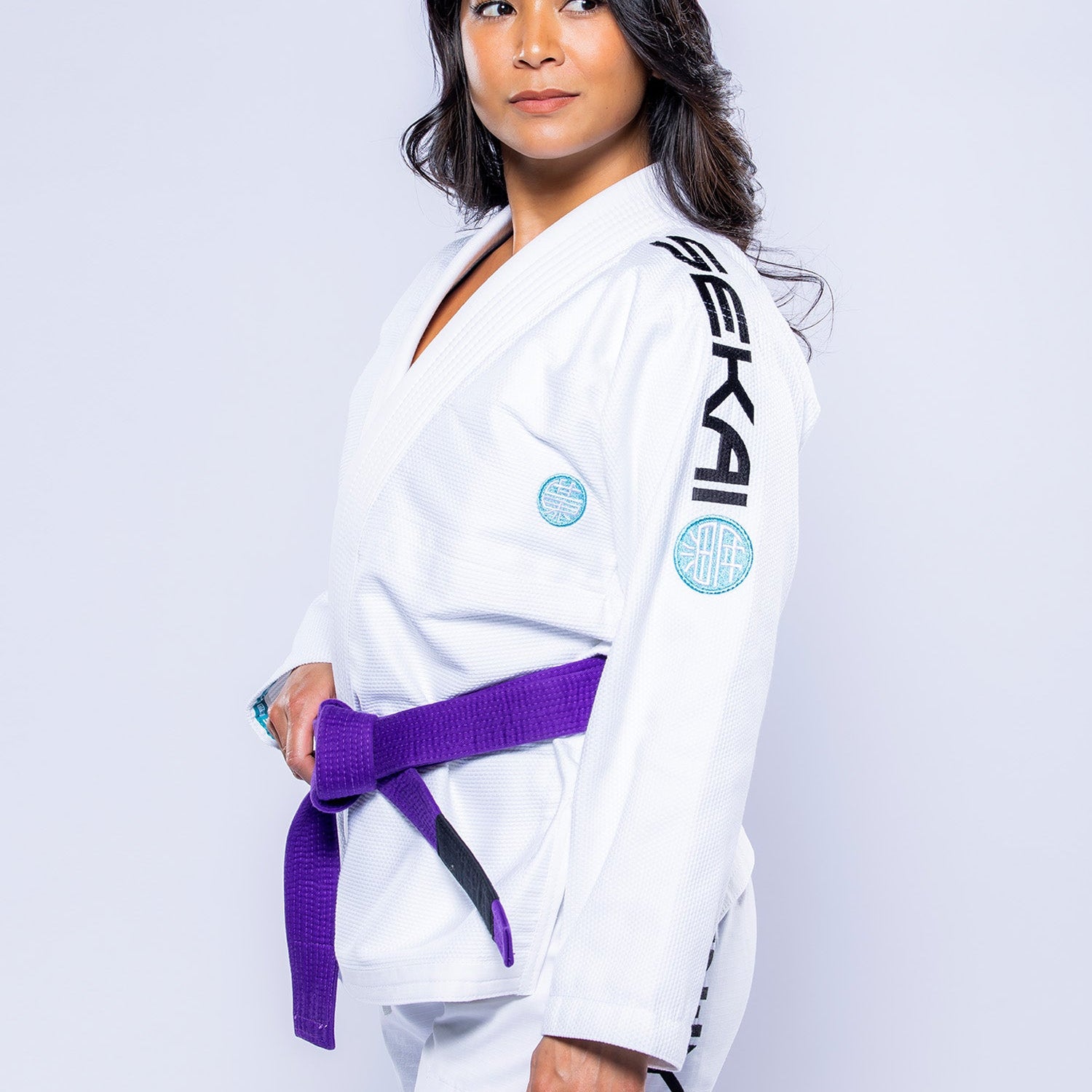
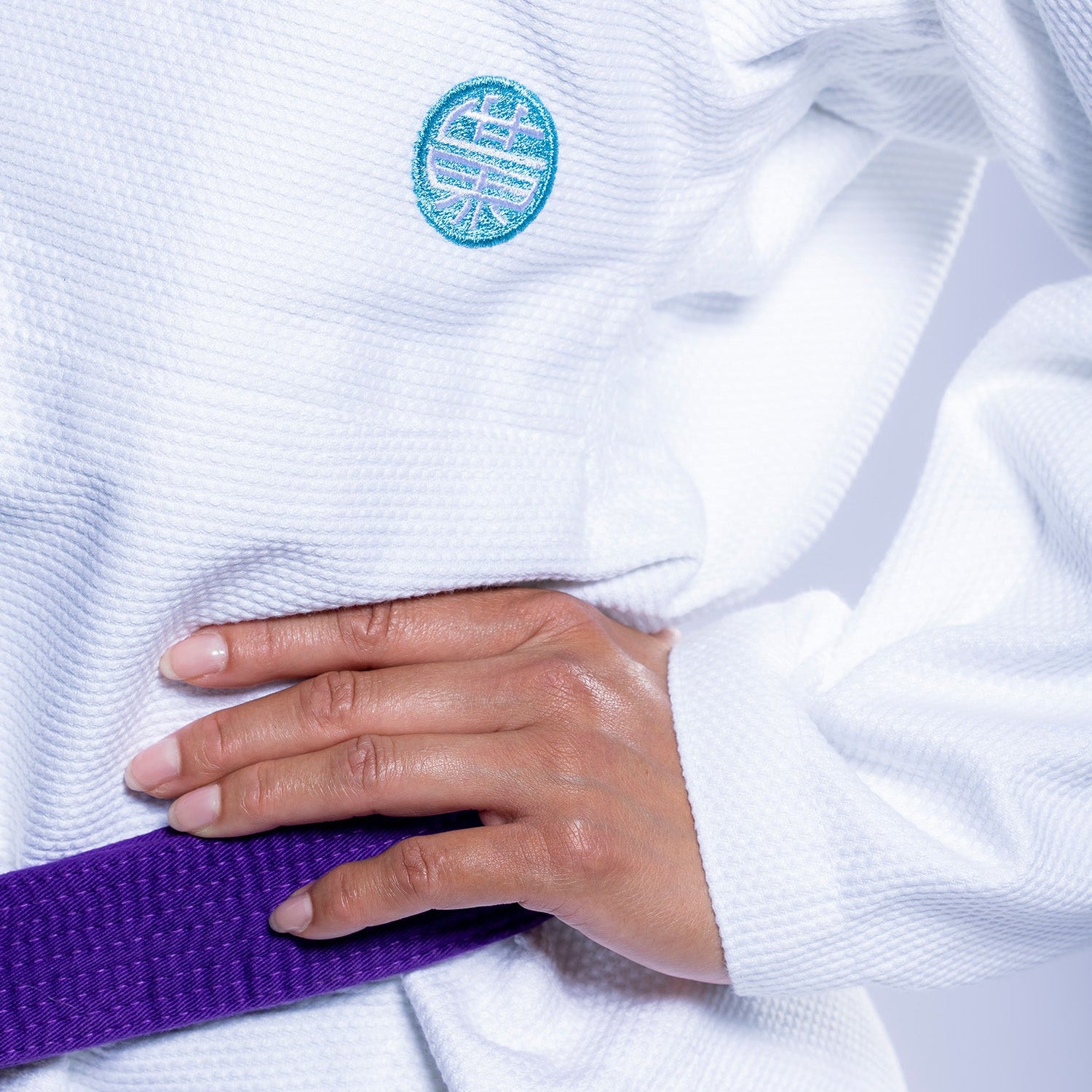
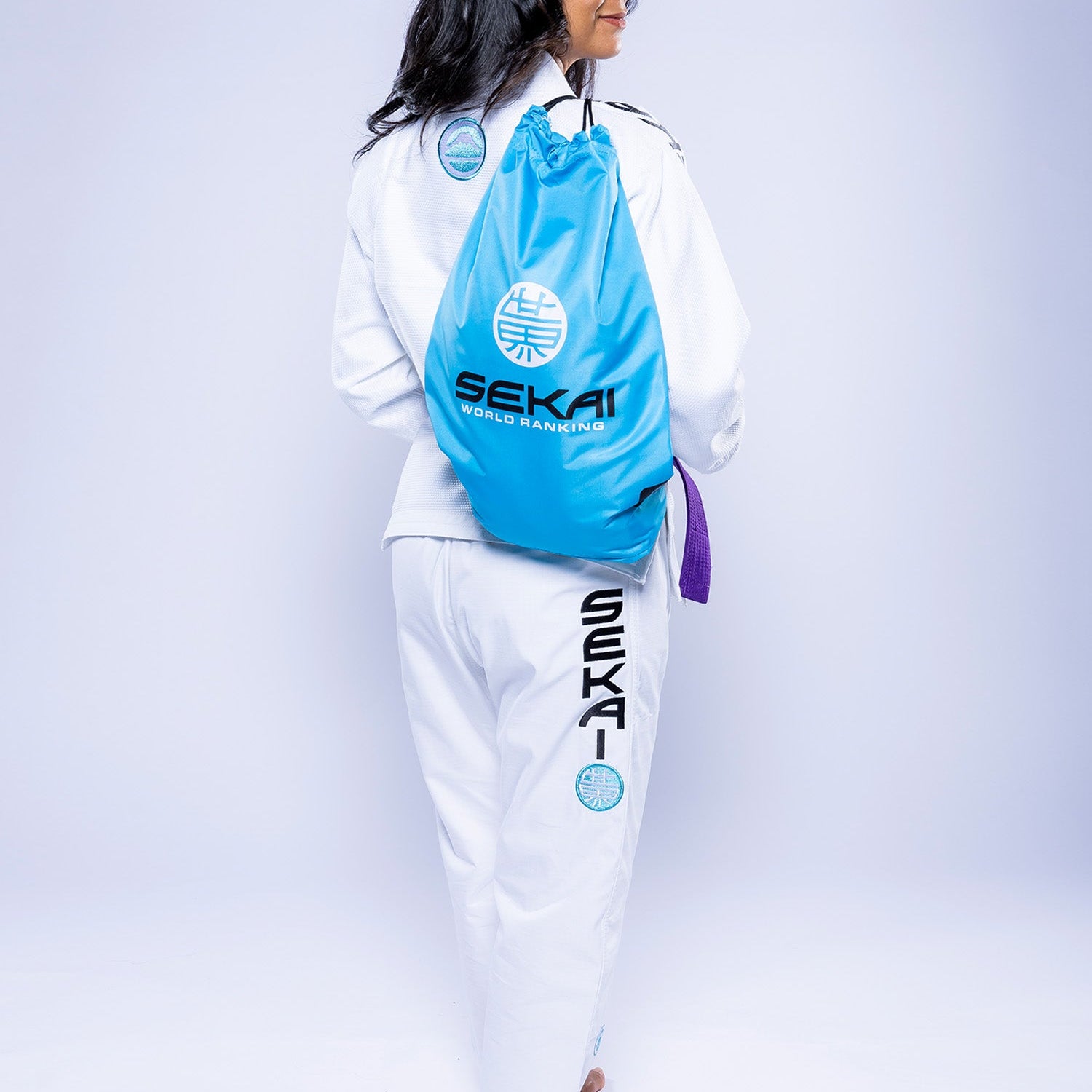
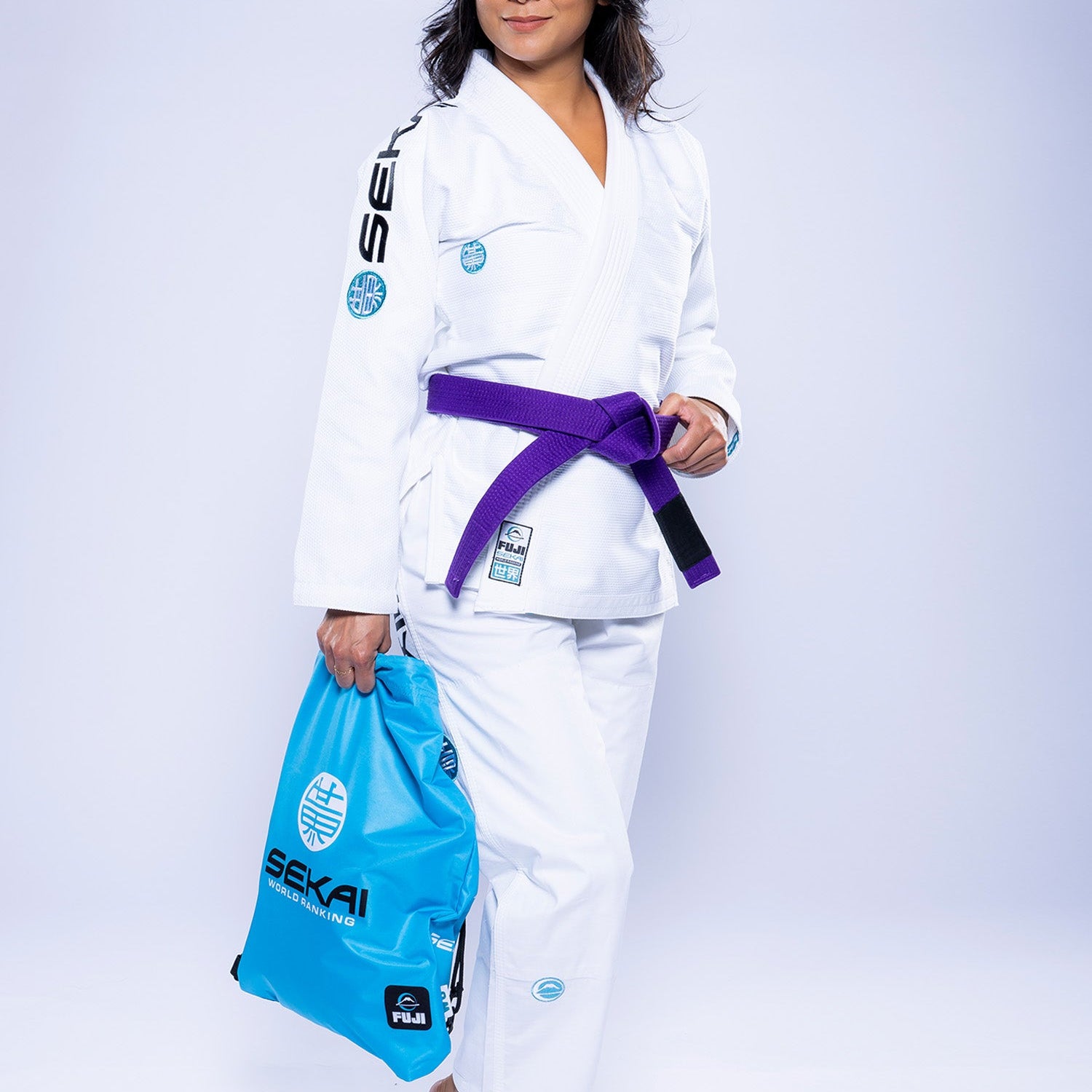
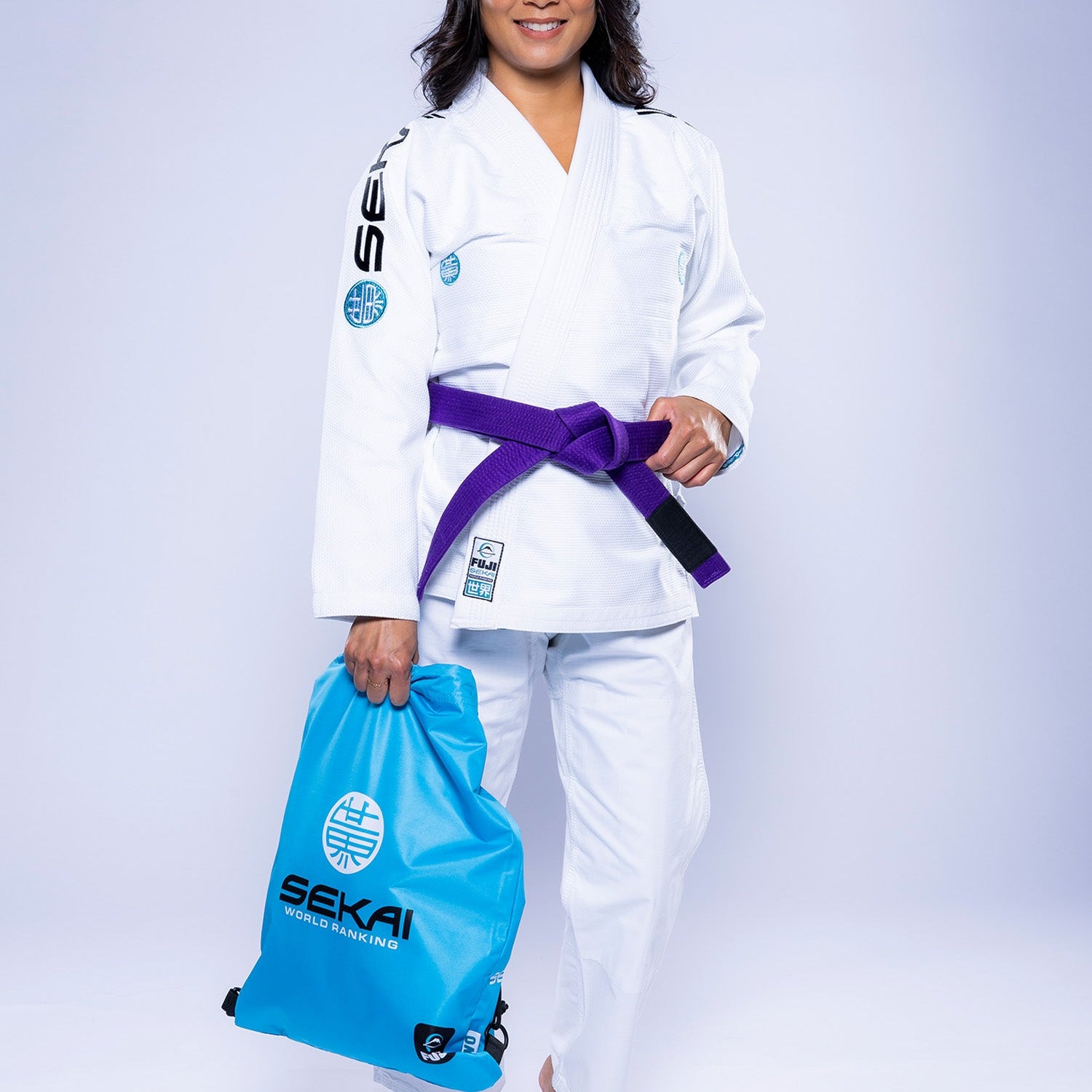
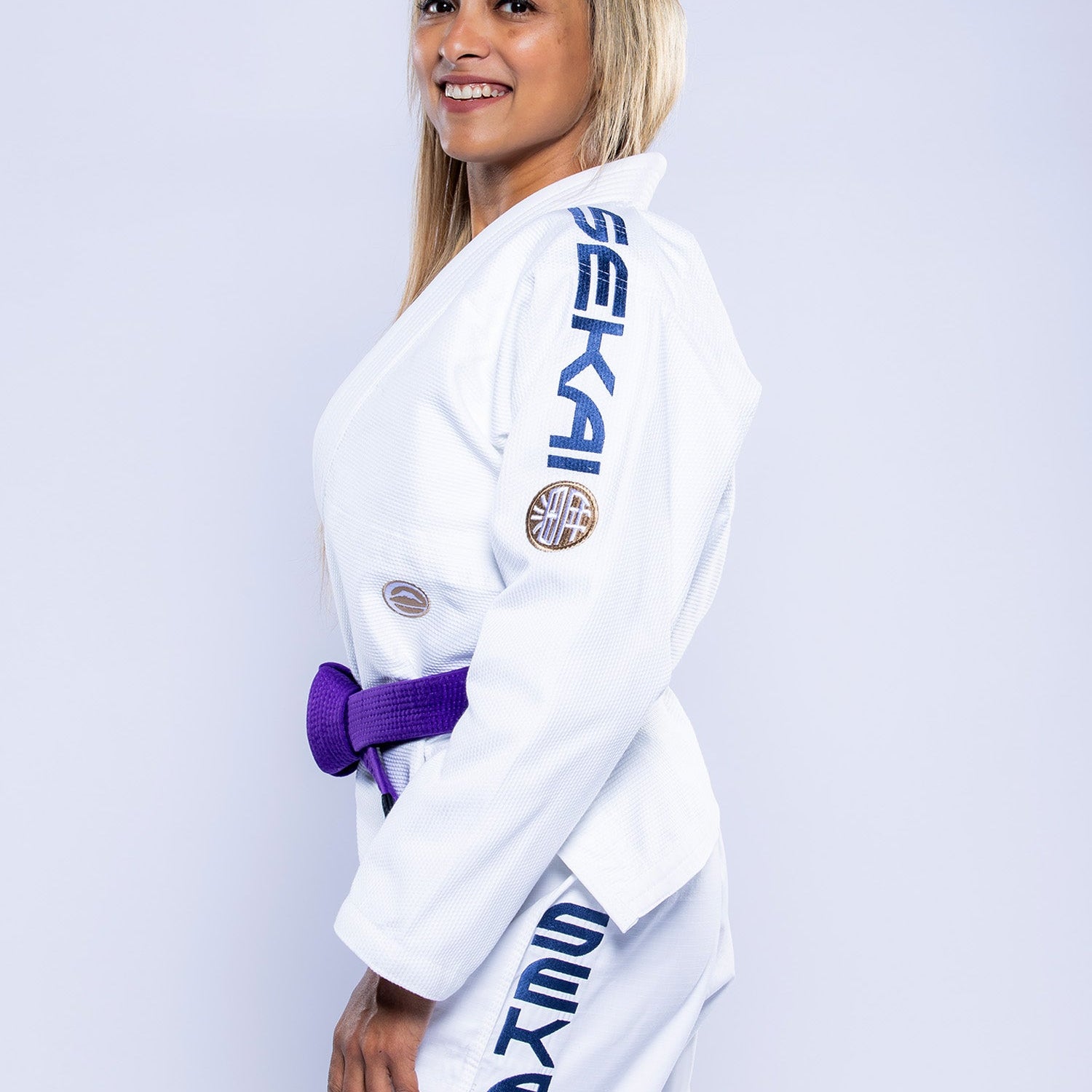
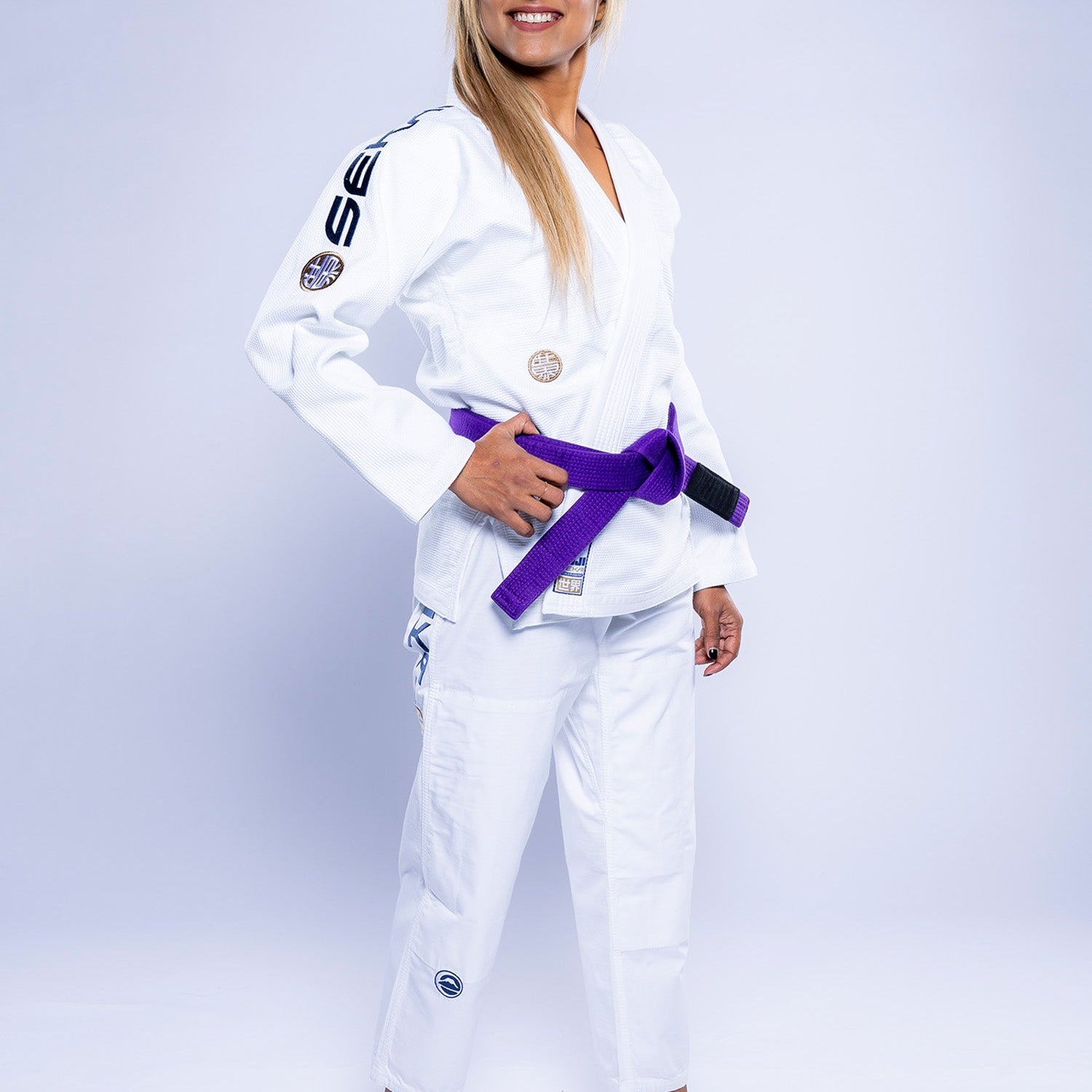
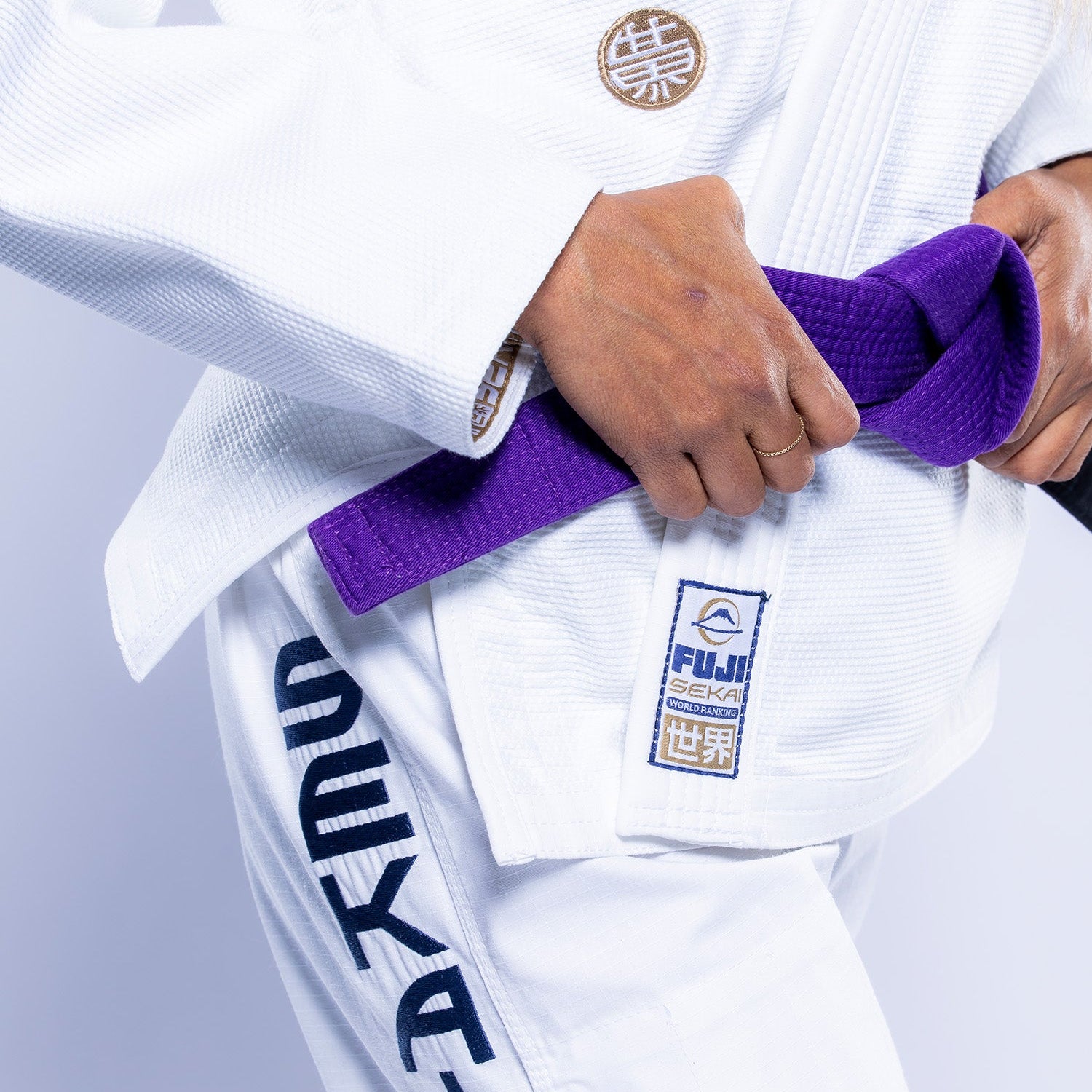
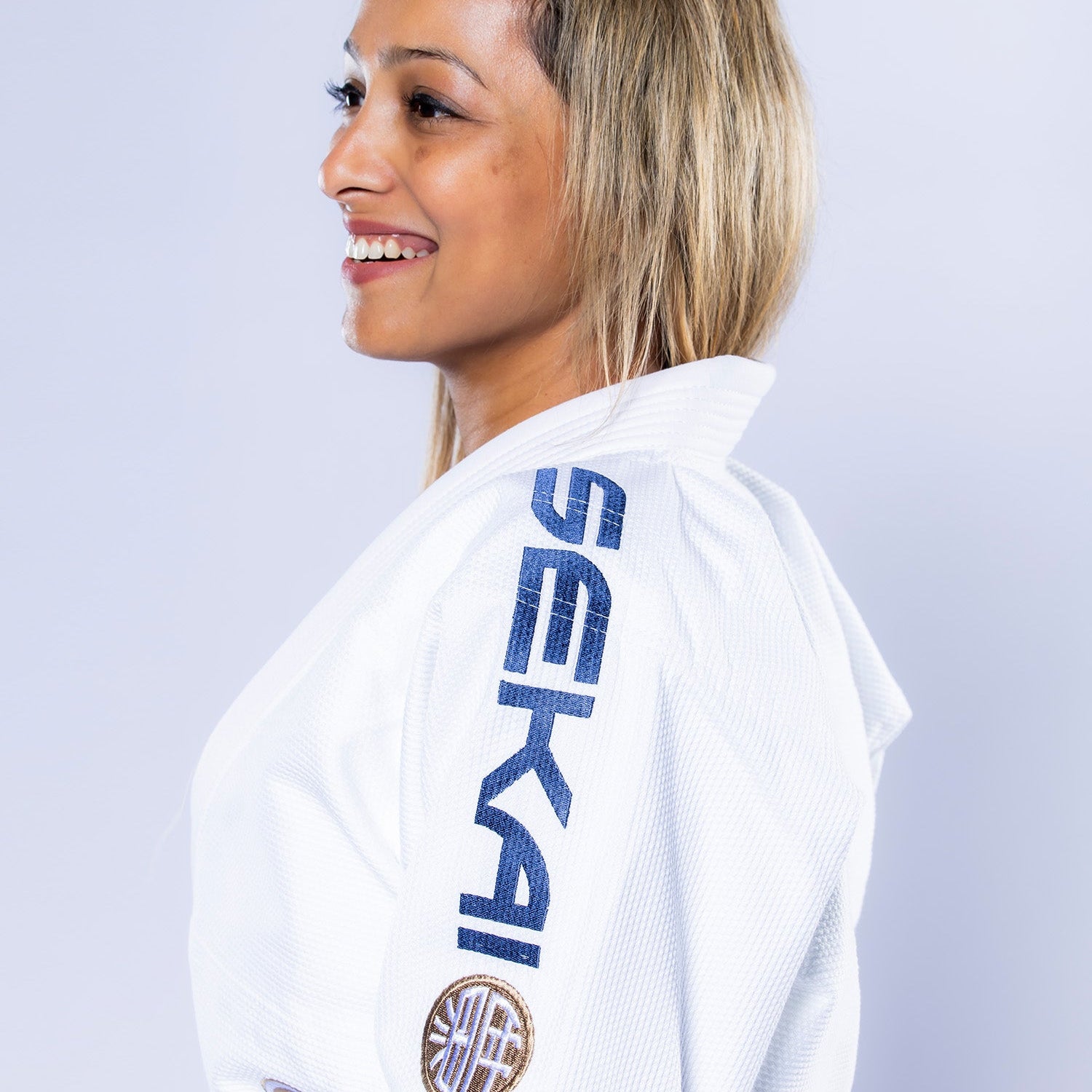
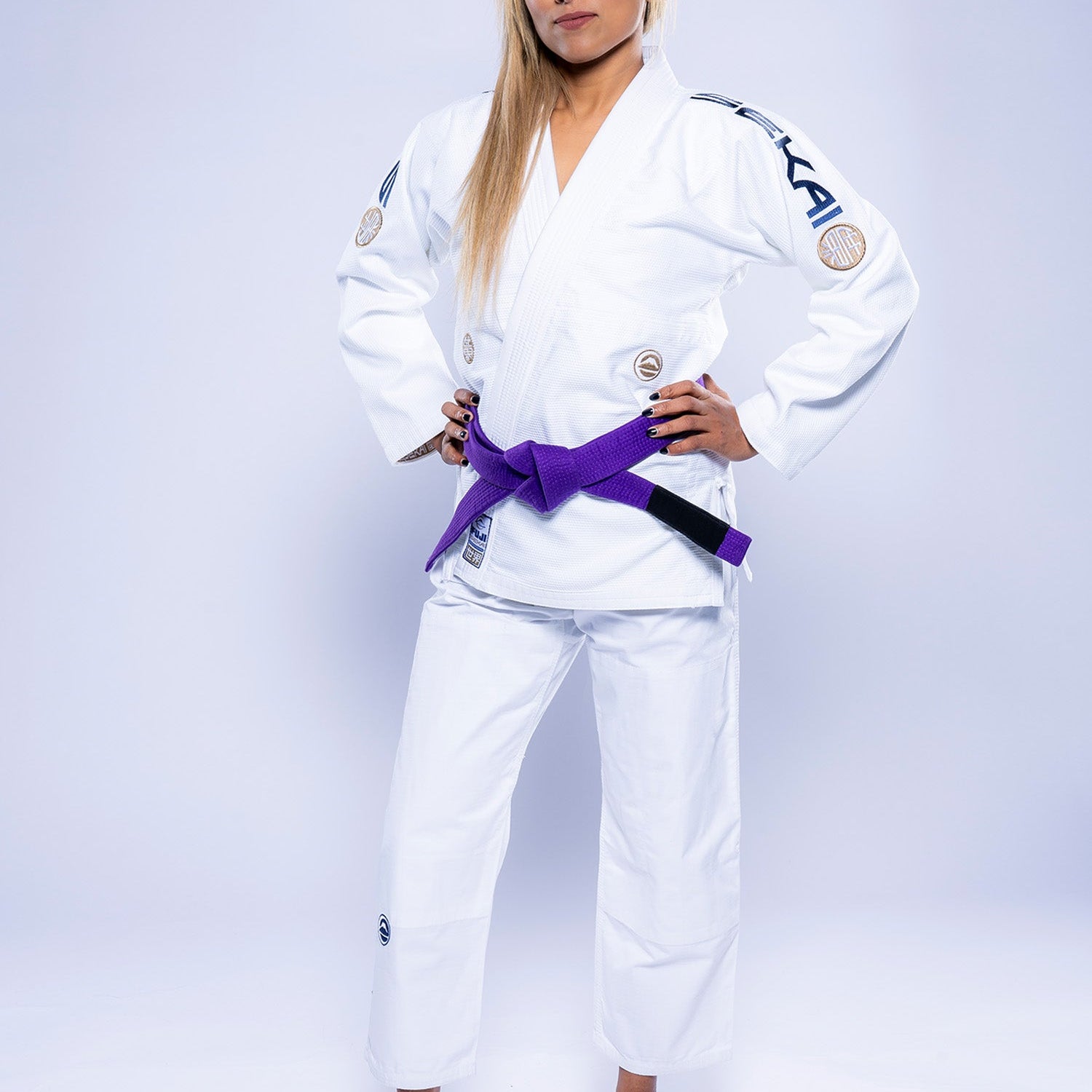
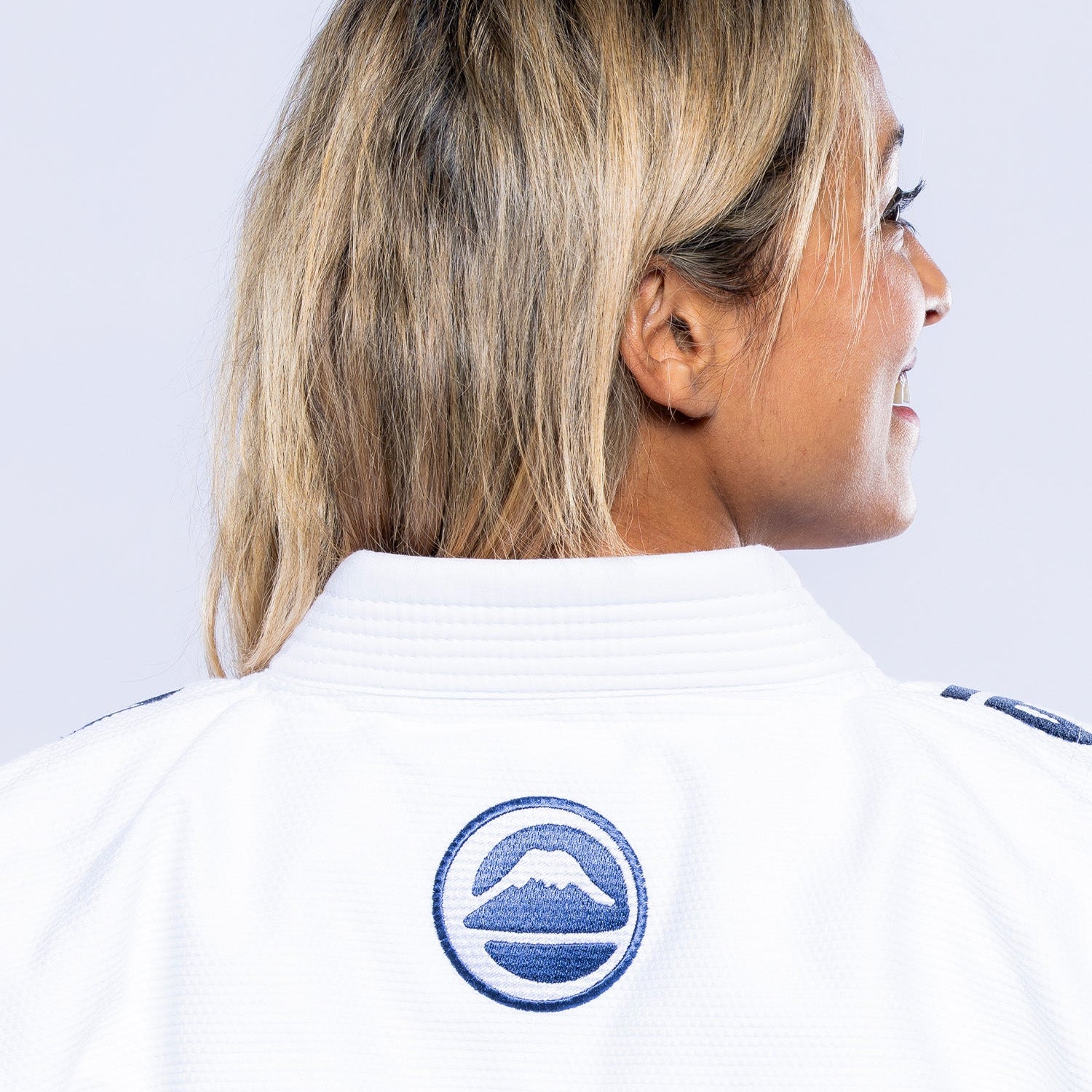
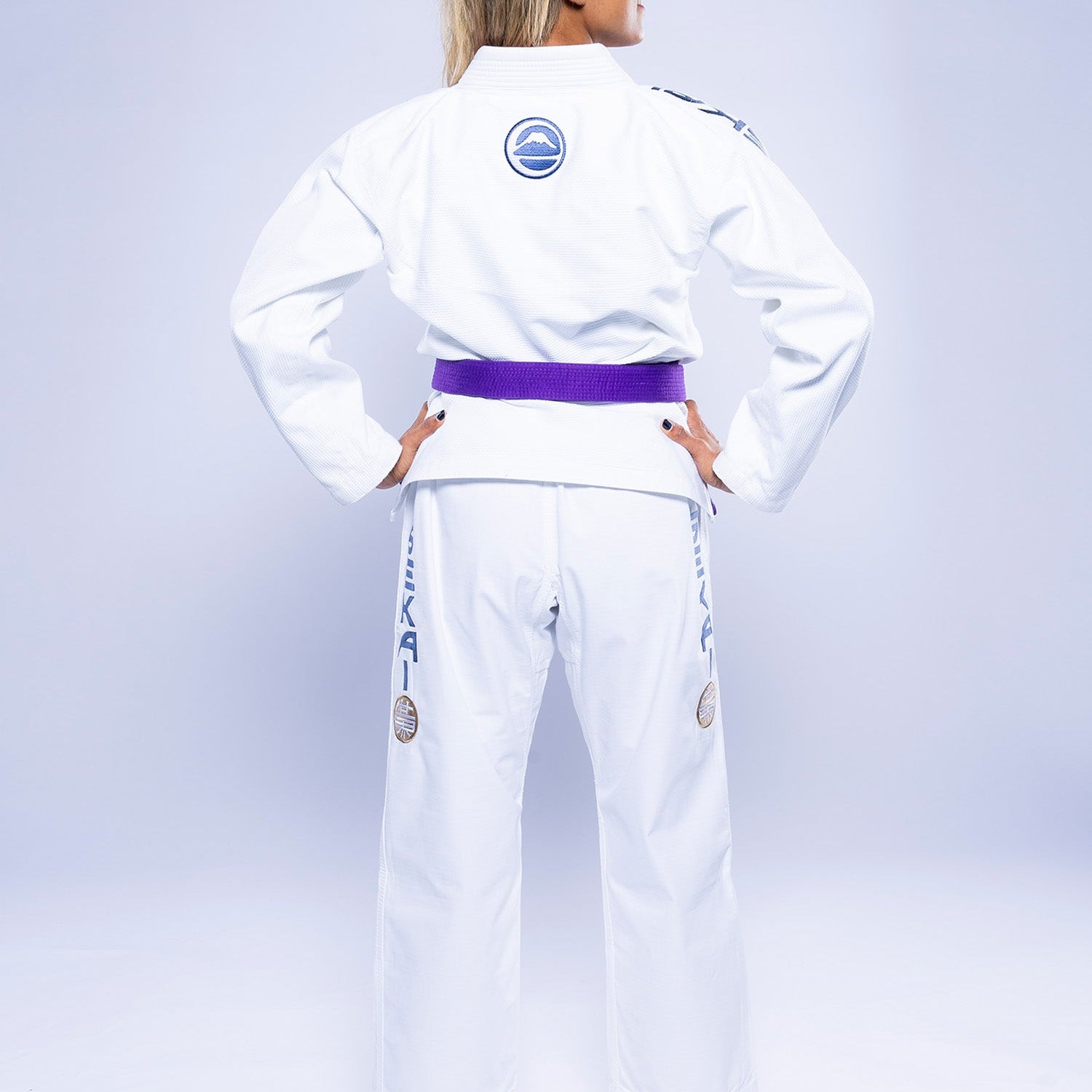
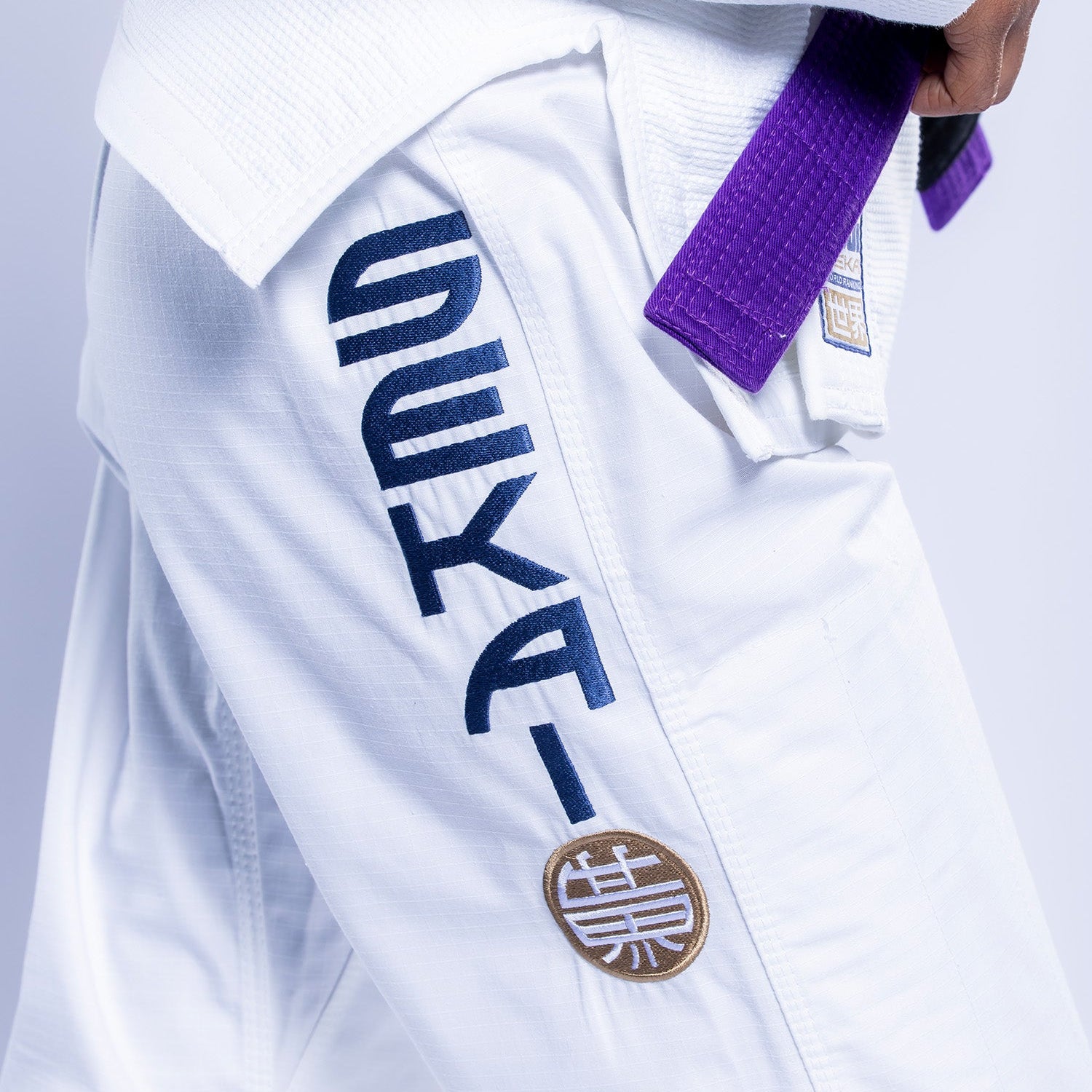
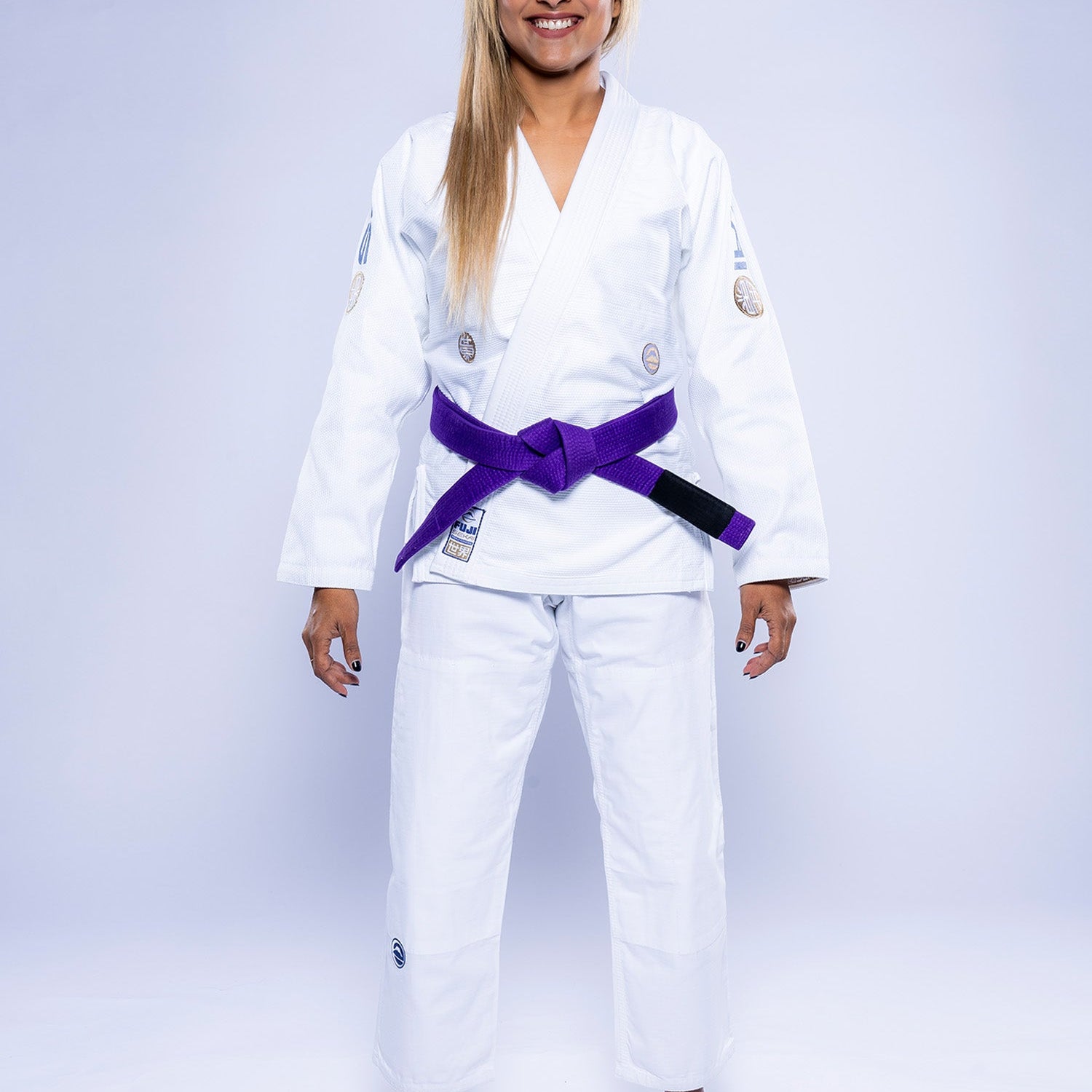
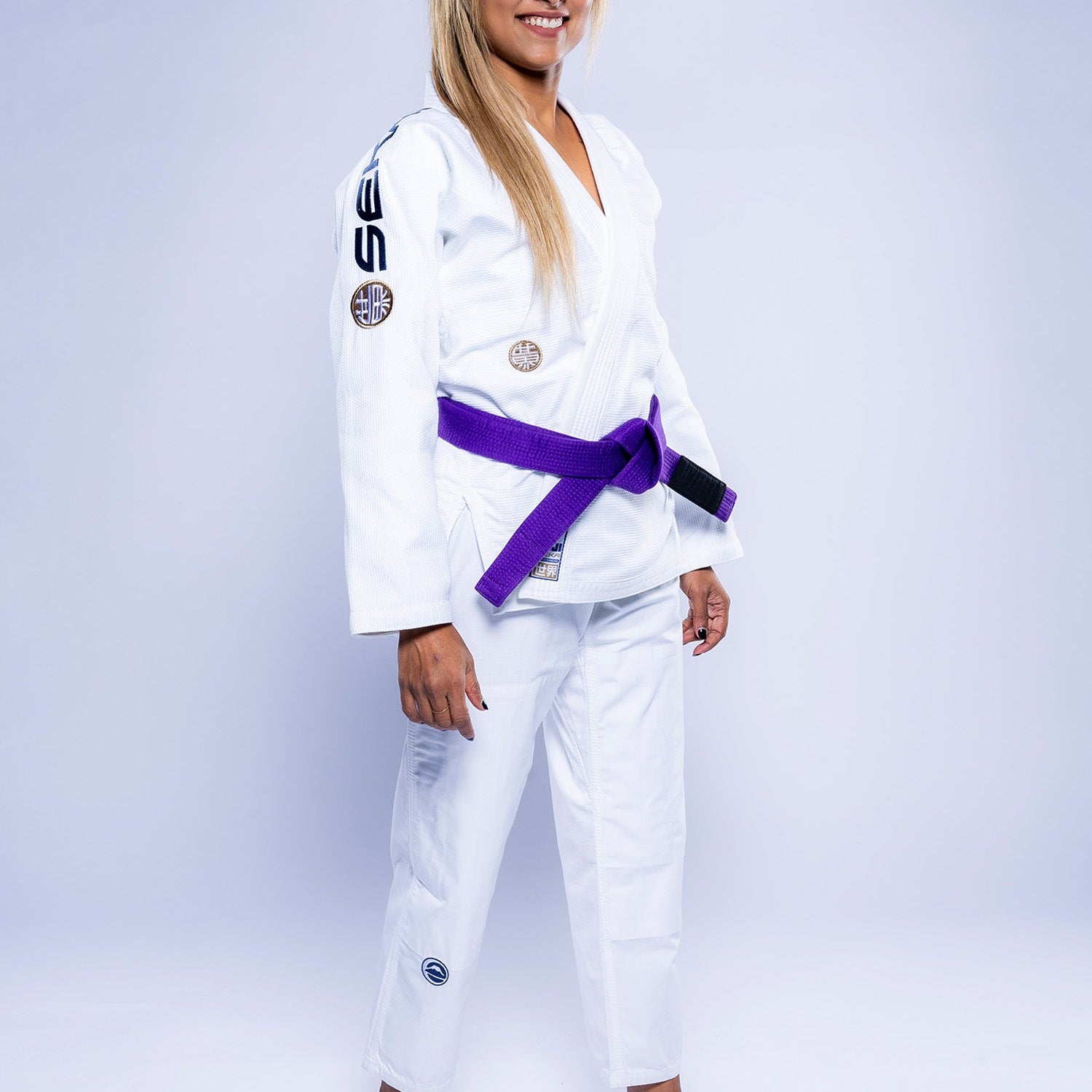
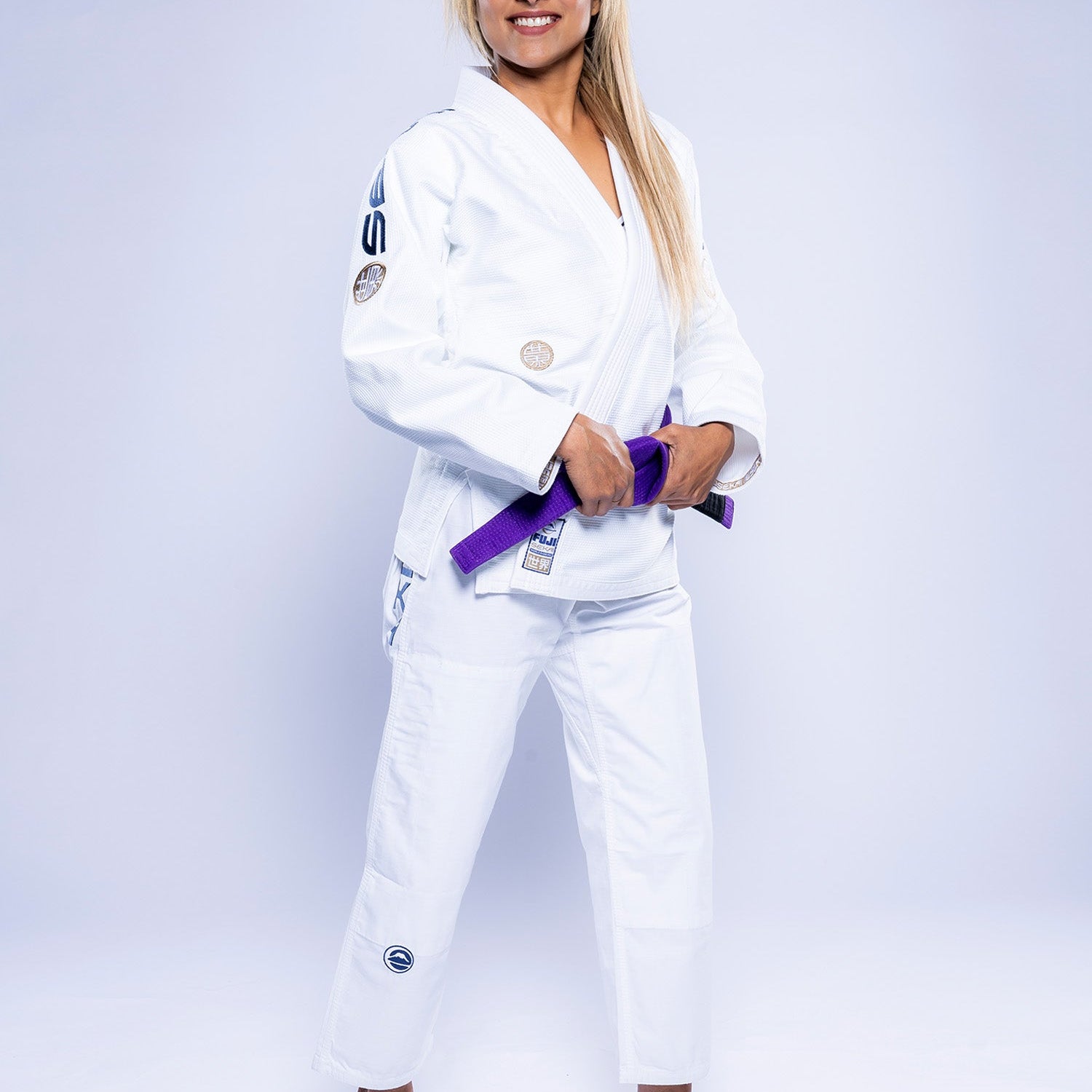
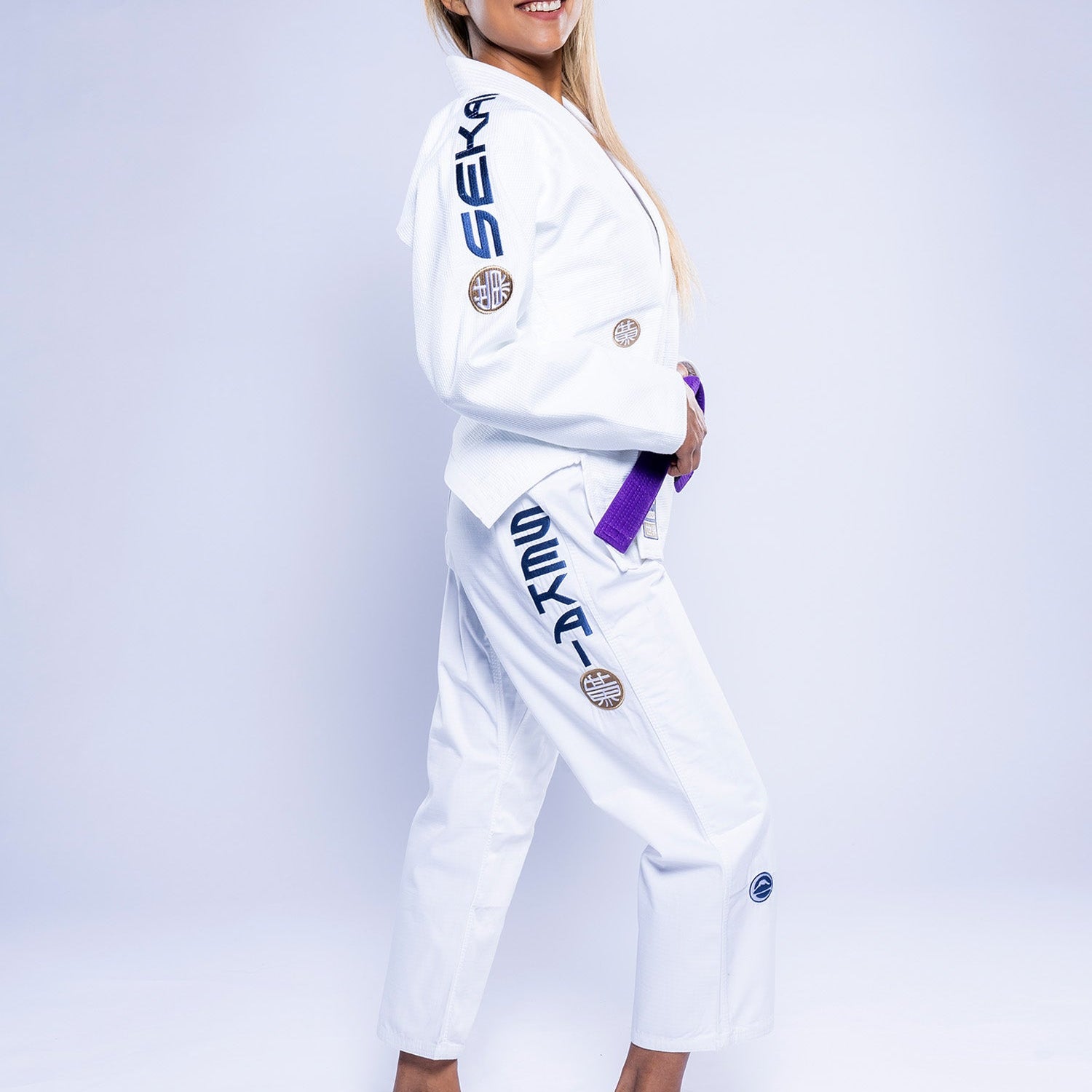
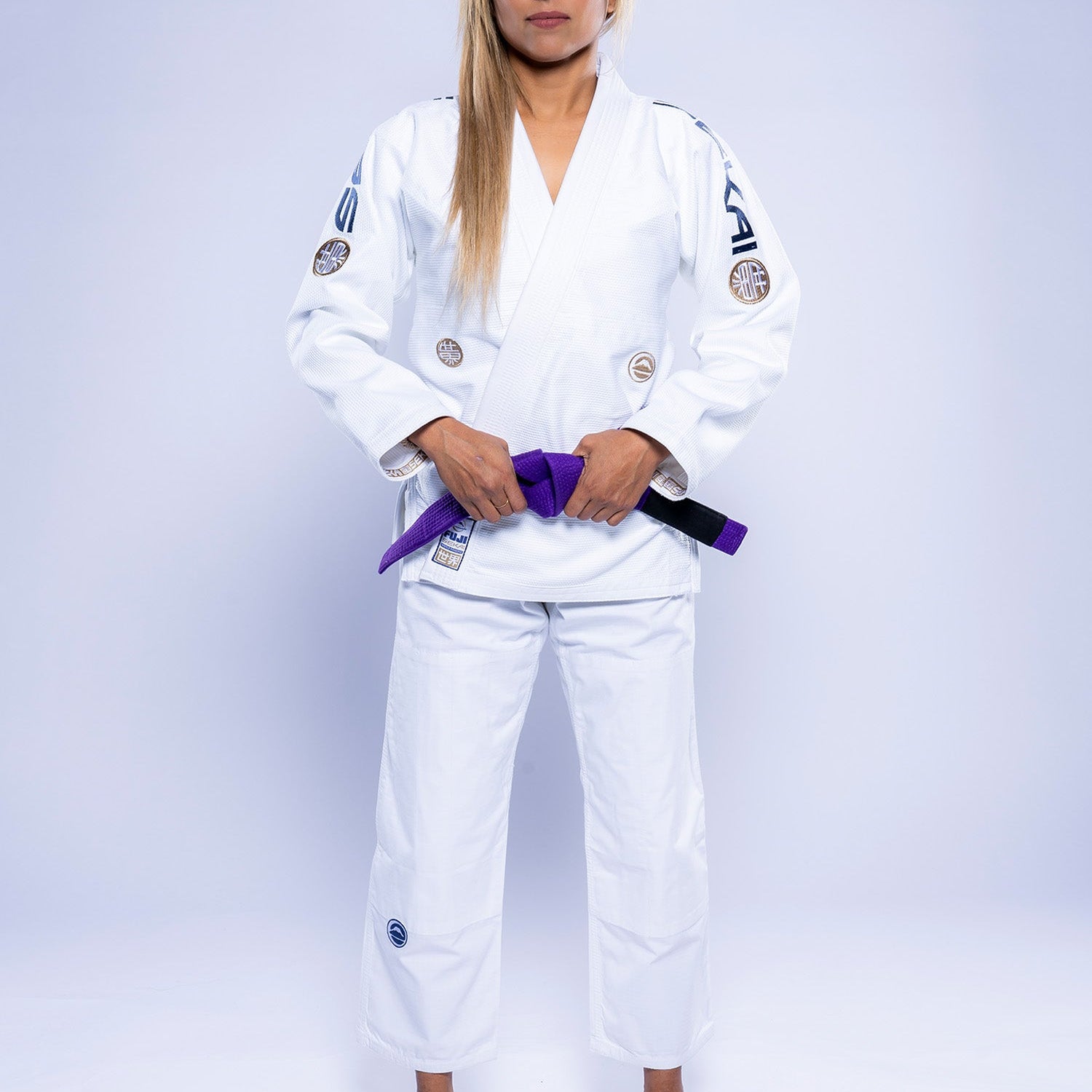
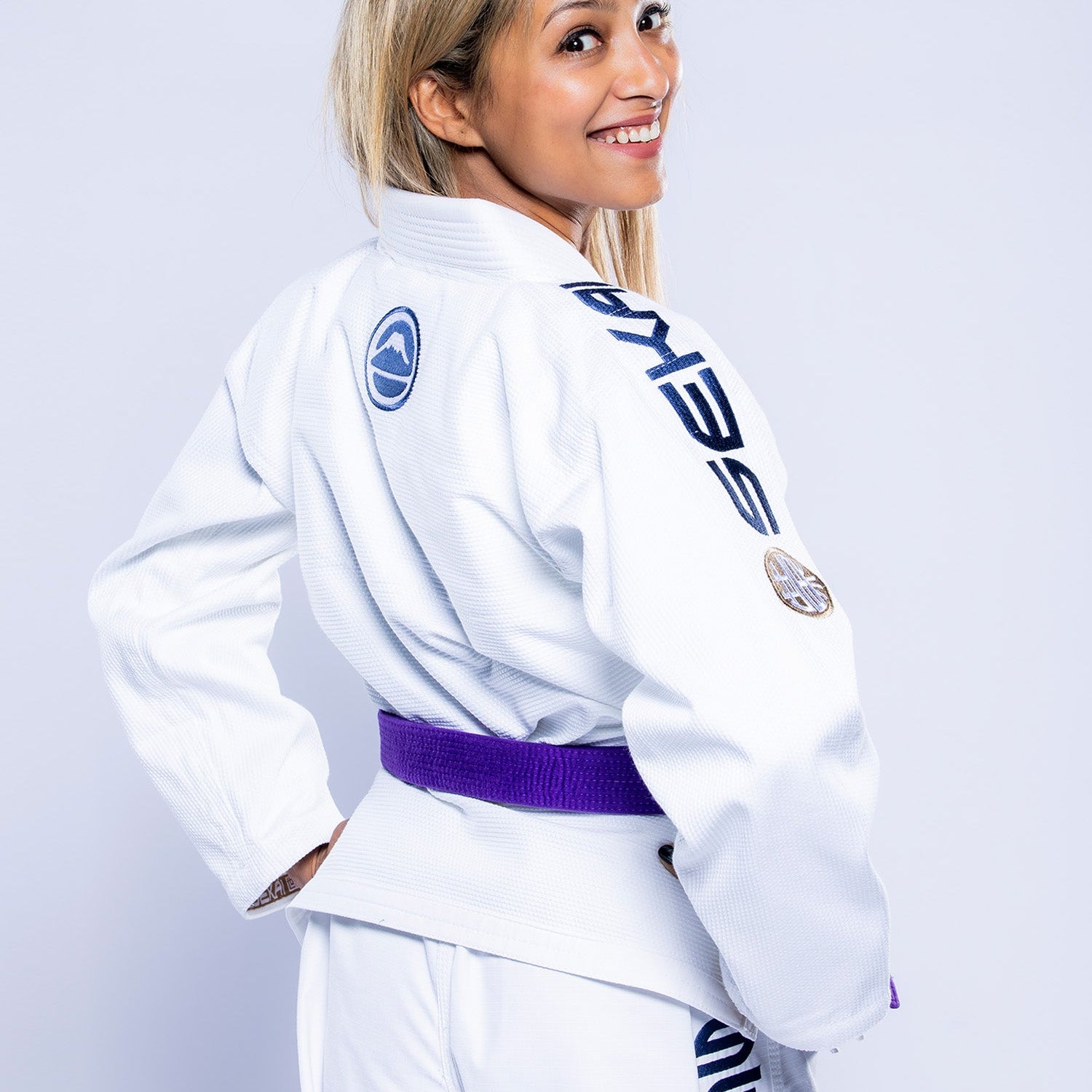
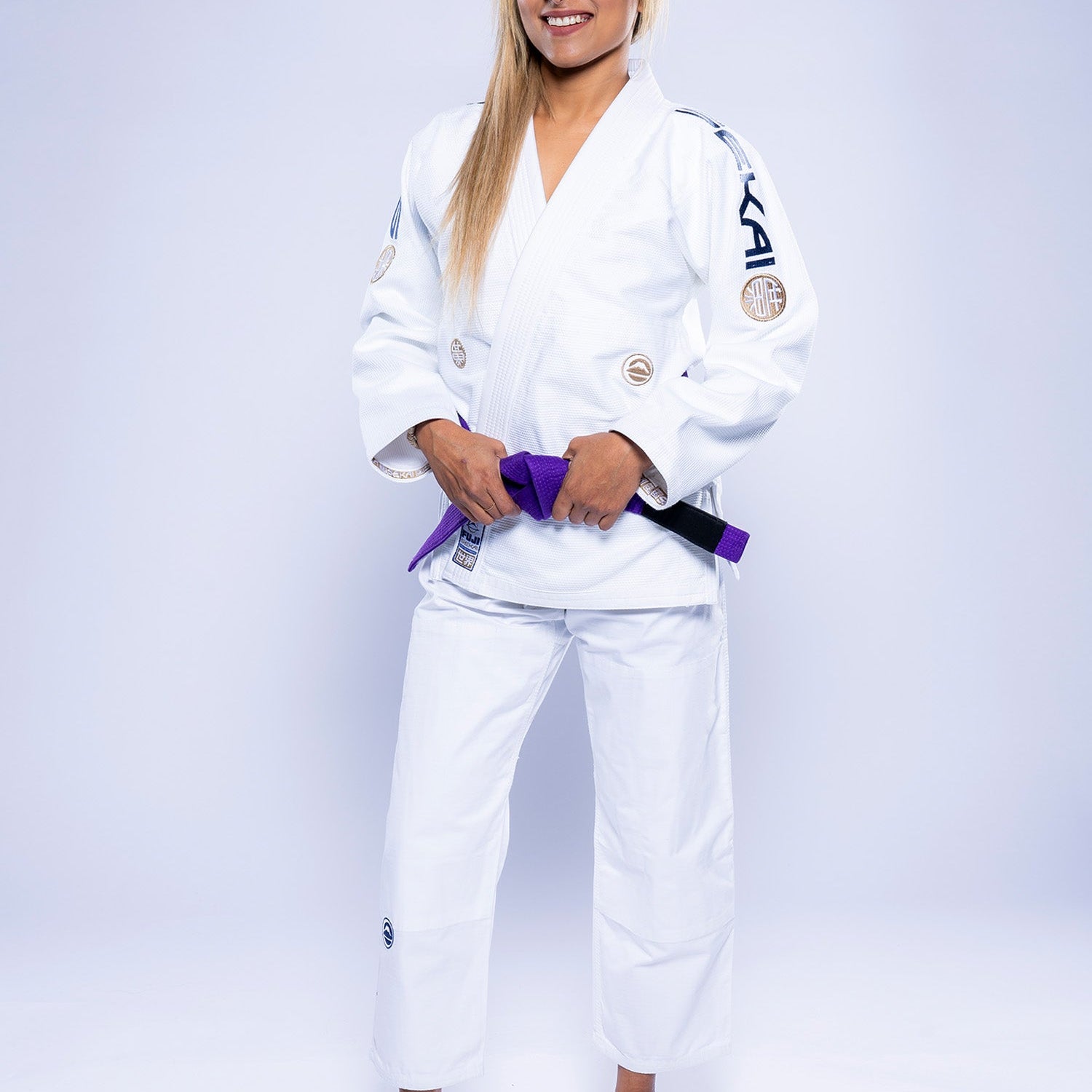
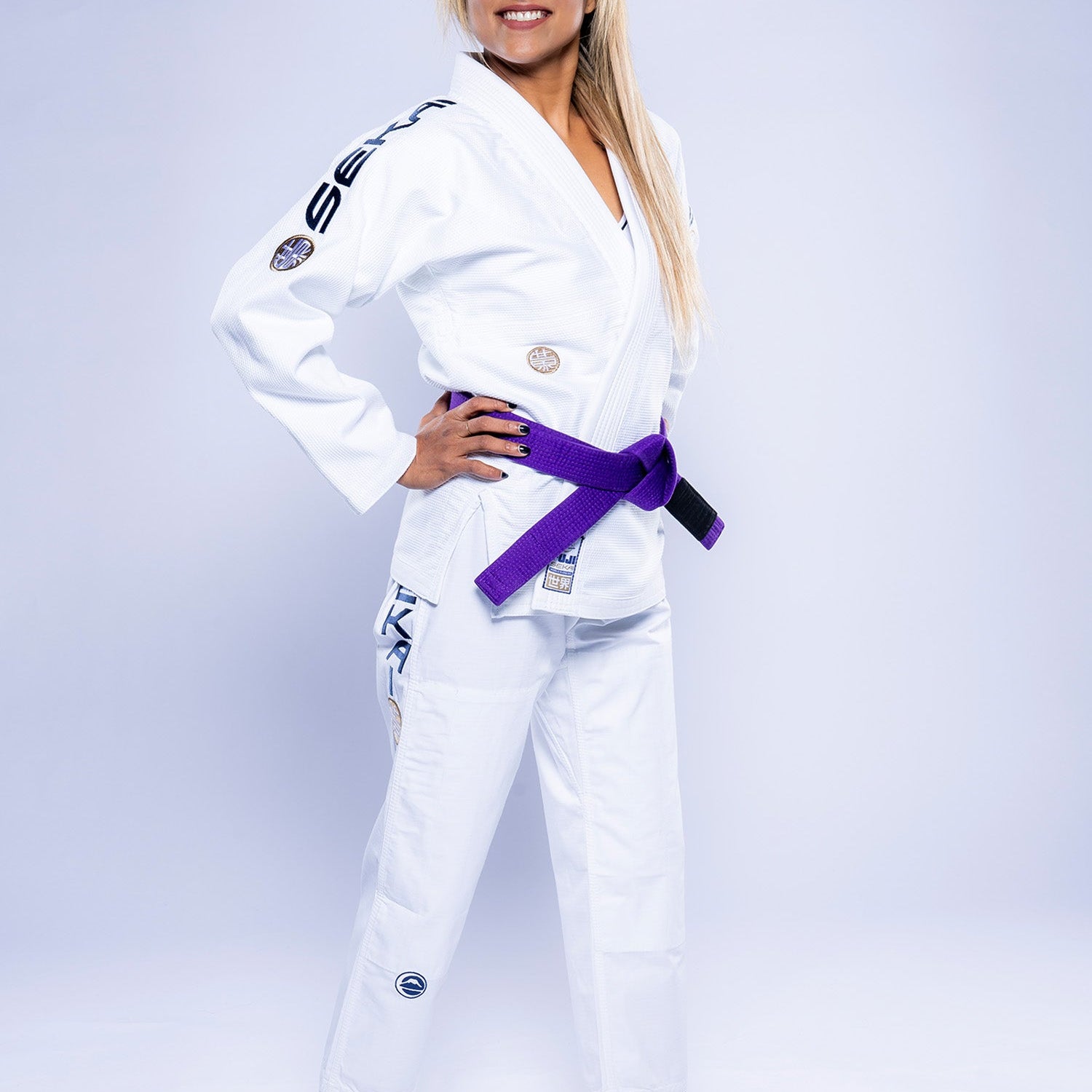
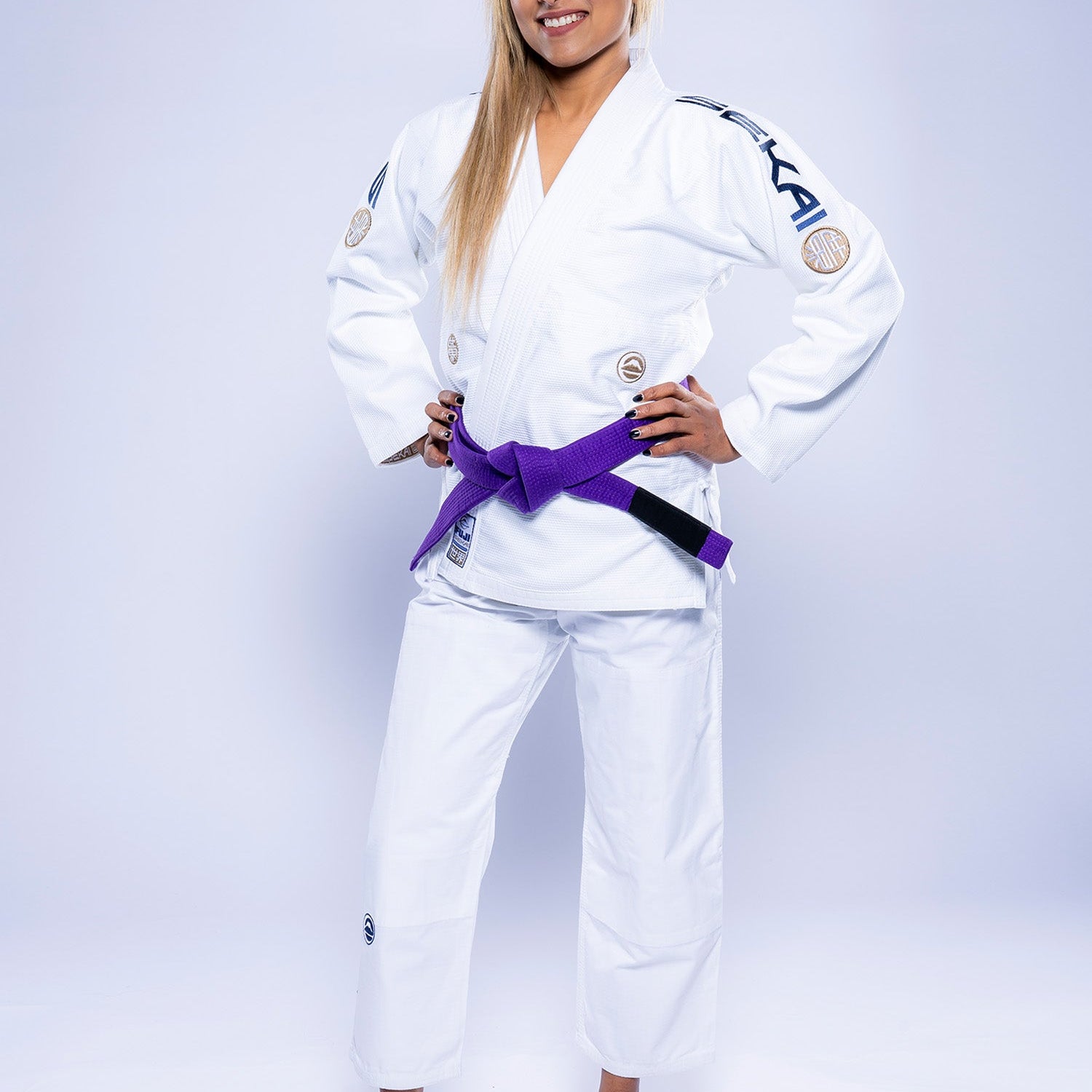
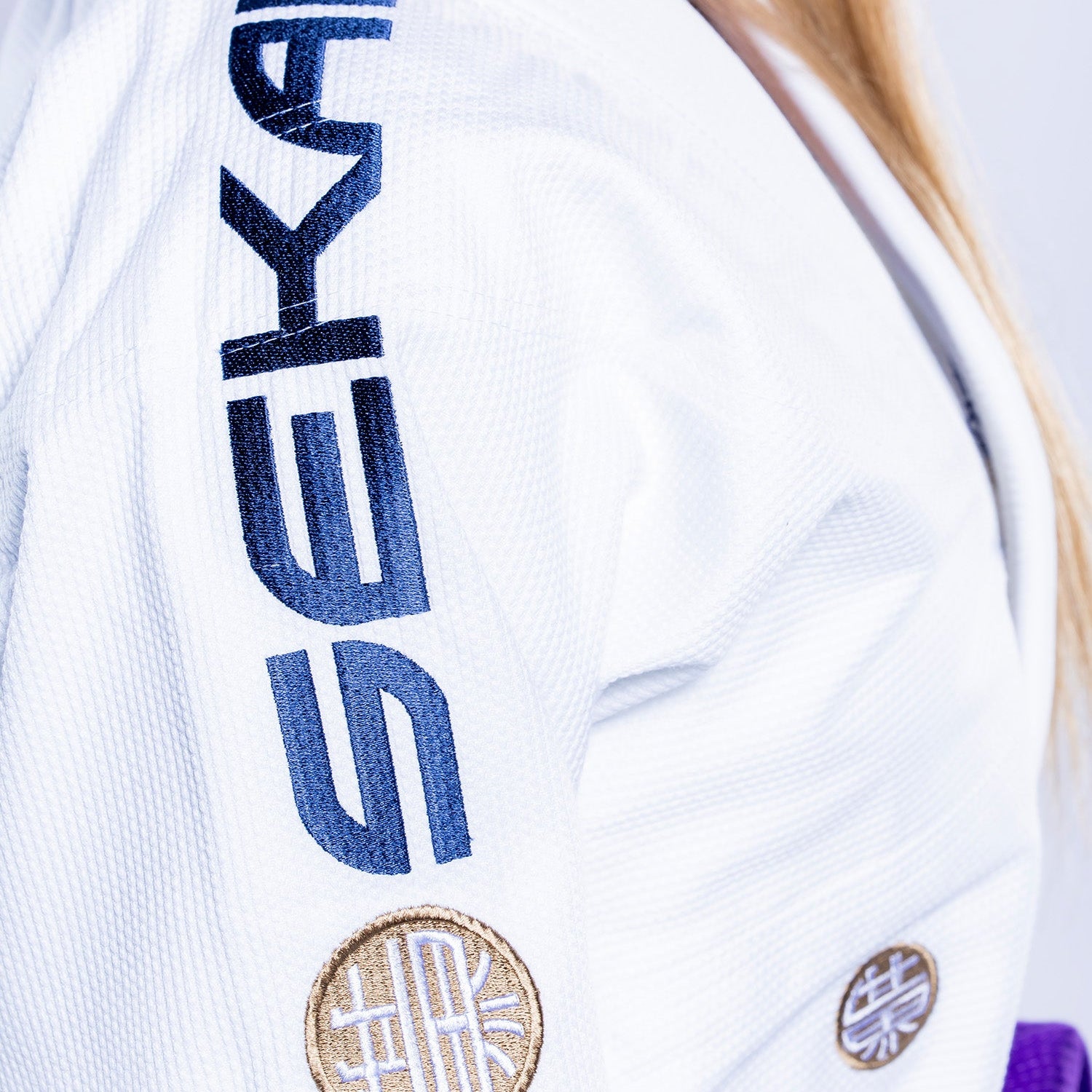
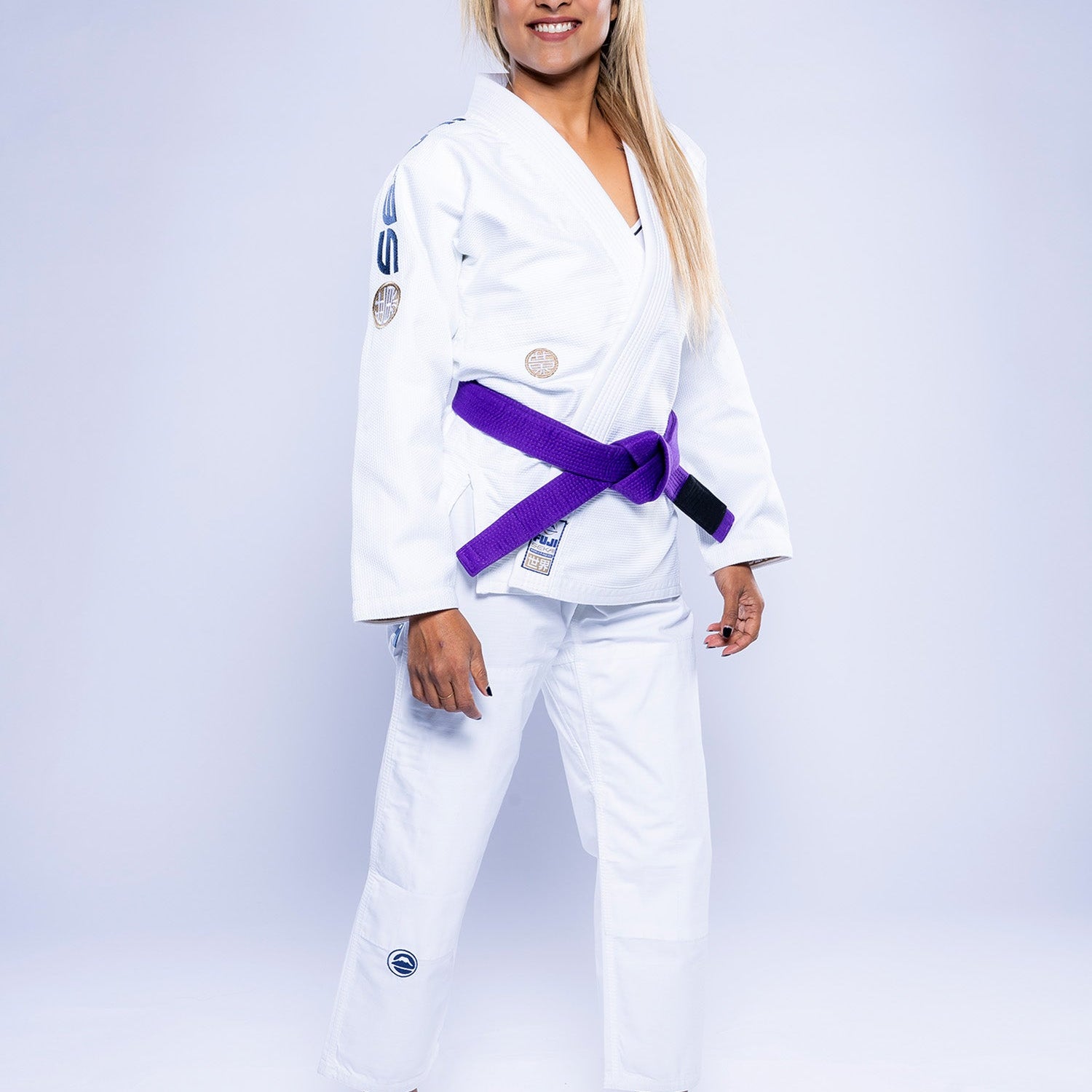
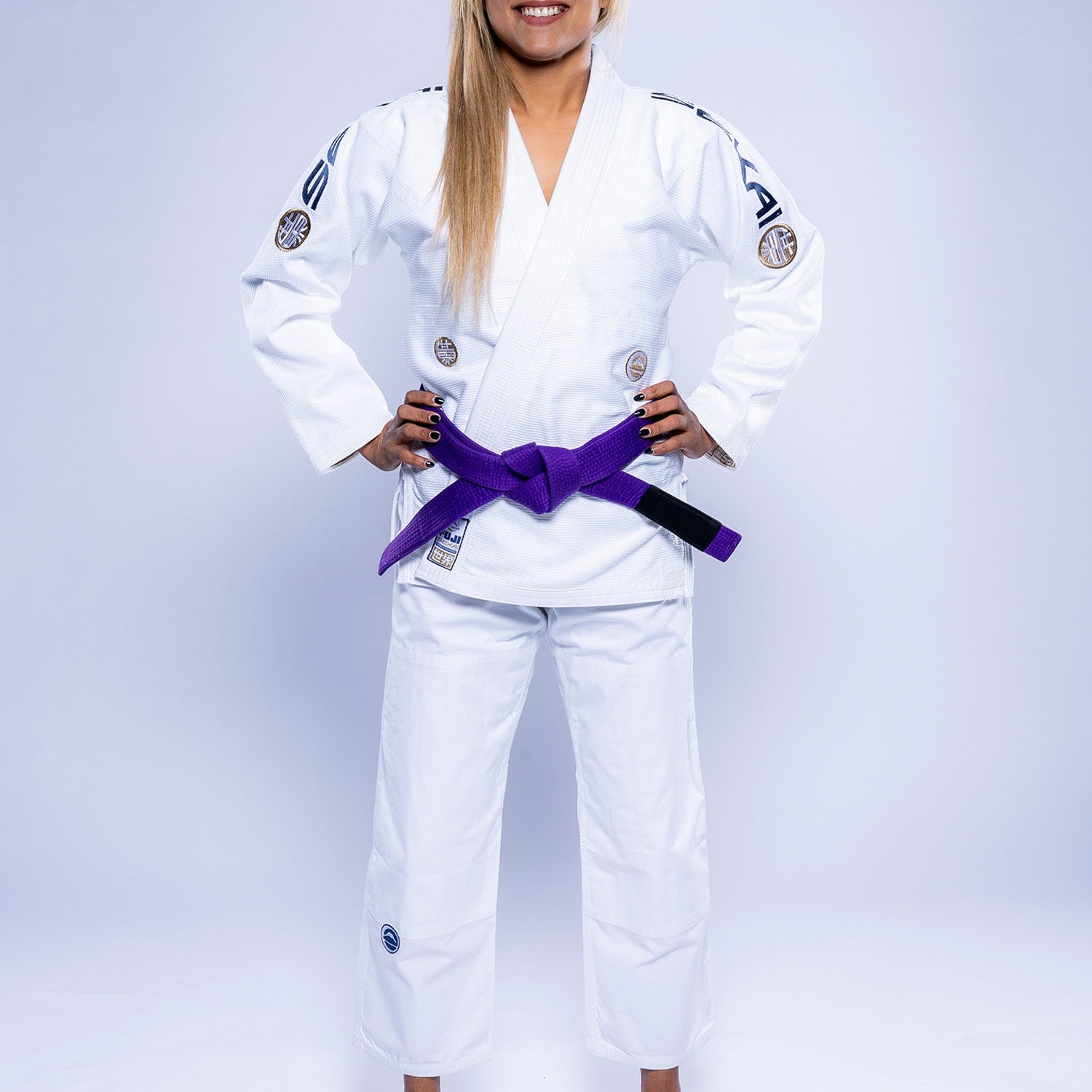
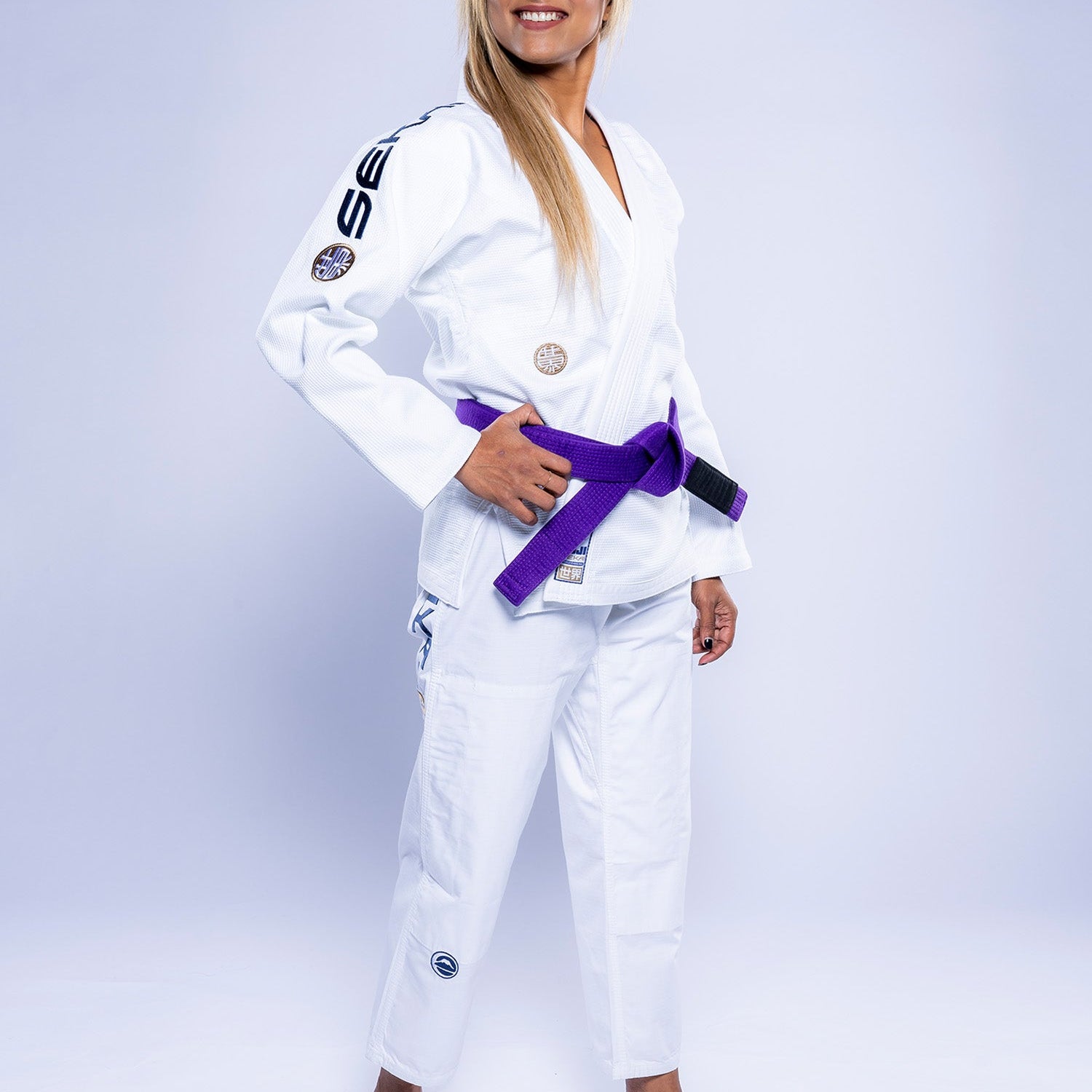
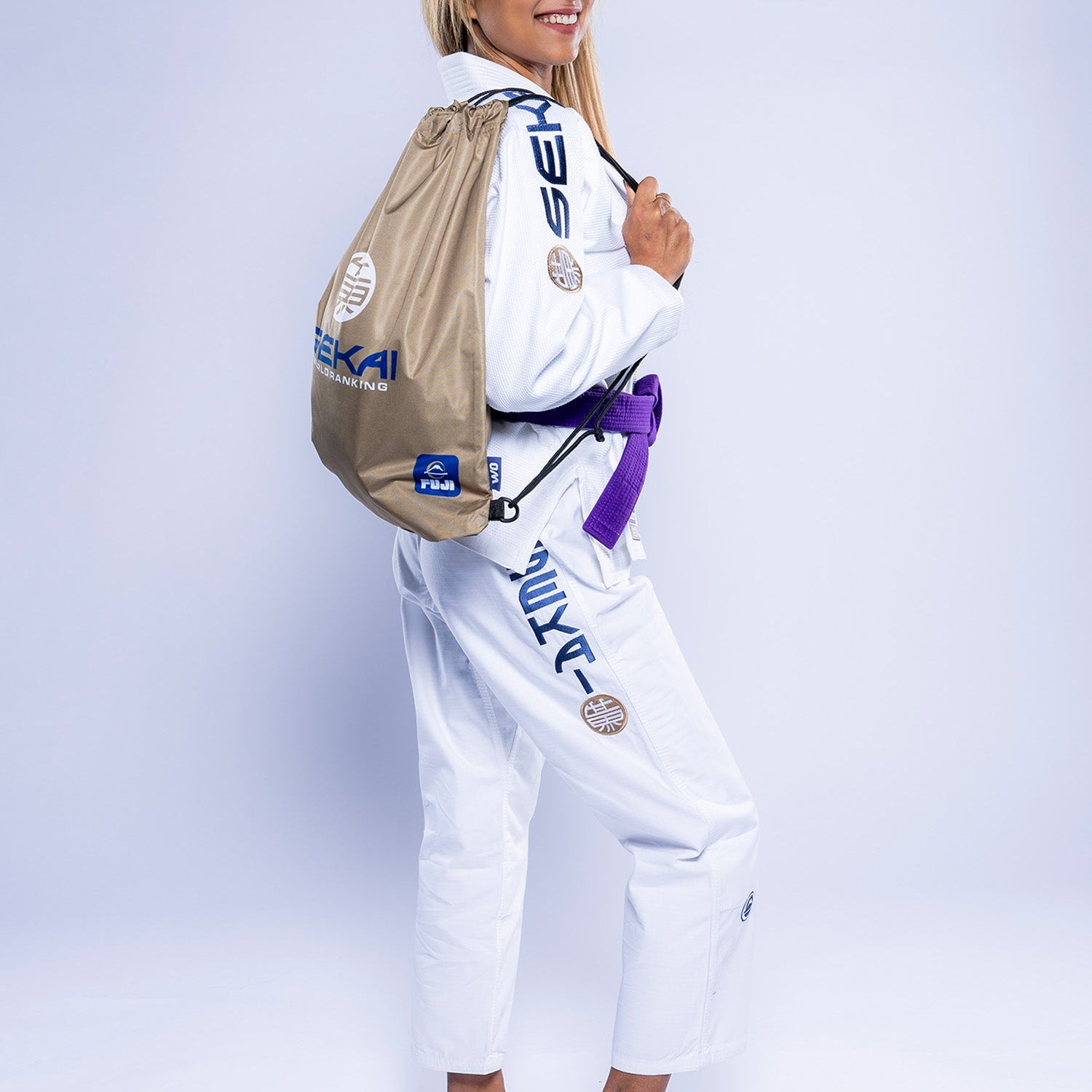
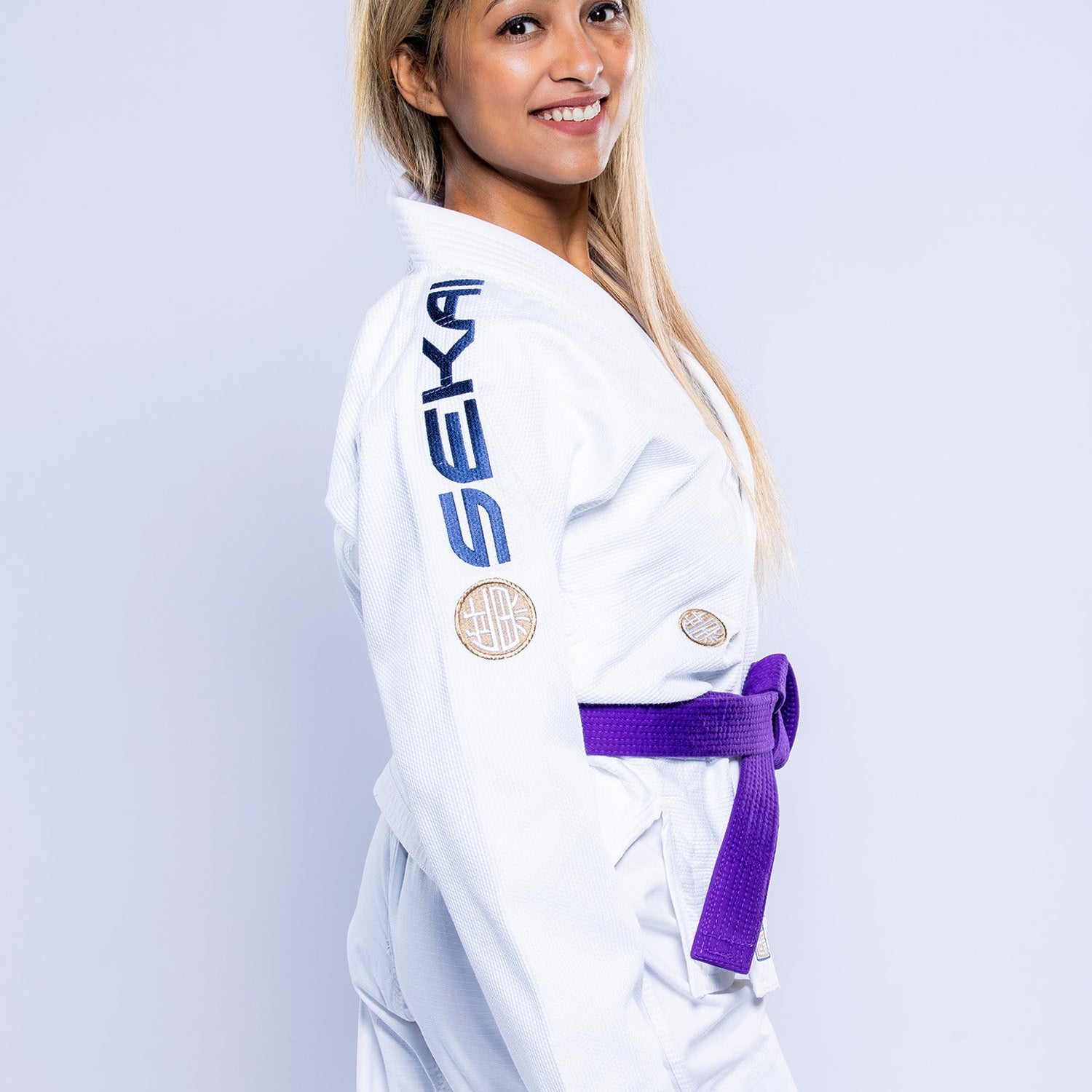
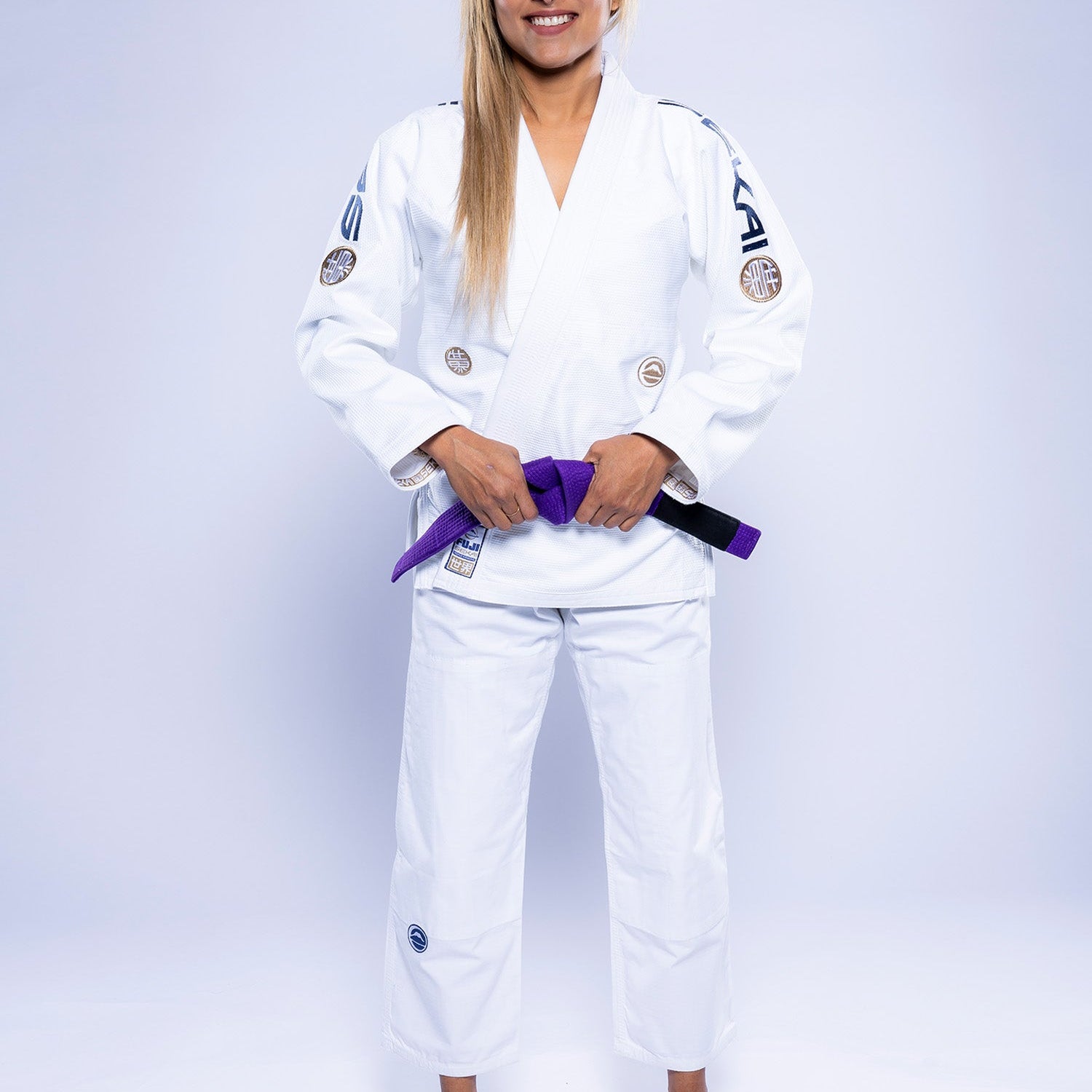
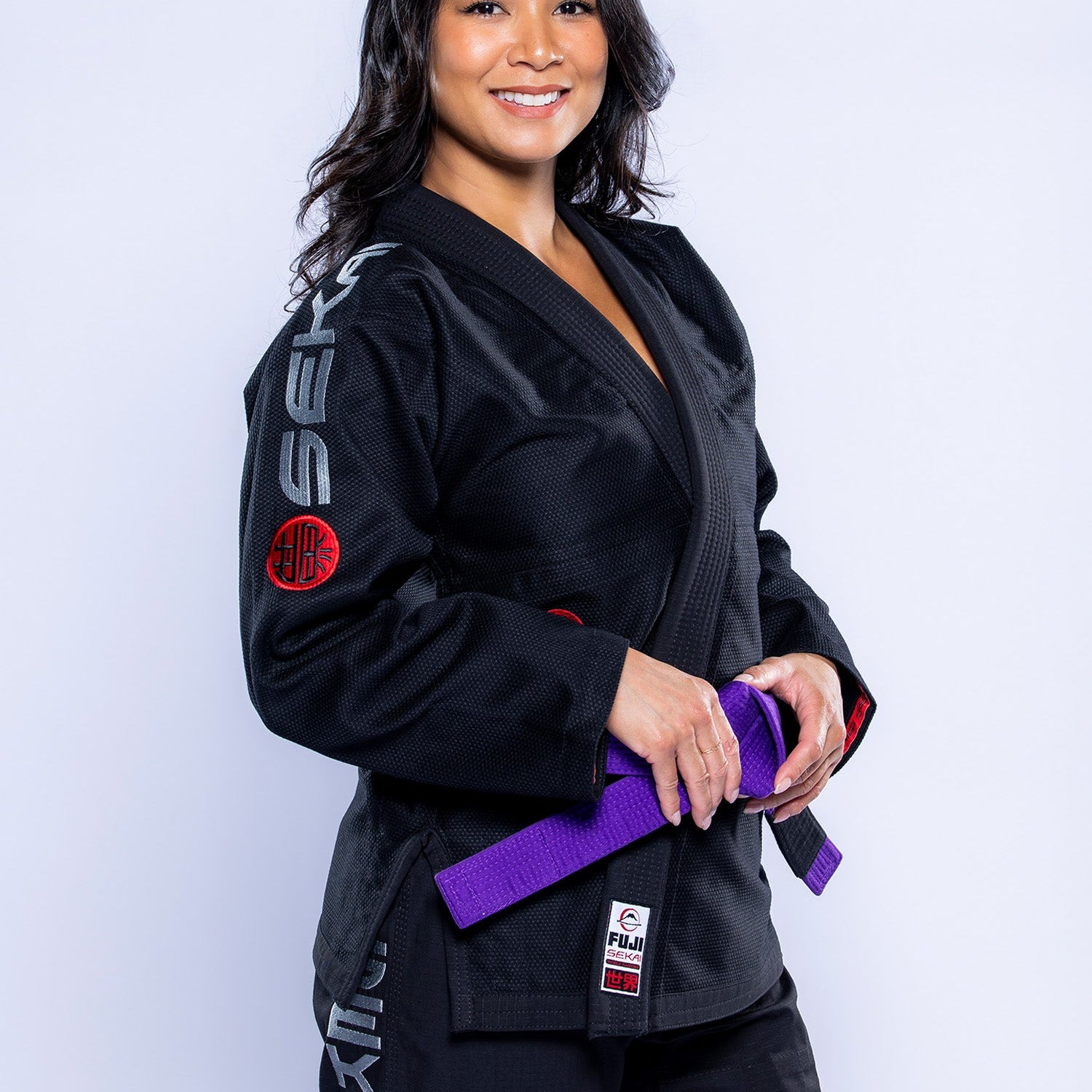
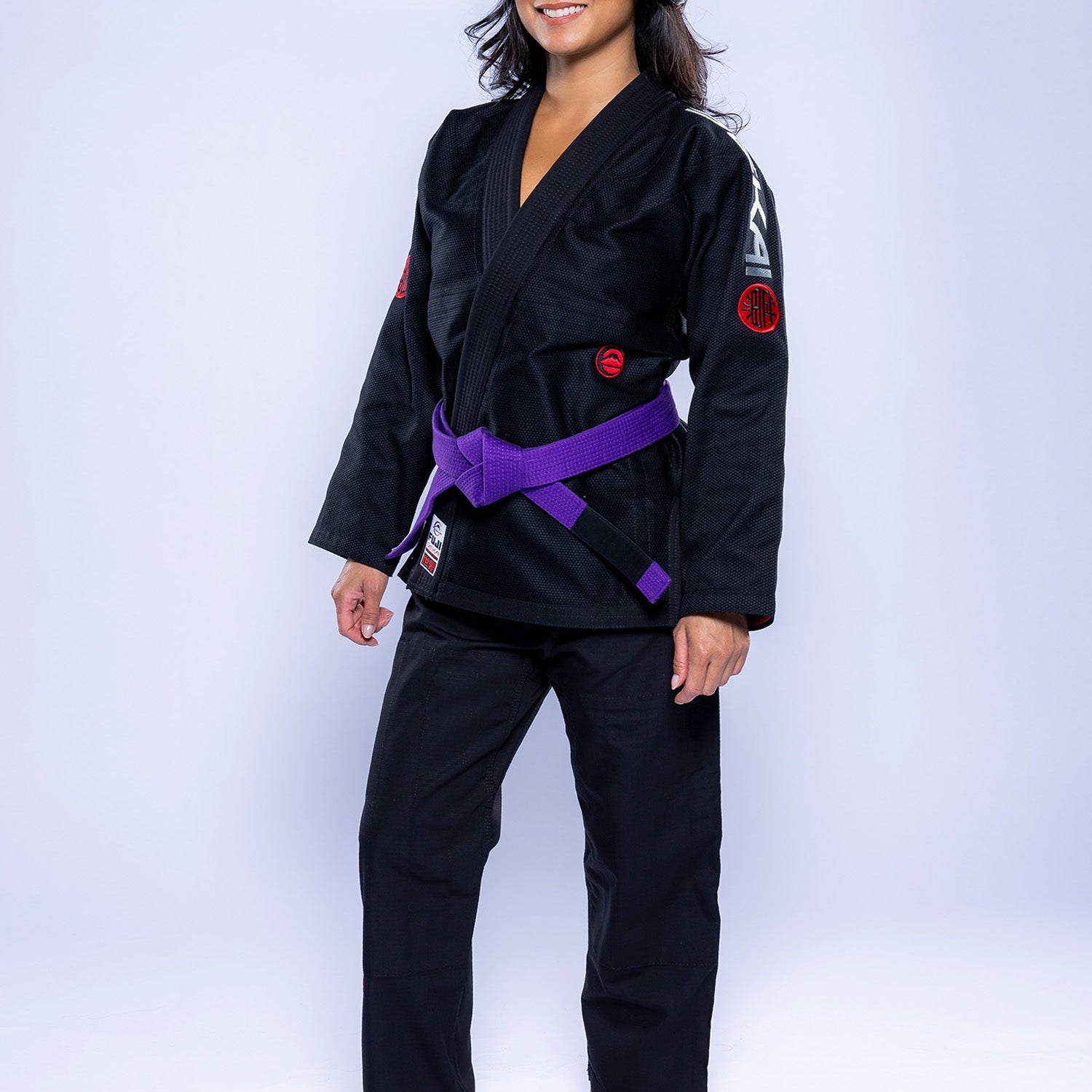
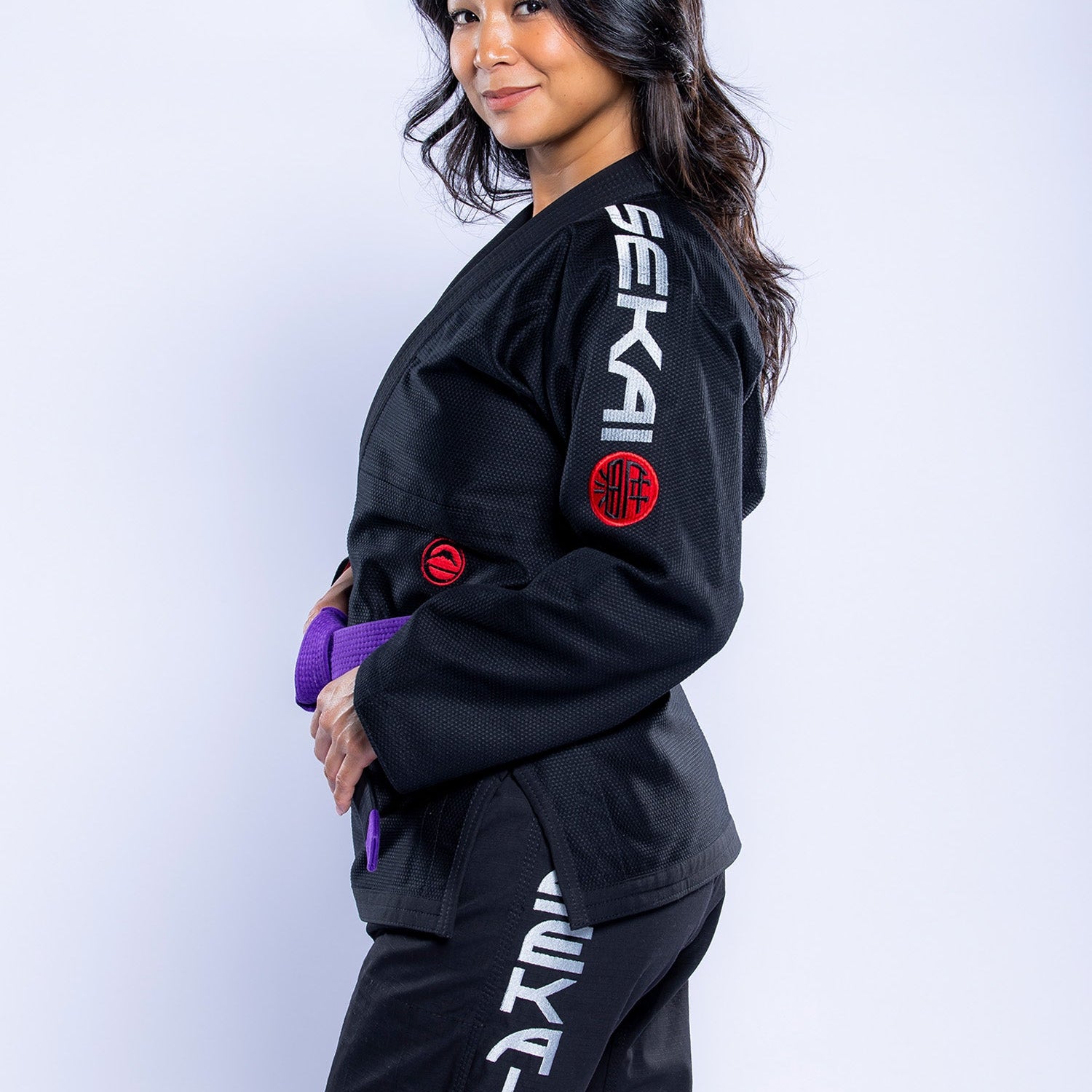
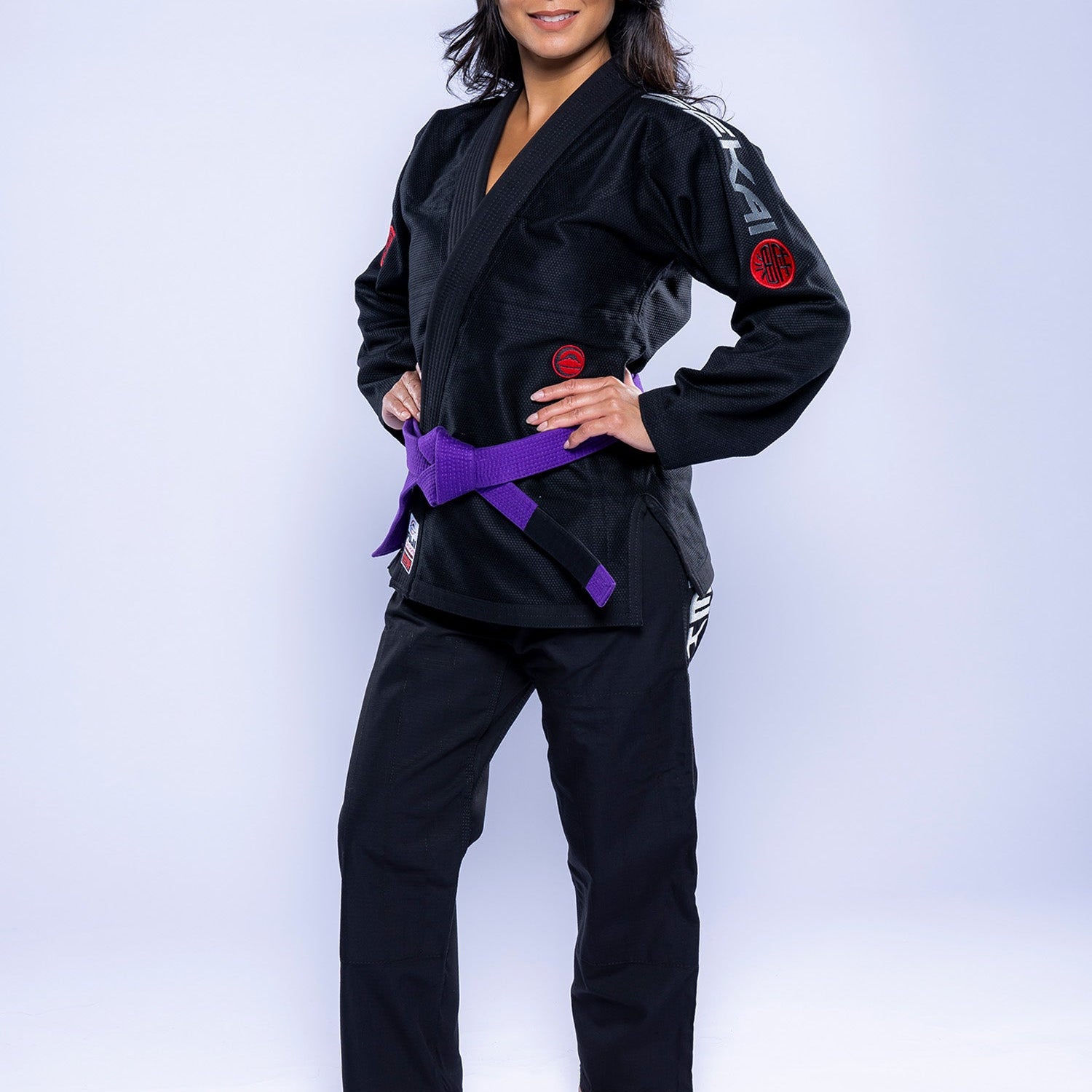
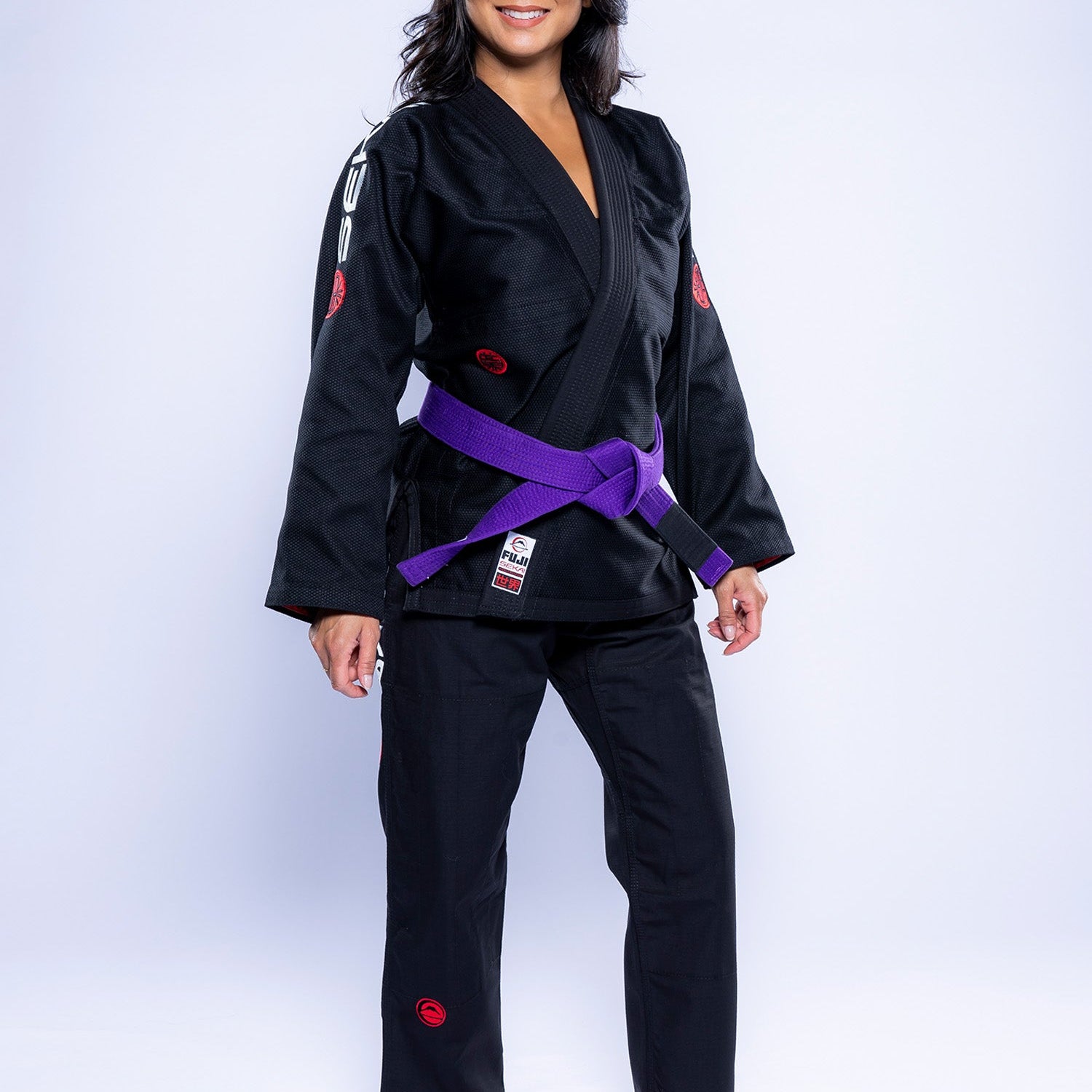
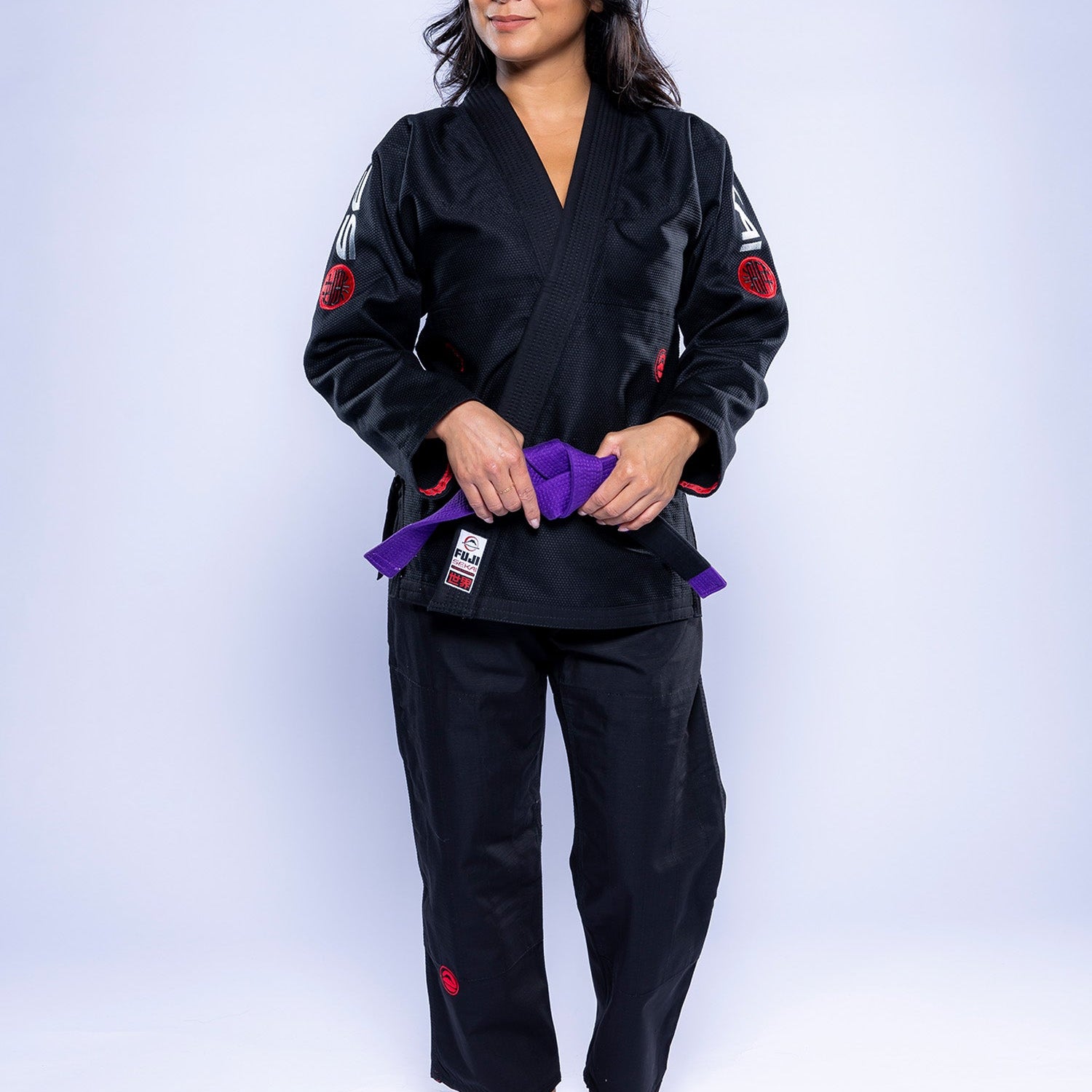
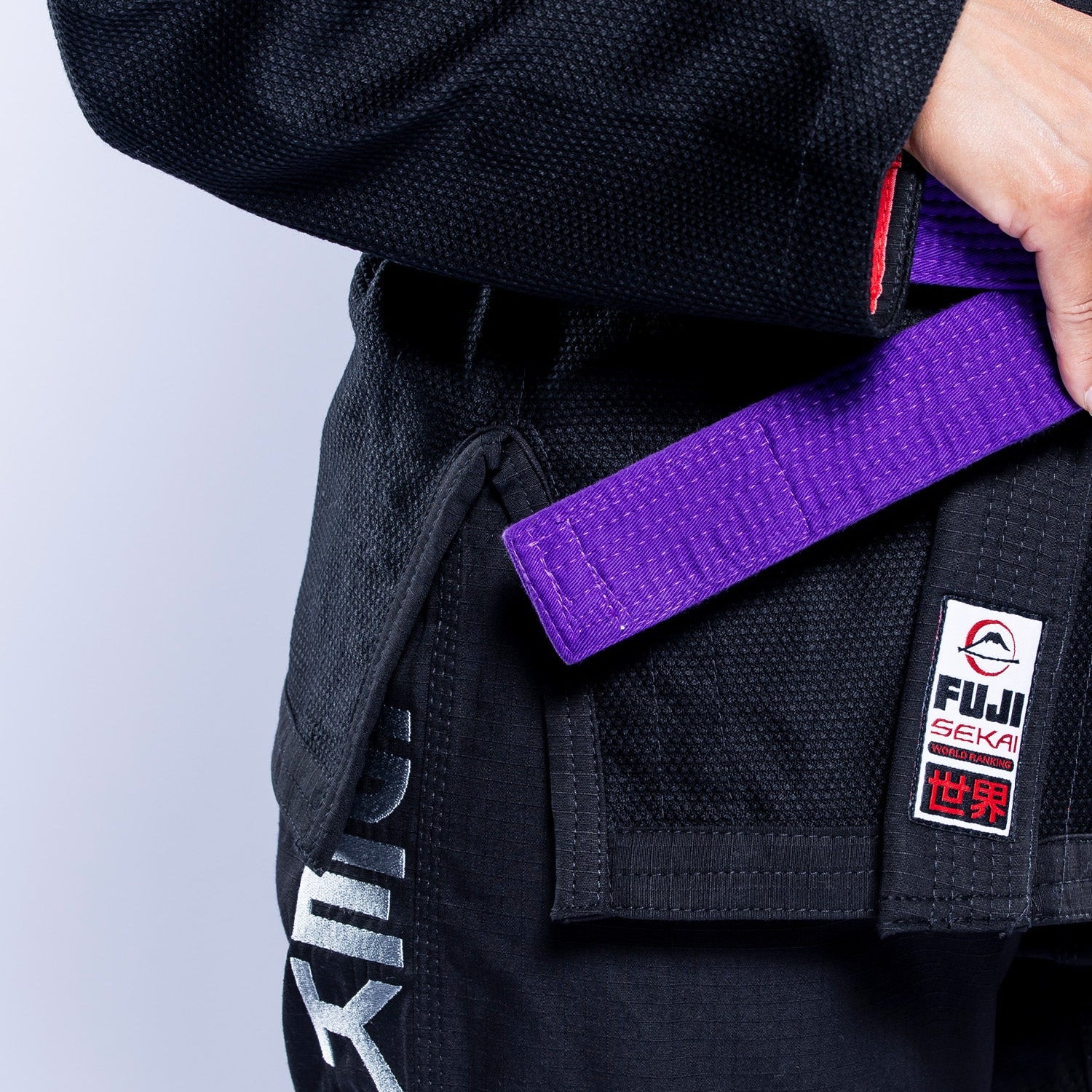
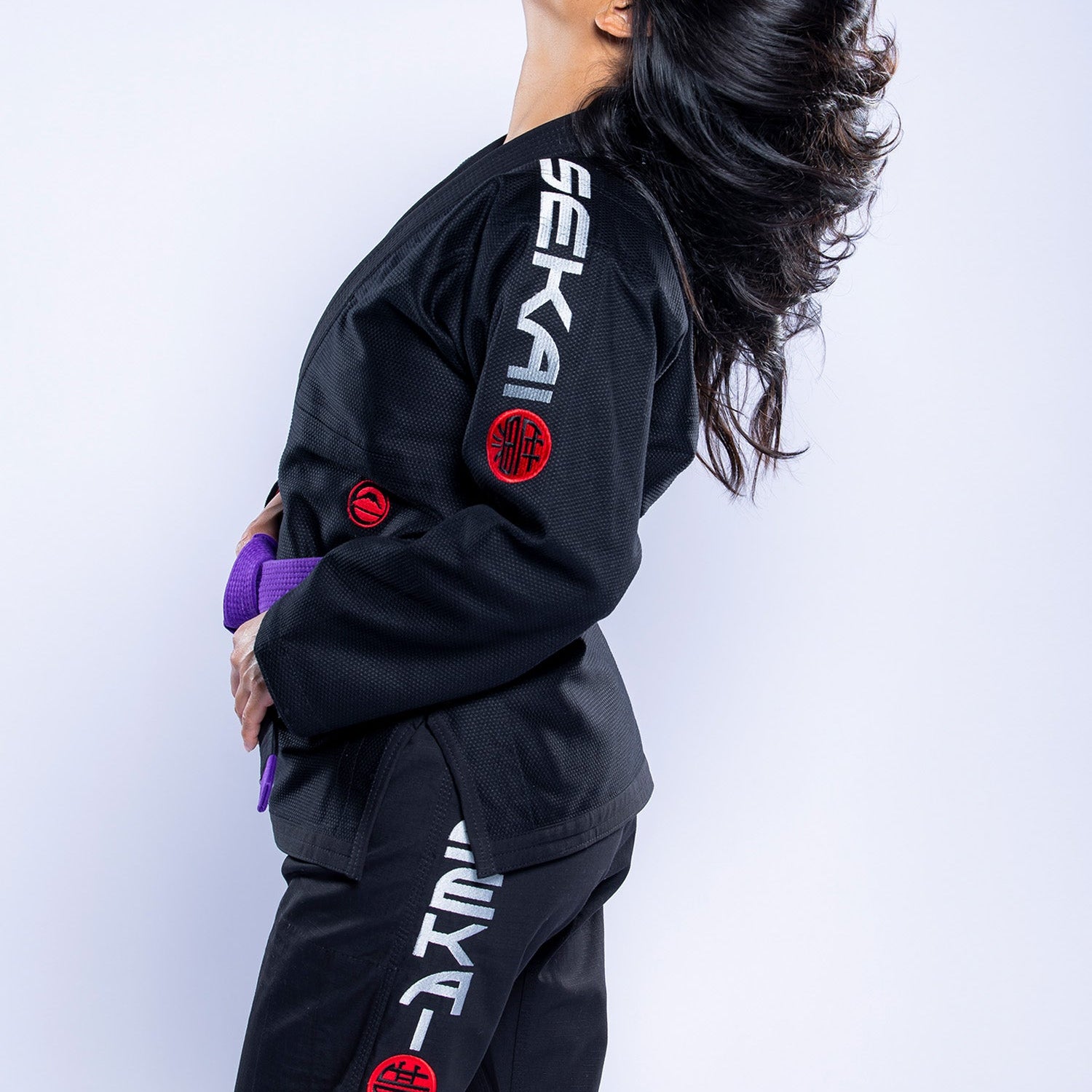
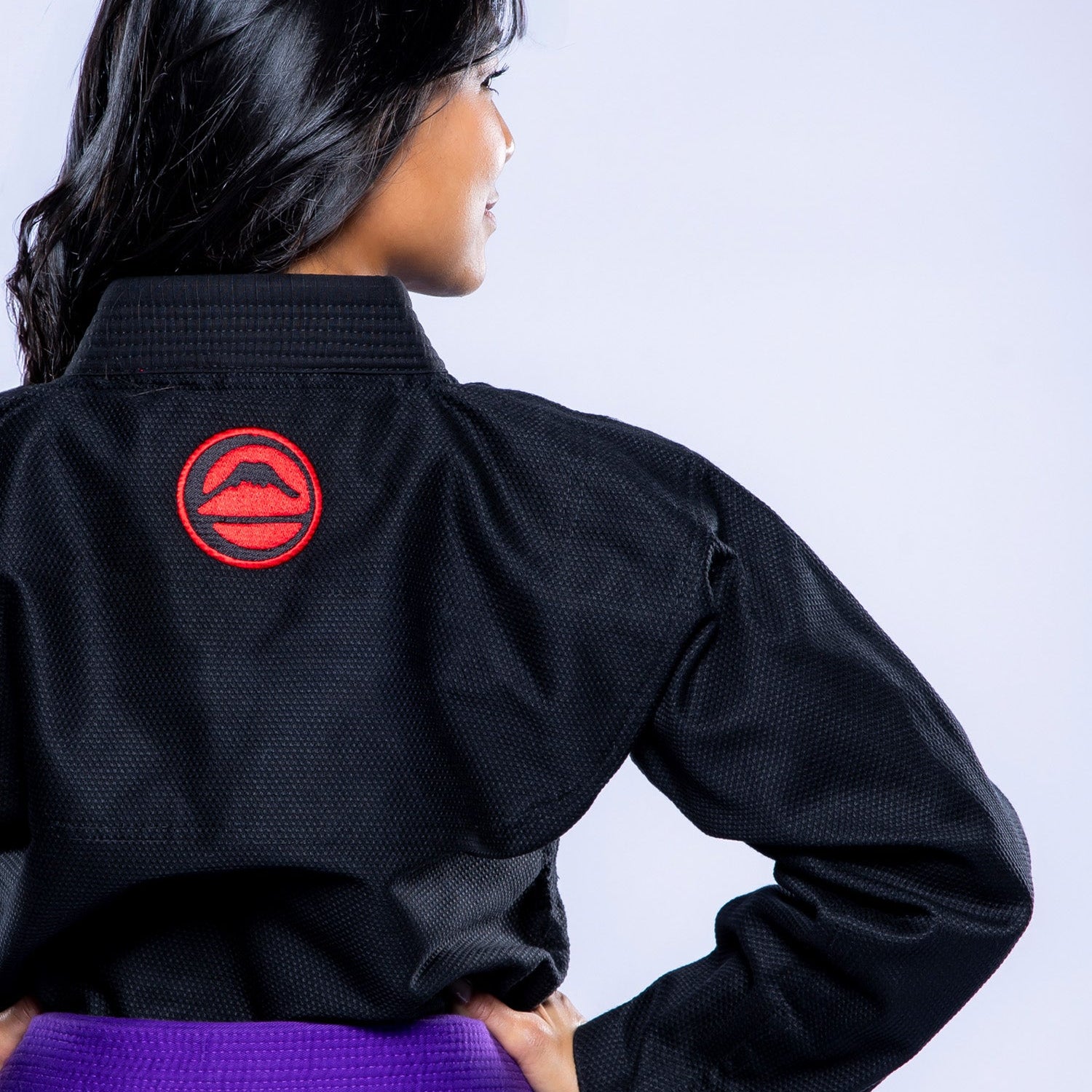
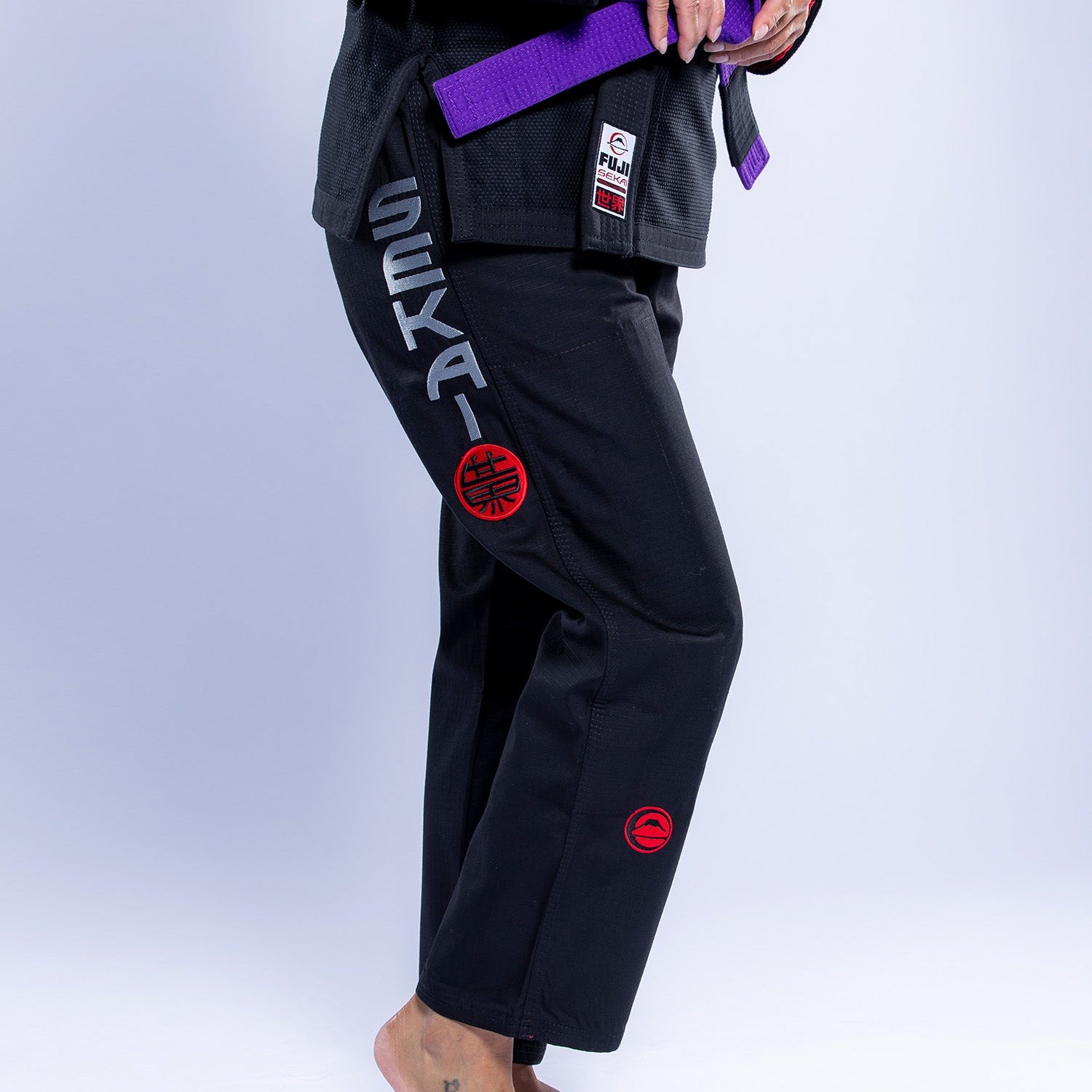
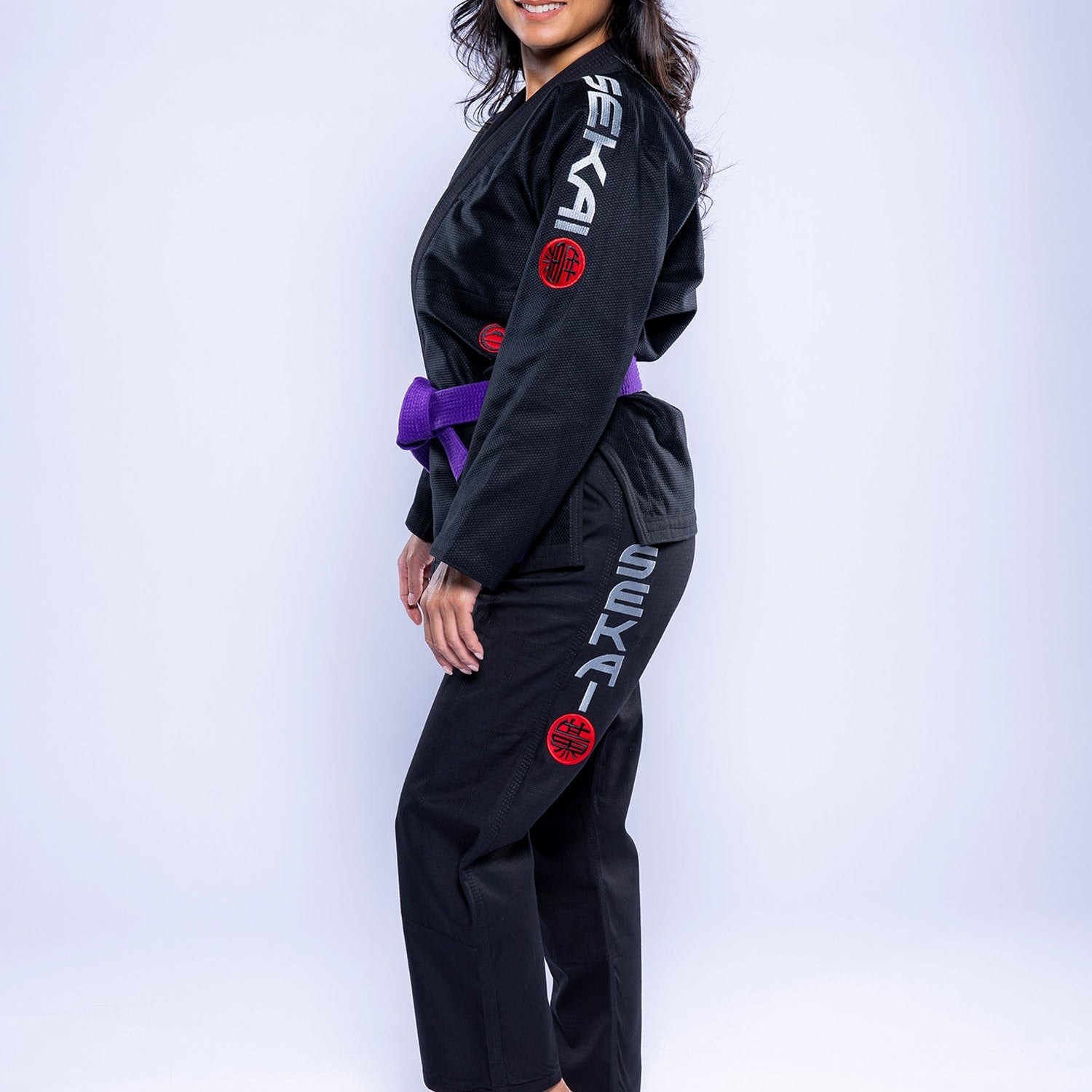
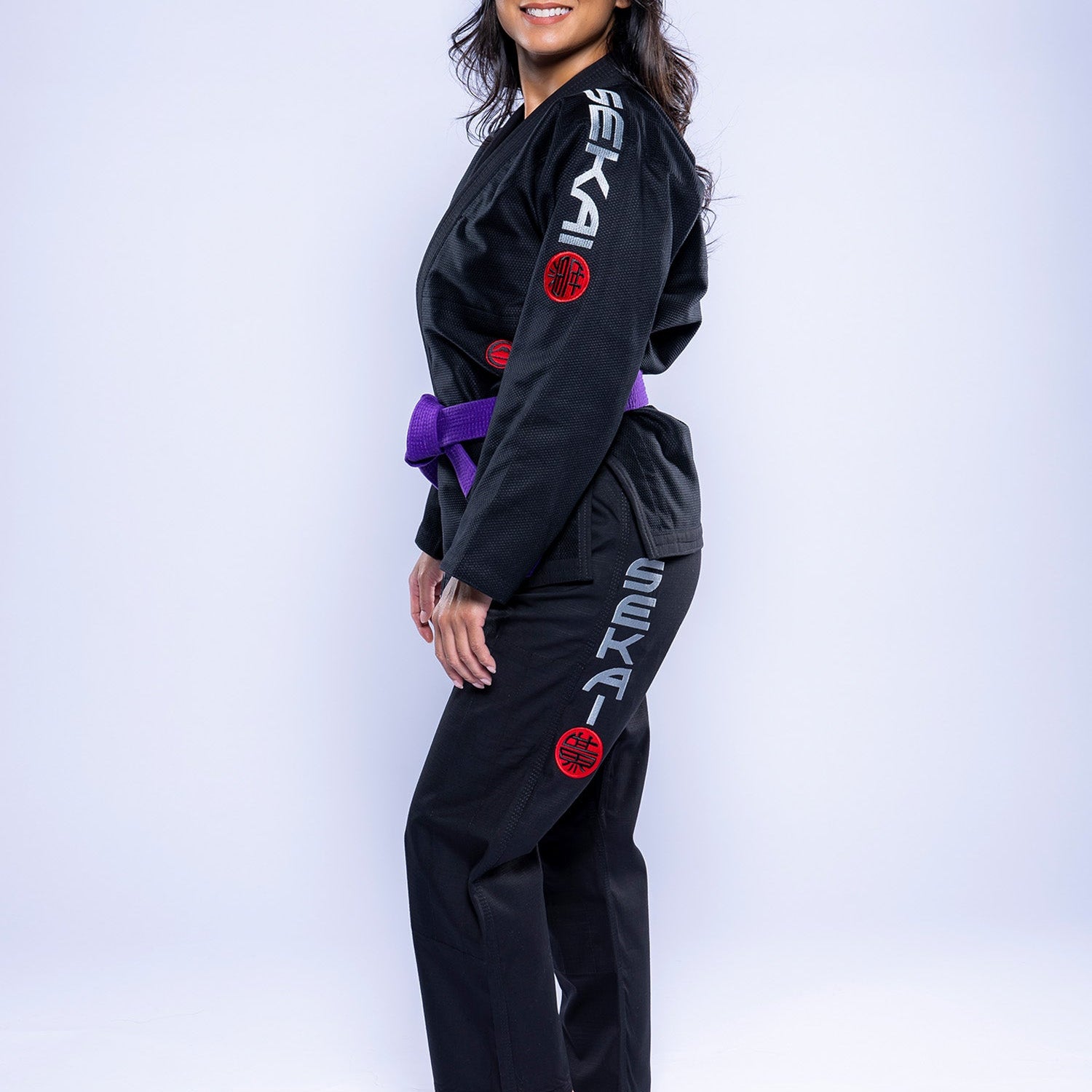
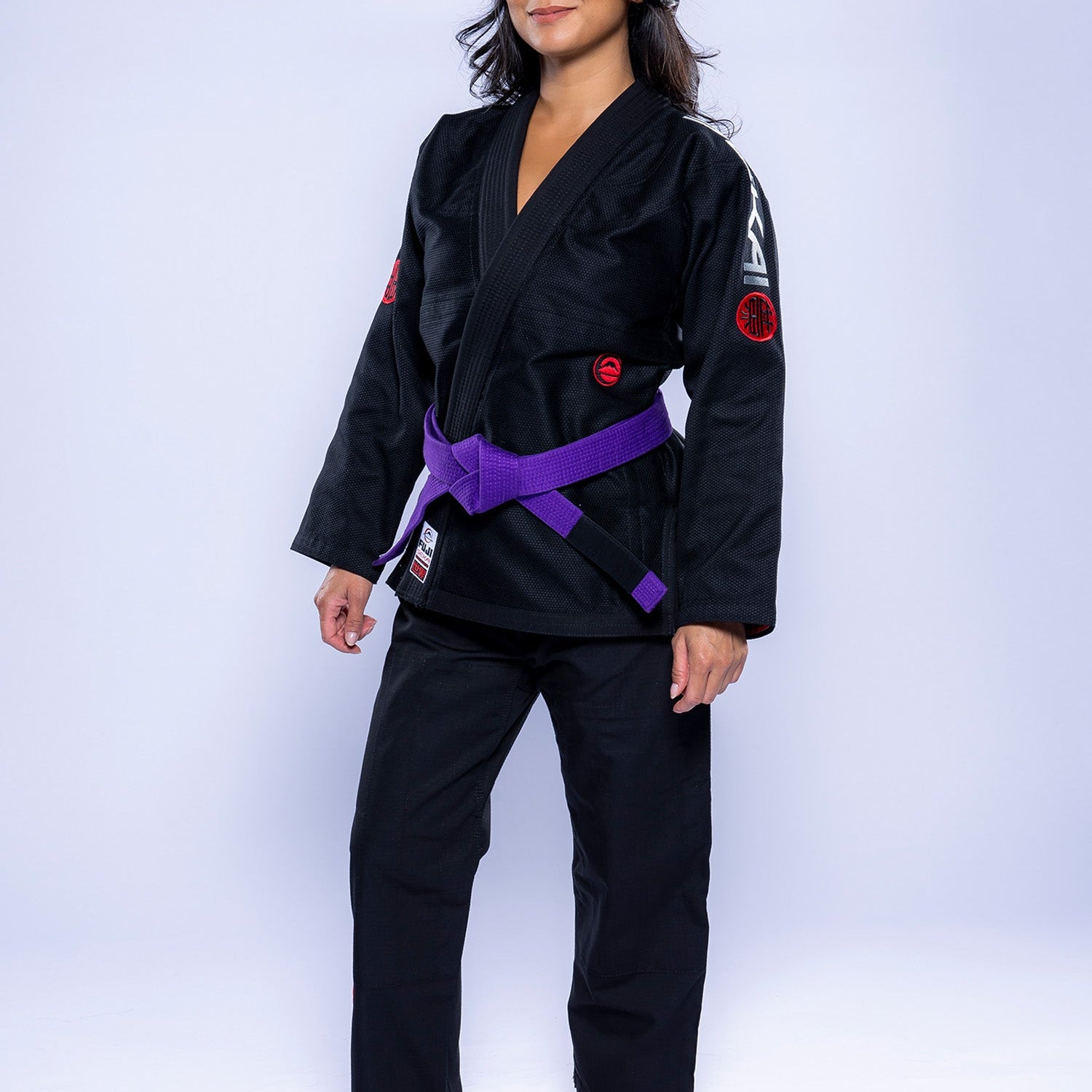
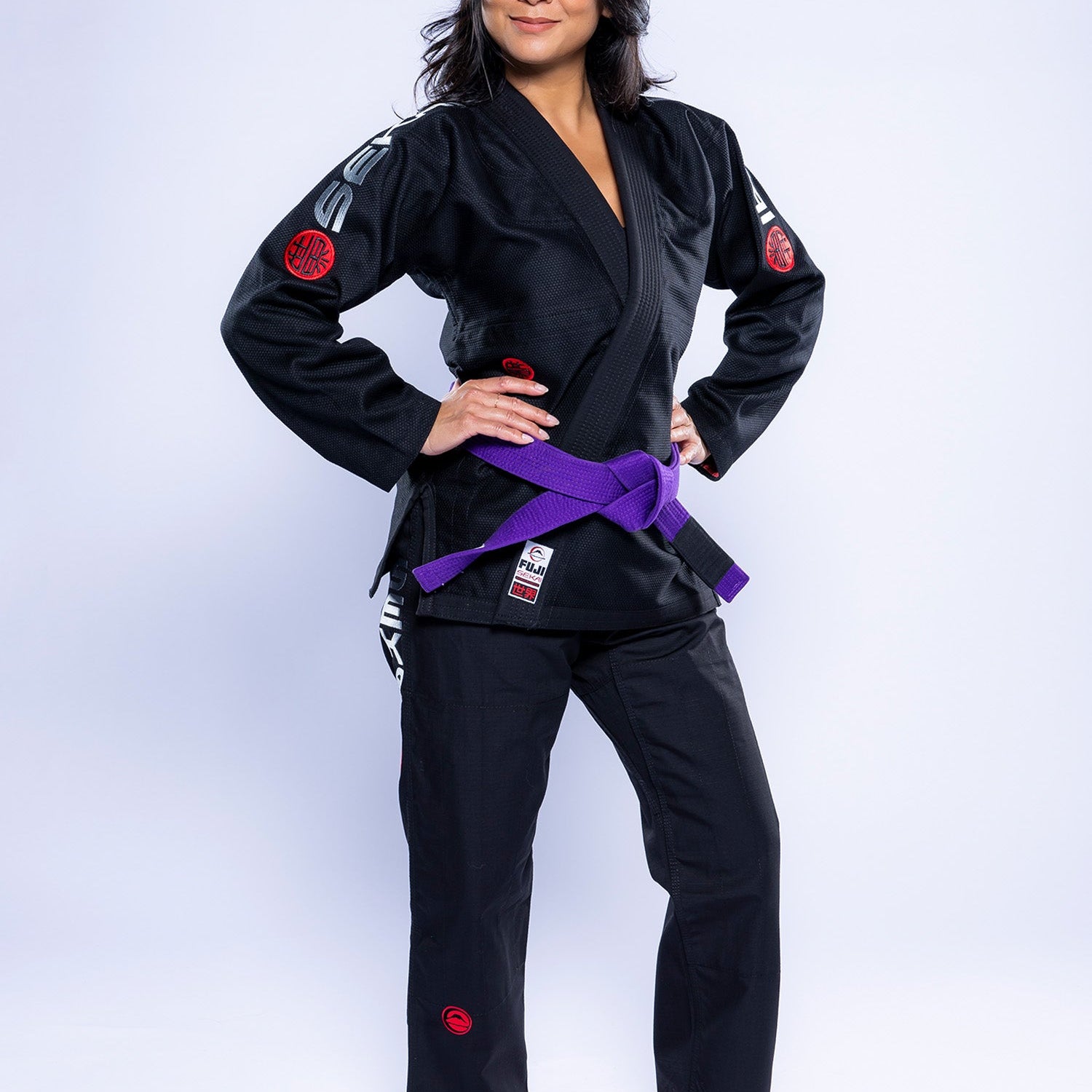
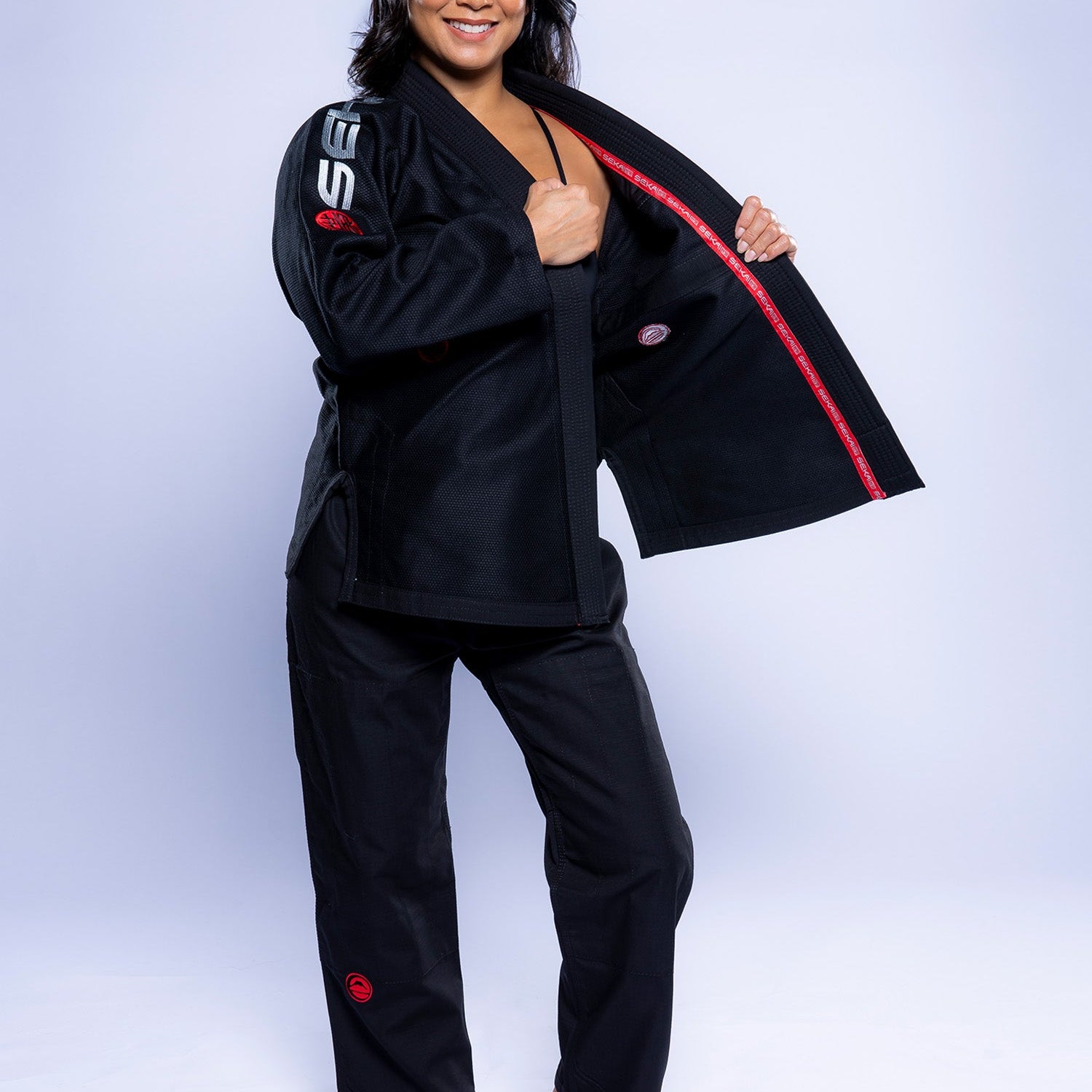
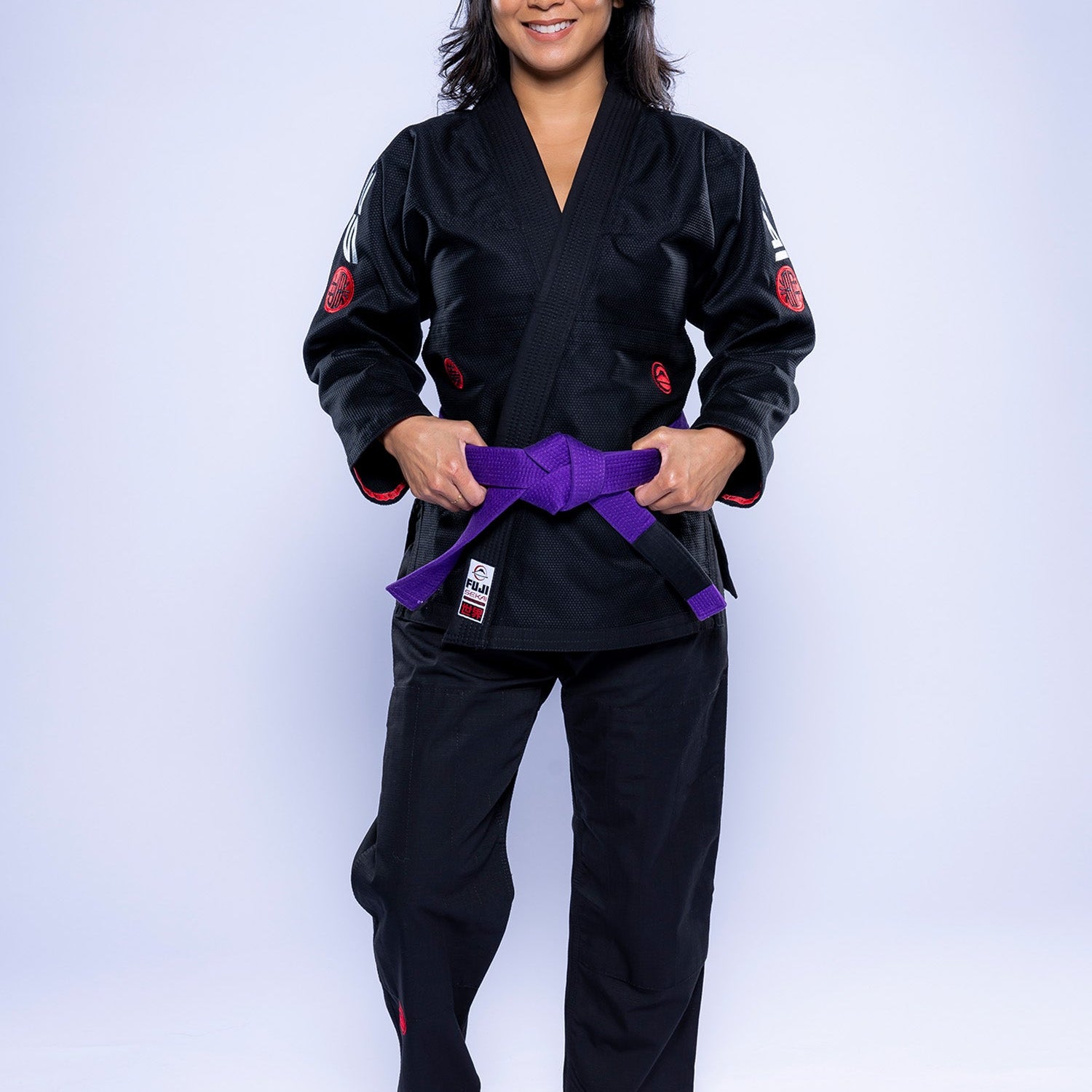
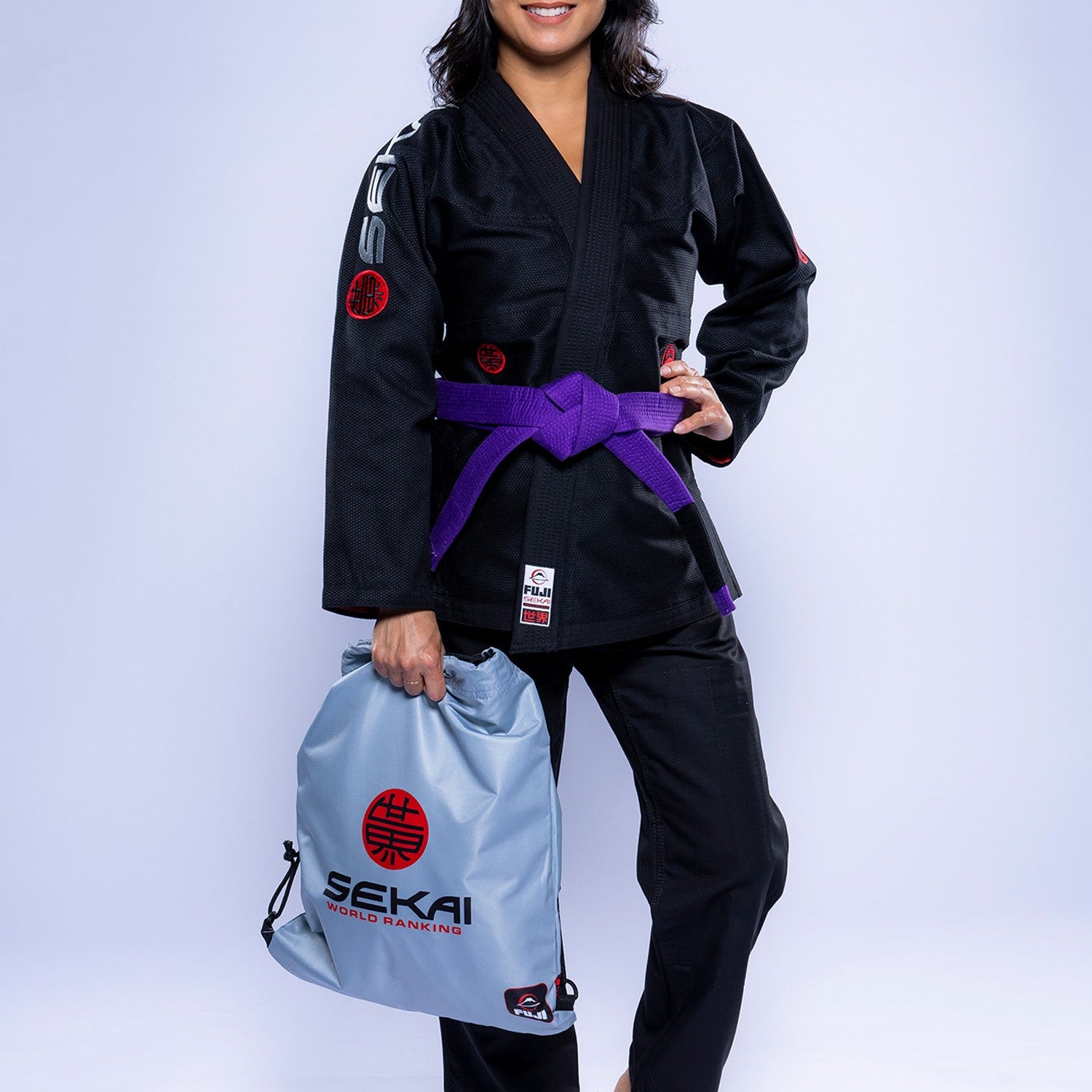
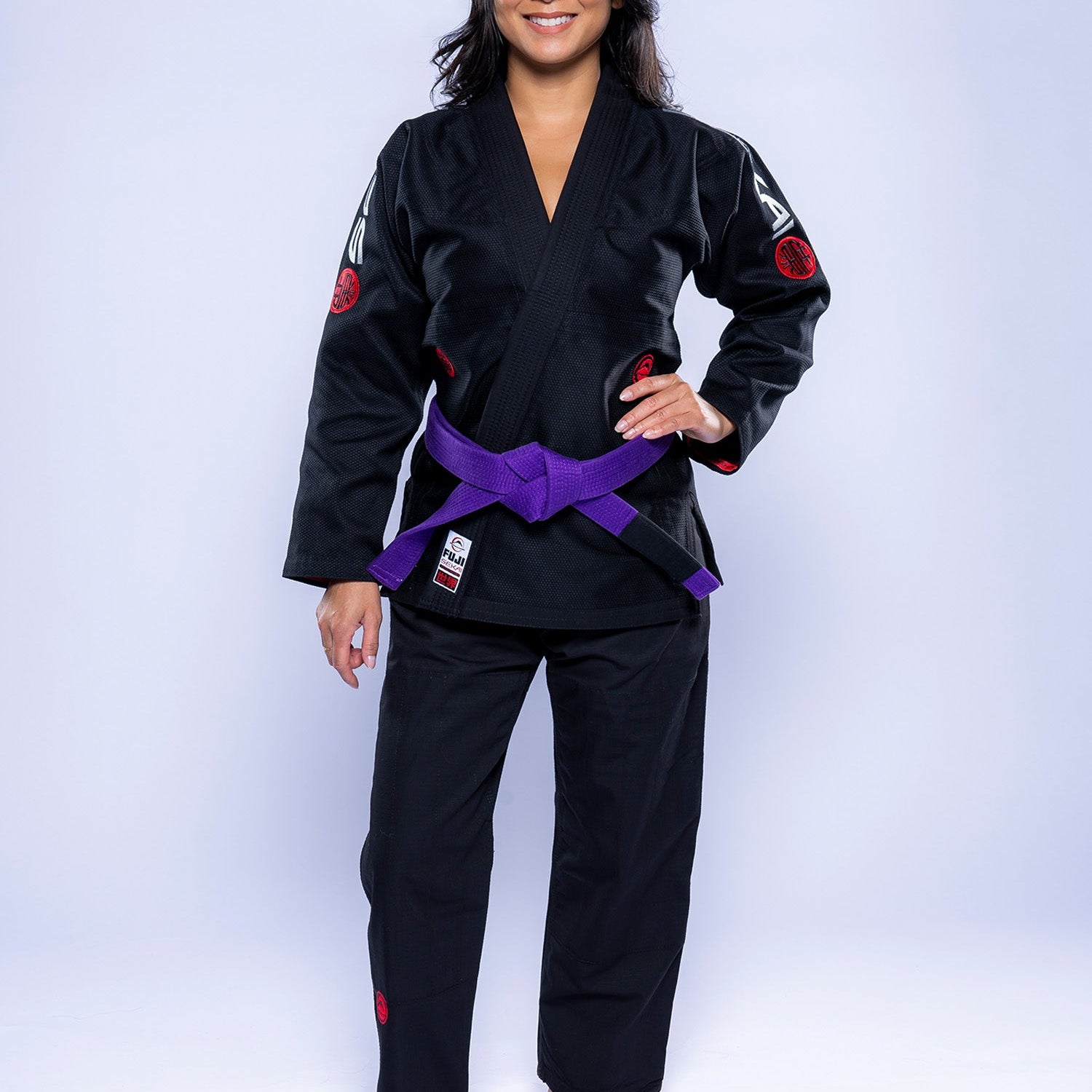
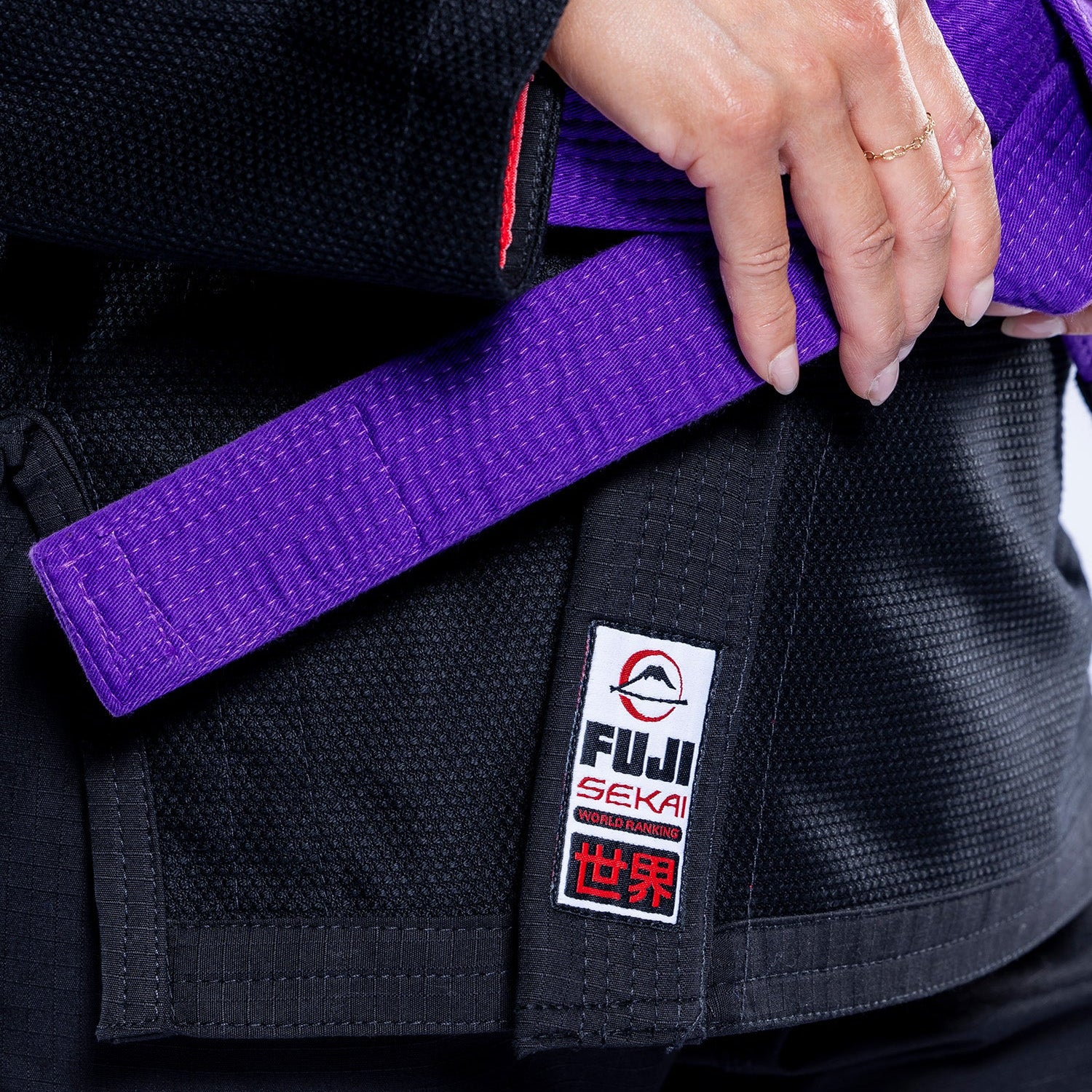
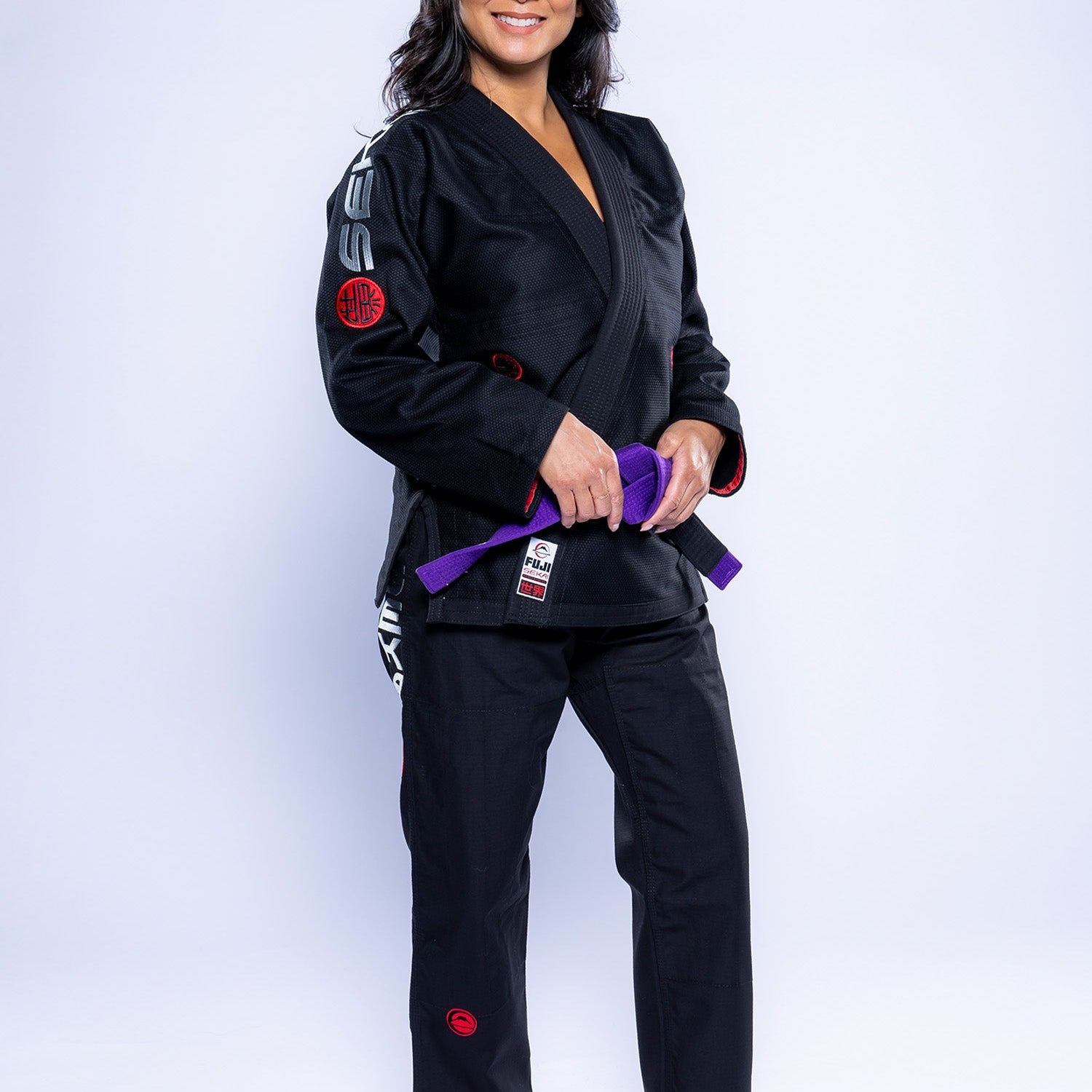
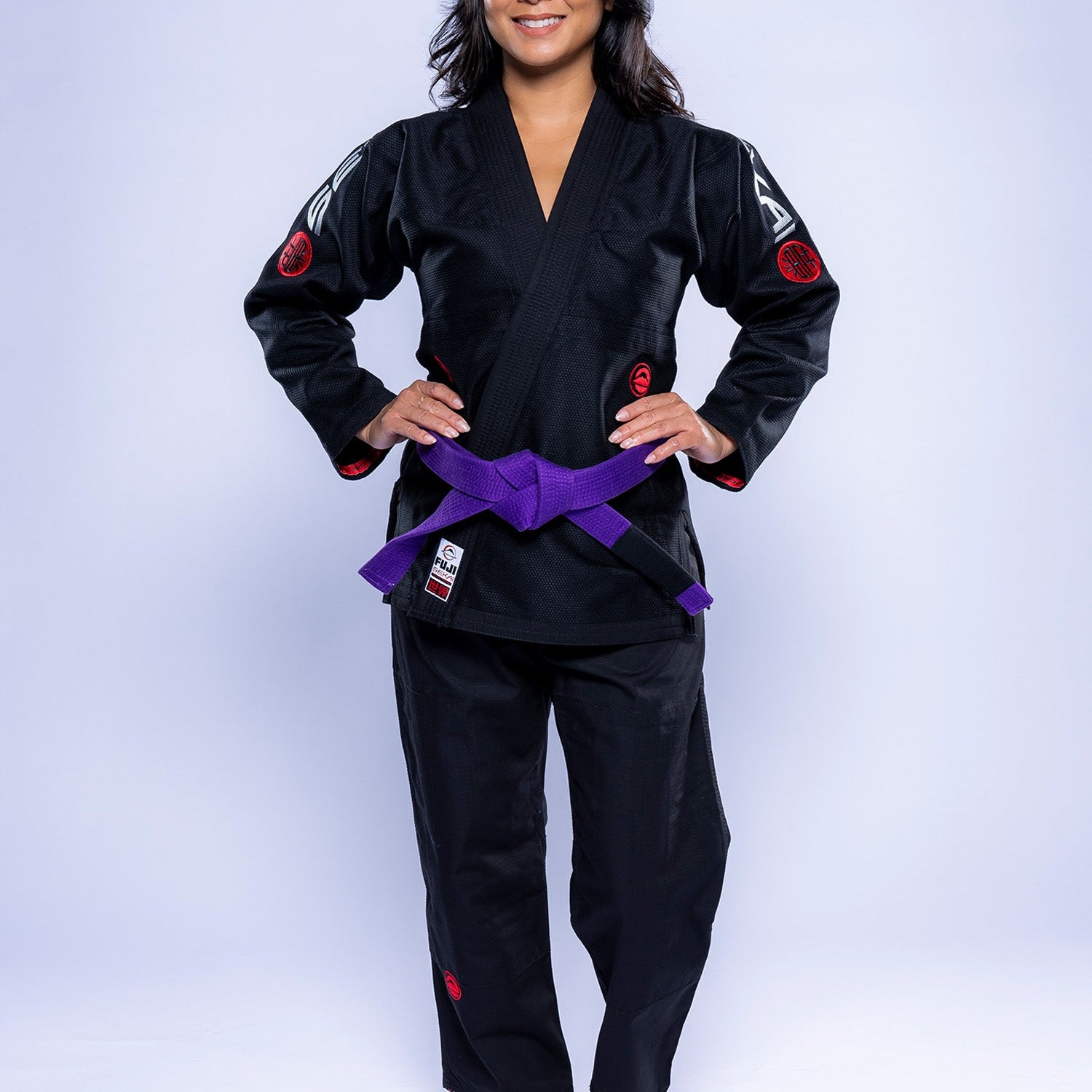
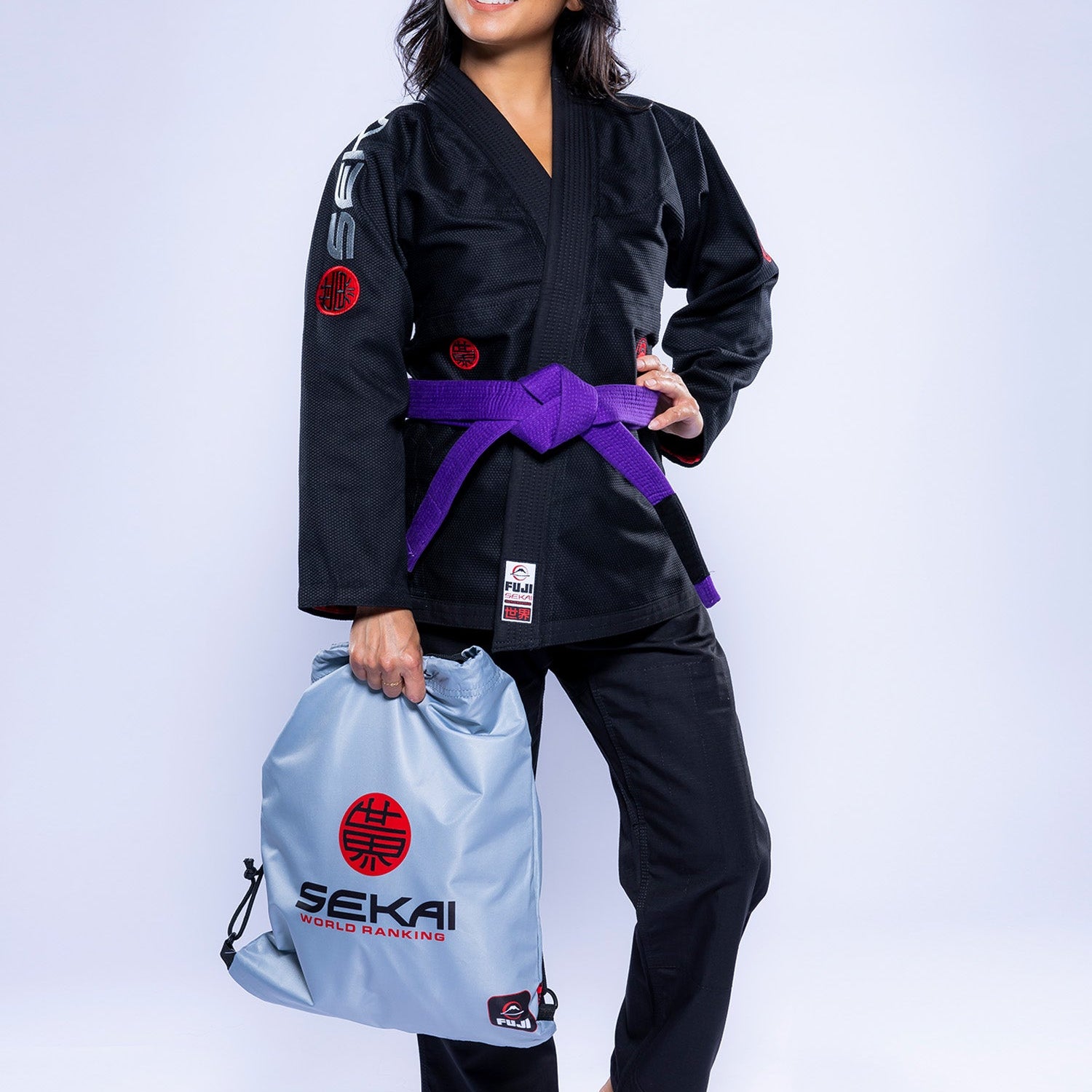
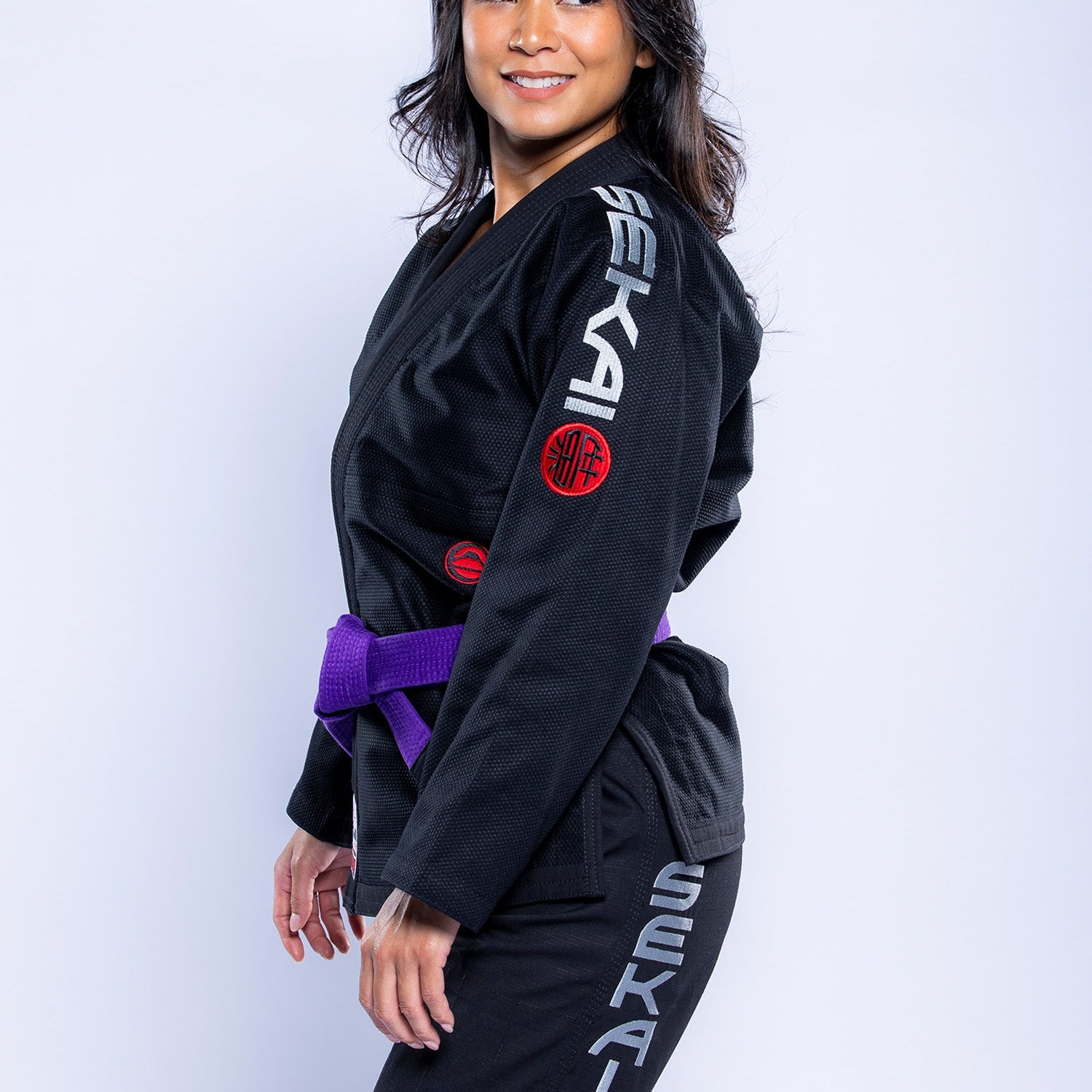
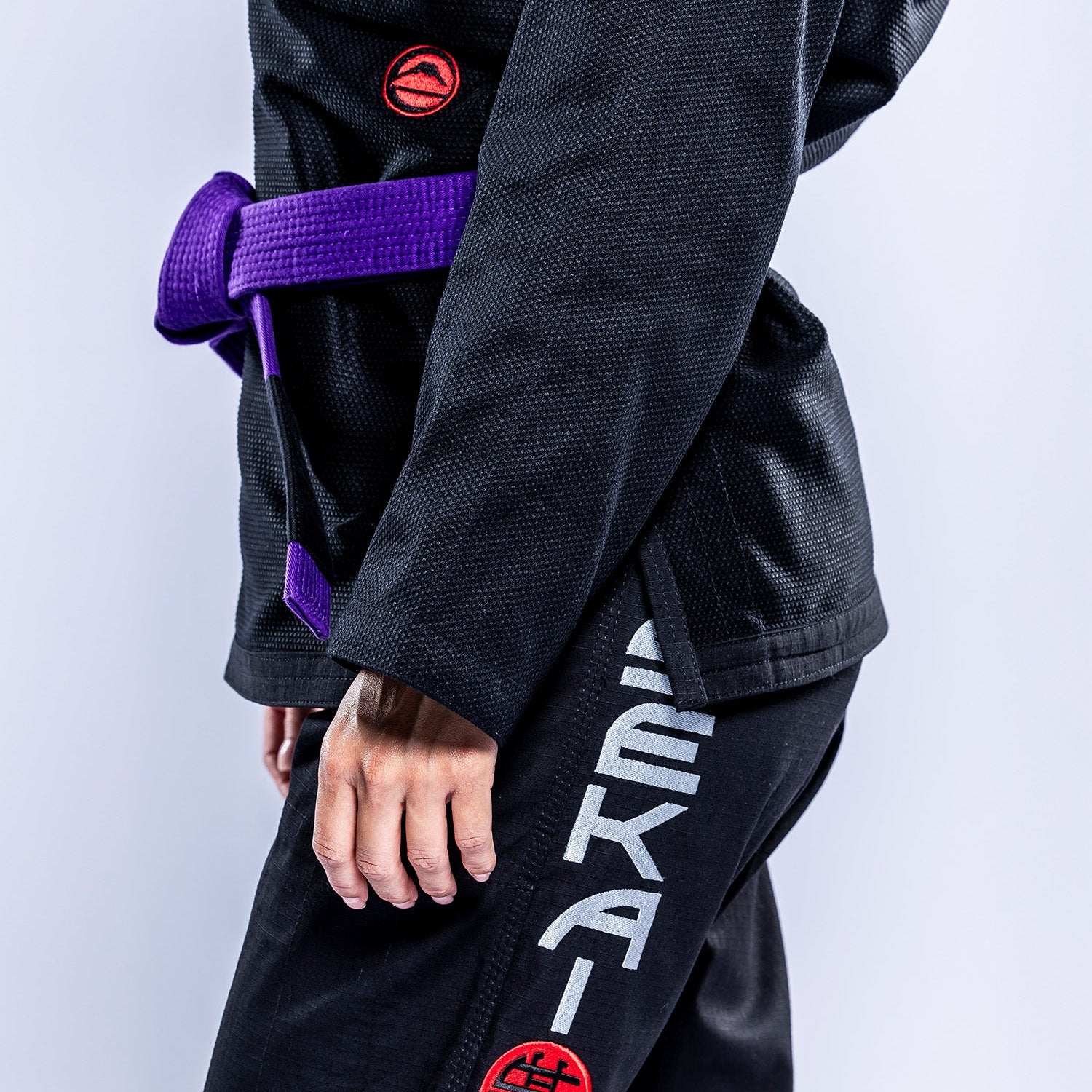
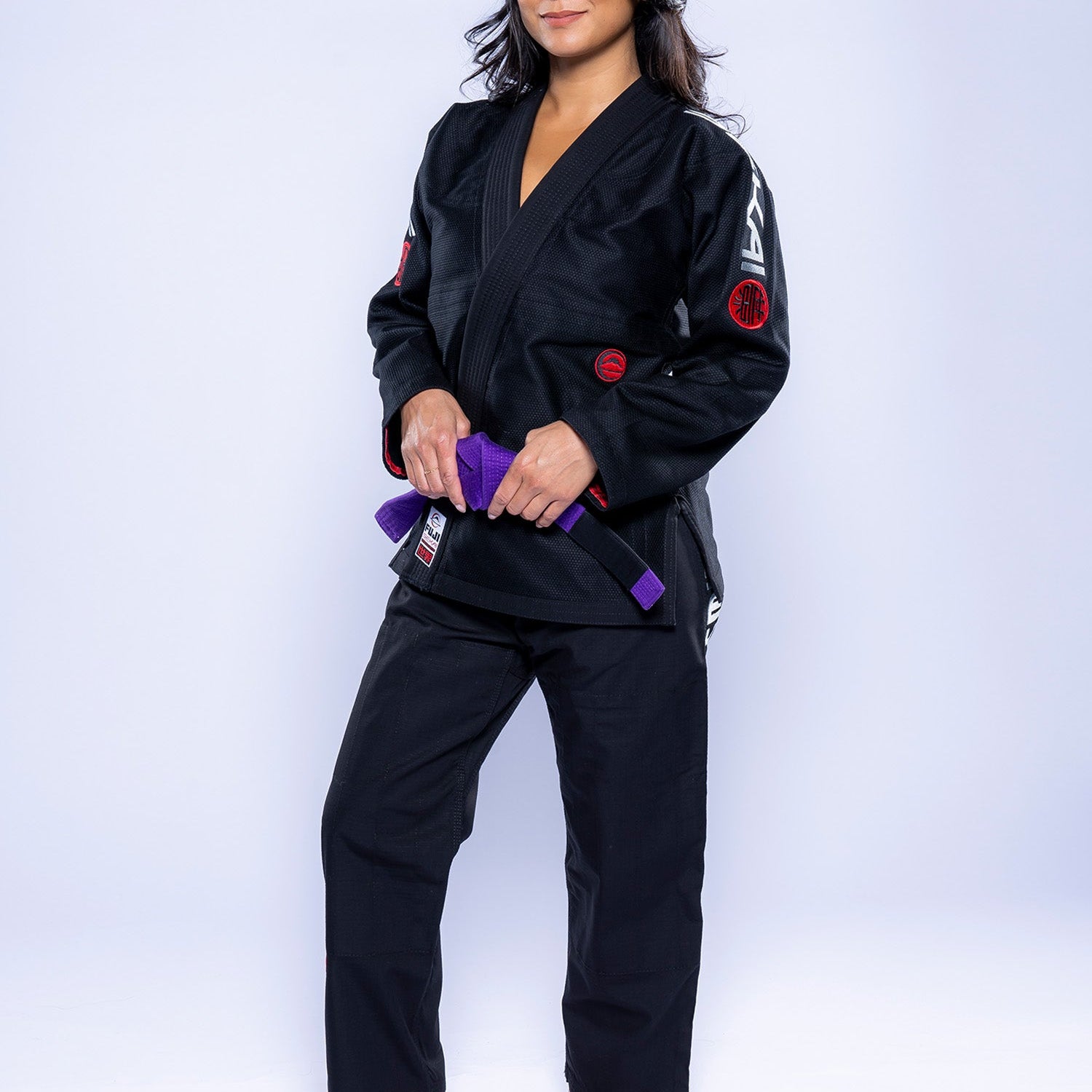
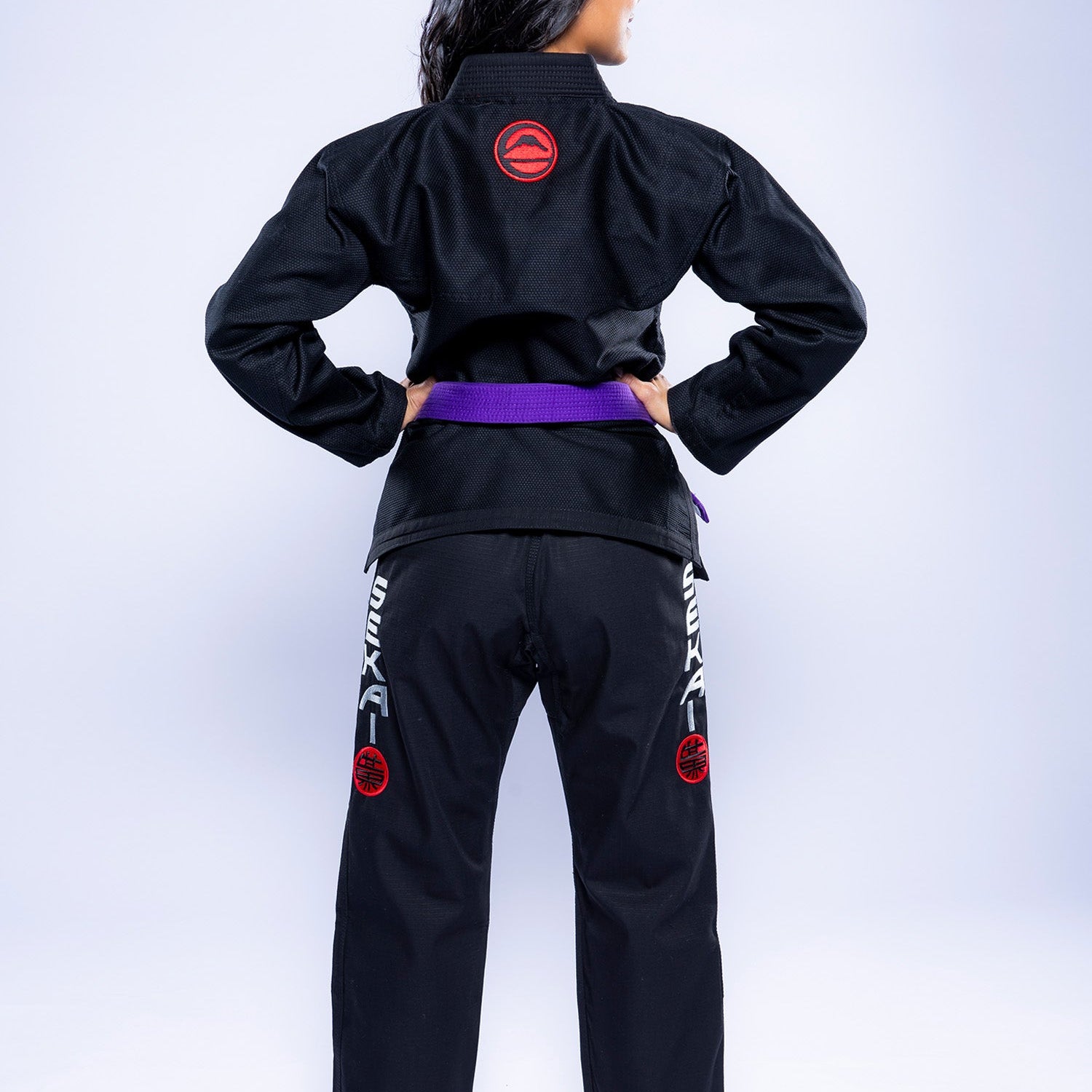
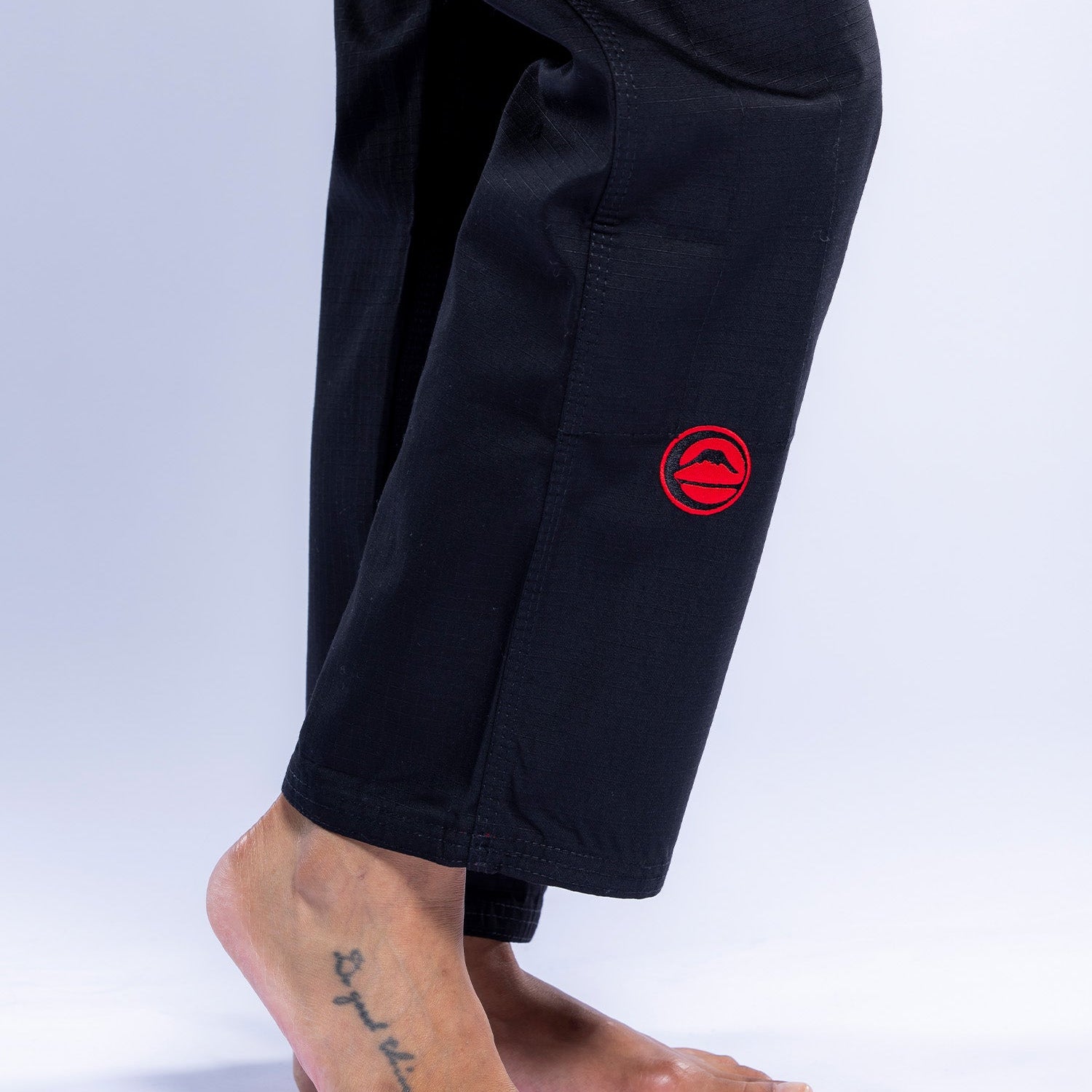
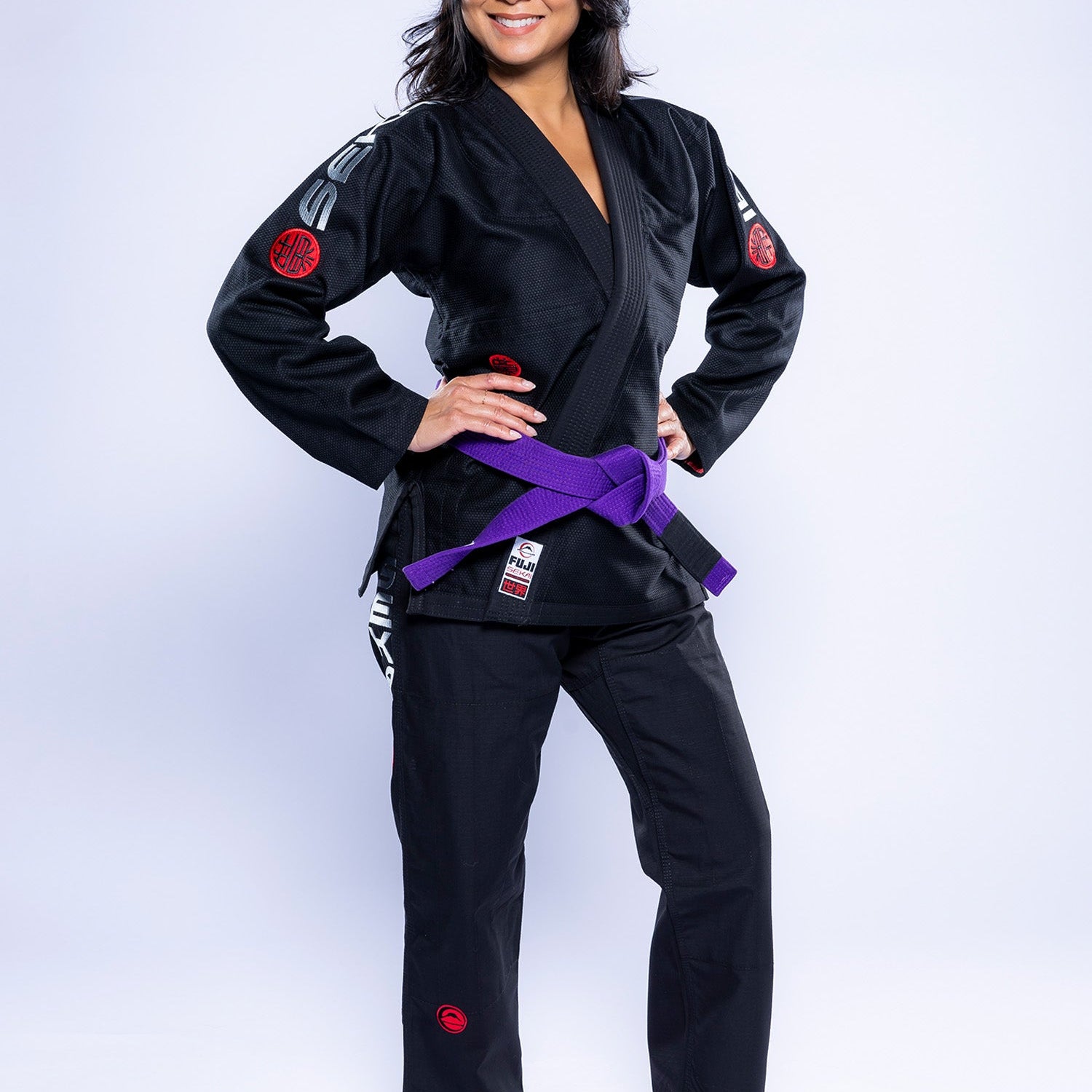
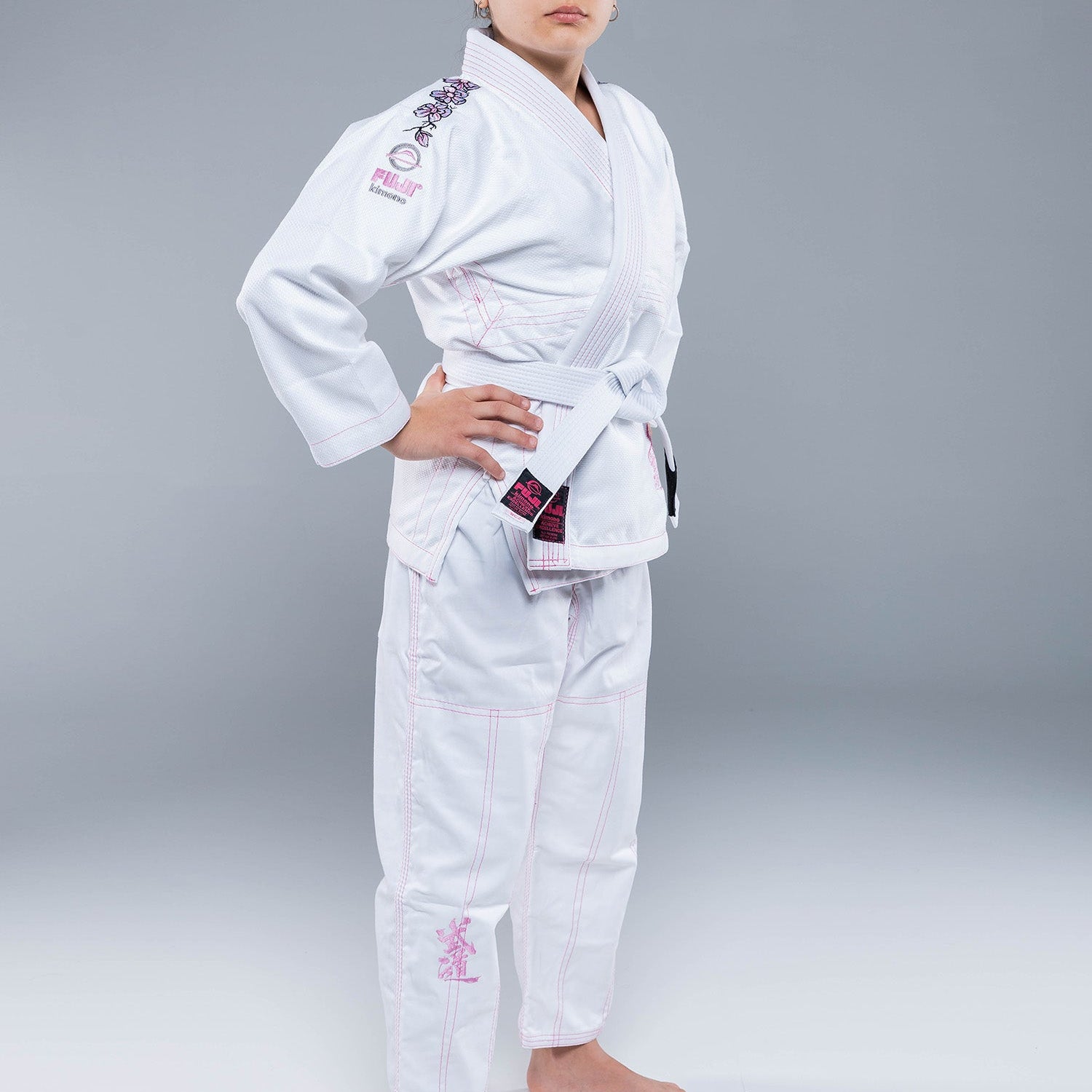
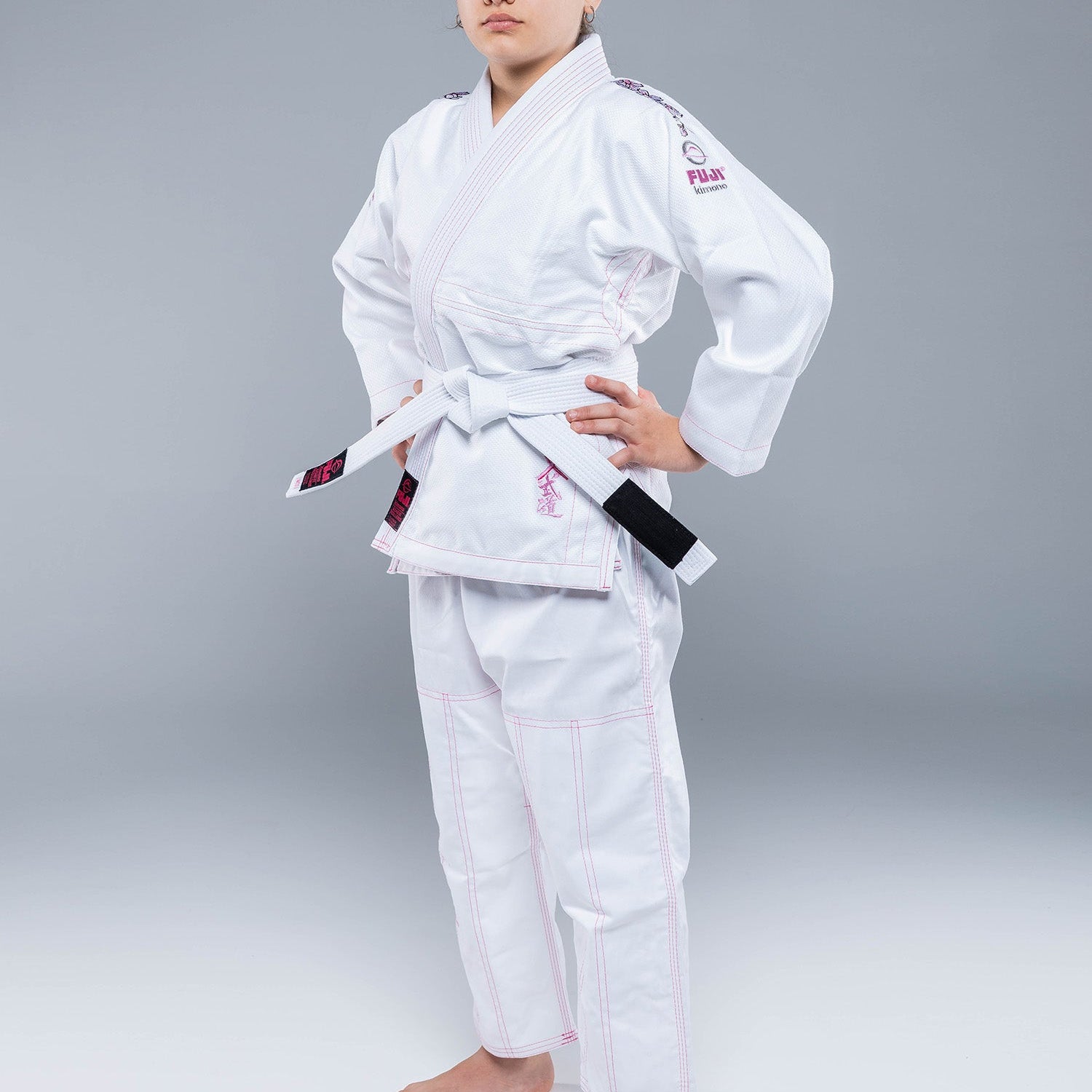
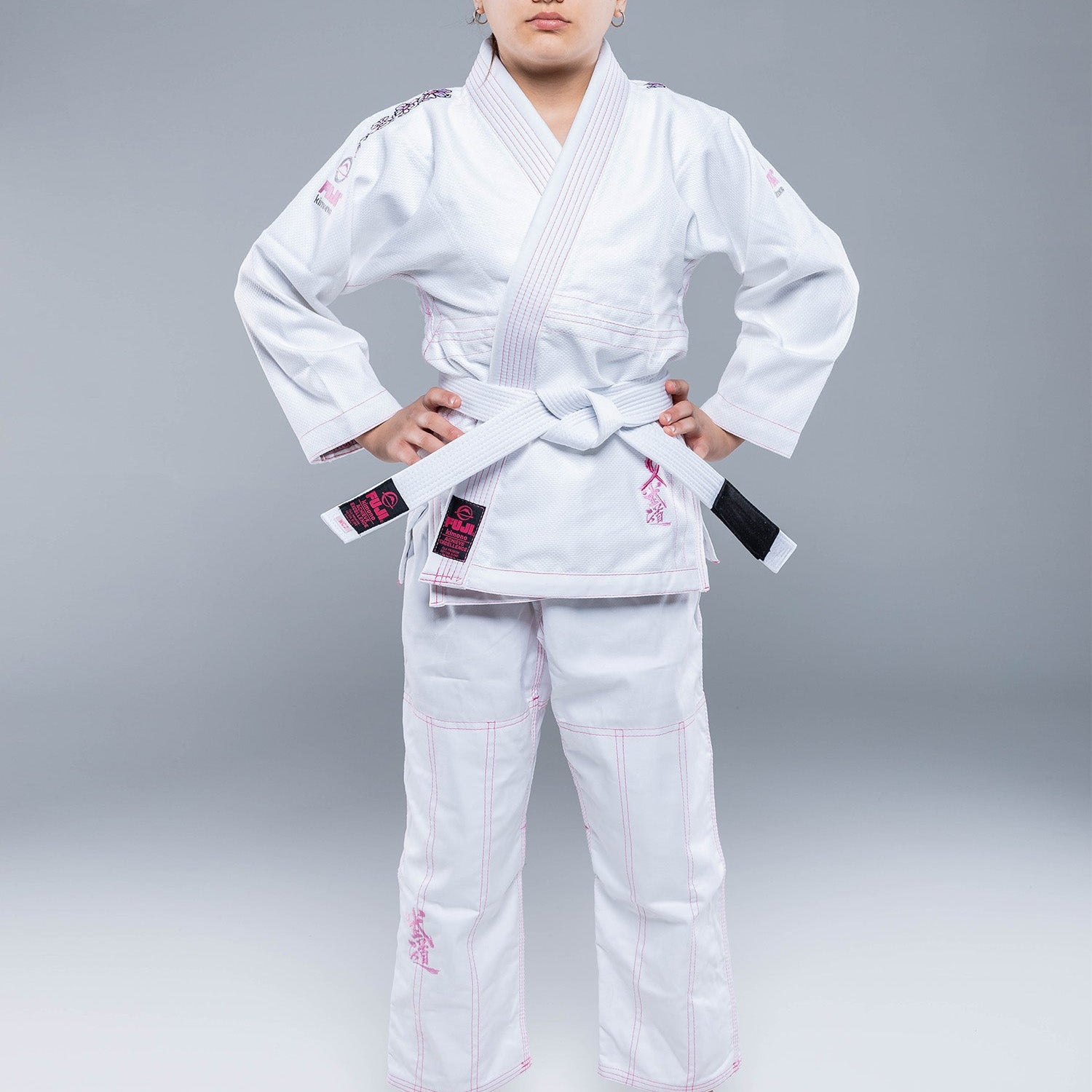
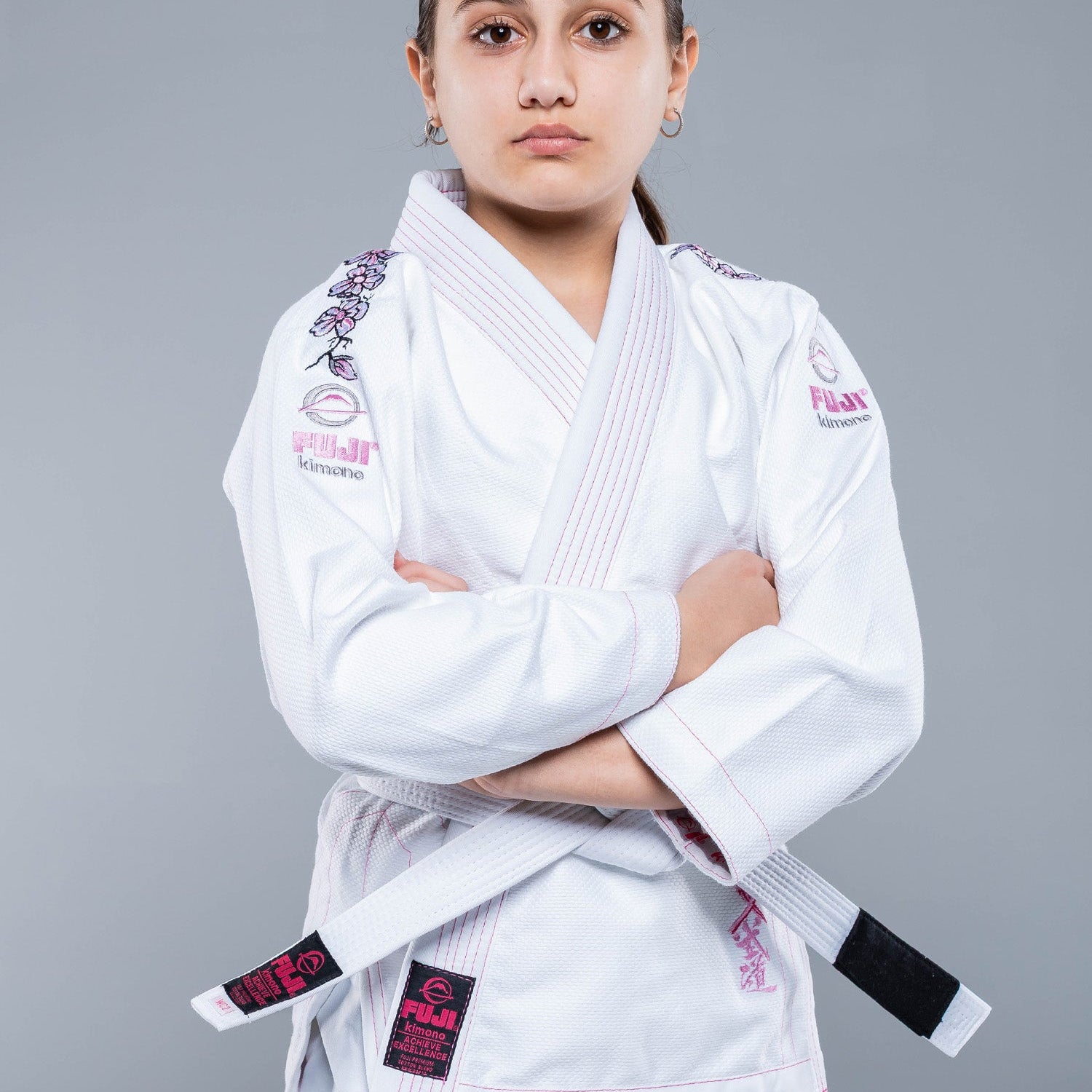
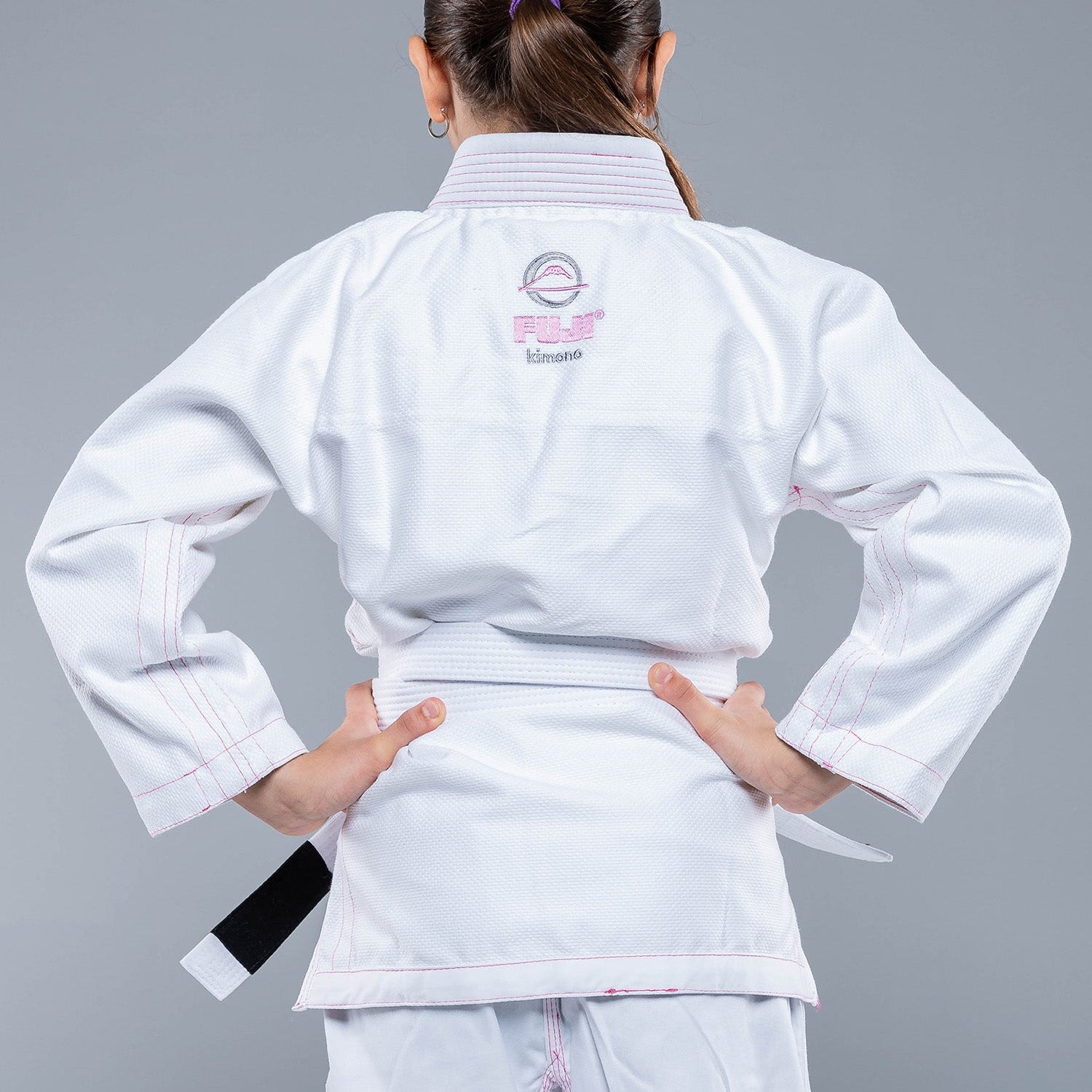
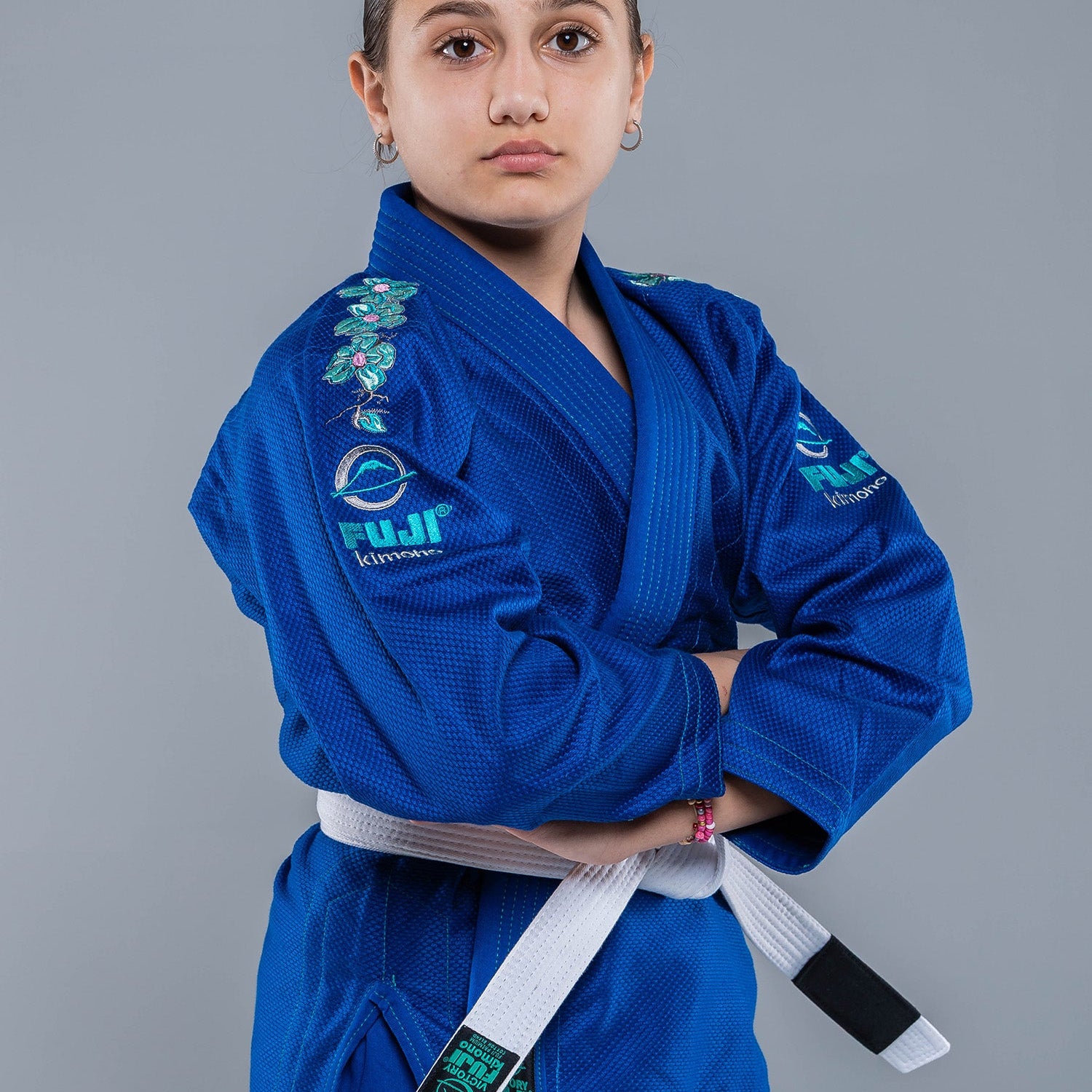
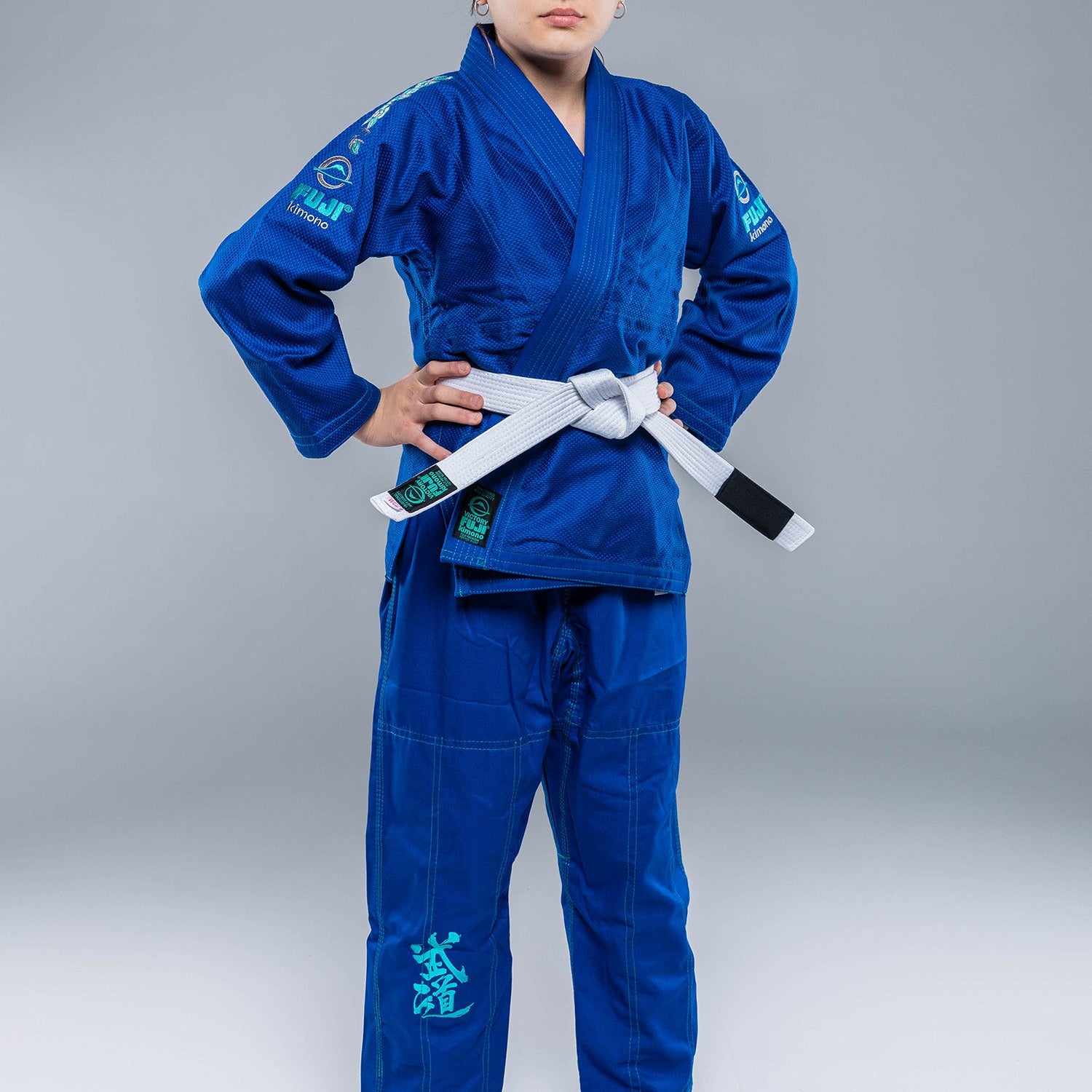
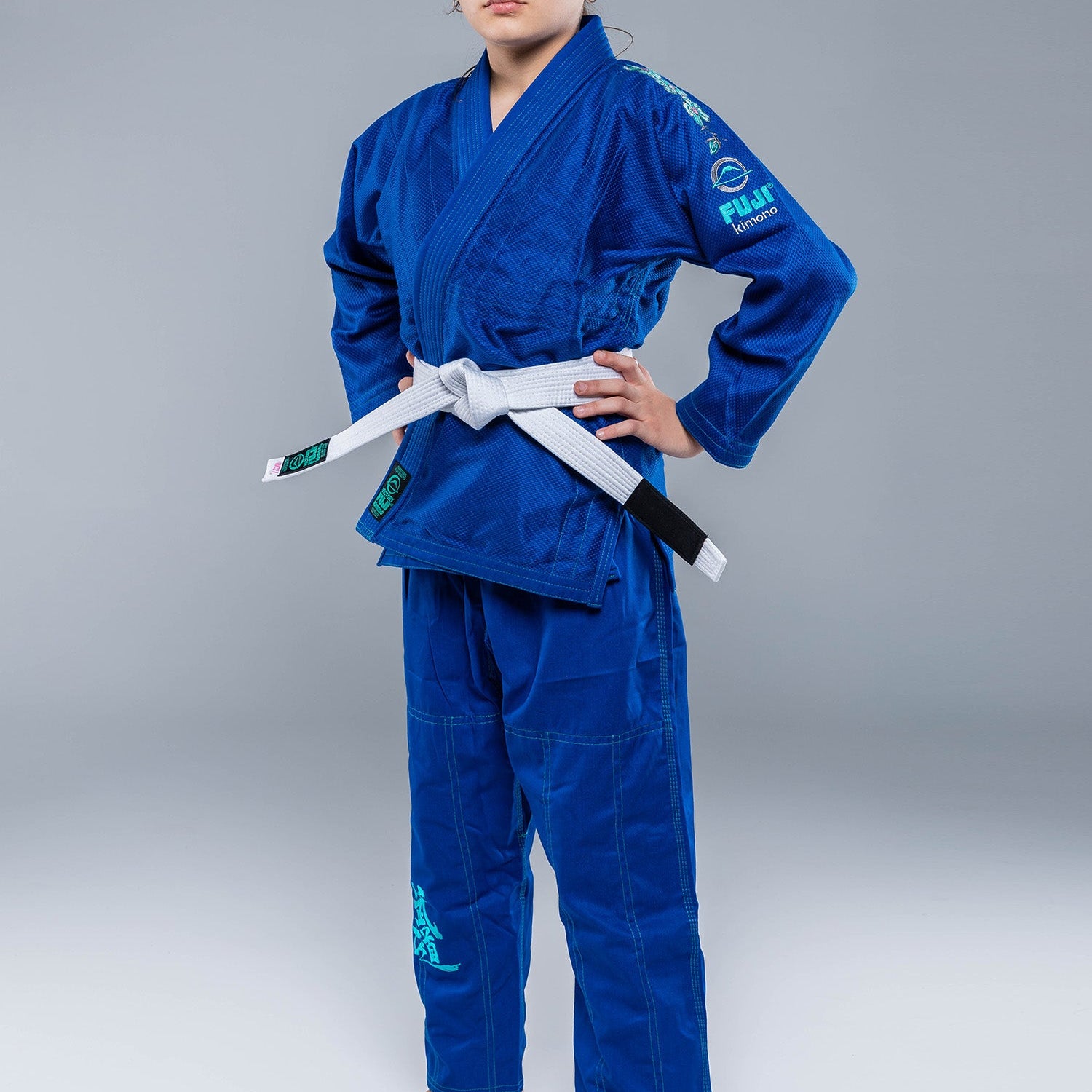
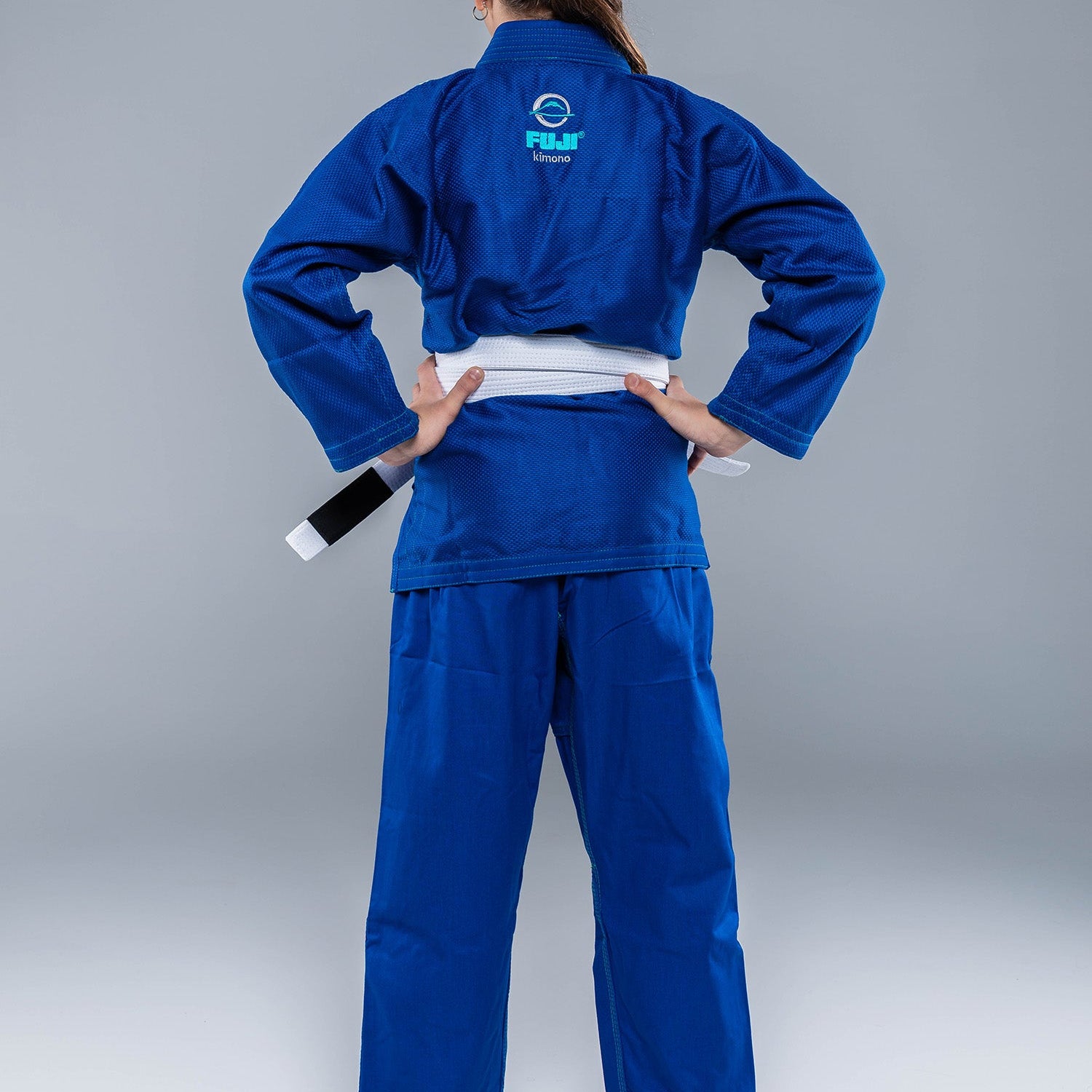
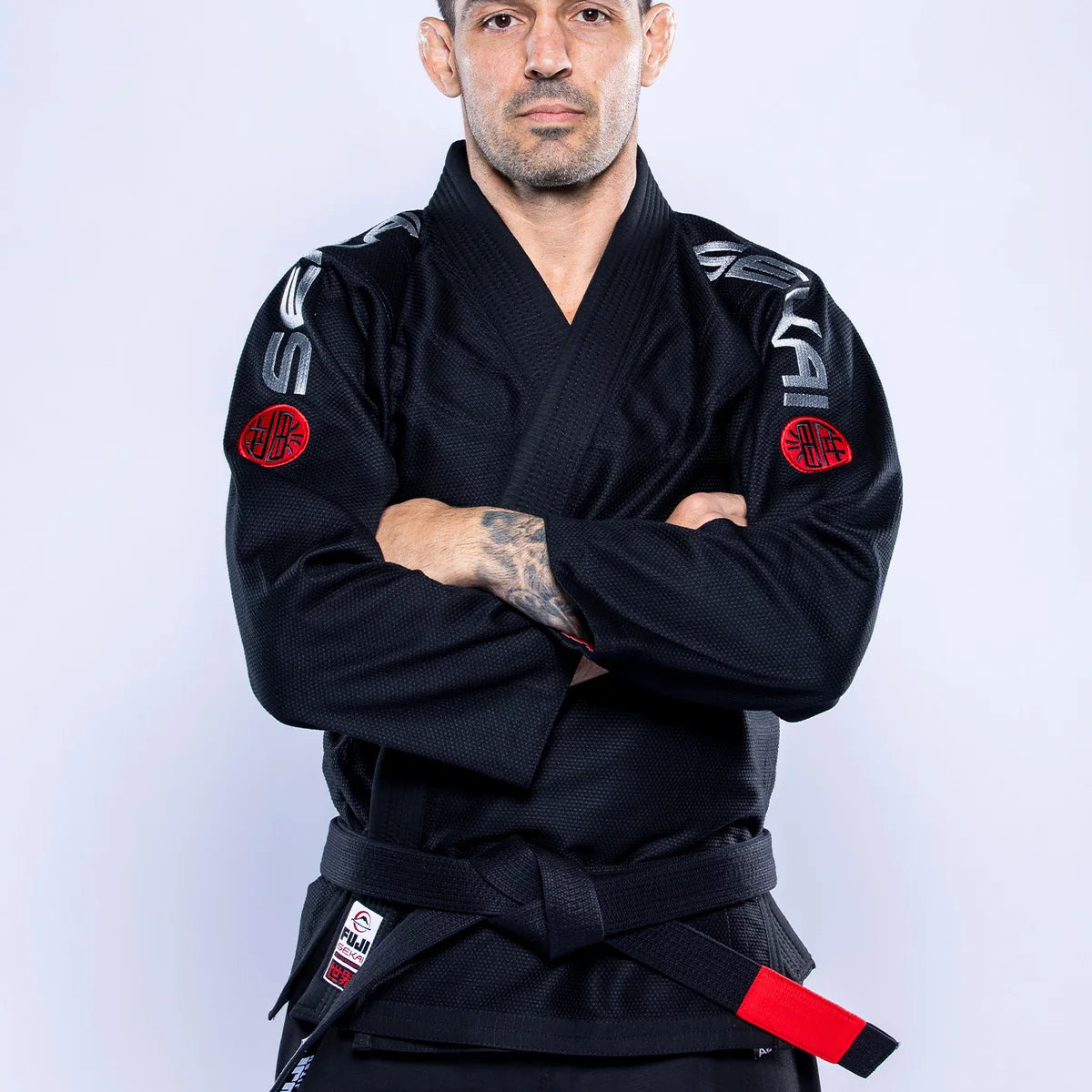
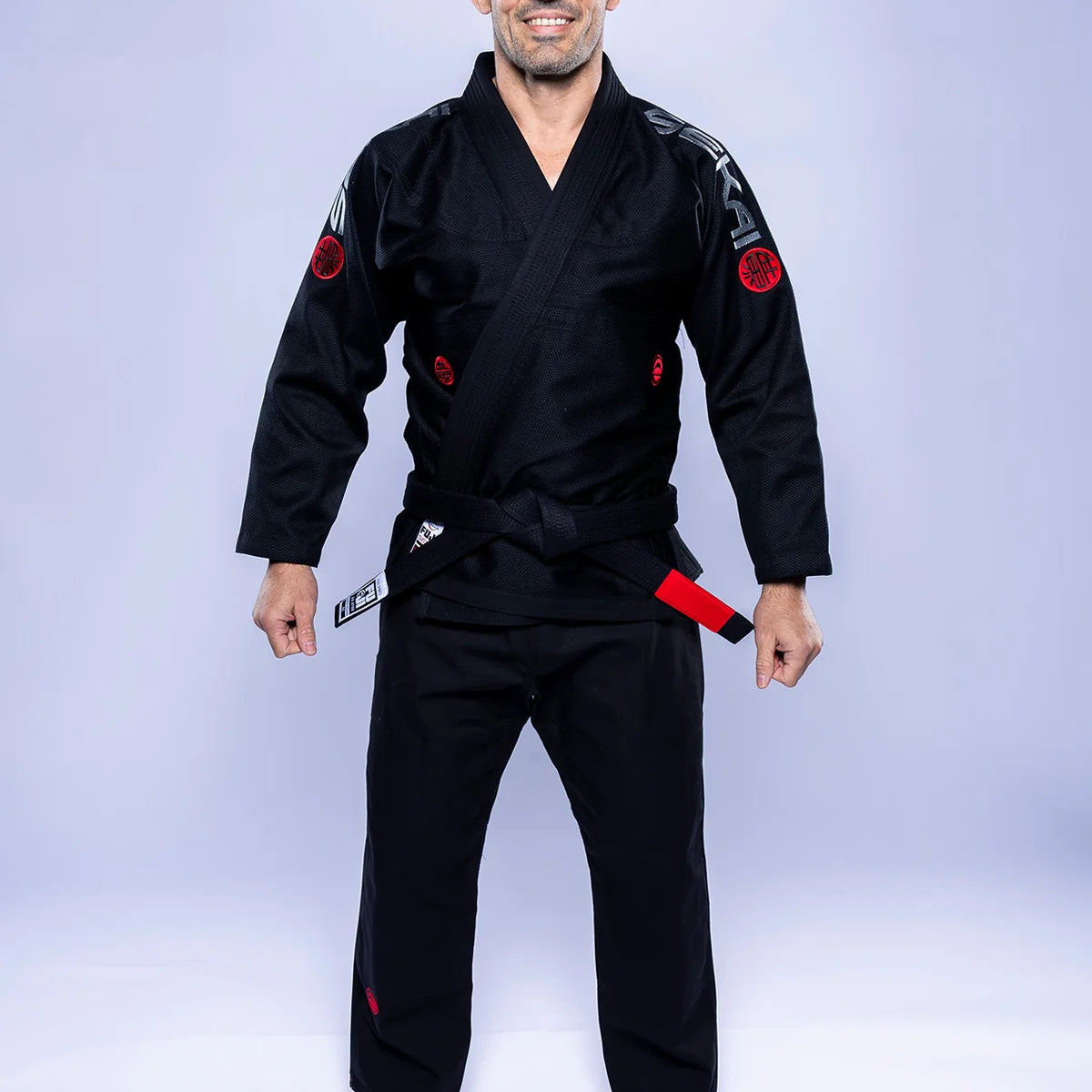
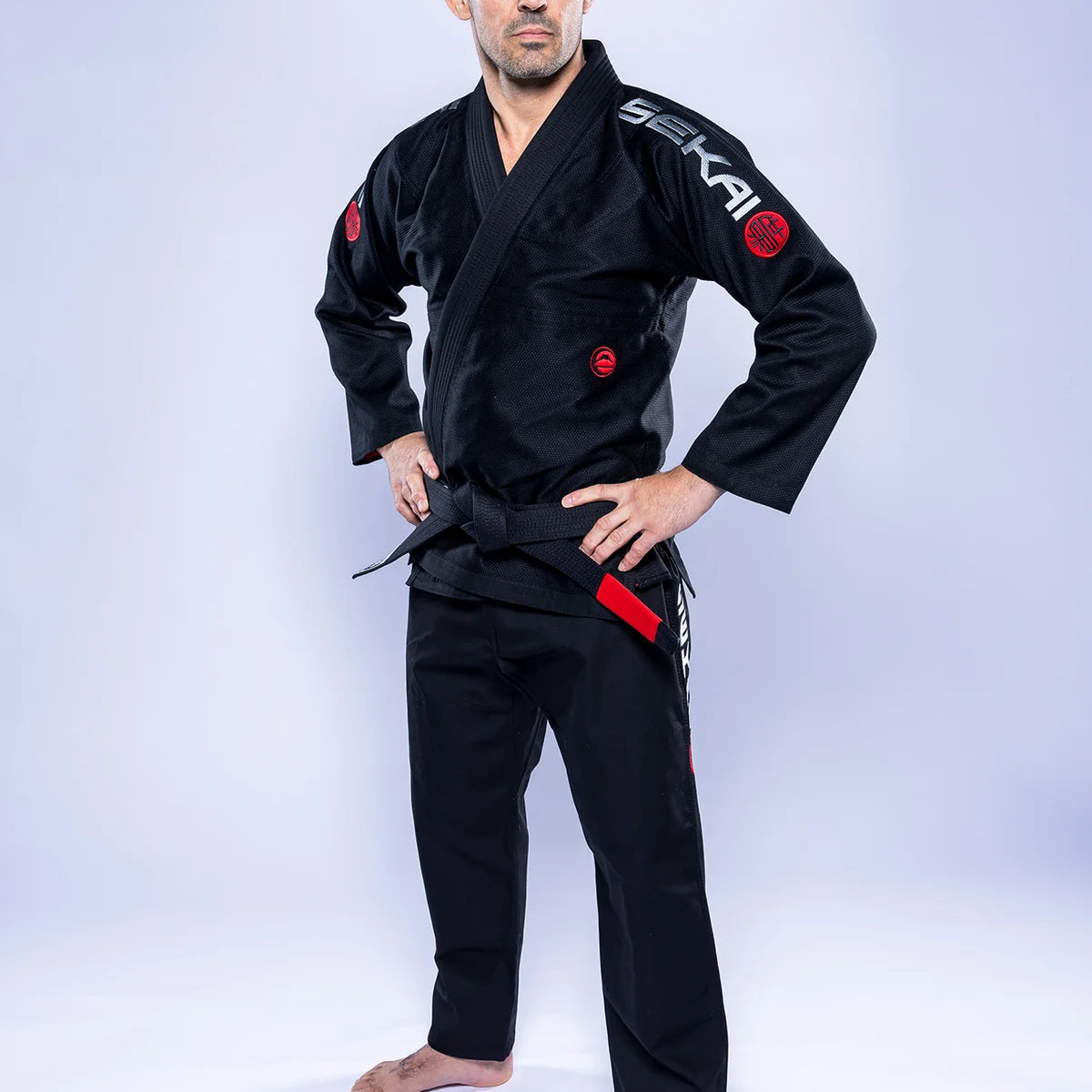
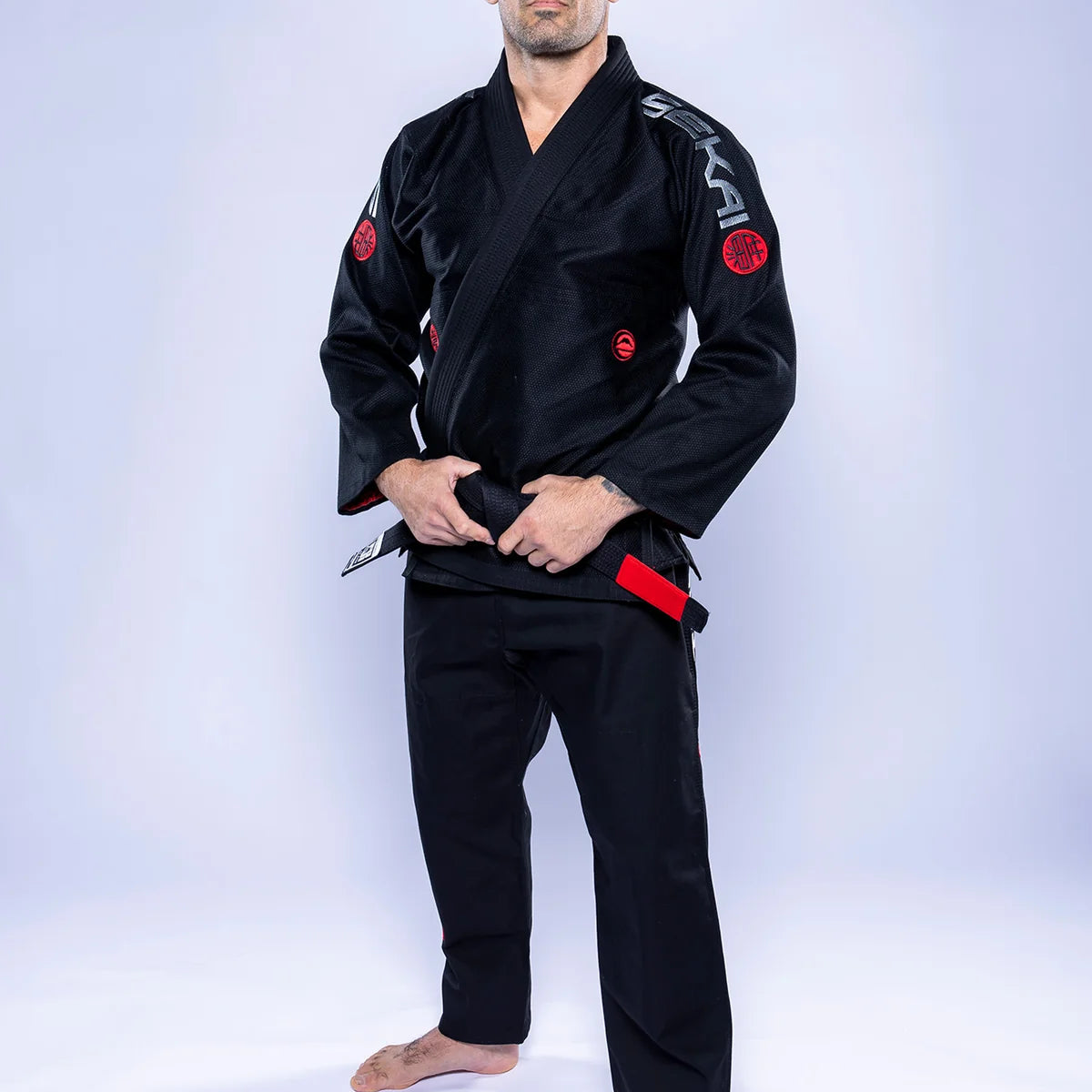
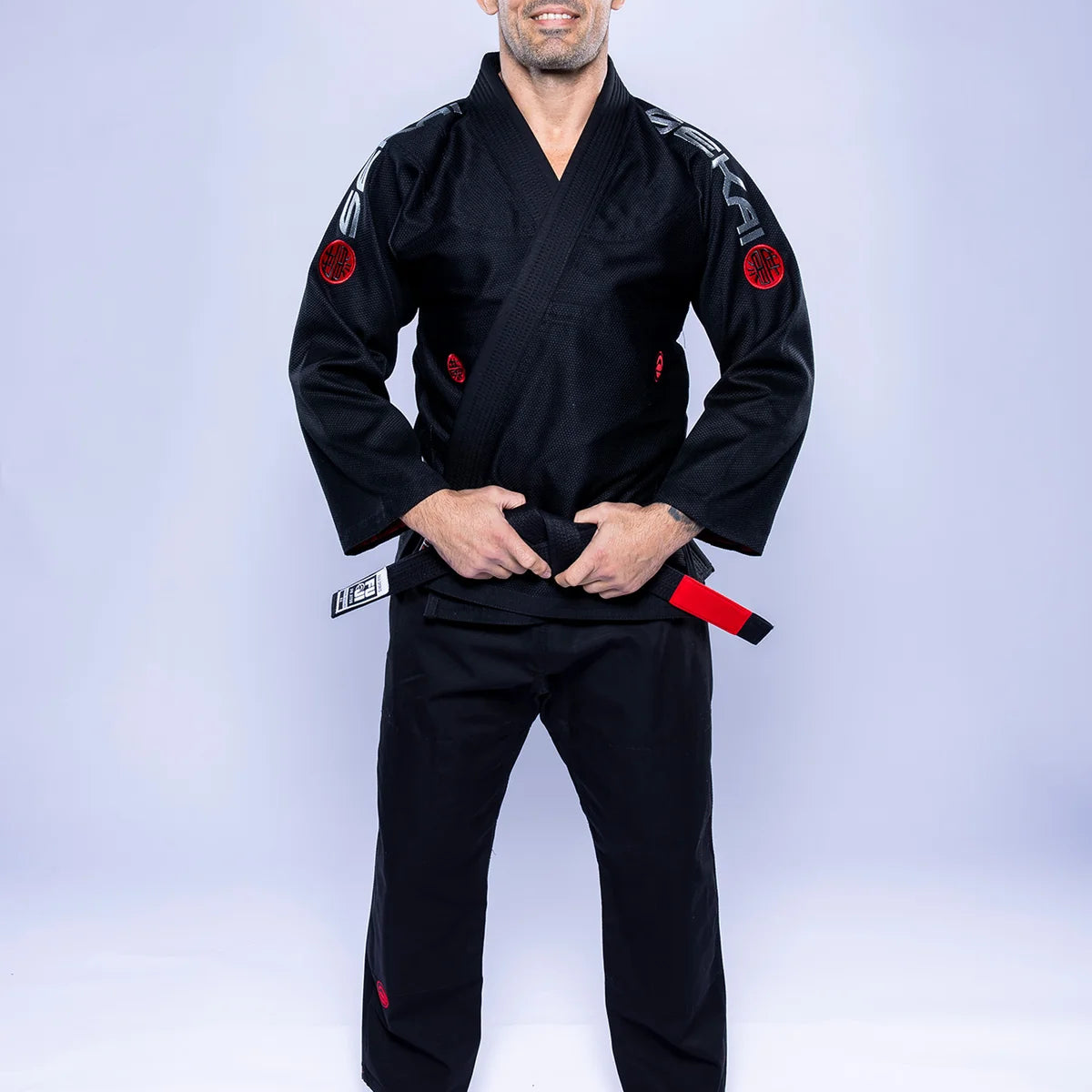
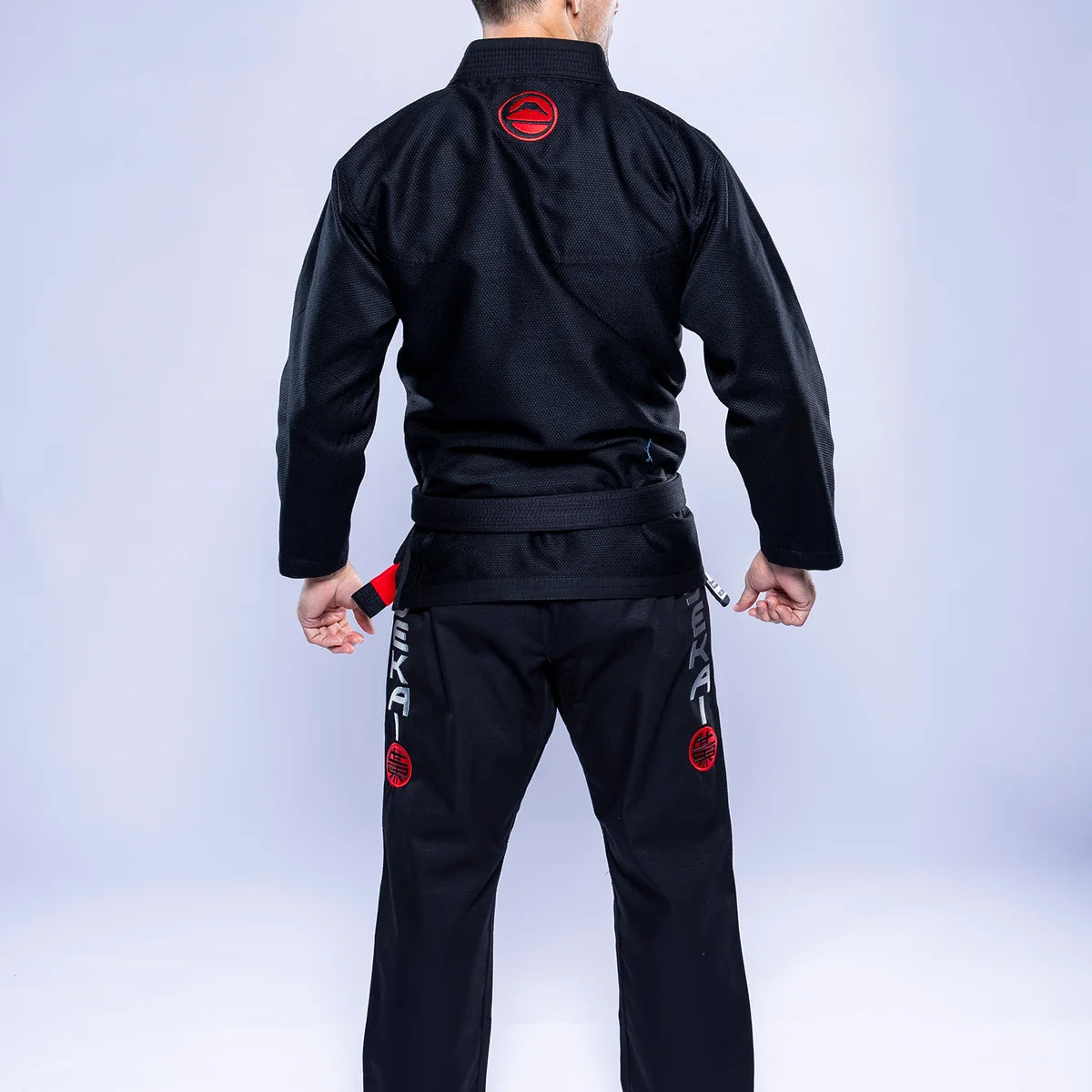
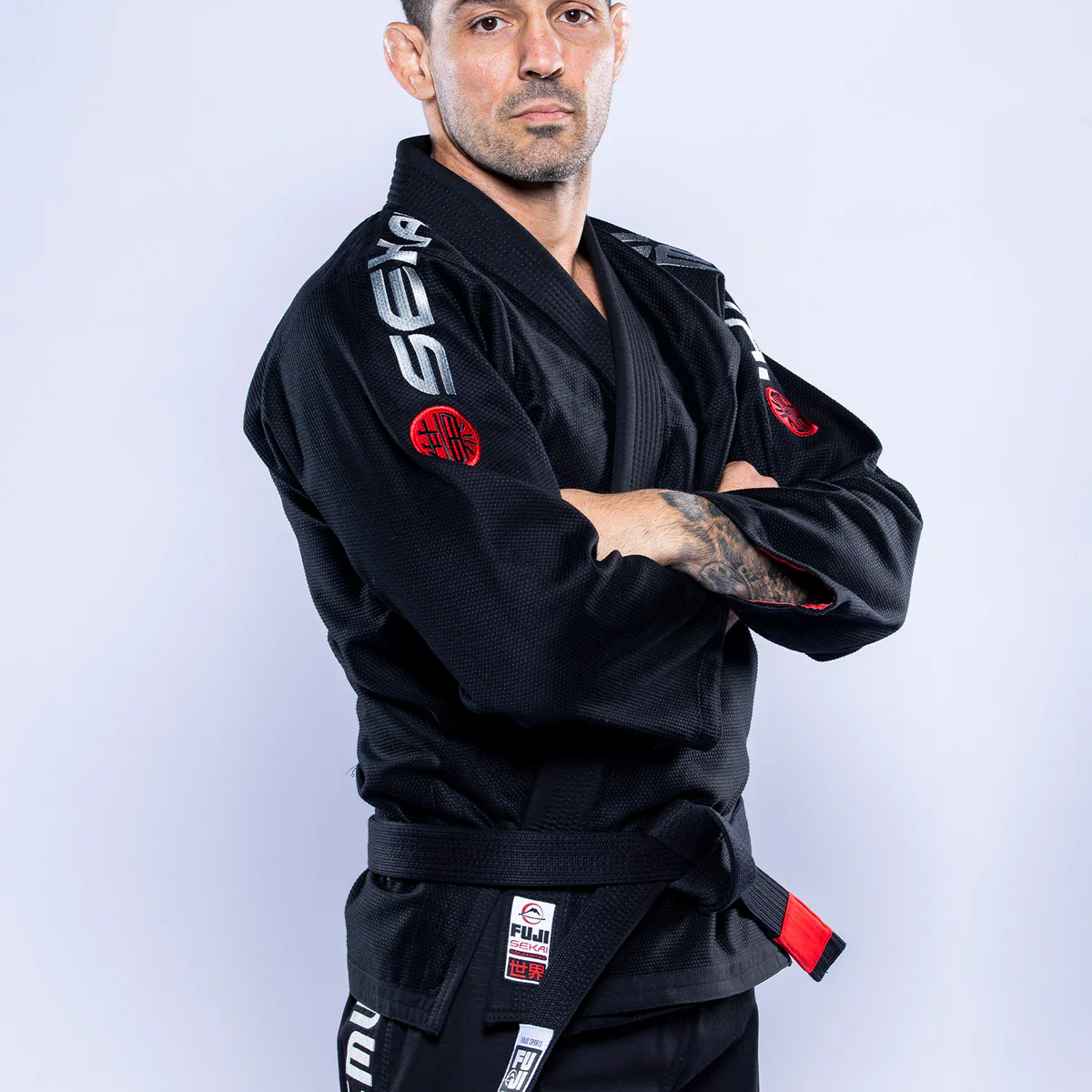
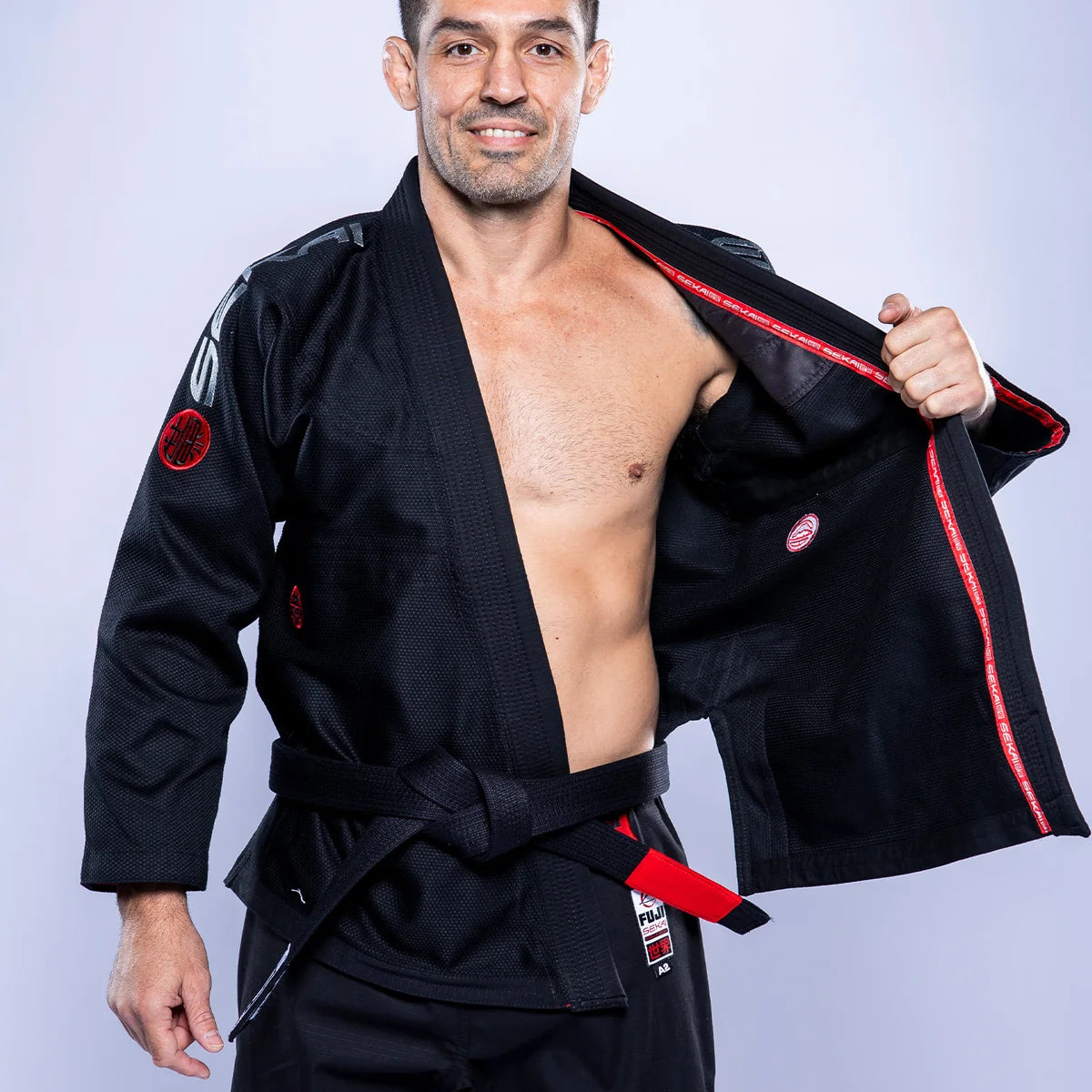
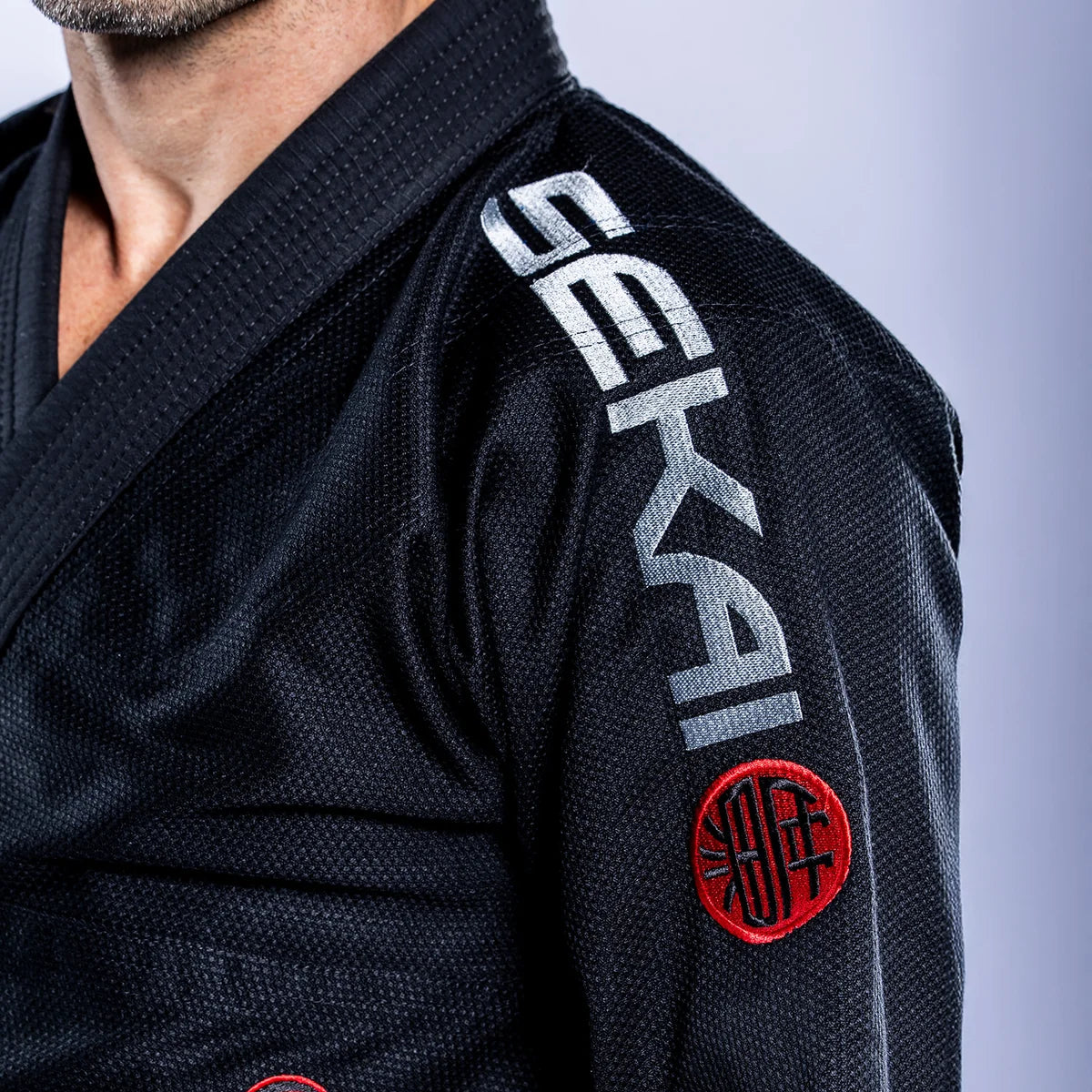
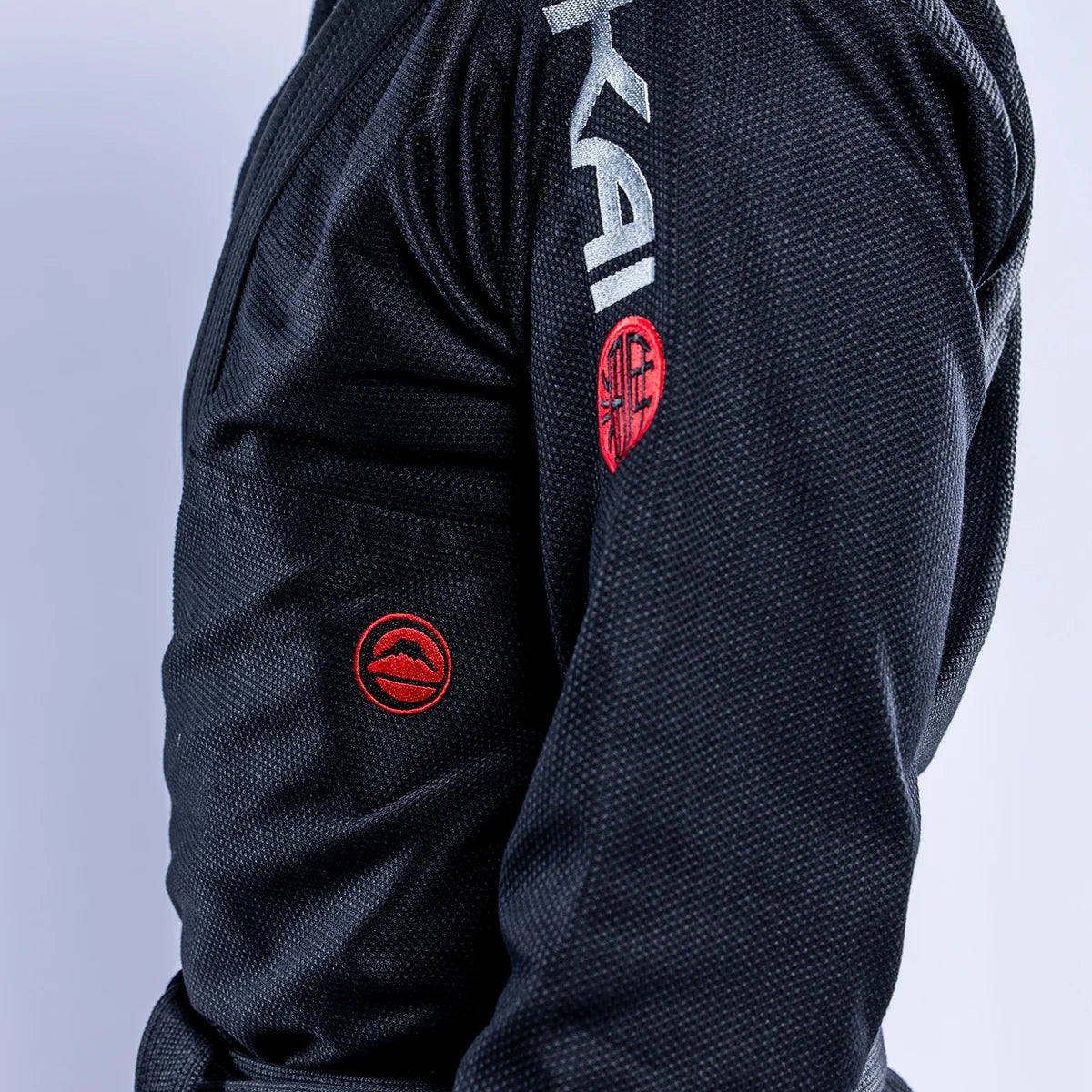
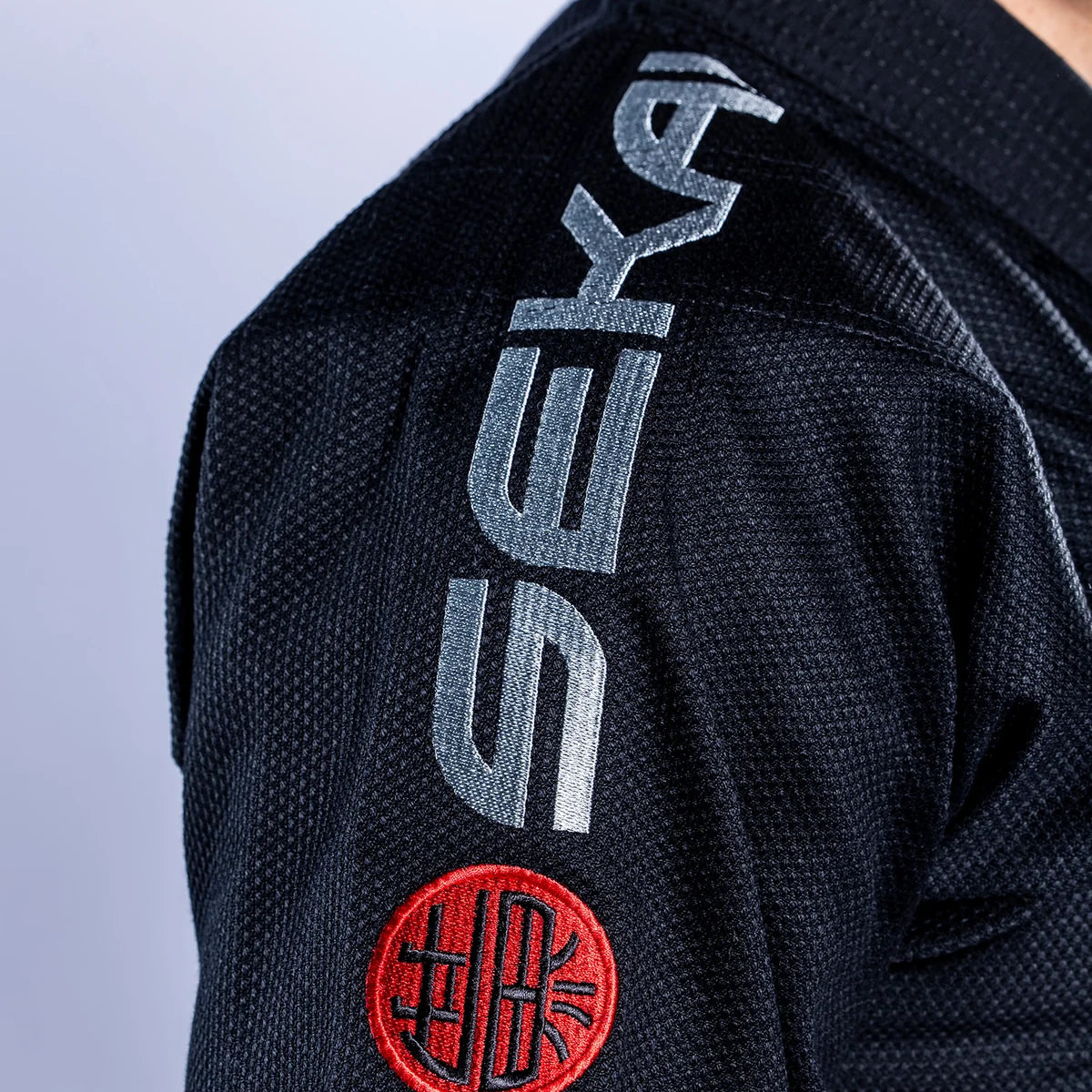
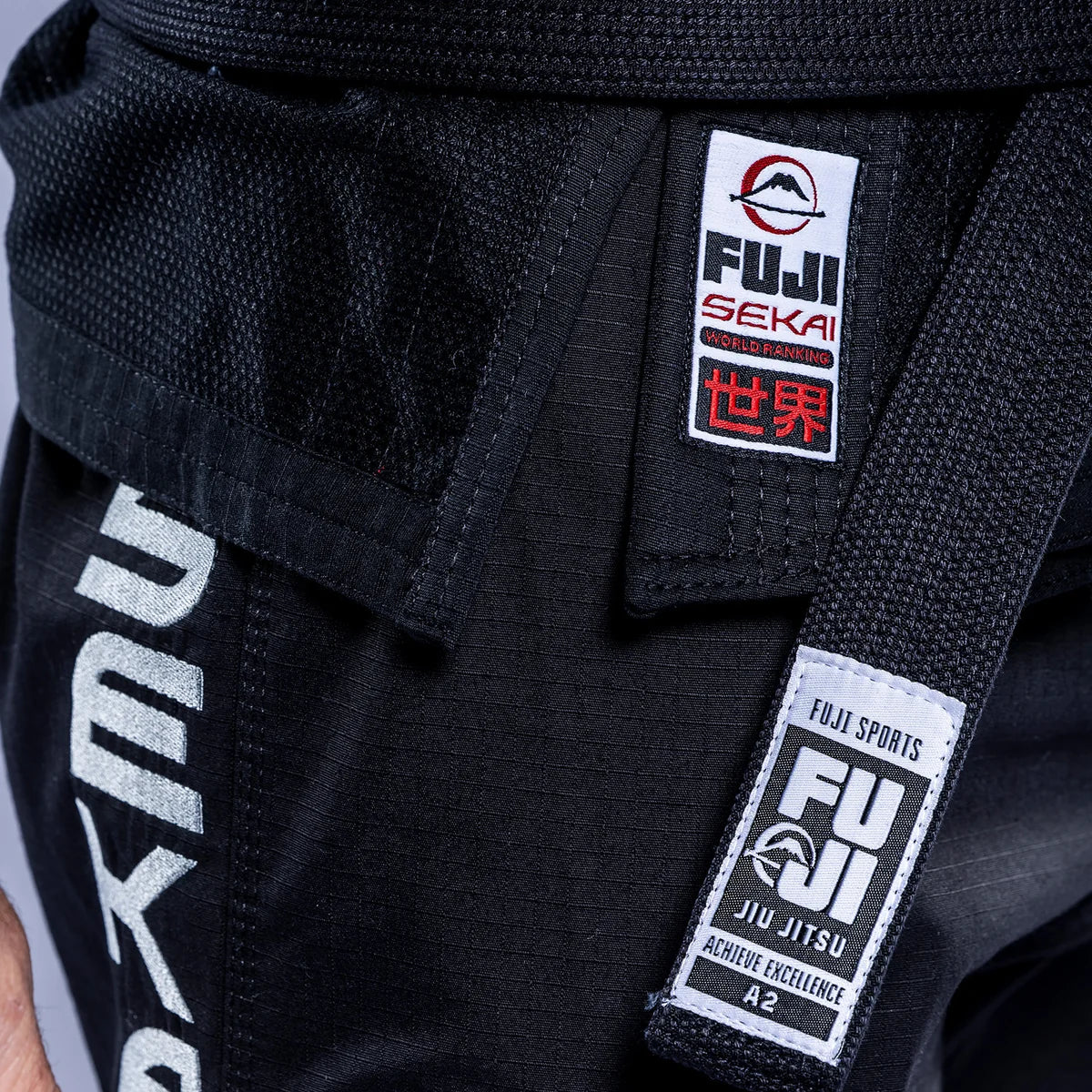
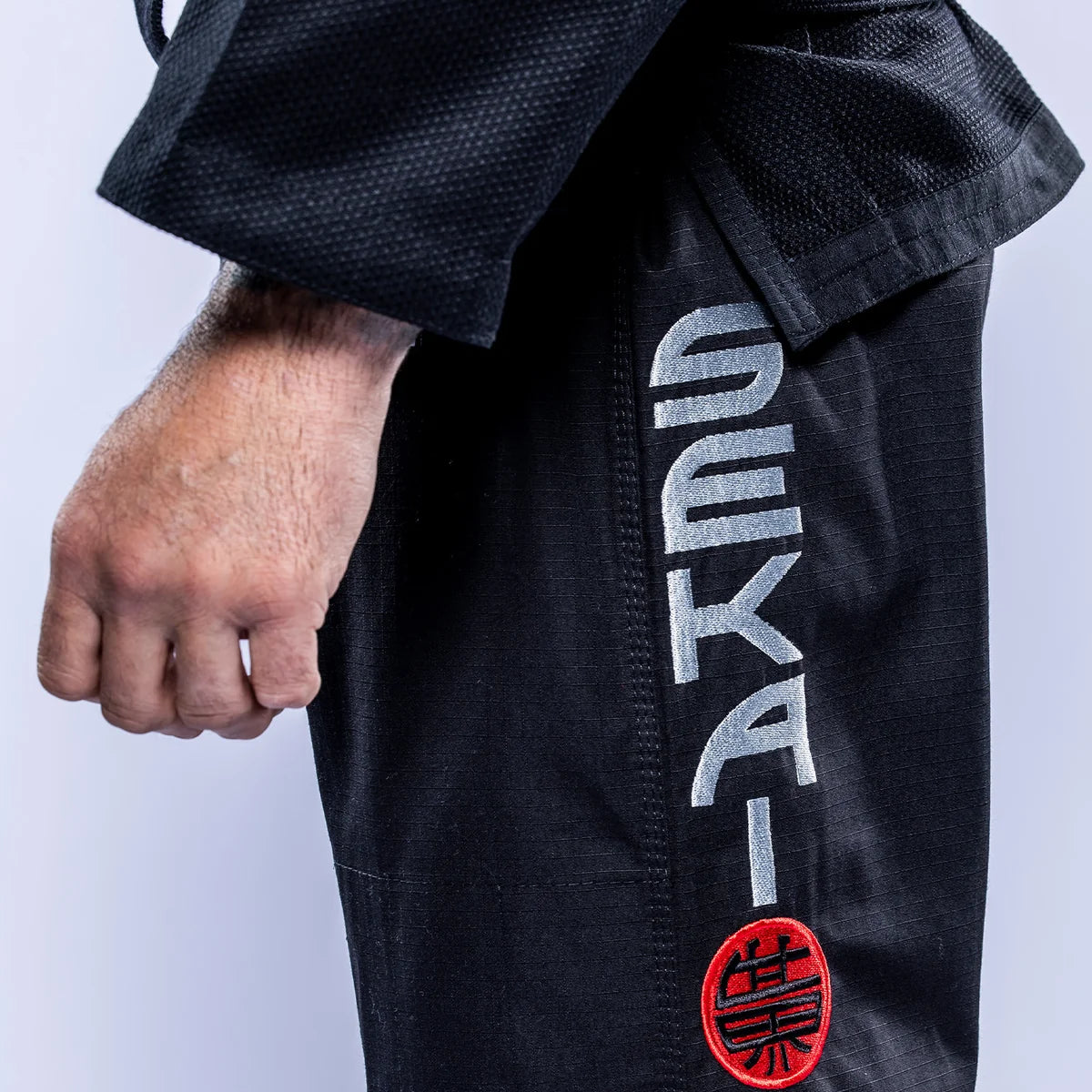
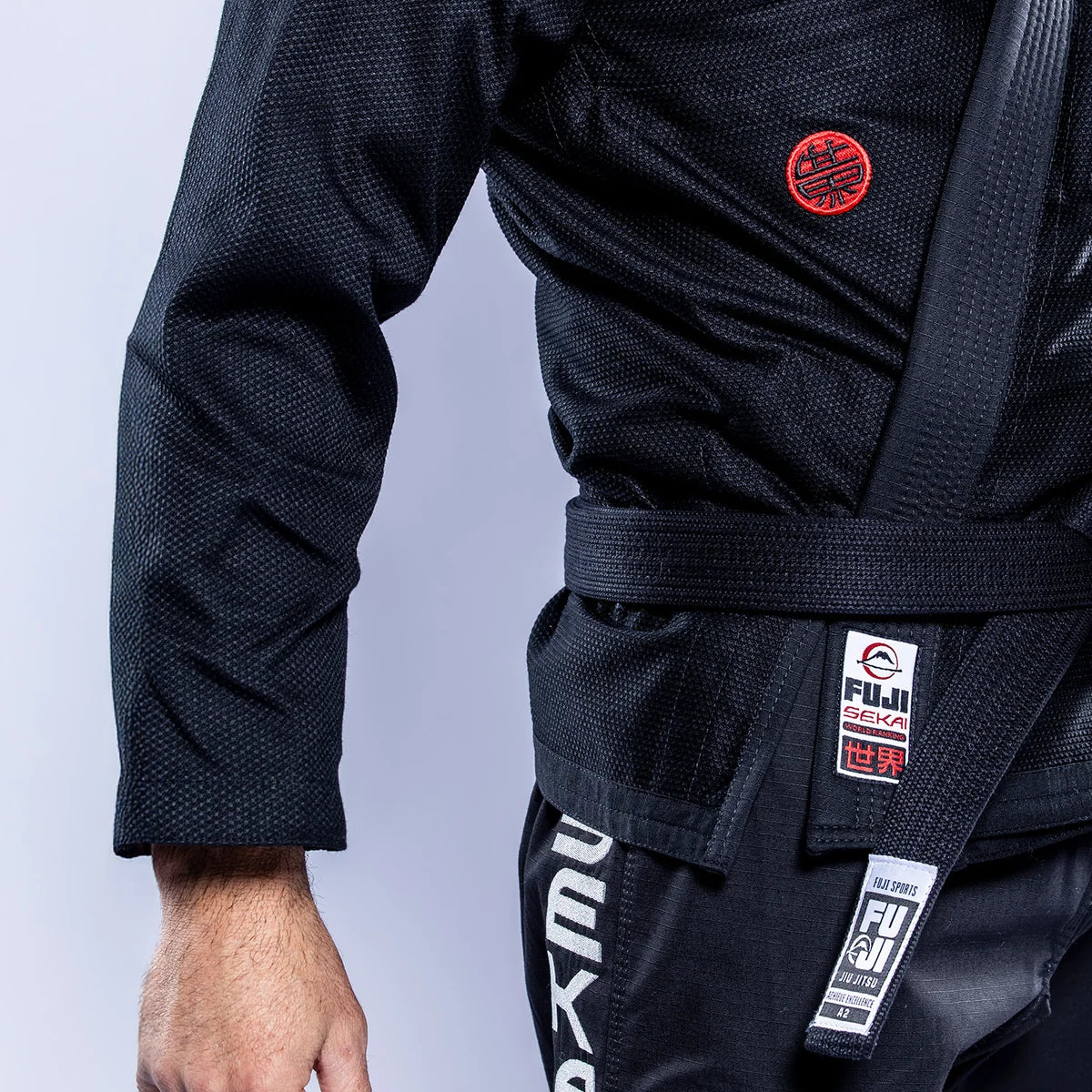
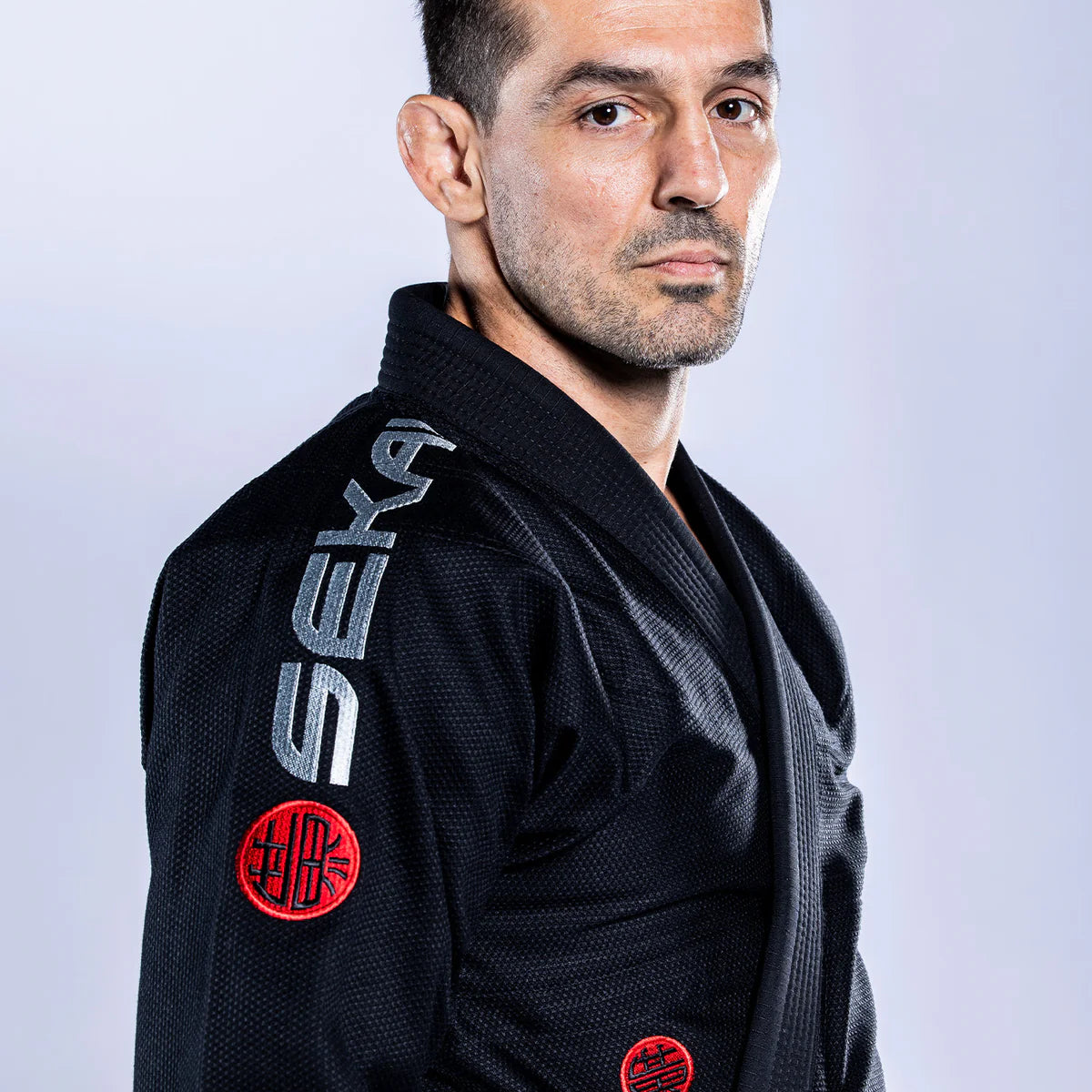
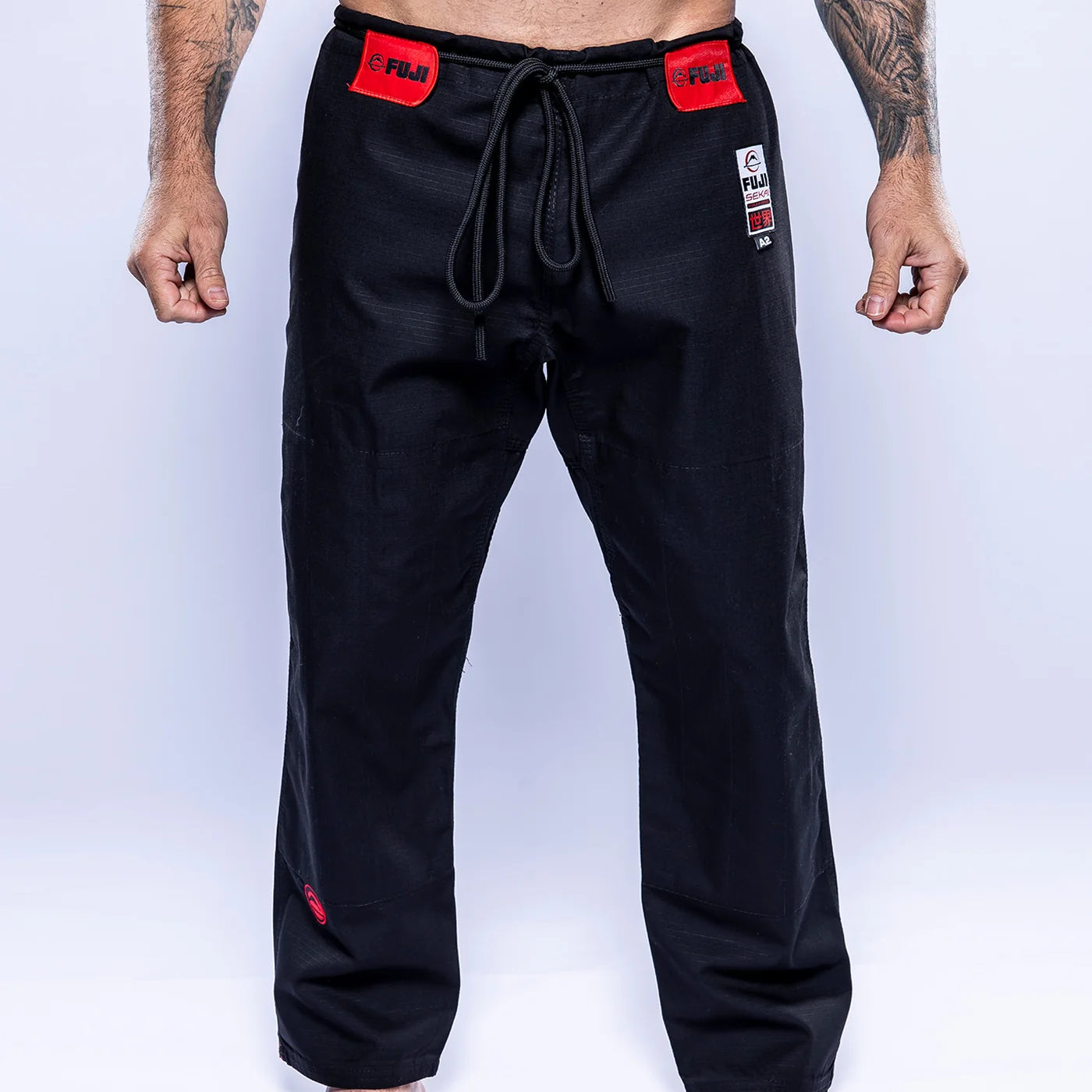
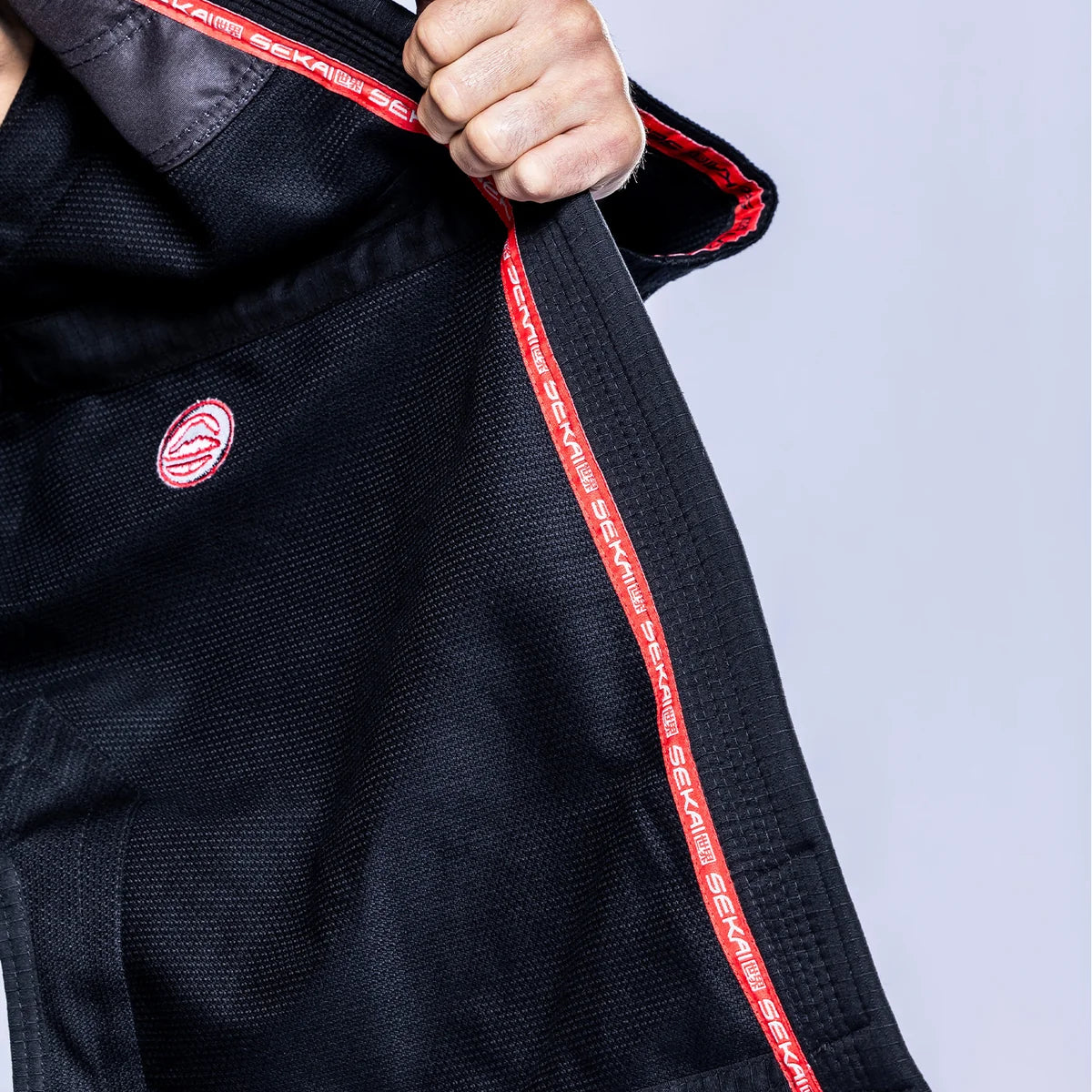
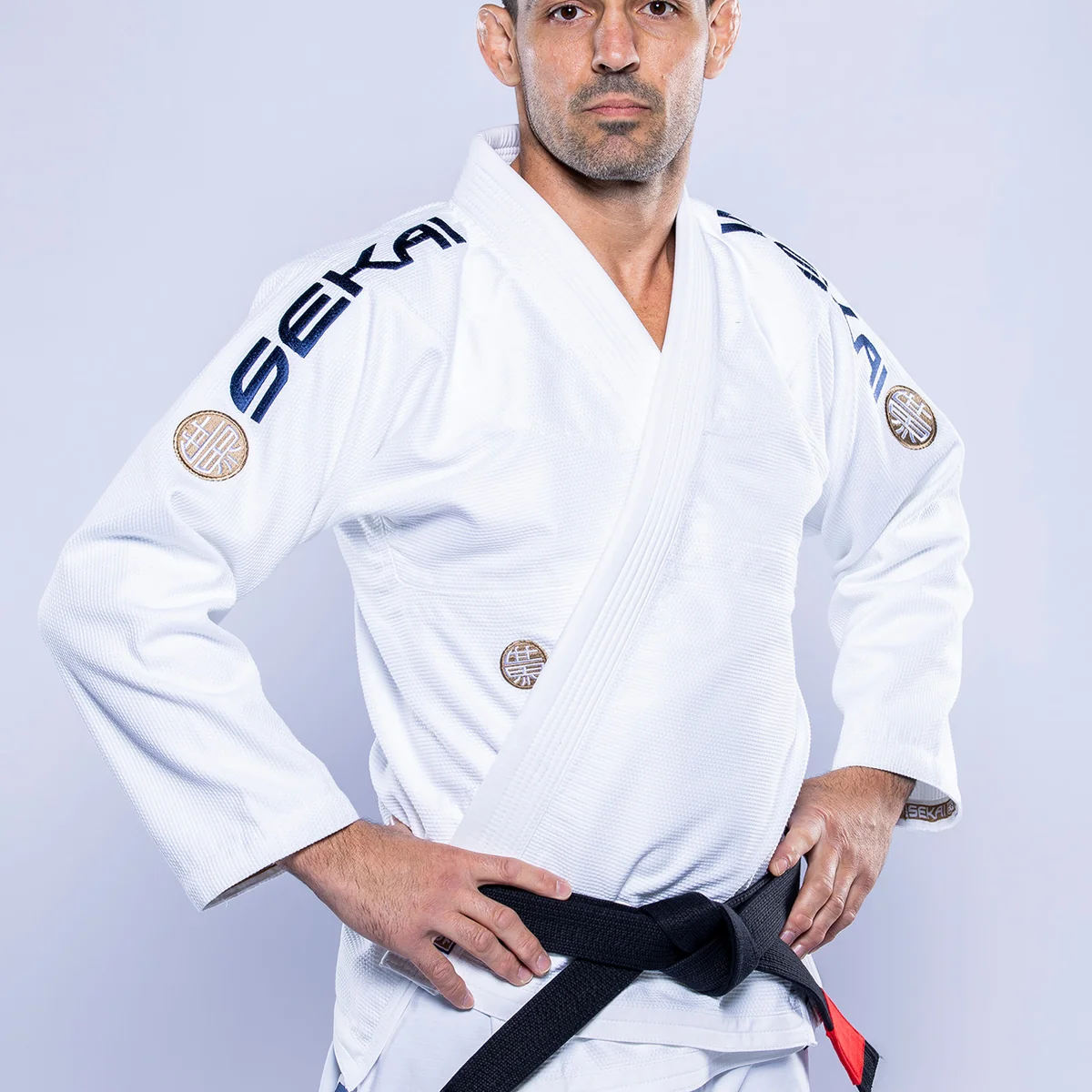
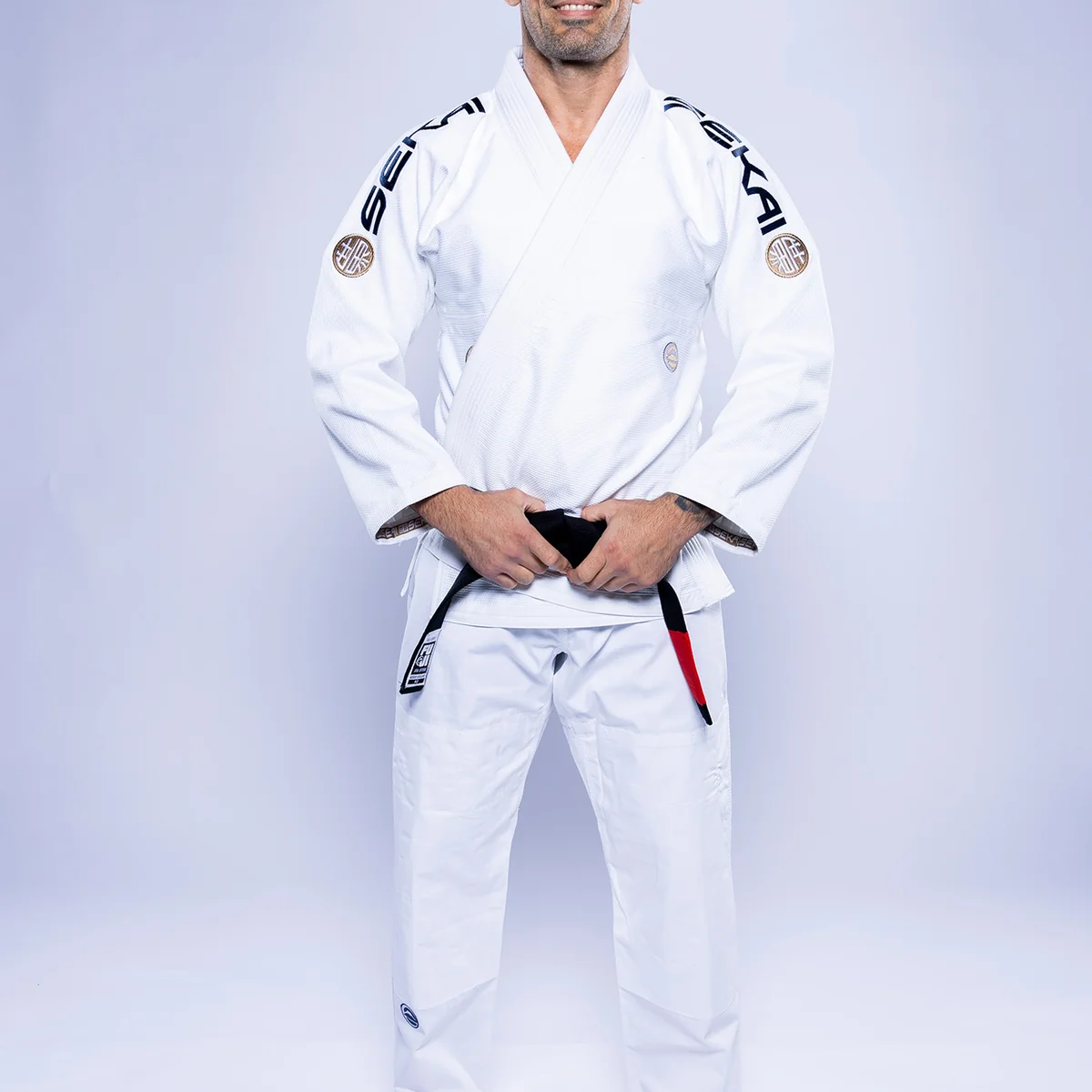
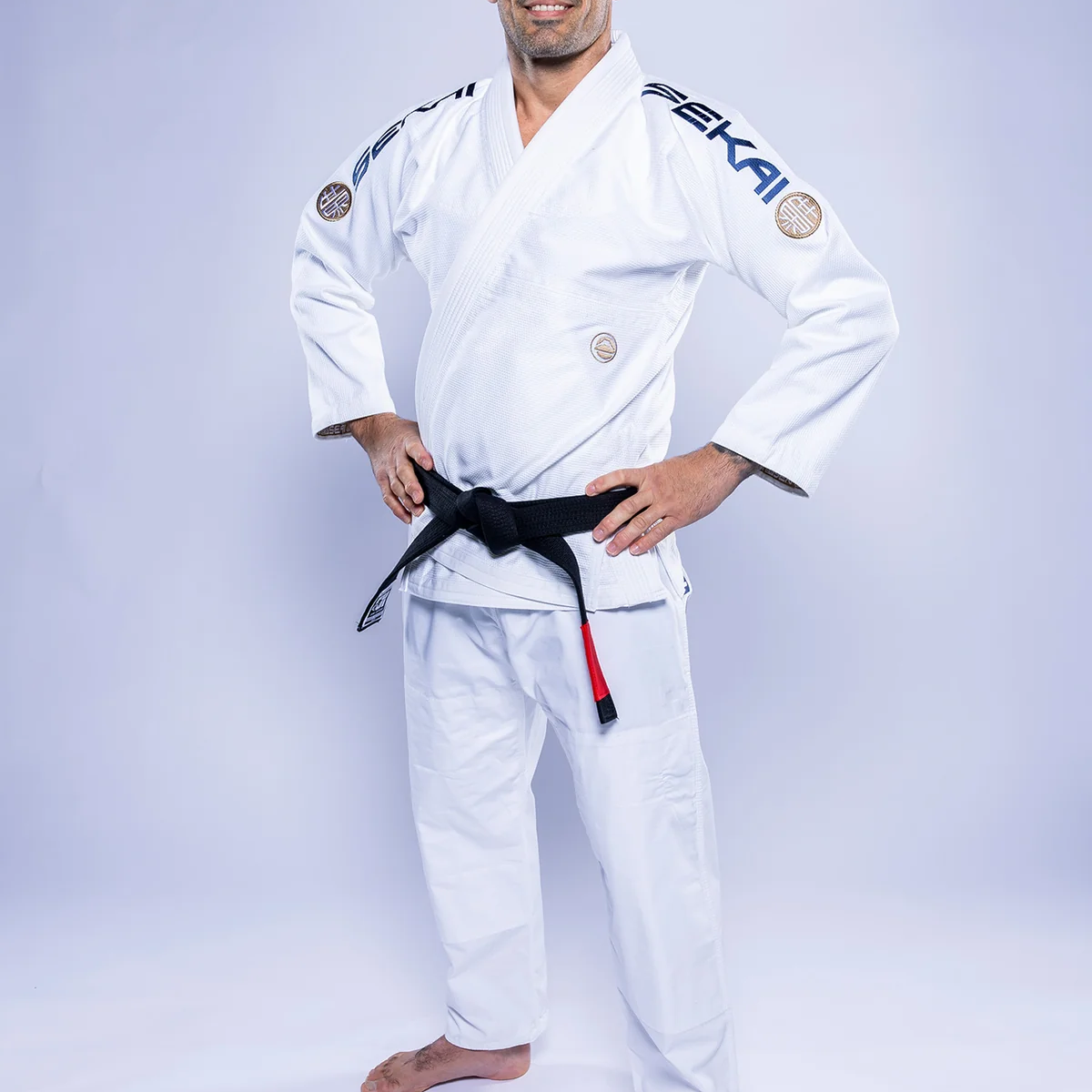
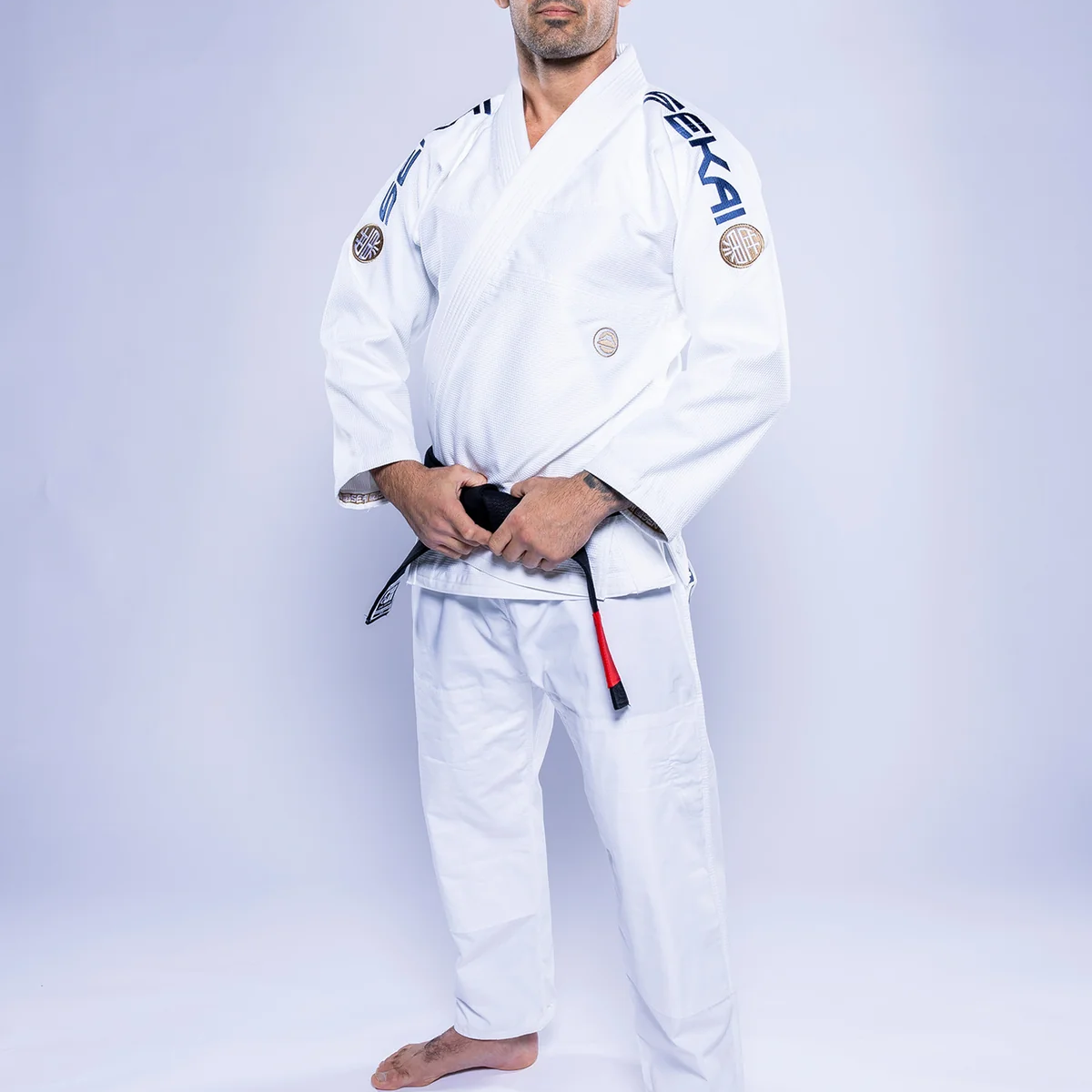
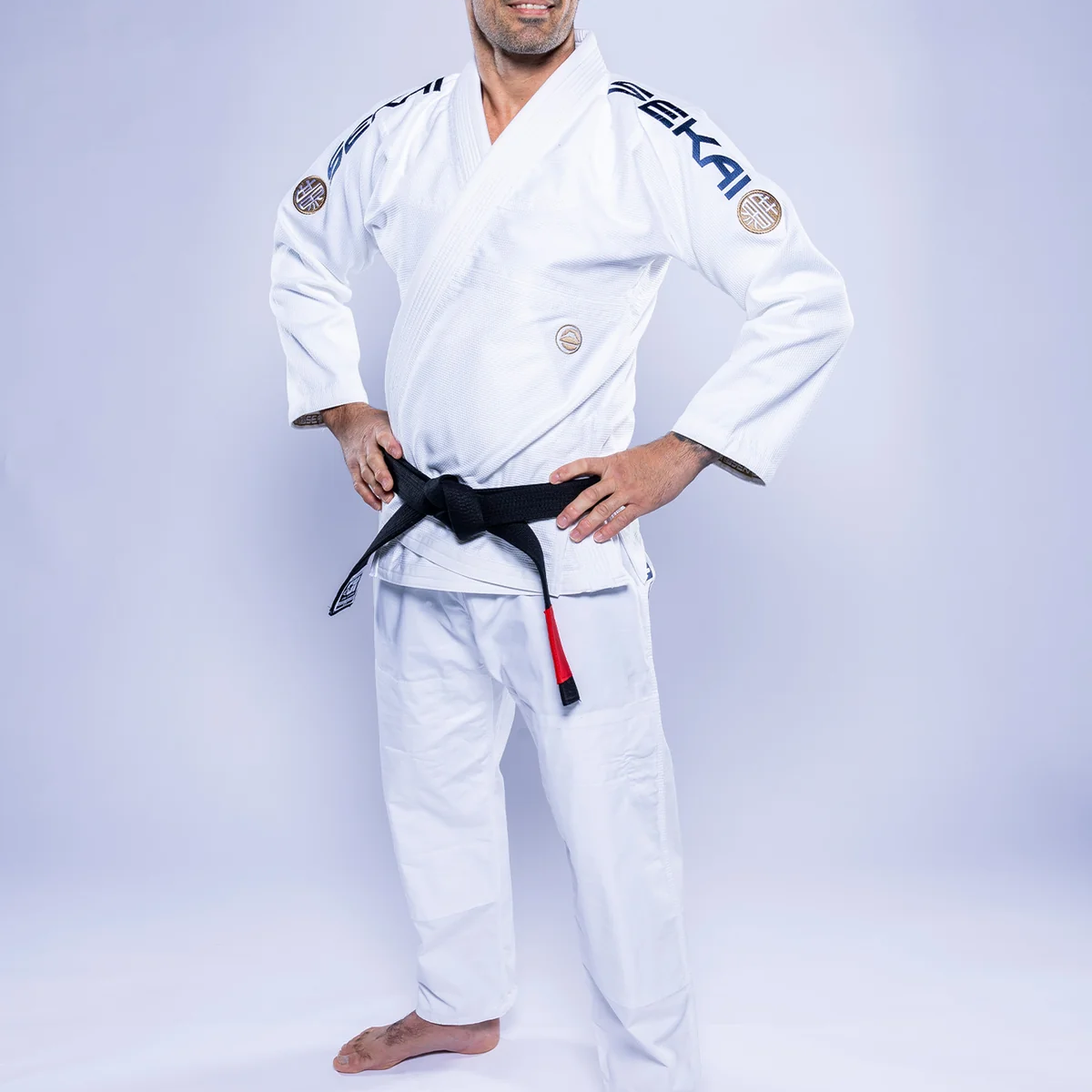
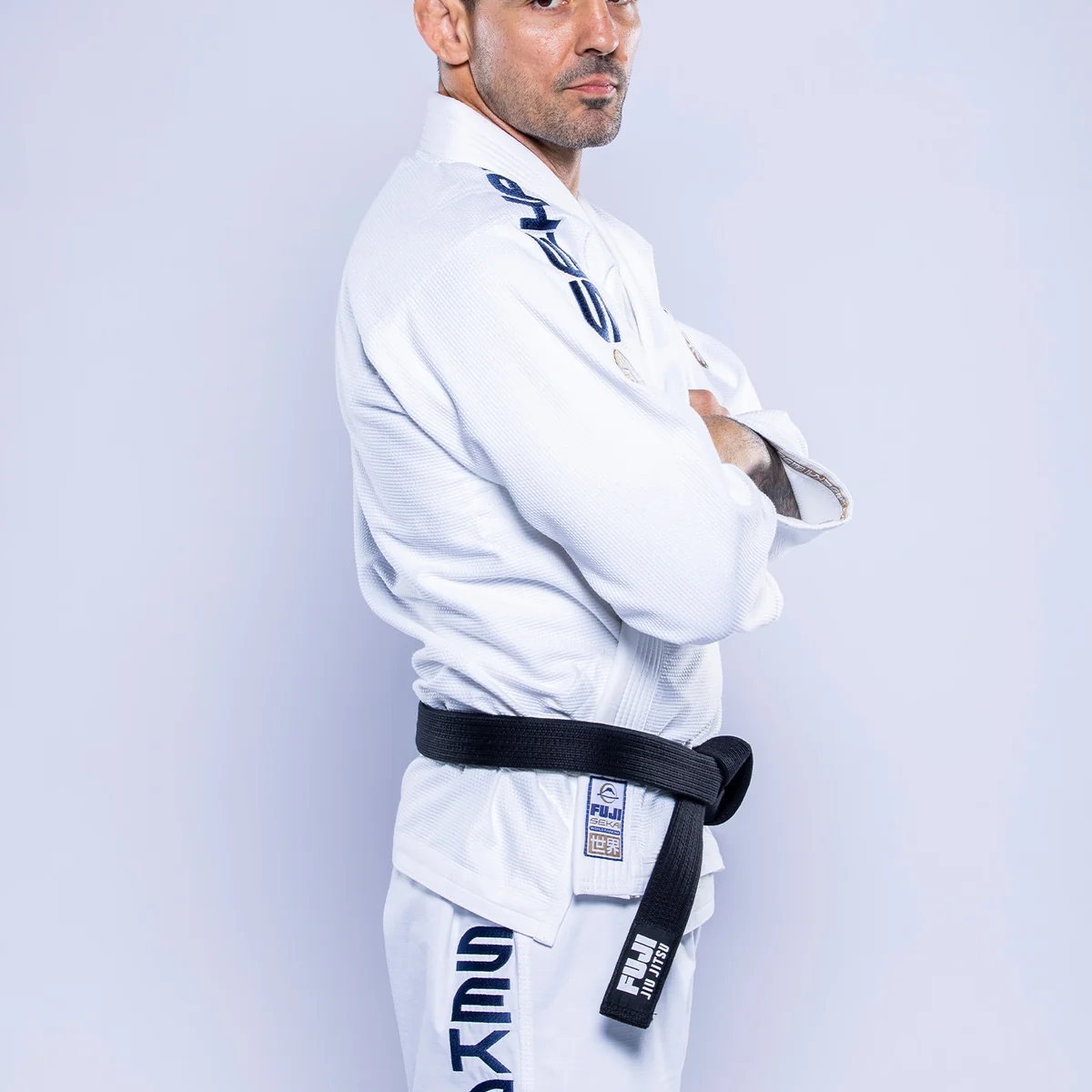
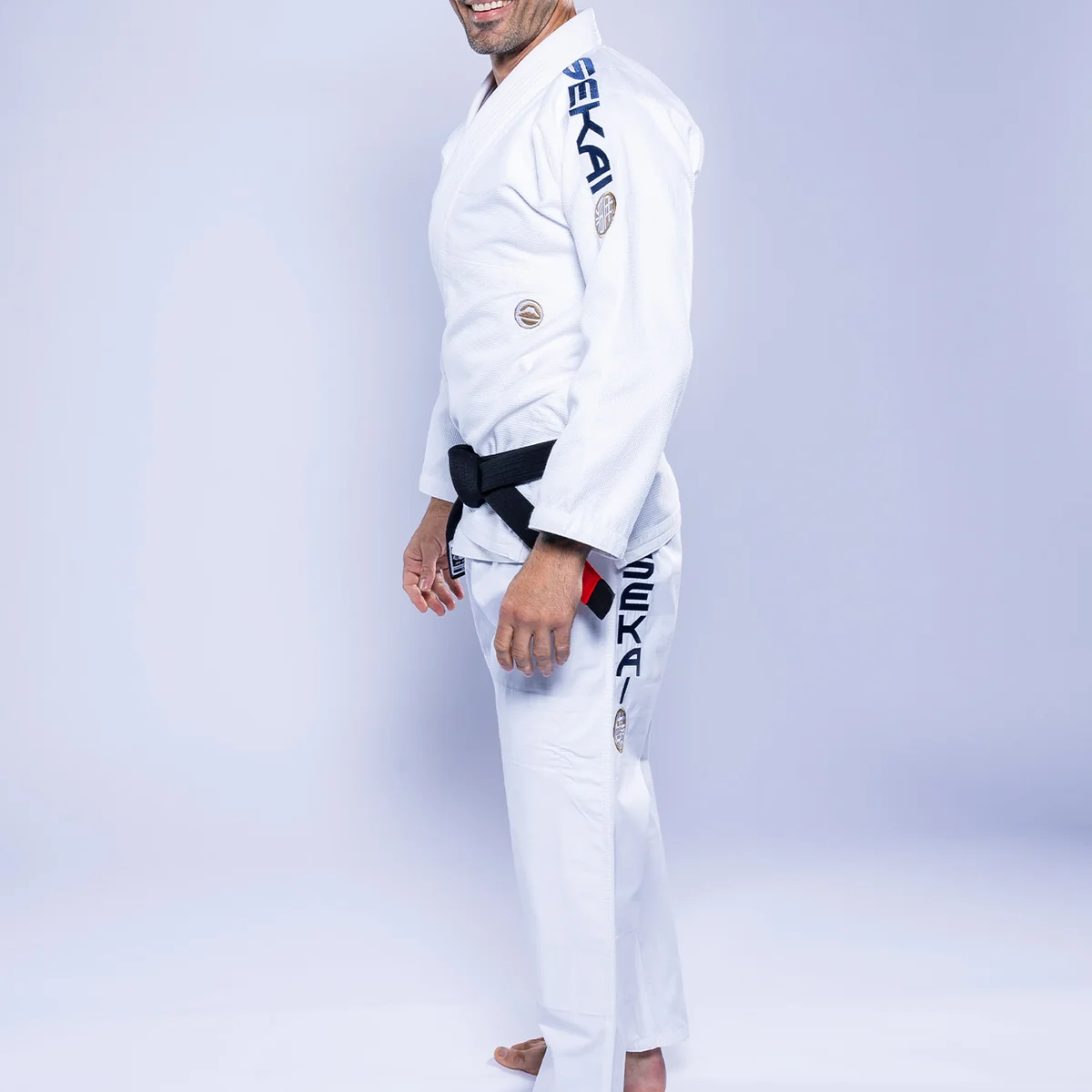
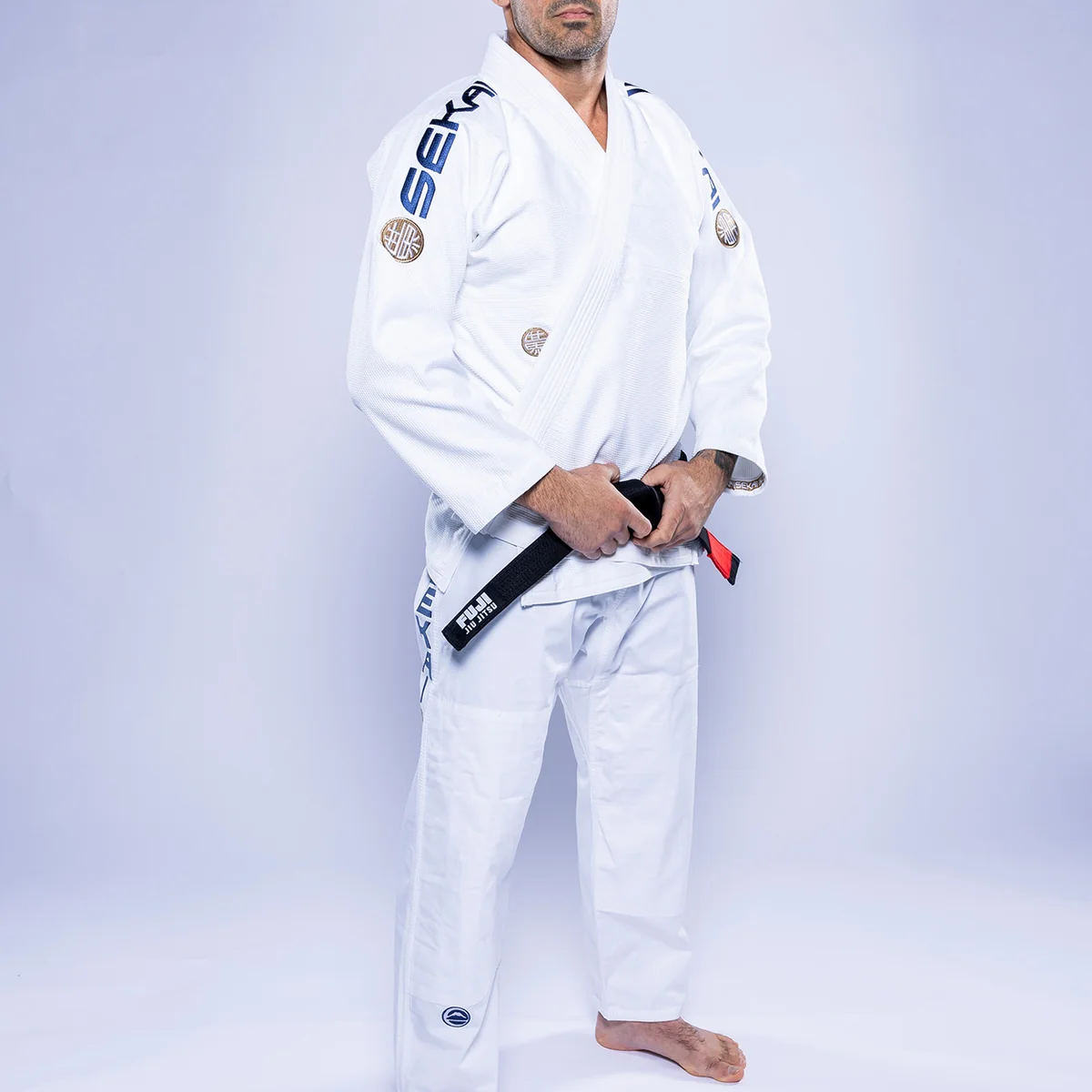
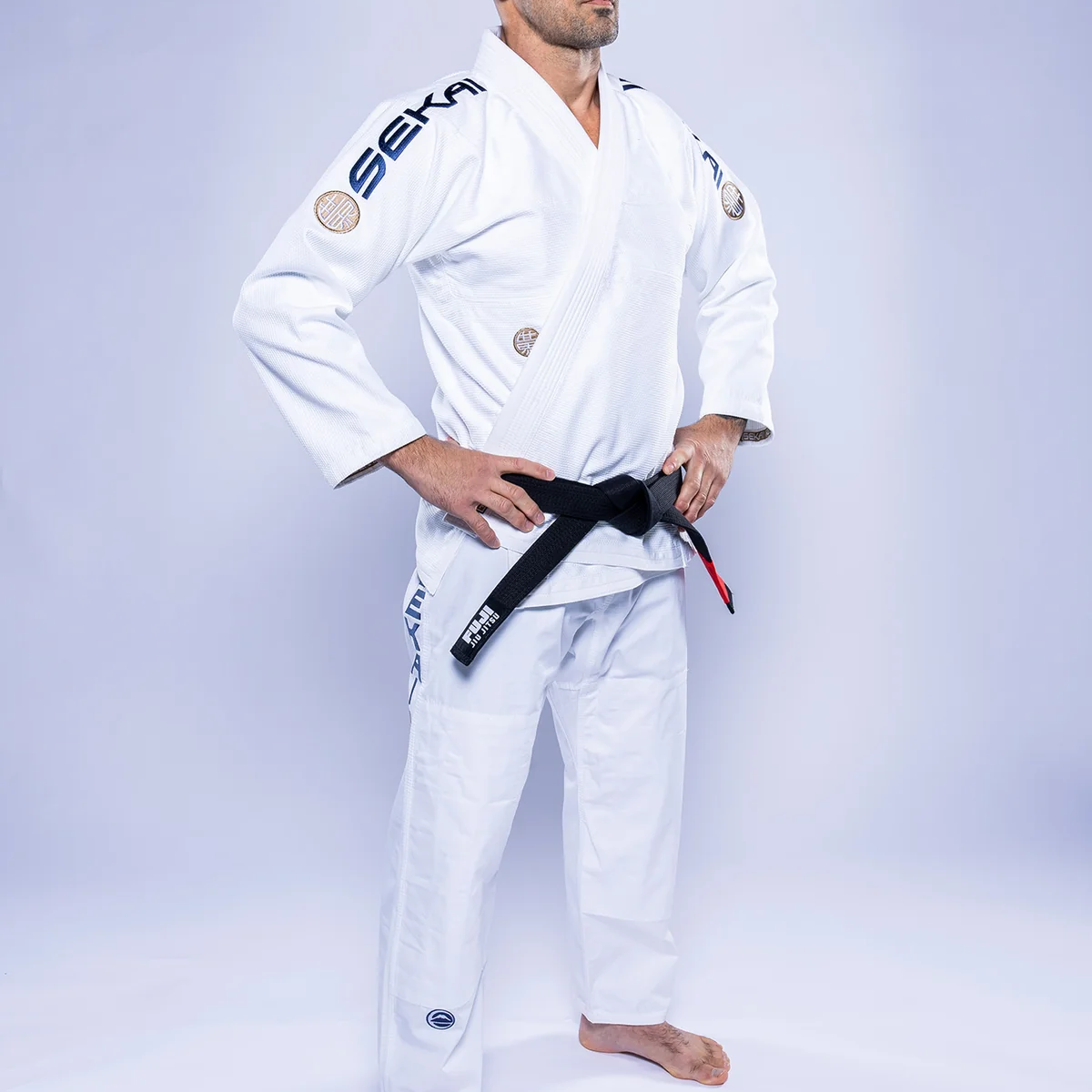
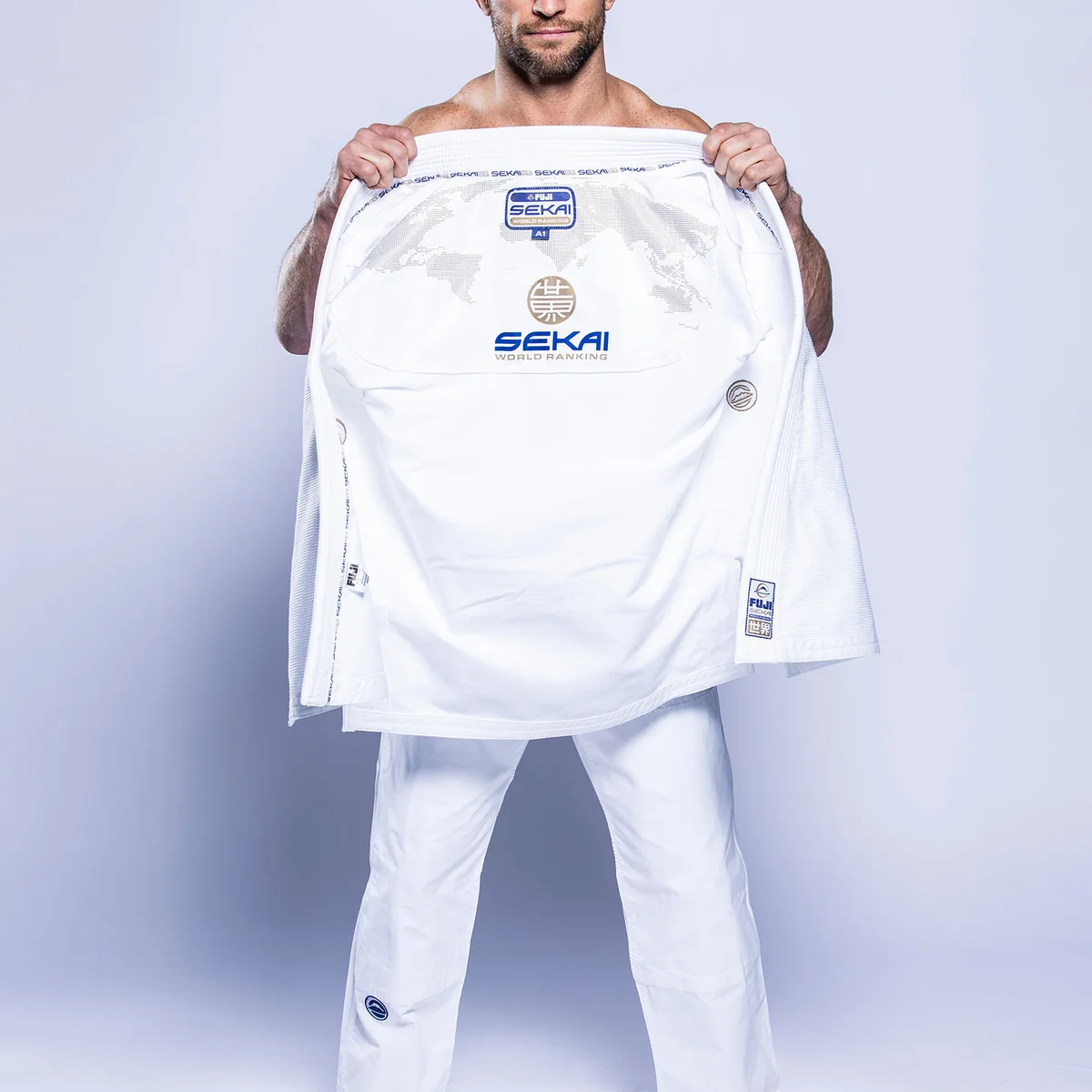
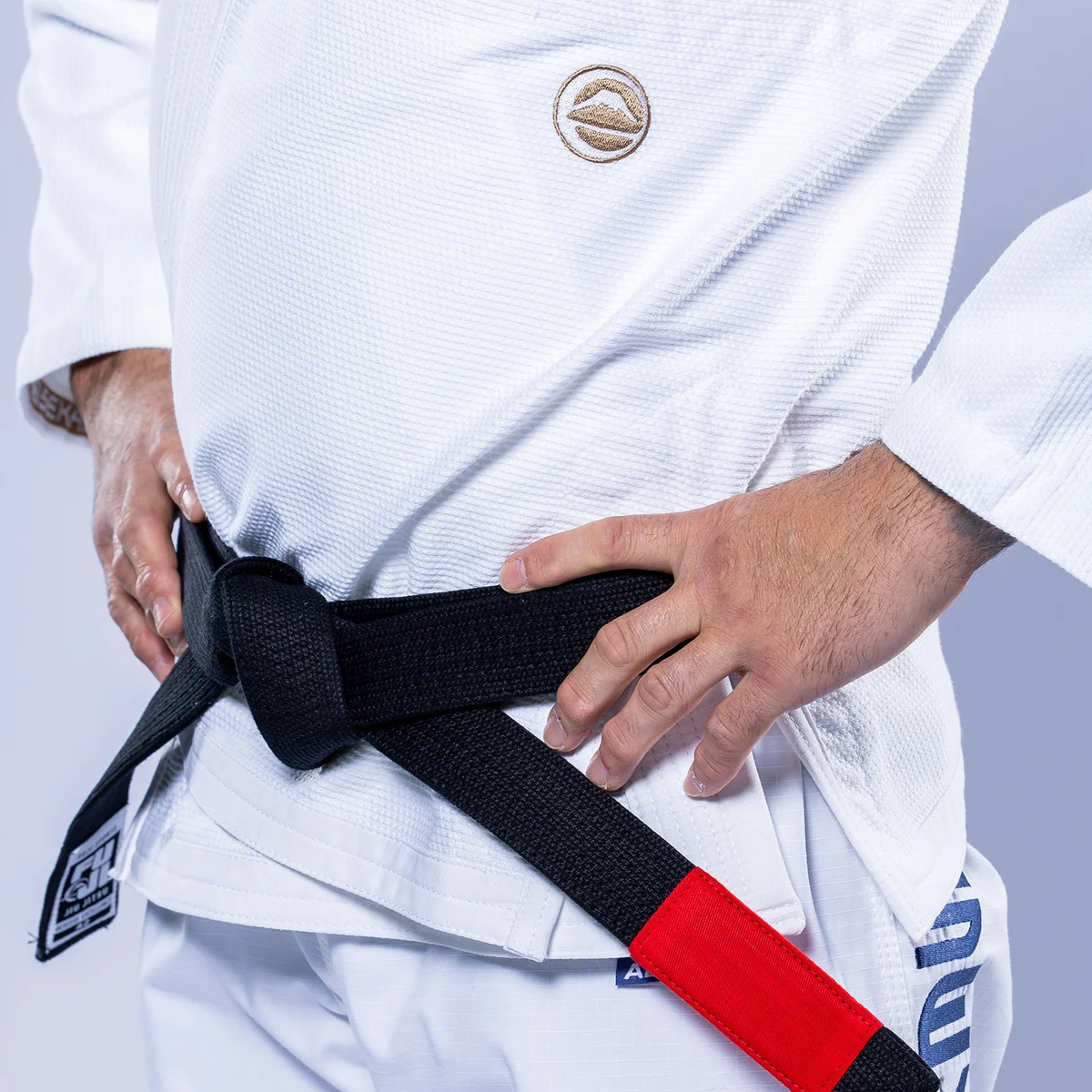
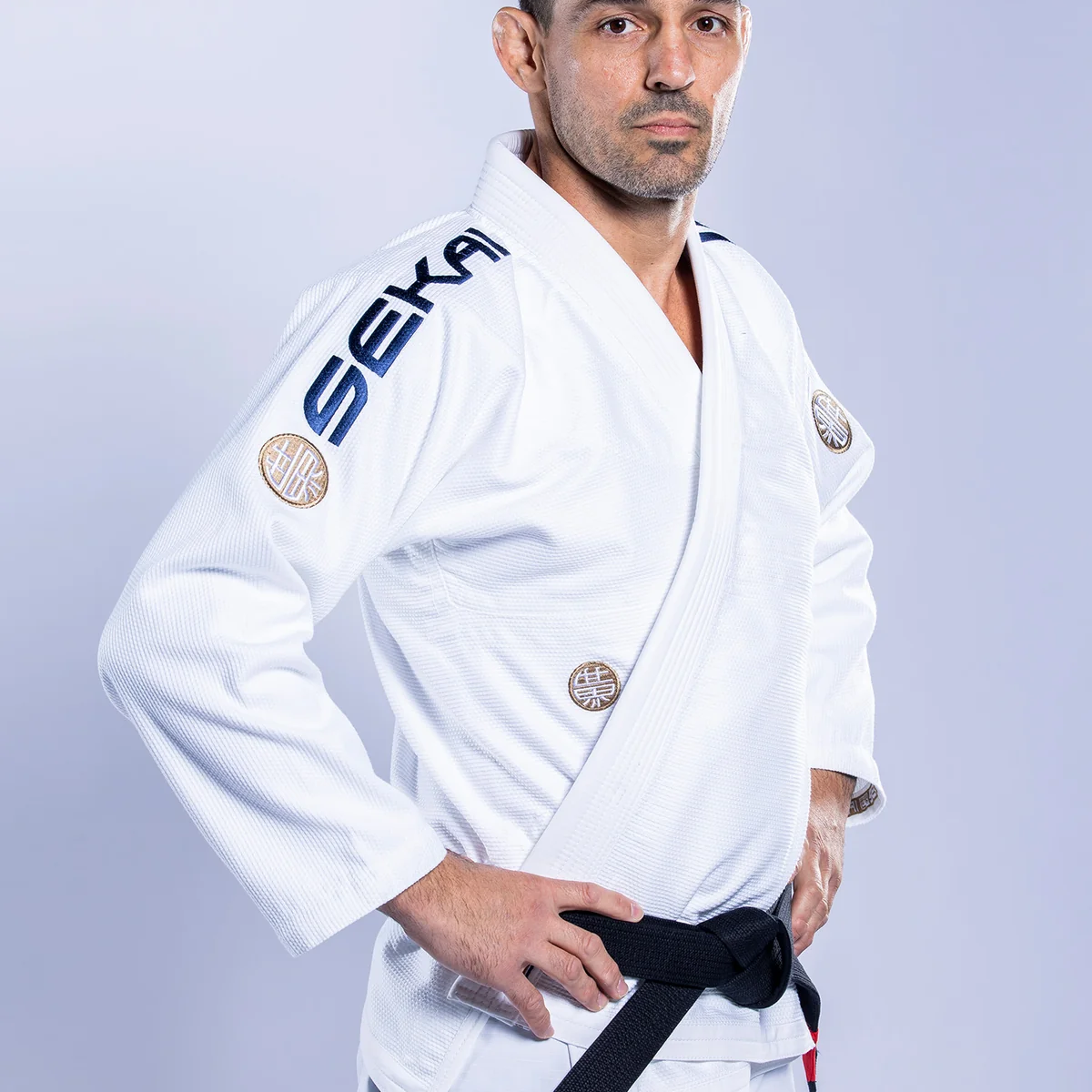
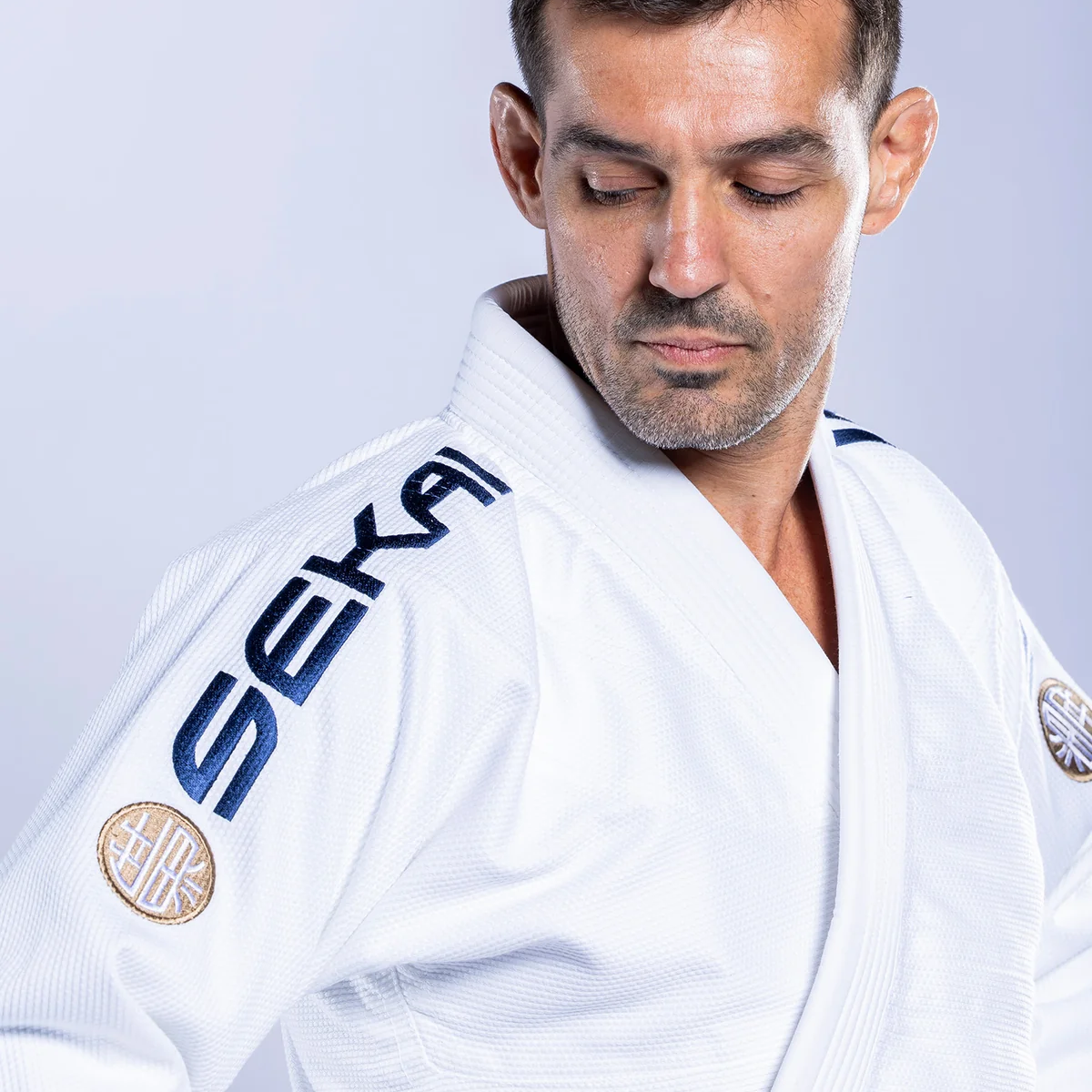
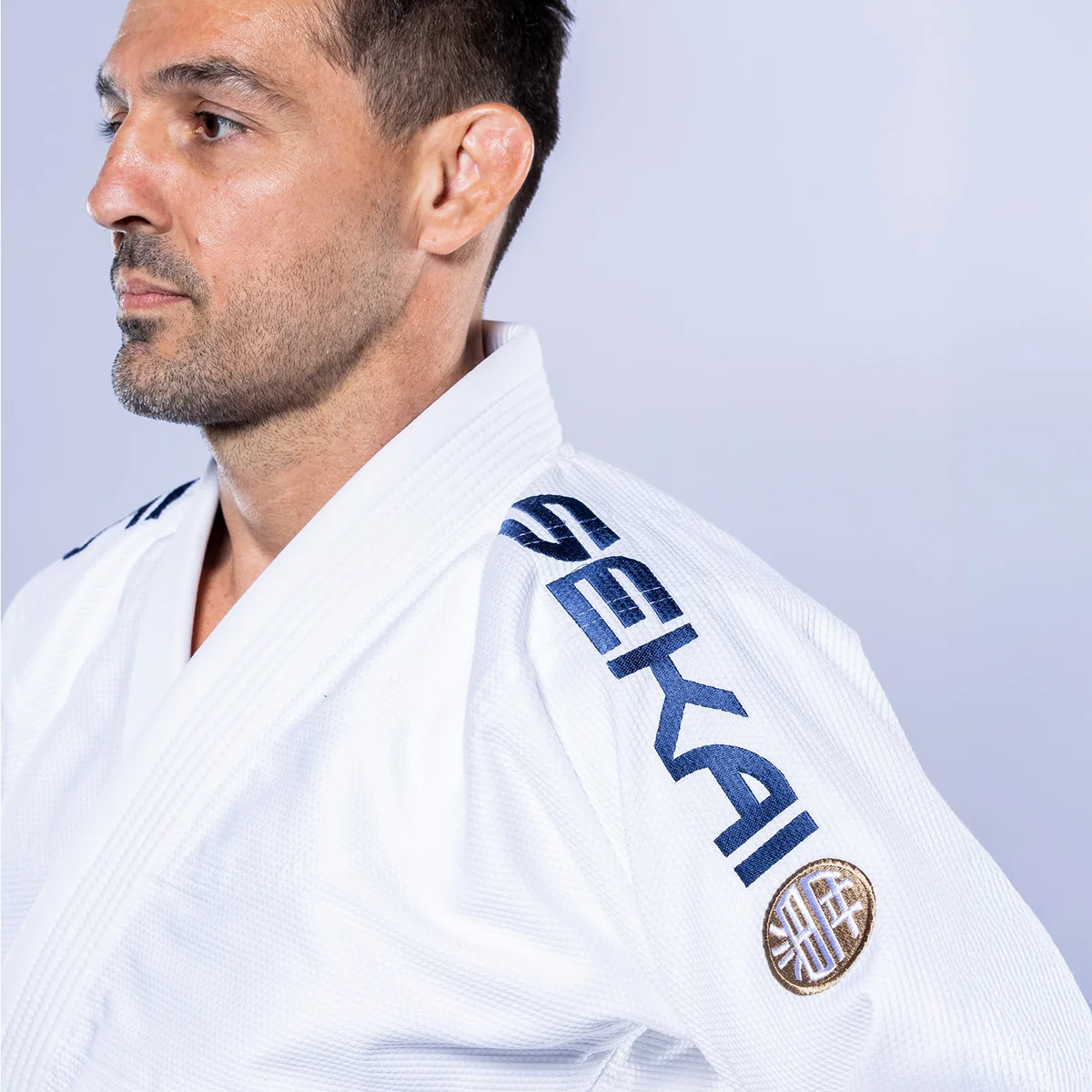
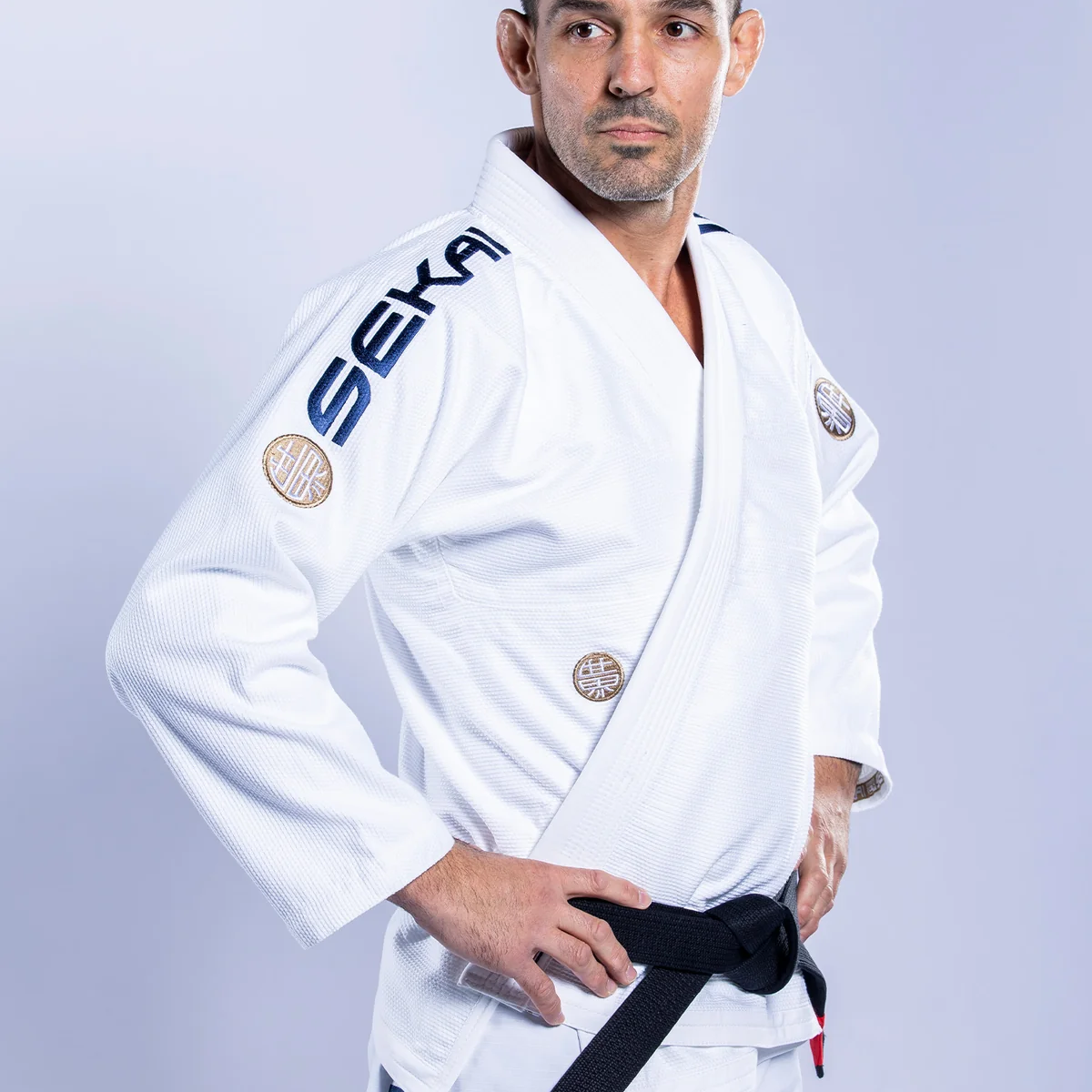
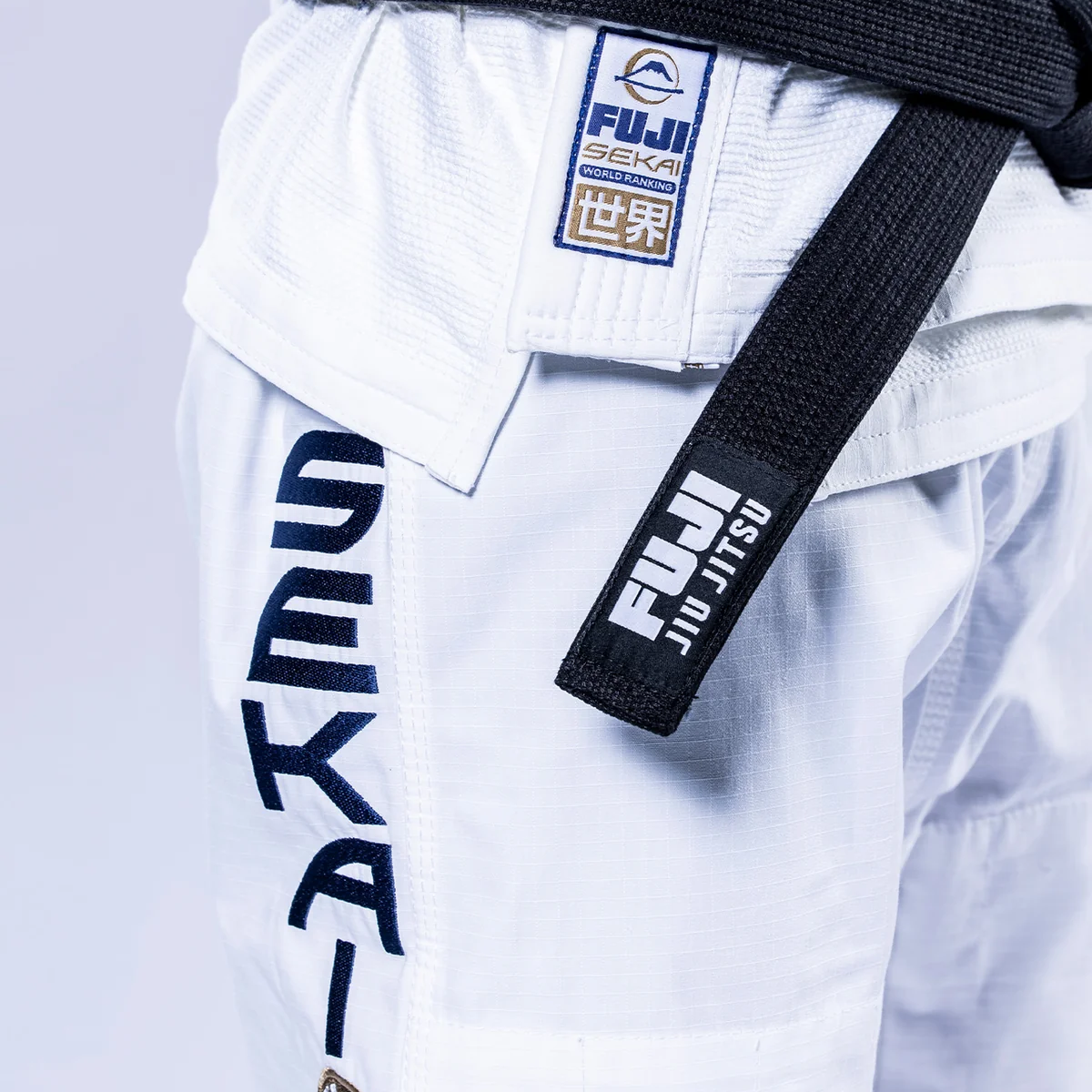
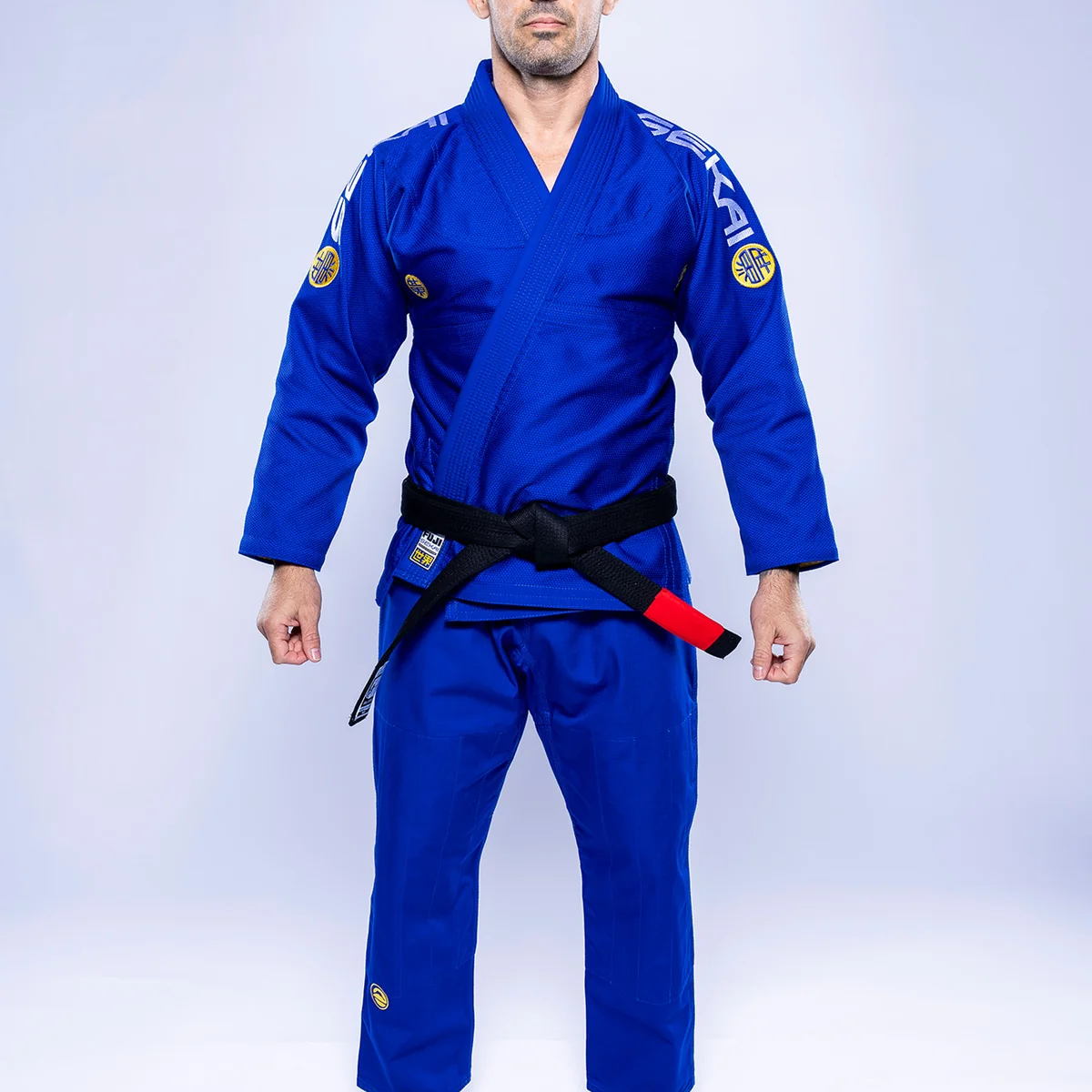
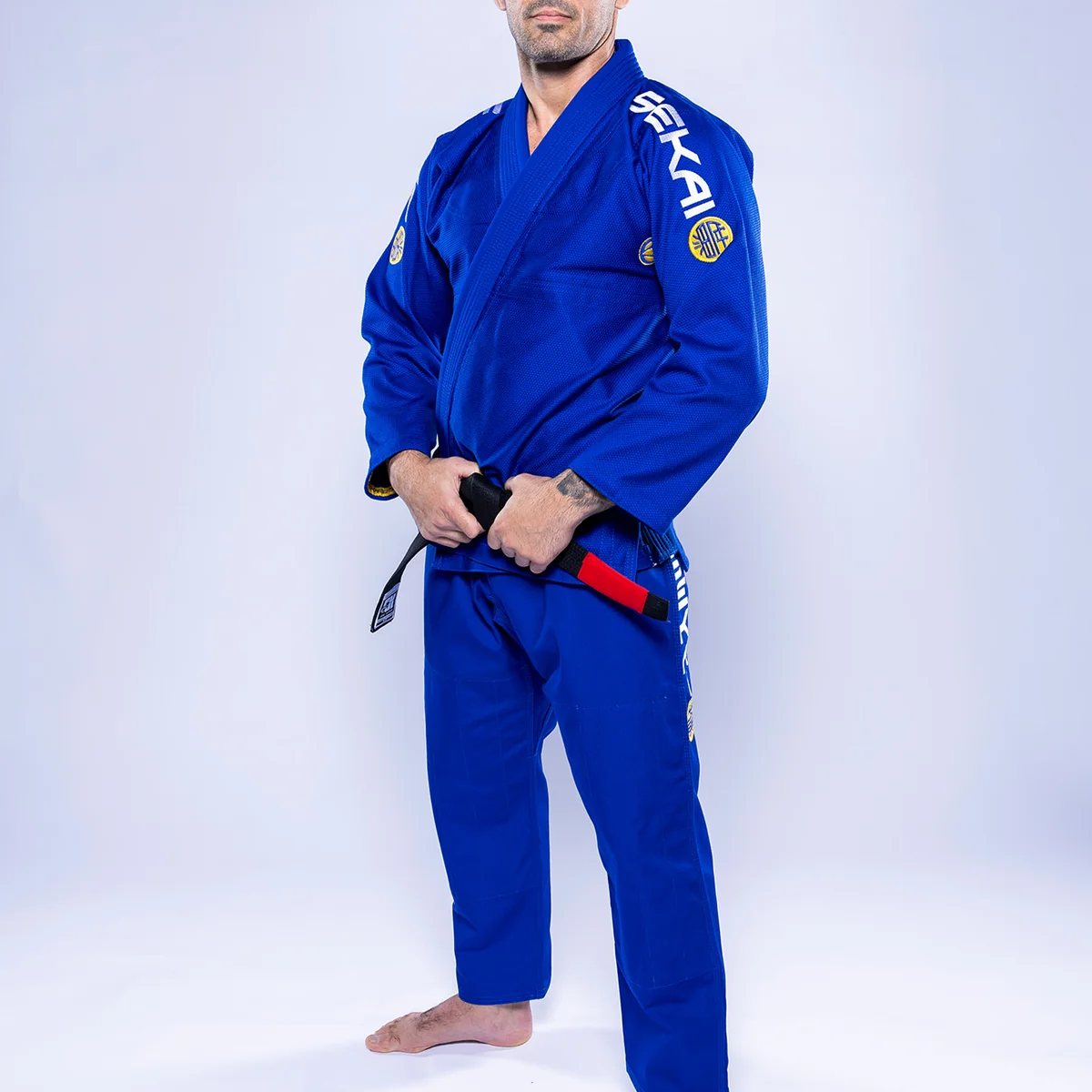
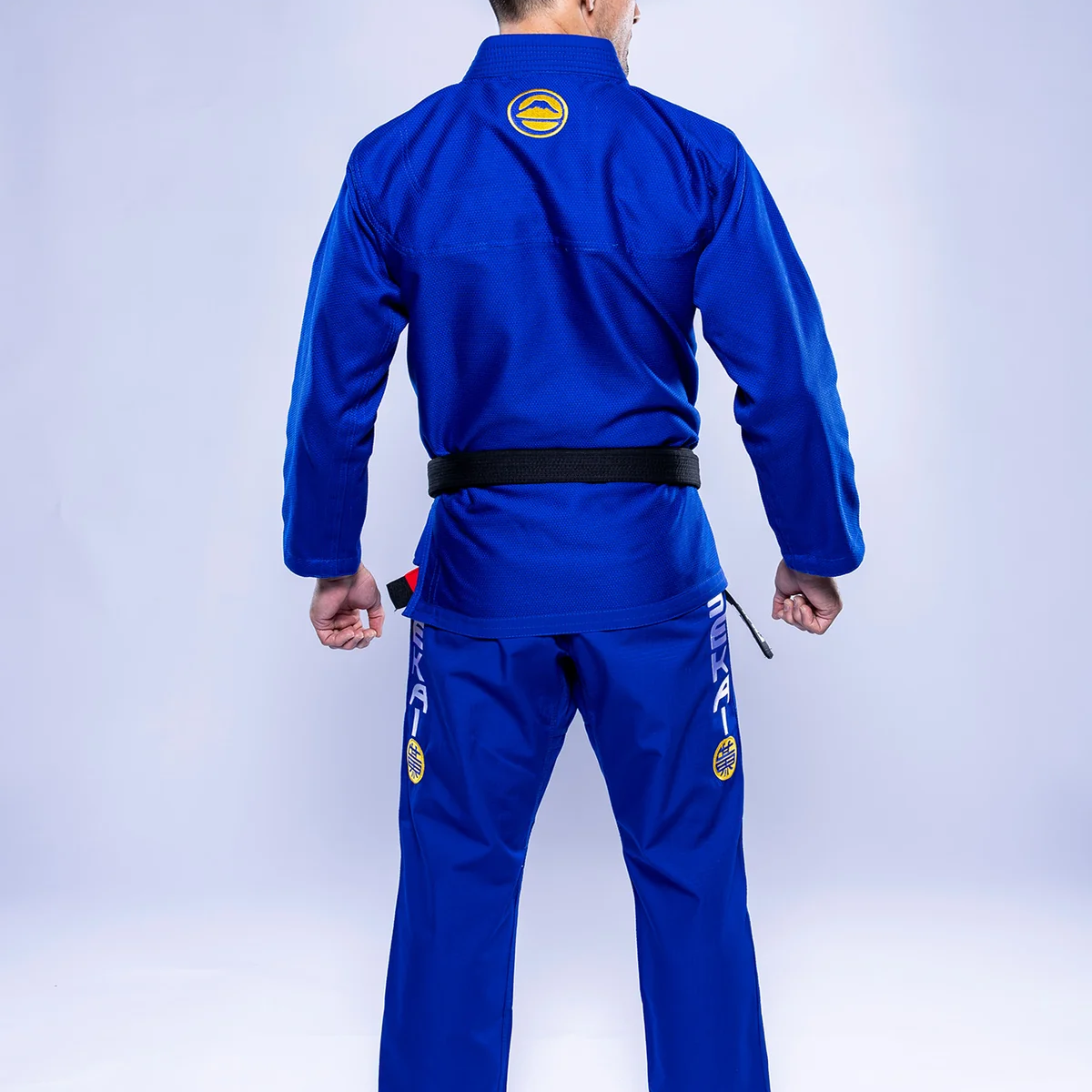
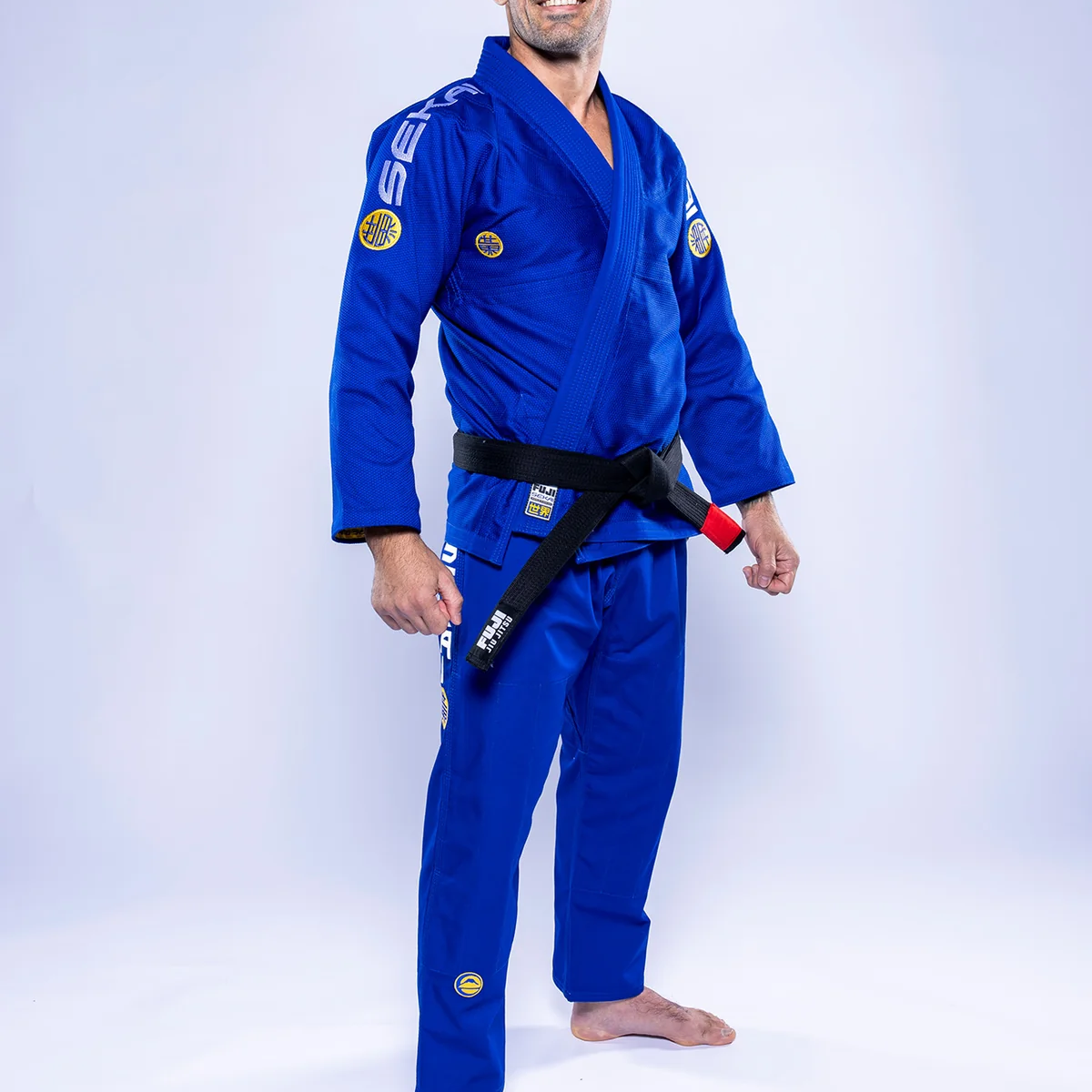
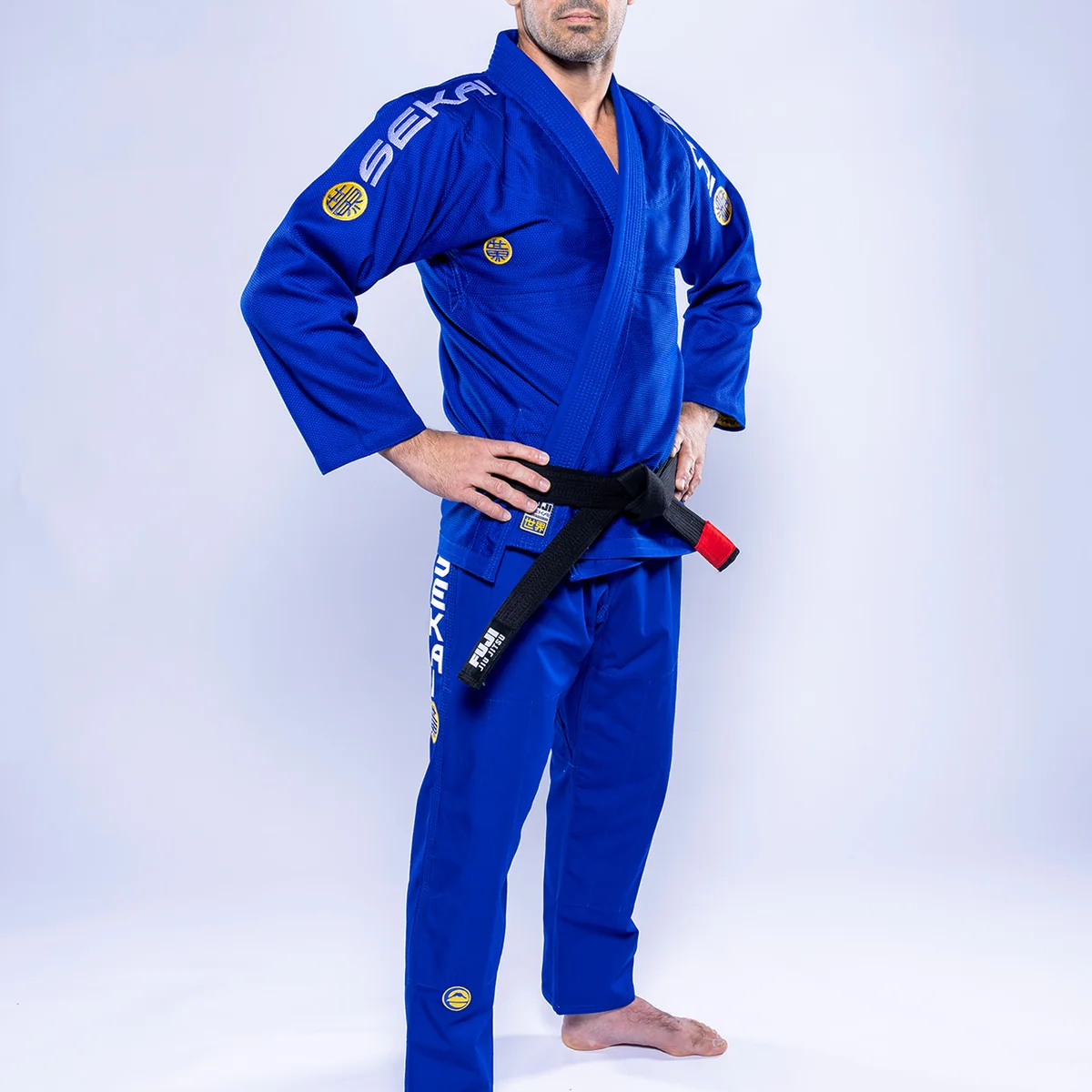
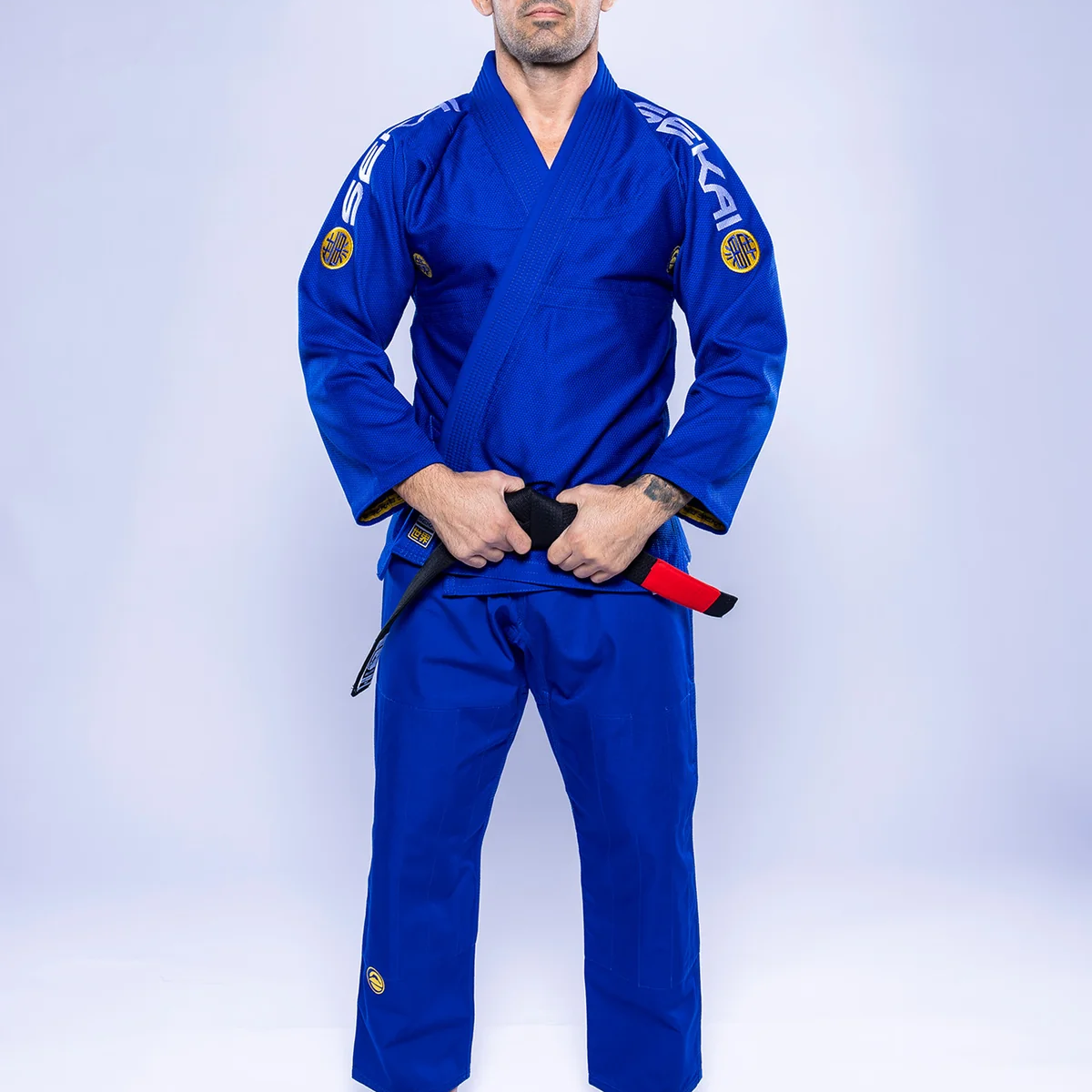
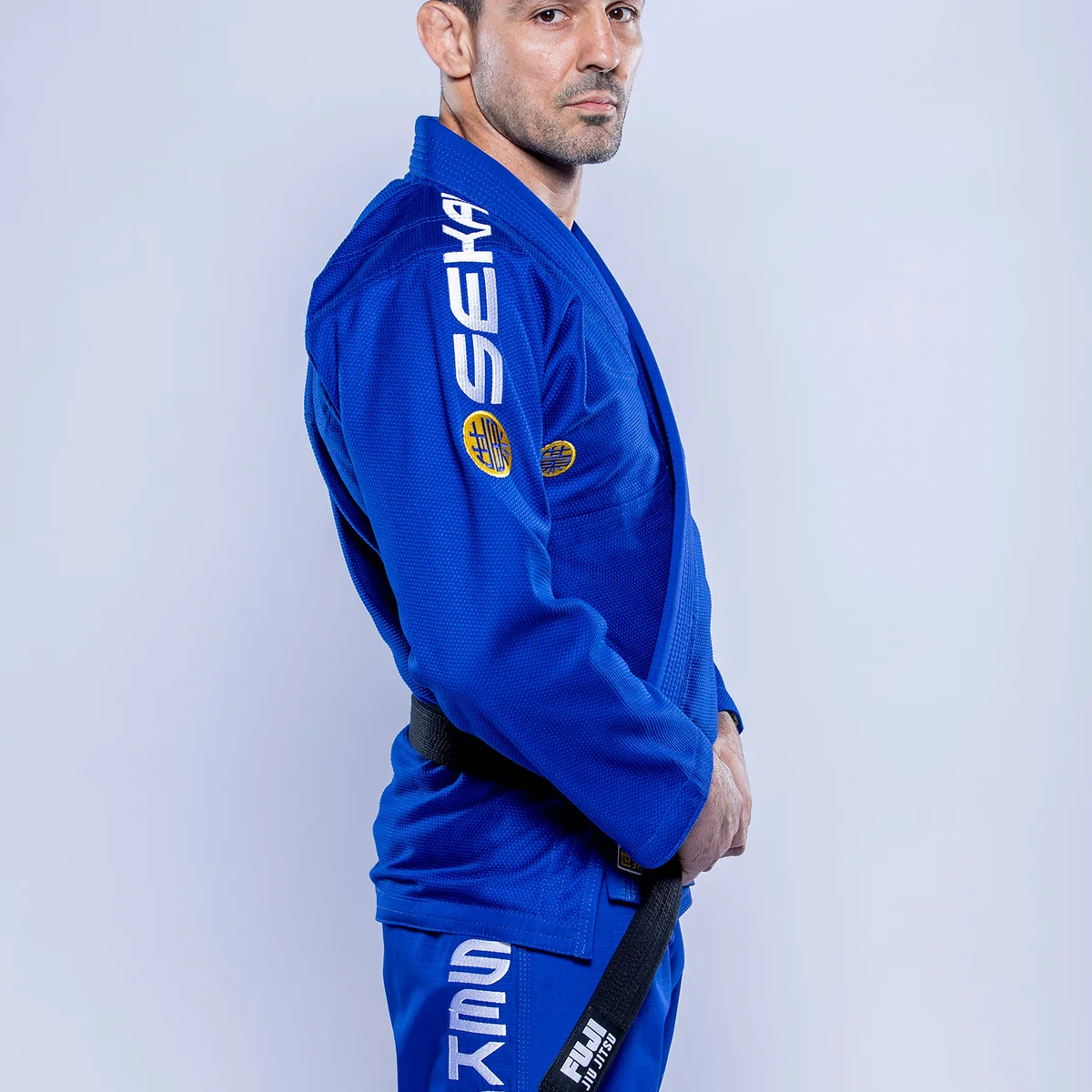
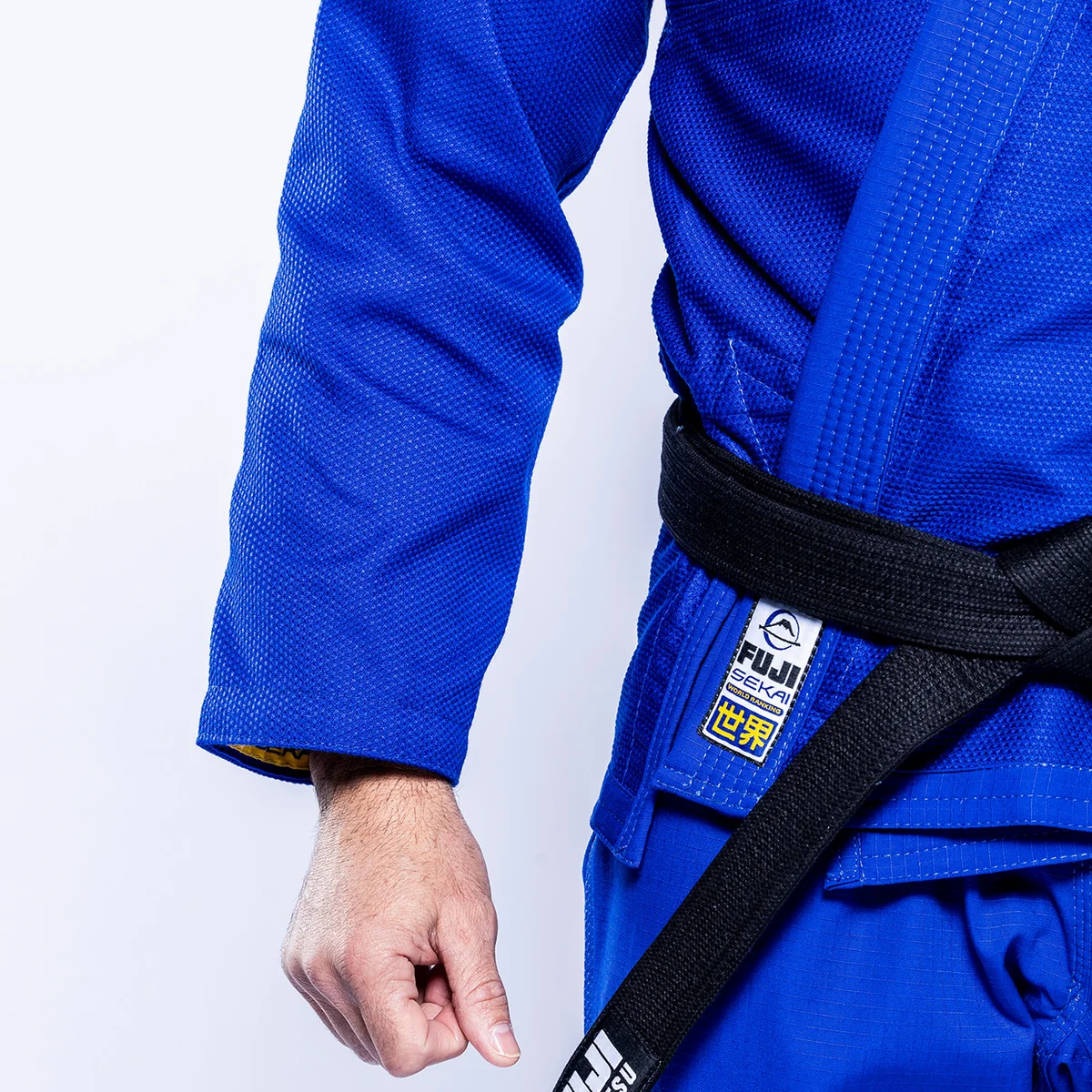
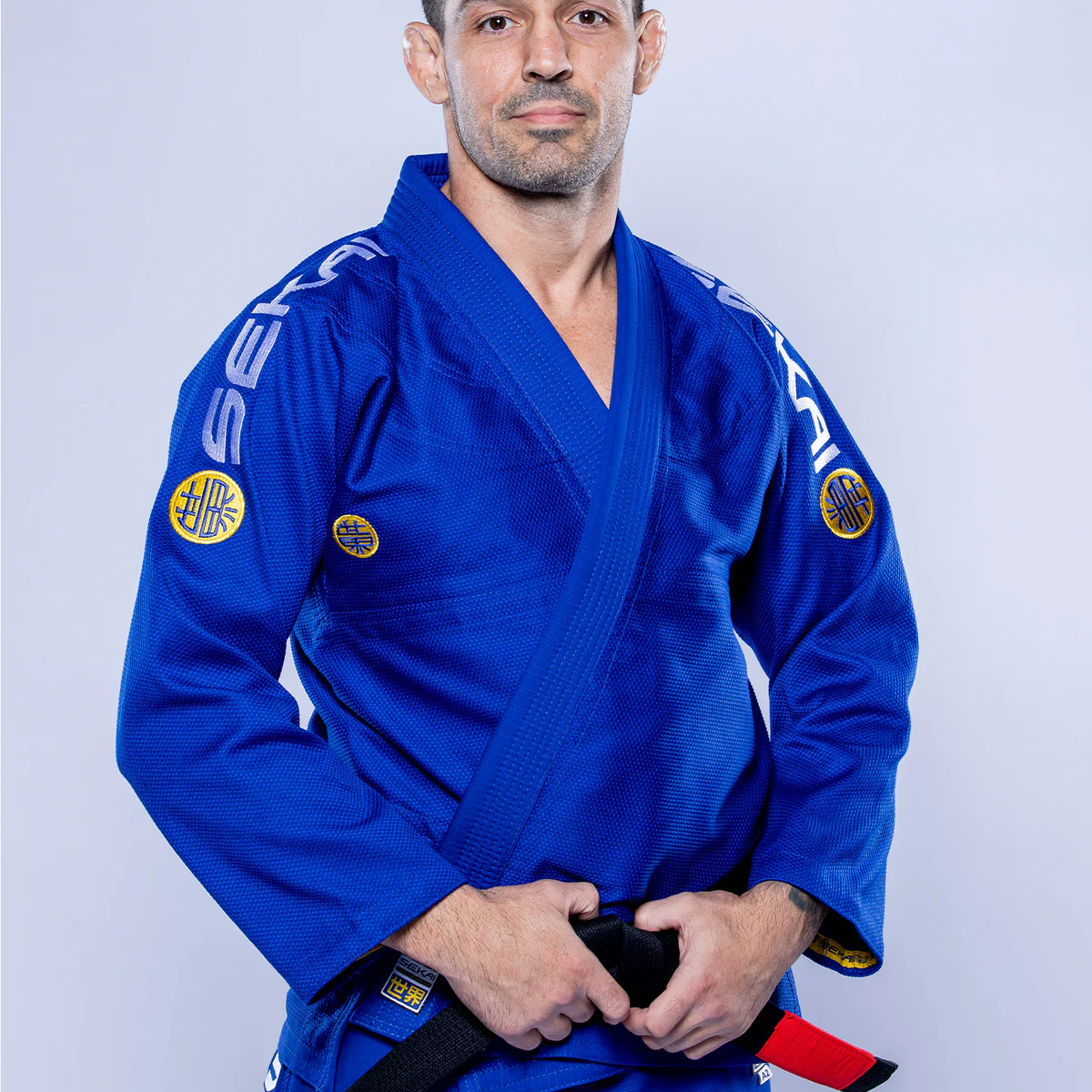
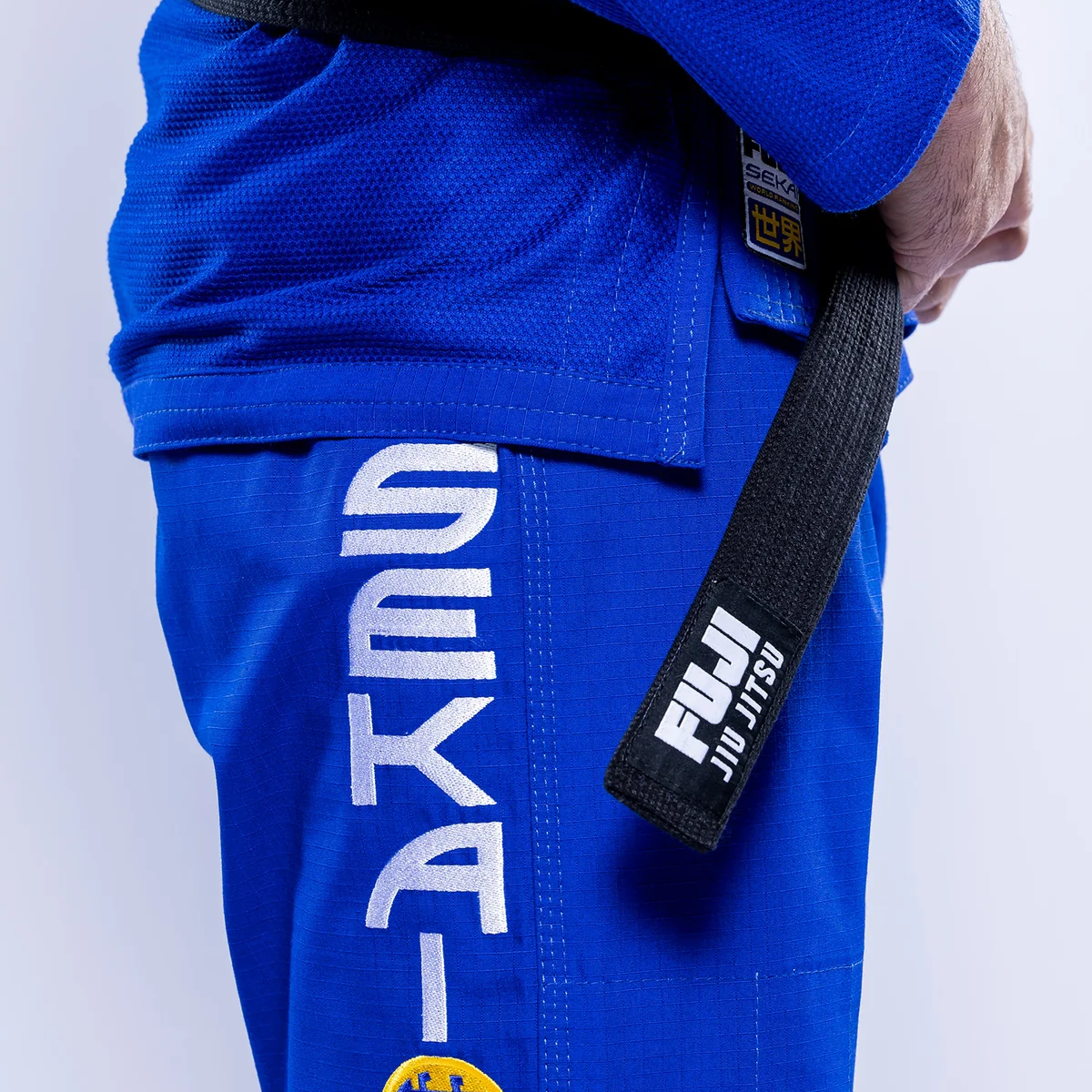
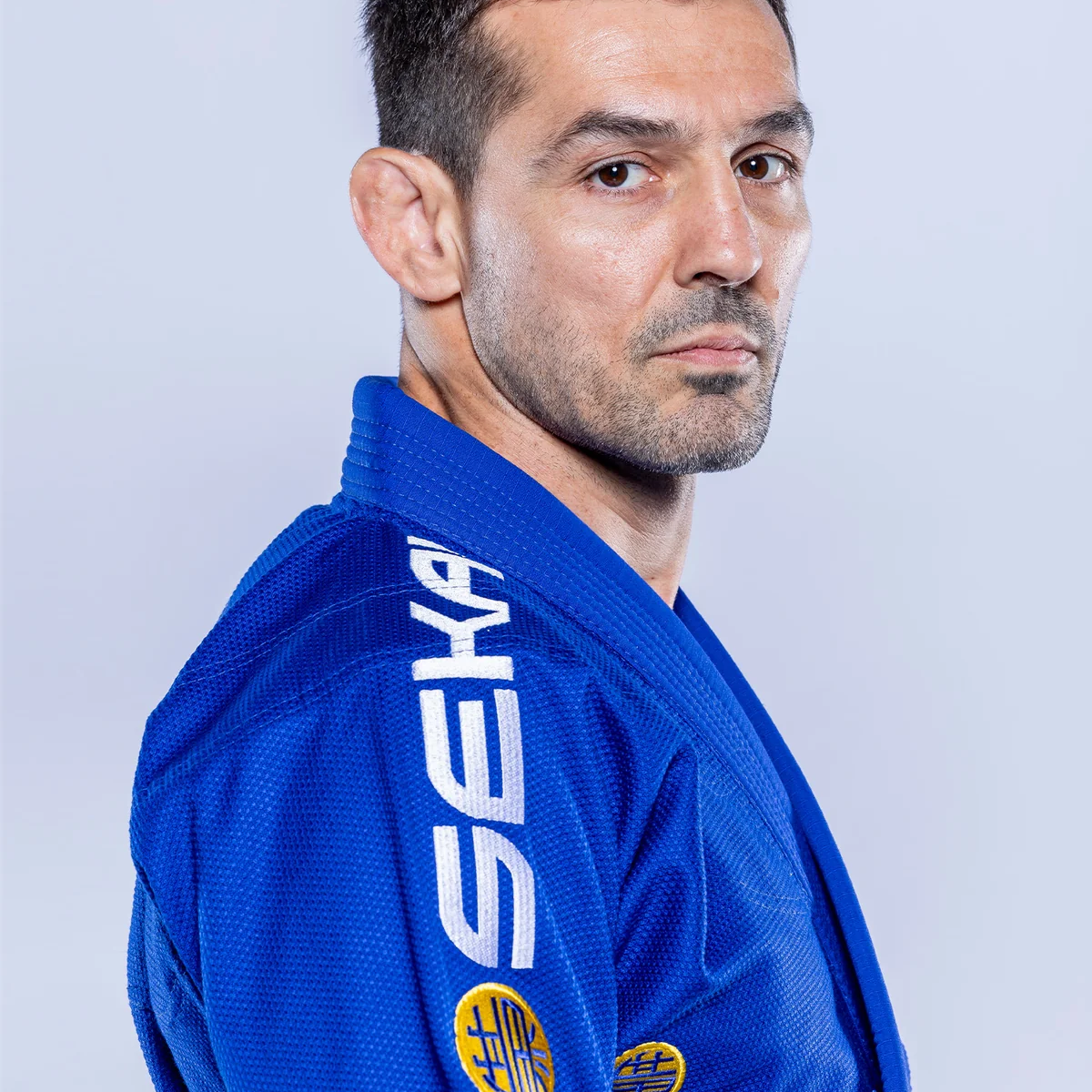
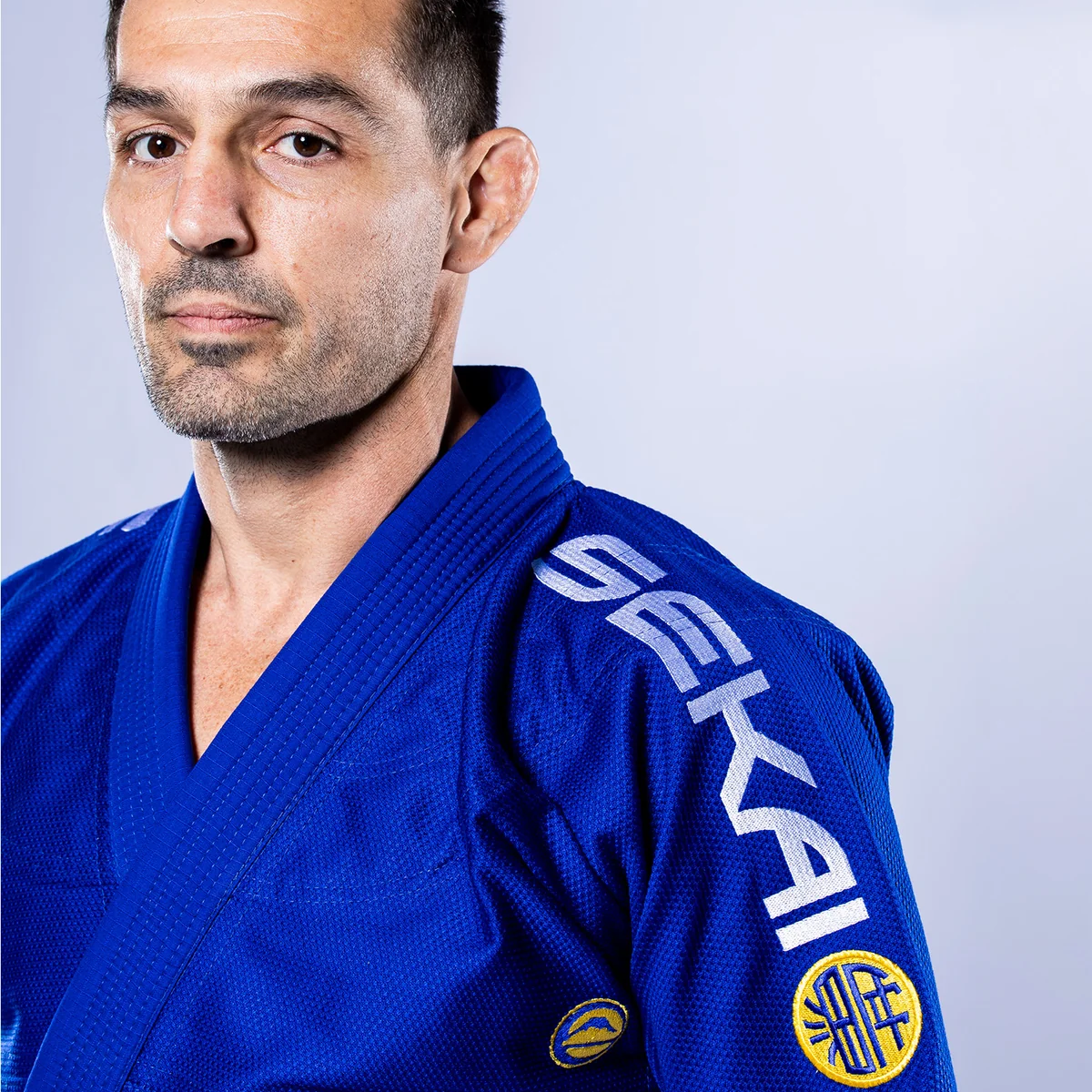
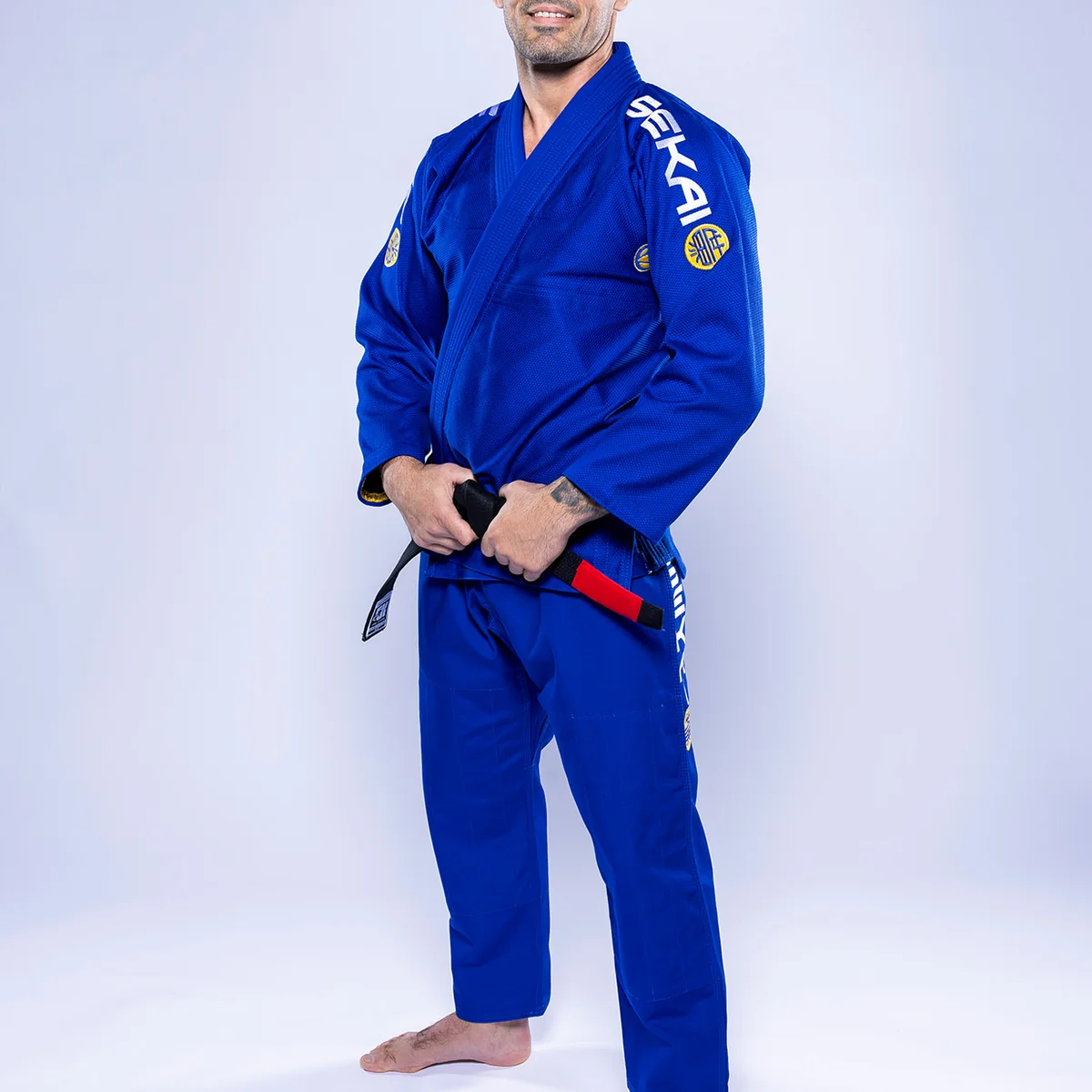
For a gi class, you’ll usually need a gi and a belt. If you’re ready to buy your own, you can browse our BJJ gi collection for beginner-friendly options, lightweight gis, and daily training gis.
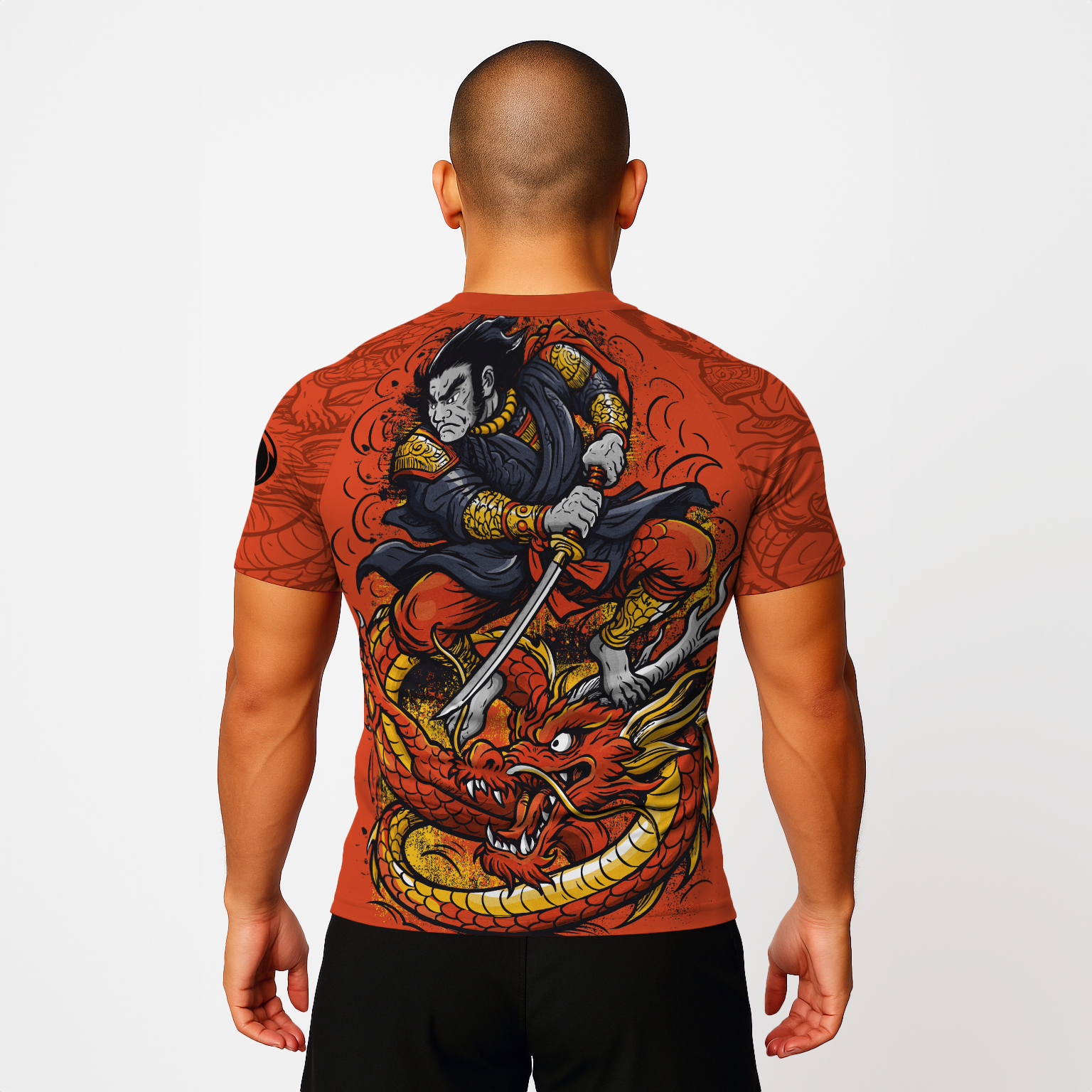
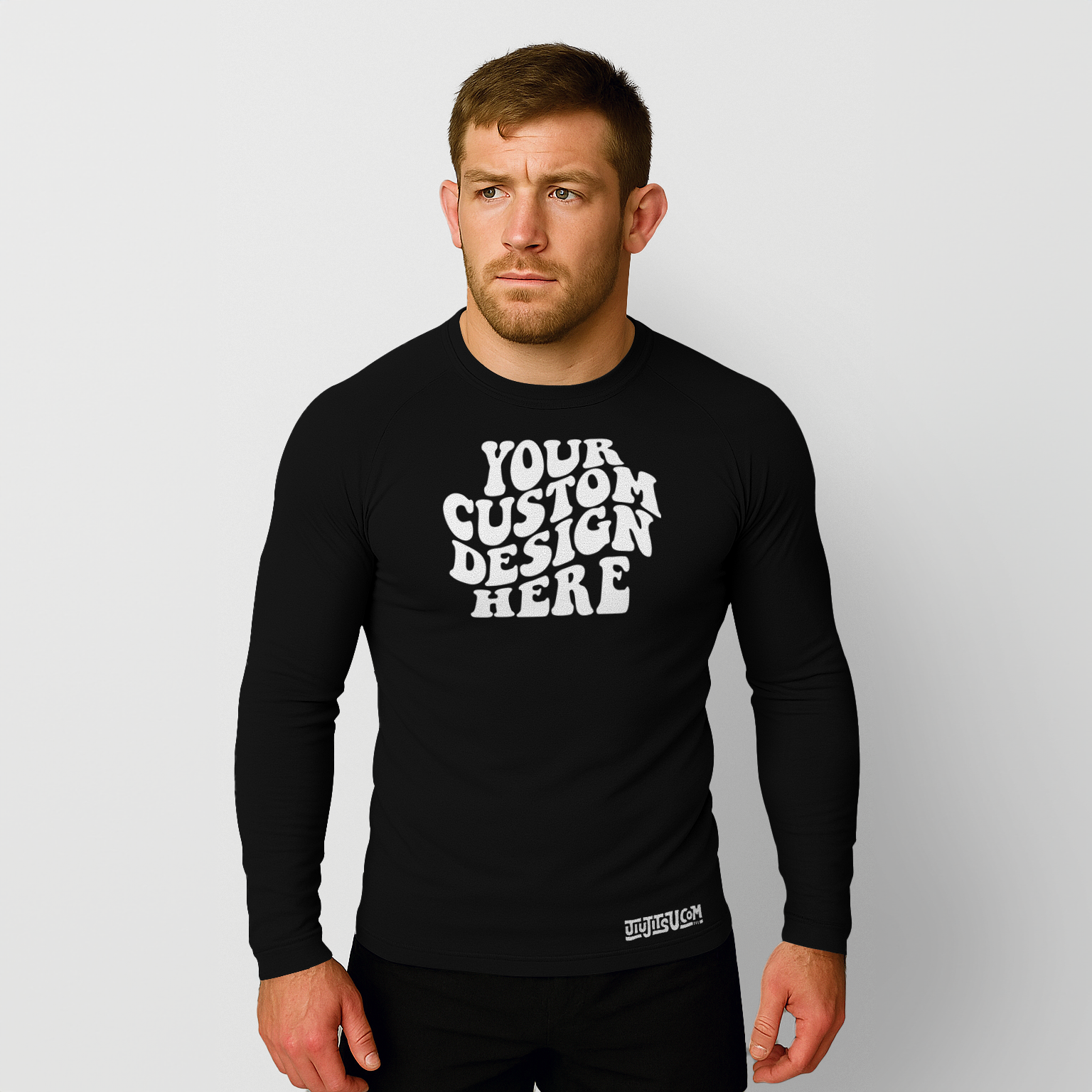
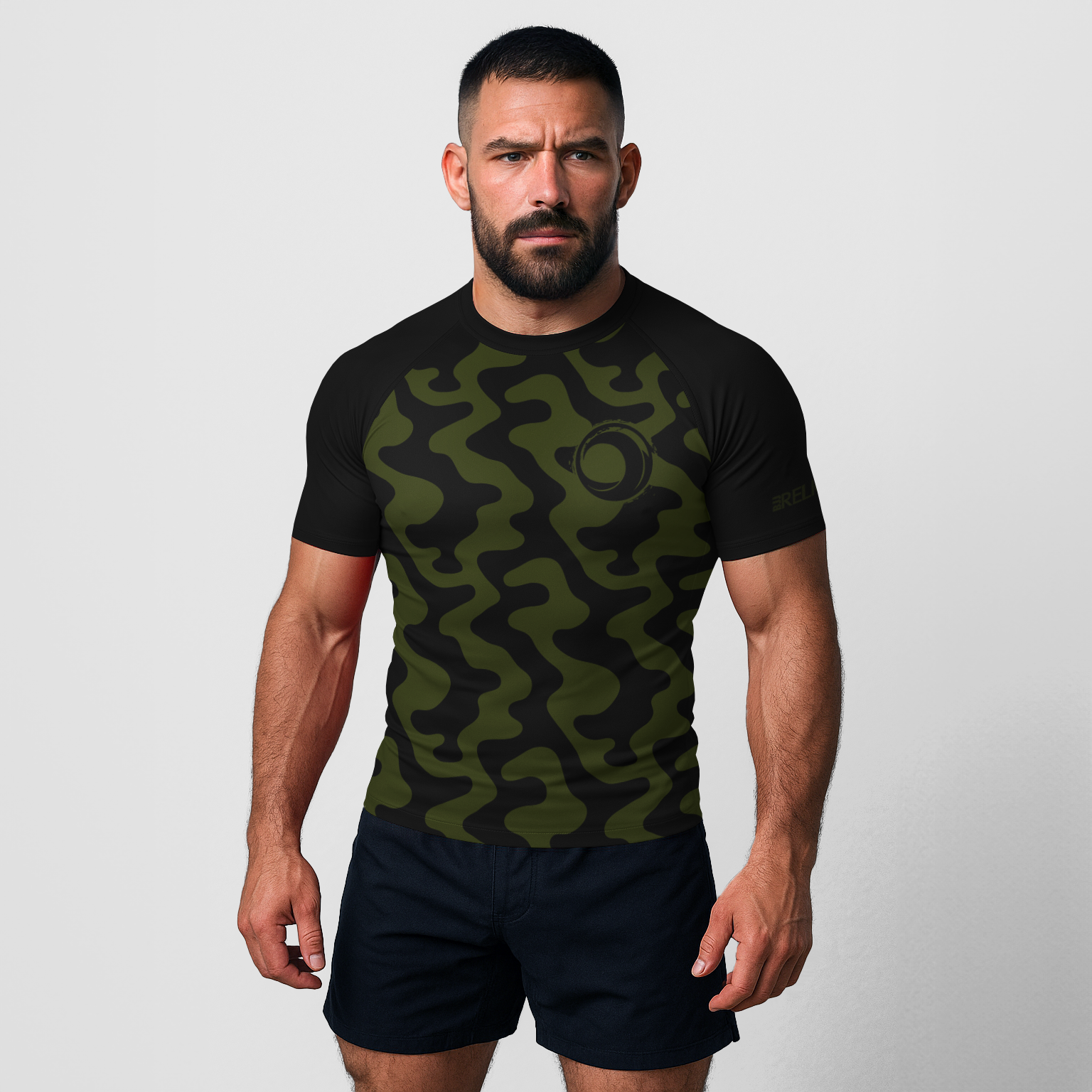
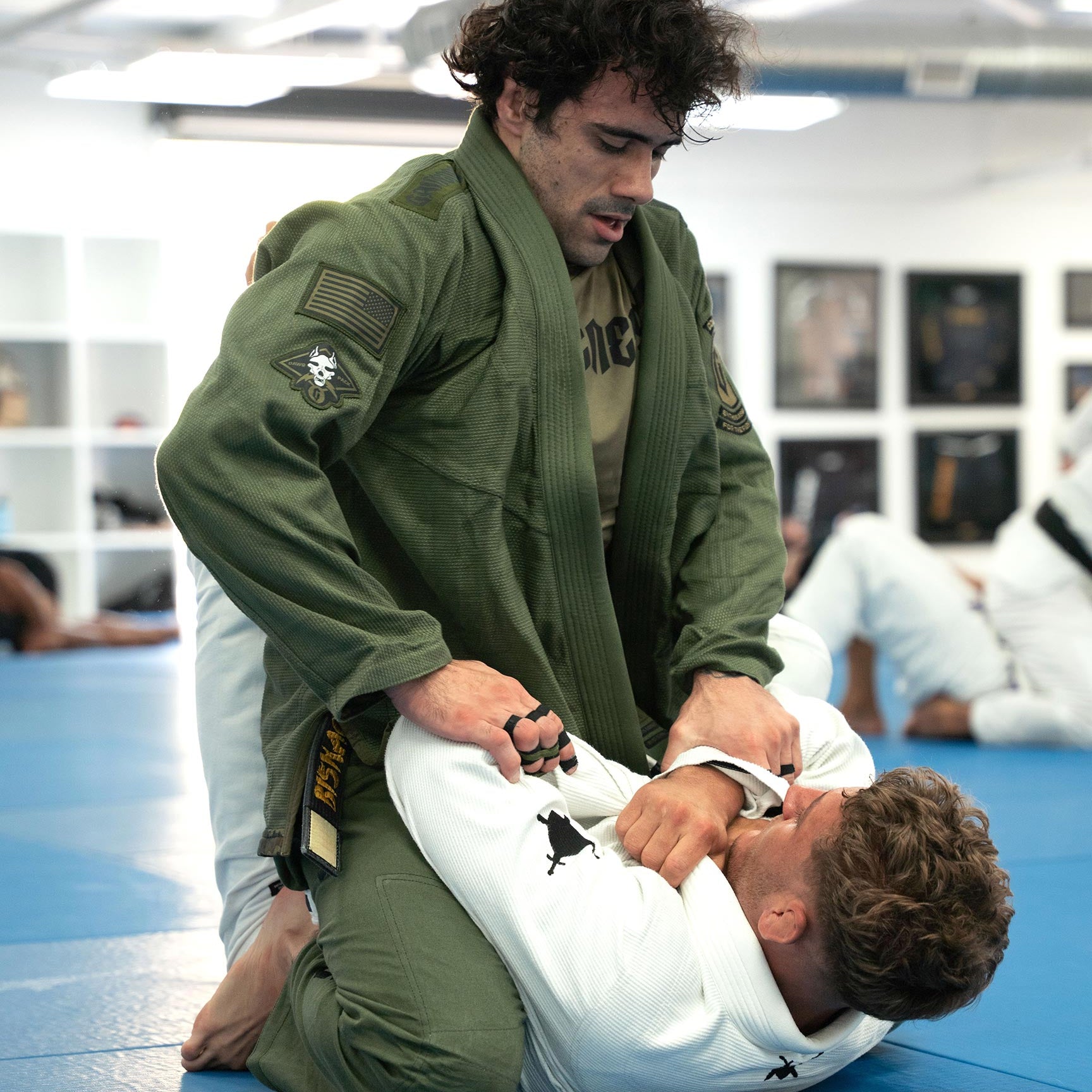
Under the gi jacket, most people wear a rash guard or fitted athletic shirt. Academy rules vary here. Some schools are relaxed about a plain shirt for your first class. Others prefer a rash guard because it stays in place better when you’re pummeling for underhooks, getting cross-faced, or constantly resetting from side control.
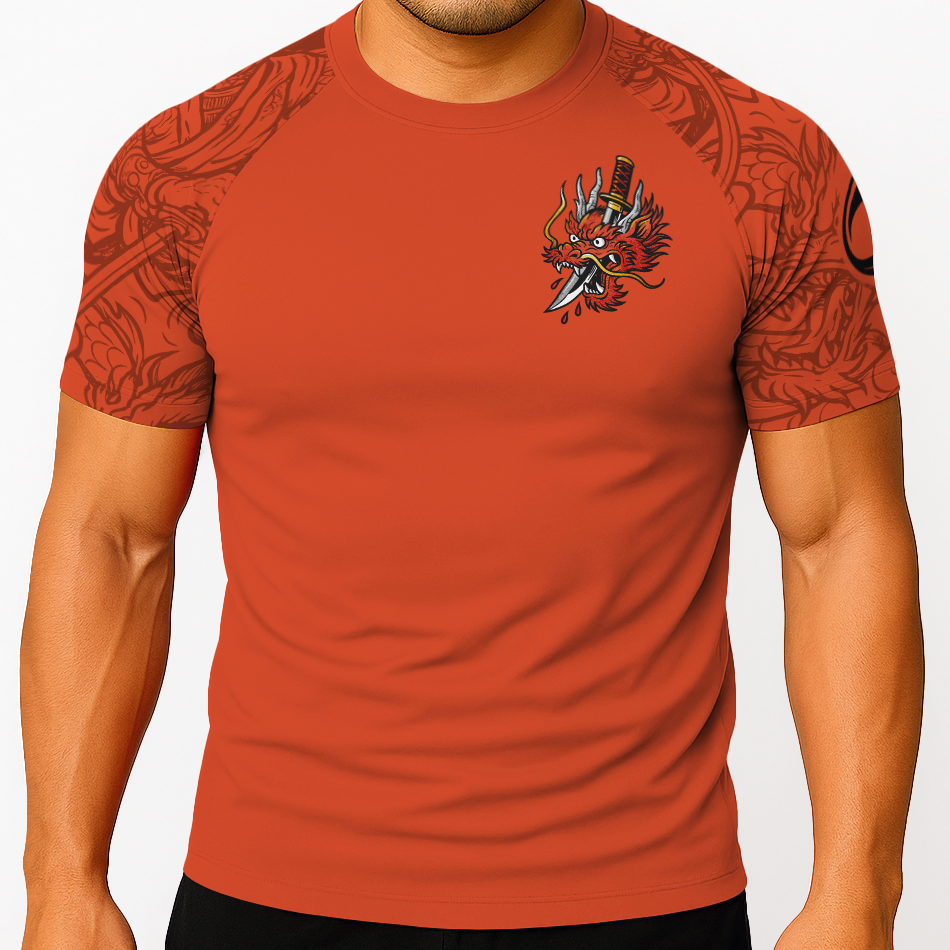
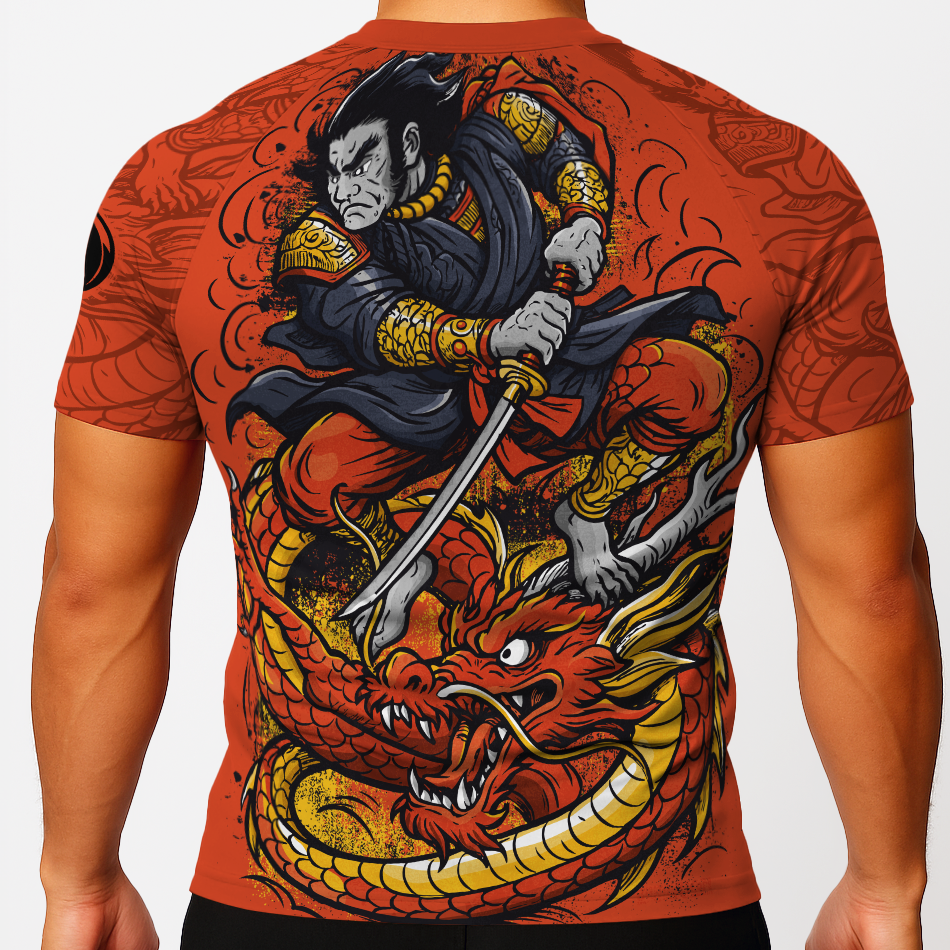
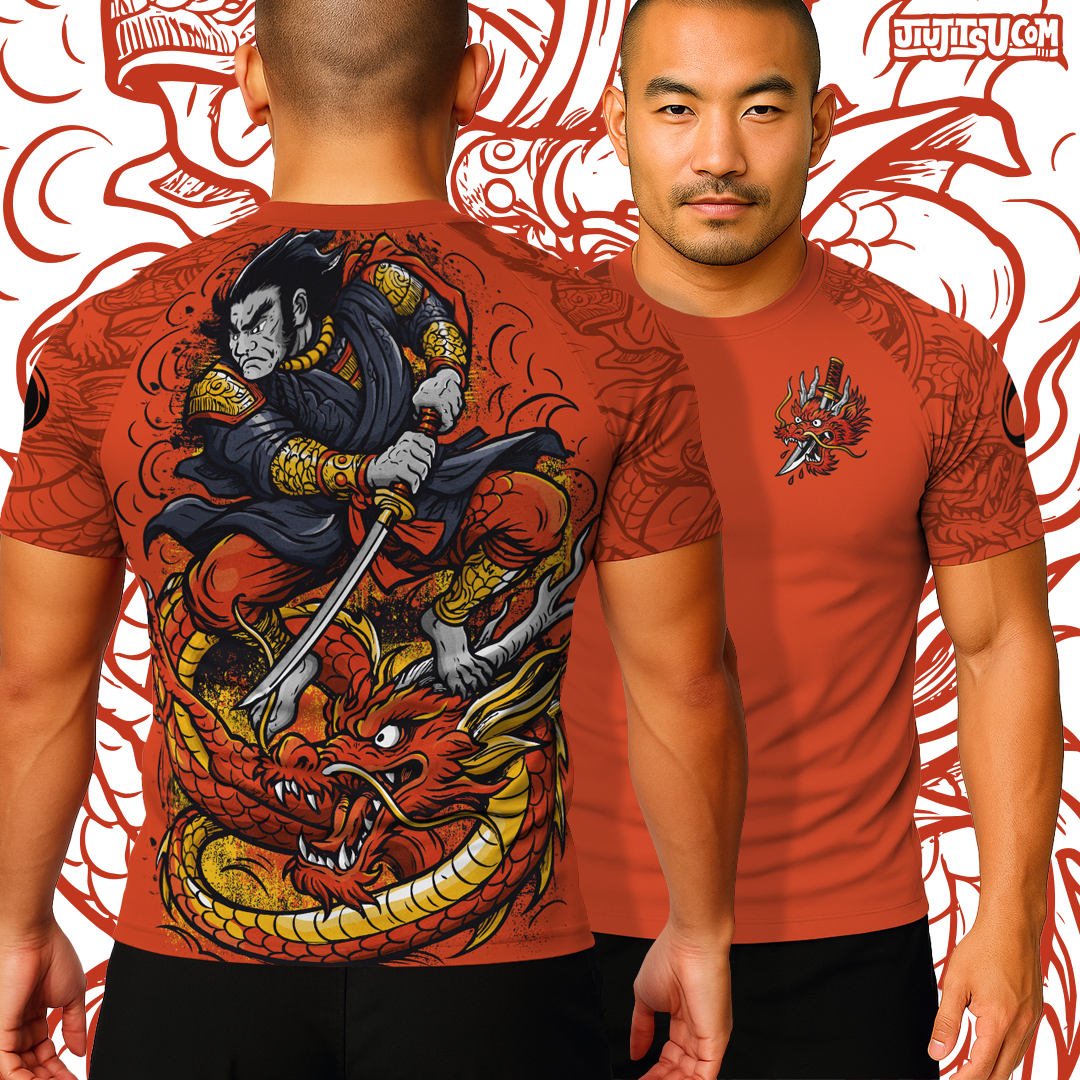
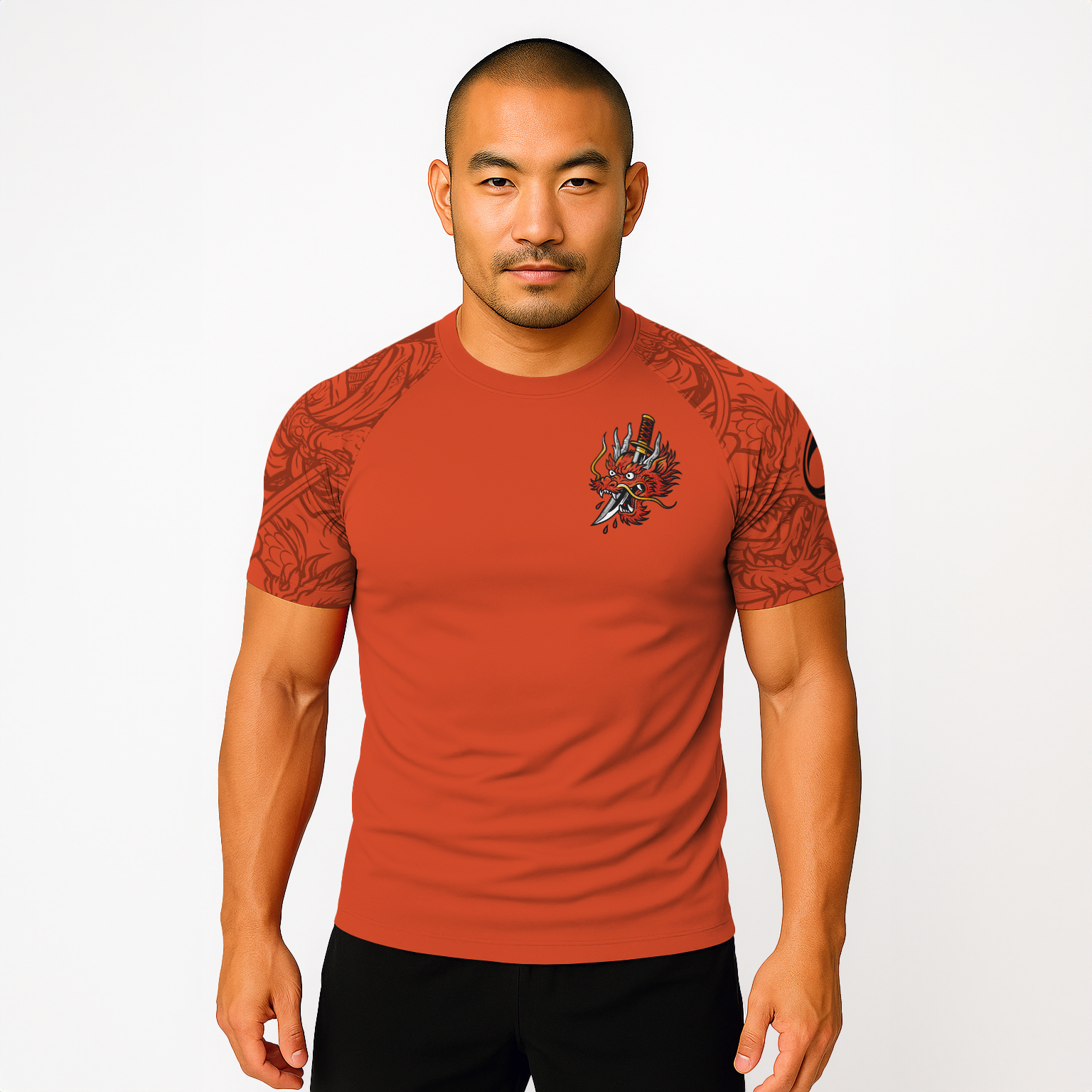
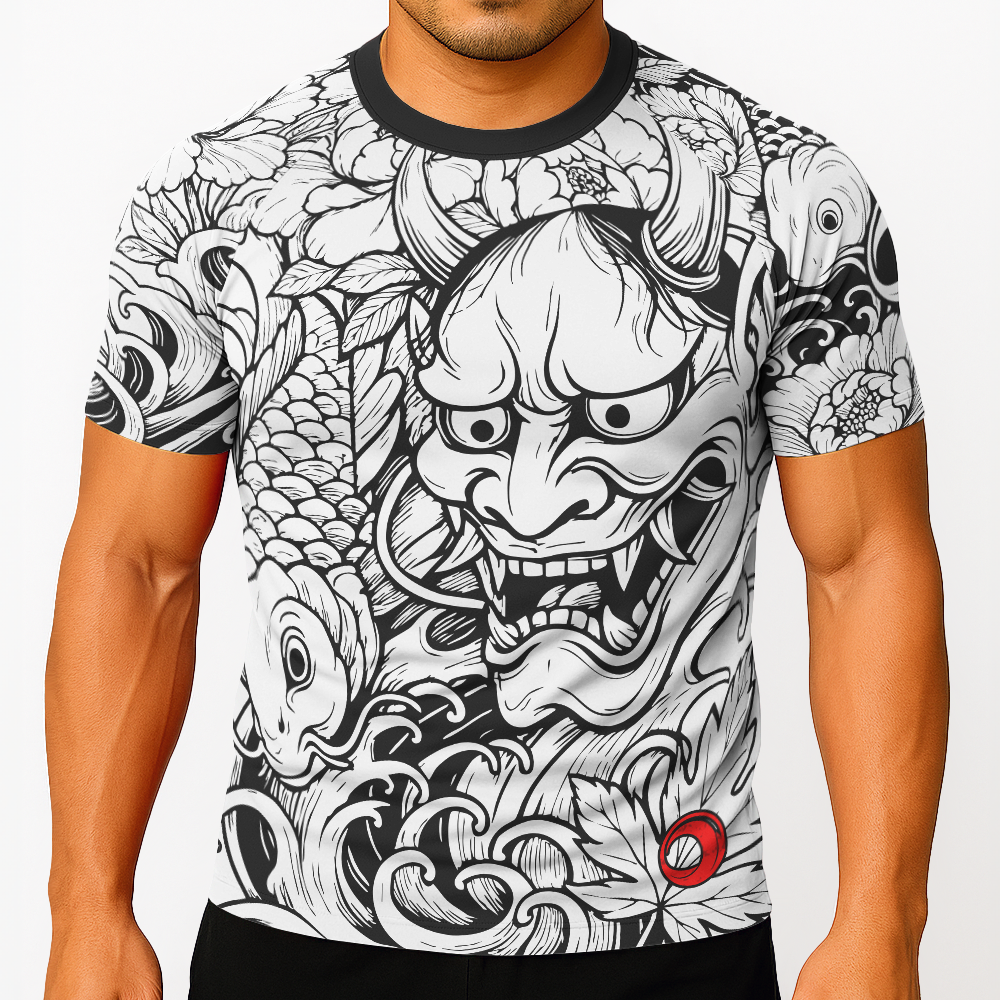
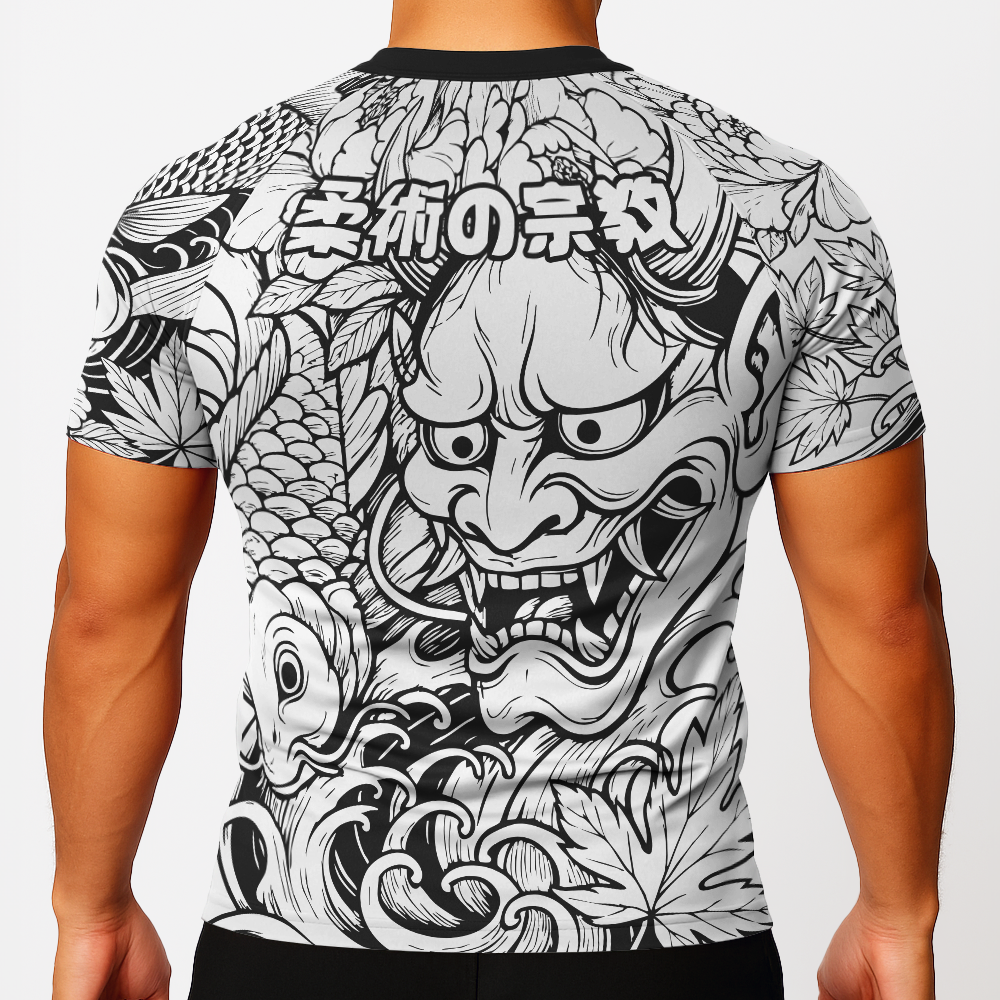
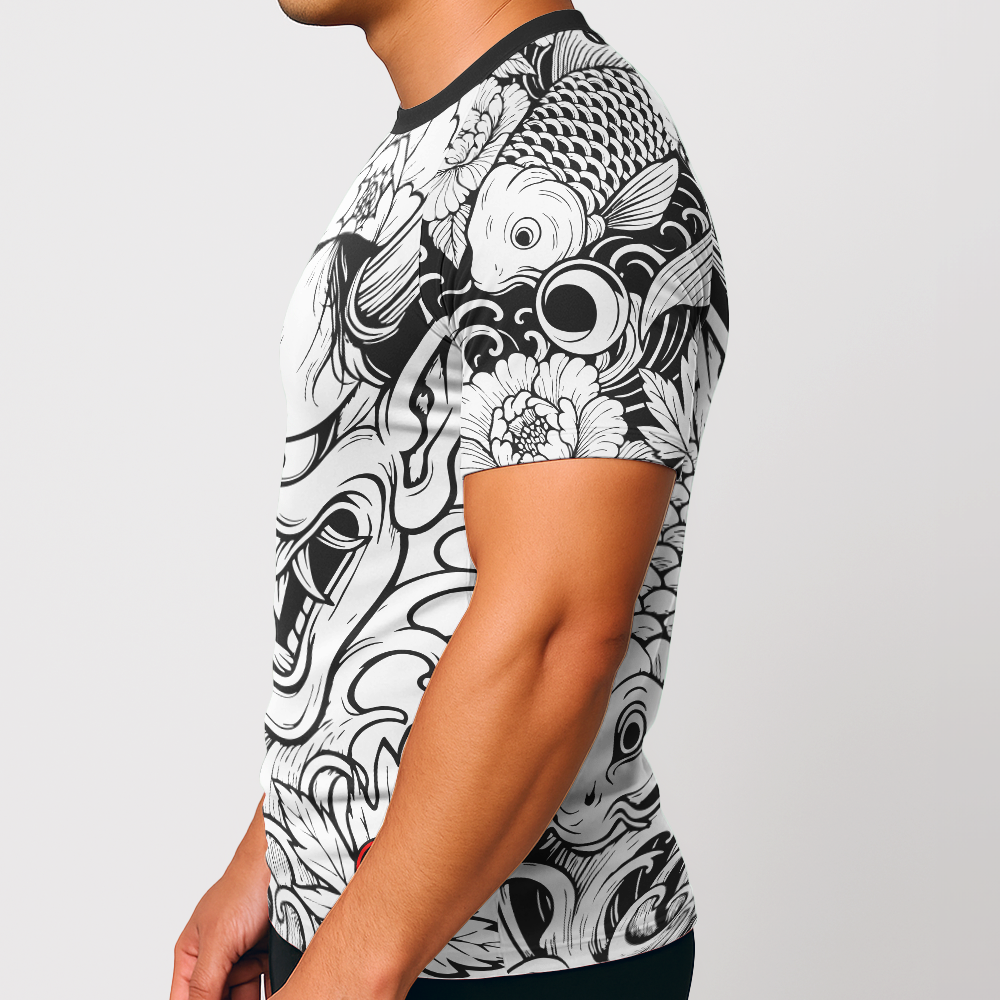
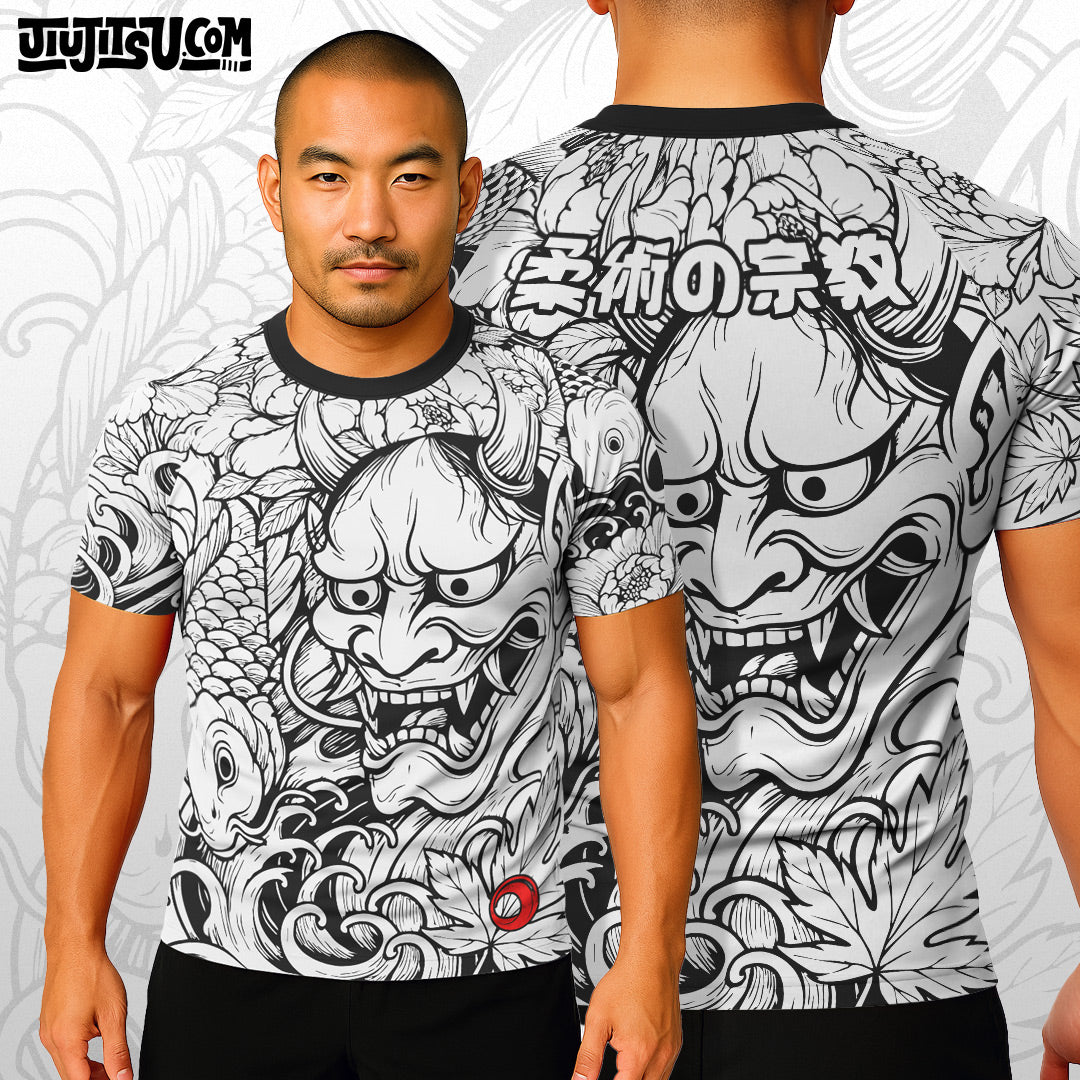
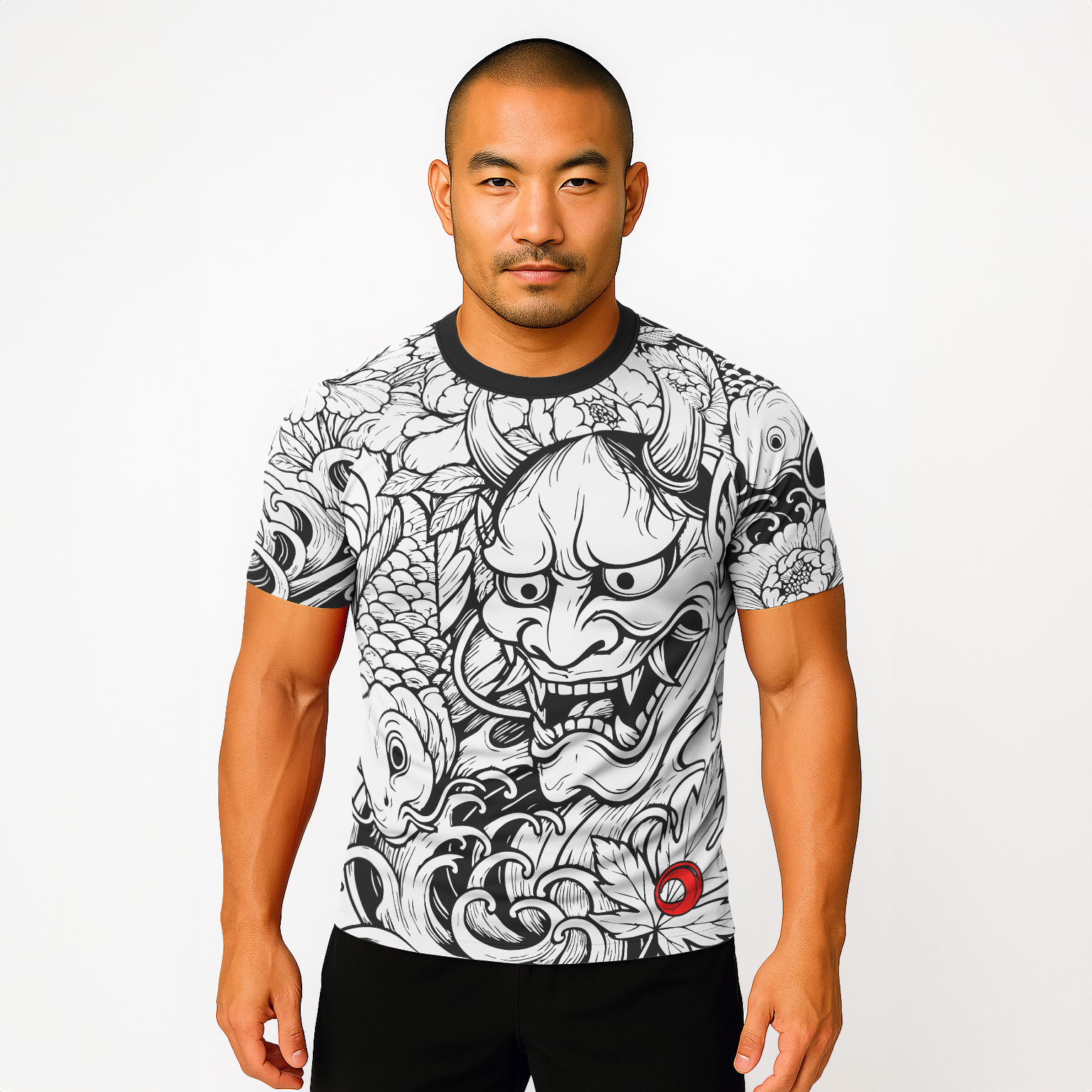
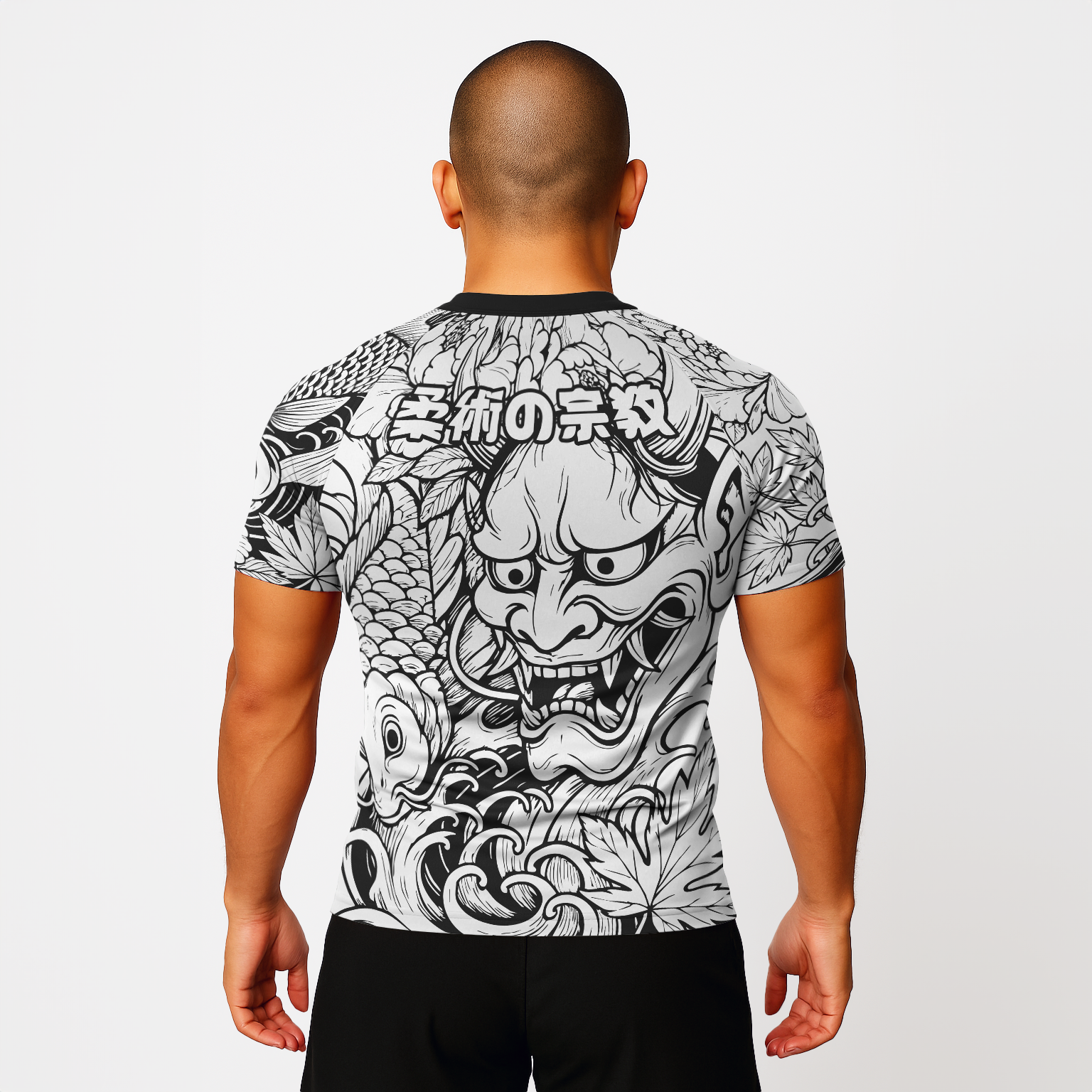
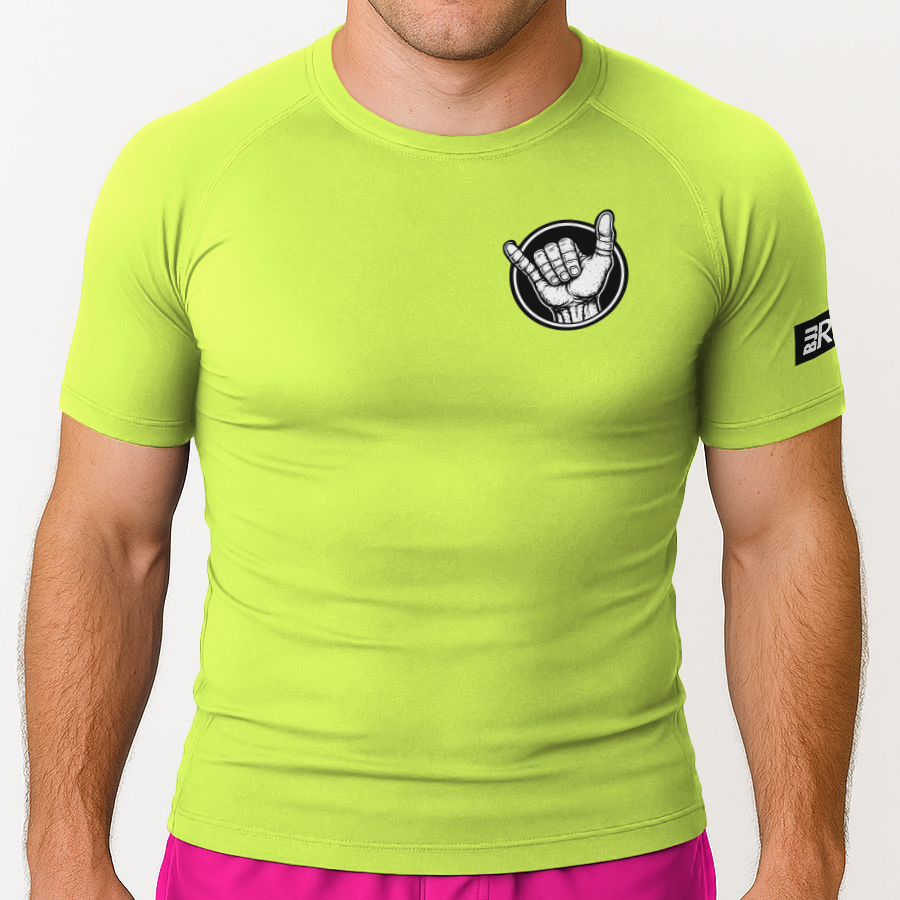
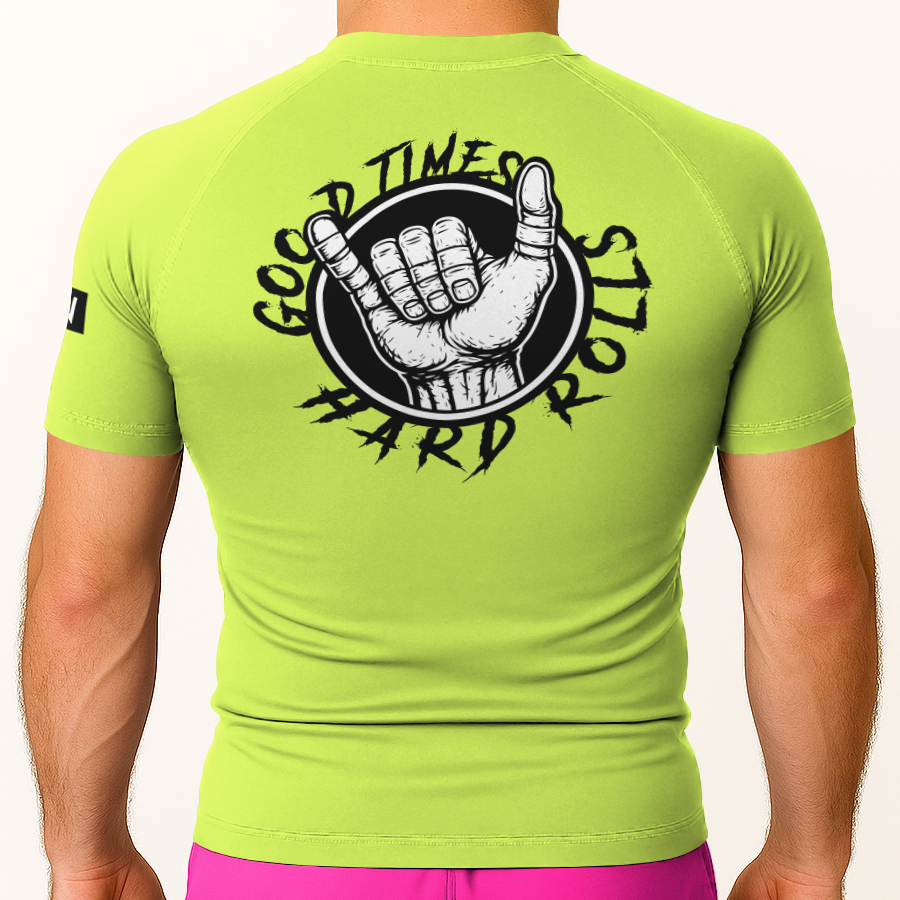
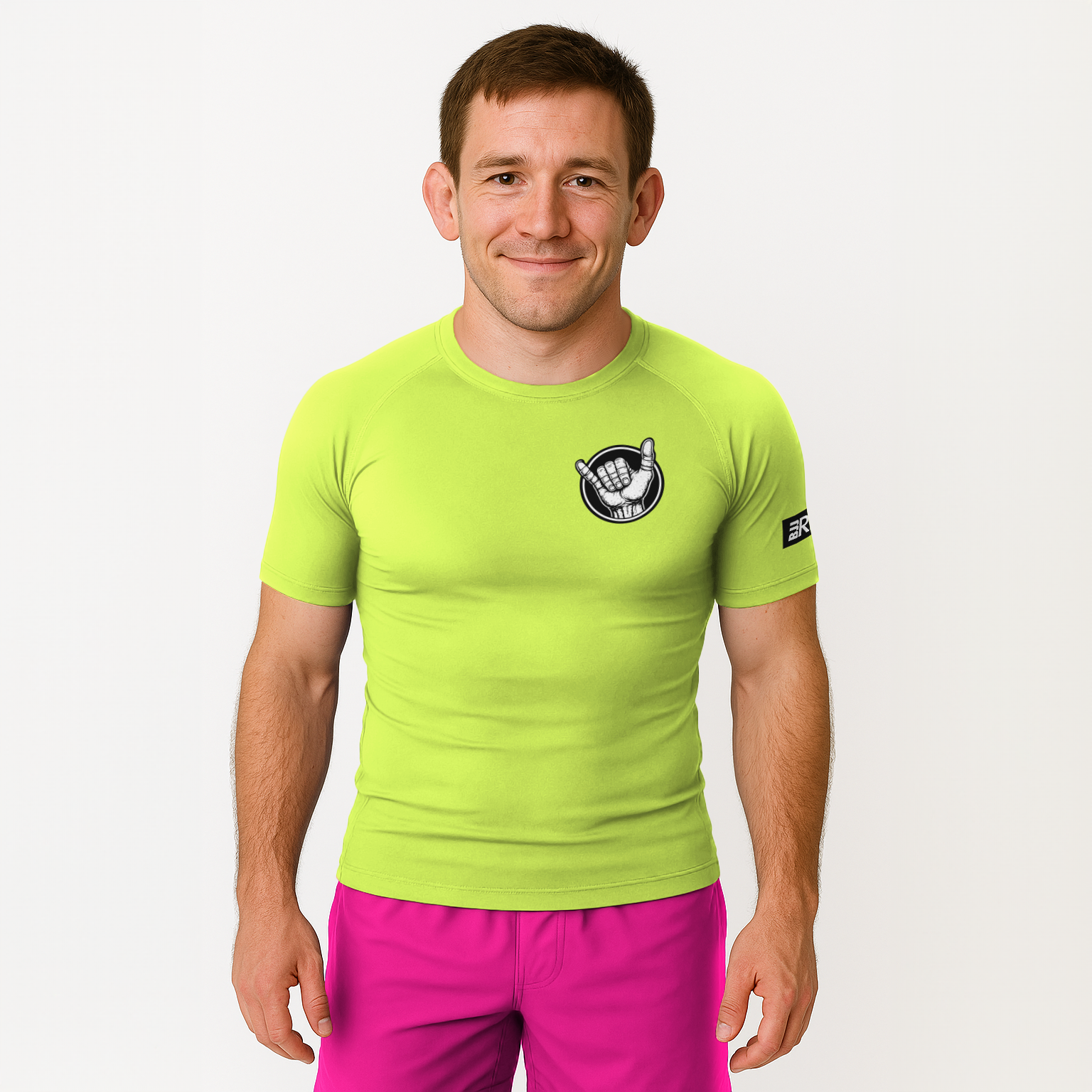
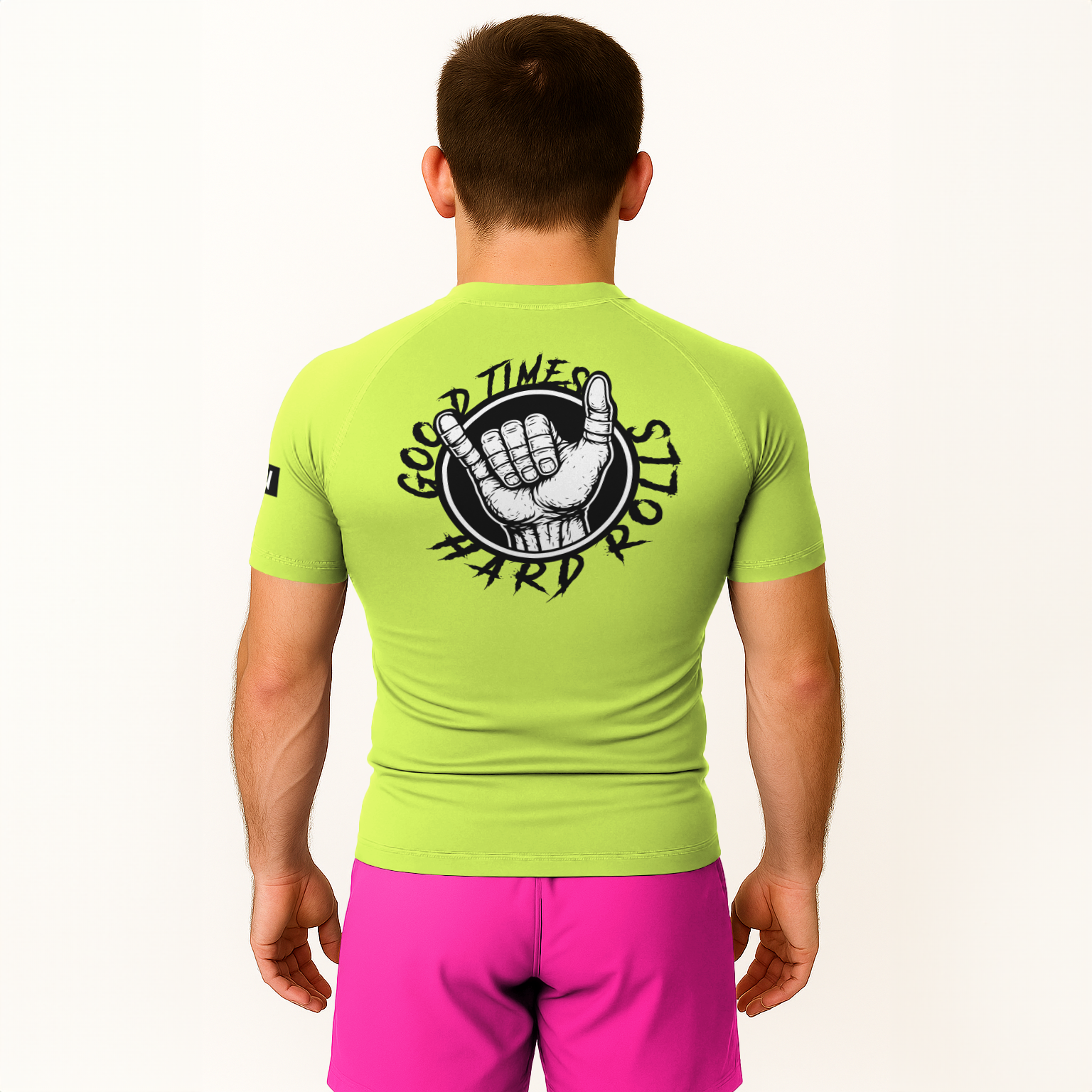
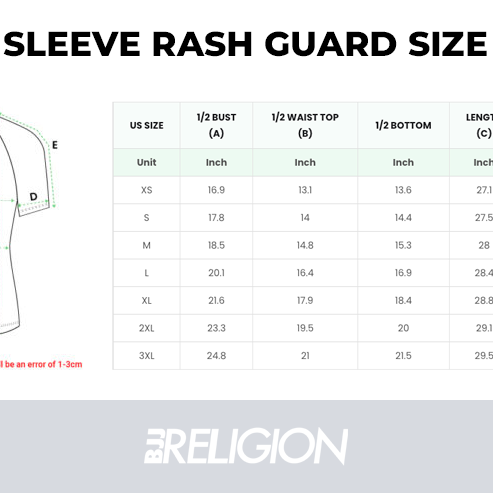
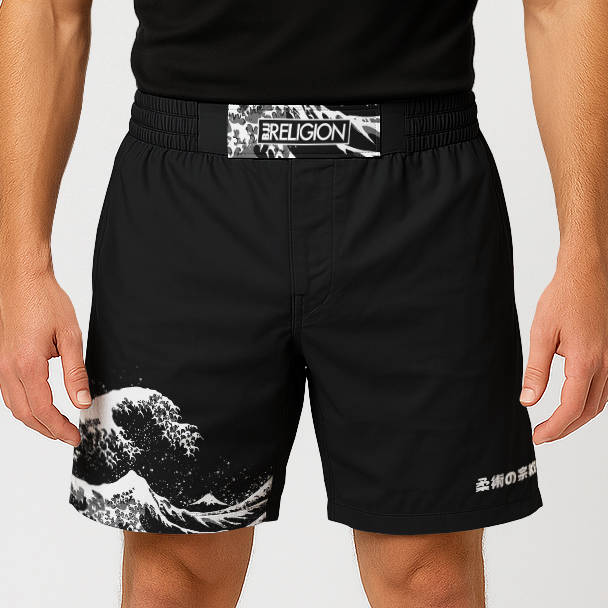
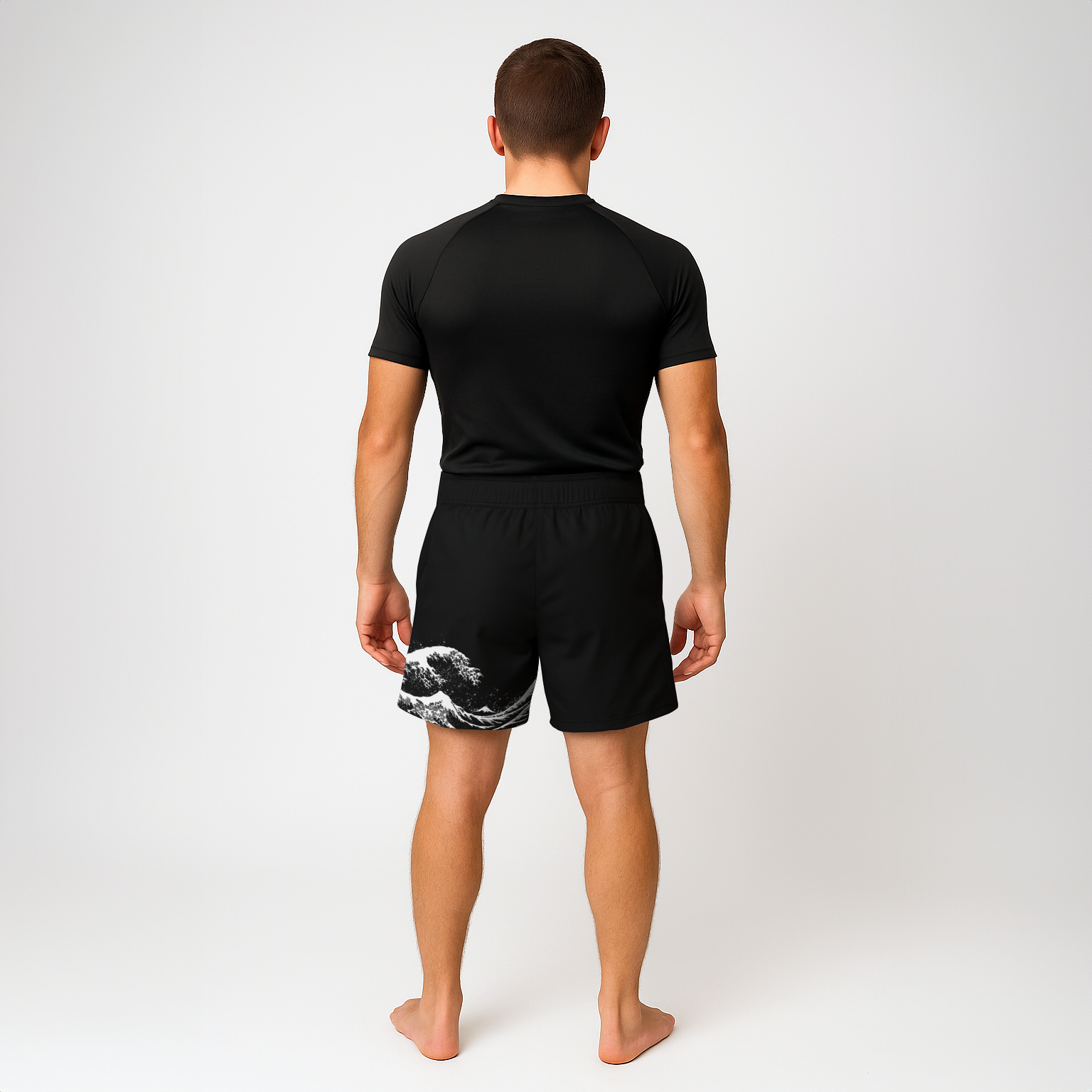
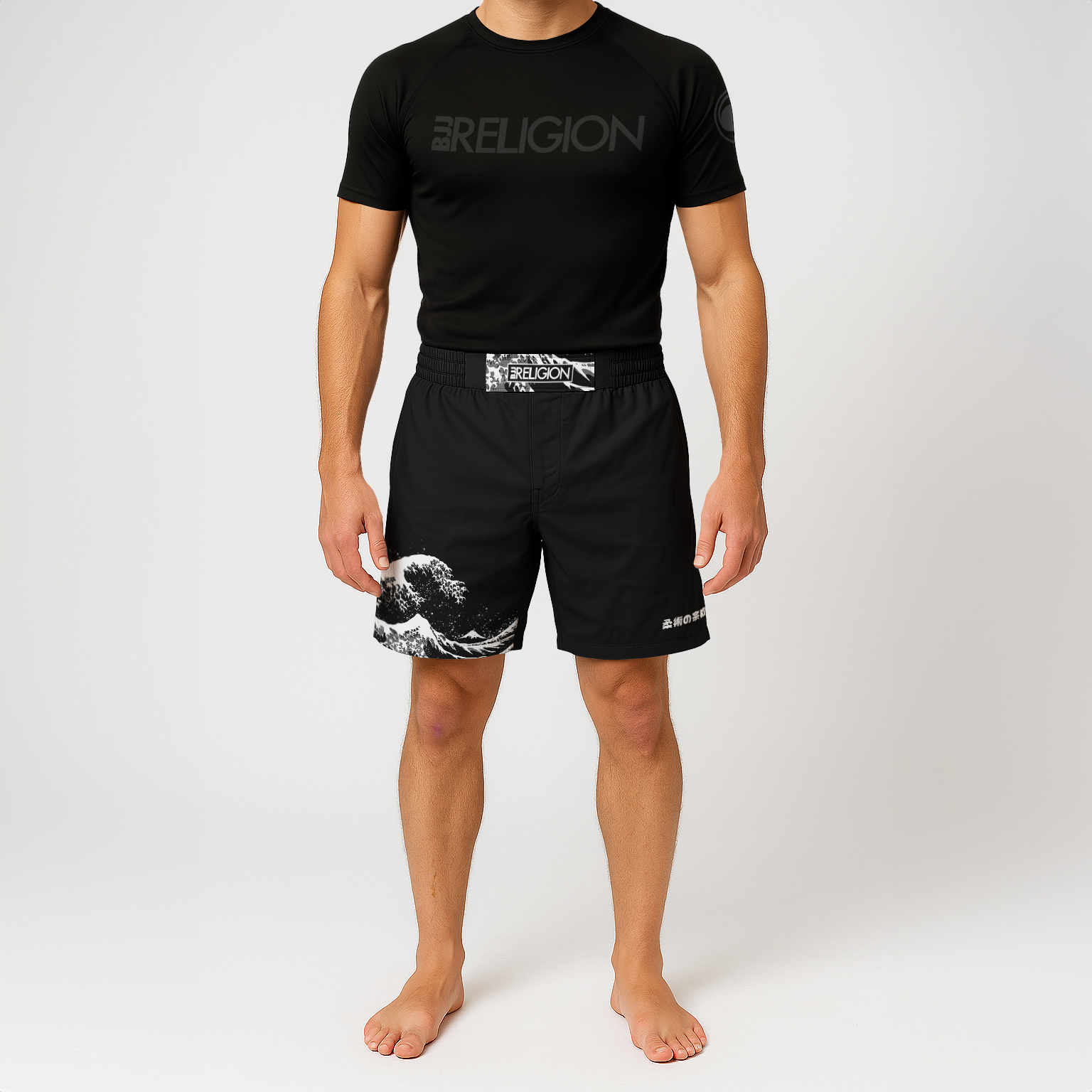
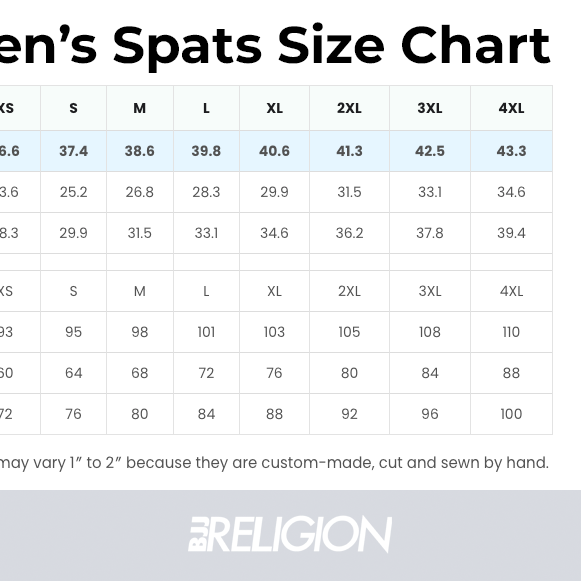
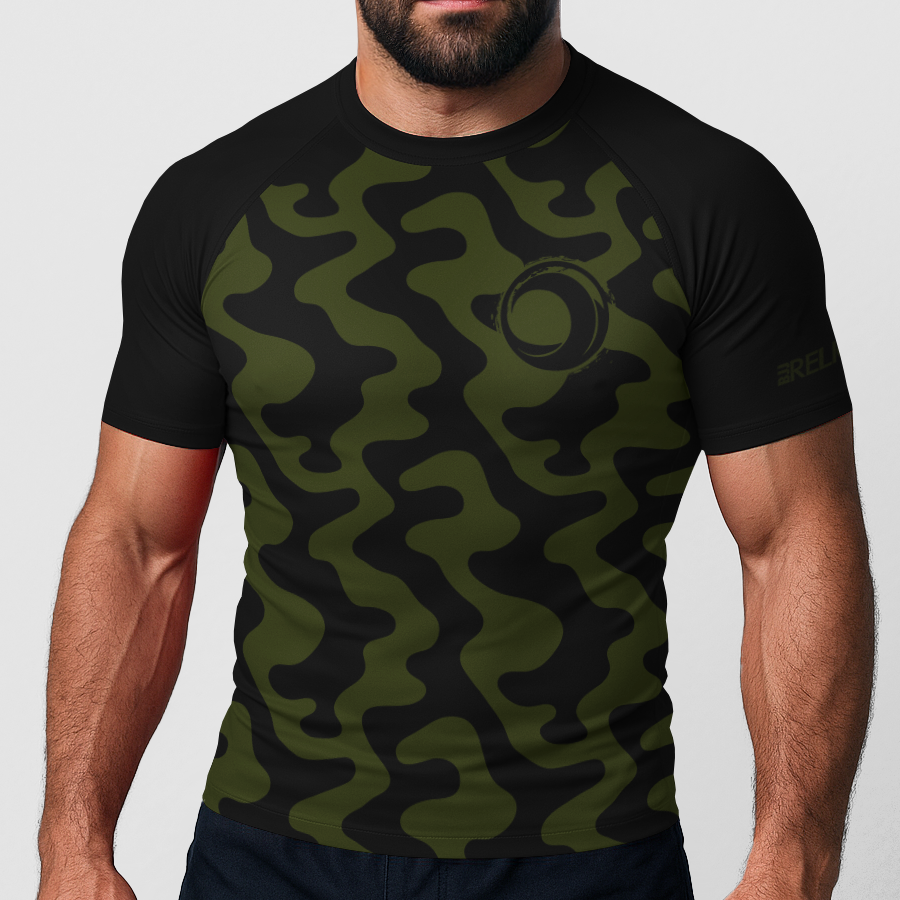
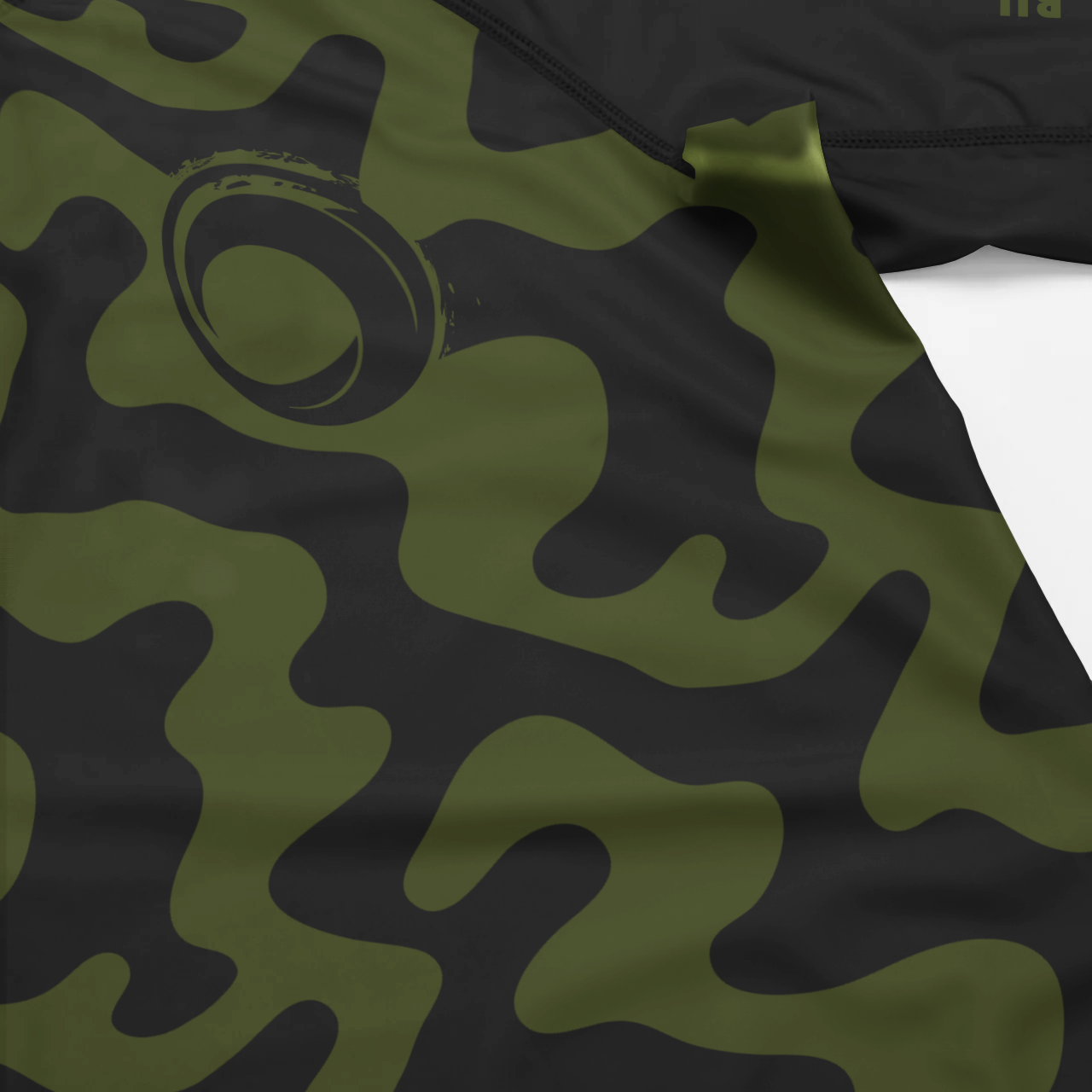
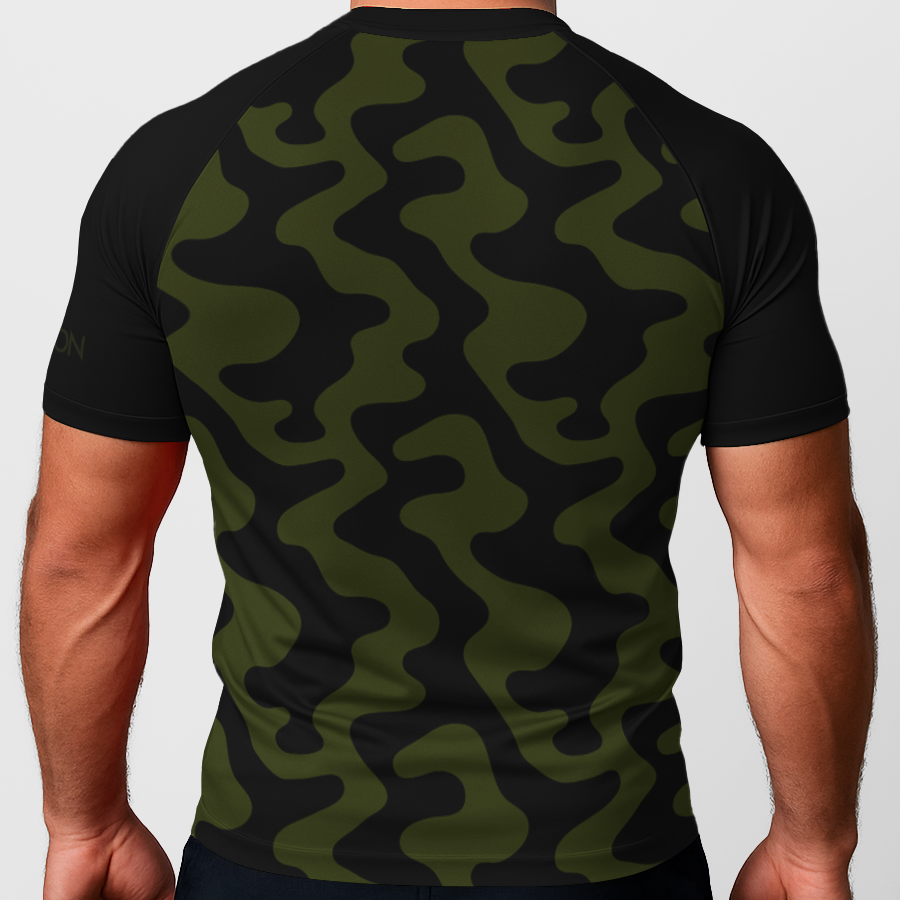
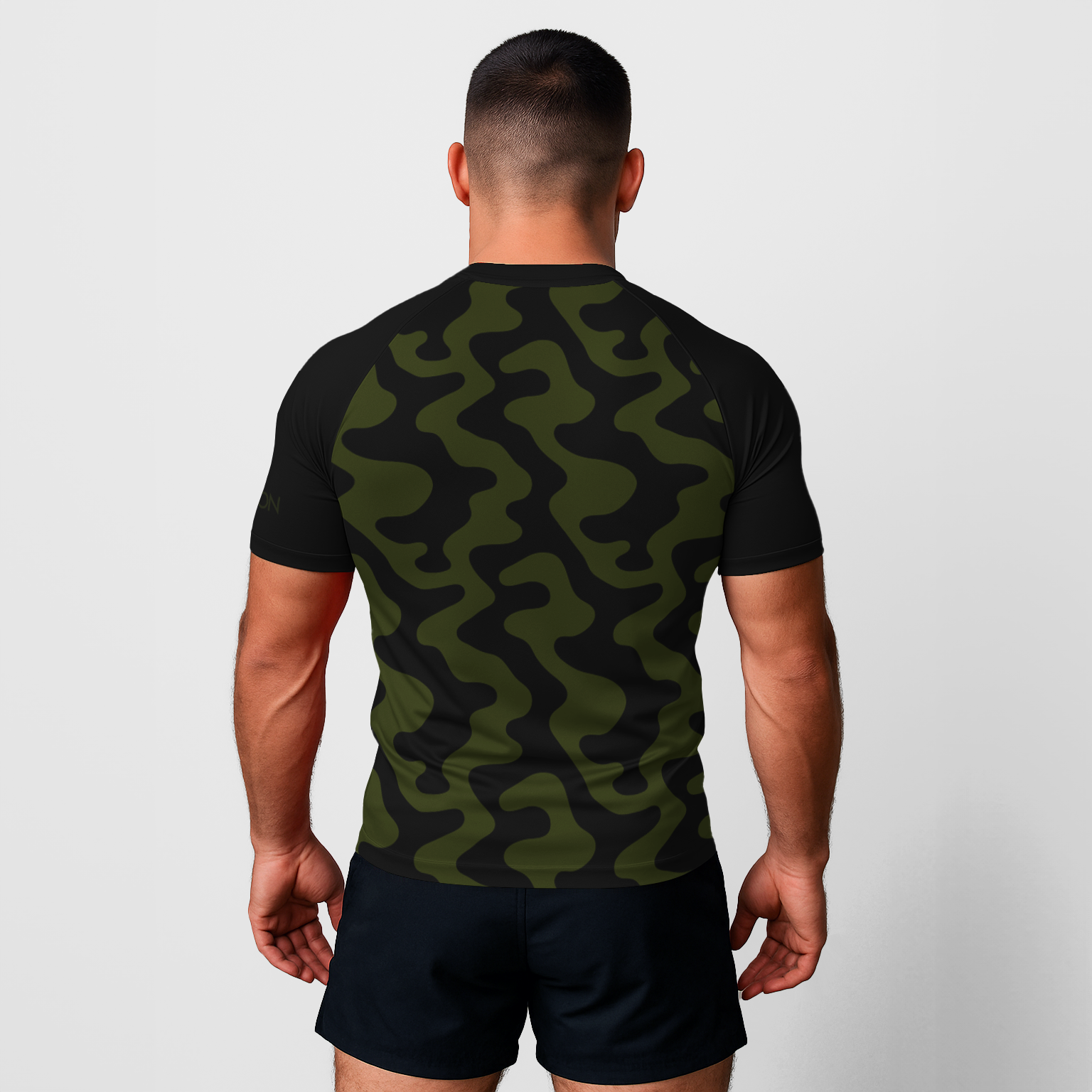
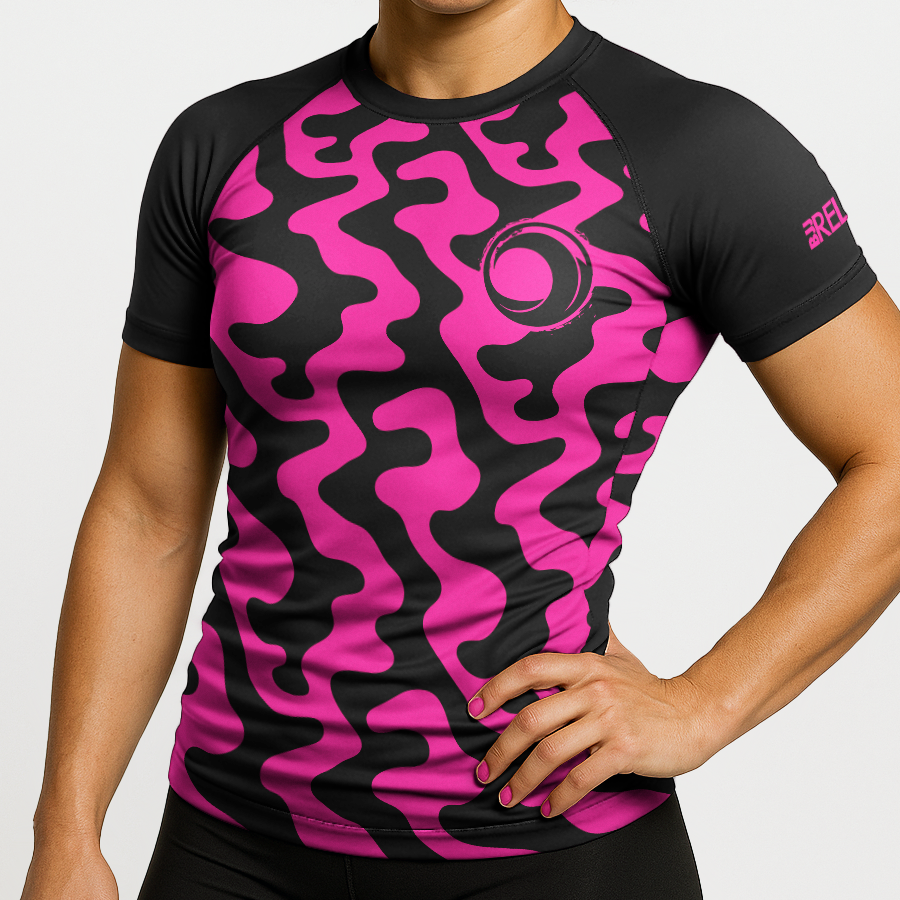
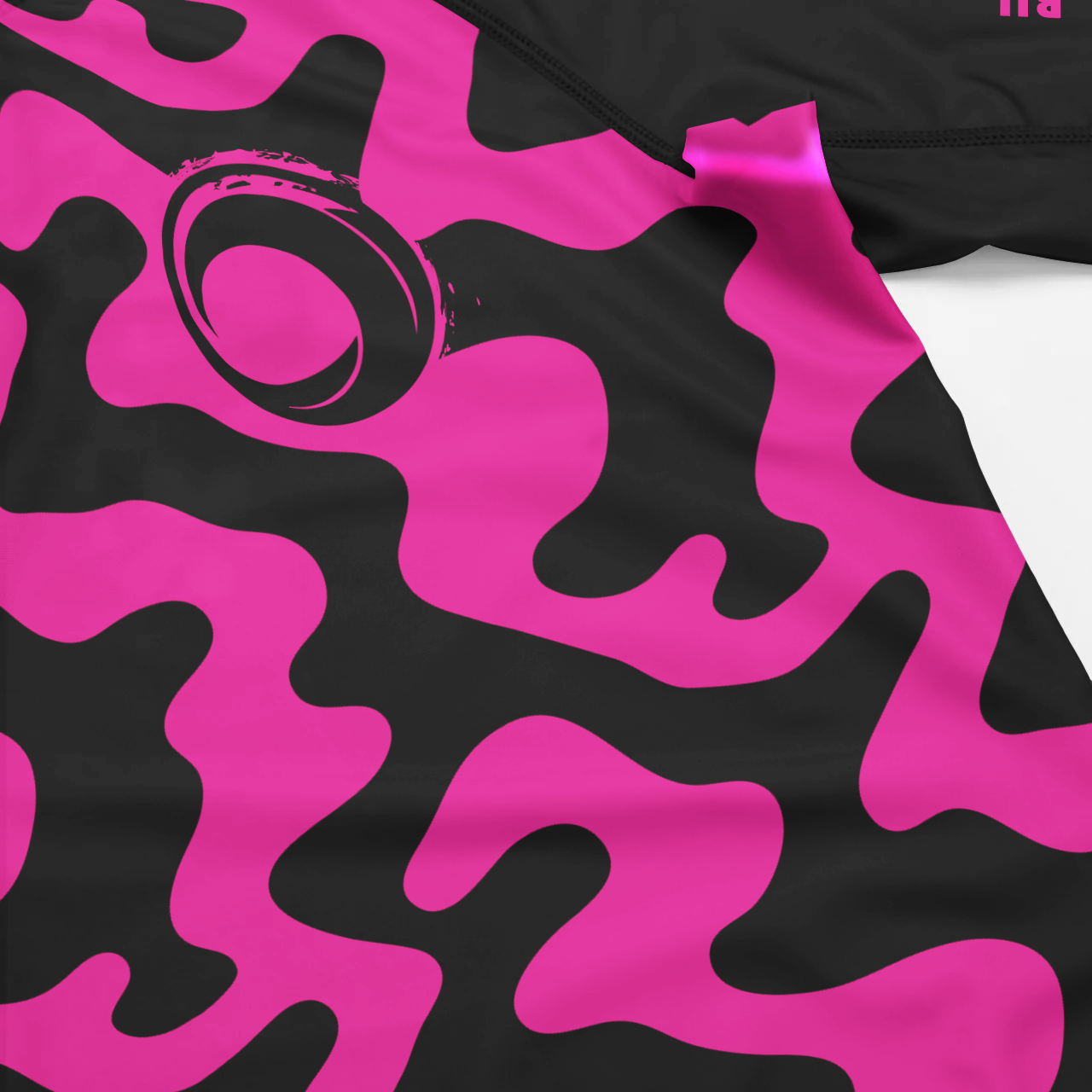
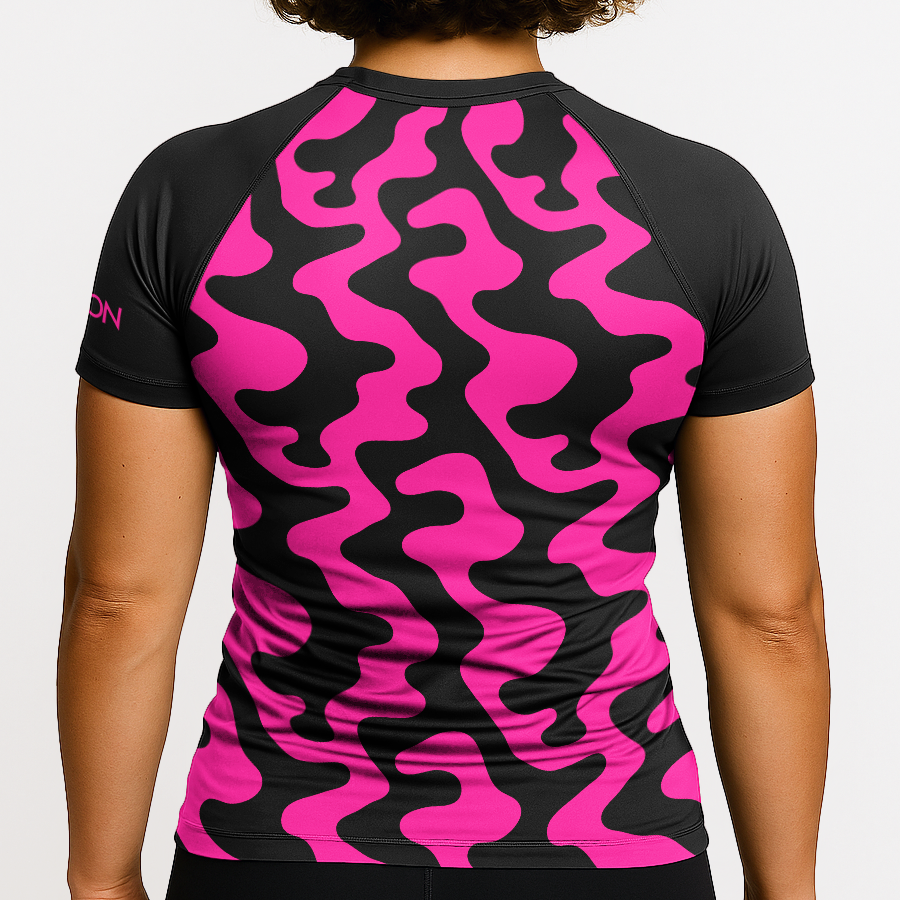
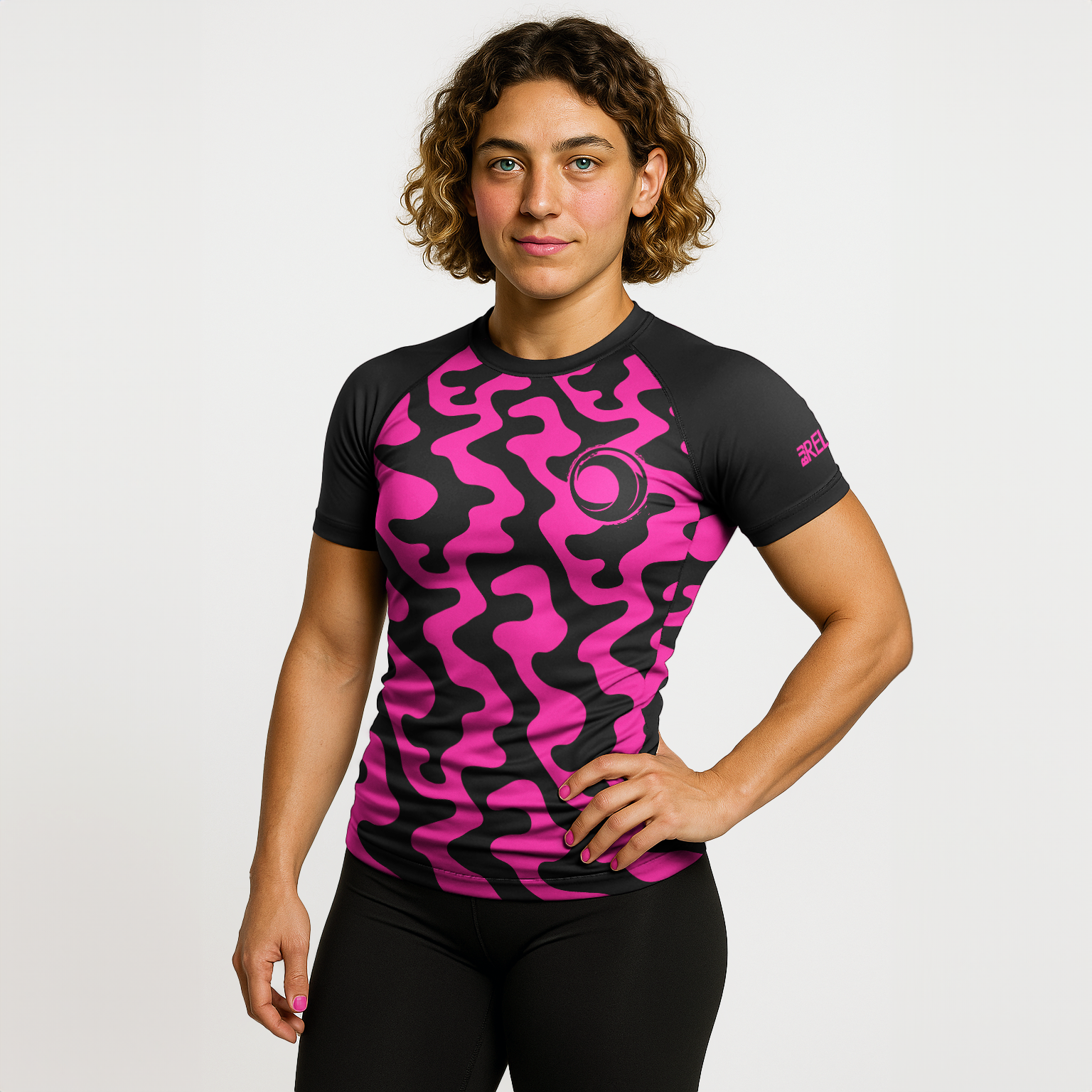
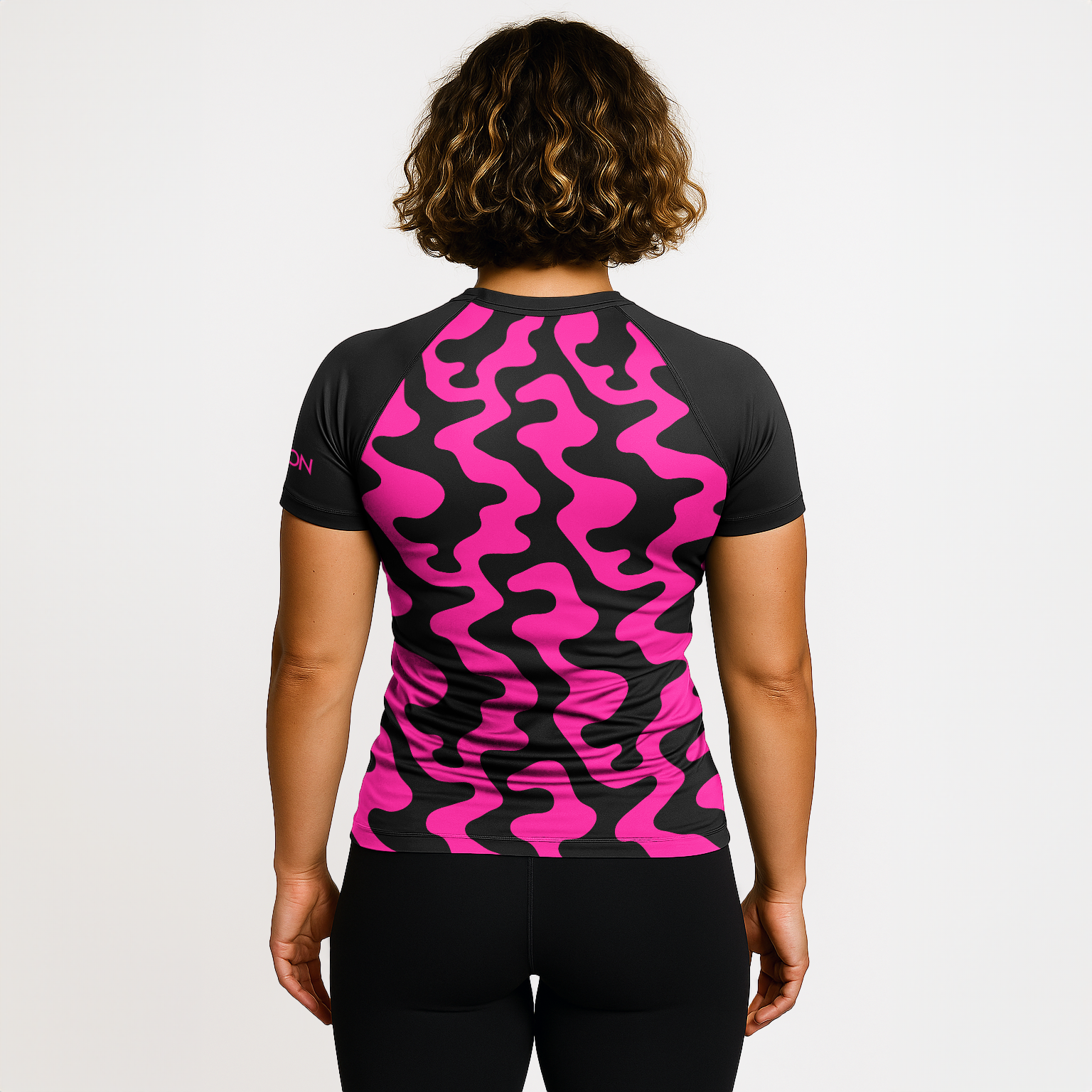
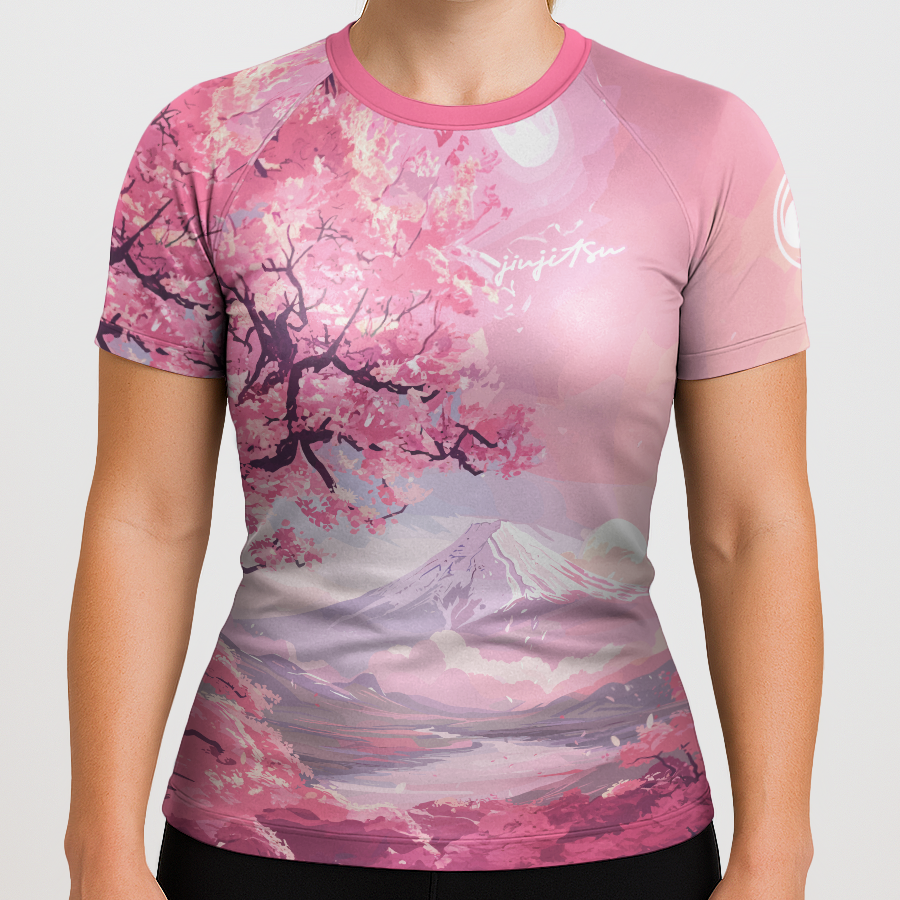
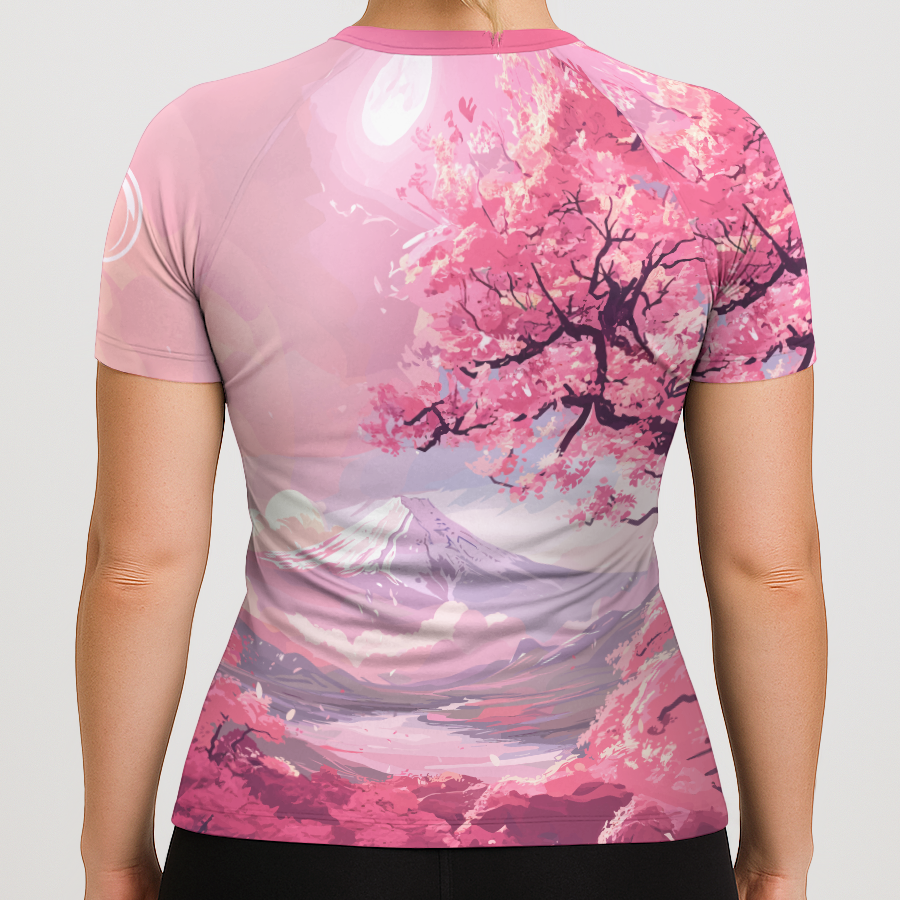
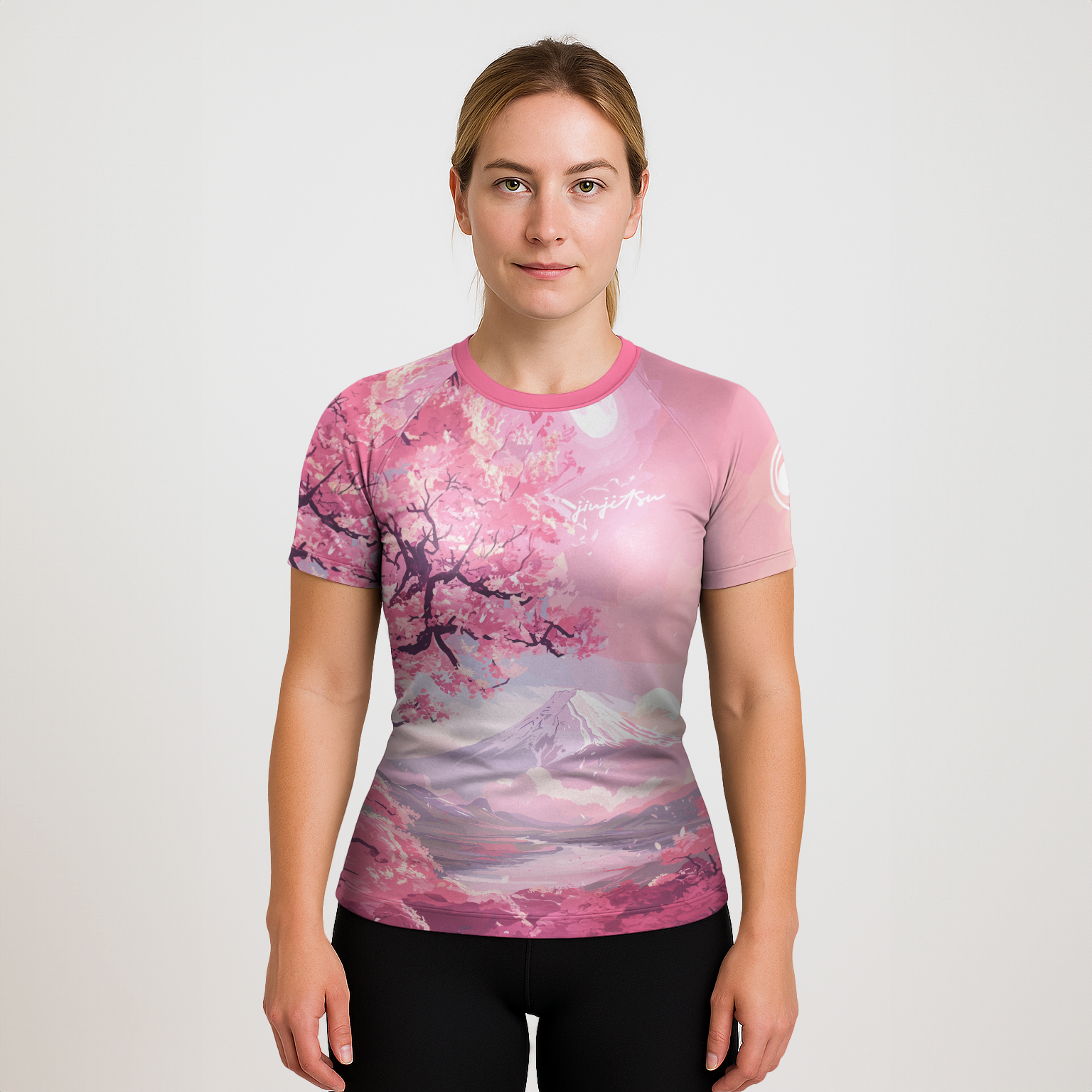
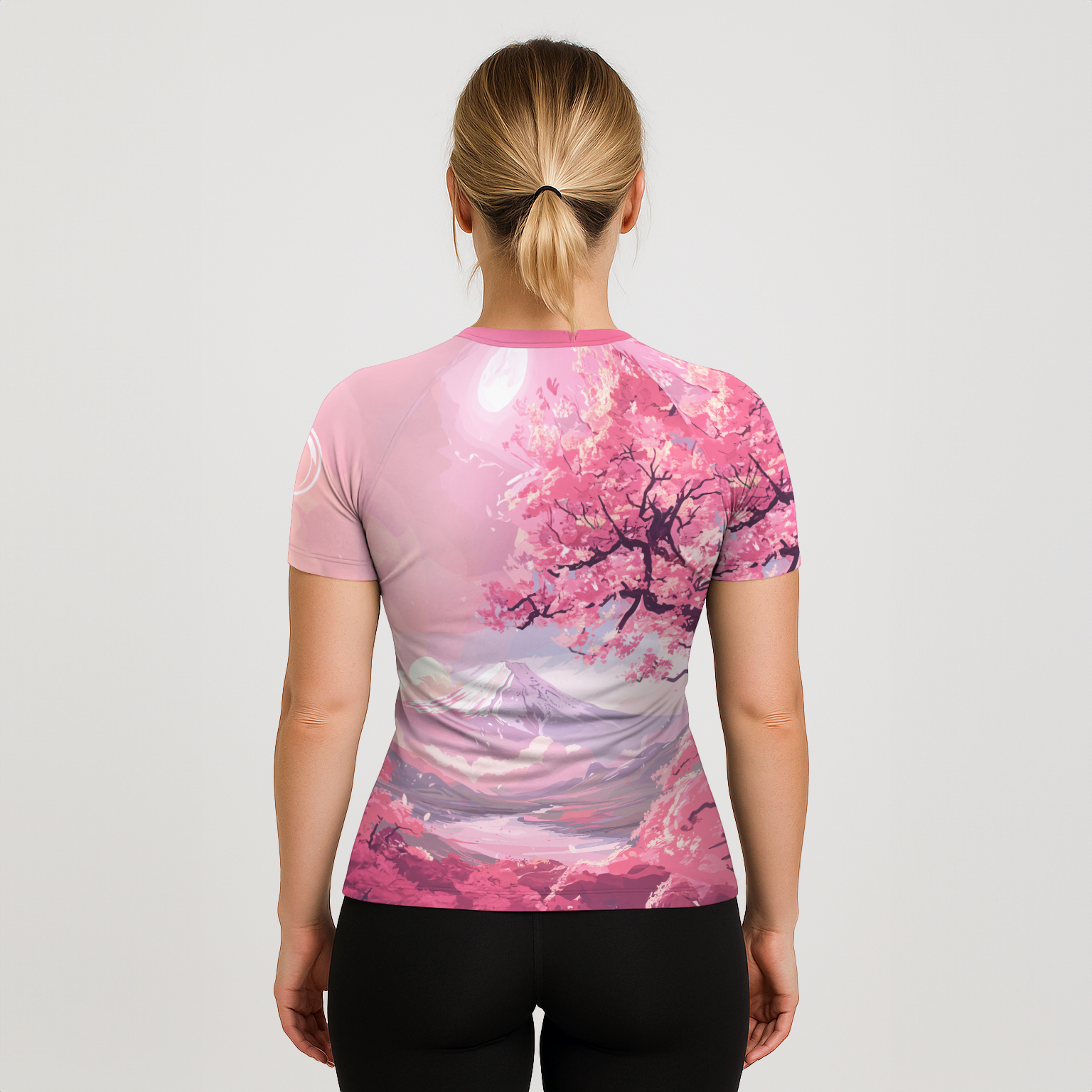
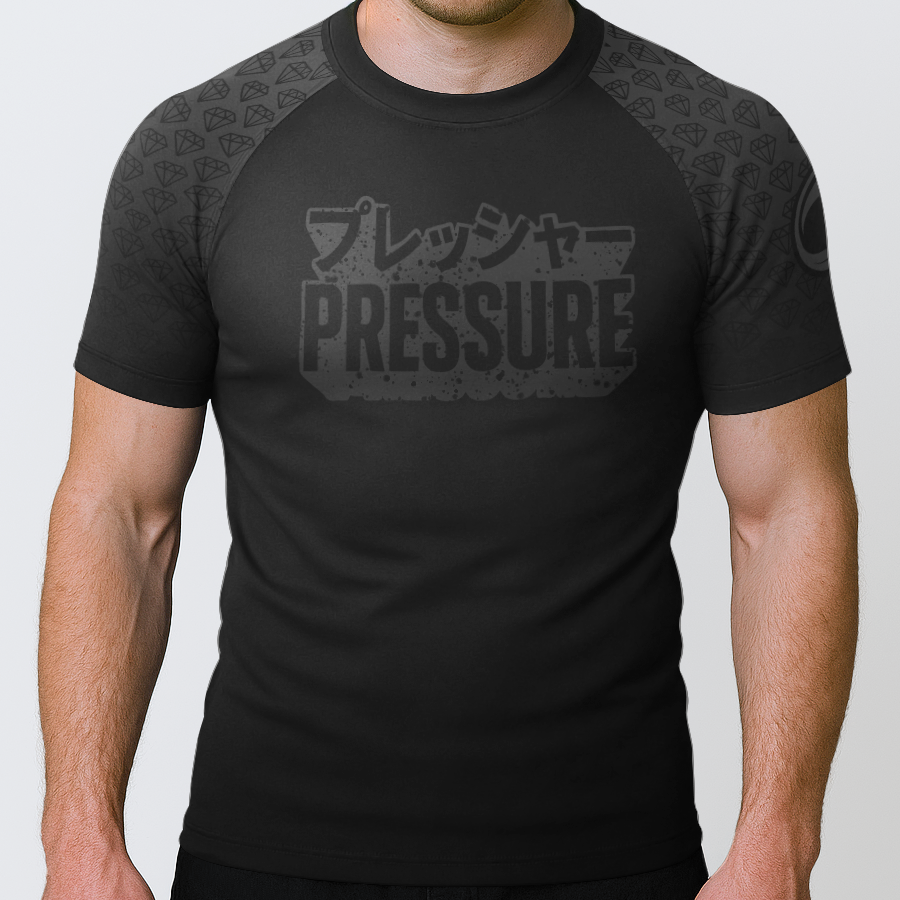
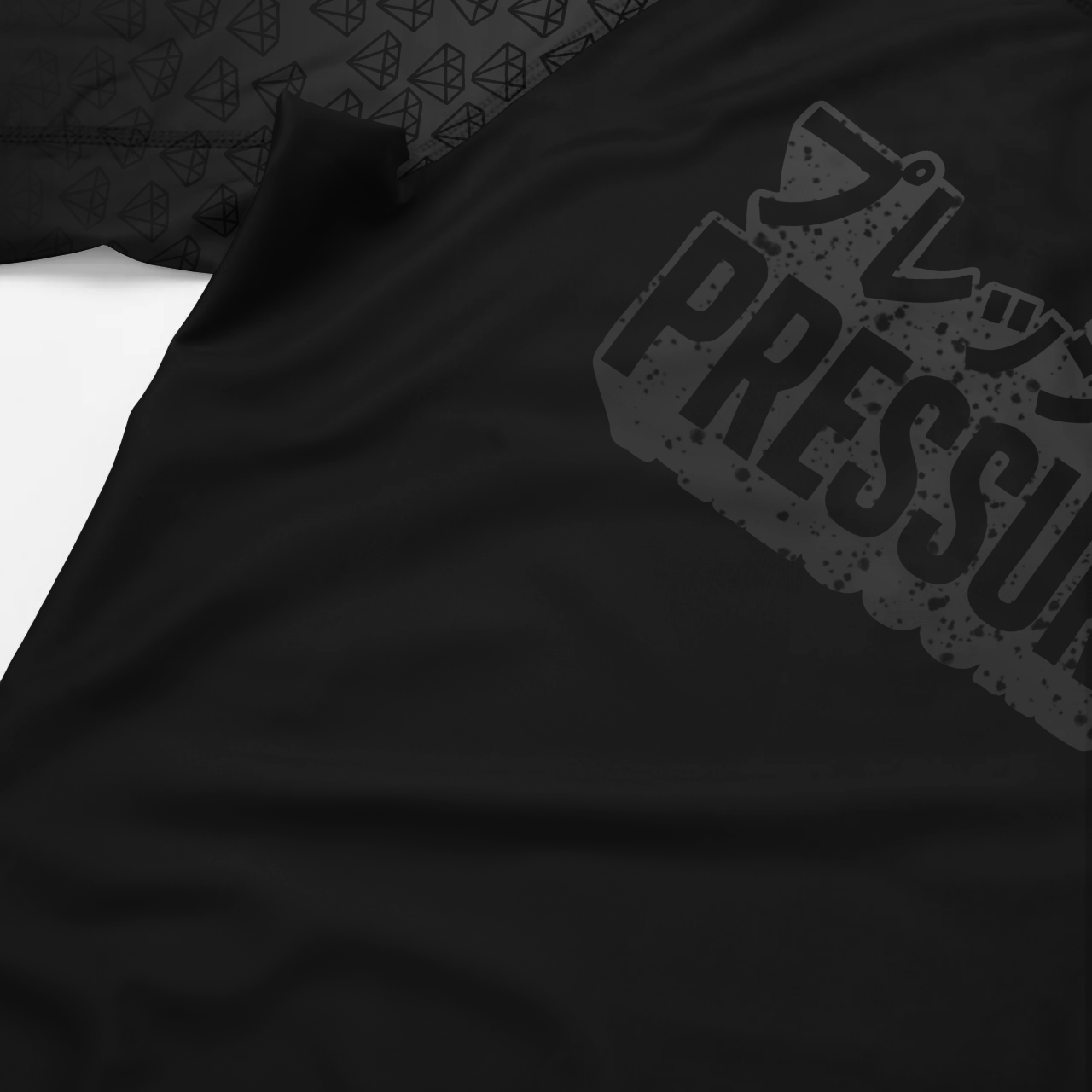
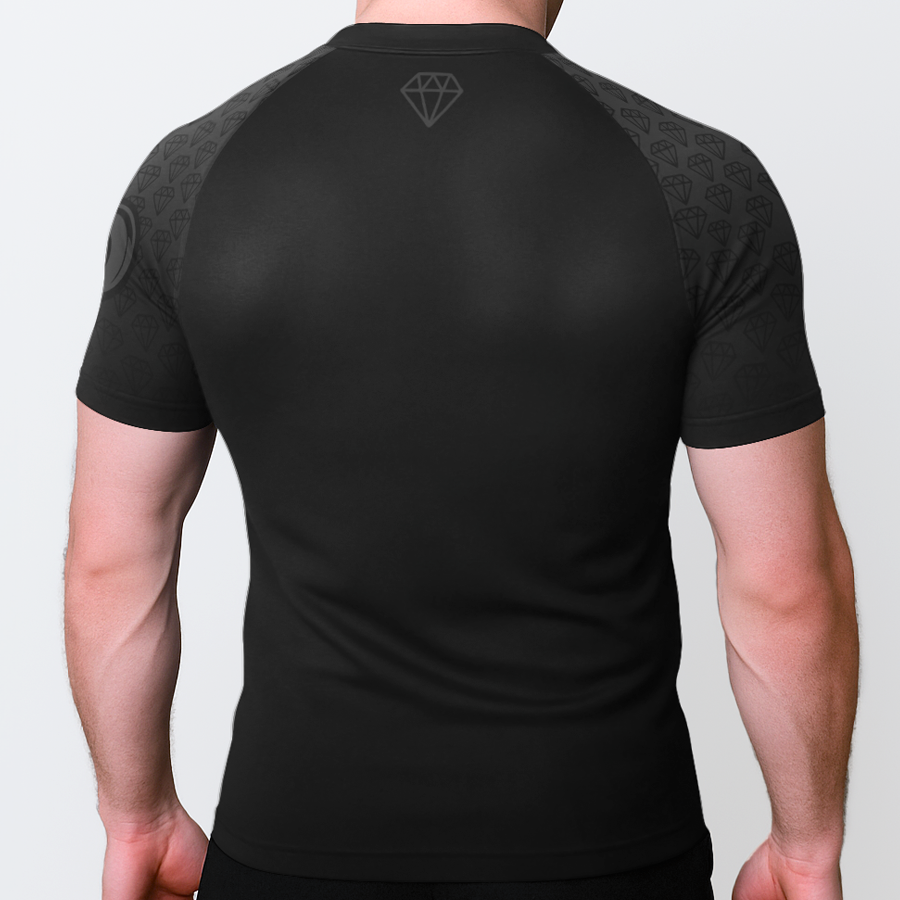
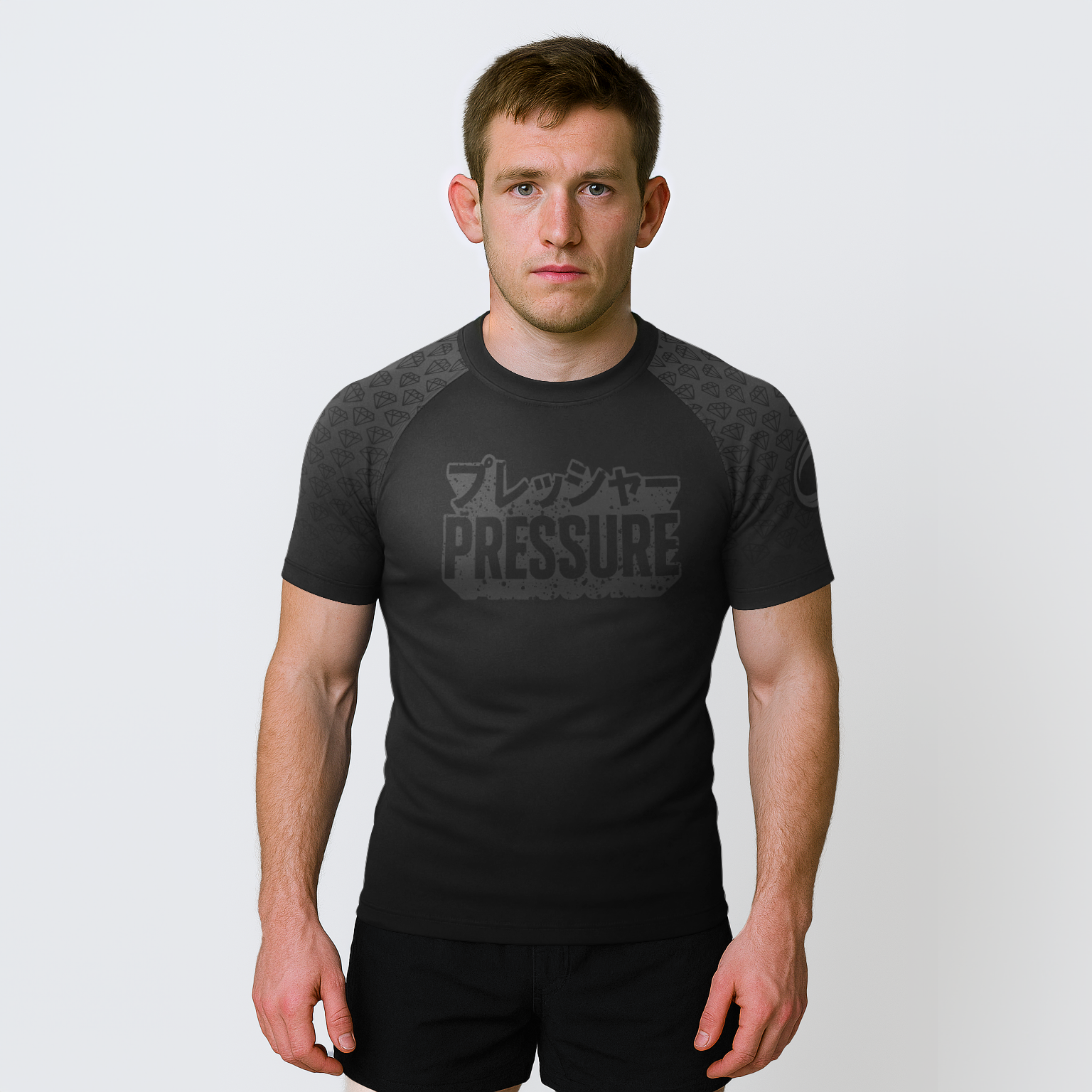
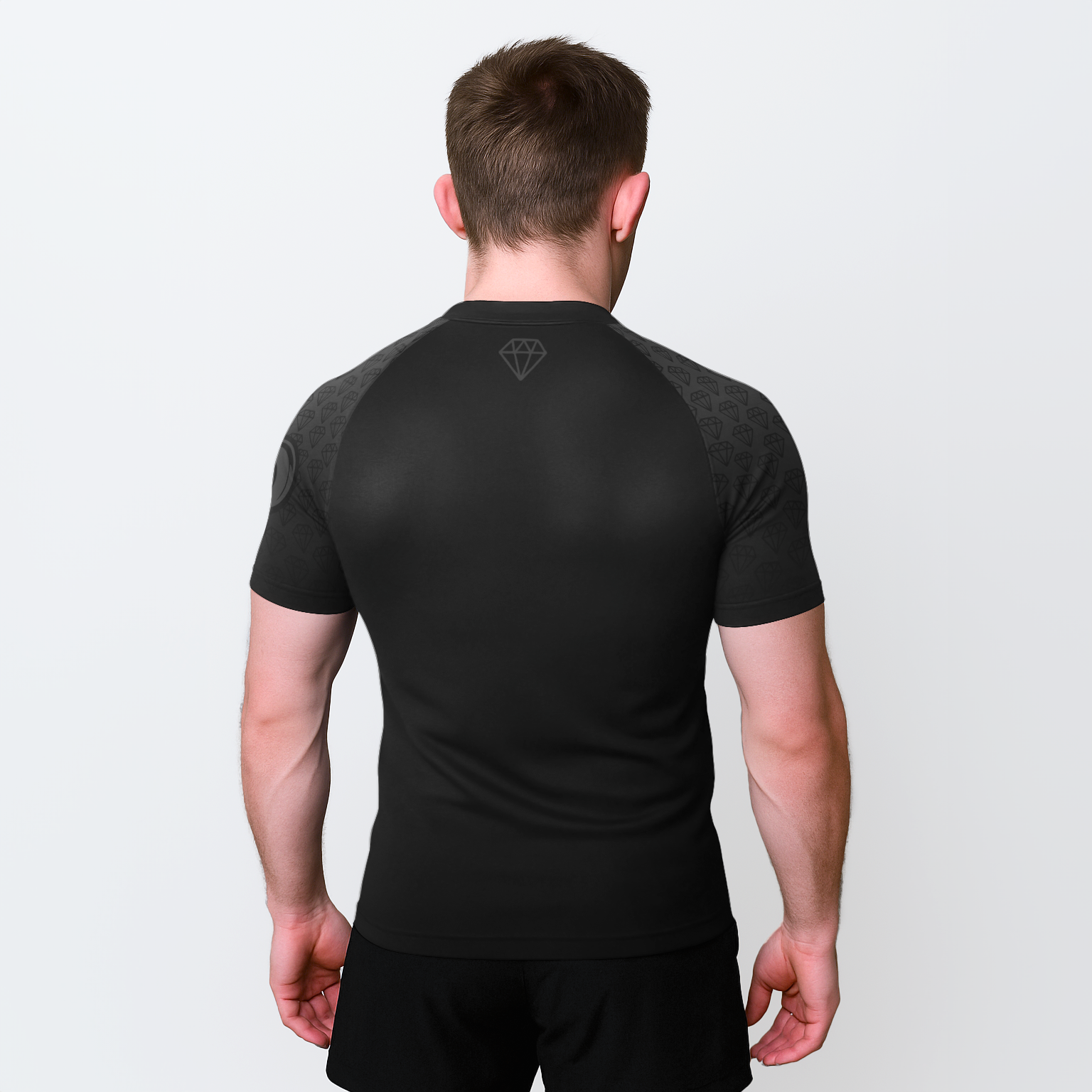
For no-gi, the usual setup is a rash guard or fitted athletic shirt with grappling shorts. Some students also wear spats under their shorts. If you need one, our rash guard collection has options for no-gi, under-the-gi training, and regular weekly use.
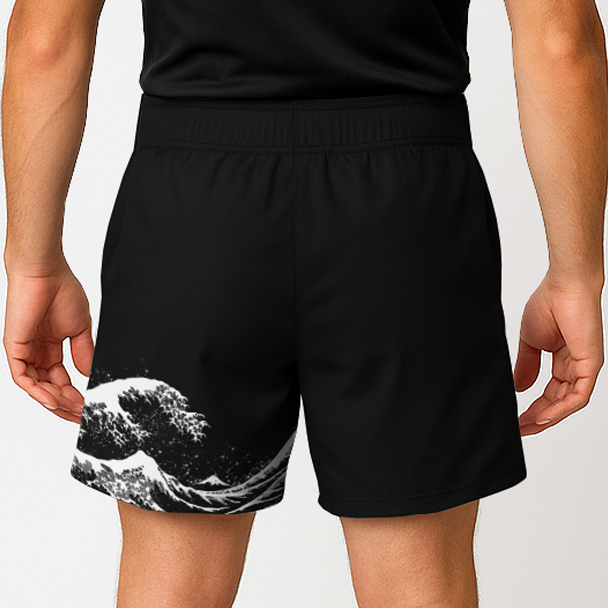
The main thing with no-gi gear is fit and safety. Loose clothing gets grabbed, twisted, and bunched up during scrambles. Shorts with pockets, zippers, or buttons can scratch your training partners or catch fingers and toes.
If you’re going to a trial class, ask the academy what they want you to wear before you show up. Many gyms will loan you a gi. Others will tell you to come in a T-shirt and athletic shorts. That one quick message saves a lot of guesswork.
What to wear to your first gi class
If the school requires a gi and has loaners, use the loaner if you need to. There’s no prize for buying the wrong gi before you understand the academy’s dress code.
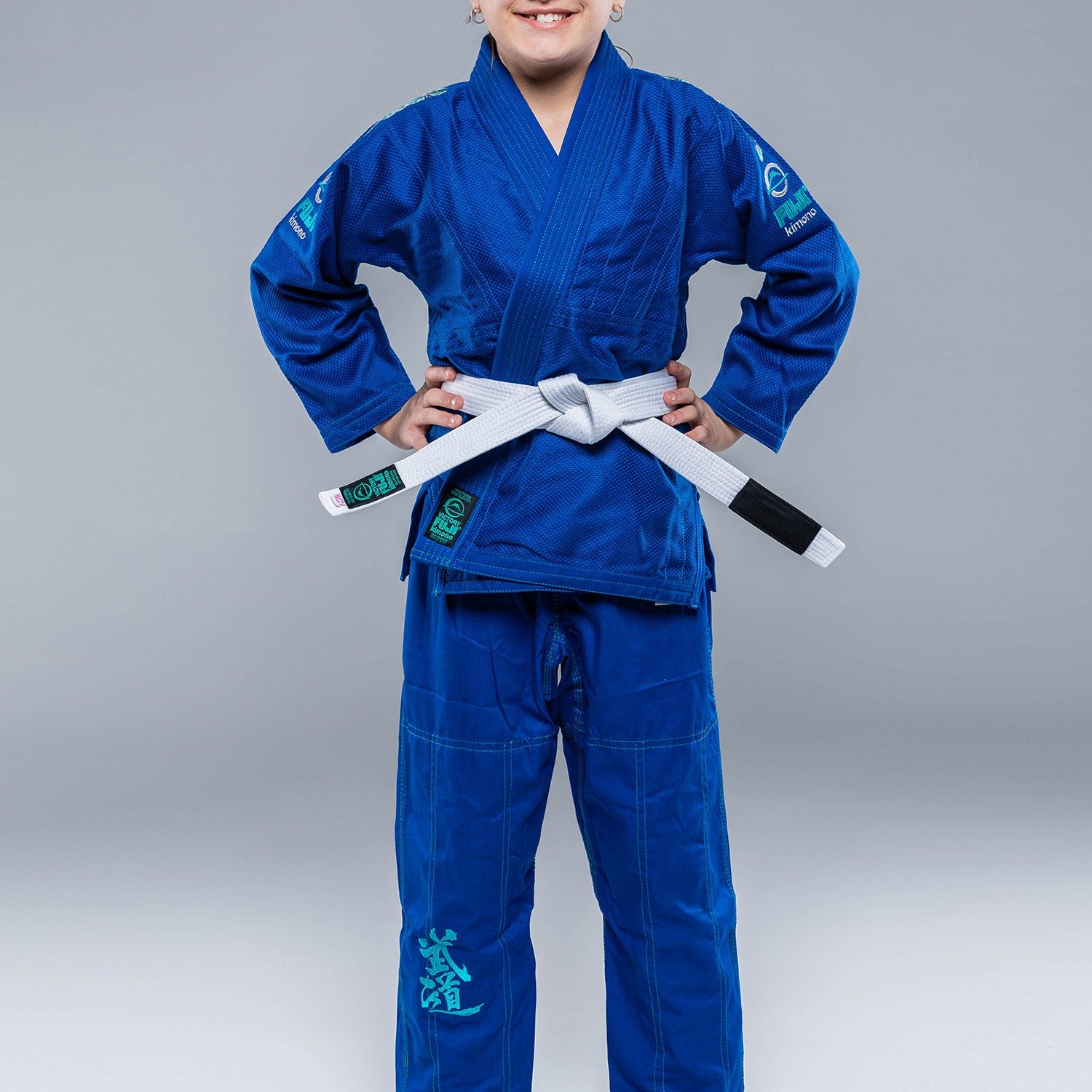
Some gyms prefer white gis for regular class. Some allow white, blue, and black. Others have specific team gi rules for competition classes, promotions, or photos.
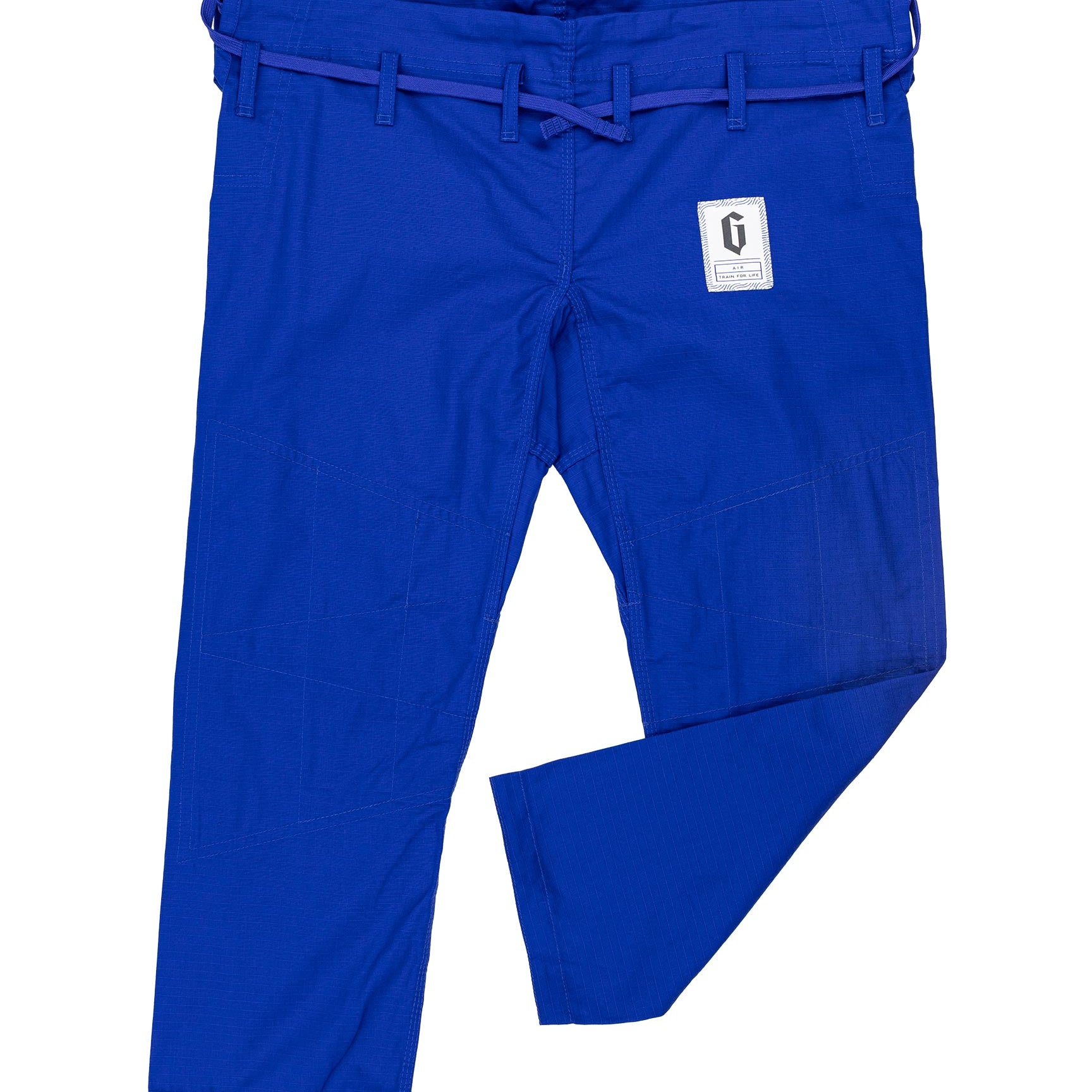
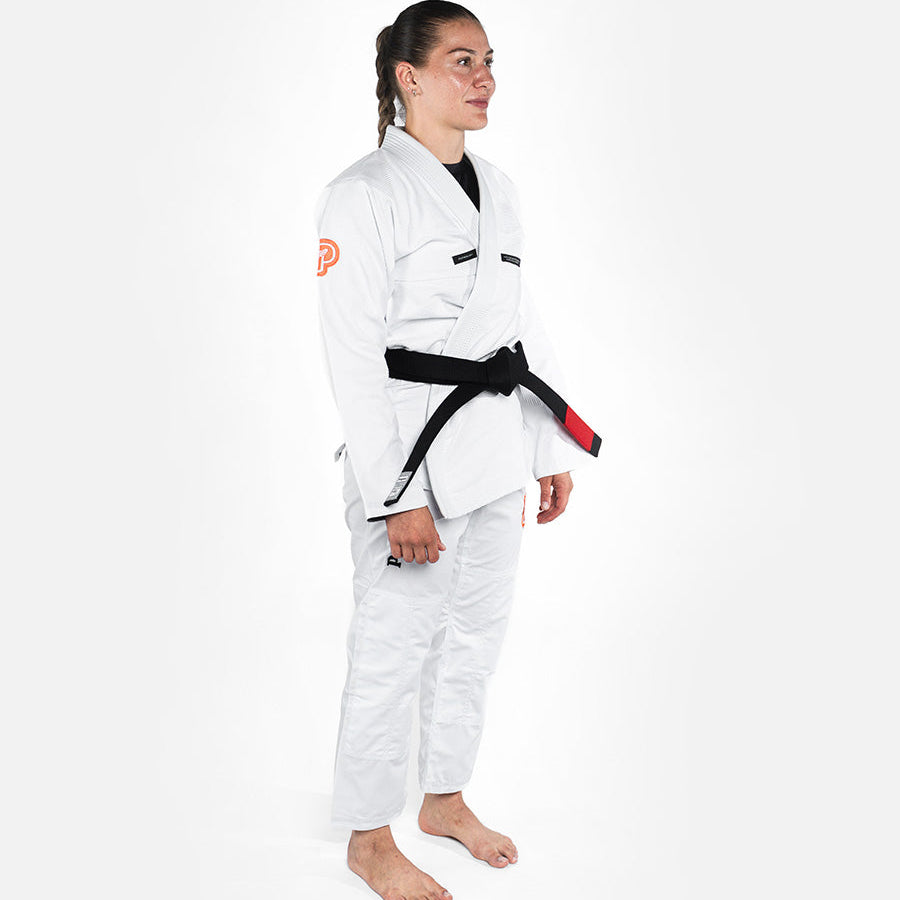
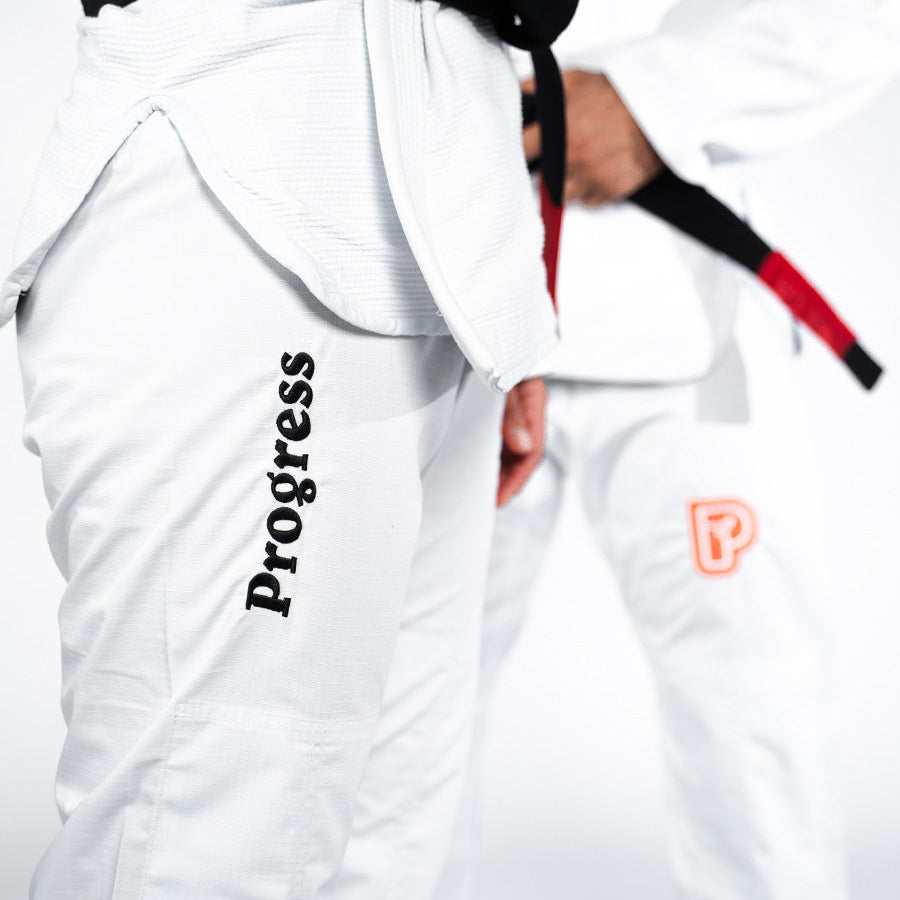
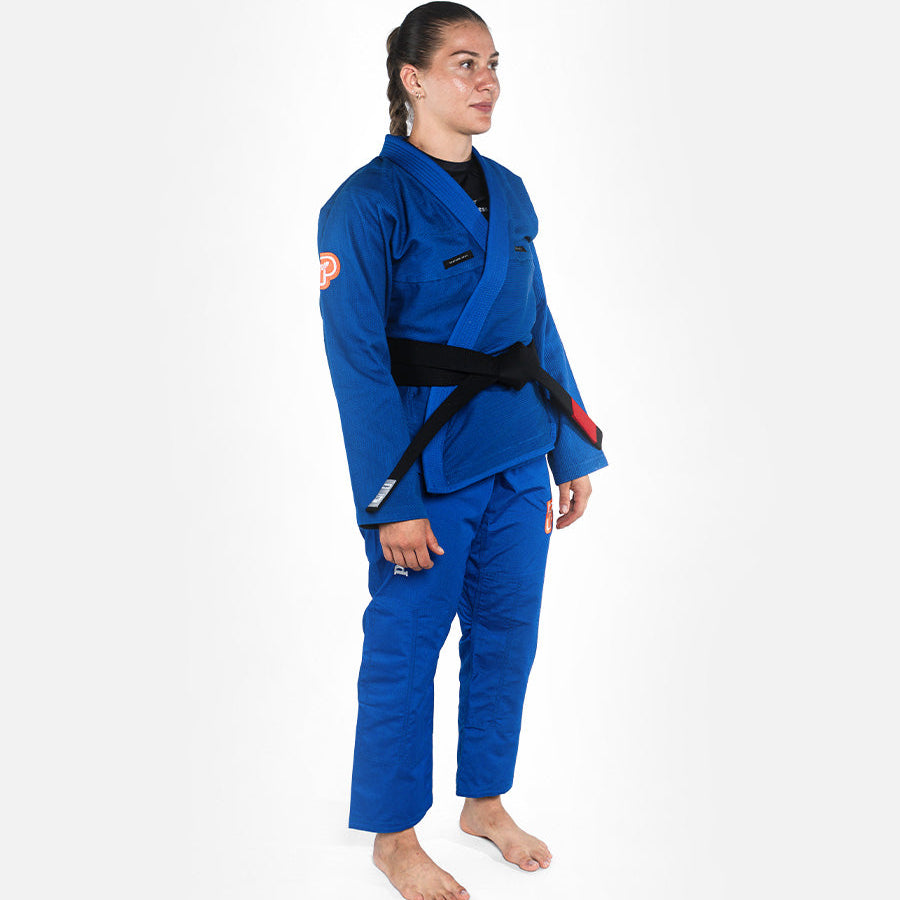
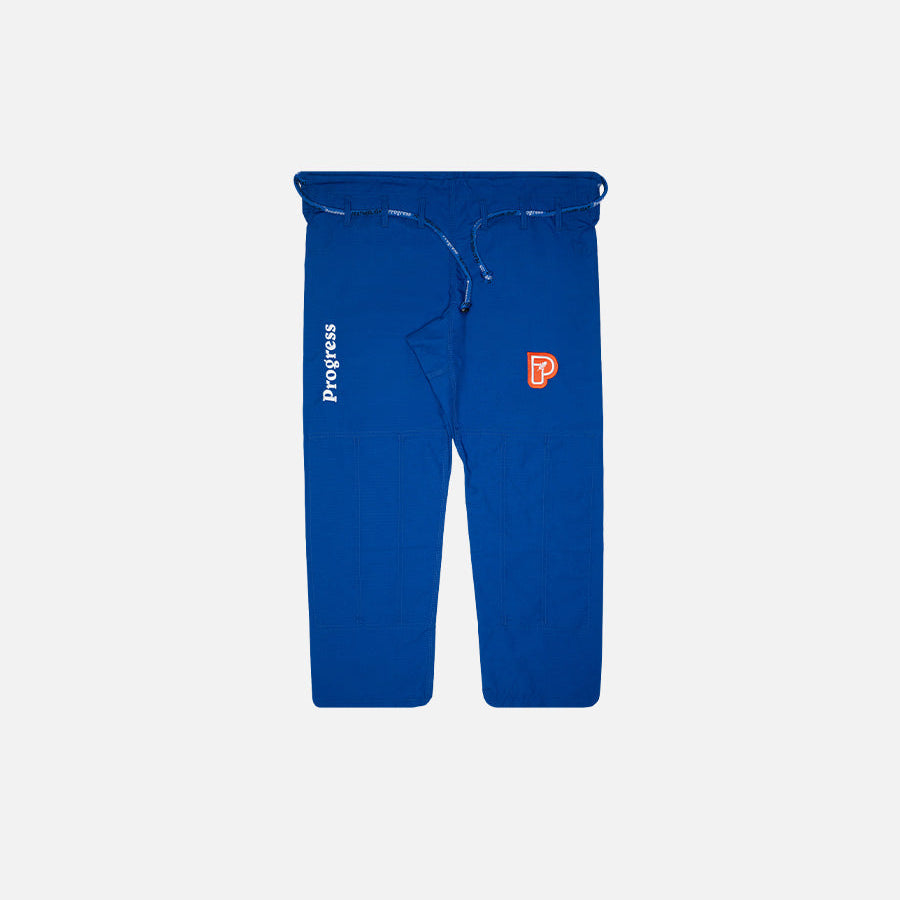
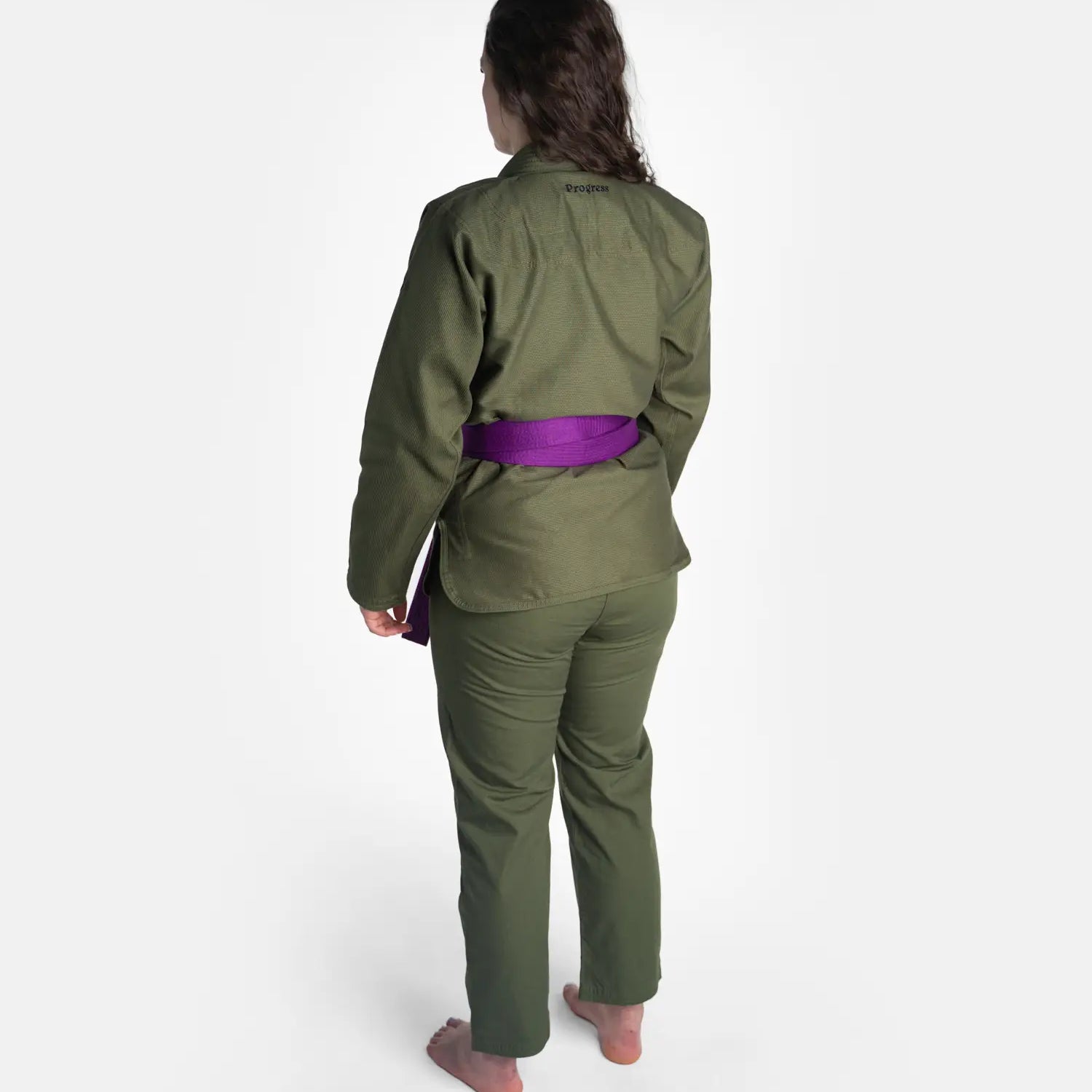
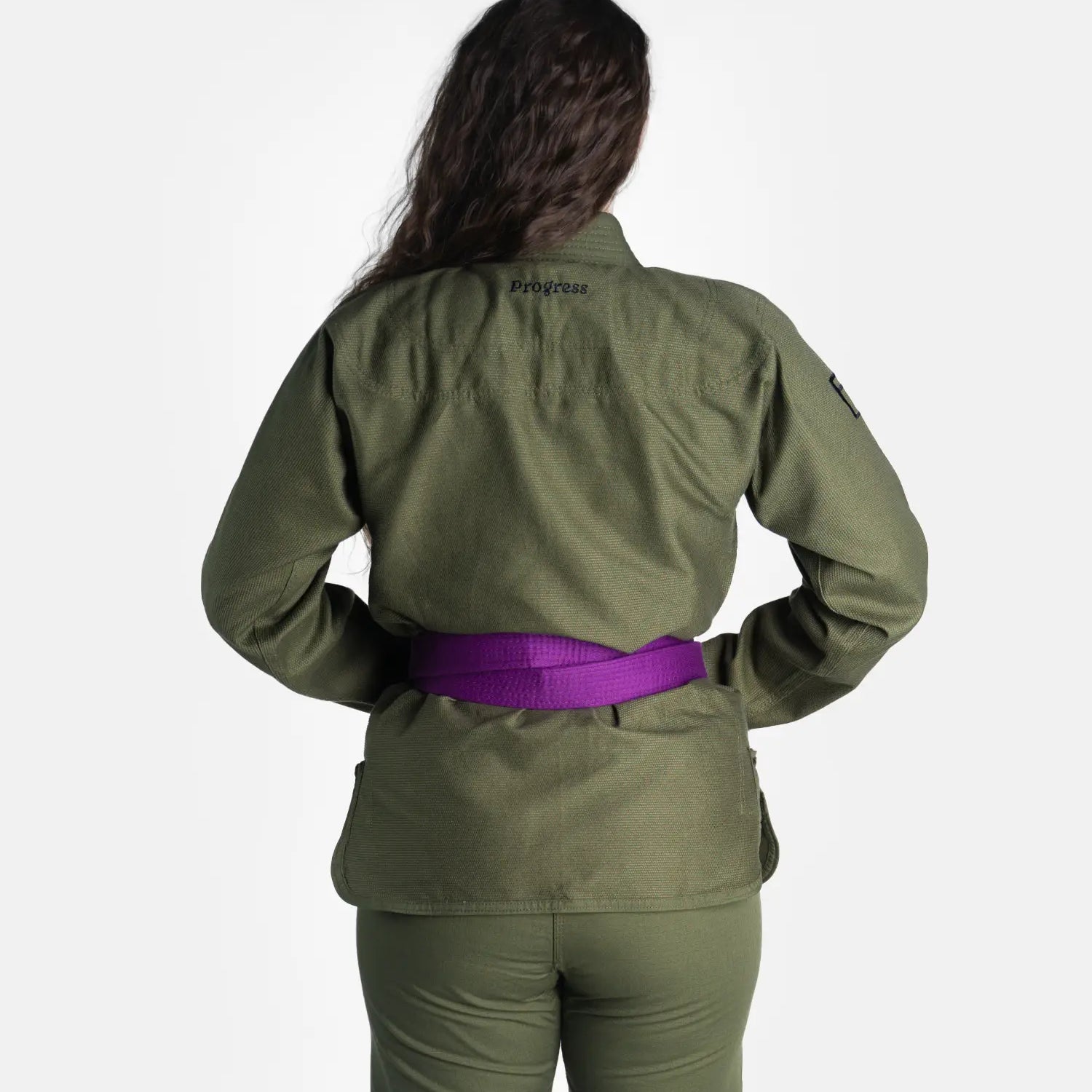
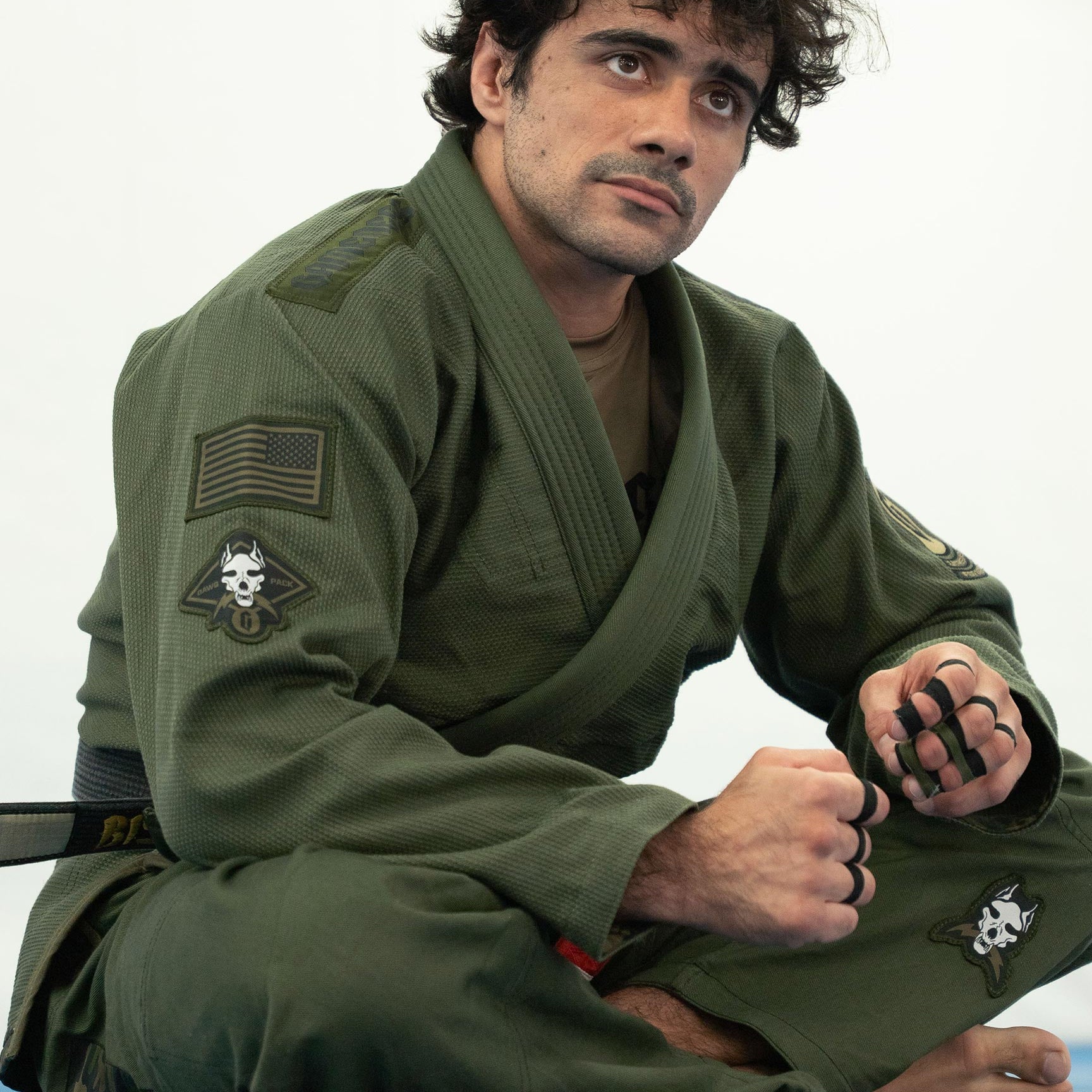
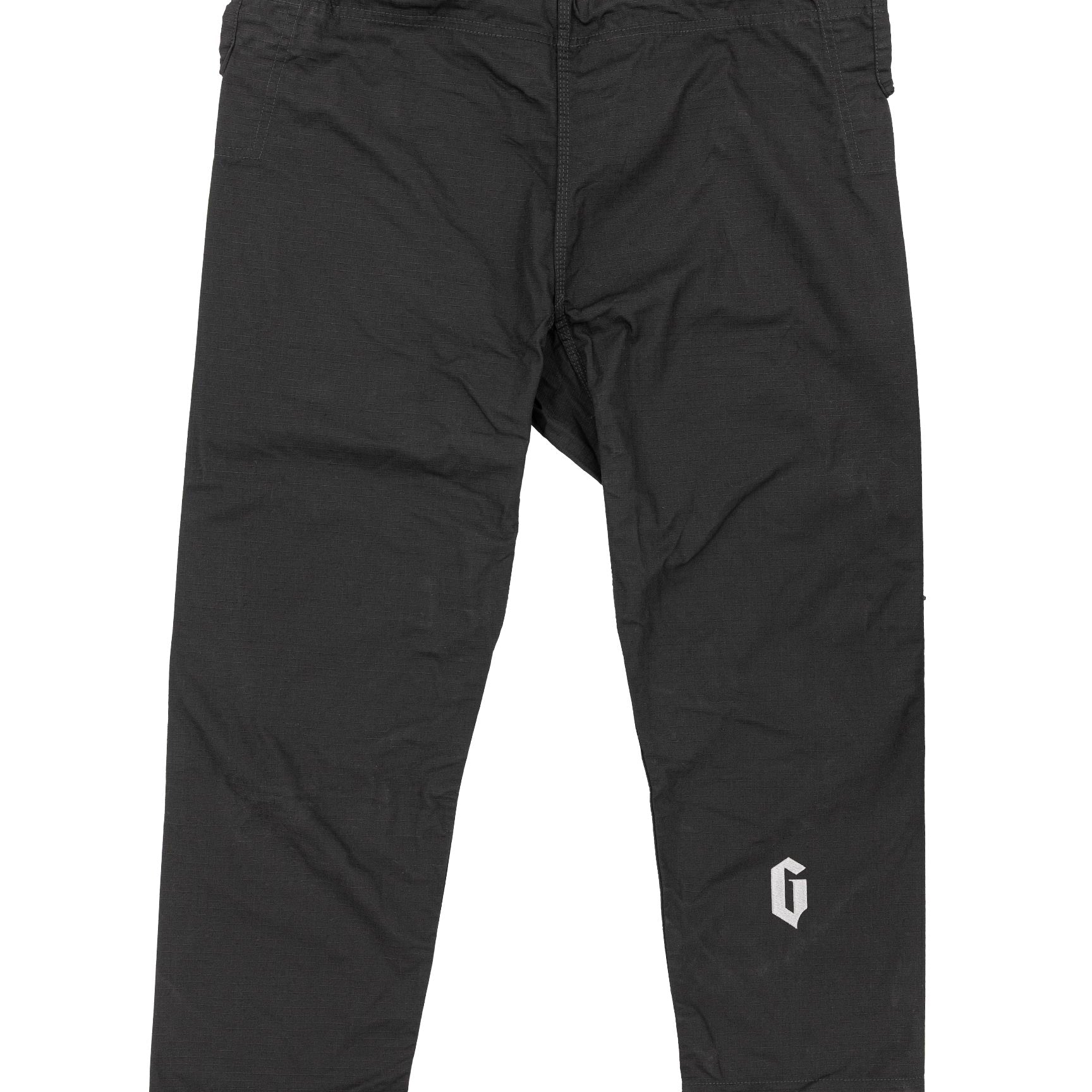
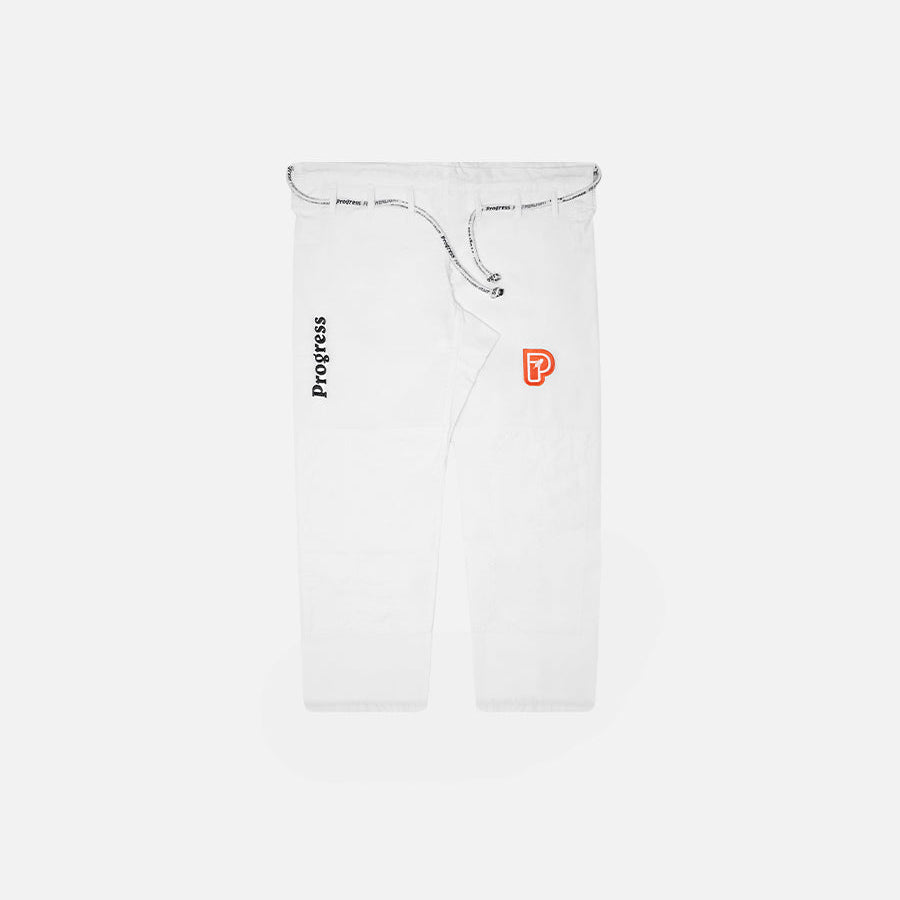
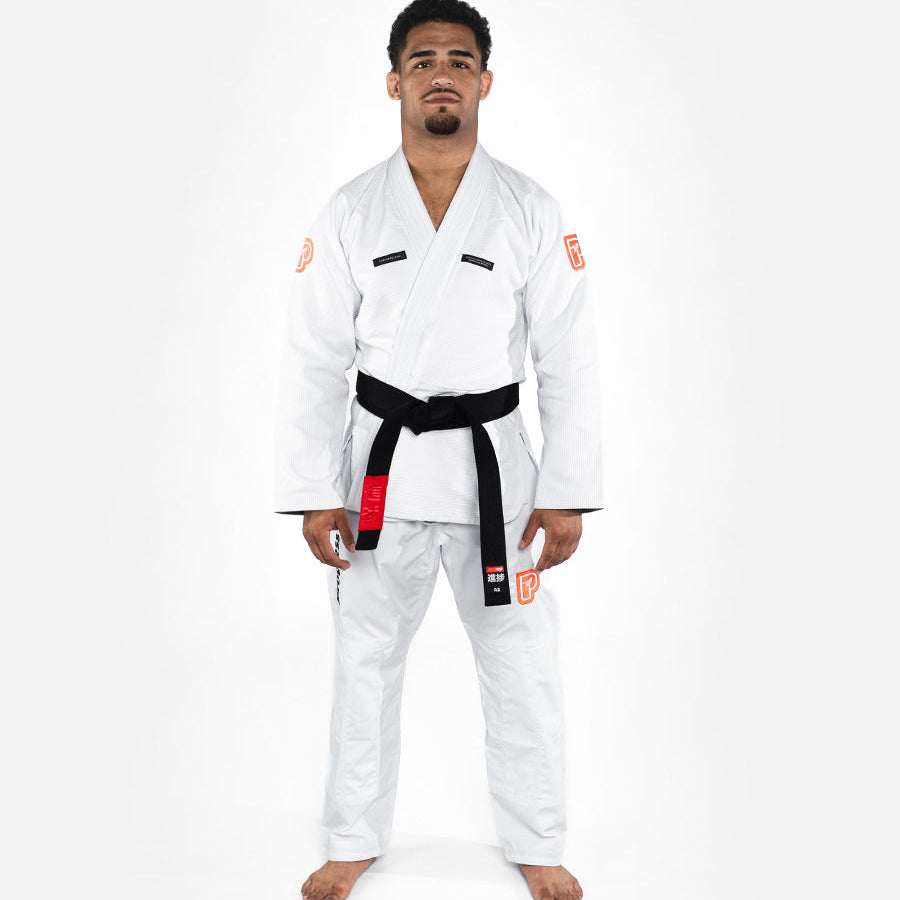
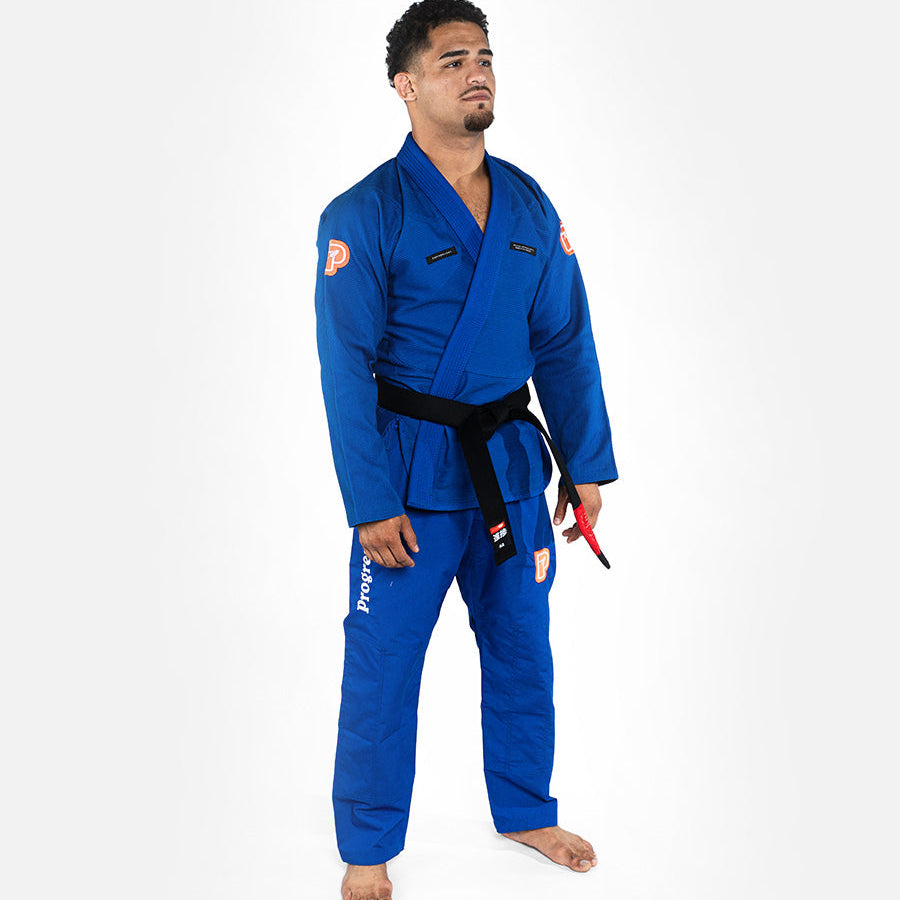
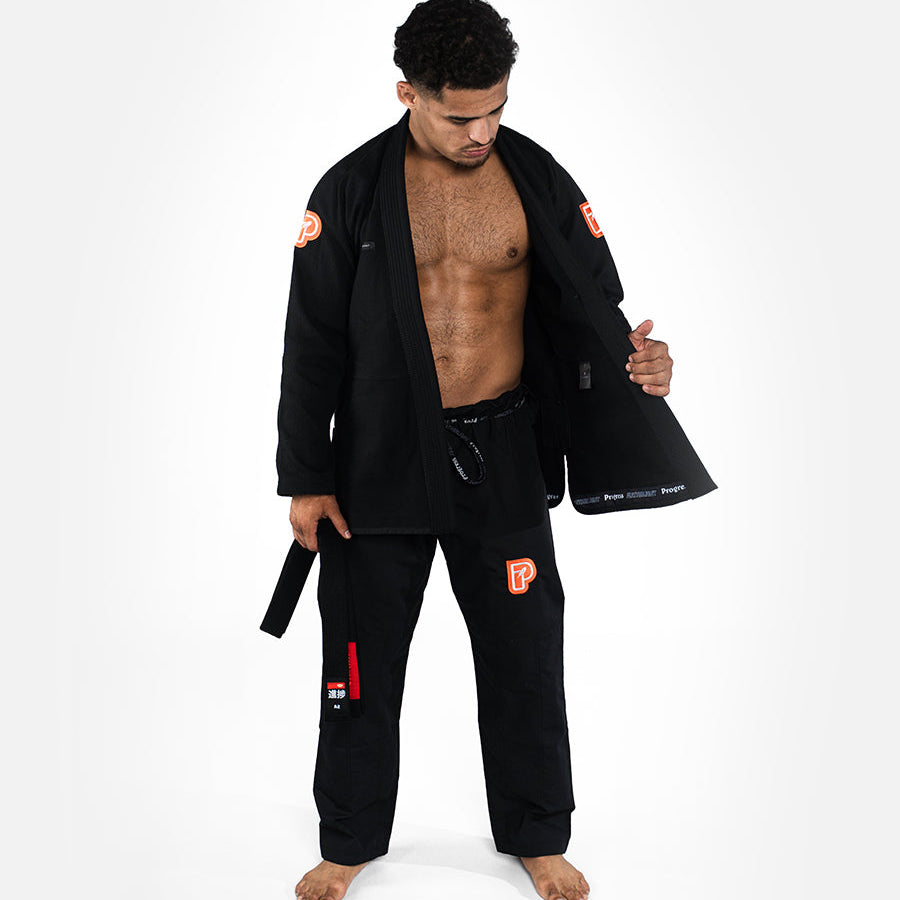
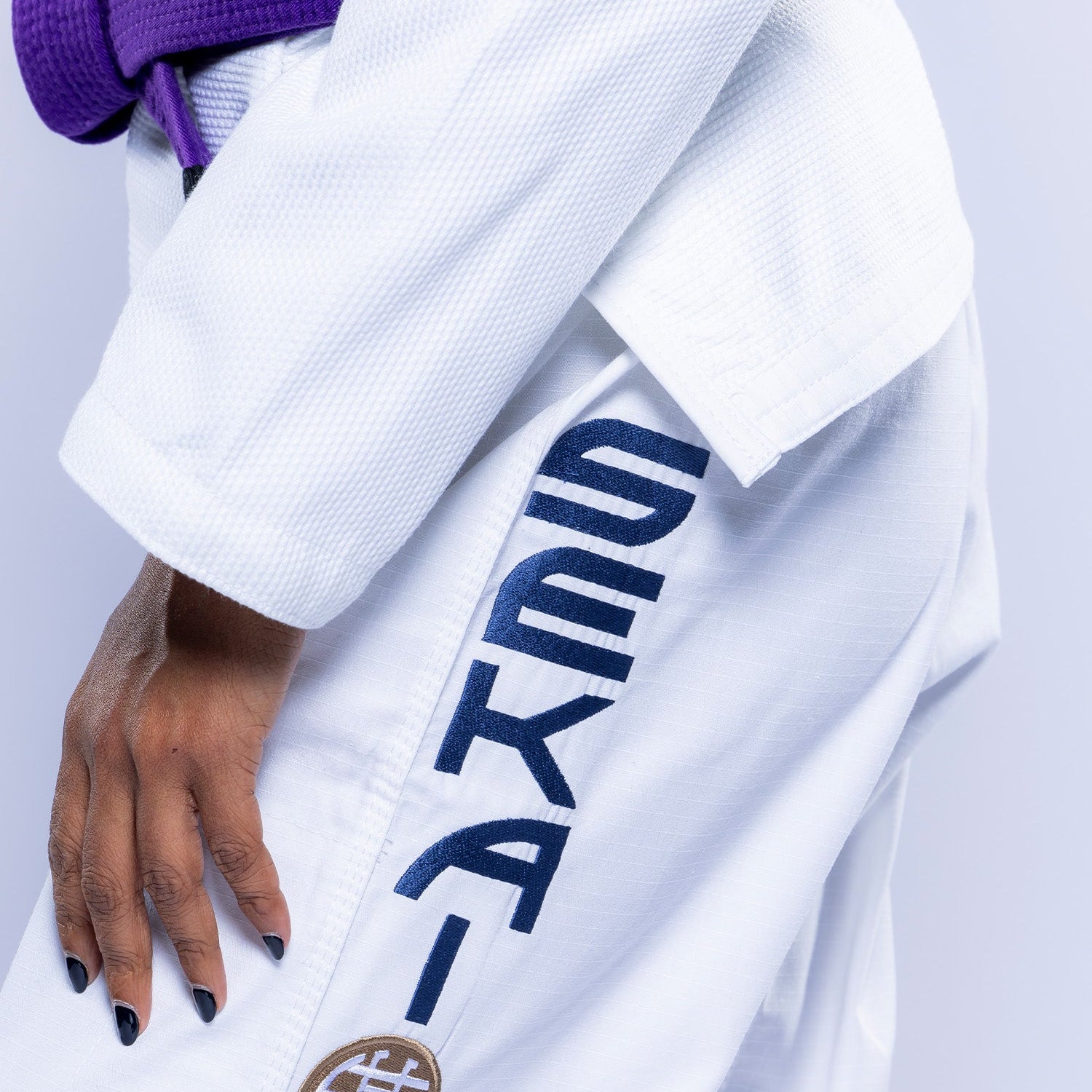
A good beginner setup is simple: gi, belt, and a fitted layer underneath if your academy allows it. The gi should feel secure but not restrictive. If your sleeves are halfway up your forearms before warm-ups are done, or your pants shoot up your shins every time you stand in closed guard, the fit is probably off.
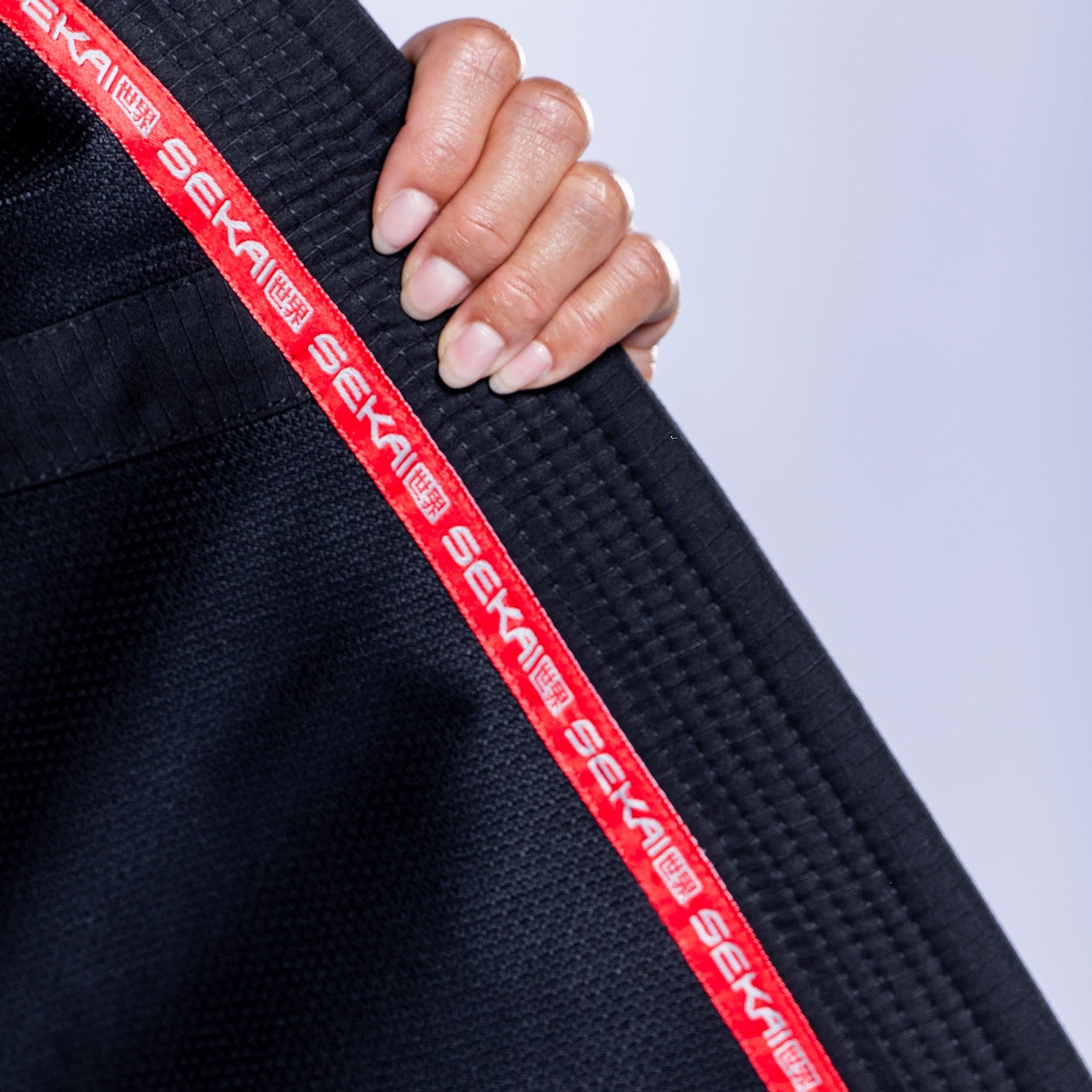
Expect the gi to feel different from regular workout clothes. It is heavier, hotter, and built to be grabbed. That matters when someone is breaking your posture with a collar grip, dragging your sleeve, or feeding your lapel around your back.
Under the gi, a rash guard is usually the safest choice if you own one. It stays close to your body and does not bunch up during mount escapes, takedown entries, or guard passing drills. A plain athletic shirt can work for a first class, but baggy cotton gets uncomfortable fast once it’s soaked.
Do you need a belt right away?
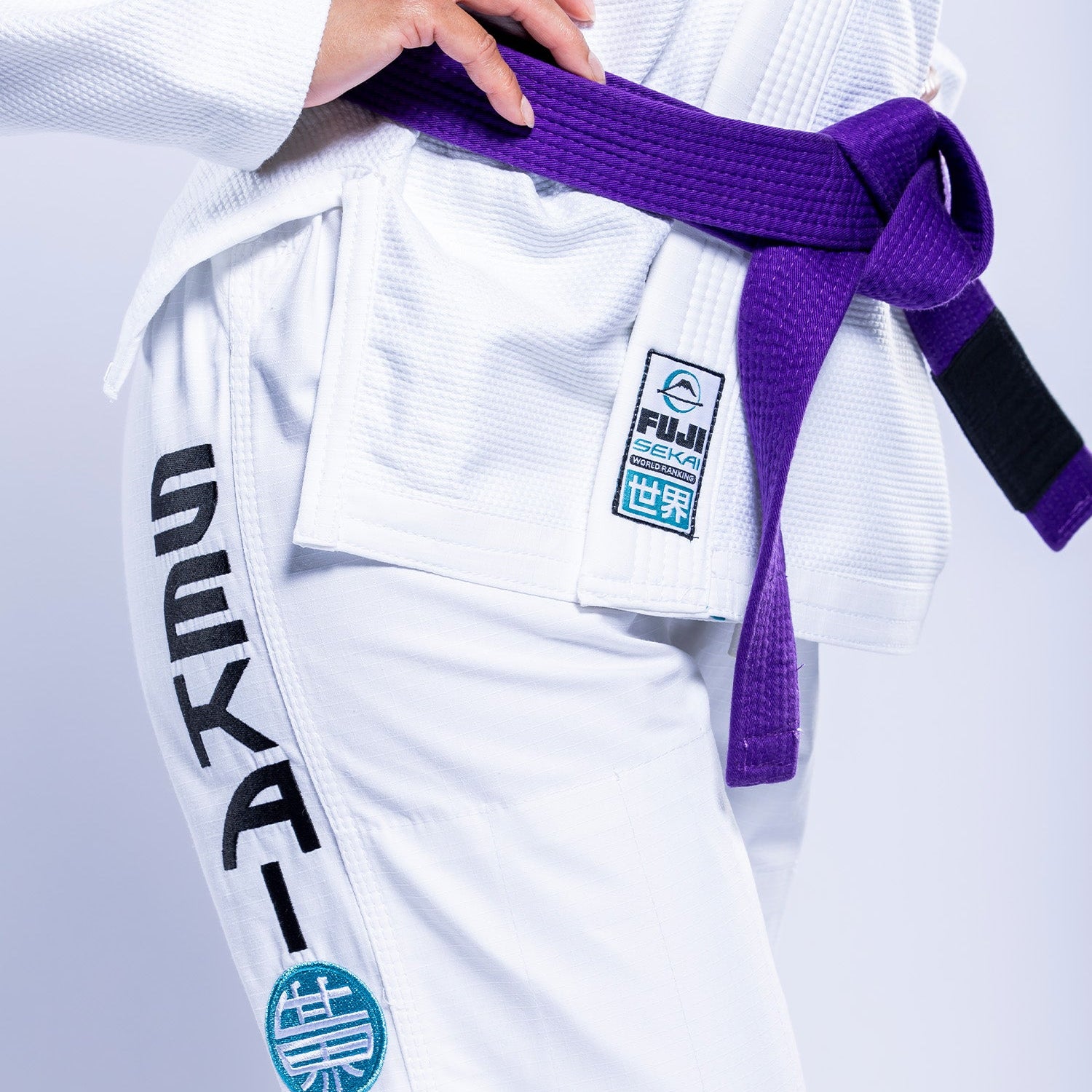
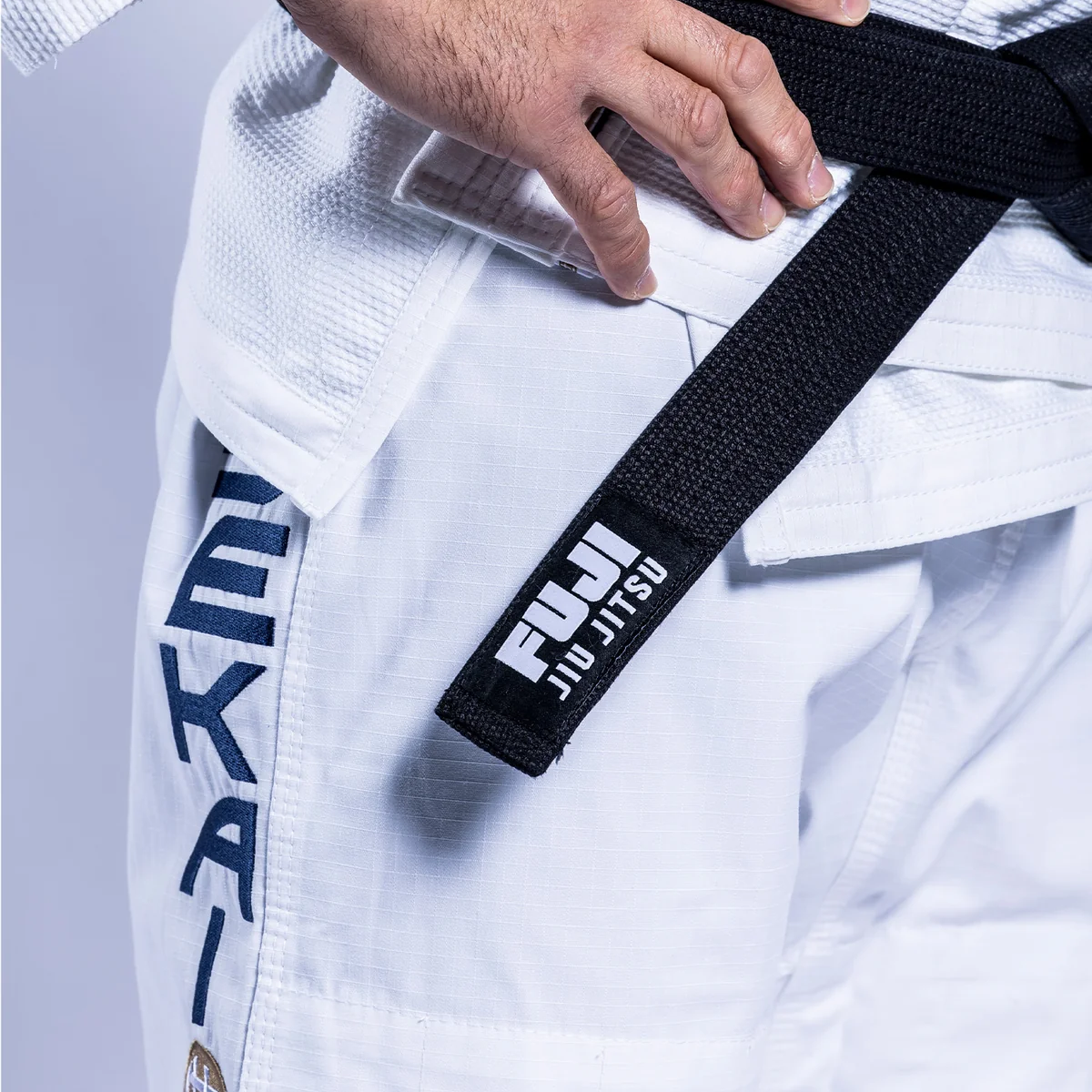
If you borrow a gi from the academy, they’ll usually give you a white belt for class. If you buy your own gi, check the product description. Some gis include a belt, but many adult gis do not.
For your first class, don’t overthink belt quality. You just need the correct rank and a belt that stays tied reasonably well while you learn.
What to wear to a no-gi class
No-gi is less formal, but the clothing still matters. The safest and most common combo is a rash guard and grappling shorts.
If you don’t own a rash guard yet, a snug athletic shirt is usually fine for a trial class if the academy allows it. Avoid loose tank tops and oversized shirts. They ride up constantly when you’re hip escaping, inverting, or defending front headlock positions.
Shorts should be lightweight and free of pockets, metal tips, buttons, and zippers. That’s not just etiquette. Those details can catch fingers and toes or scrape someone during a scramble.
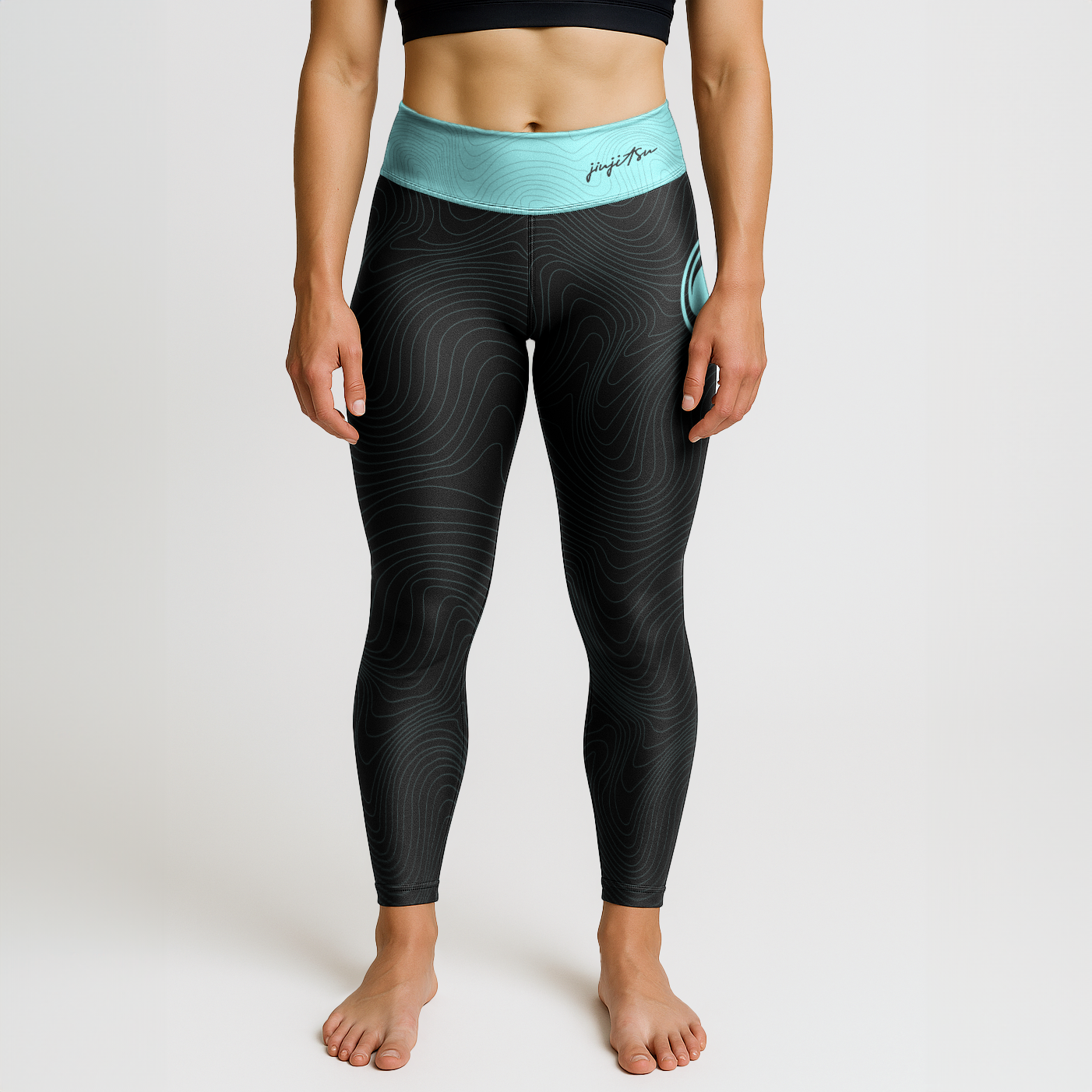
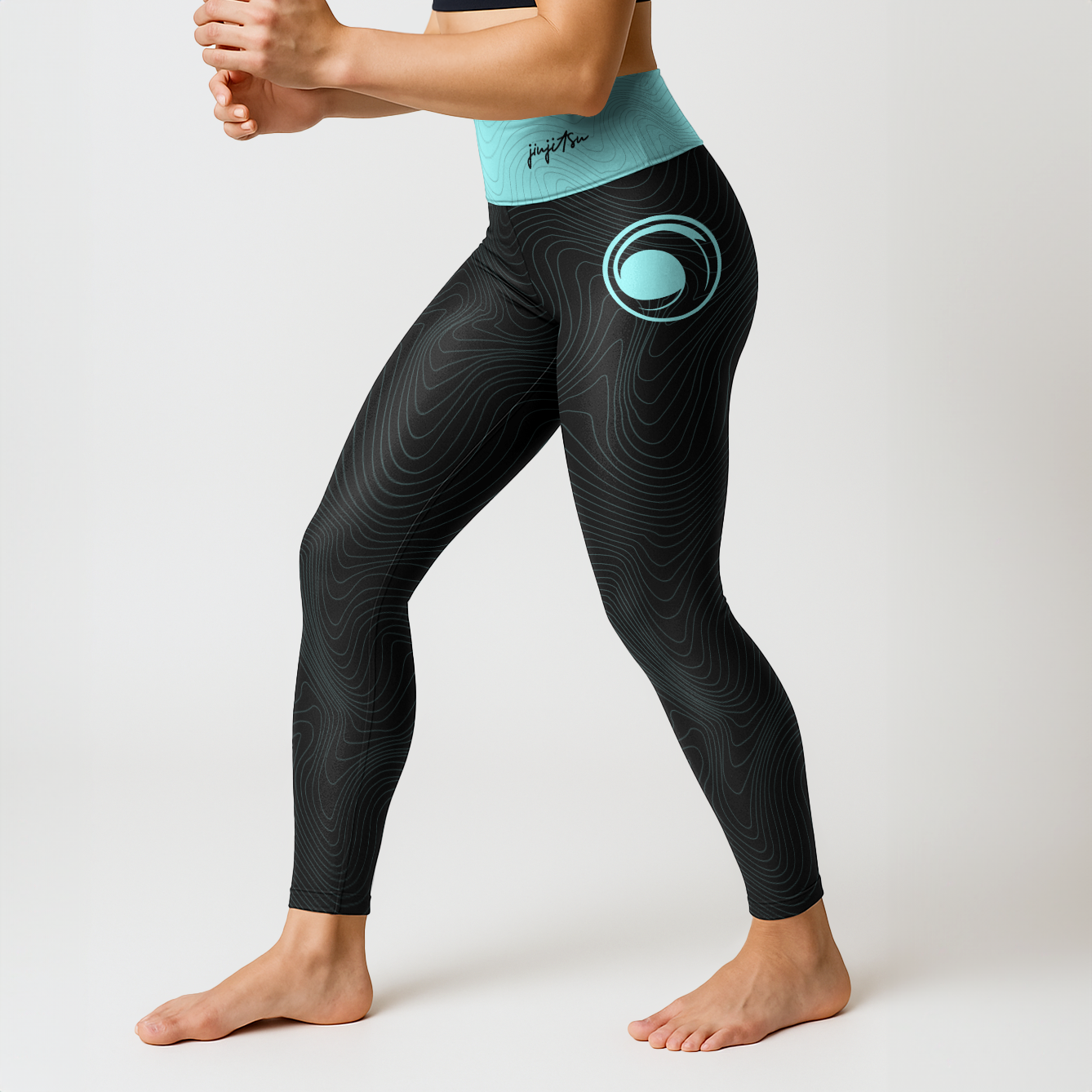
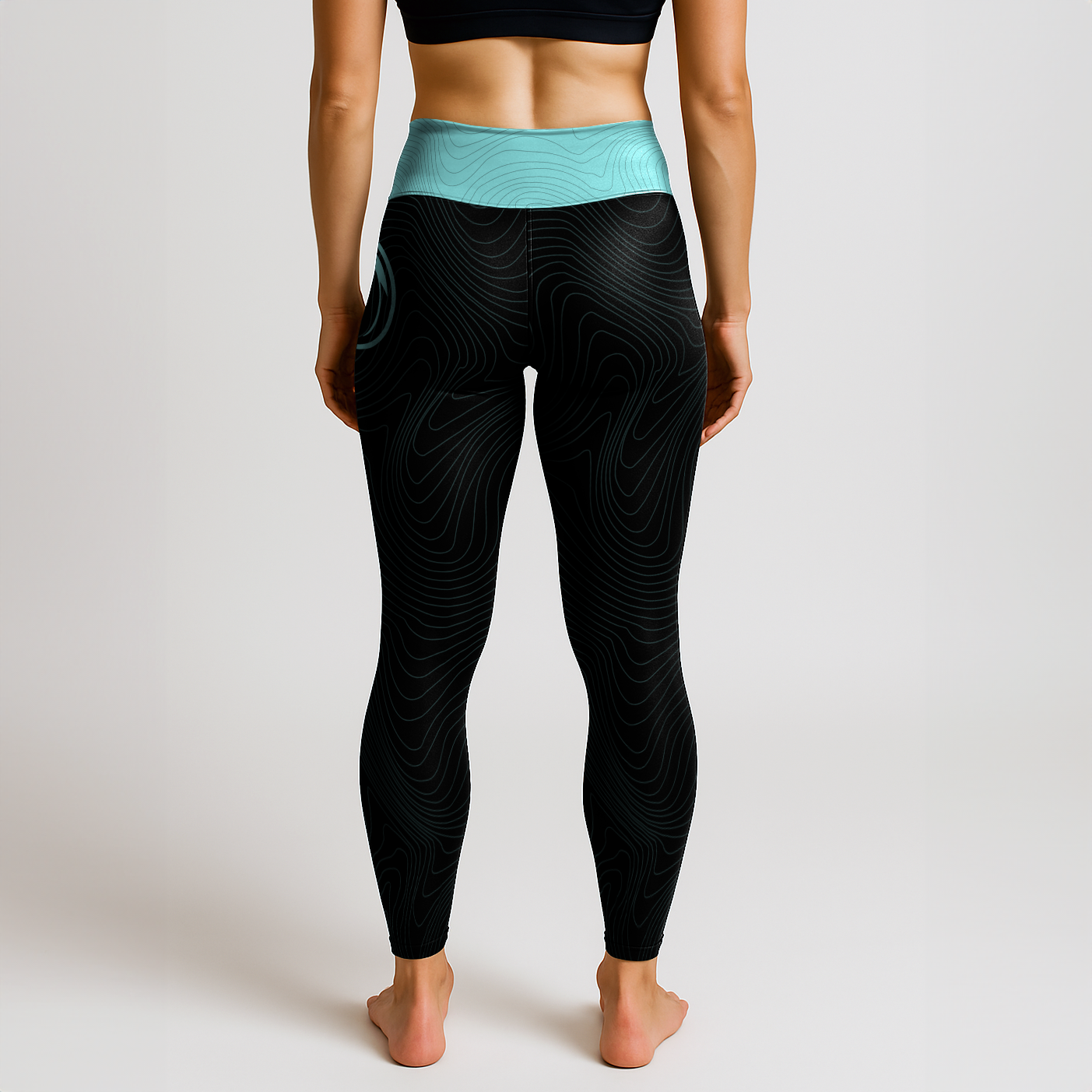
Many students wear compression shorts or spats under their shorts for comfort and coverage. If you train takedowns, wrestle up from seated guard, or spend a lot of time in leg entanglements, you’ll appreciate gear that stays put.
Rash guard or T-shirt?
A rash guard is better for regular training. It moves with your body, handles friction well, and does not turn into a wet towel halfway through class.
That difference becomes obvious during hard rounds, shark tanks, king-of-the-mat rounds, or long positional sparring from back control and mount.
A T-shirt is fine for many first classes if your academy allows it. Just make sure it fits close to the body and does not have anything stiff, thick, or abrasive on it.
What not to wear to jiu jitsu class
This part matters almost as much as what you should wear.
Do not wear shorts with pockets, zippers, or buttons. Do not wear anything with exposed metal or hard plastic. Skip hoodies, loose gym clothes, cropped tops that constantly shift, and anything that tangles easily during grappling.
Take off jewelry before class, including rings, necklaces, earrings, watches, and bracelets.
Shoes do not go on the mat unless your academy has a very specific rule for a certain drill. Bring slides or flip-flops for walking around off the mat, especially to the bathroom, but expect to train barefoot.
And keep your gear clean. A great rash guard that smells like last week’s open mat is still the wrong choice. Clean clothes, trimmed nails, and basic hygiene are part of being a good training partner.
Academy rules matter most
Every gym has its own culture around uniforms. Some are relaxed with beginners. Others are strict from day one. That’s why the best answer is often: ask your academy first.
A laid-back fundamentals class might be totally fine with a plain athletic shirt and pocket-free shorts. A competition-focused room may expect ranked rash guards for no-gi and specific gi colors for regular training. Kids classes can have their own rules too.
If you’re visiting another academy for a drop-in or open mat, check the rules ahead of time. It’s a small thing, but it shows respect.
How to build a practical training wardrobe
If you’re brand new, you don’t need a mountain of gear. You need enough to train consistently and wash everything between sessions.
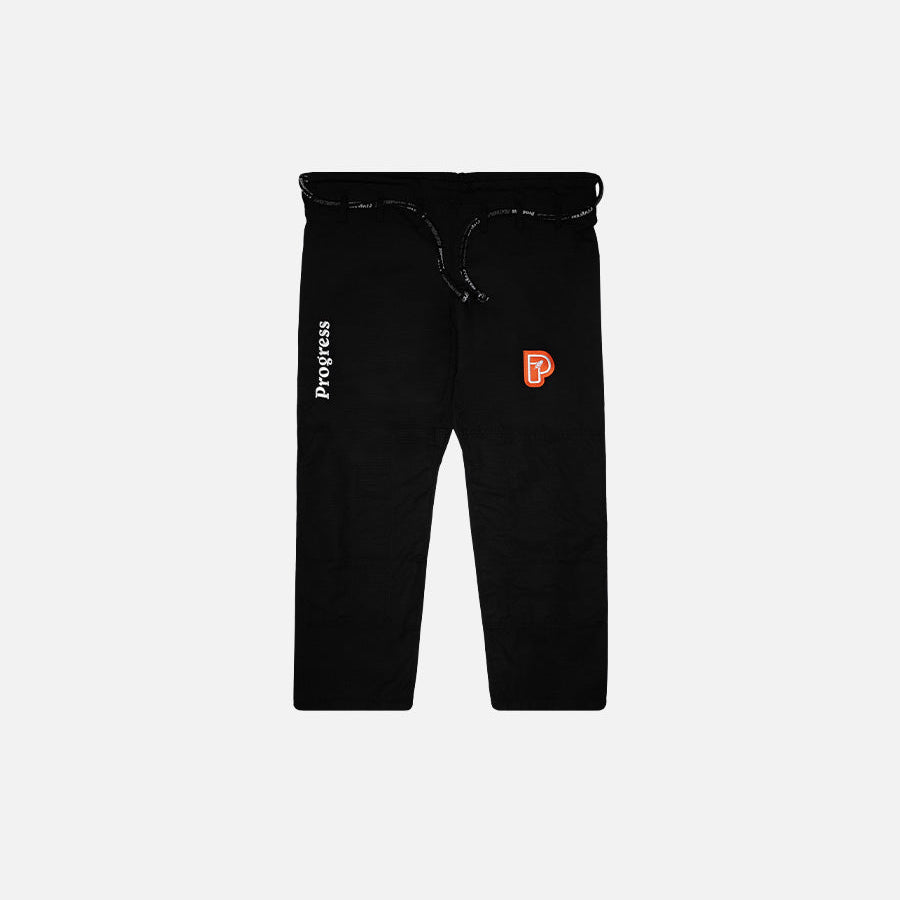
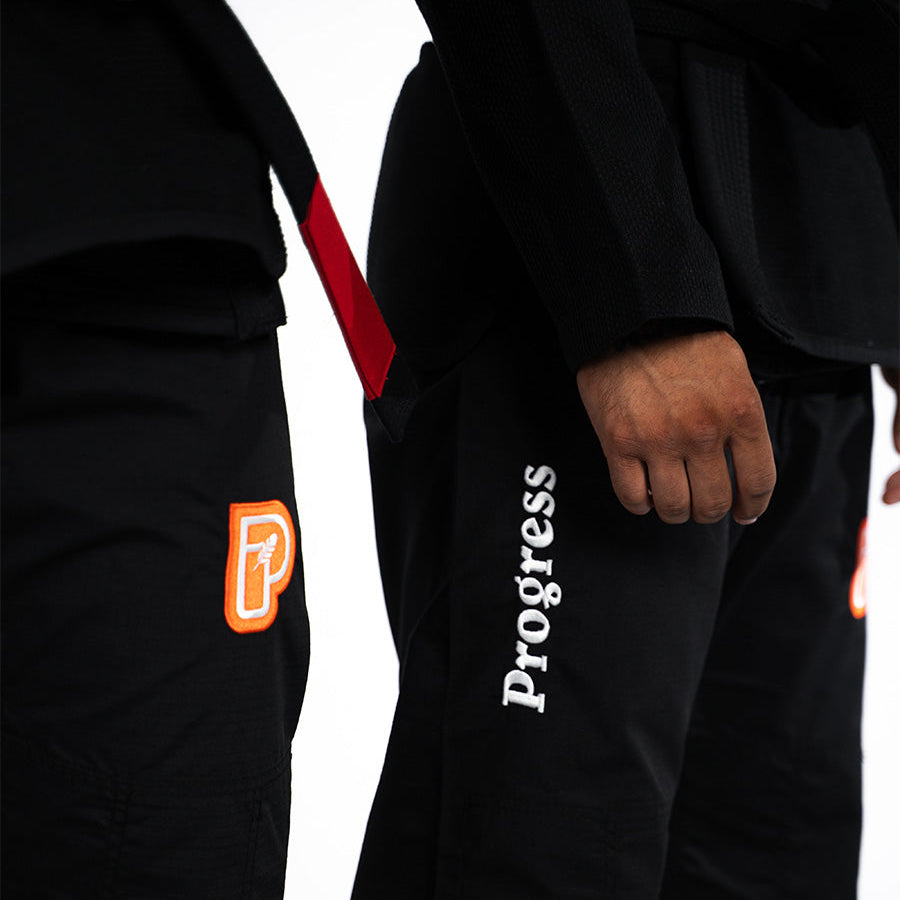
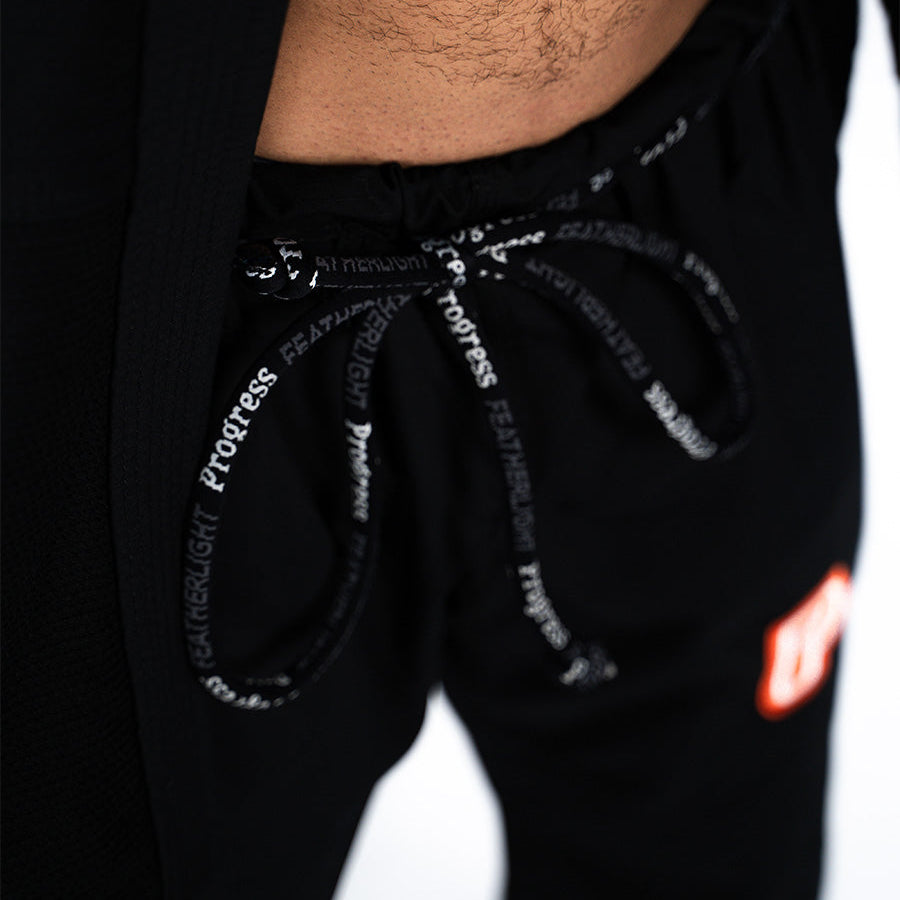
For gi training, one gi can work if you train once or twice a week and wash it right away. If you train more often, a second gi makes life much easier. You can start with a dependable option from our jiu jitsu gi collection and add another once you know what fit and weight you prefer.
For no-gi, two rash guards and two pairs of grappling shorts is a good baseline. Once you’re stacking fundamentals class, open mat, and weekend drilling, extra gear stops feeling like a luxury and starts feeling like laundry management.
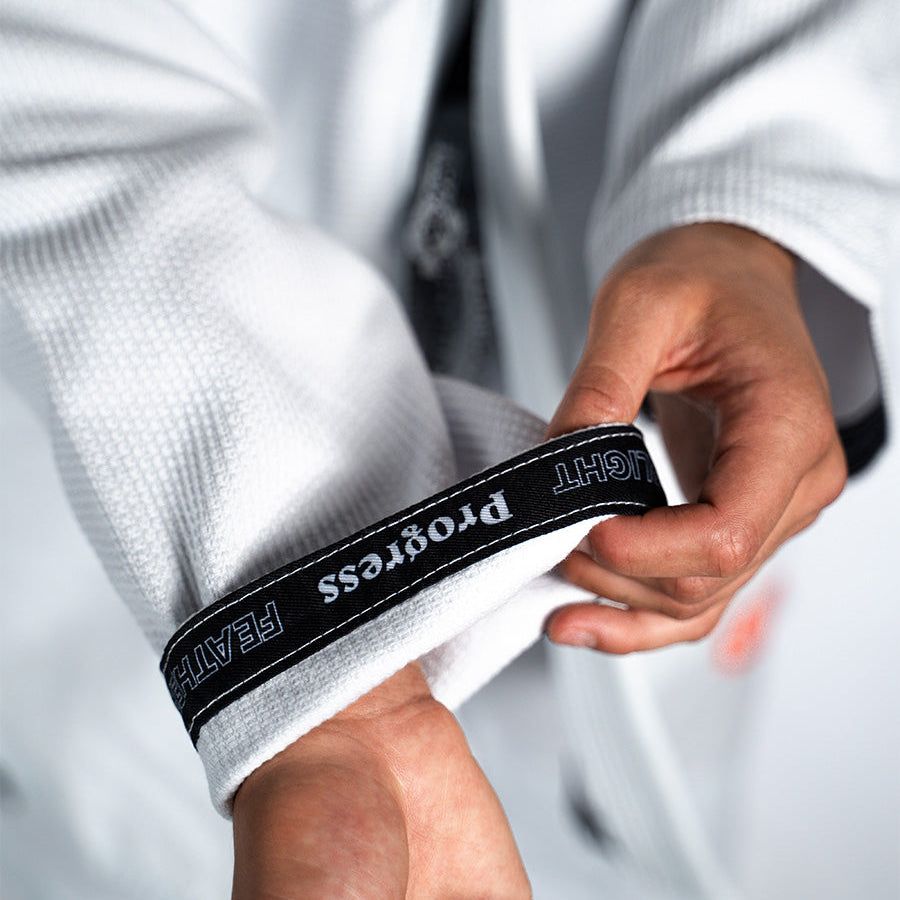
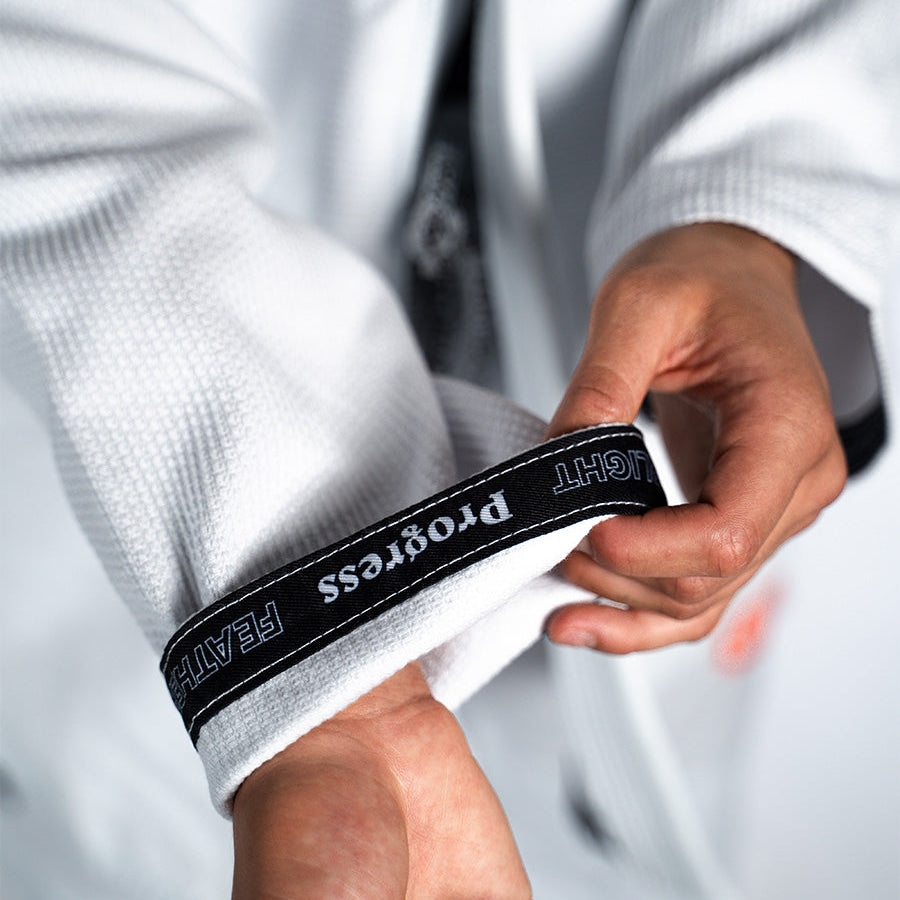
Fit comes down to preference. Some people like a tighter competition-style rash guard. Others want a little more room for daily training. Gis are the same way. A heavier gi can feel more structured and durable, while a lighter gi is usually better for hot rooms, summer classes, travel, and long sessions.
If budget matters, prioritize the pieces you’ll use the most. A solid rash guard, pocket-free shorts, and a well-fitting gi that follows your academy’s rules will cover most beginners.
The best outfit for jiu jitsu is not the one that looks coolest in the locker room. It’s the one that lets you train hard, move freely, and be a good partner on the mat.
Start with your academy’s rules, keep your gear simple and clean, and adjust once you know how often you want to train.
Shop Our New Releases
Fast & Free Shipping!
Fast & Free Shipping!
Fast & Free Shipping!
Fast & Free Shipping!
Fast & Free Shipping!

Fast & Free Shipping!