How to Start Nogi Training the Right Way

Your first nogi class usually feels fast for one simple reason - there is less to hold, fewer pauses, and a lot more slipping out of bad positions than most beginners expect. If you're wondering how to start nogi training, the goal is not to show up knowing leg locks or wrestling shots. The goal is to understand the pace, wear the right gear, and build a beginner game you can actually use in live rounds.
Nogi can be a great starting point for Brazilian Jiu Jitsu, but it does ask for a slightly different mindset than gi training. Grips are less reliable, scrambles happen more often, and bad posture gets exposed quickly. That does not mean it is harder across the board. It just means some beginner mistakes show up sooner.
How to start nogi training without making it harder
The easiest way to make nogi feel manageable is to strip it down. New students often think they need a complete system on day one. You do not. You need a gym, basic gear, a few positional goals, and enough mat awareness to train safely.
Start by finding out how your academy structures nogi classes. Some schools blend gi and nogi fundamentals, while others run separate beginner sessions. If there is a true fundamentals class, take it. If not, regular class is still fine, but expect a steeper first month. A room full of experienced grapplers moving through front headlock entries and body lock passing can feel like chaos if you have never learned how to frame, hip escape, or pummel for inside position.
The good news is that beginners do not need to win exchanges to improve. If you survive side control a little longer this week than last week, that counts. If you remember to keep your elbows in instead of reaching during a scramble, that counts too.
What to wear for your first nogi classes
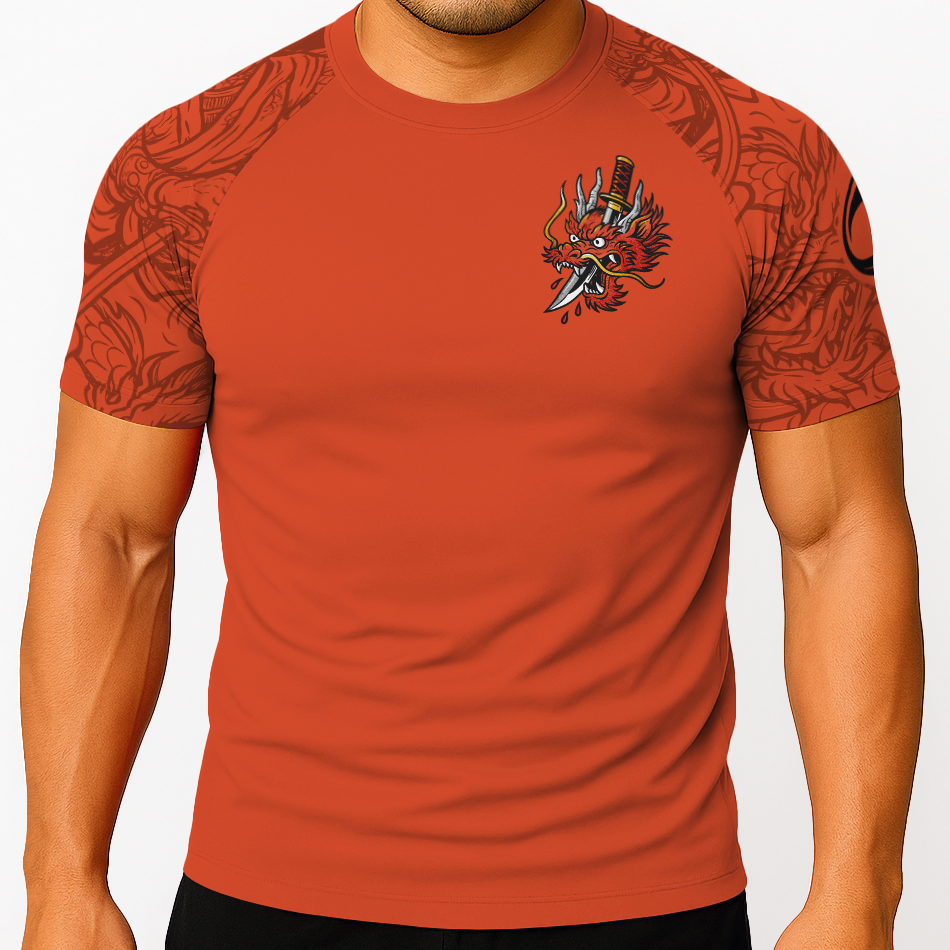
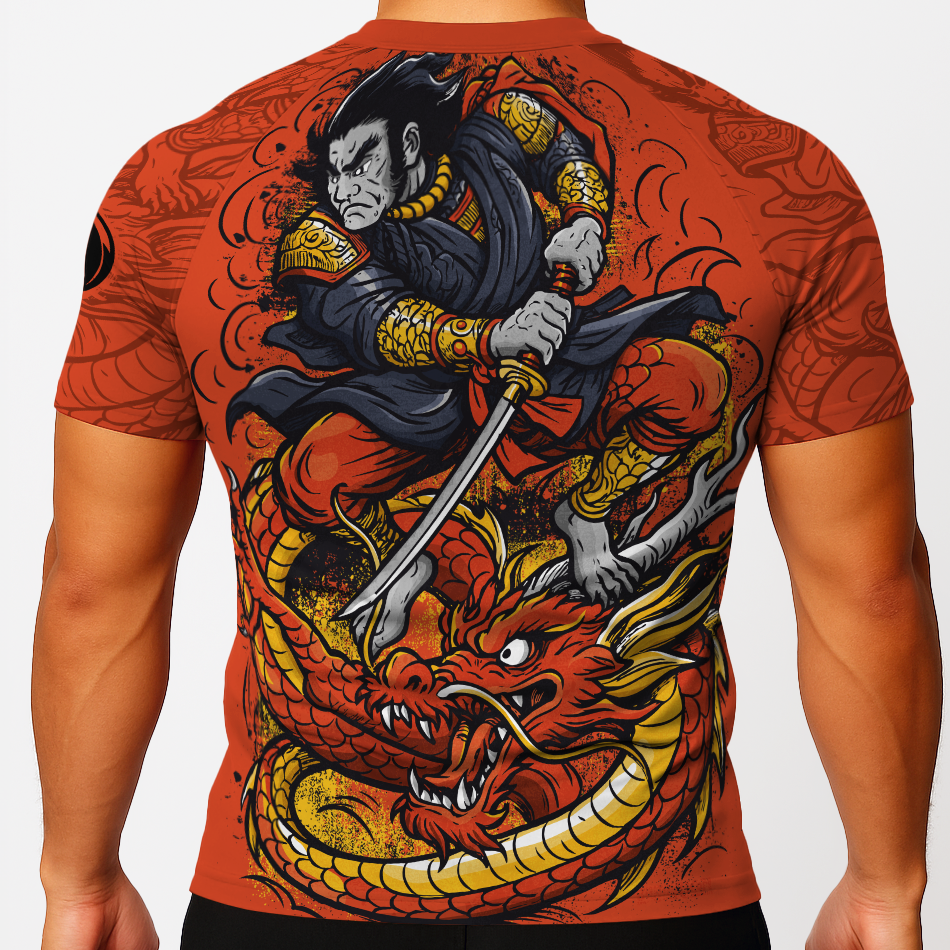
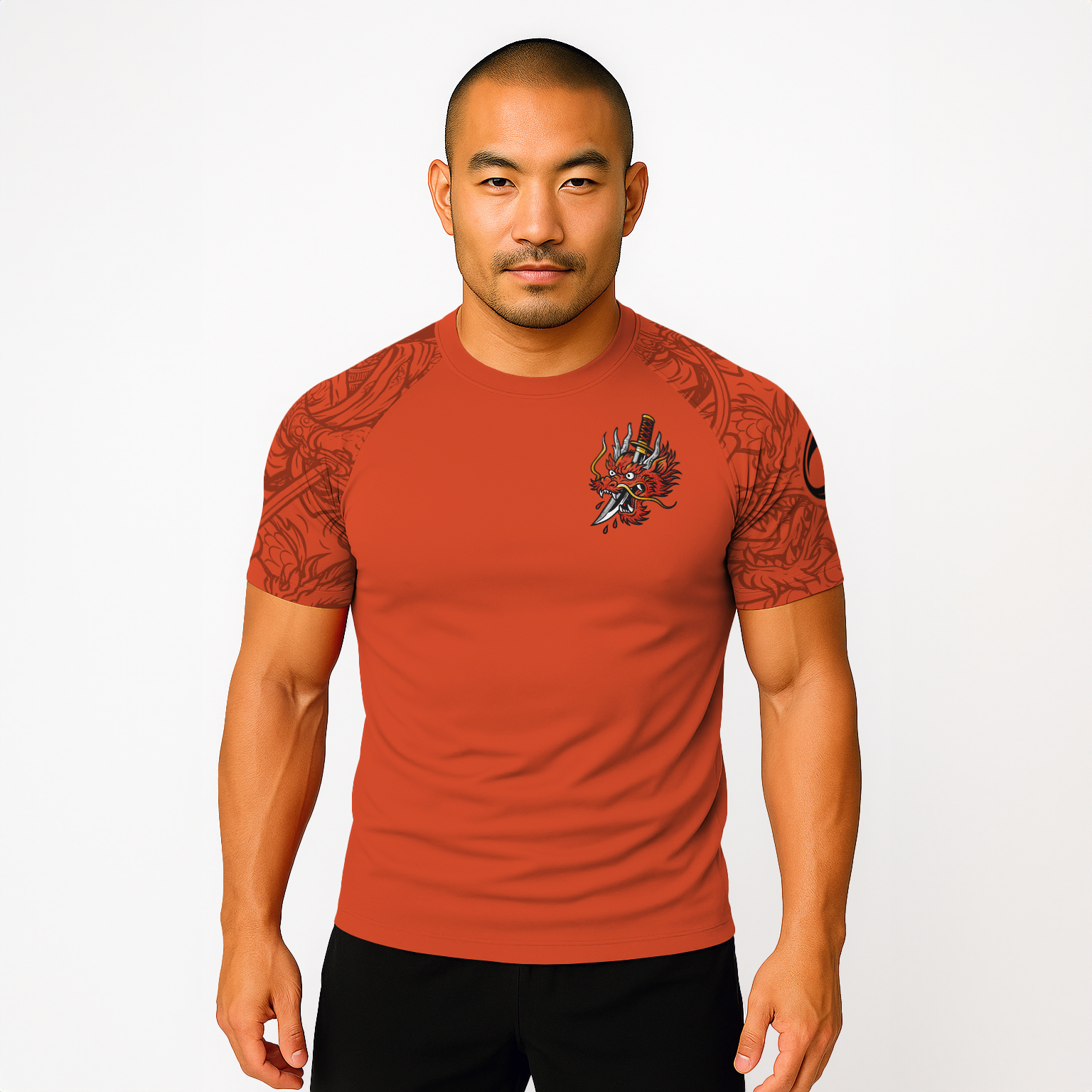
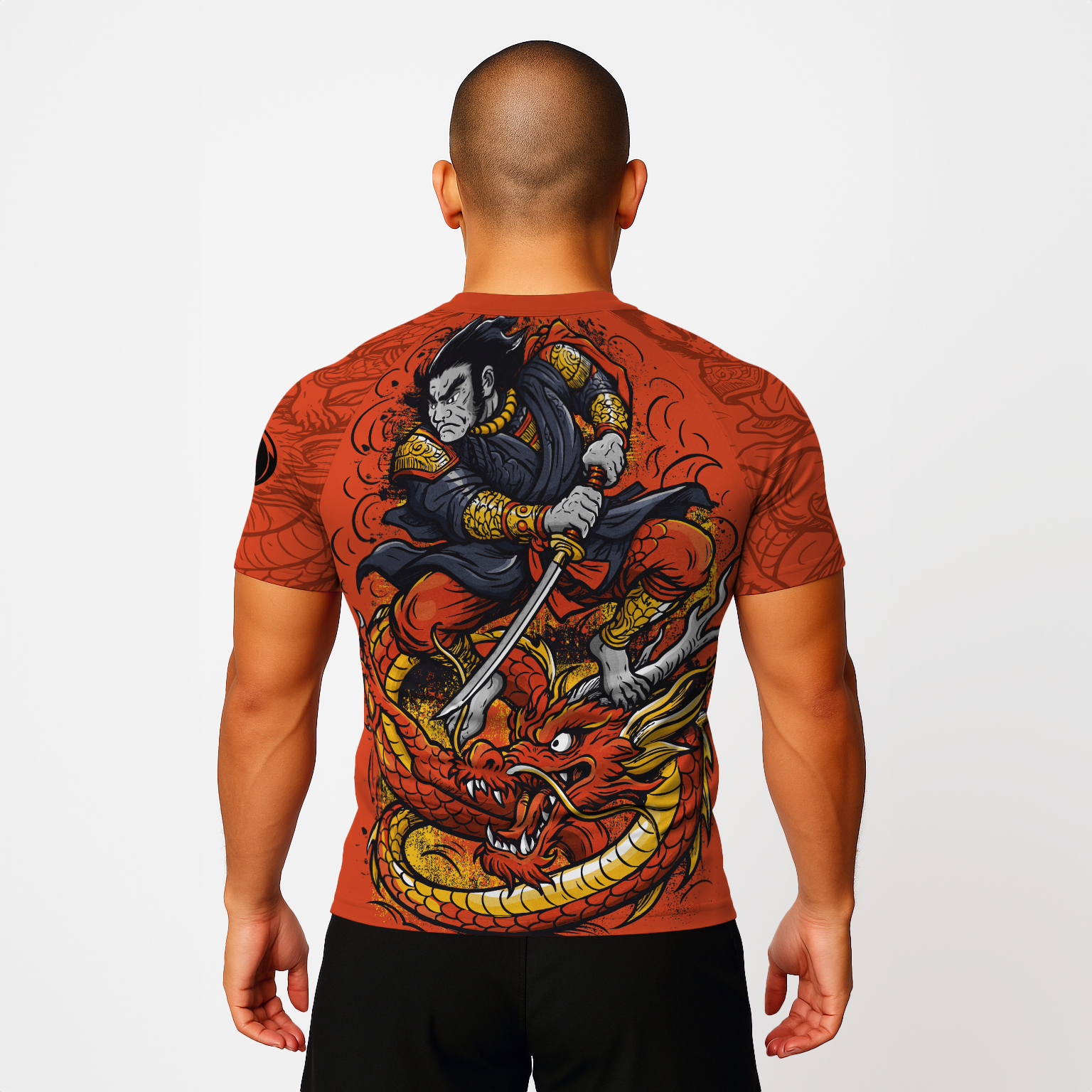
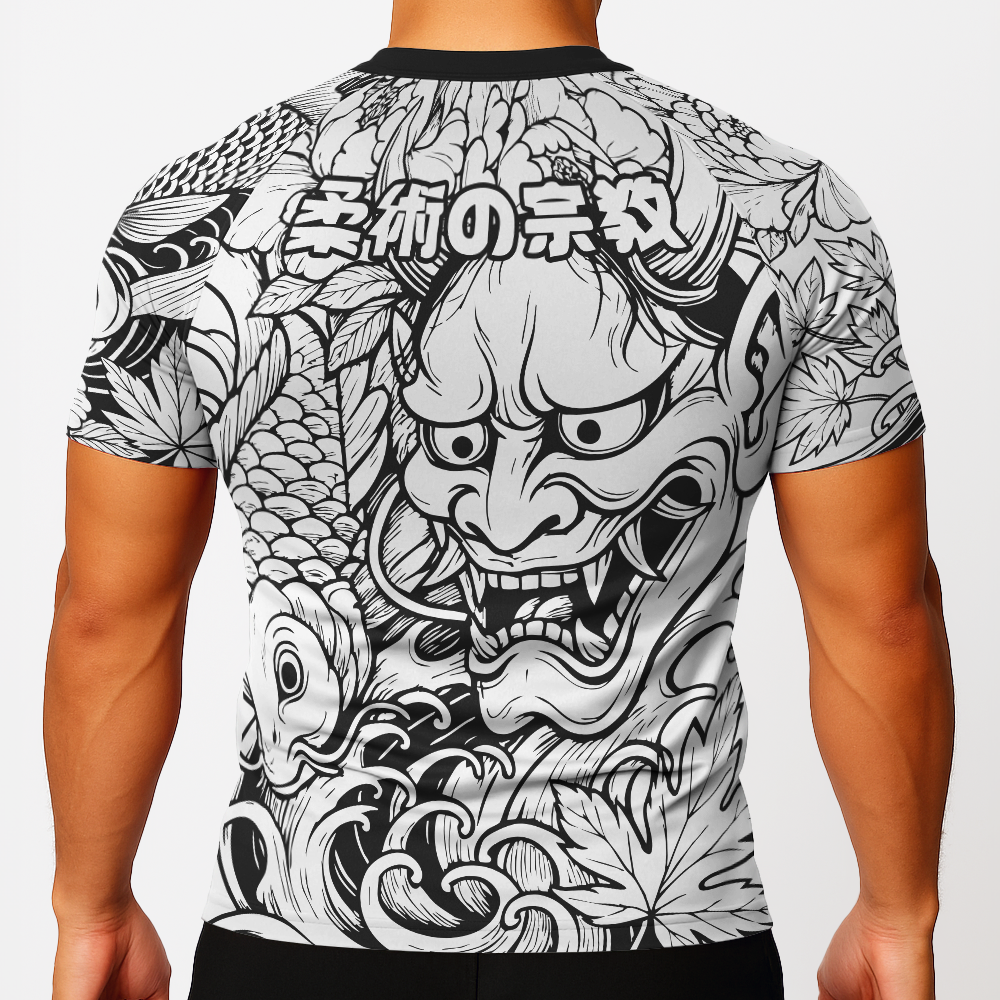
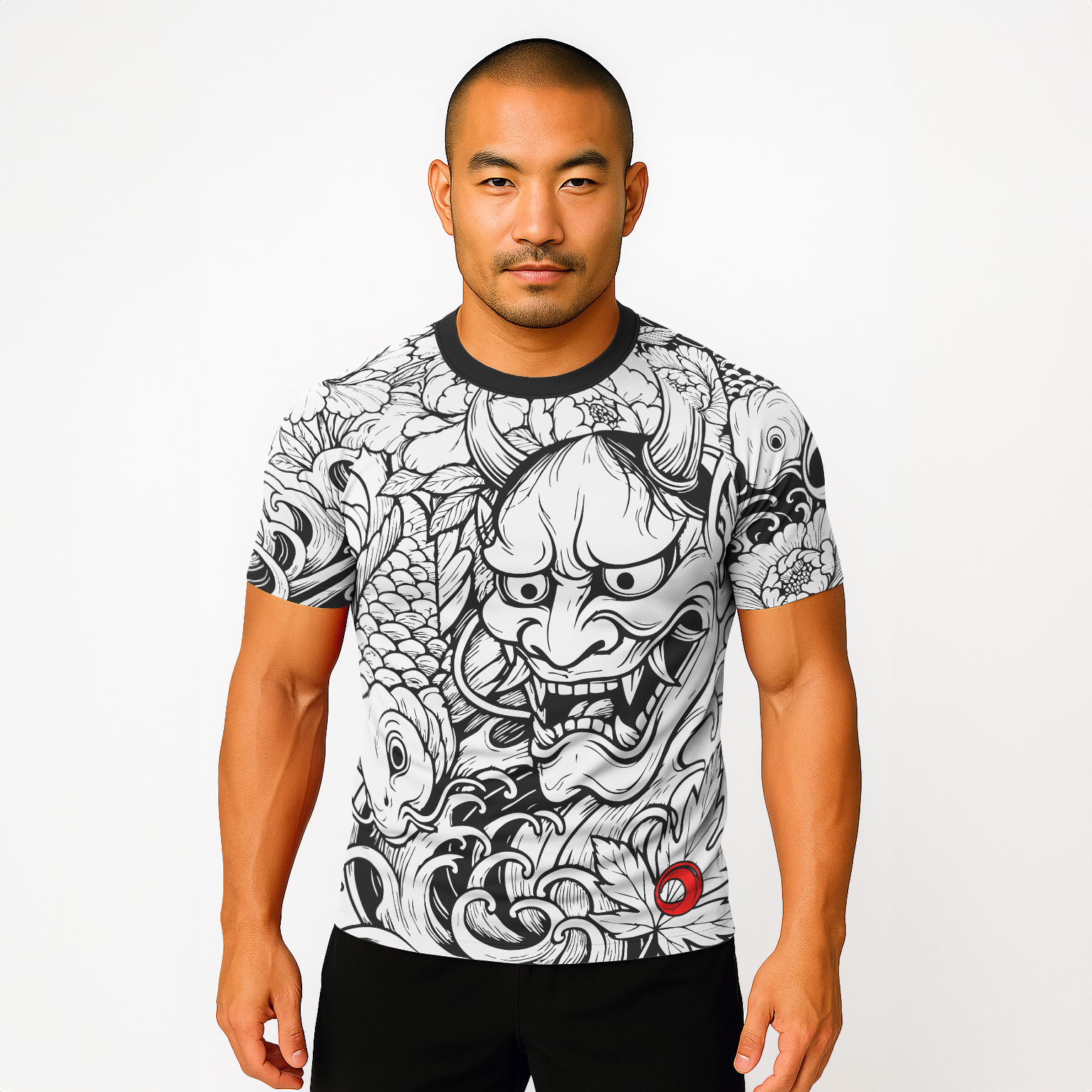
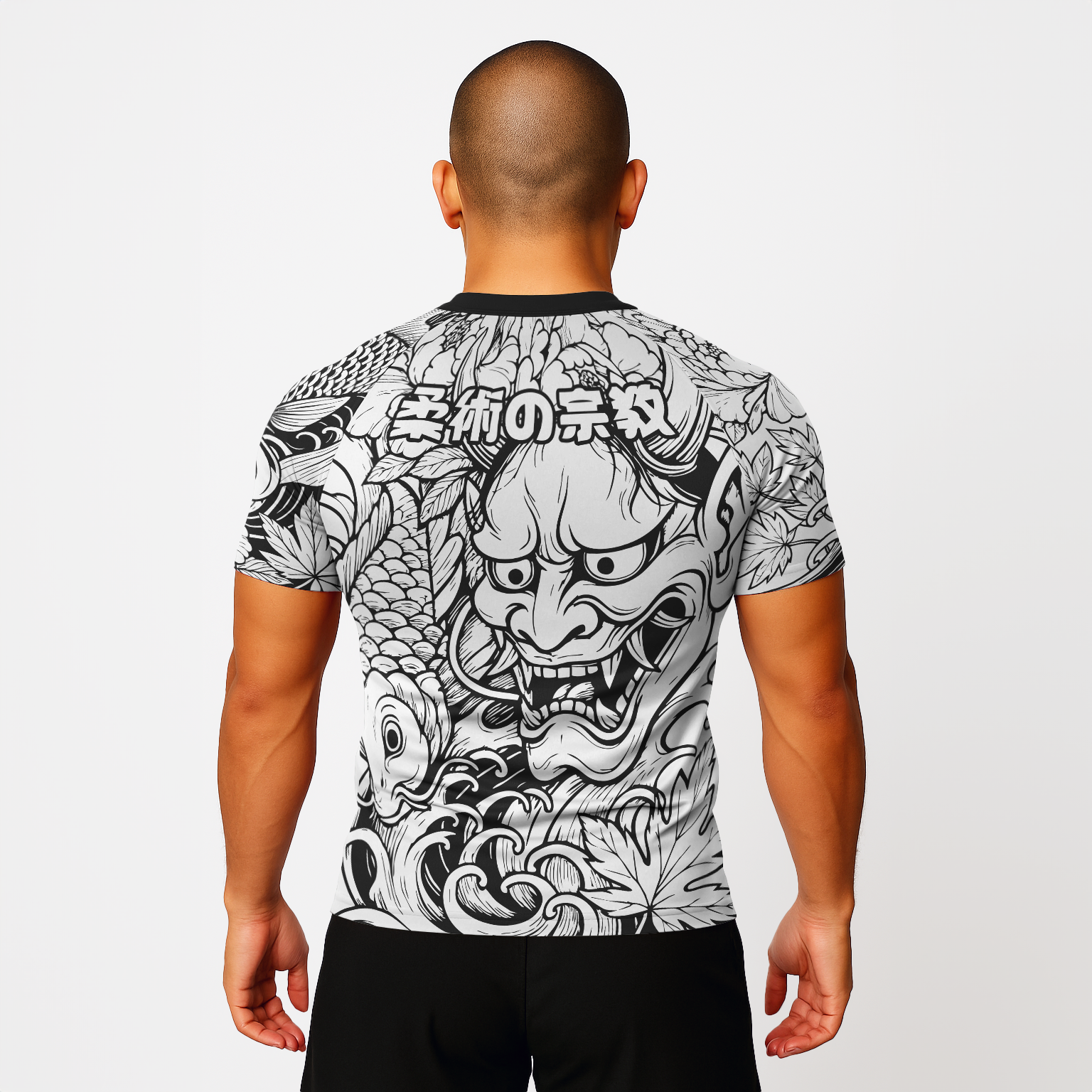
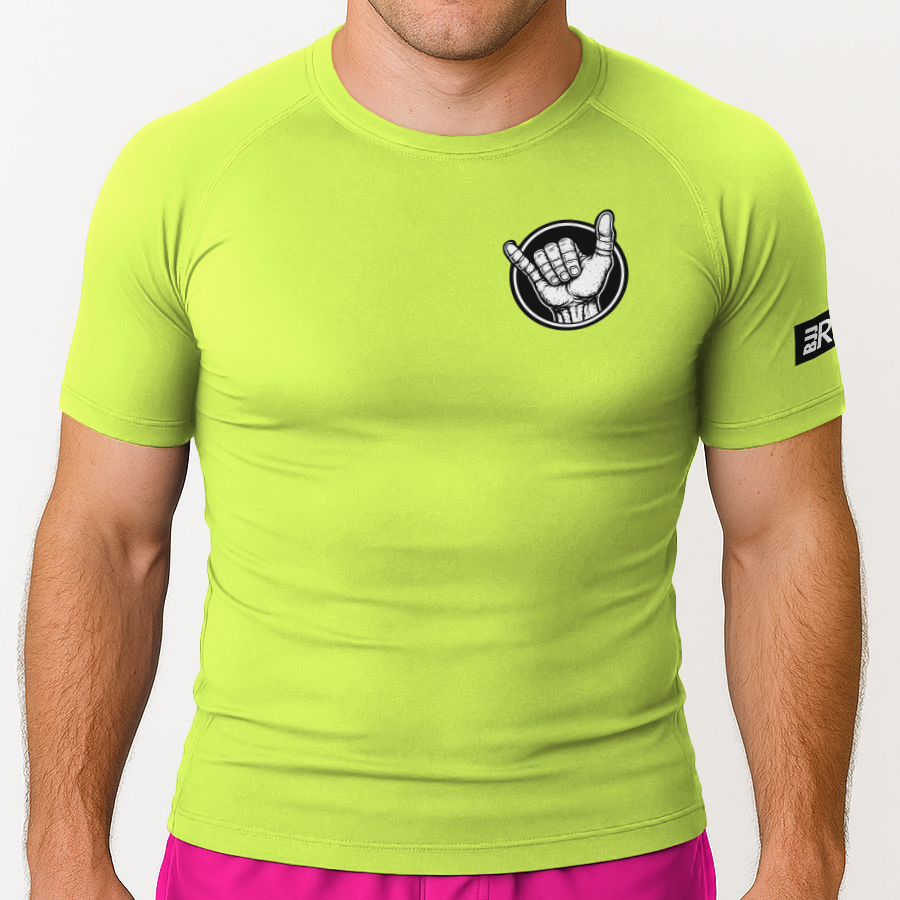
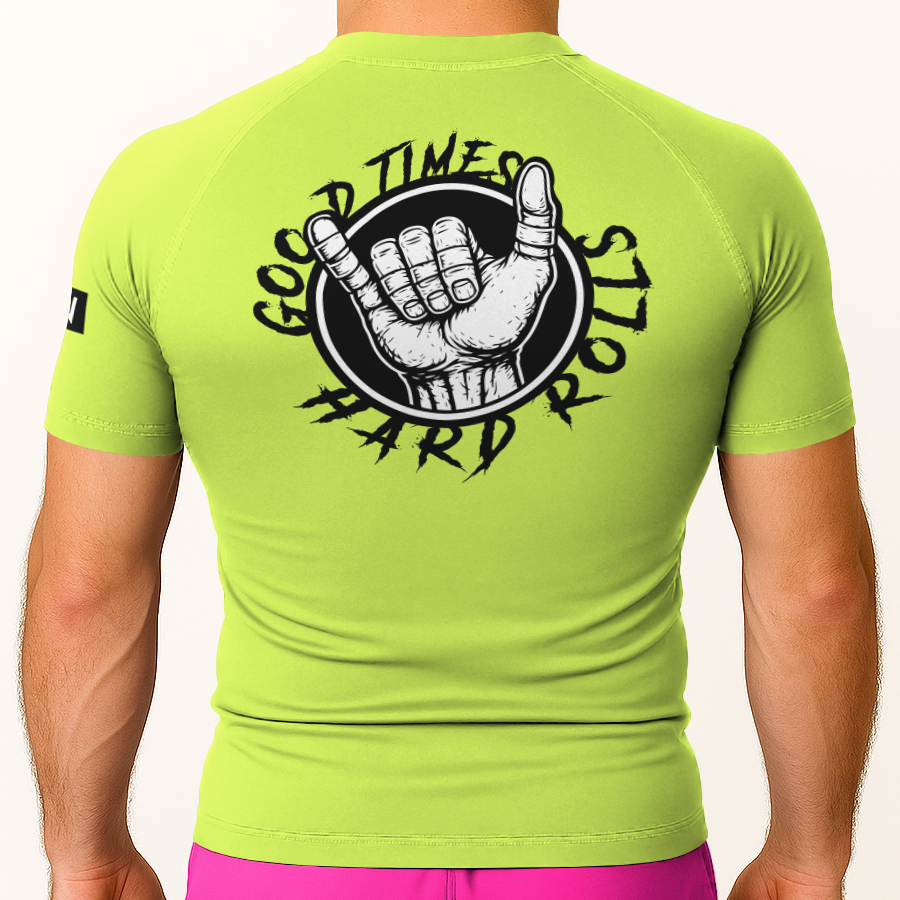
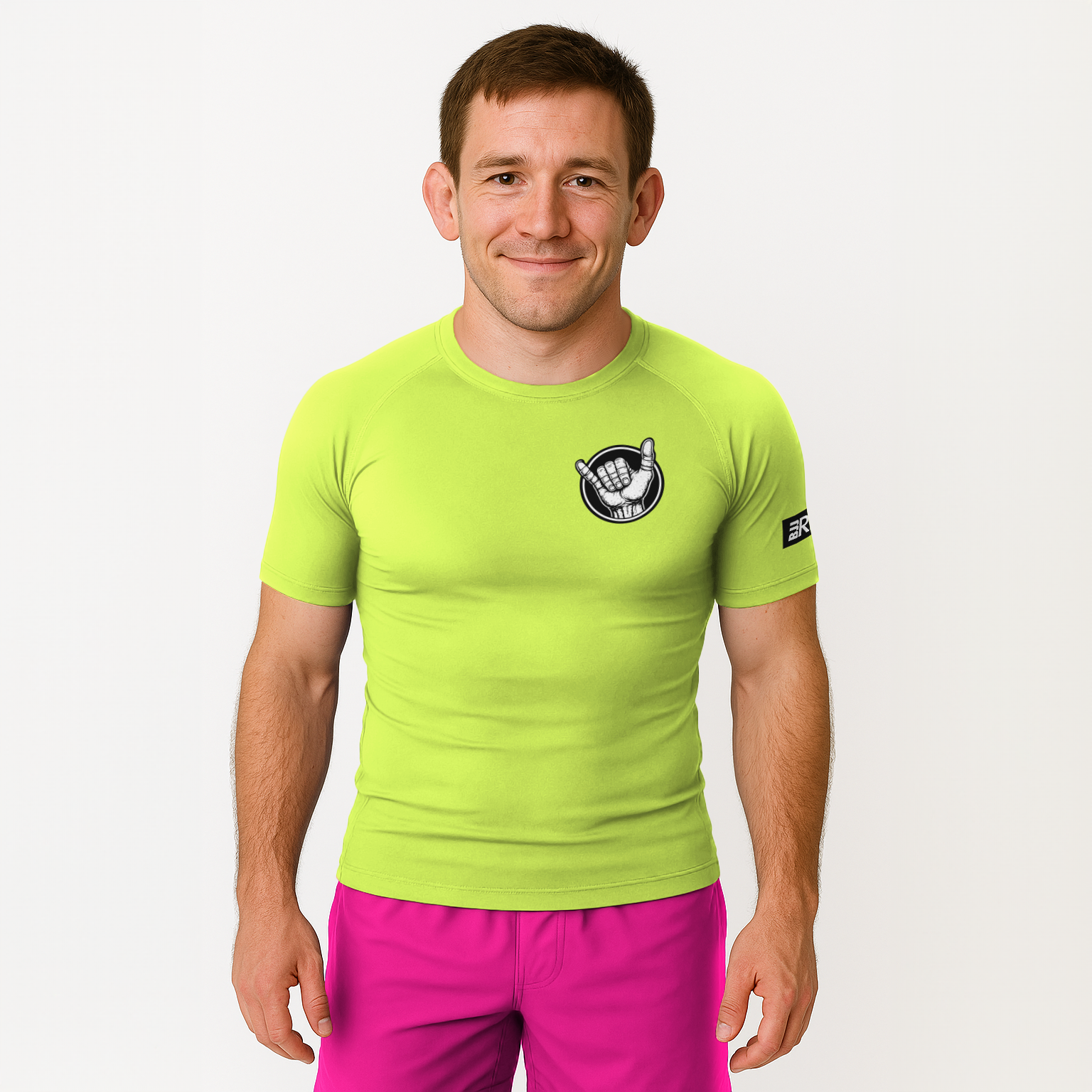
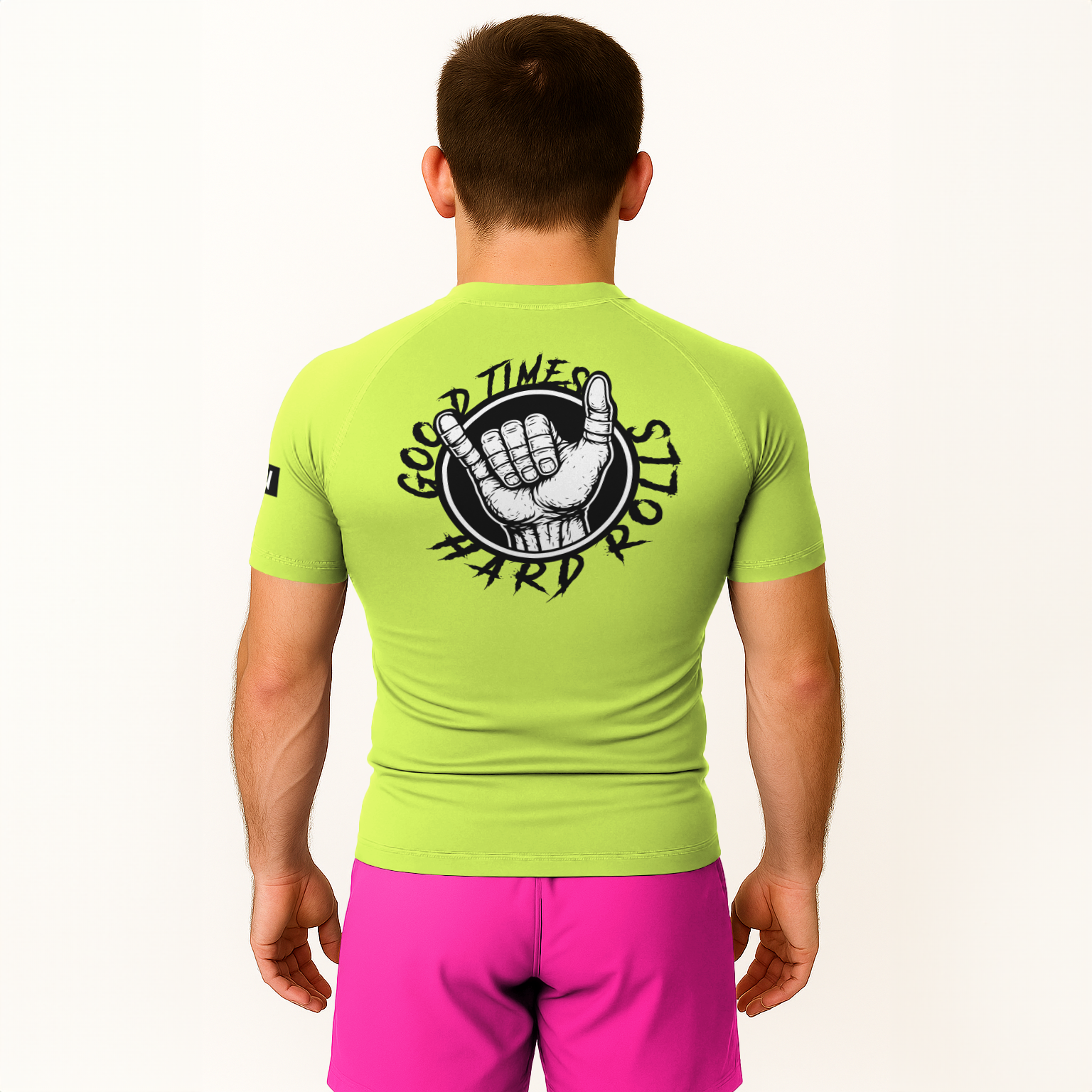
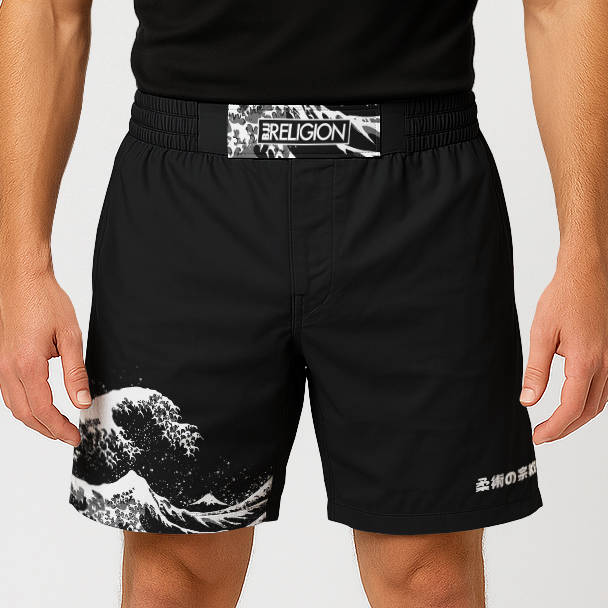
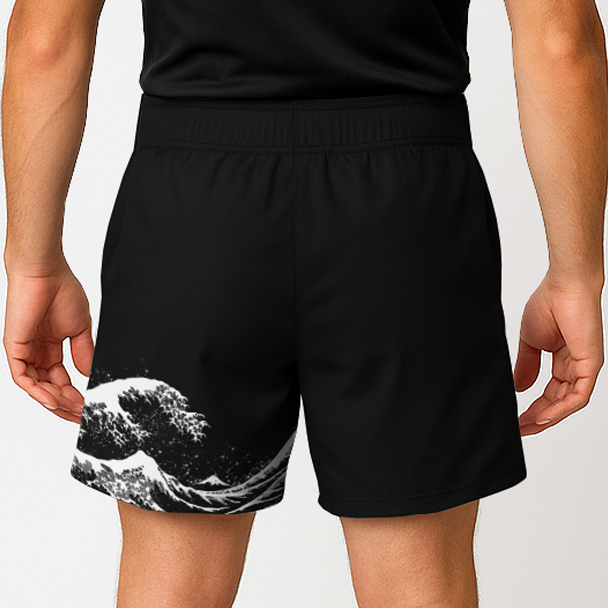
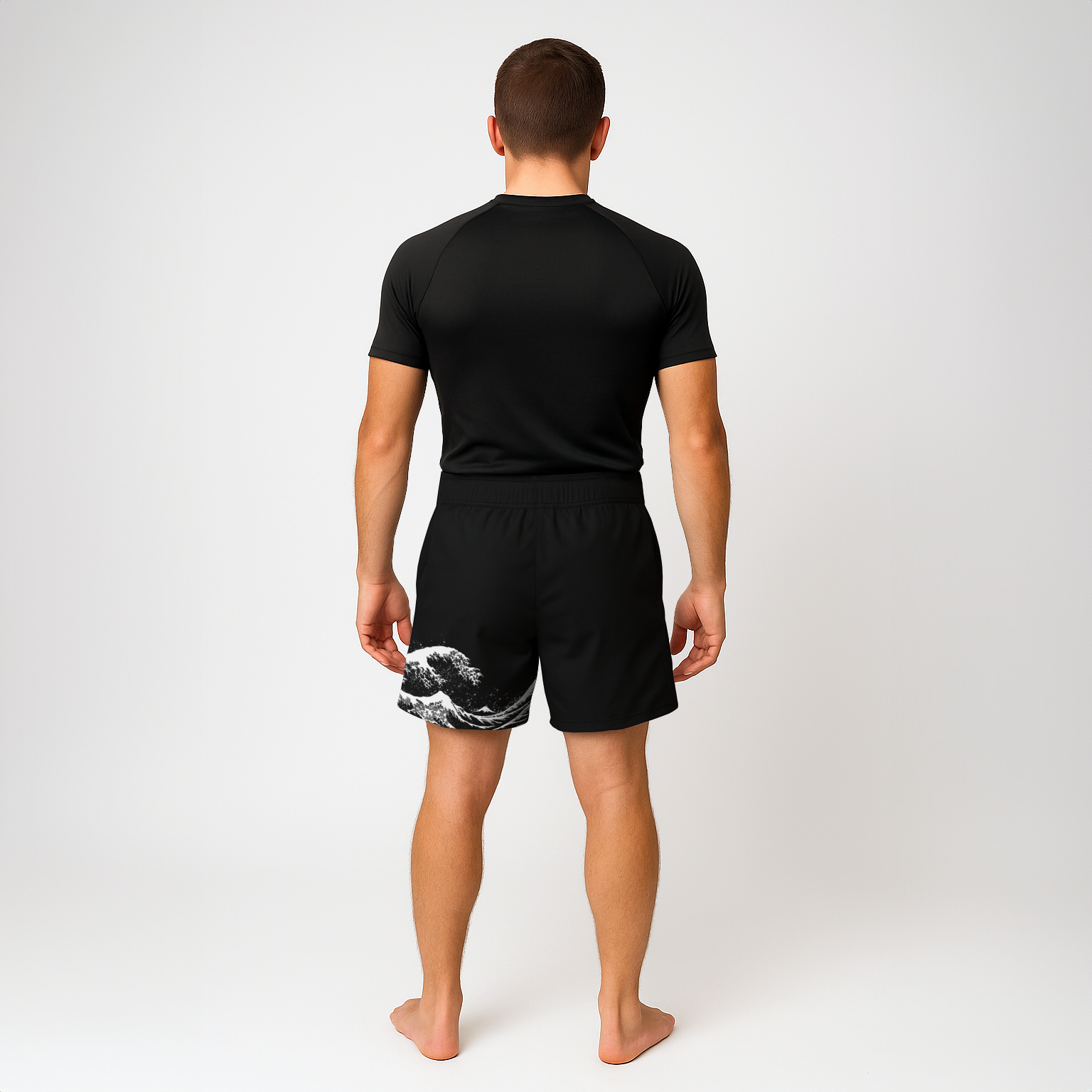
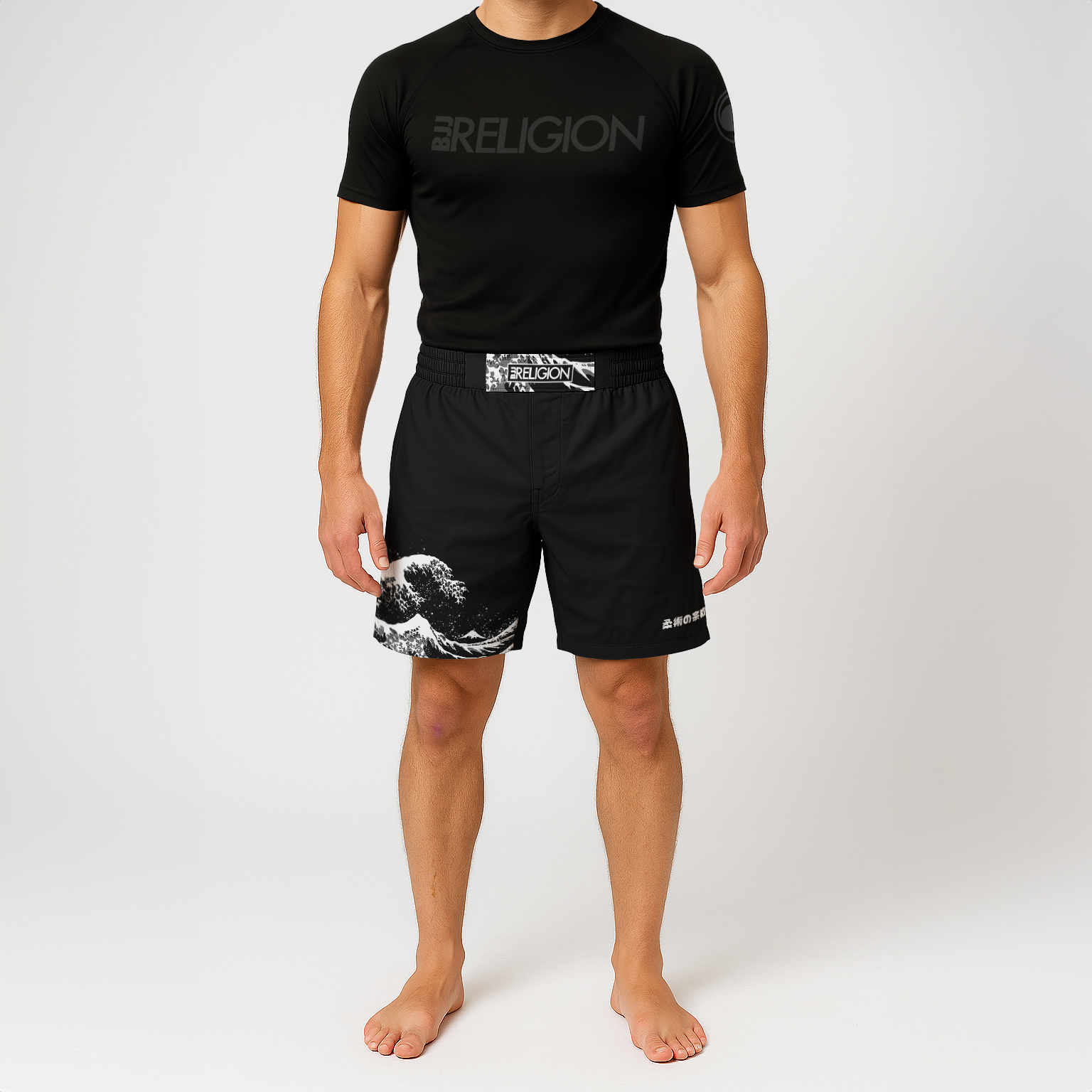
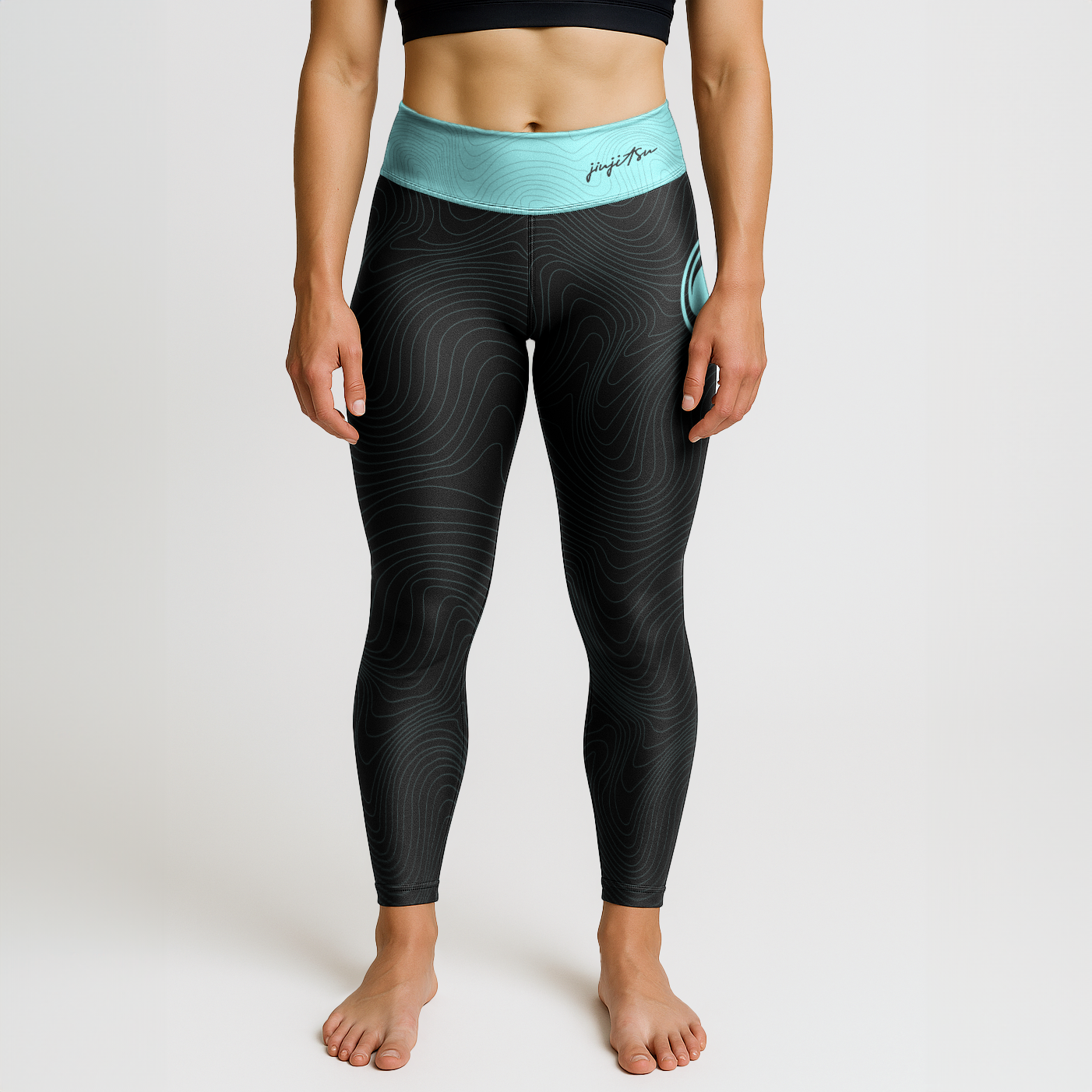
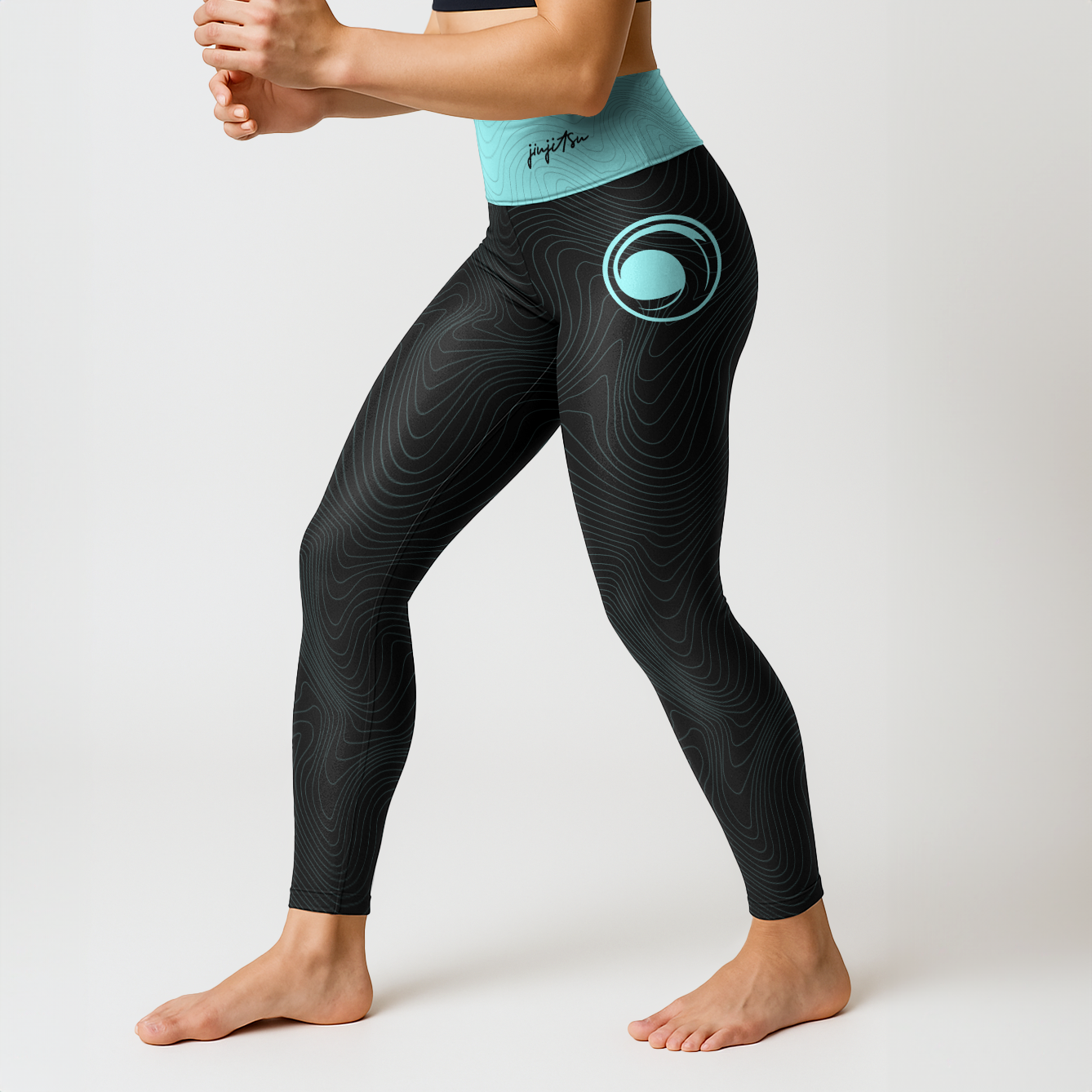
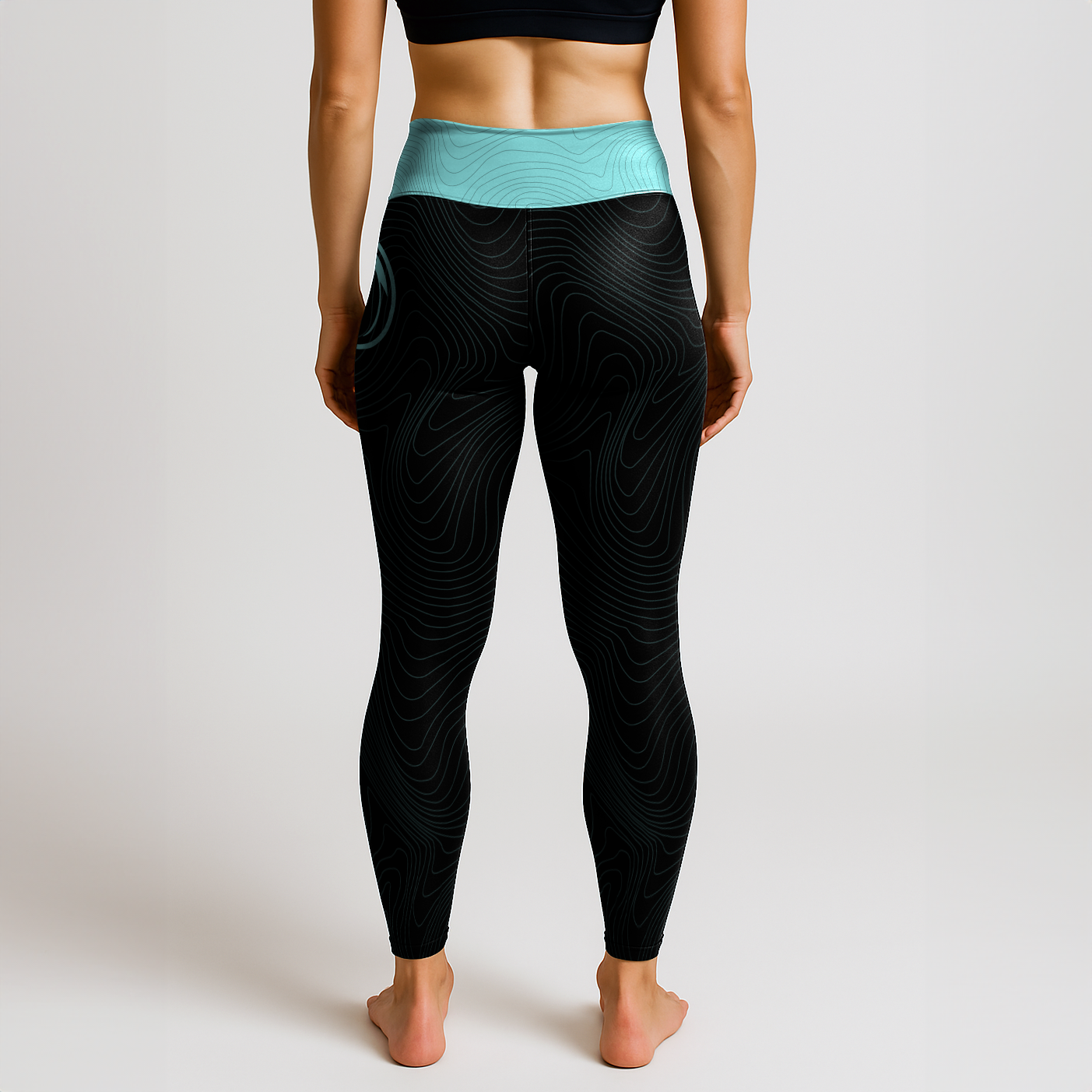
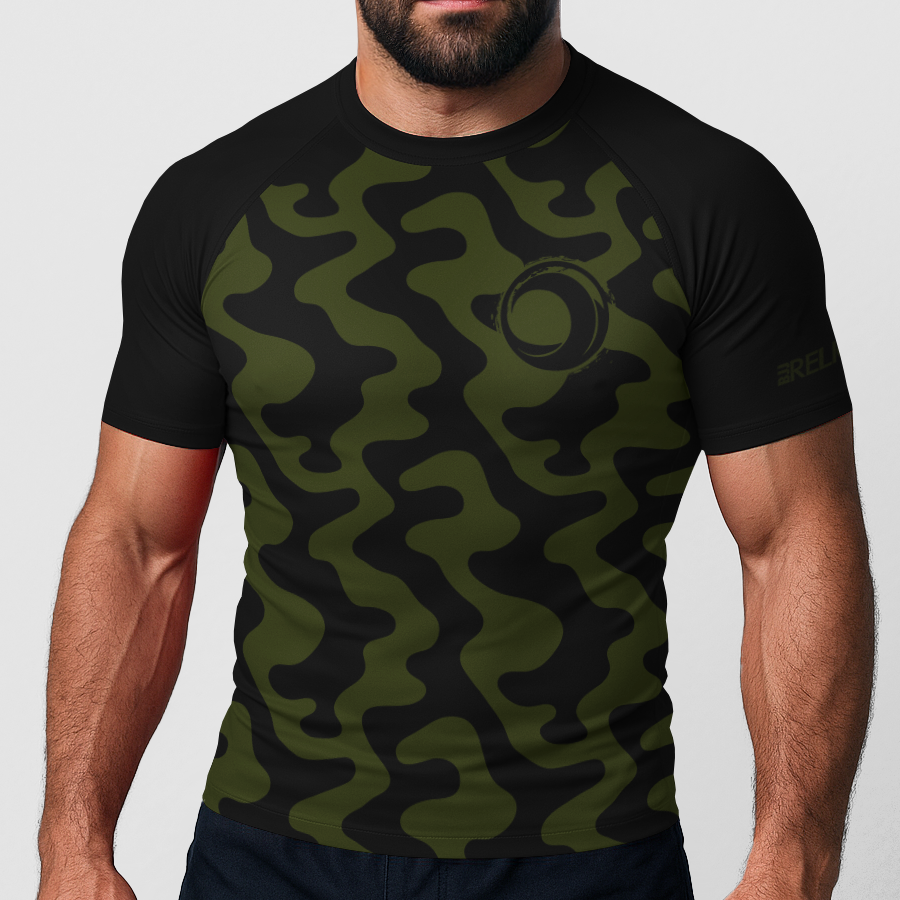
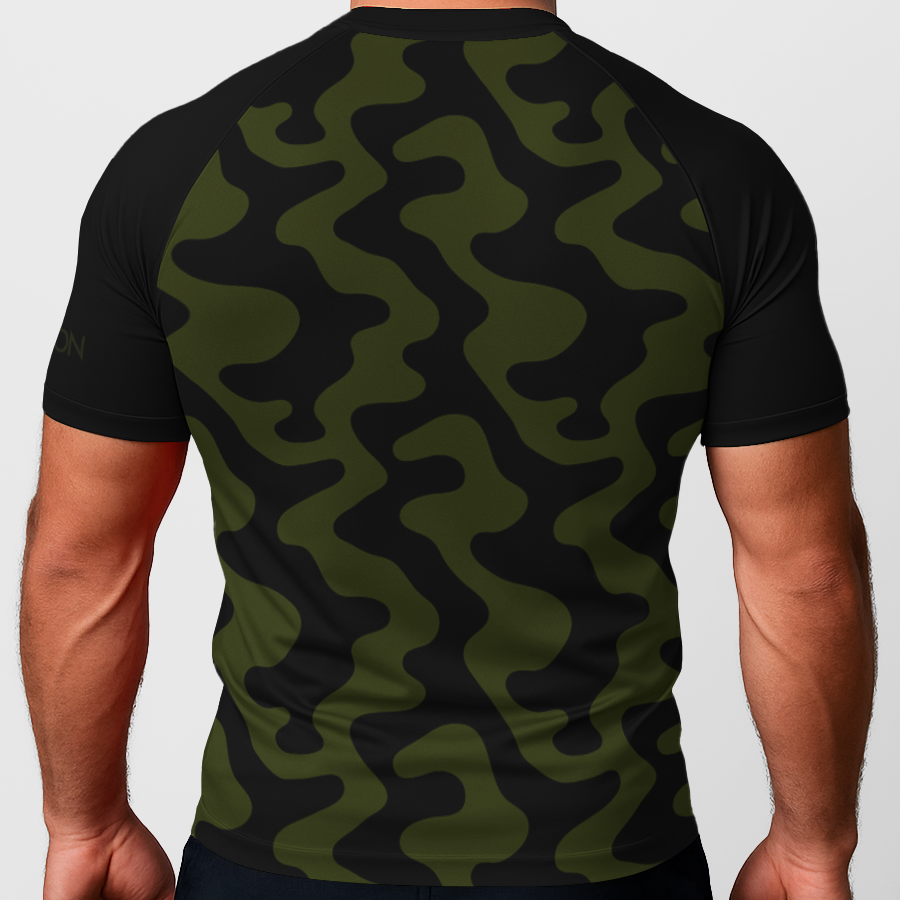
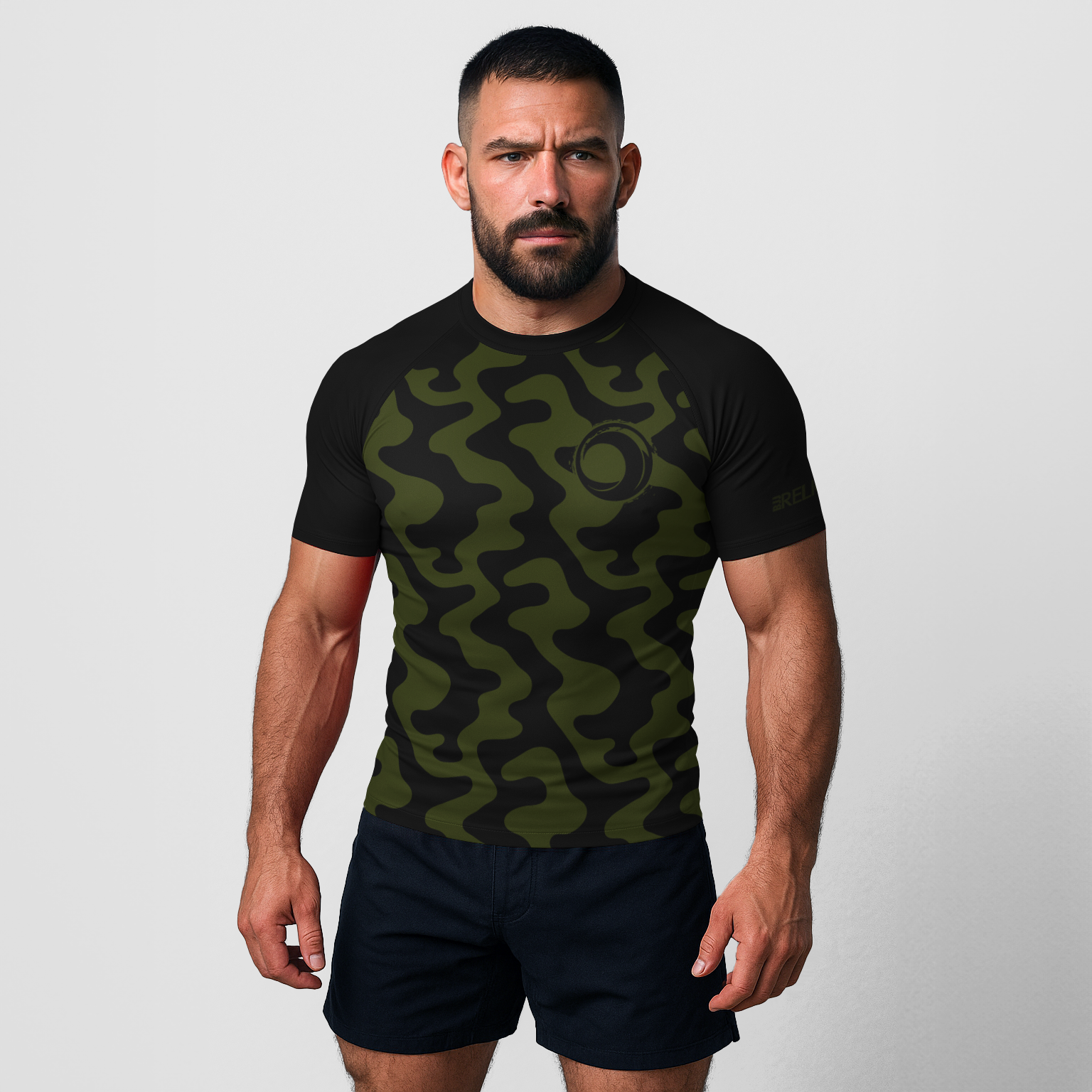
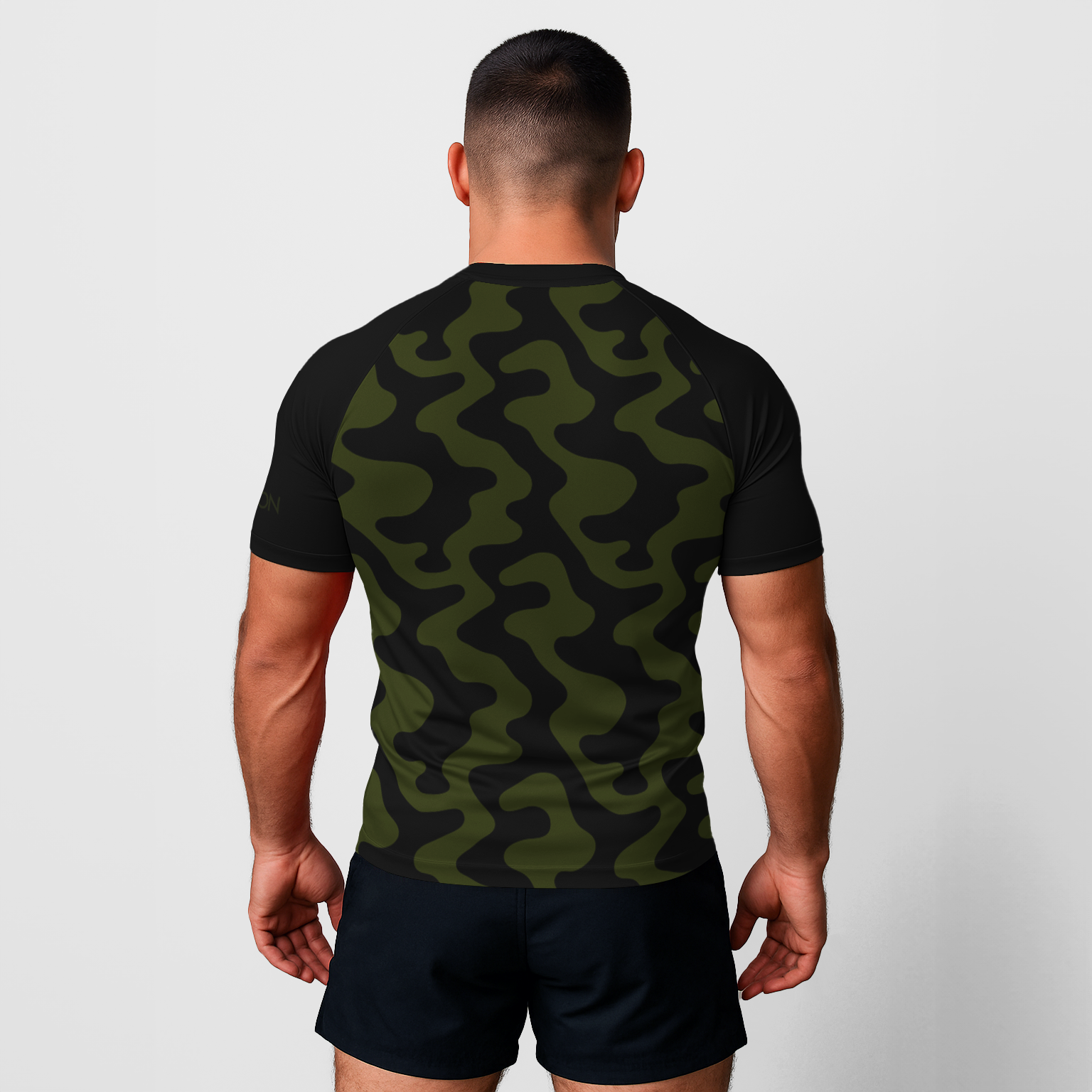
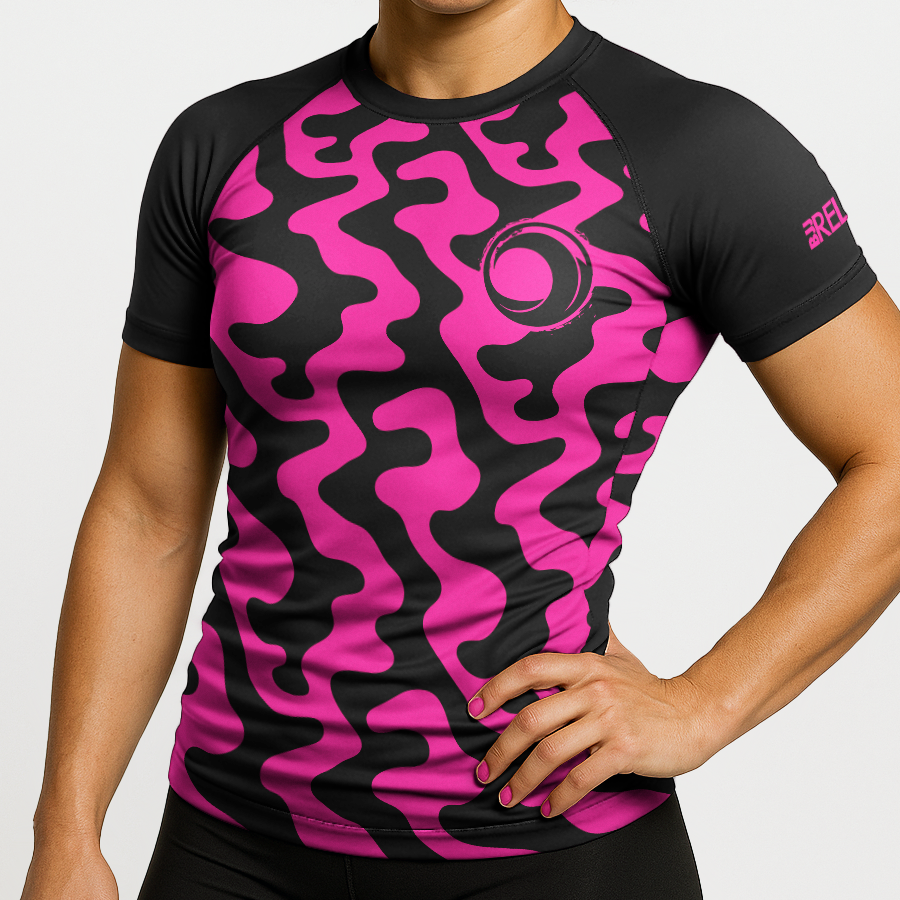
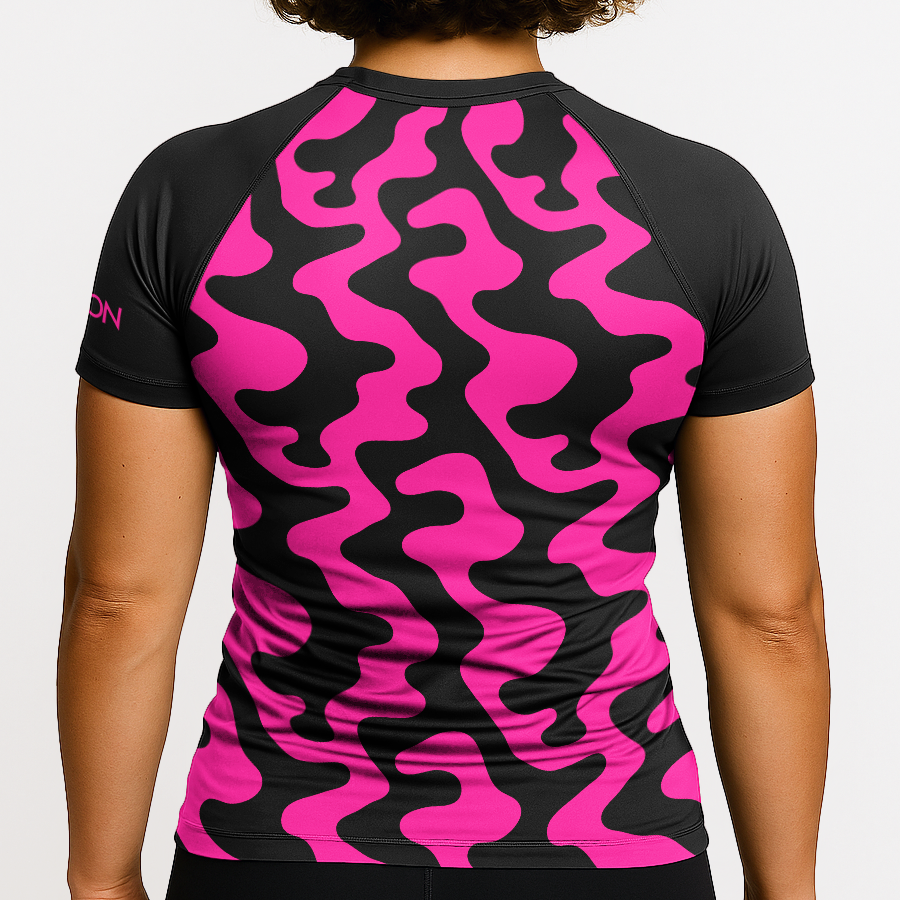
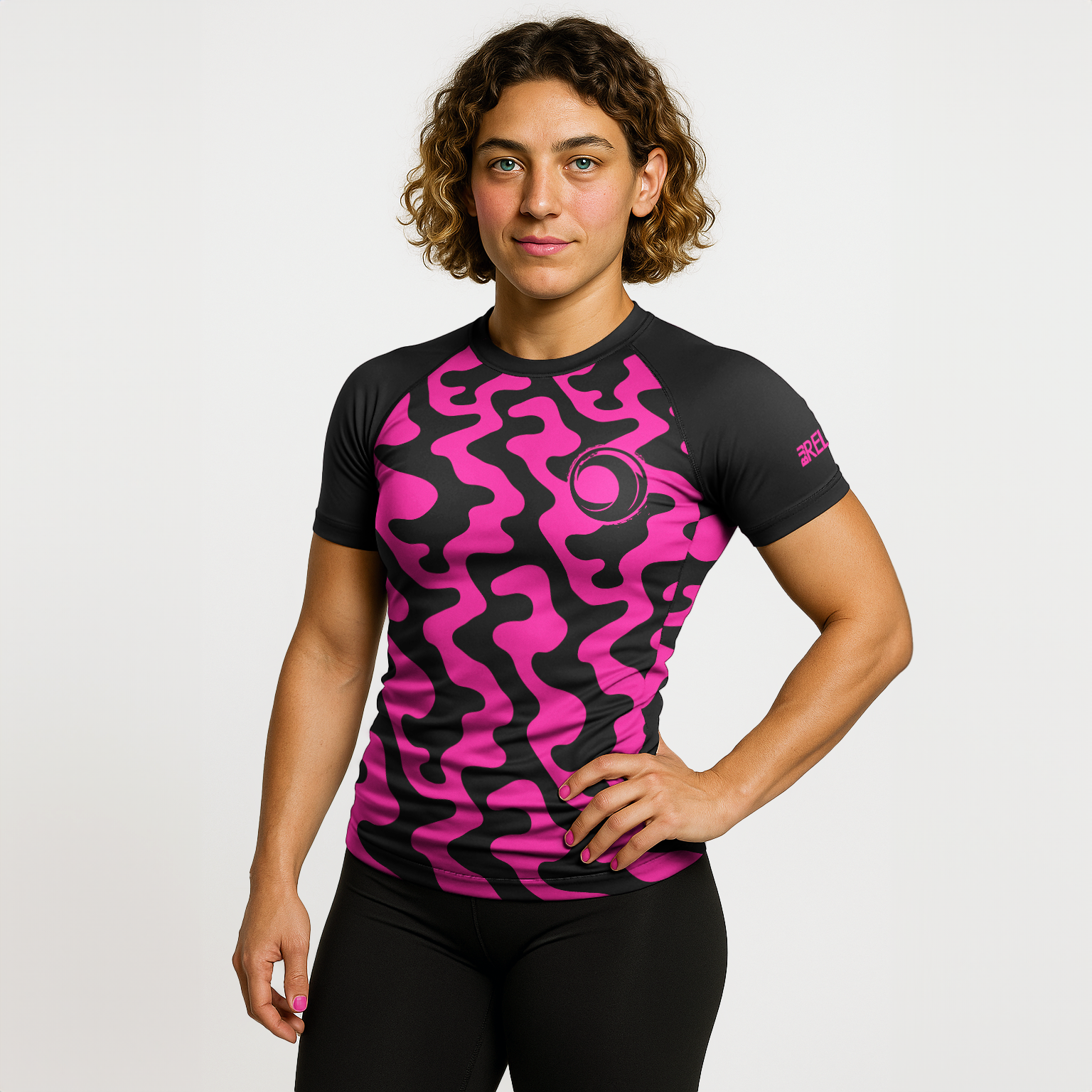
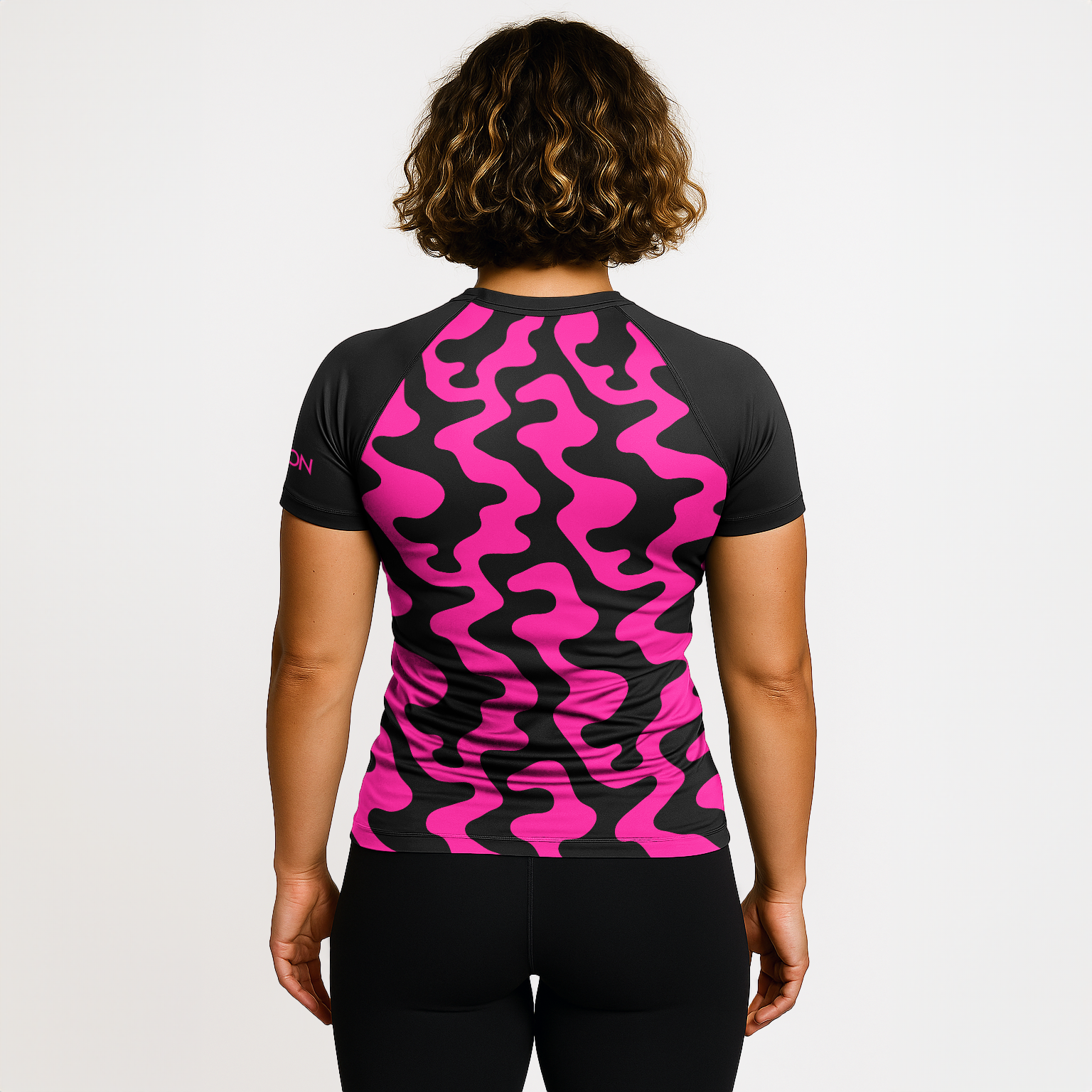
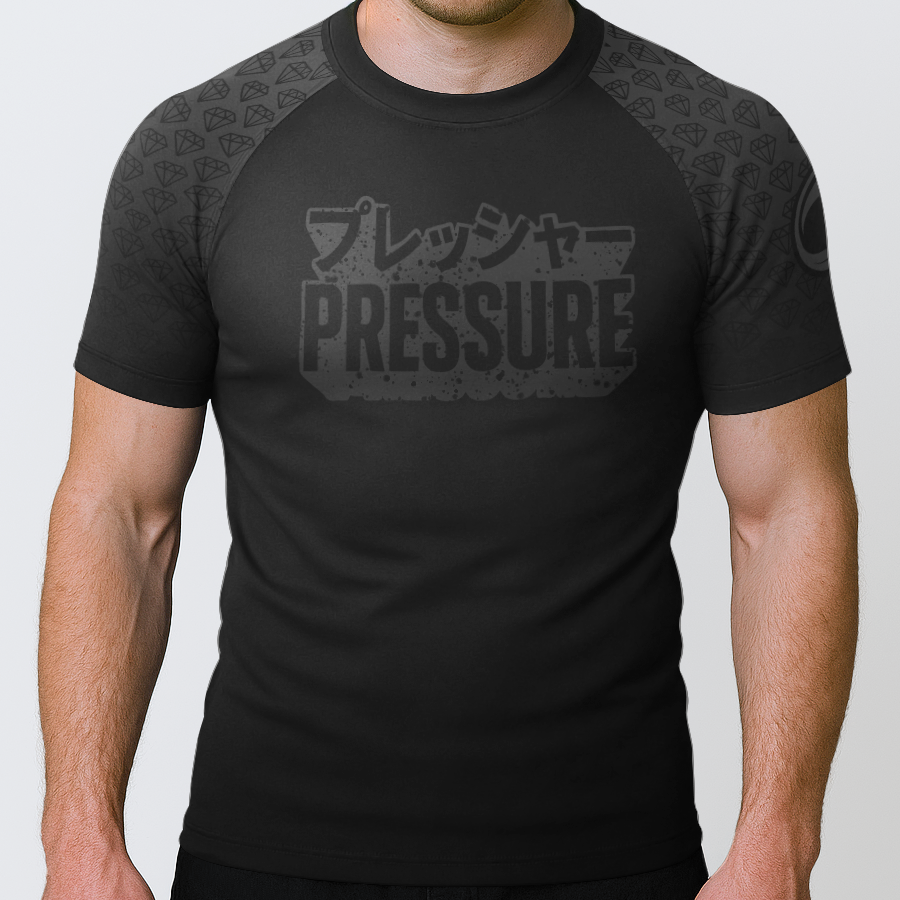
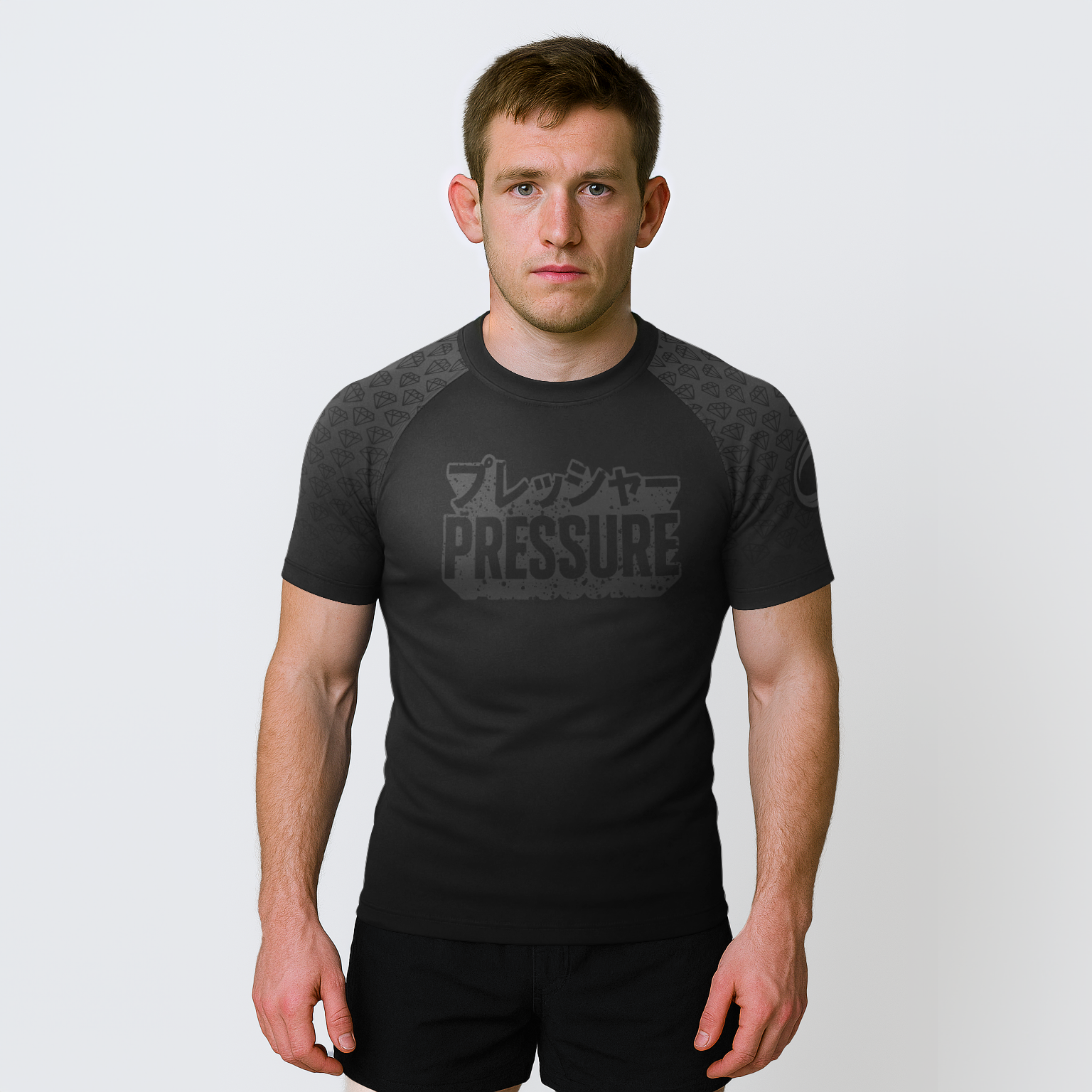
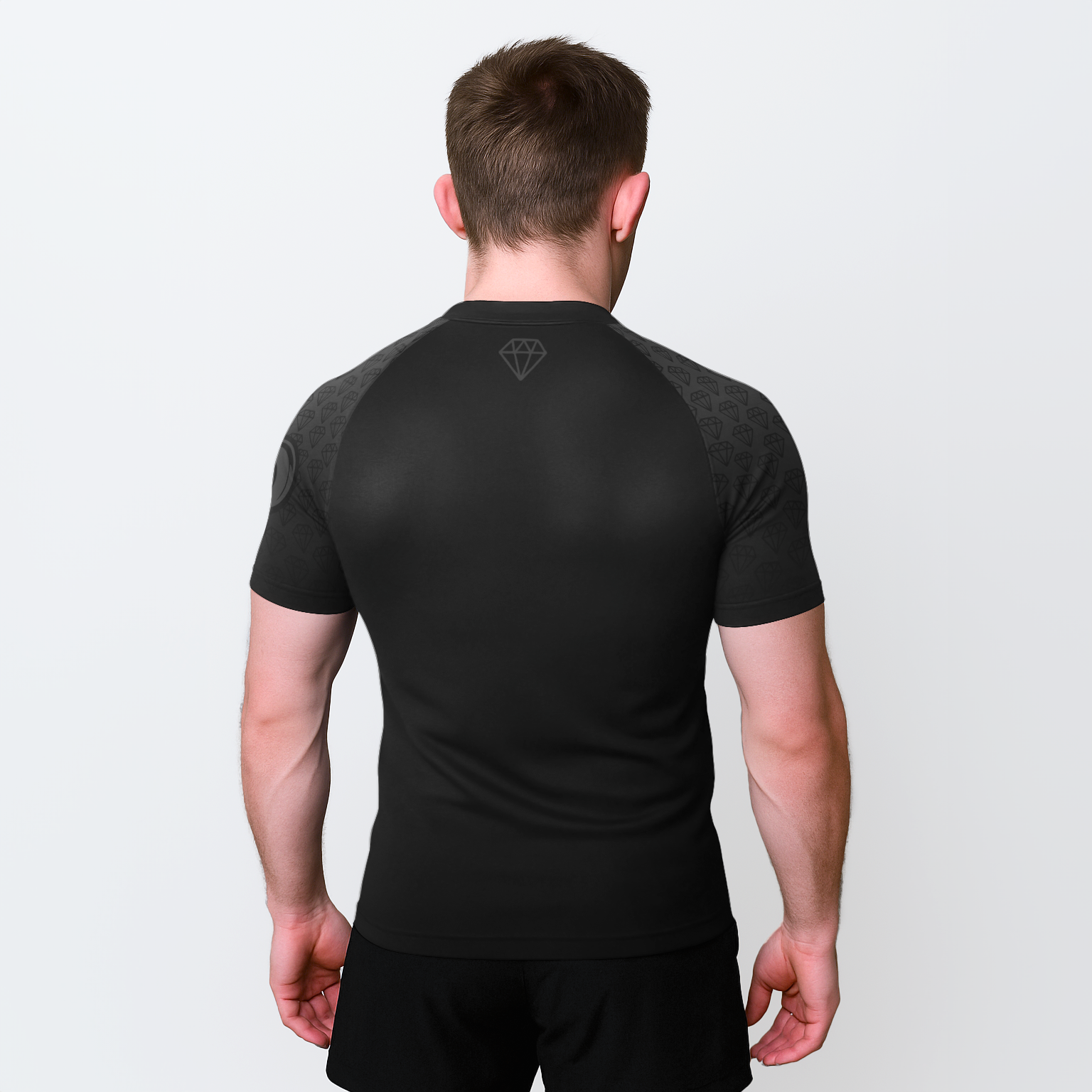
This is where beginners either overthink things or show up in gear that makes training awkward. Nogi clothing should be close-fitting, durable, and clean. A rash guard and grappling shorts are the standard. Spats are optional, but a lot of people like them for comfort and mat burn prevention.
A loose T-shirt is not ideal because it gets stretched, twisted, and soaked fast. Basketball shorts with open pockets are worse because toes can get caught during scrambles, guard retention drills, or takedown entries. If you are shooting a bad double leg and your partner's foot catches in your pocket, everyone stops having a good time.
For your first few weeks, focus on function more than style. You want gear that stays in place when you're bridging out of mount, inverting badly from half guard, or trying to hand fight from turtle. Bring water, shower after class, trim your nails, and keep a second set of clothes if you commute. Those little details matter more than beginners realize.
What to expect in a nogi class
Most classes follow a familiar rhythm: warm-up, technique, drilling, then live training. The difference is in the feel. Nogi rounds often have more hand fighting, more stance work, and more transitions where one small mistake turns into a big positional change.
For example, in gi training you might stall a pass for a few seconds with a sleeve grip. In nogi, if your frames are late and your hips are flat, the pass can happen immediately. In gi, a collar grip can slow someone down while you recover guard. In nogi, recovering guard usually depends more on head position, elbow-knee connection, and quick movement.
That is why beginners should pay close attention during drilling. The details are not there to make technique look fancy. They are what keep simple positions working when sweat and pace start to matter. If your coach shows a knee shield with an underhook, the underhook is not optional. If they teach front headlock defense and mention hand position before posture, that order matters.
Build a simple beginner game first
A lot of people start nogi training by chasing whatever looks exciting on social media. That usually leads to a messy first six months. A better approach is to build around a few dependable positions.
From standing, learn a basic stance, hand fighting, and one takedown or entry you can repeat. That might be a collar tie to snap down, a single leg setup, or a body lock entry against another beginner. You do not need a full wrestling system right away.
On bottom, focus on closed guard, half guard, and basic open guard retention. Closed guard teaches posture control and simple attacks. Half guard teaches frames, underhooks, and how to avoid getting flattened. Open guard in nogi can get advanced fast, but even learning how to keep your feet between you and your partner is a big start.
On top, learn how to stay heavy in side control, hold mount, and finish a basic guard pass. A beginner who can knee cut decently, crossface with purpose, and settle into side control will improve fast. A beginner who constantly jumps on low-percentage submissions usually stays inconsistent.
For submissions, keep it simple. Rear naked choke, guillotine, straight armbar, and triangle are all common early tools. You will see leg locks in nogi sooner than in many gi rooms, but that does not mean you need to make them your whole game immediately. Learn the basic positions, learn the safety rules, and take your coach's lead on when to add them.
How to approach sparring when you're new
Rolling is where beginners either learn fast or burn themselves out. If you treat every round like a scramble contest, nogi will feel exhausting and random. If you slow down enough to recognize positions, you will get more out of each class.
Start rounds with a goal. Maybe your goal is to maintain posture in closed guard. Maybe it is to recover half guard instead of giving up mount. Maybe it is to hand fight before shooting instead of diving from too far away. Small goals work better than vague ones like try to win.
You also need to get comfortable tapping early. In nogi, transitions happen quickly, especially with guillotines, heel hook entries, arm drags to the back, and front headlock attacks. There is no prize for being stubborn in training. Tapping early lets you reset and learn more.
Training with experienced partners helps if you let it. A good blue belt or purple belt can give you realistic resistance while still letting you work. One round they may expose your bad head position during a shot. The next round they may let you feel what a proper underhook in half guard is supposed to do. That kind of feedback is hard to get if you only try to survive.
Common mistakes when starting nogi training
The biggest beginner mistake is confusing speed with skill. Nogi is faster than gi in many exchanges, but trying to move faster than you understand usually makes things worse. You end up reaching with your arms, leaving your neck exposed, and scrambling straight into worse positions.
Another common mistake is neglecting defense because offense seems more fun. Every new student wants to attack submissions. Fewer want to spend time learning frames from side control, mount escapes, and how to keep their elbows tight when someone isolates an arm. But defense is what gives you enough time to build offense later.
The third mistake is training nogi like grips do not matter. Grips absolutely still matter. They just look different. Wrist control, elbow ties, collar ties, underhooks, overhooks, and head position replace a lot of what cloth grips do in the gi. If you ignore hand fighting, you will feel one step behind everywhere.
Finally, do not judge your progress only by who taps whom. A white belt who gets passed less, panics less, and starts recognizing when a darce or kimura is developing is improving, even if they still spend most rounds defending.
Gear, recovery, and training frequency
For most beginners, two to three nogi classes per week is enough to improve without feeling wrecked. More can work if your body handles it and your schedule is realistic, but consistency beats the occasional five-class burst followed by a week off.
Recovery for nogi is not complicated, but it does matter. Clean gear every session. Replace worn shorts before seams become a problem. Keep a decent gym bag setup so you are not forgetting tape, a mouthguard, or clean clothes. If you train back-to-back classes, hydration and a quick post-training meal make a difference in how you feel the next day.
As you stick with it, quality gear becomes less about looking the part and more about reducing distractions. A rash guard that does not bunch up during sprawls, shorts that stay secure during guard passing, and training equipment that holds up over time all make regular practice easier. That is part of why many students end up building a dedicated nogi setup once they know they are committed.
How to know you're on the right track
Progress in nogi often shows up before confidence does. You may still feel overwhelmed, but now you recognize when someone is setting up an underhook pass. You may still get taken down, but your stance is no longer upright and careless. You may still lose back control, but at least you know to fight the choking hand first.
That is real progress.
Stick with the basics long enough for them to become habits. Ask questions after class. Train with people who make you work without turning every round into a brawl. If you do that, nogi starts making sense much sooner than most beginners think.
Shop Our New Releases
Fast & Free Shipping!
Fast & Free Shipping!
Fast & Free Shipping!
Fast & Free Shipping!

Fast & Free Shipping!

Fast & Free Shipping!