Gi Versus No Gi Differences That Matter
If you have ever finished a hard no gi round, then put the gi back on the next day and felt like everything suddenly slowed down and got stickier, you already know the gi versus no gi differences are not just about clothing. They change how you grip, pass, pin, escape, and even how tired you feel after five rounds.
A lot of beginners get told that gi is more technical or that no gi is more athletic. Neither statement is fully wrong, but neither tells the whole story. Both are technical. Both can be fast, grinding, strategic, and frustrating. The real difference is how the rules of control change when you add a jacket, pants, and belt that your training partner can grab.
Gi versus no gi differences in how the match feels
The first thing most people notice is pace. Gi training often has more moments of tension and pause because strong grips can slow everything down. A sleeve grip and collar grip can keep someone in place long enough to set up a scissor sweep, break posture from closed guard, or start climbing toward the back. In no gi, those same holding positions are harder to maintain, so exchanges tend to reset faster.
That does not mean gi is easy or relaxed. Anyone who has spent a round stuck under side control with a cross collar grip knows how miserable a slower pace can feel. It just means the friction is different. In gi, your opponent can attach to you more securely. In no gi, movement and timing often take a bigger role because sweat and lack of cloth make static control less reliable.
You can see this clearly in common training situations. In gi sparring, a newer white belt may get stalled out by a simple pants grip during torreando defense. In no gi, that same player might recover guard more easily because the passer cannot anchor on the fabric. On the other hand, no gi front headlock exchanges can become scrambles very quickly, especially when neither person can slow the action with sleeve grips.
Grips change almost everything
The biggest of all gi versus no gi differences is gripping.
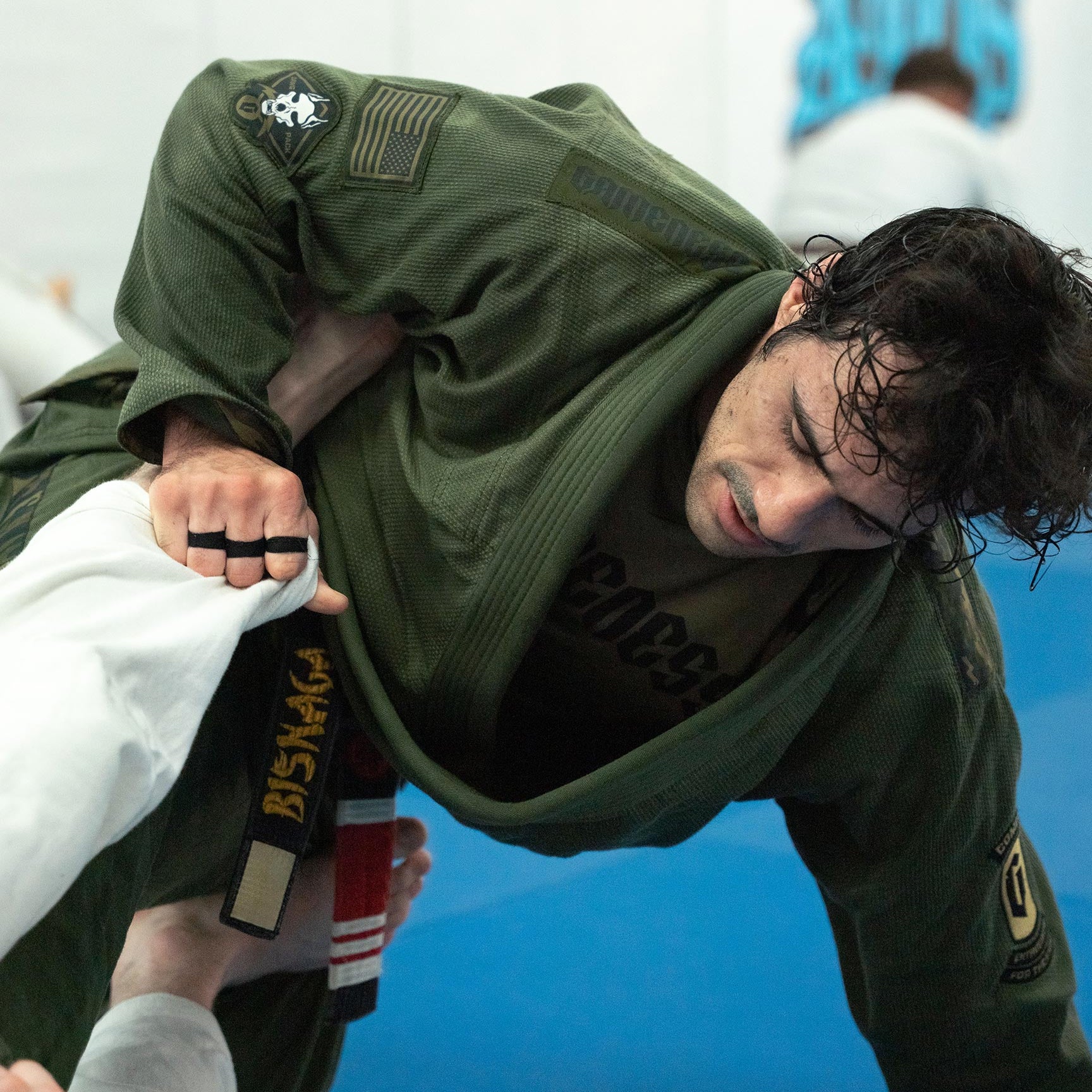
In gi, you have direct access to sleeves, collars, lapels, pant legs, and belt grips. These grips create layers of control that simply do not exist in no gi. A cross collar grip from guard can break posture. A pants grip at the ankle can disrupt a guard pass. Lapel grips can trap an arm, pin a shoulder, or create worm-style entanglements that force very specific reactions.
In no gi, control comes more from hooks, head position, wrist control, underhooks, overhooks, body locks, and connection through pressure. You are managing limbs and alignment instead of grabbing cloth. If your chest-to-chest pressure is loose, or your inside tie disappears for a second, the position can slip away fast.
This changes technique selection. A gi player may build an entire guard around collar-sleeve, spider guard, or lasso because the grips support the structure. A no gi player may prefer butterfly guard, seated guard, shin-to-shin, or wrestle-up sequences because they translate better without fabric. Even shared positions behave differently. Closed guard in the gi gives you more ways to break posture and attack chokes. Closed guard in no gi often leans more toward overhooks, clamp-style control, hip movement, and quick transitions to submissions or sweeps before the opponent slips free.
Submissions are different even when the positions look the same
People often ask whether there are more submissions in gi or no gi. The better answer is that the submission landscape changes.
In gi, collar chokes become a major part of the game. Cross collar choke, loop choke, bow and arrow, clock choke, and baseball bat choke all rely on material. Even when they do not finish, the threat of the choke opens reactions for guard passes, back takes, and sweeps. A simple deep collar grip can make someone defend their neck before you ever start the actual attack.
In no gi, you lose fabric-based chokes but gain a cleaner path to many leg attacks and head-and-arm style controls. Guillotines, darces, anacondas, rear naked chokes, heel hooks where rules allow them, and straight ankle locks become more central. The pace of entry is usually faster too. A sloppy single-leg can turn into a guillotine exchange in a second.
Armbar, triangle, kimura, and rear naked choke exist in both formats, but the setups can feel completely different. For example, a triangle in gi may come off broken posture from a collar grip. In no gi, the same triangle often depends more on wrist control, overhooks, and faster angle creation.
Passing and guard retention require different habits
Guard passing is one of the clearest places where format matters.
In the gi, passing often involves grip fighting before your pass even starts. If you ignore a sleeve grip or let someone establish a strong collar-and-pants connection, you may never get moving. Standing passes, knee cuts, leg drags, and pressure passes all still work, but you need to clear handles first. A lot of newer students learn this the hard way when they try to bull-rush through spider guard and spend the whole round trapped at the sleeves.
In no gi, the challenge is often the opposite. You may get into a strong passing angle, but keeping the person pinned as you move around the legs is harder because there is less to hold. That is why body locks, chest pressure, head position, and quick transitions matter so much. If your hip switch is late or your upper-body control is loose, the bottom player can re-guard in a flash.
Guard retention shifts too. In gi, you can use sleeve grips and pant grips to frame, off-balance, and recover. In no gi, retention depends more on disciplined framing, shin positioning, pummeling your legs back inside, and moving before the passer settles. A player who relies heavily on fabric grips in the gi sometimes feels exposed in no gi until their frames and inversions catch up.
Takedowns and scrambles feel different
Standing exchanges change a lot once the gi comes off.
In gi, collar grips and sleeve grips can slow shots, create snap-downs, and open up trips and foot sweeps. Even simple off-balancing can become productive because the grips help you keep your opponent connected. That is why you often see more ashi waza, grip-fighting battles, and controlled entries from standing in gi tournaments.
In no gi, wrestling mechanics usually show up more directly. Shots tend to be cleaner, hand fighting is more dynamic, and scrambles after the initial takedown attempt are often longer. If someone sprawls but fails to secure a front headlock, the whole exchange may continue through a reshot, a sit-out, or a go-behind.
For hobbyists, this matters because your comfort on the feet may change depending on format. Someone who feels confident with collar drags and foot sweeps in gi may feel less secure without those grips. Someone with a wrestling background often adapts to no gi faster, especially in the takedown phase.
Gear, skin, and day-to-day training practicality
Some gi versus no gi differences are not technical at all. They are practical.
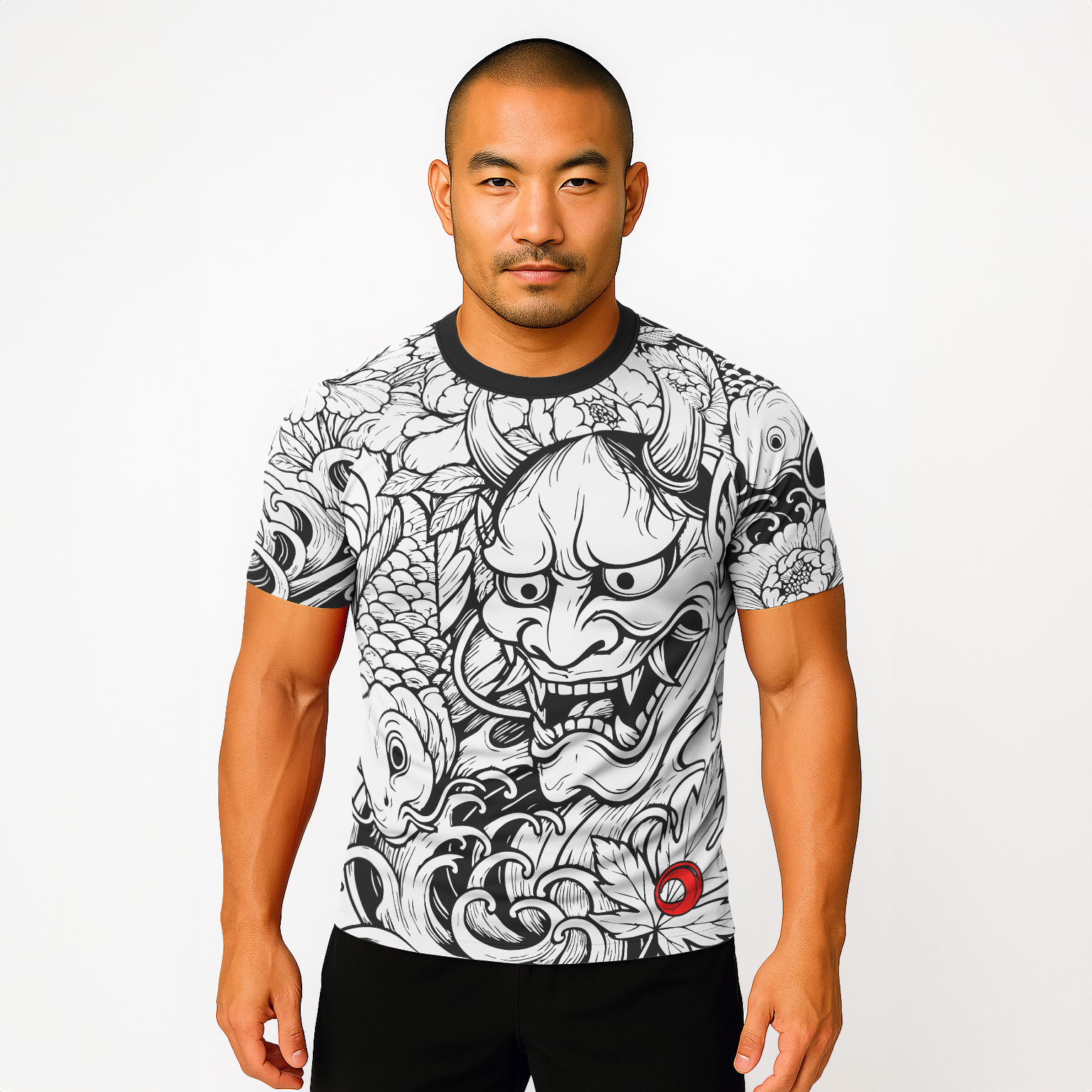
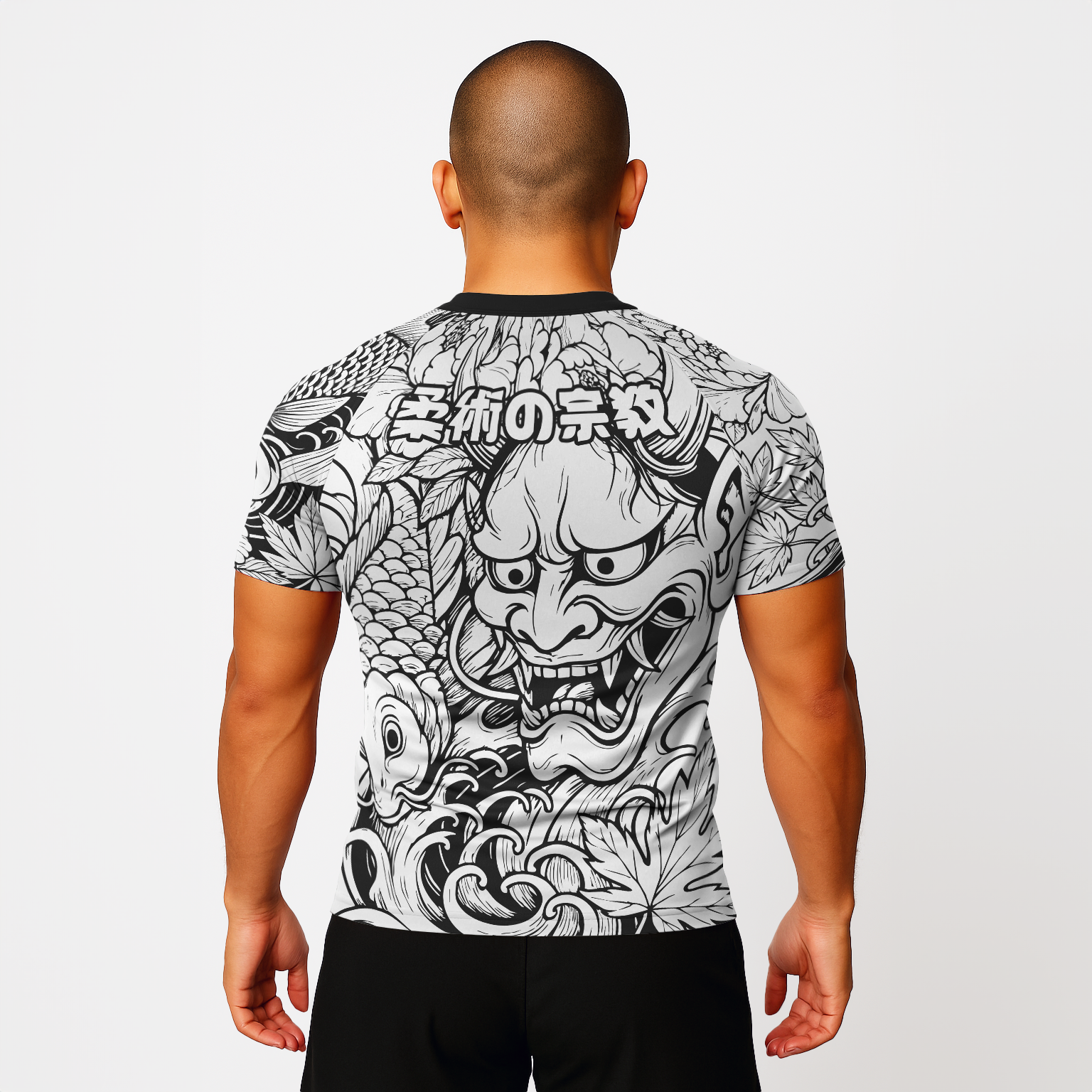
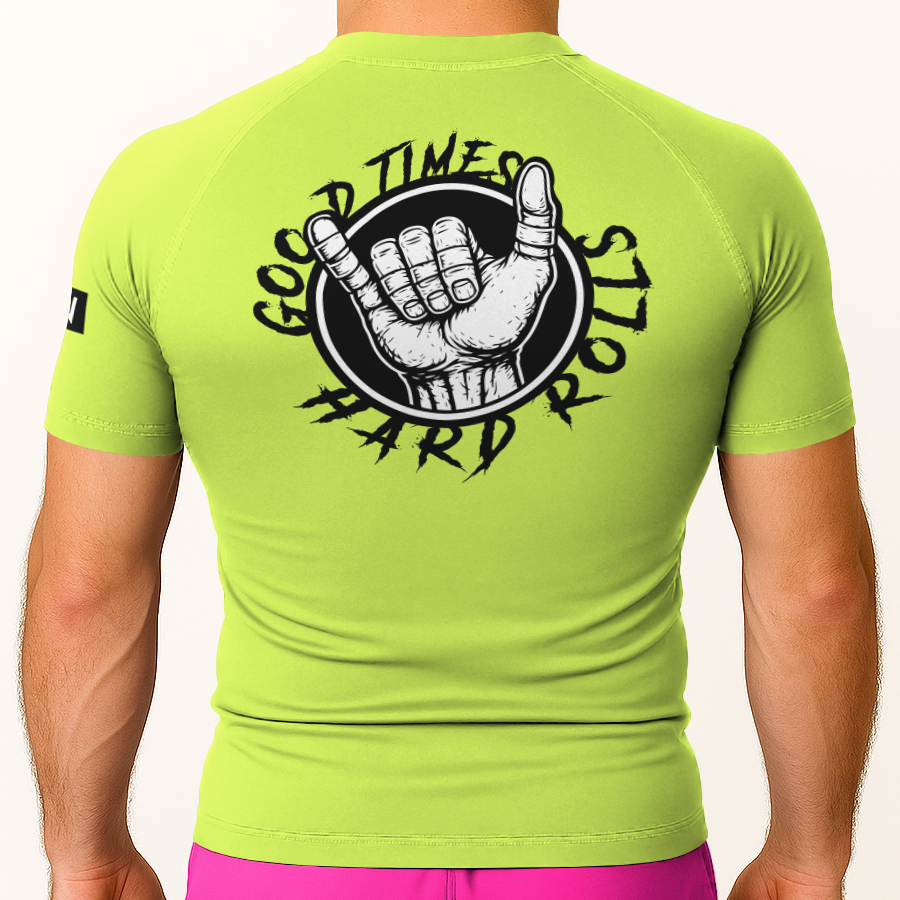
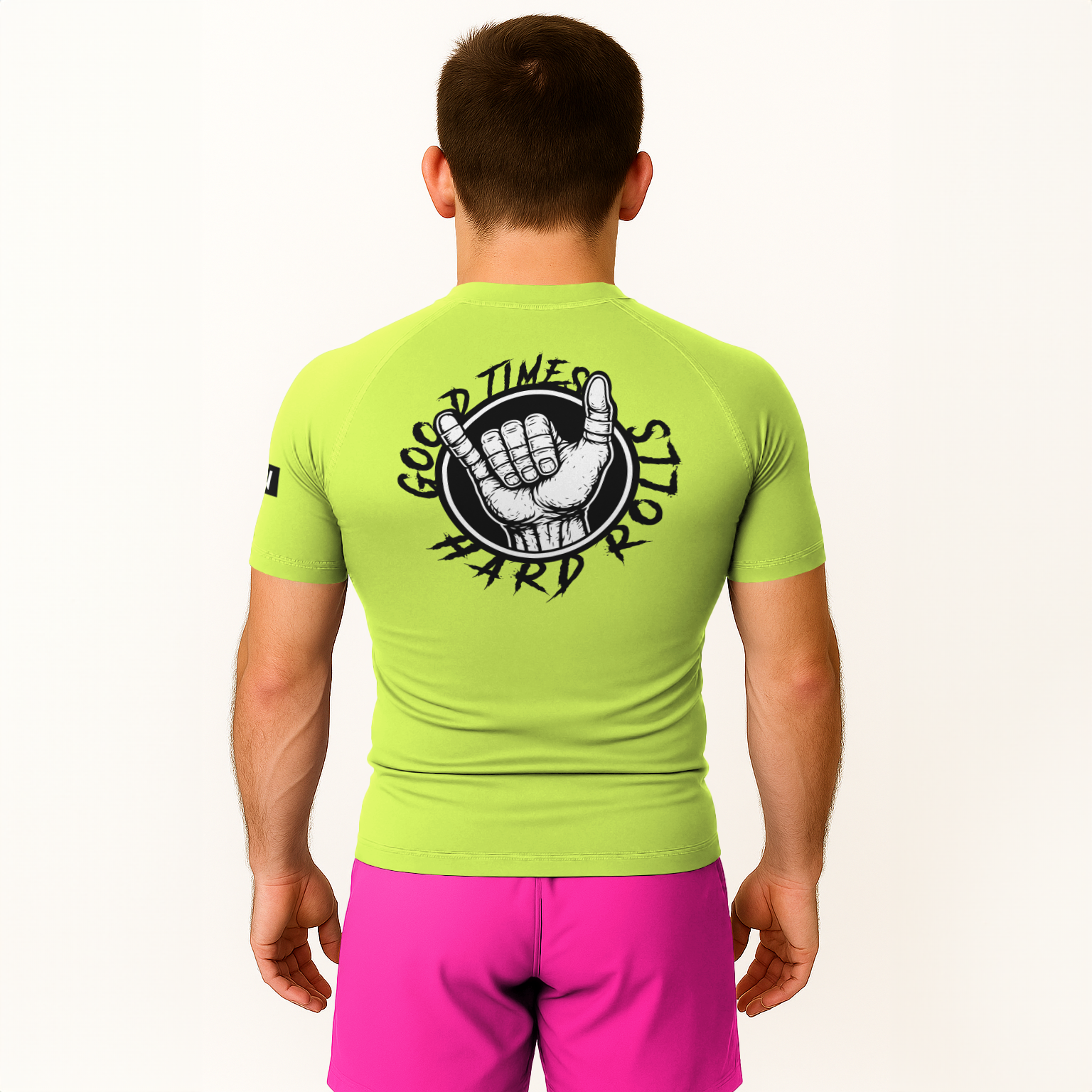
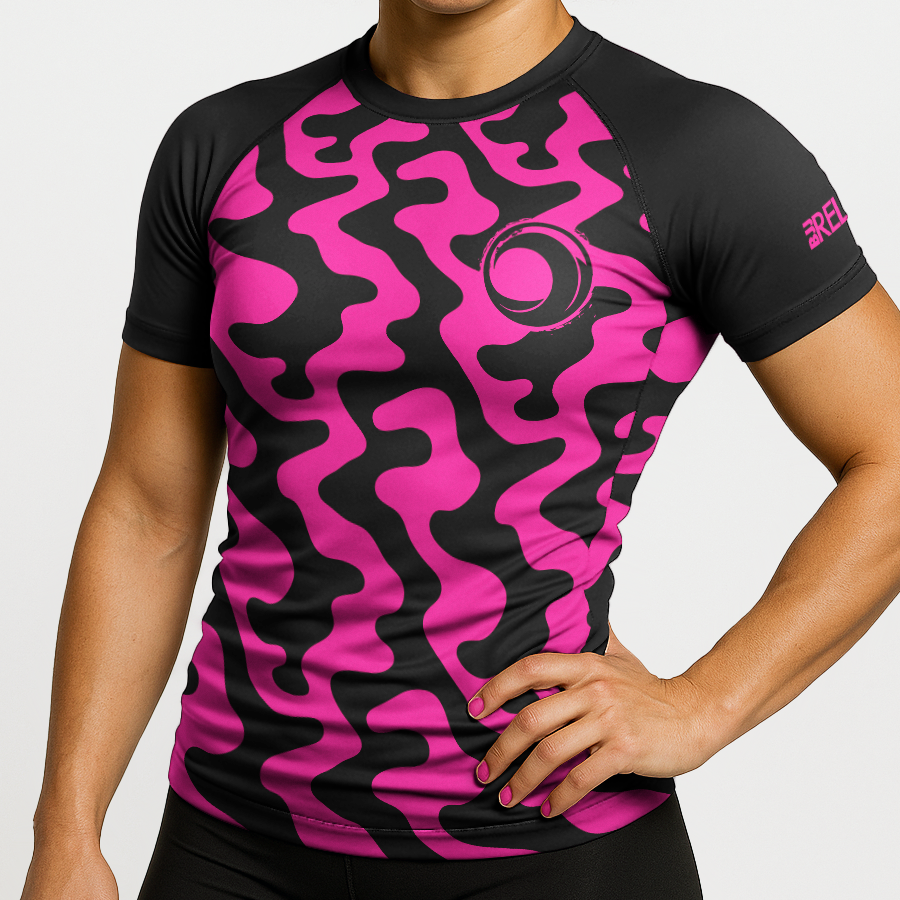
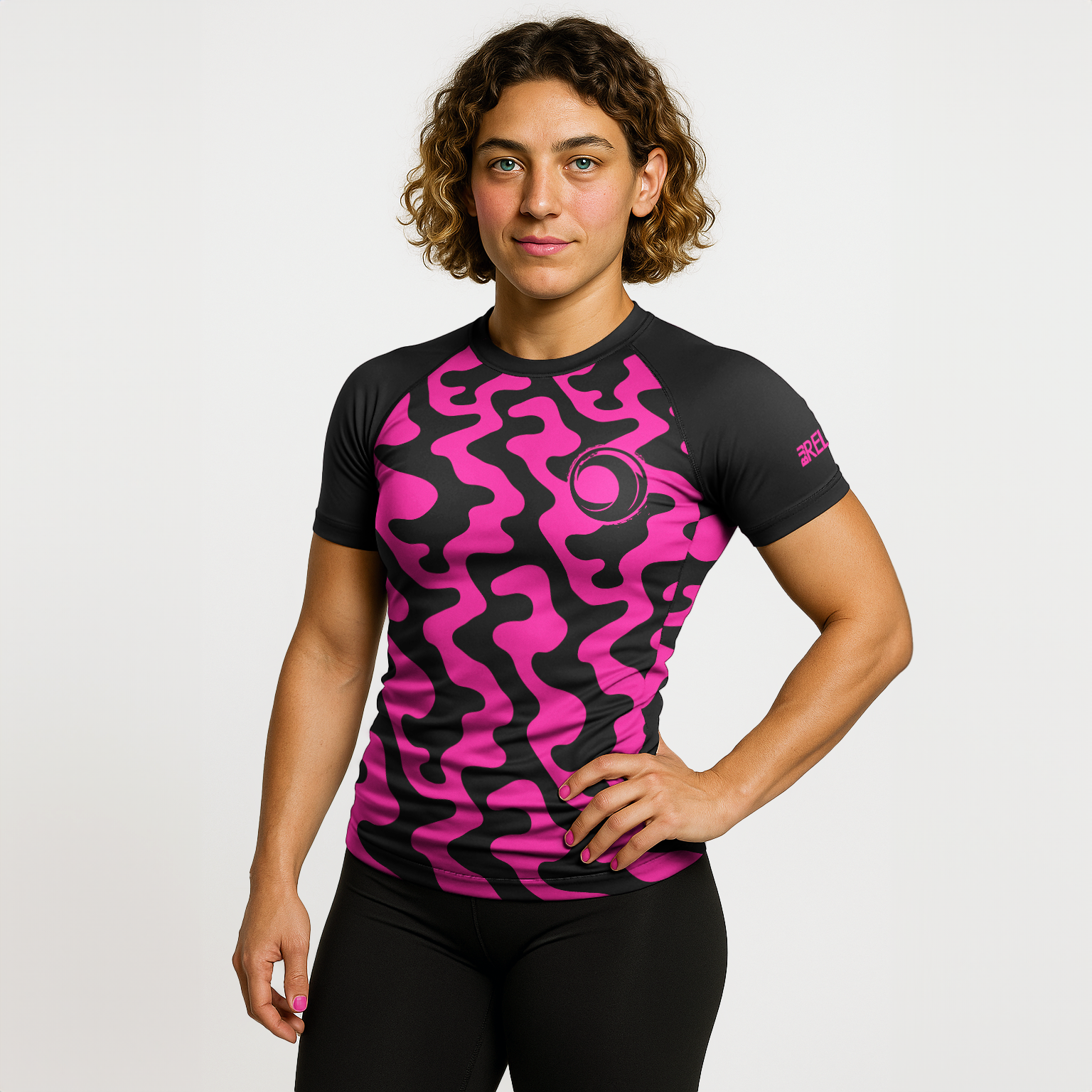
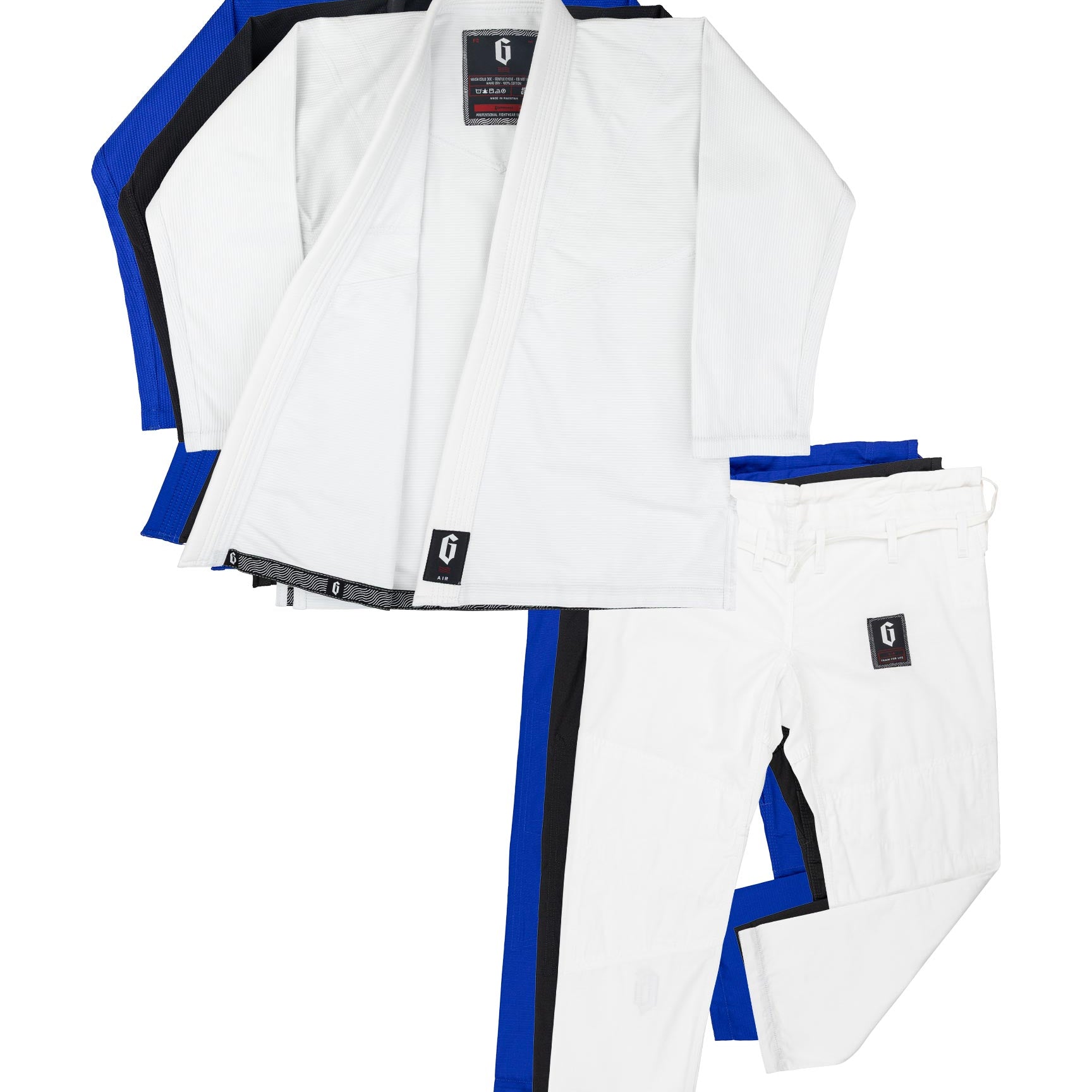
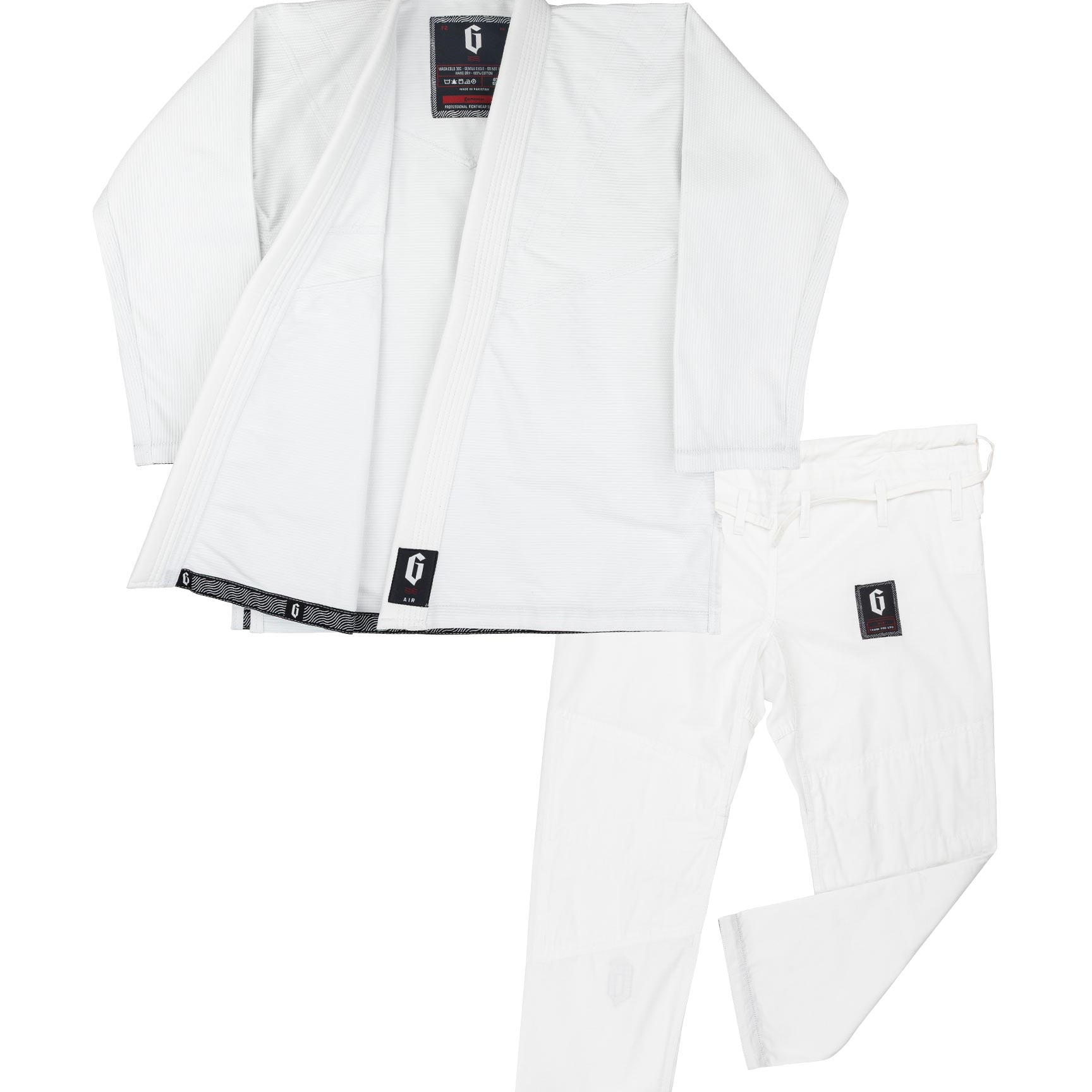
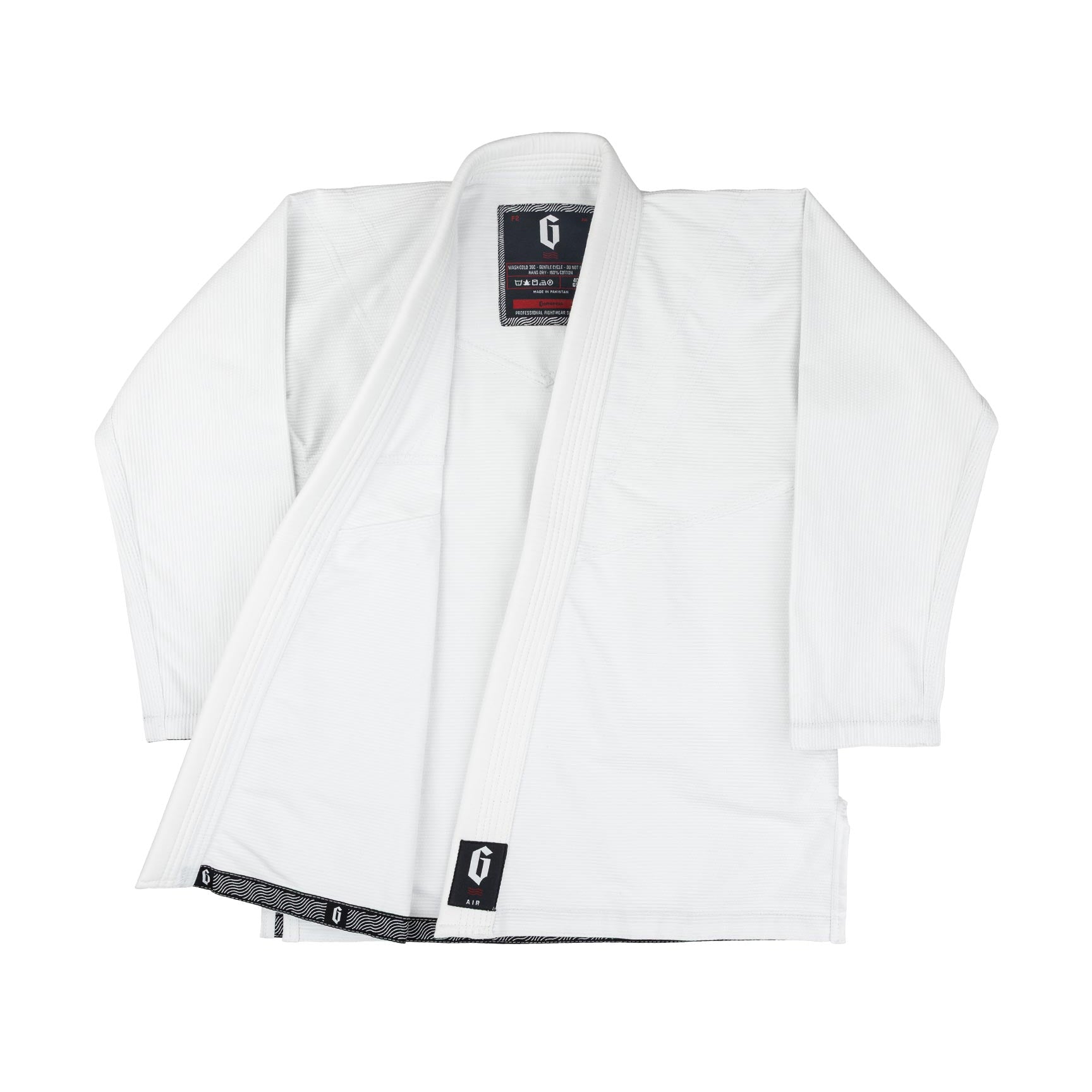
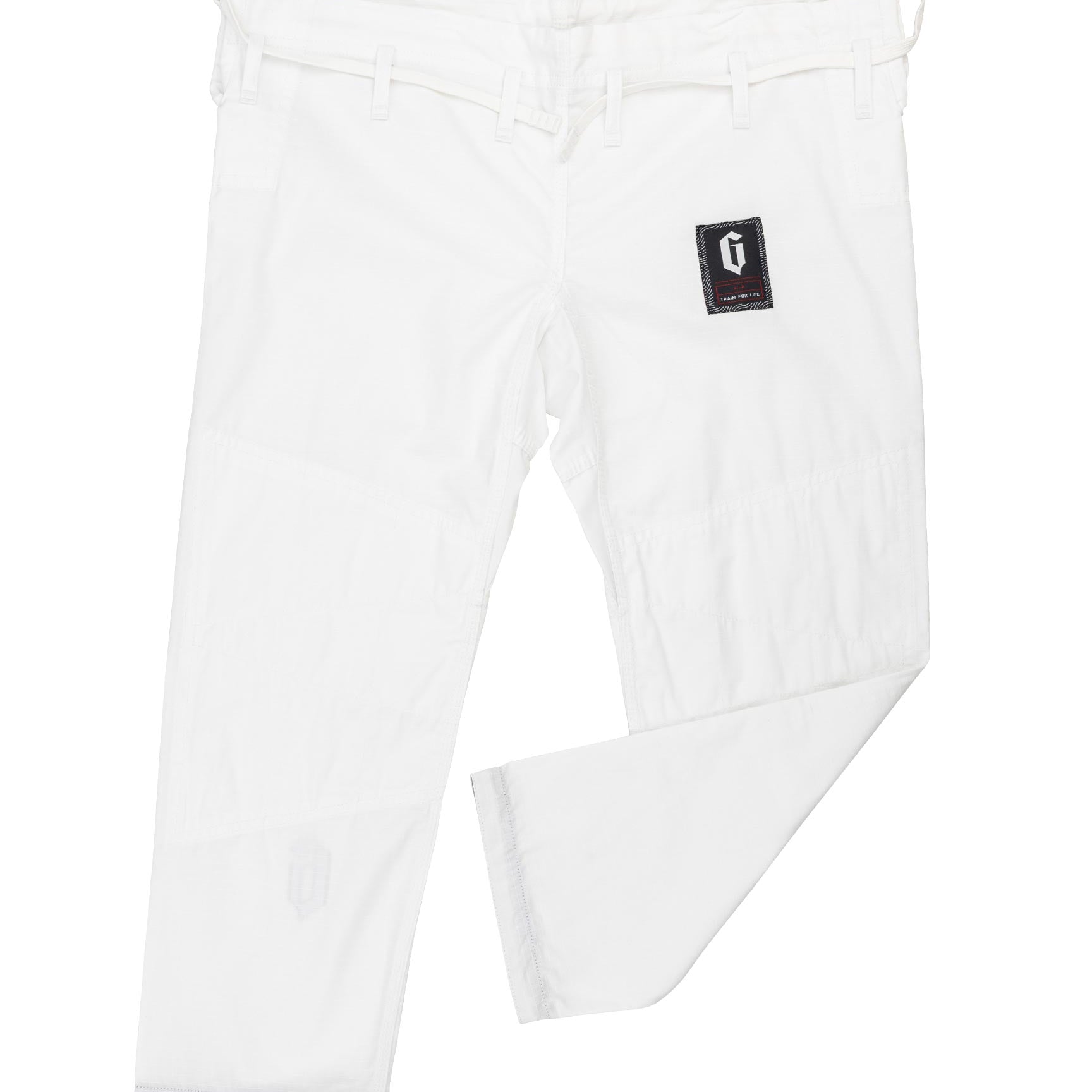
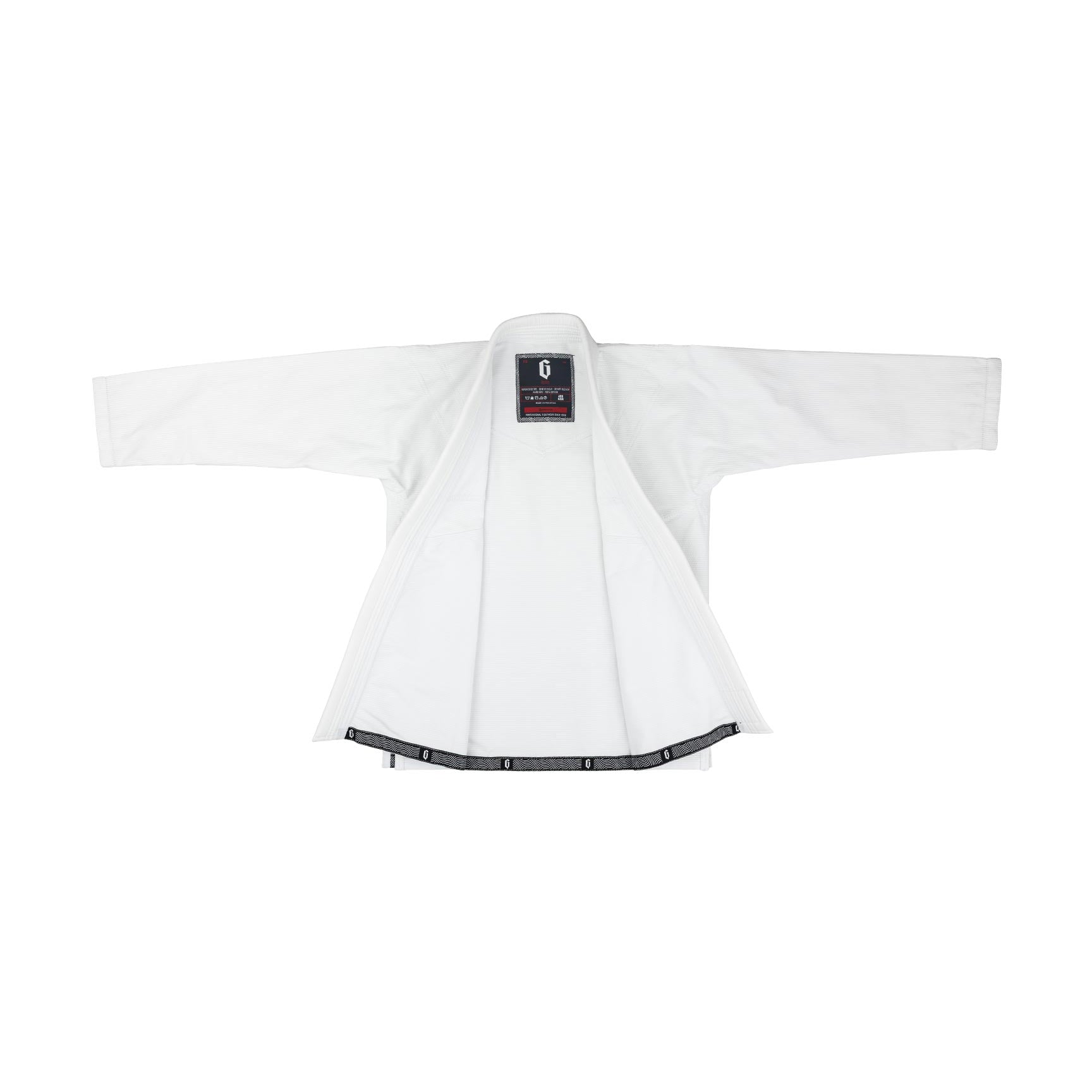
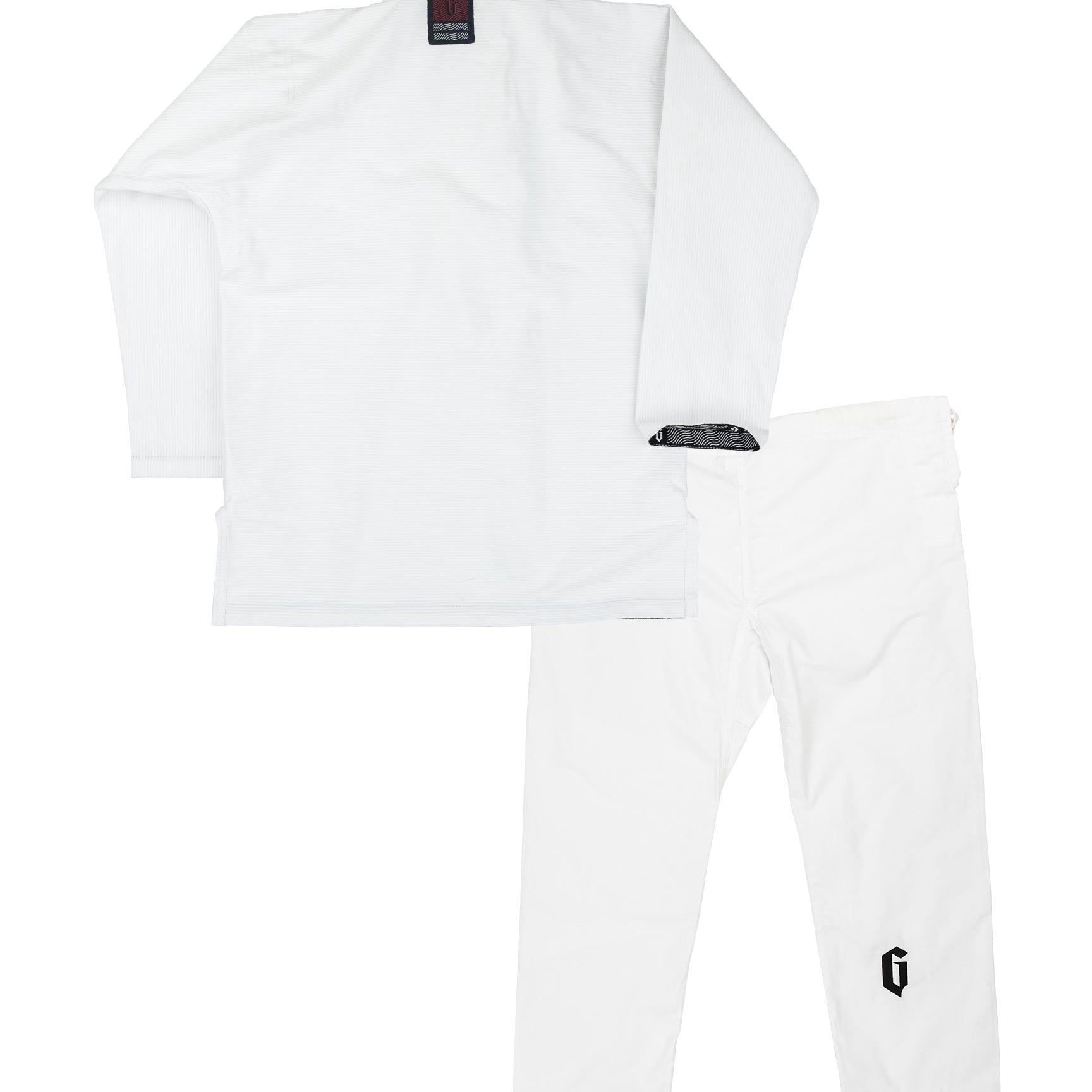
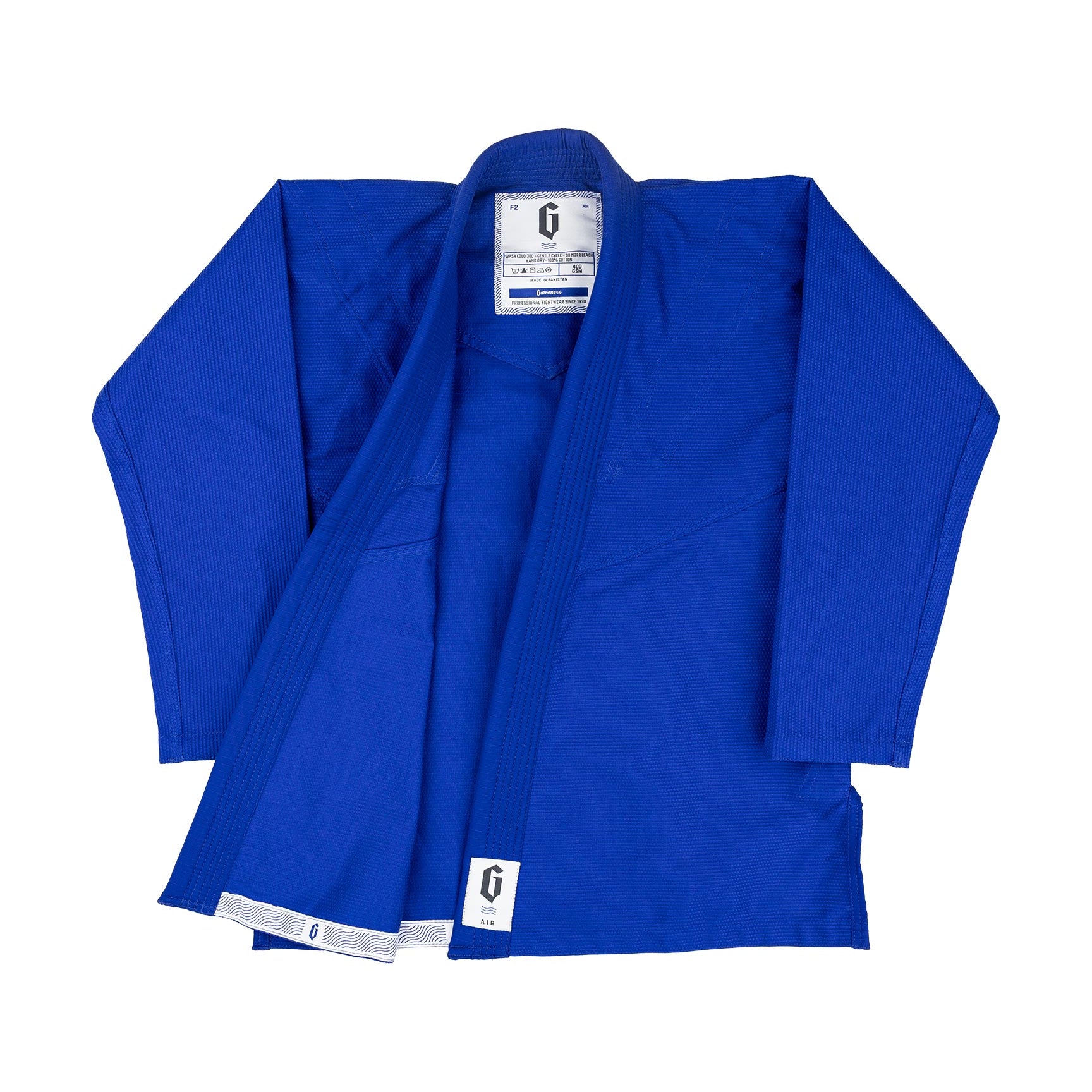
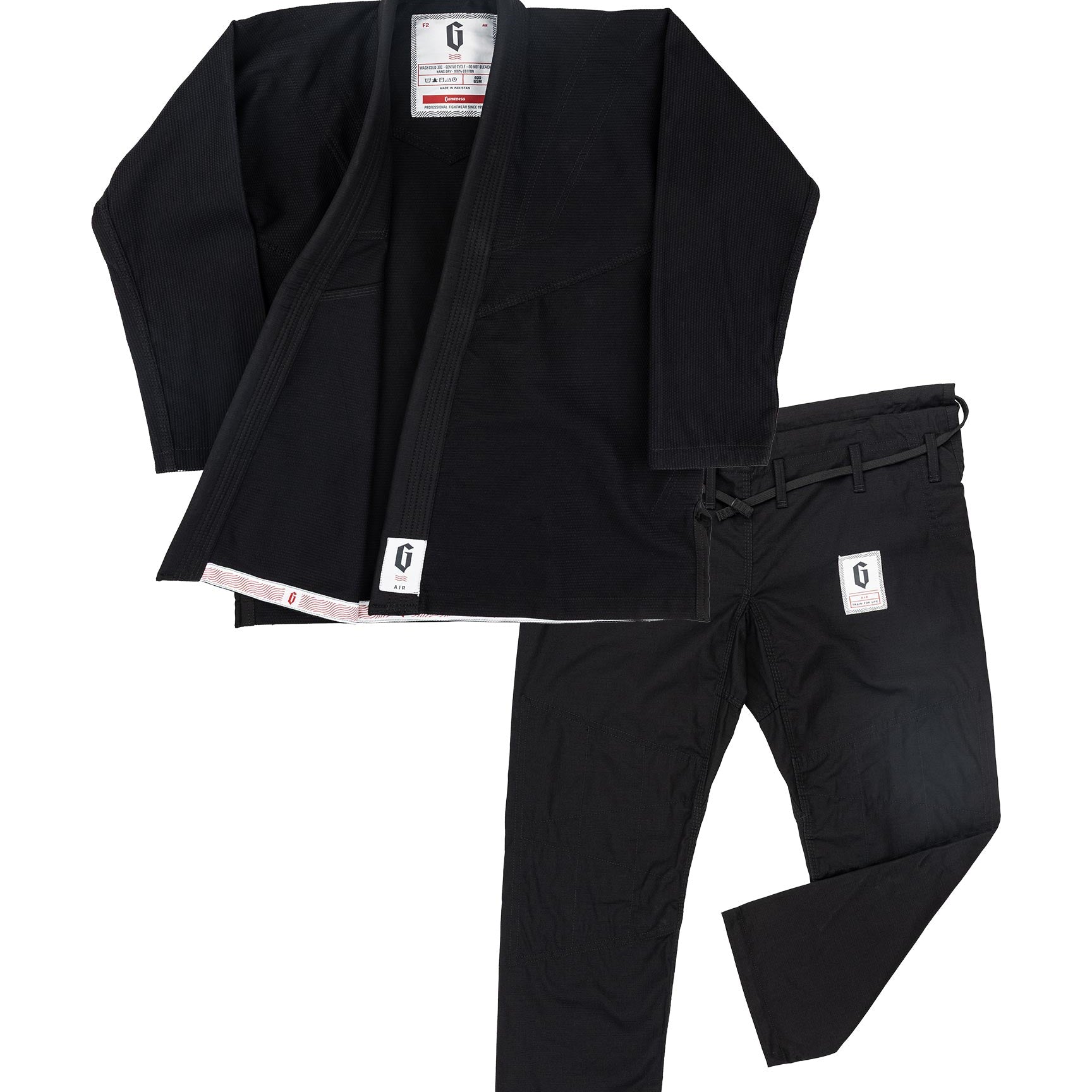
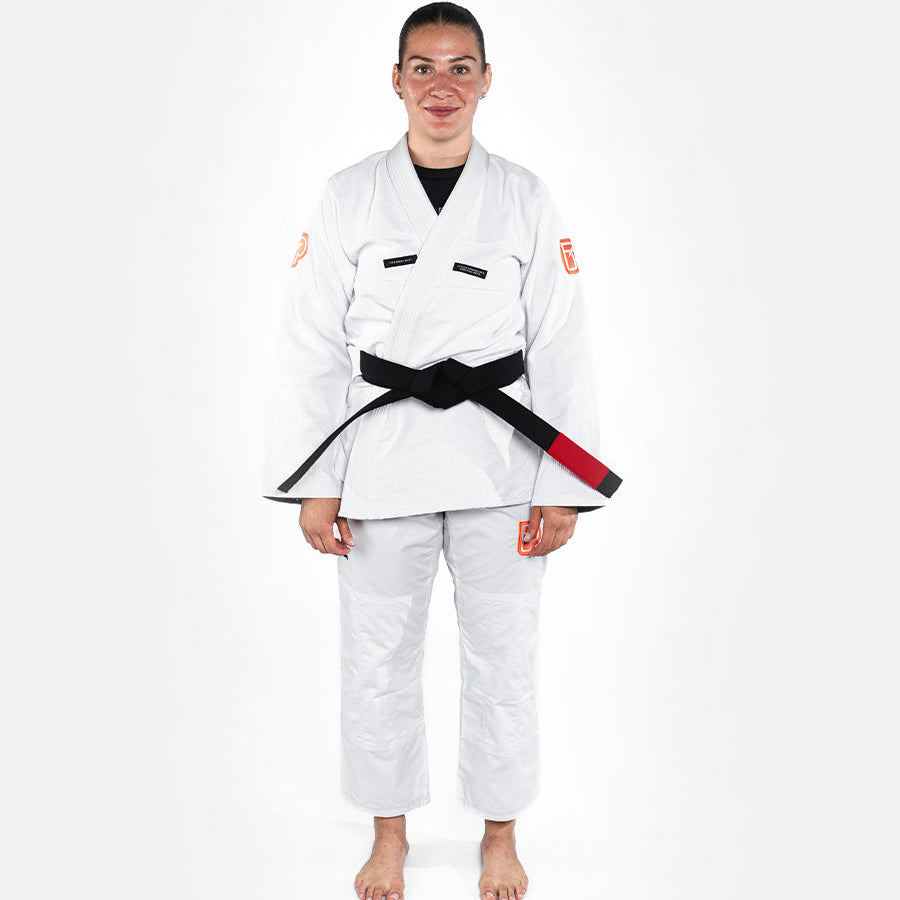
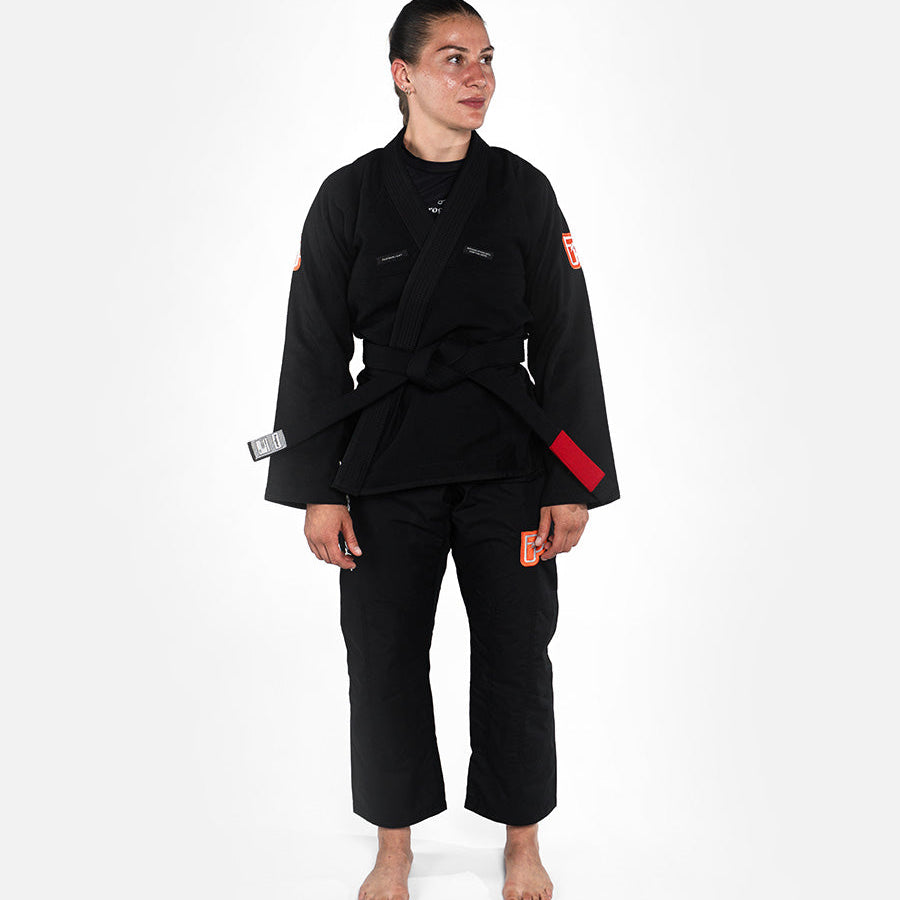
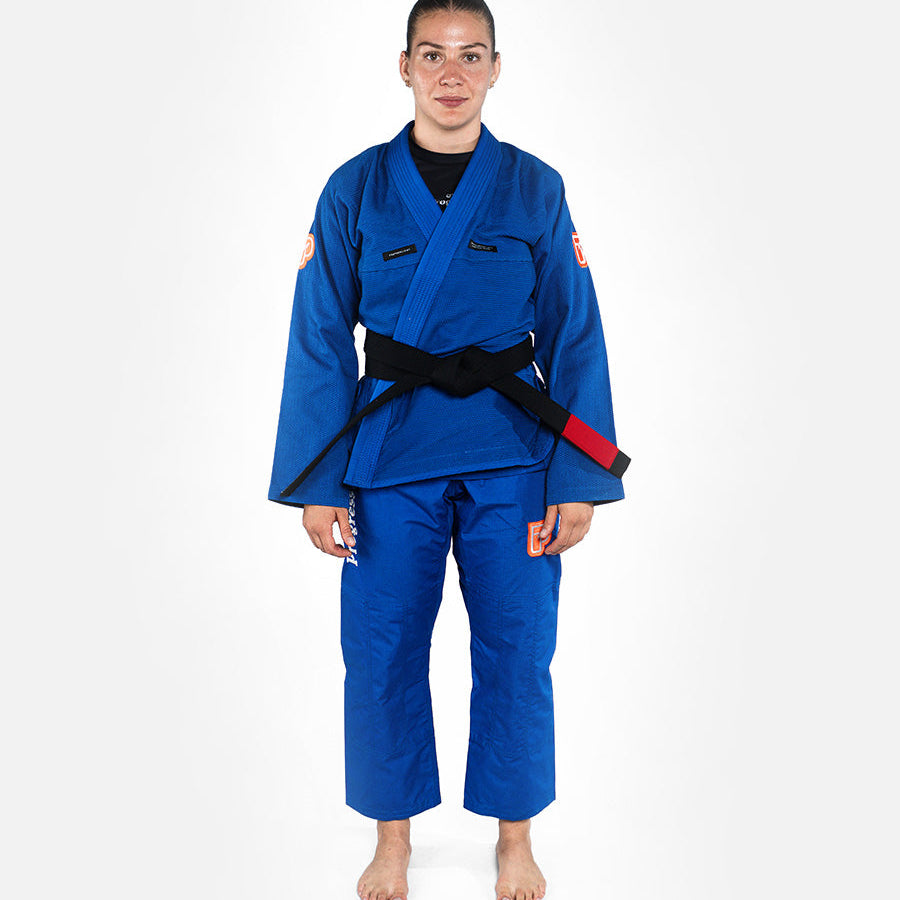
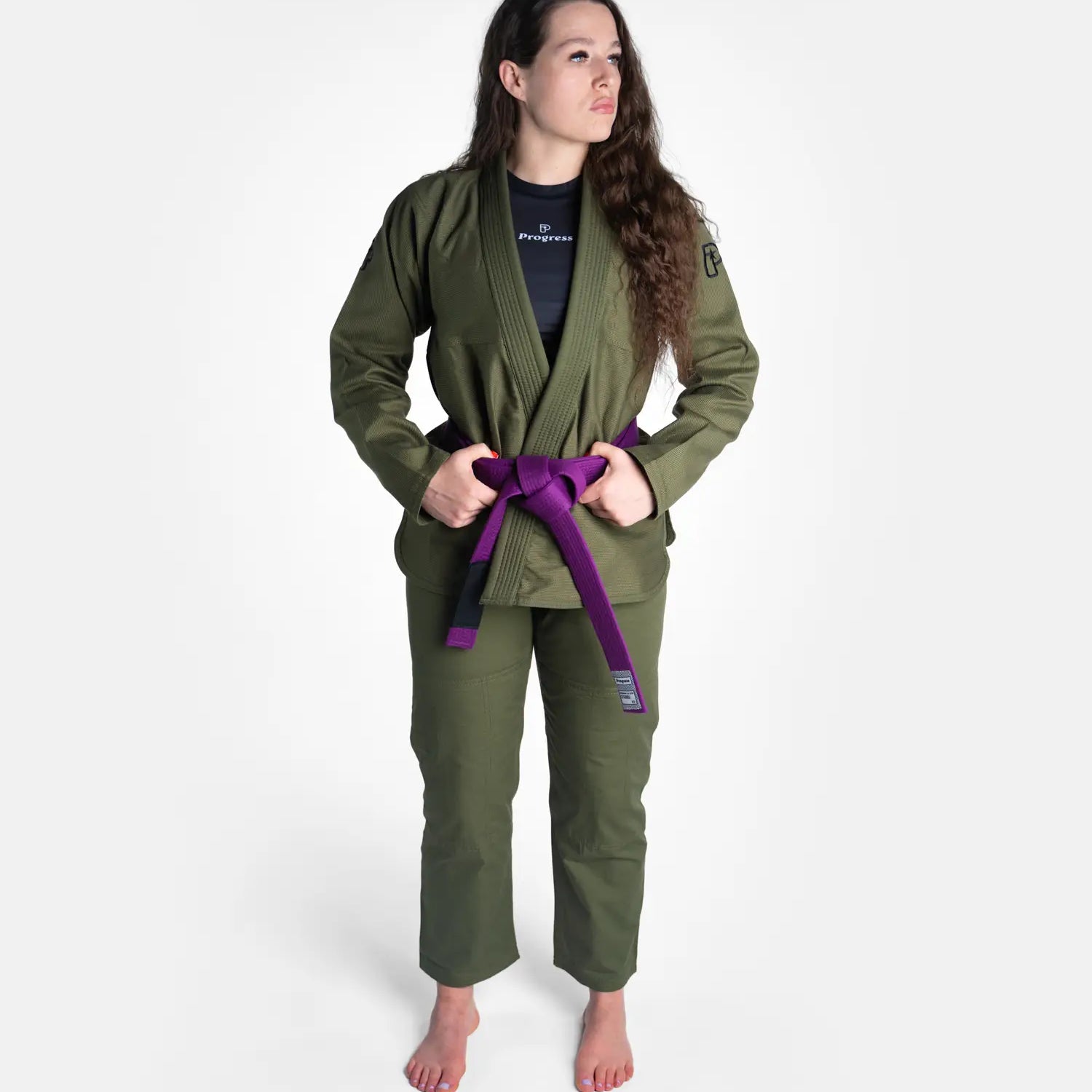
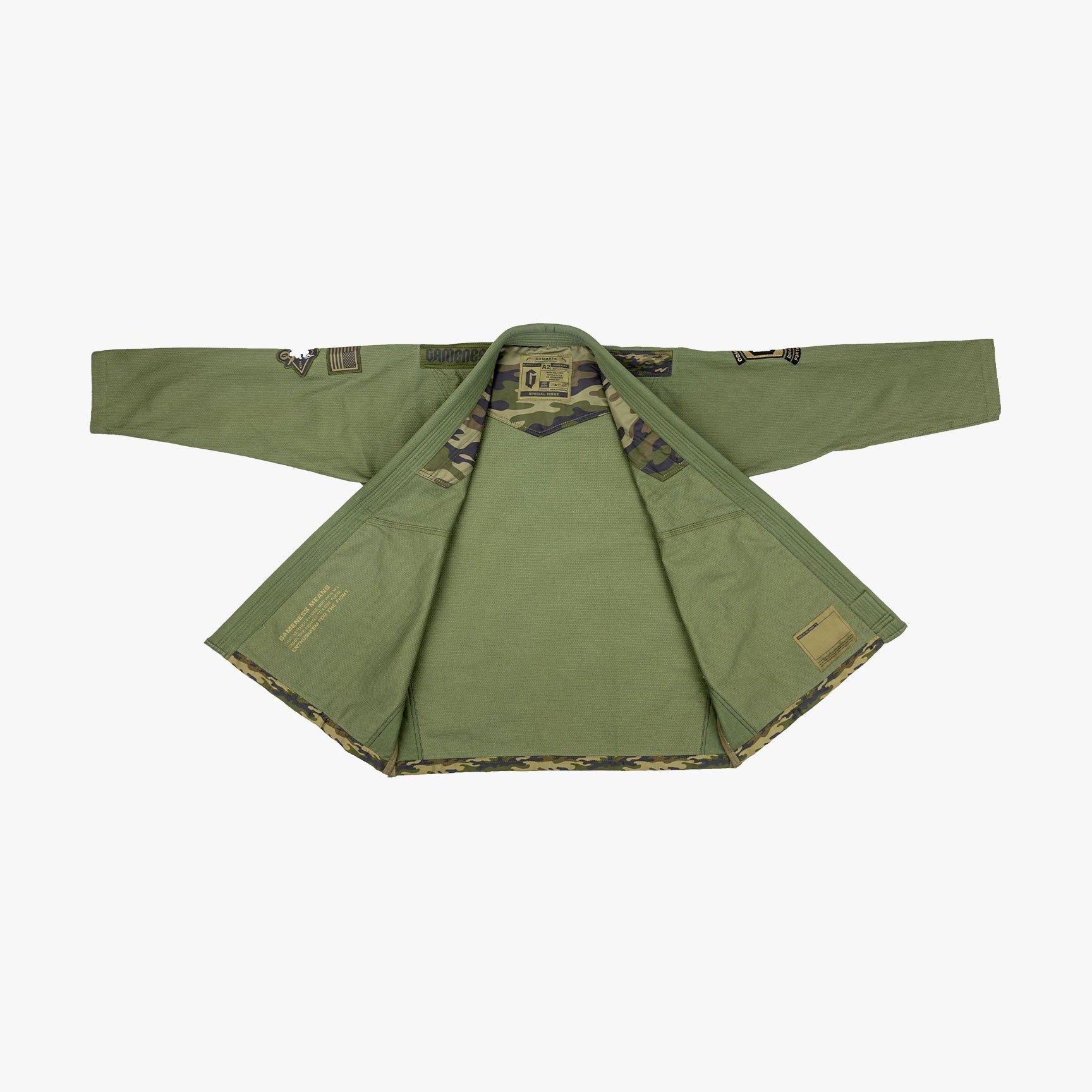
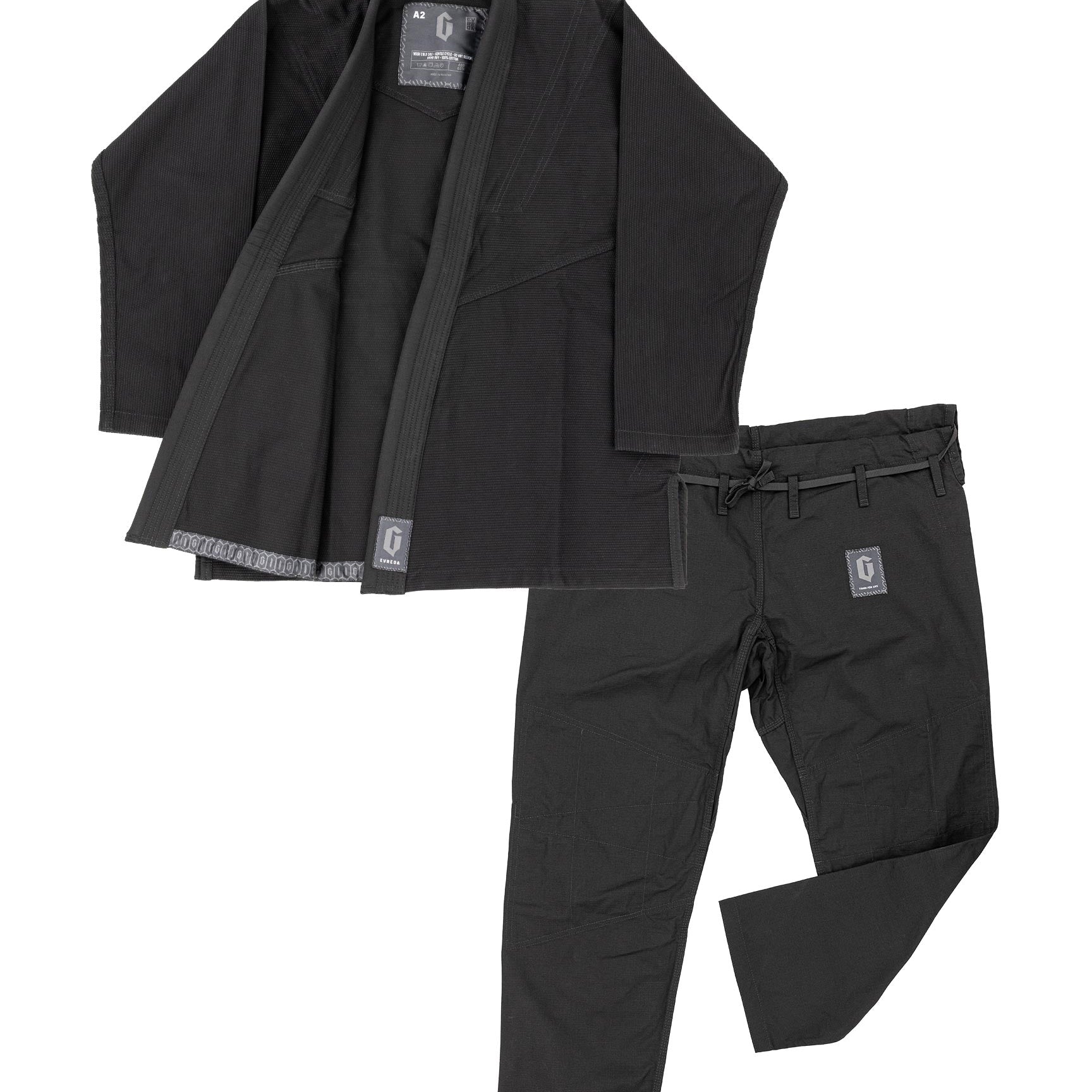
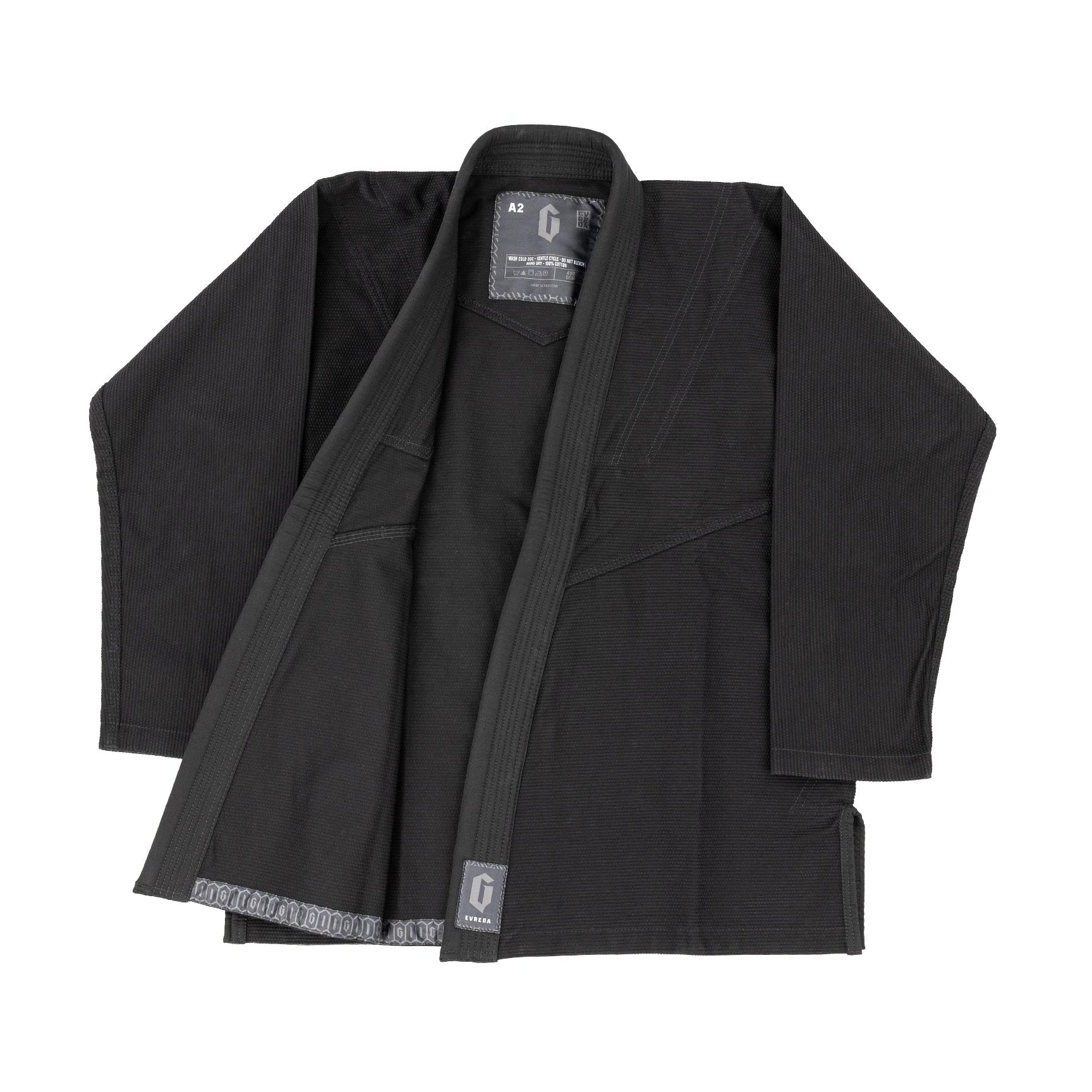
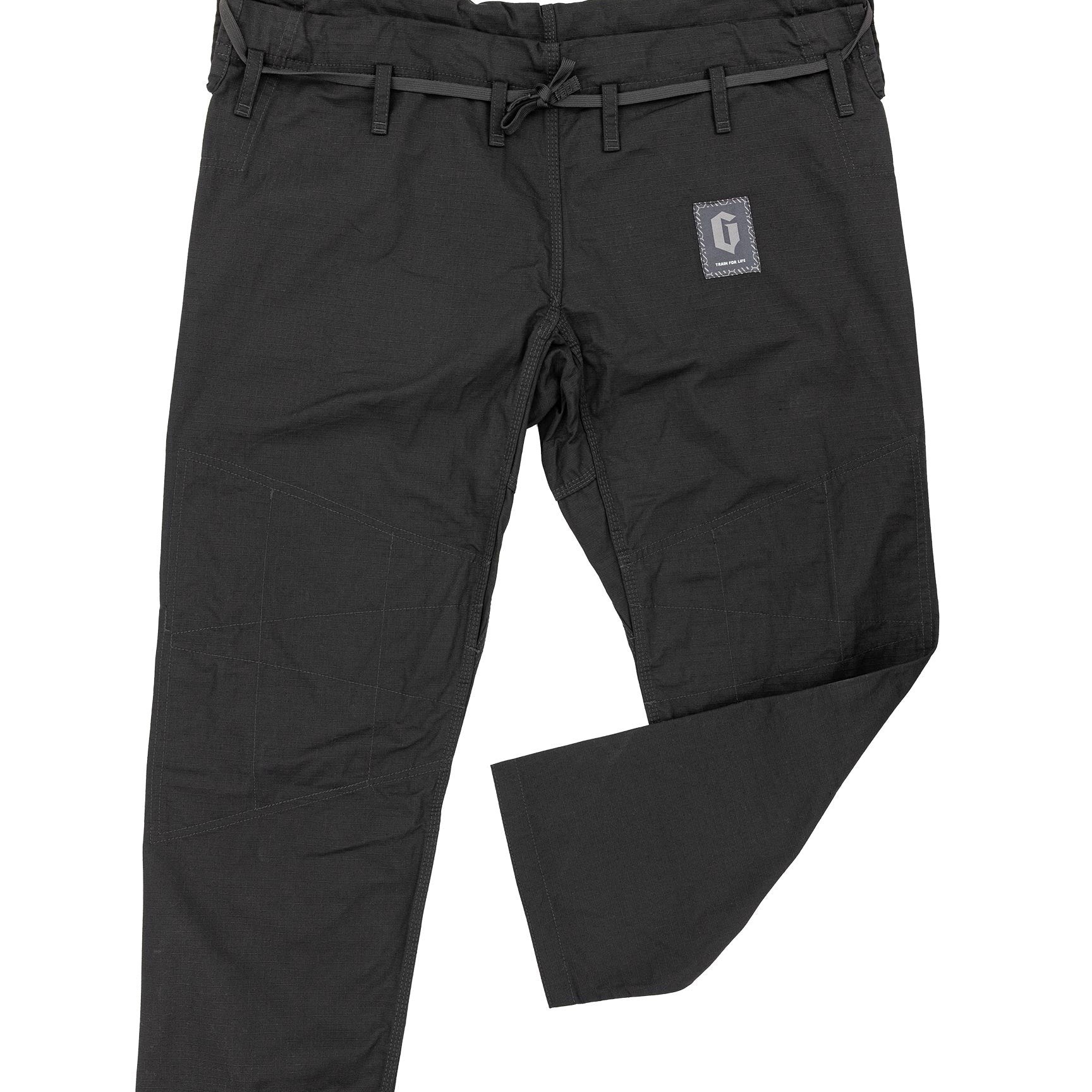
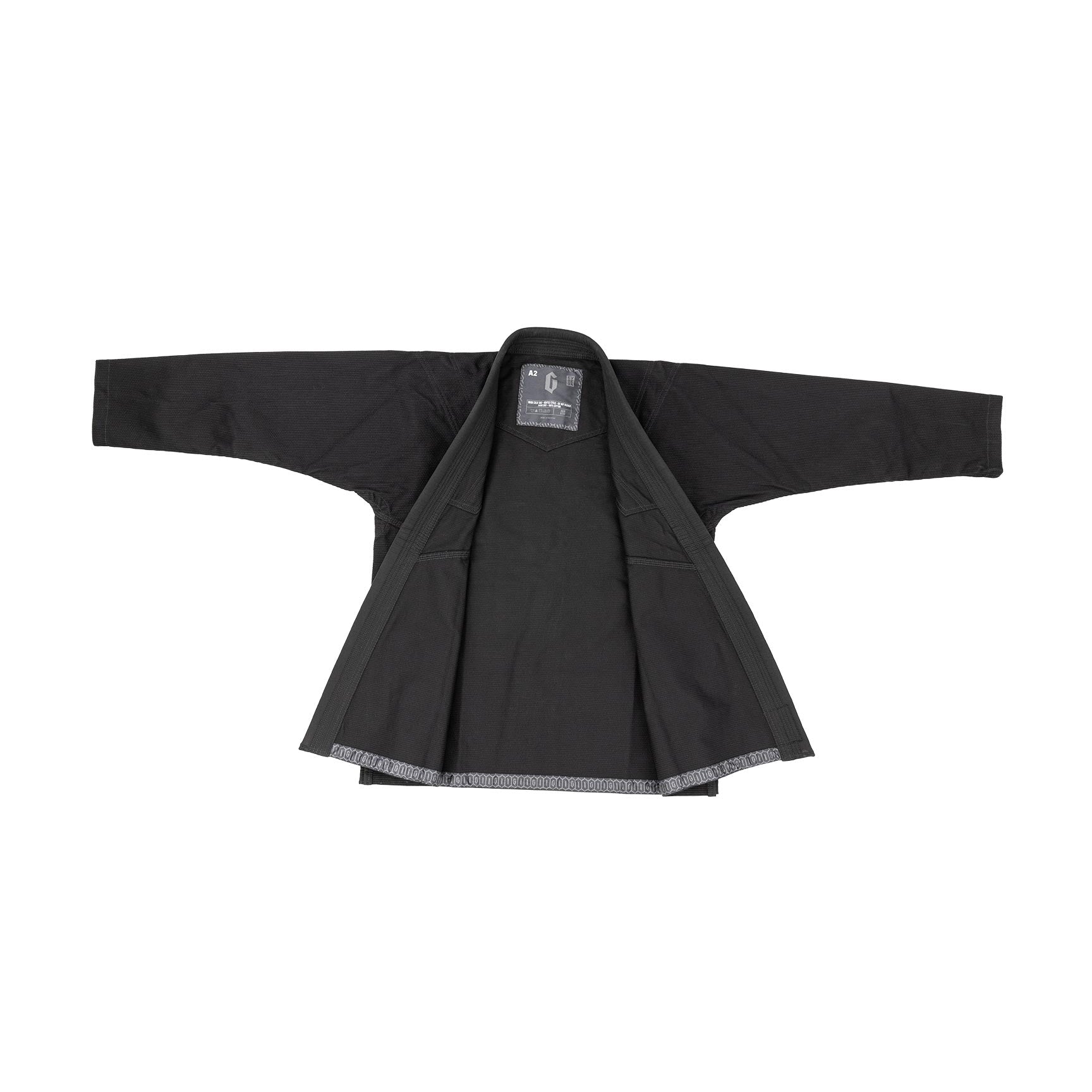
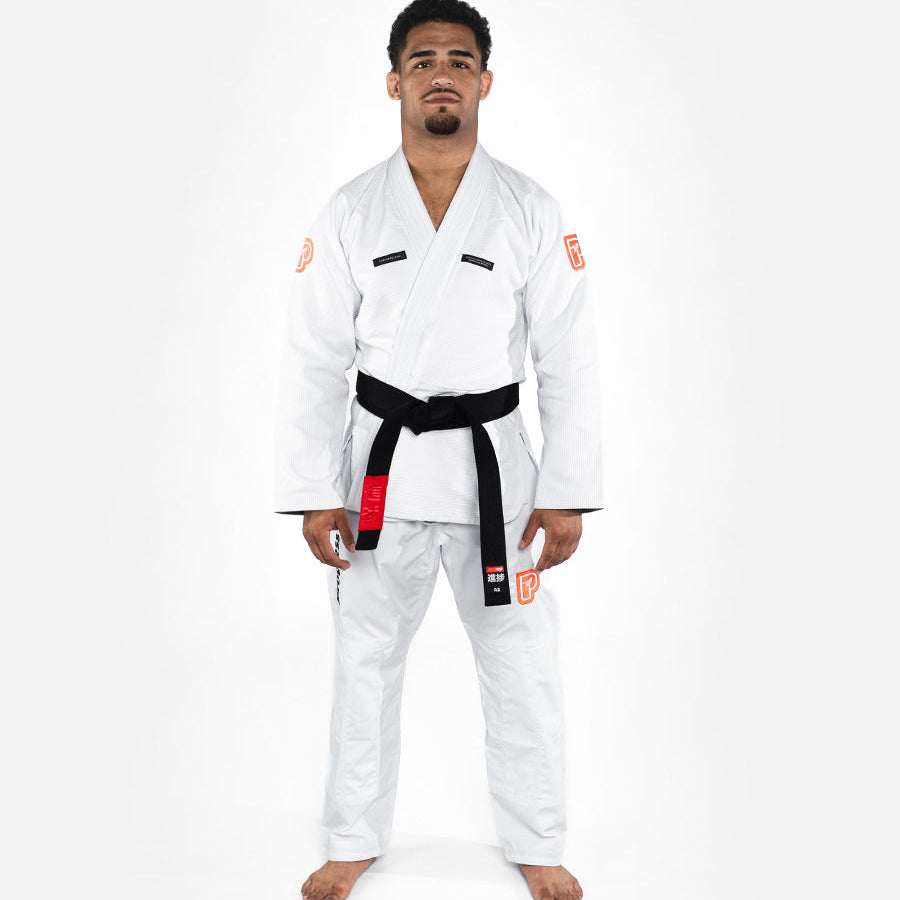
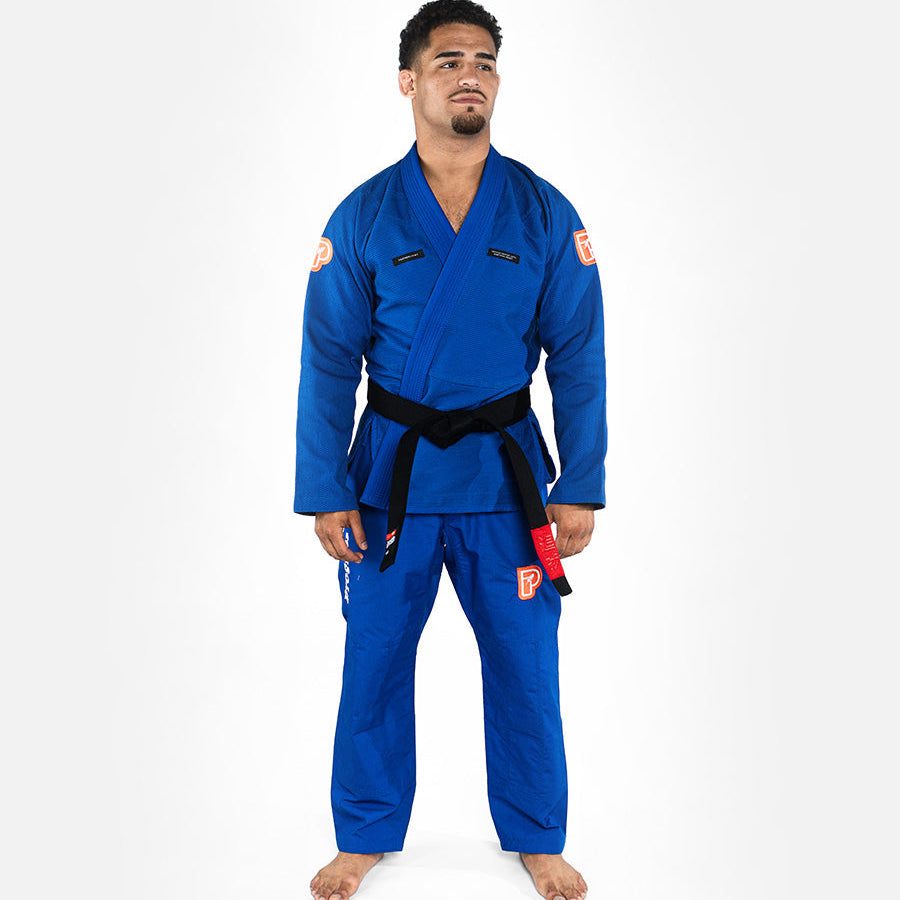
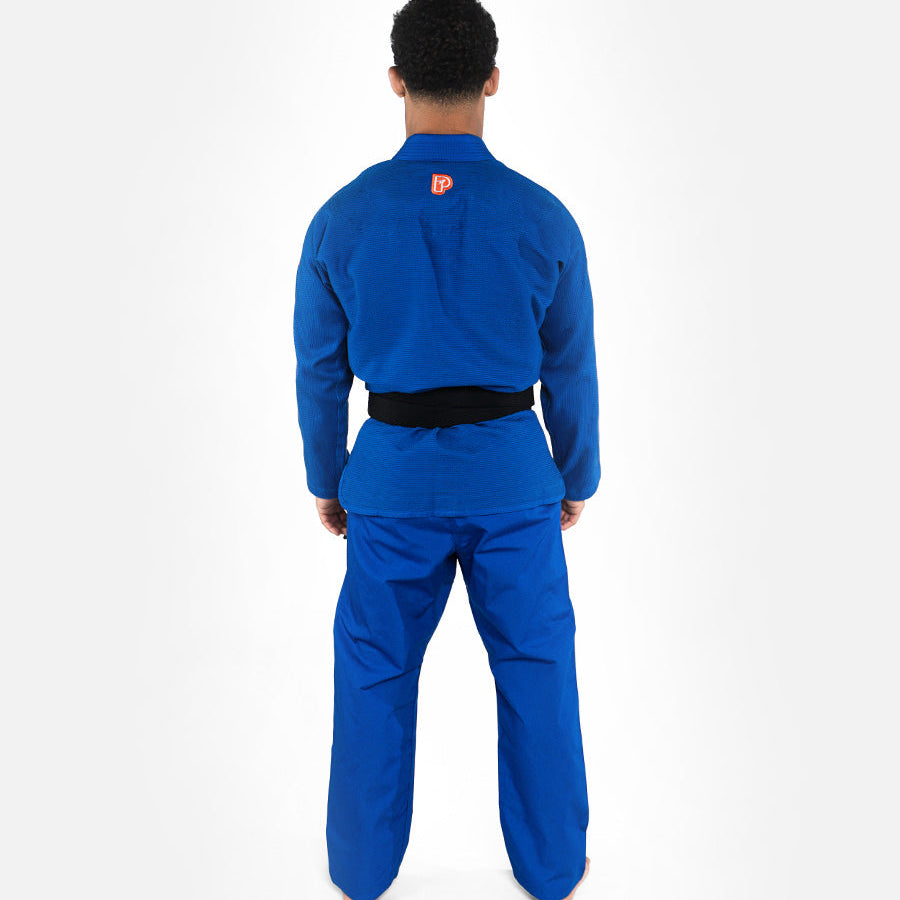
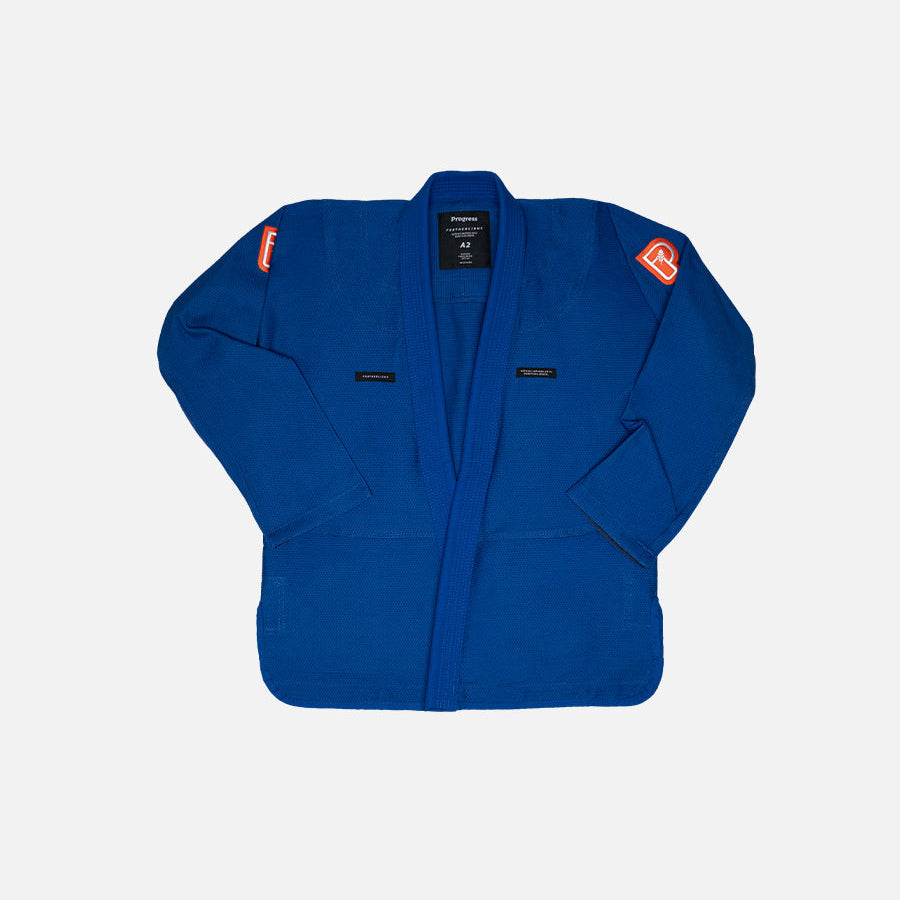
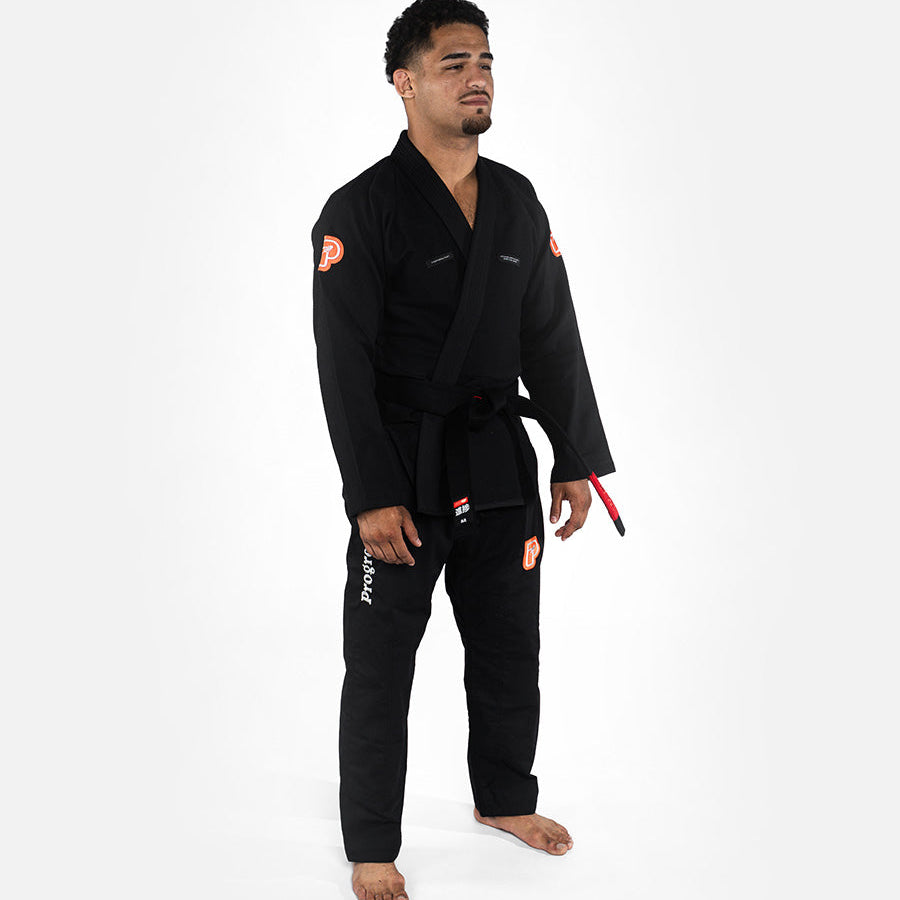
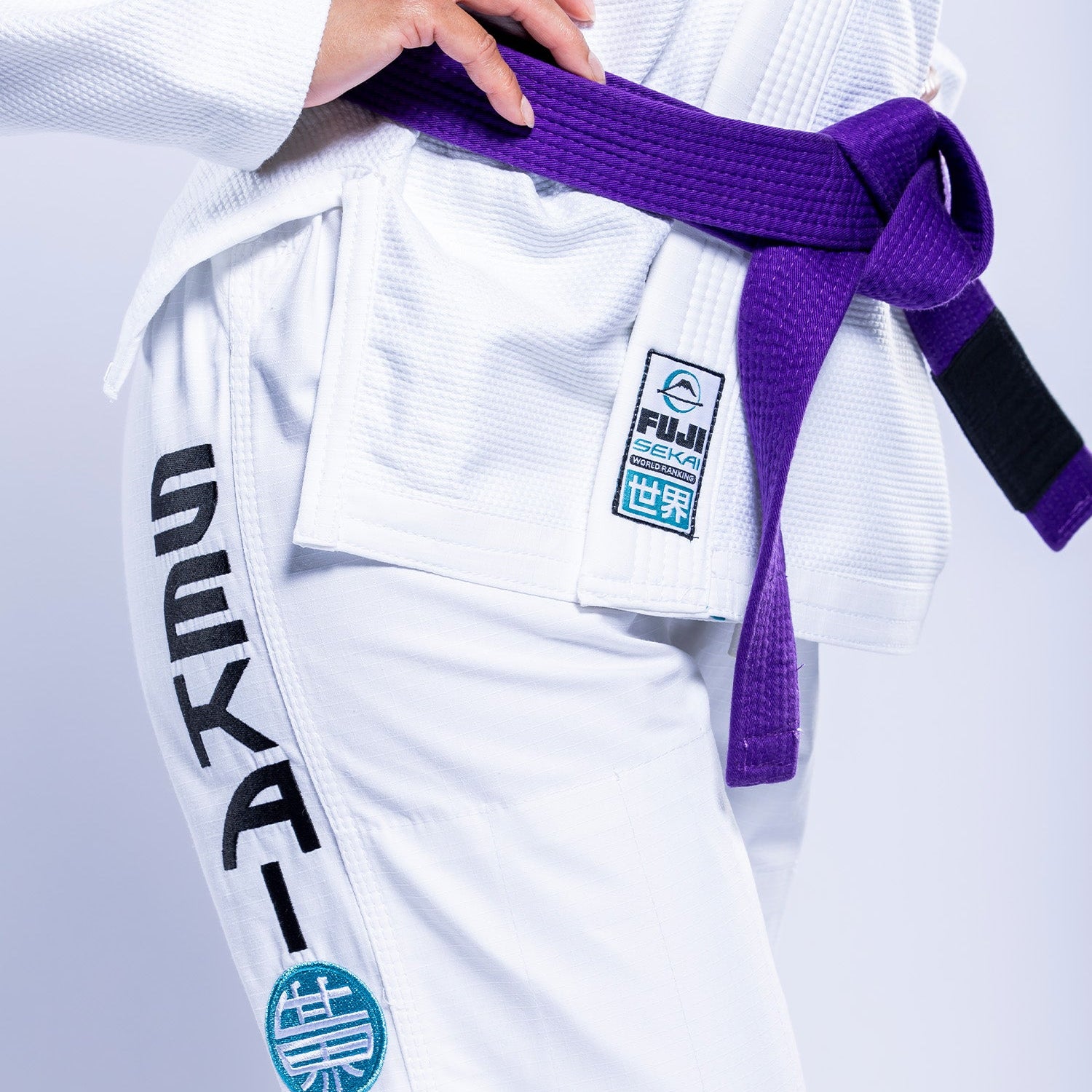
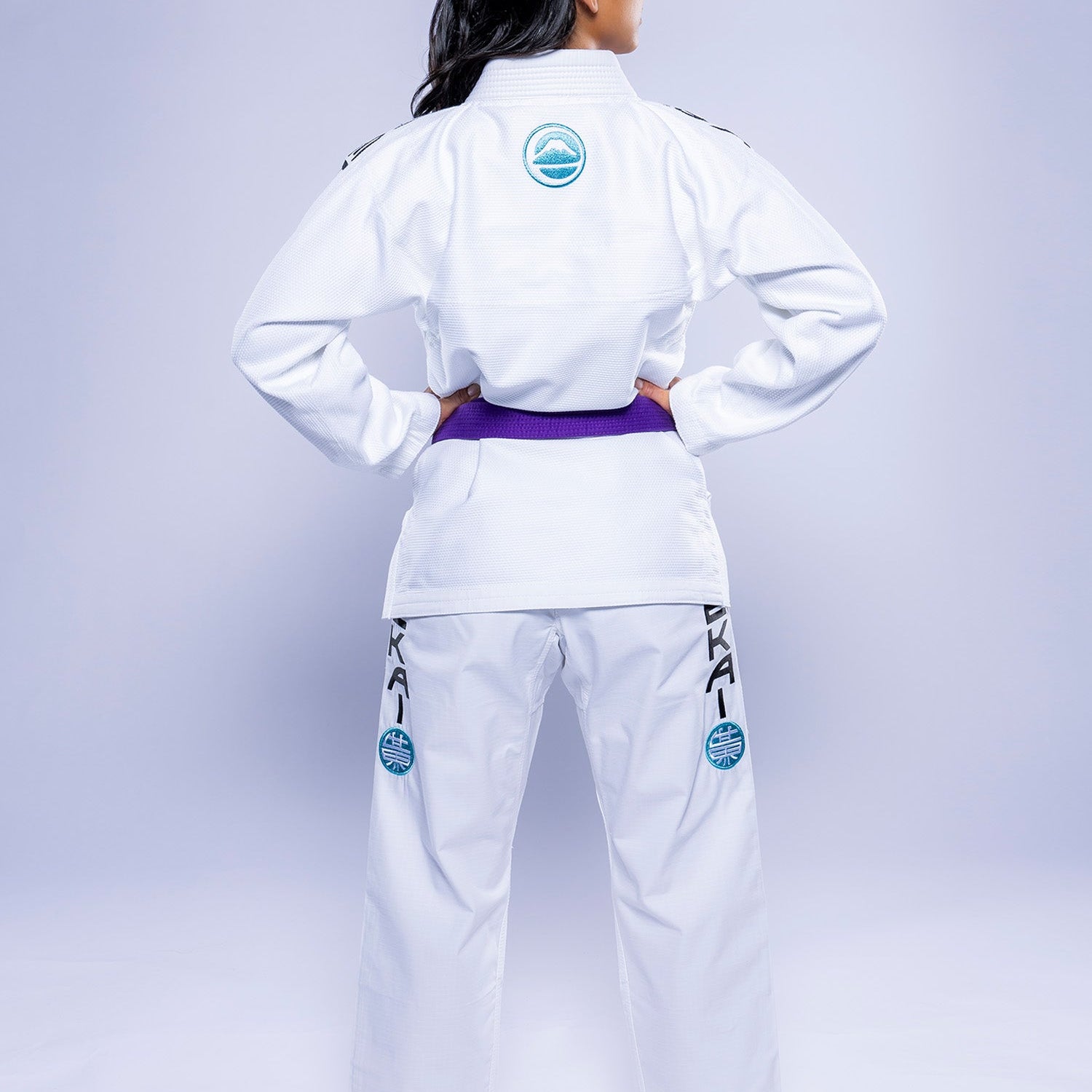
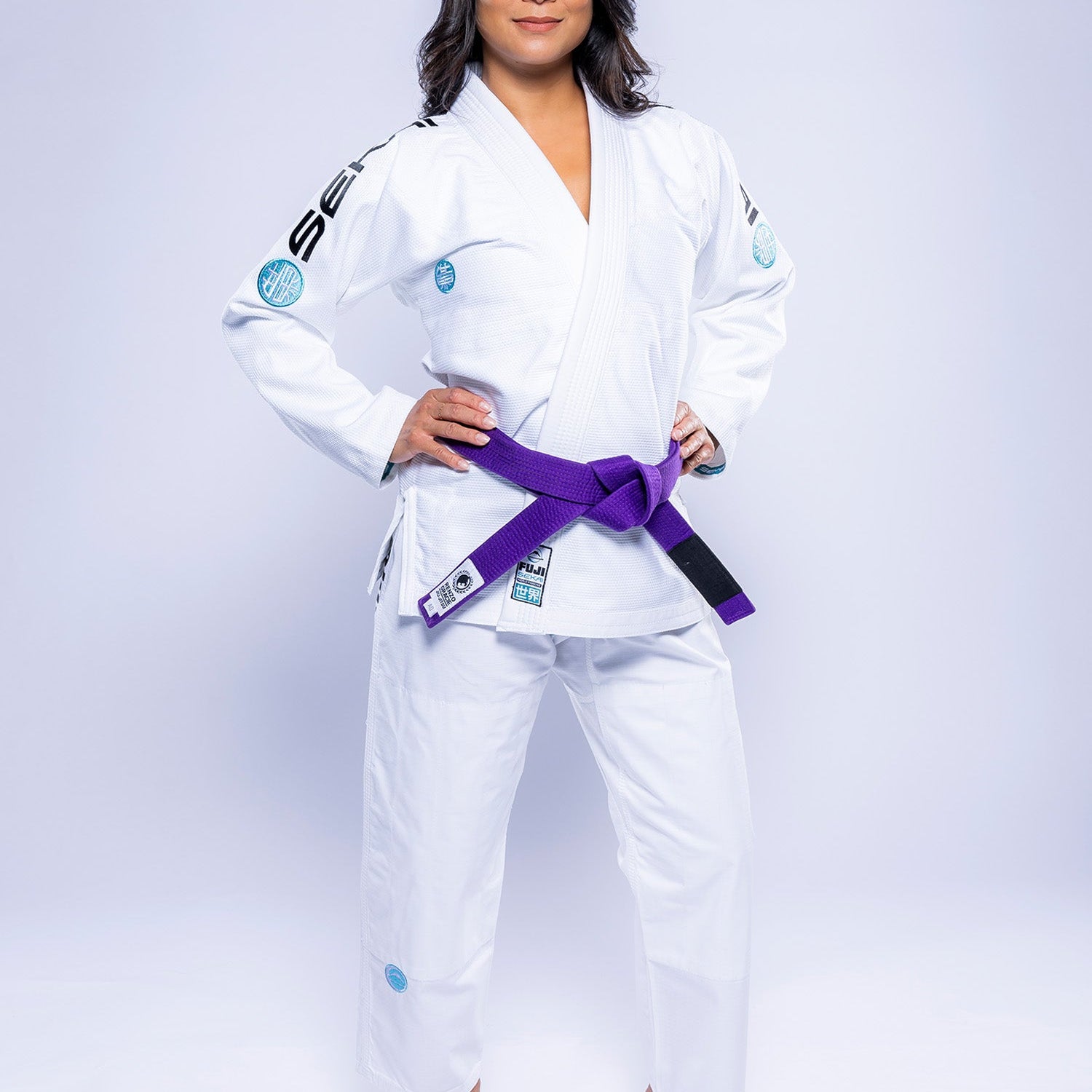
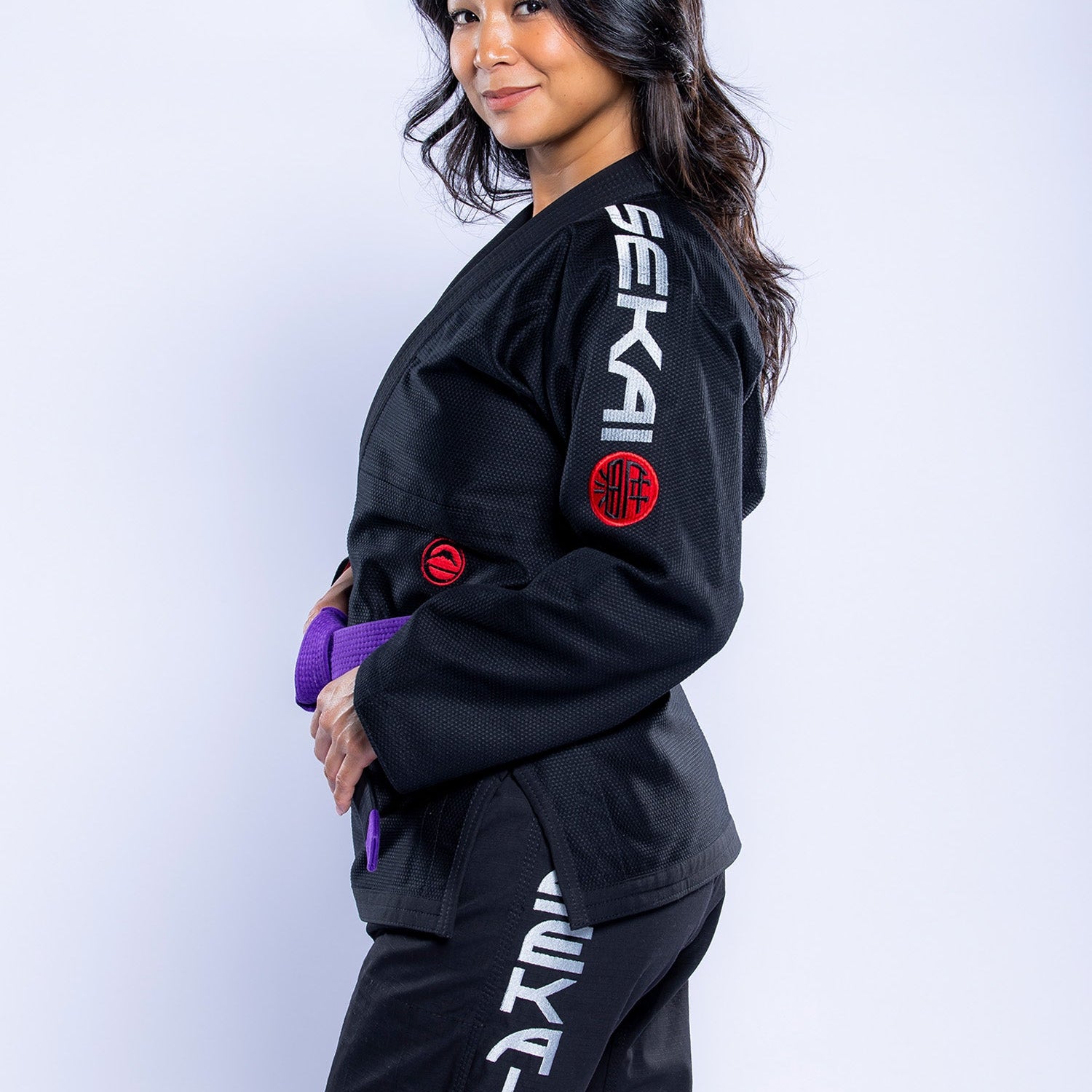
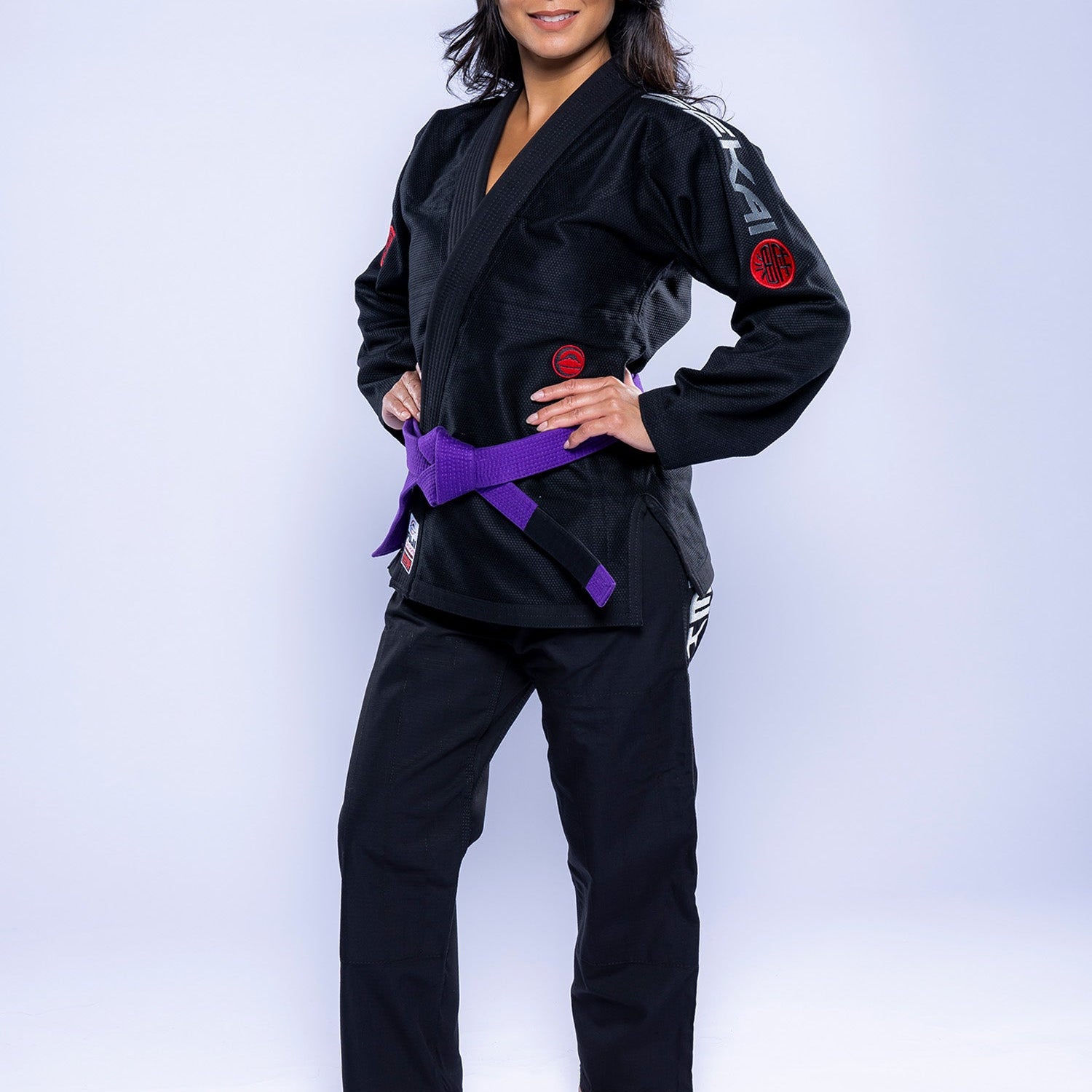
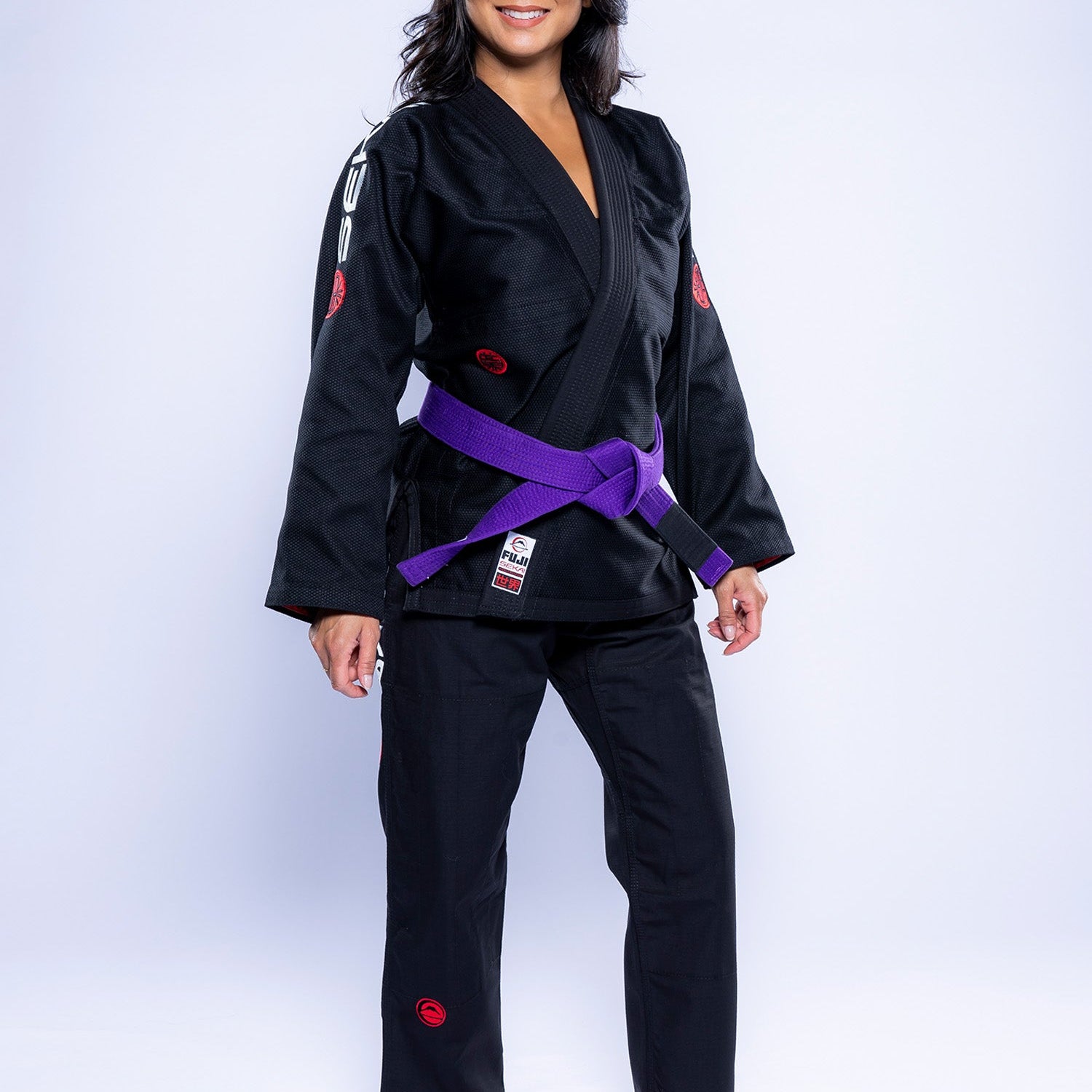
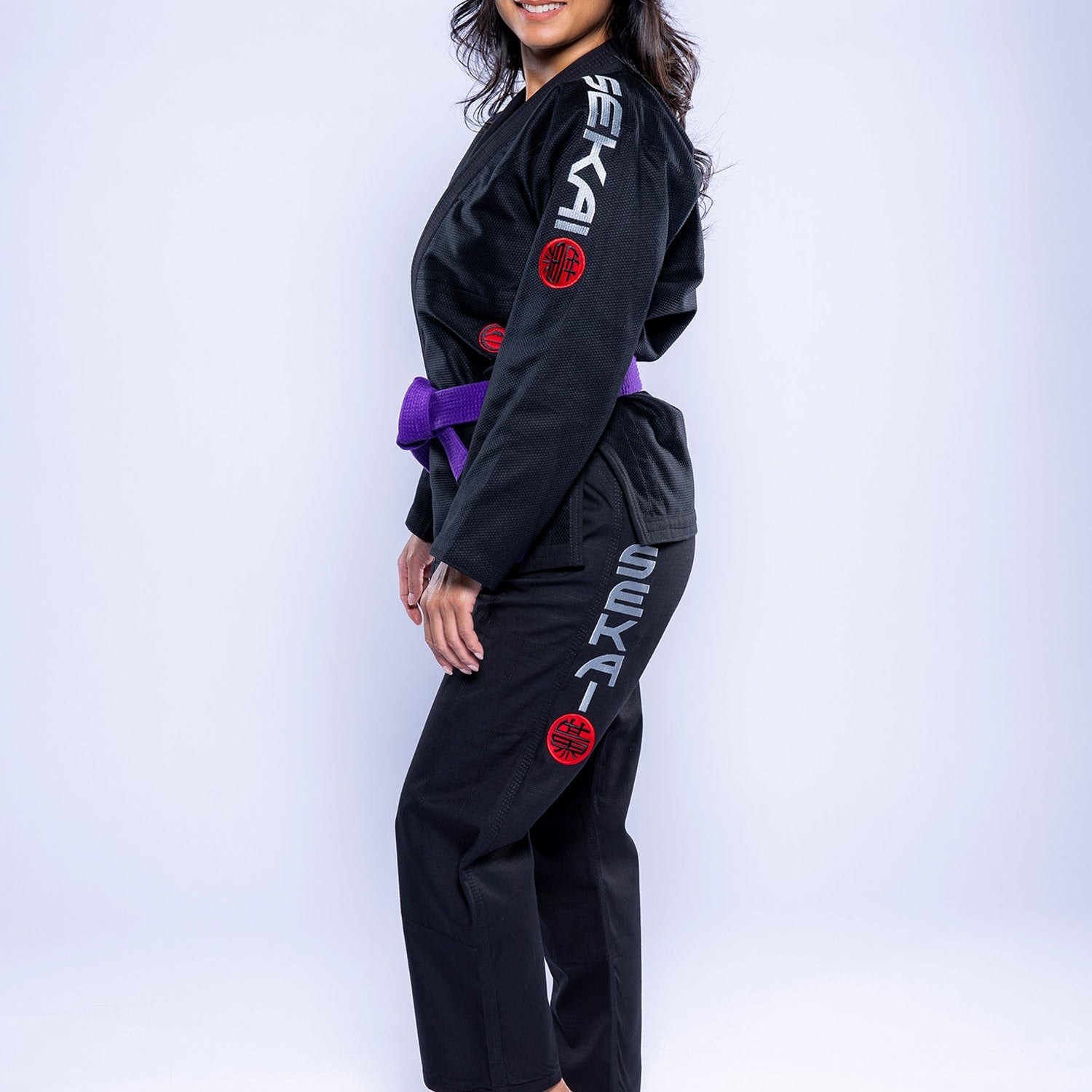
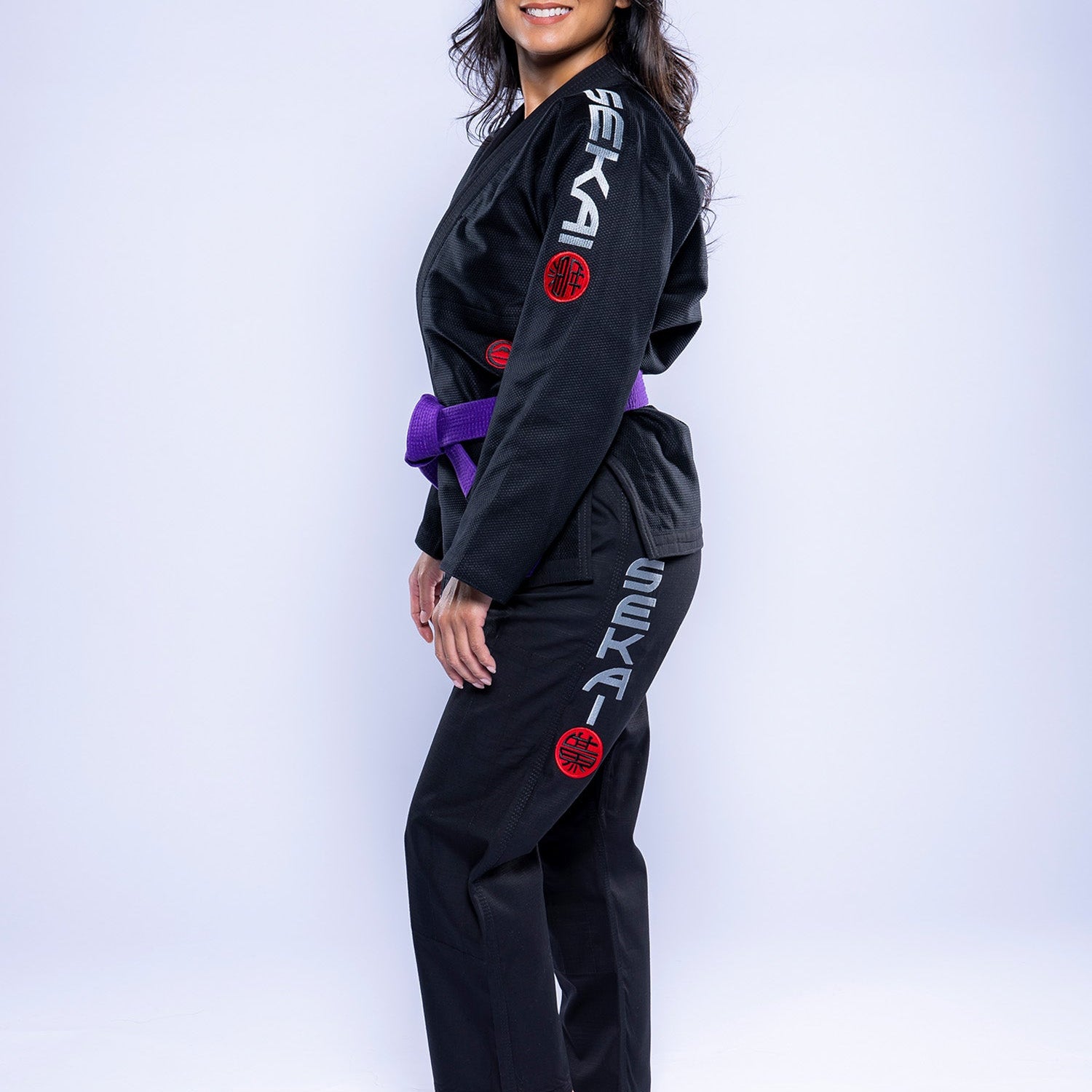
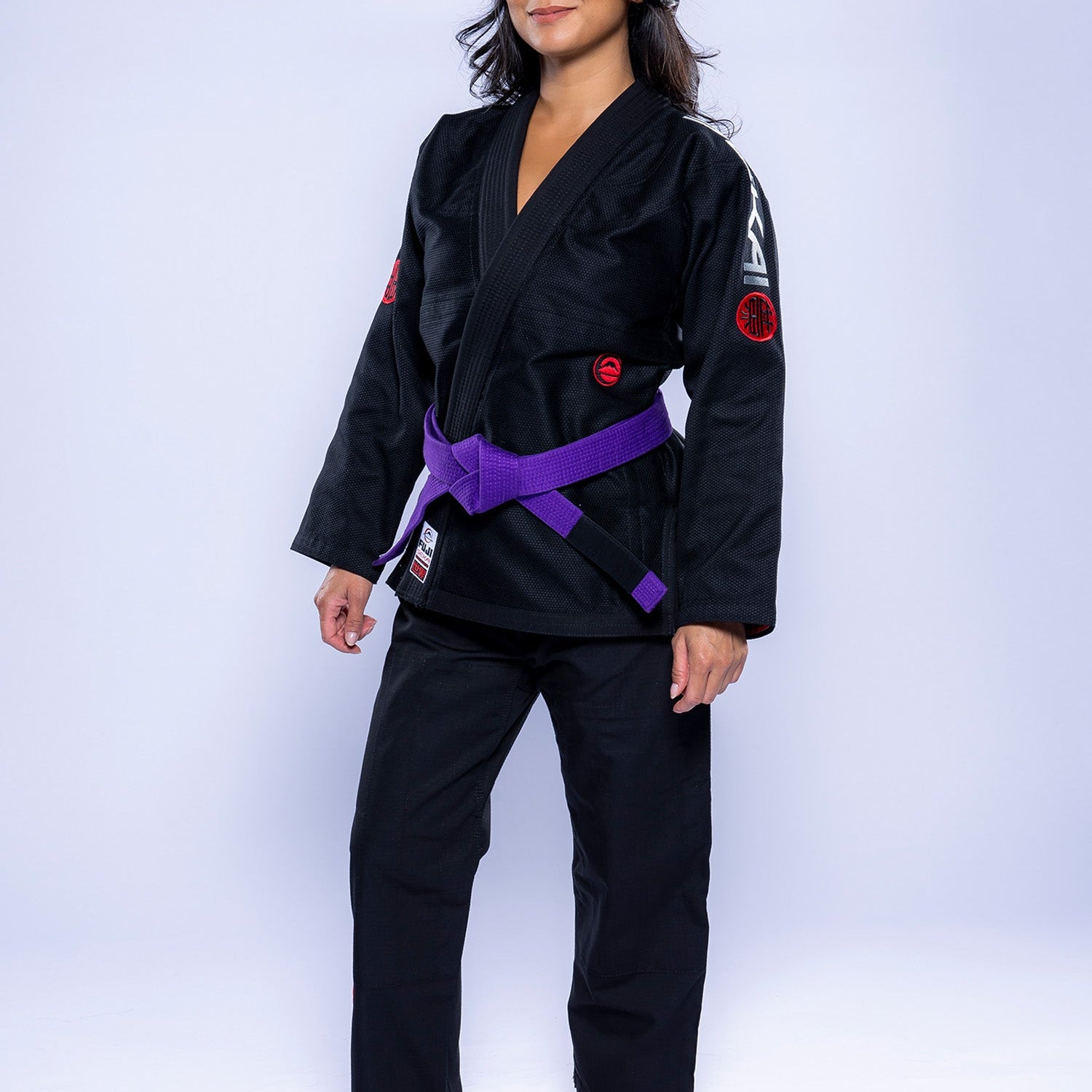
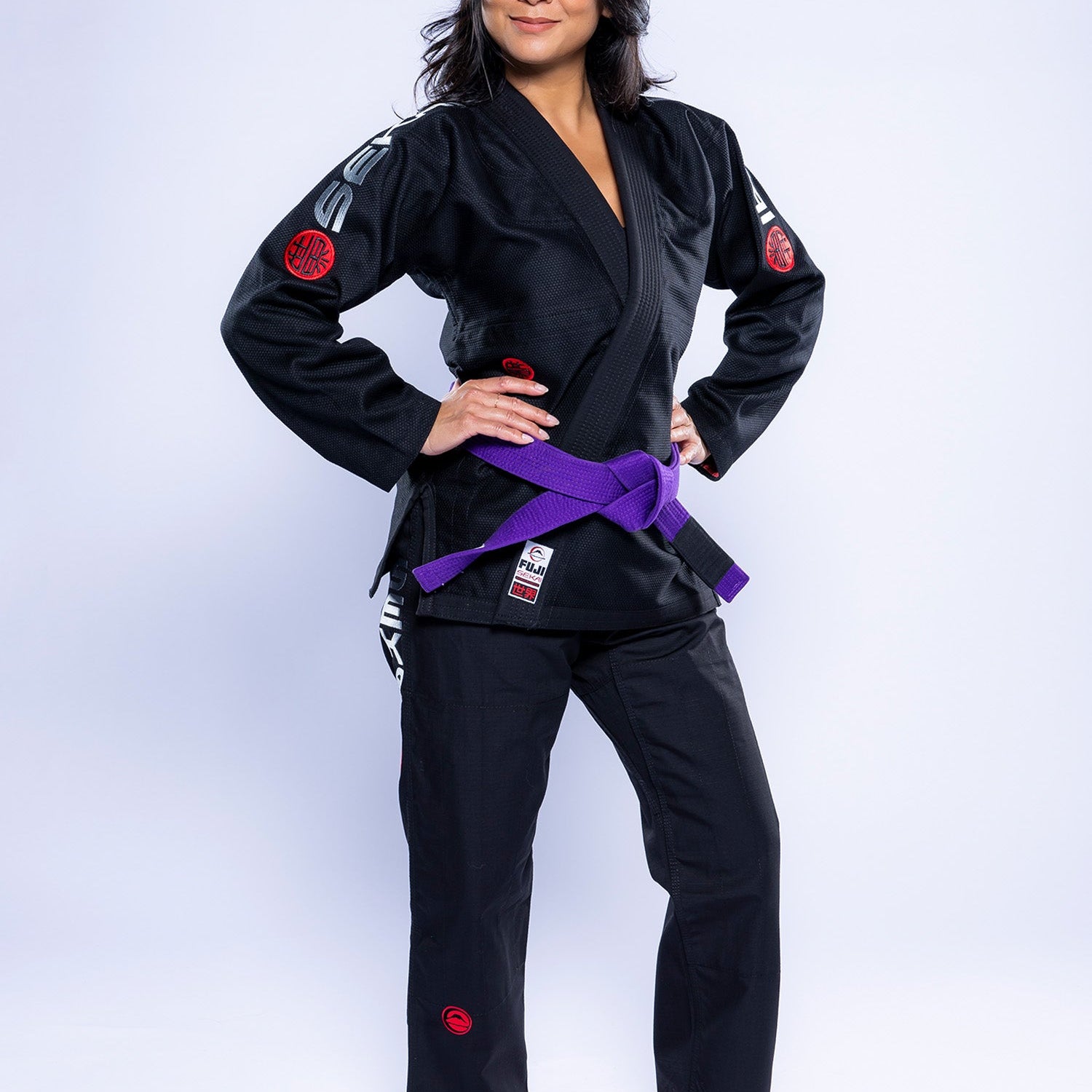
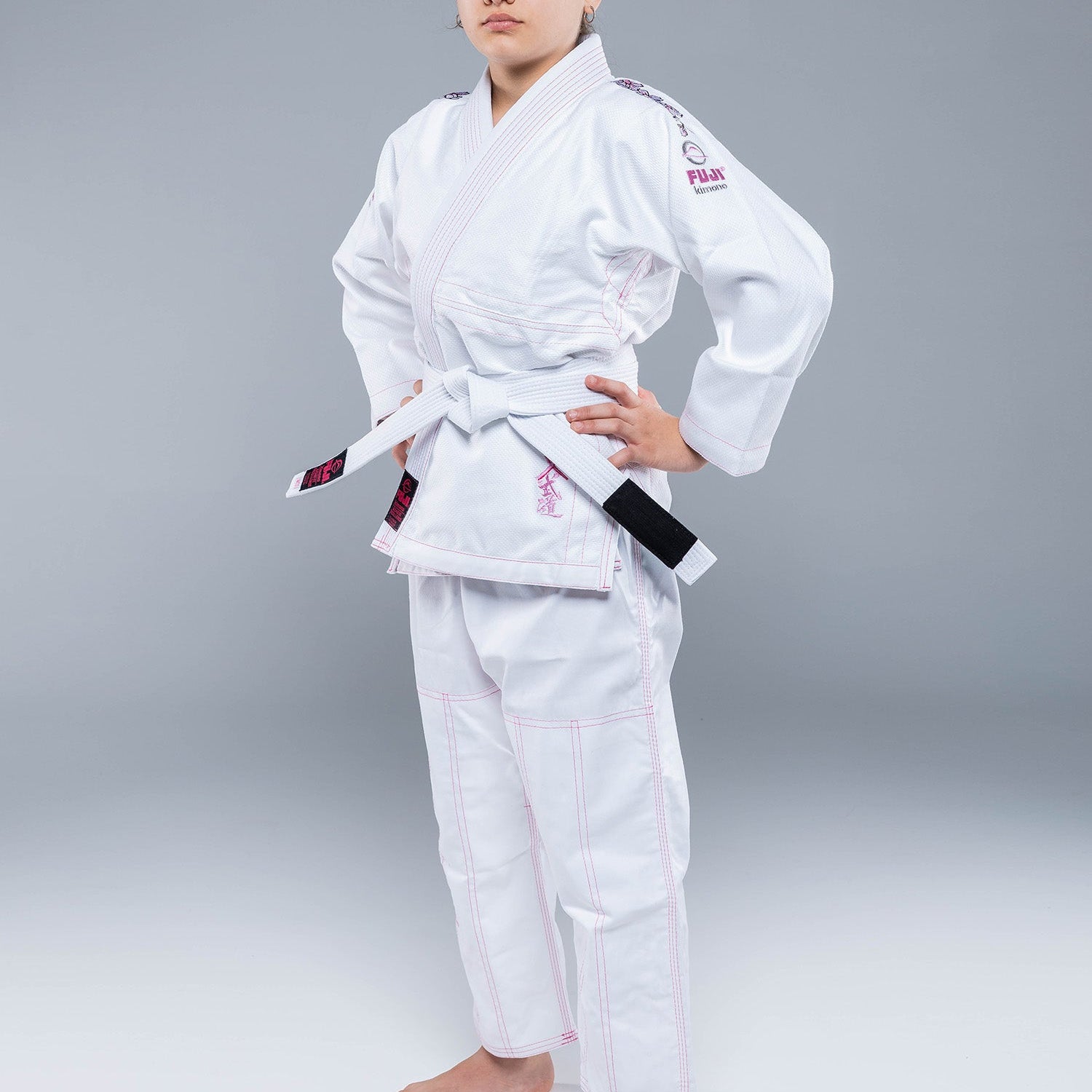
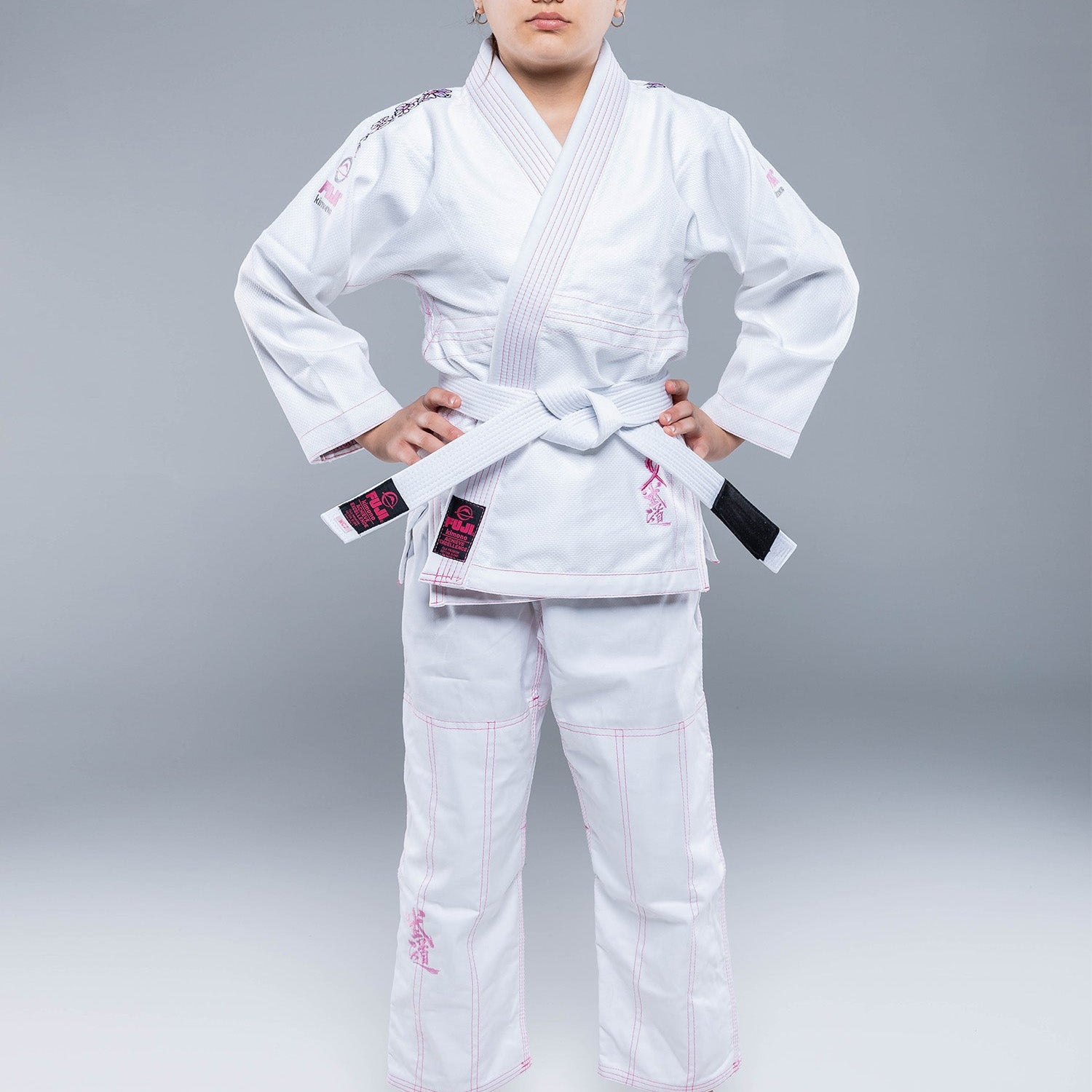
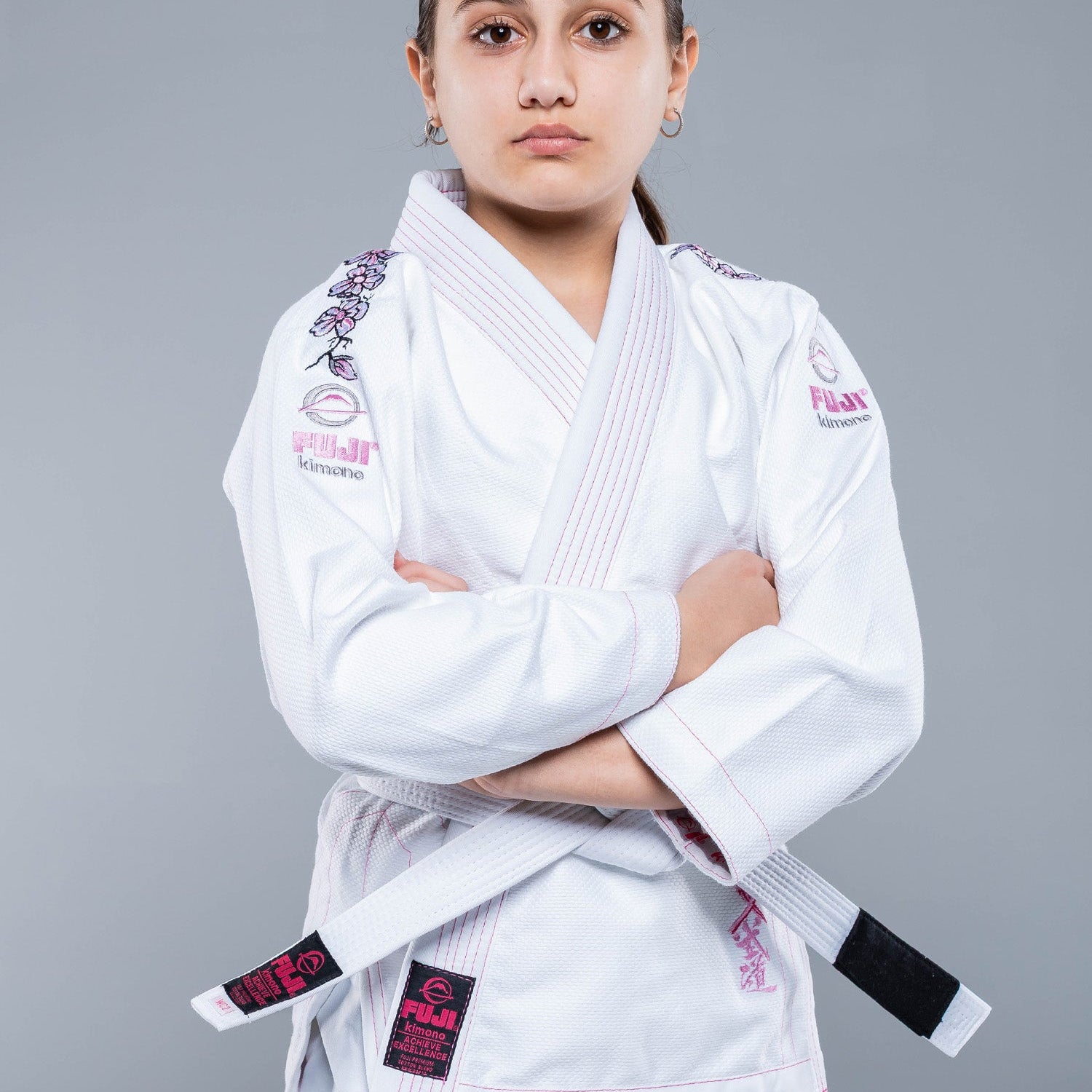
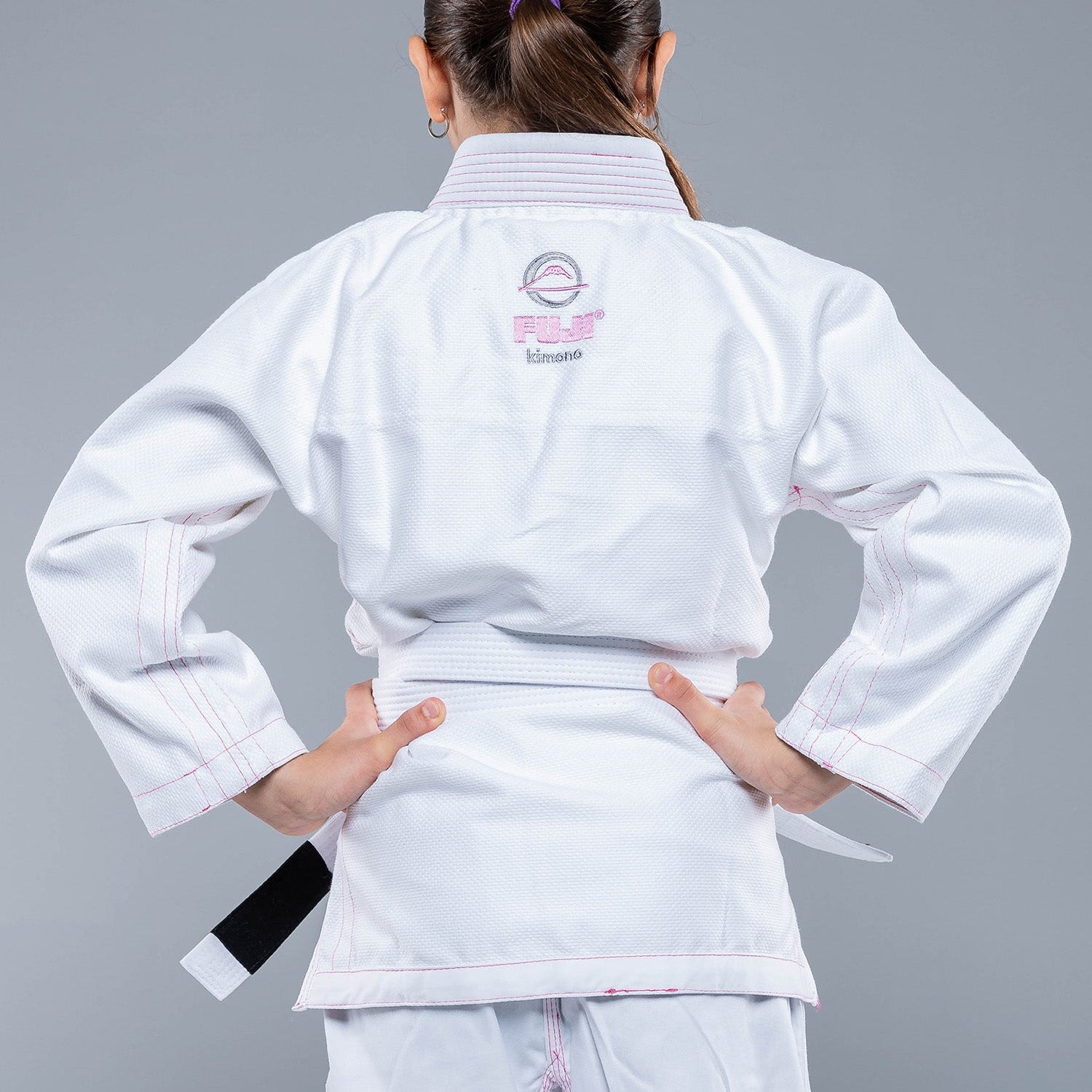
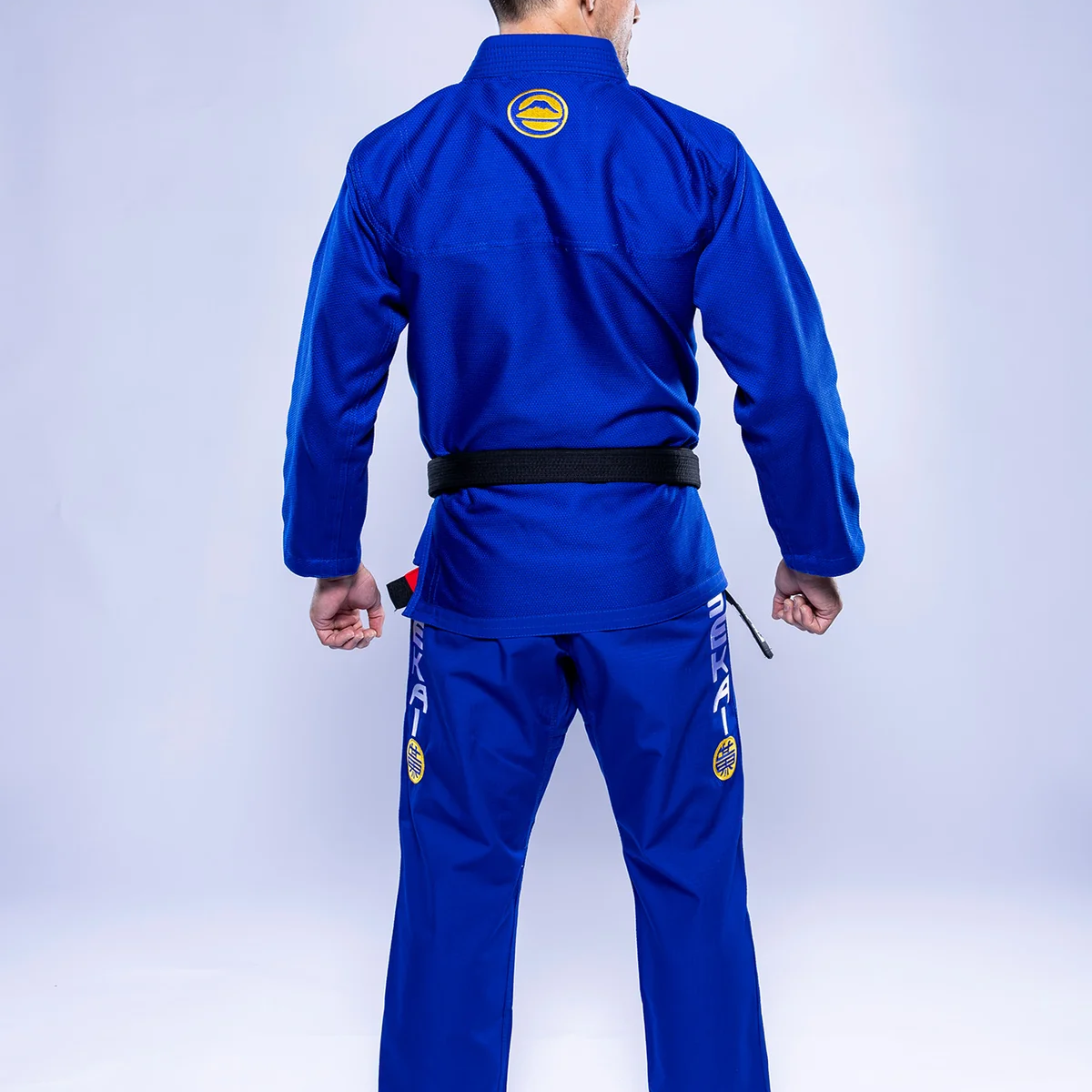
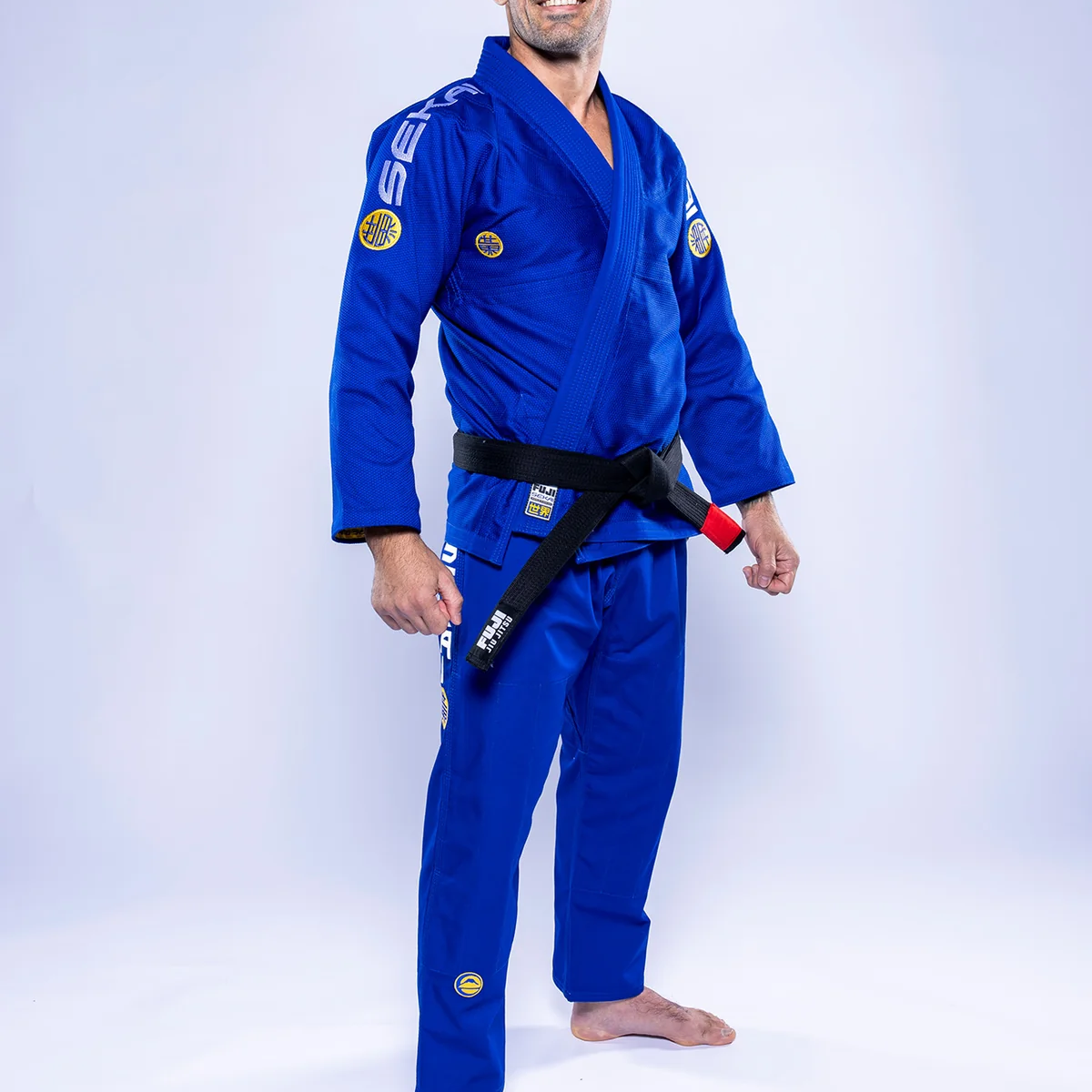
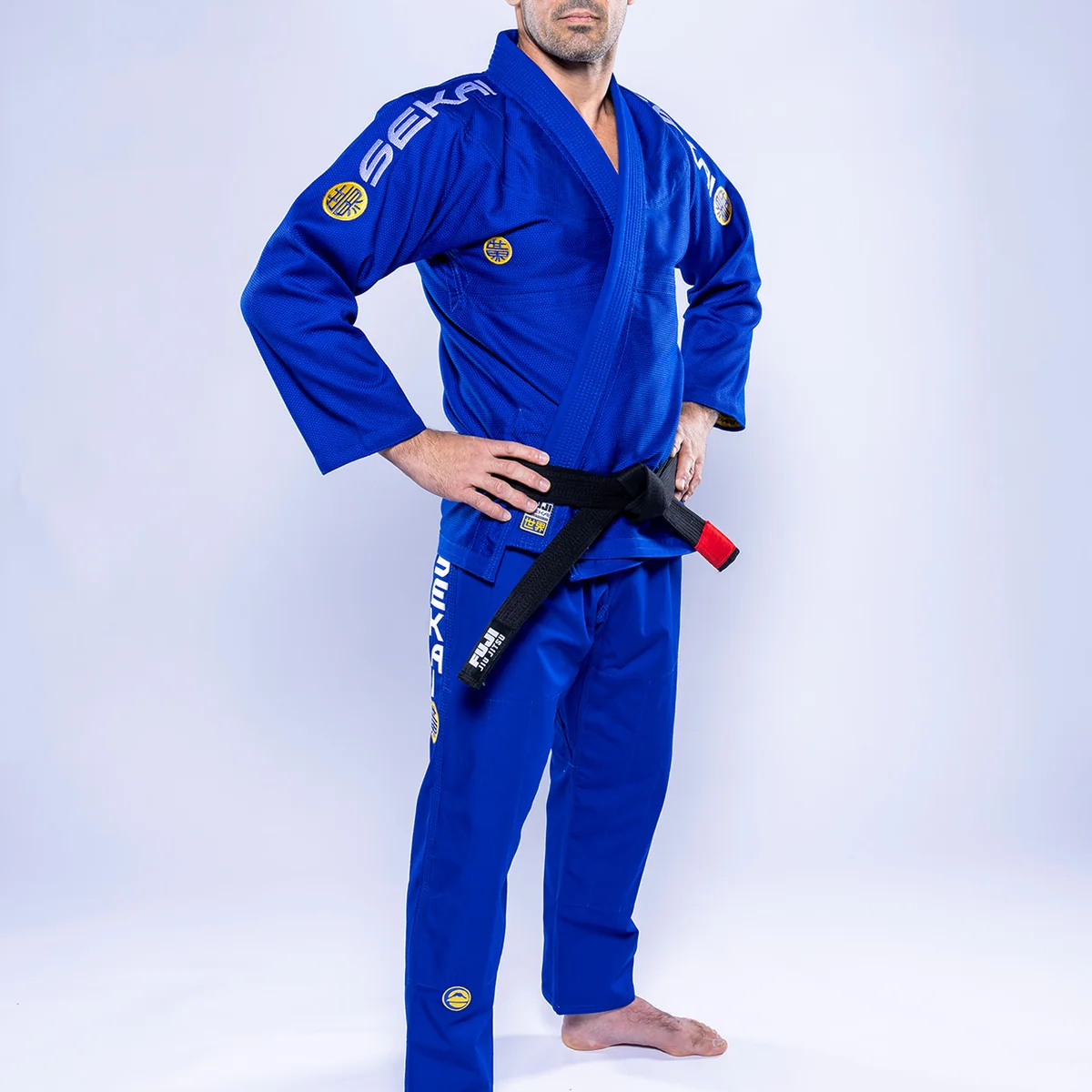
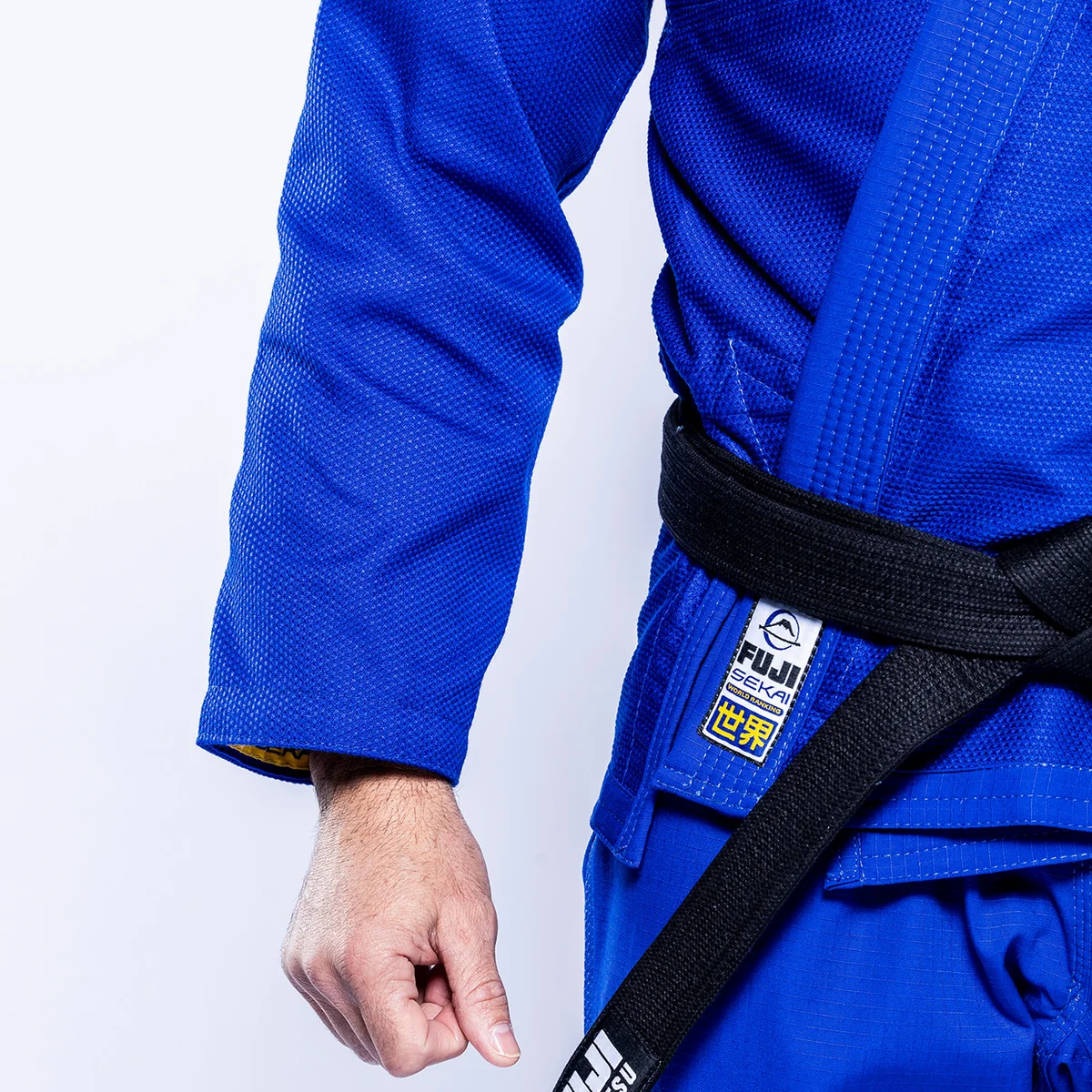
Gi training requires a gi that fits well, holds up under constant gripping, and meets your academy or competition requirements. No gi usually means rash guards, shorts, and sometimes spats. That can make no gi feel simpler for newer students, especially if they are still deciding how much they want to train.
But there are trade-offs. Gi fabric offers some protection from mat burn and surface friction. No gi can feel cooler and lighter, but skin-on-mat friction and slick scrambles can be rough in their own way. Laundry is different too. A soaked rash guard and shorts are easier to wash and dry quickly, while heavy gis take more planning if you train multiple days in a row.
Academy culture also matters. Some schools lean heavily toward gi because of their curriculum or belt-focused structure. Others have a strong no gi room with competition rounds built around wrestling, leg pummeling, and scrambles. If you are choosing where to invest first, think about where you actually train most often.
Which one is better for beginners?
It depends on what the beginner needs.
For many new students, gi can be helpful because it slows things down enough to recognize positions. Strong grips create pauses where you can understand posture, base, and pressure. A beginner learning closed guard in the gi can feel when a collar grip breaks posture and why that matters.
No gi can also be beginner-friendly, especially for students intimidated by complicated lapel games or people coming from wrestling. The positions can feel more intuitive at first because there are fewer grip variables to track. You are still learning a lot, but the menu is slightly smaller.
The catch is that no gi can punish bad control quickly. A beginner may hit a decent sweep, only to lose top position right away because they do not yet know how to connect chest, hips, and head. In the gi, the extra handles sometimes buy enough time to stabilize.
For most people, training both is the smartest answer. Gi sharpens grip fighting, patience, and positional detail. No gi sharpens movement, transitions, and awareness during scrambles. The overlap helps more than people think.
If your schedule or budget means choosing one first, choose the format your academy teaches best and the one you are most likely to train consistently. Consistency beats theory every time.
A good training week can include lapel-heavy rounds, sweaty no gi scrambles, technical drilling, and a few ugly positions you need to fix. That is usually where the real learning happens.
Shop Our New Releases


Fast & Free Shipping!


Fast & Free Shipping!
Fast & Free Shipping!



Fast & Free Shipping!












































Fast & Free Shipping!





























Fast & Free Shipping!