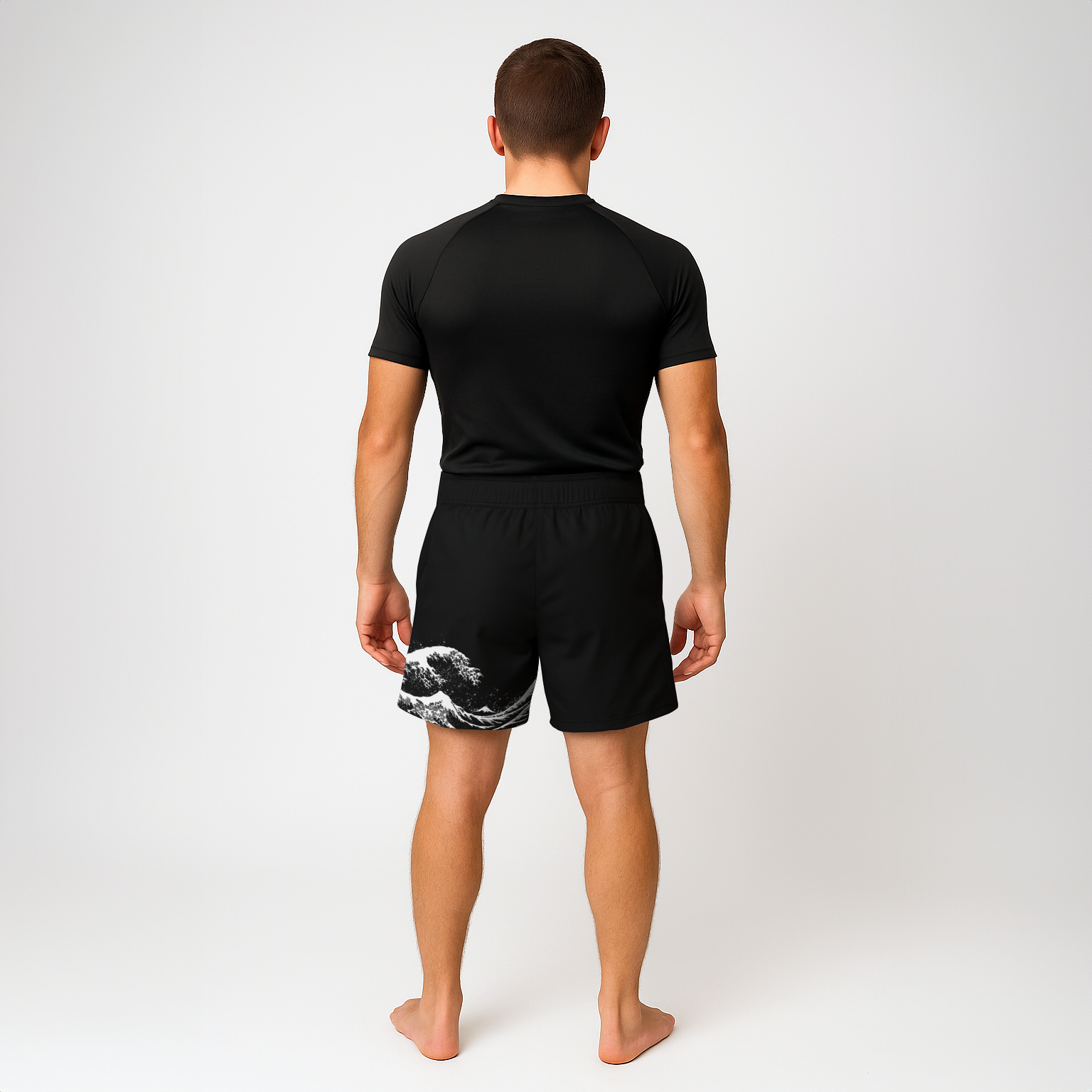
How to Build a Training Routine for Jiu Jitsu

Missing a few weeks of Jiu Jitsu usually does not happen because someone stopped caring. More often, they built a schedule that only works during a perfect week - then work runs late, a kid gets sick, or three hard rounds on Tuesday leave them cooked through Thursday. Learning how to build a training routine means creating one you can follow when life is normal, busy, and occasionally chaotic.
For most students, the best routine is not the most aggressive one. It is the one that puts them on the mat often enough to improve, leaves room to recover, and does not make Jiu Jitsu feel like another obligation they are failing to keep up with.
Start With Your Actual Available Time
Before choosing how many classes you want to attend, look honestly at your week. Include commute time, family obligations, work, sleep, and the small logistical details that decide whether a training plan survives. A 6:00 a.m. class may sound ideal, but it is not a sustainable option if you are routinely getting to bed at midnight.
For a newer white belt, two classes per week is a strong starting point. It gives you enough exposure to positions, movement, and academy culture without turning every roll into a recovery problem. A student who can reliably train Tuesday and Saturday will usually progress better than one who plans for five sessions and attends one or two whenever the week goes sideways.
More experienced students can often handle additional mat time, but that does not automatically mean every session should be hard. Three classes, one focused drilling session, and one open mat may be plenty for a purple belt balancing a job and family. The right number depends on your training history, sleep, work stress, age, and how hard your academy's rounds tend to be.
How to Build a Training Routine Around a Clear Goal
Your routine needs a purpose beyond simply getting more classes on the calendar. Pick one main focus for the next four to eight weeks. It can be broad enough to fit your academy curriculum but specific enough to guide what you pay attention to.
A white belt might focus on surviving side control without panicking, learning to frame and recover guard. A blue belt could spend a training block improving guard retention against knee-cut passes. A competitor preparing for a tournament may prioritize standing exchanges, scoring from top position, and rounds that match the event's pace.
The goal should affect what you do before, during, and after class. If your focus is escaping mount, arrive a few minutes early and ask a trusted partner for five minutes of positional drilling. During sparring, notice how often you get mounted and what happened just before it. After class, write down the escape detail your instructor emphasized instead of trying to remember ten unrelated techniques.
You do not need to force every round toward your goal. Jiu Jitsu is unpredictable, and you should still train the position in front of you. But having a focus keeps your training from becoming a blur of techniques and random rolls.
Build a Weekly Base Before Adding More Work
A useful routine has a baseline: the sessions you protect most weeks. Start there, then add optional work rather than treating every session as mandatory.
For many hobbyists, a practical week might include two regular Jiu Jitsu classes. One class can be your higher-output night, where you stay for several live rounds. The other can be more technical: focus on drilling carefully, choose controlled partners, and leave with enough energy to train again later in the week.
If you train three or four times weekly, vary the demand. A common mistake is treating every open mat like a tournament final. Instead, make one session hard, one session technical, and one session more focused on position-specific rounds or helping newer teammates. This is especially useful when you have an academy where hard rolling is part of the culture. You can participate fully without making every round a max-effort round.
Add strength and conditioning only after the mat schedule is realistic. Two short sessions per week can fit well for many grapplers, particularly if they support basic movement and do not leave your grip, back, and legs too tired to train. If lifting on Monday makes Tuesday's guard passing class miserable, adjust the timing, volume, or exercise selection. The goal is to support Jiu Jitsu, not win the workout log.
Give Drilling Its Own Place
Class instruction is valuable, but a technique often needs more repetitions than the standard lesson provides. A short drilling session can be one of the best uses of your time, especially when it is organized around a specific problem.
That does not require an hour of complicated training. Twenty focused minutes before open mat can be enough. For example, drill a collar-and-sleeve guard entry on both sides, then add the first reaction when your partner pulls their elbow back. Or work the same hip escape from mount with gradually increasing resistance rather than rushing through ten different escapes.
Good drilling has a clear level of resistance. Start cooperative so you can understand the movement. Then ask your partner to provide a realistic reaction. Finally, try to reach the position during positional sparring. That progression is far more useful than repeating a move at full speed with no control or context.
Plan Your Rolling, Not Just Your Attendance
Live rounds are where you test timing, pressure, decision-making, and composure. They are also where students can accidentally turn a good schedule into an unsustainable one.
Choose your rolling intensity based on the day. After a demanding workday, it may make sense to get quality rounds with training partners who match your pace rather than accepting every invitation from the academy's freshest wrestler. If you have a competition coming up, harder rounds have a place, but they should be planned rather than stacked on top of every other stressful session.
You can also assign rounds a job. In one round, begin from seated guard and work only on getting to your preferred guard. In another, start in bottom half guard and attempt to recover full guard before worrying about sweeps. A black belt can get as much value from this kind of constraint as a white belt, because it creates honest repetitions instead of relying on familiar reactions.
Be a good training partner while doing it. Tell someone when you are looking for a technical round, respect the tap, and match intensity when the situation calls for it. A routine lasts longer when your academy relationships are part of the plan, not an afterthought.
Protect Recovery Without Making It Complicated
Recovery is not a separate hobby. It is the space that lets you return to class ready to learn. Sleep, regular meals, hydration, and easier days matter more than complicated routines most people will abandon after a week.
Pay attention to simple signals from your training. If your usual warm-up feels unusually hard, your grips are fading early, or you are becoming sloppy and frustrated in every roll, it may be time for a lighter session. That could mean drilling, attending class but sitting out extra rounds, or taking a day away from the mats. It is not lost progress.
Also account for the less obvious workload. Hard rounds of takedown sparring, a long open mat, and a weekend tournament create more fatigue than a technical class with limited rolling. A good training routine responds to that difference instead of labeling every academy visit as equal.
Review the Routine Every Month
Give your plan enough time to work, then review it without judging yourself. Ask whether you attended the sessions you planned, whether your body and schedule handled the workload, and whether you made progress on the position you chose.
If you only made two of four planned sessions each week, reduce the baseline or move the days. If you are consistently making every session and finishing fresh, add a short drilling block or another class. Small changes are easier to evaluate than rebuilding your entire schedule every Monday.
Your routine will change as your work schedule, family life, belt level, and goals change. That is normal. Keep the next week simple: choose the classes you can realistically attend, decide what you want to improve, and show up ready to give those rounds your full attention.
Shop Our New Releases





















Fast & Free Shipping!



















Fast & Free Shipping!










Fast & Free Shipping!



















Fast & Free Shipping!













Fast & Free Shipping!















Fast & Free Shipping!