What Gi Patches Are Allowed in Competition?
A patch that looks completely normal during Wednesday night sparring can become a problem at tournament check-in. The answer to “what gi patches are allowed” depends on where you train, whether you are competing, and which organization is running the event. Your academy may welcome team patches, sponsor patches, or a clean personal design. A major tournament may inspect placement, size, condition, and even the color of the gi underneath it.
The practical rule is simple: your instructor sets the standard for daily academy training, while the tournament rules set the standard on competition day. Do not assume that a patch accepted at open mat will be accepted at a weigh-in line.
Gi Patches Allowed at Your Academy
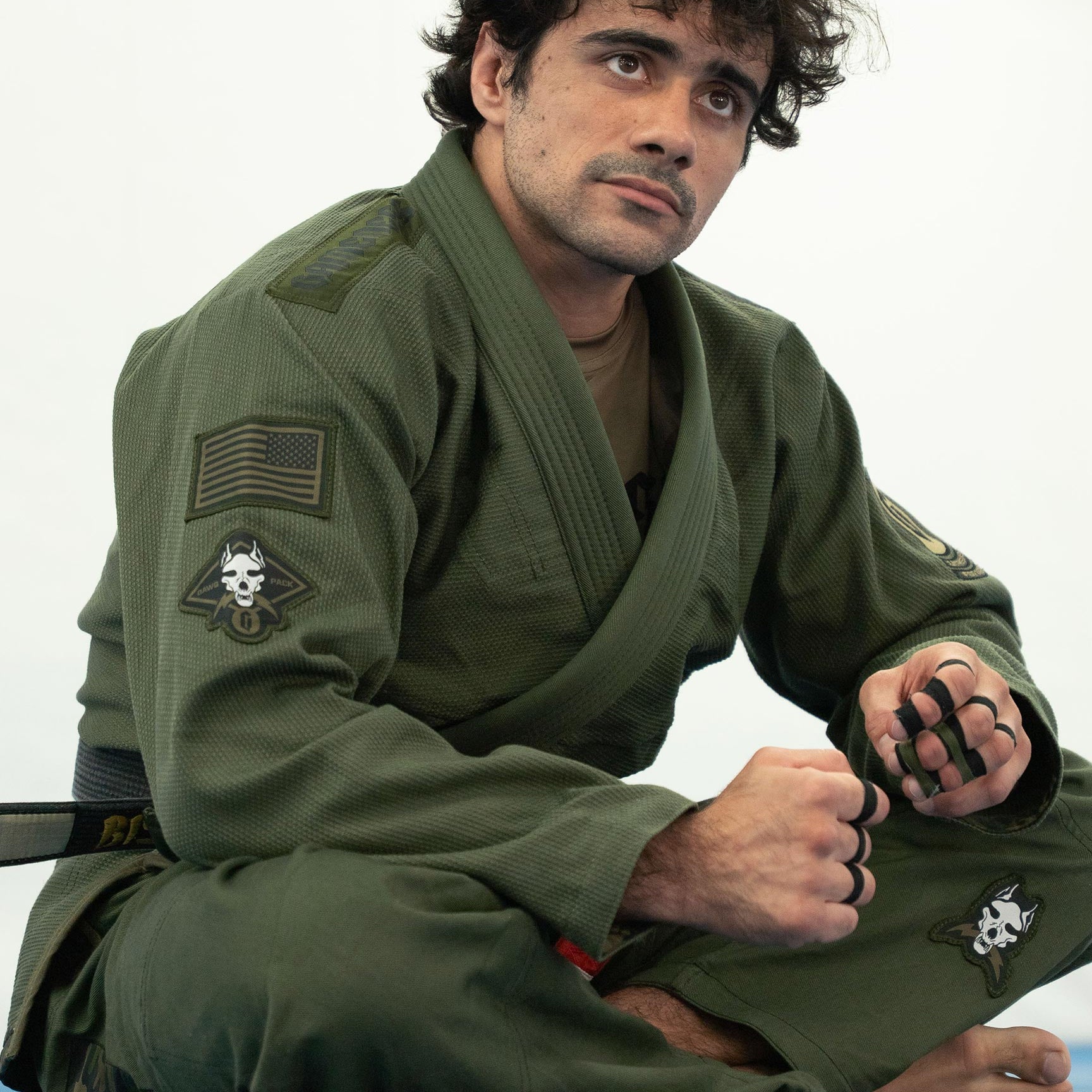
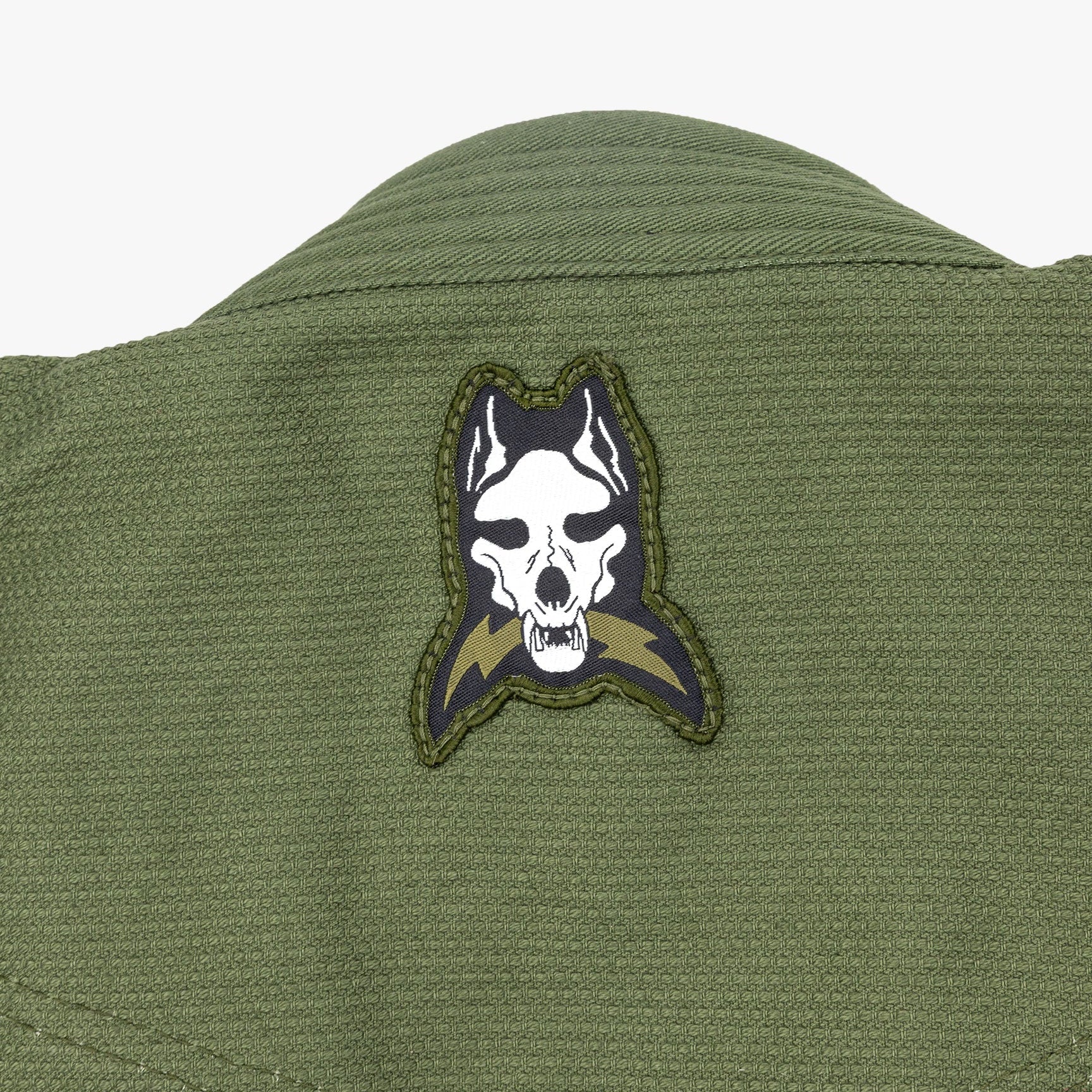
Most Brazilian Jiu Jitsu academies have more flexibility than a competition organization. Some schools issue a team patch and ask students to place it on the chest, shoulder, or back of the jacket. Others require a specific academy logo for students representing the school at seminars, promotions, or local events. Plenty of academies have no patch requirement at all.
Before sewing anything on, ask your coach or instructor three straightforward questions: Is a patch required? Where does the academy prefer it? Is it acceptable to add patches from a seminar, affiliated team, or sponsor? This matters most when you are new. Showing up in a first gi with a patch in the wrong spot is not a disaster, but it is easier to ask before making a permanent change.
Academy culture also changes the answer. A hobbyist who attends two evening classes a week may wear a plain gi without issue. A competitor joining the team for a regional tournament might be asked to wear an academy patch so coaches and teammates can identify them on the mat. Kids programs often have their own policy, especially when the academy uses uniform colors or wants a consistent look for parents’ day and belt ceremonies.
There is also a difference between adding one clean academy patch and covering a gi with unrelated logos. Even where there is no written rule, a crowded jacket can look messy, make grip fighting less predictable if edges are loose, and create problems if you later enter a stricter event.
Gi Patches Allowed Under Tournament Rules
For competition, the event’s current uniform rules are the only rules that matter. The International Brazilian Jiu Jitsu Federation, commonly called IBJJF, has detailed standards for gi condition, color, fit, and patch placement. Other events may use similar standards, loosen them, or create their own requirements.
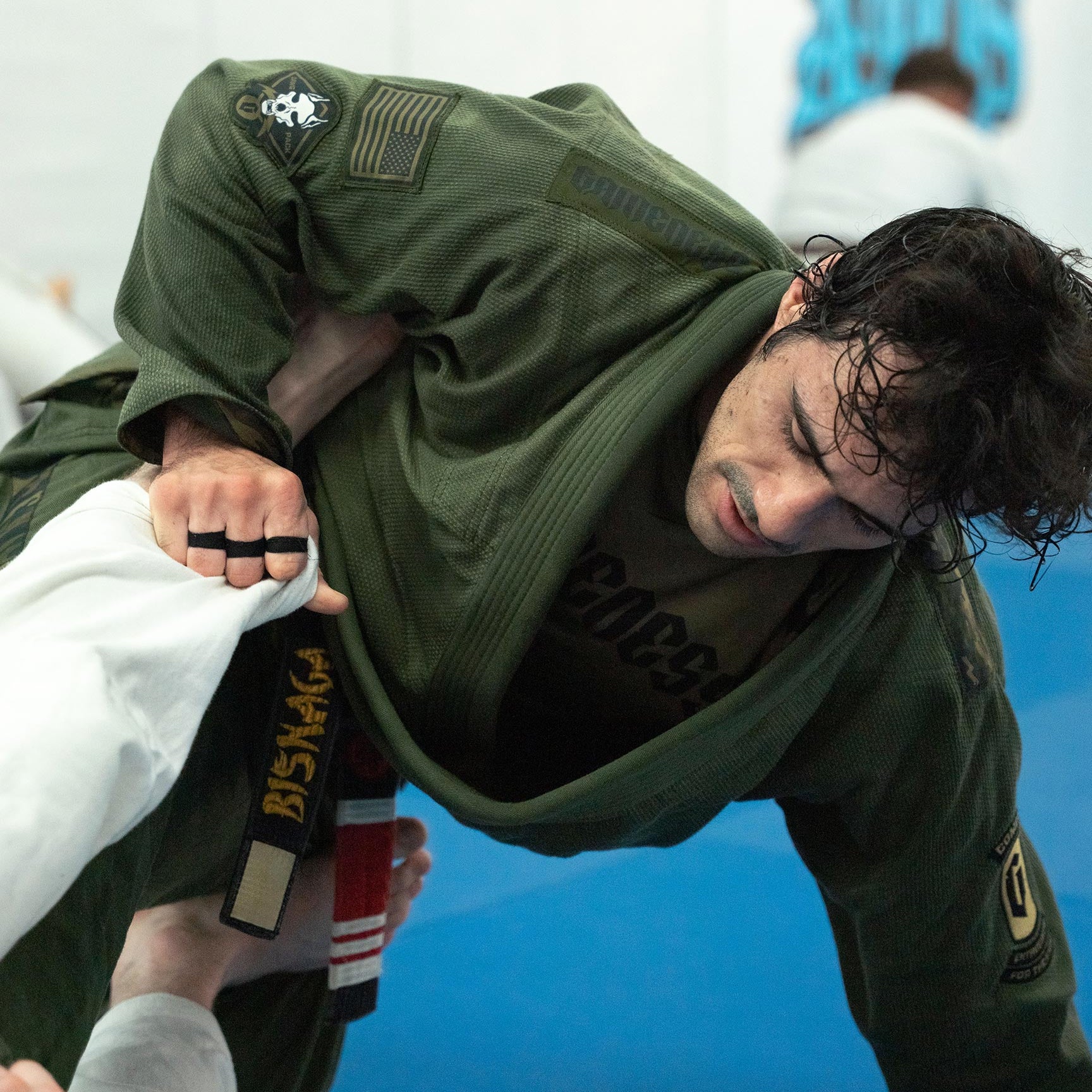
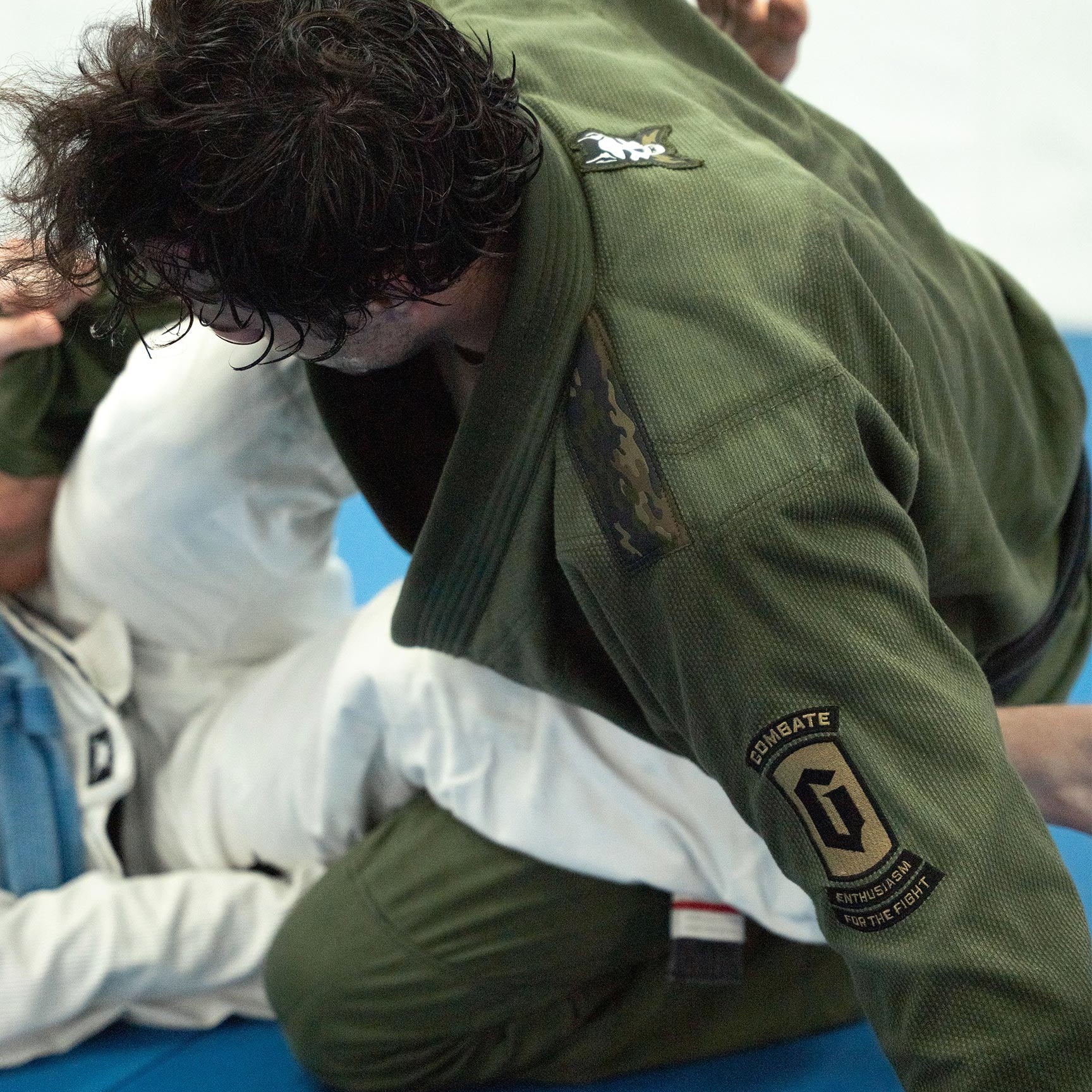
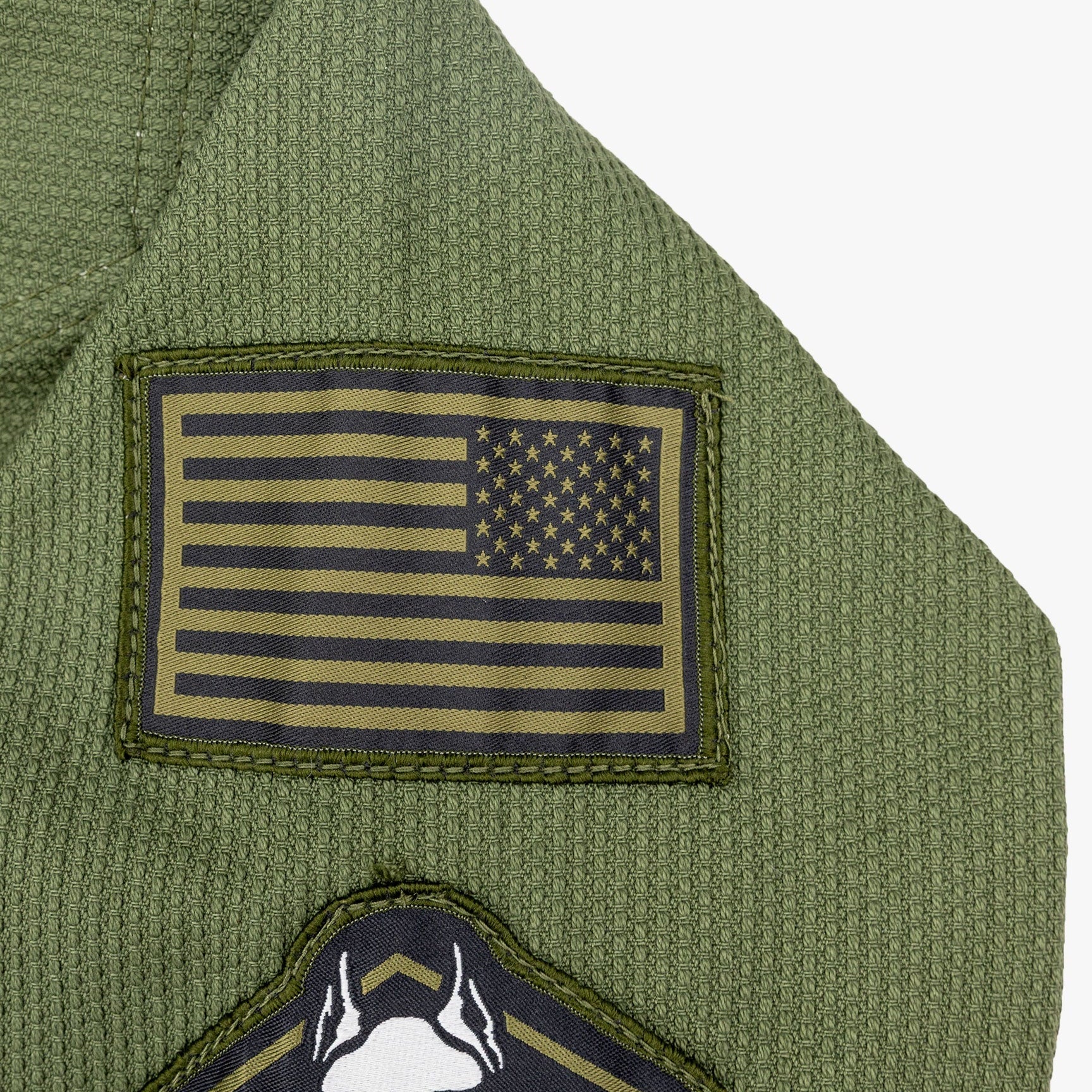
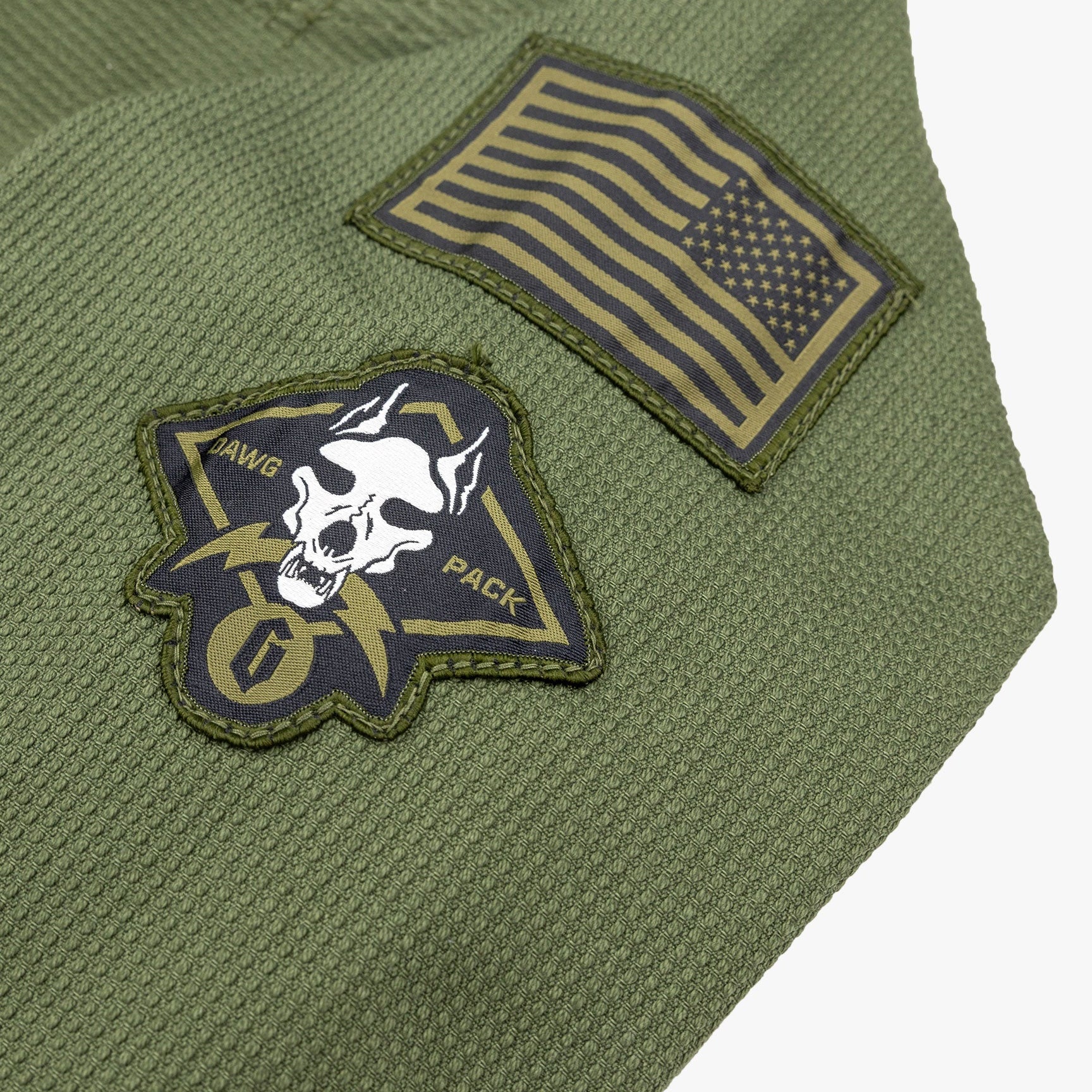
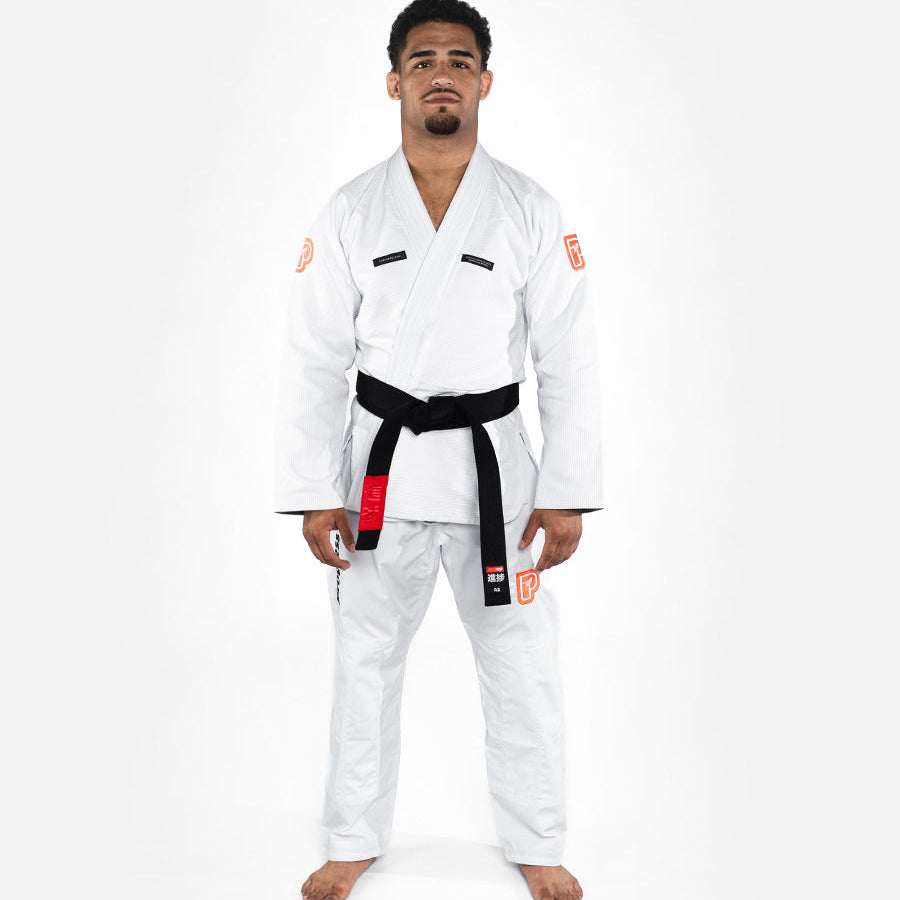
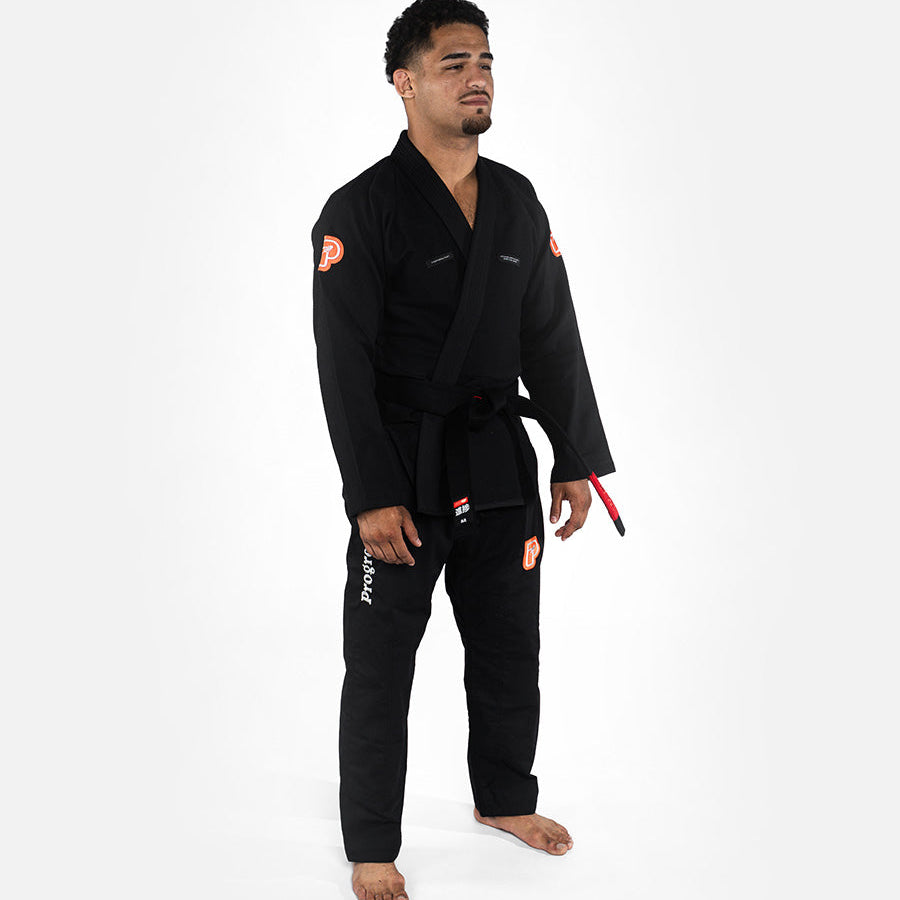
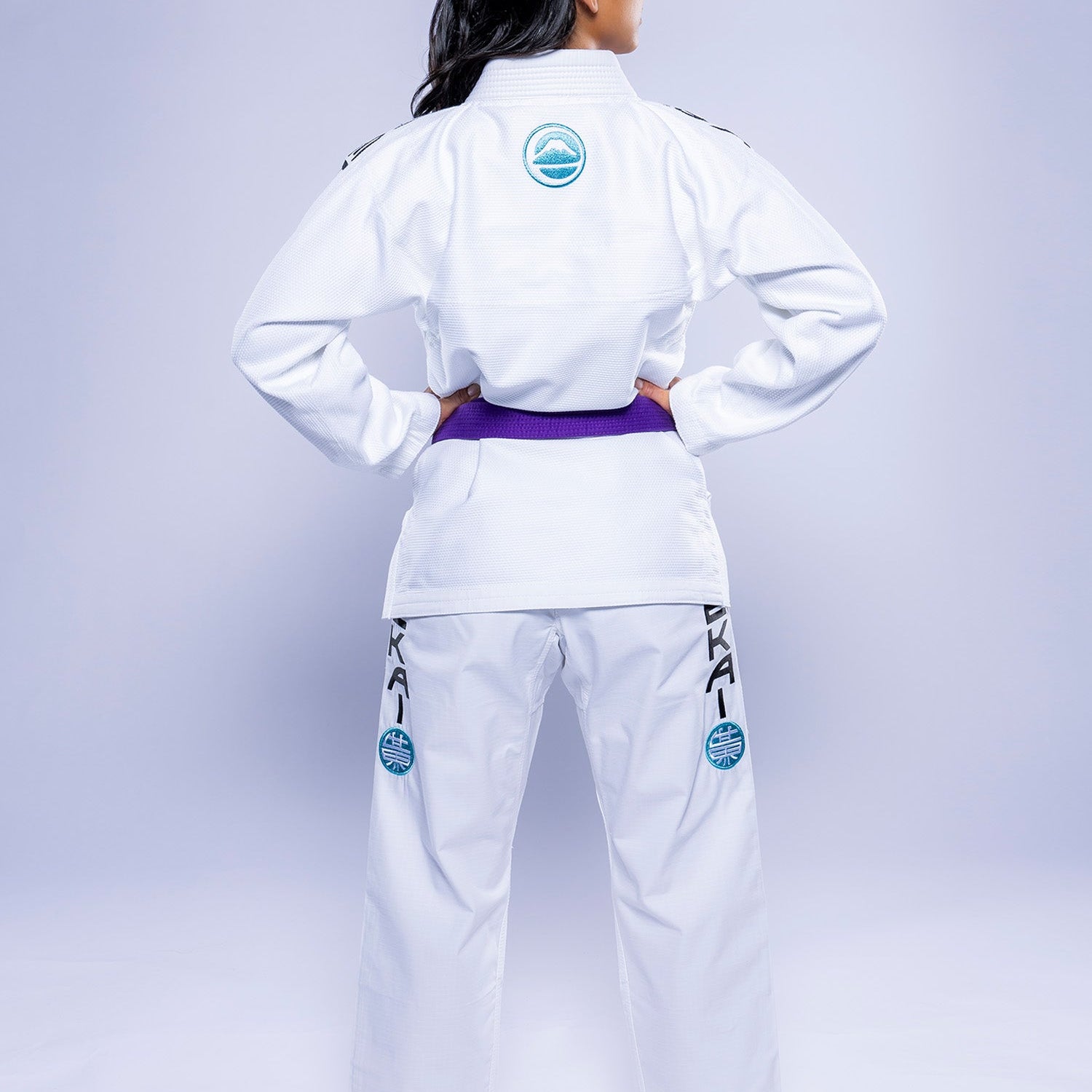
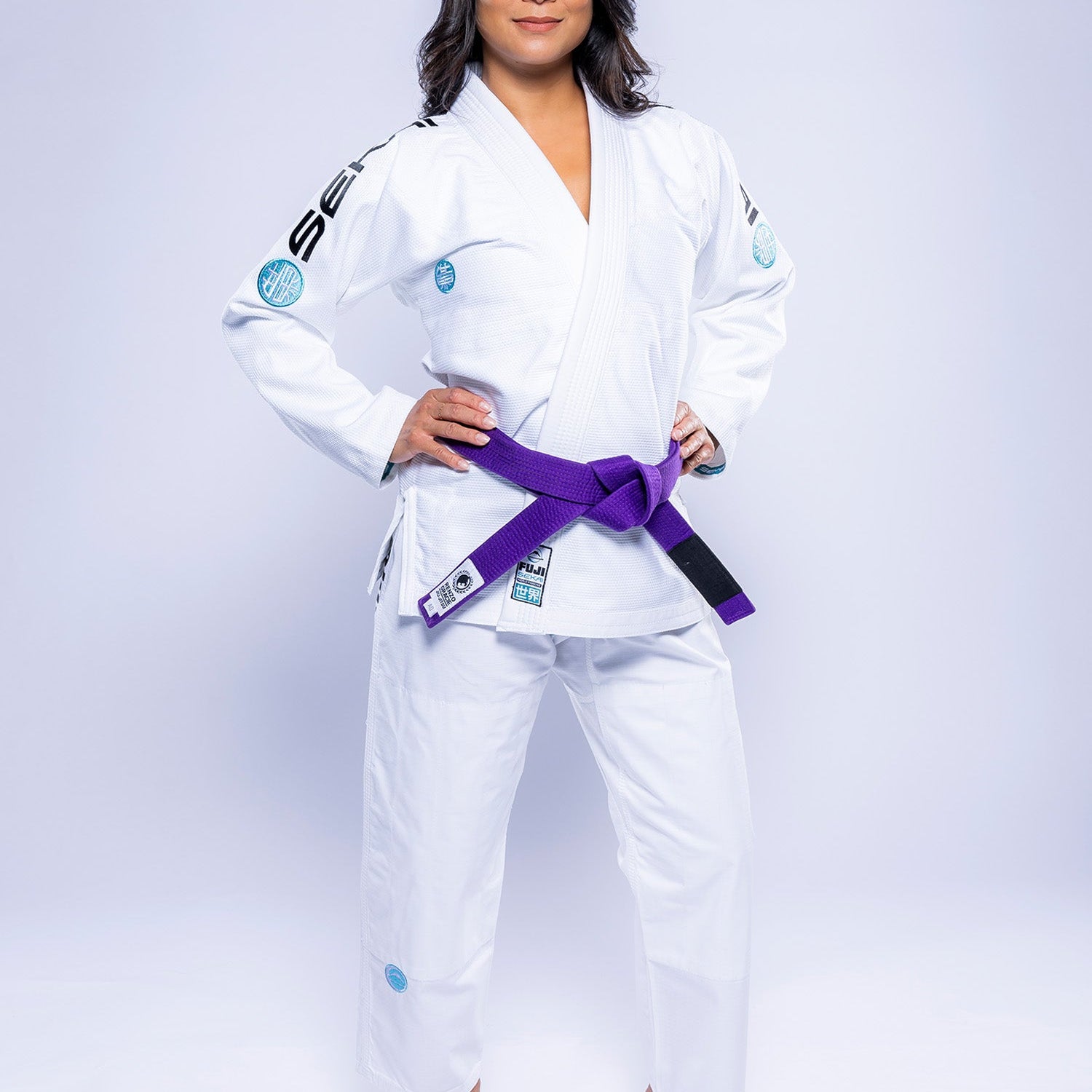
In IBJJF-style events, patches are generally permitted only in designated areas of the gi jacket and pants. The approved zones are shown in the organization’s official uniform diagrams, and those diagrams are more useful than relying on what you saw another competitor wearing six months ago. Rules can be updated, and enforcement can vary from one tournament to the next.
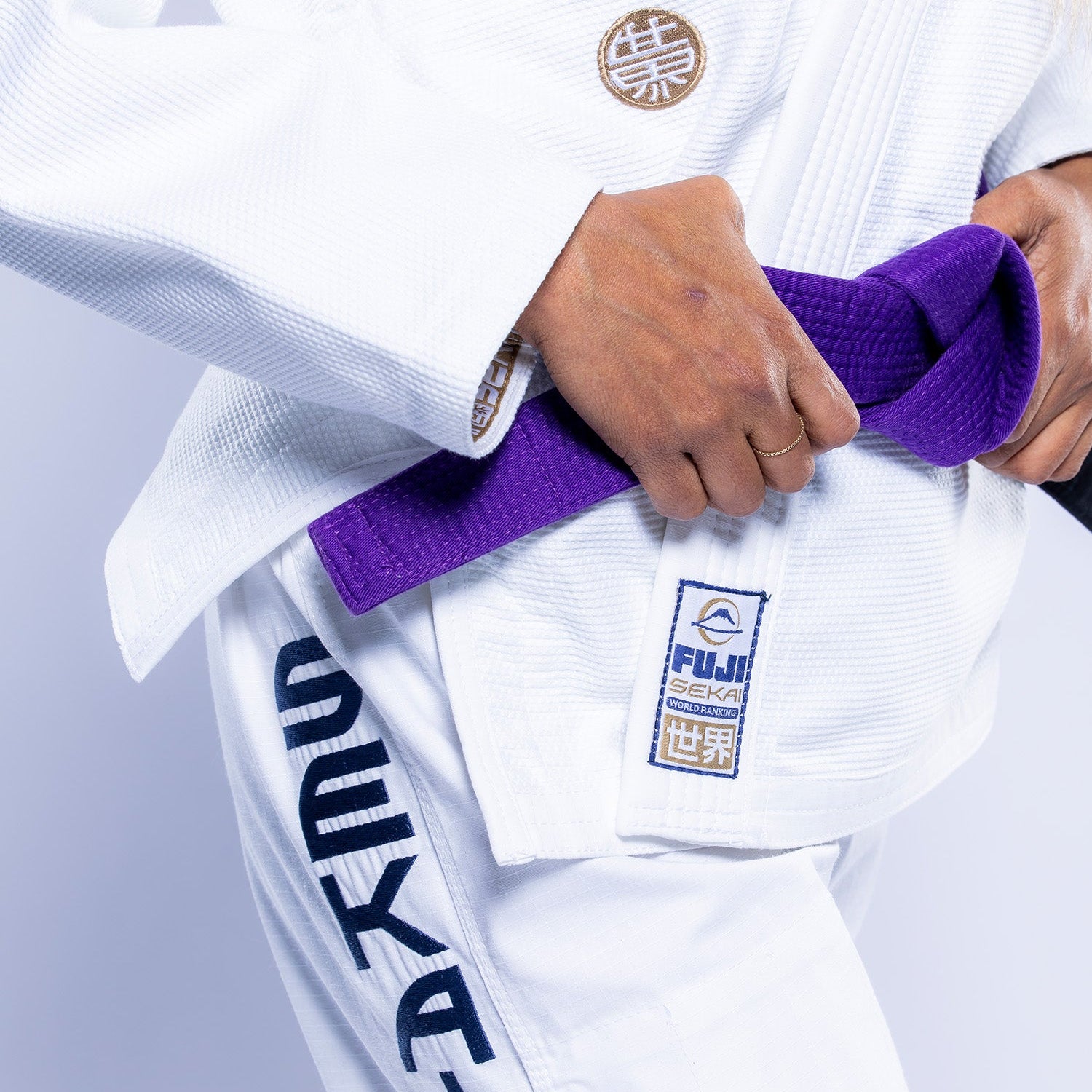
A safe approach is to use patches that sit flat and stay within the authorized panel areas, rather than stretching across seams, lapels, or the skirt of the jacket. Avoid putting patches on the collar, inside the jacket, or in a location that can interfere with a legal grip. A patch that hangs over an edge, bunches under the belt, or starts peeling after warm-ups can draw attention from an inspector.
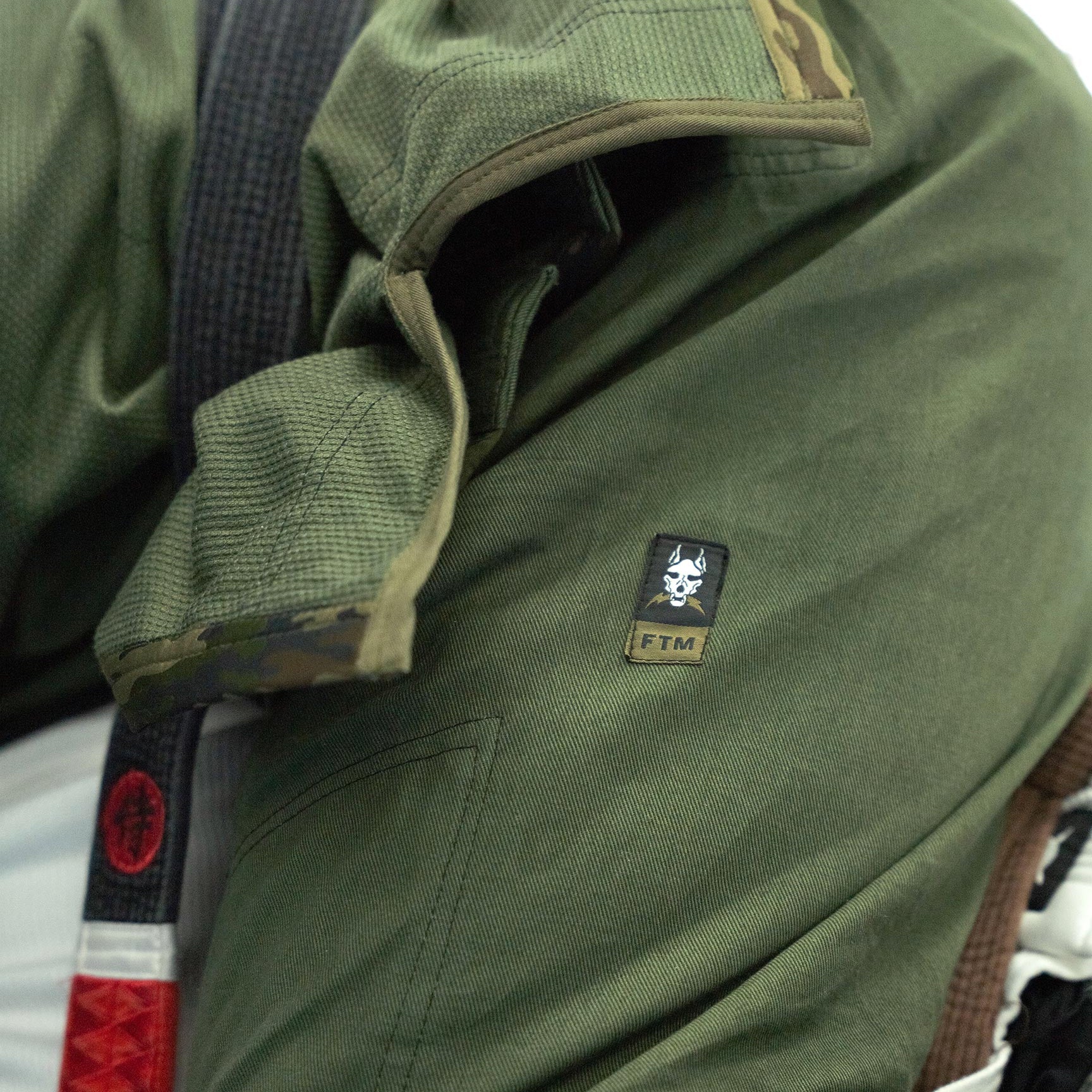
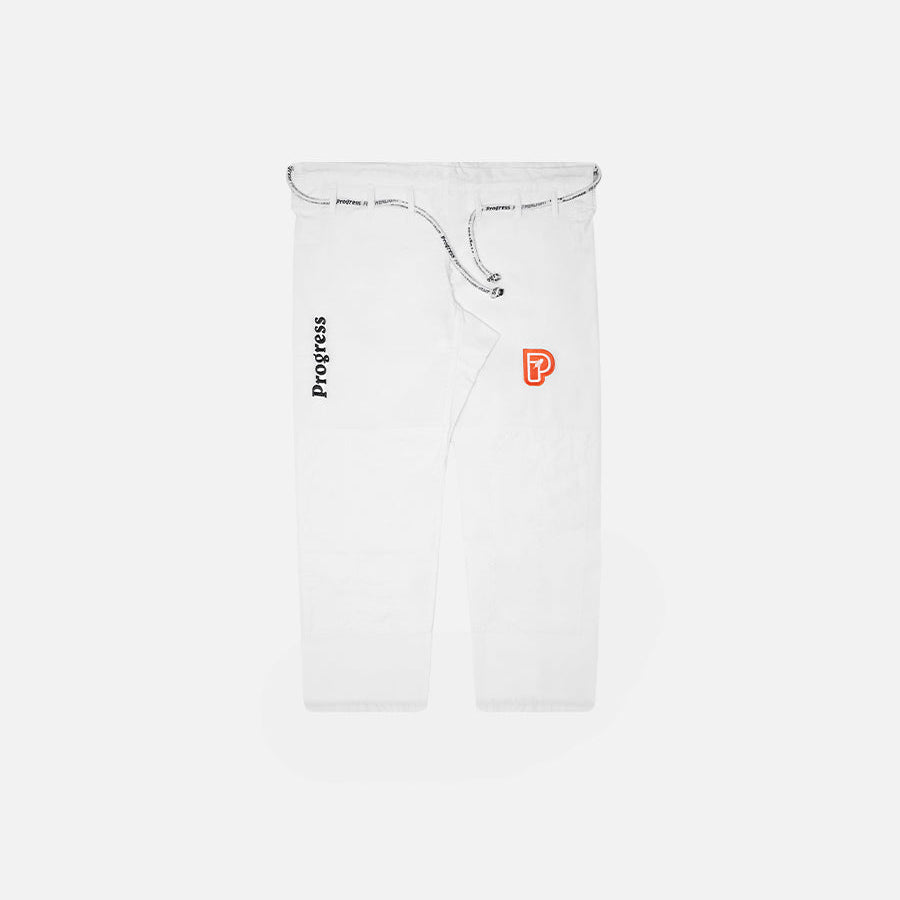
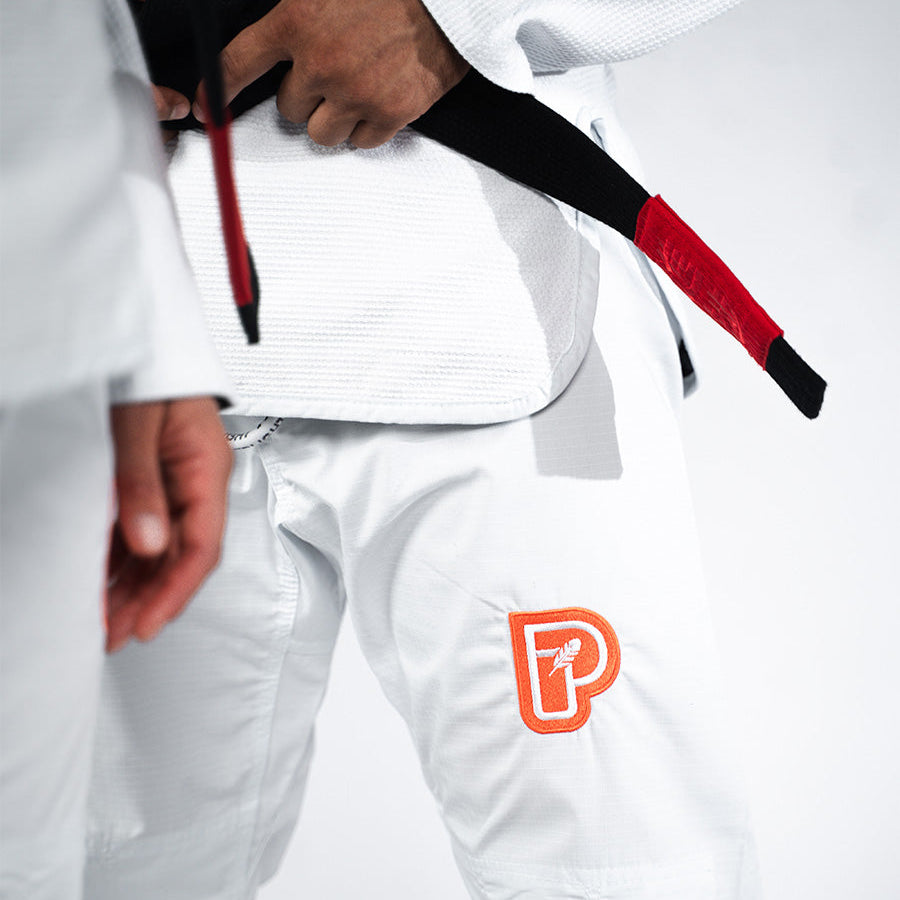
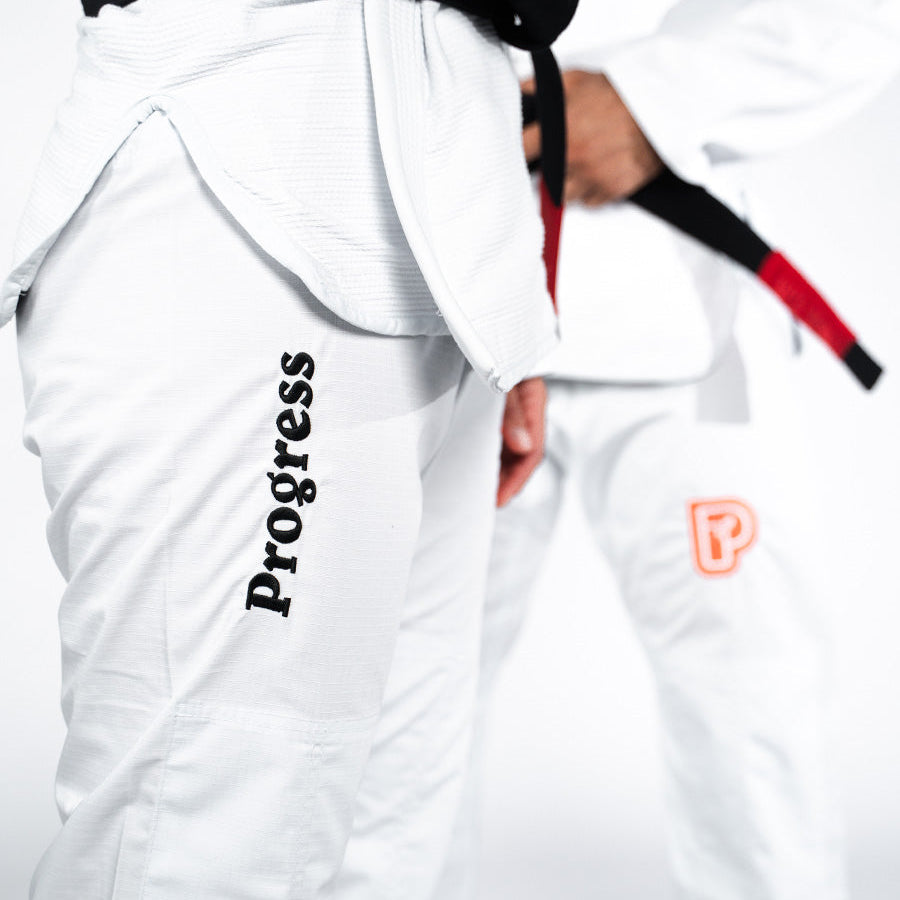
Pants deserve the same care. A large patch on the thigh may look fine in photos but can fall outside the permitted area for a particular ruleset. If you are entering a no-gi division after your gi matches, remember that the gi patch rules do not carry over, but the event may still have separate rash guard and shorts requirements.
Color is another common issue. A properly placed patch may still be a problem if it changes the visual standard required by the tournament. For example, an event that requires a white gi may not accept a jacket with a huge contrasting fabric panel that effectively changes its appearance. When in doubt, choose a simple, clean patch with secure stitching and confirm the event rules before the week of competition.
Why placement matters during a match
Patch rules are not only about making teams look organized. Brazilian Jiu Jitsu is grip-heavy. During collar-sleeve guard, a training partner needs to establish reliable grips on the jacket. During a torreando pass, they may control your pants near the knees. Loose embroidery, thick patch corners, or fabric that is pulling away from the gi can become distracting for both people.
The same applies when you are defending a cross-collar choke or fighting hands from mount. A patch should not create a bulky ridge under your lapel or make the jacket sit unevenly. A well-sewn patch becomes part of the gi. A badly attached one feels like an extra layer of gear moving around during every round.
What Usually Causes Problems at Check-In
The most frustrating uniform issues are usually preventable. A competitor spends eight weeks sharpening their guard pass, cutting weight responsibly, and drilling stand-ups, then discovers at check-in that a patch is too large, in an unapproved spot, or partially detached. That is a bad way to start tournament day.
Common trouble spots include patches that overlap the lapel, cover too much of the jacket, extend beyond a permitted area, or have loose threads and lifted corners. Old patches can be a concern too. A gi may have fit perfectly when it was new, but repeated washing and drying can shrink the fabric around the patch and cause it to wrinkle.
Be careful with iron-on patches. They may hold through light drilling but start lifting when the gi gets soaked with sweat during hard rounds. Sewing around the full perimeter is usually more reliable. If the patch is large, a few reinforcement stitches through the center can keep it from ballooning away from the fabric.
Sponsor patches deserve extra attention. Some tournaments allow them within designated zones, while others have restrictions based on event sponsors or uniform regulations. If your academy gives you a sponsor patch for a team event, use the placement instructions they provide. If it is your own patch, review the event rules rather than assuming it is automatically allowed.
Check Your Gi Before Tournament Week
Do your inspection early enough that you can make changes without rushing. Put the full uniform on, tie your belt, and look at the gi from the front, side, and back. Then move in it. Sit into guard, squat, pummel for underhooks, and pull your knees toward your chest as if you are defending a guard pass. A patch that seemed flat on a hanger may bunch when the fabric is under tension.
A useful pre-tournament check includes five things:
- Confirm the event’s current gi color, fit, and patch-placement requirements.
- Check that every patch is fully sewn down with no curling edges or loose threads.
- Make sure patches do not cross lapels, seams, or areas prohibited by the event diagram.
- Wash and dry the gi before inspection day so you know how it fits after normal laundering.
- Bring a clean backup gi if the tournament permits it and you have one available.
Can You Remove a Patch?
Yes, but take your time. Removing a sewn patch can leave needle holes, faded fabric outlines, or adhesive residue. Those marks usually are not a rules issue by themselves, but they can make a gi look worn before its time. Use a seam ripper carefully, working from the inside when possible, and remove stitches rather than pulling hard on the patch.
If you are replacing an academy patch after changing schools, talk to your new instructor before covering the old area with another patch. Some teams prefer a particular location, while others would rather you keep the gi plain. This is especially relevant for students returning after a long break, when academy affiliations and uniform policies may have changed.
A clean gi with one properly placed patch will almost always cause fewer headaches than a jacket full of last-minute additions. Ask your instructor early, check the tournament’s current rules before registering, and give yourself enough time to fix anything that could keep you off the mat.
Shop Our New Releases

Fast & Free Shipping!



Fast & Free Shipping!
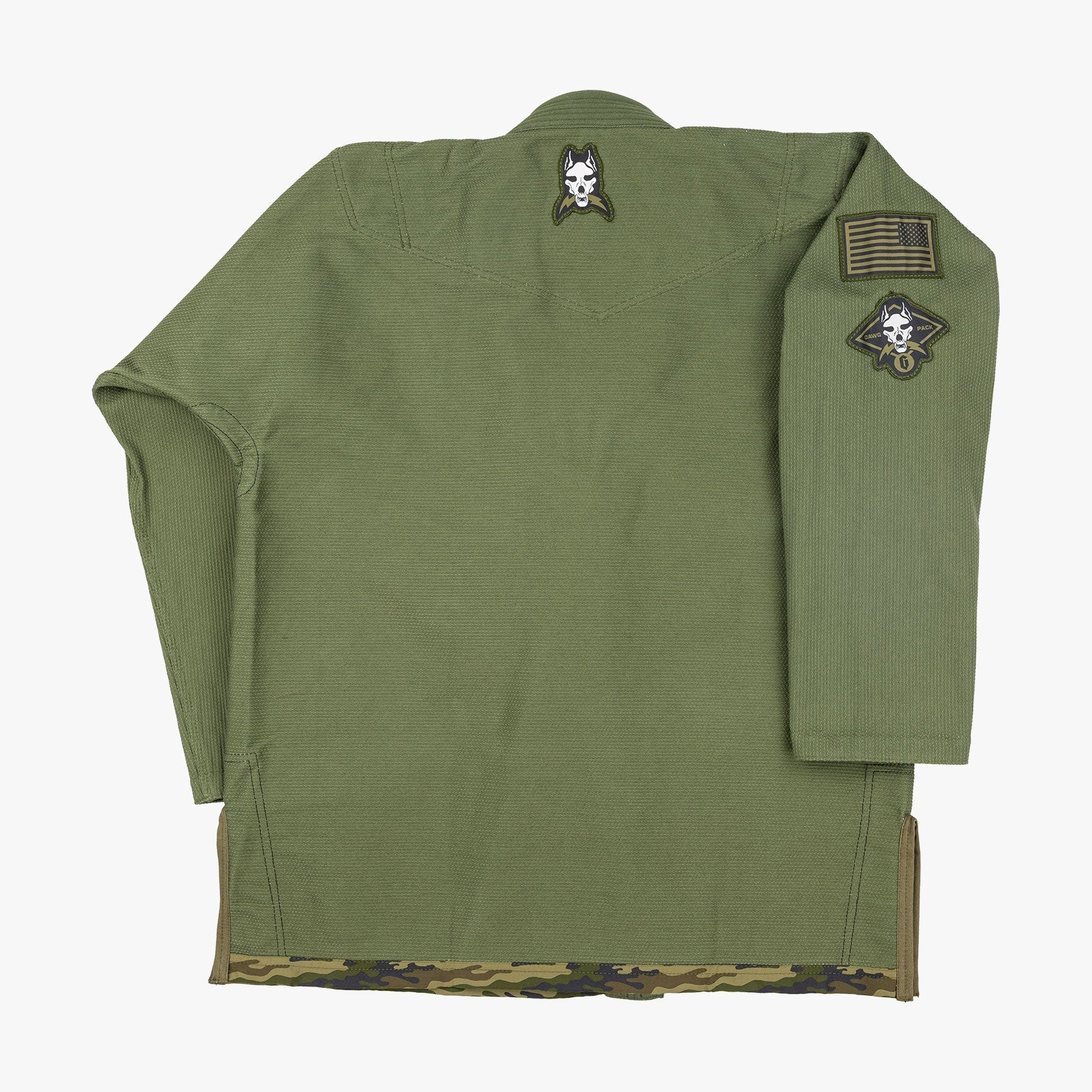
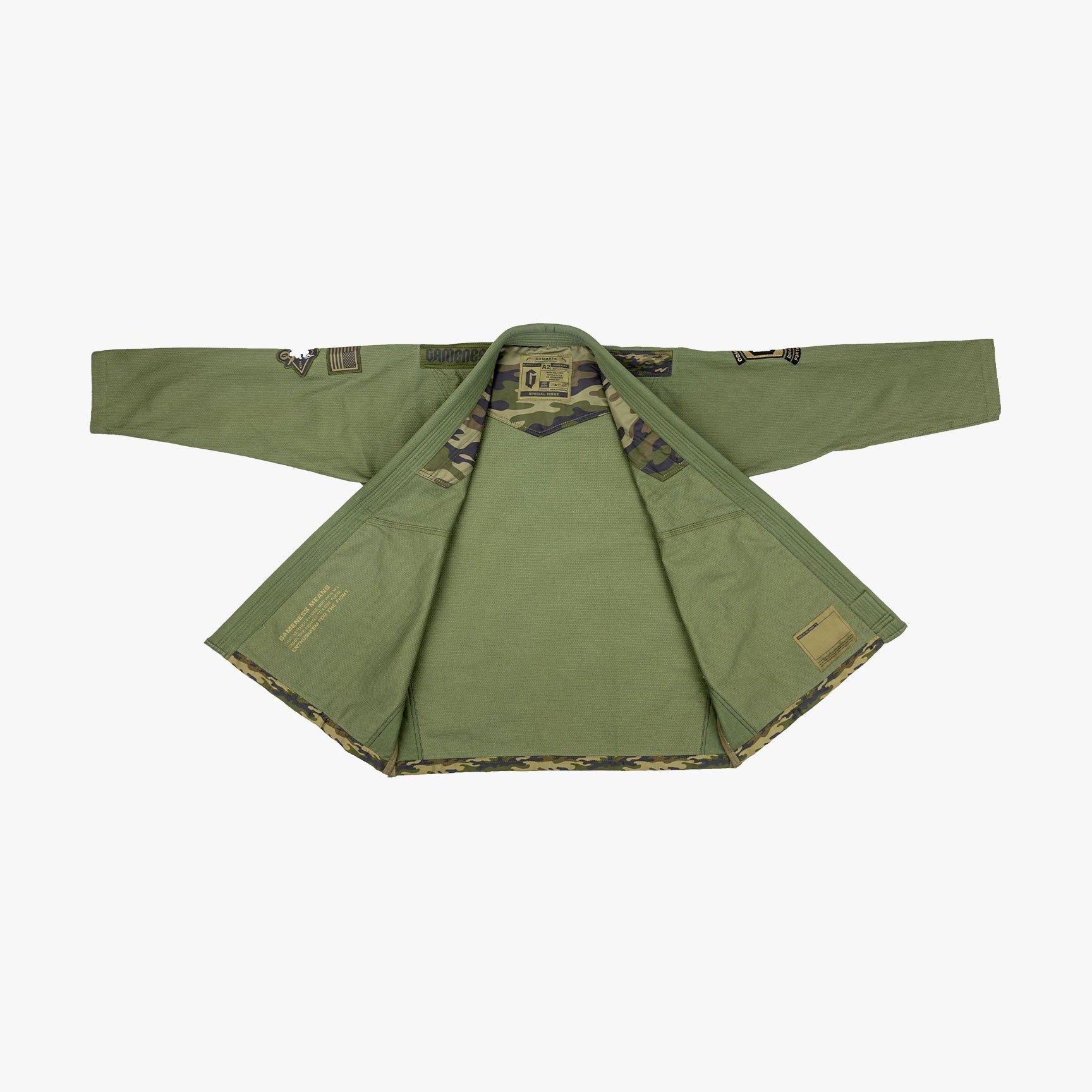
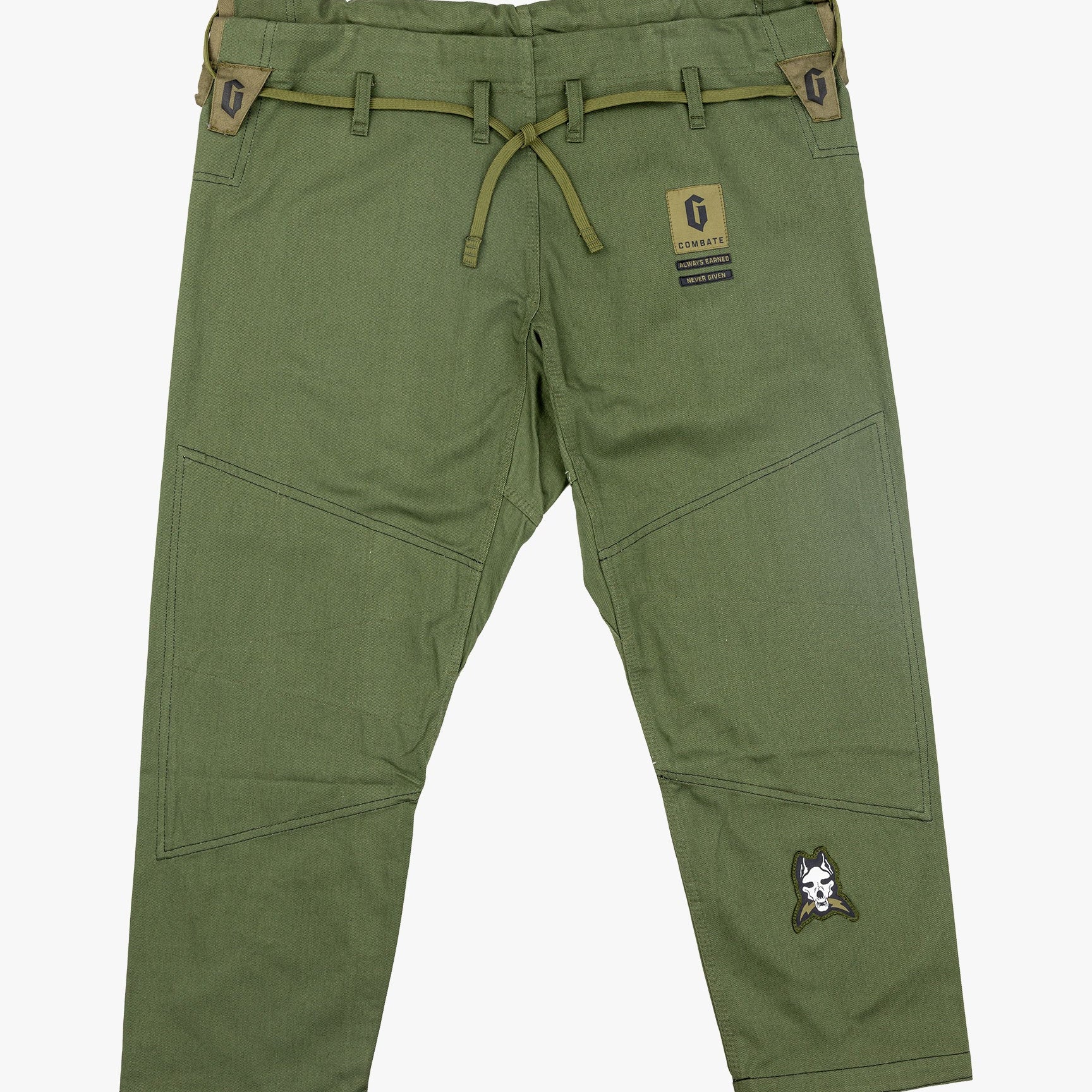
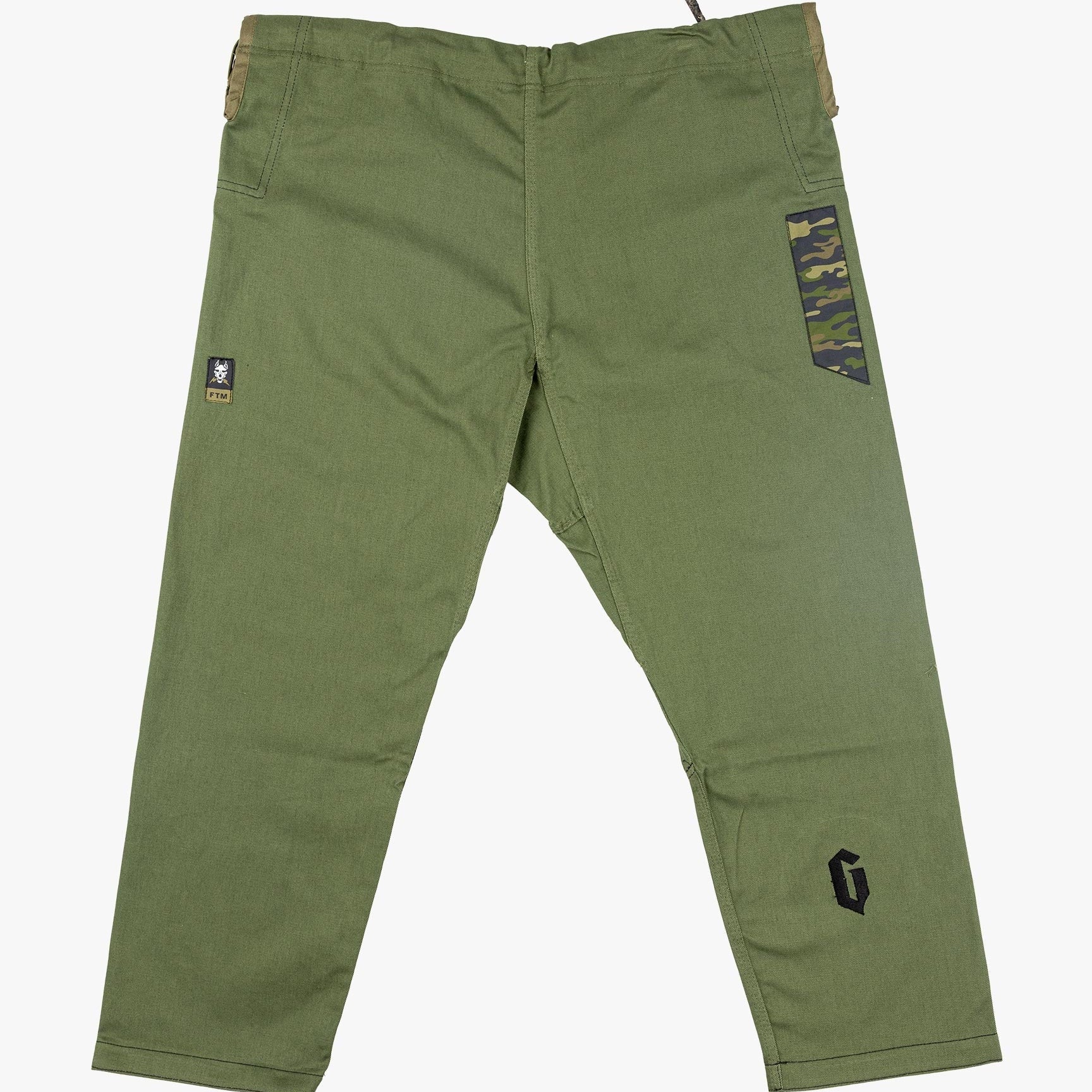
Fast & Free Shipping!

Fast & Free Shipping!








































Fast & Free Shipping!













Fast & Free Shipping!