Brazilian Jiu Jitsu Starter Guide
That first class usually feels the same for almost everyone - you walk in, see people tying belts like they have done it forever, and wonder if you are about to get completely lost. A good brazilian jiu jitsu starter guide should make that first step easier, not more complicated. If you are brand new, the goal is not to learn everything at once. It is to understand what matters first, avoid common beginner mistakes, and show up ready to train.
Brazilian Jiu Jitsu has a learning curve, but it is not as mysterious as it looks from the outside. You will spend a lot of time in close contact, you will probably get stuck under someone side control in your first week, and you will tap often. That is normal. The beginners who stick around are usually the ones who stop trying to win every exchange and start paying attention to position, timing, and good habits.
What to expect from your first few classes
Most schools structure beginner classes in a pretty similar way. You will usually warm up, learn one or two techniques, drill them with a partner, then do some positional rounds or live sparring. In some academies, brand-new students do limited sparring at first. In others, you may roll on day one.
Do not expect to remember every detail. If your coach shows a guard pass, then your partner starts giving realistic resistance, the move may fall apart immediately. That is also normal. In Jiu Jitsu, there is a big gap between seeing a technique and being able to use it against someone who does not want it to happen.
Your first month often includes the same beginner experiences. You might struggle to shrimp correctly during warmups, forget which grip to take during a scissor sweep drill, or gas out after two five-minute rounds even if you lift weights or run. Grappling uses a different kind of energy. A lot of new students squeeze too hard, hold their breath, and treat every scramble like a sprint.
Brazilian Jiu Jitsu starter guide to gear
You do not need a massive gear setup to begin, but a few basics matter right away. First, find out whether your academy starts beginners in the gi, no-gi, or both. That changes what you need.
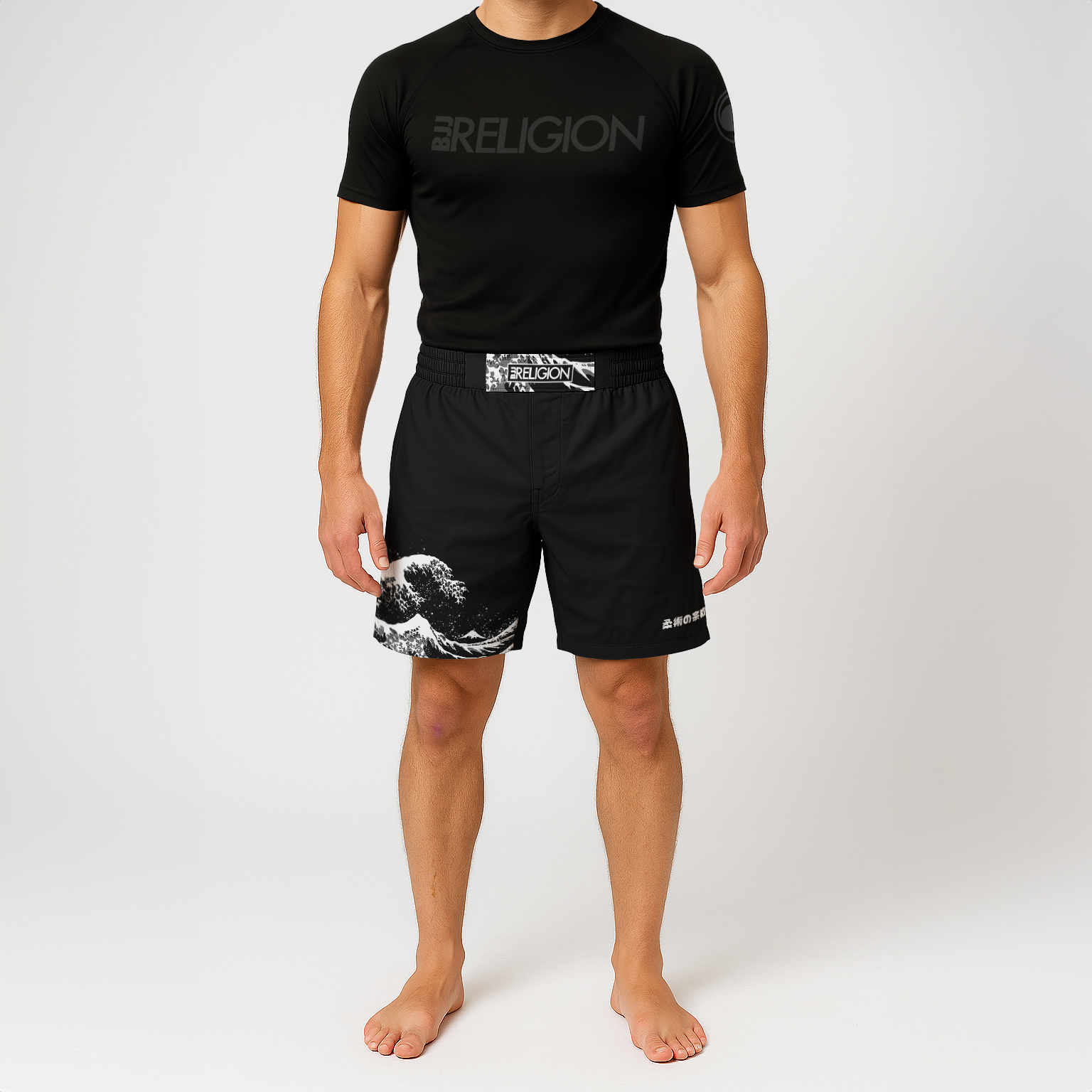
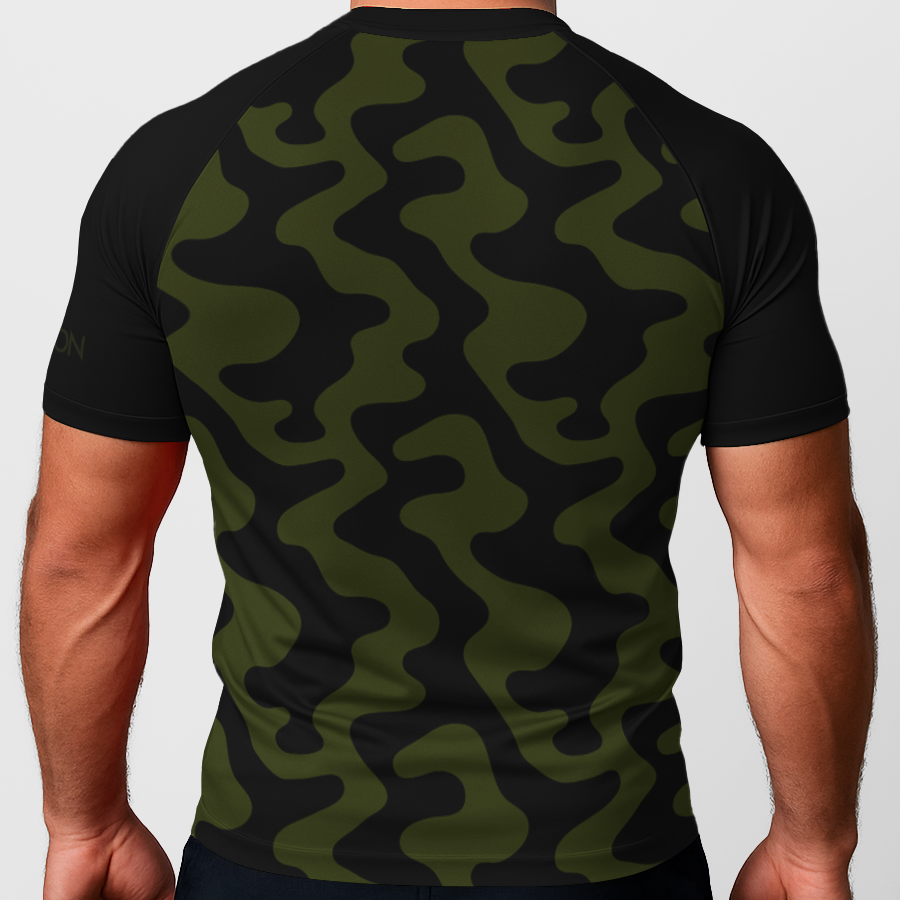
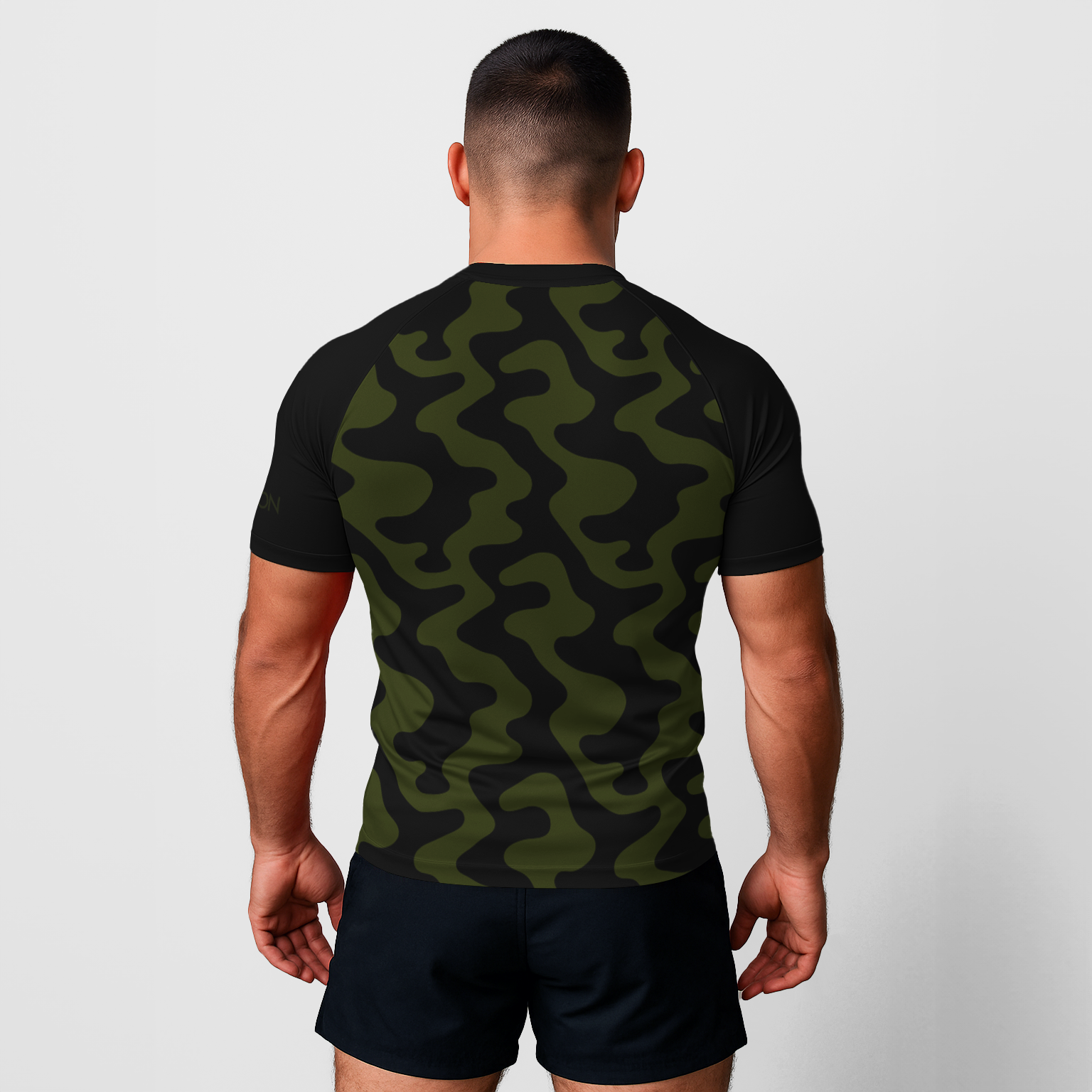
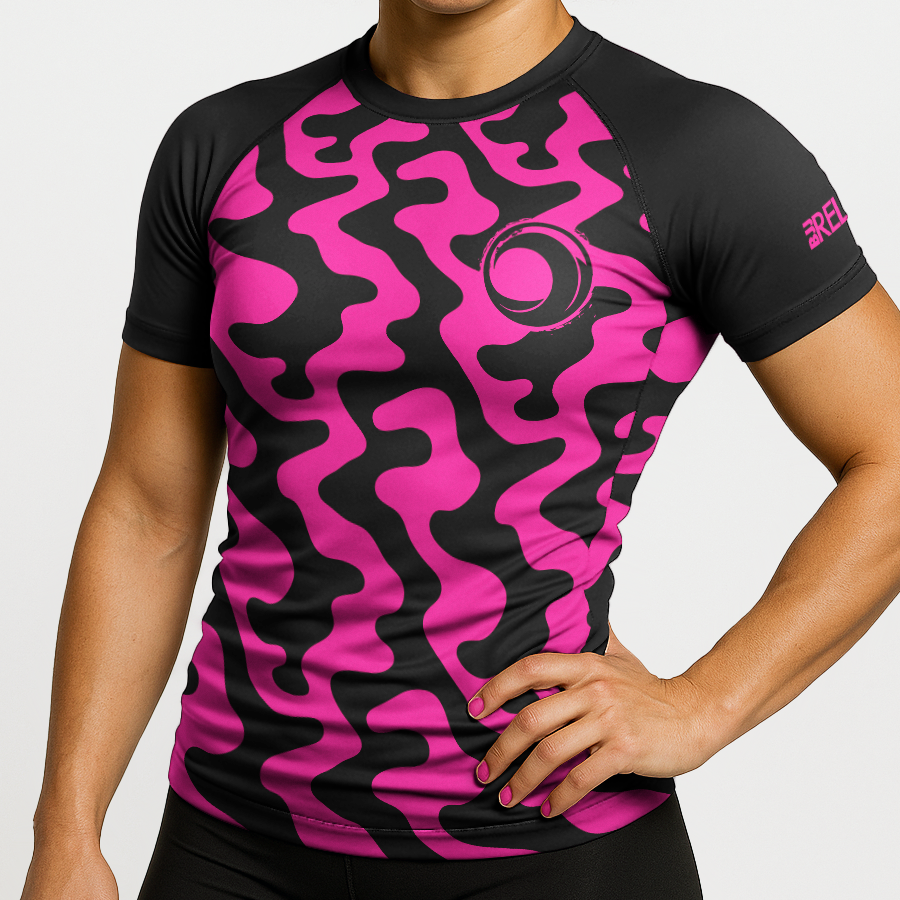
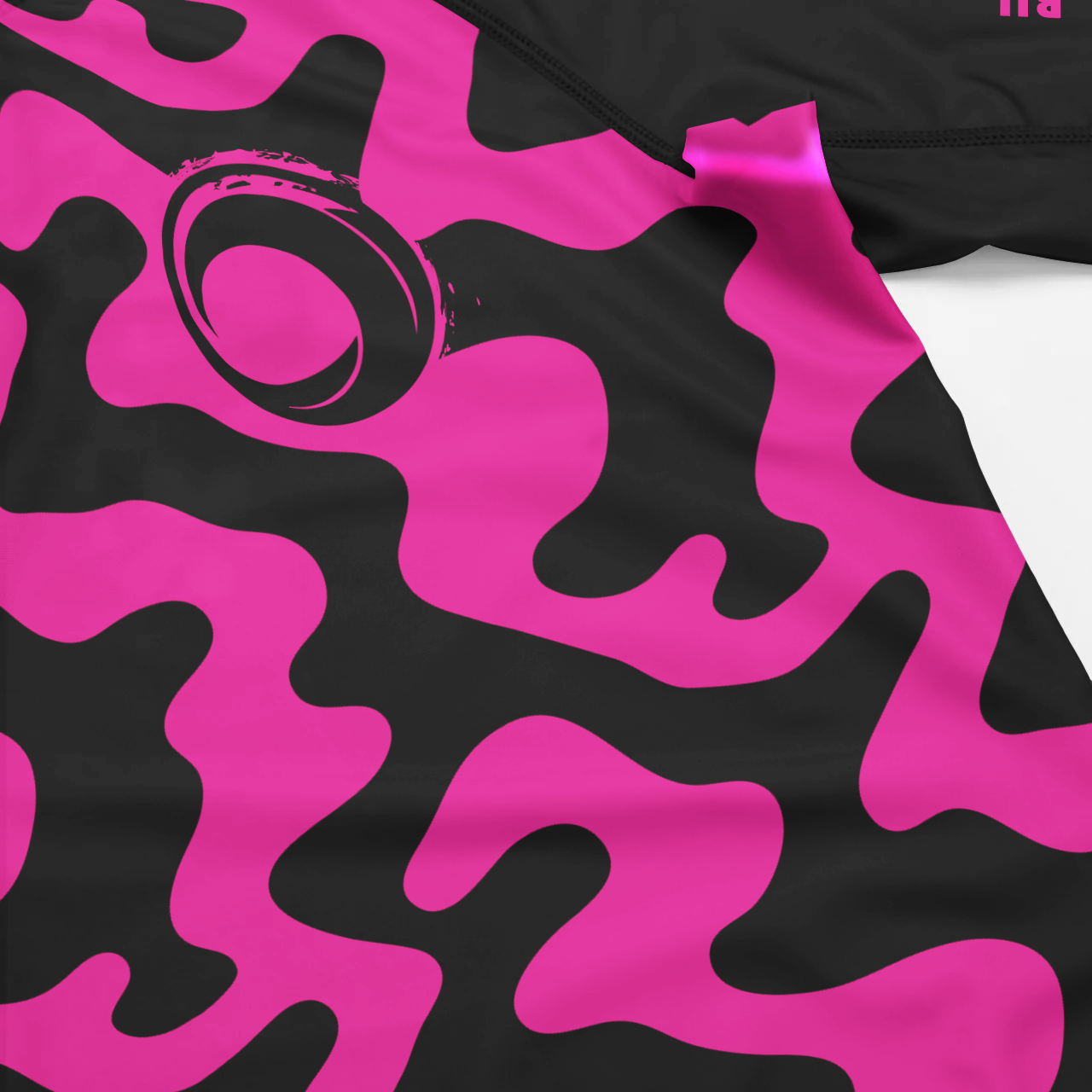
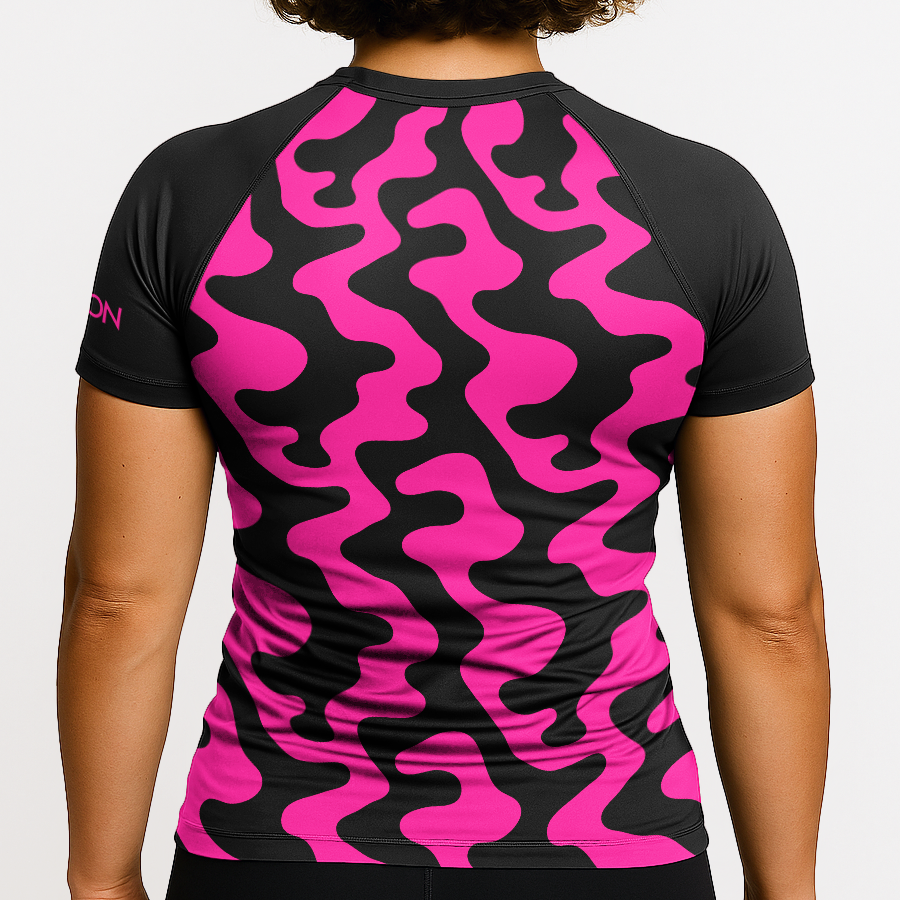
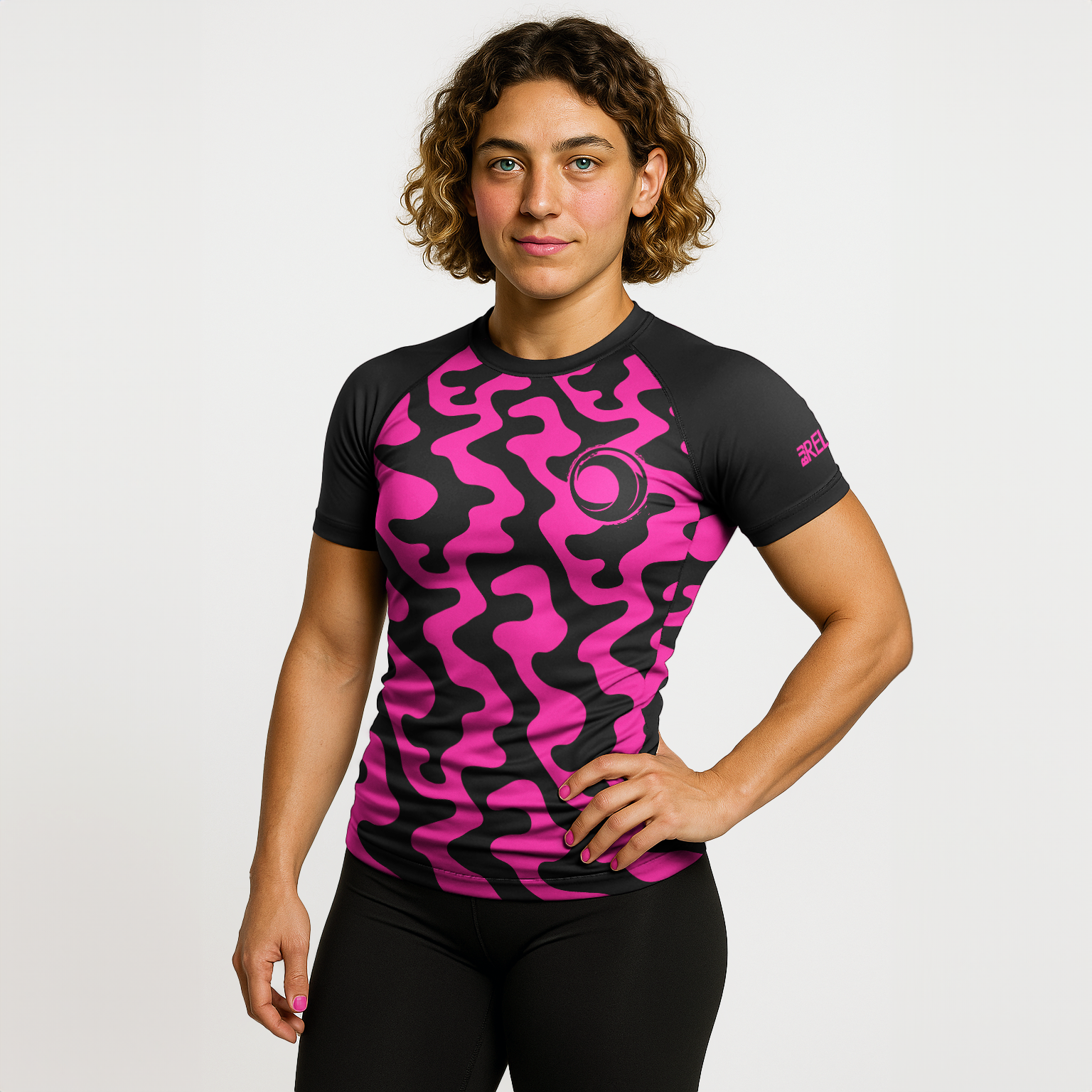
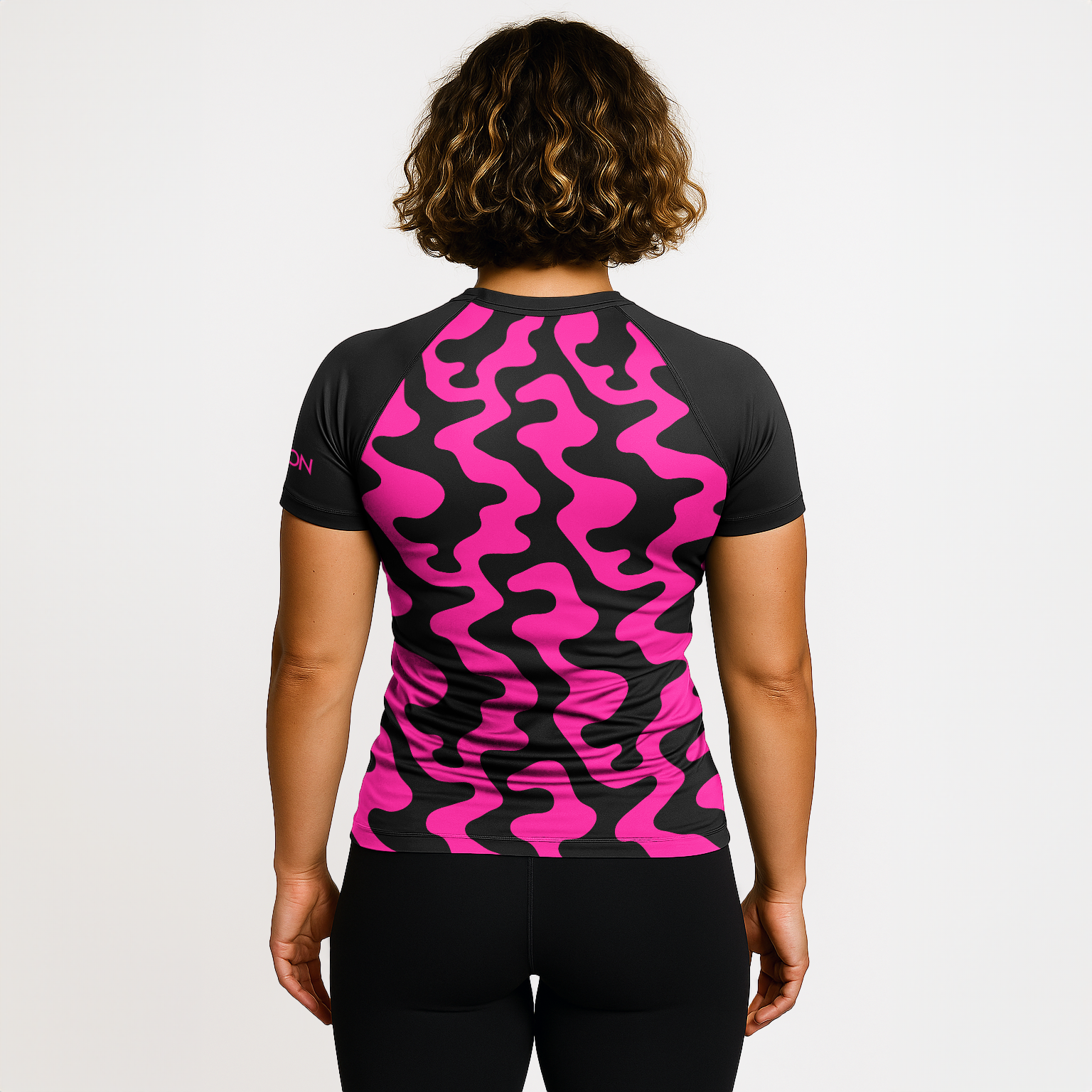
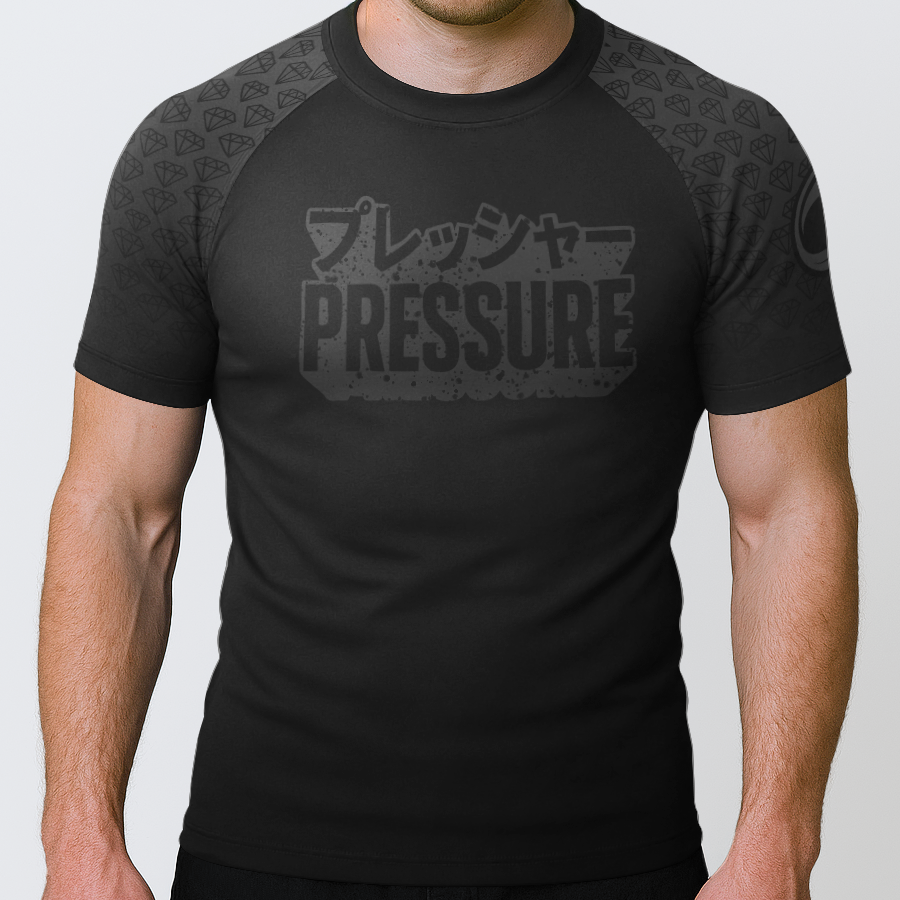
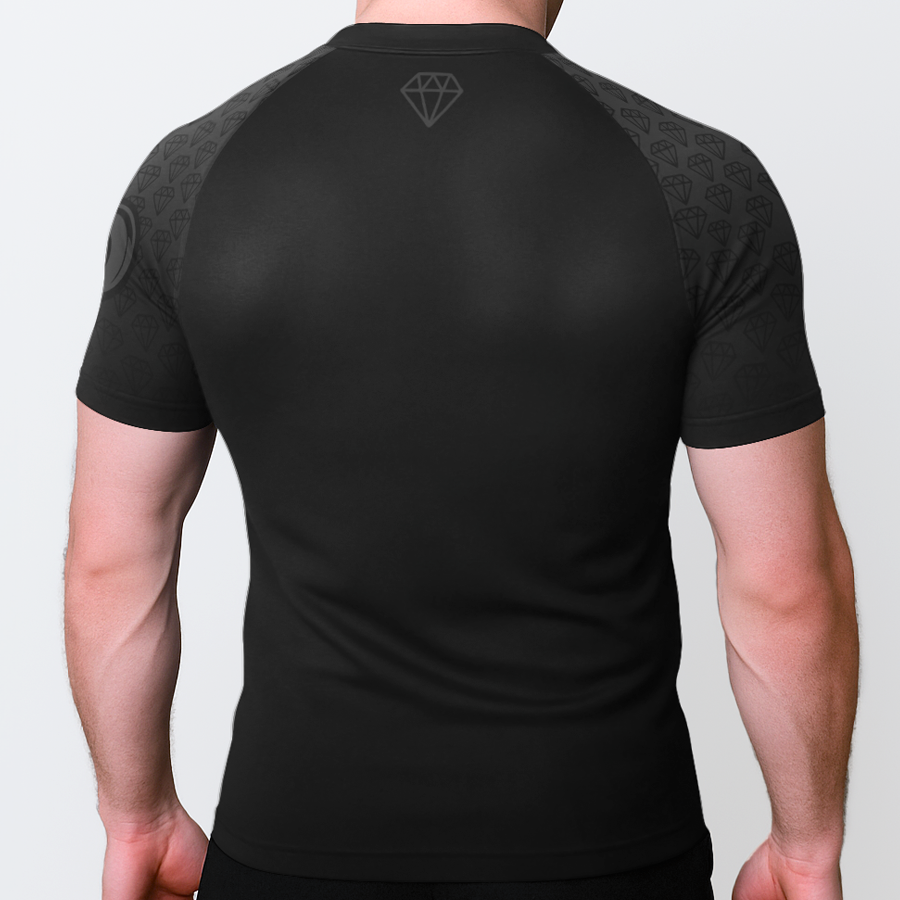
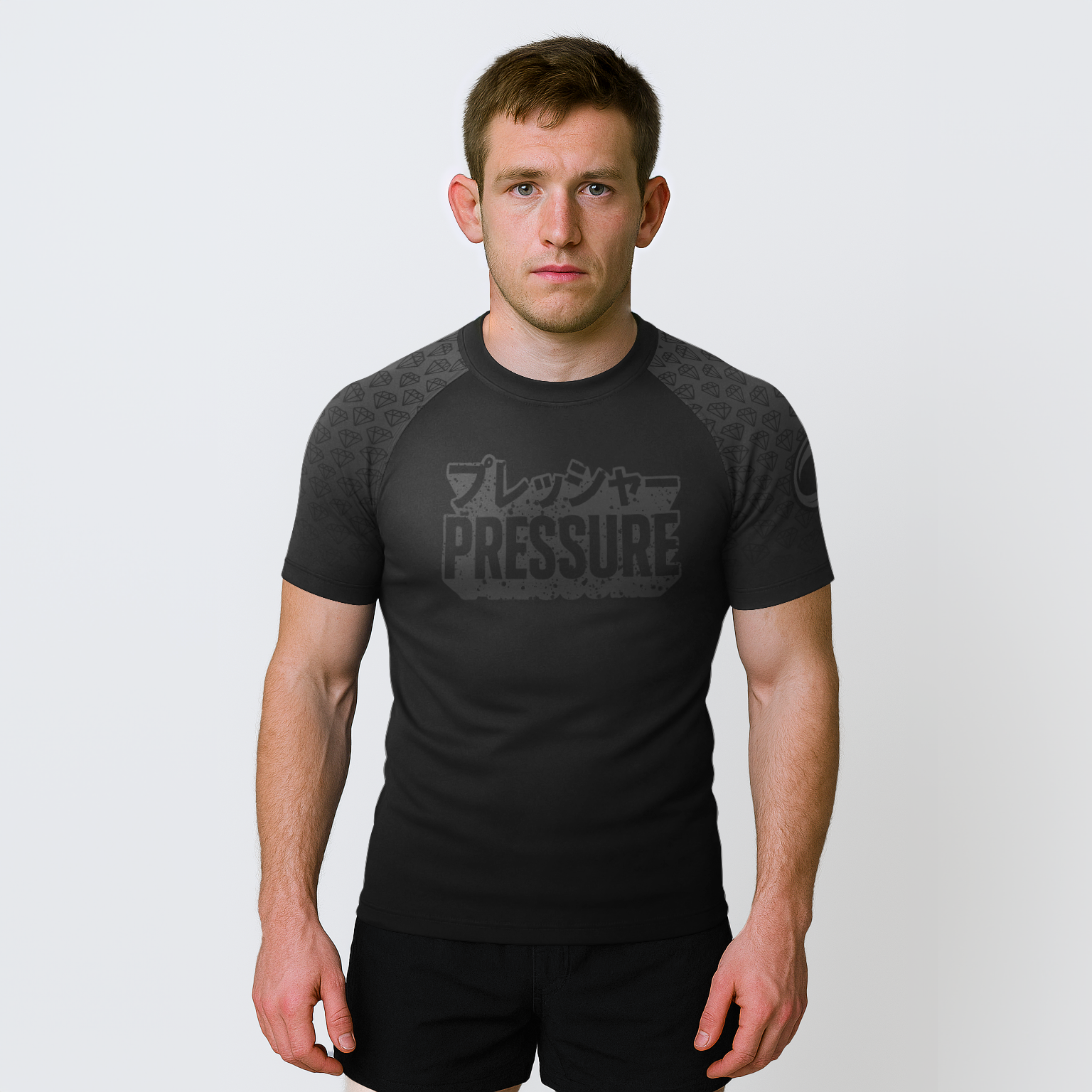
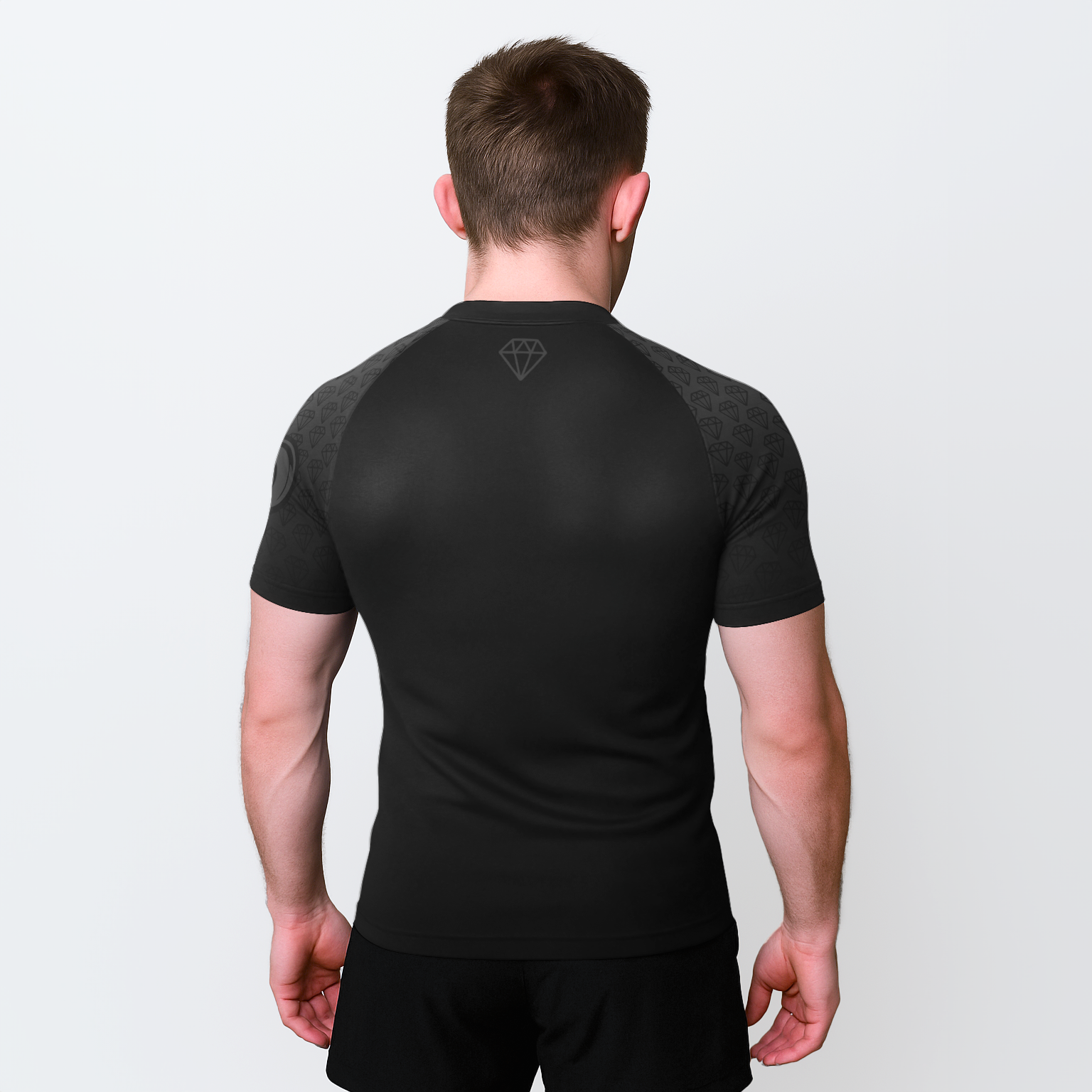
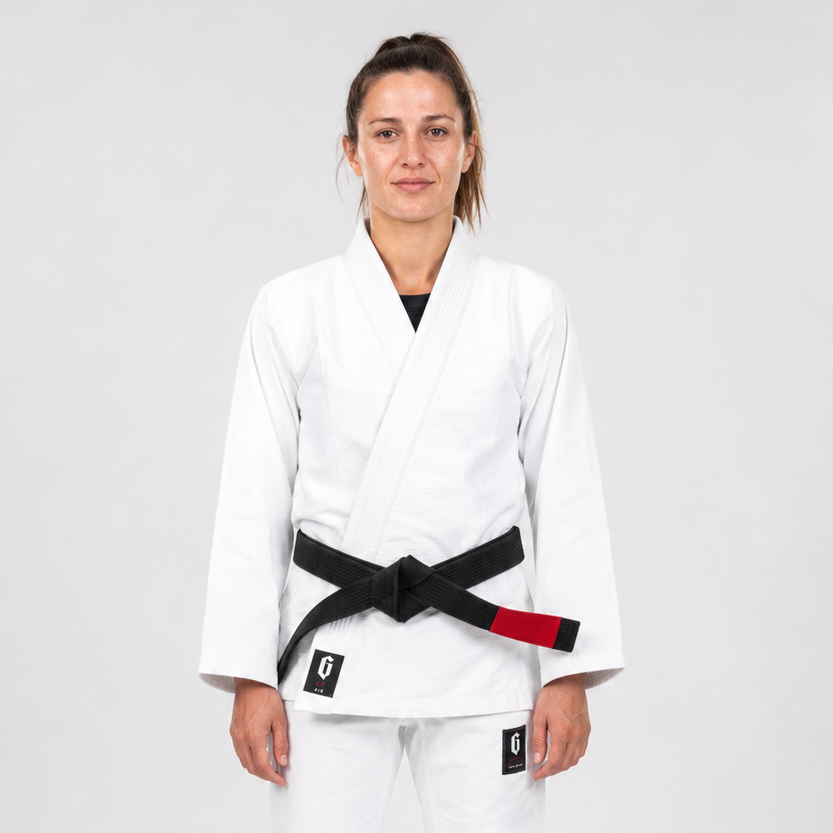
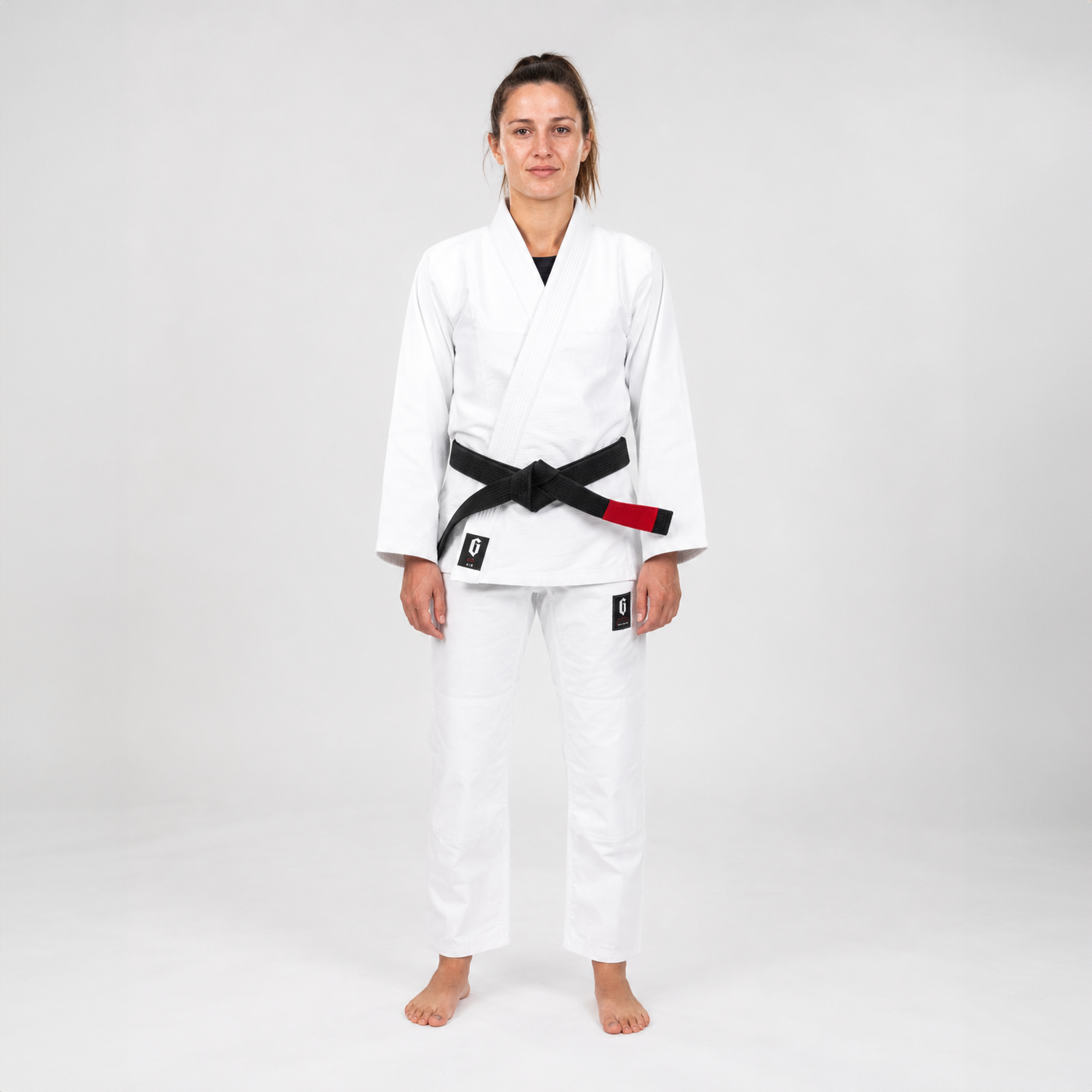
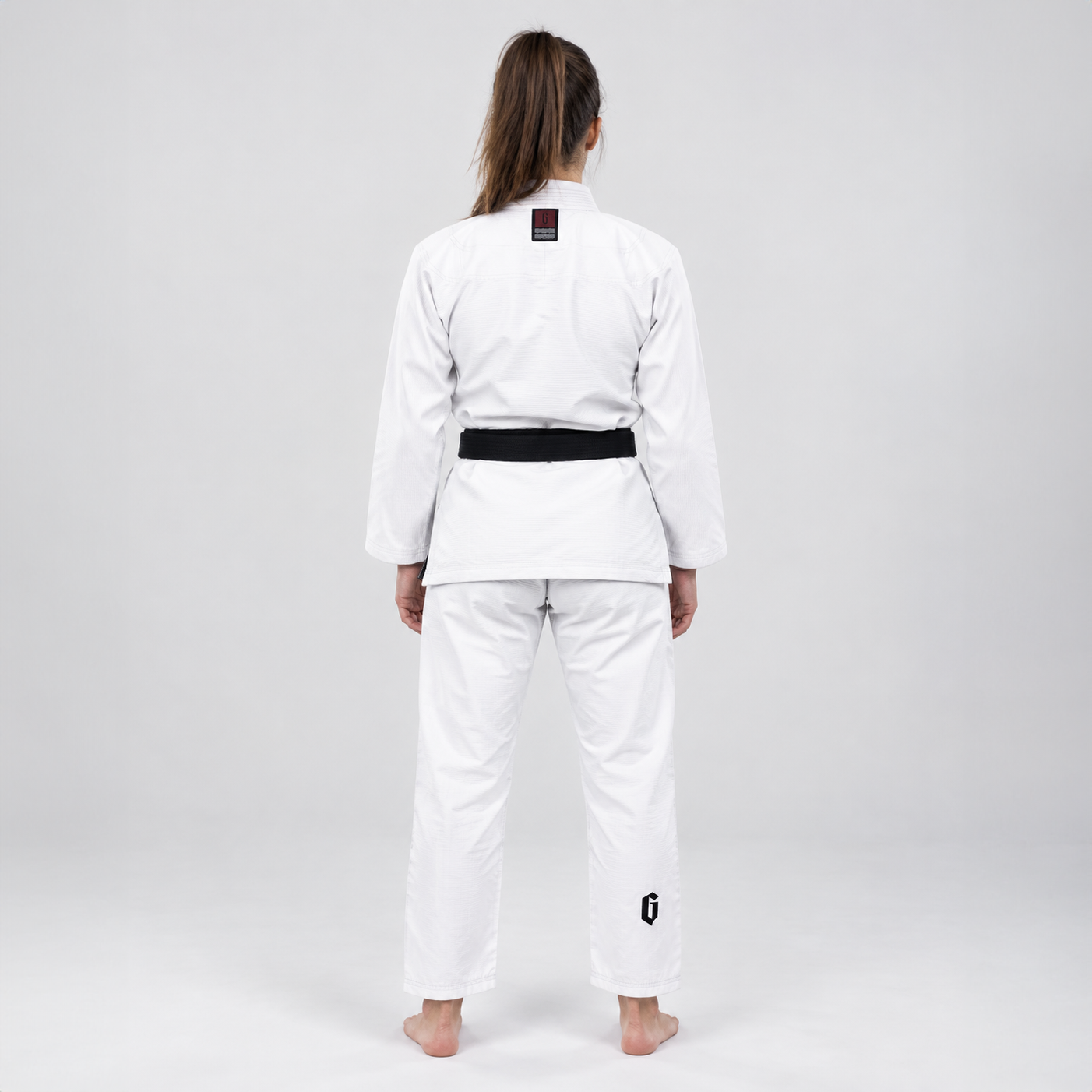
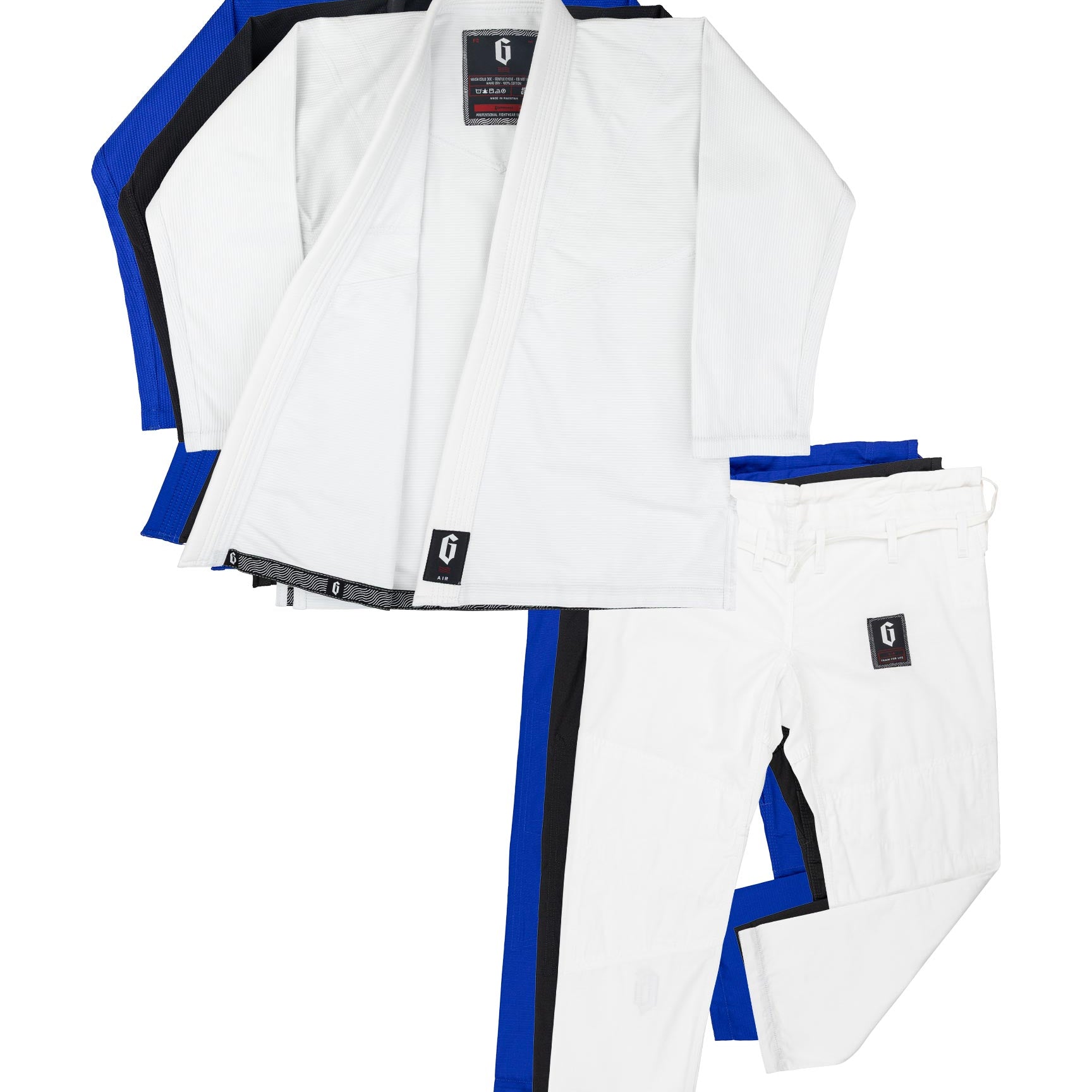
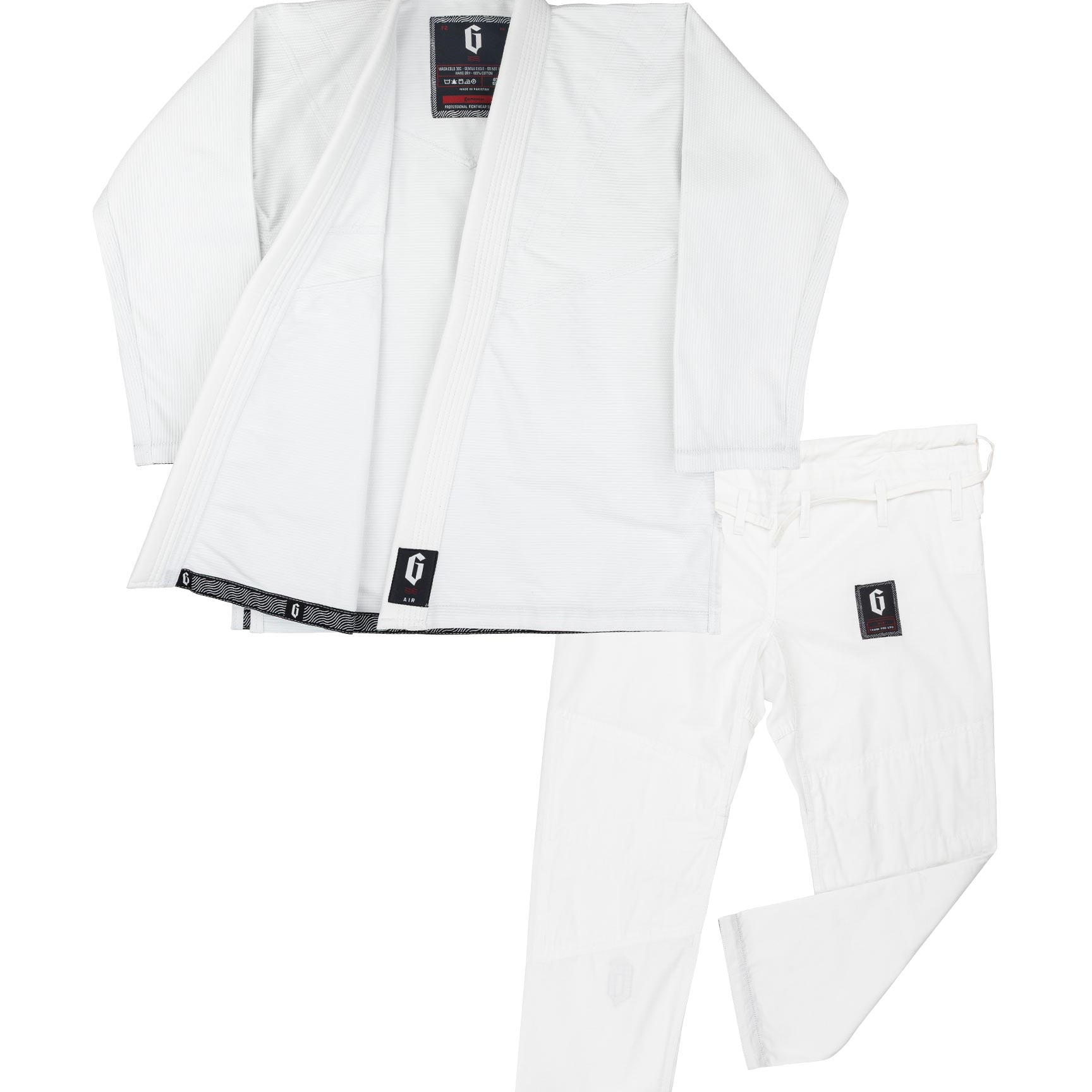
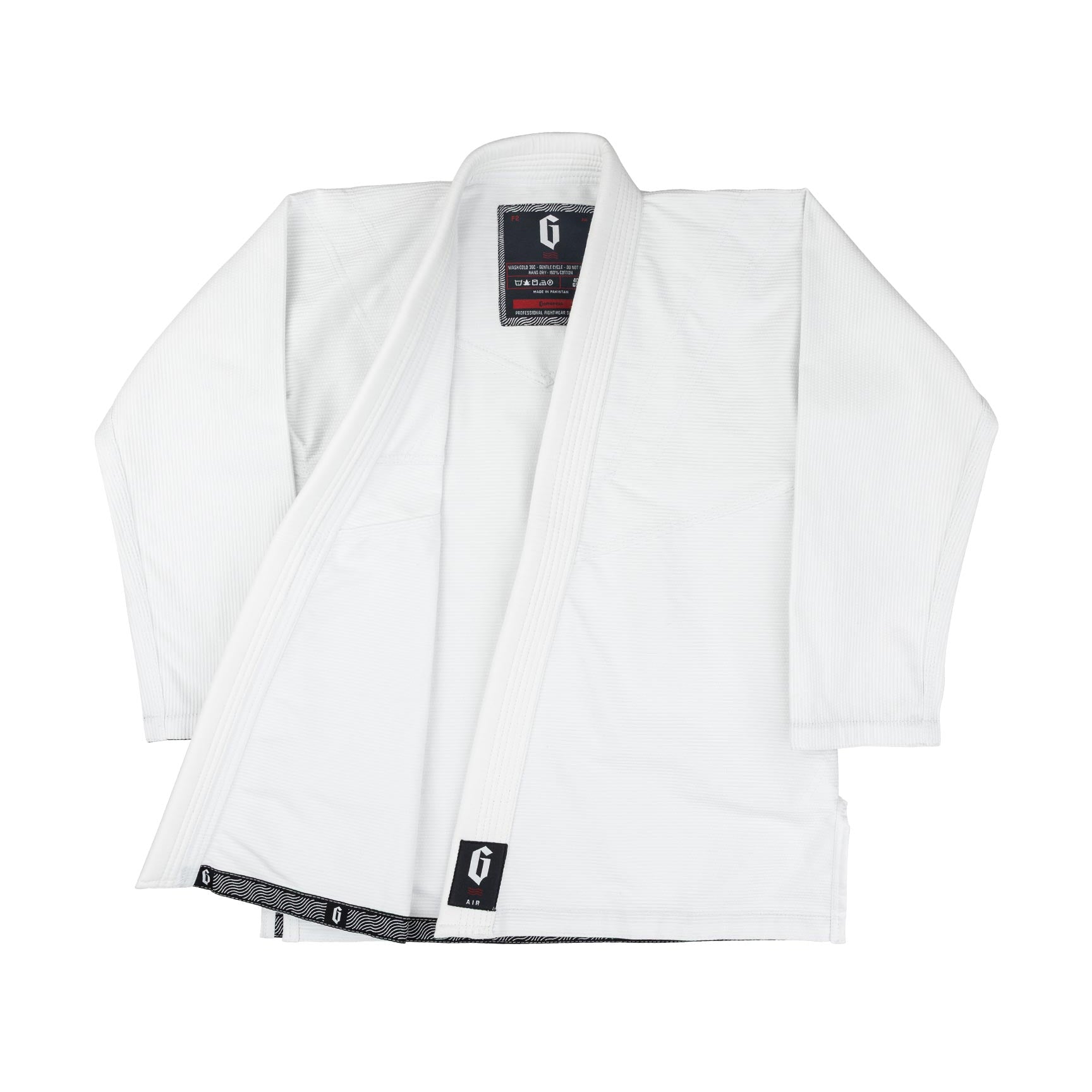
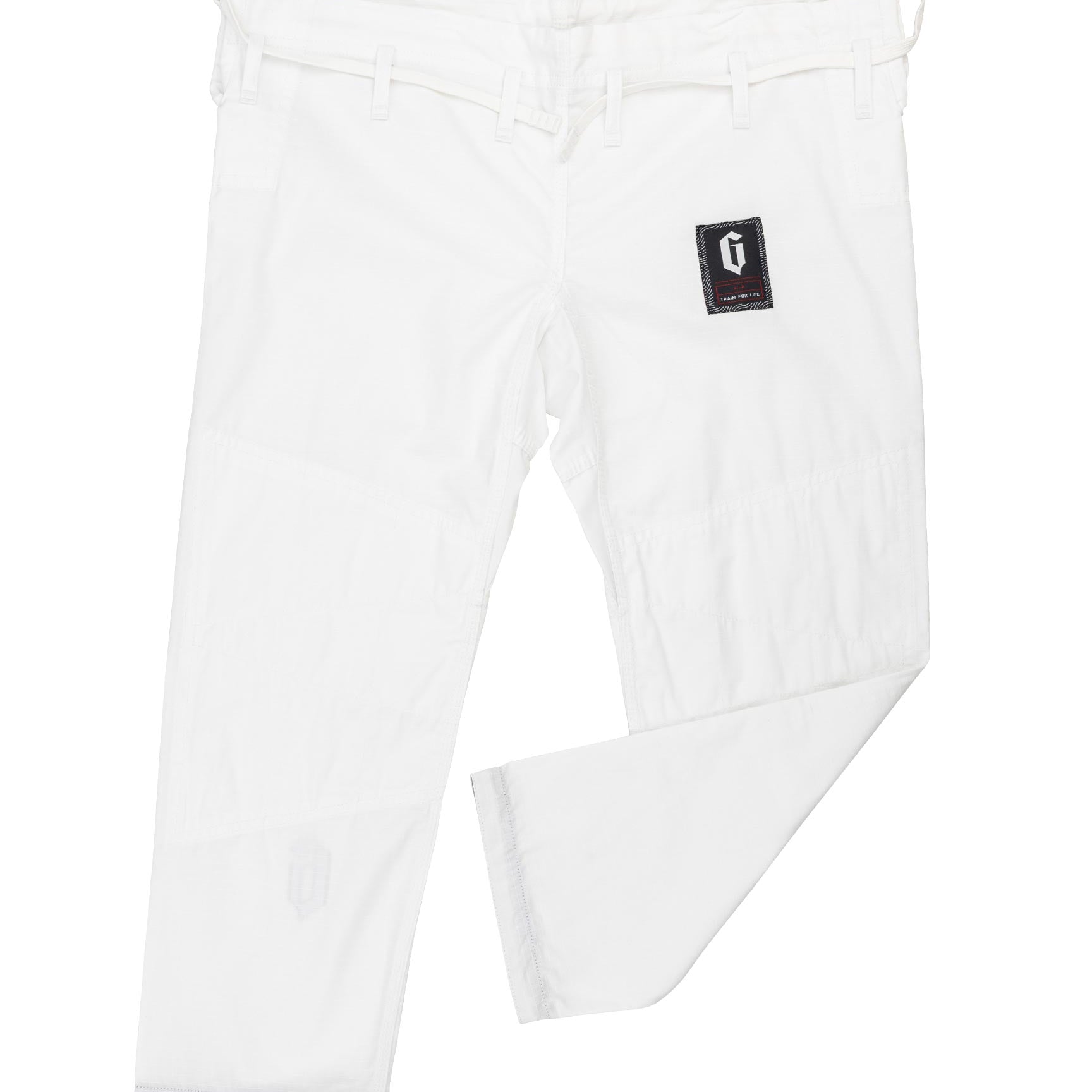
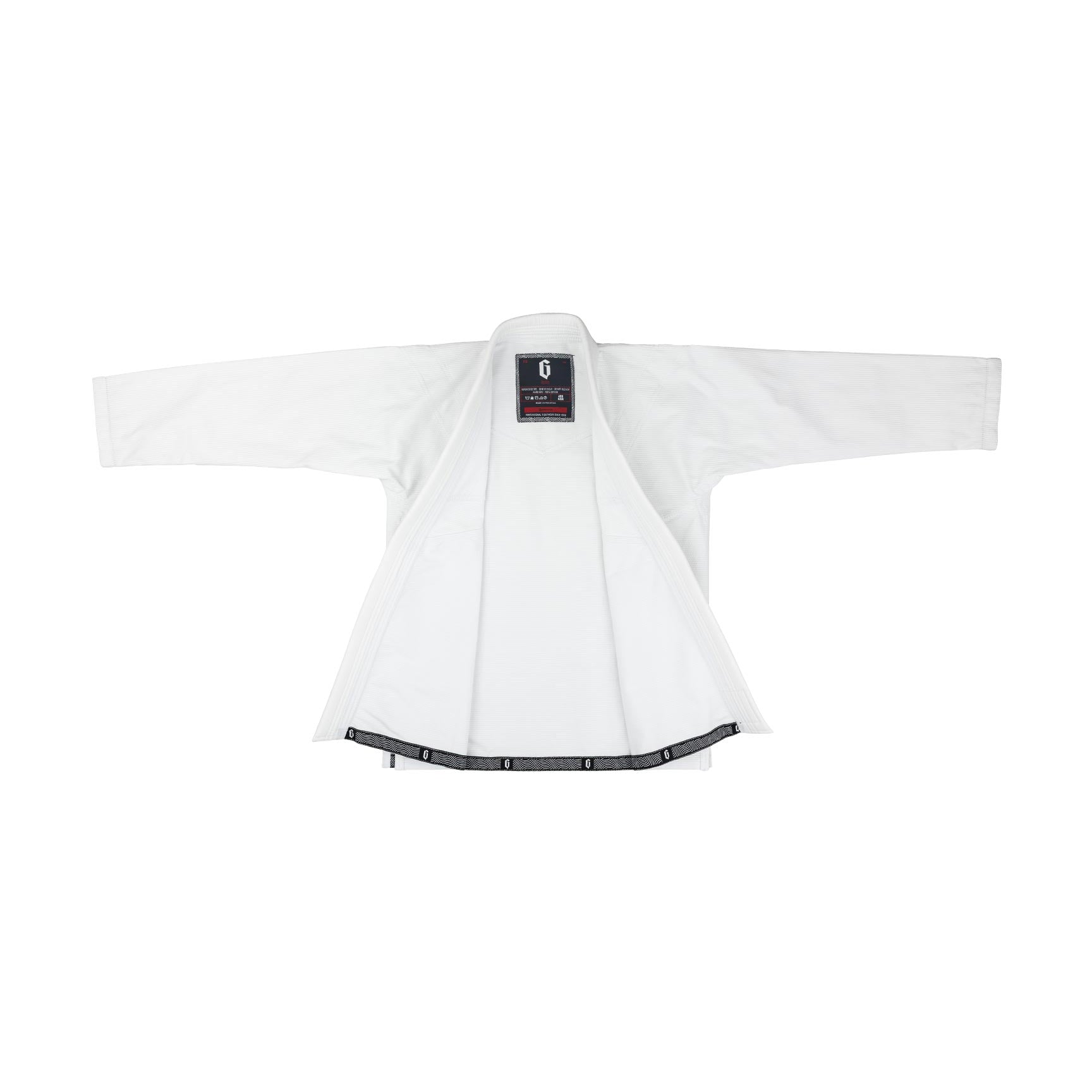
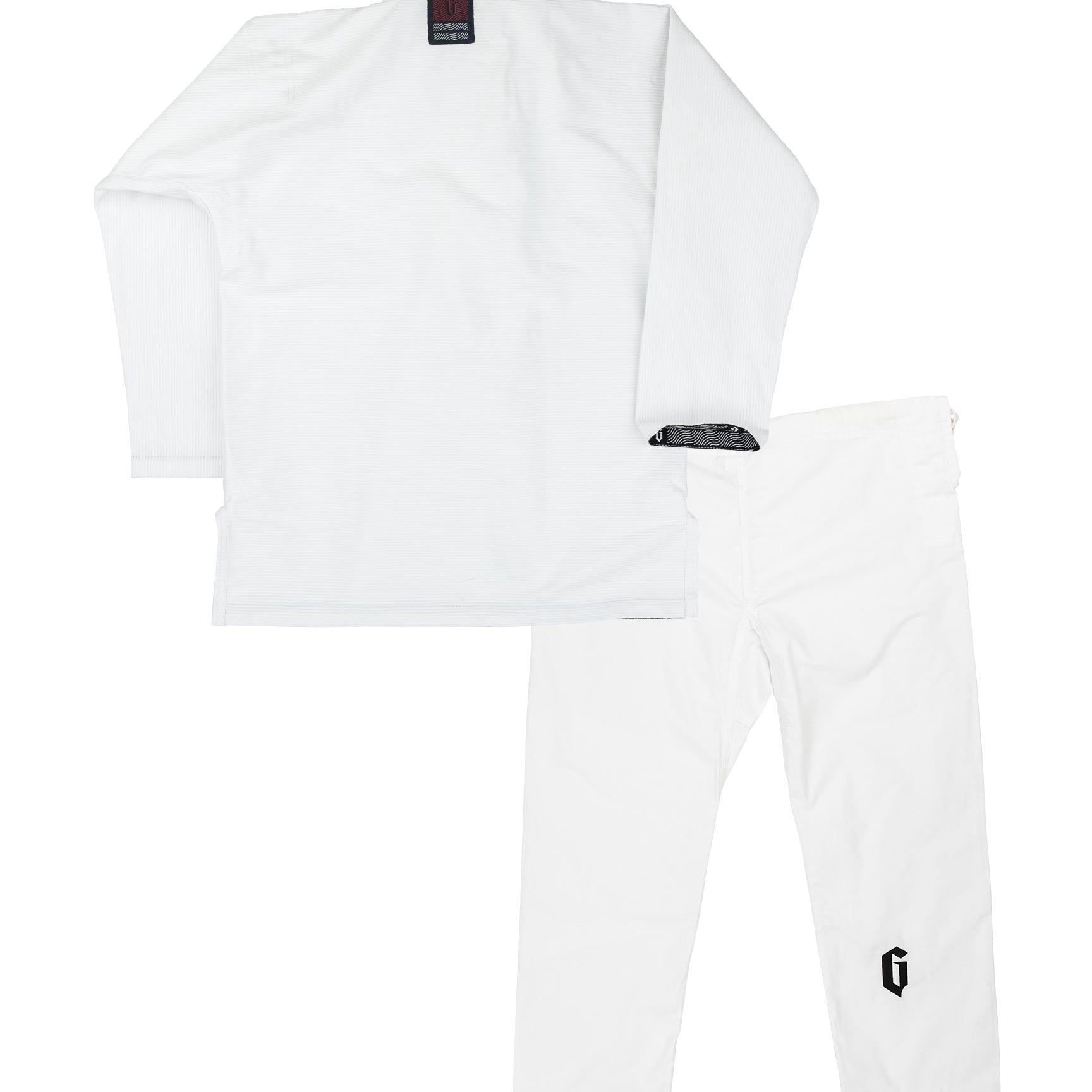
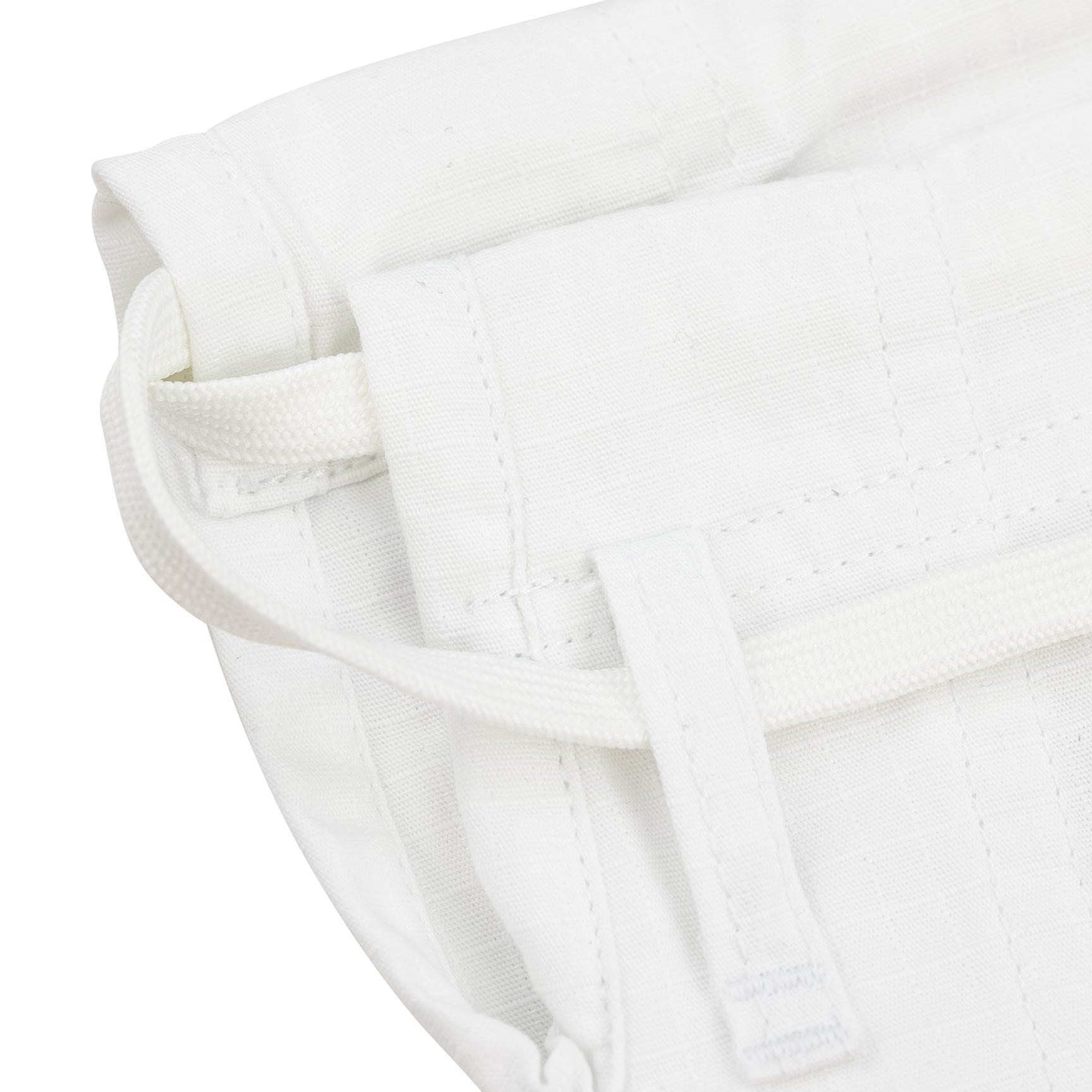
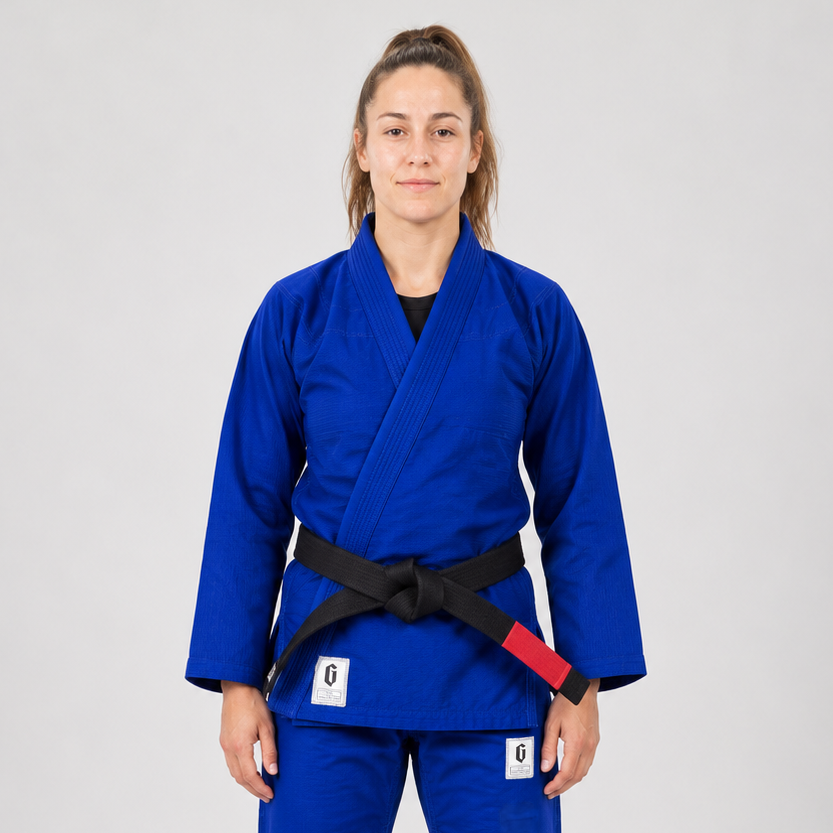
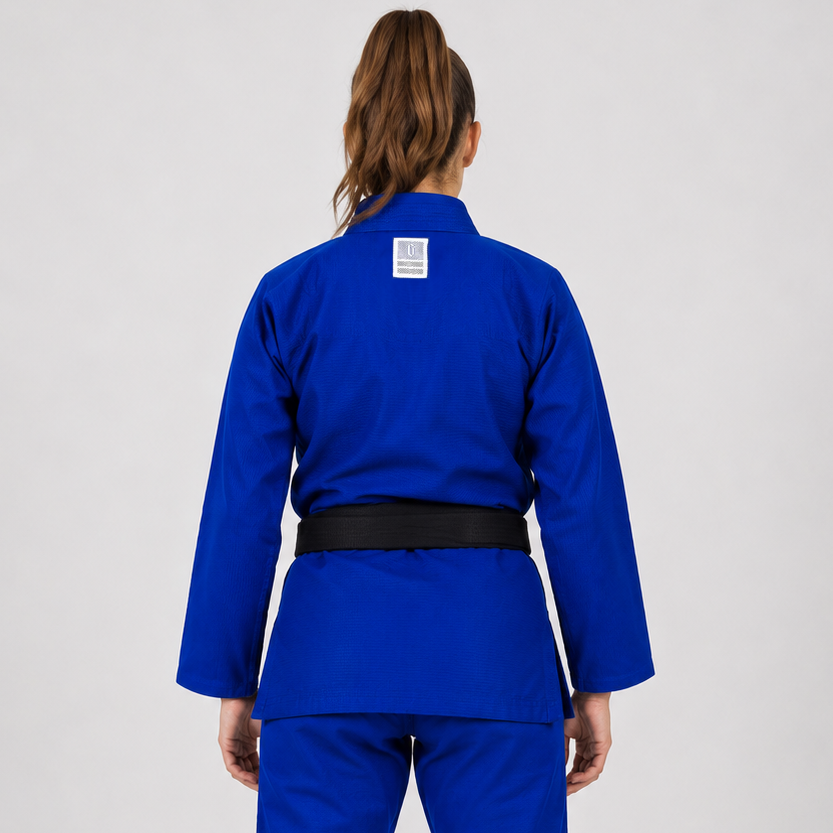
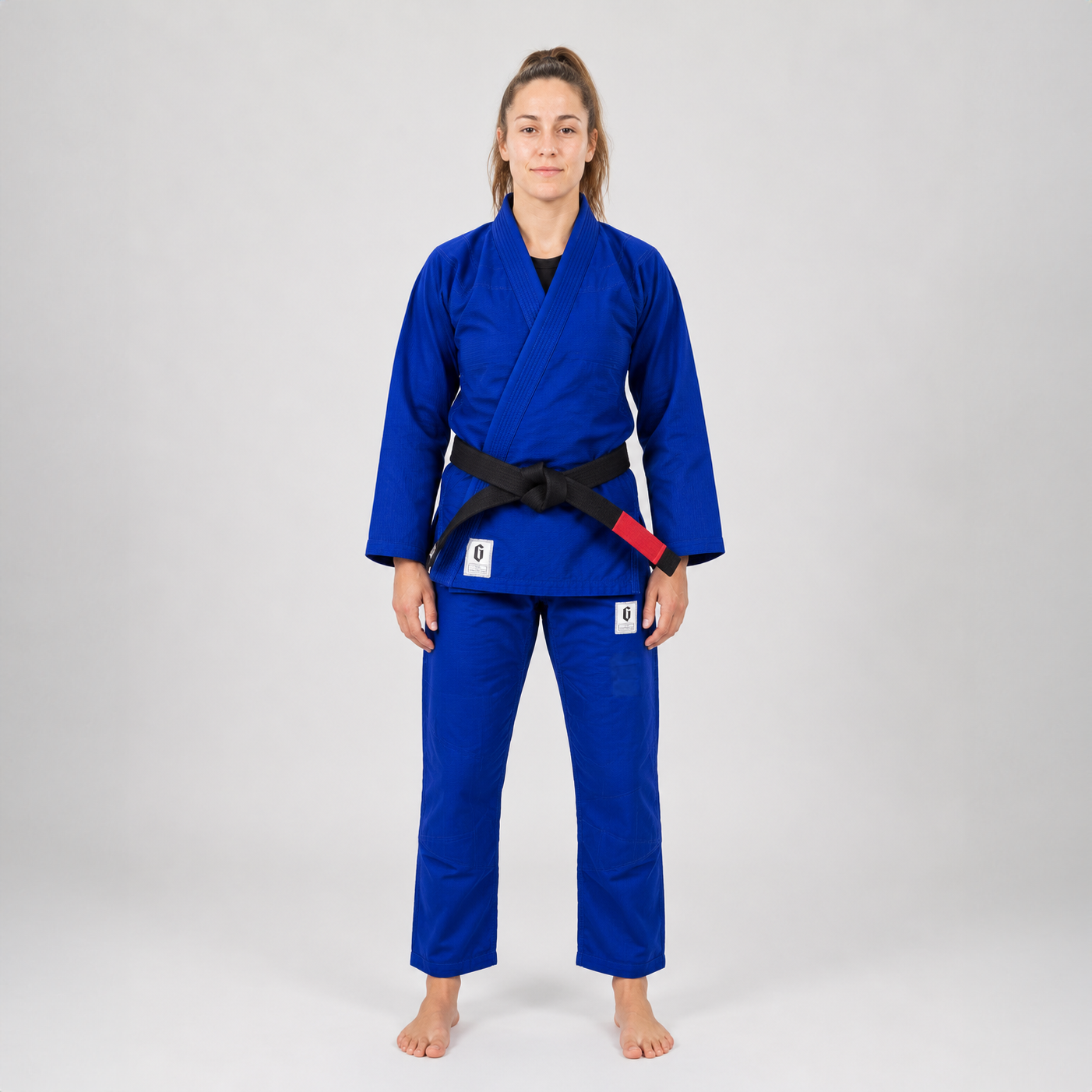
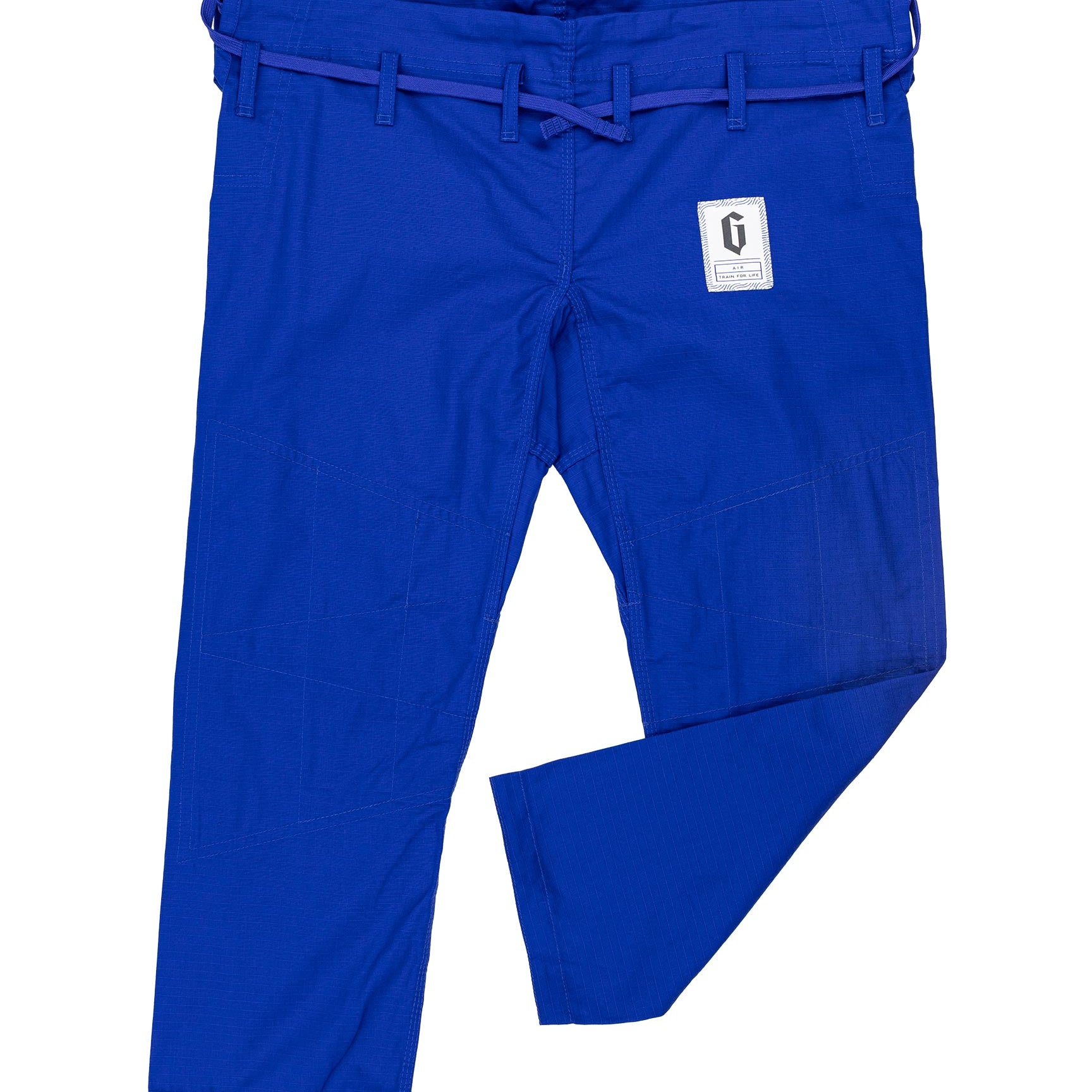
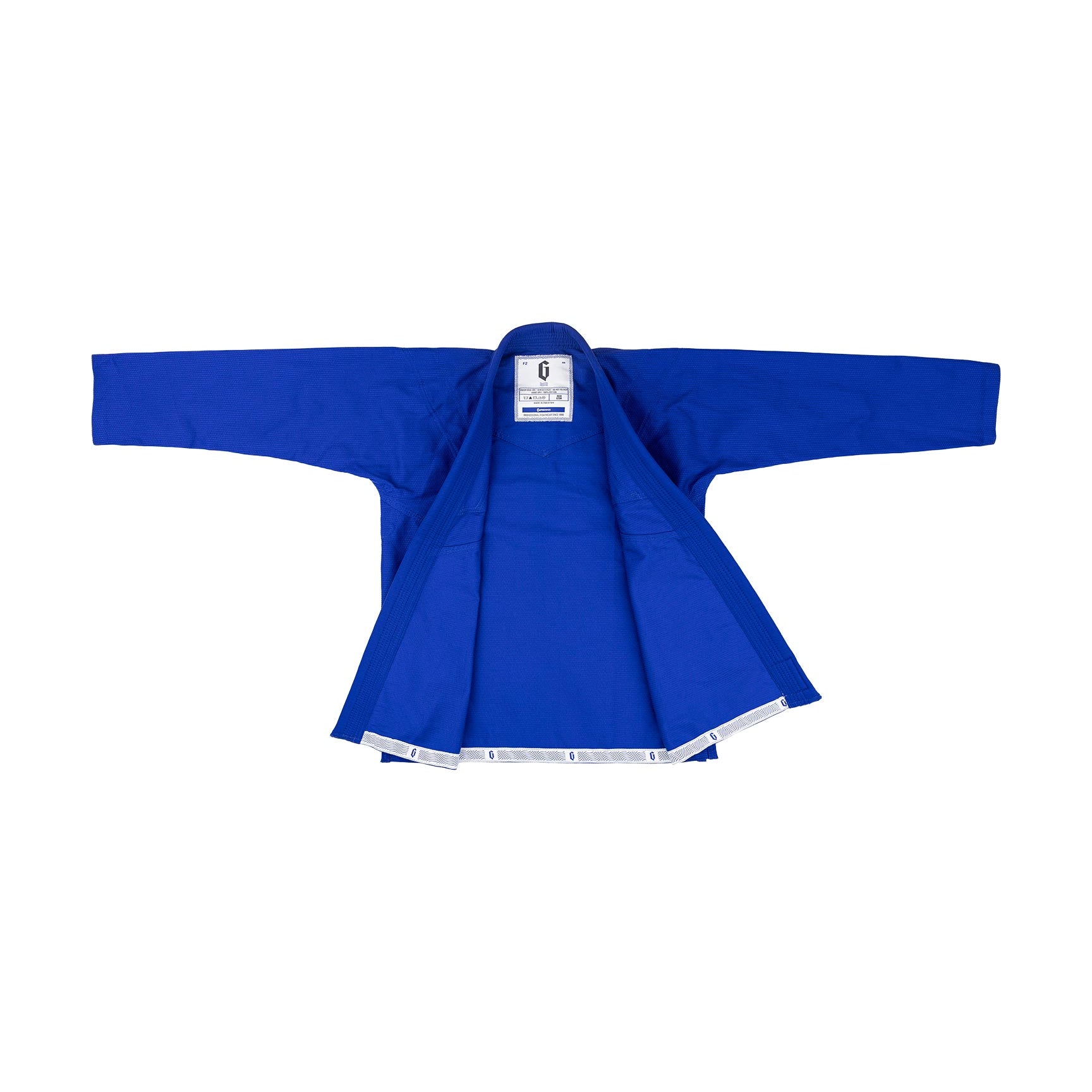
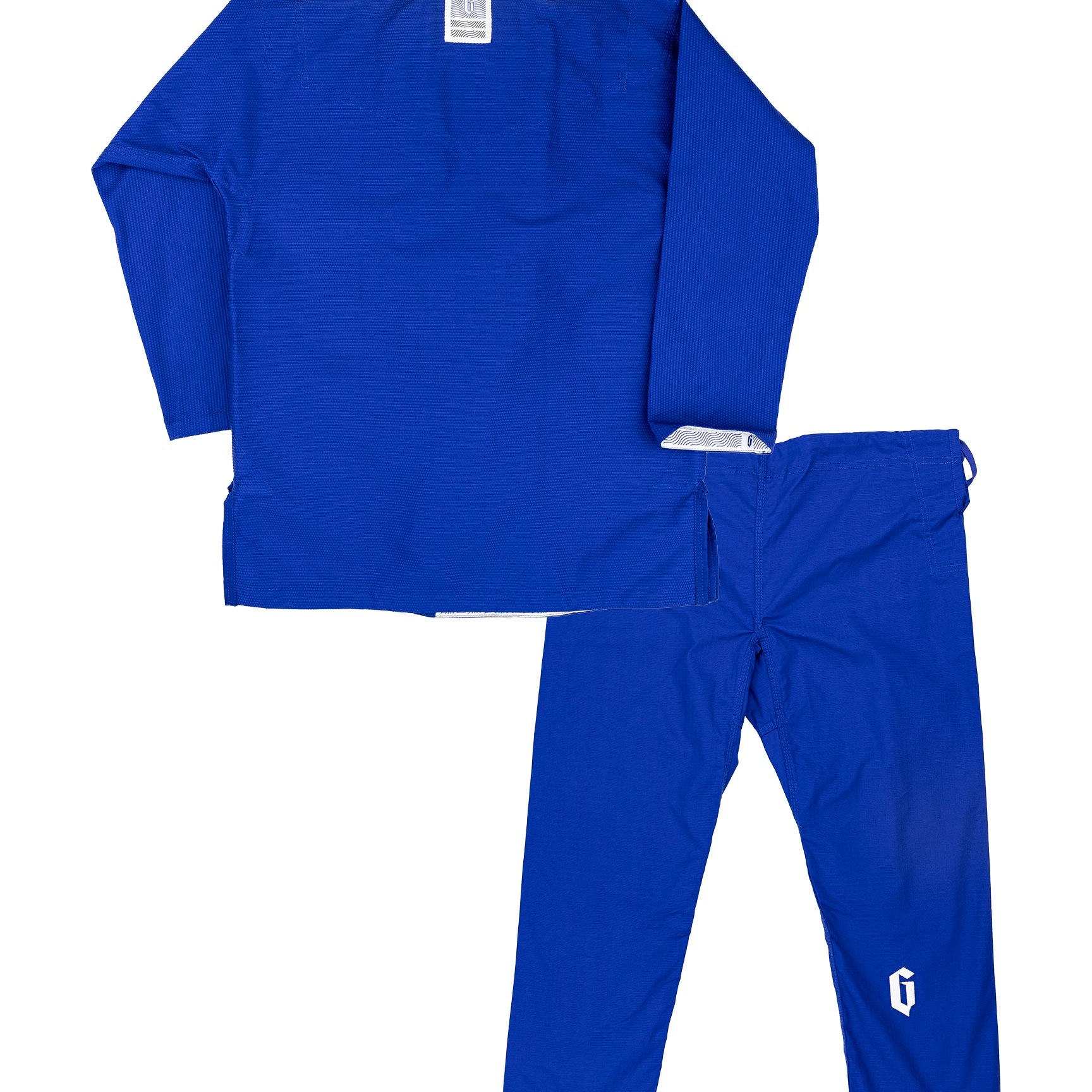
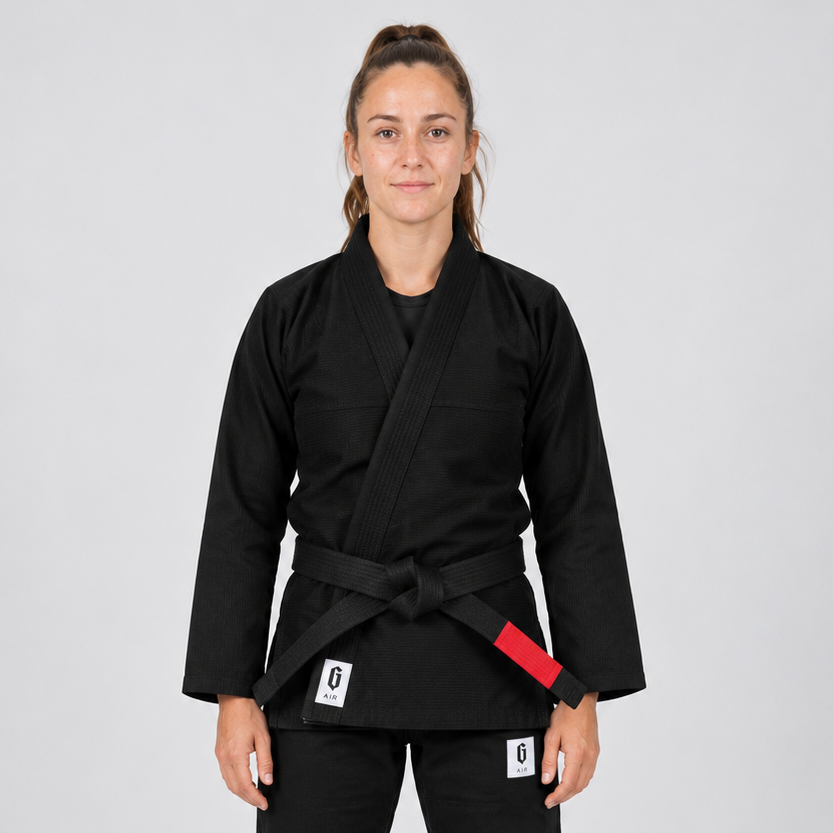
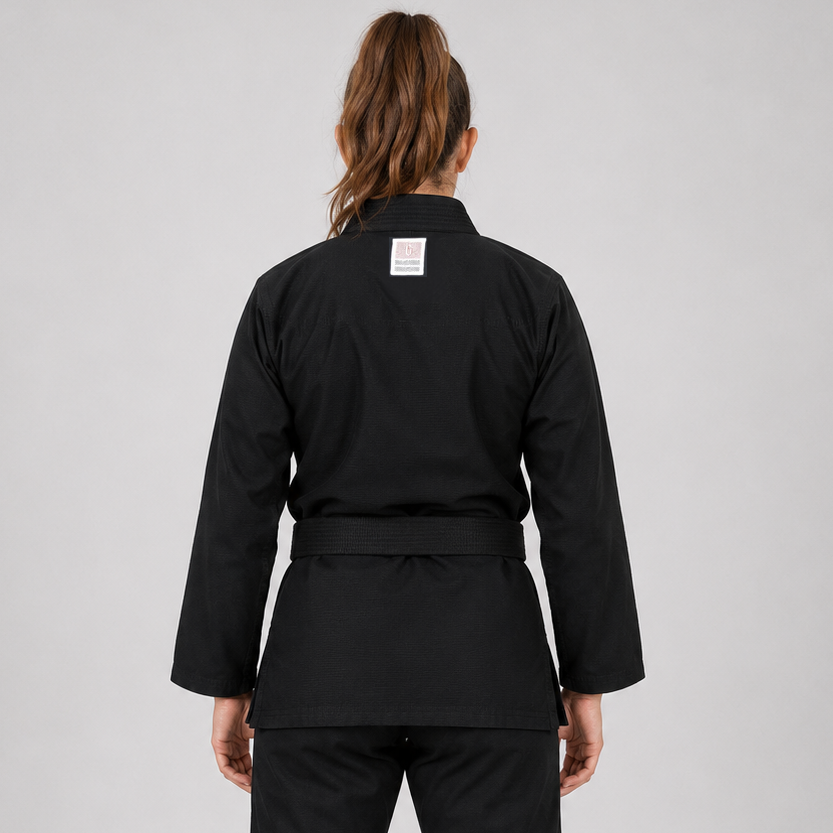
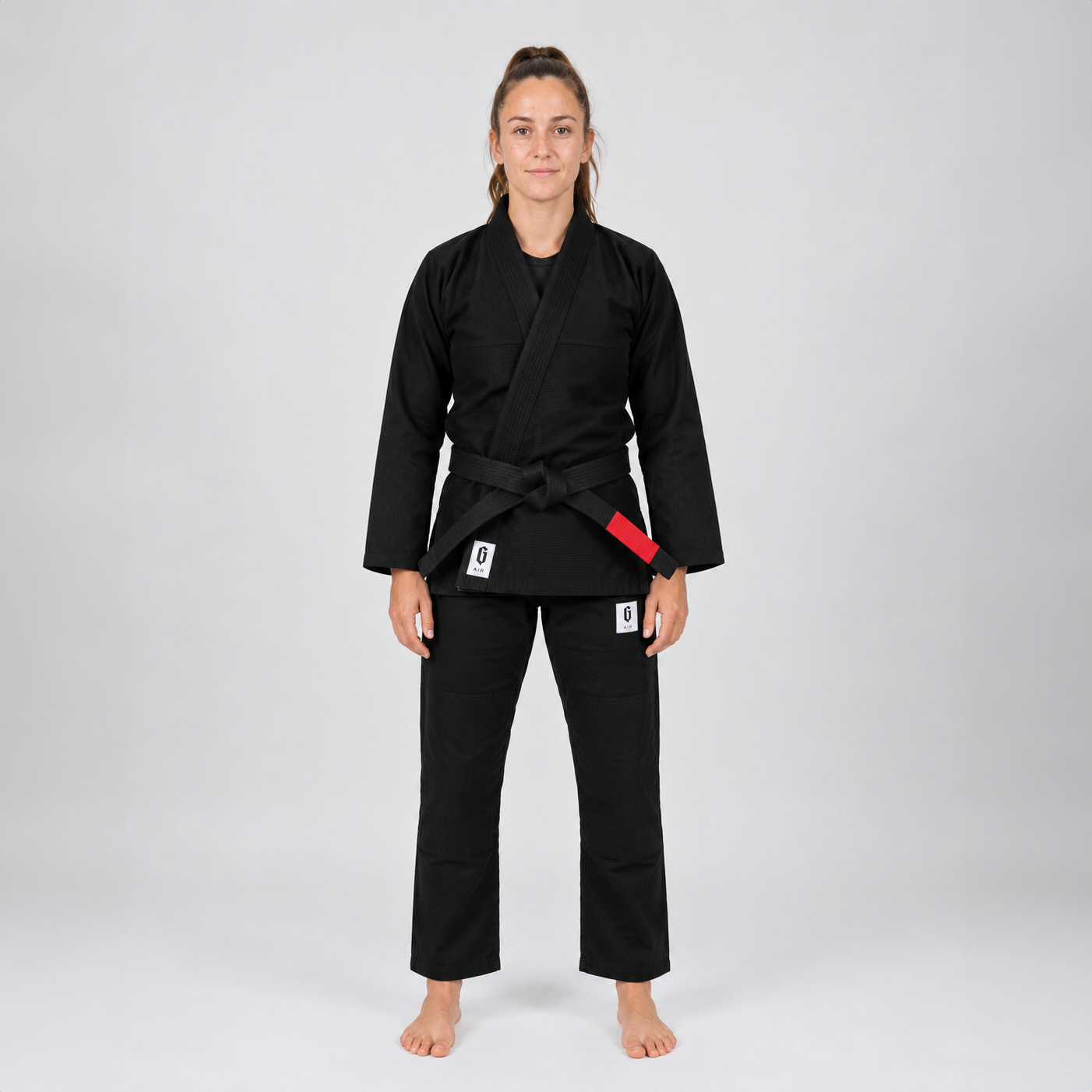
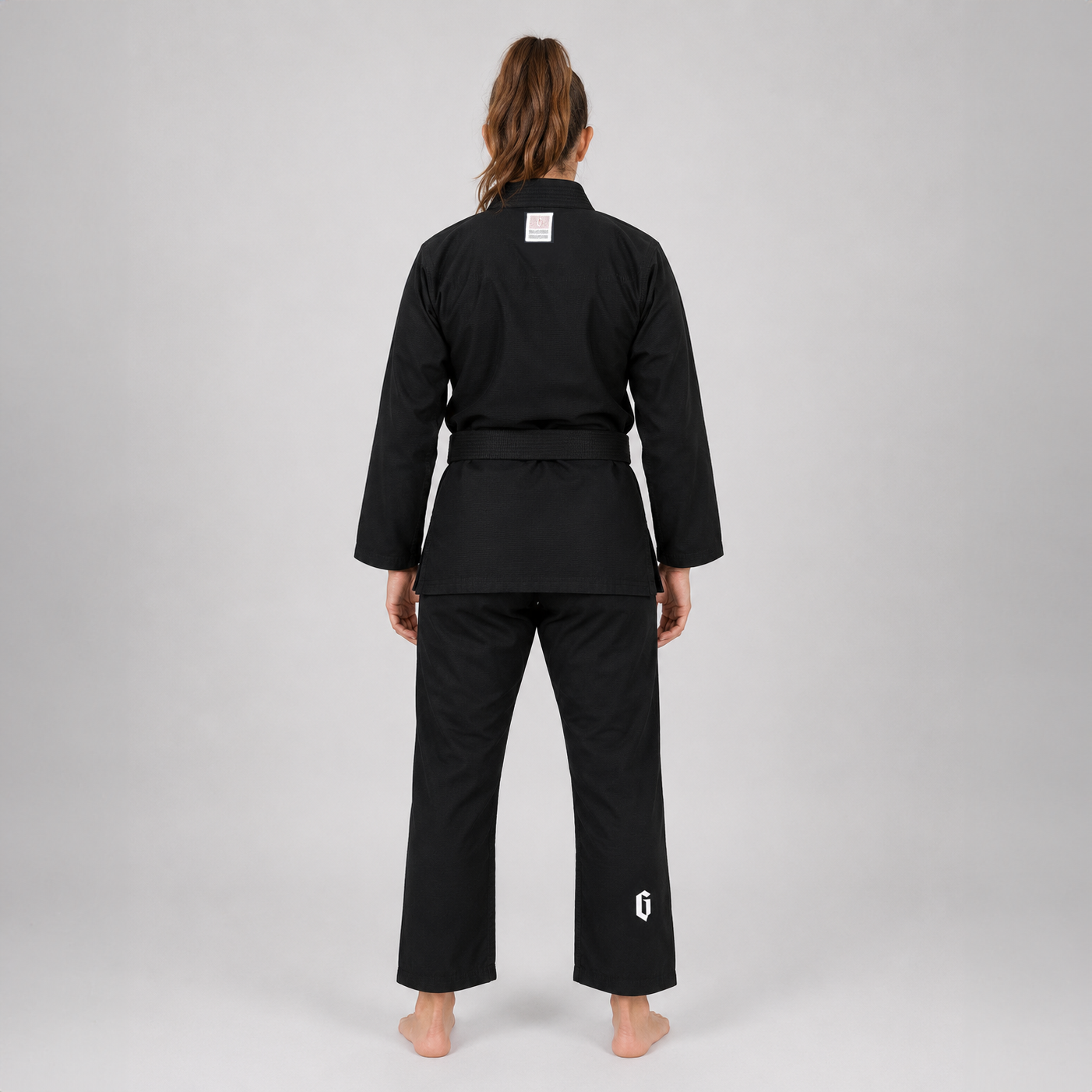
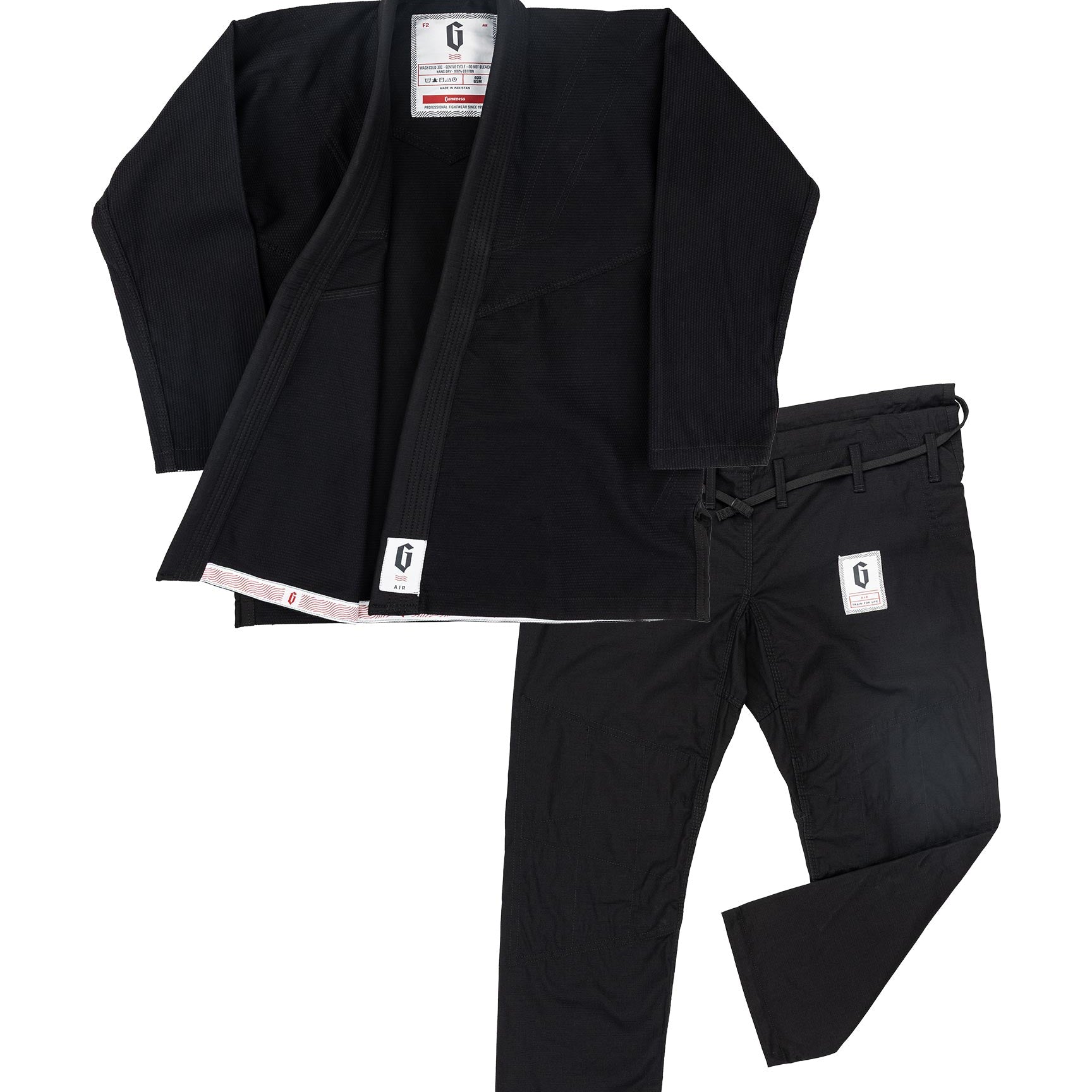
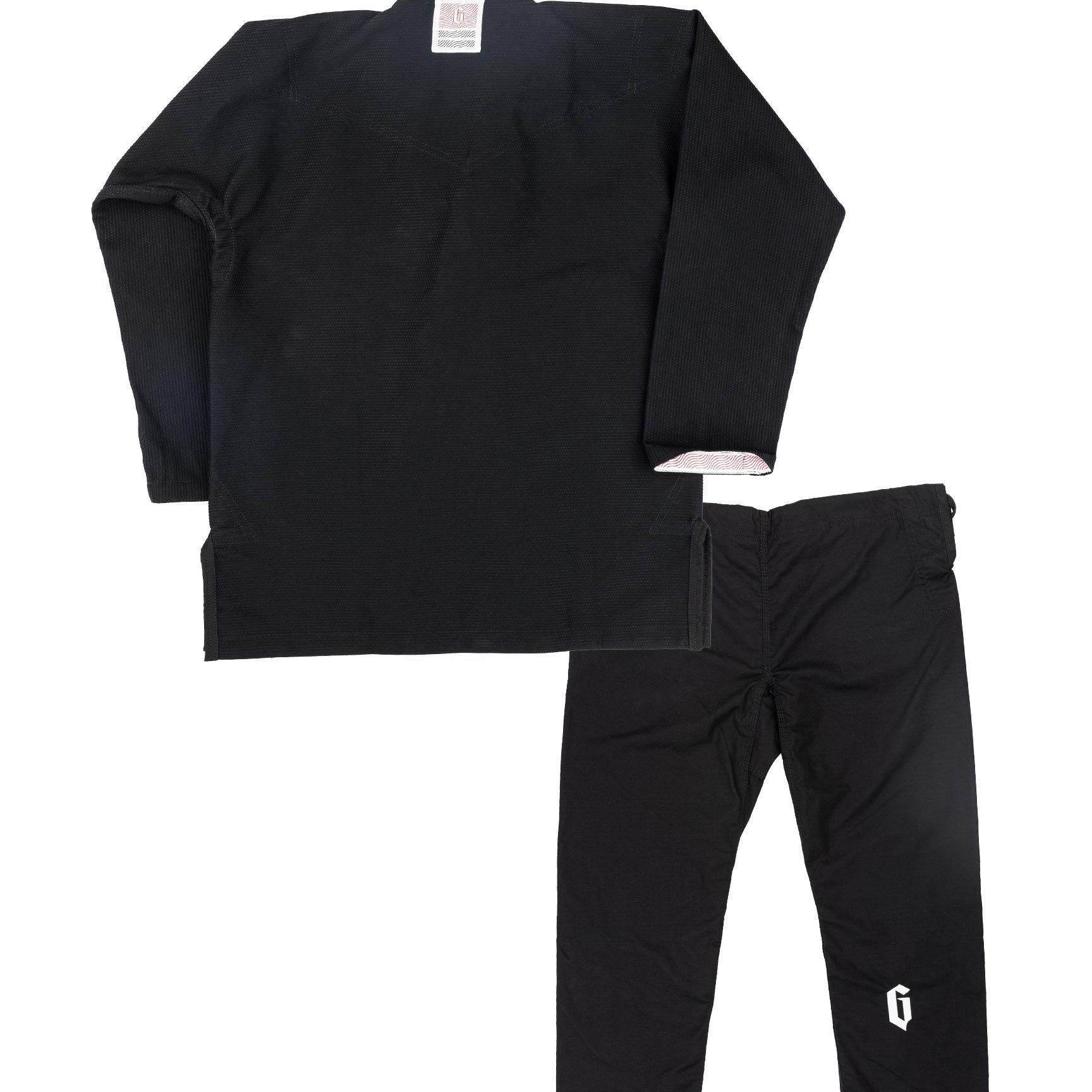
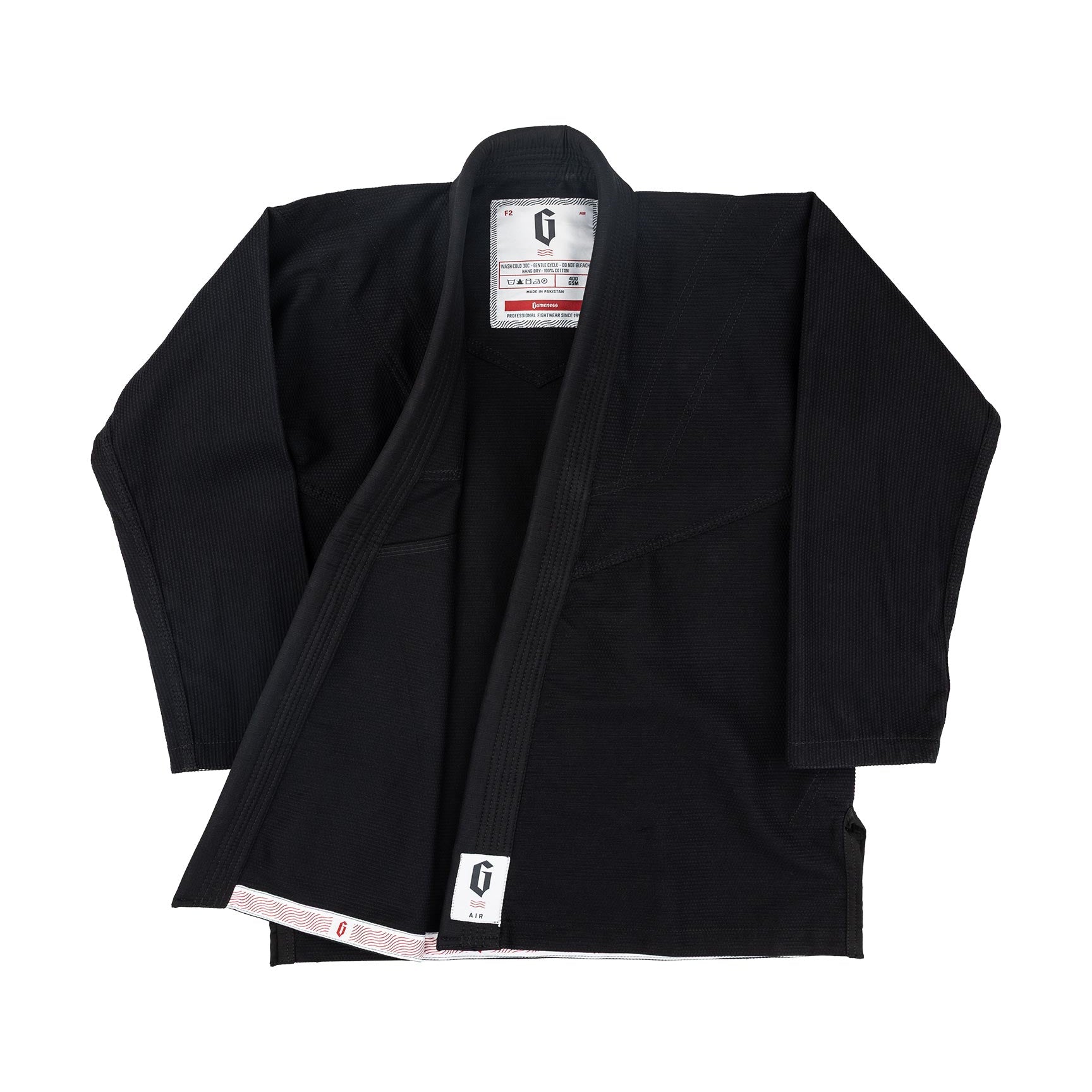
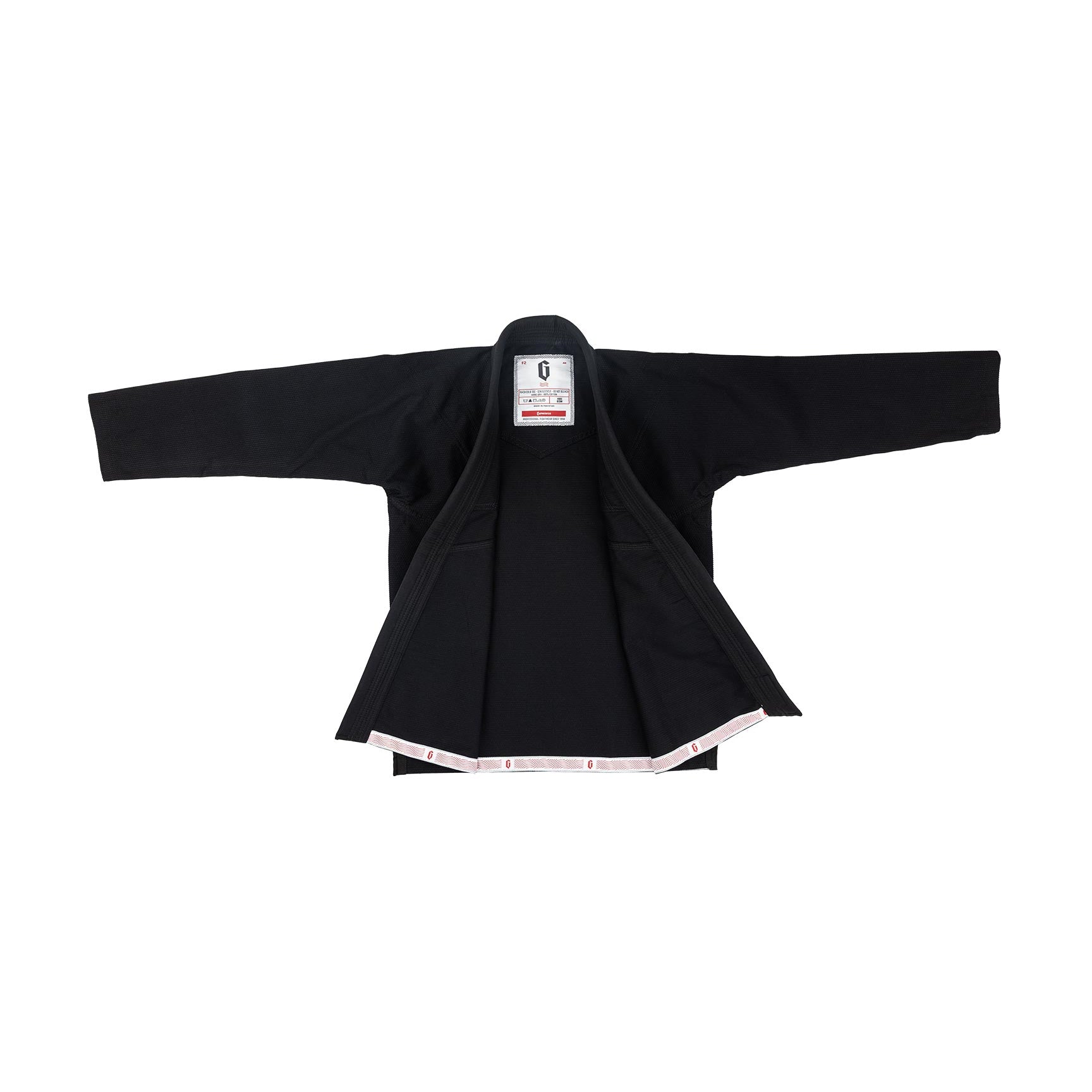
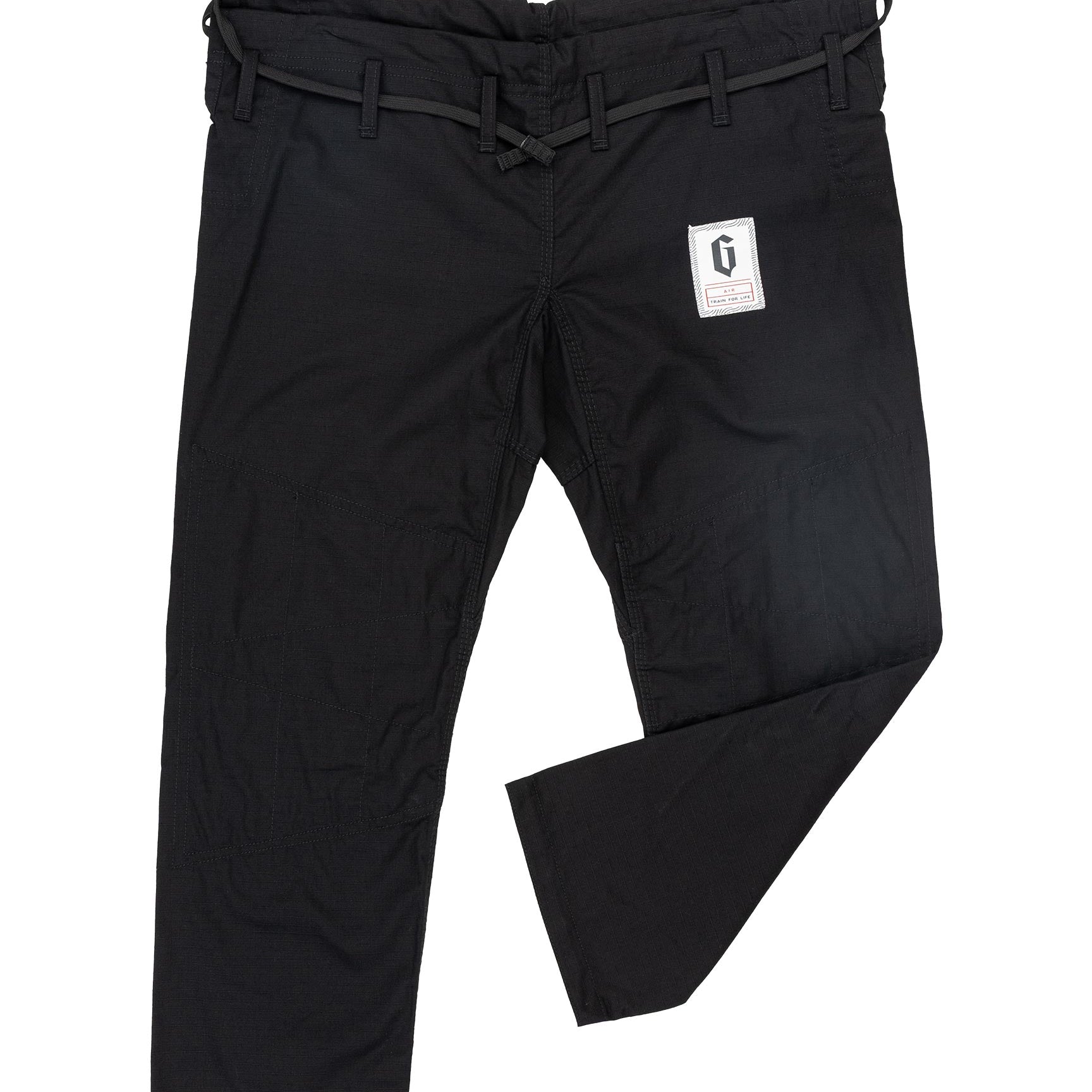
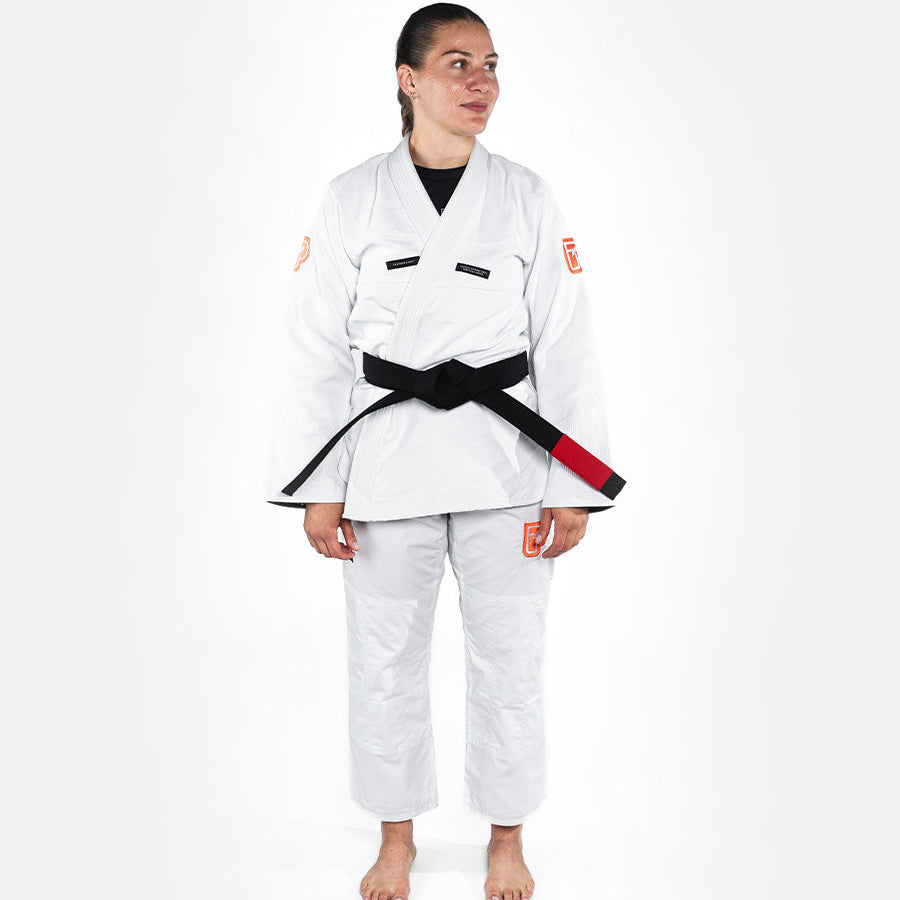
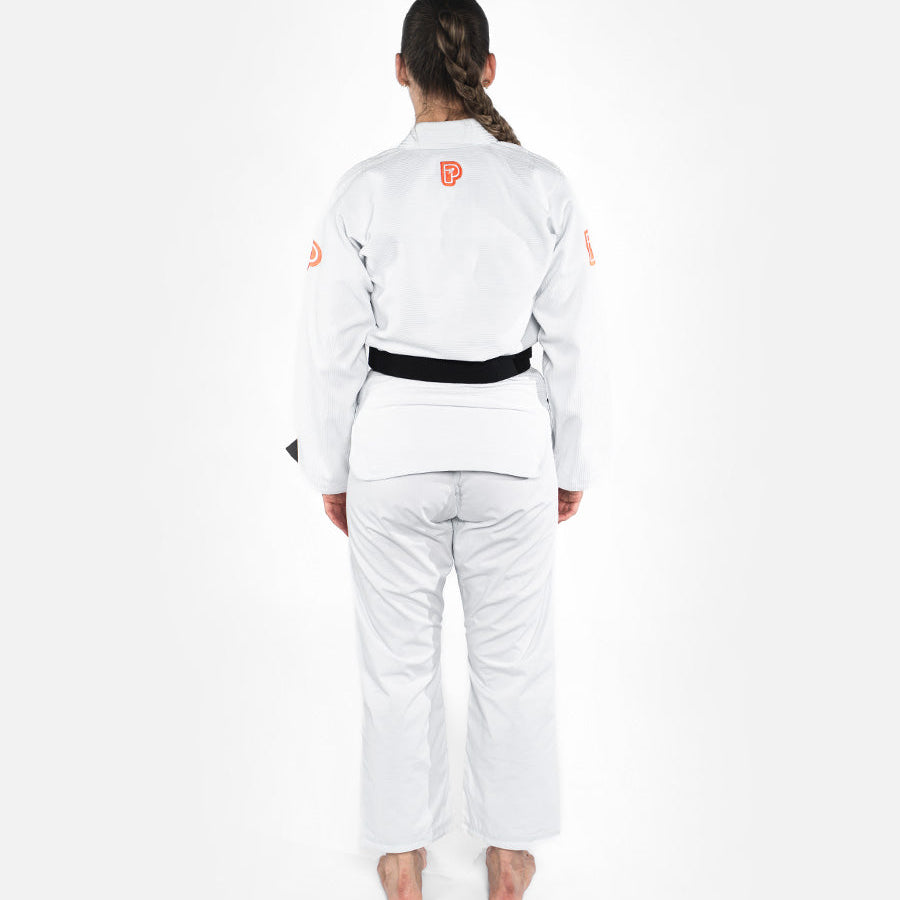
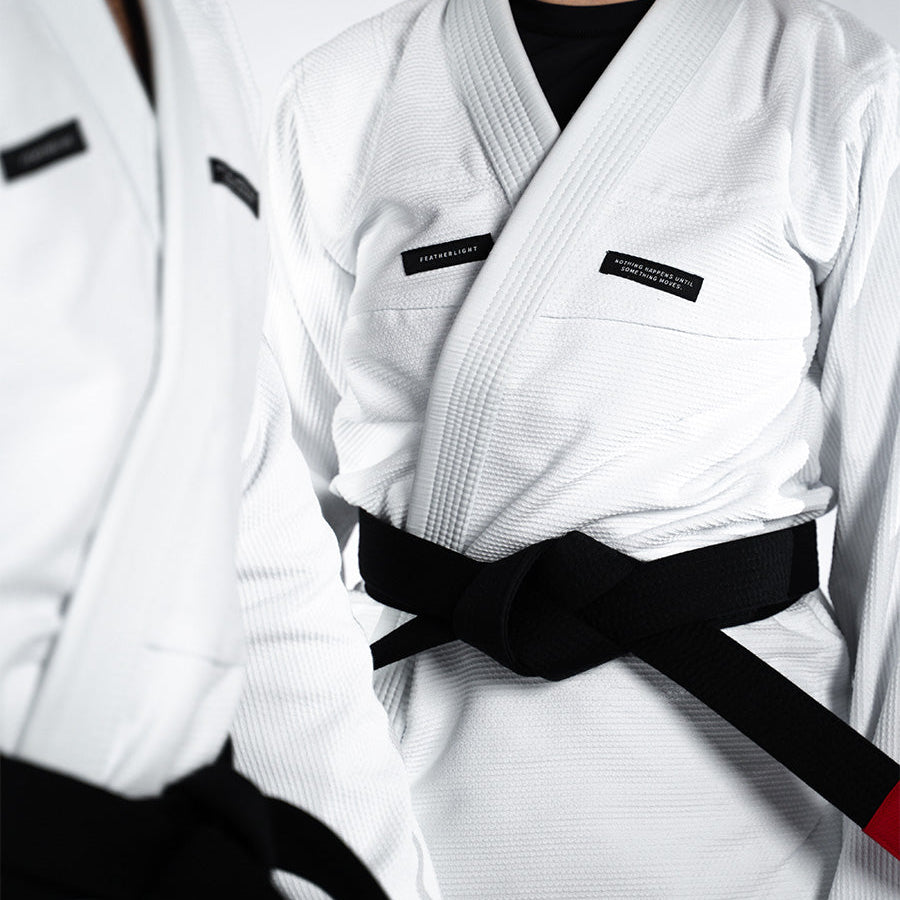
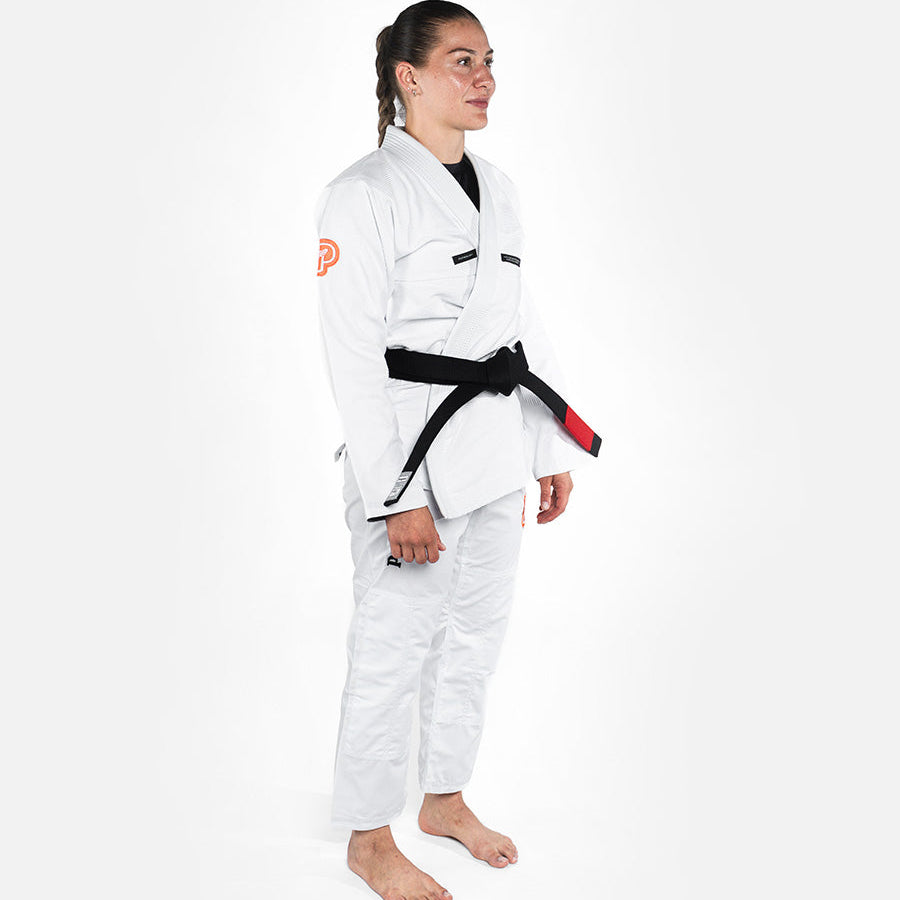
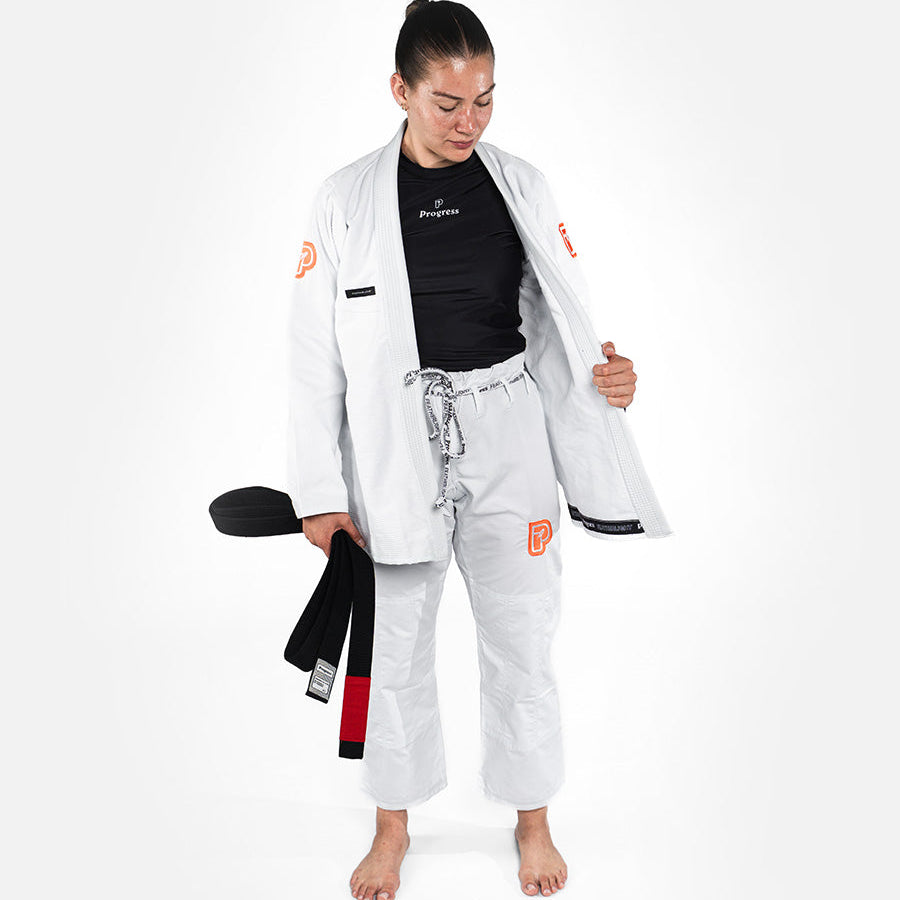
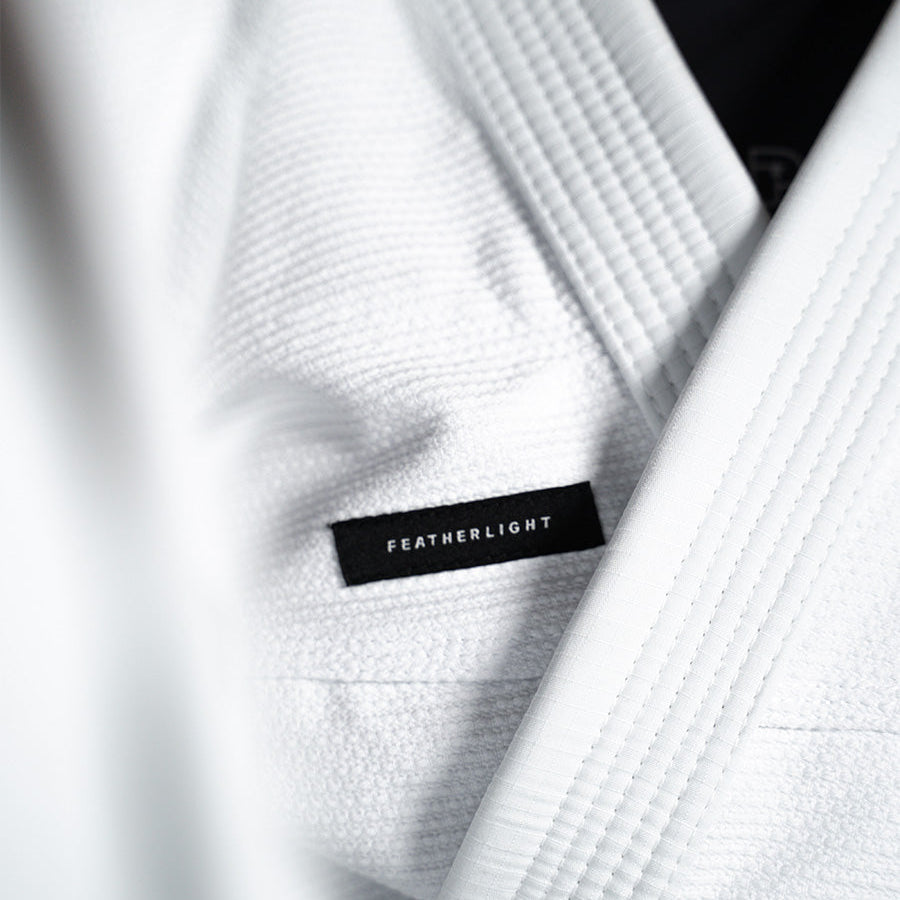
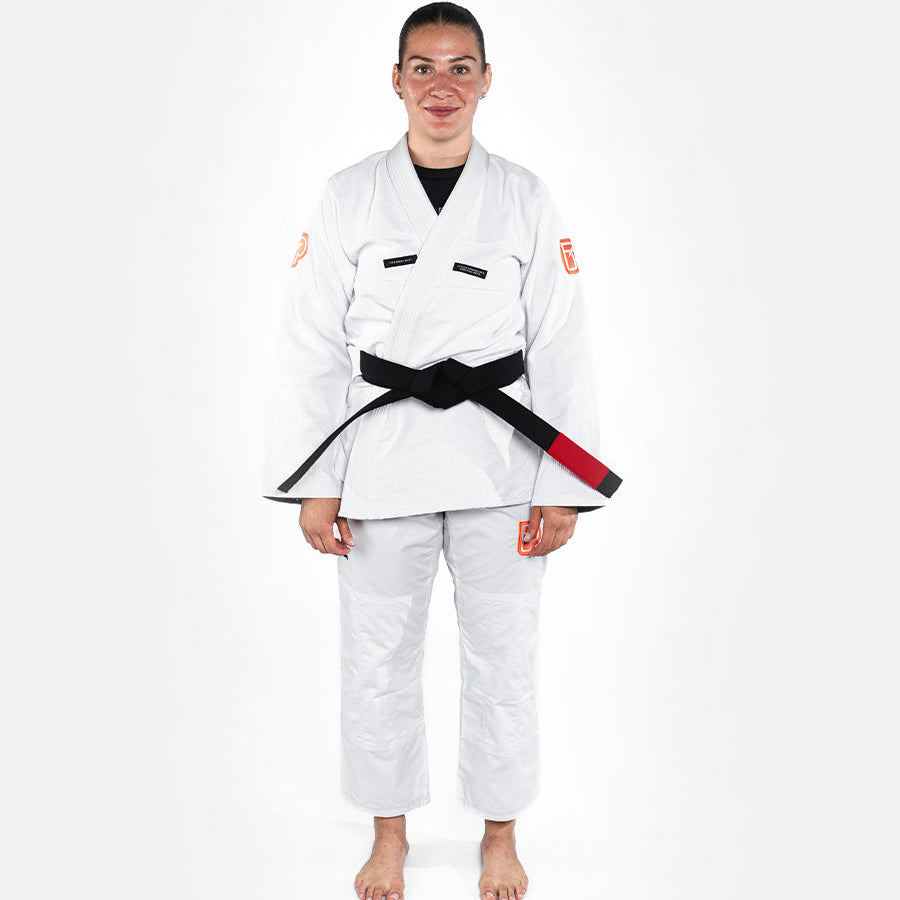
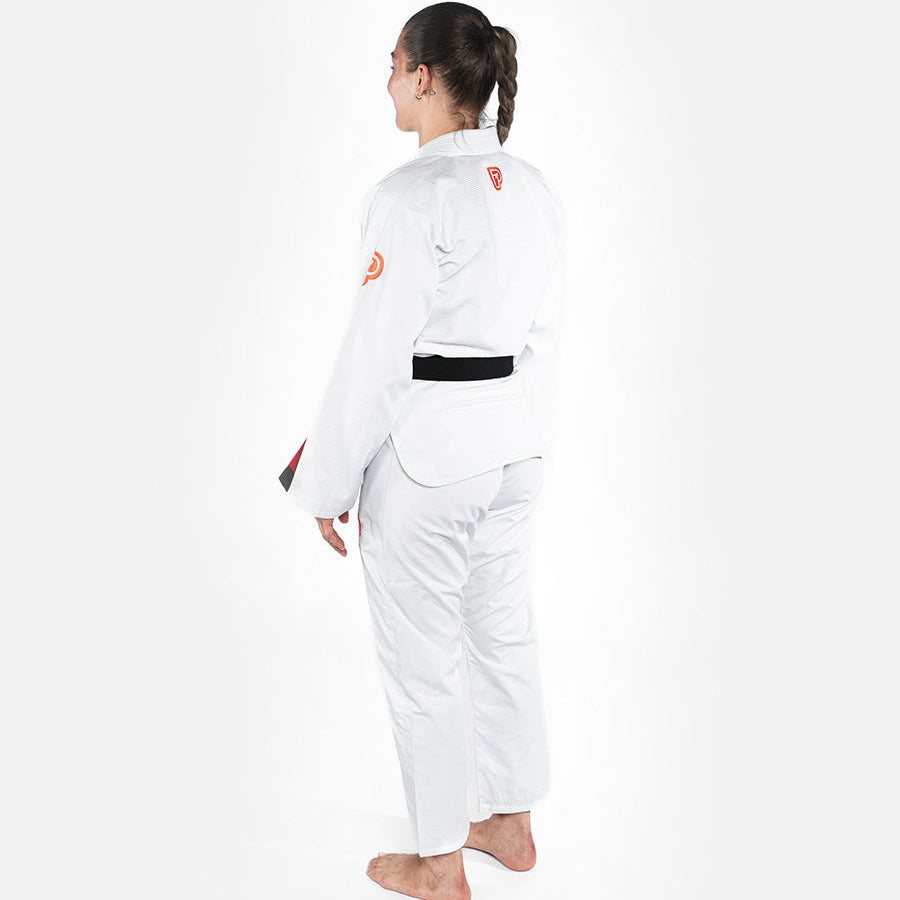
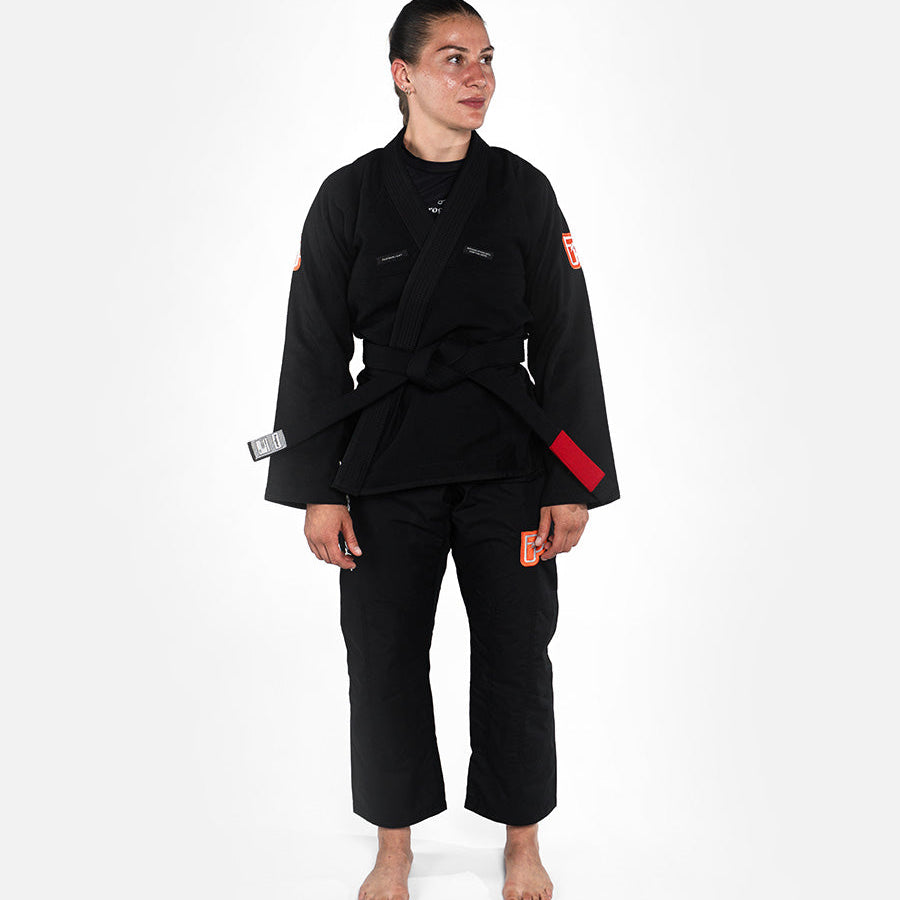
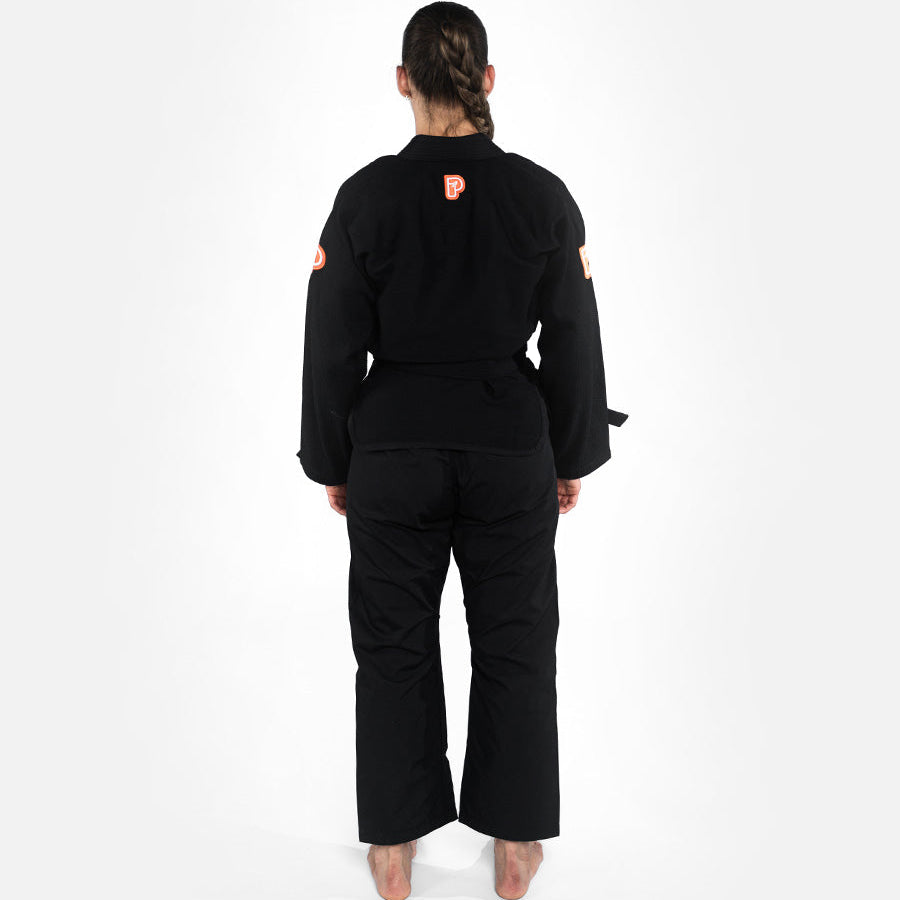
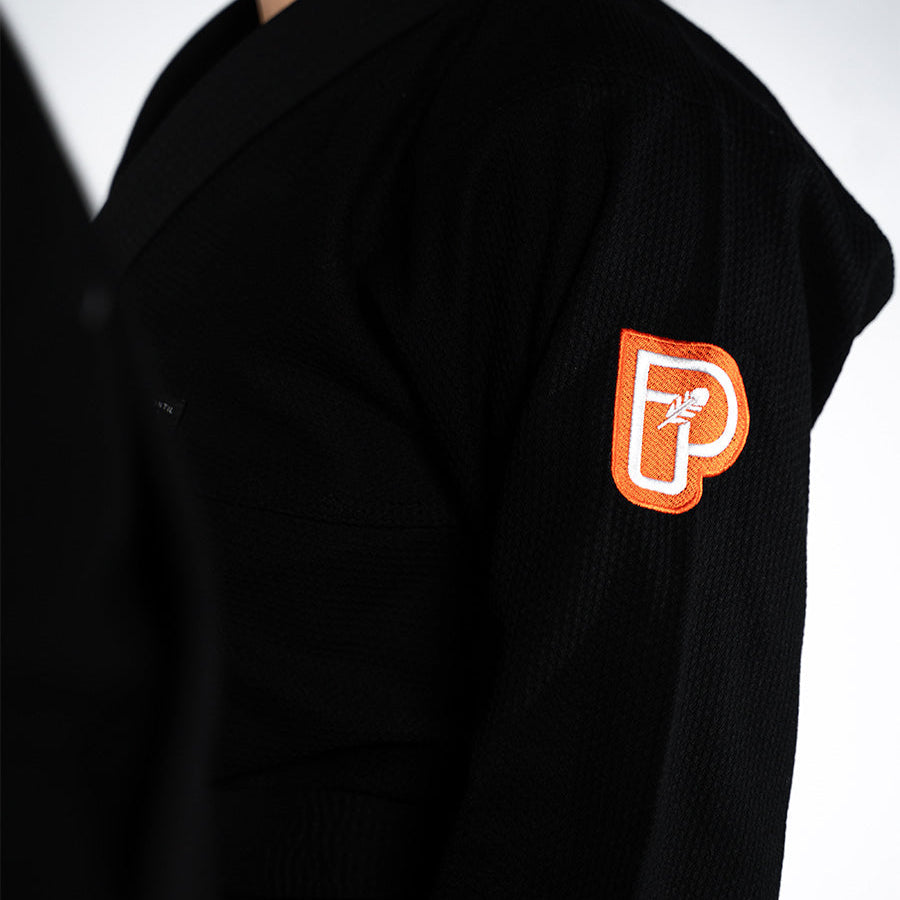
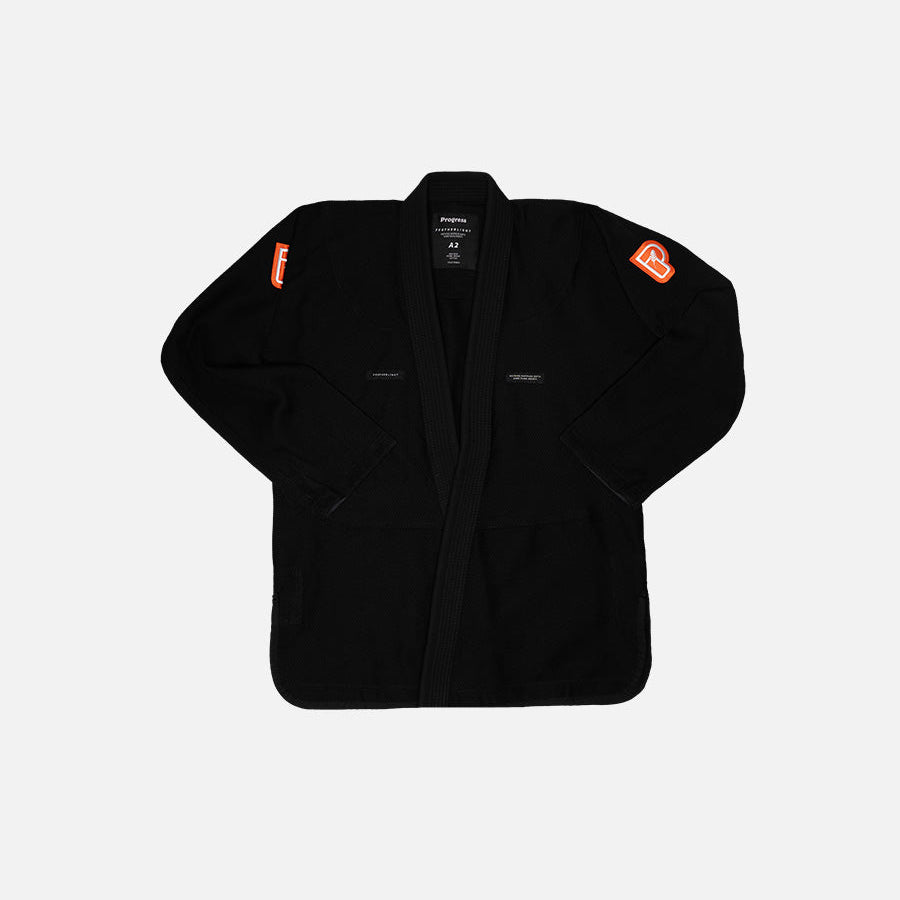
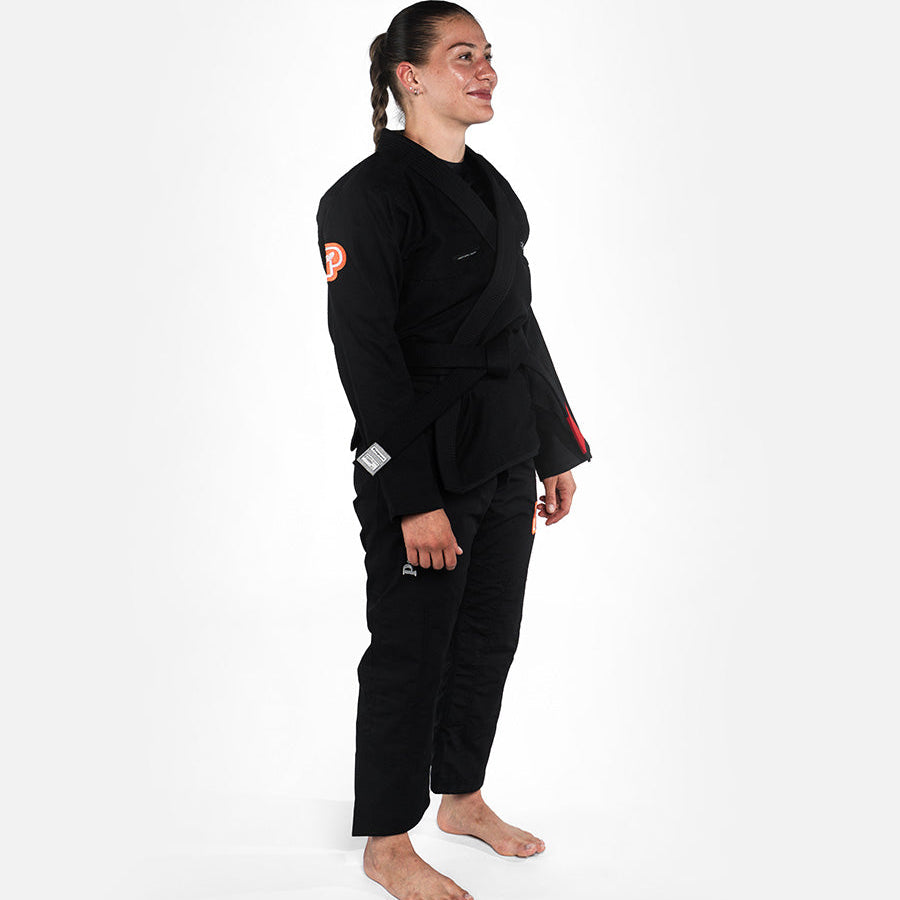
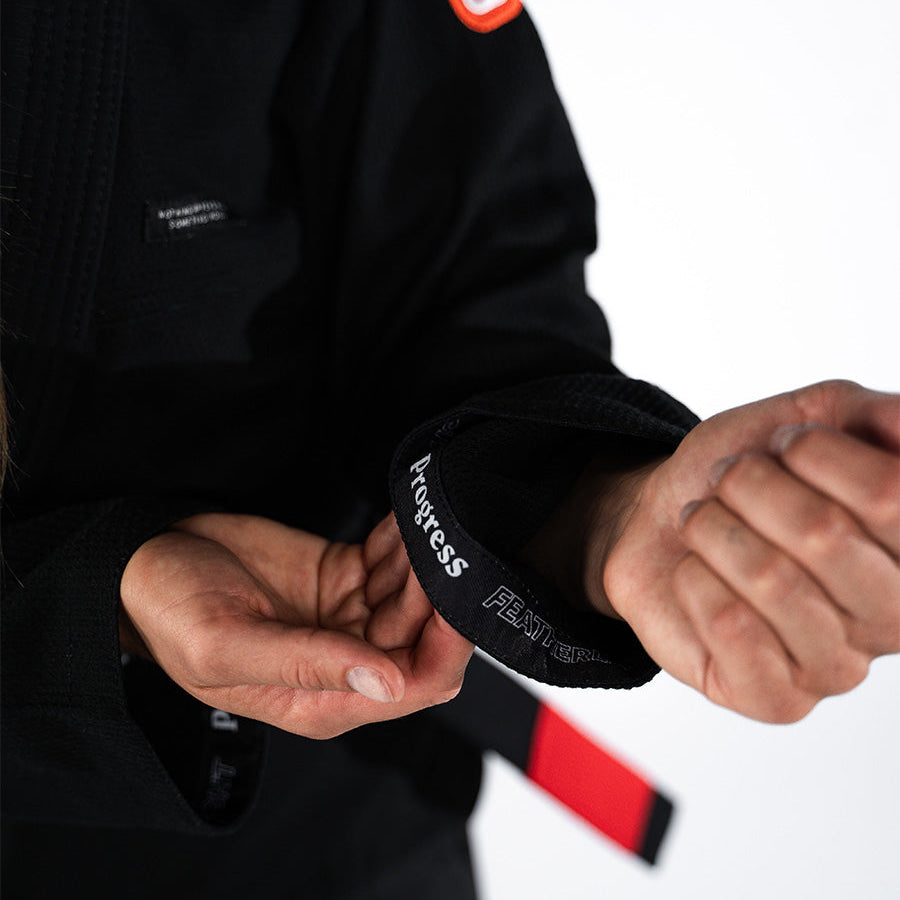
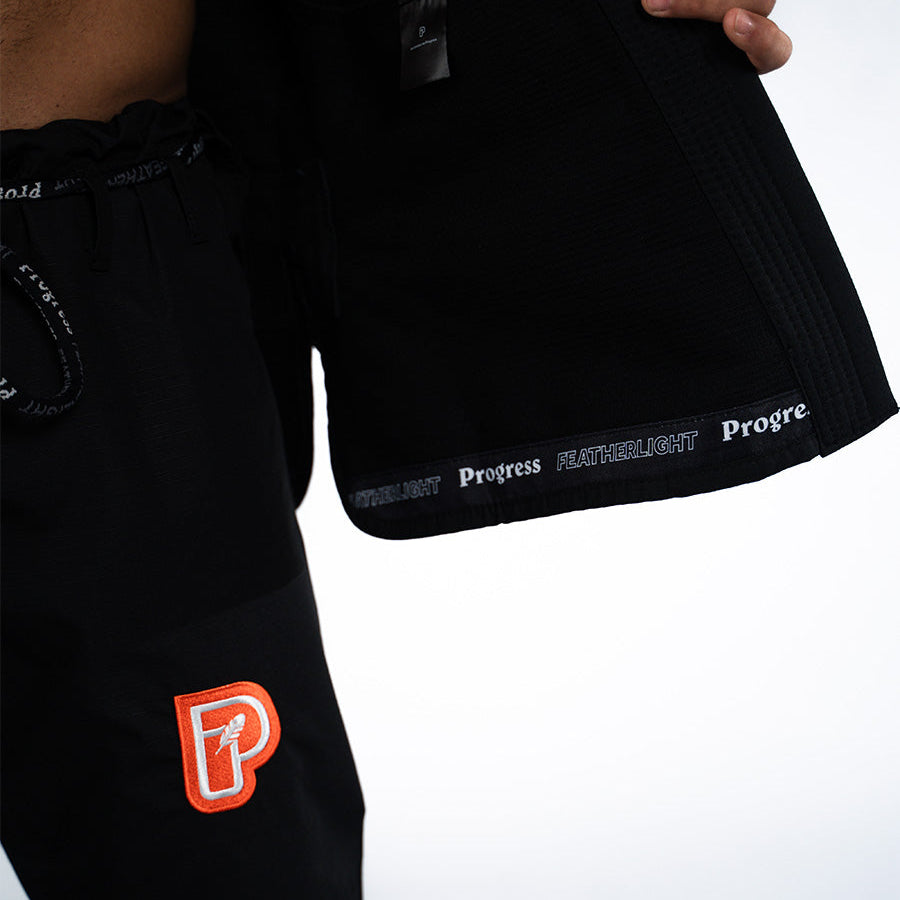
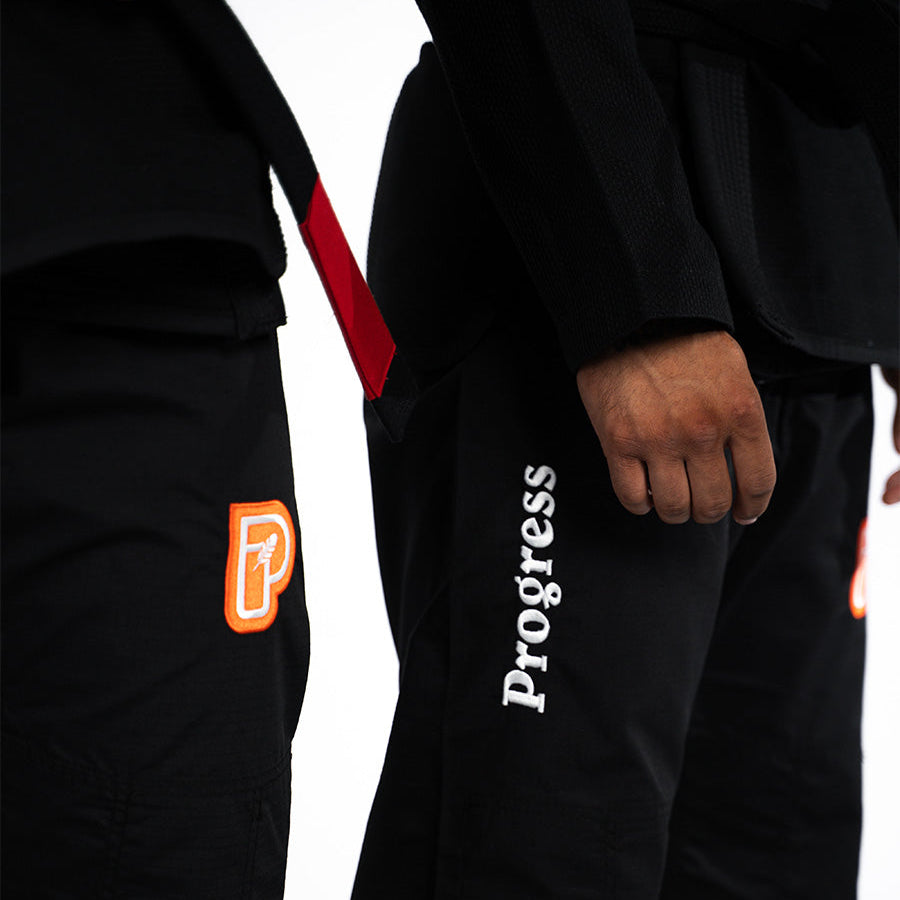
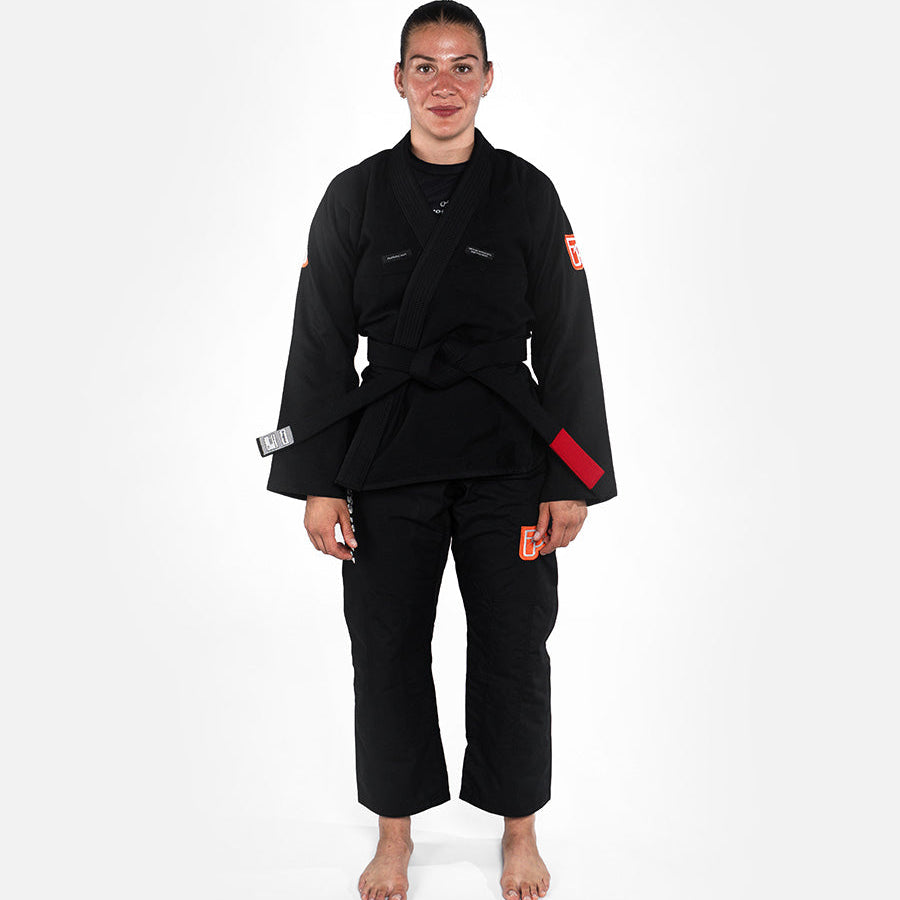
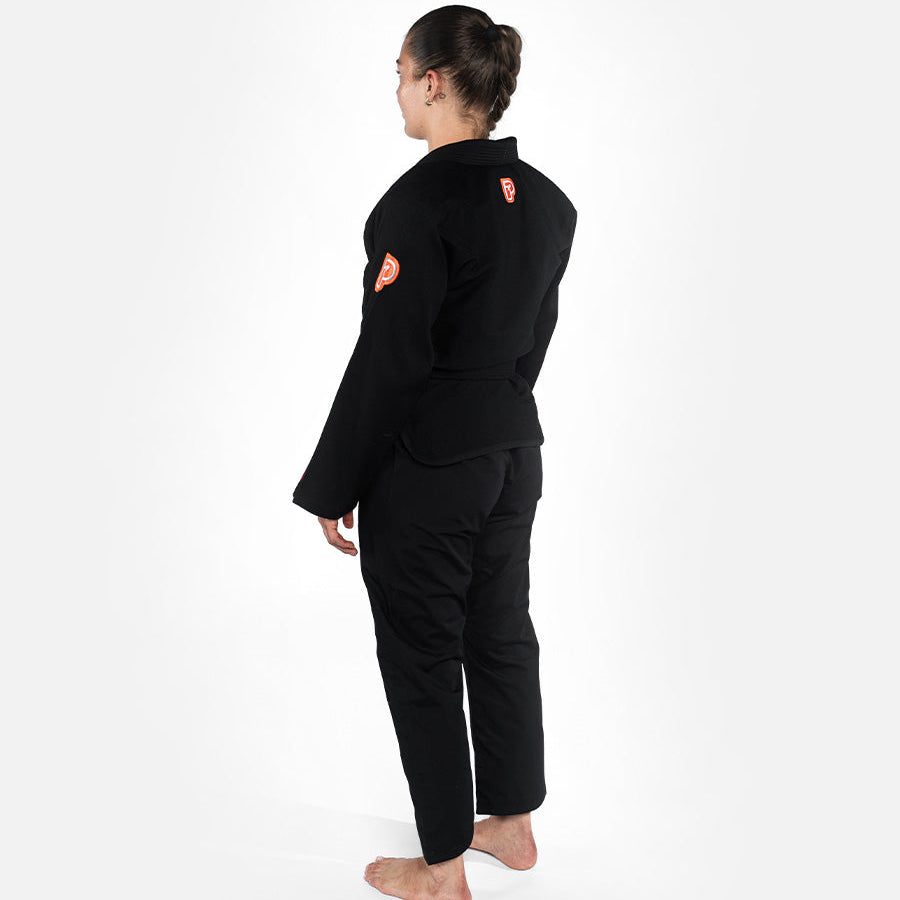
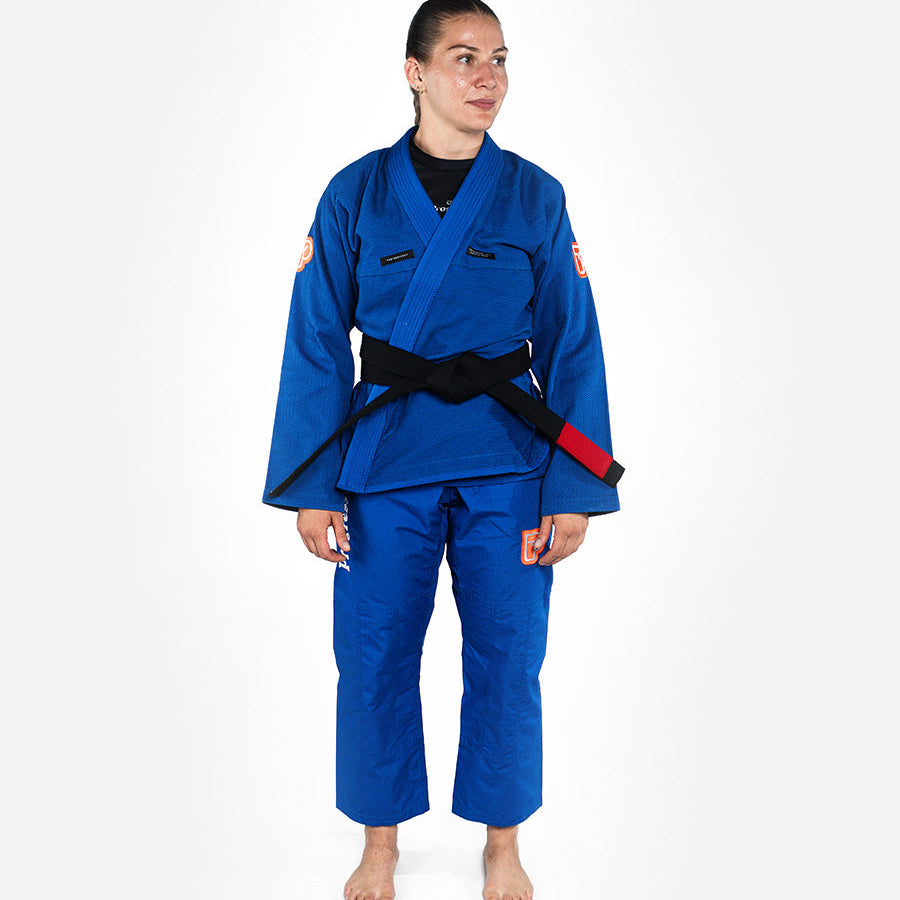
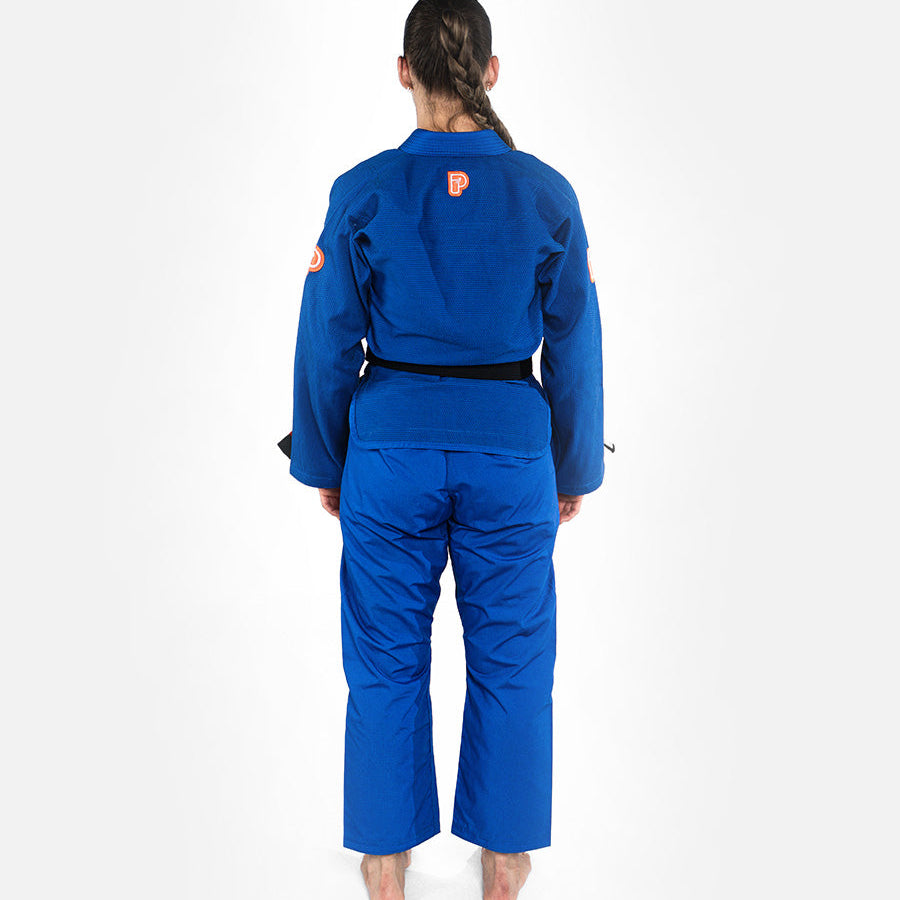
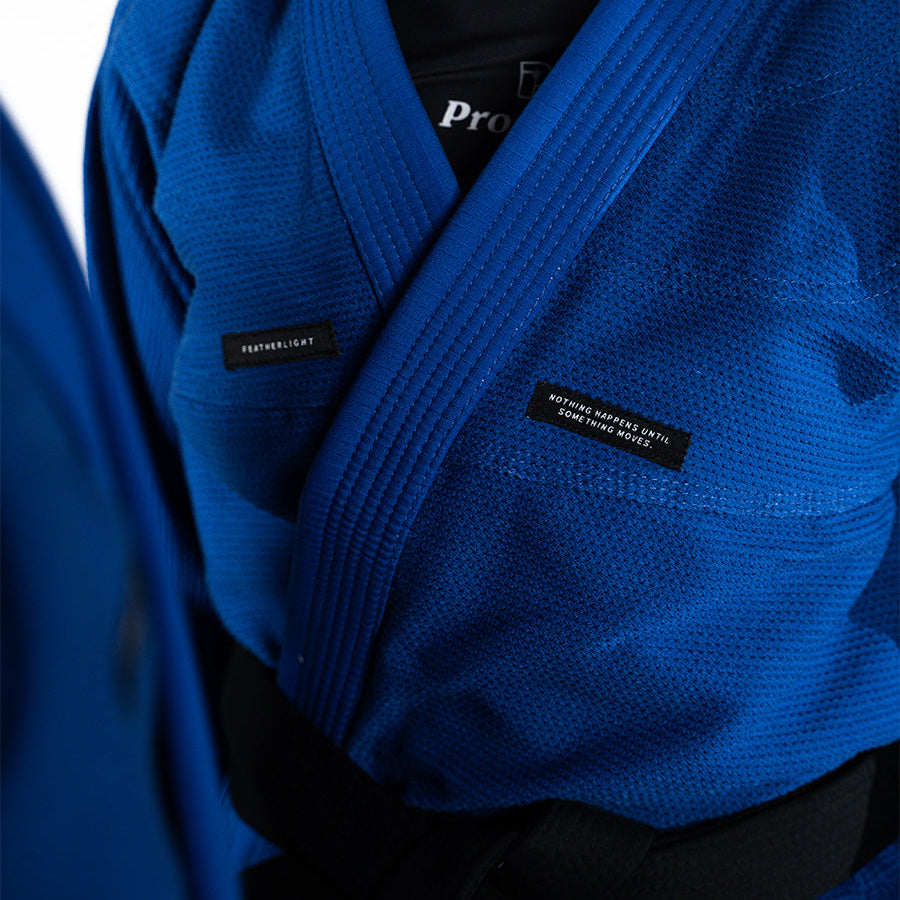
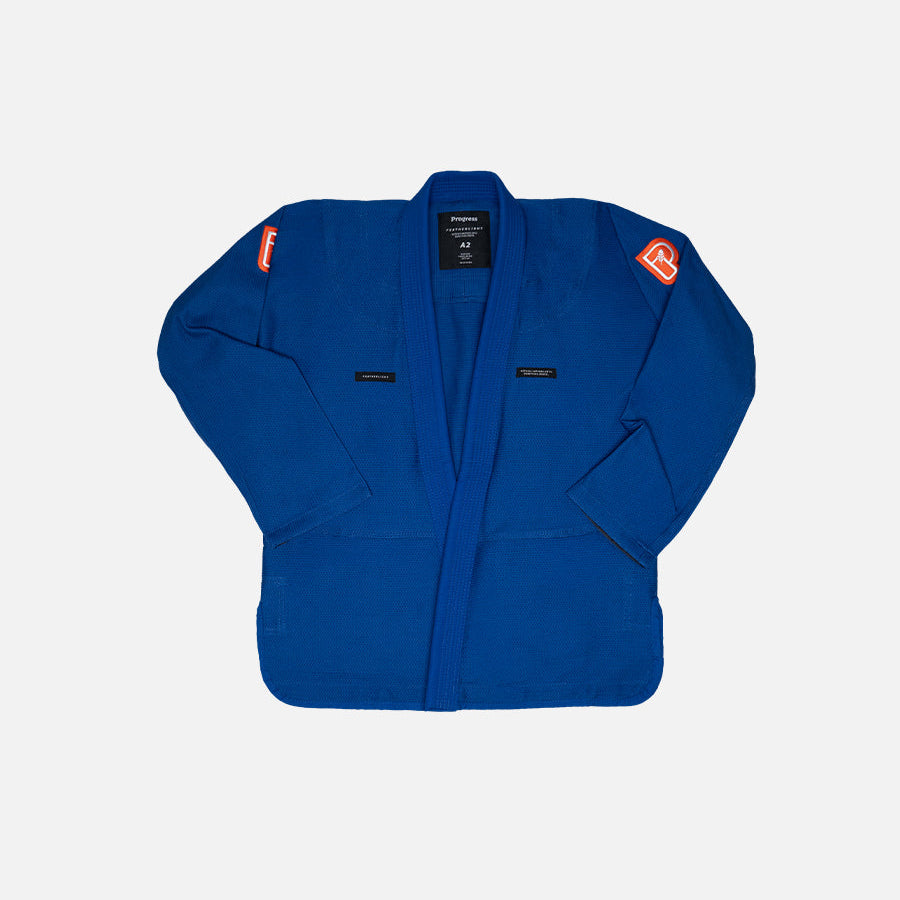
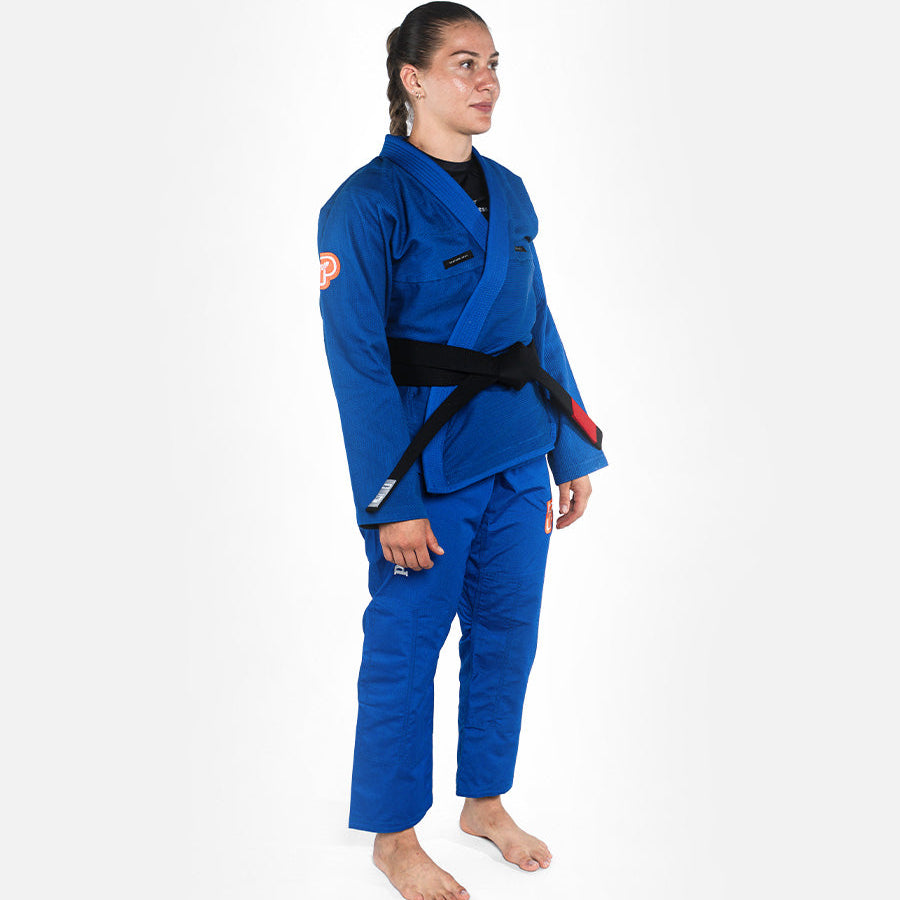
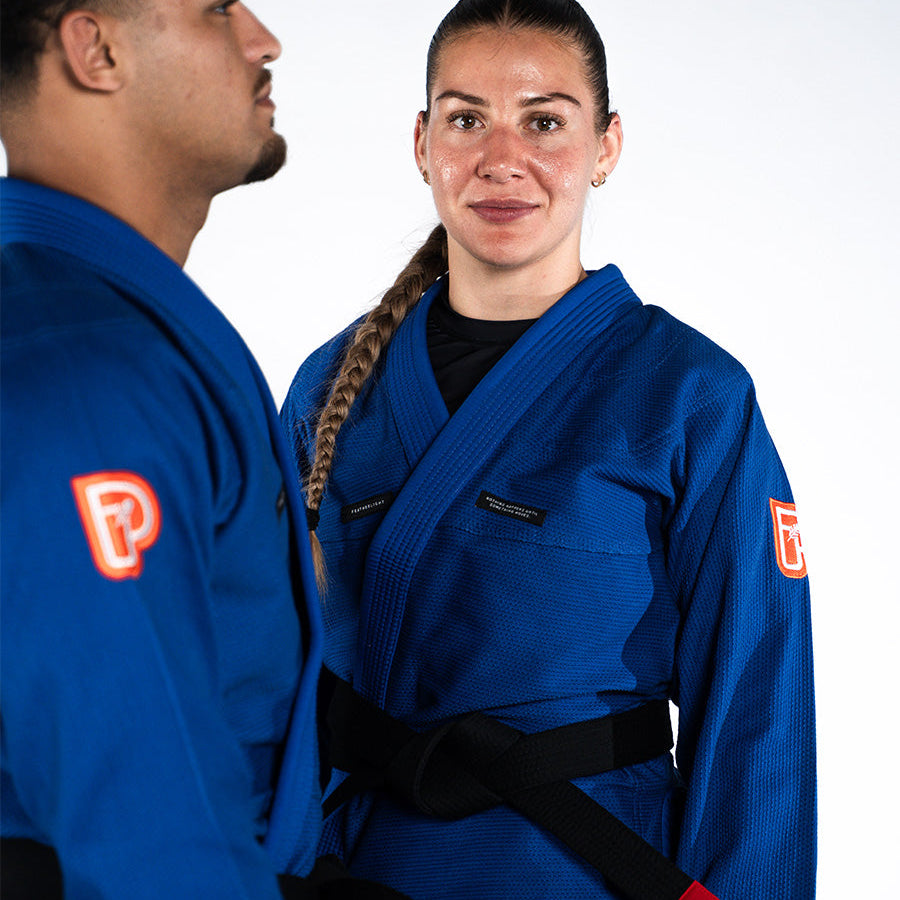
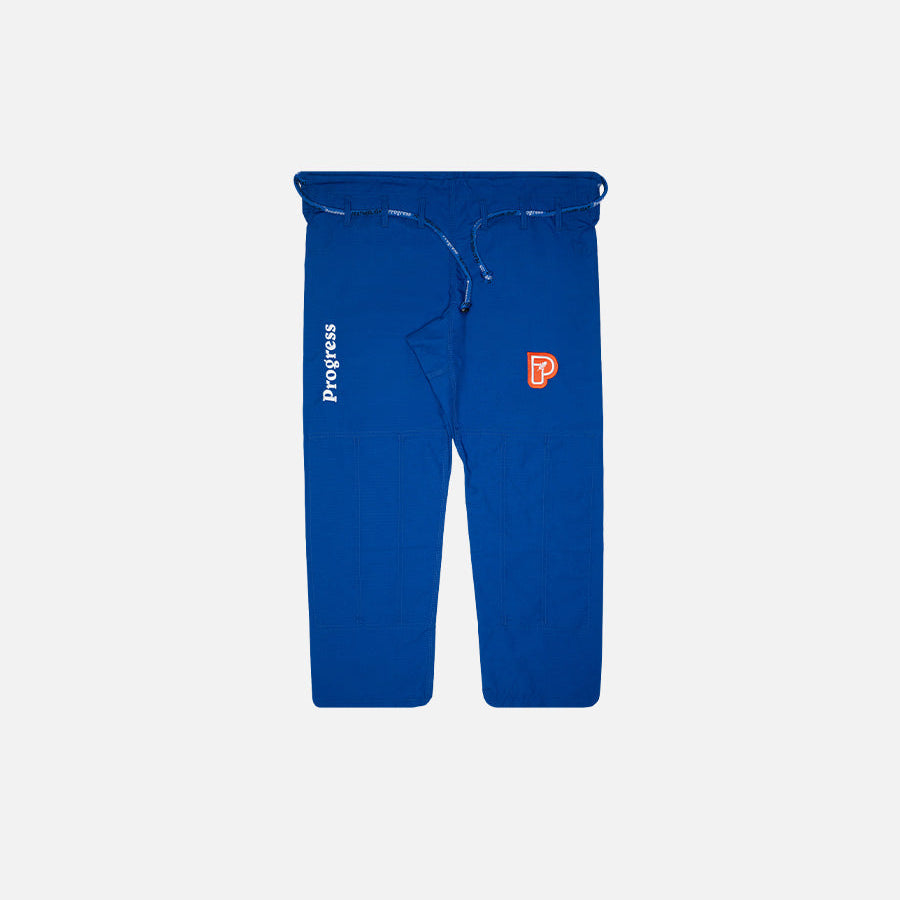
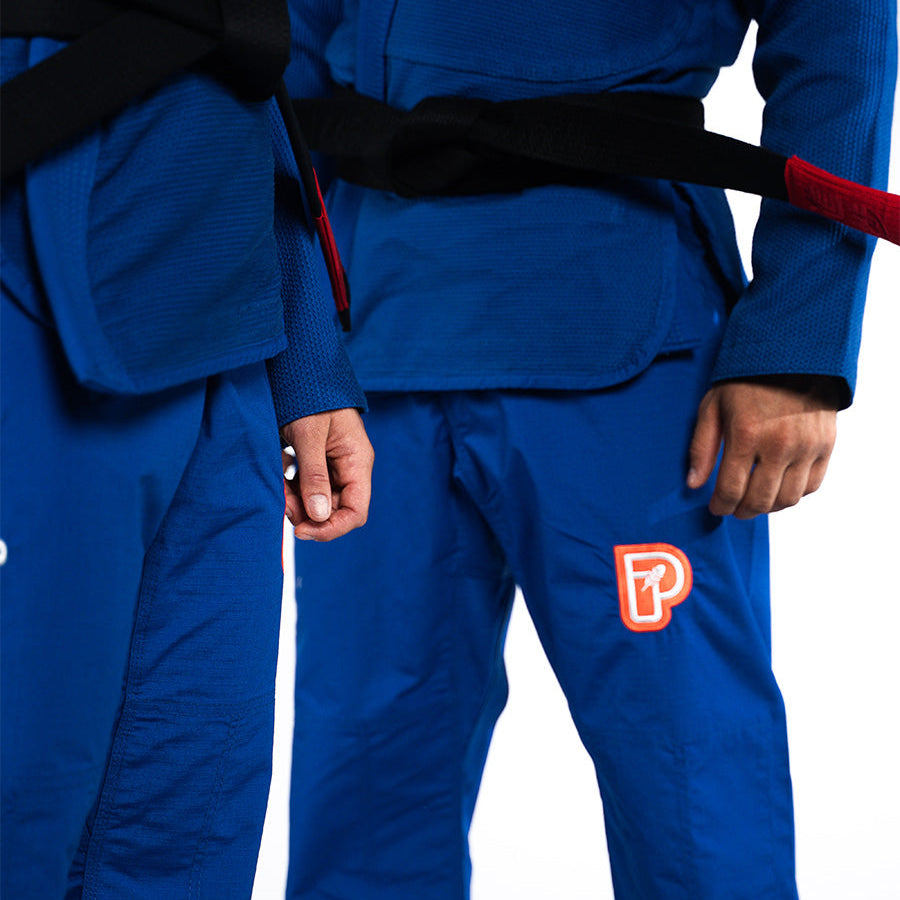
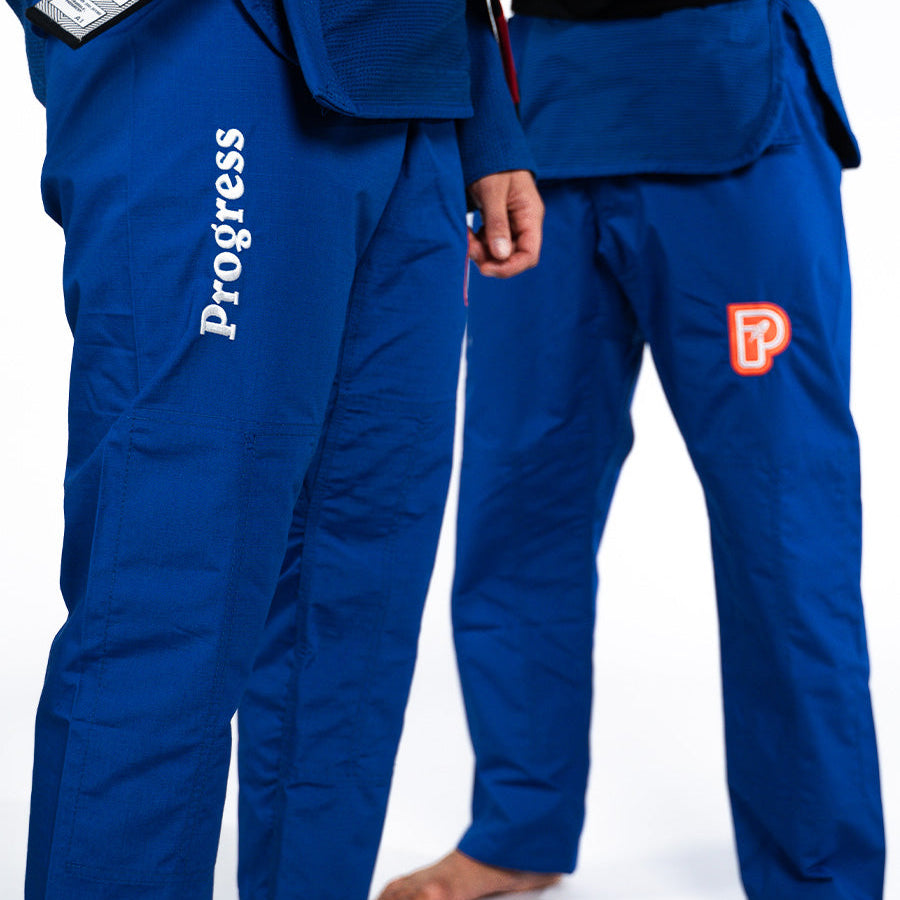
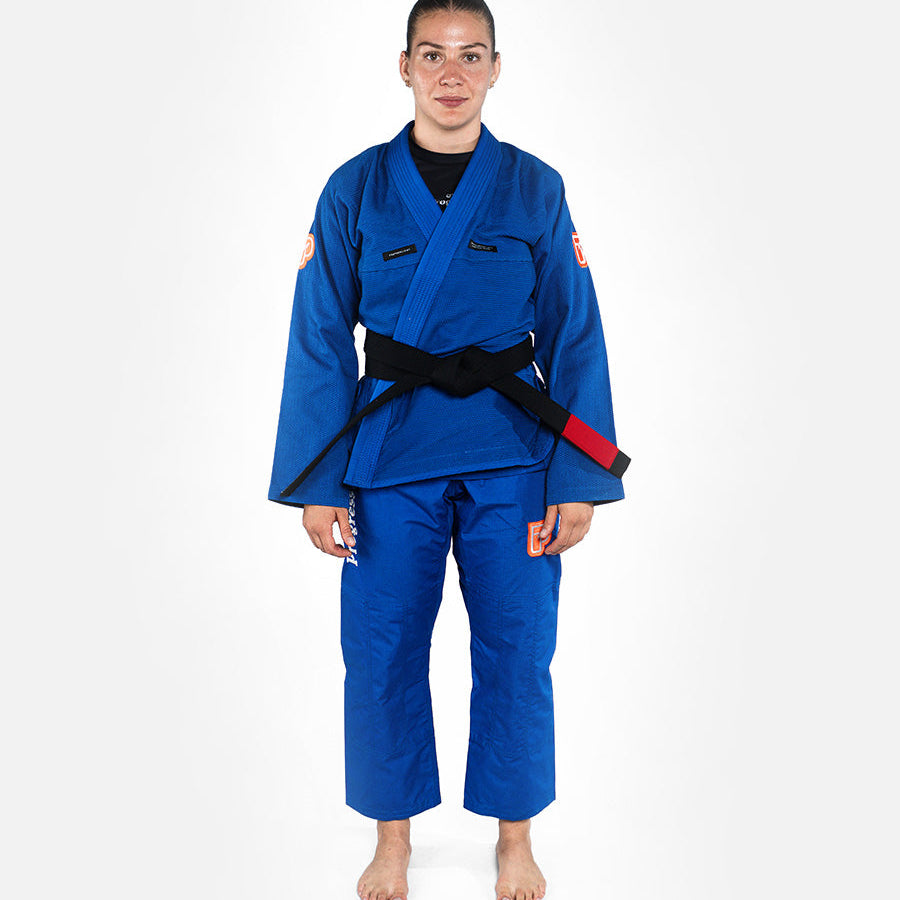
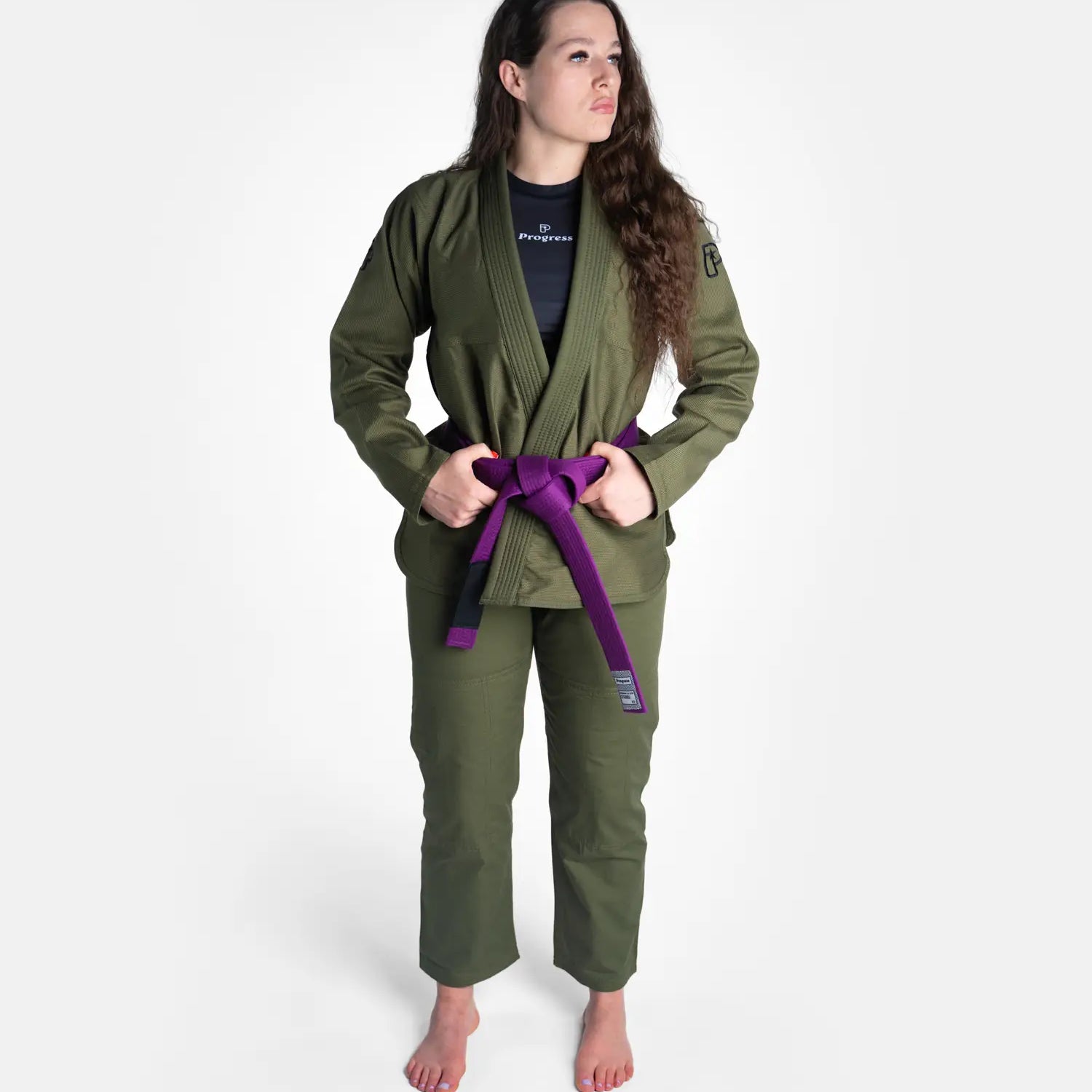
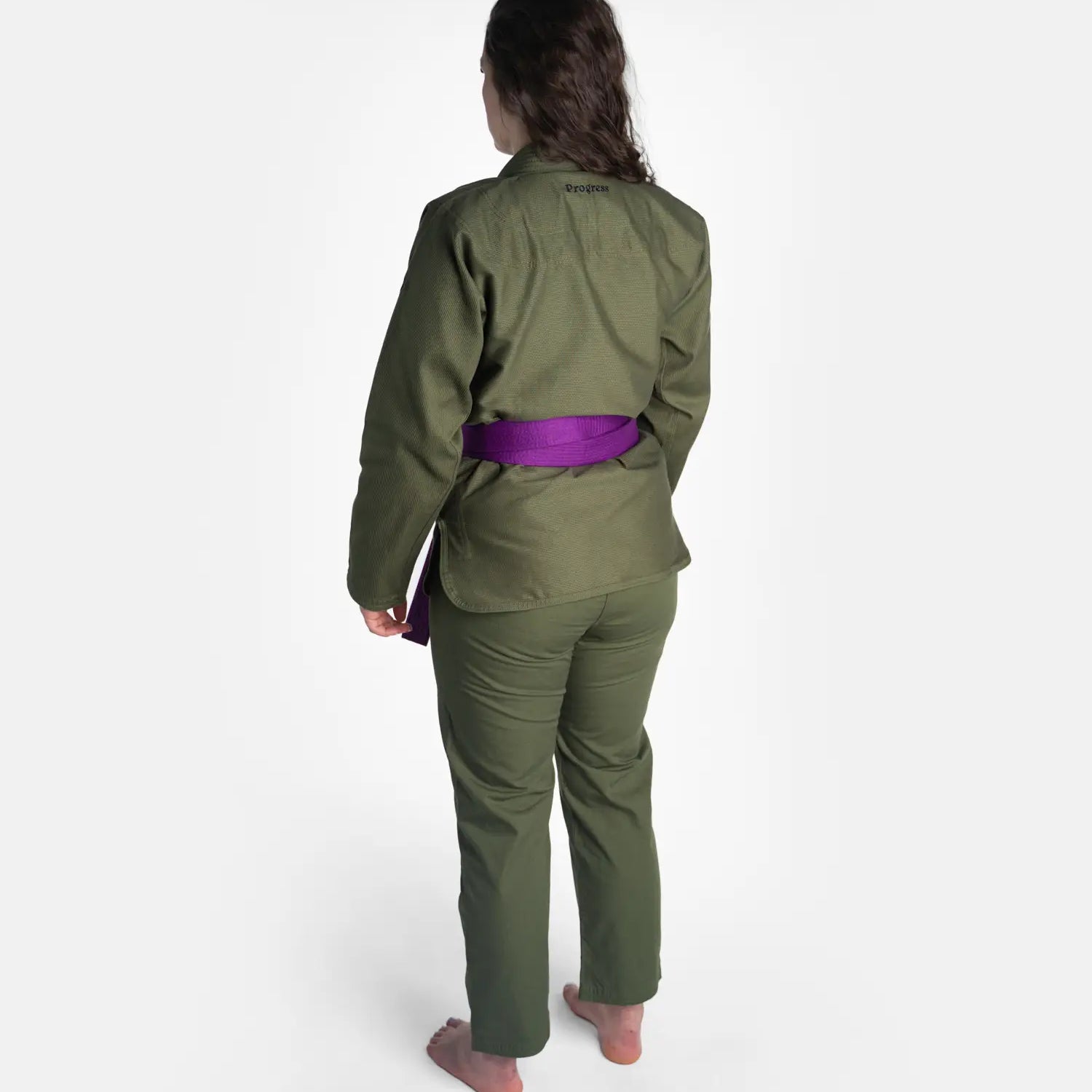
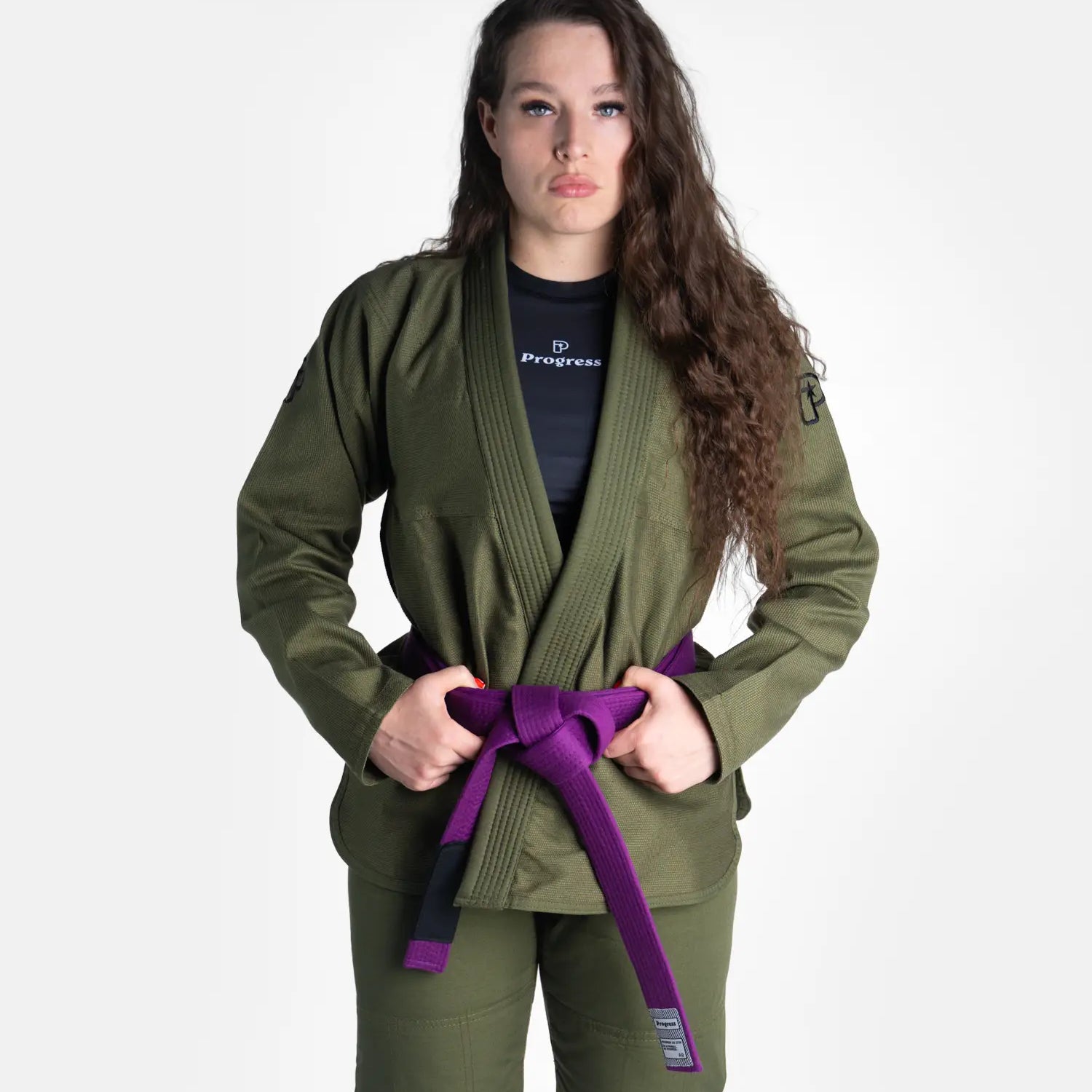
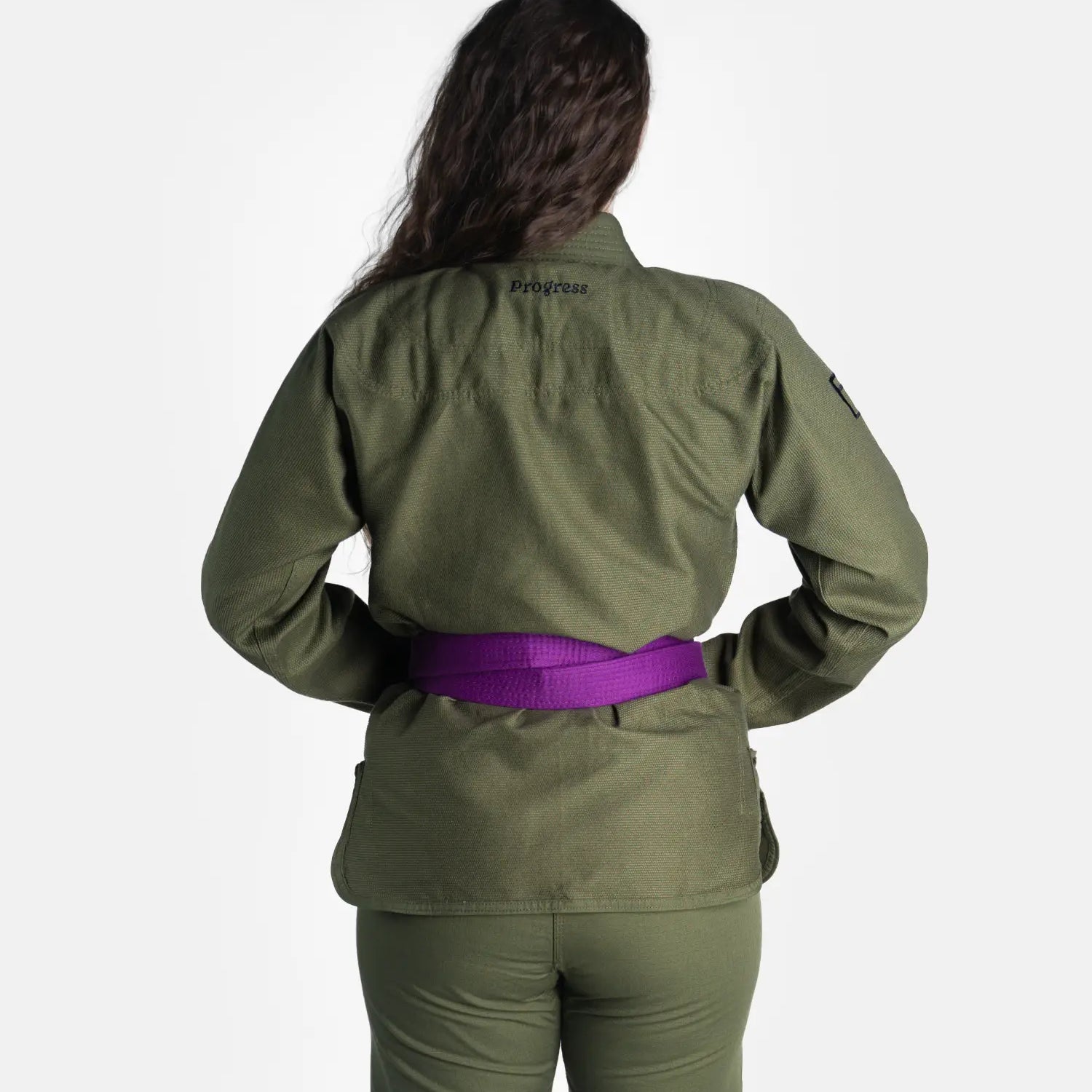
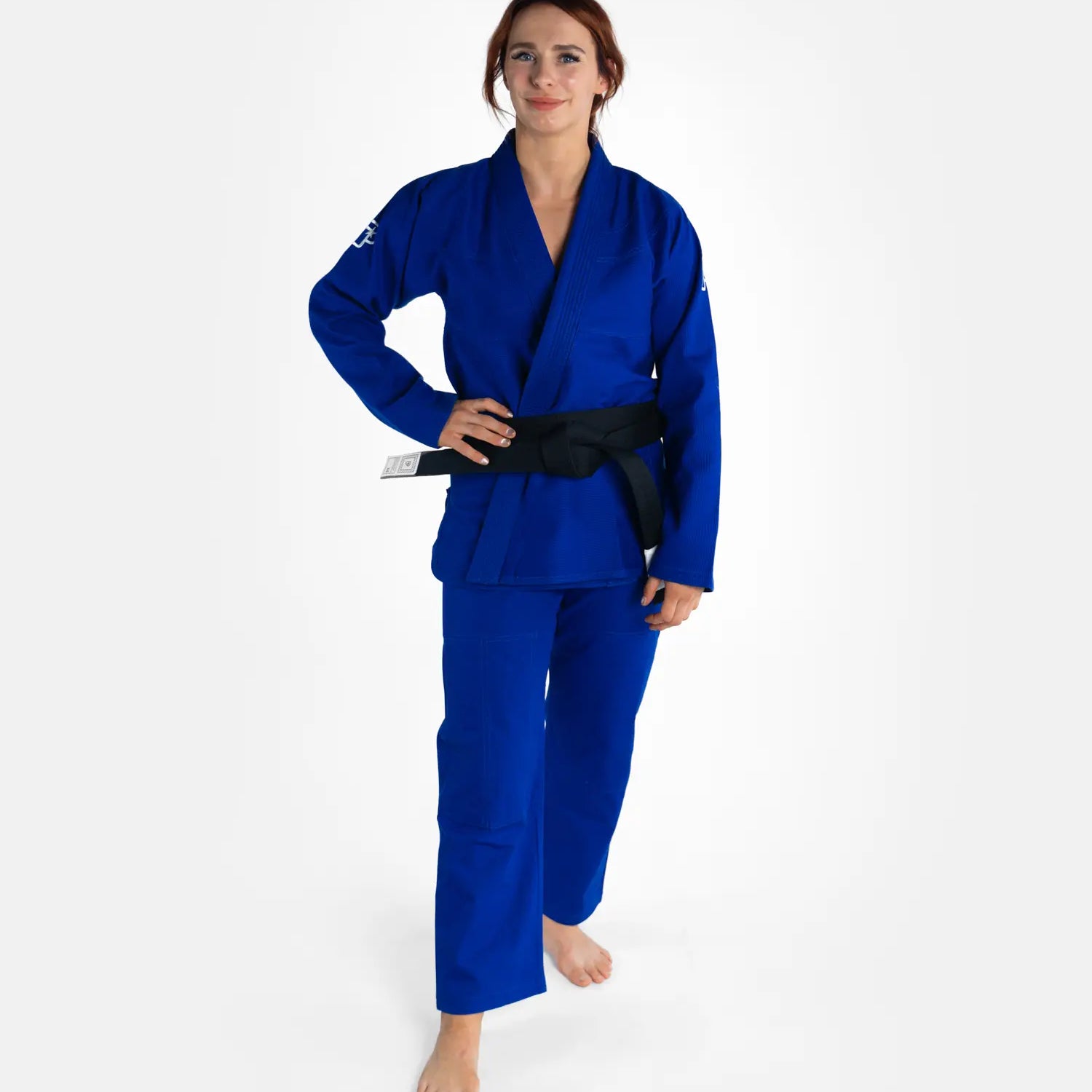
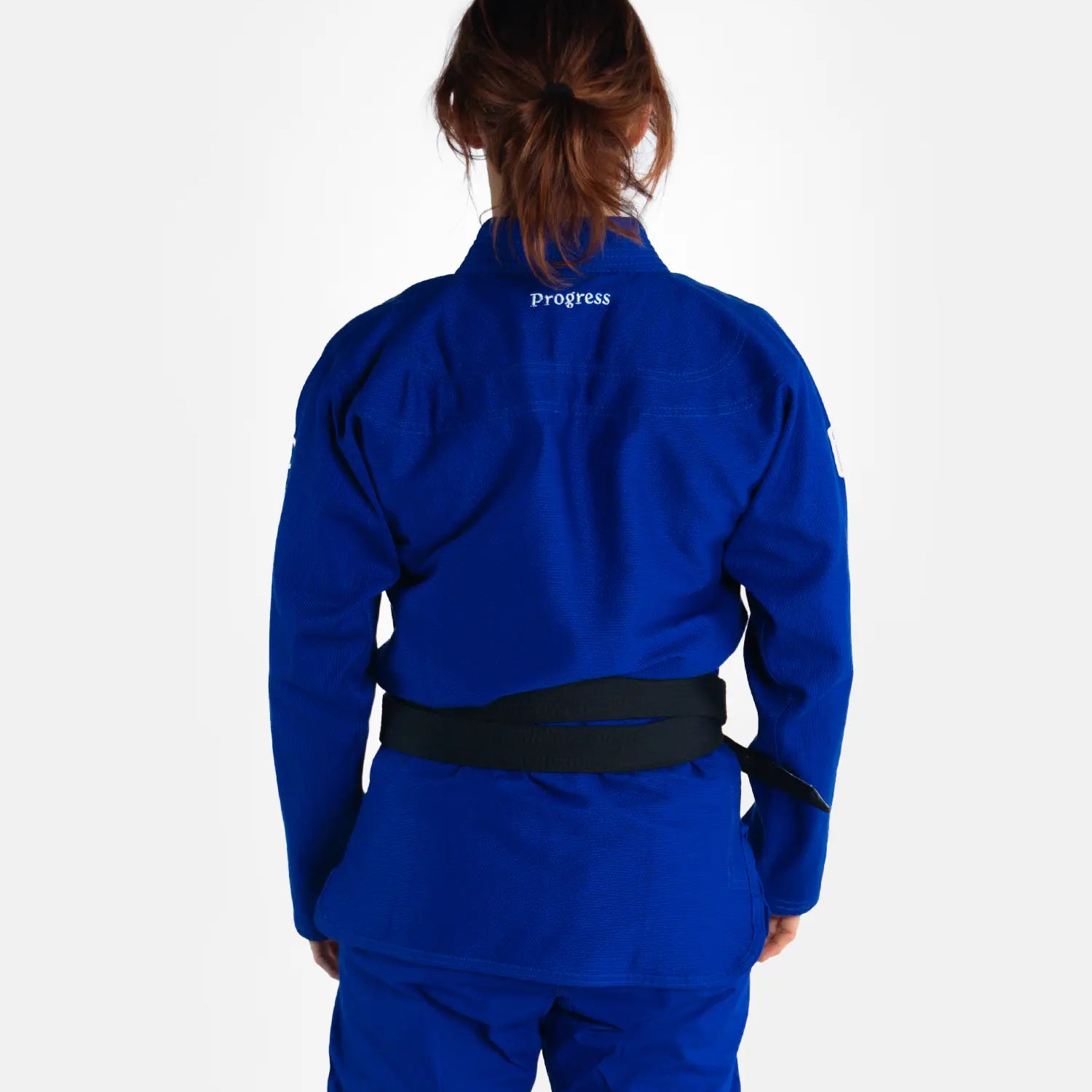
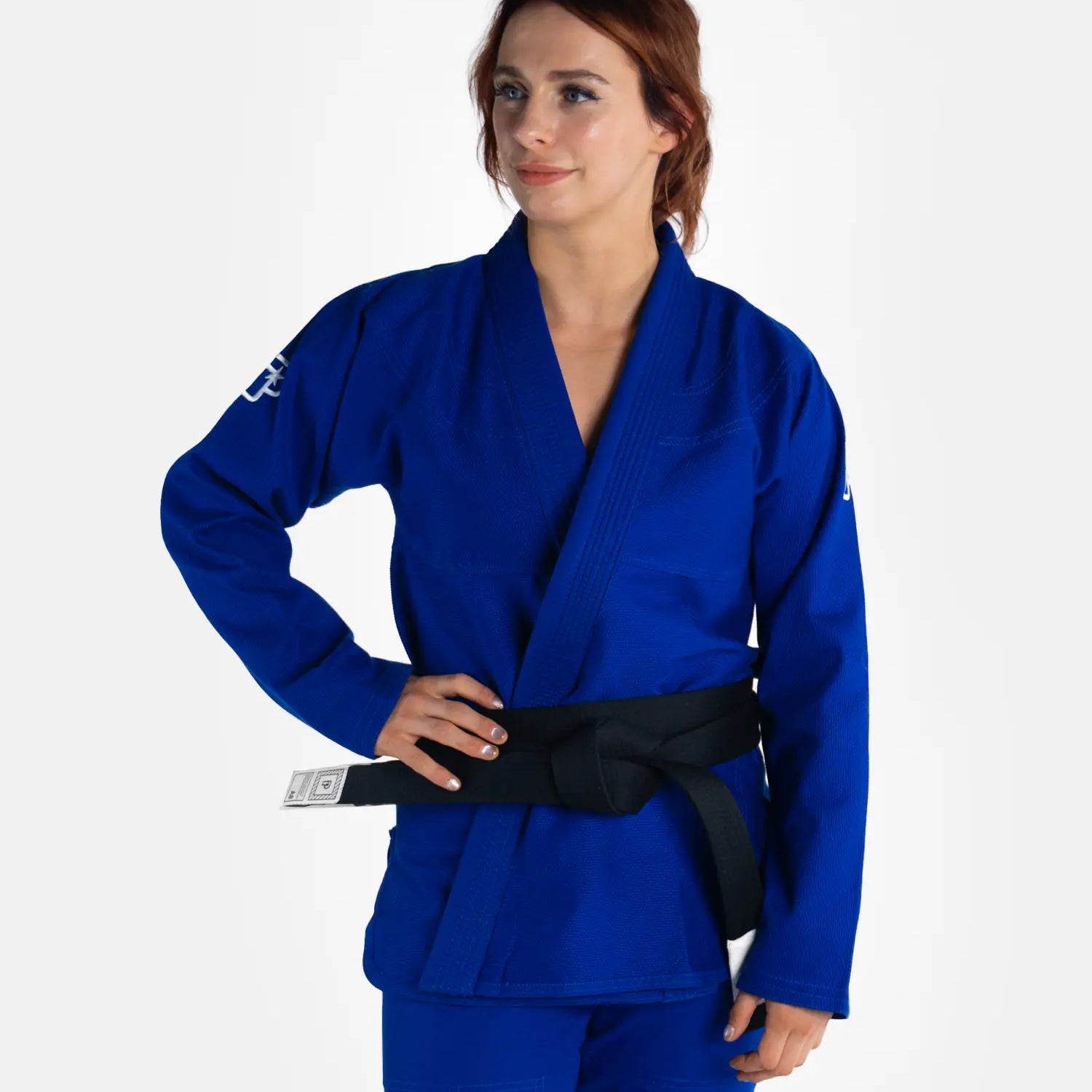
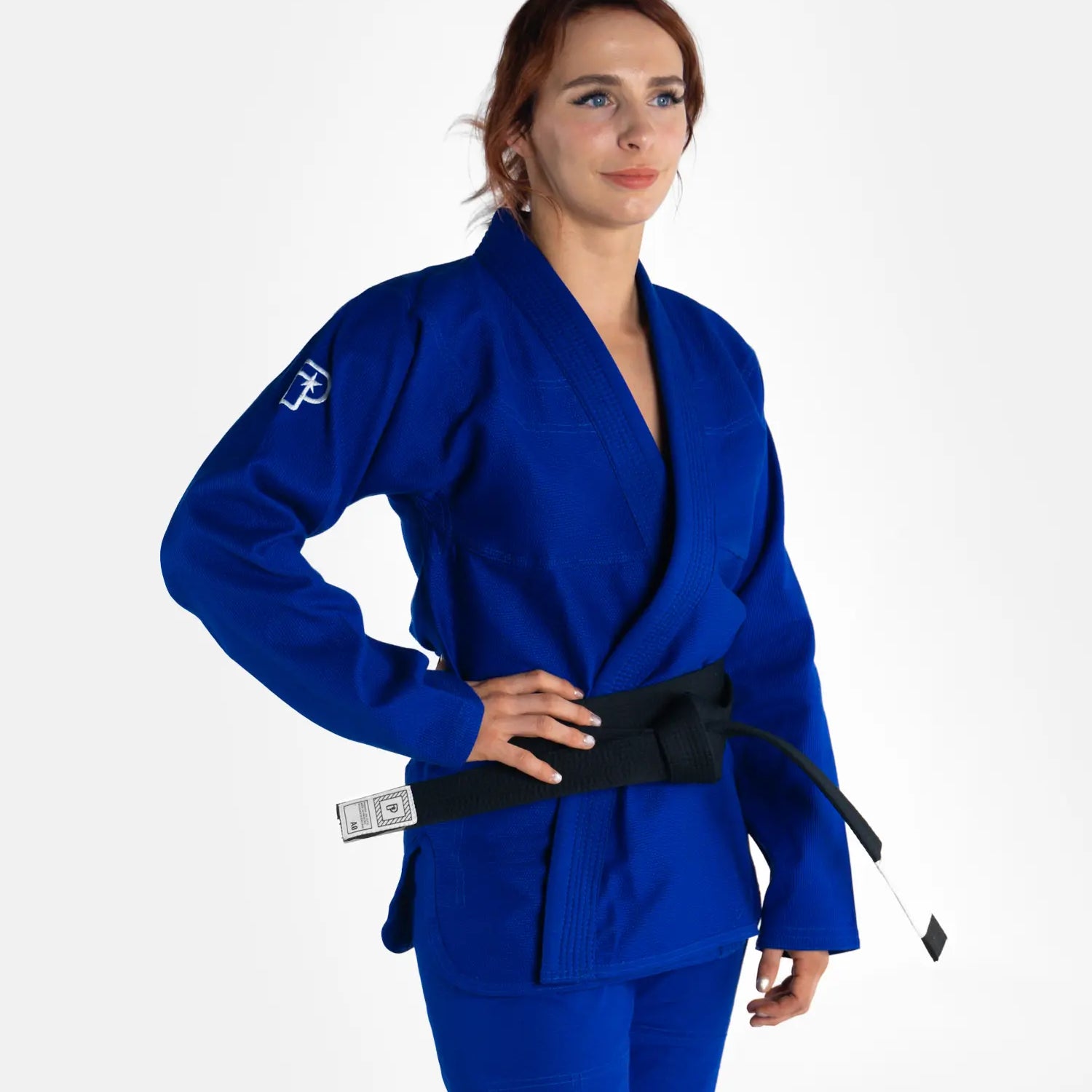
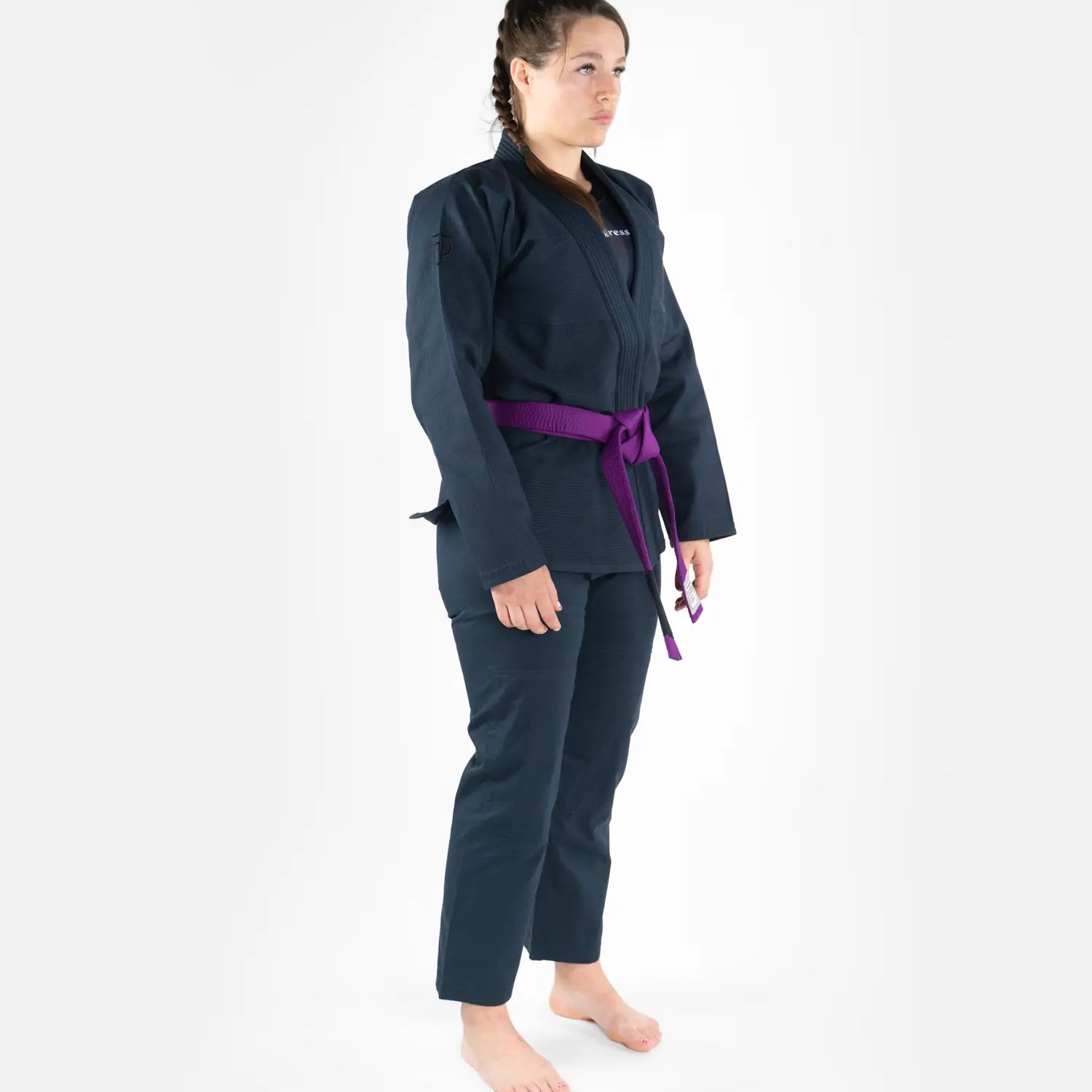
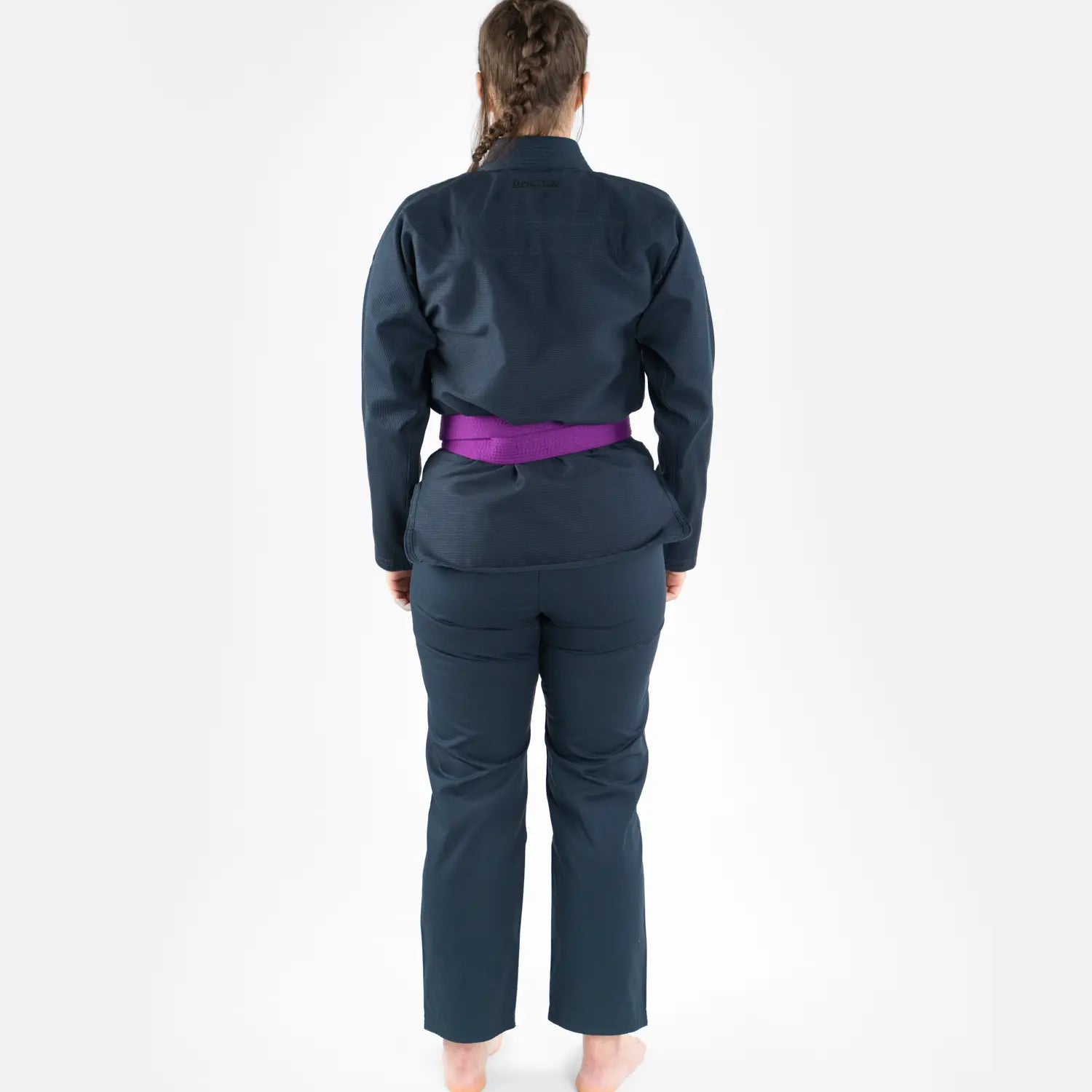
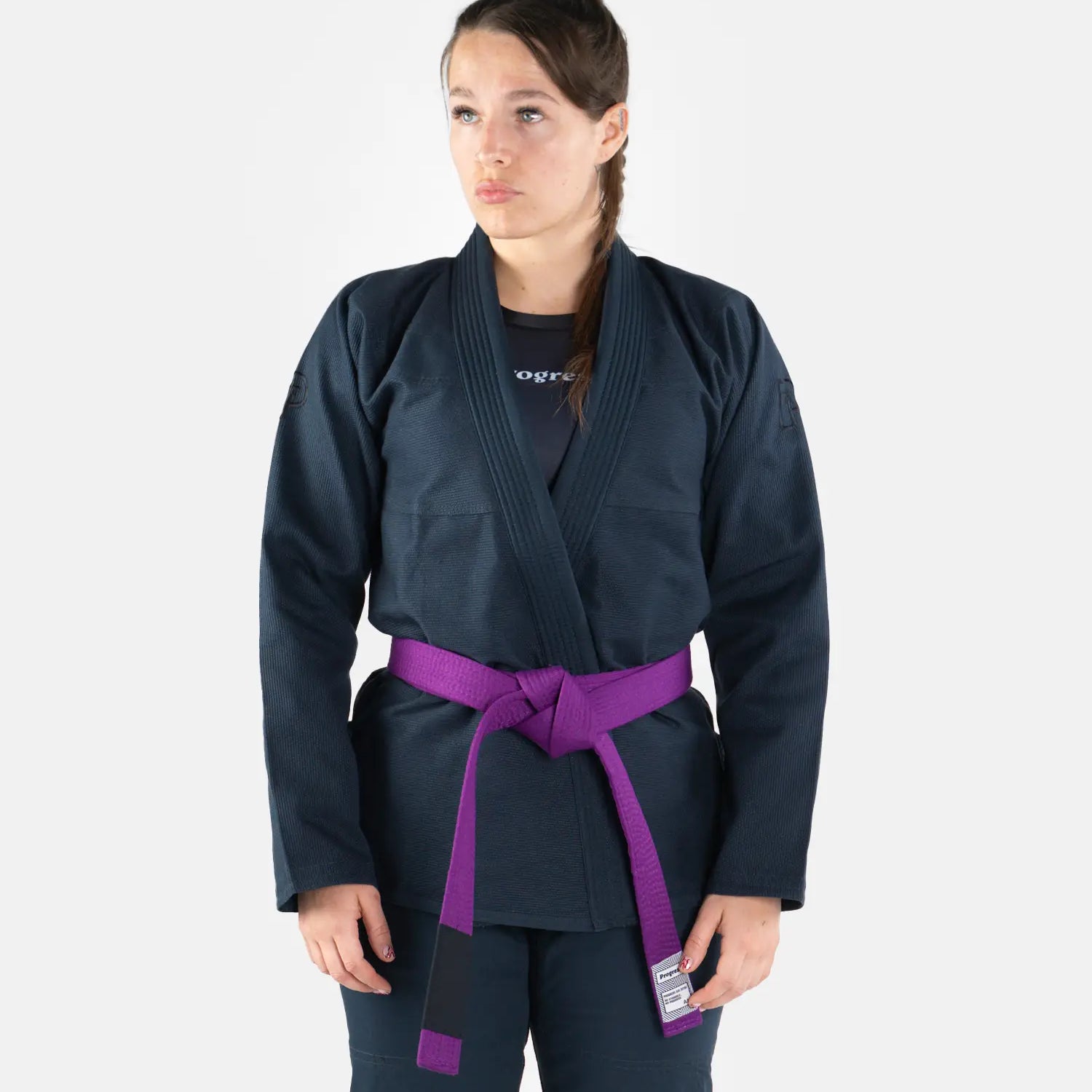
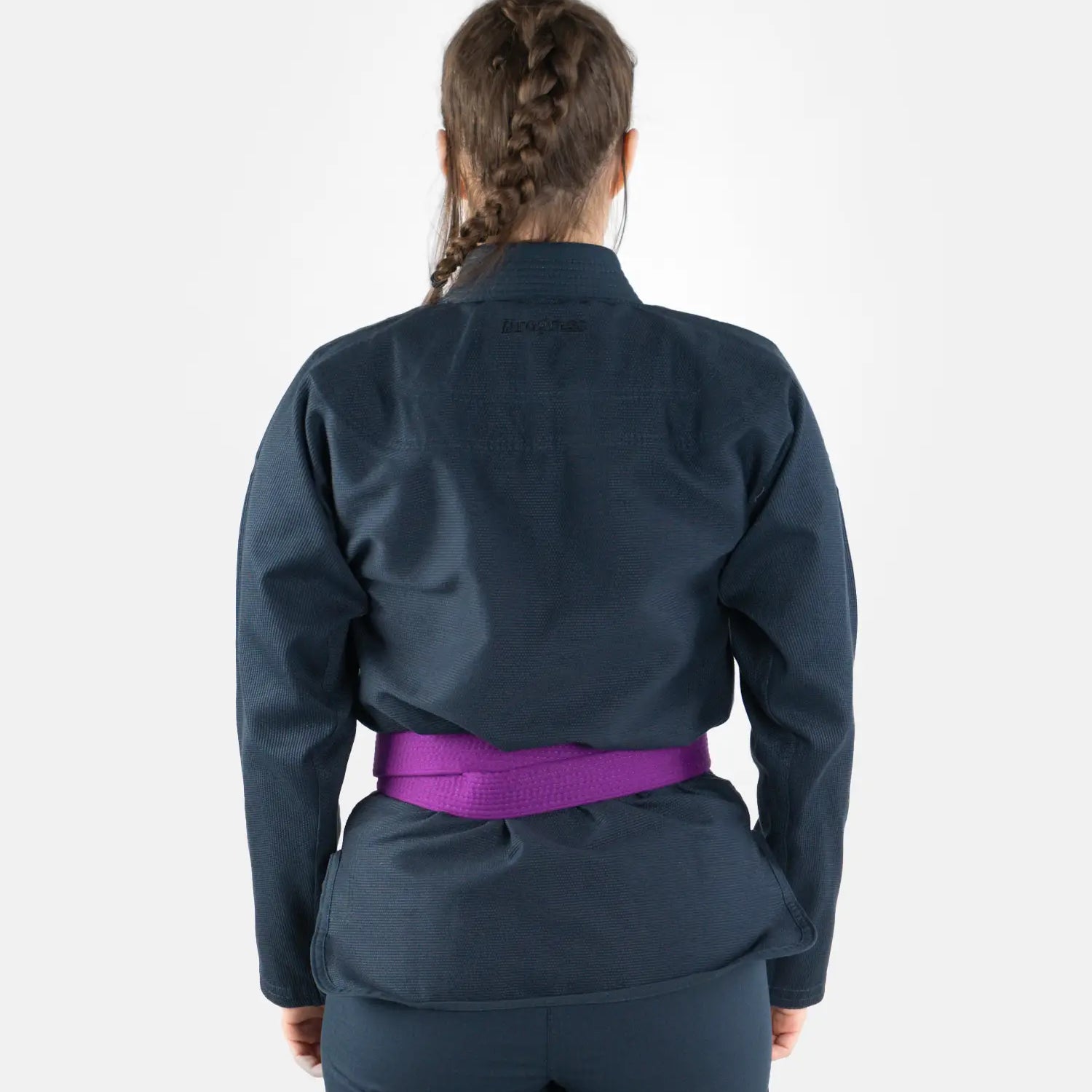
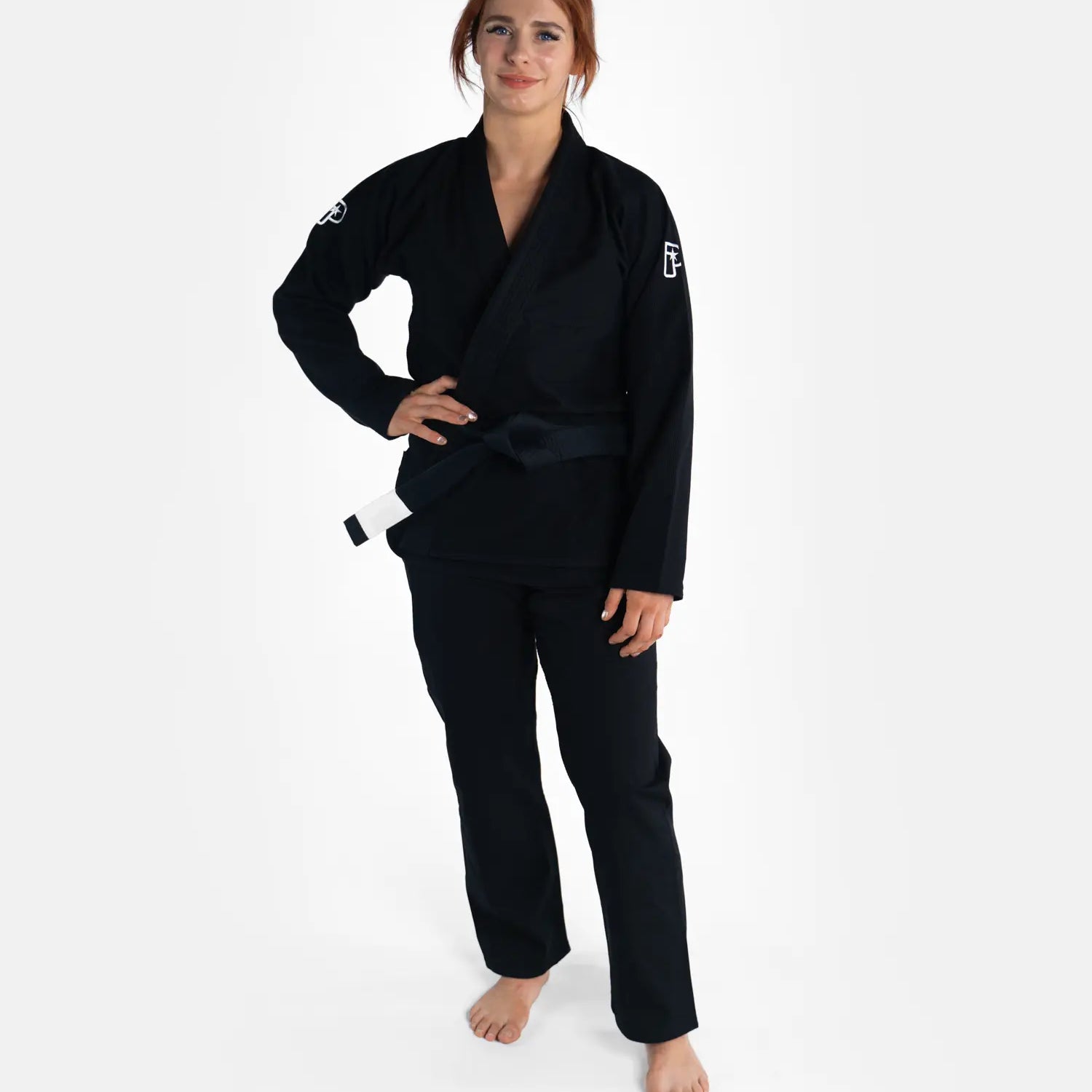
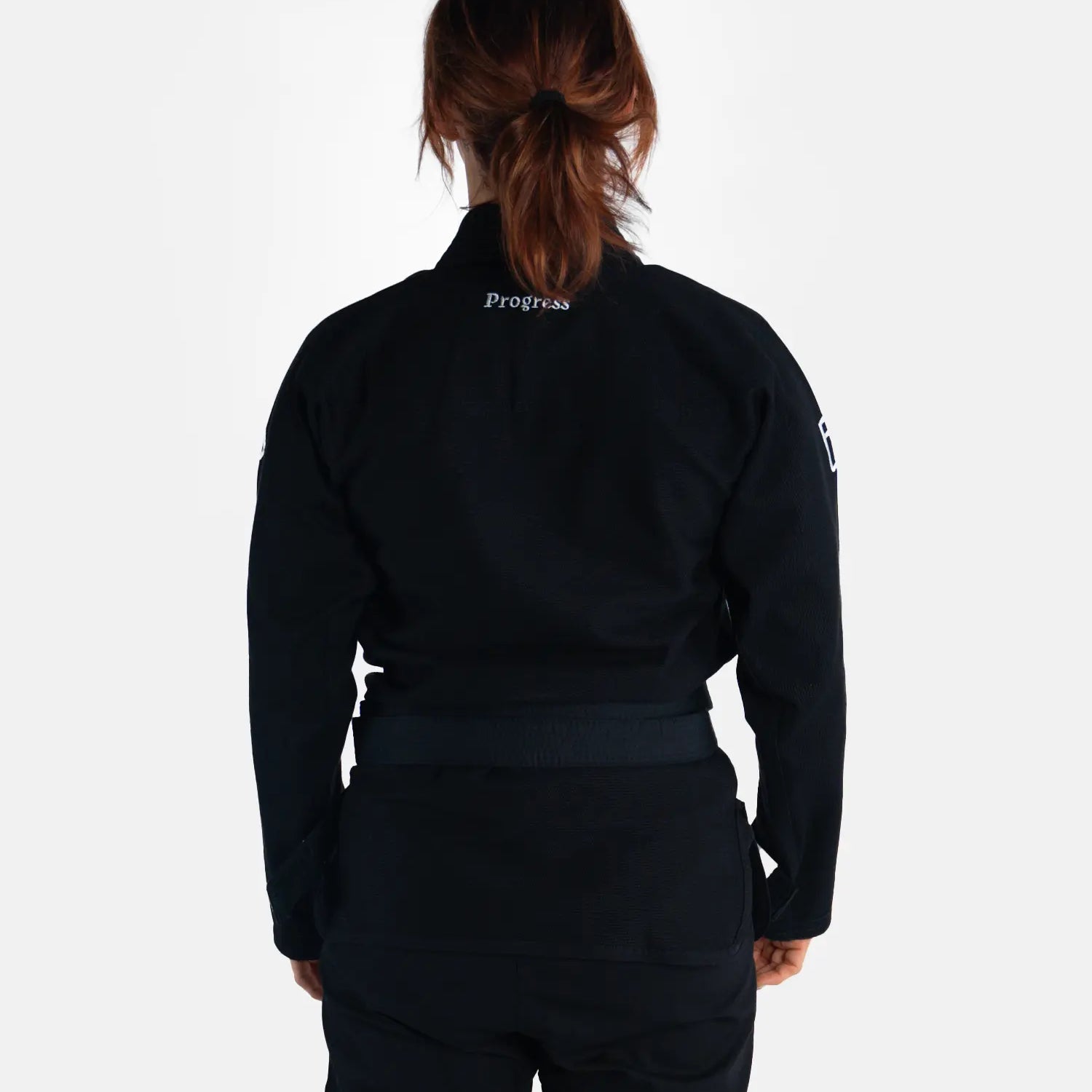
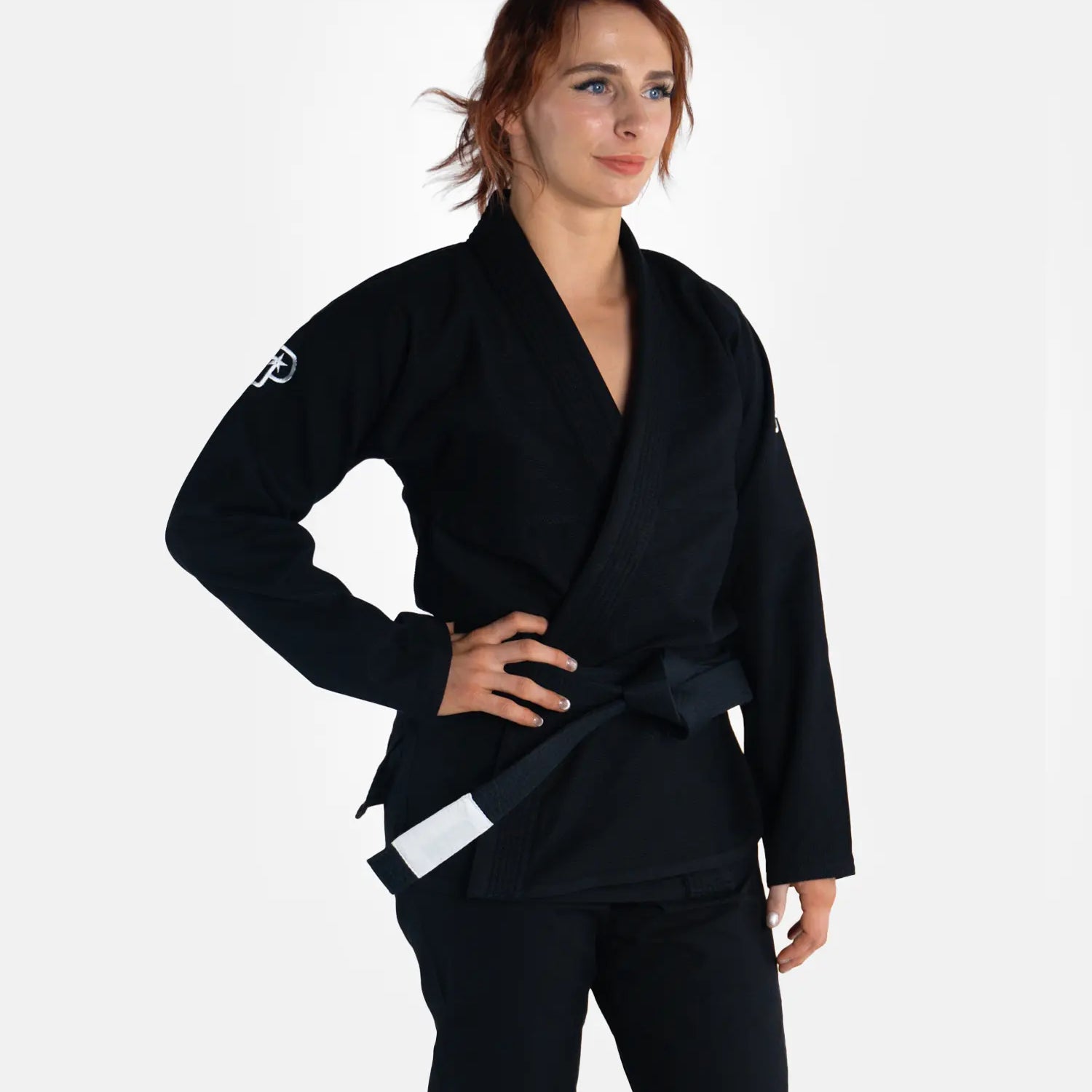
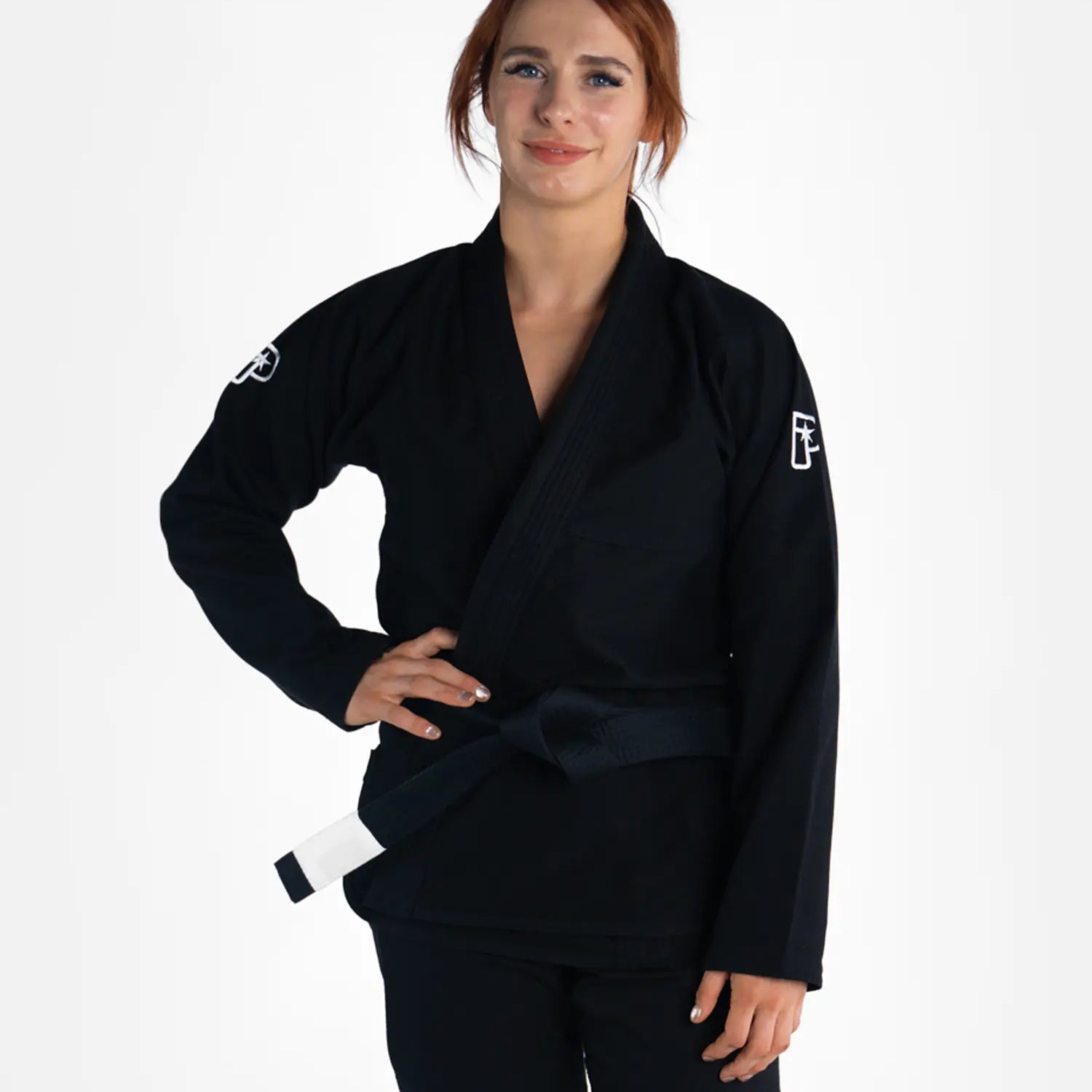
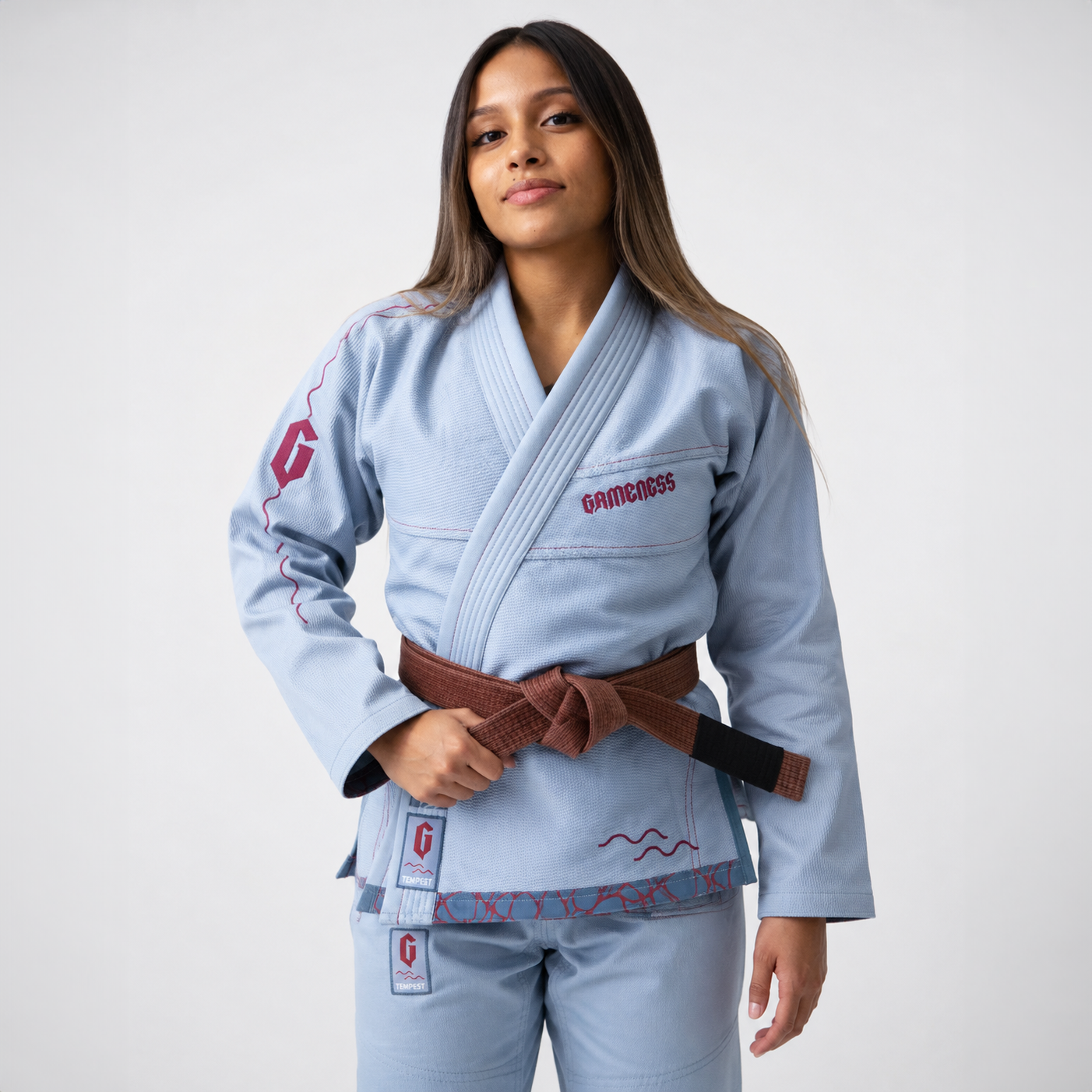
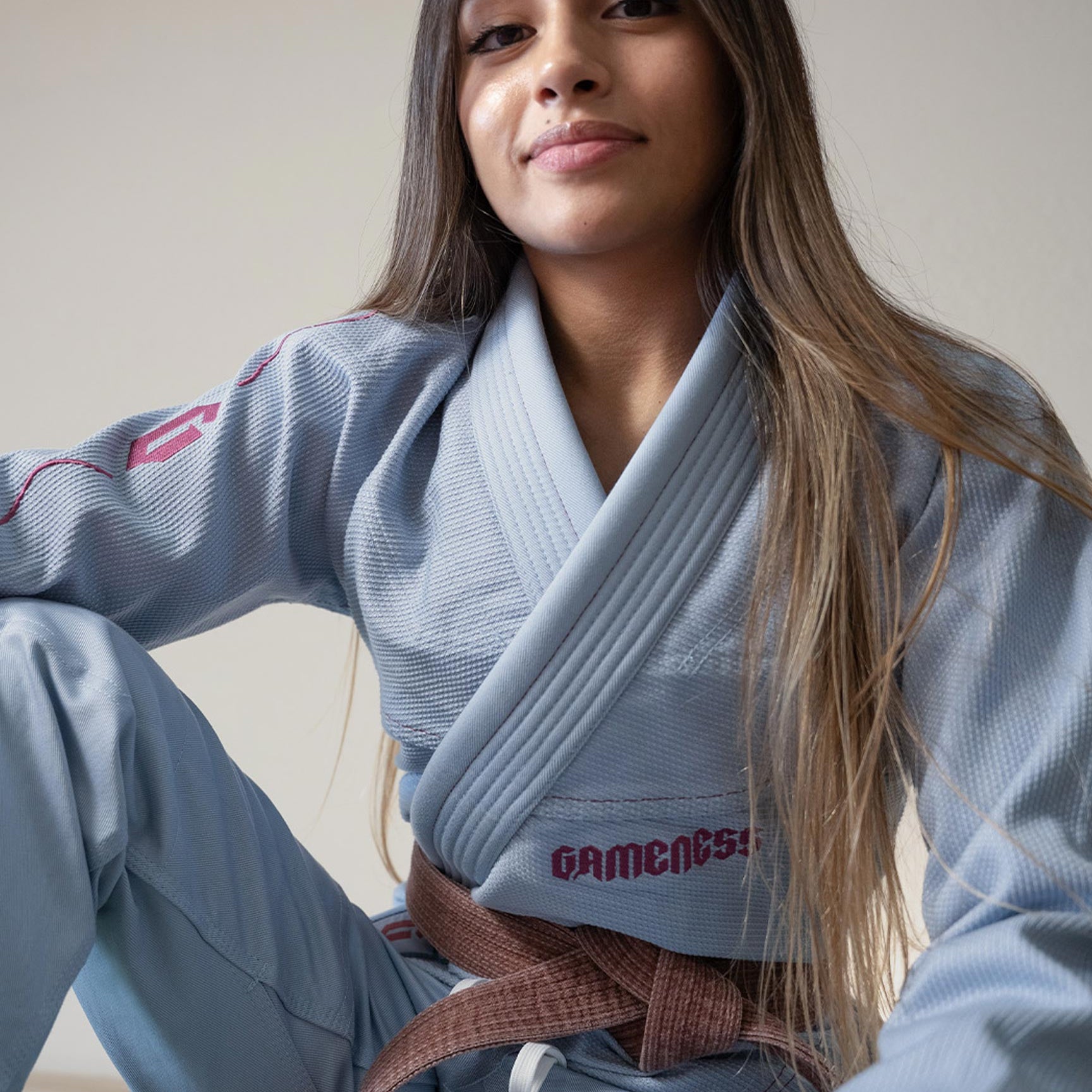
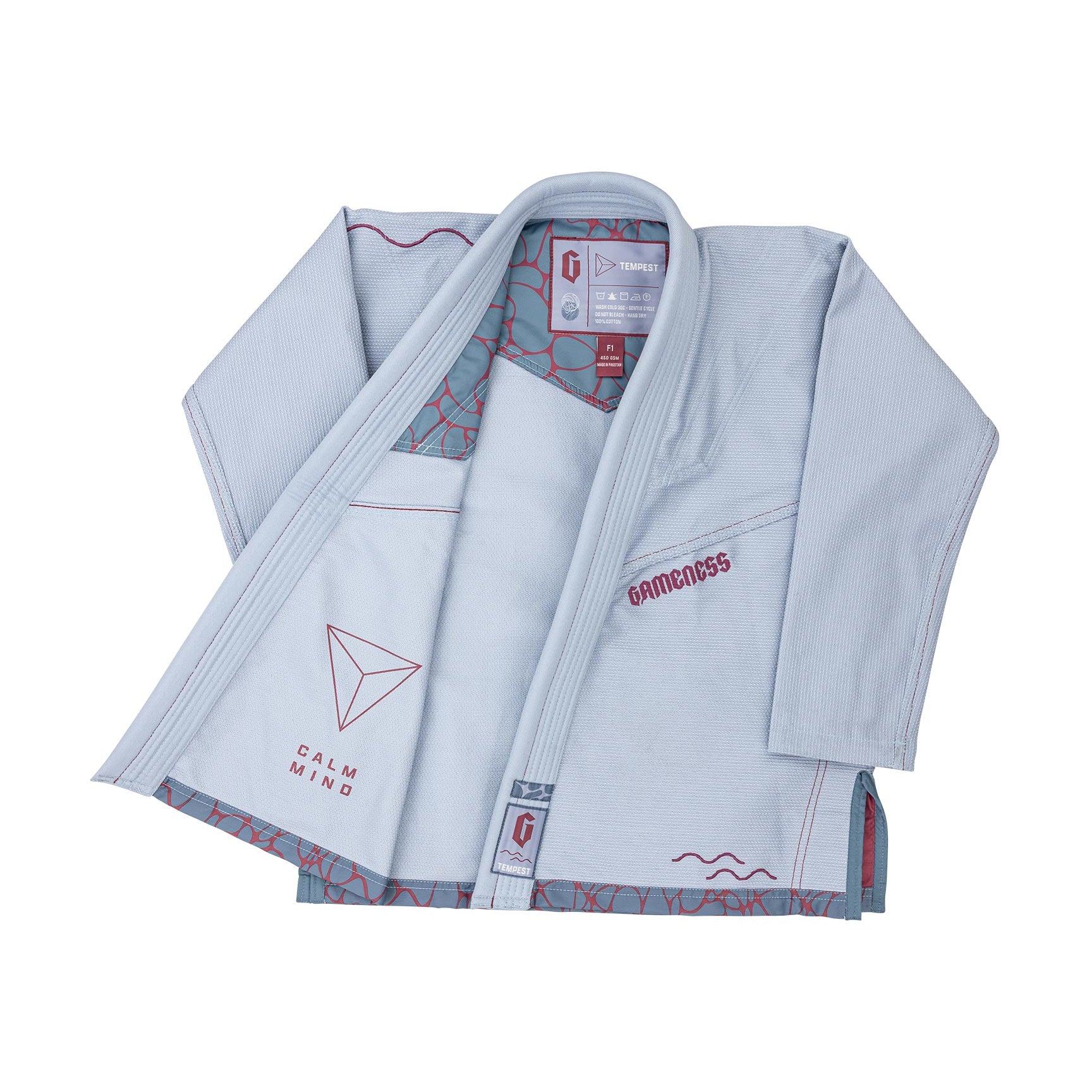
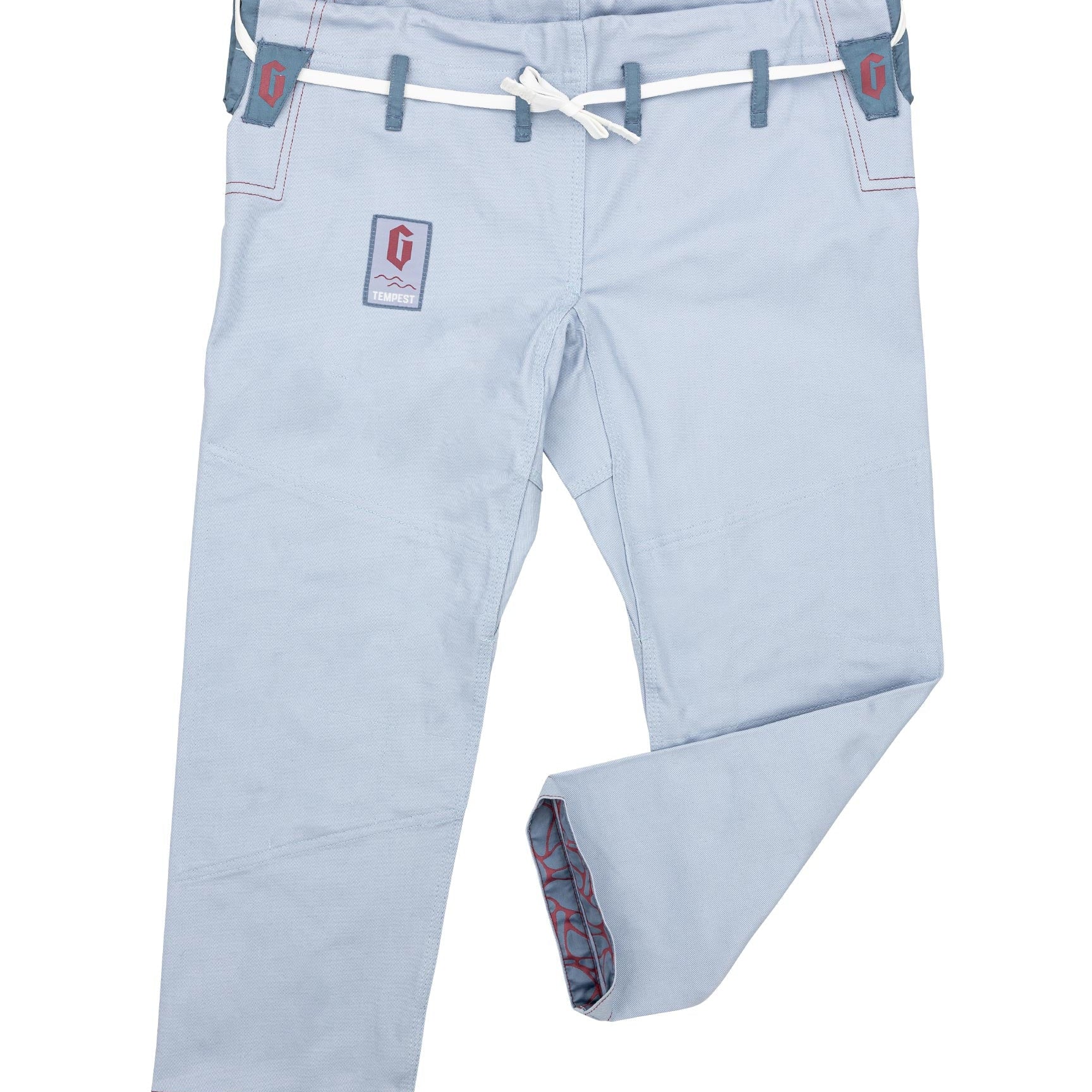
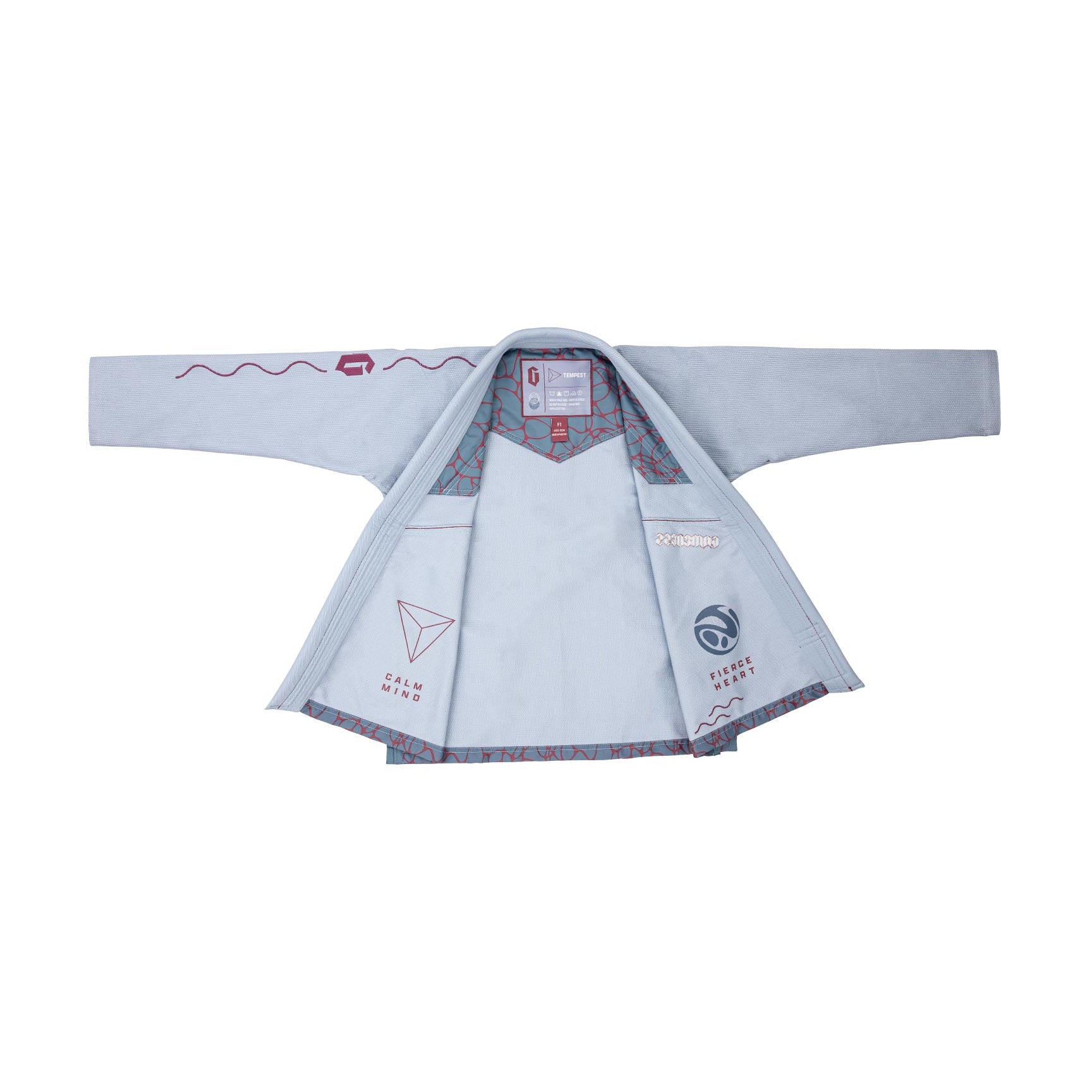
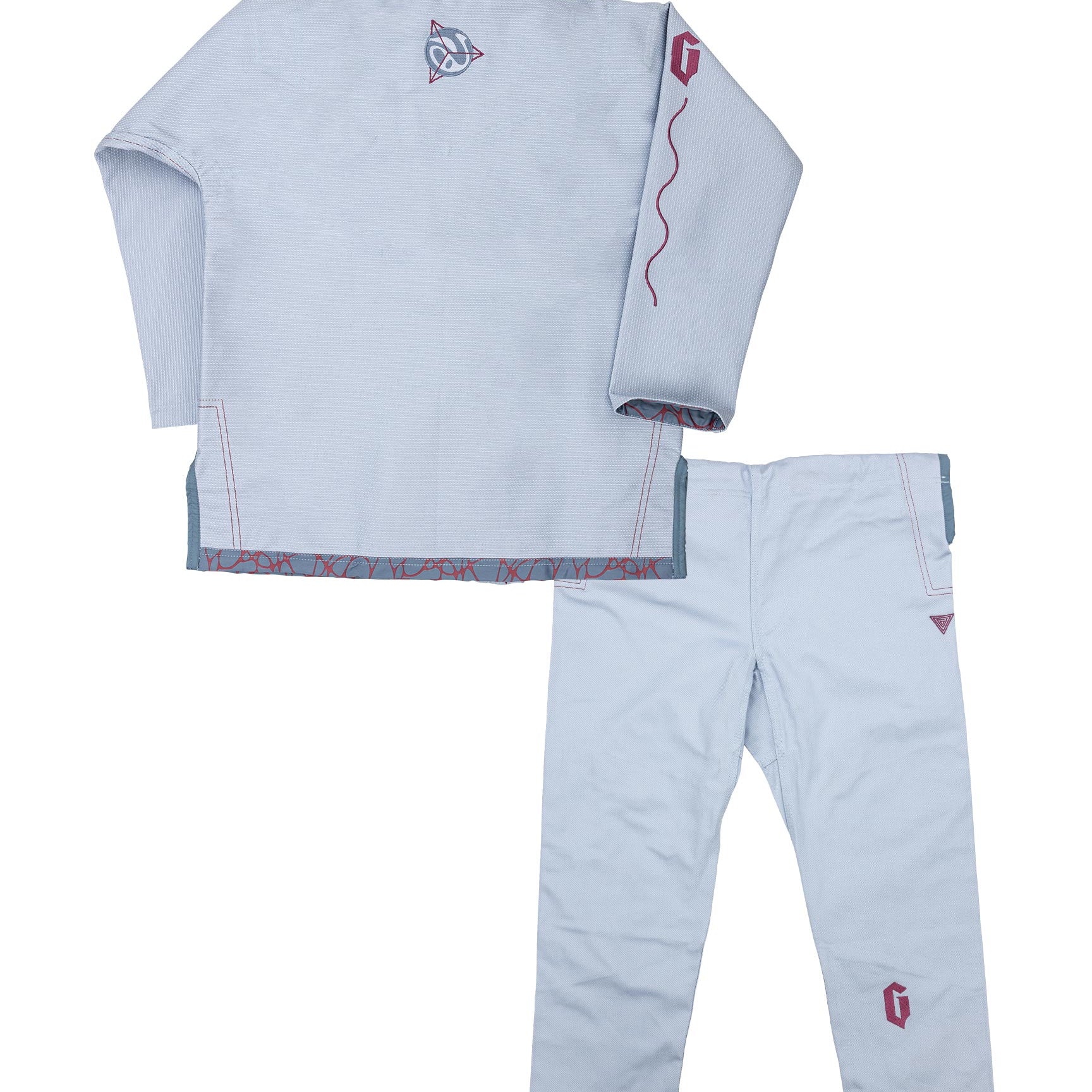
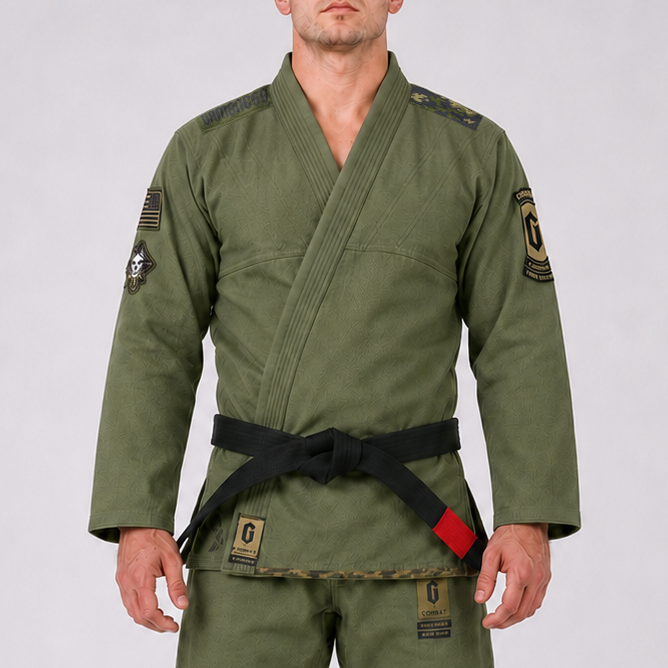
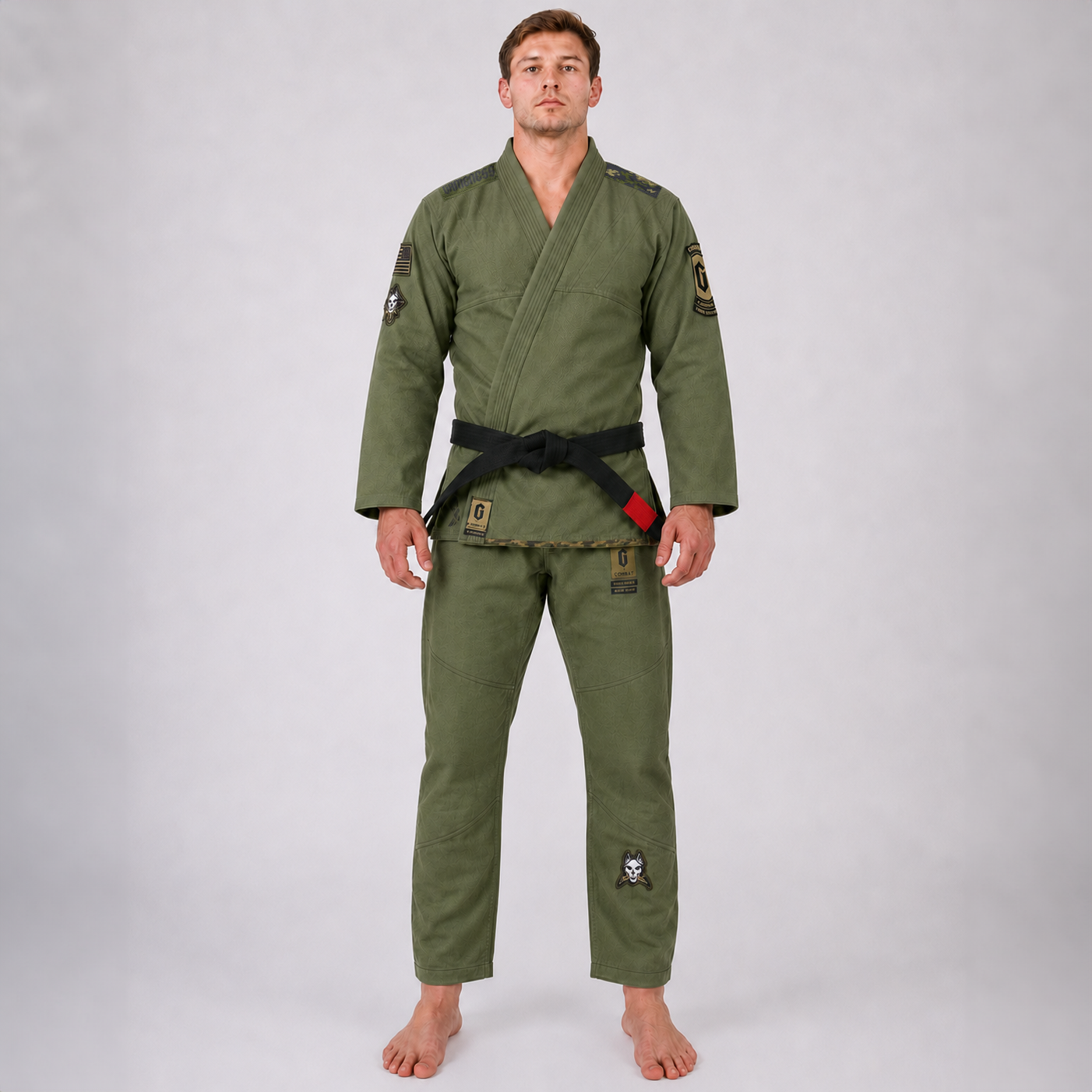
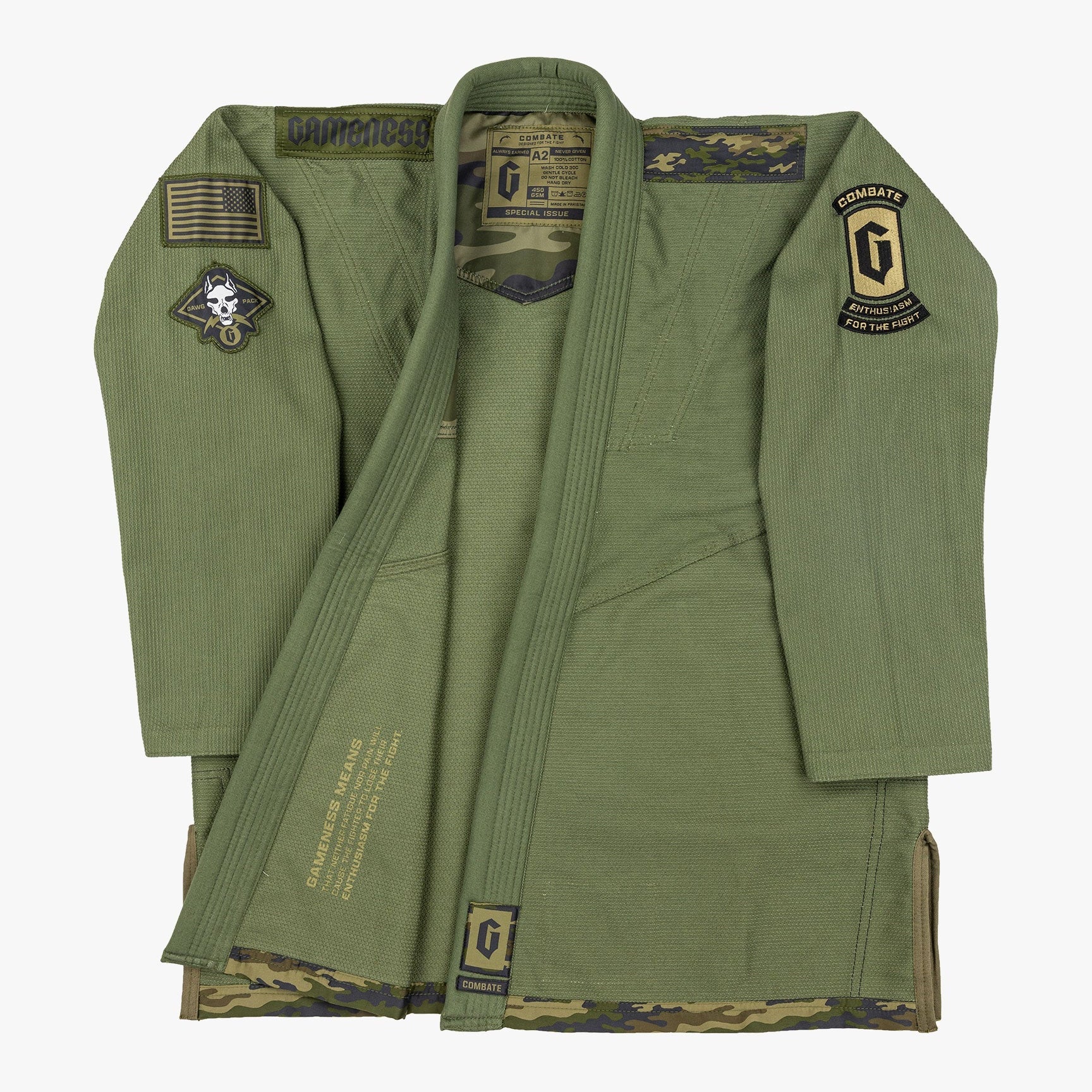
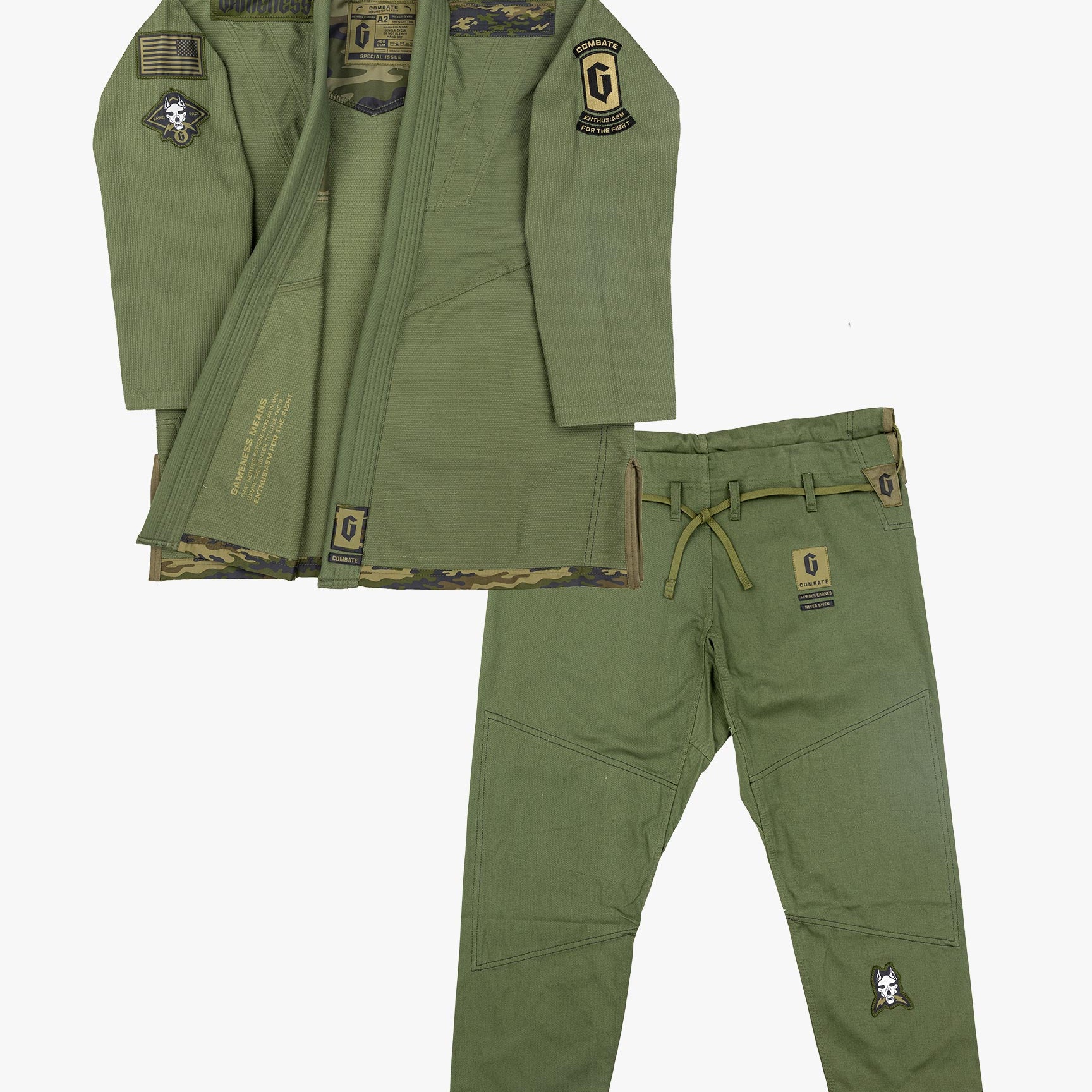
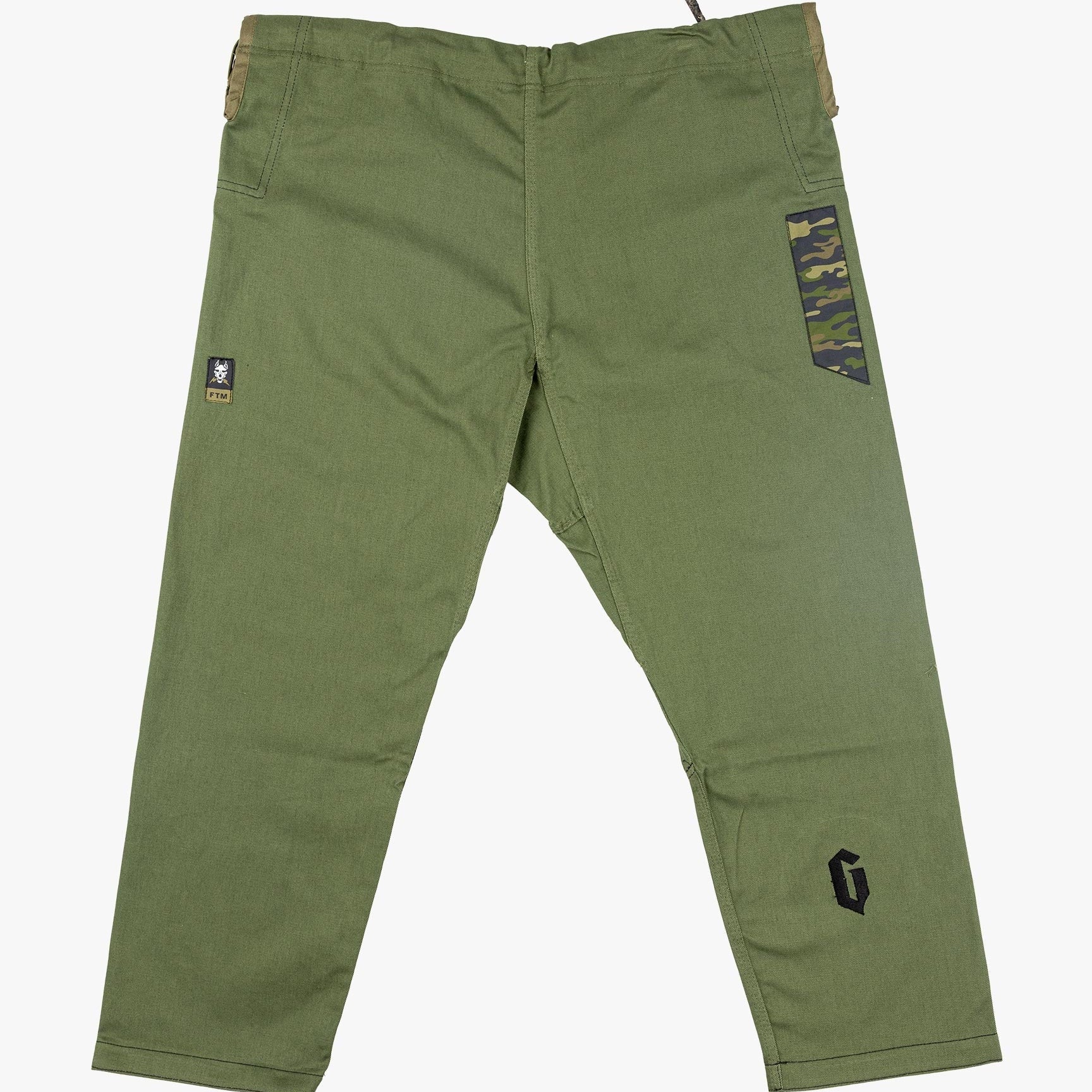
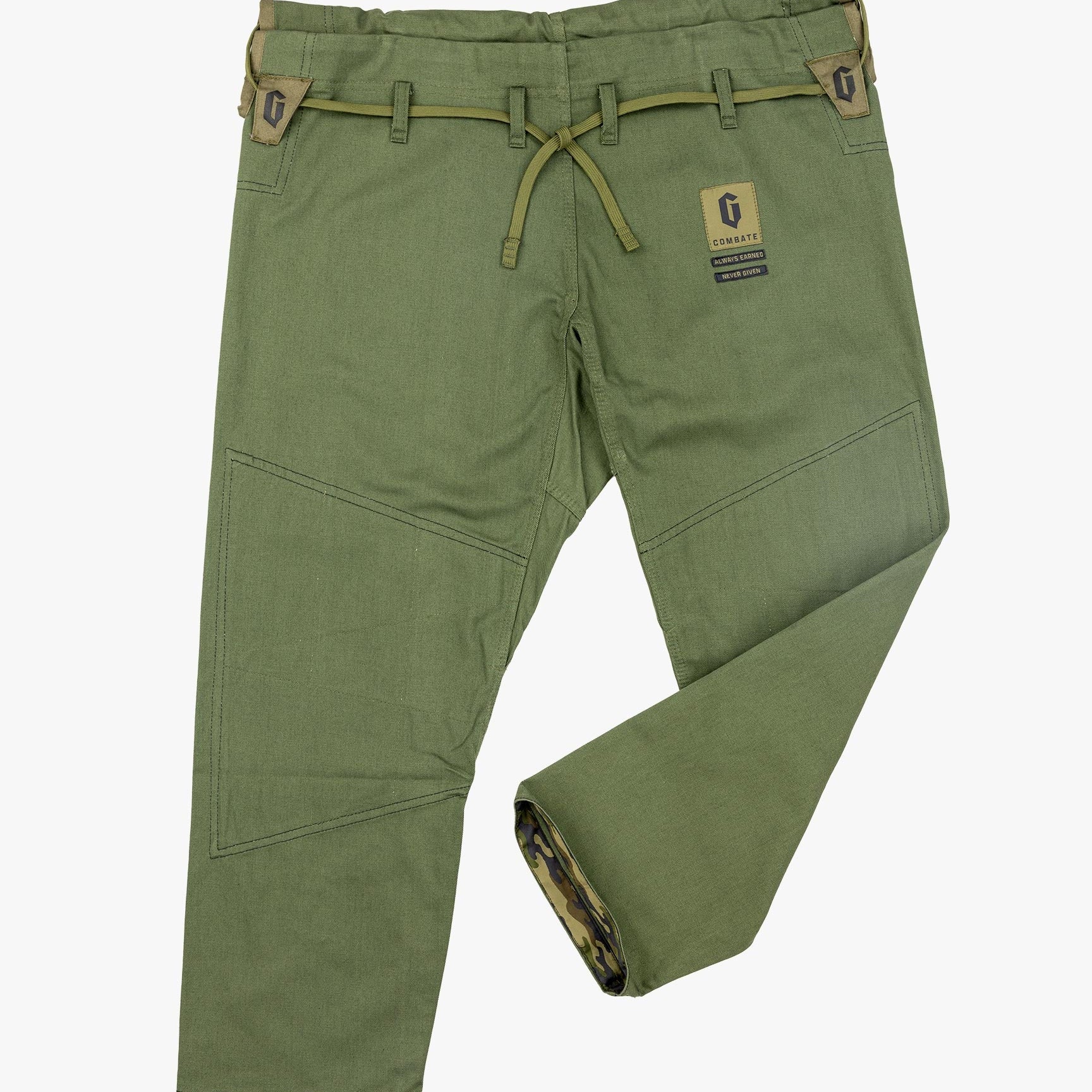
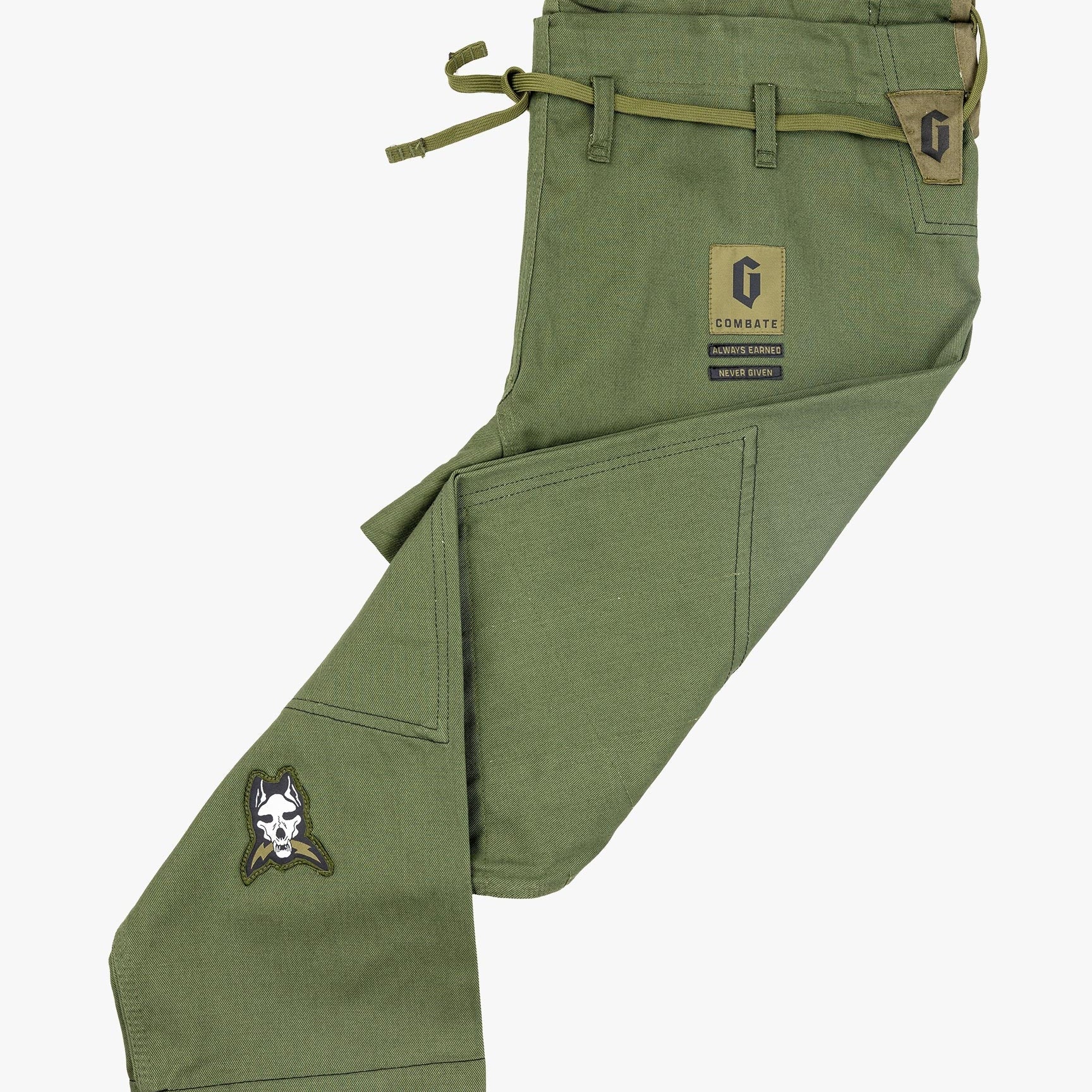
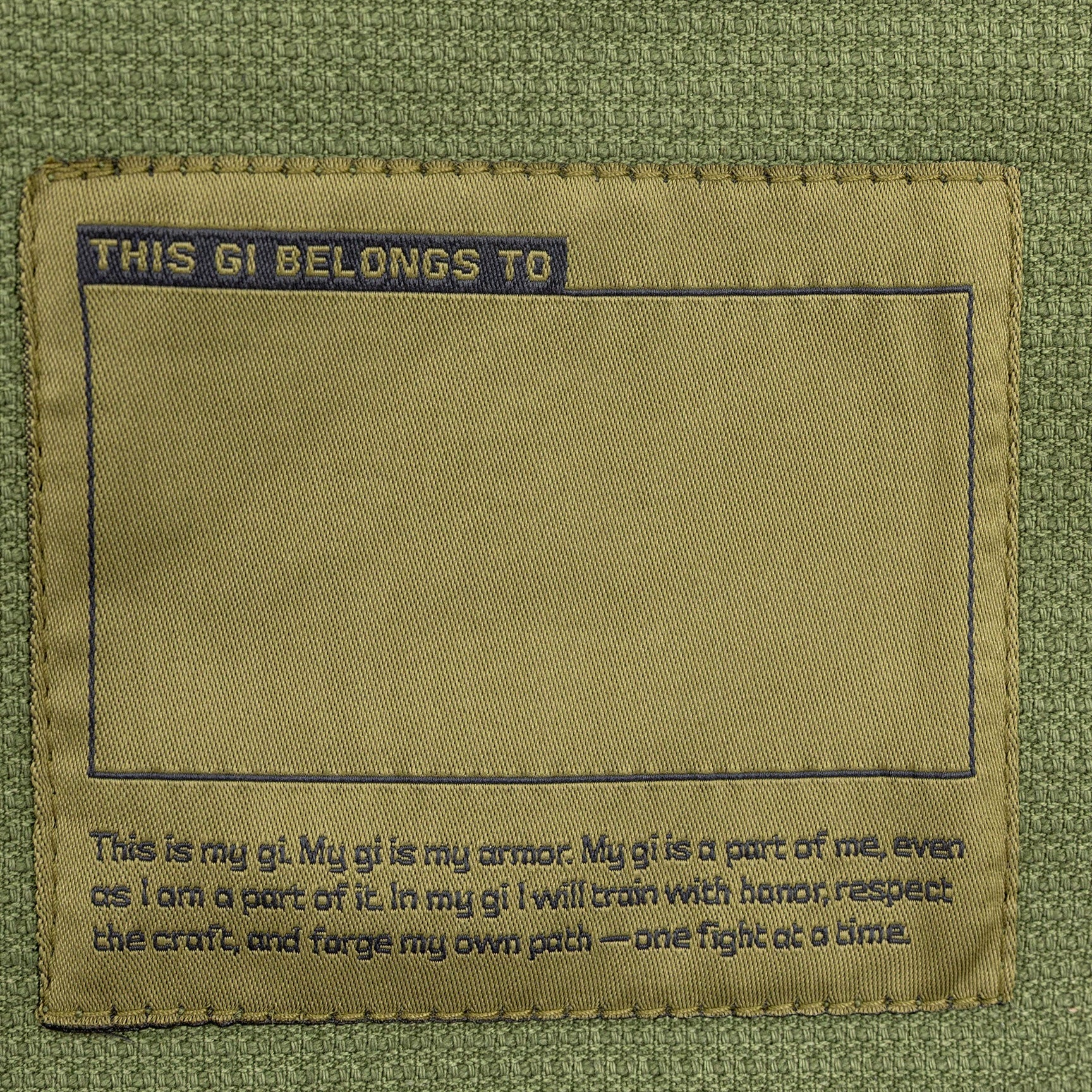
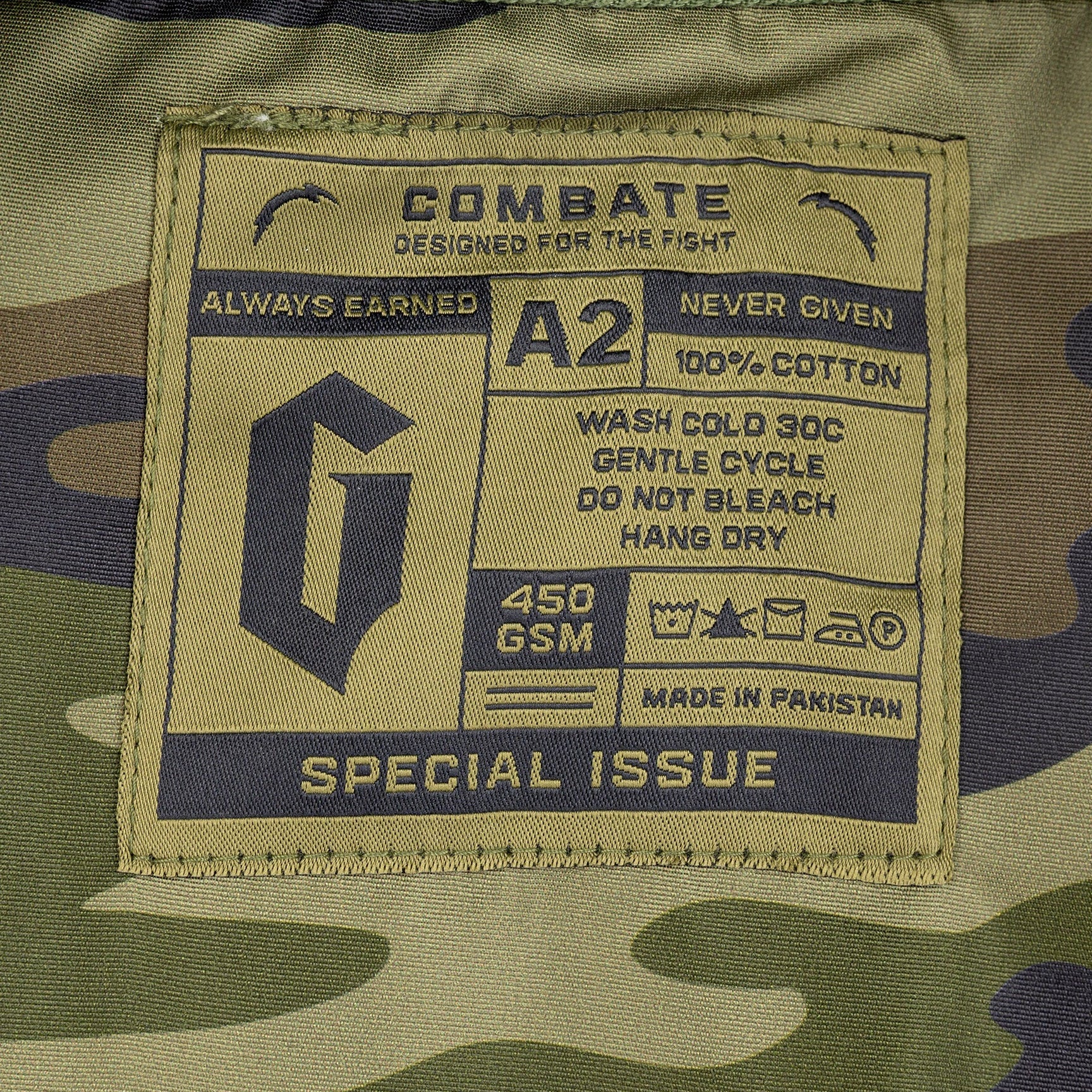
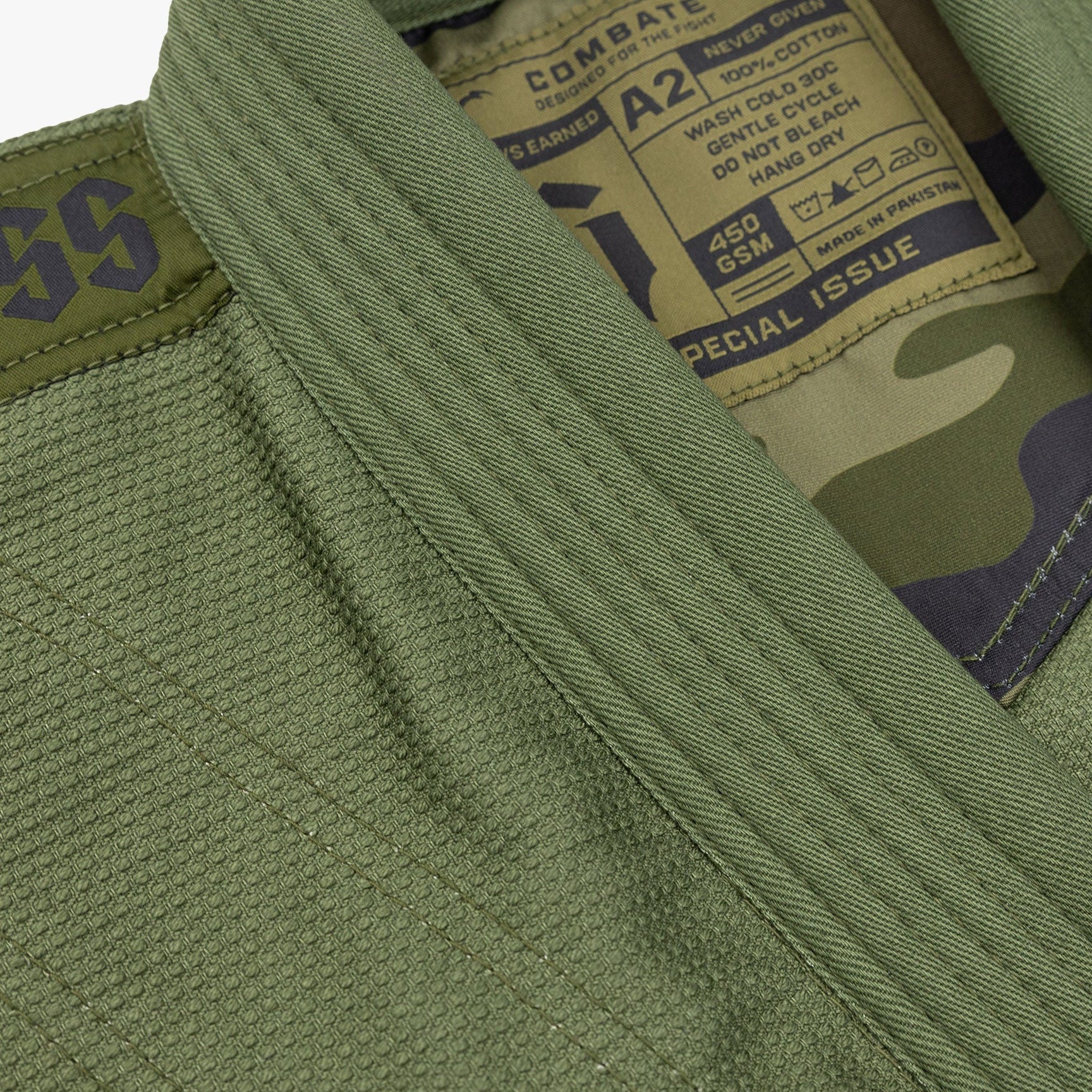
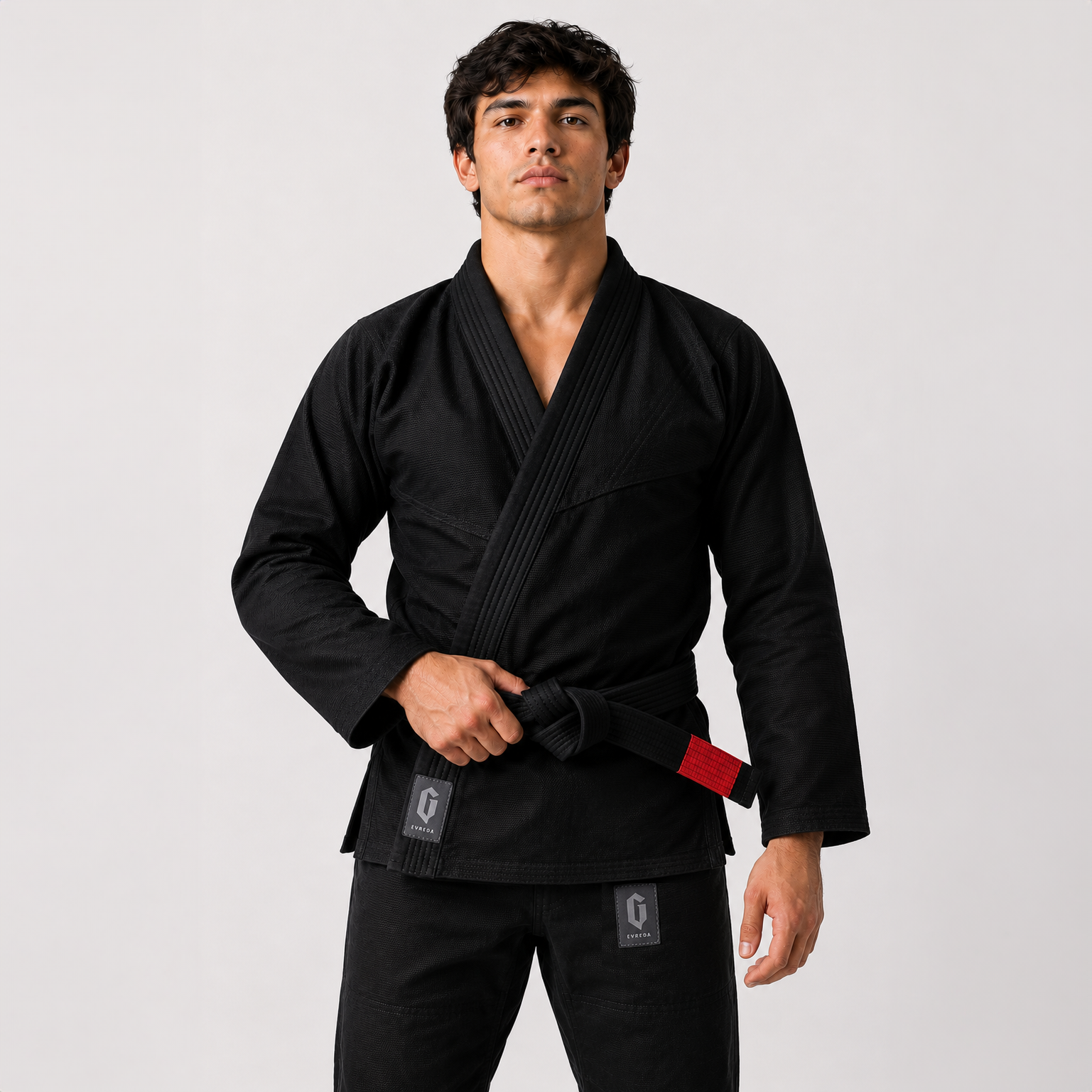
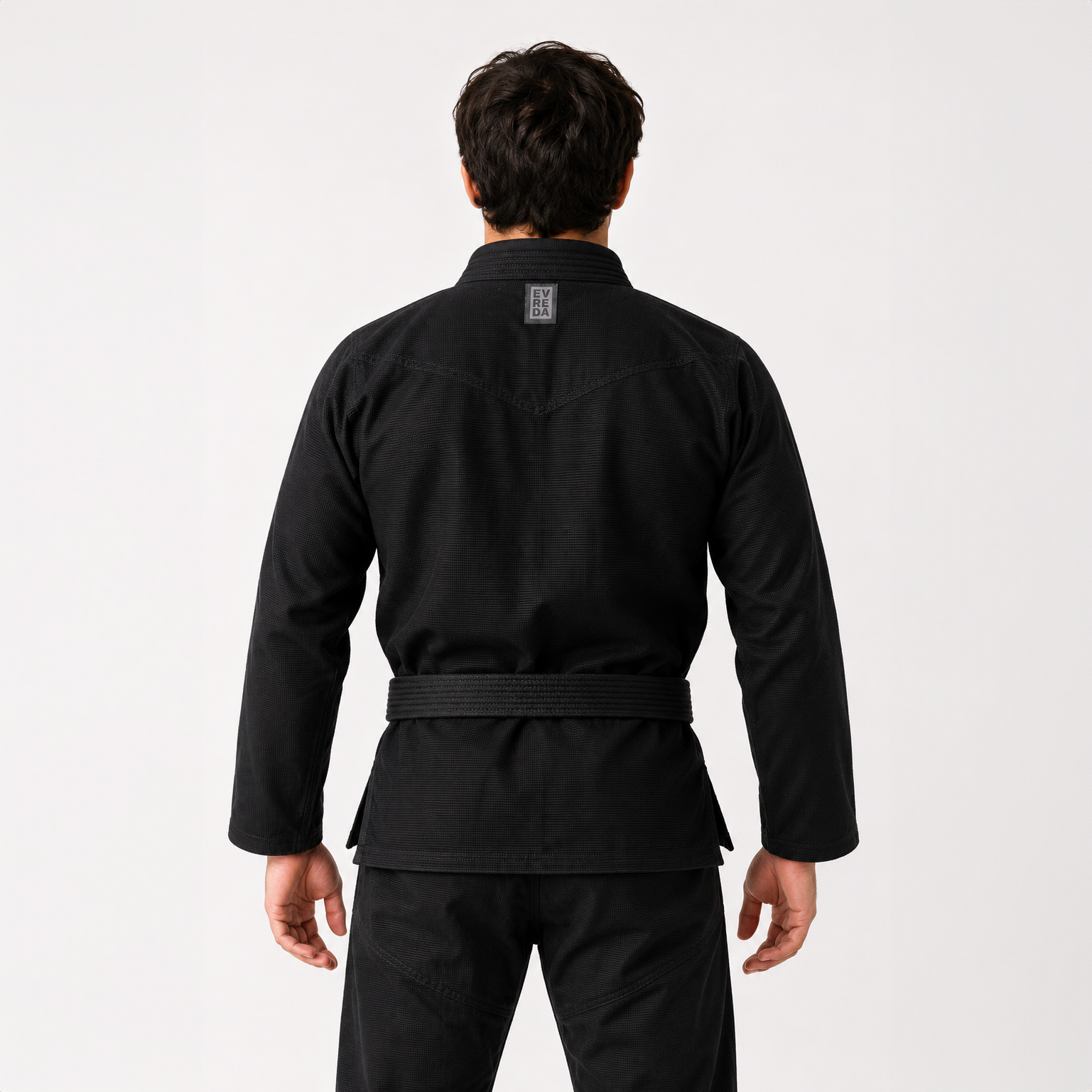
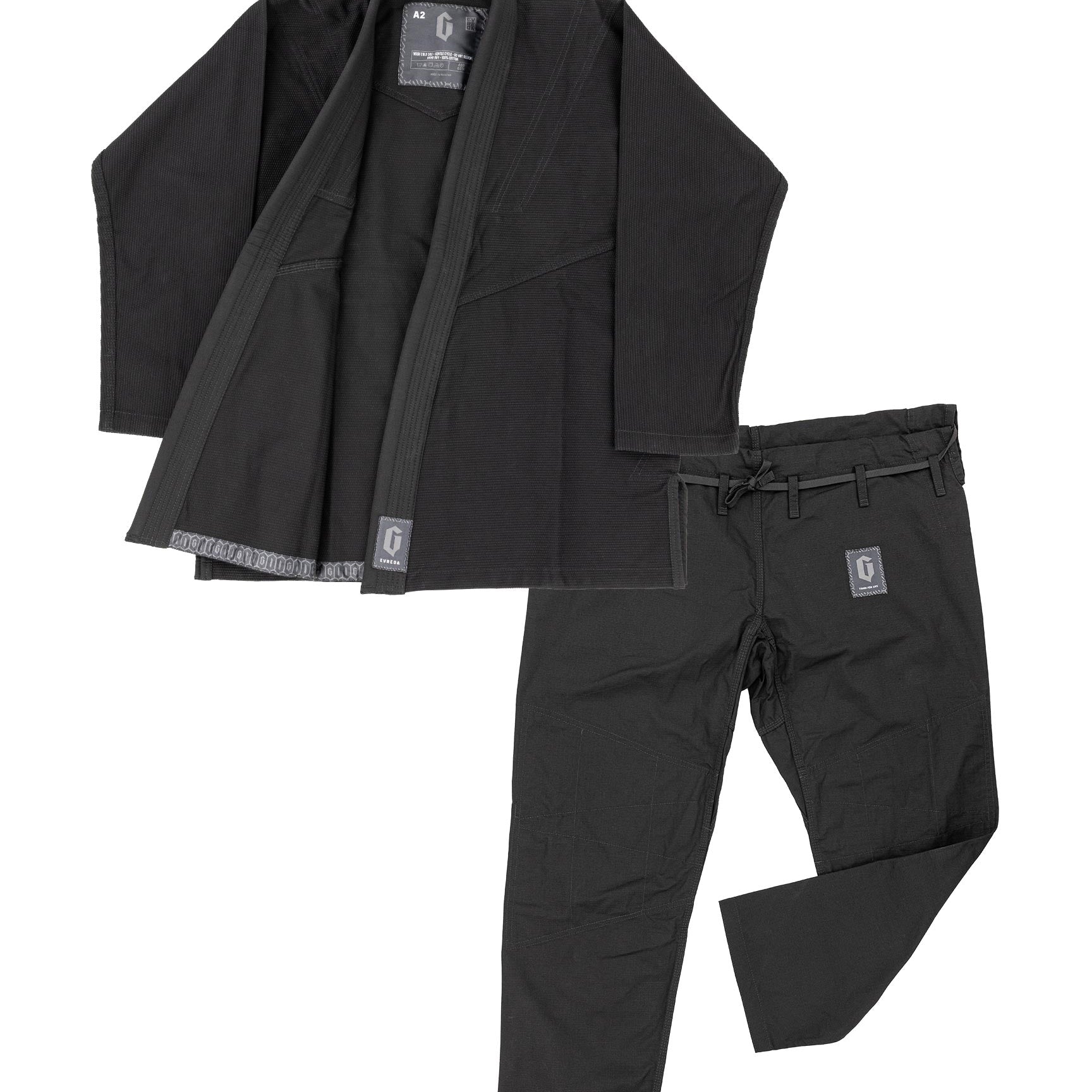
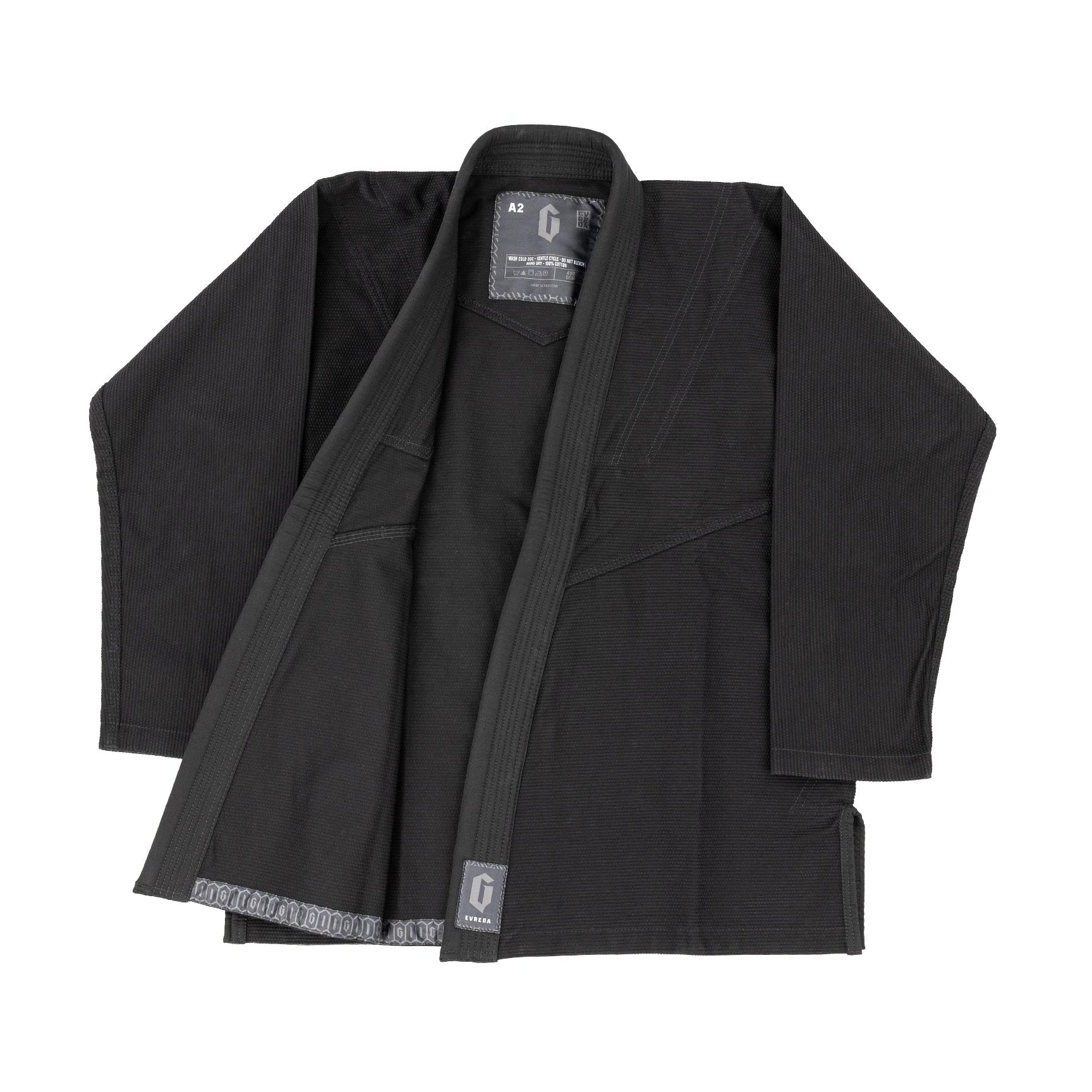
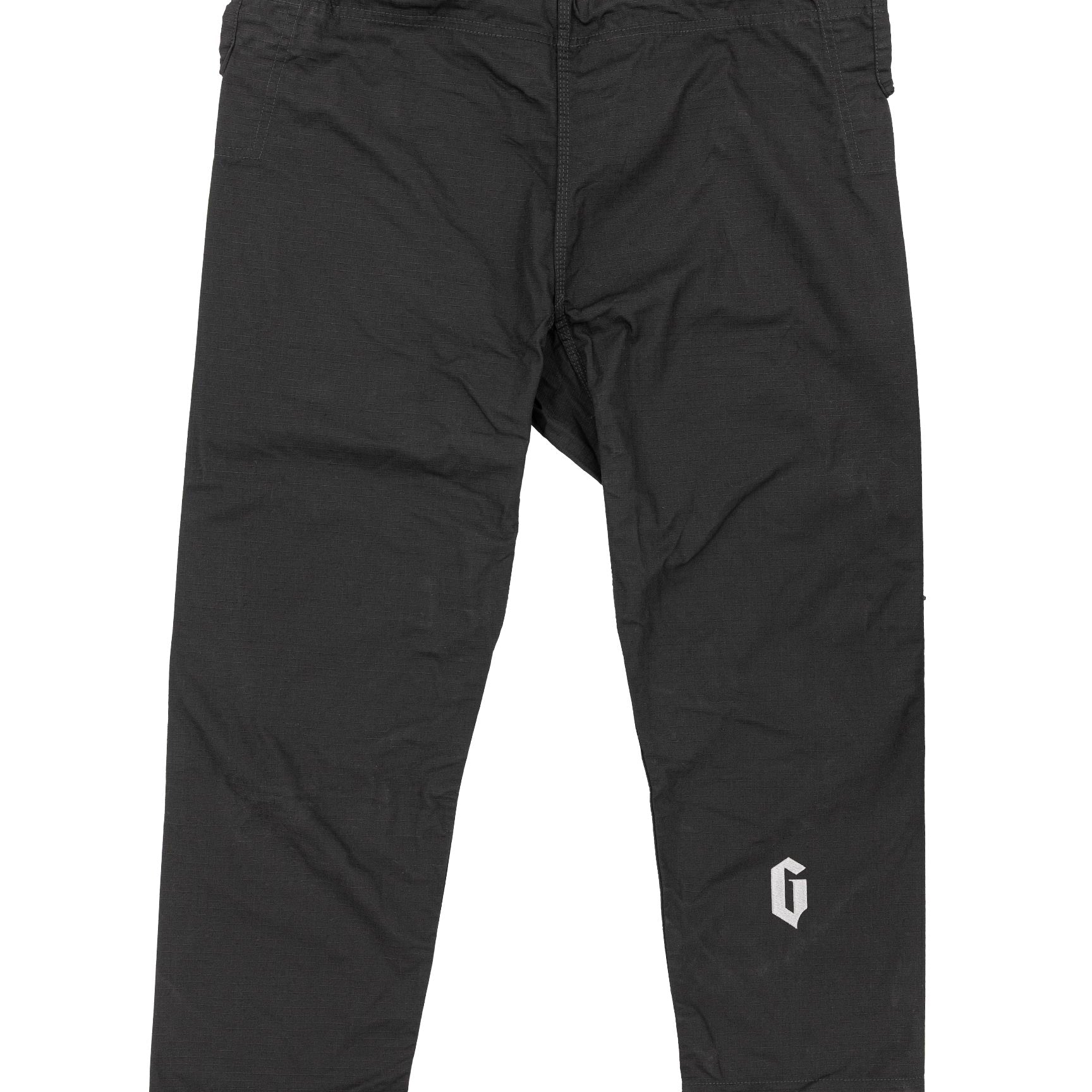
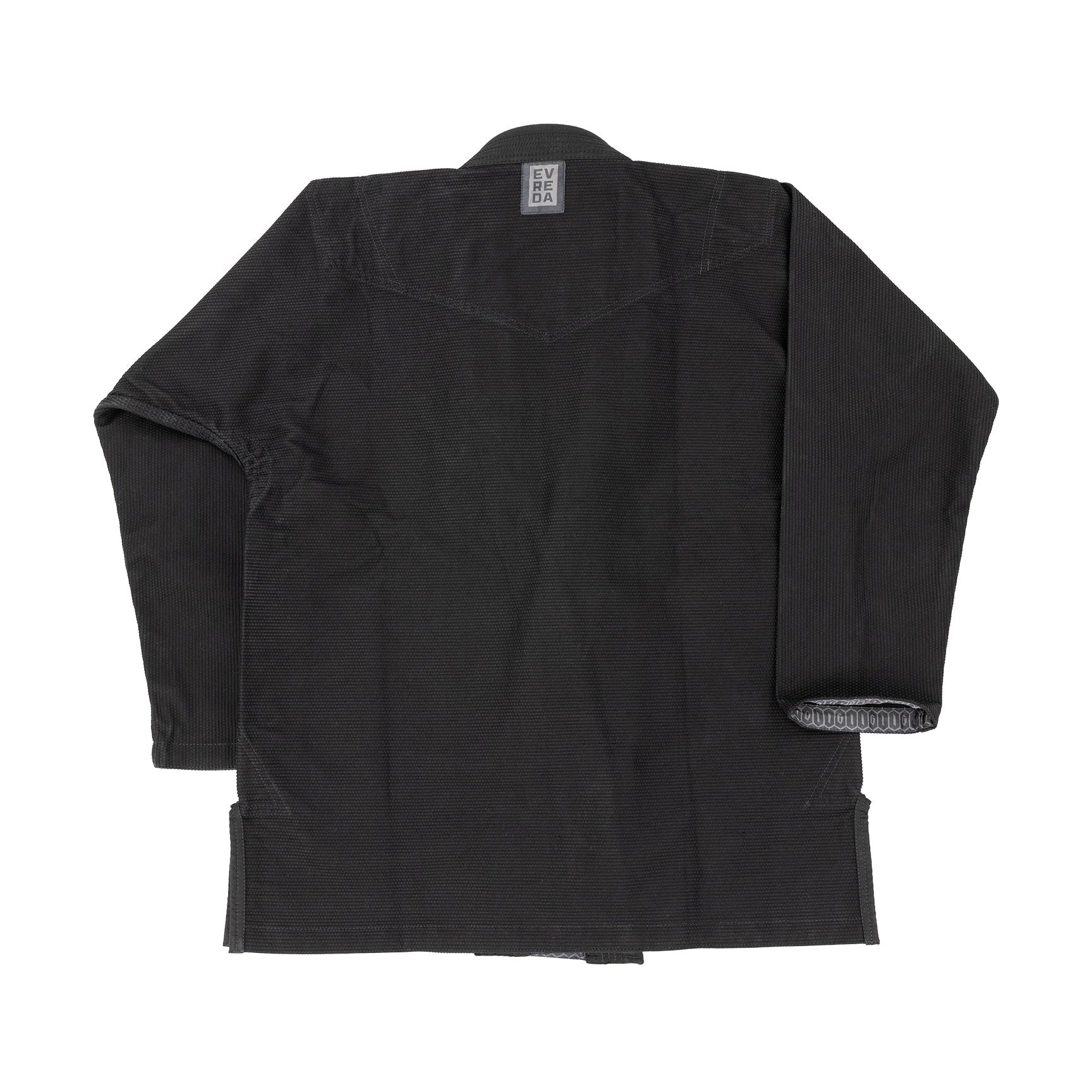
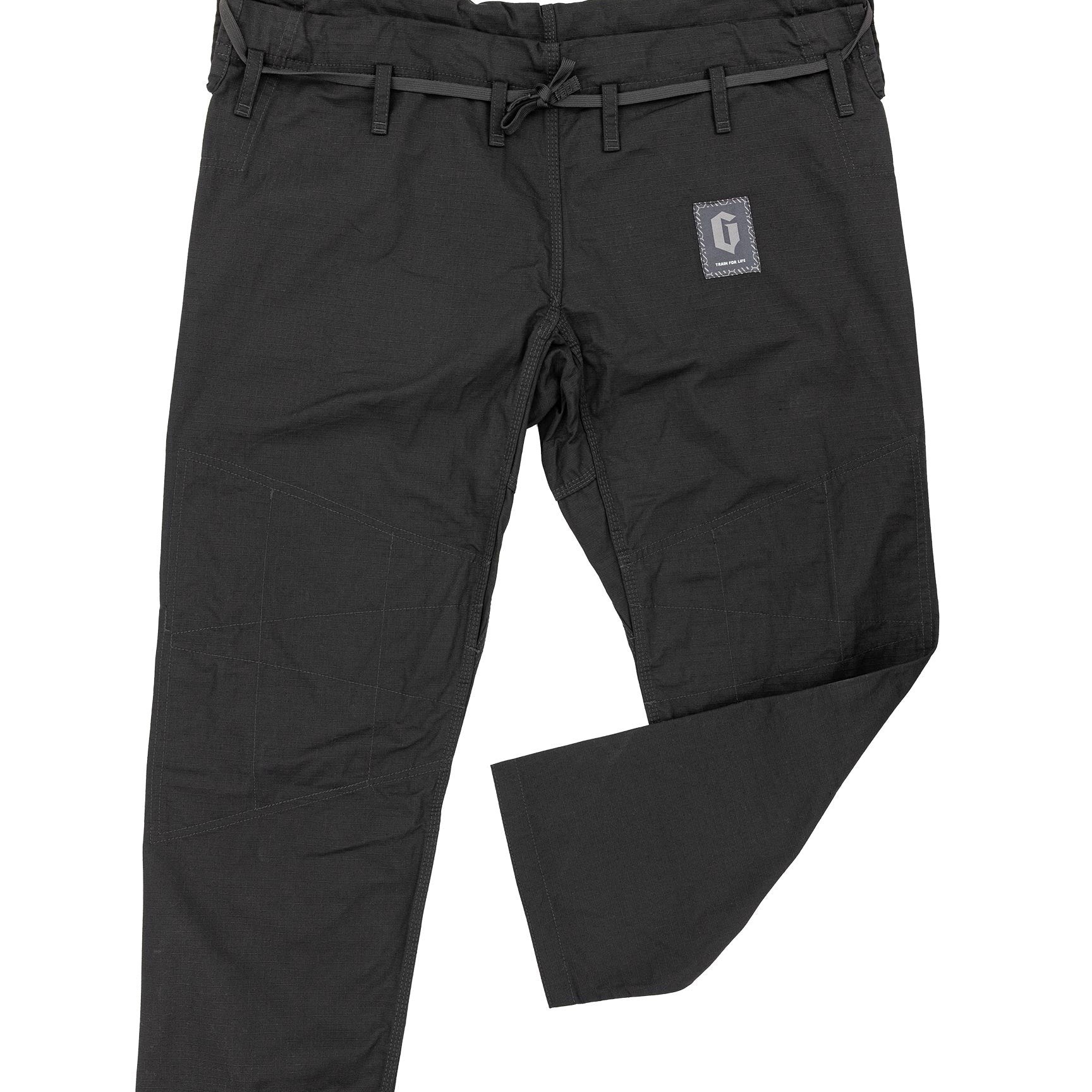
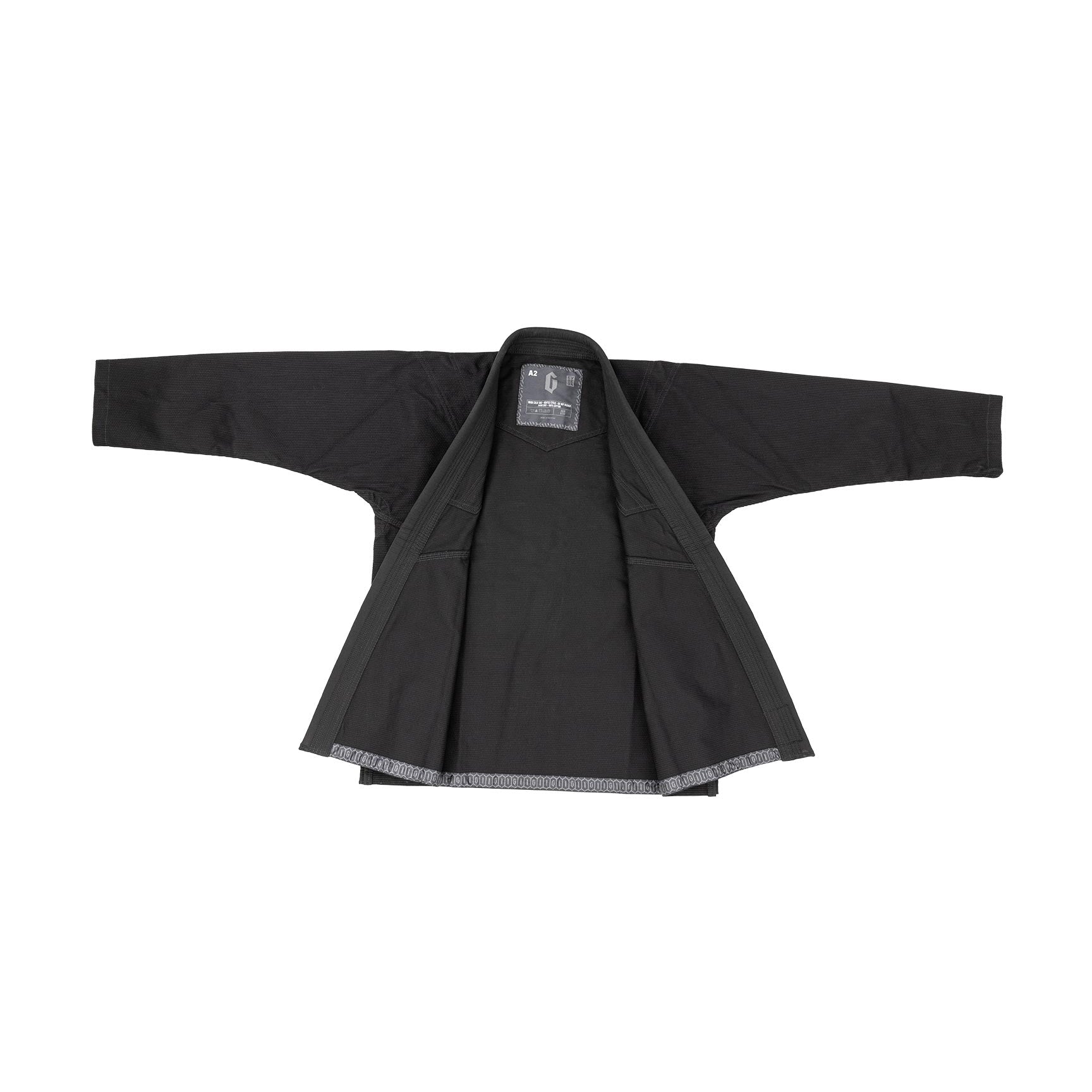
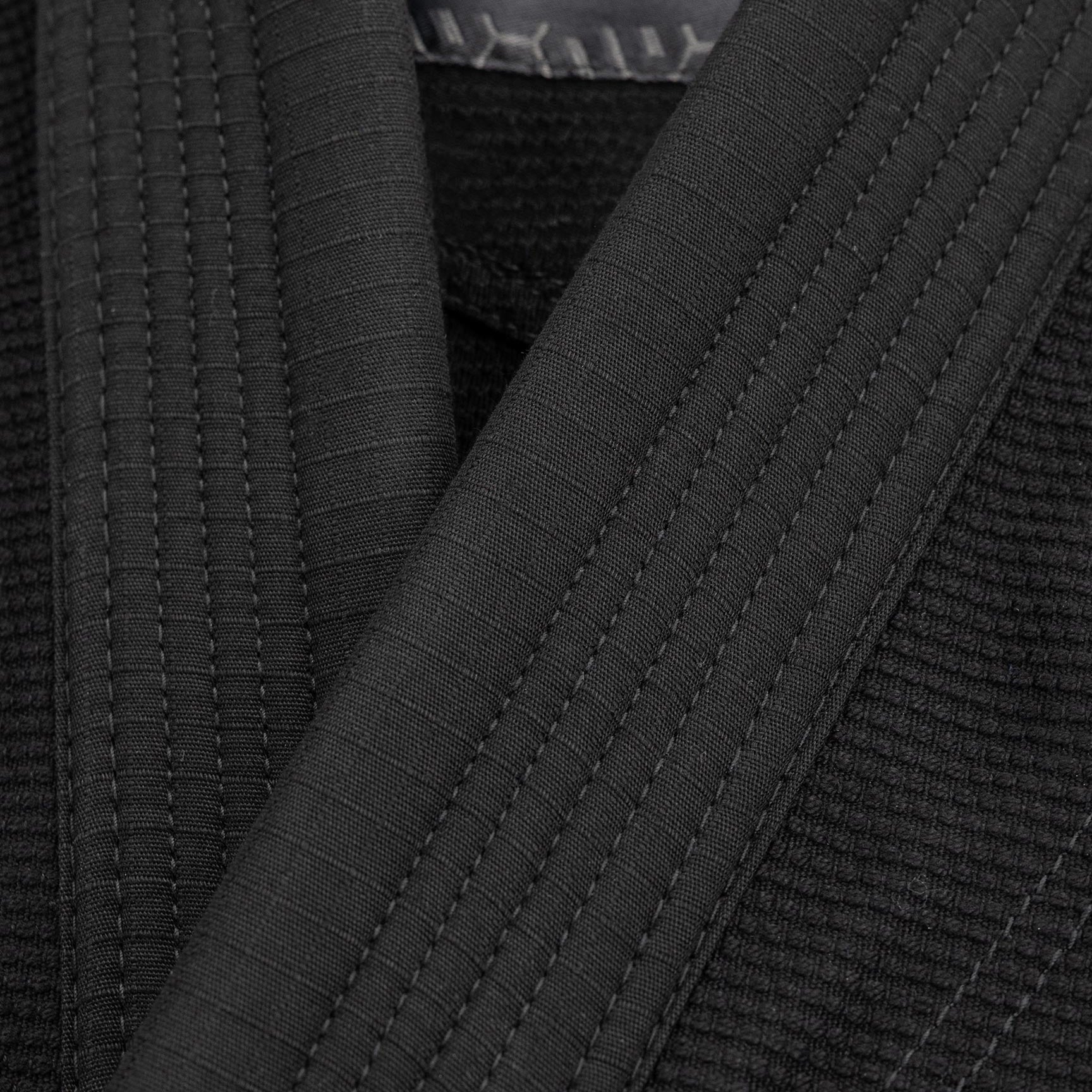
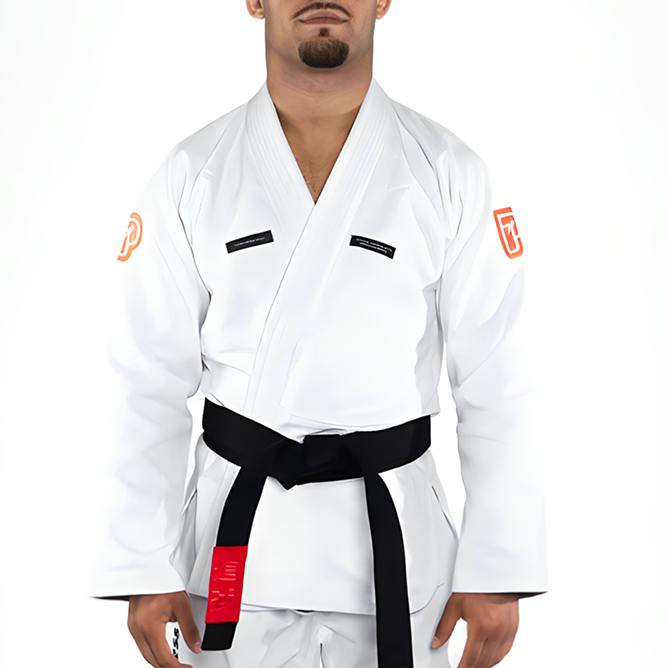
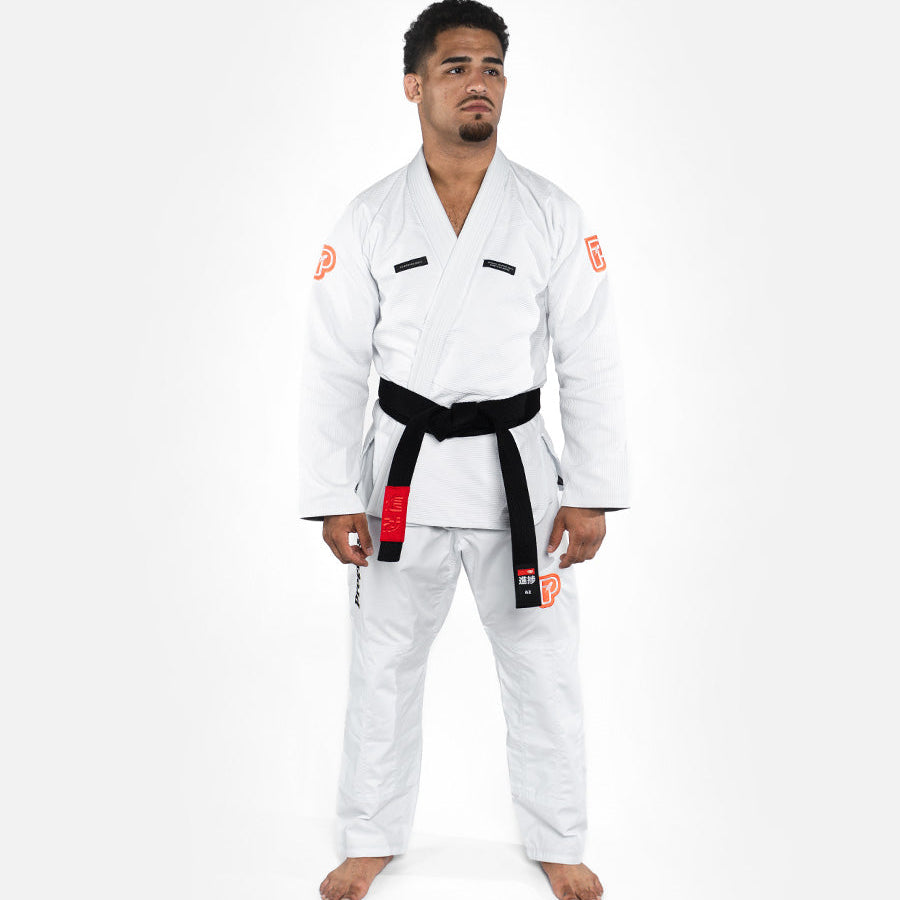
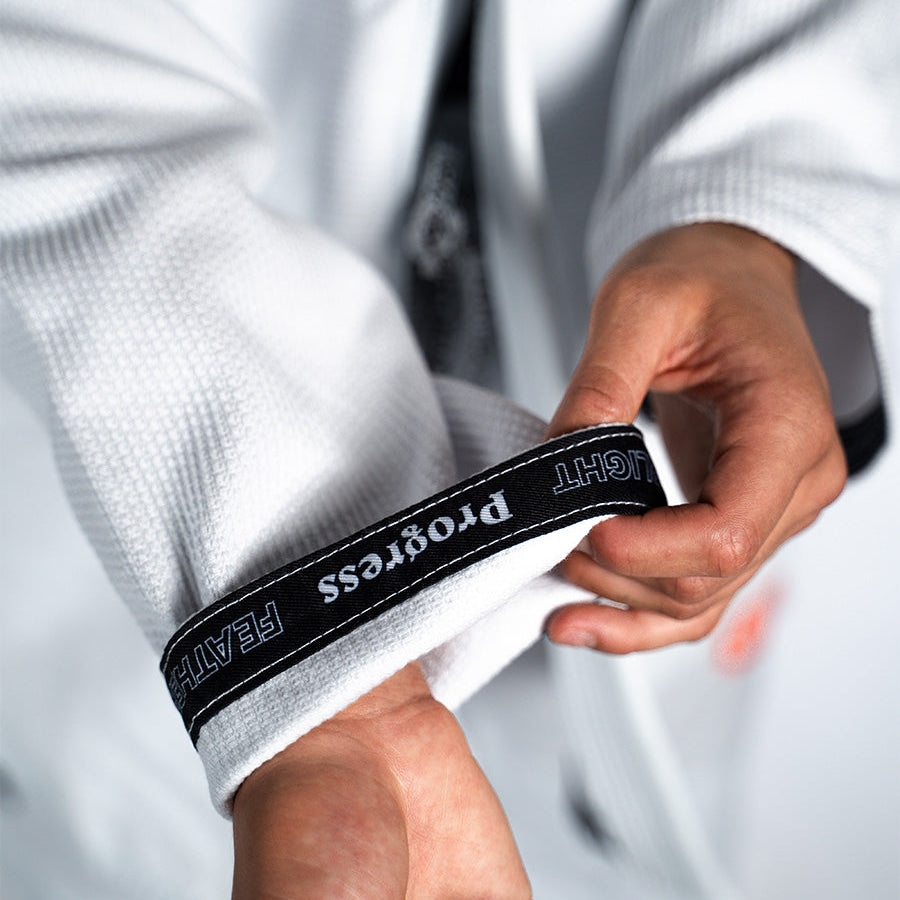
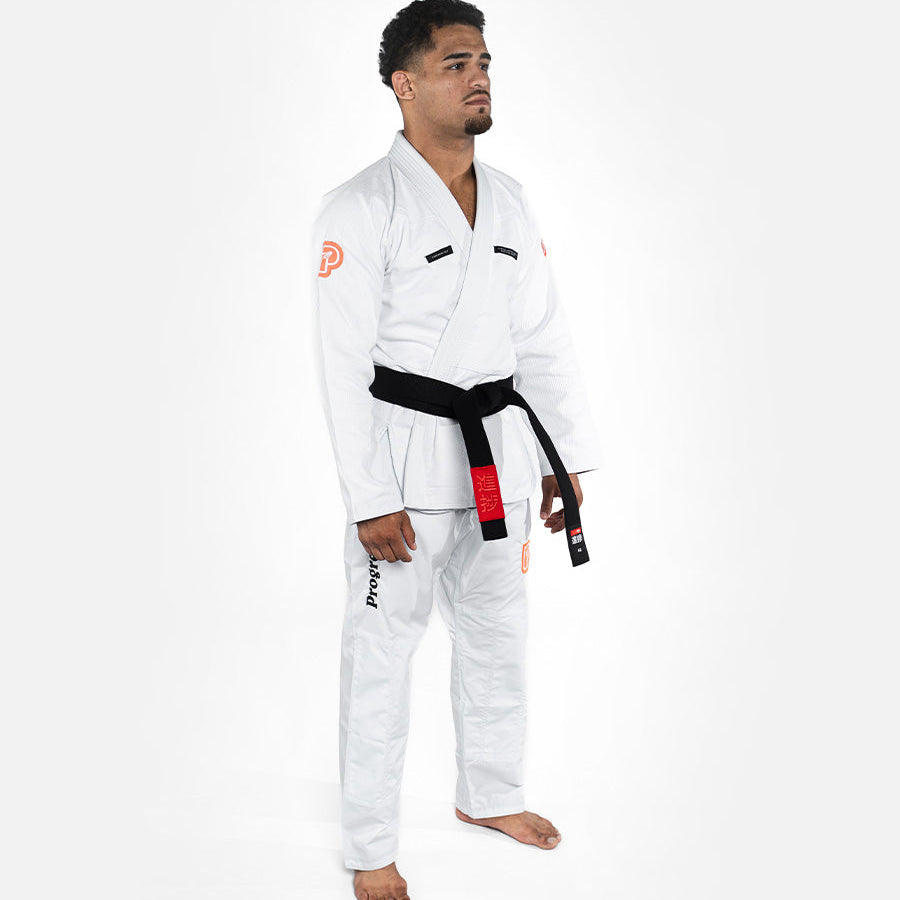
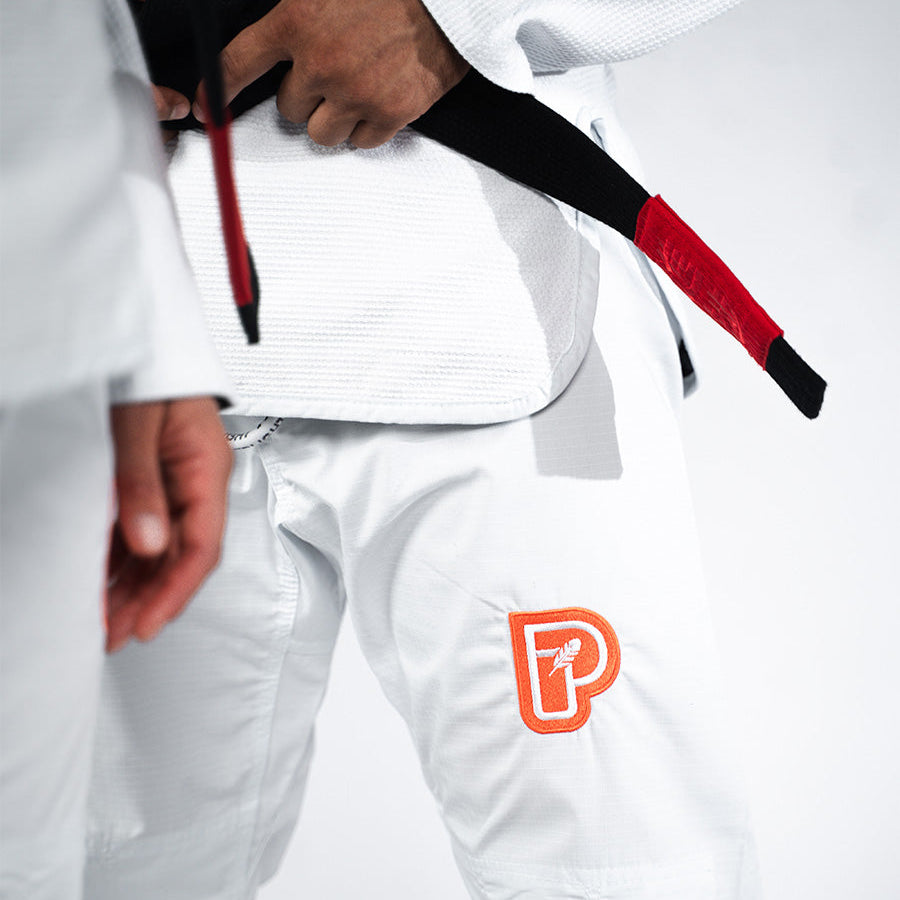
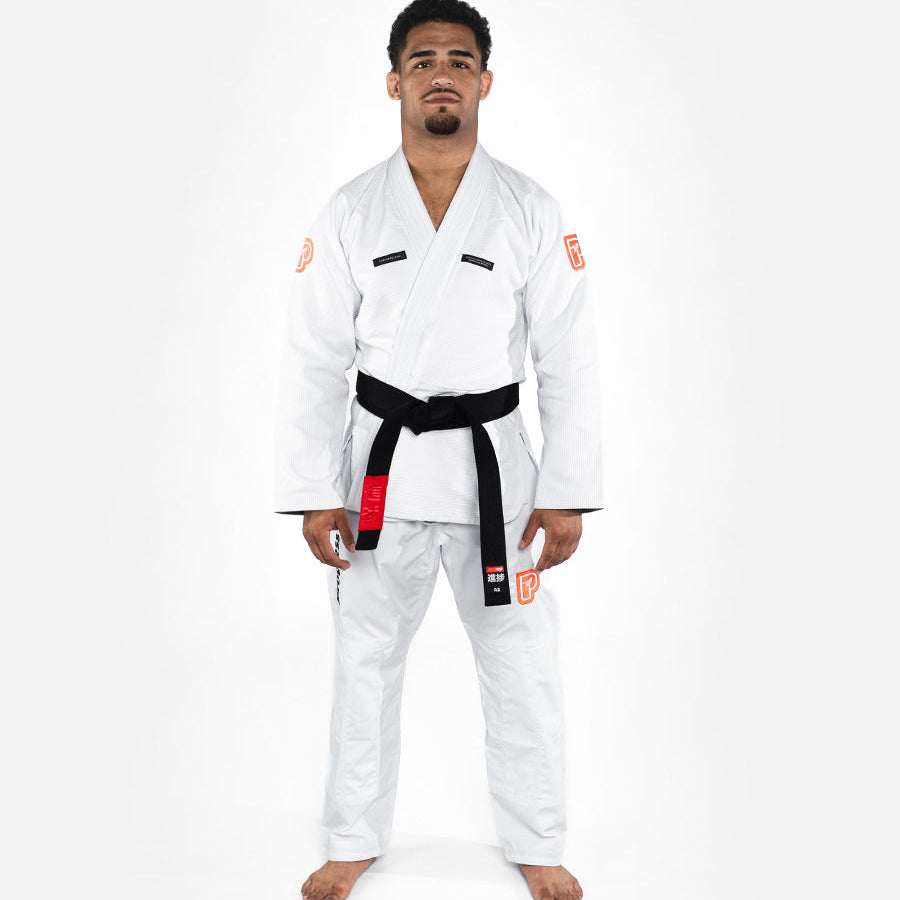
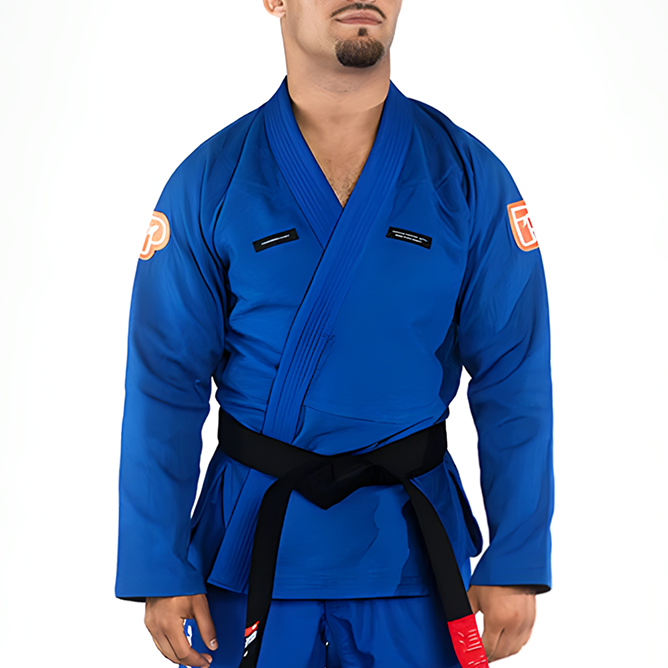
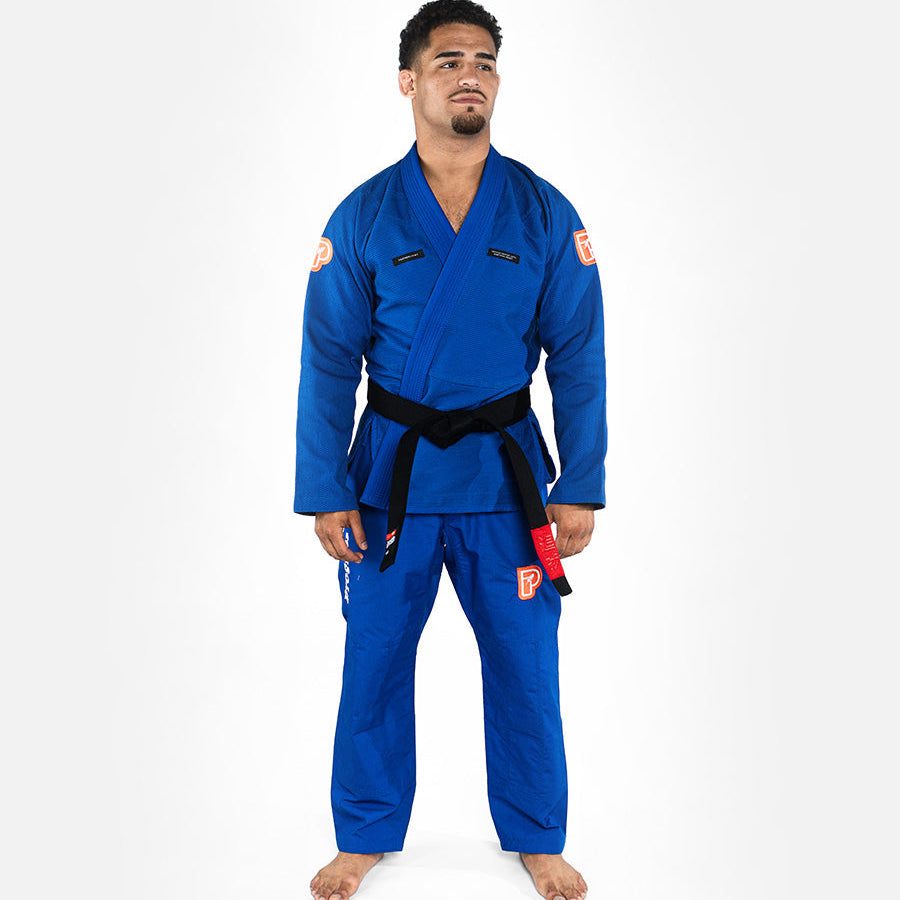
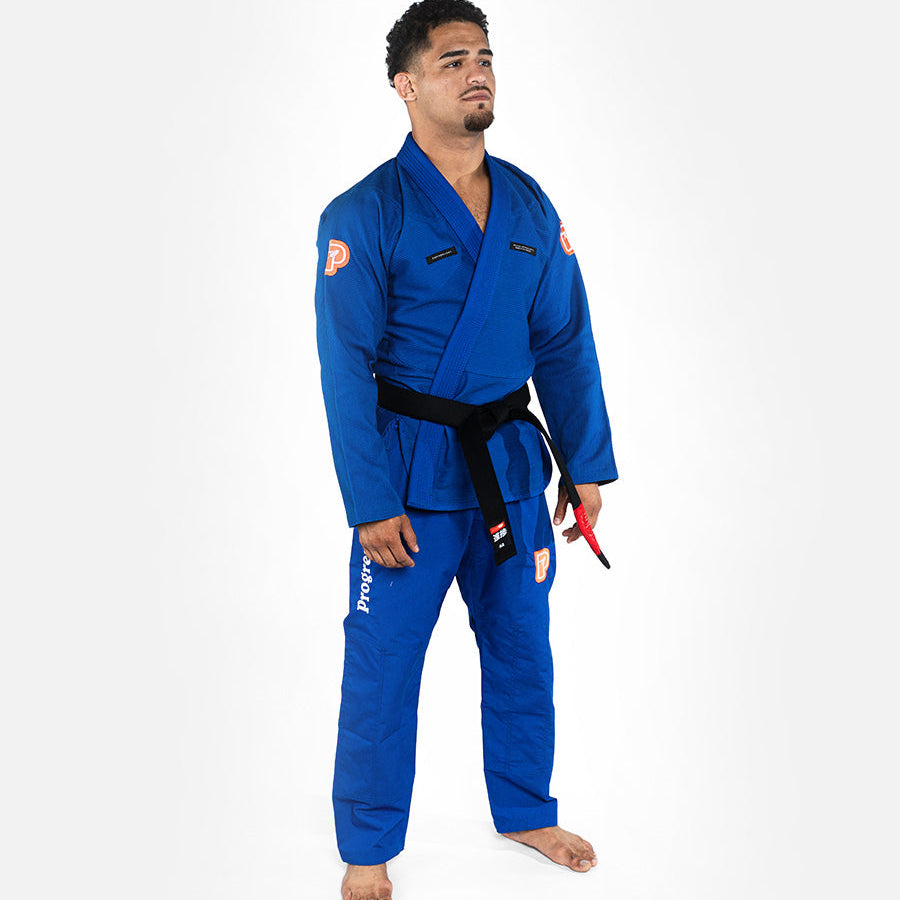
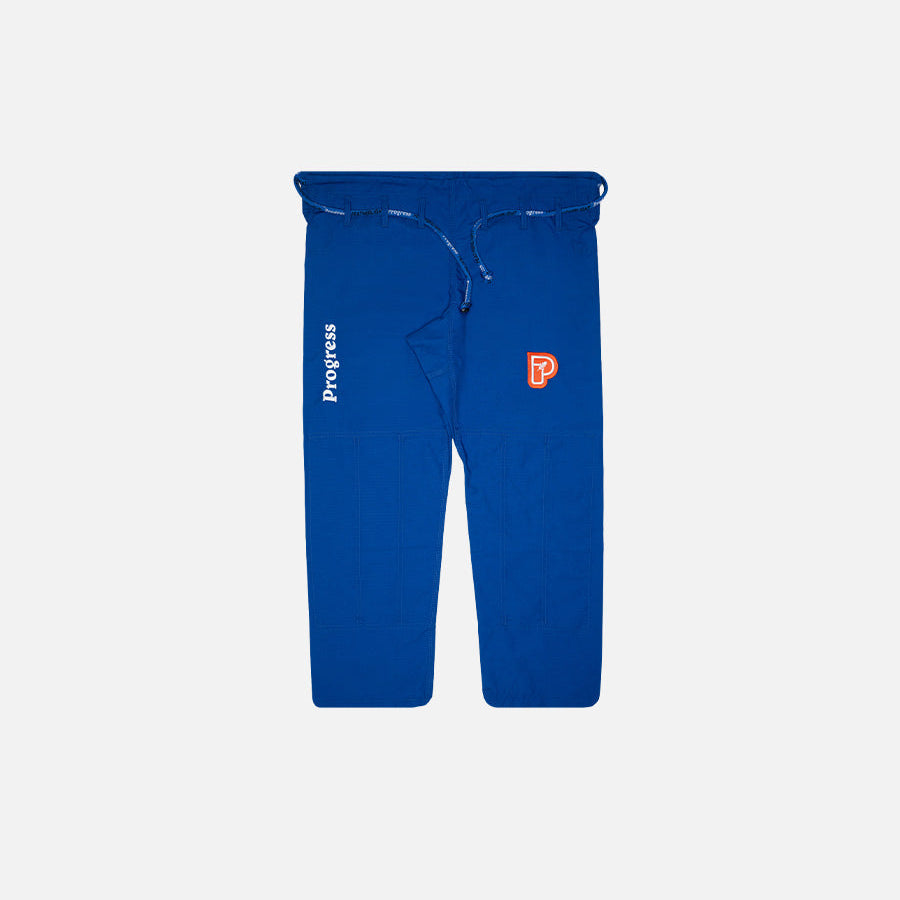
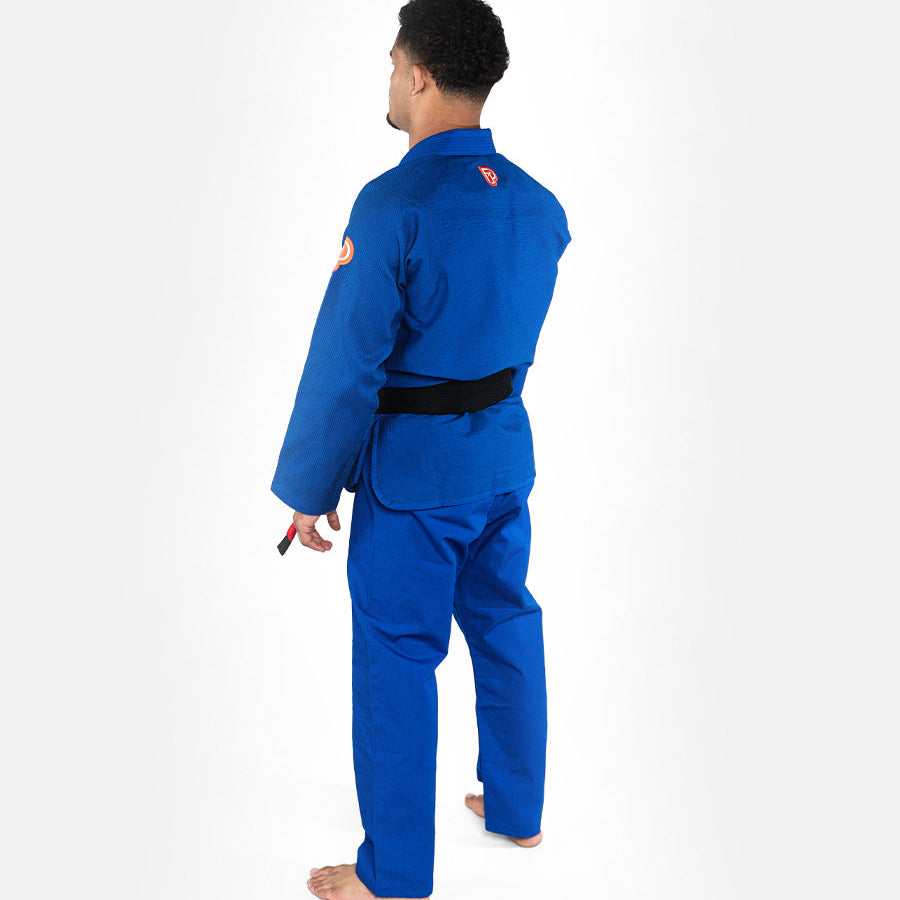
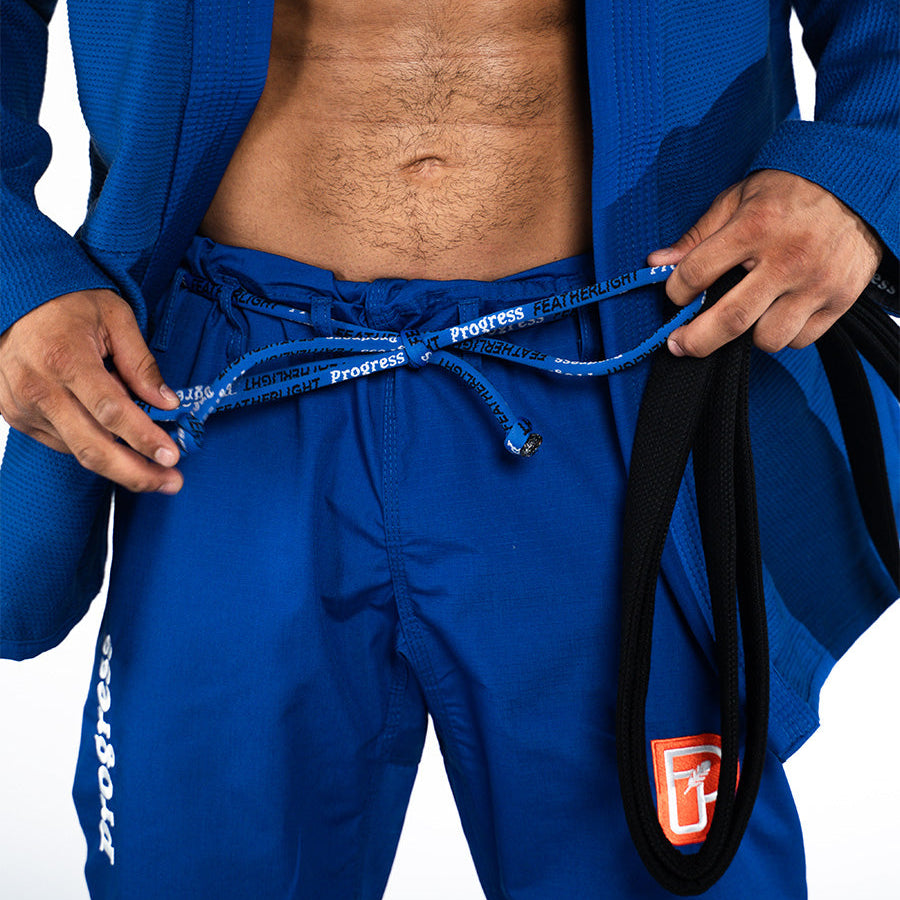
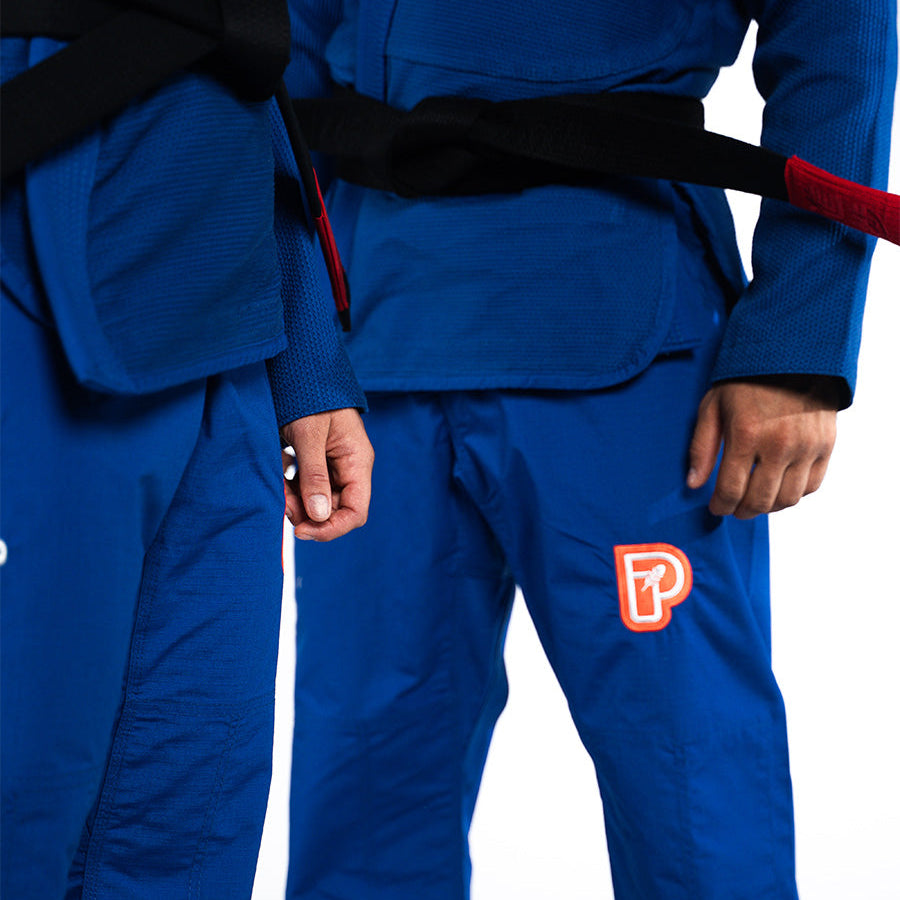
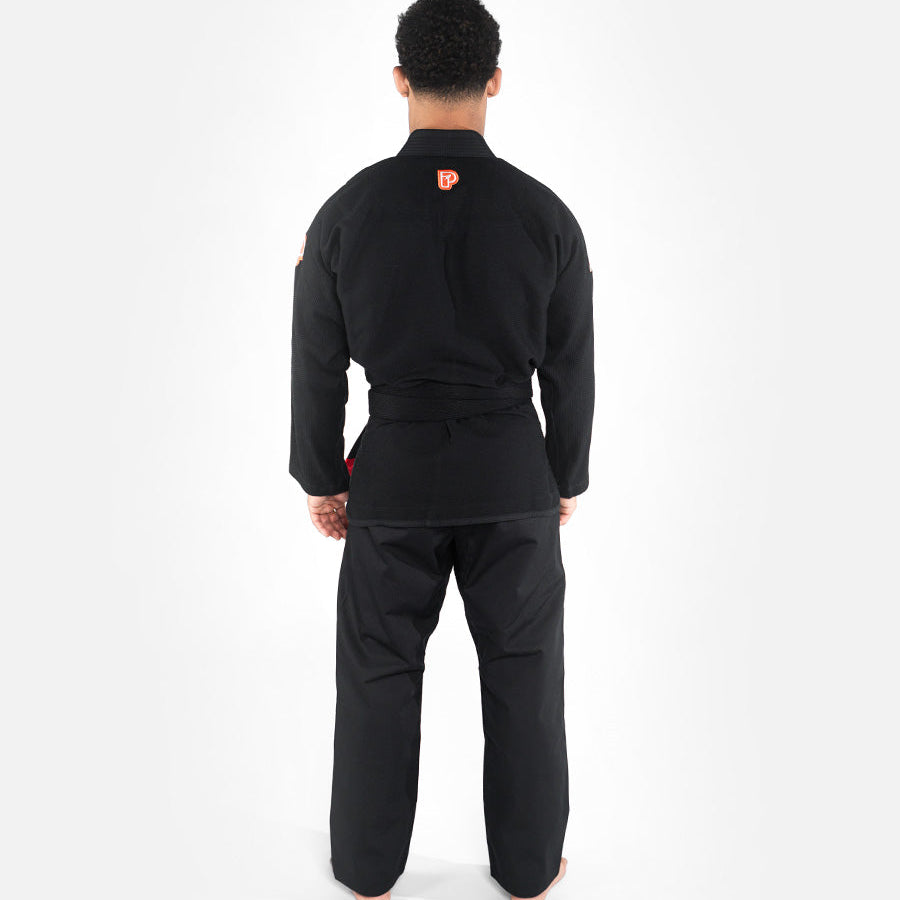
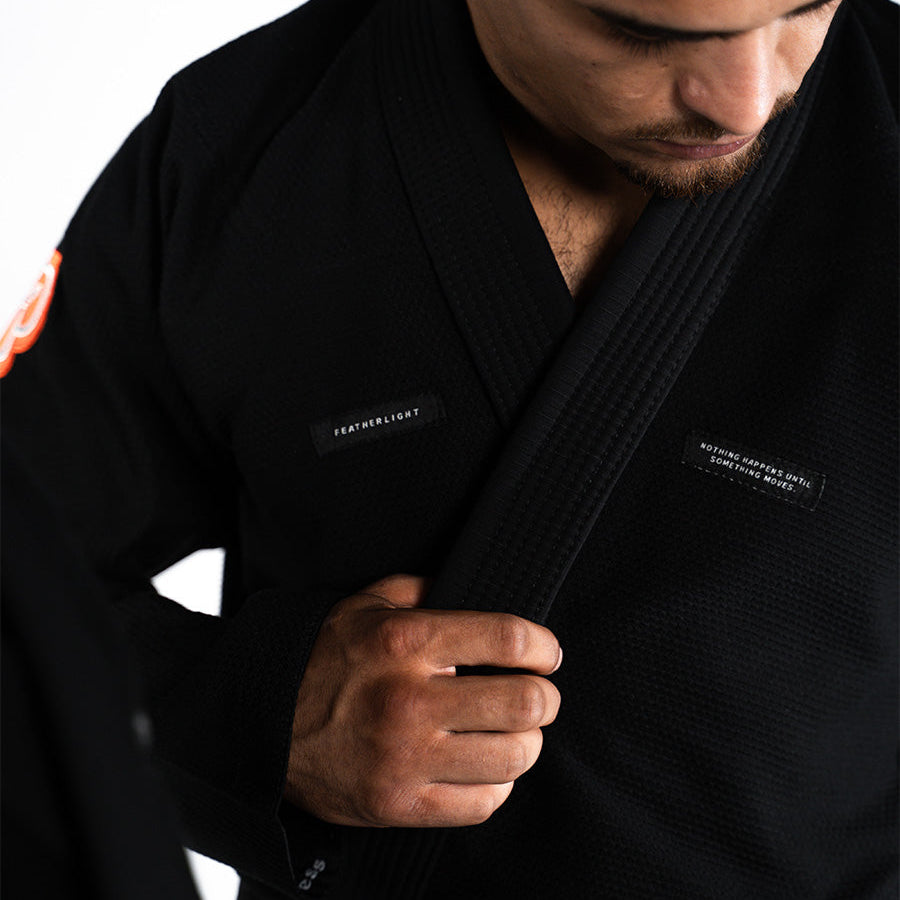
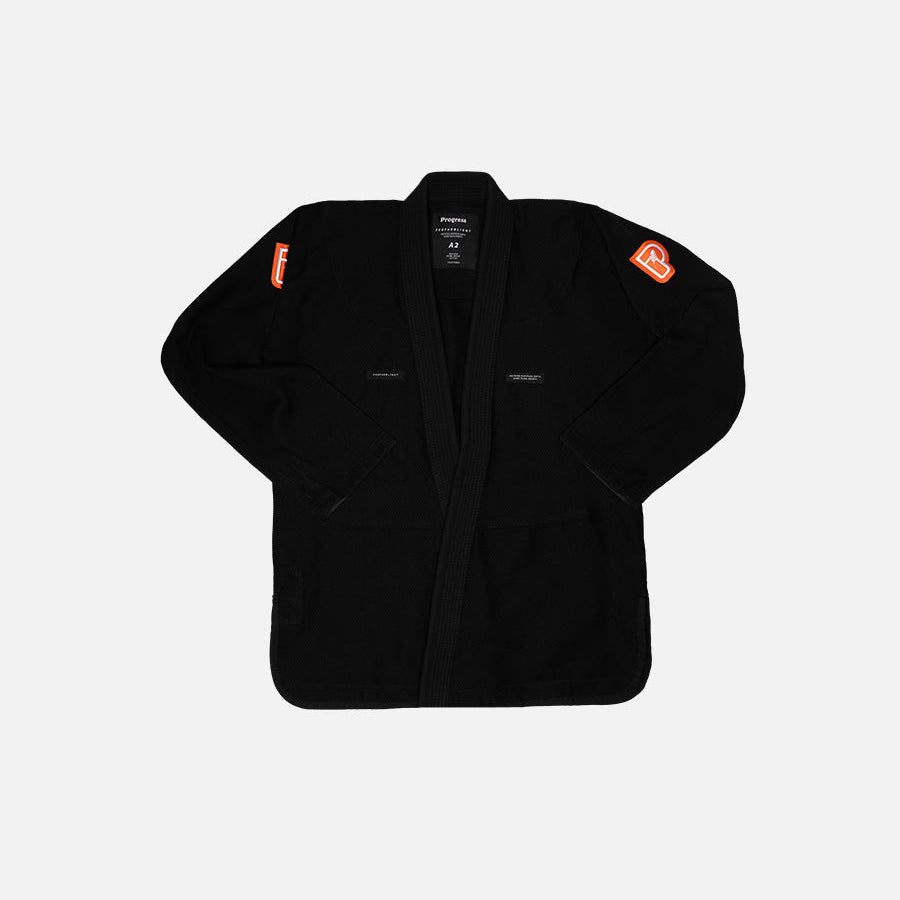
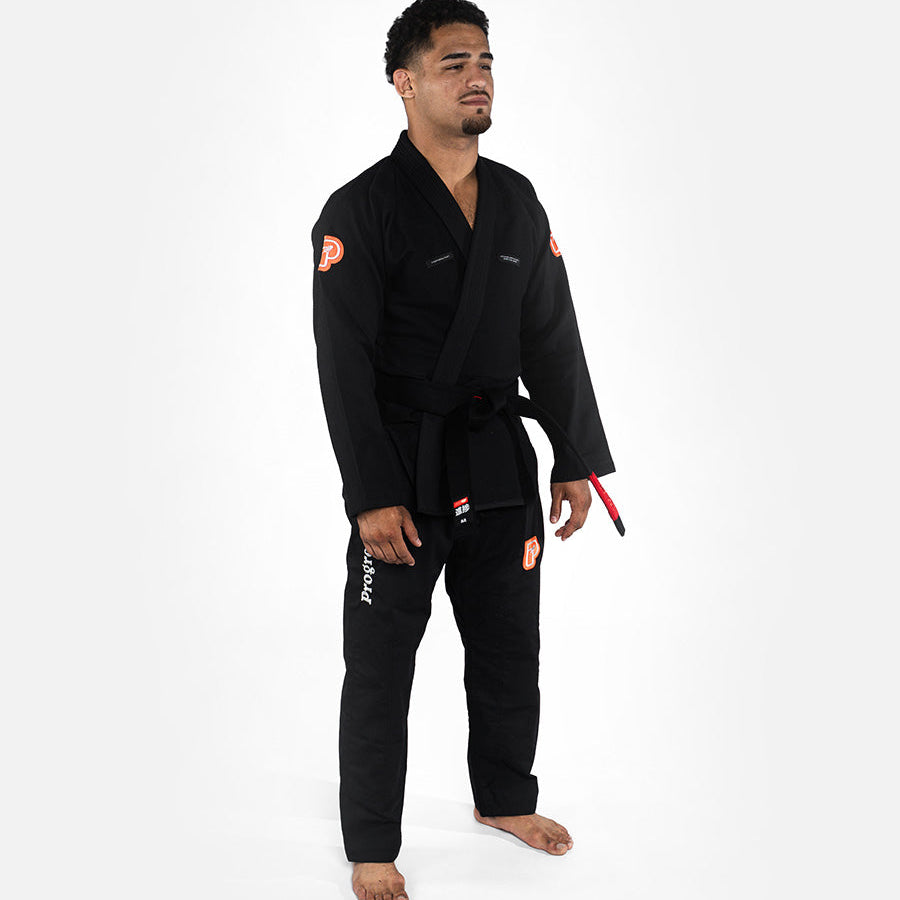
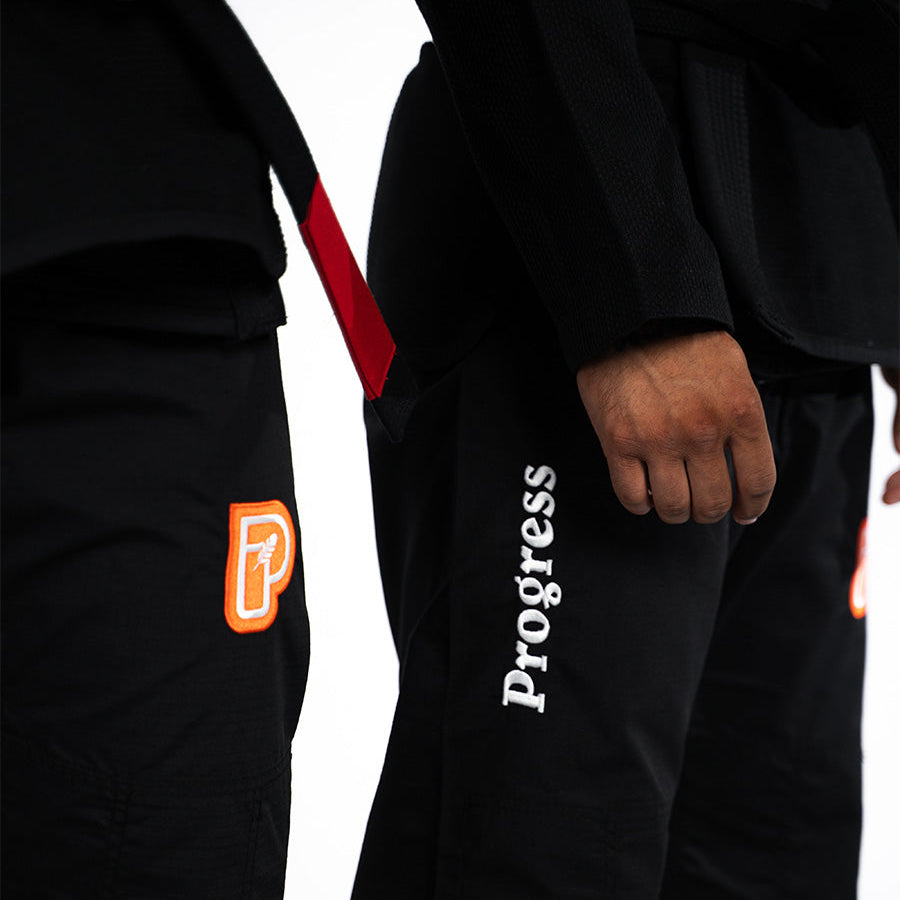
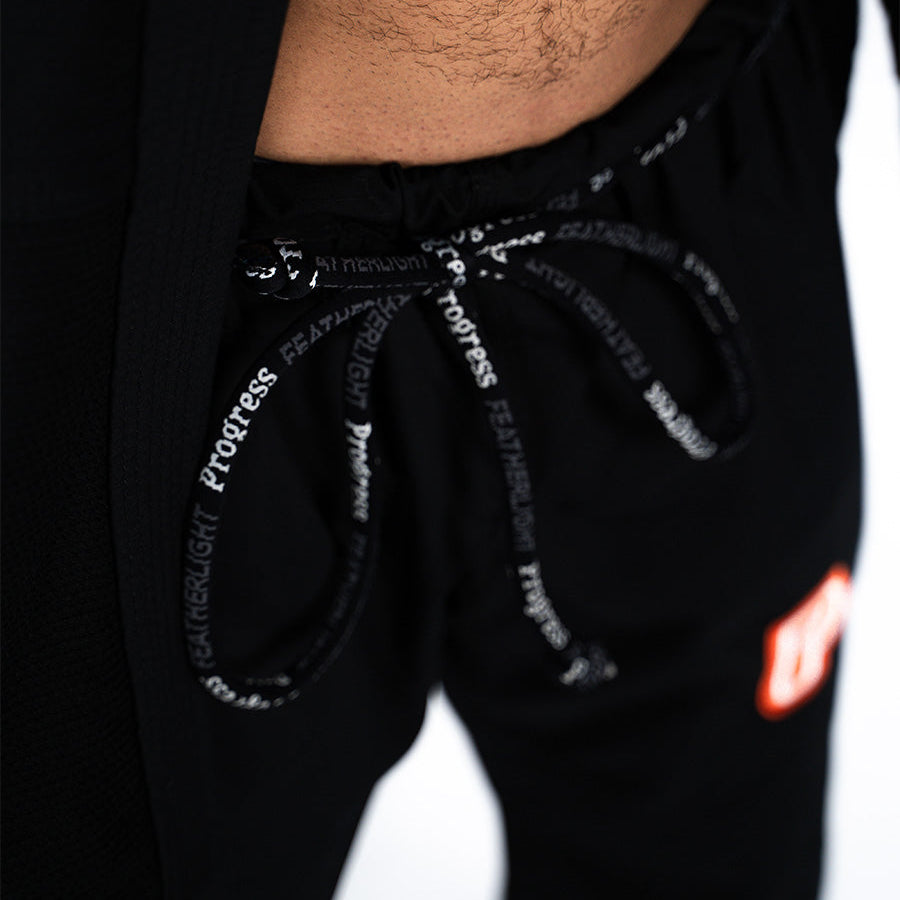
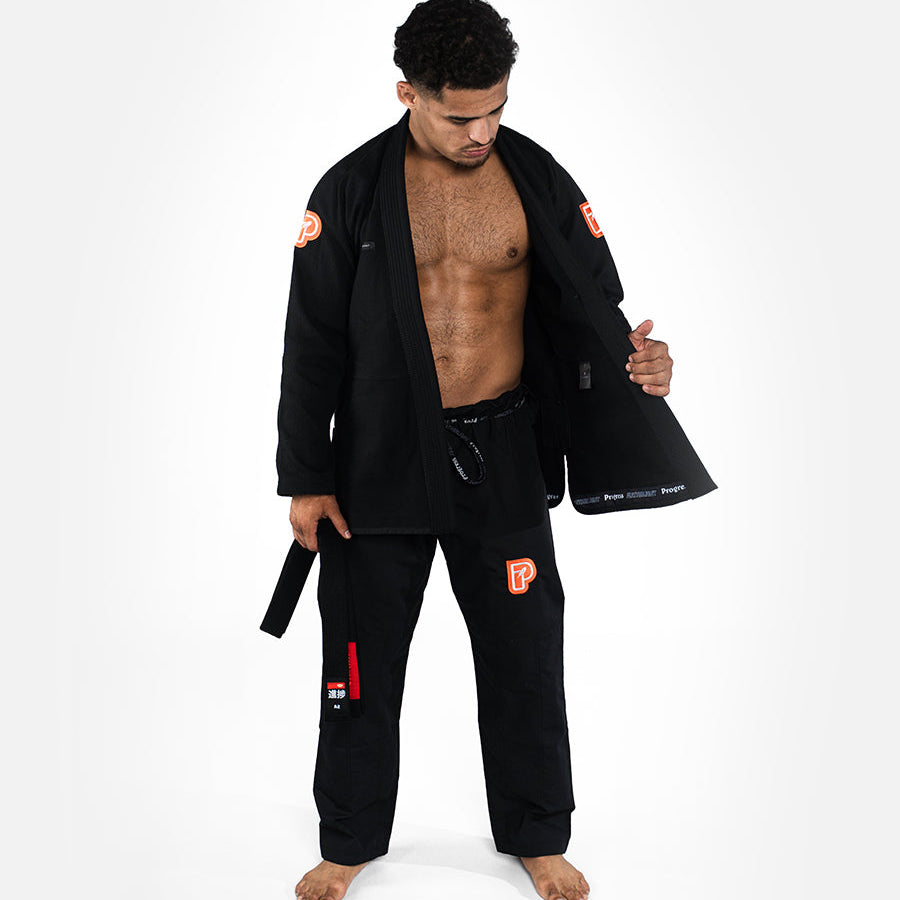
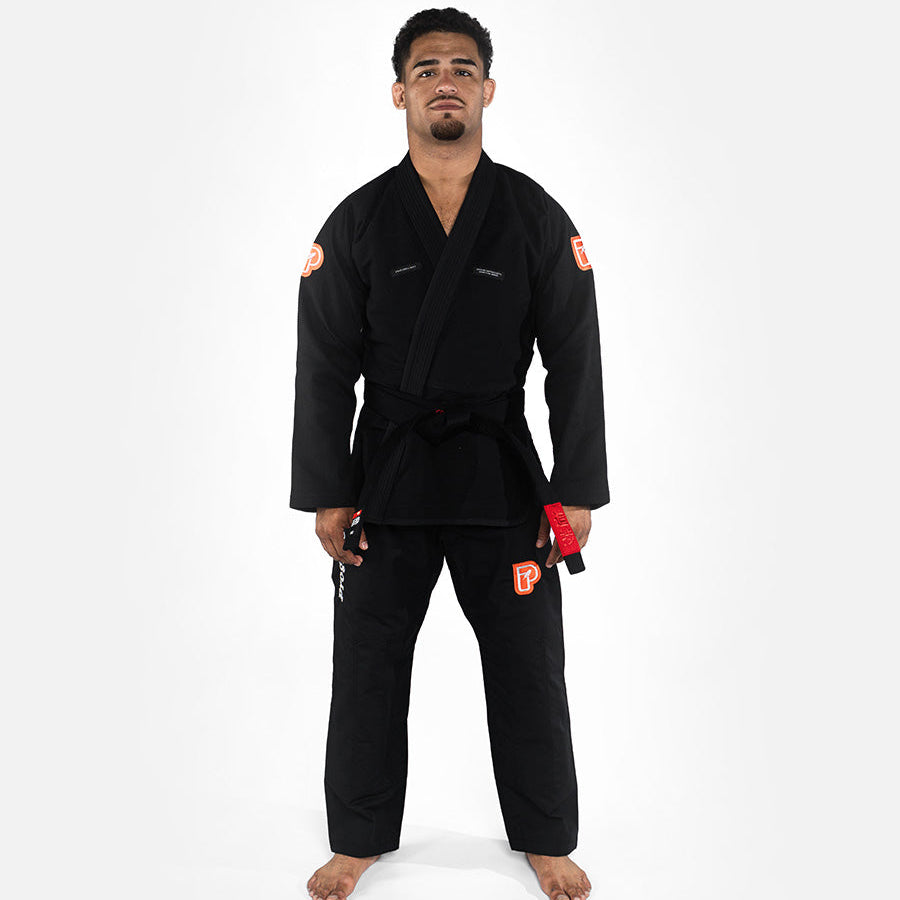
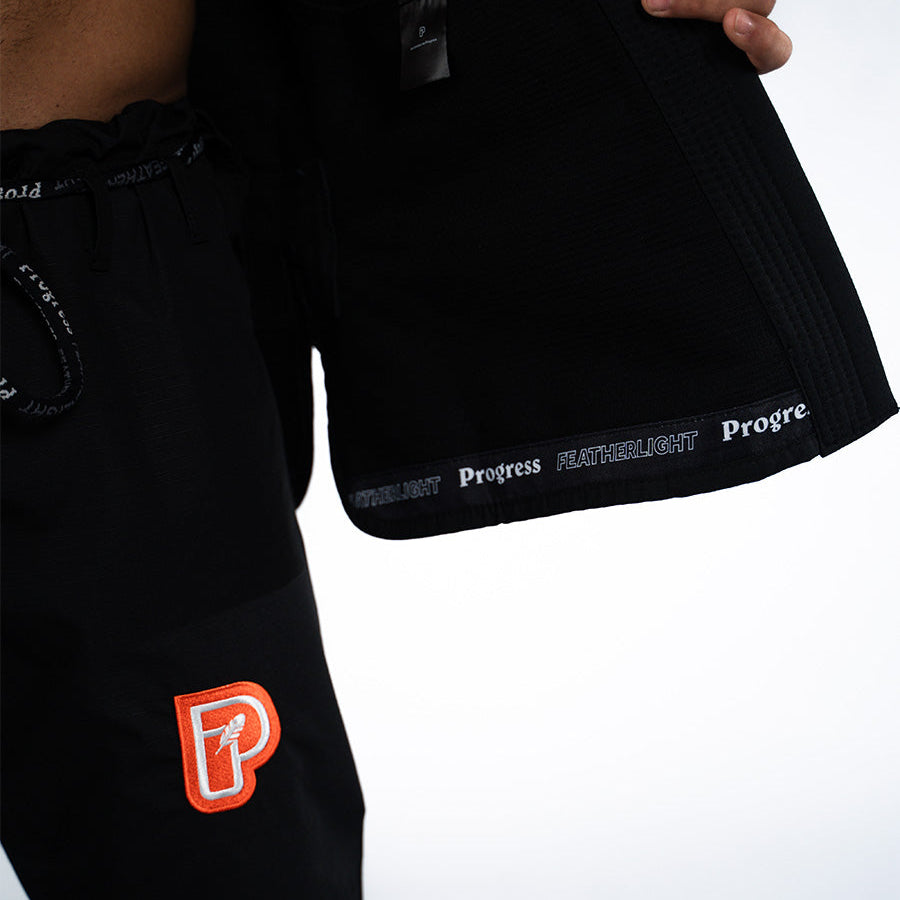
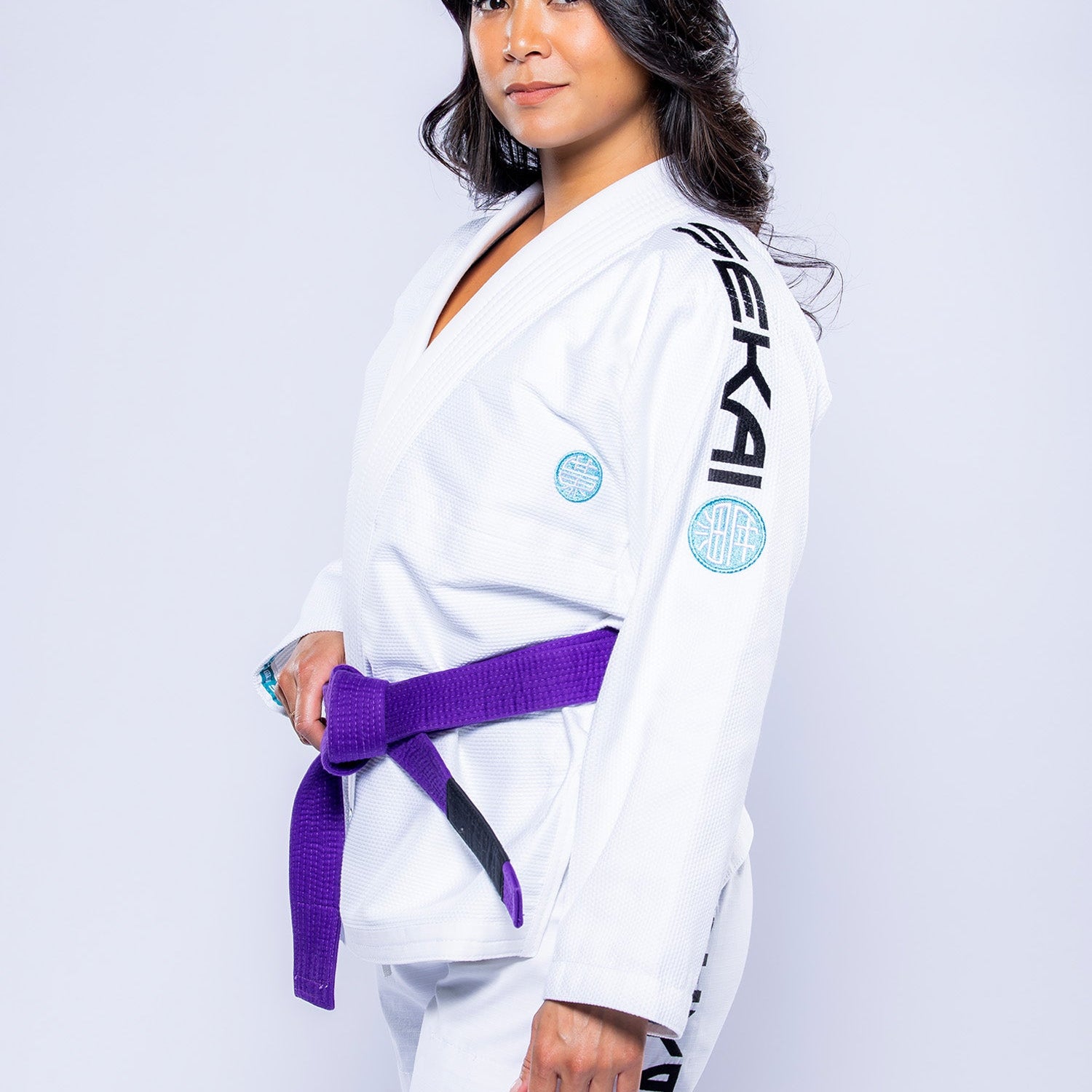
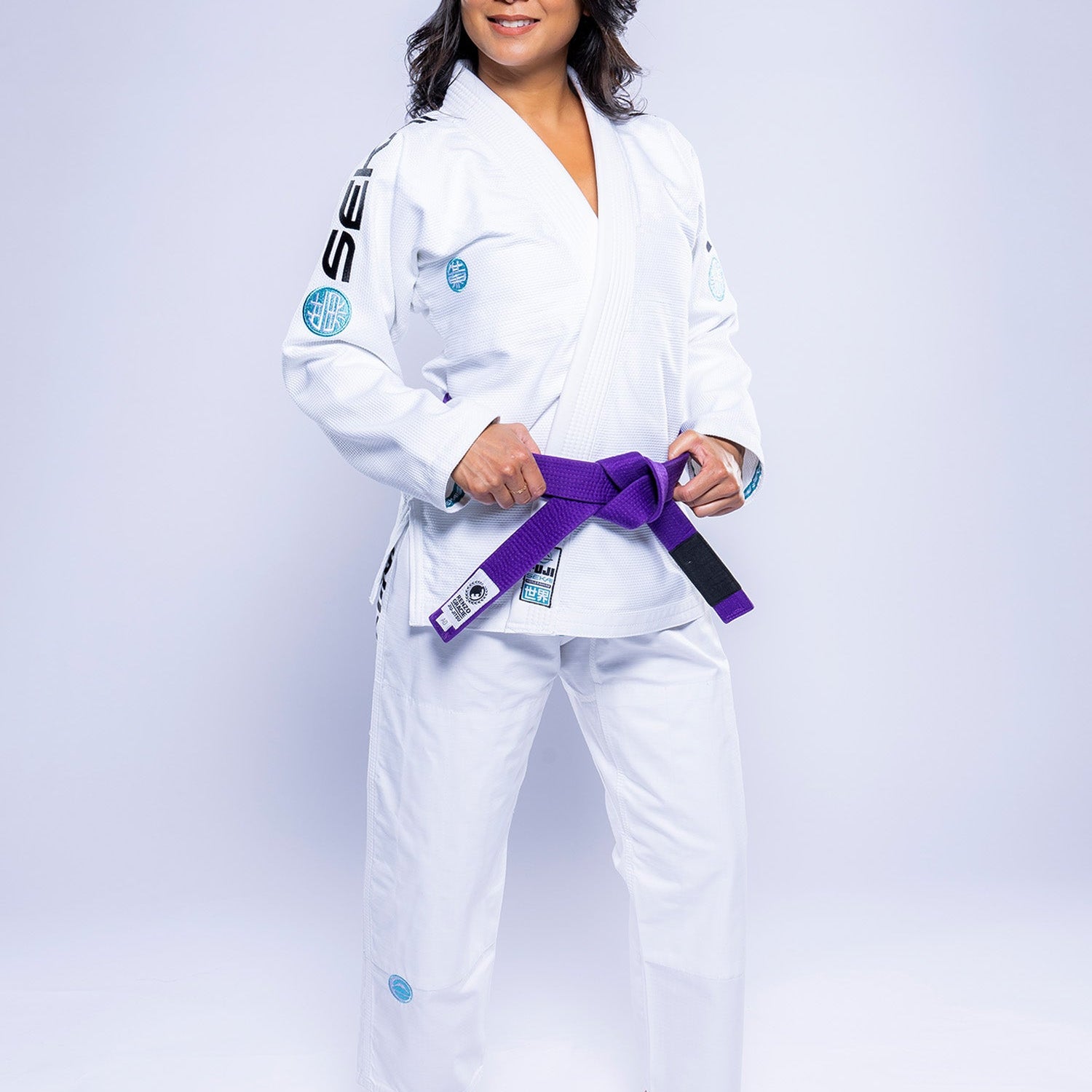
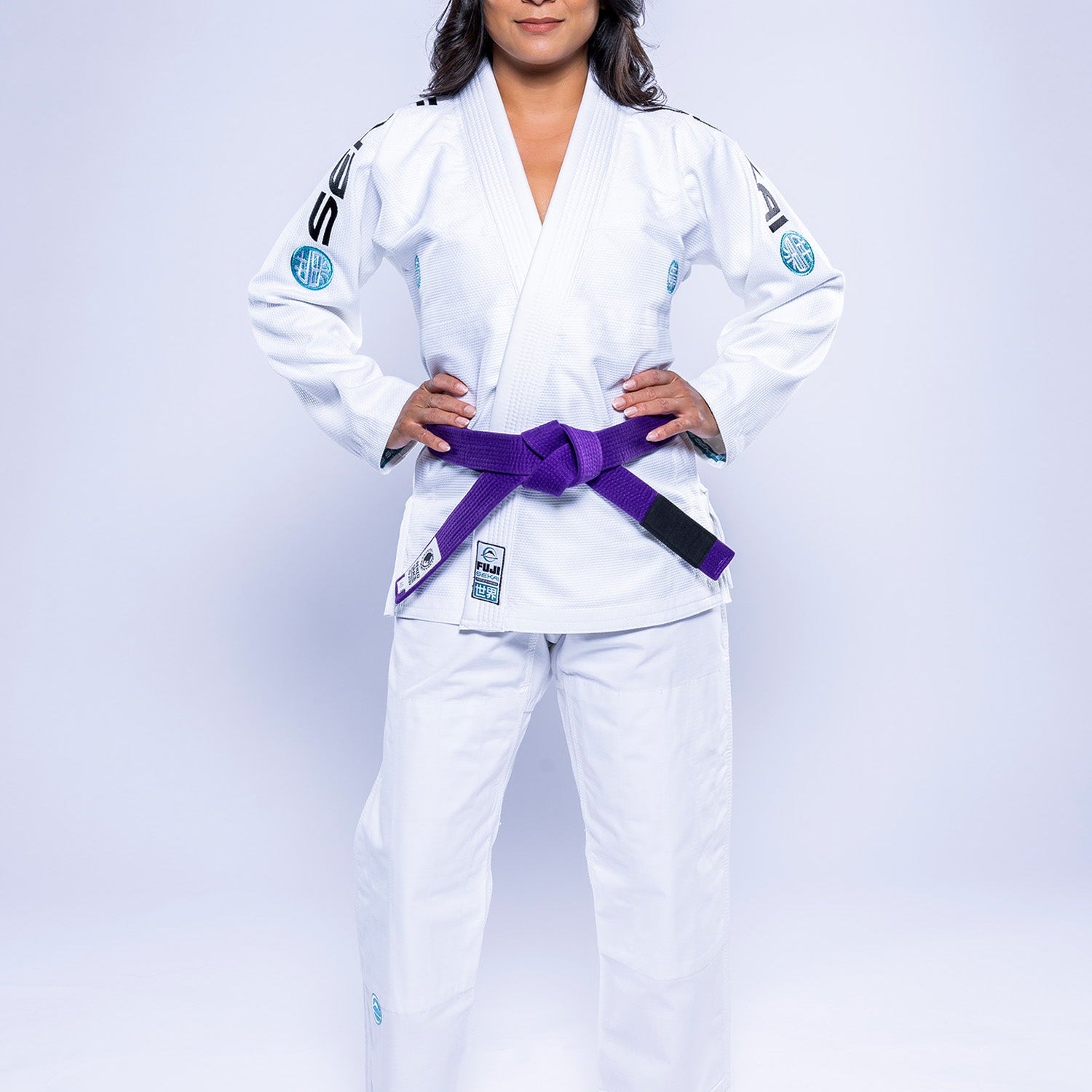
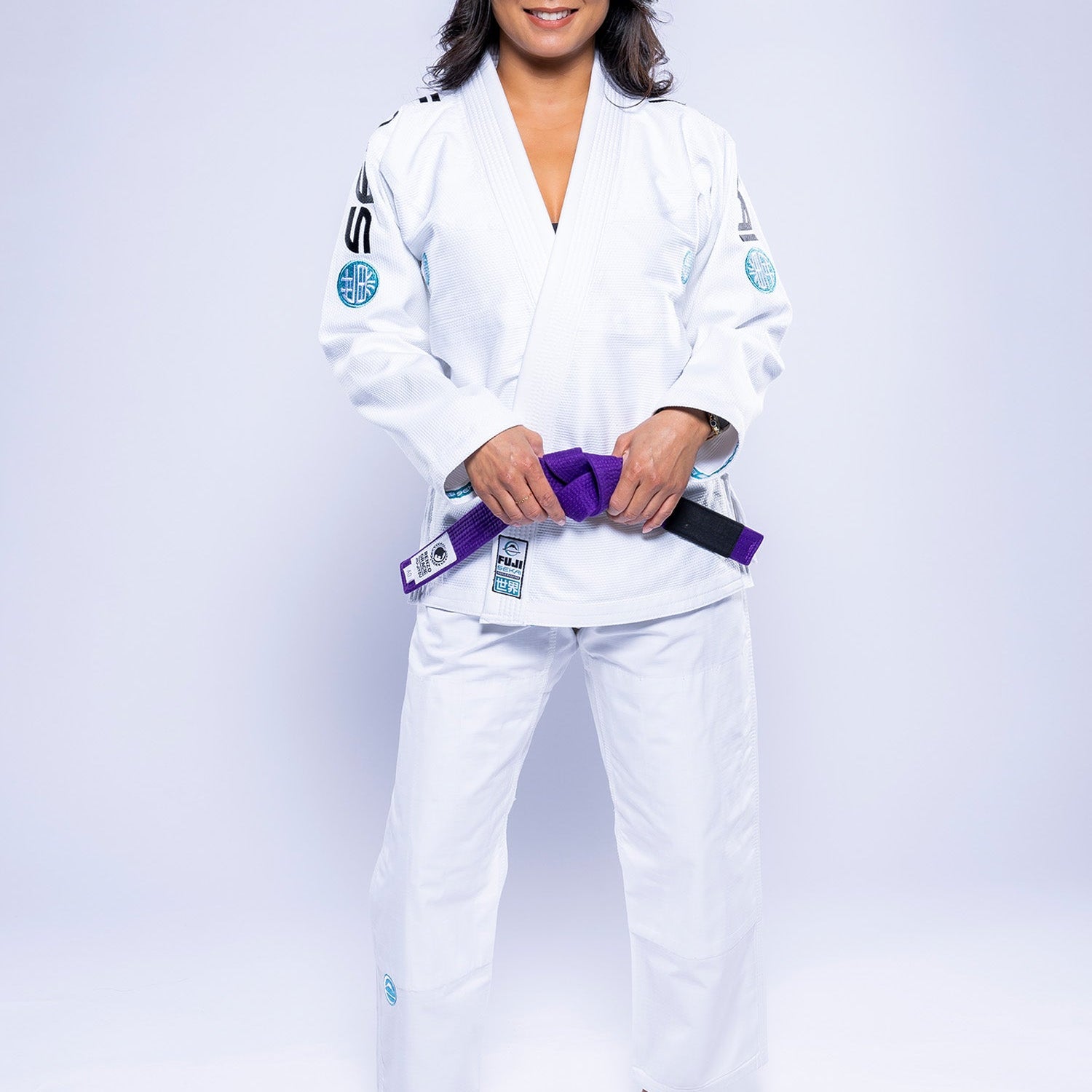
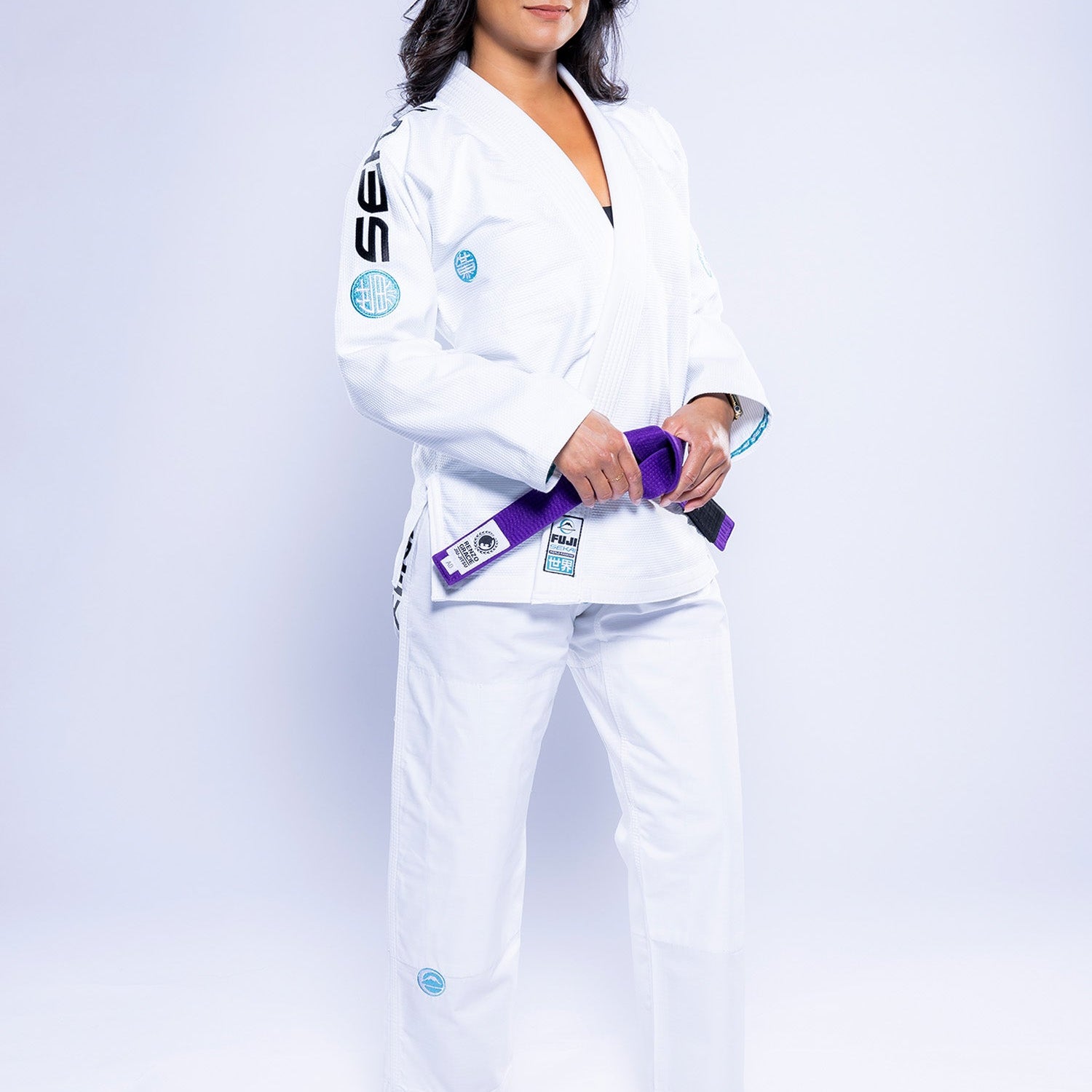
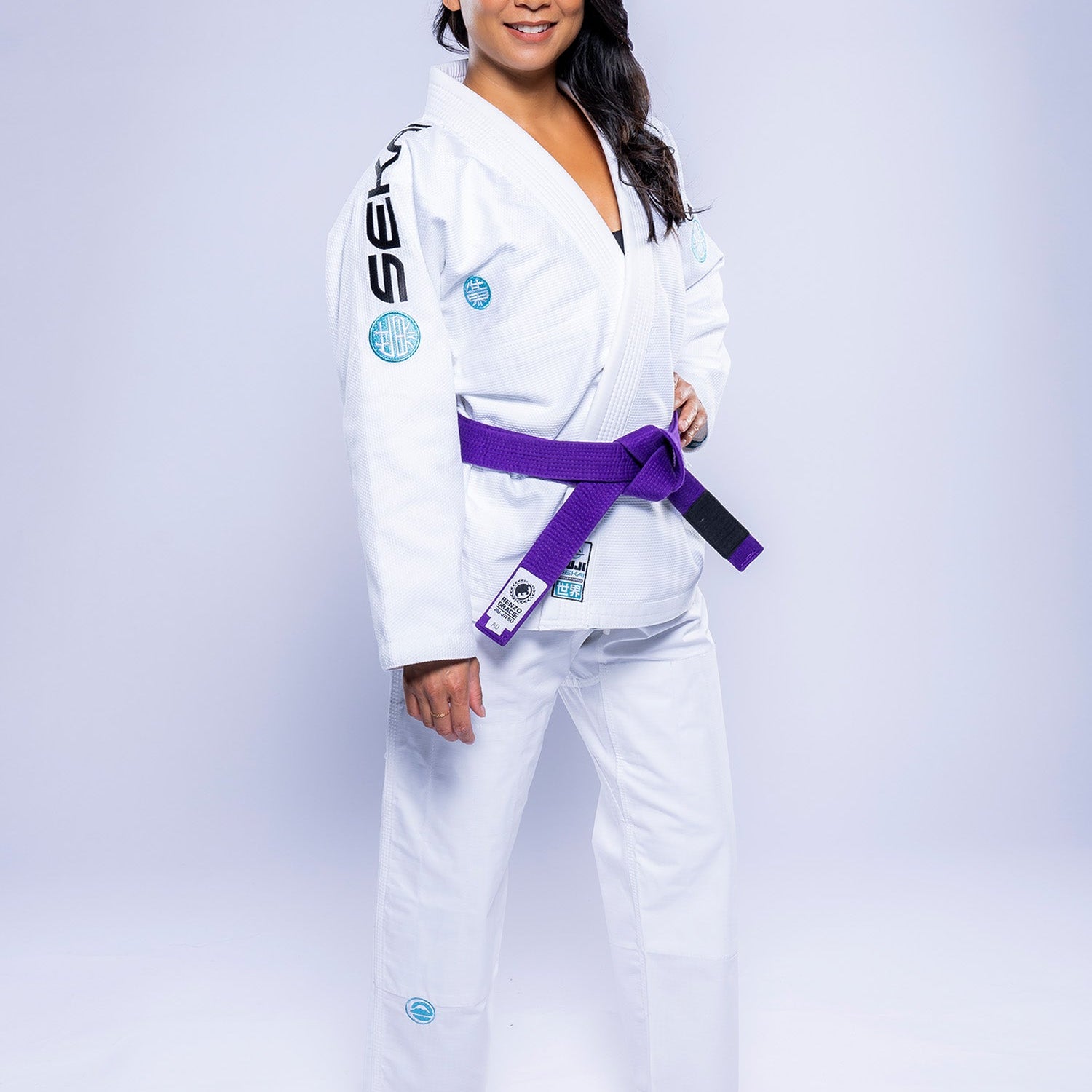
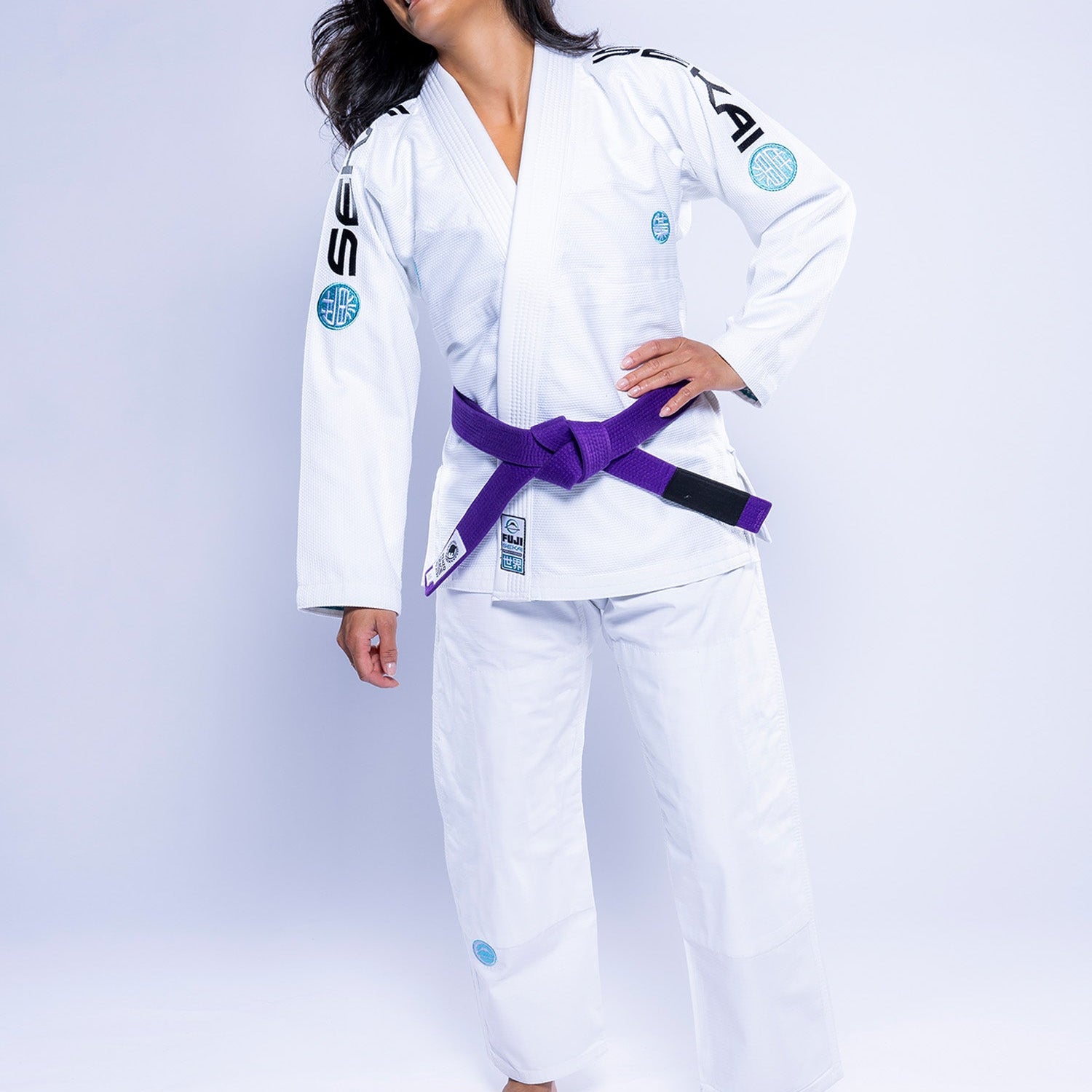
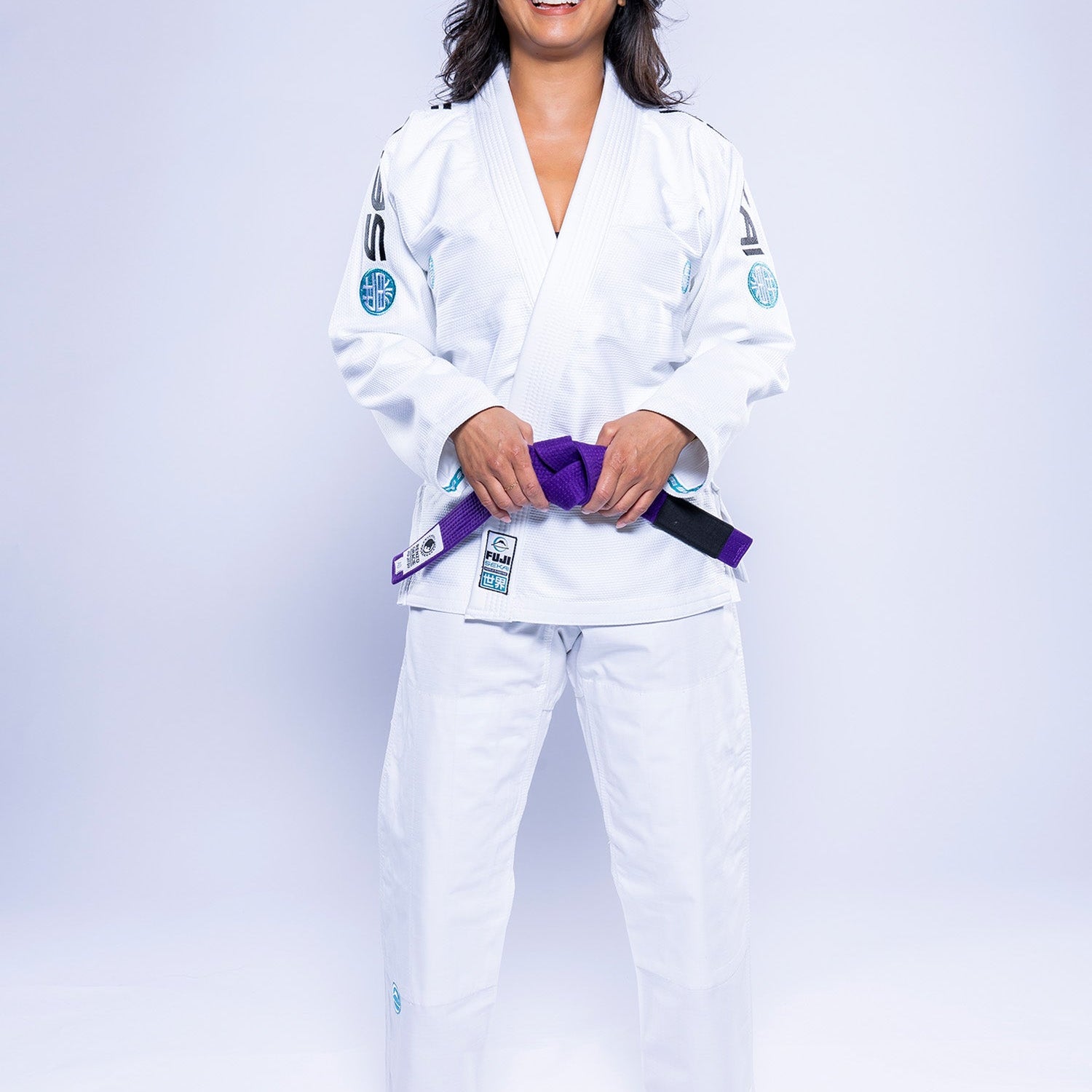
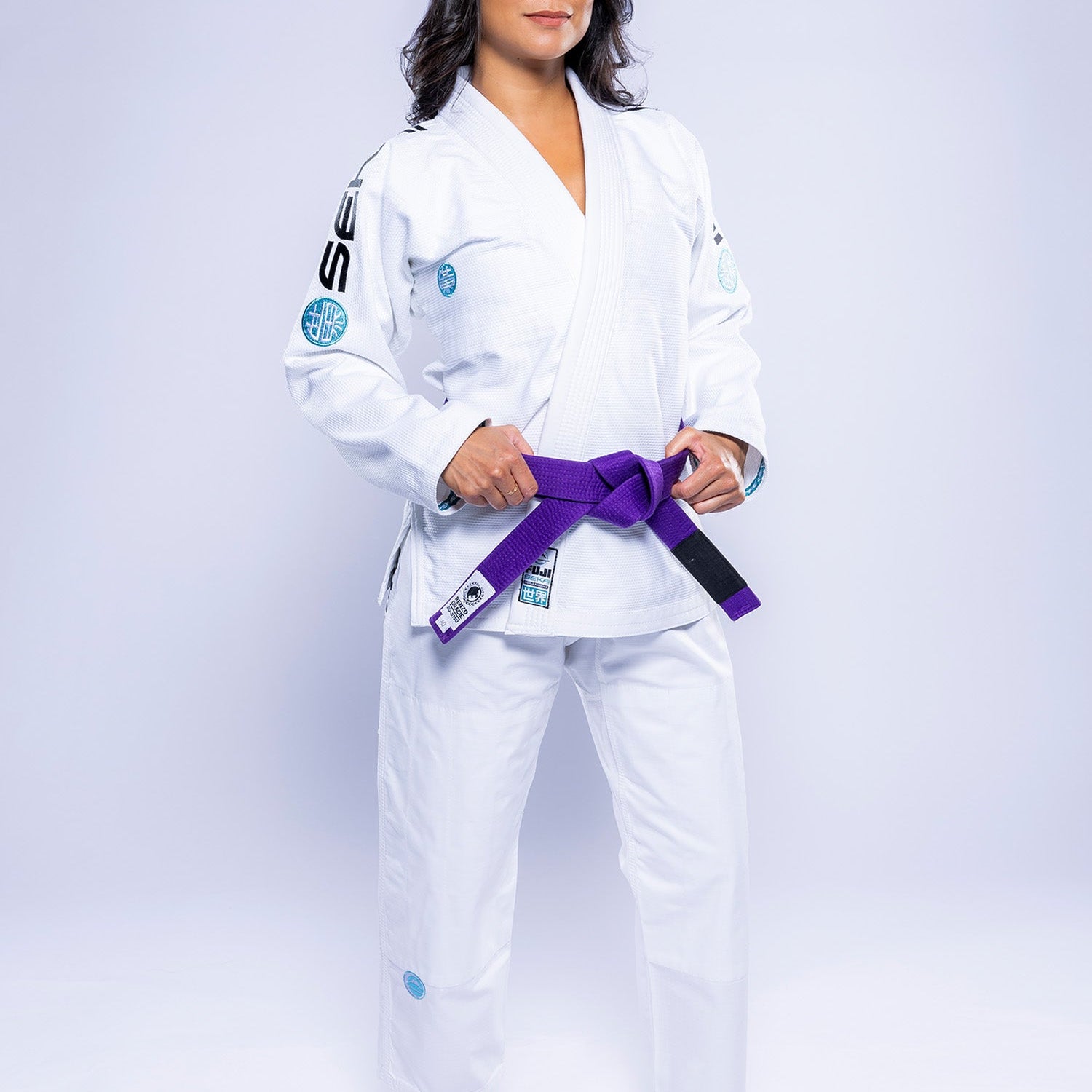
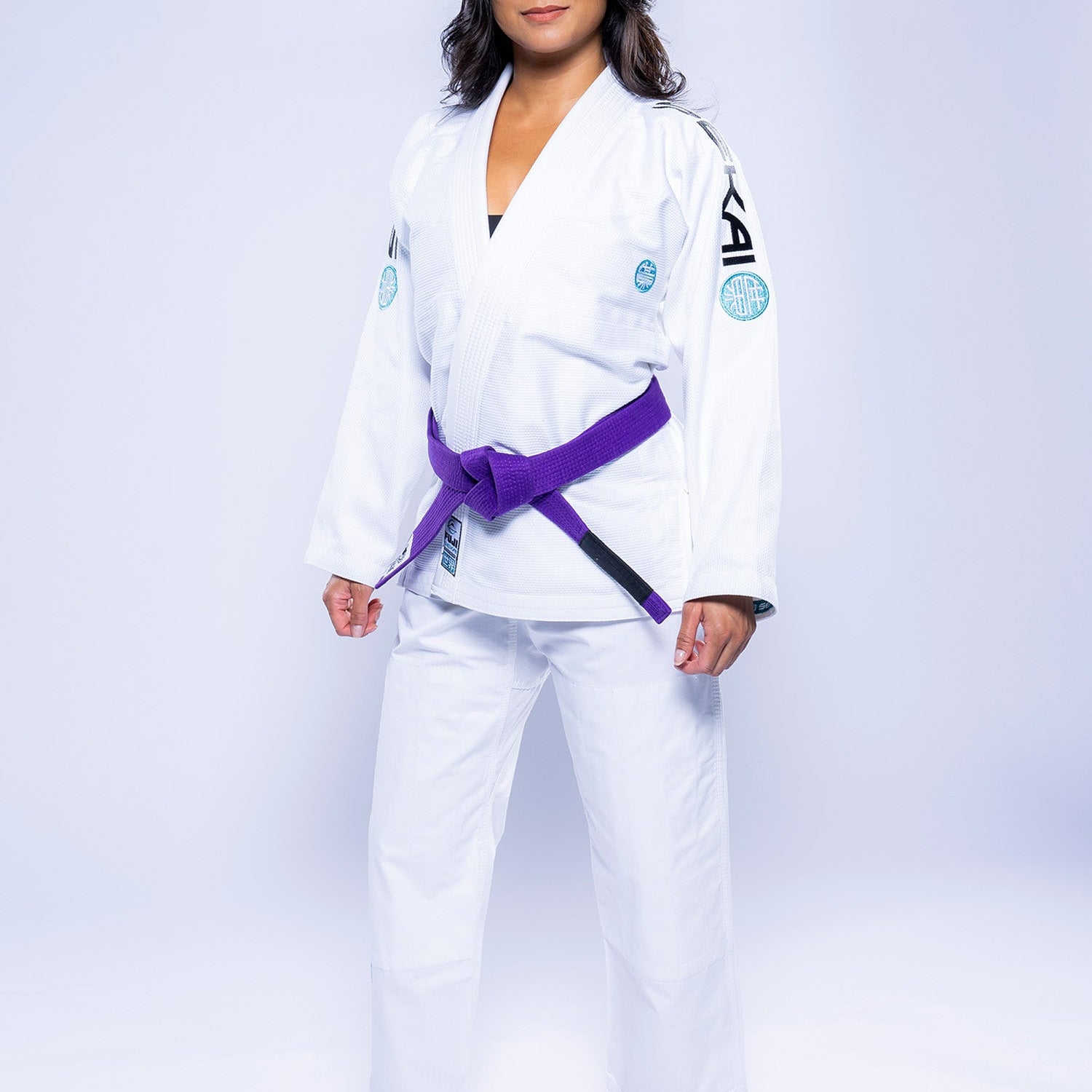
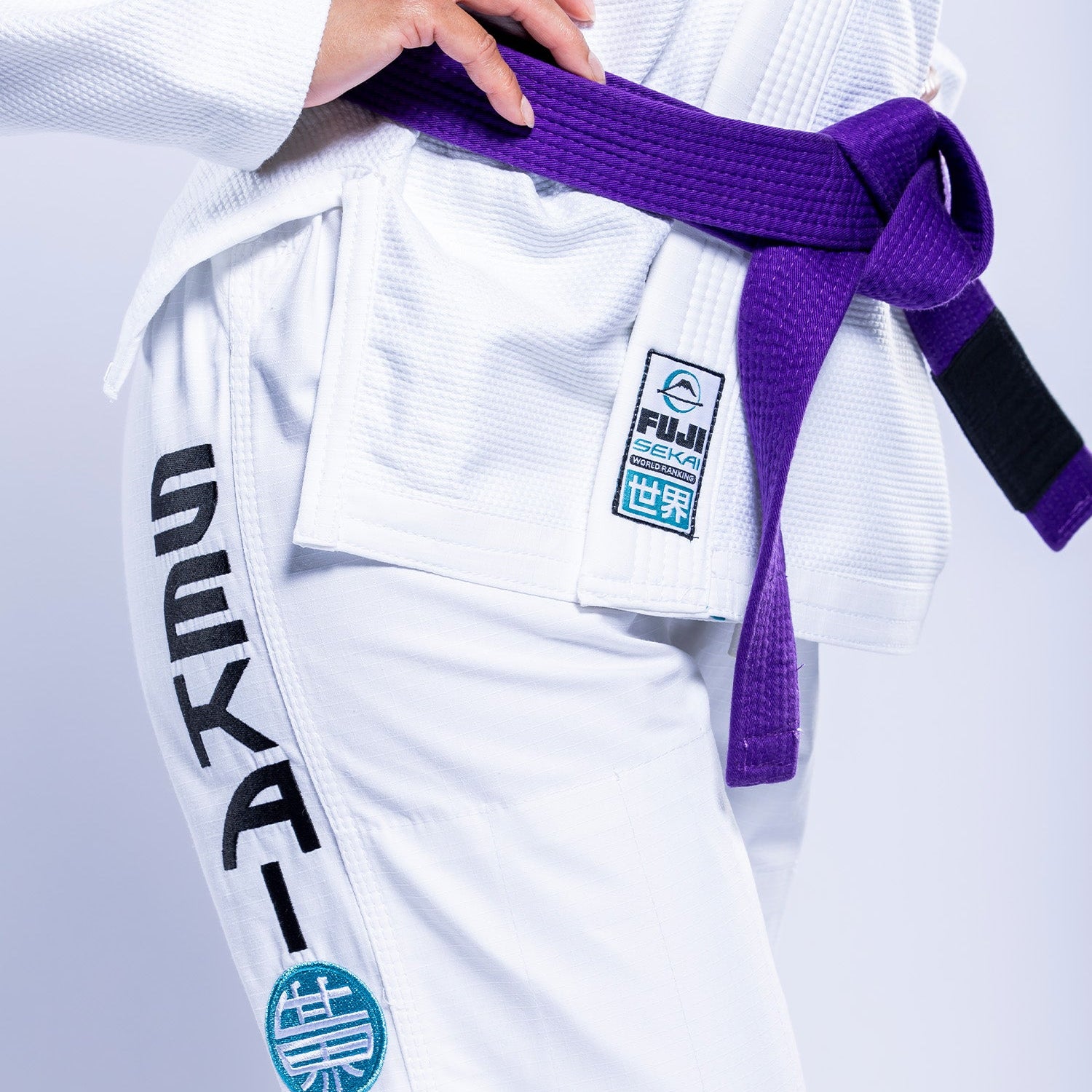
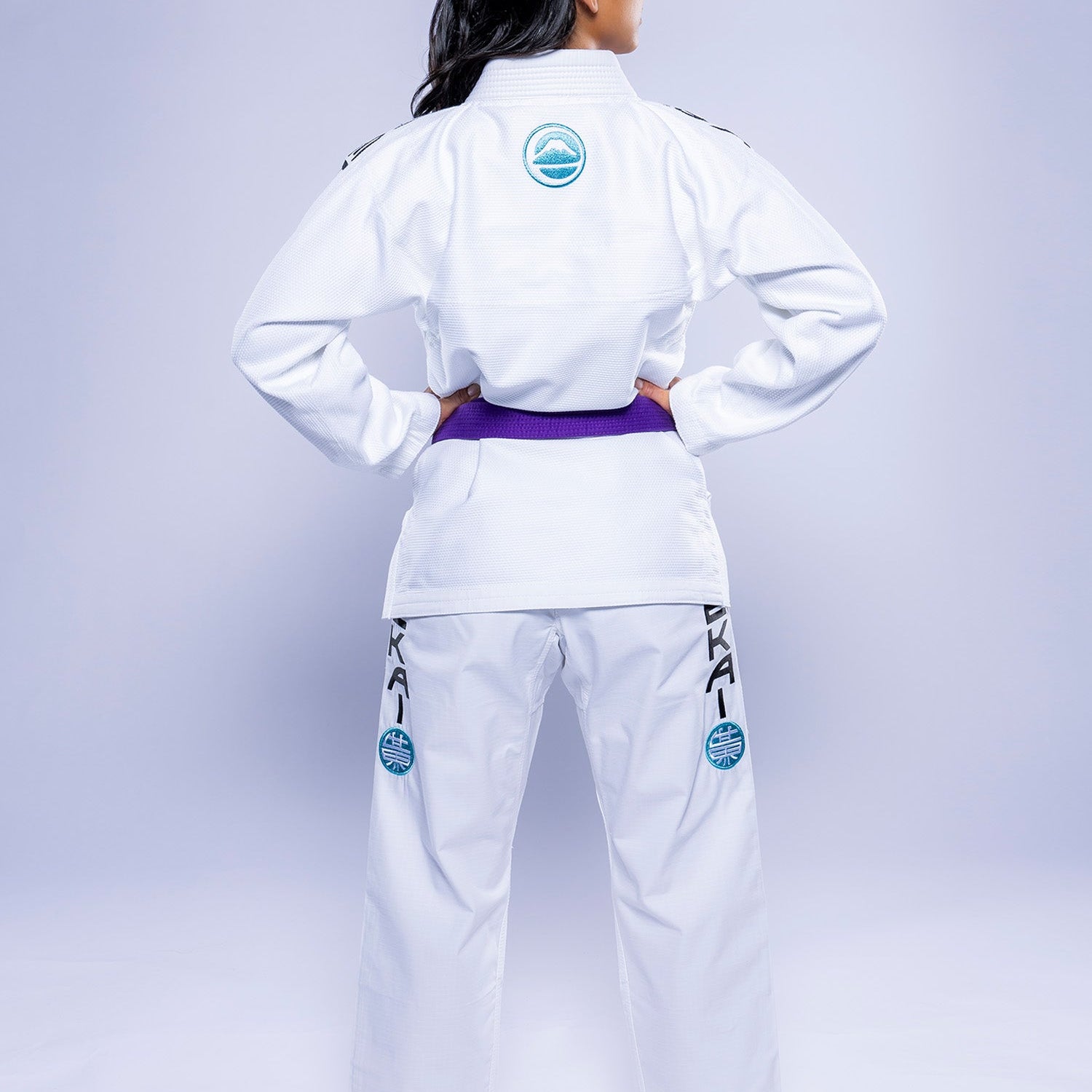
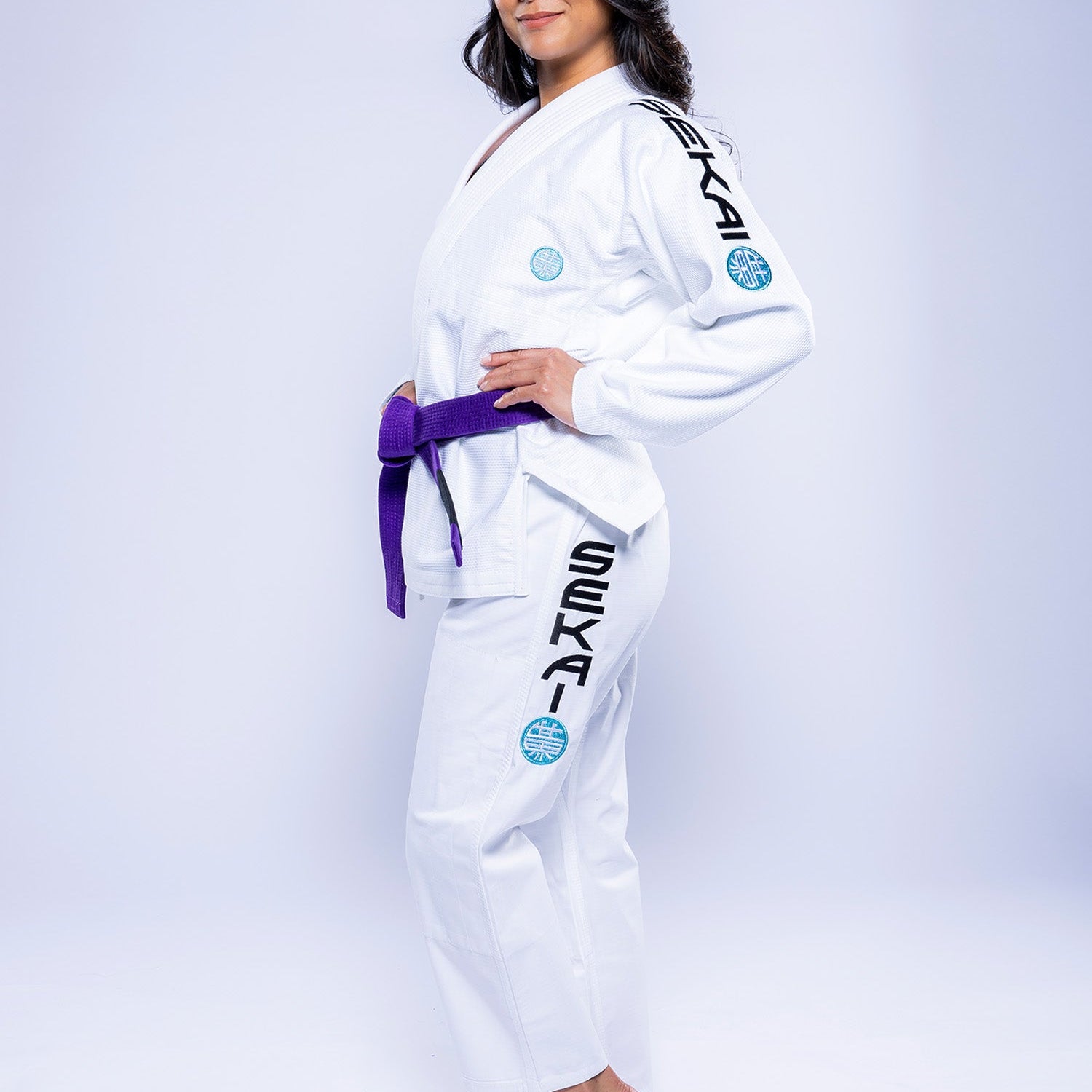
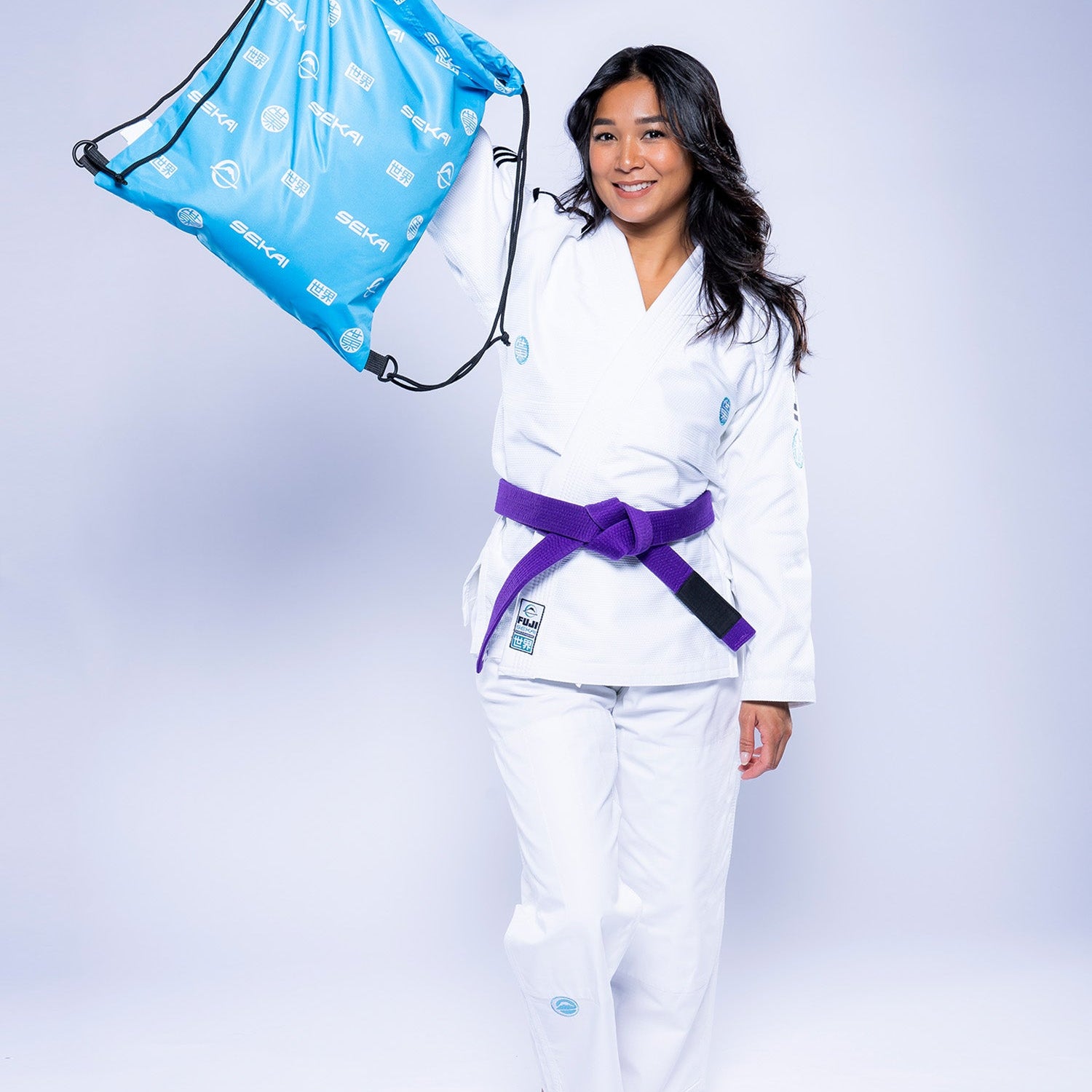
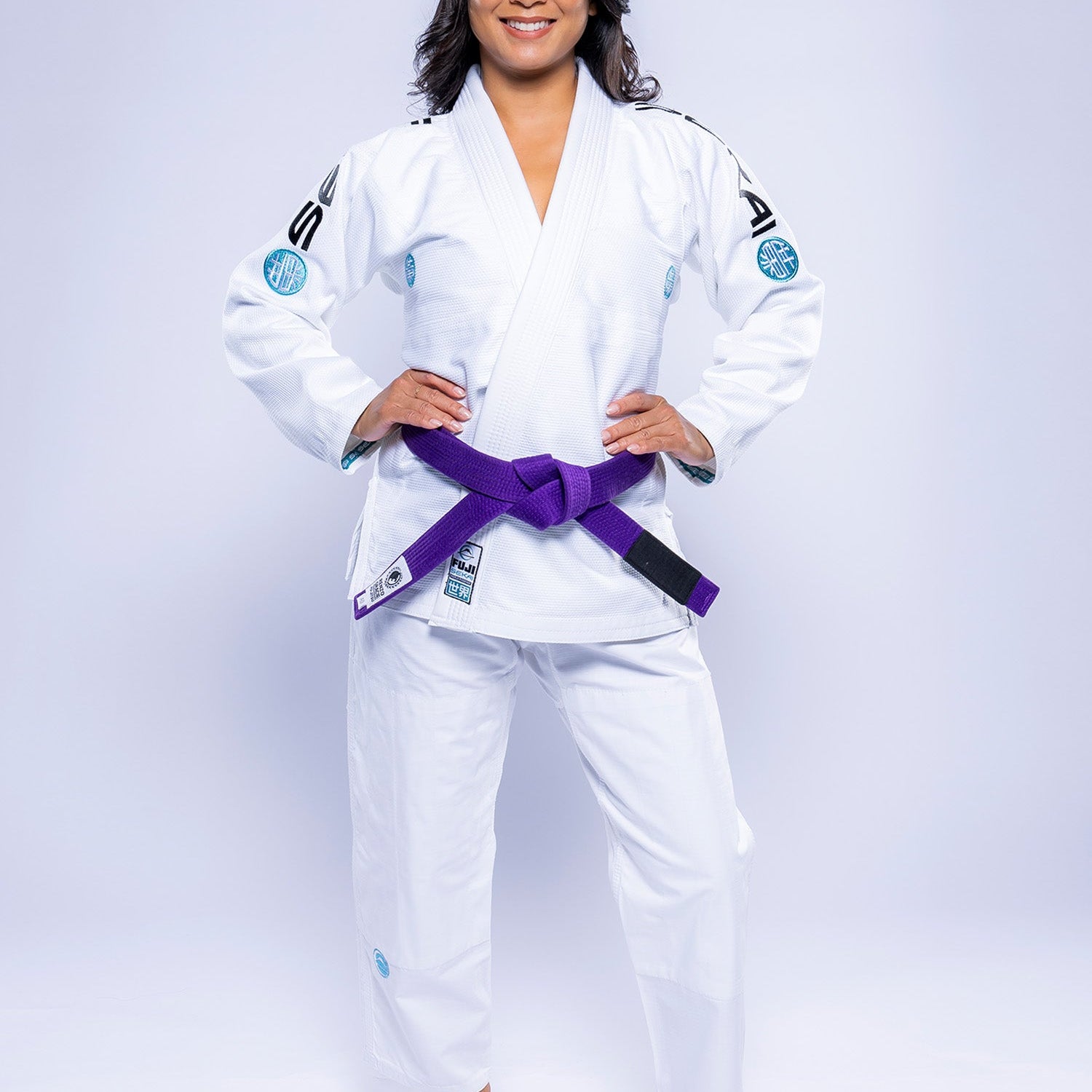
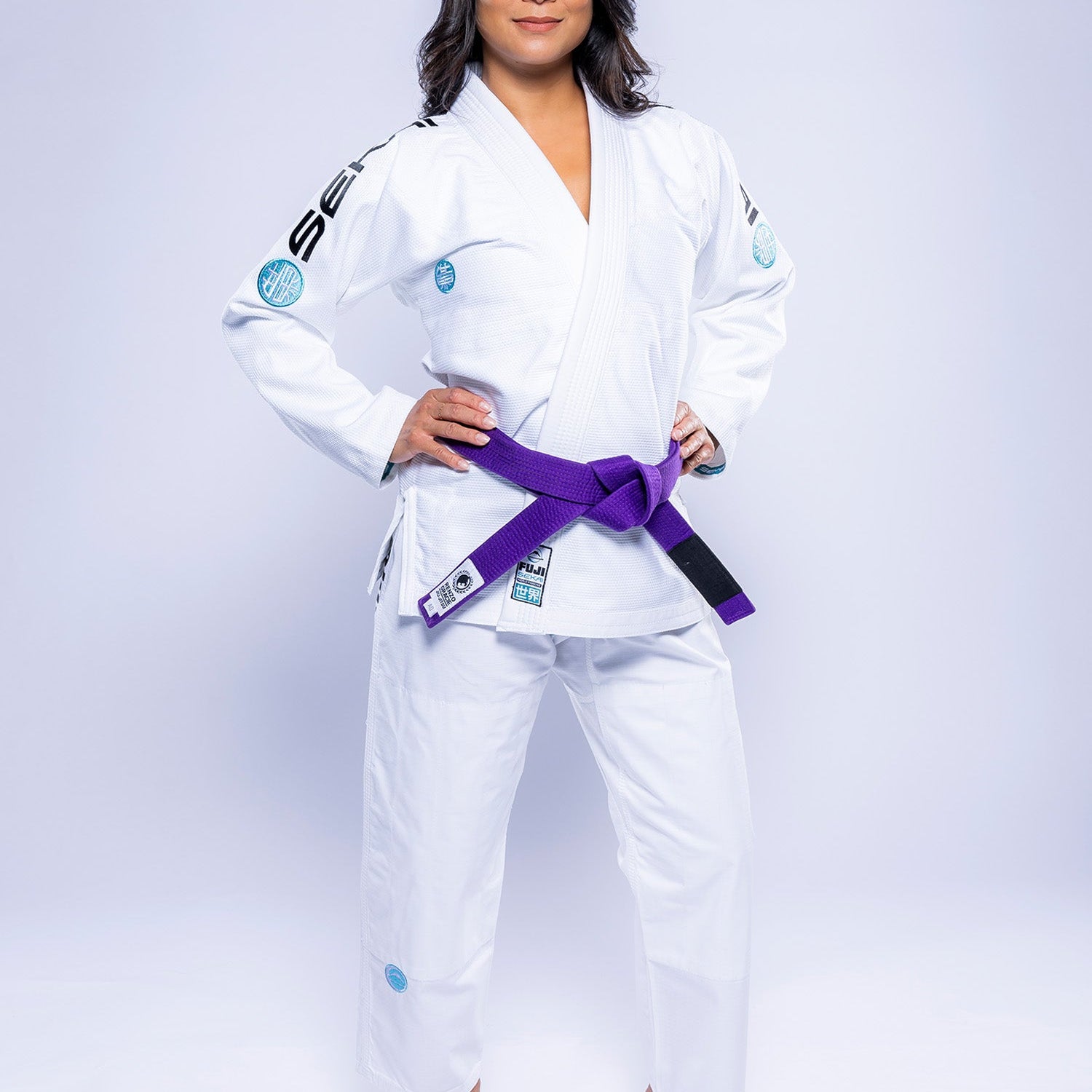
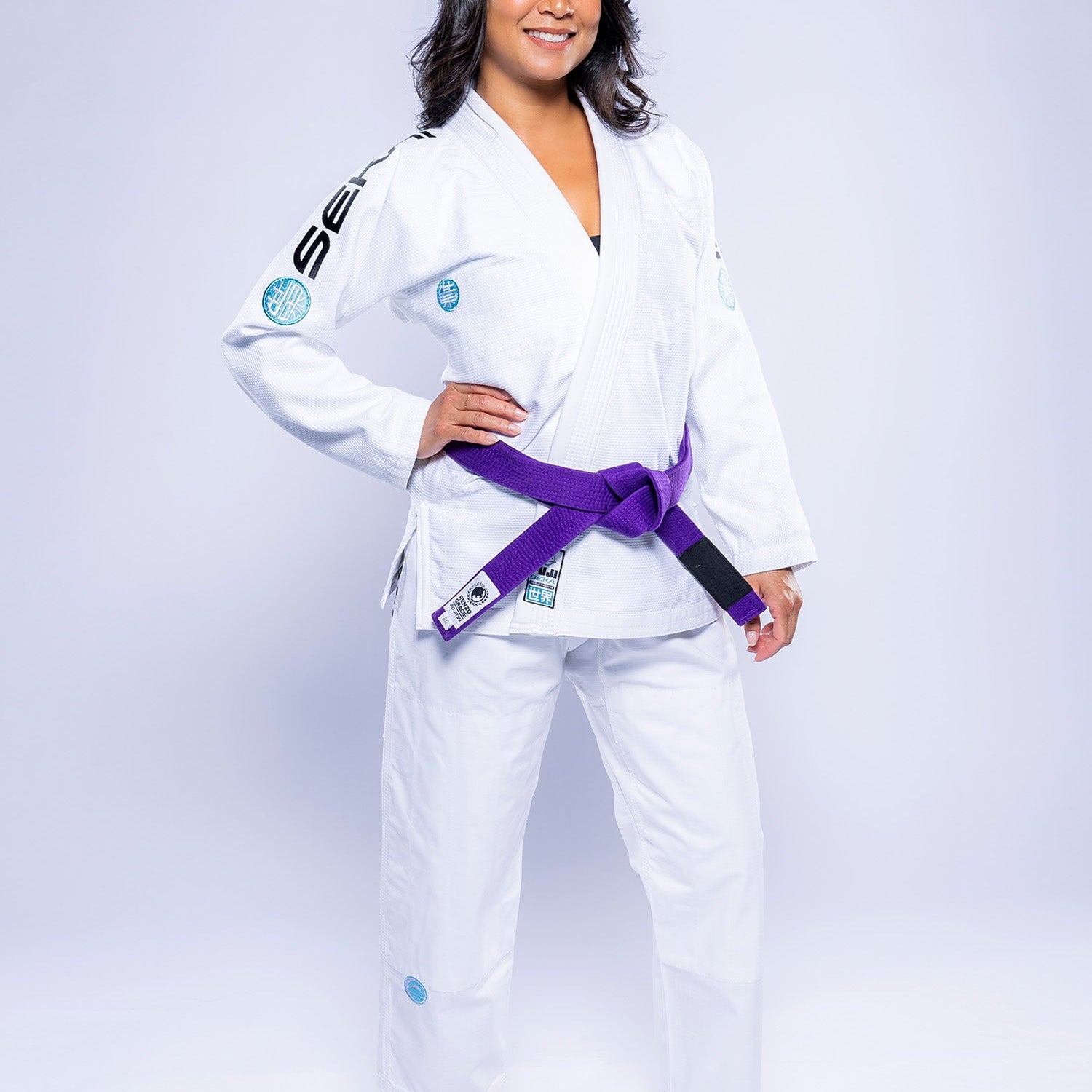
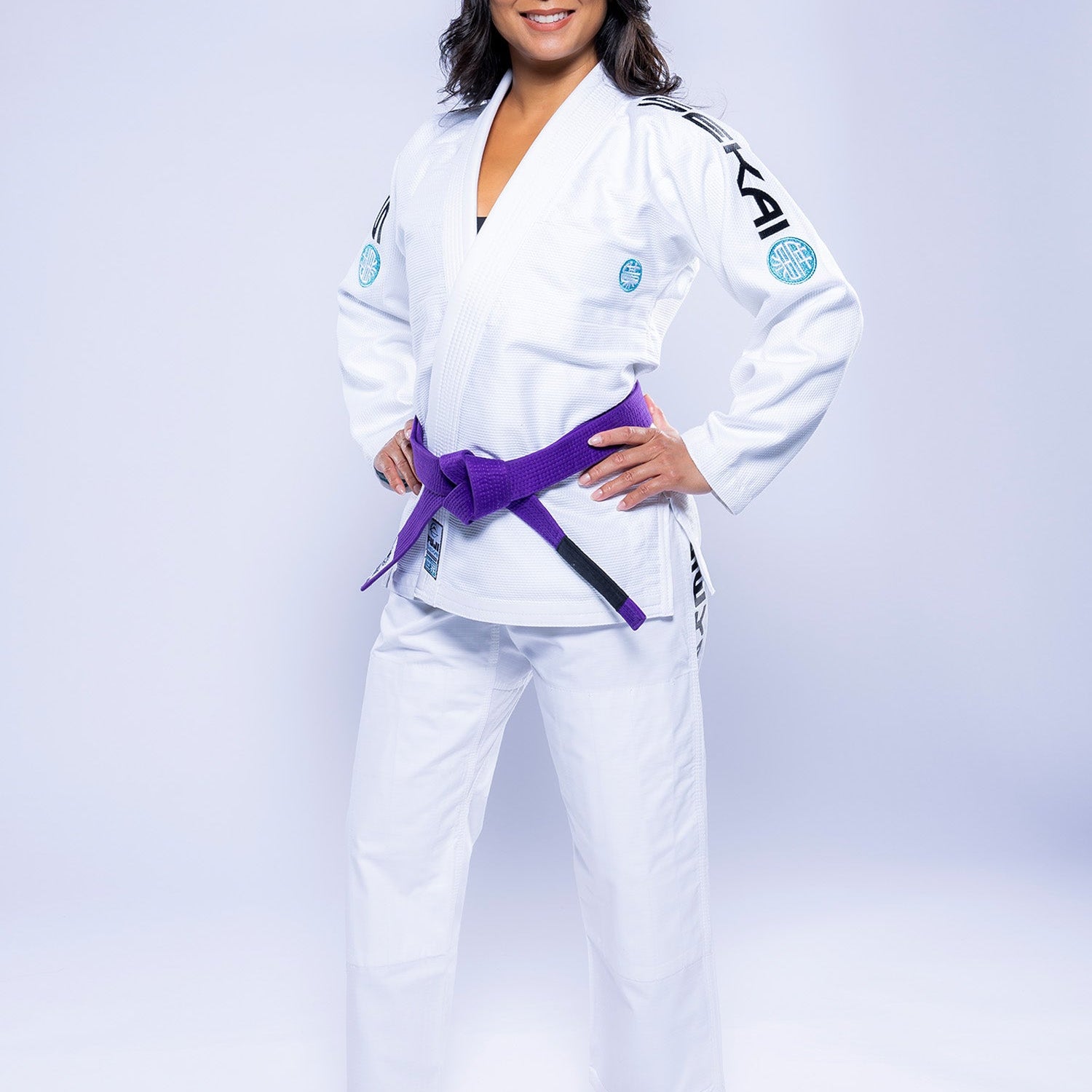
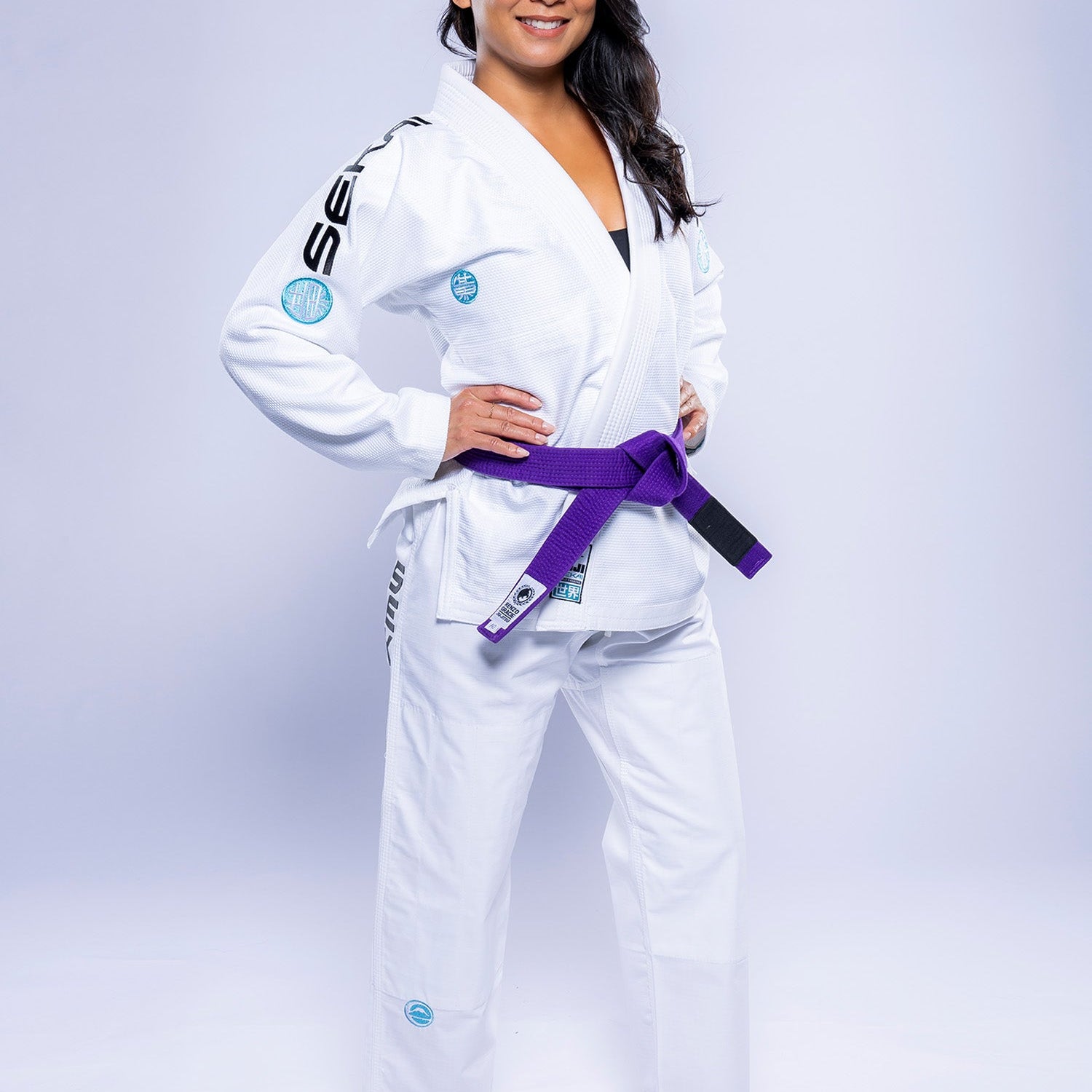
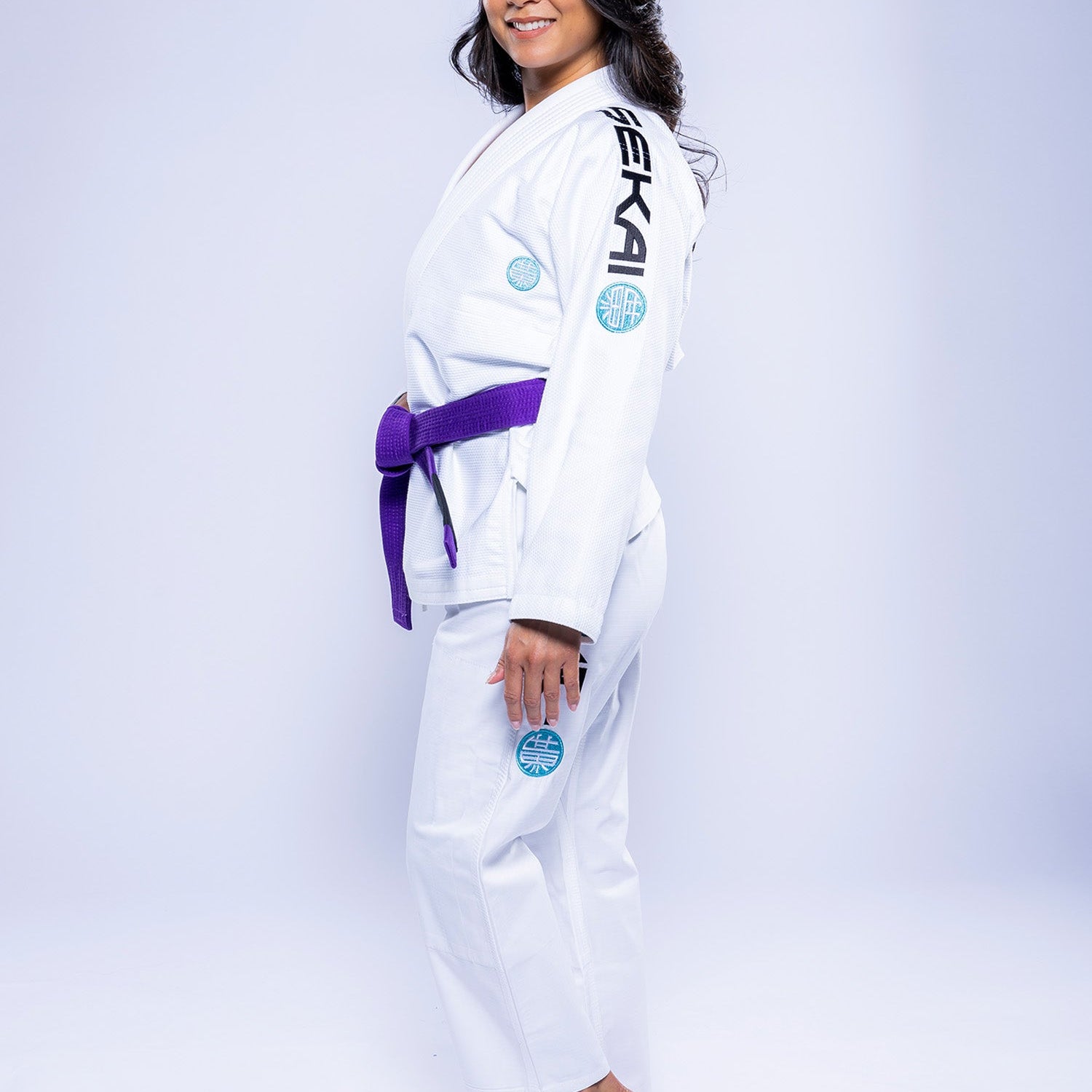
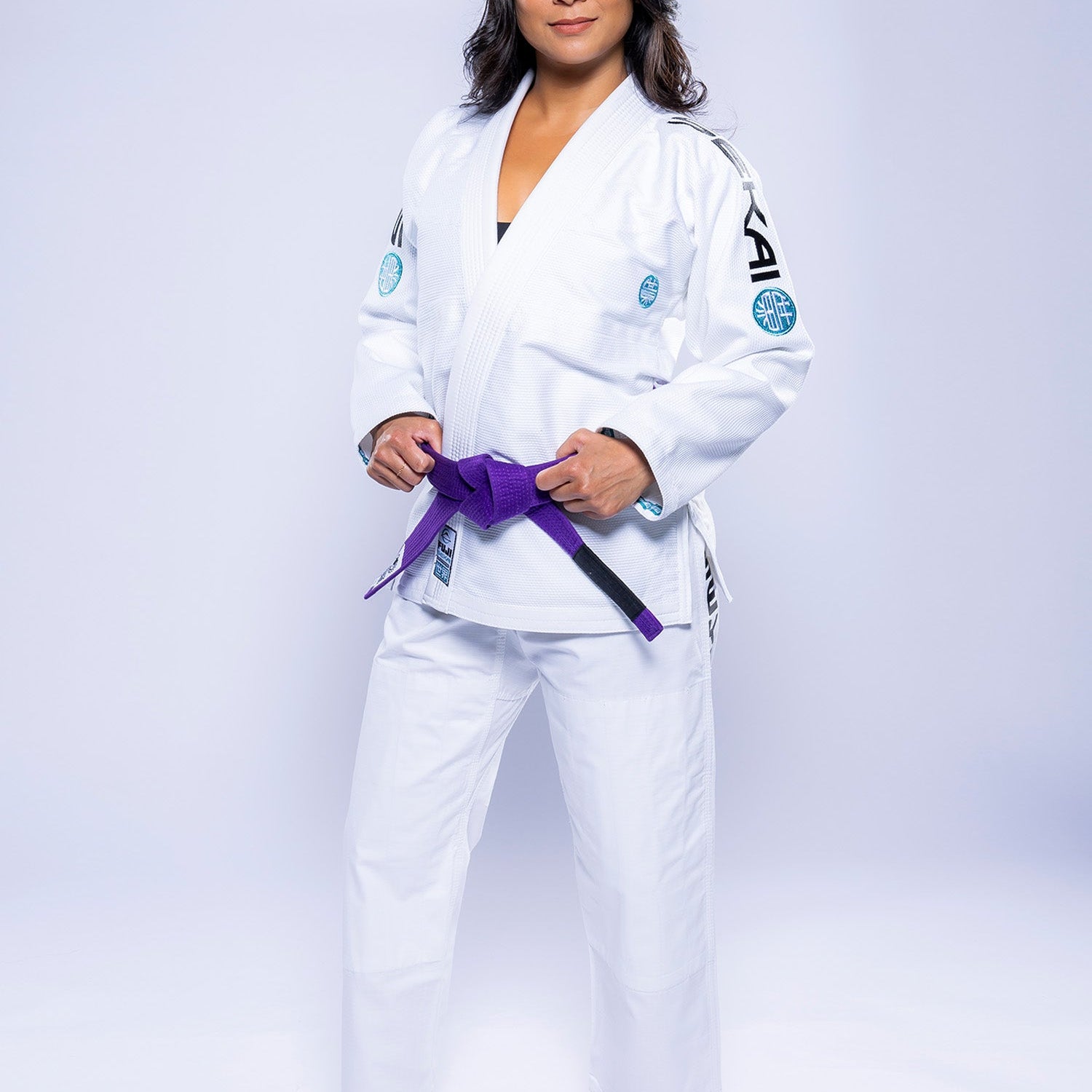
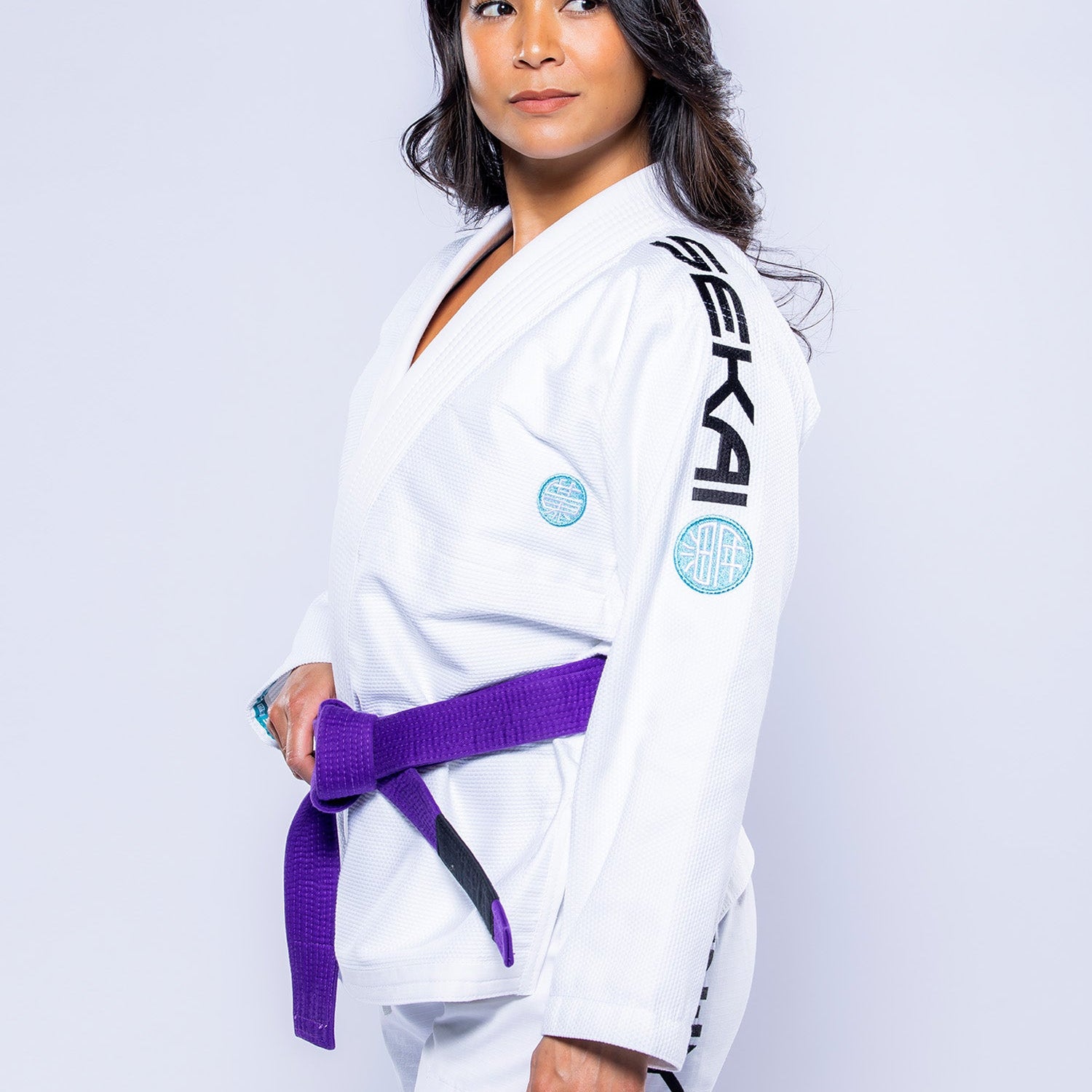
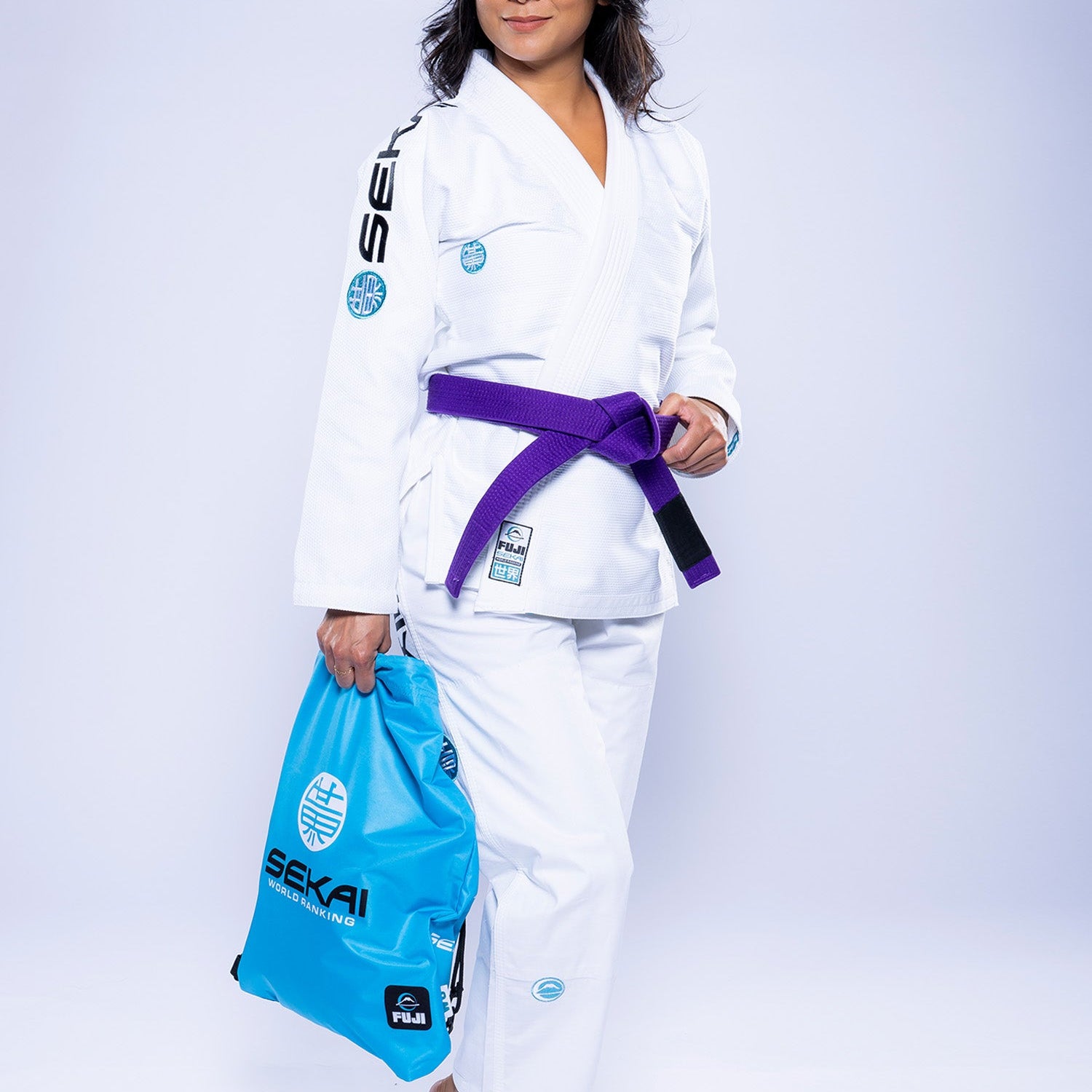
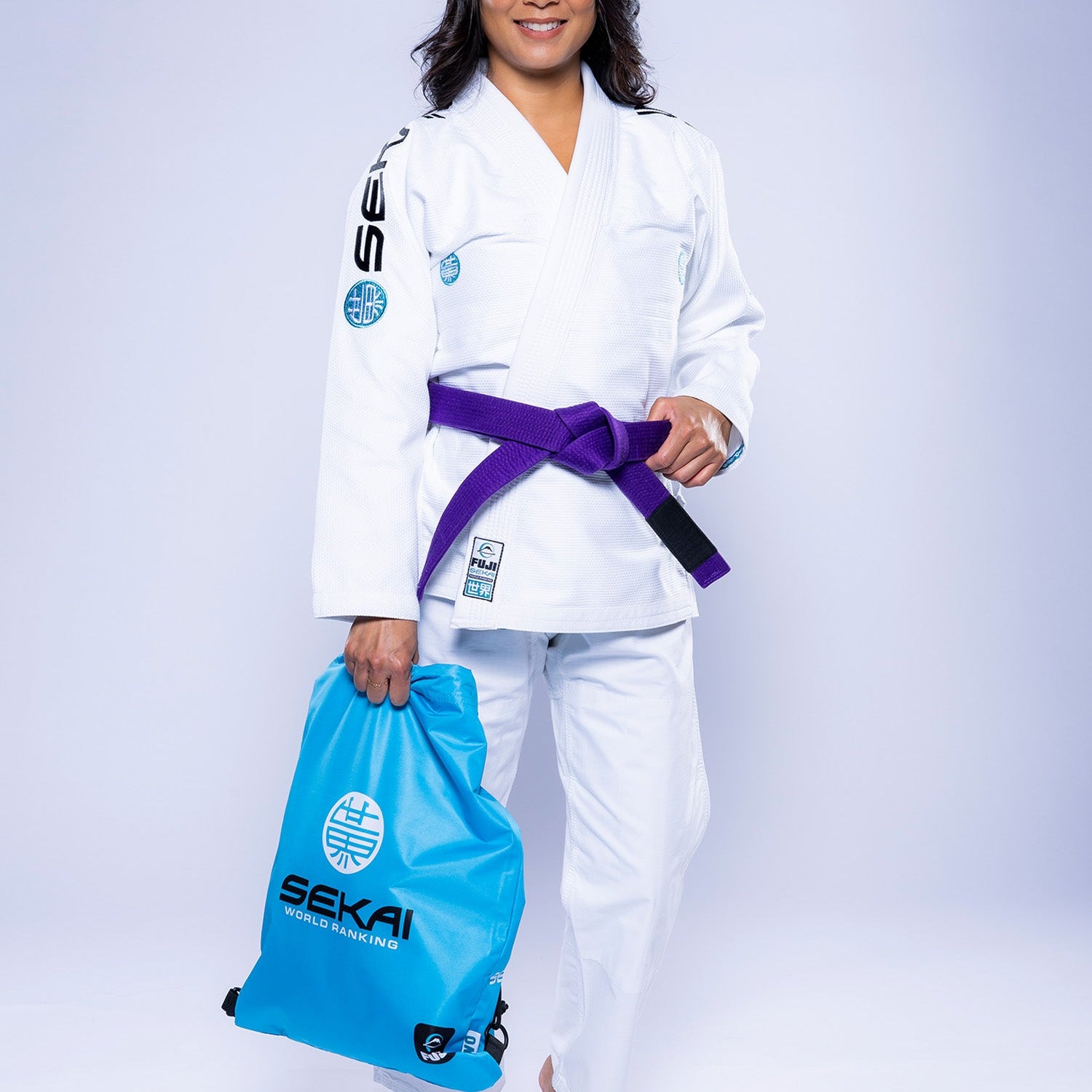
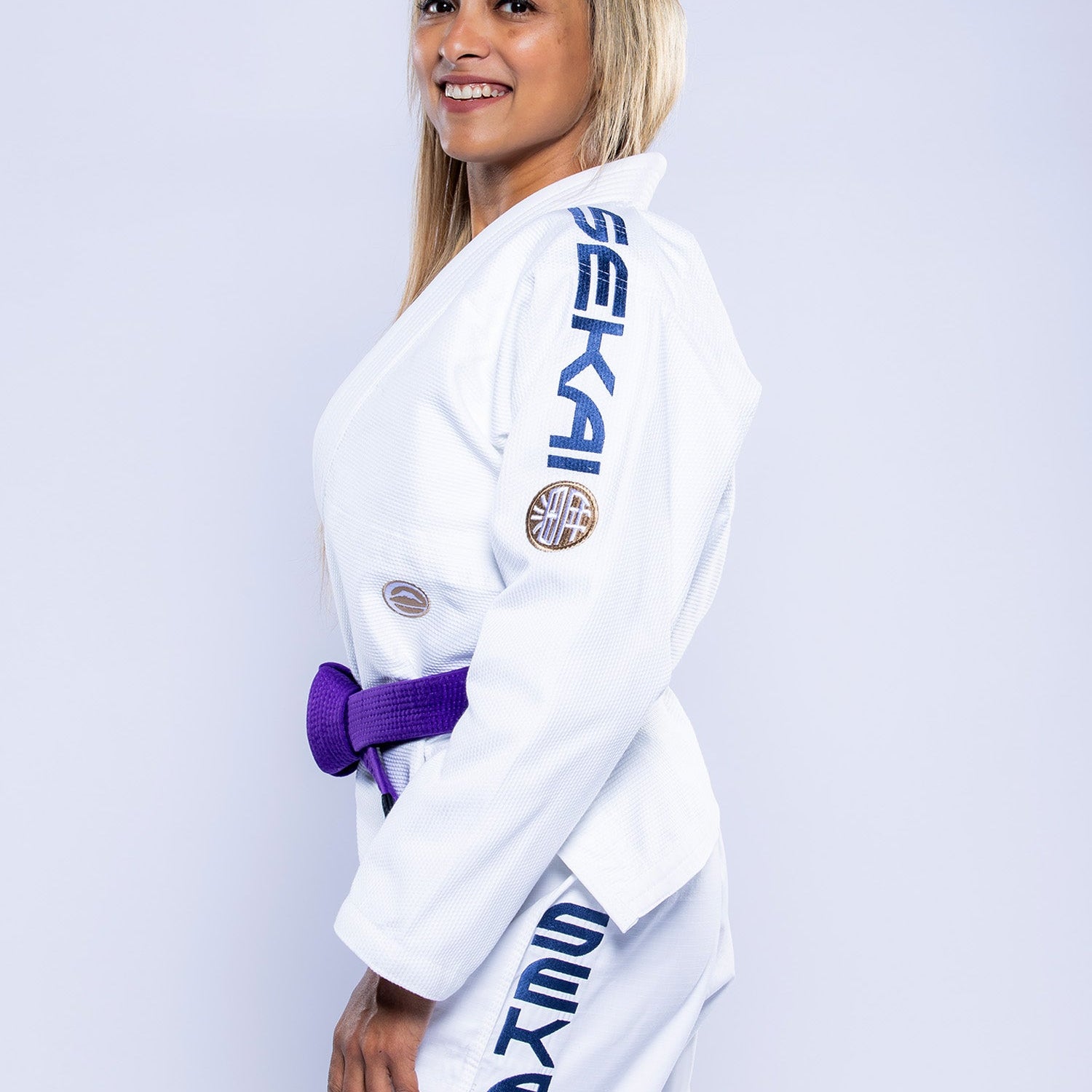
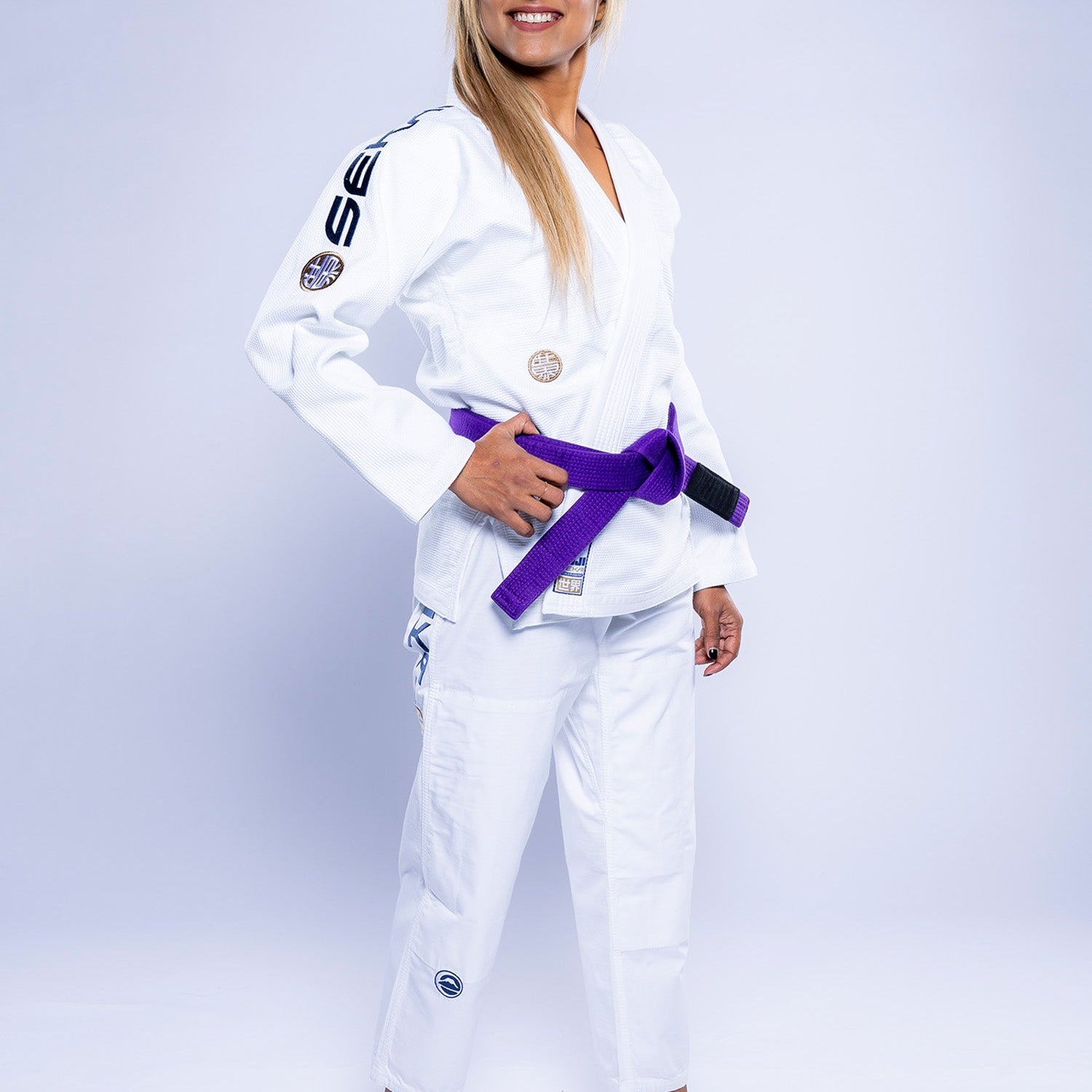
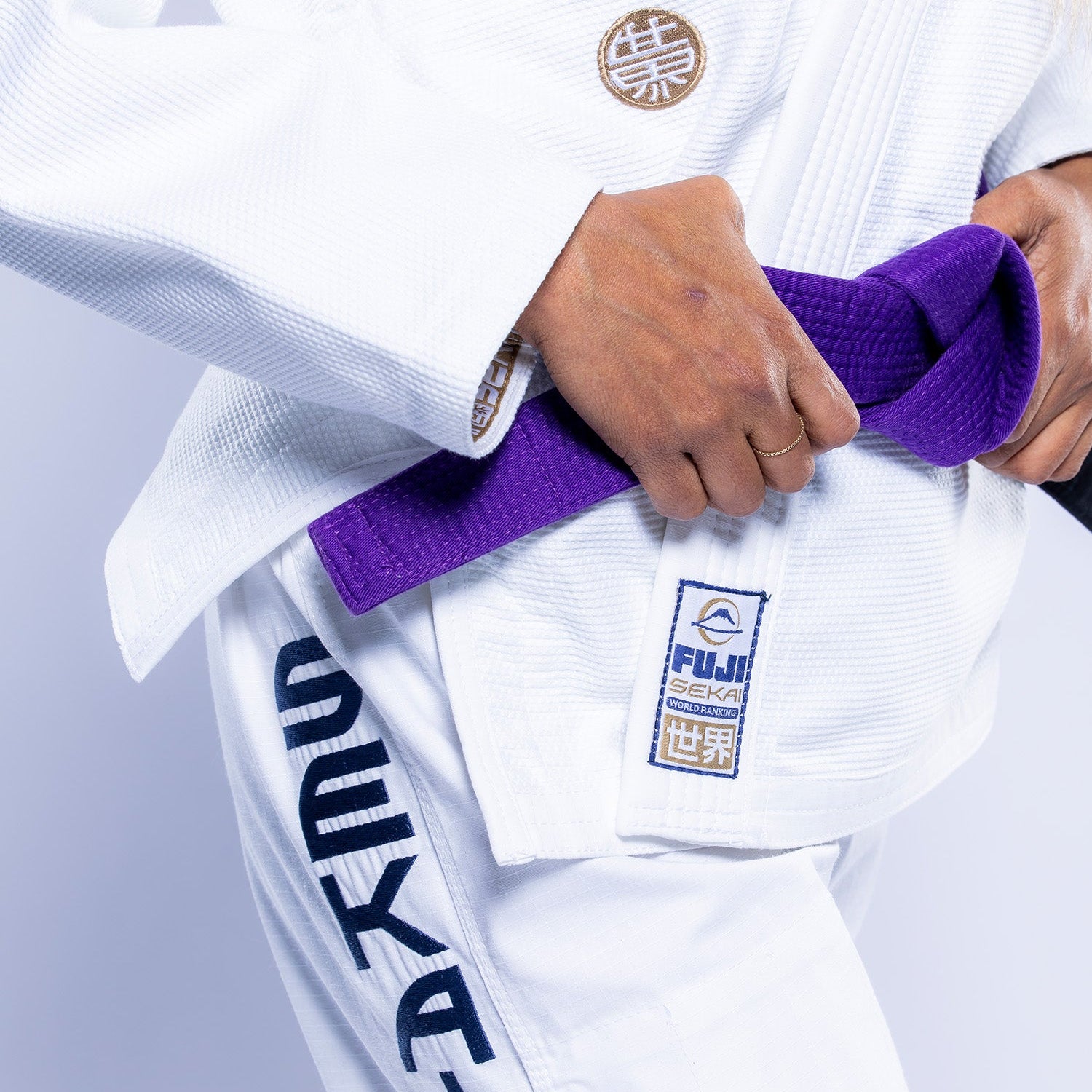
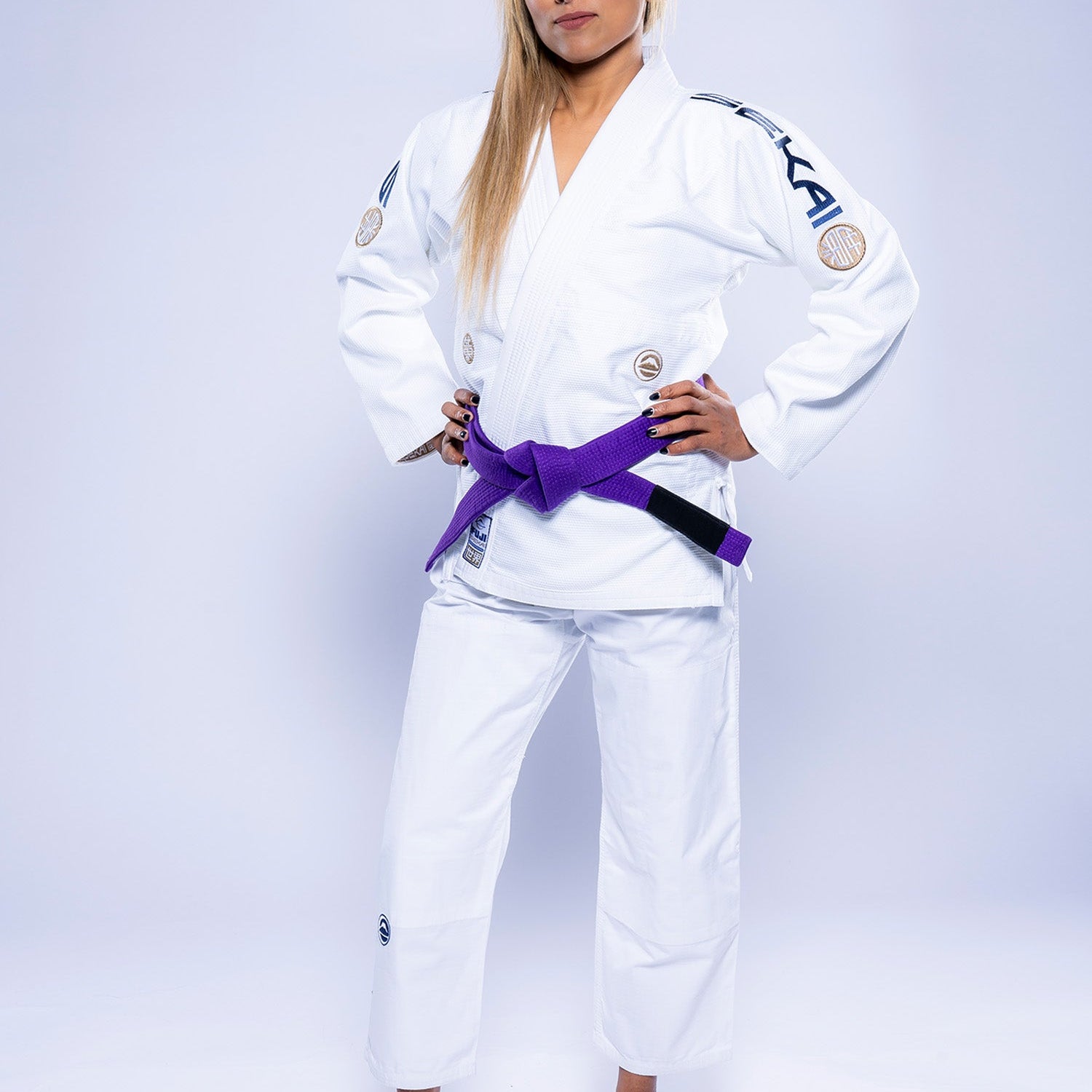
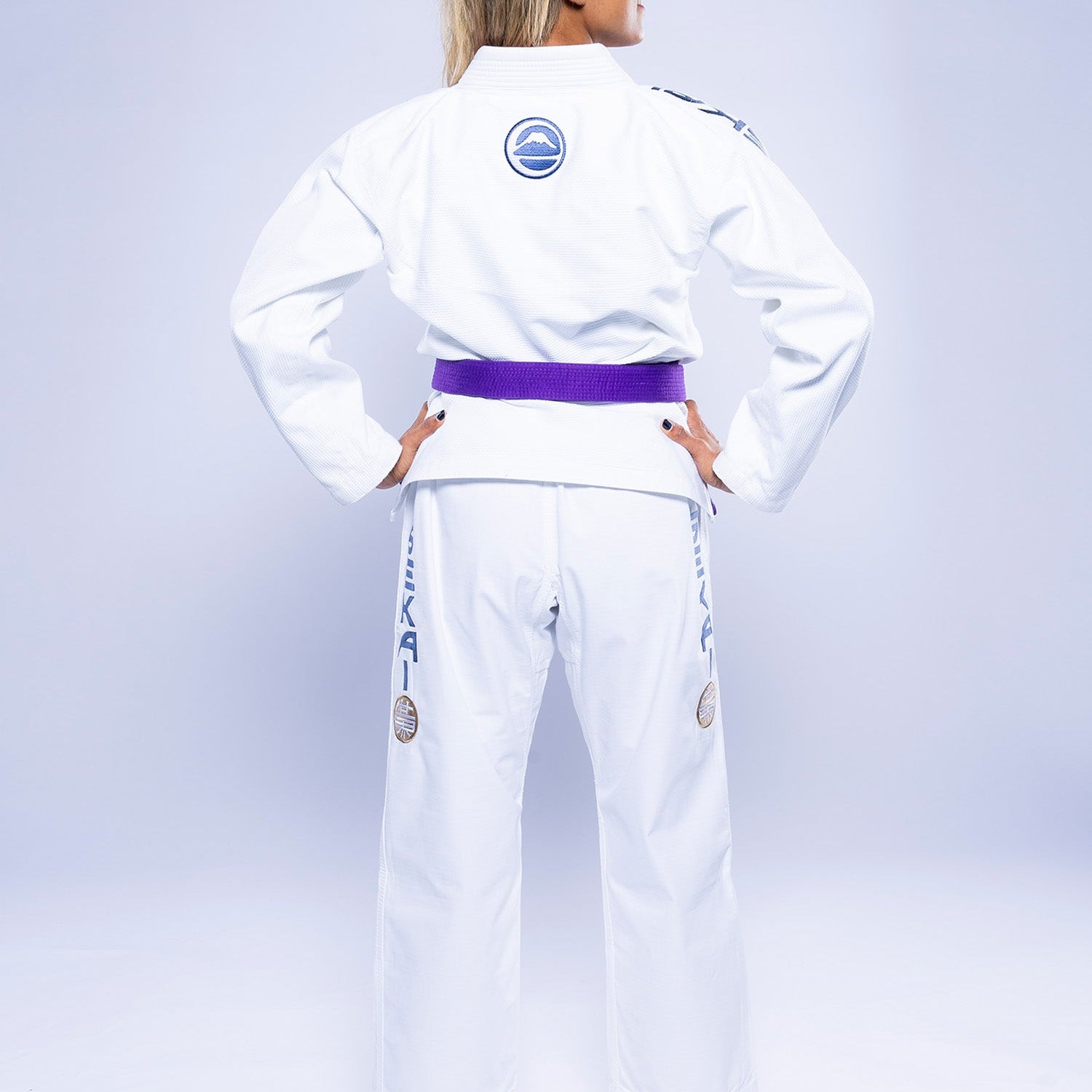
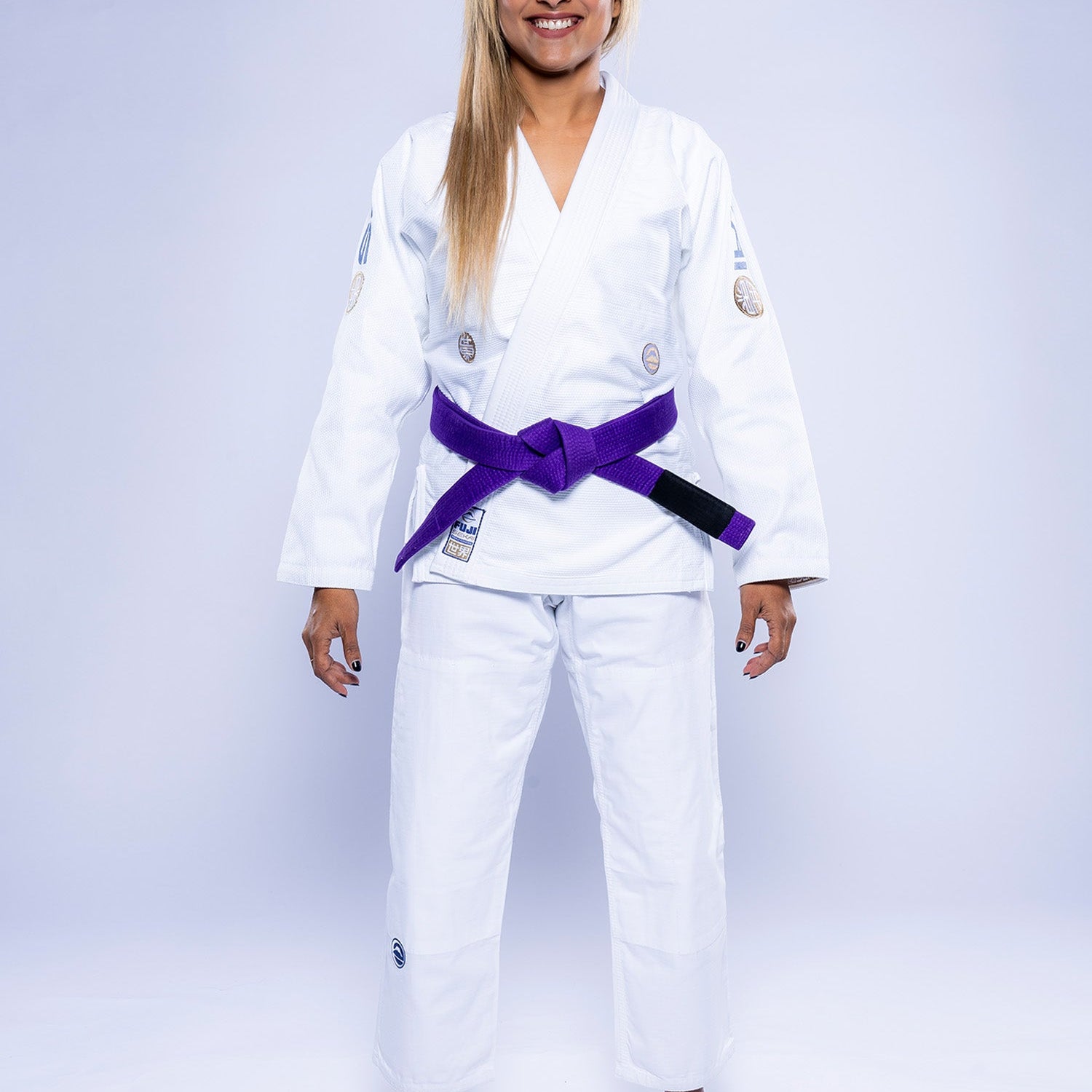
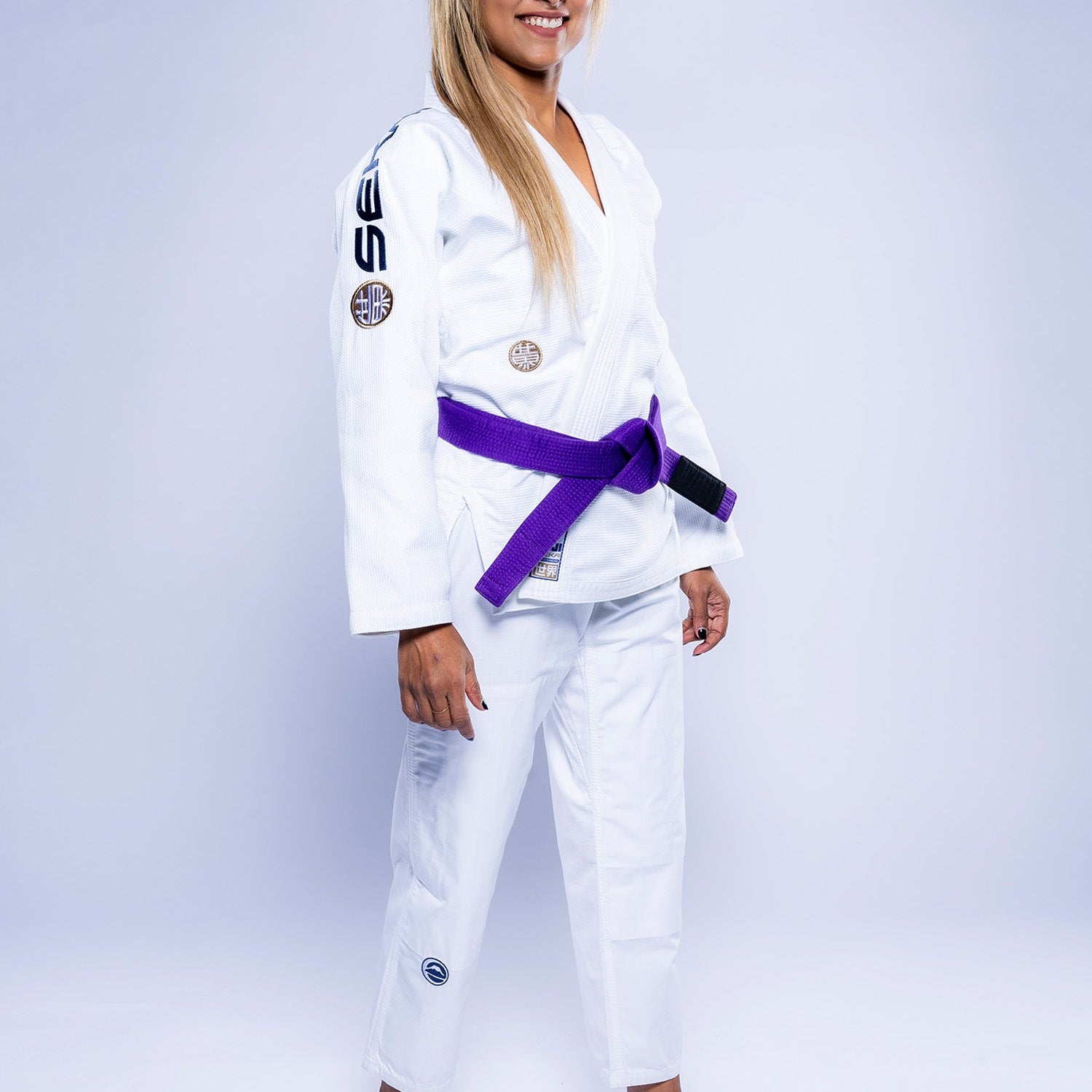
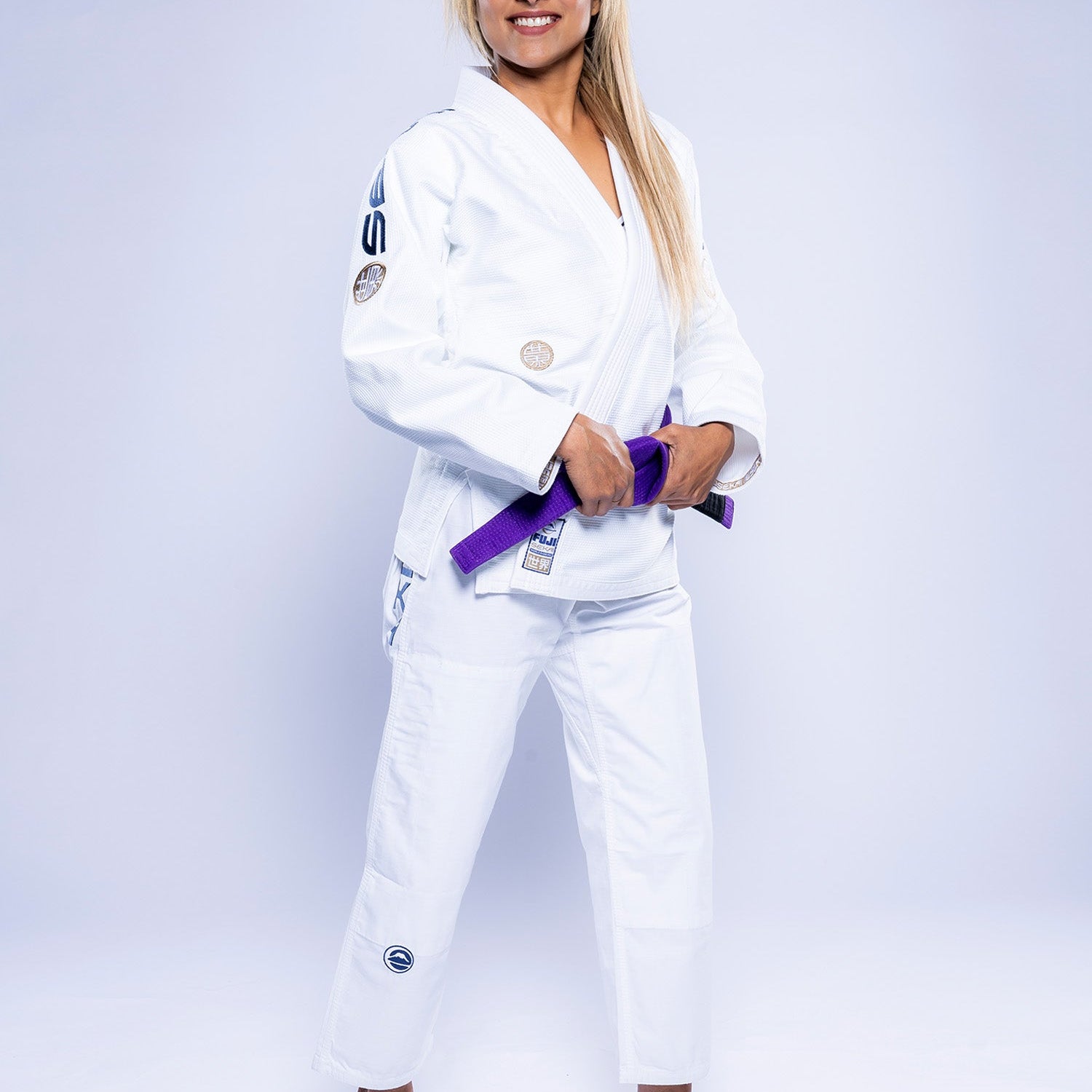
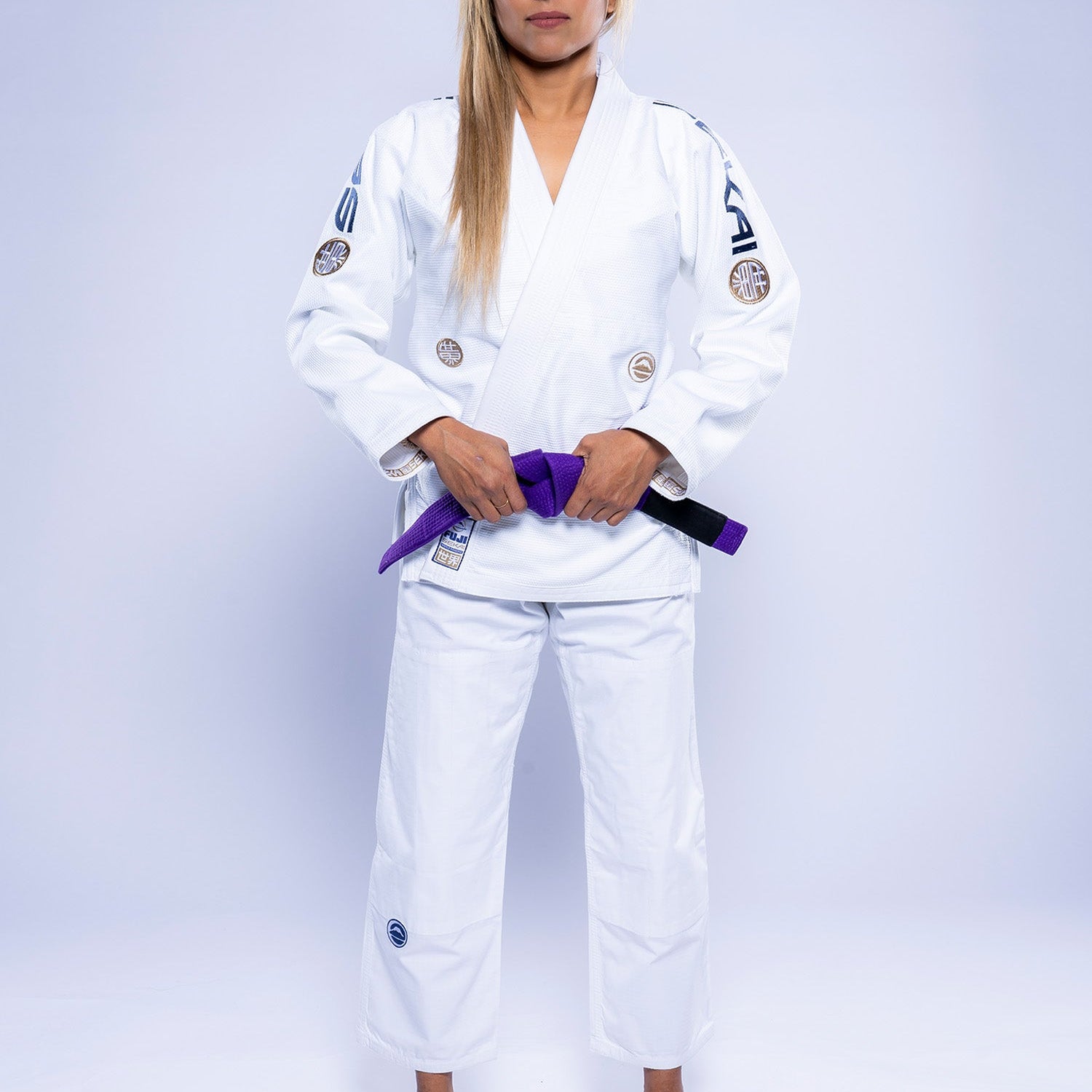
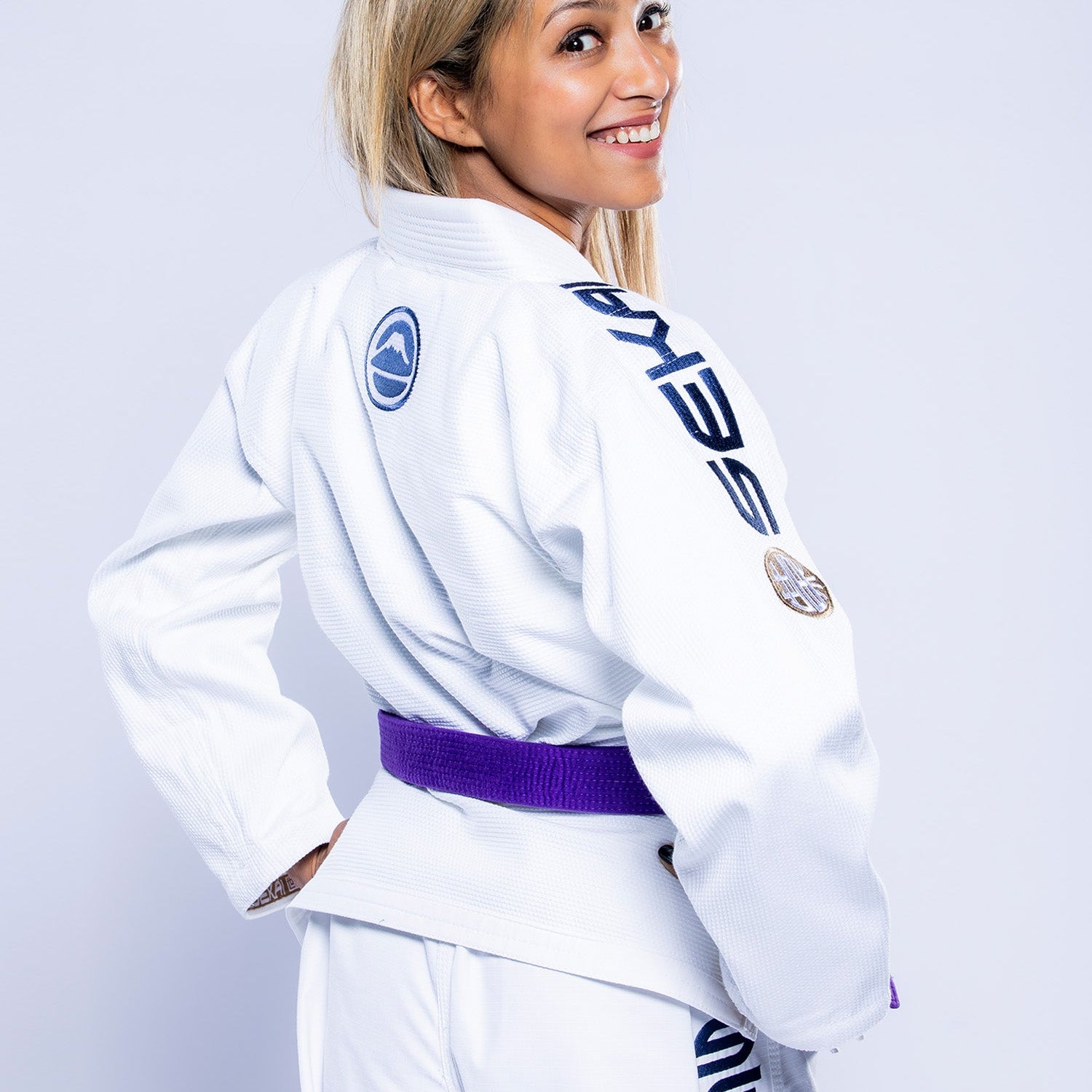
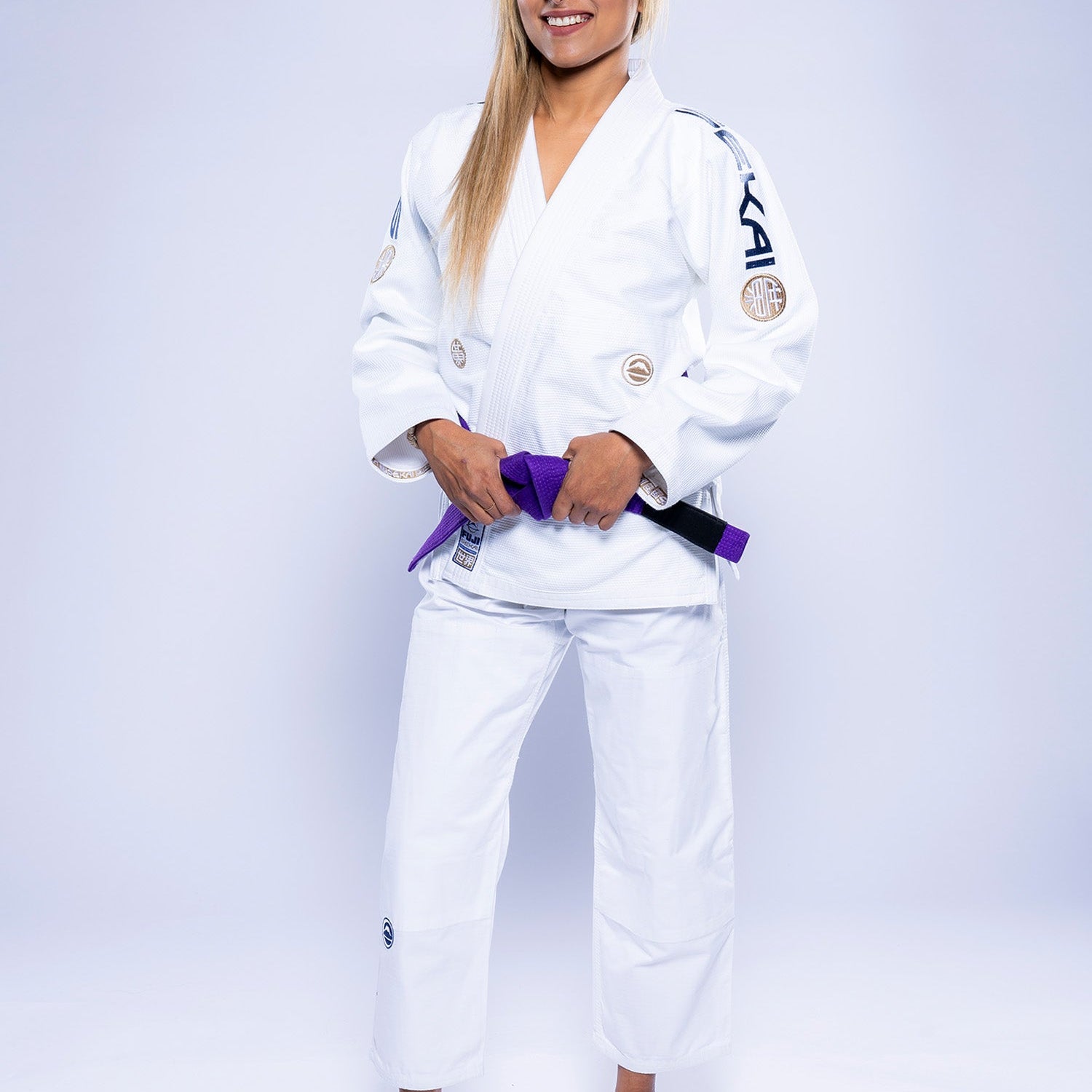
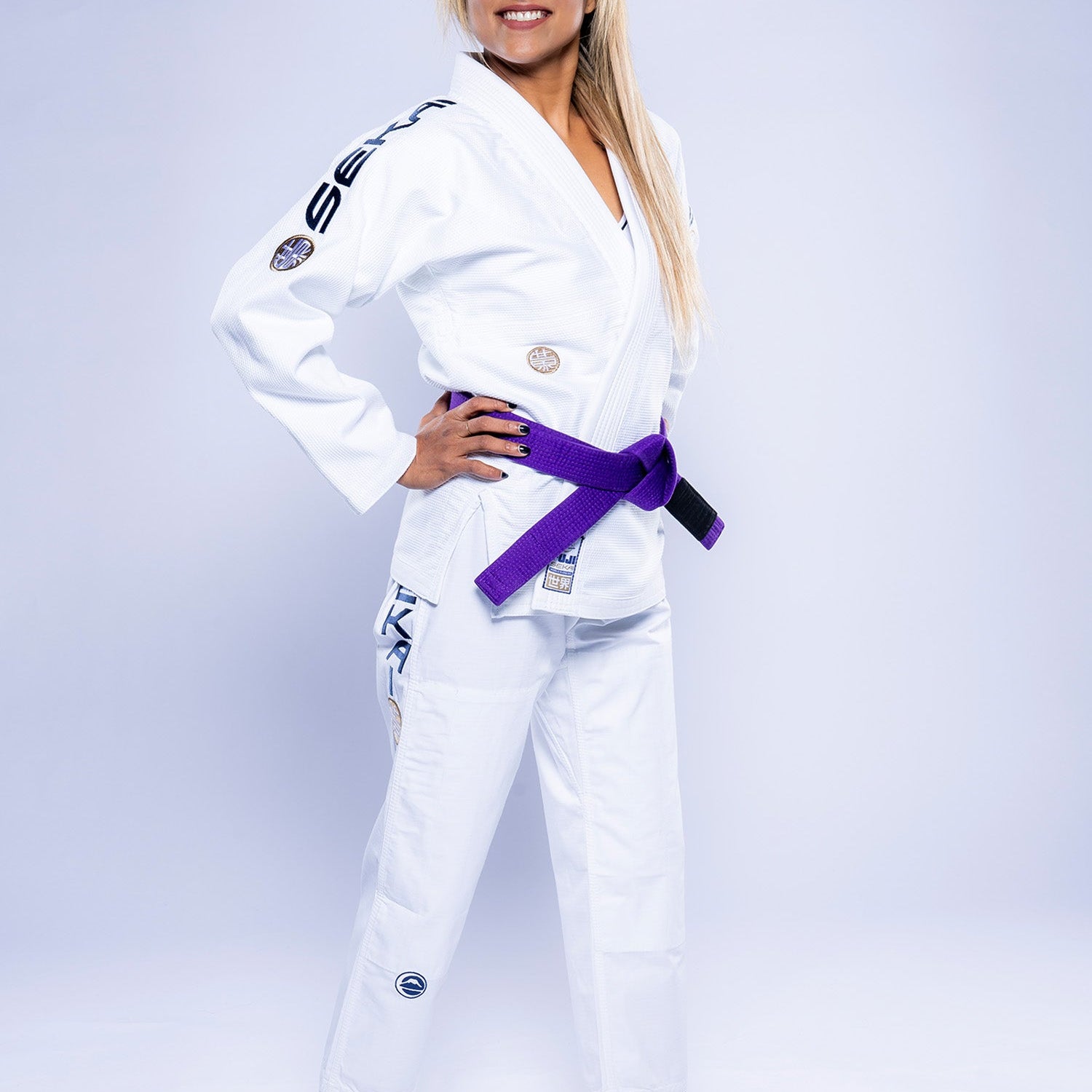
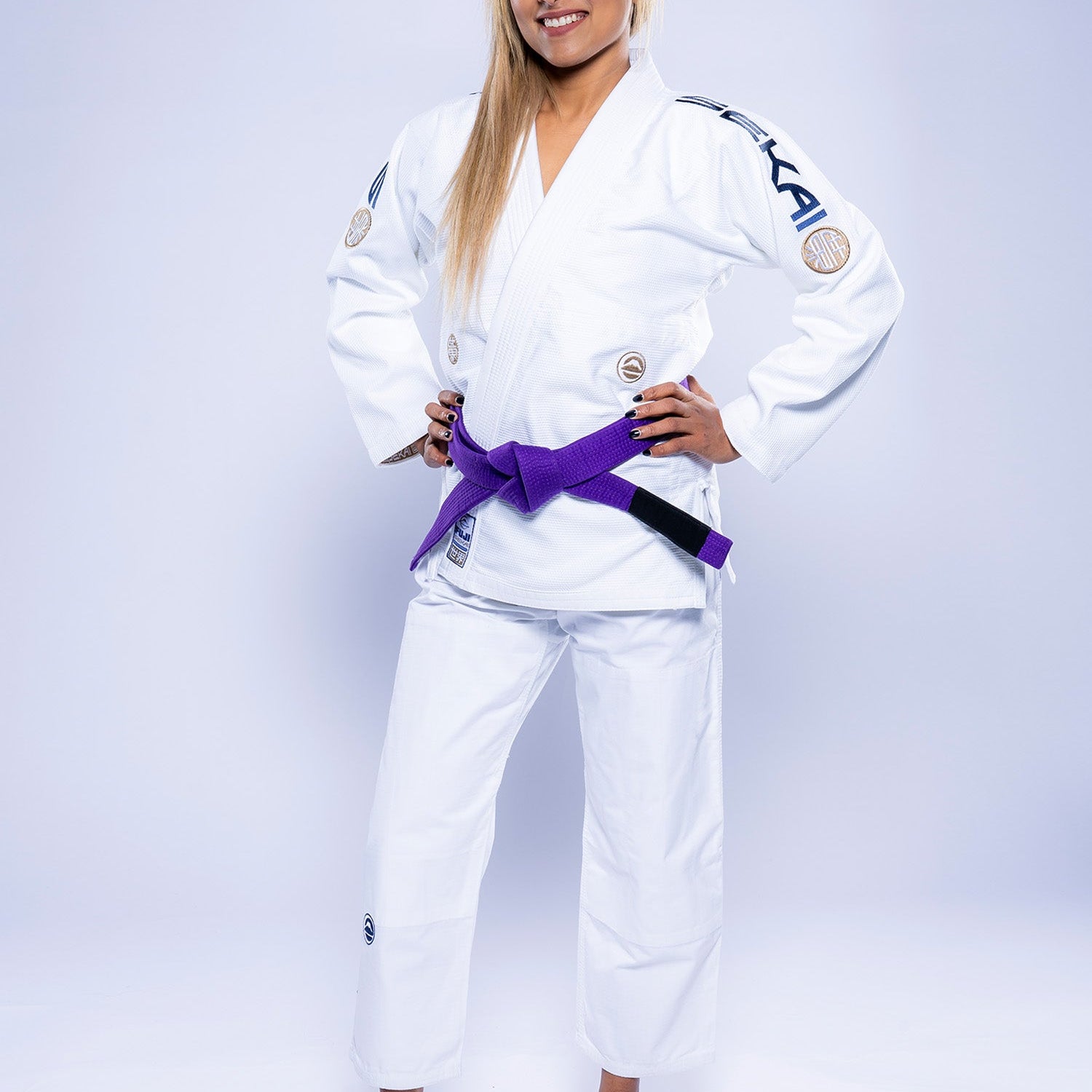
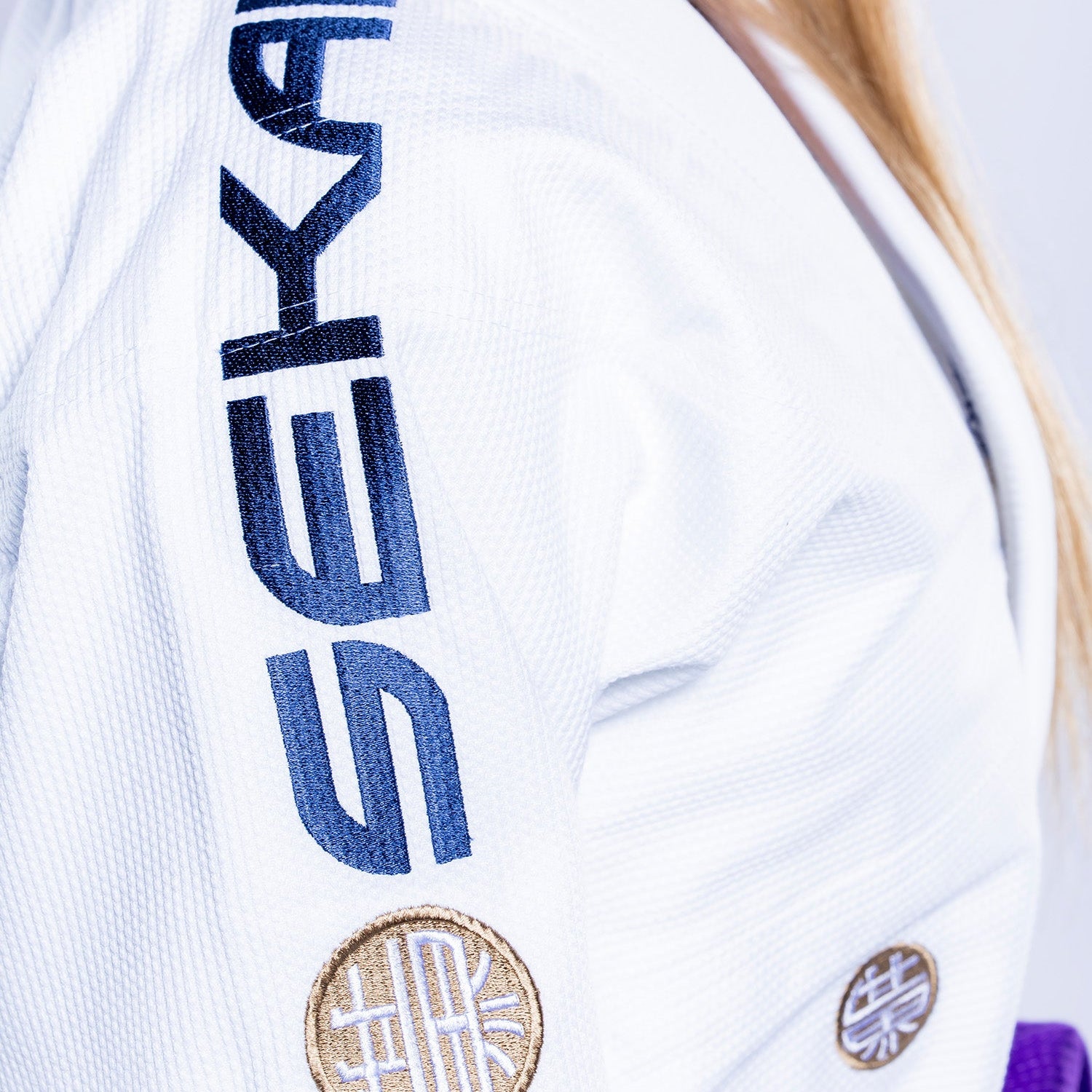
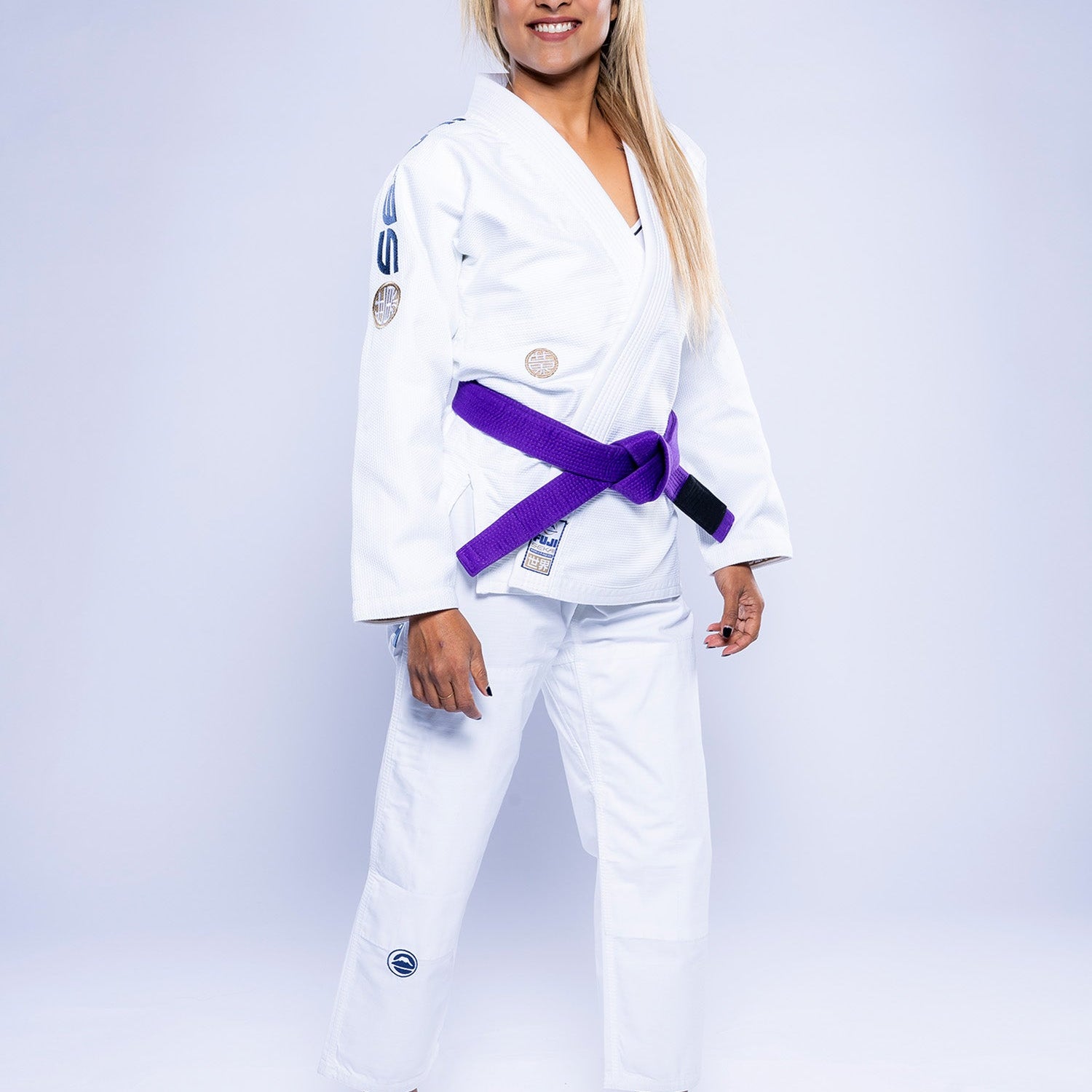
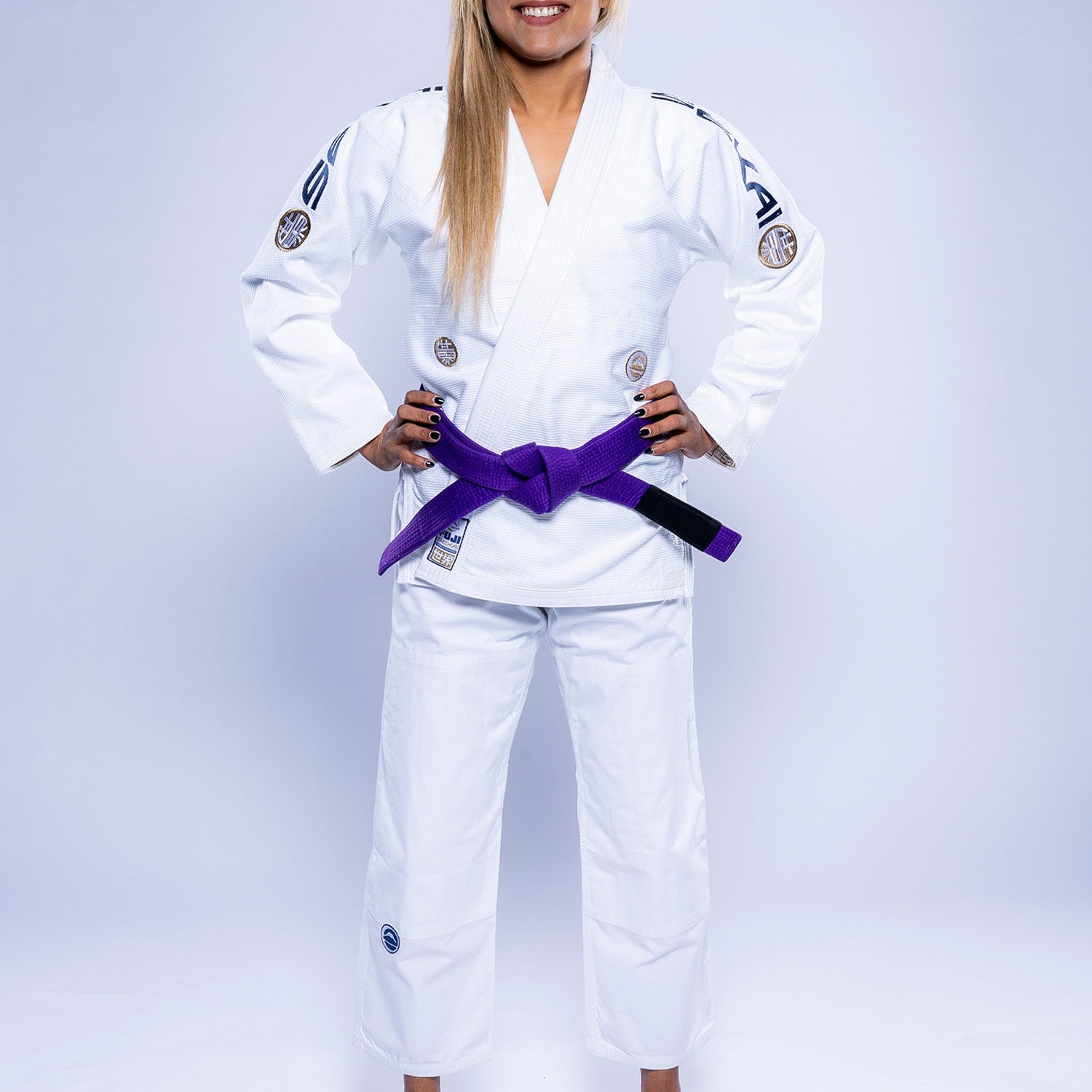
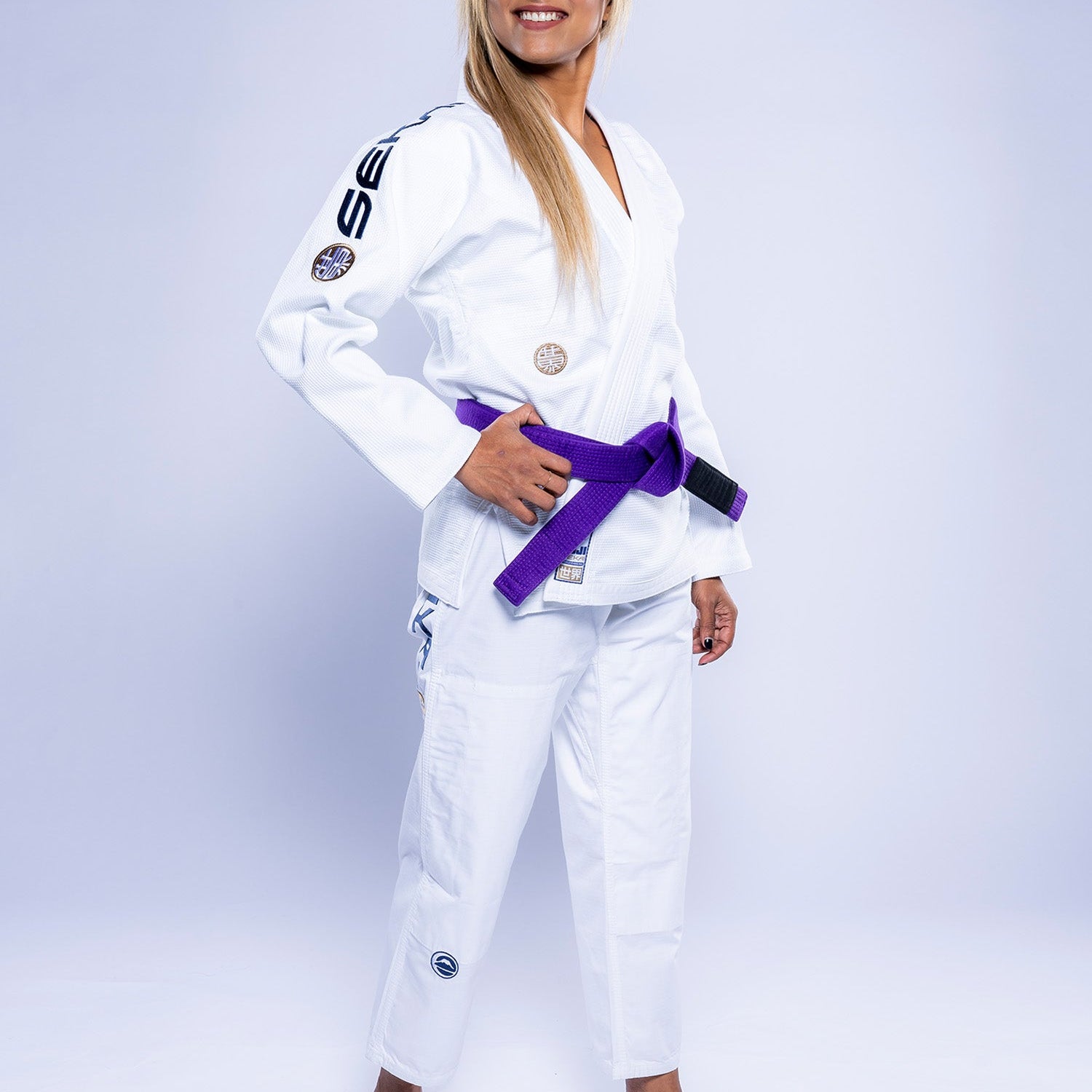
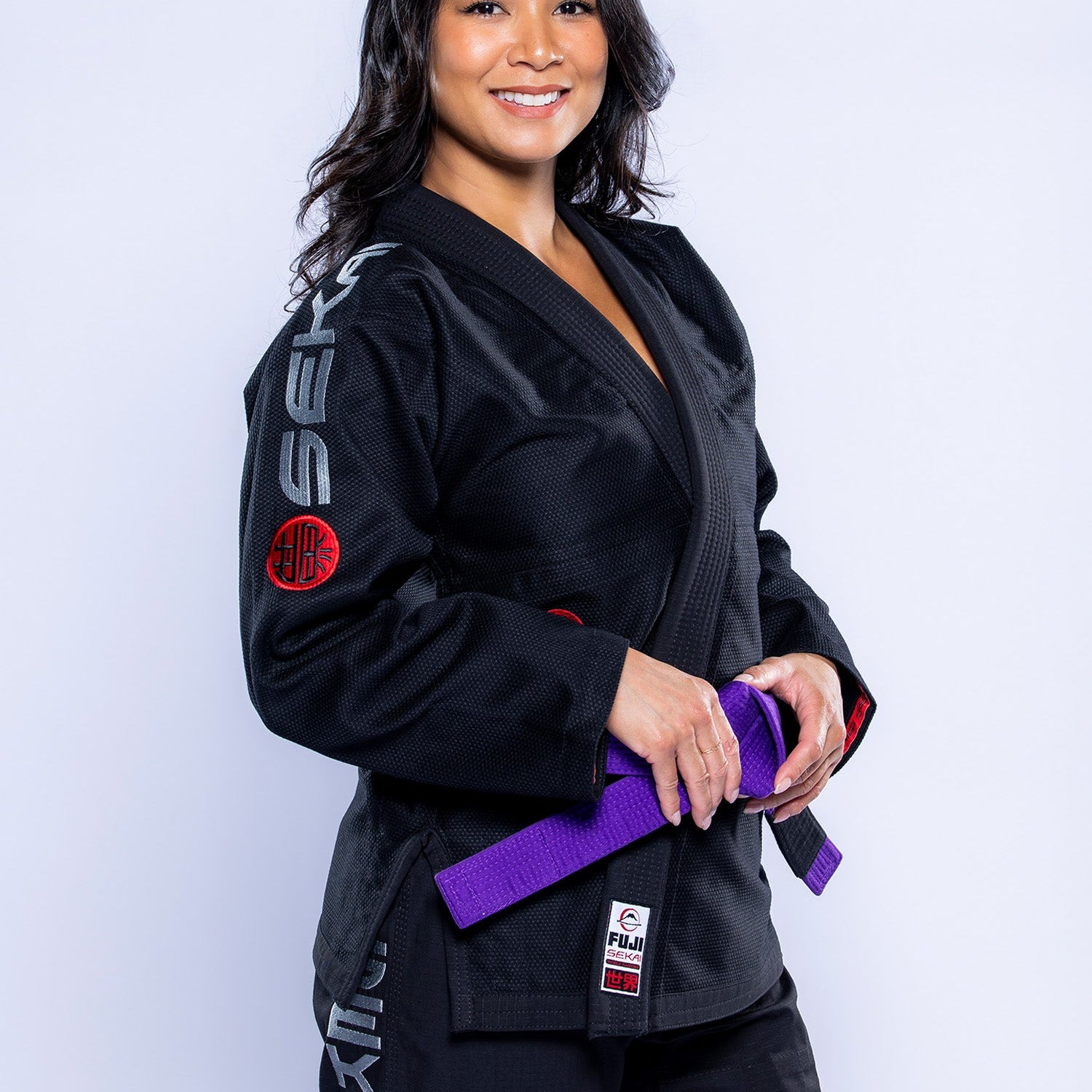
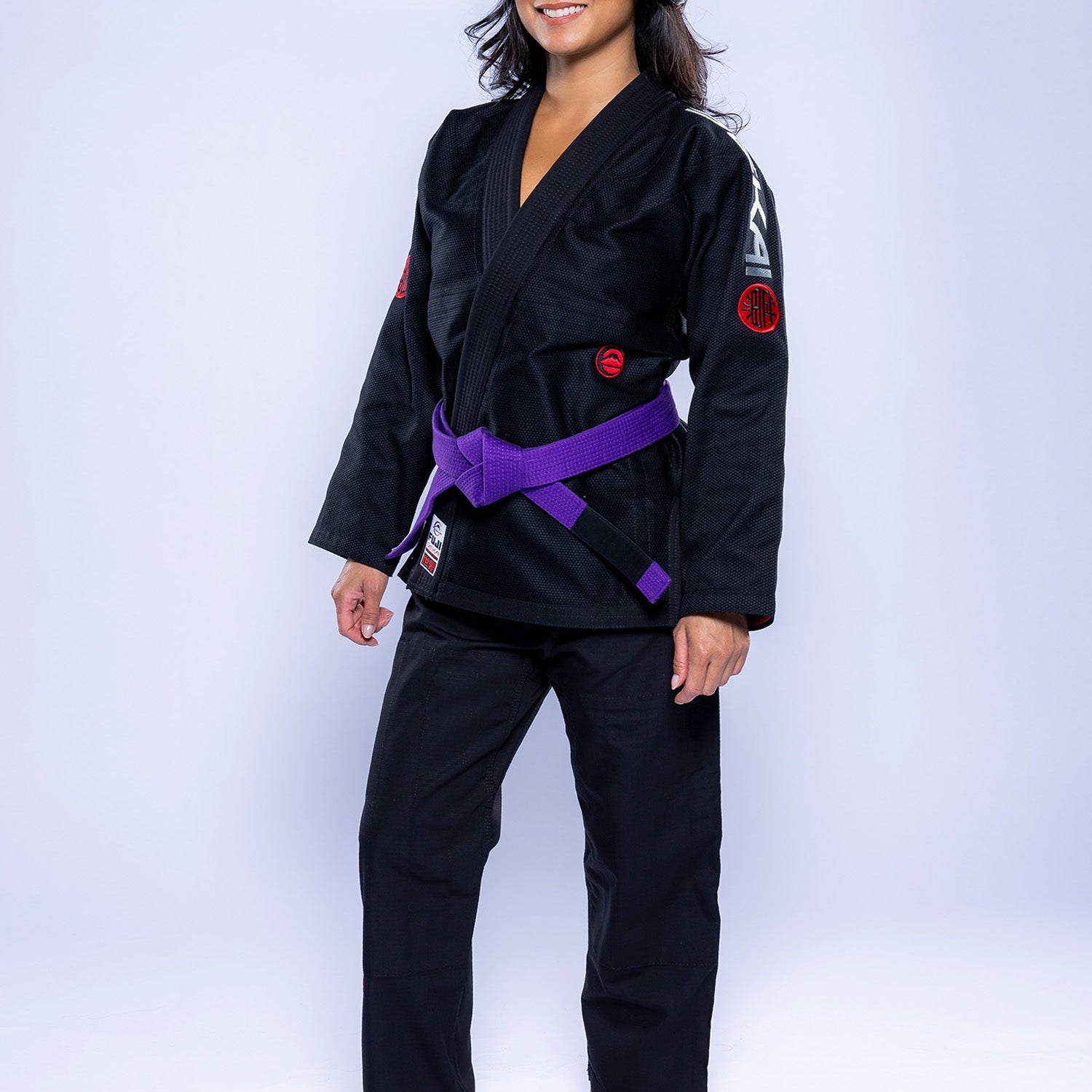
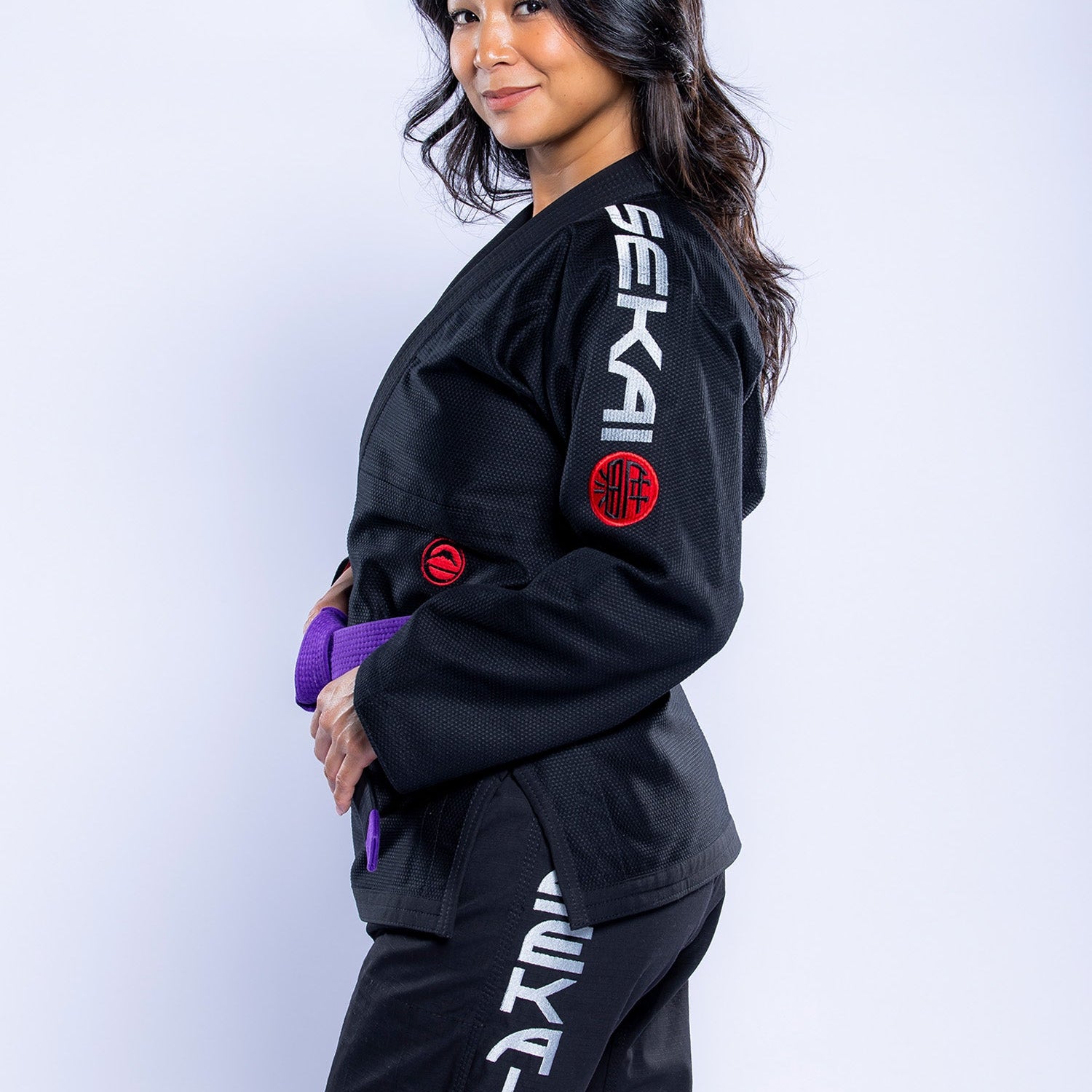
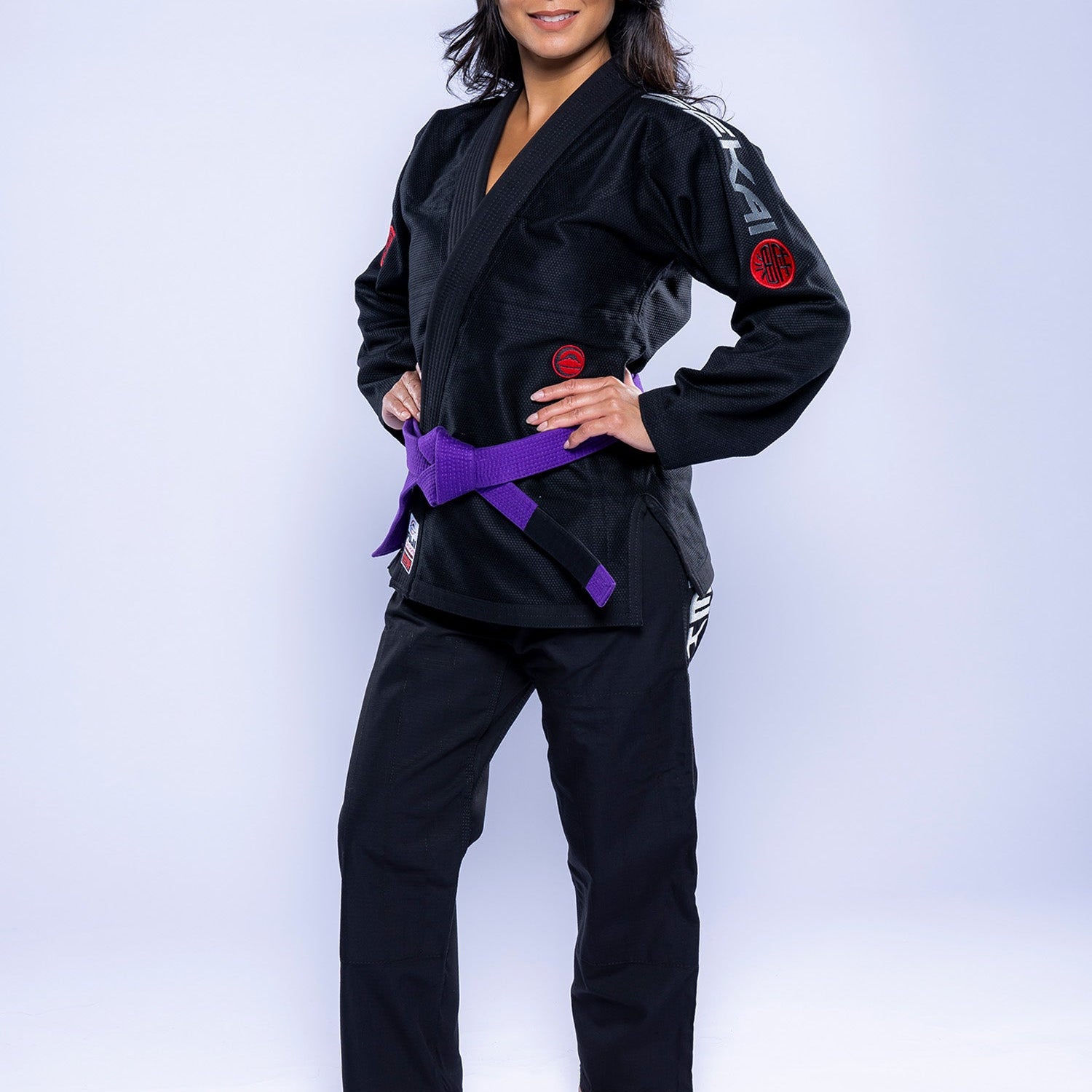
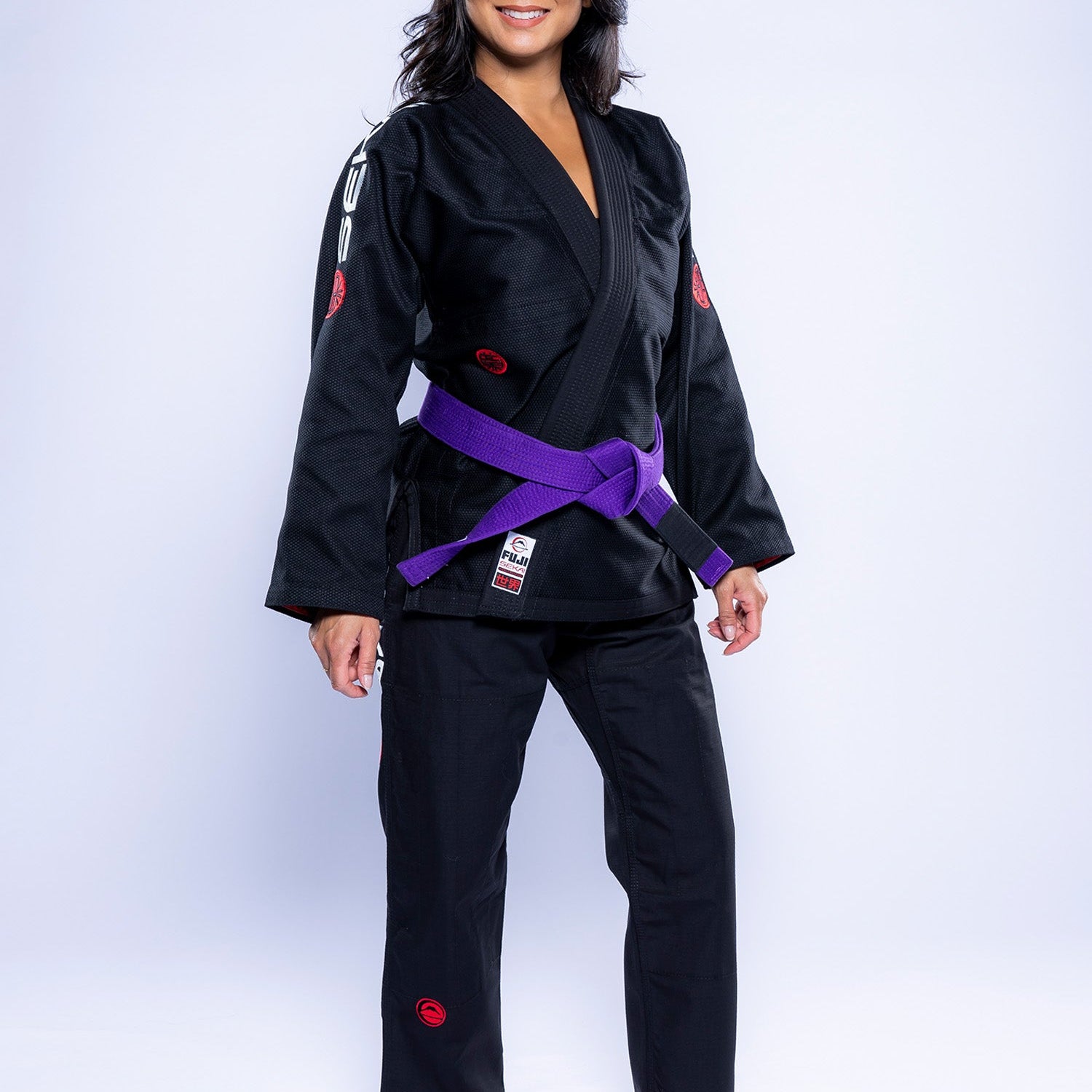
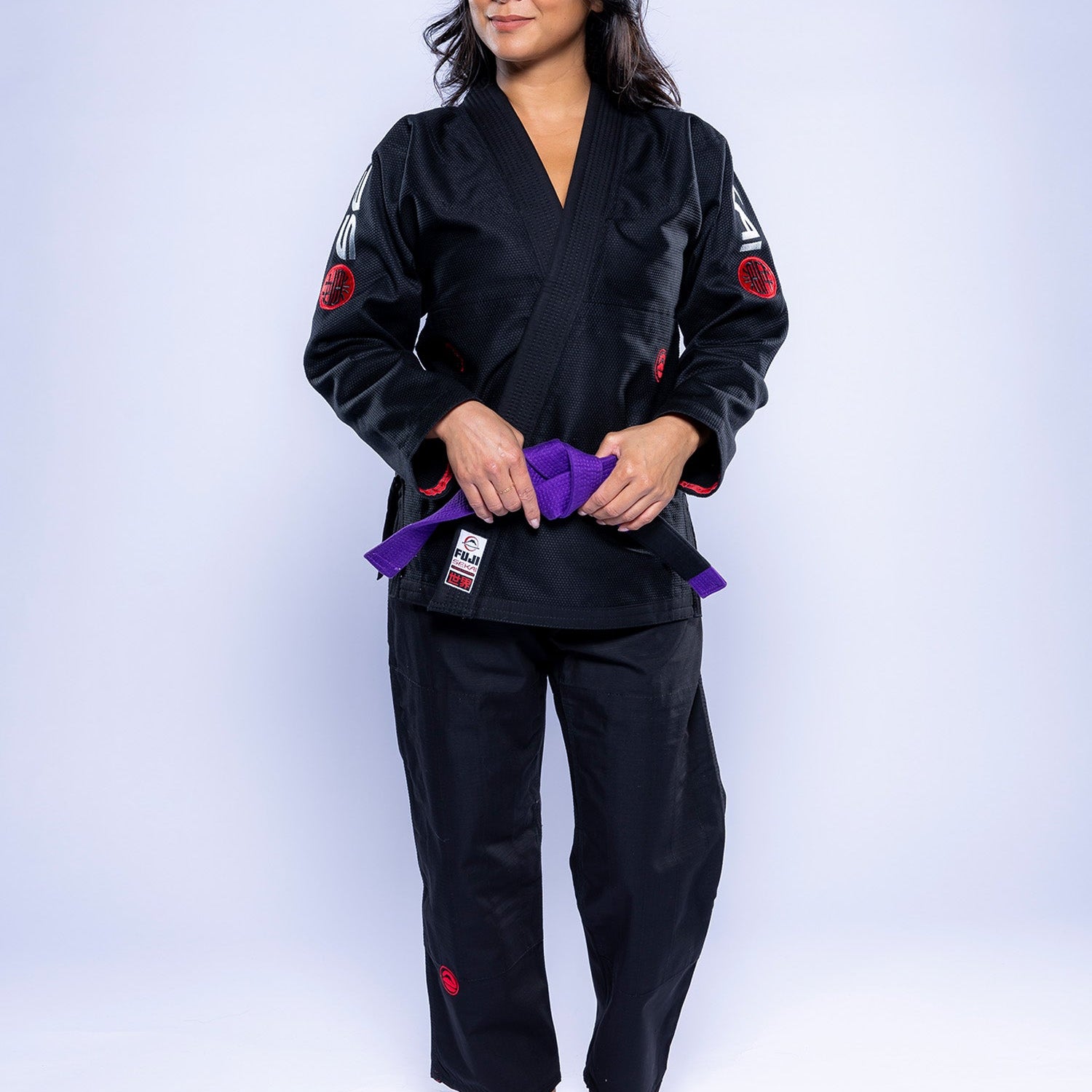
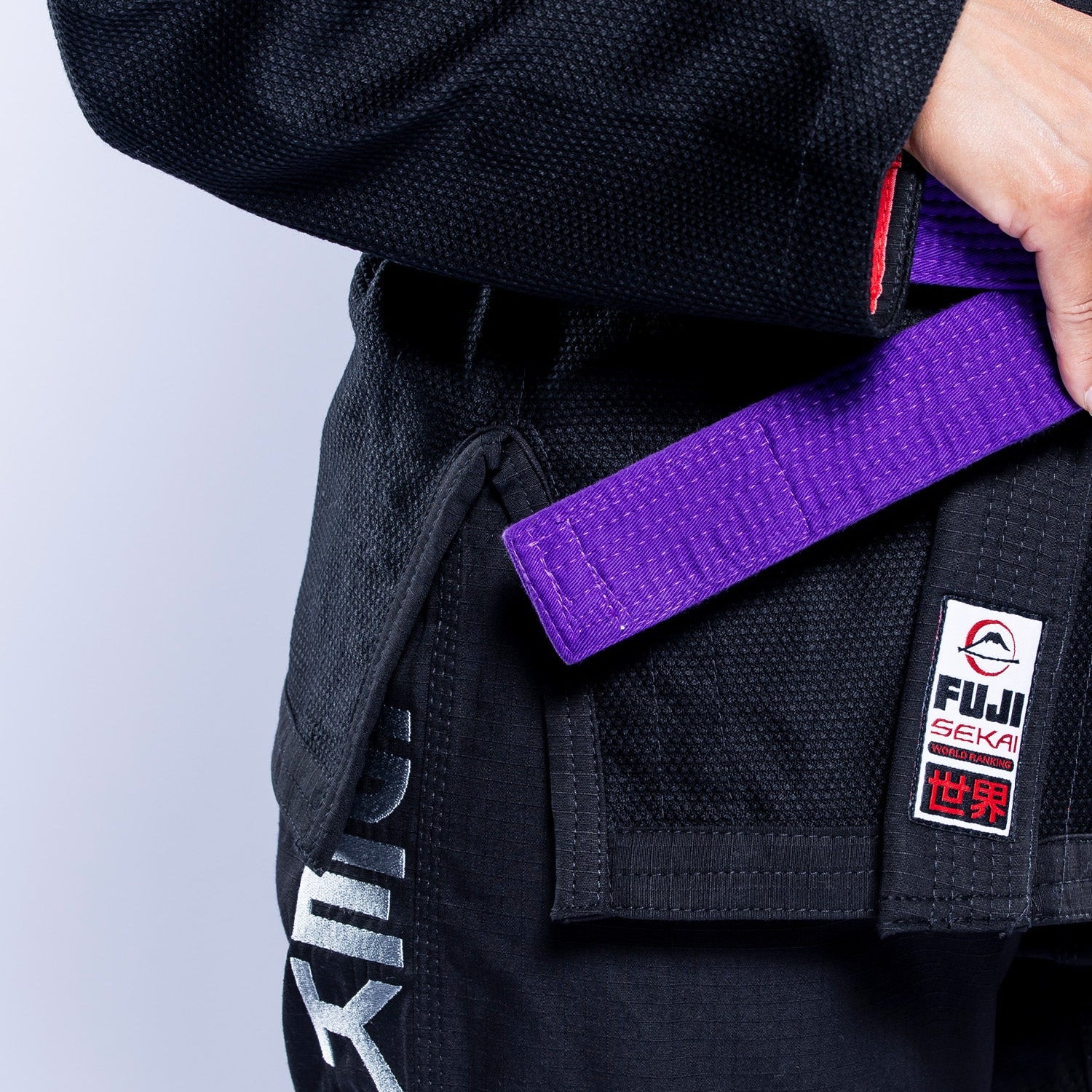
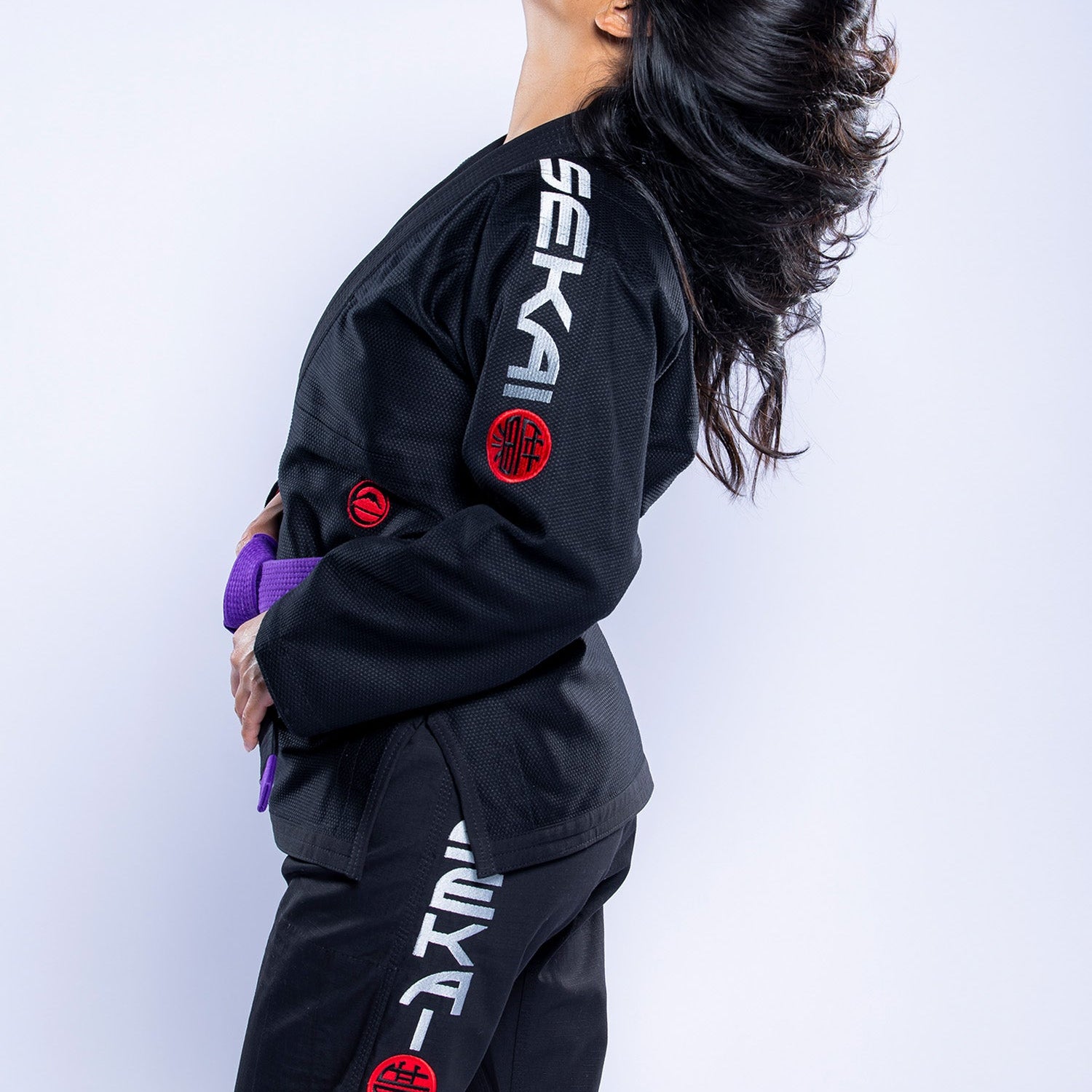
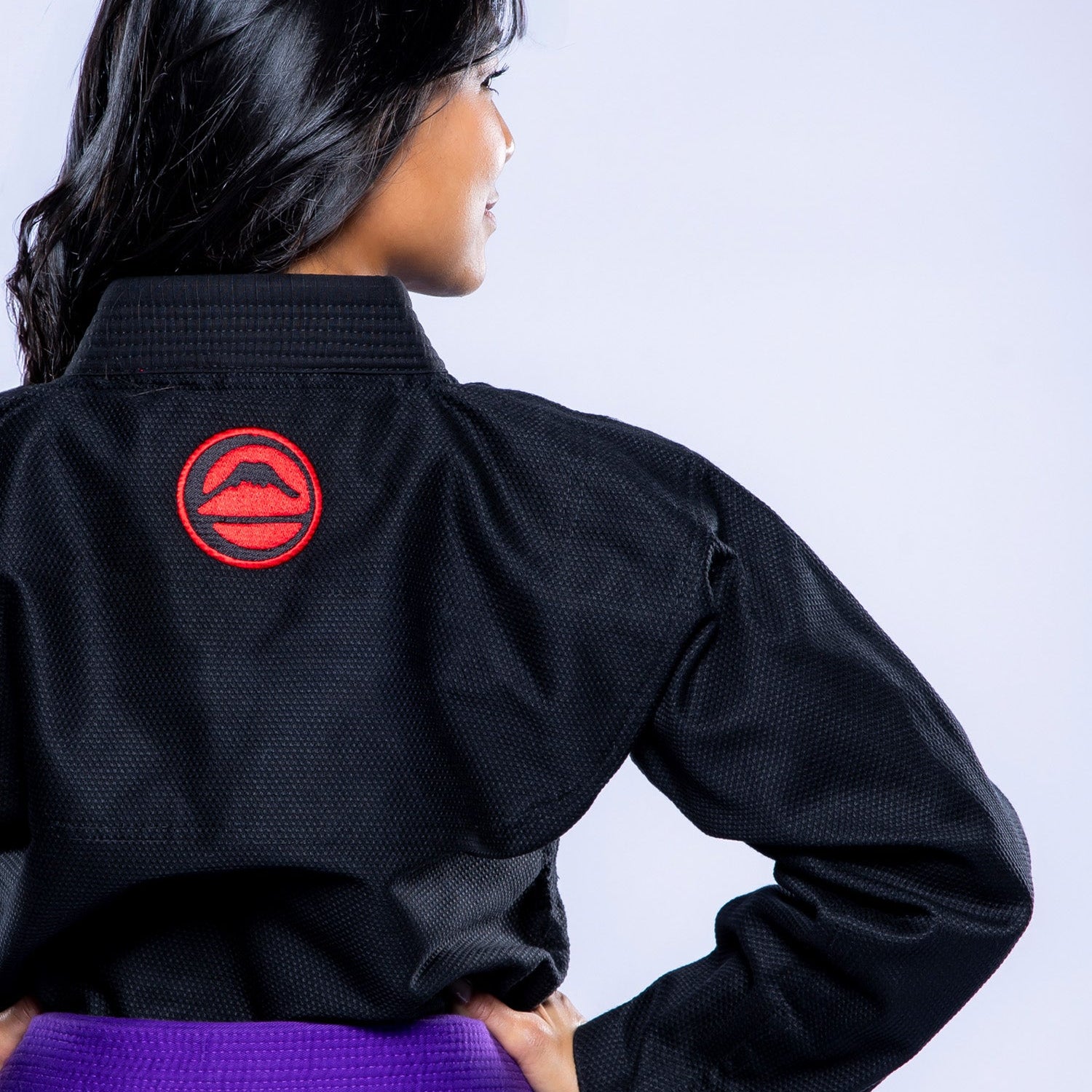
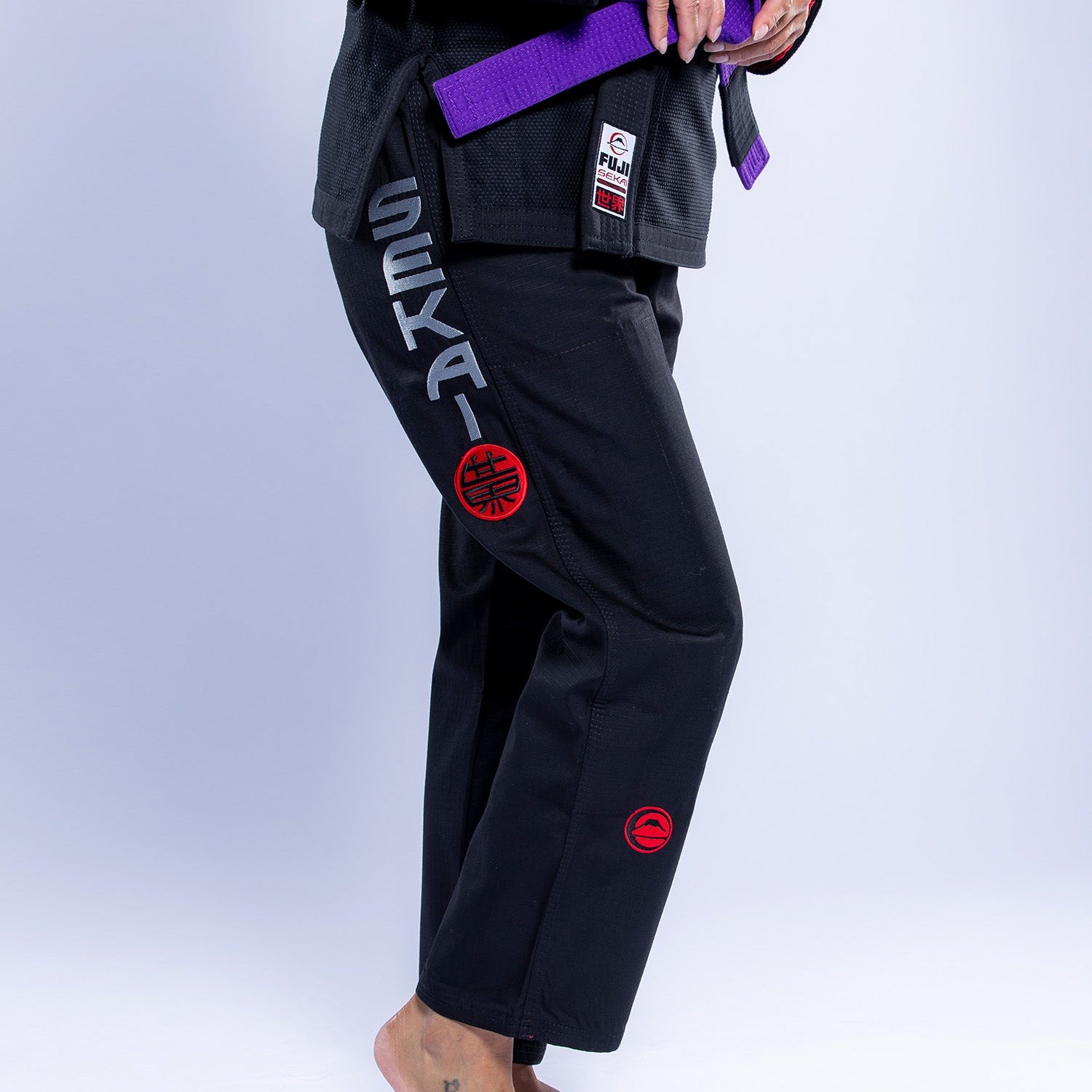
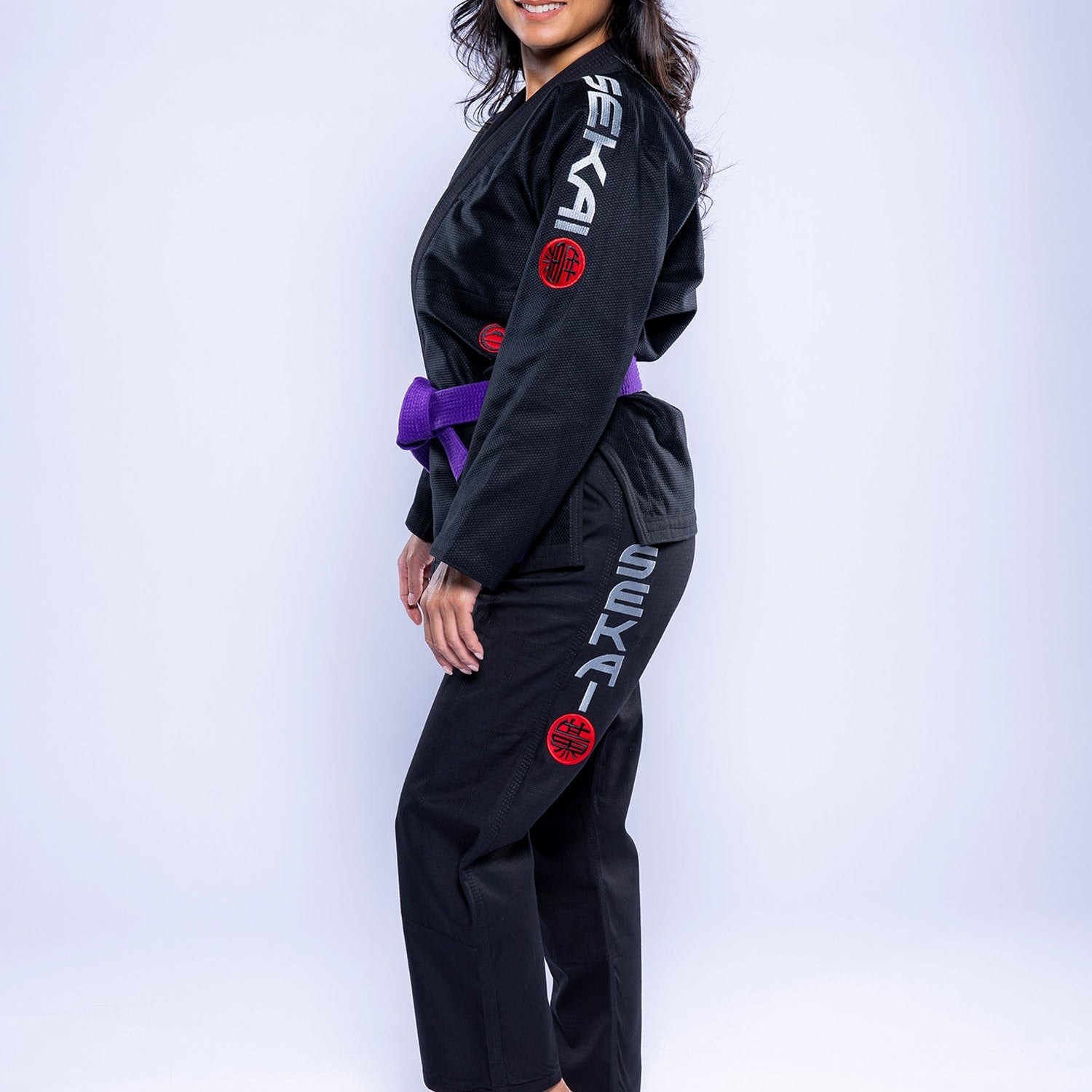
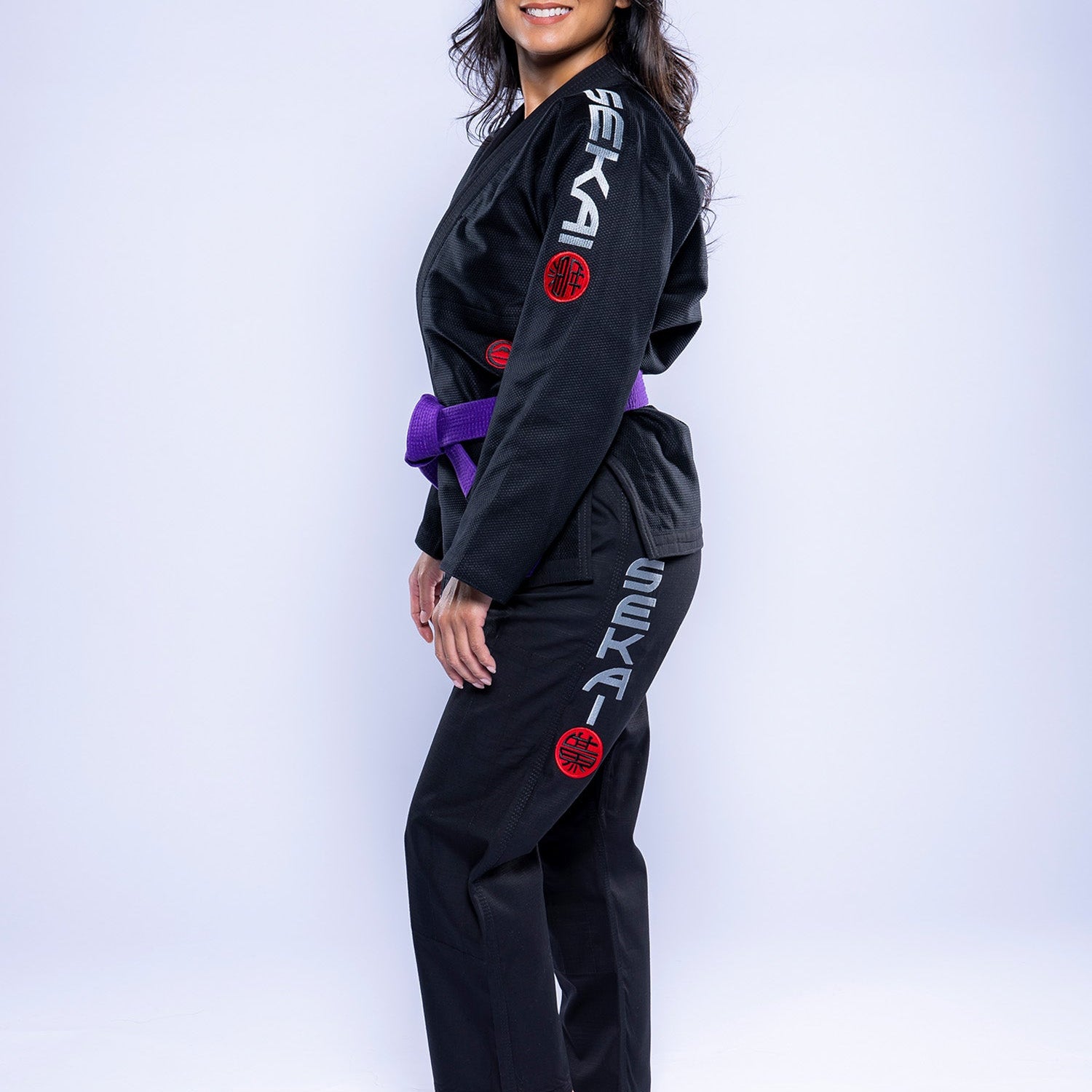
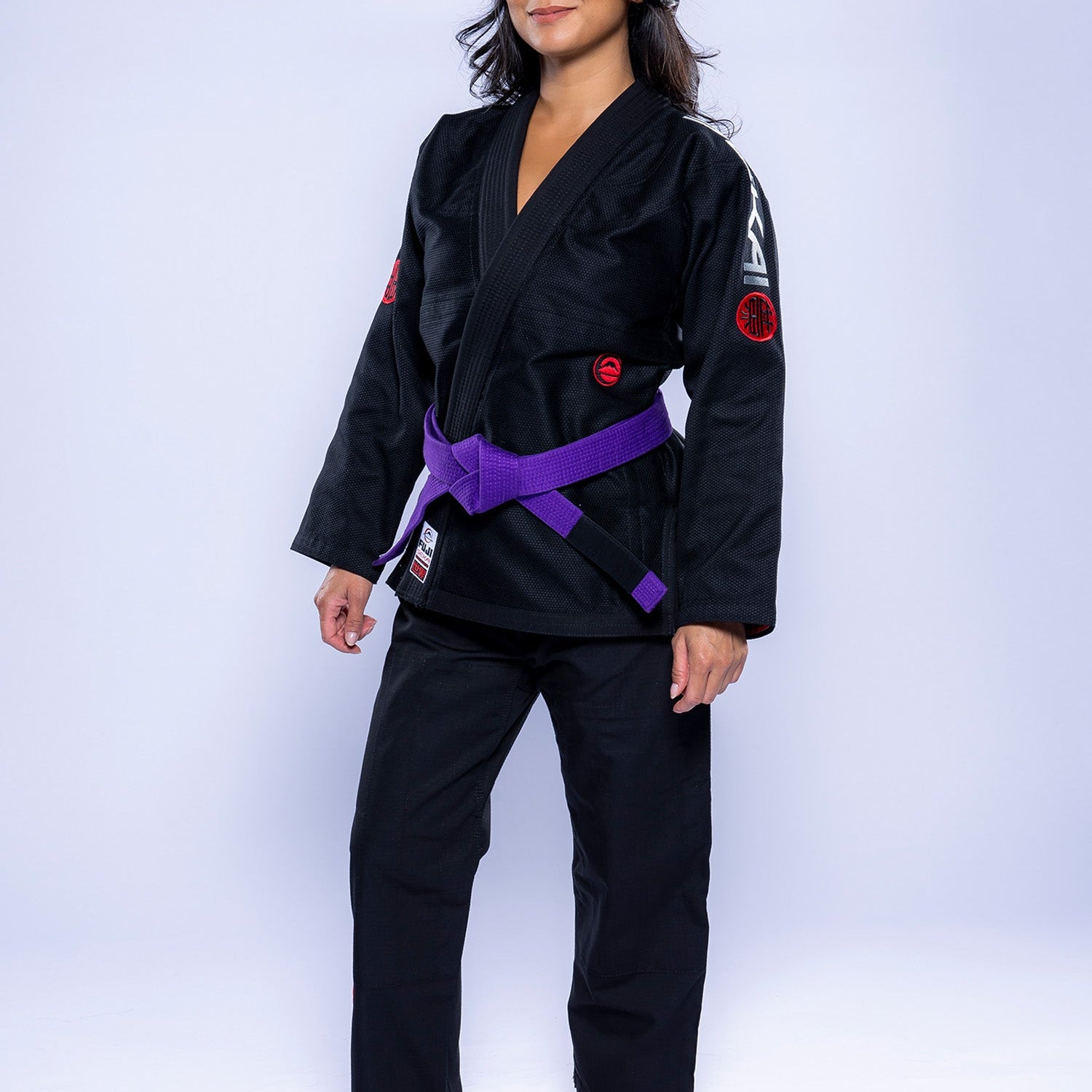
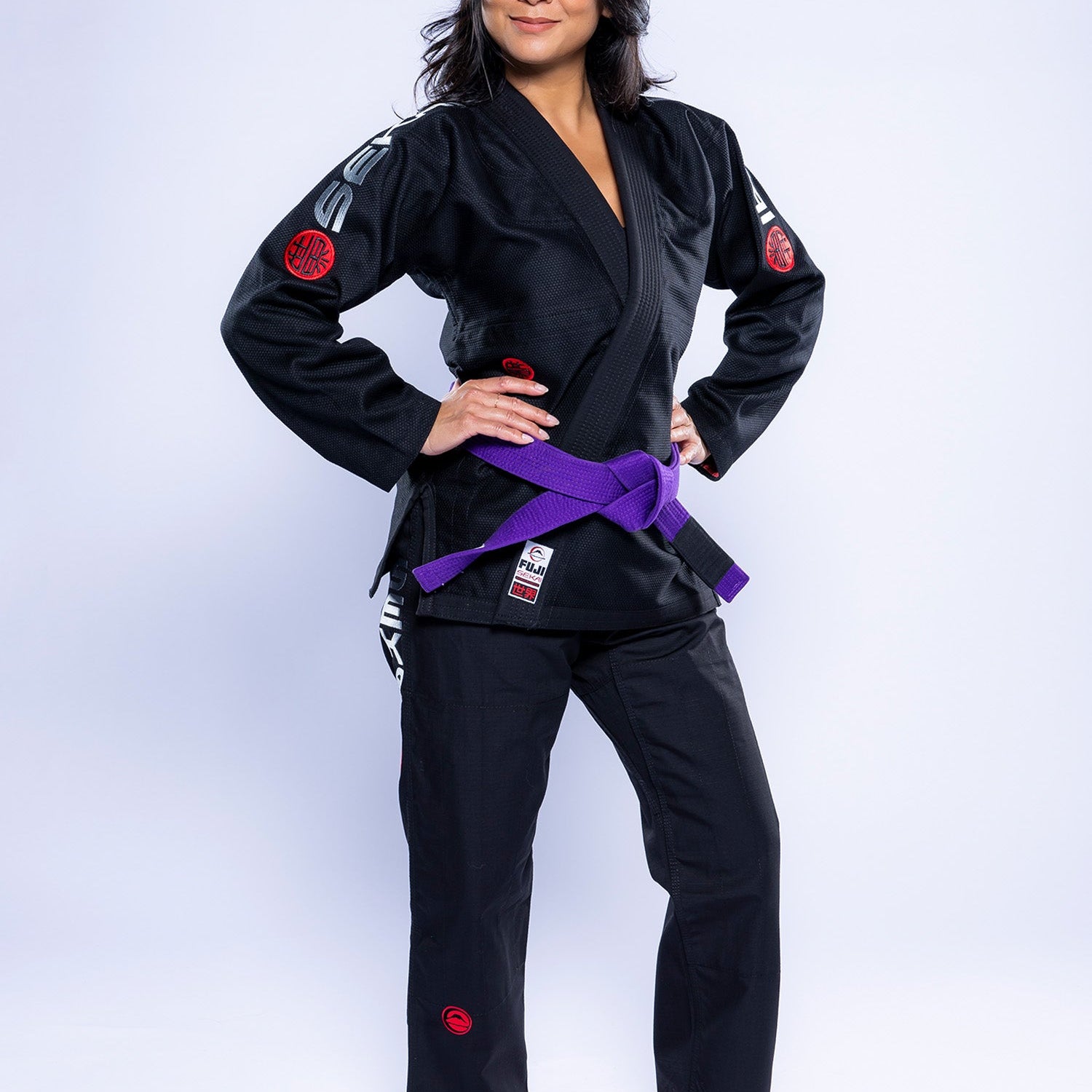
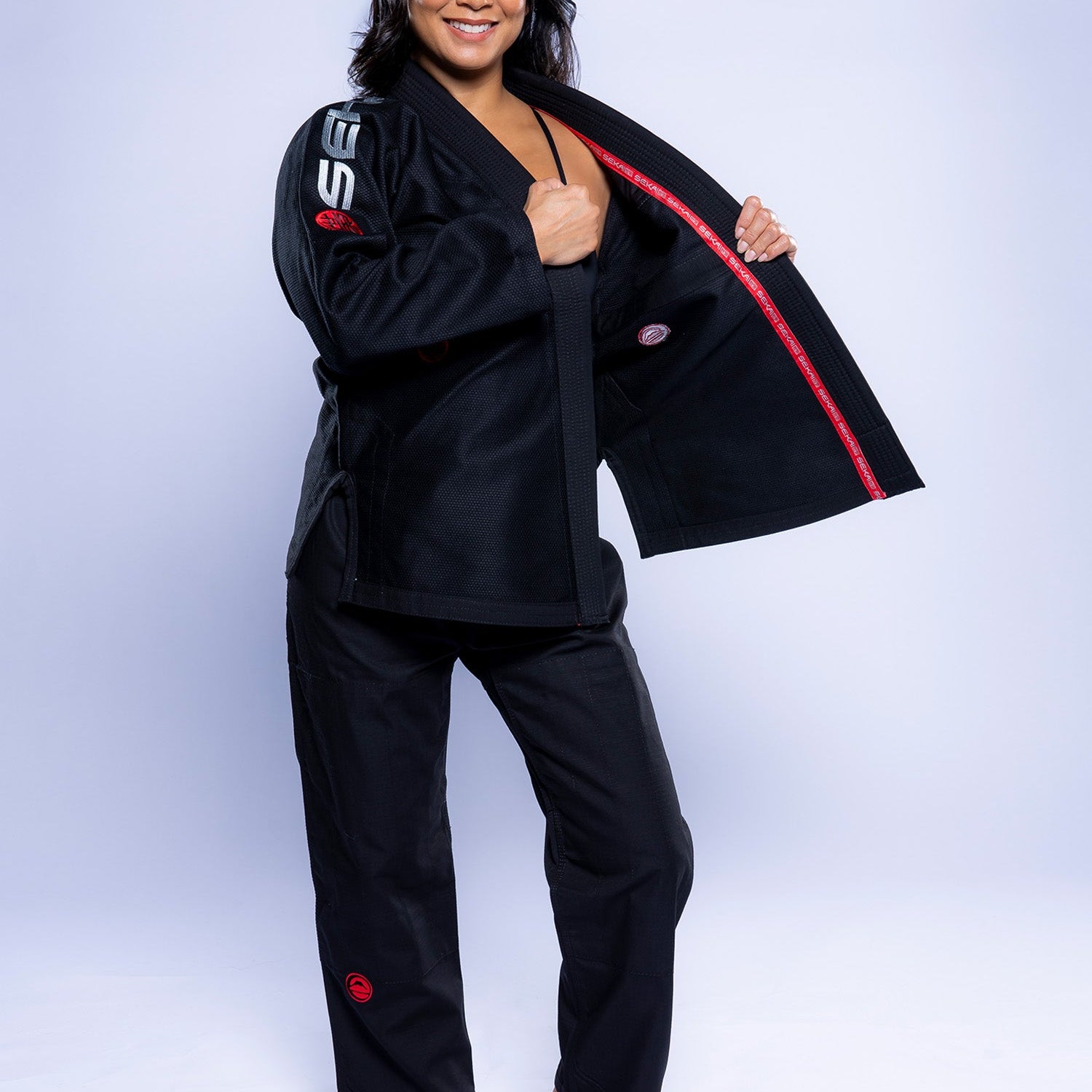
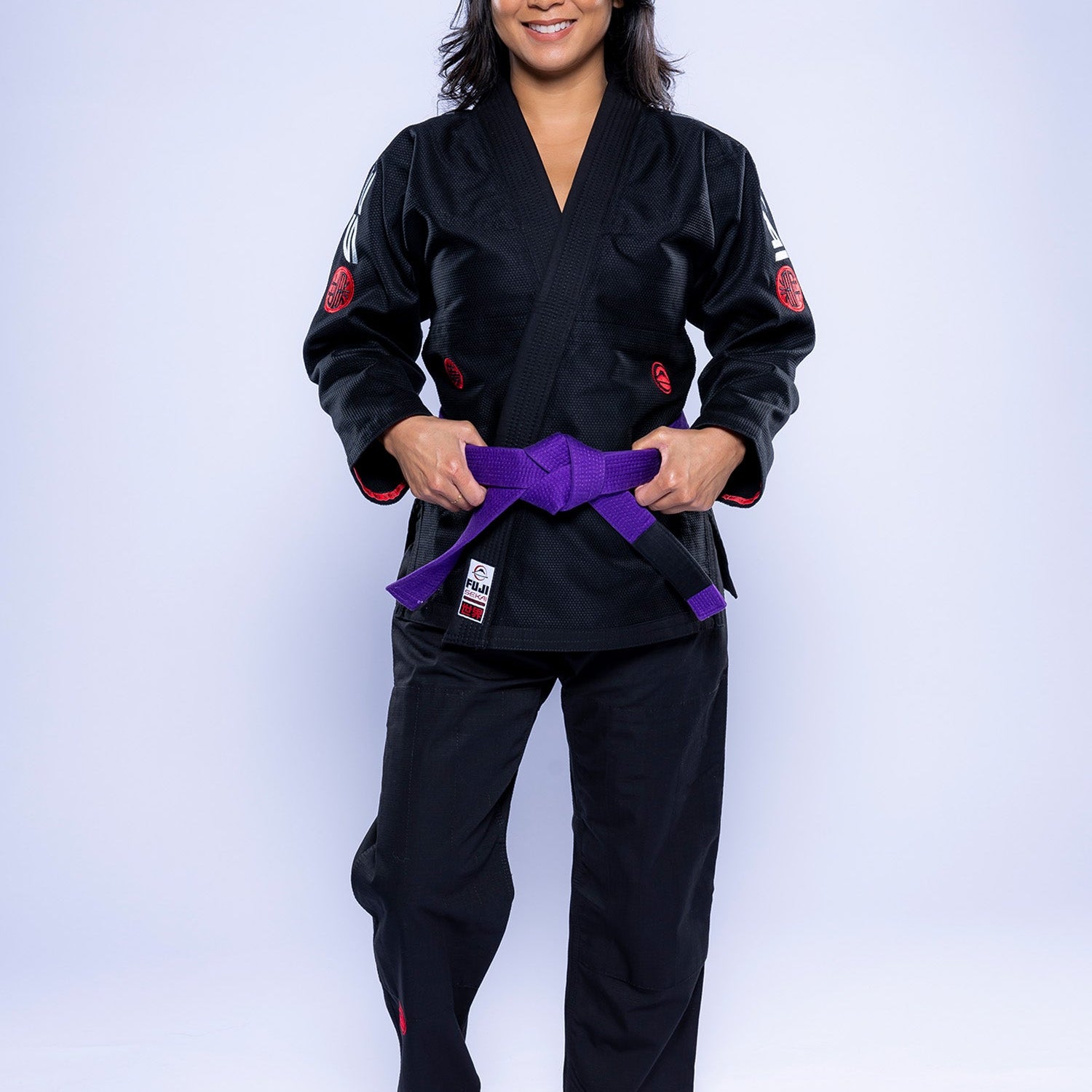
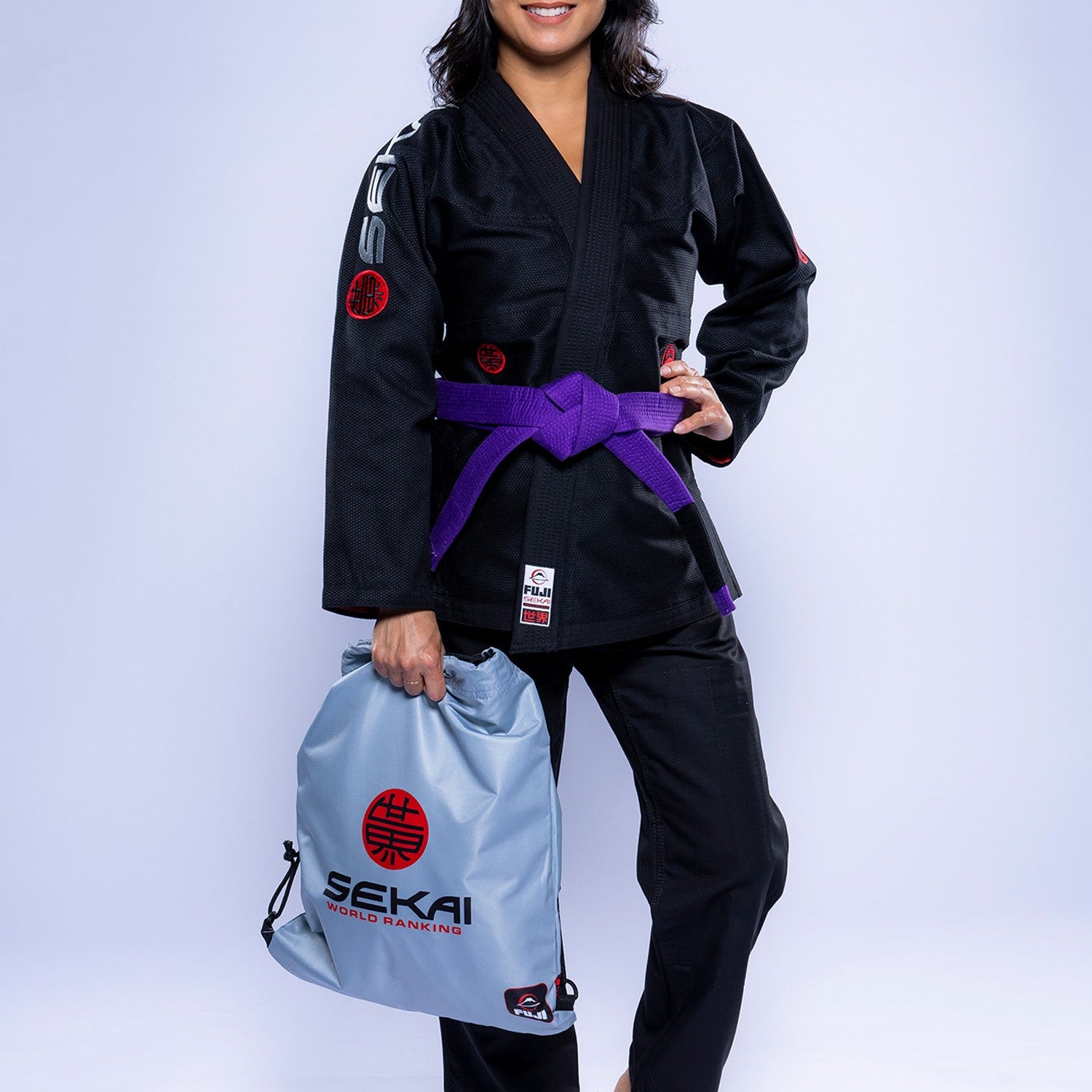
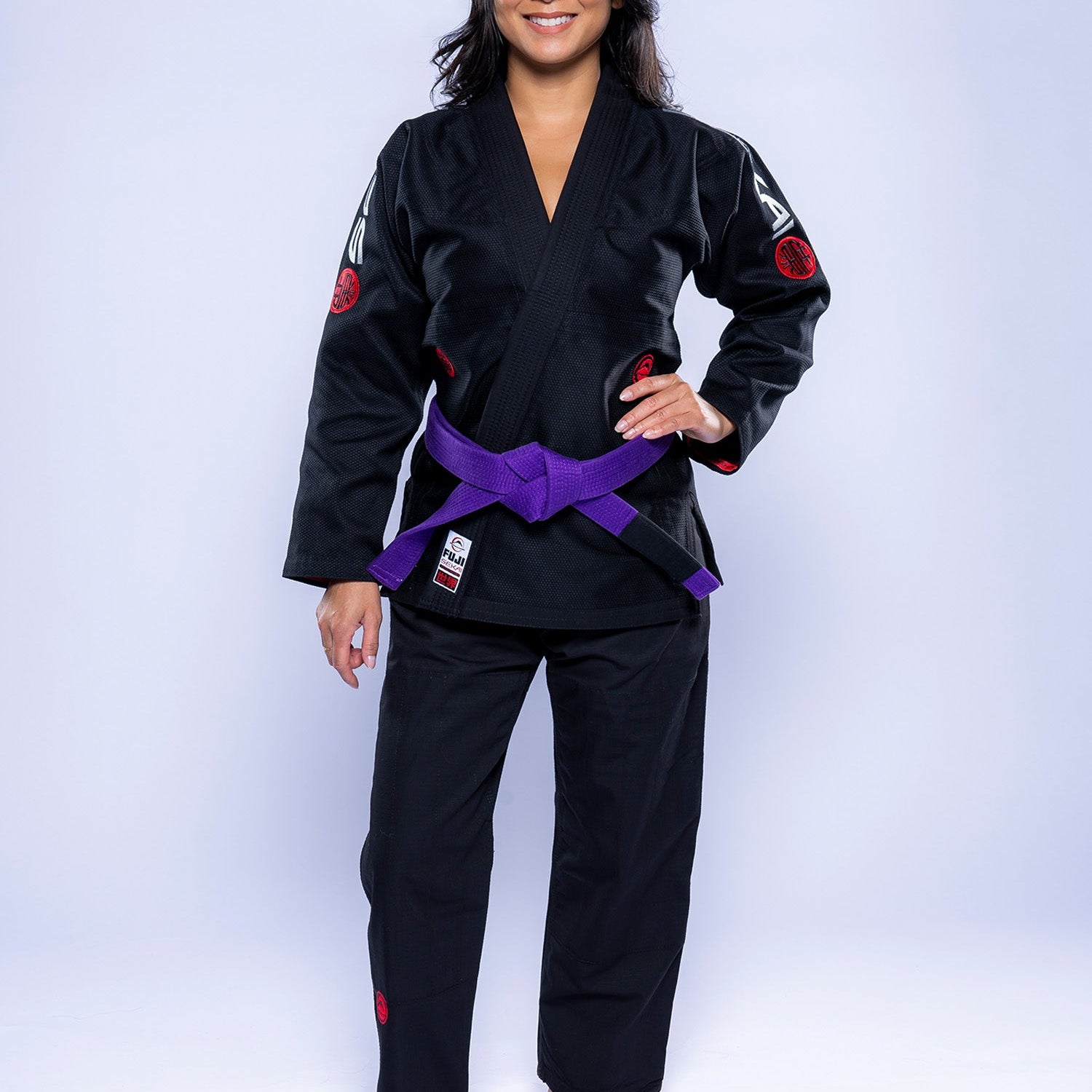
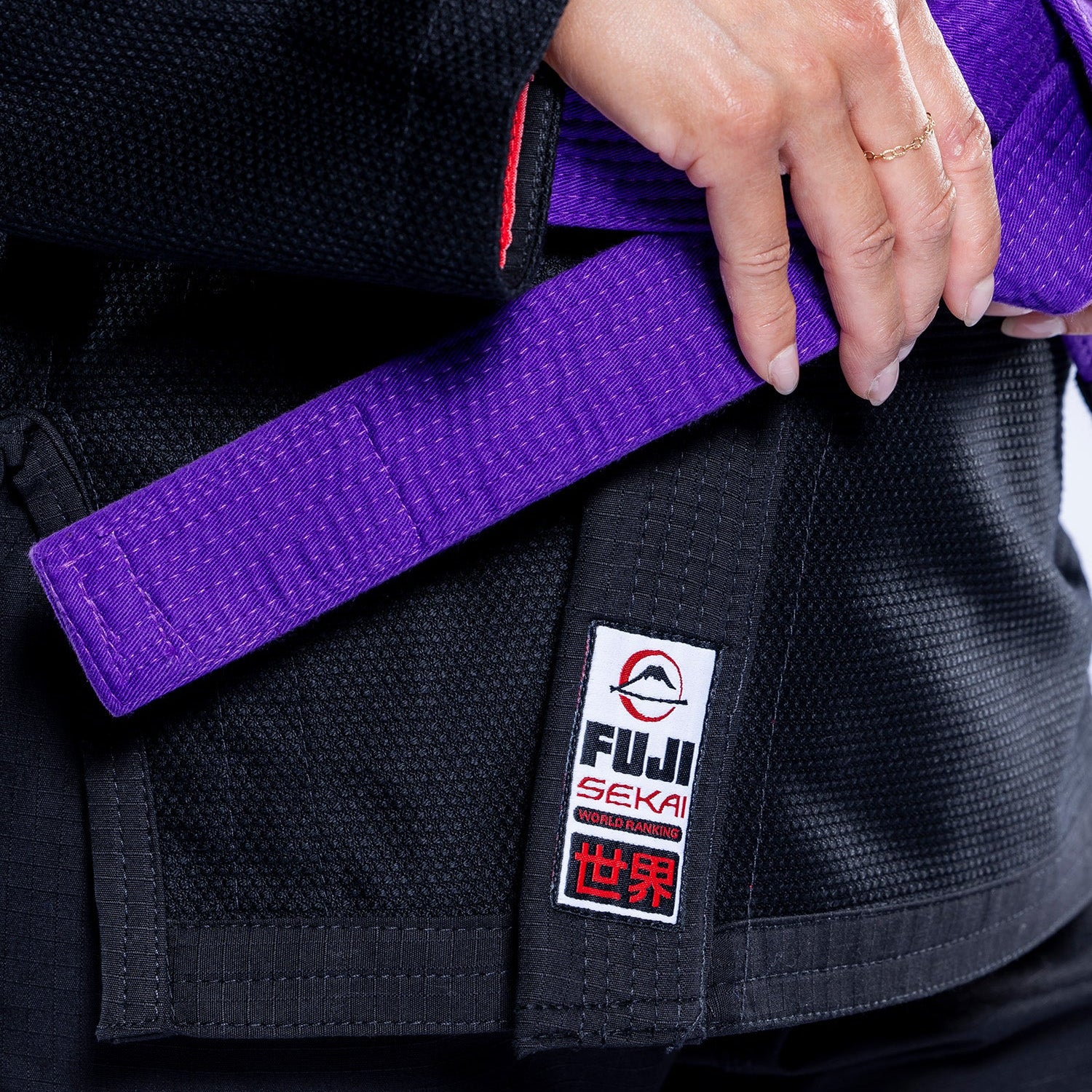
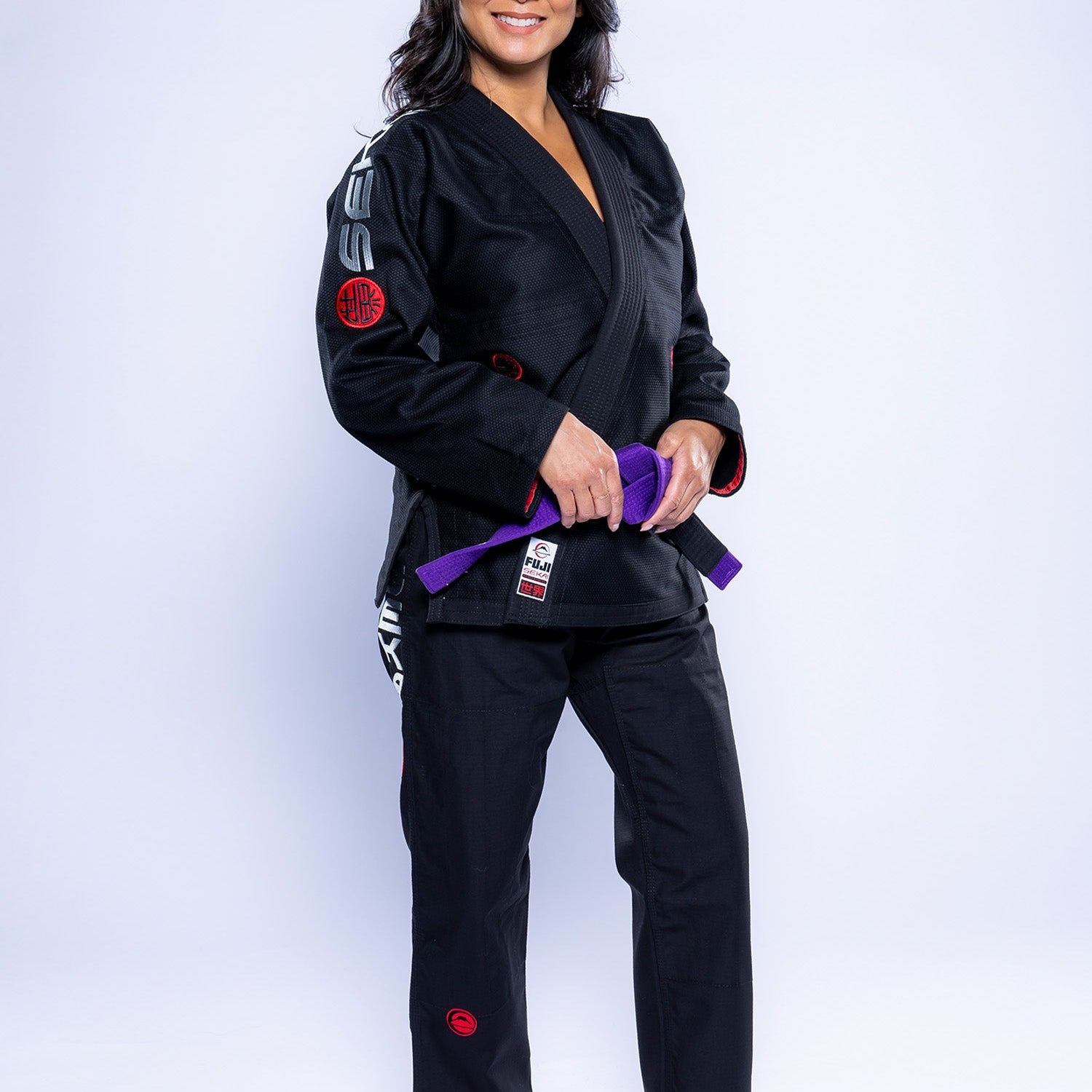
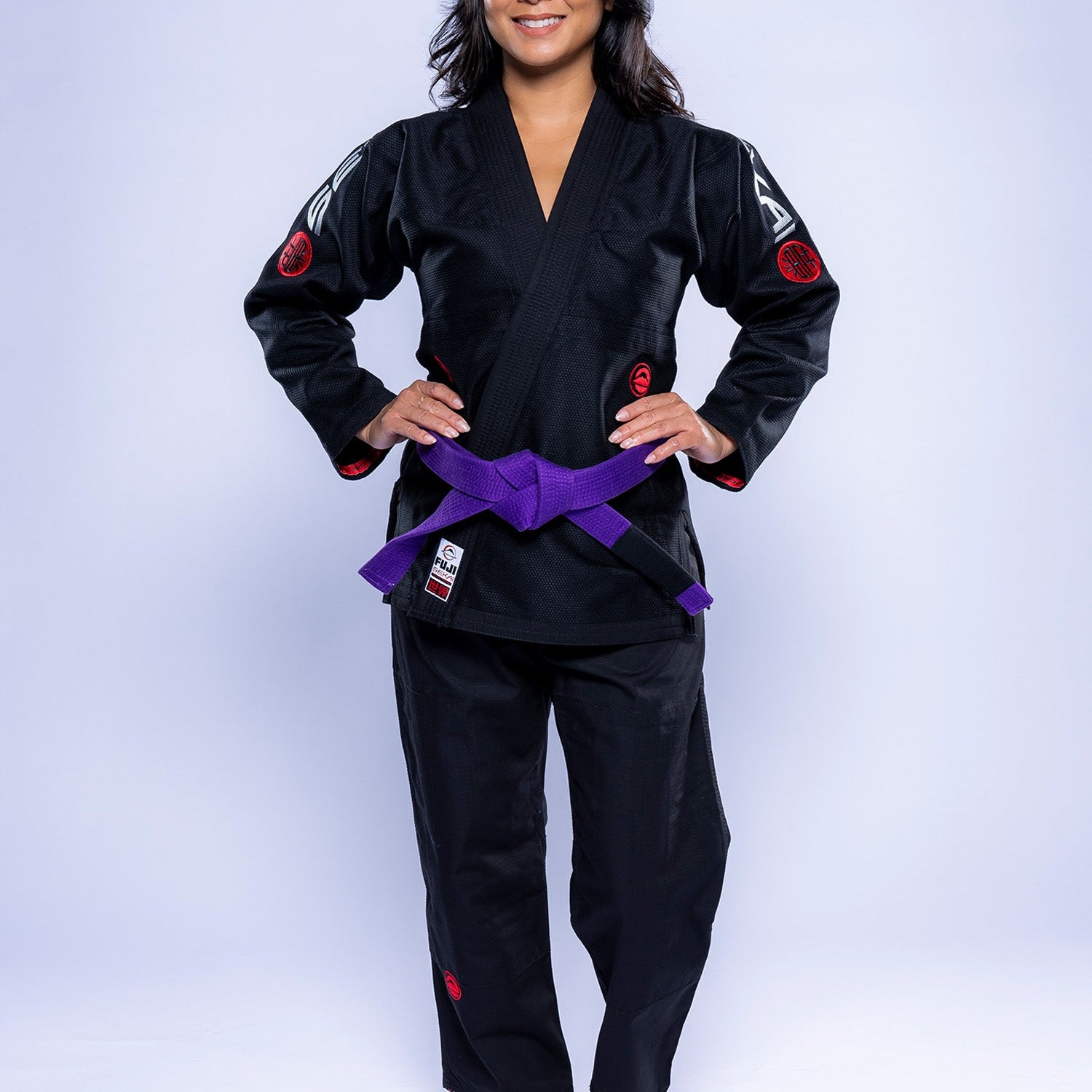
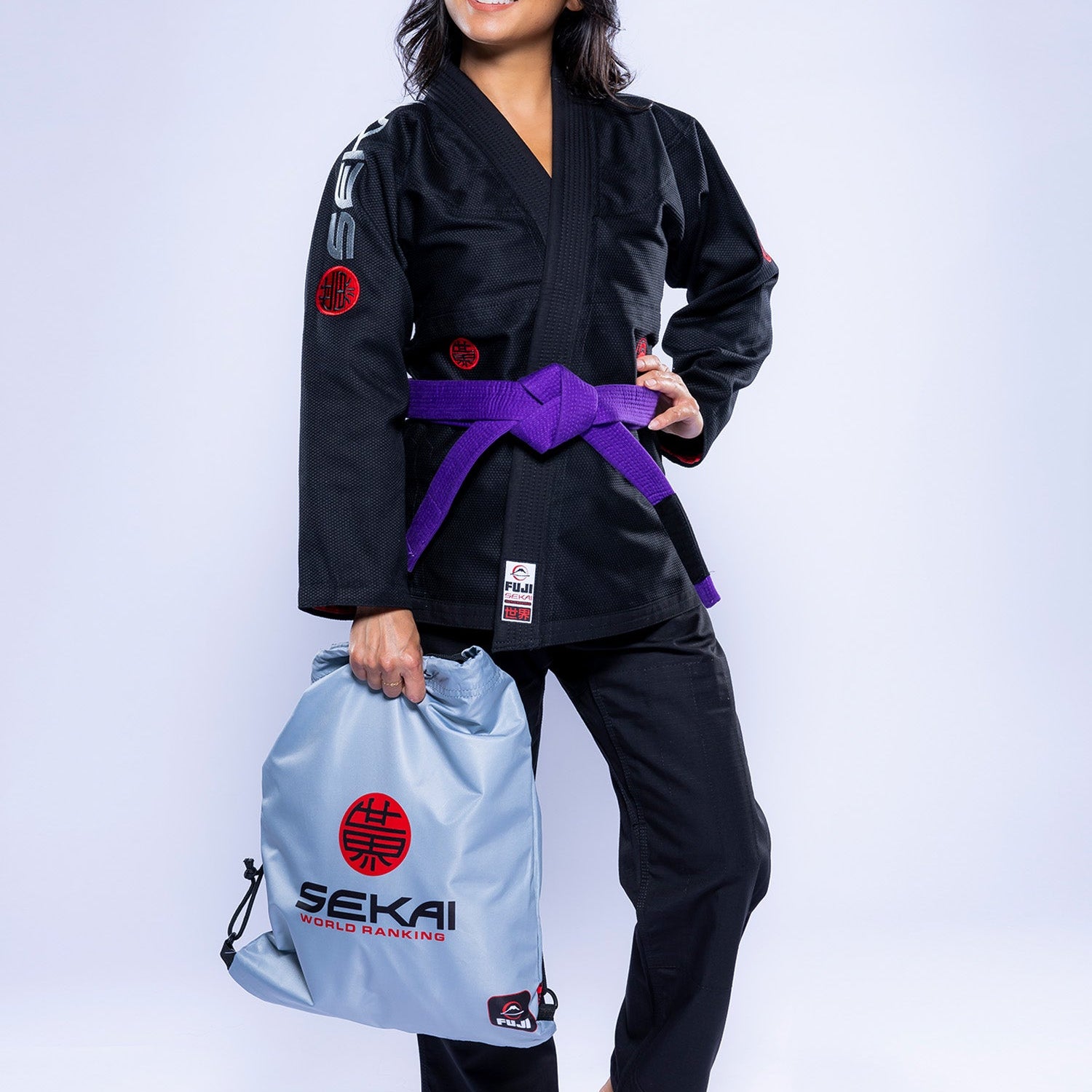
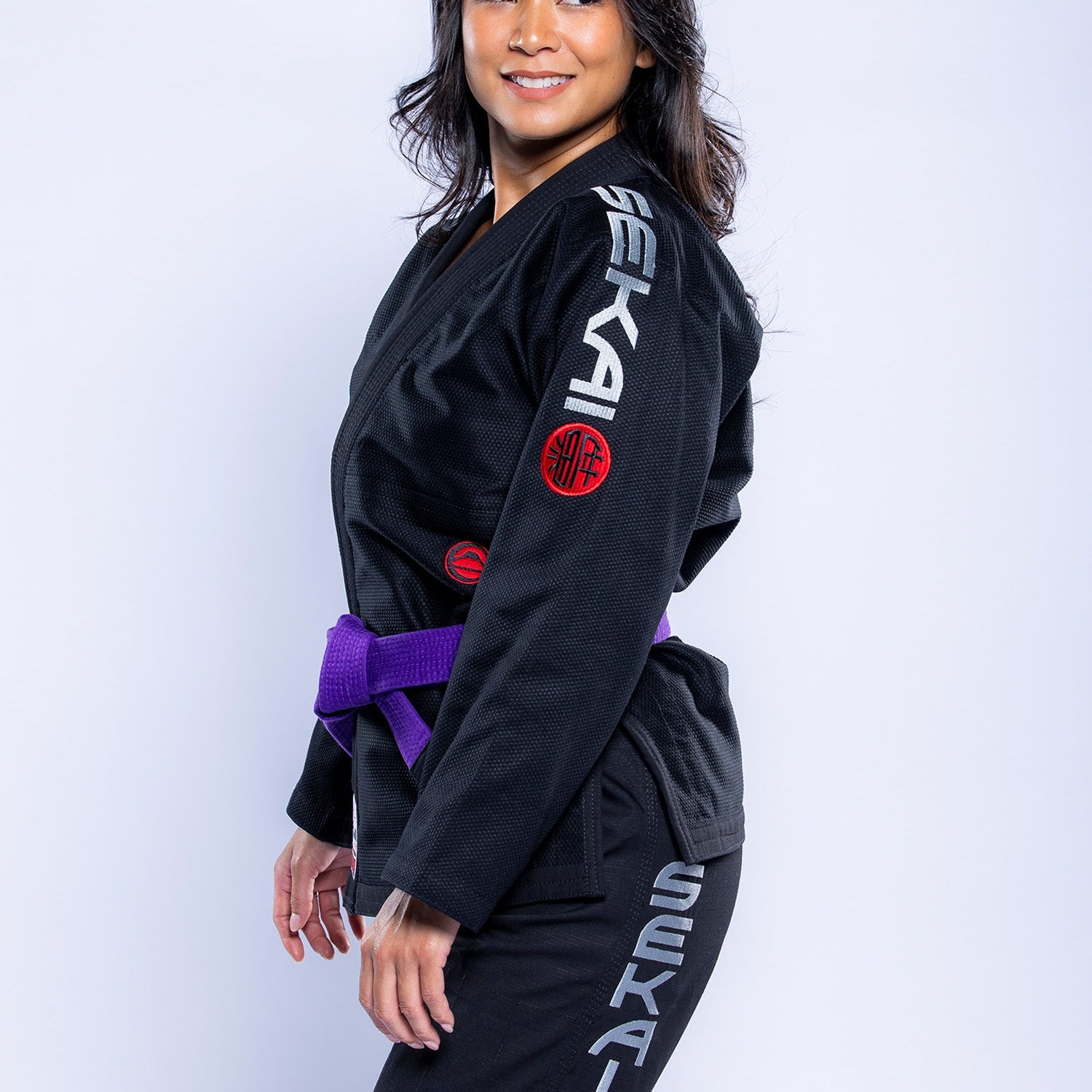
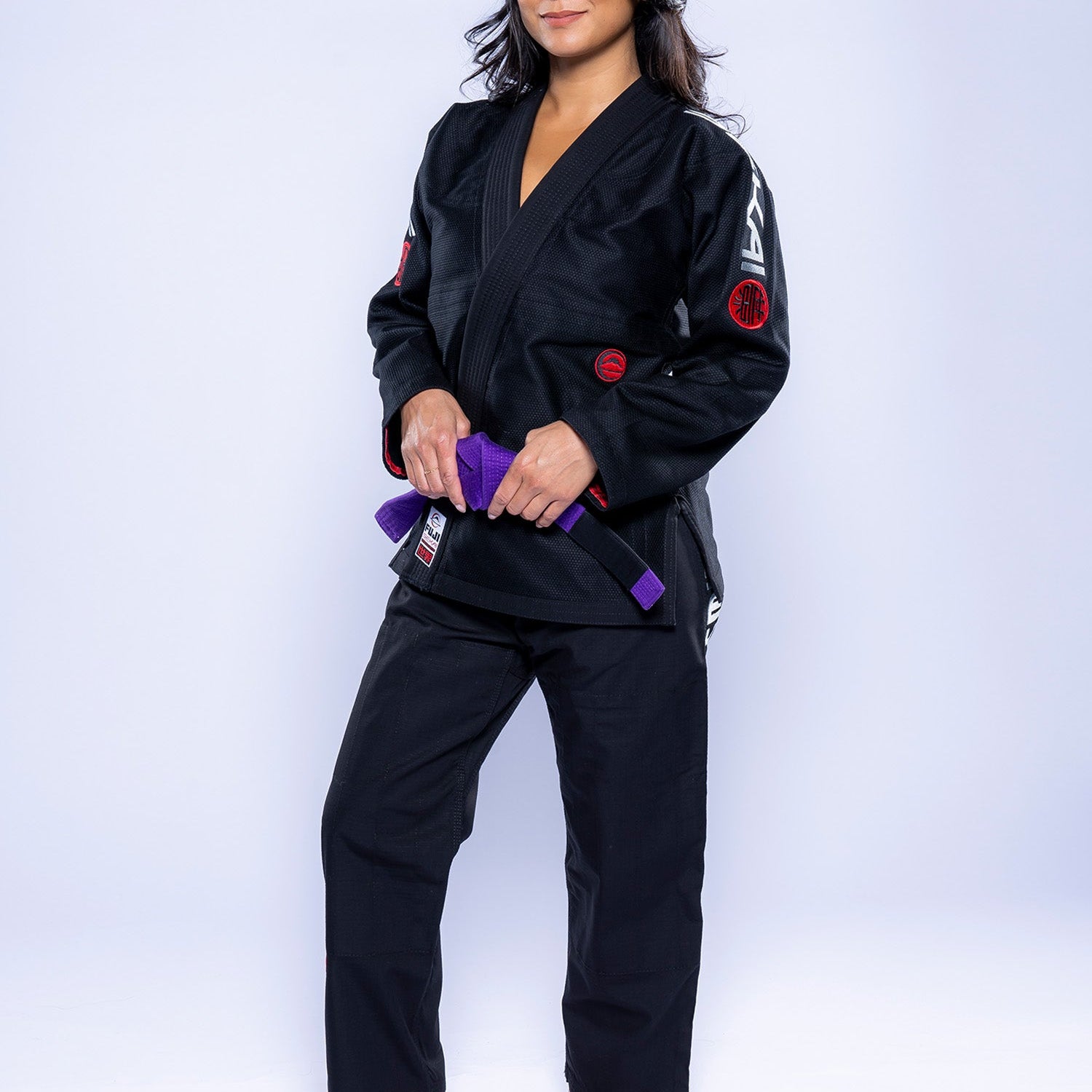
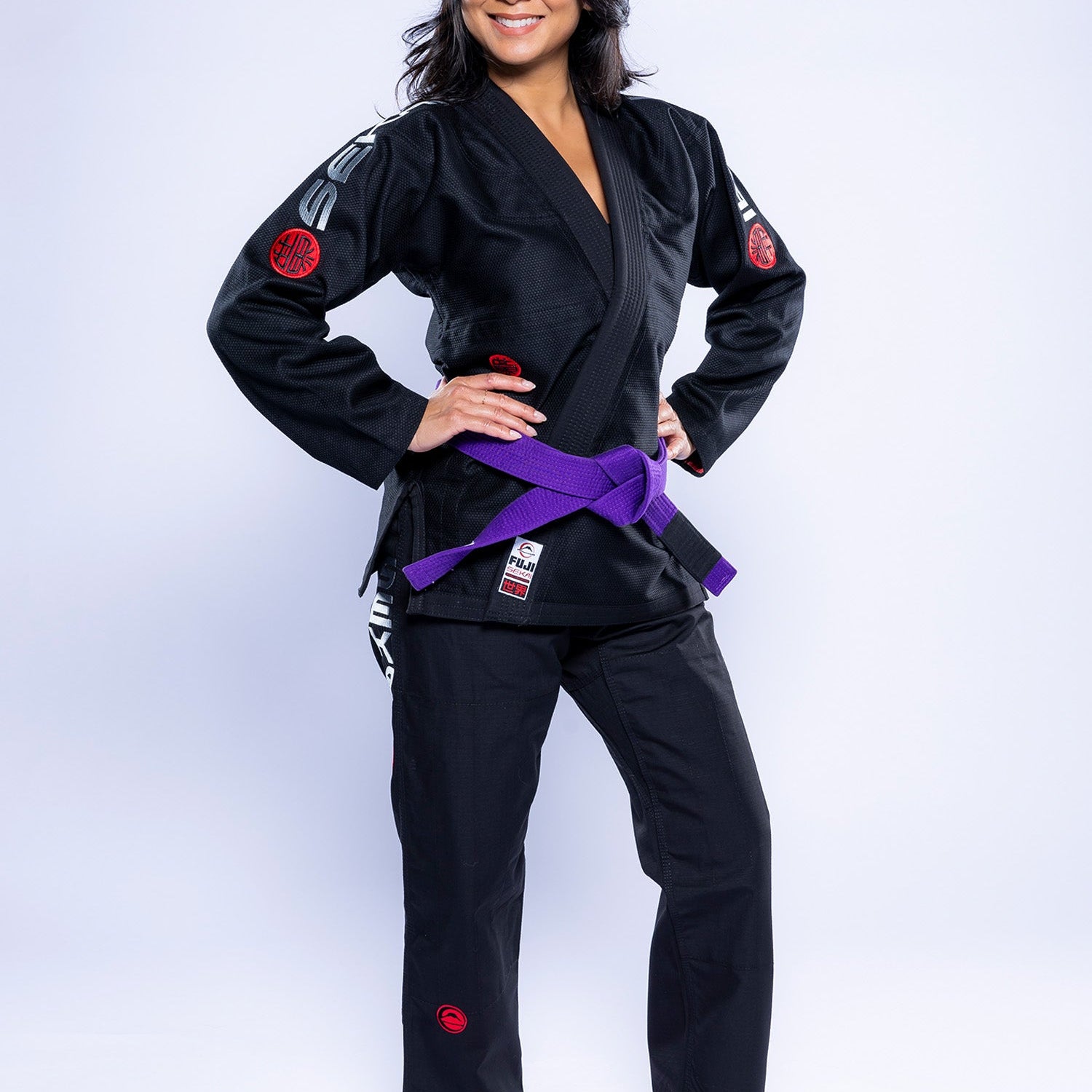
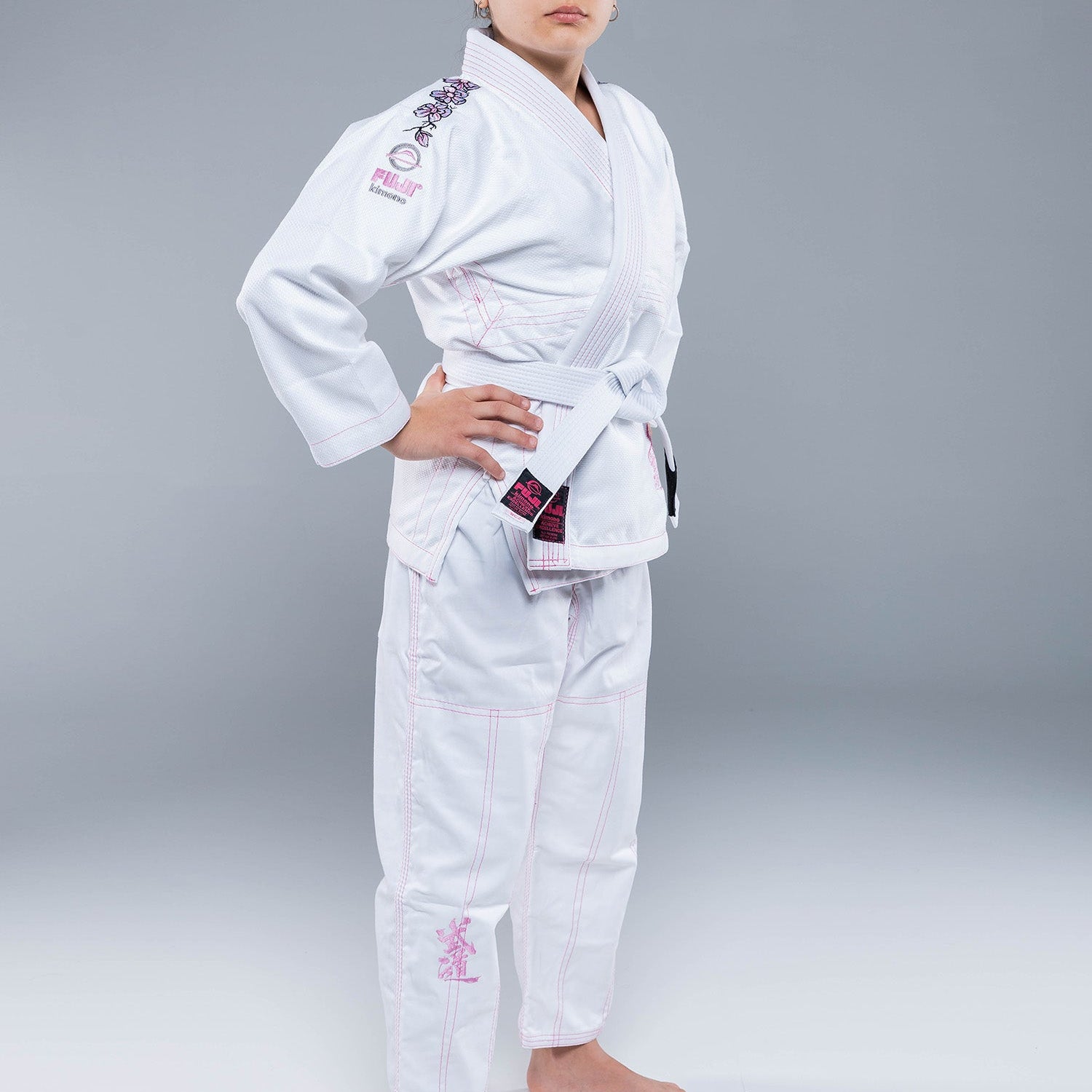
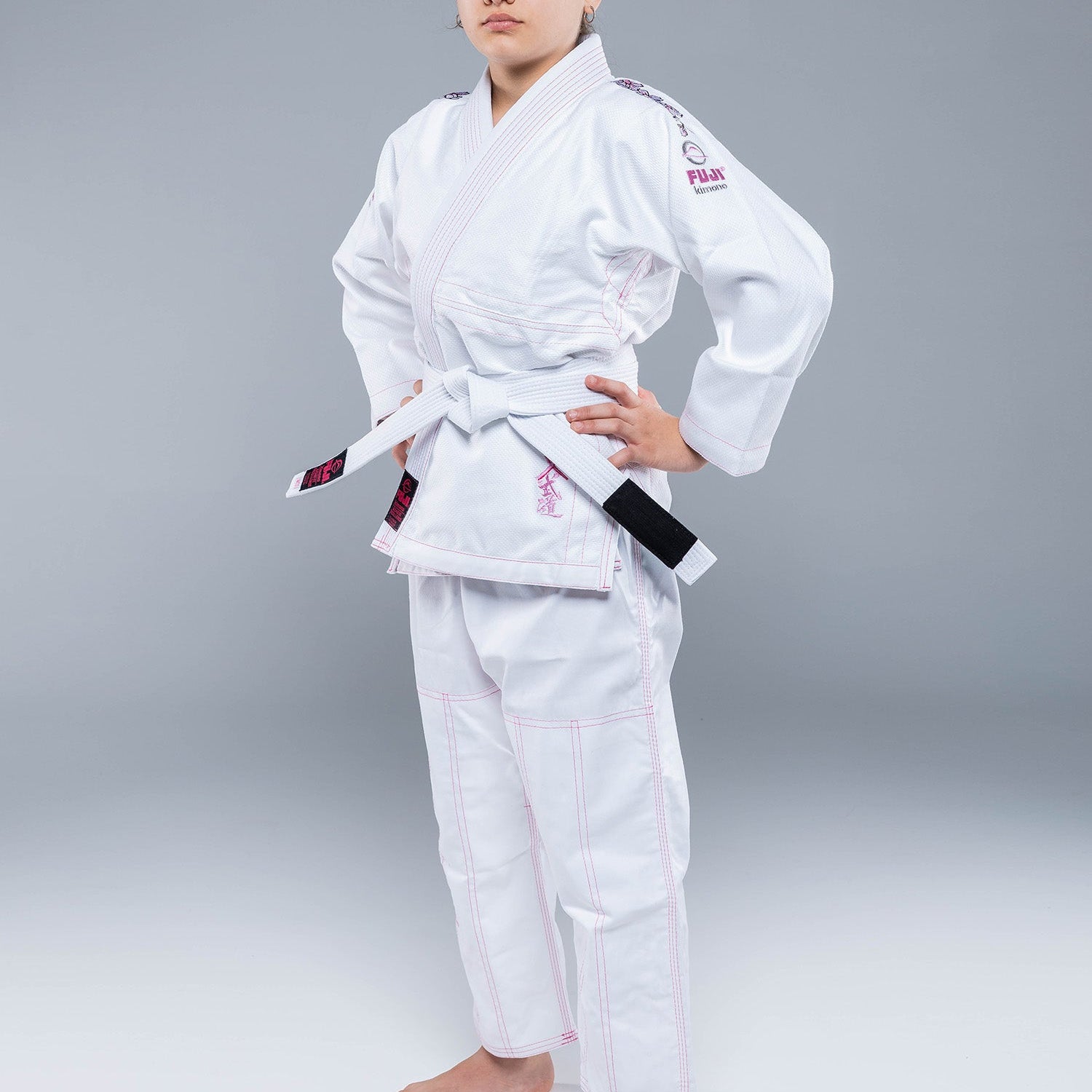
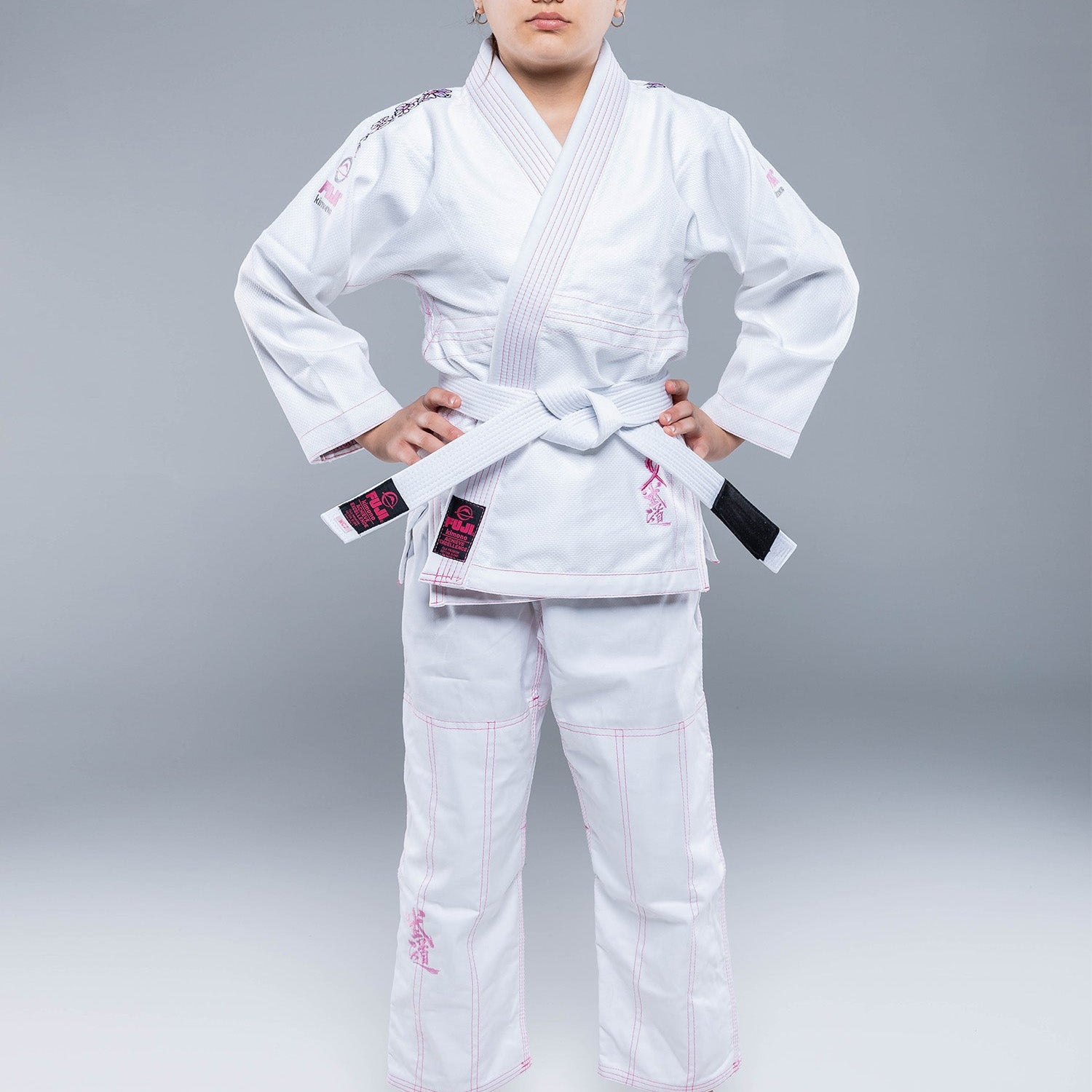
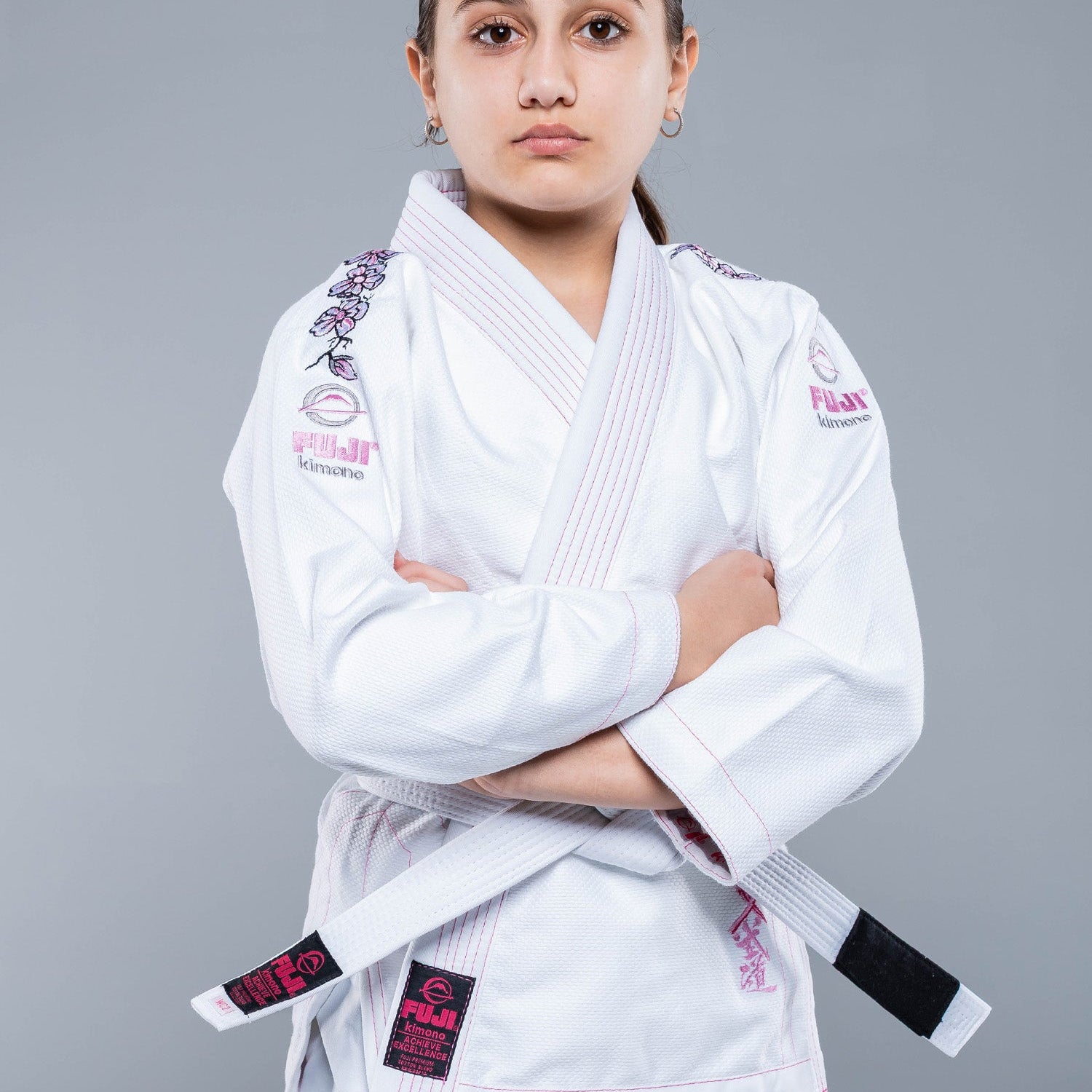
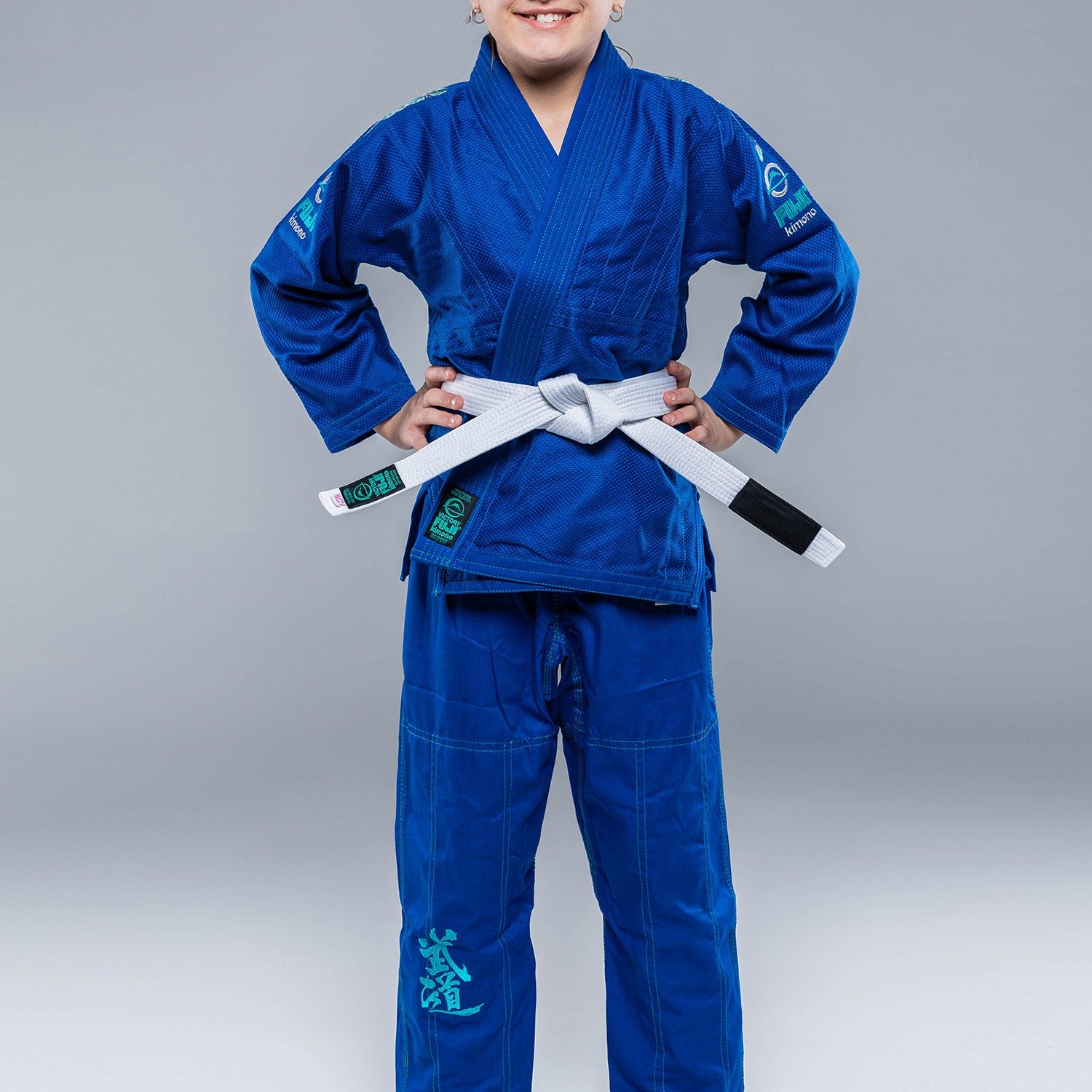
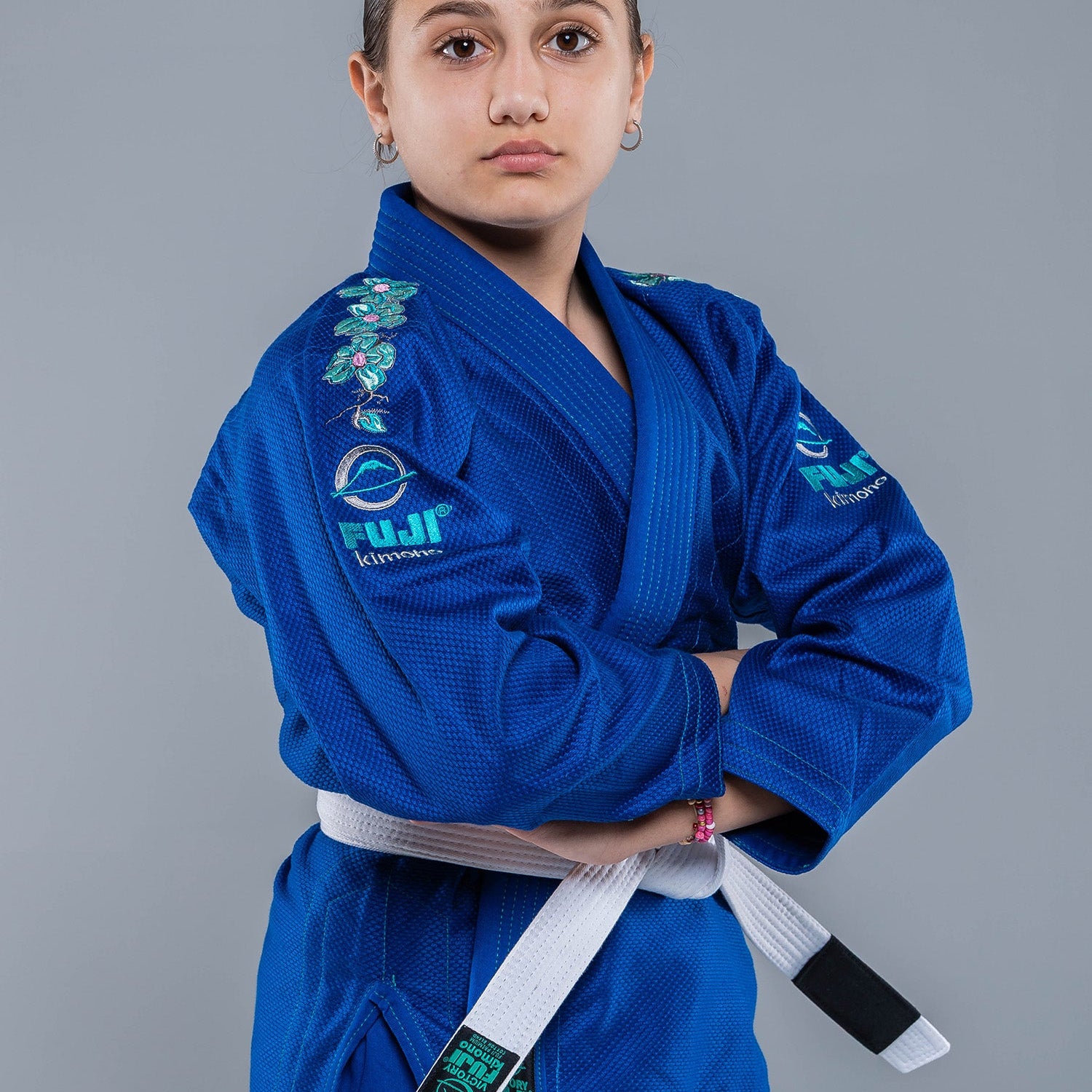
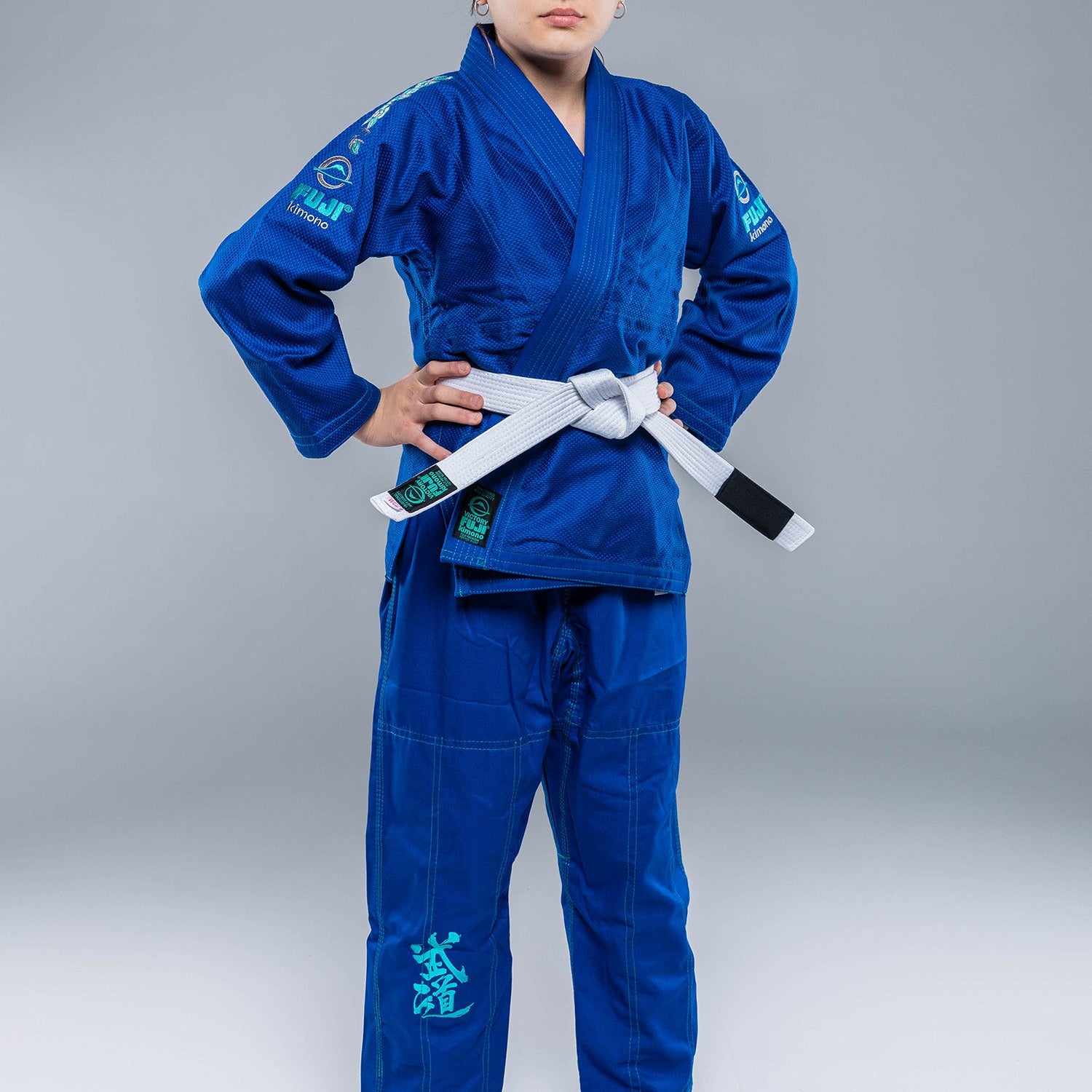
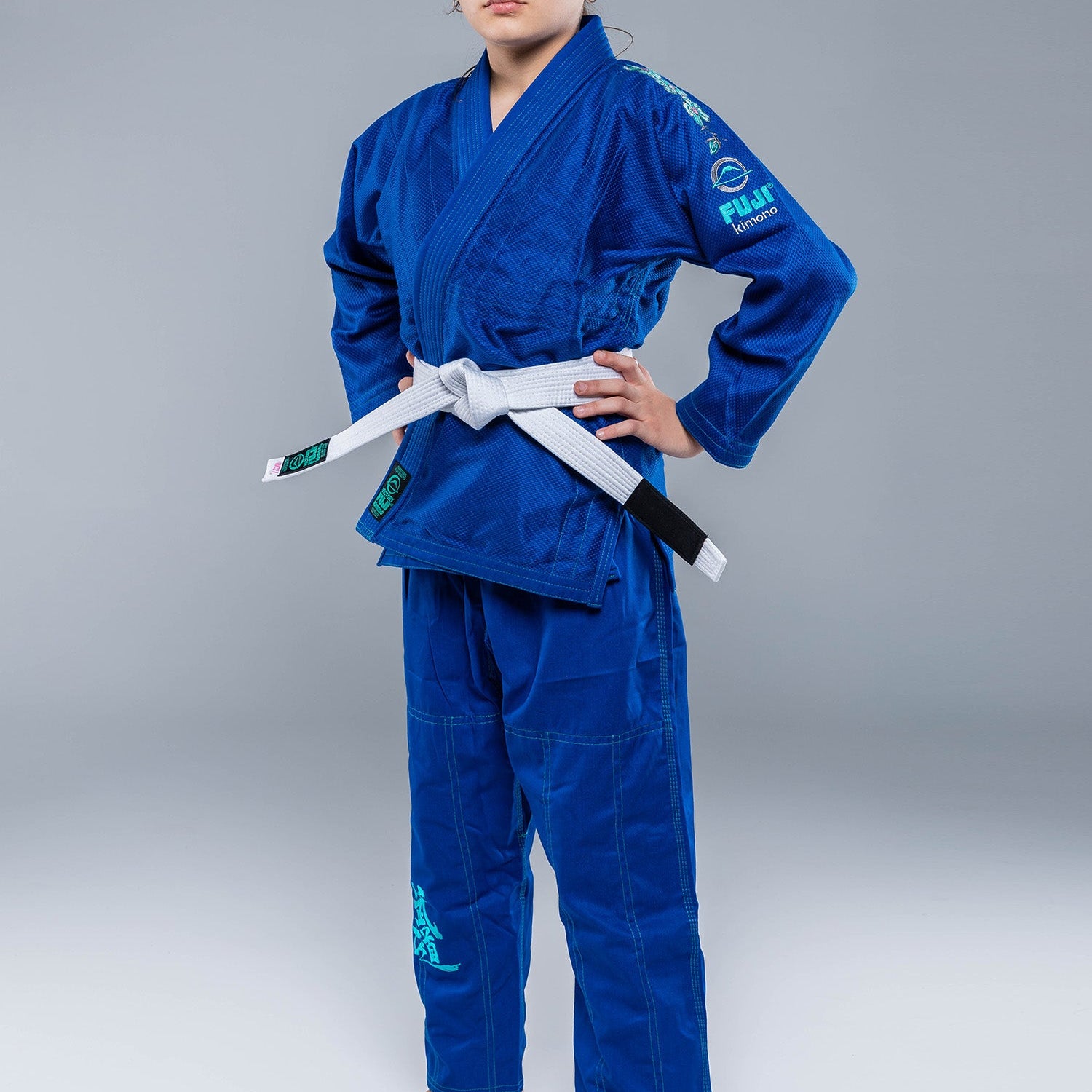
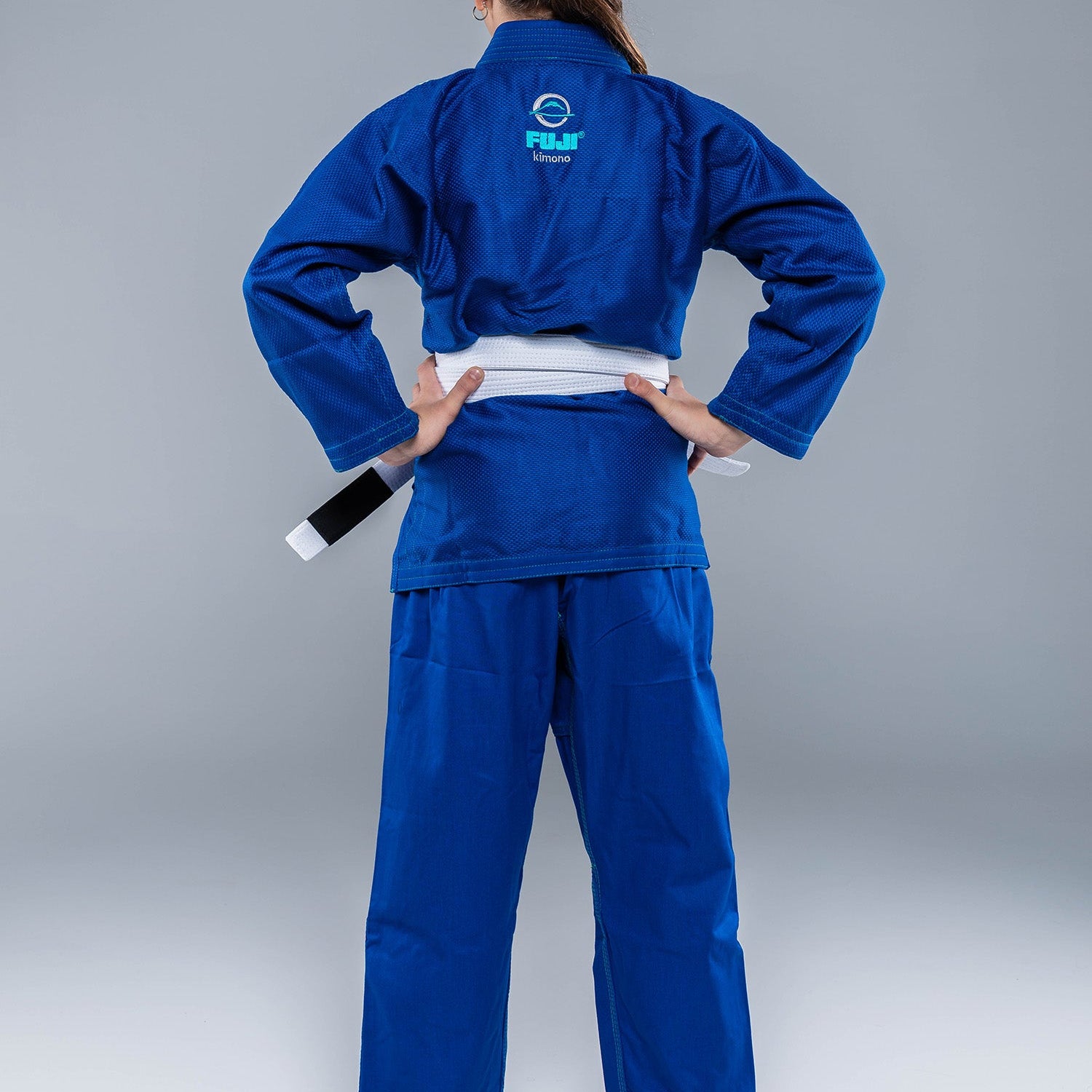
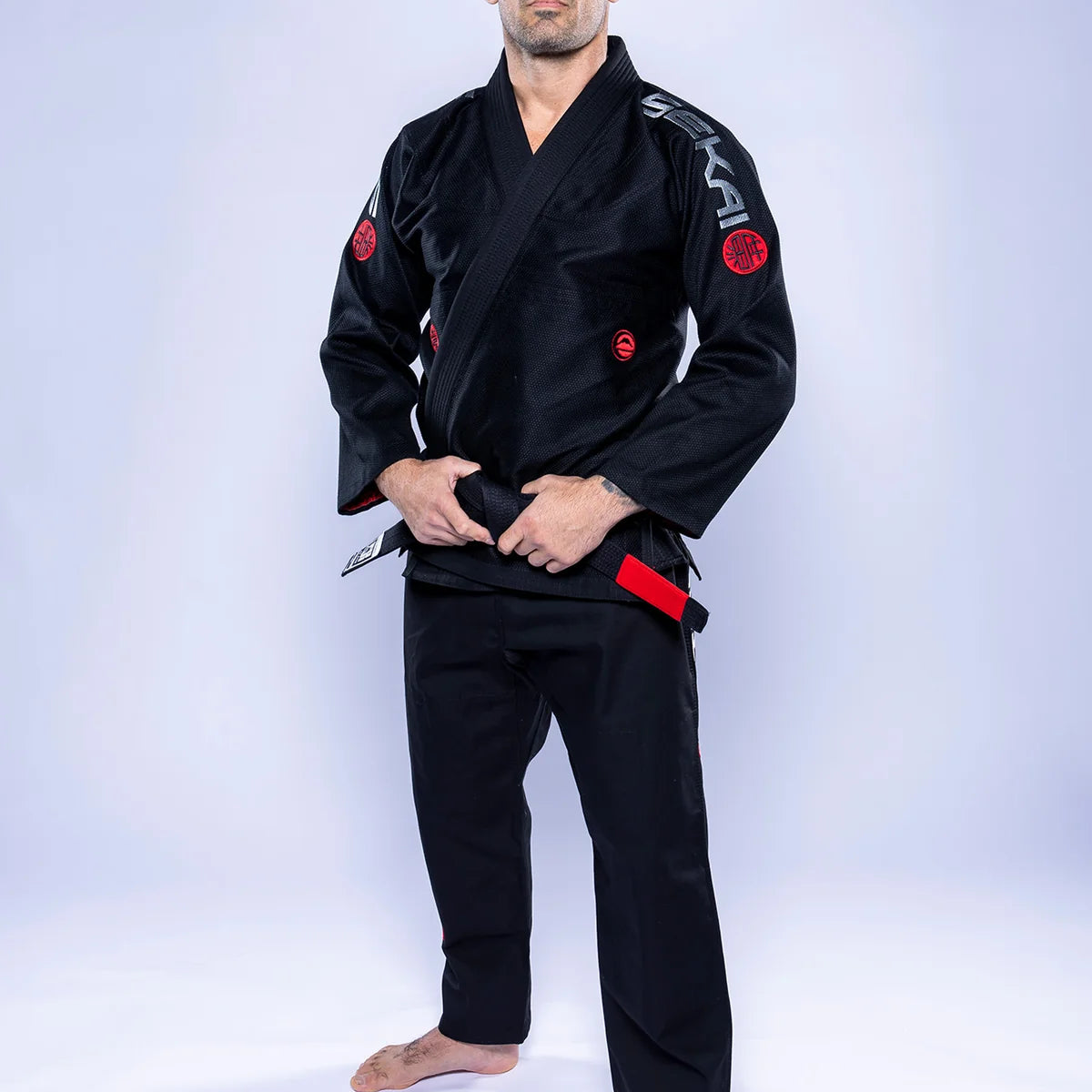
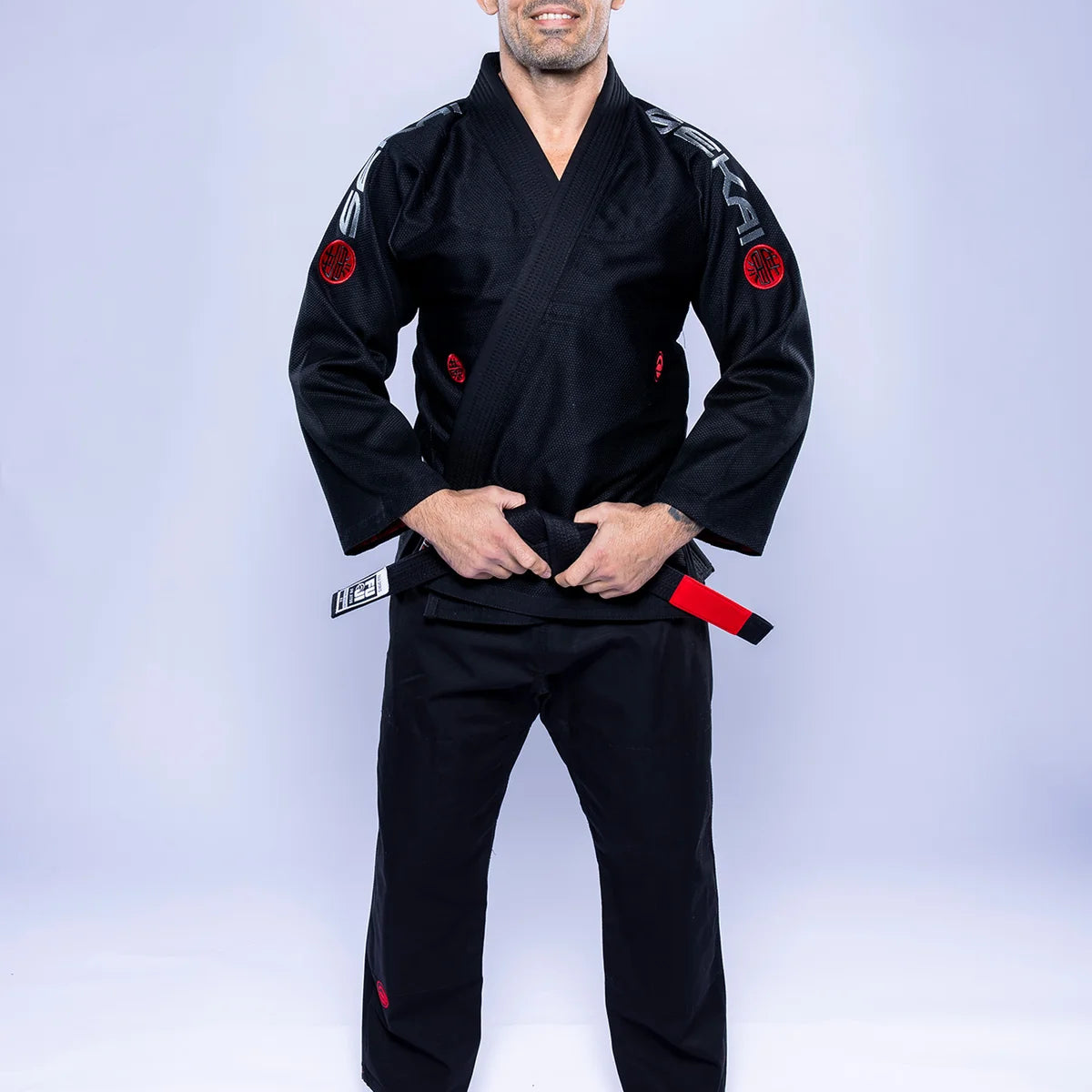
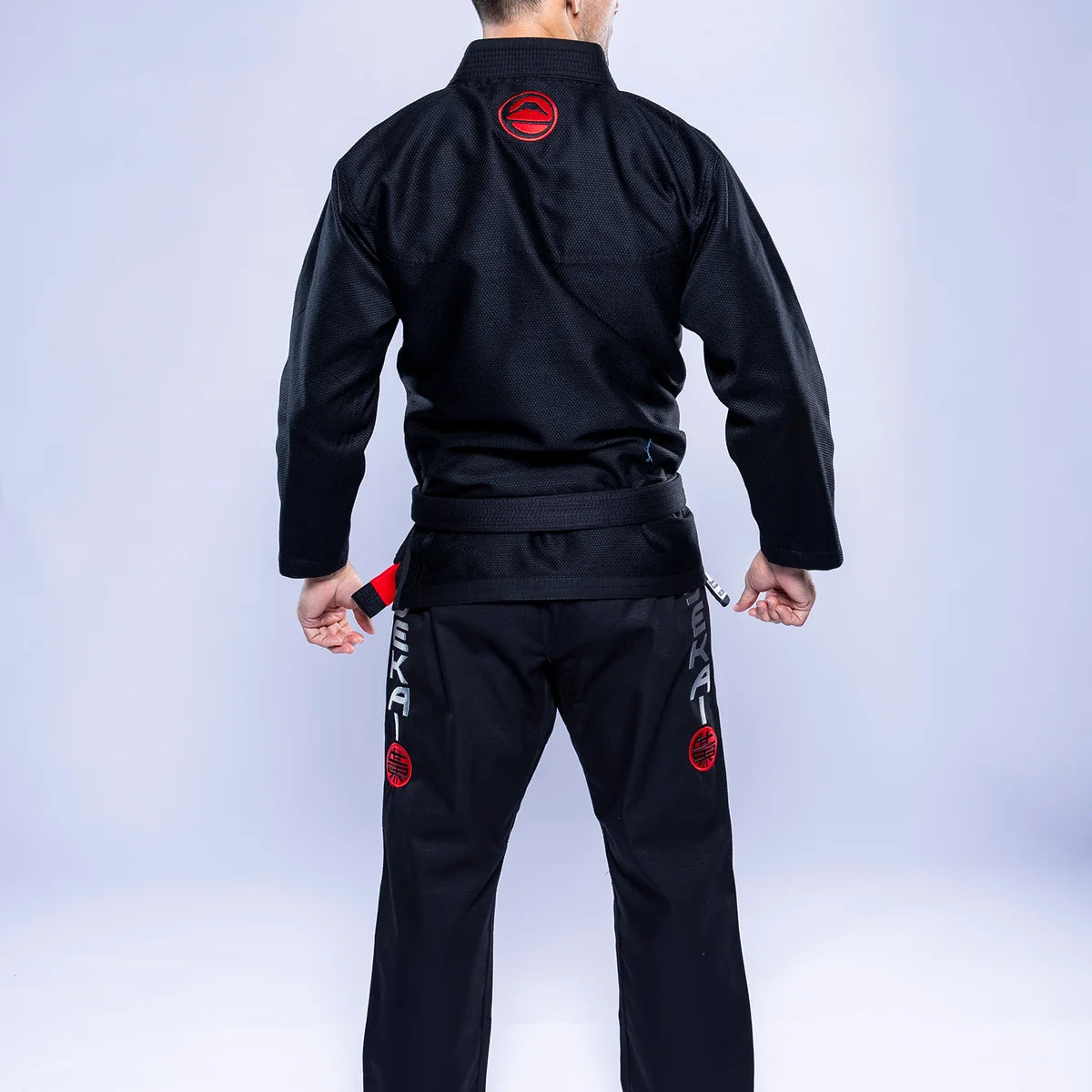
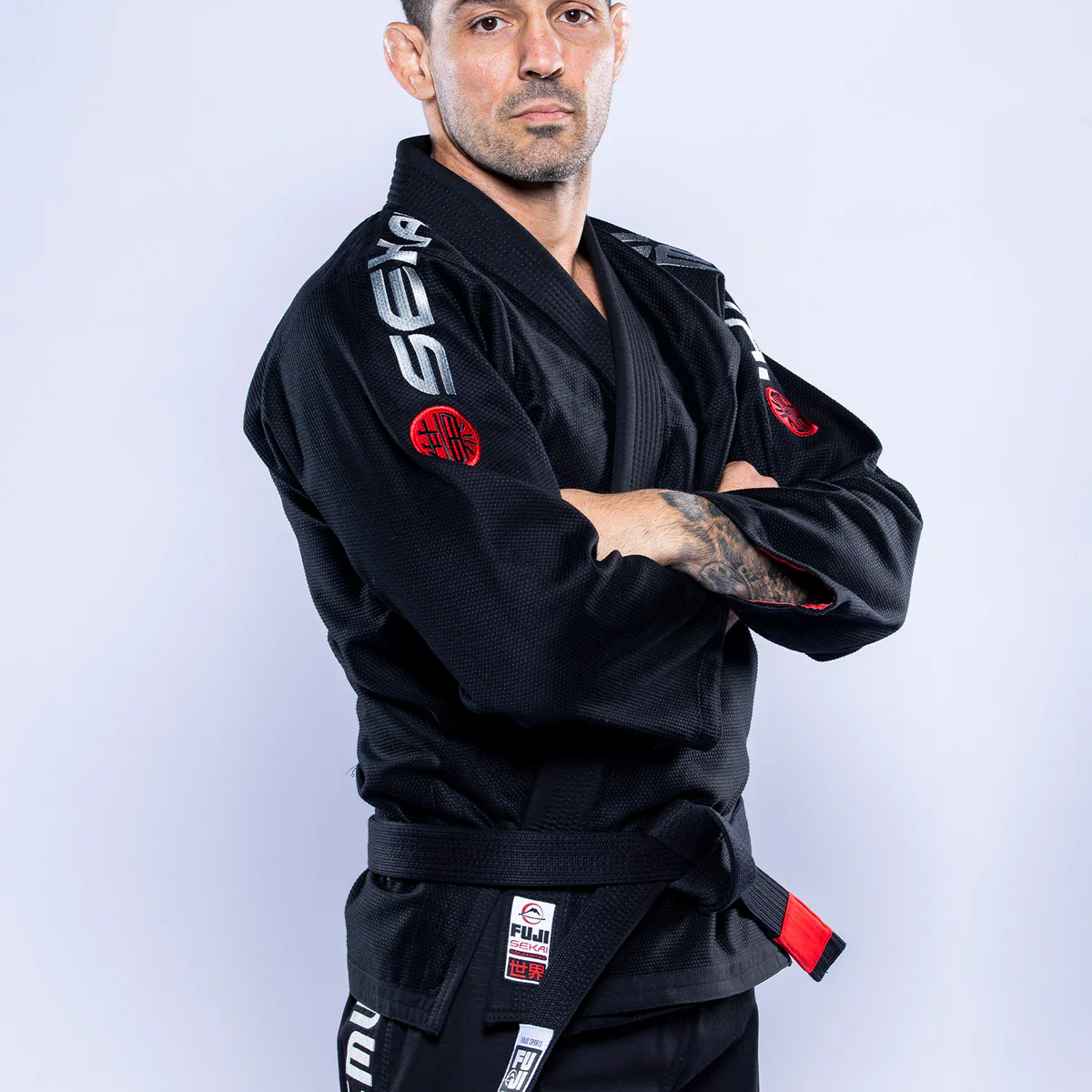
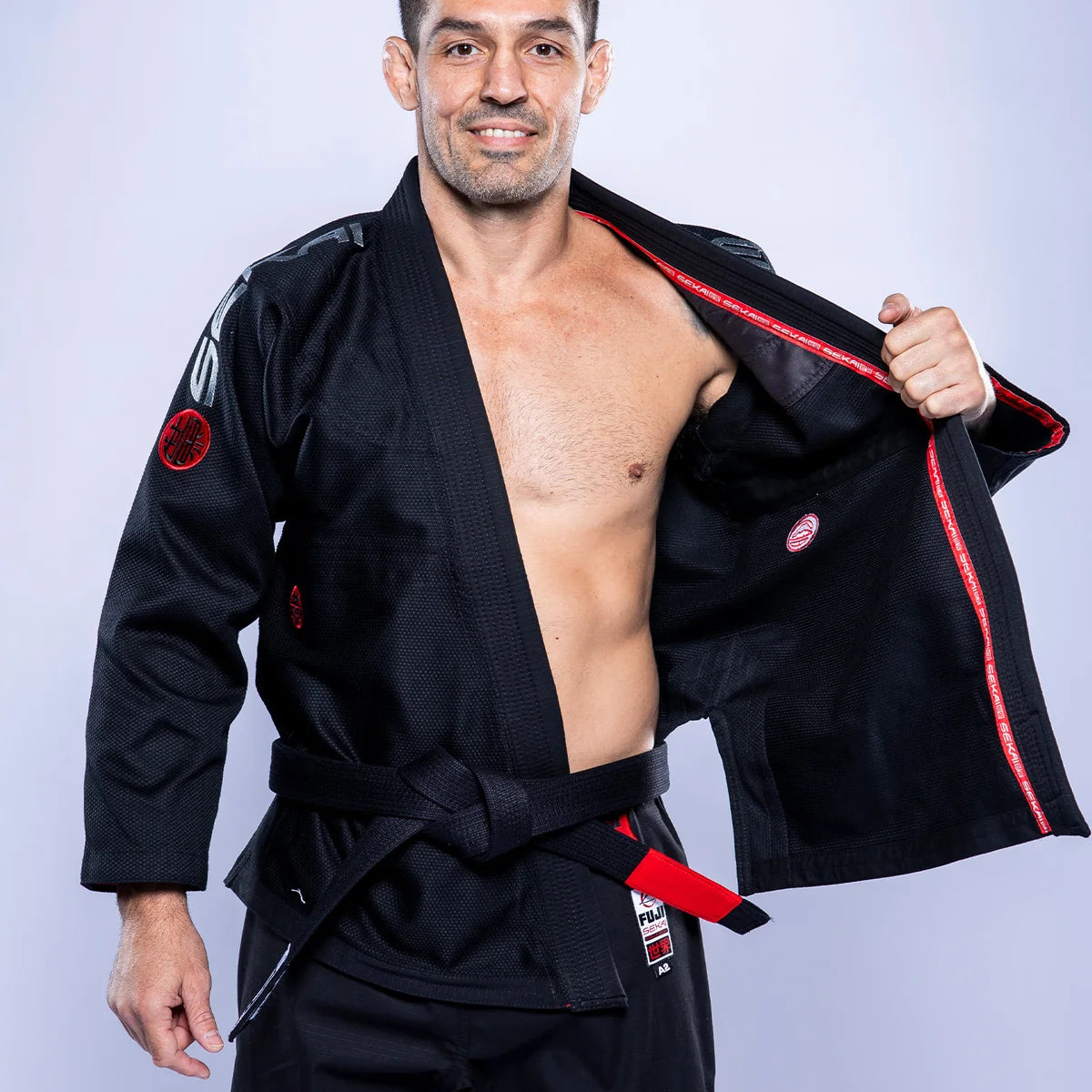
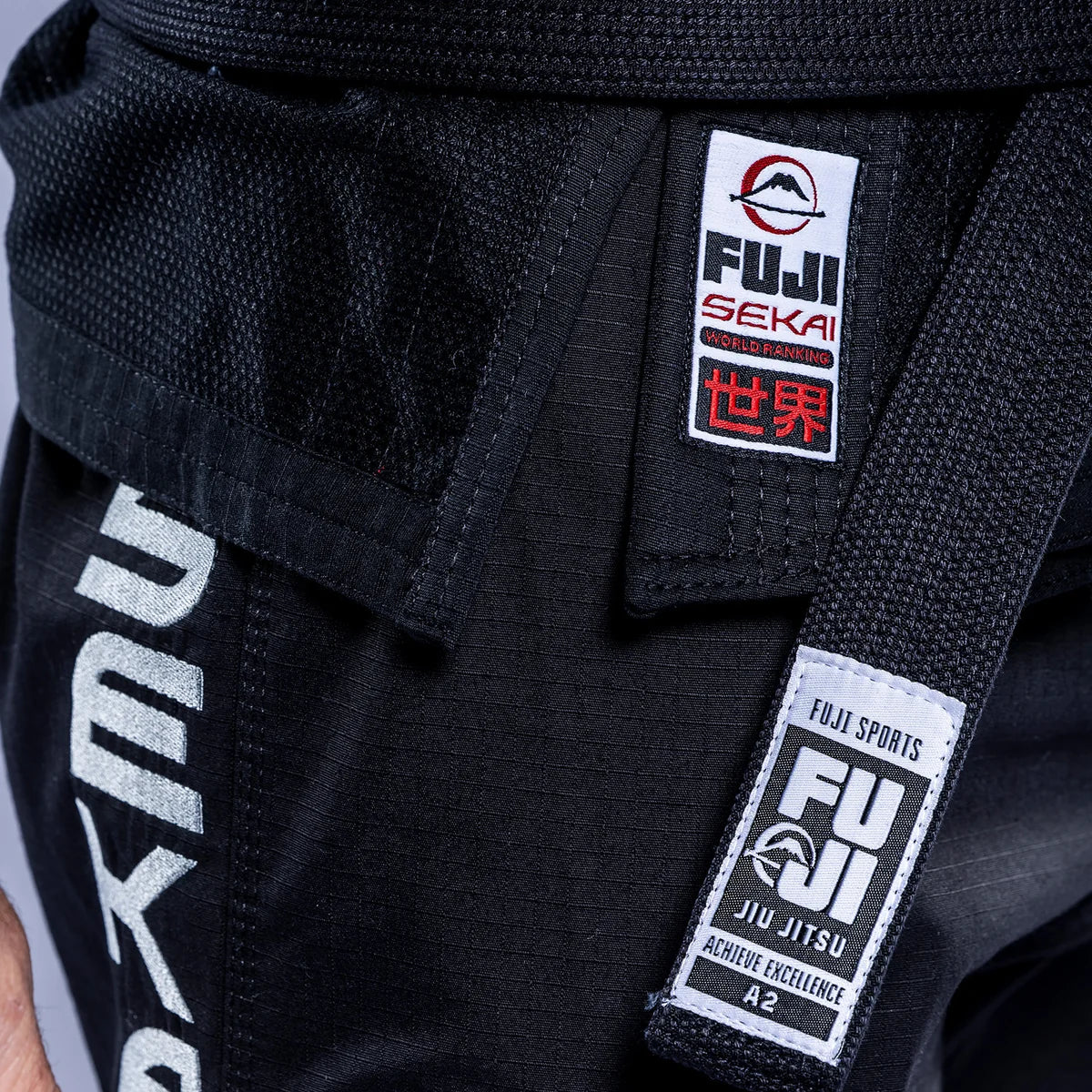
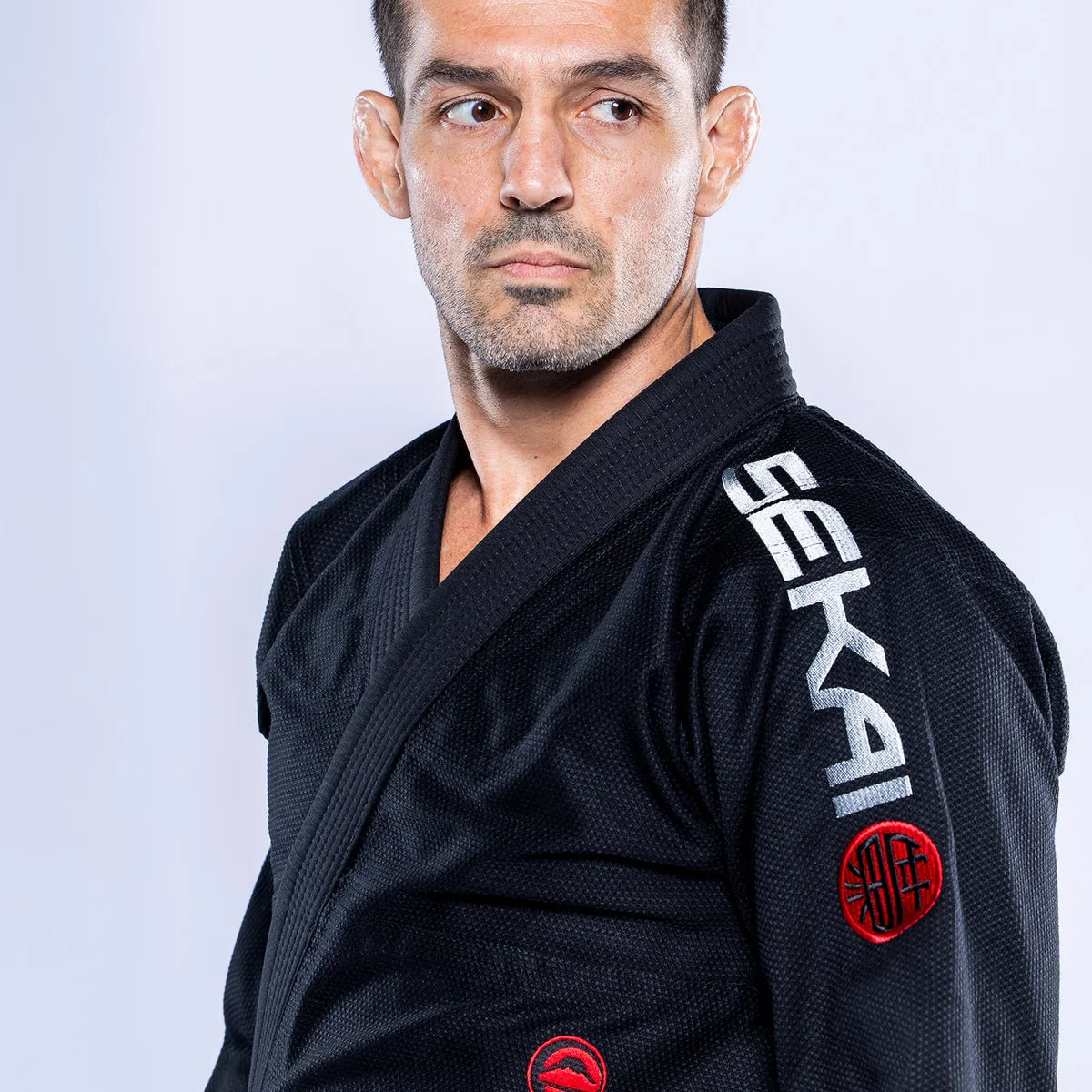
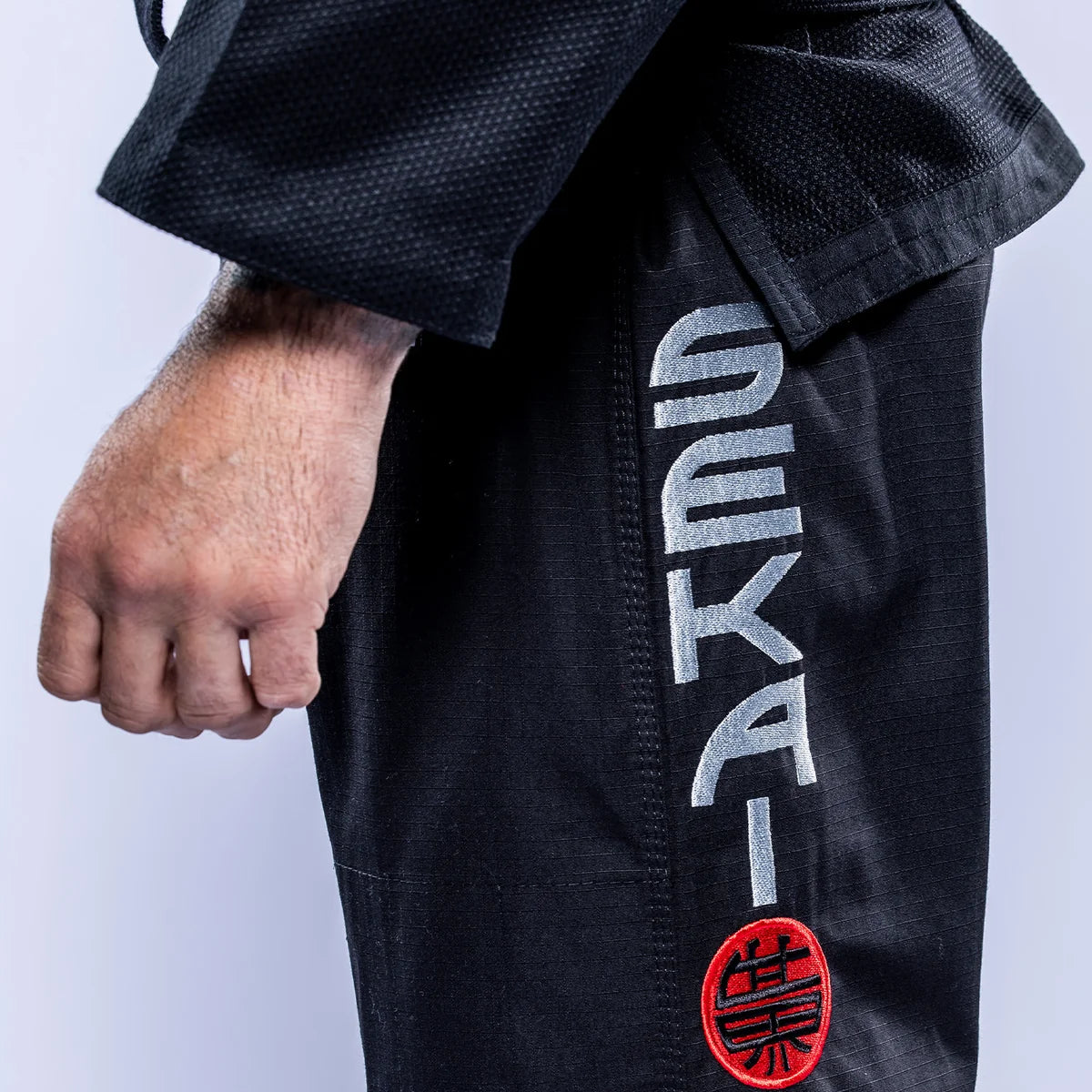
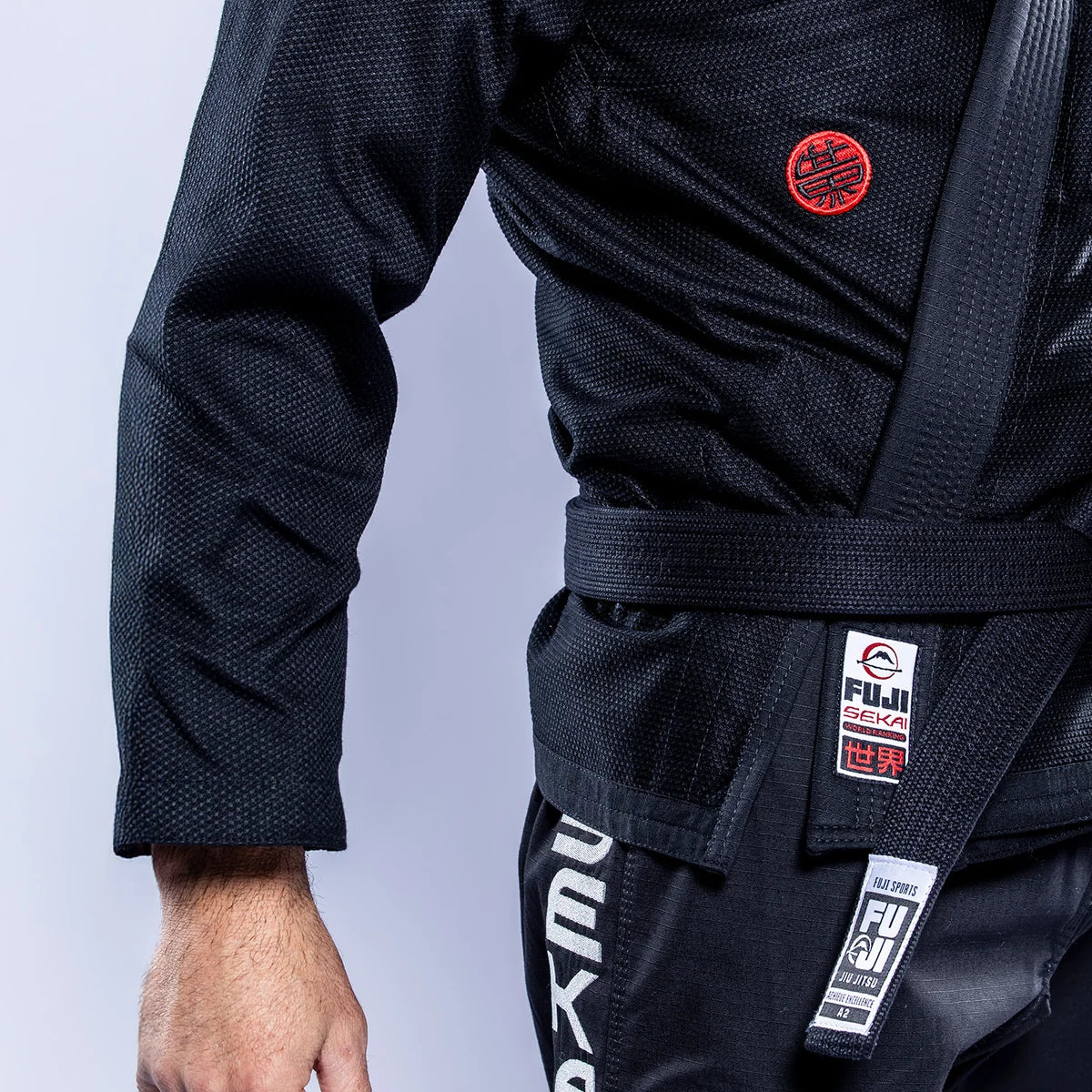
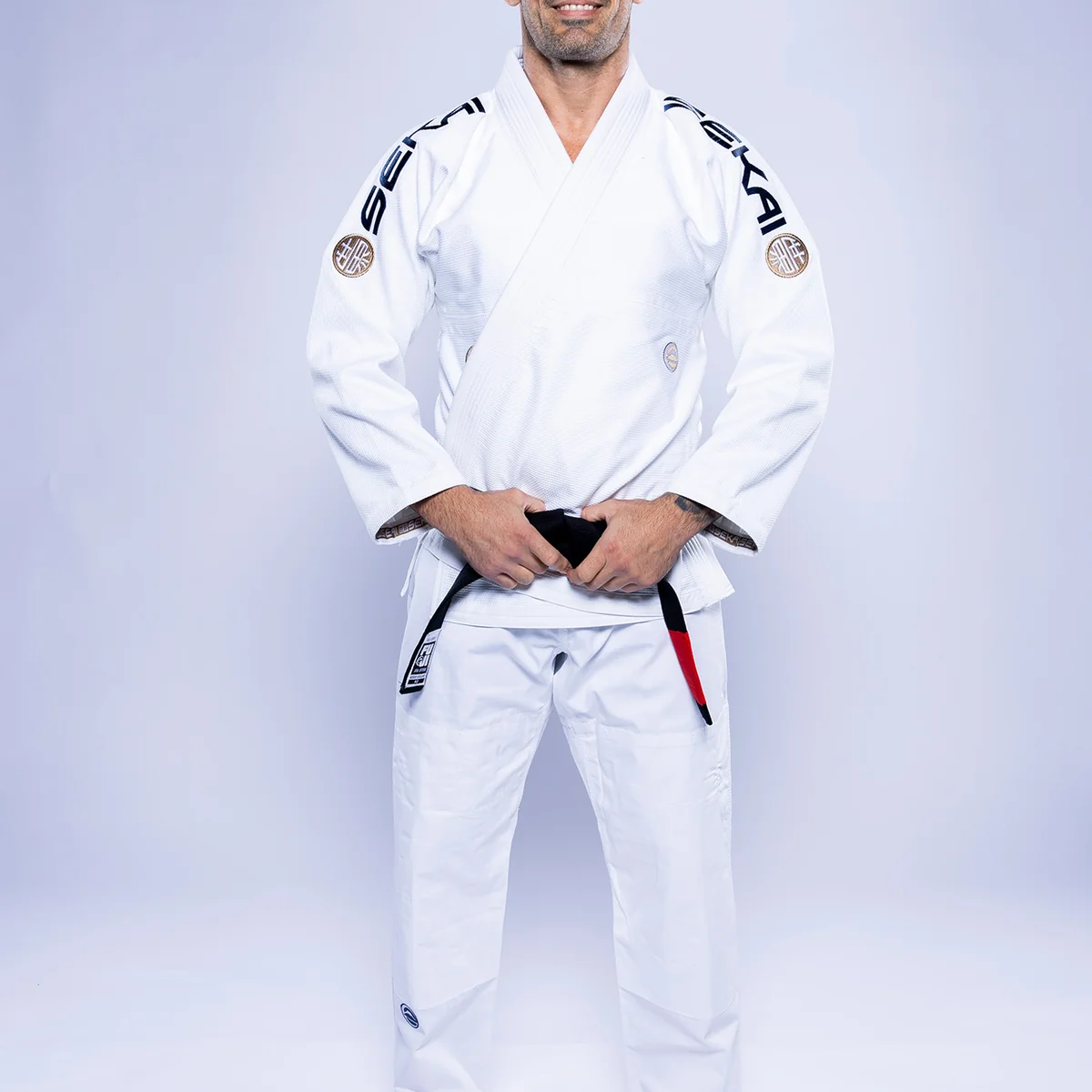
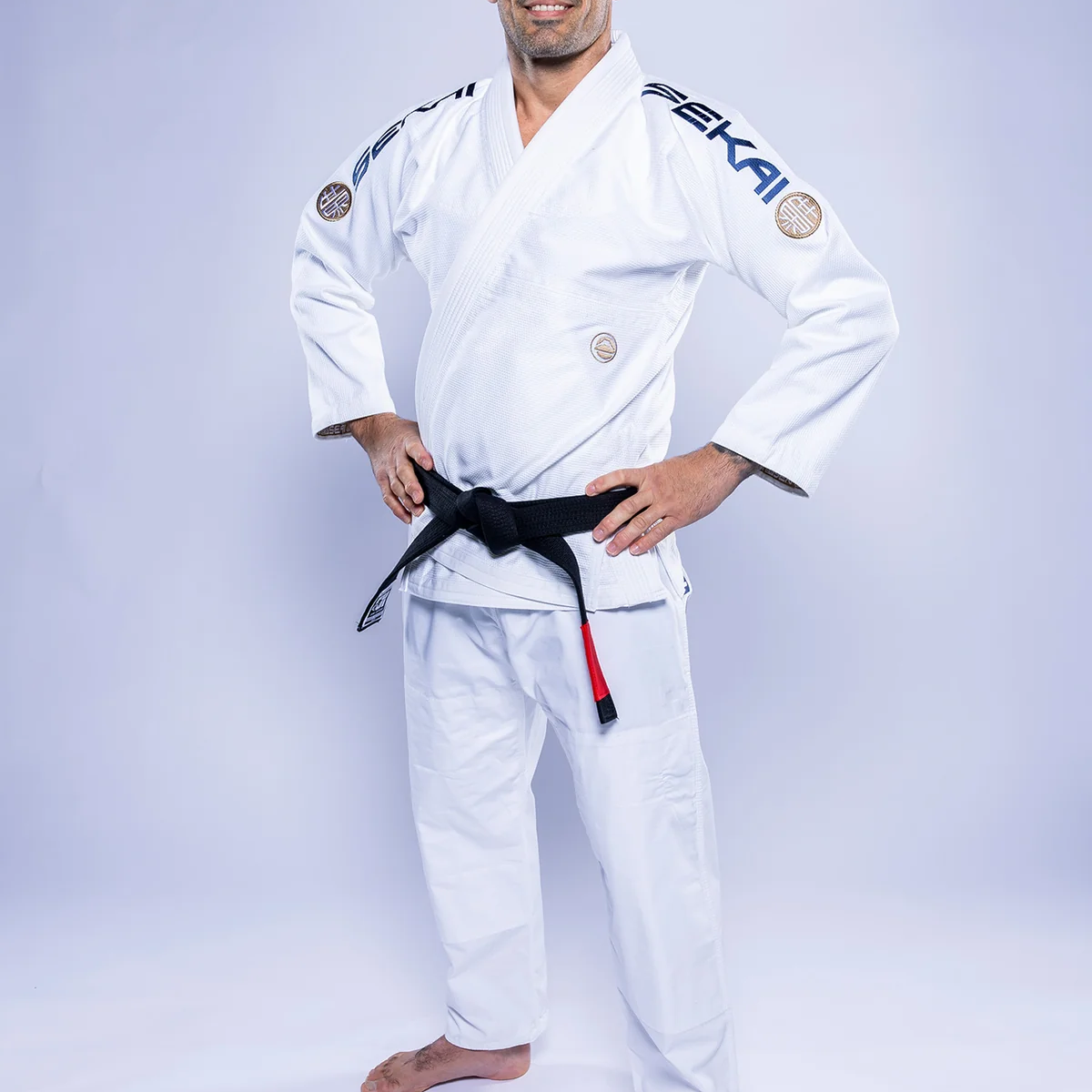
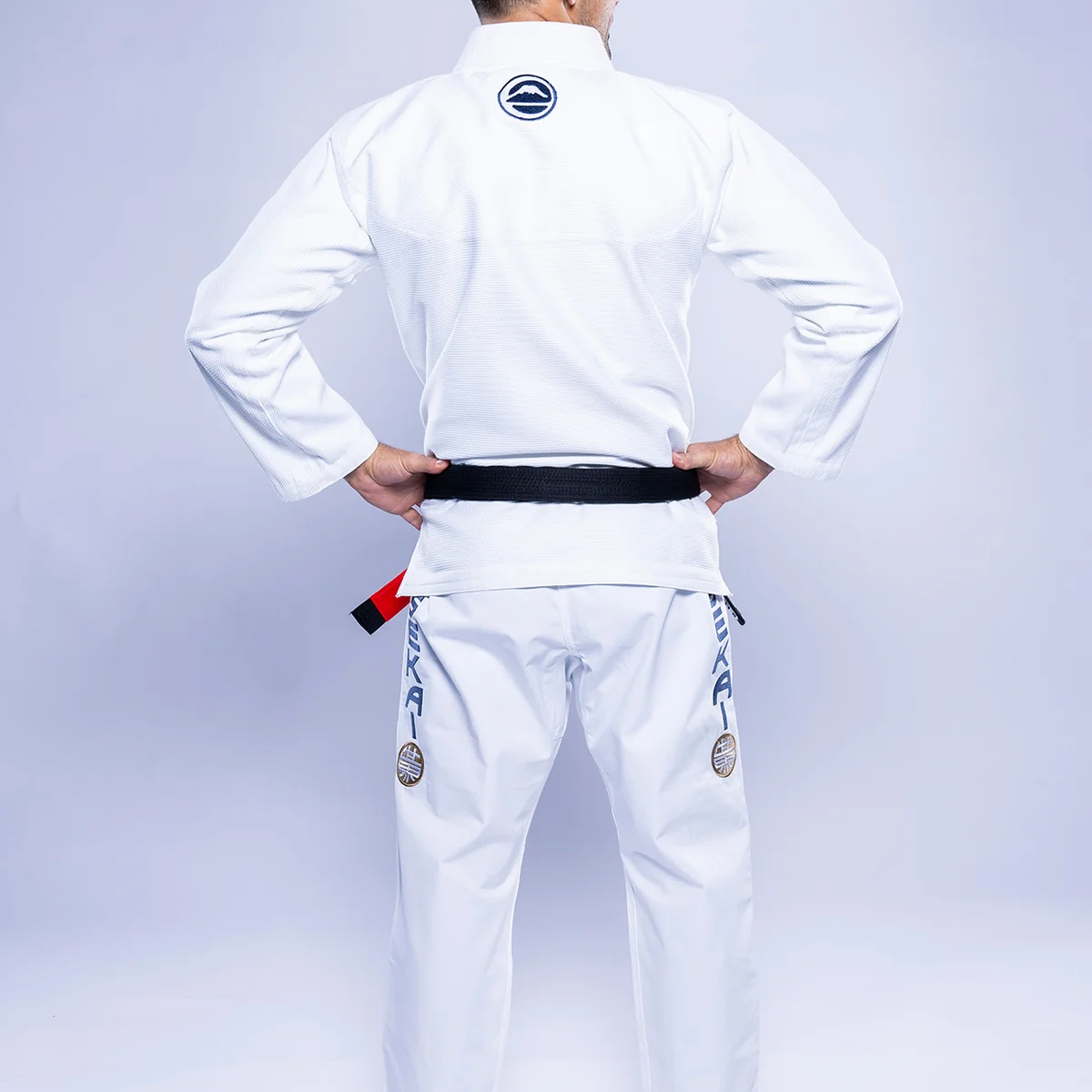
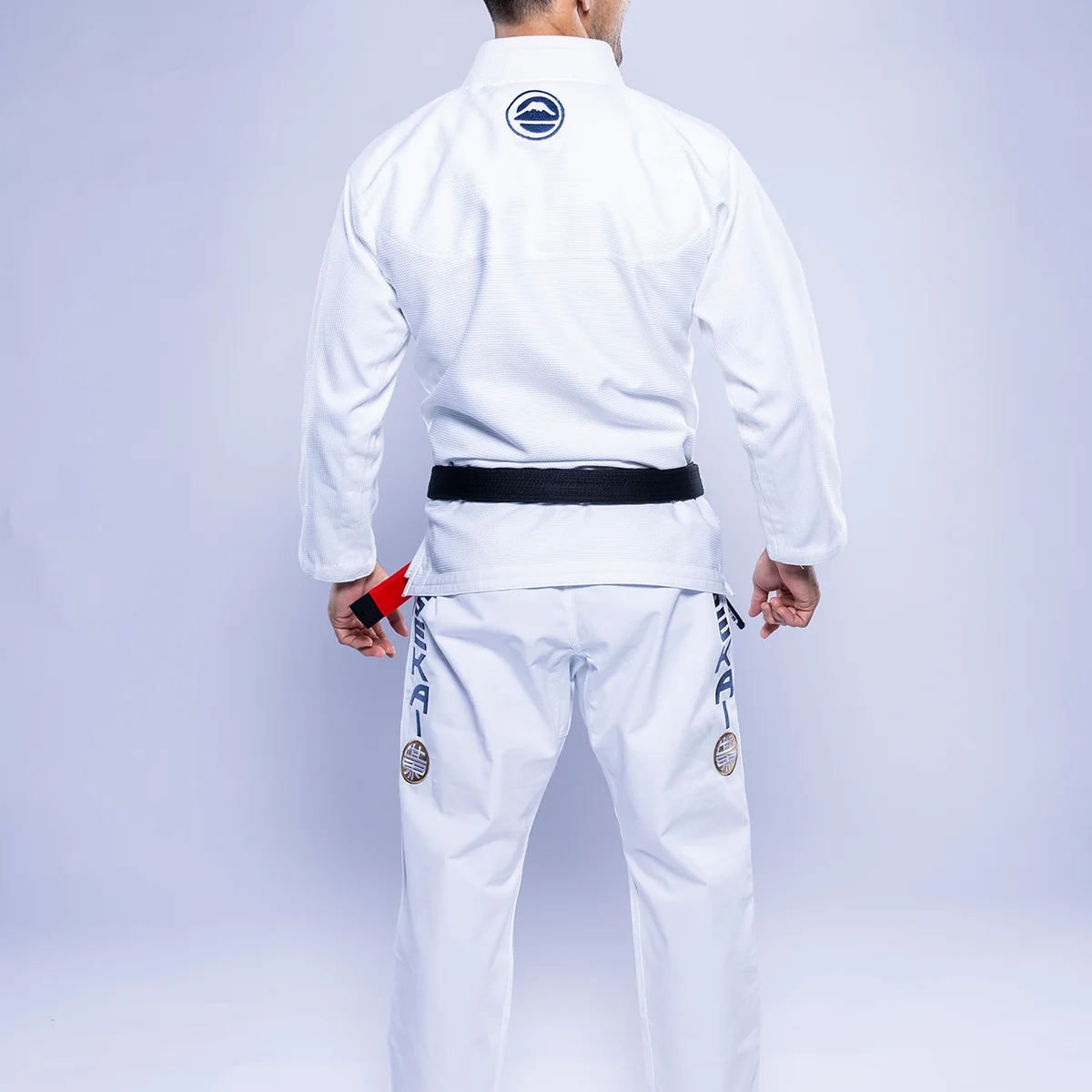
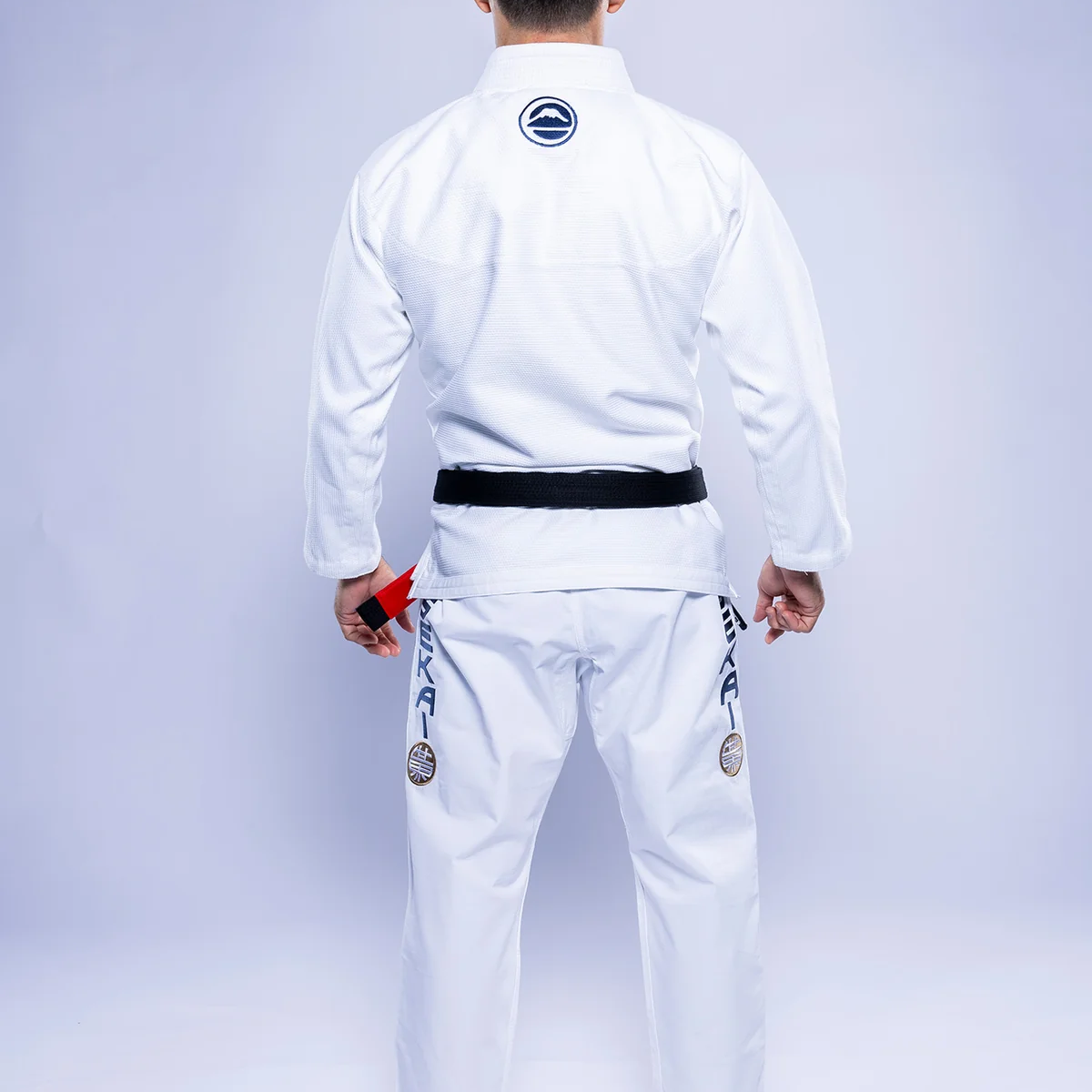
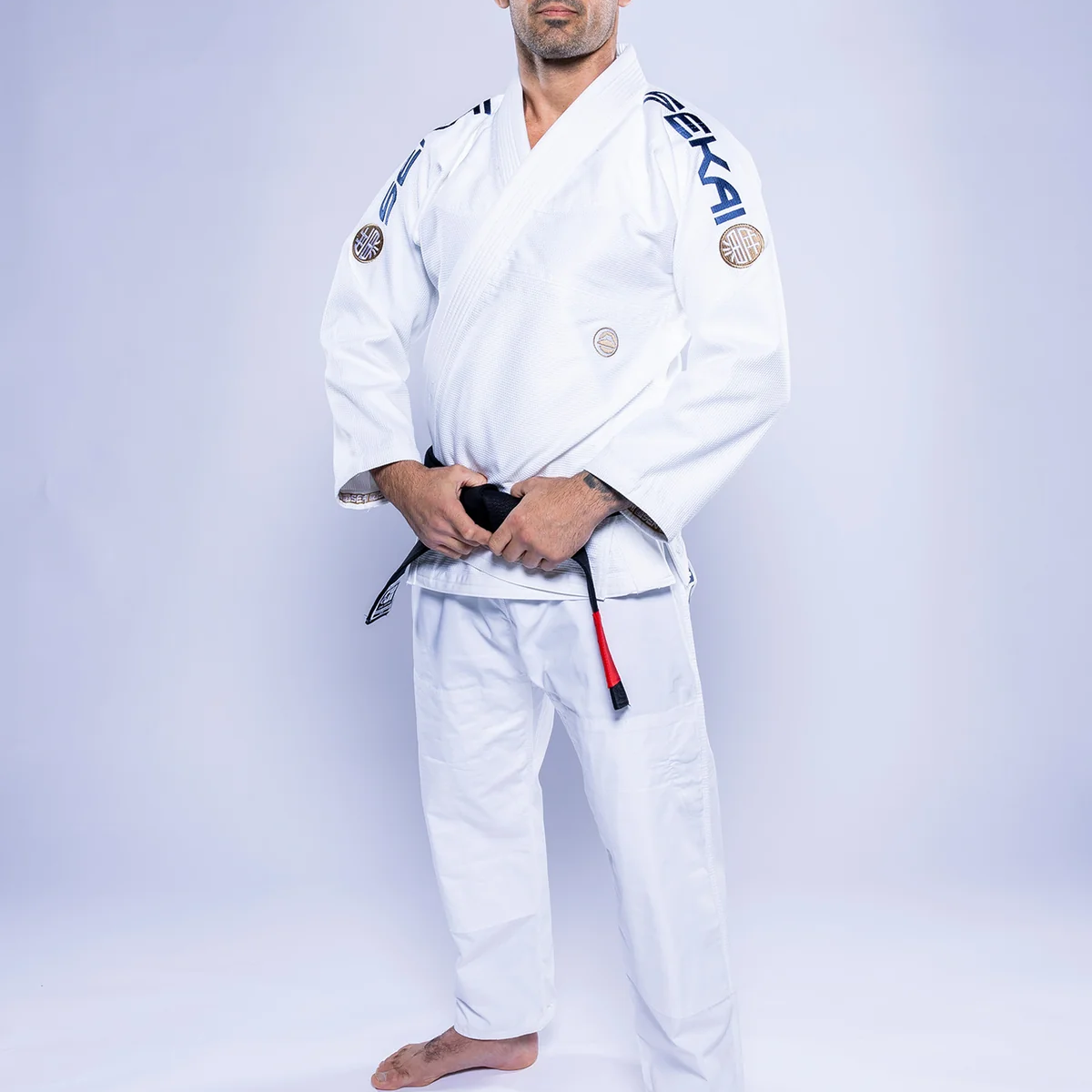
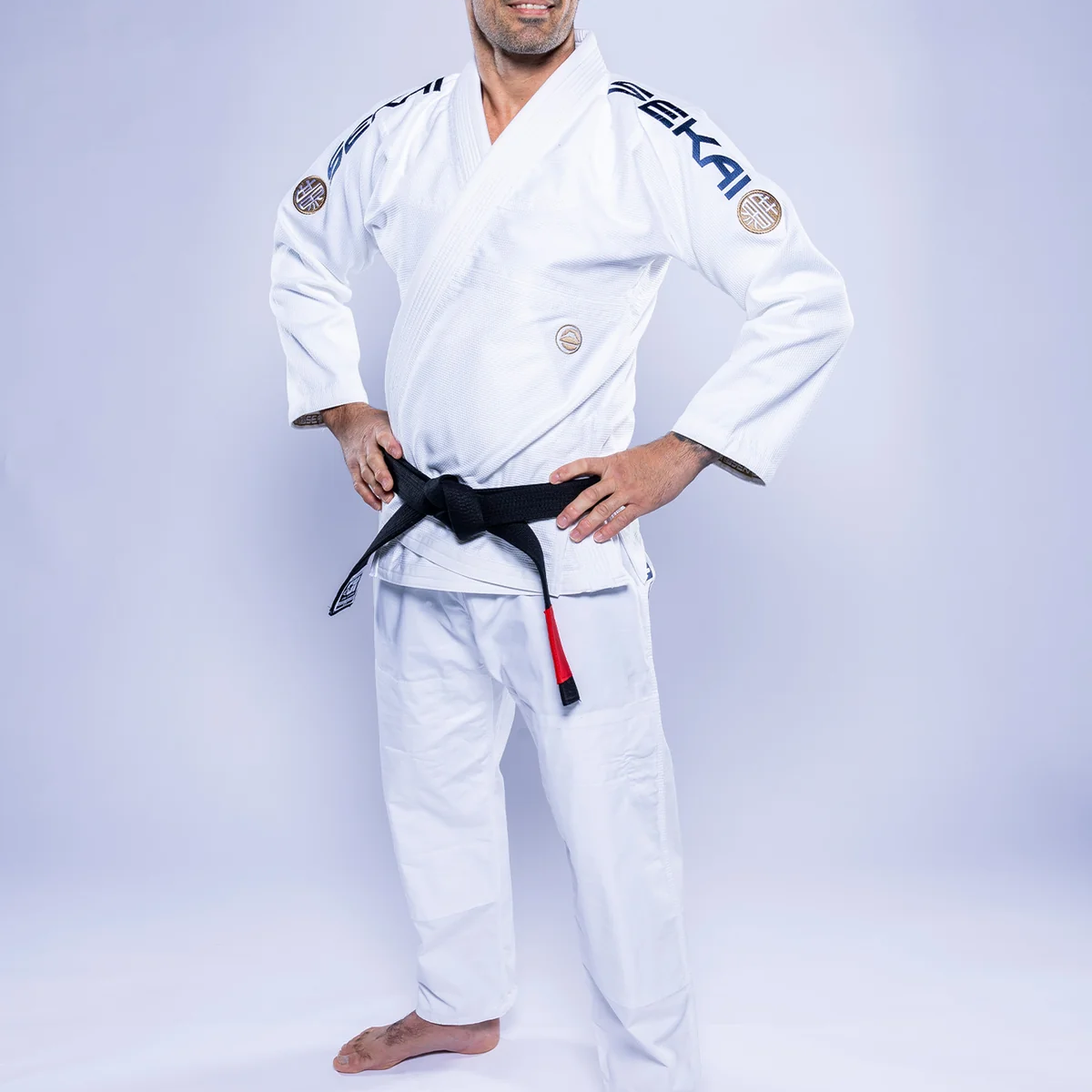
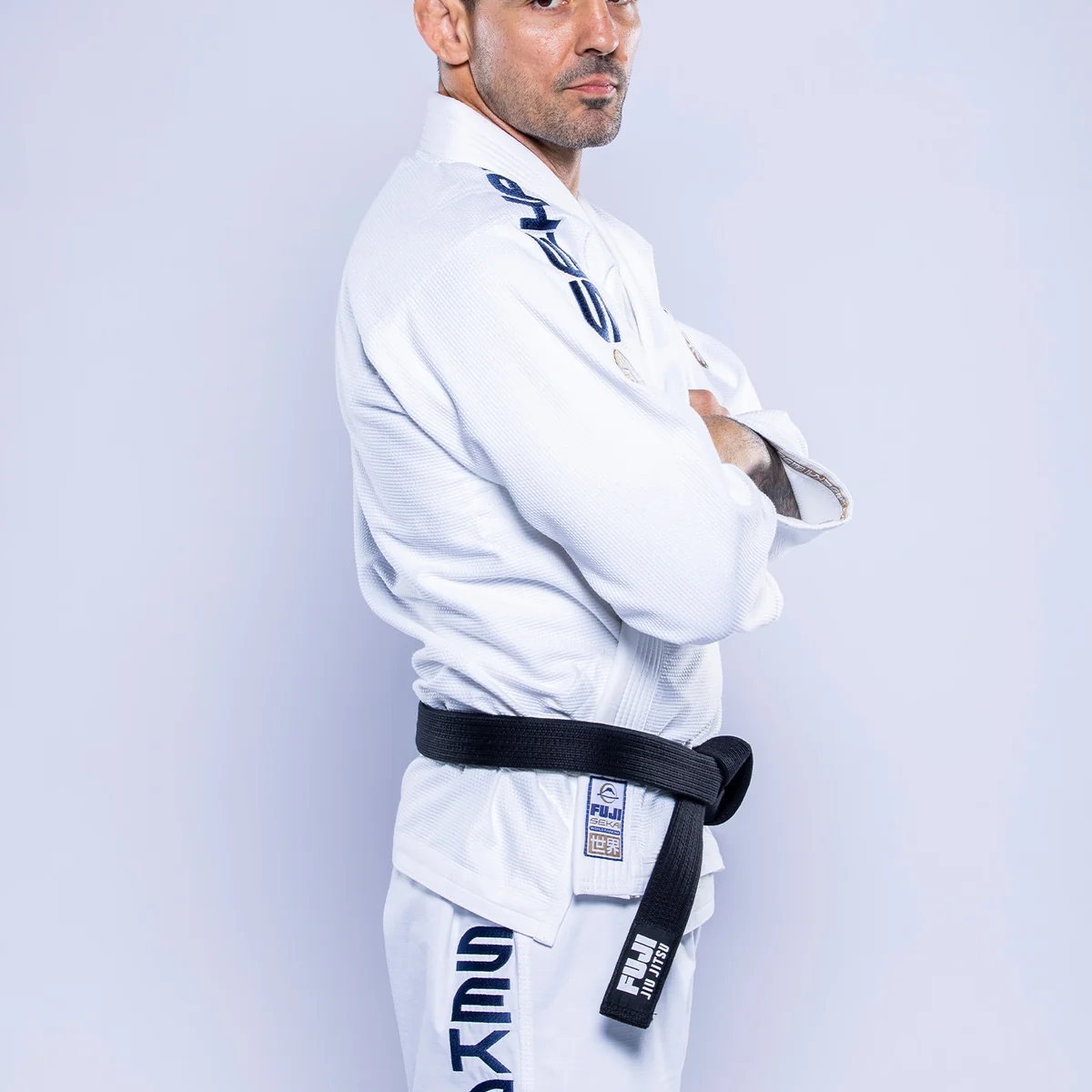
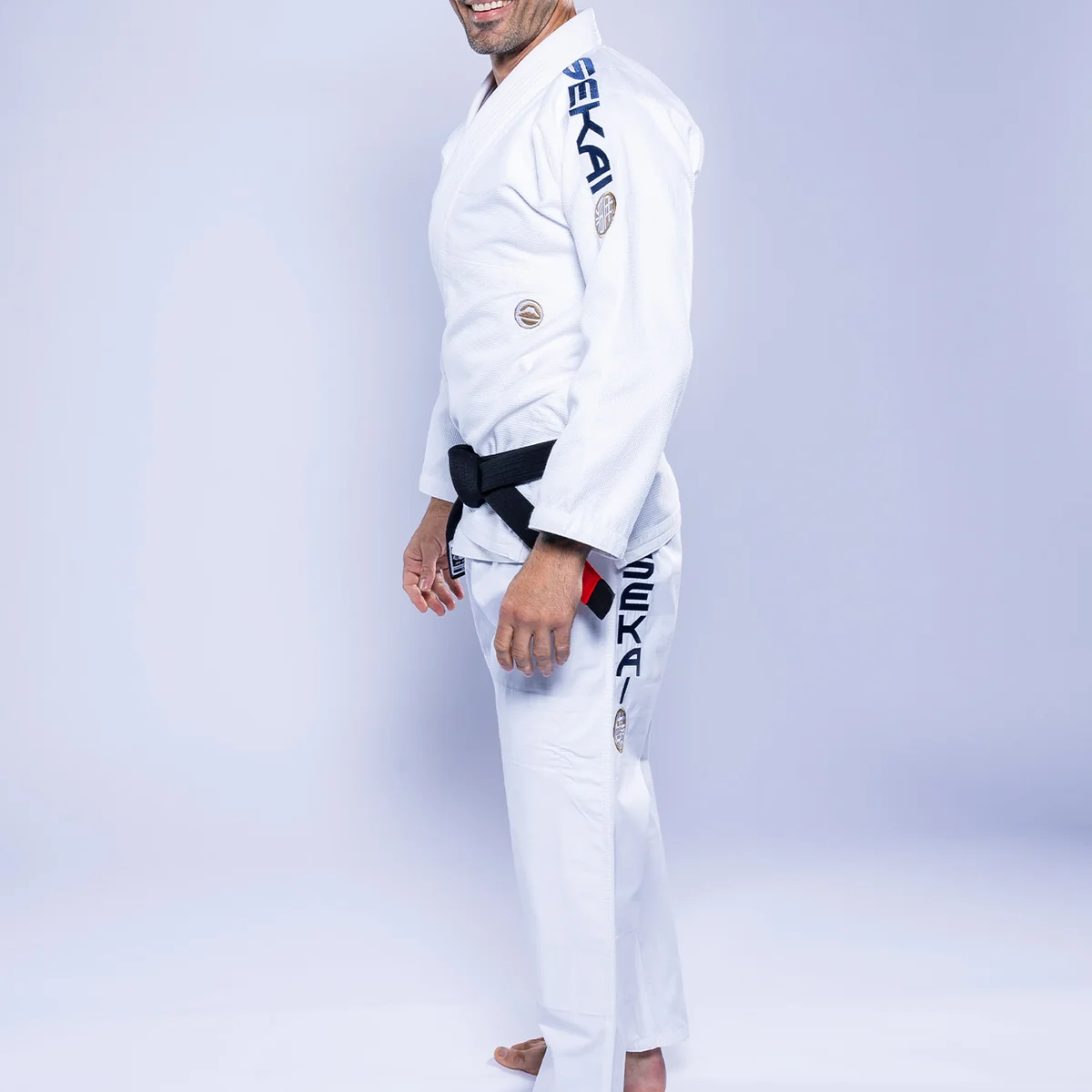
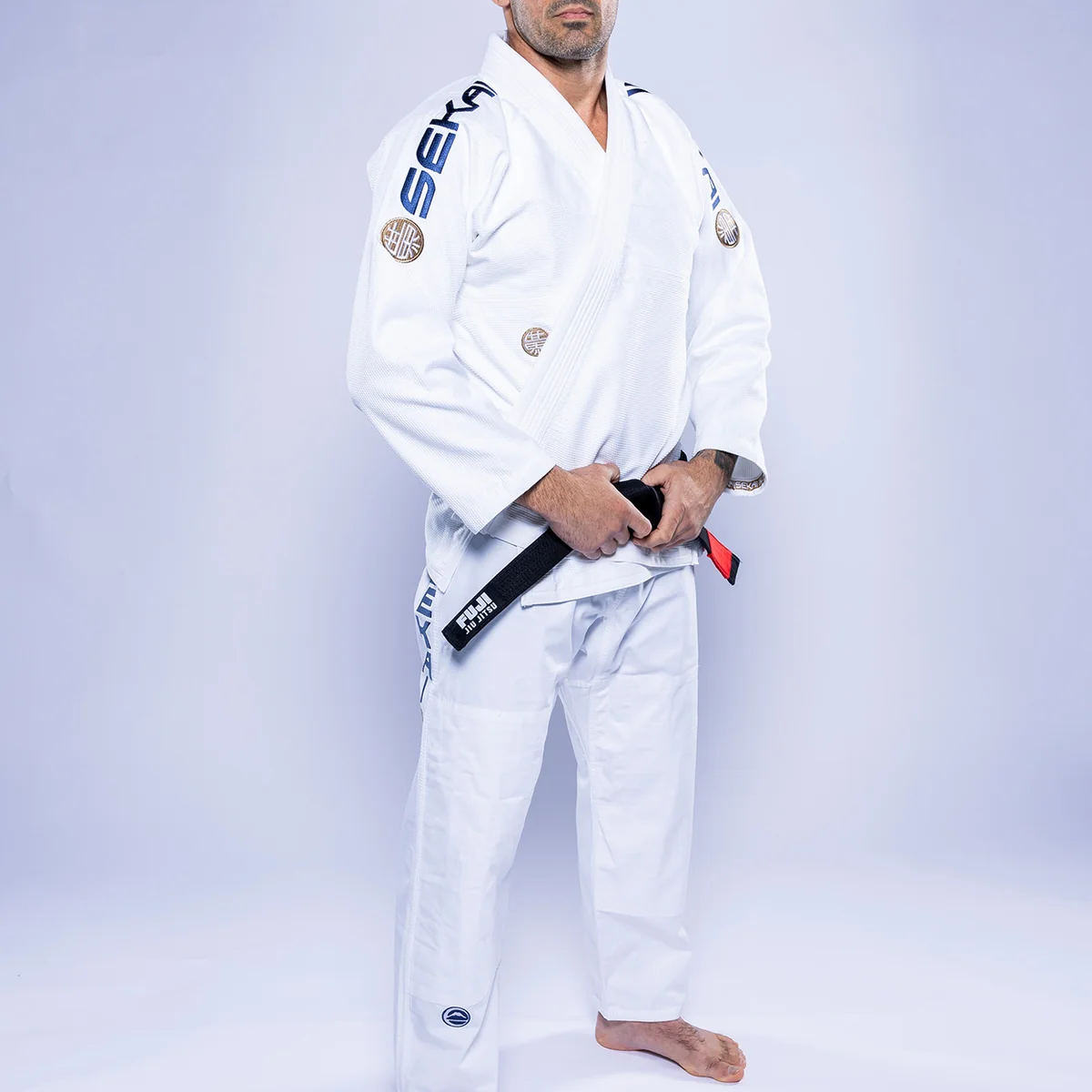
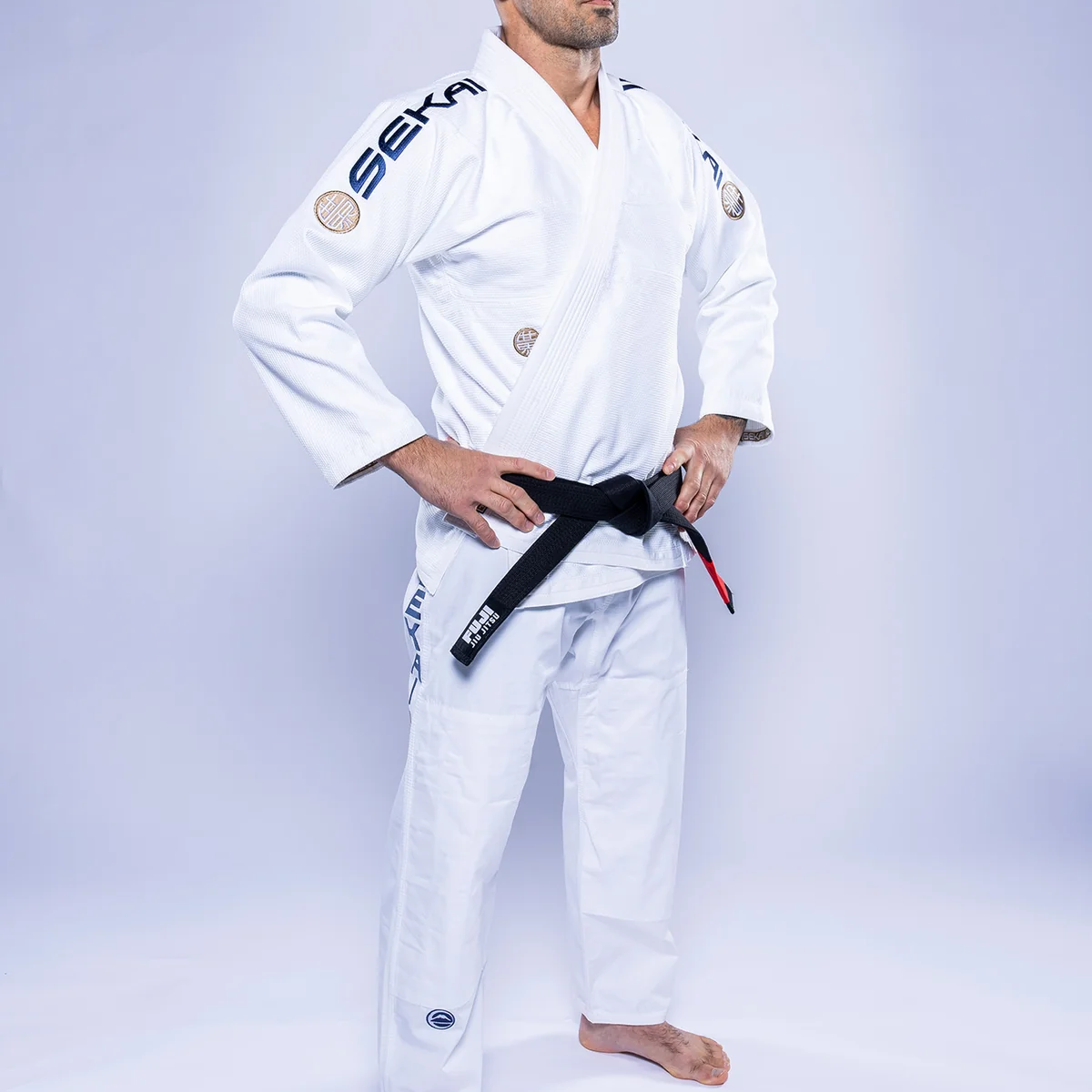
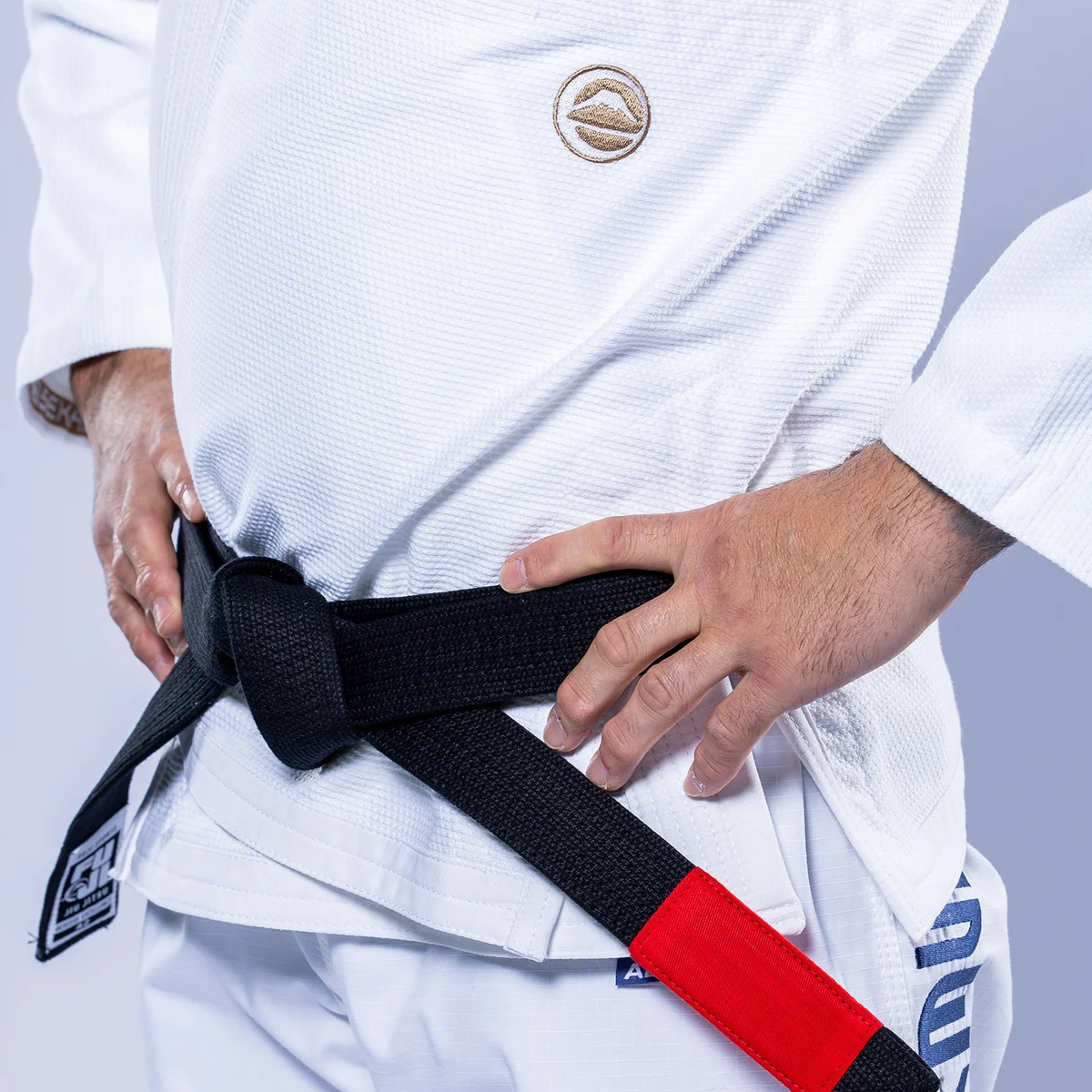
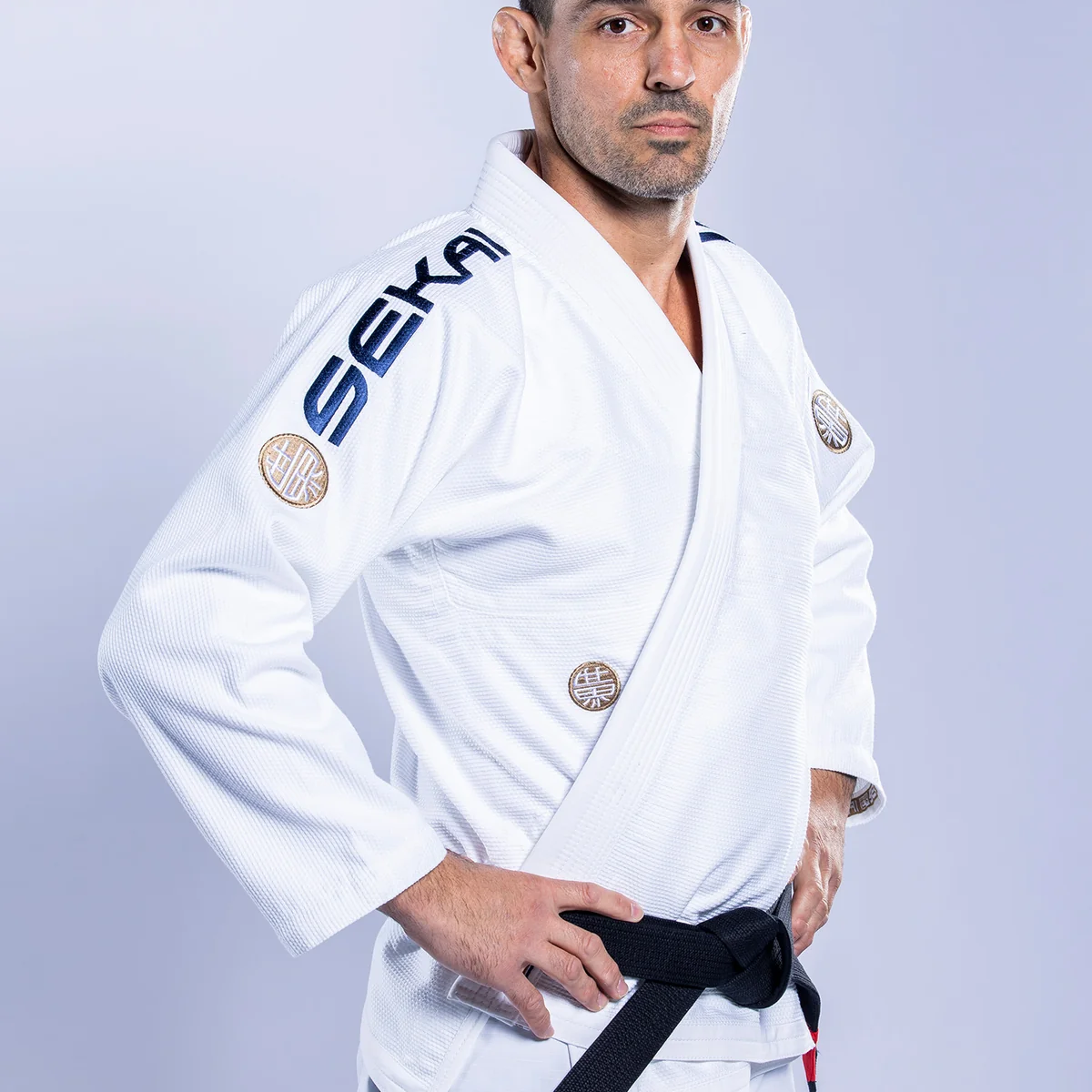
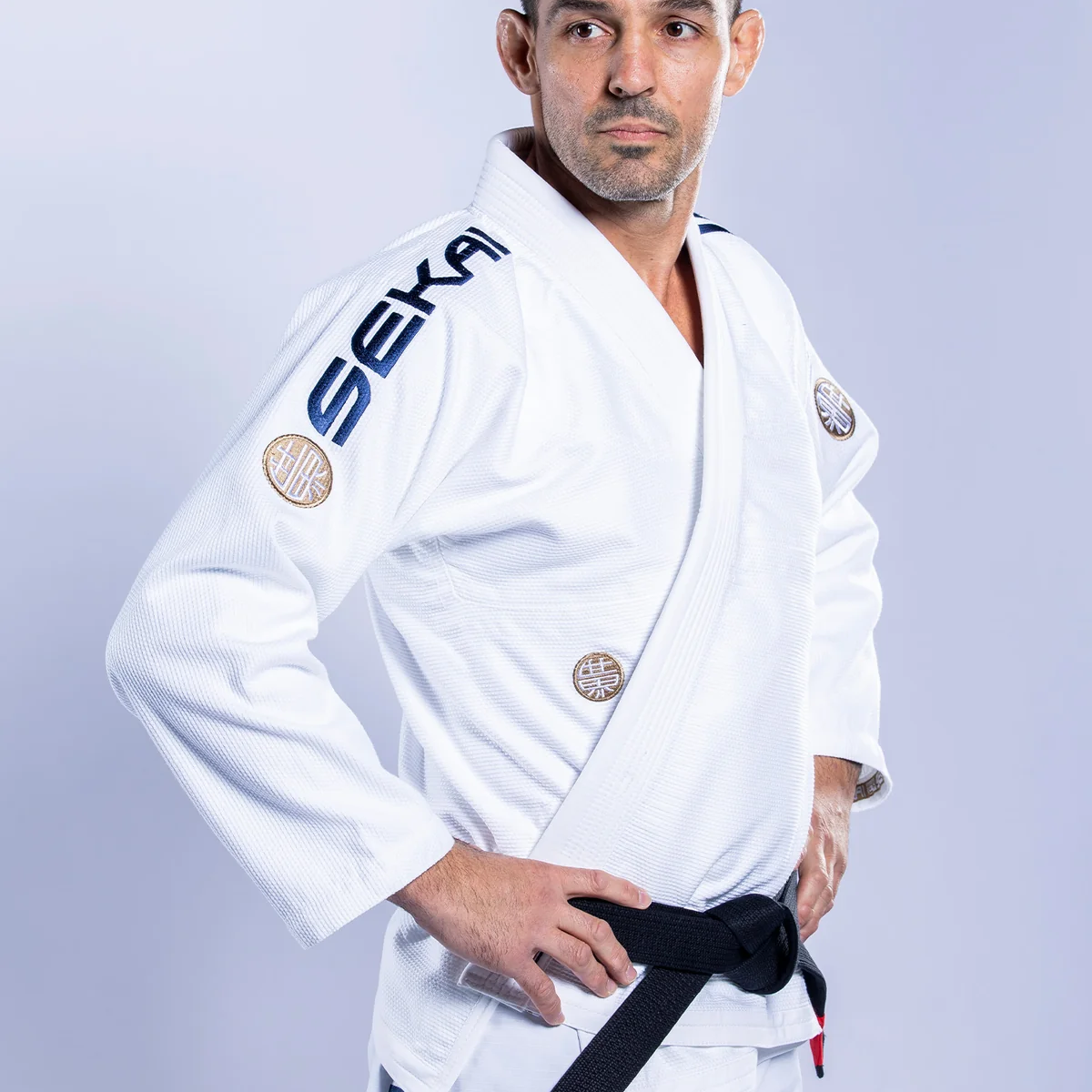
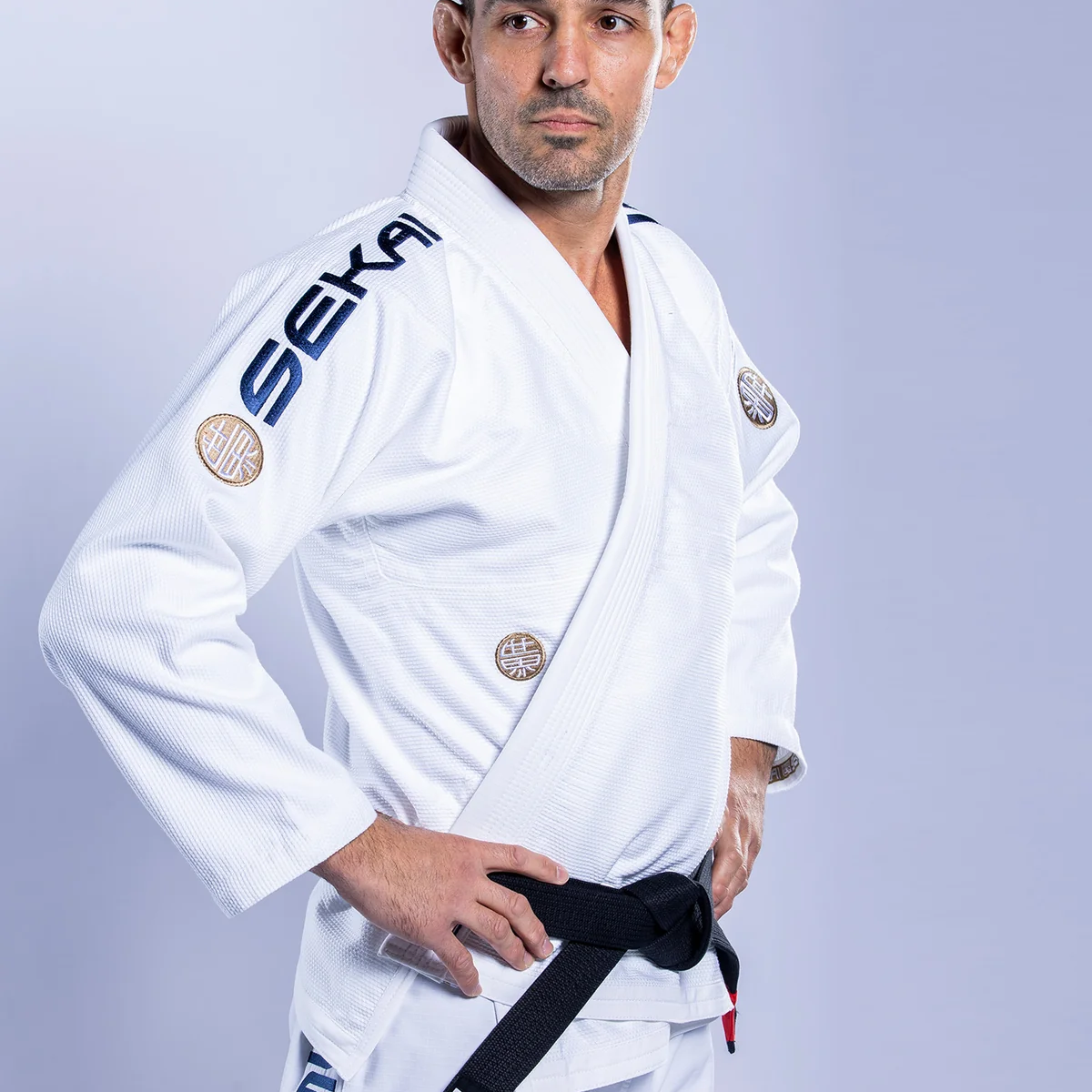
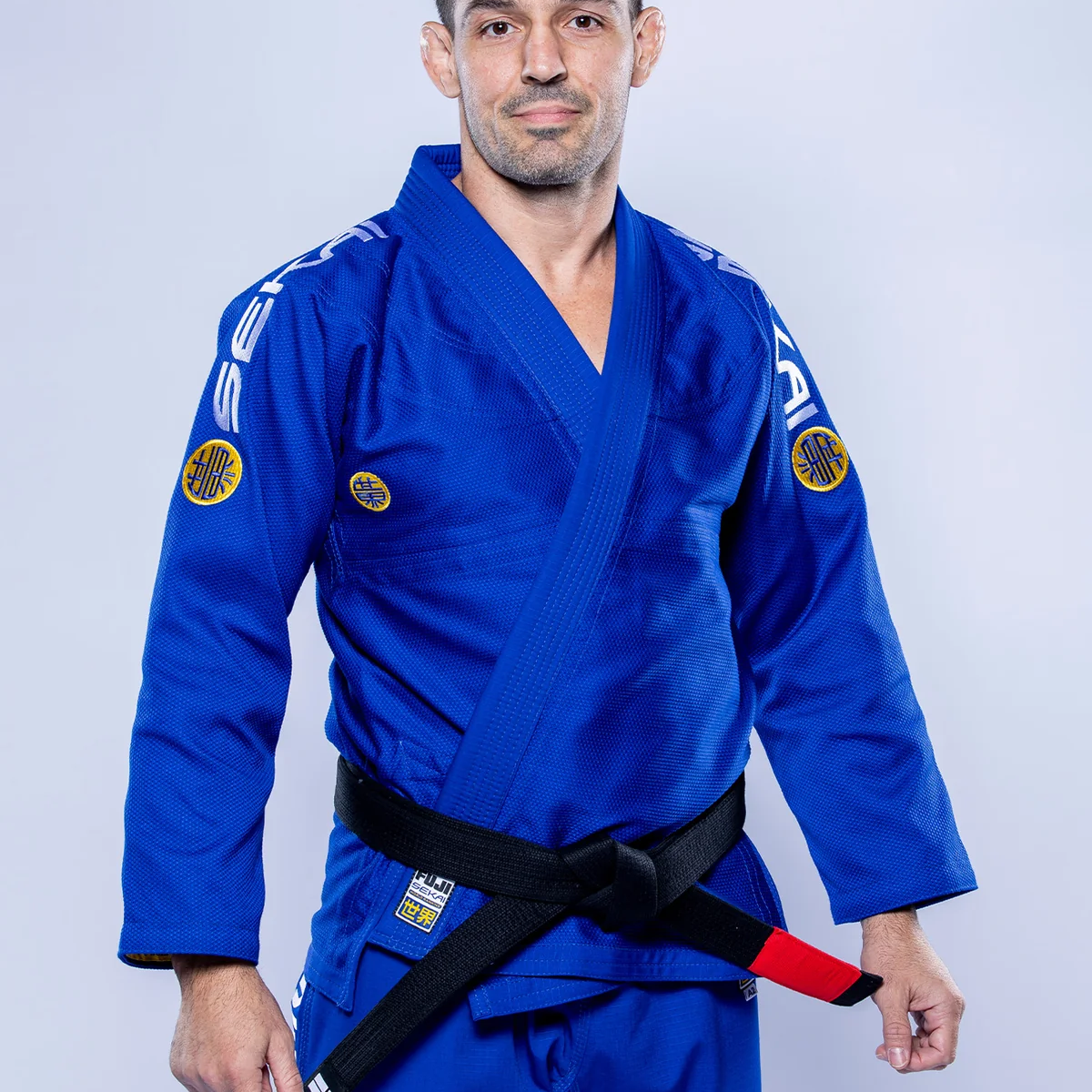
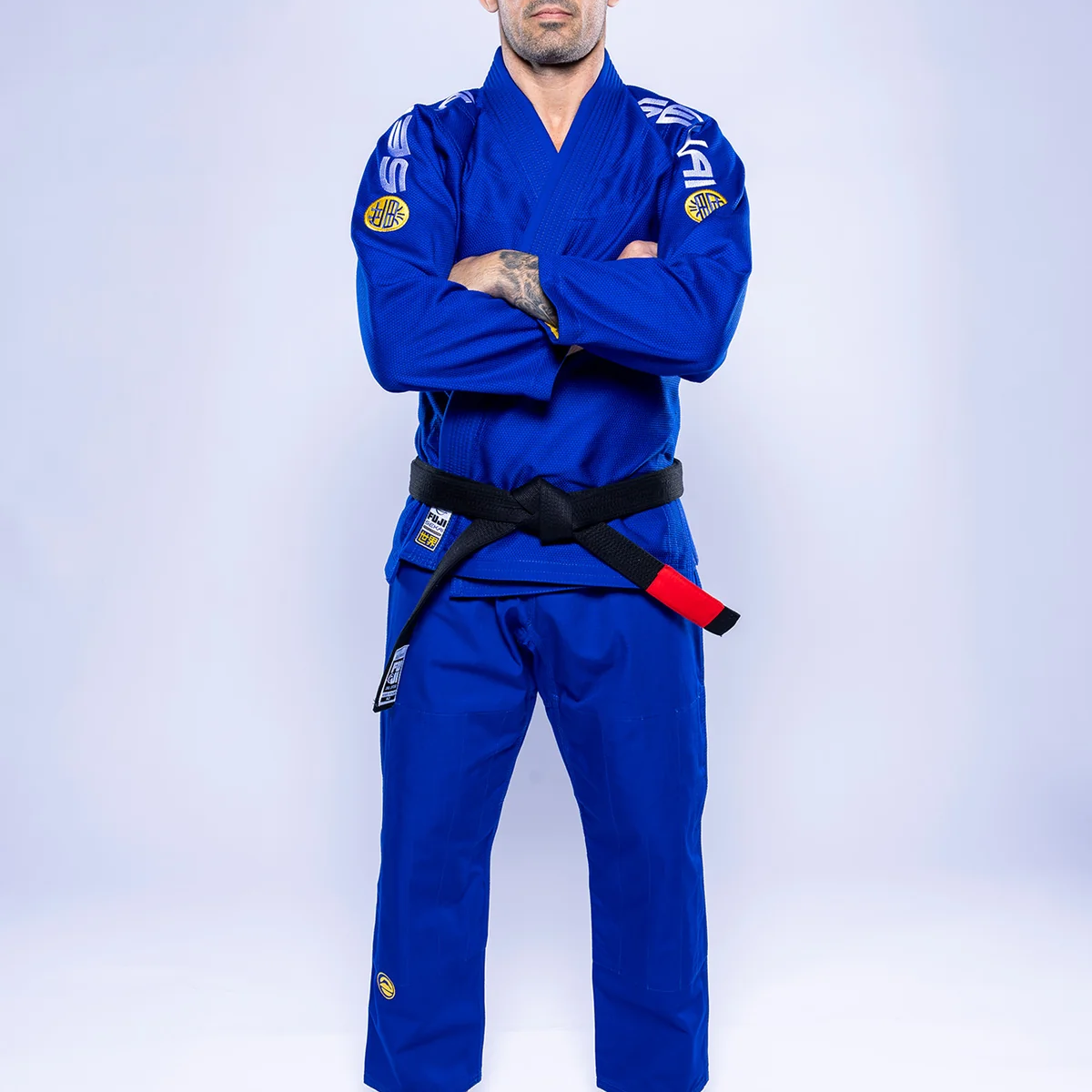
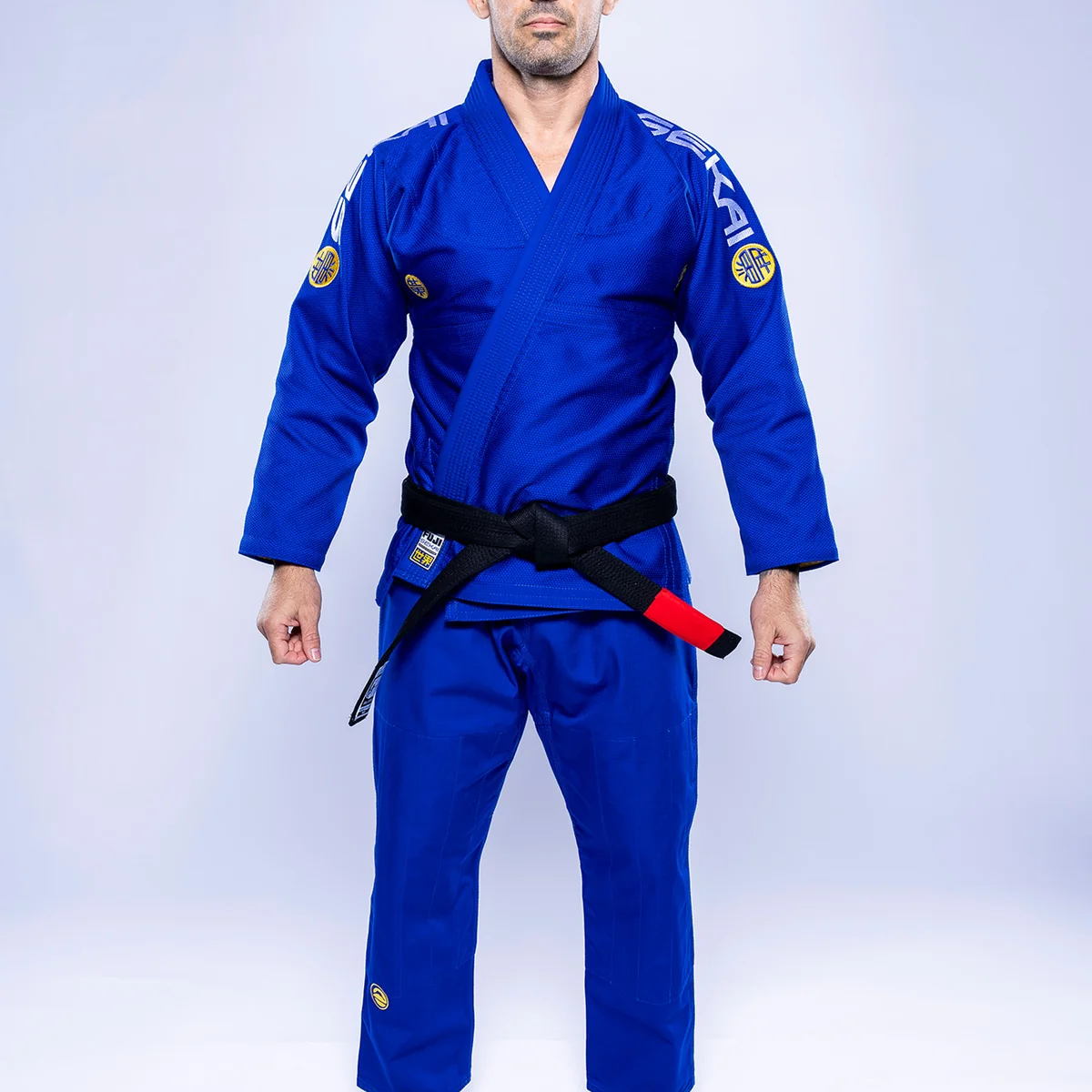
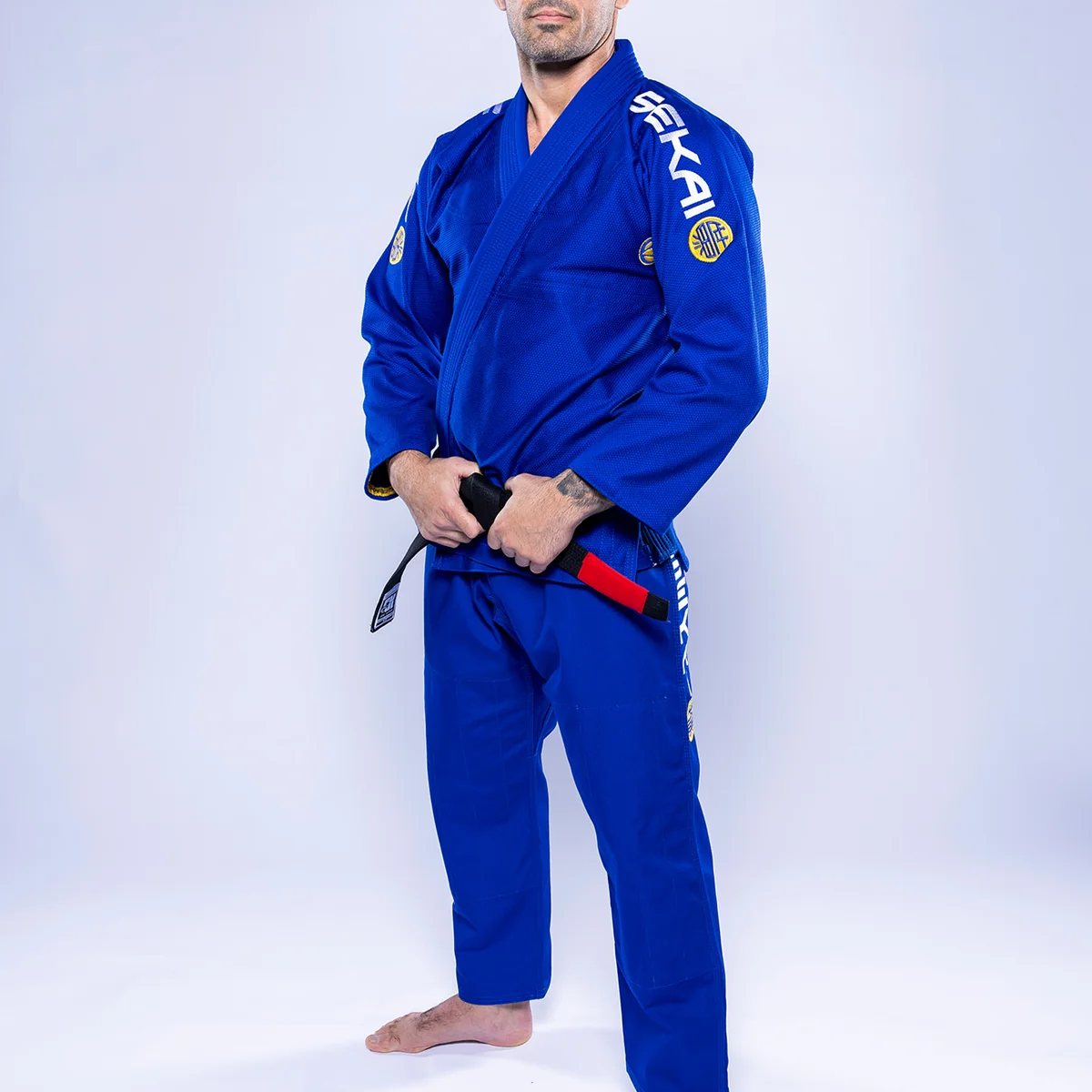
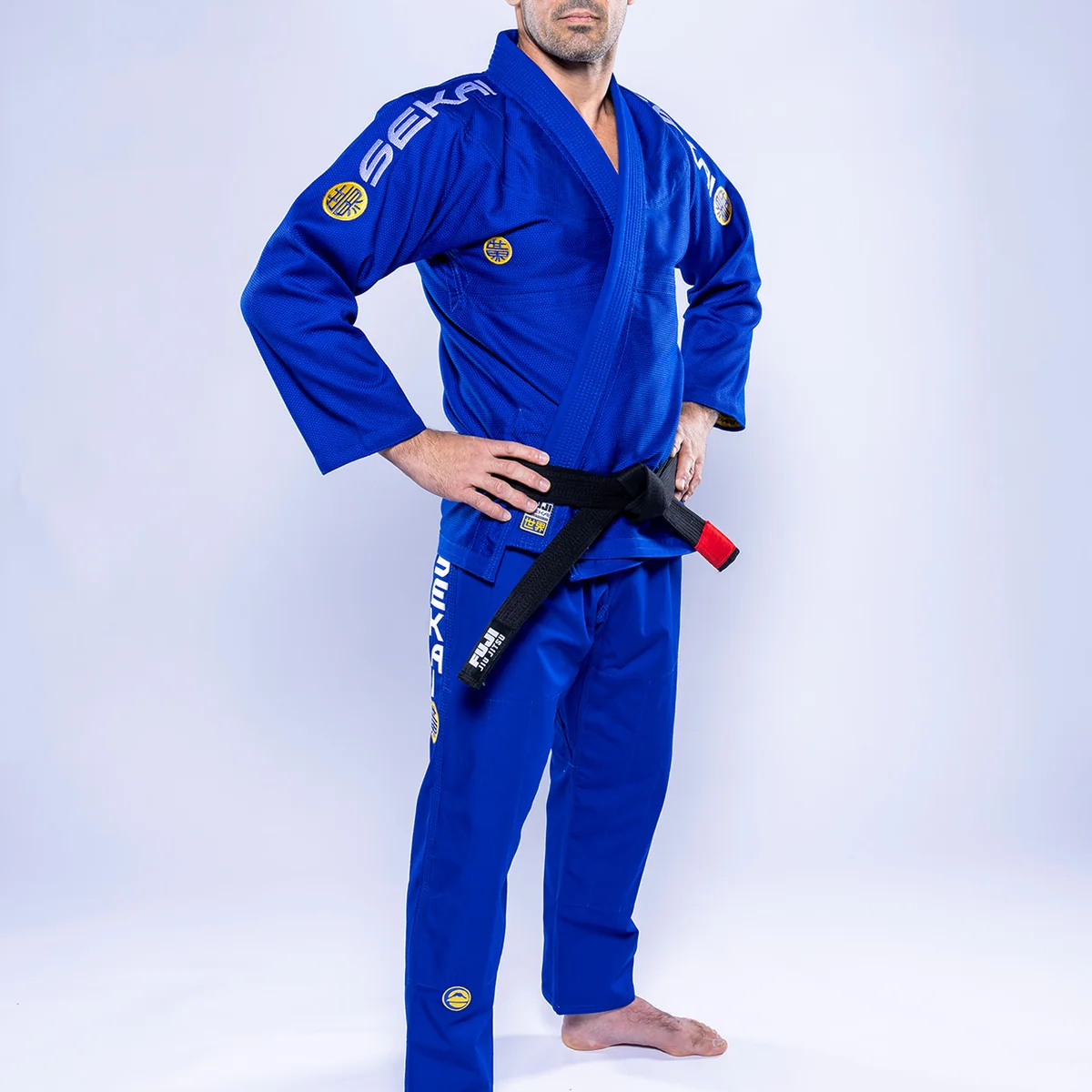
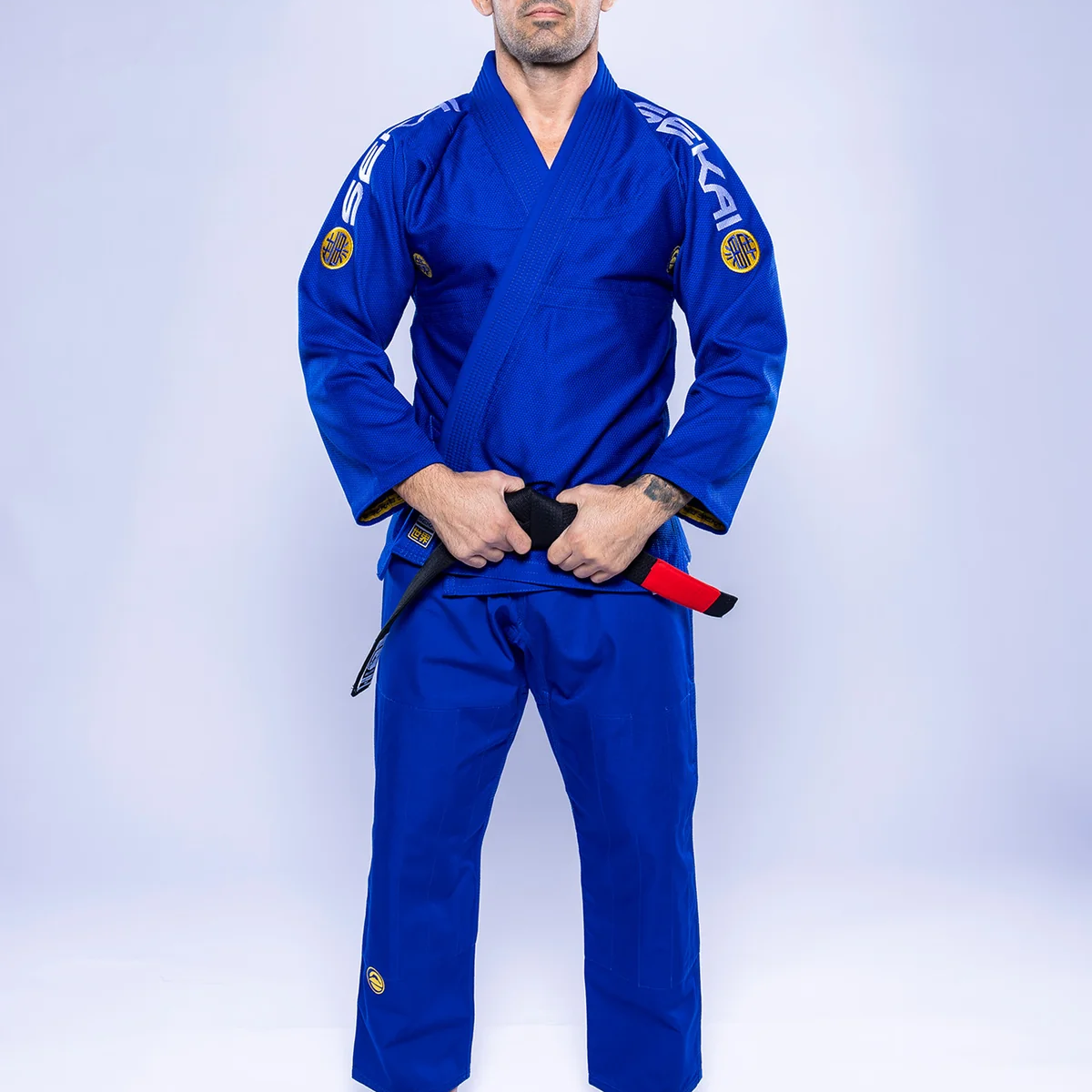
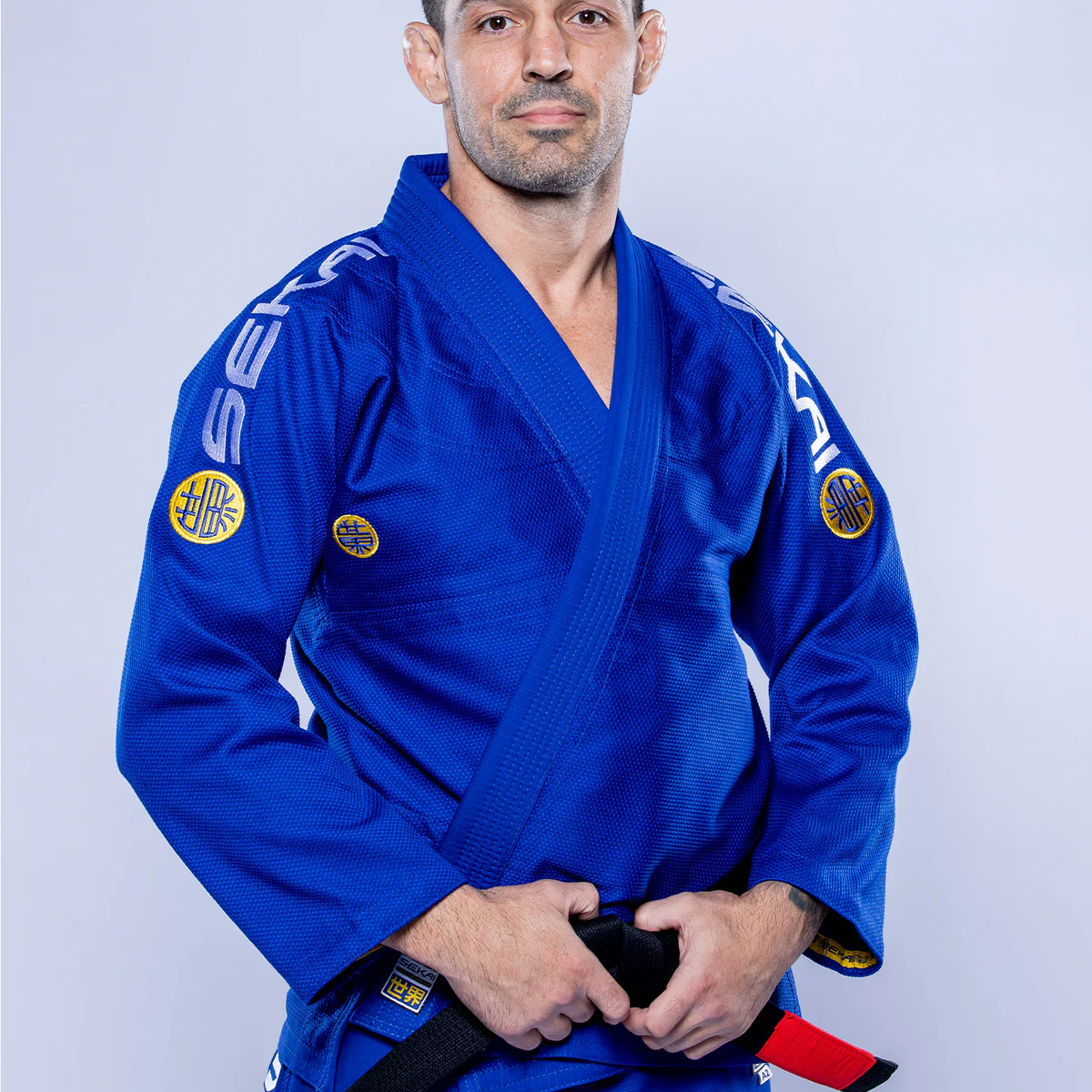
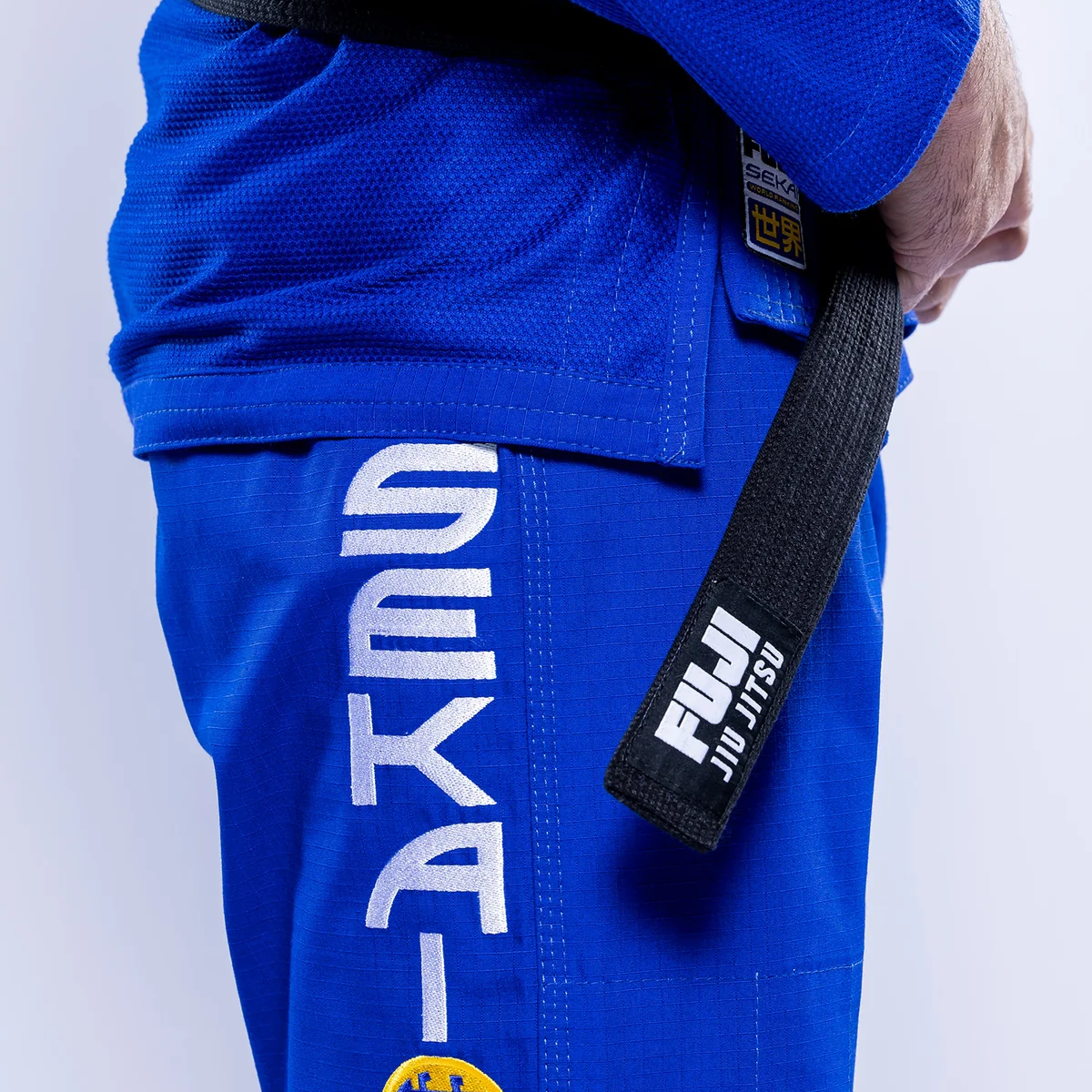
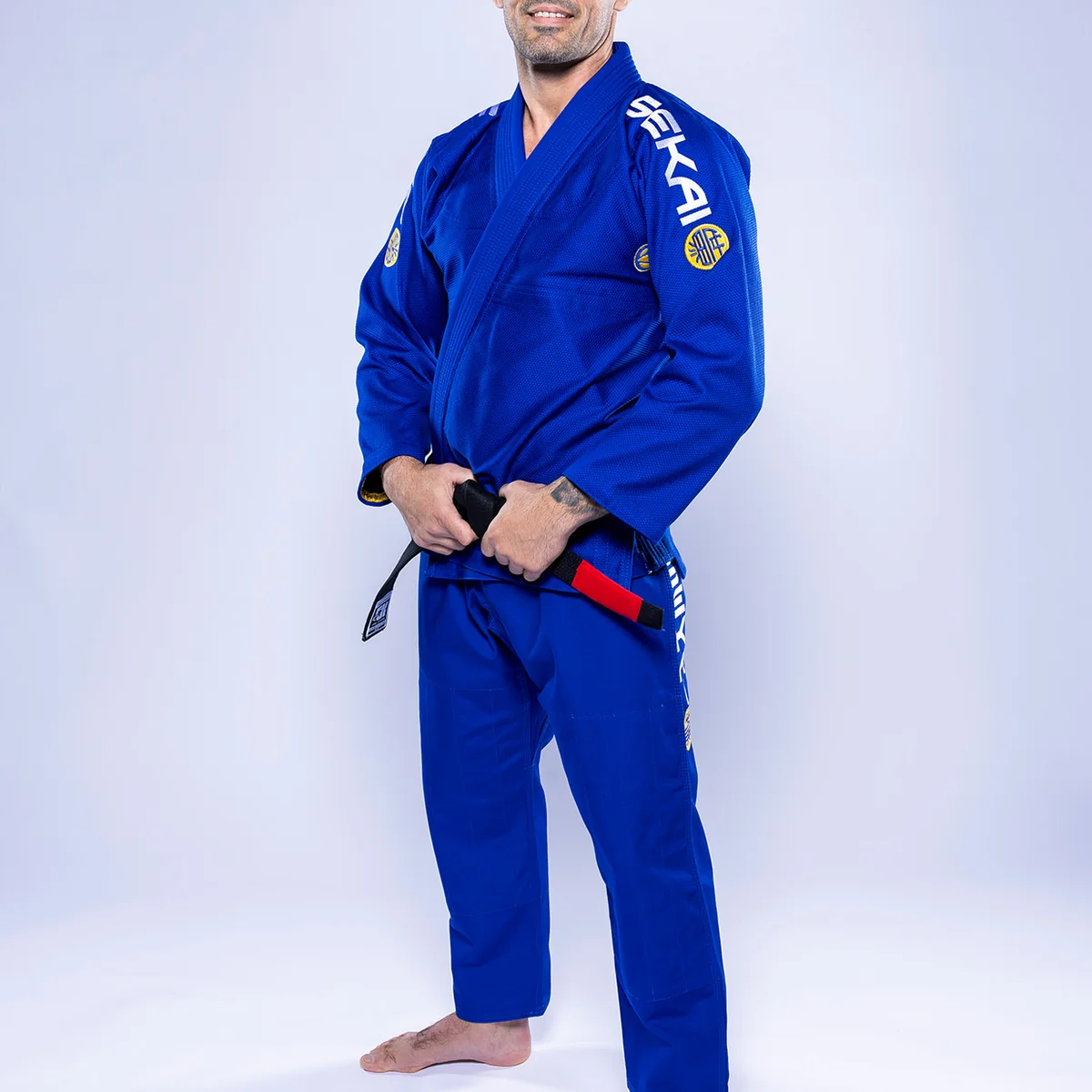
For gi classes, you need a properly fitting gi and a white belt unless your school tells you otherwise. A gi that is too baggy gives your partner extra material to grip. One that is too tight limits movement and shrinks into a problem after washing. For no-gi, a rash guard and grappling shorts are the usual starting point. Regular gym shorts with pockets or zippers are a bad idea because they can scratch training partners or catch fingers and toes.
A mouthguard is smart even if your academy does light rolling. Accidents happen during takedown entries, scrambles, and knee cut passes. You do not need every accessory on day one, but basic hygiene items are non-negotiable. Trim your nails, wear clean gear every session, and keep flip-flops nearby for walking off the mats.
If you train both gi and no-gi, it helps to think in use cases. A gi works for collar grips, sleeve control, and lapel-based training. Rash guards and shorts are for faster scrambles, body lock passing, and a different pace of grip fighting. Many beginners eventually build out both sides of their gear bag, but there is no need to rush it.
How to choose the right academy
A good gym fit matters more than almost any beginner decision. The best academy for you is not always the one with the biggest competition team or the most intense room. It depends on your goals, schedule, budget, and what kind of training culture helps you stay consistent.
When you visit, pay attention to how instructors interact with new students. Are beginners getting coached, or just thrown into rounds with no context? Is the room clean? Do upper belts help newer people understand where to put their hands and hips, or do they treat every round like a tournament final?
You should also look at class structure. Some schools are very fundamentals-focused, which helps a lot if you are learning base, posture, escapes, and positional awareness from scratch. Others move faster and assume you will pick up details through repetition and sparring. Neither is automatically wrong, but one may fit you better.
A few practical questions help: Is the schedule realistic for your work and family life? Are there beginner-friendly classes? Is the academy culture respectful during hard rounds? If you leave your trial class feeling challenged but not ignored, that is usually a good sign.
The positions and skills that matter first
The best brazilian jiu jitsu starter guide is not a list of flashy submissions. Early on, your progress comes from understanding positions. If you know what mount, closed guard, side control, back control, and half guard are, you already have a map for what is happening during a roll.
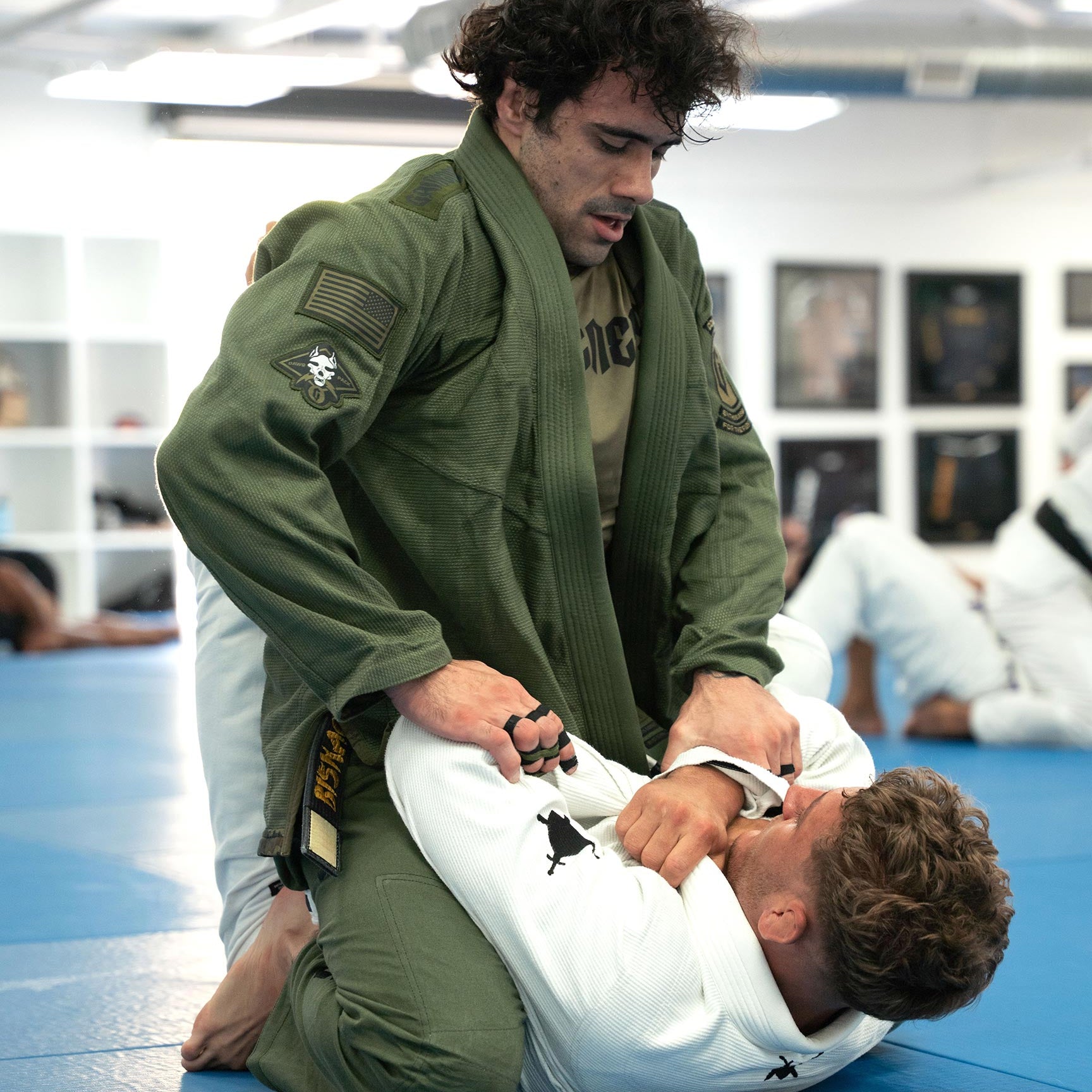
At white belt, the basics carry a lot of weight. Learn how to maintain posture inside someone’s closed guard. Learn a simple guard break and one reliable pass. Learn how to frame from bottom side control, bridge from mount, and protect your neck when someone takes your back. Those skills show up constantly.
Submissions matter too, but usually after position. A beginner who chases armbars from bad angles often ends up getting stacked or passed. A beginner who learns to control distance, keep elbows in, and stay balanced usually improves faster. Think less about collecting techniques and more about recognizing situations.
One useful example is side control escape. You may drill the movement ten times with clean reps, then fail to hit it live because your frame collapses or your hips stay flat. That does not mean the technique does not work. It usually means the setup and timing need more attention. The same thing happens with passing closed guard, finishing a rear naked choke, or trying to hold mount against someone who bridges hard.
Training pace, sparring, and tapping
Most beginners start too hard. They grip too long, explode at the wrong moments, and burn through energy in the first minute. Jiu Jitsu rewards controlled effort more than panic movement. If you stay calmer, you see more openings and make better decisions.
When sparring starts, tapping is part of the process. Tap early, especially when you are caught in a tight armbar, triangle, kimura, or choke you do not understand yet. There is no value in trying to tough out a fully locked submission in the training room. The better habit is to recognize danger, tap, reset, and ask what led to it.
It also helps to have a simple goal for each round. Against a stronger partner, maybe the goal is to maintain posture and avoid getting swept from closed guard. Against another beginner, maybe the goal is to get to side control and hold it for a few seconds. Small goals keep training productive when everything still feels fast.
Common mistakes beginners make
The biggest mistake is inconsistency. Training once every couple of weeks makes Jiu Jitsu feel harder than it already is. Two steady sessions a week usually beats five hard sessions followed by a month off.
Another mistake is trying to learn everything from everywhere. Extra study can help, but it works best when it supports what you are already doing in class. If your academy is teaching guard retention and you spend all week watching berimbolo clips, your timing probably will not improve much.
Beginners also tend to compare themselves to the wrong people. The blue belt smoothly passing your half guard has spent hundreds of rounds there. The purple belt who feels impossible to sweep has probably shut down the same entry dozens of times this month alone. Your job is to notice your own progress. Maybe last month you got submitted immediately from mount, and now you can at least frame, bridge, and force a transition.
Recovery, hygiene, and staying on the mats
You do not need a complicated recovery routine to train well, but you do need basic discipline. Sleep matters. So does eating enough to recover from hard sessions. If you are constantly sore, training four days a week may not be better than training two or three with more quality.
Hygiene is part of being a good training partner. Wash your gear after every session. Do not rewear a rash guard from yesterday’s no-gi class because it "looks fine." Keep nails short, cover cuts according to your academy’s rules, and stay off the mats if you have something contagious. Every gym has stories about avoidable skin issues. No one wants to be part of one.
There is also a big difference between training hard and training recklessly. If your body feels beat up after repeated rounds starting from standing, it is fine to choose lighter rounds, more drilling, or positional work. Long-term progress usually comes from stacking good weeks together, not from treating every class like a test.
A lot of white belts think they are behind when they still get smashed after a few months. They are not. If you keep showing up, ask smart questions, and focus on the basics, things start connecting. One day your guard pass works in sparring. A few weeks later you escape mount without panicking. Then you realize the room that once felt chaotic is starting to make sense.
That is when Jiu Jitsu gets really fun - not when it becomes easy, but when the details stop looking random and start feeling usable.
Shop Our New Releases






Fast & Free Shipping!





Fast & Free Shipping!
Fast & Free Shipping!



Fast & Free Shipping!



Fast & Free Shipping!






Fast & Free Shipping!