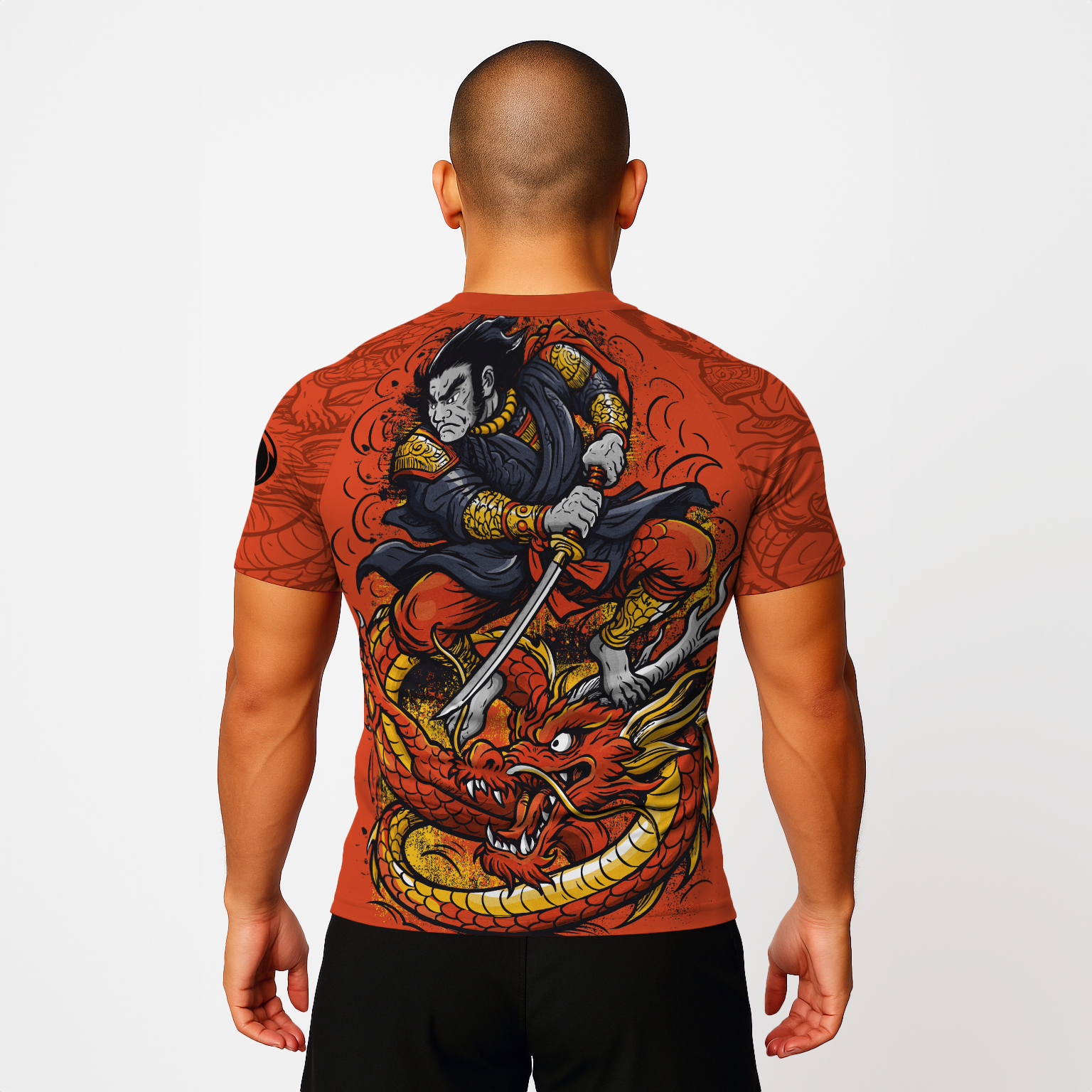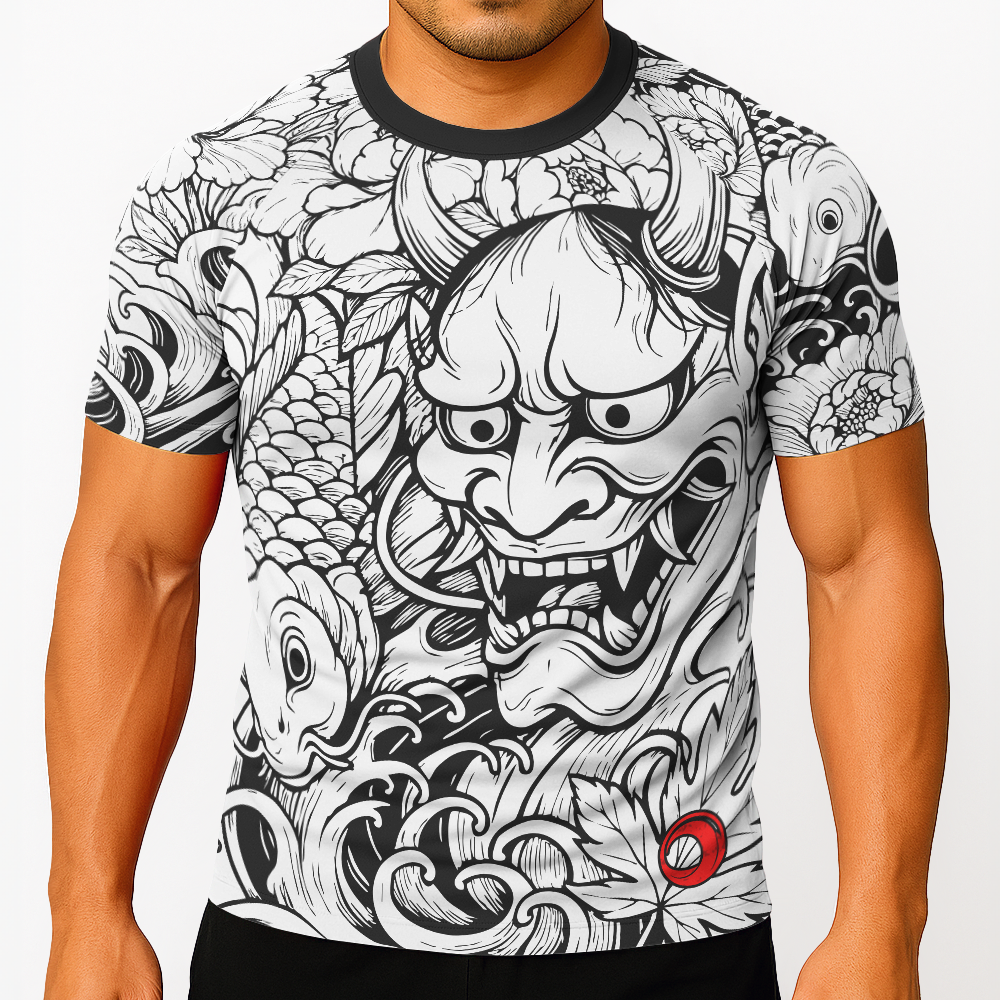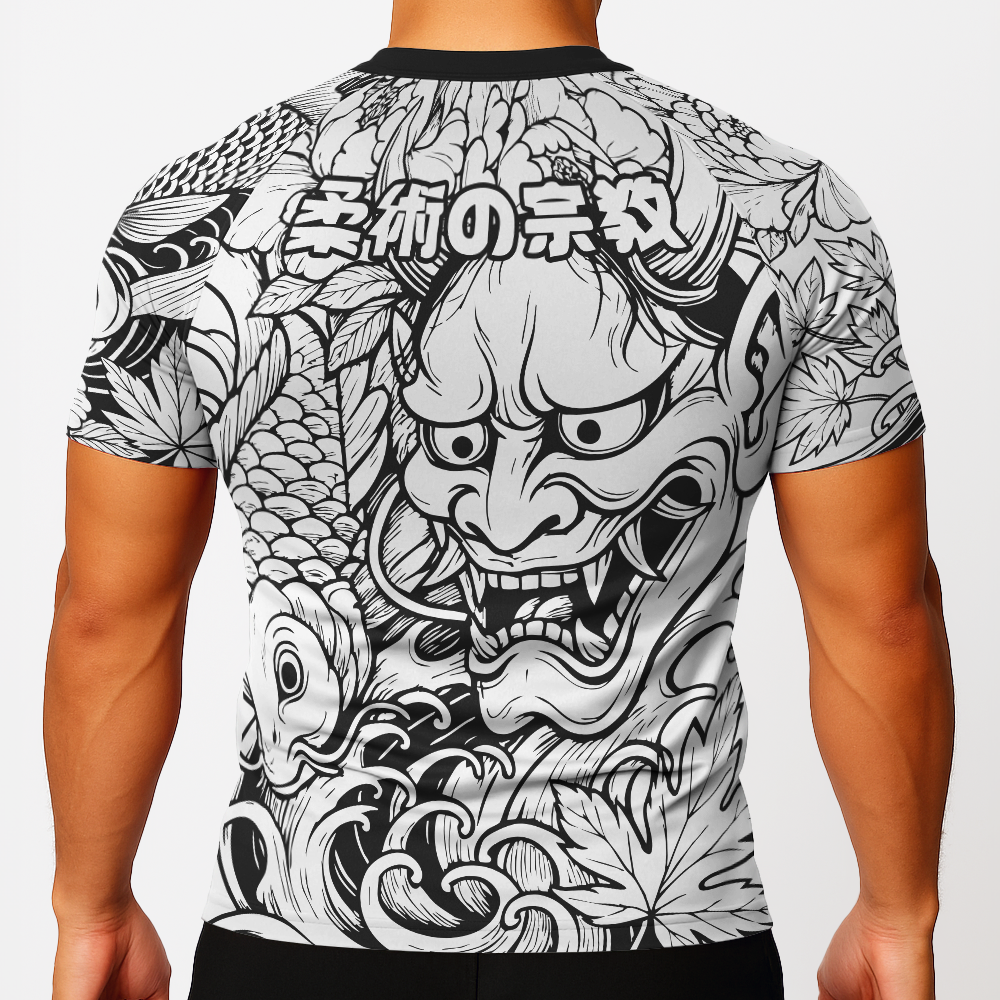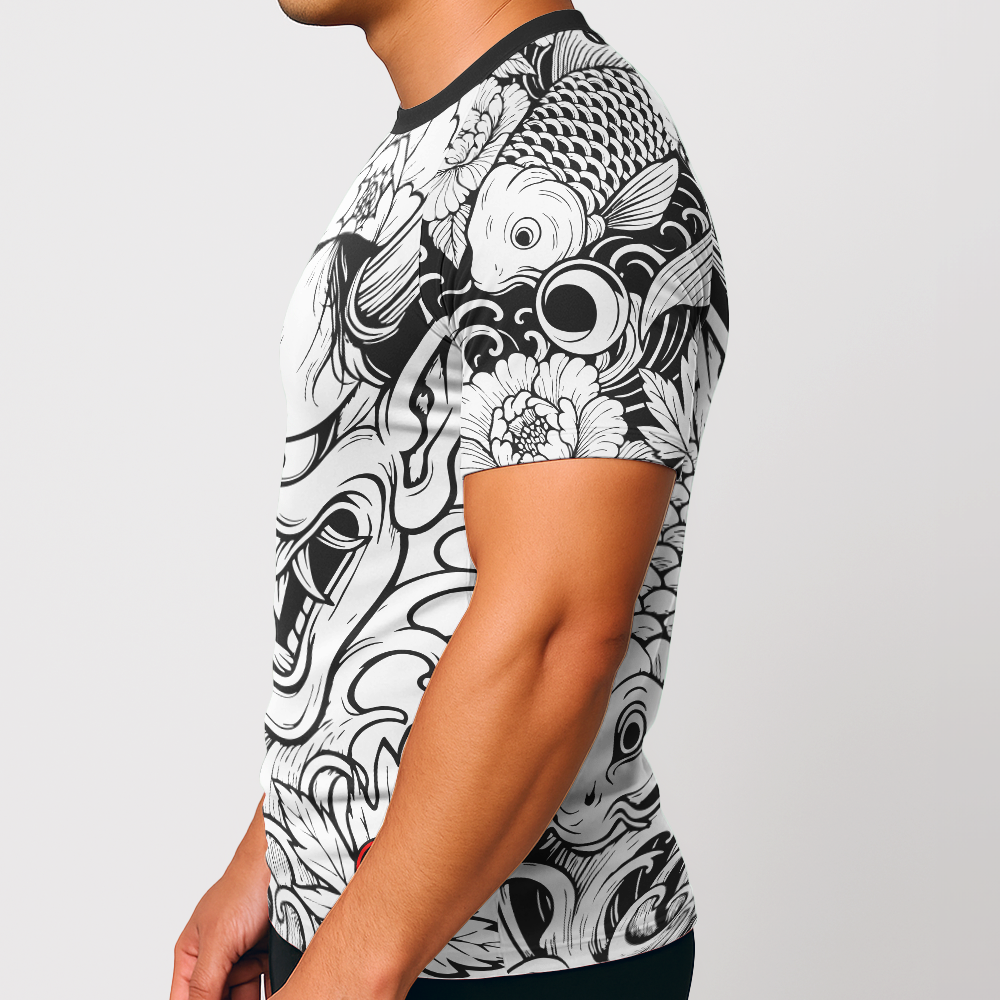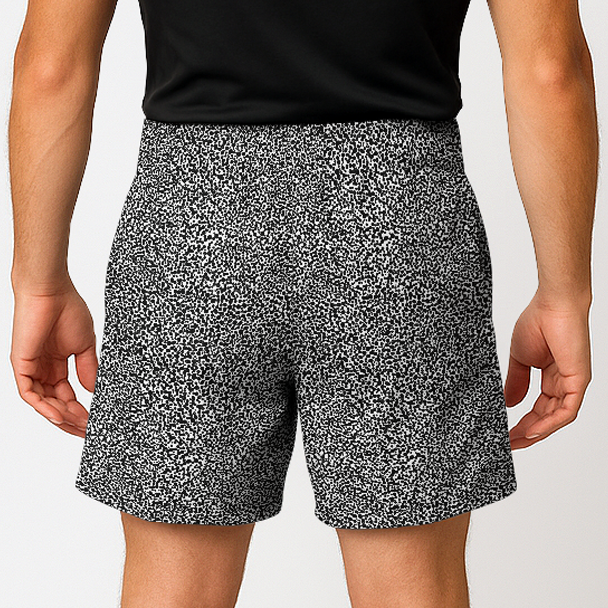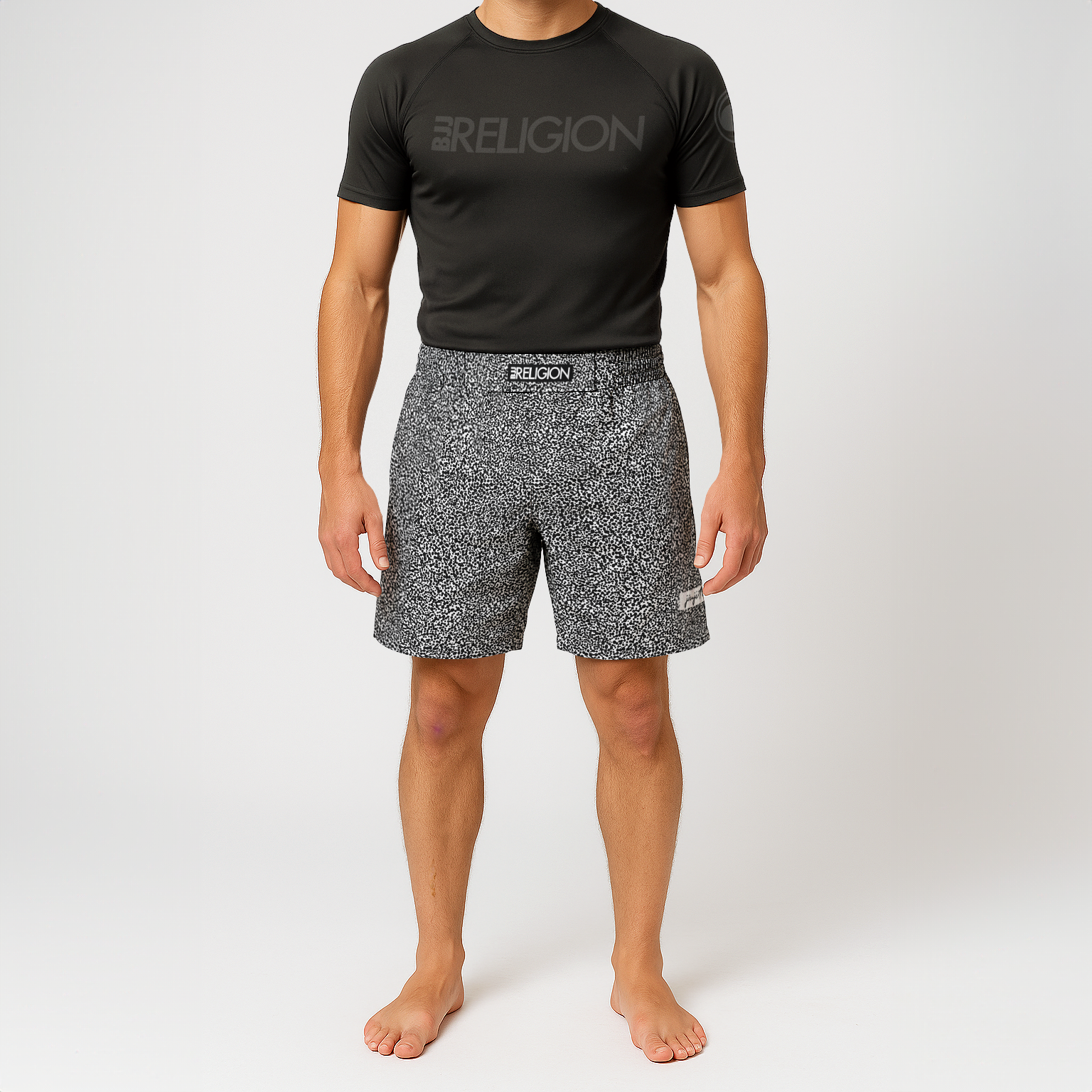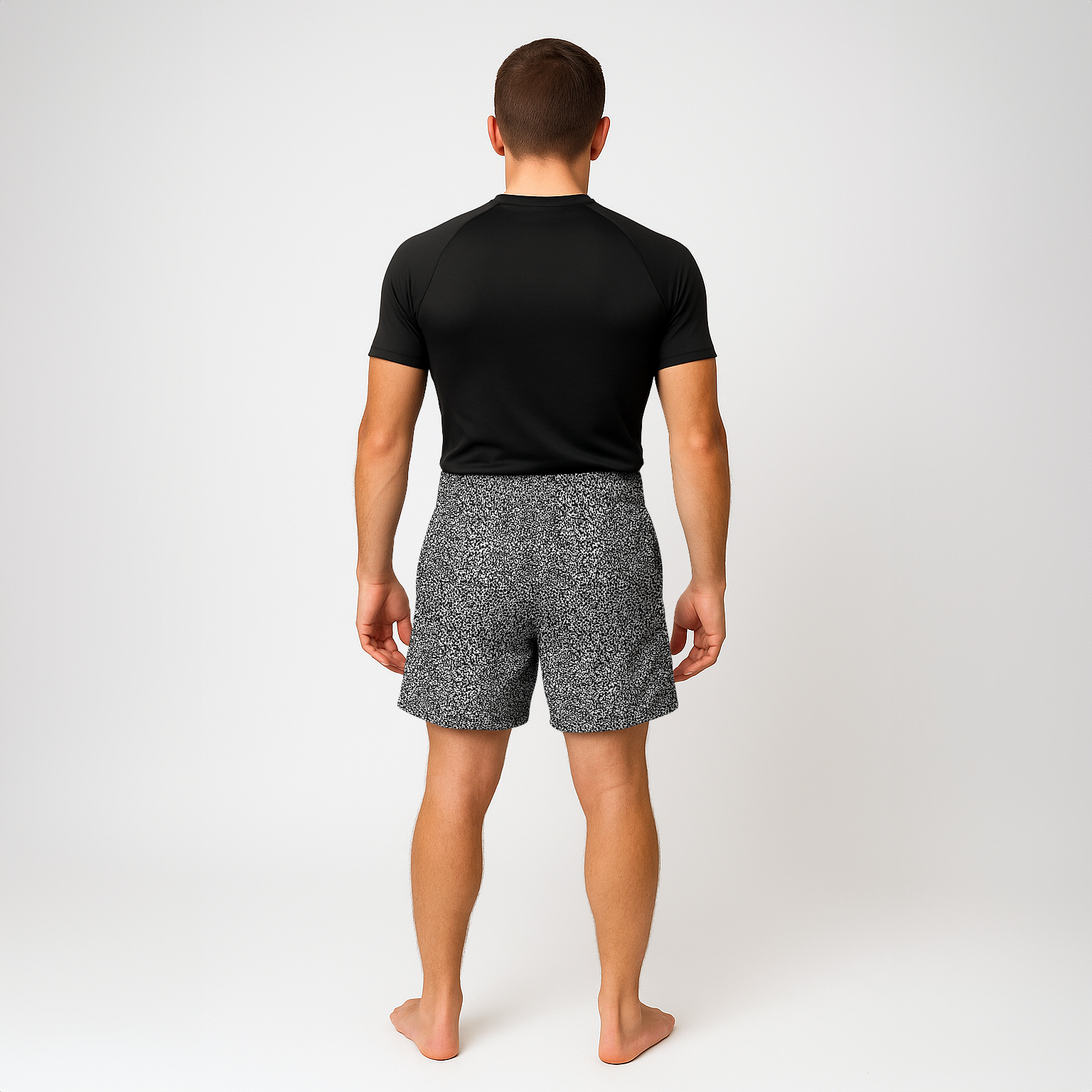
BJJ Gi Review: How to Pick the Right One
A gi can feel fine during warm-ups and become a problem the first time someone settles into a tight cross-collar grip. That is the useful standard for a BJJ gi review: not how a gi looks folded on a shelf, but how it fits, moves, dries, shrinks, and holds together after regular drilling and hard rounds.
The right choice depends on how you train. A white belt attending two evening classes per week needs something different from a competitor packing multiple gis for a long tournament day. A coach demonstrating guard passing may care most about mobility and a clean fit, while someone who trains in a hot academy may prioritize a lighter jacket that dries overnight. Price matters, but so does buying a gi you will actually want to wear several times a week.
What a Good BJJ Gi Review Should Measure
A useful gi review starts with fit, then looks at construction and real training use. Fabric weight alone does not tell the story. A heavier gi is not automatically tougher, and a lightweight gi is not automatically flimsy. The cut, stitching, reinforcements, and how the material handles repeated washing all matter.
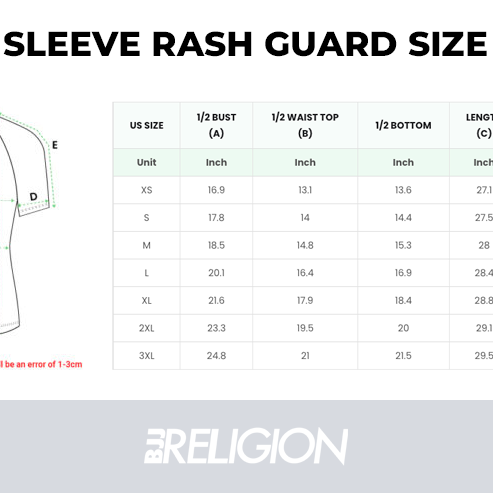
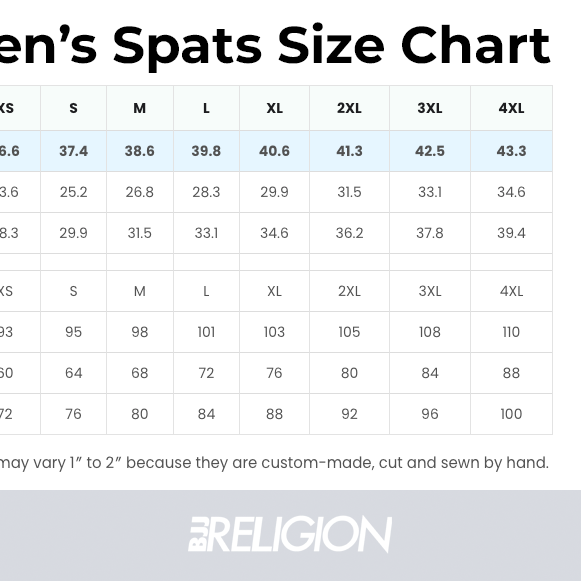
Start by checking whether the brand's sizing chart matches your height and weight, but treat it as a starting point rather than a guarantee. Build varies a lot. Two students at the same weight can need different sizes because one has longer arms, wider shoulders, or larger thighs. If your academy requires a particular color or has patch rules, confirm those before you remove tags or wash the gi.
Fit: The Part You Notice Every Round
A gi should allow you to squat, shoot a takedown, invert if that is part of your game, and frame without the sleeves binding at the shoulders. It should also fit within your academy's standards and, if you compete, the rules of the organization you enter.
Pay close attention to sleeve and pant length. Sleeves that are too short can create competition problems and may leave your forearms exposed during grip fighting. Sleeves that are excessively long give training partners extra material to control when they are building collar-and-sleeve attacks. Pants that are too tight across the seat or knees tend to show their weakness during knee-cut passing drills, sprawls, and guard retention rounds.
A slightly roomy gi is often comfortable for everyday training, especially for beginners still learning how to move under pressure. But excess fabric can feel heavy when soaked with sweat and gives opponents more to grab. A more tailored cut reduces loose material, though it can feel restrictive if you have a stockier build or prefer a layered rash guard underneath. Neither is universally better.
Jacket Weave and Weight
Most modern gi jackets use a pearl weave fabric. It is popular because it balances durability, weight, and texture well for regular Brazilian Jiu Jitsu training. You may also see gold weave or single weave descriptions, but the more useful question is how substantial the jacket feels at stress points and whether it suits your training environment.
Lightweight gis are convenient for travel, warm weather, and academies without strong air conditioning. They also tend to dry faster after a late-night wash. The trade-off is that some lightweight models can feel less structured when someone establishes firm sleeve grips, and cheaper versions may wear sooner at the collar or knees.
Heavier gis often feel more substantial and can be a practical choice for frequent training. They may also be less comfortable in a hot room, slower to dry, and more annoying to pack for a weekend tournament. If you train five or six times a week, owning two gis is often more useful than buying one extra-heavy gi and expecting it to handle every session without enough wash-and-dry time.
BJJ Gi Review: Construction Details That Matter
The parts that fail first are rarely the large, obvious panels of fabric. Look at the collar, underarm area, knee panels, crotch gusset, belt loops, and the stitching around patches or reinforcements. These are the areas that take repeated force from grip fighting, open guard, takedown entries, and scrambles.
A thick, well-built collar is helpful because the collar is constantly pulled during cross-collar chokes, collar drags, and grip exchanges. It should feel firm without being so stiff that it digs into your neck. Over time, every collar softens somewhat, but a collar that quickly becomes floppy may not give the gi the long-term structure you expected.
For pants, reinforced knees are worth looking for. Even if you are not a dedicated guard player, knees spend plenty of time on the mat while drilling passes, wrestling up from seated guard, or helping newer students through positional sparring. A gusseted crotch supports movement and reduces stress where pant seams commonly get tested.
Stitching is easy to overlook until it fails. Clean, even stitching and reinforcement at high-stress seams are better indicators than decorative embroidery. A sharp-looking gi is a nice bonus, but it should not outweigh practical construction.
Shrinkage Can Make or Break the Fit
Most gis shrink at least a little, especially cotton-heavy models. Some arrive pre-shrunk, which means shrinkage is reduced, not eliminated. Before buying, think about whether the gi already fits close to the limit in the sleeves, pants, or shoulders. If it does, one hot wash or dryer cycle can turn an acceptable fit into a gi reserved for short drilling sessions.
The safest approach is to wash cold and hang dry at first. Try the gi after it is fully dry, then decide whether you need a small amount of additional shrinkage. Controlled dryer time can help fine-tune an oversized gi, but it is hard to reverse if you go too far.
This matters most for competitors. A gi that passes inspection when new may become too short after several wash cycles. Check the current rules for your event rather than relying on what was legal at a past tournament, and inspect both your primary and backup gi before traveling.
Choose for Your Actual Training Week
The best gi is usually the one that fits your routine, not the one with the most aggressive marketing. Consider how often you train, whether you need competition-legal colors, how quickly you need it to dry, and whether your academy has uniform expectations.
For a first gi, a dependable midweight model with a comfortable, forgiving cut is usually a sensible move. It gives a new student enough durability for learning breakfalls, closed guard, escapes, and the inevitable extra laundry that comes with starting classes. It also avoids the disappointment of buying a highly specialized competition gi before you know what fit you prefer.
For regular hobbyists, comfort and washability tend to win. If you train after work and need a gi ready for the next evening, a lighter or midweight option may be more practical than the thickest jacket available. For competitors, rule compliance, accurate sleeve and pant measurements, and a reliable backup gi deserve more attention than minor style details.
Parents shopping for a kid's gi should leave reasonable growing room without buying something so oversized that sleeves and pants become unsafe or distracting during class. A coach can often help assess fit before the first session. Kids also tend to put gis through a different kind of wear: mat games, repeated washing, and fast growth spurts.
Care Is Part of the Value
Even a well-made gi will not last if it sits damp in a gym bag overnight. Wash it after every class, turn it inside out if you want to help preserve exterior color and patches, and let it dry fully before packing it again. Avoid sharing an unwashed gi between sessions, particularly when you have been doing close-contact rounds all week.
Have a second gi if your schedule allows. This is less about collecting gear and more about practical hygiene. One gi can dry while the other is ready for class, which is especially useful during summer training blocks, back-to-back open mats, or a tournament weekend.
A thoughtful gi purchase should make training easier, not create another distraction before class. Check the fit, construction, shrinkage plan, and rules that apply to your gym or event. JiuJitsu.com carries options for different training needs, but the best choice is still the one that feels right when the round gets sweaty, grips get tight, and you have to show up again tomorrow.