Best Kids BJJ Gi: What Parents Should Buy

A kids gi gets tested fast. It is grabbed during collar-and-sleeve drilling, pulled over a child’s head after a sweaty summer class, washed after open mat, and sometimes packed damp when the ride home runs long. The best kids BJJ gi is not necessarily the thickest, most expensive, or flashiest option. It is the one that fits safely, meets the academy’s rules, stays comfortable through regular training, and holds up long enough to make sense for a growing kid.
For parents, the goal is simple: buy a gi your child will actually want to wear to Jiu Jitsu, without paying for features they do not need yet. For coaches and experienced parents, the details below are the same ones that prevent the common problems seen on the mat: sleeves that swallow little hands, pants that slide down during shrimp drills, and a gi that is too stiff for a nervous first-day white belt.
What Makes the Best Kids BJJ Gi?
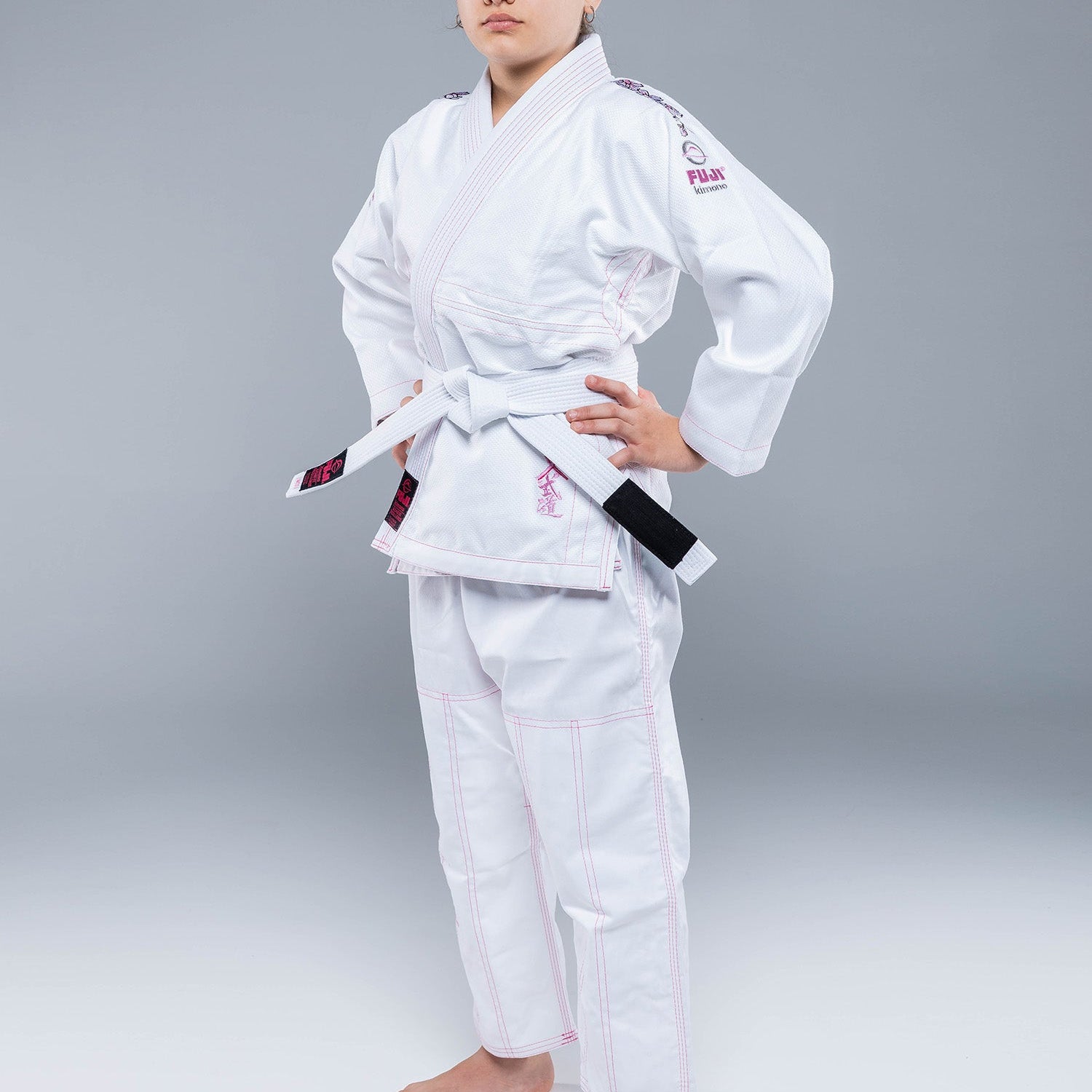
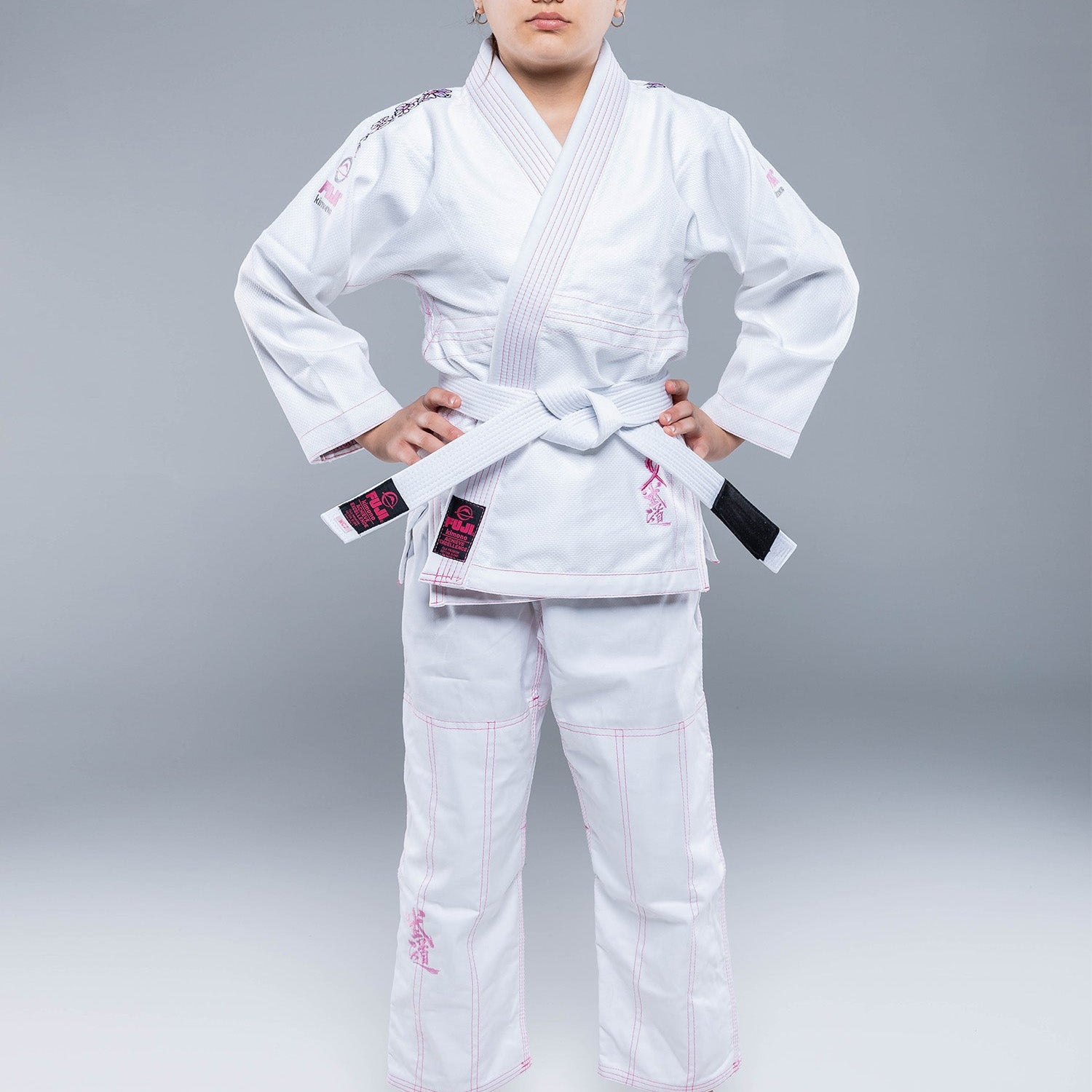
Start with fit, then look at construction. Kids need room to move, but excess fabric can make training frustrating. A jacket with sleeves that hang well past the wrist makes grip fighting awkward. Pants that bunch around the ankles can catch during a technical stand-up or make it harder to see whether a child is placing a foot correctly during a guard pass drill.
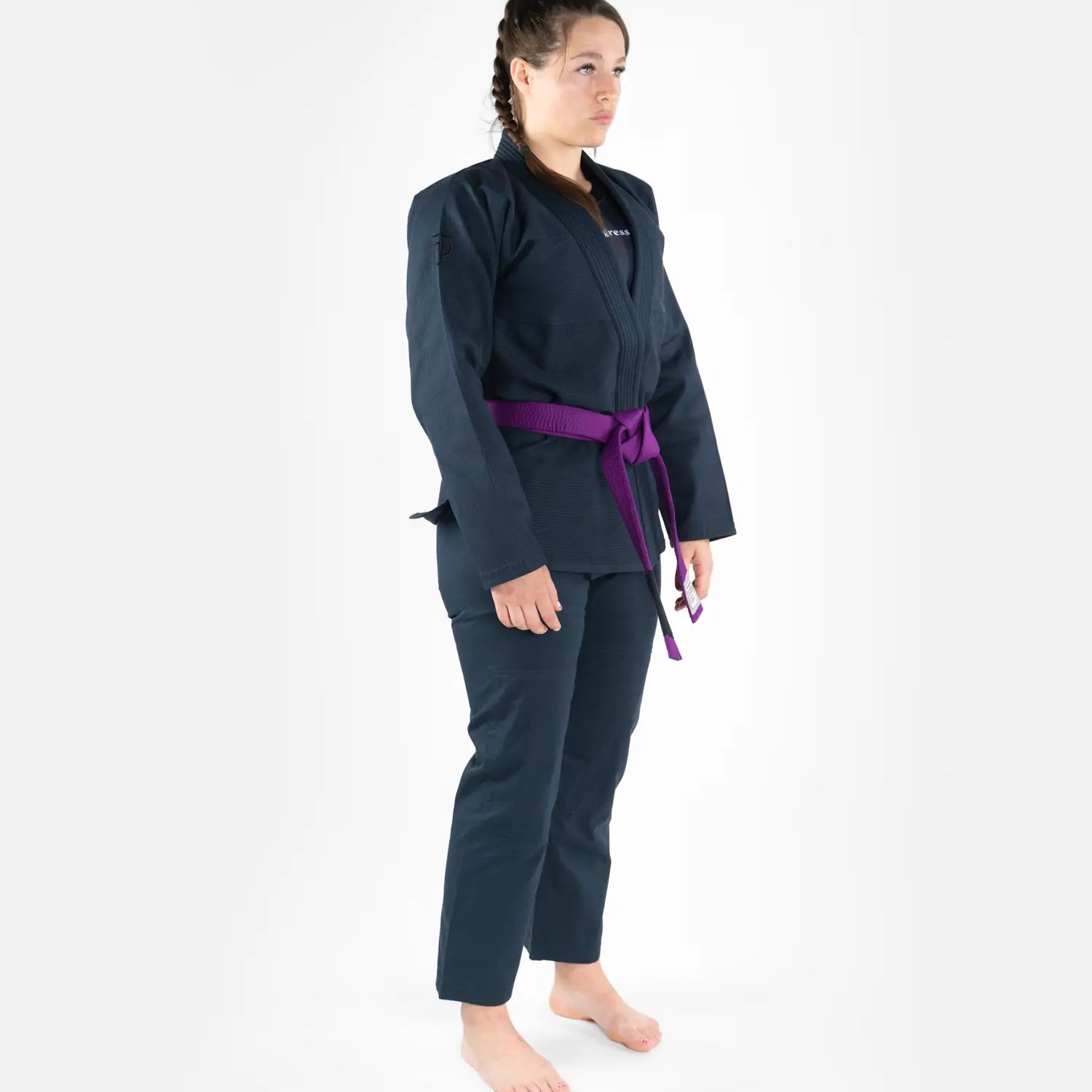
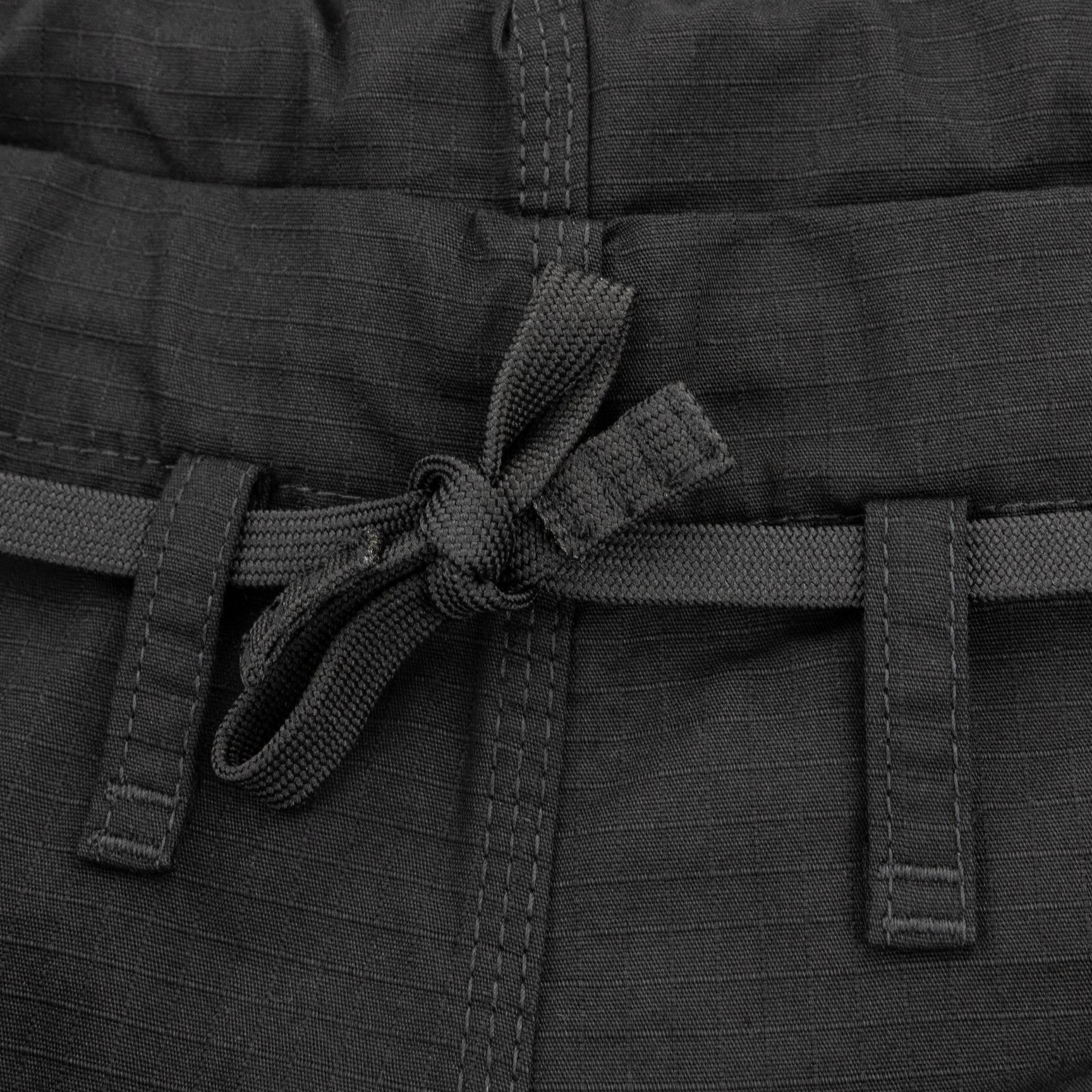
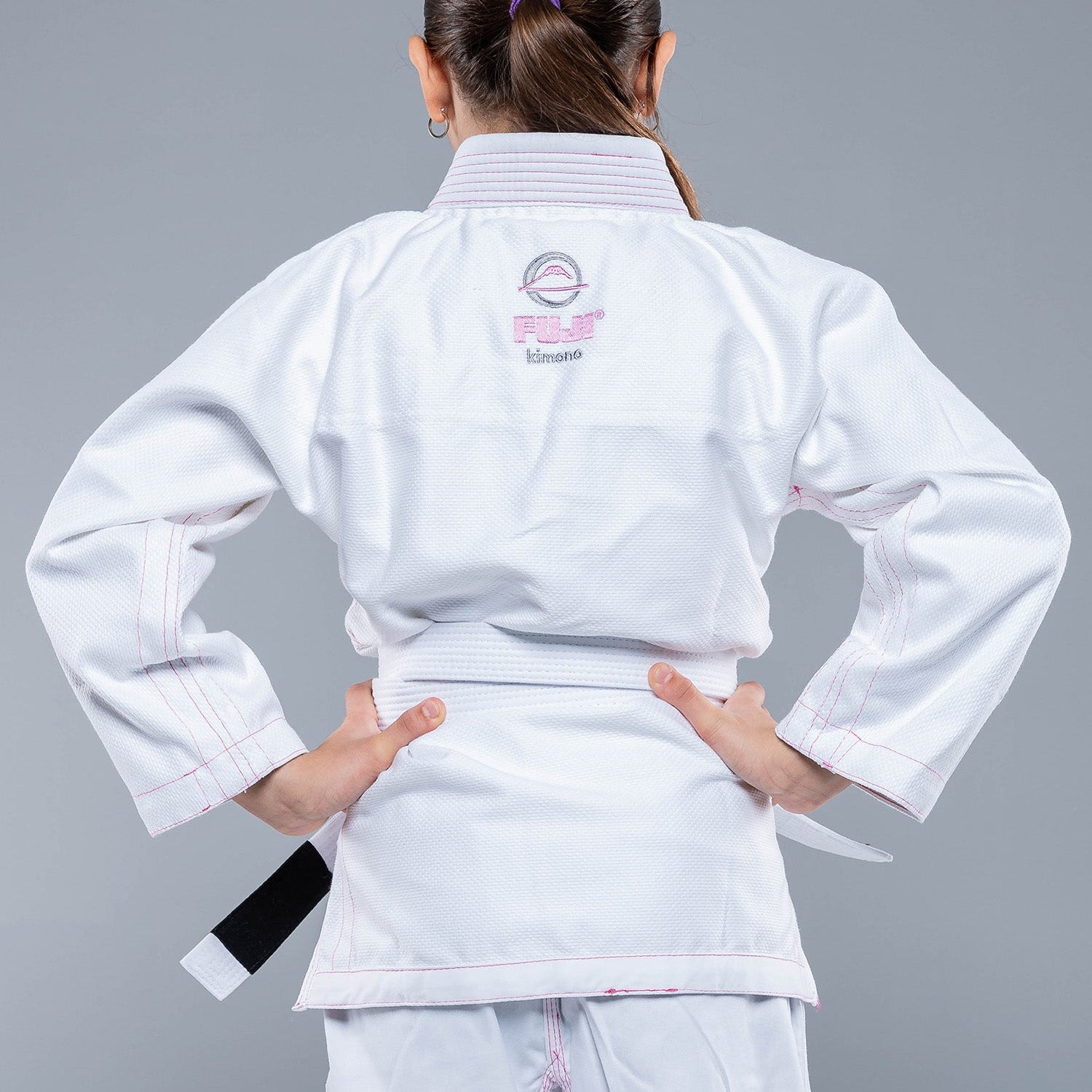
A properly fitted gi should allow a child to reach overhead, squat, hip escape, and sit in closed guard without binding at the shoulders or crotch. The cuffs should not cover the hands or drag under the heels. Exact competition measurements vary by event and ruleset, so families planning to compete should always confirm the current uniform requirements before tournament week.
The practical sweet spot is usually a lightweight or midweight kids gi made from durable cotton. A very light gi can be cooler and easier for younger children to carry, especially in a warm academy. A slightly heavier weave may last longer for a child training three or four times a week and doing lots of grip-heavy sparring. Neither is automatically better. Training frequency, climate, and how quickly your child grows matter more.
A gi should be built for actual mat time
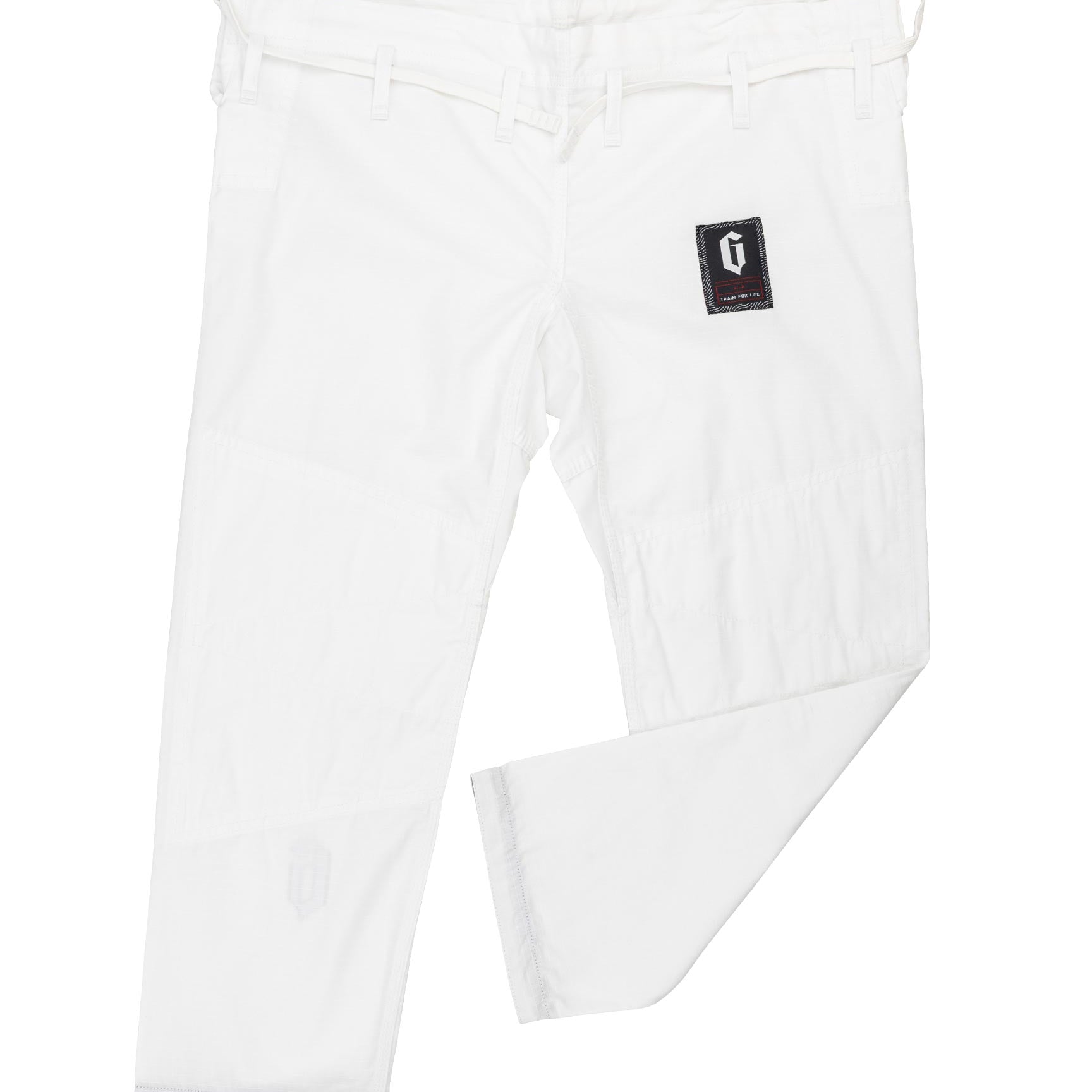
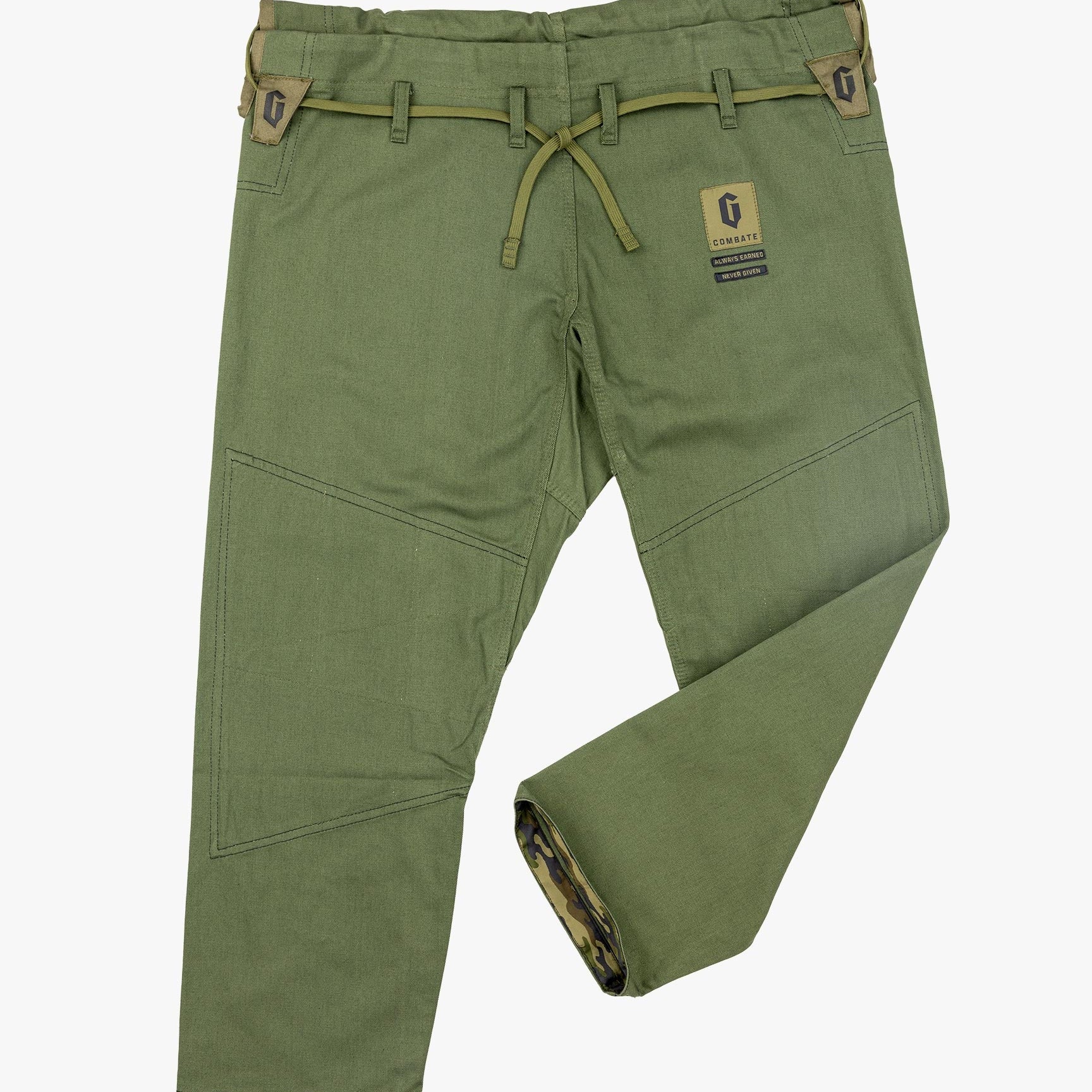
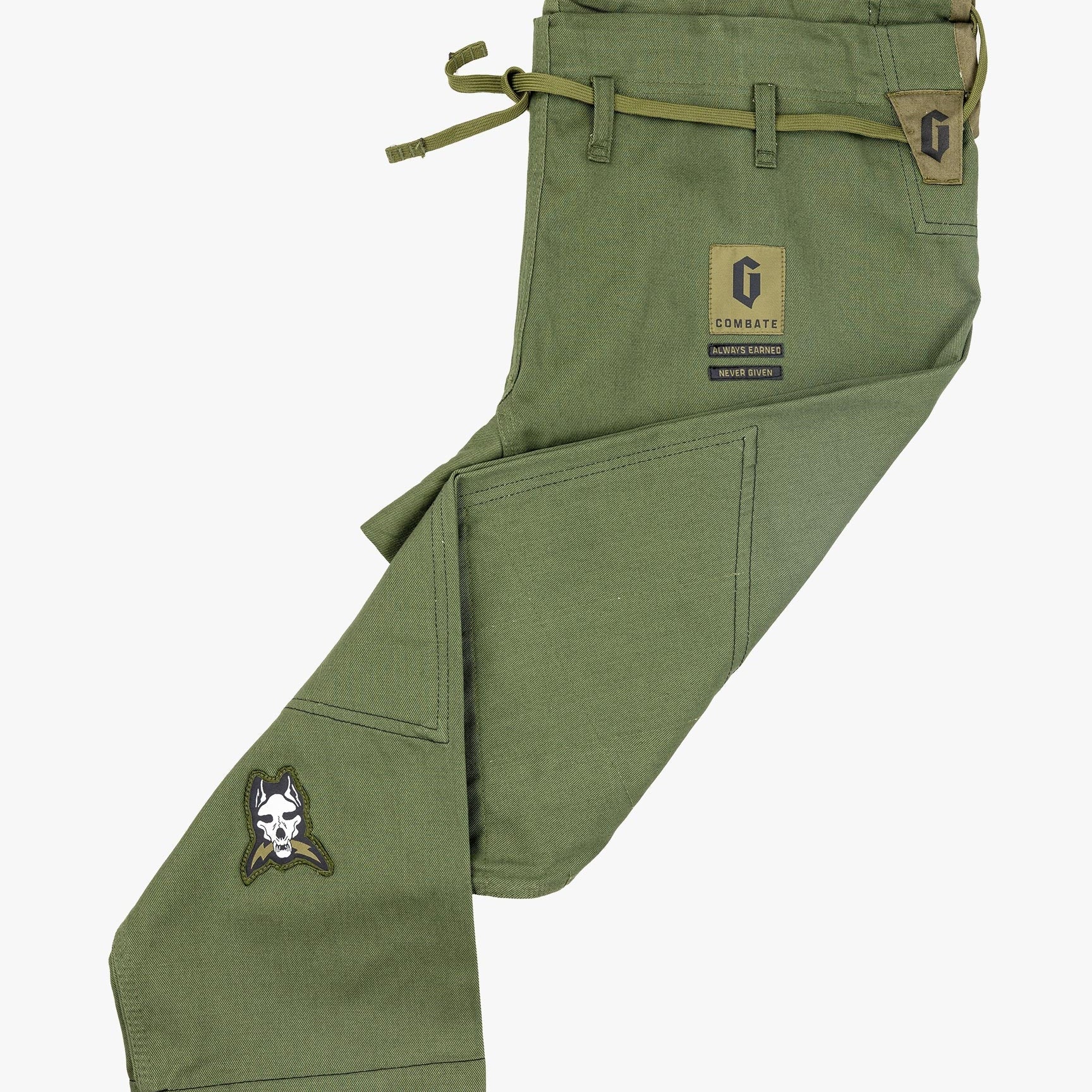
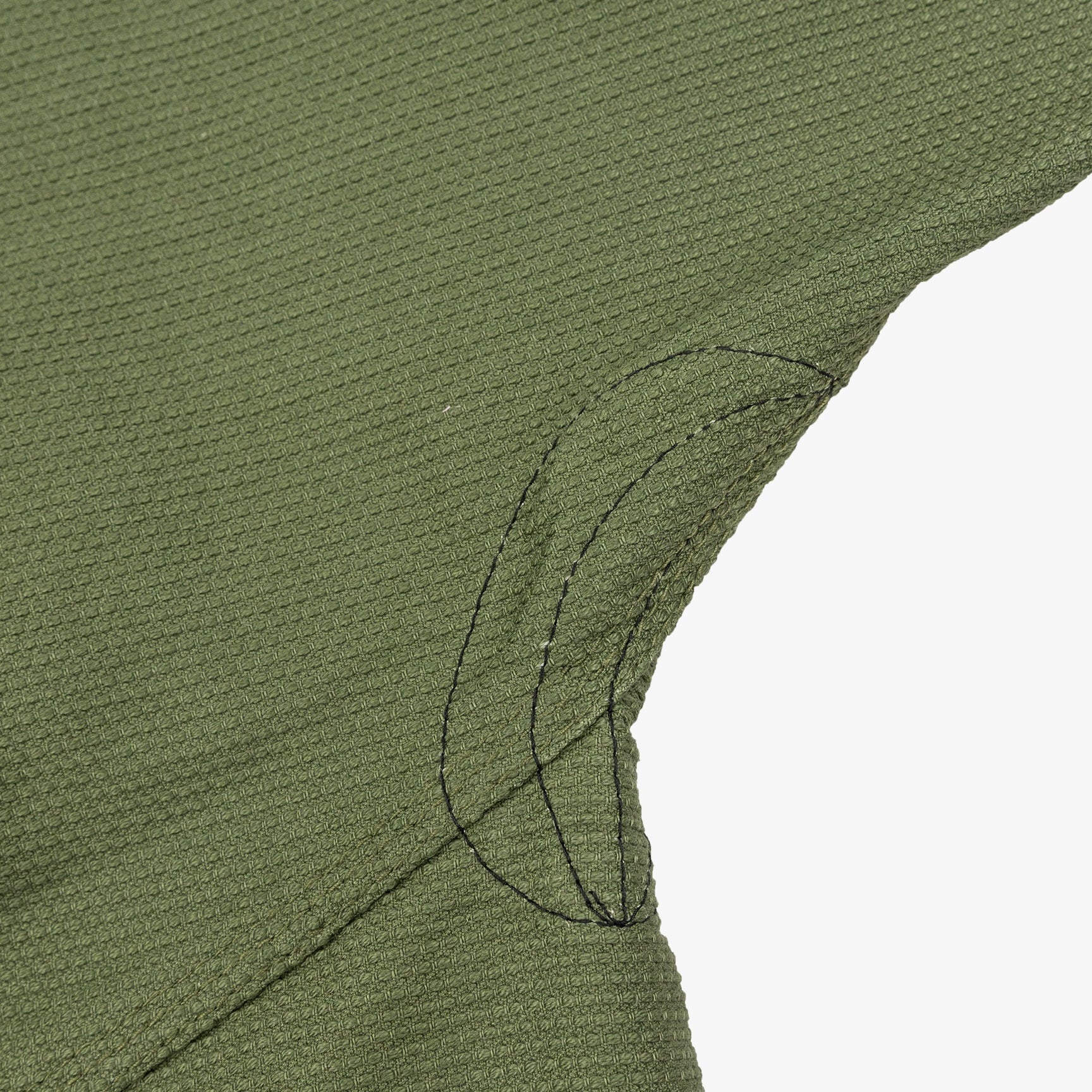
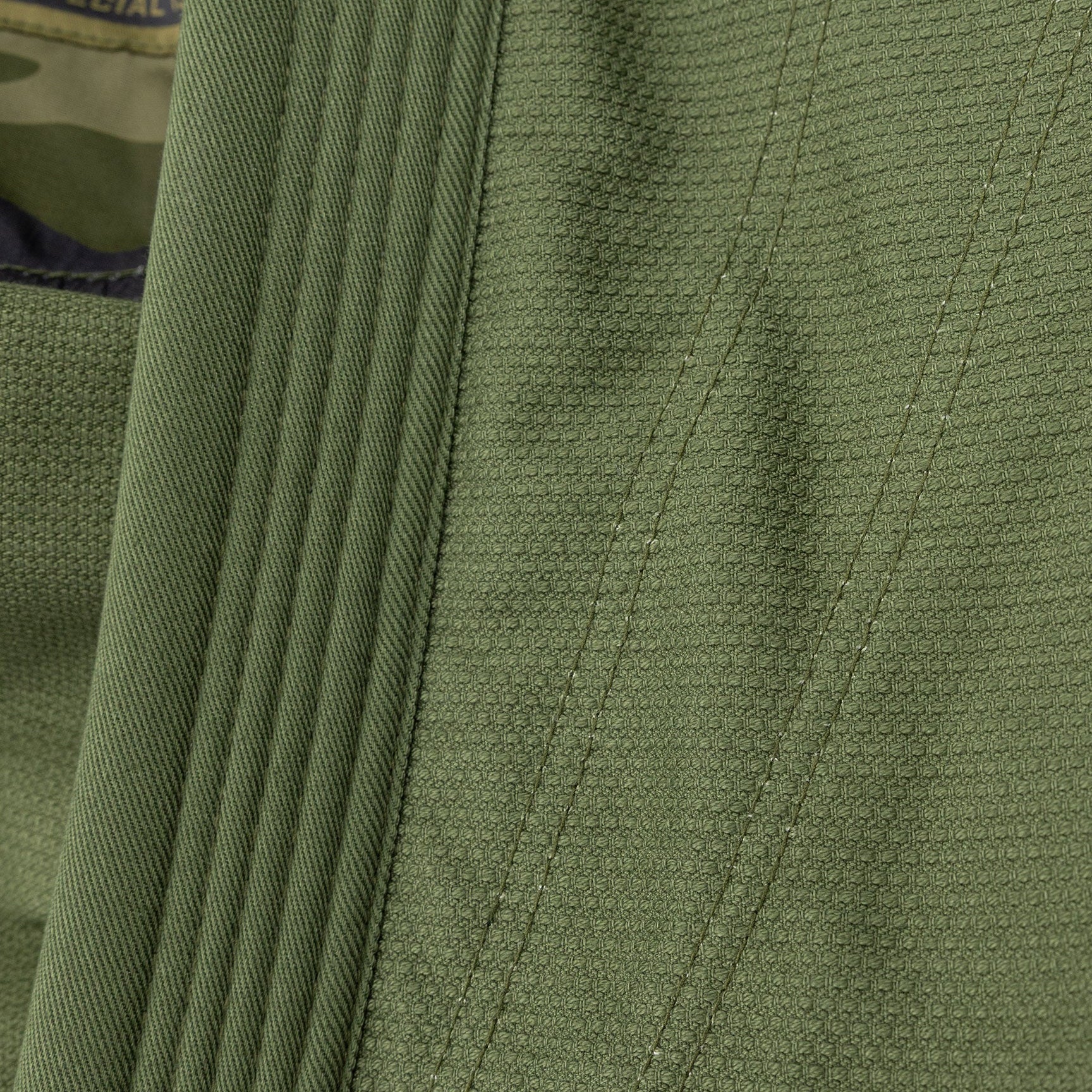
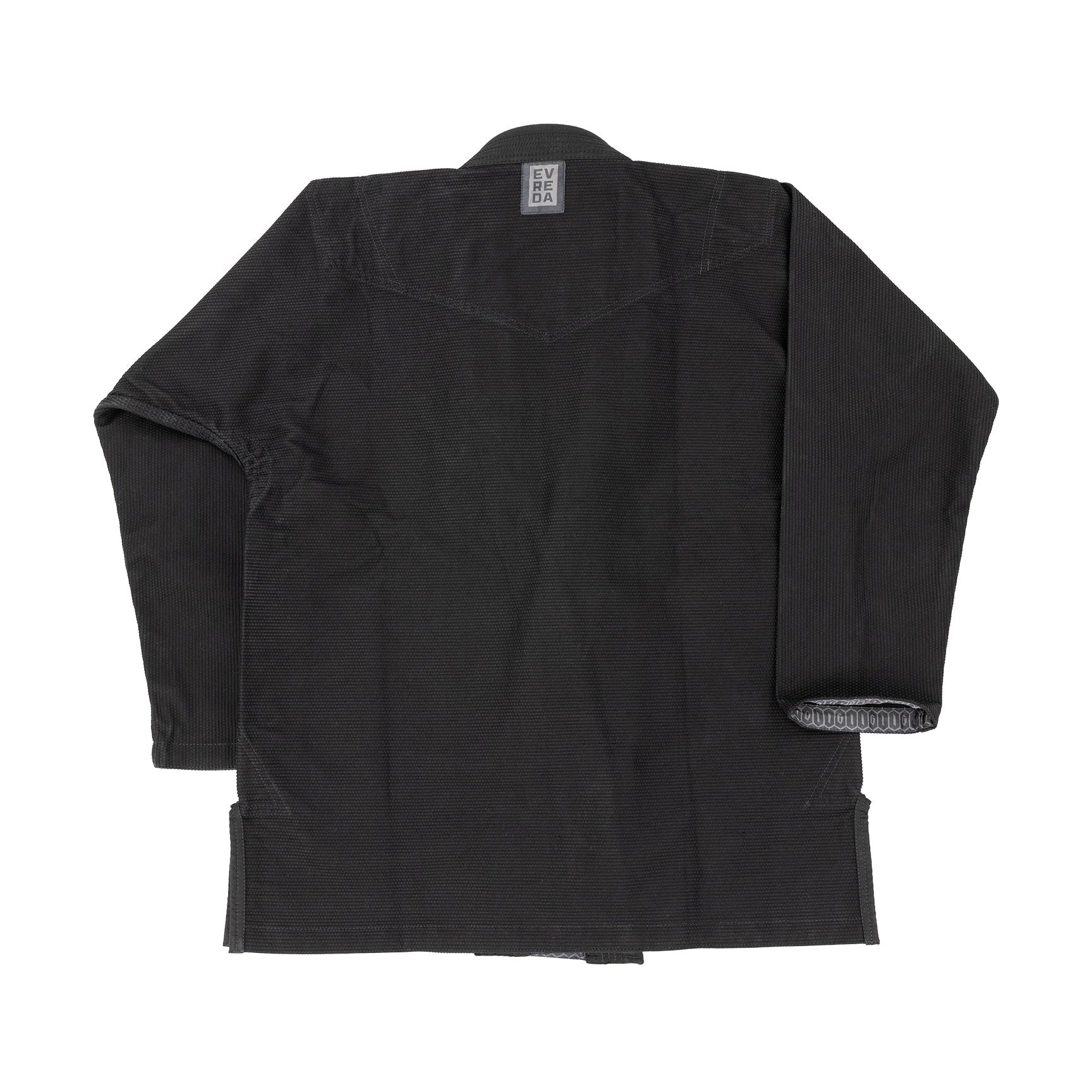
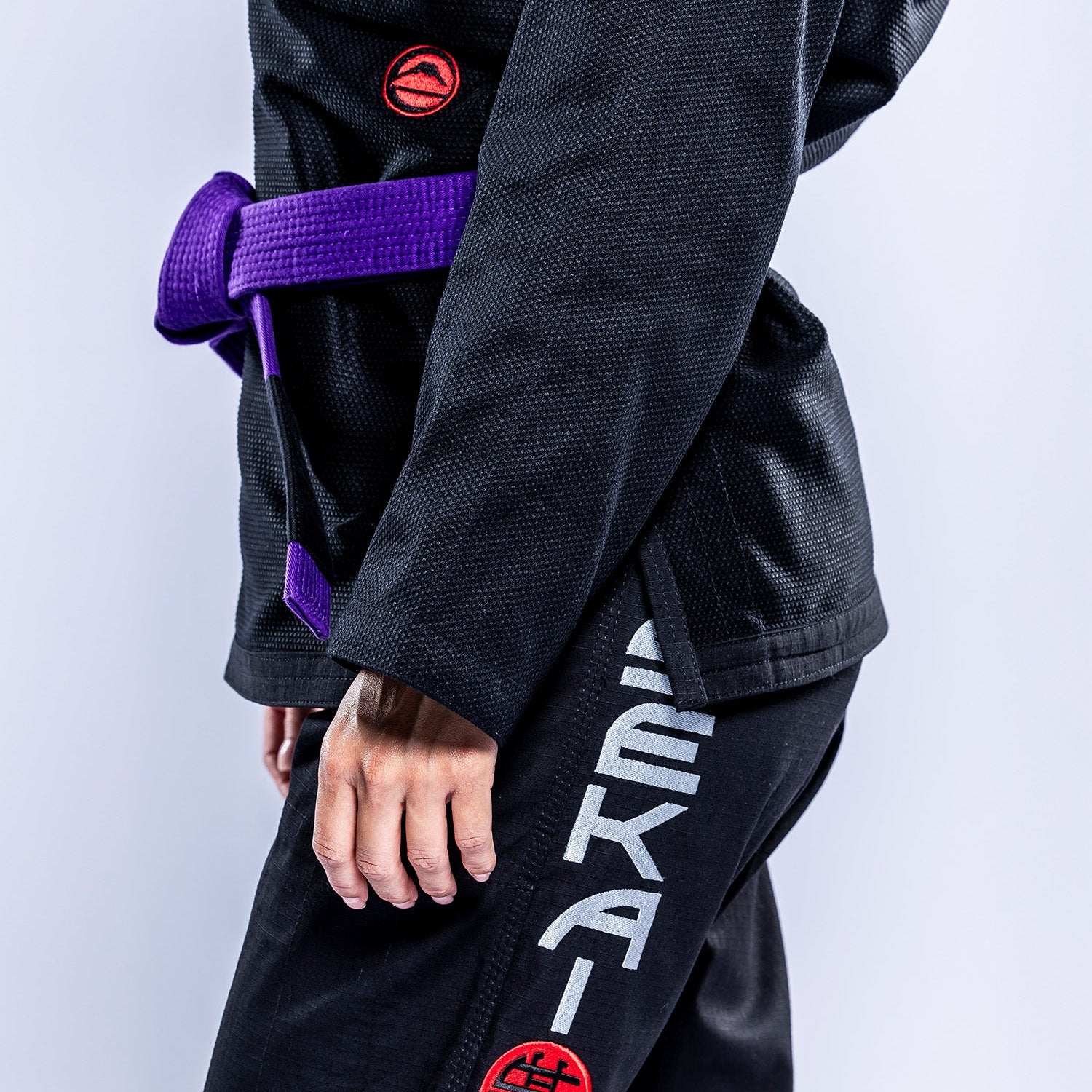
Look for reinforced stitching in high-stress areas, especially the jacket seams, armpits, knees, and pant crotch. These are the spots that take repeated strain when kids play collar drags, break grips, climb to mount, and scramble out of side control.
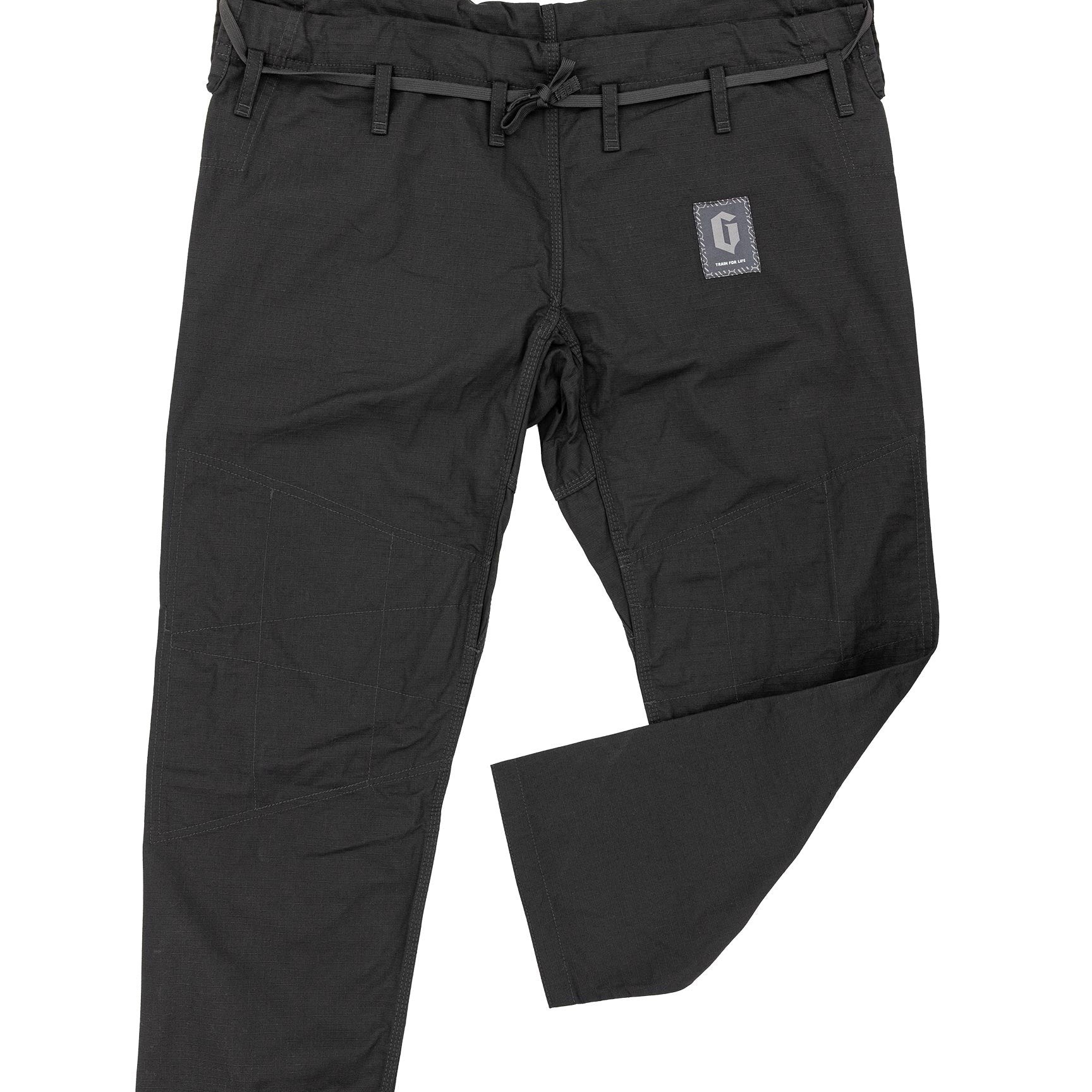
A reinforced knee is especially useful for the child who spends every round on their knees in front of a partner, working a basic double-leg entry or trying to finish a knee-cut pass. It will not make a gi indestructible, but it can make the difference between normal wear and a blown knee after a few months.
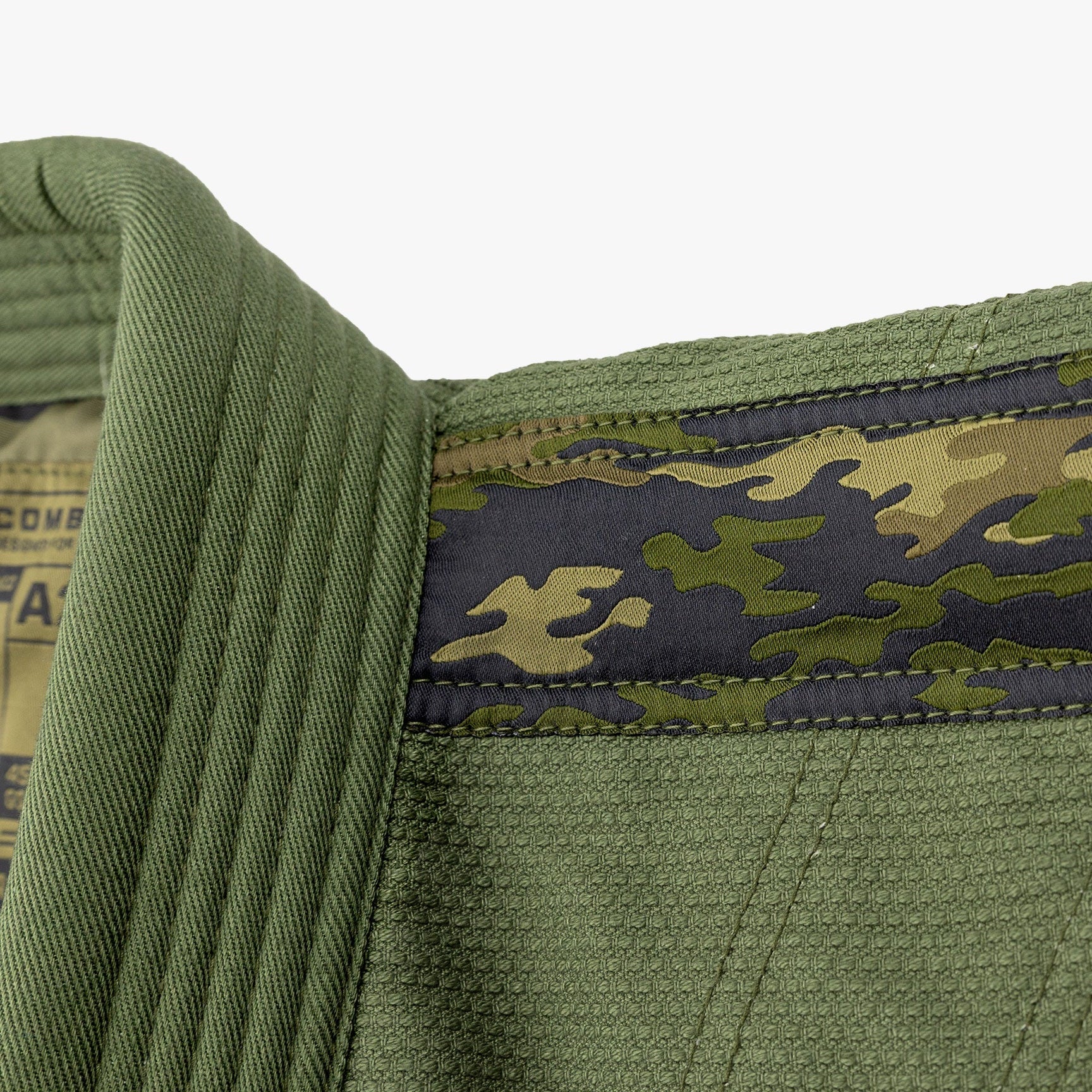
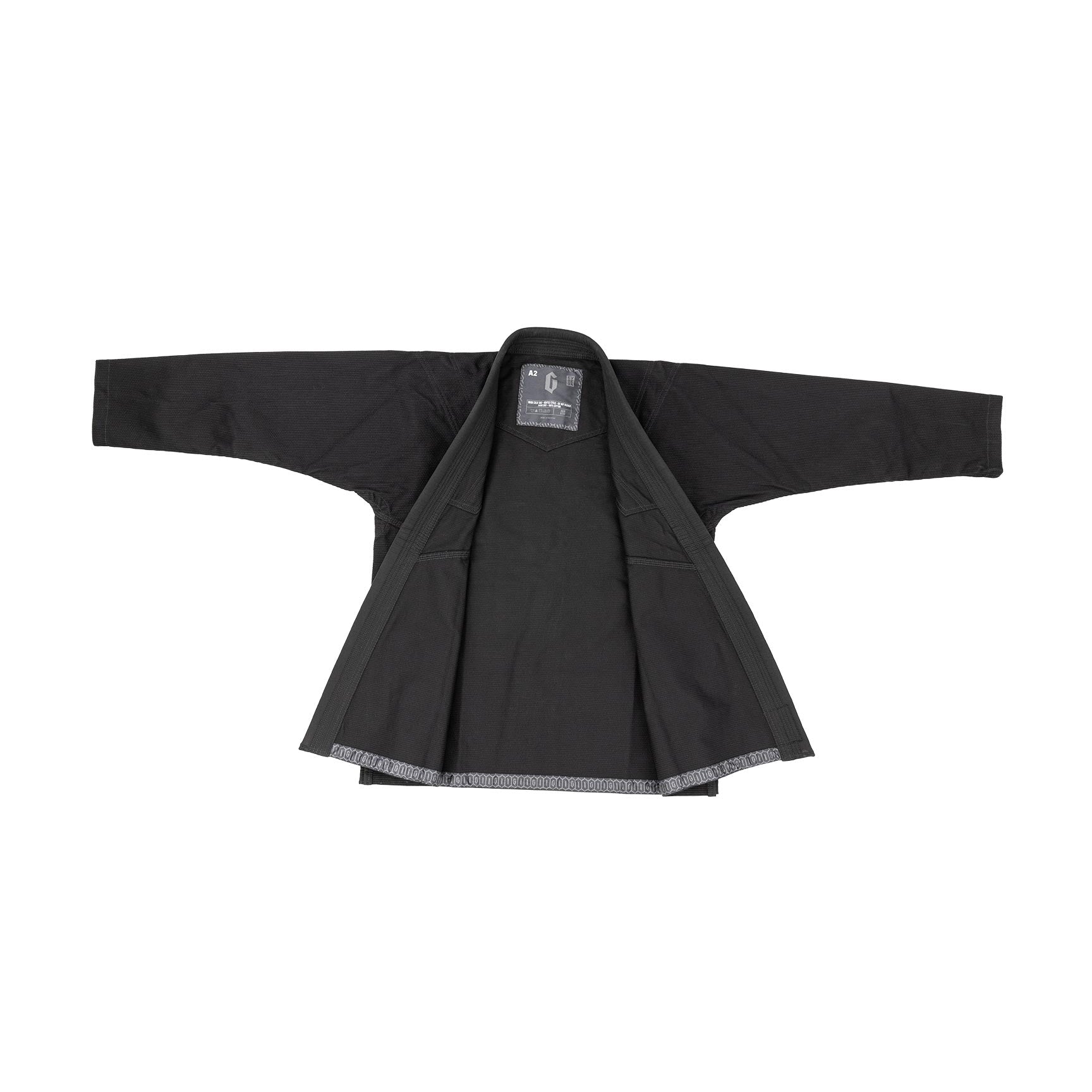
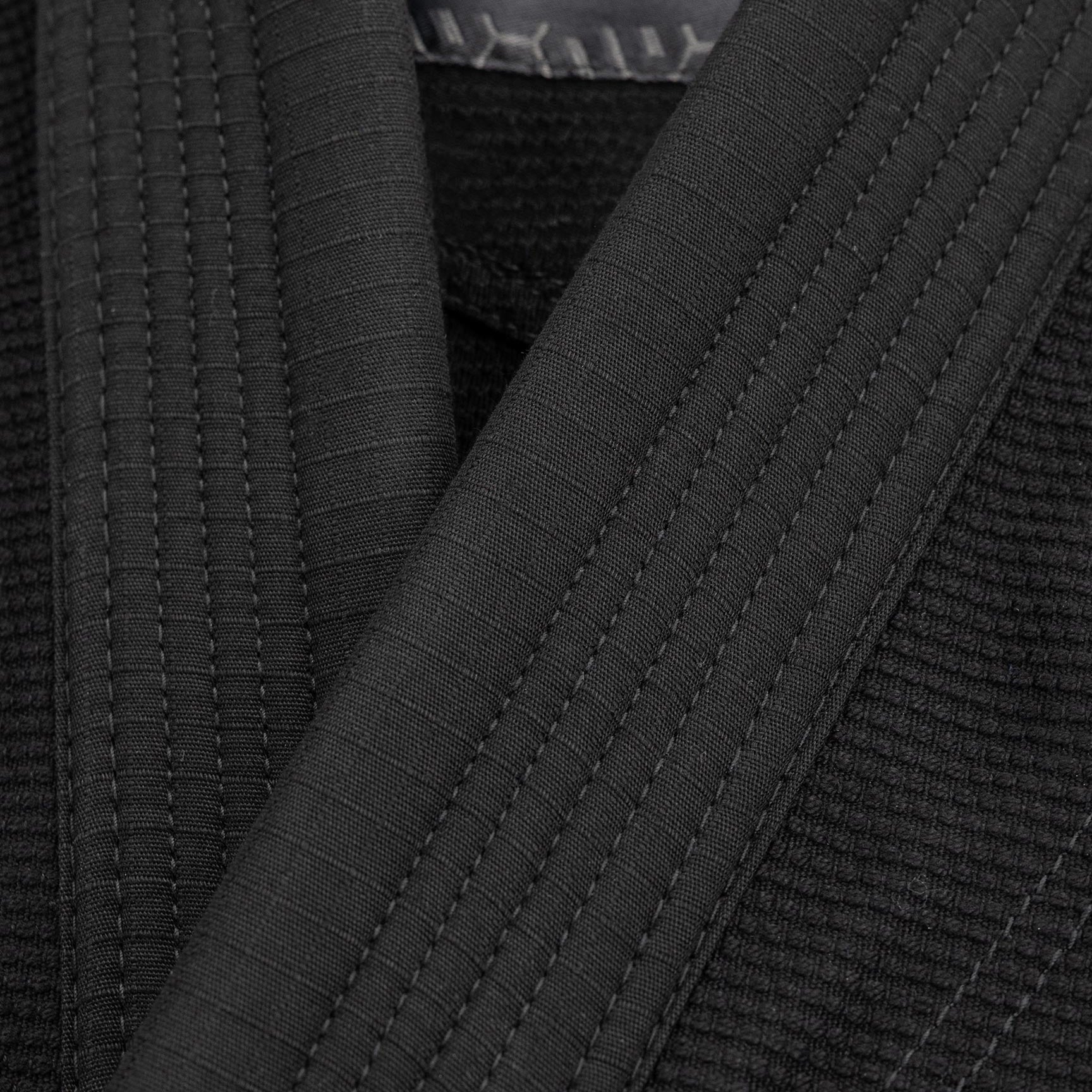
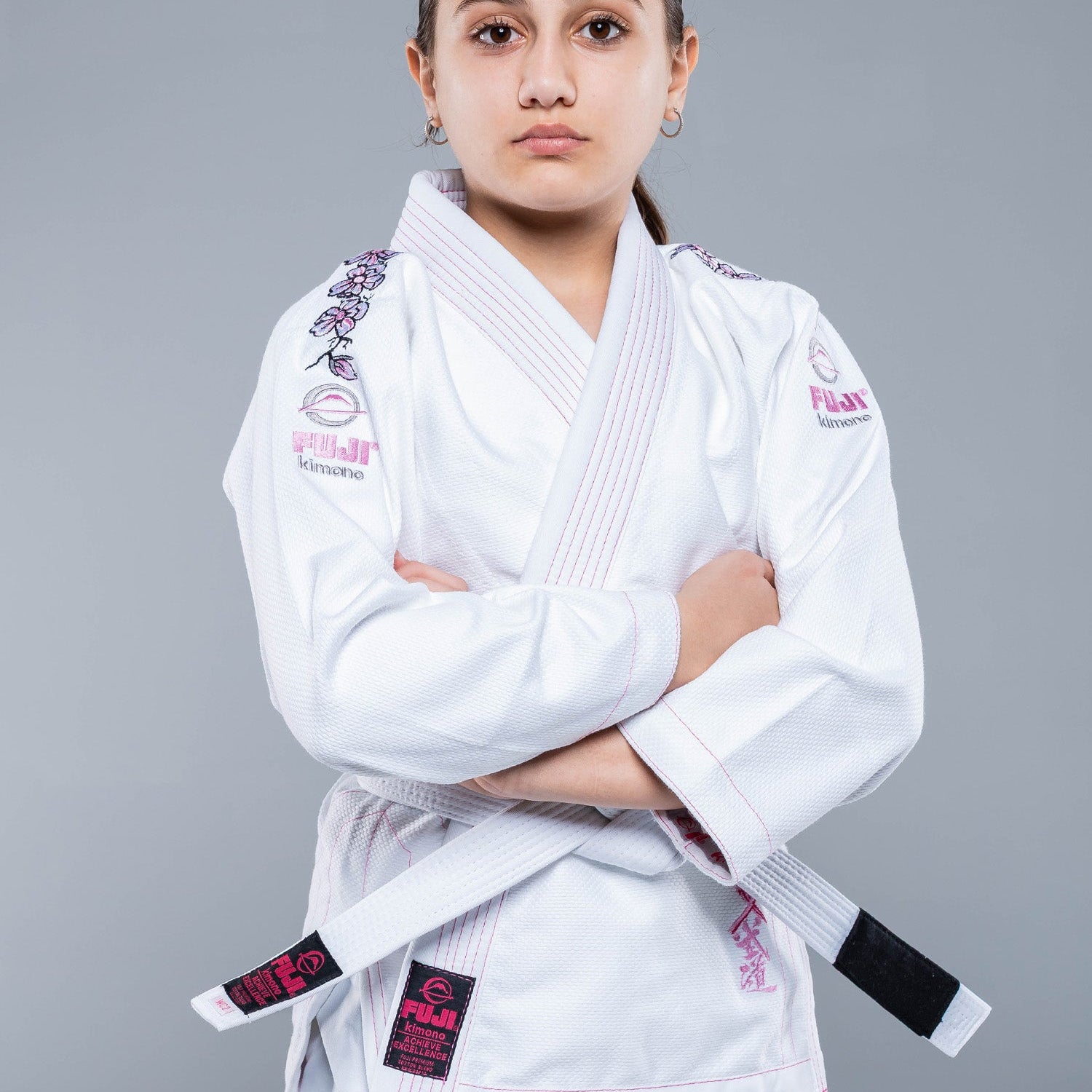
A sturdy collar matters, too. Coaches use collar grips to teach posture, arm drags, and basic chokes, even in youth classes where intensity is controlled. The collar should feel substantial without being so thick or rough that a younger student complains every time the jacket is grabbed.
Get the Fit Right Before Chasing Features
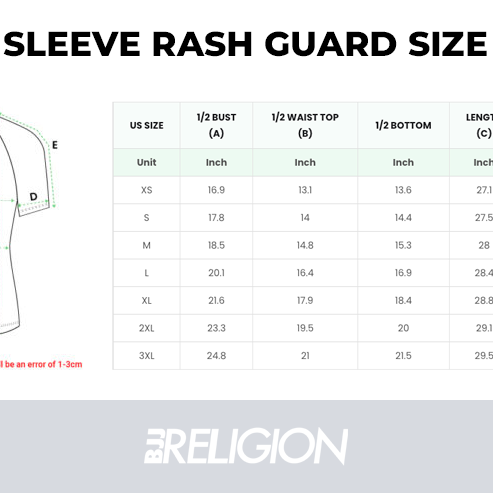
Kids gi sizing is not as standardized as regular clothing. One brand’s size based on age may fit a tall, slim eight-year-old well, while another may be too short in the arms or too wide through the torso. Use the manufacturer’s height and weight chart as the starting point, not just your child’s usual shirt size.
If your child sits near the top of a size range, moving up can be reasonable, but do not buy wildly oversized with the idea that they will grow into it. An oversized gi can interfere with drilling, create extra heat, and make kids feel clumsy. It also gives training partners a lot of extra material to grab during grip-fighting rounds.
Measure height and weight close to the day you order. Then think about body type. A lean child with long arms may need a different size decision than a stockier child at the same weight. If the jacket fits but the pants are too long, hemming pants is usually a straightforward fix. A jacket with sleeves far too long is harder to solve cleanly.
Account for shrinkage before the first wash
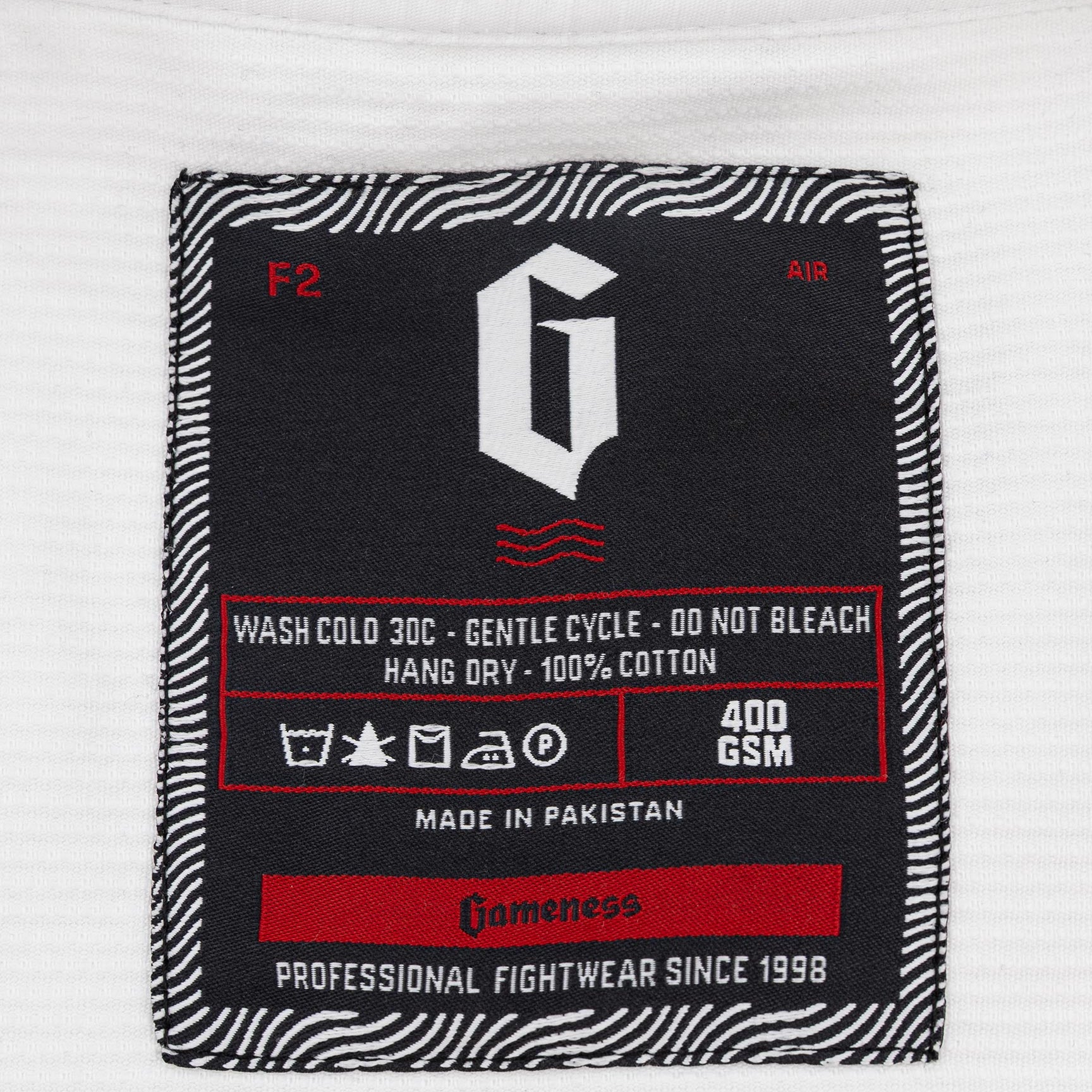
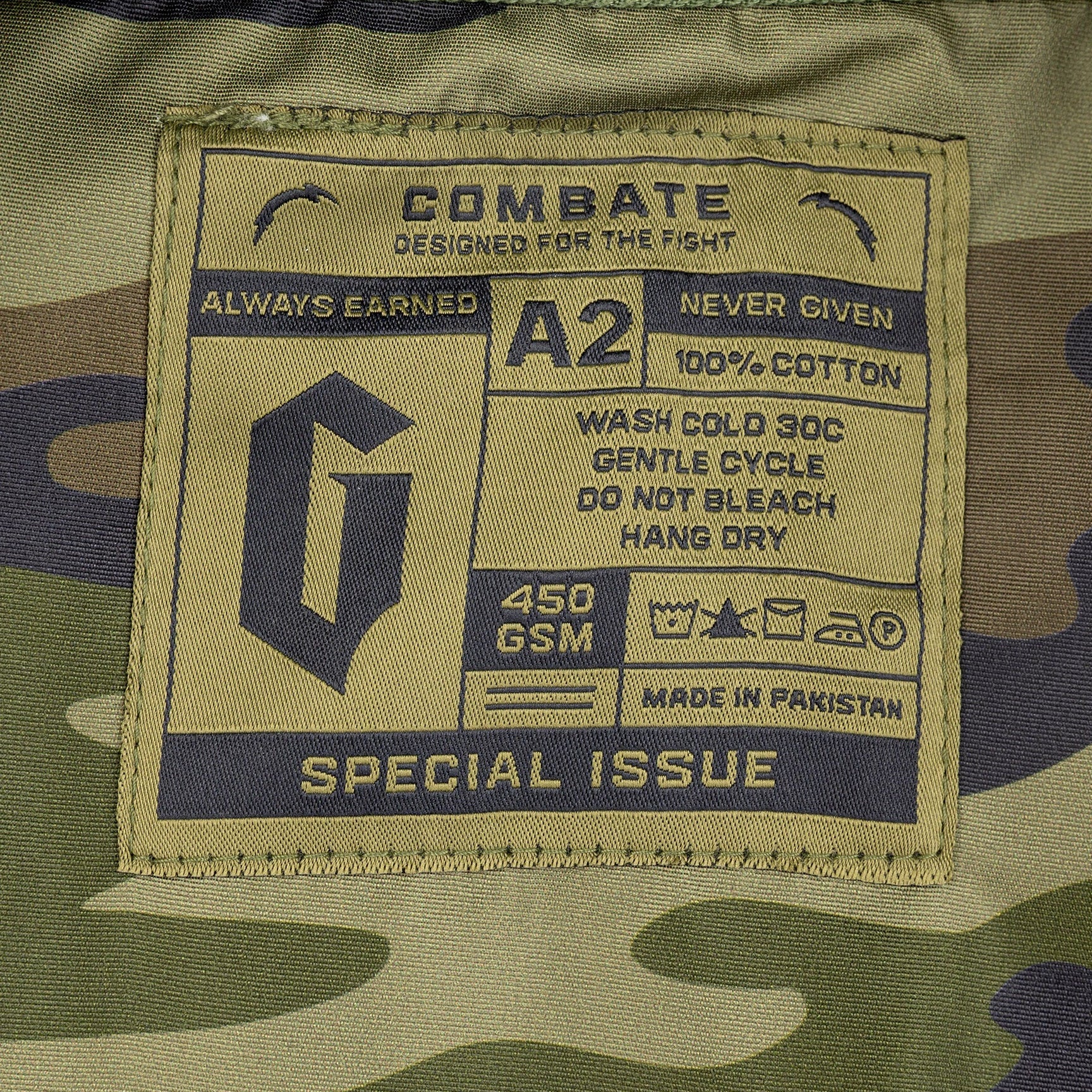
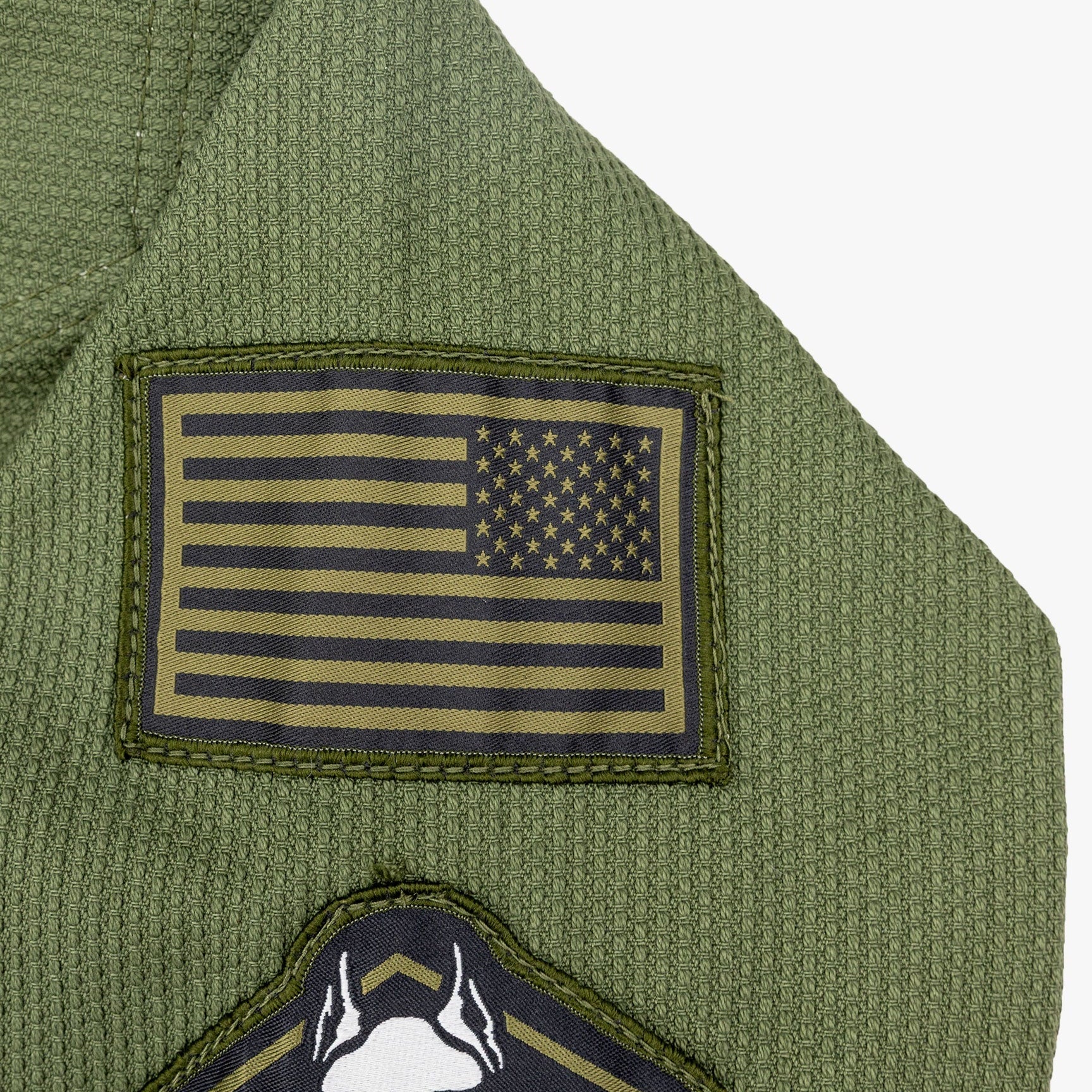
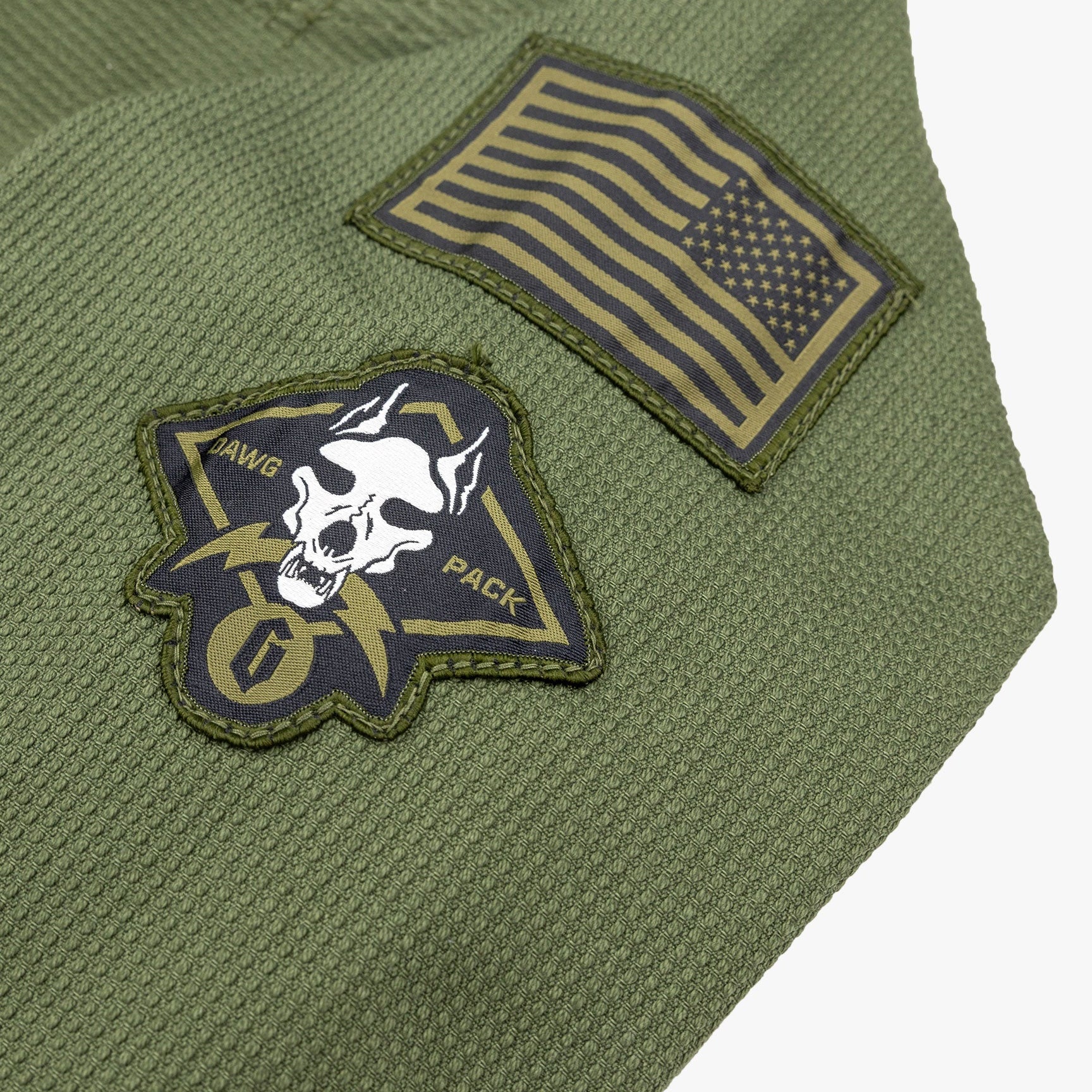
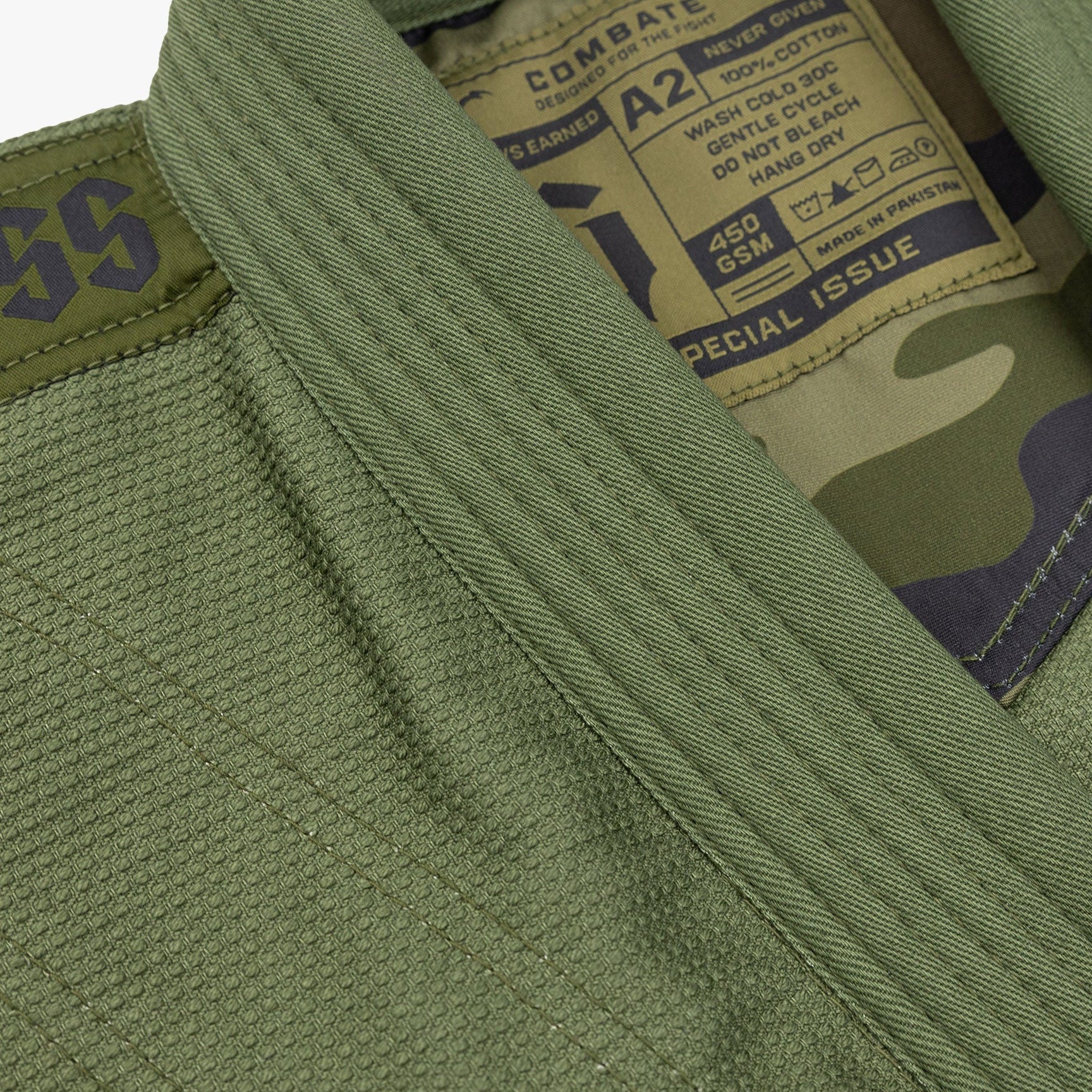
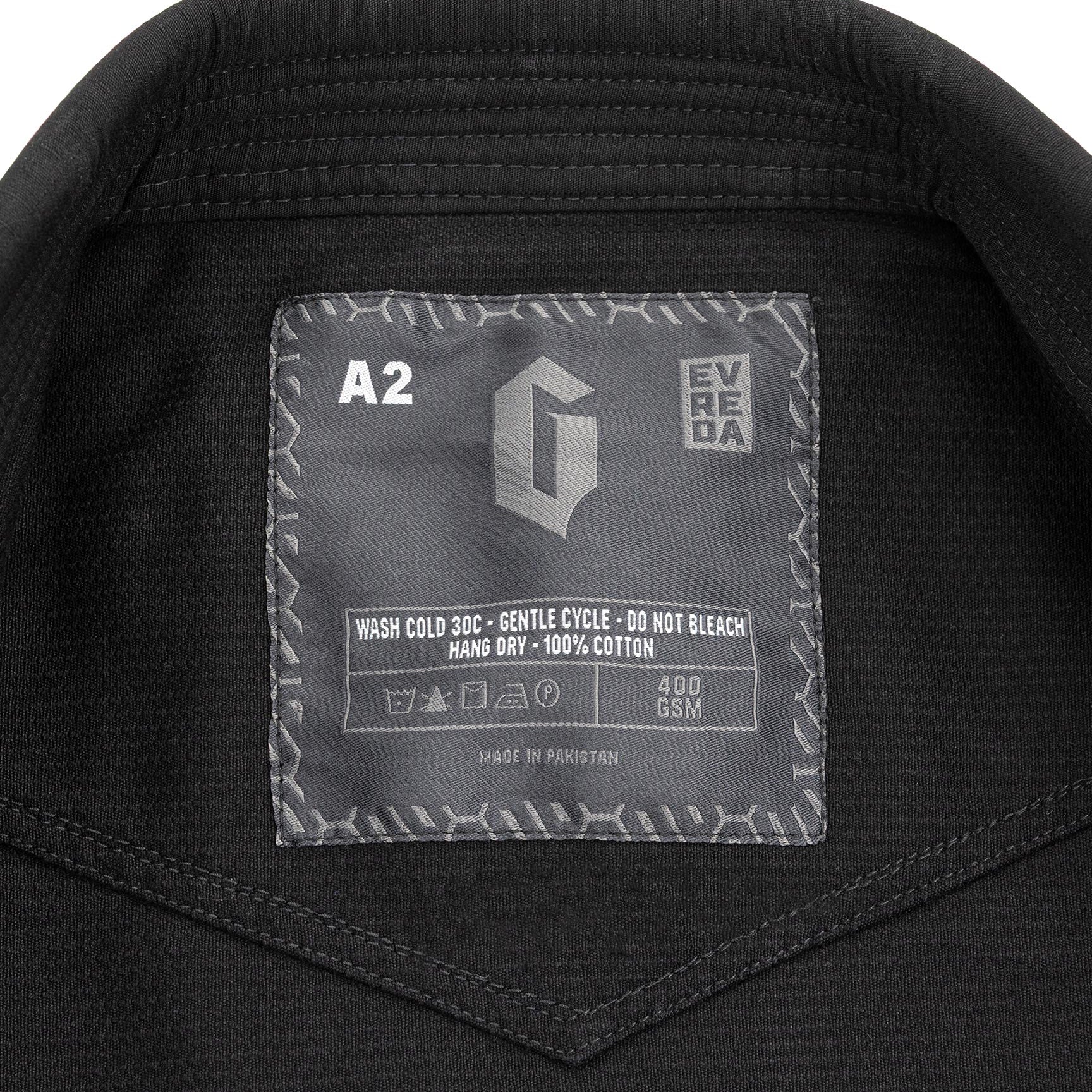
Most cotton gis shrink at least a little, particularly with heat. Follow the care label, but cold washing and hang drying are generally the safest routine when you want to preserve the original fit. This also helps reduce unnecessary wear on patches, embroidery, and stitching.
Before removing tags or washing, have your child try the gi on with the belt they will wear in class. Ask them to squat, reach, and sit on the floor. A five-minute fit check at home is easier than learning on the first day that the pants pinch during warm-ups.
Choose the Right Gi for Your Child’s Training Schedule
A child attending one class a week has different needs from a youth competitor training several evenings a week. For a new student, comfort and easy care are often the biggest priorities. They are learning how to tie a belt, follow mat etiquette, and stay engaged through drills. A soft, reasonably light gi can make that adjustment easier.
For regular training, durability becomes more valuable. Kids who spar after every class, drill takedowns, and attend weekend open mats put more use into a uniform than parents sometimes expect. A second gi is often more useful than a premium single gi because it gives you a clean uniform while the other one is drying.
Competition changes the calculation slightly. Many events have specific rules around gi color, patches, sizing, and condition. A favorite black gi may be perfect for academy training but not accepted at a tournament that requires white, blue, or black uniforms under a particular ruleset. Check early, not the night before weigh-ins.
For competition-focused families, it can be smart to keep one well-fitted gi in an approved color for events and use another for everyday classes. That reduces the chance of showing up with a torn cuff, stubborn stain, or gi that shrank just enough to create a uniform issue.
Academy Rules Matter More Than Style
Some academies require a specific gi color, school patch, or branded uniform. Others are relaxed as long as the gi is clean and in good condition. Ask the instructor before ordering, especially if your child is joining a structured kids program for the first time.
This is not just about appearance. A consistent uniform policy helps instructors quickly identify students, maintain a clean team environment, and prepare children for competition expectations. It also prevents a disappointed kid from arriving in a colorful gi they love only to learn it cannot be worn in class.
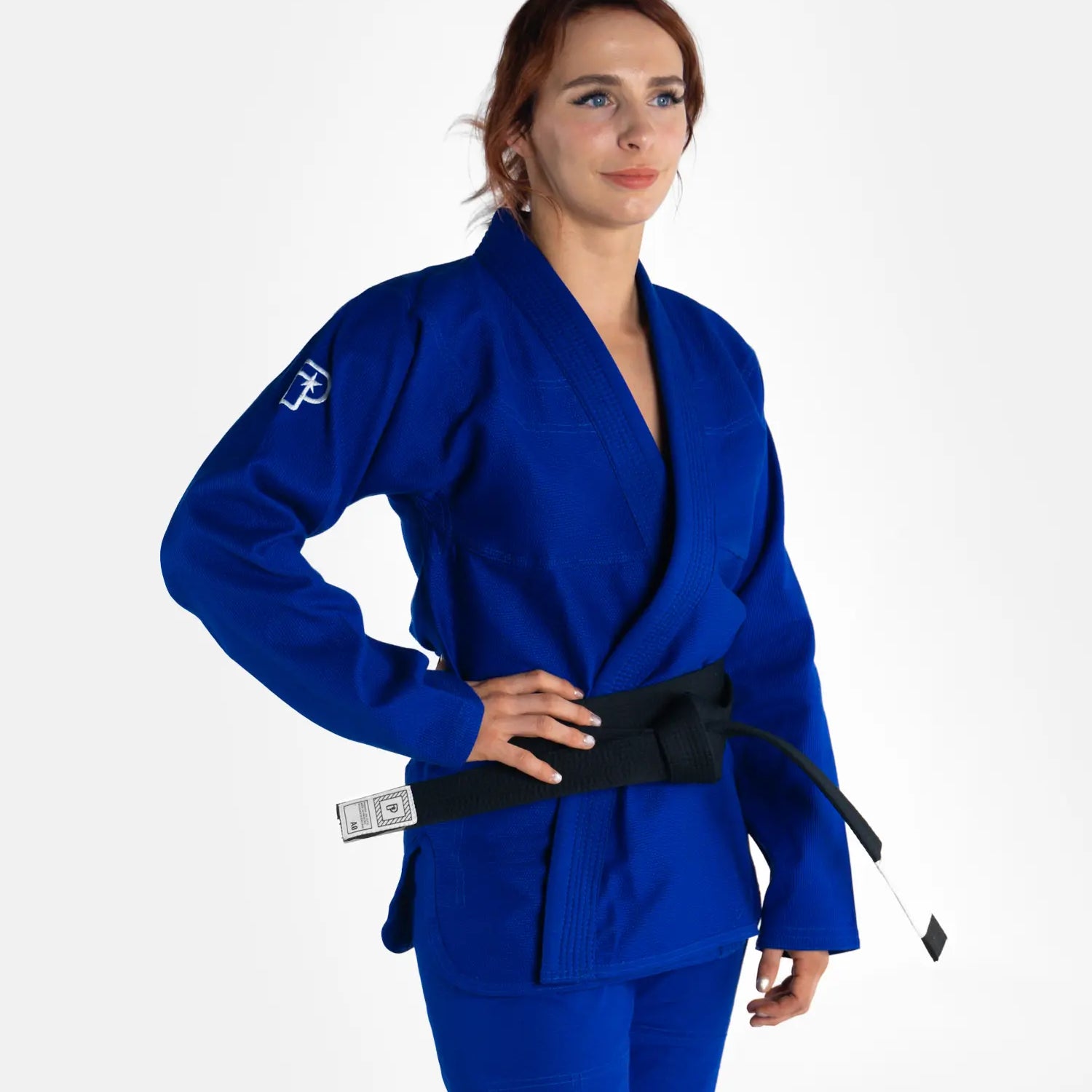
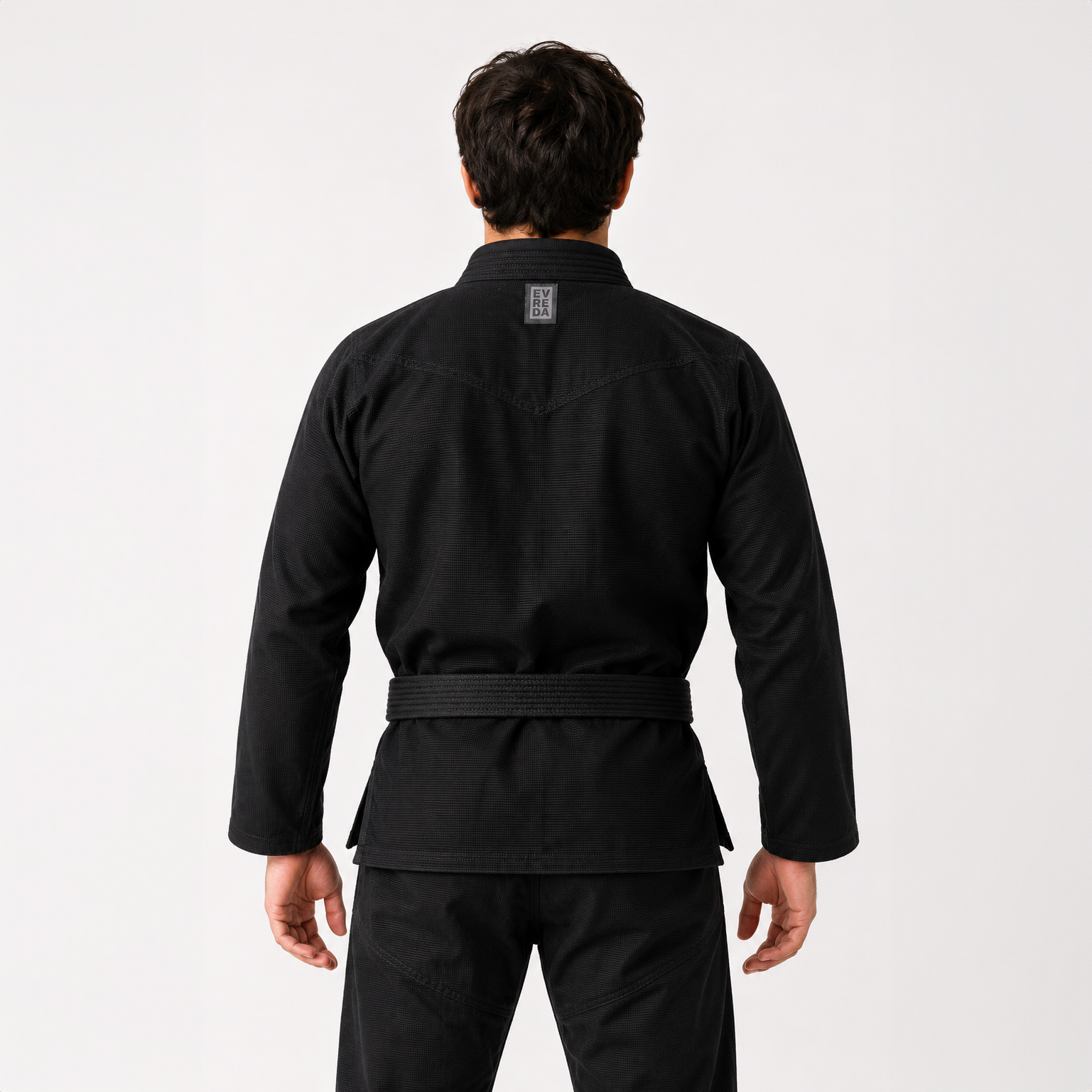
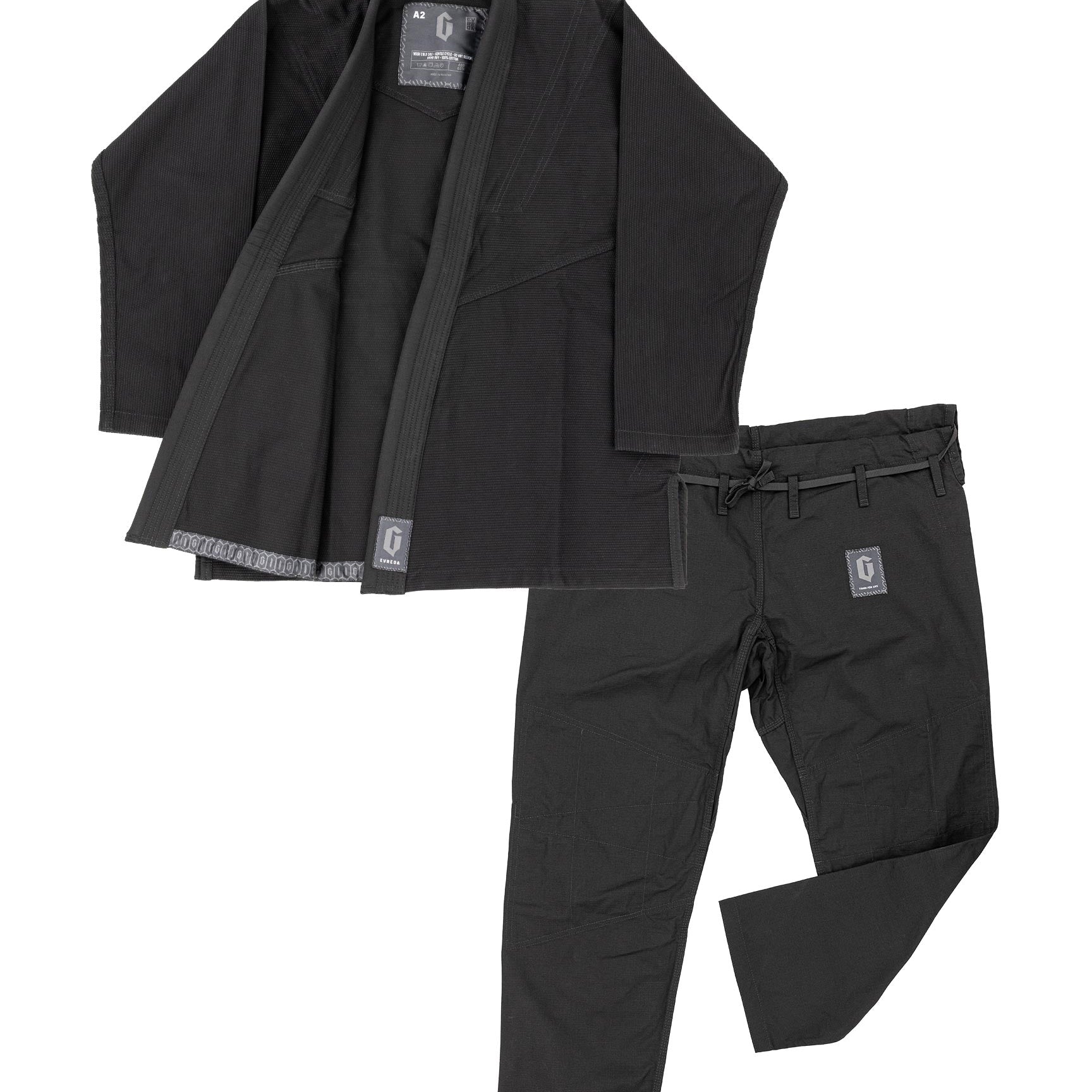
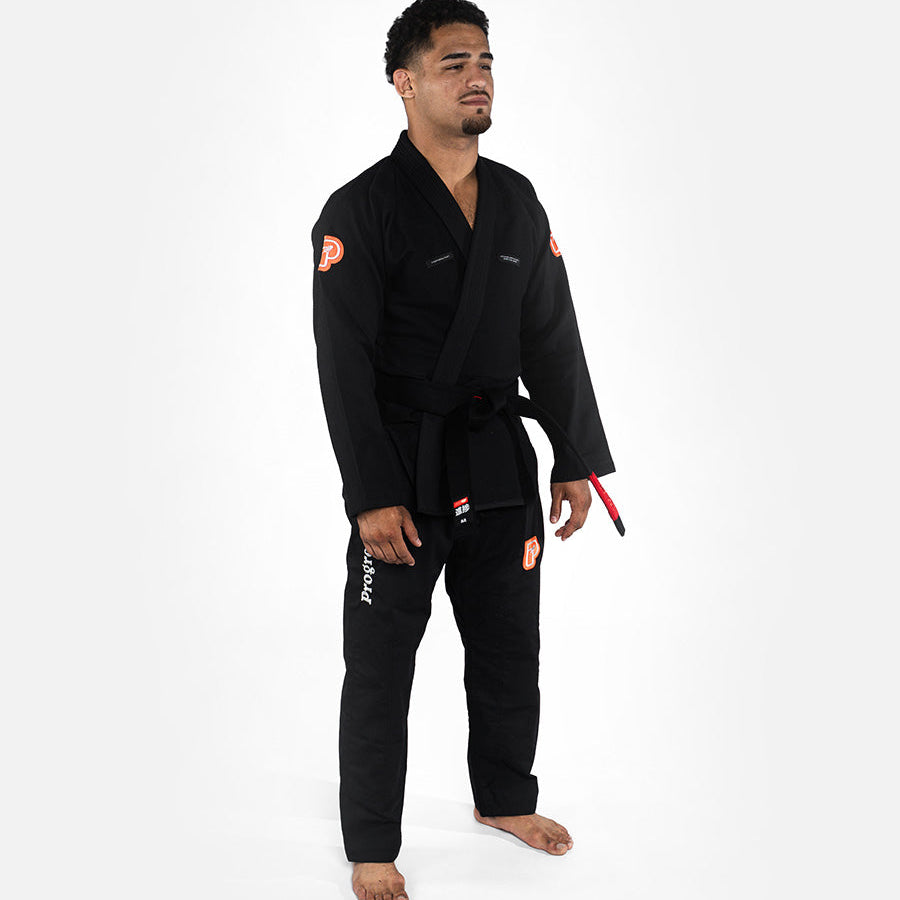
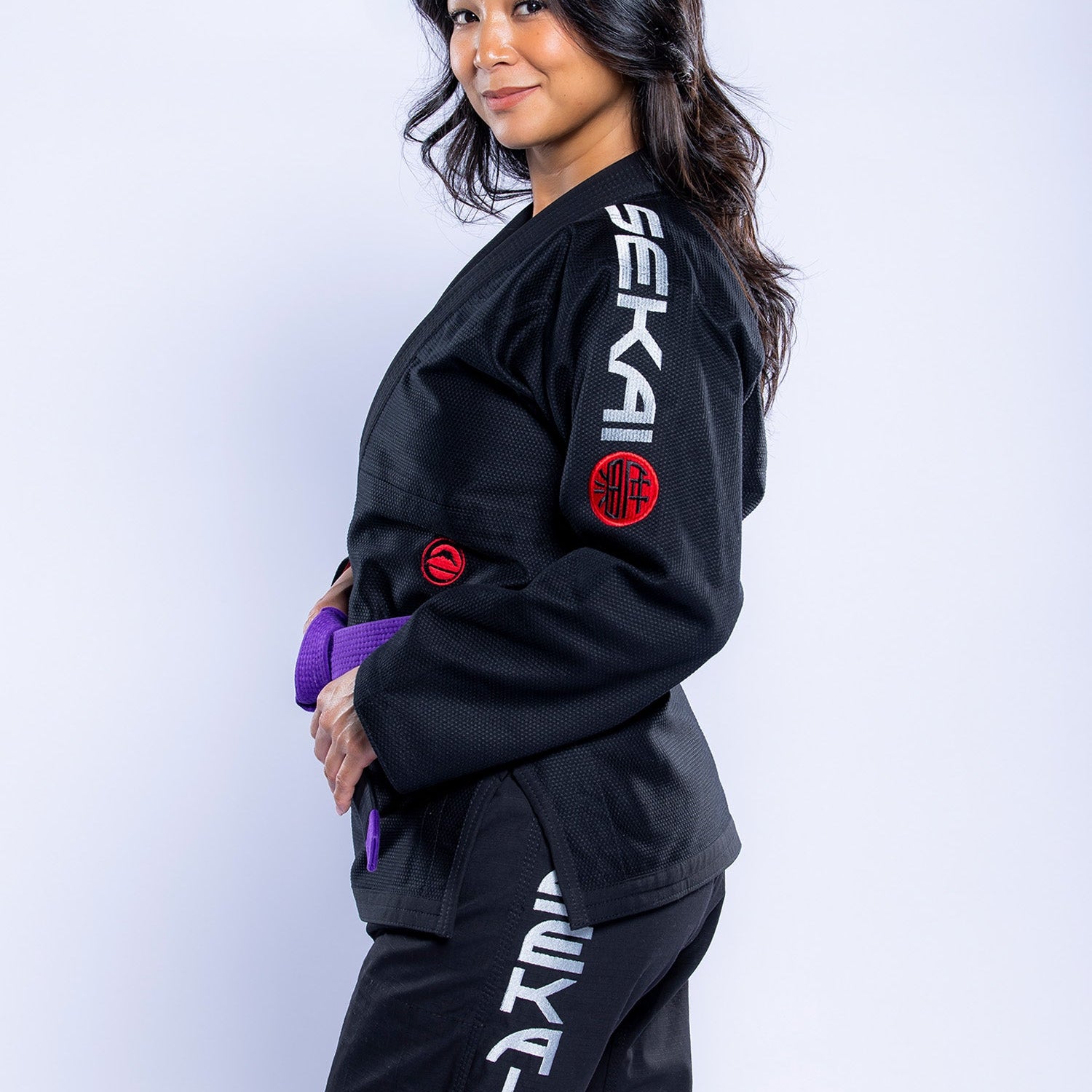
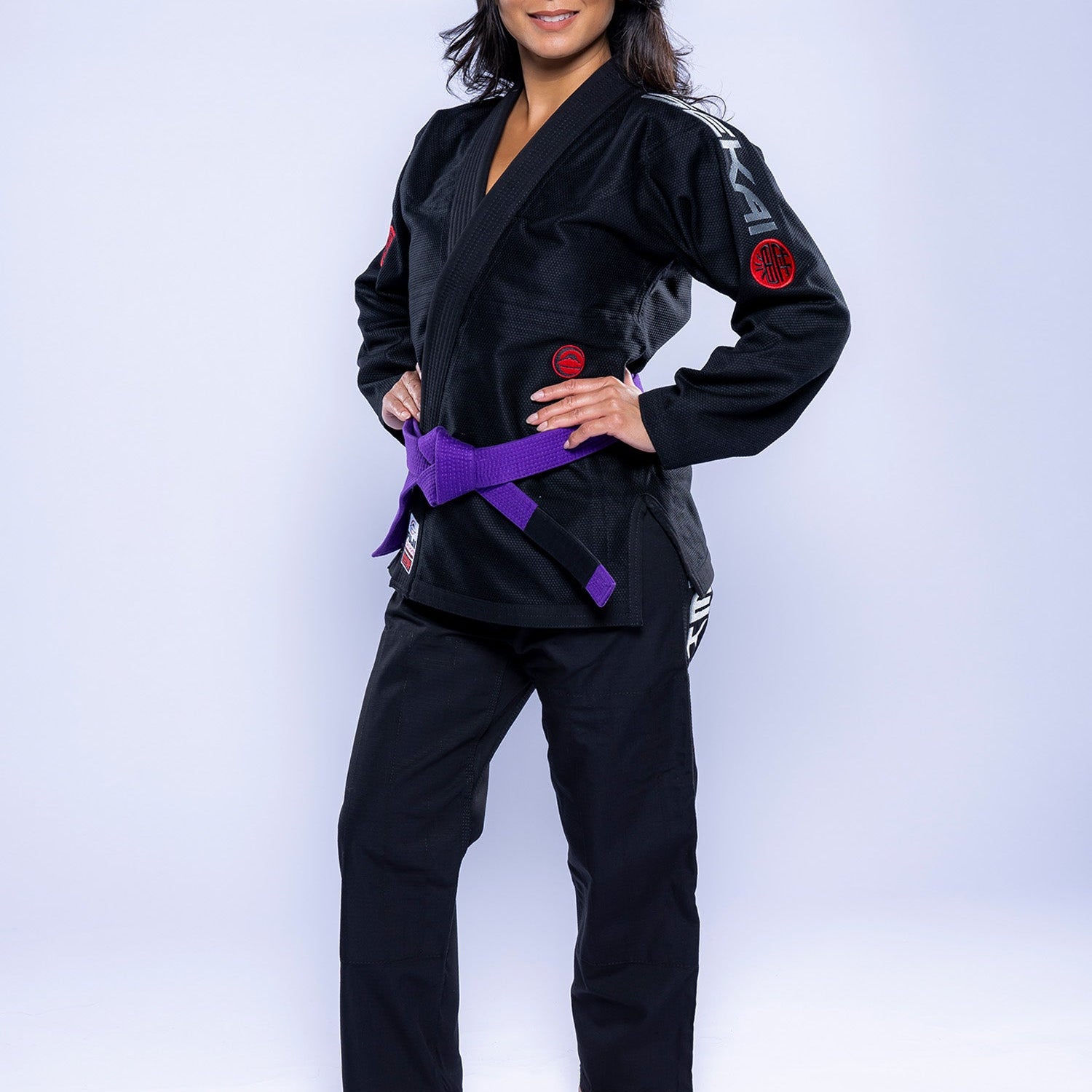
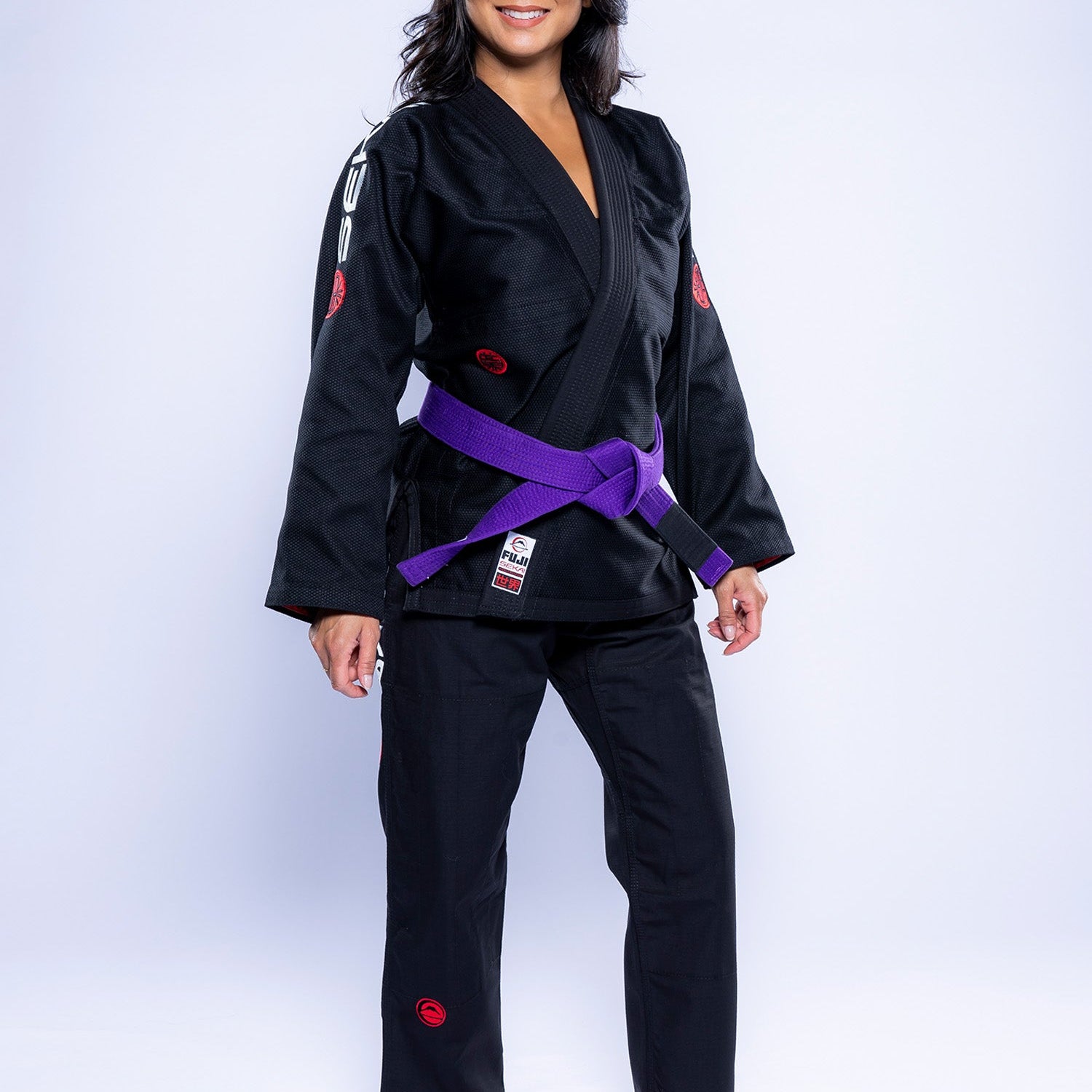
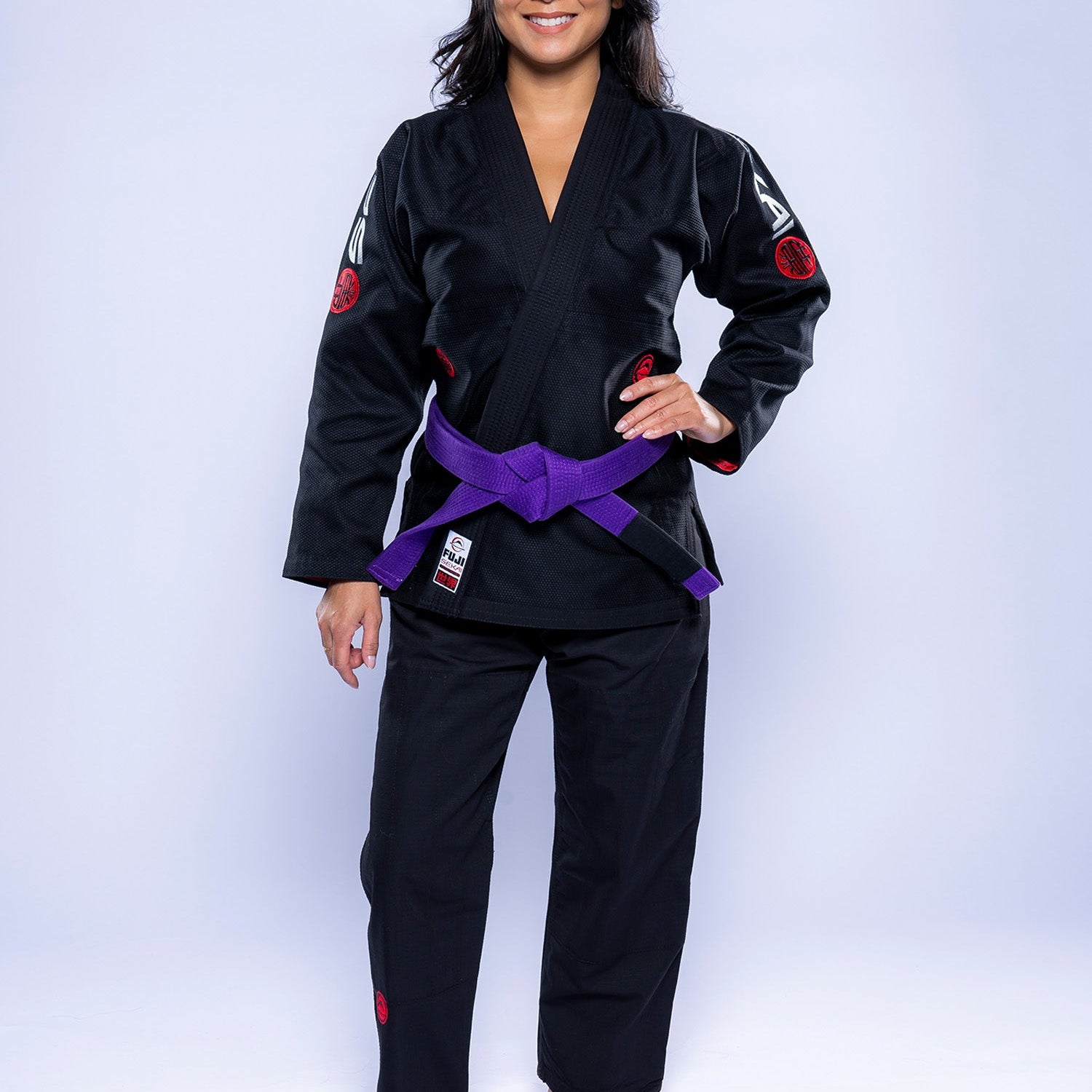
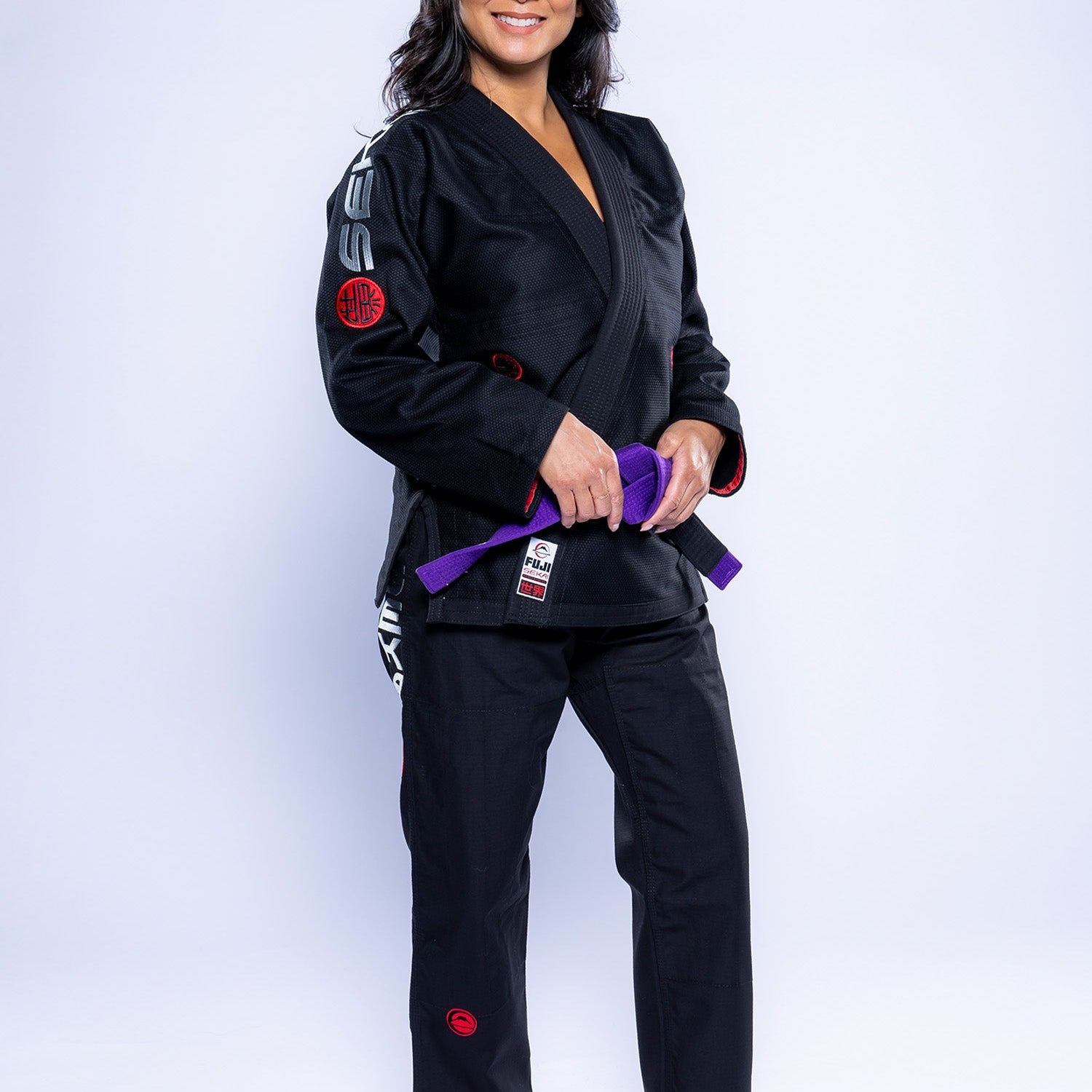
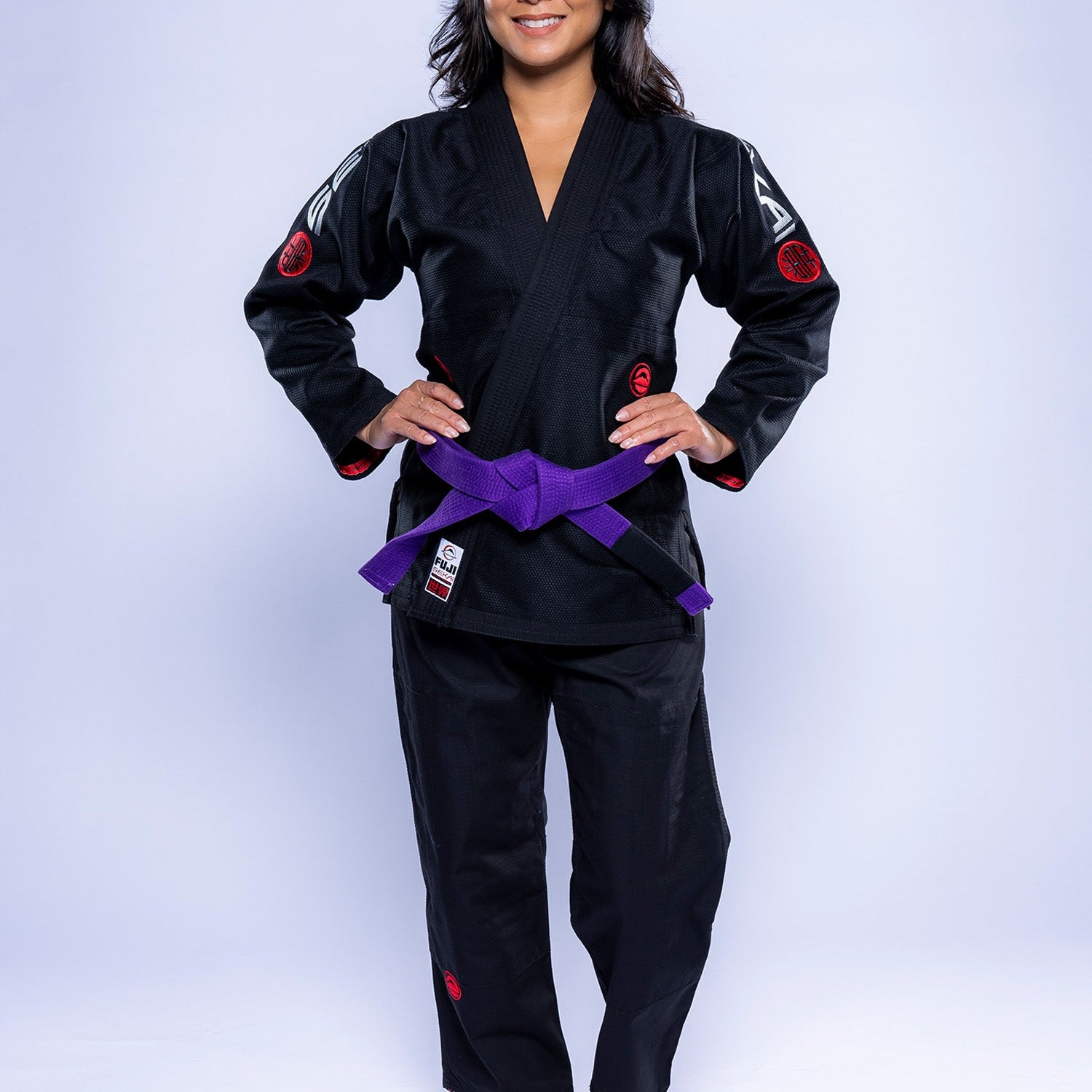
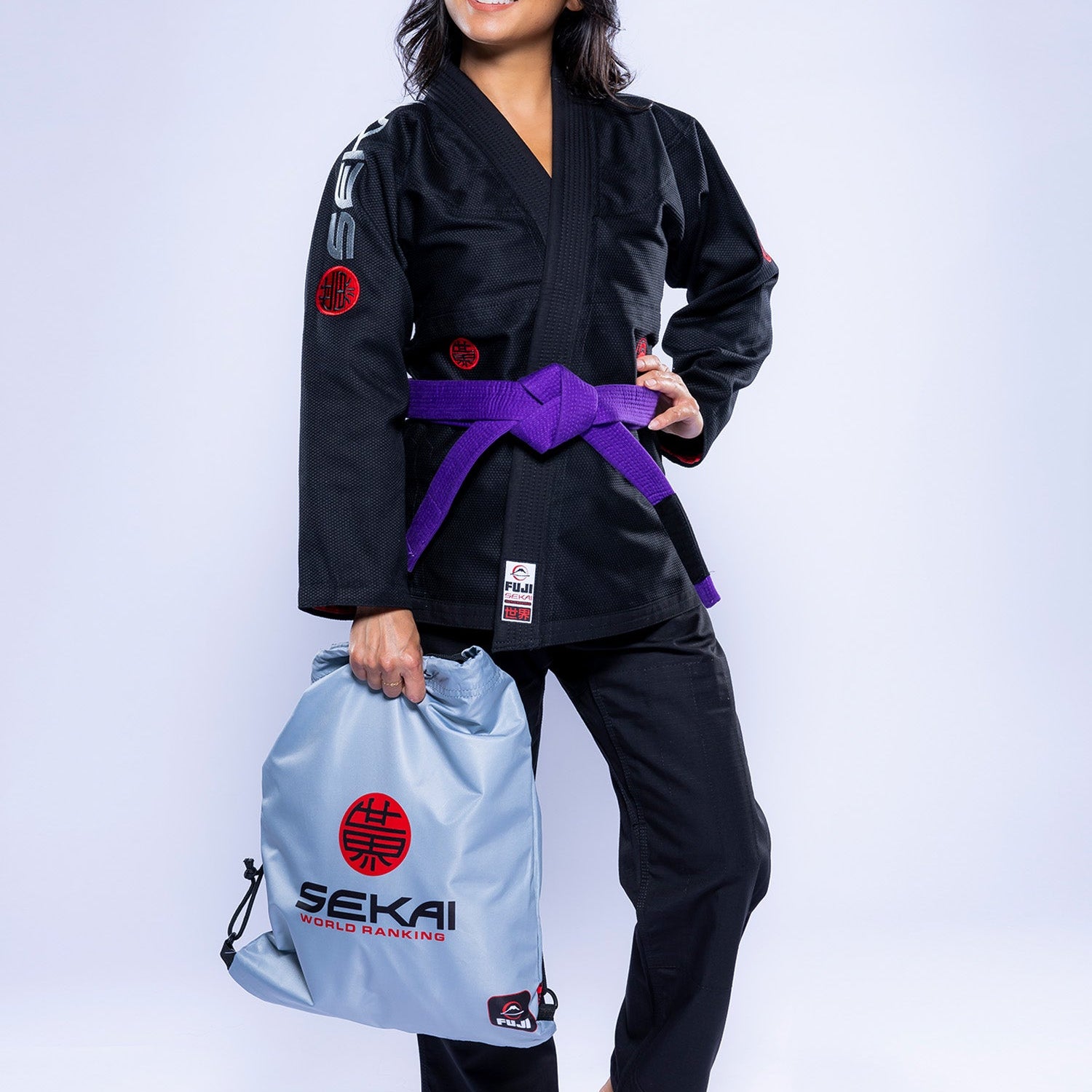
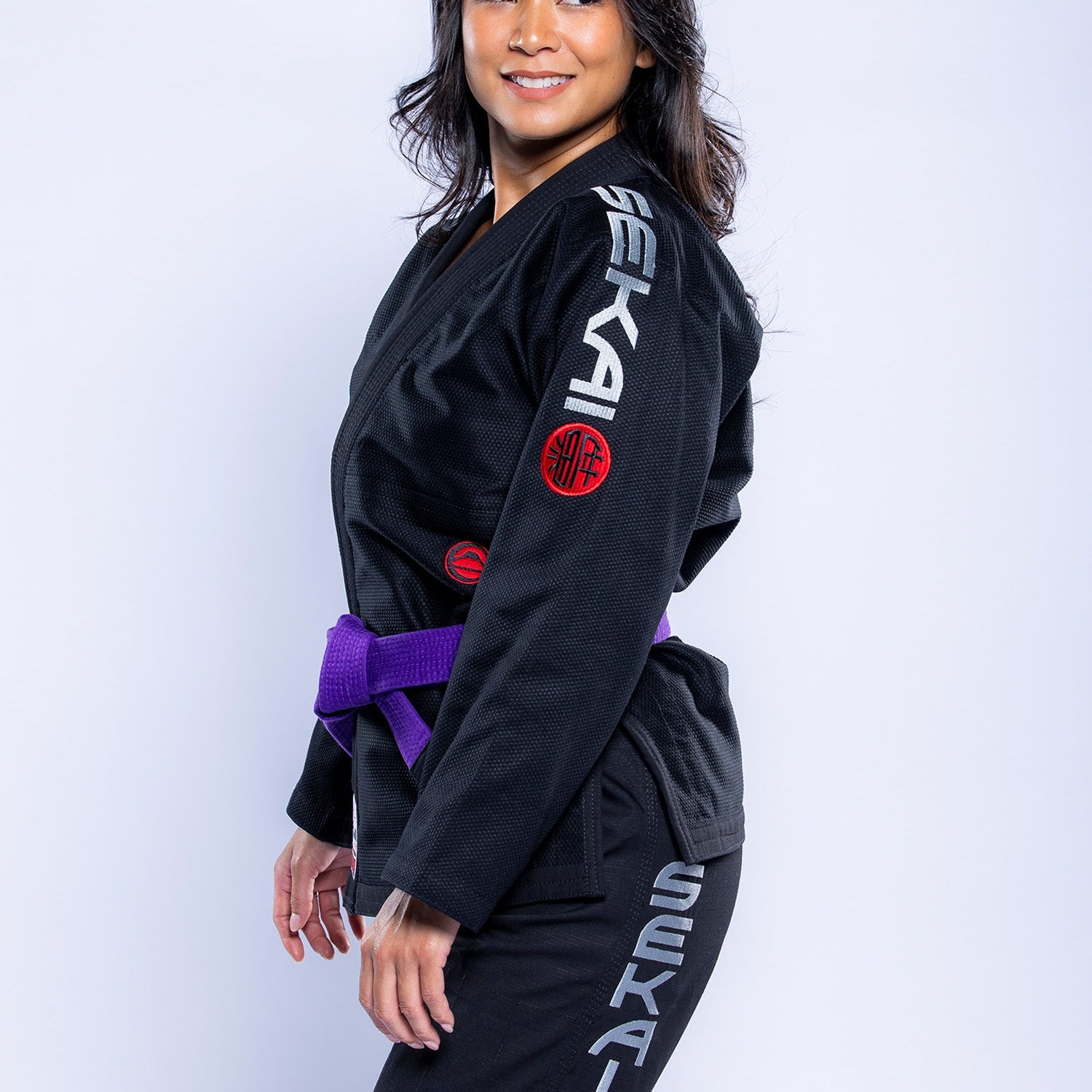
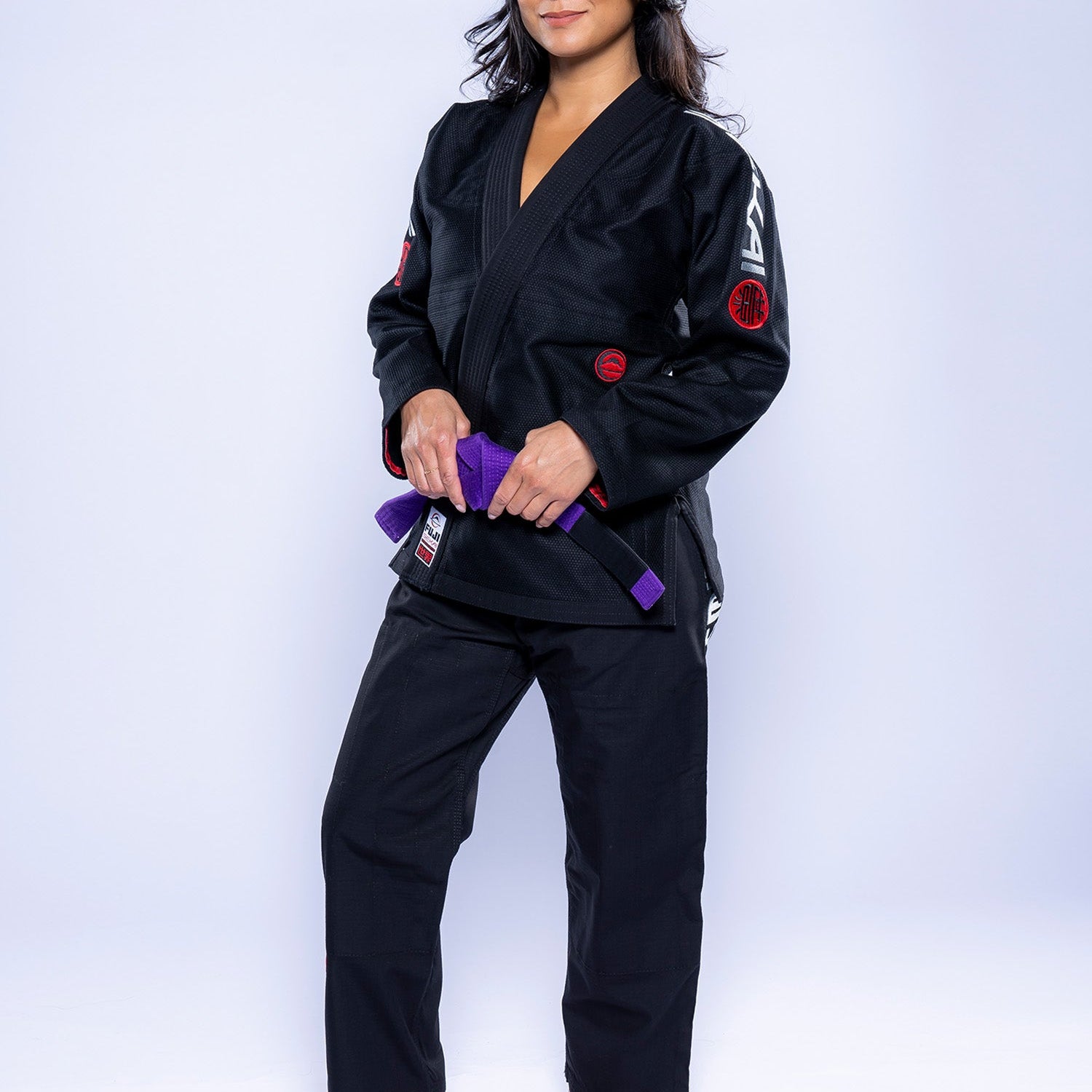
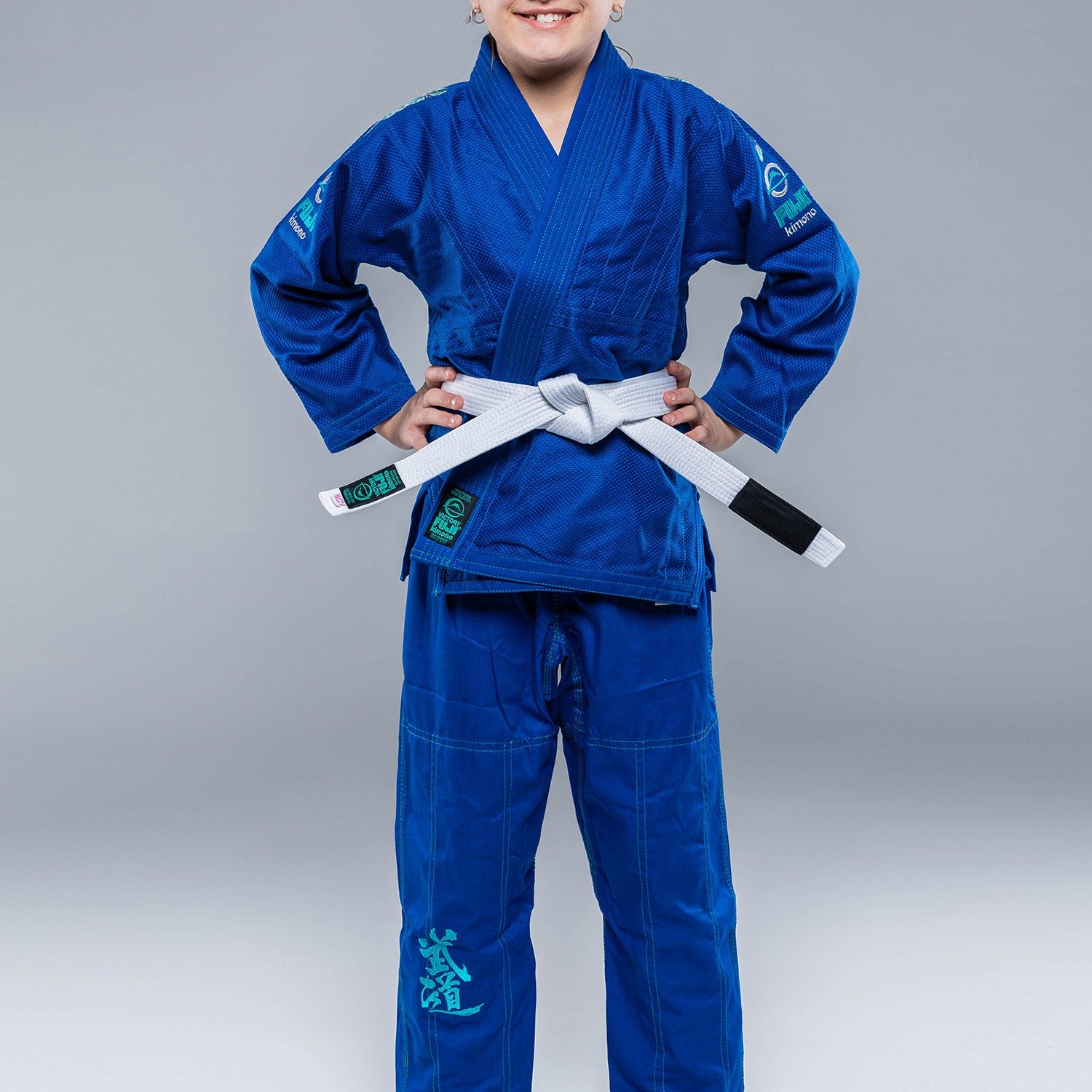
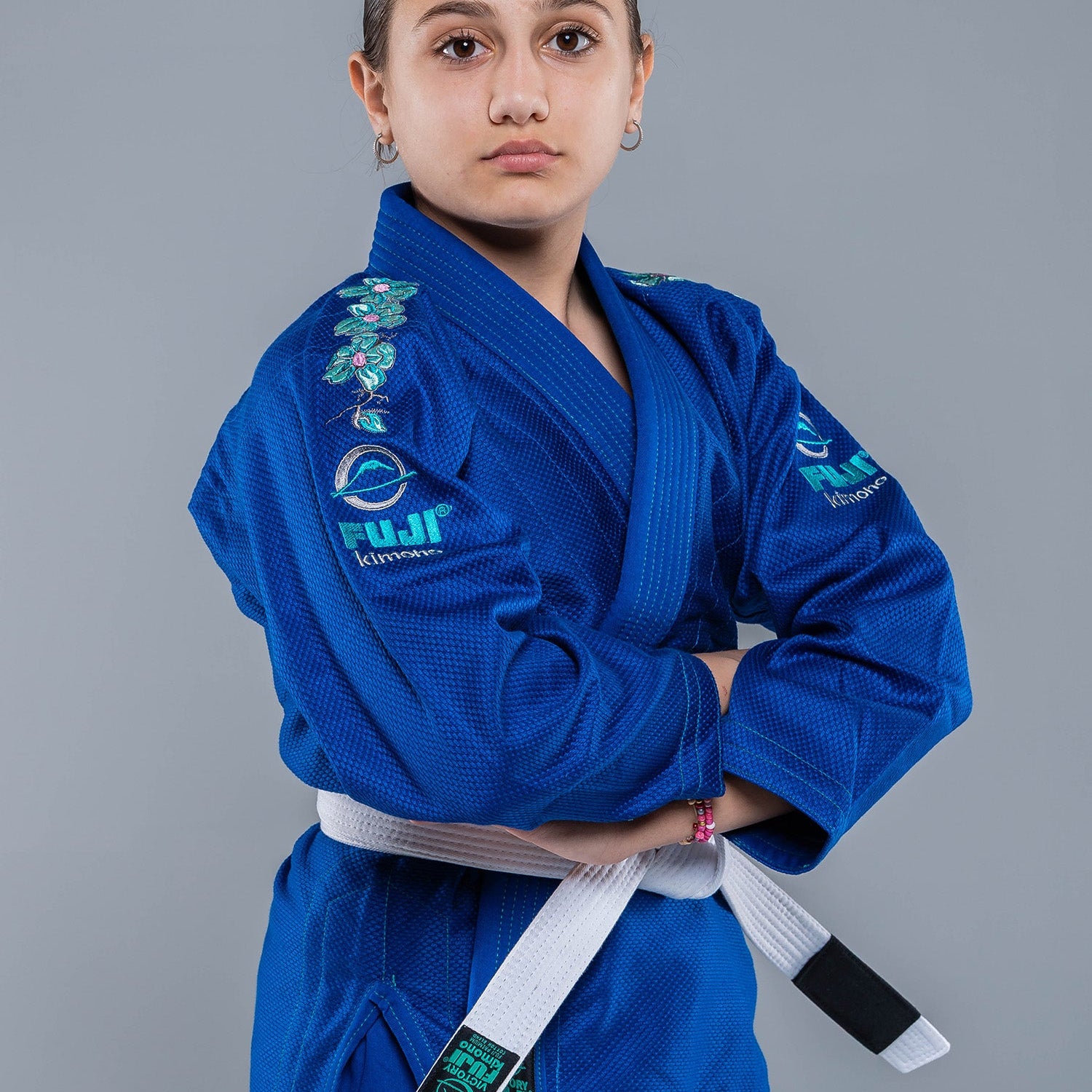
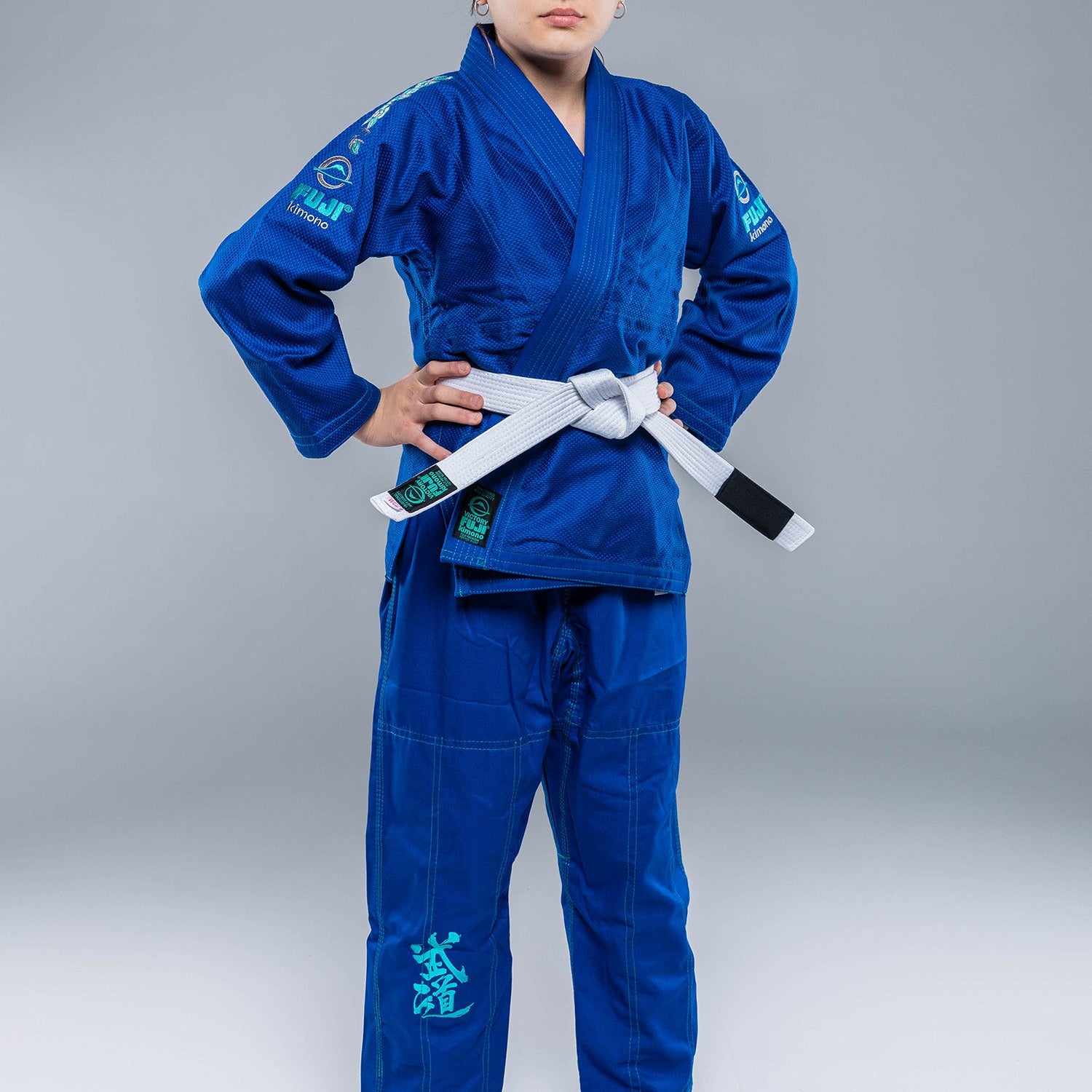
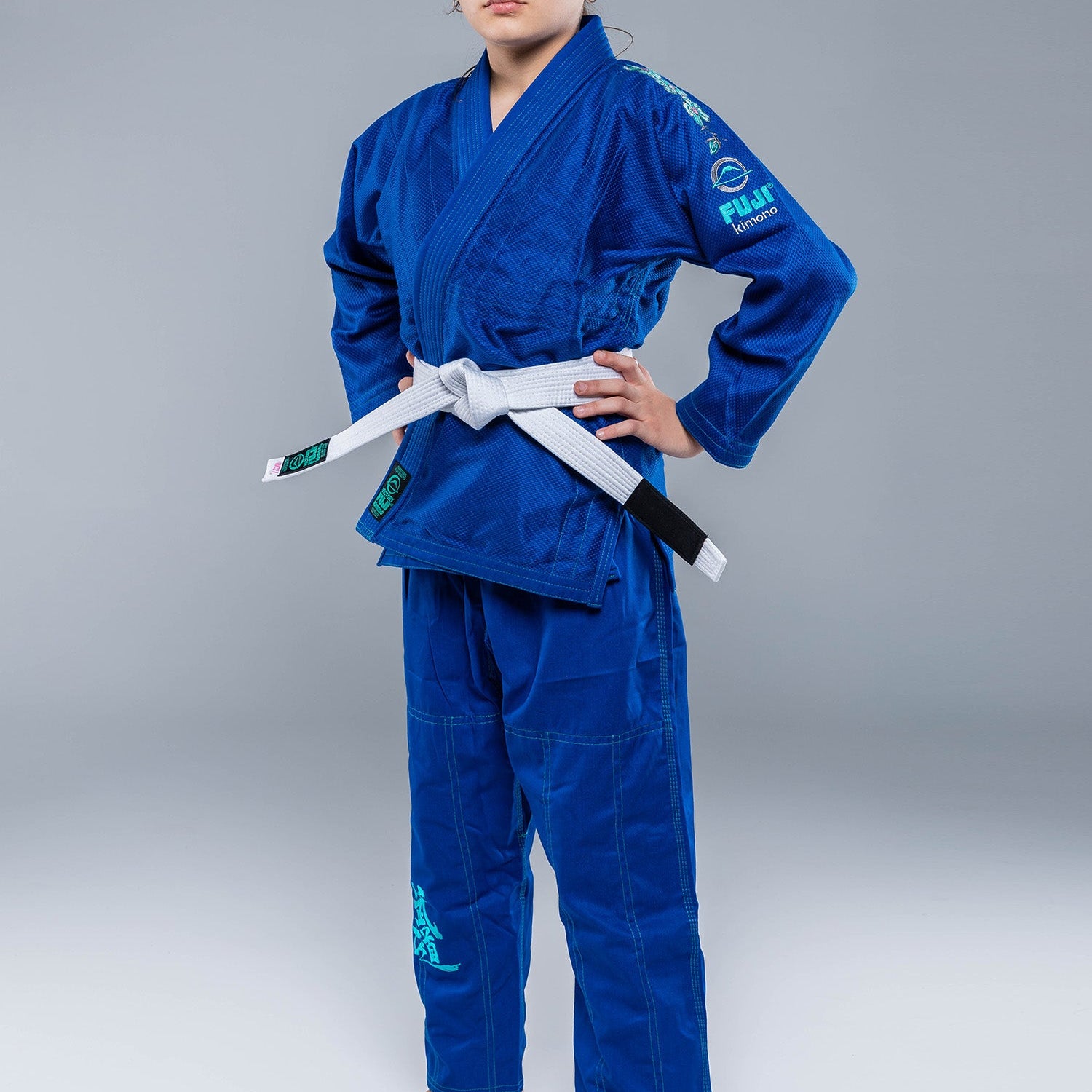
If the academy allows choices, keep practicality in the lead. White is traditional and easy for many tournaments, but it shows dirt and food stains quickly. Blue tends to hide everyday marks better. Black can look sharp and is popular with older kids, though it may feel warmer in a hot gym and can fade if washed carelessly.
Don’t Overlook Comfort and Skin-Friendly Details
A child who dislikes the feel of their gi will find reasons not to train. Check for scratchy interior seams, stiff fabric, and a collar that rubs the neck. This is particularly relevant for younger students who are still getting used to close-contact grappling.
Under the gi, many kids are more comfortable in a rash guard and appropriate shorts or leggings, depending on academy policy. A rash guard can reduce friction during repeated armbar drills and makes it easier to manage sweat during hard sparring rounds. It is also helpful to pack a second shirt for the ride home.
Make hygiene part of the purchase plan. A gi should be washed after every class, never left in a sealed bag overnight, and fully dried before being packed again. Kids share close contact during guard passing, mount escapes, and live rounds. A clean uniform is basic academy respect, not an optional extra.
When Two Gis Are Worth It
For most children training more than twice per week, two gis are practical rather than excessive. One can be in the wash while the other is ready for class. This is particularly helpful during humid weather, tournament weekends, or school breaks when kids attend extra daytime sessions.
Two gis can also extend the life of both. Rotating them means less repeated washing and drying on a single uniform. If your child is growing quickly, you might pair a current well-fitting gi with a slightly roomier backup, rather than buying two identical sizes at once.
Jiu Jitsu gear should make it easier for a child to show up prepared, learn safely, and enjoy class. The best choice is the gi that fits their current body, their academy’s expectations, and the way they actually train. Get those basics right, keep it clean, and let the uniform do its job while your child focuses on the next drill.
Shop Our New Releases
Fast & Free Shipping!
Fast & Free Shipping!
Fast & Free Shipping!
Fast & Free Shipping!
Fast & Free Shipping!
Fast & Free Shipping!