BJJ Competition Prep Guide for Your First Event
The week before your first tournament is when small mistakes start feeling big. You remember to drill your armbar from closed guard, but forget to check if your gi meets the event rules. You think about points, adrenaline, and who might be in your bracket, but not whether you’ve actually trained starting from standing. That’s why a solid bjj competition prep guide matters - not to make competing complicated, but to help you show up ready.
For most people, competition prep is less about building a whole new game and more about tightening the one you already have. If you normally play half guard, wrestle up from single leg X, and look for kimuras from top side, that is probably still your competition game. The goal is to make your best positions easier to reach under pressure and remove avoidable problems before match day.
What a good bjj competition prep guide should actually cover
A lot of tournament advice gets too broad. Real preparation comes down to a few practical areas: training structure, rules, weight, gear, recovery, and your plan for the first exchange. If one of those is off, it can affect everything else.
For example, a white belt who drills sweeps all month but never learns the scoring might stand up from mount and give away points. A blue belt who signs up at the last minute might cut too much weight, feel flat, and gas out in the first round. An experienced competitor can still lose a match before it starts by bringing a ripped rash guard or forgetting a backup belt.
Good prep is not flashy. It is organized.
Build camp around your real game
You do not need a pro-style camp to get ready for a local tournament. You do need some structure. Start by identifying your A-game from three spots: standing, top, and bottom. Keep it simple.
If your best takedown is a collar drag to single leg, that should get reps. If you are most comfortable pulling guard to sleeve and collar control, train that entry on purpose instead of pretending you are going to become a full-time wrestler in three weeks. If your strongest pass is knee cut and your highest percentage finish is rear naked choke, your rounds should regularly flow through those positions.
A useful training week usually includes normal classes, a few hard rounds with score awareness, and some specific training from likely competition scenarios. Start rounds from closed guard with one minute on the clock. Begin from headquarters and work to a pass. Put yourself down two points and practice staying composed instead of forcing scrambles.
This matters because tournament matches feel faster than gym rolls. Someone grips harder, stalls a little smarter, and gives you fewer easy openings. The student who has practiced winning the first grip fight, defending a quick blast double, or holding mount for points usually handles that pace better than the student who just did more random rounds.
Train with the rules in mind
This is where a lot of first-timers get caught. You do not need to memorize every possible call, but you should know the basics for your event and belt level. Understand the scoring, legal submissions, uniform requirements, and how advantages or referee decisions work if your tournament uses them.
The rules should affect how you train. If the event awards two points for a takedown, you need some confidence from standing, even if it is only one reliable setup and a good sprawl. If jumping closed guard is not allowed, do not make it part of your default plan. If reaping rules differ between events, be careful about what you drill in the final weeks.
A few examples make this clear. A beginner who gets a sweep and immediately chases a loose guillotine may give up top position and lose the round. Someone who turtles every time they are almost passed might survive in the gym, but in competition that can turn into back exposure and points against them. A guard puller who never practices grip breaks may spend the entire match stuck in a standing hand fight without ever getting to guard on their terms.
Don’t turn weight cutting into the whole tournament
For most local and regional competitors, the safest move is to compete near your normal training weight. A small cut can make sense if you have experience, enough time, and a plan that does not wreck your energy. A bad cut is one of the fastest ways to feel weak, cramped, and mentally foggy.
The better approach is to clean things up early. Eat consistently, keep sodium and junk food under control, stay hydrated, and weigh yourself regularly in the final two weeks. If you train in the morning and weigh 181 all week, trying to make 168 because it sounds better on paper is usually a bad trade.
There is also a timing issue. Some tournaments allow day-before weigh-ins, while others weigh you right before the match. Those are not the same situation. If you weigh in and compete ten minutes later, aggressive cutting makes even less sense. Know the format before you choose a division.
Your gear should be boringly dependable
This part is not exciting, but it matters. Bring the gear you know fits, moves well, and follows the rules. Competition day is not the time to find out your gi shrank, your mouthguard feels awkward, or your drawstring shorts slide around during stand-up.
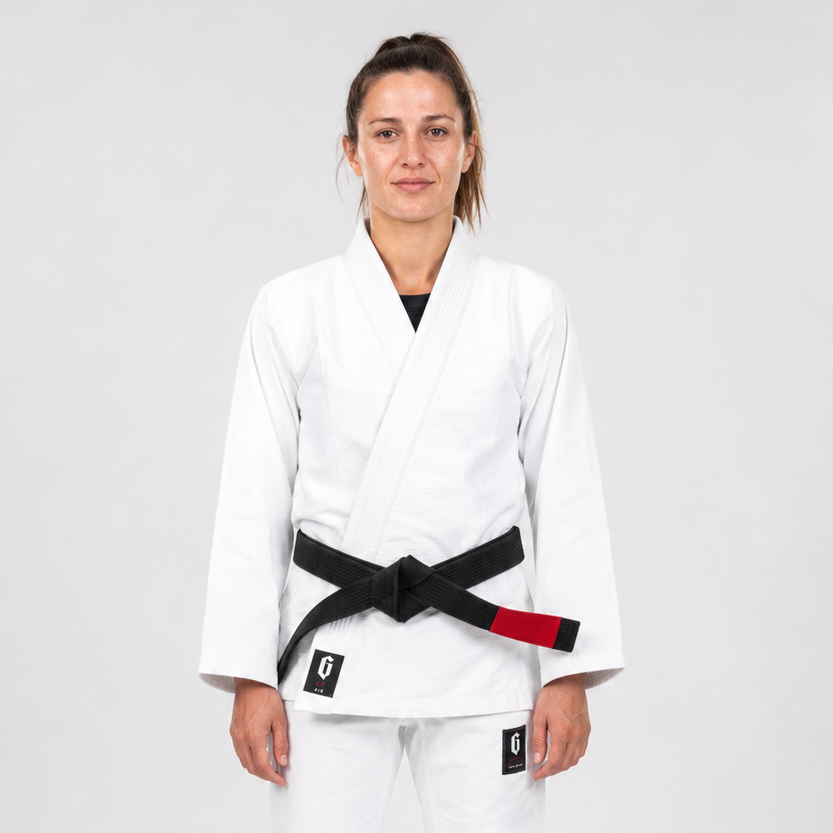
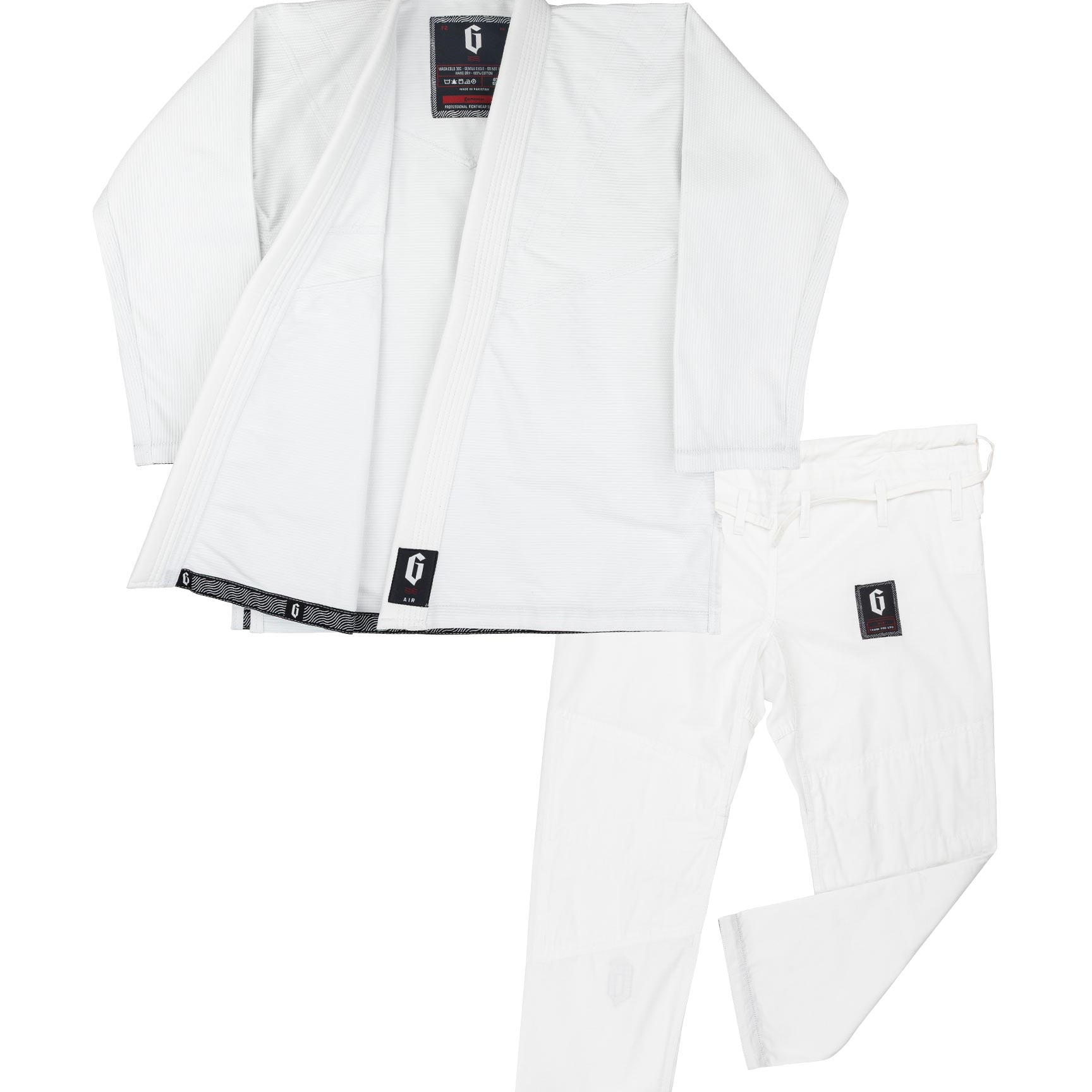
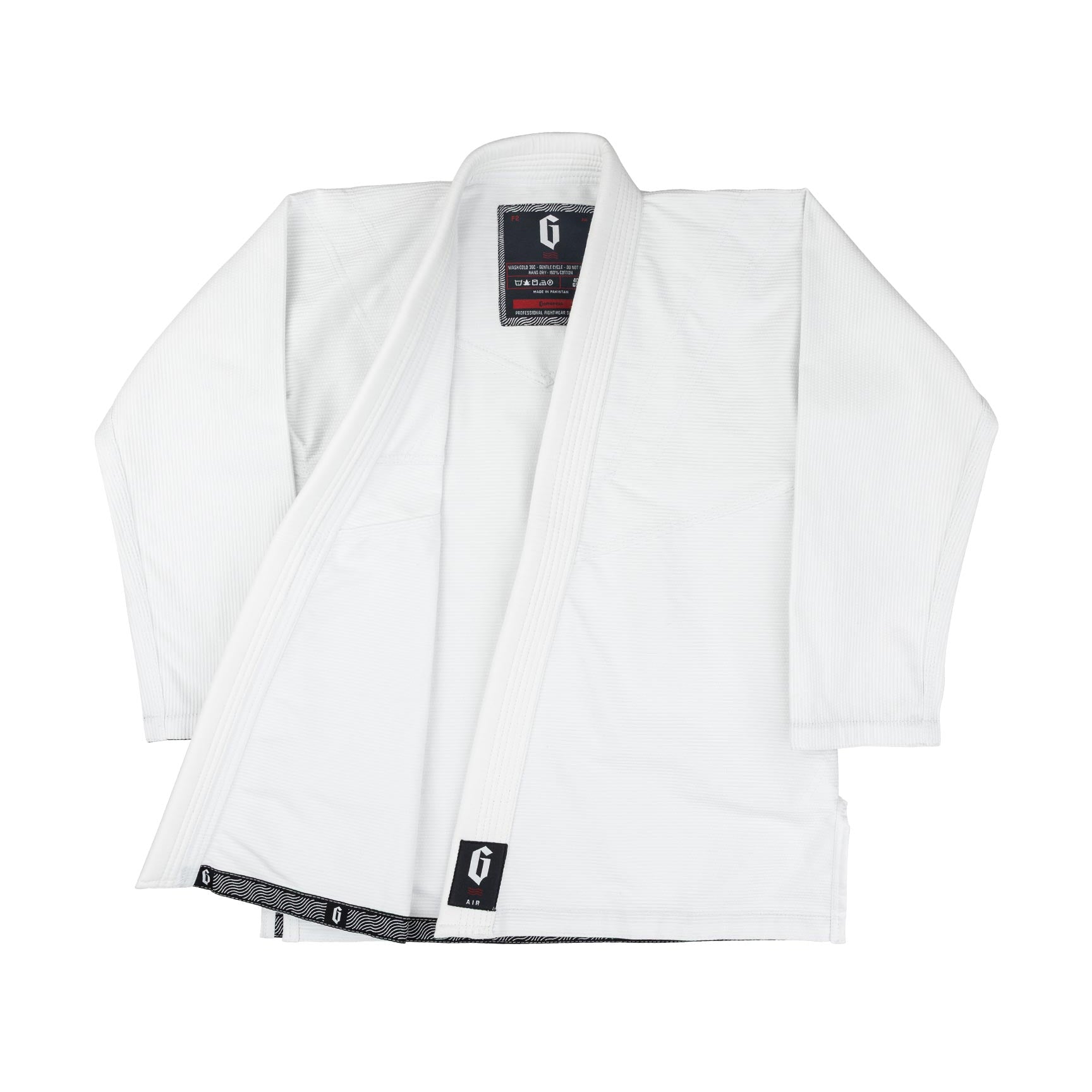
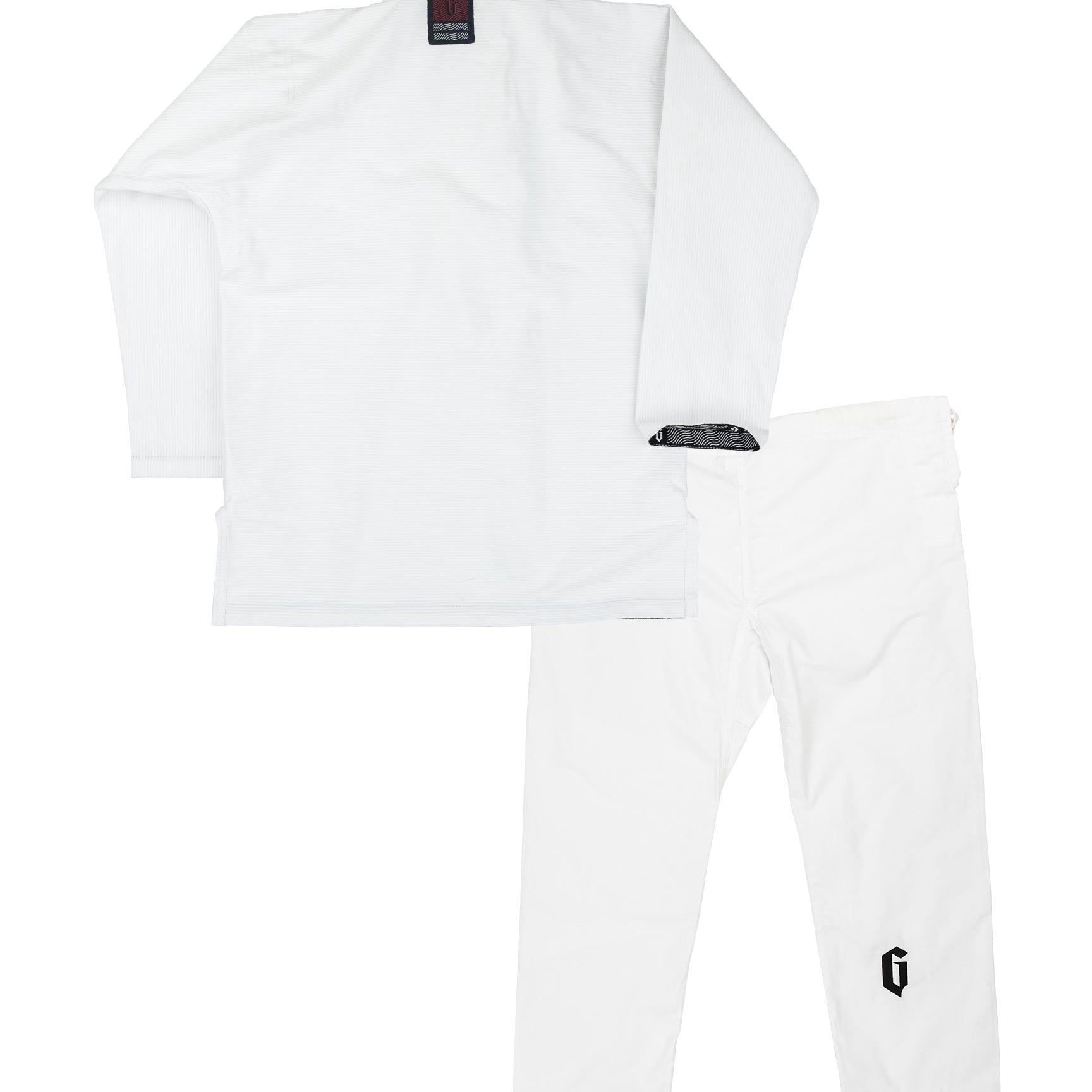
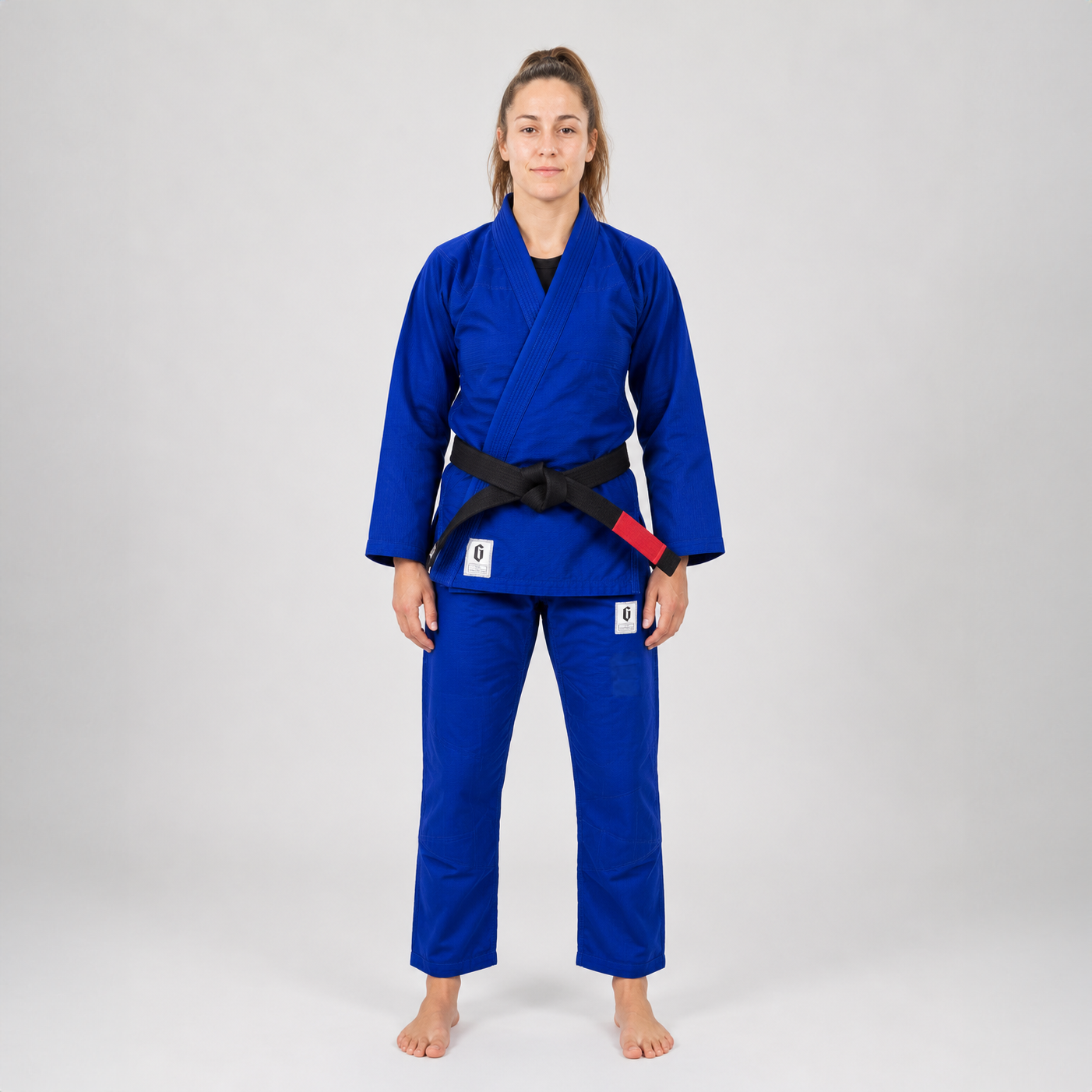
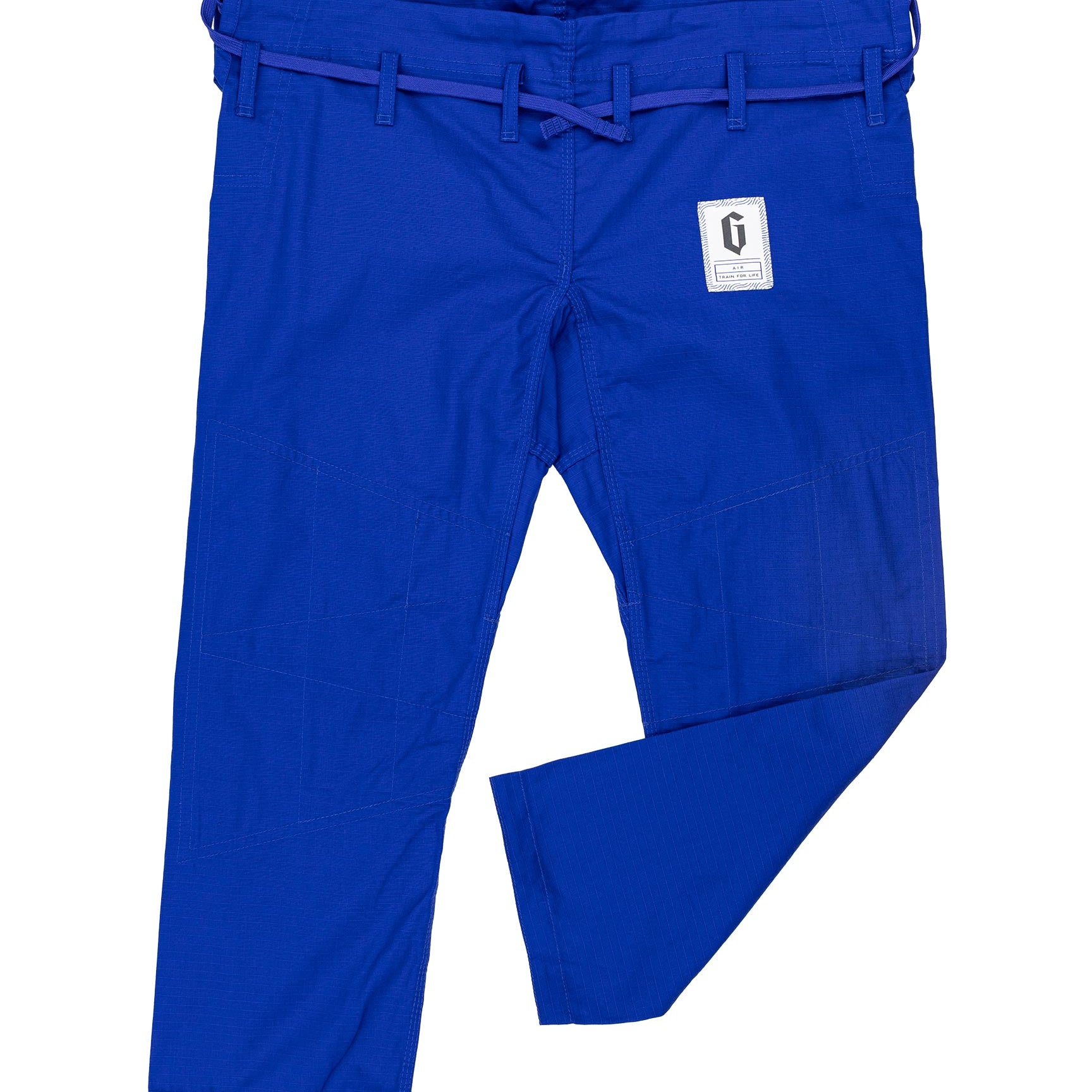
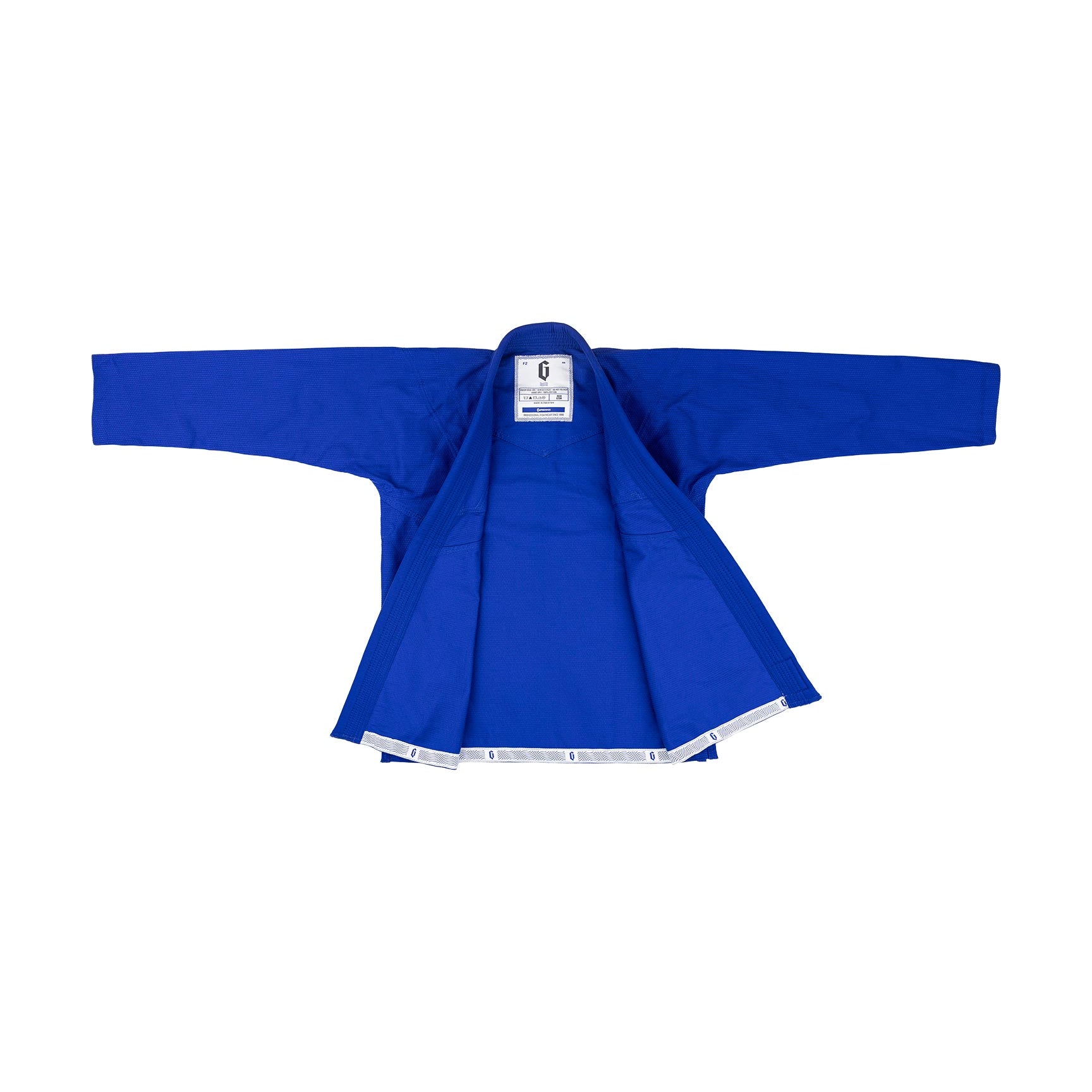
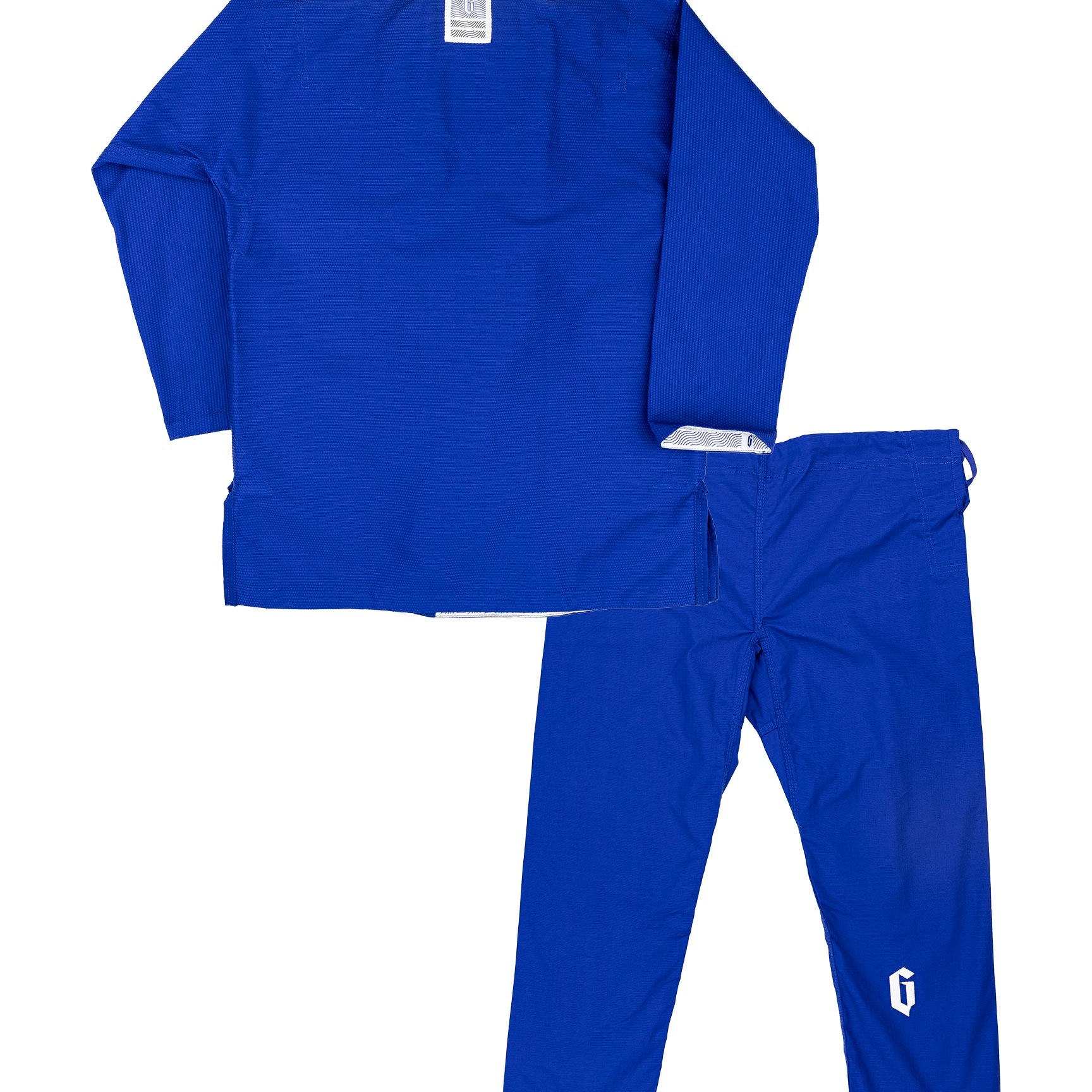
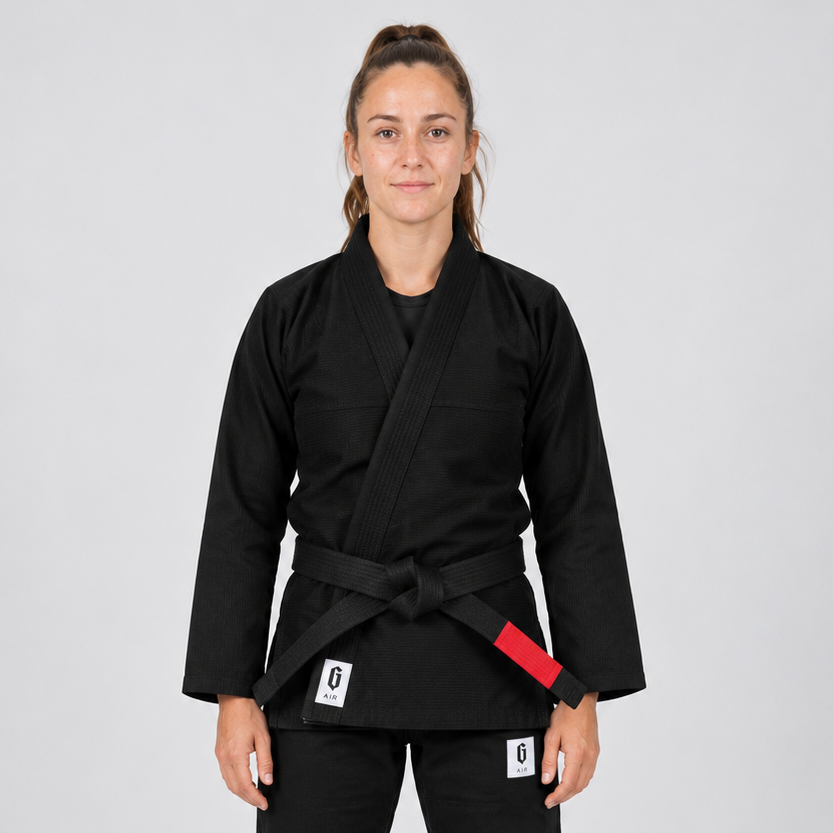
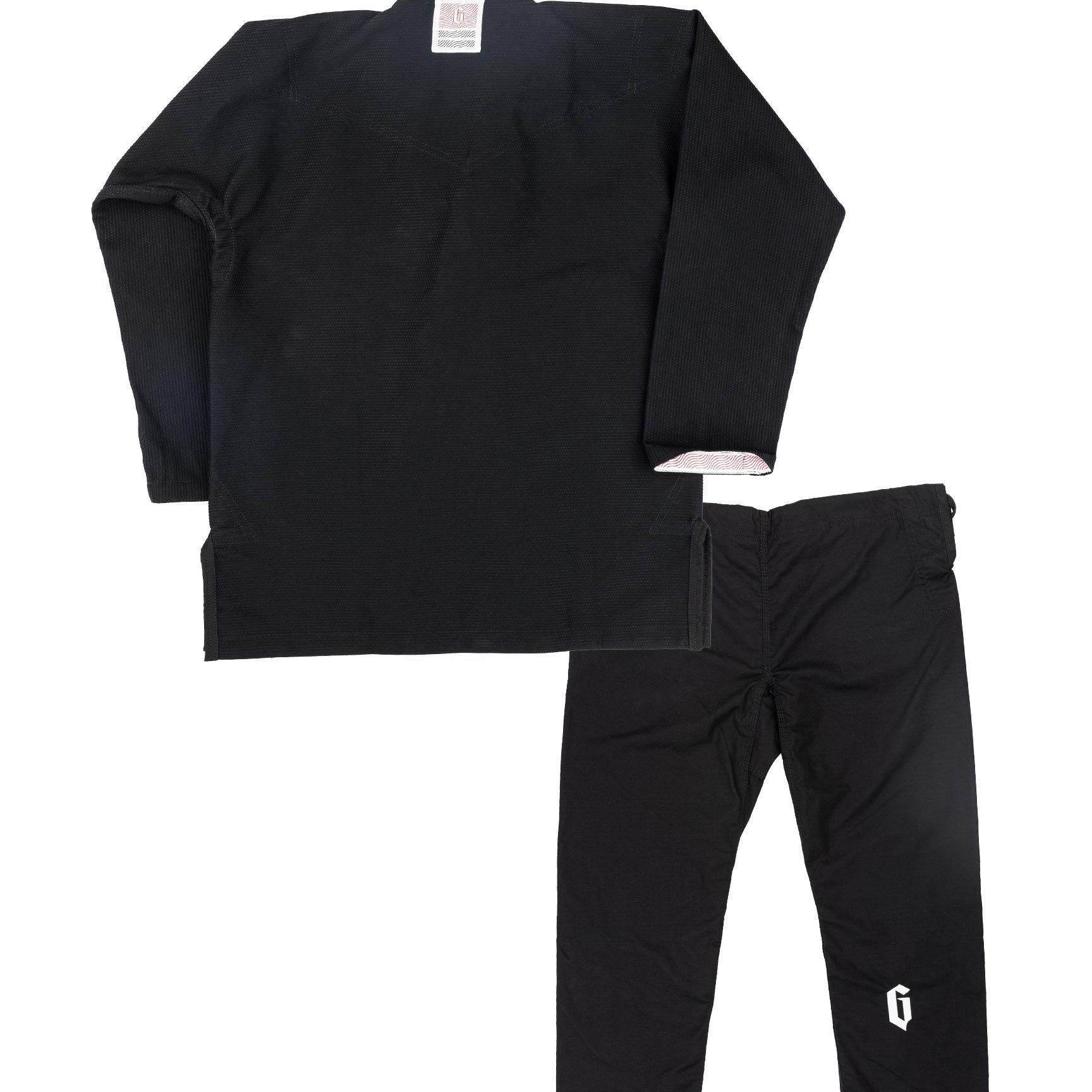
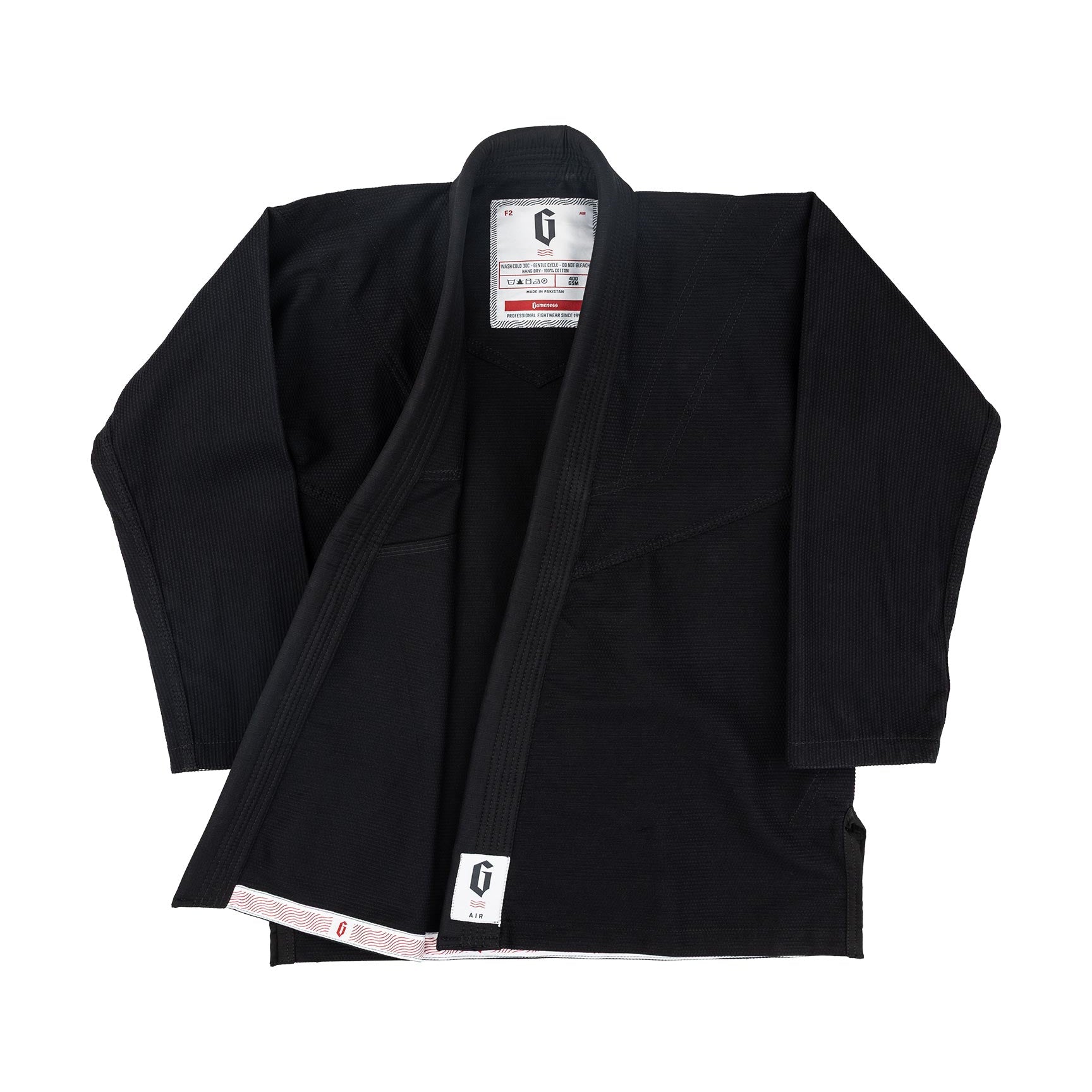
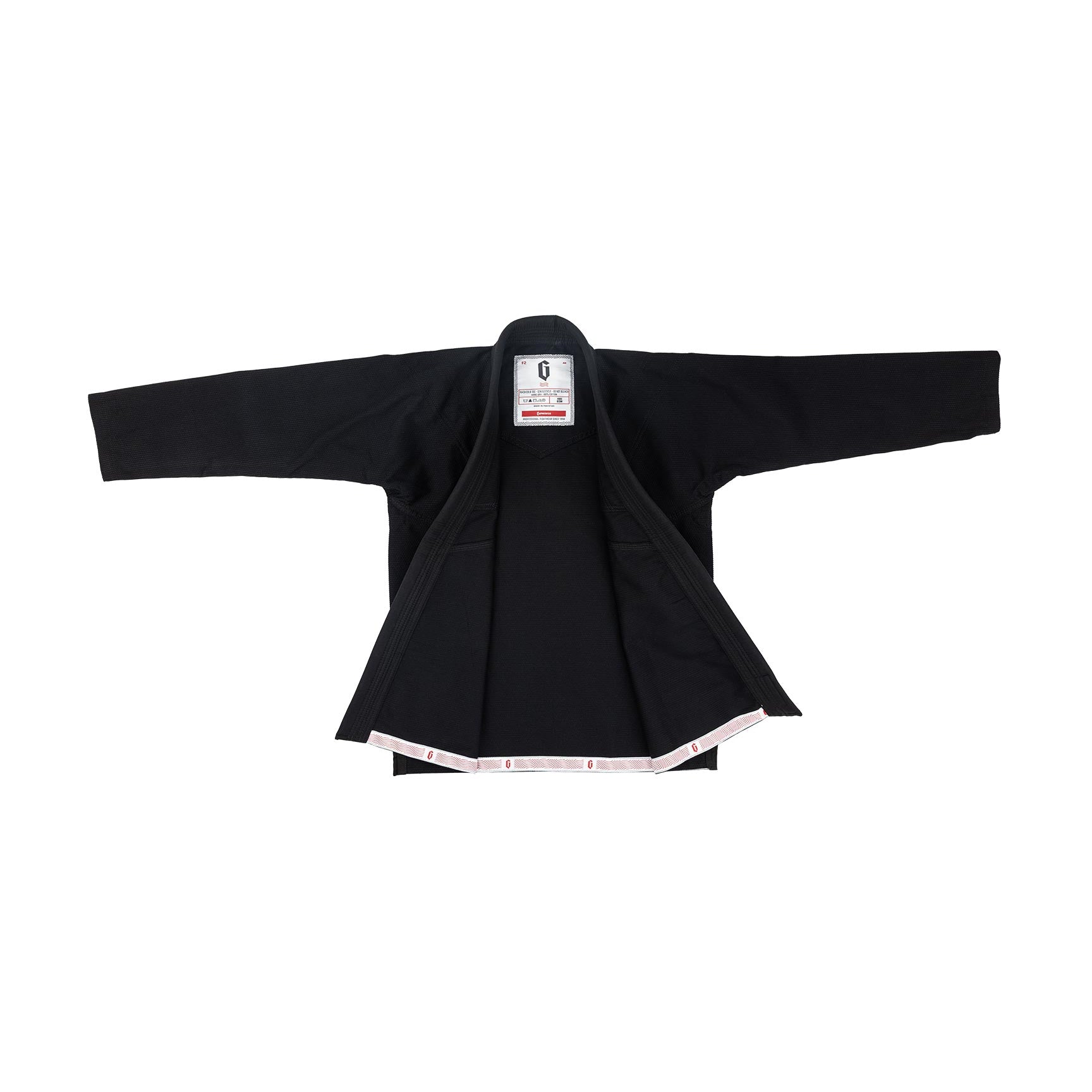
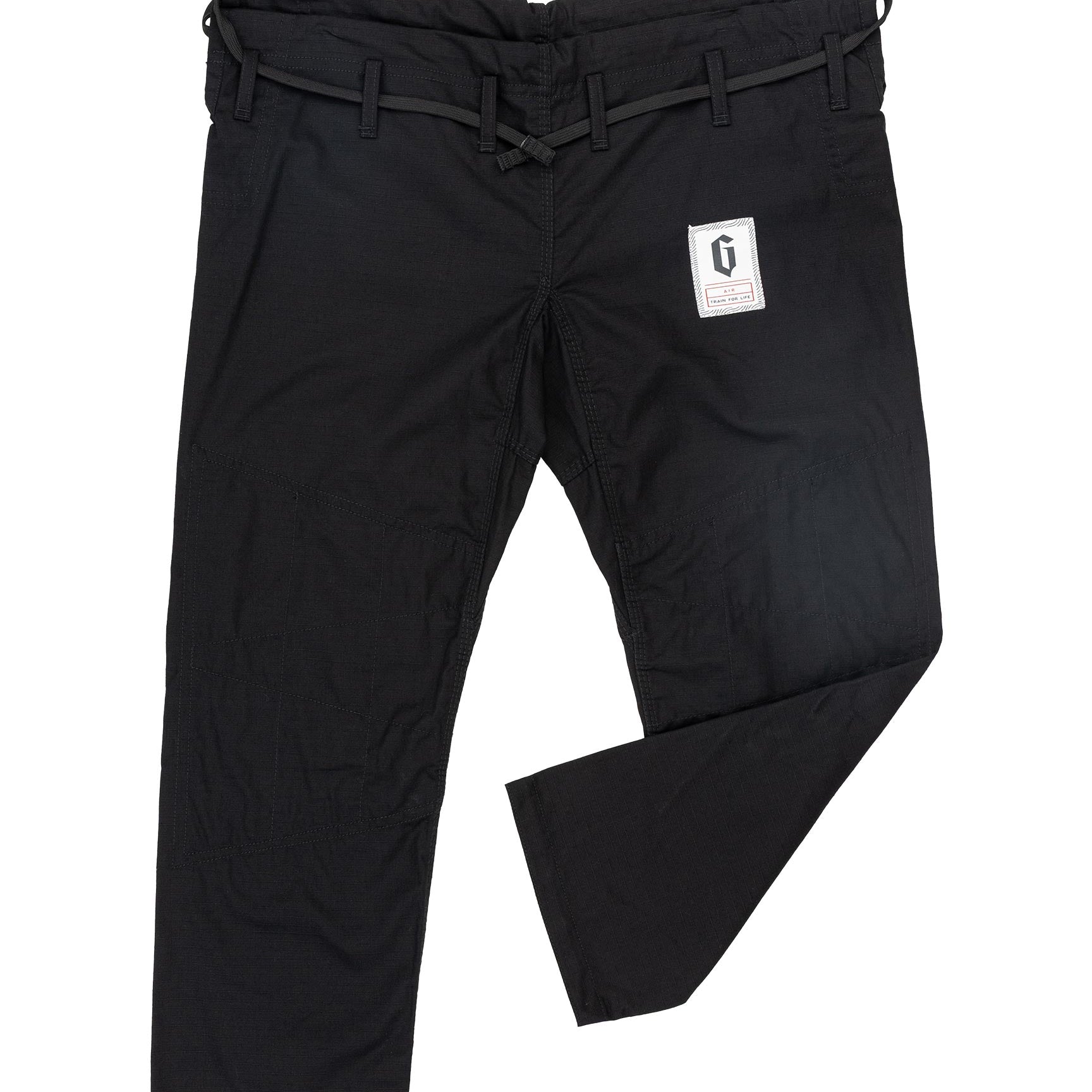
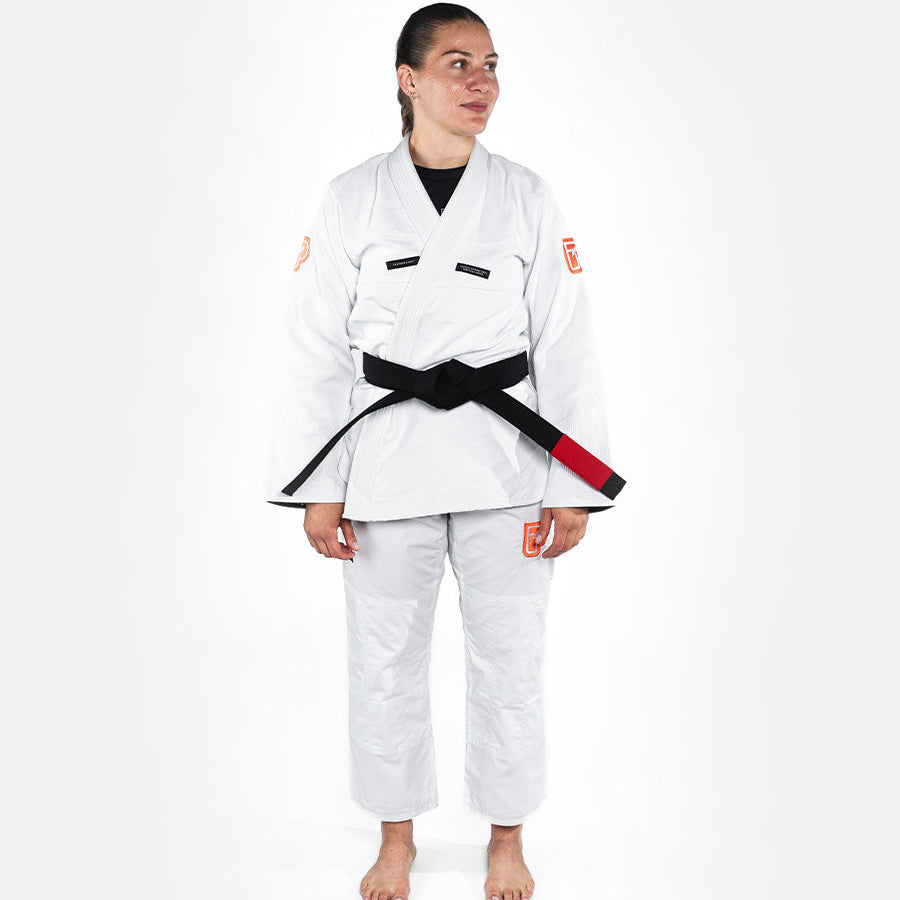
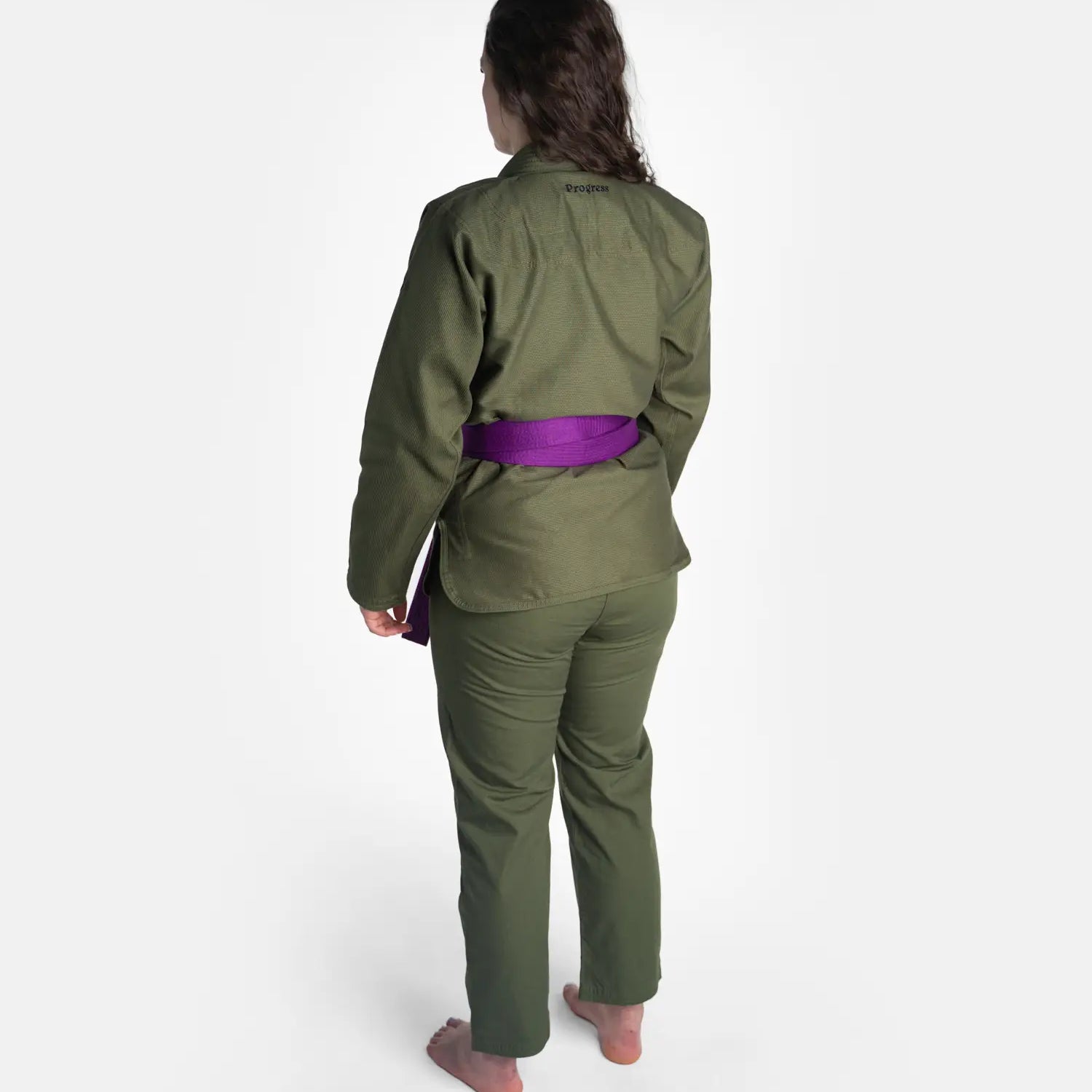
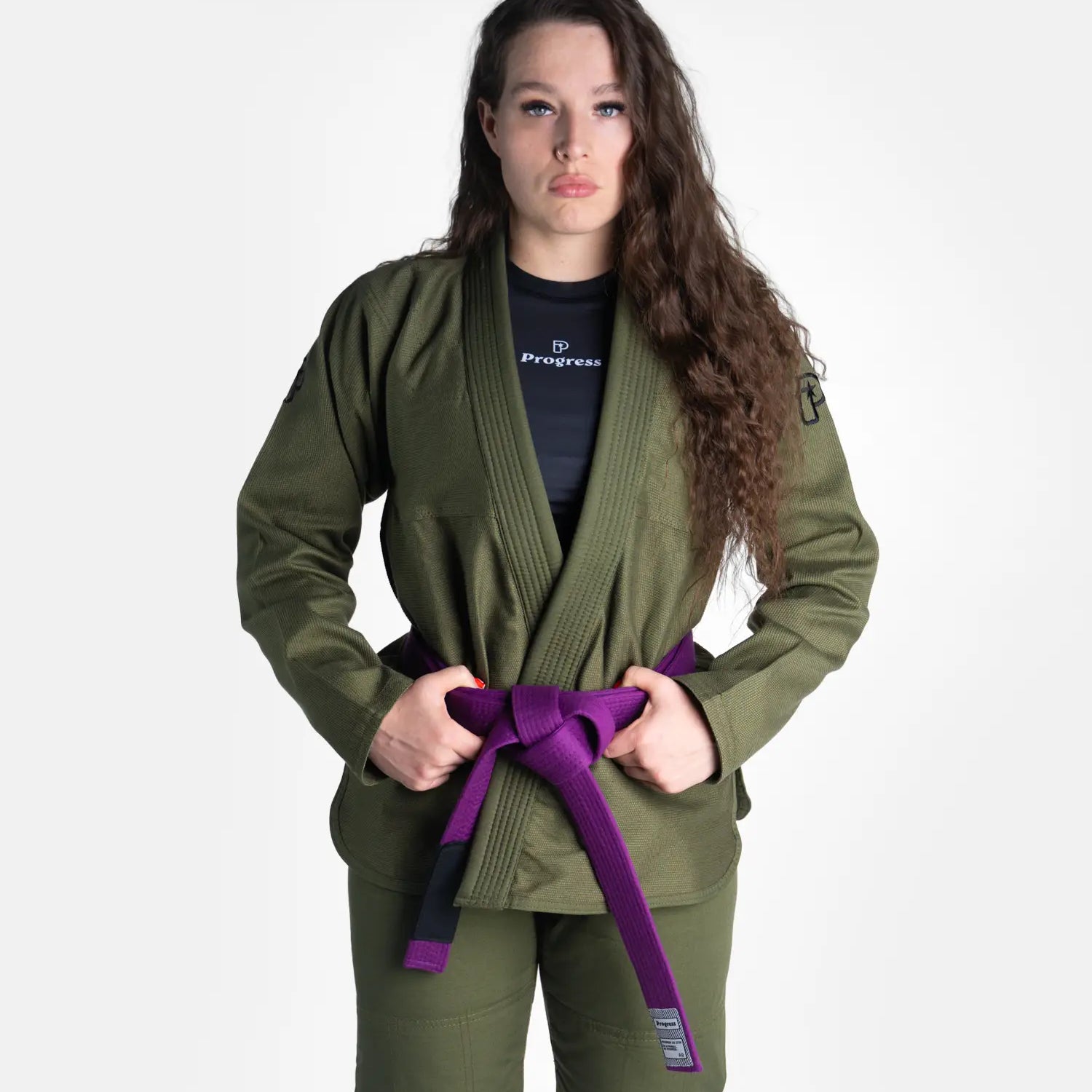
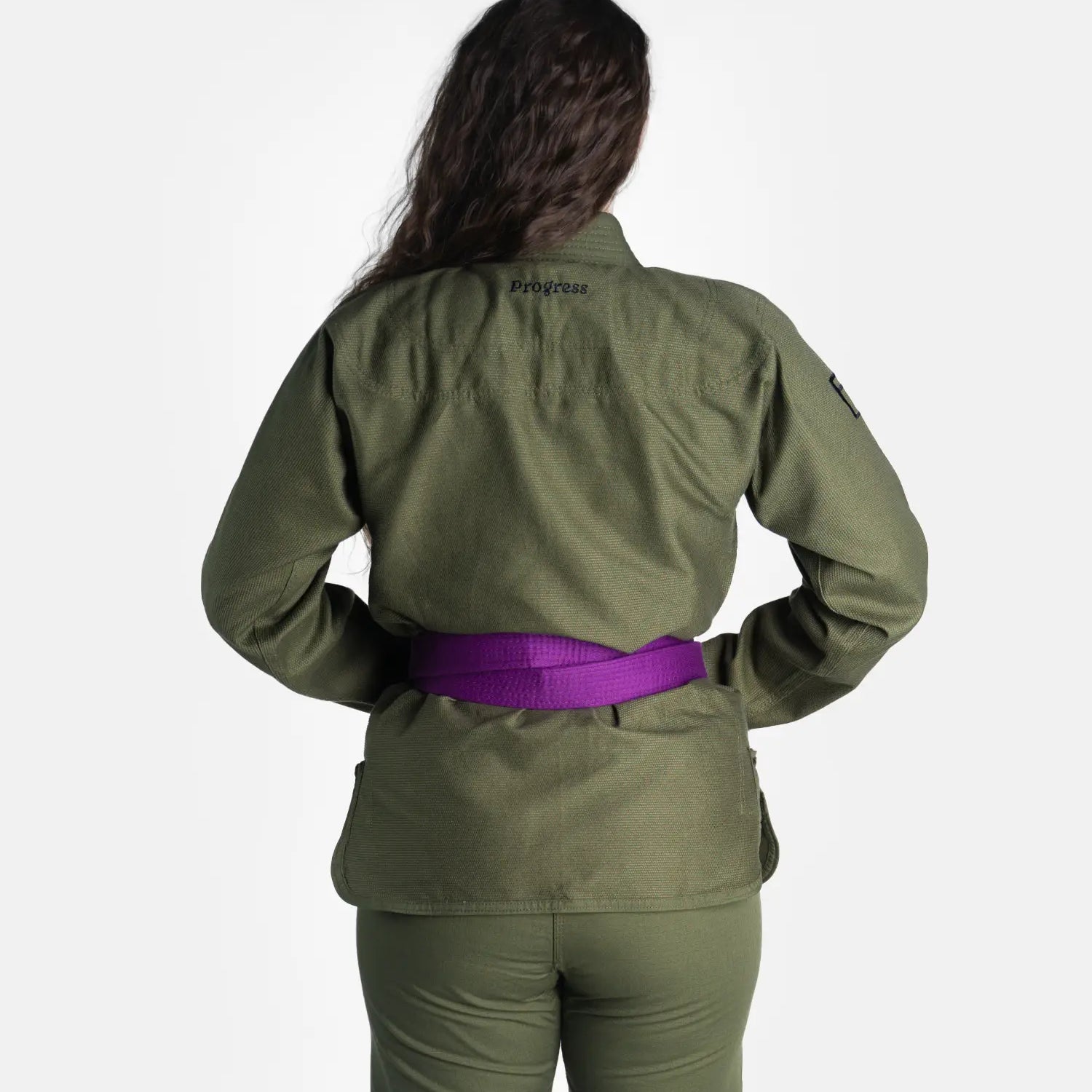
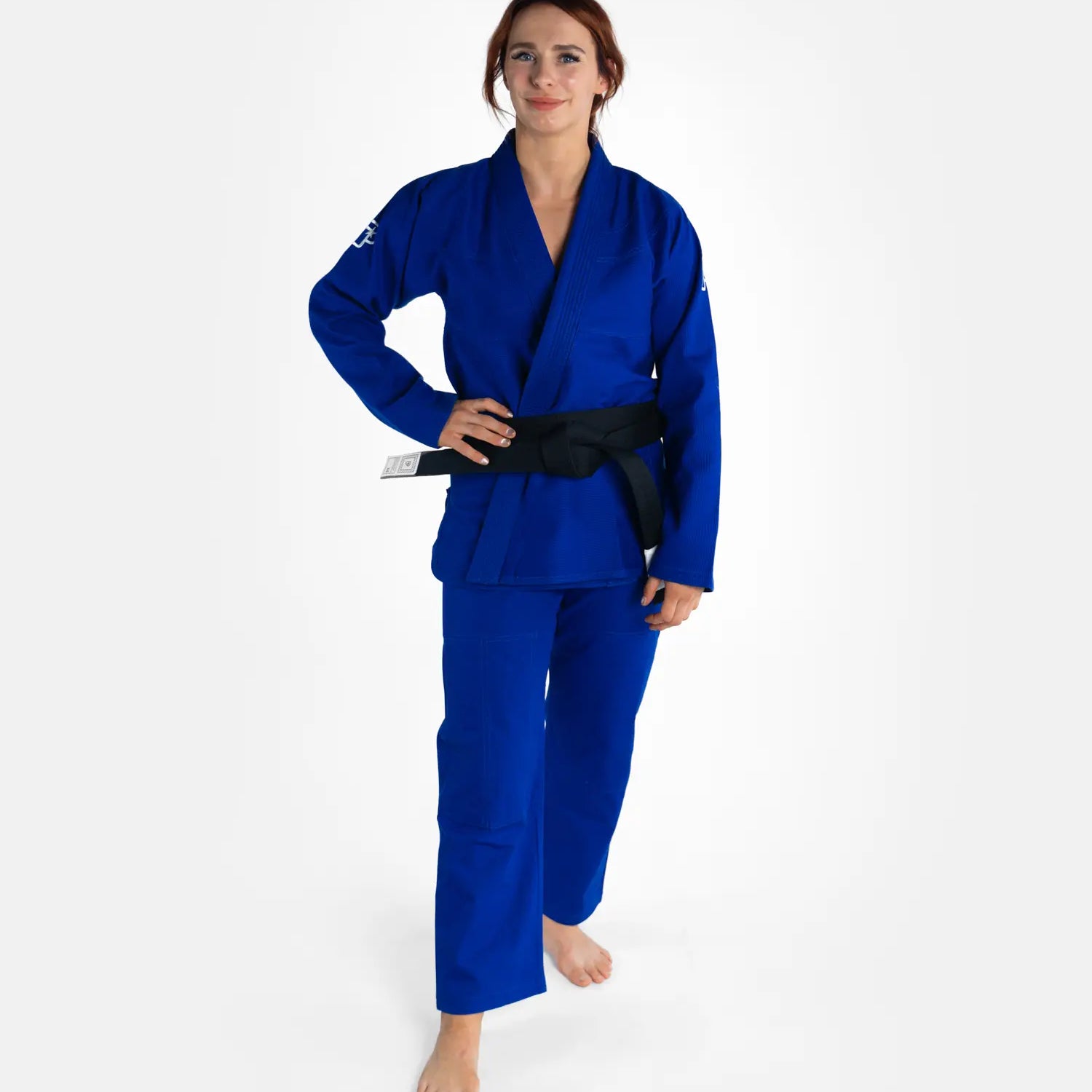
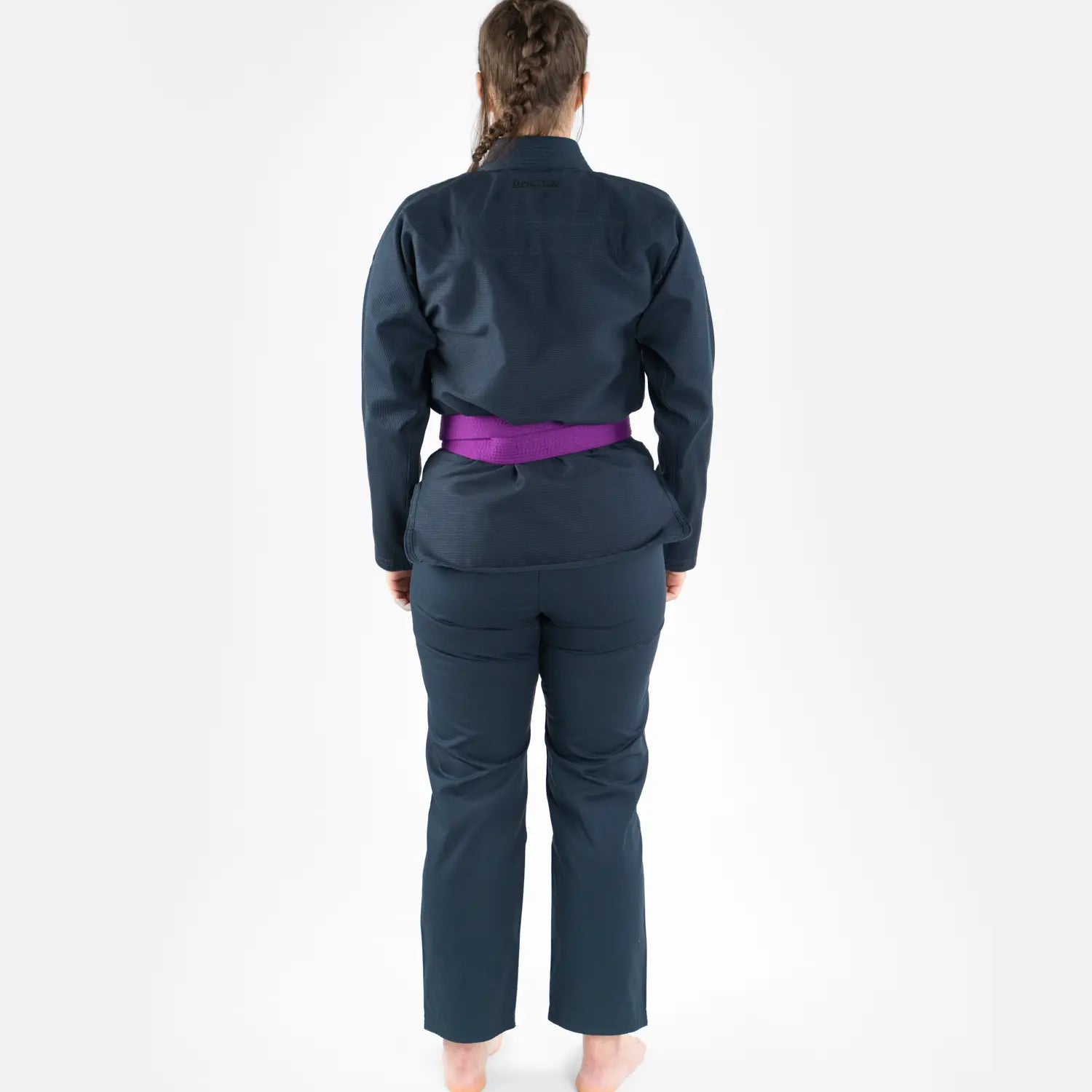
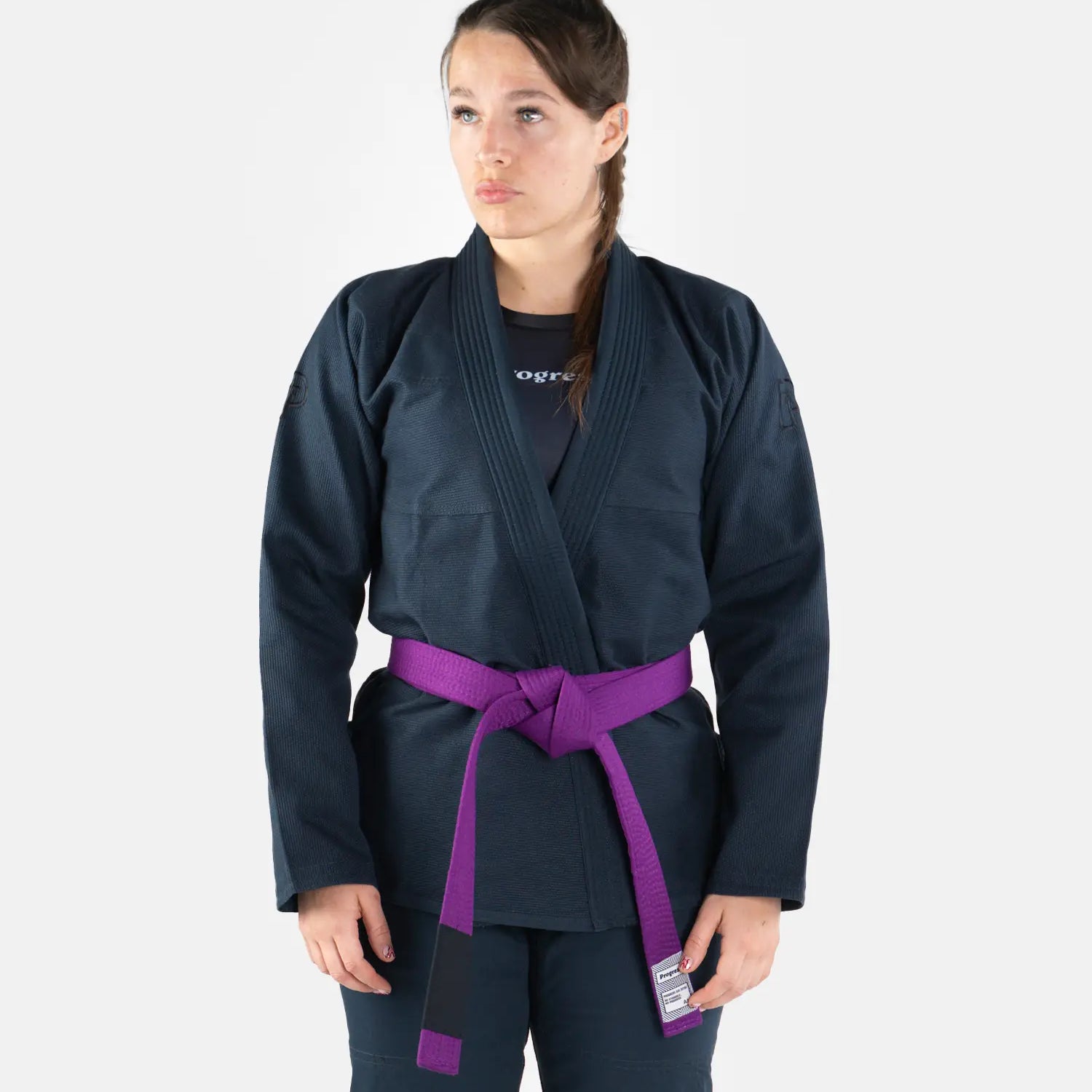
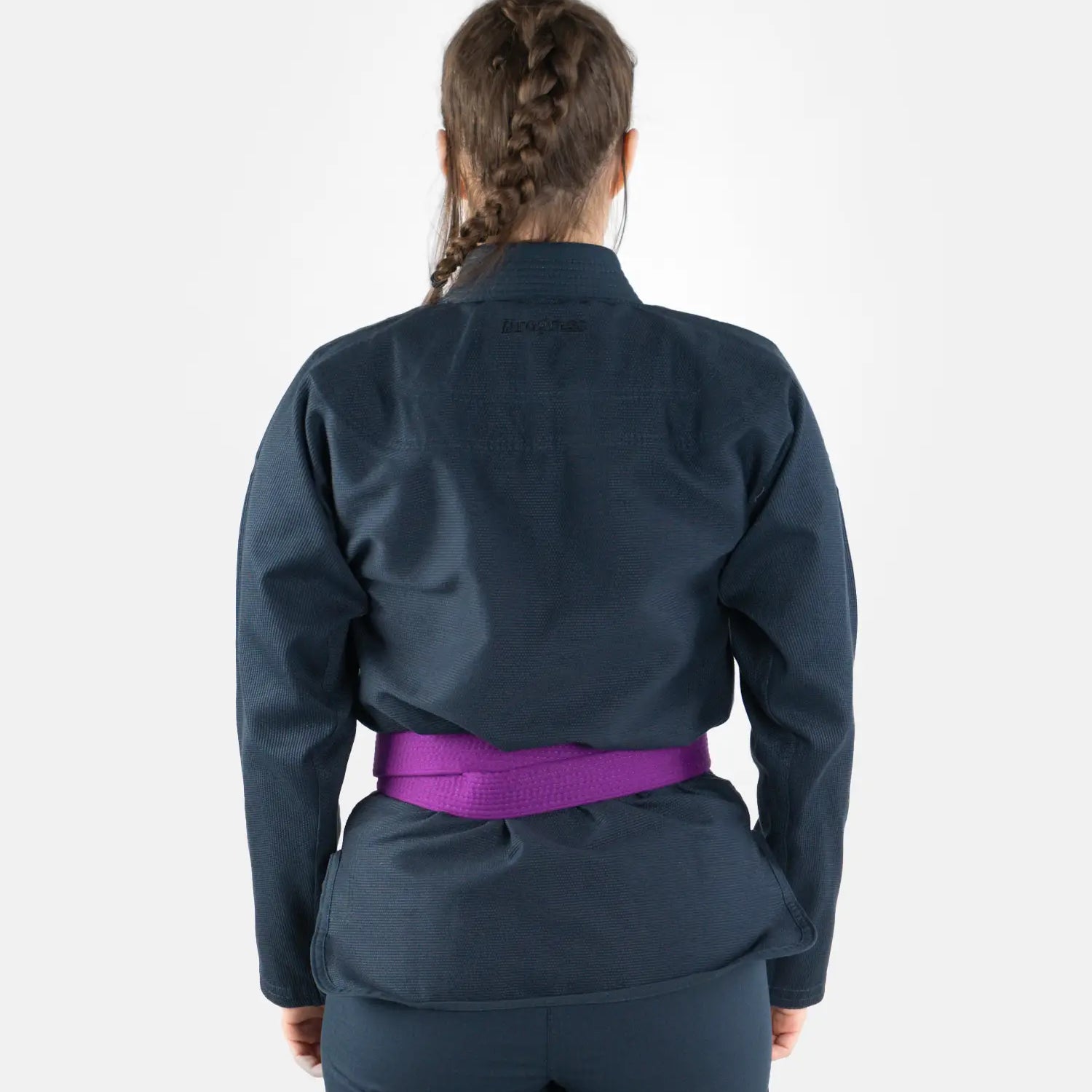
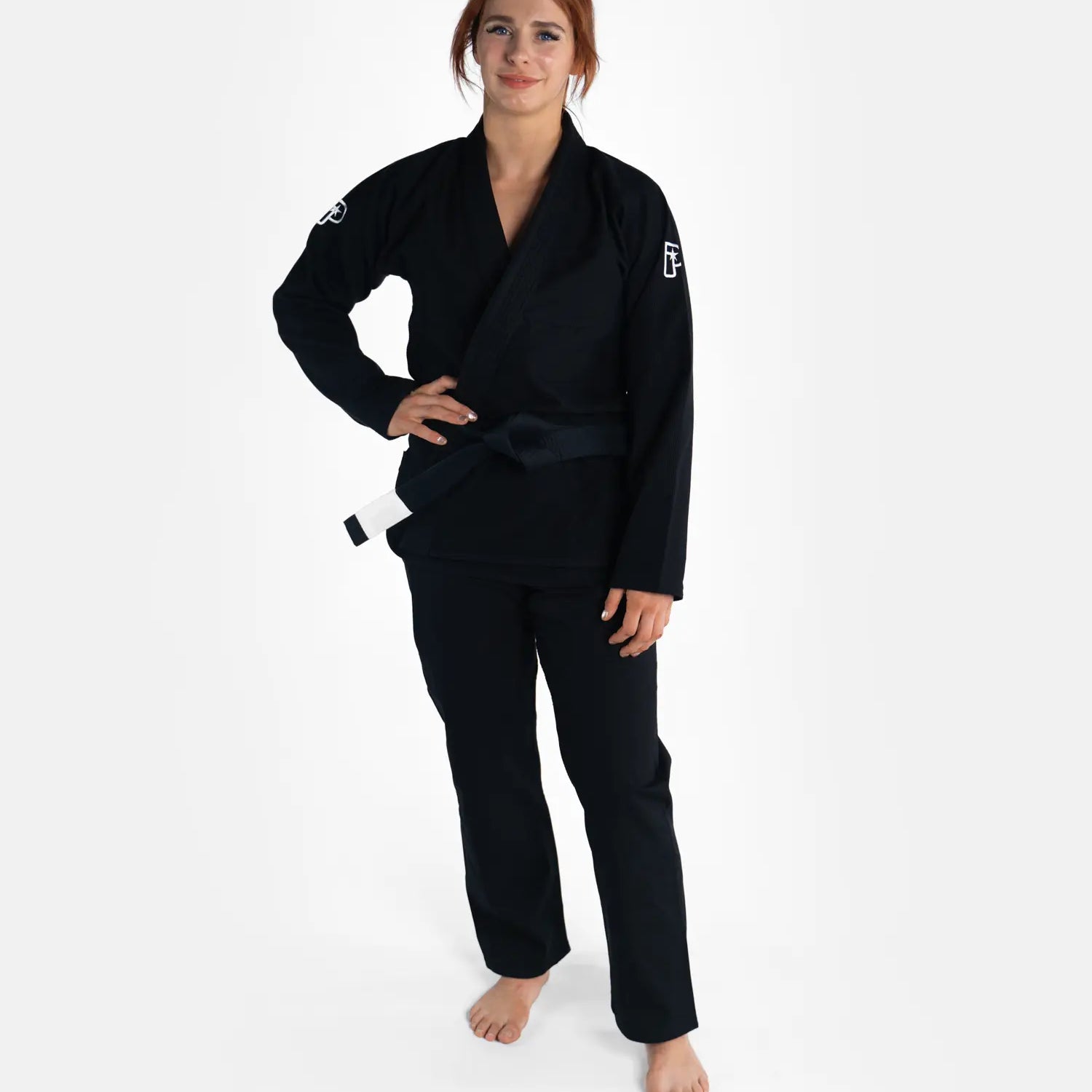
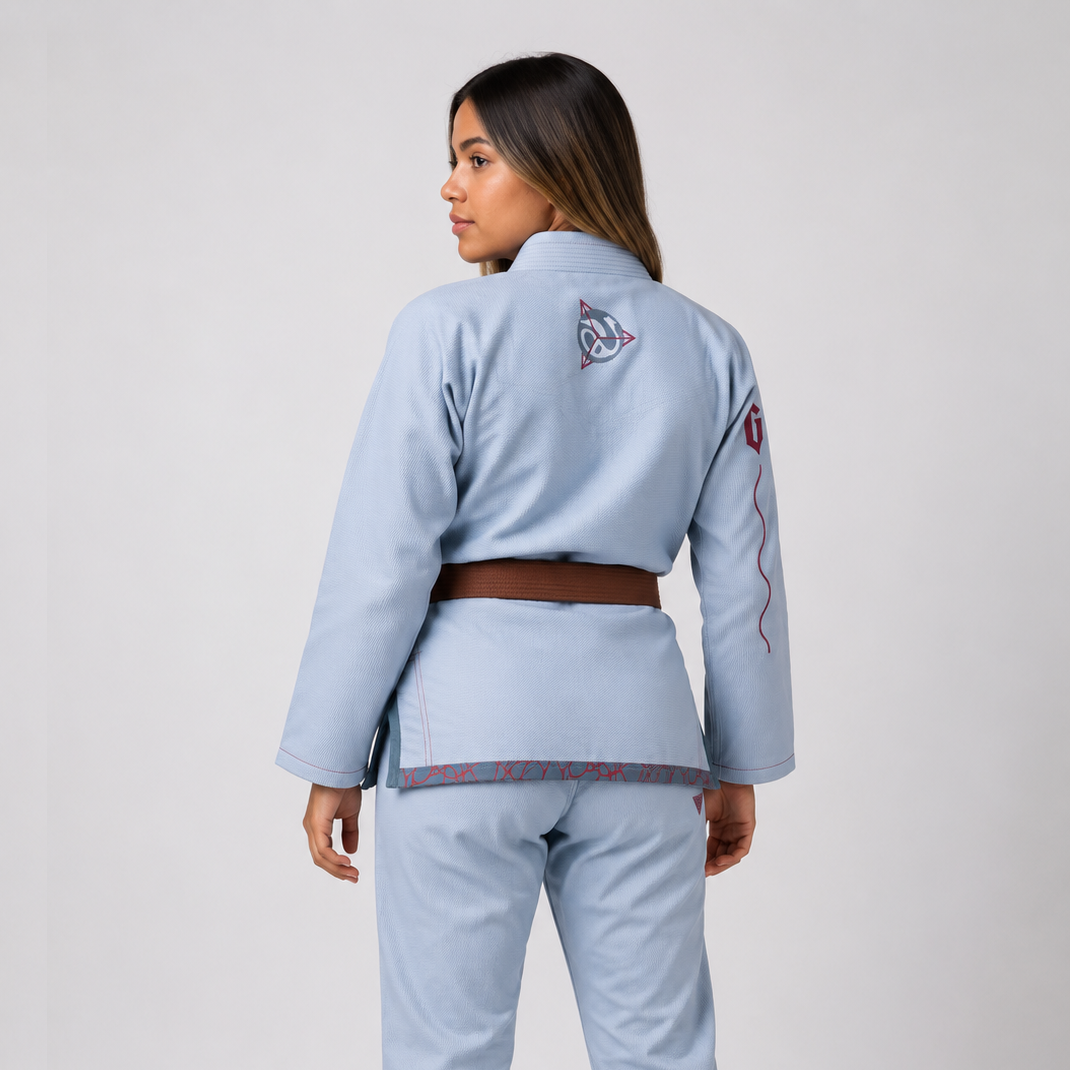
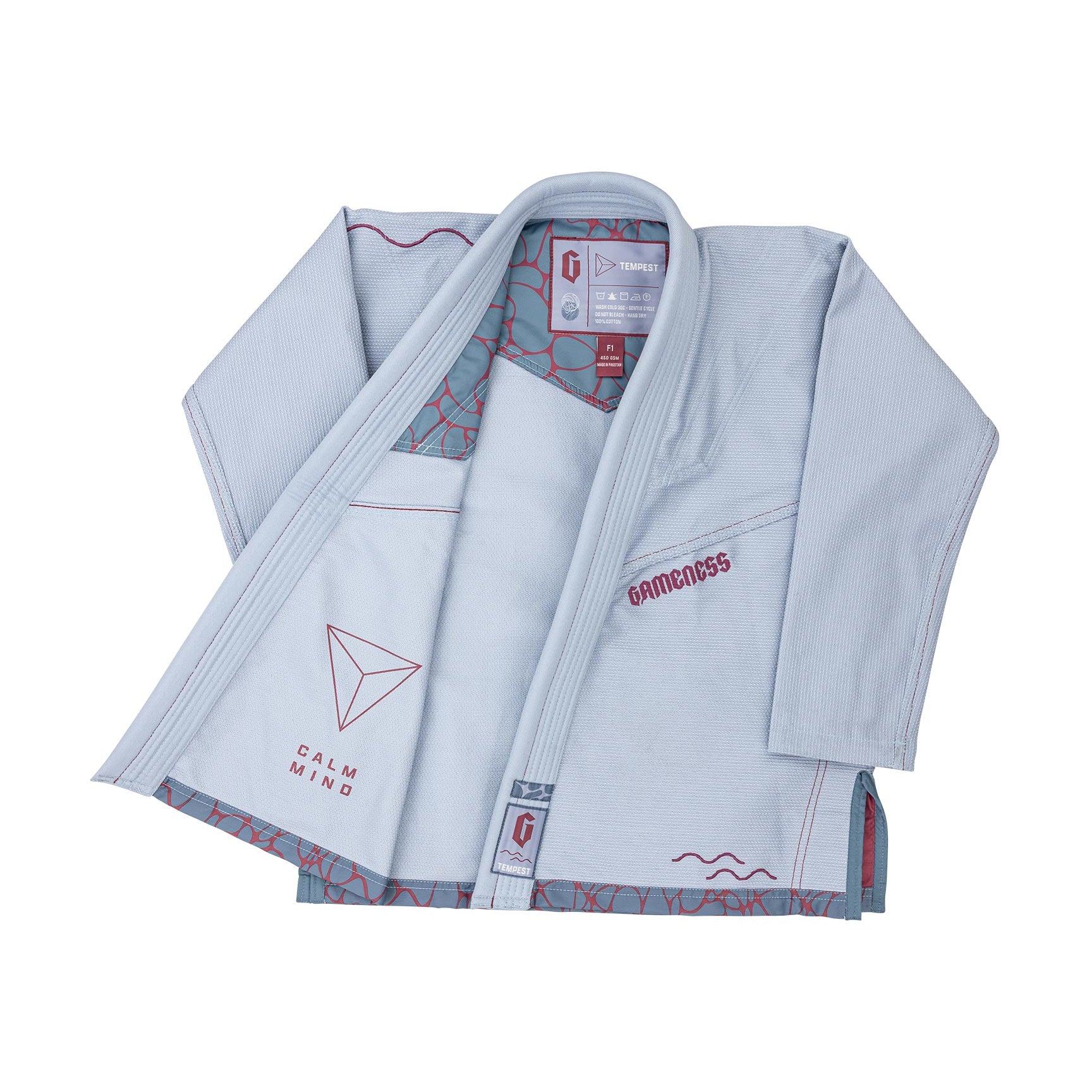
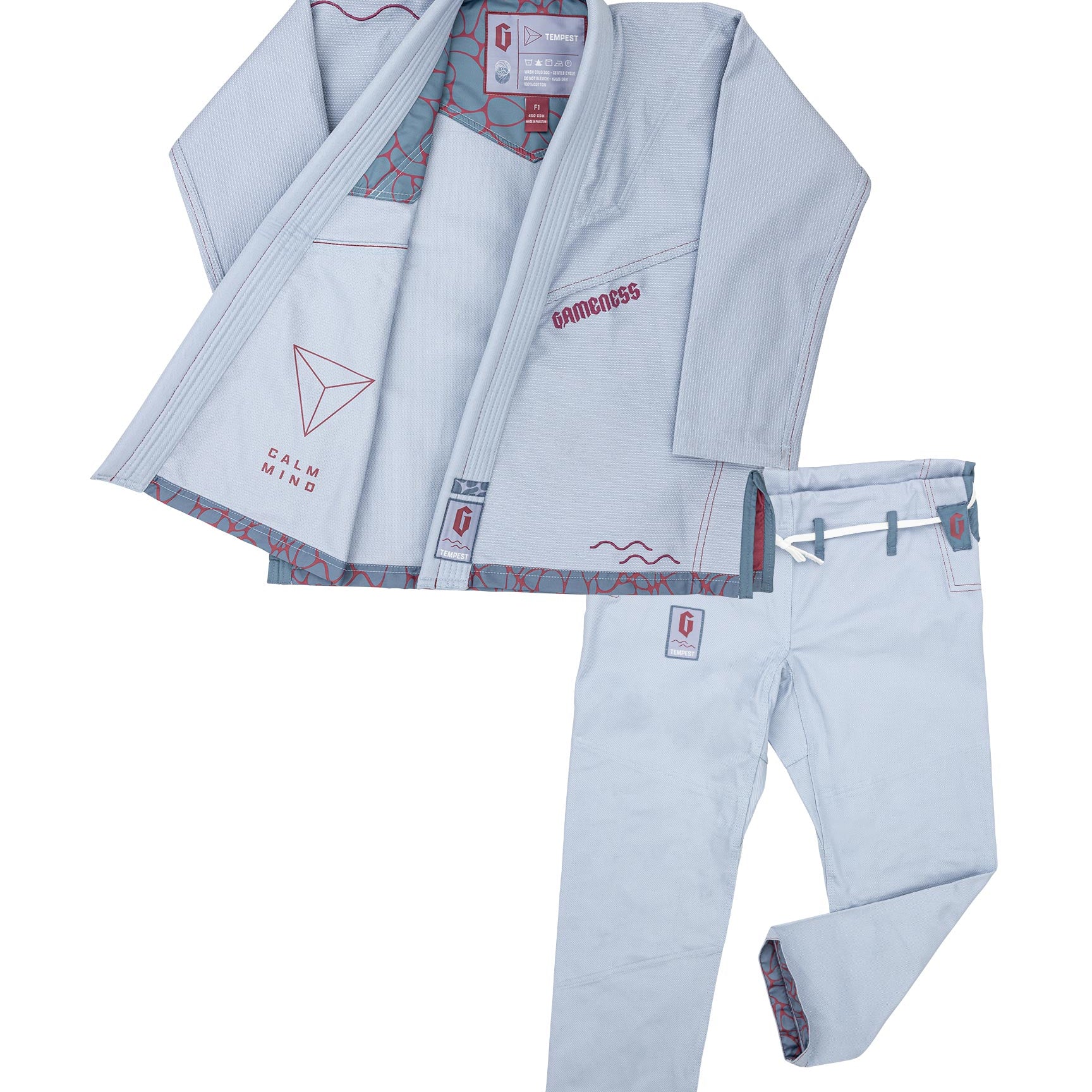
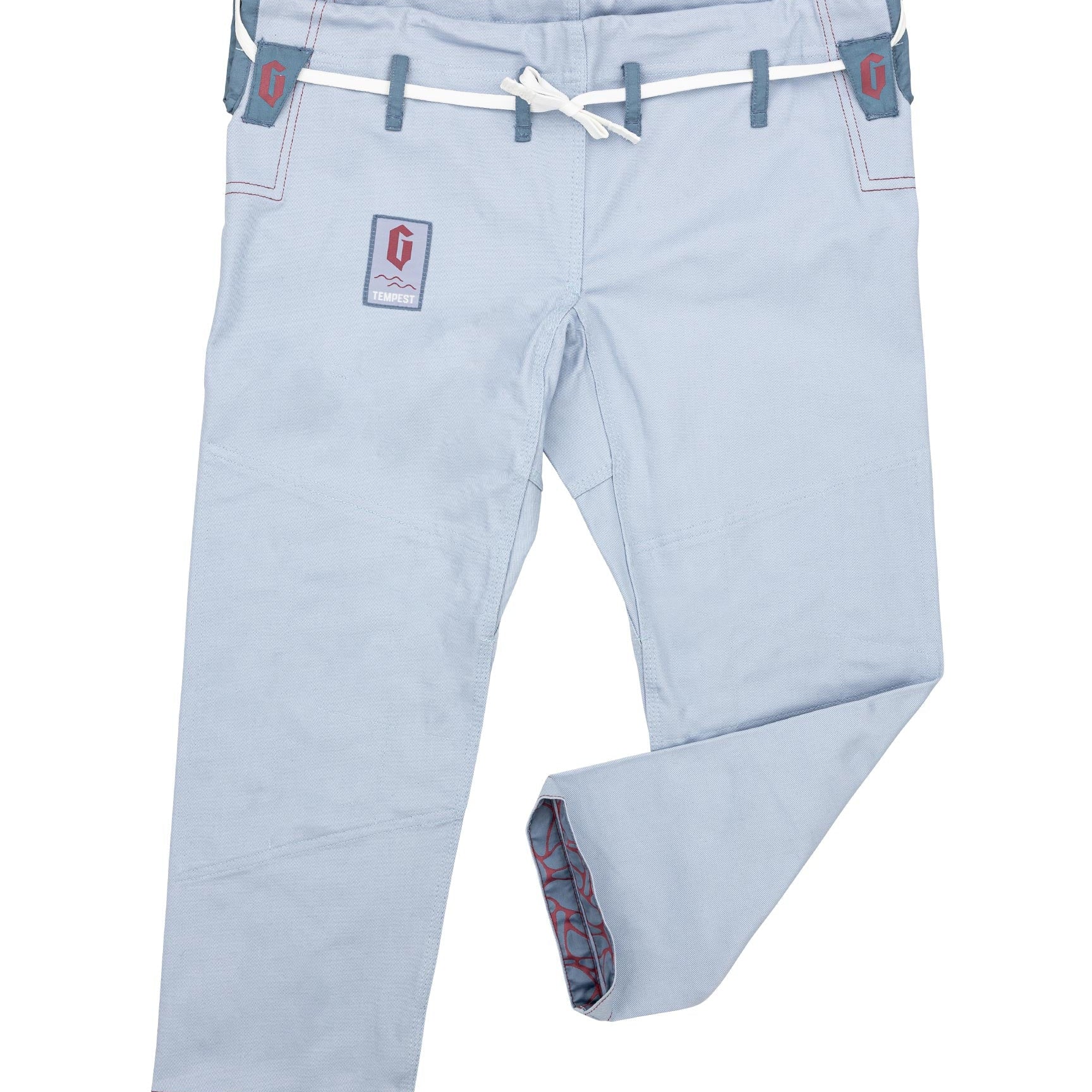
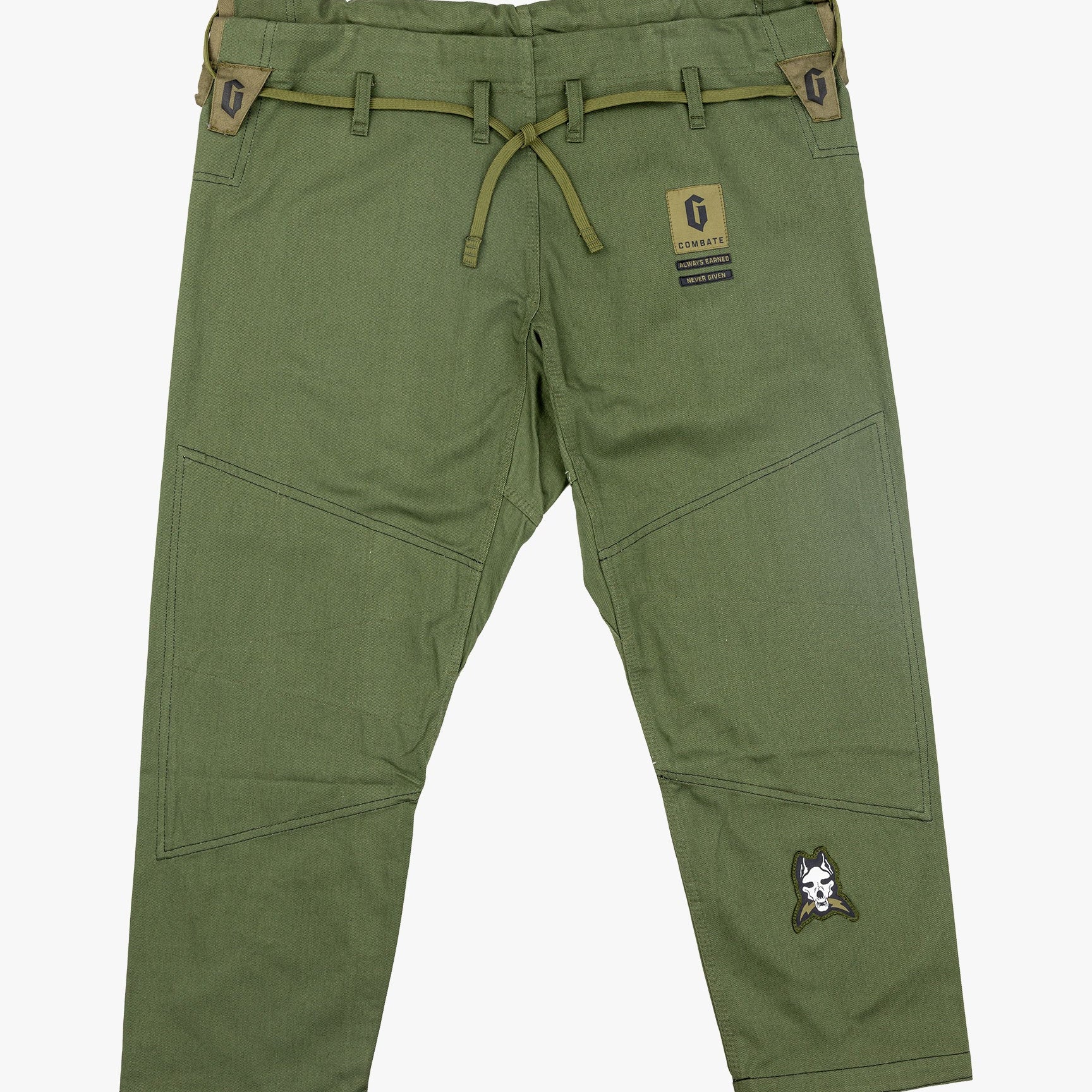
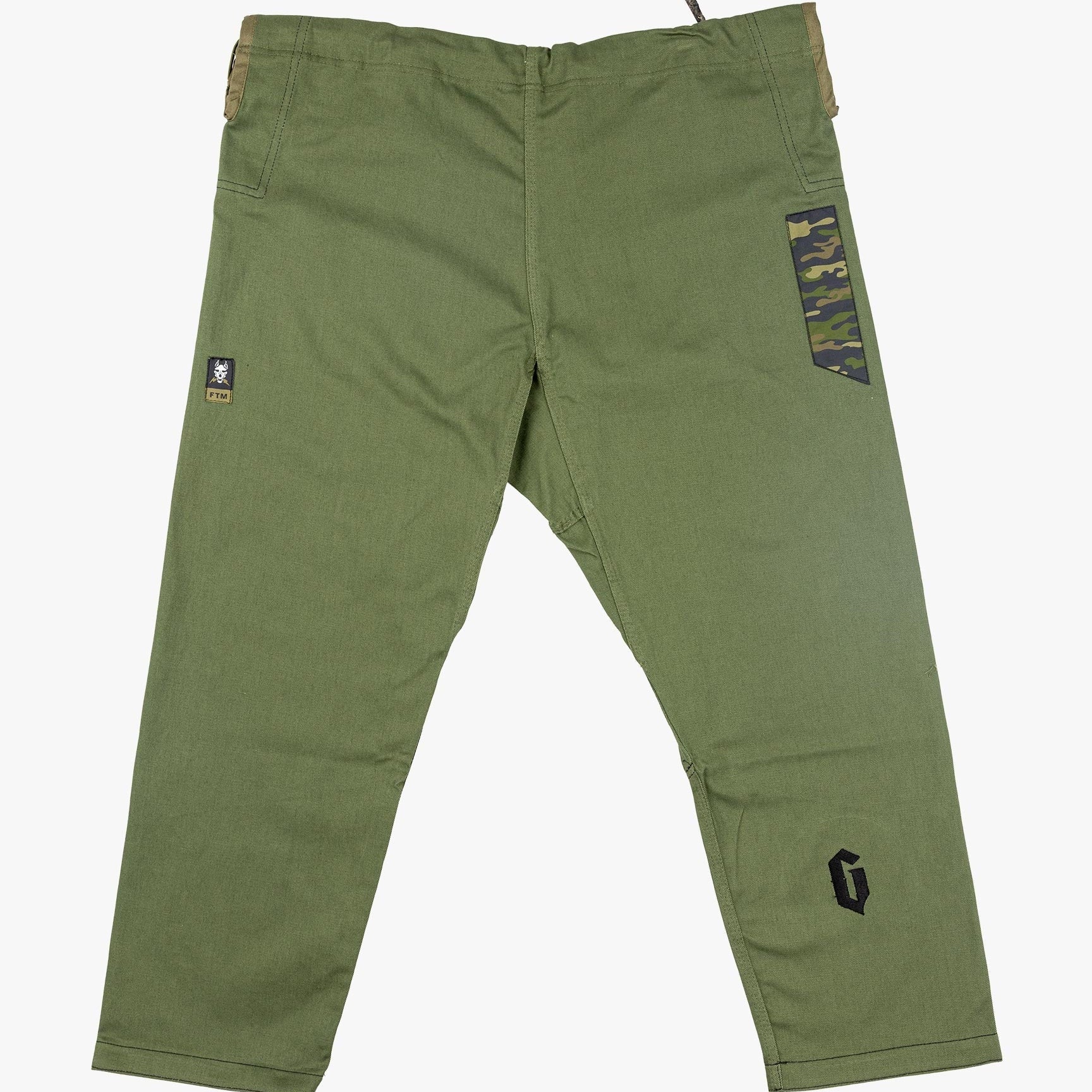
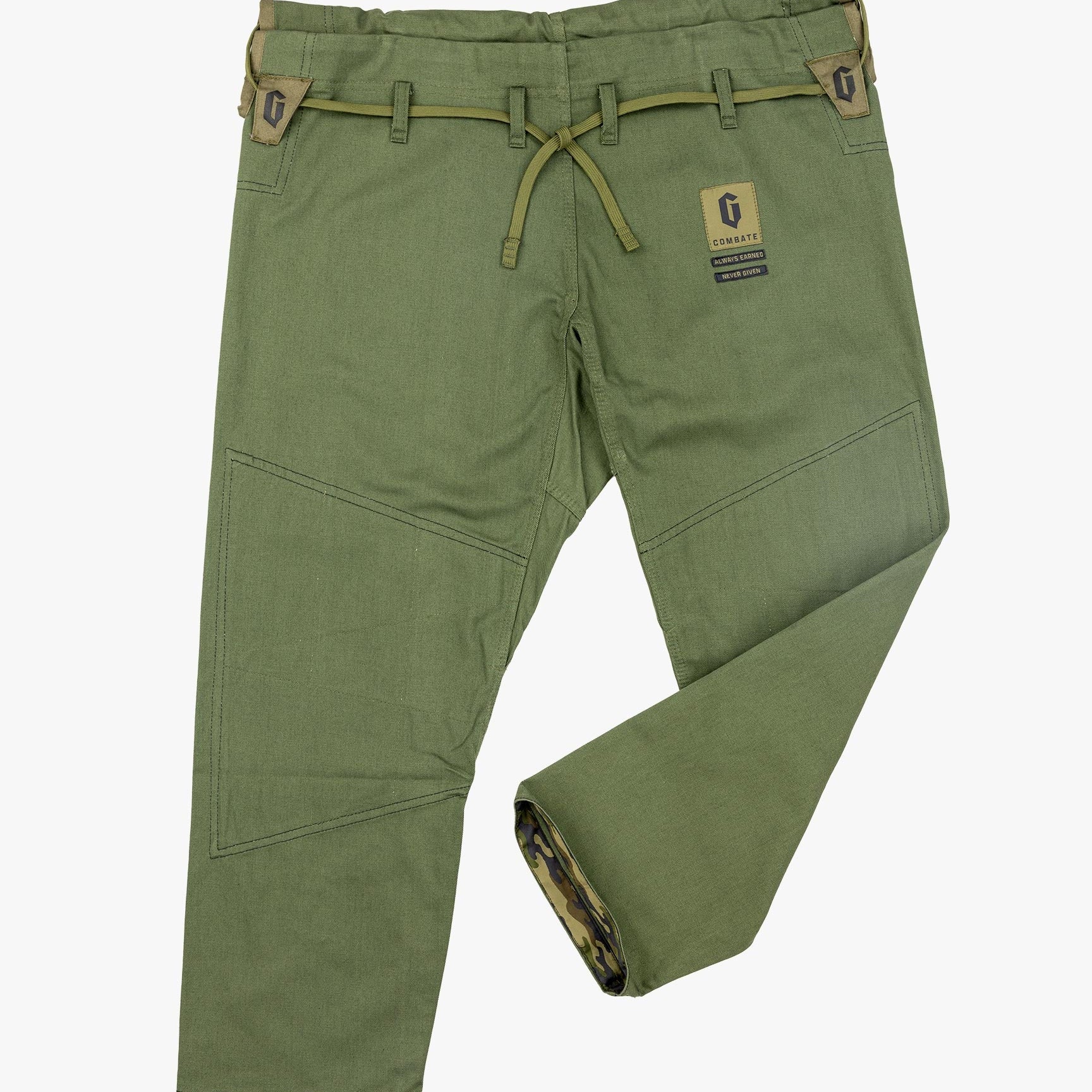
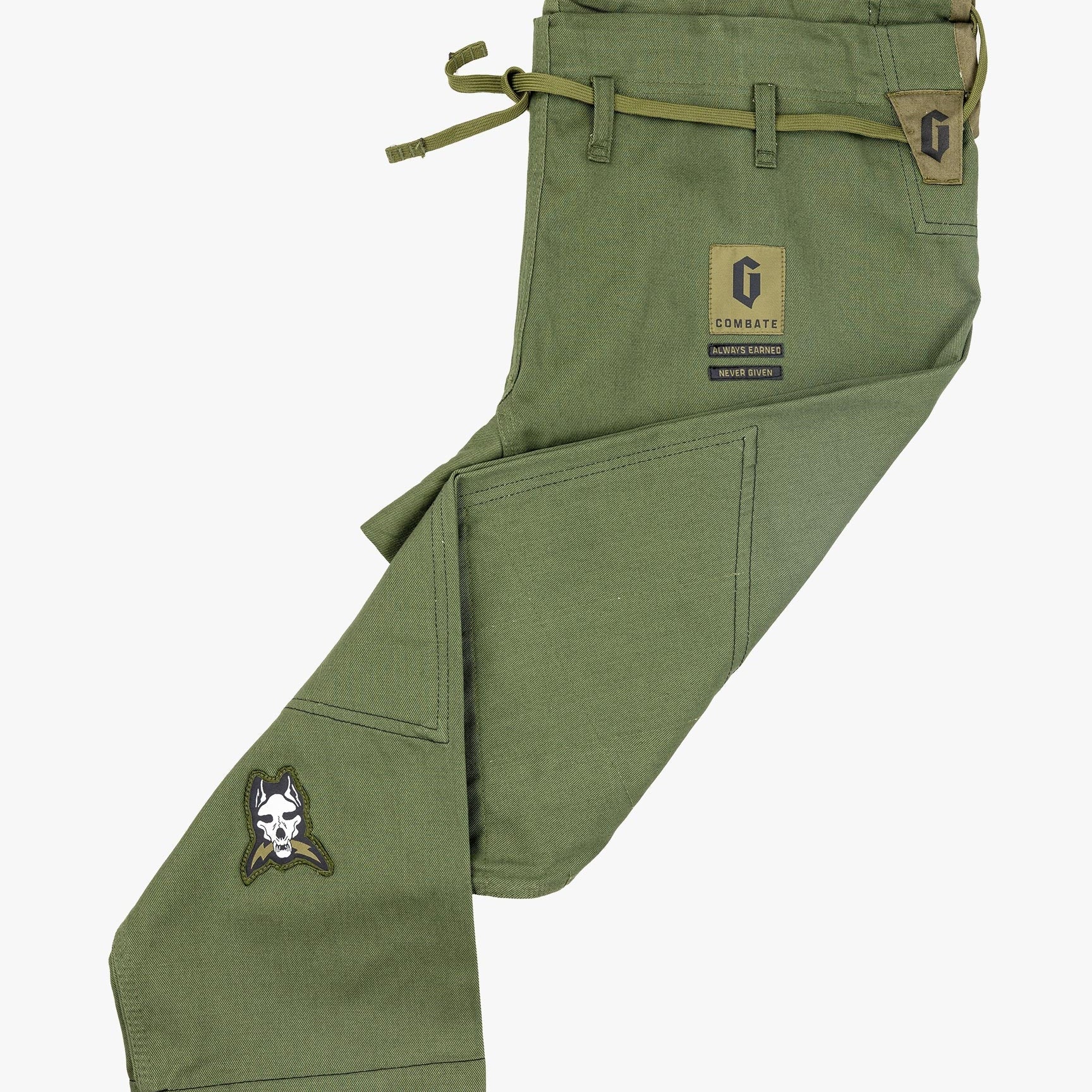
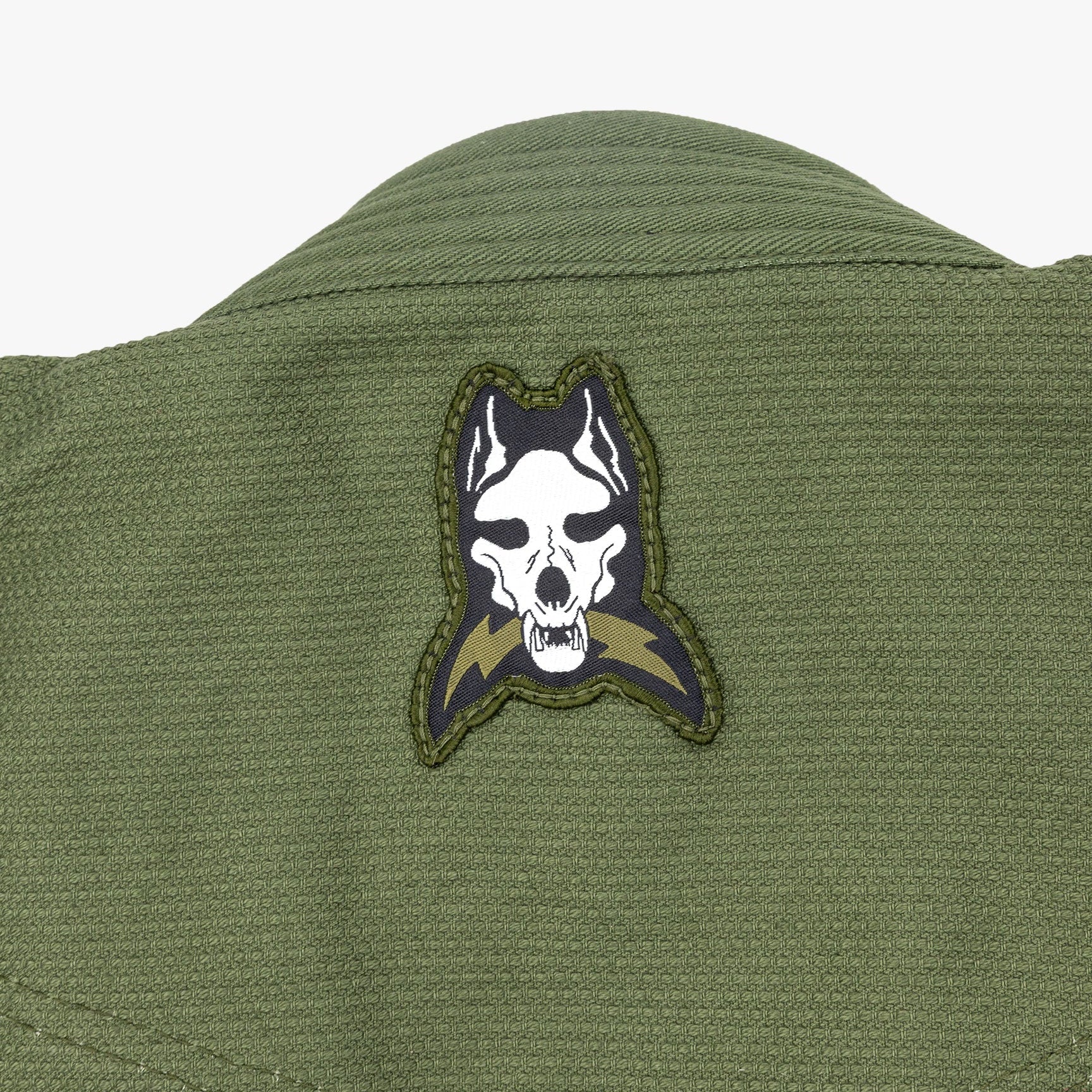
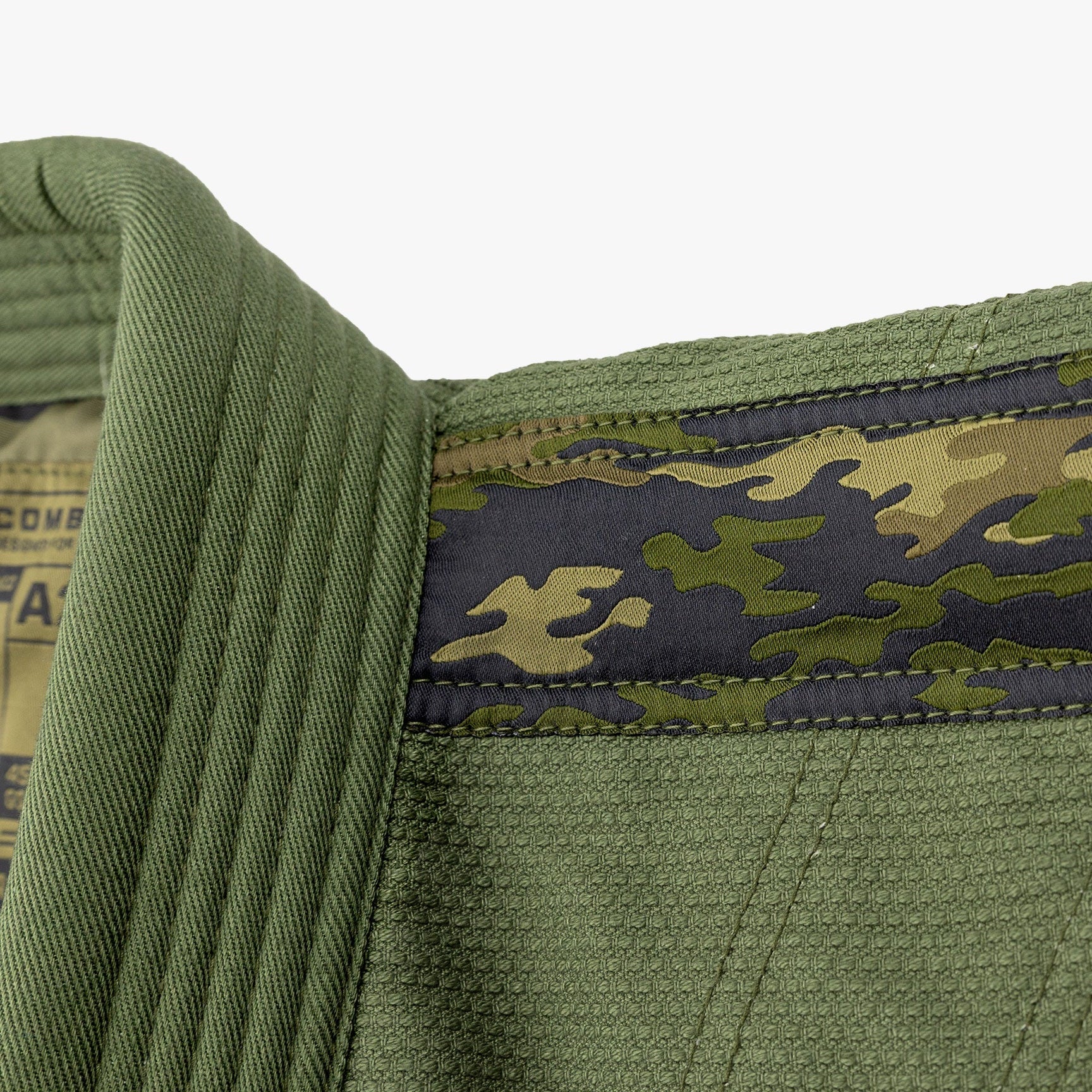
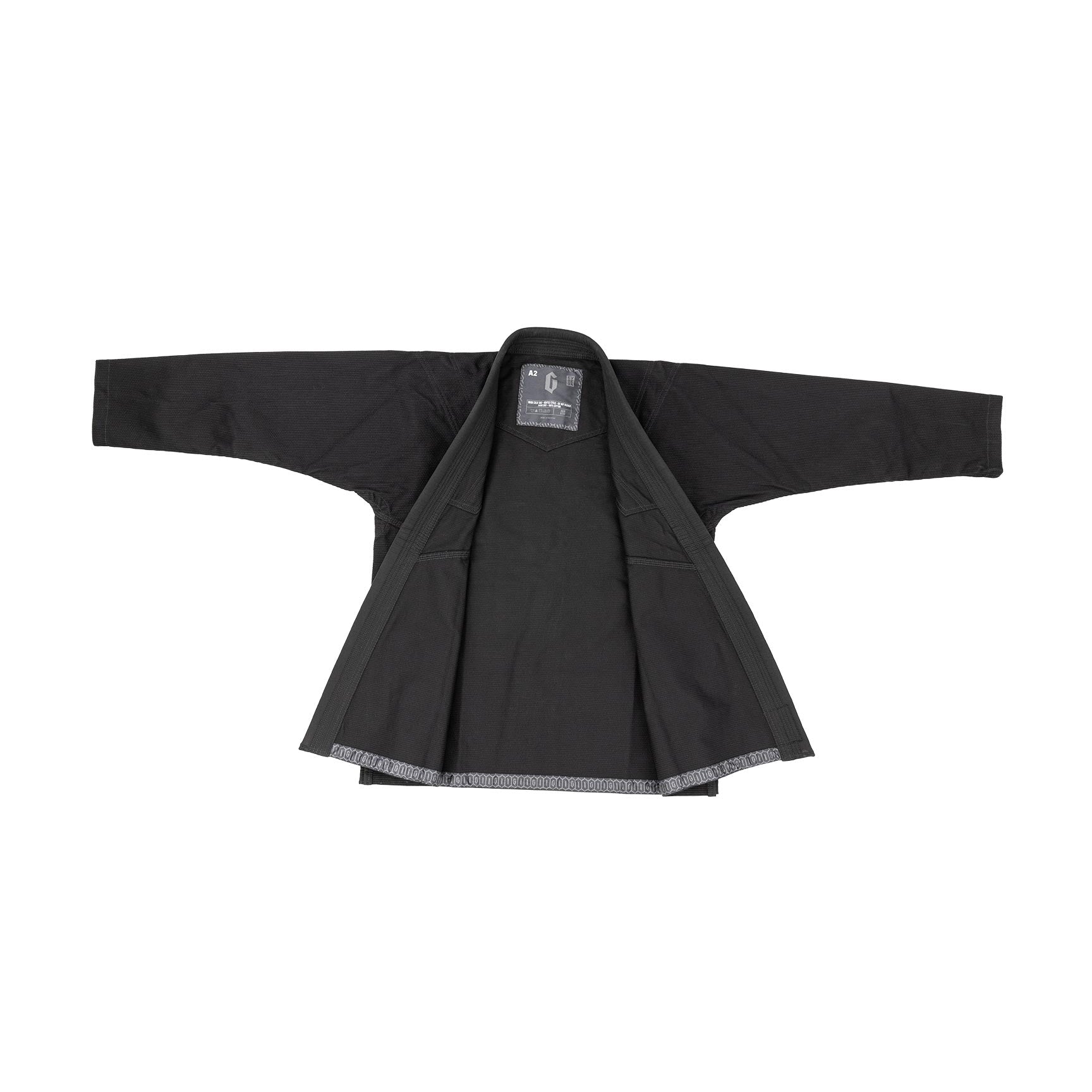
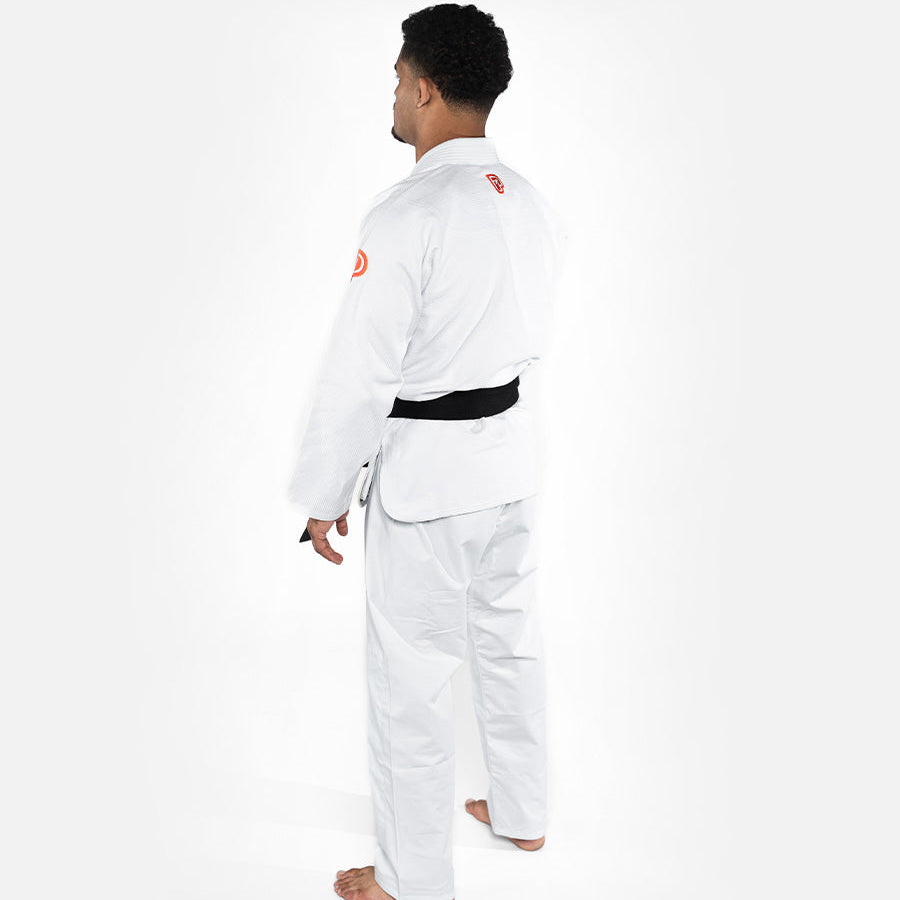
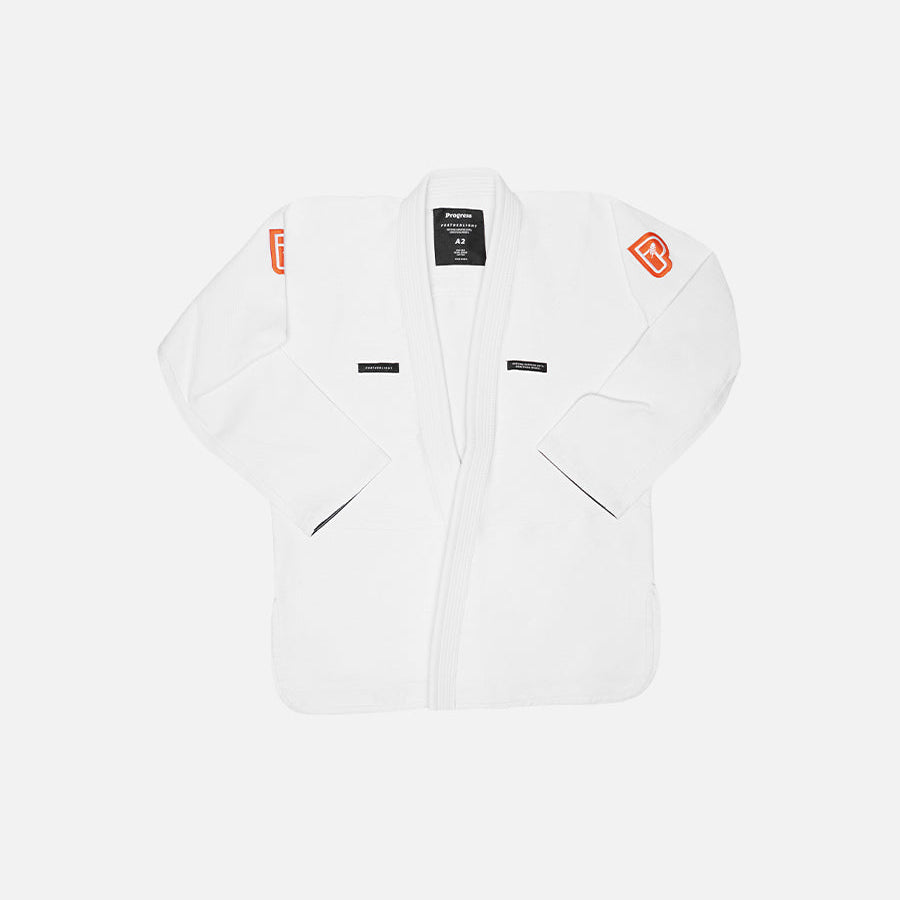
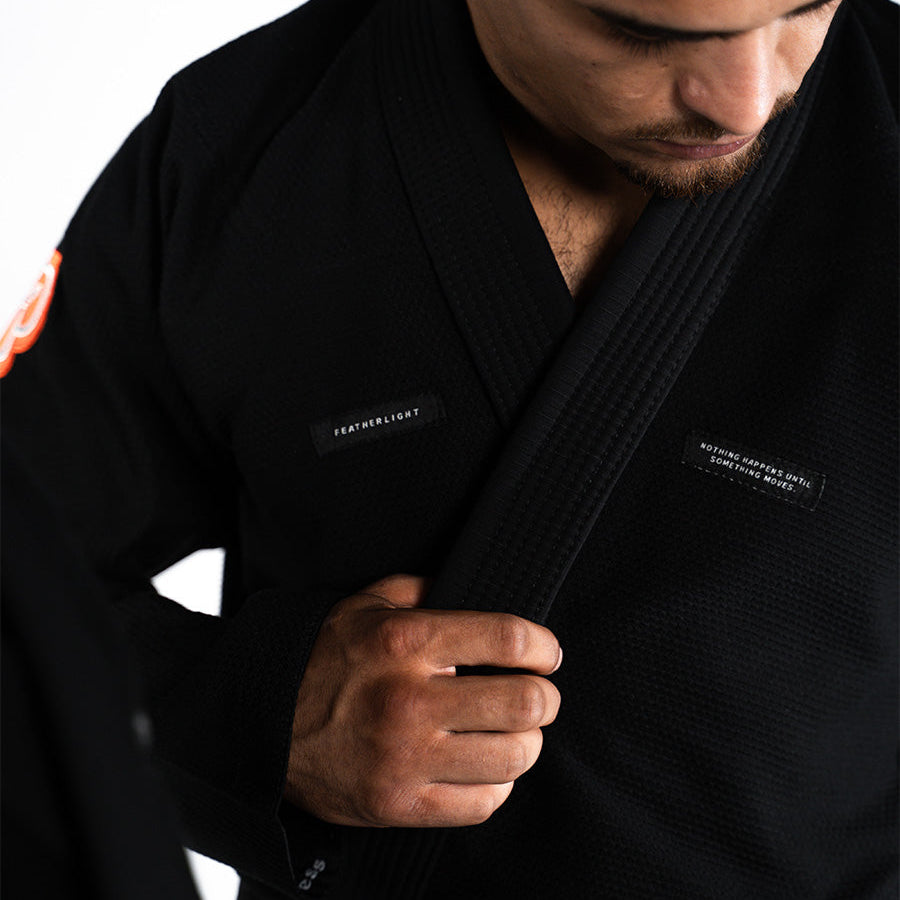
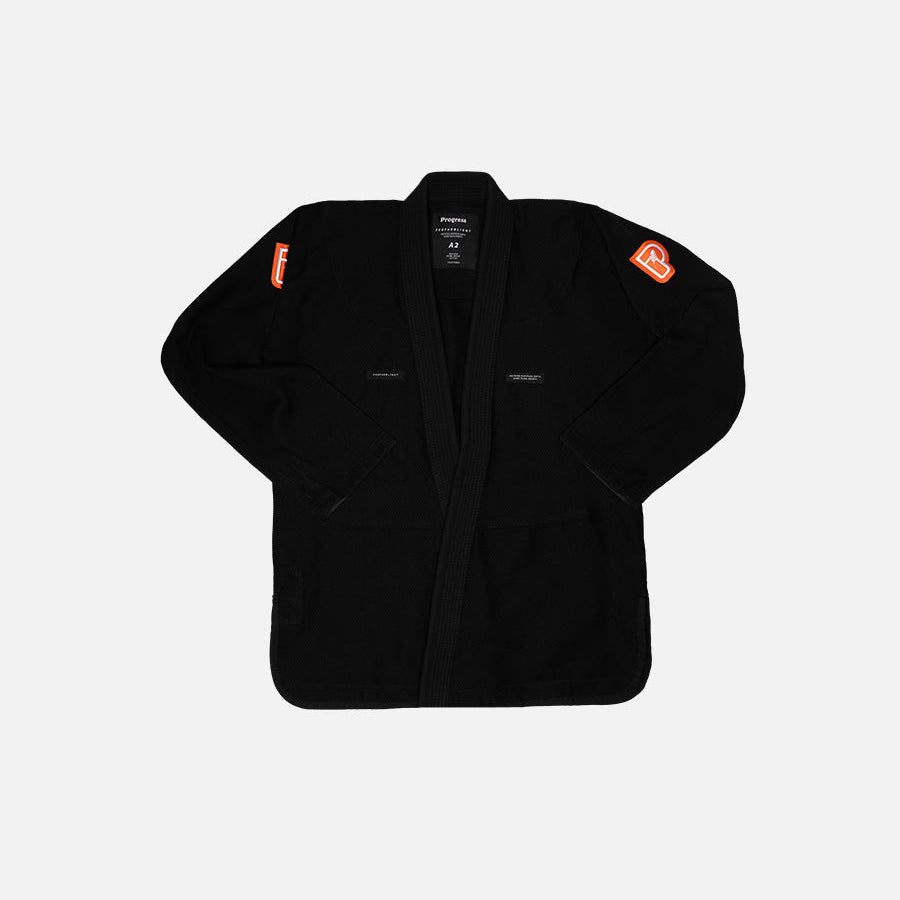
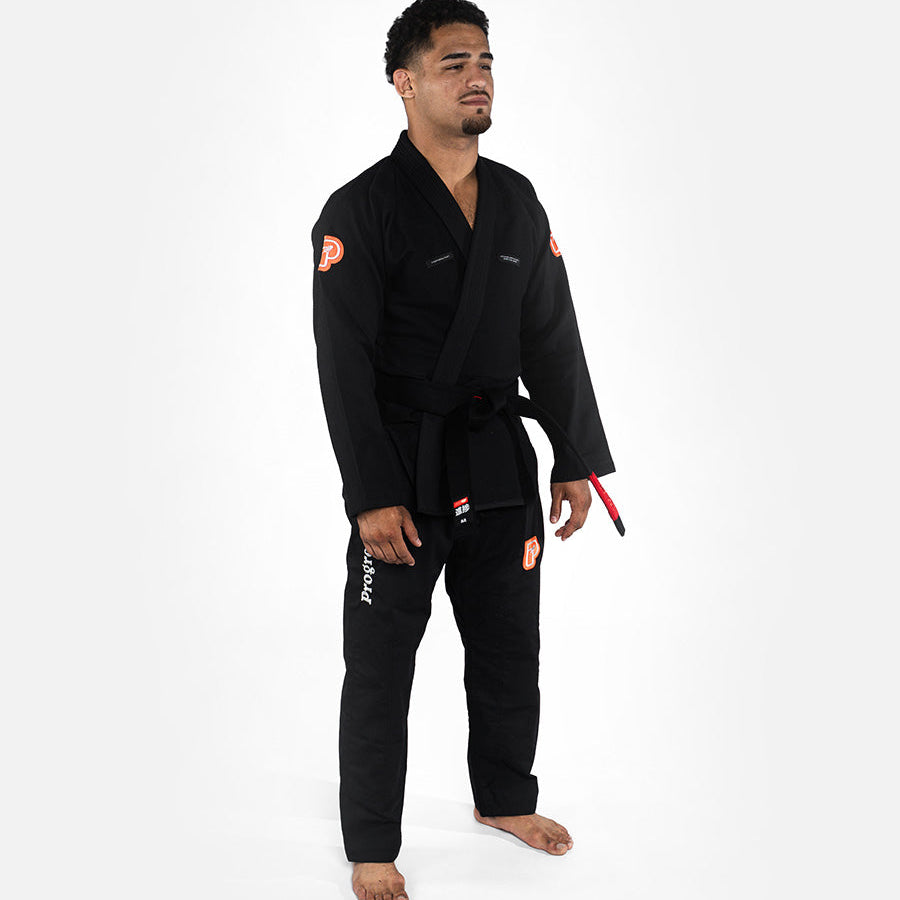
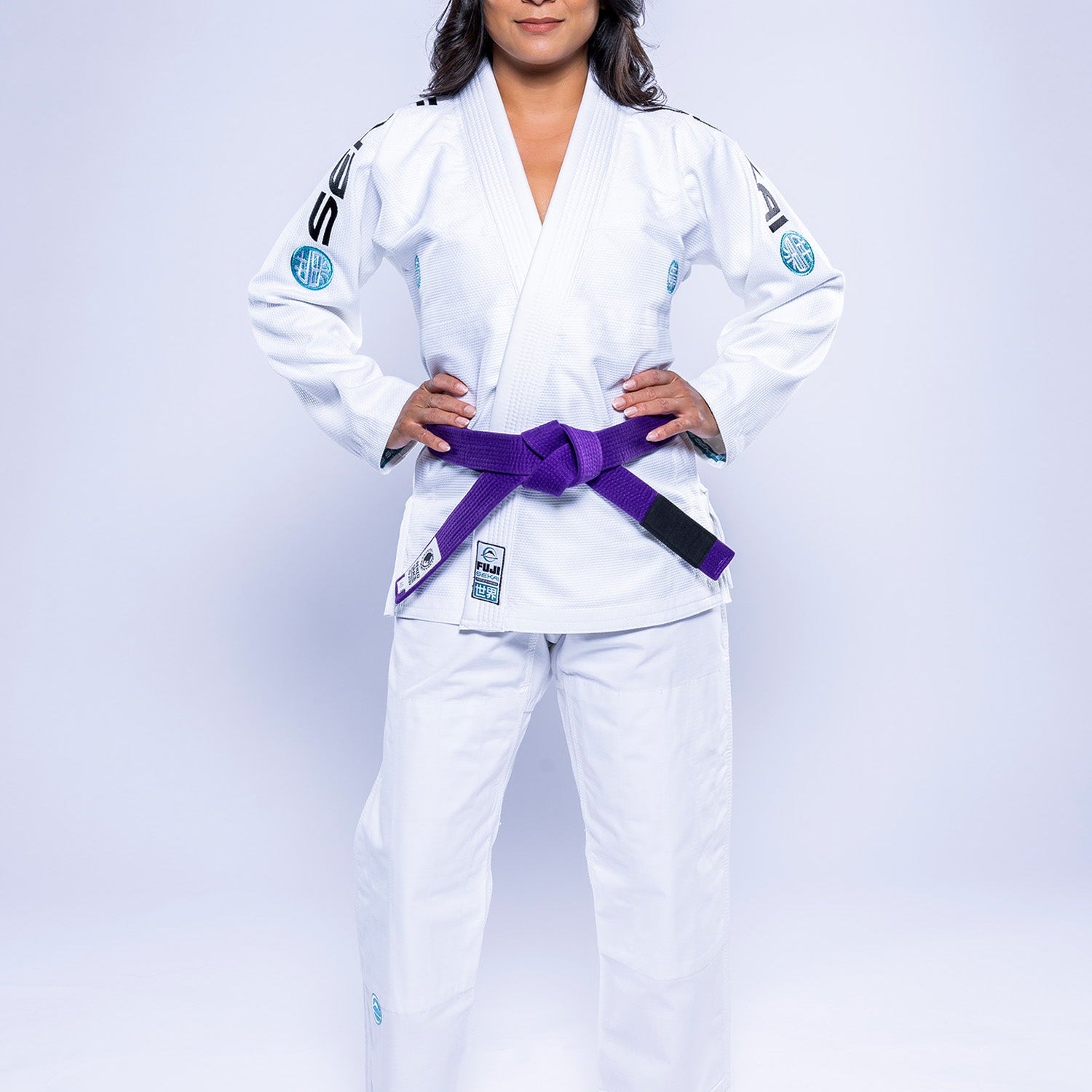
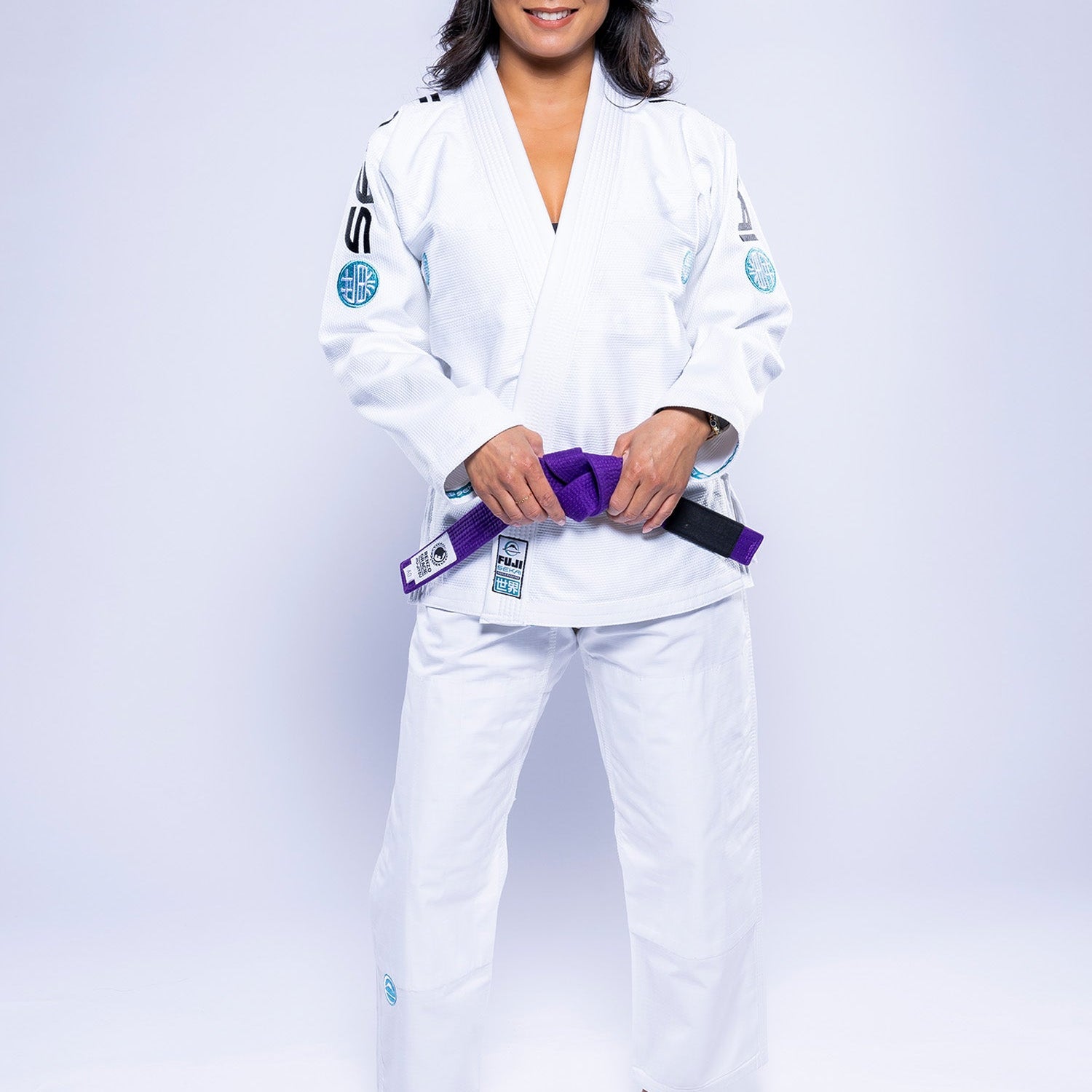
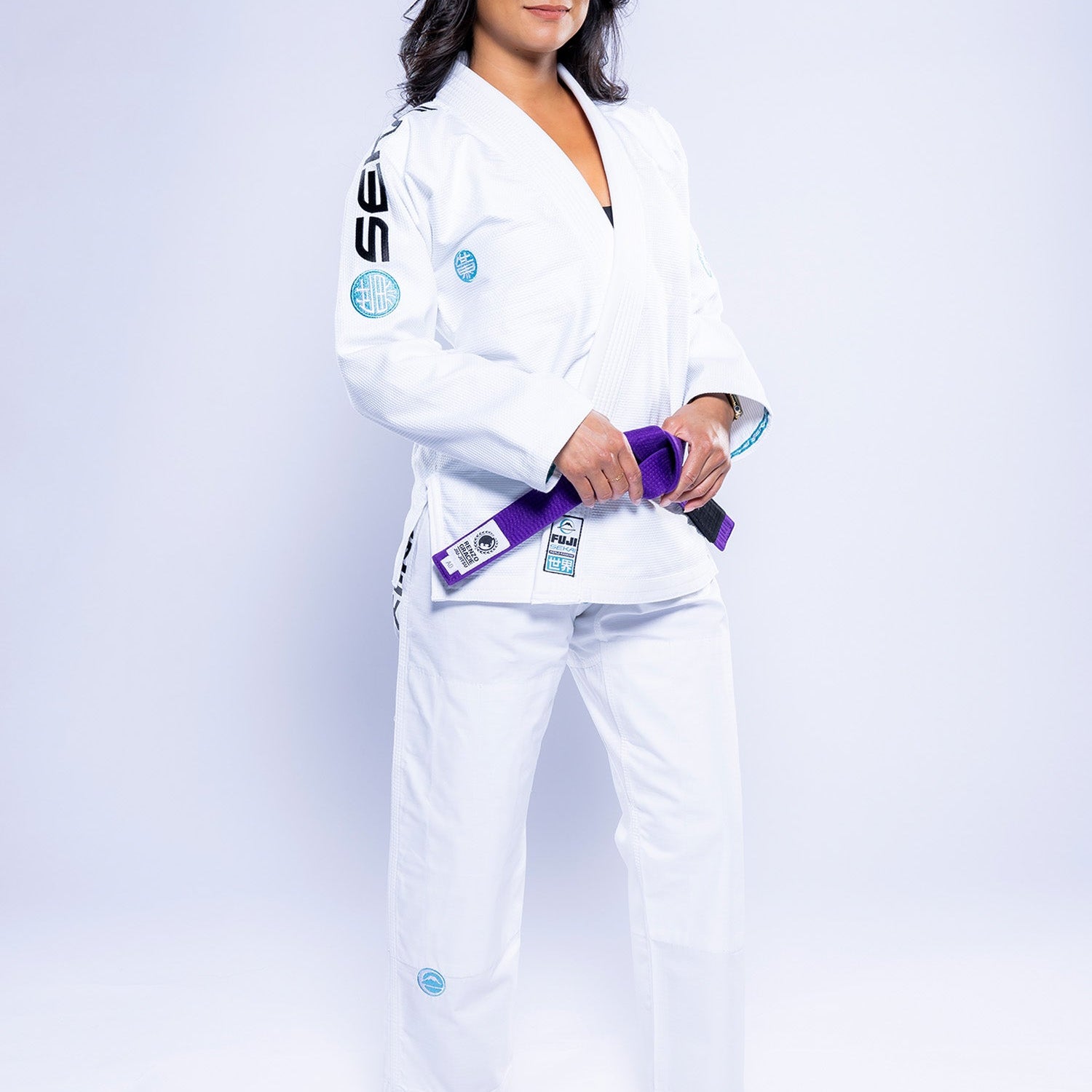
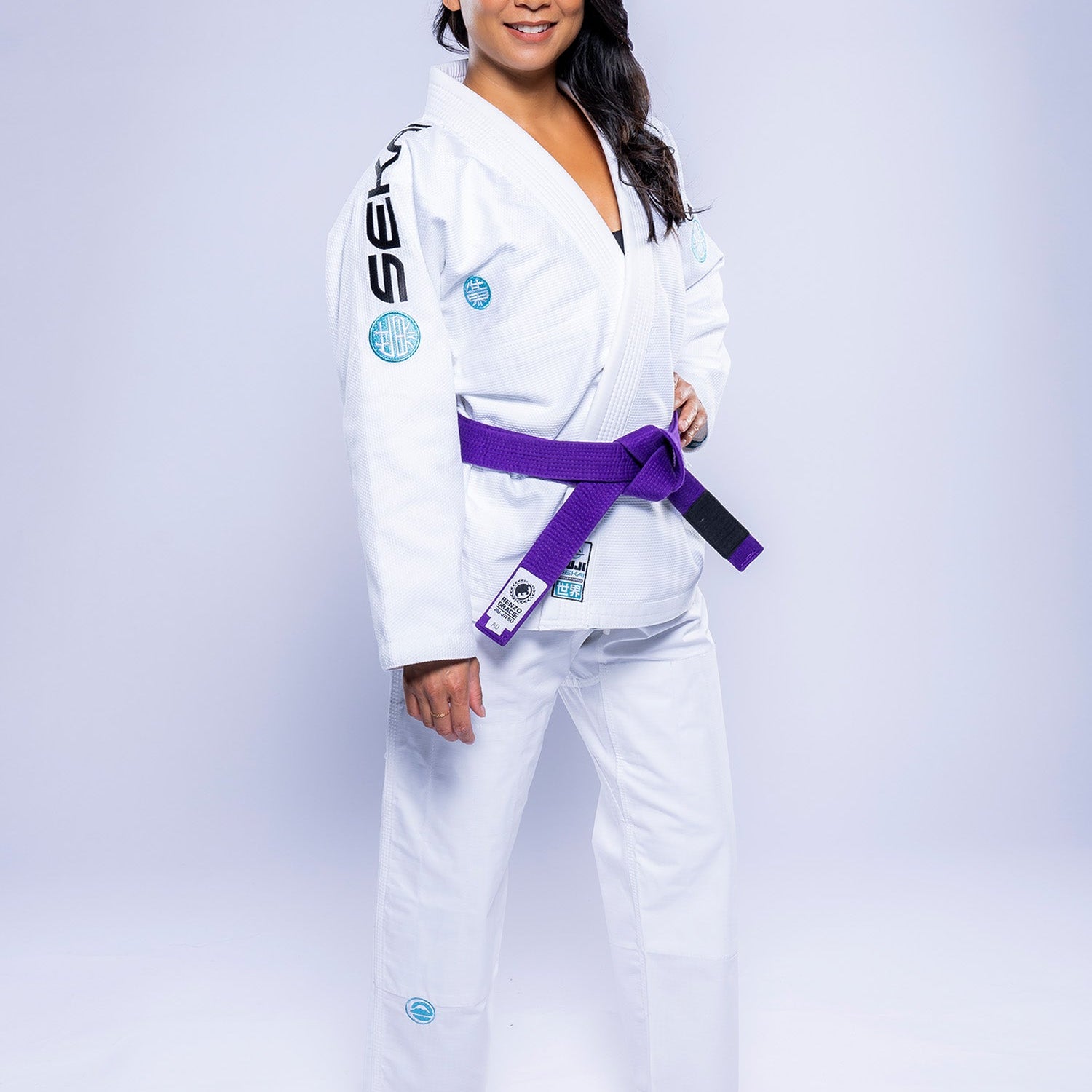
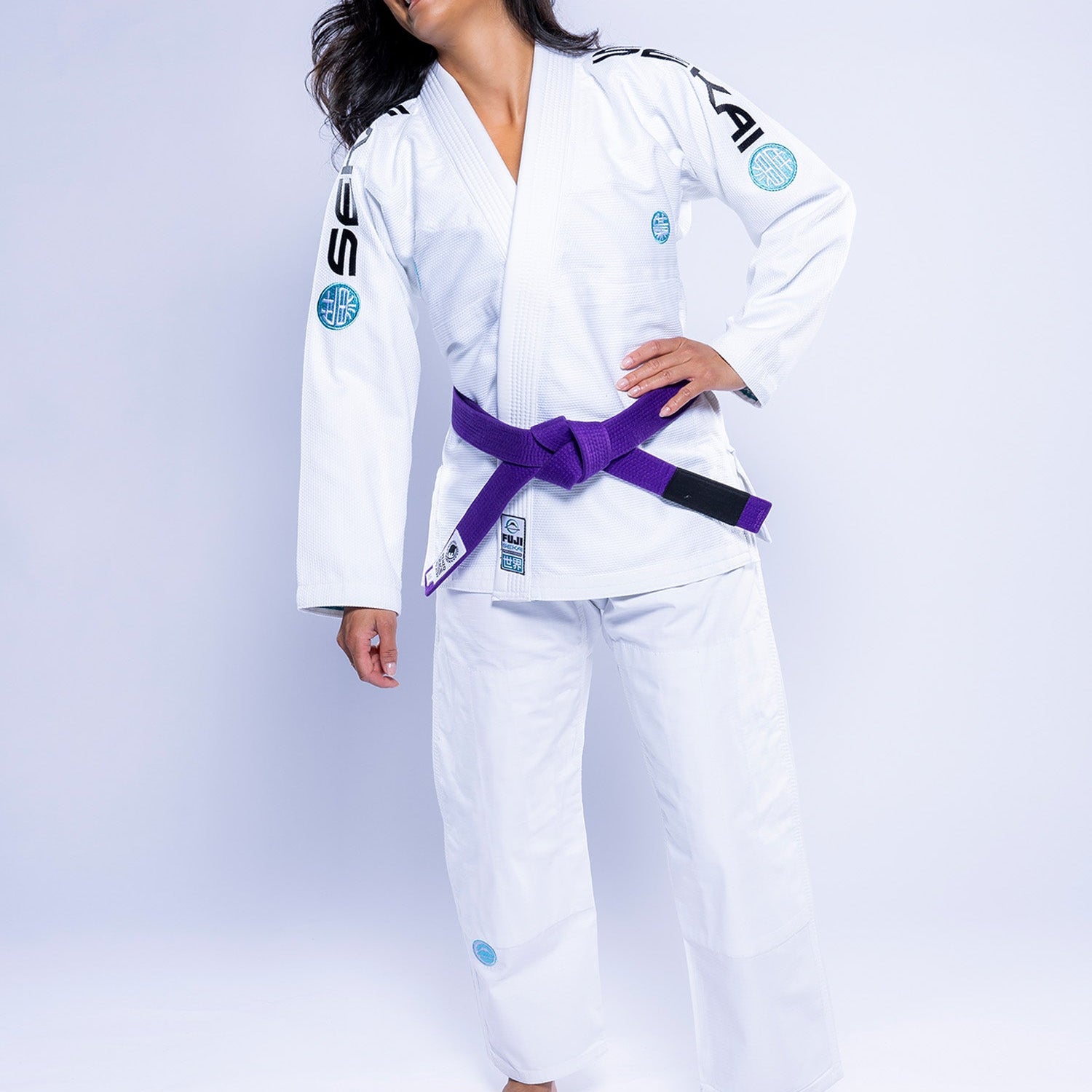
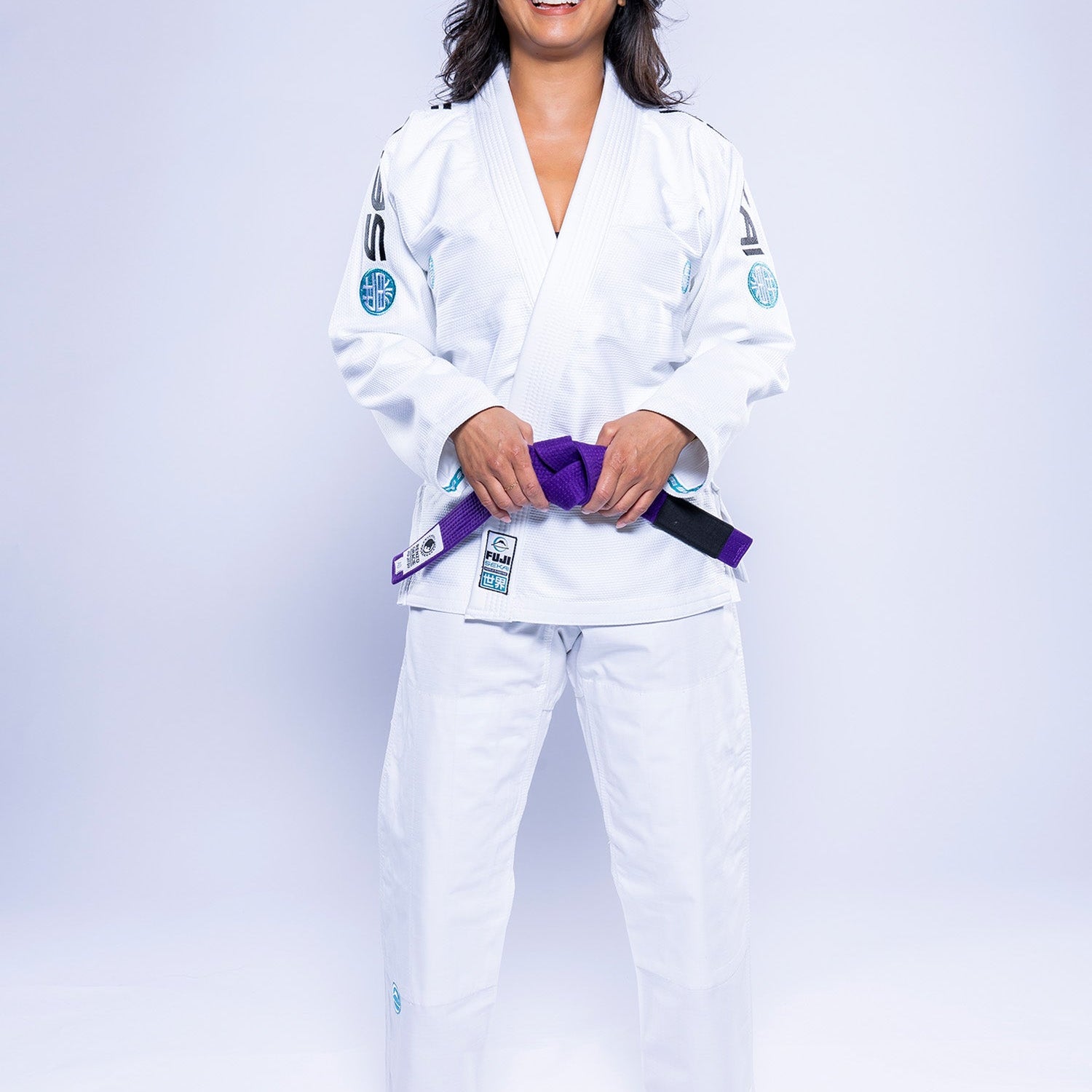
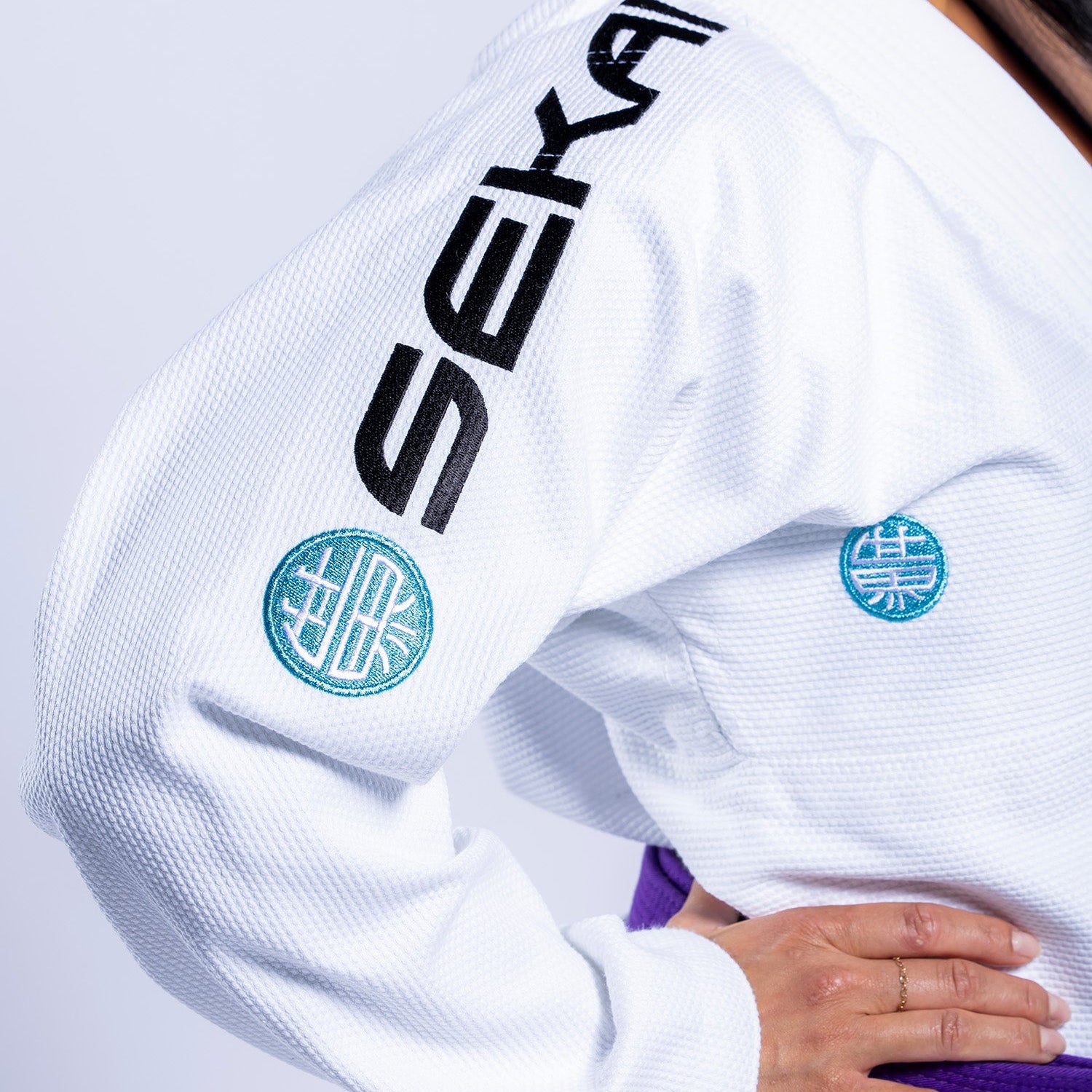
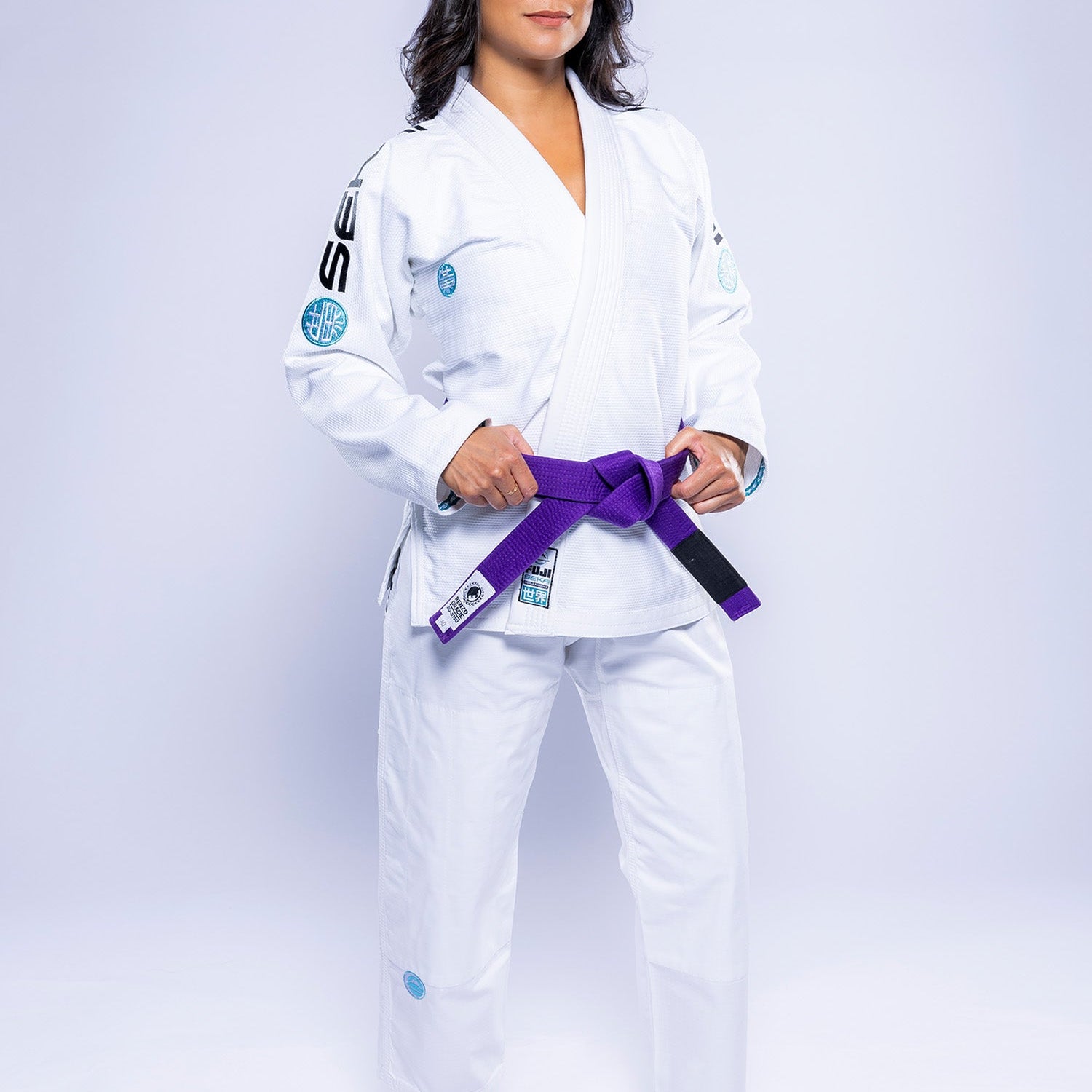
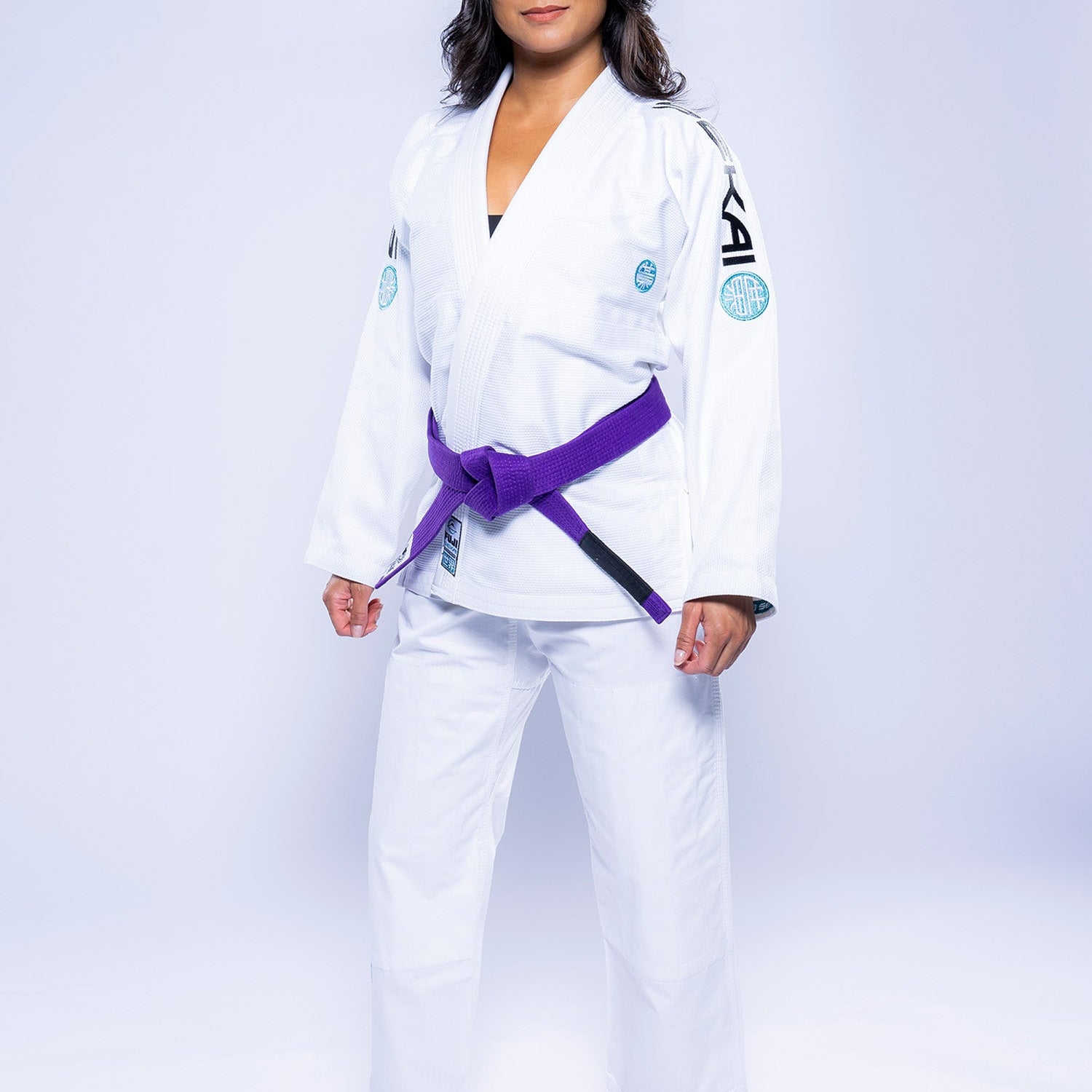
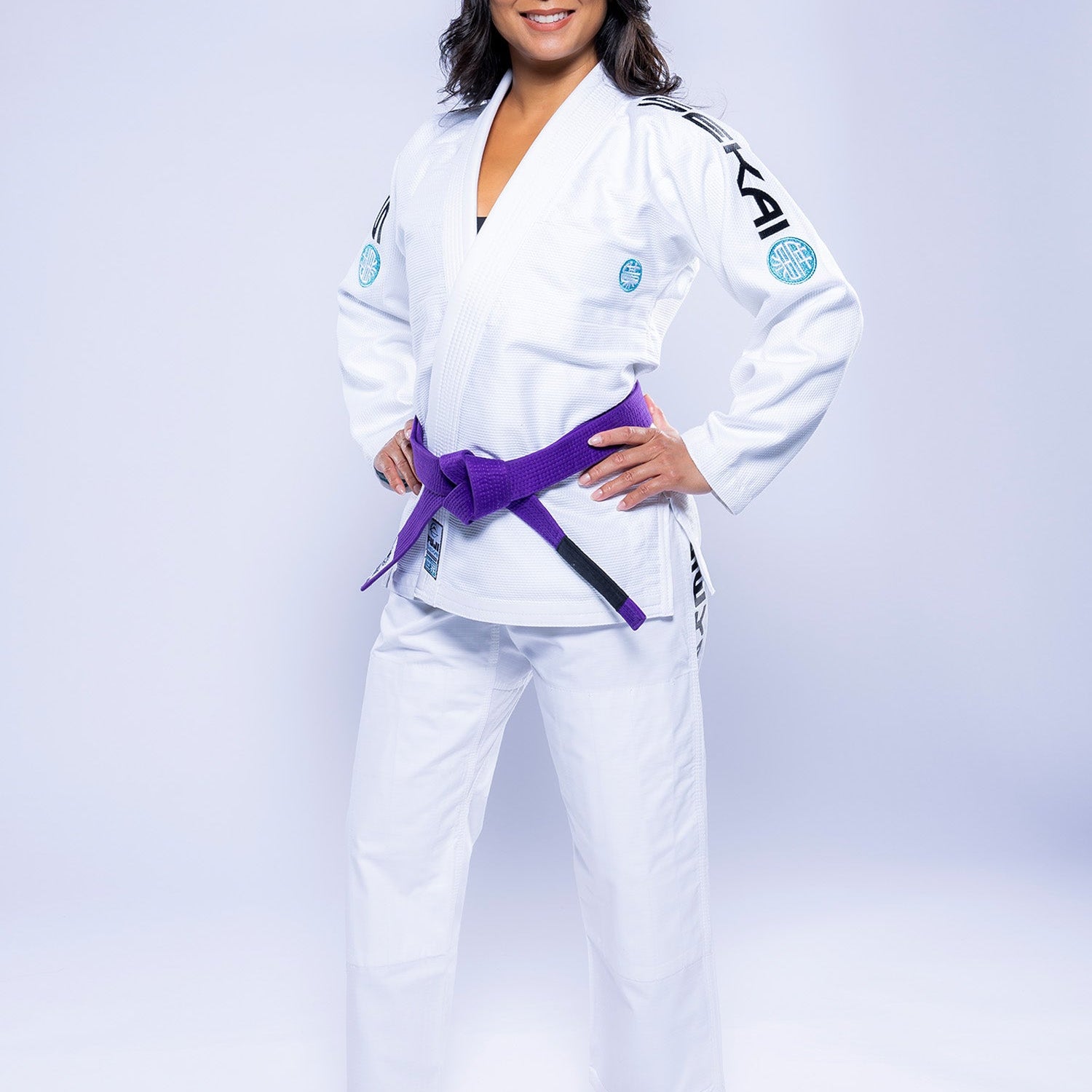
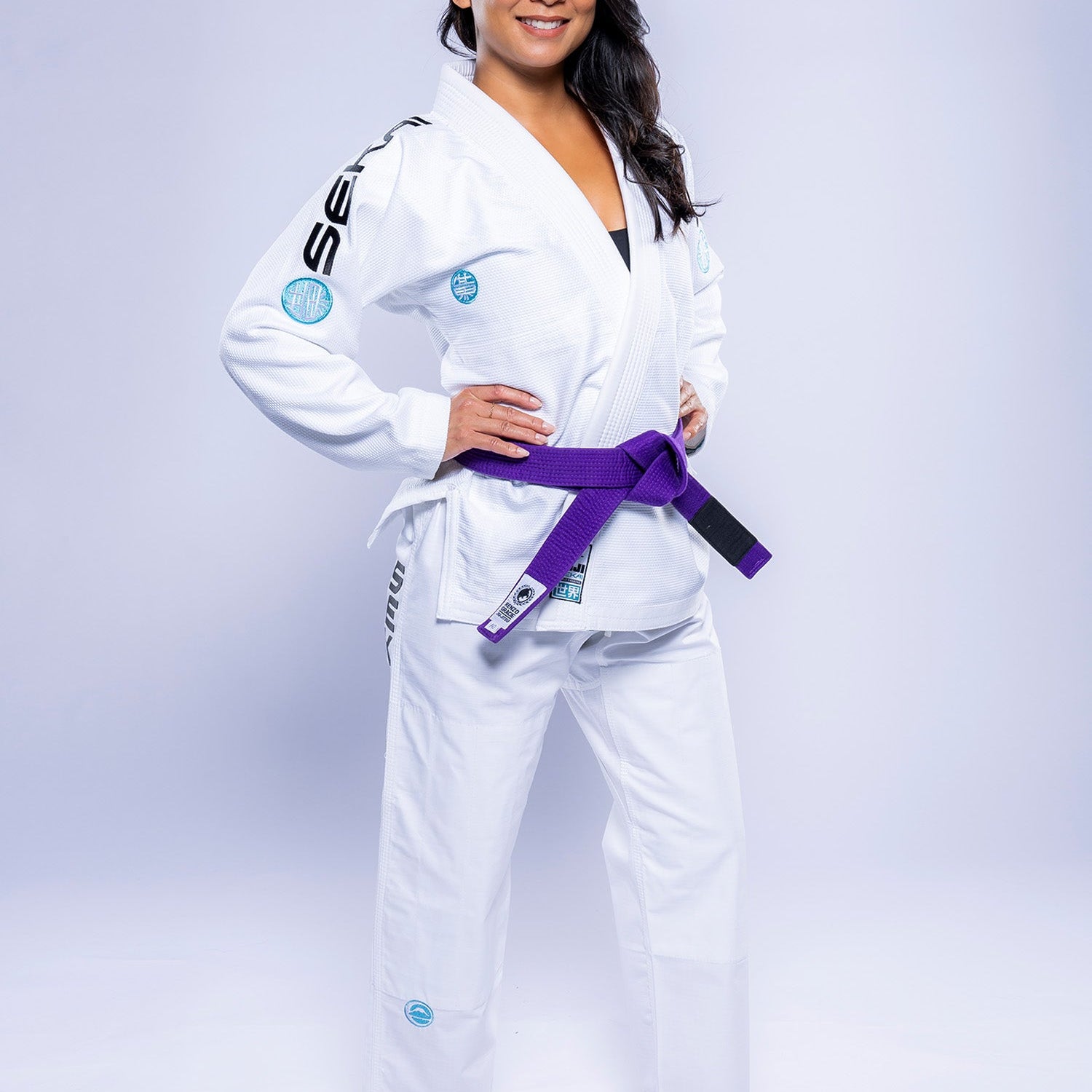
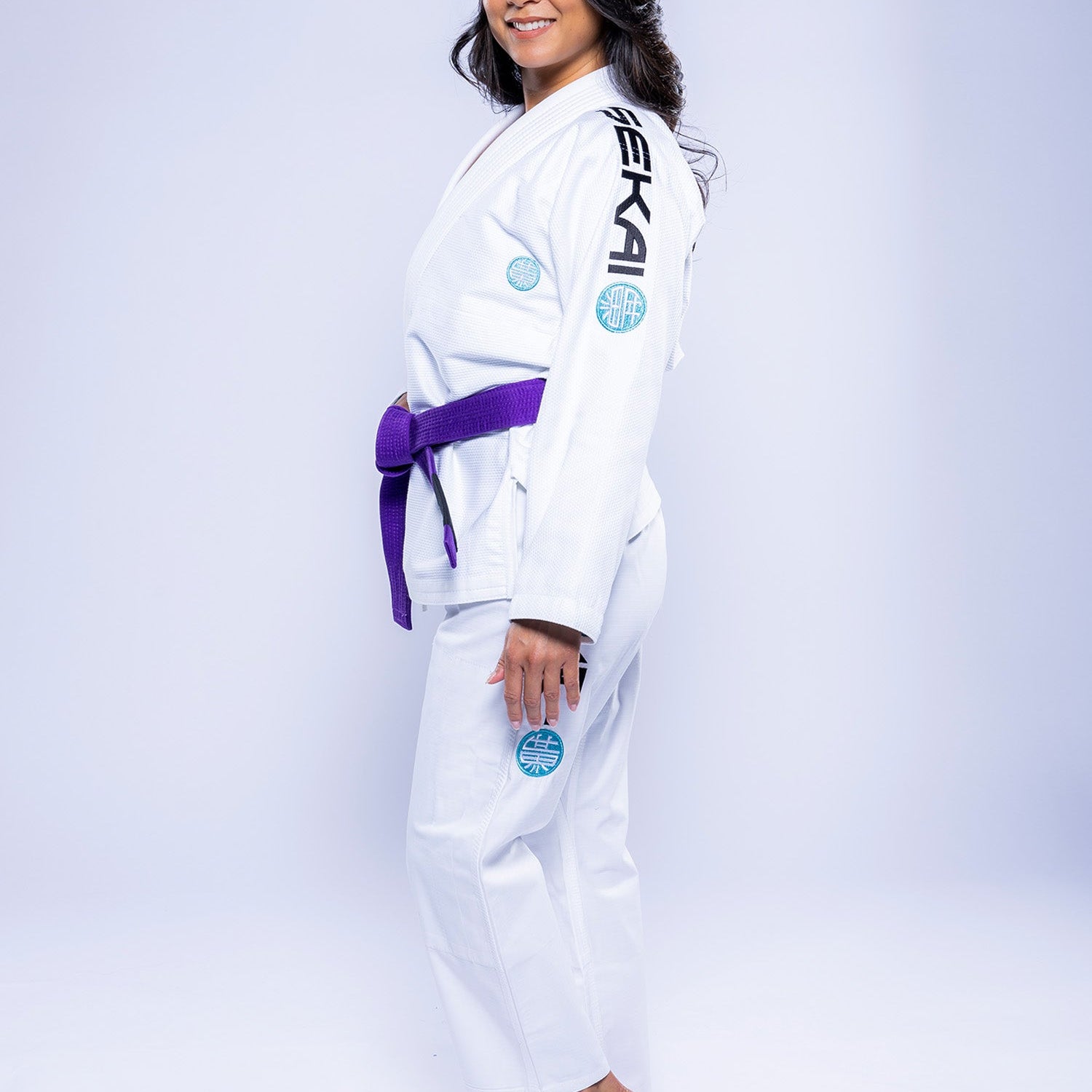
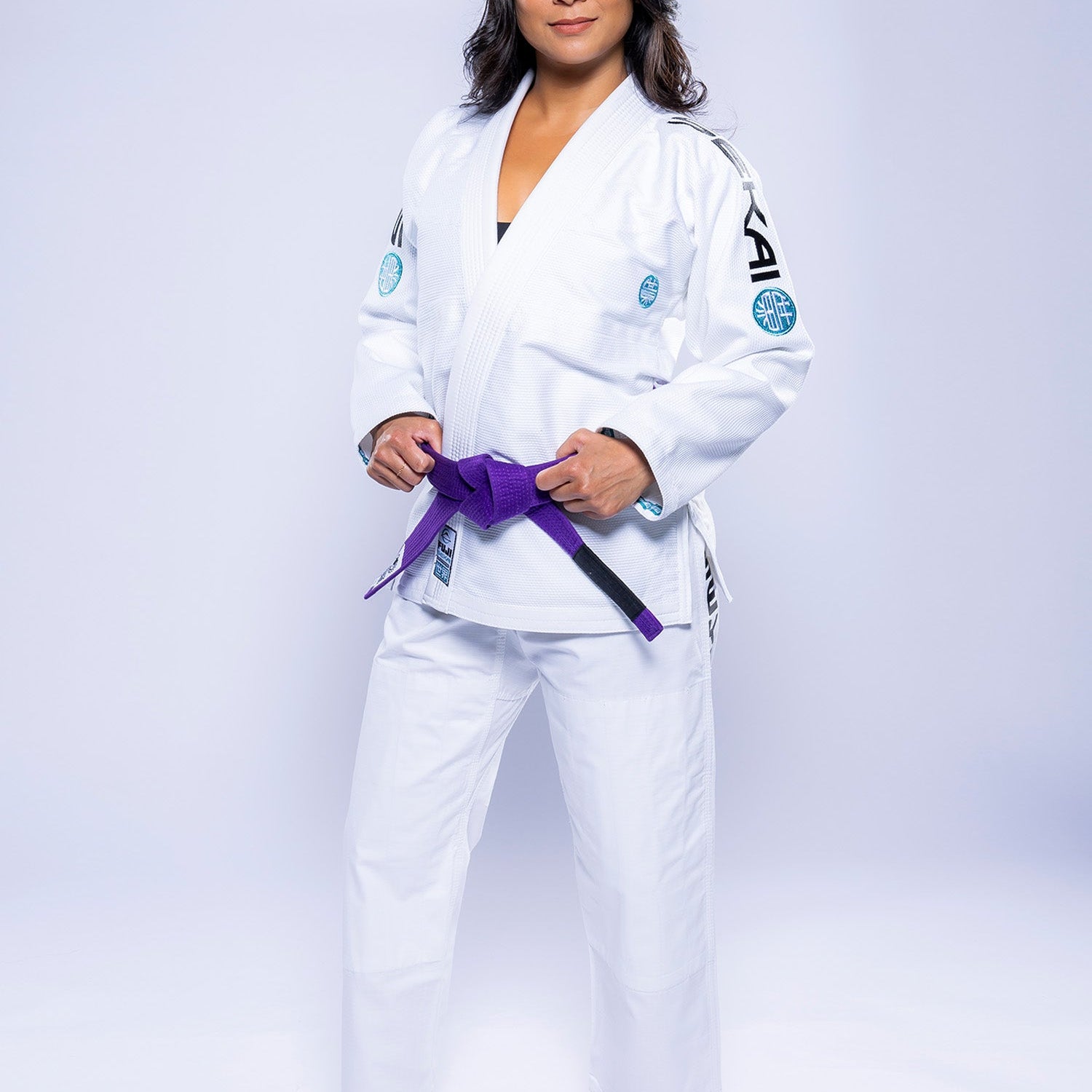
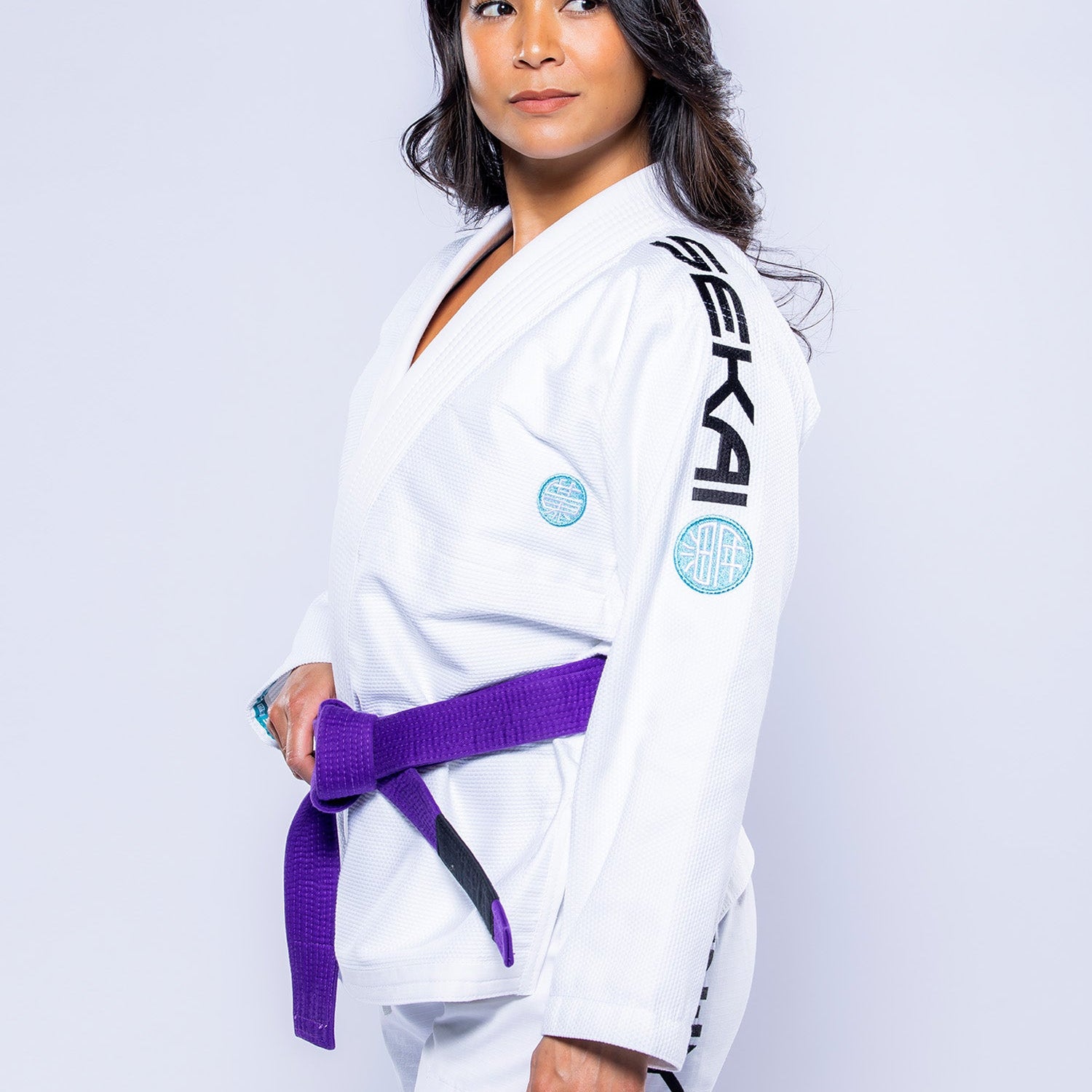
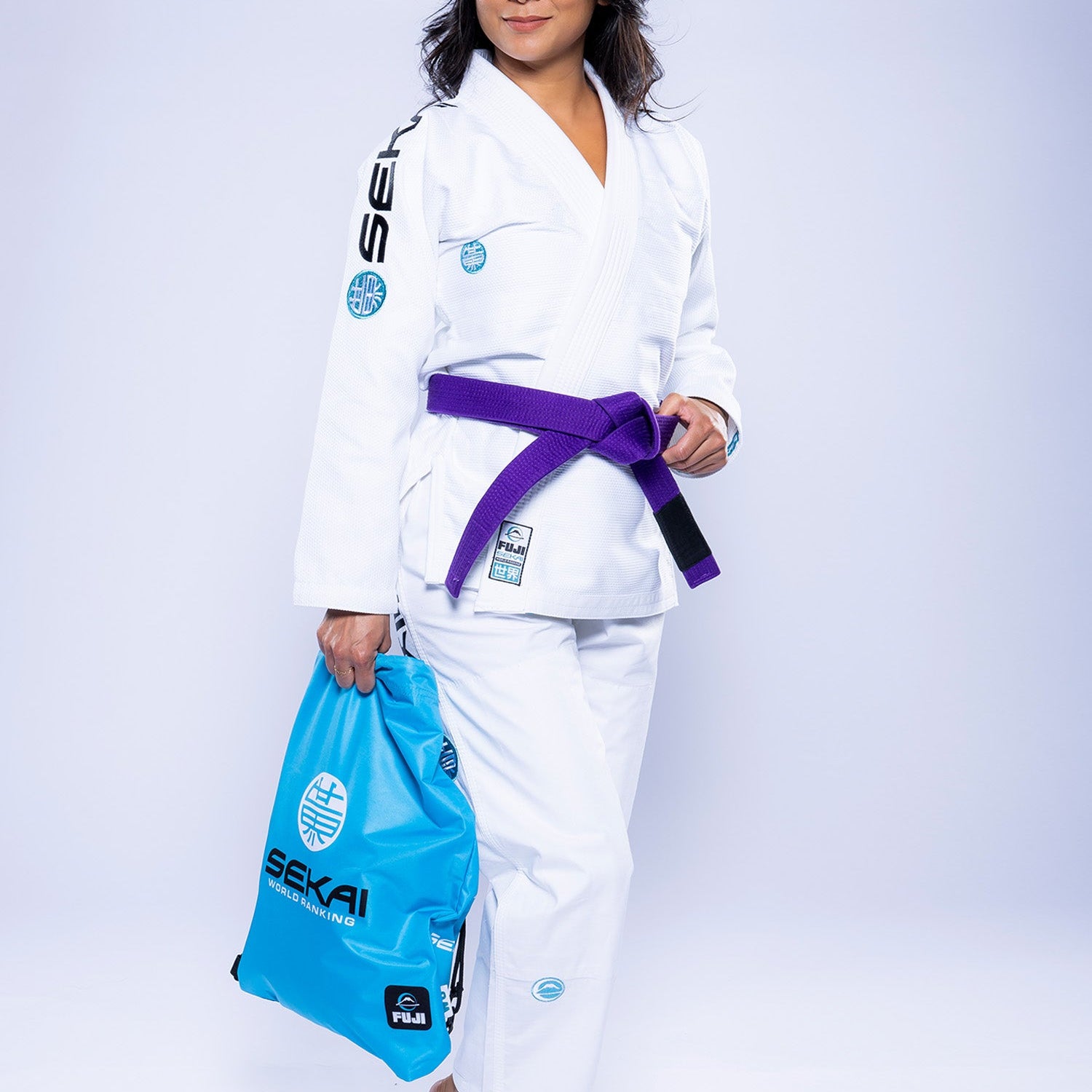
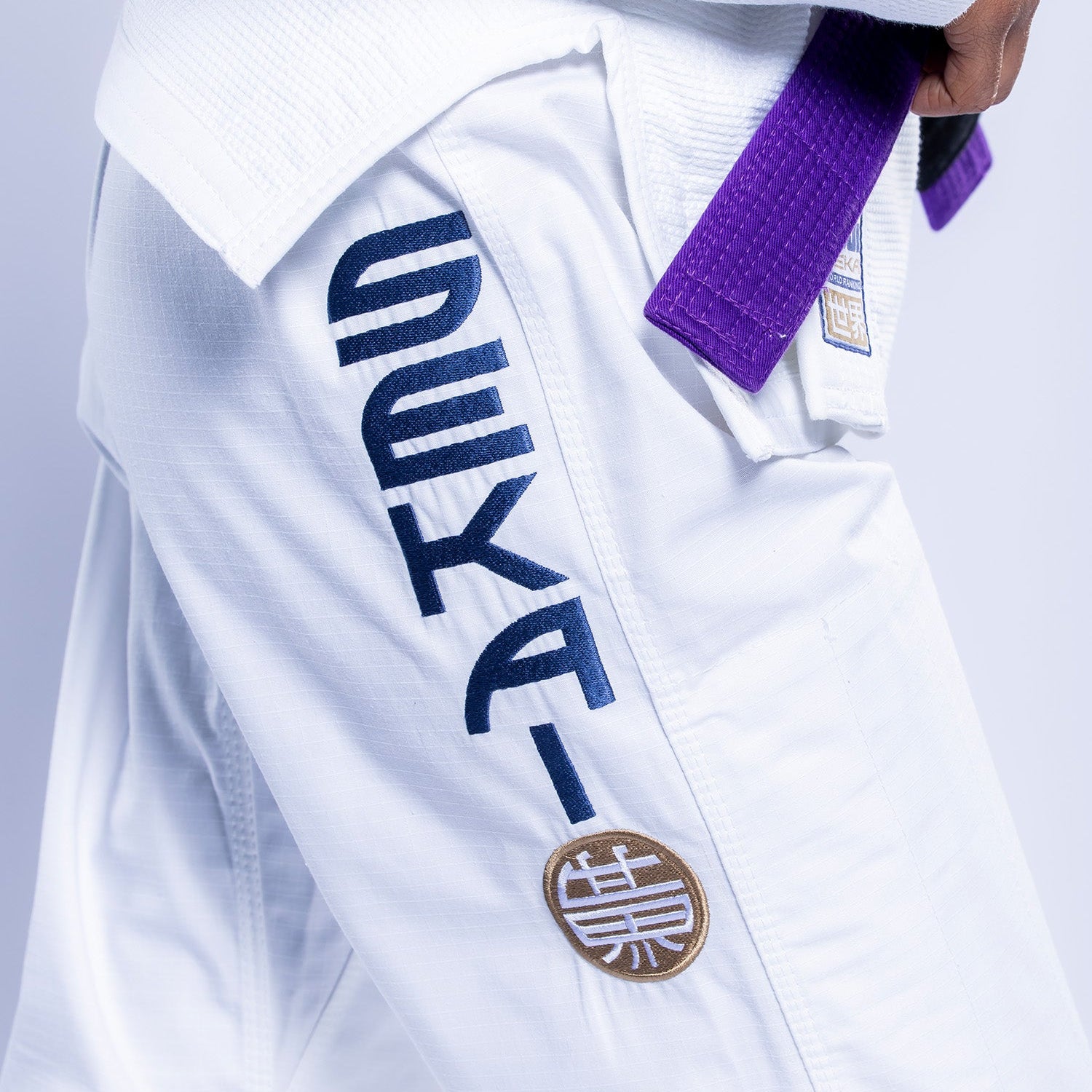
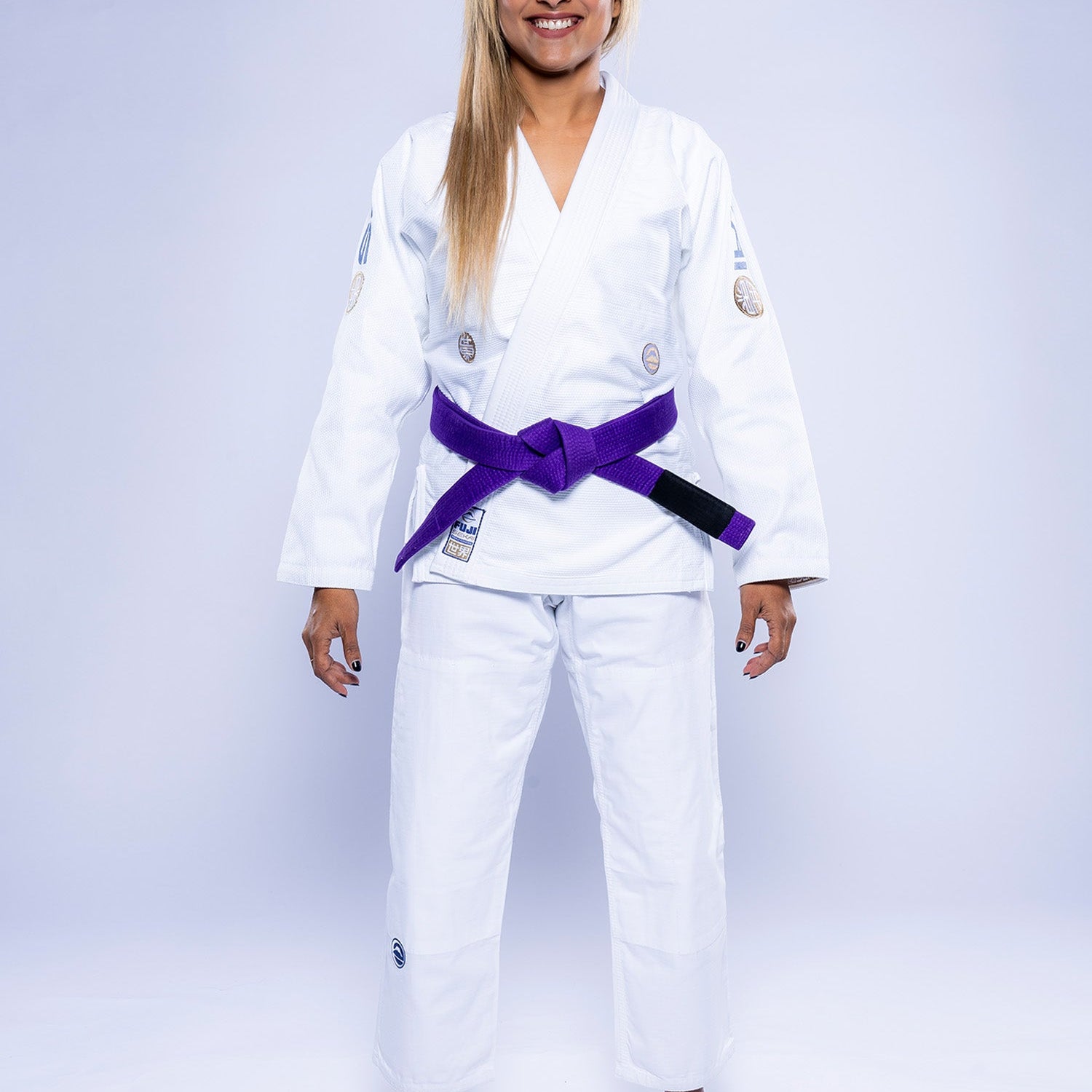
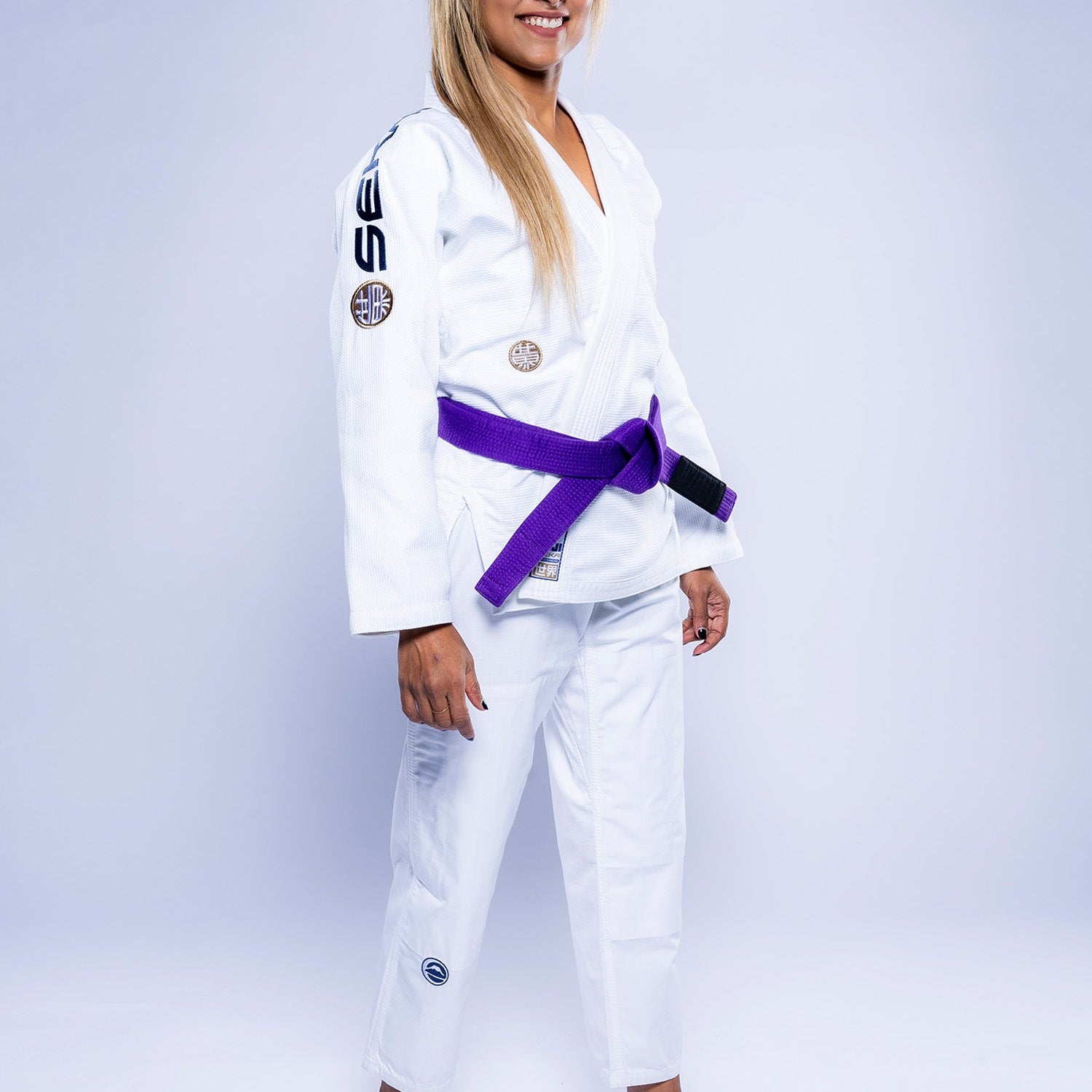
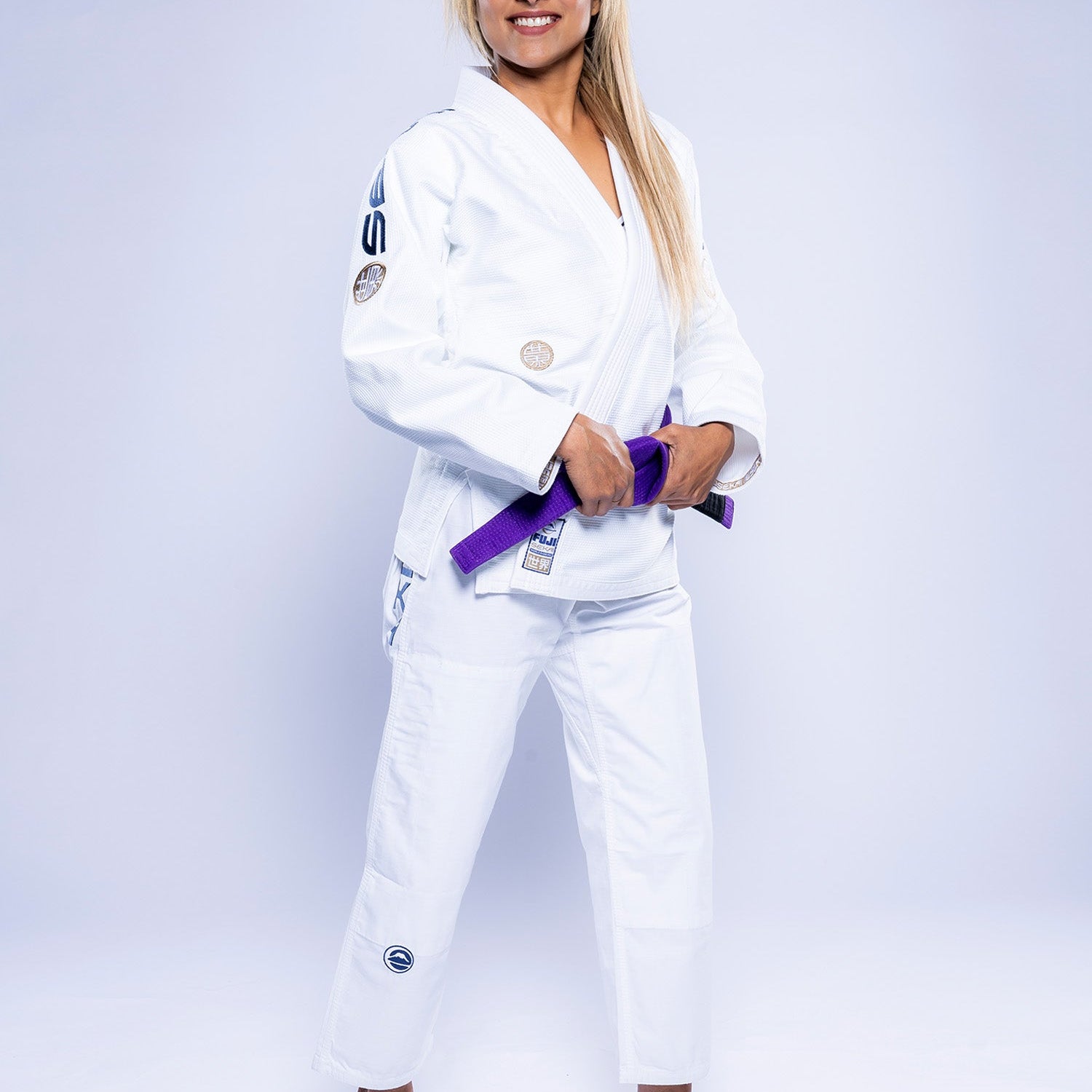
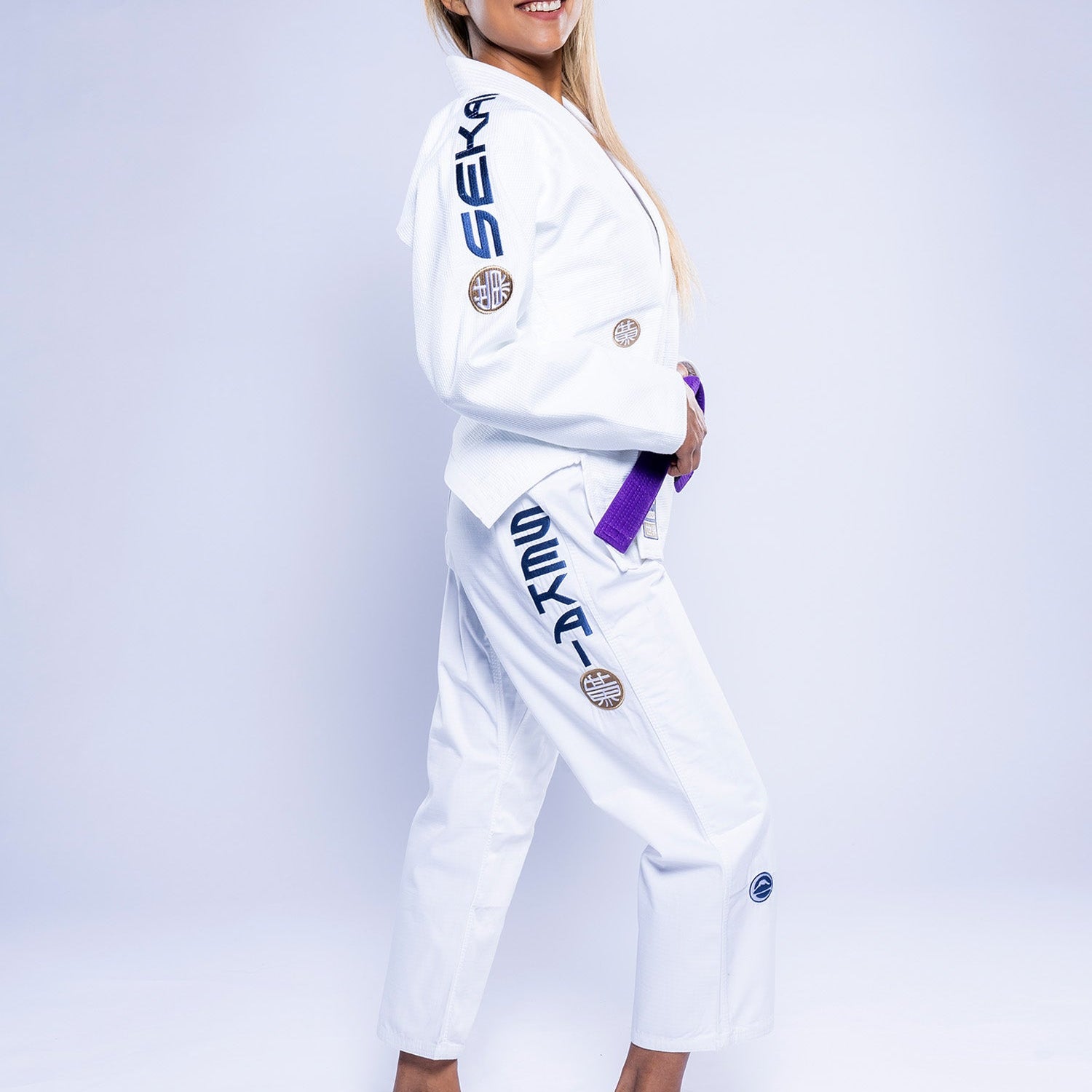
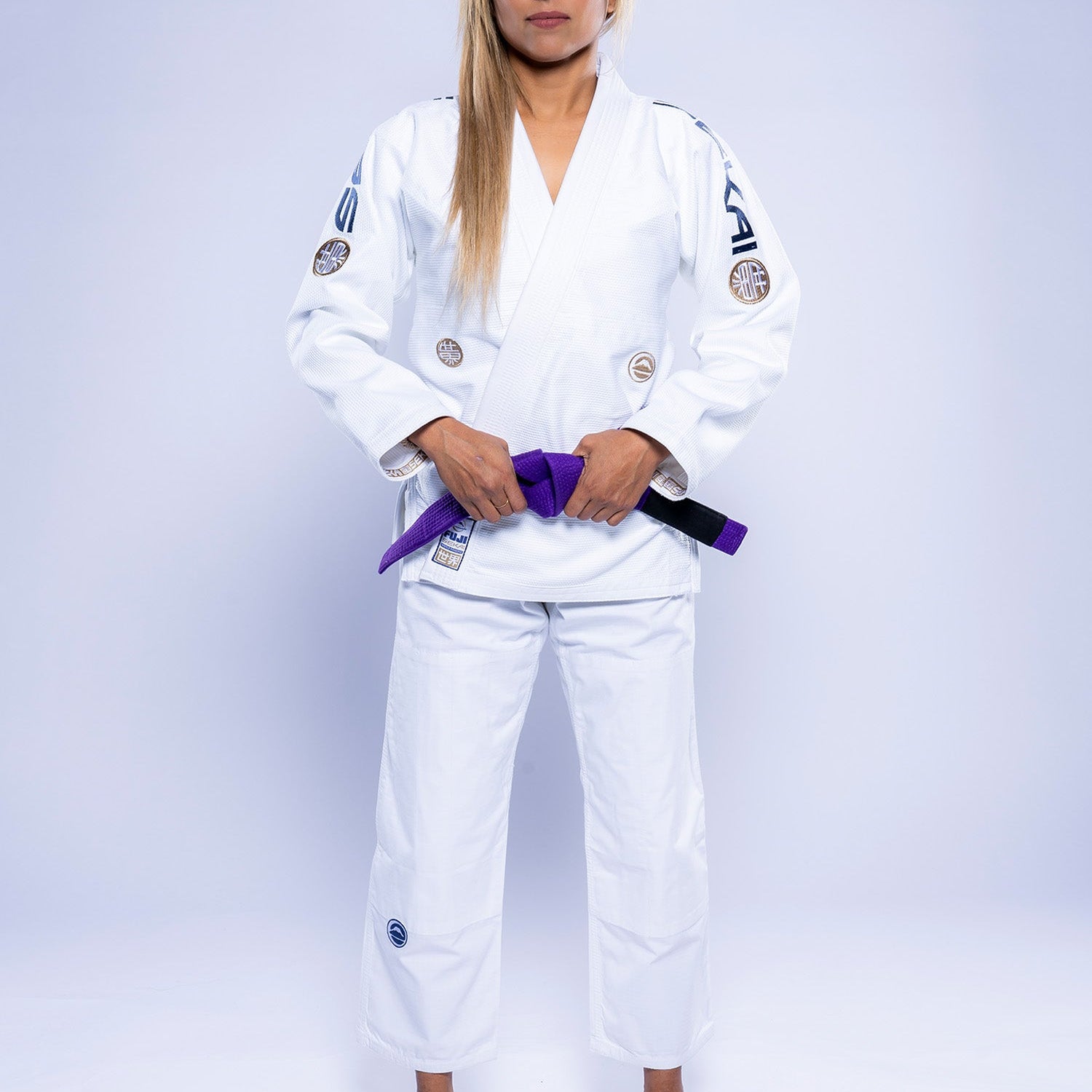
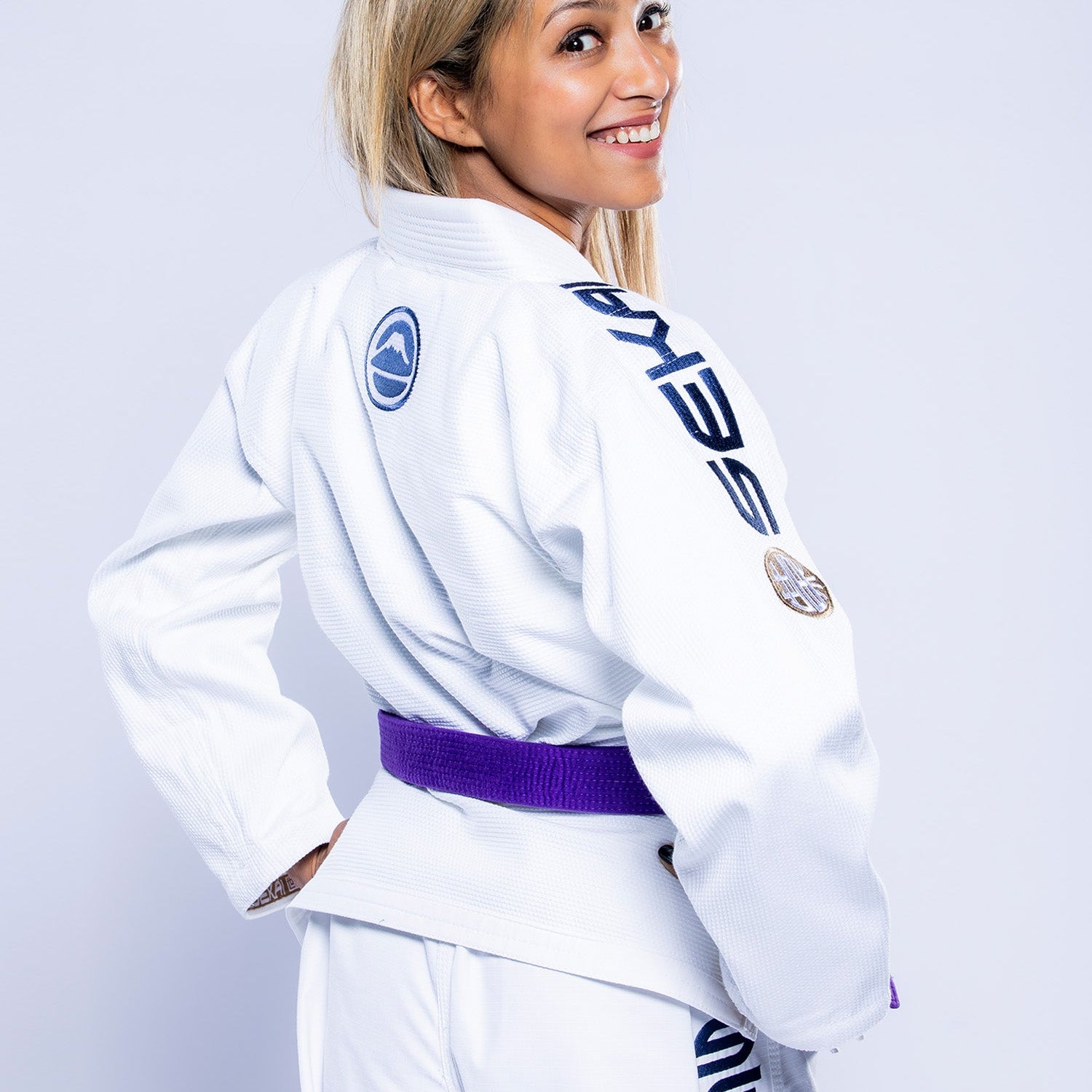
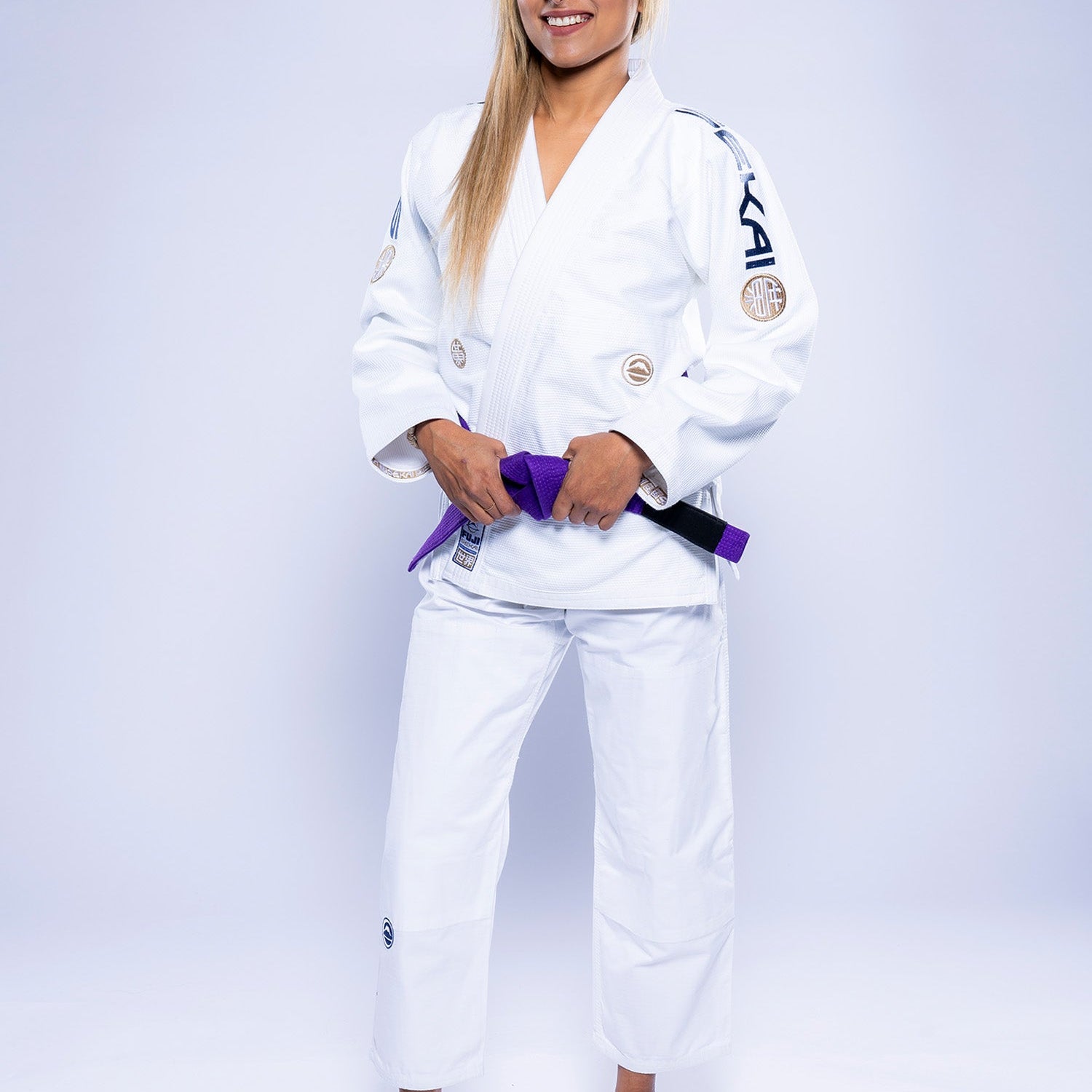
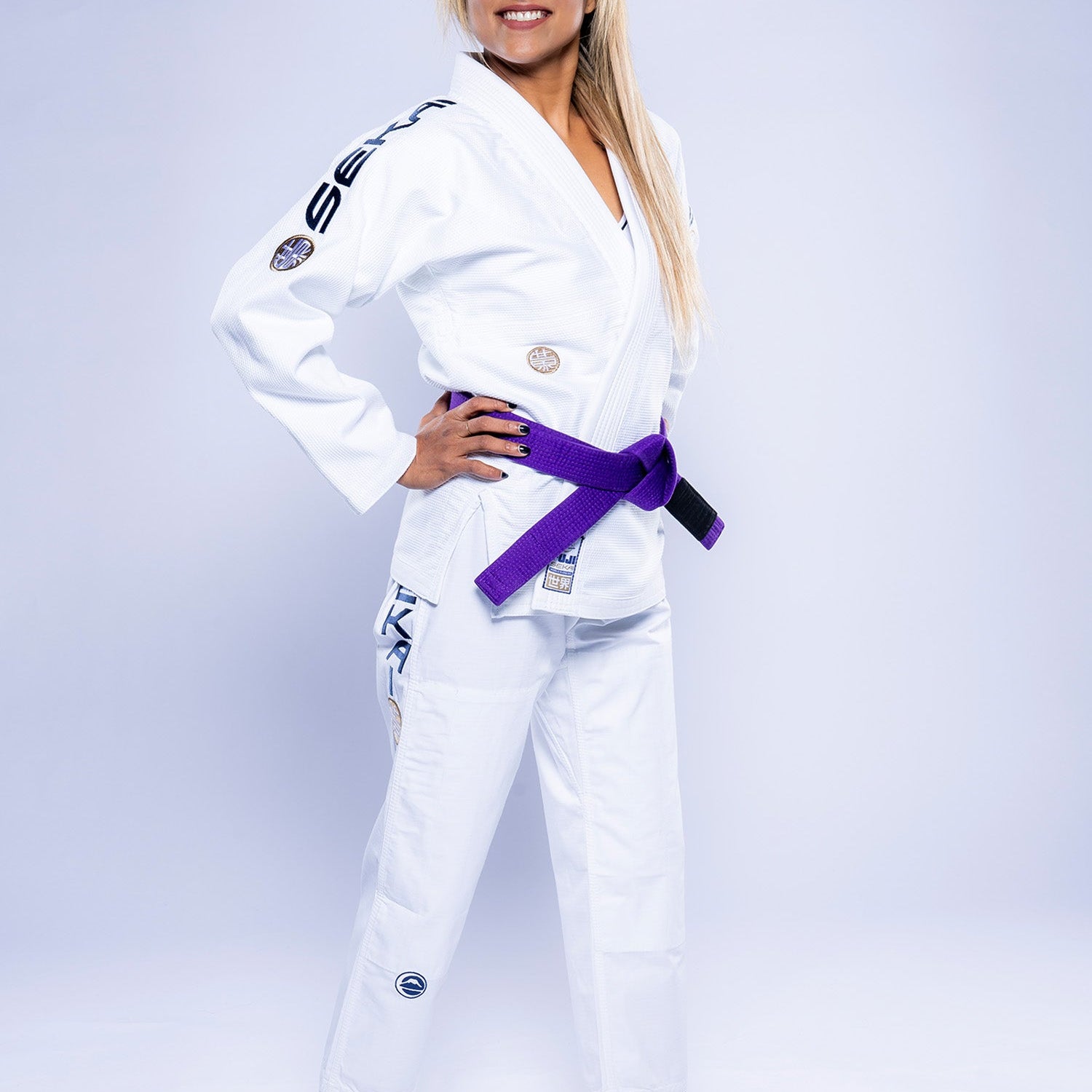
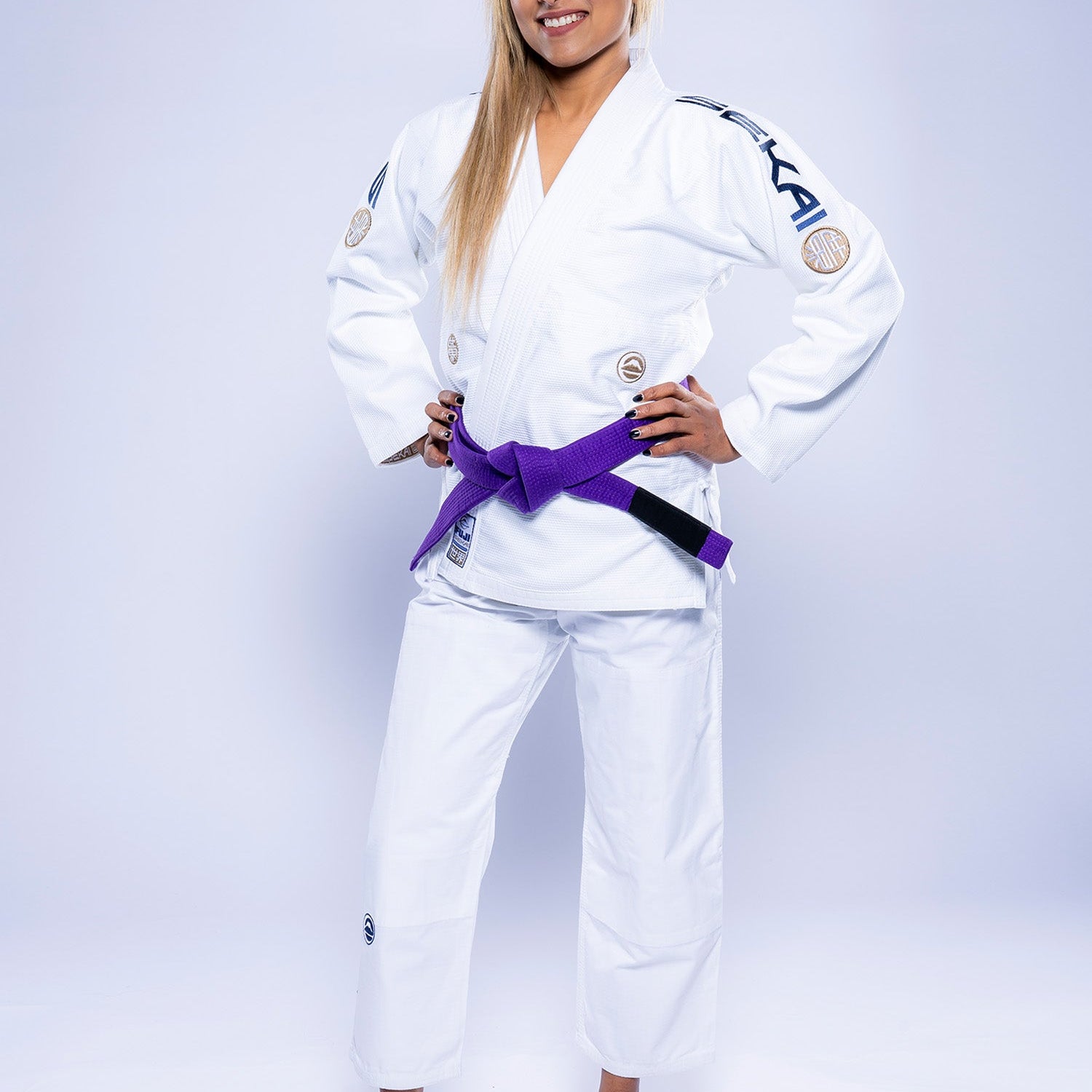
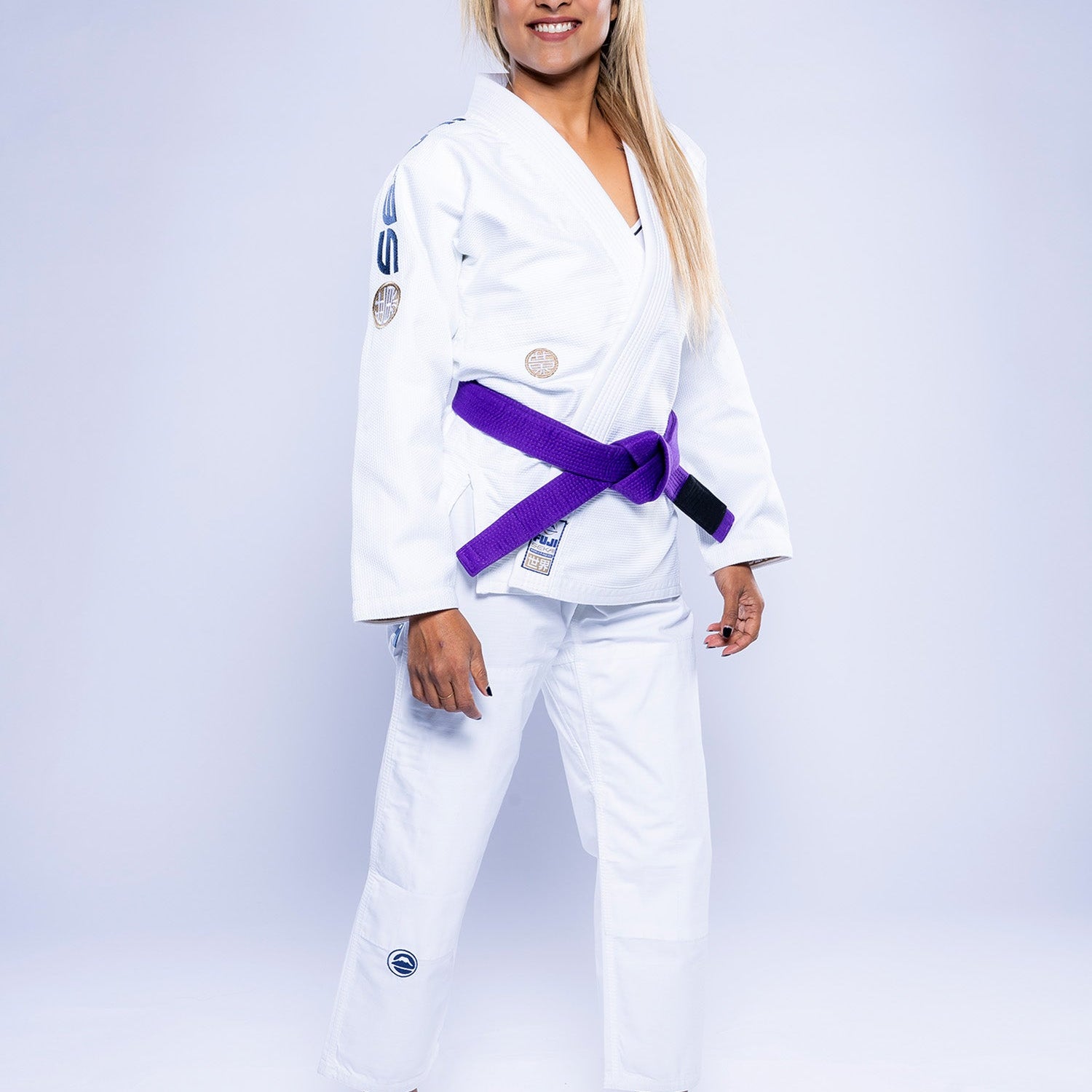
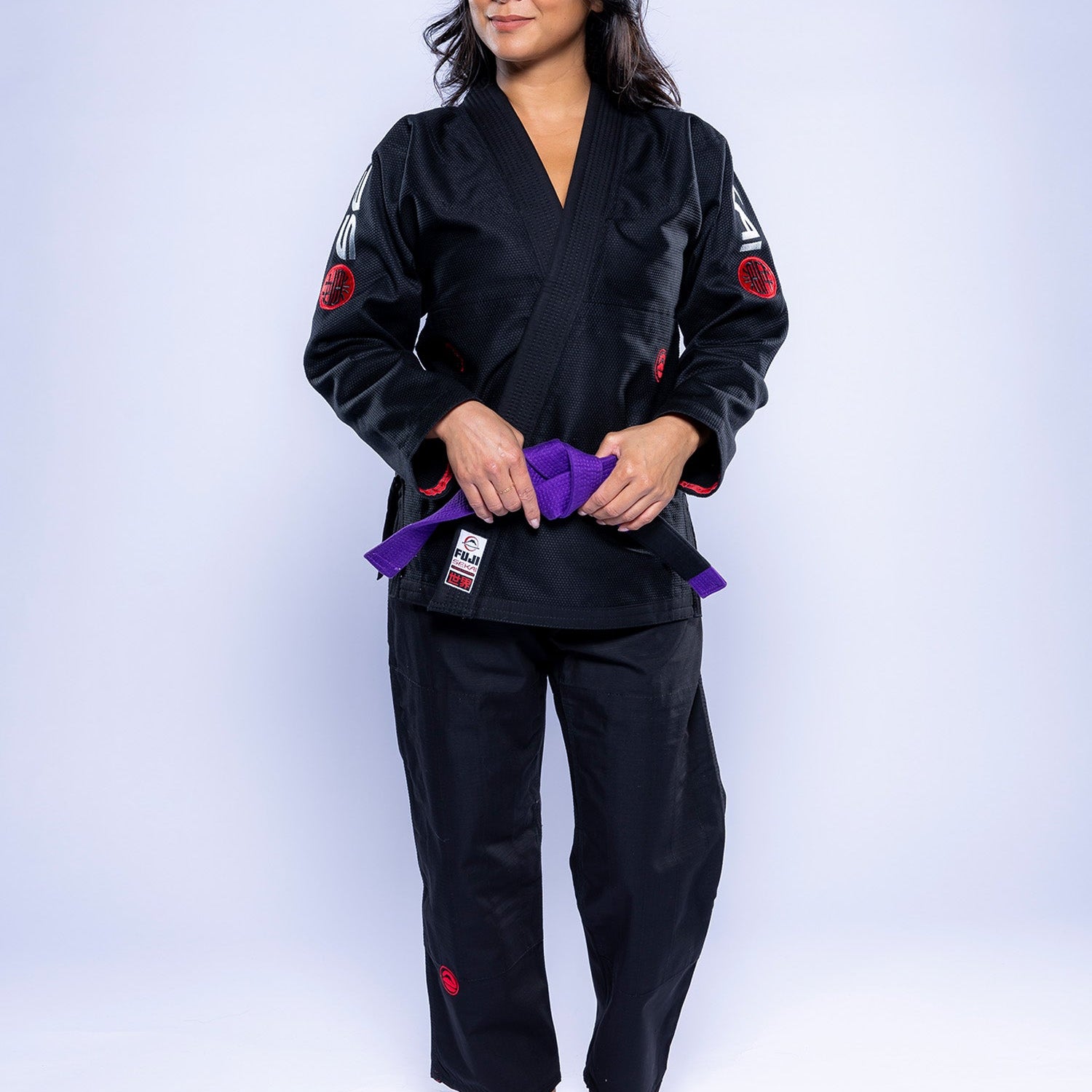
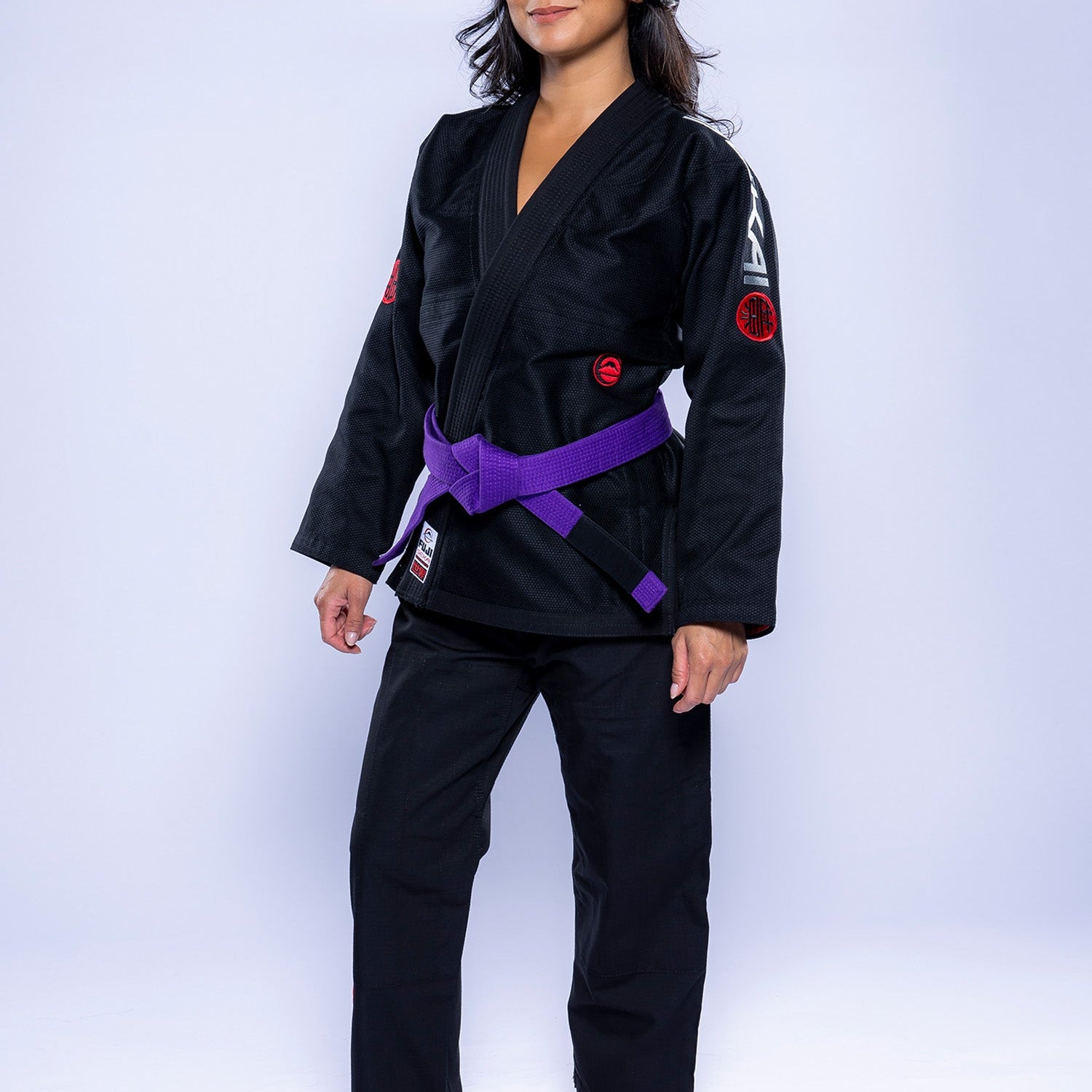
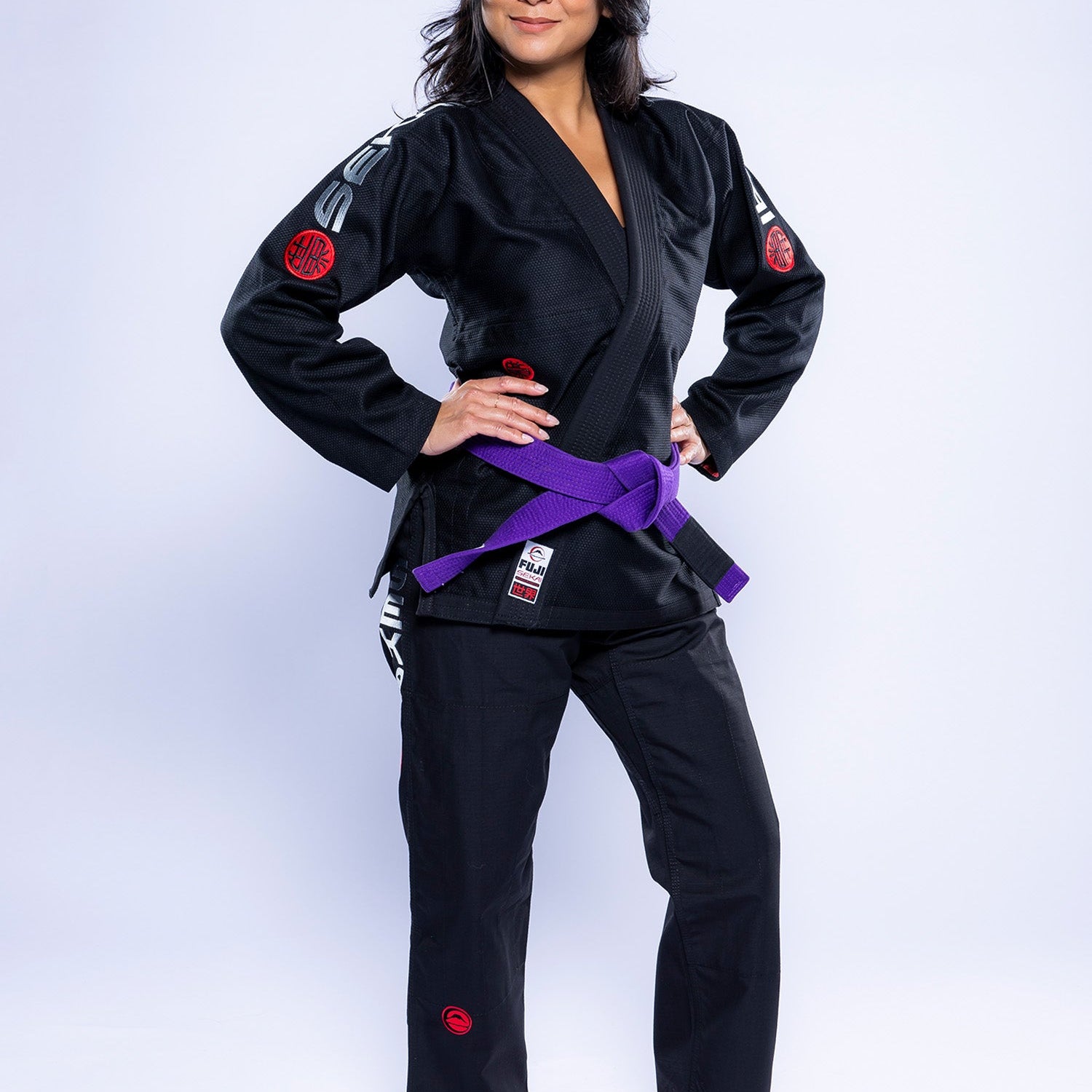
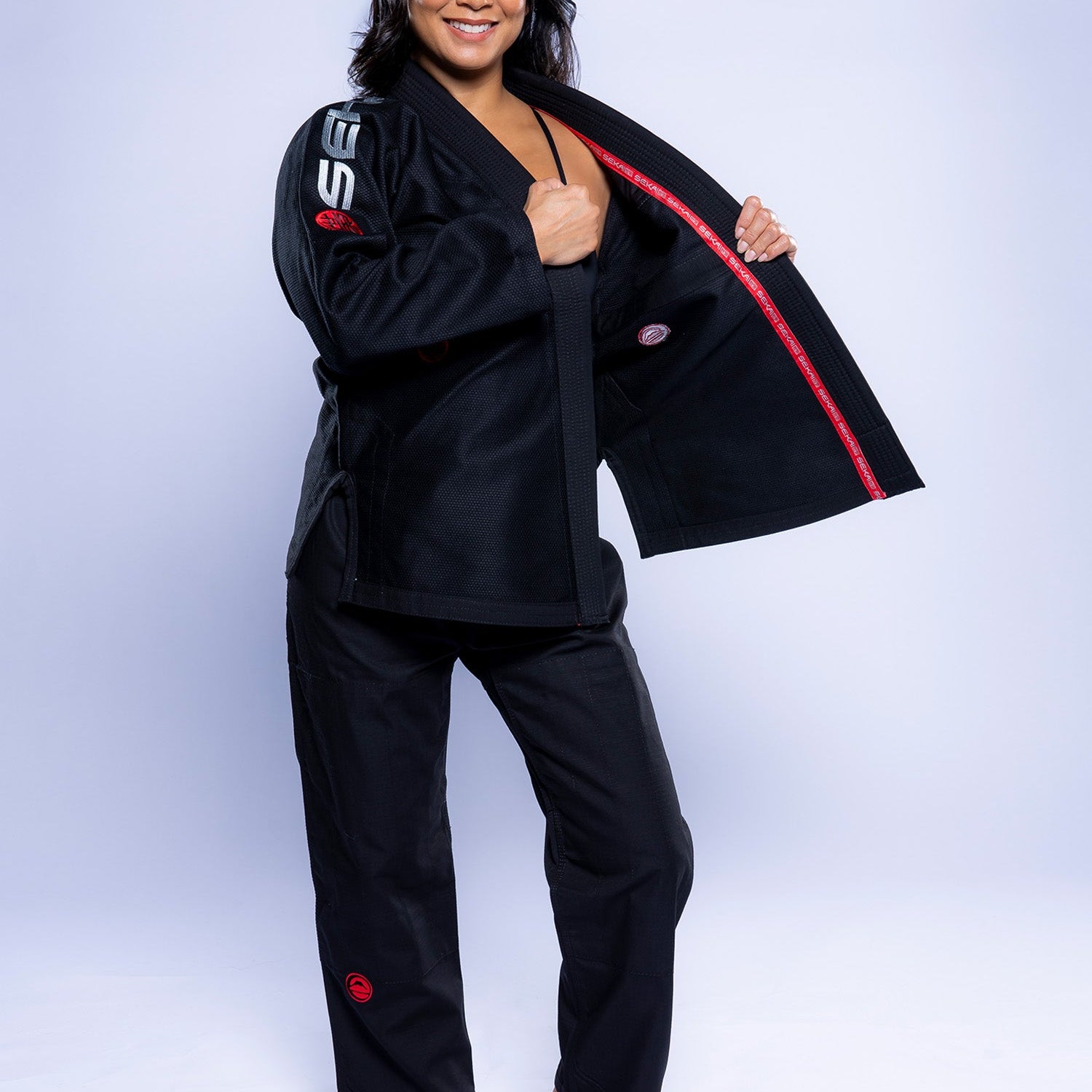
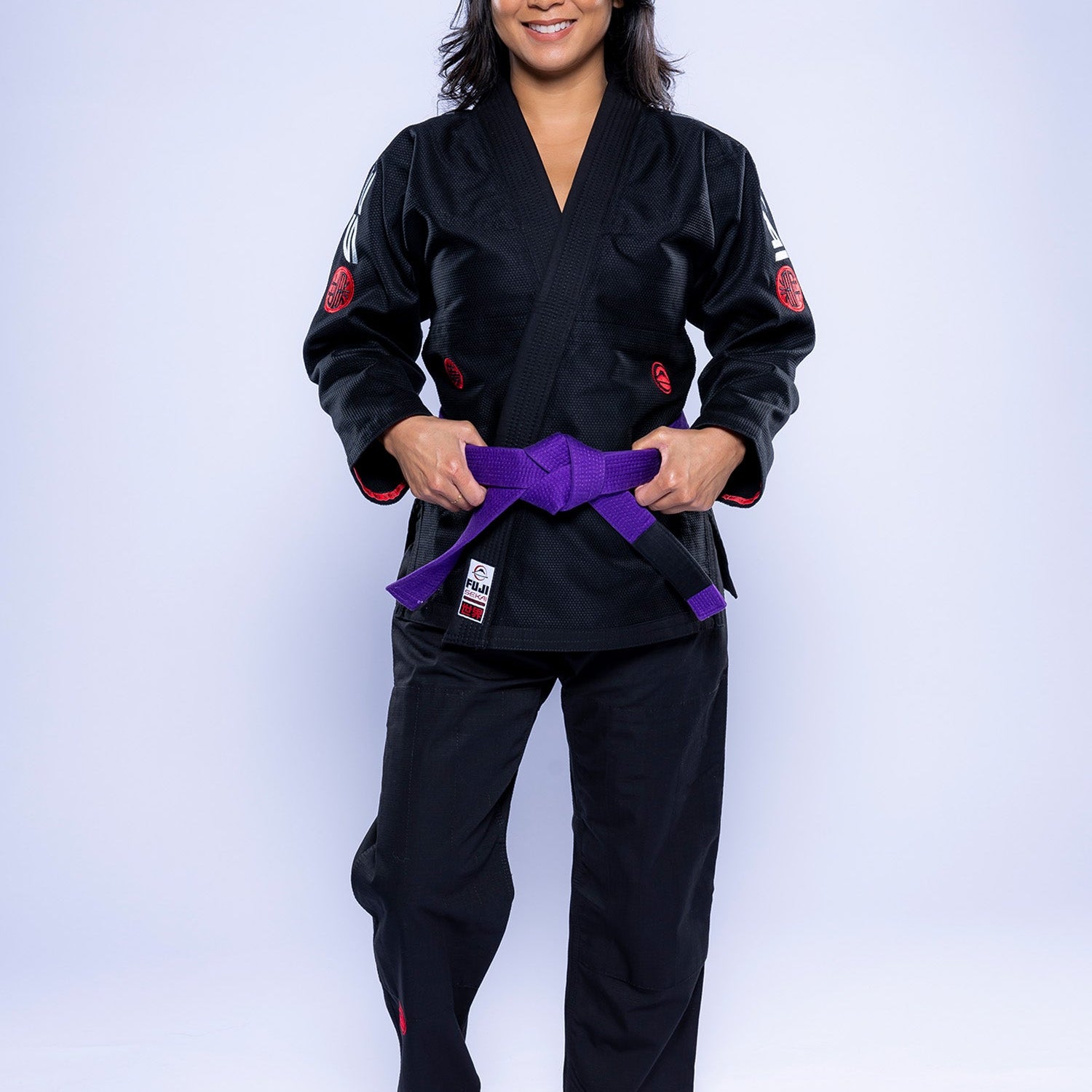
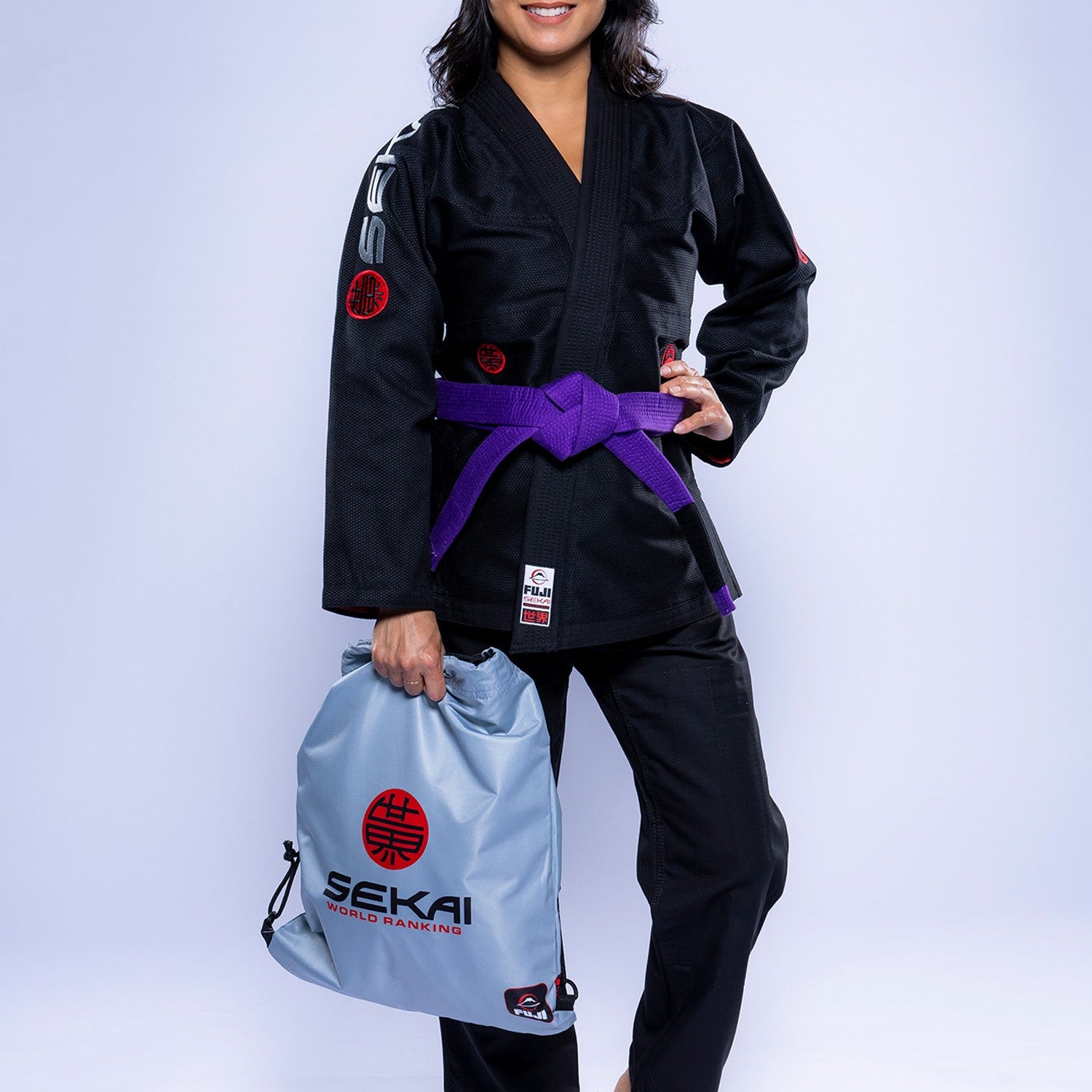
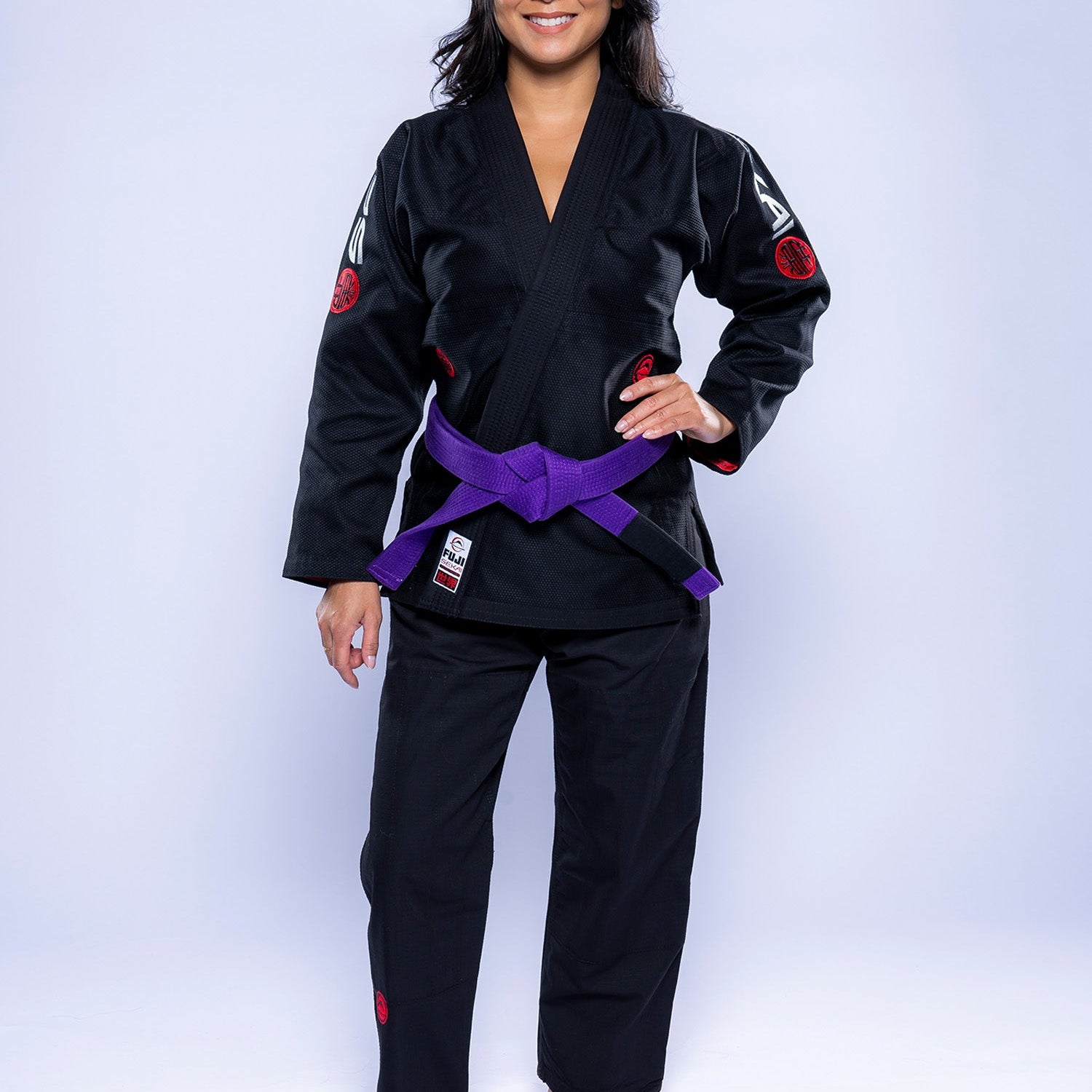
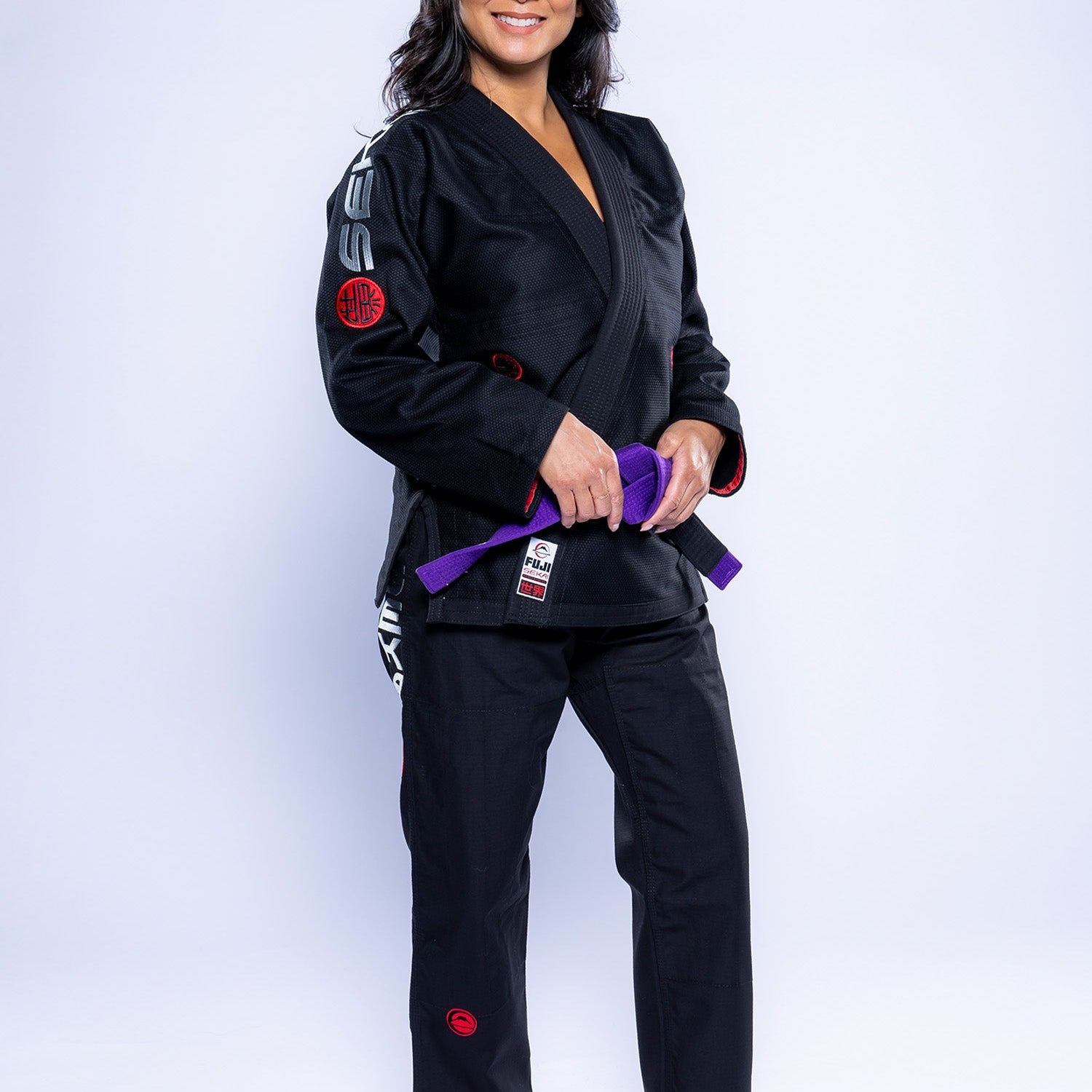
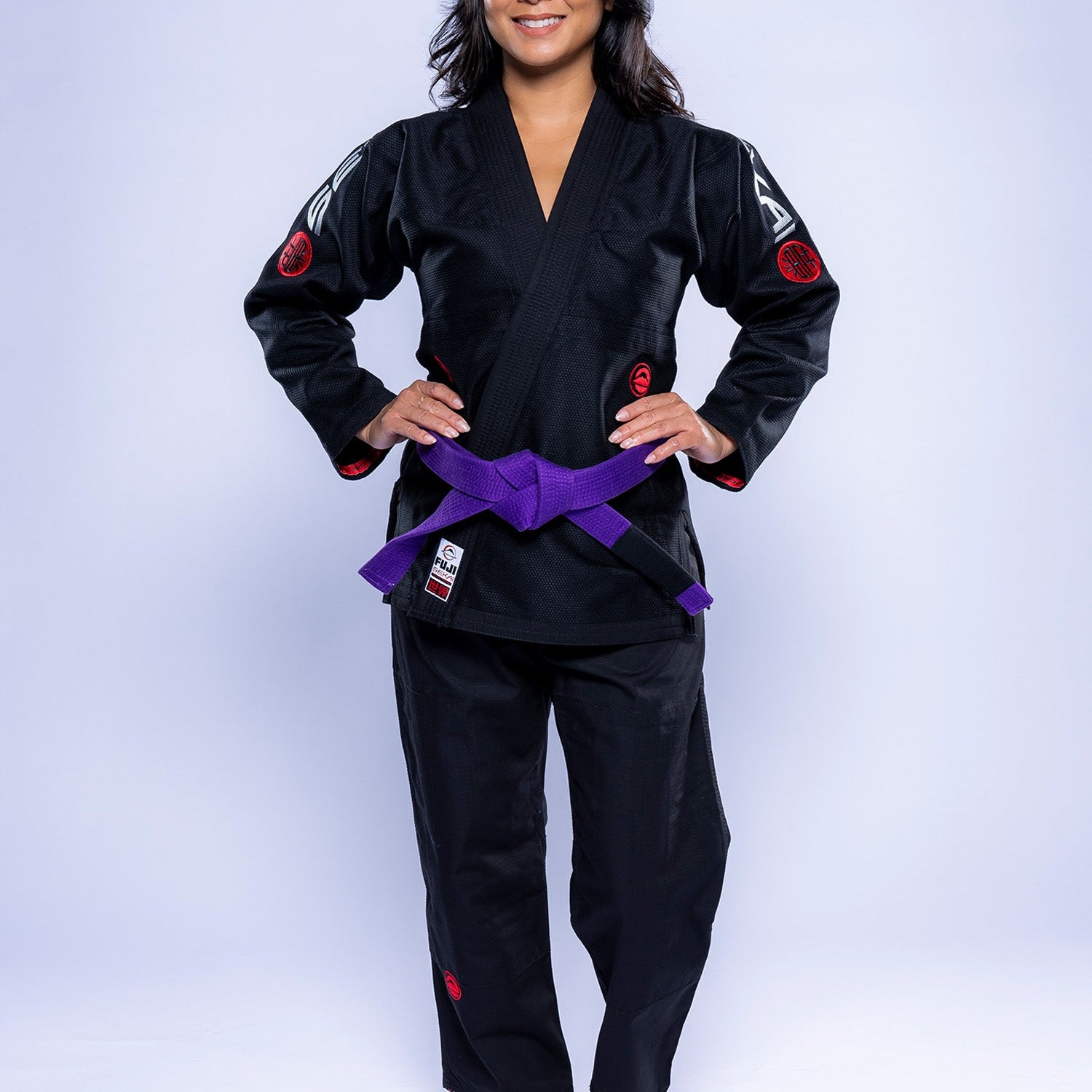
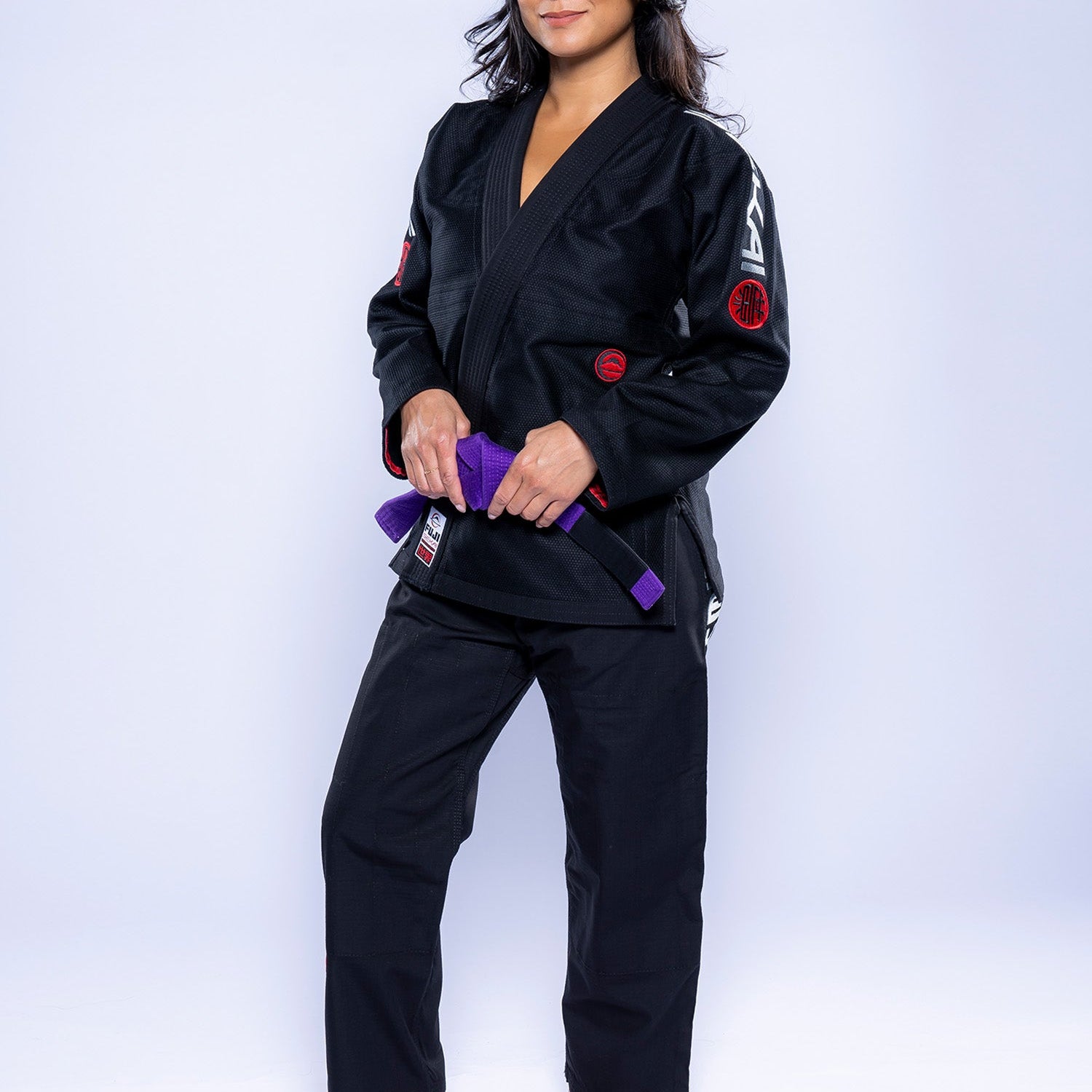
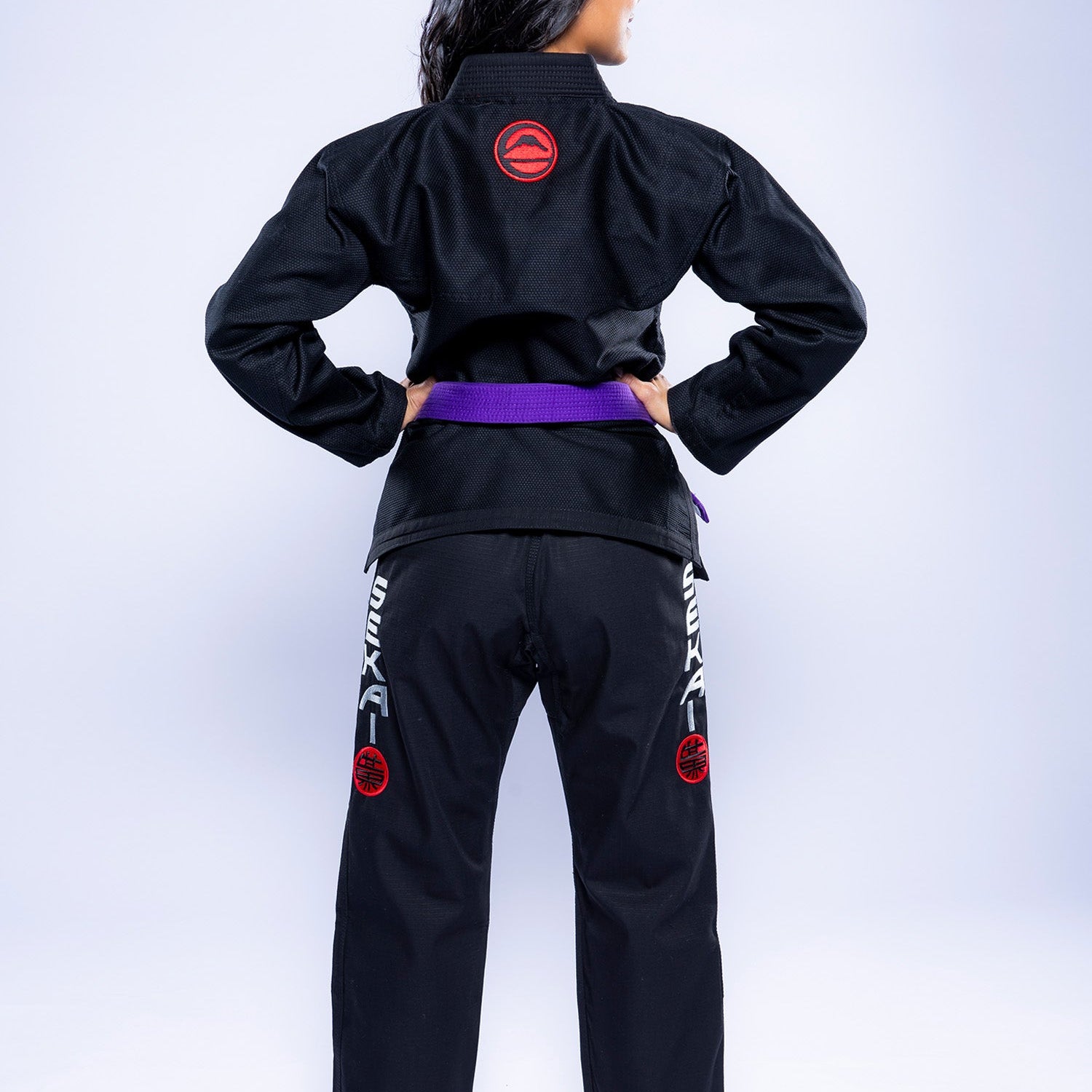
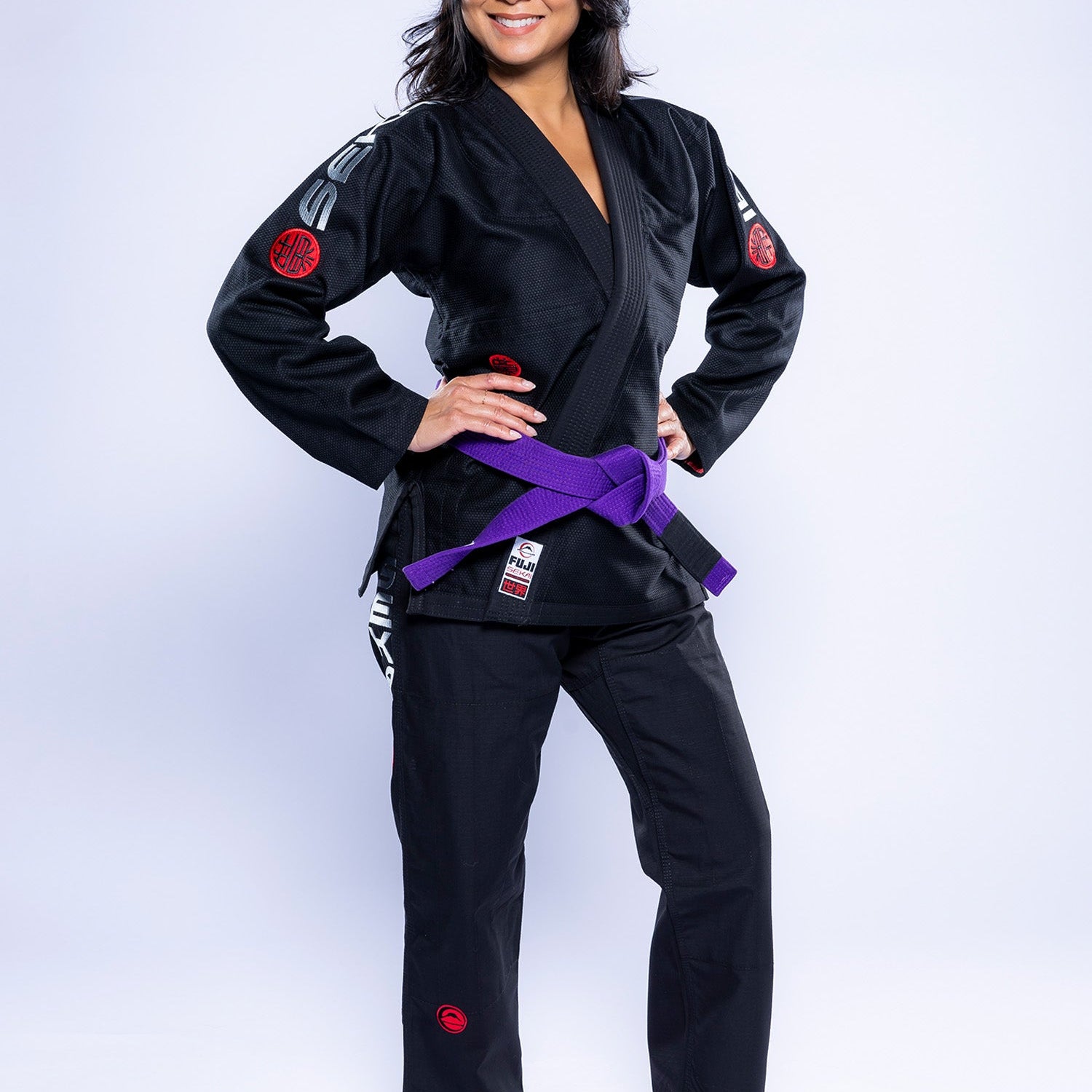
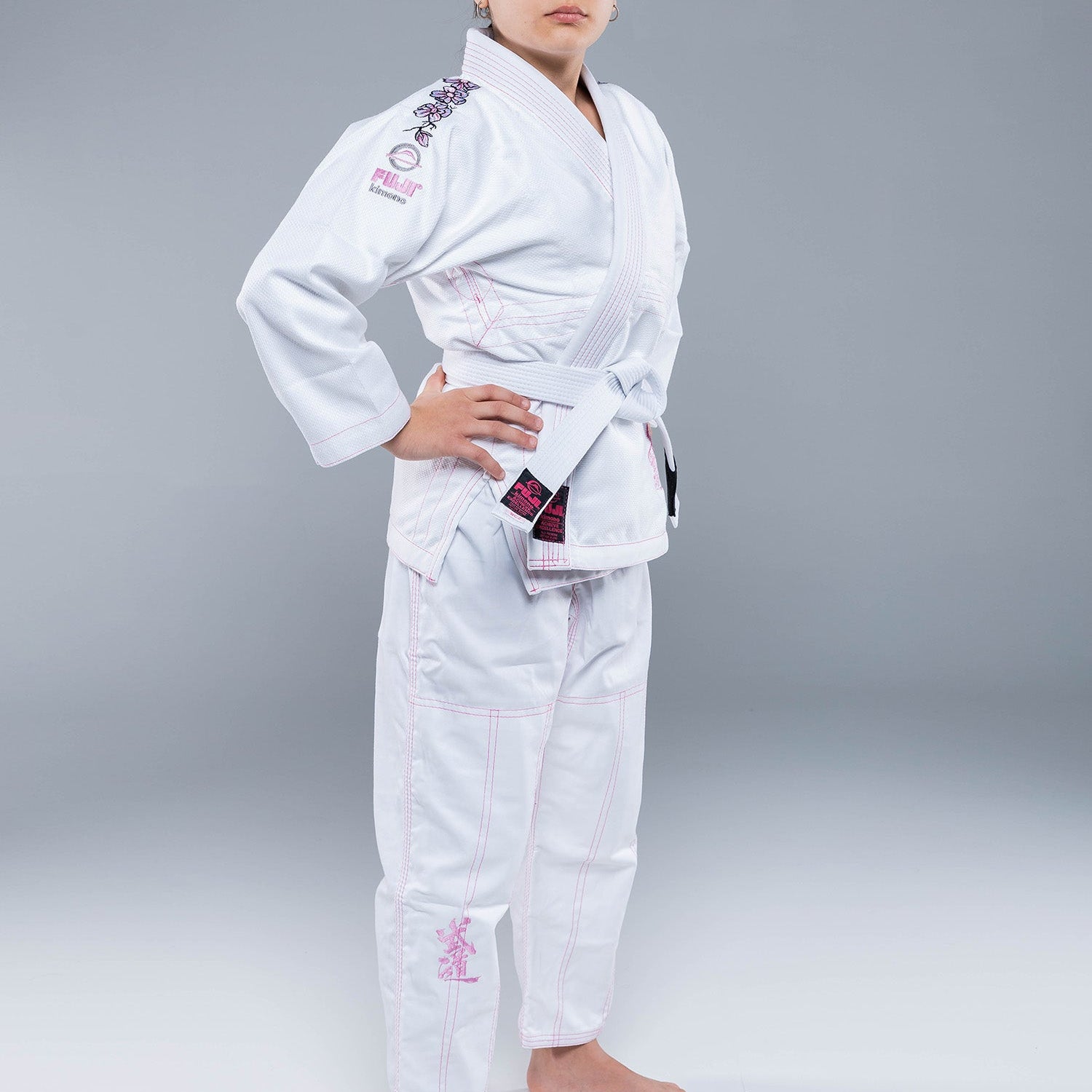
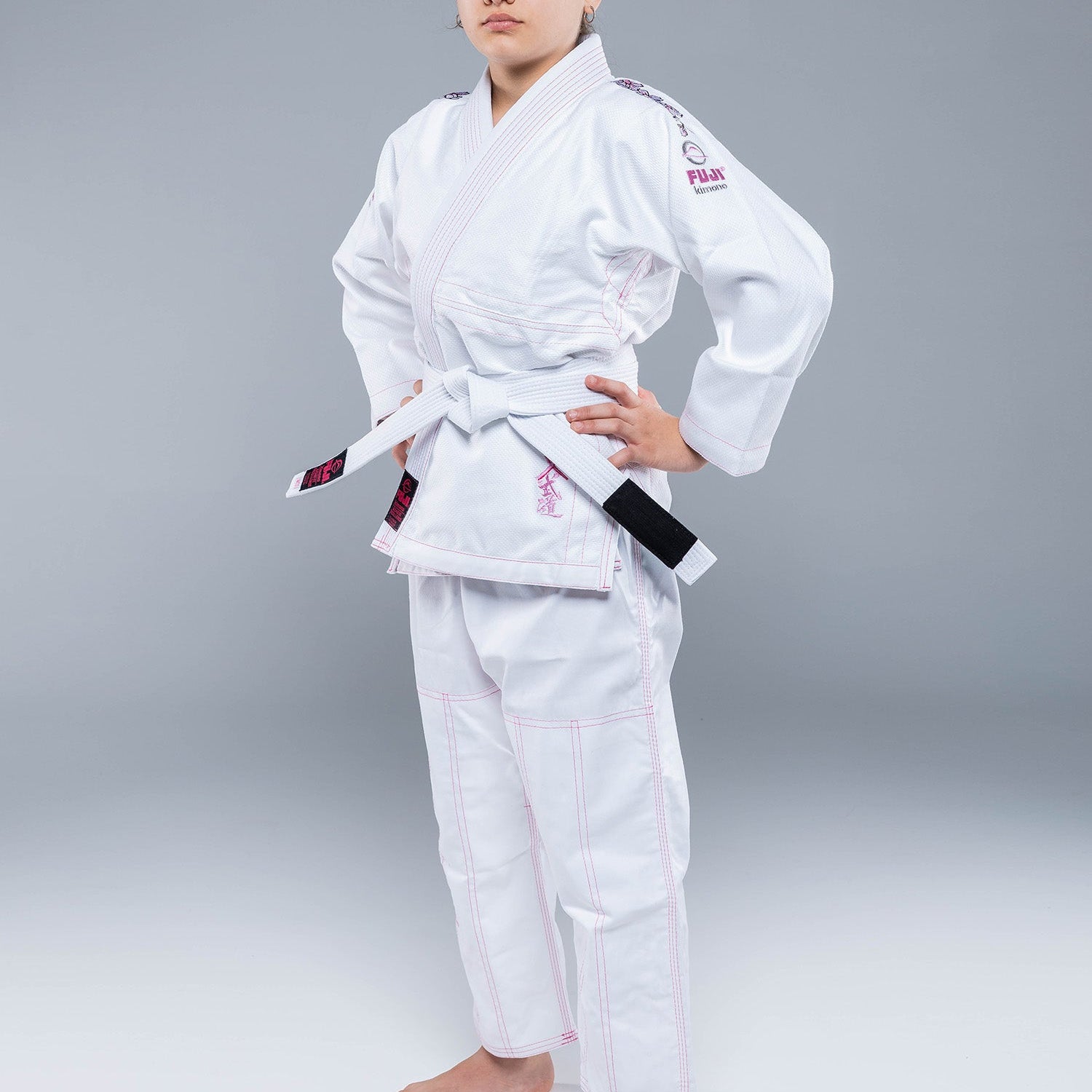
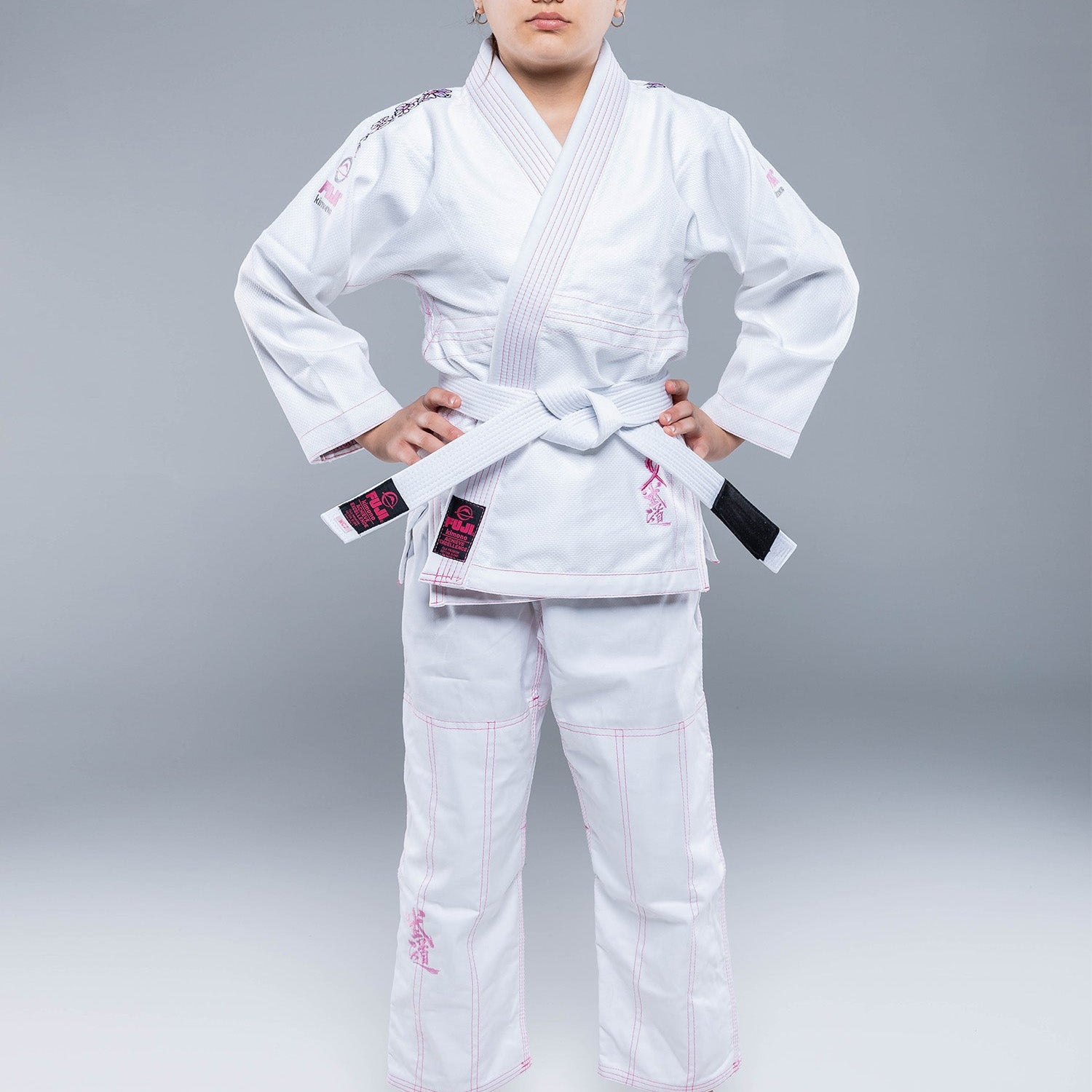
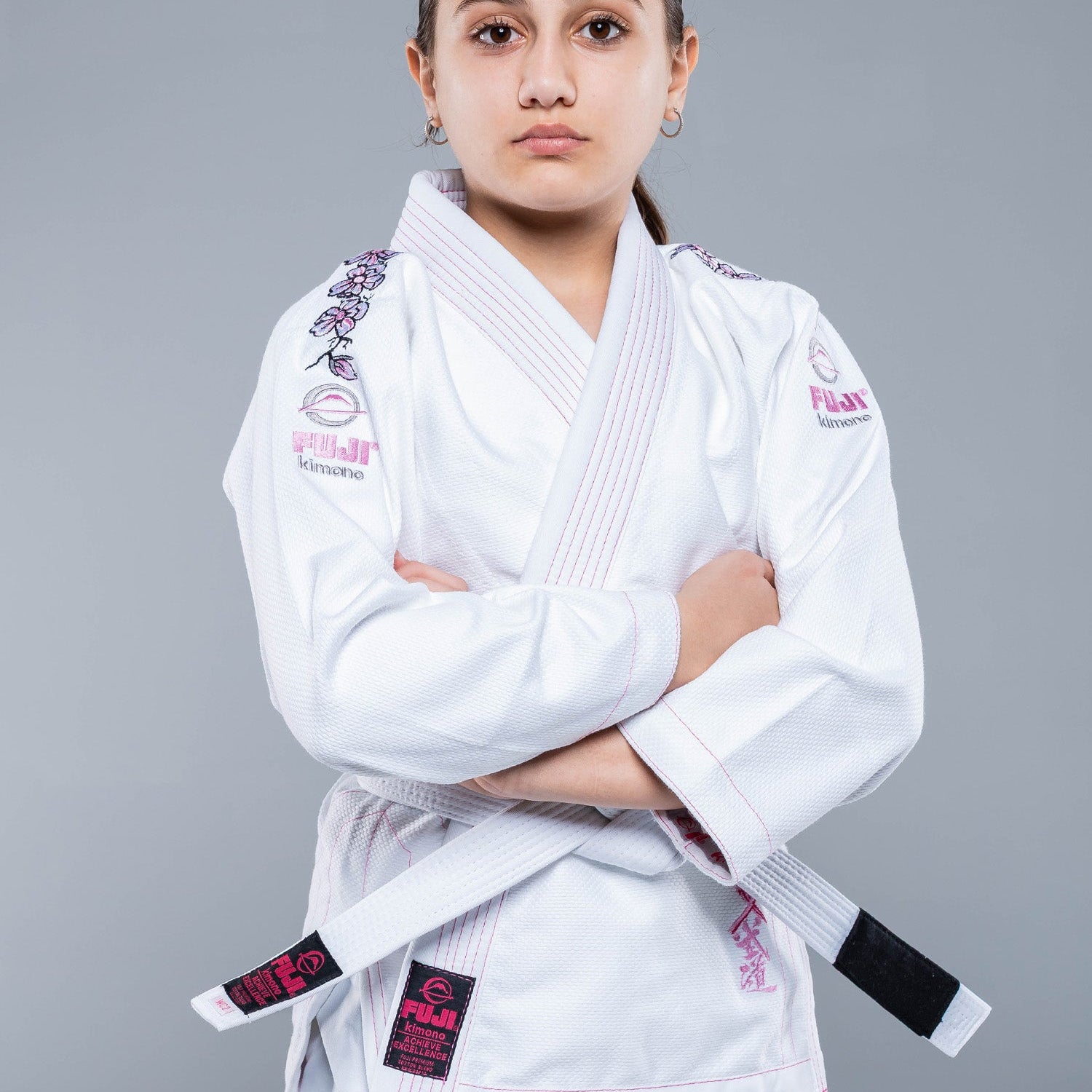
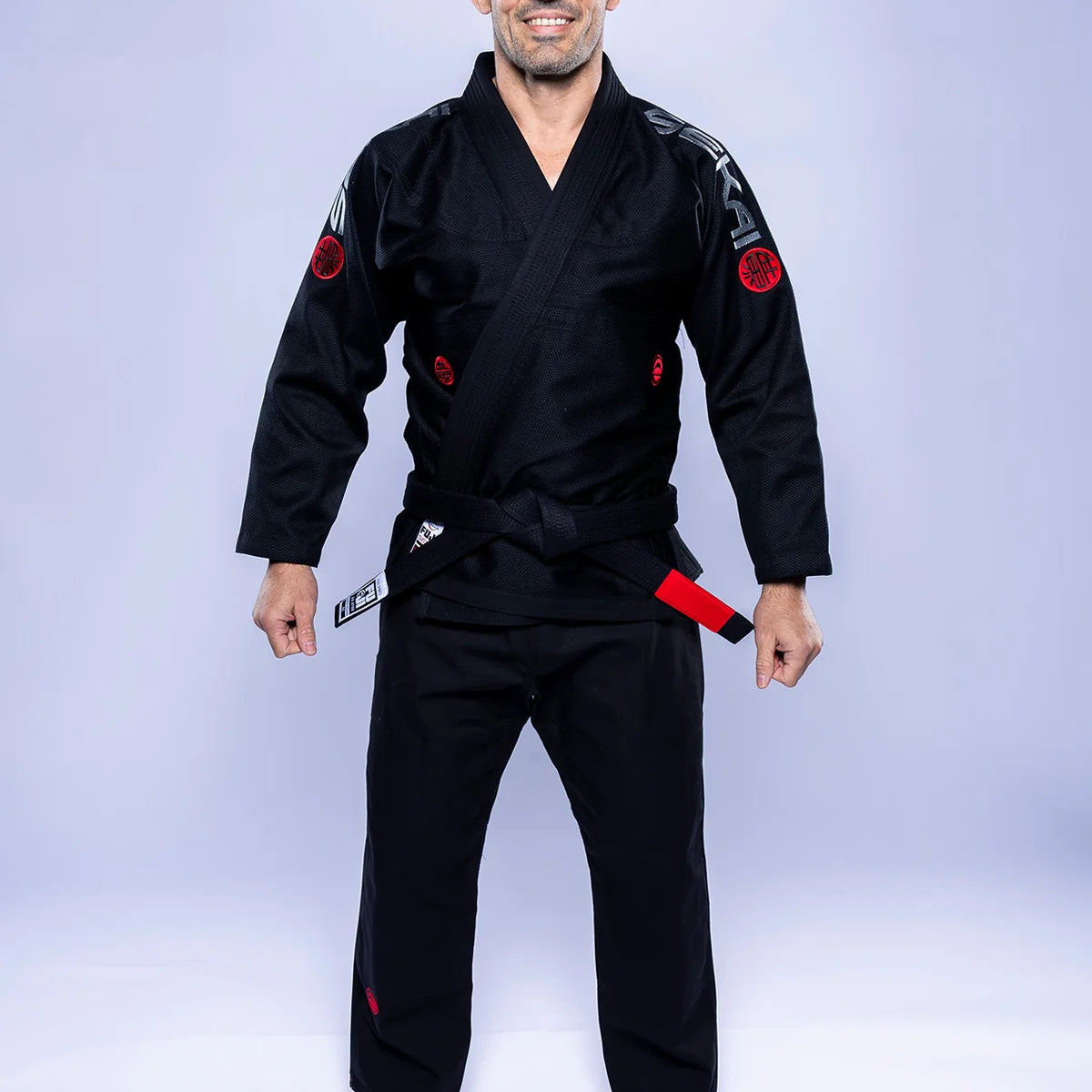
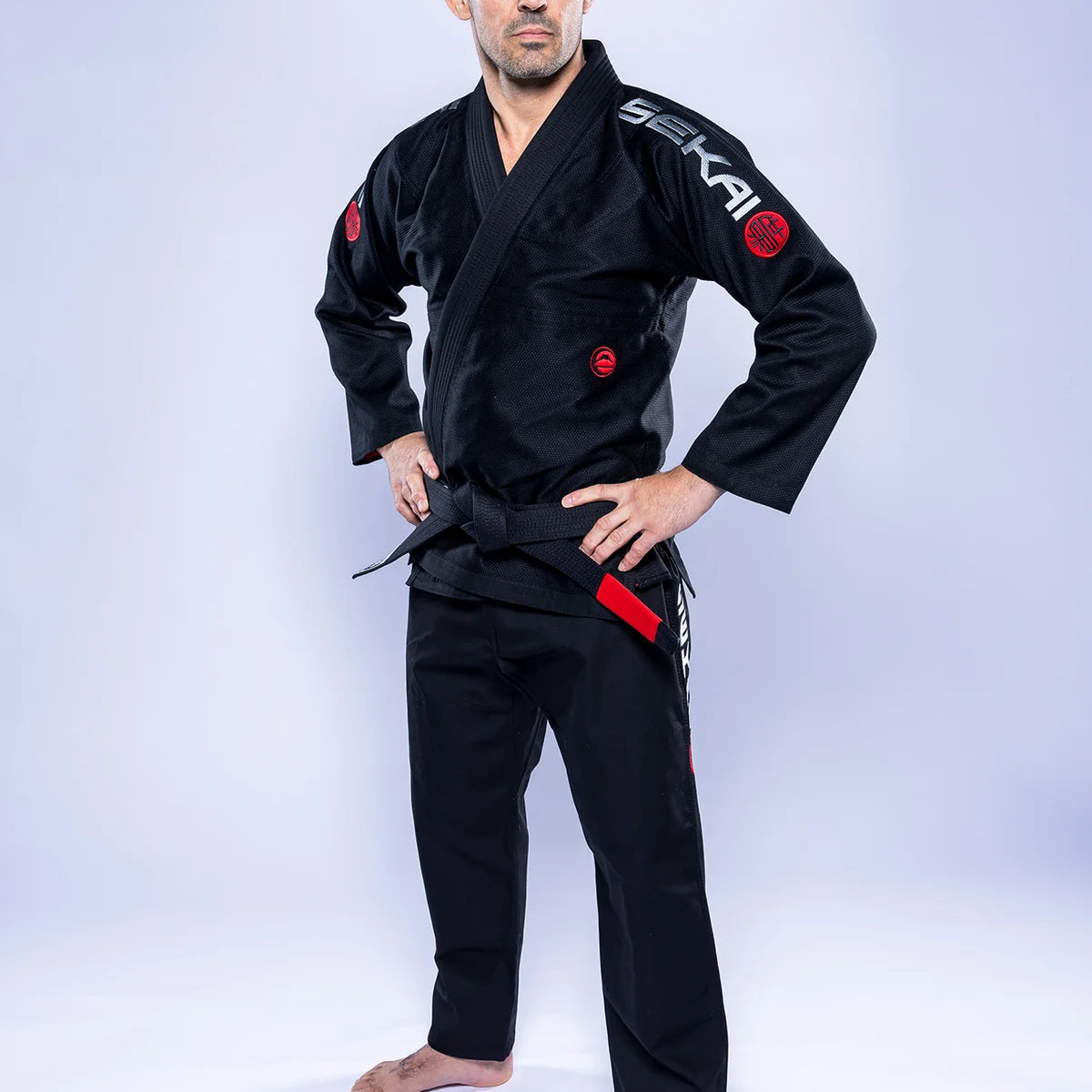
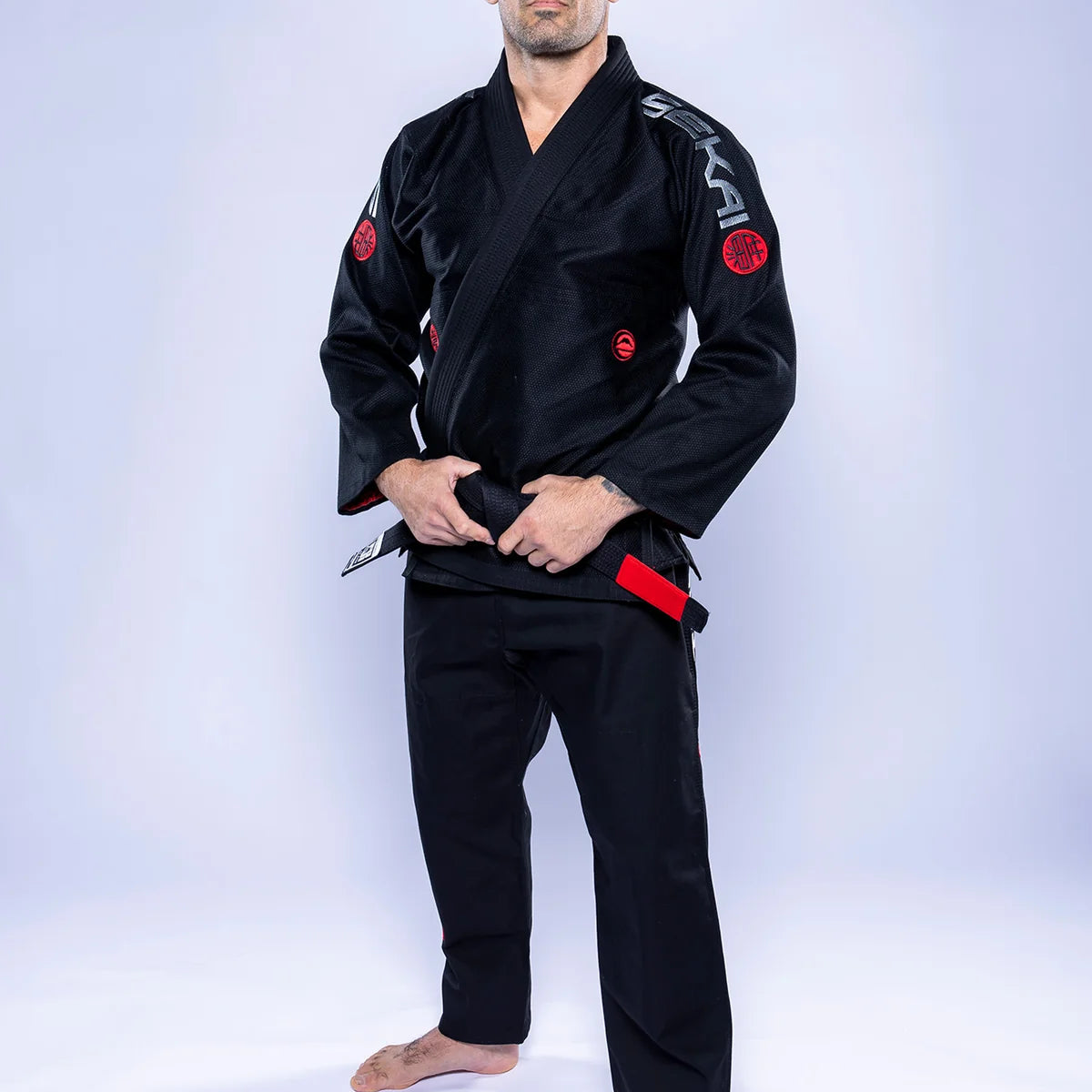
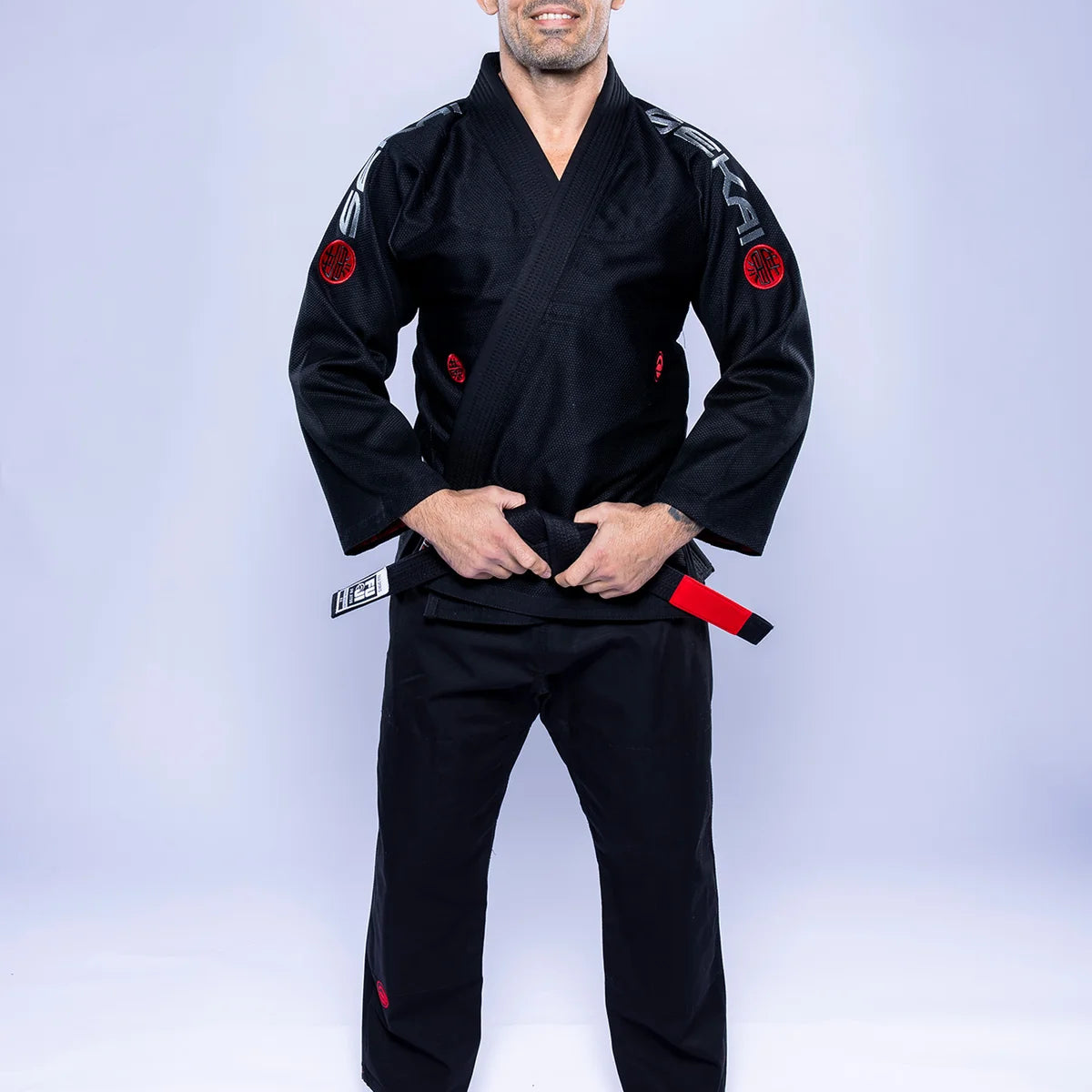
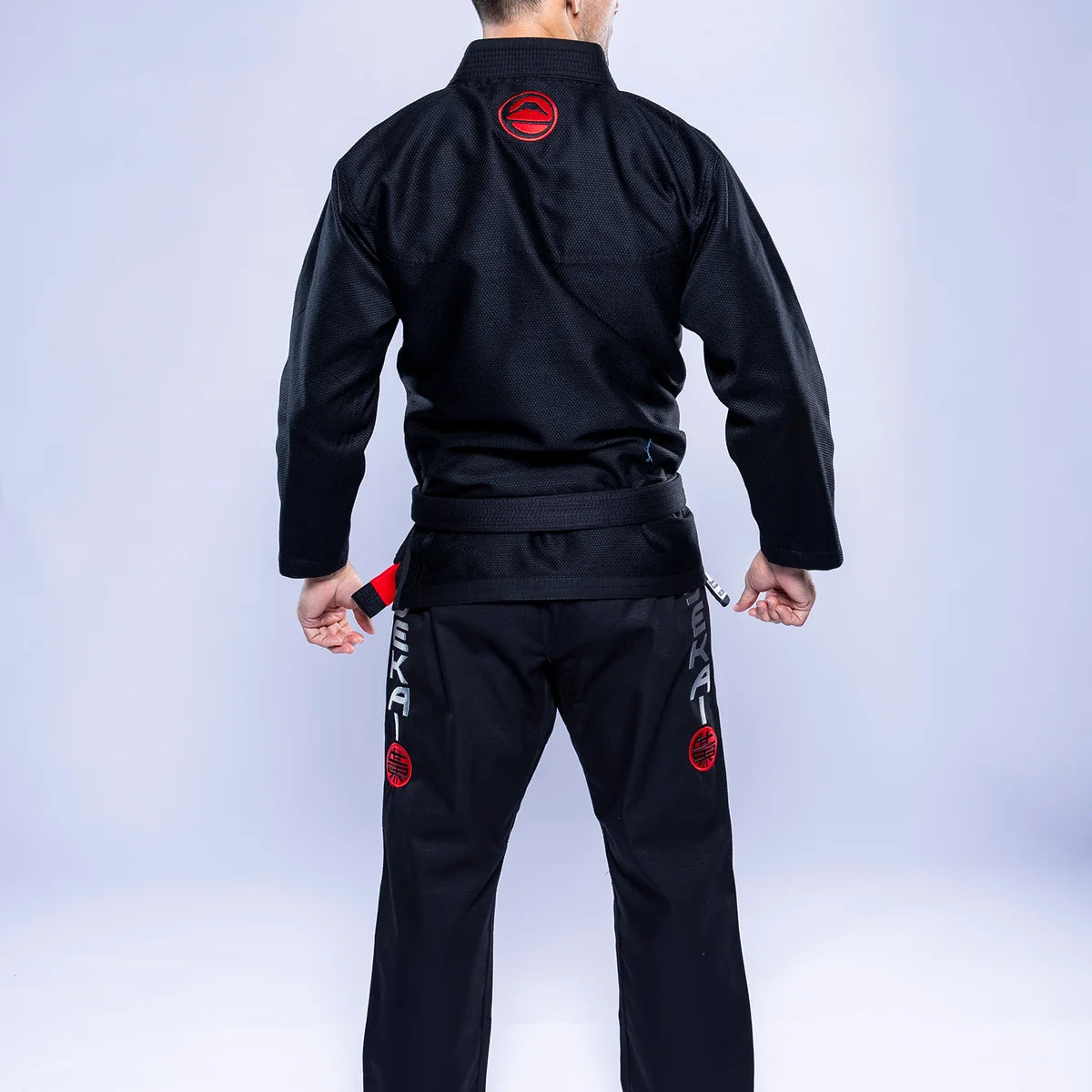
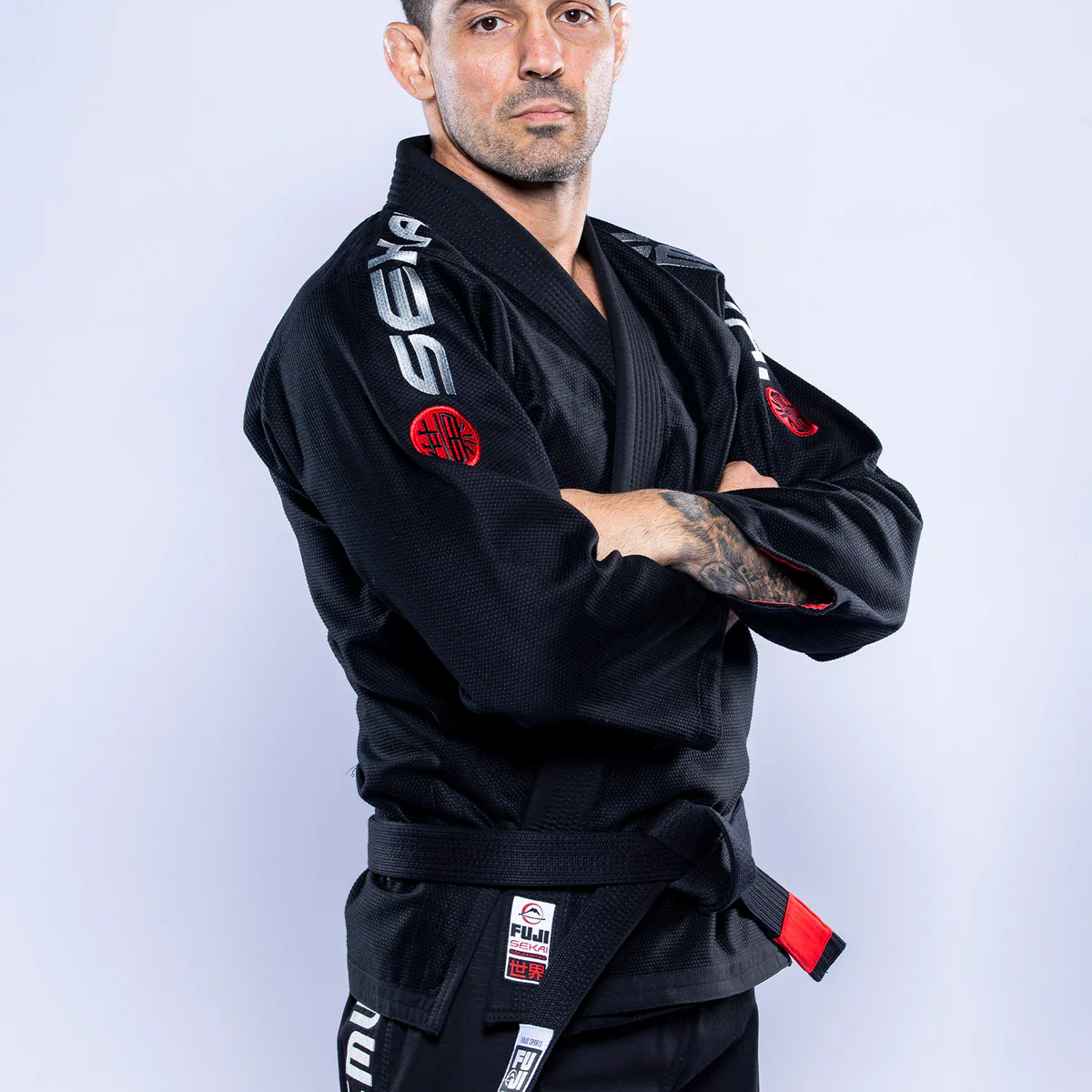
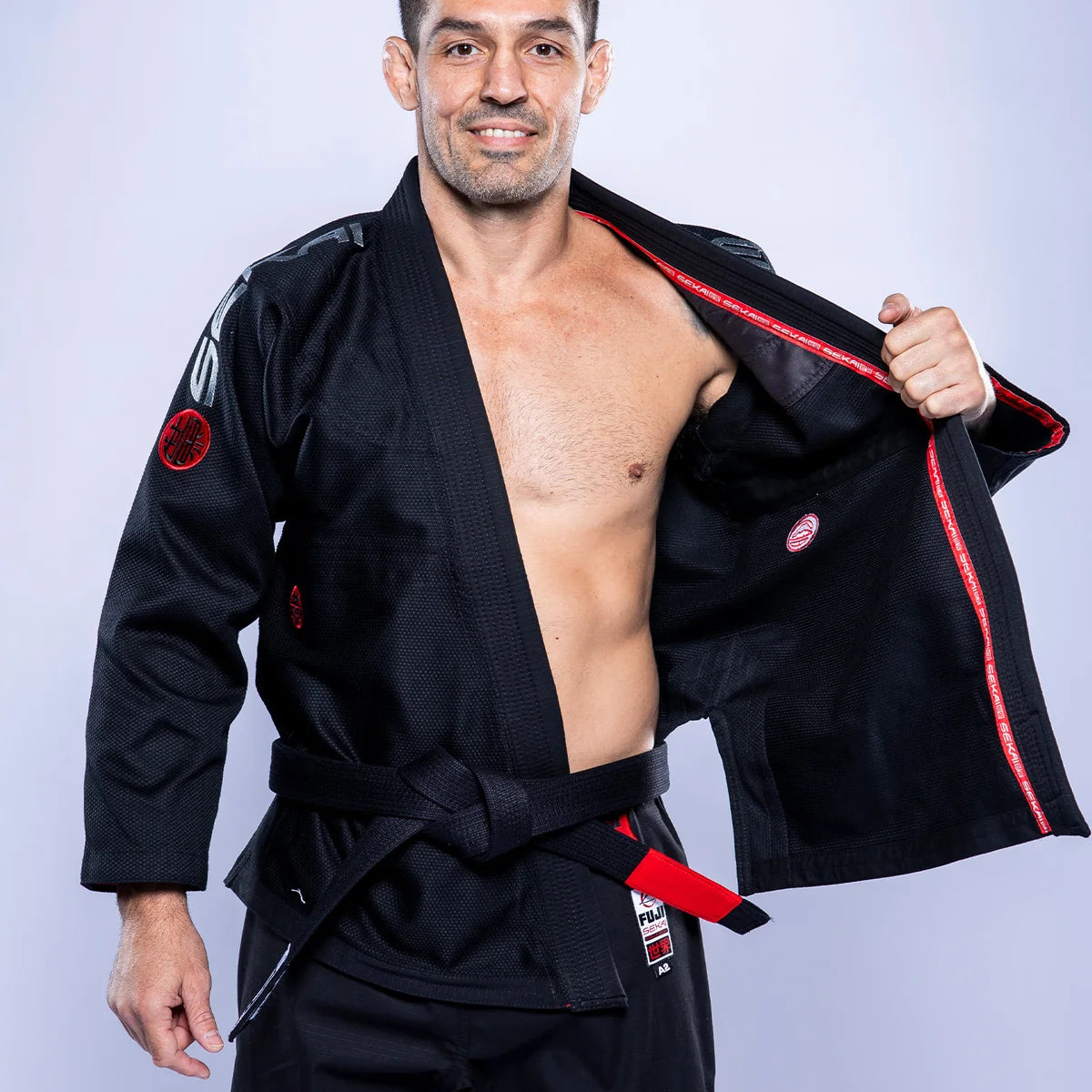
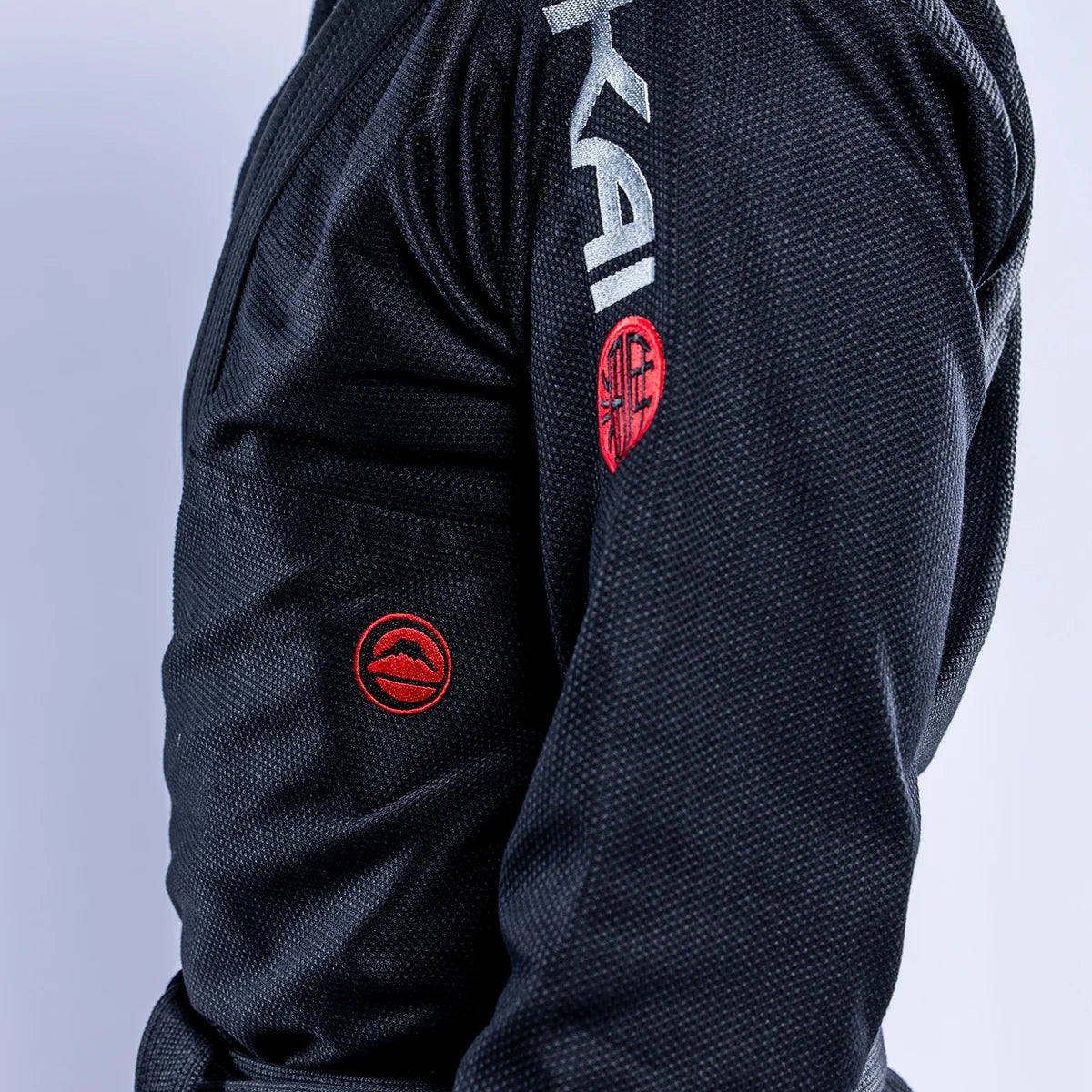
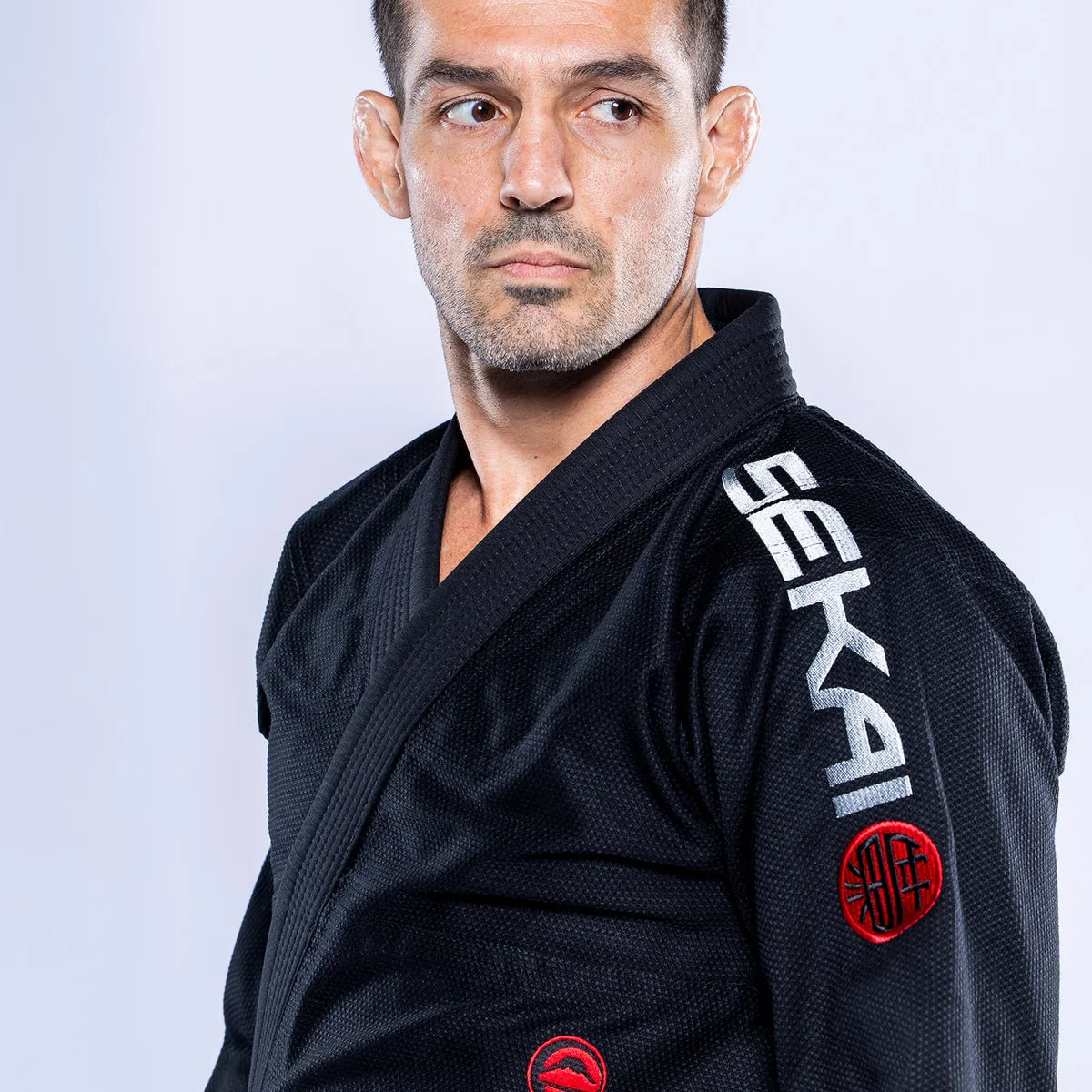
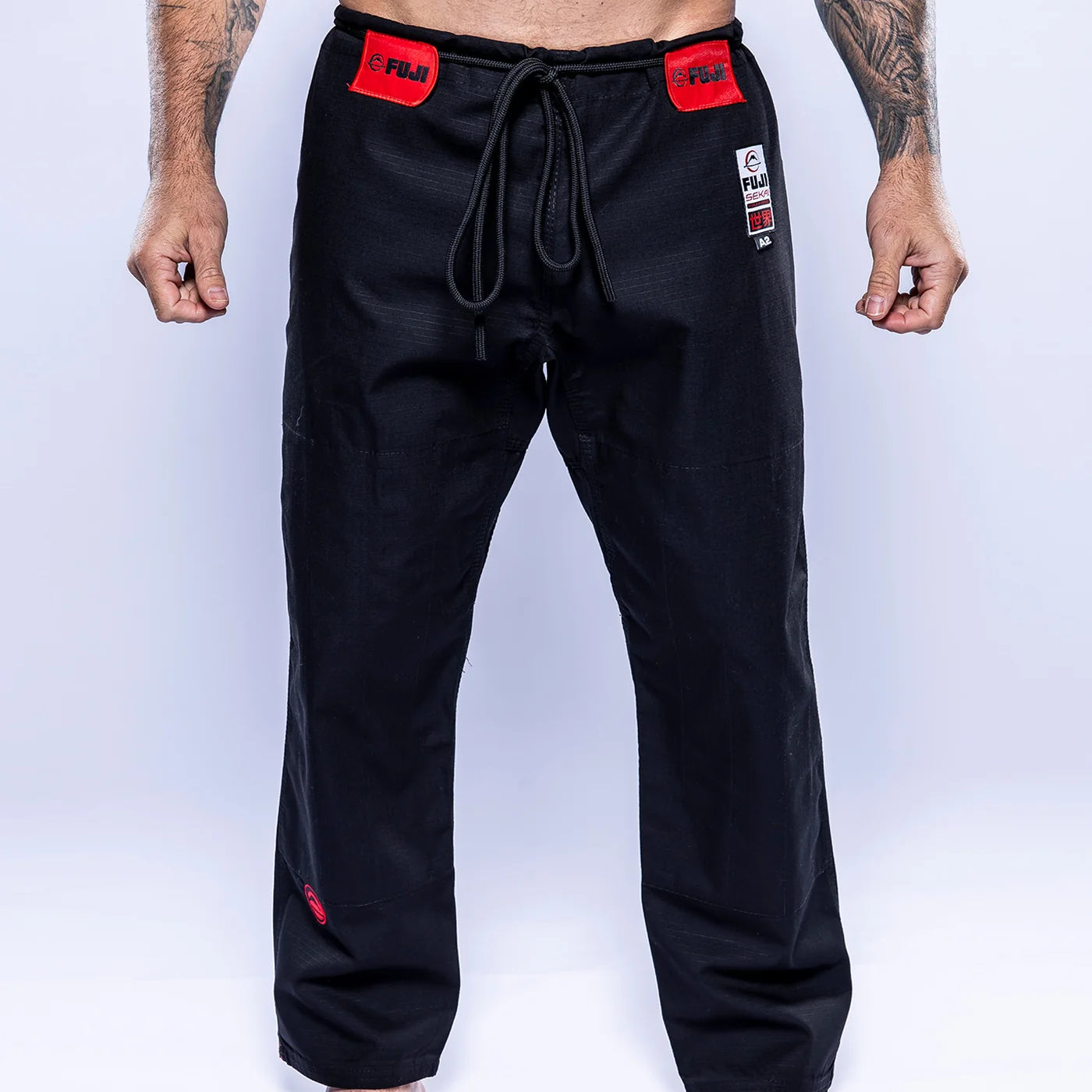
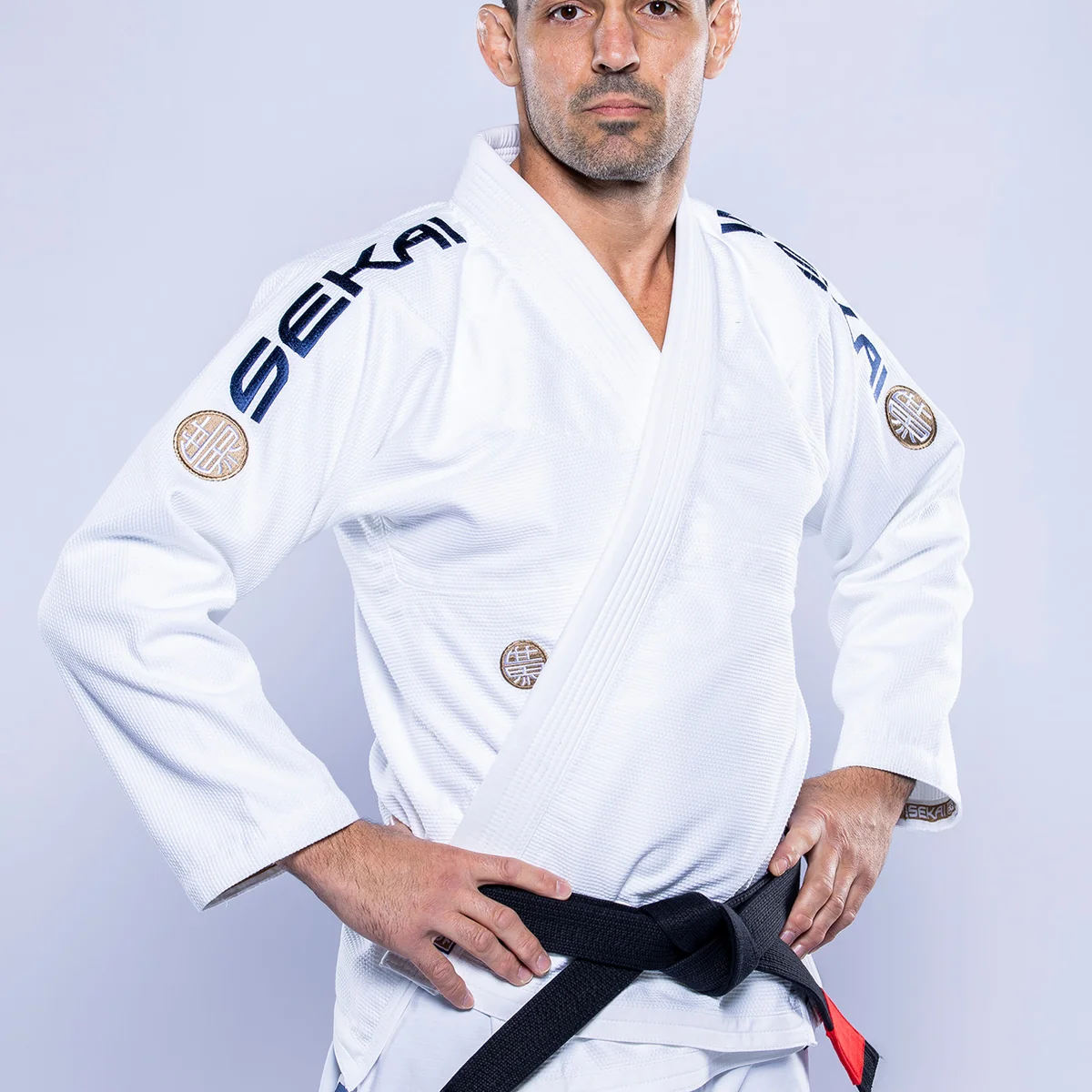
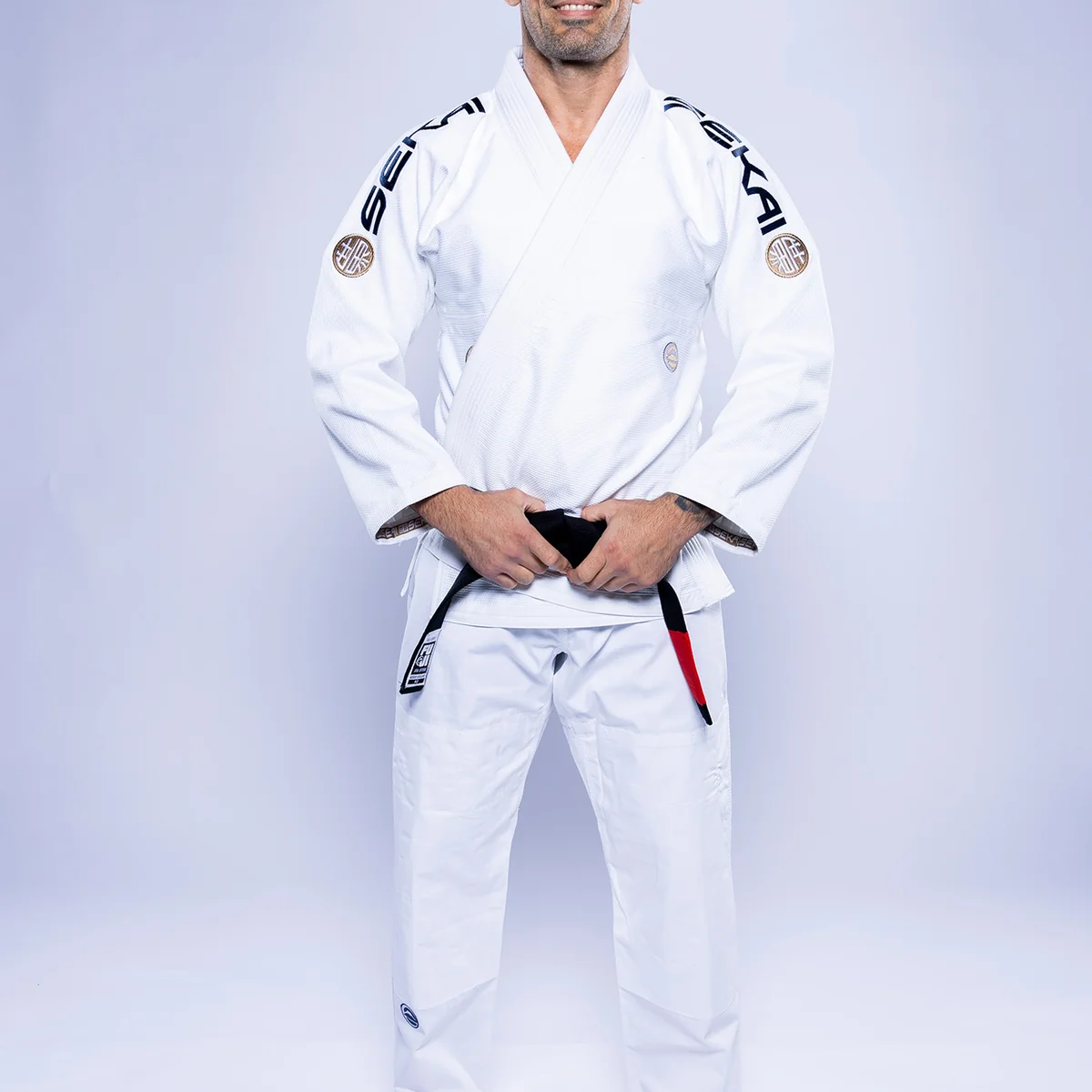
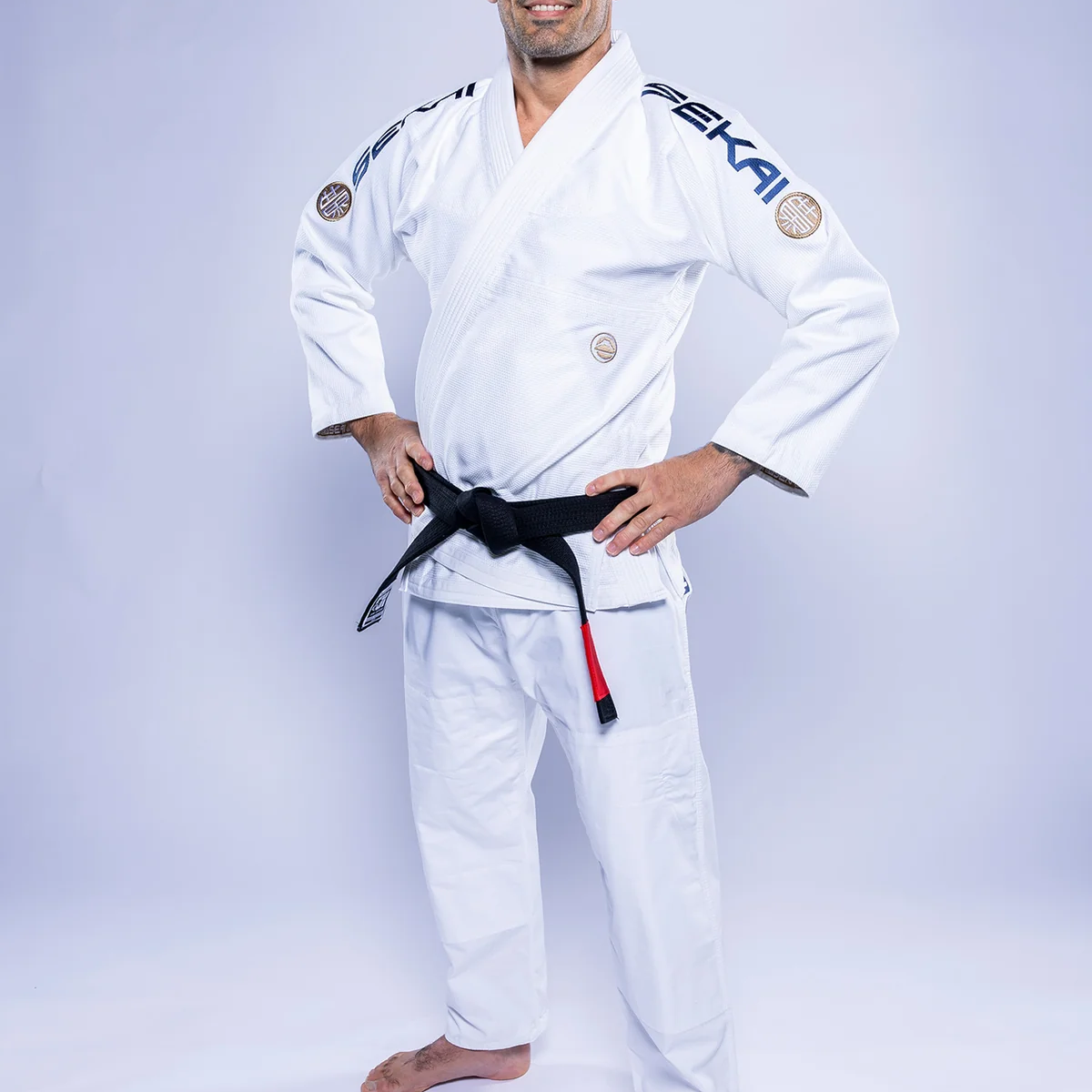
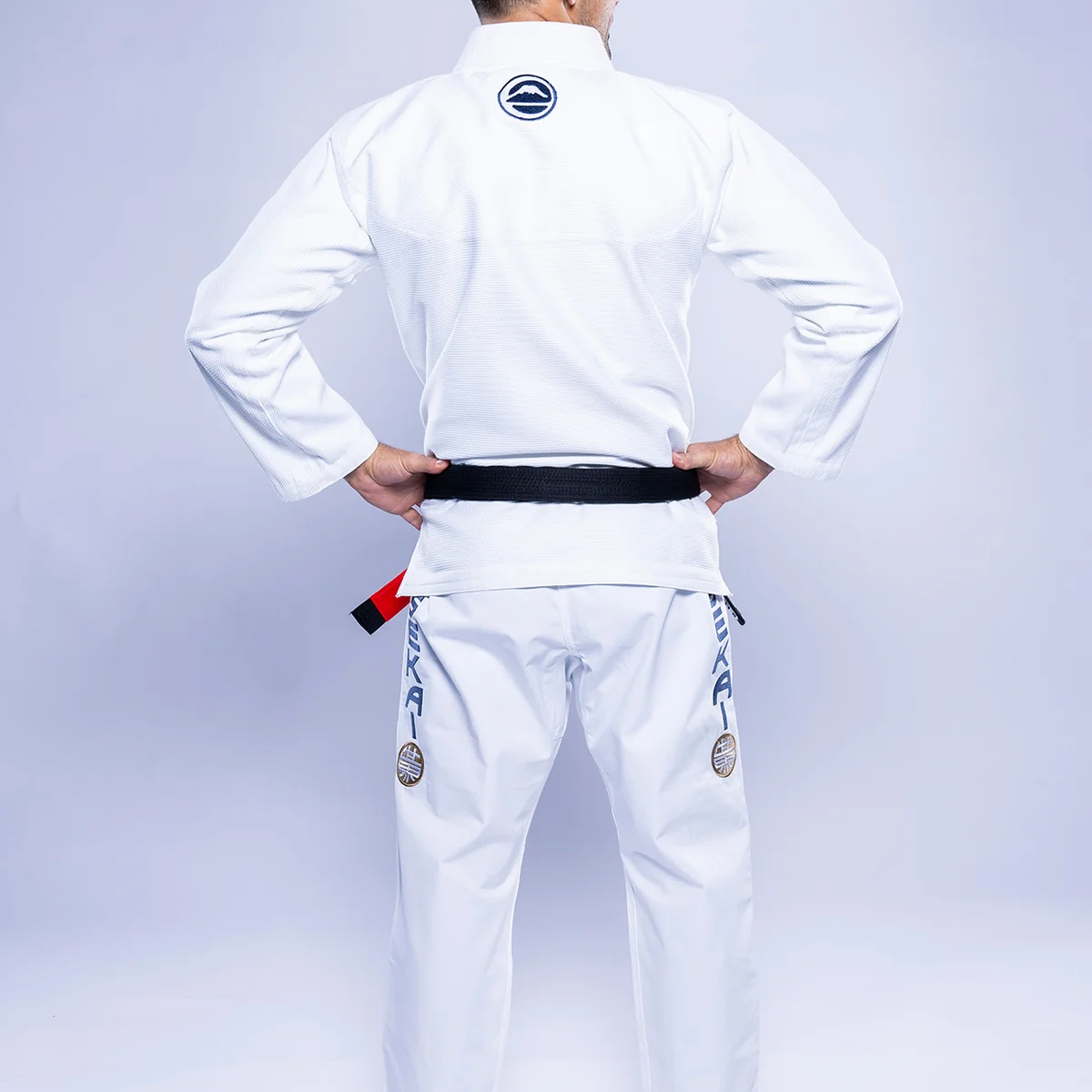
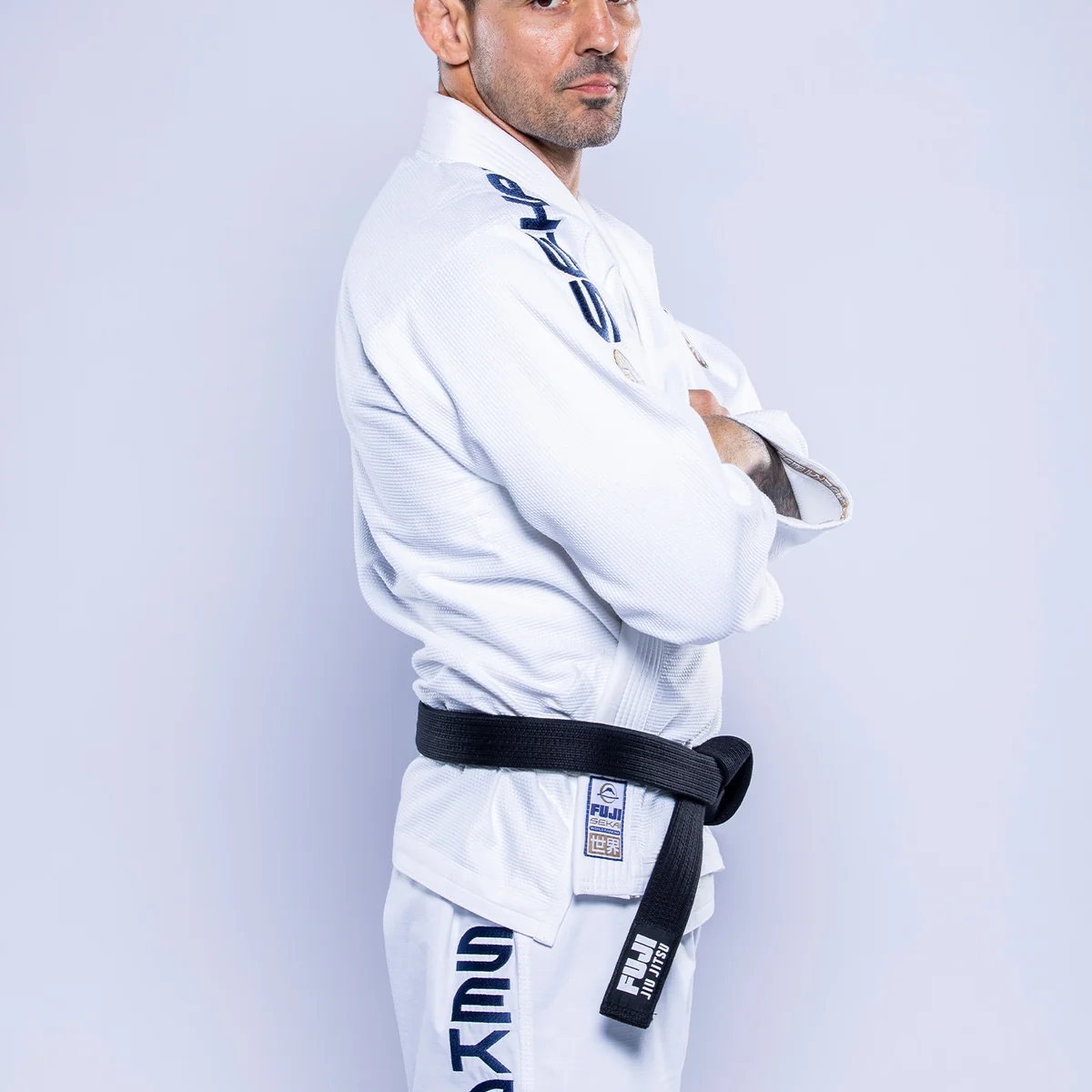
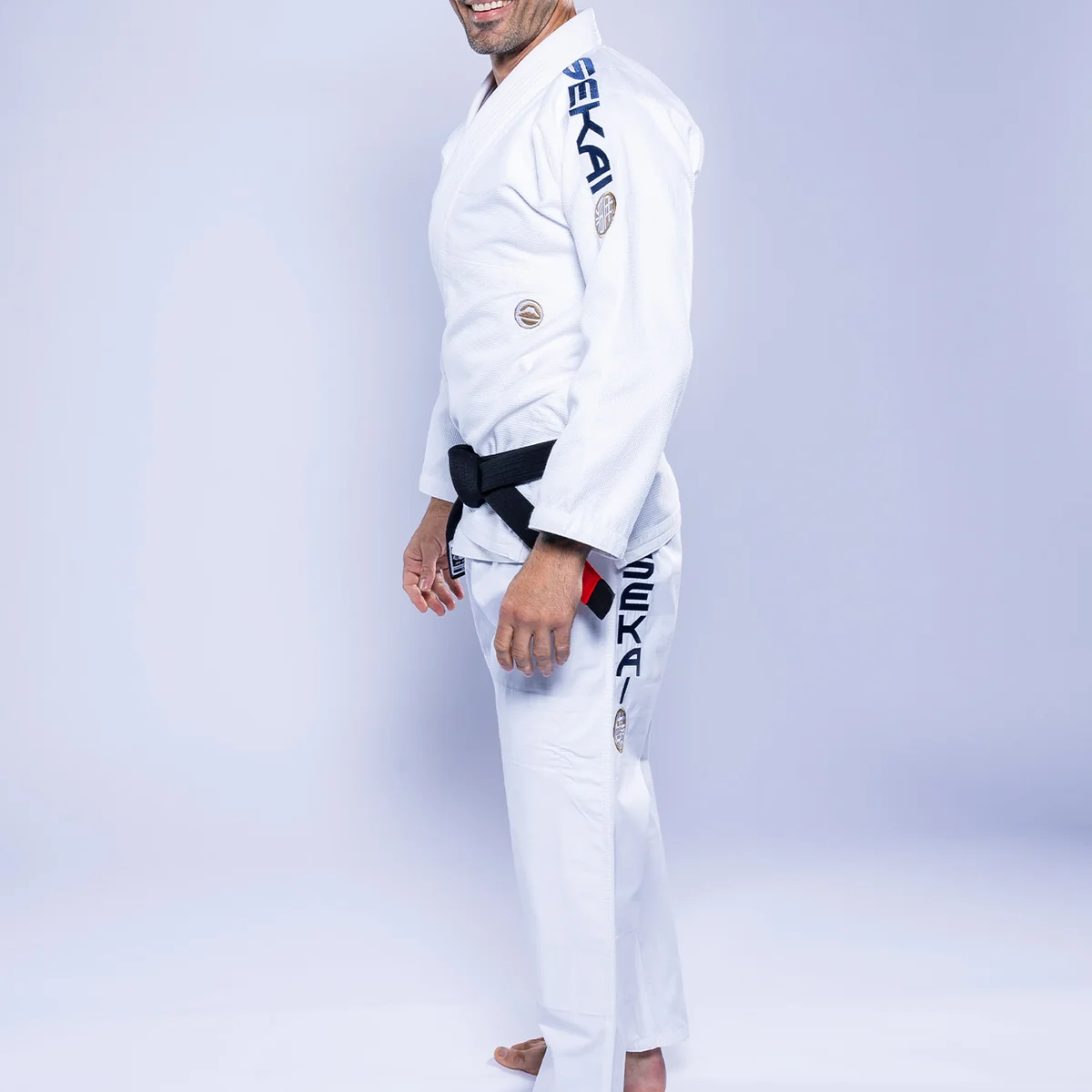
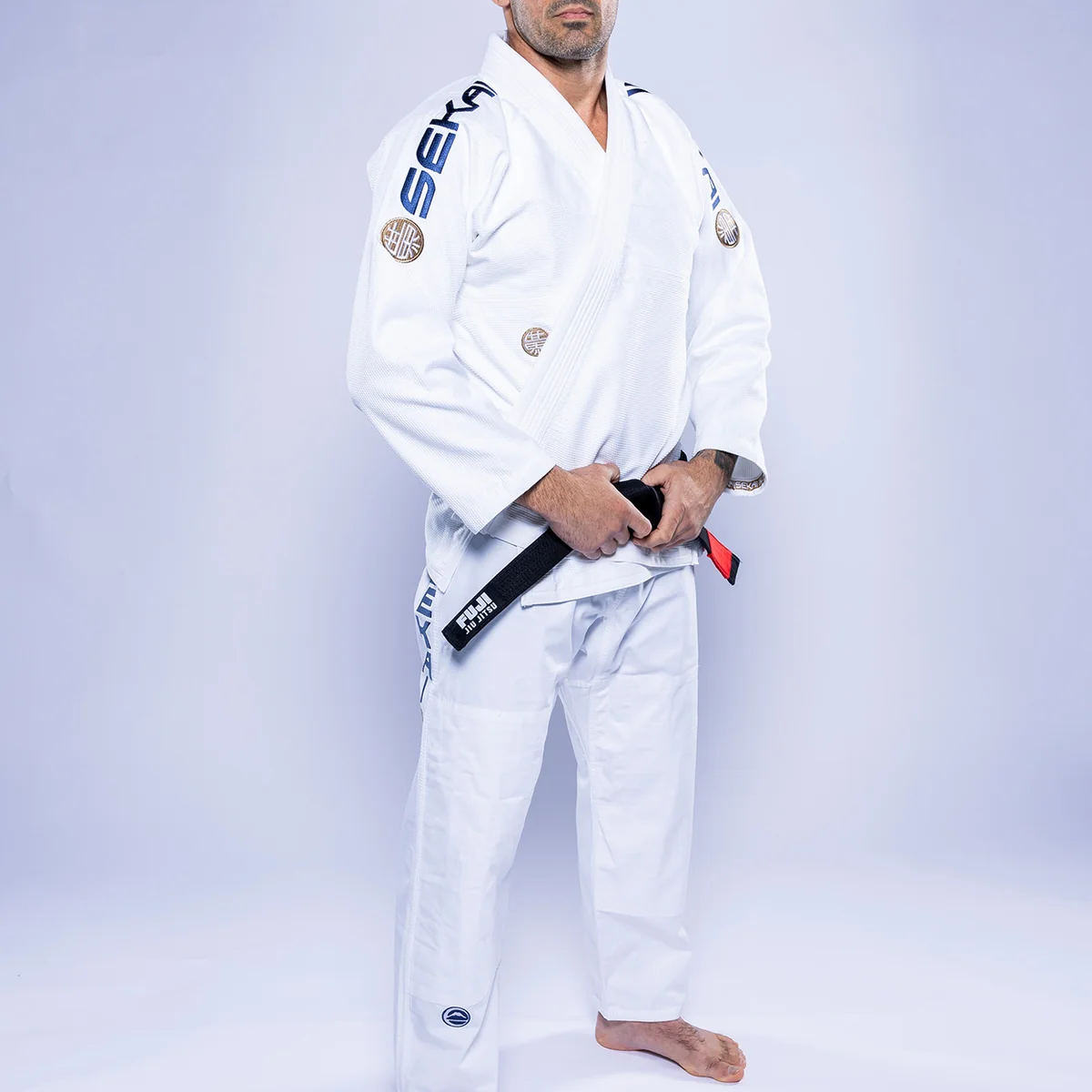
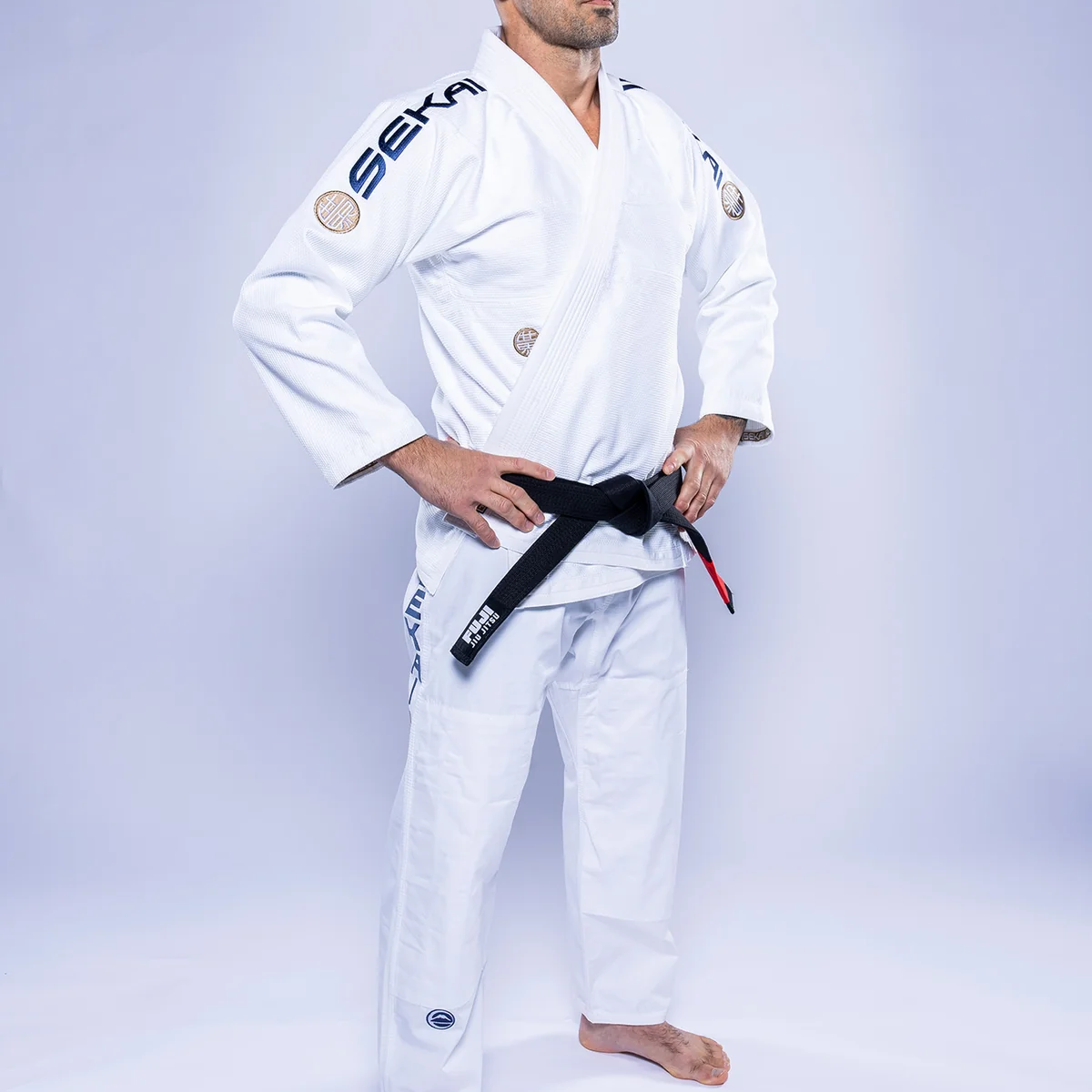
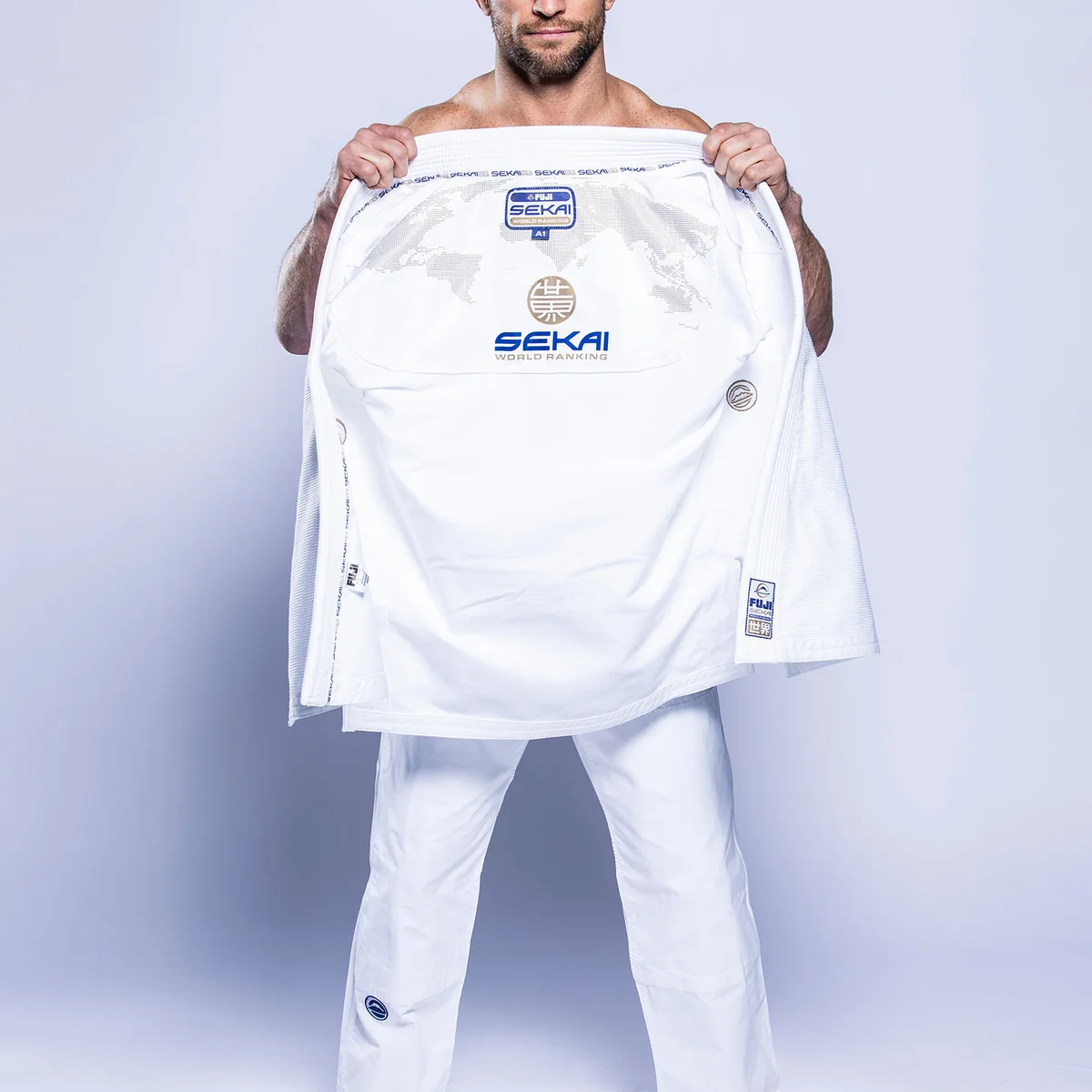
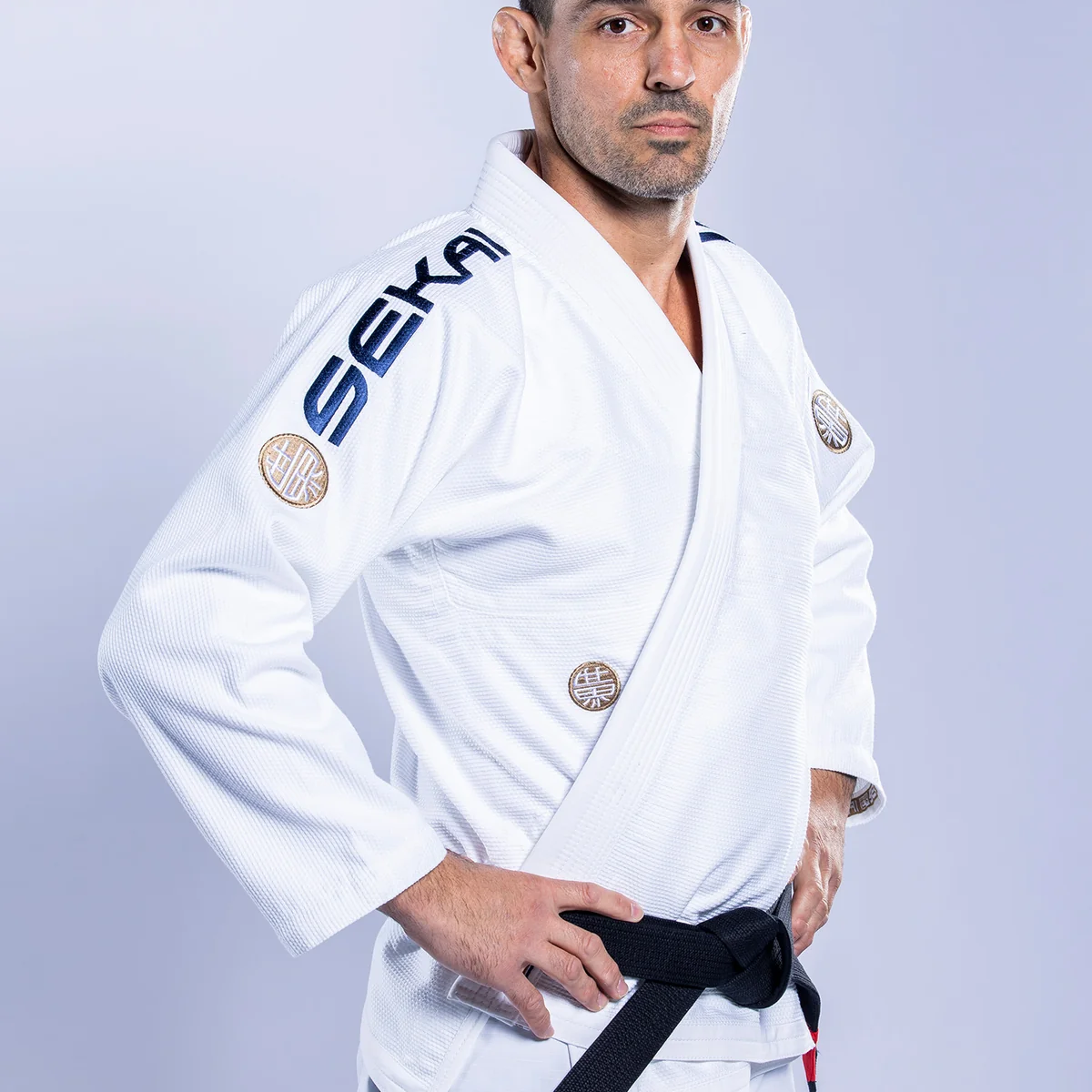
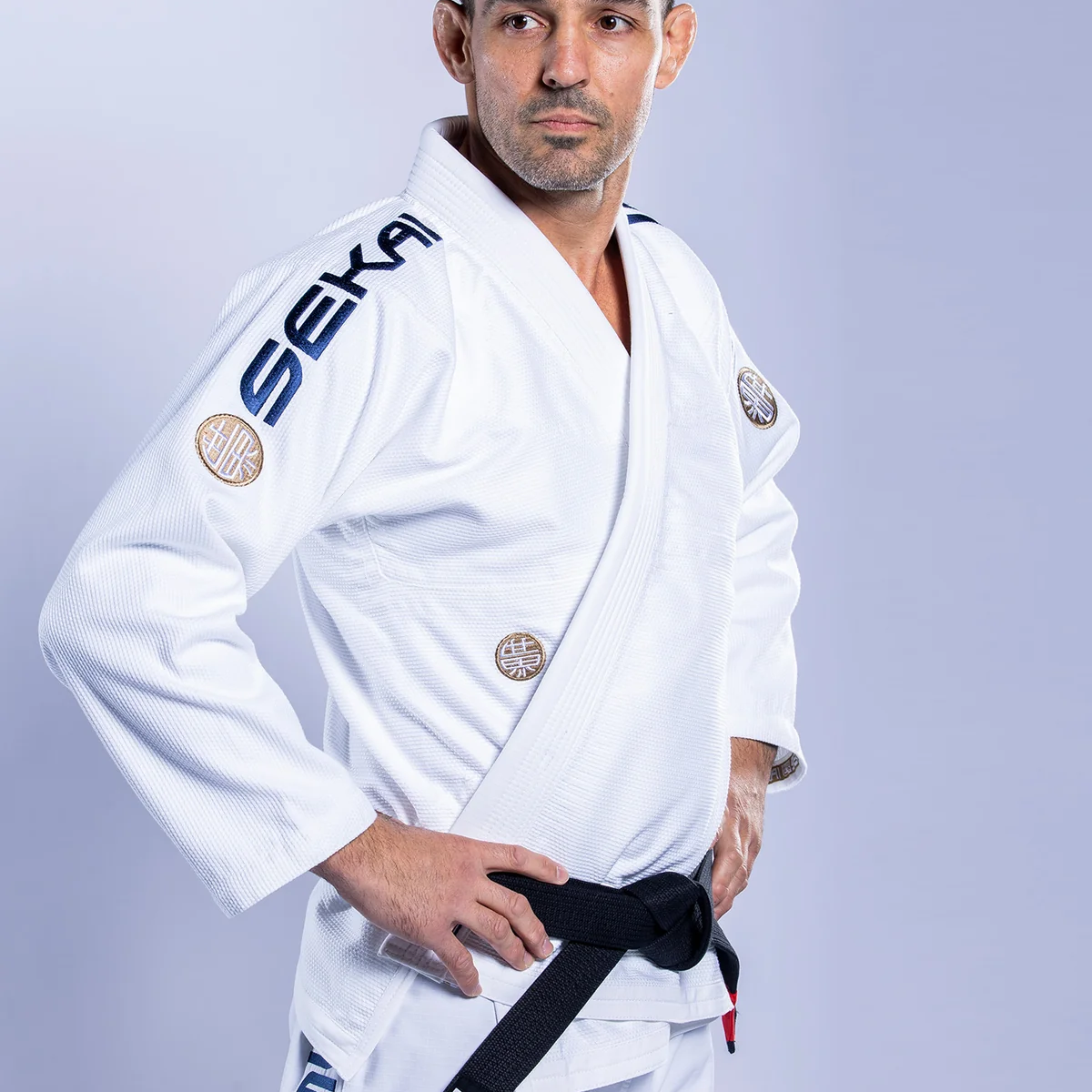
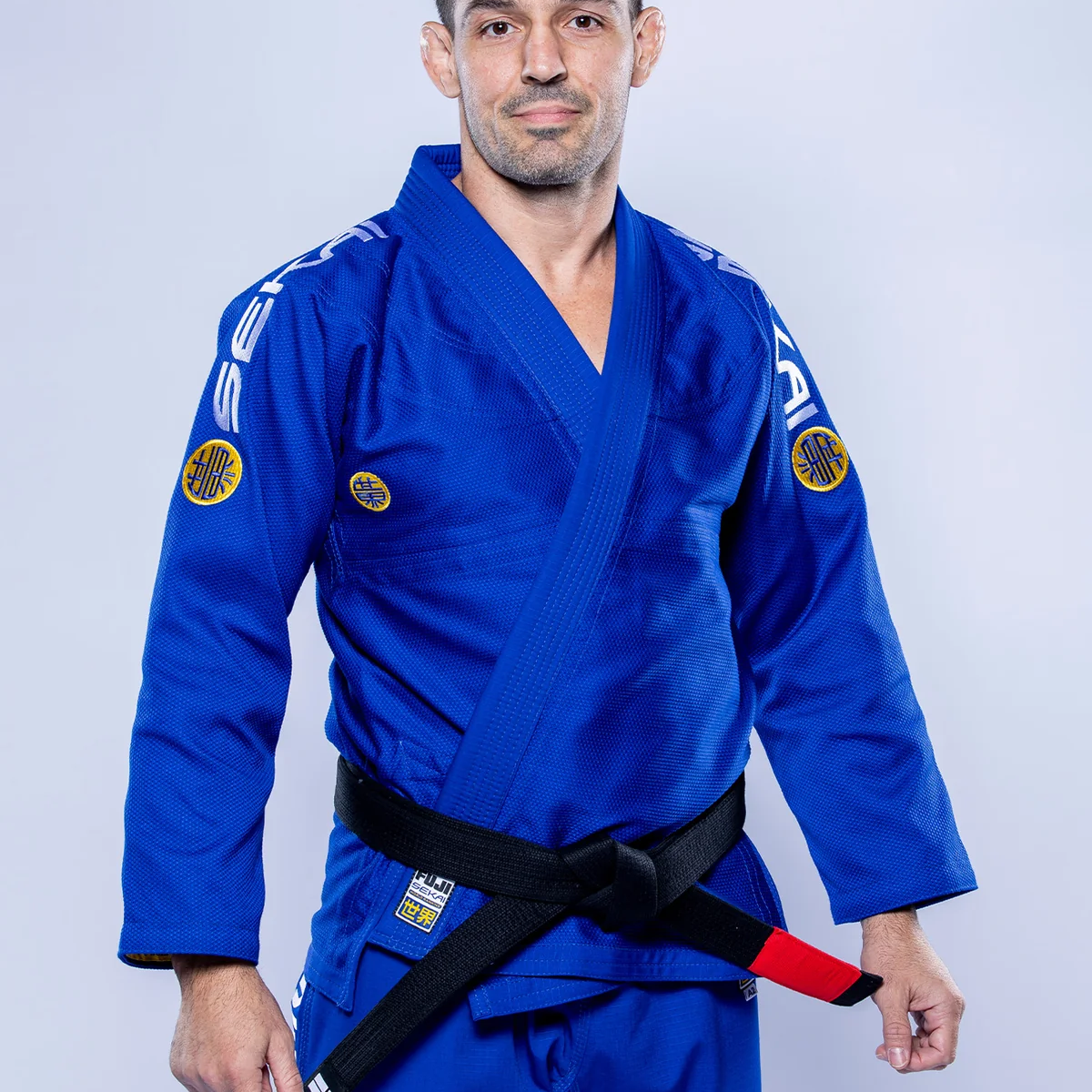
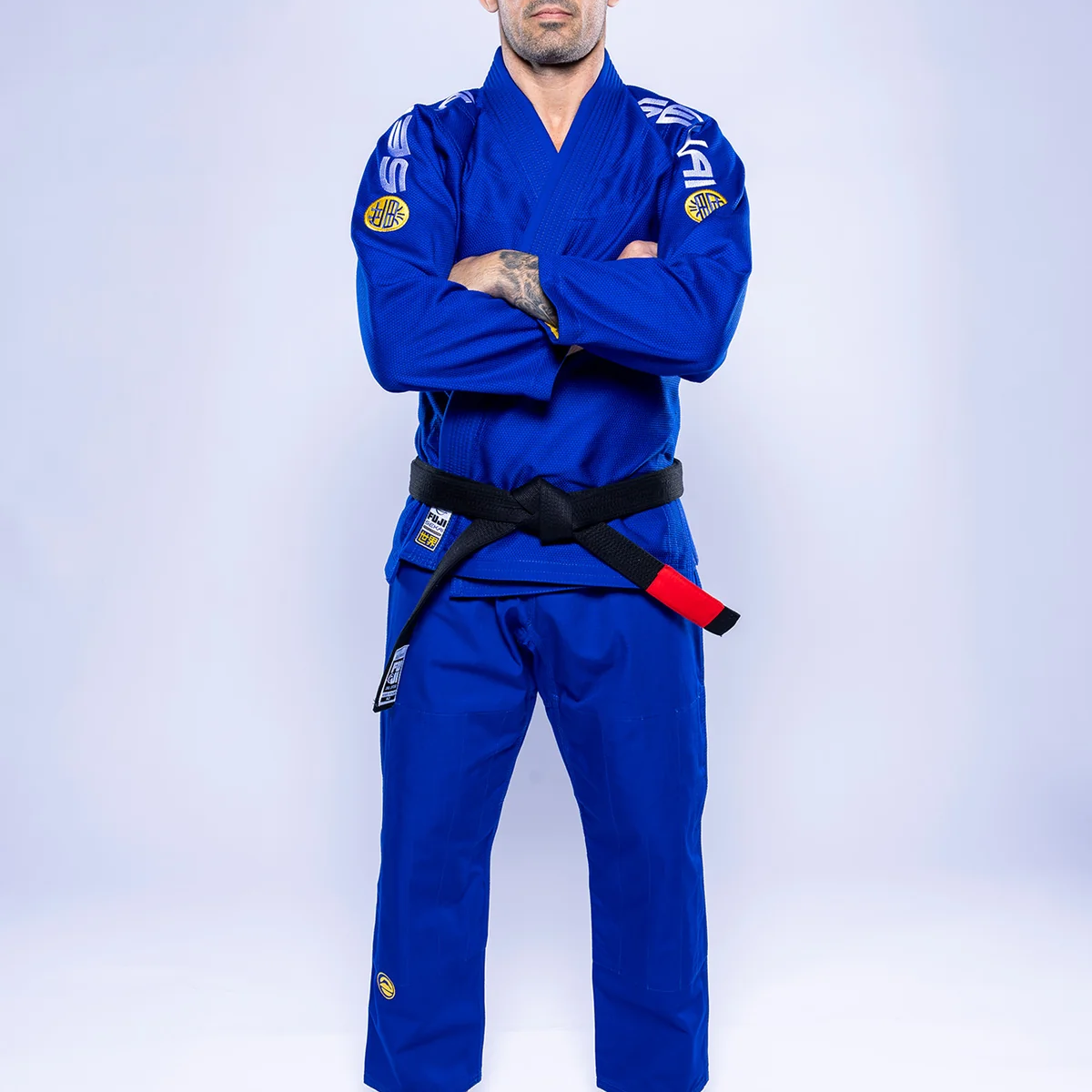
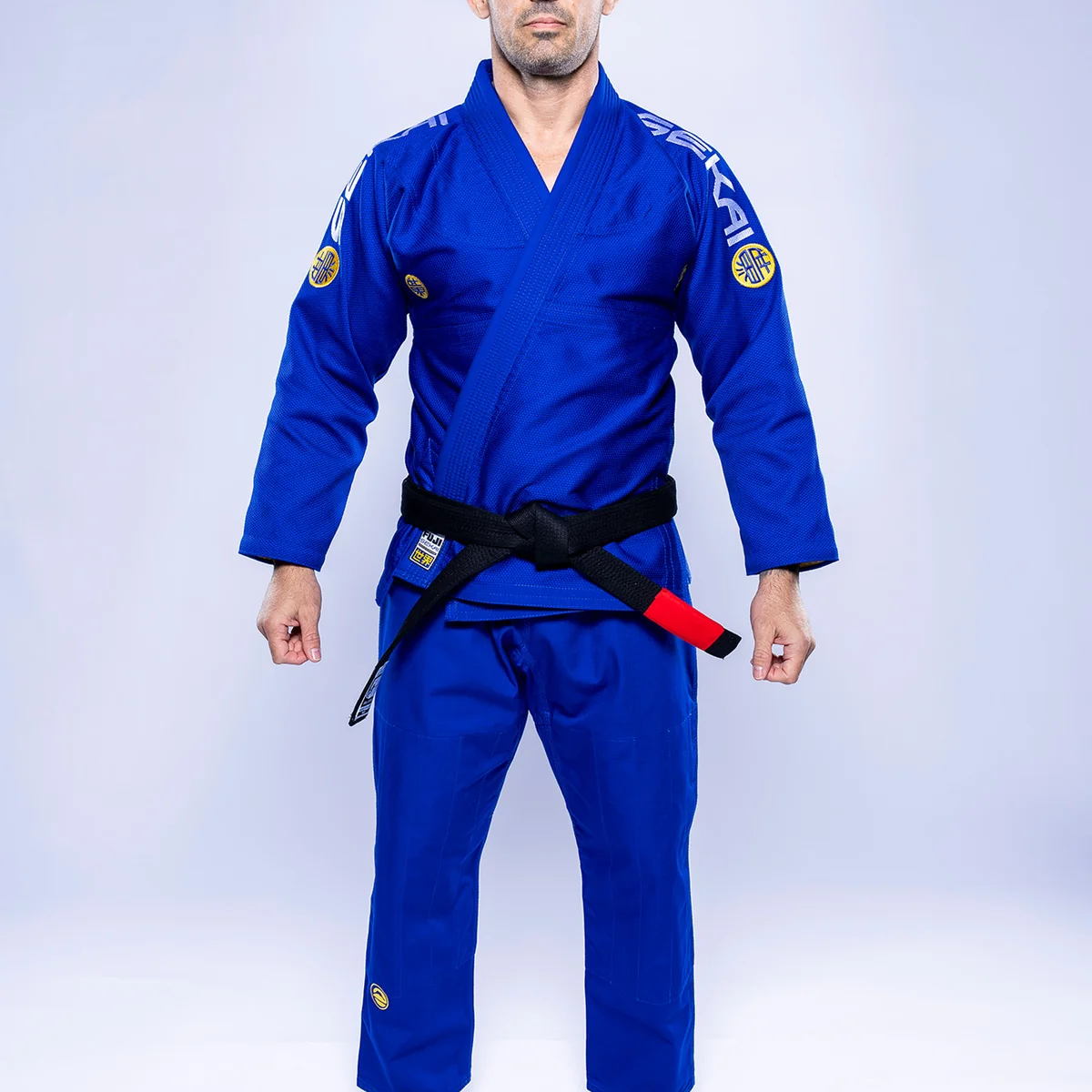
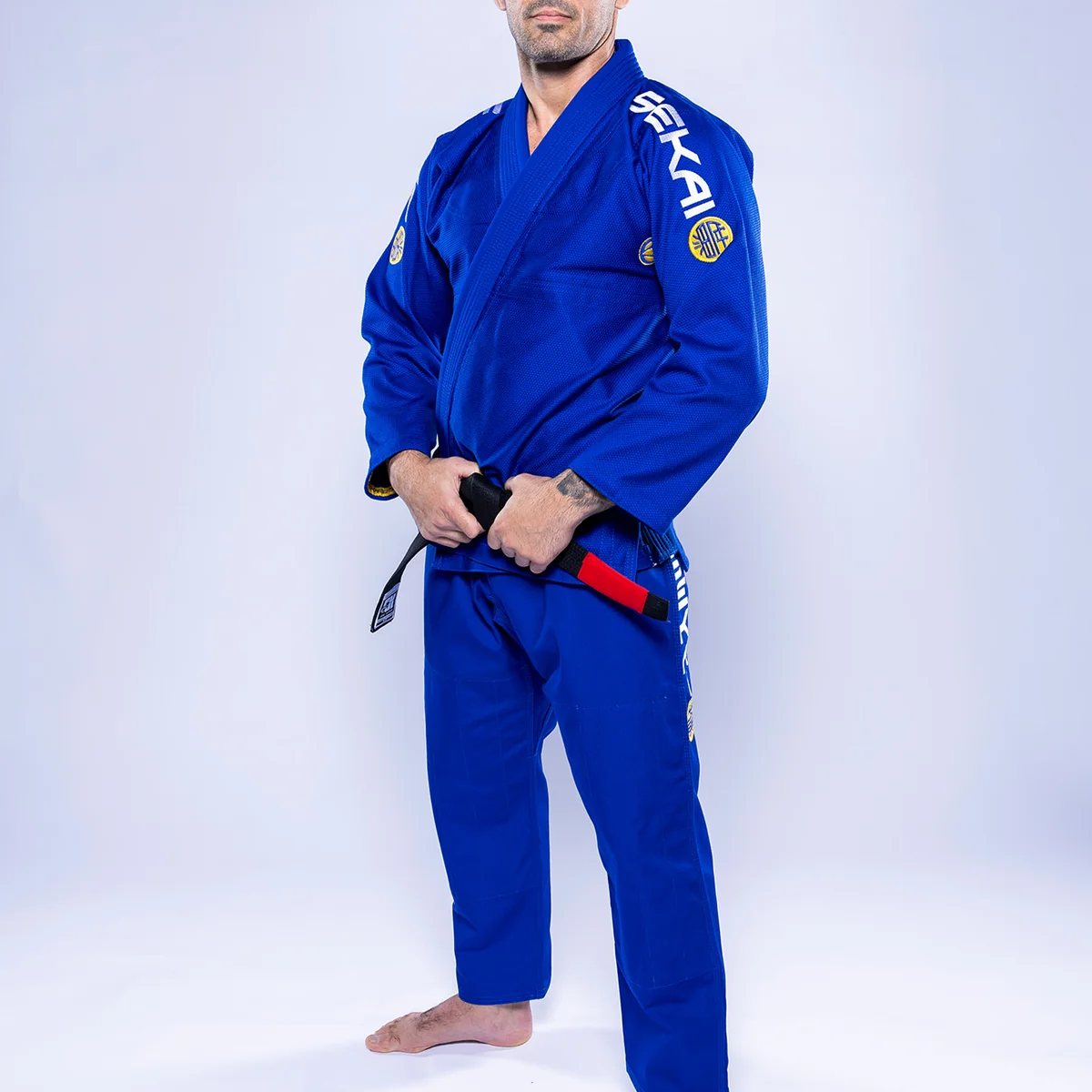
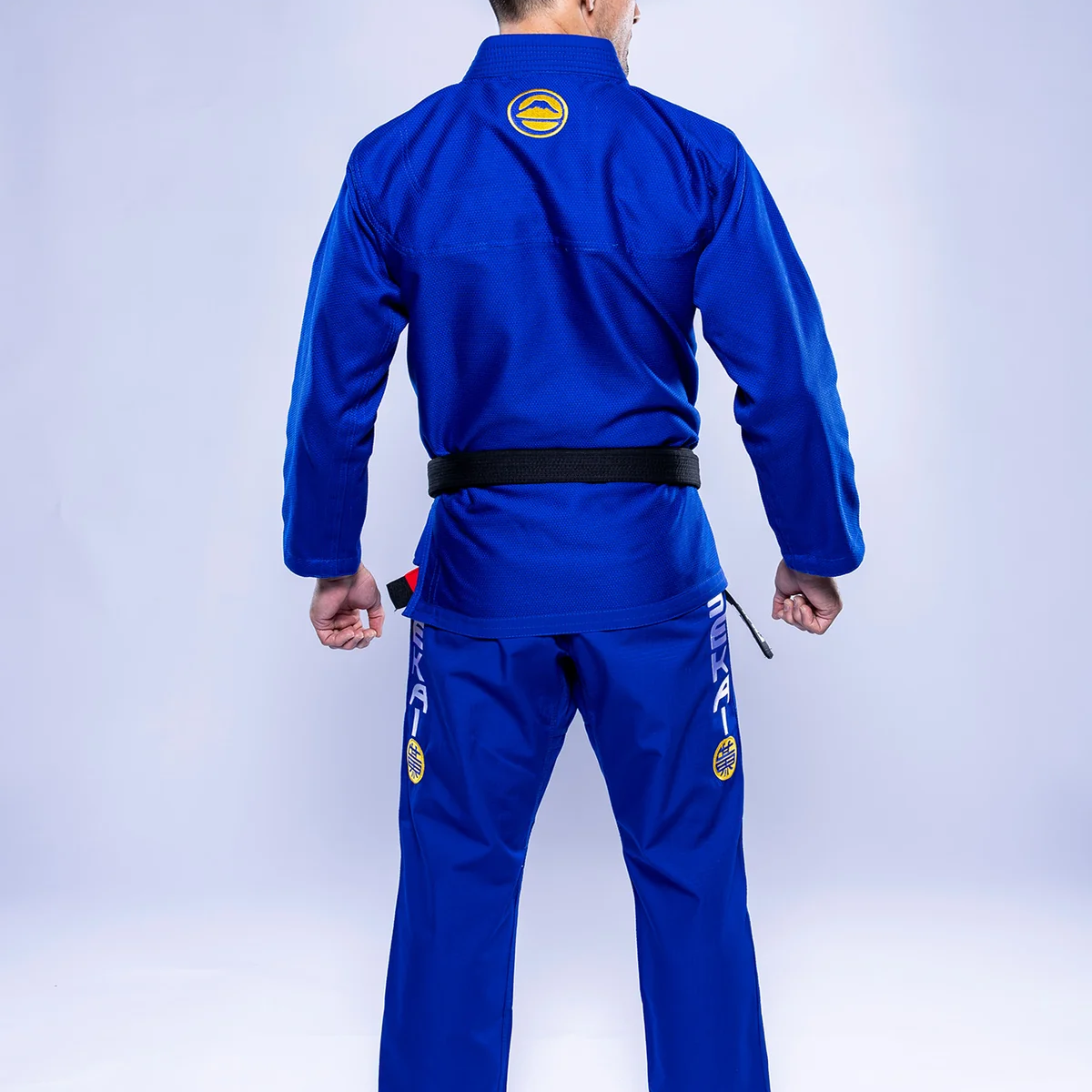
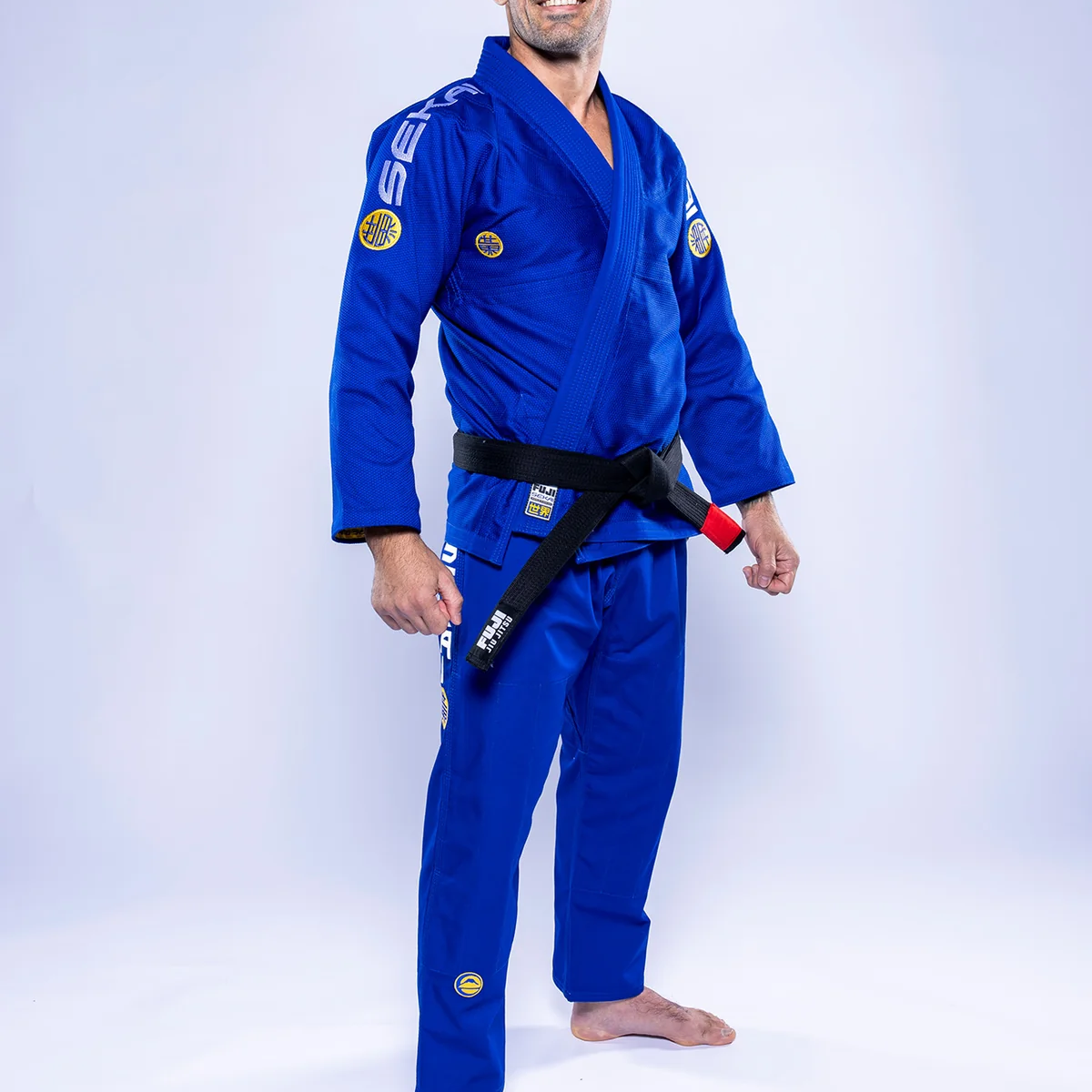
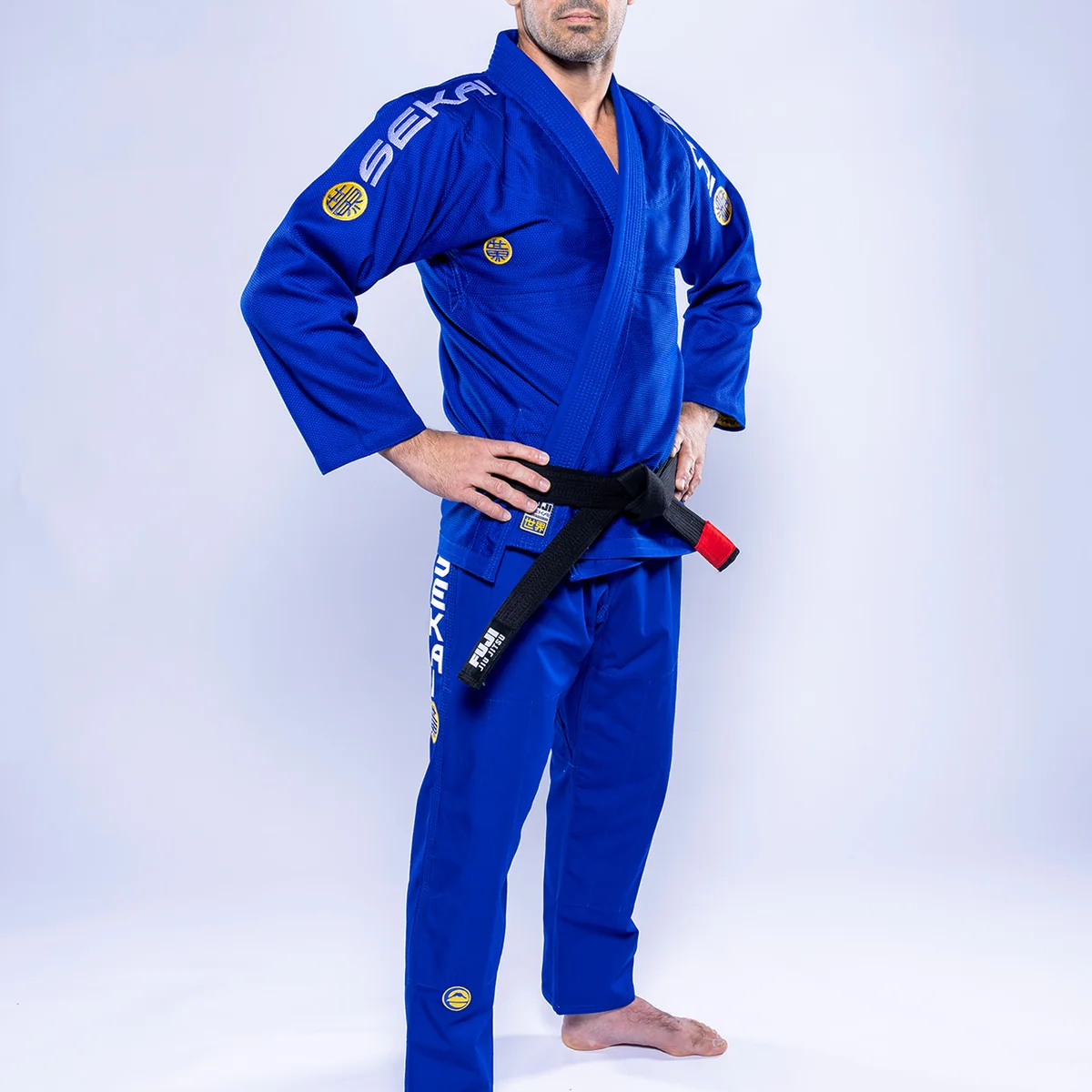
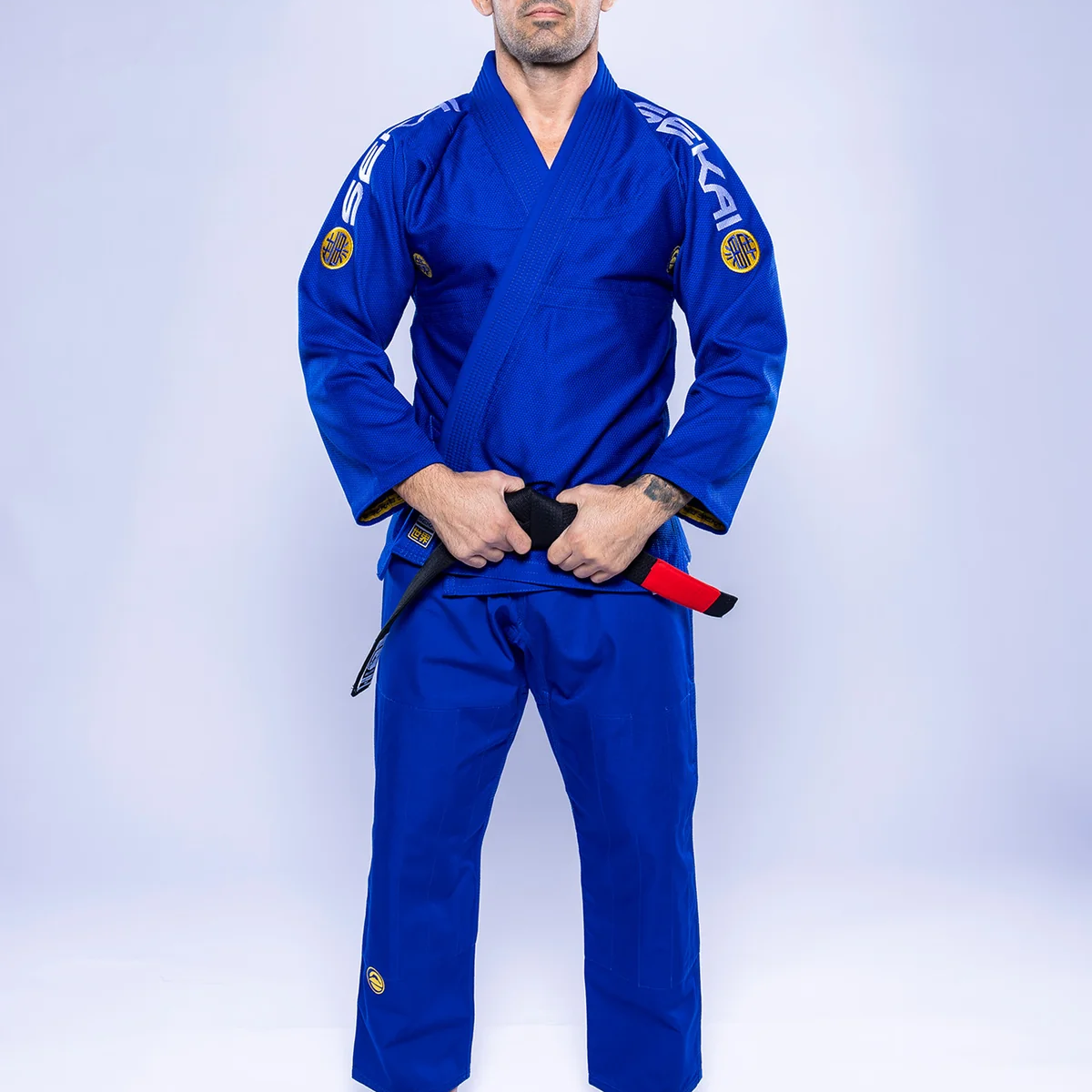
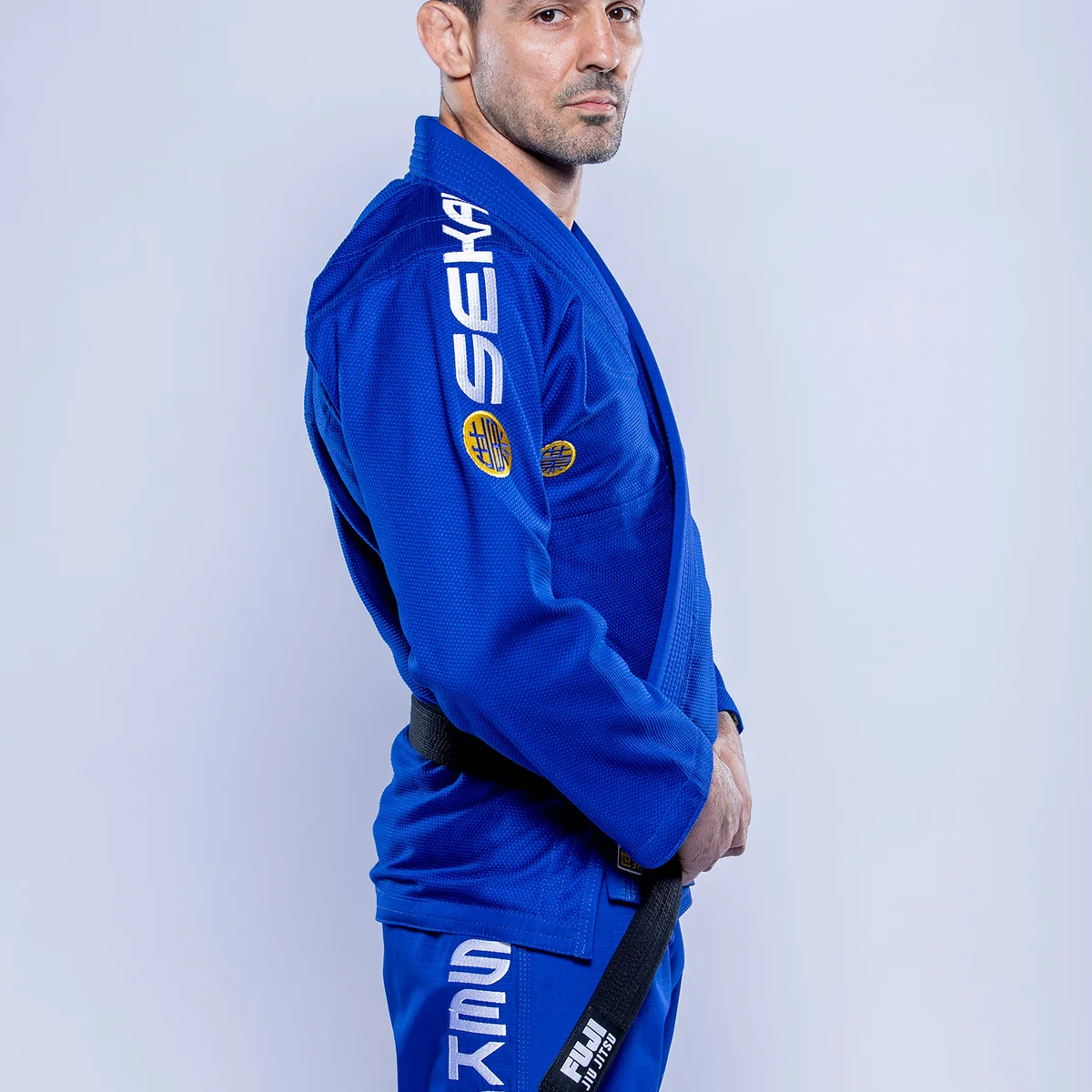
For gi divisions, check the uniform rules early. Make sure the gi is clean, legal in color, and in good condition. Trimmed threads, intact patches, and a belt that is the correct rank sound basic, but people still miss them. If you have two legal gis, bringing both is smart in case one gets soaked during warm-ups or a previous match.
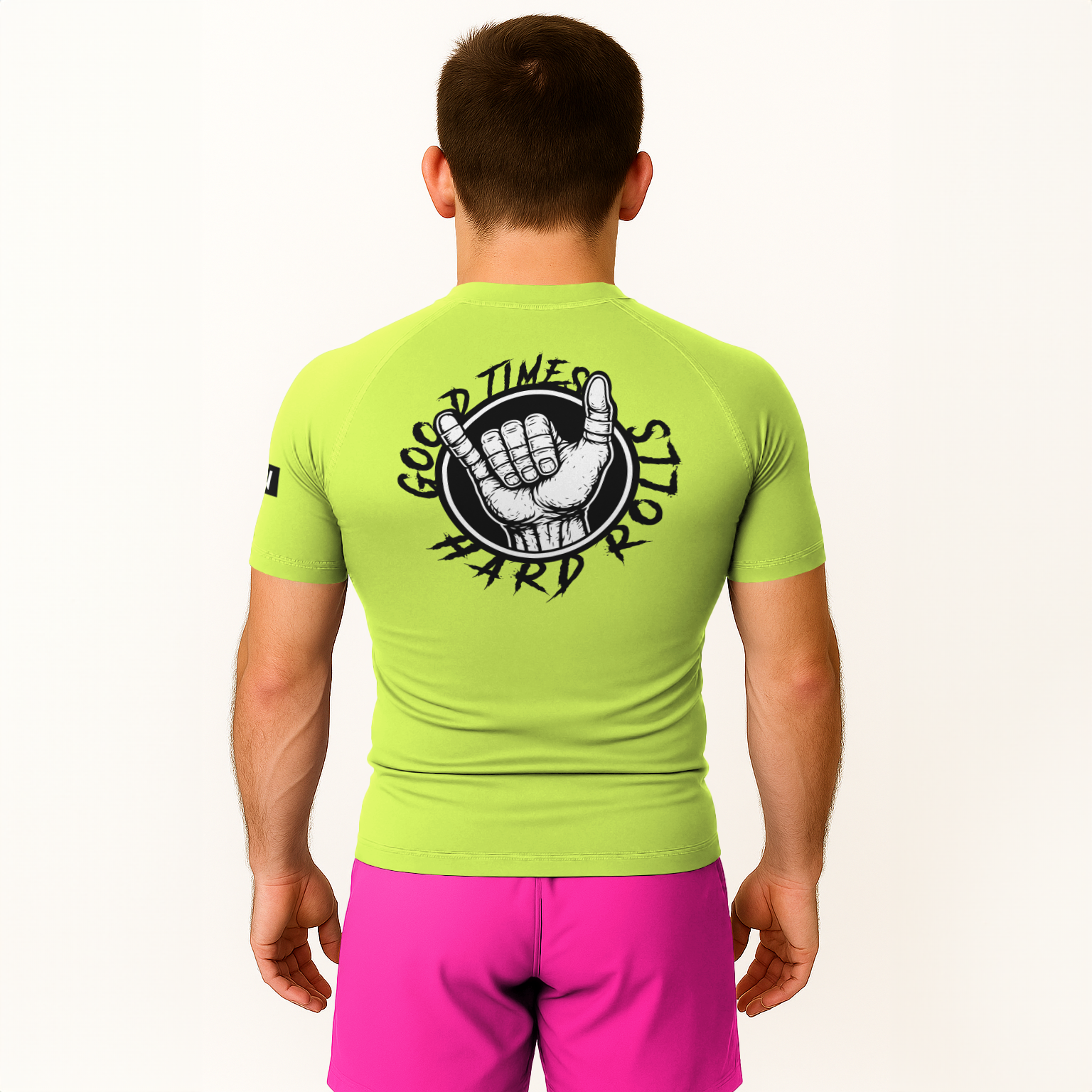
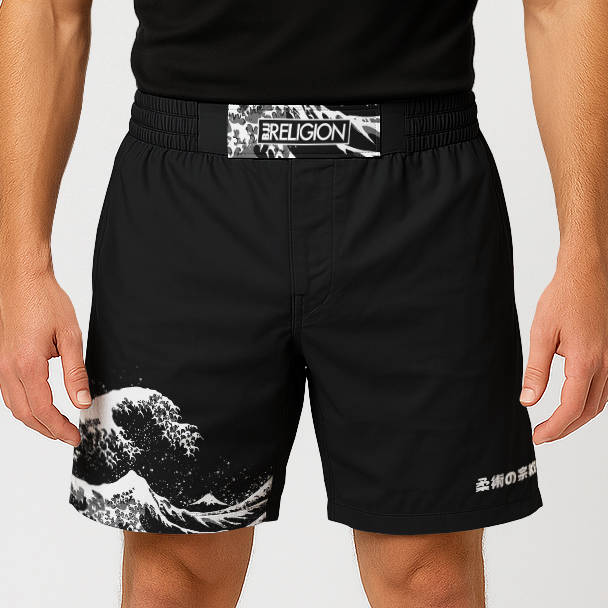
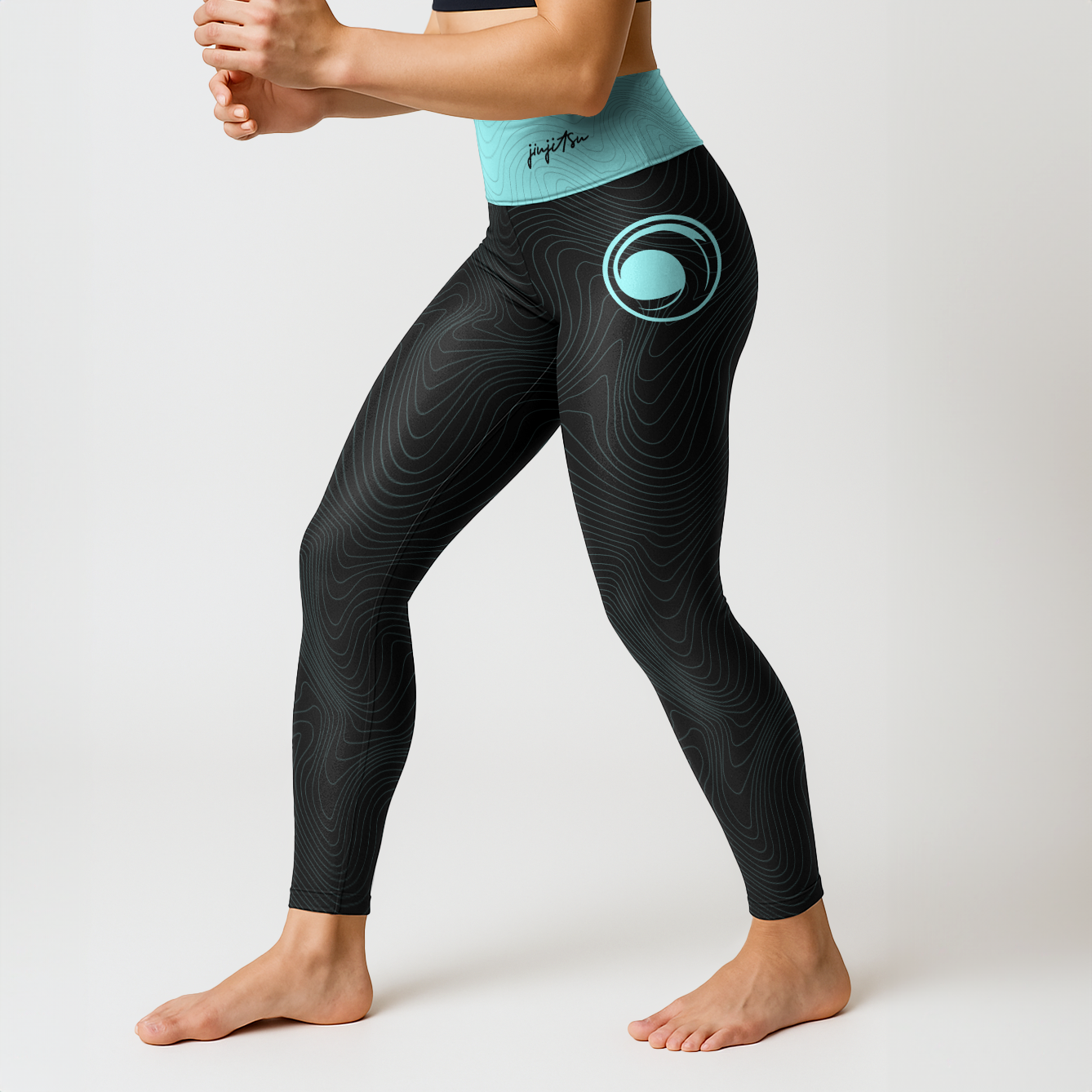
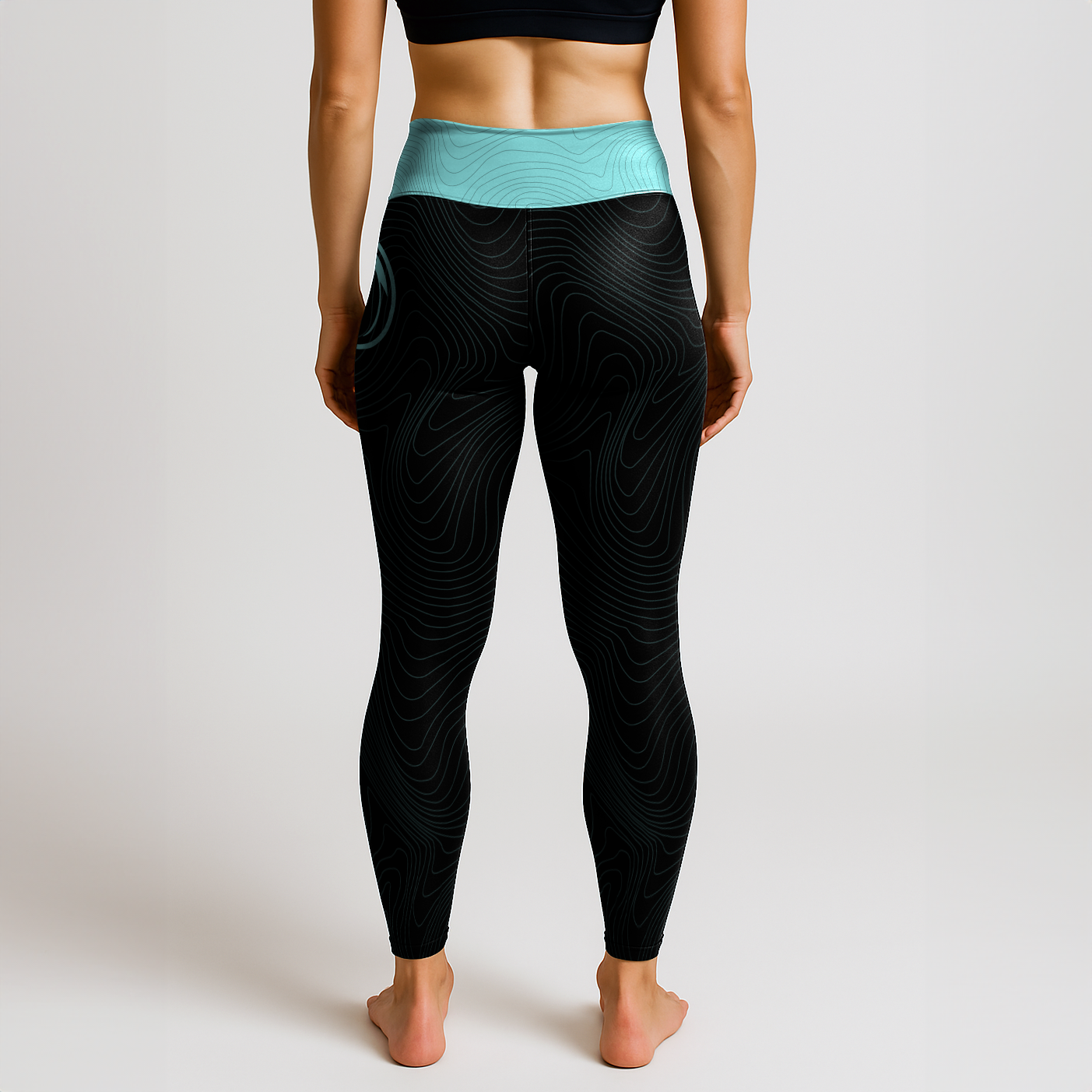
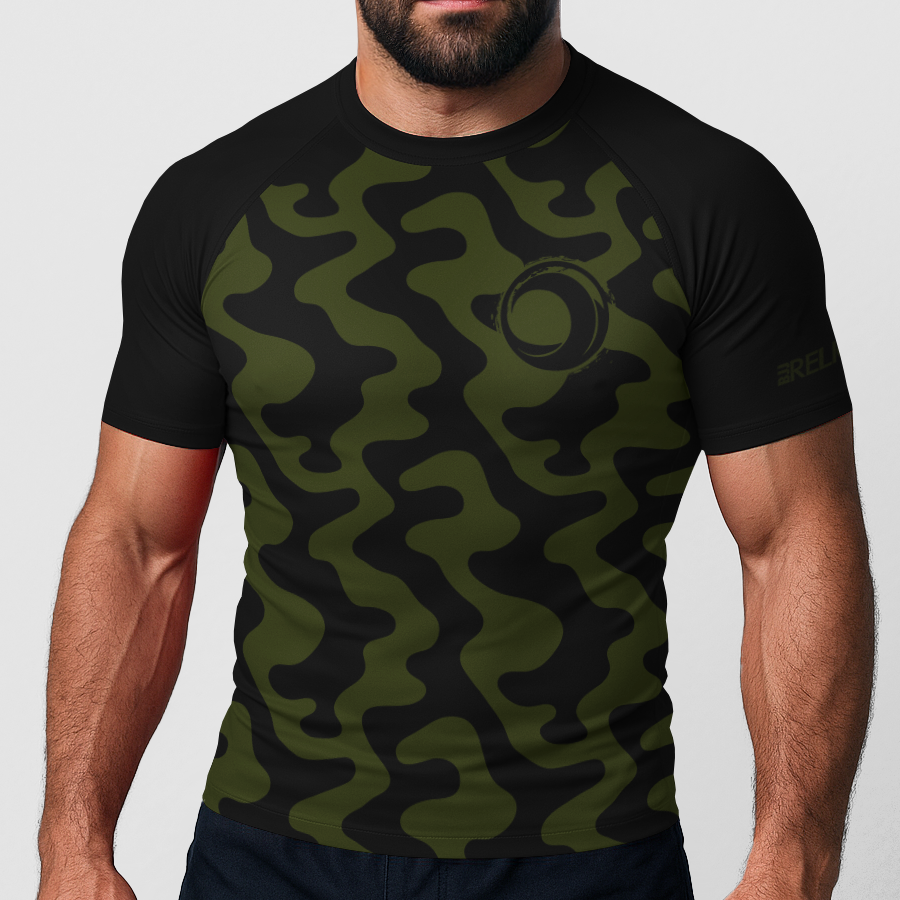
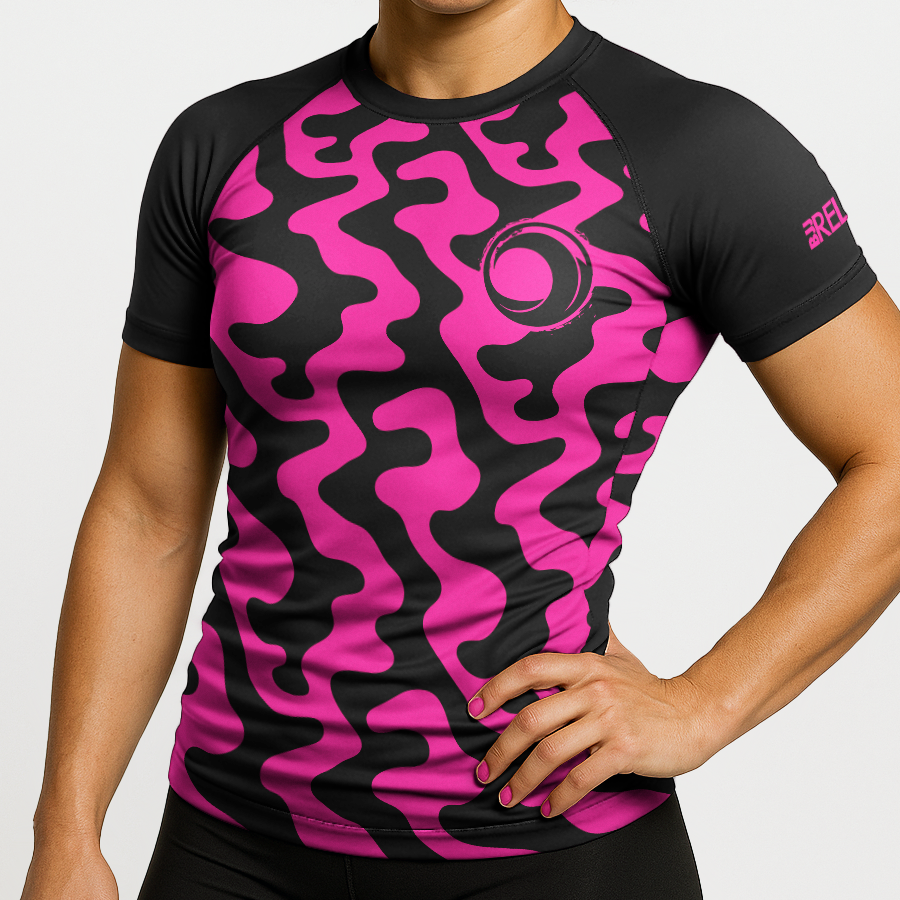
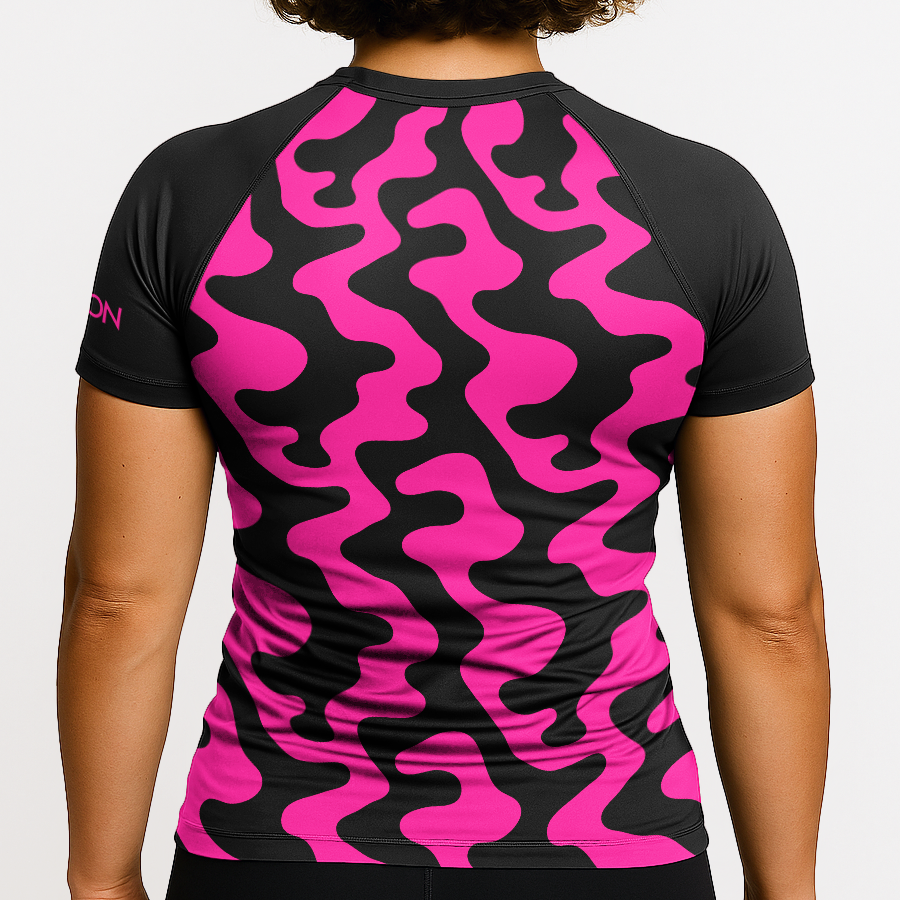
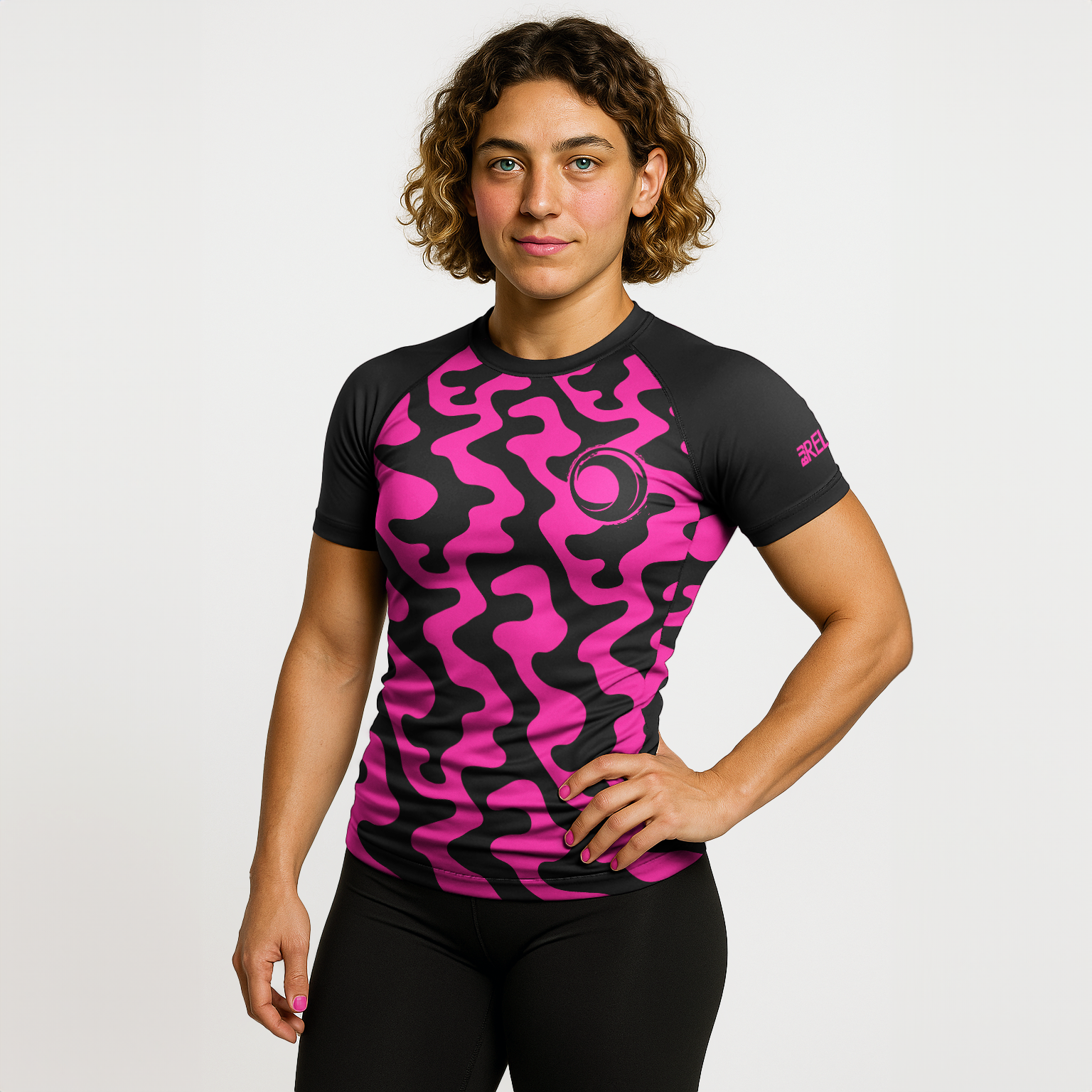
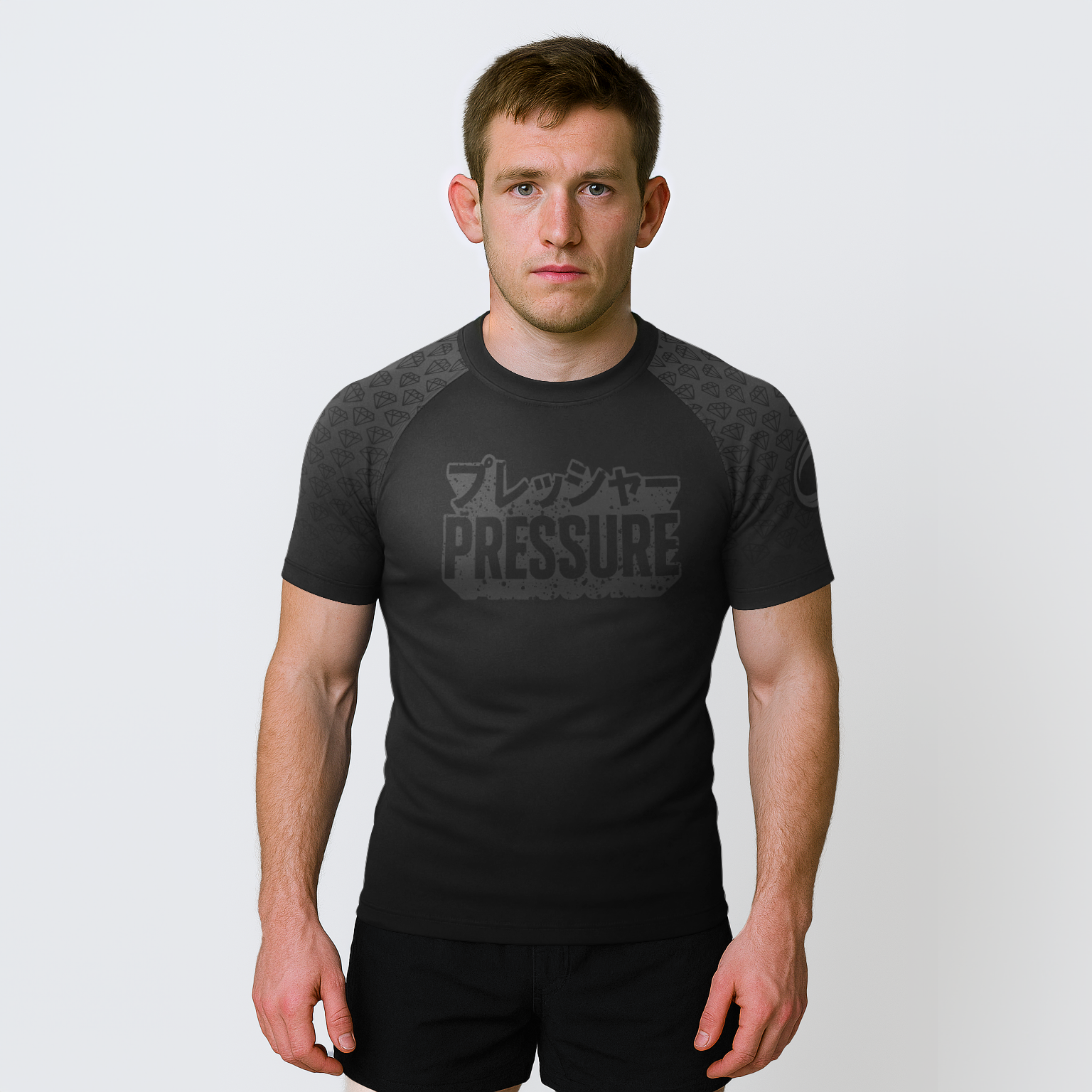
For no gi, know what the event requires. Some want ranked rash guards, some are more flexible. Train in the exact setup you plan to compete in. If you normally roll in loose board shorts but your competition shorts fit tighter and sit differently during leg pummeling, you want to know that before the first whistle.
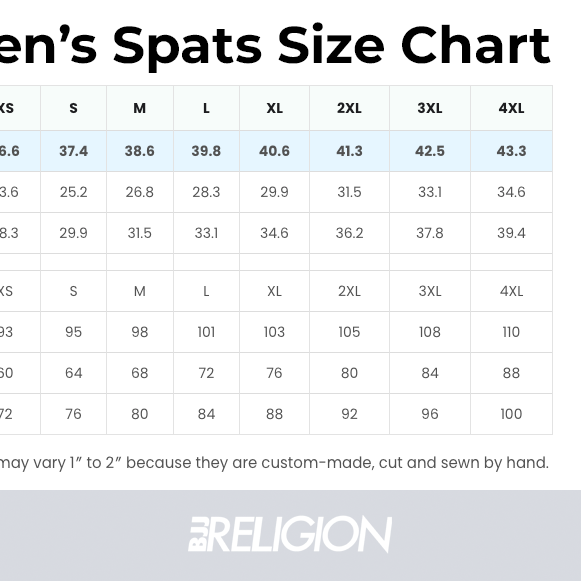
Pack the night before. Gi or no gi gear, belt, rash guard, shorts, spats if you use them, flip-flops, water, a small towel, and simple snacks. It is a small thing, but being organized lowers stress.
Taper enough to feel sharp, not flat
A common mistake is smashing yourself in the final week because you feel underprepared. That usually creates the opposite effect. You show up sore, slow, and mentally fried.
The last week should keep your timing sharp without adding fatigue. Drill your best sequences. Get some short, hard rounds early in the week if you need them. Then pull back. By the last couple of days, you should feel like you want to train more, not like your body is asking for a break.
This is also the time to protect your sleep and routine. Do not suddenly add long runs, crash diets, or extra lifting sessions. If your normal recovery is light movement, decent food, and a full night of sleep, stick with that. Predictable habits help more than last-minute heroics.
Have a first-minute plan
Most matches are not decided in the first minute, but plenty are shaped by it. That first exchange often tells you whether you are settling into your game or reacting to theirs.
Your plan does not need to be complicated. It should answer a few basic questions. Are you trying to wrestle, pull guard, or force a specific tie? What is your first grip if you get it? If they grab first, what is your immediate response? If your opening move fails, where do you go next?
A good example for gi might be: right-hand collar grip, left-hand sleeve, off-balance, collar drag to single leg. If that stalls, pull to closed guard and attack a cross-collar grip sequence or hip-bump series. In no gi, it could be inside tie to snap down, front headlock threat, then circle to the back or disengage and pull butterfly guard. The details depend on your game, but the point is the same - remove hesitation.
That first-minute plan also helps with nerves. You do not need to solve the whole match in advance. You just need to know what you are trying to do first.
What to expect on tournament day
Arrive early enough that nothing feels rushed. Check in, confirm your bracket, and give yourself time to warm up gradually. You do not need a huge warm-up, but you should break a light sweat, move your hips, hand fight a little, and get your breathing up before the match starts.
Expect delays. Expect bracket changes. Expect to feel more adrenaline than usual, even if you are normally calm in the gym. That is all normal. The key is to keep your circle small. Focus on making weight if needed, staying warm, and reviewing your first-minute plan instead of watching every other mat and burning energy.
If the match goes badly, stay composed. Plenty of good competitors have lost because they panicked after giving up two points. A calm reset from bottom half guard, a patient grip break from spider guard, or a smart defensive sequence from turtle can put you right back in it. If the match goes well, do not rush just because you are excited. Secure the position, score clearly, and make the referee’s job easy.
Competing gets easier once the unknowns are gone. Your first event will still feel different from class, but that is part of why it is useful. Prepare well, keep your game simple, and treat the day like an extension of your training. If you can do that, the result matters a little less, and the experience becomes something you can actually build on.
Shop Our New Releases
Fast & Free Shipping!
Fast & Free Shipping!
Fast & Free Shipping!
Fast & Free Shipping!

Fast & Free Shipping!
Fast & Free Shipping!