How to Break In a New Gi the Right Way
A brand-new bjj gi always feels great until the first grip fight. The collar is stiff, the pants feel board-like, and the sleeves can make even basic pummeling feel awkward. If you are wondering how to break in a new gi without shrinking it into a kid’s size or wearing it out too early, the good news is that the process is simple. You just want to speed up what regular training would do naturally, without getting reckless with hot water and high heat.
Why a new gi feels so stiff
Most new gis feel rigid because the cotton weave is still tight from manufacturing, finishing, and packaging. Pearl weave jackets, gold weave jackets, and ripstop or cotton pants all soften with use, but they do it at different speeds. A lightweight gi might feel pretty good after two or three classes, while a heavier competition gi can take a few weeks of regular training before it stops feeling crunchy.
That stiffness is not always a bad sign. In fact, a fresh gi with a firm collar and dense fabric often feels tougher because it has not been broken down by washing, sweat, mat friction, and grip pulling yet. The issue is comfort and mobility. If your lapel feels like a seatbelt during cross-collar choke drills or your pants resist every knee cut movement, the gi just needs some controlled wear.
How to break in a new gi without ruining it
The best method is boring, which is usually a good thing with gear. Wash it, wear it, train in it, and repeat. Most gis break in well when you combine gentle laundering with actual mat time.
Start with one cold wash

Before your first class in a new gi, wash it once in cold water with a mild detergent. This gets rid of warehouse dust, packaging smell, and some of the factory stiffness. It also gives you a more realistic idea of fit before you step on the mat.
Skip bleach, skip fabric softener, and skip the idea that hotter is better. Fabric softener can leave residue that changes how the gi feels over time, and hot water can shrink a gi faster than you intended. That matters a lot if the fit is already close in the sleeves, pants length, or skirt.
If you bought a gi that fits perfectly right out of the bag, be conservative. If it is slightly roomy and the brand notes that some shrinkage is expected, you have a little more room to work with.
Air dry first, then reassess the fit

After that first wash, air dry the gi completely. Hang the jacket and pants where they can dry evenly. This step matters because machine drying is where most accidental gi shrinkage happens.
Once it is dry, try it on again. Check the sleeve length with your arms extended, the pants at the ankle, and the overall feel through the shoulders and hips. A gi that felt oversized out of the package may now feel just right. A gi that was already borderline short may be one dryer cycle away from becoming your emergency backup gi.
Use training to do the real work
This is where the gi actually starts to break in. Drilling and rolling soften the fabric in a way laundry alone cannot. Grip fighting loosens the jacket, movement breaks up the stiffness in the shoulders and knees, and repeated washing after sweaty classes gradually relaxes the fibers.
A few common Jiu Jitsu situations speed this up naturally. Collar drag drills and cross-collar choke reps will soften a stiff lapel. Spider guard rounds will make sleeve fabric feel less rigid fast because of all the pulling and extension. If you play a lot of De La Riva or knee shield, the pants and jacket skirt usually loosen up sooner from constant movement and friction. Even basic warmups like technical standups, hip escapes, and sprawls help take the newness out of a gi.
If you train three or four times a week, many gis feel noticeably better after the second week. If you train once a week, the process just takes longer.
When to use the dryer and when not to

This is the part that depends on your fit.
If your new gi is a little too big, a short, low-heat dryer cycle can help bring it in gradually. Do not go straight to full heat for a full cycle unless you are willing to gamble. Cotton can shrink unevenly, and the last thing you want is sleeves that are now tournament-illegal while the waist still feels loose.
A safer move is to air dry most of the way, then use 10 to 15 minutes on low heat if you want a small adjustment. Try it on again after. You can always shrink a little more later, but you cannot add sleeve length back.
If your gi already fits well, keep it out of the dryer as much as possible. Air drying preserves the size and usually helps the gi last longer. That is especially true if you train often and wash gear constantly.
How to soften a gi faster
If your gi is especially stiff, there are a few ways to speed things up without doing anything sketchy.
Wear it for drilling classes before using it in hard rounds. A class with takedown entries, guard retention reps, or passing sequences puts plenty of movement into the fabric without the same level of grip abuse as full sparring. After a couple of those sessions, the gi usually starts feeling more normal.
You can also wash it after every use instead of letting it sit for multiple sessions. That is good hygiene anyway, but it also helps the break-in process because the fabric goes through more wear cycles. A gi worn for class, washed cold, and air dried repeatedly will soften far faster than one that only comes out for Saturday open mat.
Some grapplers like to knead or flex the collar and sleeves by hand after washing and before drying. That can help a little, especially with a very rigid lapel, but it is more of a small boost than a miracle fix.
Mistakes that shorten a gi’s life
A lot of people trying to figure out how to break in a new gi end up overcorrecting. They hear that gis soften with washing, so they blast it with hot water and high heat right away. That may work if your only goal is aggressive shrinkage, but it is not a smart move if you care about fit, color, or longevity.
Too much heat can fade black, navy, and olive gis faster. It can also create uneven shrinkage between the jacket and pants. That is frustrating if your jacket ends up competition-ready but your pants now ride halfway up your shin when you stand in line for class.

Another mistake is trying to force softness with products that leave buildup in the fabric. A gi is not a bath towel. You want it clean, functional, and comfortable, not coated.
And of course, do not use a new gi once, decide it feels stiff, and then judge the brand immediately. Some gis break in quickly, some take time, and heavier fabric almost always asks for more patience.
What to expect after a few weeks
A properly broken-in gi should feel softer and move better, but it should not feel flimsy. The collar will still have structure. The jacket should still hold up during hard sleeve-and-lapel exchanges. The pants should bend more naturally at the knees and hips, especially during guard work, torreando passing, or long rounds starting from the feet.
You will notice the difference in small moments. Your grips settle faster. Your shoulders do not feel restricted when framing or posting. The gi stops feeling like gear you are testing and starts feeling like your regular training uniform.
For beginners, that comfort matters more than people admit. Your first few months already include enough to think about - remembering positions, surviving side control, figuring out academy etiquette, and trying not to gas out during sparring. A gi that fits well and feels broken in removes one more distraction.
For experienced students and competitors, the main goal is predictability. You want to know how the gi will fit after washing, how it moves in scrambles, and whether it will stay within competition rules. Breaking it in the right way gives you that consistency.
If you just picked up a new gi, take the patient route. One cold wash, air dry, a few solid classes, and a little time on the mat will do more than any shortcut. By the time it feels right during a hard round, you will be glad you did not try to rush it.
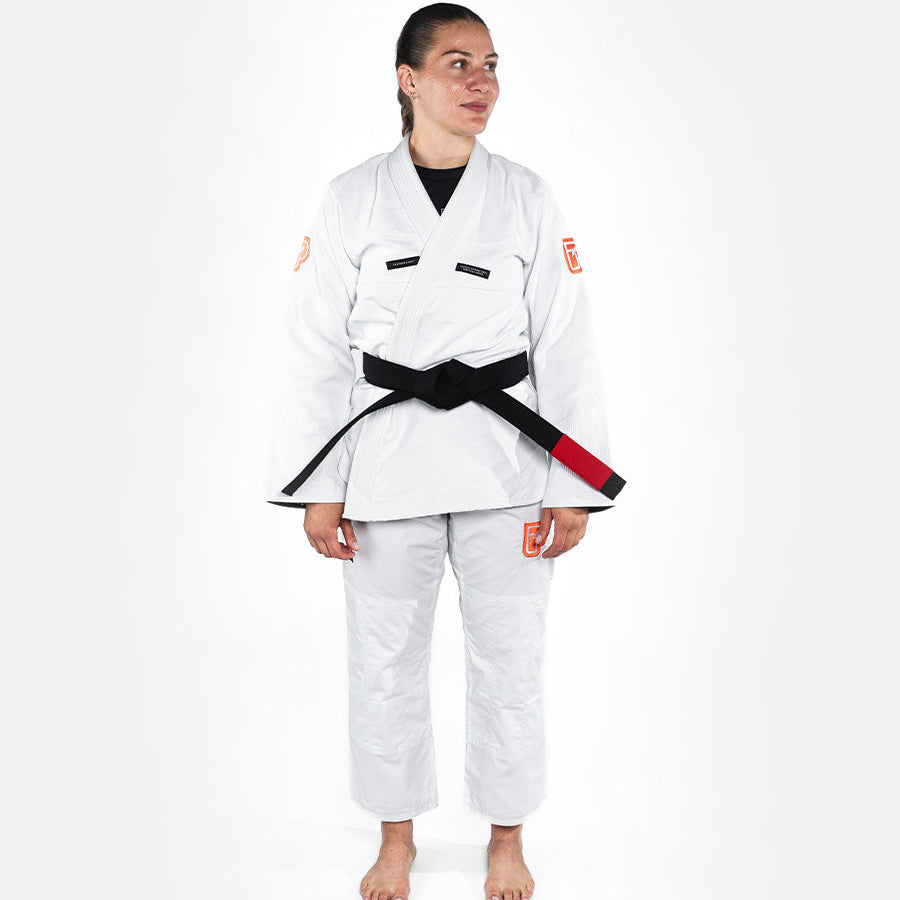
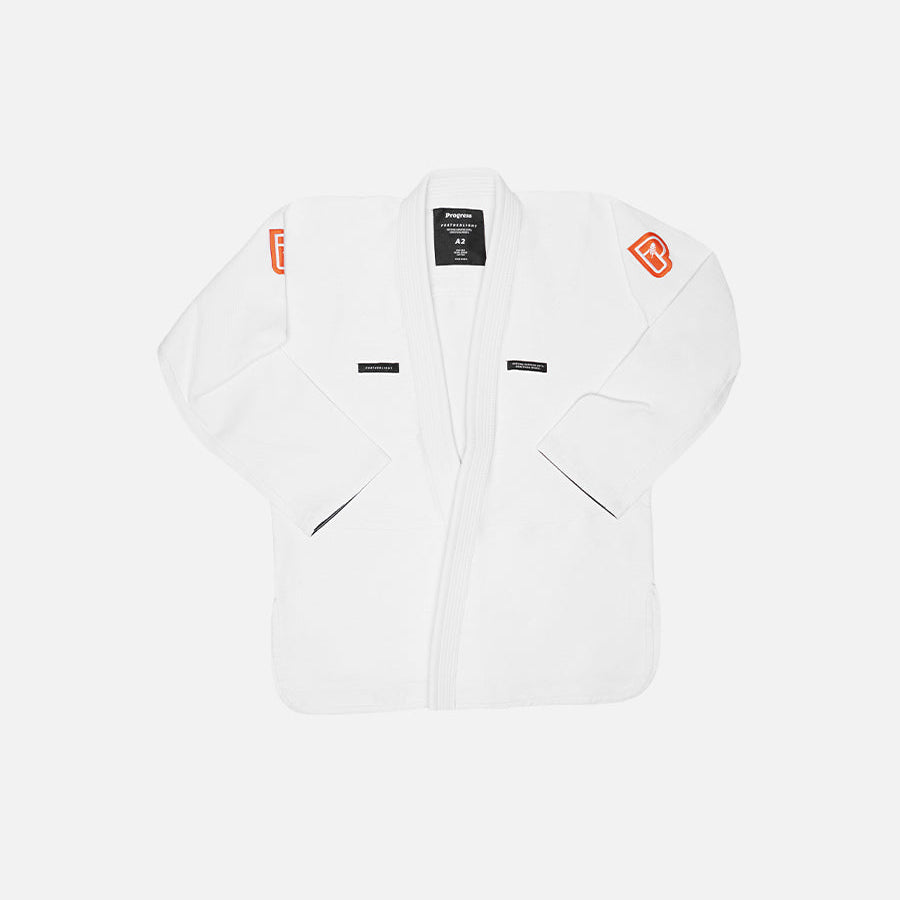
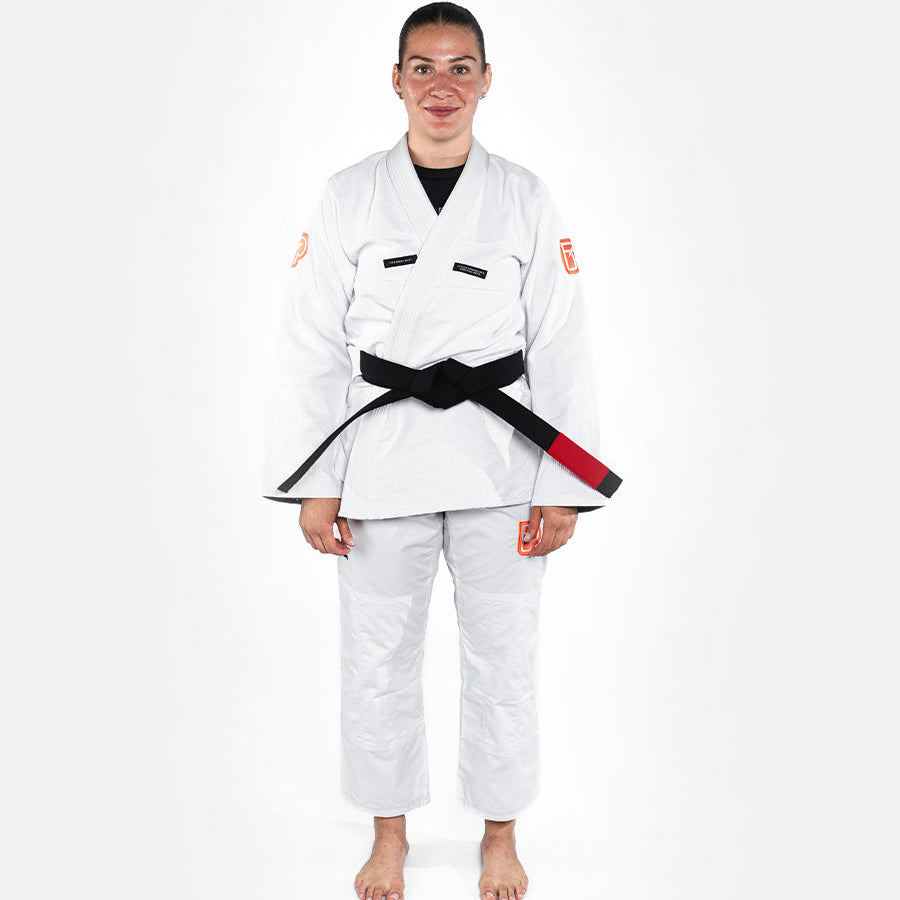
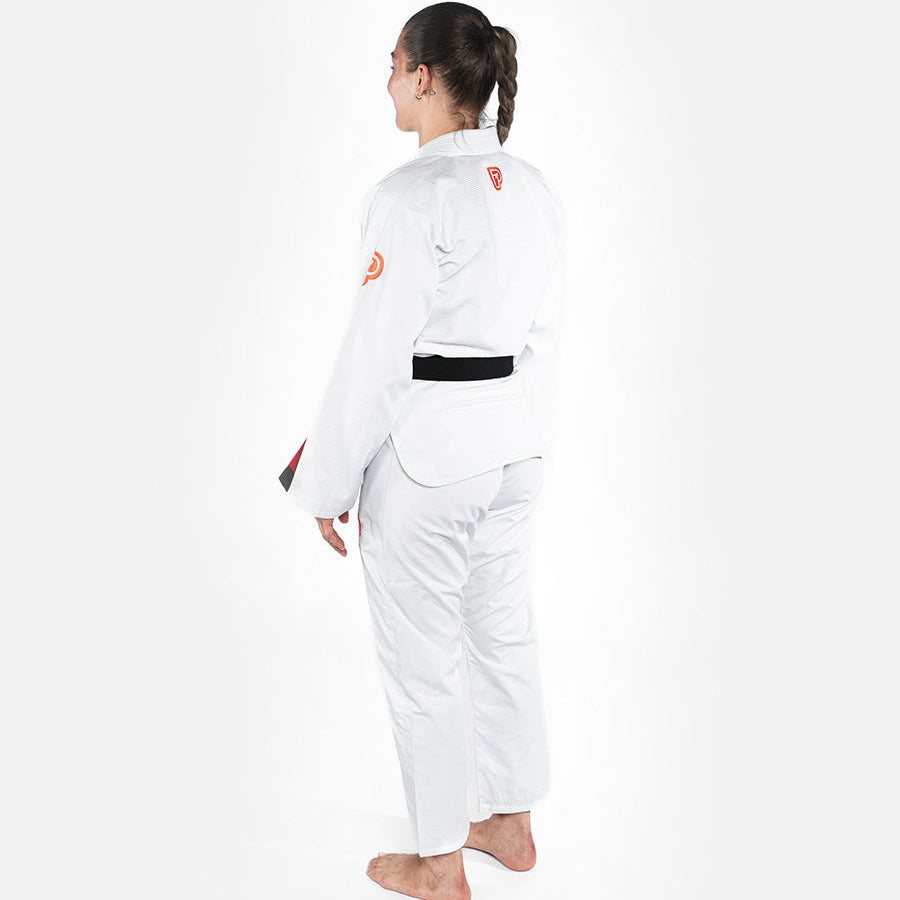
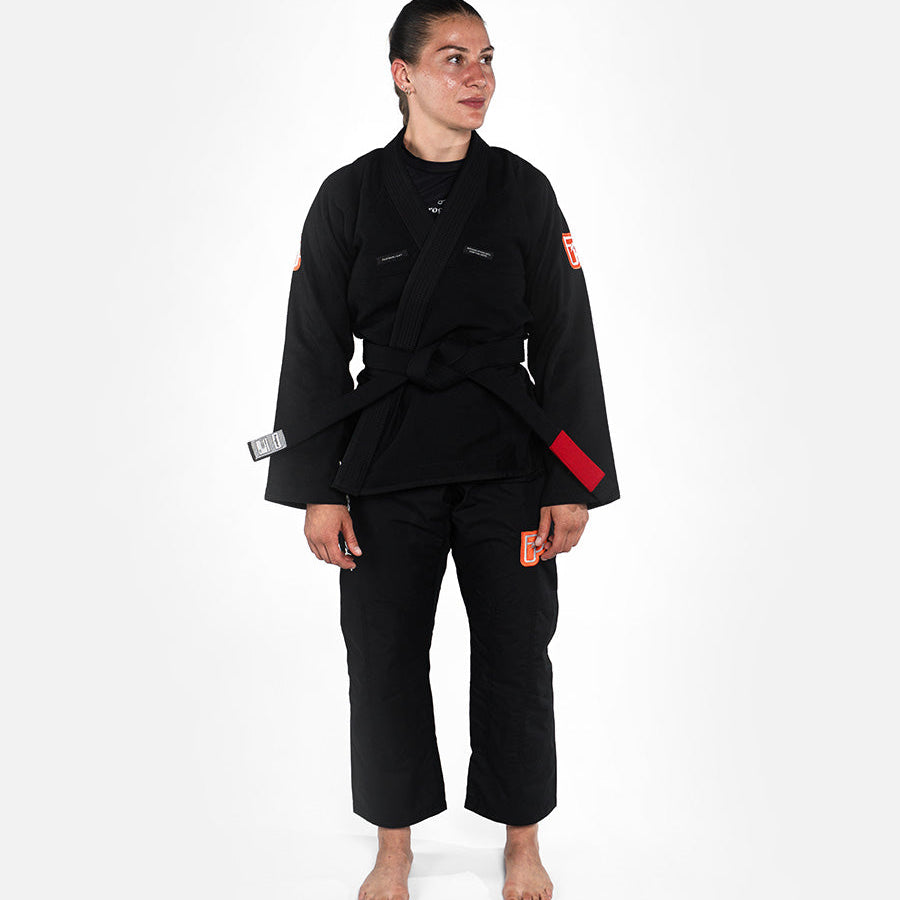
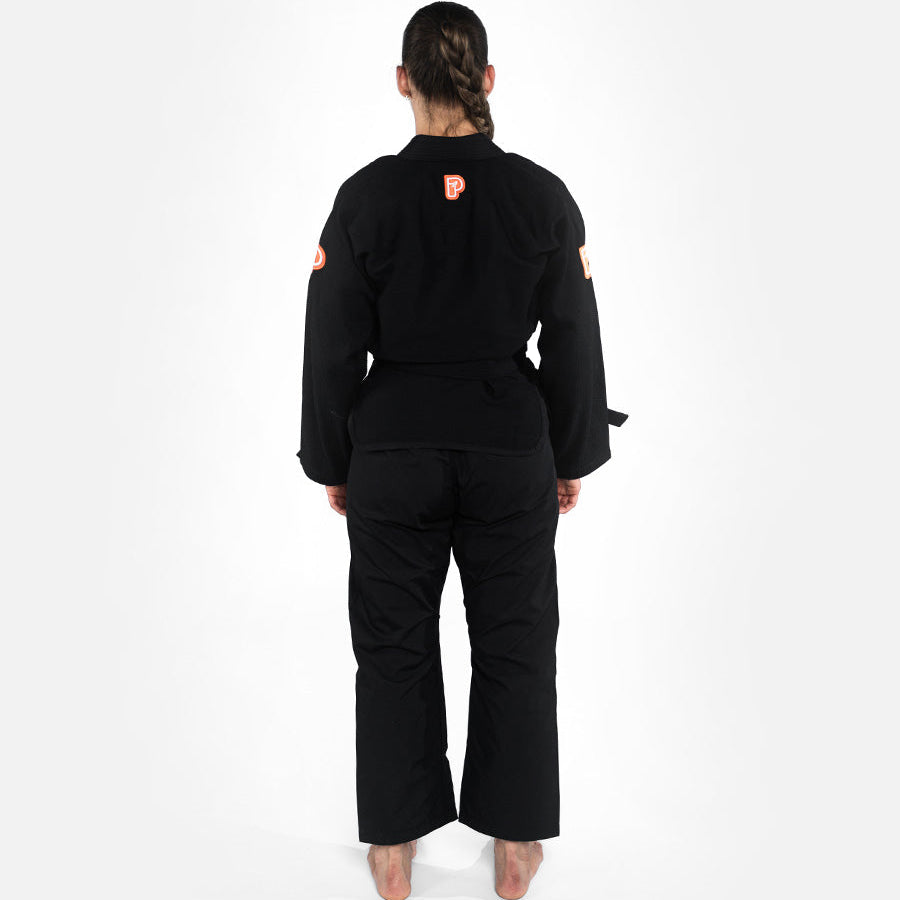
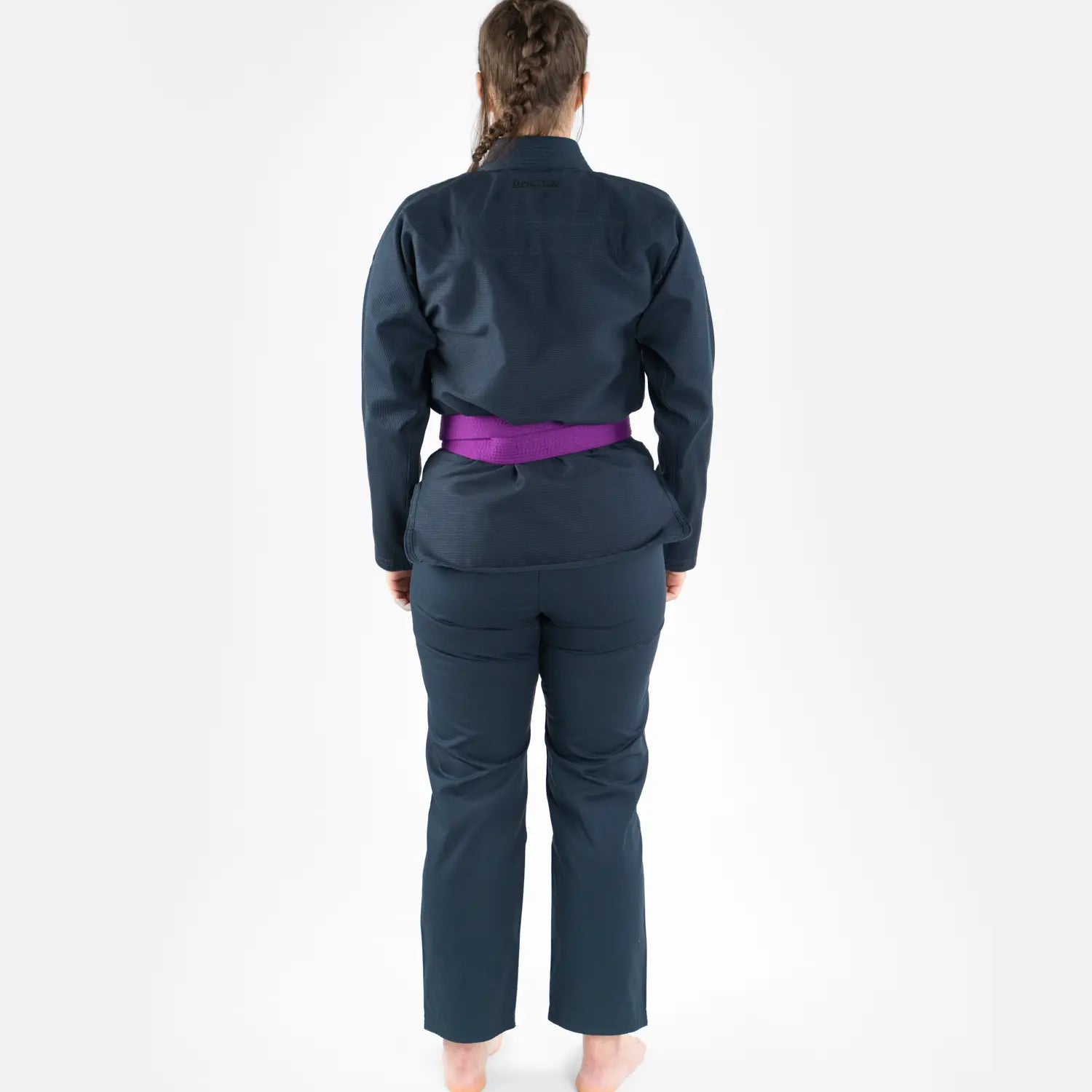
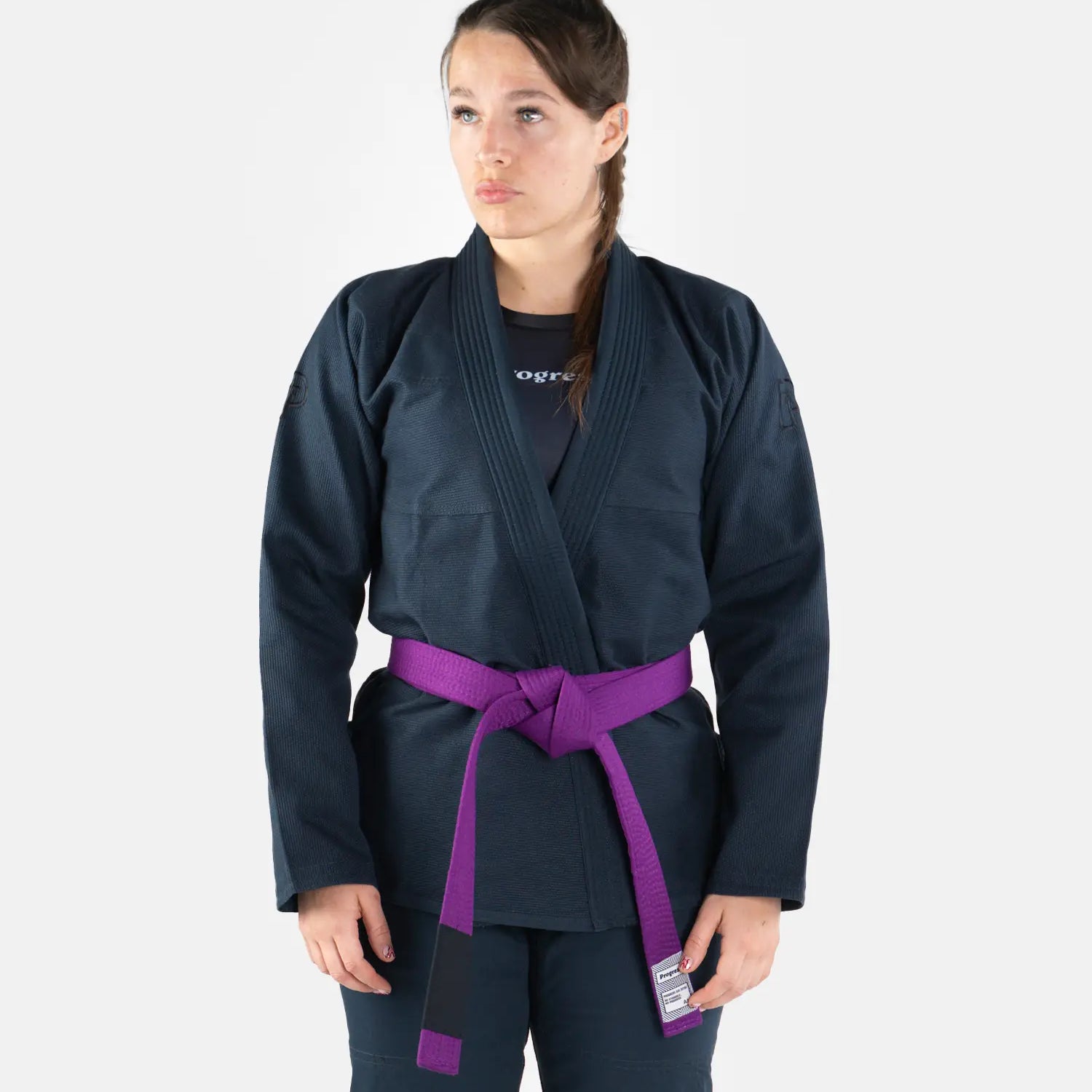
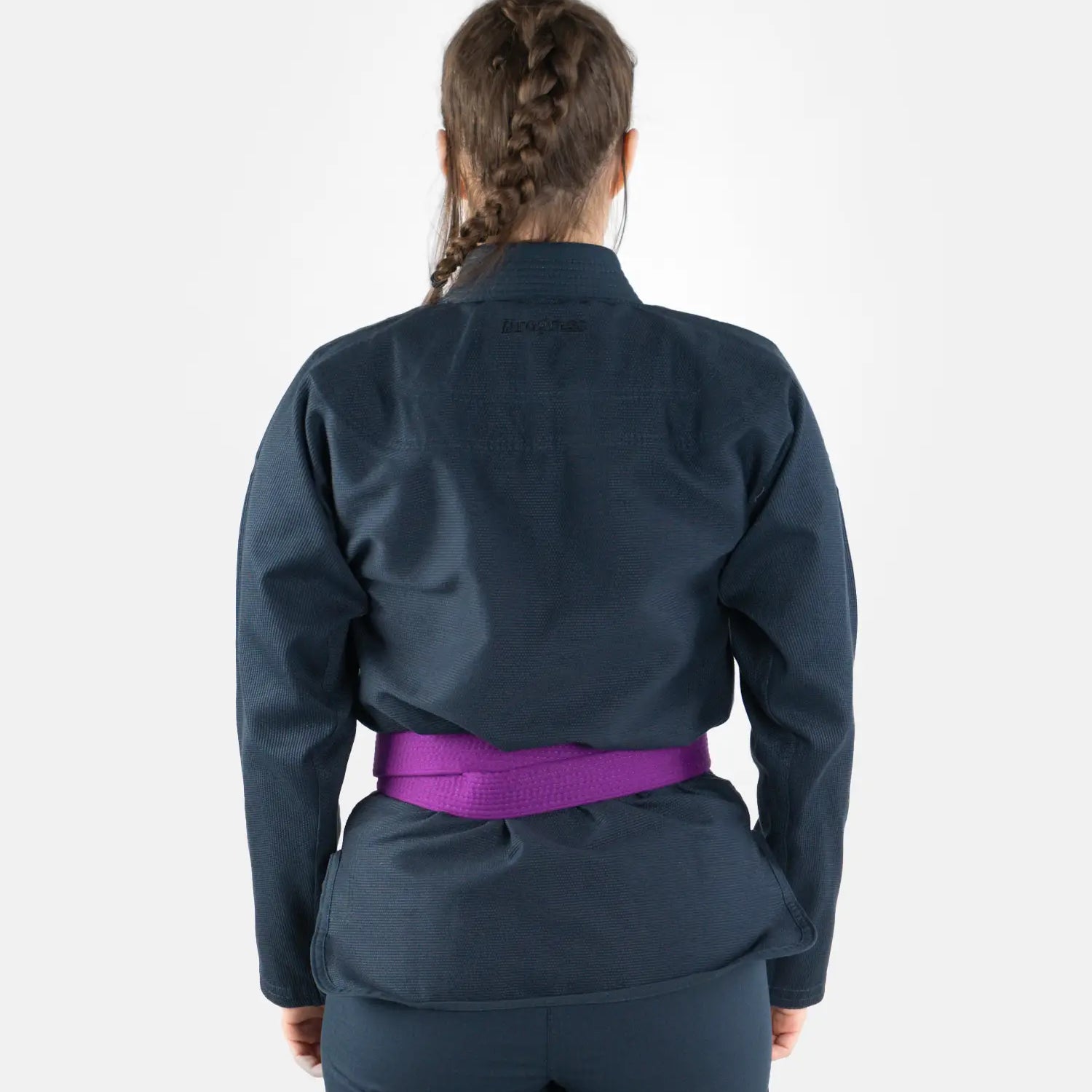
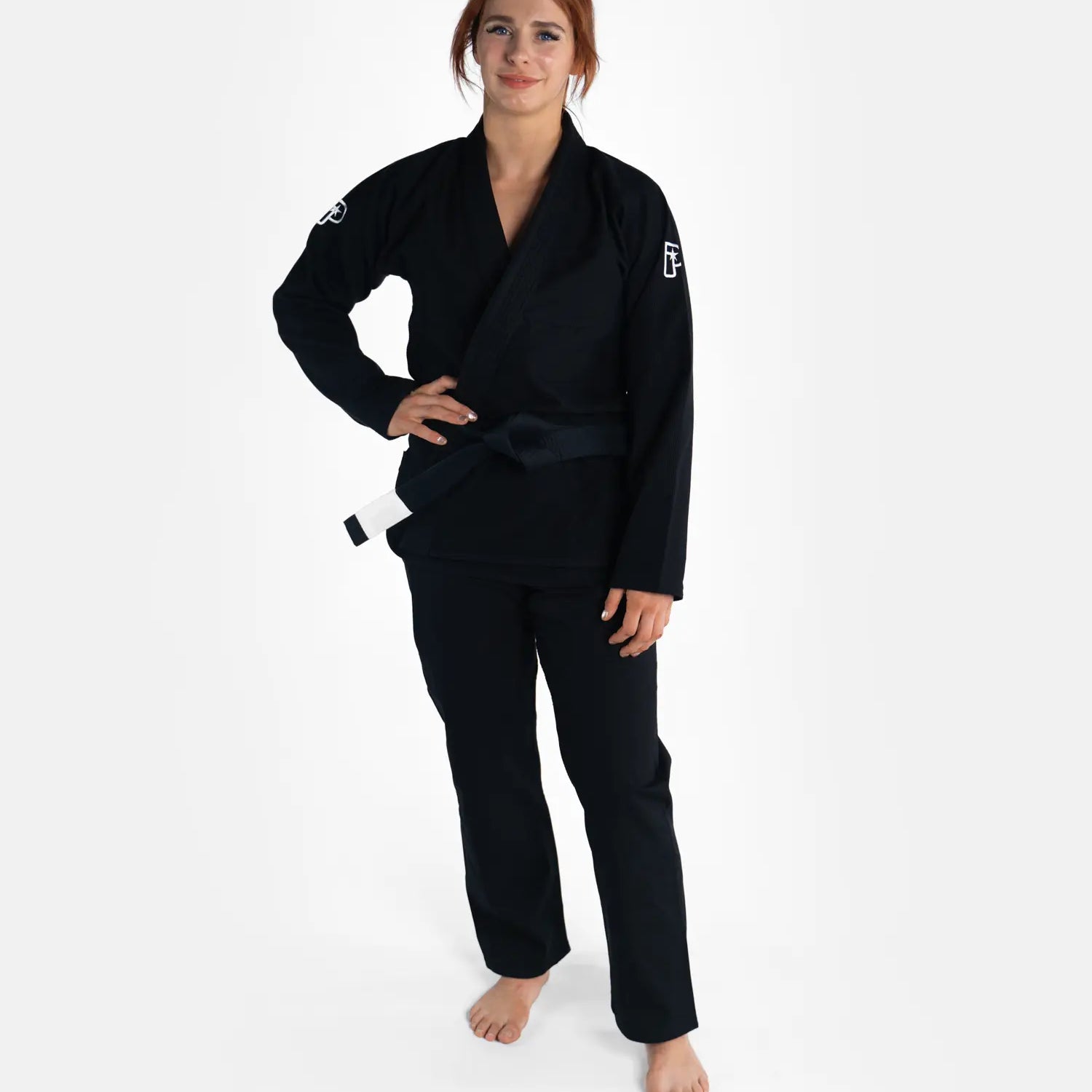
Shop Our New Releases
Fast & Free Shipping!

Fast & Free Shipping!
Fast & Free Shipping!
Fast & Free Shipping!

Fast & Free Shipping!






Fast & Free Shipping!