Best Grappling Dummy for Home Training
A grappling dummy for home training sounds like an easy win until you actually get one, set it on the mats, and realize half your game does not translate the way you expected. Some drills feel great right away. Others feel awkward, static, or just not worth the space. That does not mean a dummy is a bad buy. It means you need to know what it is actually good for in Jiu Jitsu before you spend money on one.
If you train a few times a week but want extra reps at home, a grapplingdummy can be useful. If you are expecting it to replace live rounds, it will disappoint you fast. The best approach is to treat it like a tool for targeted drilling, not a substitute for class, sparring, or positional work with a real partner.
What a grappling dummy for home training actually helps with
The biggest advantage of a dummy is repetition. You can hit the same movement over and over without asking a teammate to let you drill twenty kneecut entries or sit through another round of armbar reps from closed guard.
That matters most for movements that benefit from body placement, angle awareness, and sequencing. Passing drills are a good example. If you are working toreando footwork, side-to-side movement, and chest-to-chest settling at the end, a dummy gives you something real to move around. The same goes for headquarters position, leg drags, knee cuts, and smash-pass transitions.
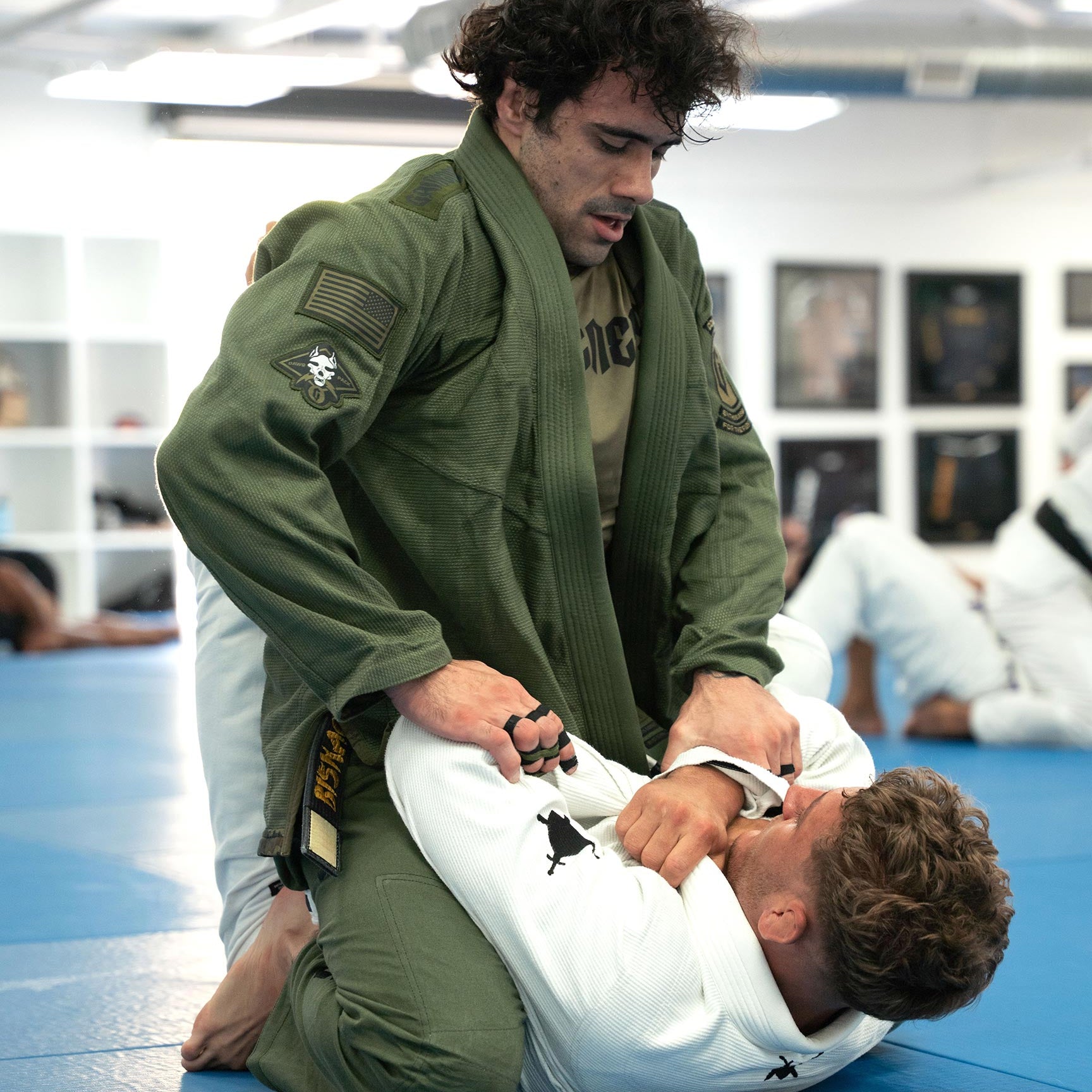
Submission mechanics can also improve if you use the dummy the right way. Armbars from mount, triangles from guard, kimura grips from side control, and rear naked choke hand placement all make more sense when your legs and arms are wrapping around something shaped like a person. You are not just shadow drilling in the air.
It is also helpful for newer students who still need to build confidence with movement chains. A white belt can practice technical mount to S-mount to armbar without feeling rushed. A blue belt can drill back takes from turtle and tighten the sequence. An instructor can use one to show a kid how to keep hooks in without depending on another child to stand still.
Where it falls short is timing, resistance, and reaction. You cannot learn how to break someone down from standing, how to chain wrestle, or how to adjust to a stubborn half guard with a dummy that never moves unless you move it. That is why experienced grapplers usually use a dummy for narrow goals, not broad improvement.
Who should buy a grappling dummy for home training
A dummy makes the most sense for three types of people.
First, the busy hobbyist who cannot always get extra mat time. If you have work, kids, and maybe only make it to class two or three times a week, ten focused minutes at home can keep a technique fresher between sessions.
Second, the competitor who wants more reps without more wear and tear. If you are getting ready for a tournament and want to sharpen your armbar finishing sequence, torreando to backstep passing, or north-south to kimura transitions, a dummy can help you rehearse those patterns without adding another hard round.
Third, coaches and parents often get real value from them. A coach can use one for demonstrations or solo drill ideas. A parent with a child who trains can use a smaller dummy to help the kid repeat movements at home in a safe, controlled way.
If you are a complete beginner deciding between a dummy and actual mat time, choose mat time first. A dummy is supportive gear, not foundational training.
What to look for before you buy
The first thing is body shape. Some dummies are basically heavy bags with limbs. Others are shaped more like a torso with bent legs and arms. For Jiu Jitsu, shape matters a lot. You want something that allows guard placement, mount, back control, and passing angles that feel at least somewhat realistic.
Leg position is a big one. If the legs are too stiff or too wide, closed guard reps feel off. If the arms are too short or flat against the body, triangle and armbar setups become less useful. A dummy that can sit in positions closer to turtle, seated guard, or supine guard gives you more drilling options.
The second factor is weight. Lighter is easier to move and better for younger students or small spaces. Heavier feels more realistic for top control drills and passing pressure, but it is harder to reset and can become a hassle if you are constantly dragging it around the house. A lot of grapplers overestimate how heavy they want it. If a dummy is so heavy that you avoid using it, that is the wrong weight.
The third factor is filling. Some come pre-filled, while others need to be stuffed. A stuffed dummy can save money upfront, but how you fill it changes everything. Old clothes make it softer and more forgiving for drilling submissions, but the weight distribution may feel uneven. Denser filling adds realism but can make the limbs stiff and less usable for guard work. There is always a trade-off between structure and flexibility.
Material matters too. If you train gi-heavy, rougher outer material may hold up better to grips and friction. If you mostly train no-gi style movement drills at home, you may care more about smoothness and ease of cleaning. Strong stitching is worth paying attention to because sleeves, knees, and underarm areas take a beating over time.
Drills that are actually worth doing
Not every technique is worth drilling on a dummy. The best use comes from movements where your own positioning is the main variable.
Passing sequences are near the top of the list. Knee cut to crossface, leg drag to side control, torreando to mount, and body lock passing mechanics all benefit from real contact with hips, legs, and shoulders. You can work your foot placement, head position, and hand fighting patterns even without live resistance.
Submission chains also work well. A classic one is mount to S-mount to armbar, then the opponent pulls the arm free, so you switch to triangle or mounted triangle mechanics. Another is side control to kimura, then stepping over to the armbar finish. These are common academy sequences, and repeating them cleanly matters.
Back control is another strong category. You can drill seatbelt control, hook placement, body triangle entries, and transitions when the dummy turns from back exposure toward turtle. If you compete, that kind of repetition can sharpen your finishing habits.
Guard retention is not a great dummy category, and neither is live-feeling half guard. You can rehearse the shape of a knee shield or the angle of a hip escape, but without a partner trying to flatten you, it stays limited. The same is true for stand-up. You can practice grips and entries, but not real reaction-based takedown timing.
Common mistakes people make
The first mistake is buying a dummy and expecting motivation to carry the rest. Most dummies end up in a corner because the owner never built a routine around them. The smart move is to decide exactly what you are going to drill before it arrives. Maybe it is three passing sequences, one armbar chain, and two back take entries. That gives the dummy a job.
The second mistake is using random volume instead of focused reps. Fifty sloppy triangles on a dummy will not help much. Ten clean reps where you check angle, leg position, and finishing sequence are better.
The third mistake is ignoring space. A dummy takes up more room than most people expect, especially if you have home mats in a garage, spare room, or apartment corner. If you do not have enough room to circle for passing or extend your hips for armbars, your training options shrink quickly.
Another common issue is choosing the wrong size. Bigger is not always better. A smaller grappler drilling berimbolo-style movement, mount transitions, or armbar entries may get more value from a dummy scaled closer to their body type. A larger grappler practicing pressure passing and top control may want more weight and torso bulk.
Is it worth it for most Jiu Jitsu students?
Usually, yes - if your expectations are realistic.
A grappling dummy for home training is worth it when you know your game, know what you want to rep, and have a place to use it consistently. It is especially useful if you are tightening up sequences you already learned in class. It is less useful if you are hoping it will teach timing, reactions, or how to deal with resistance.
For a white belt, the best value may simply be extra comfort with movement. Shrimp to mount, mount to technical mount, side control switches, basic armbar positioning, and back control maintenance all become less foreign with repetition. For an experienced student, the value is in polish. Small details like elbow position on a kimura grip, head placement on a knee cut, or switching your hips during an armbar finish can all get sharper.
That is really the right way to look at it. A dummy does not make training easy. It makes specific training available when class is not. If you use it with clear intent, it can be one of the more practical pieces of home Jiu Jitsu gear you own. If you buy it hoping it will replace a training room full of teammates, it will end up collecting dust next to the old tournament medals and mismatched rash guards.
If you are considering one, think less about whether it looks cool in your setup and more about the exact reps you want tomorrow night on the mats.
Our Pick
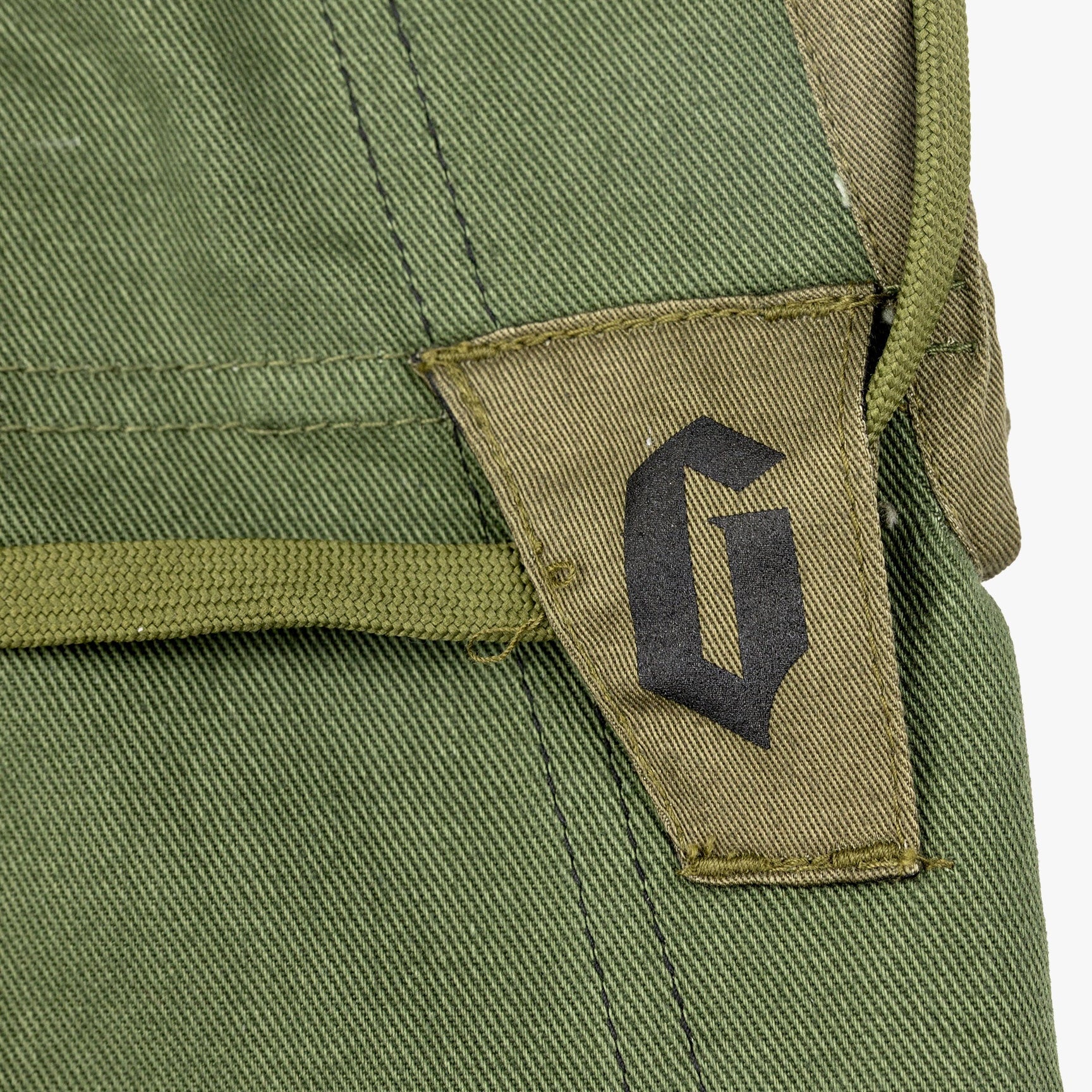
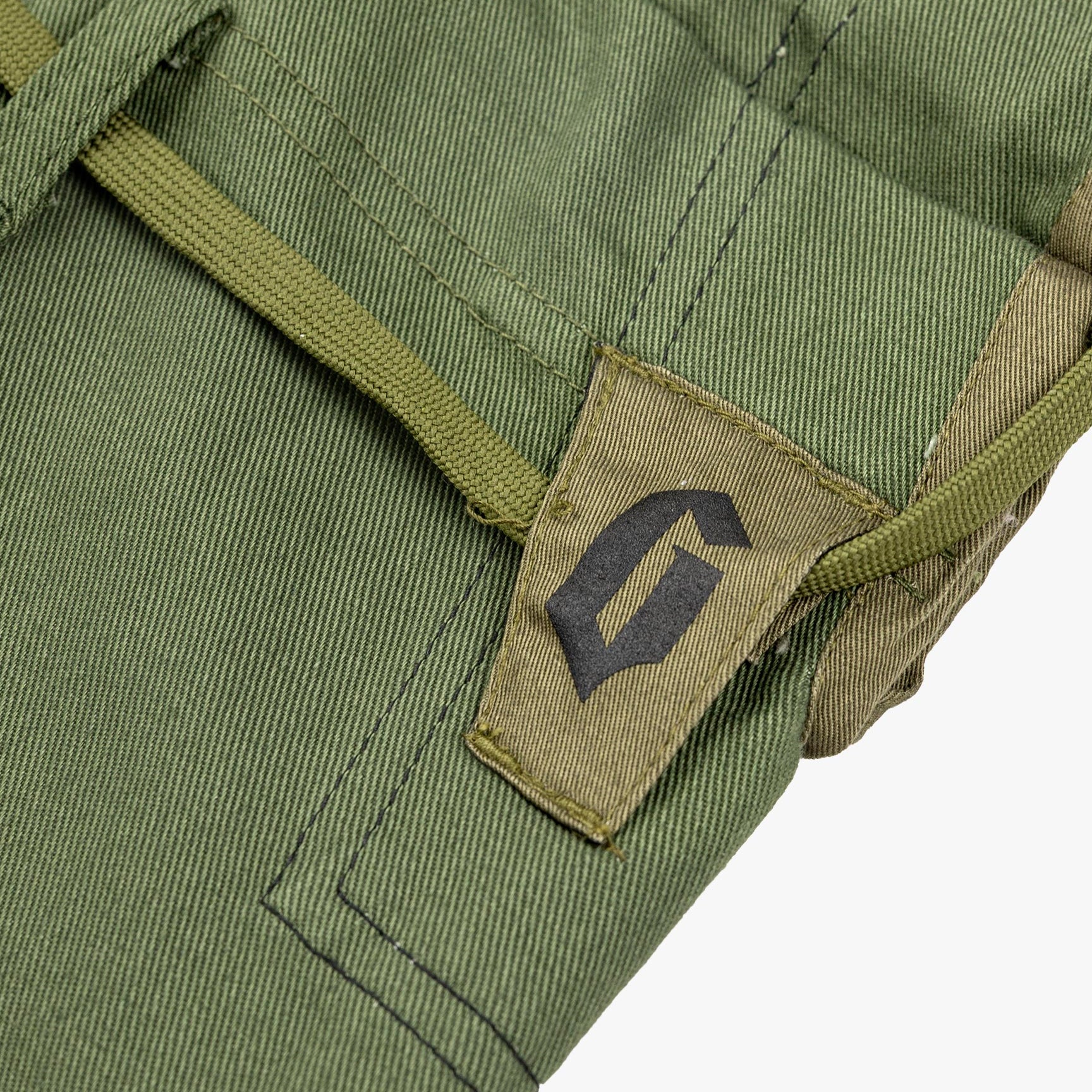
GUS Grappling Dummy

Shop Our New Releases


Fast & Free Shipping!


Fast & Free Shipping!
Fast & Free Shipping!

Fast & Free Shipping!














Fast & Free Shipping!













Fast & Free Shipping!