Where to Find Free BJJ Instructional Videos
A lot of grapplers hit the same wall at some point - class ends, you remember half the details, and by the next open mat the technique feels blurry again. That is where free BJJ instructional videos can actually help. Used the right way, they give you a chance to review positions, catch details you missed live, and show up at your next session with a clearer plan.
The key phrase there is used the right way. Watching technique is not the same thing as learning technique, and it definitely is not the same thing as hitting it on a resisting training partner. But if you treat video as a supplement to mat time instead of a replacement for it, it can be one of the most useful free tools in your training.
Why free BJJ instructional videos are worth using
For most people, the biggest benefit is repetition. In class, your coach might show a knee cut pass three times before everyone starts drilling. On video, you can rewatch the grip placement, the head position, and the leg pummeling as many times as you need. That matters, especially for newer students who are still learning how to recognize the difference between a detail that changes everything and a detail that barely matters.
They are also helpful when your academy is focused on one area and you need extra reps mentally in another. Maybe your gym is doing a month of closed guard, but you keep getting stuck in side control during sparring. A few good videos on elbow-knee connection, framing, and basic side control escapes can give you enough context to ask better questions in class.
For experienced grapplers, free instructionals can be useful in a different way. A brown belt is probably not looking for random move-of-the-day content. More often, they are studying sequencing, timing, and small adjustments. Watching how another instructor connects front headlock control to go-behinds, guillotines, and snap-downs can add depth to a game you already use.
Not all free BJJ instructional videos are good
This is the part people skip. Free does not automatically mean useful.
Some videos are excellent - clear teaching, realistic reactions, good camera angles, and details that hold up in live rolling. Others are basically social media clips stretched into lessons. They show a clean armbar finish with a perfectly cooperative partner, but leave out the part where your training partner stacks you, hides the elbow, or starts slipping the arm free.
A good instructional usually does three things well. First, it explains the goal of the position, not just the steps. Second, it addresses common reactions. Third, it shows enough detail that you can actually drill it without guessing.
If you are watching a video on half guard passing and the instructor never mentions the bottom player hunting an underhook, that is a red flag. If you are studying back escapes and the video skips hand fighting completely, same problem. In Jiu Jitsu, the missing detail is usually the whole move.
How to choose videos that actually help your game
The easiest mistake is studying techniques that have nothing to do with your current level or your actual training problems. White belts do this all the time. They get caught in mount every round, but spend an hour watching flying submissions.
A better approach is to pick one area based on what keeps happening in sparring. If you are constantly getting flattened in half guard, look for videos on frames, inside knee position, and recovering the underhook. If you reach headquarters but stall out there, study one passing sequence from that position instead of collecting ten unrelated passes.
Try to filter what you watch through three questions. Do I end up here often? Can I drill this safely with a partner? Will I realistically try this in the next week?
That keeps your study grounded in real mat time. It is the same idea coaches use when they tell beginners to build around survival, escapes, posture, and top control before chasing low-percentage tricks.
A smart way to use free BJJ instructional videos in training
Watch less, drill more. That sounds obvious, but most people do the opposite.
If you find a useful video, do not immediately jump to the next one. Watch it once all the way through. Watch it again and write down two or three details that seem essential. Then take those details to drilling.
For example, if you are learning a tripod sweep from open guard, your notes might be simple: control one sleeve, keep your foot behind the knee, angle before finishing. That is enough to carry onto the mat. If you try to memorize twelve micro-details at once, you will forget most of them as soon as the round starts.
A good rhythm is to study one position for a week or two. Drill it before class if your academy allows it. Try it during positional rounds. See where it breaks down. Then go back to the video and look for the answer. That cycle matters more than binge-watching techniques for two hours on a Sunday.
This works especially well for common situations: standing guard breaks, toreando entries, basic collar sleeve attacks, back retention, or escaping mount when your partner climbs high. Those are positions you will see constantly, which means your study has a lot of chances to pay off.
What beginners should look for first
If you are new, the best free content is usually boring on paper and very useful in practice.
Start with posture inside closed guard, basic guard retention, side control escapes, mount escapes, and one or two takedown entries you can repeat safely. Add one dependable pass and one dependable submission from a dominant position. That is not flashy, but it builds the base that makes everything else easier.
A white belt who understands how to frame from bottom side control, recover guard, and maintain mount will get more out of class than someone who has watched fifty berimbolo clips. The same goes for simple drilling. Repping a scissor sweep, a cross-collar choke, and a knee slice with good mechanics will usually help more than chasing novelty.
Parents looking for content for kids should think the same way. The best videos for young students are usually short, clear, and focused on movement patterns, positional awareness, and safe basics rather than complicated submission chains.
What advanced grapplers should pay attention to
Higher belts usually do not need more techniques. They need better organization.
That means using free videos to tighten links in your existing game. Maybe your passing is solid, but you lose control after the pass. Maybe your front headlock entries are good, but you are not converting them into scores or finishes. Maybe your leg drag works in drilling, but you are giving up inversions against flexible guard players.
In those cases, good instructionals help when they show decision-making. Not just how to do the move, but when to switch. A strong video on headquarters passing should show when to force a knee cut, when to backstep, and when to disengage because the bottom player has rebuilt enough structure to make the initial pass a bad bet.
That is also why short clips can be limiting. They often show the clean part of the exchange without the choice points that matter most in live rounds.
Common mistakes when learning from video
The biggest mistake is trying to learn outside the context of your academy. If your coach teaches passing with heavy chest-to-chest pressure and you spend all week studying movement-based outside passing, you may end up with a split game that does not connect. That does not mean you can only learn one style. It just means you should understand how new material fits your room, your body type, and your current skill level.
Another mistake is treating every instructor detail like law. Jiu Jitsu has plenty of positions where two good grapplers teach different answers because both work under different conditions. One coach may prefer a higher elbow position in a guillotine, another may emphasize wrist alignment first. Sometimes it depends on gi versus no-gi. Sometimes it depends on whether you are attacking from seated guard, front headlock, or a scramble.
And of course, there is the classic problem of watching instead of training. Video study can sharpen your eye, but it does not replace the feel of timing a double under pass against someone trying to hip escape, or the pressure management needed to hold mount on a sweaty, explosive training partner.
Where free BJJ instructional videos fit best
Think of them like a training partner that pauses on command. They are great for review, great for troubleshooting, and great for getting extra exposure to positions you keep seeing in class or competition prep. They are less useful if you expect them to build your game for you without drilling, sparring, and coach feedback.
That is why the best use case is specific. Study one escape before open mat. Review one passing sequence before positional rounds. Rewatch one grip-fighting detail before competition training. If you keep it narrow, the payoff is usually much better.
There is also real value in using resources that are built for grapplers by people who actually train. JiuJitsu.com offers free educational content alongside gear and training resources, which makes sense for people who want practical help without sorting through a pile of low-quality technique clips.
The best free video is not the one with the fanciest move. It is the one that helps you make sense of what happened in your last round, gives you something clear to try next class, and holds up when your training partner is doing everything they can to stop it.
Shop Our New Releases


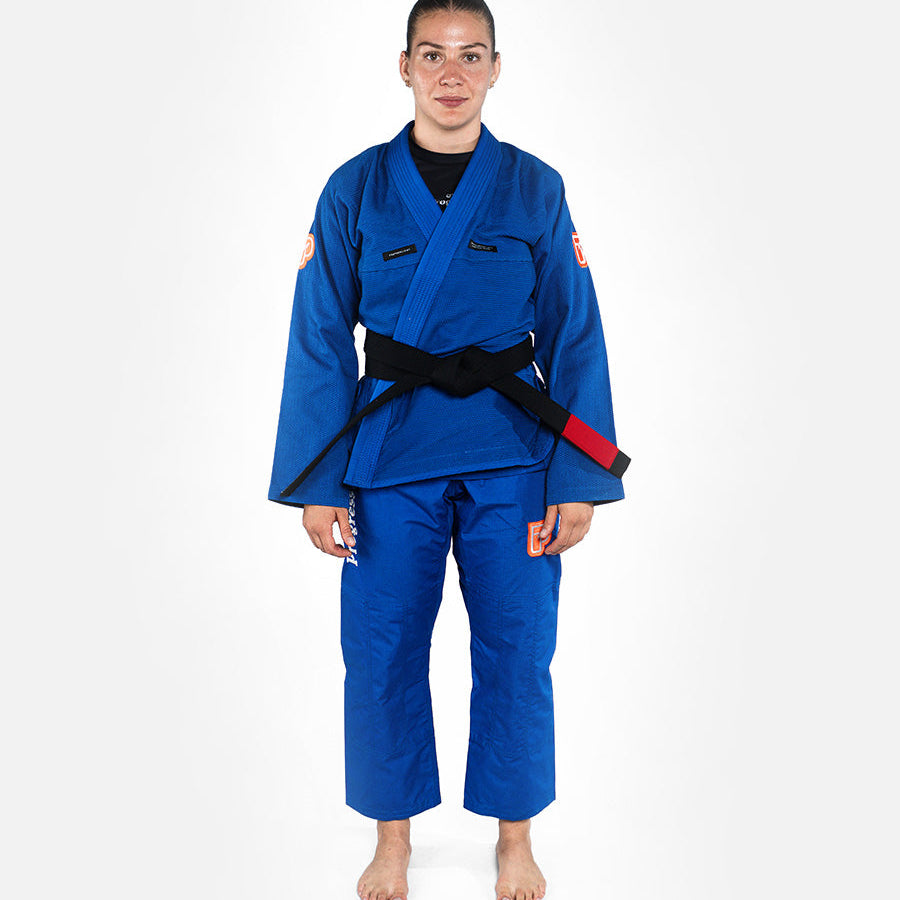
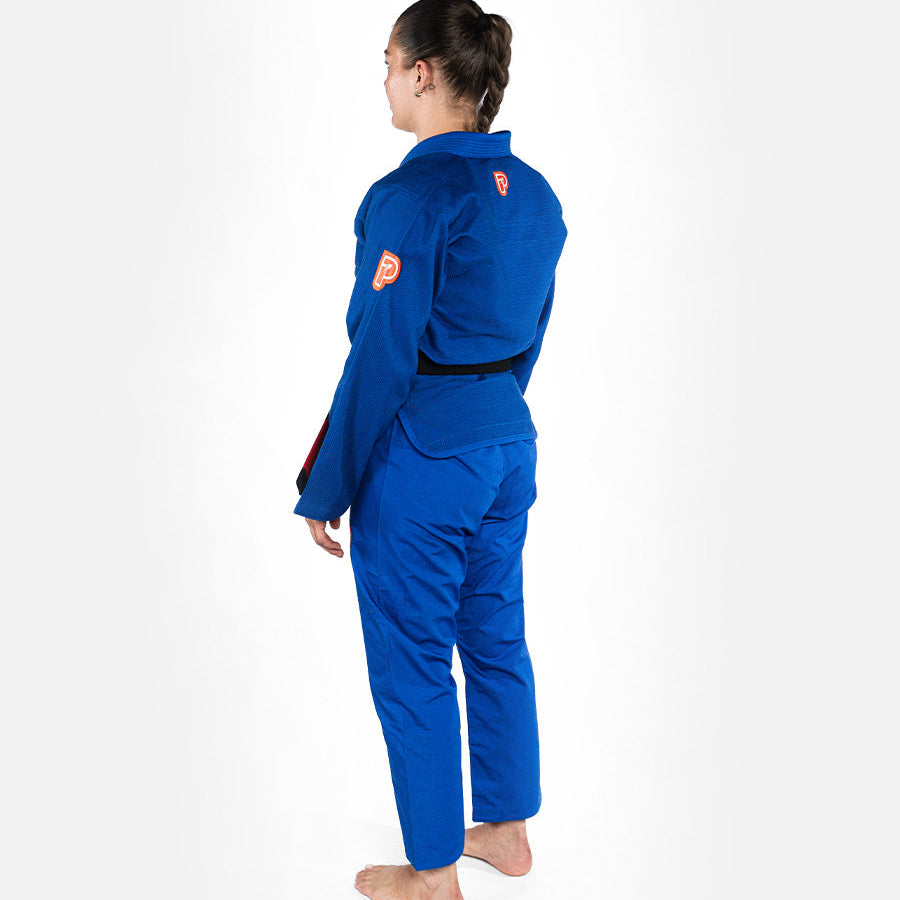
Fast & Free Shipping!
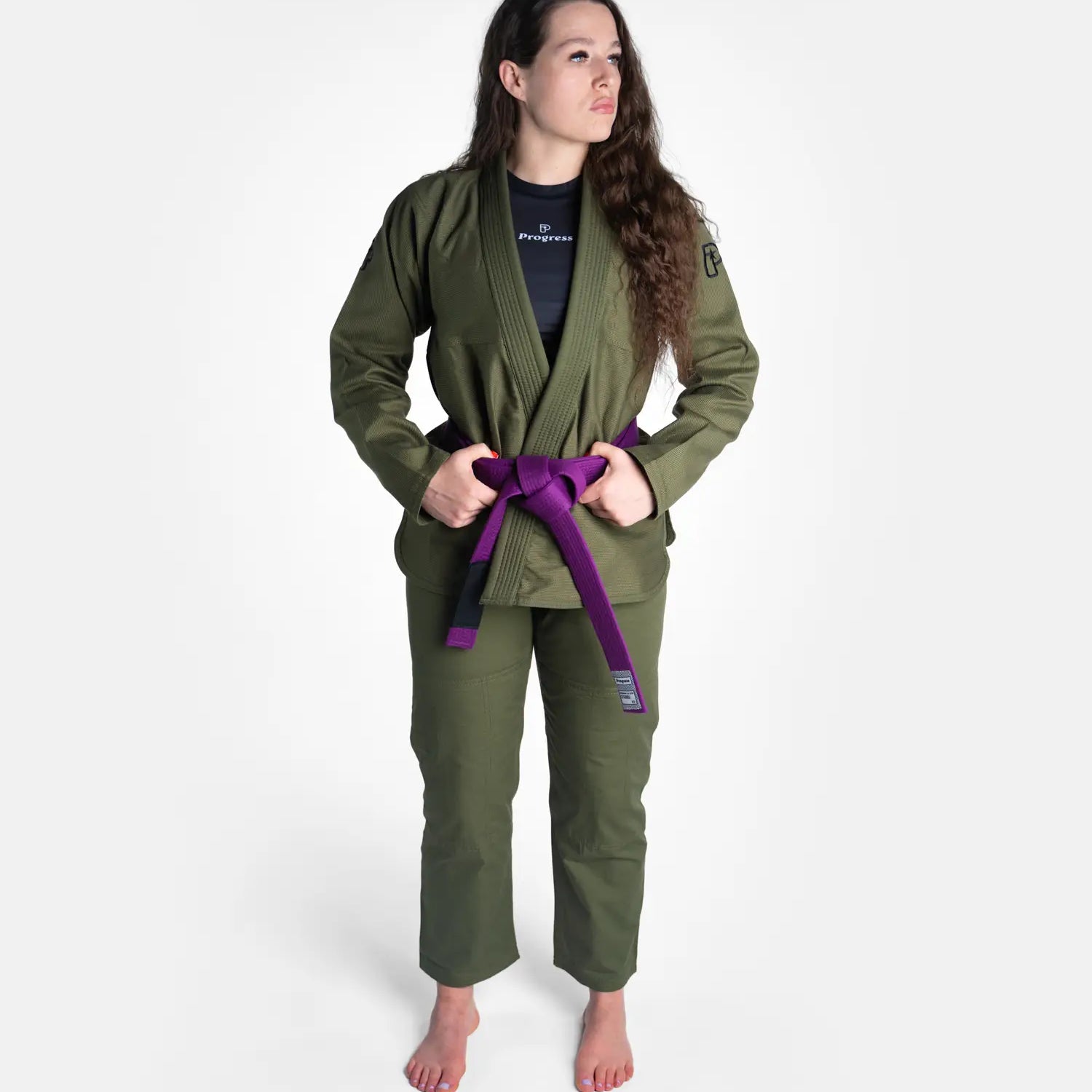
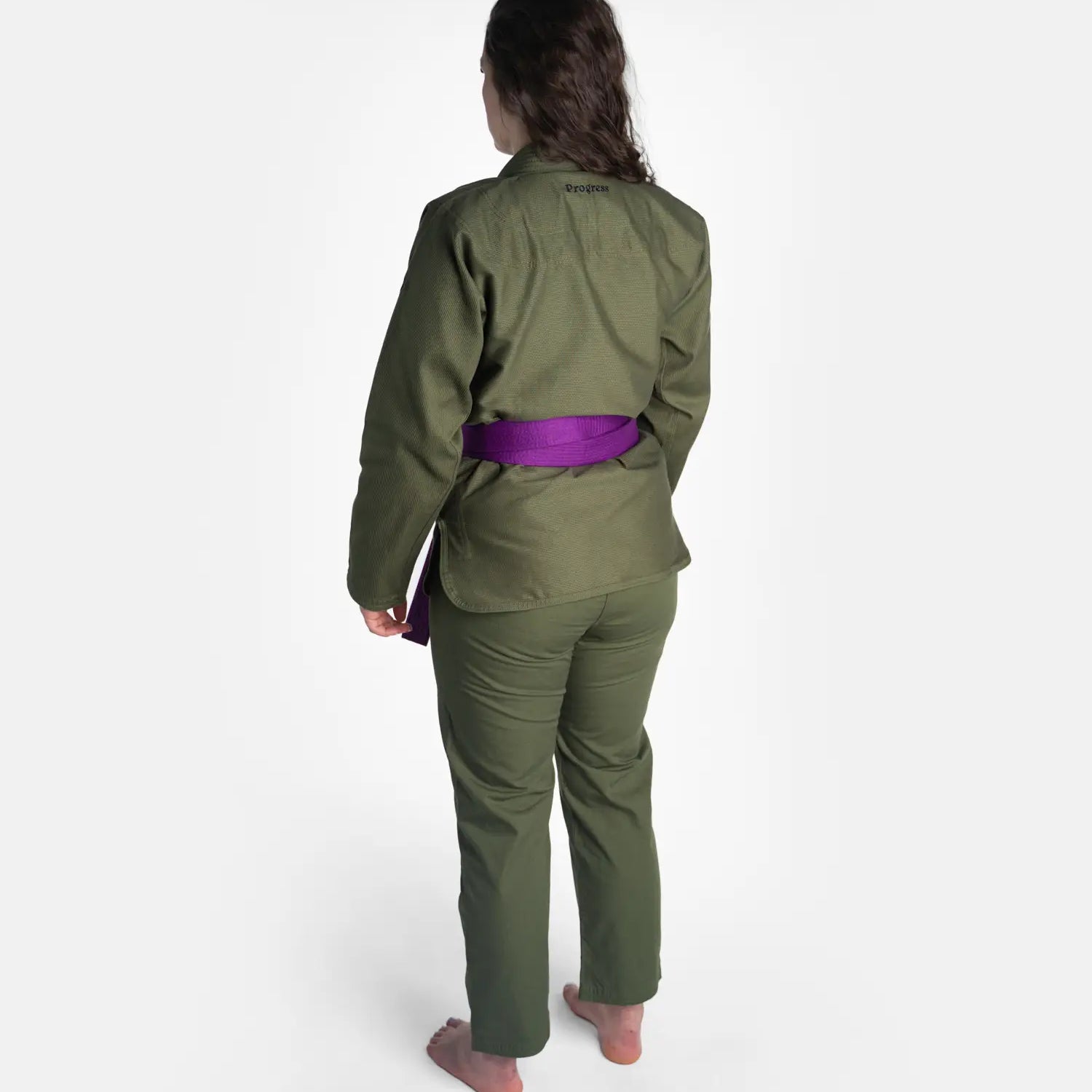


Fast & Free Shipping!
Fast & Free Shipping!
Fast & Free Shipping!


Fast & Free Shipping!

Fast & Free Shipping!