When Grappling Tape Helps Your Hands on the Mat
A sore knuckle can turn a normal collar-sleeve round into a distraction fast. The same goes for a tender thumb after a hard grip-fighting session or a toe that keeps catching on the mat during guard passing. Grappling tape is a small part of a Jiu Jitsu bag, but used well, it can make training more manageable without turning every minor ache into a full day off.
The key is to treat tape as support, not armor. It can add a little structure, protect irritated skin, and remind you not to crank on a finger that is already unhappy. It cannot make an injured joint ready for five hard rounds, and no wrapping job gives you permission to ignore pain that is getting worse.
What Grappling Tape Is Actually For
Most Jiu Jitsu students first reach for tape because their fingers hurt. That makes sense. Between collar grips, sleeve grips, lapel passing, and stubborn hand fighting from closed guard, the fingers and thumbs take plenty of repetitive stress. But the most useful purpose of grappling tape is often awareness.
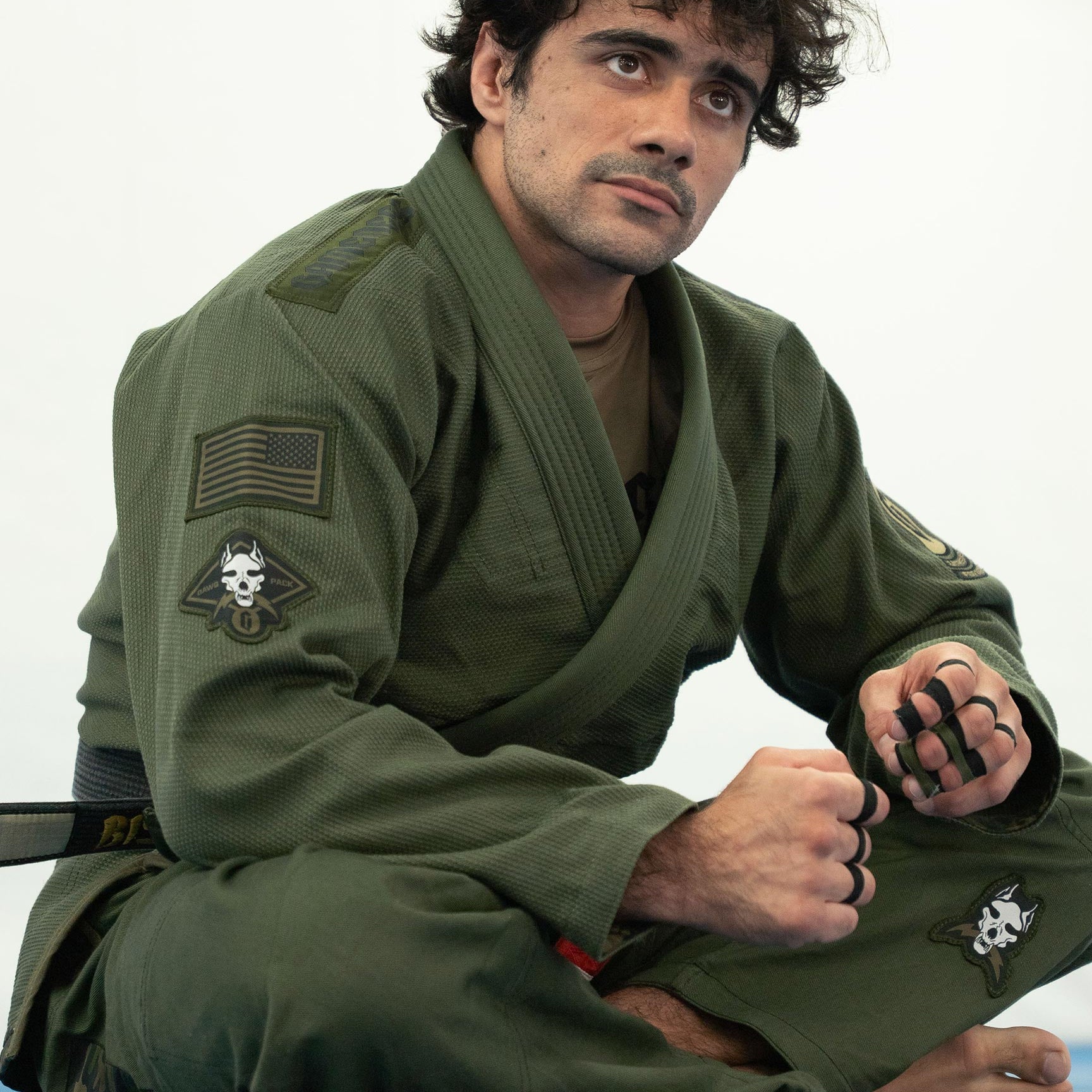
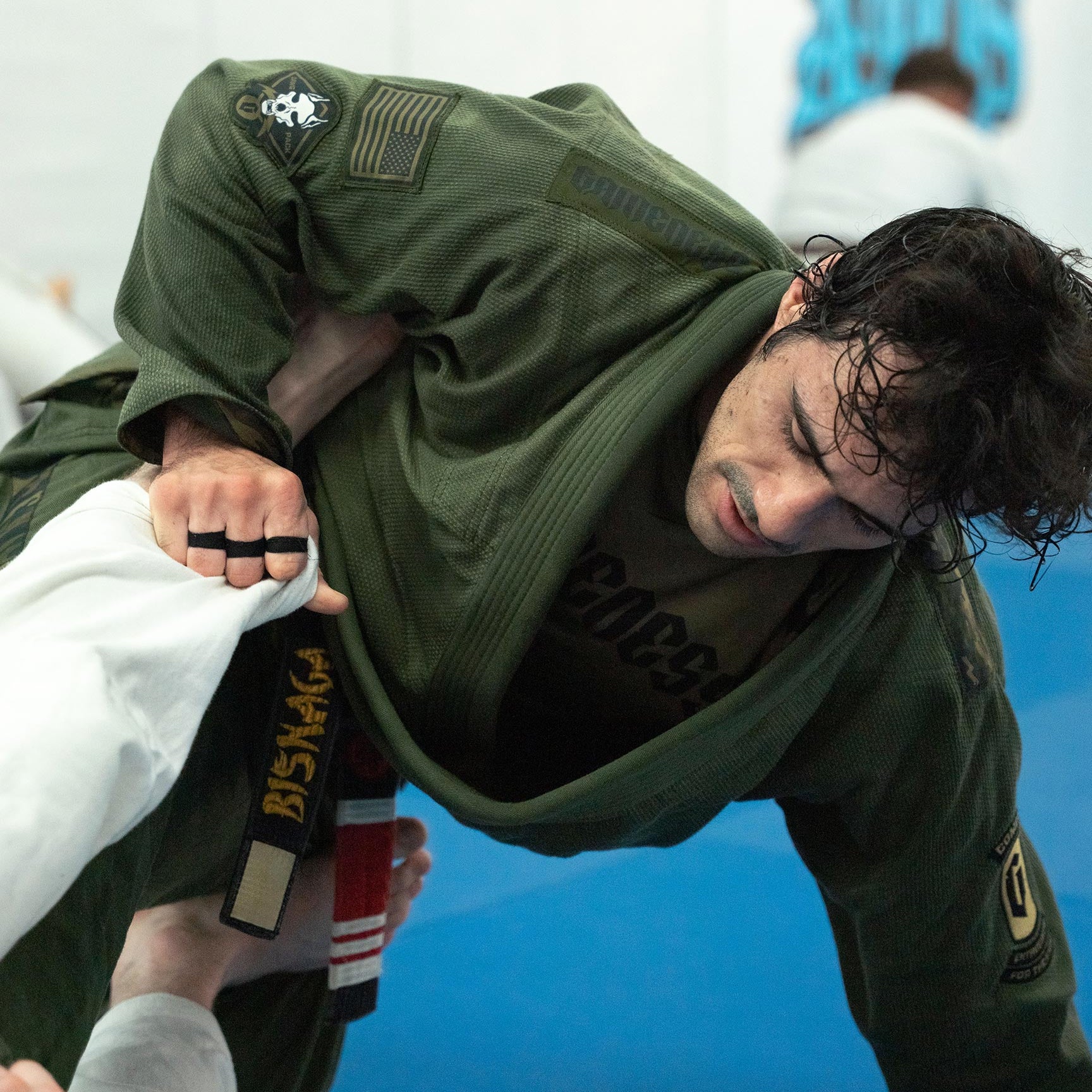
A properly taped finger can remind you to use a lighter grip during positional sparring. A taped thumb may keep you from instinctively posting hard during takedown drilling. Tape over a small skin split can stop it from reopening every time you pummel for underhooks. Those are practical training problems, not dramatic ones, and tape can help with them.
Common Jiu Jitsu uses include supporting a finger that feels tweaked after grip fighting, covering a small friction spot, keeping a toe from snagging, or adding a little protection around the thumb during controlled drilling. Competitors also use tape before an event to manage familiar trouble spots, especially when several matches and warm-up rounds are ahead.
There is a trade-off. Too much tape can limit normal hand movement, make grips feel clumsy, and create a false sense of security. If you cannot close your hand comfortably, or the tape causes numbness, tingling, or color changes, take it off and reassess rather than tightening it further.
When to Tape Before Jiu Jitsu Training
Timing matters. Tape is most useful when you have a specific, repeatable reason for it, not simply because everyone else in the room has a roll in their bag.
For example, a white belt learning closed-guard grips may tape a rubbed spot on a finger before class so it does not split during shrimping and drilling. An experienced student who has a mildly irritated knuckle from a week of hard gi rounds might use tape as a cue to avoid death-gripping sleeves. A competitor could tape a toe that has been catching during stand-up exchanges, then choose safer takedown entries in the warm-up instead of forcing explosive scrambles.
Tape is also useful after you have already adjusted your training. If your thumb is sore, start by telling your training partners, avoiding hard posting, and choosing rounds that do not require constant grip fighting. Tape can be part of that plan, but it should not be the entire plan.
Do not wait until you are standing on the edge of the mat with the timer about to start. Wrapping in a rush usually leads to bulky layers, poor adhesion, and tape that unravels after the first collar drag. Tape before class, move your fingers through their normal range, and make sure you can still safely grip, frame, and release.
How to Apply Grappling Tape Without Overdoing It
The best tape jobs are usually simple. They stay put, avoid cutting off circulation, and do not leave a loose edge for your partner's fingers to catch. Clean, dry skin helps more than adding extra layers.
Fingers and Knuckles
For a finger that needs light support, many grapplers use an anchor strip below the joint and another above it, with a small amount of tape crossing the area between. The goal is not to immobilize the finger completely. You still need enough movement to make a normal grip and, just as importantly, let go when you need to.
Avoid wrapping directly over the middle of a knuckle with a thick, tight band. That tends to bunch when you bend your finger, and it may come loose halfway through drilling. Keep the wrap smooth and trim the ends so there are no long tabs hanging off your hand.
If one finger is especially bothersome, some students buddy-tape it lightly to the finger next to it. This can reduce the feeling of an isolated finger getting pulled sideways during gi grip exchanges. It also changes how your hand moves, so test it with a few relaxed grips before live rolling.
Thumbs
Thumb tape needs restraint. The thumb is involved in almost everything in Brazilian Jiu Jitsu: framing from bottom side control, posting during technical stand-ups, hand fighting for collar ties, and controlling fabric in gi rounds. A bulky wrap can make all of those actions worse.
Use a minimal wrap that does not cover the web space between the thumb and index finger more than necessary. Then adjust your training. If an overhook grip, a heavy cross-collar grip, or a specific takedown entry aggravates the area, skip it for the day. That decision is usually smarter than repeatedly rewrapping the same thumb between rounds.
Toes and Skin Protection
Toe tape is common when a toe has been catching on the mat or rubbing inside a sock during no-gi training. Keep it low-profile. A thick tape ball around a toe can be more likely to peel off during guard retention or get caught when you are working De La Riva hooks.
For small skin splits, tape should cover and secure the area without creating loose material. Academy hygiene matters here. If the skin is open, leaking, or cannot be covered securely, sitting out is better for you and everyone sharing the mats.
Tape Should Change How You Roll
The biggest mistake is taping a sore body part and then training exactly the same way. If your ring finger is taped, reconsider a hard round built around sleeve-and-collar grip fighting. Work on passing with underhooks, body-lock entries, or pressure that does not depend on crushing fabric grips.
If your thumb is taped, choose technical rounds where you can focus on elbow position, hip movement, and framing rather than a grip-heavy battle from seated guard. During open mat, tell your partner what is taped and why. Most good training partners will work with you, whether that means lighter grips, fewer stand-up exchanges, or a more positional round.
This is especially relevant for newer students. White belts often feel pressure to prove they can keep going, even when a finger is swollen or a toe is painful. Training consistently for months matters more than winning a random Tuesday round. Experienced belts set that standard when they modify a round without apologizing for it.
Academy Etiquette and Tournament Considerations
Tape affects other people on the mat. Loose strips collect lint, stick to gis, and can scratch training partners. Check your tape before every round, especially after drilling takedowns or wrestling from the knees. If it is peeling, replace it rather than hoping it survives one more round.
For competition, check the event's current rules before you arrive. Organizations can have specific requirements about tape placement, color, approval, and whether an official needs to inspect it. Do not assume that the wrap you use during regular academy classes will be accepted at weigh-ins or on the competition floor.
It also helps to practice with your preferred setup before tournament day. A taped finger can change the feel of your grips on a gi collar. A taped toe can affect how comfortably you hook and recover guard. The first time you test either should not be in your opening match.
Know When Tape Is Not the Answer
Tape is for minor support and skin management, not for diagnosing or treating an injury. Stop training and seek appropriate professional guidance if pain is severe, a joint looks out of place, you cannot use the area normally, or symptoms keep worsening. The same applies to persistent pain that does not improve when you reduce training volume.
A good rule from years on the mats is simple: if you need increasingly elaborate tape jobs just to make it through ordinary drilling, your body may be asking for more than tape. Take a lighter class, drill from a safer position, or give the area time away from hard rounds.
Keep a roll in your gym bag, apply it neatly, and let it support smarter training decisions. The best use of grappling tape is not squeezing out one reckless round. It is helping you stay present, useful, and respectful of your training partners while you keep showing up to train.
Shop Our New Releases
Fast & Free Shipping!
Fast & Free Shipping!
Fast & Free Shipping!
Fast & Free Shipping!

Fast & Free Shipping!

Fast & Free Shipping!