What Gi Weight Should I Buy for Jiu Jitsu?

The weight of a jiu jitsu gi has a bigger impact than most people realize. It affects how hot you get, how quickly your gi dries, how easy it is to grip, and even how comfortable it feels during a long training session. Choosing the right weight isn't about finding the "best" gi - it's about finding the one that fits how and where you train.
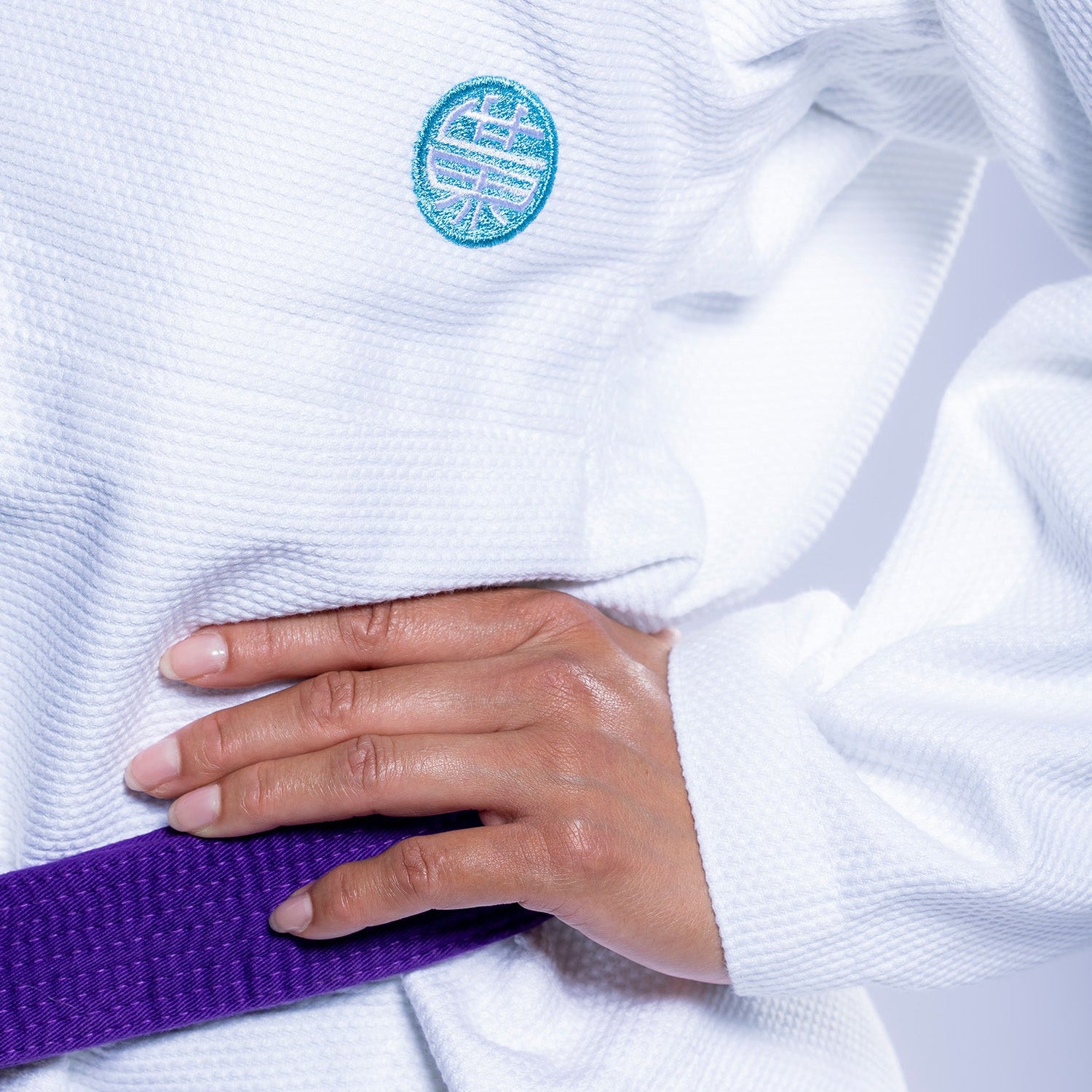
Gi weight is usually described by the fabric used in the jacket, especially the weave. It affects how the gi feels while rolling, how quickly it dries, how much it resists grips, and how pleasant it is to wear during a long open mat. It does not tell you everything about durability or fit, but it is one of the biggest decisions you will make when choosing a gi.
What Gi Weight Should I Buy for Regular Training?
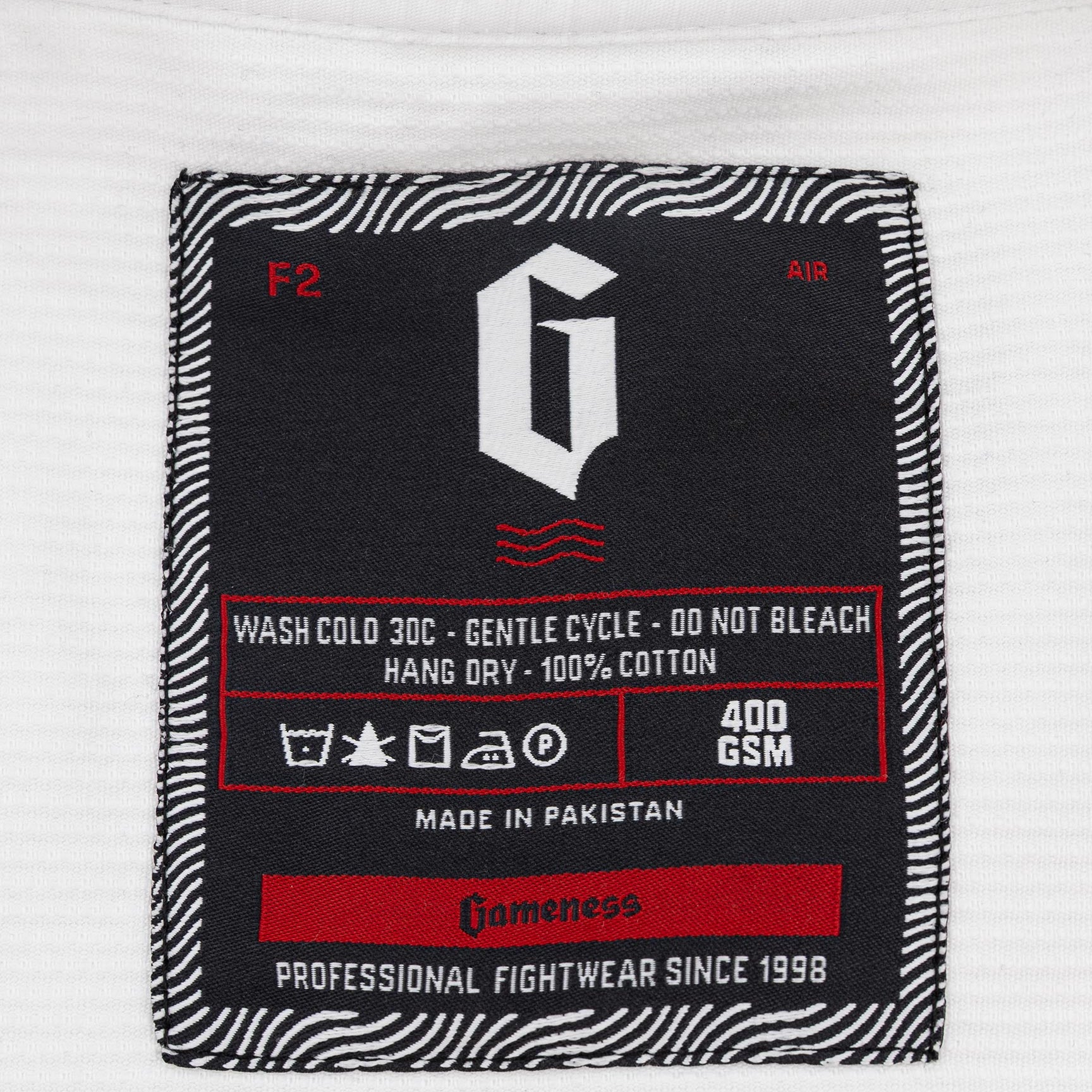
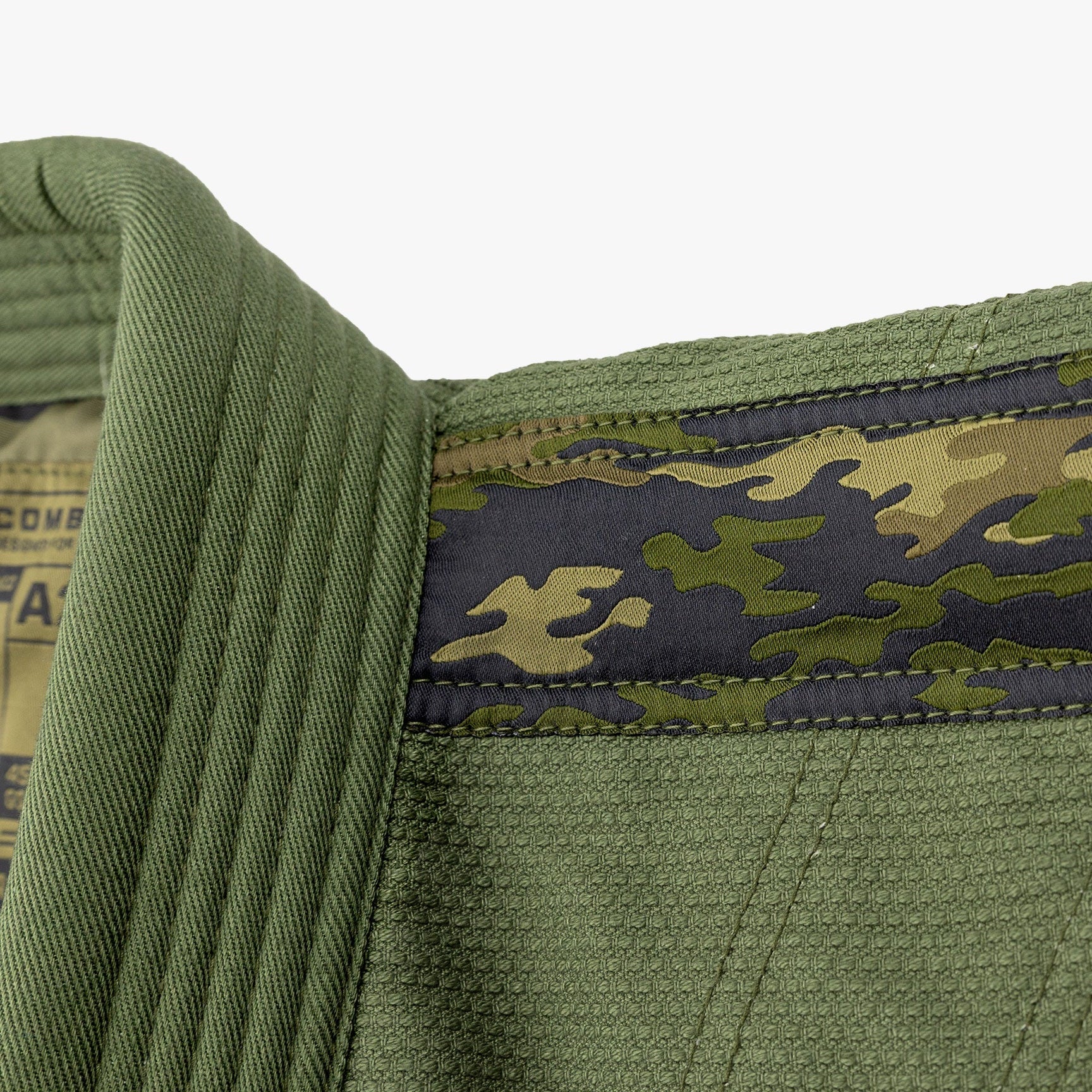
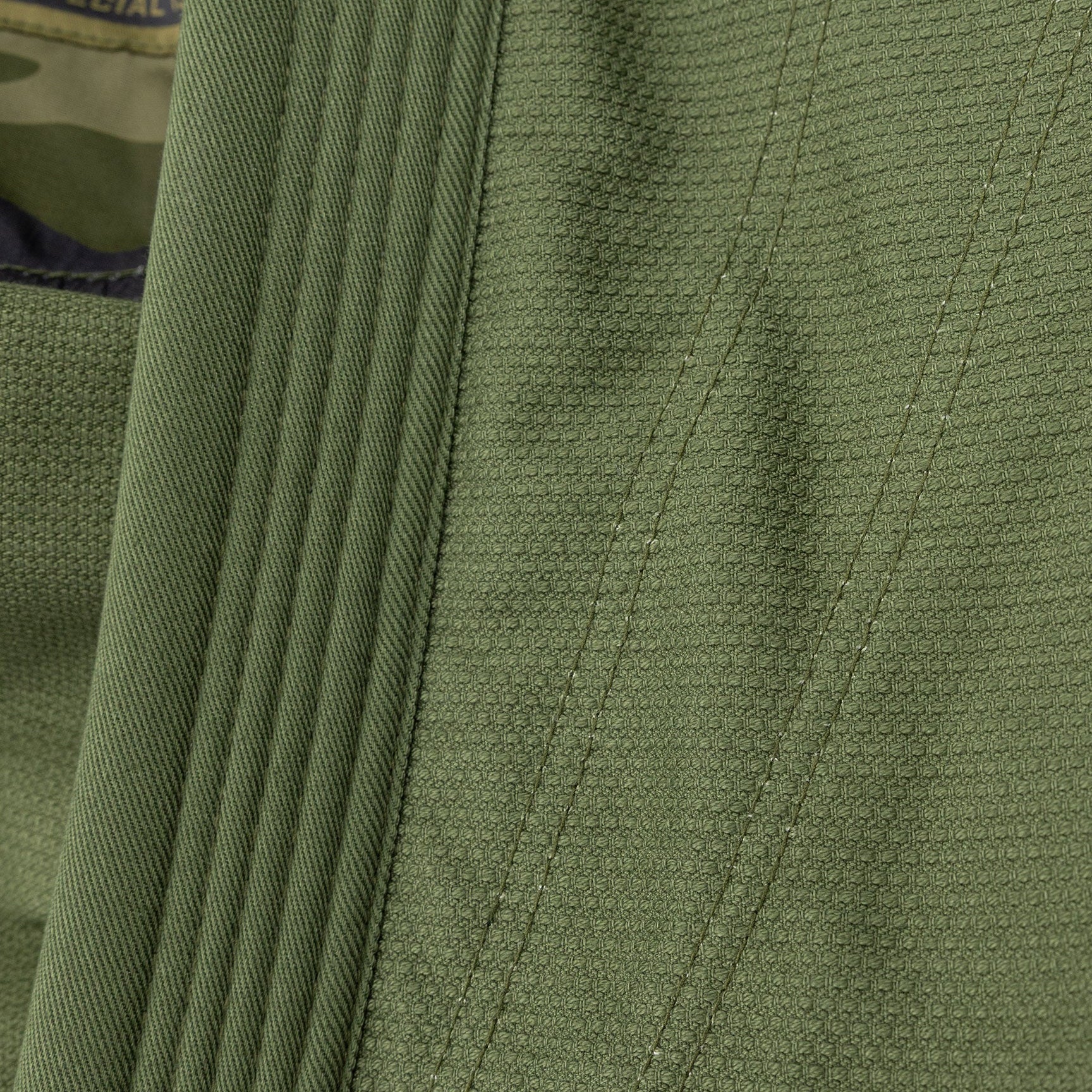
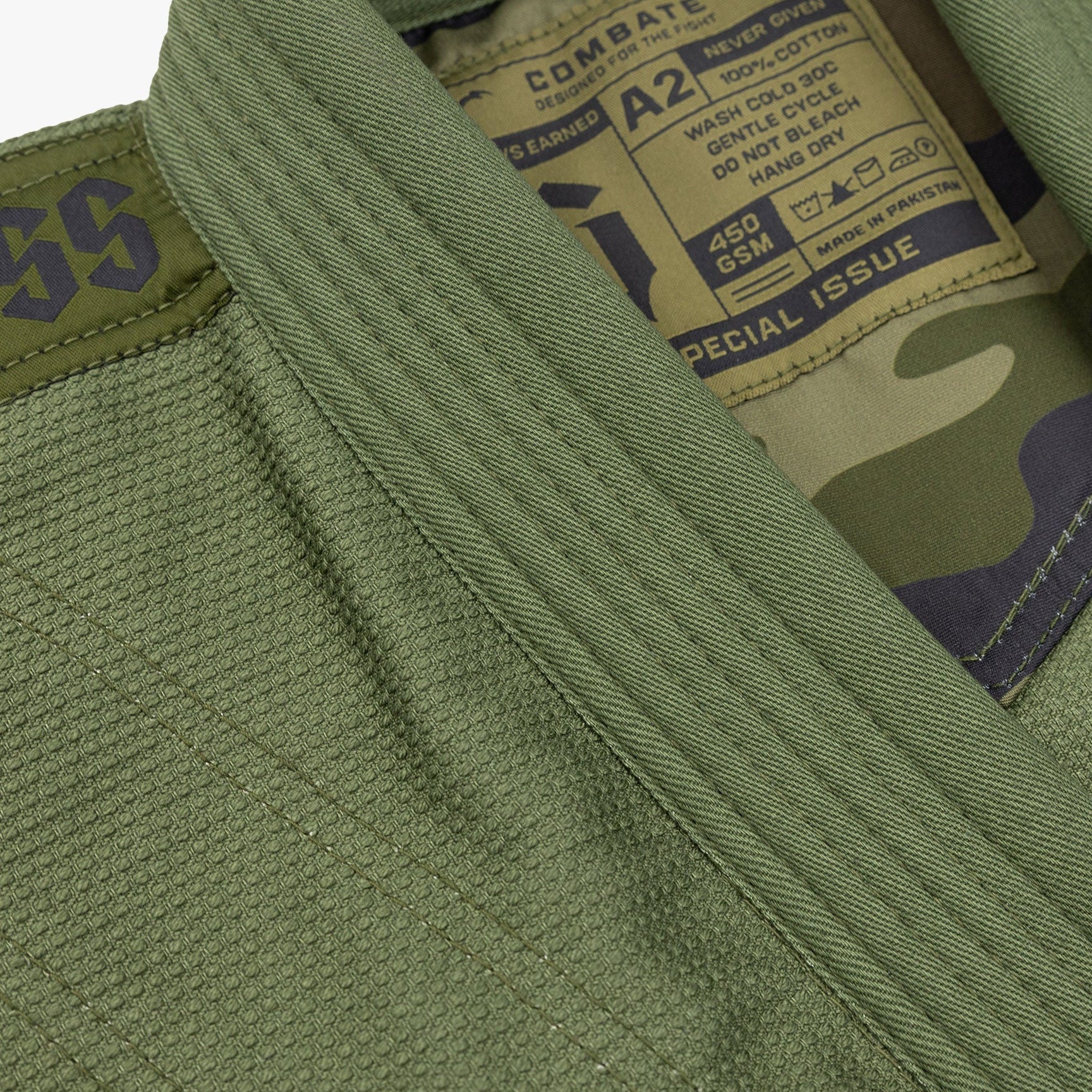
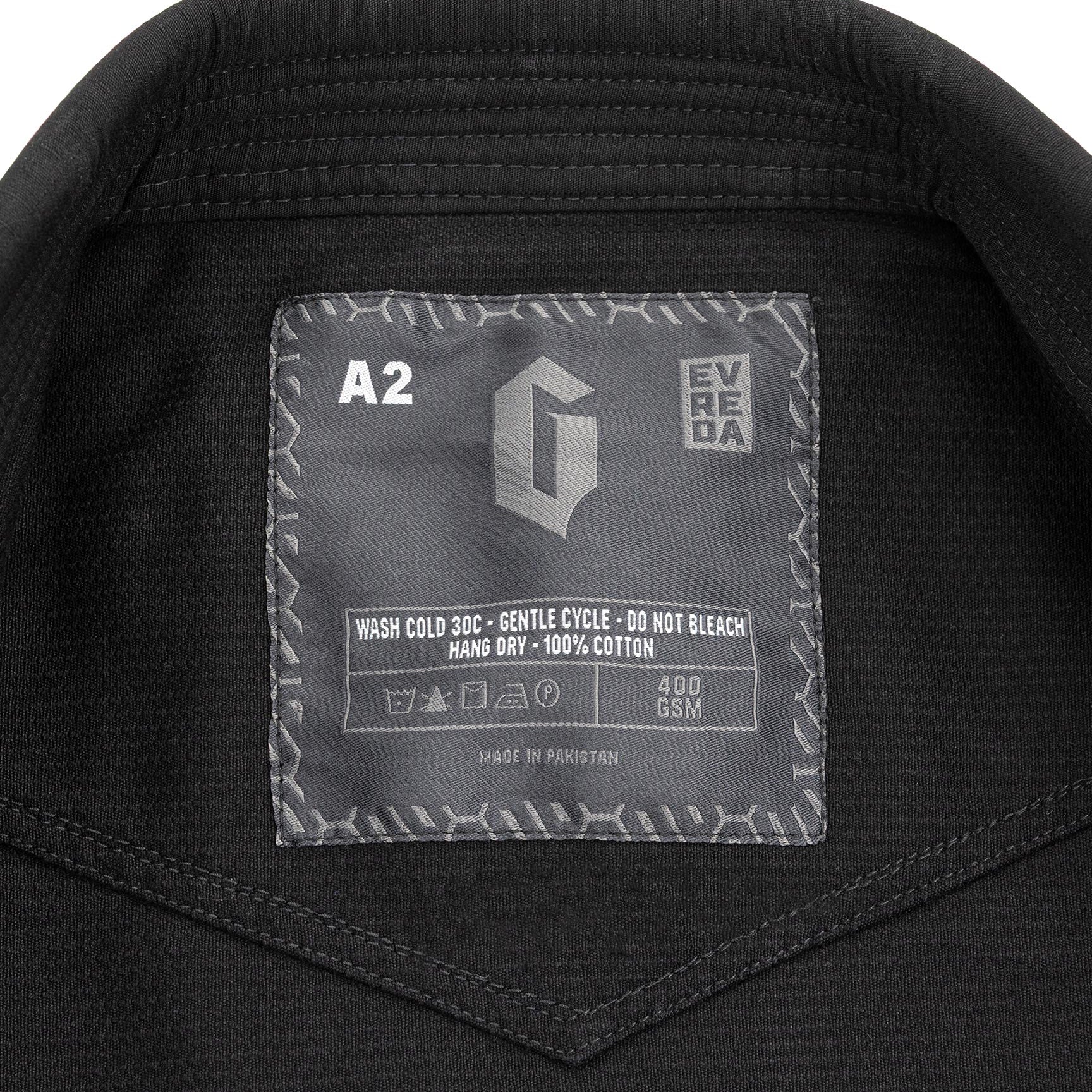
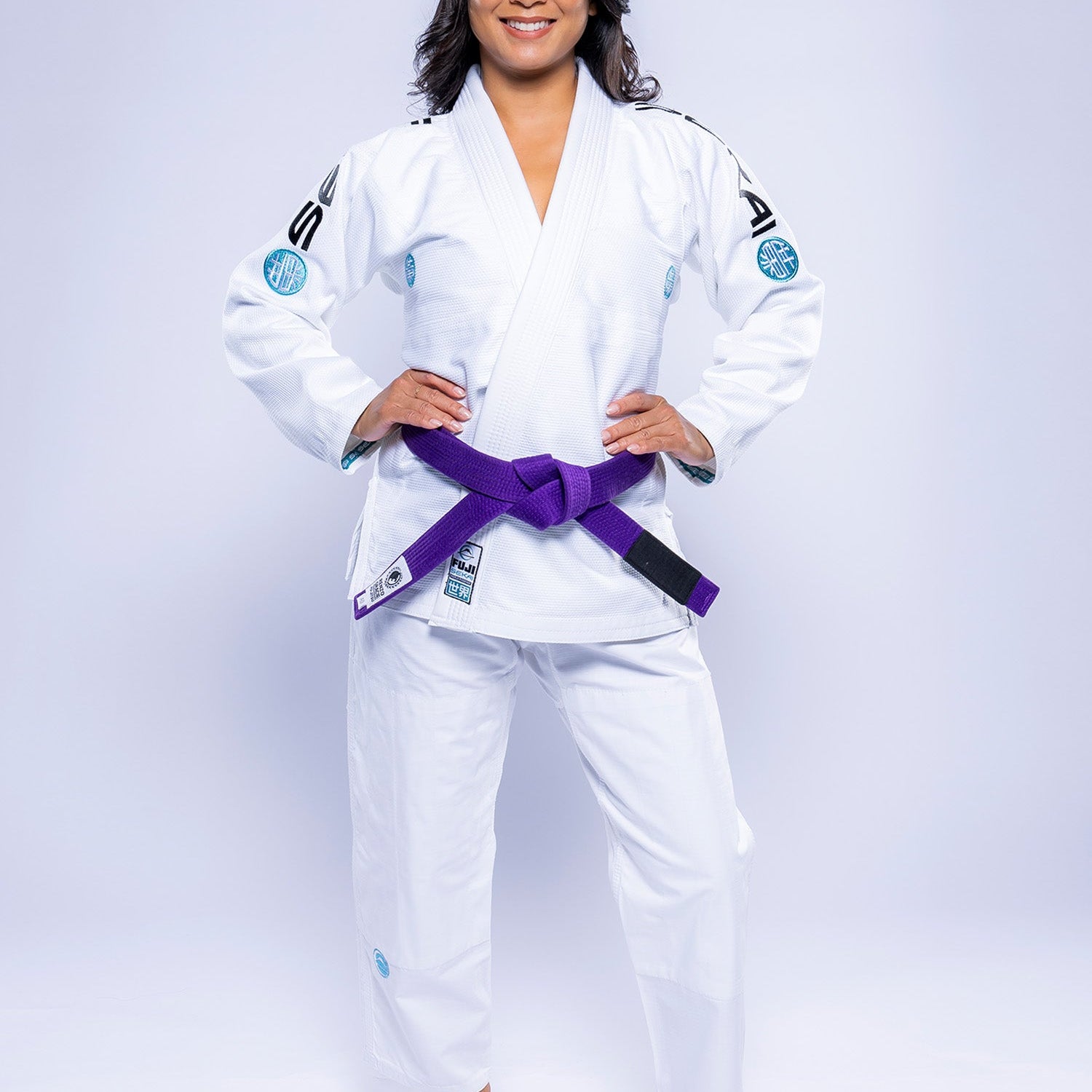
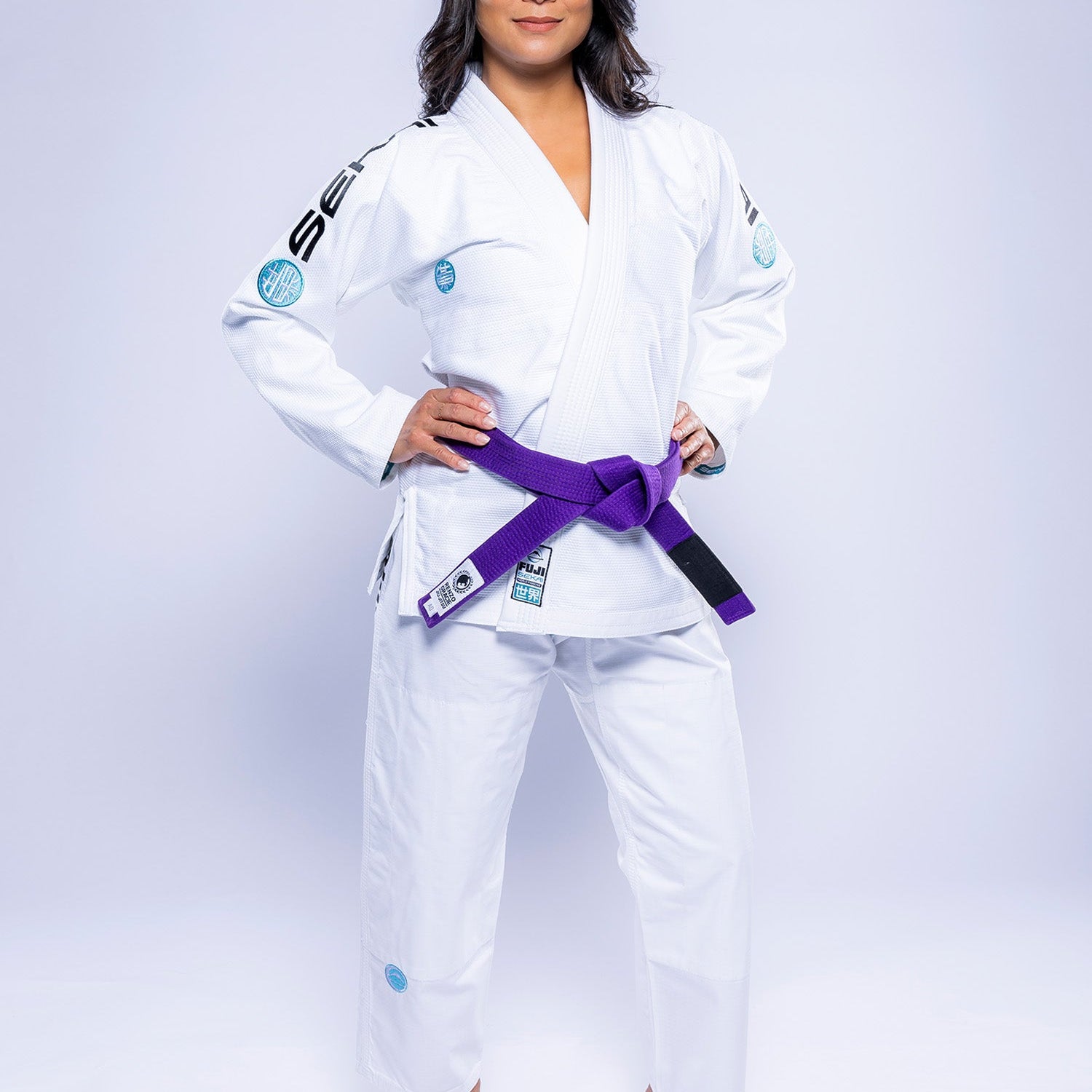
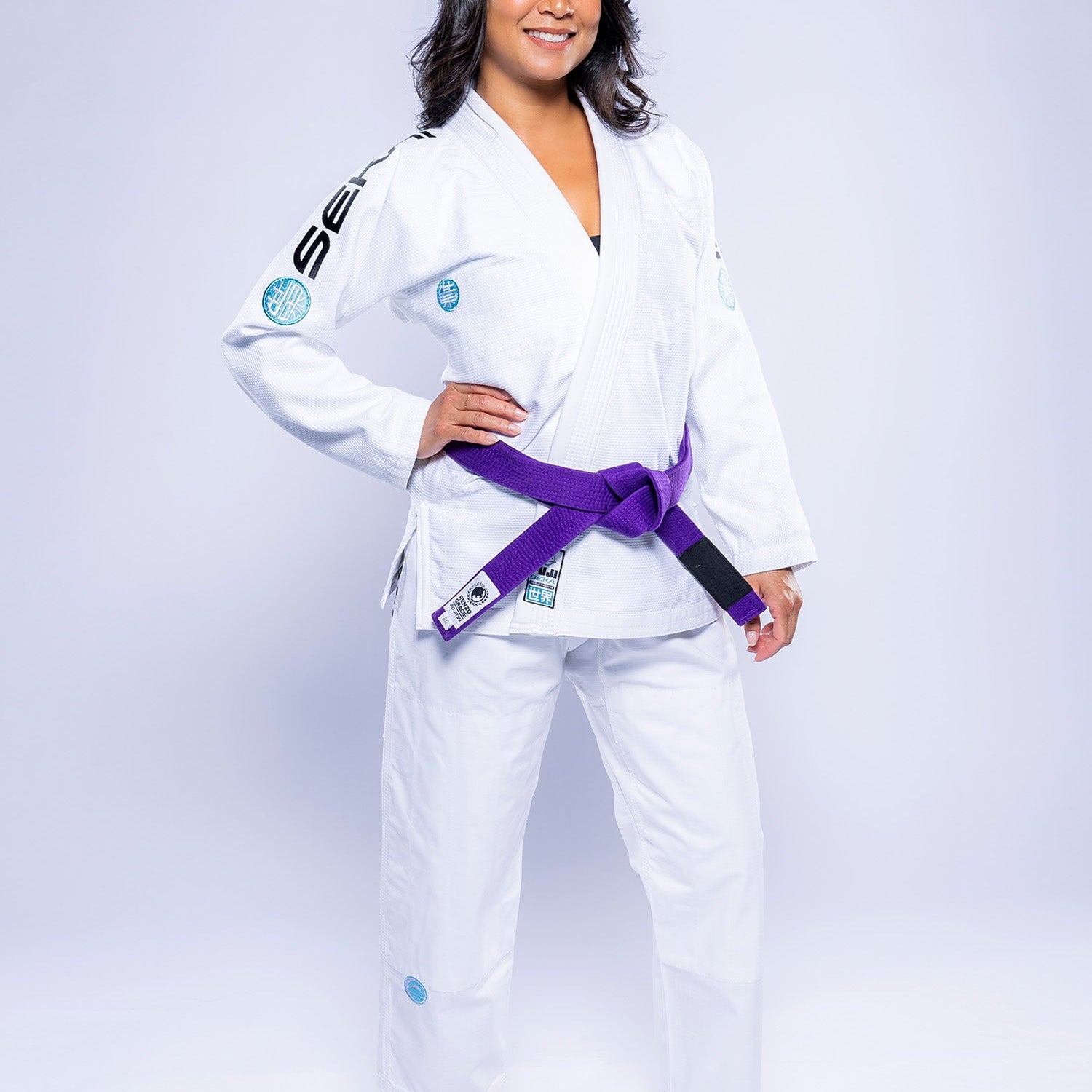
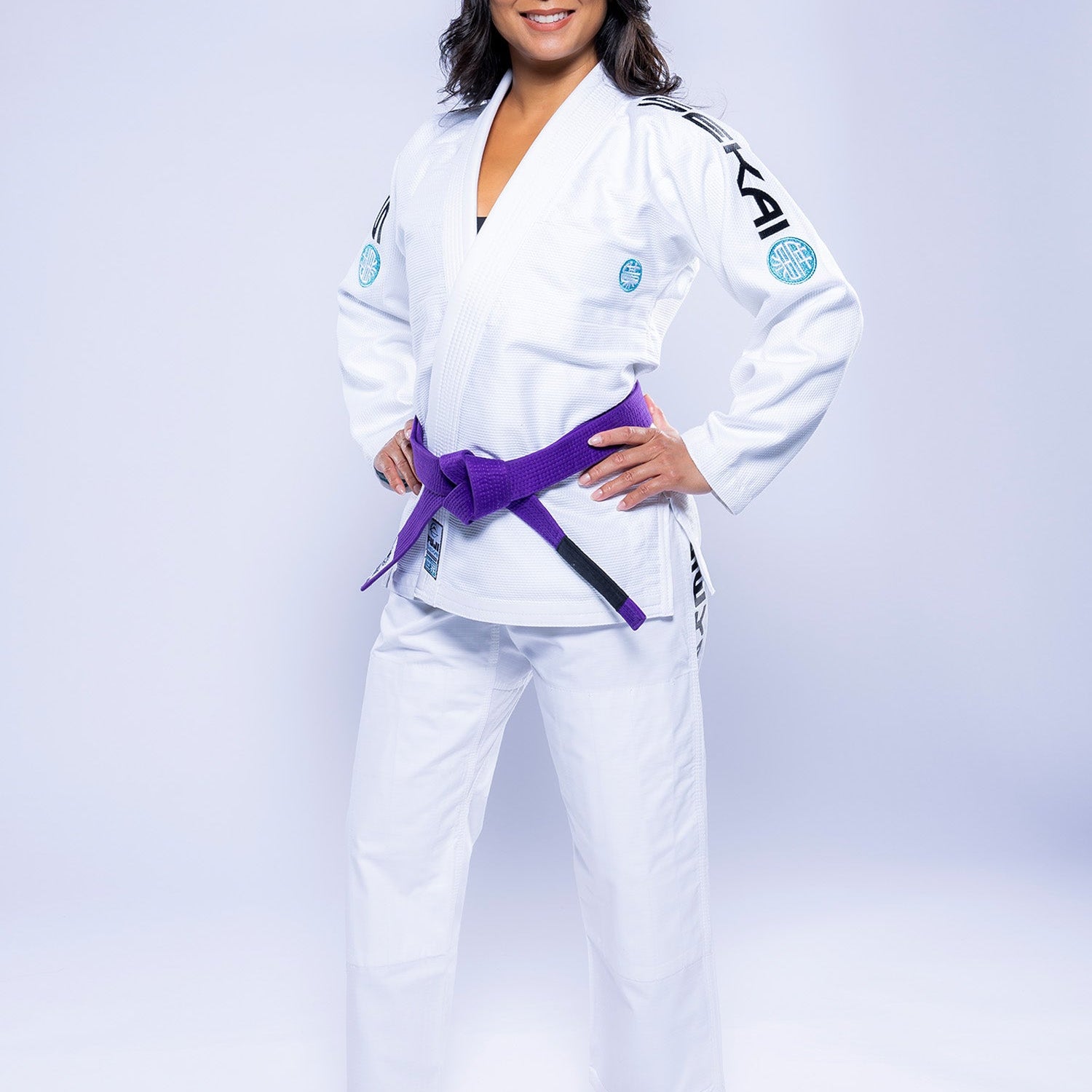
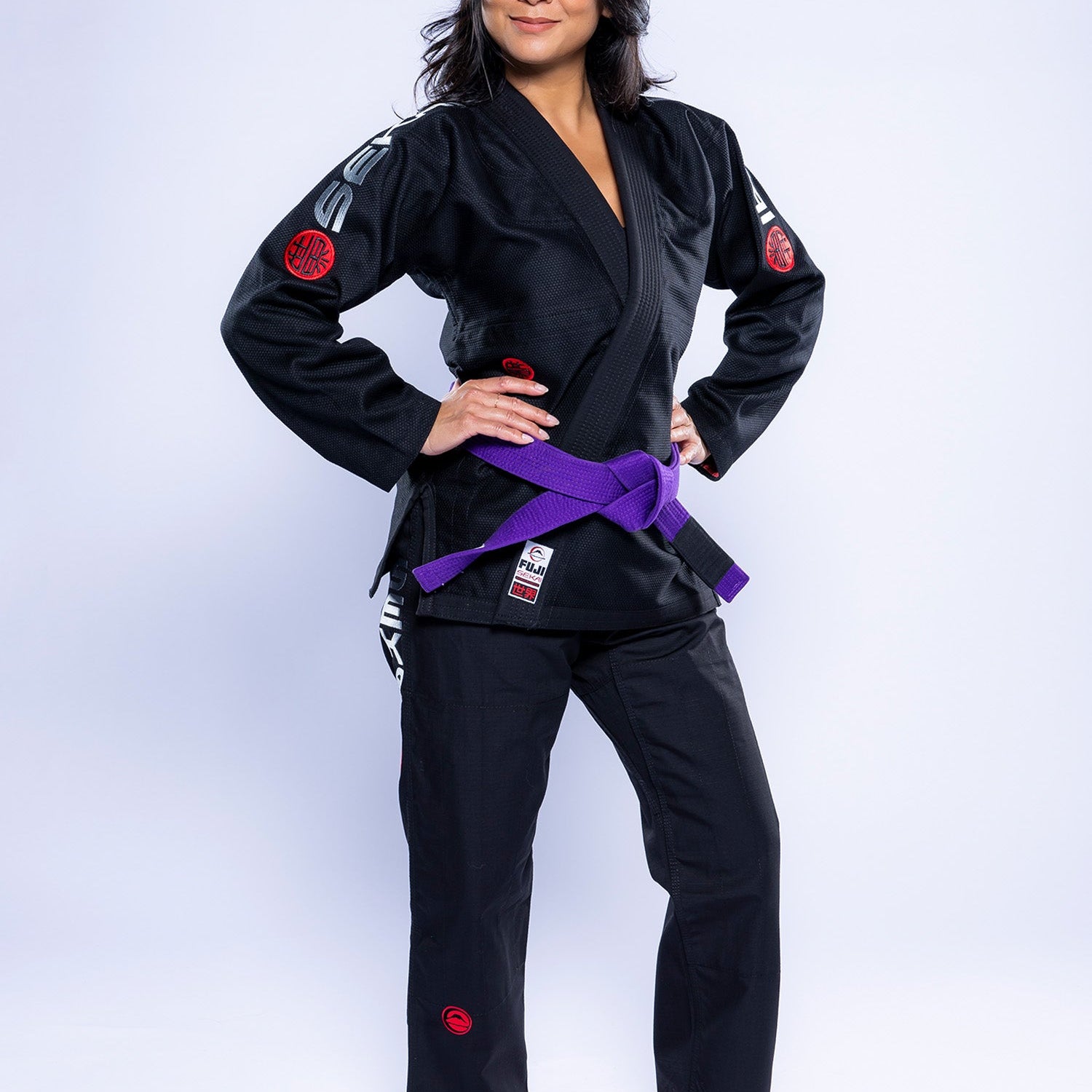
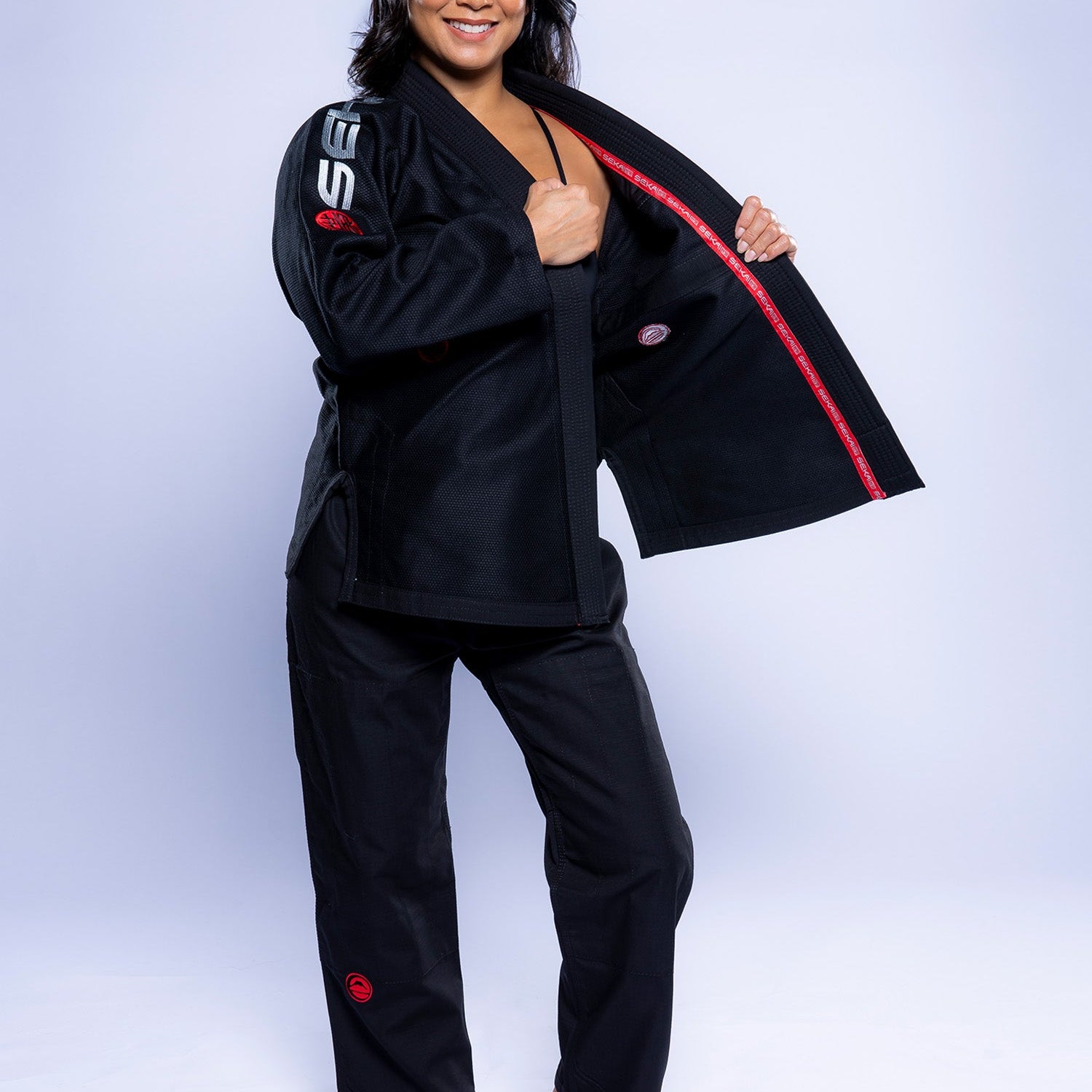
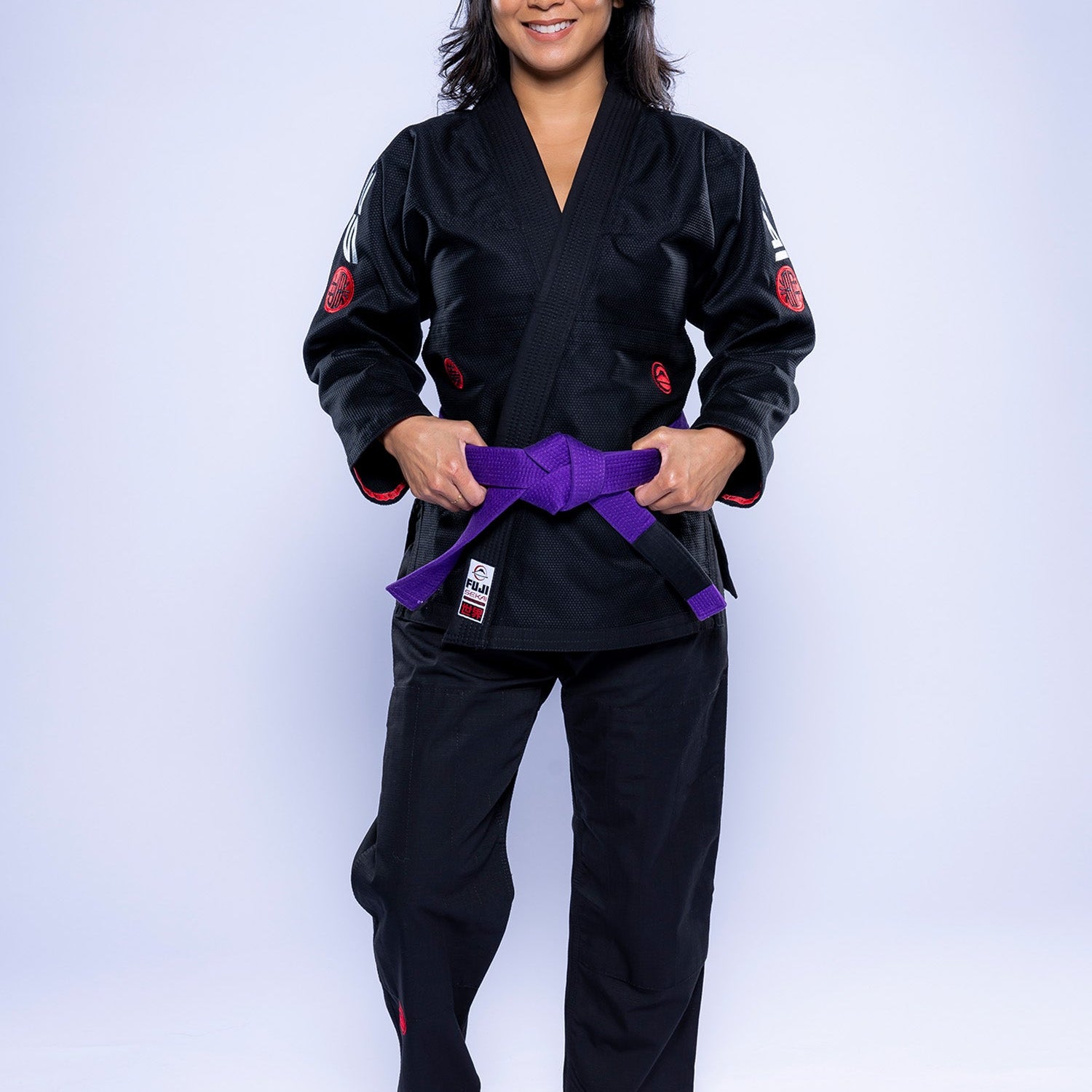
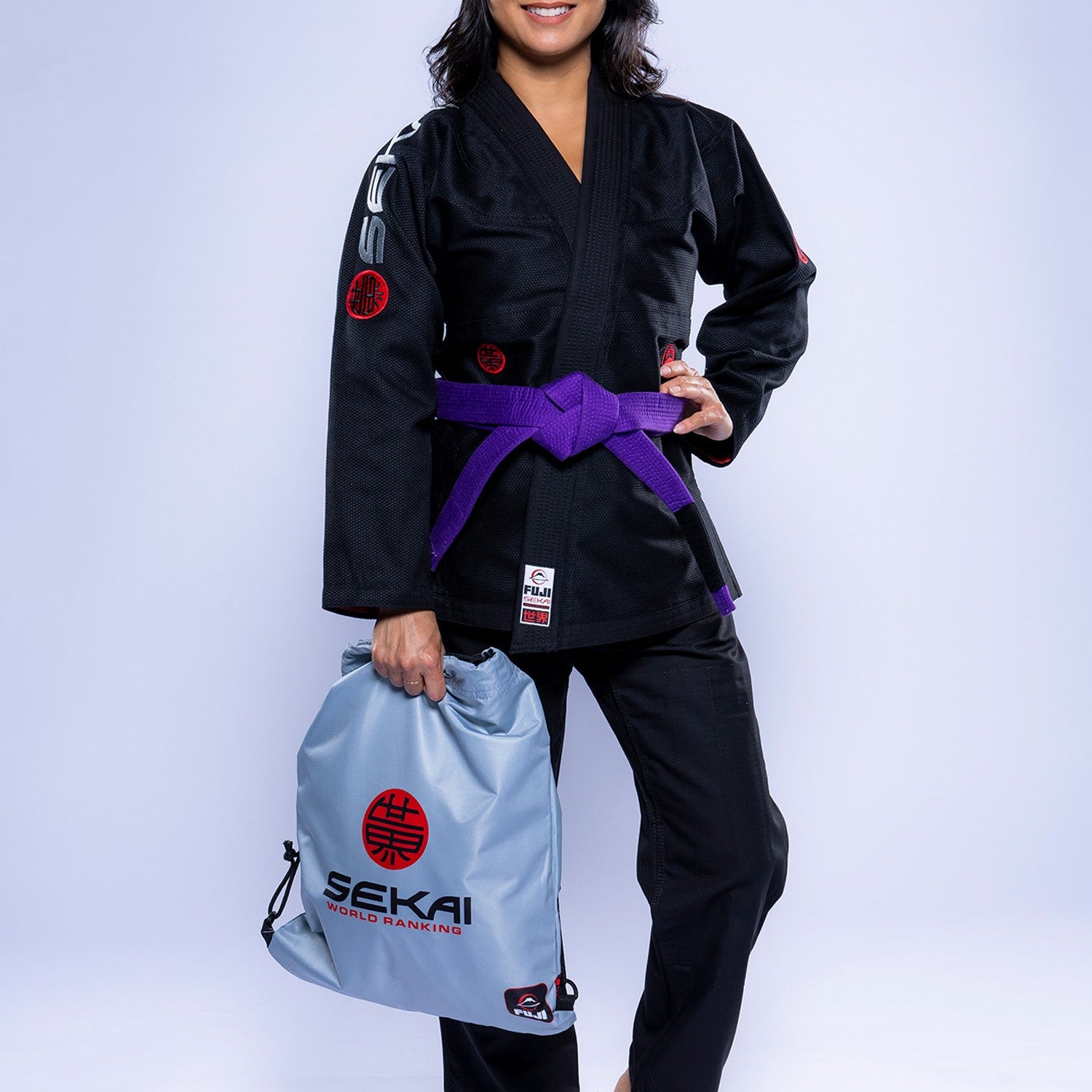
If you're buying your first gi, start with a midweight. It strikes the best balance between durability, comfort, and versatility, which is why most academies recommend them. A jacket in roughly the 400 to 475 GSM range gives you enough substance for regular training without feeling punishingly hot or taking forever to dry.
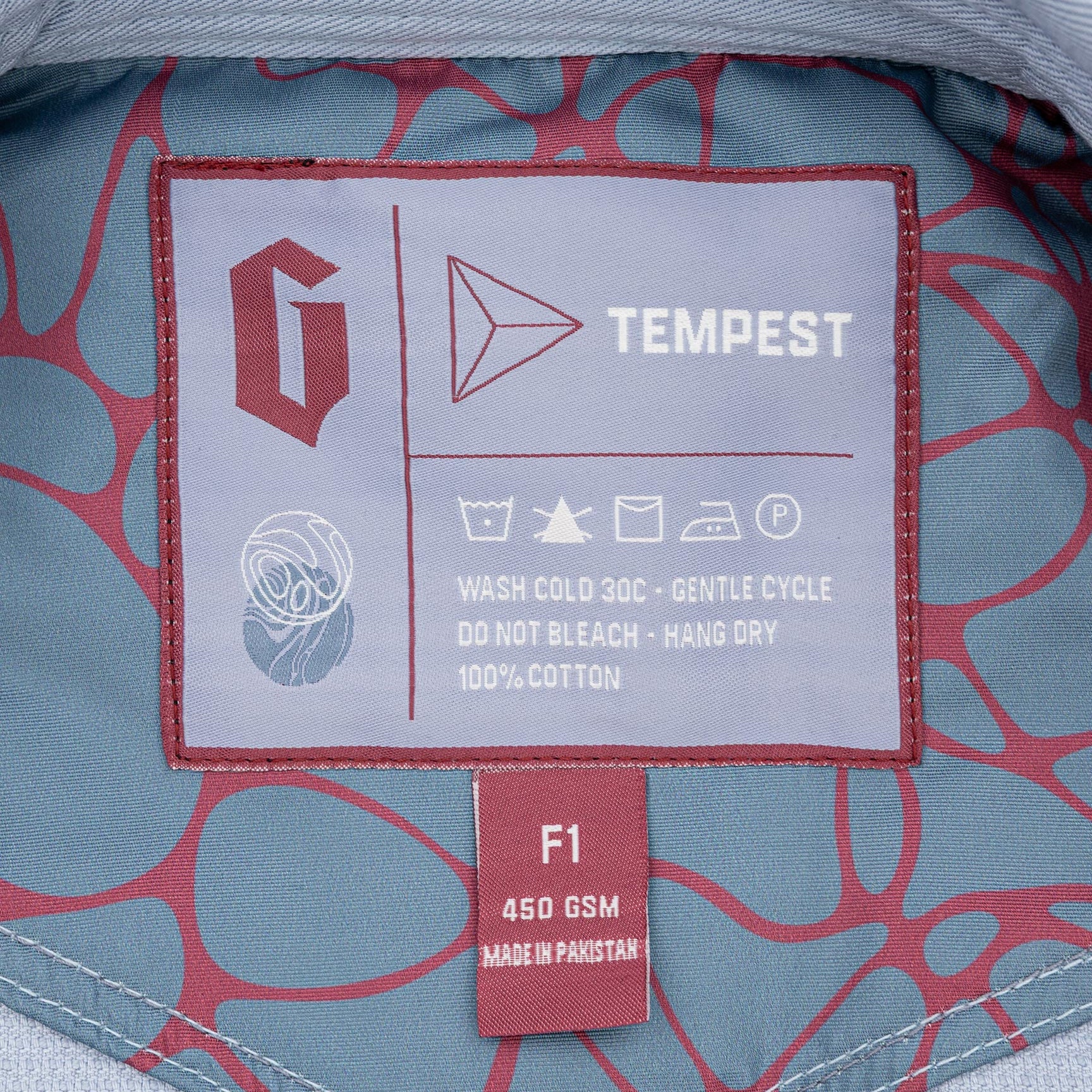
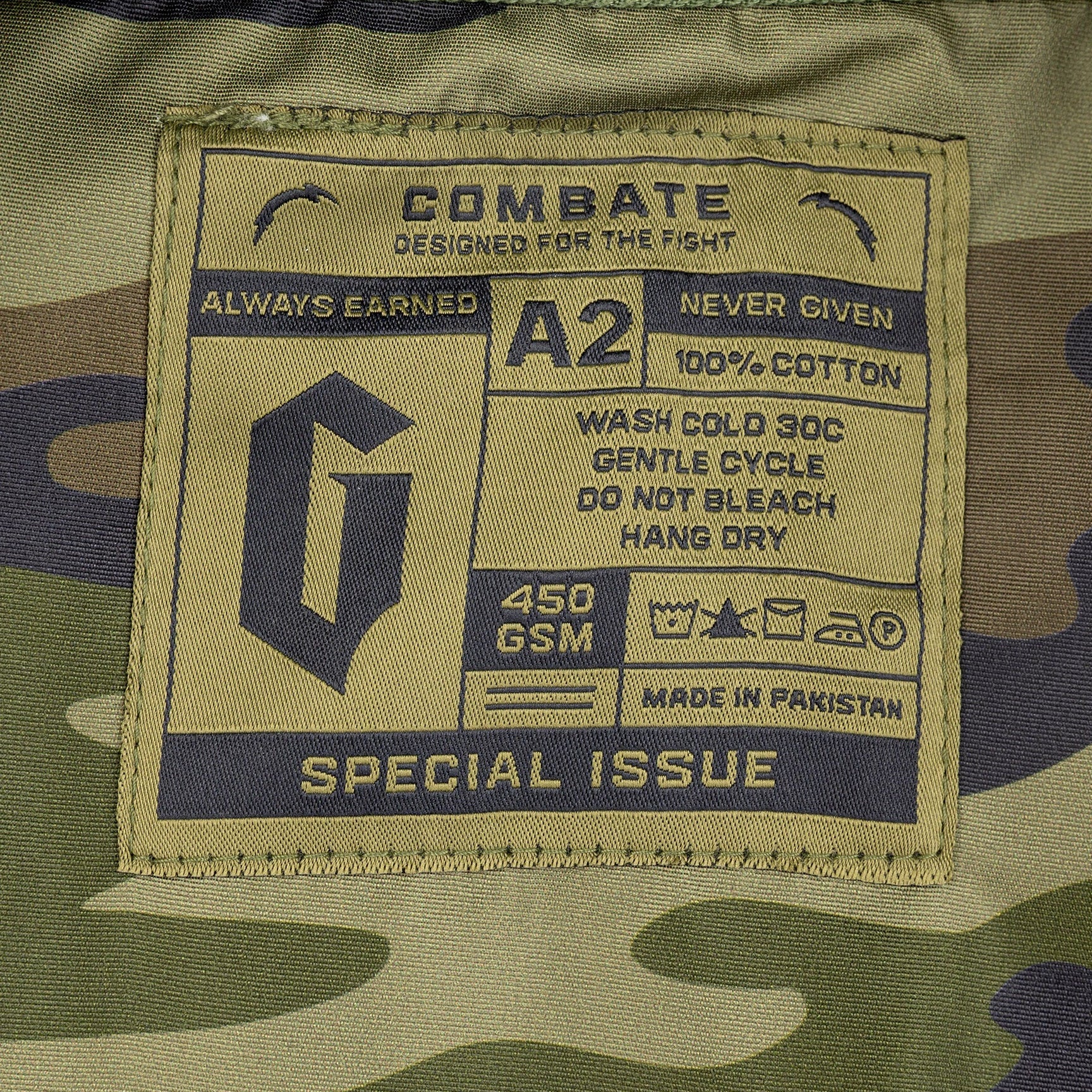
GSM means grams per square meter, a measurement of fabric density. A higher GSM number generally means a denser, heavier jacket fabric. Pants have their own fabric weights and materials, so two gis with similar jacket GSM can still feel different once you put them on. Cut, reinforcements, collar thickness, and preshrinking all matter too.
A midweight gi works well for the white belt attending class two or three nights a week, the blue belt who stays for extra rounds after technique, and the hobbyist who wants one dependable uniform for most of the year. It is also a practical choice if your academy is air-conditioned but still gets warm once 20 people are rolling.
The trade-off is that a midweight gi is not the coolest option in August and not the most grip-resistant option for hard competition rounds. But it is usually comfortable enough, durable enough, and easy enough to manage that it does not become a hassle between classes.
Lightweight Gis: Best for Heat, Travel, and Fast Laundry
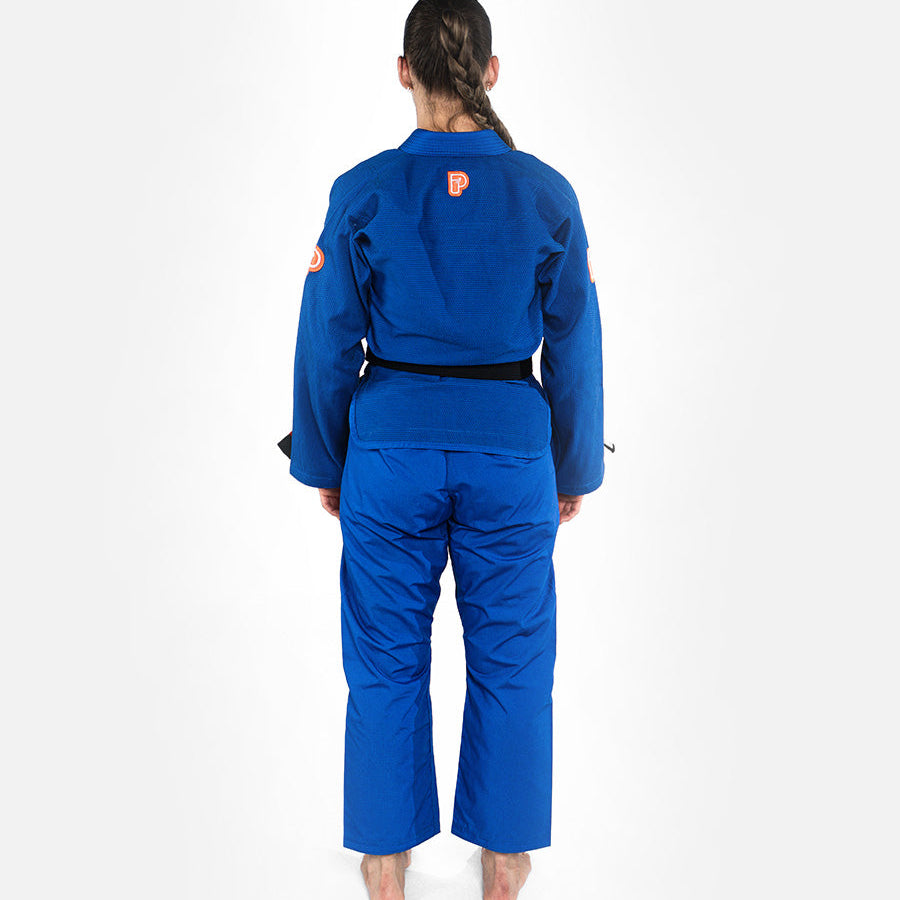
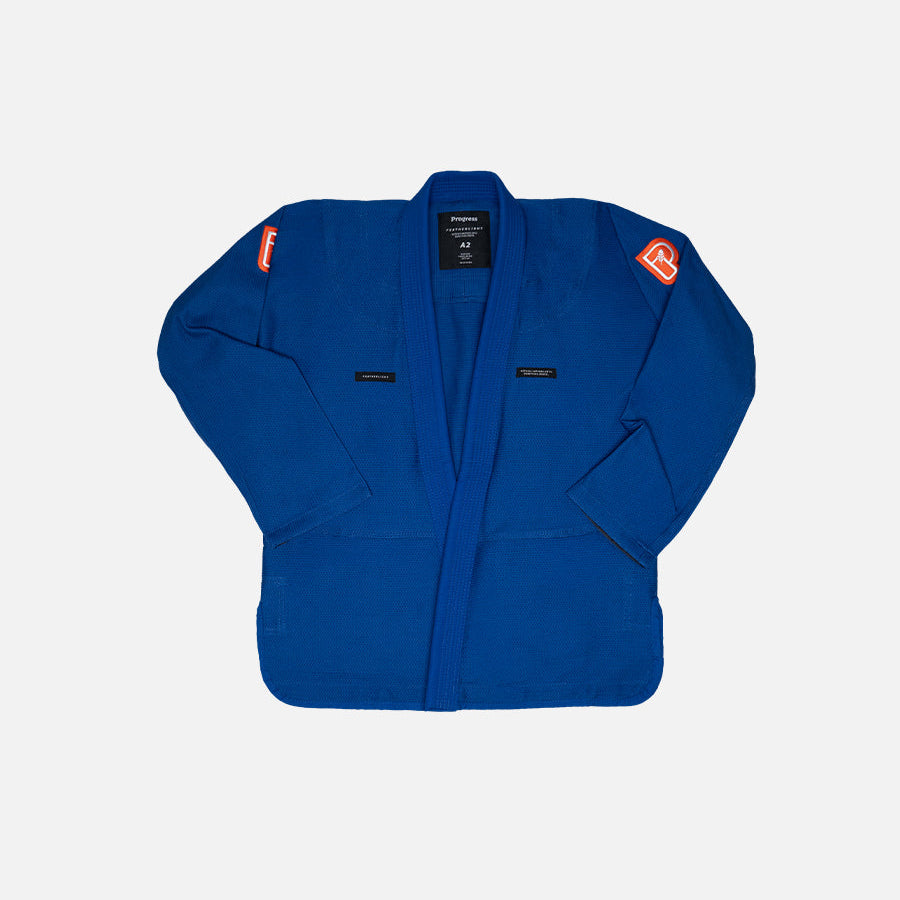
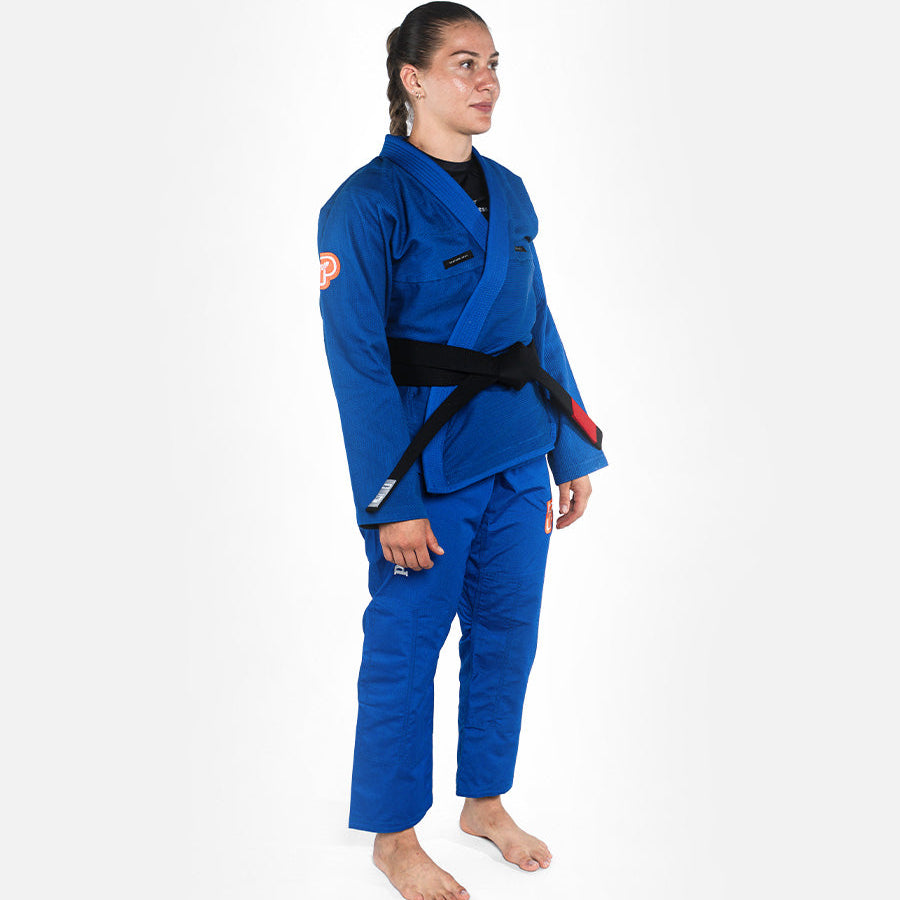
Lightweight gis commonly use jackets around 300 to 400 GSM. They are noticeably easier to pack, easier to wash, and usually quicker to dry than heavier options. If you train before work, wash your gi immediately afterward, and need it ready for another session tomorrow, that difference is real.
They make particular sense in hot, humid academies. A lighter gi will not make summer sparring cool, but it can reduce the amount of heavy, wet fabric hanging off you by the final round. They are also useful for seminar weekends, training trips, and competitors trying to keep their packed gear from taking over an entire suitcase.
There is a common assumption that lightweight automatically means flimsy. That is not necessarily true. A well-made lightweight gi with solid stitching, reinforced stress points, and durable pants can hold up very well. Still, thin fabric has less margin for abuse than a dense, heavy weave. If your favorite training partner constantly grips and twists your sleeves, or your academy does a lot of hard stand-up rounds, expect more wear than you would from a heavier gi.
Lightweight gis can also feel easier for opponents to control in some positions. Some training partners may find a thinner lapel a little easier to grip, although technique matters far more than fabric weight. That does not make them bad for training. It just means you should not expect a lightweight gi to hide grip-fighting mistakes during spider guard or collar-sleeve exchanges.
When a lightweight gi is the right call
Choose lightweight if you train in serious heat, travel often, or need a gi that can be washed and dried quickly. It is also a strong second gi once you already own a midweight model. Having one lighter gi in rotation can make back-to-back training days much easier.
Before using it in a tournament, check the event's current uniform rules. Some organizations have requirements around gi color, condition, patch placement, and fabric specifications. A gi that is great for Tuesday night class may not be approved at weigh-in.
Midweight Gis: The Most Versatile Option
A midweight gi is where many experienced students settle for everyday training. It has enough structure that the collar and sleeves do not feel paper-thin after a few months, yet it is not so heavy that it becomes a burden in a crowded room.
This weight range suits varied training especially well. A midweight gi handles pretty much everything. It holds up well during hard rounds, stays comfortable for everyday classes, and doesn't feel overly heavy. The next night you may do six-minute rounds from closed guard, with teammates pulling on your sleeves and cross-collar grips the entire time. A midweight gi handles both without feeling overly specialized.
For parents buying a first gi for a child, the same general principle applies: avoid choosing the heaviest fabric just because it sounds tougher. Kids grow quickly, train in warm rooms, and often need a gi that can be washed frequently. The academy's sizing chart and uniform policy matter more than chasing a particular GSM number.
If you only plan to buy one gi right now, midweight is usually the answer. Spend as much attention on fit as you do on fabric weight. Sleeves that are too long can become easy handles. Pants that bind at the hips can make guard retention drills frustrating. A collar that stays stiff and comfortable after several washes is more useful than a high GSM number printed on a tag.
Heavy Gis: Durable, Structured, and Not for Everyone
Heavyweight gis often start around 500 GSM and can go much higher. They tend to feel substantial, with thicker jackets and firmer collars. Some grapplers love that sturdy, traditional feel, especially in cooler weather or during hard daily training.
A heavier gi can be more difficult for opponents to manipulate because there is more fabric and a denser collar to work around. That can make grip fighting feel different when you are defending collar ties, breaking sleeve grips, or preventing someone from settling into a deep cross-collar grip. The benefit is modest, though. A heavier gi won't suddenly make you harder to submit, but it can make the jacket feel more substantial during grip exchanges.
The downsides show up quickly in warm rooms. A heavy gi absorbs sweat, gets noticeably heavier during sparring, and can take a long time to dry. If you train five or six times per week and do not have easy access to a dryer, a heavyweight gi may spend too much time damp in the laundry rotation. That is a practical reason many frequent students prefer midweight gis, even when they like the feel of heavier fabric.
Heavyweight gis also add bulk to a gym bag. For the student commuting by bike, carrying work clothes, a water bottle, tape, and a change of clothes, that extra weight is not nothing.
Weight Is Only One Part of Gi Choice
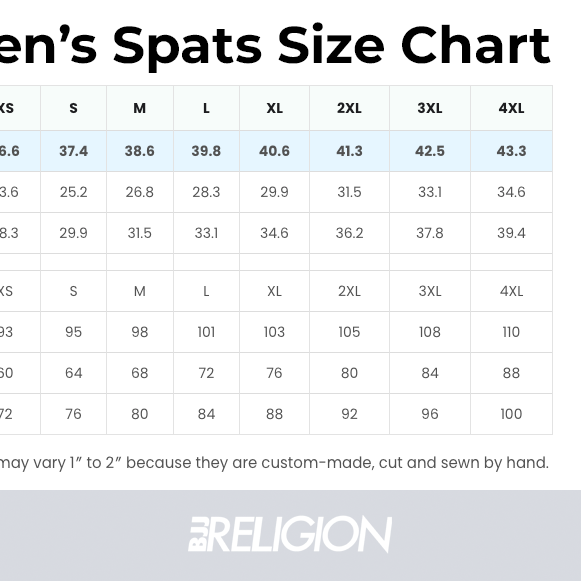
The best gi weight will still disappoint if the fit is wrong. Check the brand's size chart, account for expected shrinkage, and follow the wash instructions before deciding whether a gi is too large. Many students make the mistake of shrinking a gi aggressively after one class, then discover the sleeves or pants are no longer academy or tournament legal.
Consider your rotation too. Someone training once a week can do fine with one dependable gi, provided it is washed and fully dried between sessions. Someone training four nights a week, attending Saturday open mat, and preparing for a tournament benefits from at least two gis. In that situation, two midweight gis or one midweight plus one lightweight gi is often more useful than one premium heavyweight model.
Your academy culture matters as well. Some schools require a specific color or have rules about patches. Others are relaxed but expect clean, odor-free uniforms every class. Ask your instructor before buying, especially if you are brand new. It is much easier than showing up for your first fundamentals class in a gi that does not meet the school's policy.
A Simple Way to Decide
If you're still unsure, keep it simple.
- Train mostly in hot weather? Buy a lightweight gi.
- Want one gi that does everything well? Buy a midweight.
- Prefer a traditional, durable feel? Go with a heavyweight.
Most people end up happiest with a quality midweight because it works well in almost every situation.
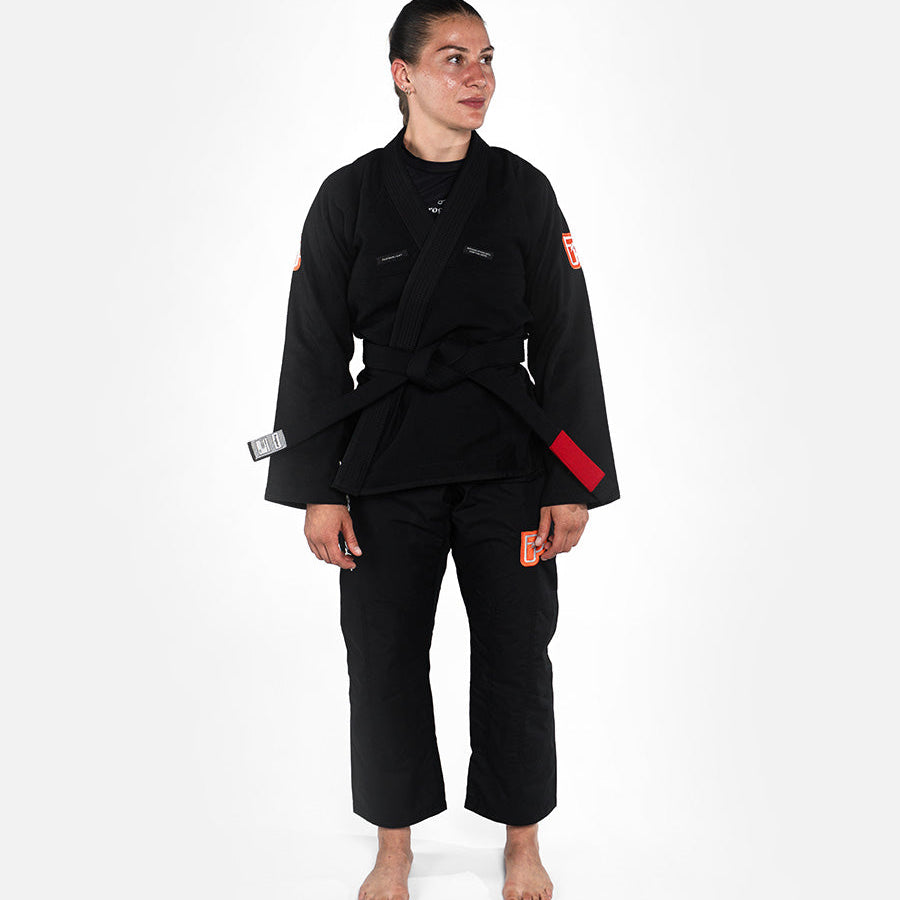
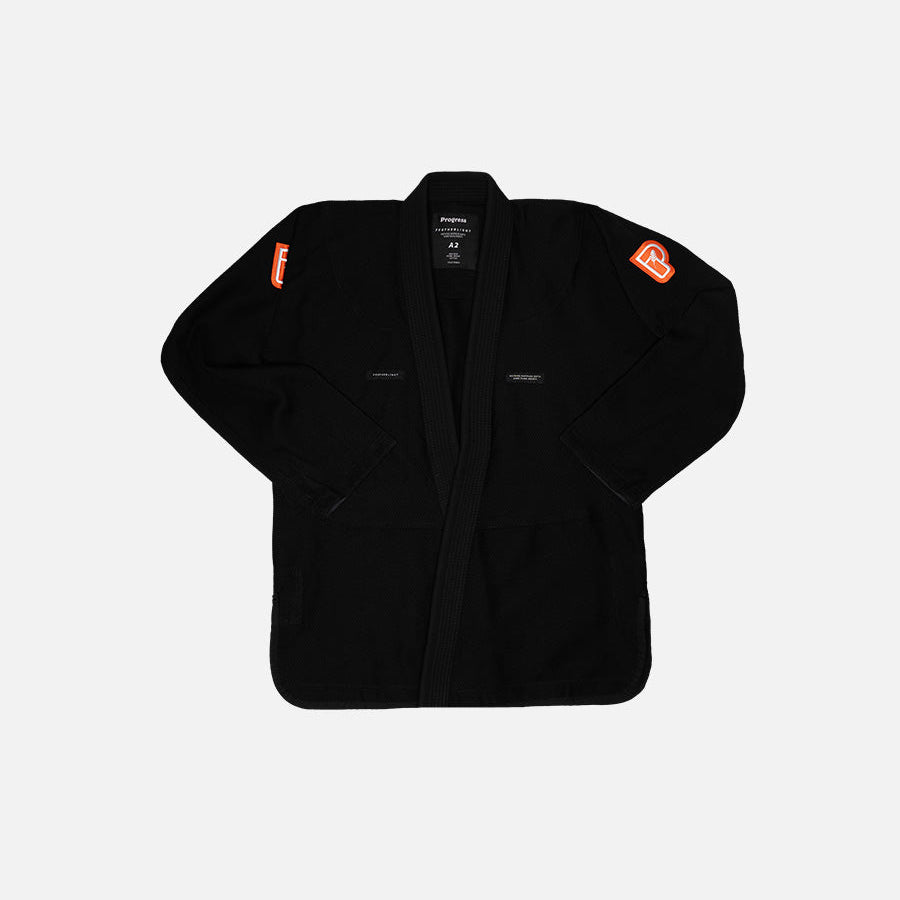
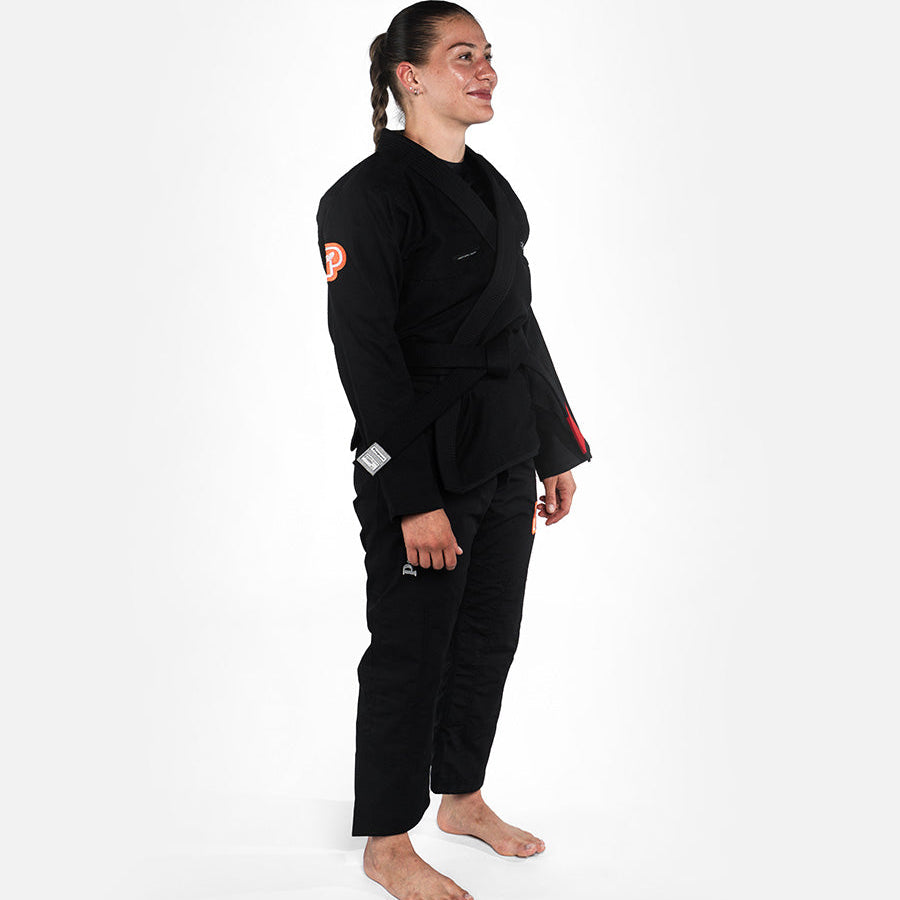
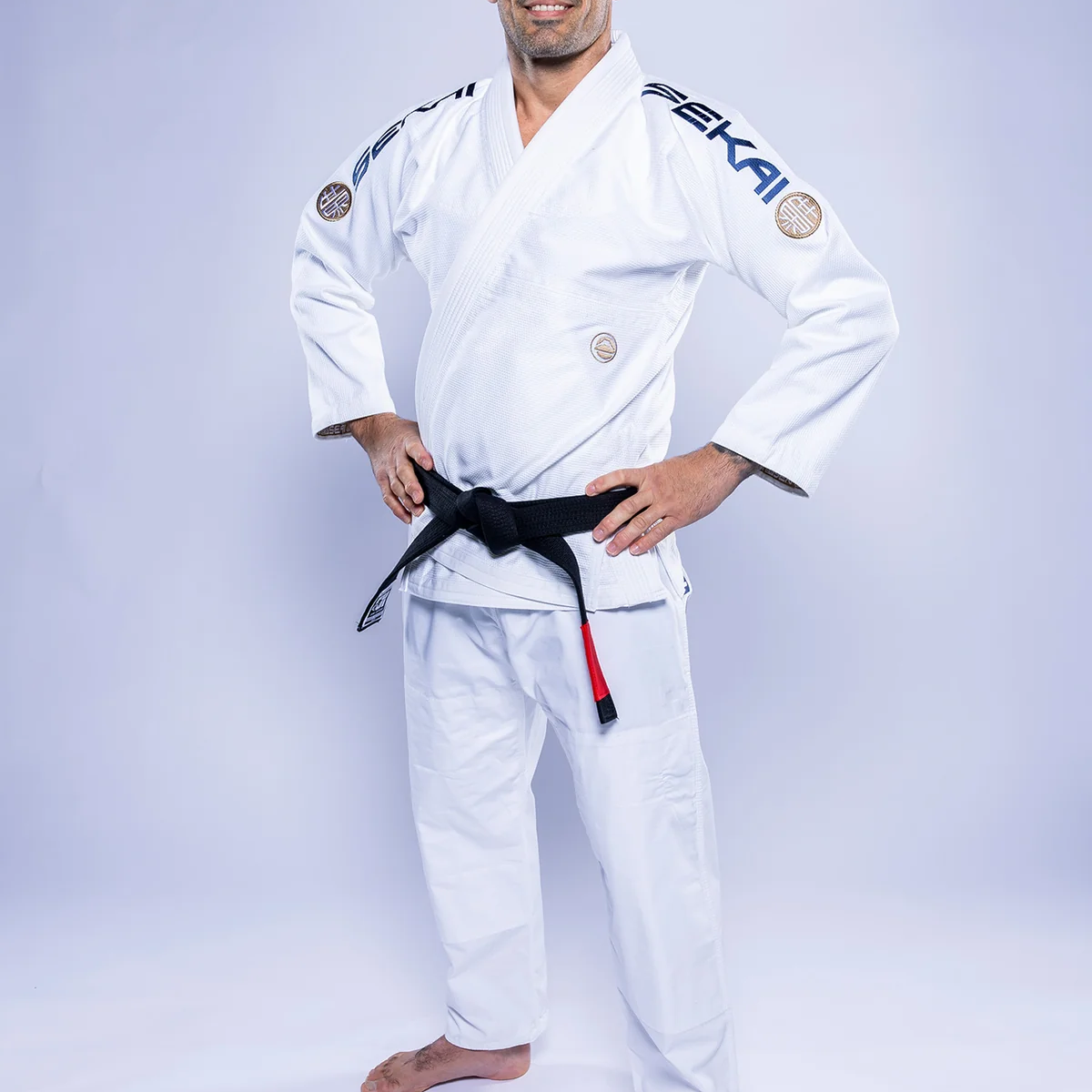
Shop Our New Releases
Fast & Free Shipping!
Fast & Free Shipping!
Fast & Free Shipping!
Fast & Free Shipping!
Fast & Free Shipping!


Fast & Free Shipping!