Takedown Defense That Works for Jiu Jitsu
A clean takedown can put you behind before the Jiu Jitsu round has really started. That does not mean you need wrestling credentials or a highlight-reel sprawl. Effective takedown defense usually comes from a few repeatable habits: a stance you can move from, honest distance management, useful grips, and the ability to recover when the first defense is not enough.
For many Brazilian Jiu Jitsu students, takedowns are the part of class that gets skipped, rushed, or treated as a separate sport. Then competition day arrives, or a new wrestler joins open mat, and the gap becomes obvious. The good news is that defensive skill develops quickly when you stop treating the sprawl as the whole answer.
Start With a Stance You Can Actually Use
A good defensive stance is not a deep, exhausting crouch. If your legs are burning before hand-fighting starts, you are probably sitting too low. Stand with your feet roughly shoulder-width apart, knees soft, hips slightly back, chest over your hips, and hands available between you and your partner.
Your lead leg matters because it is the closest target. Keep it close enough that you can move naturally, but do not leave it planted in front of you while reaching for distant collar ties. Beginners often extend one foot forward, bend at the waist to grab the head, and wonder why every single-leg entry feels inevitable.
Think about keeping your head over your base. When your head drifts far past your knees, your partner can pull, snap, or steer you into a bad position. When your weight is too far back, you may avoid the first shot but give up easy snap-downs or get driven toward the edge of the mat.
Stance also changes with the rules and the situation. In a gi class, sleeve and collar grips can slow entries earlier. In no-gi, your hands may need to work harder to establish inside position and control the head or biceps. Near a wall during an academy self-defense-focused session, a more upright stance may be necessary because backing straight up is no longer an option.
Distance Is Your First Layer of Takedown Defense
Most failed takedown defense starts before the shot. A partner gets close enough to connect hands around a leg or hips without meeting meaningful resistance. By then, a late sprawl has to solve a much harder problem.
Use your lead hand as a range finder. It does not have to be a stiff arm. A light post on the shoulder, collarbone, or head gives you information about distance and direction. If your partner reaches for a collar tie, pummel back to inside position rather than accepting their preferred connection for several seconds.
Your feet should move with their feet. If your partner steps forward, do not retreat in a straight line until your heels approach the boundary. Angle out, circle toward the side that removes their strongest entry, and make them reset. At open mat, you will see this against the teammate who keeps reaching for a blast double from too far away. One small lateral step can make their penetration step land off line.
This does not mean constantly fleeing contact. Backing away without grips gives a determined partner room to build momentum. The goal is controlled distance: close enough to frame, grip, and hand-fight, but not so square and static that your legs are waiting to be collected.
Learn to Recognize the Level Change
A level change is often the clearest early warning. Your partner bends their knees, lowers their hips, and brings their posture underneath yours to attack your legs. It may be subtle, especially with an experienced wrestler, but it gives you a chance to react before contact.
When you see it, lower your own level slightly, bring your hands back inside, and prepare to move your legs. Do not just bend forward to reach for their neck. Folding at the waist makes it easier for them to connect to your legs and drive through you.
Drill this without trying to finish takedowns at first. Have one partner move, feint, and change levels while the other maintains posture, inside hand position, and footwork. It is simple, but it teaches your eyes to notice the setup instead of reacting only after your balance is already compromised.
The Sprawl Is a Position, Not a Jump
The classic response to a leg attack is the sprawl, but a useful sprawl is more than throwing your feet backward. Your hips need to meet your partner's forward pressure. If your legs fly back while your hips stay high, they can continue driving, switch to a single leg, or climb up your body.
As they enter, send your legs back and drop your hips toward their upper back or shoulders. Keep your chest connected enough to apply pressure, but avoid hanging all your weight over their head. Your hands can post on the shoulders, control the head, or begin an underhook battle depending on the entry.
Against a double-leg attempt, think hips heavy and legs unavailable. Against a single leg, you may need to sprawl the attacked leg back while using a whizzer, crossface, or head pressure to stop them from climbing higher. The exact response depends on how deep they have reached and whether they have your leg elevated.
A common white belt mistake is sprawling, then immediately relaxing because the initial shot stopped. Good partners will chain wrestle. They may turn the corner, run the pipe on a single, switch to a body lock, or come up to an underhook. After the sprawl, work toward a better position: create an angle, win an underhook, circle behind, or disengage and reset if that is the goal of the round.
Win the Hand-Fighting Before the Shot
Takedowns rarely appear from nowhere. They are built through grips, head position, and control of the space between two people. If your partner has inside ties, a strong collar tie, and their forehead positioned under or beside yours, they are usually closer to attacking effectively than you are.
In the gi, do not let a strong collar grip stay untouched while you search for your own grip. Address it. Peel or strip it, control the sleeve, and square your hips before it turns into a snap-down, arm drag, or entry to the legs. A sleeve grip can be especially useful because it limits the hand your partner needs to connect around a leg.
In no-gi rounds, prioritize inside control. Underhooks, biceps ties, wrist control, and head position each deny access in different ways. You do not need to hold every tie forever. You need enough connection to feel the entry coming and disrupt it early.
Head position deserves more attention than it gets in many Jiu Jitsu rooms. When your forehead is under their jawline or positioned firmly inside, it is harder for them to pressure you backward and easier for you to pummel for better grips. It can feel like a small detail during drilling, but it changes the entire exchange during hard sparring.
Build a Second and Third Defense
Reliable defense has layers. Your first layer might be footwork and frames. Your second might be a sprawl. Your third might be an underhook and a hard circle away from the trapped leg. Expecting one move to stop every takedown creates panic when a good training partner keeps moving.
For example, if someone reaches a deep single leg on your right side, first pull that leg back if you can. If they connect, apply a whizzer with your right arm and put pressure on their head. If they start turning the corner, hop your free foot, square your hips, and fight to get your captured leg back to the mat. From there, you may circle behind or force a reset.
Against a body lock, widening your base is only the beginning. Fight for inside arm position, lower your hips, and prevent them from locking their hands below your hips. If they already have a tight lock, stepping and turning can be more realistic than trying to simply pry them apart with your arms.
These reactions should connect to your normal Jiu Jitsu. In a competition, saving the takedown may be enough. In a sparring round, you might use the failed shot to front headlock, take the back, or establish top position. During positional rounds, your coach may want you to defend and return to neutral rather than chase a submission. The right follow-up depends on the training goal.
Drills That Carry Into Live Rounds
Technique reps matter, but takedown defense needs resistance earlier than many techniques. Start with cooperative repetitions so you can learn the mechanics, then add constrained rounds where both partners know the available attacks.
A useful progression is to begin from hand-fighting with one partner limited to single legs. The defender works stance, level-change recognition, sprawl, and recovery. Next, allow doubles and body locks. Later, begin rounds from a partner already connected to a leg or body lock, where the defender has to solve a bad position without the comfort of perfect distance.
Wall wrestling is another valuable academy drill when it is supervised and space allows. Start with your back near the wall, work for underhooks and head position, then practice circling off instead of accepting pressure. Keep the pace controlled. The goal is technical awareness, not driving teammates into the wall at full speed.
For competitors, include short standing rounds in the final weeks before an event. Even two or three rounds that begin on the feet can expose habits that normal guard pulling or immediate ground engagement hides. For hobbyists, brief stand-up exchanges at the beginning of class are enough to build comfort without turning every session into a wrestling practice.
Progress is usually obvious in small moments. You start noticing the level change. You stop crossing your feet when retreating. You recover from a single leg instead of falling over when your partner touches your ankle. Those details add up, and they make every round that starts standing feel far less chaotic.
Shop Our New Releases
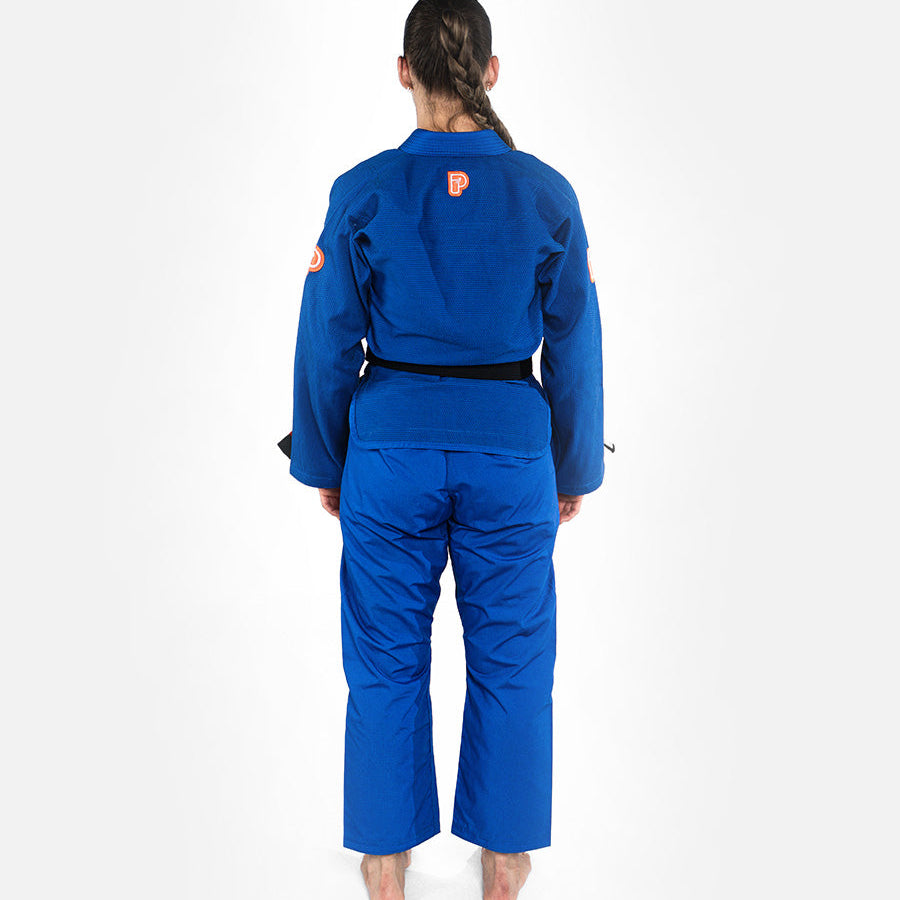
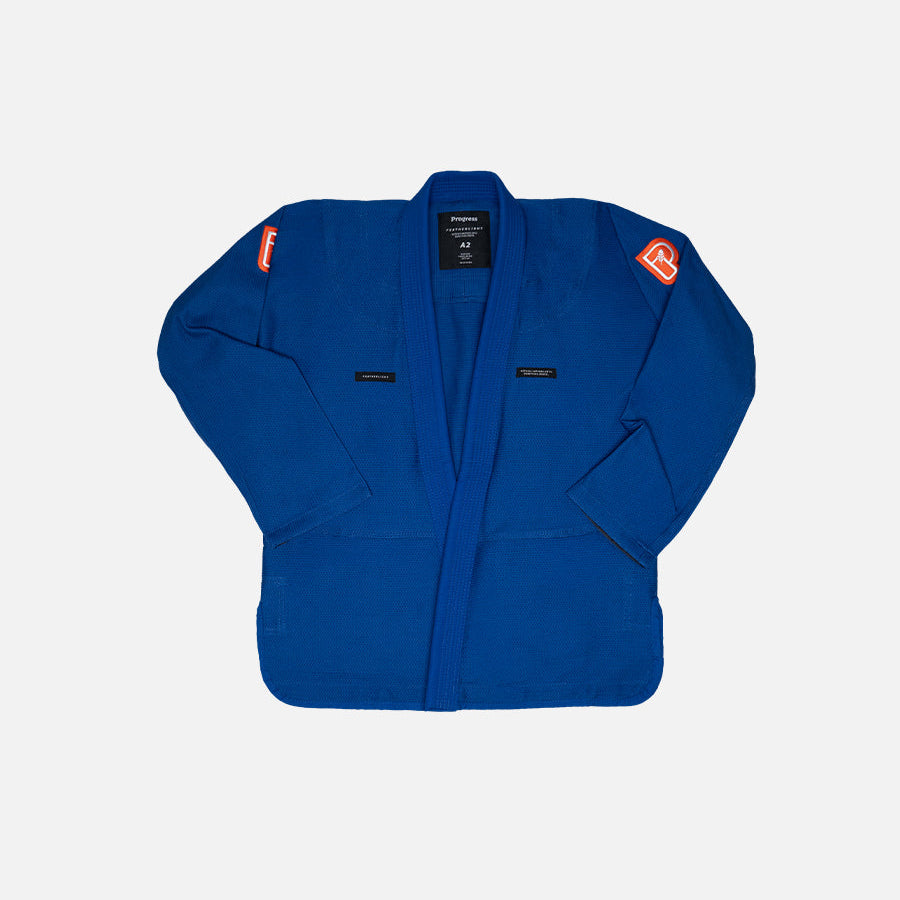
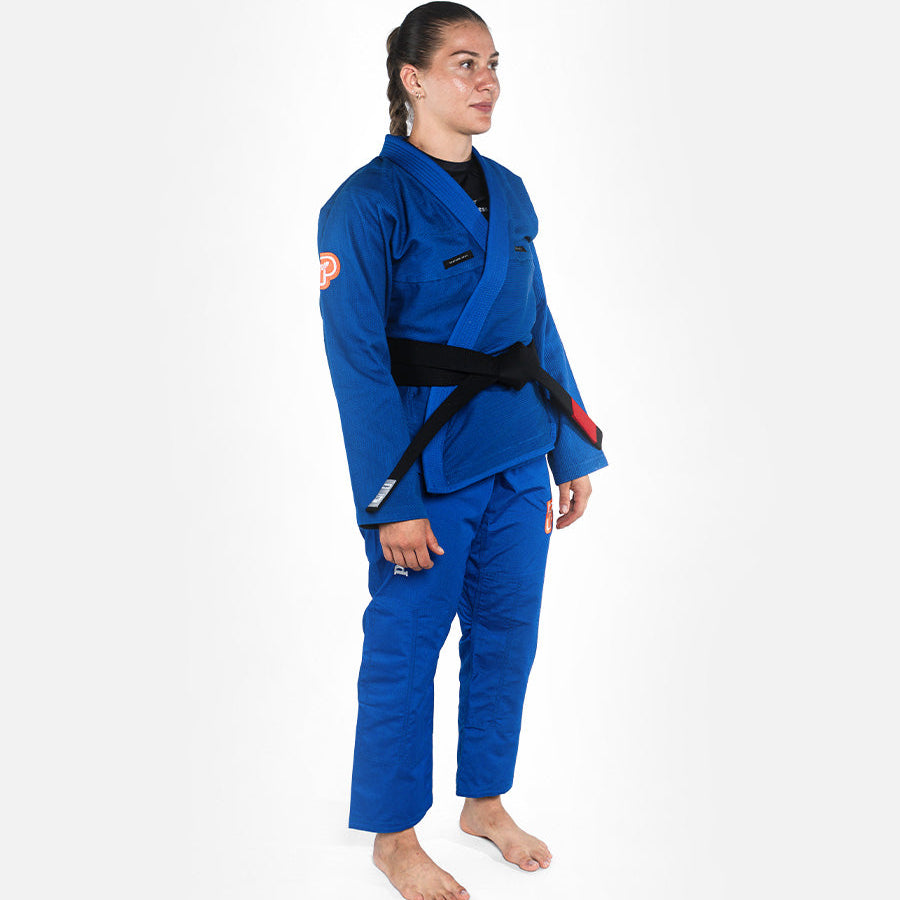
Fast & Free Shipping!
Fast & Free Shipping!
Fast & Free Shipping!
Fast & Free Shipping!


Fast & Free Shipping!

Fast & Free Shipping!