When Is a Rash Guard Required in Jiu Jitsu?
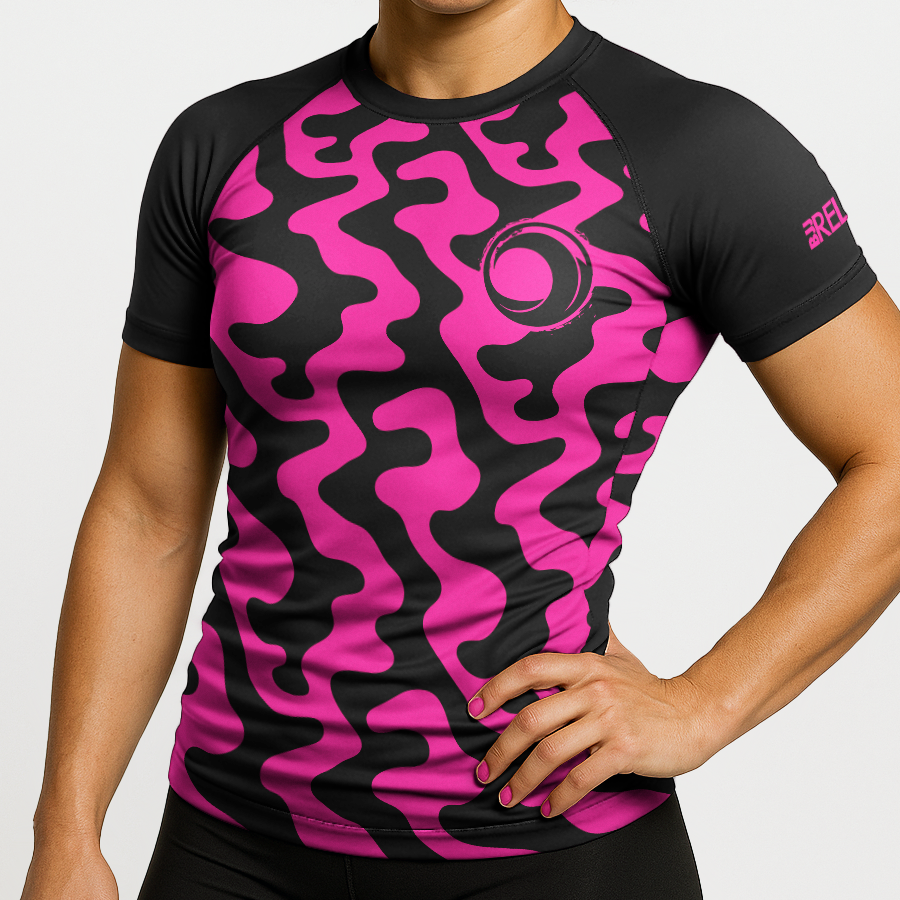
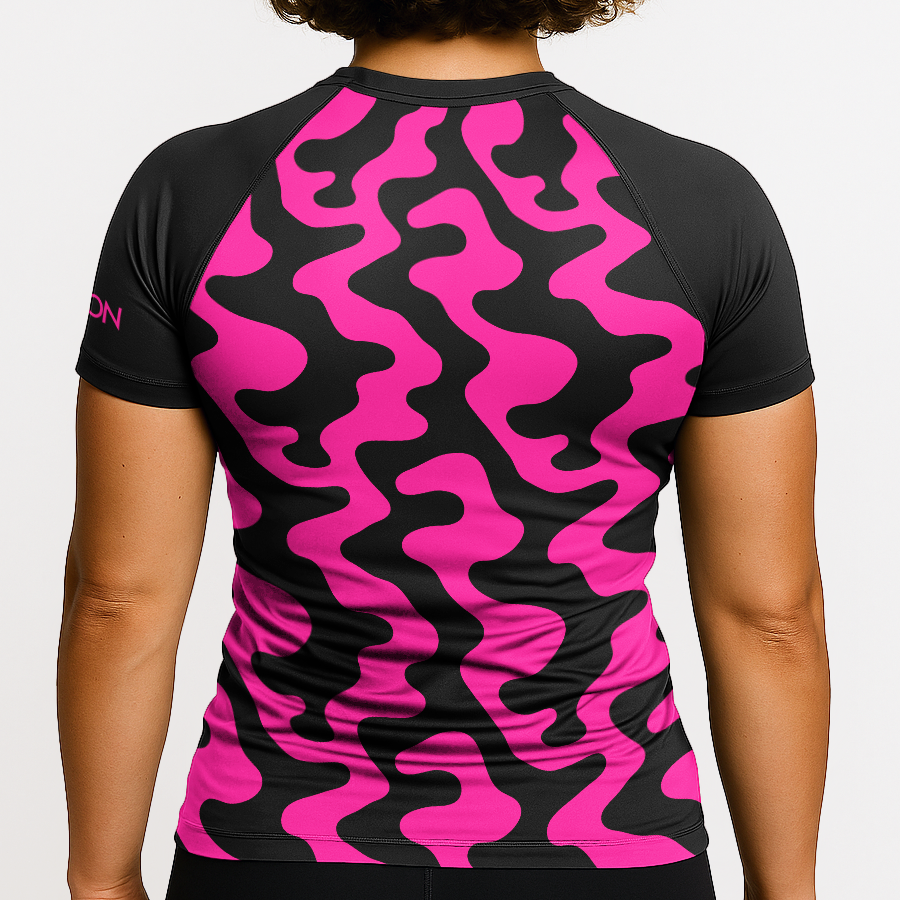
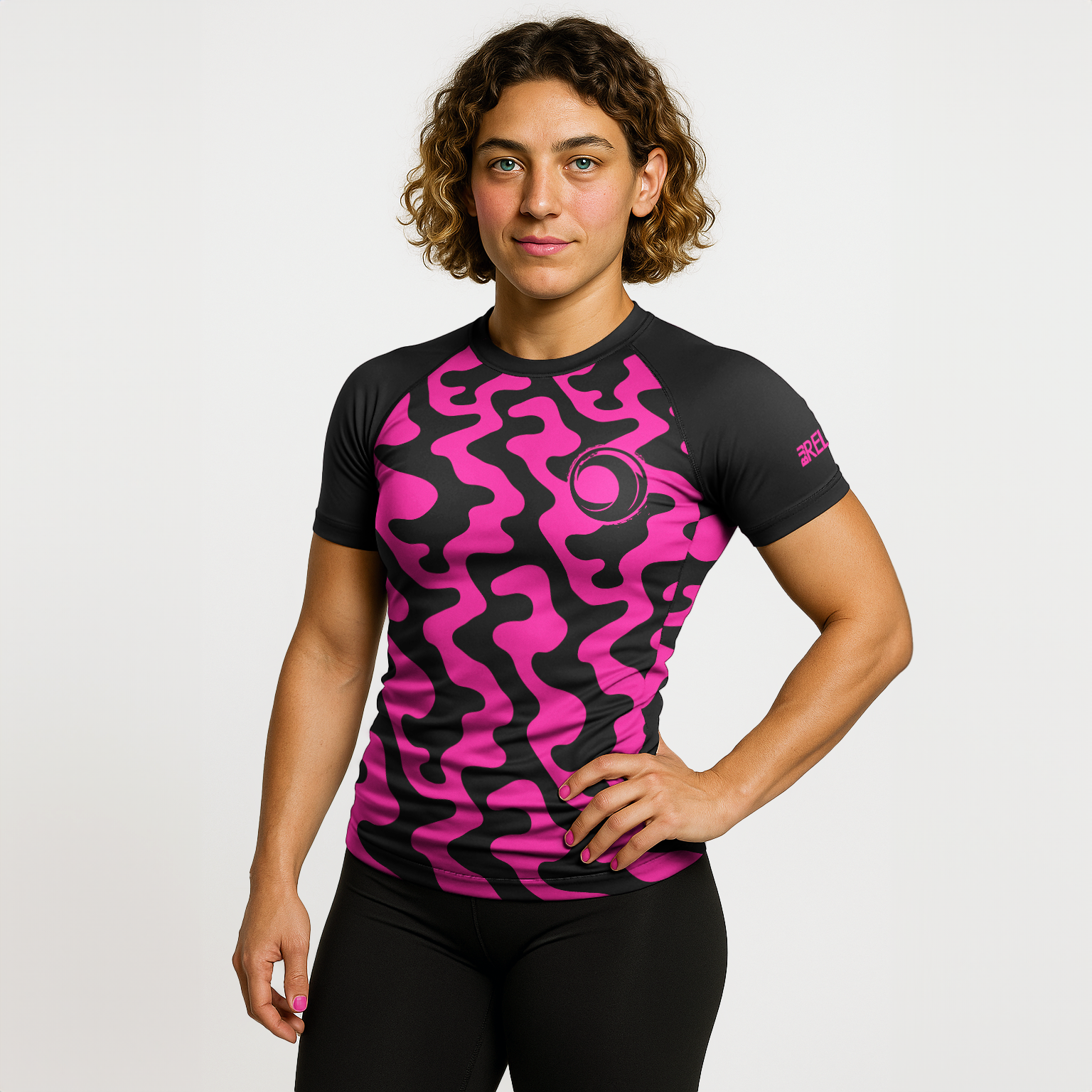
You show up for your first no-gi class in a T-shirt, and halfway through warmups it is twisted around your neck, soaked through, and riding up every time someone shoots a double leg. That is usually when the question becomes practical: is a rash guard required for Jiu Jitsu? The honest answer is that it depends on where and how you train, but a rash guard is standard attire in most no-gi rooms for good reasons.
A gi academy may let you train in a clean T-shirt under your jacket or without a shirt underneath, depending on its culture and uniform policy. In no-gi, though, rash guards are often expected and sometimes specifically required. Before buying anything or arriving at an open mat in the wrong clothing, check your academy's posted rules or ask the instructor. Dress-code expectations vary more than many beginners realize.
When Is a Rash Guard Required at an Academy?
An academy can require a rash guard as part of its uniform policy, particularly during no-gi classes. This is not usually about looking identical on the mat. It is about keeping training clothing functional, clean, and less likely to become a distraction during drilling or sparring.
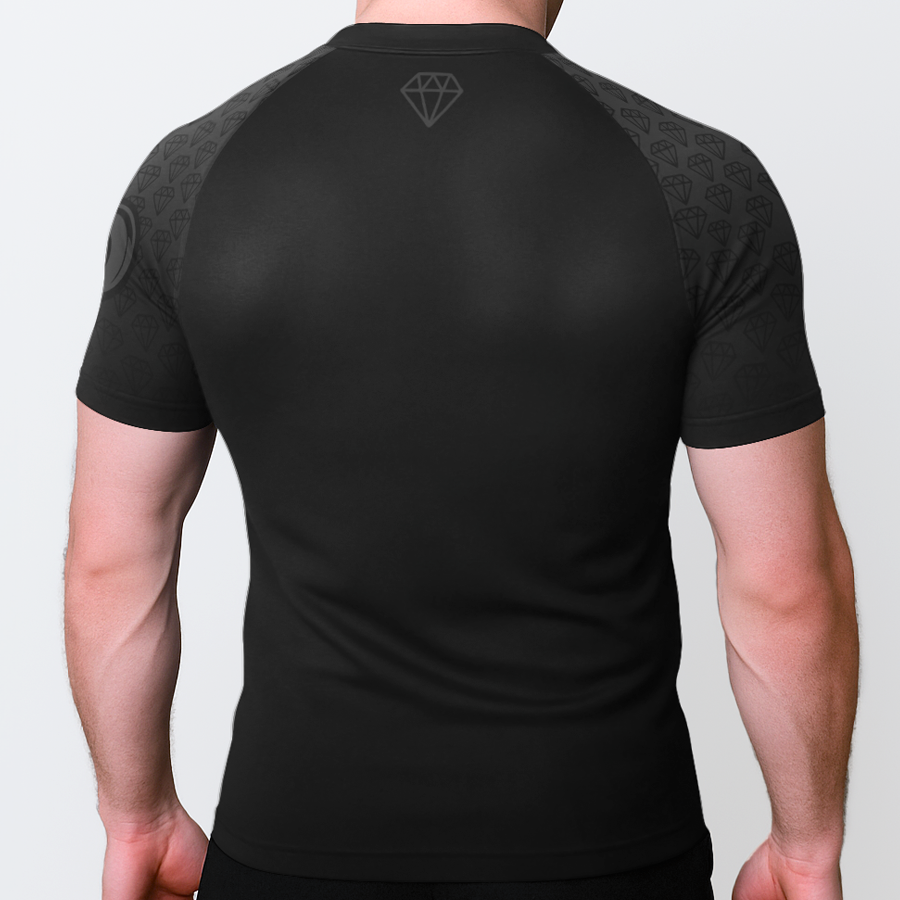
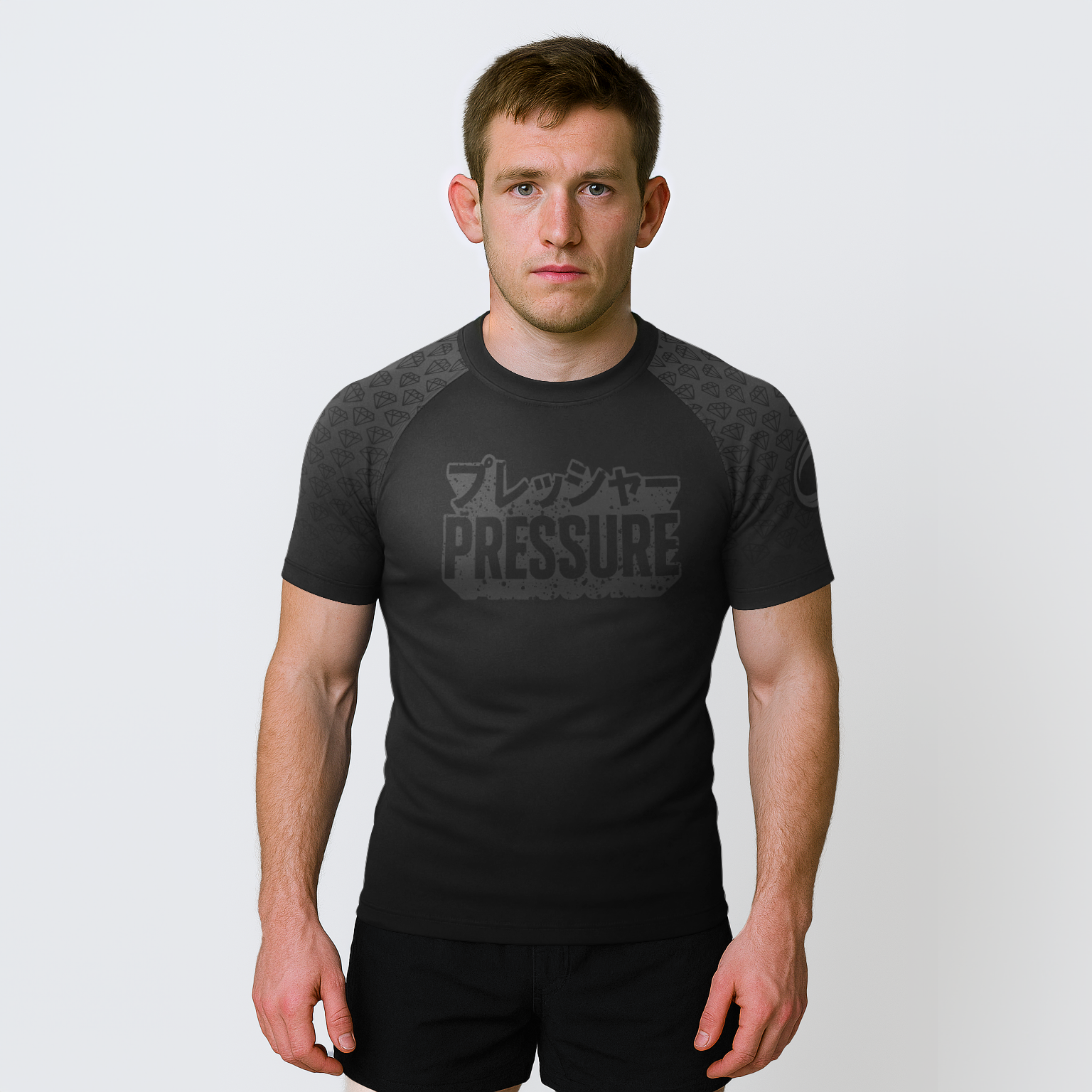
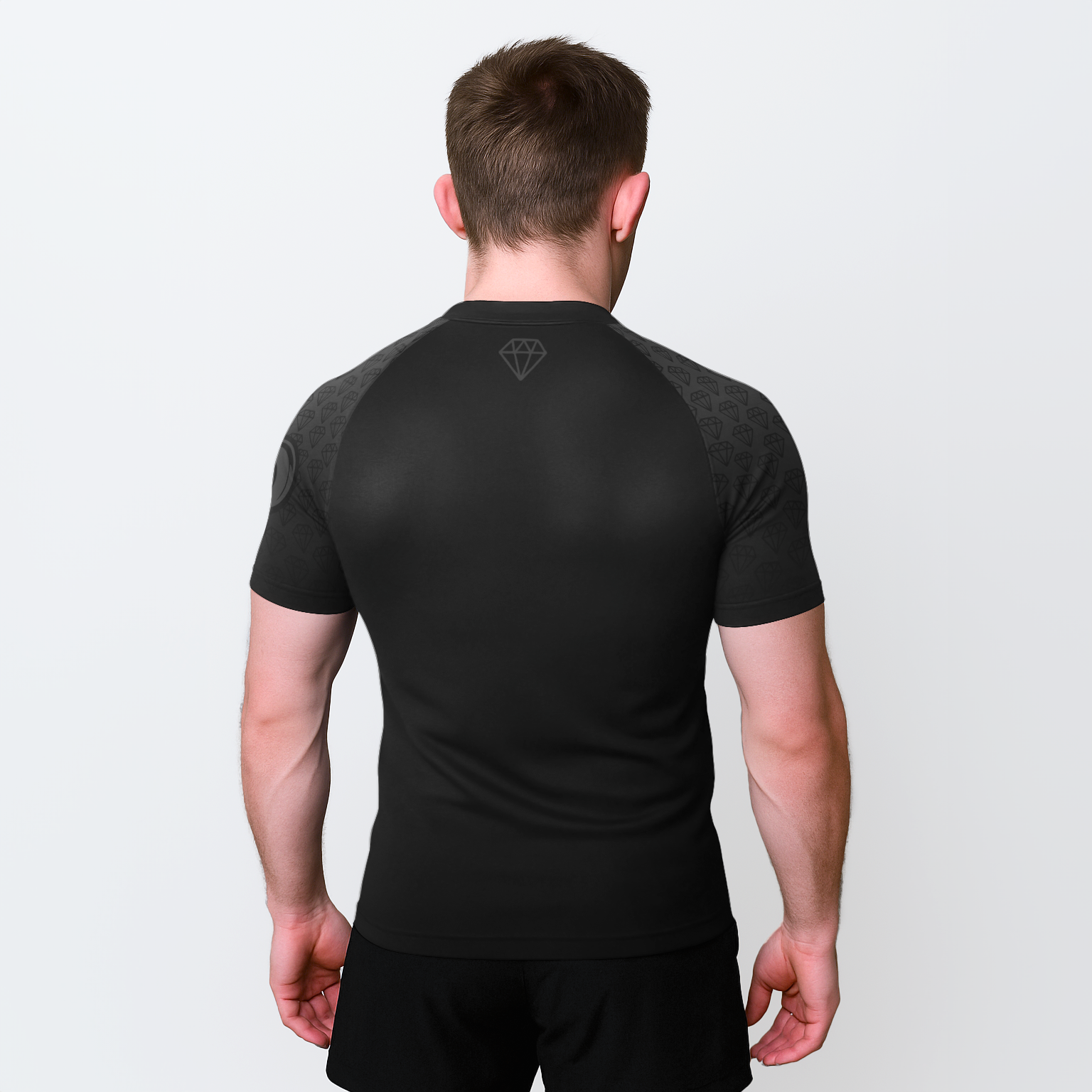
In a typical no-gi class, loose cotton shirts create problems fast. A shirt can stretch when your partner is working collar-tie snaps, bunch up while you are escaping side control, or give someone an accidental handful of fabric during a scramble. A fitted rash guard stays where it belongs. That makes it easier to focus on the technique being taught, whether the class is drilling a body-lock pass or working front-headlock escapes.
Some academies are more relaxed. You may find a room where a clean athletic shirt is accepted for a beginner's first few sessions, especially if they are trying Brazilian Jiu Jitsu before committing to training gear. Others require academy-branded gear for regular classes, while many simply ask for a clean, fitted rash guard with no offensive graphics. None of these policies is unusual. Your instructor sets the standard for that room.
The same principle applies to open mats. Even if the session feels informal, show up in clean training clothes that fit closely and let partners train safely. An open mat is not the place to test an old, oversized workout shirt that has been sitting in a gym bag all week.
Rash Guard Requirements for No-Gi Training
For regular no-gi training, a rash guard is the default choice for most grapplers. It manages sweat better than cotton, reduces bare-skin friction during repeated rounds, and does not get in the way when positions become messy. That last point matters more than it sounds after five-minute rounds of passing, wrestling up, and trying to keep someone from taking your back.
It also creates a more consistent training experience for your partners. During a round, you may be pummeling for underhooks, defending an arm drag, or trying to peel a seatbelt grip. Loose fabric can change the feel of those exchanges. A fitted top helps keep no-gi training closer to the grips and movement students expect.
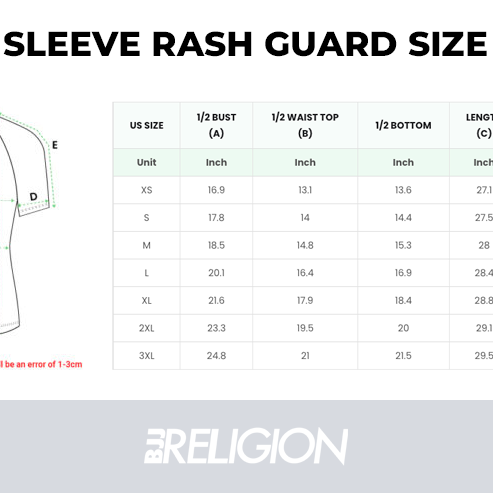
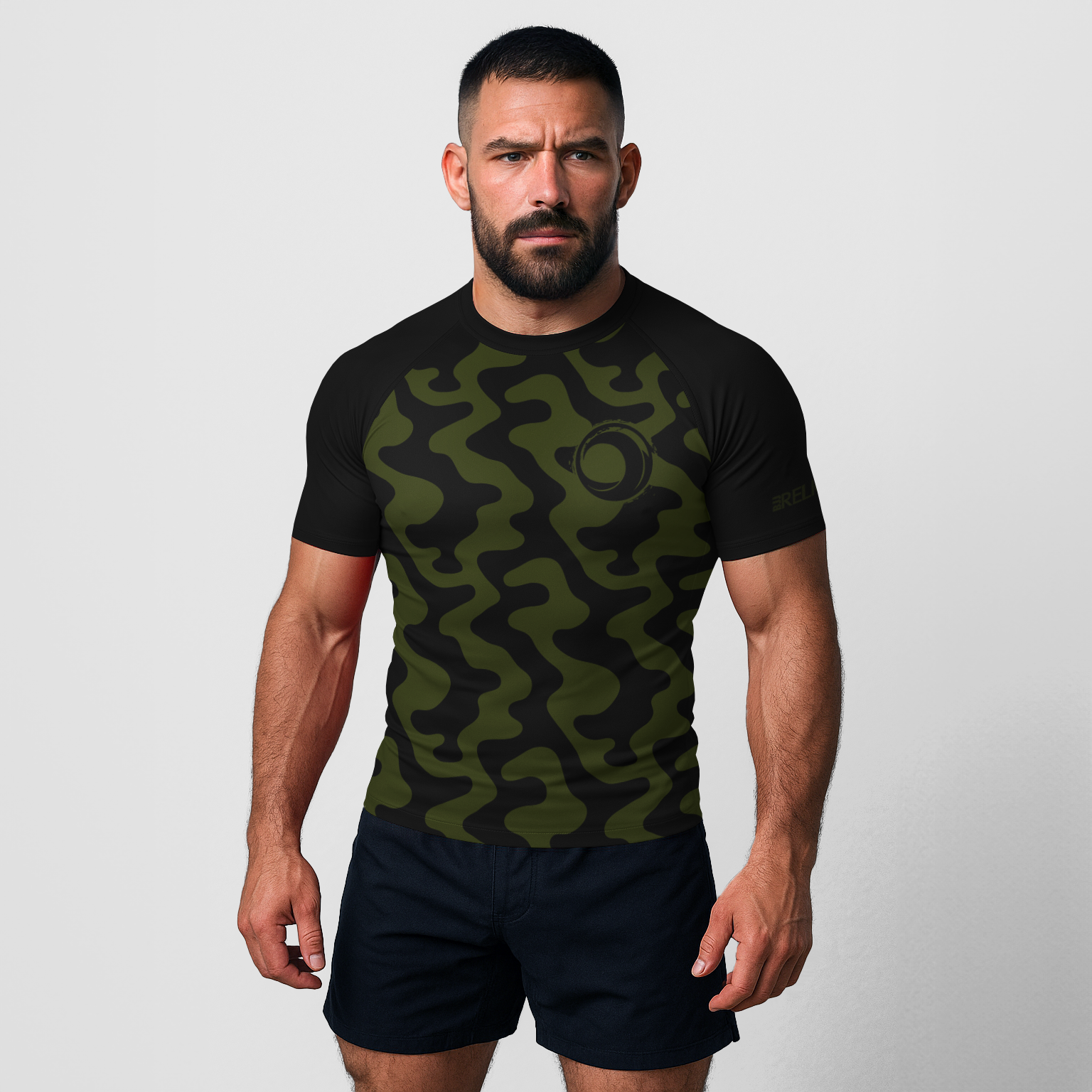
That does not mean every rash guard needs to fit like compression gear. Too tight can restrict your shoulders when you are framing from bottom mount or reaching to defend a crossface. Too loose creates many of the same issues as a T-shirt. The useful middle ground is close-fitting through the torso and sleeves, with enough room to move through takedown drilling, inversions, and rounds without constantly adjusting it.
Long-sleeve and short-sleeve styles both work. Long sleeves provide more coverage during high-volume drilling and can feel more comfortable for some students when training on rougher mats. Short sleeves are cooler and are common in warm academies. This is mostly personal preference unless your school has a specific rule.
Gi Class Has Different Expectations
A rash guard may be allowed under a gi, required under a gi for some students, or completely optional. Academy culture matters here.
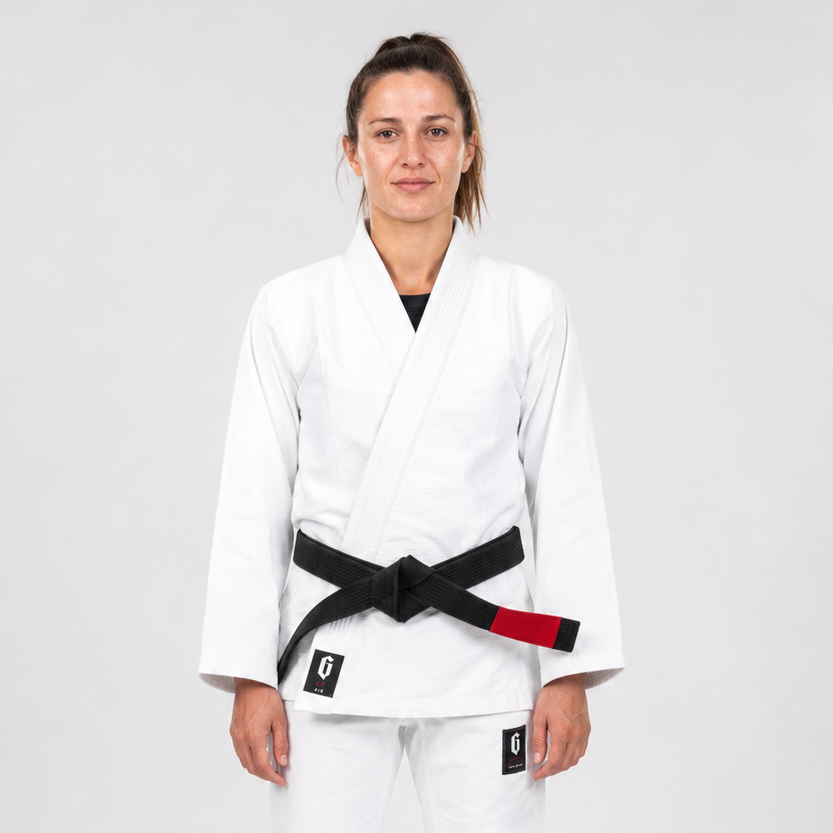
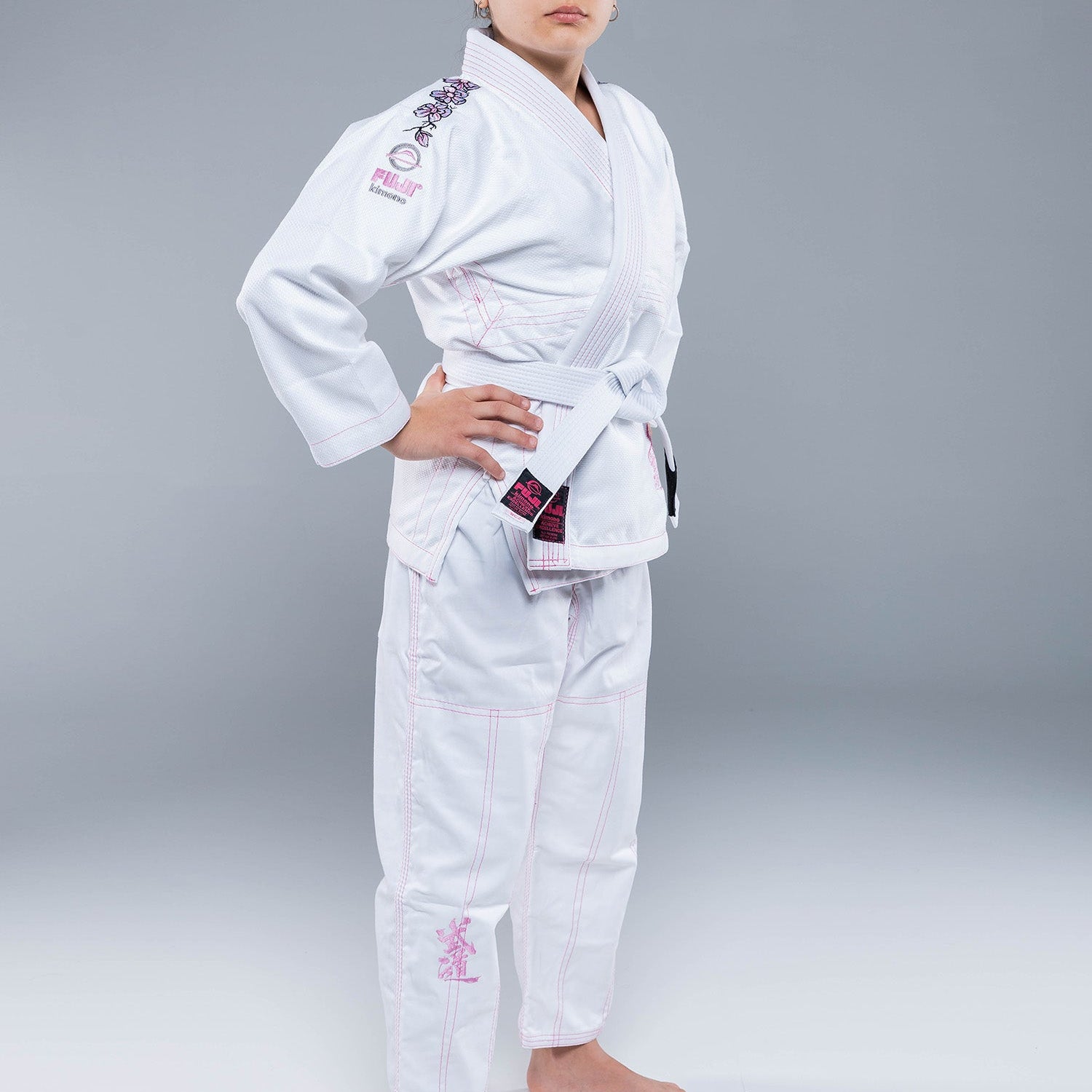
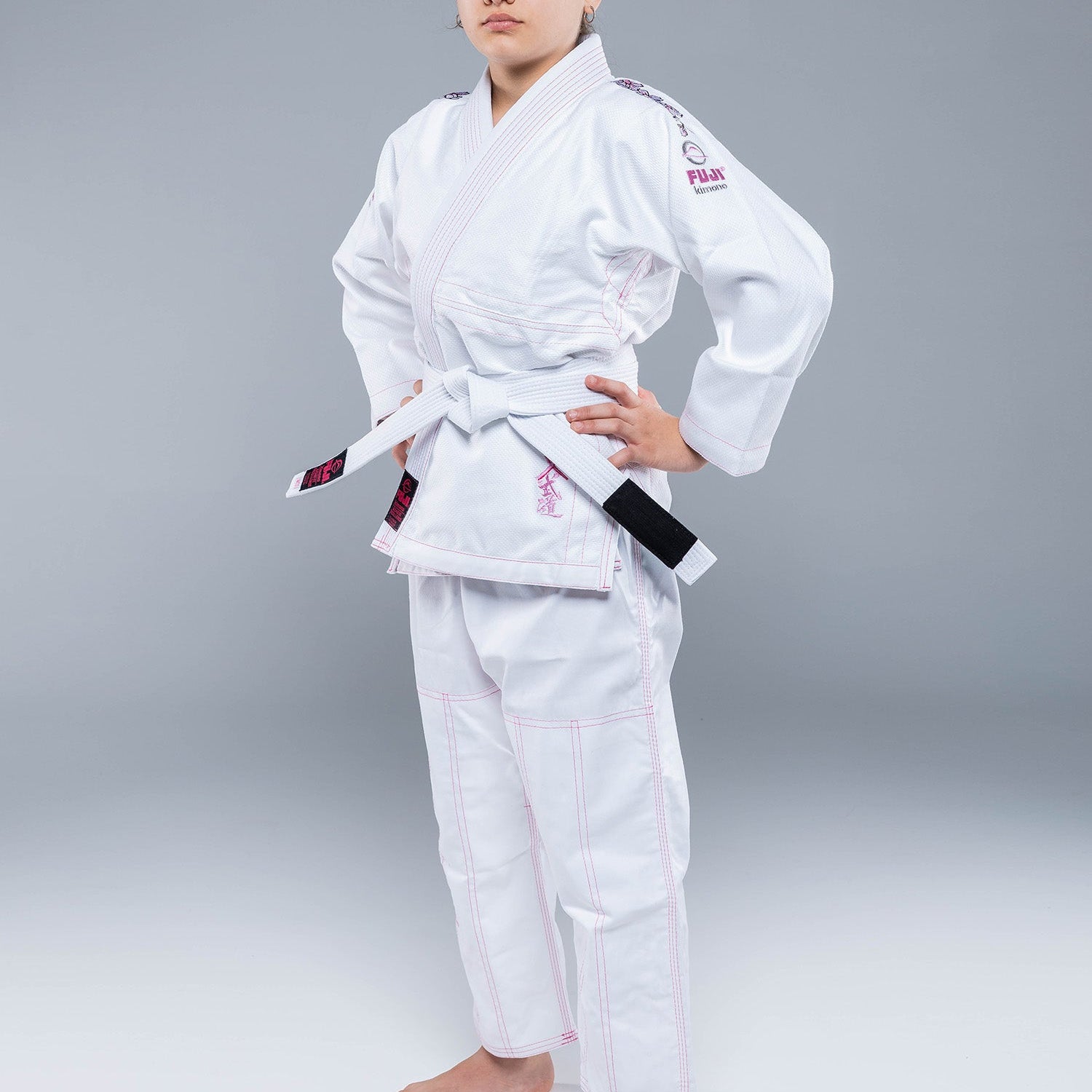
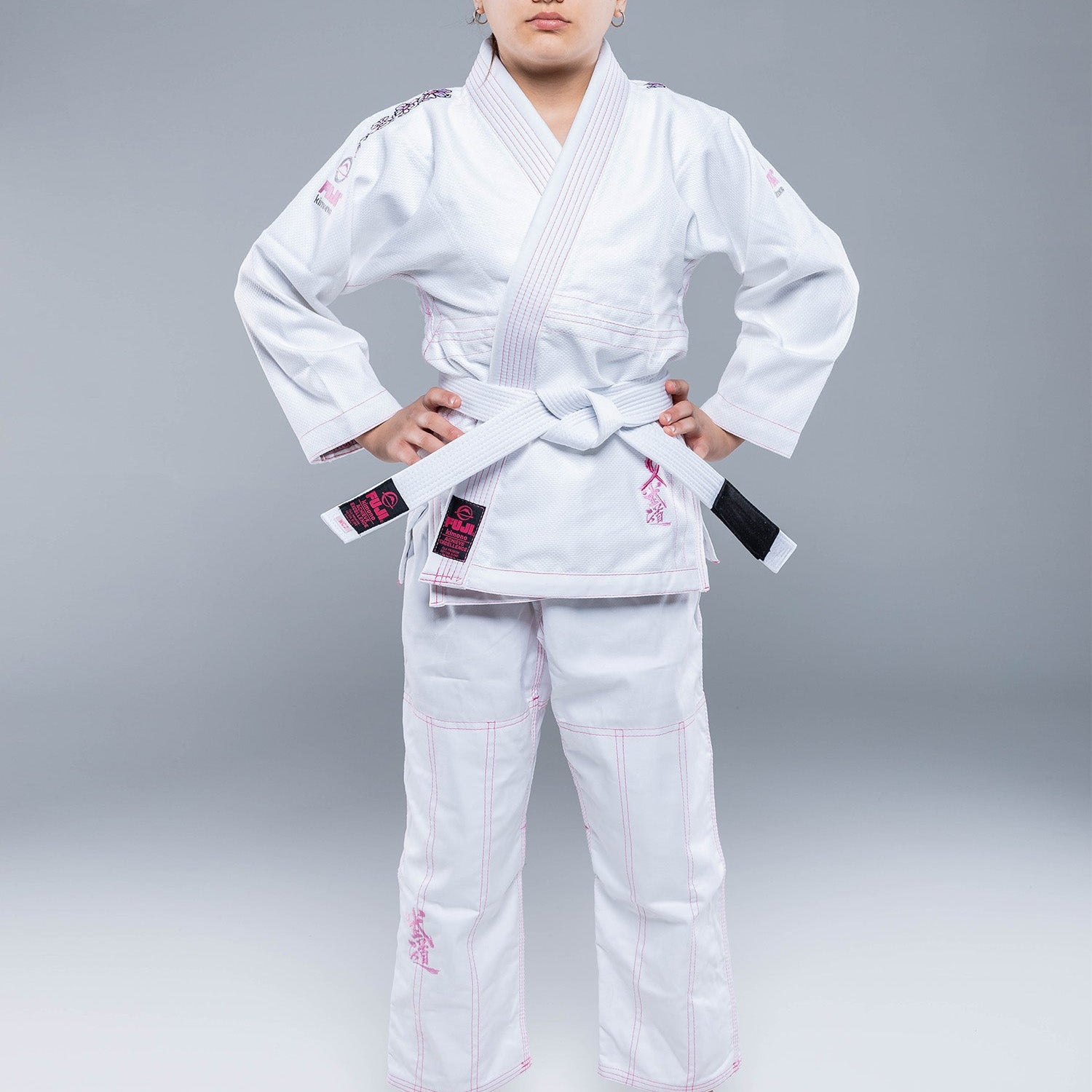
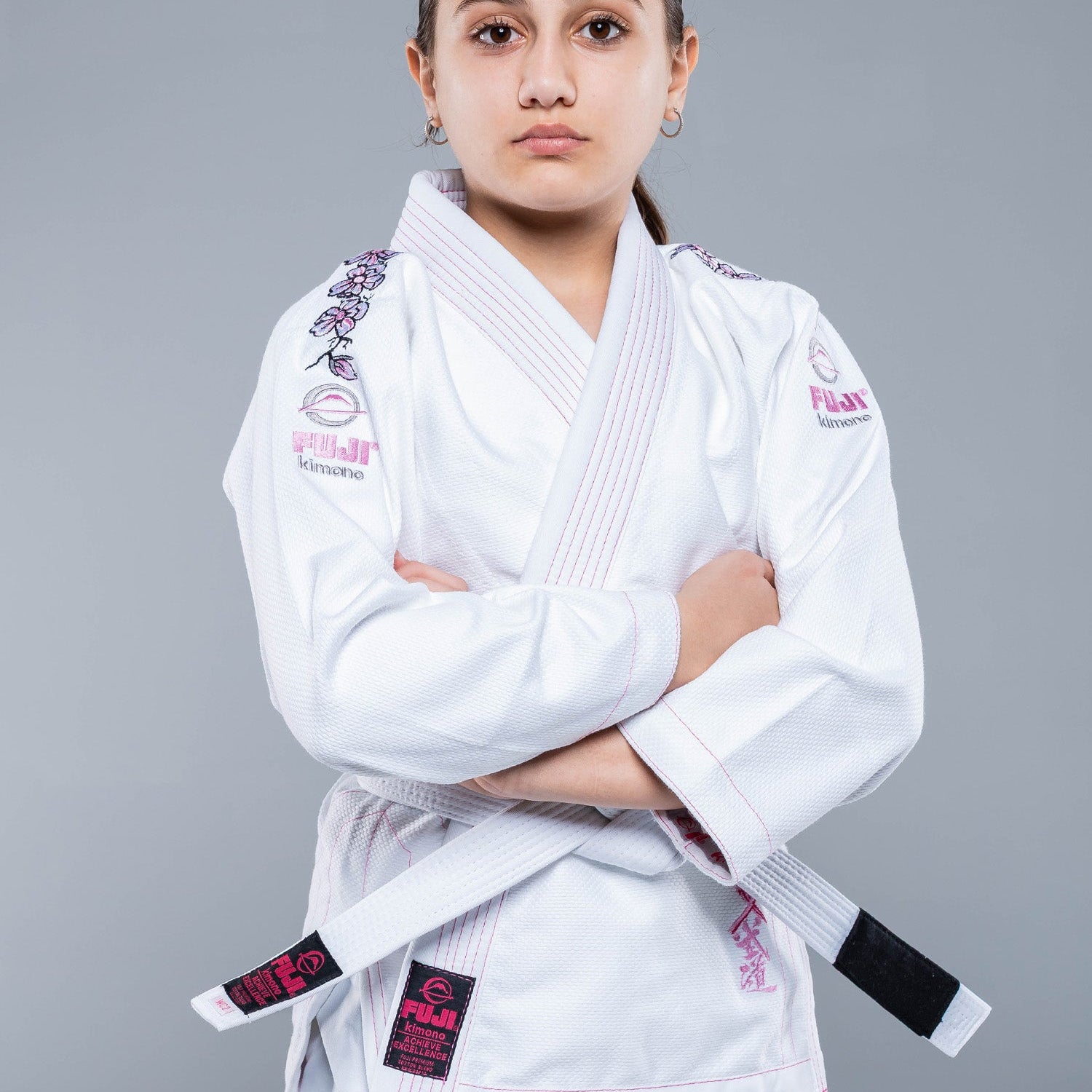
Many men train in a gi with no shirt underneath, while many women prefer or are required to wear a rash guard beneath the gi jacket. Some schools ask everyone to wear one during certain classes, especially in a youth program or a structured beginner course. In other rooms, instructors prefer students to follow traditional gi attire. There is no universal academy rule that applies everywhere.
If you are visiting a new school, do not assume your normal routine carries over. A quick question before class avoids an awkward scramble at the front desk. It also shows respect for the academy's standards, much like asking whether visitors can wear patches or whether a particular open mat is gi-only.
There is a practical trade-off, too. A rash guard under a gi can feel warmer, especially in a crowded room during summer. But it can also prevent the gi jacket from rubbing directly against skin during long rounds. If you are drilling a hundred reps of a sleeve-and-collar guard entry, that added layer may be welcome. If you are doing hard shark-tank rounds in a hot room, you may prefer less fabric if the academy permits it.
Competition Rules Are Not the Same as Gym Rules
A rash guard required by your academy is one thing. A rash guard required for a tournament is another. Competition rules depend on the organizer, division, and whether you are competing in gi or no-gi.
For no-gi divisions, tournaments commonly require a fitted rash guard and may regulate sleeve length, colors, or how much of the rash guard must match your belt rank. A shirt that was perfectly fine for Tuesday night sparring may not pass an event's uniform check. If you are competing, read the specific event rules before packing your bag. Do not rely on what another tournament allowed last season.
Gi divisions often have separate rules about what can be worn underneath the gi. Those details may differ for men, women, adults, and youth competitors. A coach or experienced teammate can help you understand the rules, but the event's published requirements are the final word.
For parents, this is worth checking early. Kids' tournaments can have clear expectations about uniforms, and a rushed purchase the night before weigh-ins is rarely ideal. Have the required clothing clean, sized correctly, and ready before tournament week.
Why Academies Care About Clean Training Clothing
The strongest reason behind a rash guard policy is not fashion. Brazilian Jiu Jitsu is close-contact training. People spend rounds chest-to-chest in half guard, controlling wrists from mount, and fighting for underhooks with very little personal space. Clean, purpose-built clothing is part of being a good training partner.
A rash guard should be washed after every session, just like your gi, shorts, spats, and belt. Letting sweat-soaked gear sit in a sealed bag until the next day makes it unpleasant for everyone and shortens the useful life of the fabric. If you train back-to-back sessions, bring a fresh top rather than reusing the one from the morning class.
Keep nails trimmed, cover anything your academy asks you to cover, and stay off the mats if you have a skin concern that needs attention from a qualified professional. These habits are basic academy etiquette. They protect the room and make teammates more willing to train hard with you.
What to Wear If You Do Not Have One Yet
For a trial class, follow the academy's instructions first. If they say a clean athletic shirt is fine, wear one that fits relatively close to the body and pair it with athletic shorts that have no pockets, zippers, or hard hardware. Avoid board shorts with large side pockets and avoid clothing with sharp decorations or exposed drawstrings.
Once you decide to keep training no-gi, a rash guard is a sensible part of your regular rotation. It is not a shortcut to better technique, and it will not make your guard retention suddenly work against the blue belt who has been passing it for months. It simply removes an avoidable equipment problem from your training.
If you are unsure about a specific class, ask before stepping on the mat. A good academy would rather answer a simple clothing question than have you spend your first round wrestling with your shirt instead of learning Jiu Jitsu.
Shop Our New Releases

Fast & Free Shipping!


Fast & Free Shipping!
Fast & Free Shipping!

Fast & Free Shipping!





























Fast & Free Shipping!




Fast & Free Shipping!