No Gi Apparel Buying Guide for Better Training

Your first no gi class can make a regular gym shirt seem perfectly reasonable - until someone grabs it during a body-lock pass, it rides up during side-control escapes, and it stays soaked for the rest of the round. Purpose-built no gi gear is not about looking like a competitor. It is about being able to train without adjusting your clothing every 30 seconds.
This no gi apparel buying guide focuses on what matters after the first few washes and a few tough rounds: fit, fabric, construction, academy expectations, and the way you actually train. A white belt attending two evening classes a week has different needs from someone preparing for a tournament, but both benefit from gear that stays put and holds up.
Start With Your Academy's No Gi Rules
Before choosing colors, graphics, or matching sets, ask what your academy allows. Some schools are relaxed about apparel. Others ask students to wear a ranked rash guard, academy gear, or neutral colors. A competition team may also have a different expectation for competition class than for an open mat.
This matters most with rash guards. If you are planning to compete under major Brazilian Jiu Jitsu rulesets, a ranked rash guard can make weigh-in and uniform checks easier. For regular training, a well-fitting short-sleeve or long-sleeve rash guard in a color your gym accepts is usually the practical starting point.
Also consider the room itself. A hot academy in July may have most students in short-sleeve rash guards and shorts. A colder early-morning room may make spats under shorts or a long-sleeve top much more comfortable during drilling. Follow the room's culture without buying a closet full of gear before you know what you prefer.
Rash Guards: The Core of No Gi Apparel

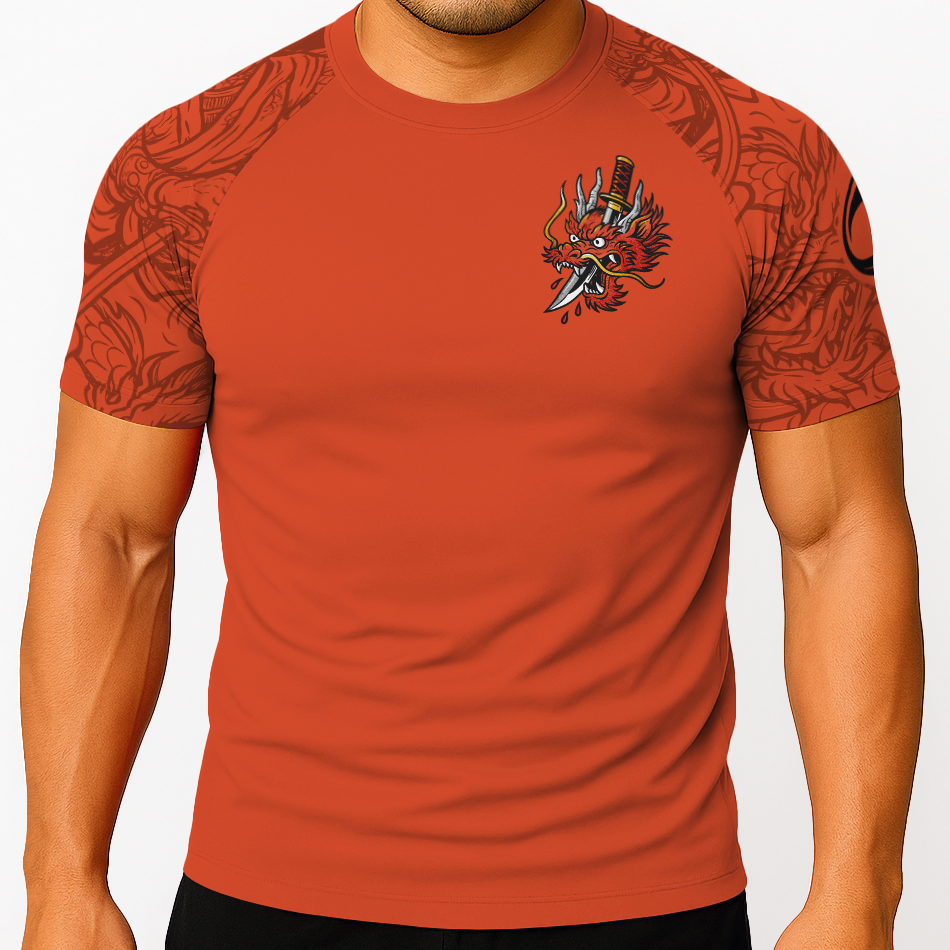
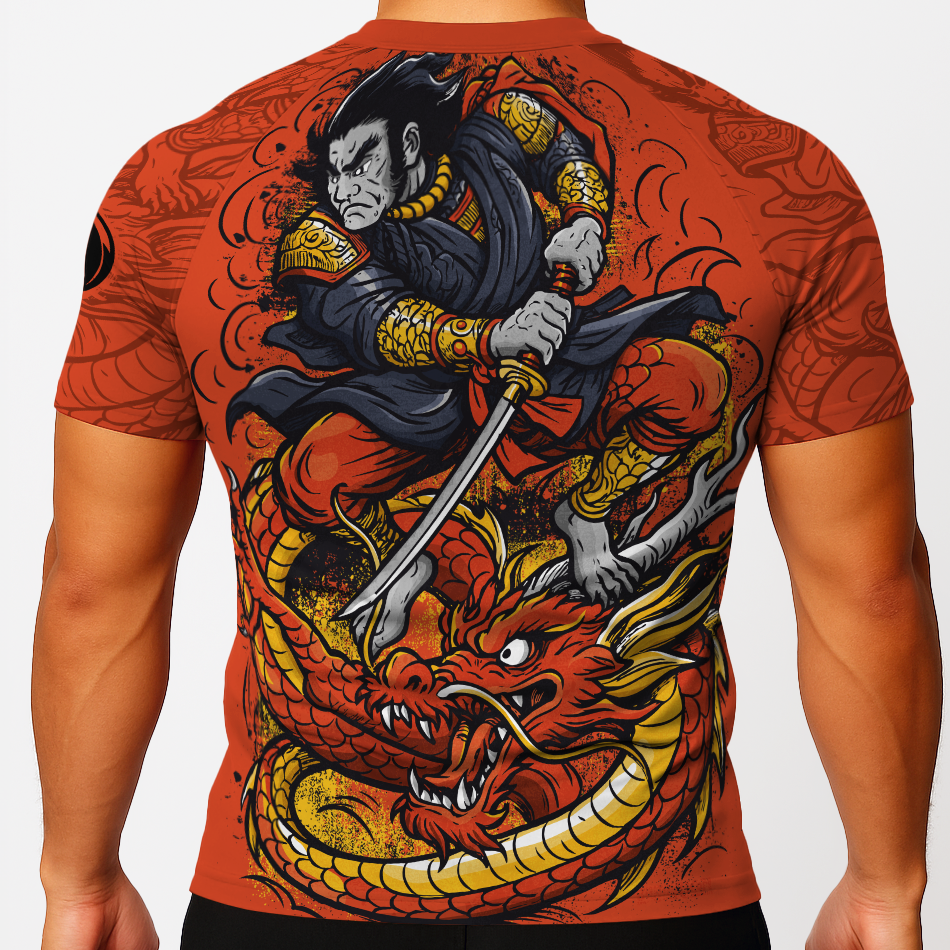
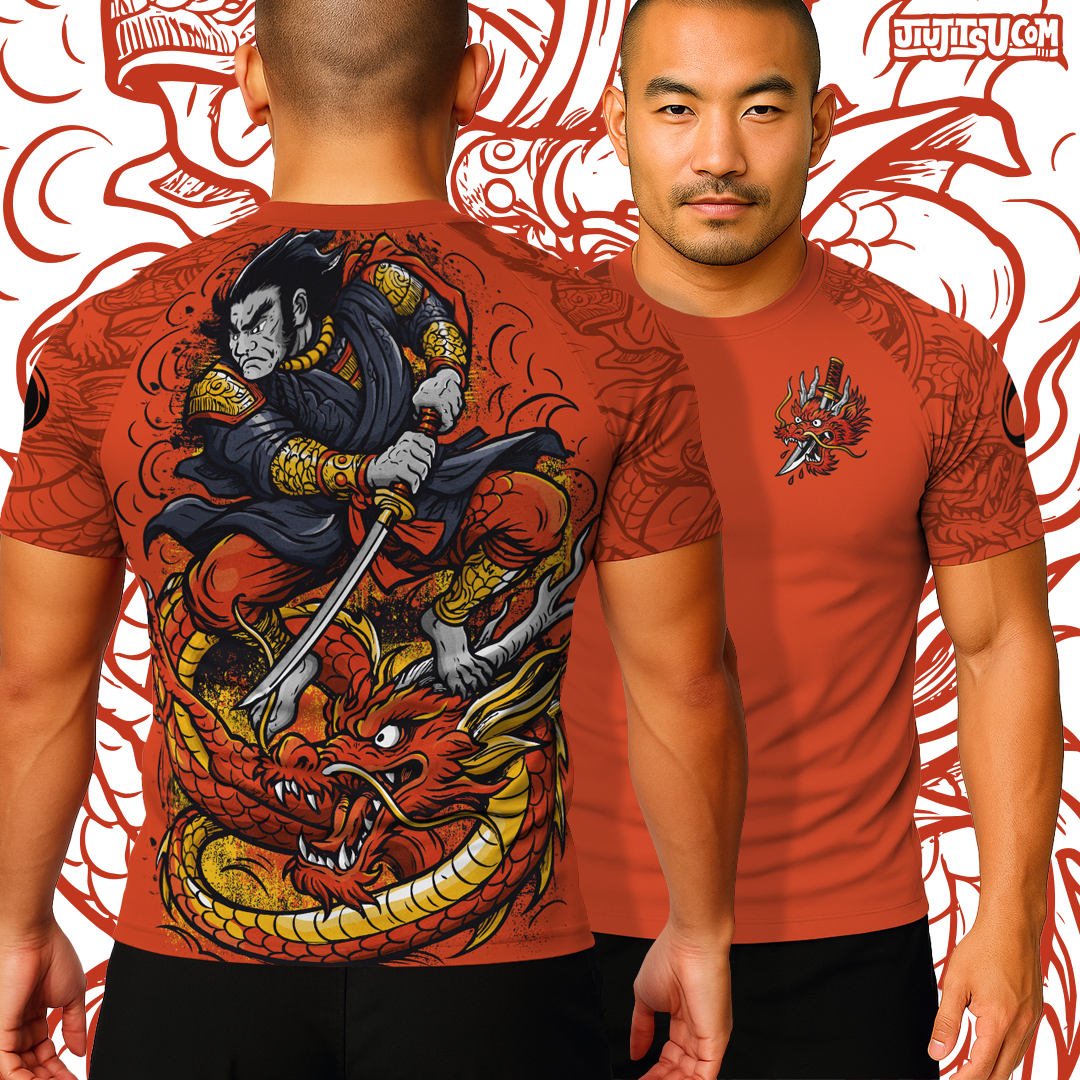
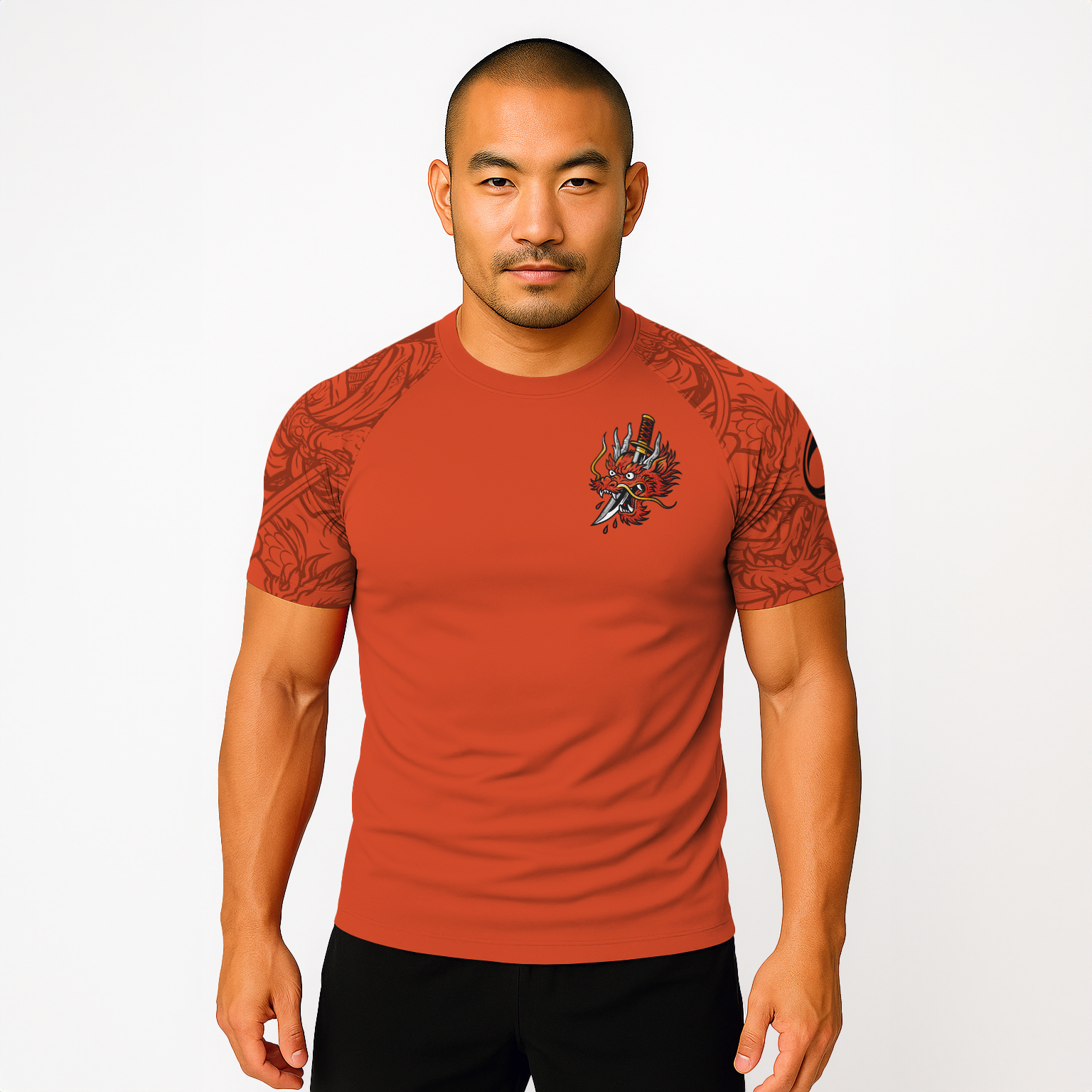
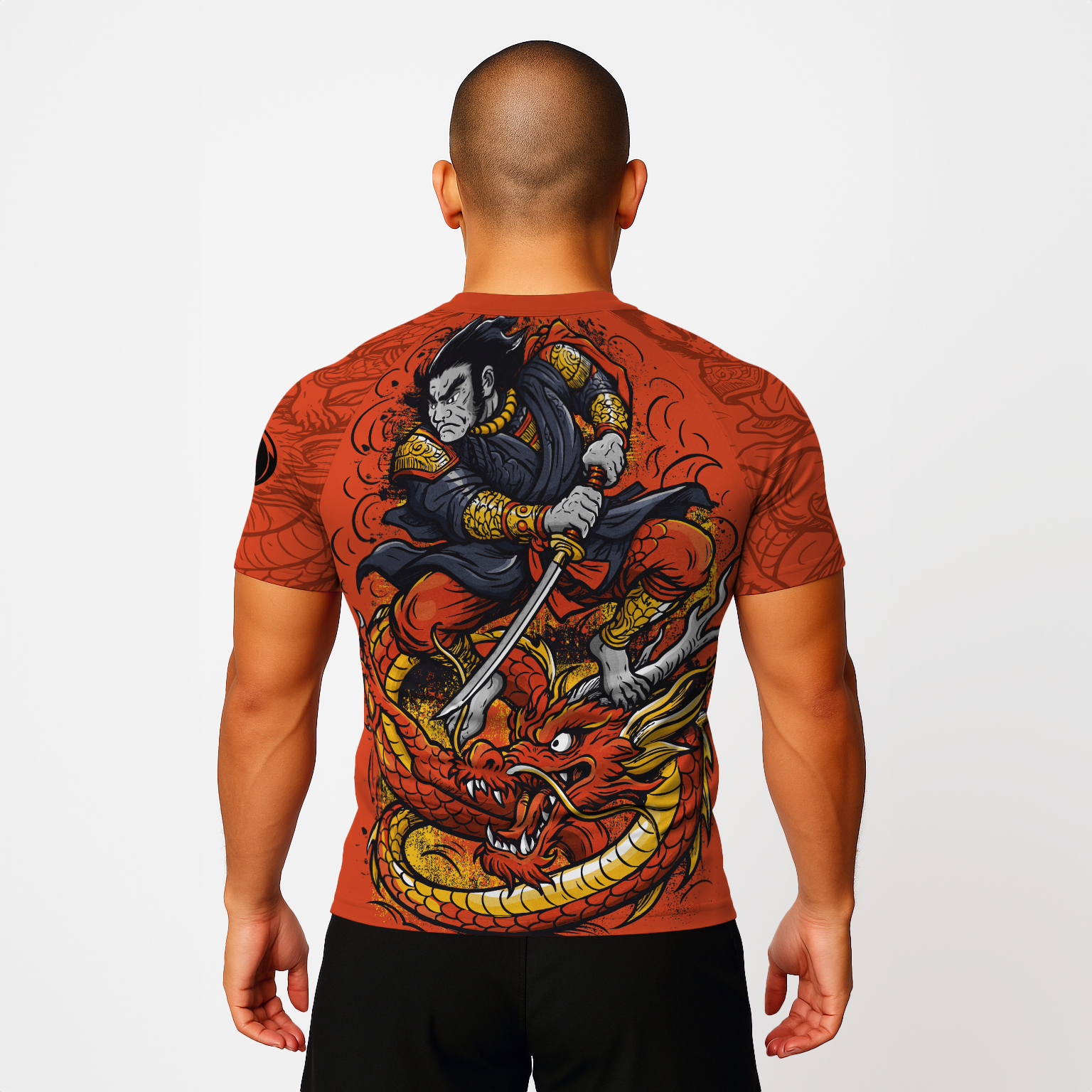
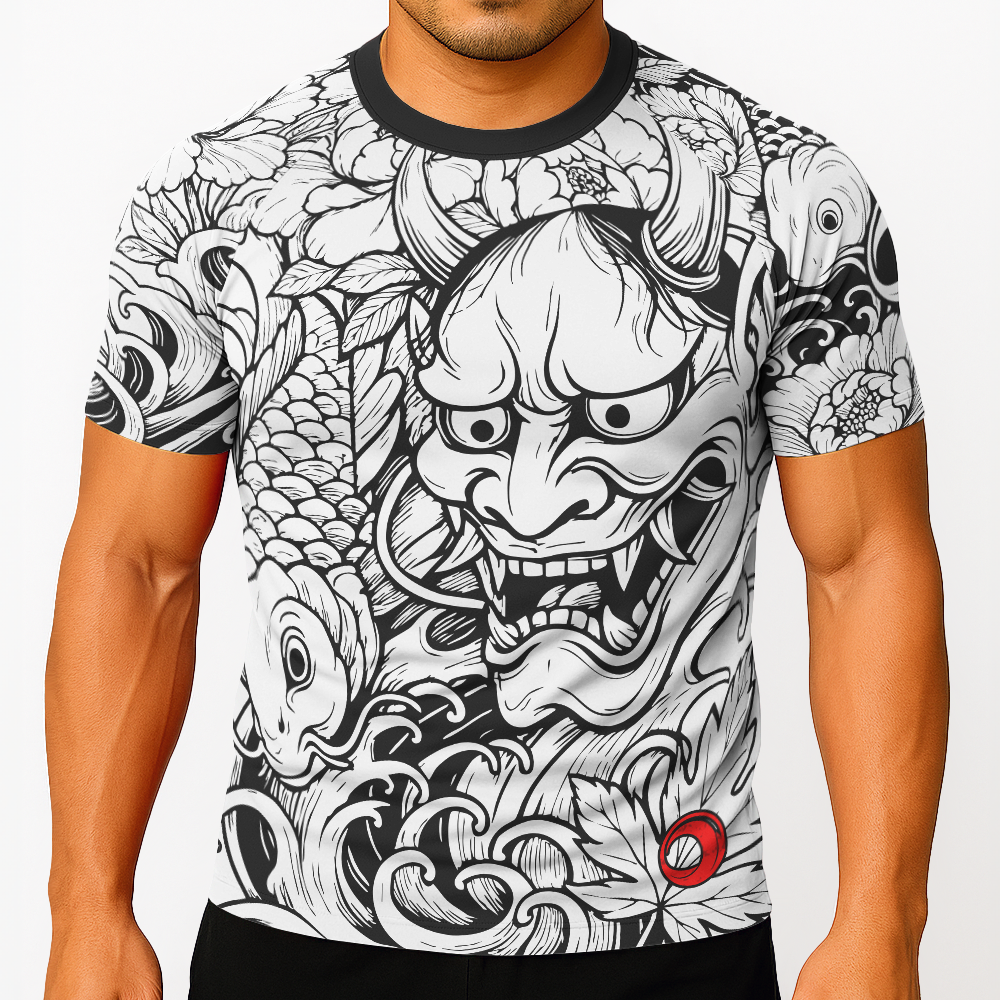
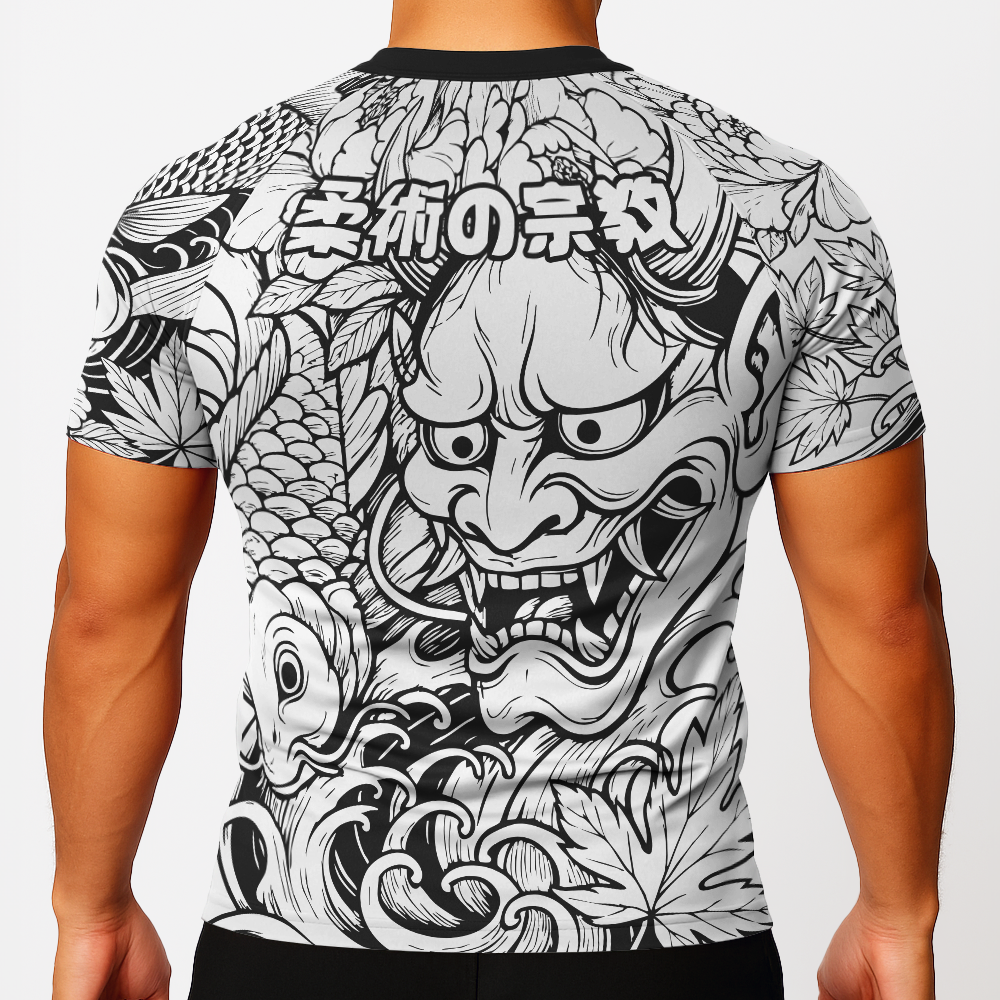
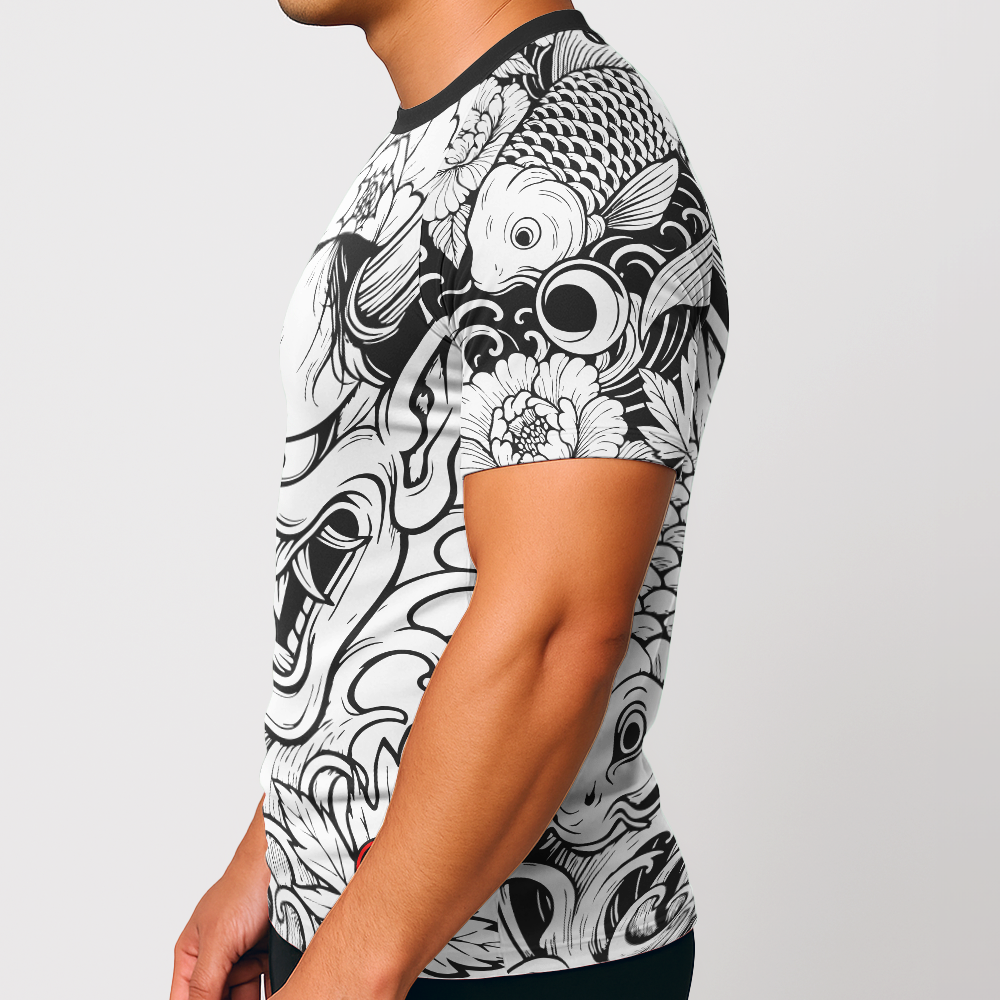
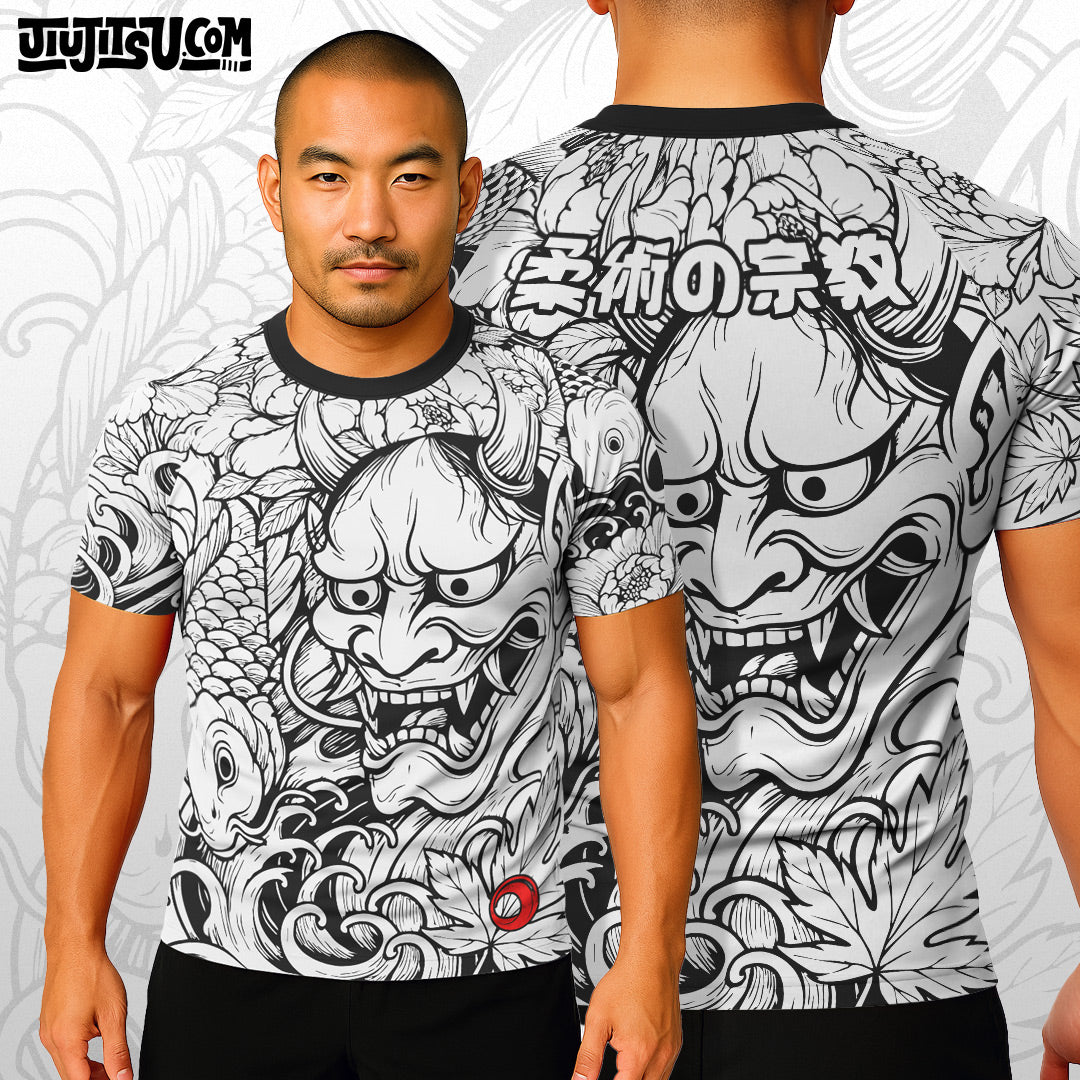
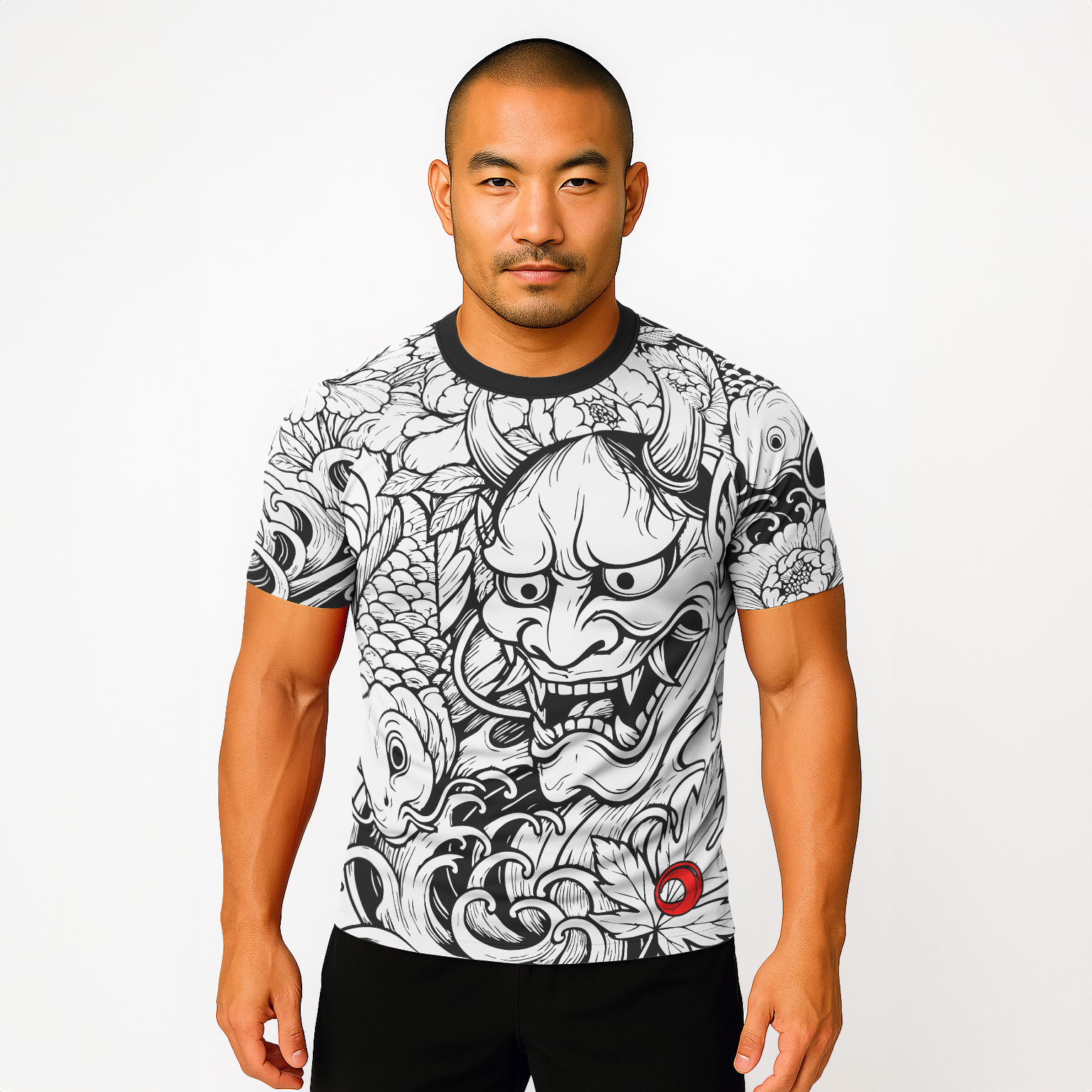
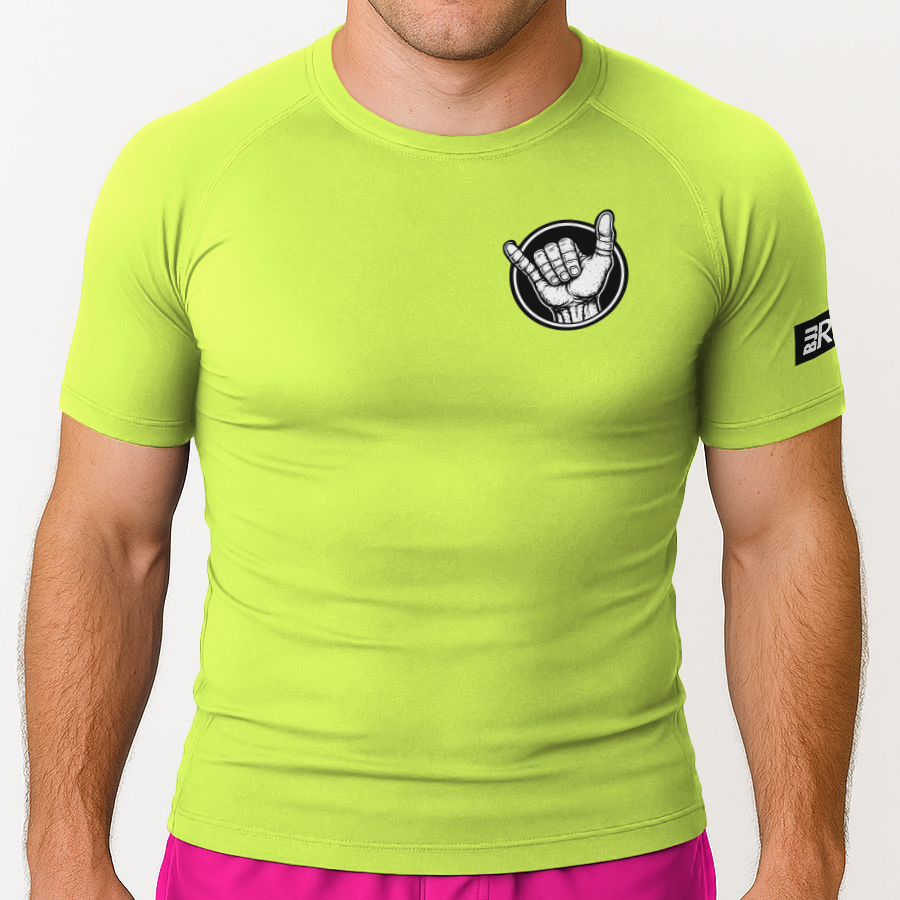
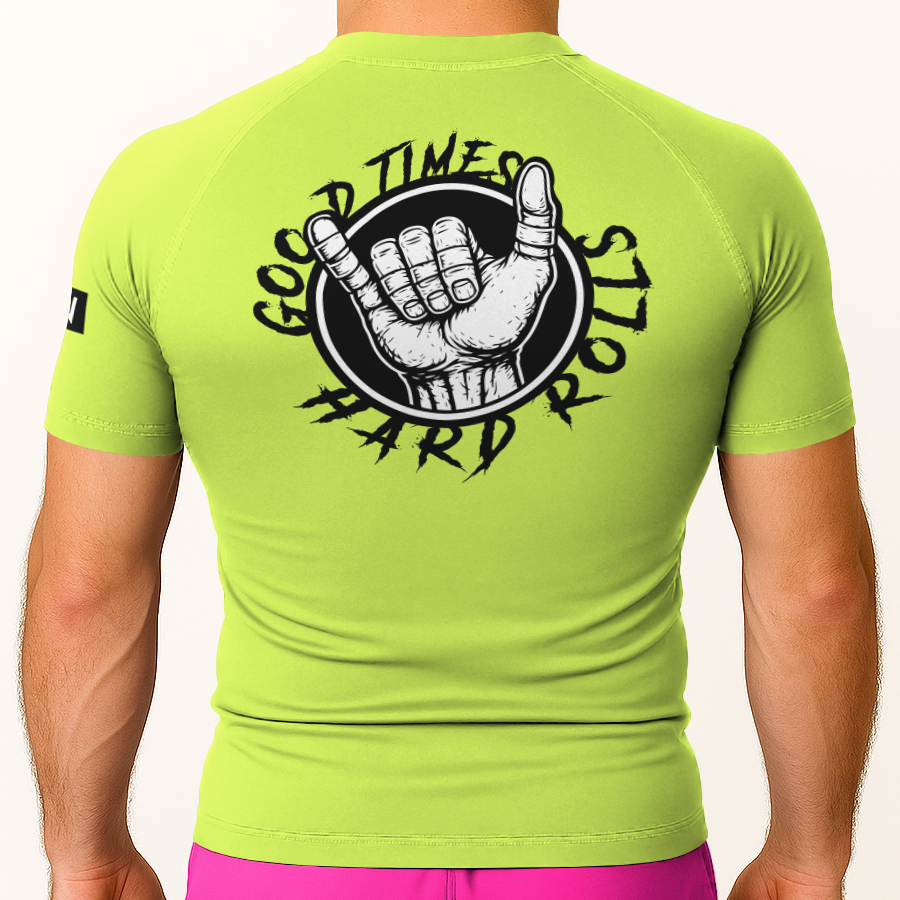
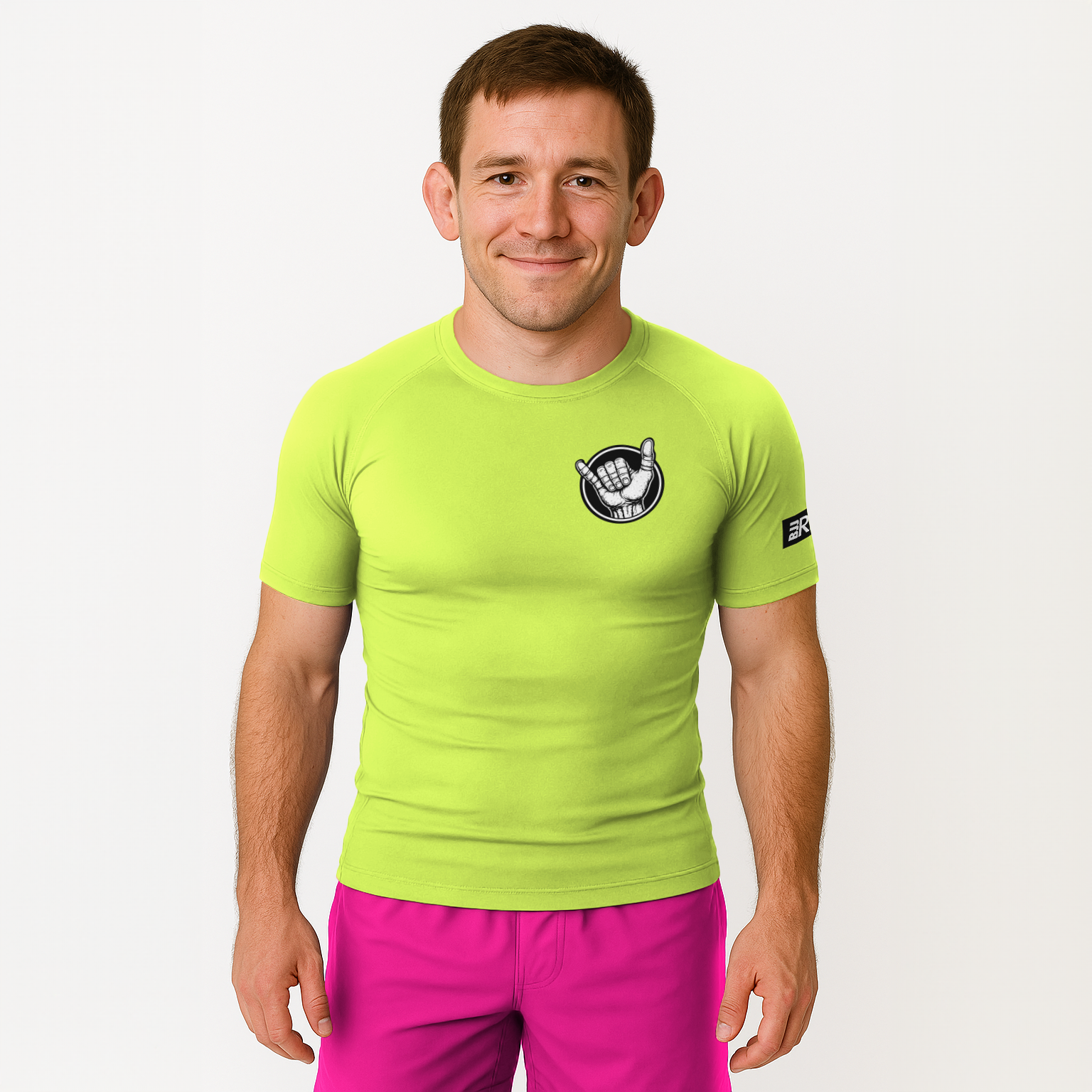
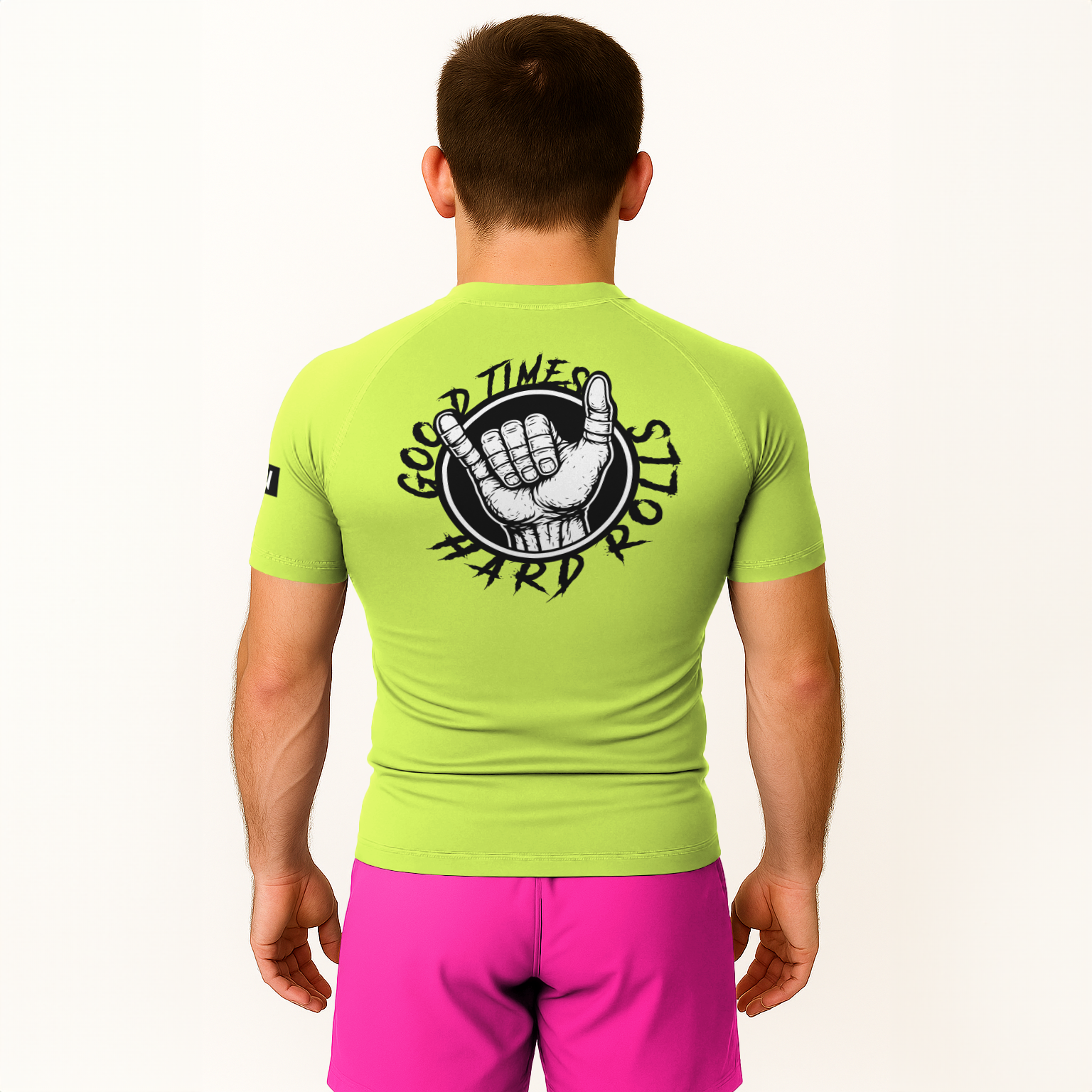
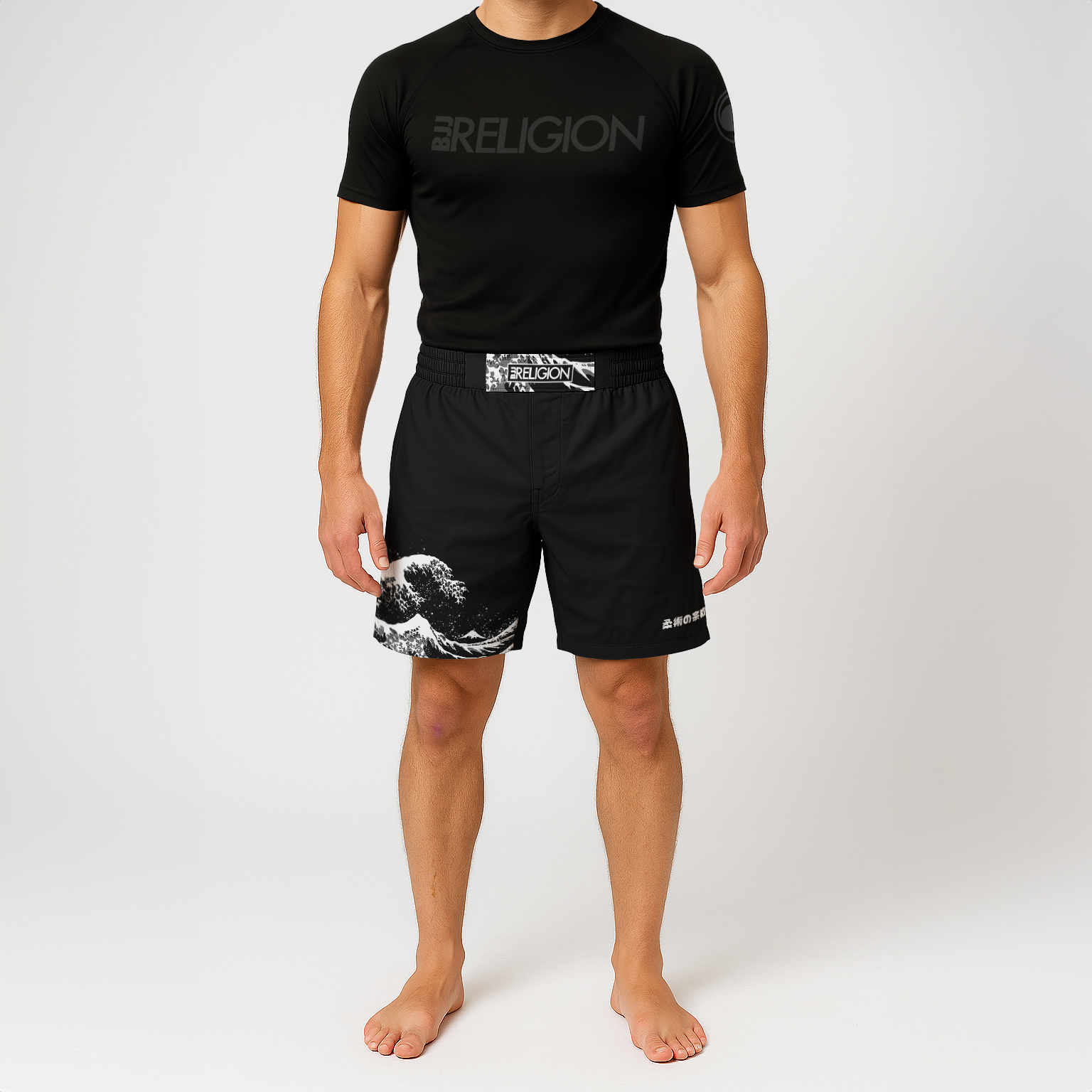
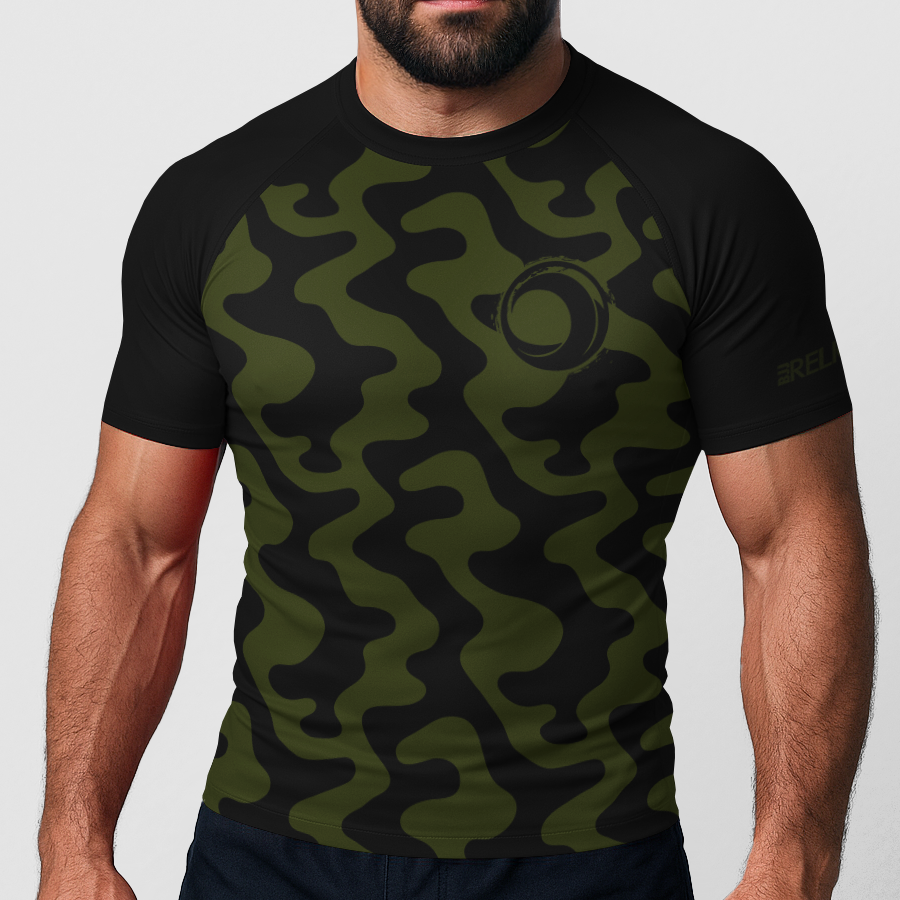
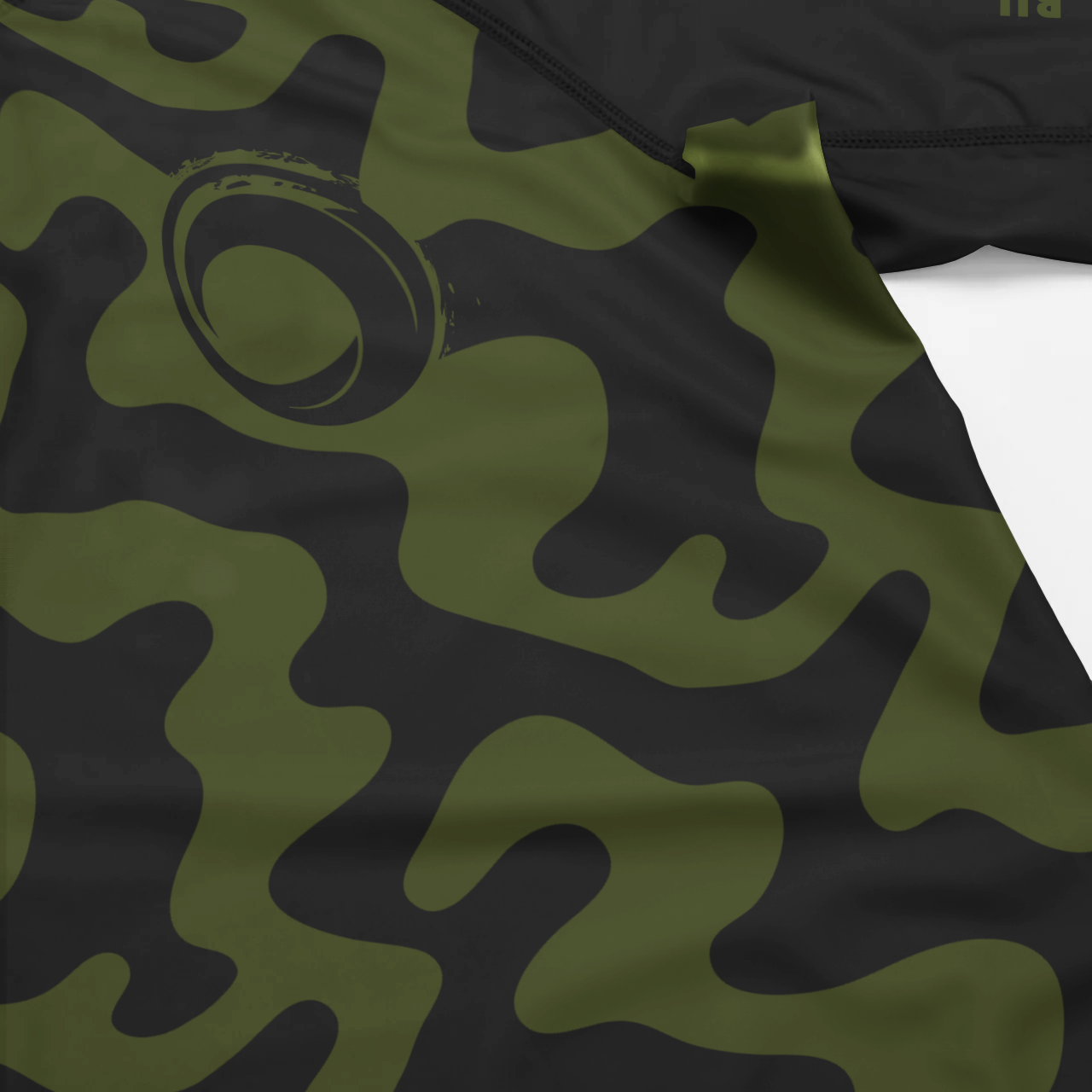
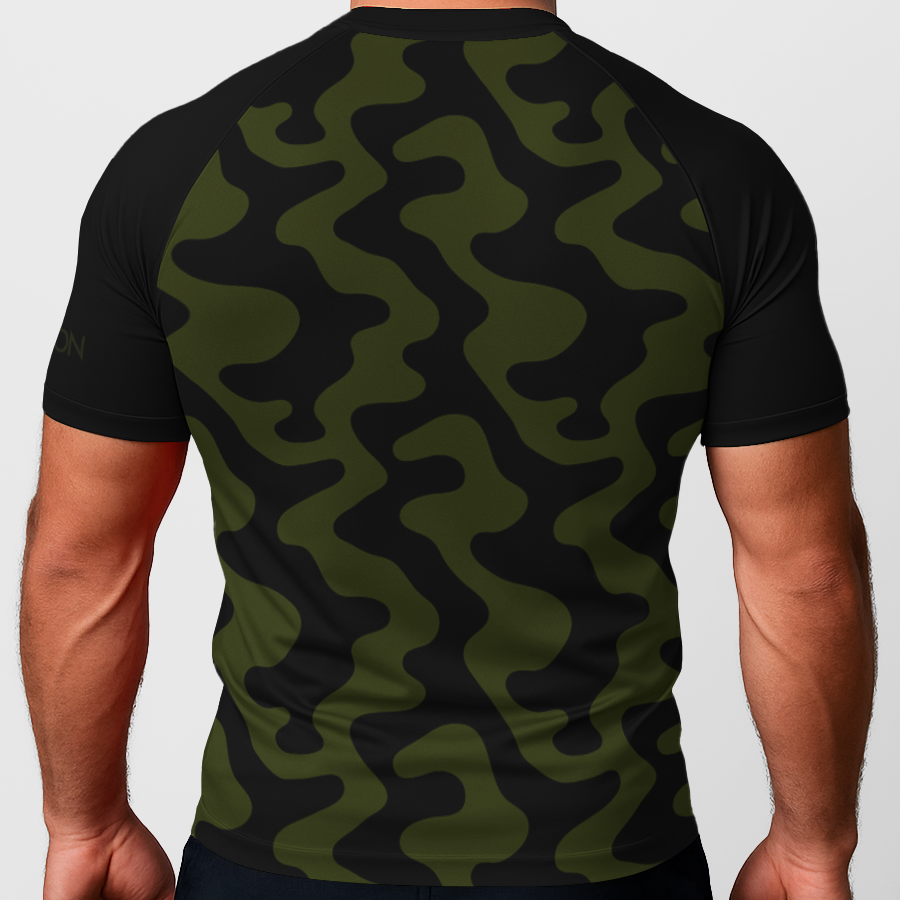
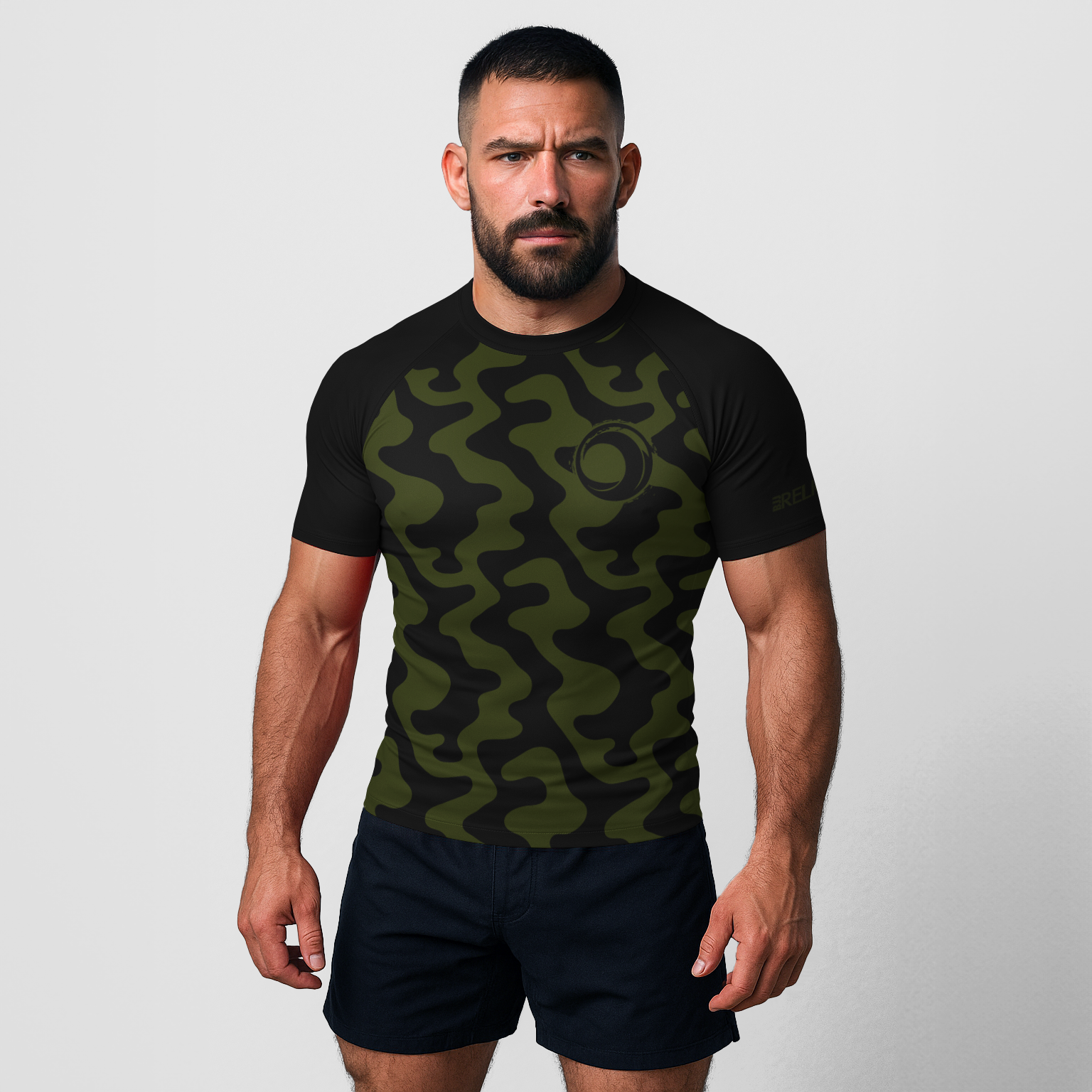
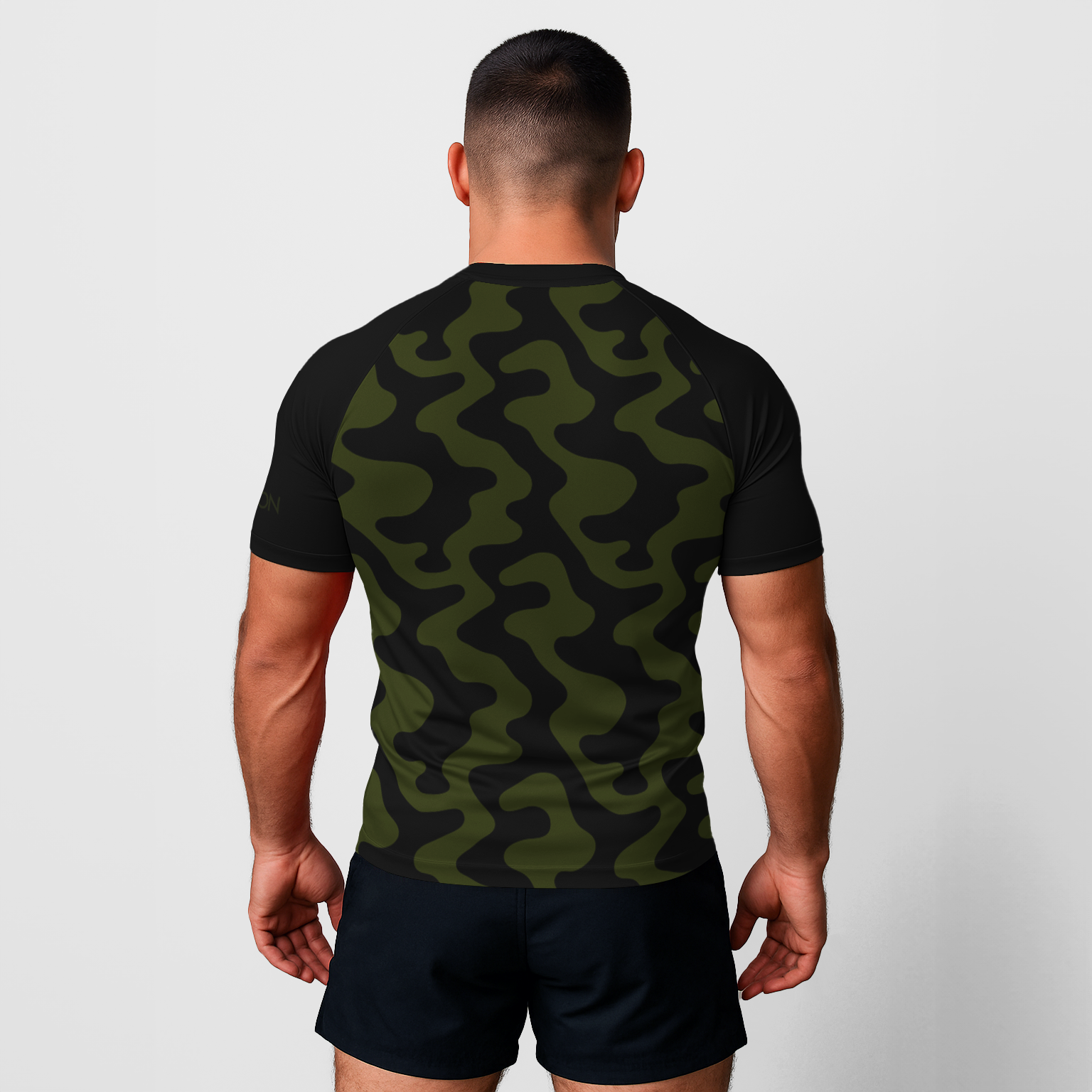
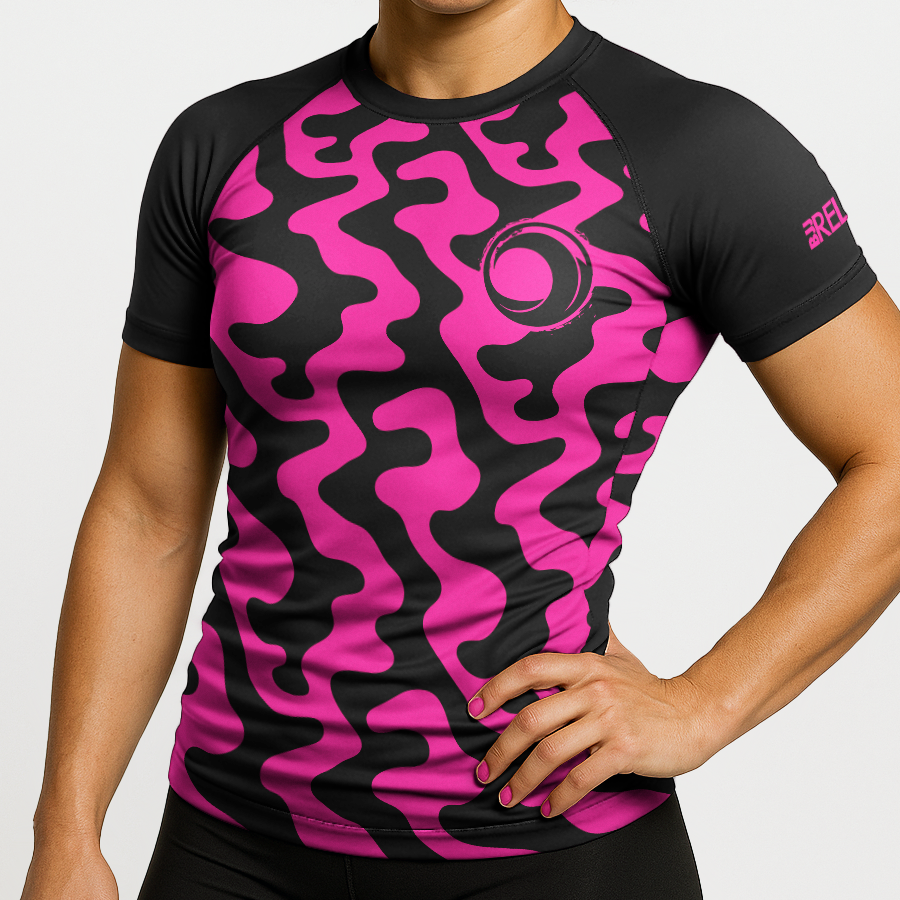
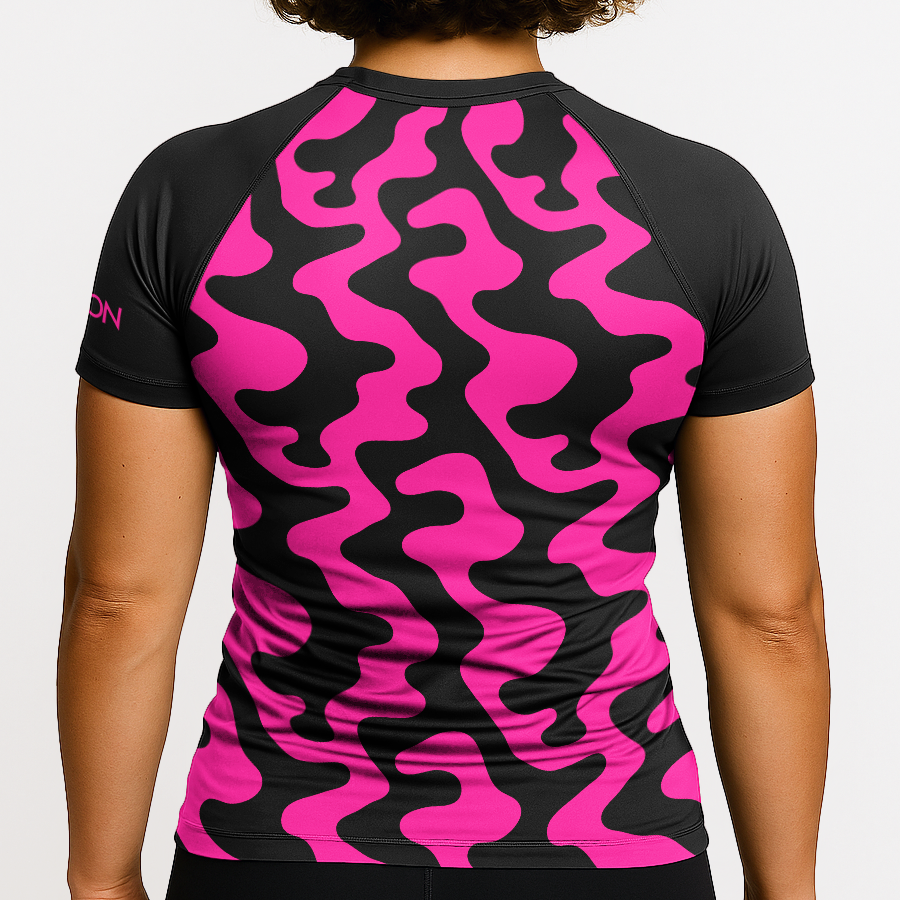
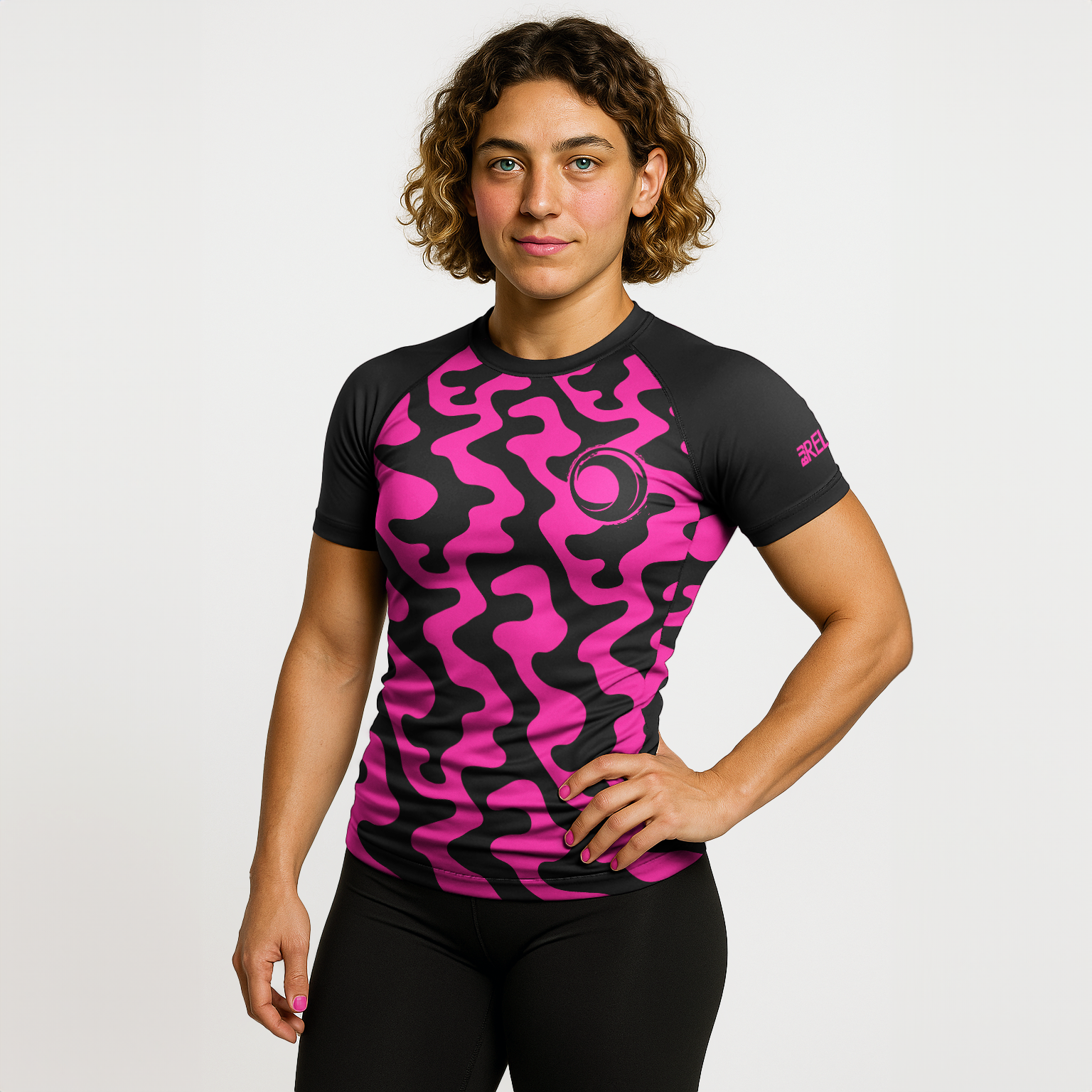
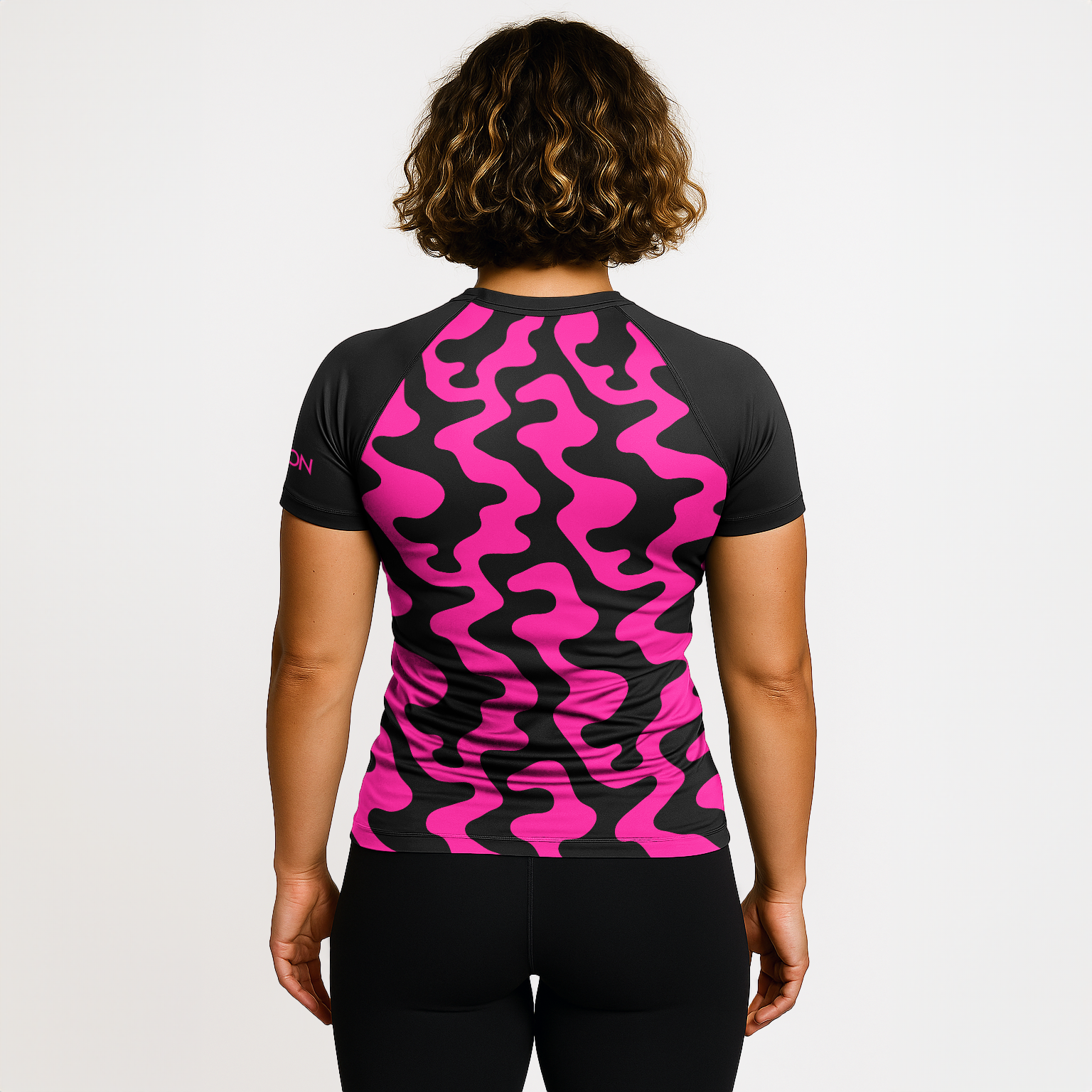
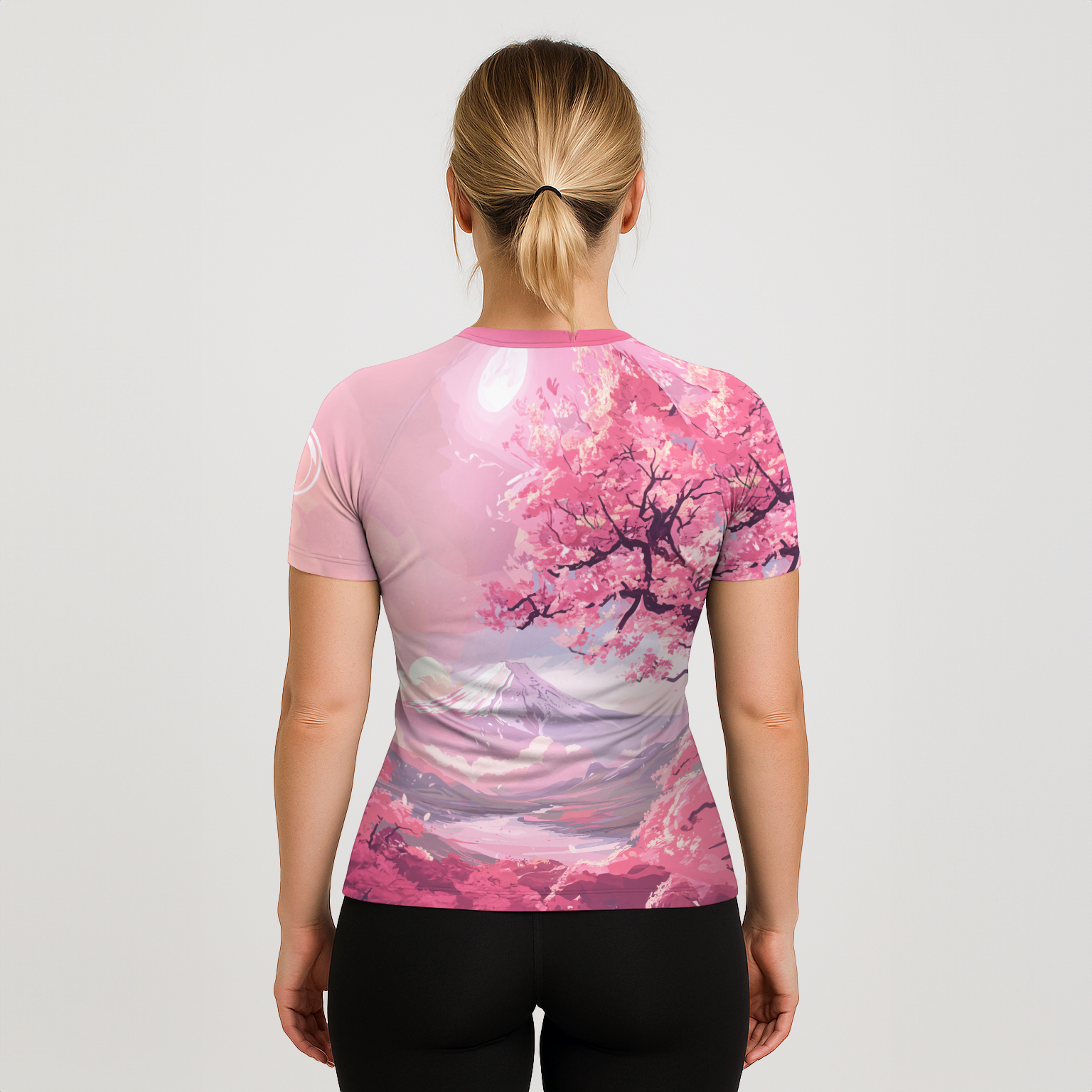
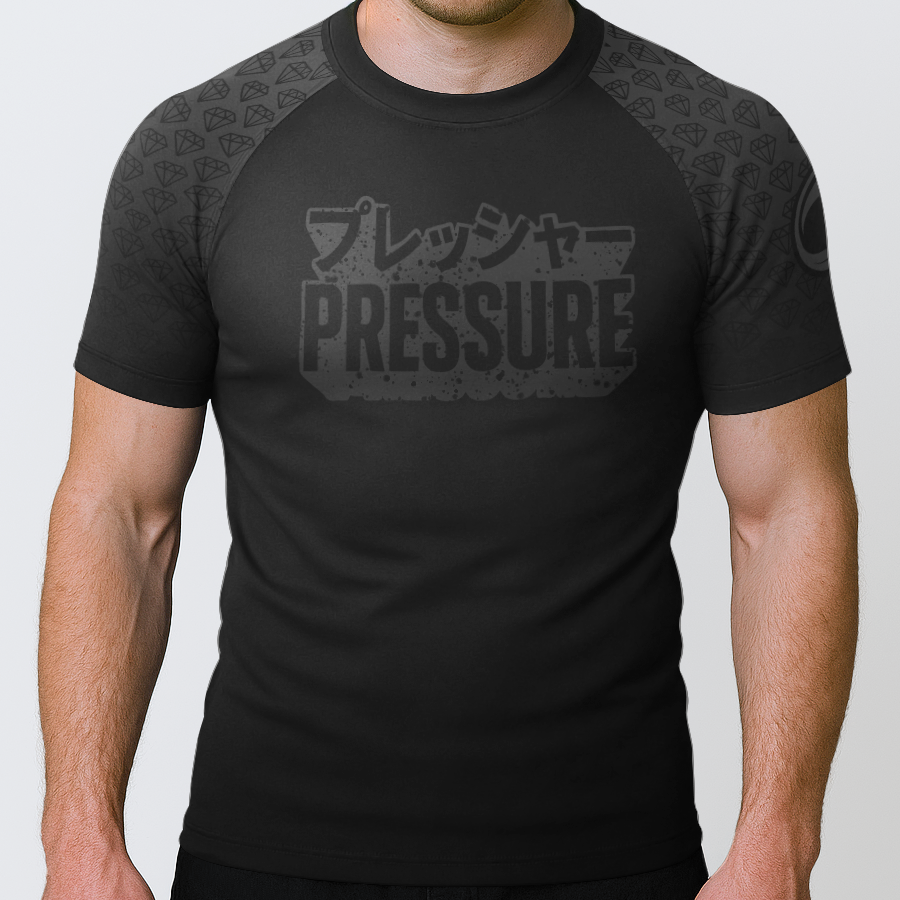
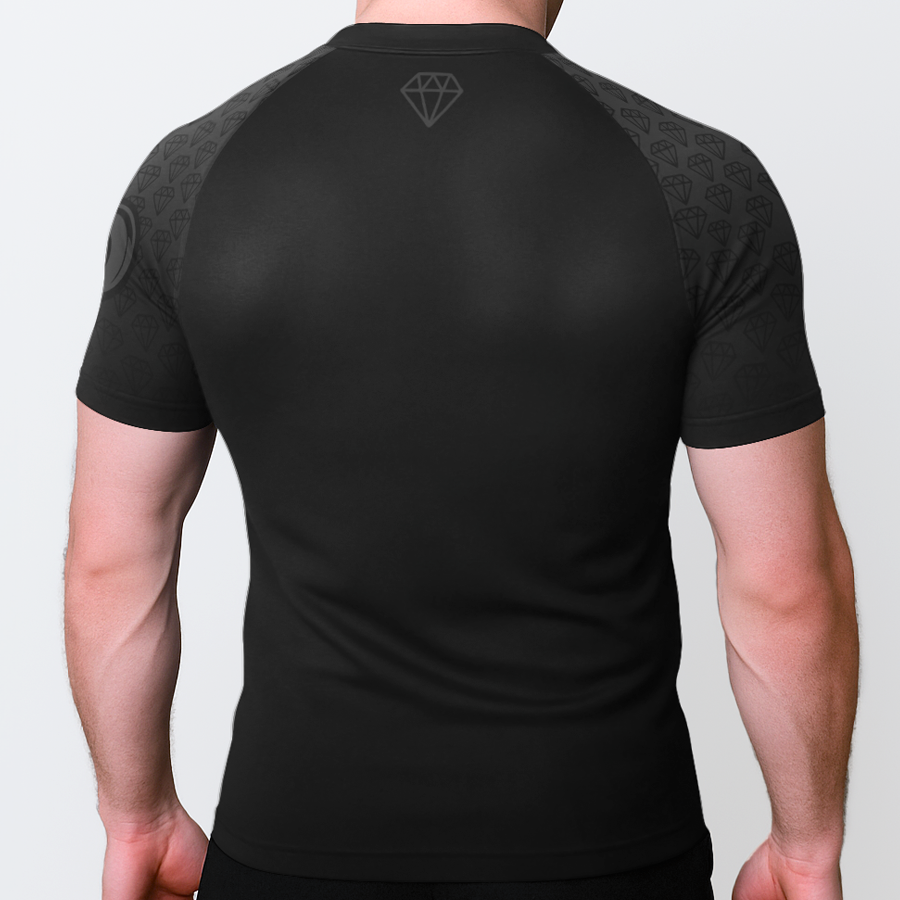
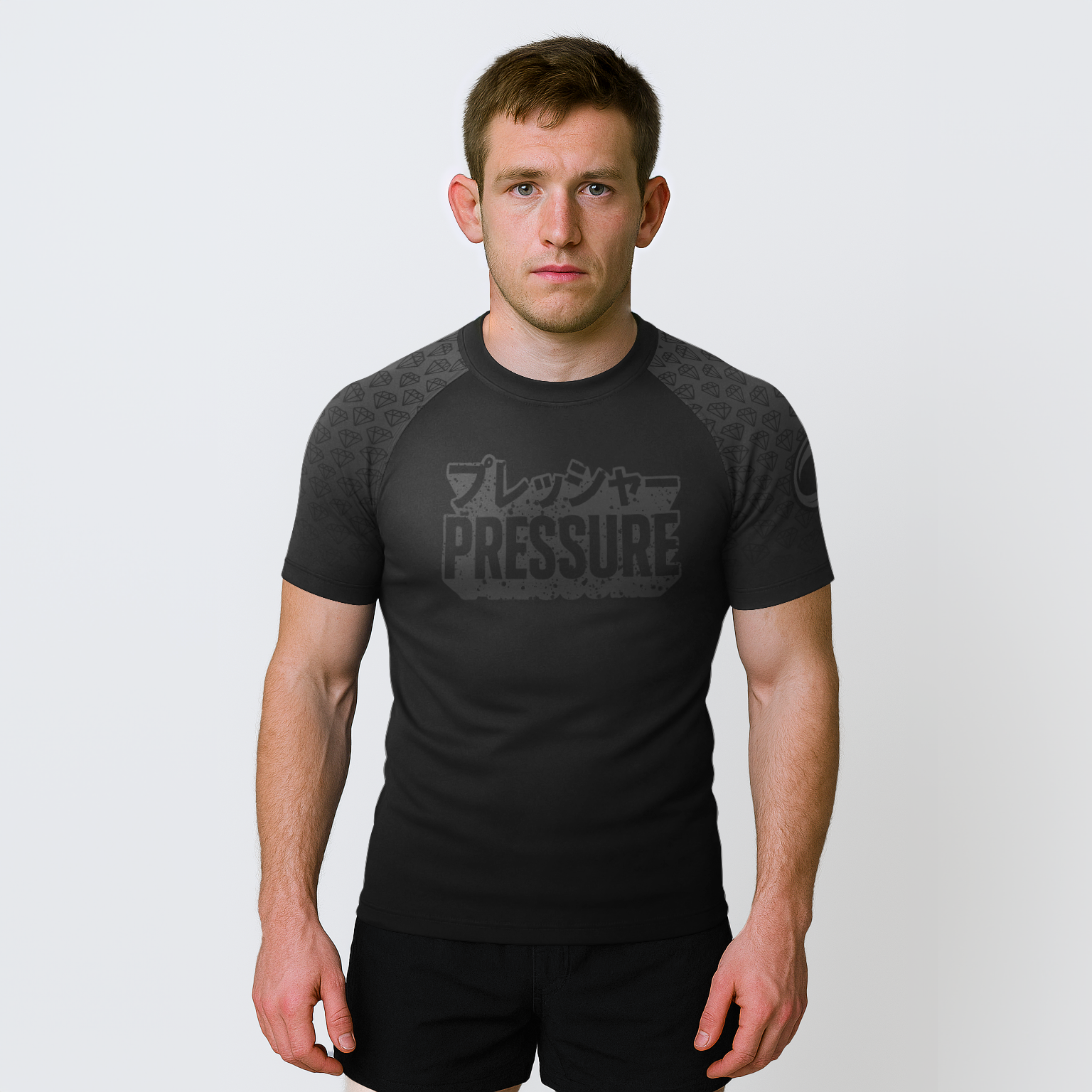
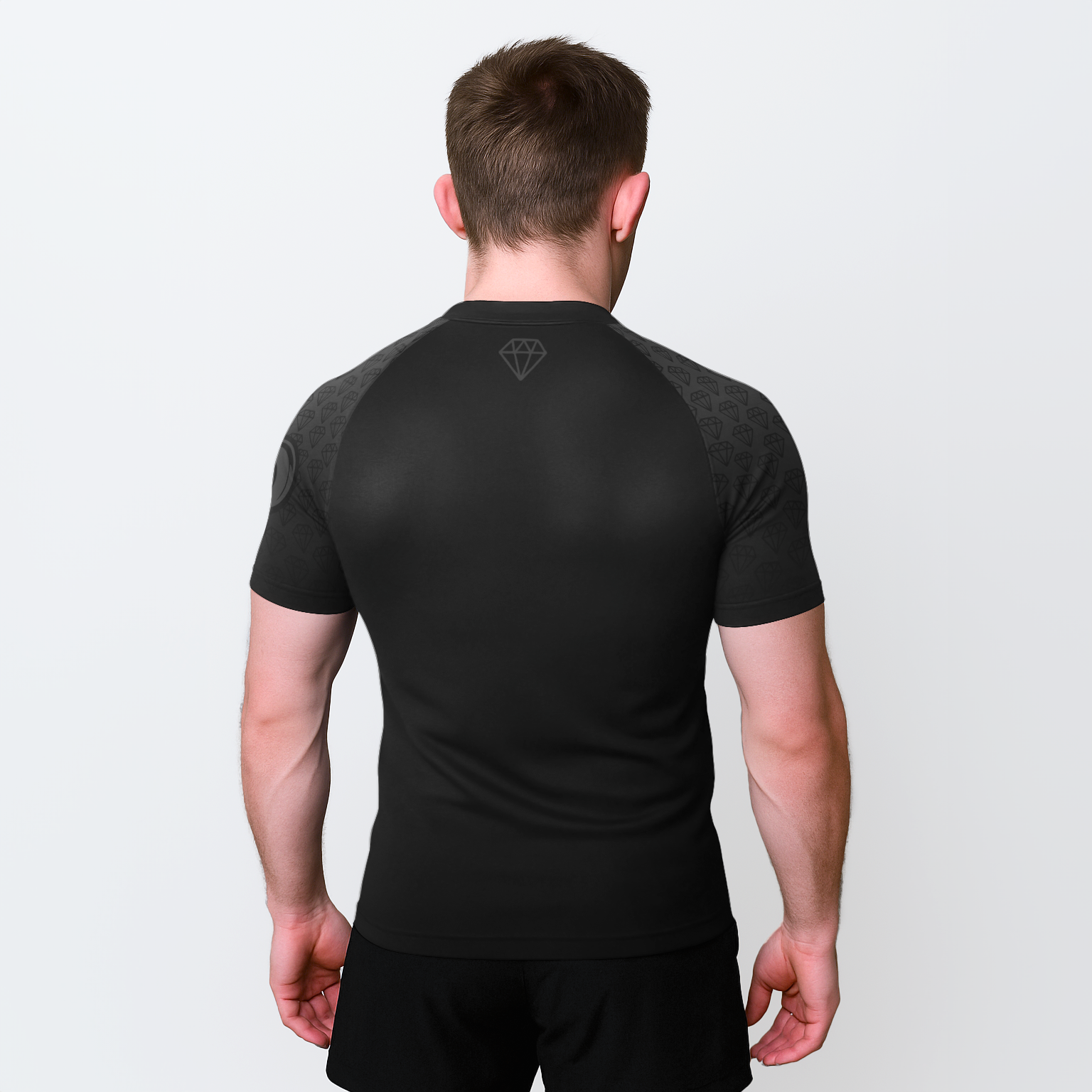
A rash guard should fit close to the body without limiting your reach, rotation, or breathing. It needs to stay low enough that it does not roll up when you are framing from bottom mount, but it should not feel like a compression shirt that makes every deep breath uncomfortable.
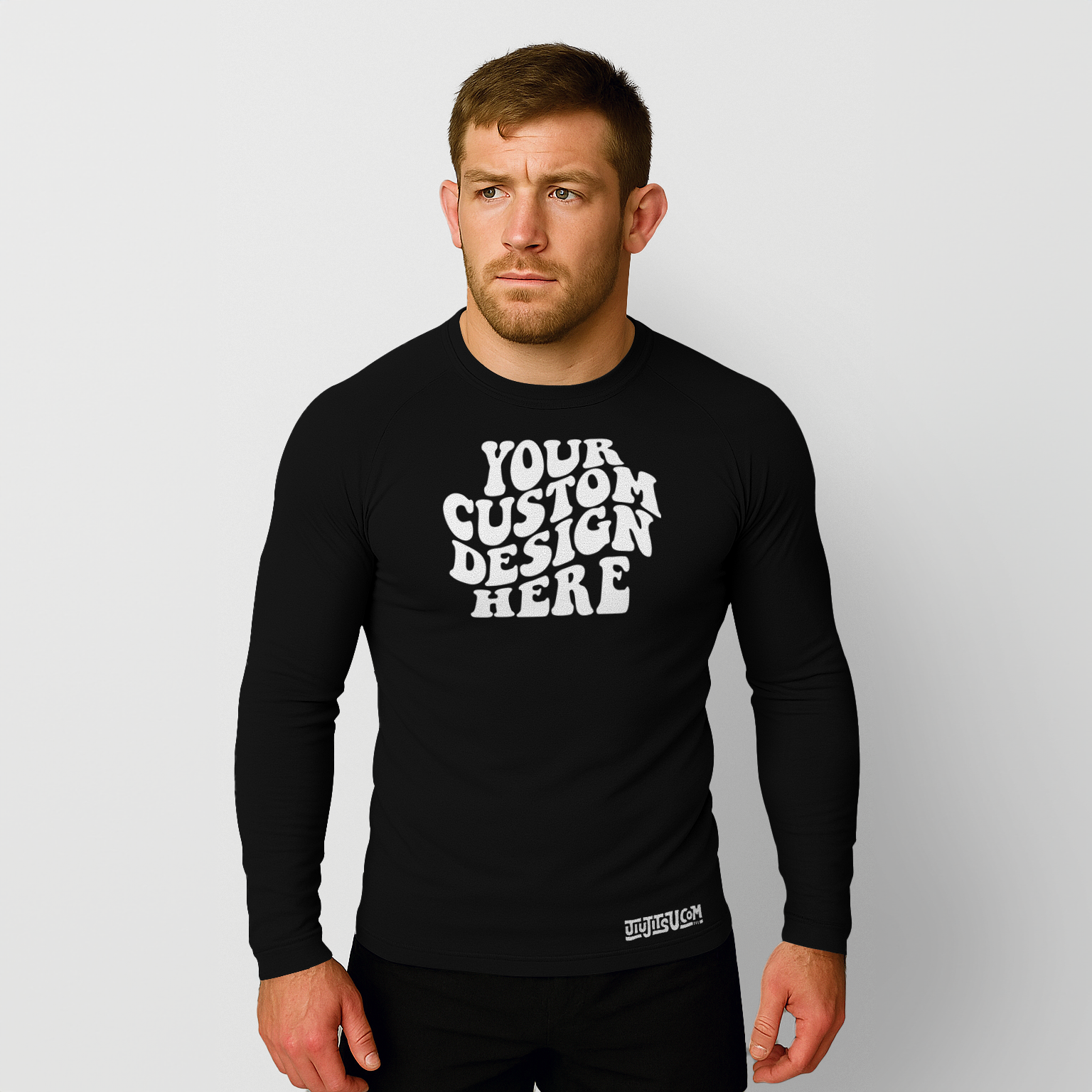
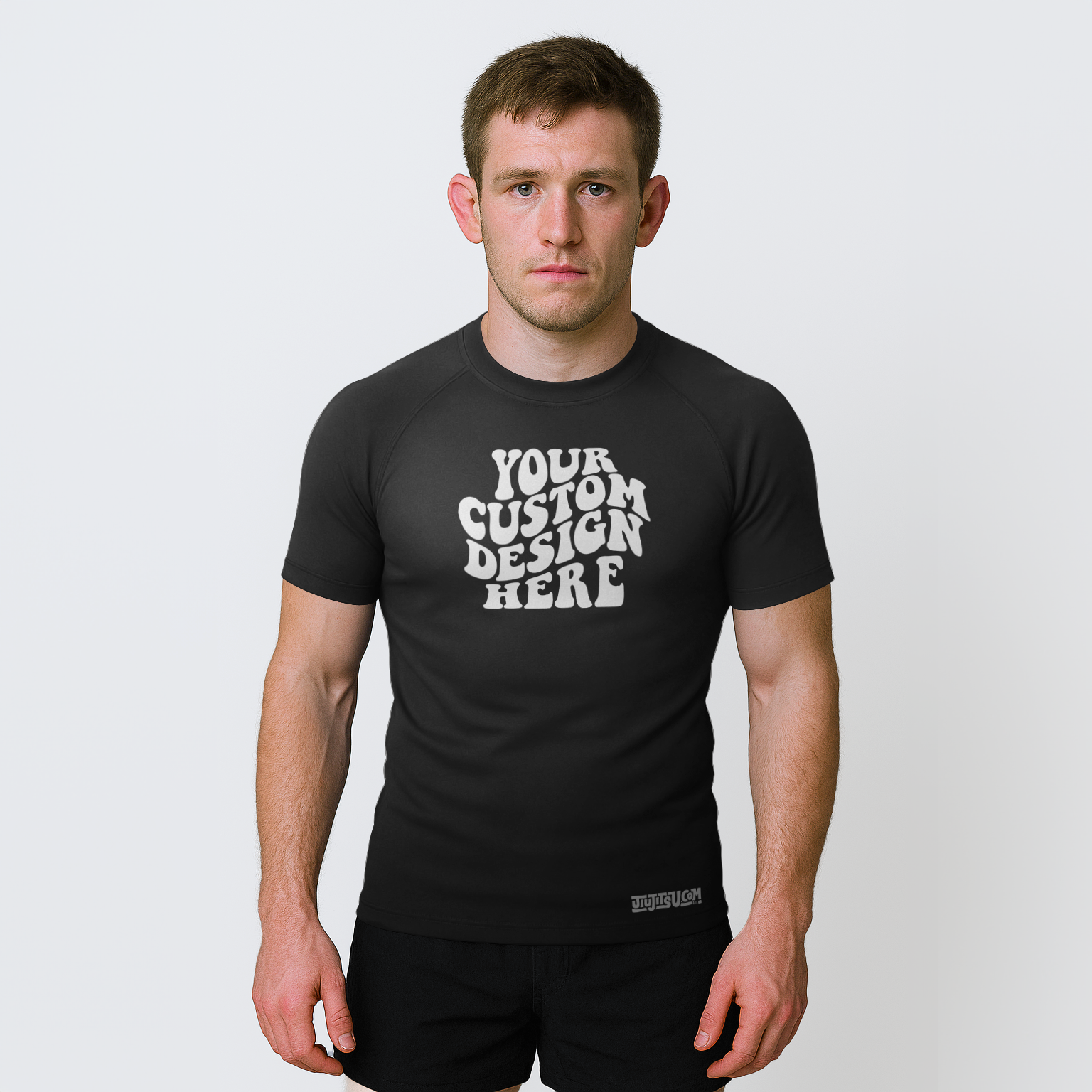
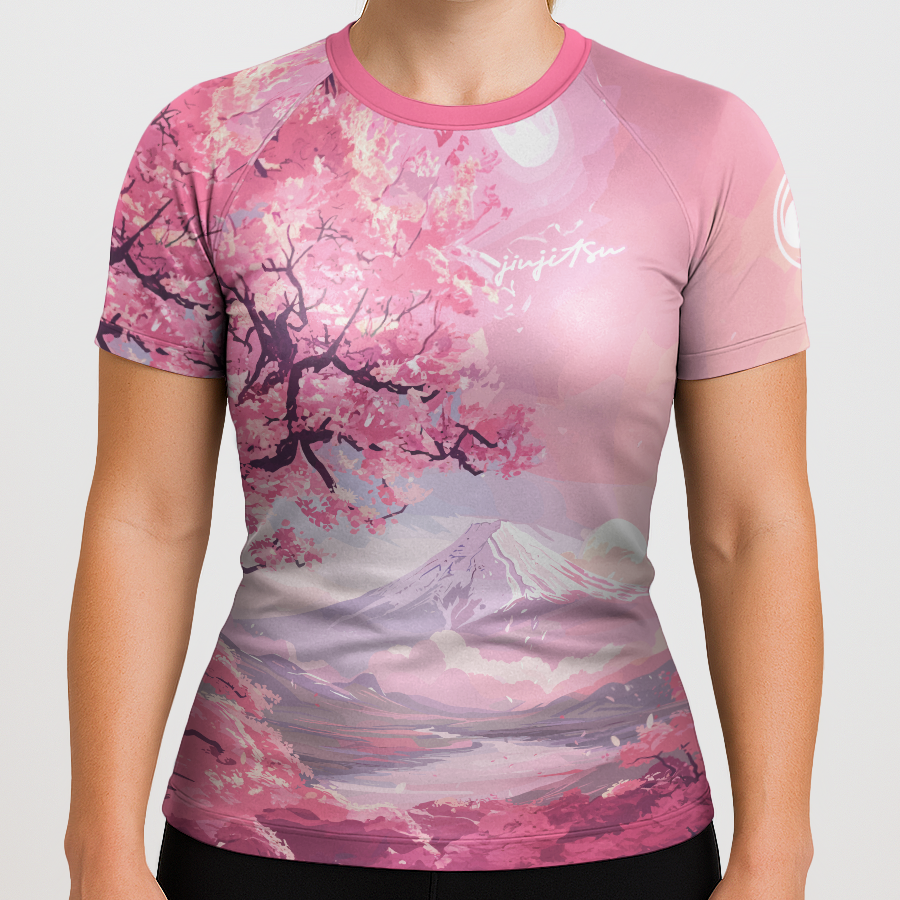
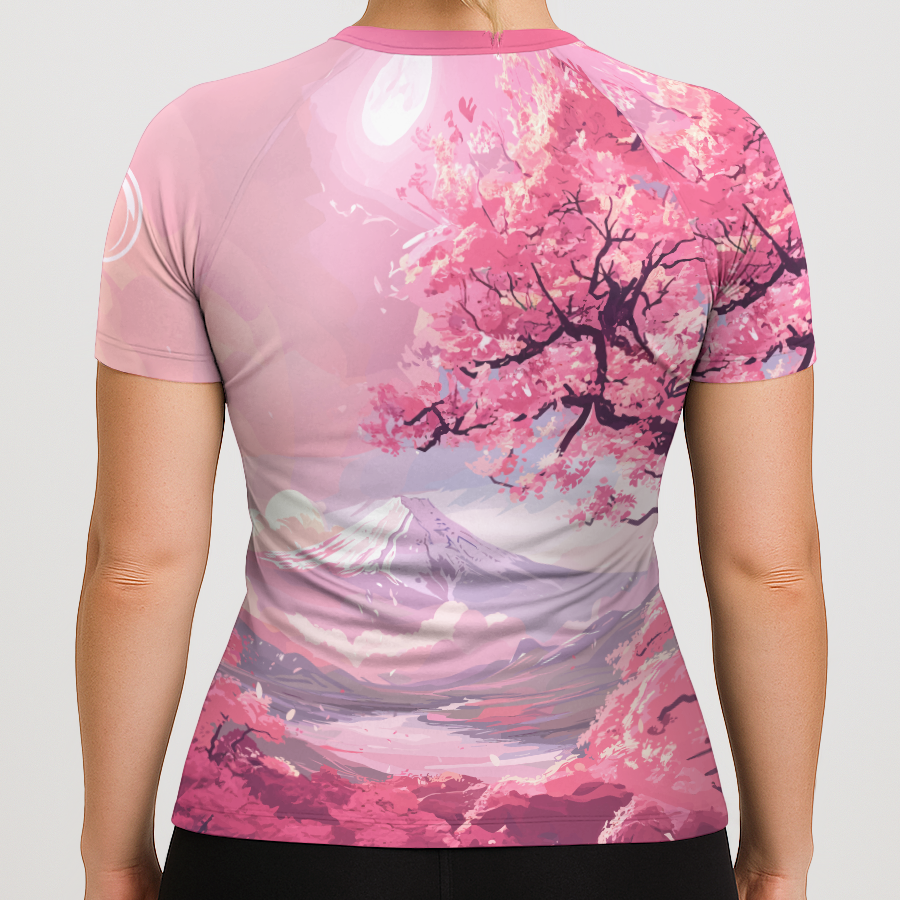
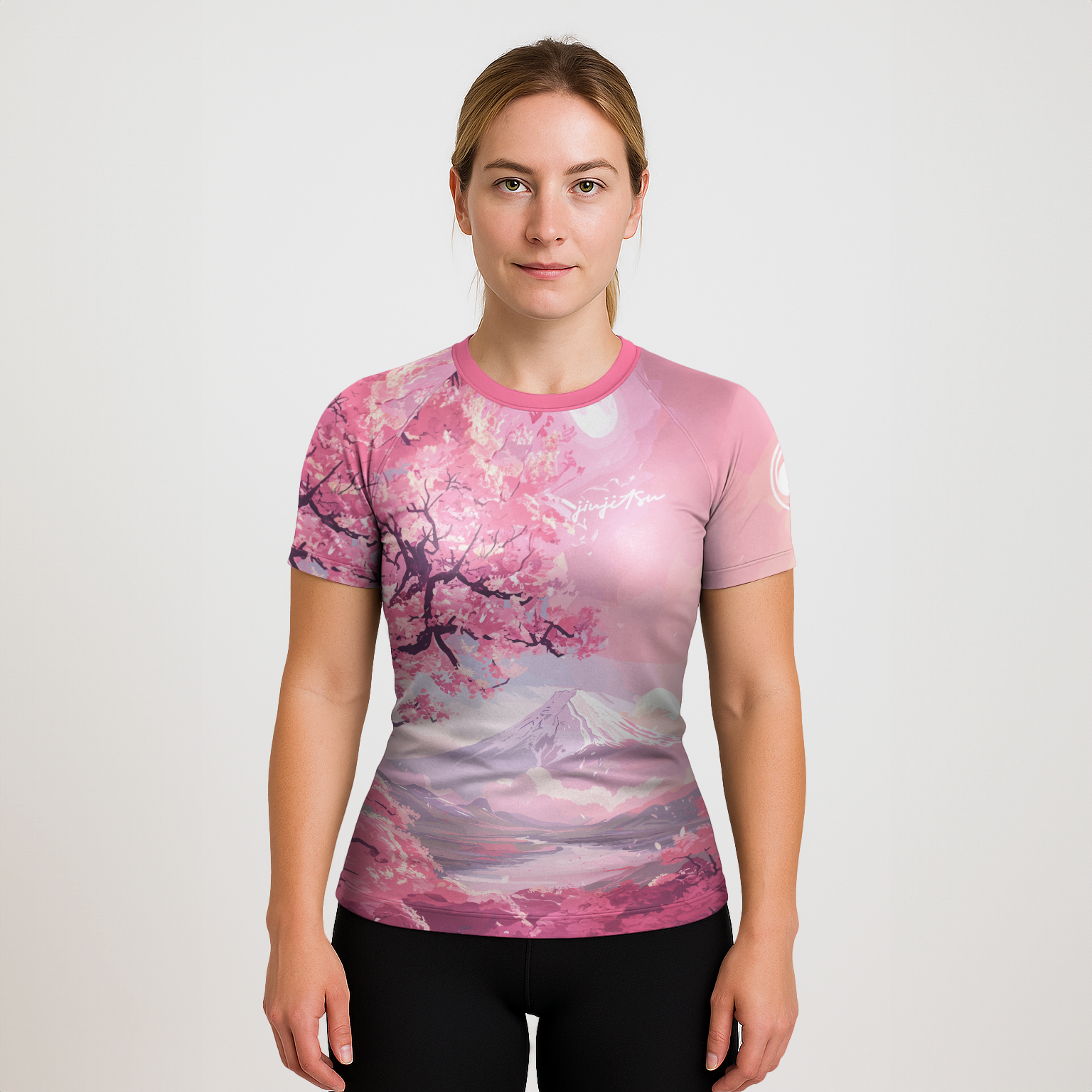
For most students, one short-sleeve and one long-sleeve rash guard is a sensible first purchase. Short sleeves feel cooler and give your arms more freedom in a warm gym. Long sleeves provide more coverage during scrambles, reduce direct skin-to-mat contact, and can be useful when you are drilling repeatedly from half guard or turtle.
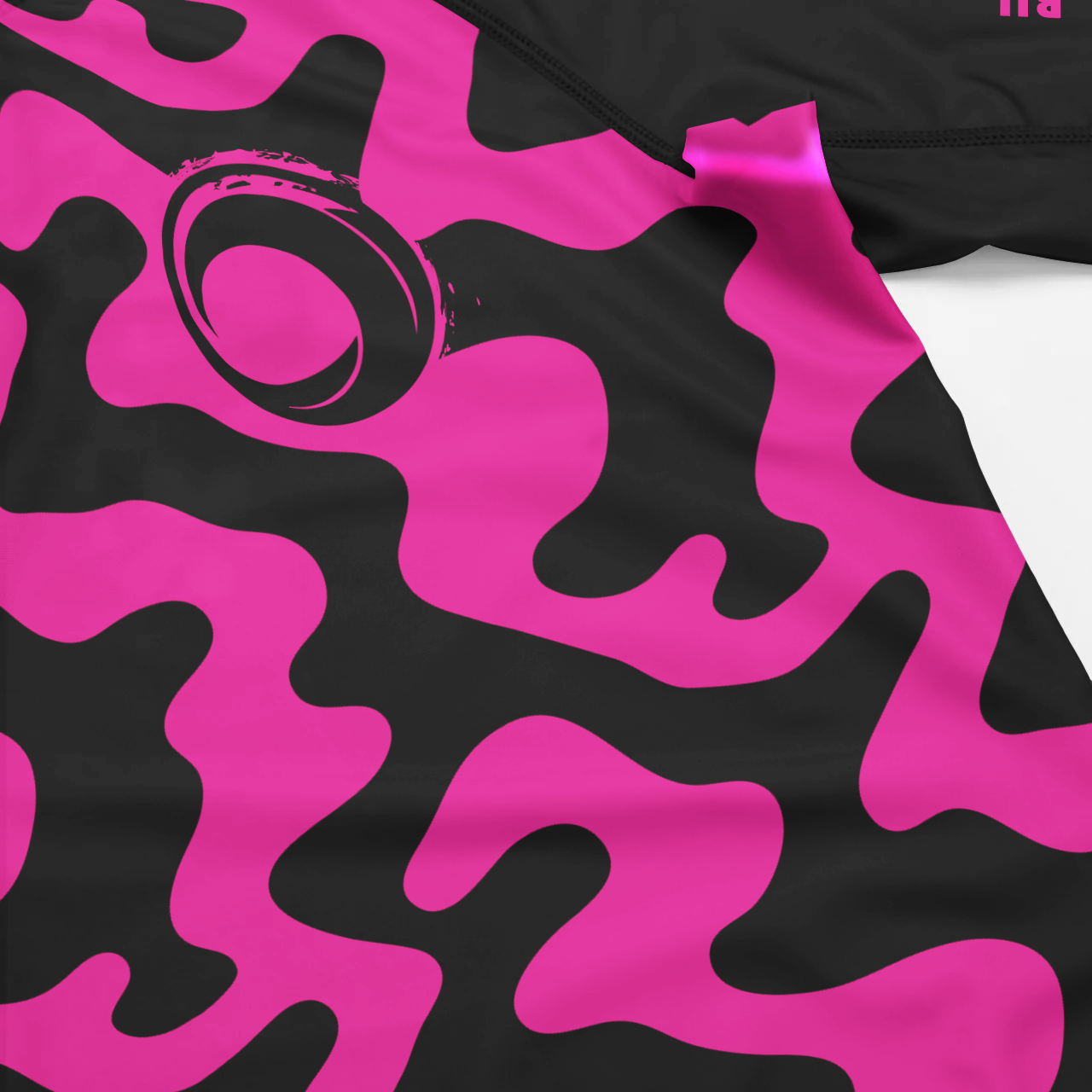
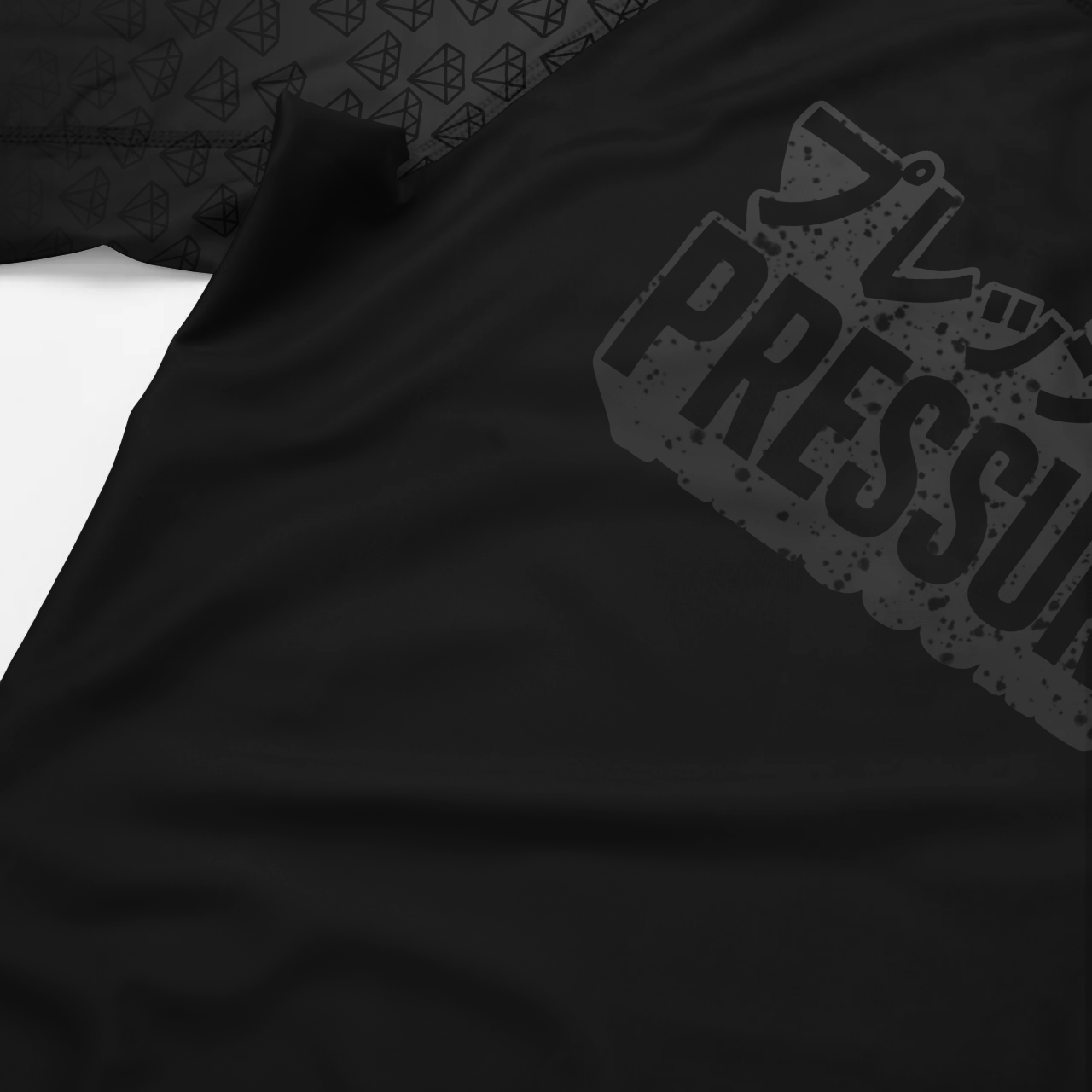
Look closely at the details that tend to fail first. Flatlock stitching helps reduce rubbing around the shoulders and underarms. Reinforced seams are worth having because the fabric gets pulled and stretched constantly during hand fighting, front headlock exchanges, and rounds where someone is controlling your wrists. A slightly longer hem is another small feature with a big payoff - it is less likely to ride up when you invert or bridge hard.
Fabric weight is a trade-off. Lightweight material dries quickly and feels better in hot rooms, but very thin fabric can show wear sooner if you train often. A thicker rash guard may feel warmer, yet it can be the better choice for a student who trains four or five days a week and wants more structure. There is no universal best option. Buy for your training frequency and gym temperature.
No Gi Shorts Need to Move and Stay Put
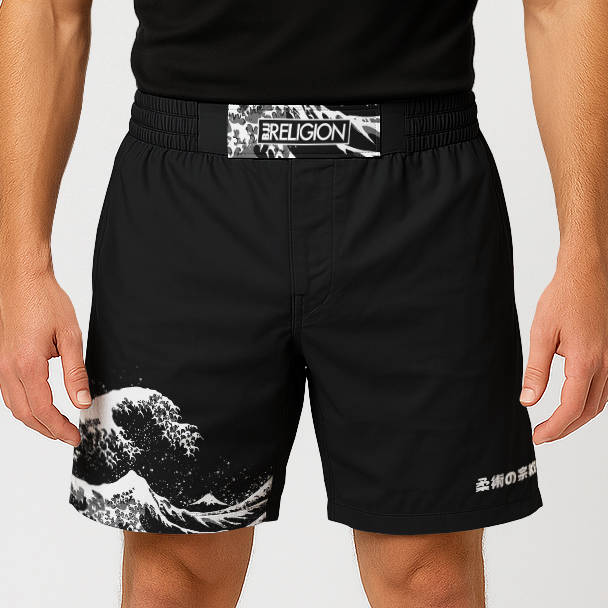
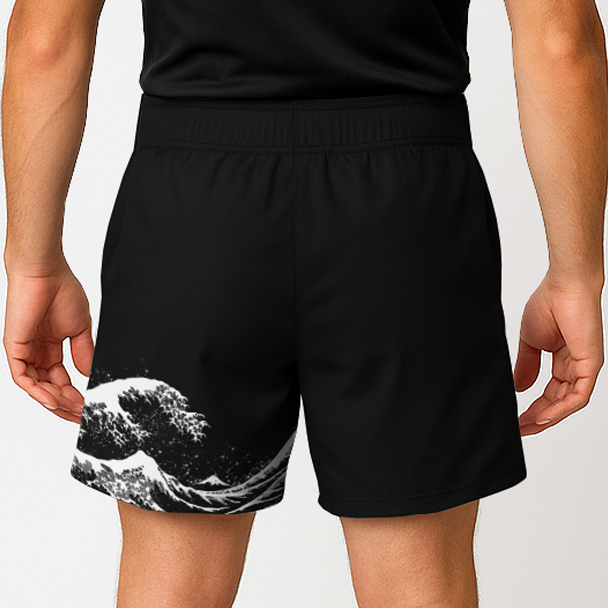
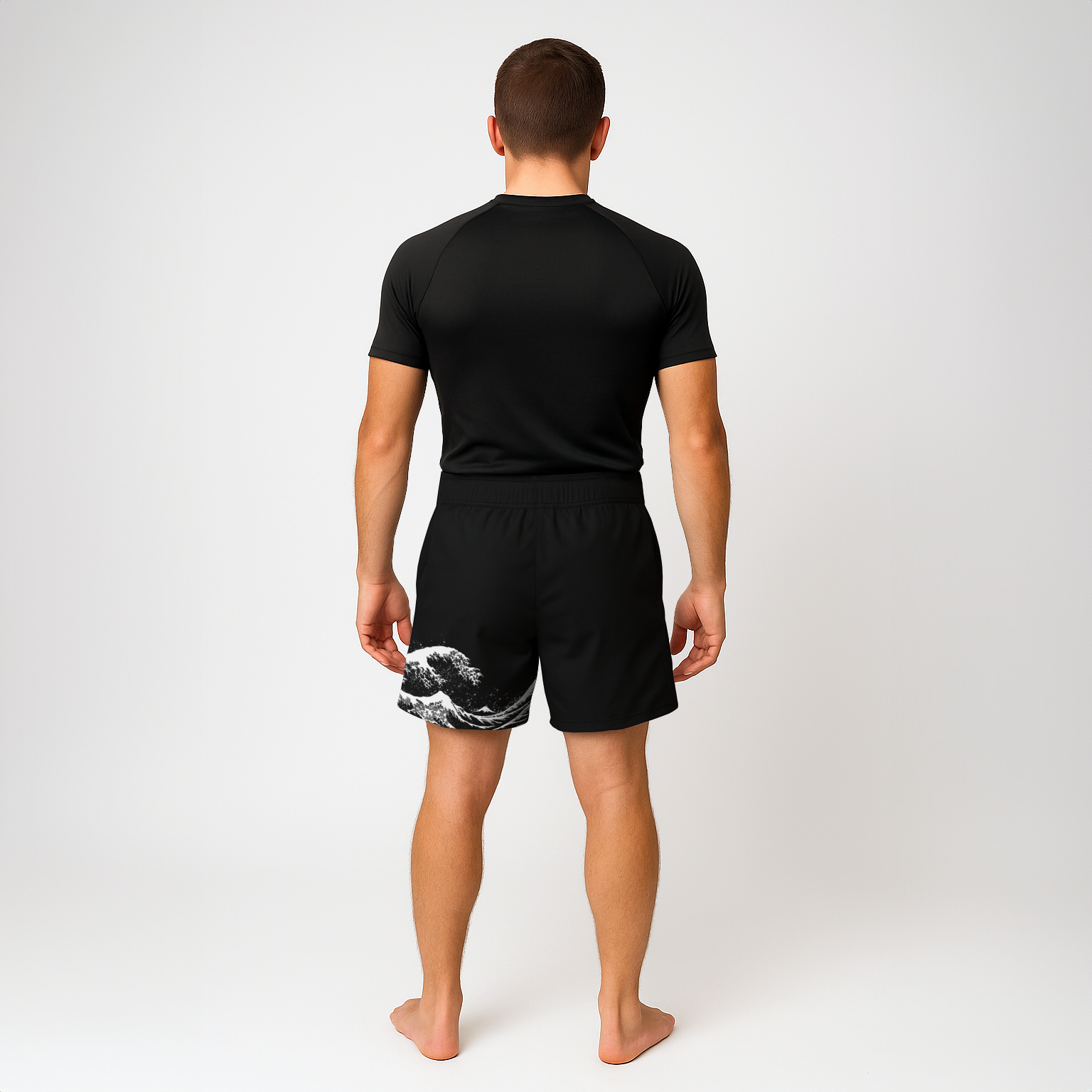
No gi shorts take a lot of abuse. They need to survive guard retention drills, penetration steps, sprawls, and constant pulling at the waistband without becoming distracting. The right pair should let you squat, pummel, and throw high kicks during warm-ups without binding at the hips.
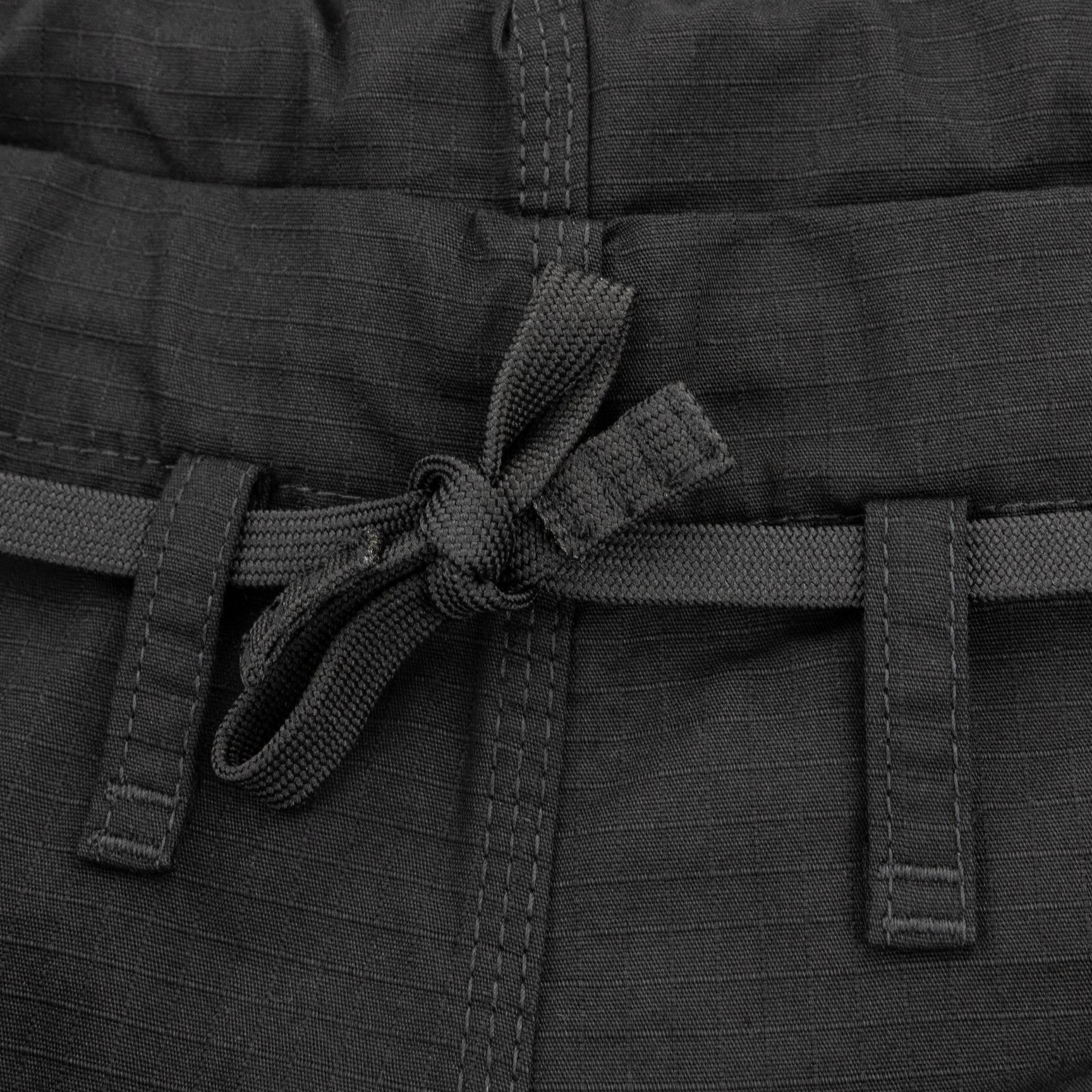
Avoid shorts with pockets, zippers, buttons, or hard hardware. They can catch fingers, scratch training partners, and may not be allowed at many academies. A clean drawstring or hook-and-loop closure with an internal drawcord is typically the safest setup. If a waistband fits well in the changing room but slides down during a hard wrestling round, it does not fit well enough.
The cut matters as much as the closure. A shorter, above-the-knee inseam is common because it stays out of the way when you shoot or work seated guard. Longer board-short styles can work, but make sure the leg opening is wide enough for knee-cut passing and deep hip movement. A gusseted crotch or stretch panel is especially useful for mobility and can reduce stress where shorts often tear.
You will also see lined and unlined options. Built-in compression liners can be convenient, particularly for a quick trip from work to class. Unlined shorts give you more flexibility to wear your preferred compression shorts or spats underneath. Neither is automatically better - choose the setup that stays comfortable through several rounds, not just through warm-ups.
Spats and Base Layers Have a Place
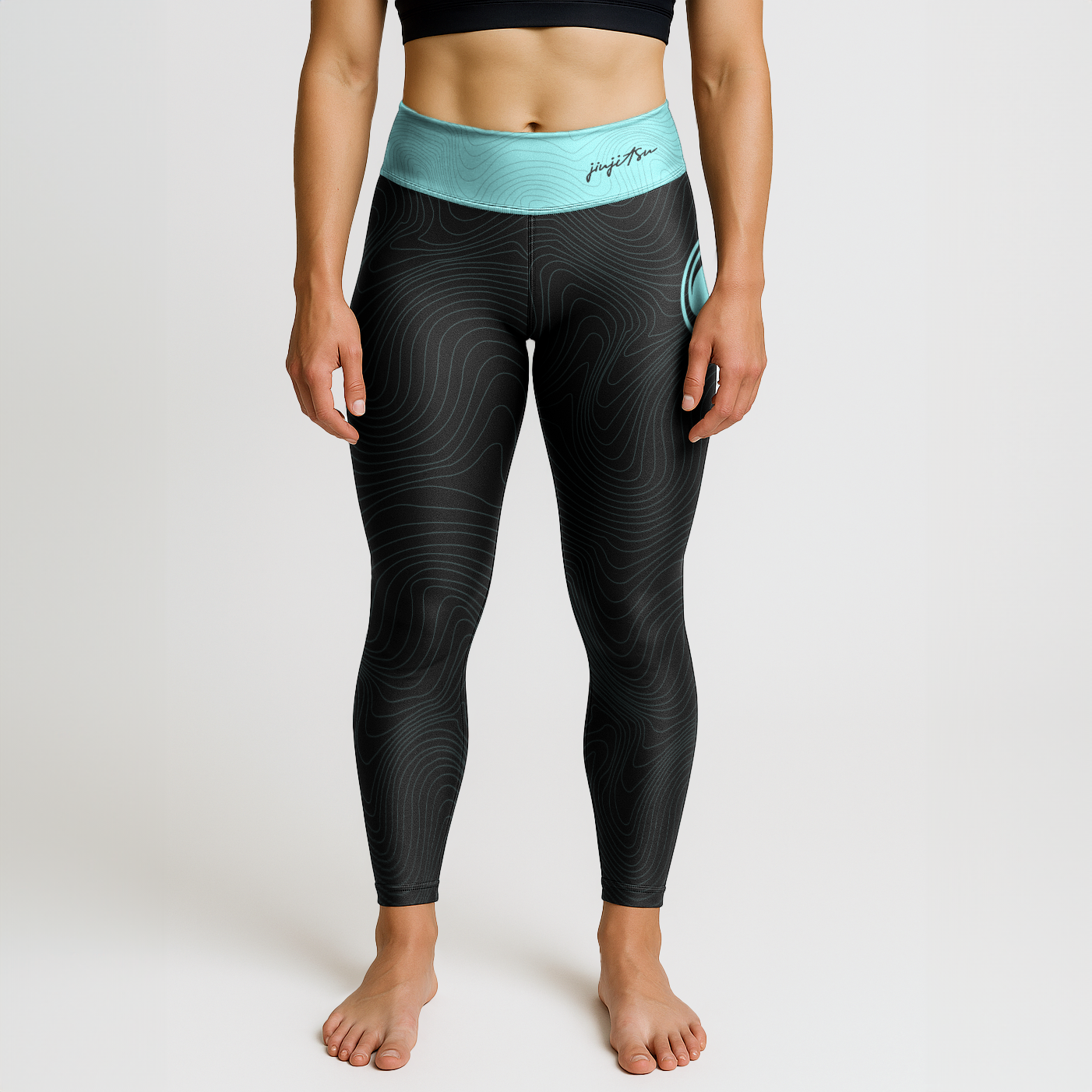
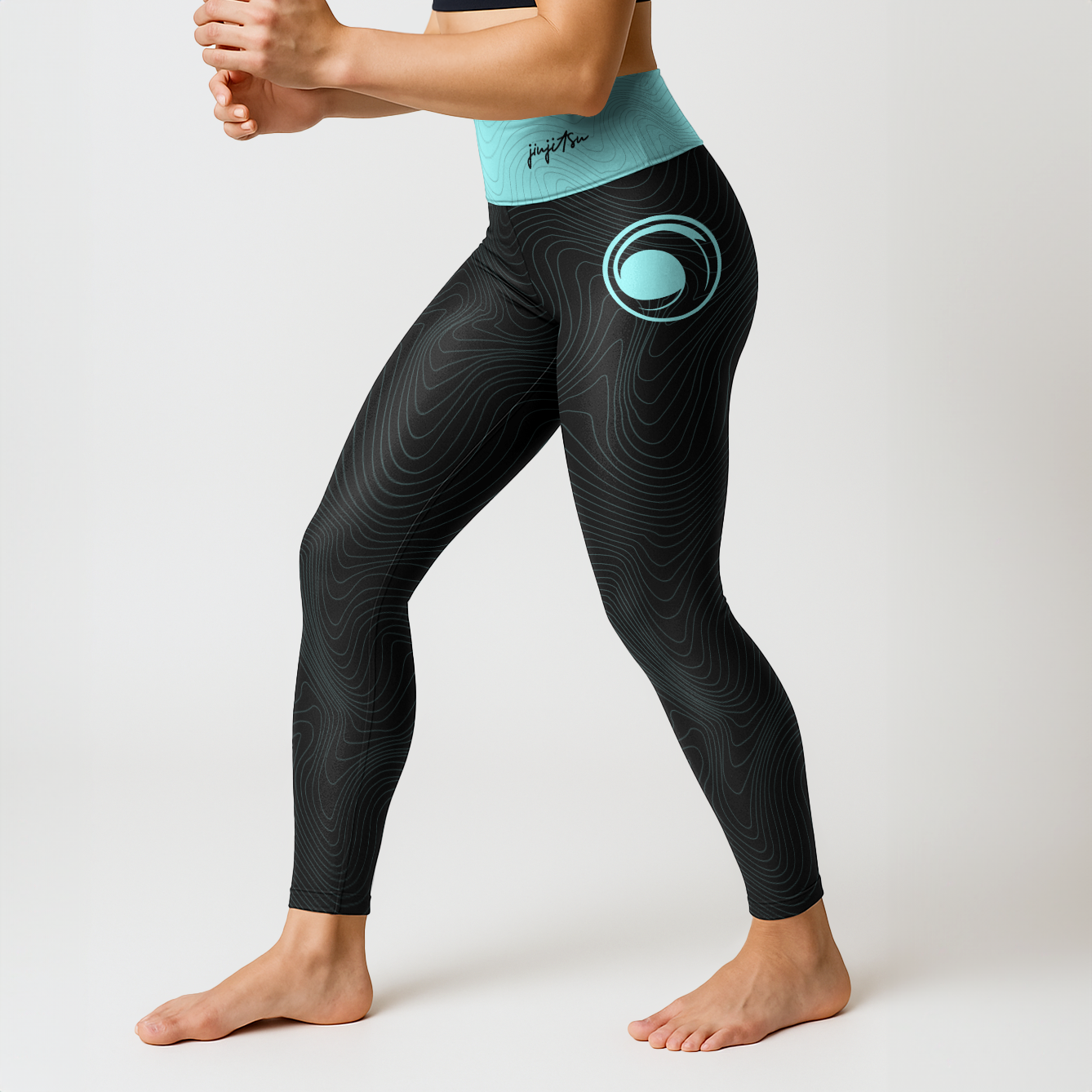
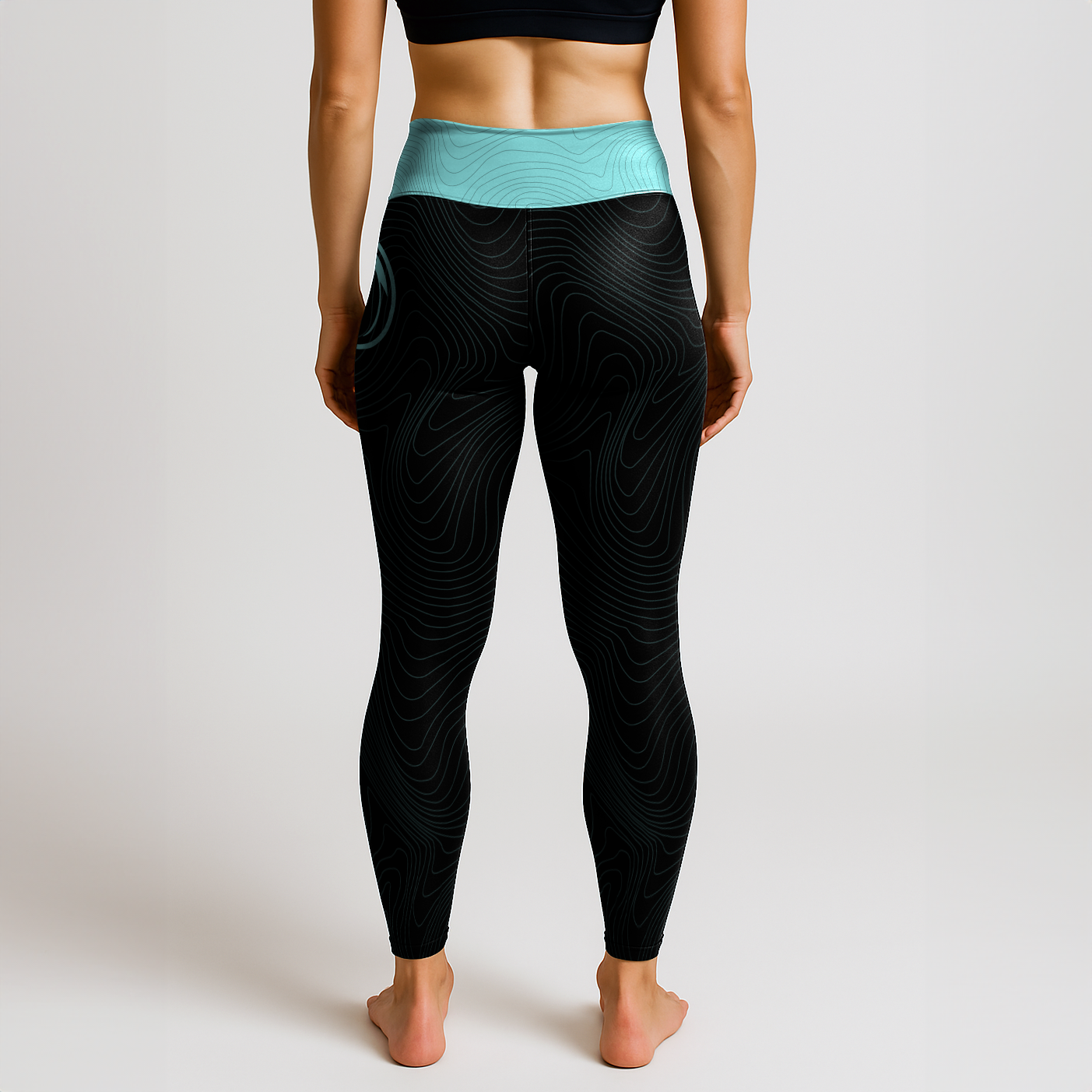
Spats are not required for no gi training, but they are useful in the right situation. They provide coverage during cooler weather, prevent the feeling of bare legs sliding across the mat, and stay in place better than loose sweatpants. Many students like them under shorts for wrestling-heavy classes, especially when they expect plenty of shots, sprawls, and mat returns.
Check your academy policy before wearing spats alone. Some gyms prefer shorts over them, and some competition rules require shorts when spats are worn. For everyday use, choose a pair with an opaque, durable fabric and a waistband that does not fold over during seated guard work.
Compression shorts are another useful layer, particularly under unlined no gi shorts. They help prevent bunching and give you coverage when your shorts shift during a scramble. Regular cotton underwear tends to absorb sweat, stretch, and stay damp. Training-specific base layers are usually more comfortable for back-to-back classes.
Fit Is More Important Than the Size Tag
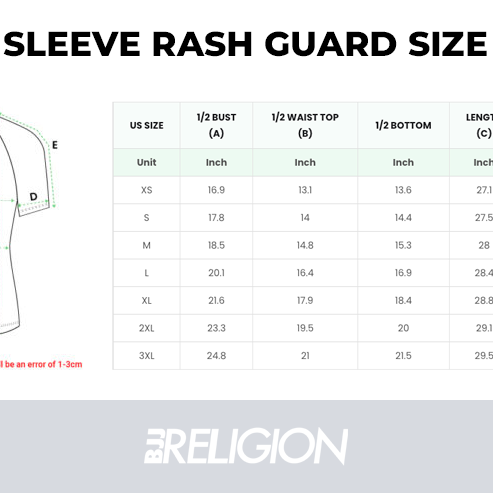
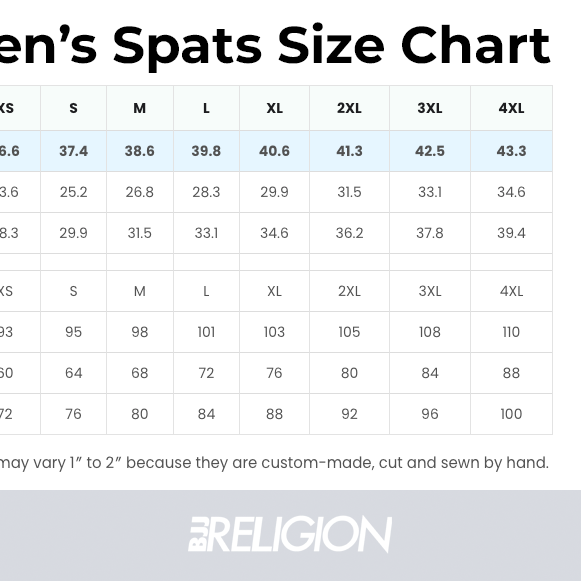
Sizing varies between brands, so measurements and size charts are more reliable than assuming you always wear a medium. For rash guards, use chest, waist, and torso length as your guide. For shorts, focus on waist measurement, hip room, and the length you prefer.
When you try new no gi apparel, do a few movements before removing the tags: reach overhead, squat deep, bring your knees toward your chest, and rotate your torso. These movements are closer to what happens while defending an armbar, standing up in closed guard, or scrambling out of a front headlock than simply standing in front of a mirror.
A rash guard that is slightly snug when dry can feel right once it warms up, but one that restricts shoulder movement will remain annoying every class. Shorts should be secure at the waist without needing the drawstring pulled painfully tight. If you are between sizes, consider whether you prefer a tighter competition-style fit or more room for regular drilling and open mats.
Build a Rotation Before Buying Extras
A beginner does not need six matching nogi kits. Two rash guards and two pairs of shorts are enough for many people training two or three times a week, as long as they are washed after every session. Add a long-sleeve rash guard or spats based on your gym's temperature and your personal preference.
If you train more frequently, a larger rotation becomes practical. Leaving sweaty gear in a bag after a lunch class because you need it again for evening training is a bad plan for both the garment and your training partners. Having clean gear ready also removes one of the easiest excuses to skip class after a long day.
Competition apparel deserves separate thought. Keep at least one clean, rule-appropriate rash guard and shorts set that you have worn during hard rounds before tournament day. New shorts that chafe during a five-minute round or a rash guard with a loose seam are problems best discovered at regular class, not while waiting in the bullpen.
Care Determines How Long Gear Lasts
Wash no gi apparel as soon as possible after training. Turn rash guards and spats inside out, use cold water, and avoid fabric softener, which can leave residue and affect moisture-wicking fabrics. Air drying is generally easier on elastic fibers and printed designs than high heat.
Do not leave gear in your car or sealed gym bag overnight. Besides the smell, trapped moisture works its way into seams and elastic. If you cannot wash it immediately after an open mat, at least take it out of the bag and let it air until you can.
Good no gi apparel should feel forgettable once the round starts. It stays in place while you pass, frame, shoot, and scramble, then comes out of the wash ready for the next class. Start with gear that fits your academy and training schedule, take care of it, and let your attention stay where it belongs: on the mat.
Shop Our New Releases
Fast & Free Shipping!
Fast & Free Shipping!
Fast & Free Shipping!
Fast & Free Shipping!
Fast & Free Shipping!
Fast & Free Shipping!