Kids Jiu Jitsu Gear Guide for Parents

The first surprise for most parents is how fast kids become hard on gear. One week they are learning how to shrimp and front roll, and a few classes later they are dragging sleeves during grip fighting, shooting sloppy double legs in no gi, and somehow coming home with one sock and a belt tied in a knot. A good kids jiu jitsu gear guide should make that learning curve easier, not more confusing.
If your child is starting Brazilian Jiu Jitsu, you do not need to buy everything at once. You do need the right basics, and you need them to fit well enough that your kid can move, train safely, and show up to class without feeling uncomfortable. That matters more than flashy designs or buying the most expensive option on day one.
What kids actually need to start
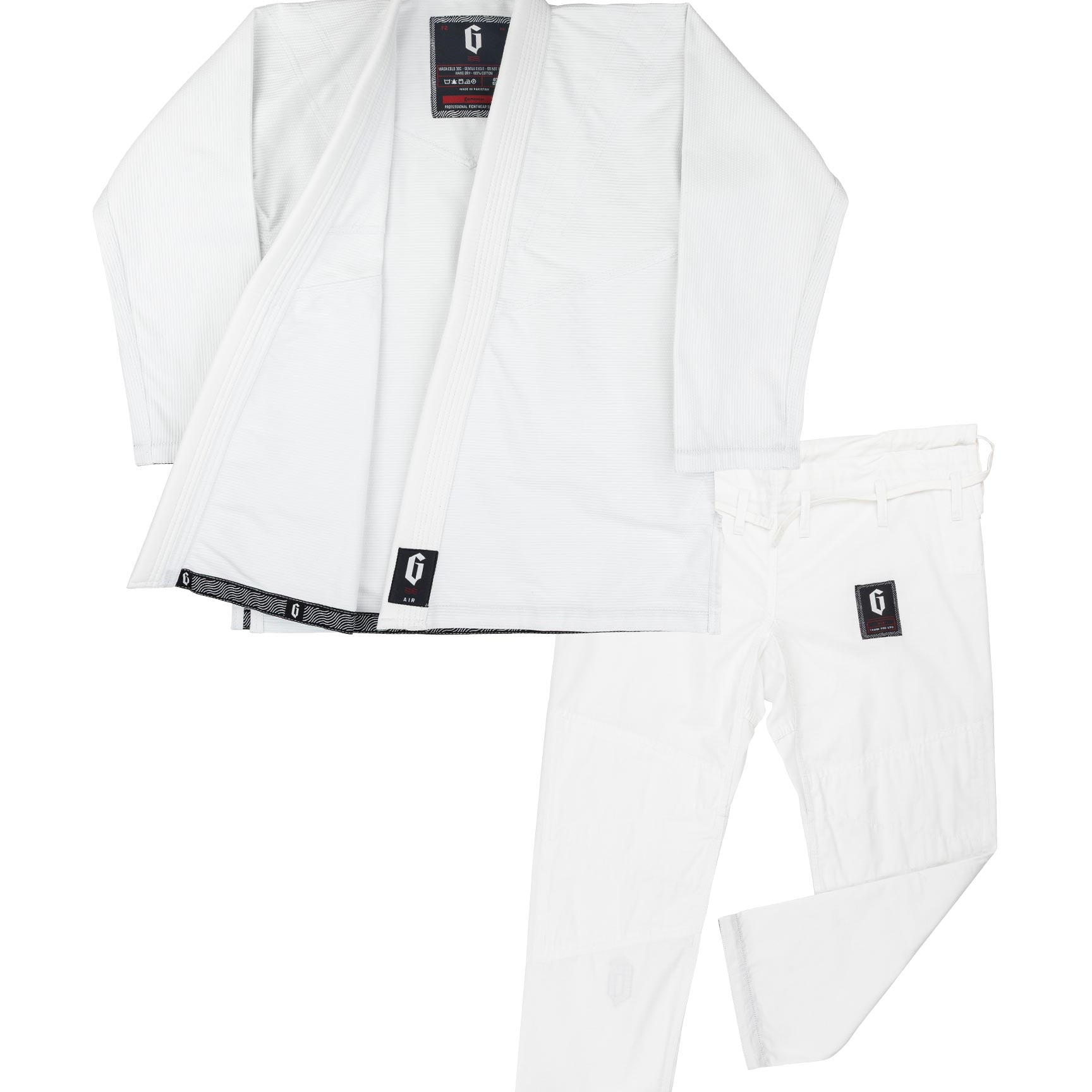
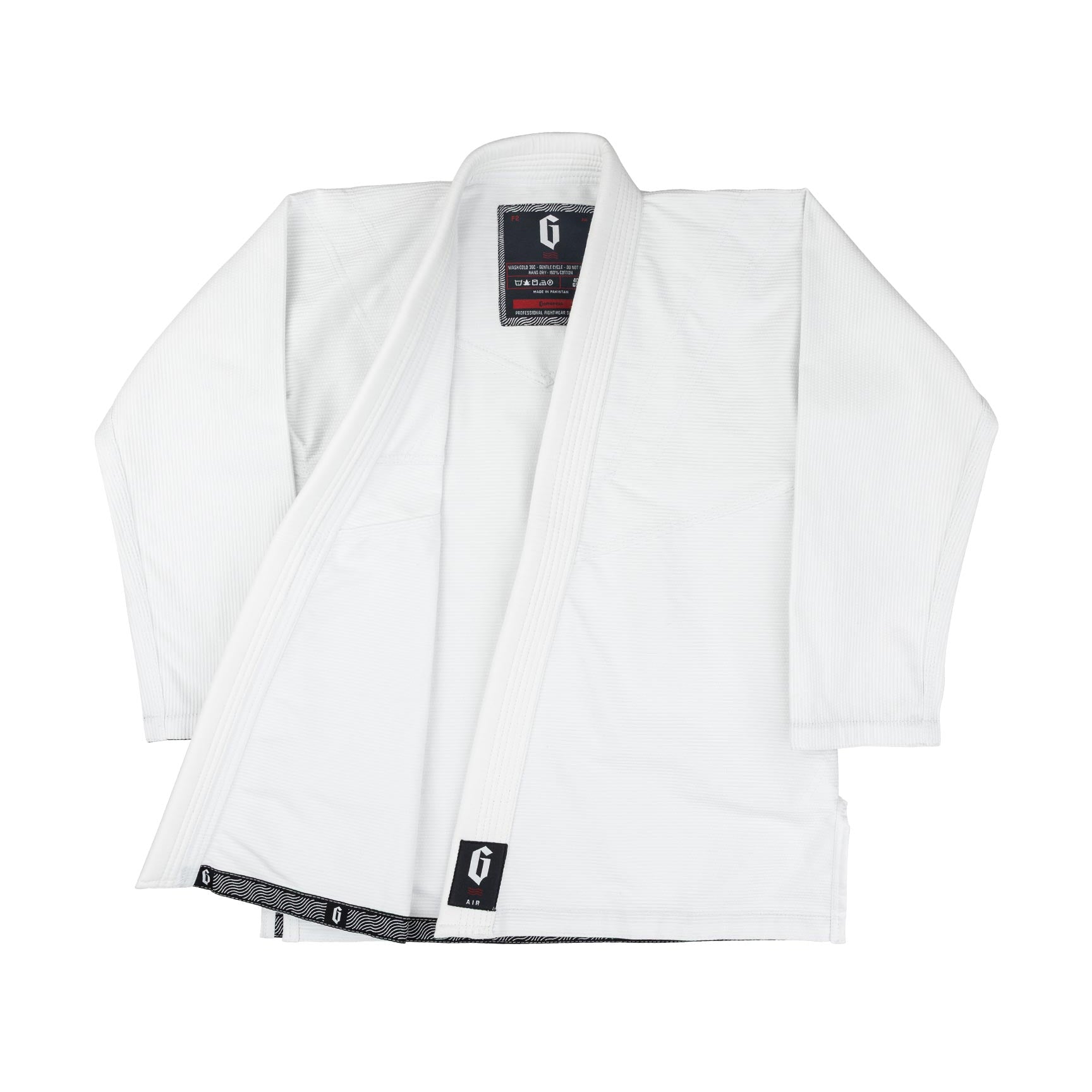
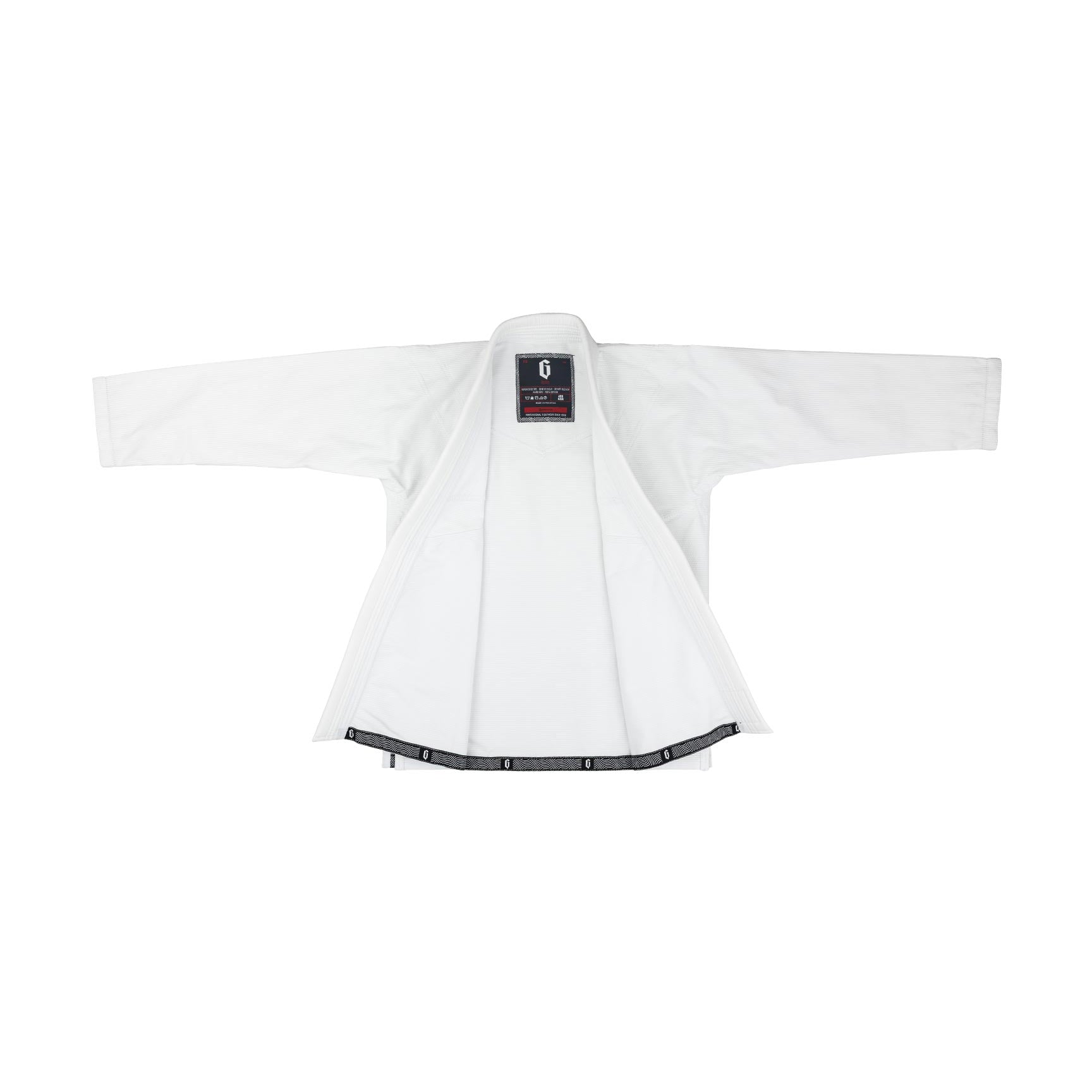
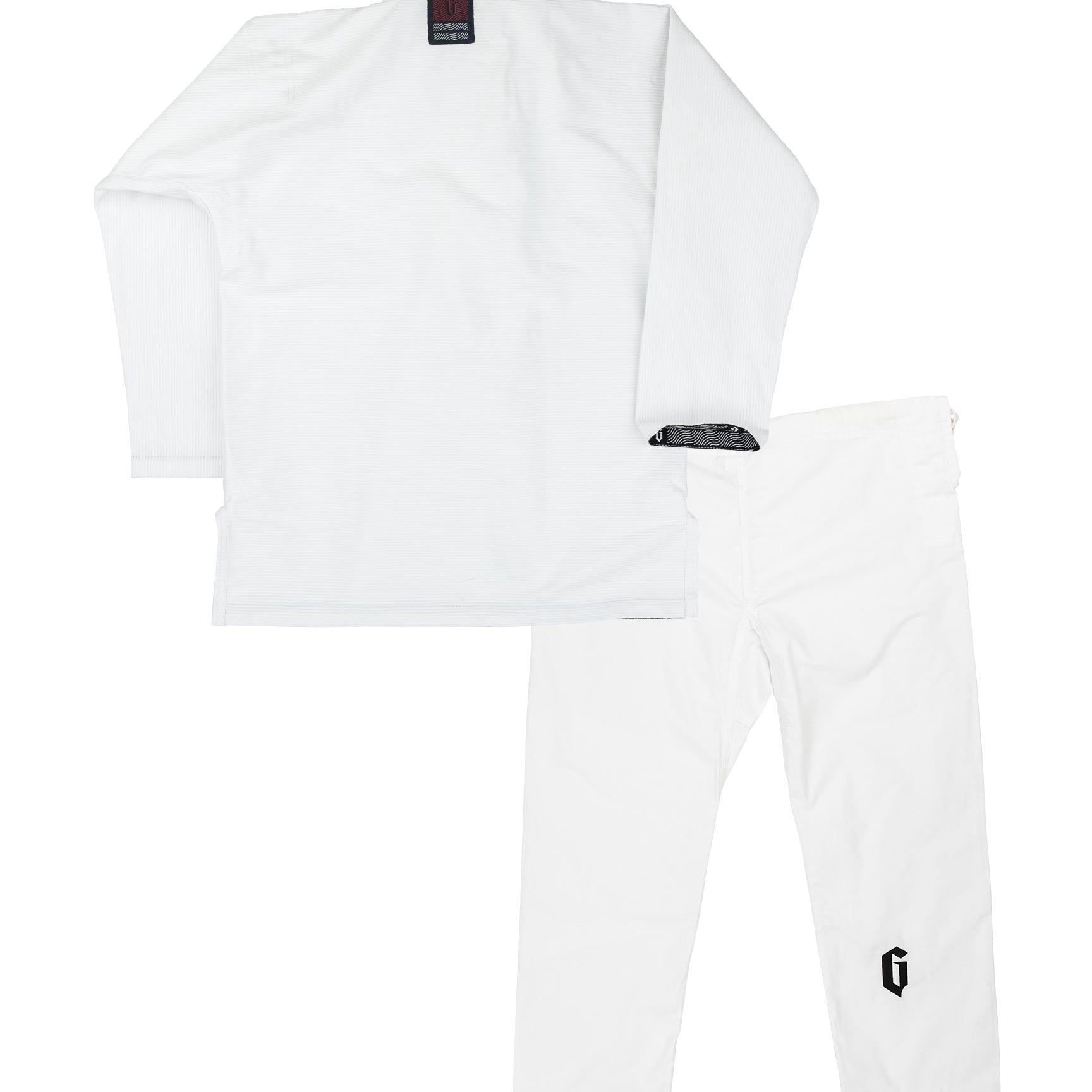
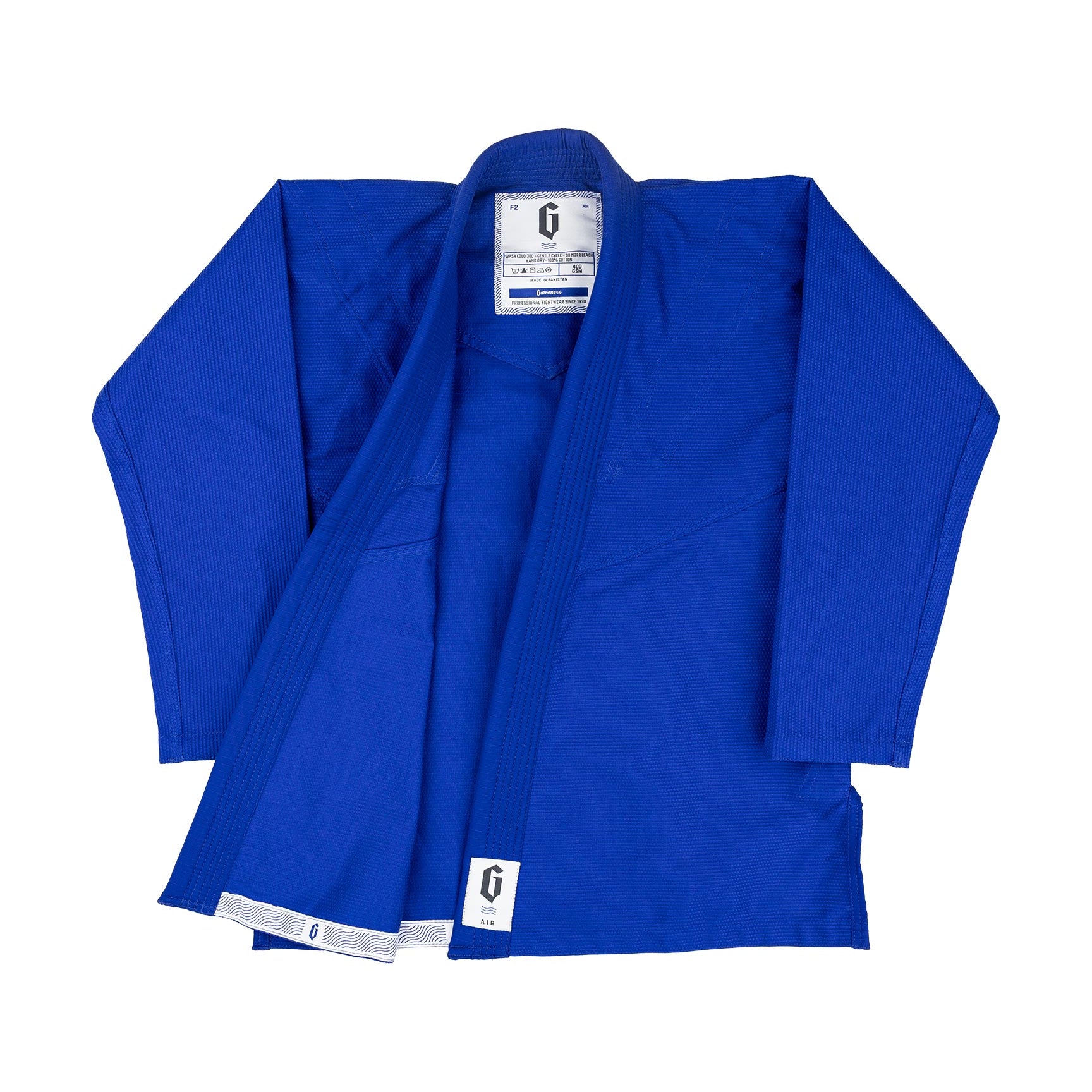
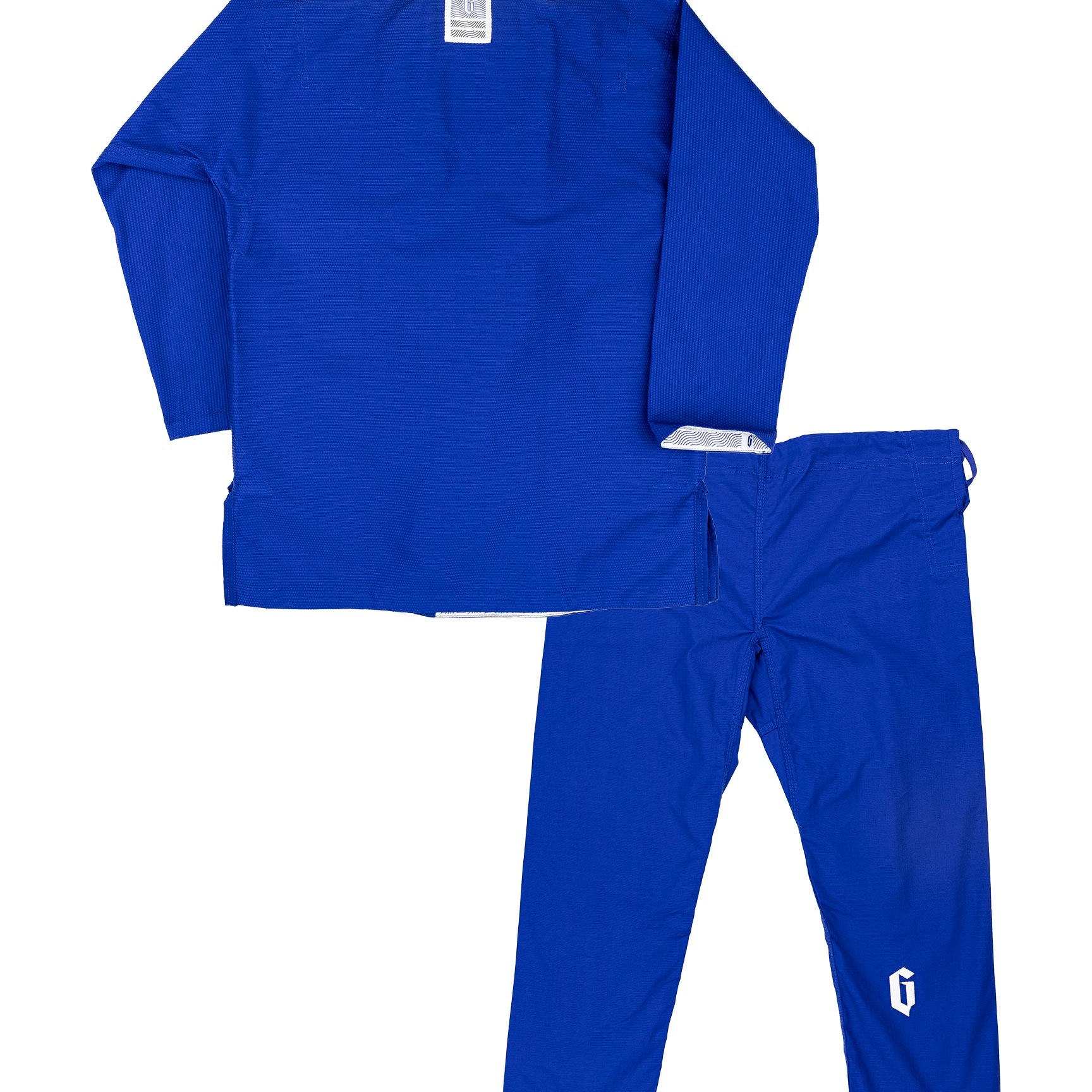
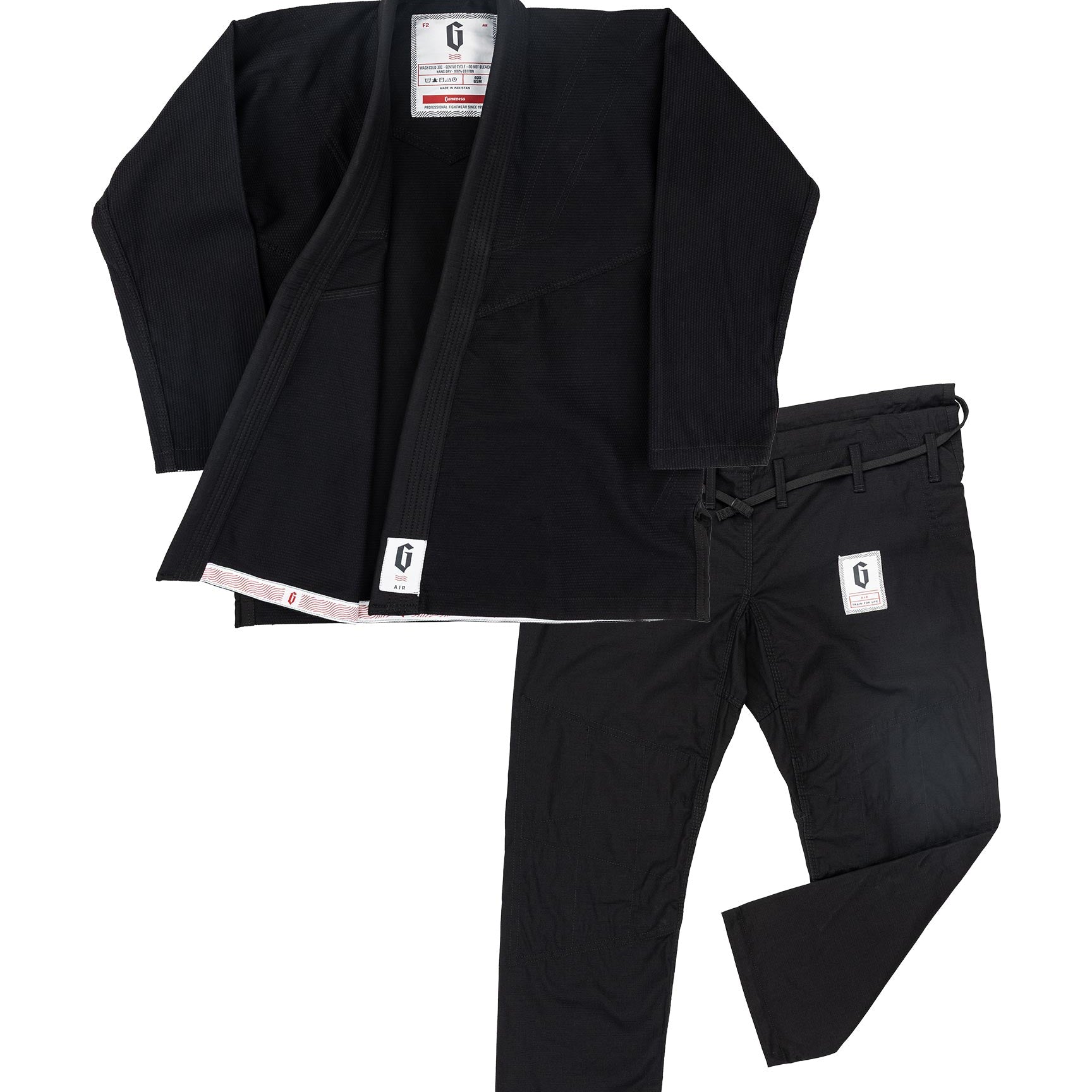
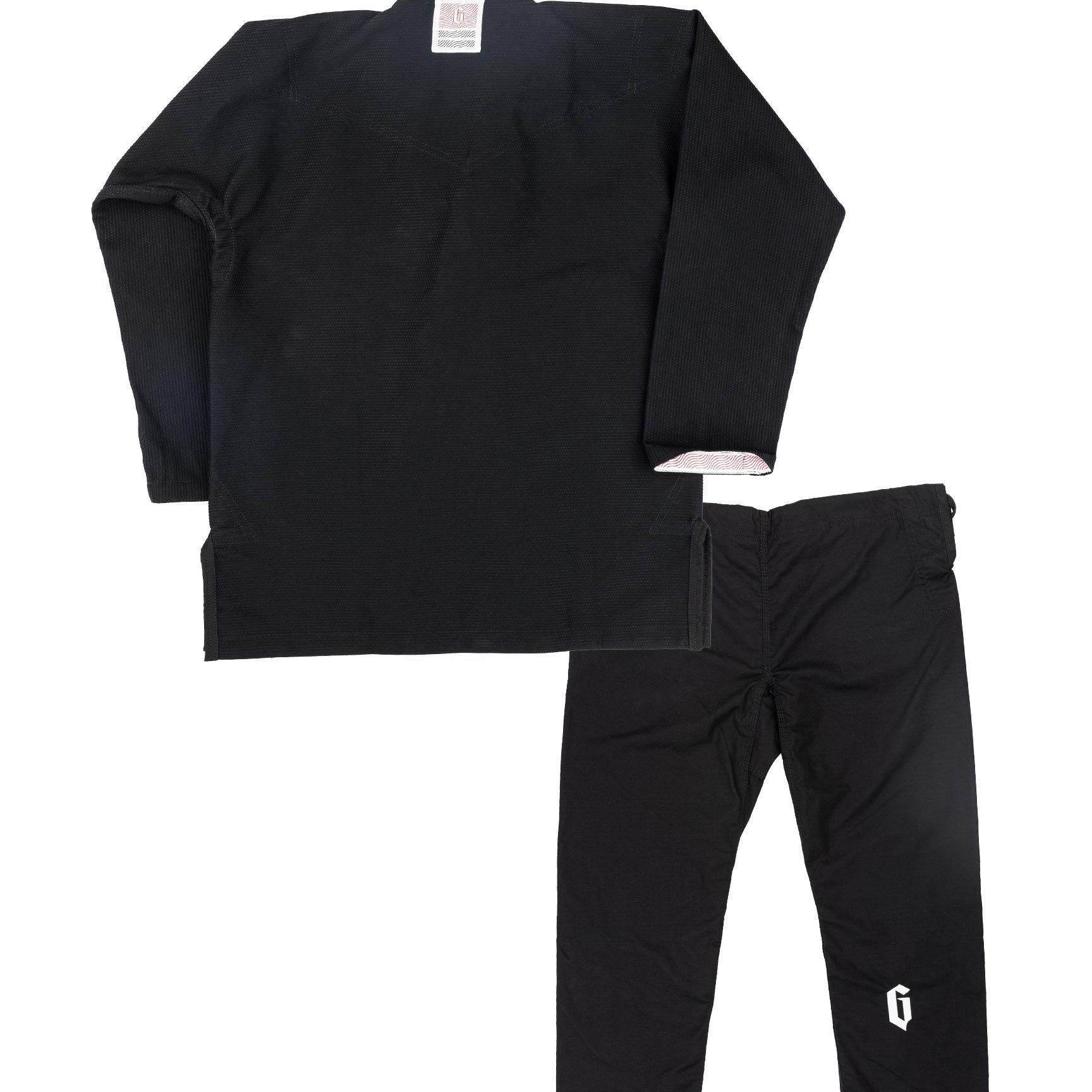
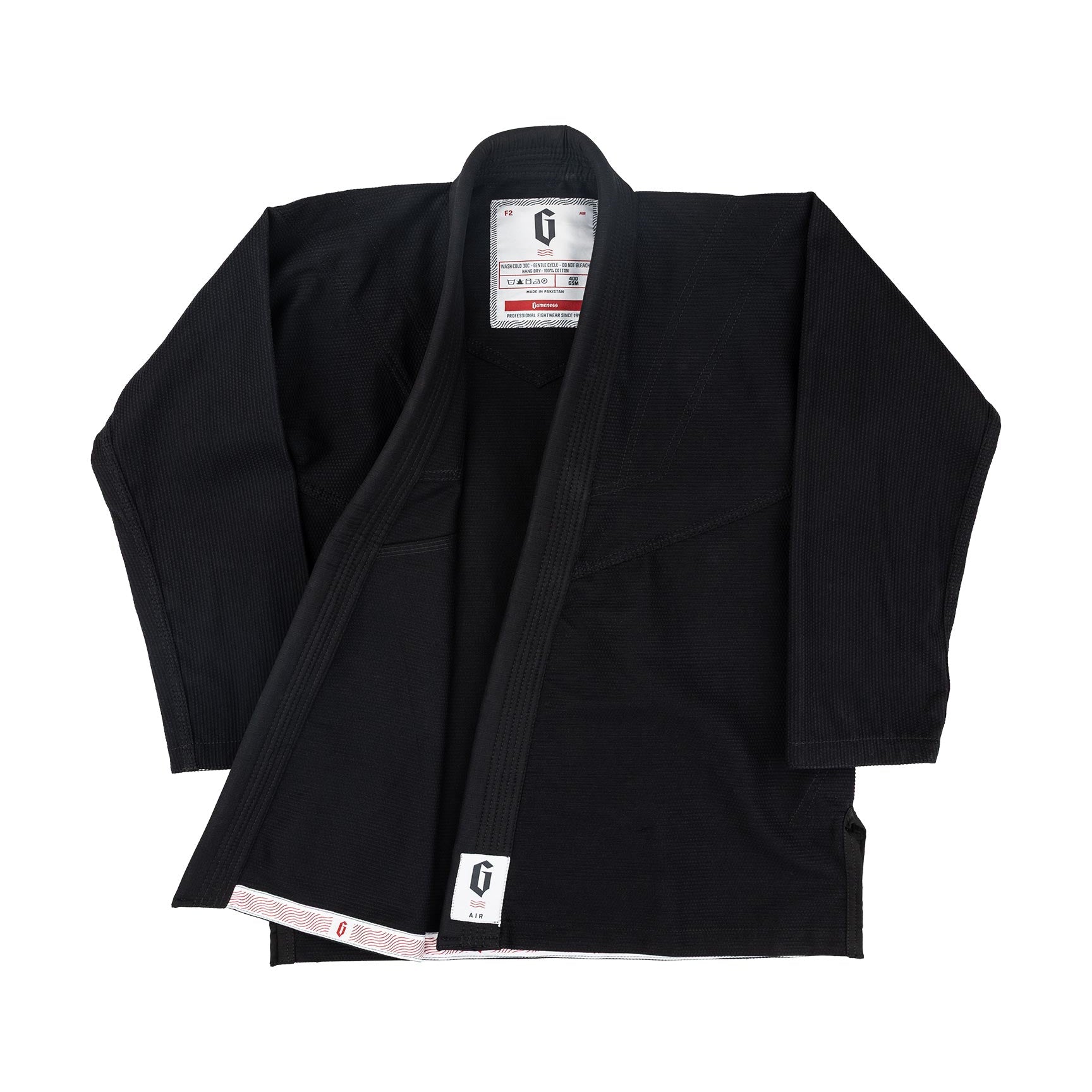
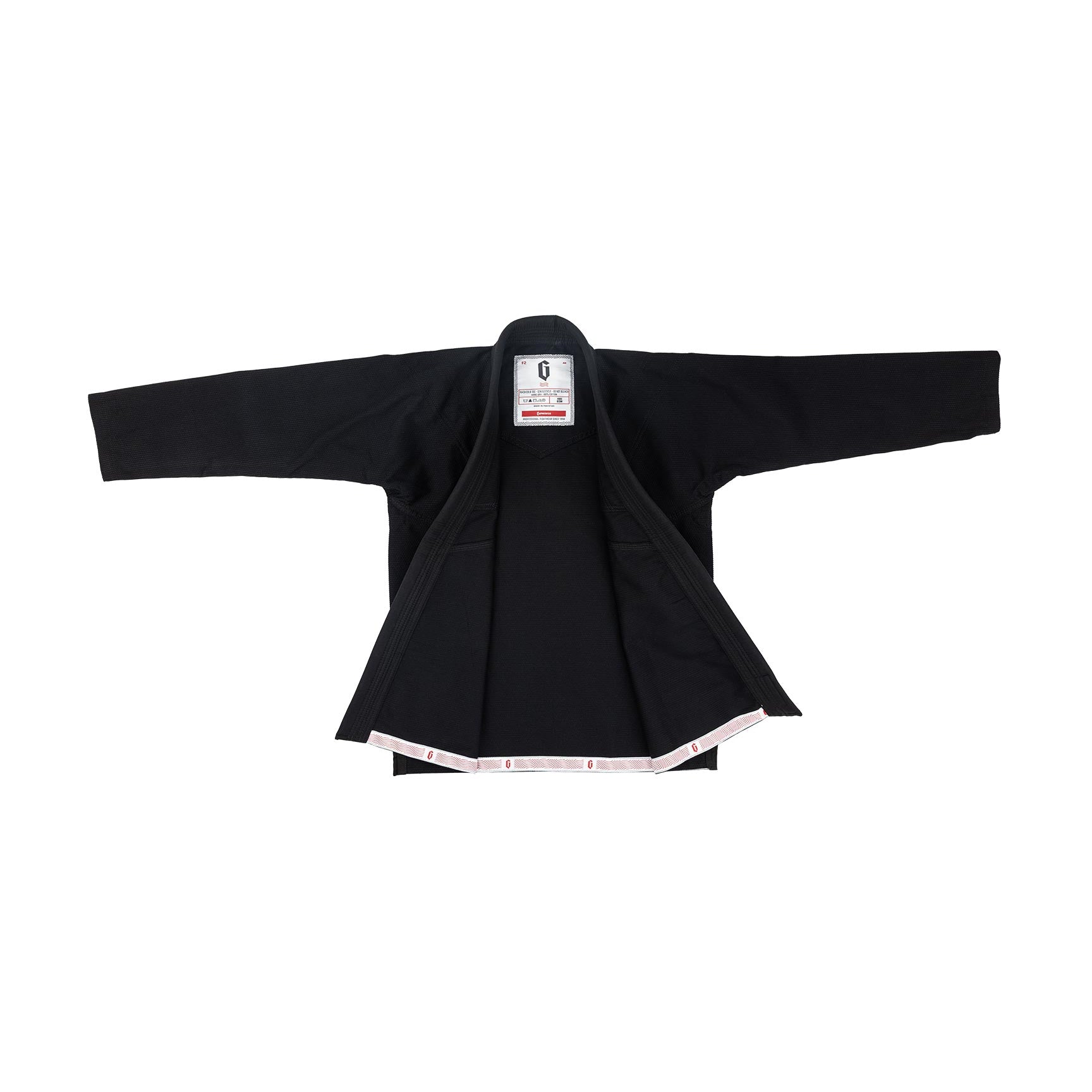
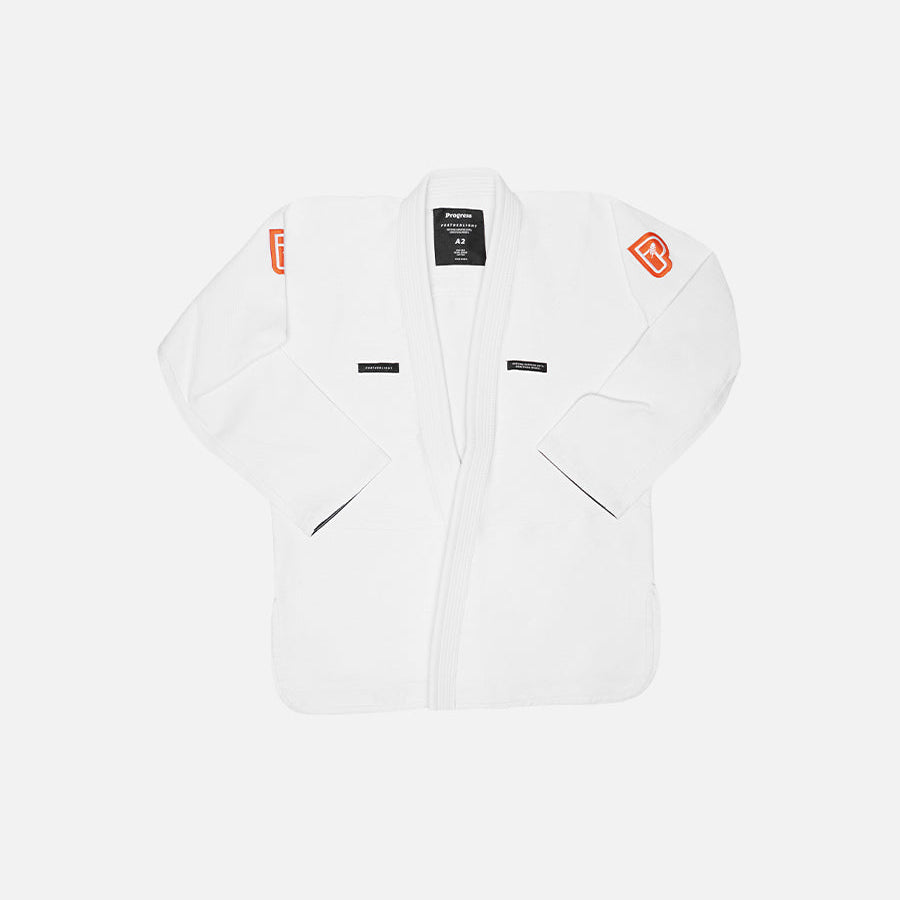
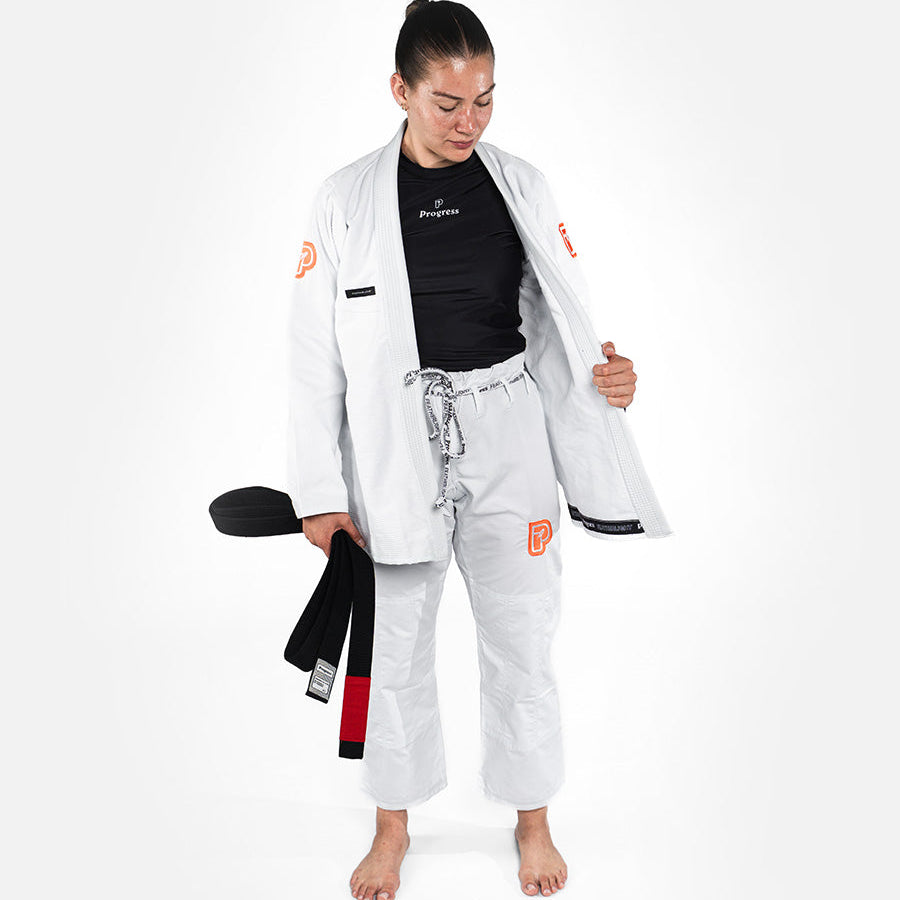
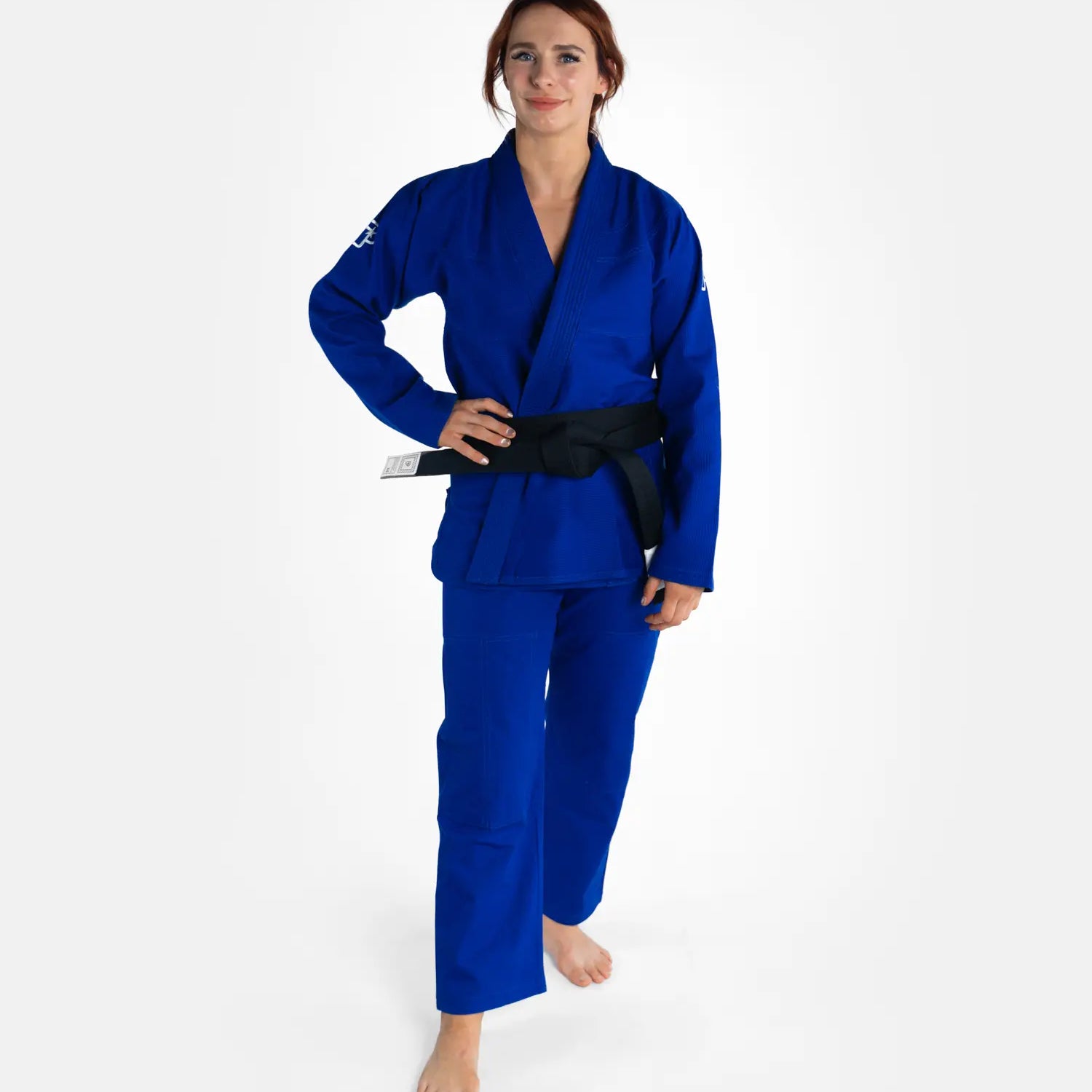
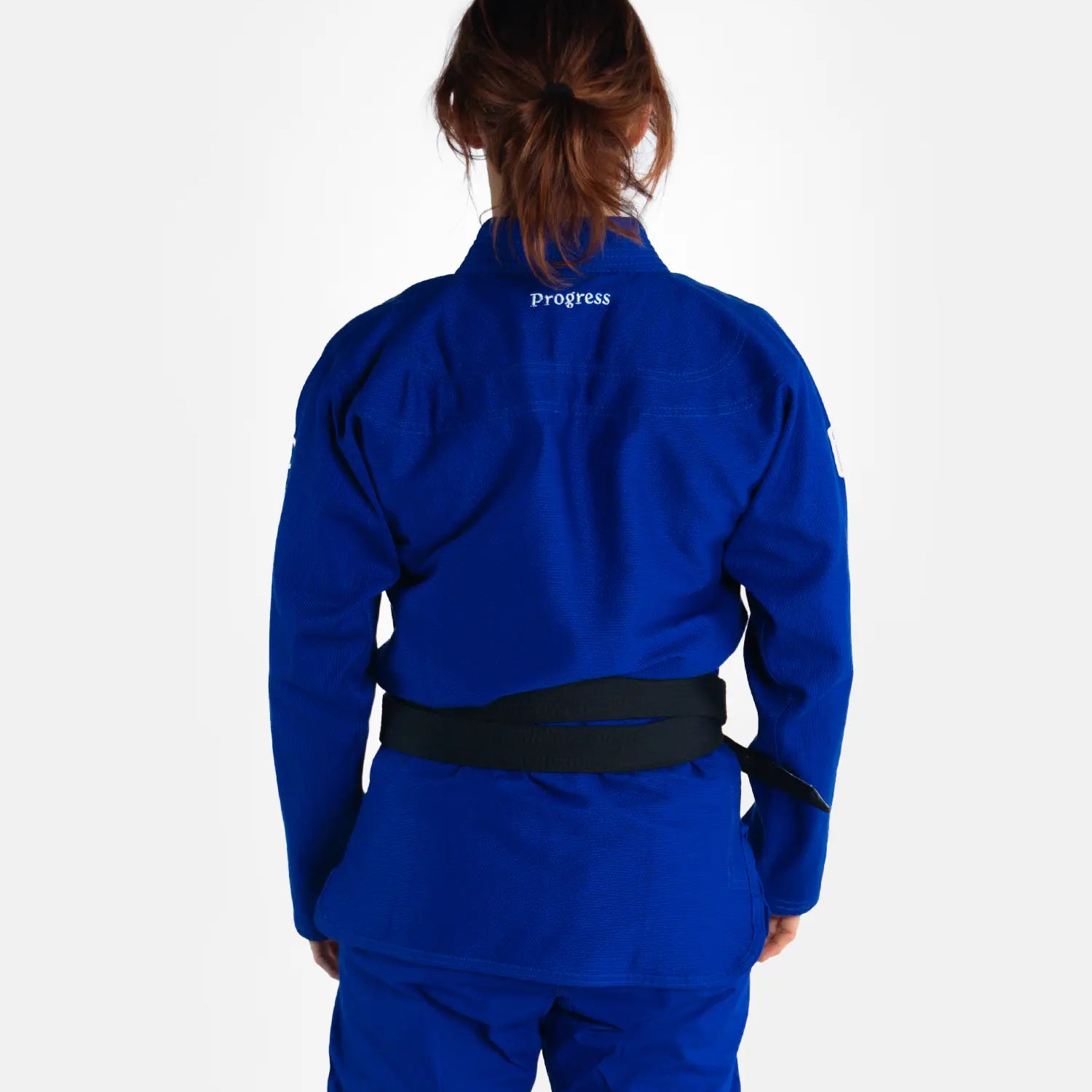
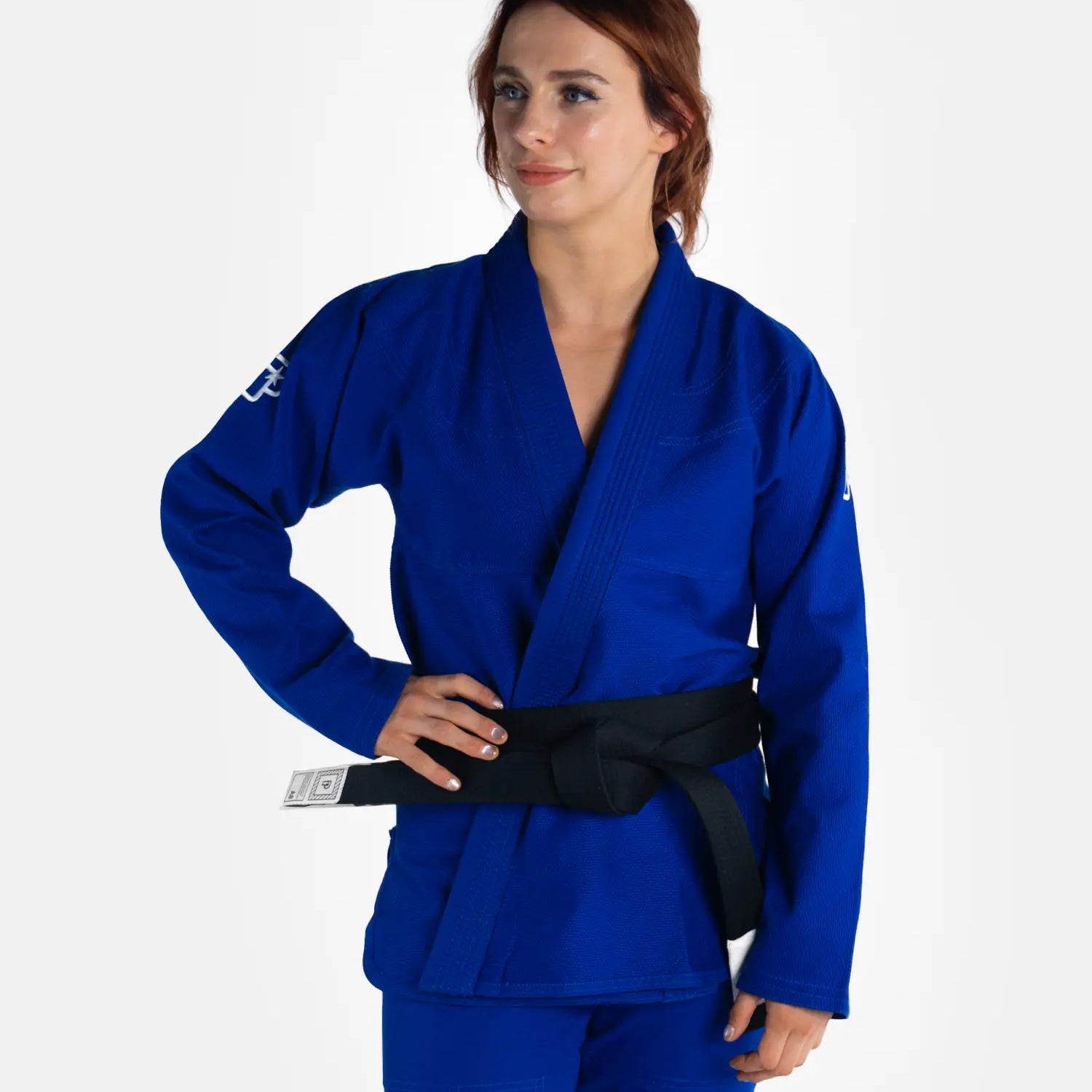
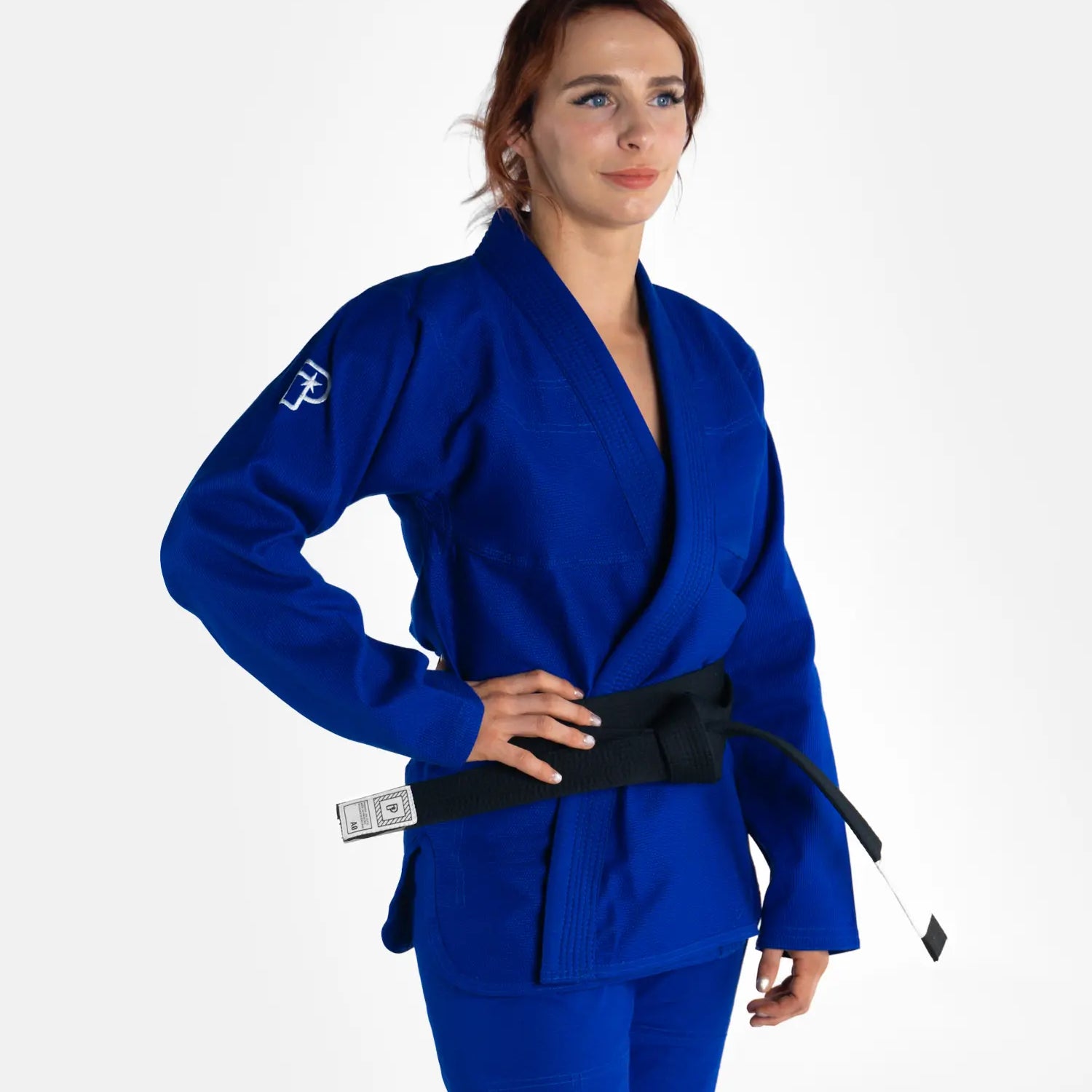
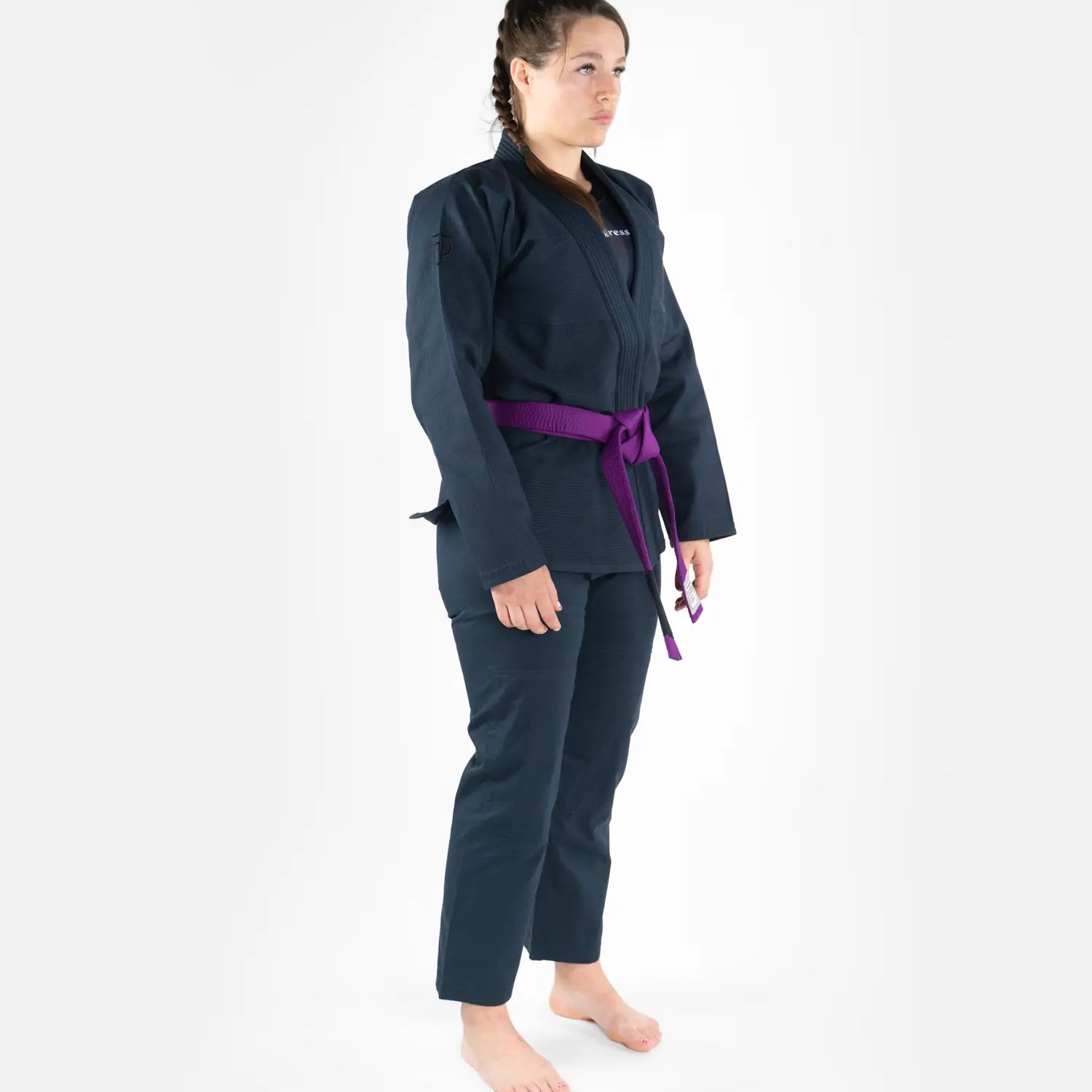
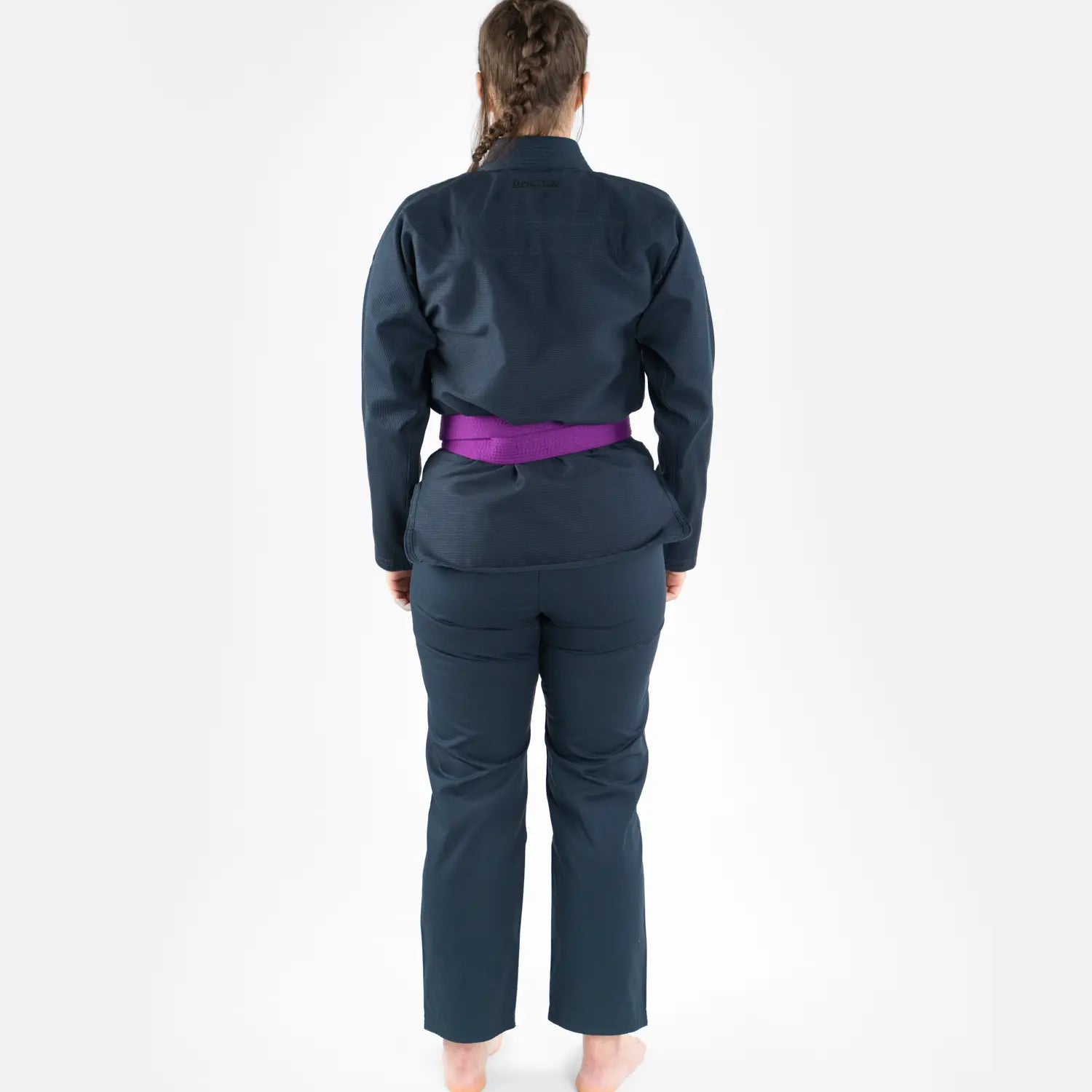
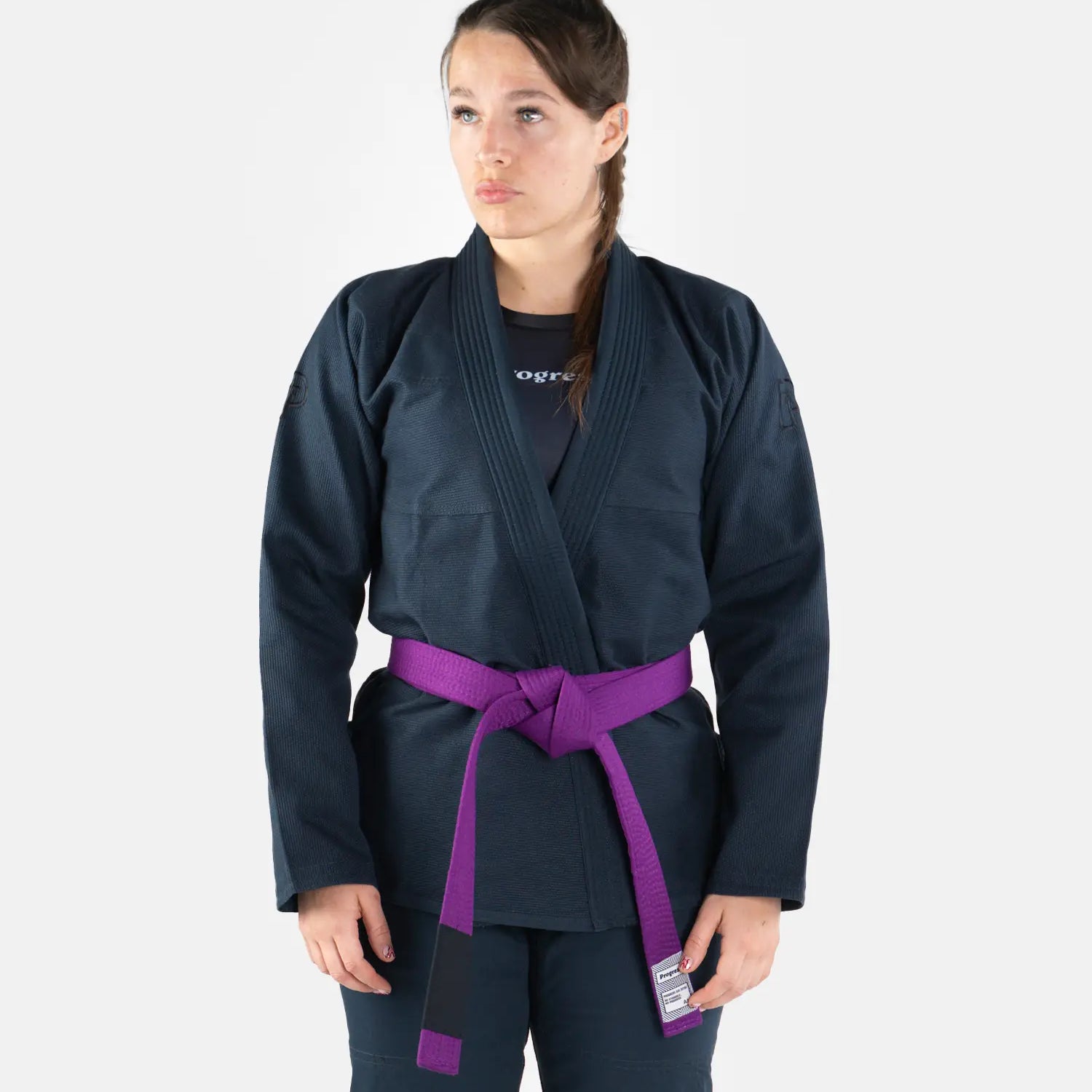
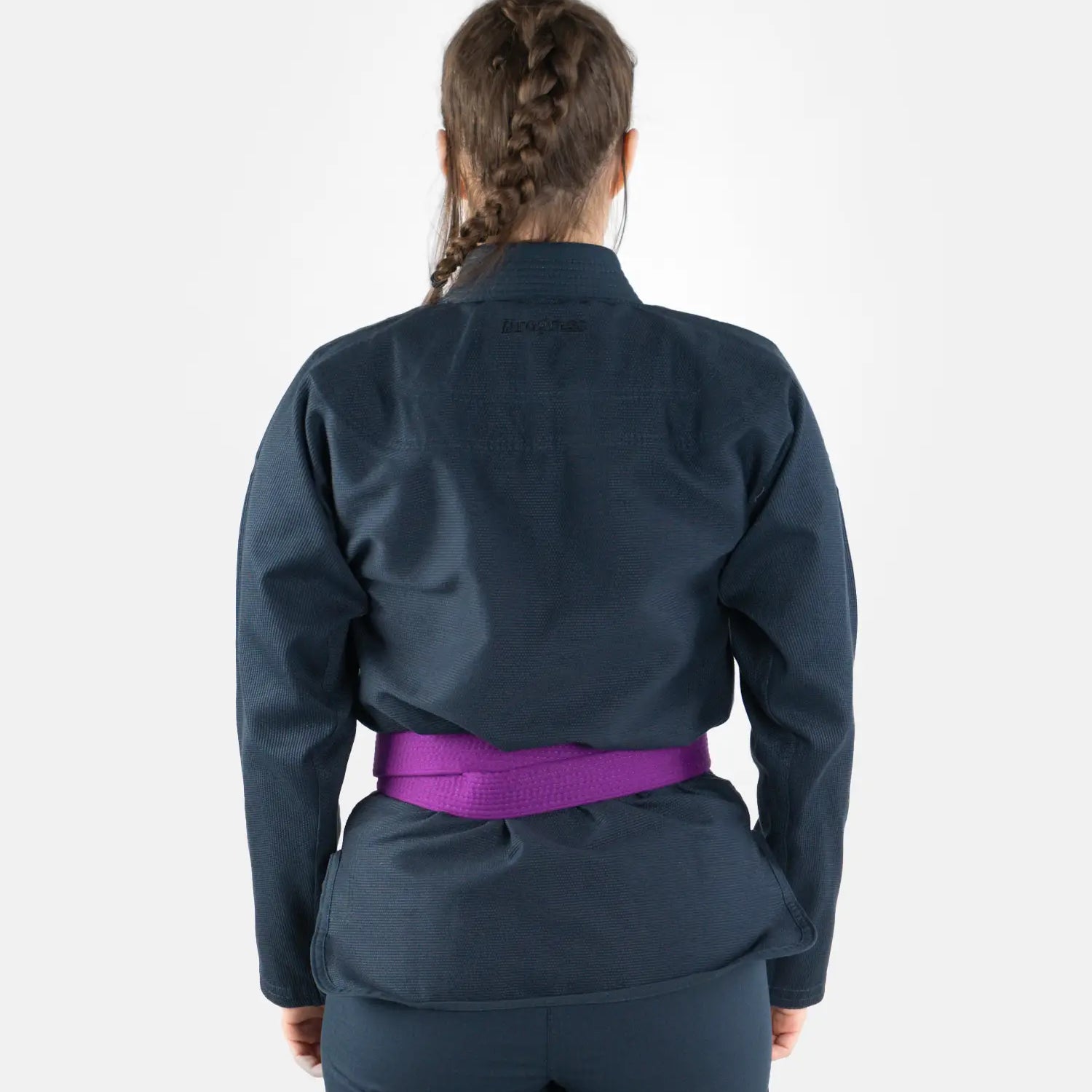
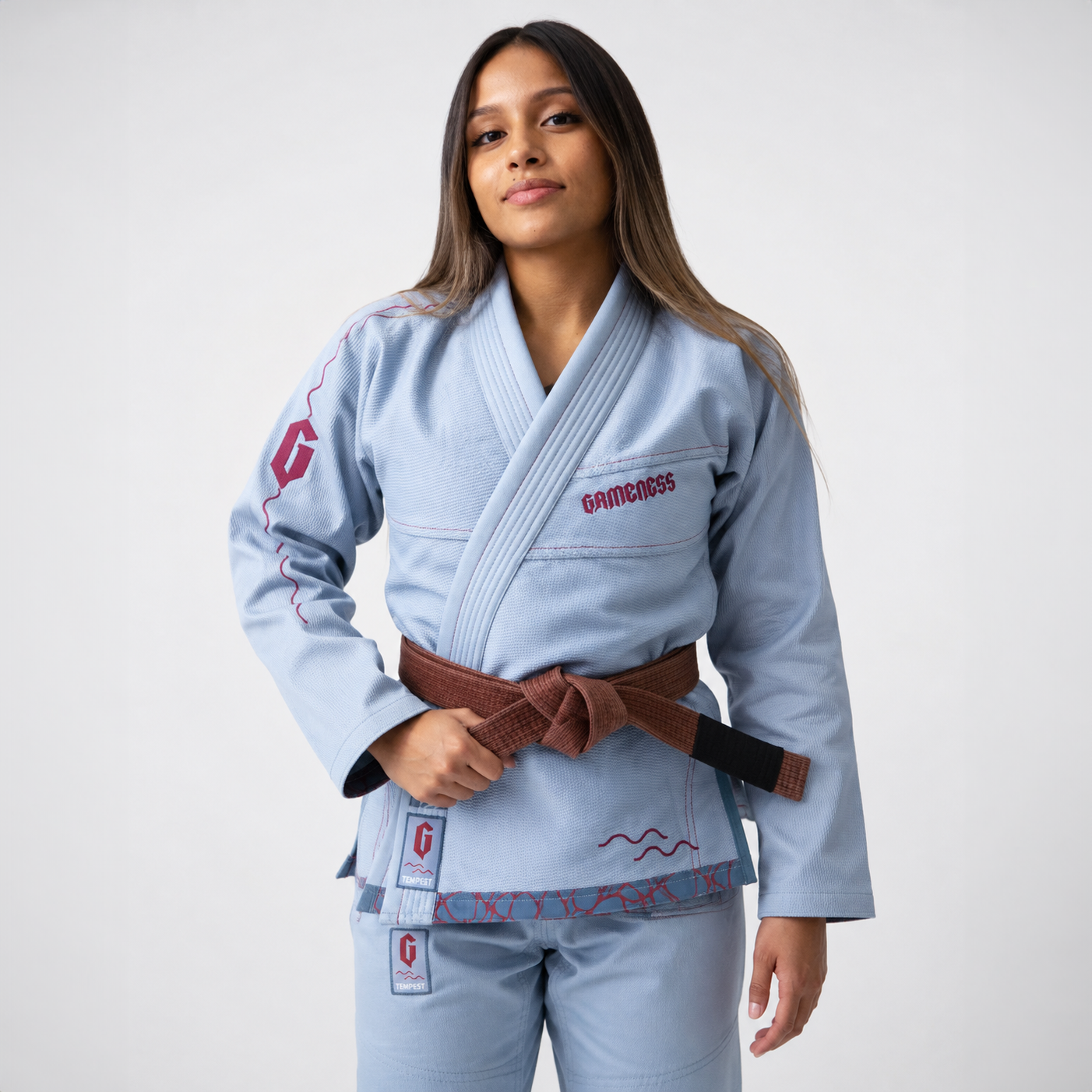
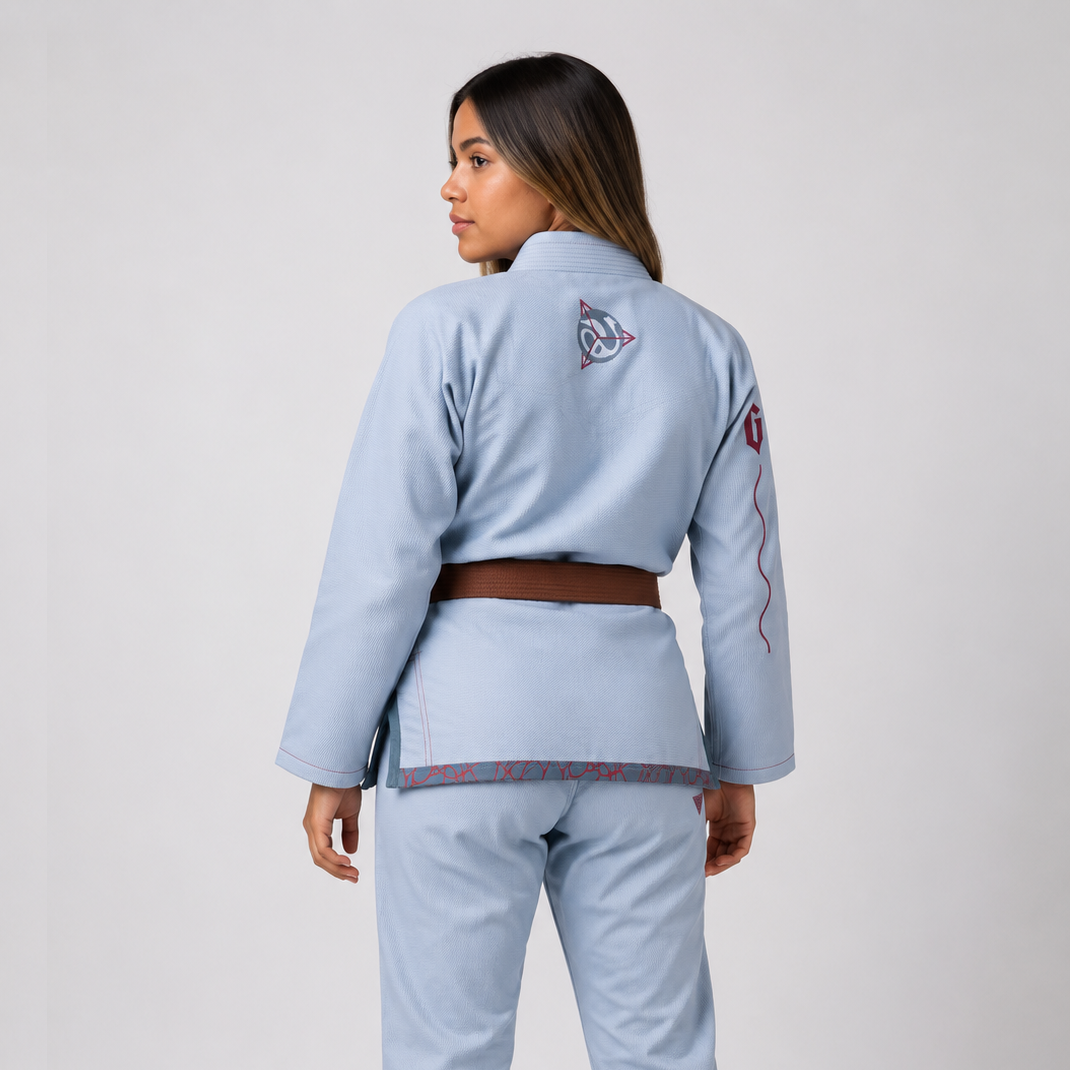
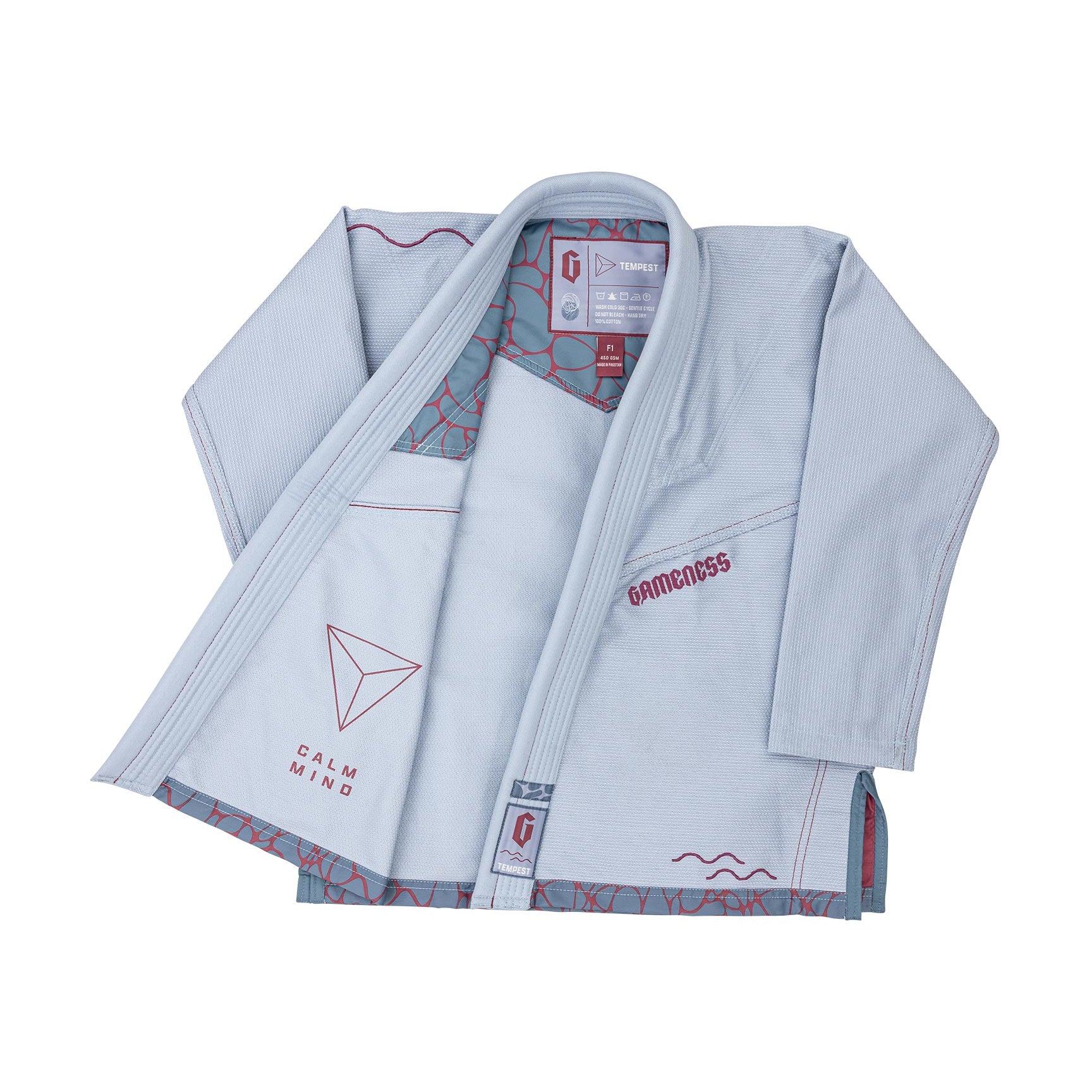
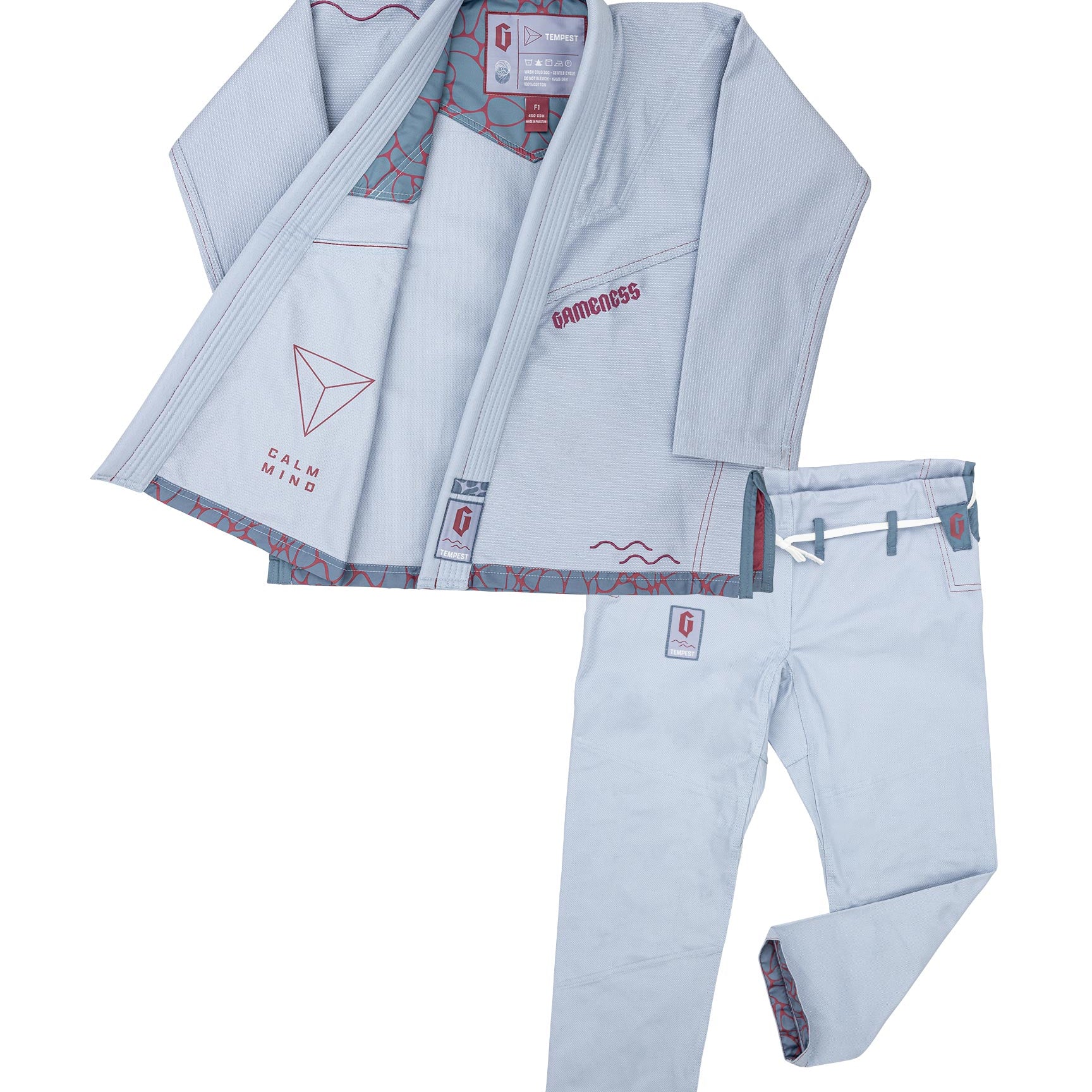
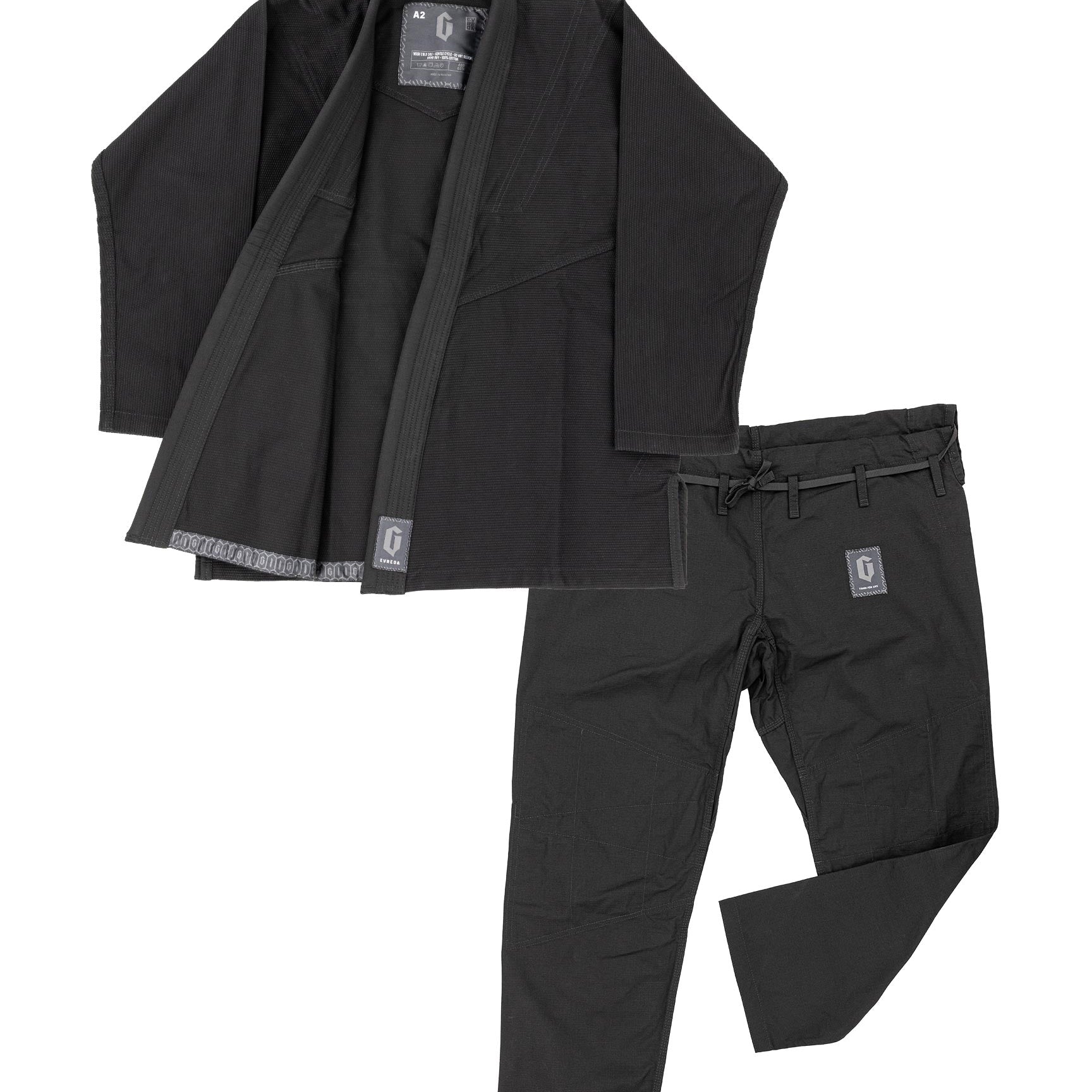
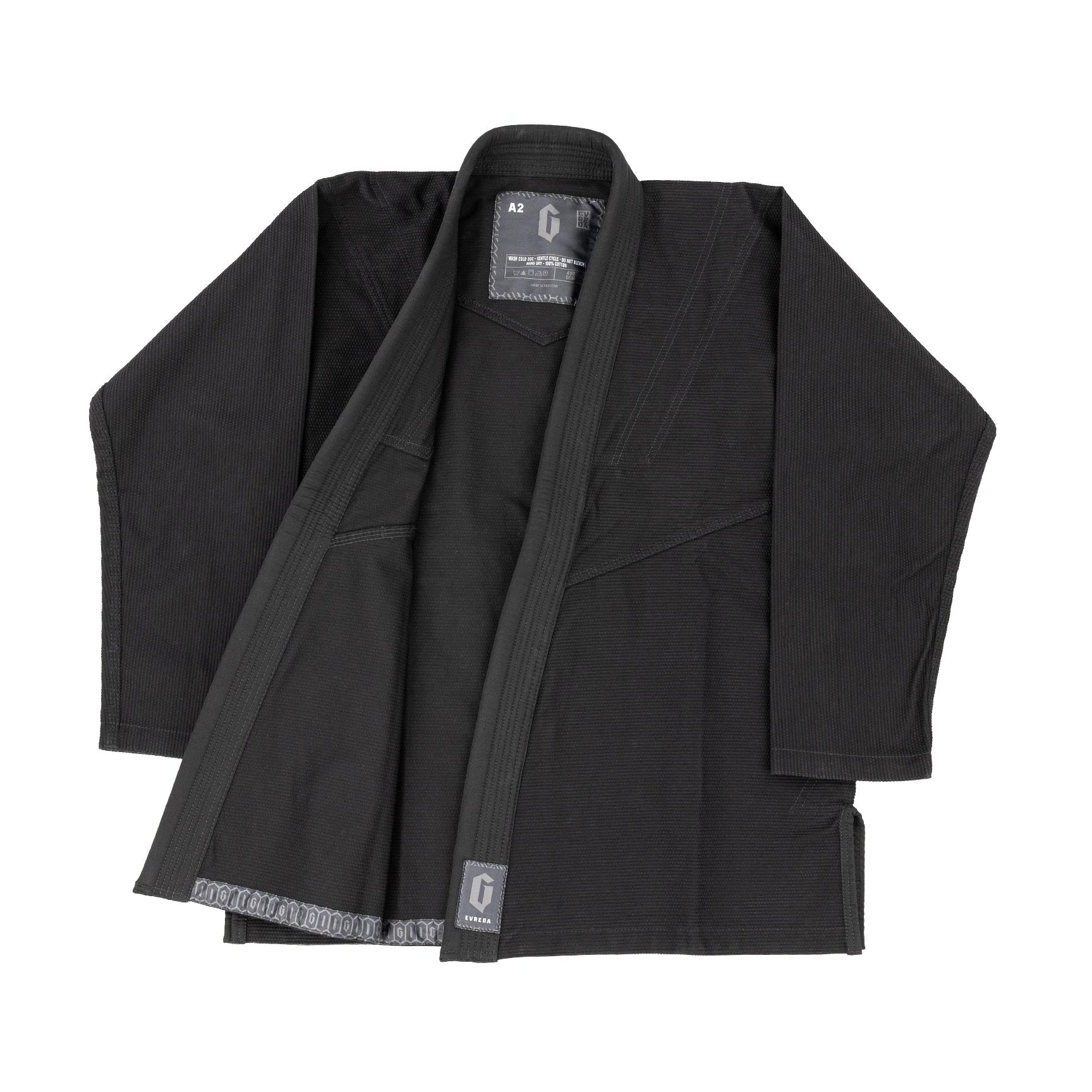
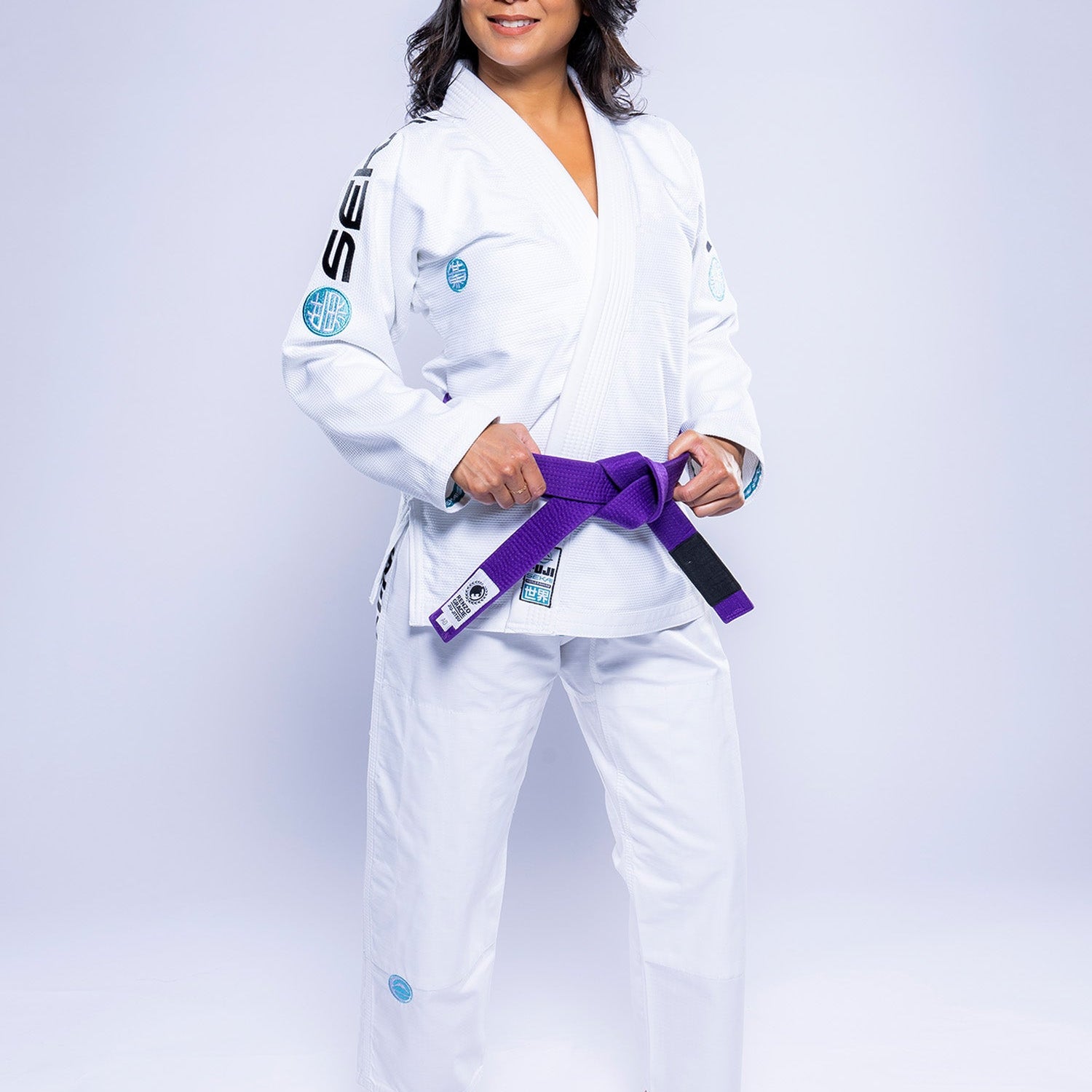
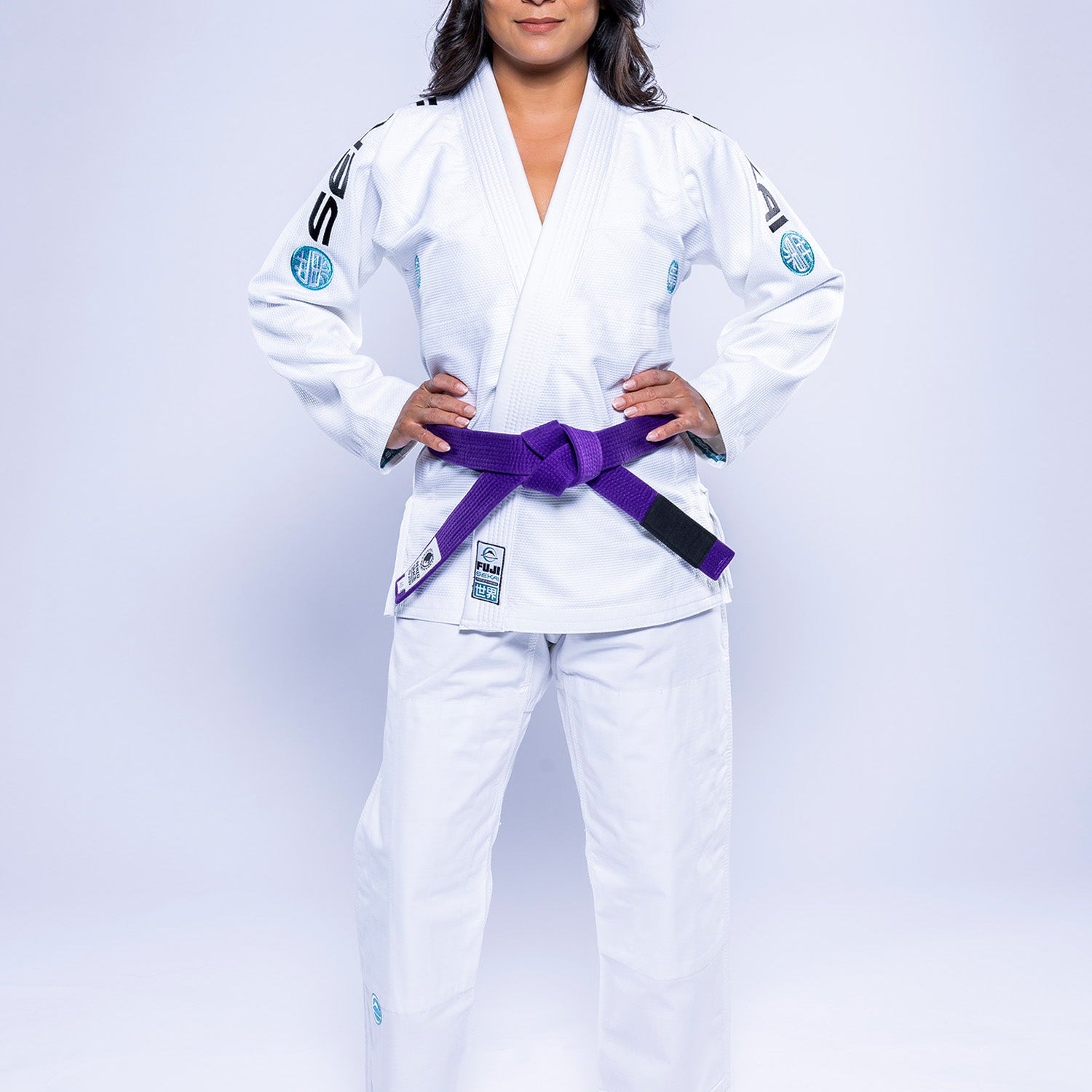
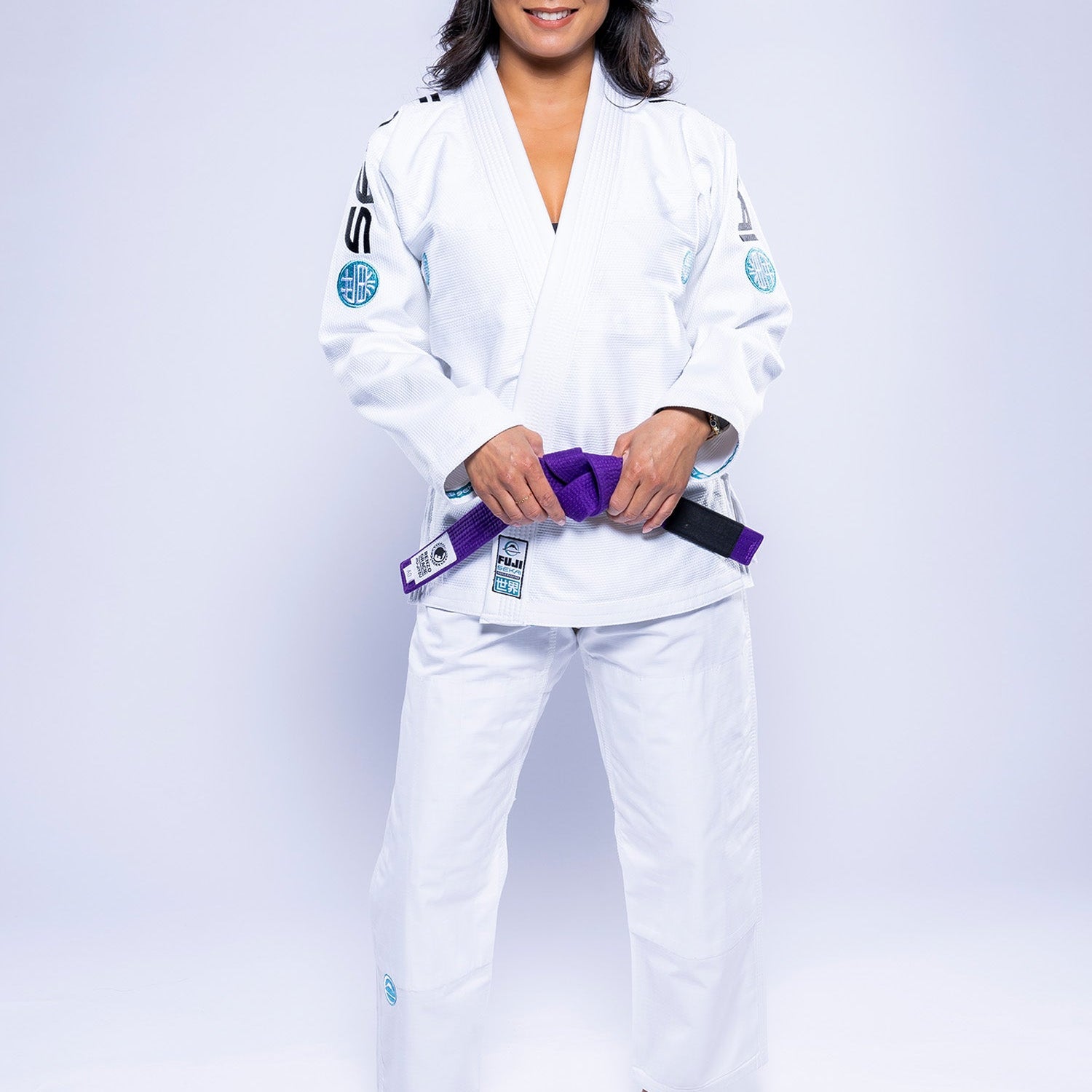
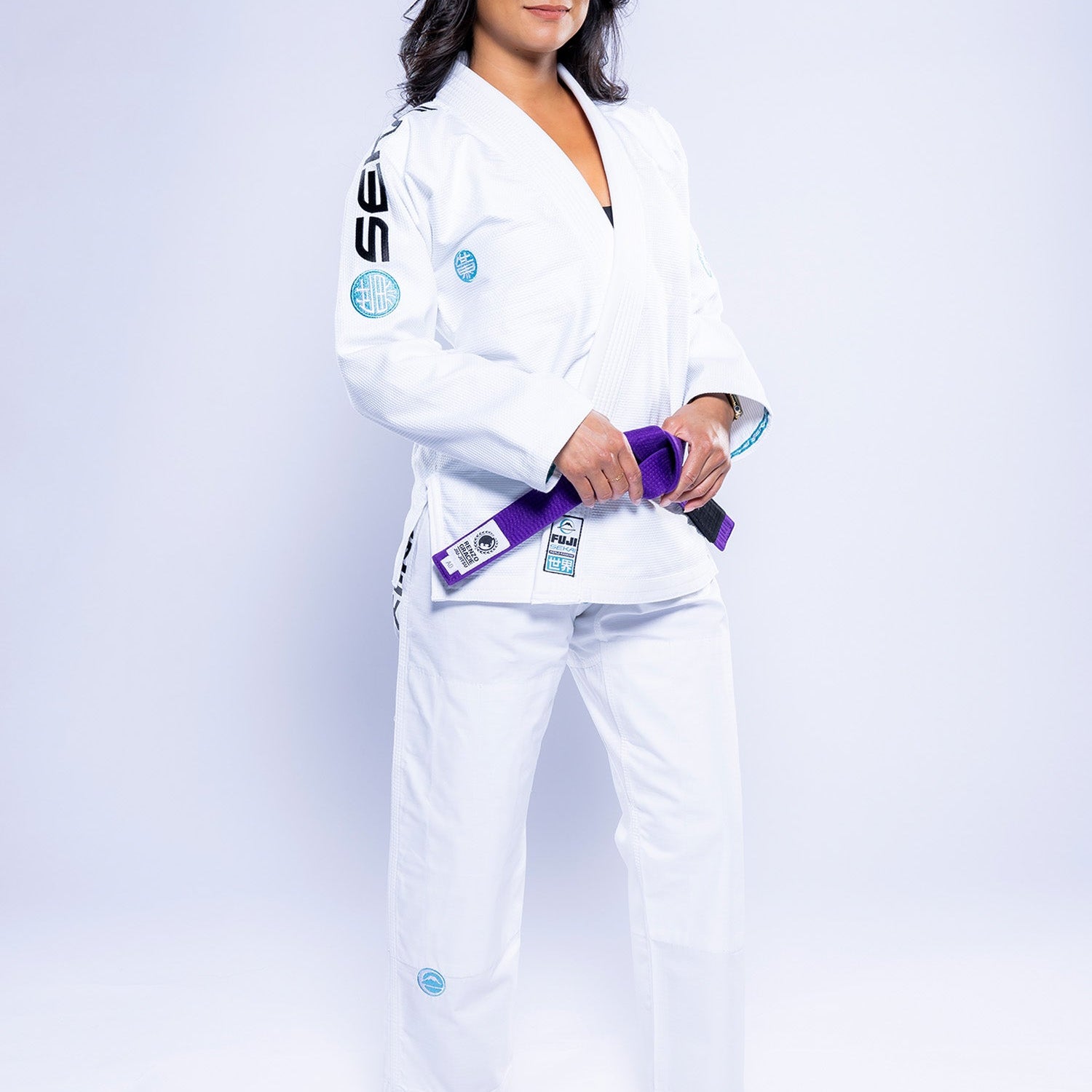
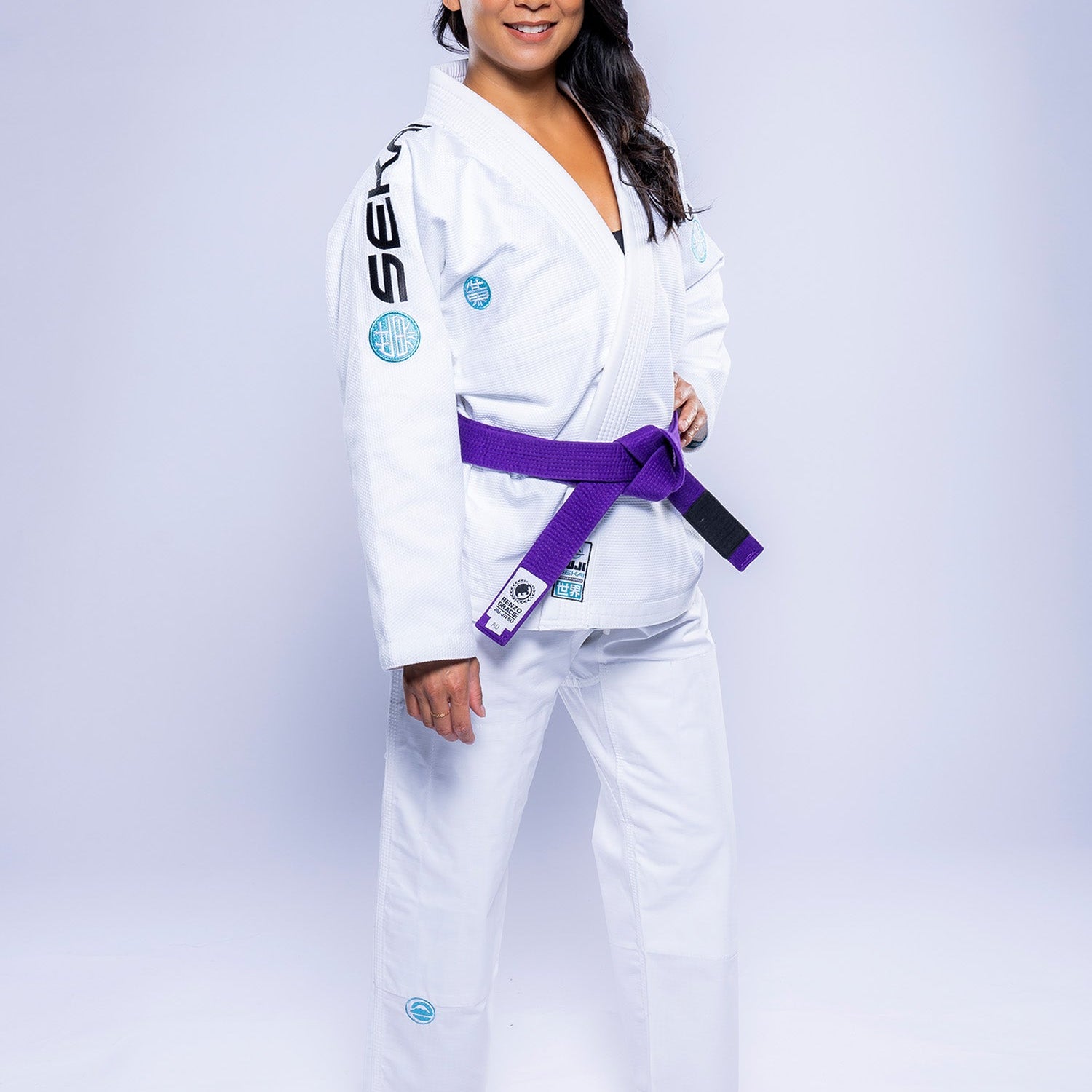
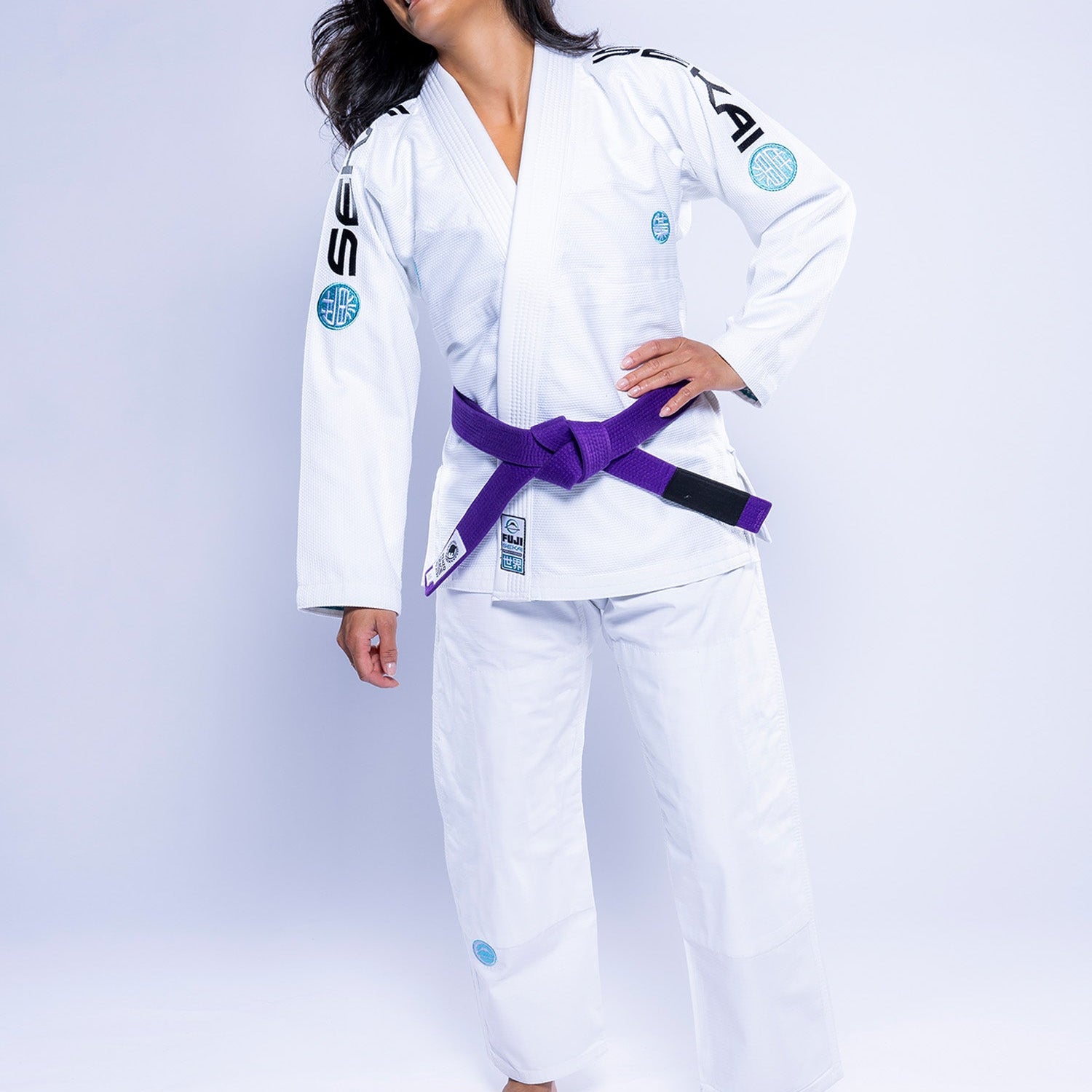
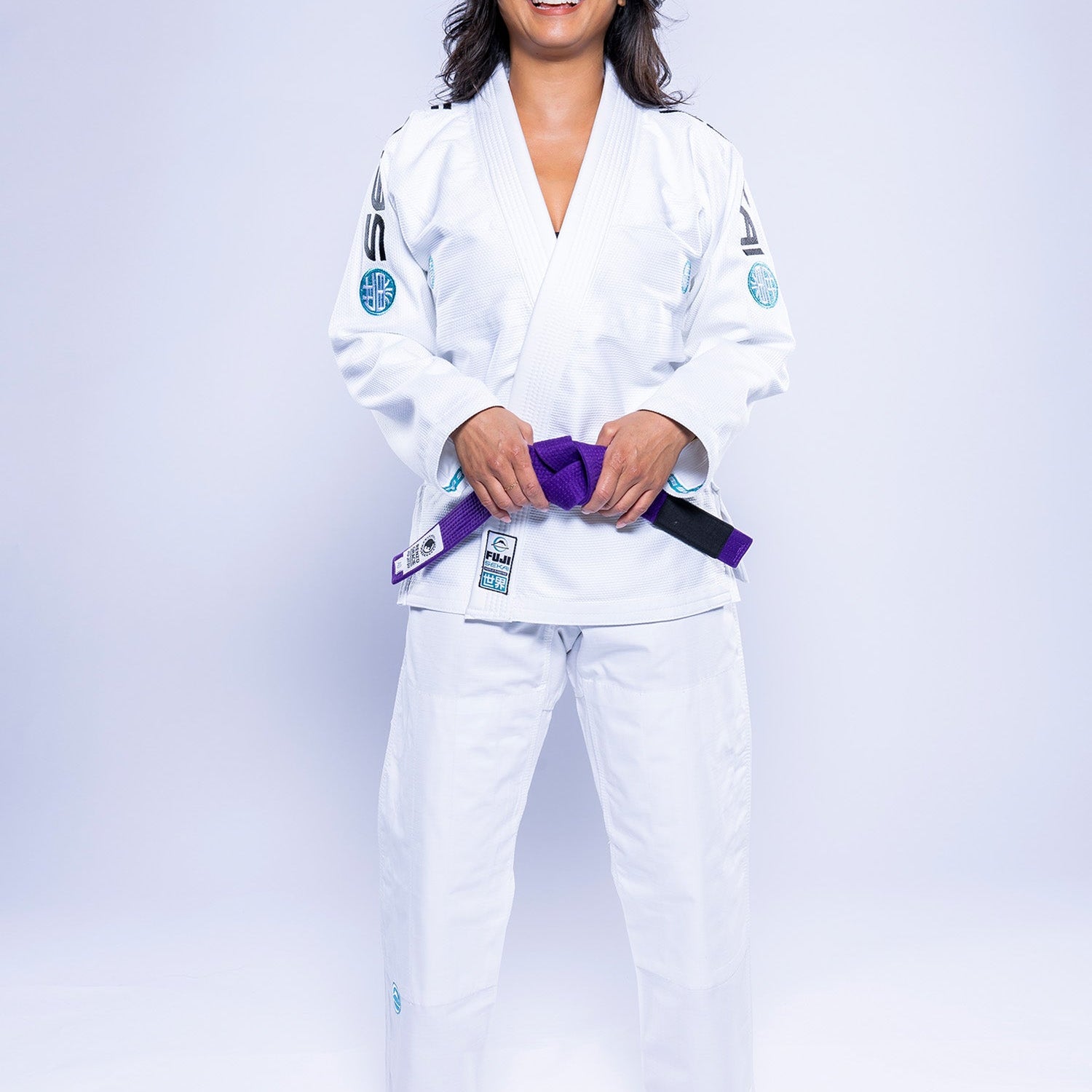
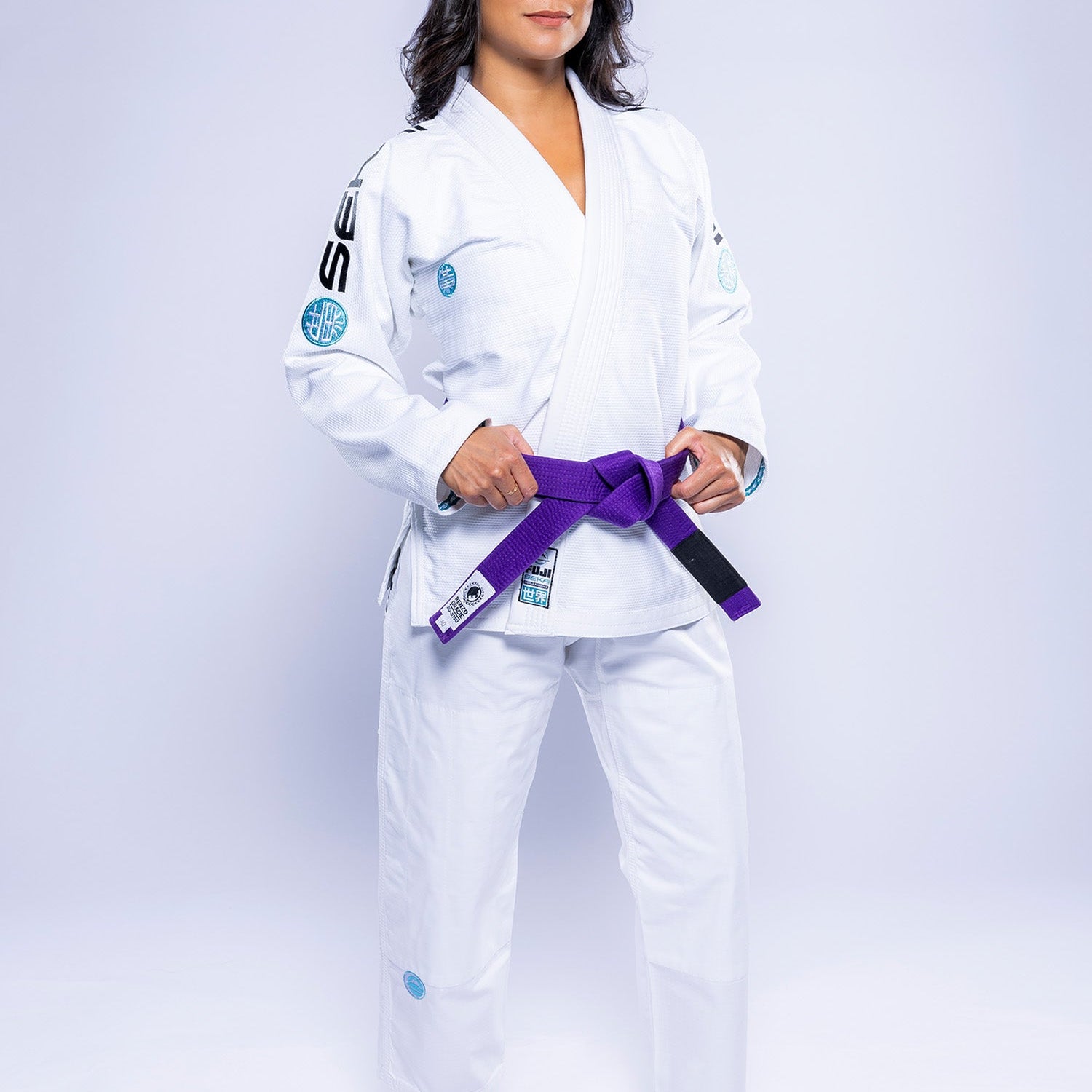
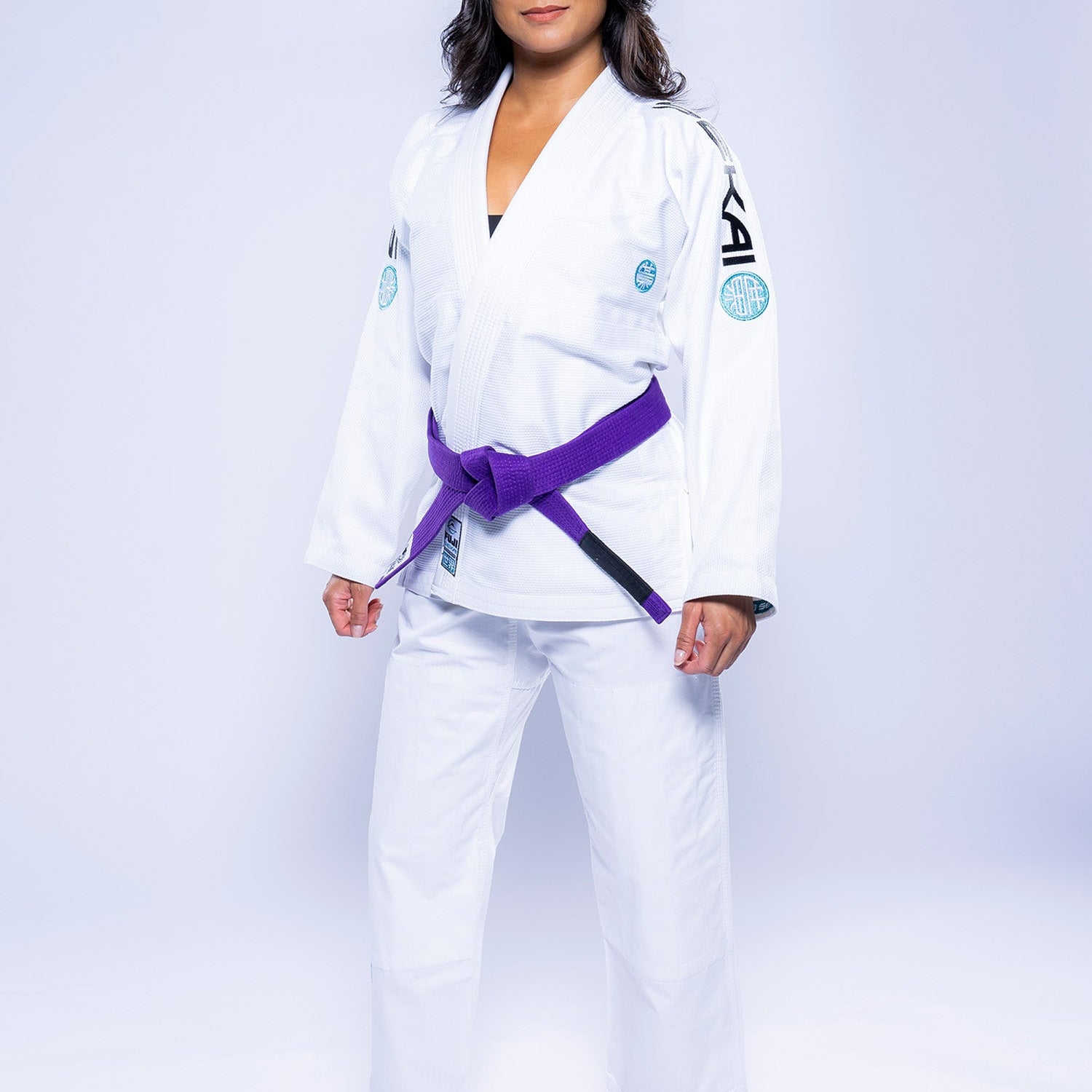
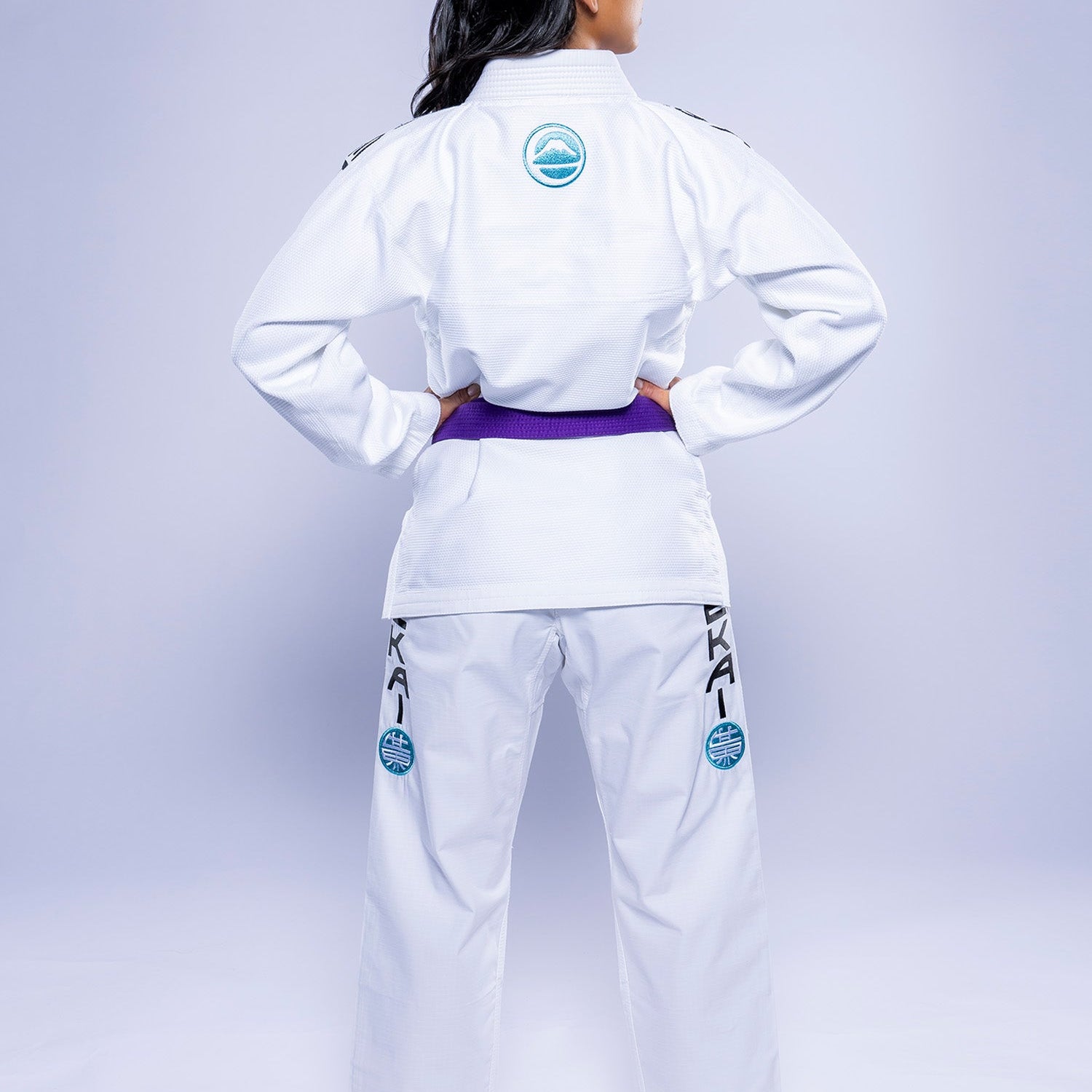
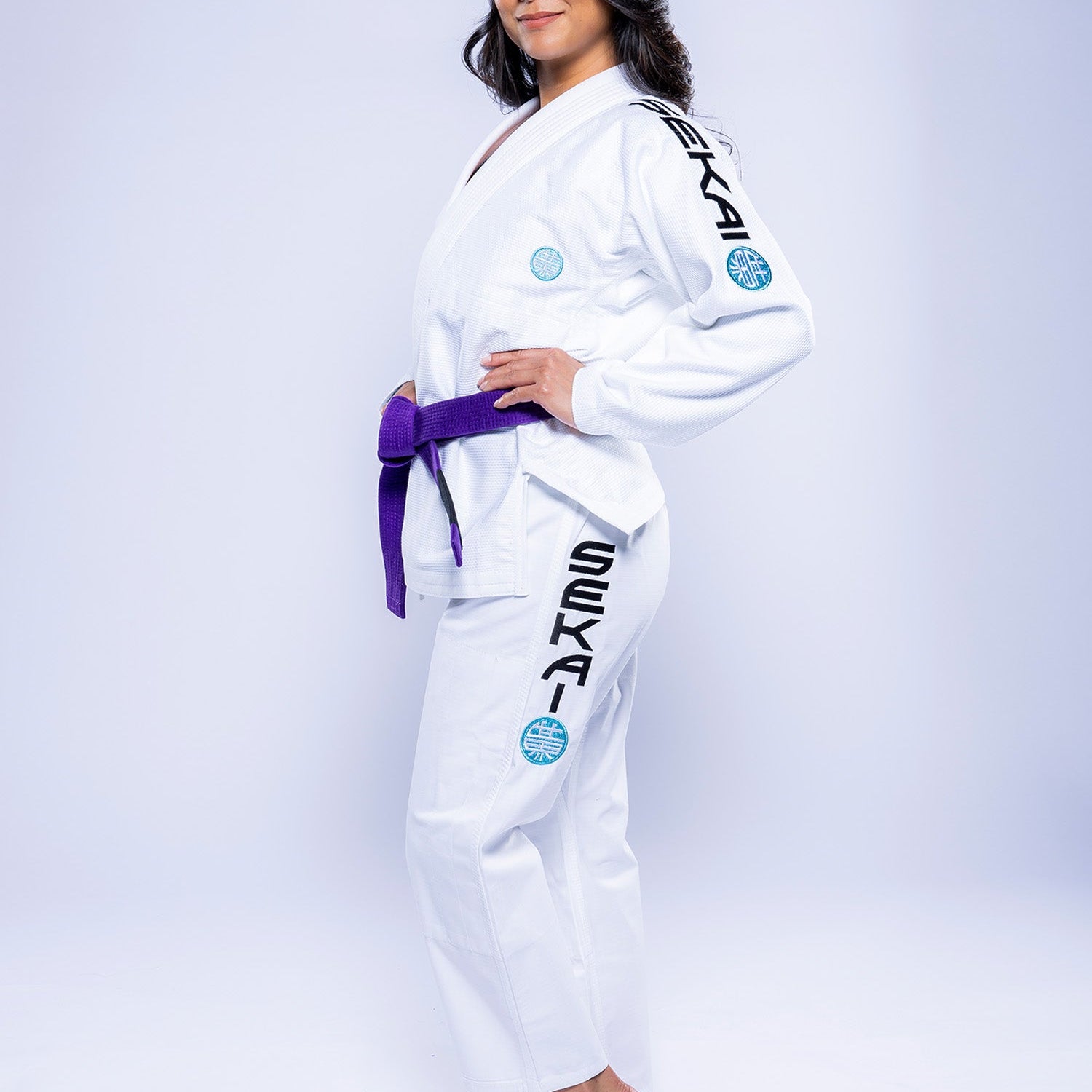
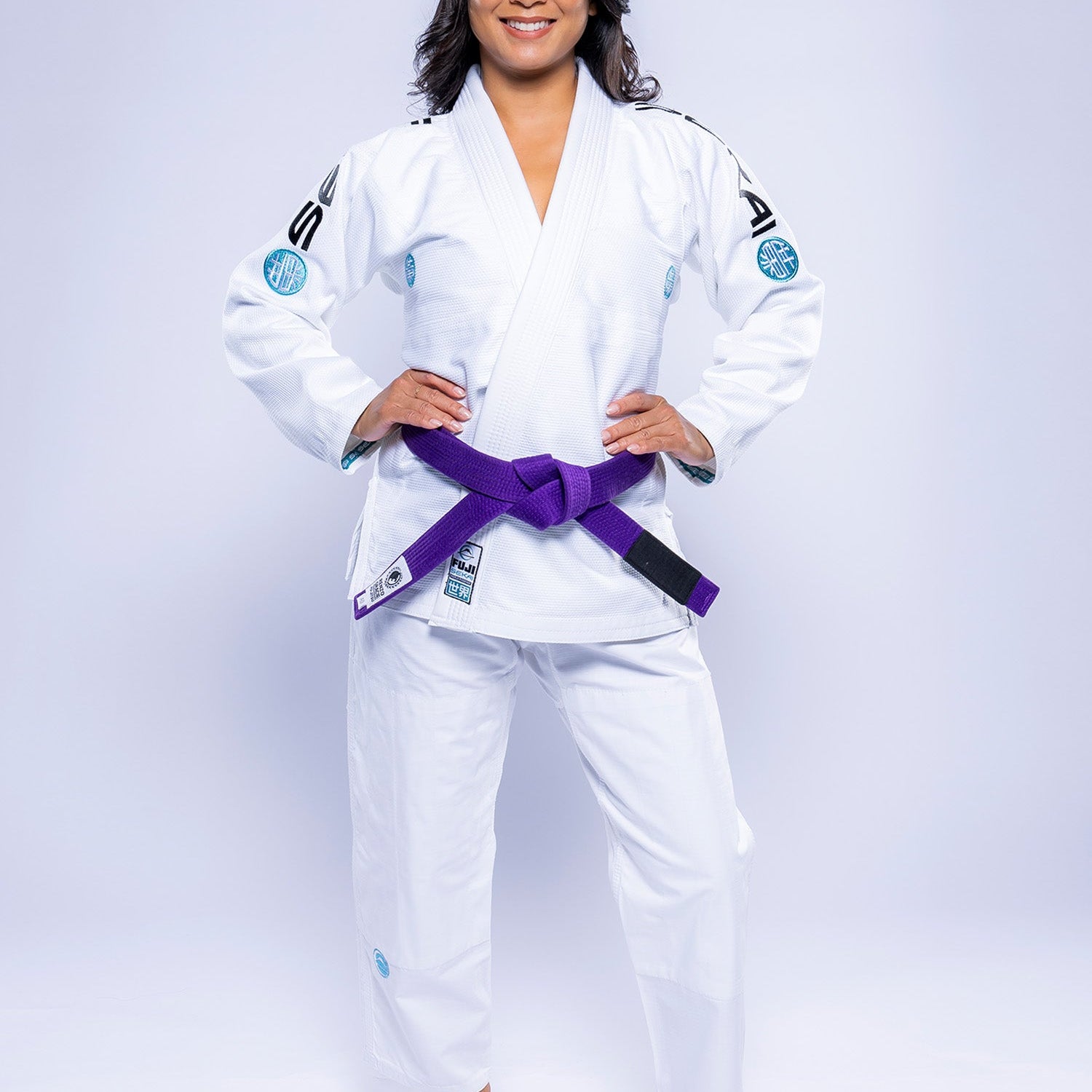
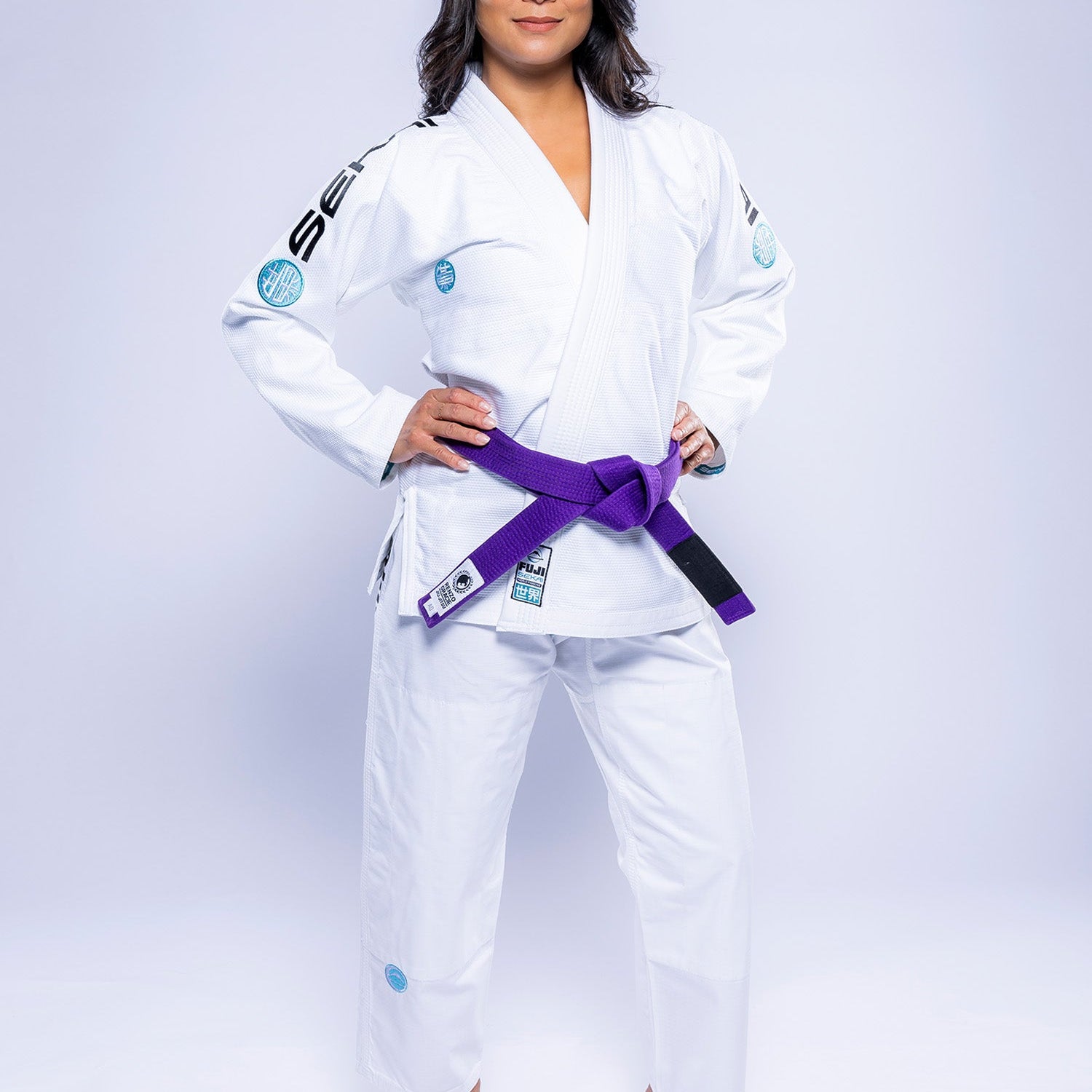
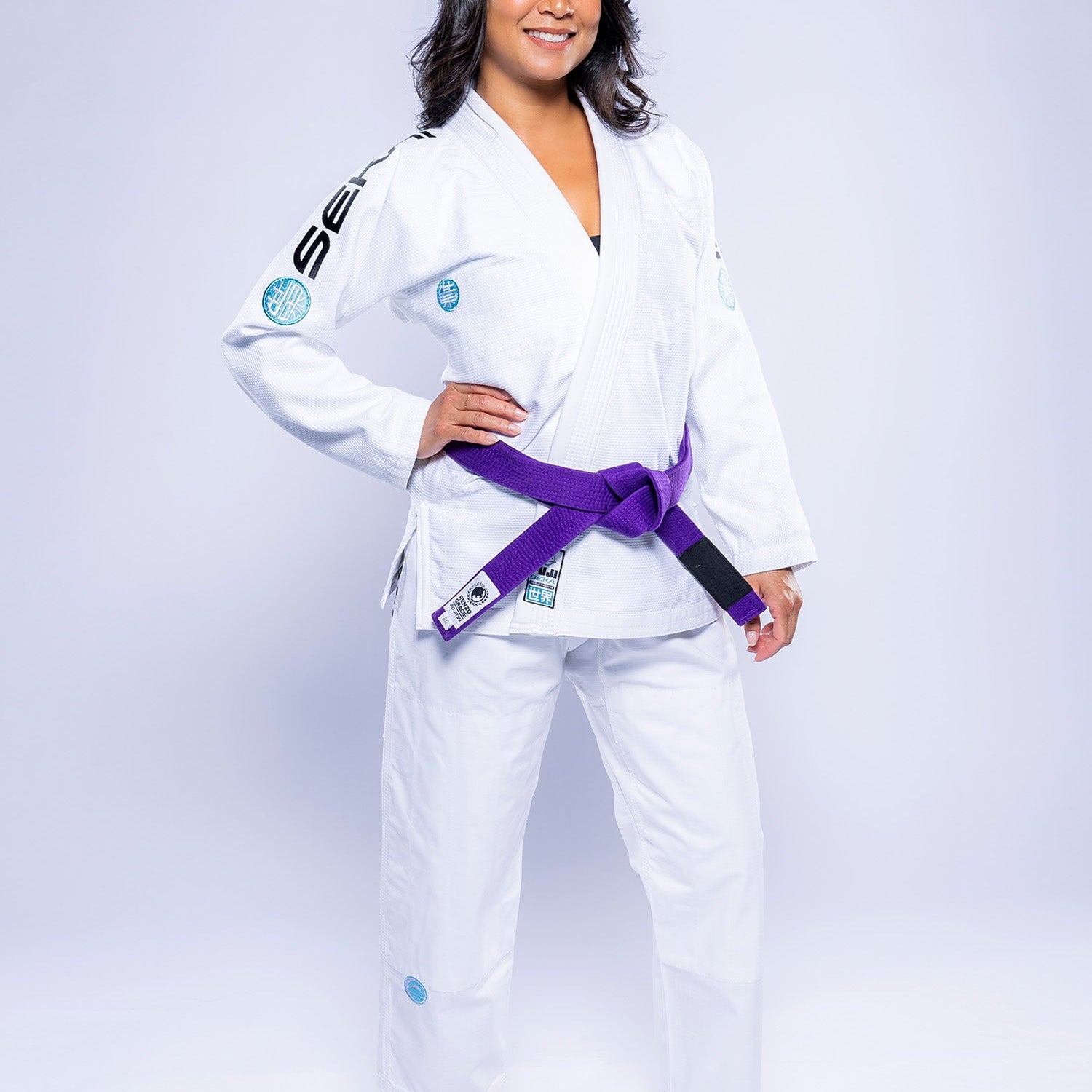
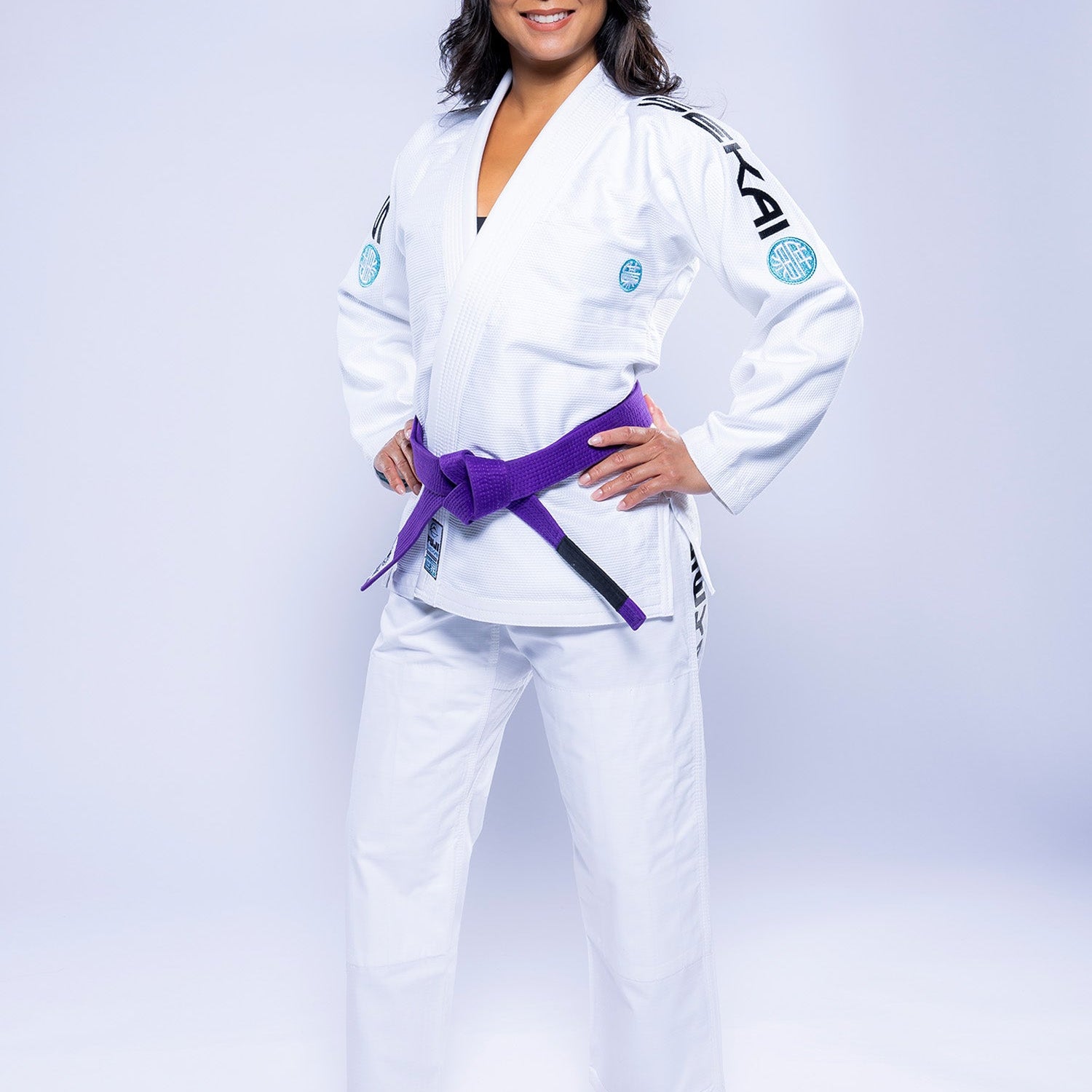
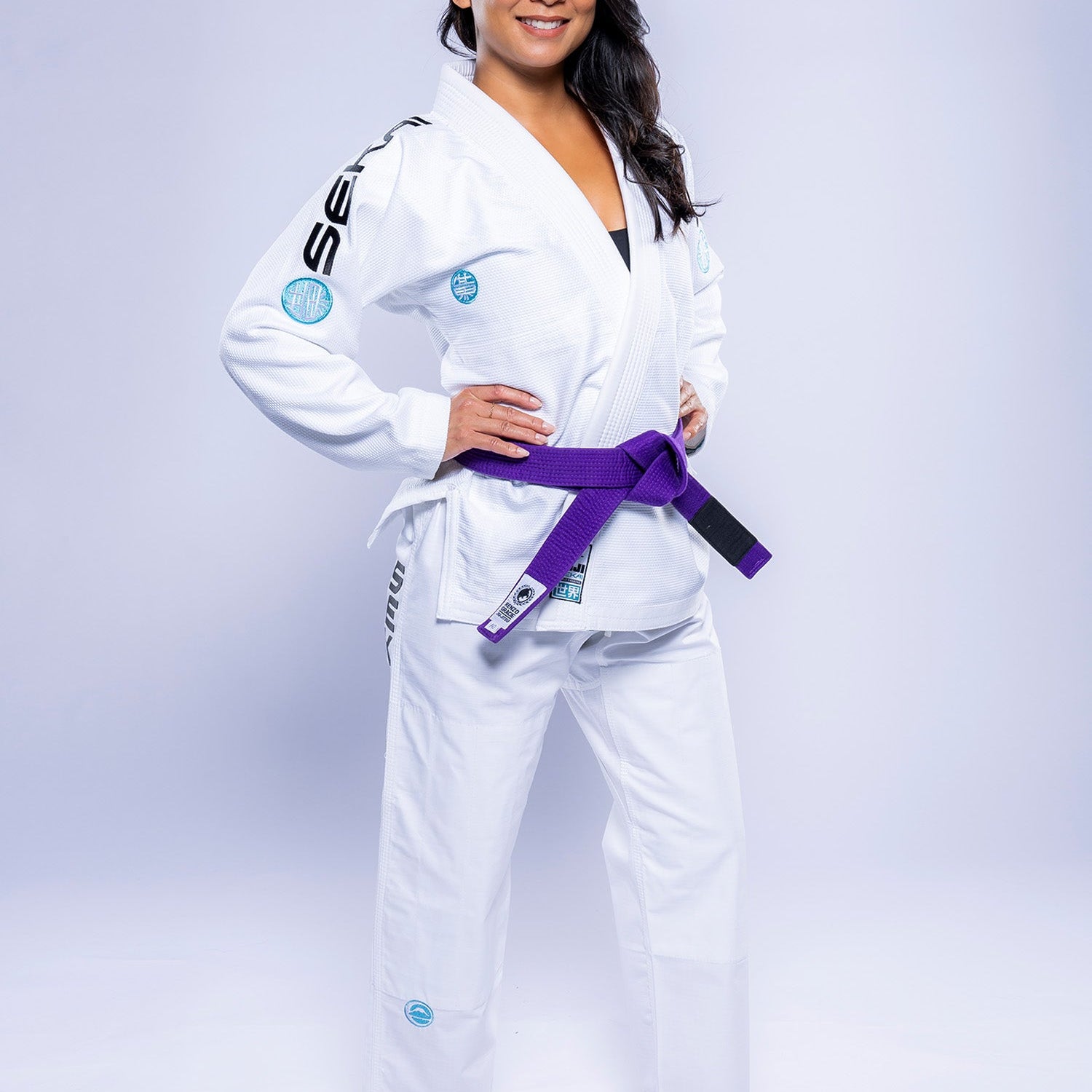
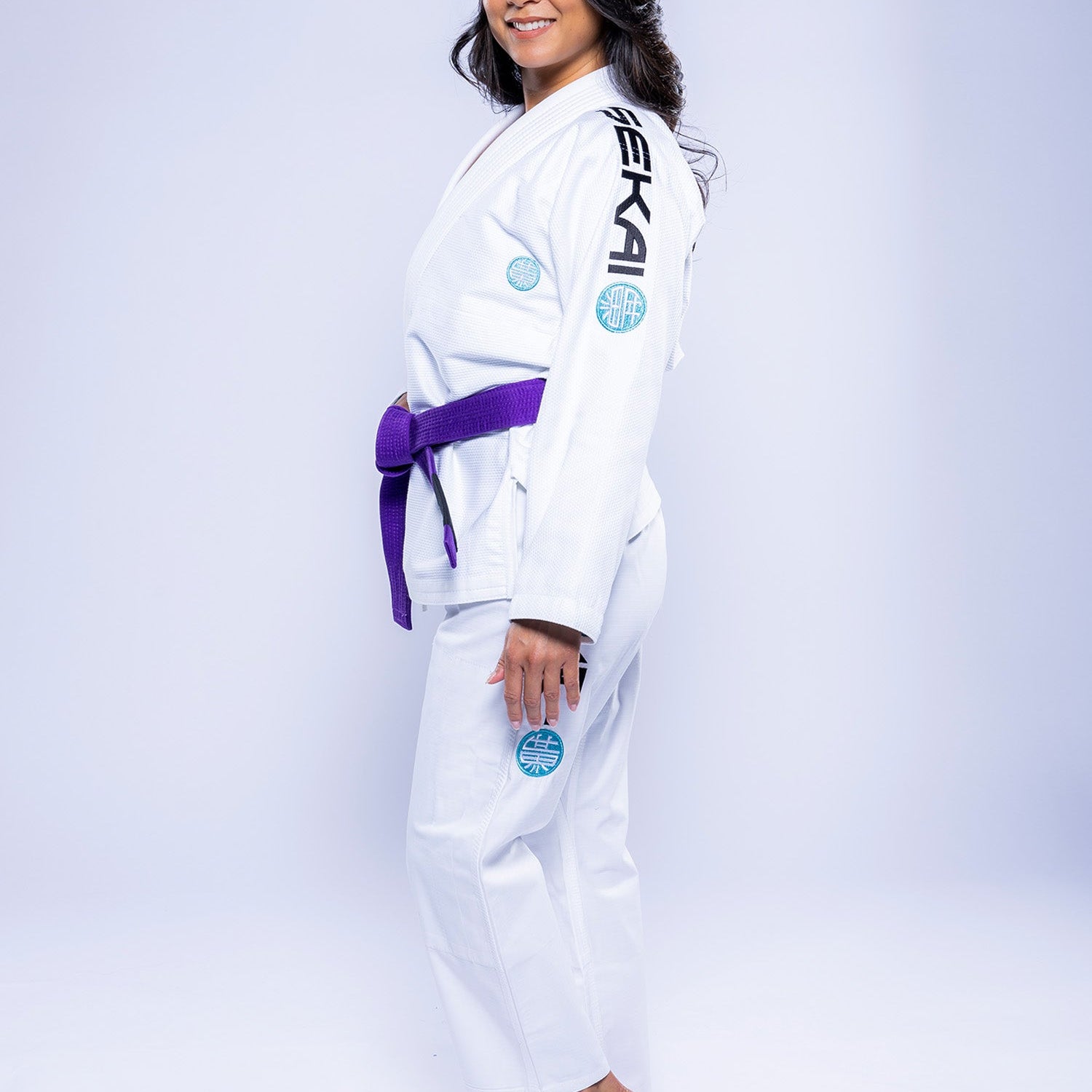
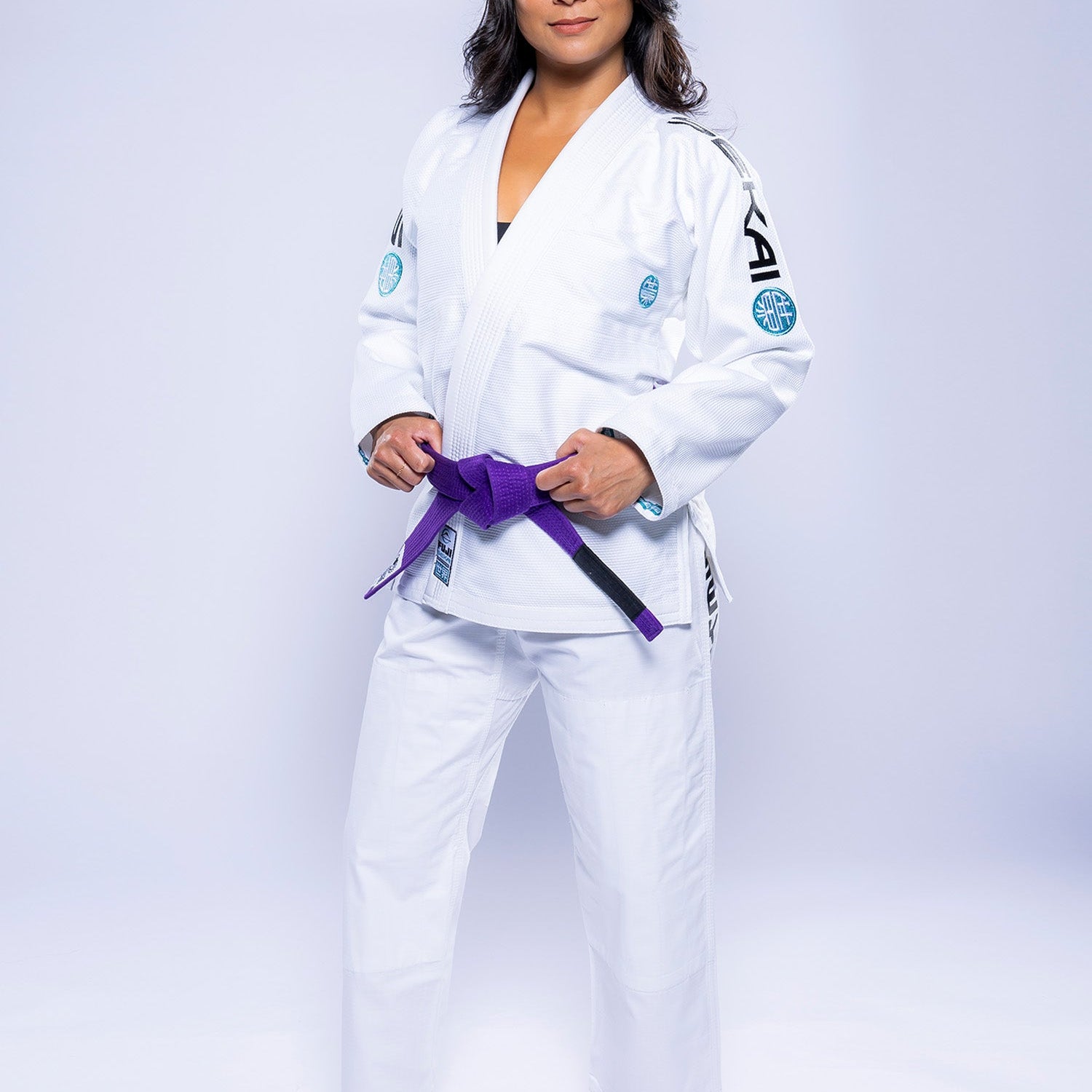
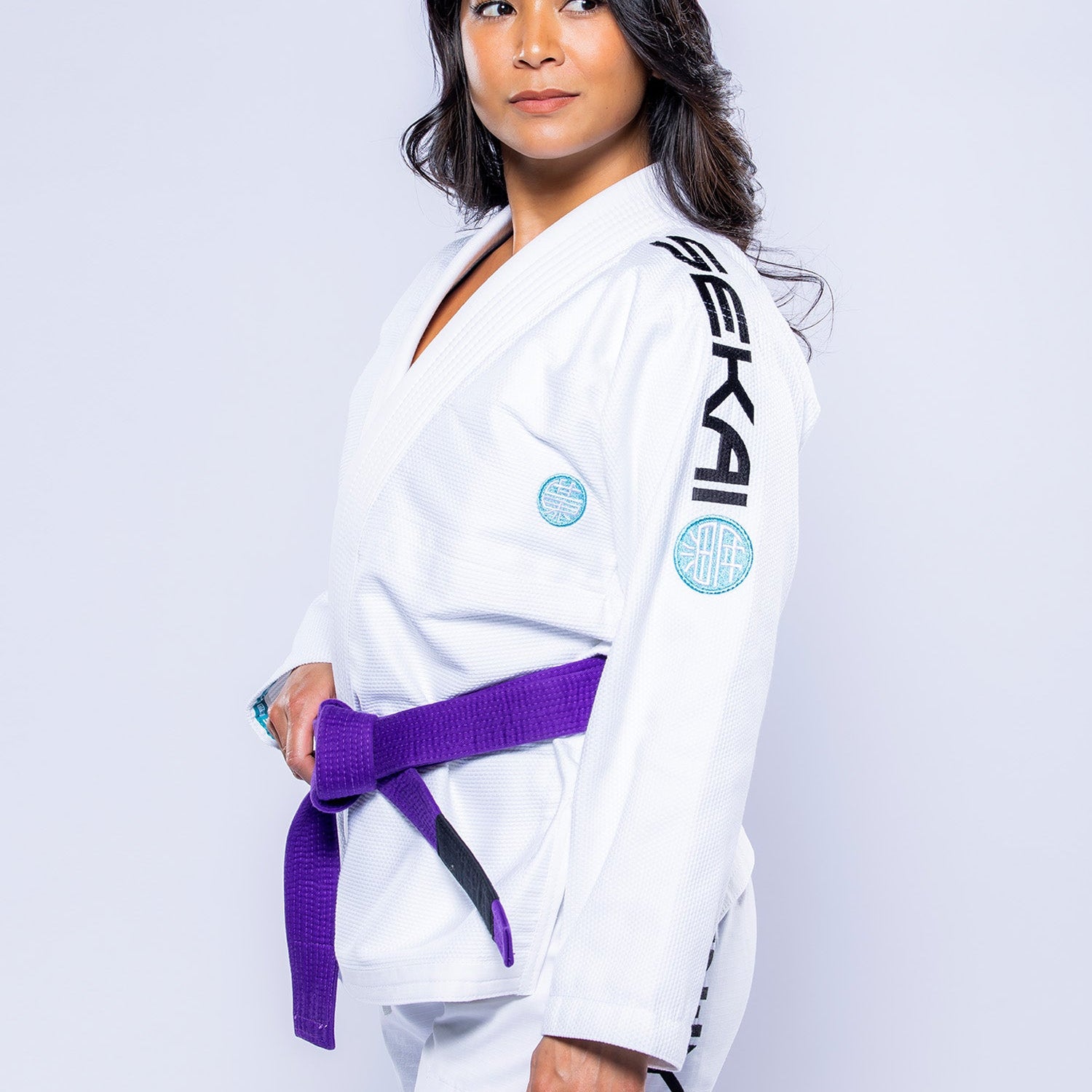
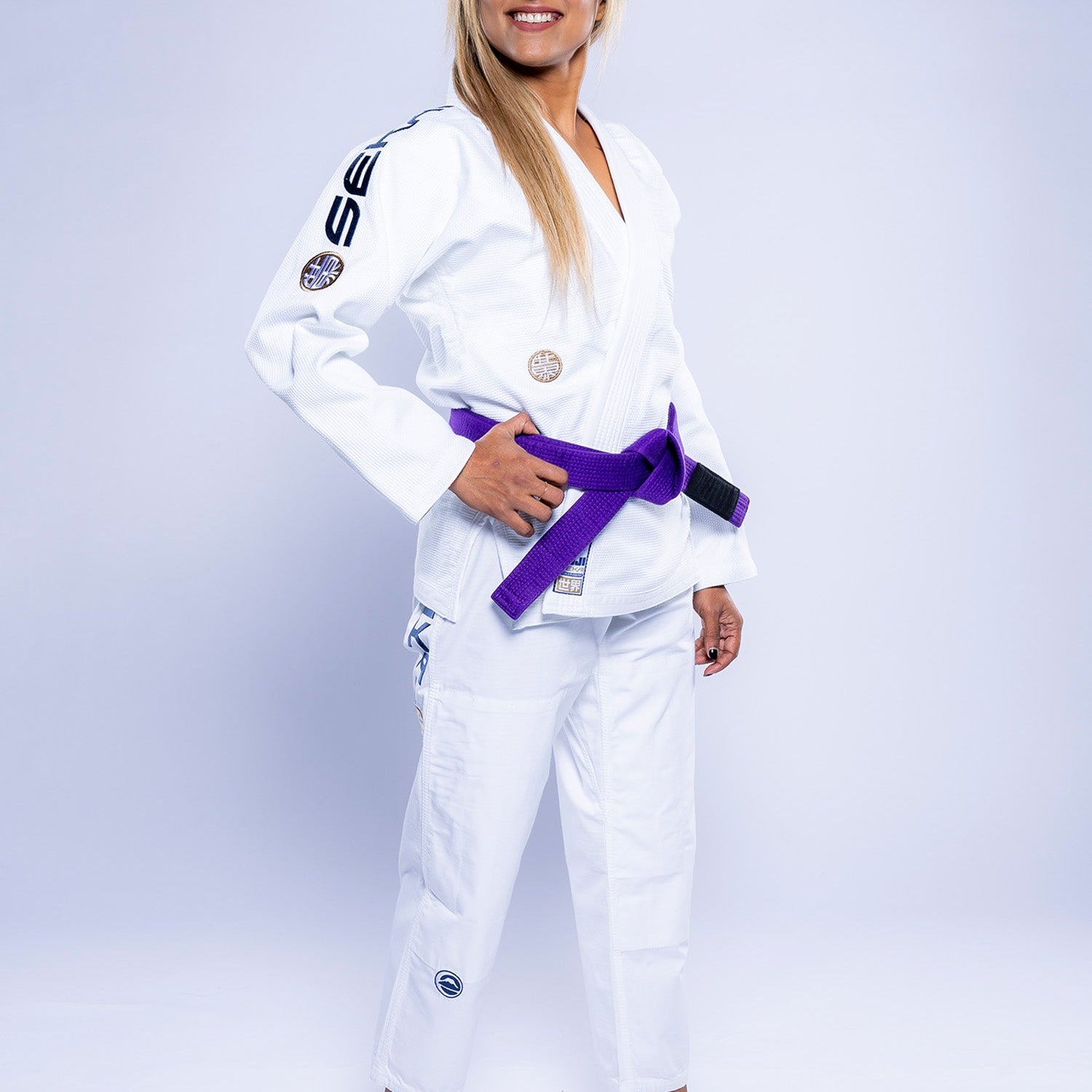
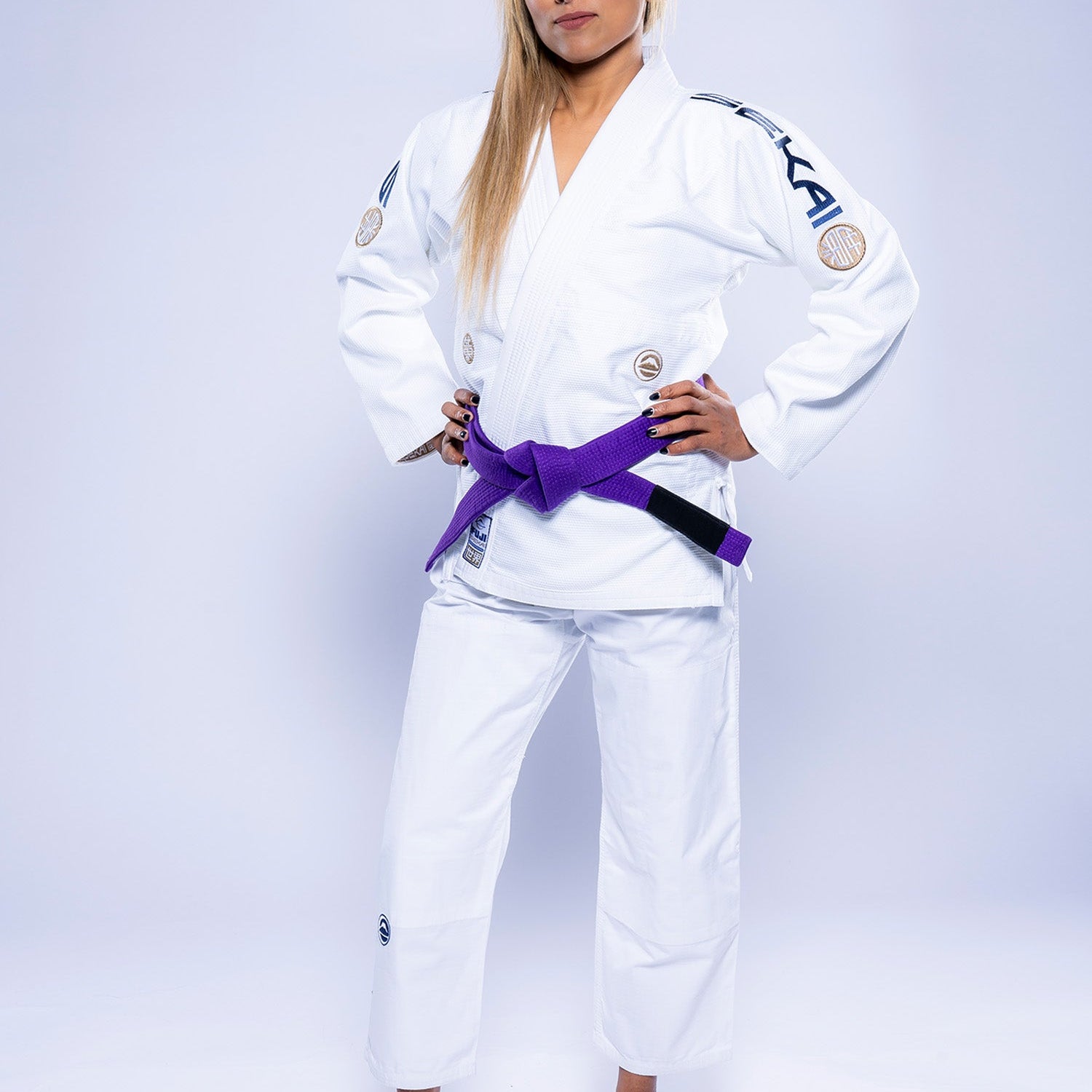
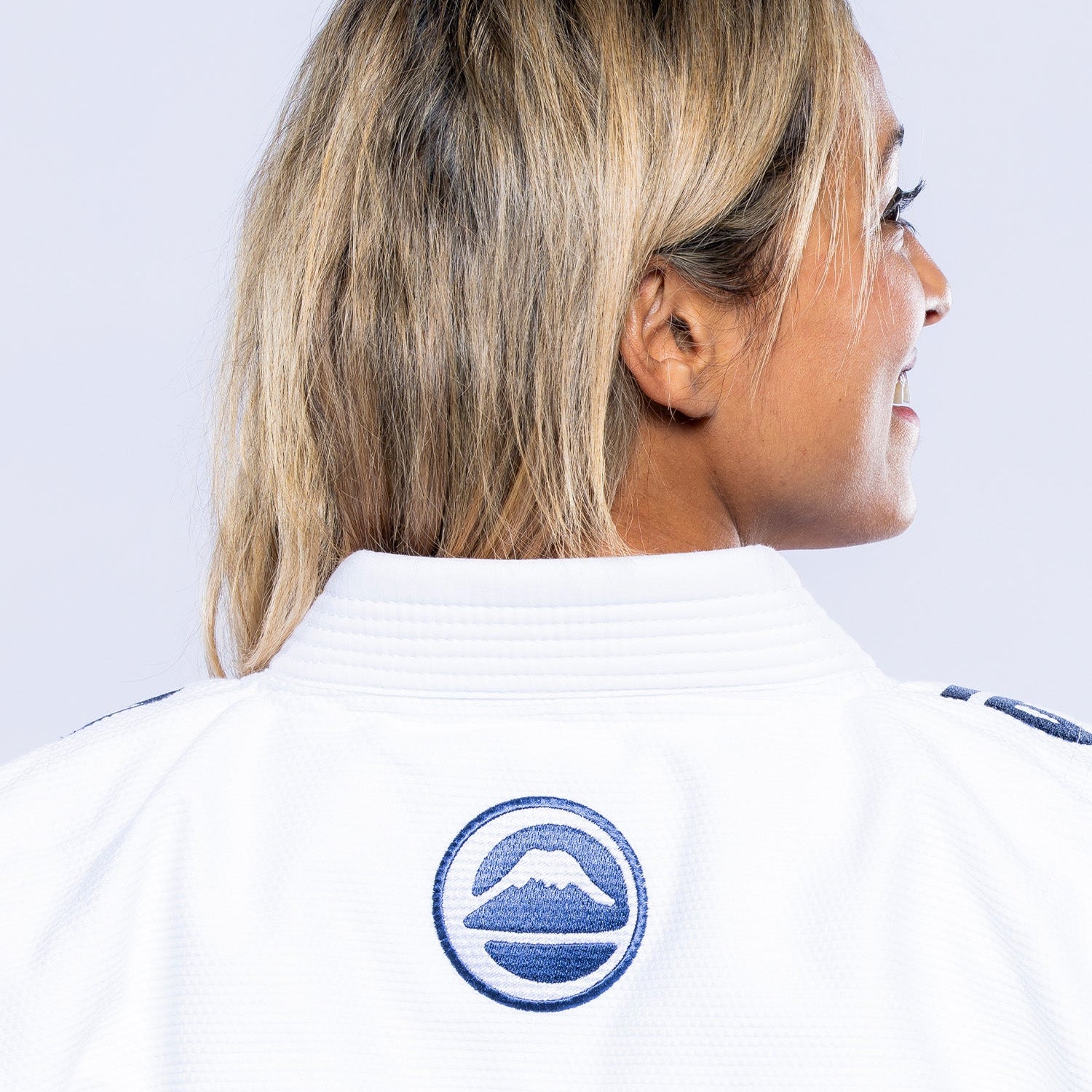
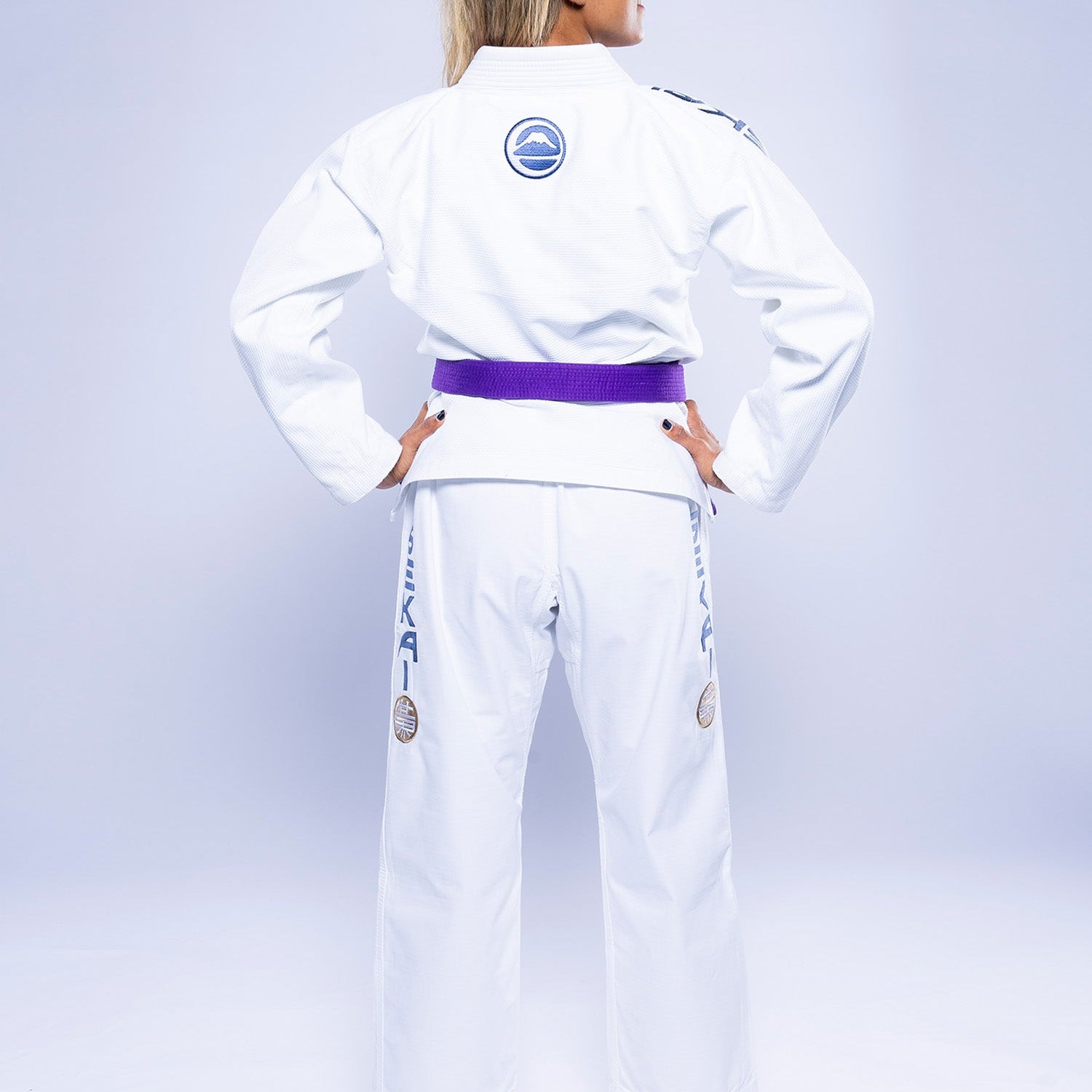
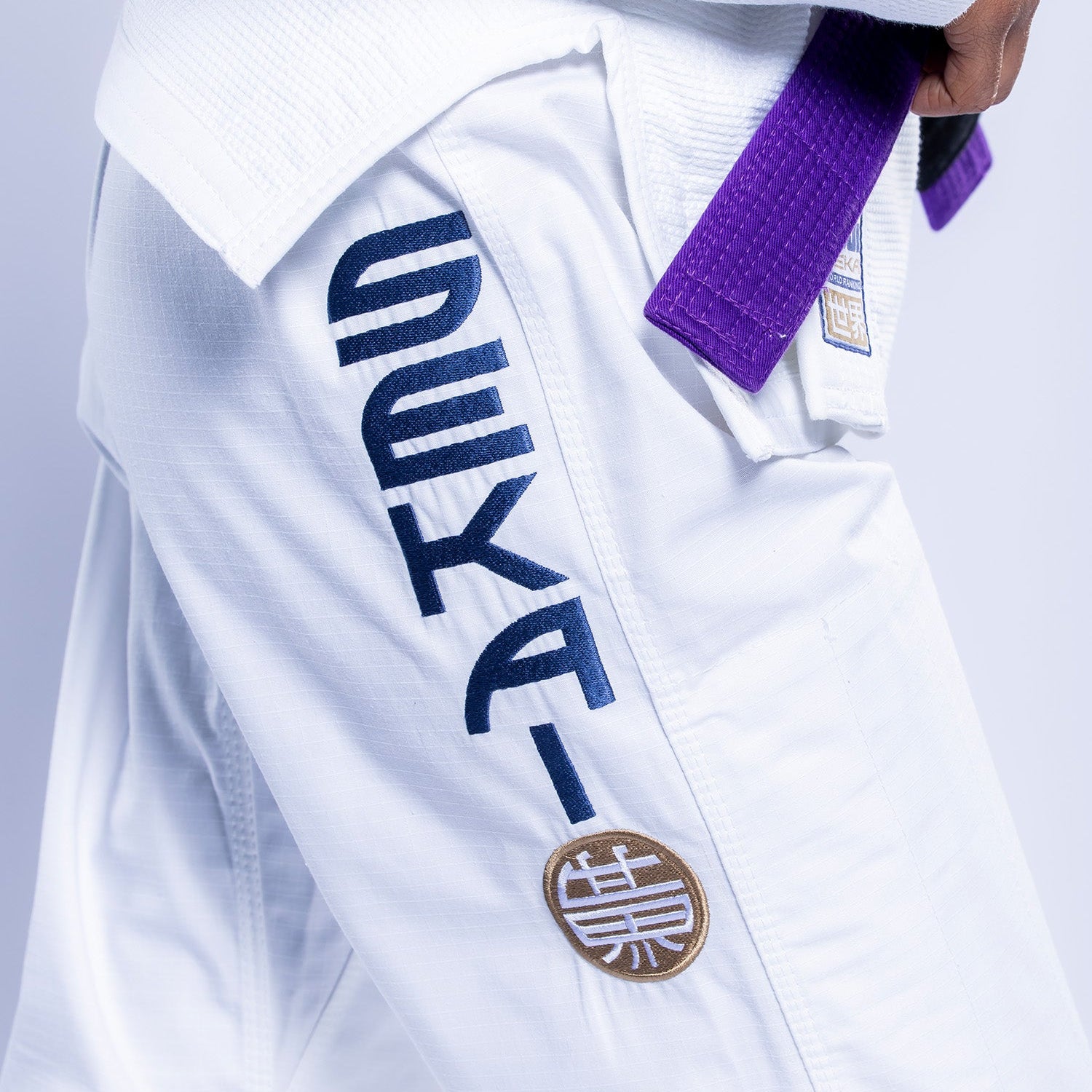
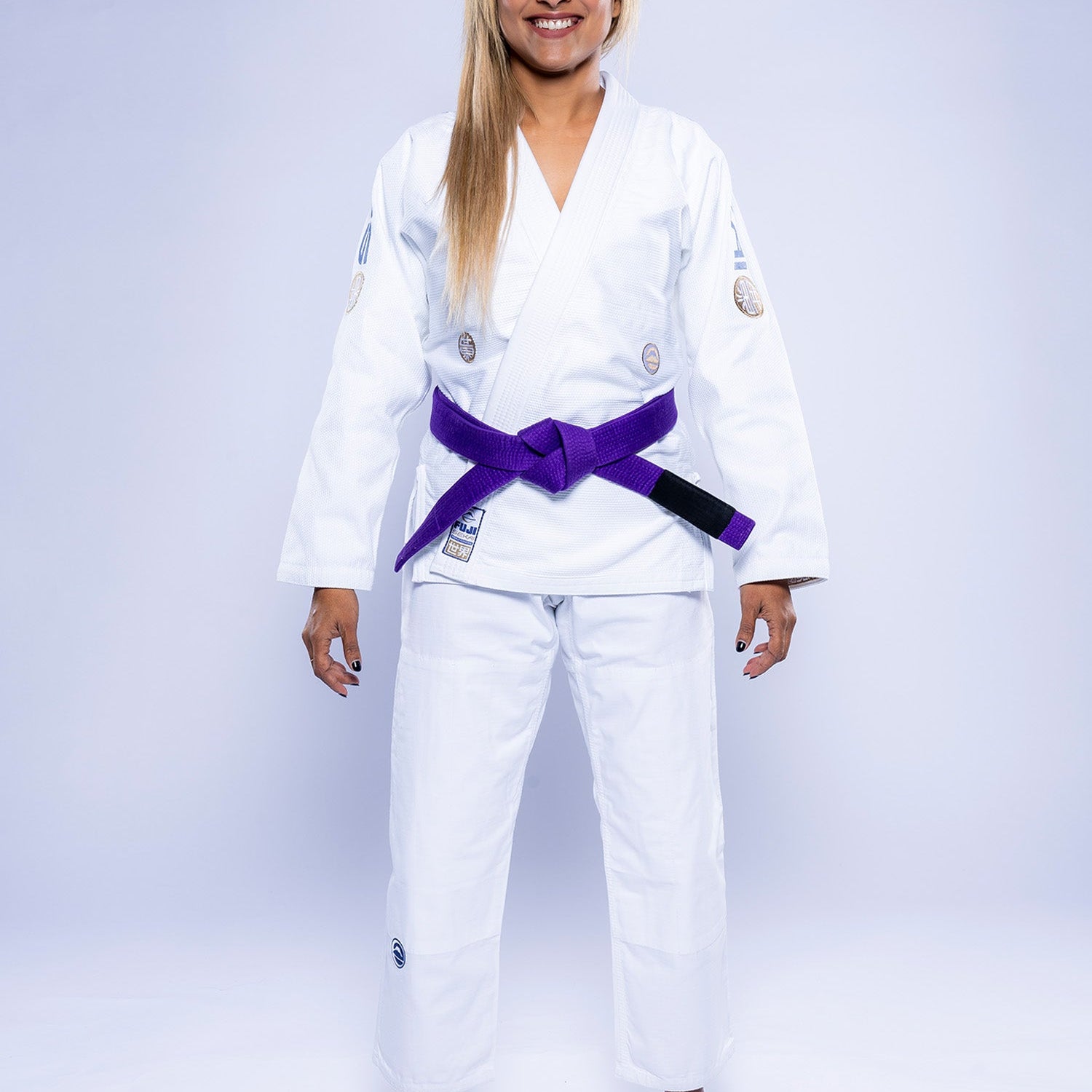
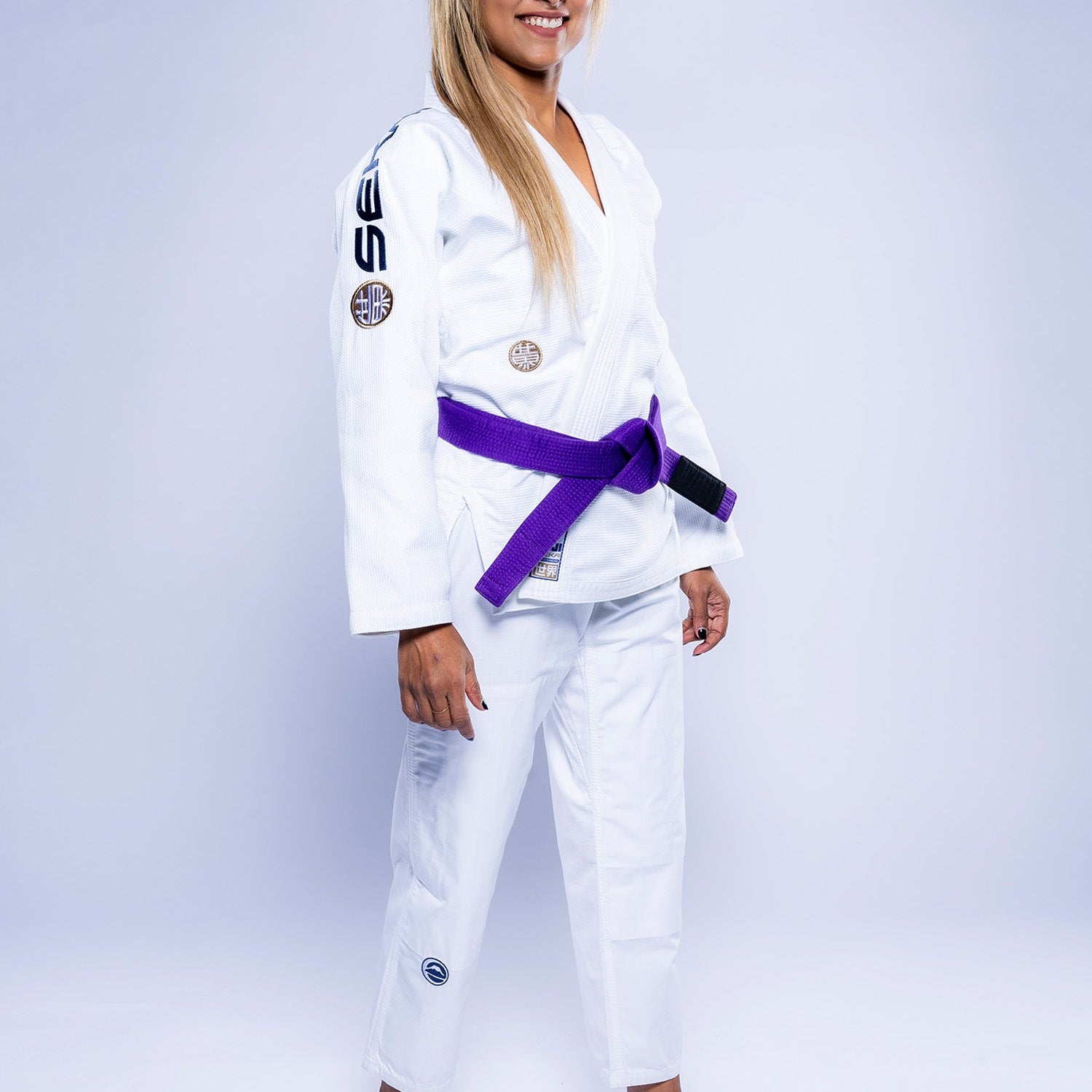
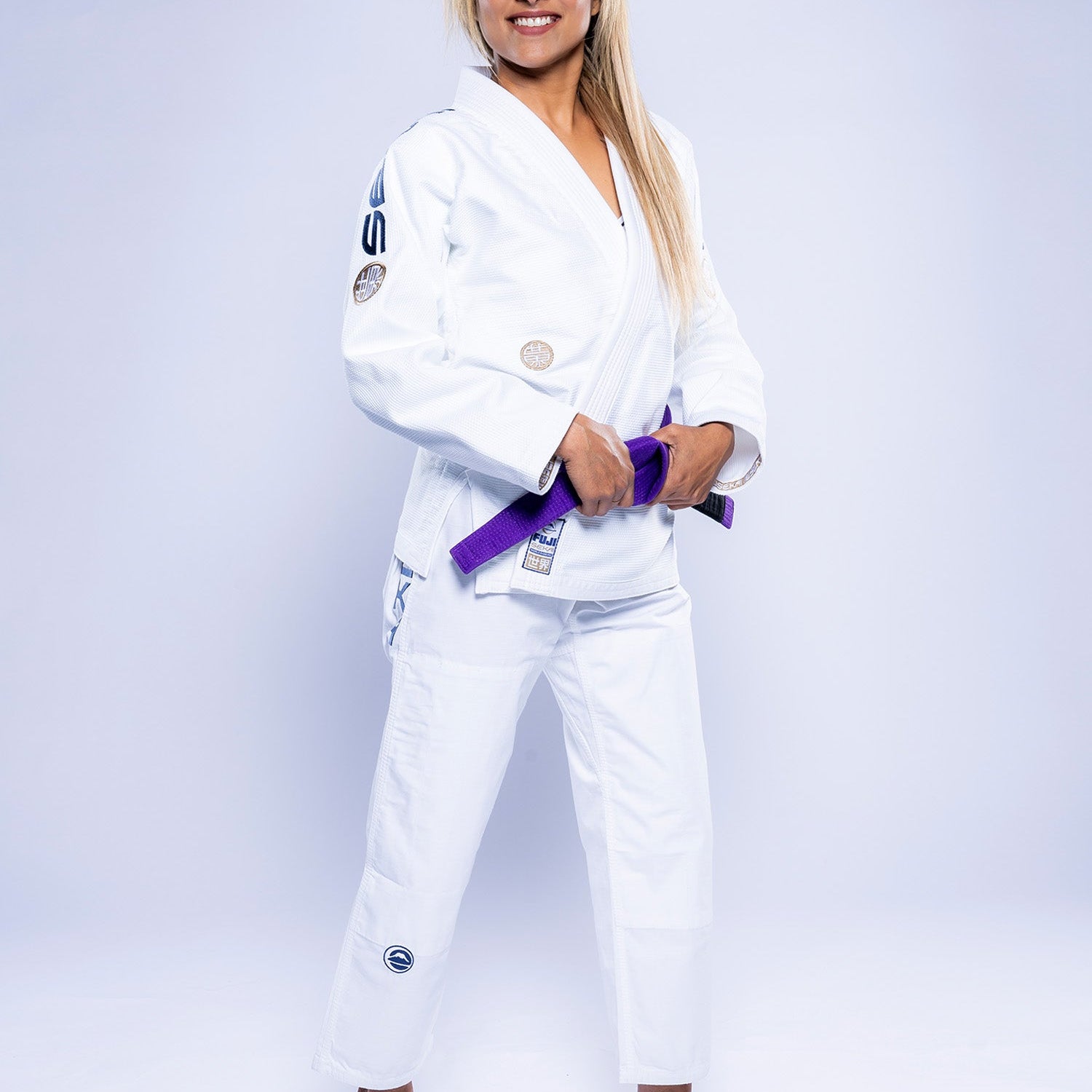
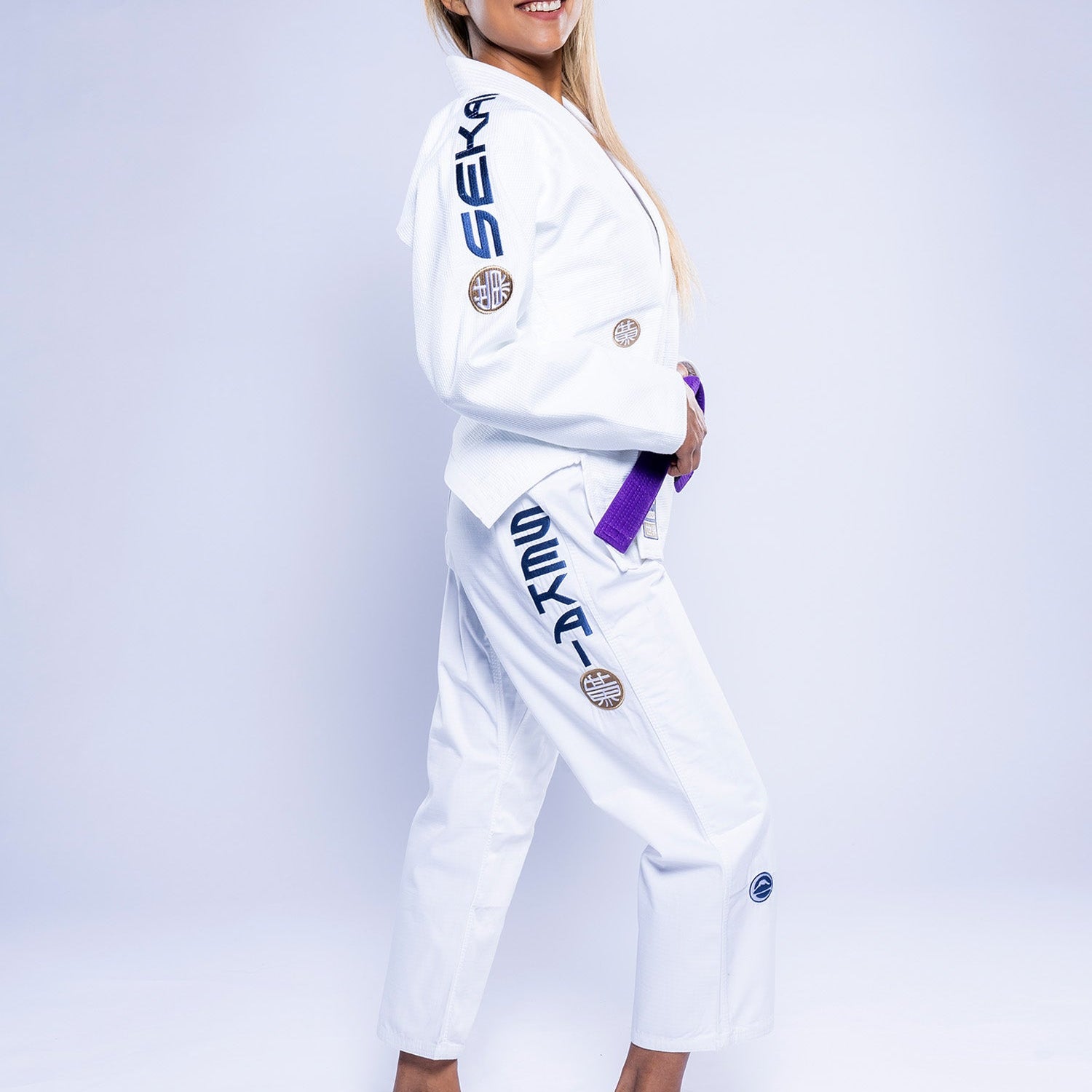
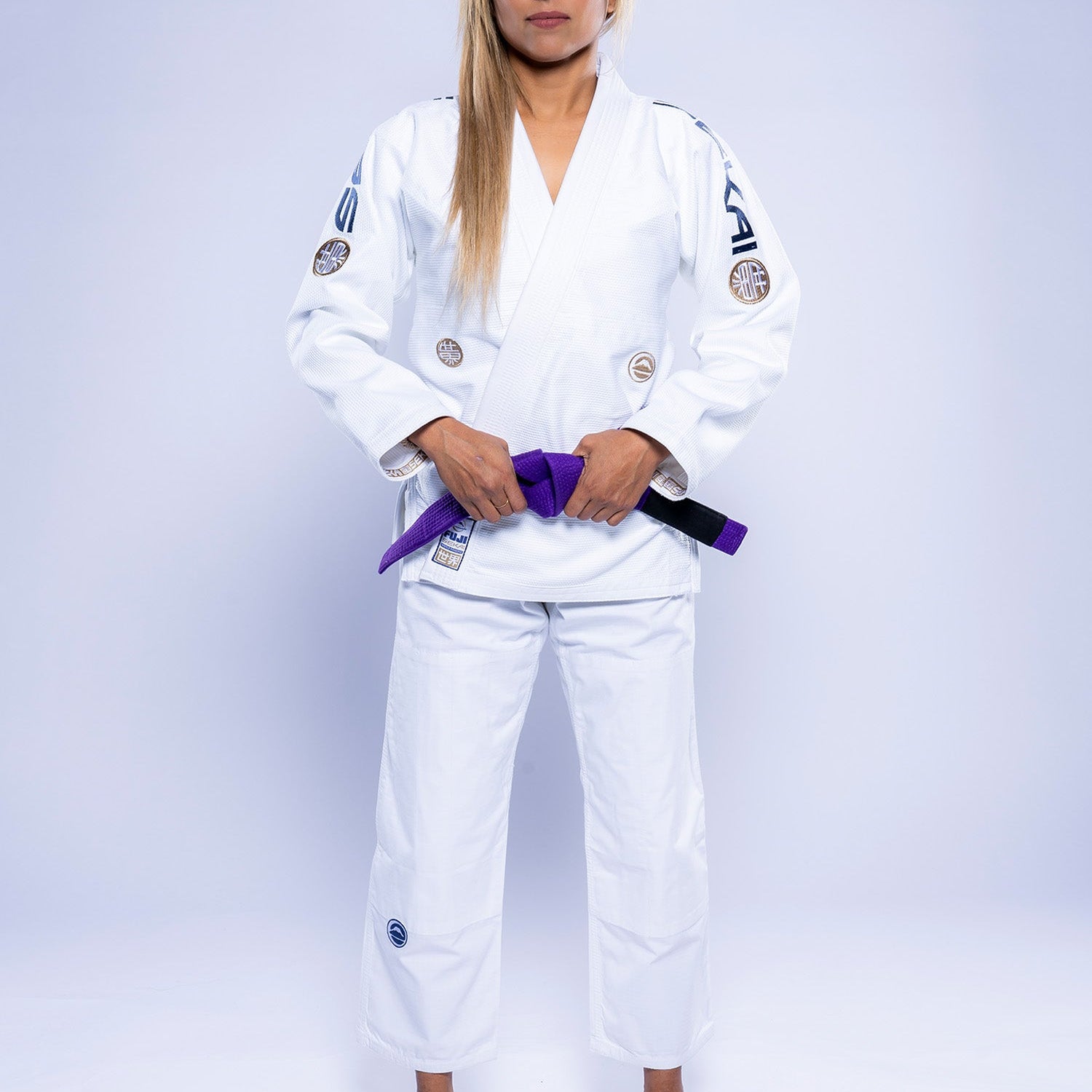
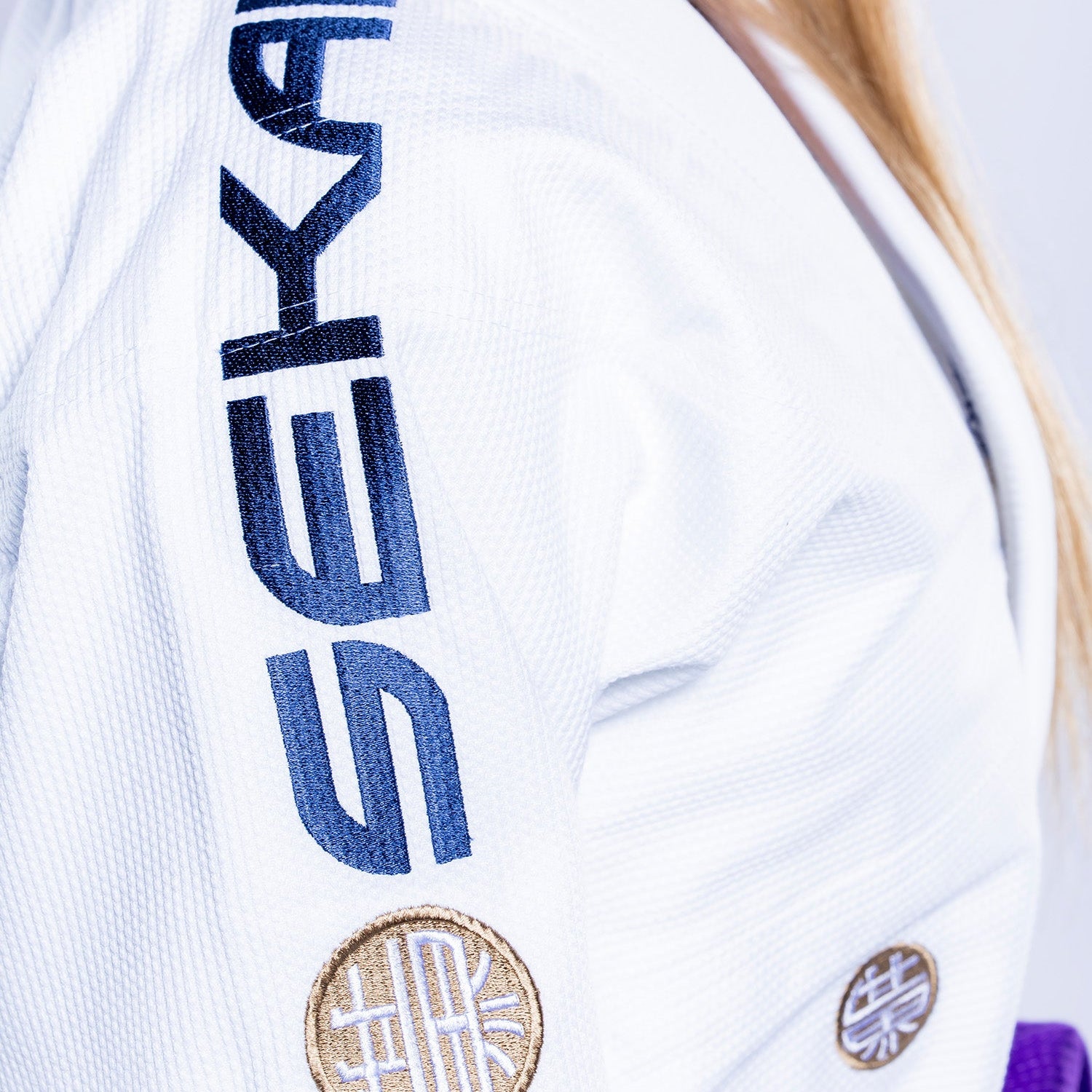
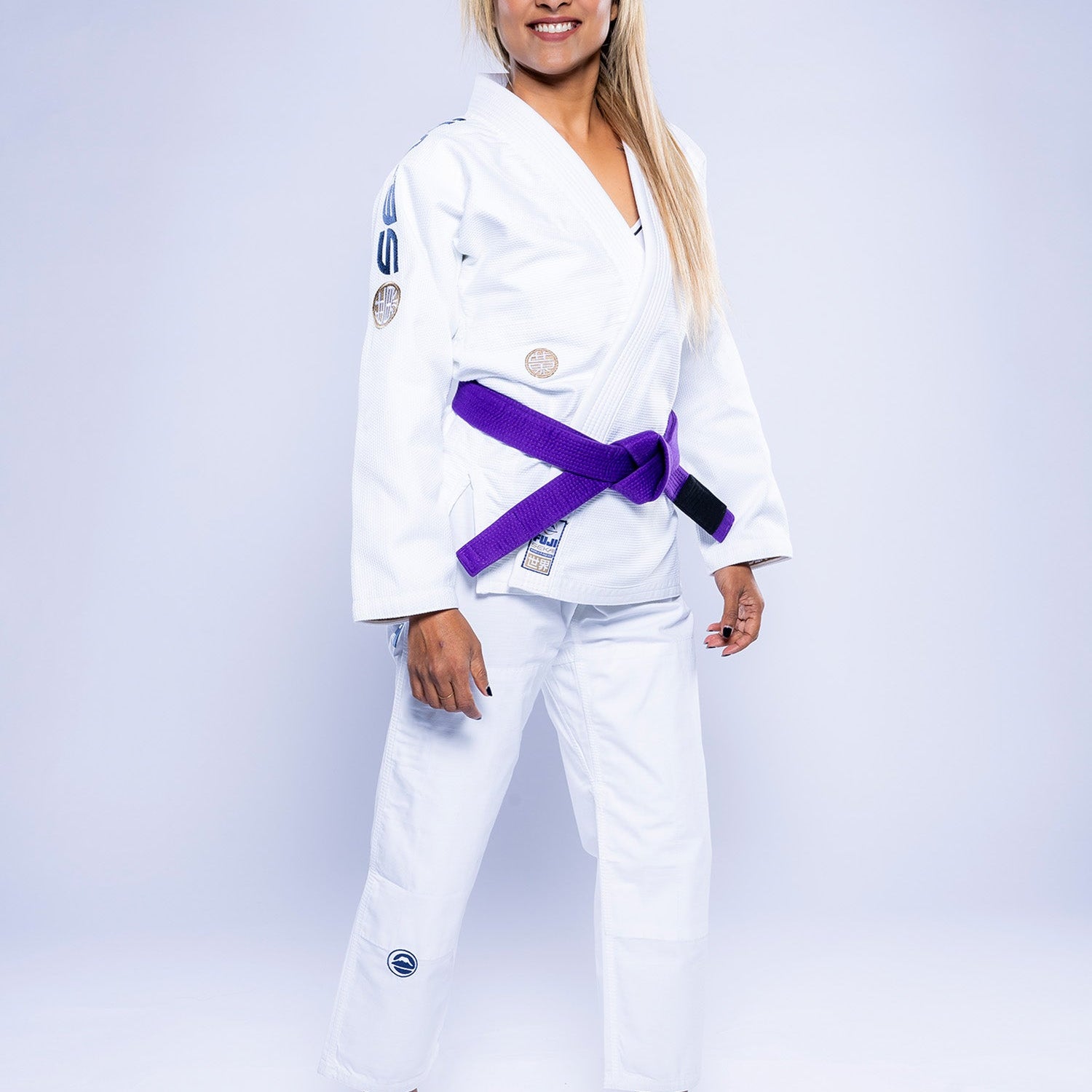
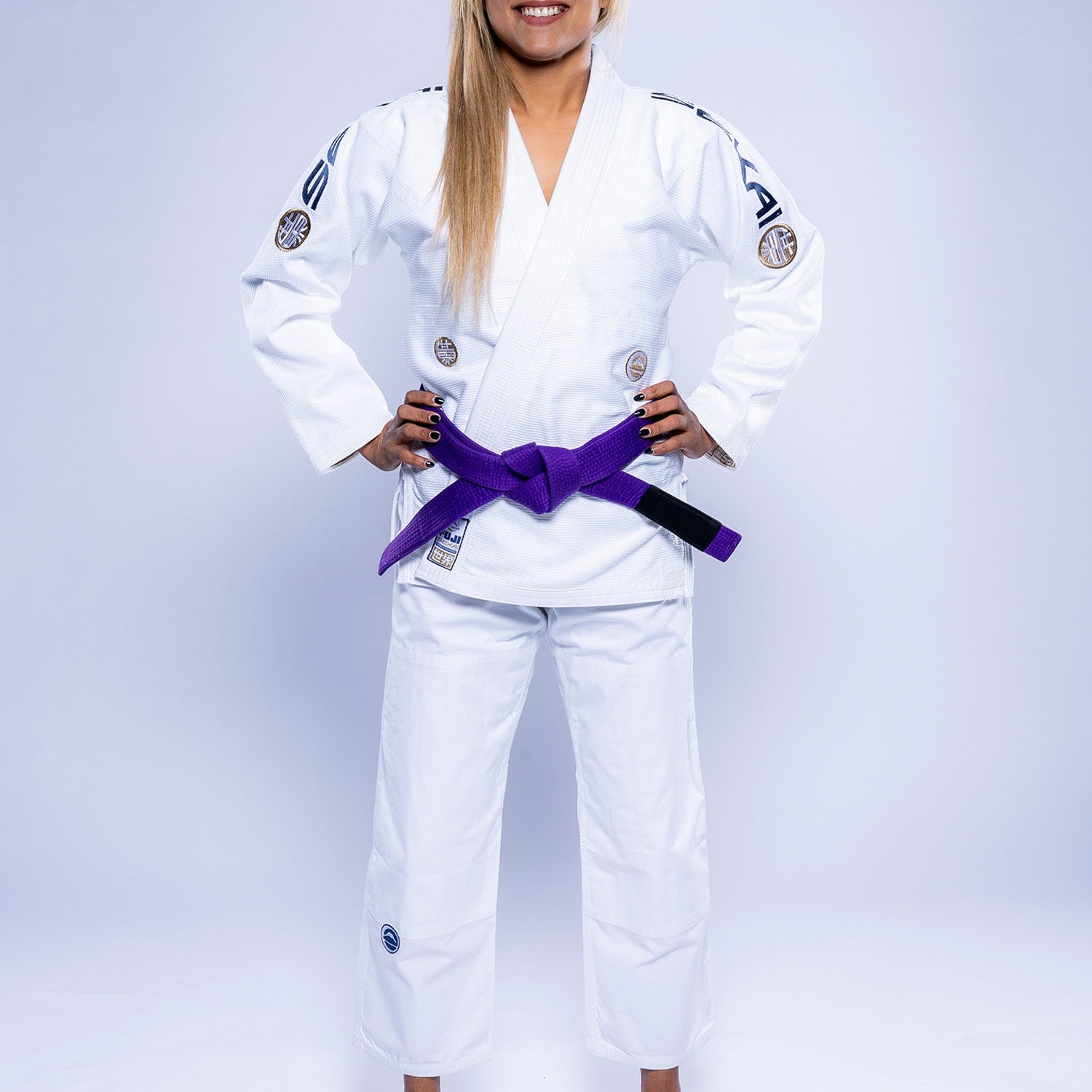
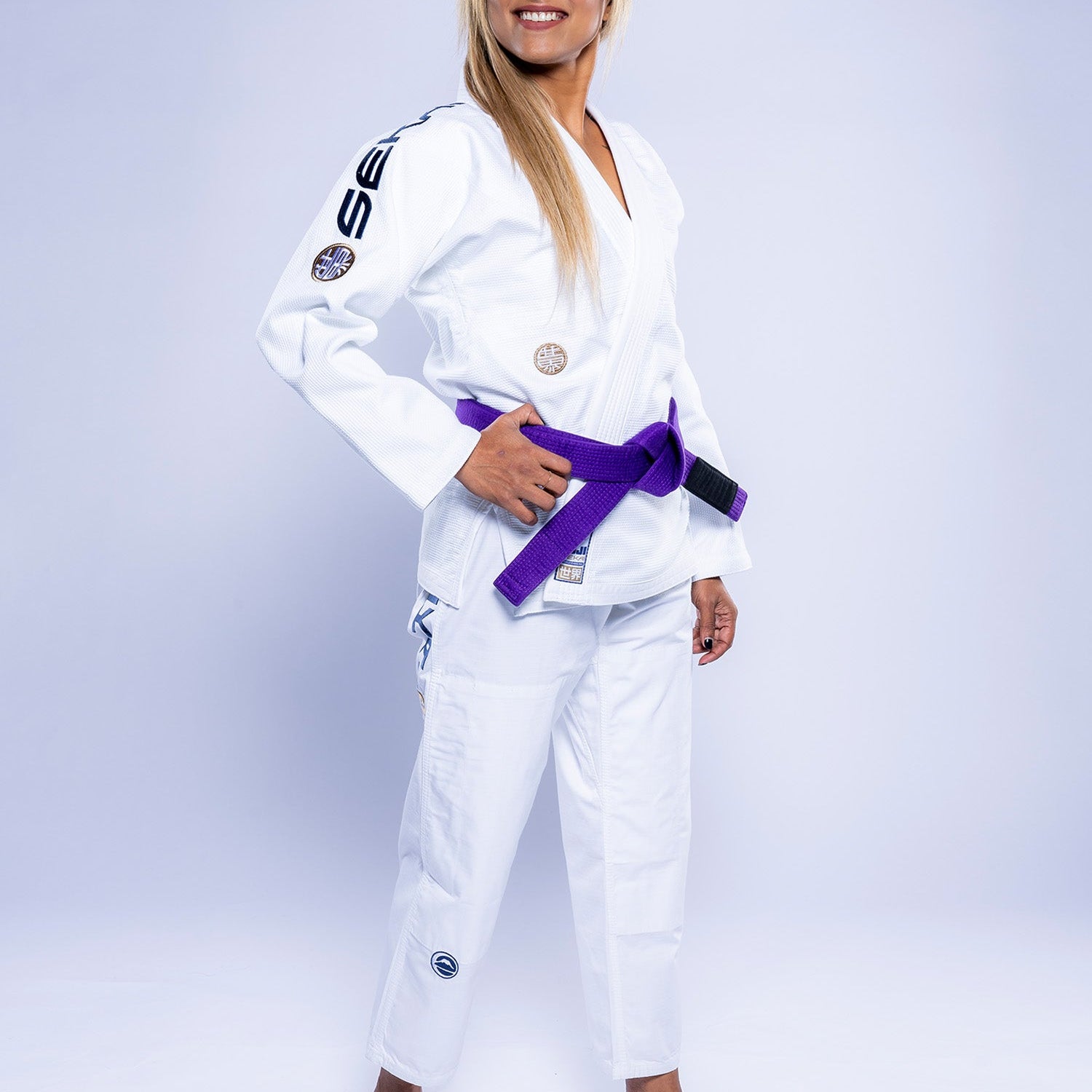
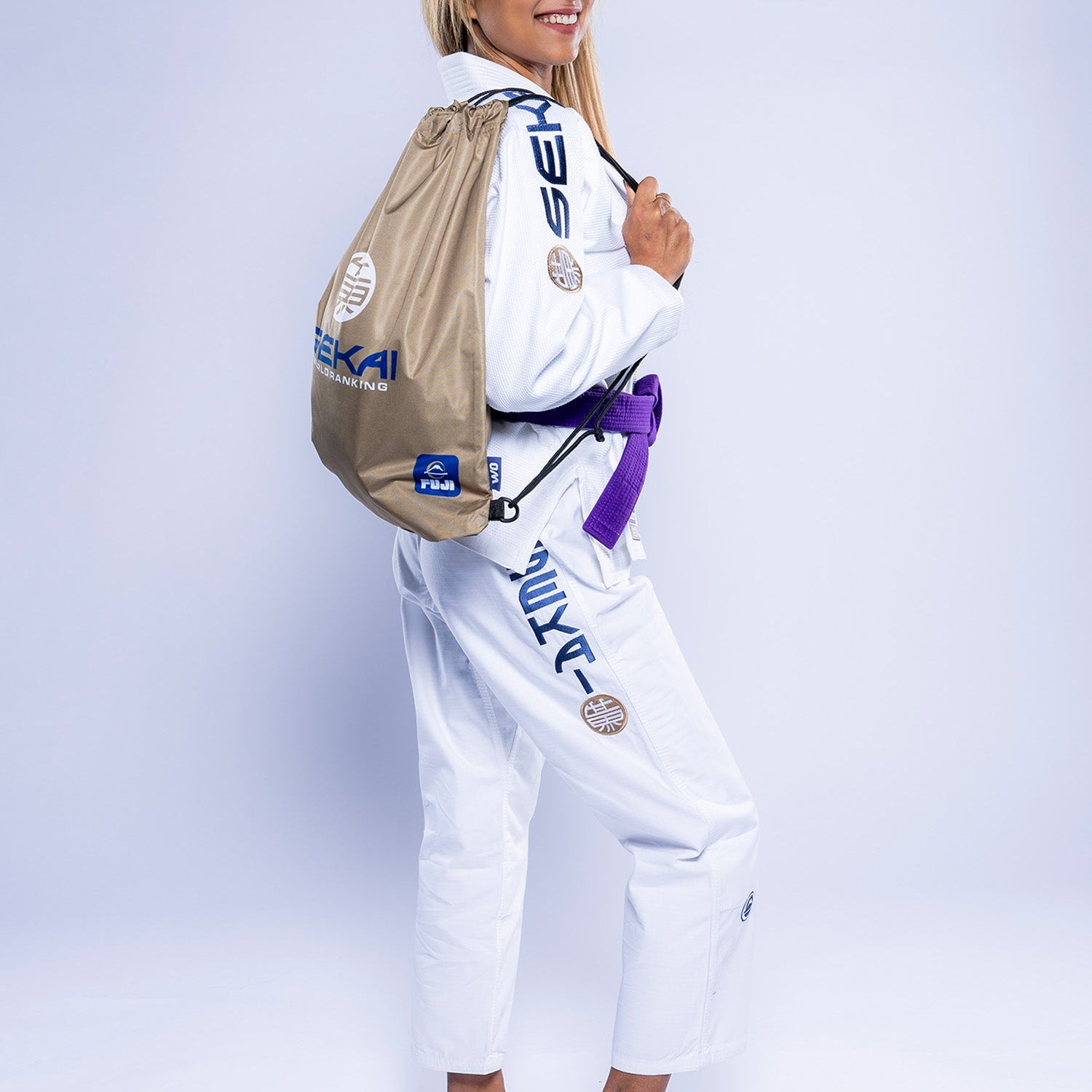
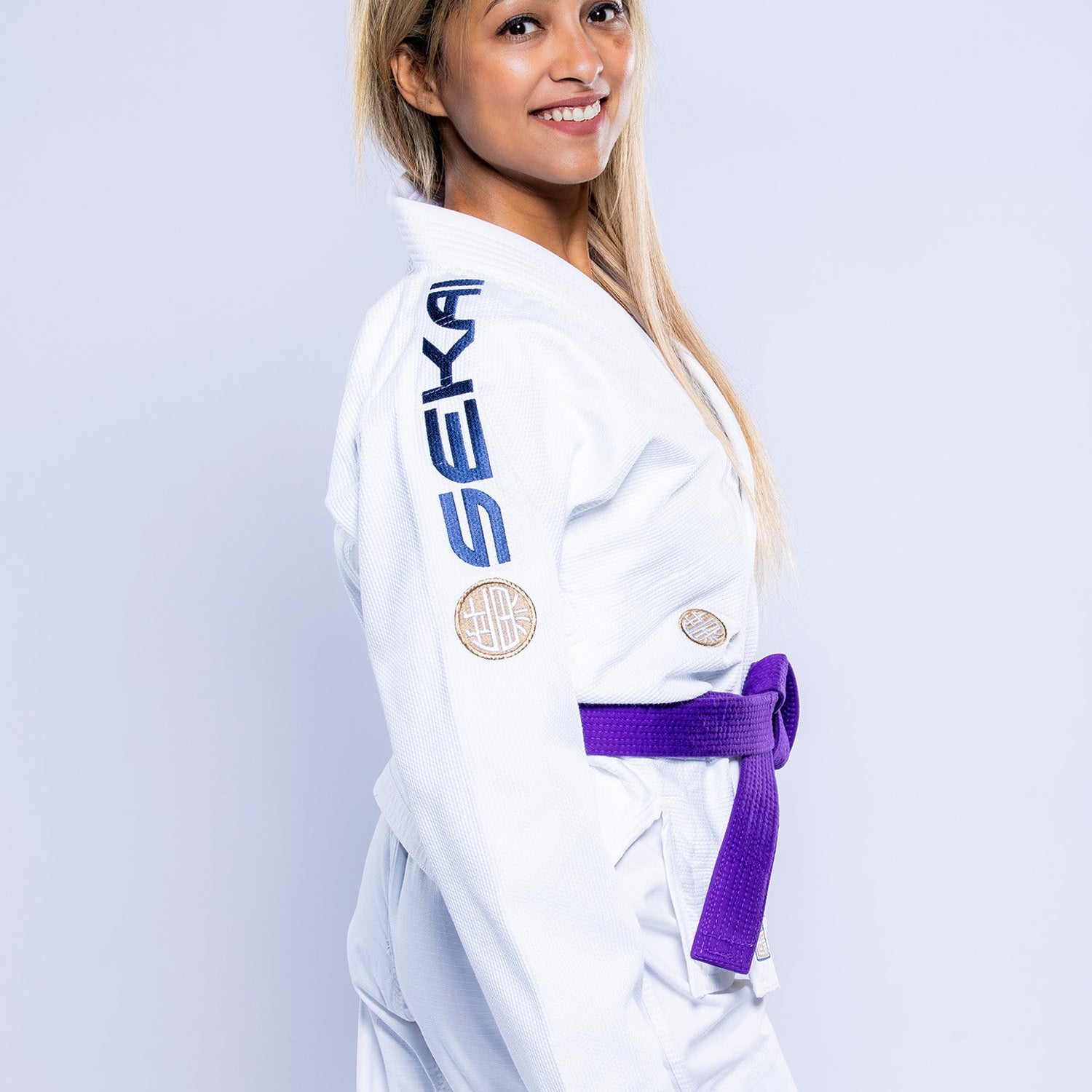
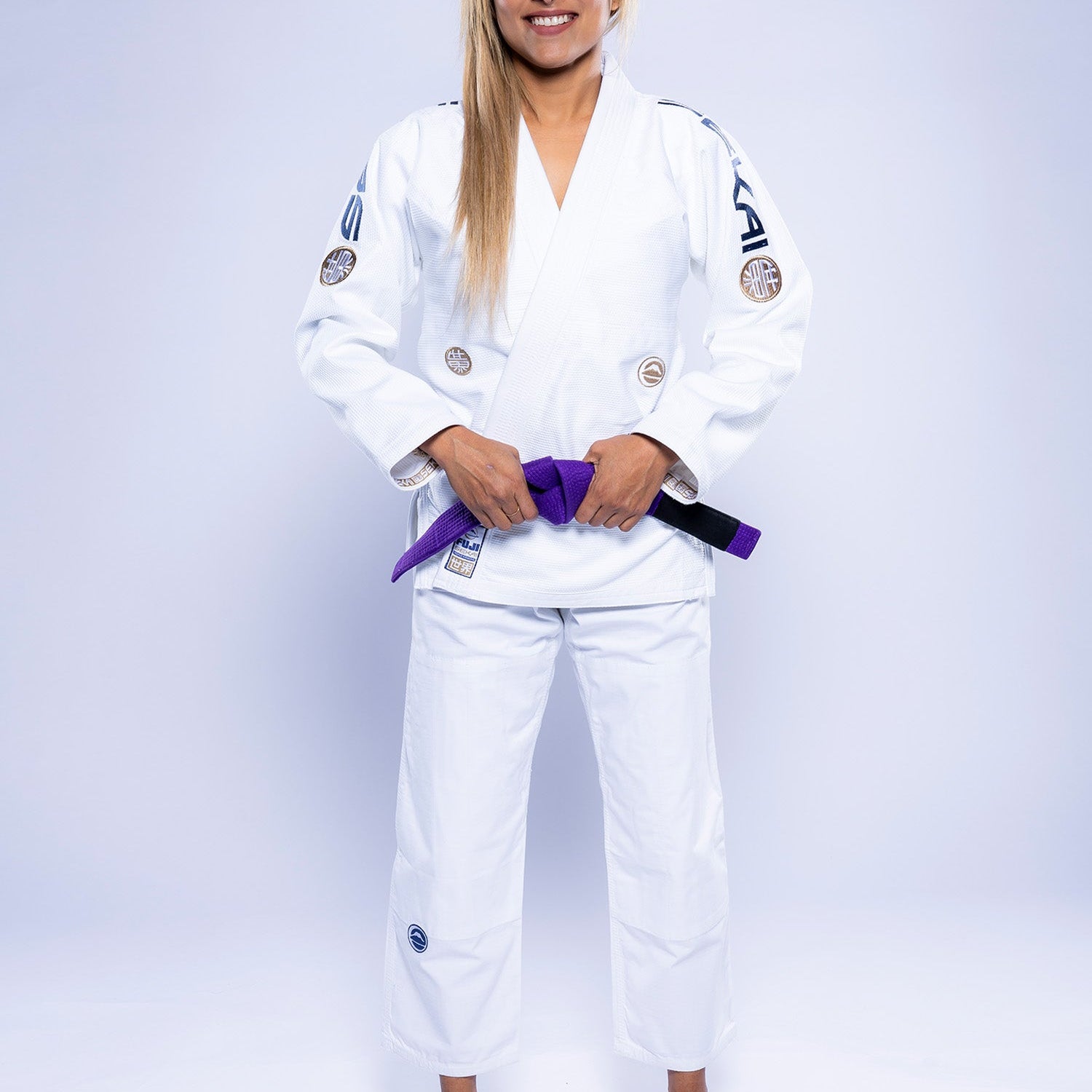
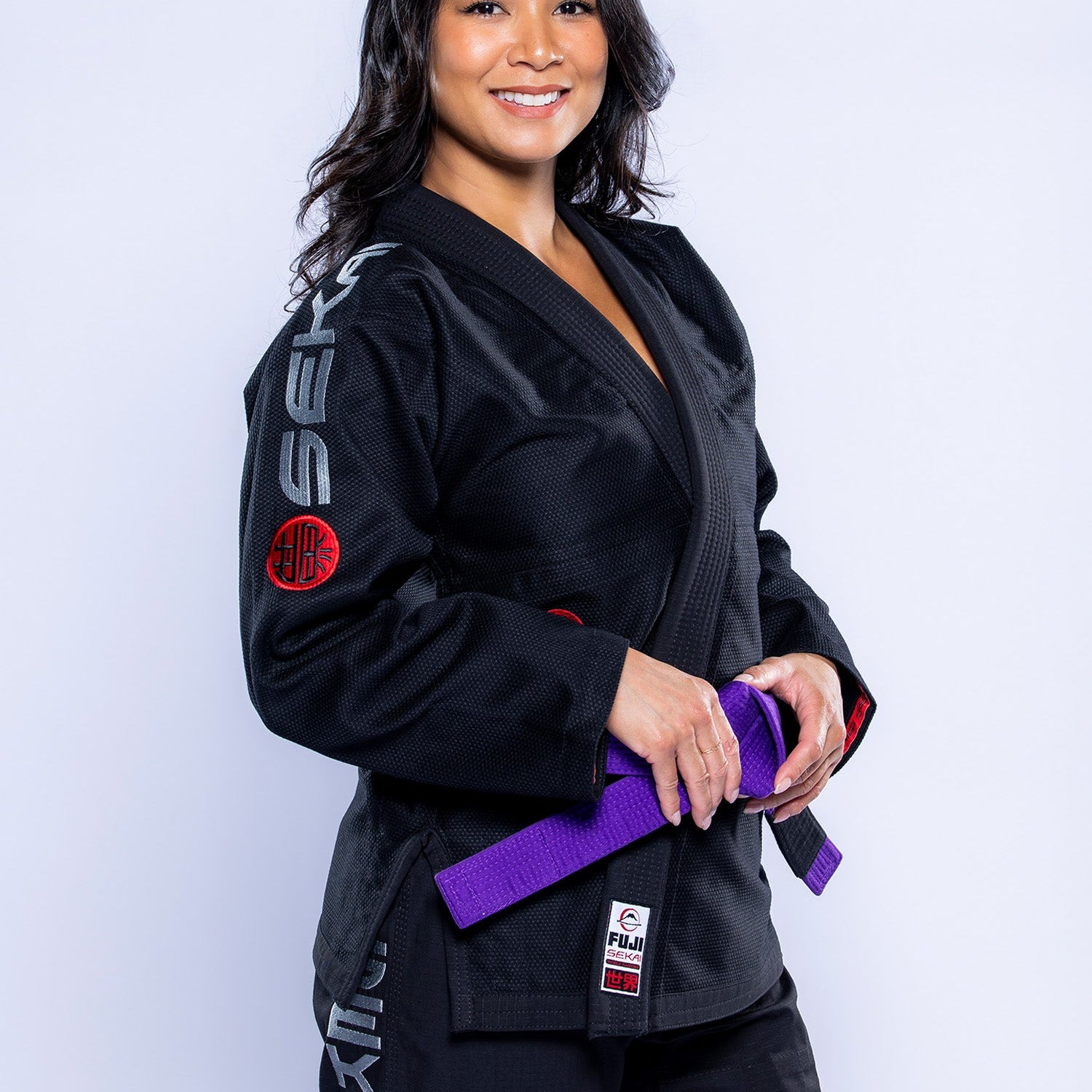
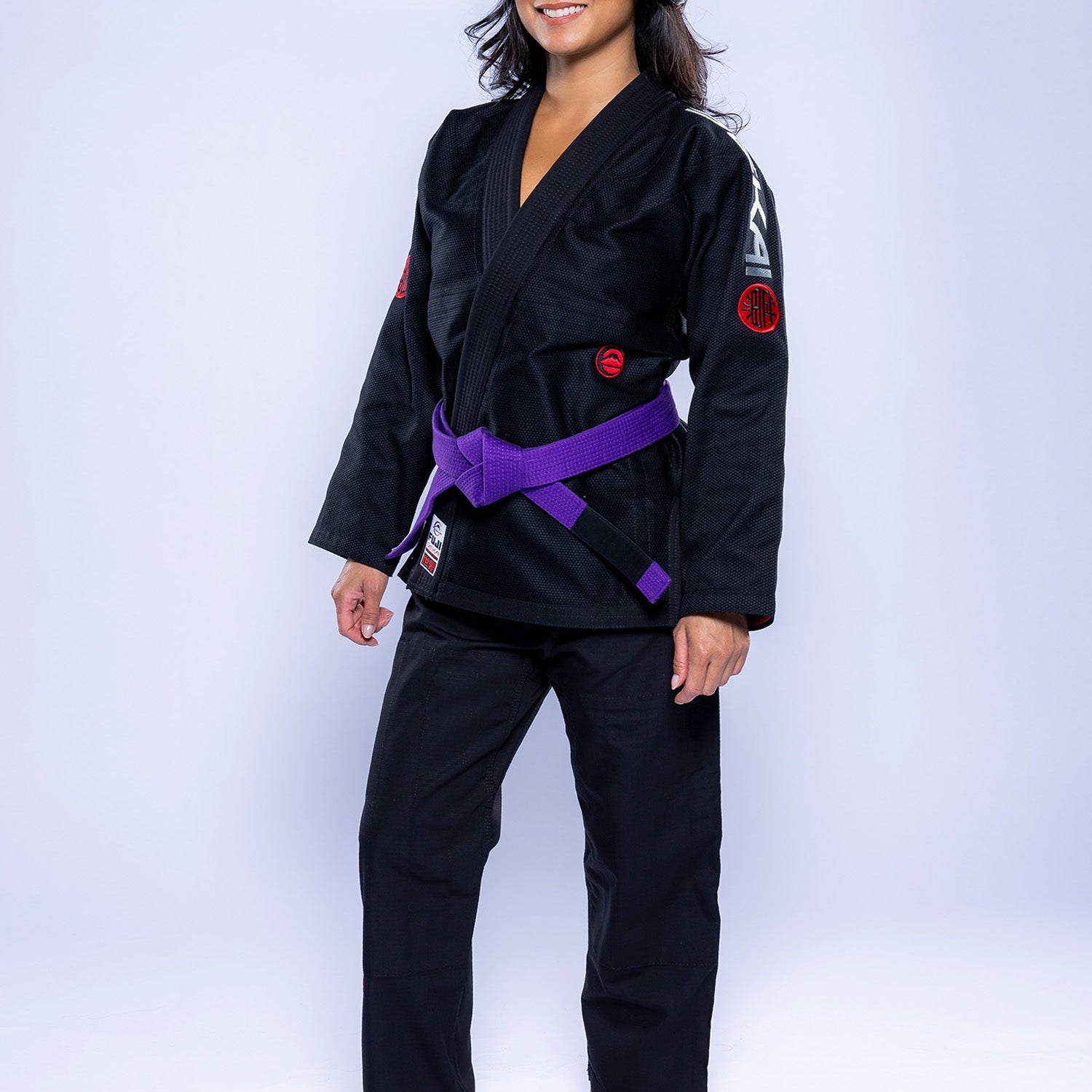
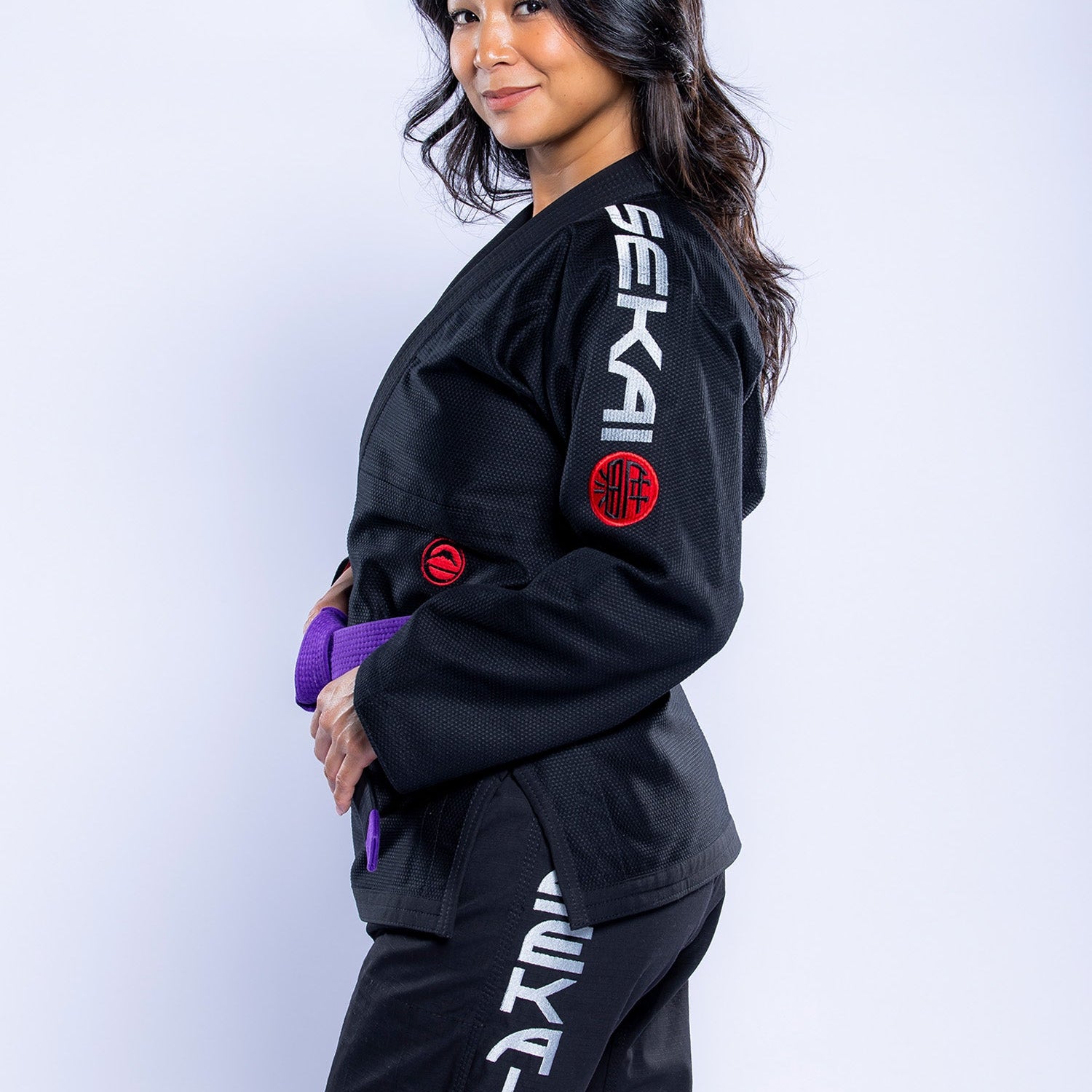
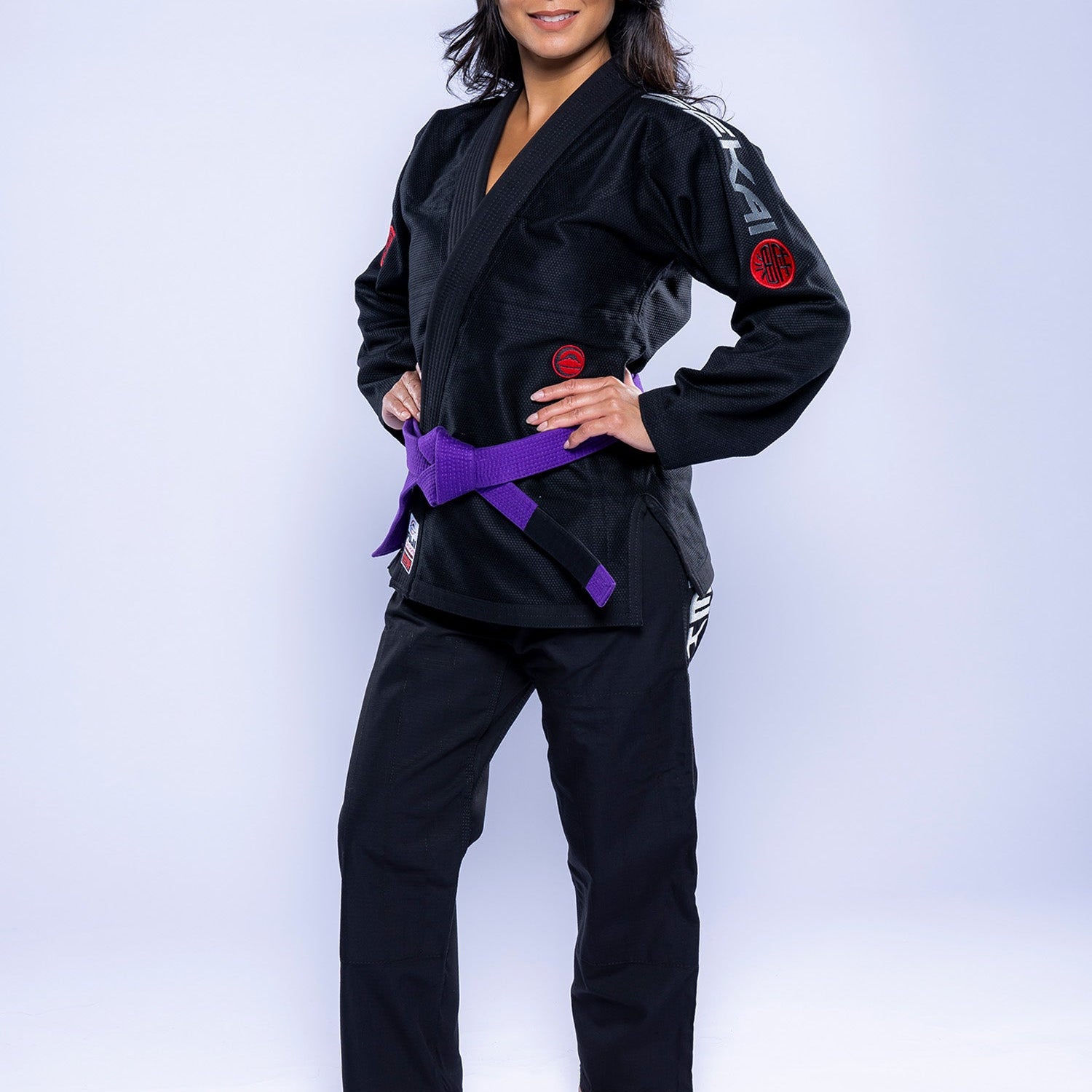
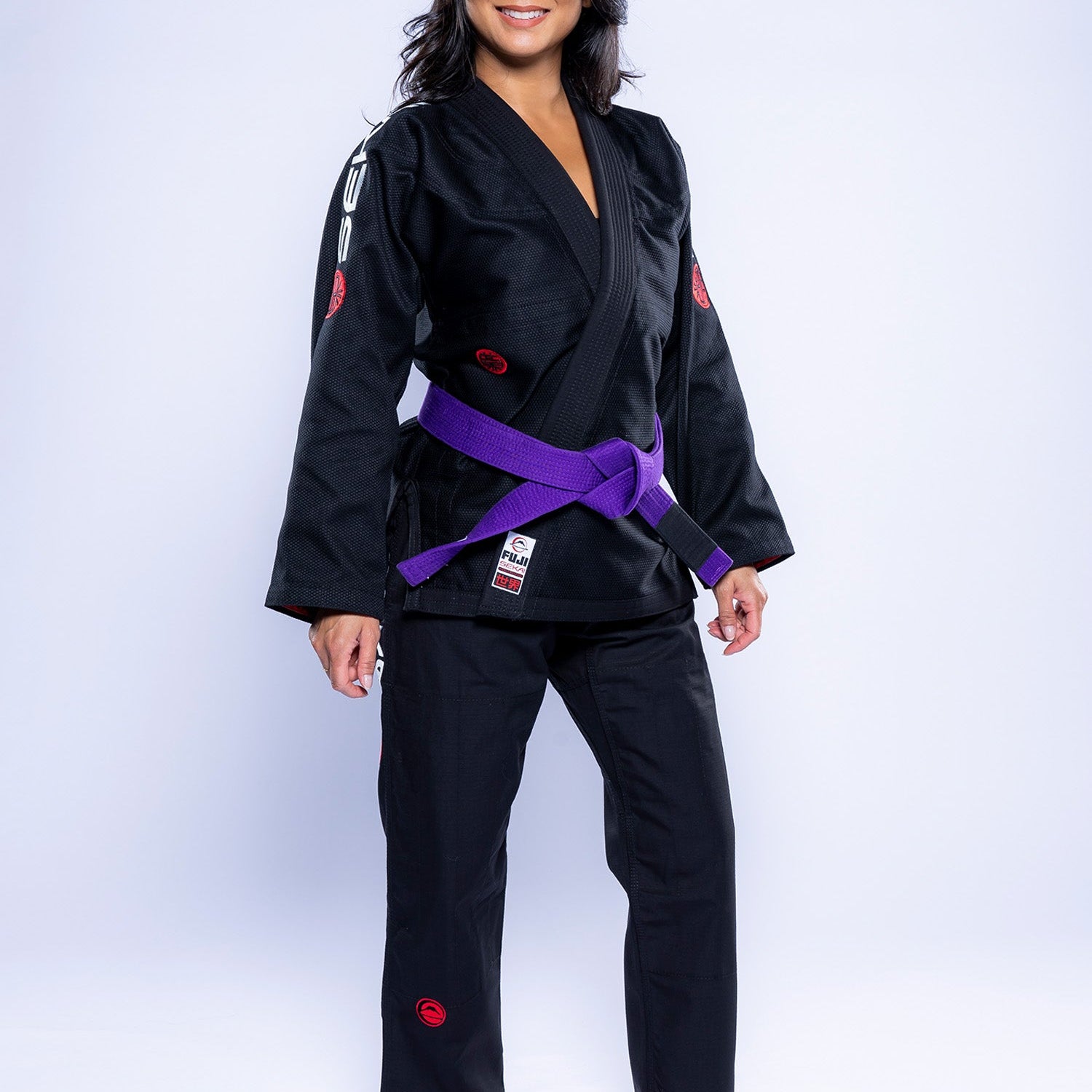
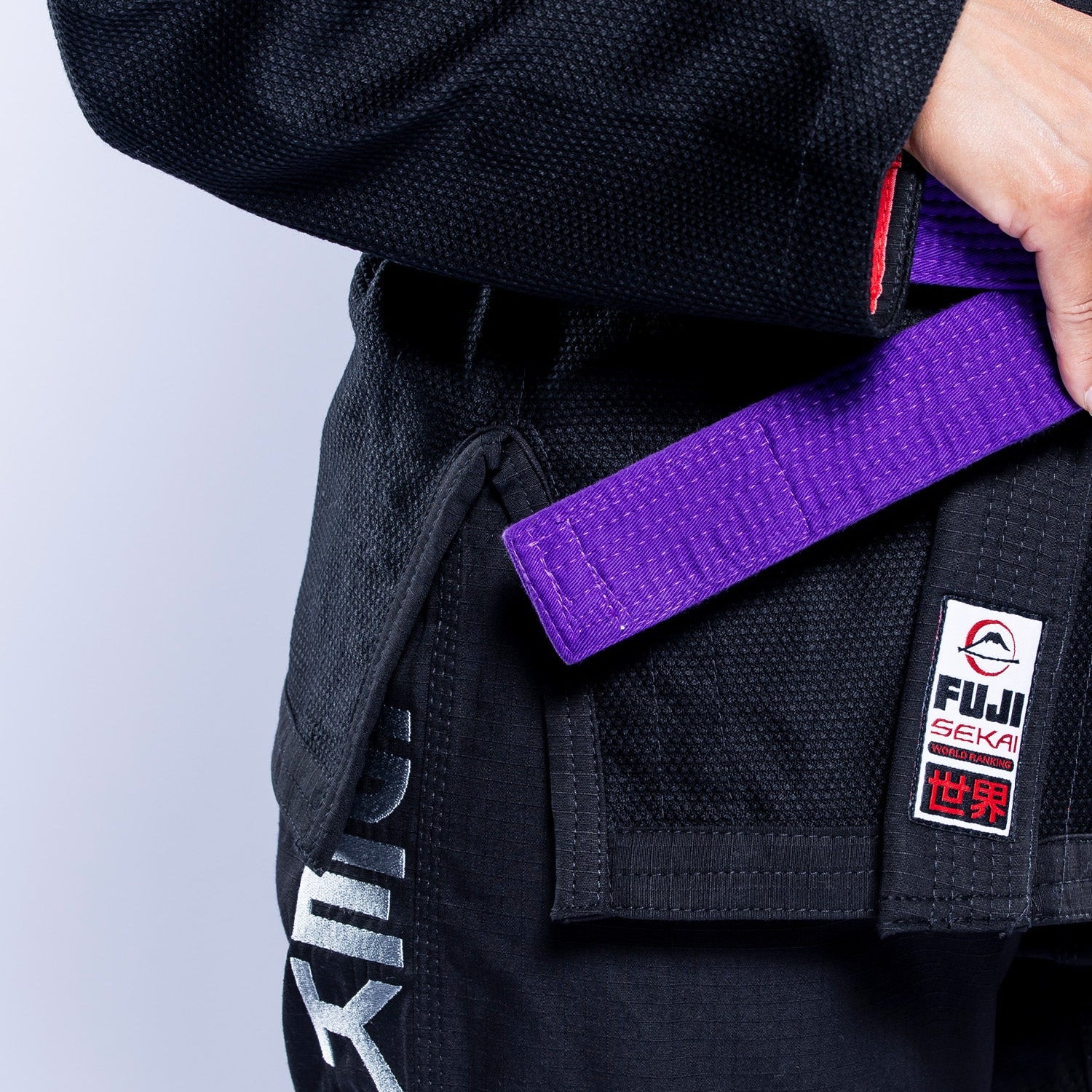
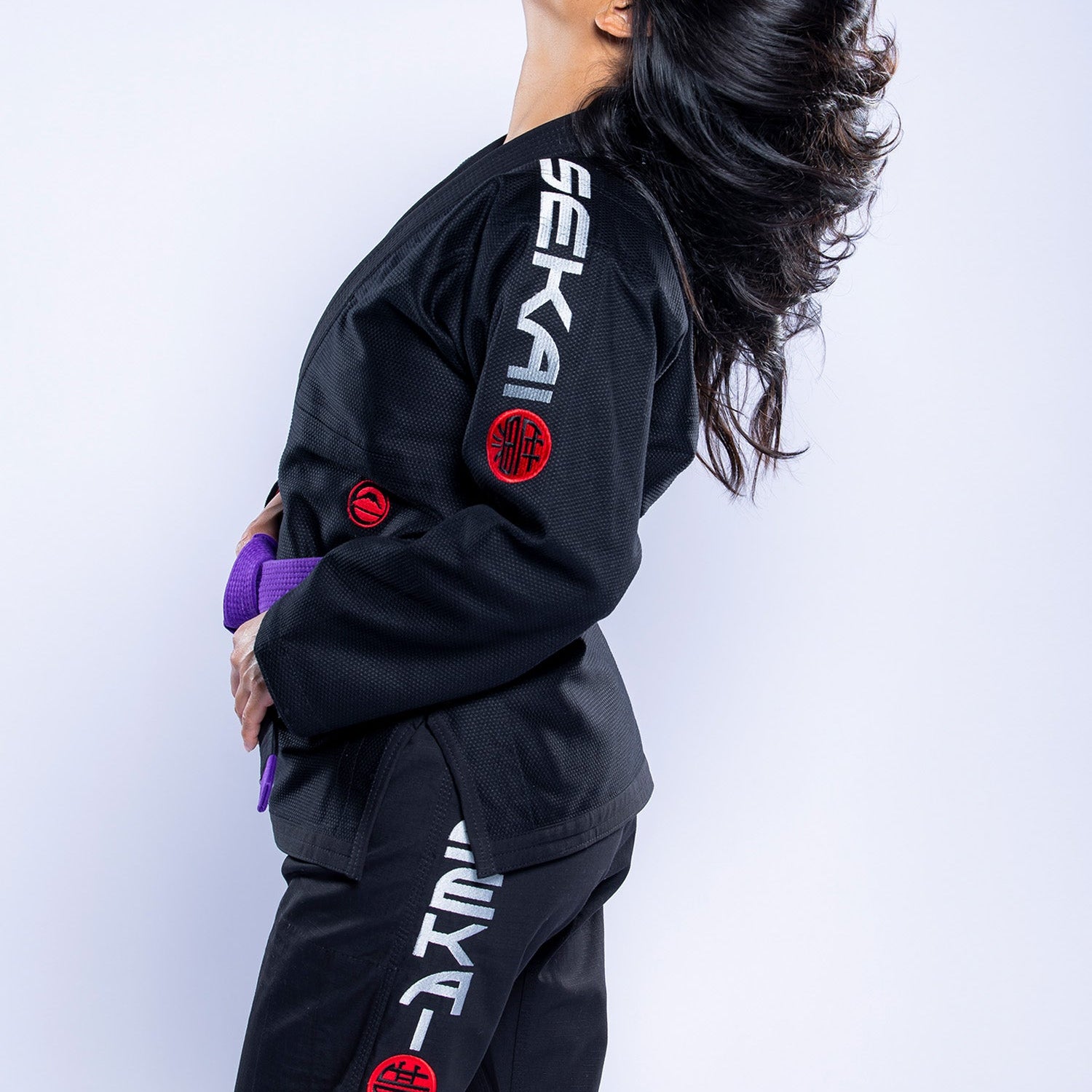
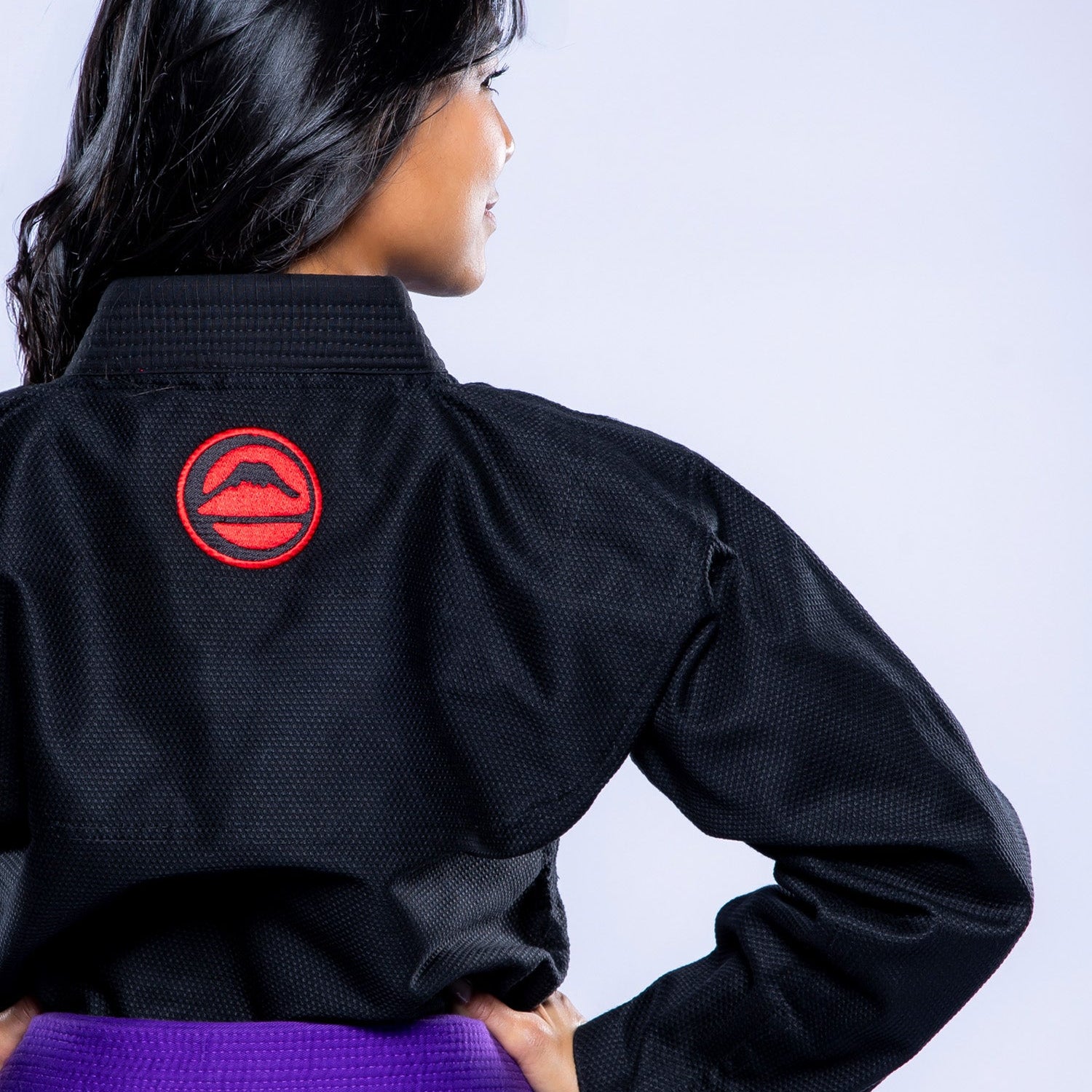
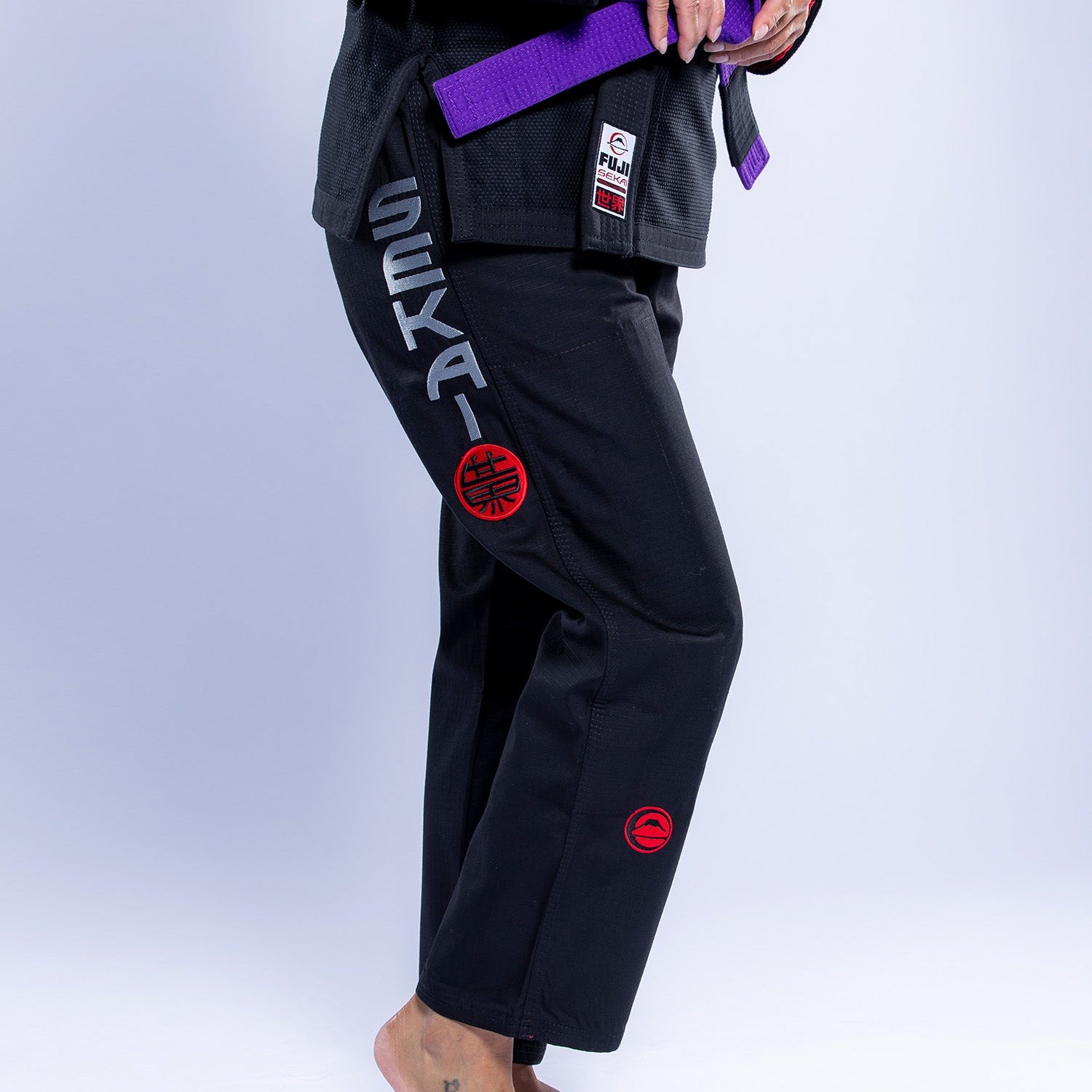
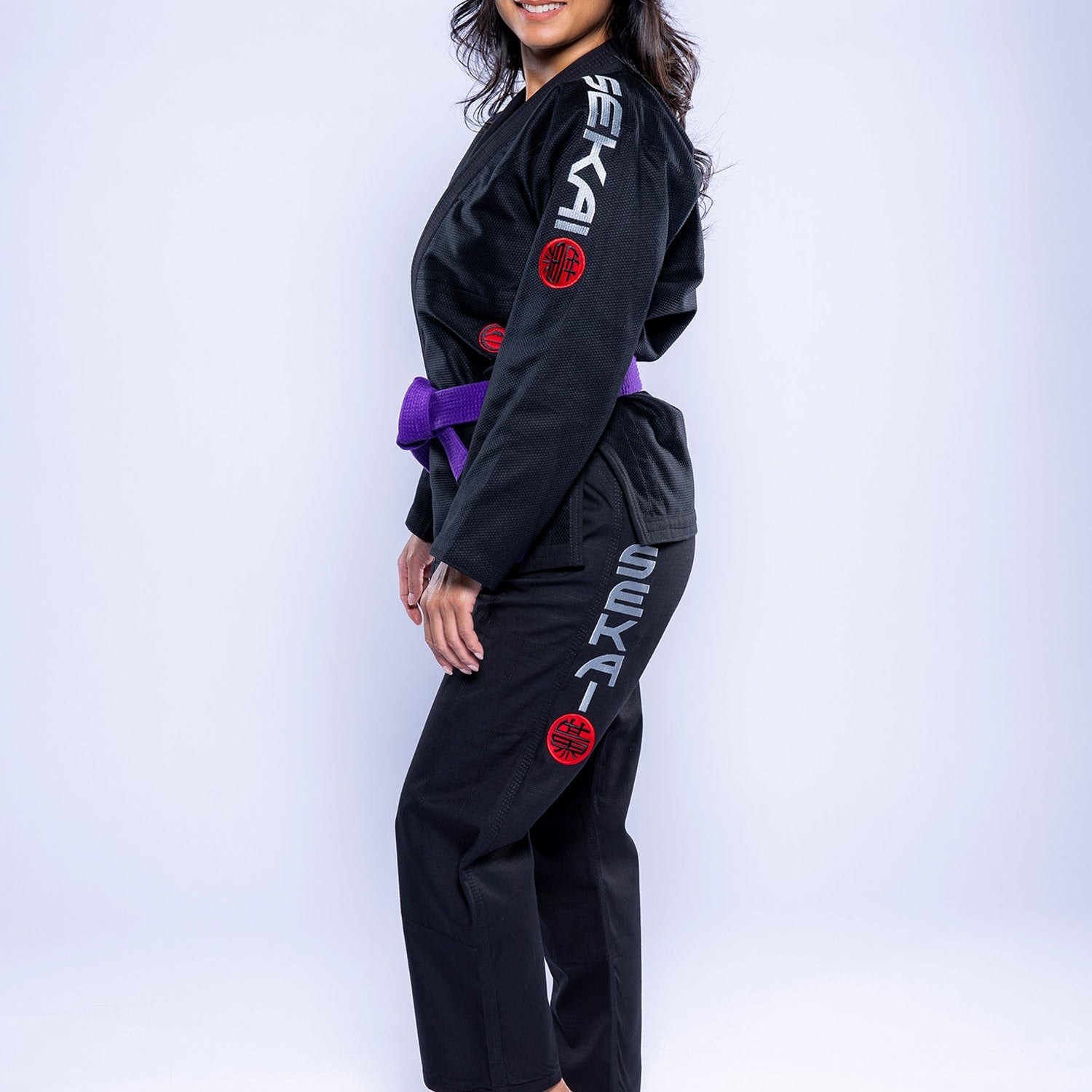
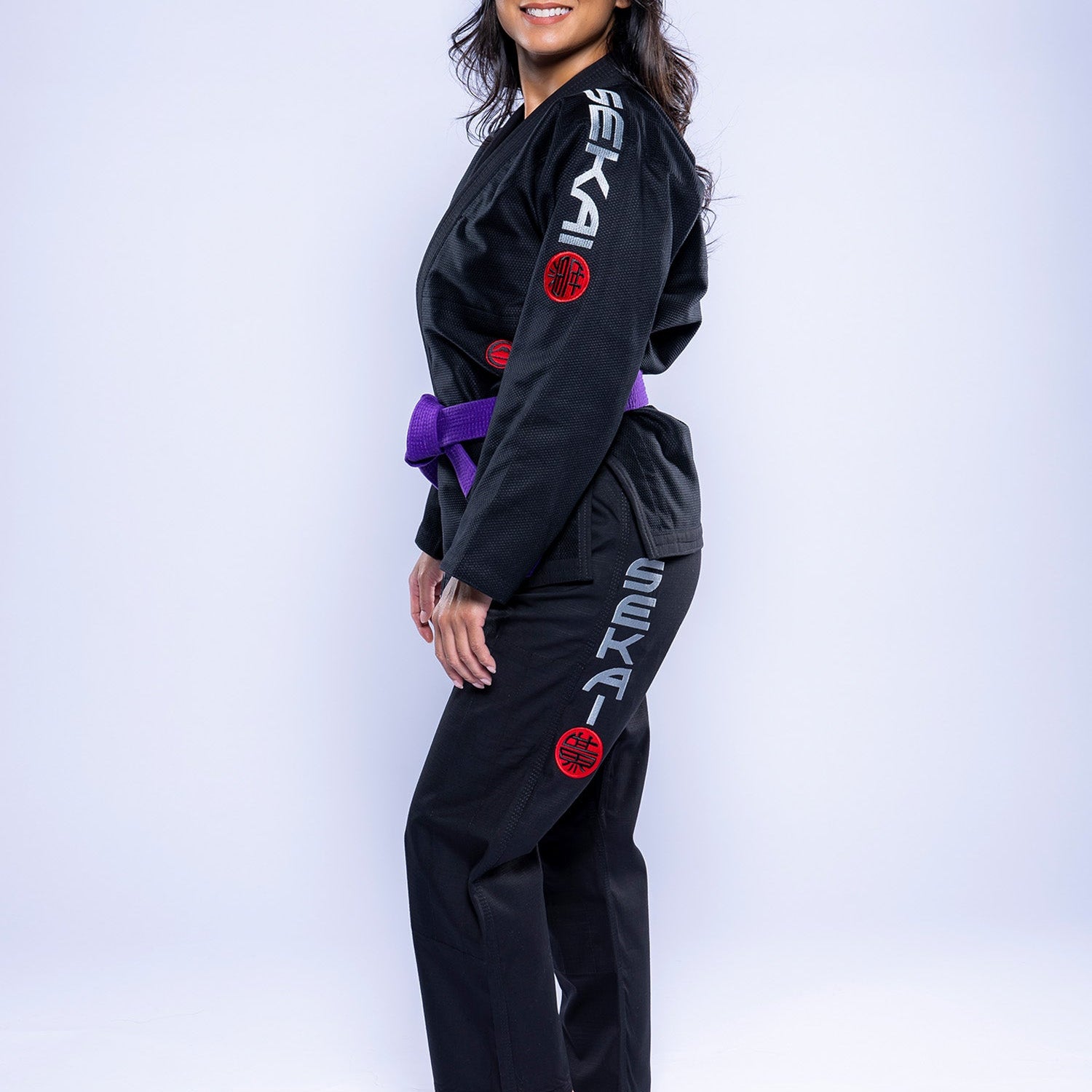
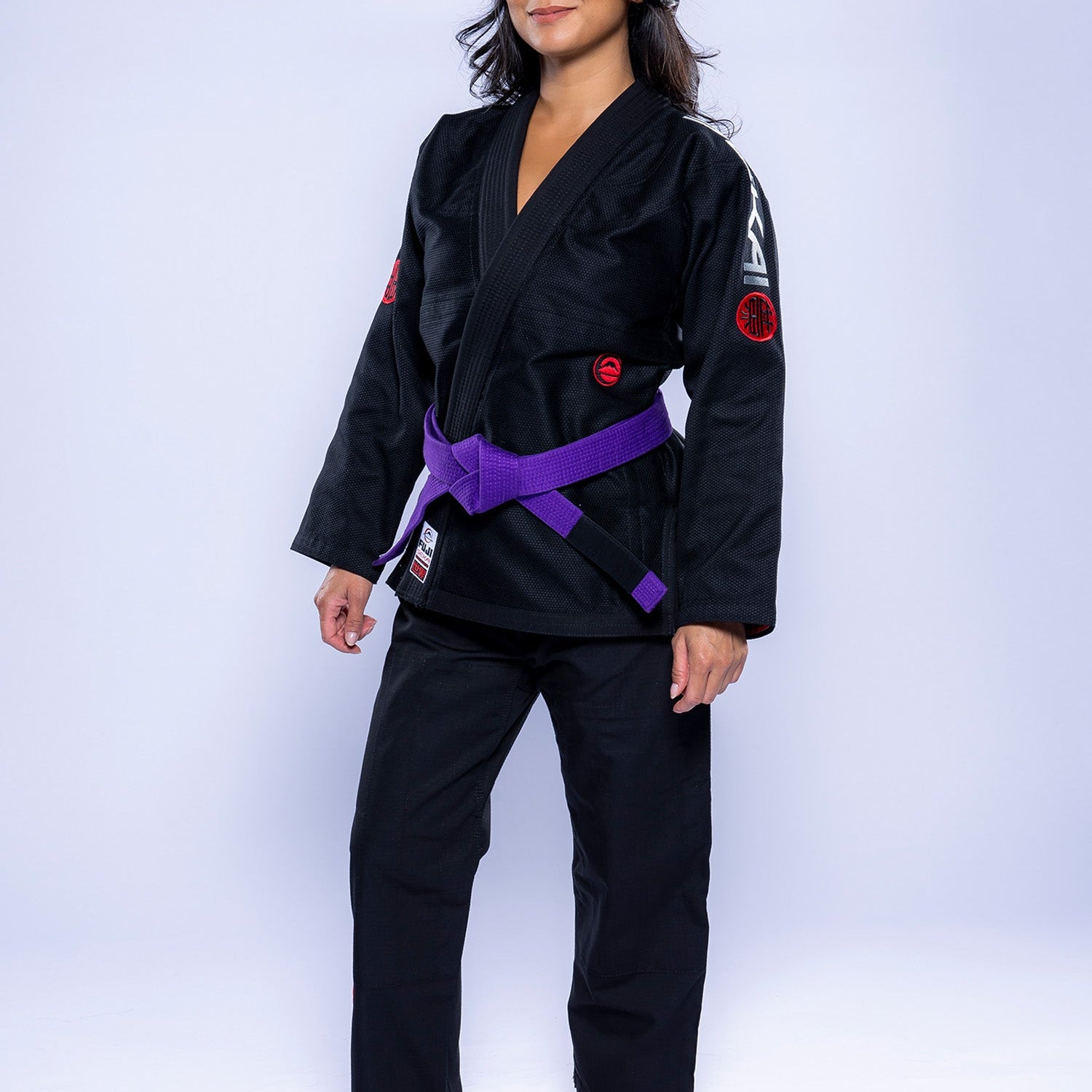
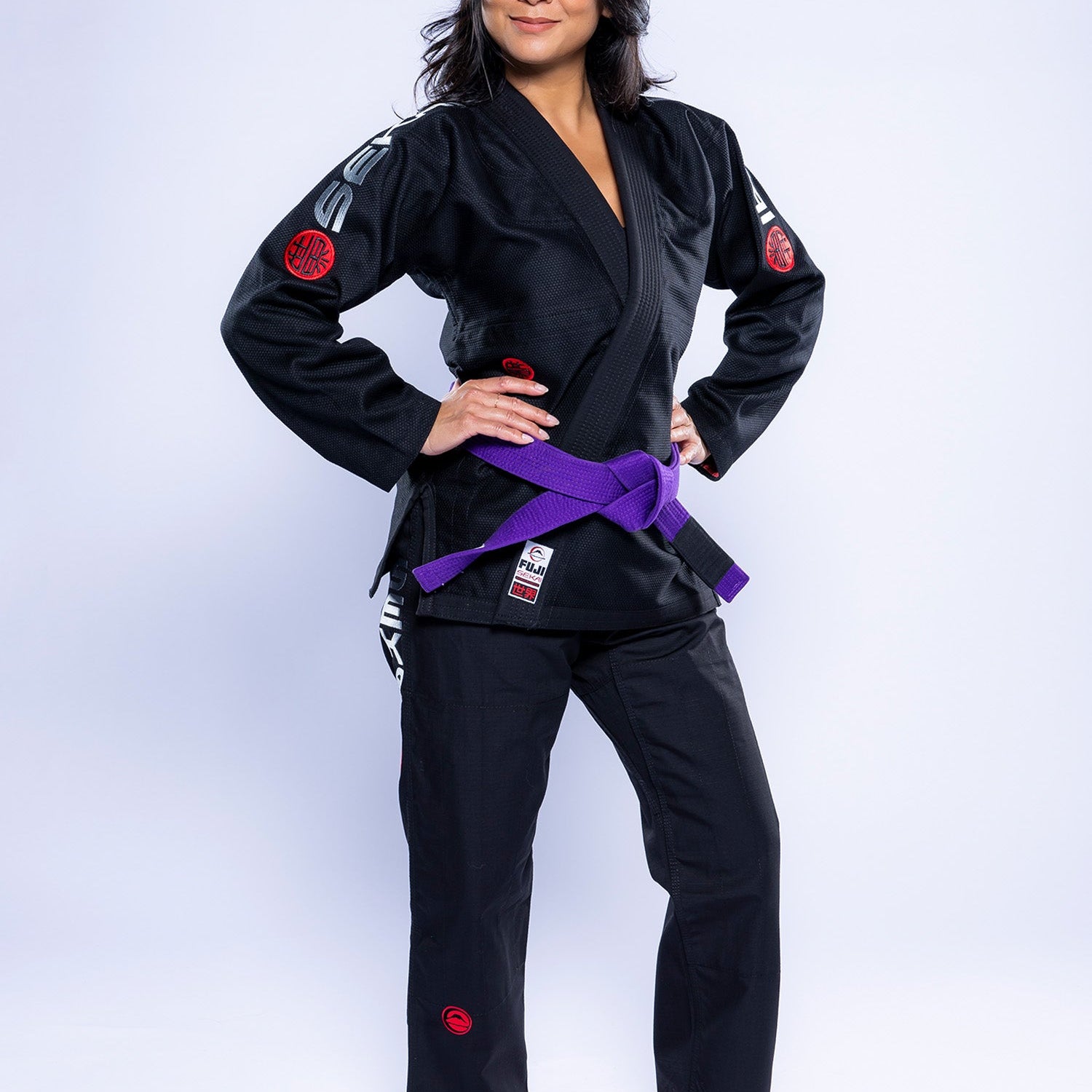
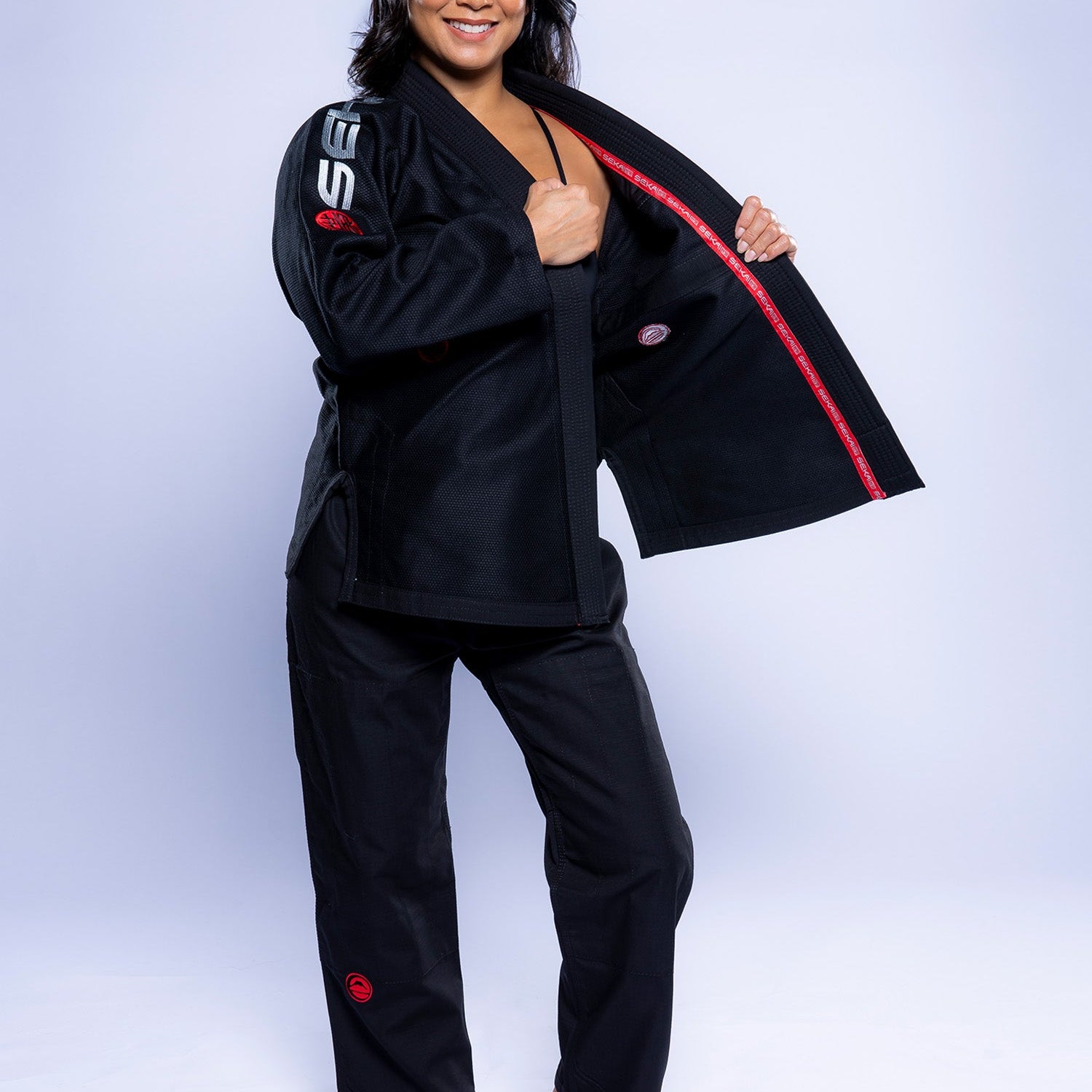
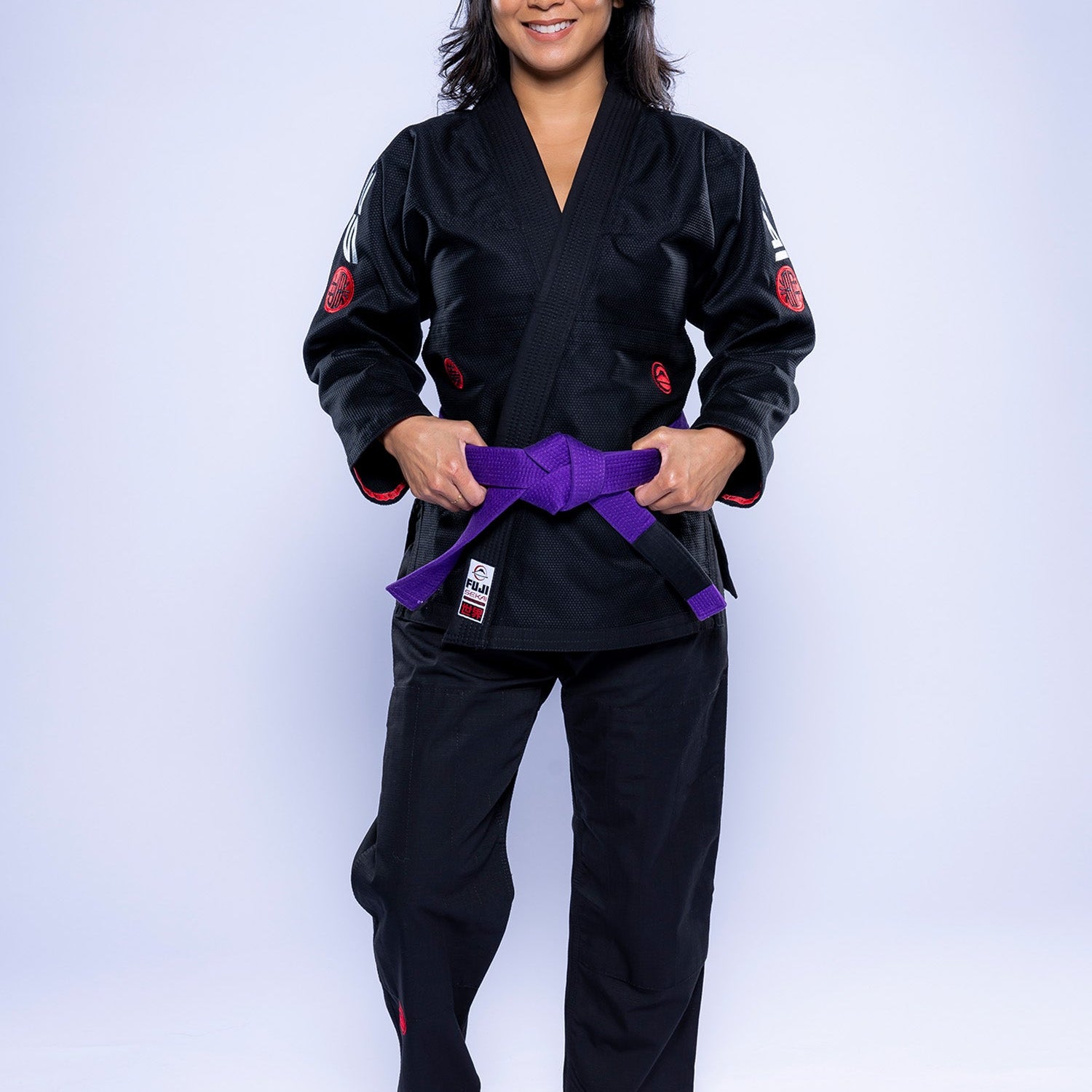
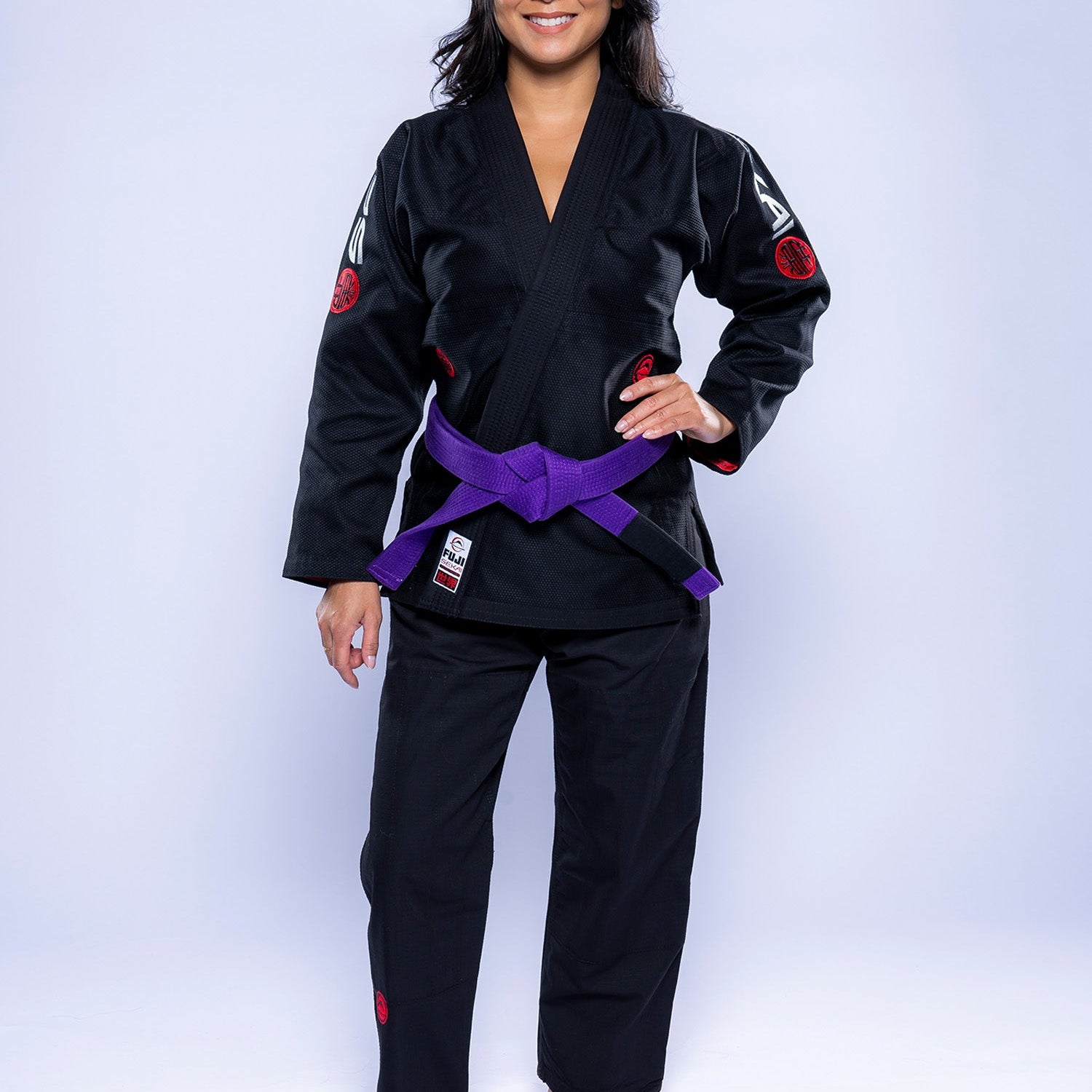
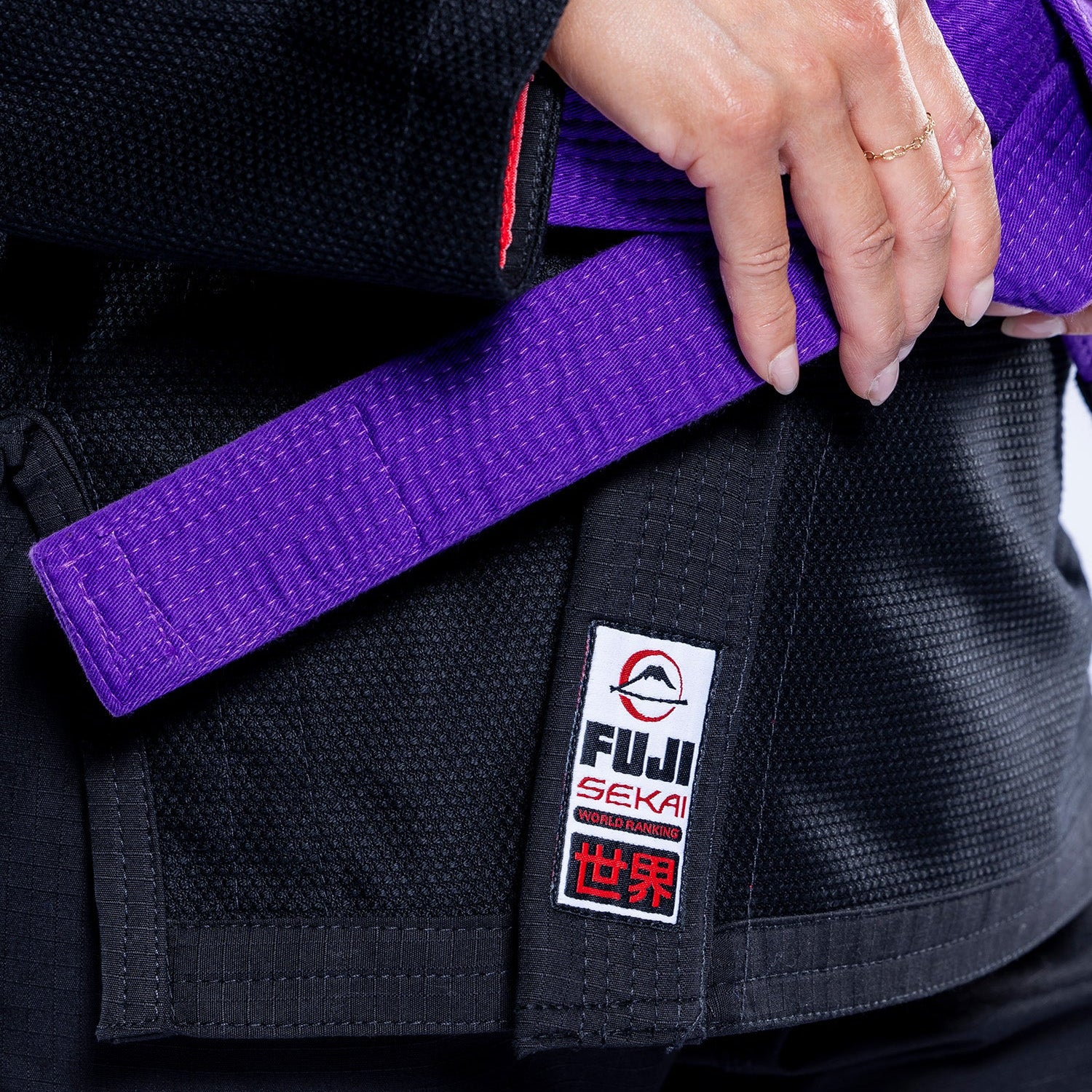
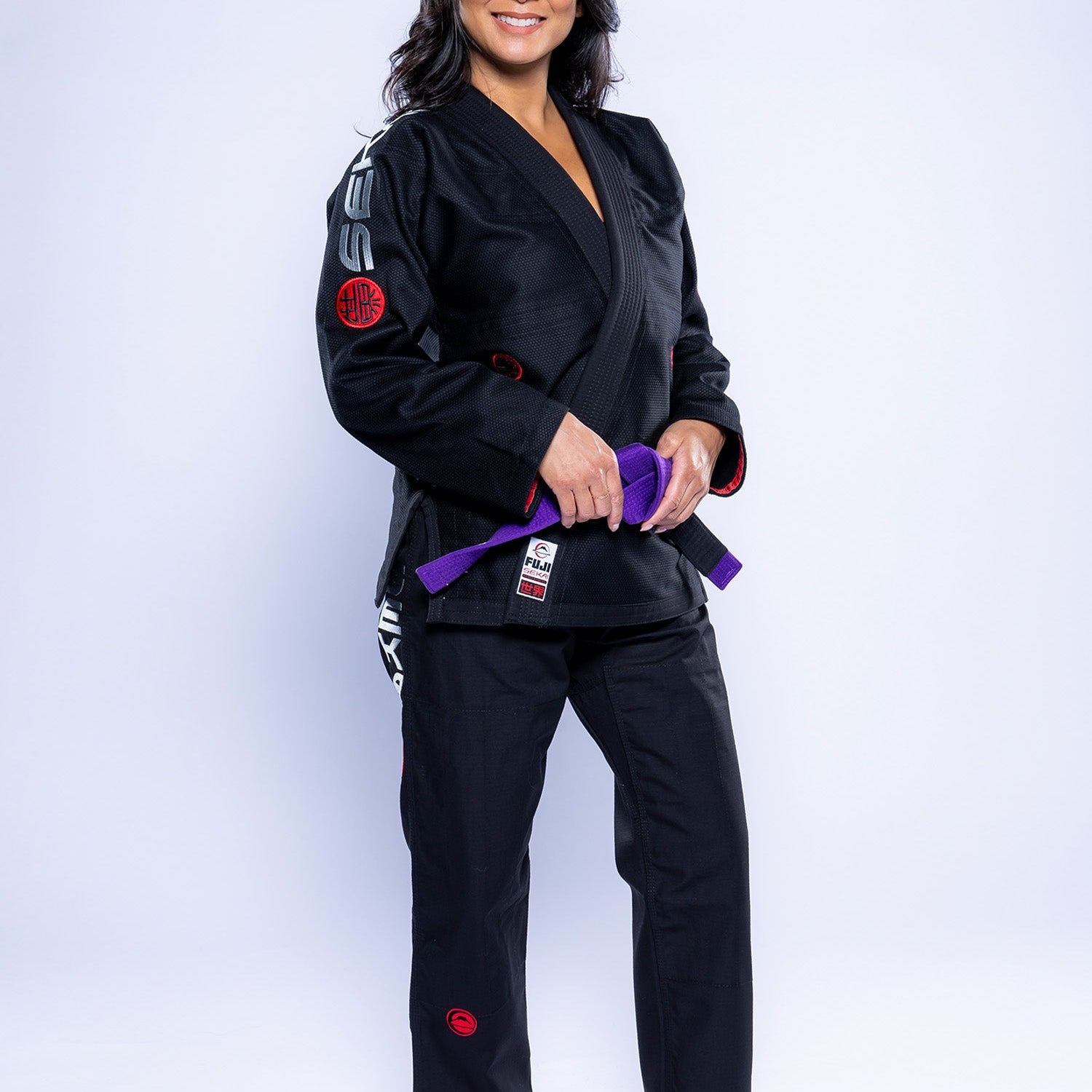
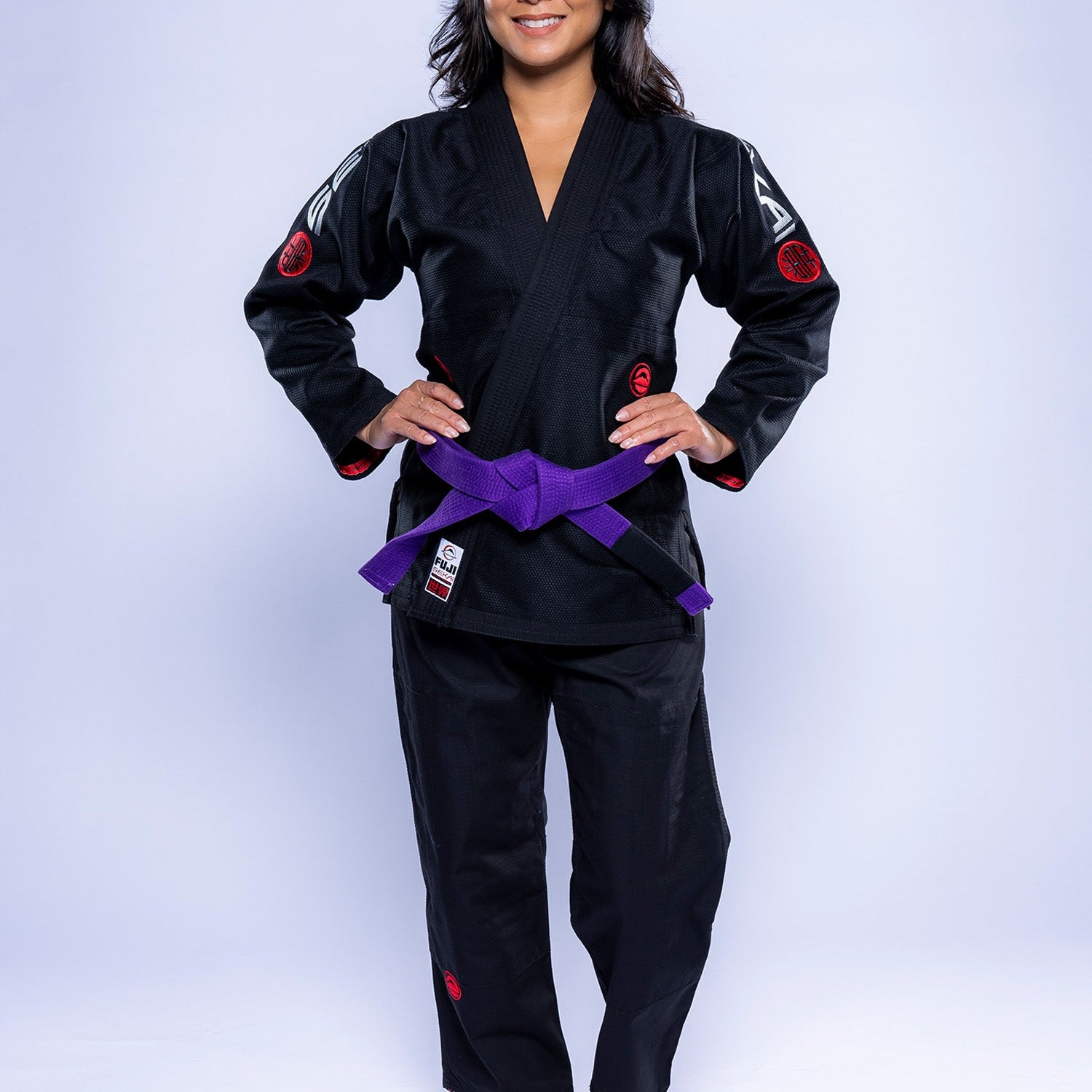
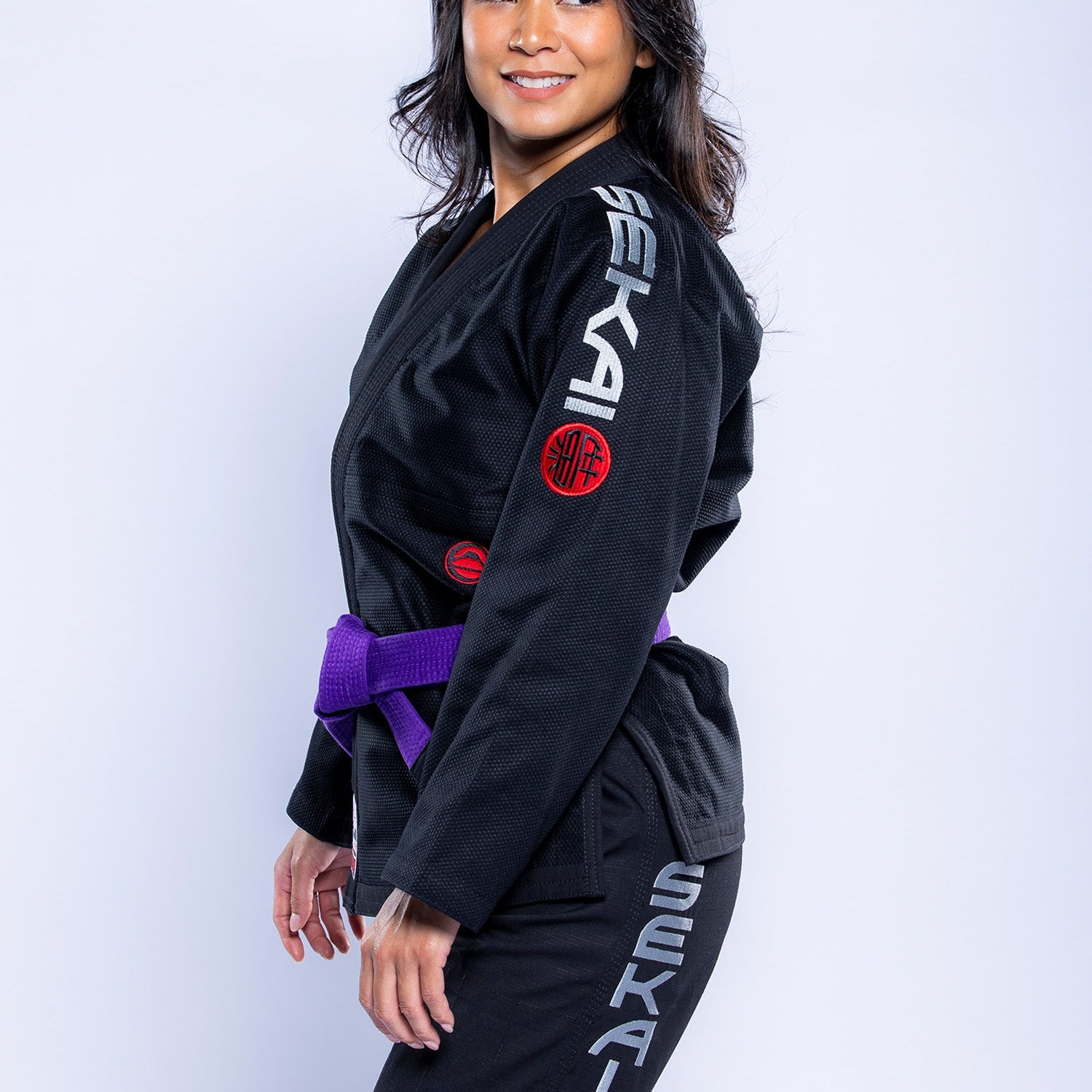
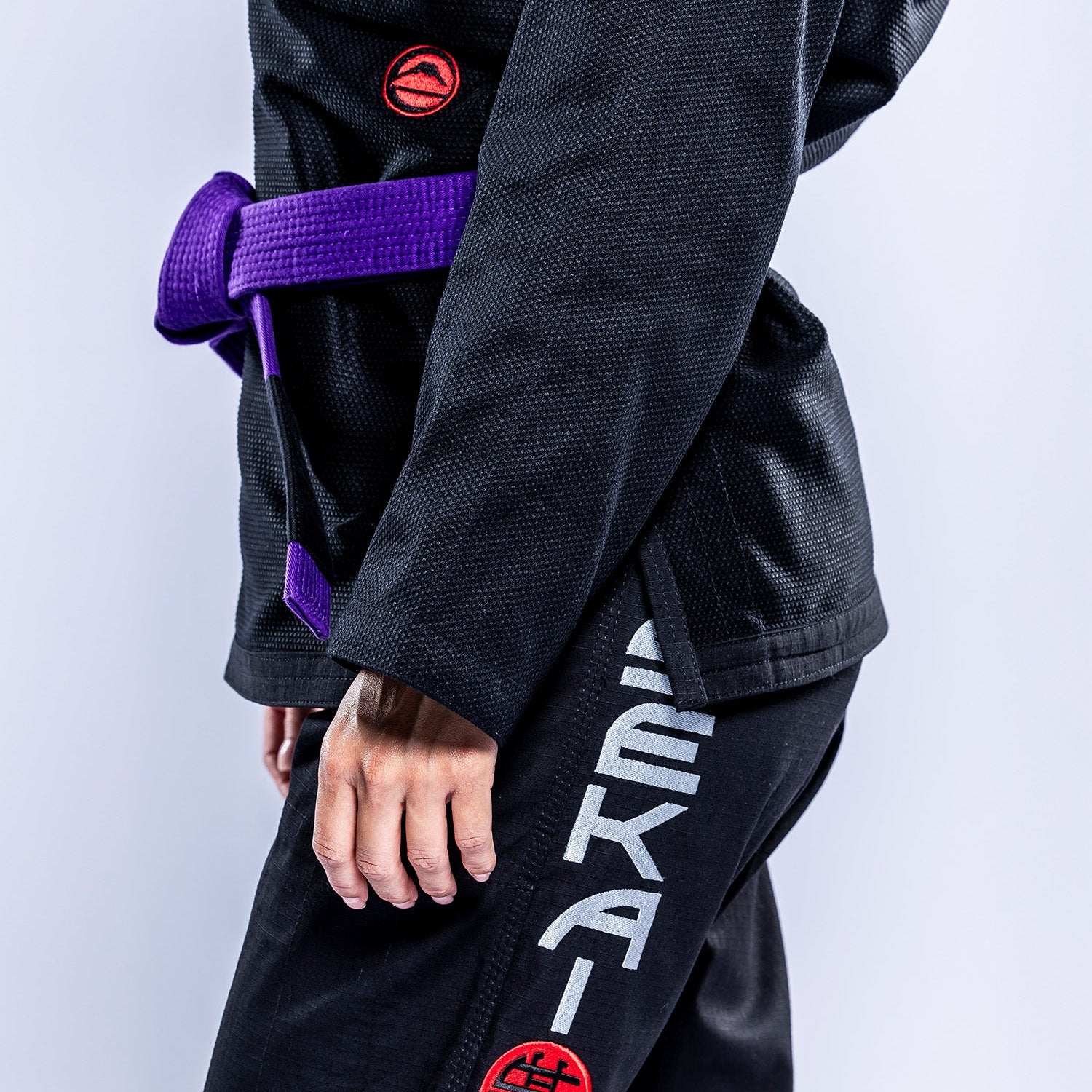
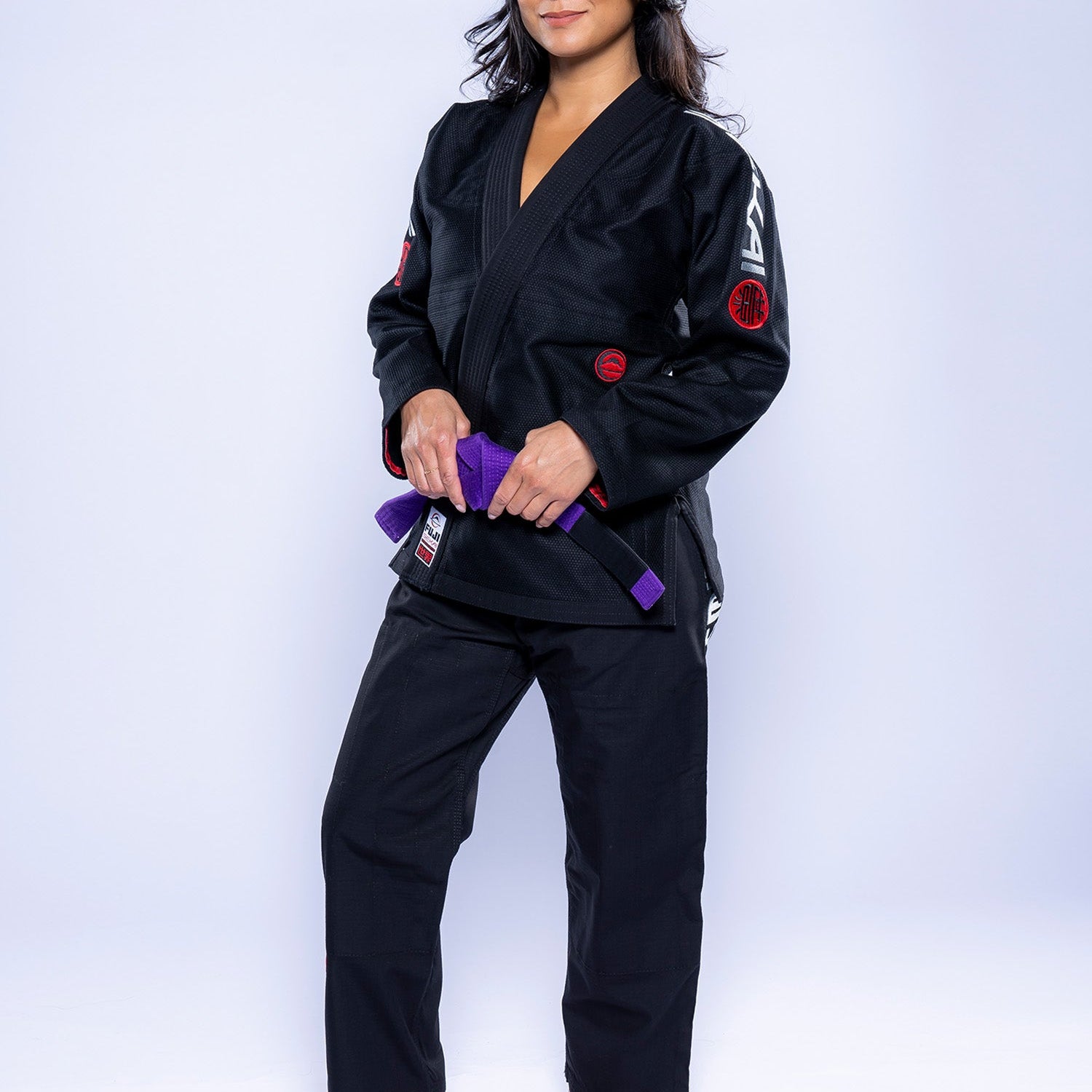
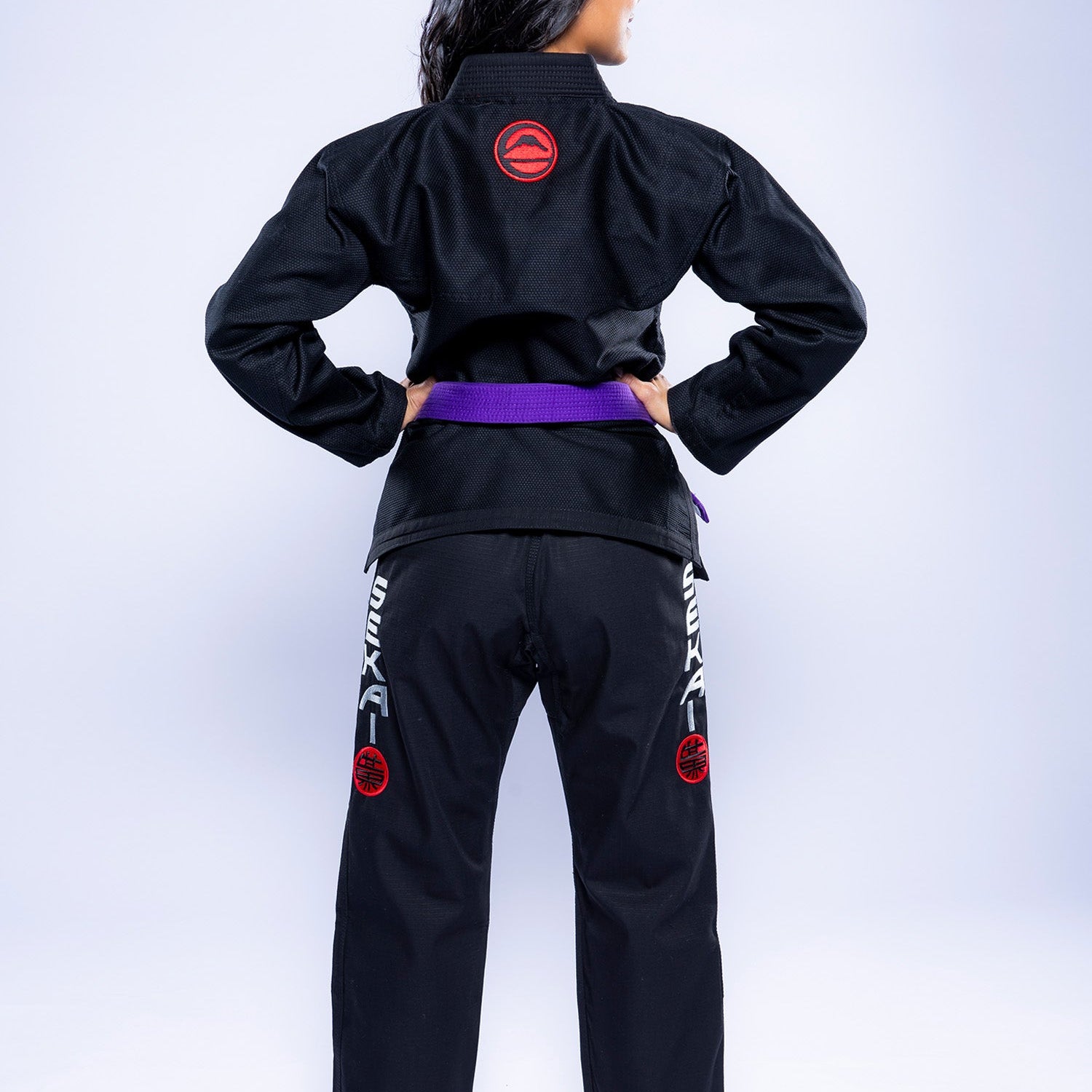
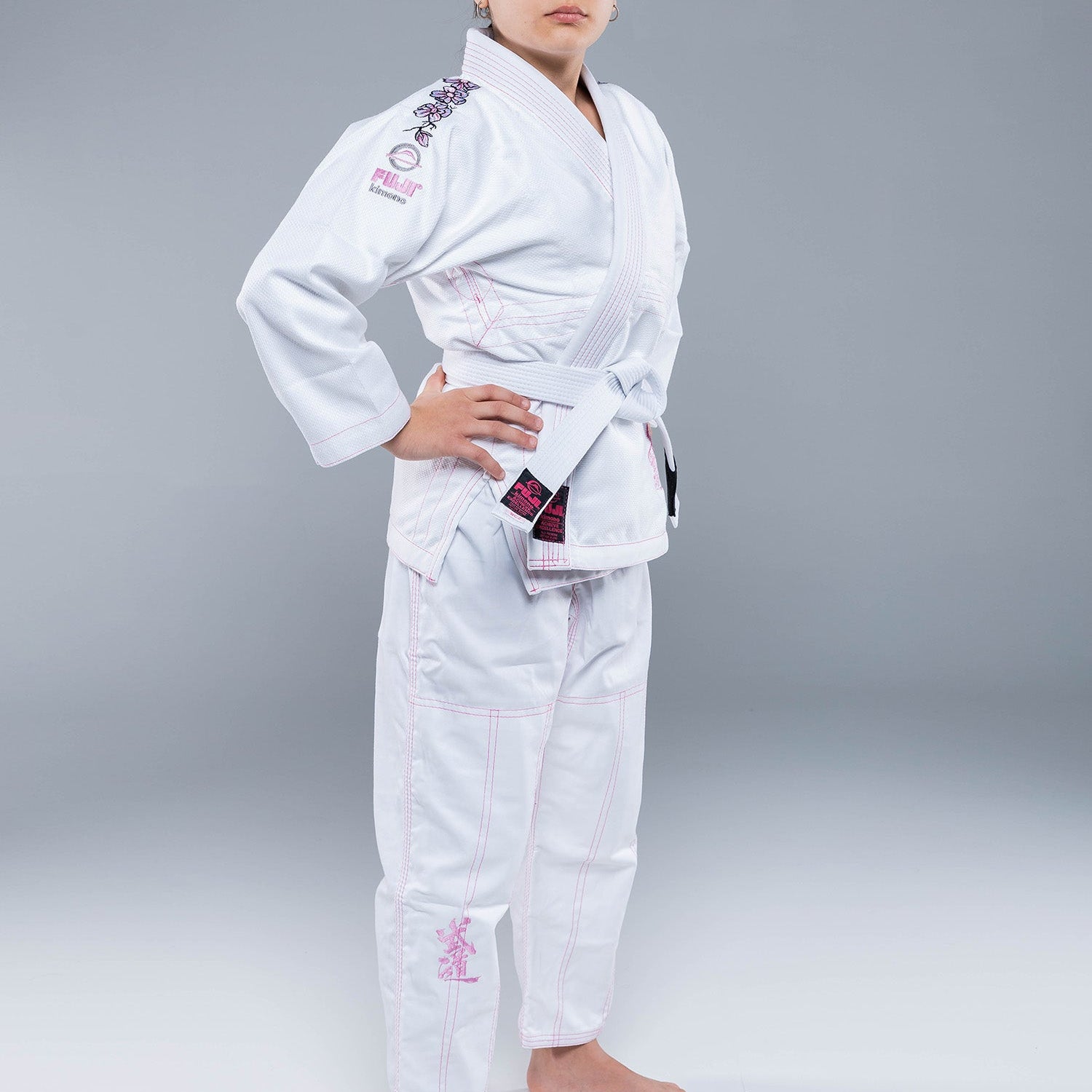
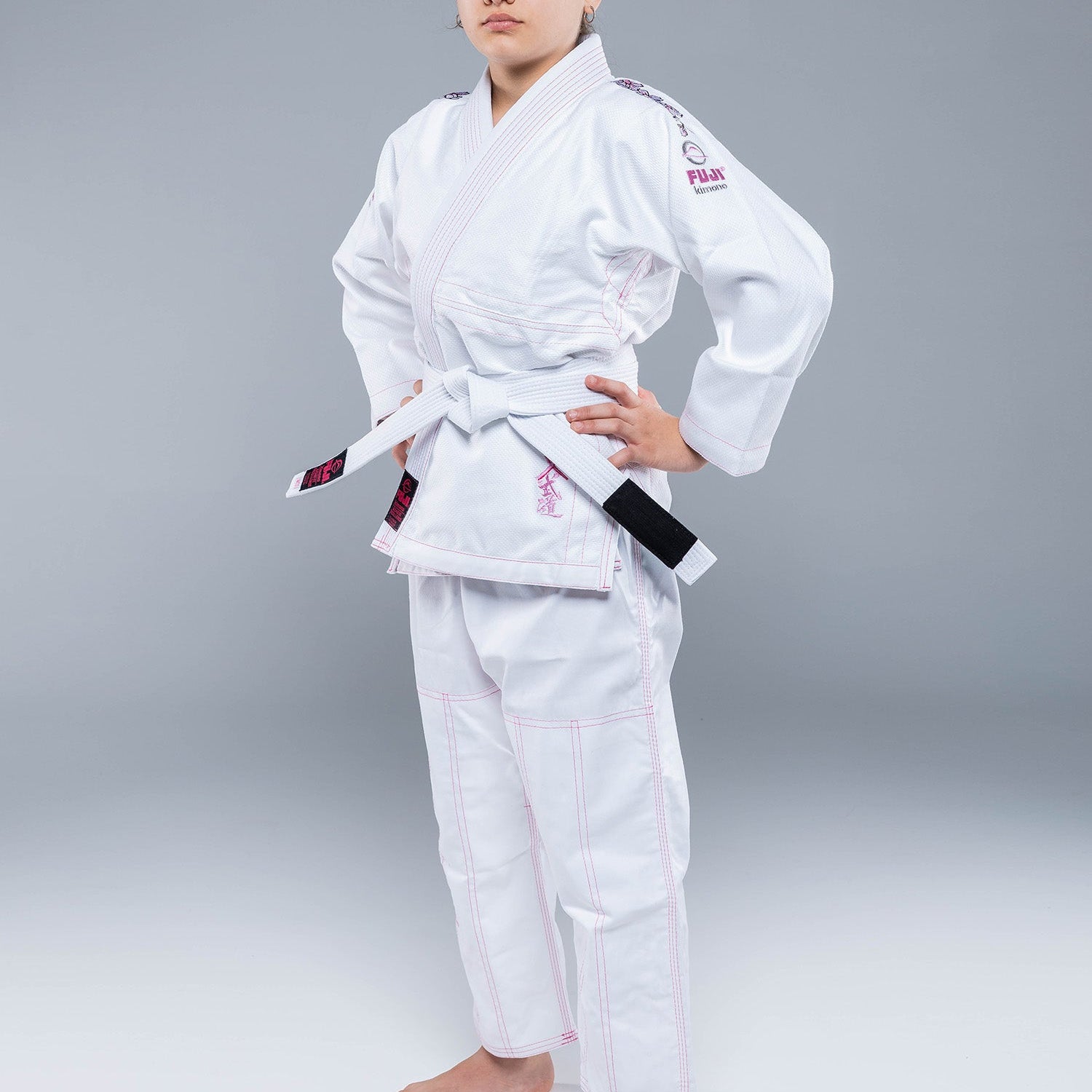
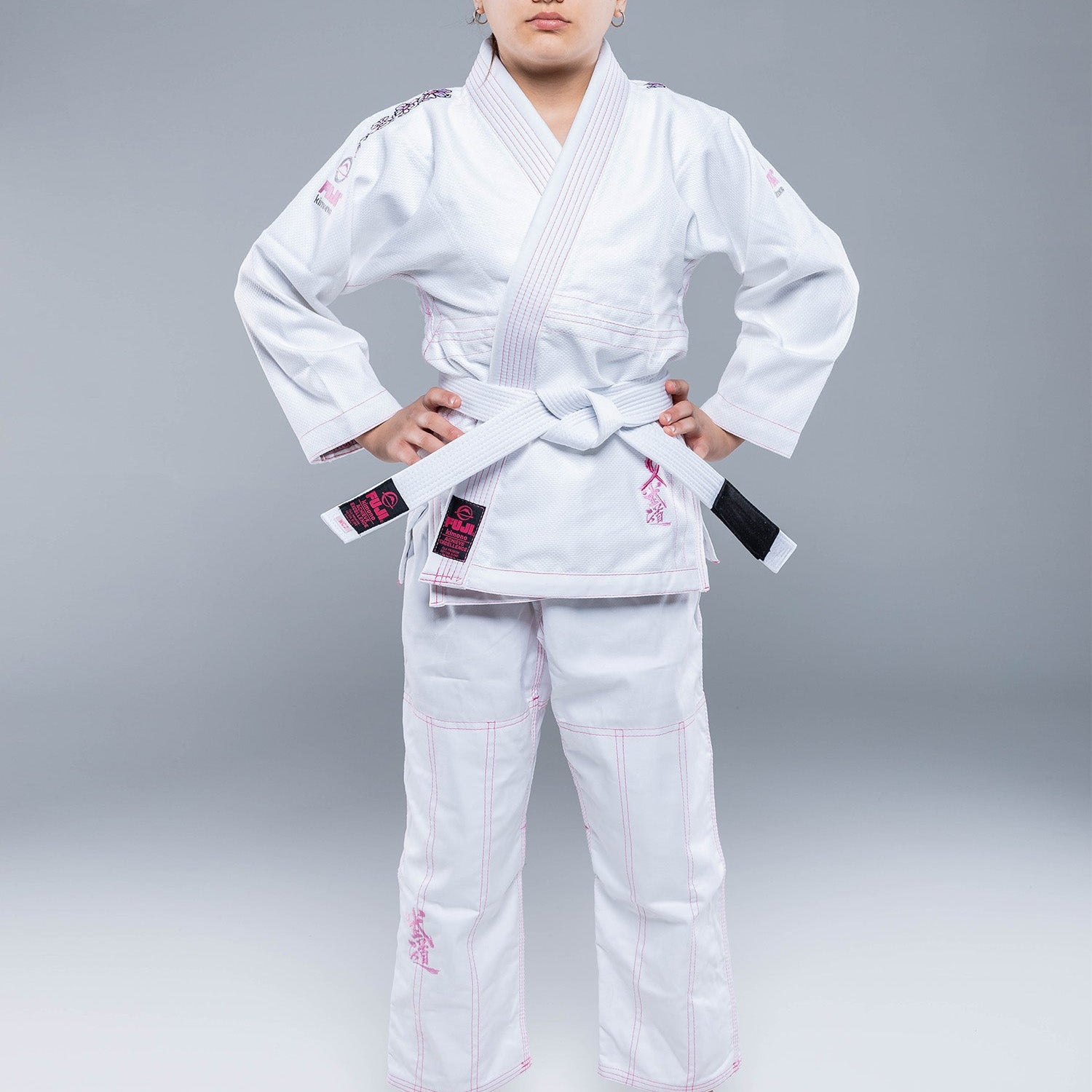
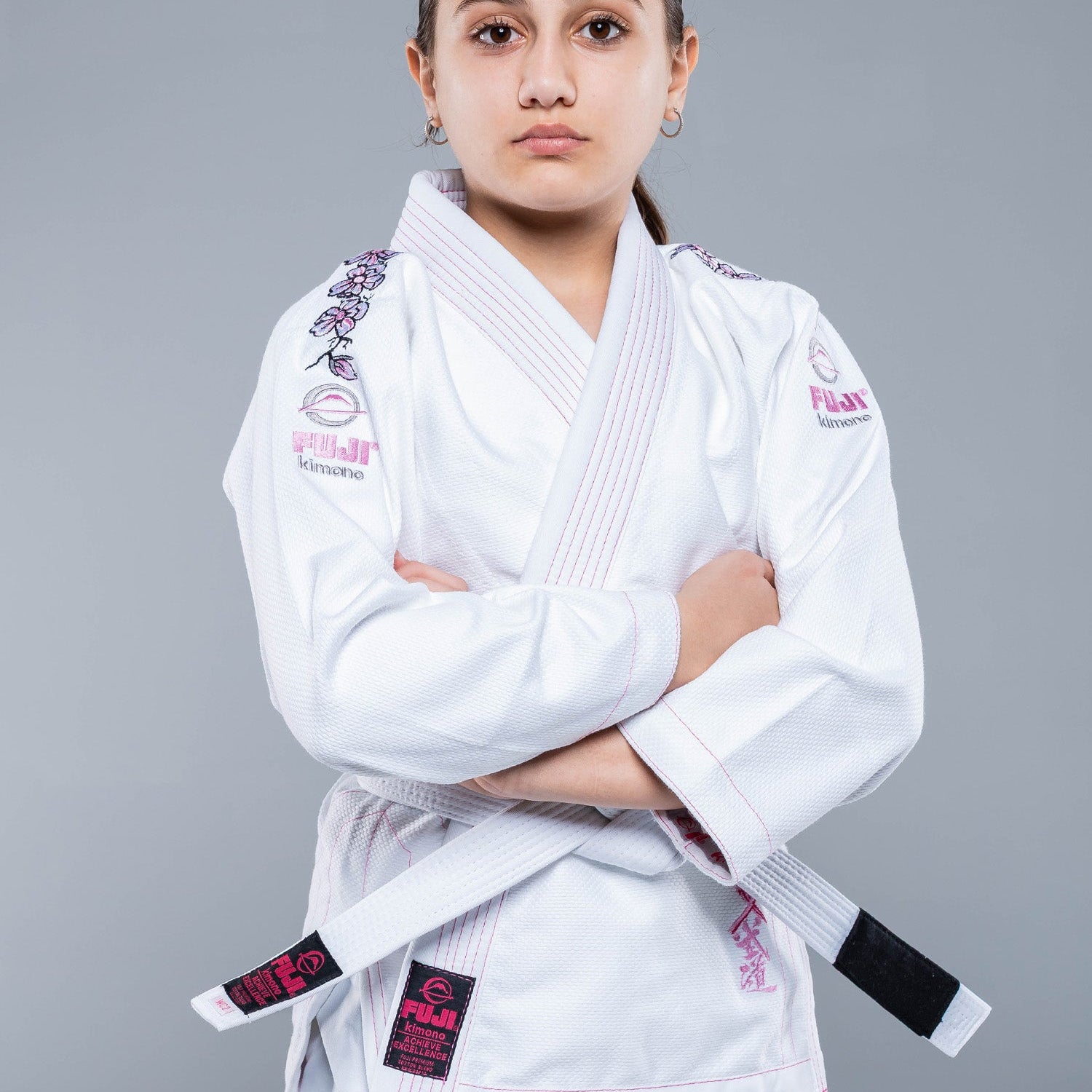
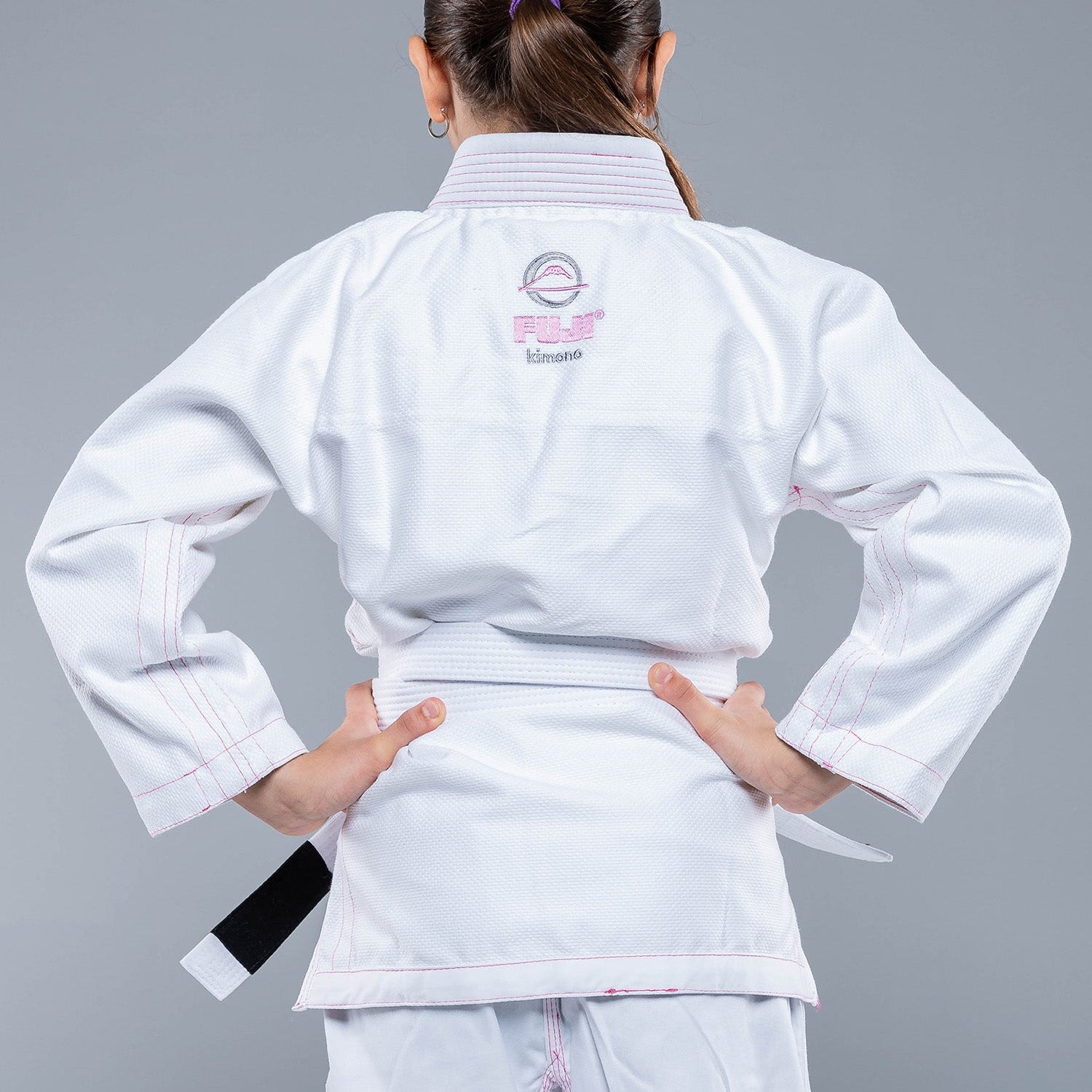
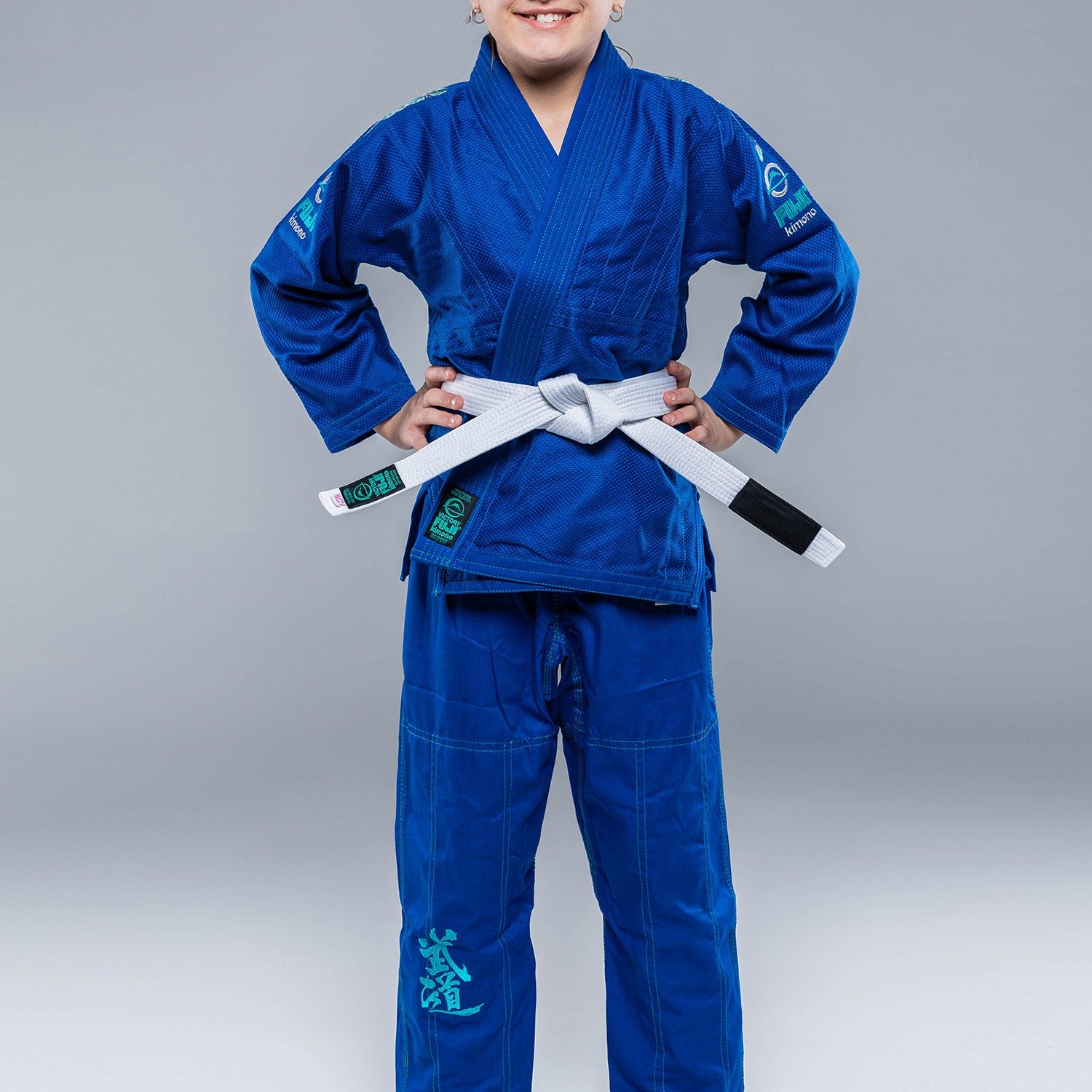
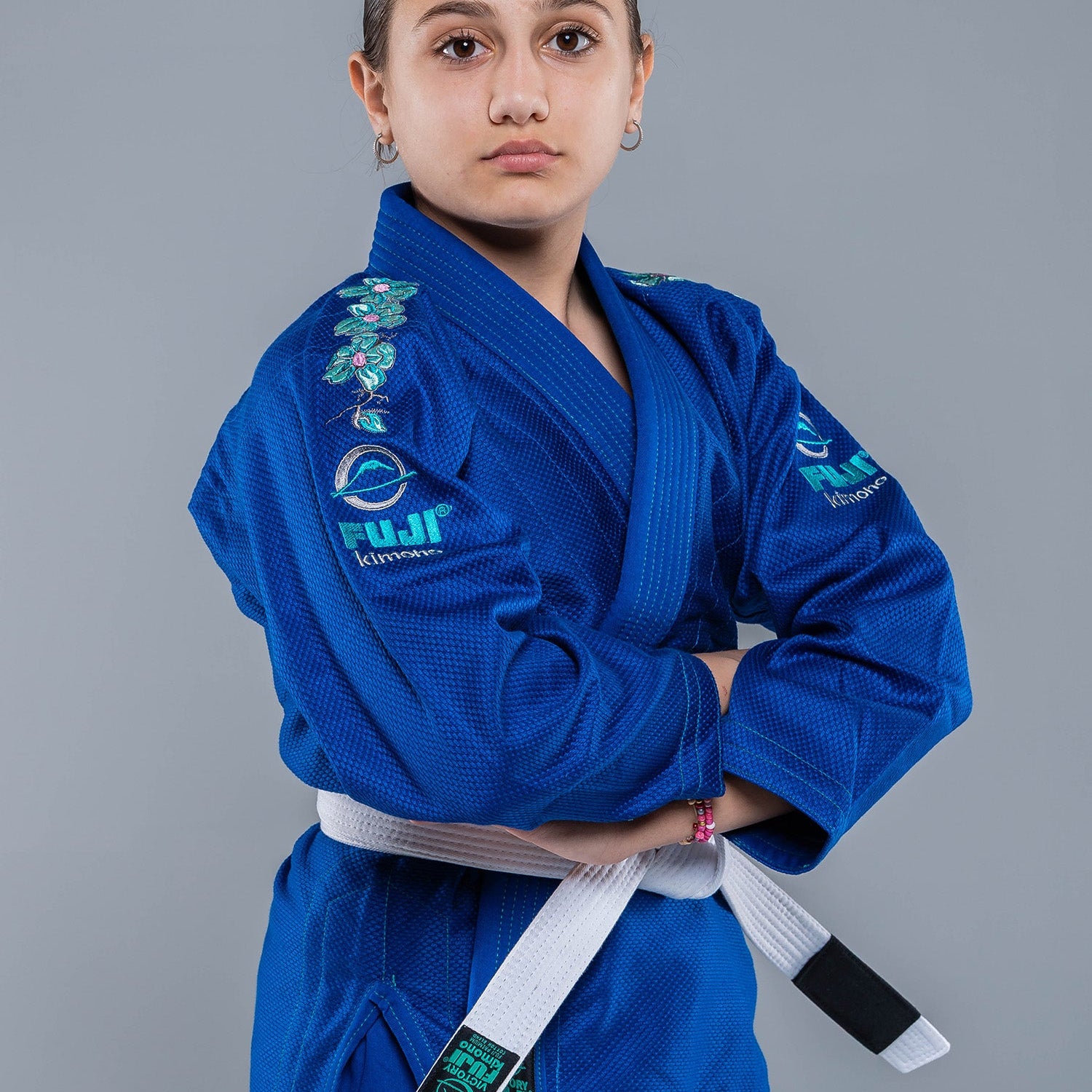
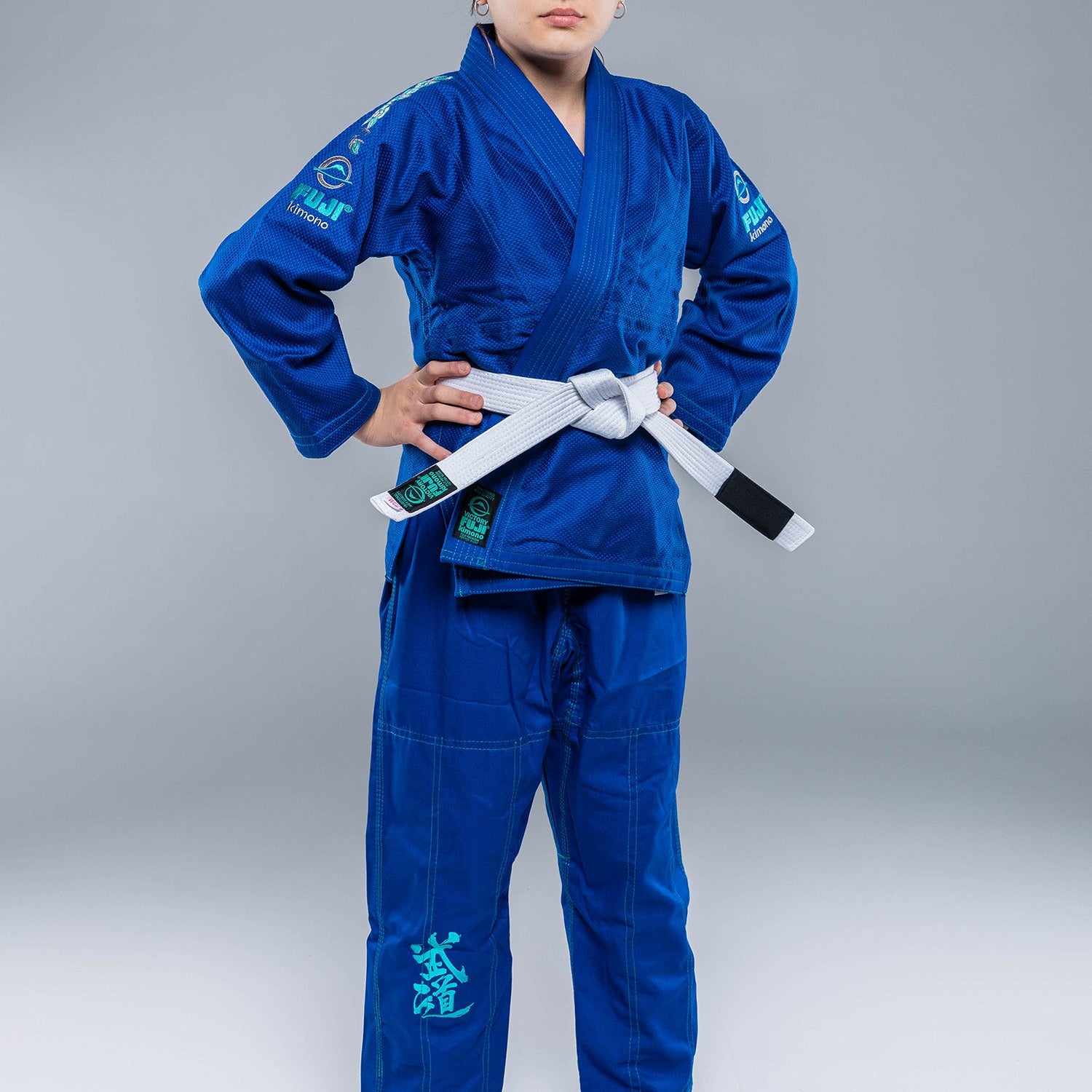
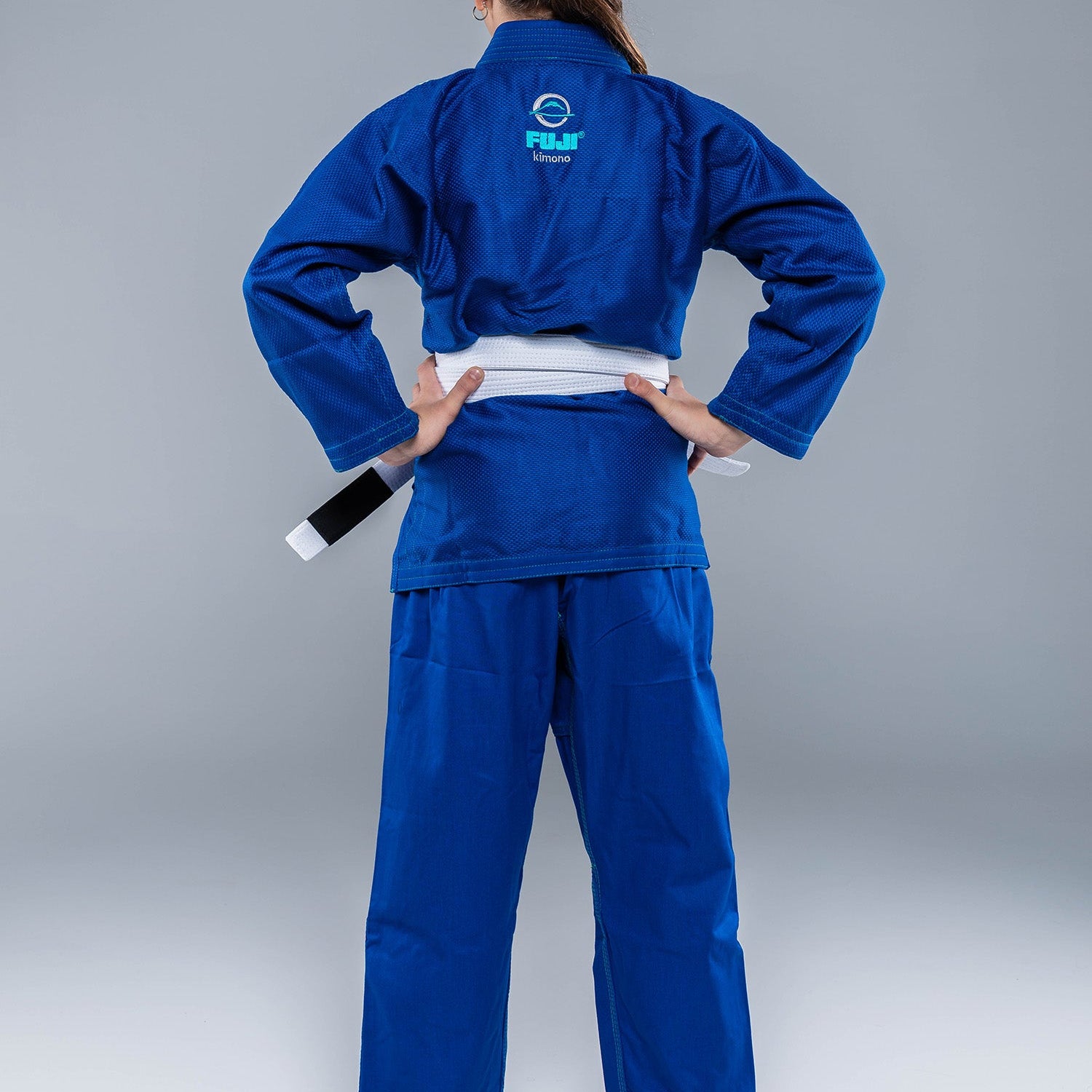
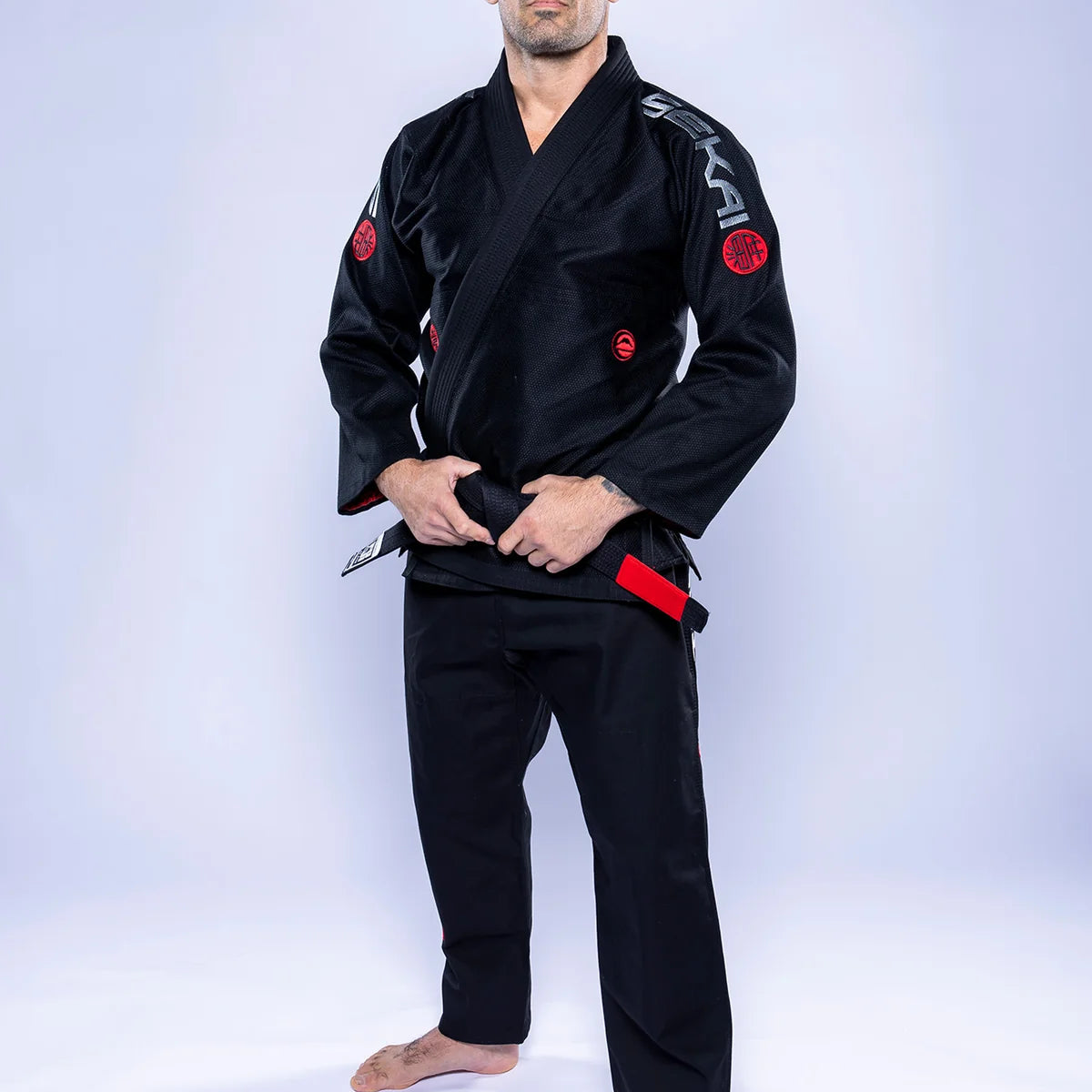
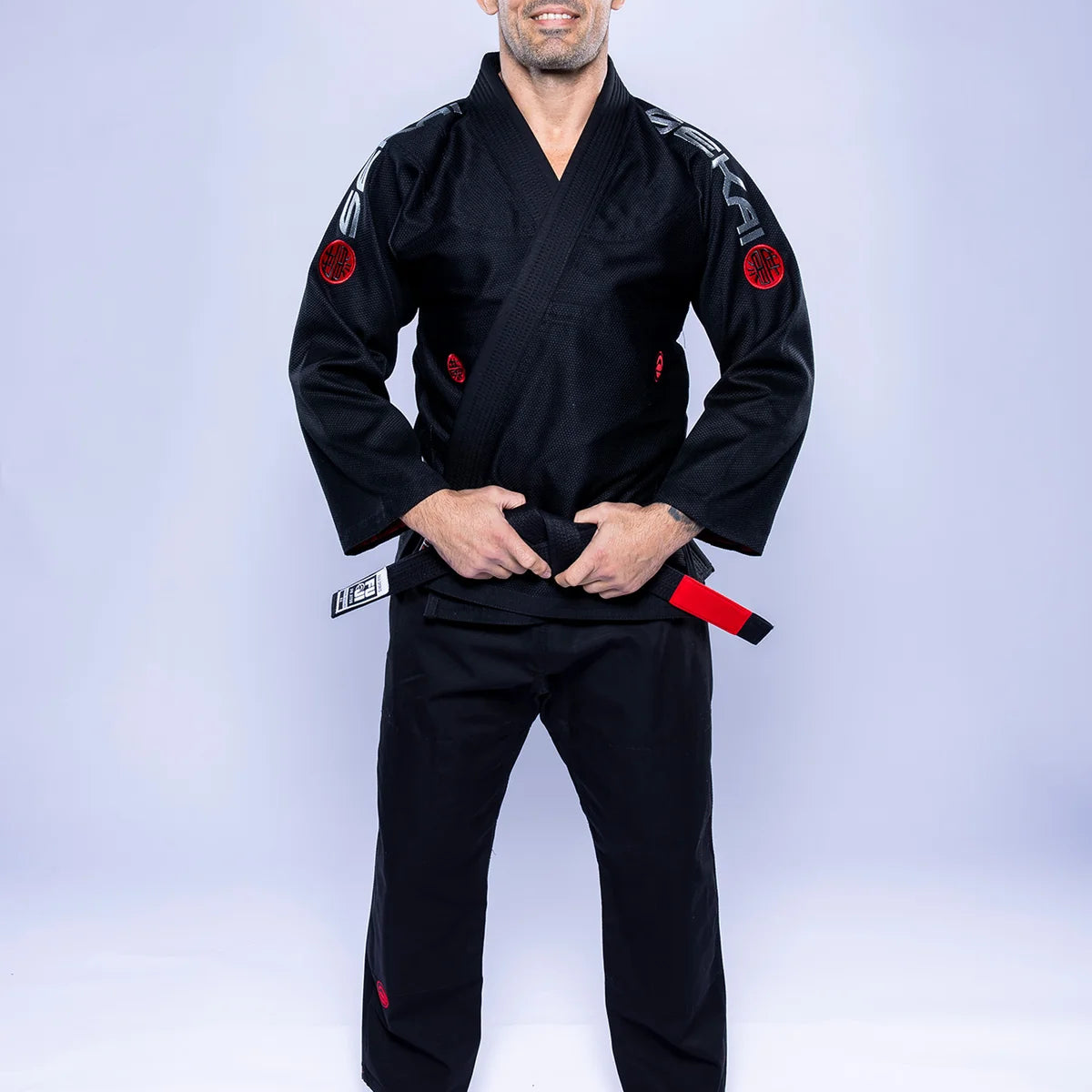
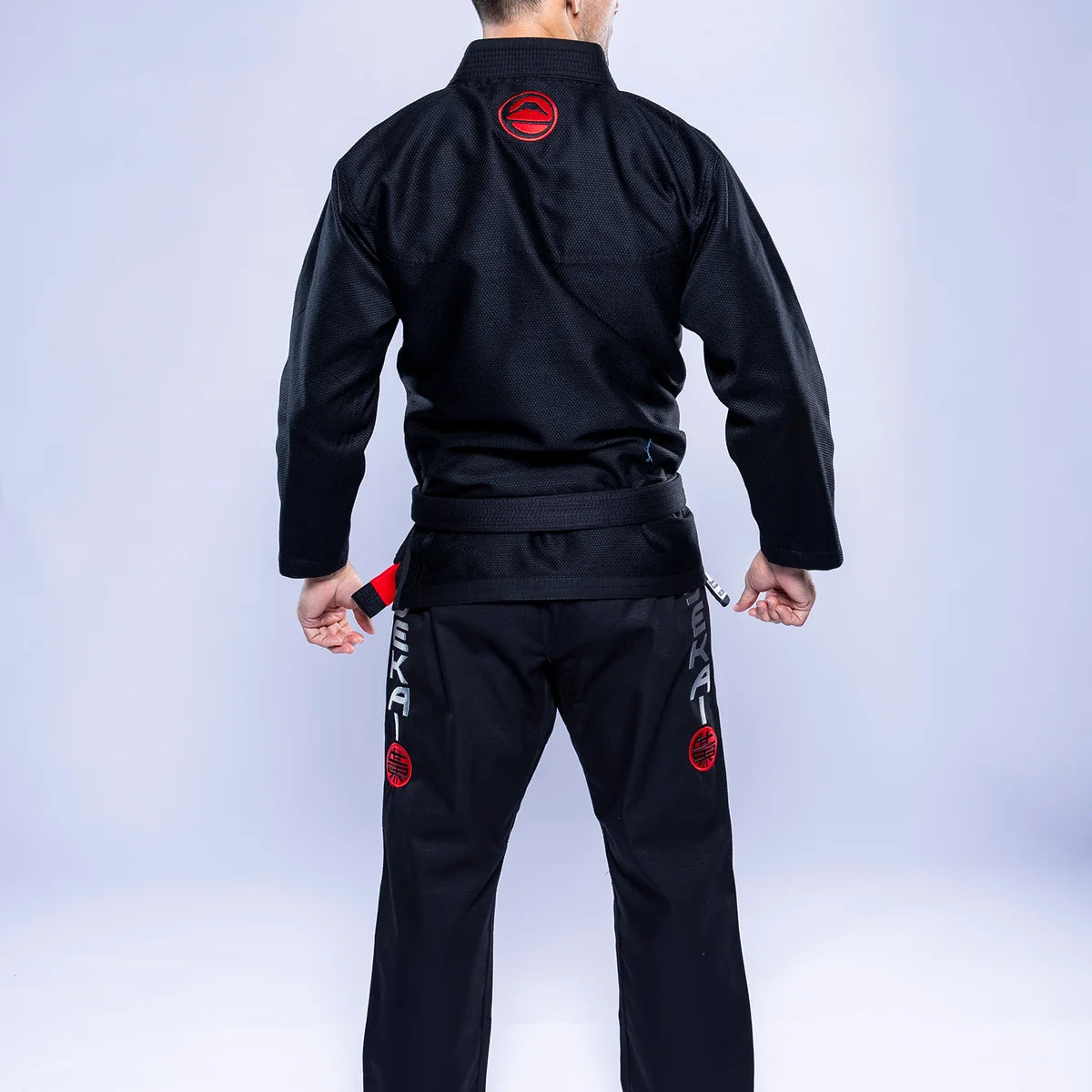
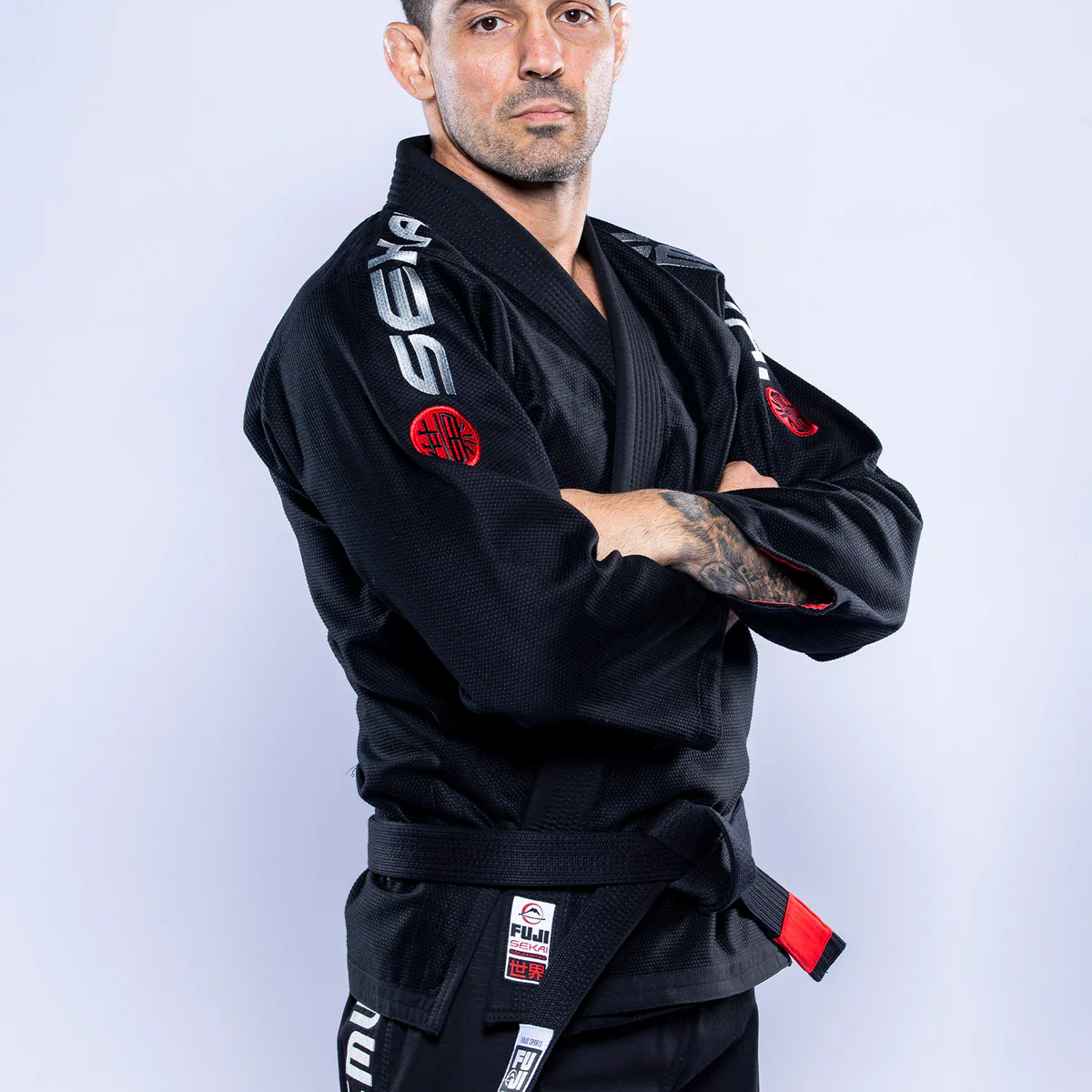
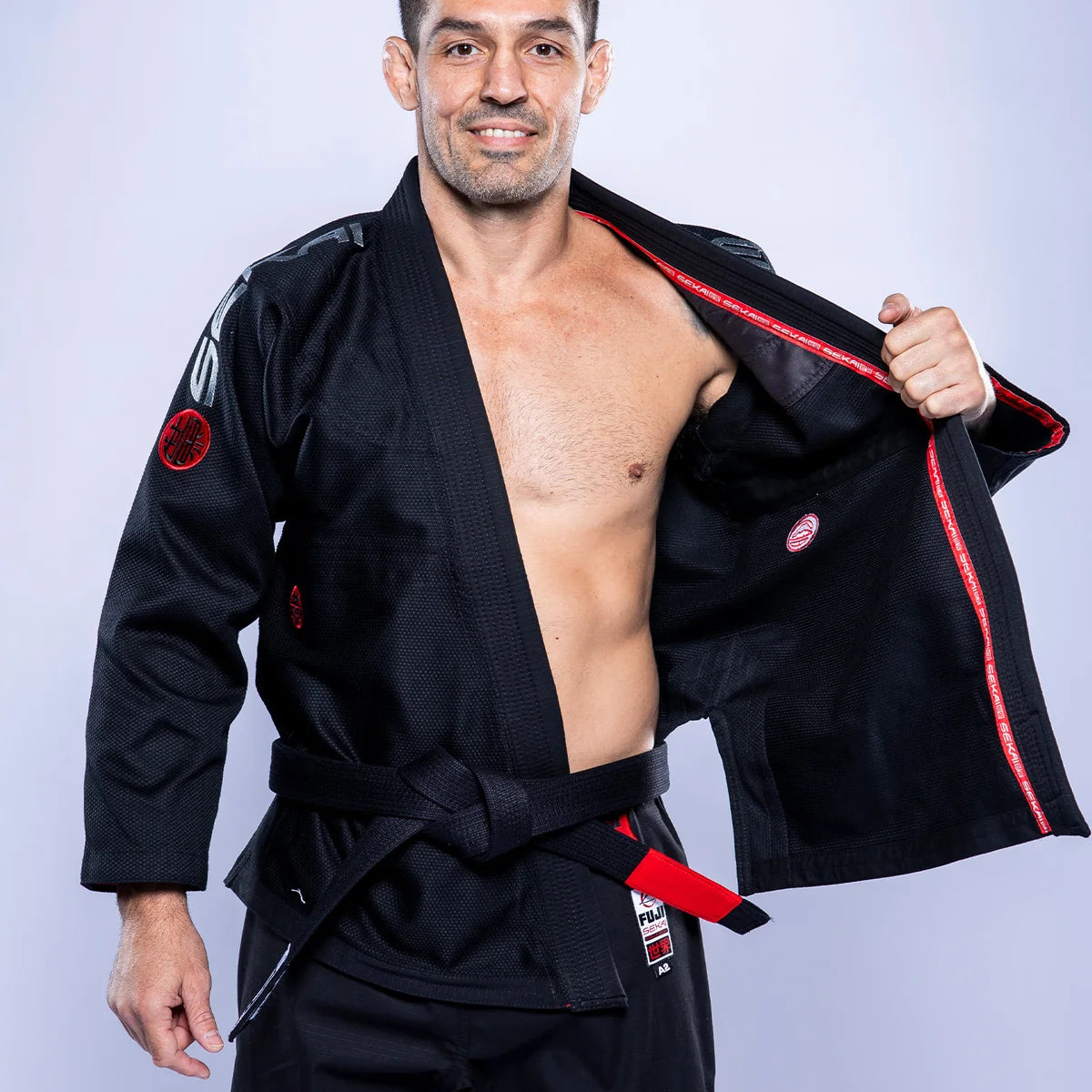
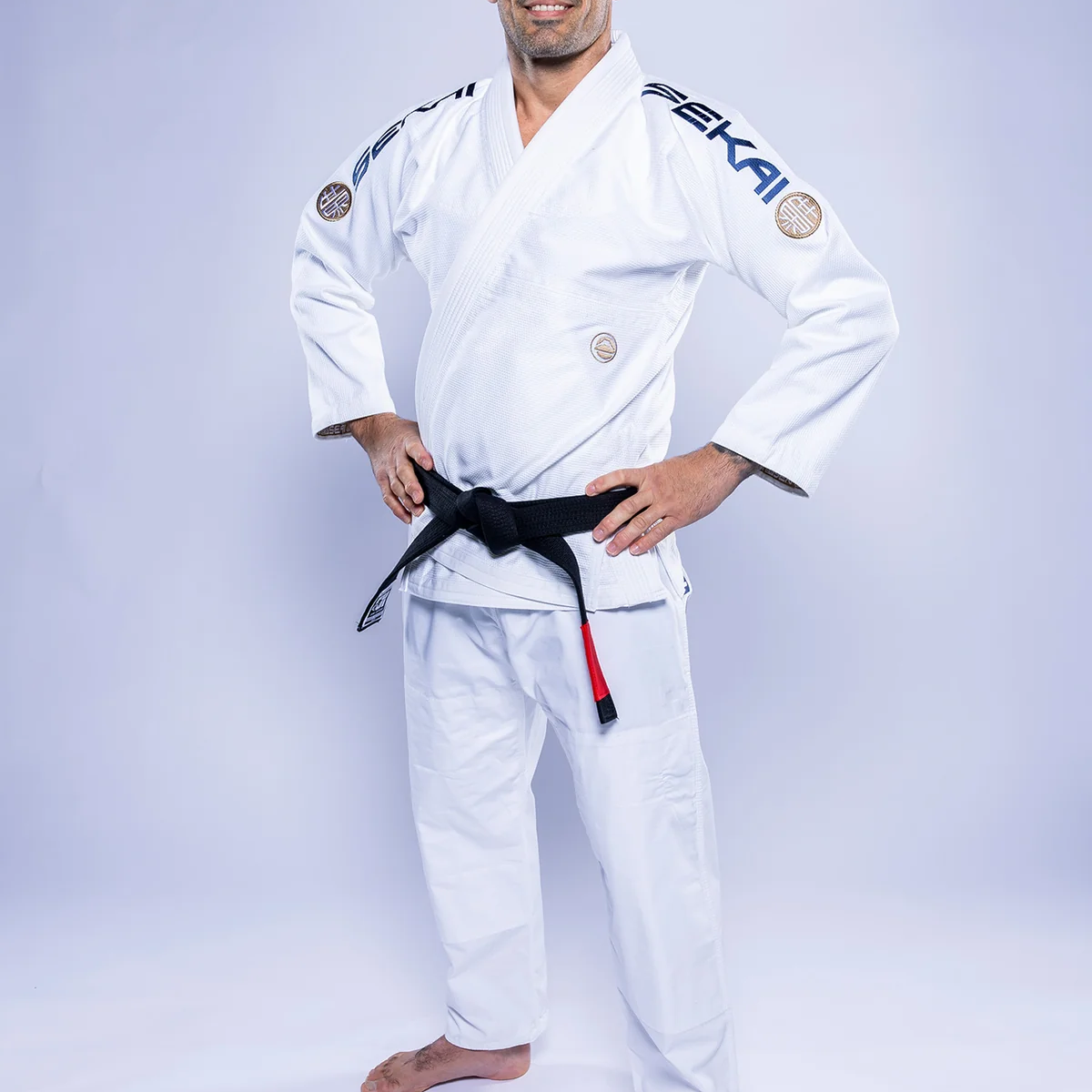
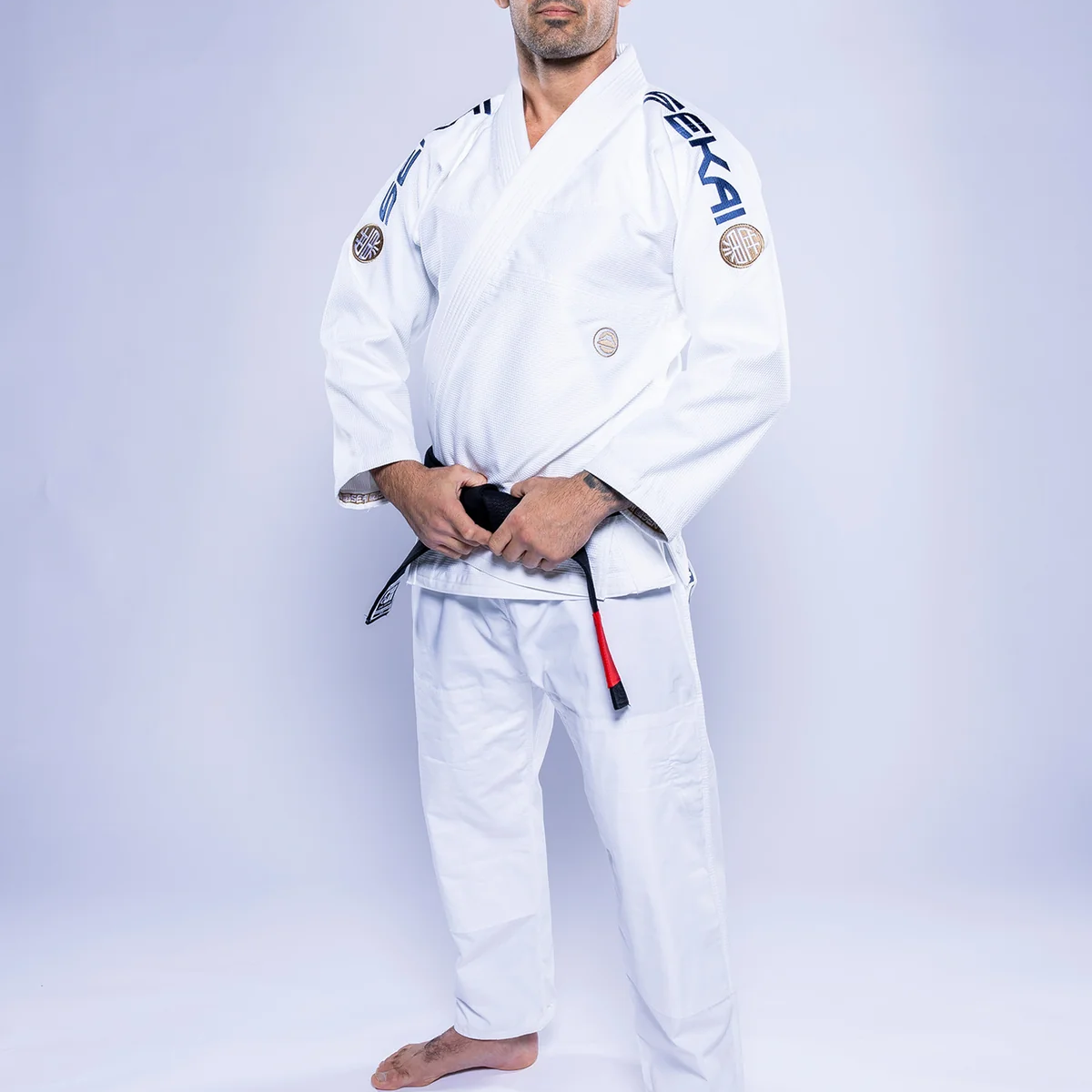
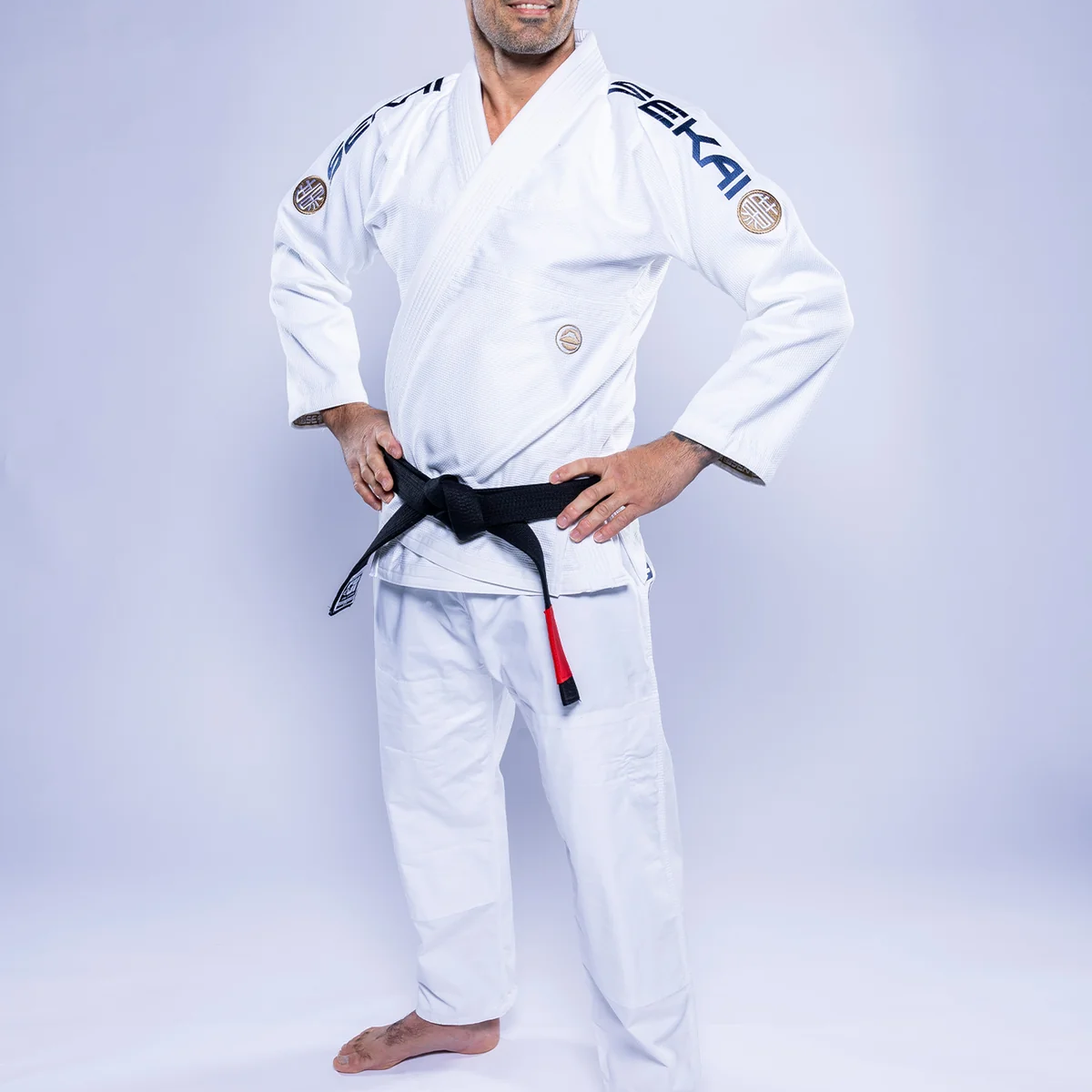
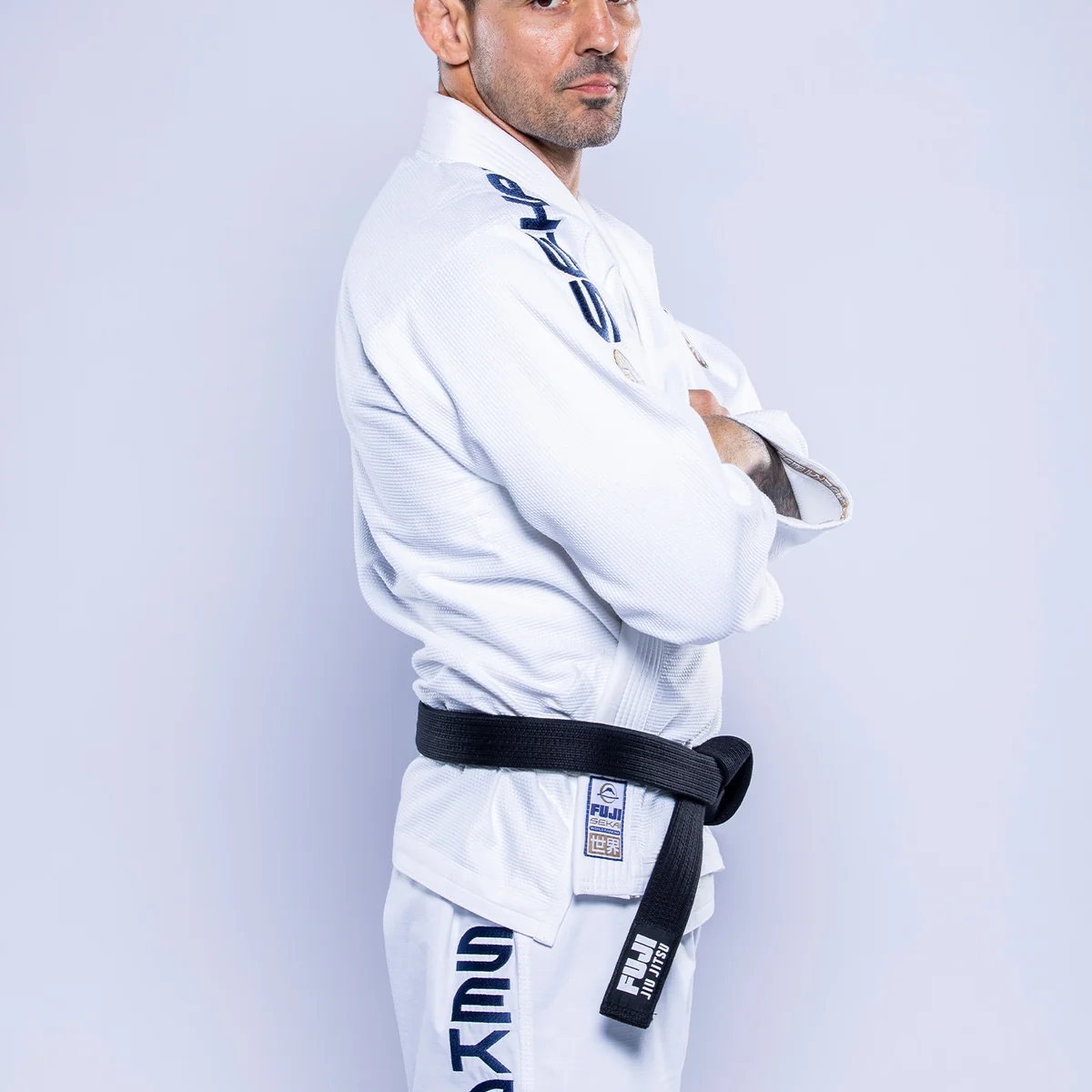
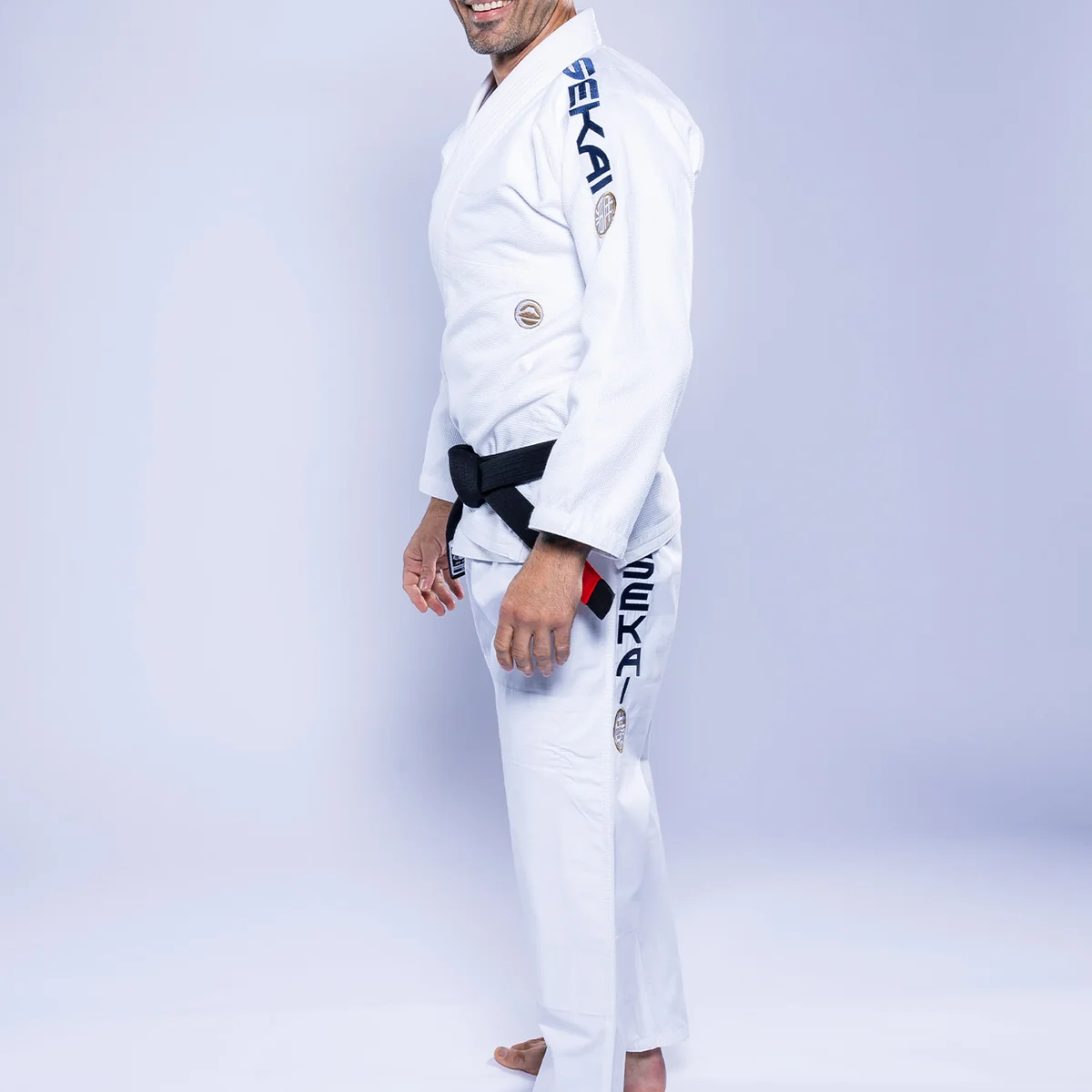
For most beginner classes, the first piece of gear for your child is a kids bjj gi. If the academy trains both gi and no gi, your child may also need a rash guard and shorts later, but many schools let new students start with just a gi and belt. Some academies include a belt with enrollment, while others expect parents to buy one separately.
The real starter kit is usually simple: one gi, one belt, and a water bottle. If your child trains twice a week, one gi can work as long as you wash it right away. If they train three or four times a week, a second gi saves a lot of stress. Anyone who has dealt with a damp gi the night before class already knows this.
A mouthguard is worth asking the coach about, especially once your child starts live sparring regularly. In many beginner kids classes, the first few weeks are mostly movement drills, basic positions, and light games. Once they are doing more positional rounds from mount, back control, or closed guard, mouth protection becomes a smarter buy.
Kids jiu jitsu gear guide: start with the gi

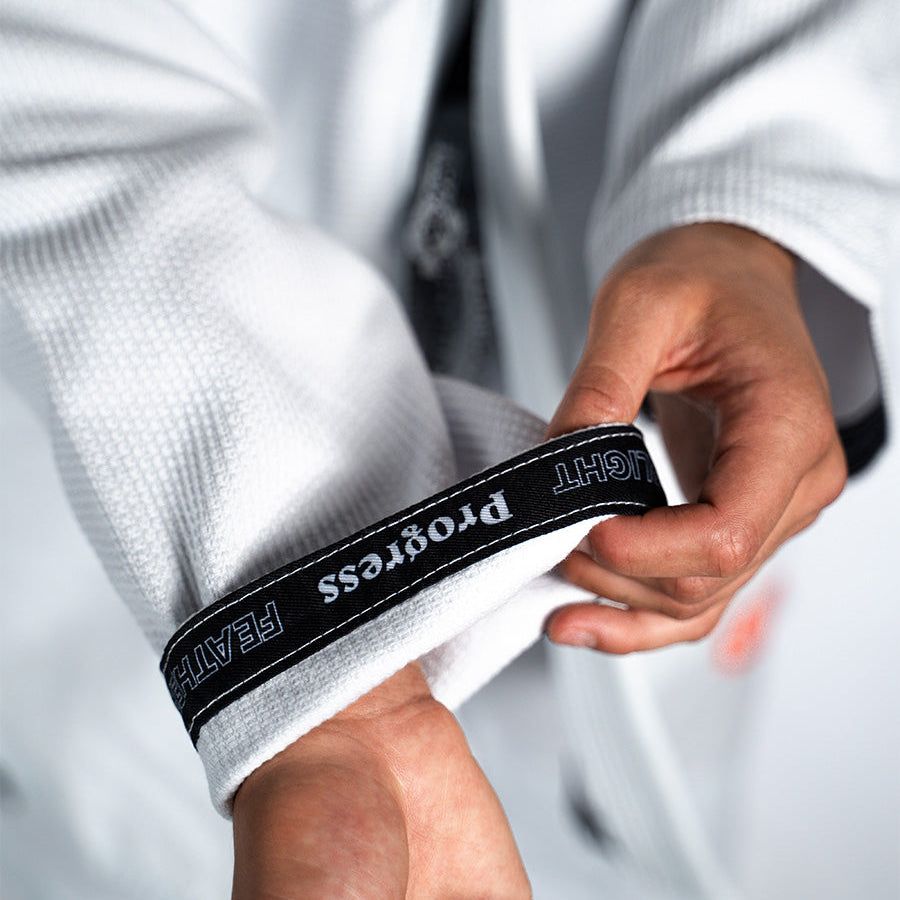
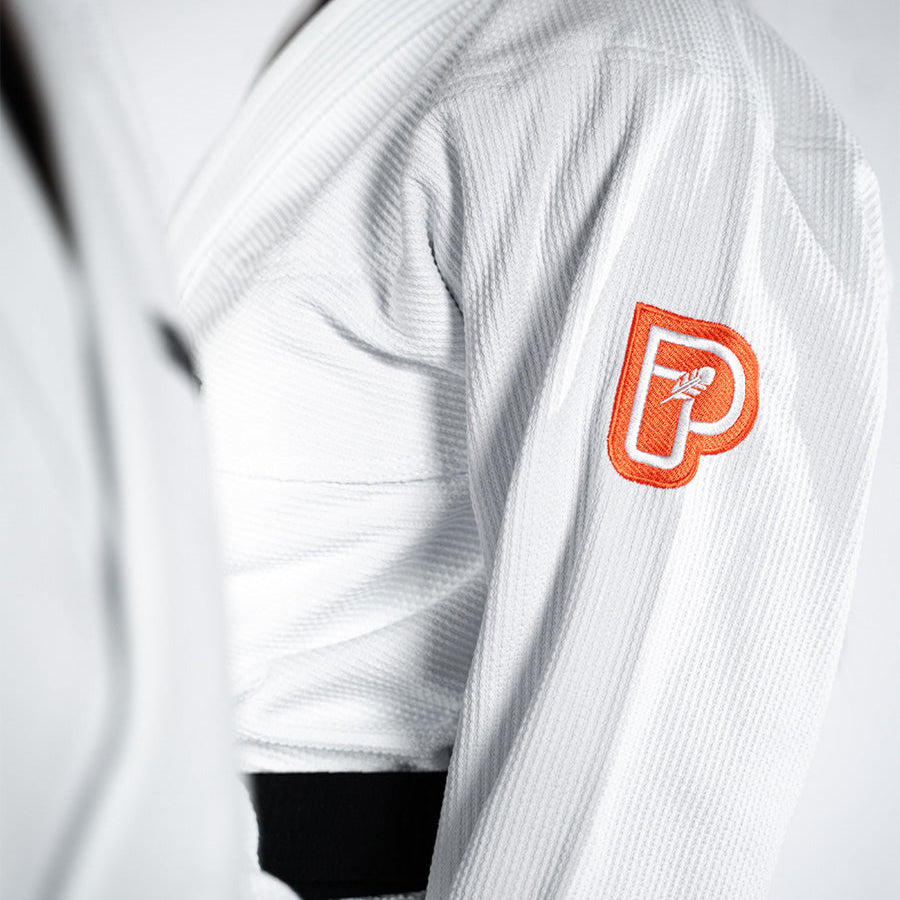
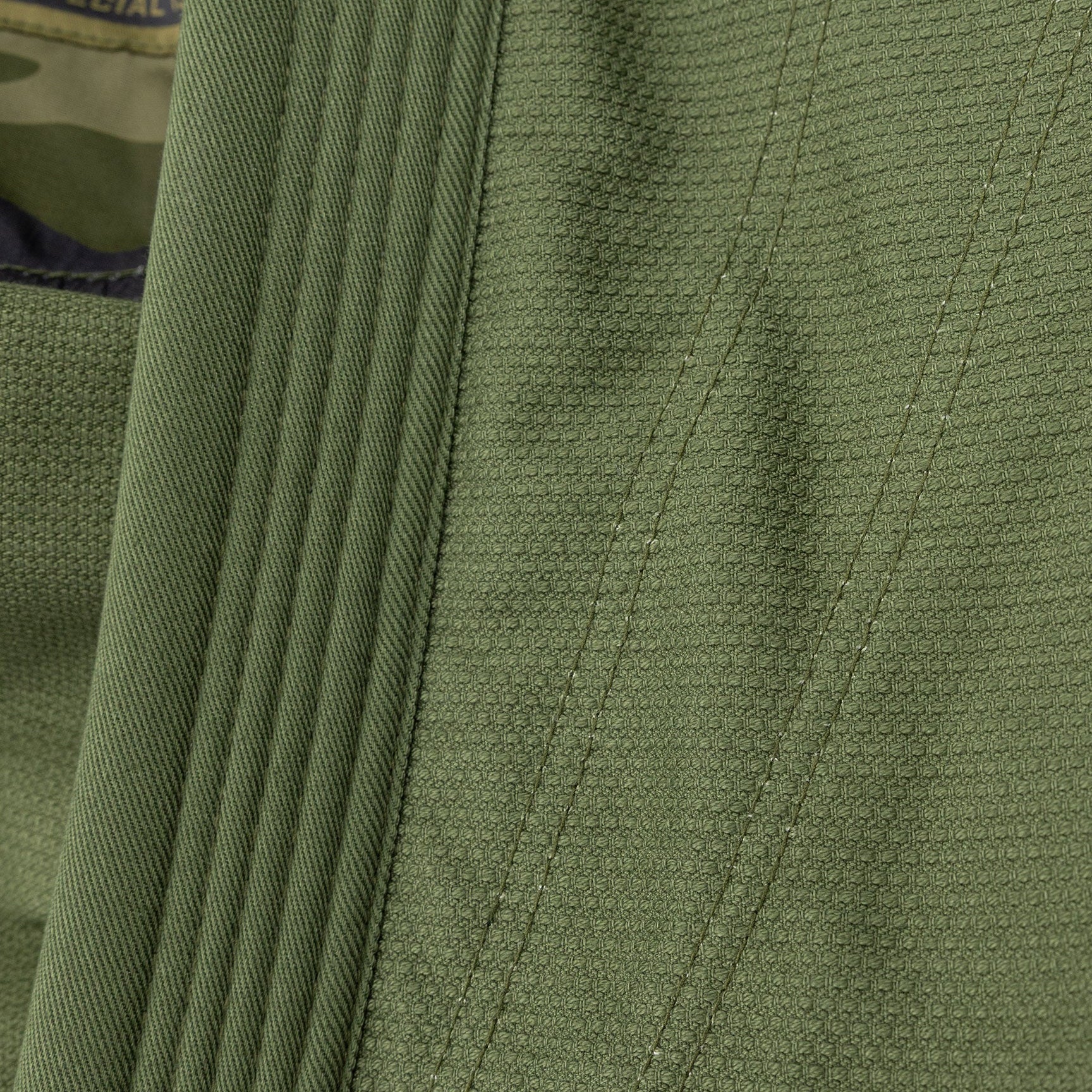
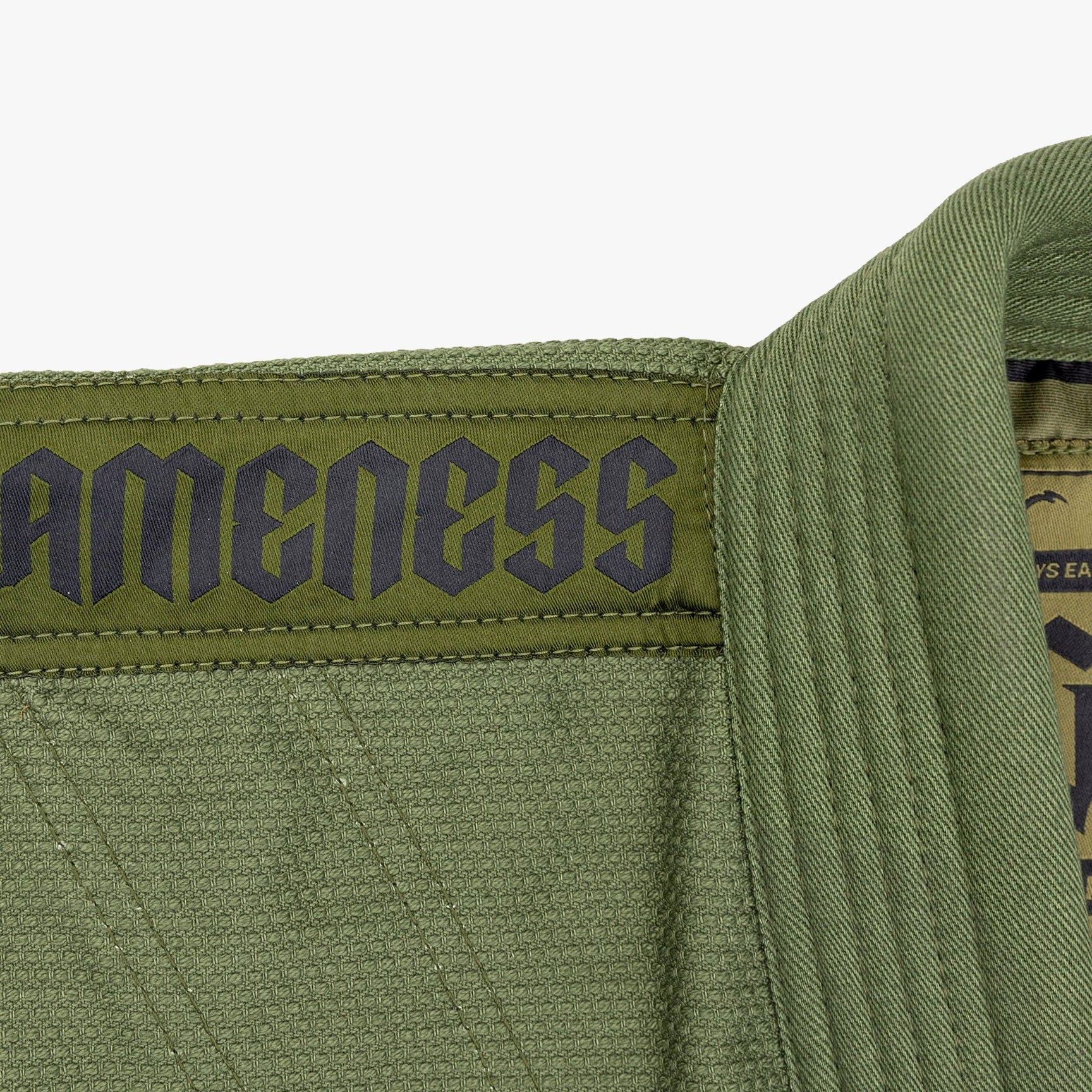
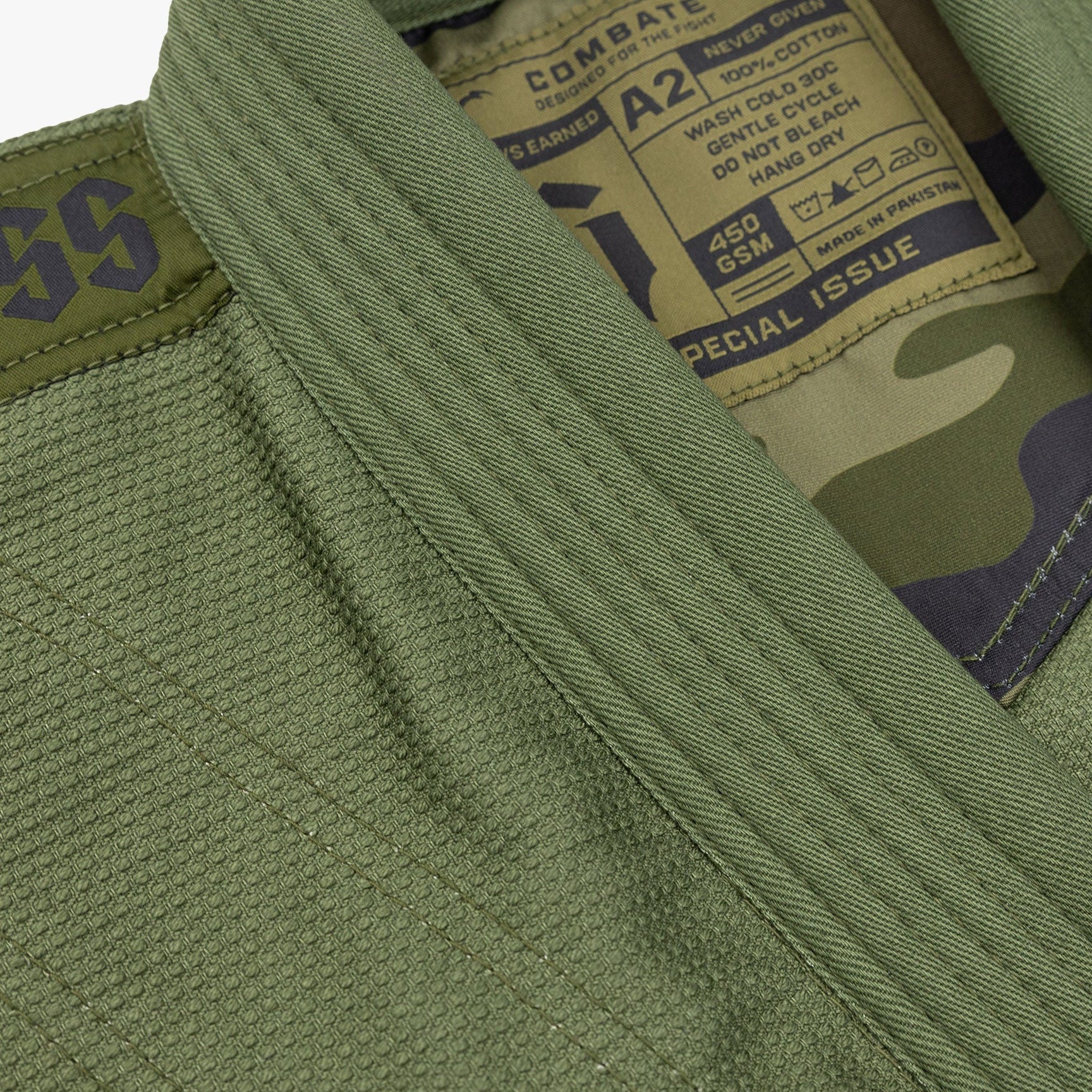
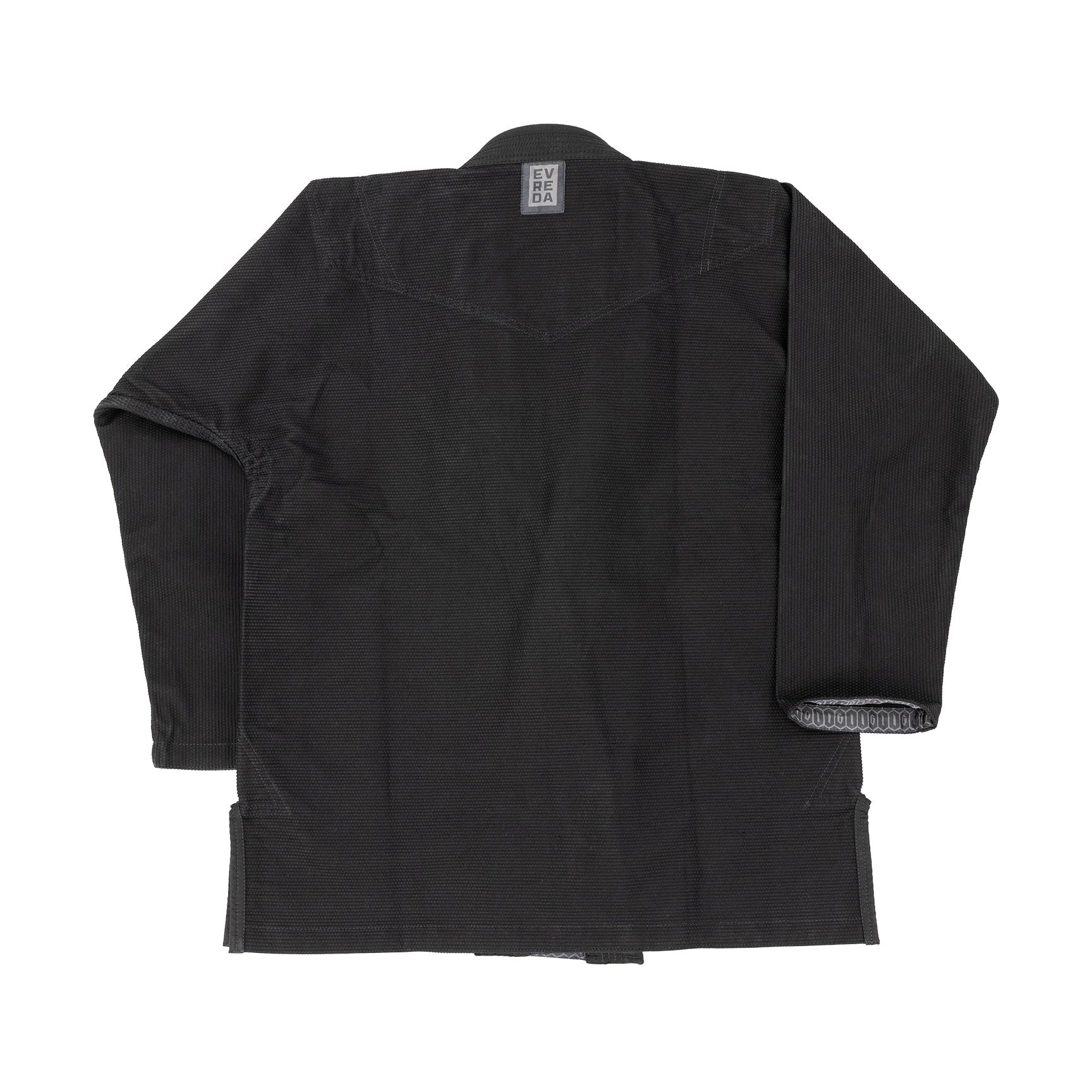
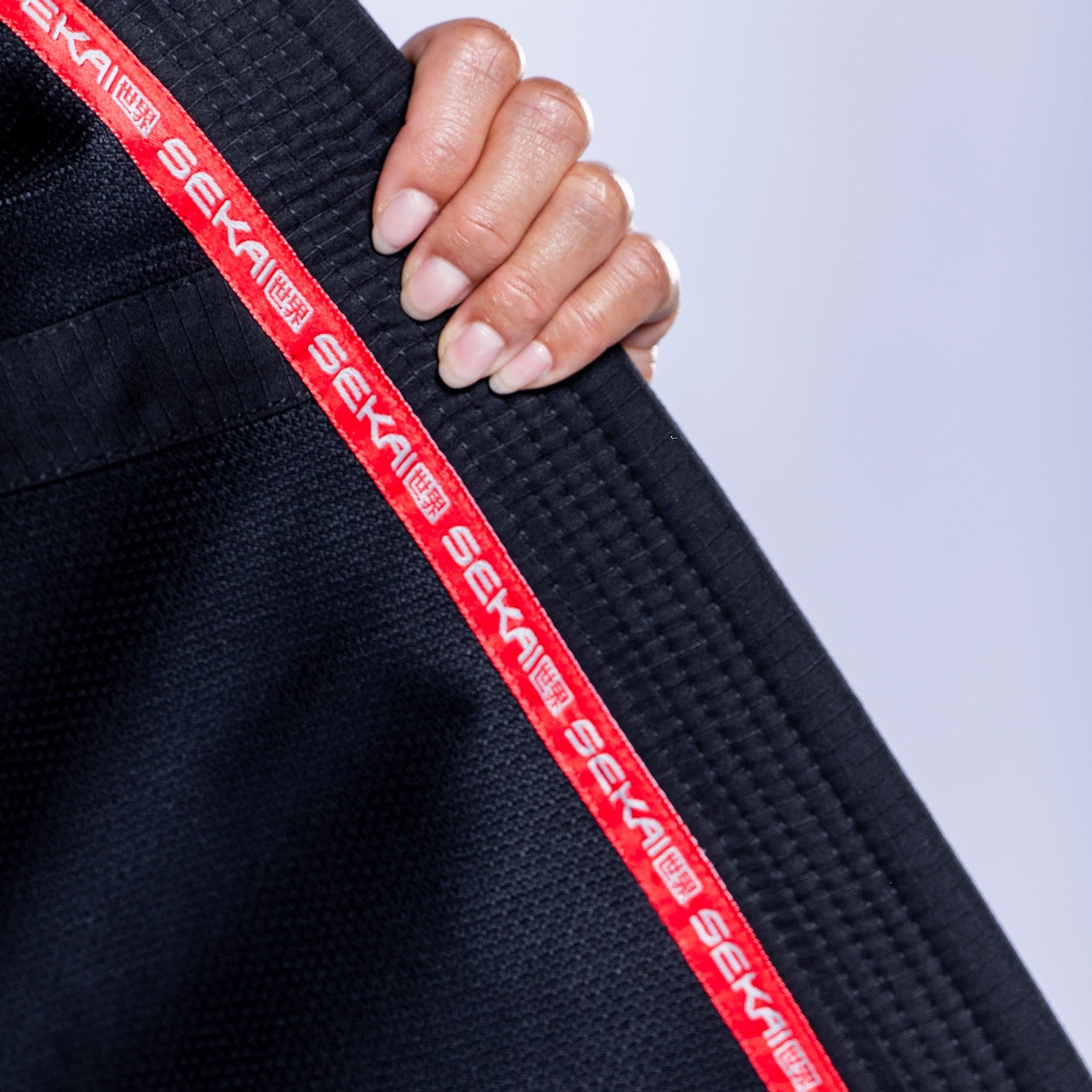
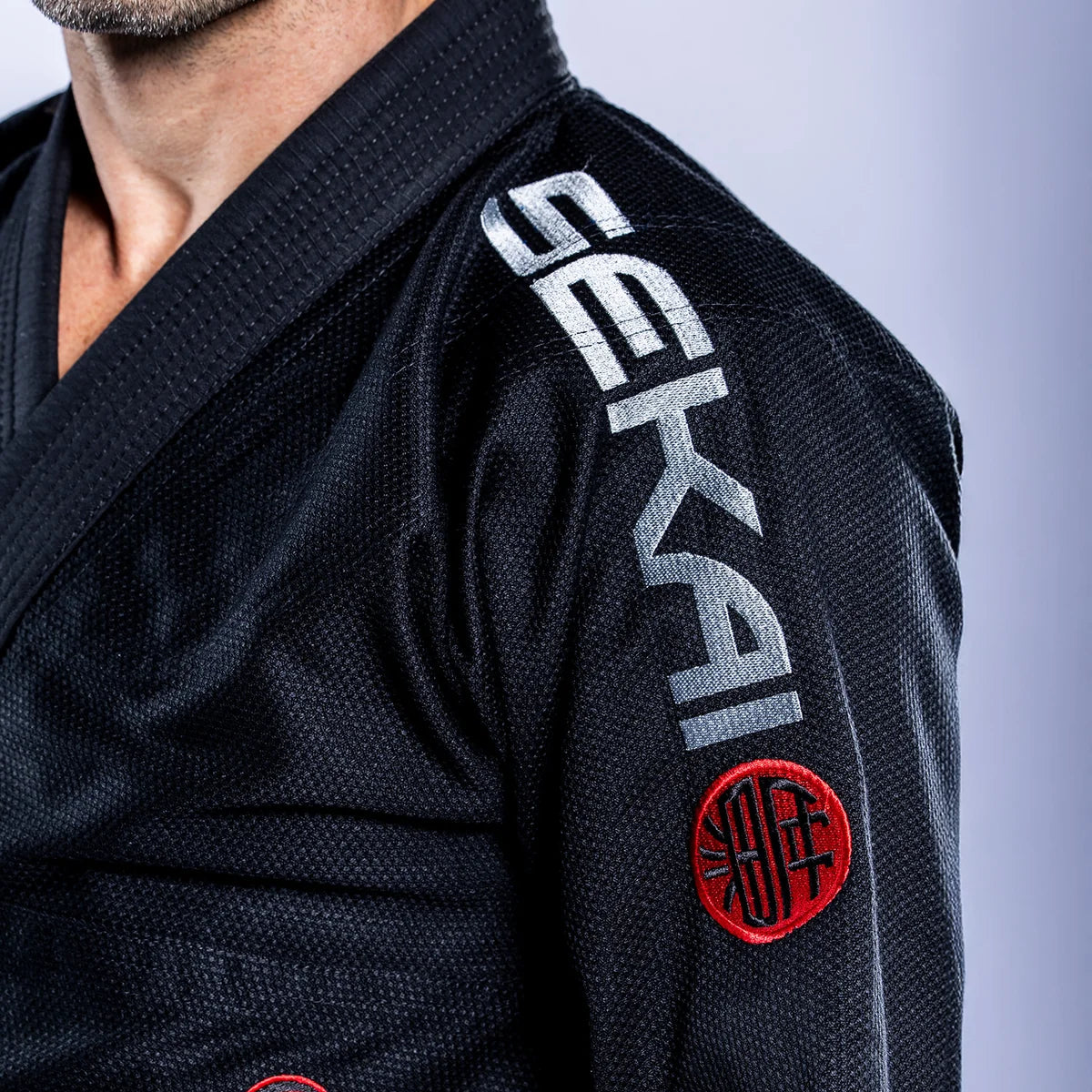
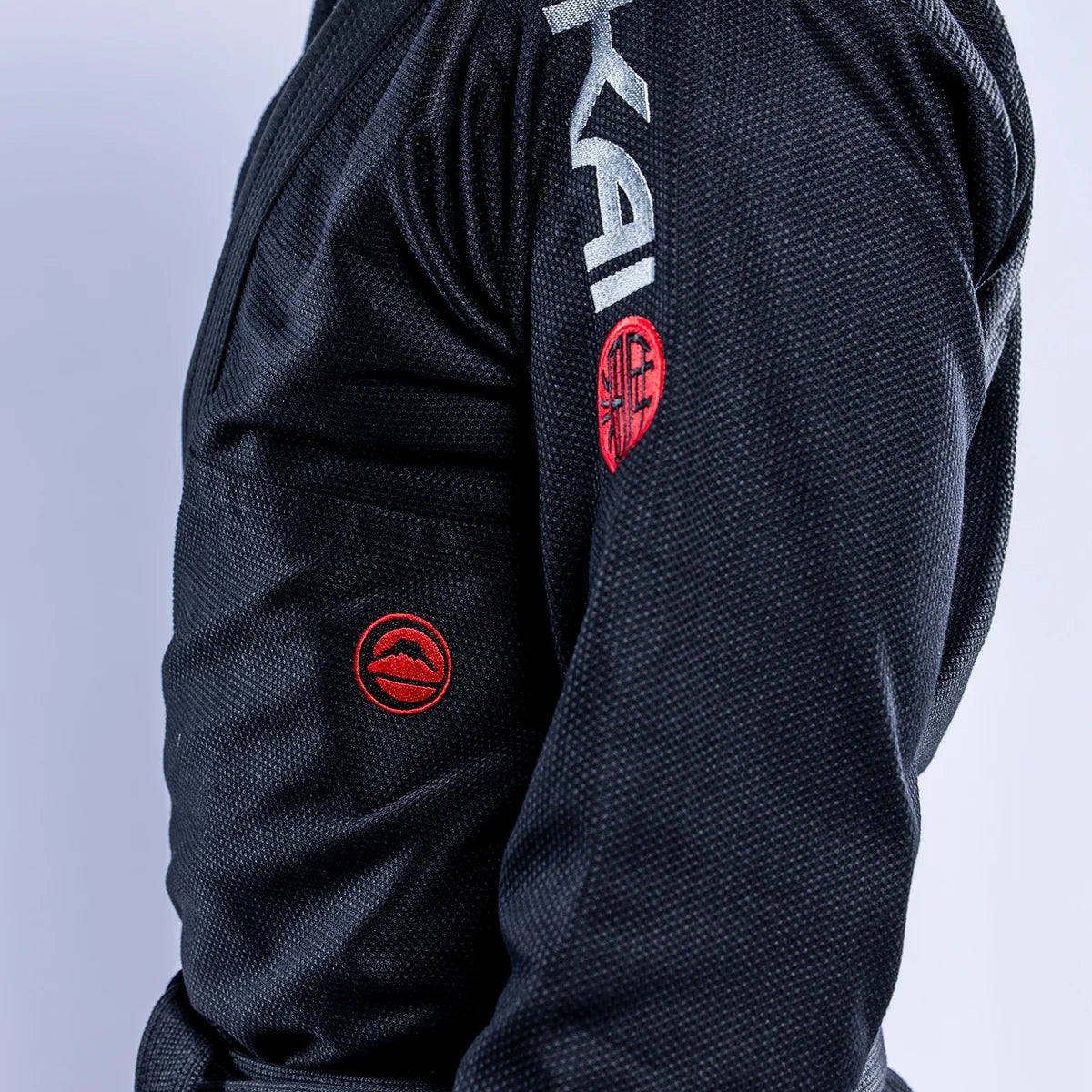
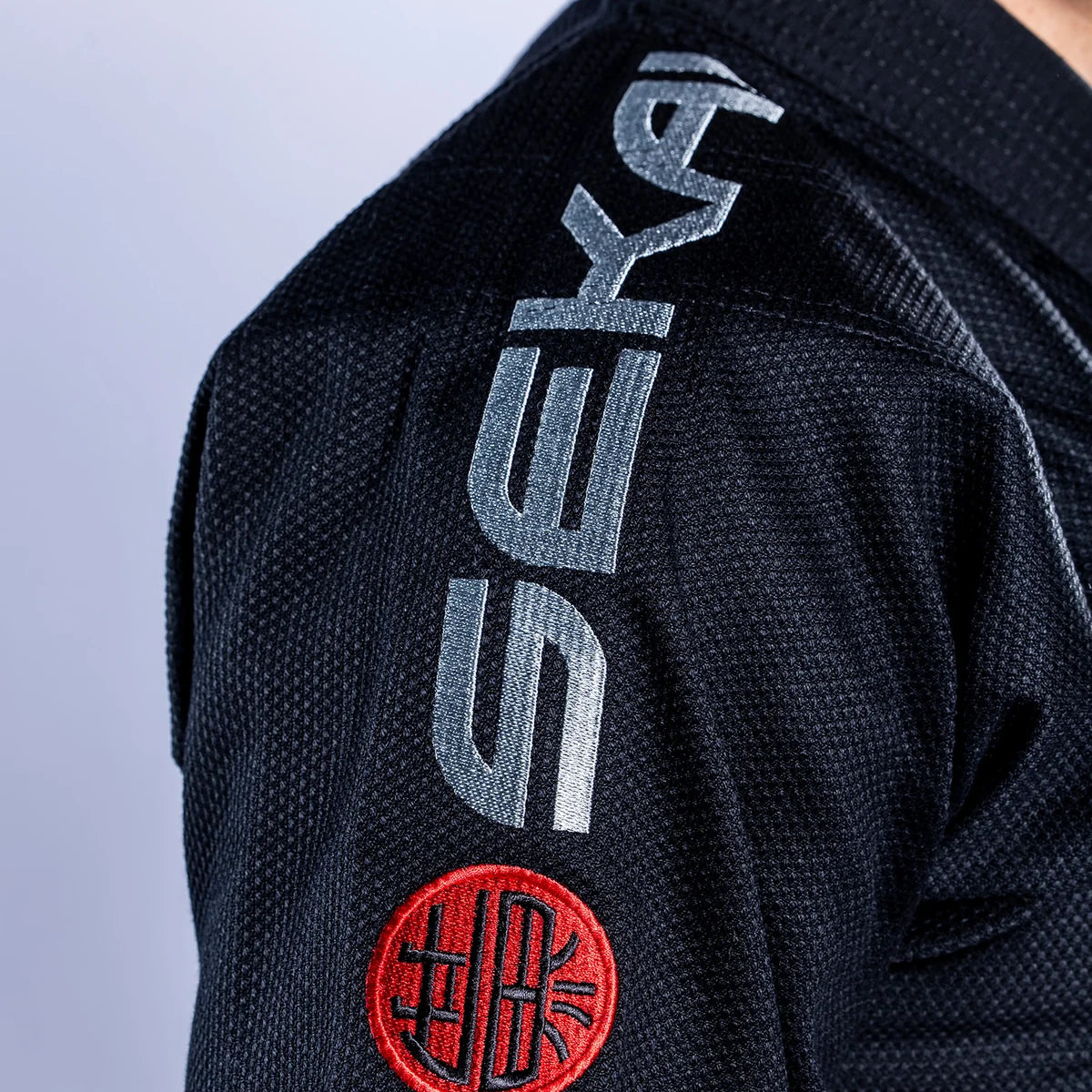
The gi is the big decision because it gets the most use and usually costs the most. For kids, durability matters, but comfort matters too. A gi that feels stiff and heavy can make a new student hate wearing it before class even starts.
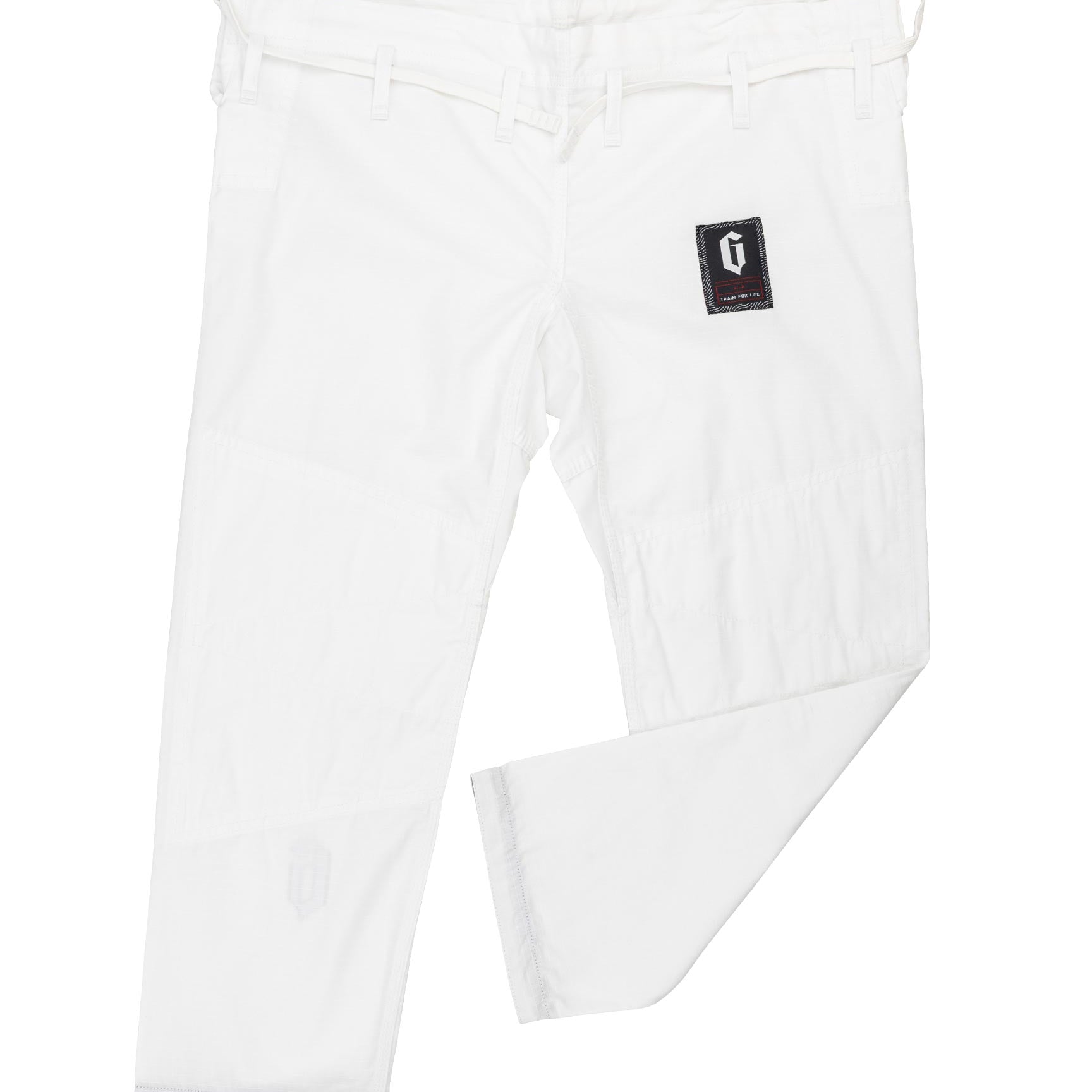
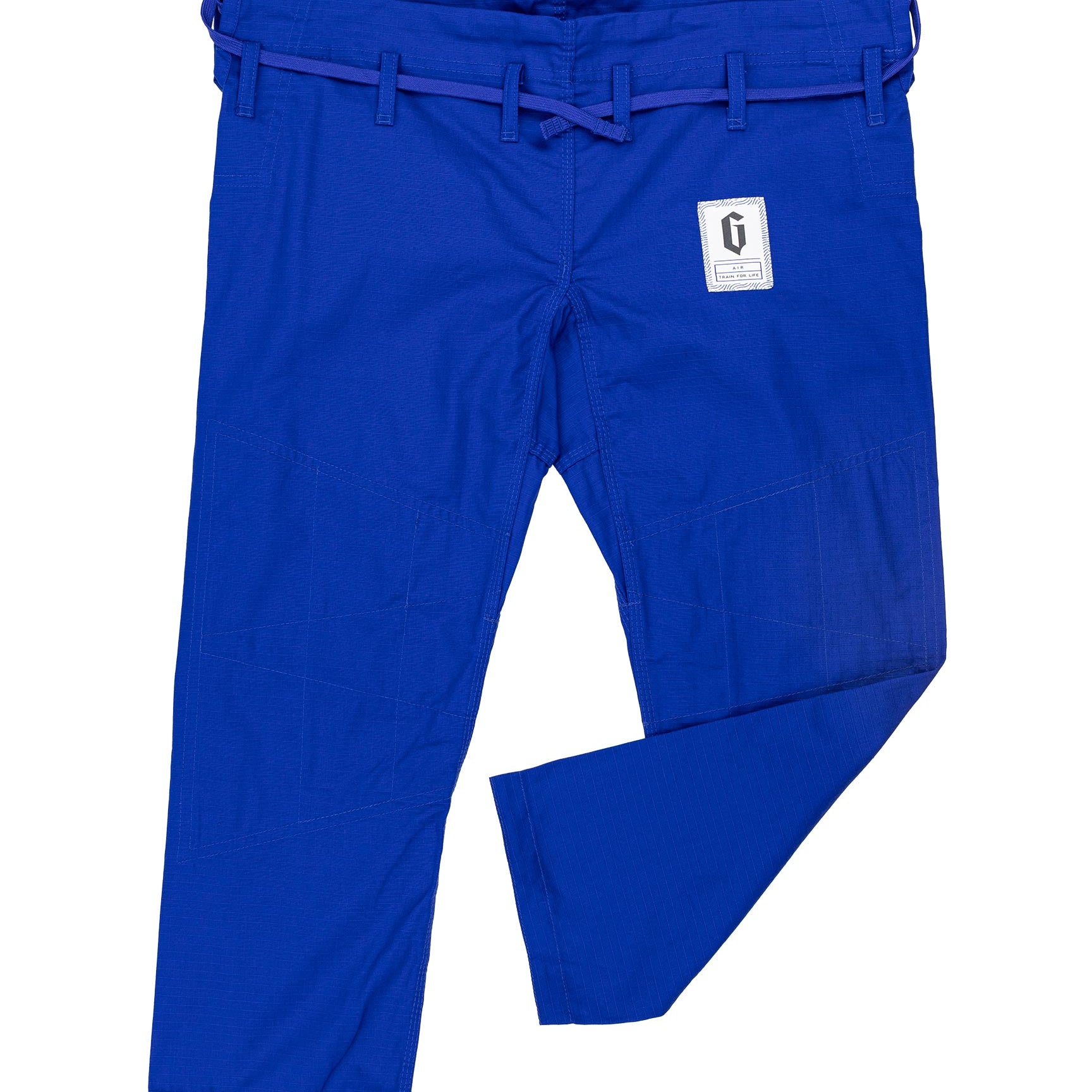
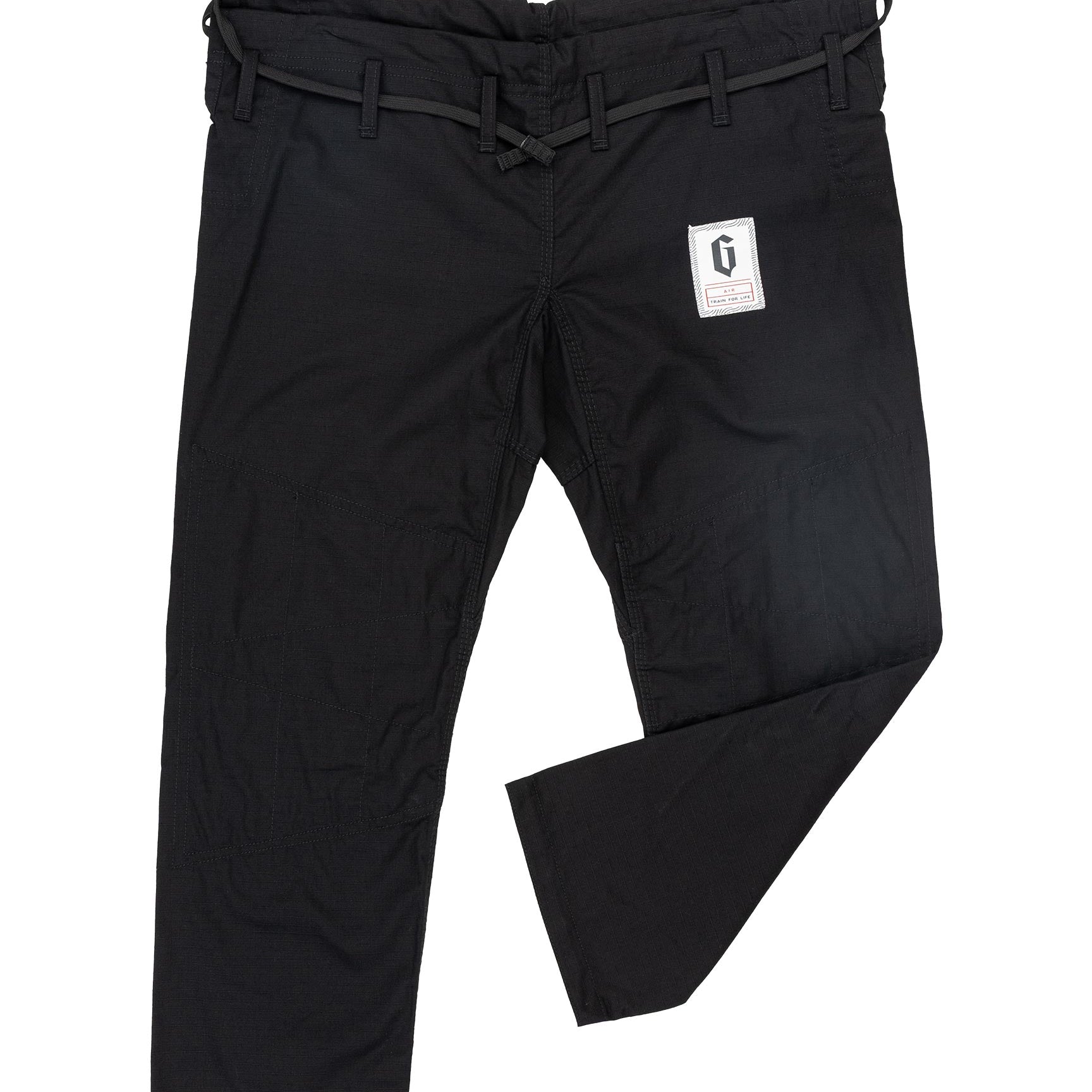
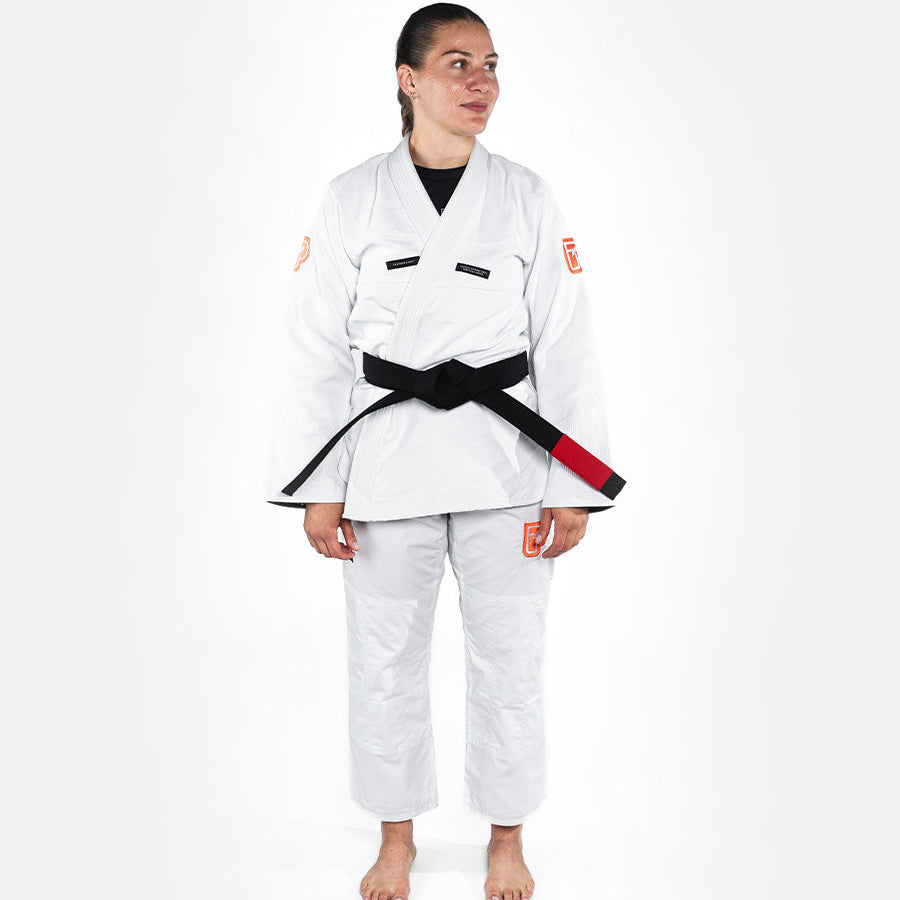
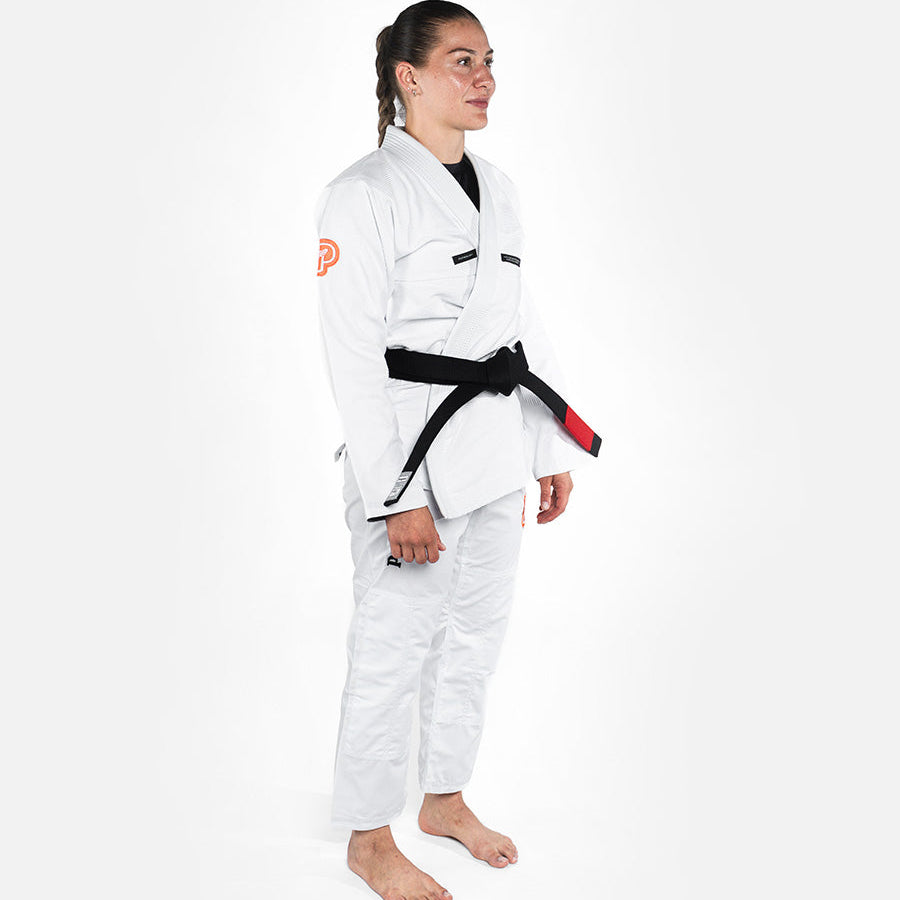
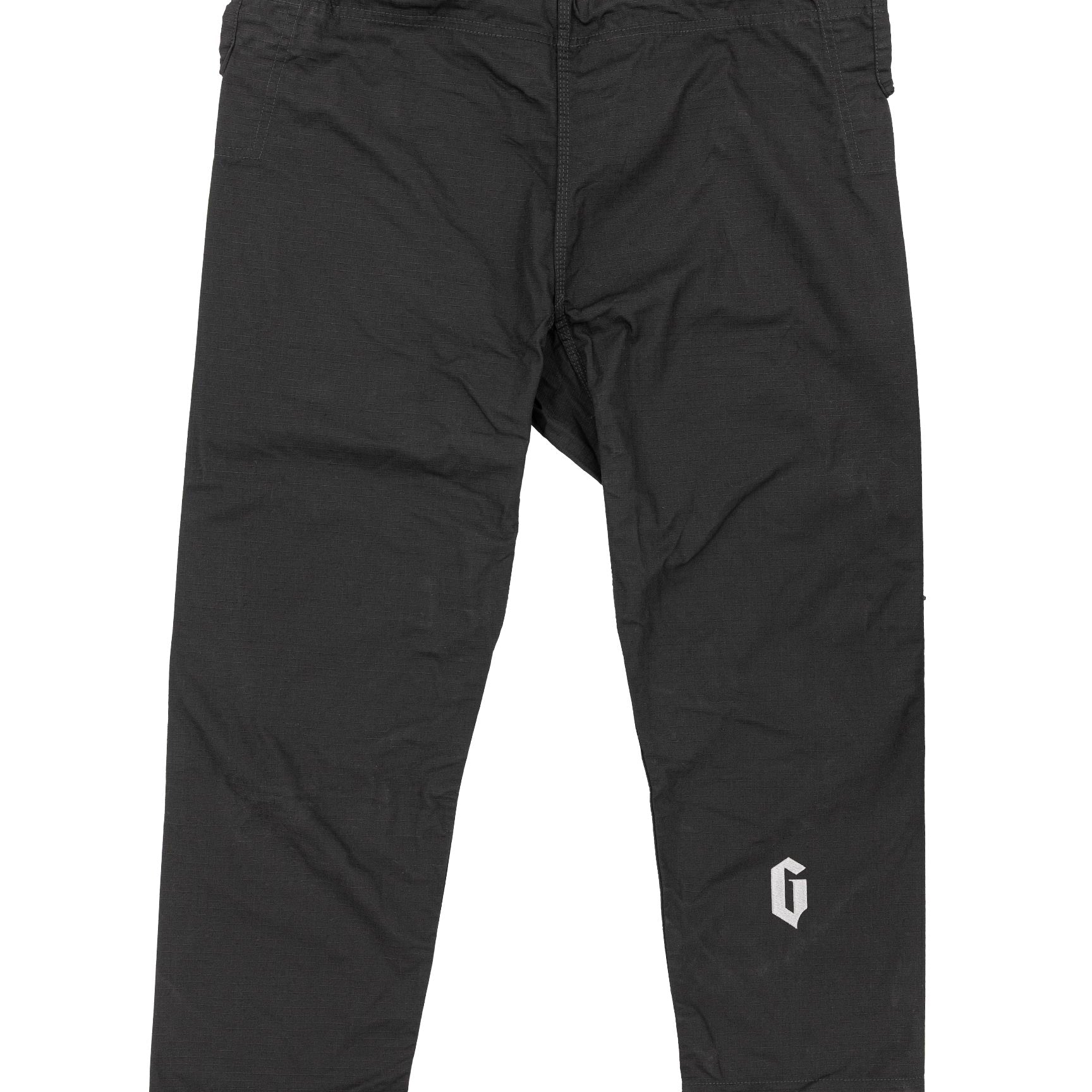
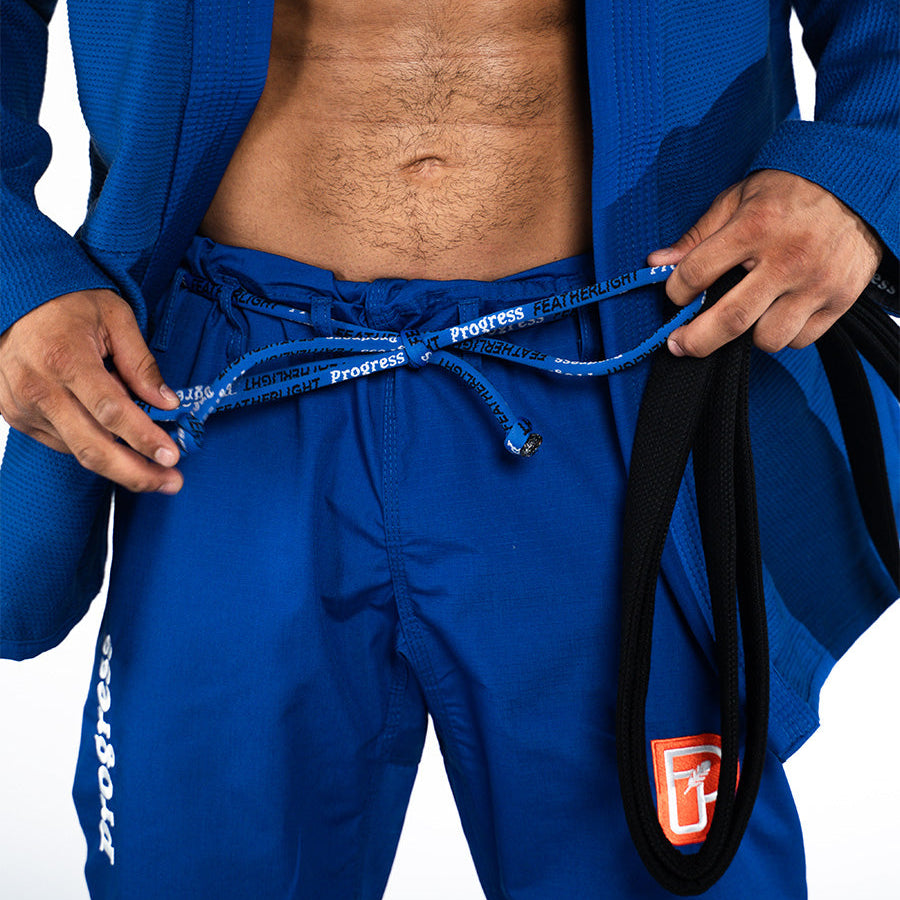
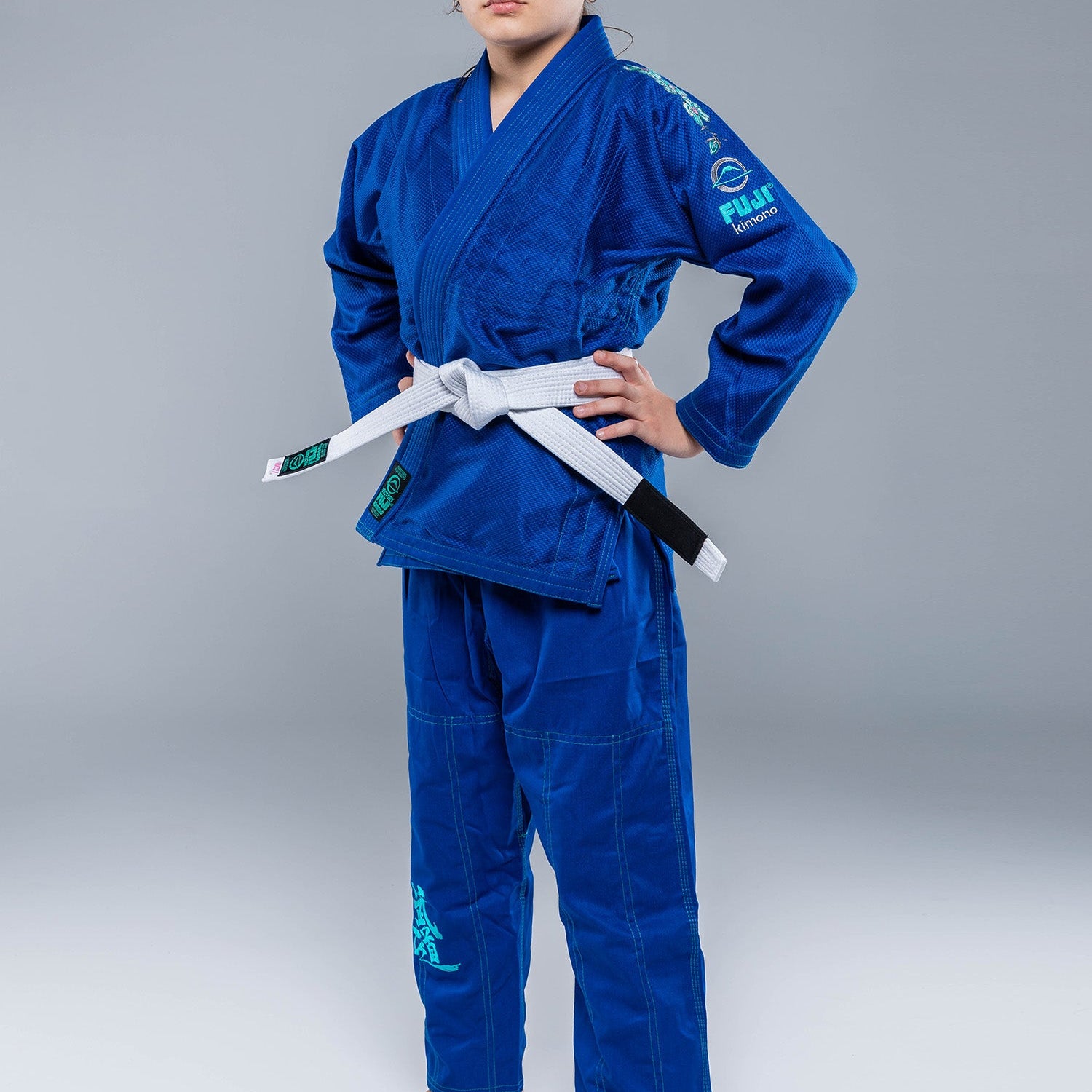
Look for a gi that gives room to move without being baggy. Sleeves that are too long get grabbed constantly. Pants that are too loose slide around when kids sprawl, wrestle up, or try to stand in base. A trim but not tight fit tends to work best.
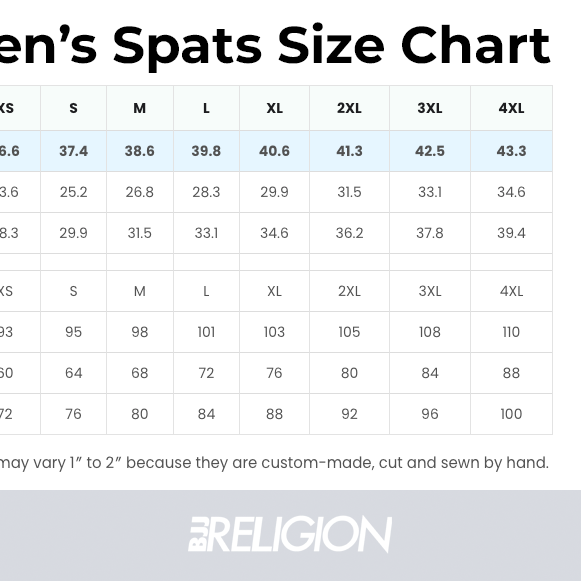
Kids also grow fast, so sizing is never perfect. Buying a gi one size too big can seem practical, but there is a limit. If the cuffs cover the hands or the pants drag under the heels, your child will feel awkward drilling armbars, technical stand-ups, or guard passes. A little room for growth is fine. A giant gi that needs months to grow into usually is not.
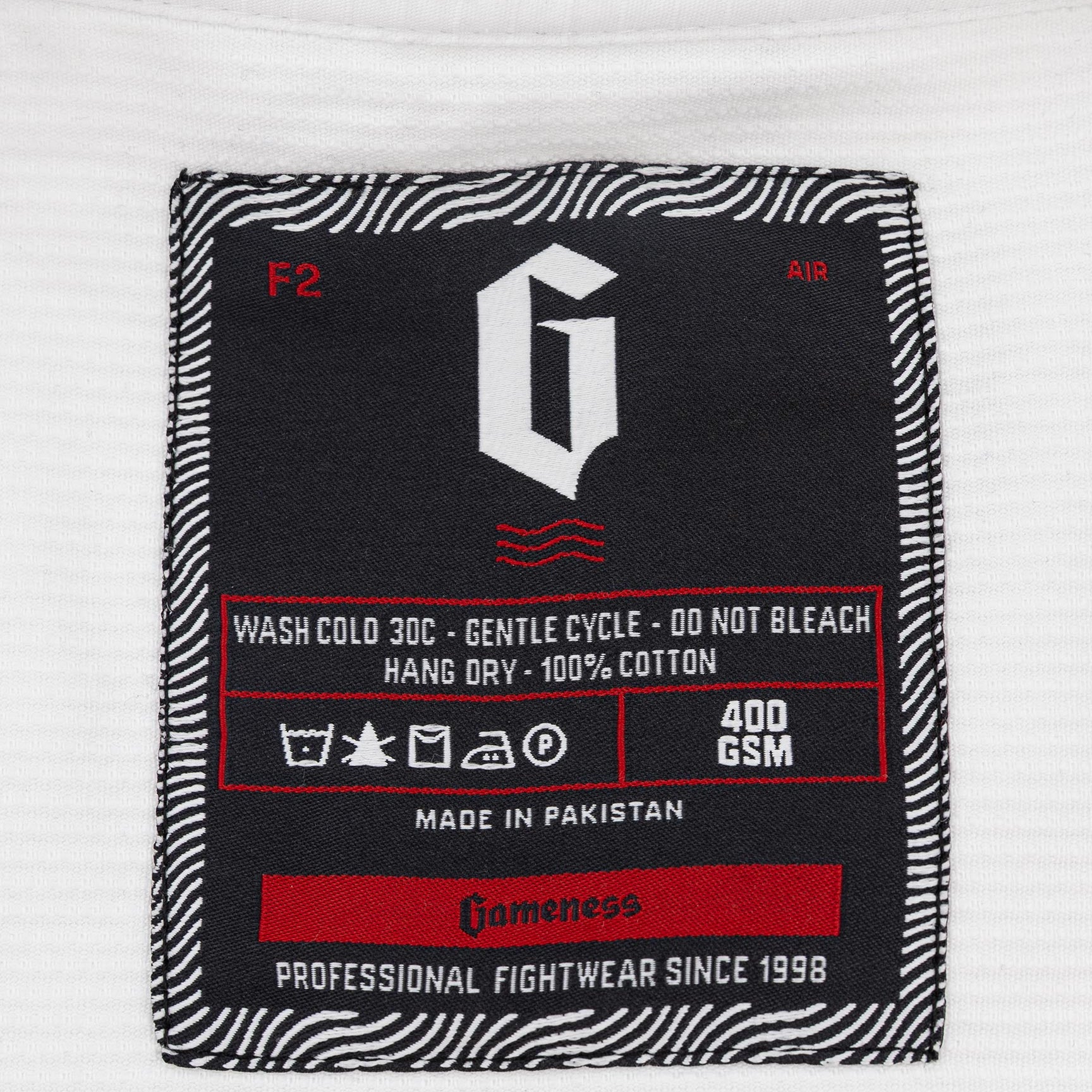
Cotton gis often shrink after washing, so factor that in before removing tags and tossing one into a hot dryer. If your child is right at the top of a size range, that small amount of shrinkage can actually help. If they already fit it exactly, aggressive drying can turn a usable gi into a backup gi fast.
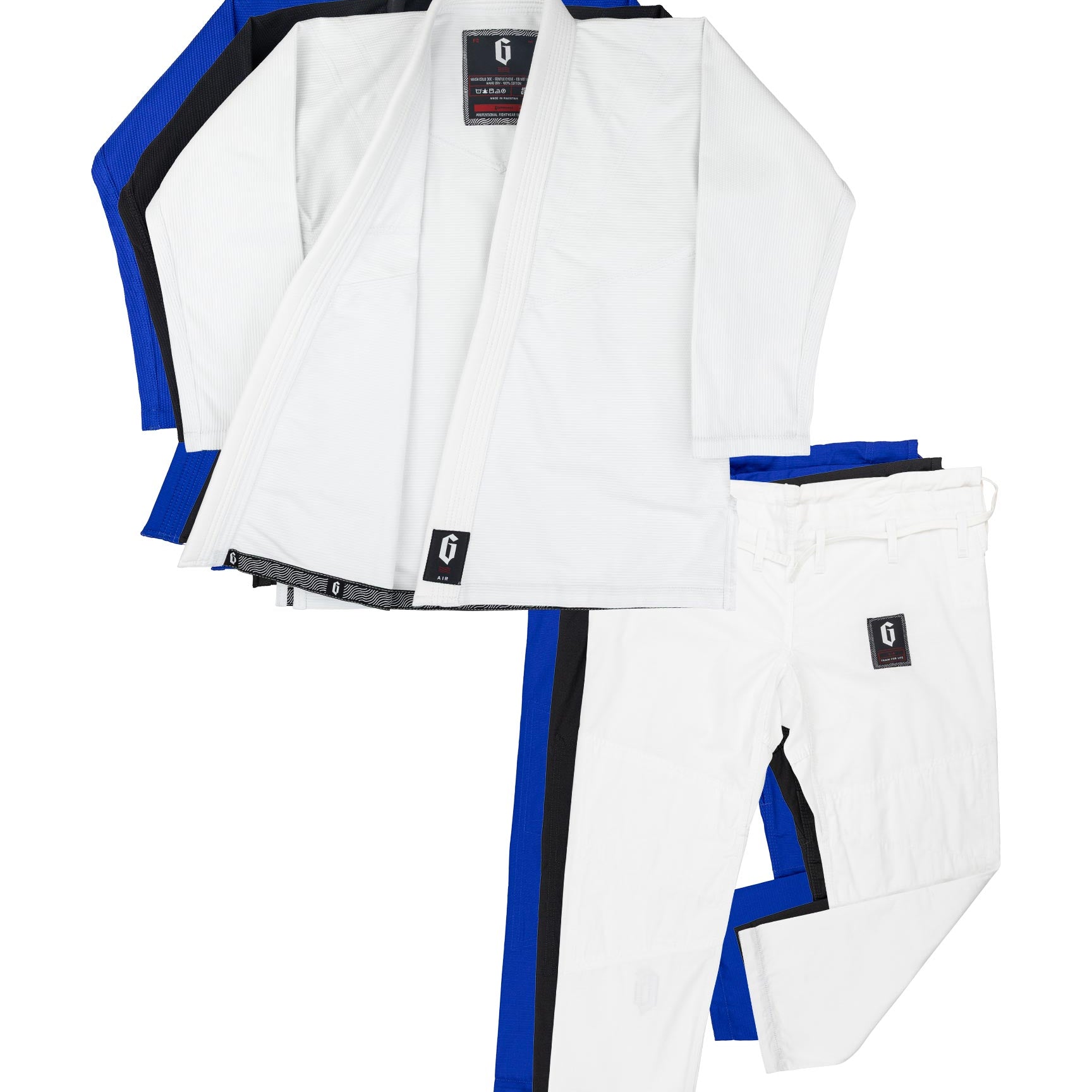
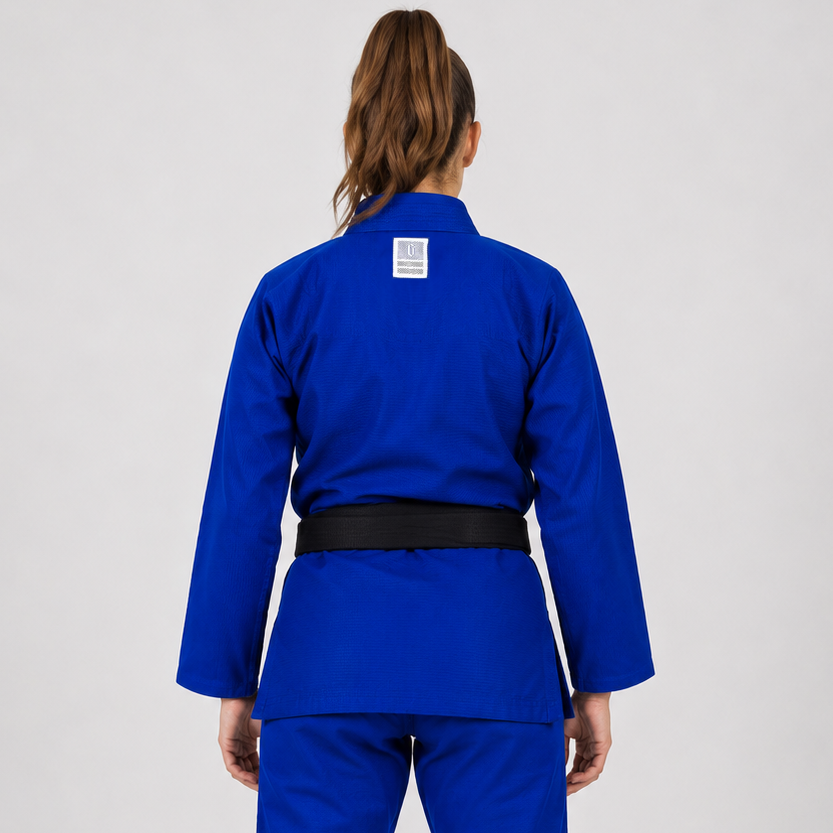
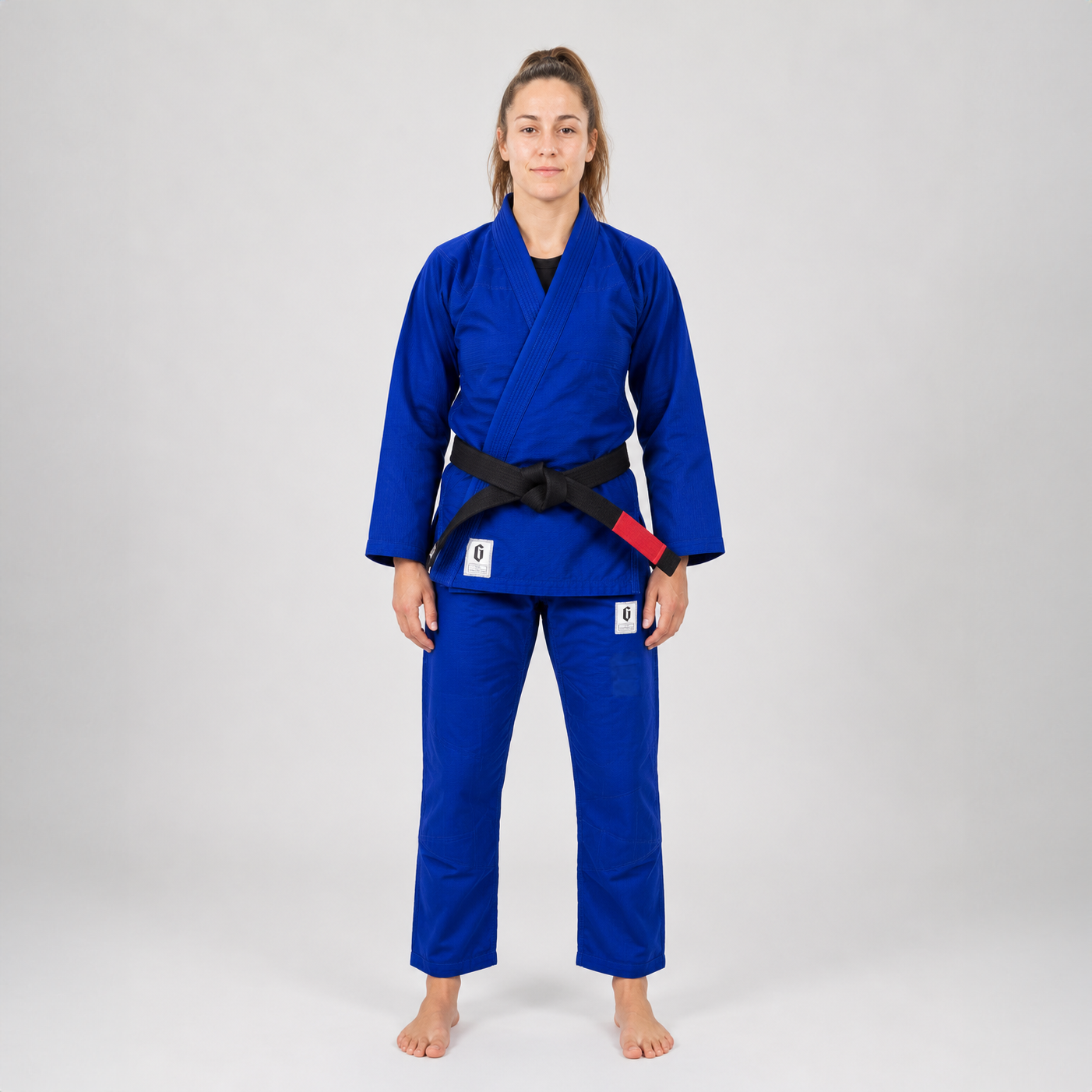
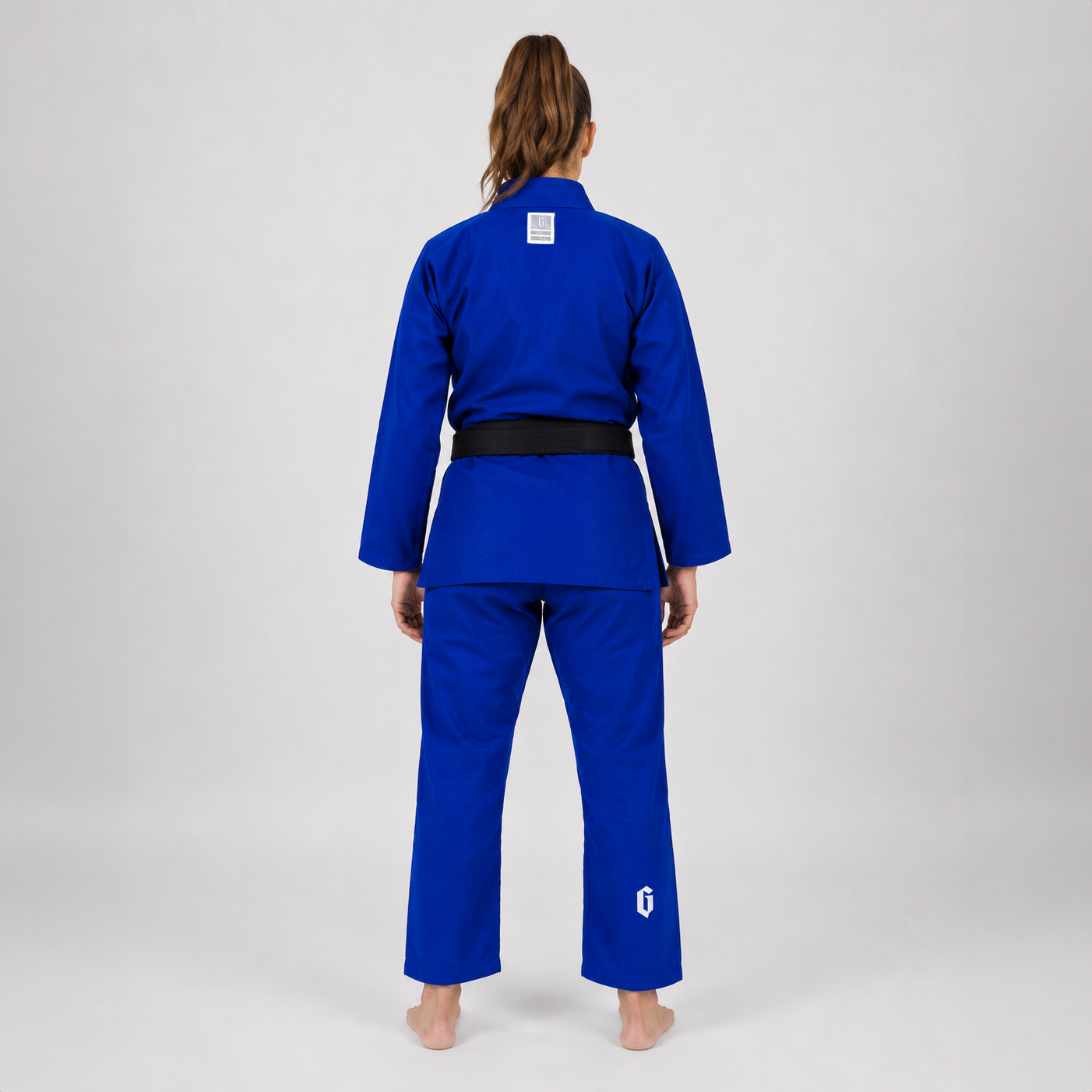
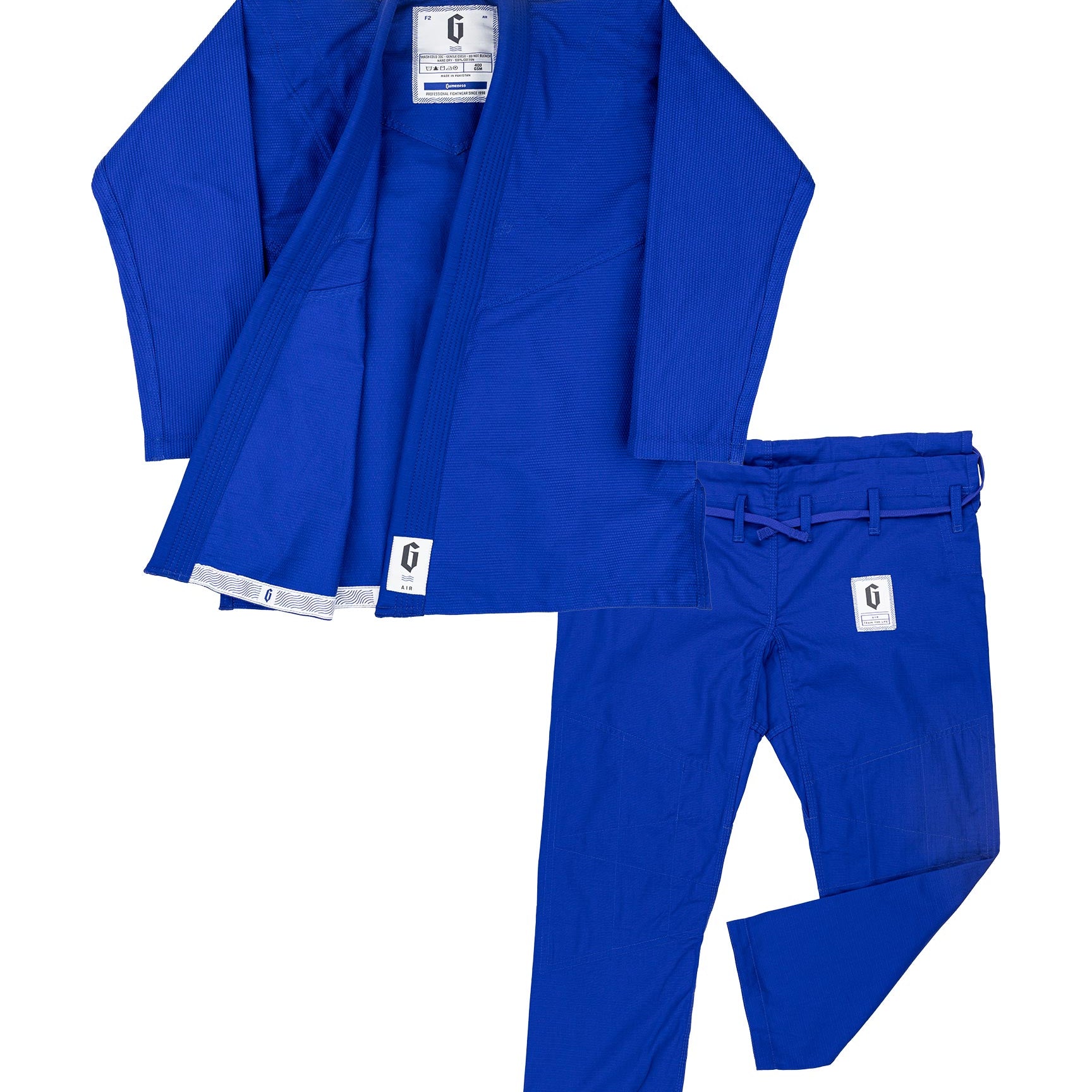
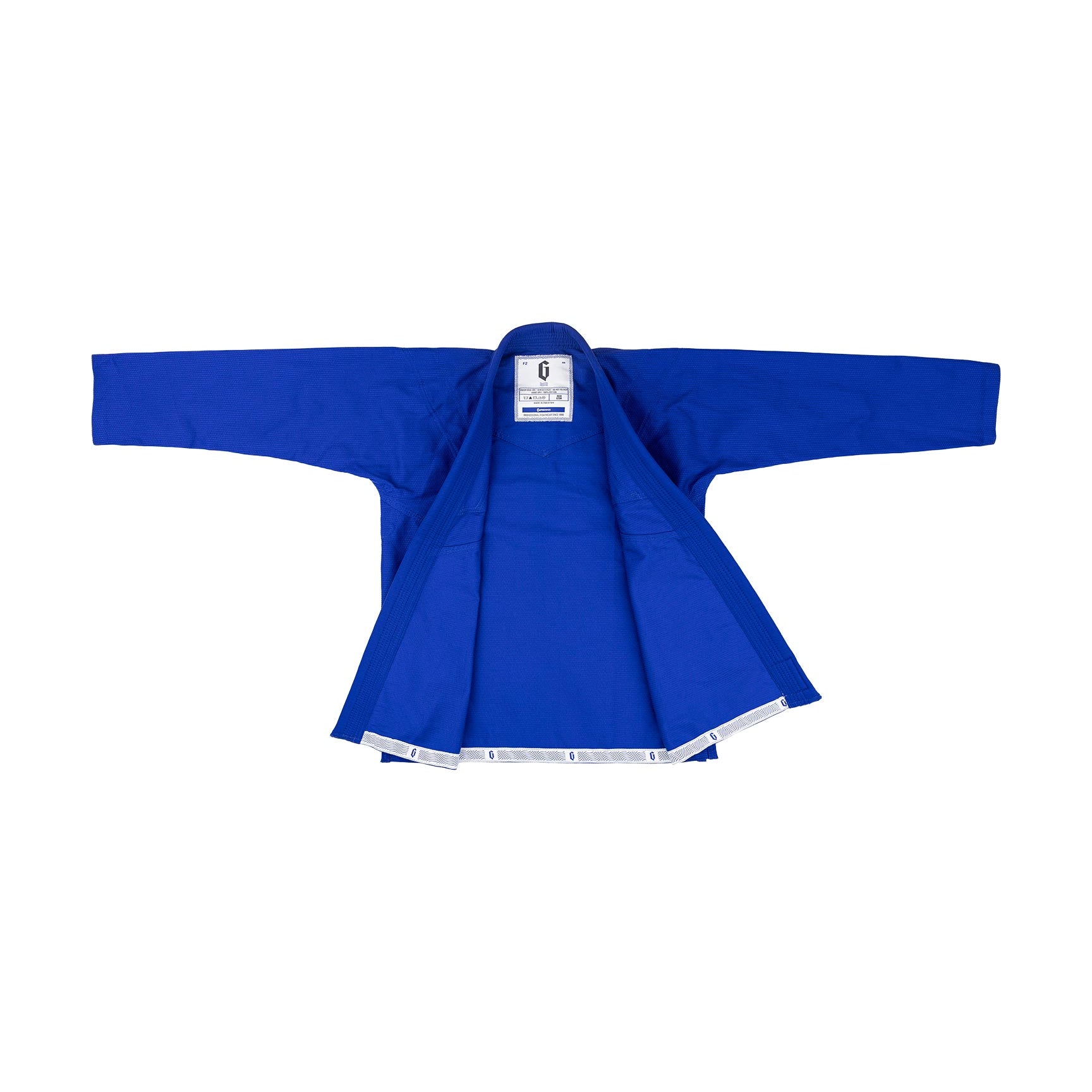
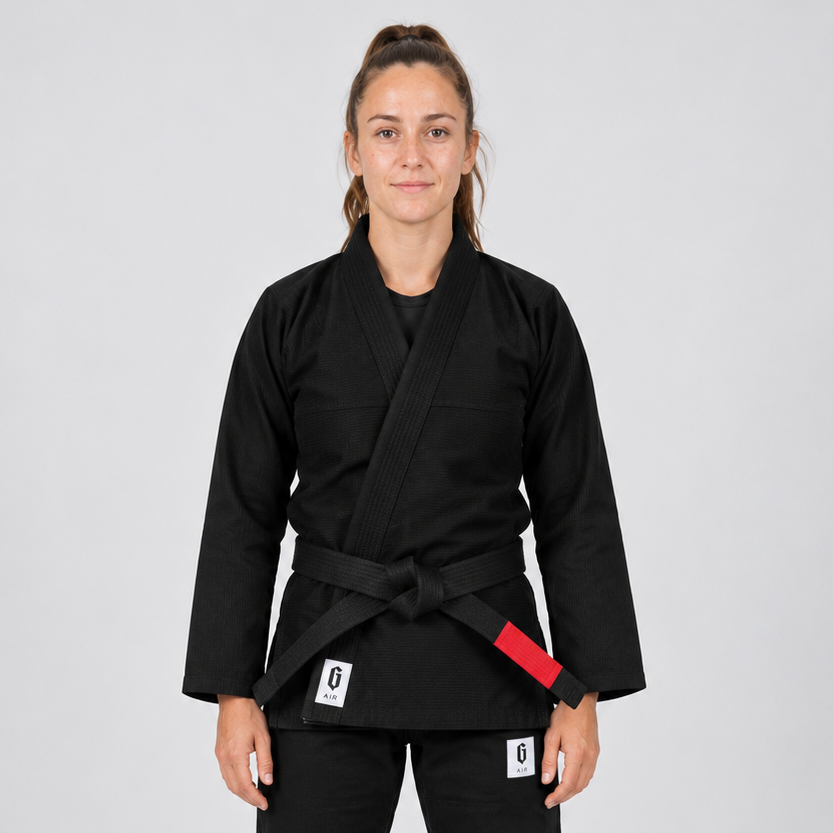
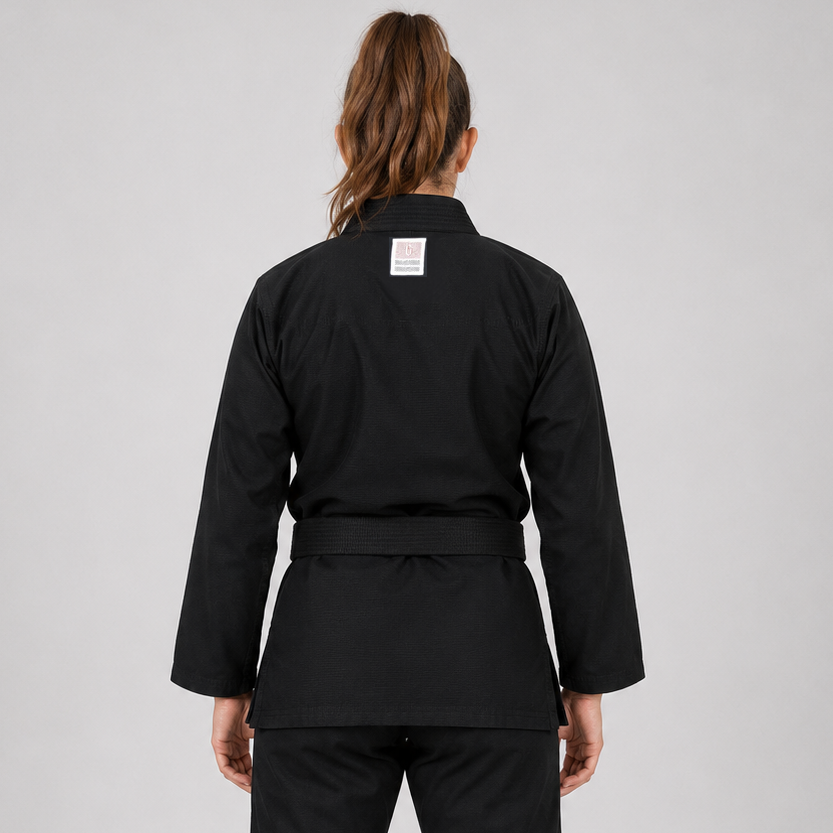
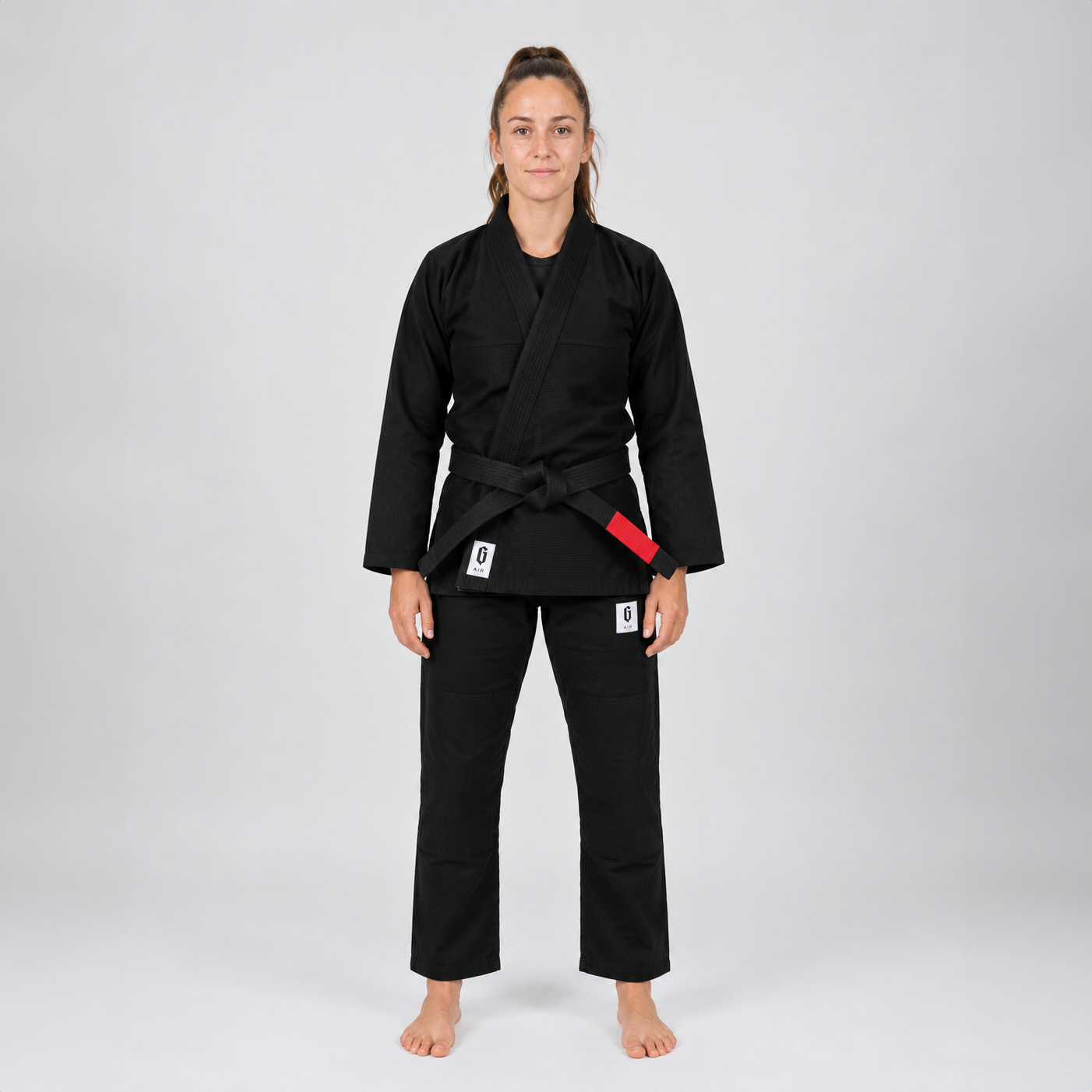
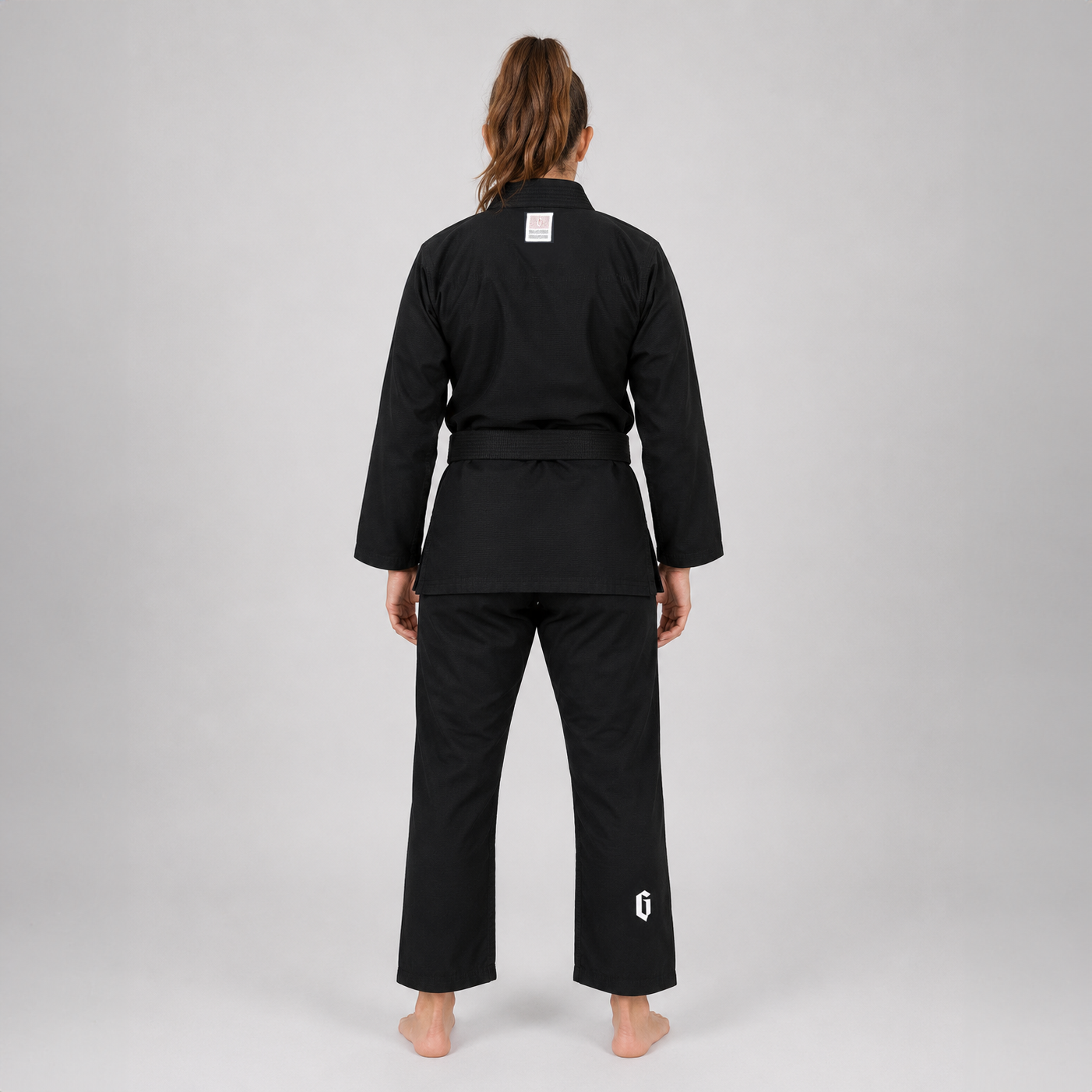
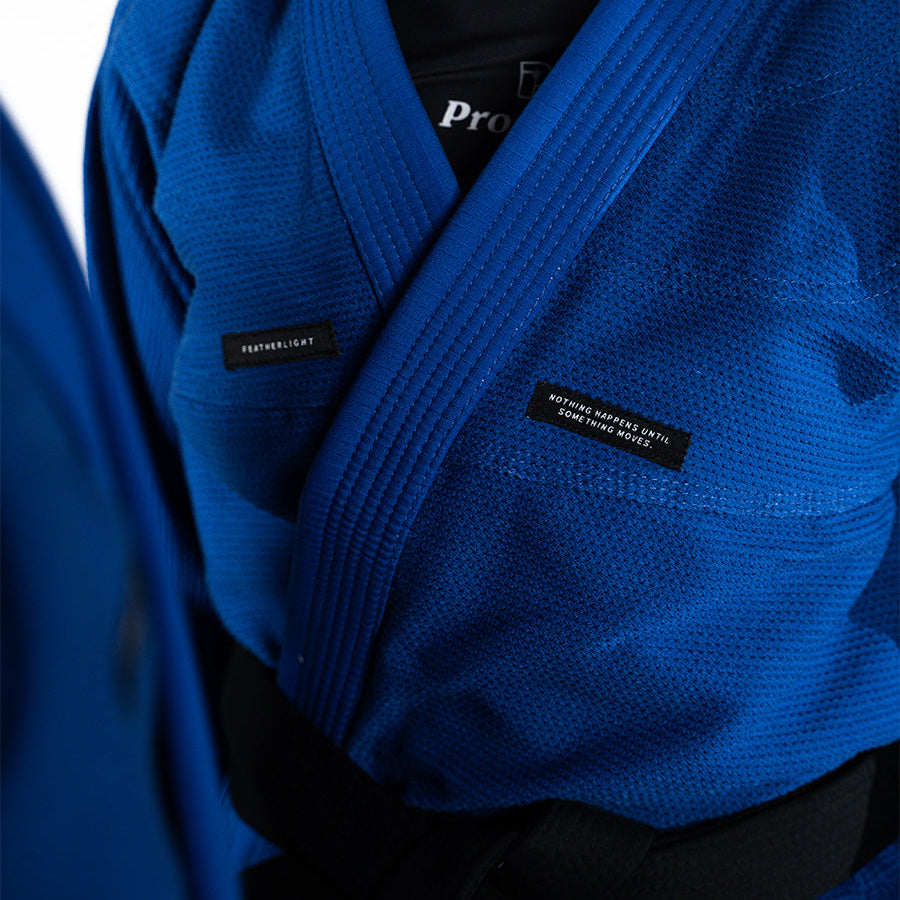
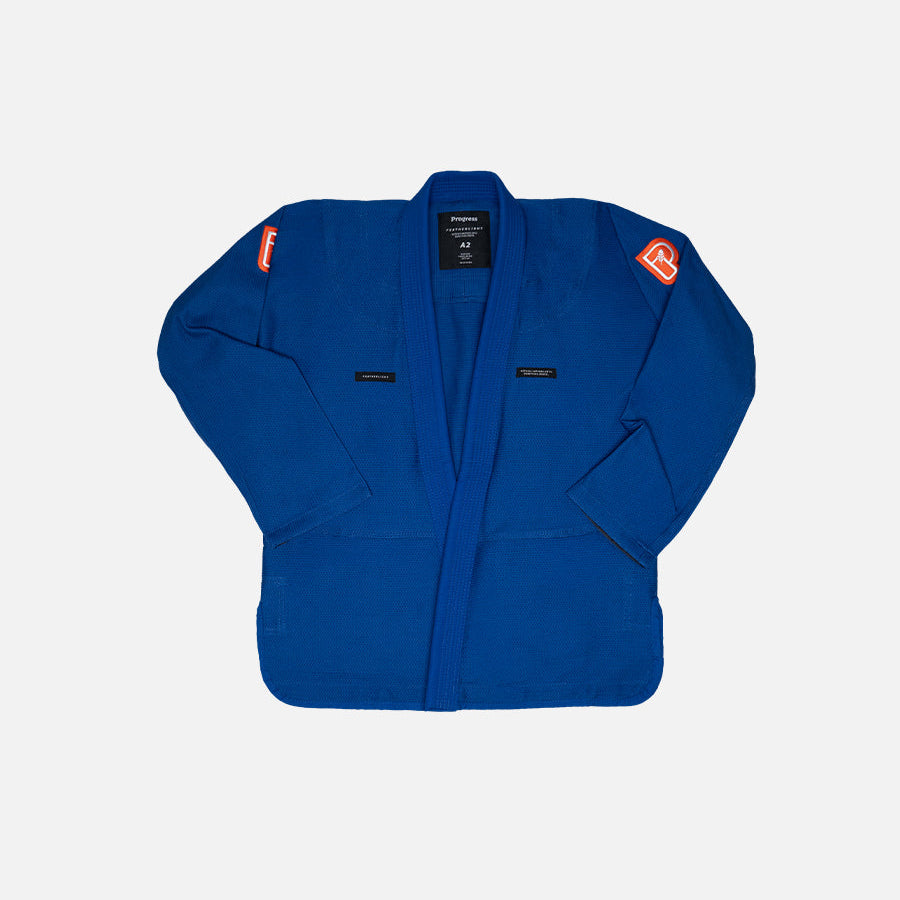
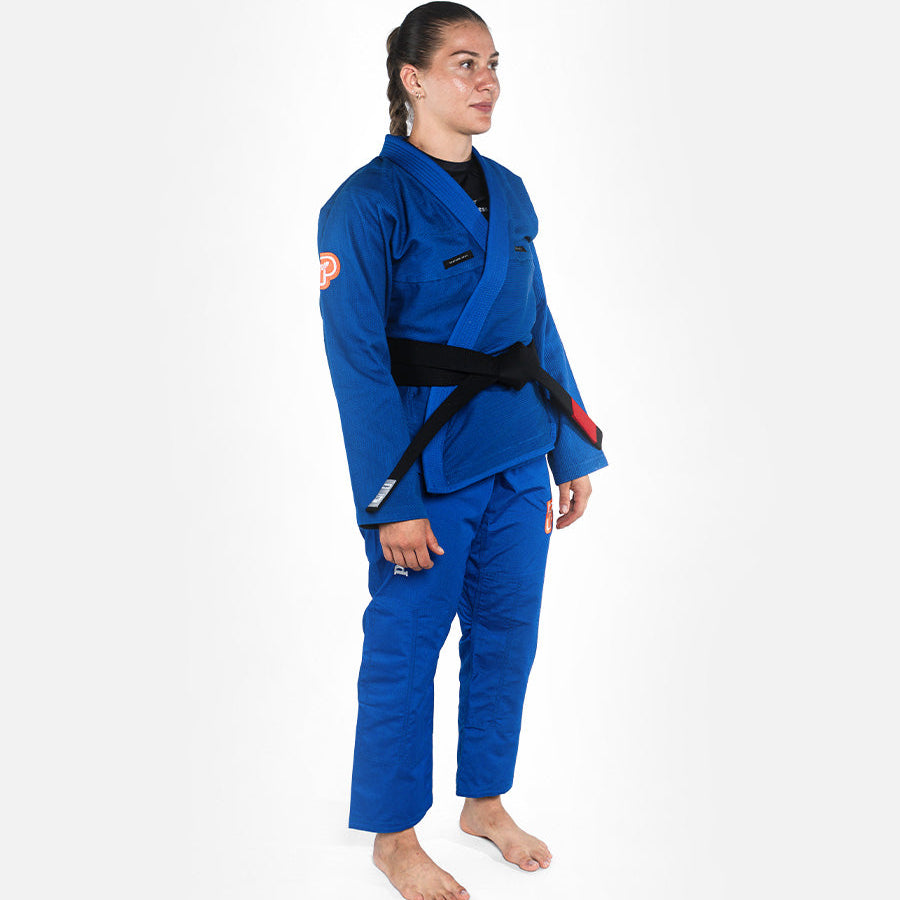
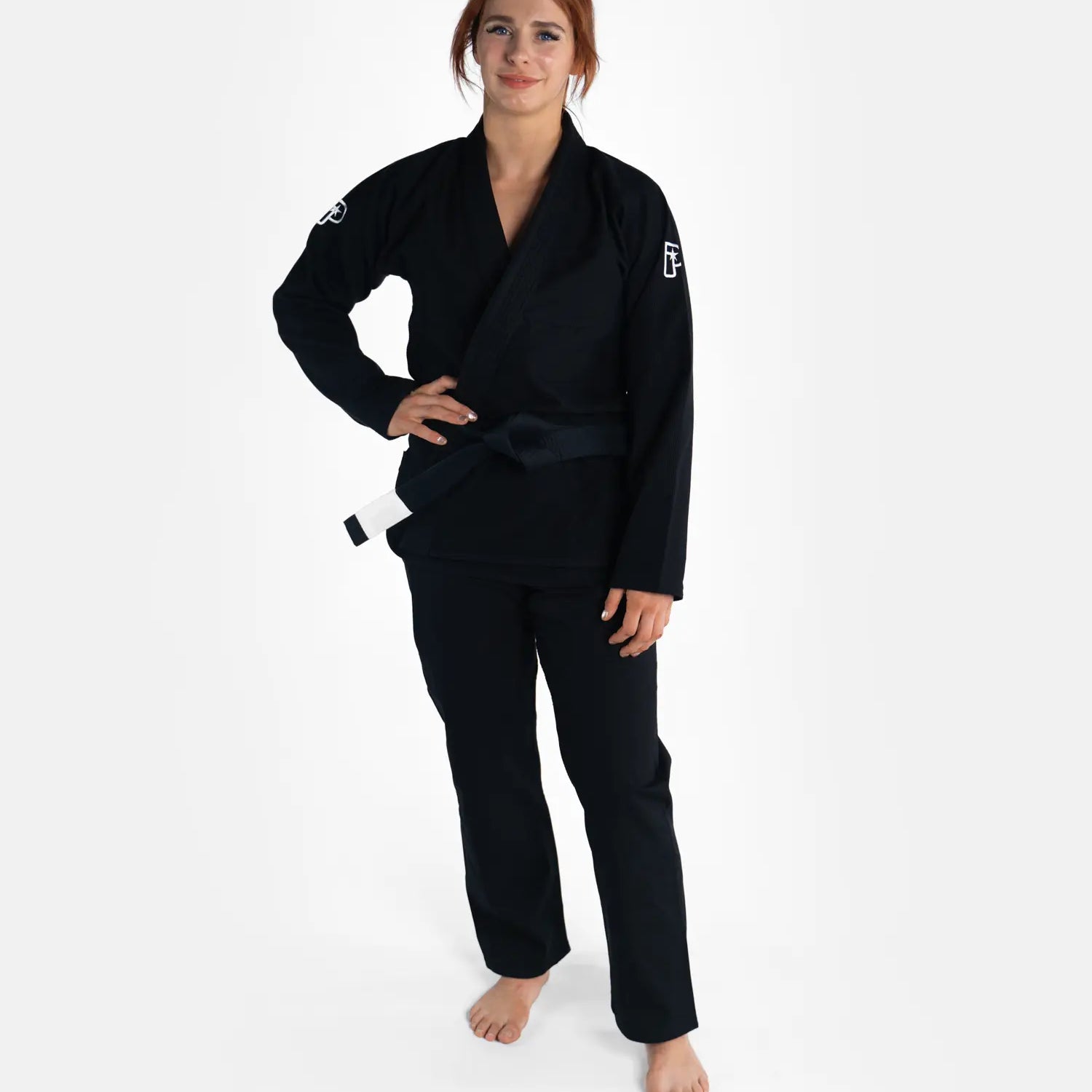
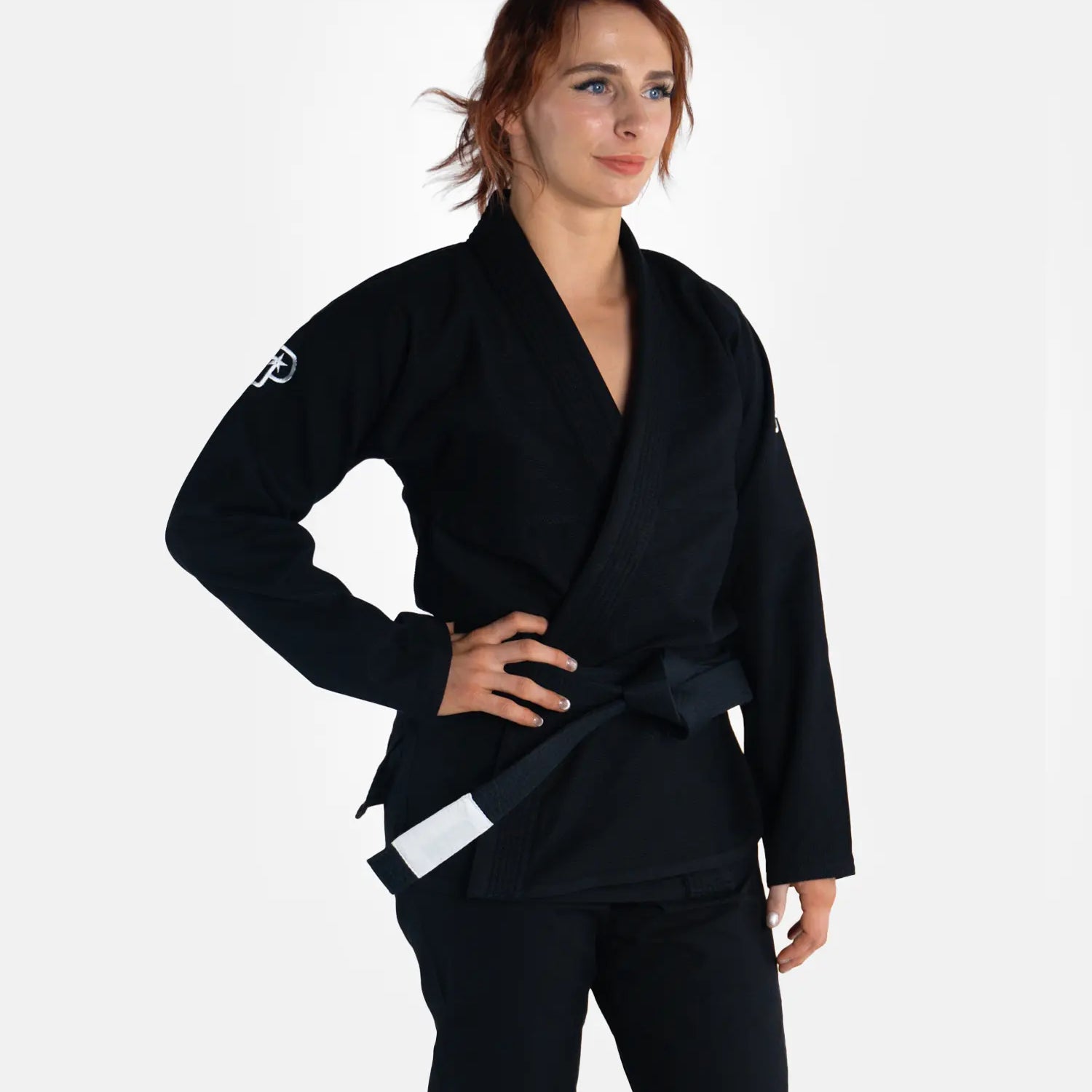
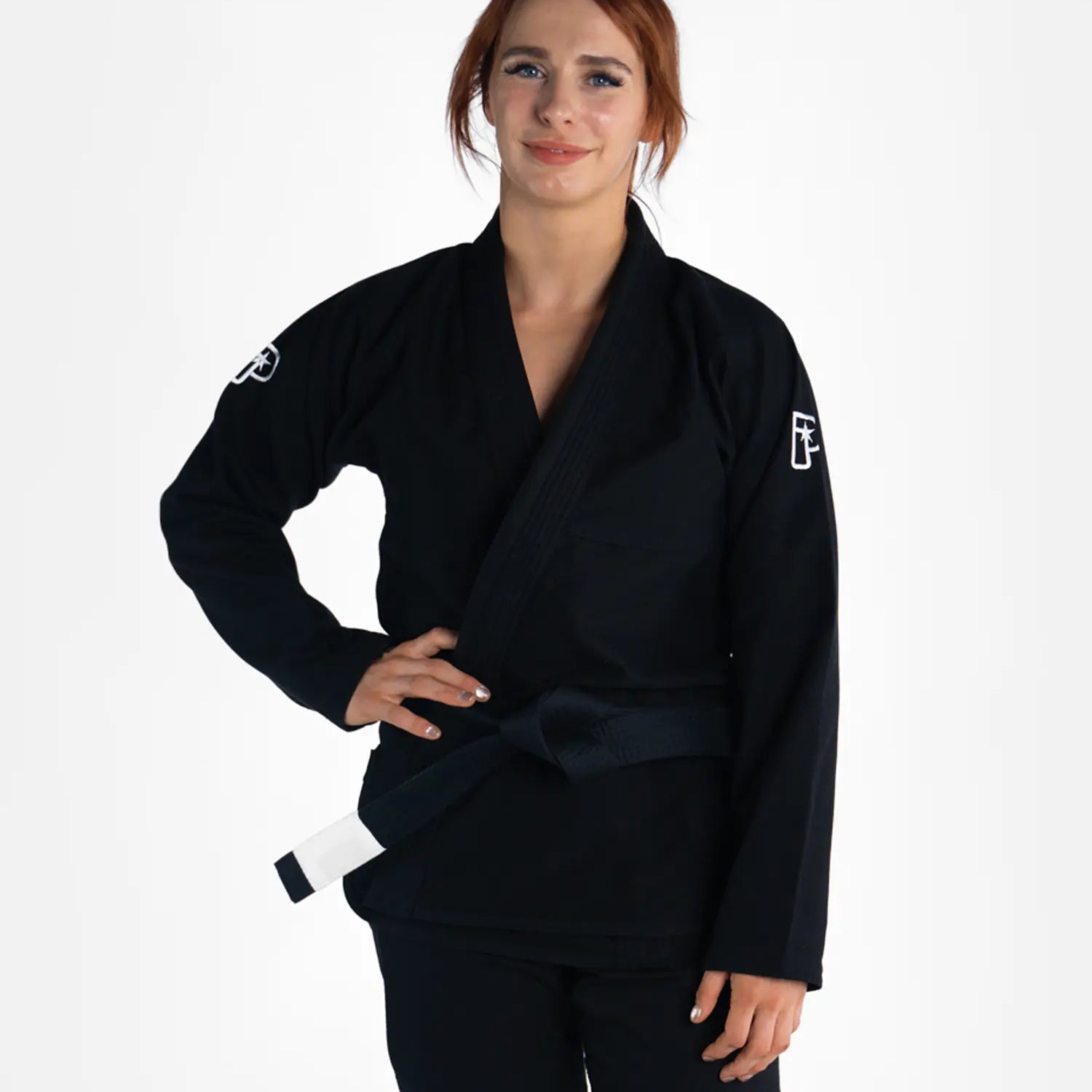
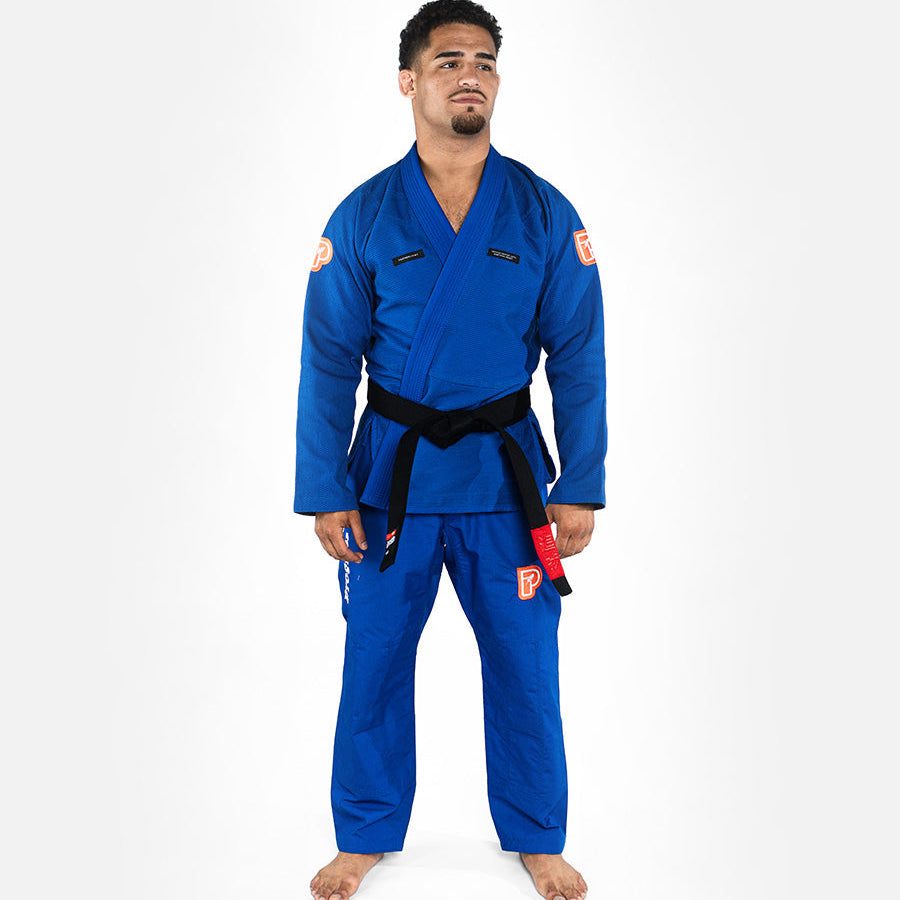
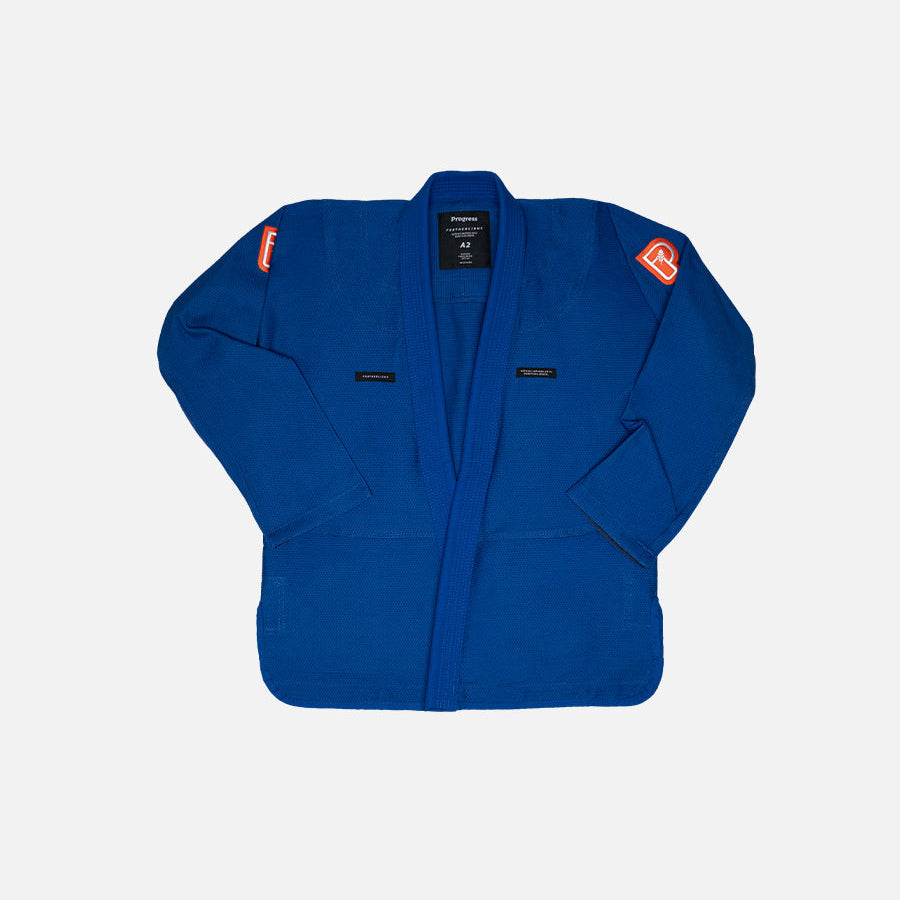
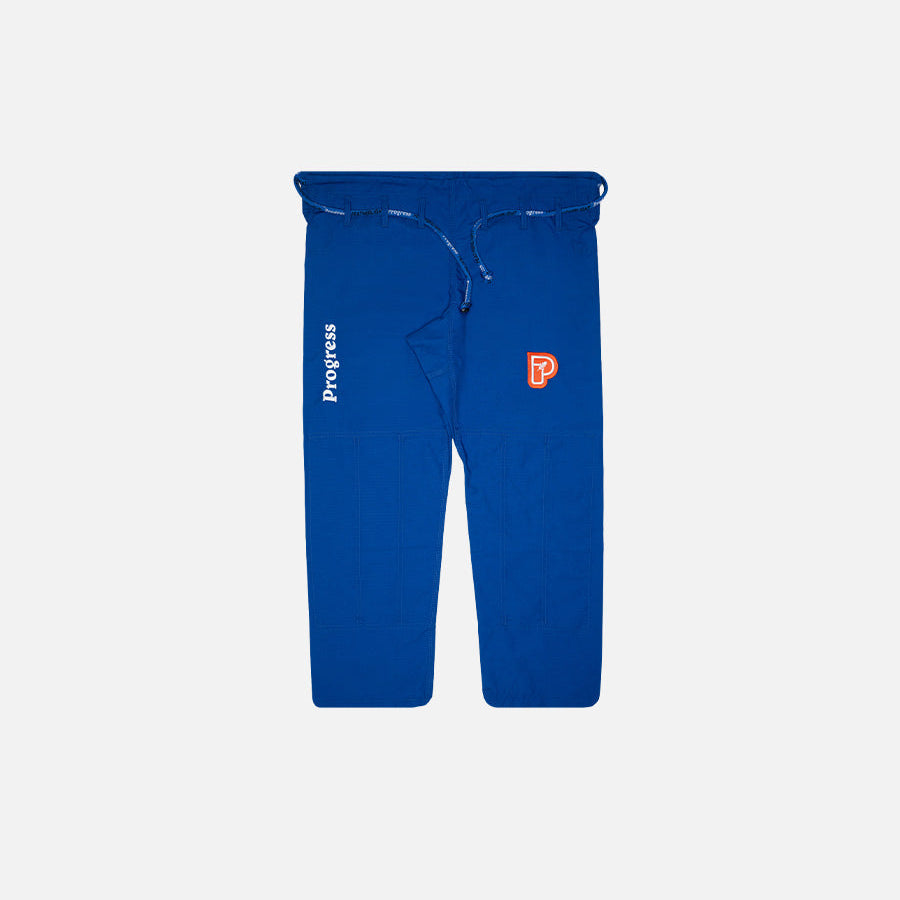
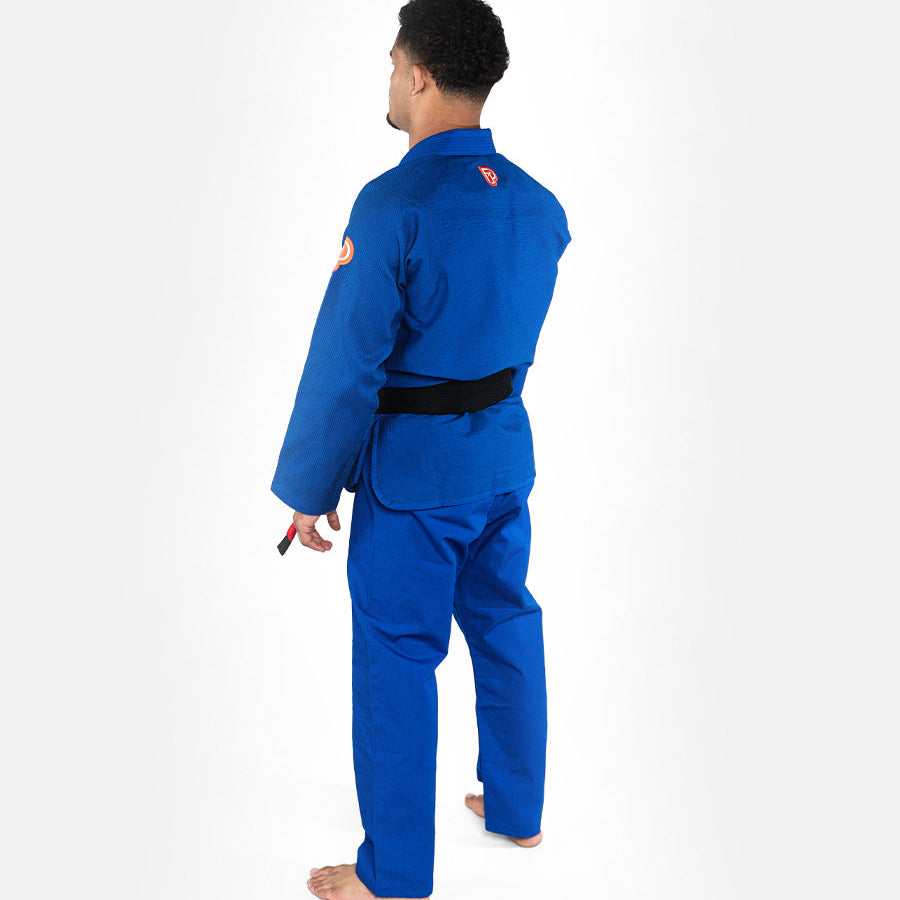
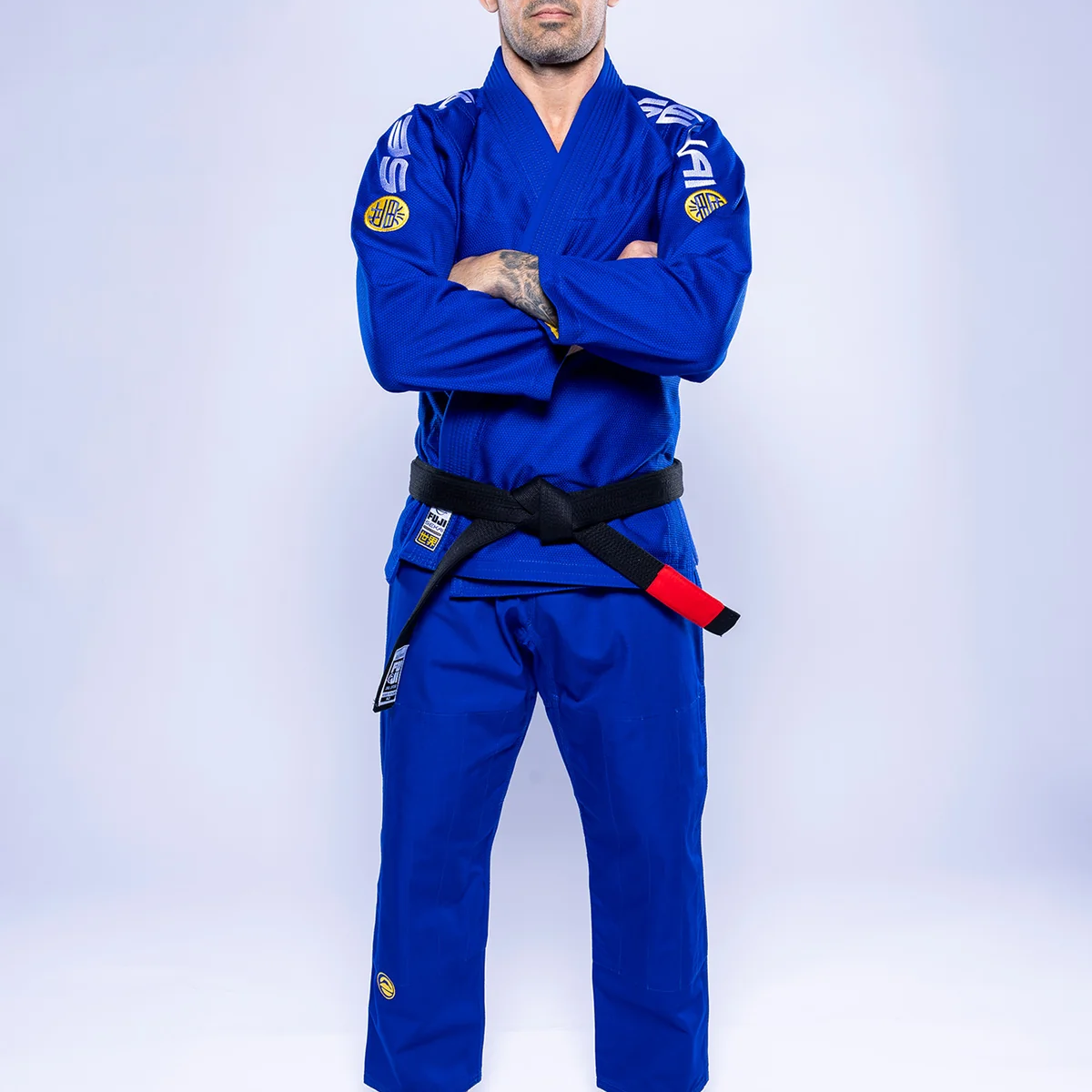
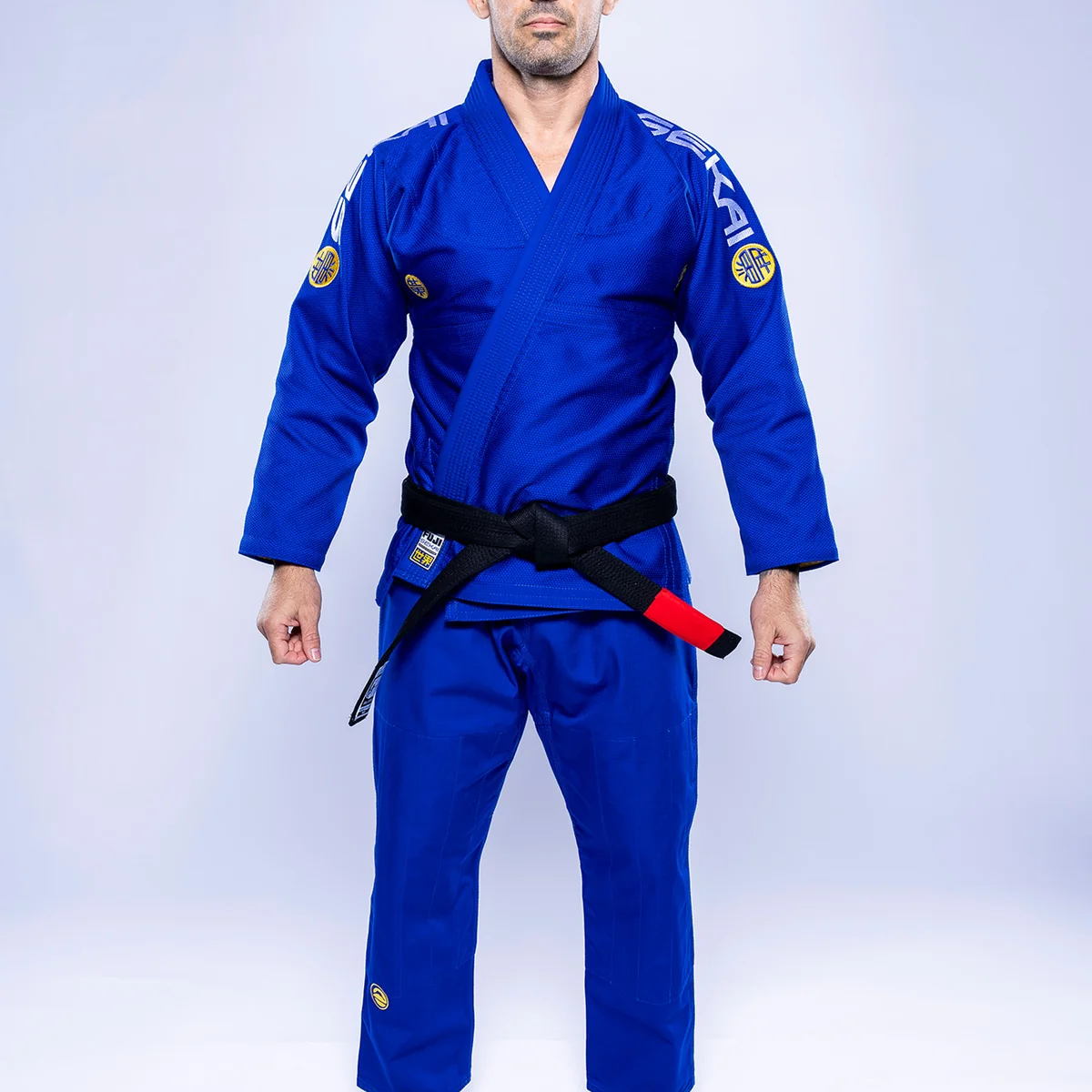
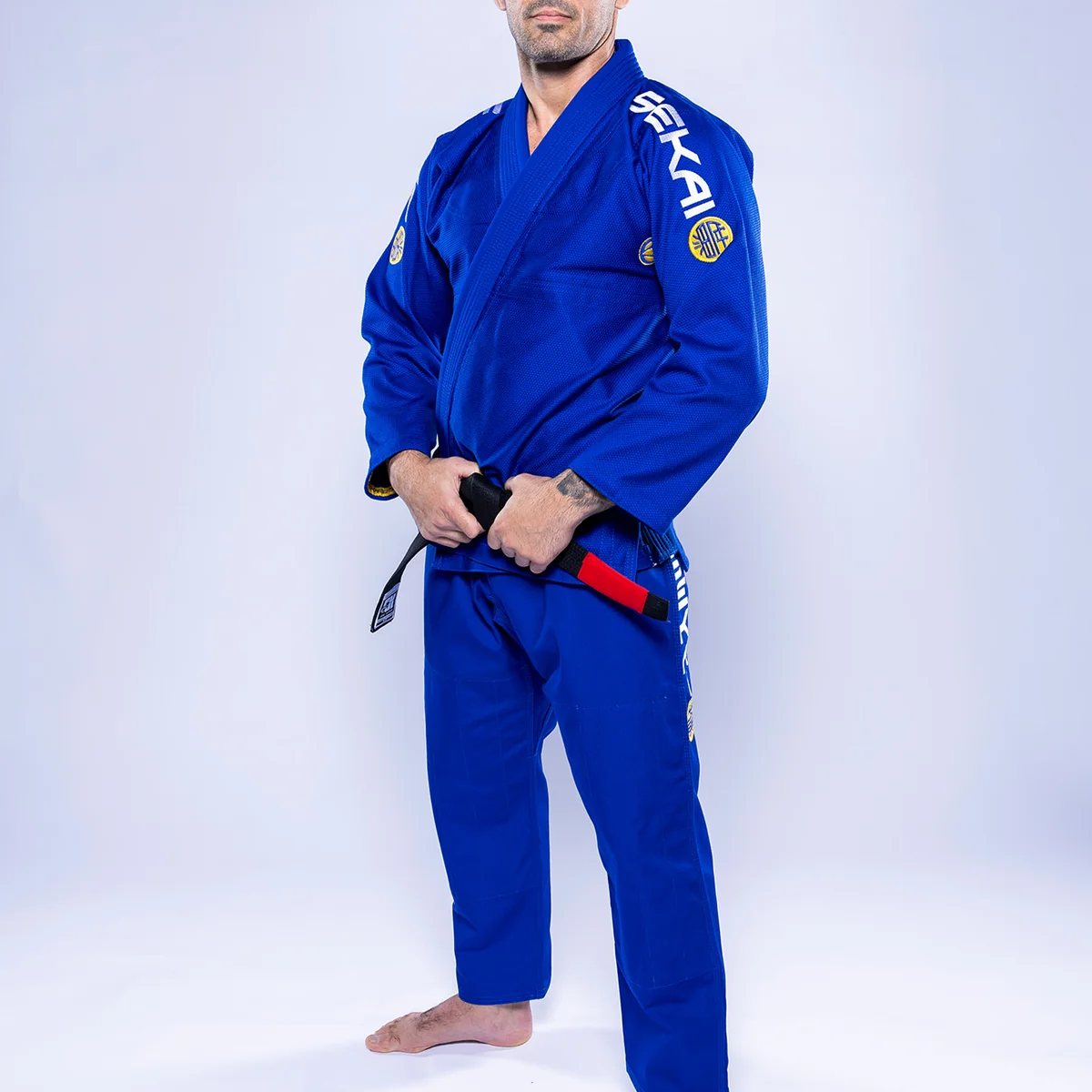
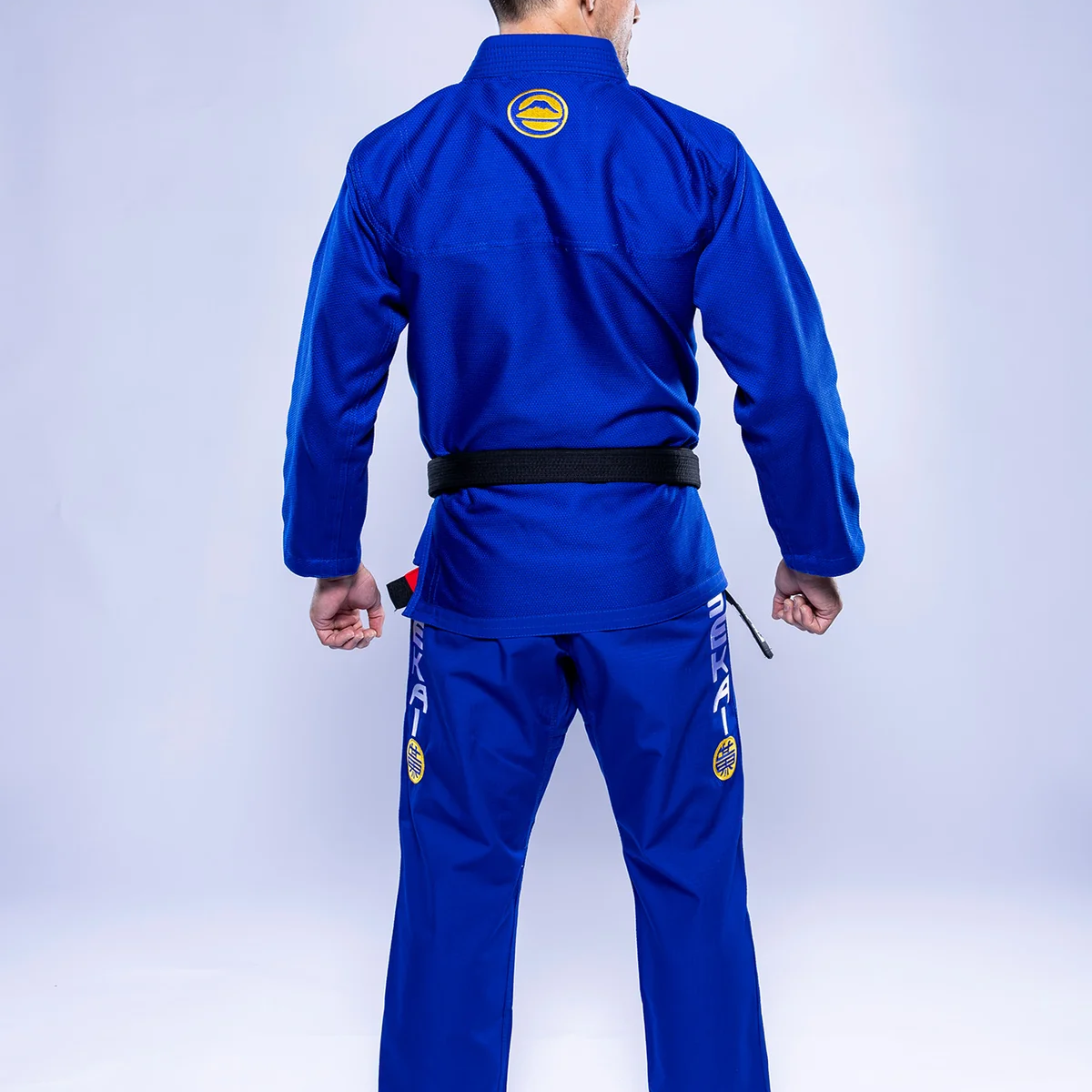
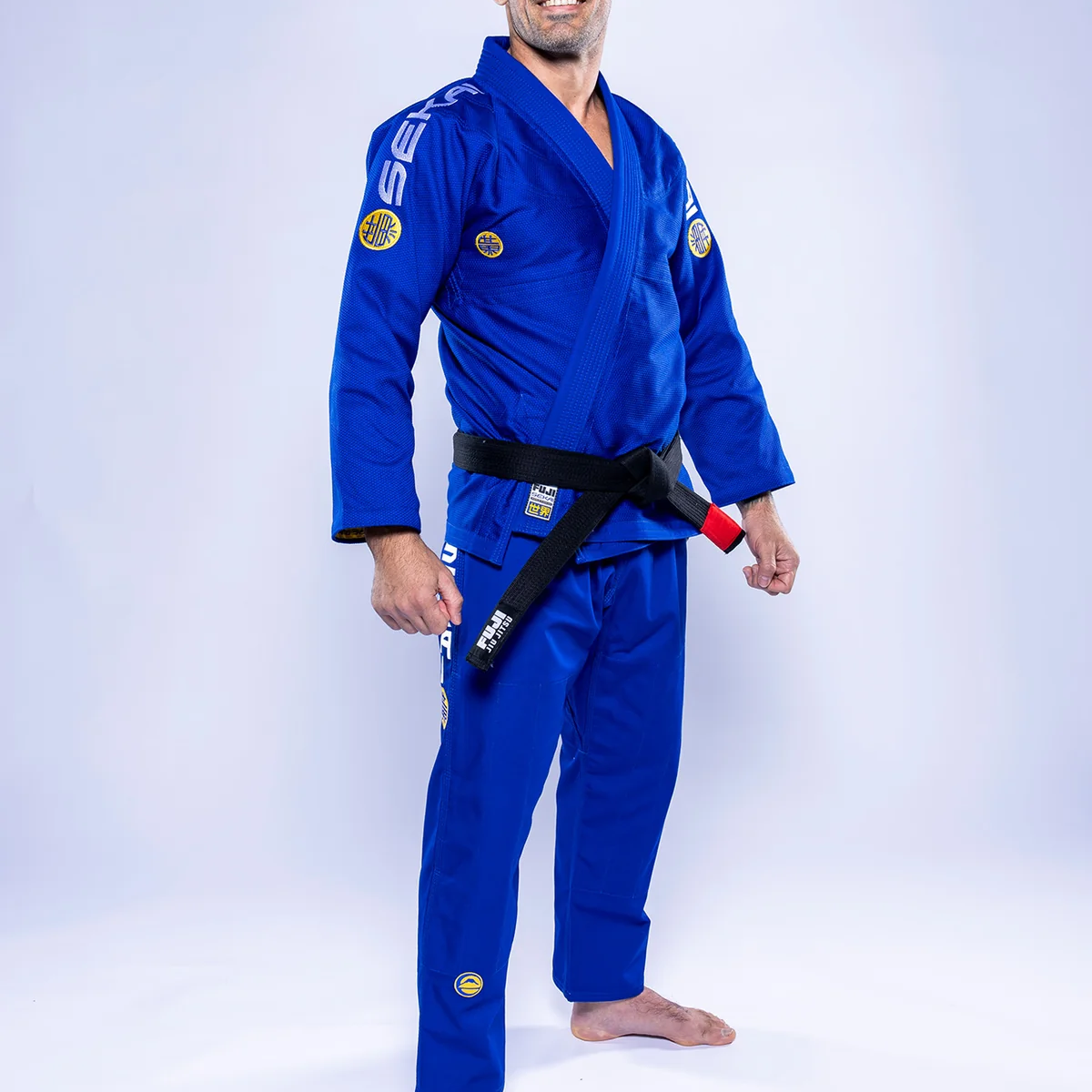
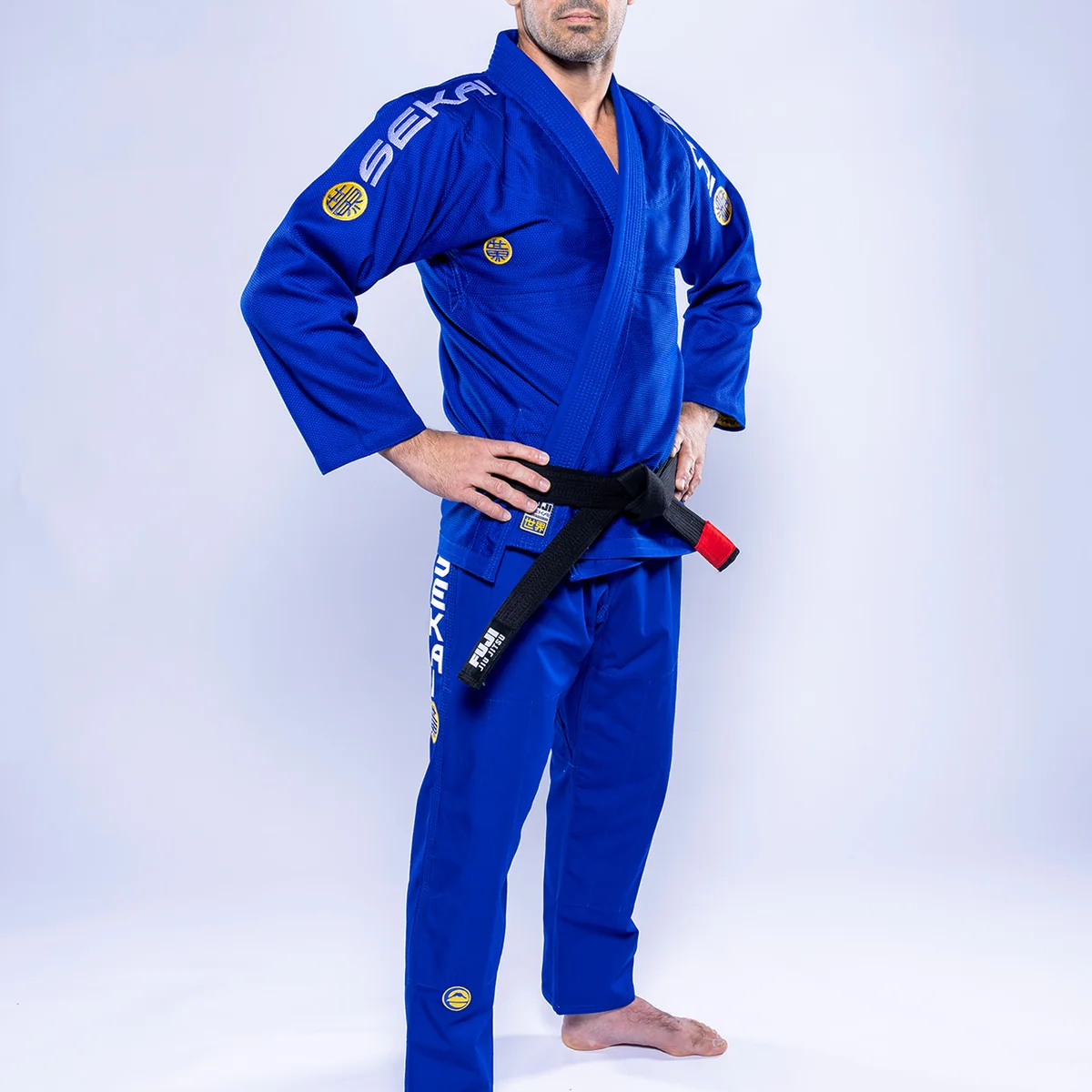
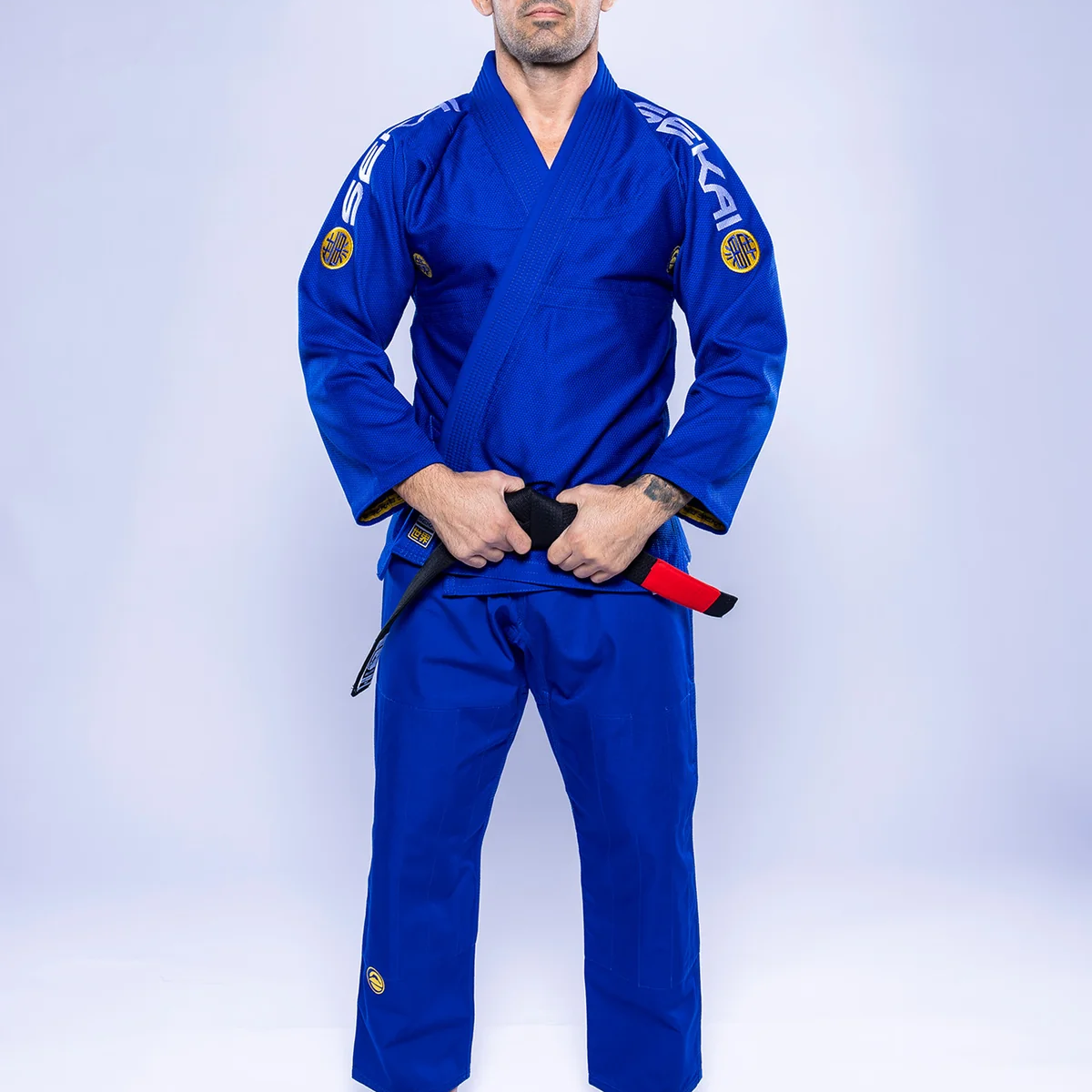
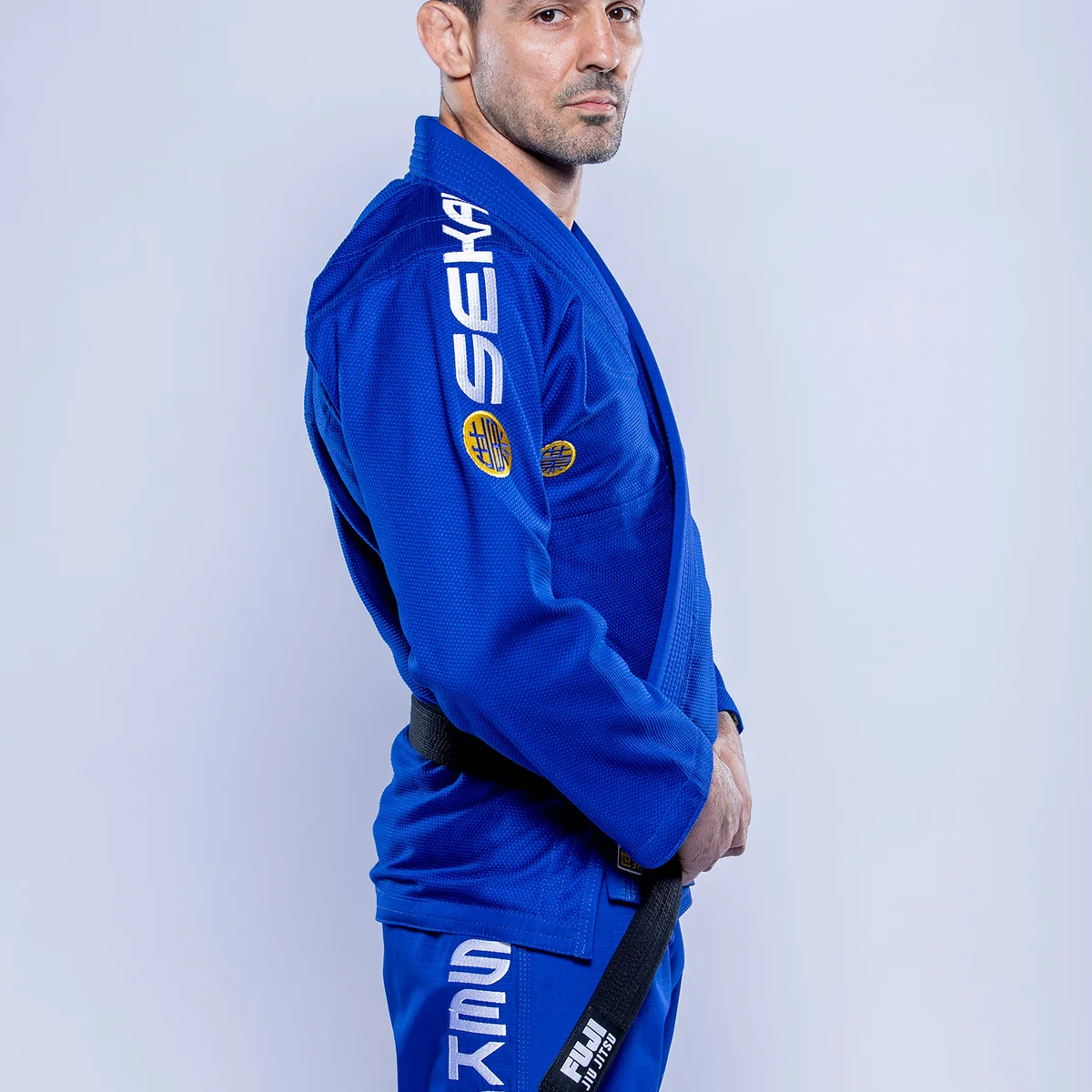
Color depends on academy rules. White is the safest choice for new students because nearly every school allows it. Blue and black are common too, but some kids programs want uniformity, especially for team classes or promotions. It is better to ask before buying than to show up with a gi your academy does not allow.
Belts, stripes, and the stuff parents overthink
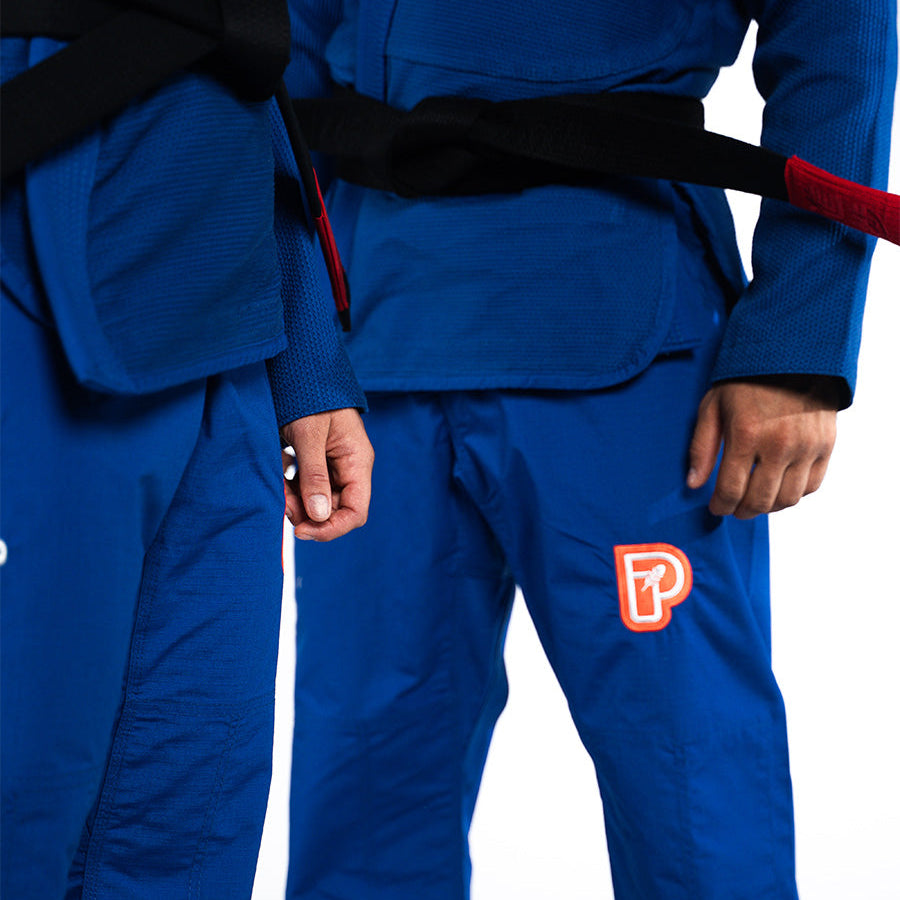
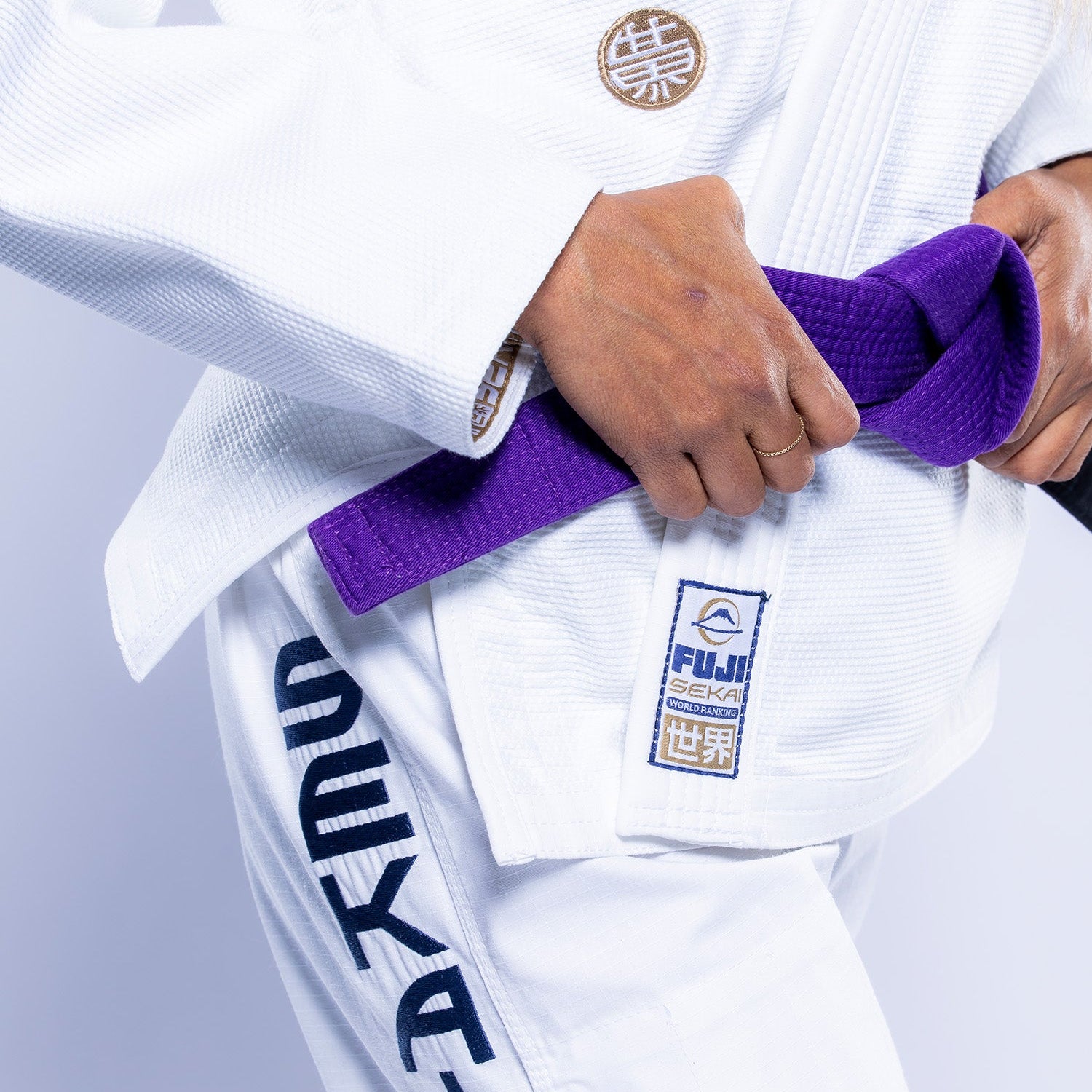
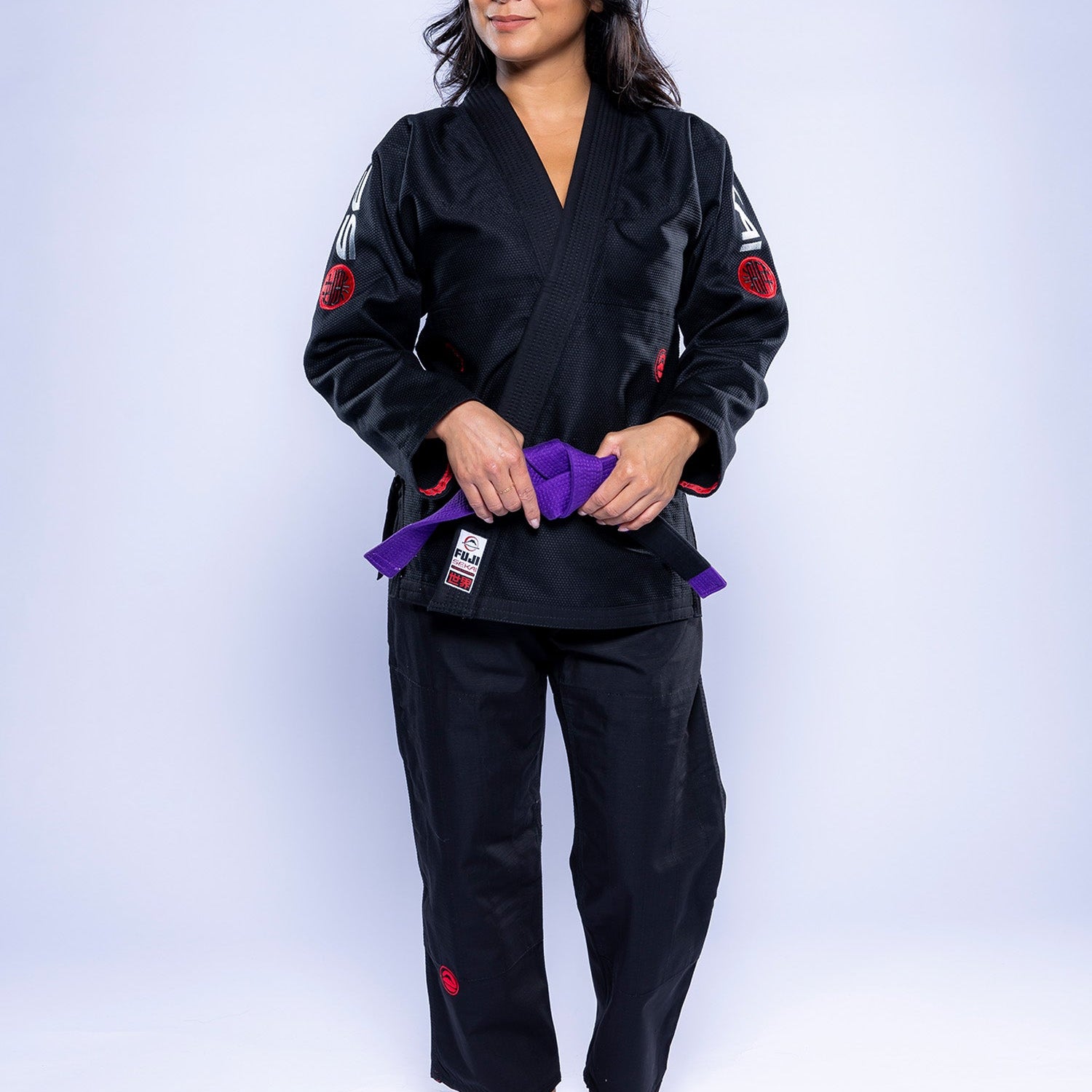
Kids do not need a premium belt. They need a belt that stays tied reasonably well and holds up through washing, mat dragging, and endless re-tying by coaches. In kids classes, belts are constantly coming loose. That is normal.
Stripe tape is useful if your academy promotes with stripes. If your child earns one after consistent attendance and good effort in class, having tape on hand makes life easier. Just do not build your shopping list around rank changes. Buy for training, not for a future belt color.
One practical note: write your child’s name on the belt tag if there is one. In a busy academy with ten white-and-yellow belts tossed by the wall after class, gear gets mixed up all the time.
No gi gear for kids

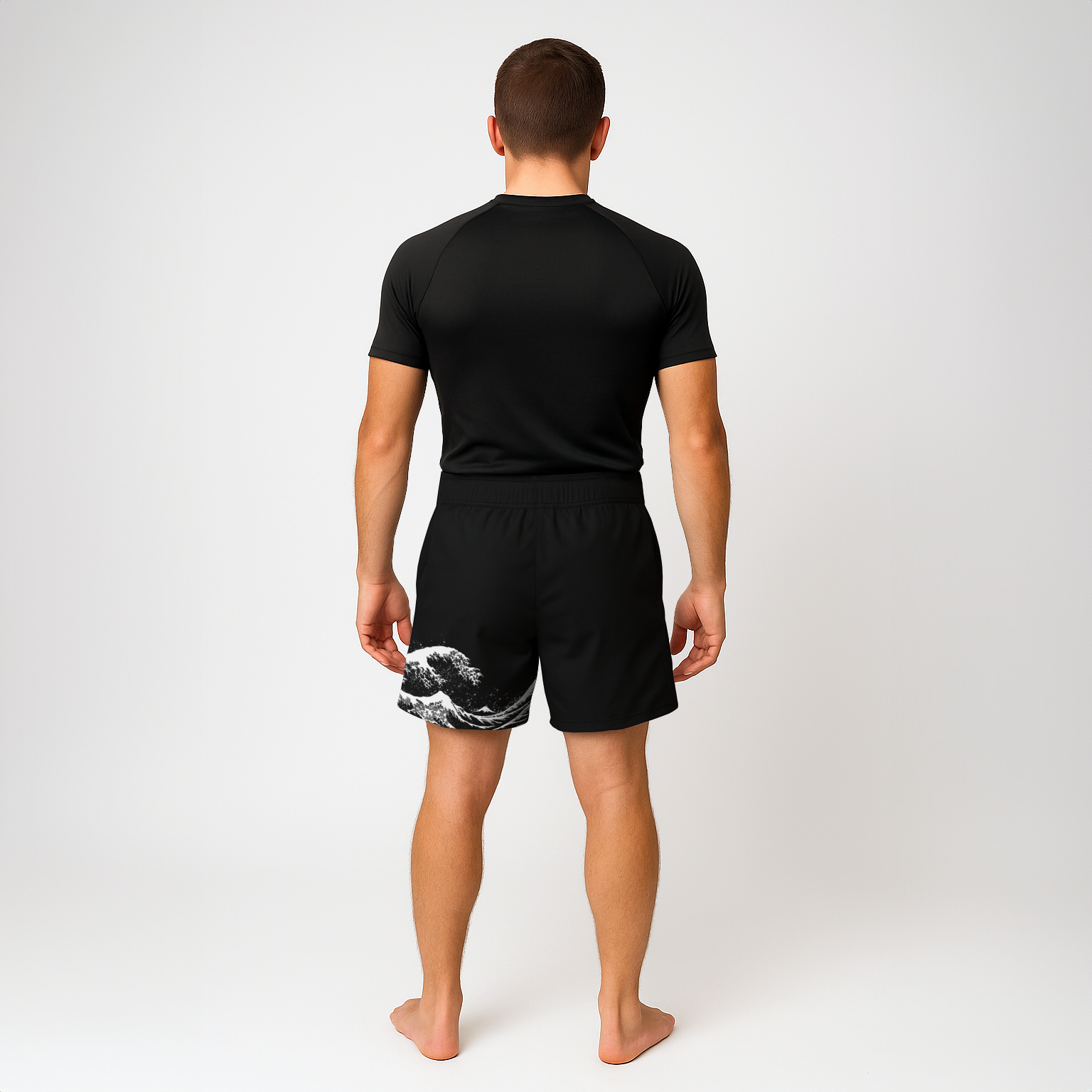
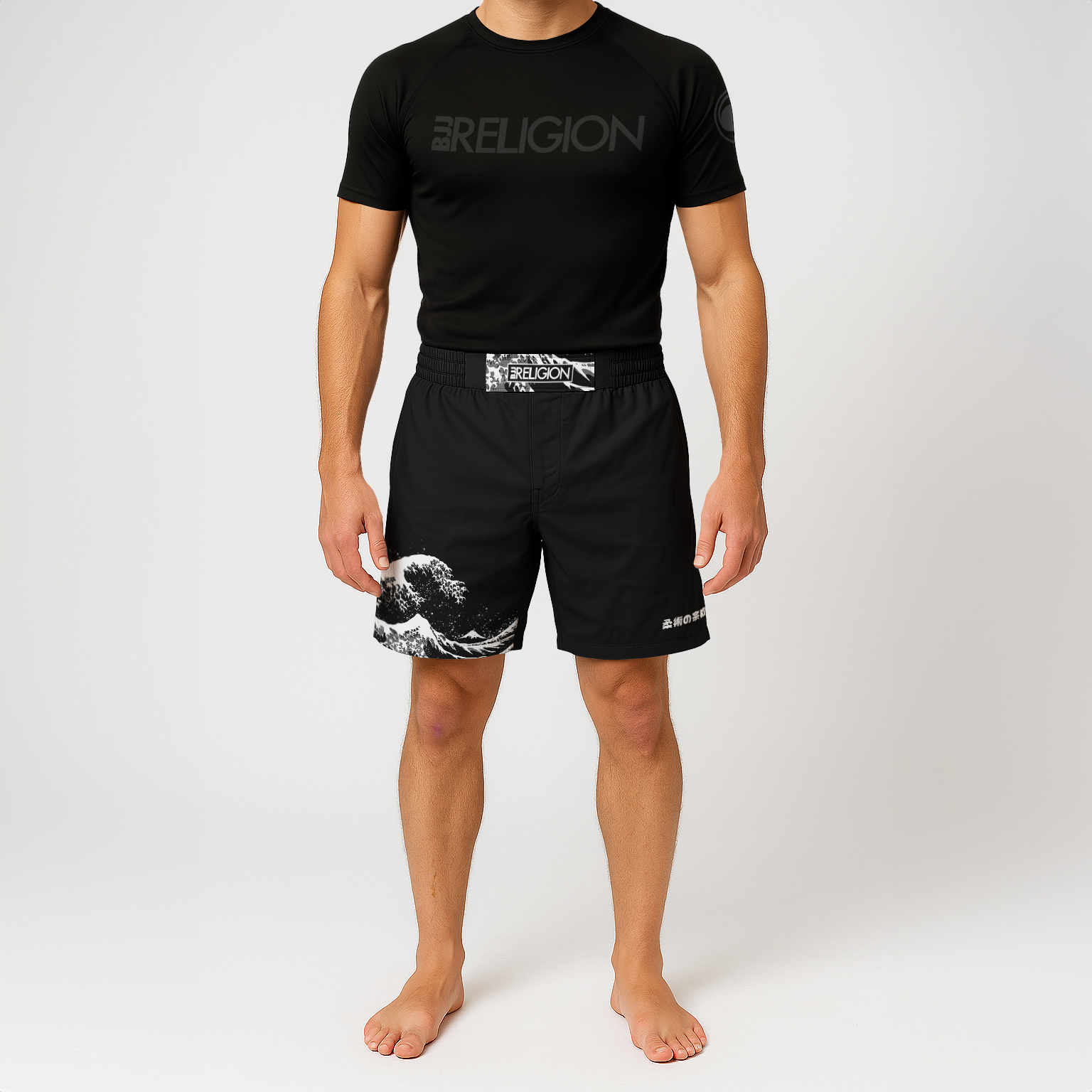
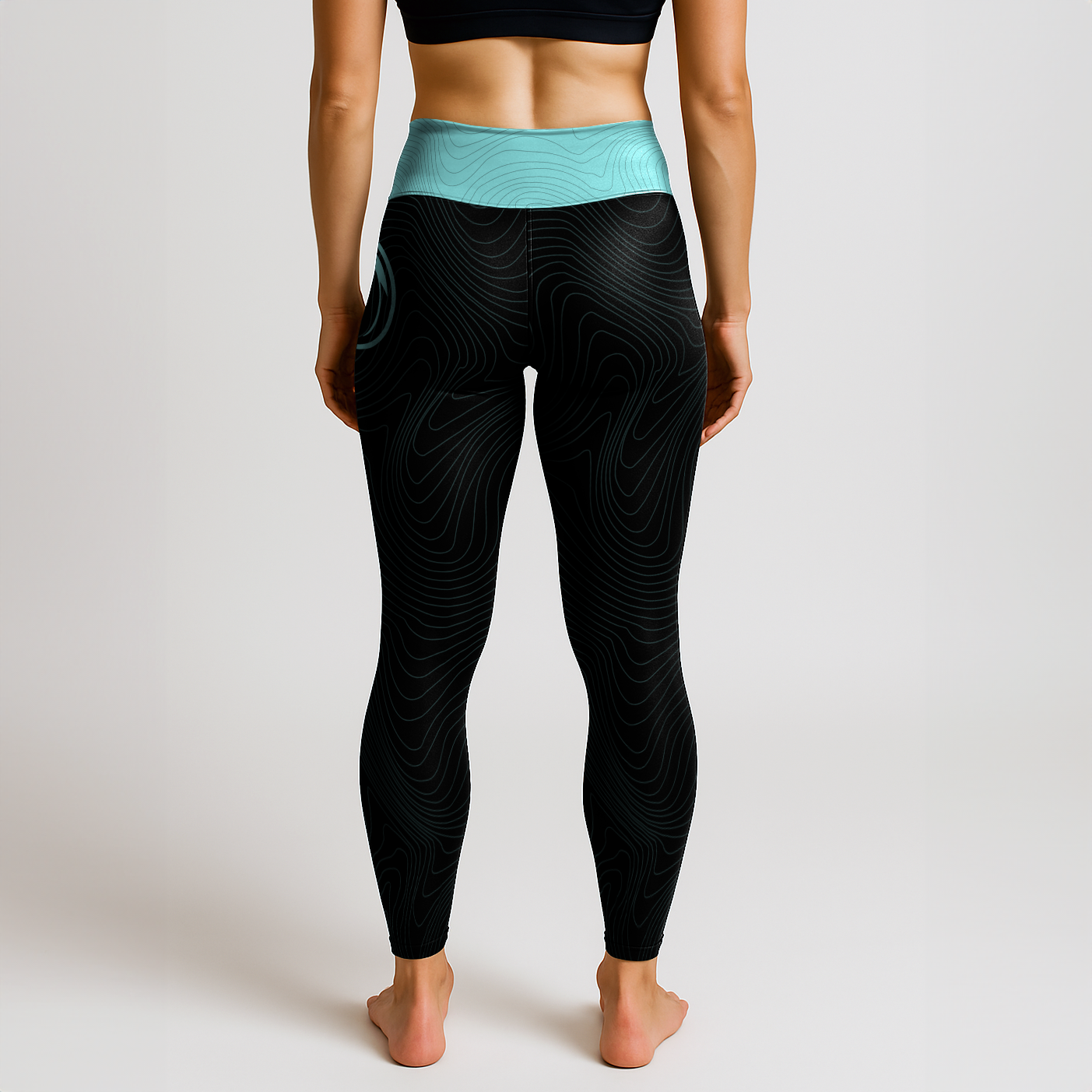
Once your child starts no gi classes, the priority shifts from heavy fabric to mobility and coverage. A rash guard and grappling shorts are the usual base. Some kids also wear spats under shorts, especially in cooler gyms or during wrestling-heavy classes.
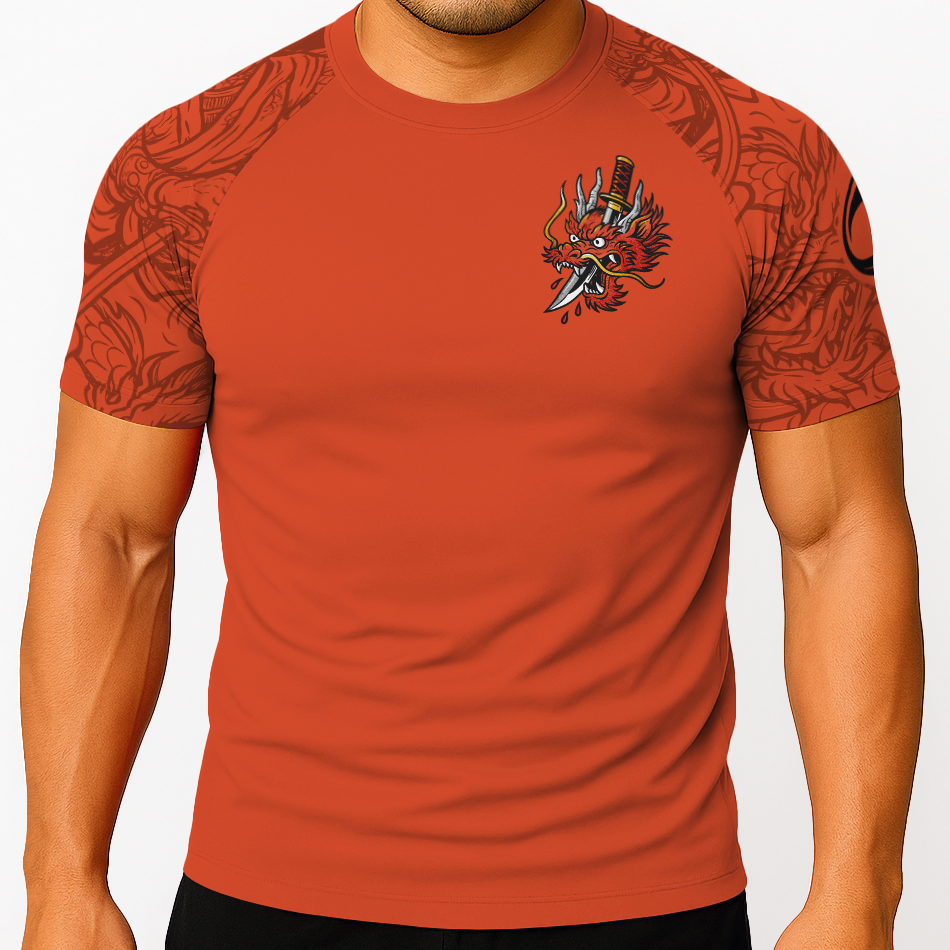
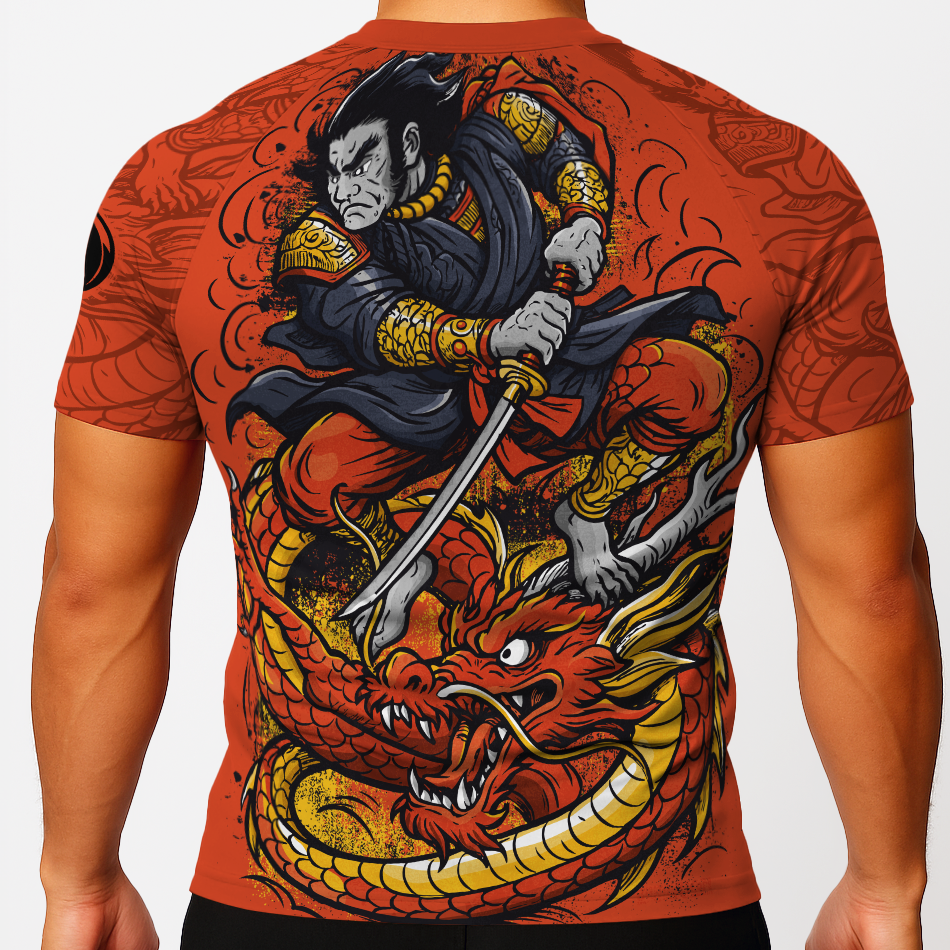
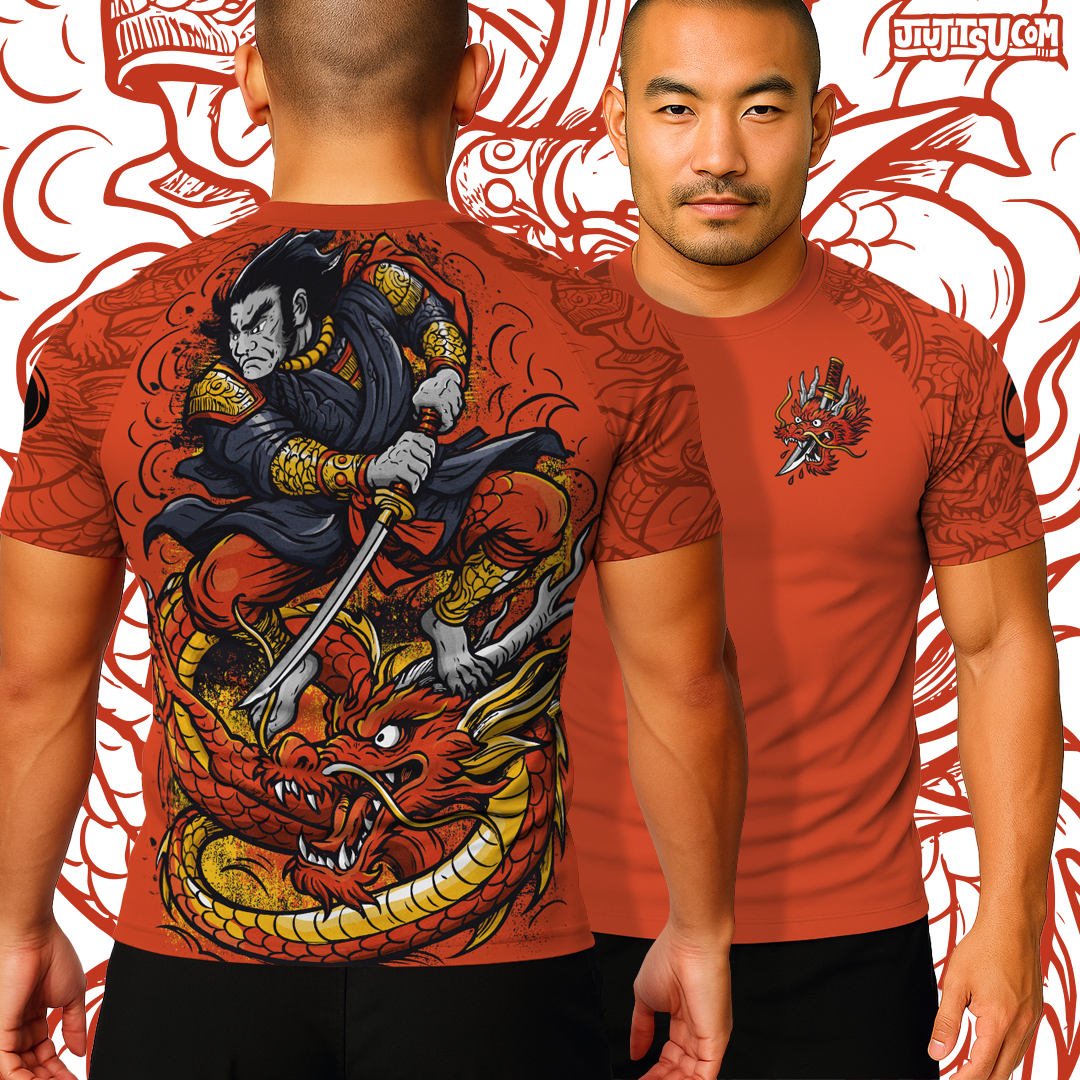
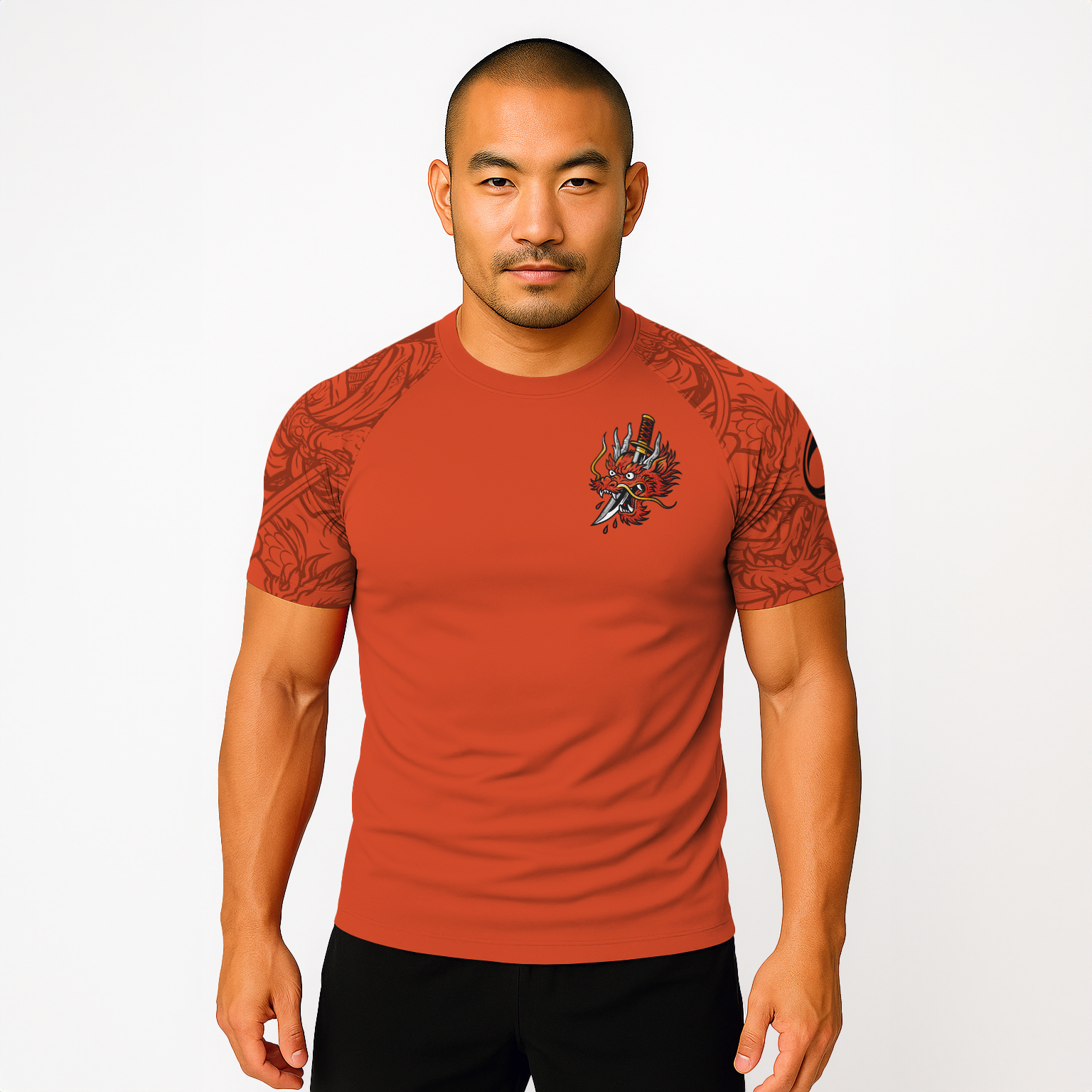
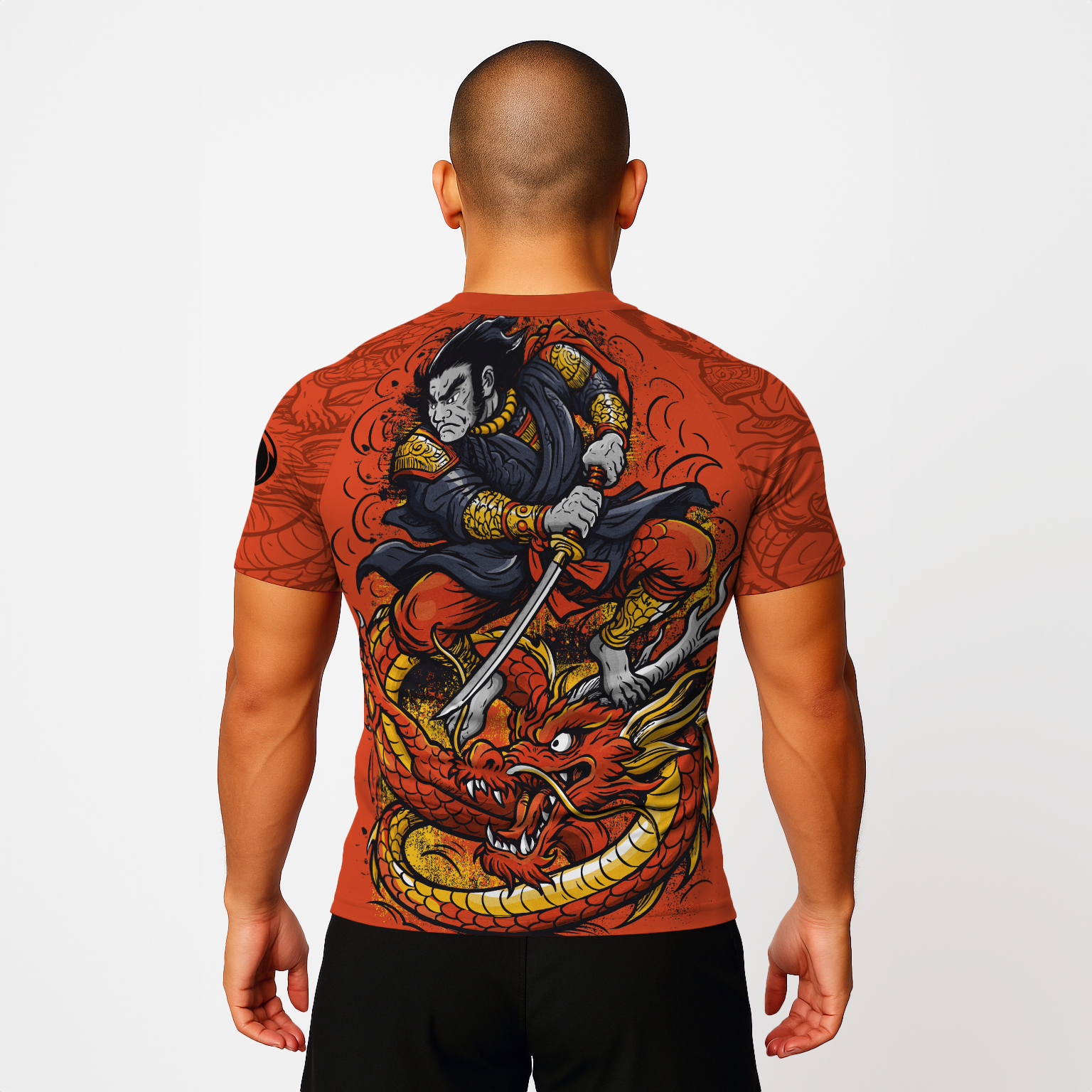
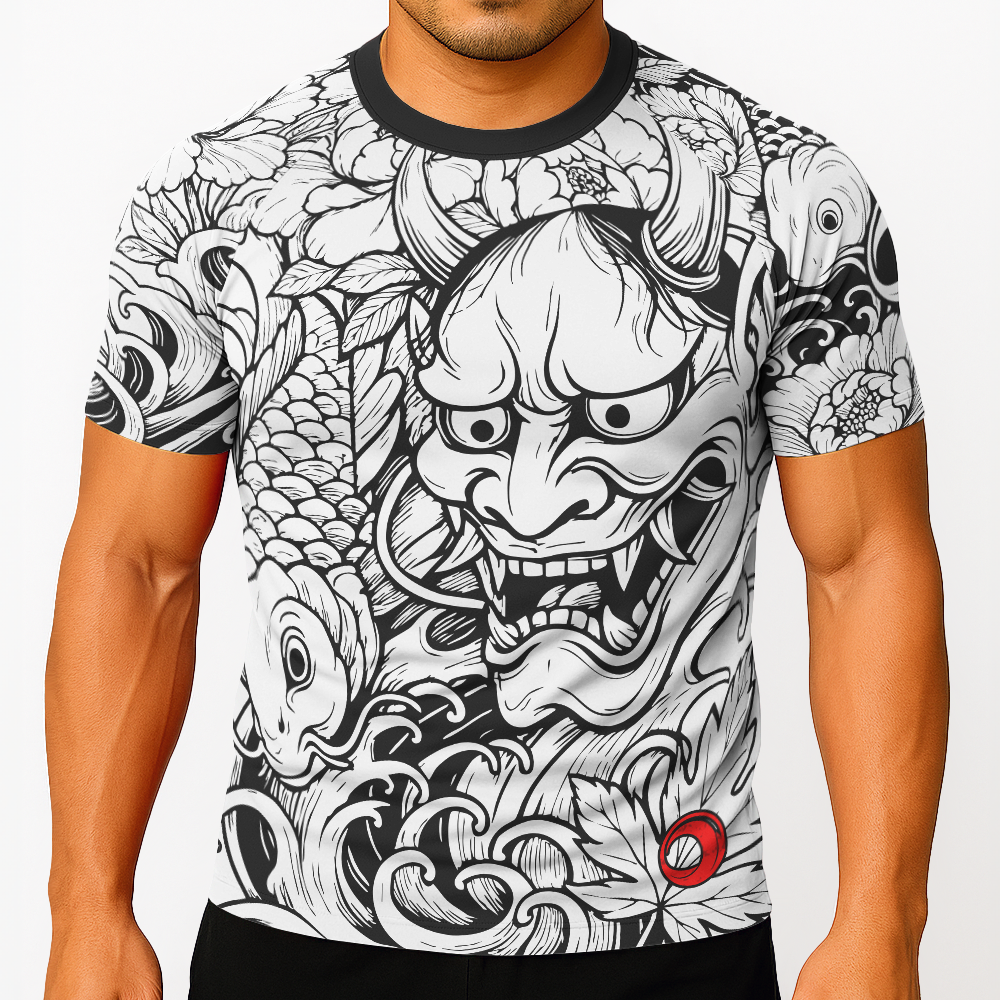
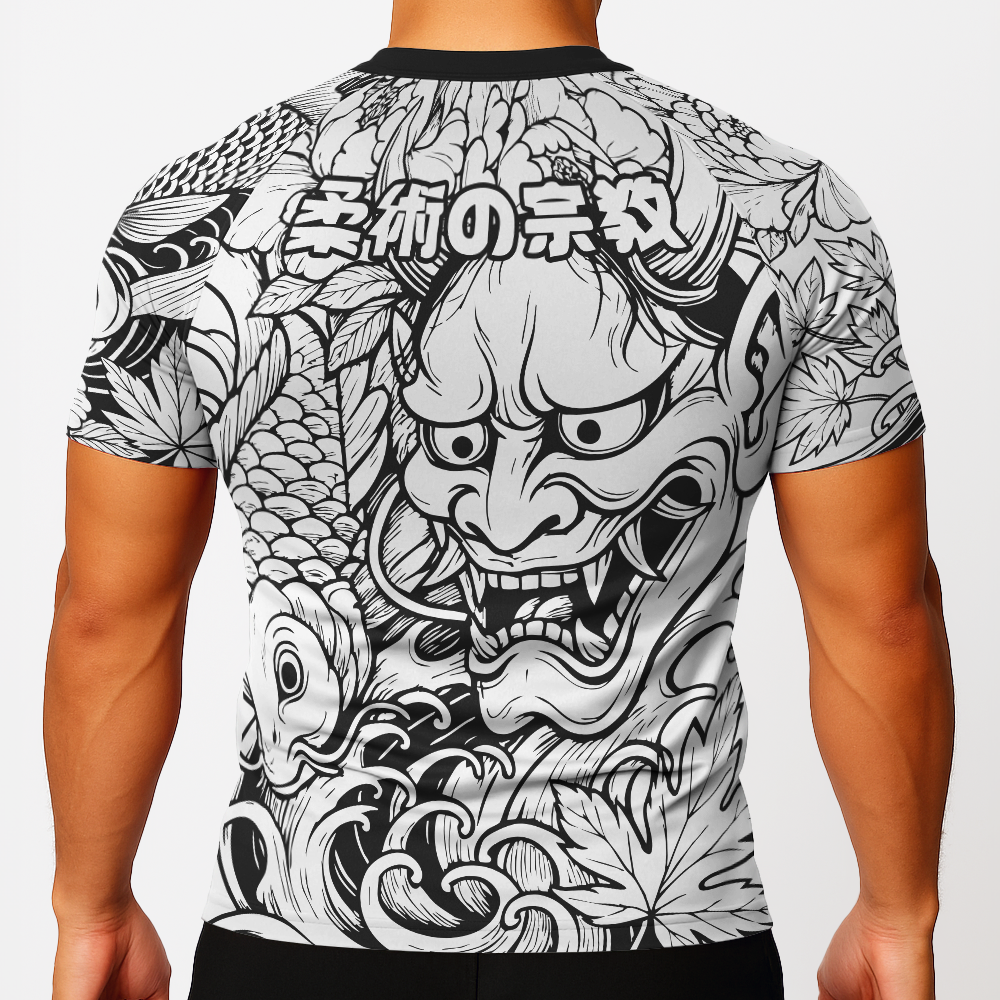
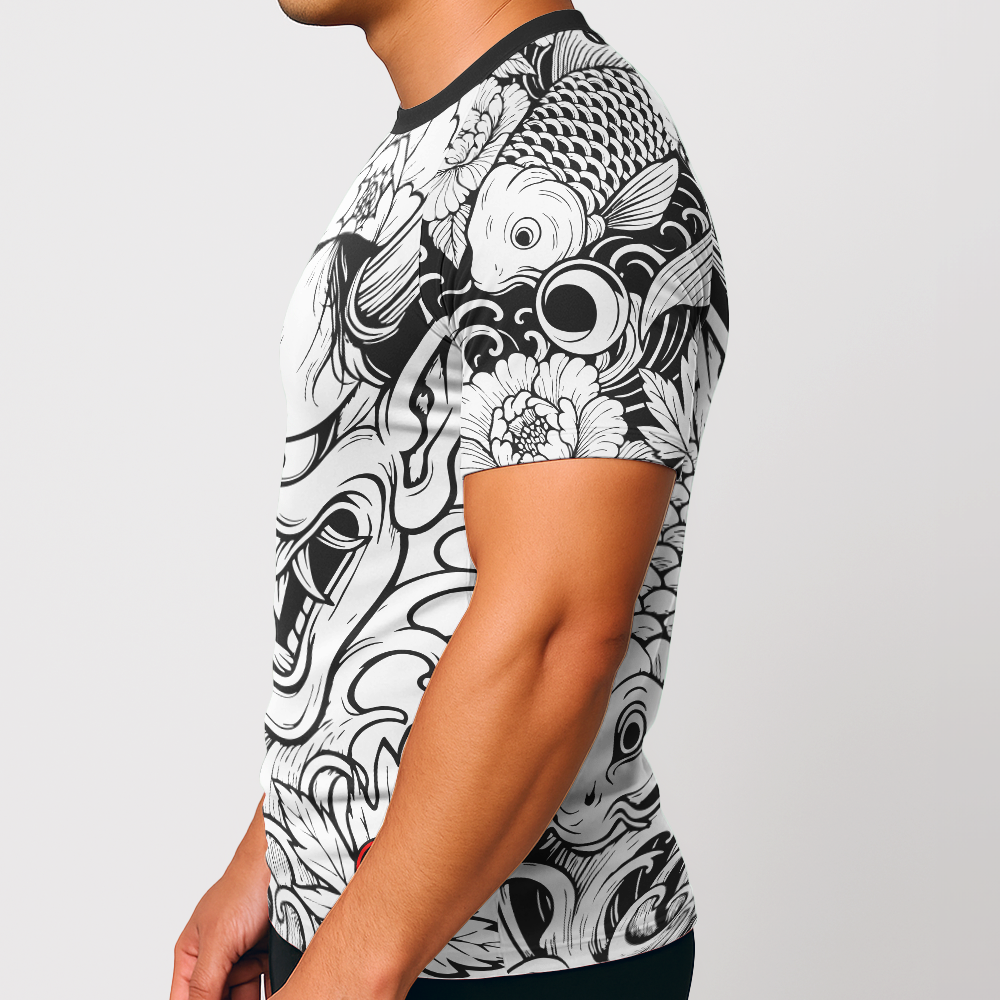
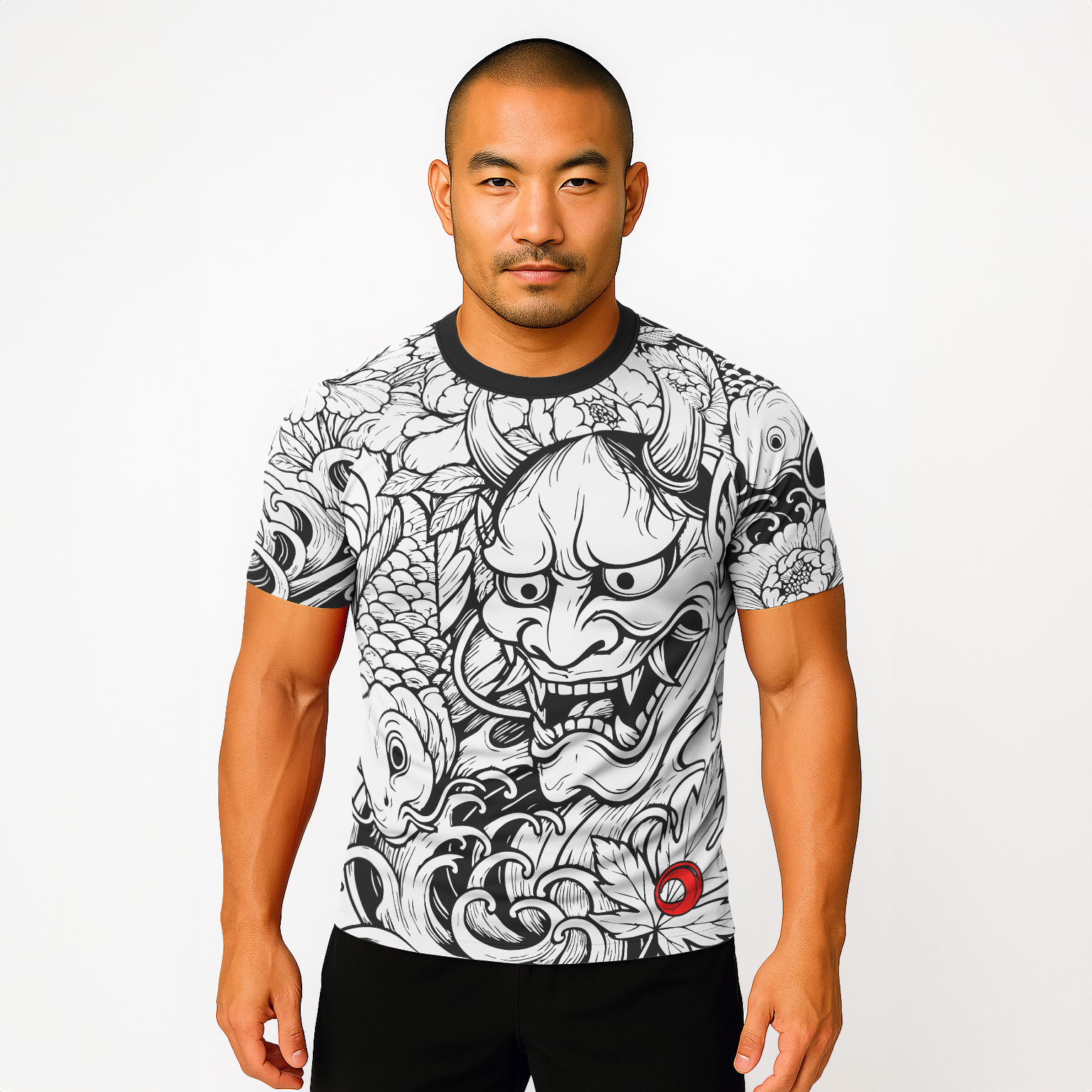
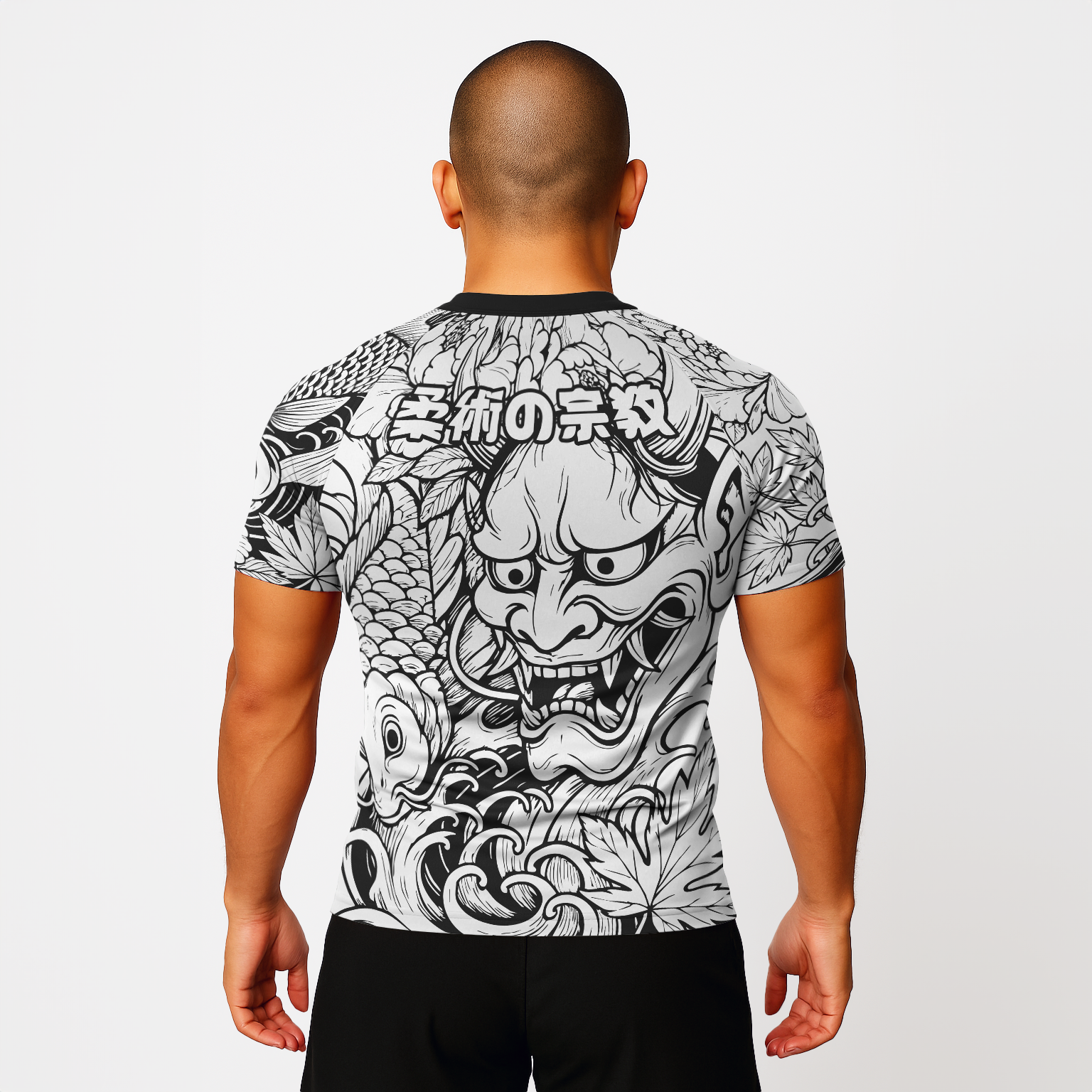
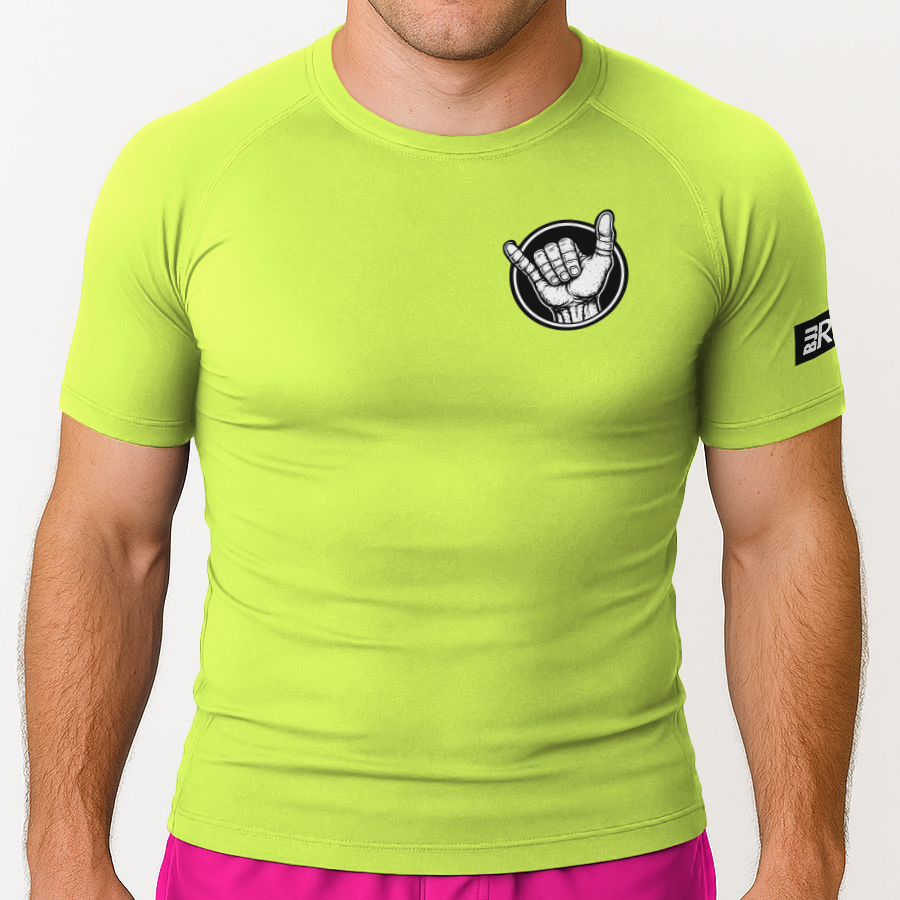
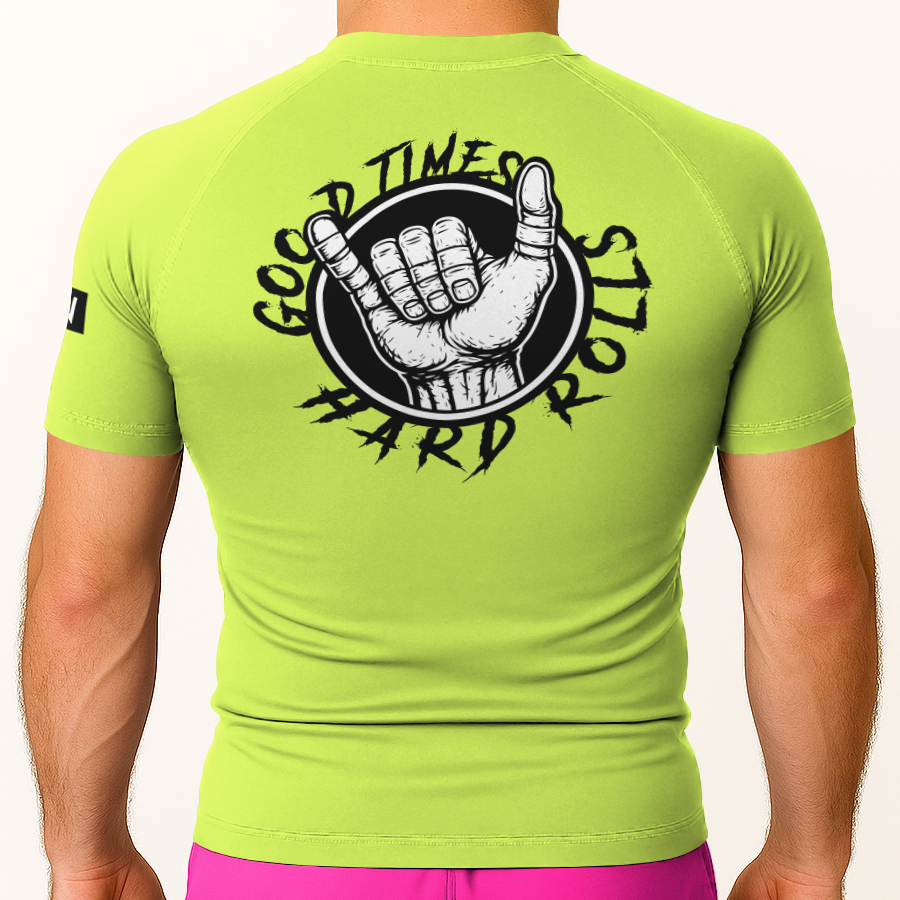
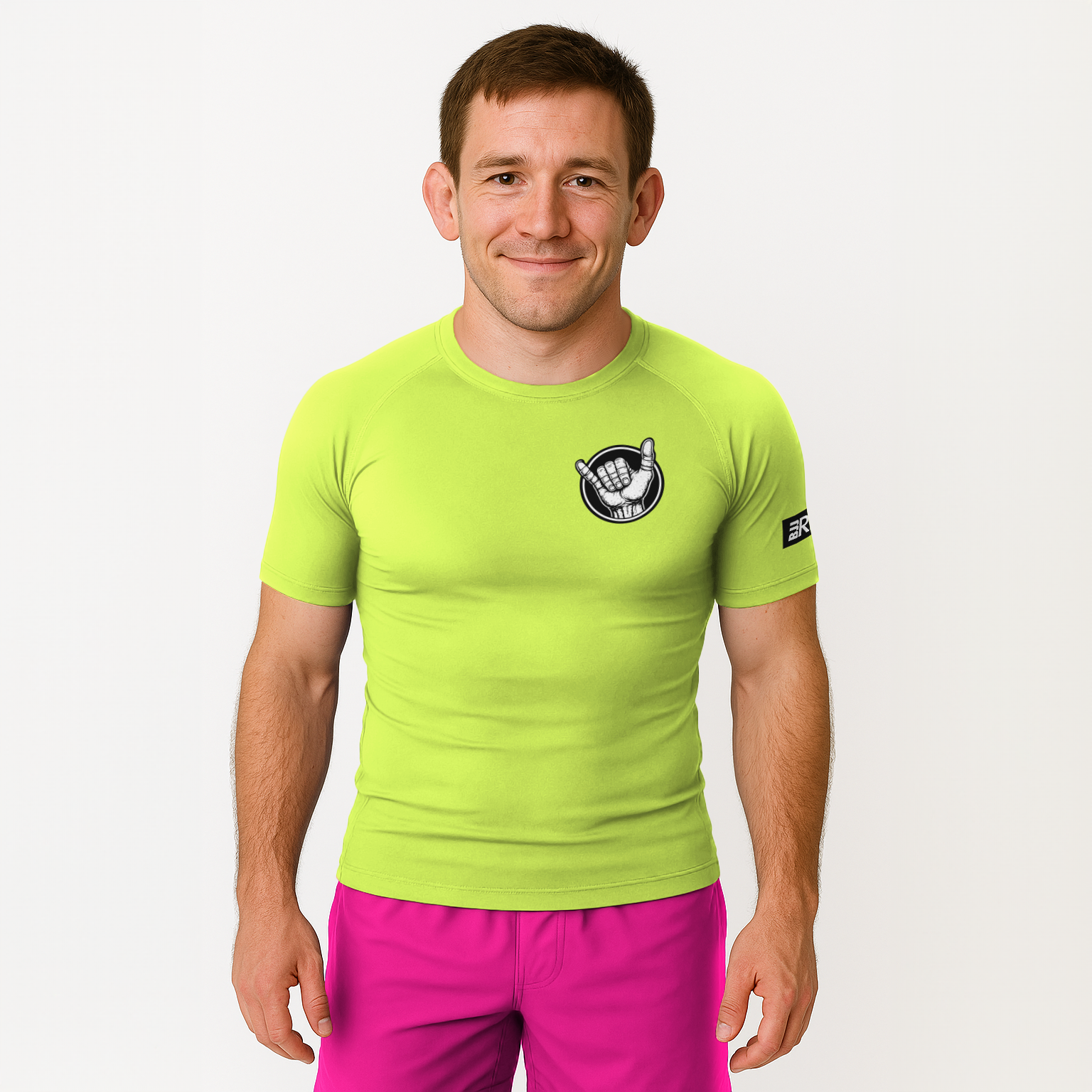
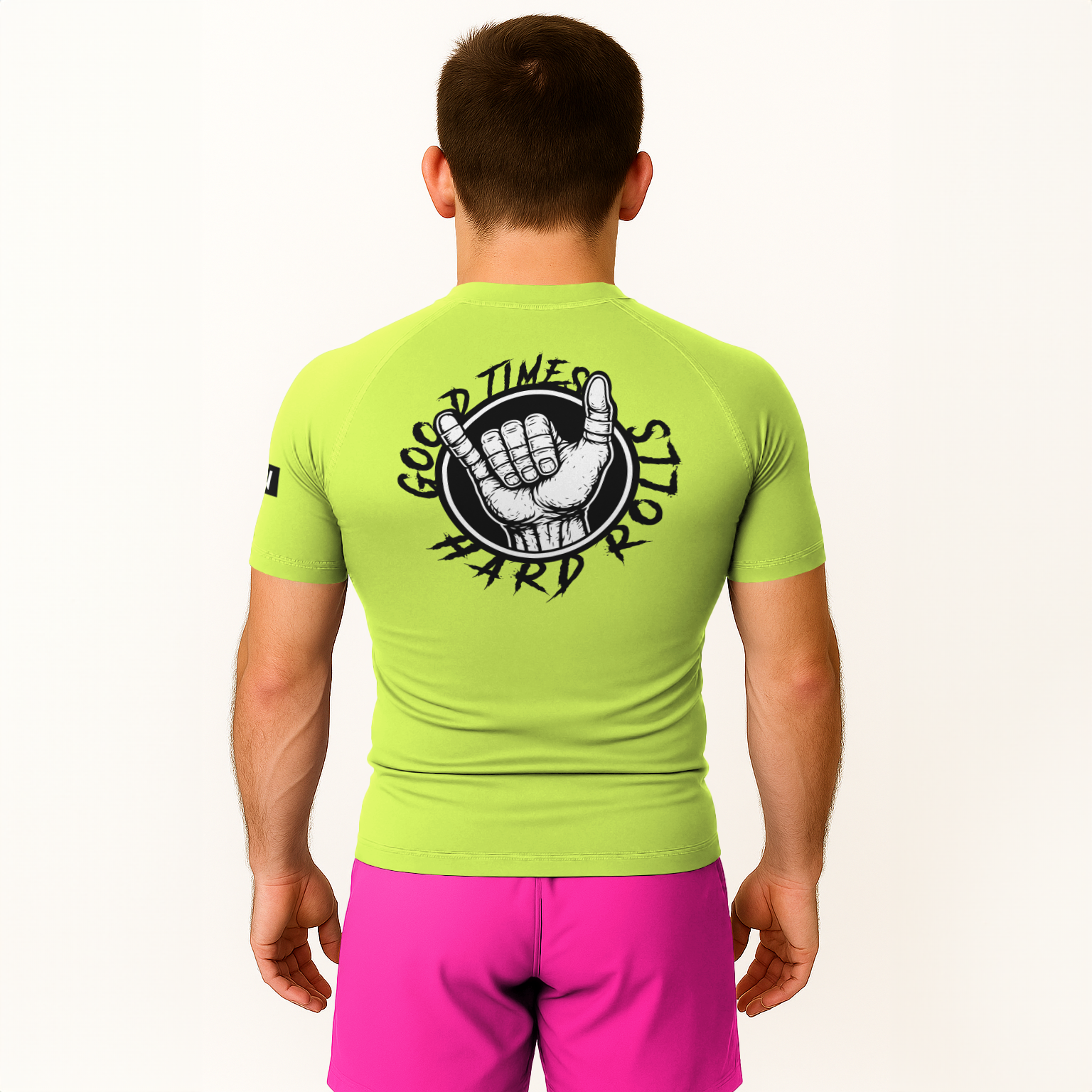
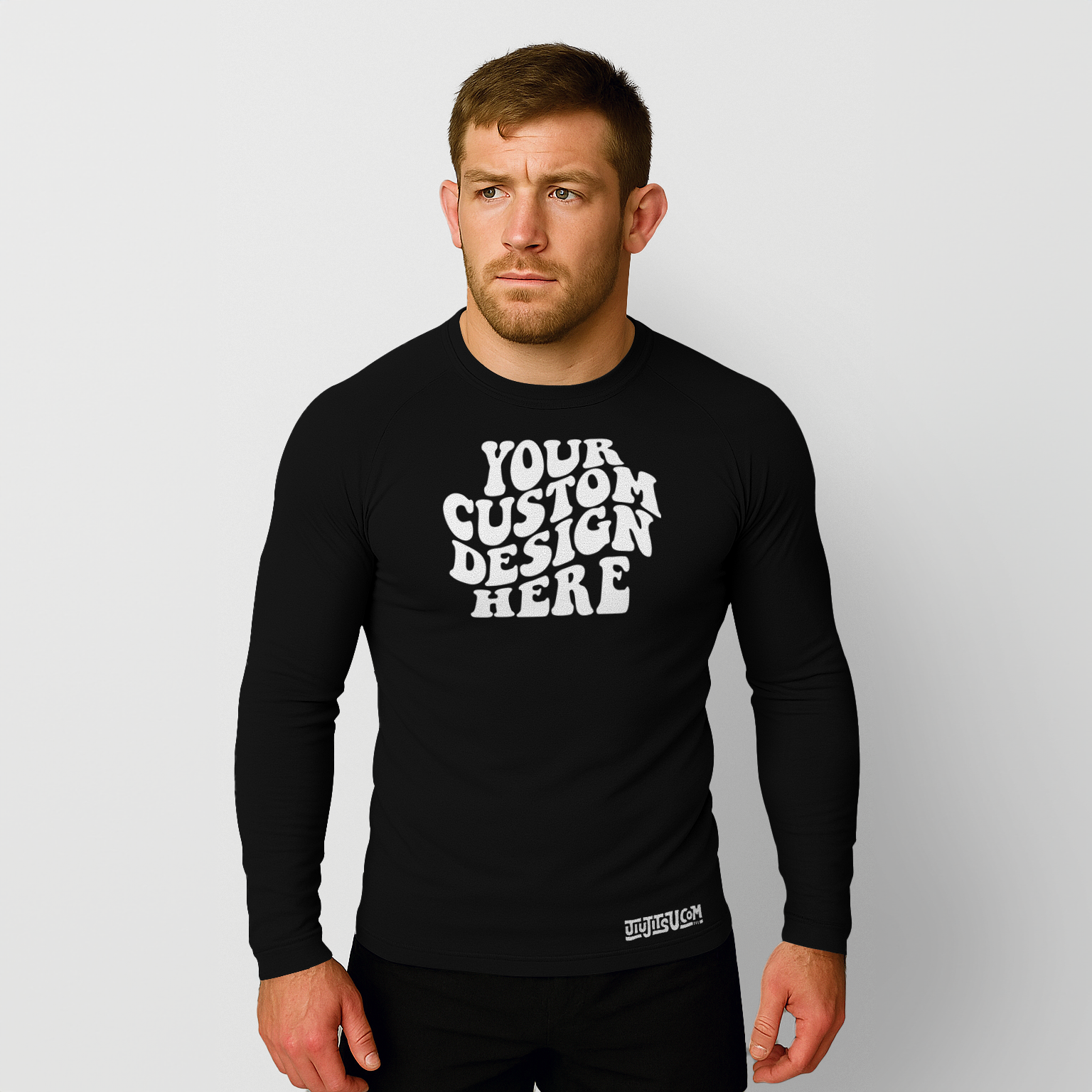
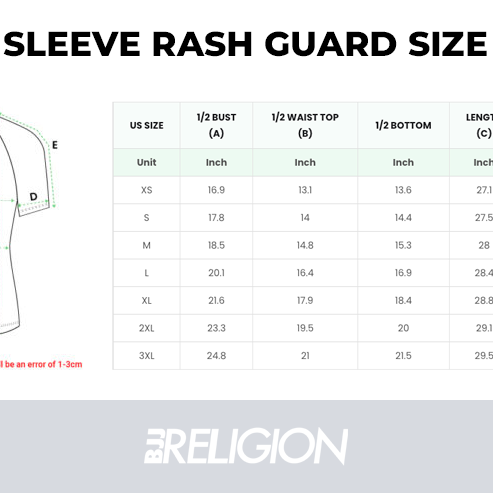
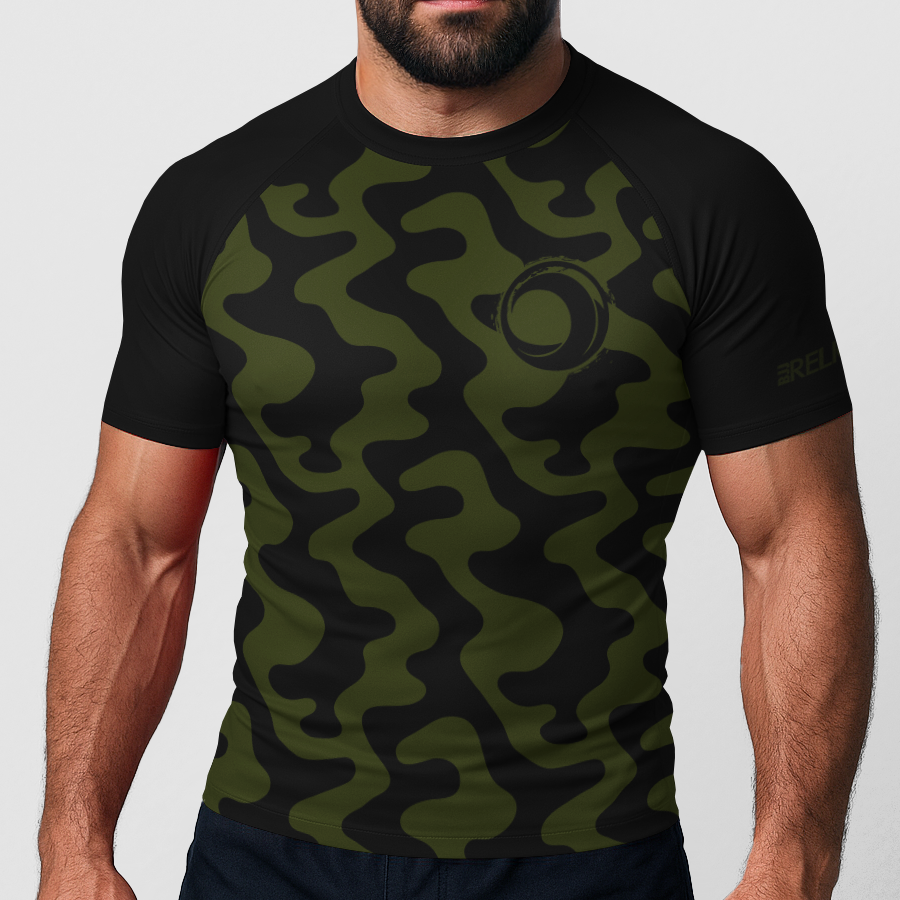
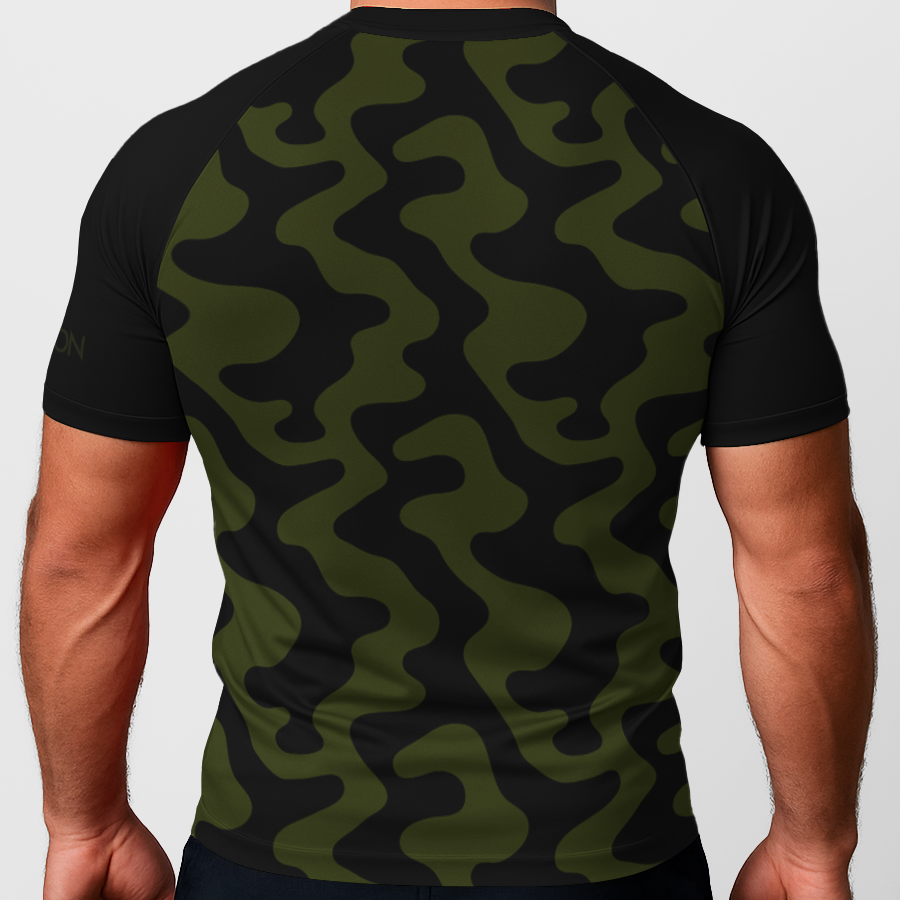
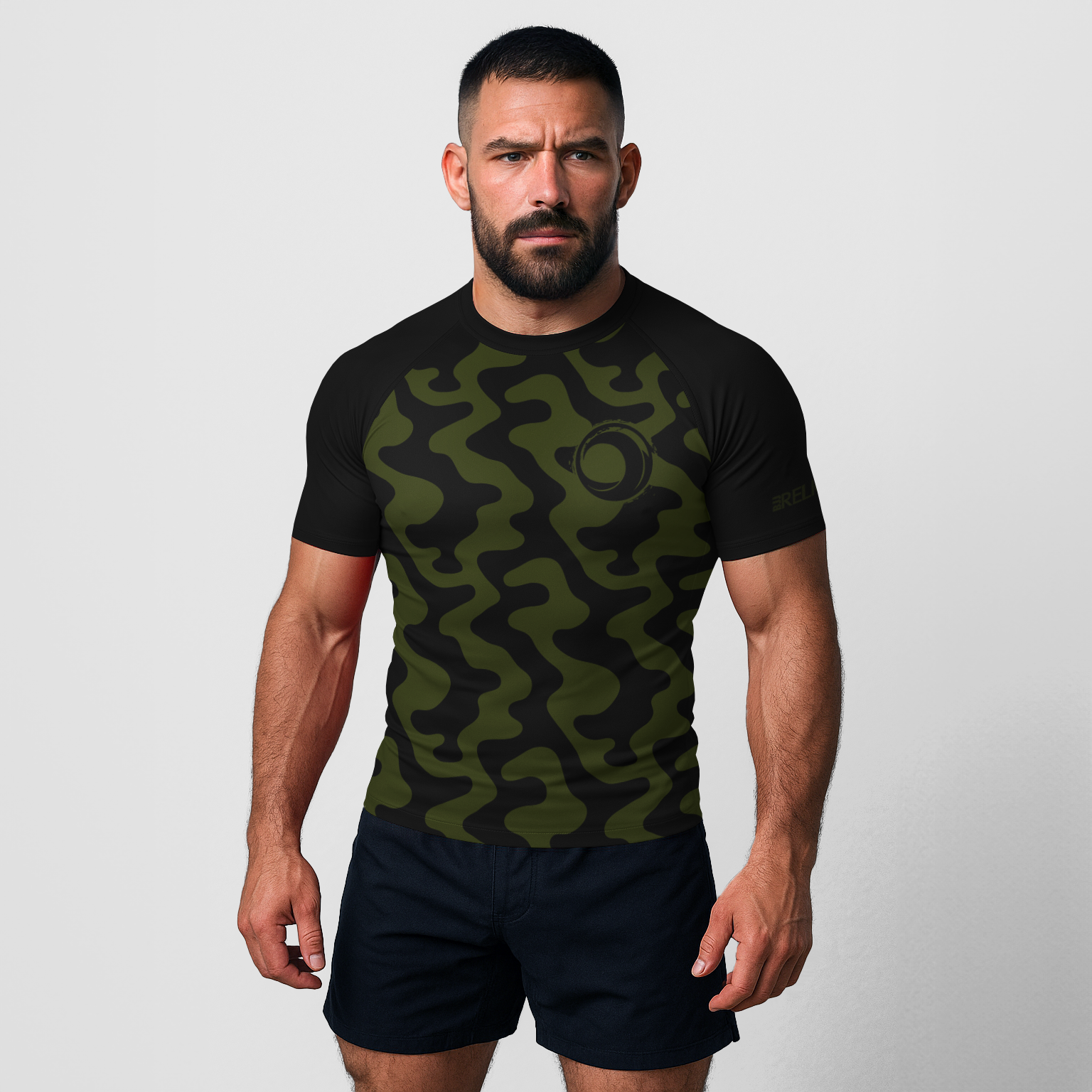
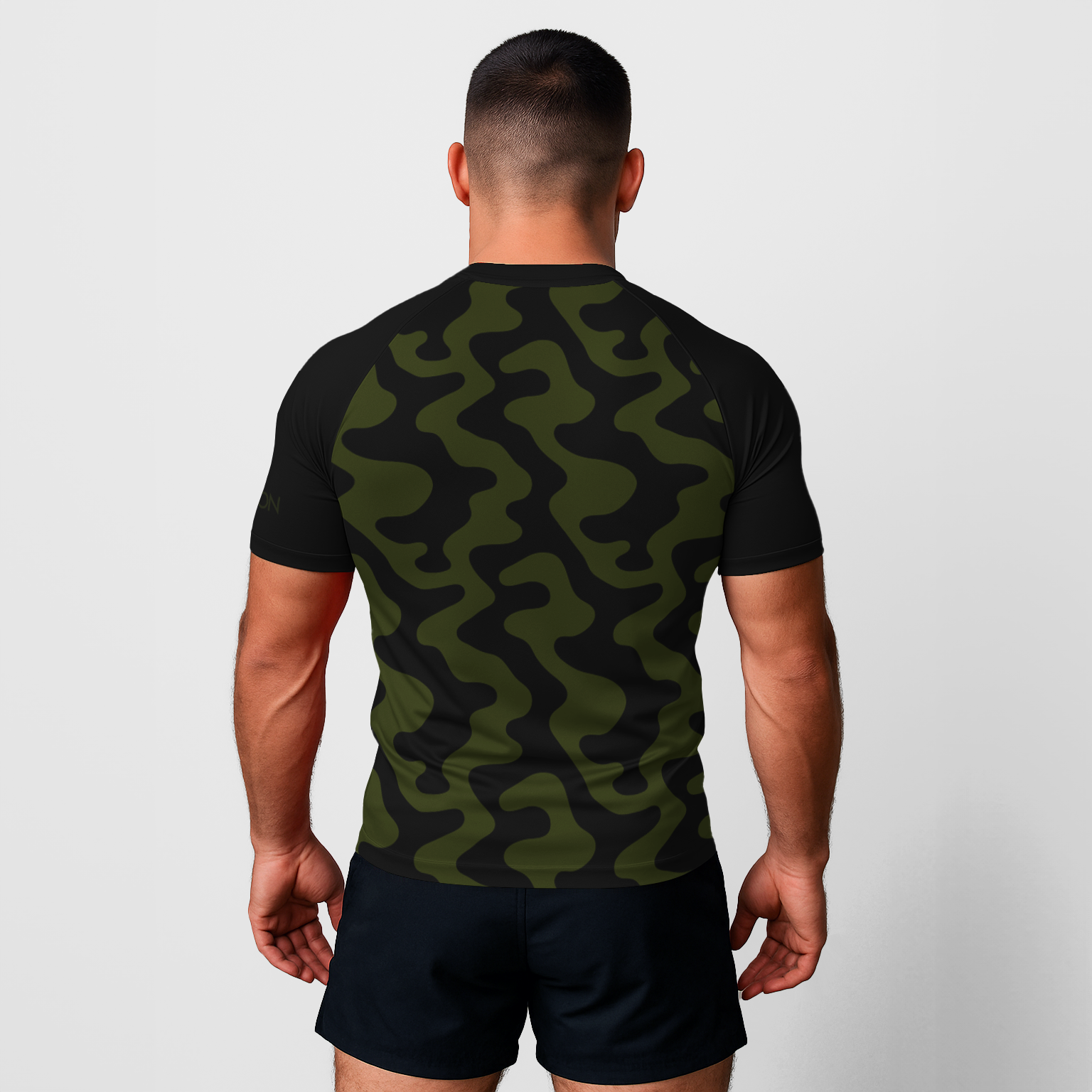
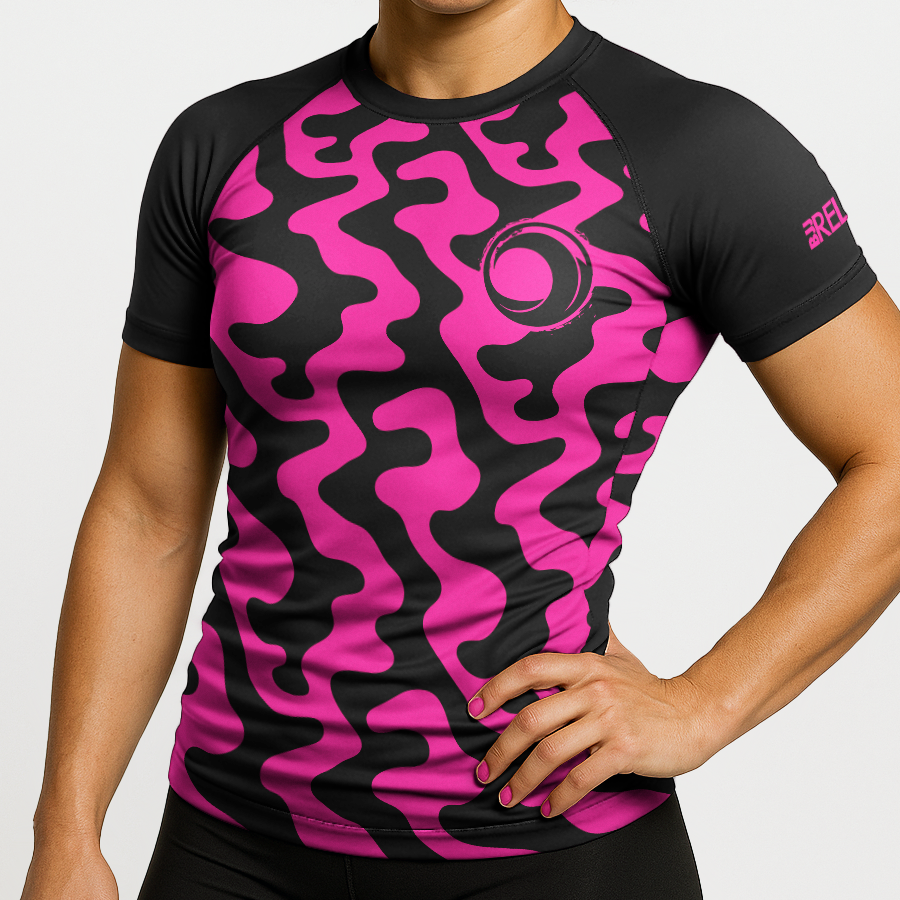
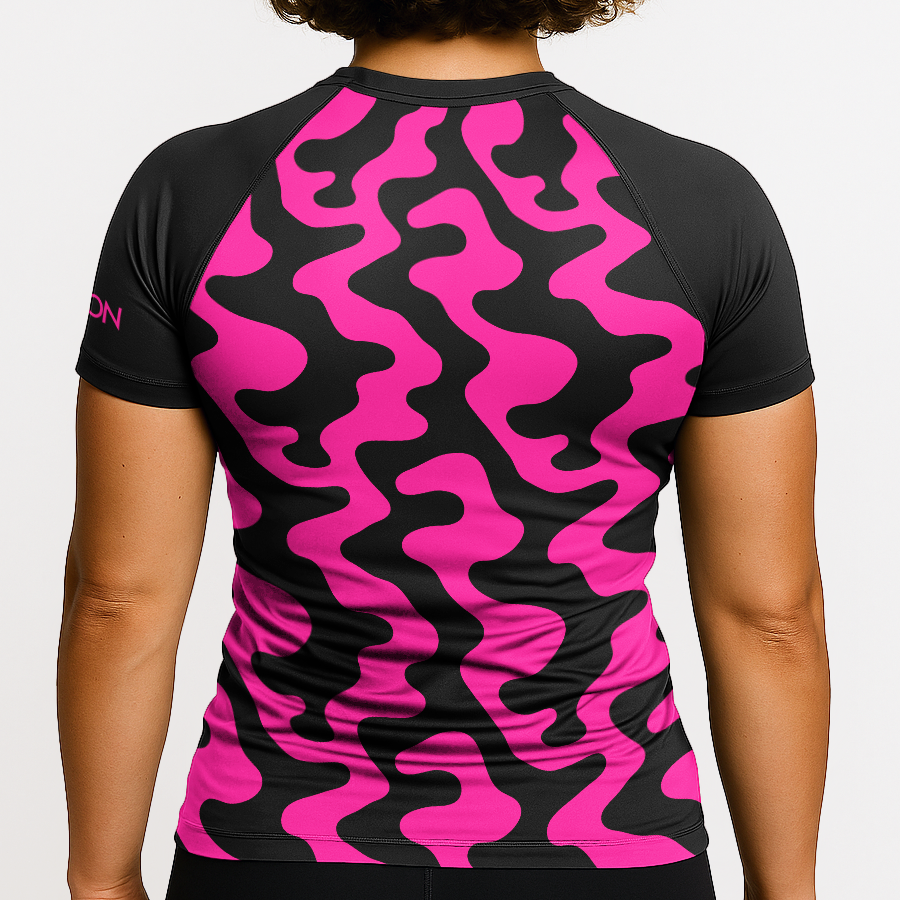
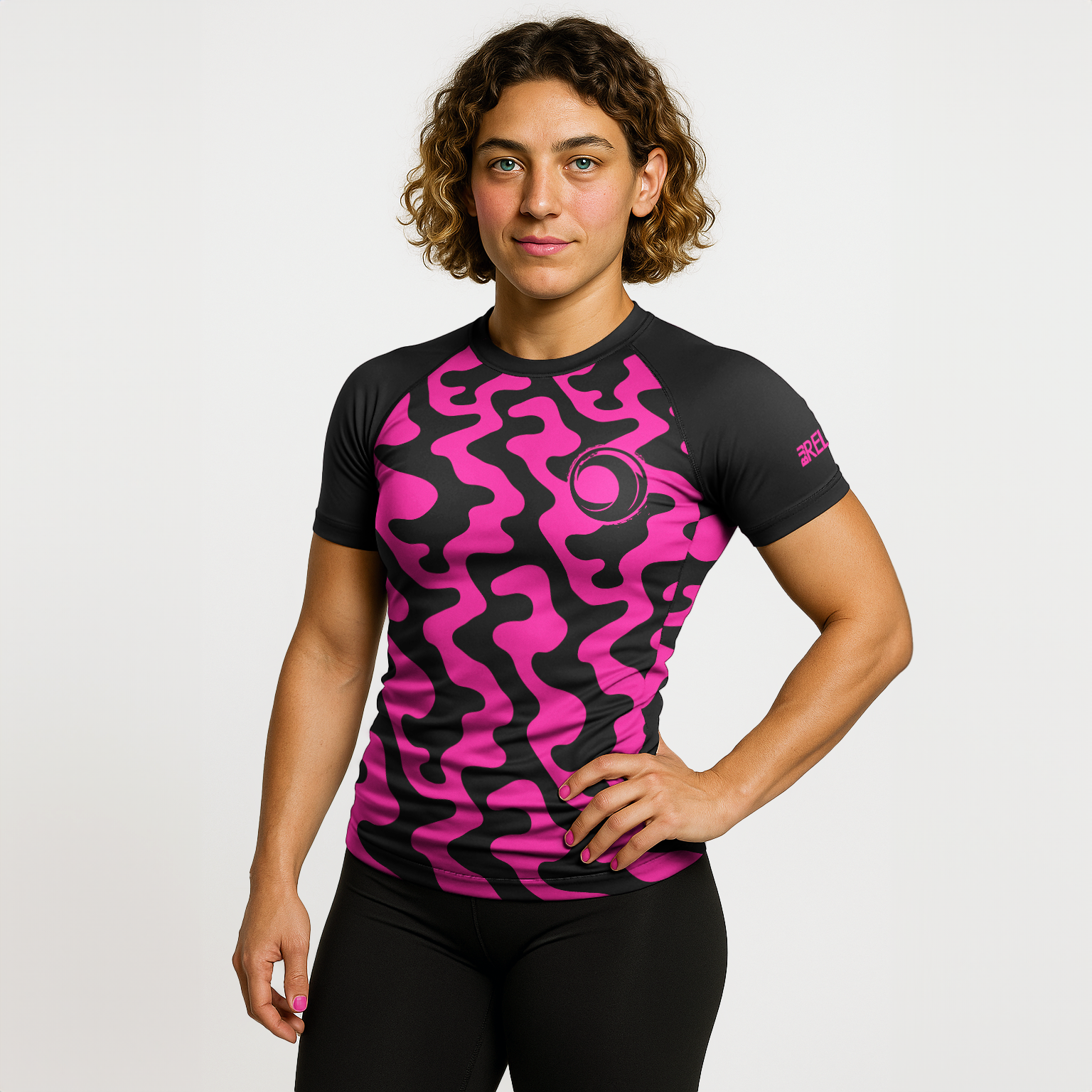
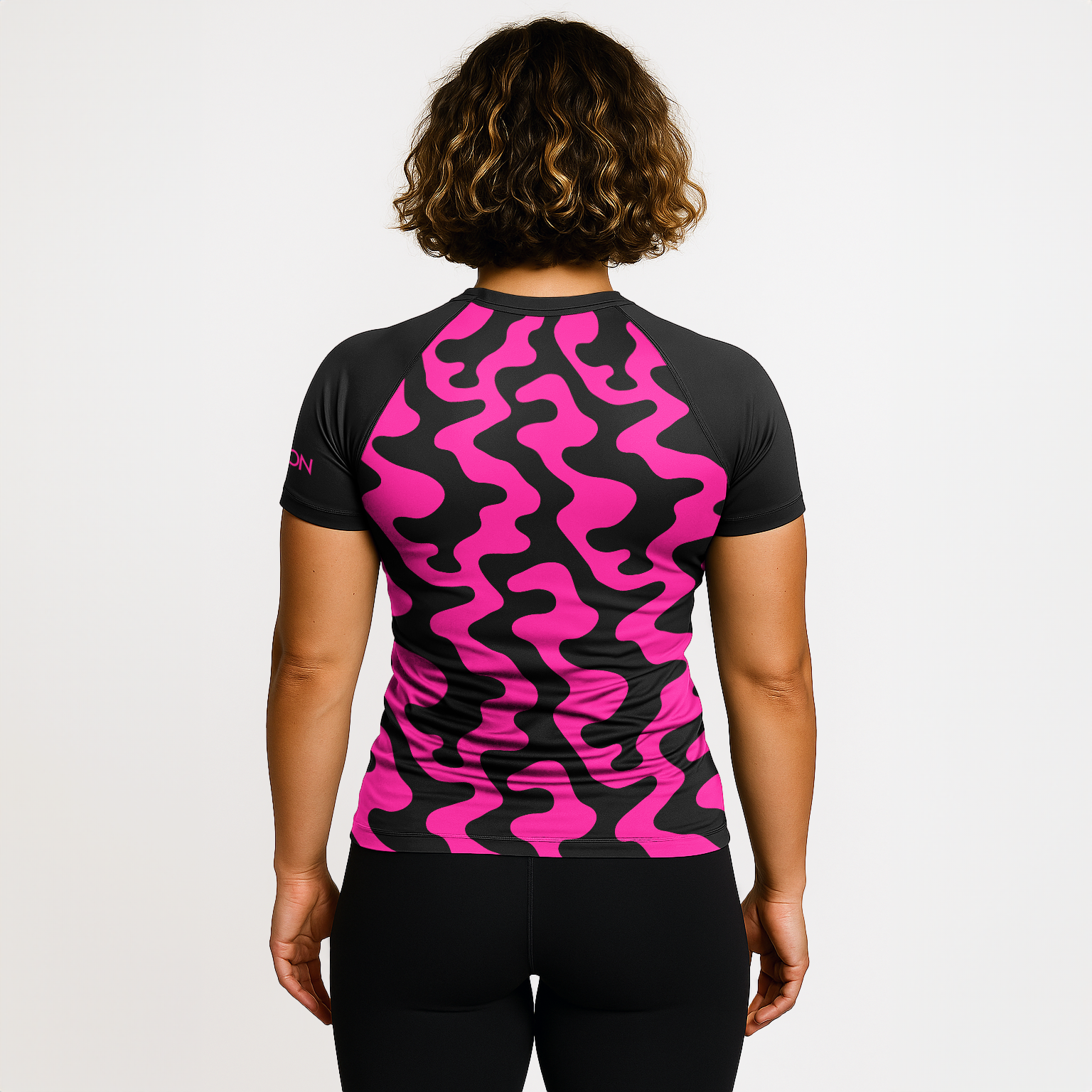
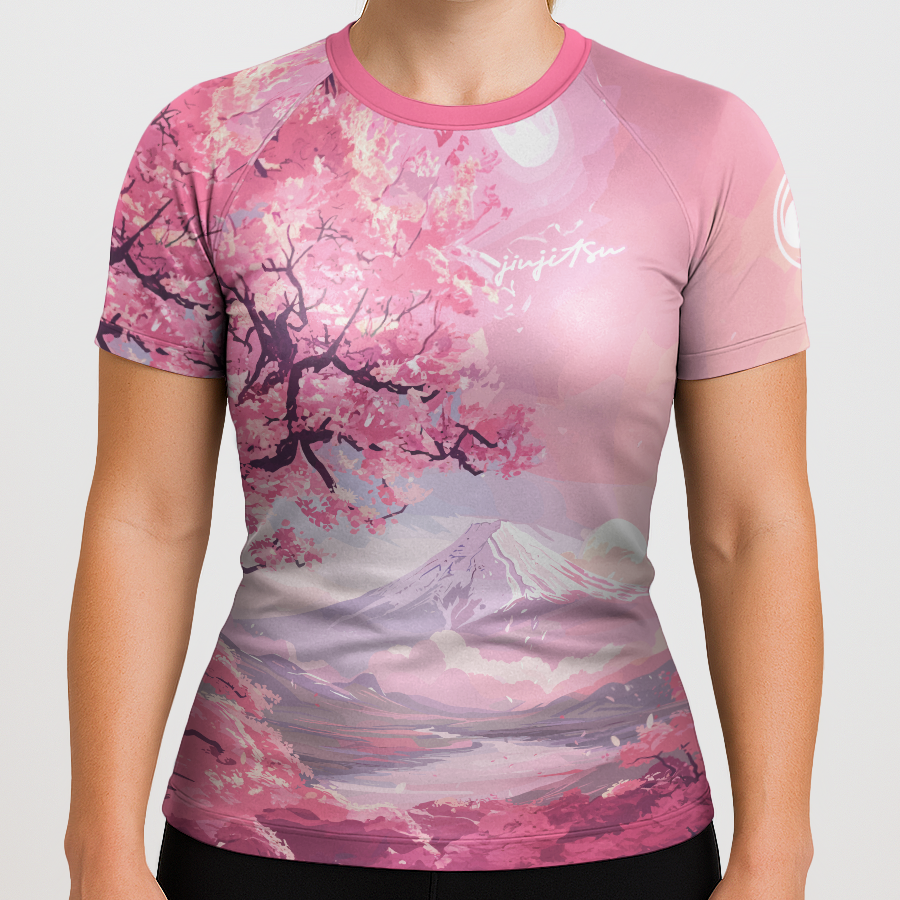
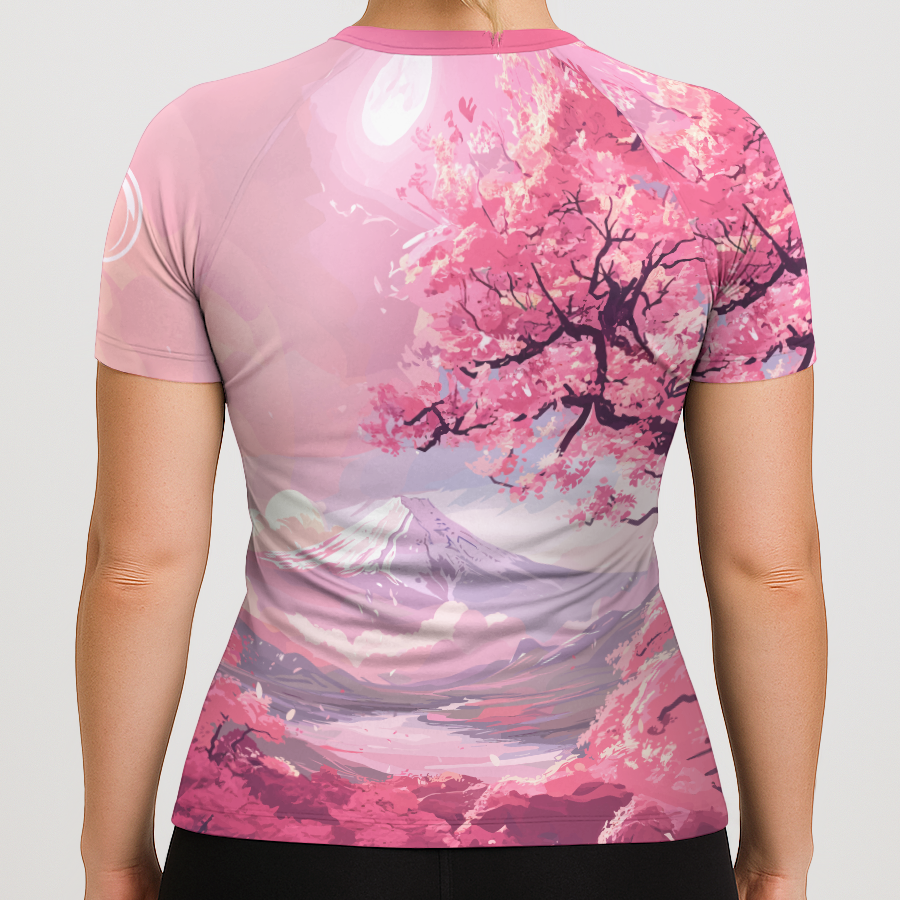
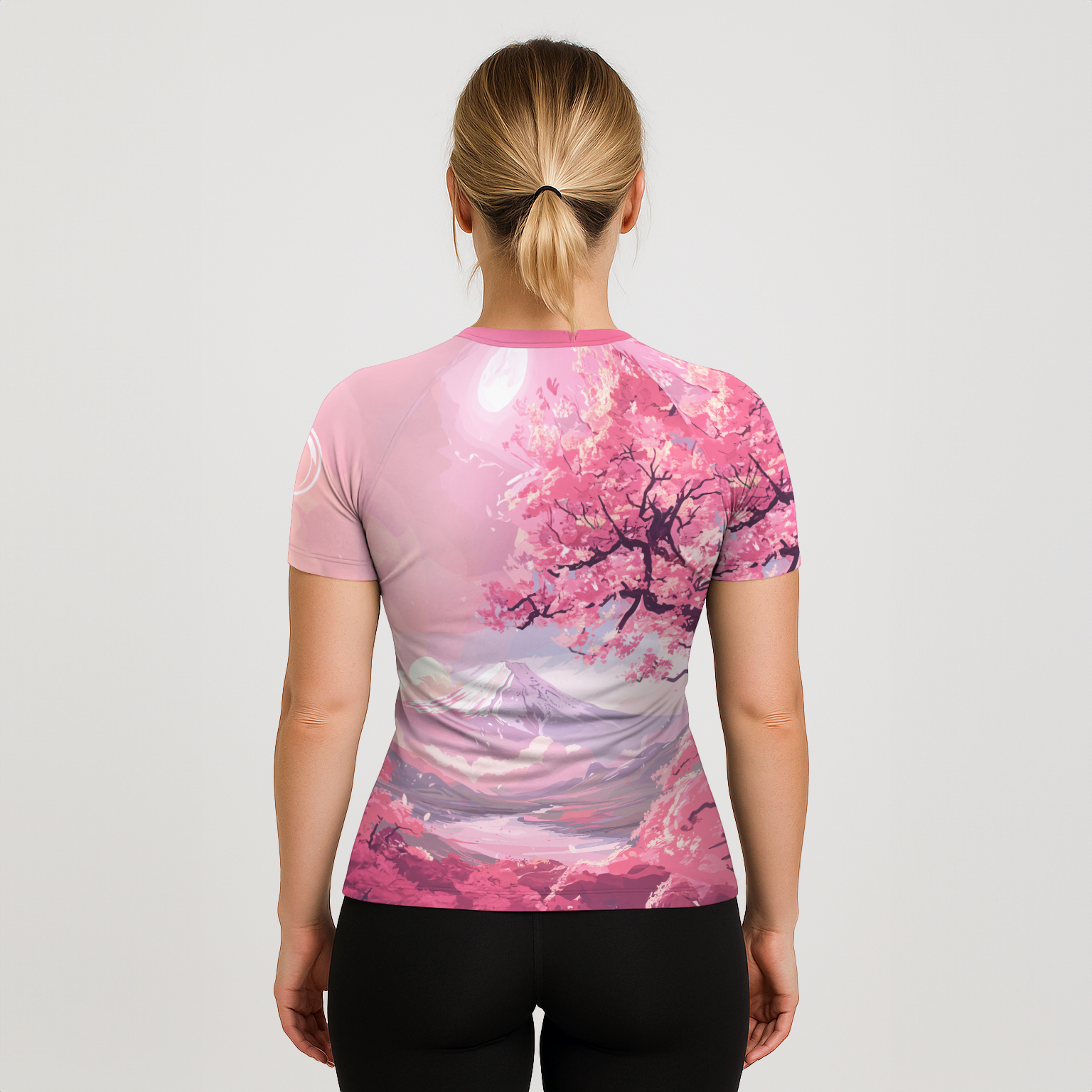
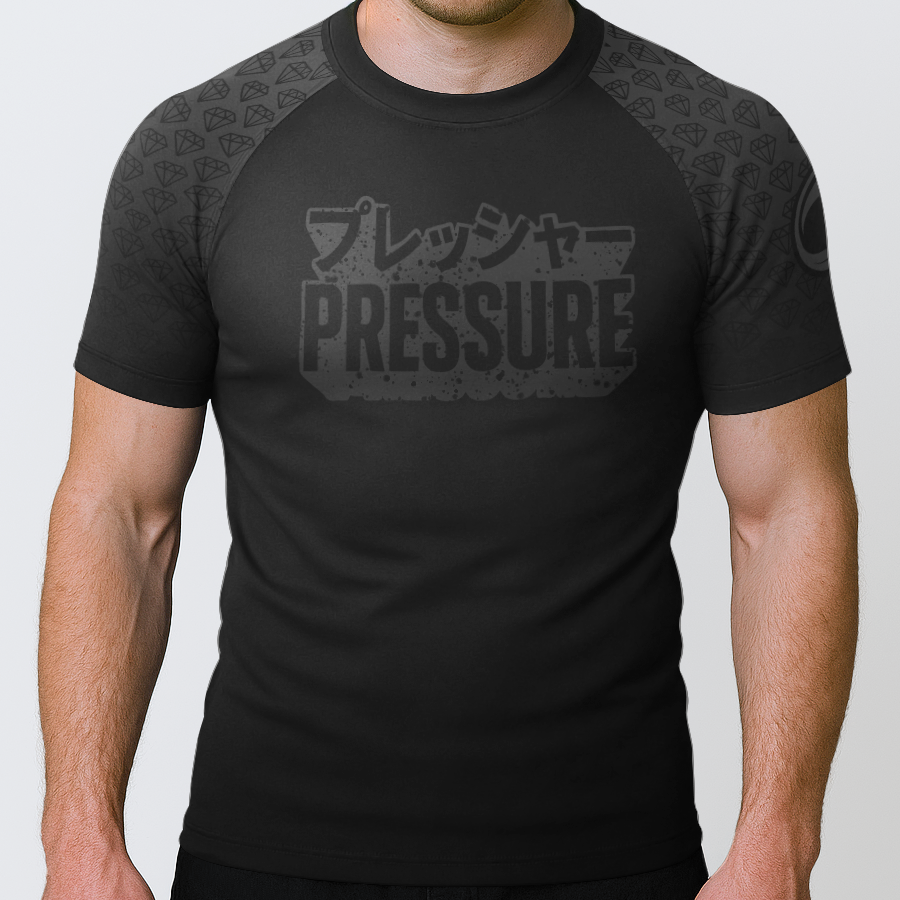
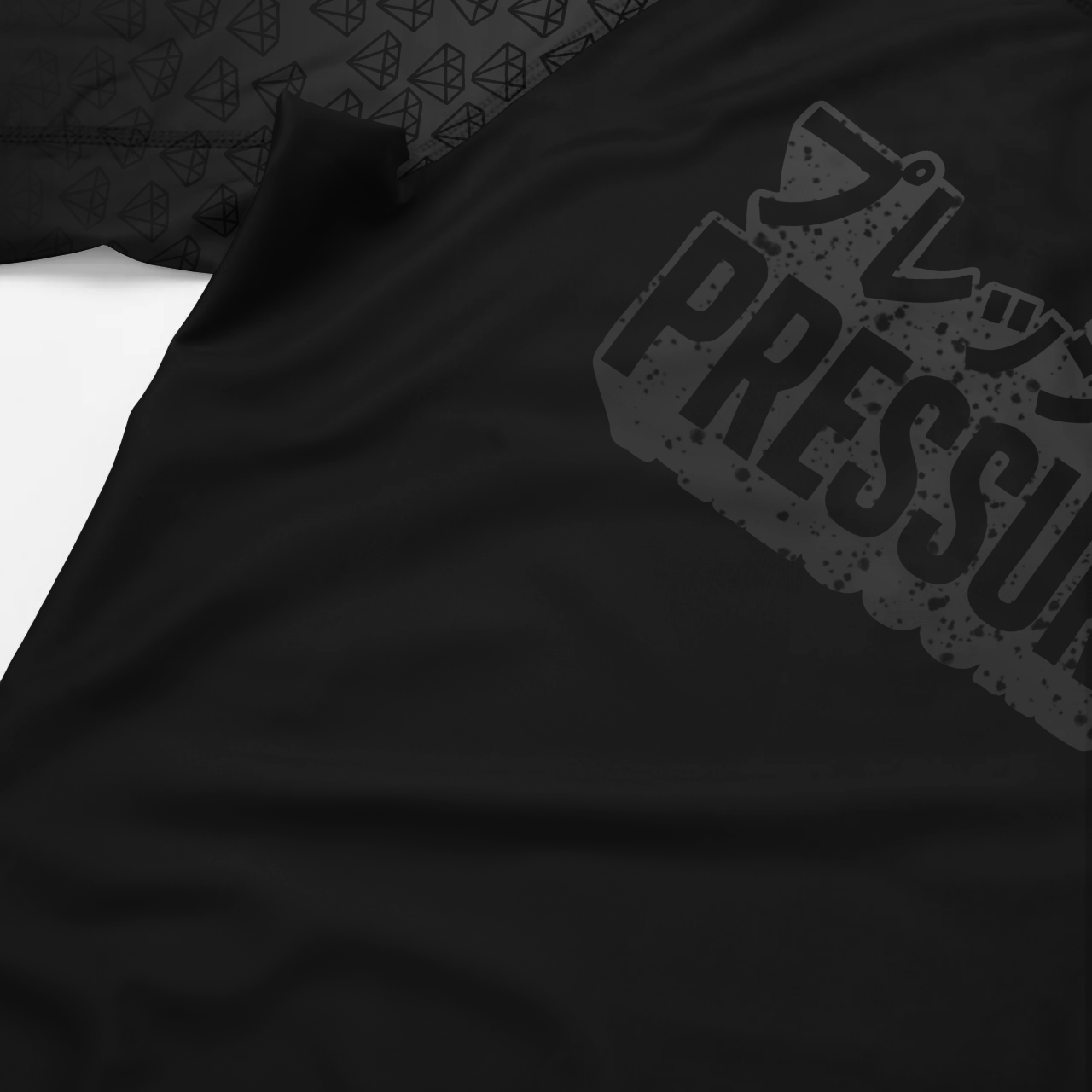
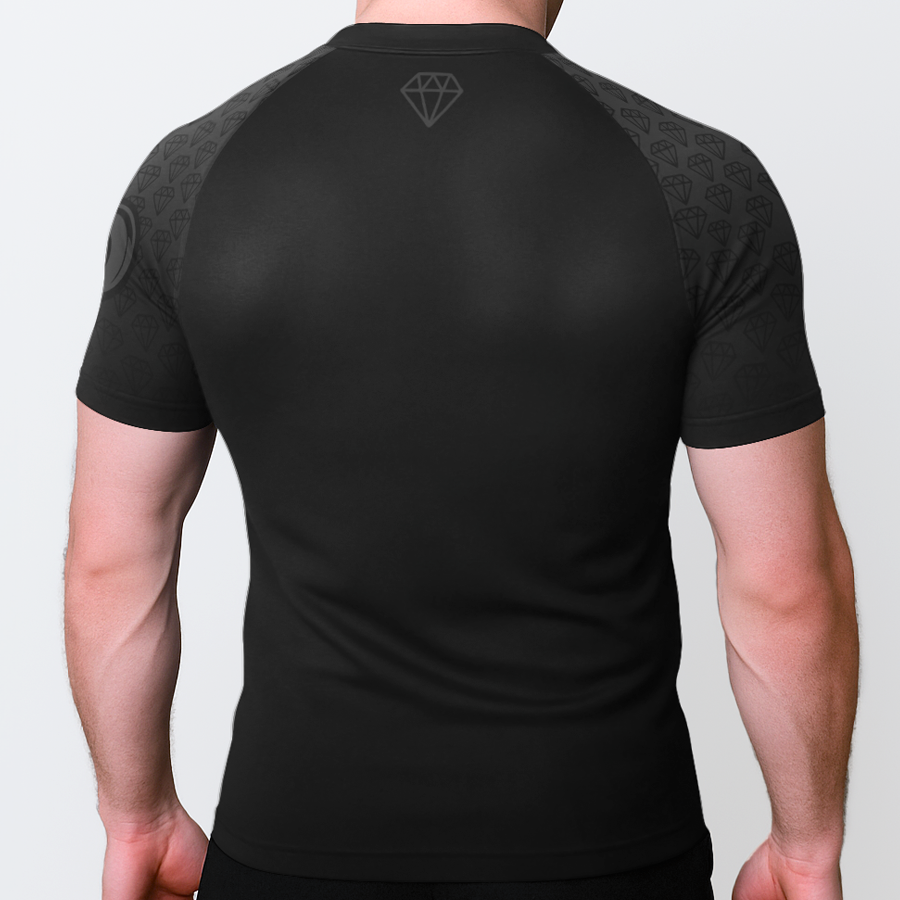
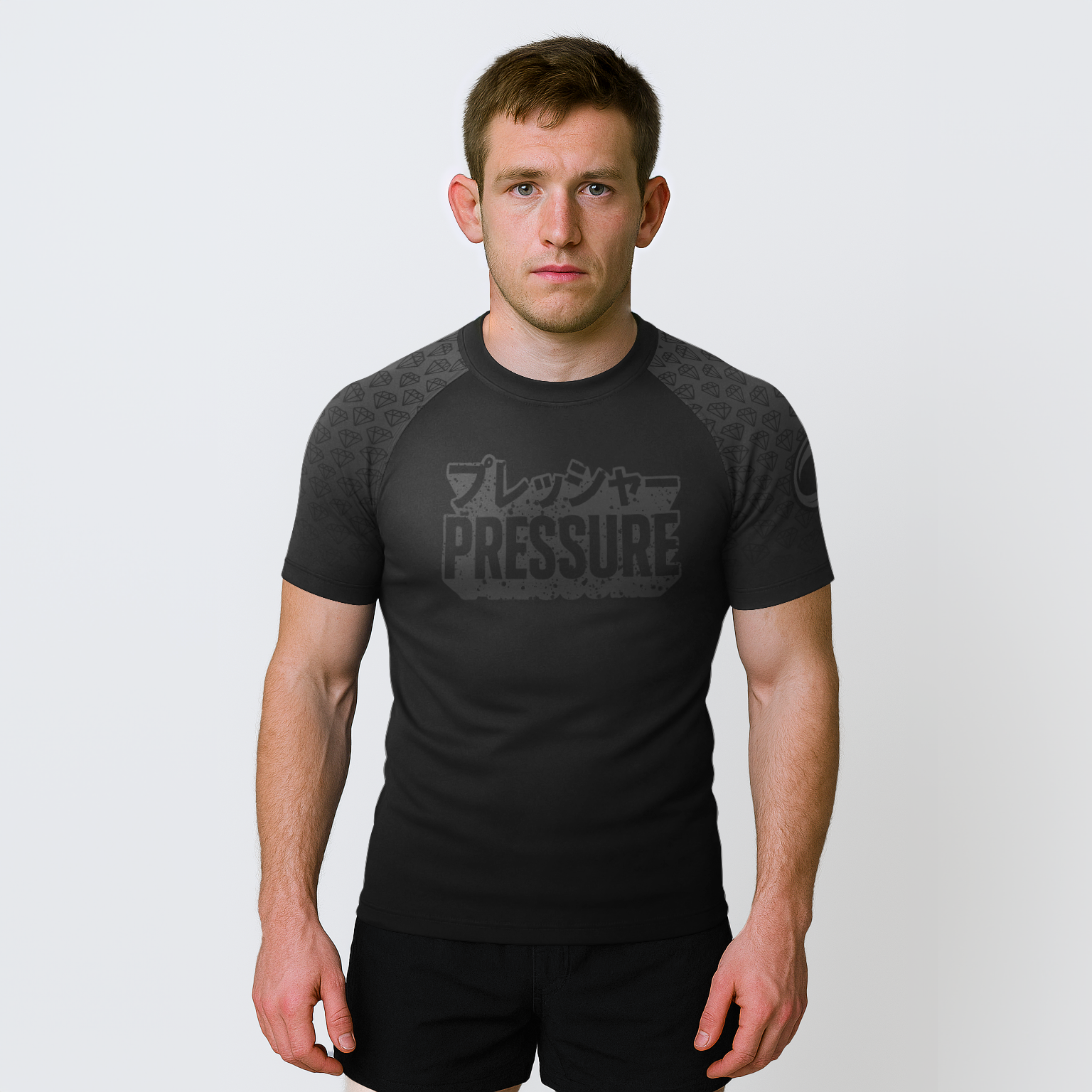
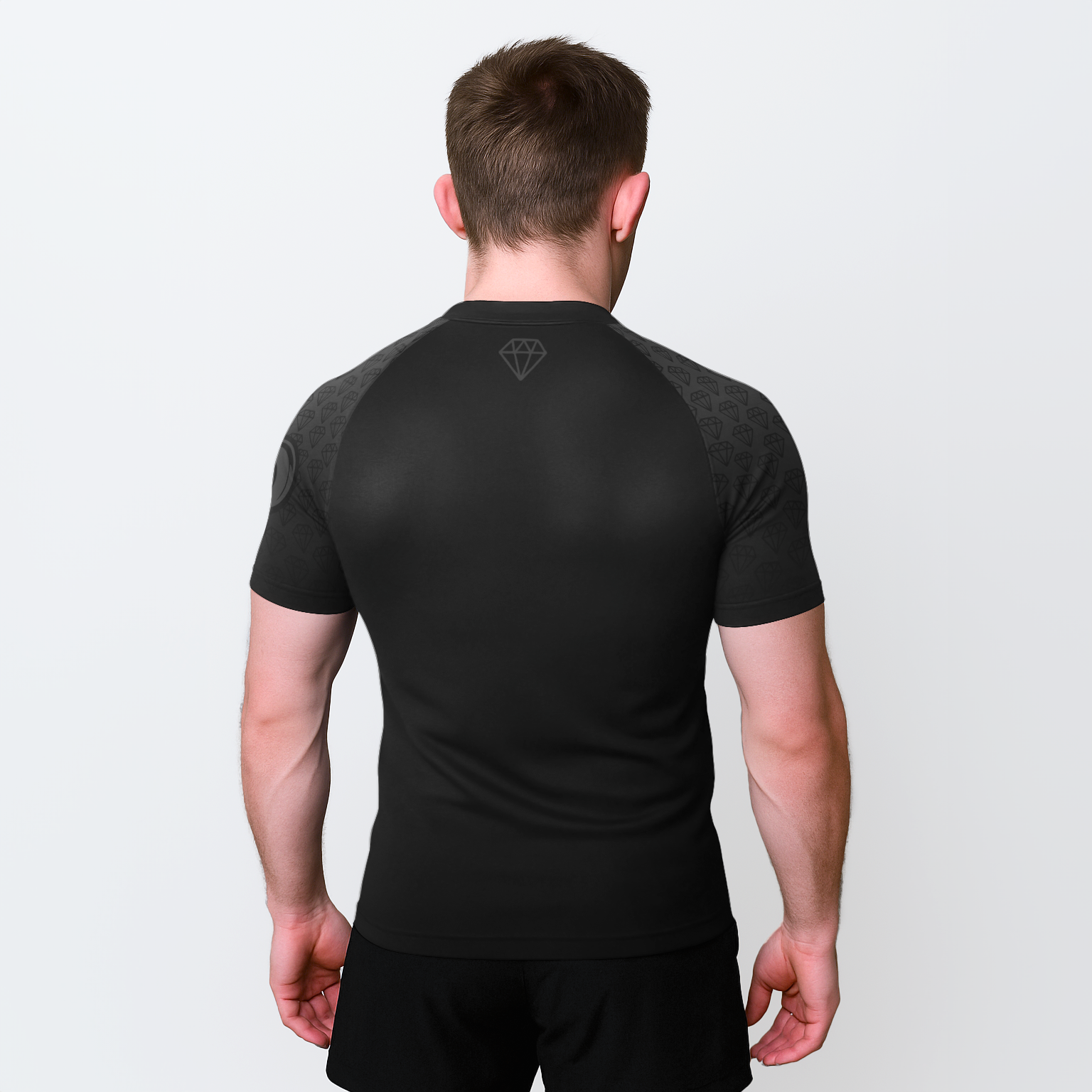
Rash guards should fit close without feeling restrictive. Loose athletic shirts ride up when kids scramble, invert, or spin during drills. A proper rash guard stays in place better and handles mat friction better too.
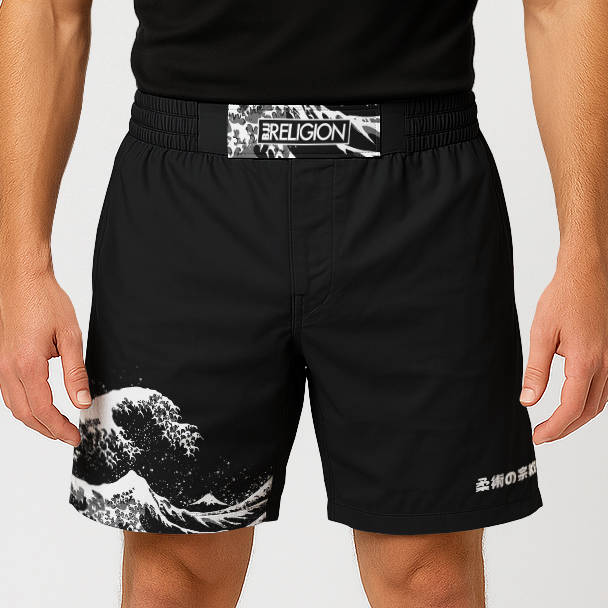
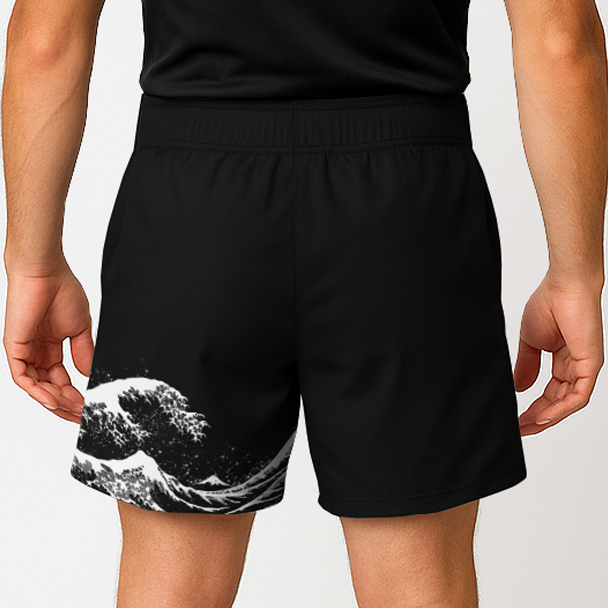
For shorts, skip anything with pockets or zippers. Those features are fine for regular gym clothes, but not for grappling. In a no gi round, fingers and toes catch on them, and that creates avoidable problems. Grappling shorts designed for movement are the better call.
If your child does both gi and no gi every week, two rash guards are usually enough to start. Kids sweat, classes get back-to-back, and laundry timing gets real very quickly. Having a clean extra is one of those small things that makes the week easier.
Fit matters more than brand hype
Parents often ask if better gear will help a child train better. The honest answer is only up to a point. A well-fitting gi or rash guard helps because it is comfortable and durable. Beyond that, your child is not finishing more armbars because of the logo on the lapel.
What does matter is whether the gear lets them train without distraction. If pants constantly fall down during bear crawls, if the jacket bunches up when they practice breaking grips, or if shorts twist every time they try to knee cut, that affects class. Good kids gear should disappear once training starts.
This is especially true for younger kids who are still deciding if they even like Jiu Jitsu. For a six-year-old learning how to sit in closed guard and keep their balance, comfortable gear is part of making class feel normal. For a ten-year-old doing competition rounds and stand-up entries, durable gear becomes more important because they are training harder and more often.
How many sets of gear should you buy?
This depends on schedule. For one class a week, one gi and one no gi set may be enough. For two or three classes a week, two gis or at least one gi plus consistent same-day laundry usually makes more sense. Once kids start training more often, doing open mat, or getting ready for a tournament, backups stop feeling optional.
Tournament prep is where parents usually realize they need more than one set. If your child trains Tuesday, Thursday, and Saturday, then has a tournament on Sunday, the margin for laundry mistakes gets very small. A second gi or extra rash guard removes a lot of unnecessary stress.
Gear bag basics that help at the academy
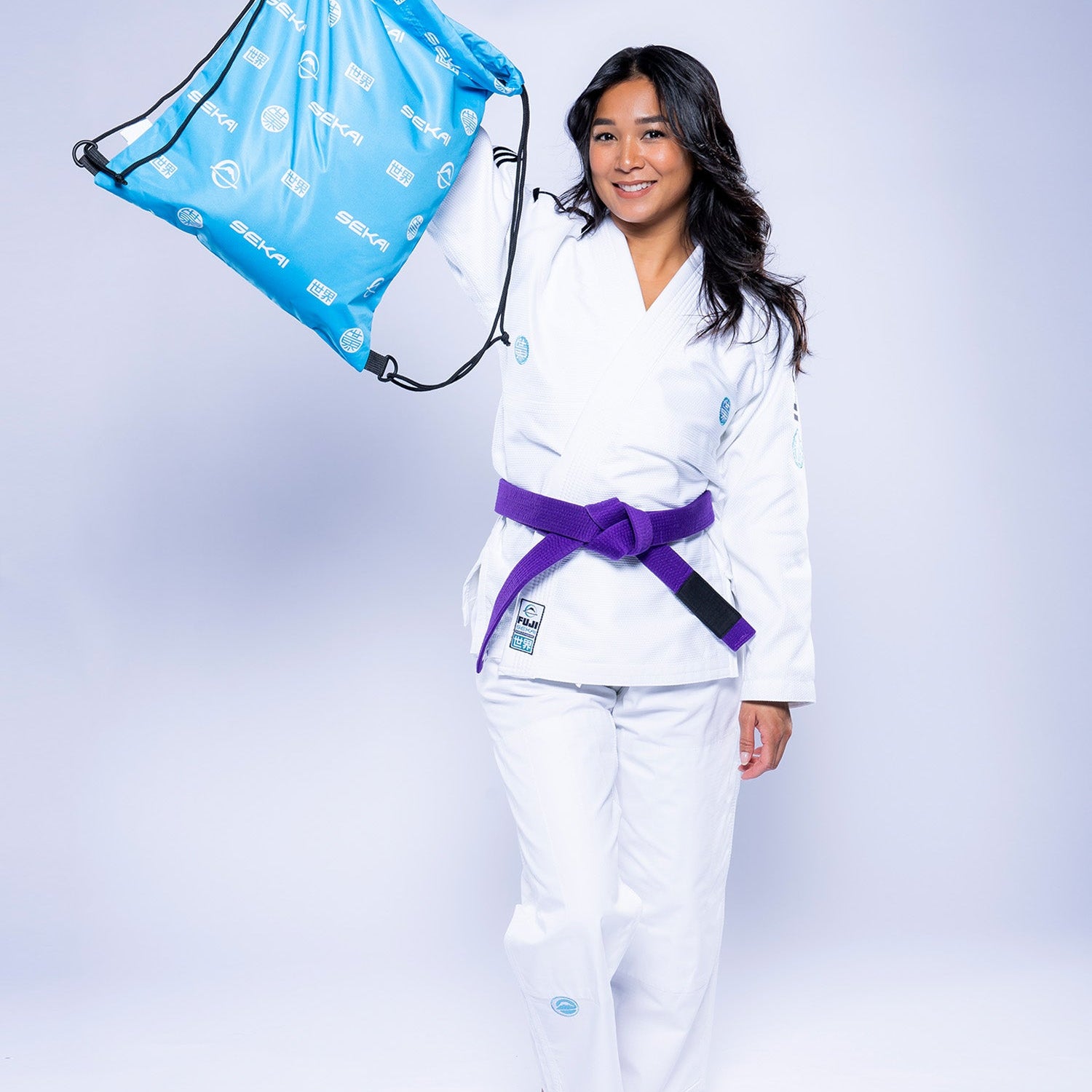
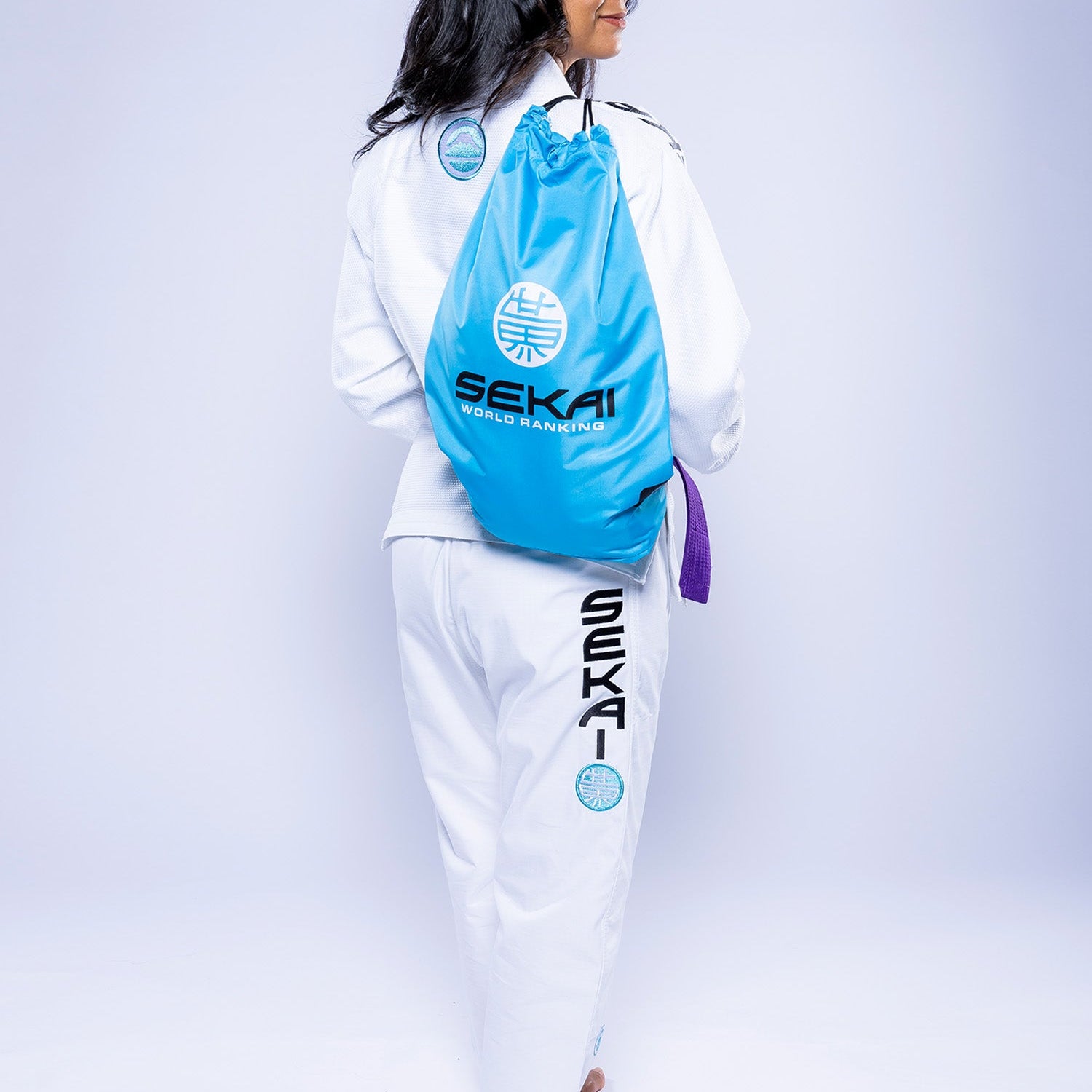
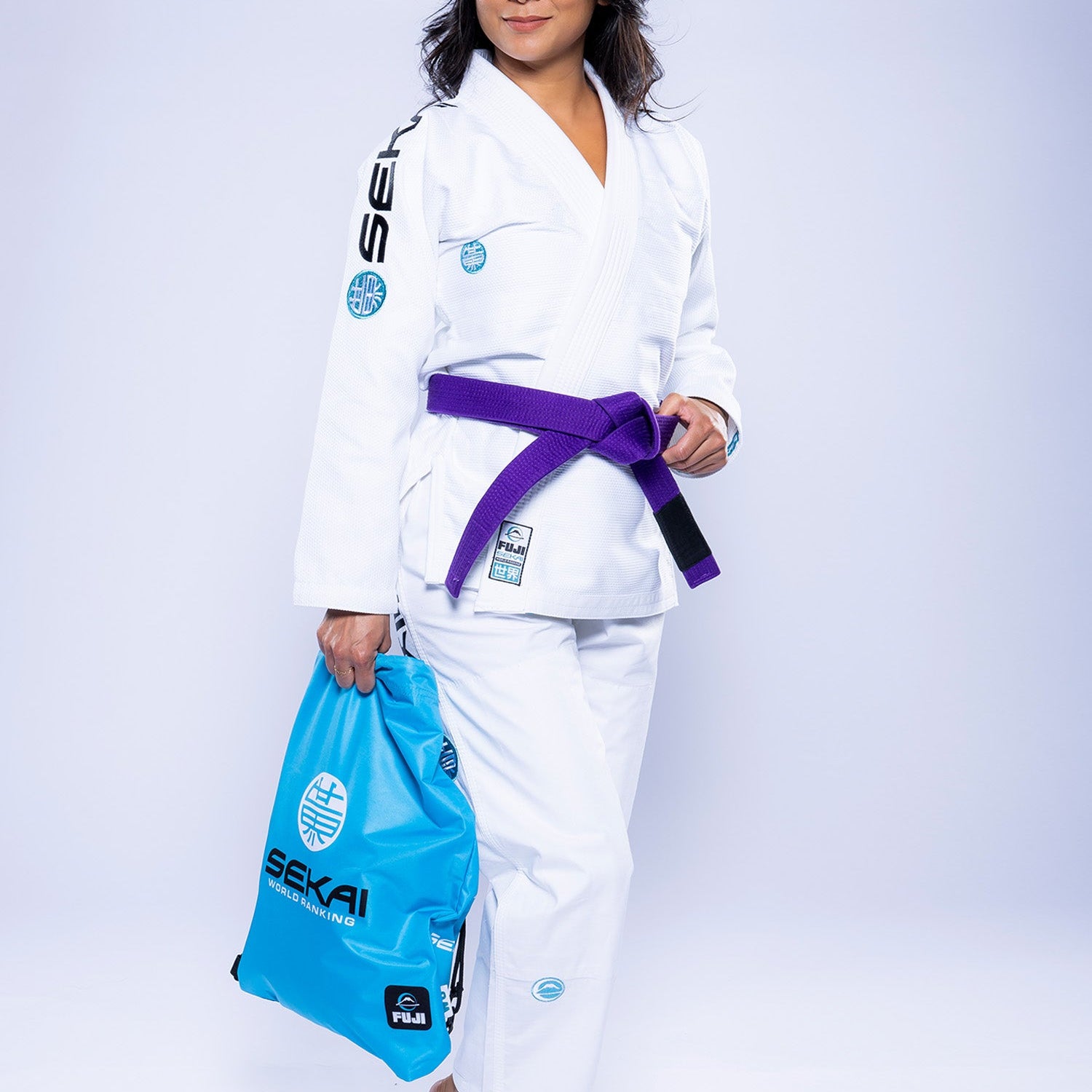
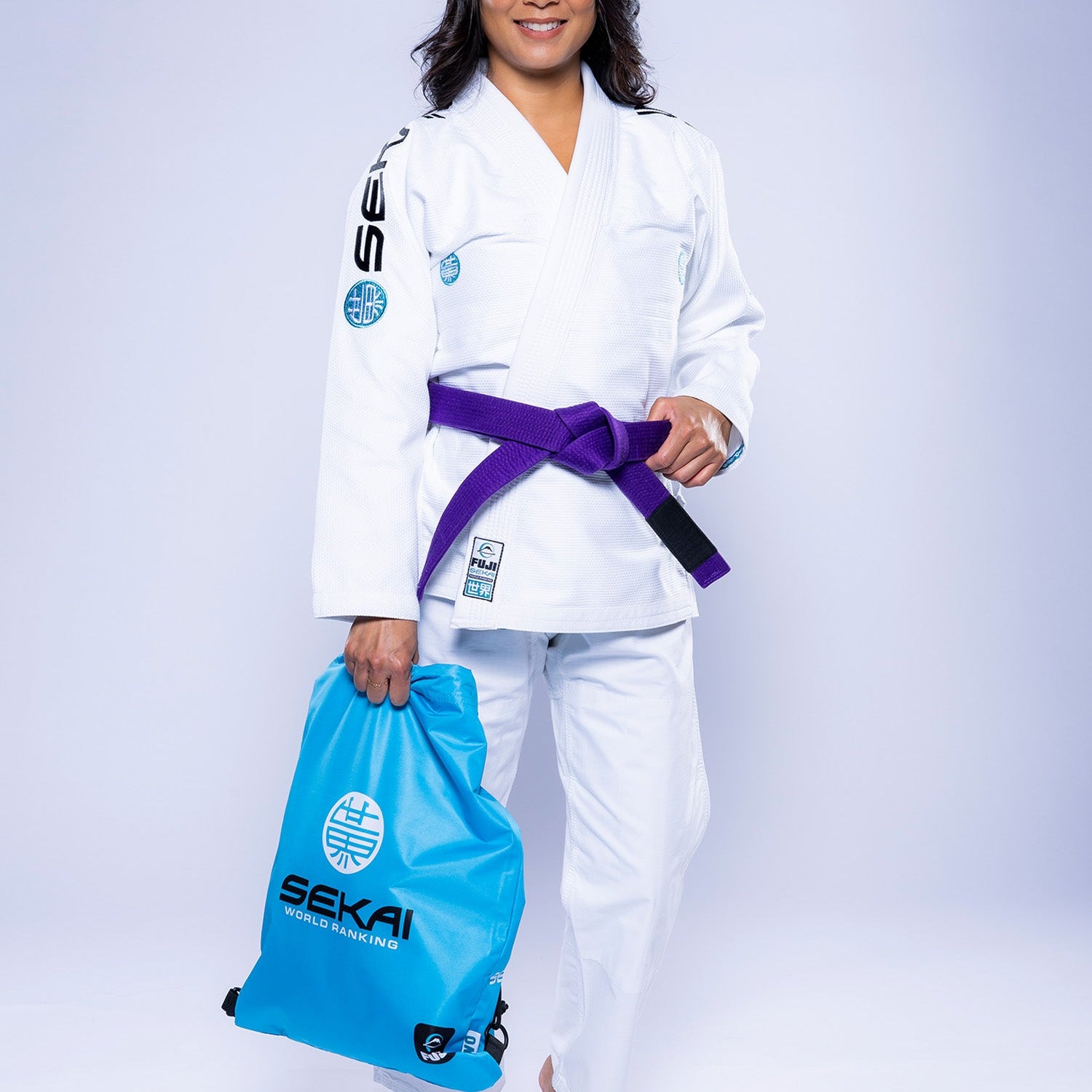
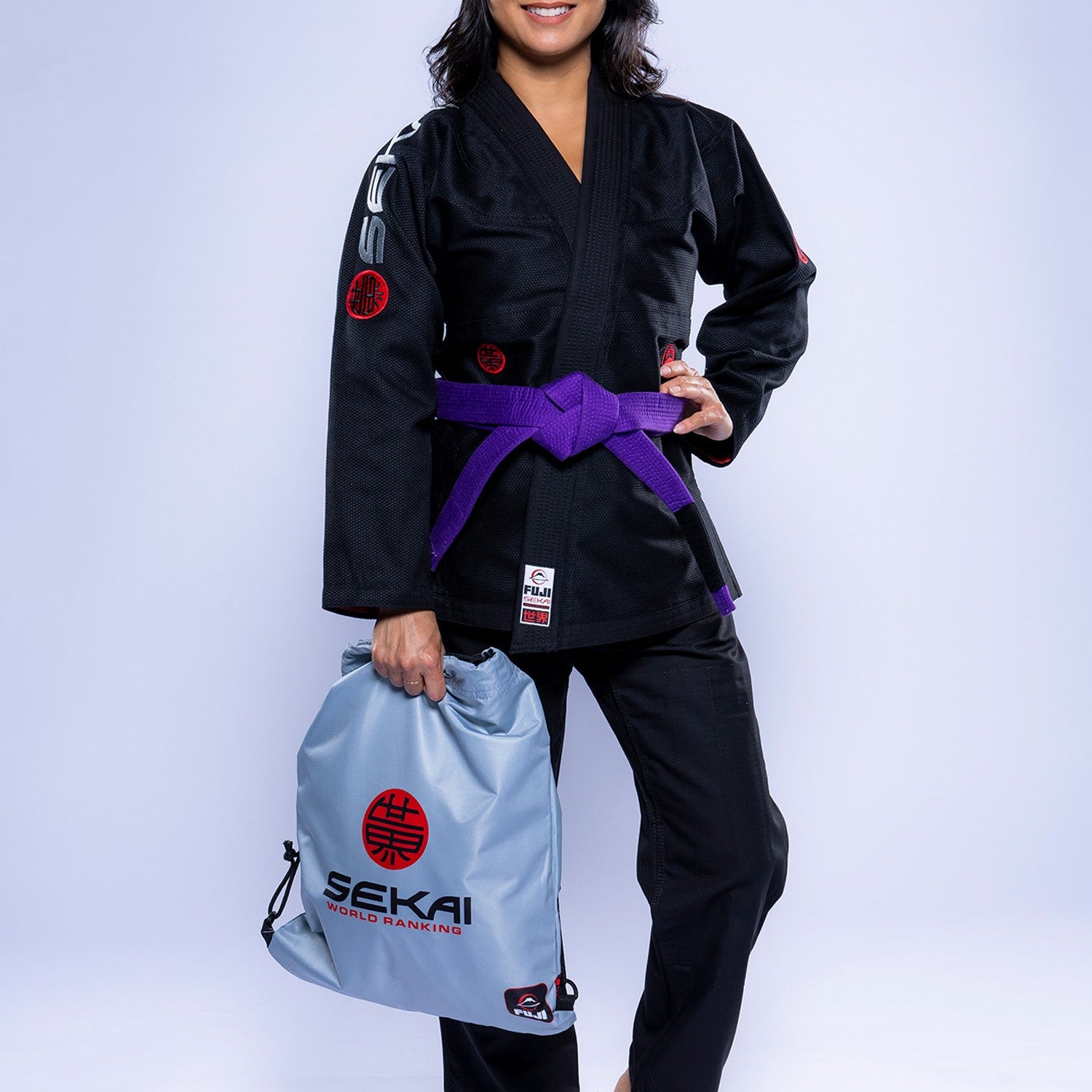
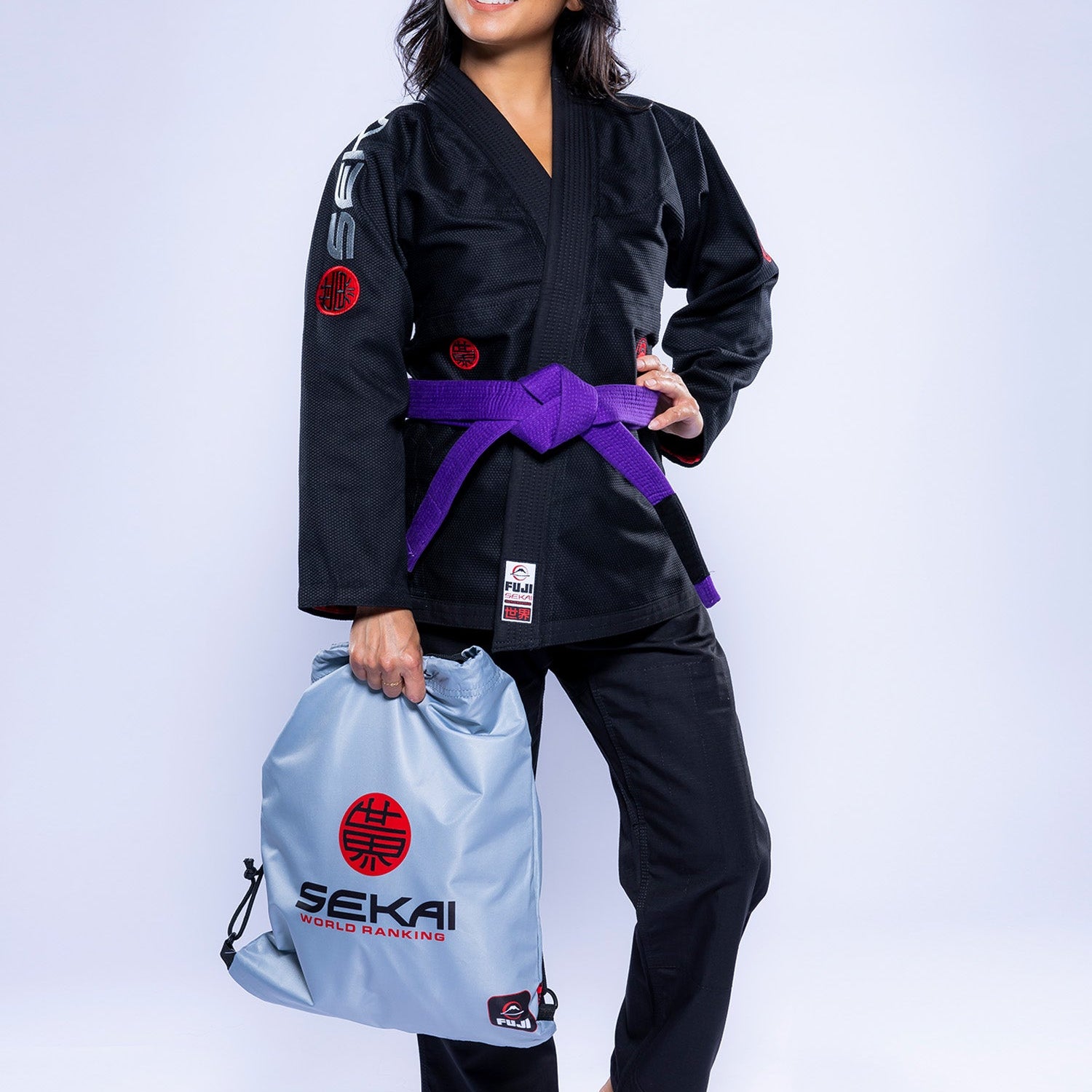
A simple gear bag is underrated. Kids lose things. They leave belts under benches, stuff wet rash guards into backpacks, and forget which pocket holds tape or a mouthguard. A dedicated bag keeps training gear separate from school stuff and makes it easier for them to learn responsibility around class.
A small towel, water bottle, flip-flops, and a plastic or washable compartment for sweaty gear are practical additions. Flip-flops matter more than many new parents realize because kids spend time walking on and off the mat. Coaches notice hygiene habits, and academy culture usually does too.
Laundry, wear, and replacing gear
If you remember one thing from this kids jiu jitsu gear guide, let it be this: wash everything after every class. Gis, rash guards, shorts, belts if your academy allows it, all of it. Kids classes involve a lot of contact, and clean gear is part of being a good training partner.
Air drying helps gear last longer, especially rash guards and shorts with stretch fabric. With gis, some parents use the dryer carefully to manage slight shrinkage, but repeated high heat shortens the life of the material. If the knees start thinning from constant shooting and kneeling, or the collar gets too stiff and worn, it is probably time to replace the gi.
You will also replace gear simply because kids grow. That is normal. A gi that fit perfectly during their first month may look short by the time they earn new stripes. The same thing happens with rash guards after a growth spurt.
When to spend more and when not to
For a brand-new student, keep it practical. Buy clean, durable basics that meet academy requirements and fit well. If your child sticks with Brazilian Jiu Jitsu for six months, starts asking to train more, or signs up for a tournament, then it makes sense to build out a better rotation.
That is usually the point where parents add a second gi, dedicated no gi gear, and a better gear bag. It is also when details like reinforced stitching, more comfortable cuts, and easier care start paying off. JiuJitsu.com serves a lot of families in exactly that stage - not just trying to get through the first class, but trying to set up a routine that works.
The best gear choice is usually the one that matches how your child actually trains. A once-a-week beginner needs something different from a kid doing competition class, regular sparring, and weekend tournaments. Buy for the training schedule you have now, not the one you imagine six months from now.
If you keep the focus on fit, durability, and academy rules, you will avoid most beginner mistakes. Your child does not need a giant pile of gear to enjoy class. They need gear that lets them move, sweat, learn, and come back ready for the next round.
Shop Our New Releases
Fast & Free Shipping!
Fast & Free Shipping!
Fast & Free Shipping!
Fast & Free Shipping!
Fast & Free Shipping!
Fast & Free Shipping!