Jiu Jitsu Tournament Rules You Need to Know
The first surprise at many tournaments is not the adrenaline or the size of the warm-up area. It is realizing that a sweep you hit every night in sparring may not score, a submission you use at the academy may be illegal in your division, or a referee has called you for stalling when you thought you were simply being careful. Understanding Jiu Jitsu tournament rules before competition day lets you spend less energy guessing and more energy grappling.
There is no single rulebook for all Brazilian Jiu Jitsu events. Major organizations, local promotions, school-hosted tournaments, gi events, and no-gi events can all differ. The specifics may change, but most tournaments use the same basic framework: score meaningful positional progress, reward control, penalize inactivity, and protect competitors through division-based submission restrictions.
Start With the Event Rulebook
Read the rules for the specific event you entered, not just a summary from a teammate's last tournament. Check the match length, weigh-in policy, uniform requirements, age and belt restrictions, overtime format, and list of legal techniques. A five-minute adult white belt match with a same-day weigh-in asks for a different plan than a longer masters division match with an earlier weigh-in.
This matters most in areas where rules commonly vary. Some events use advantages, while others go straight from points to referee decision or overtime. Some permit heel hooks in advanced no-gi divisions, while others do not. One organizer may allow a particular takedown finish that another calls dangerous. Your coach can help interpret gray areas, but the official event rules are the final word.
How Jiu Jitsu Tournament Rules Score Positions
Most point systems reward positions that would create a clear grappling advantage. The numbers below are common in traditional Brazilian Jiu Jitsu rulesets, although the event rulebook always controls.
A clean takedown usually scores 2 points when you bring your opponent down and establish control. If you shoot a double leg but they immediately scramble behind you, the referee may not award the points. Similarly, pulling guard is usually not a takedown. If your opponent pulls guard and you remain standing, some rulesets may award points or require you to engage in a particular way, so know the event's policy.
A sweep from guard or half guard commonly earns 2 points. The key is reversal with control, not merely knocking an opponent off balance. For example, if you use a scissor sweep from closed guard, come on top, and stabilize inside their guard, that is generally a scoring sweep. If you sweep, then they roll through and land on top before you settle, it may become a scramble with no points awarded.
Passing the guard is commonly worth 3 points. You need to get past the legs and establish side control, north-south, or another recognized control position. Clearing a knee shield for a split second is not a pass. This is why a tight body lock pass that ends with chest-to-chest side control scores, while a fast torreando attempt that lets your opponent recover open guard does not.
Mount and back control are often worth 4 points each. In mount, you need meaningful control above the hips, not a brief transition where your opponent is already turning to escape. On the back, tournaments generally look for control with hooks or a recognized body triangle. If you take the back during a scramble but lose it while trying to secure your seatbelt, do not assume the points are coming.
Knee-on-belly often earns 2 points in rulesets that recognize it. That position needs real pressure and control, not simply placing a knee near the torso while your opponent is actively escaping.
Most systems require you to stabilize a scoring position, often for roughly three seconds. That requirement changes how smart competitors finish transitions. Instead of rushing from a guard pass straight to mount, it can be better to settle in side control, make the pass count, and then advance again. It is not passive Jiu Jitsu. It is recognizing that tournament scoring rewards control, not motion alone.
Advantages and Close Calls
Some tournaments use advantages to separate close matches. An advantage may be awarded when a competitor nearly completes a scoring action or reaches a credible submission threat without finishing it. For instance, getting under the legs on a deep single-leg attack or forcing a serious armbar escape may earn an advantage in certain rulesets.
Advantages are not points, and they should not be your entire game plan. A competitor who is ahead 2-0 can still lose if they give up a 3-point pass. More importantly, not every event uses them. If your bracket uses referee decisions after a tied score, visible initiative, submission attempts, and control often matter more than a near-score you believe should have counted.
Legal Submissions Depend on Your Division
Submission rules are usually based on age, experience level, belt rank, and whether the event is gi or no-gi. White belt divisions are generally restricted to the safest, most established submissions. Chokes, straight armlocks, kimuras, americana locks, and many shoulder locks are commonly allowed, but there are exceptions.
Leg lock rules deserve special attention. A straight ankle lock may be legal in a beginner division, but twisting foot locks, kneebars, toe holds, calf slicers, and heel hooks are frequently restricted by belt level or division. The same is true of neck cranks, cervical locks, bicep slicers, wrist locks, and techniques that apply pressure across the face rather than a recognized choke.
Do not rely on what is allowed during your academy's open mat. A purple belt training partner may be comfortable with leg entanglements that are completely off-limits in a novice tournament bracket. If you are unsure whether a technique is legal, ask your instructor before the event and choose a different finish in the match. A disqualification is a rough way to learn the rule.
Also remember that legal techniques must be applied in a controlled manner. Slamming out of a closed guard, jumping into a submission without enough control, or cranking a finish after the tap can lead to penalties or disqualification. Competition is intense, but it is still training culture carried into a formal setting: protect your opponent and respect the referee's call.
Penalties, Stalling, and Going Out of Bounds
Stalling is one of the rules competitors complain about most because it is subjective. In practice, referees are looking for a lack of meaningful engagement. A top player who settles in closed guard and refuses to open it, pass, or attack may be warned. A bottom player who locks a defensive closed guard but never attempts a sweep, submission, or guard entry can receive the same treatment.
The answer is not to move frantically. It is to show purposeful action. If you are playing open guard, make grips, enter into single-leg X, threaten a wrestle-up, off-balance your opponent, or build a real submission sequence. If you are on top in half guard, work to flatten them, clear the knee shield, and progress your pass rather than holding on and watching the clock.
When competitors go out of bounds, the referee usually stops the match and returns them to a position determined by the action. If a takedown begins in bounds and finishes out of bounds, the referee may still award points. If you are escaping side control as you cross the edge, you might be restarted in side control. Do not stop early because you think you are close to the boundary. Keep grappling until the referee says stop.
Penalties can escalate from warnings to points against you and, in serious cases, disqualification. Common problems include illegal grips in gi divisions, grabbing inside clothing, avoiding engagement, using prohibited submissions, and ignoring the referee's instructions. The exact list varies, but the practical lesson is simple: compete hard without trying to outsmart the rules.
Uniforms, Weigh-Ins, and Match Readiness
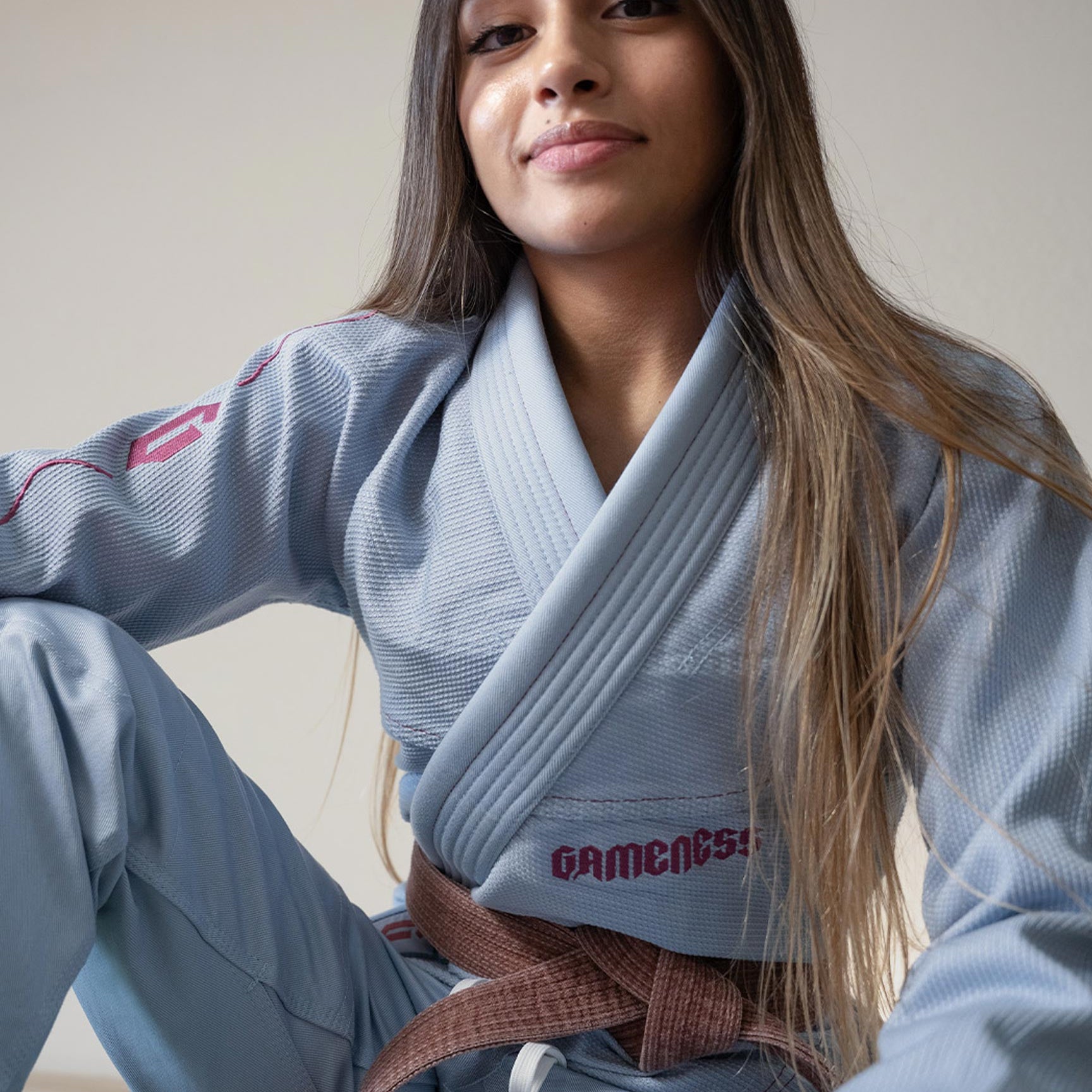
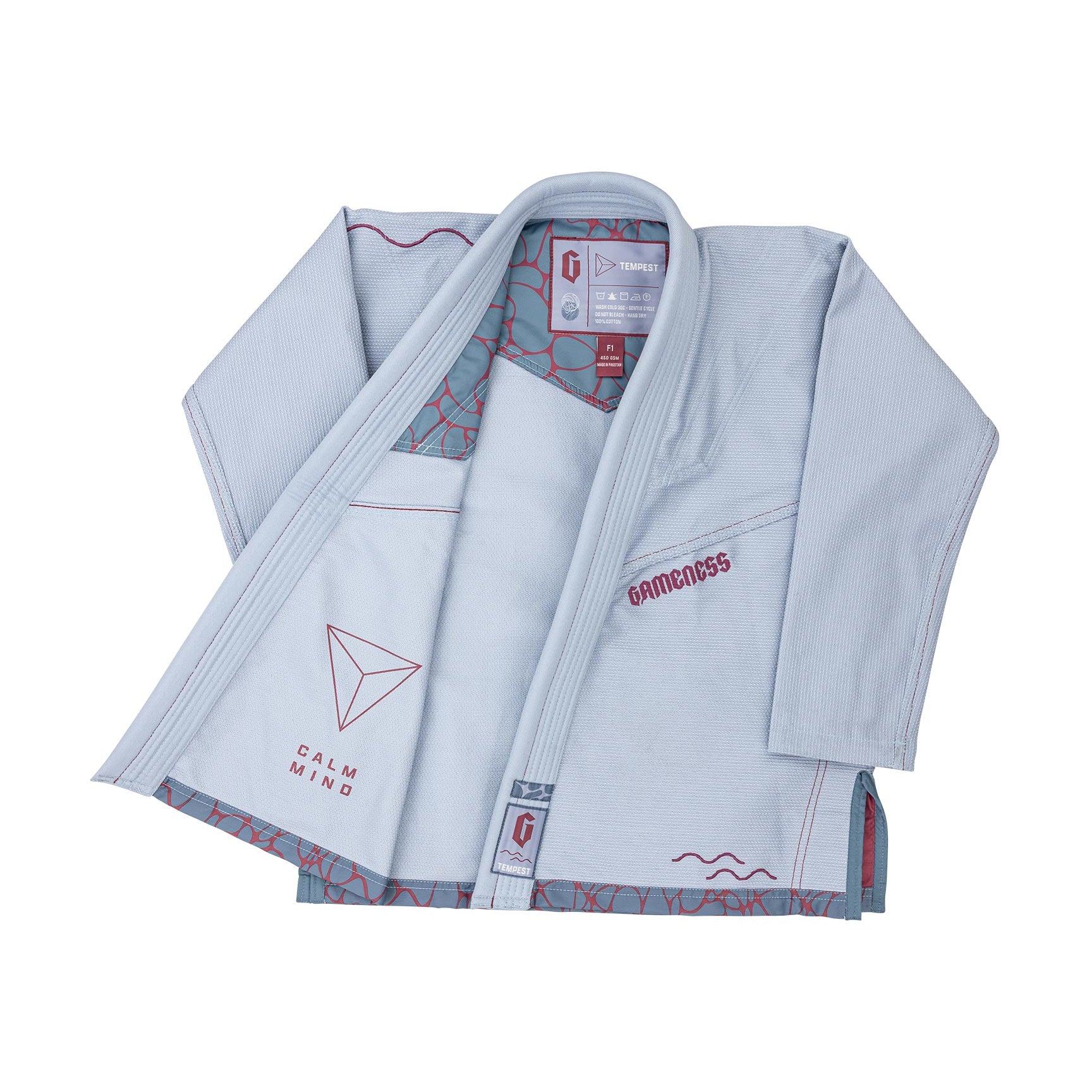
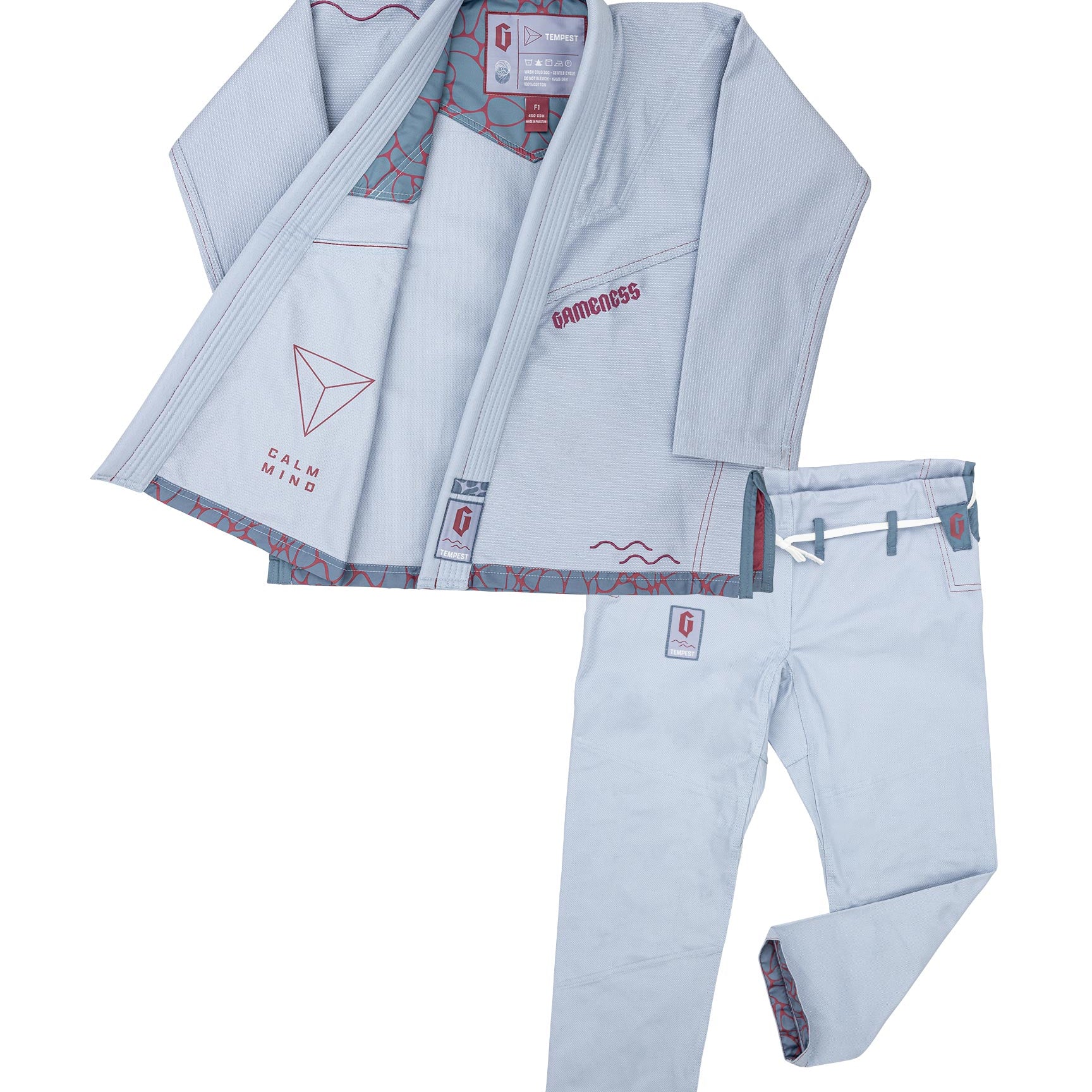
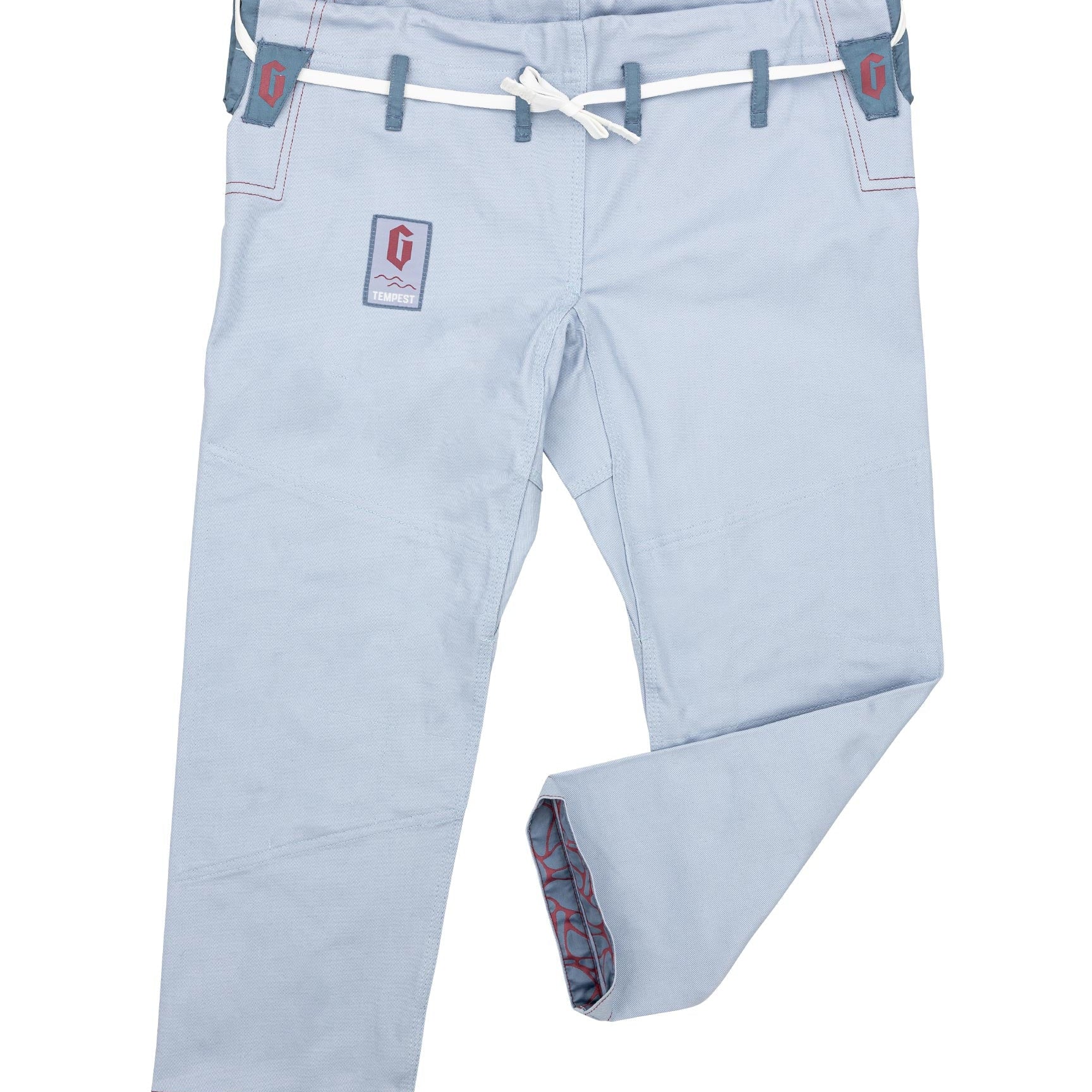
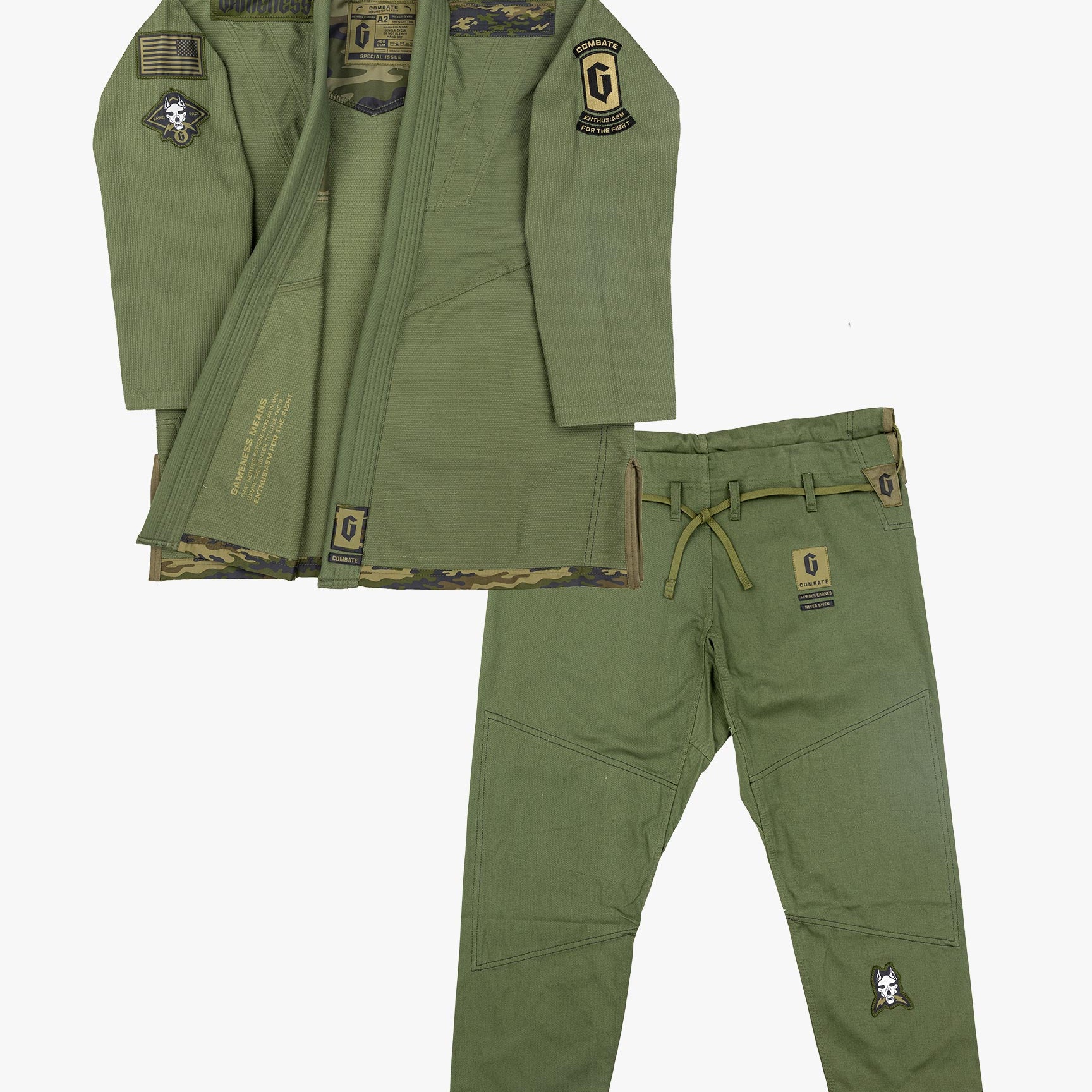
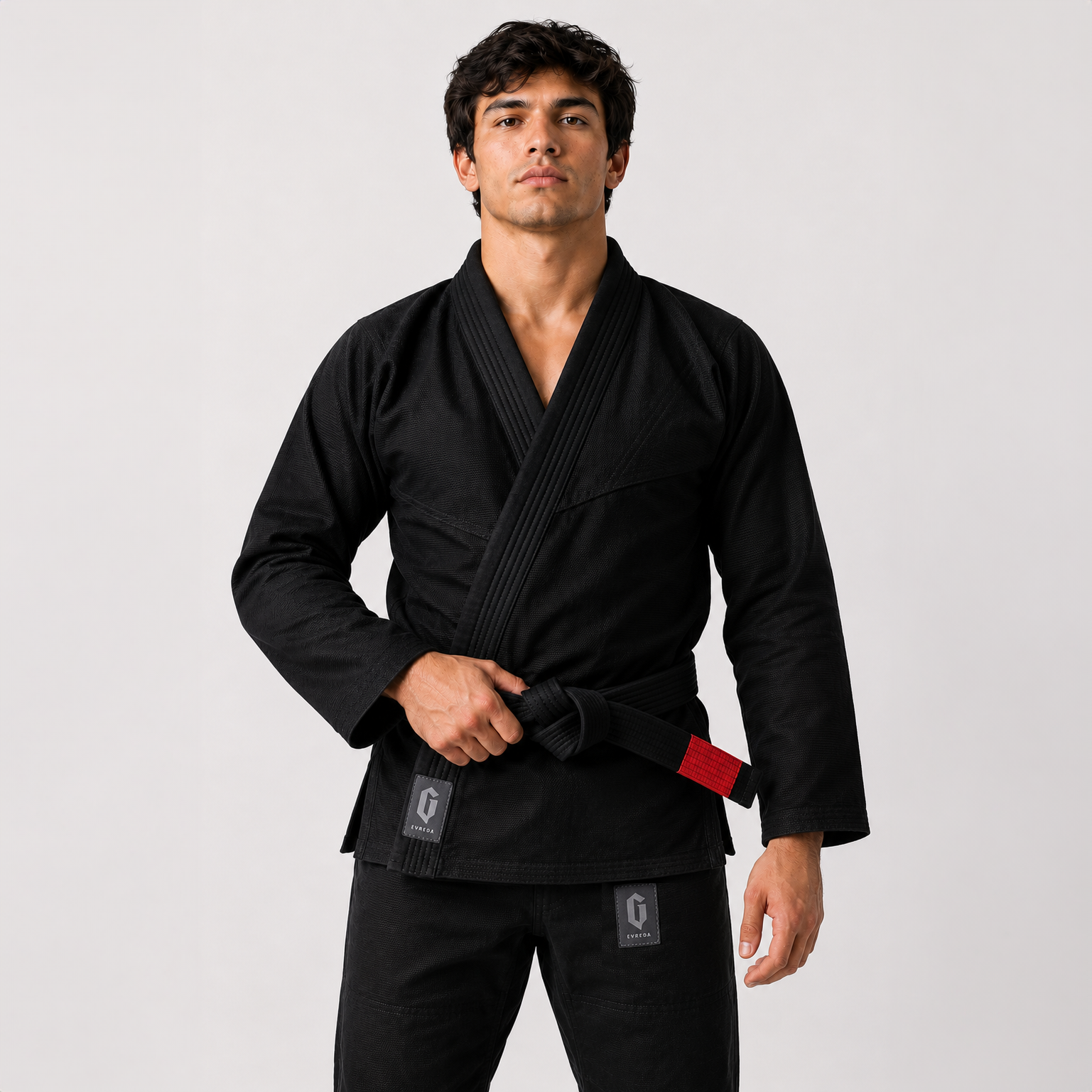
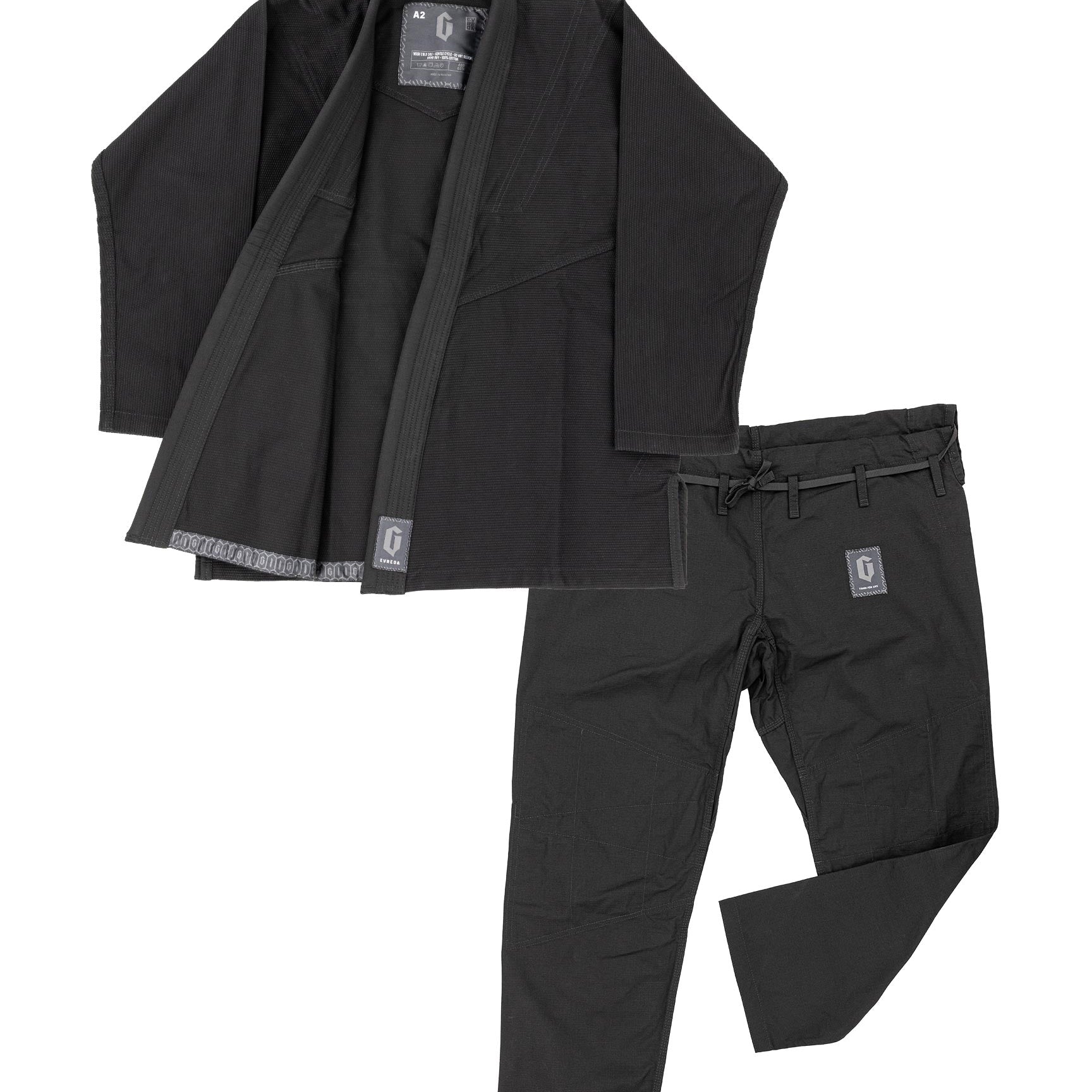
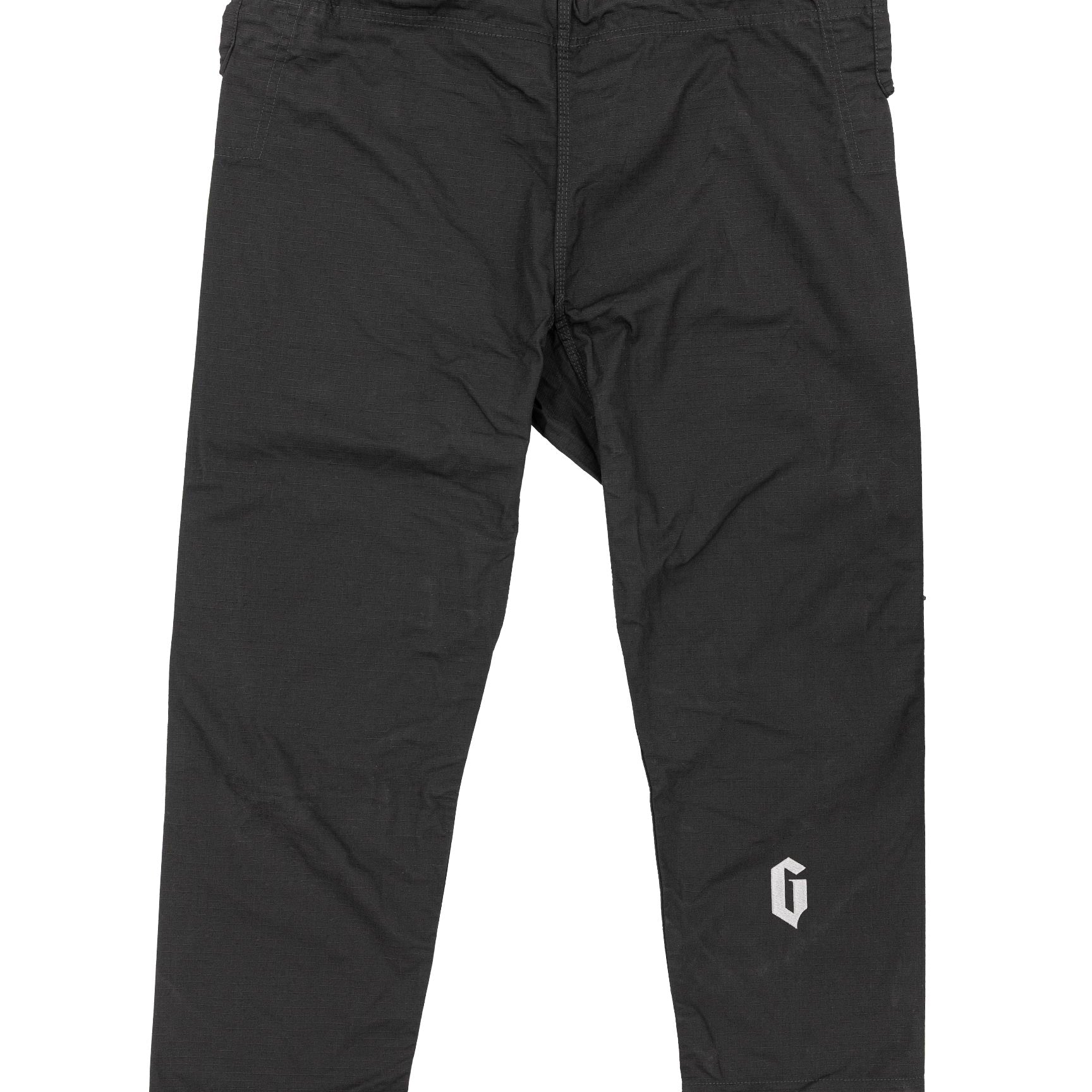
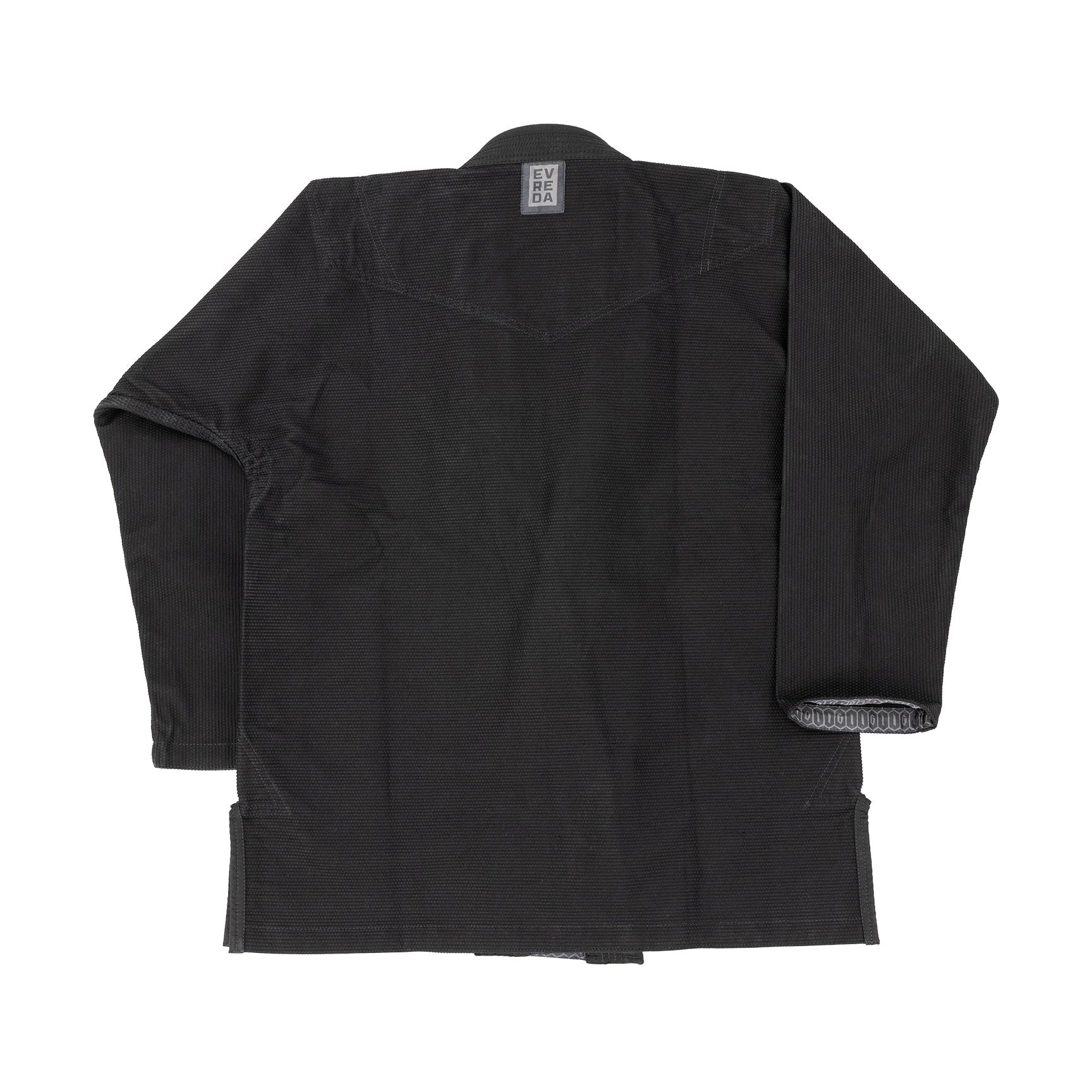
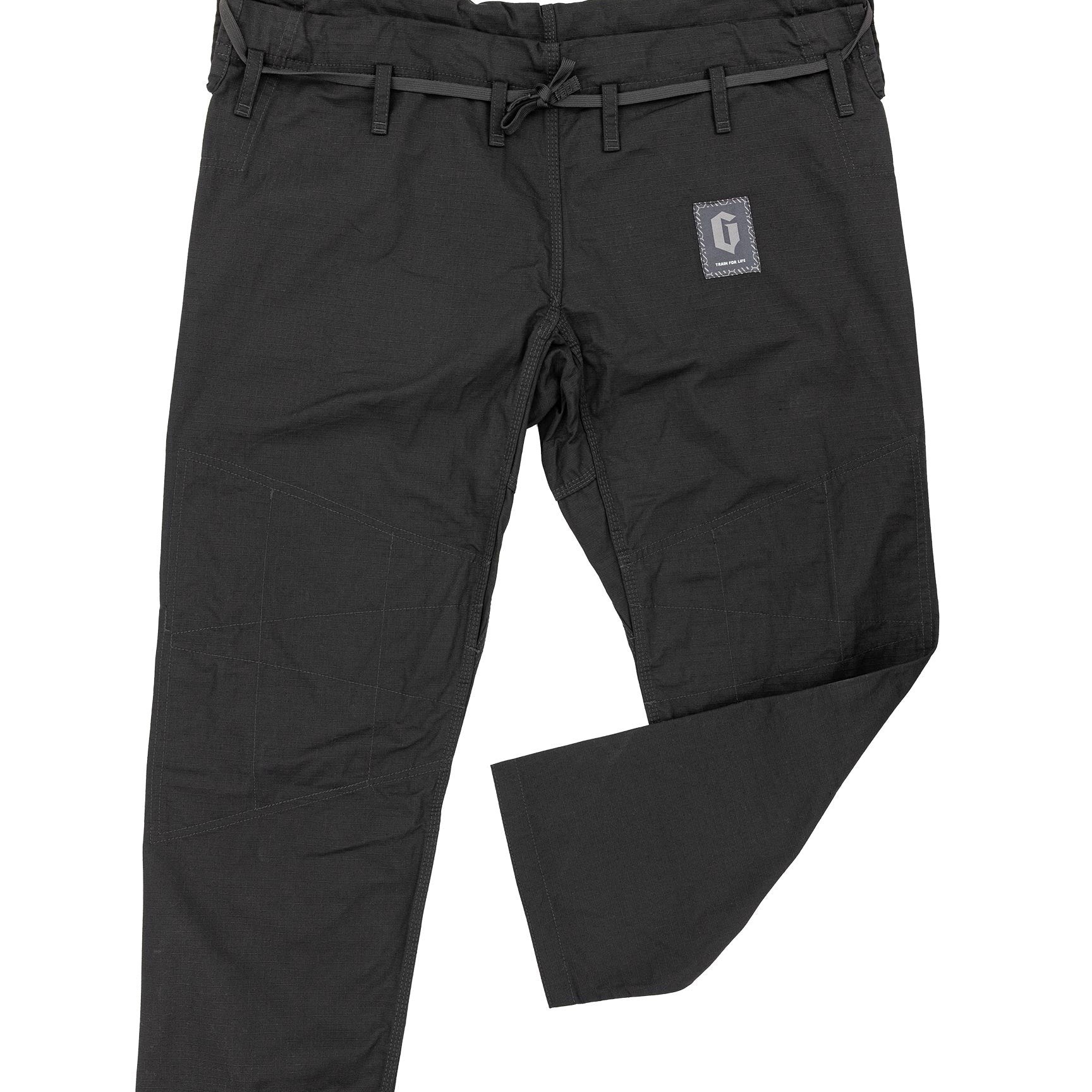
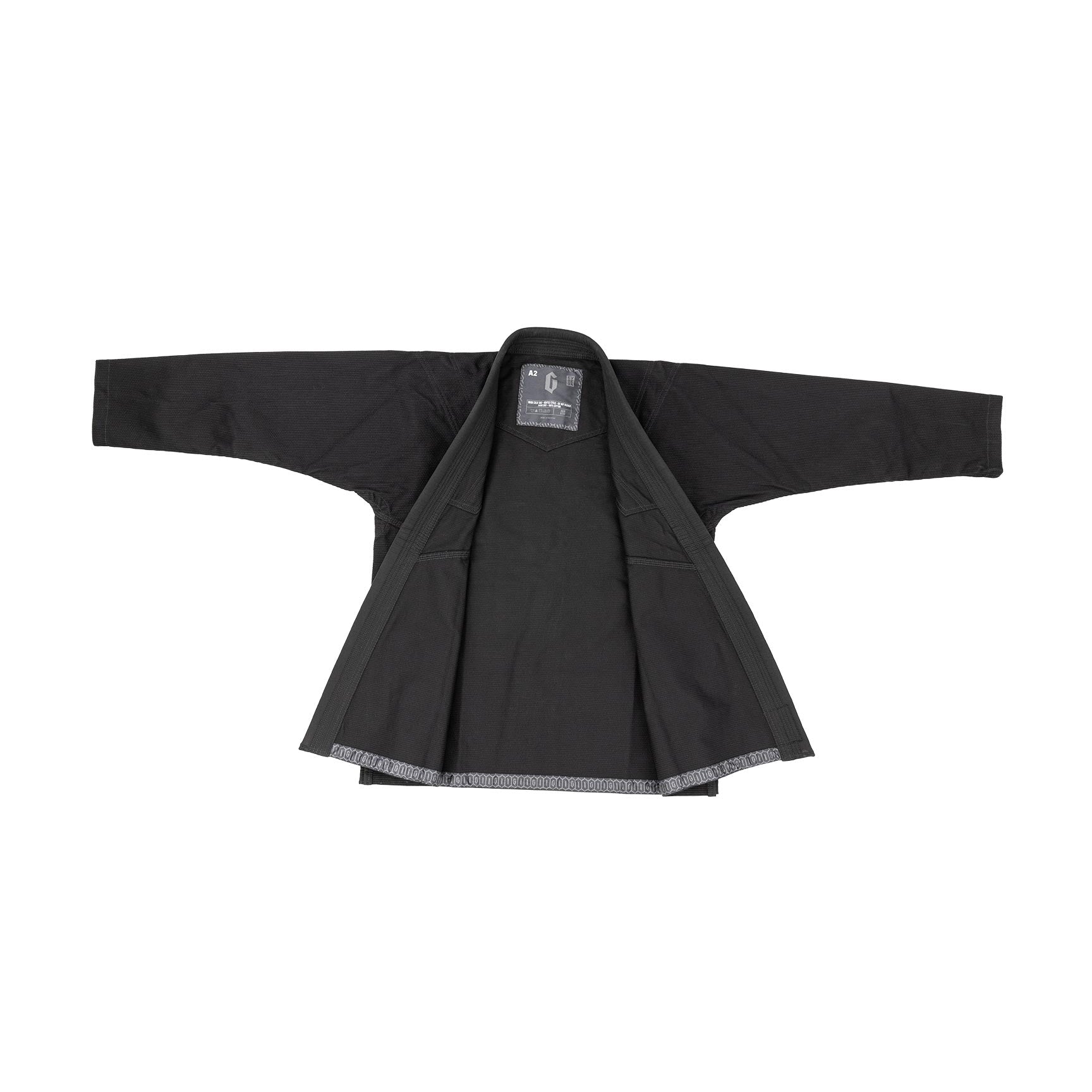
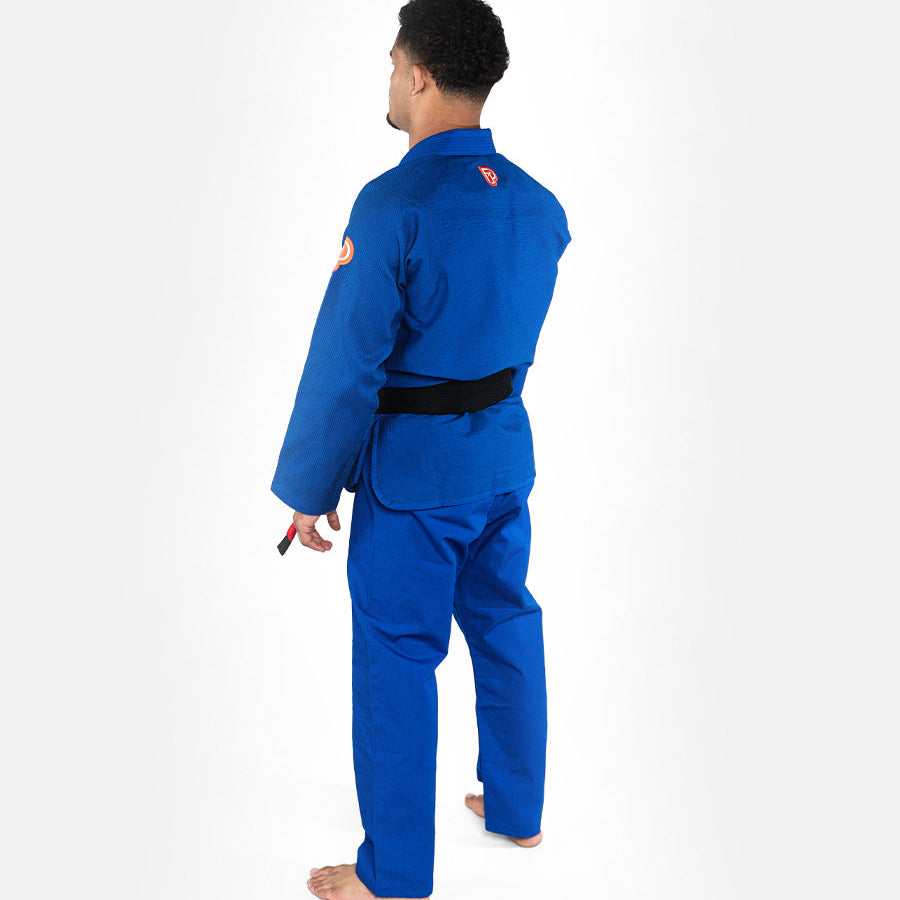
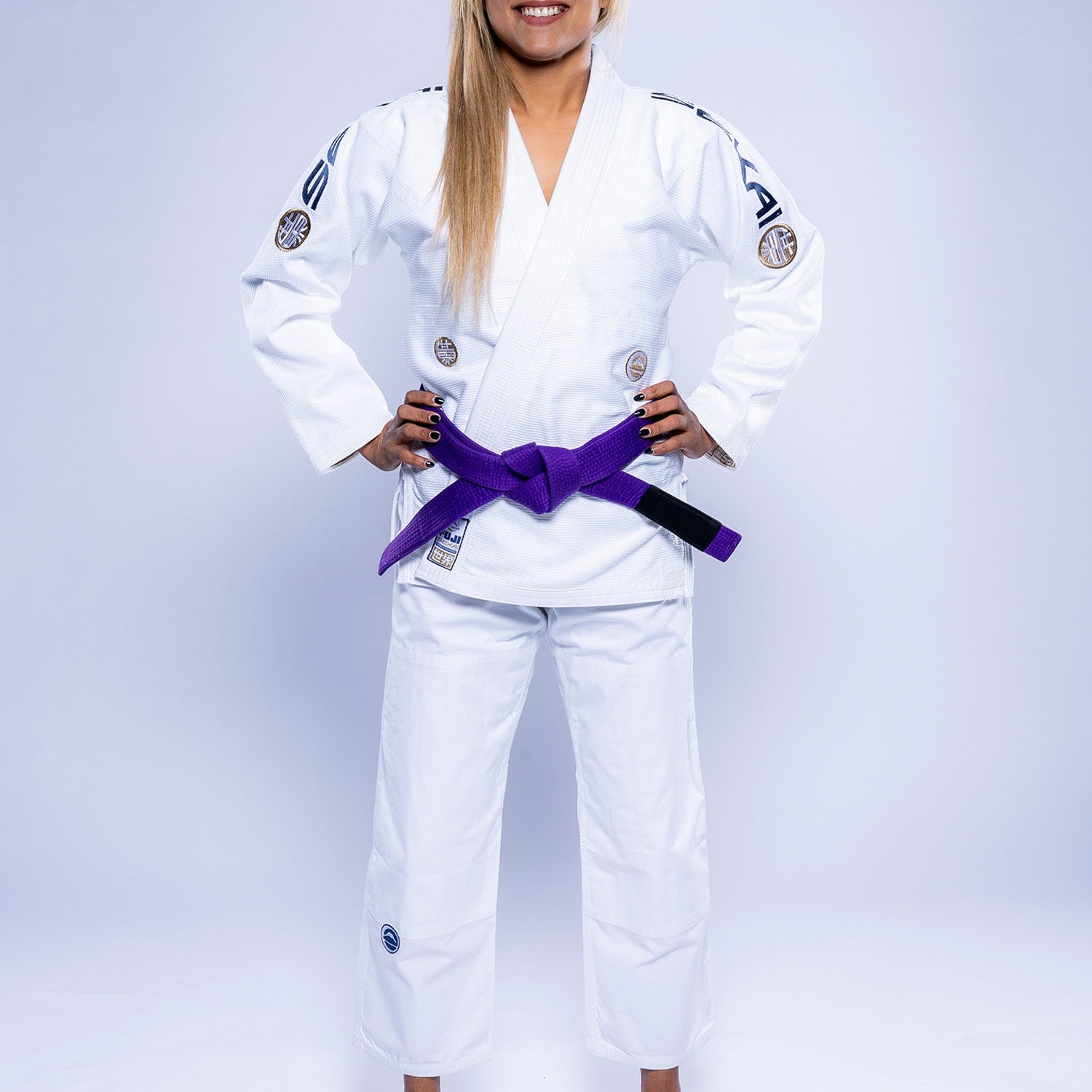
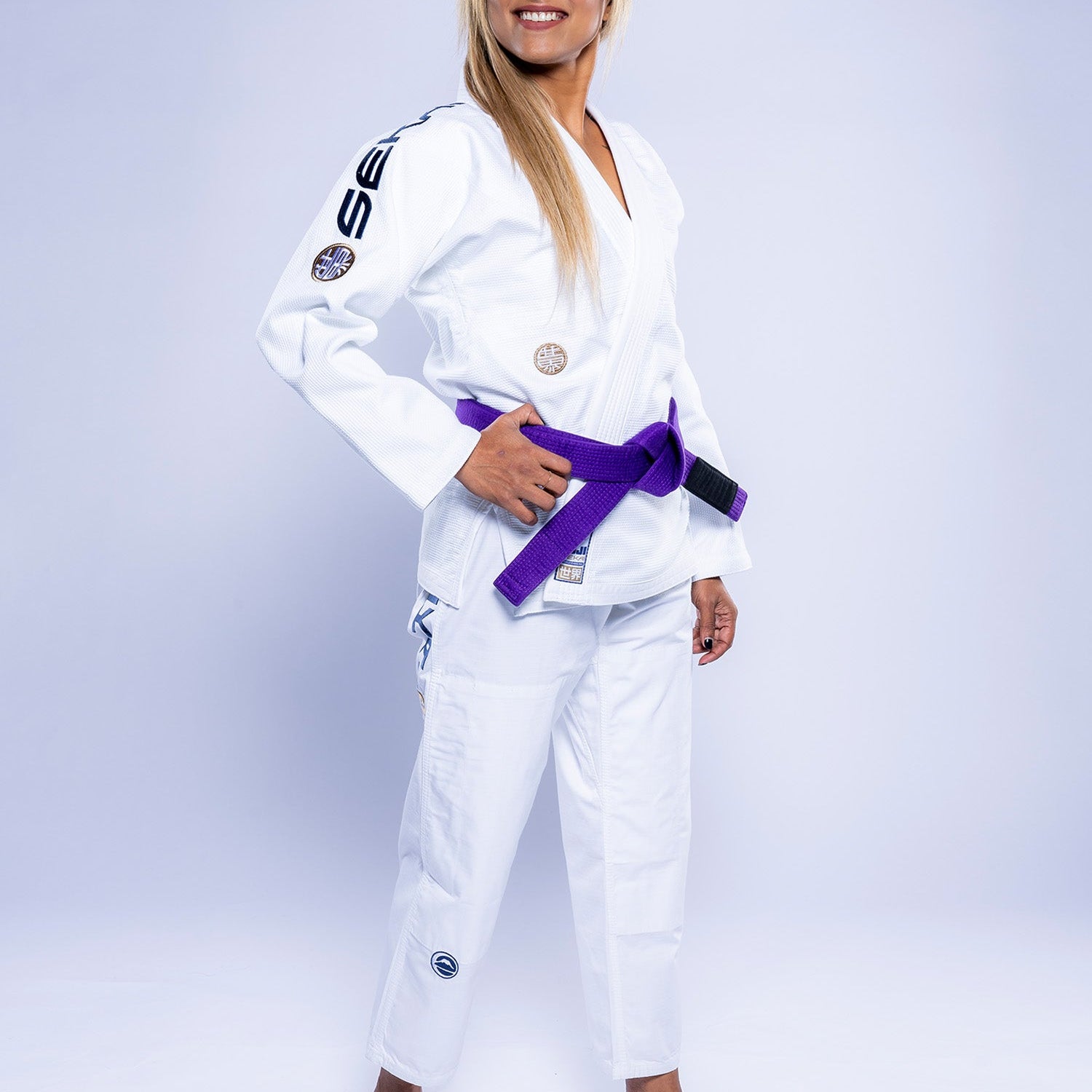
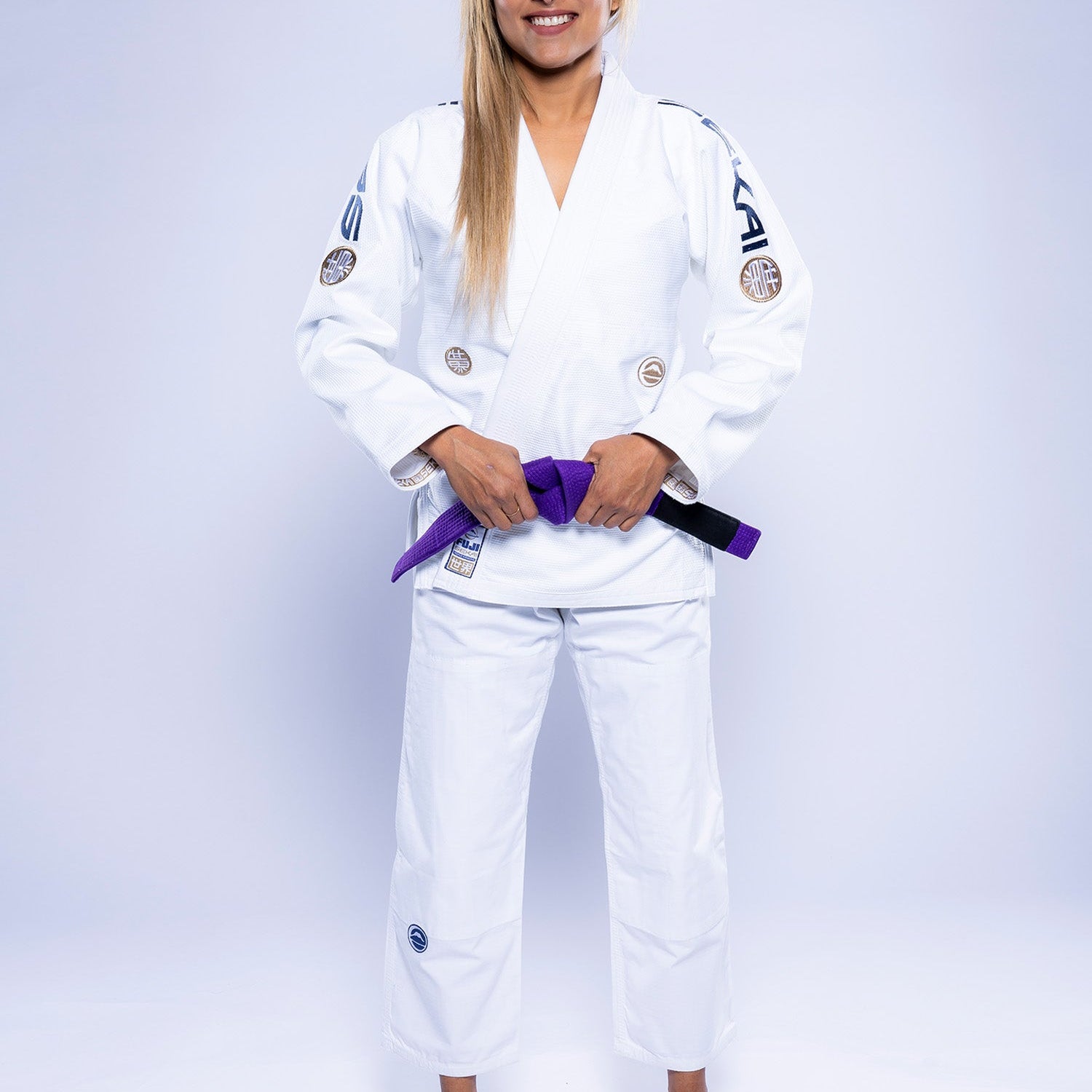
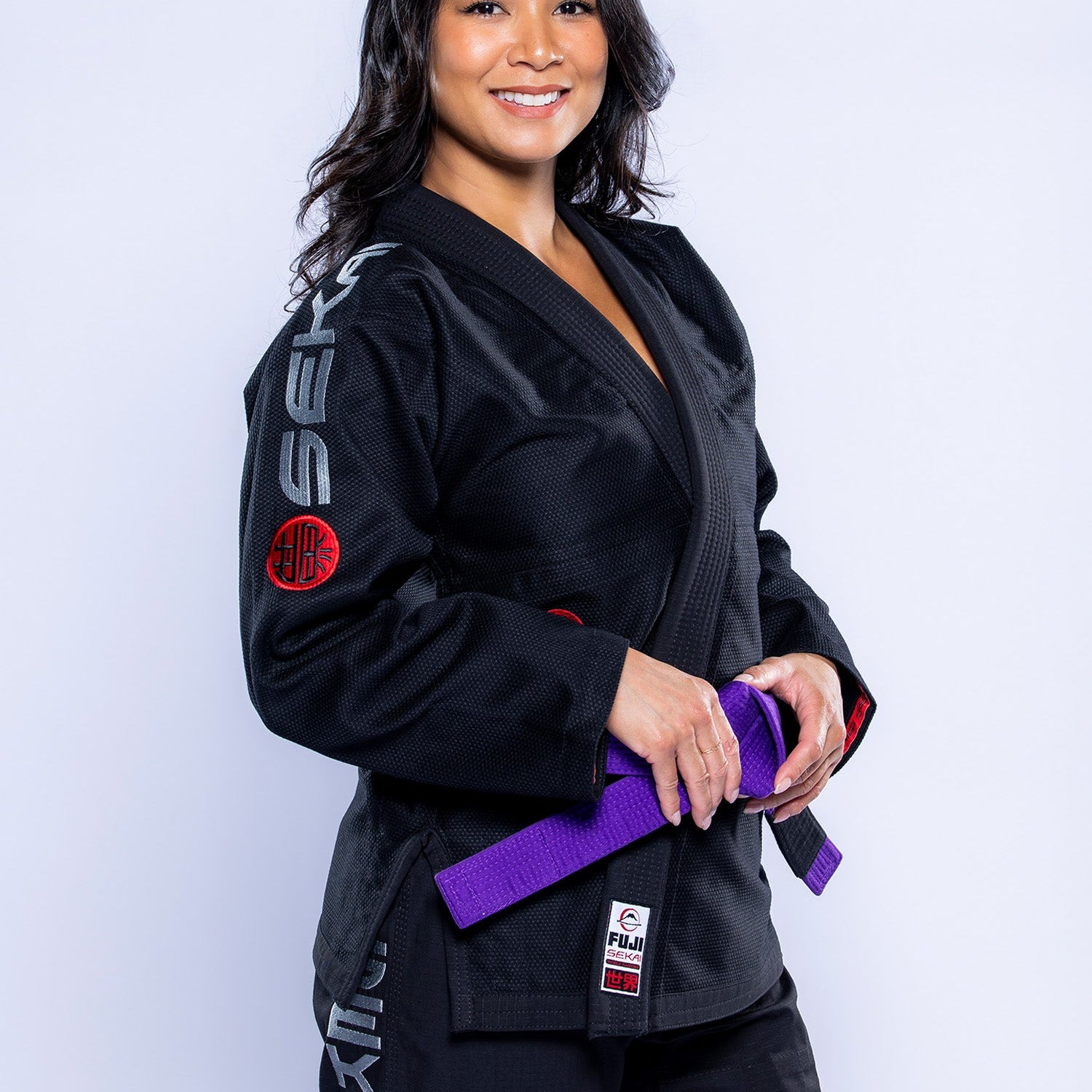
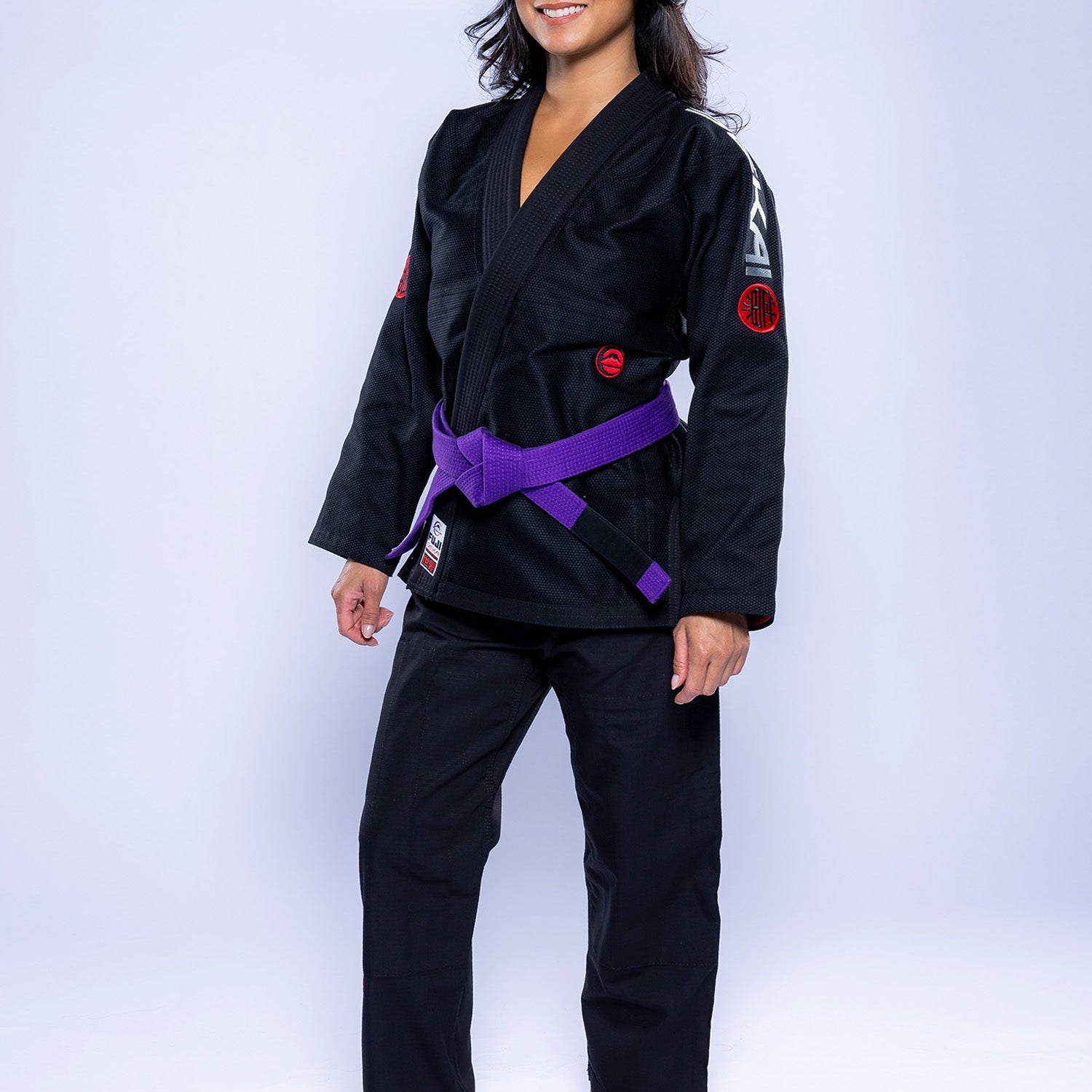
Gi tournaments often inspect uniforms. Your gi may need to meet color, patch-placement, sleeve-length, and general condition requirements. A ripped jacket, overly short sleeves, or pants that do not fit can create an avoidable problem at check-in. No-gi events commonly require a rash guard and board shorts or grappling shorts without pockets, zippers, or hard hardware.
Weigh-in procedures also vary more than people expect. Some tournaments weigh you in with the gi on immediately before your first match. Others use an earlier weigh-in, and some have strict limits with no allowance. Confirm this before deciding whether to enter a lower weight class. Being drained, distracted, or unable to make weight is rarely worth a small division change for most hobbyist competitors.
Pack and prepare with the reality of a long day in mind. Bring the required uniform, a backup if you have one, water, food that sits well for you, and any event paperwork. More importantly, know your first-round call time and stay close enough to hear your bracket. Missing a match because you were watching a teammate on another mat is frustrating and completely preventable.
Build a Rules-Aware Competition Plan
You do not need a huge game plan for your first tournament. You need a reliable opening, one or two scoring sequences, and a clear idea of what you will do from your strongest positions. If your best sequence is collar-sleeve guard to tripod sweep, drill the sweep through the stabilization period, then drill your first guard pass. If you prefer wrestling, practice finishing your single leg into controlled top position instead of immediately scrambling into a loose guard.
Experienced competitors benefit from the same discipline. Review the rules before every season, especially when switching between gi and no-gi, adult and masters divisions, or different organizers. A familiar technique can carry a different risk when the submission list, overtime format, or reaping rule changes.
The best use of the rulebook is not finding technicalities. It is making sure your Jiu Jitsu shows up clearly when the match starts: establish control, create real attacks, listen to the referee, and make every position count.
Shop Our New Releases



Fast & Free Shipping!
Fast & Free Shipping!



Fast & Free Shipping!











Fast & Free Shipping!





Fast & Free Shipping!