How to Wash a BJJ Gi the Right Way
Nothing makes a training bag worse than a gi you forgot to wash after hard rounds. You know the smell - sweat from six-minute rounds, mat grime from takedown drilling, and whatever happened during that final shark tank. If you're wondering how to wash a BJJ gi without shrinking it, fading it, or letting it turn into a permanent bacteria project, the good news is that the process is simple if you stay consistent.
A gi takes a beating. Between grip fighting, collar drags, sweaty open mats, and back-to-back classes, the fabric absorbs a lot more than regular gym clothes. That means your washing routine matters, not just for smell, but for how long the gi lasts and how it fits after months of training.
How to wash a BJJ gi after training
The best time to wash your gi is as soon as possible after class. Not later that night if you remember. Not the next morning if it is still in the trunk. The longer a sweaty gi sits folded up in a bag, the harder it is to get the odor out.
If you cannot wash it immediately, take it out of your bag and hang it up to air dry first. That alone helps a lot. A damp gi balled up with your belt and rash guard after no-gi class is basically asking for a smell that survives three wash cycles.
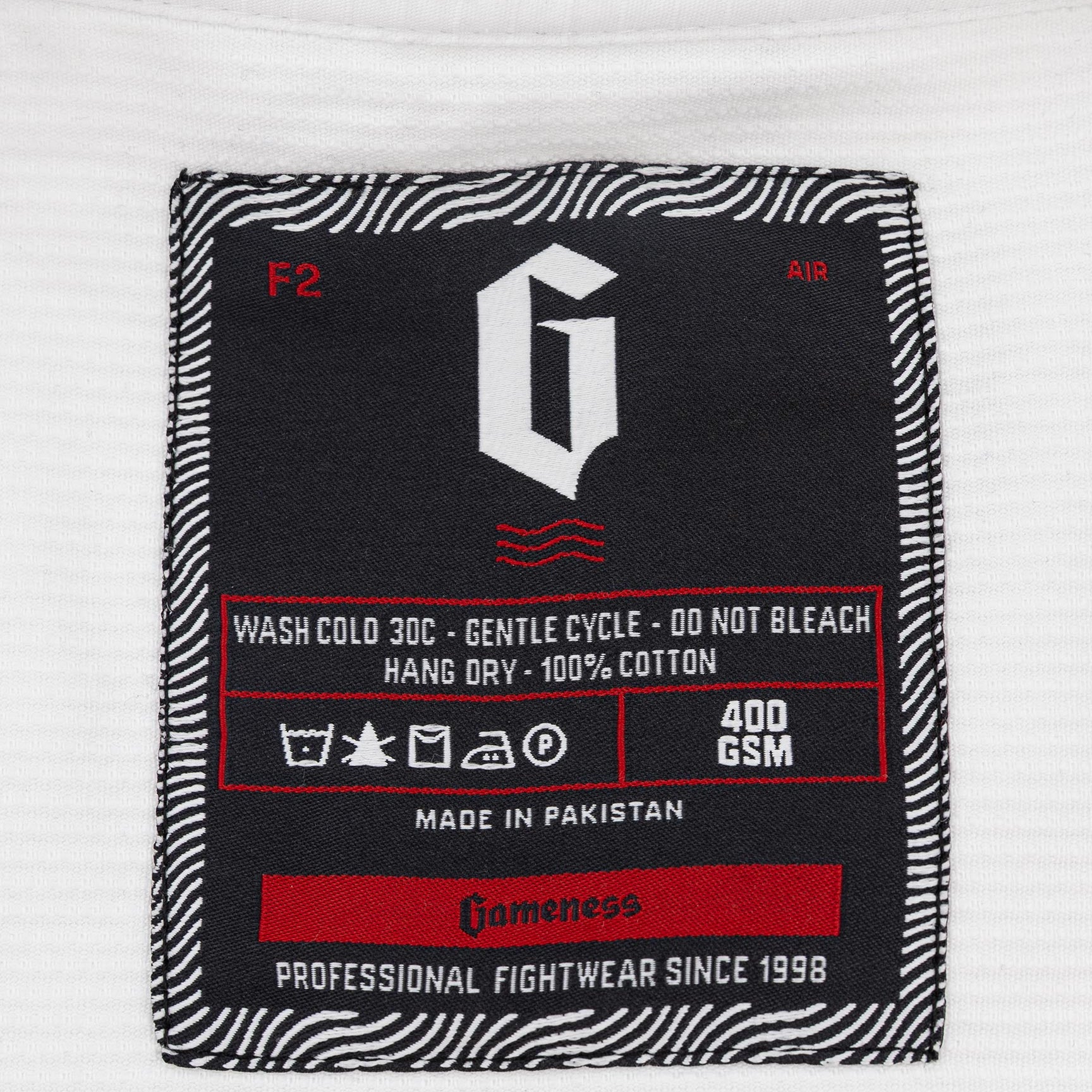
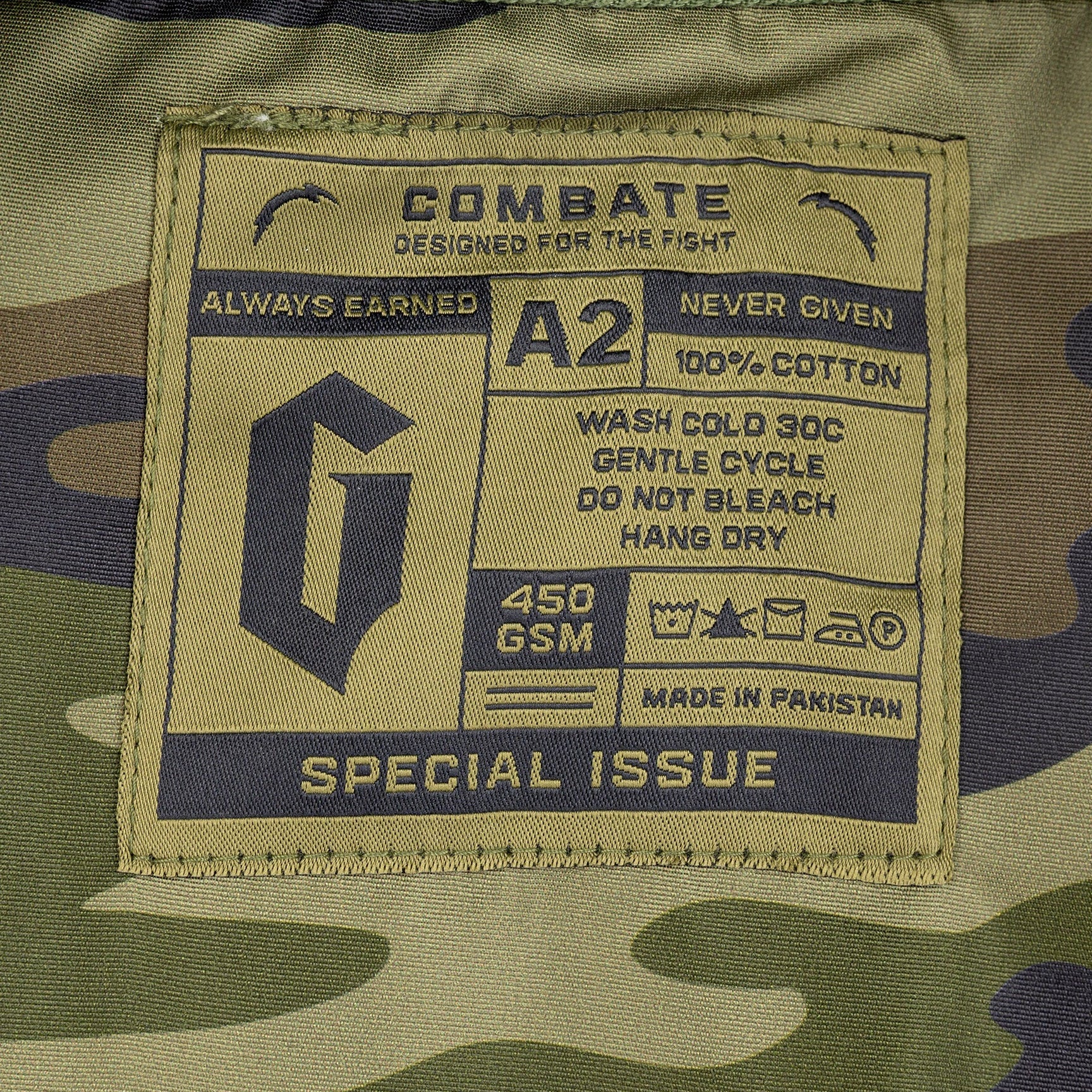
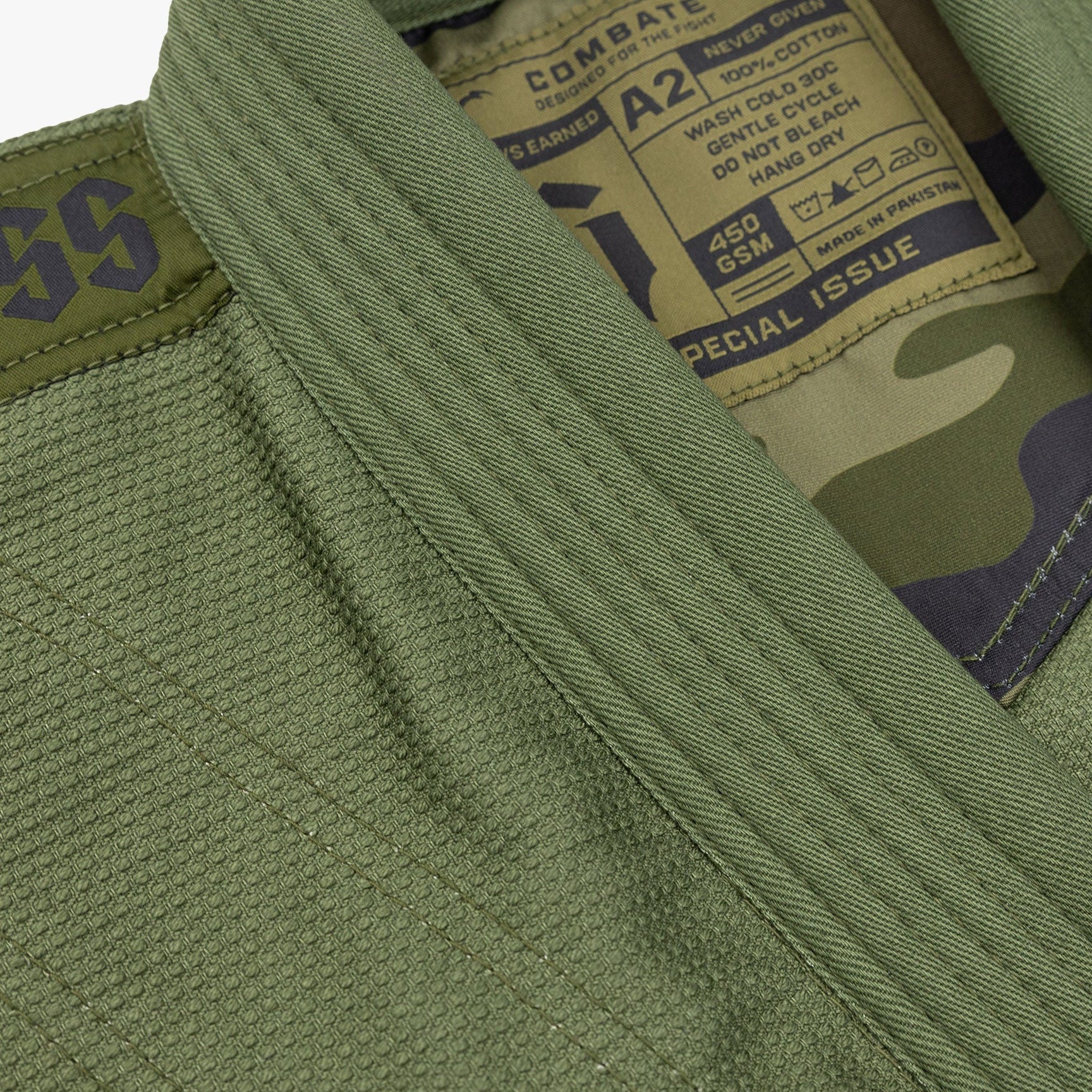
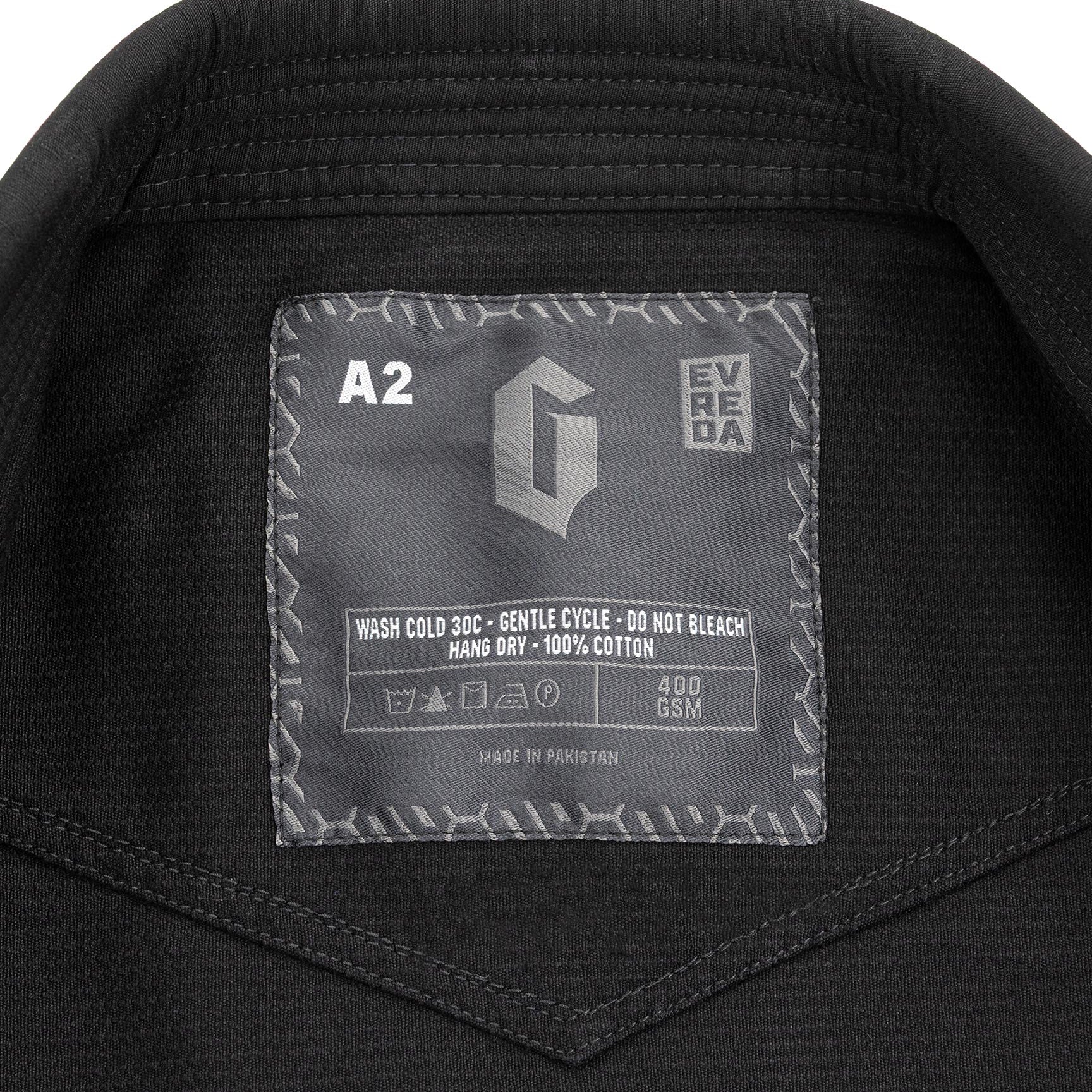
When you are ready to wash it, turn the jacket and pants inside out if they have patches or embroidery. Use cold water and a normal or gentle cycle with a small amount of mild detergent. In most cases, cold water is the safest call because it cleans well enough for regular training while reducing the chance of shrinkage.
Skip the heavy detergent pour. More soap does not mean a cleaner gi. It often means detergent gets trapped in the thick weave, which can leave the fabric stiff and hold onto odor over time. If your academy does a lot of evening classes and your gi never fully dries between uses, detergent buildup can make that problem worse.
Wash your belt separately only if it really needs it and your academy is fine with it. Some schools have old traditions about never washing belts, but plenty of modern practitioners do wash them because they touch the same mats, sweat, and training partners as everything else. If you wash it, use cold water and let it air dry.
What settings should you use?
For most gis, cold water and air drying is the safest combination. That applies whether you train twice a week as a hobbyist or rotate through multiple gis while getting ready for a tournament.
Hot water is where problems start. It can help with odor, but it also increases the risk of shrinkage, especially with cotton-heavy gis. A gi that fit perfectly during your first month at white belt can suddenly feel like a youth size after one careless hot wash and dryer cycle. That is especially common with competition gis, which are often cut more precisely for IBJJF legal sizing.
A standard wash cycle is usually fine for a heavily used gi. If your machine has an agitator and you are washing a lighter pearl weave gi with a lot of patches, a gentle cycle can be a smarter choice. It depends on the build of the gi and how rough your machine is.
For drying, hang drying is the default. Put the jacket and pants somewhere with airflow and give them time. If you use a dryer, use low heat only and only when you are trying to shrink a too-large gi slightly on purpose. Even then, go slowly. A little dryer time can tighten the fit. Too much can ruin it.
How to remove odor from a BJJ gi
Sometimes a gi is clean but still smells off the moment it warms up during sparring. That usually means odor is trapped in the fibers, not that it needs stronger perfume from detergent.
The easiest fix is soaking the gi before washing. A soak in cold water with white vinegar can help break down lingering odor. You do not need much. After the soak, wash it normally with detergent. This is especially useful for summer training, packed competition weekends, or any period where your gi is getting soaked through every session.
Baking soda can also help, but use it lightly. Too much can leave residue in thick fabric. If your gi smells fine coming out of the washer but bad once dry, your machine may be the issue. Front-load washers in particular can hold mildew smells that transfer right back into the fabric.
Another factor is drying speed. A gi that stays damp for too long can develop that sour smell even after a wash. If you train in a humid garage academy, leave class, toss your gi in the car, then hang it in a closed bathroom overnight, you are making things harder than they need to be.
Common mistakes when washing a gi
The biggest mistake is waiting too long. A gi worn for hard rounds, then left in a gear bag until the next day, is always going to be harder to clean than one washed right after class.
The second mistake is using high heat. This is how people accidentally shrink sleeves, tighten pant legs, and end up with a backup gi that no longer passes competition checks. If you only own one gi and train three or four times a week, that mistake gets expensive fast.
Fabric softener is another one to avoid. It can coat the fibers and reduce breathability, which is not what you want in a heavy training uniform. Over time, it can also trap odor instead of solving it.
Bleach is usually a bad idea unless the manufacturer specifically says it is safe. White gis might seem like the obvious candidate, but bleach can weaken the fabric and damage stitching. A gi goes through enough stress from sleeve grips, lapel passing, and stand-up exchanges already. You do not need to speed up the wear.
Finally, do not overload the machine. A gi is heavy when wet. If you pack it in with hoodies, towels, and a week's worth of laundry, it may not rinse properly.
How to wash a BJJ gi without shrinking it
If your main concern is fit, stay conservative. Wash in cold water, use mild detergent, and air dry every time. That is the best approach for preserving size and shape.
This matters even more if you compete or if your academy is strict about a clean, proper-fitting uniform. A gi that starts pulling above the wrists when you grip fight or rides too high on the ankles during guard passing may still work for regular class, but it becomes a problem when fit standards matter.
Keep in mind that some gis are pre-shrunk and some are not really as pre-shrunk as advertised. Even among experienced grapplers, this is a common frustration. One brand's A2 fits perfectly out of the bag, another shrinks after two careful washes, and another barely changes at all. That is why the safest move with a new gi is to wash cold and air dry first, then adjust only if needed.
If the gi is slightly too big, you can test a little heat later. Do it in small steps. Ten to fifteen minutes on low heat tells you a lot more than blasting it for a full dryer cycle and hoping for the best.
White gi, blue gi, black gi - does care change?
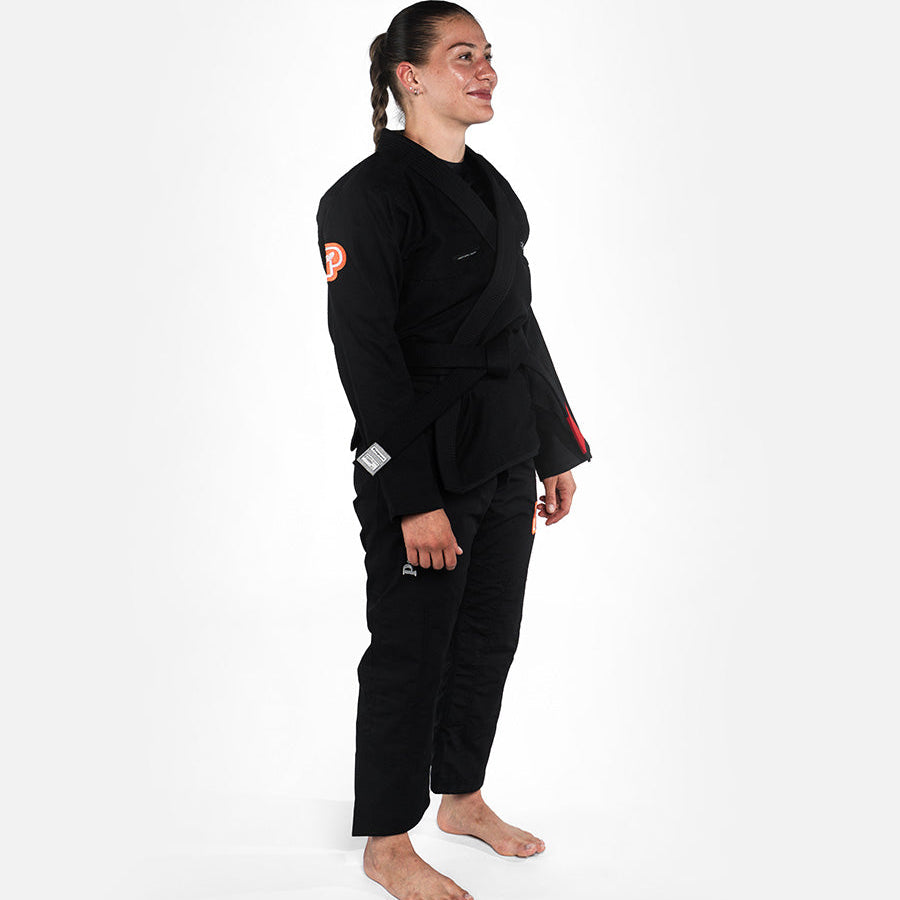
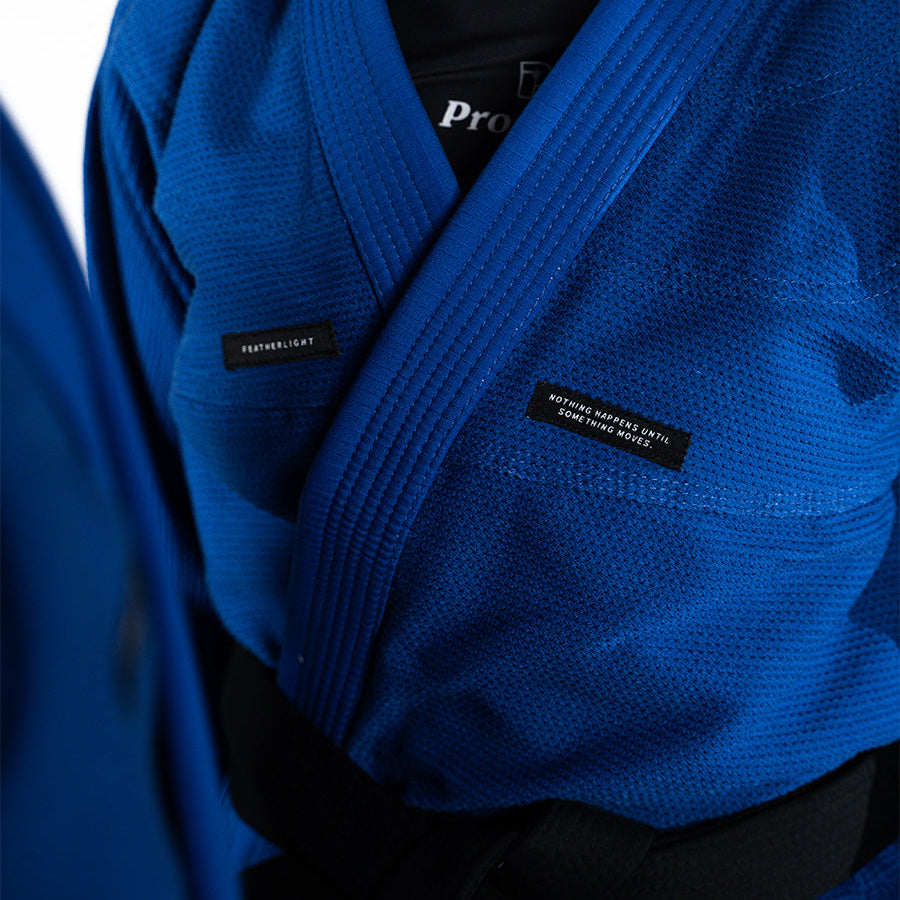
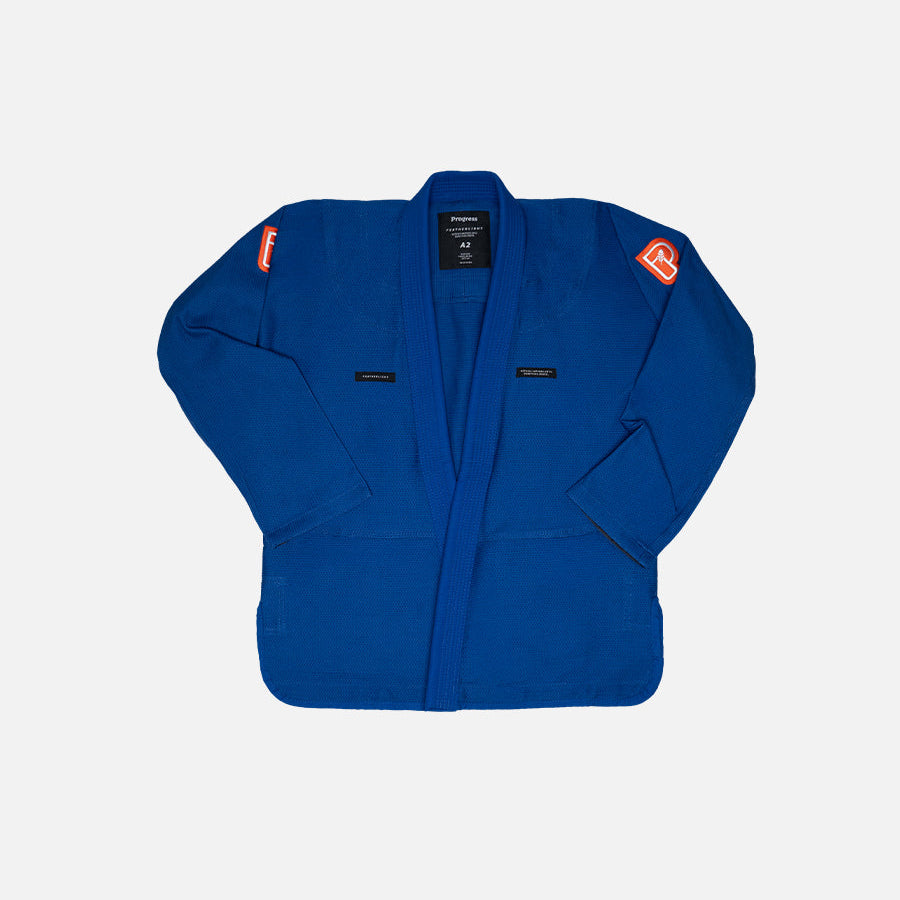
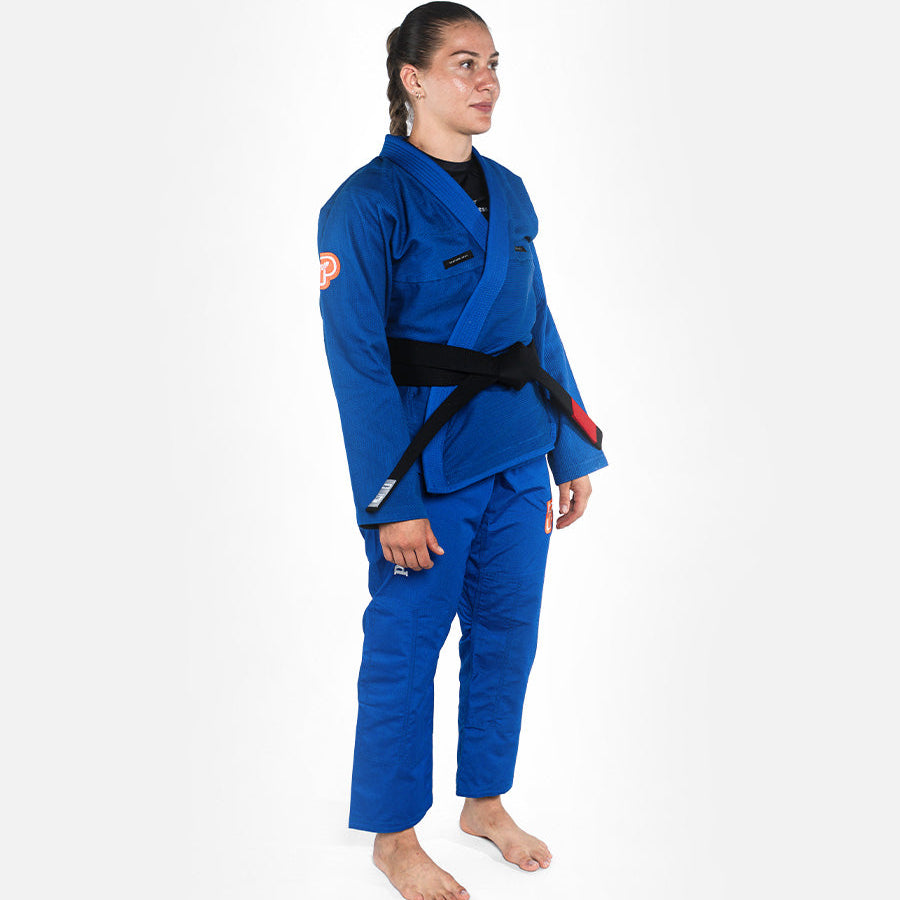
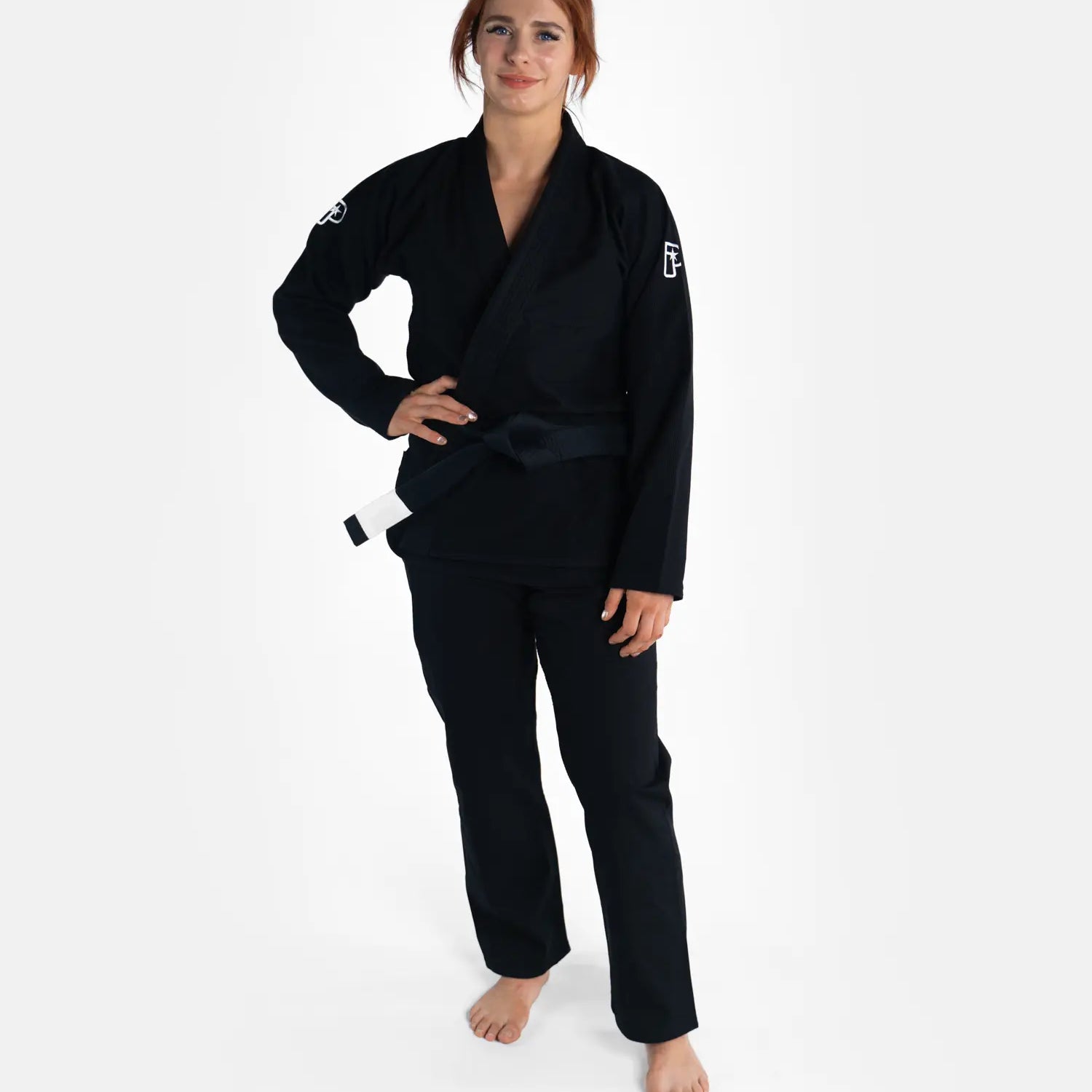
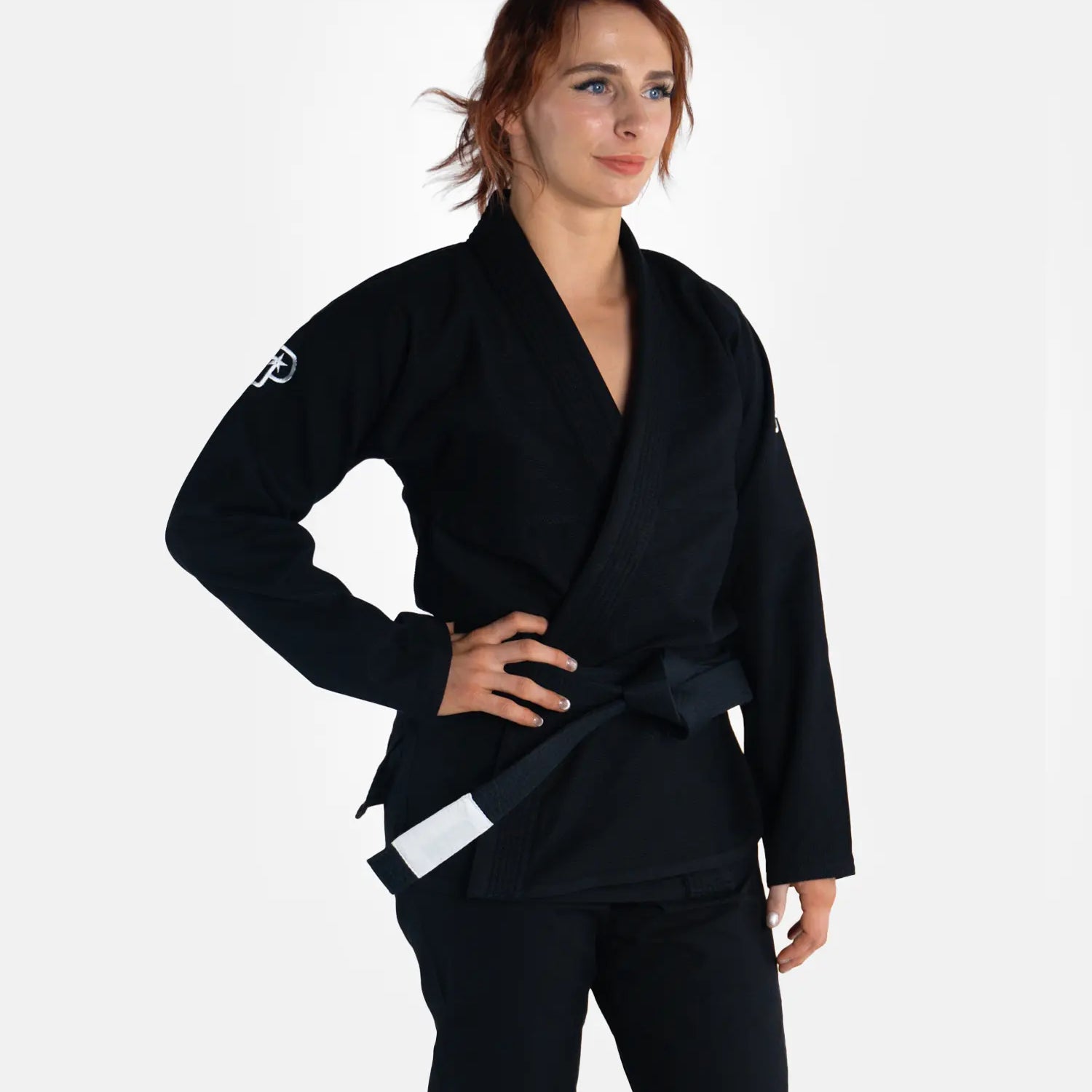
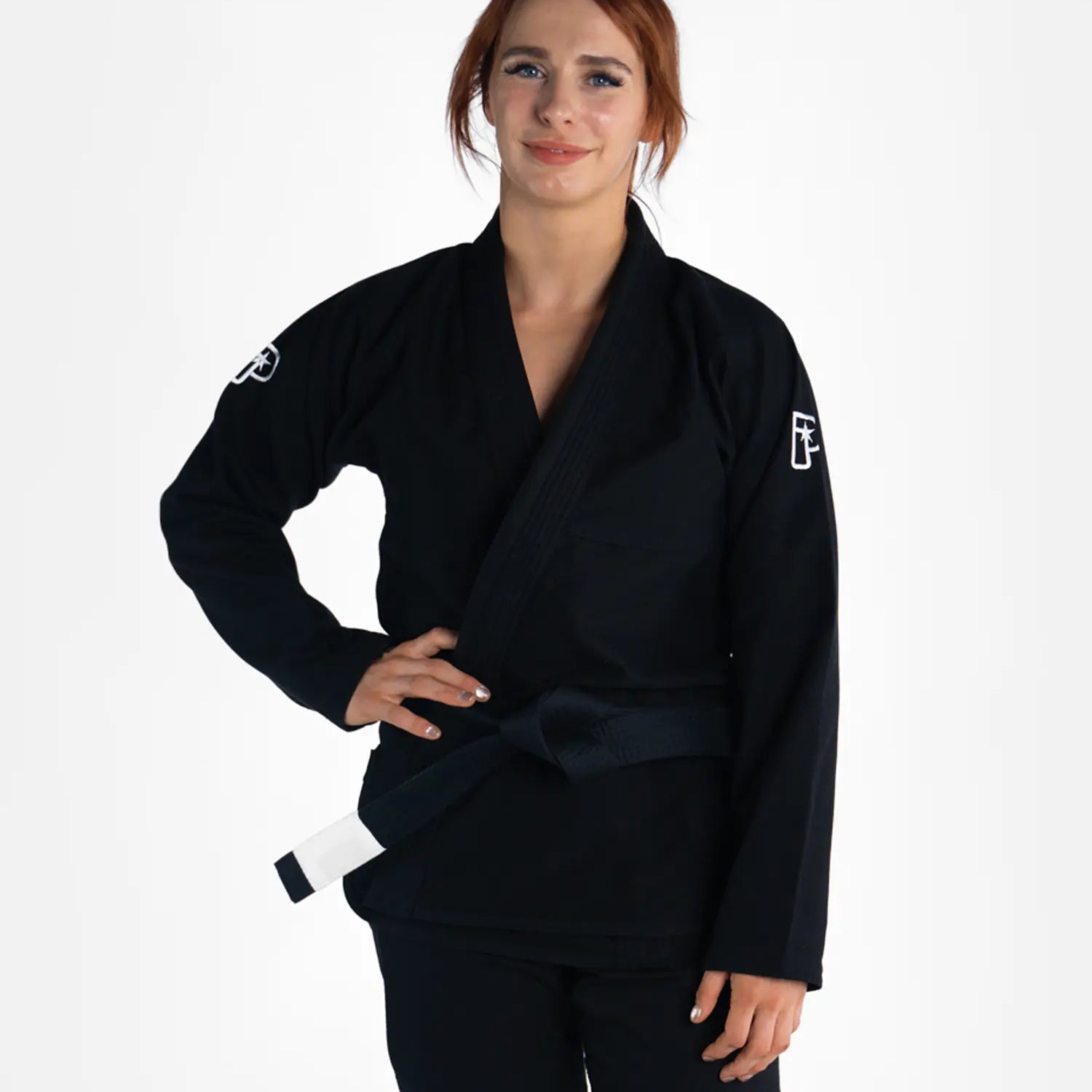
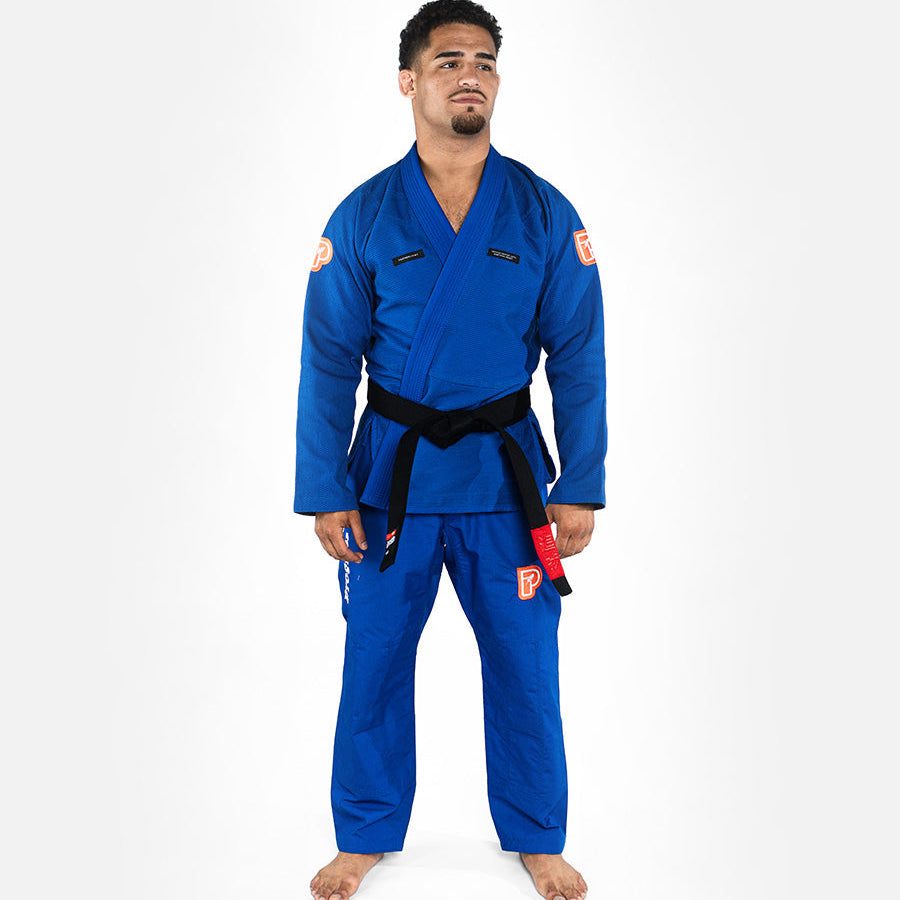
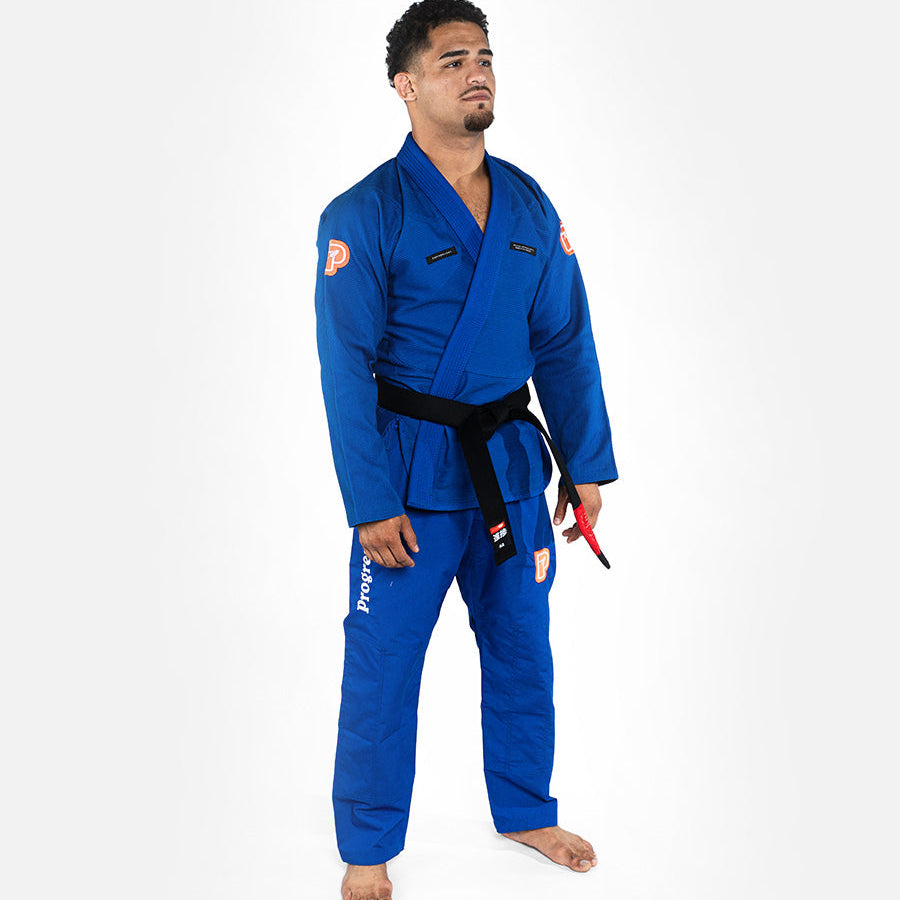
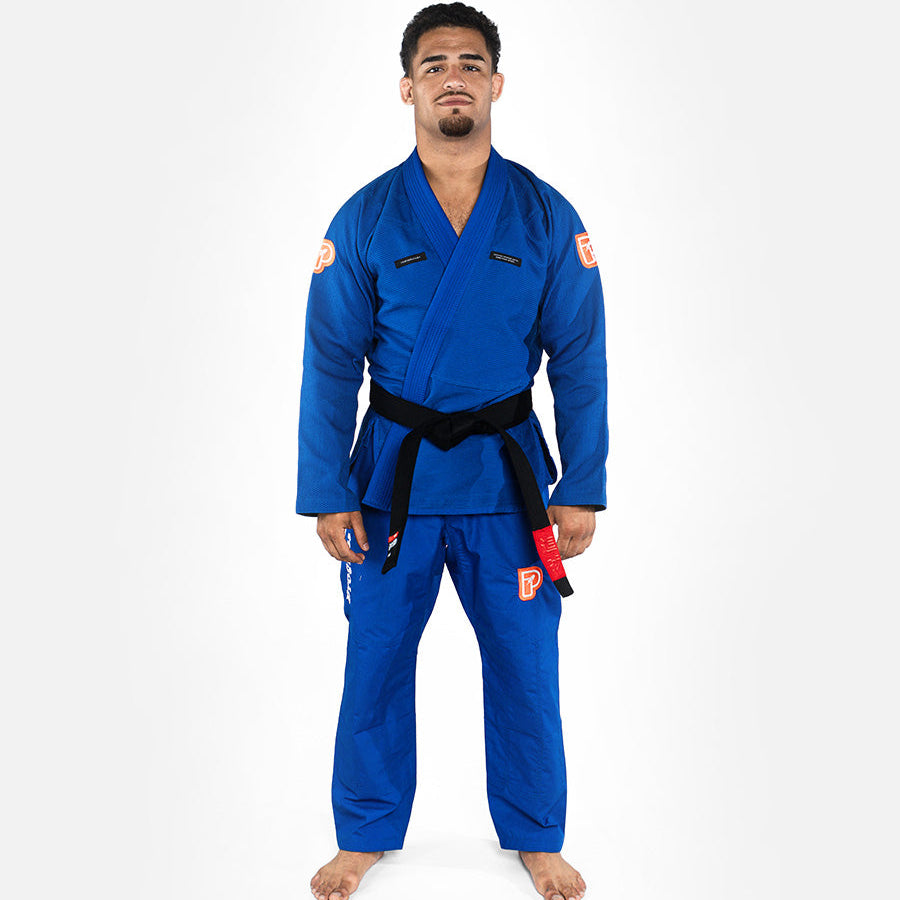
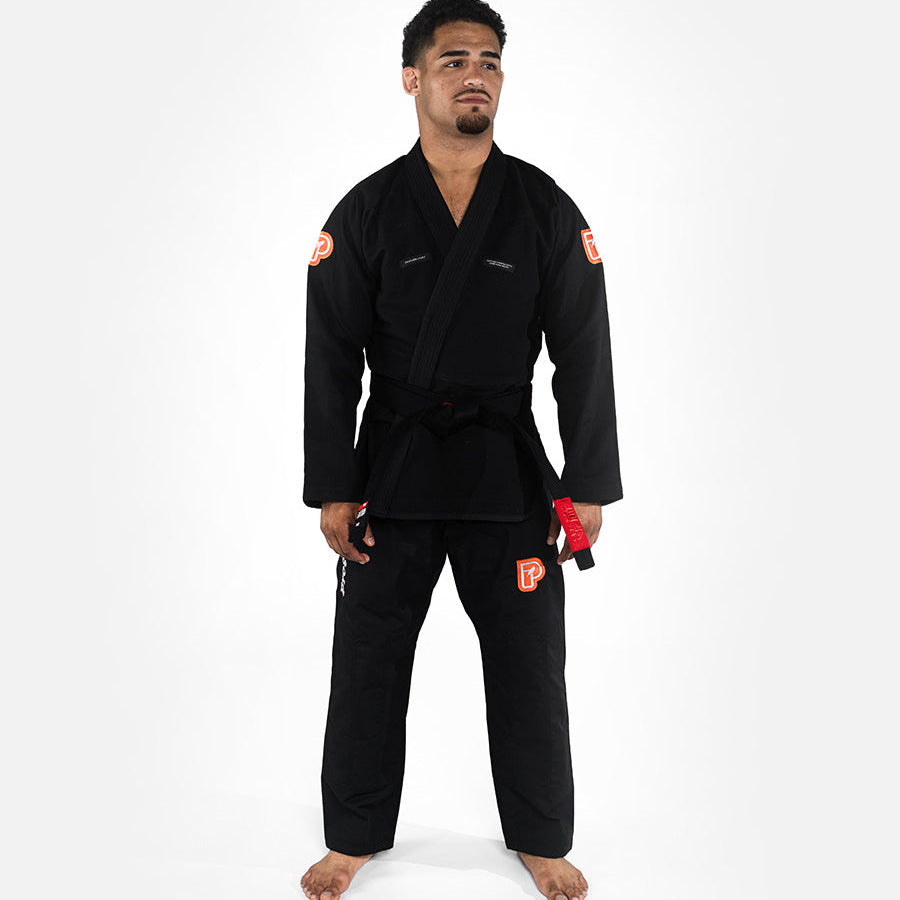
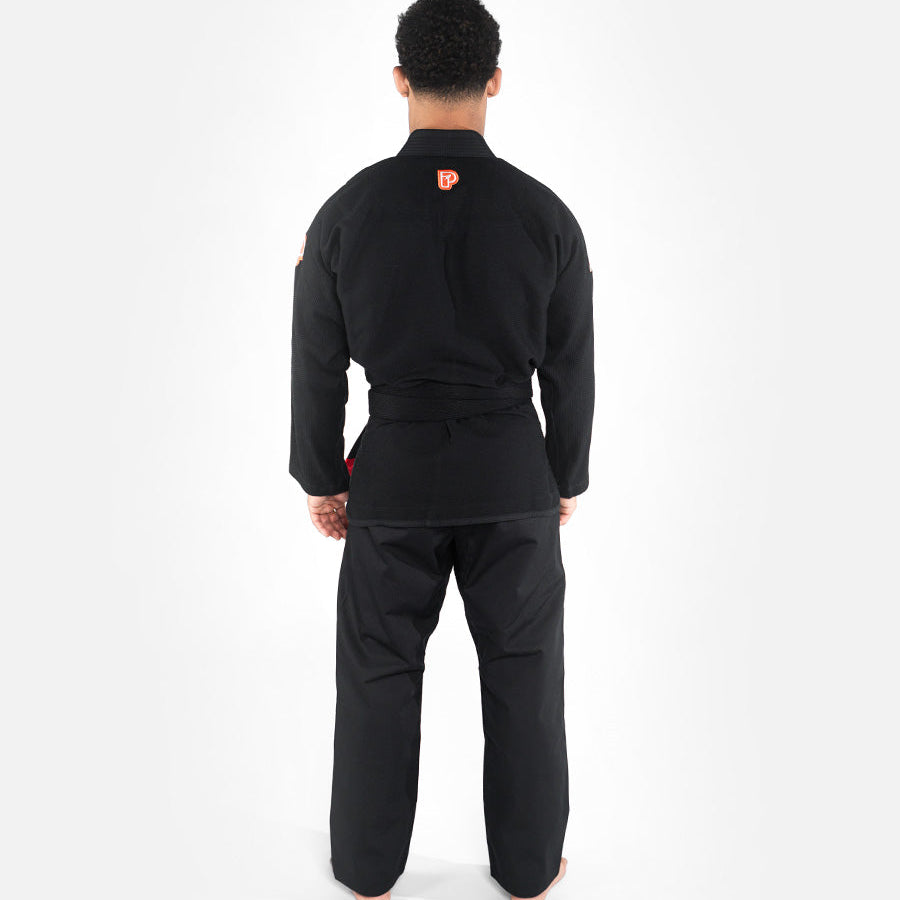
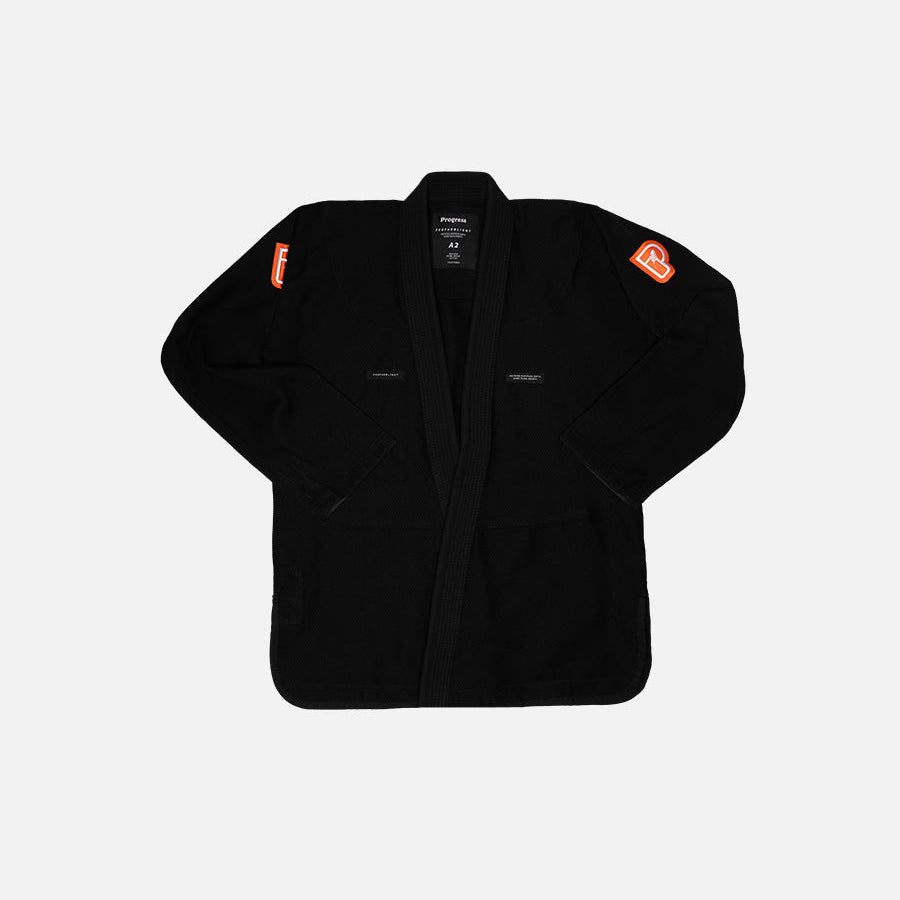
The basic washing routine stays the same, but color does matter a little. White gis show everything, so they may need more frequent odor and stain attention. Blue and black gis are usually more forgiving visually, but fading becomes the bigger issue.
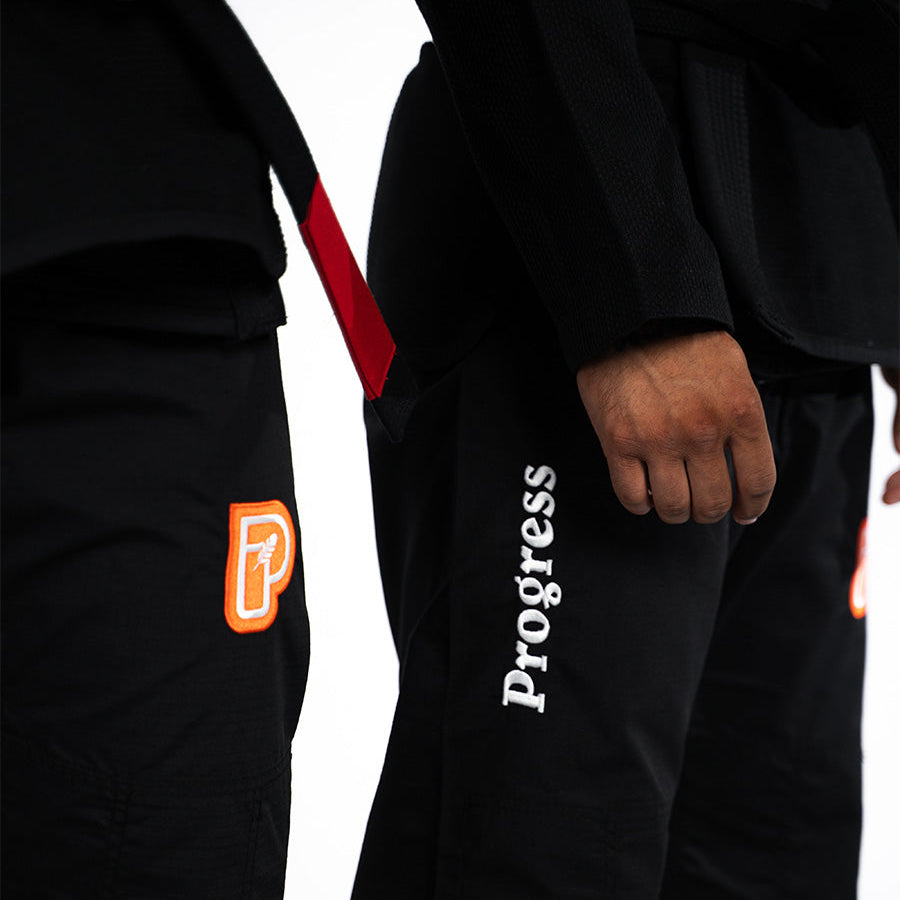
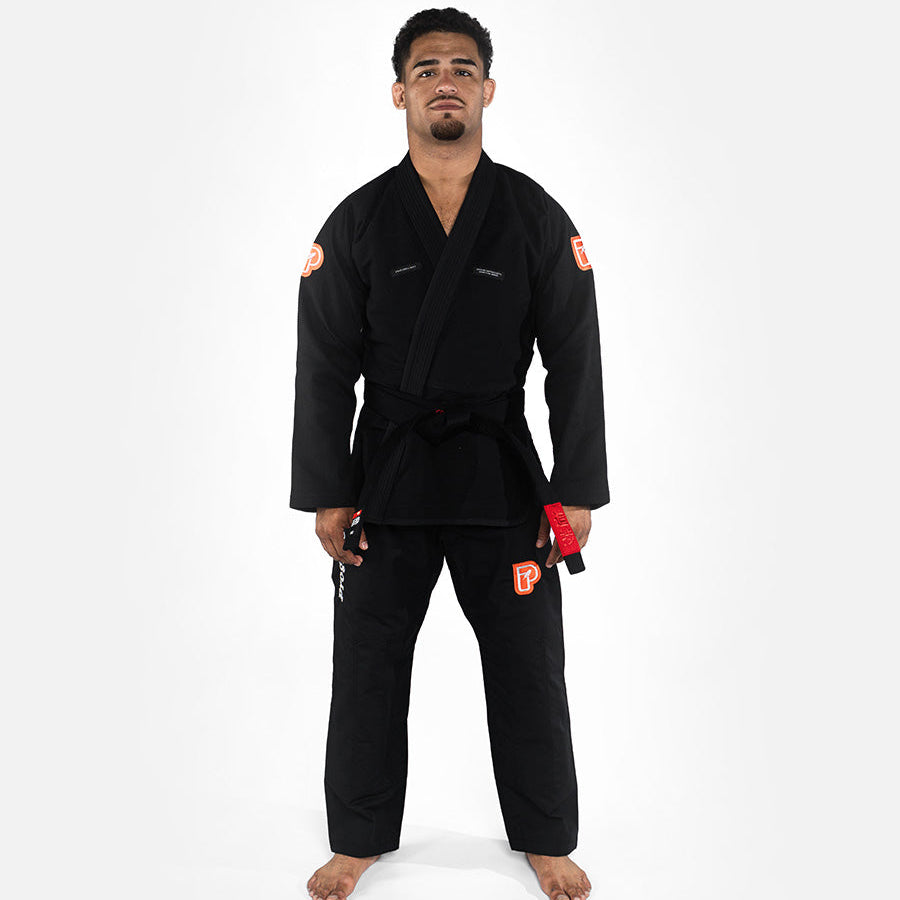
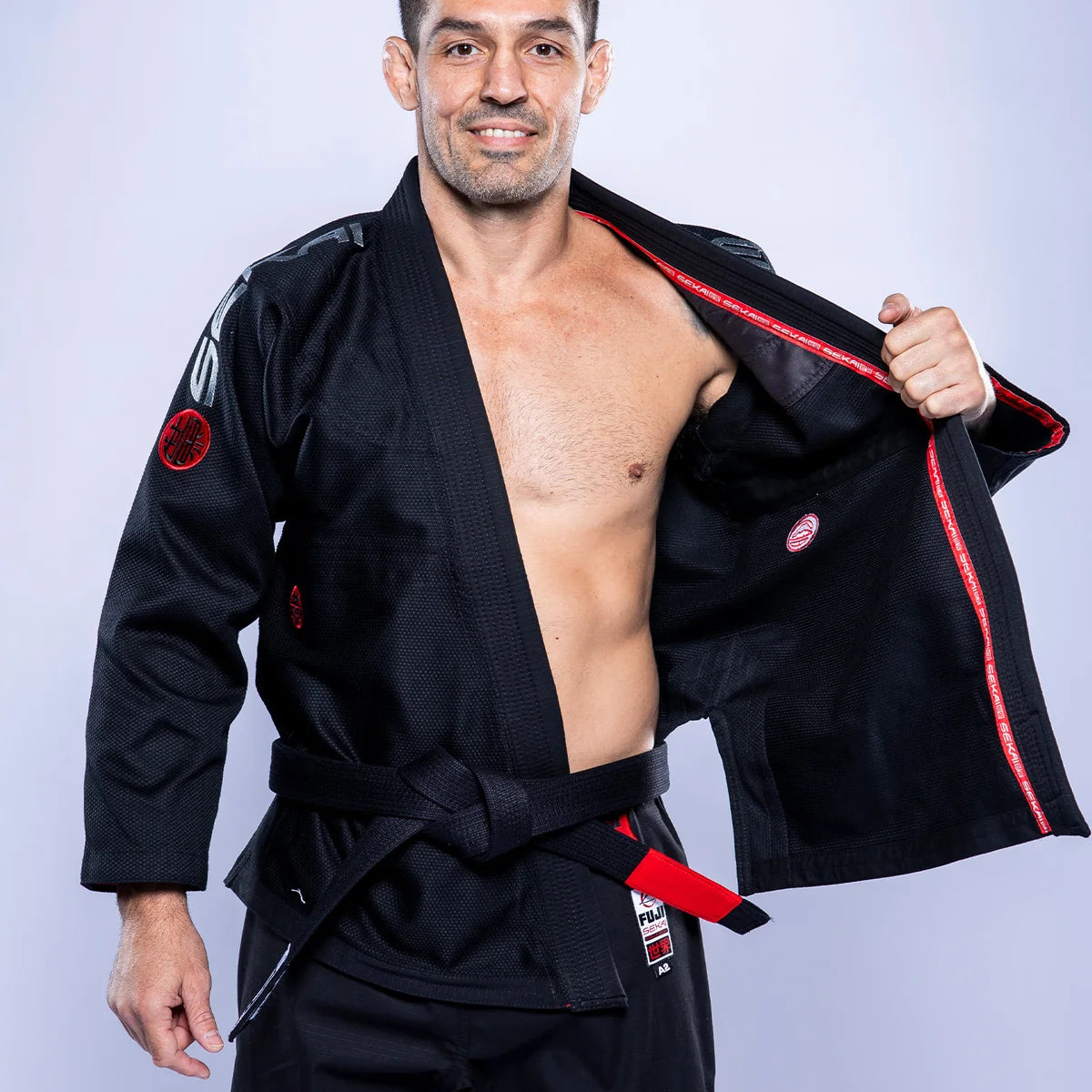
For darker gis, cold water is even more important. Turning them inside out helps preserve color, especially if the gi has contrast stitching or patches. If you are the type who uses one black gi for every lunch class, every open mat, and every comp camp round, some fading is normal. You can slow it down, but you will not stop it forever.
White gis also need a little realism. After enough months of training, they stop looking brand new. Grip fighting on dirty mats during comp prep, drilling ankle picks, and getting smashed through ten rounds on Saturday open mat will do that. Clean is the goal, not keeping it showroom white forever.
A simple routine that works long term
The most reliable gi care routine is not fancy. Take the gi out of your bag right after training. Wash it in cold water with a small amount of detergent. Skip fabric softener. Air dry it fully before storing it. If odor starts building up, use a vinegar soak and check whether your washer or drying setup is part of the problem.
That routine works for beginners training twice a week, competitors rotating through multiple gis during camp, coaches teaching back-to-back classes, and parents washing kids' uniforms after every session. It is not complicated, but it does require consistency.
A well-cared-for gi lasts longer, smells better, and fits the way you expect when it is time to train. And when class ends with ten hard rounds and your sleeves are stretched from constant grip breaks, the last thing you want is to ruin a good gi in the laundry room.
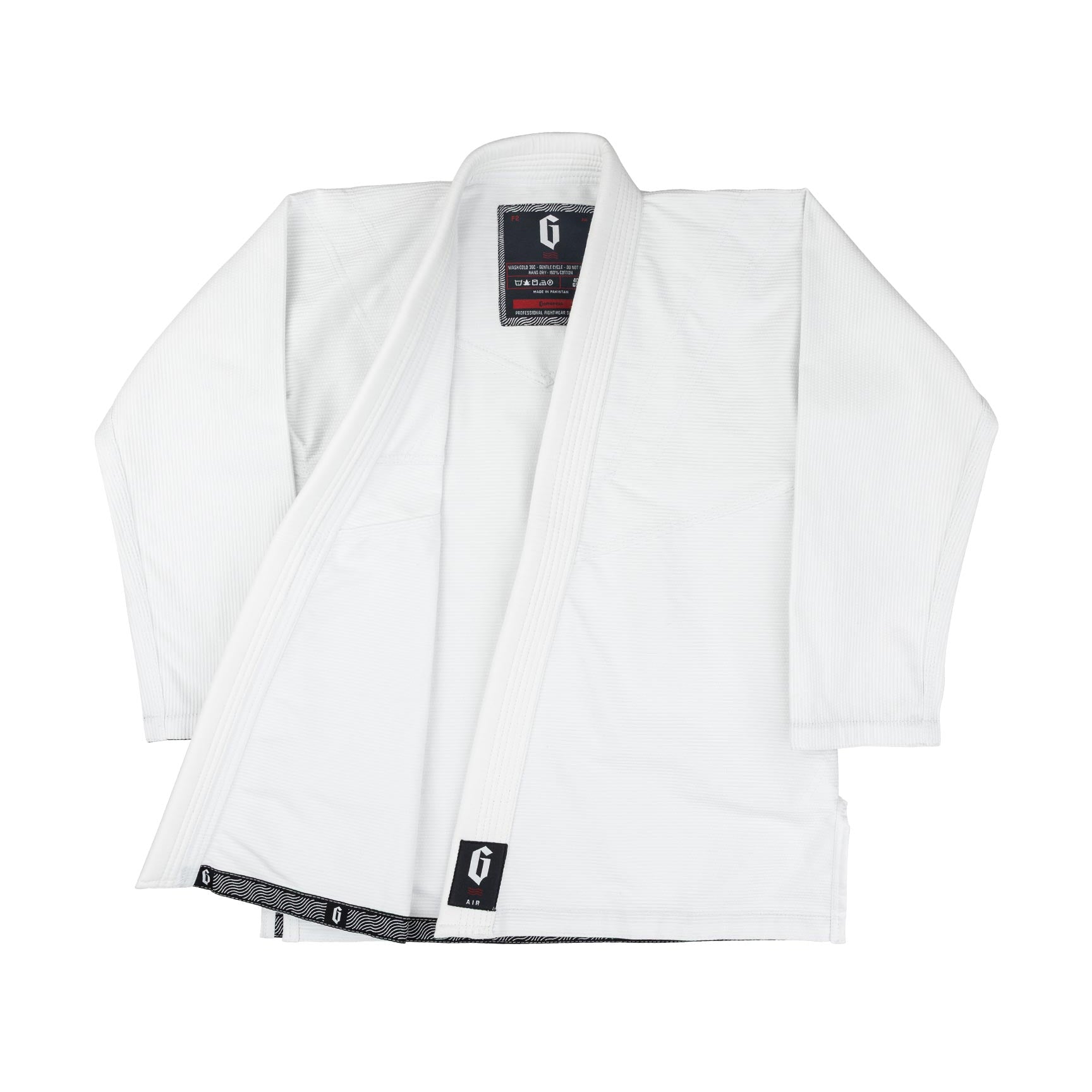
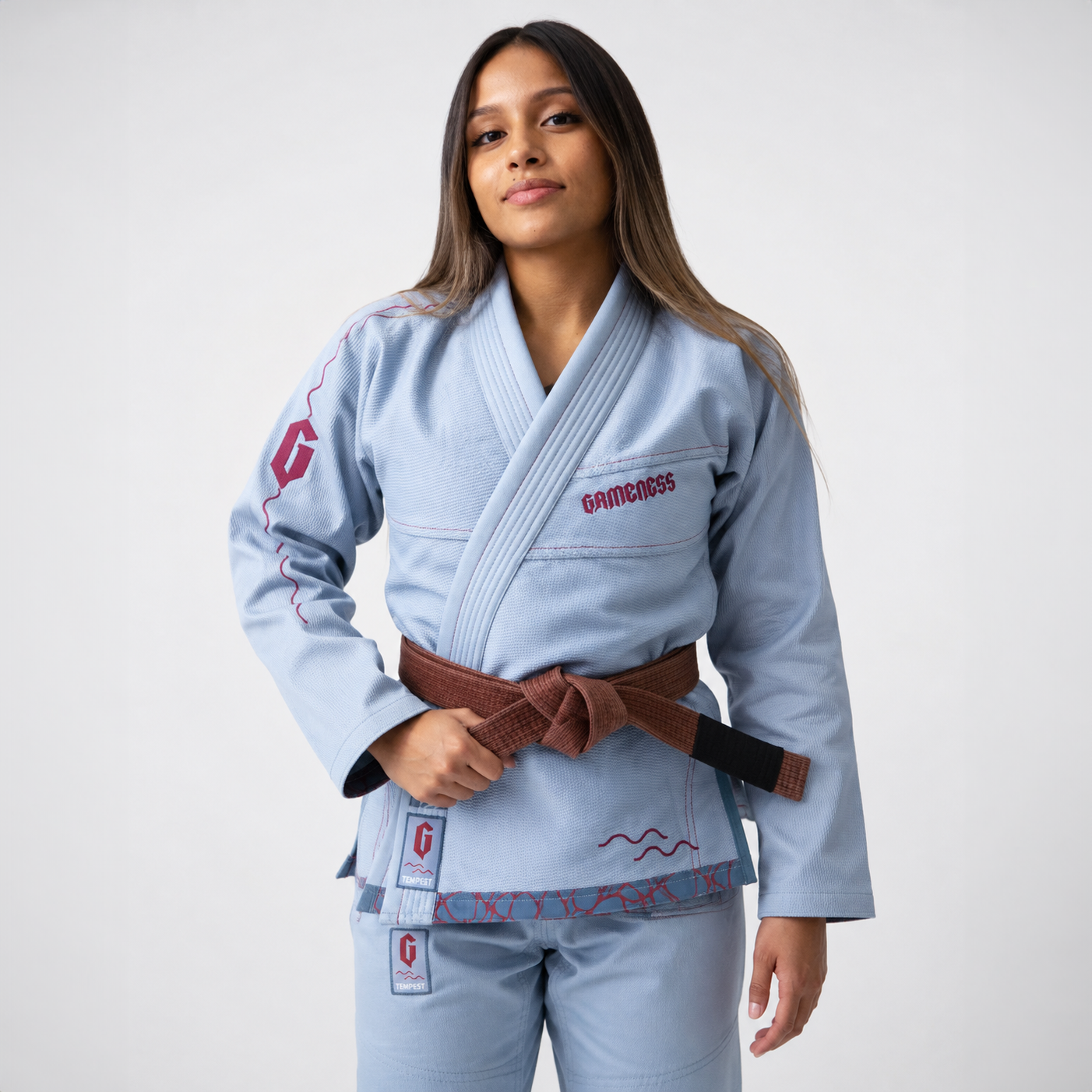
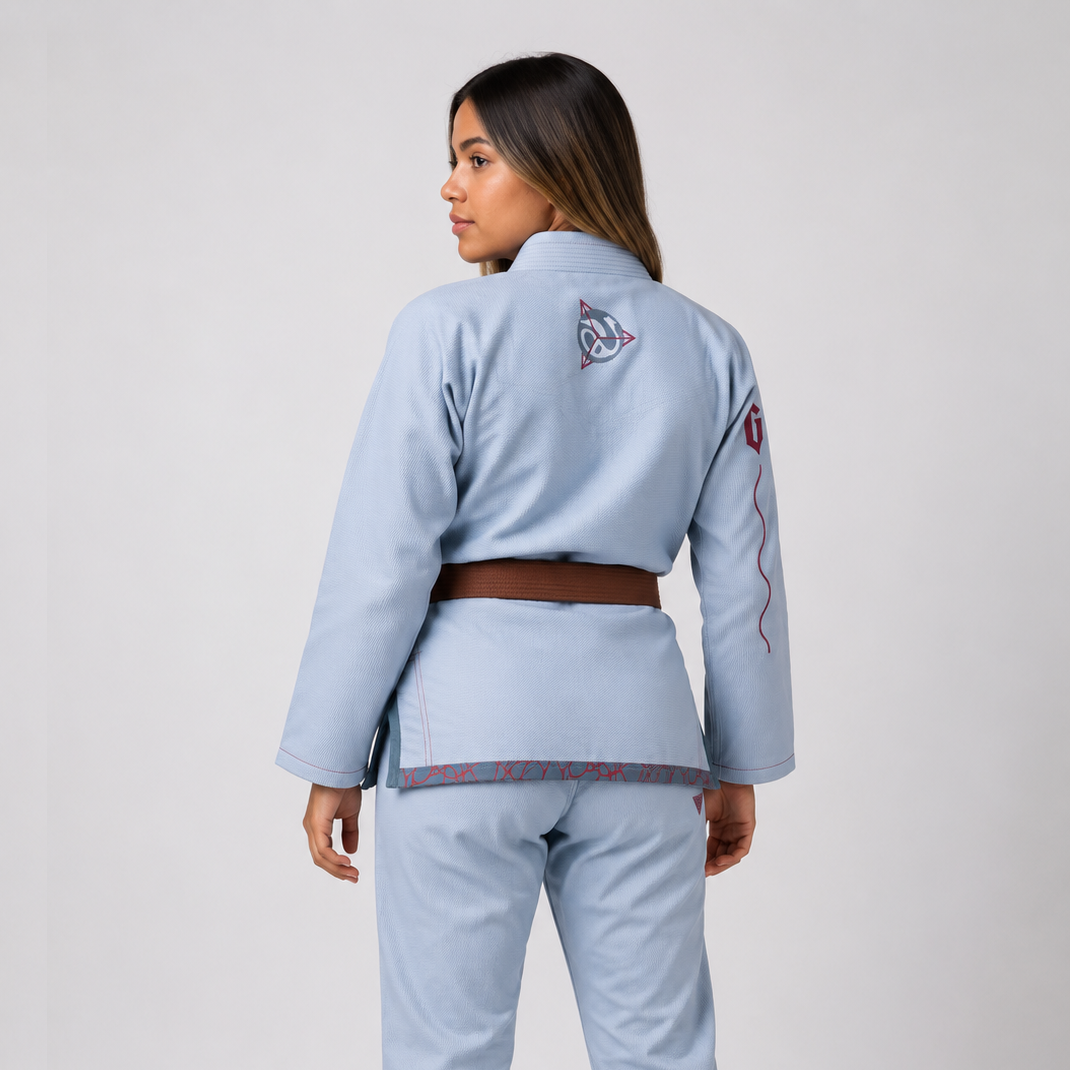
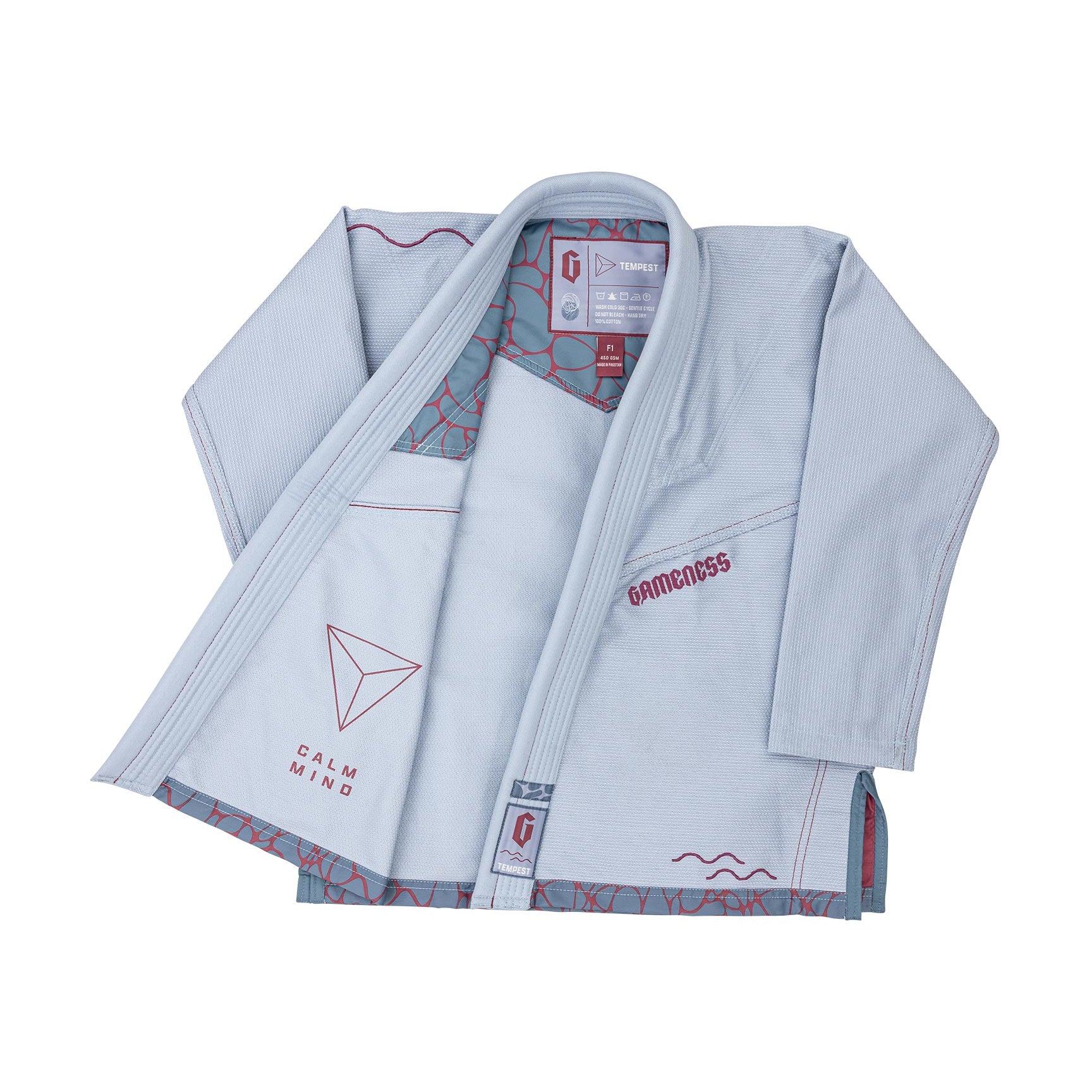
Shop Our New Releases
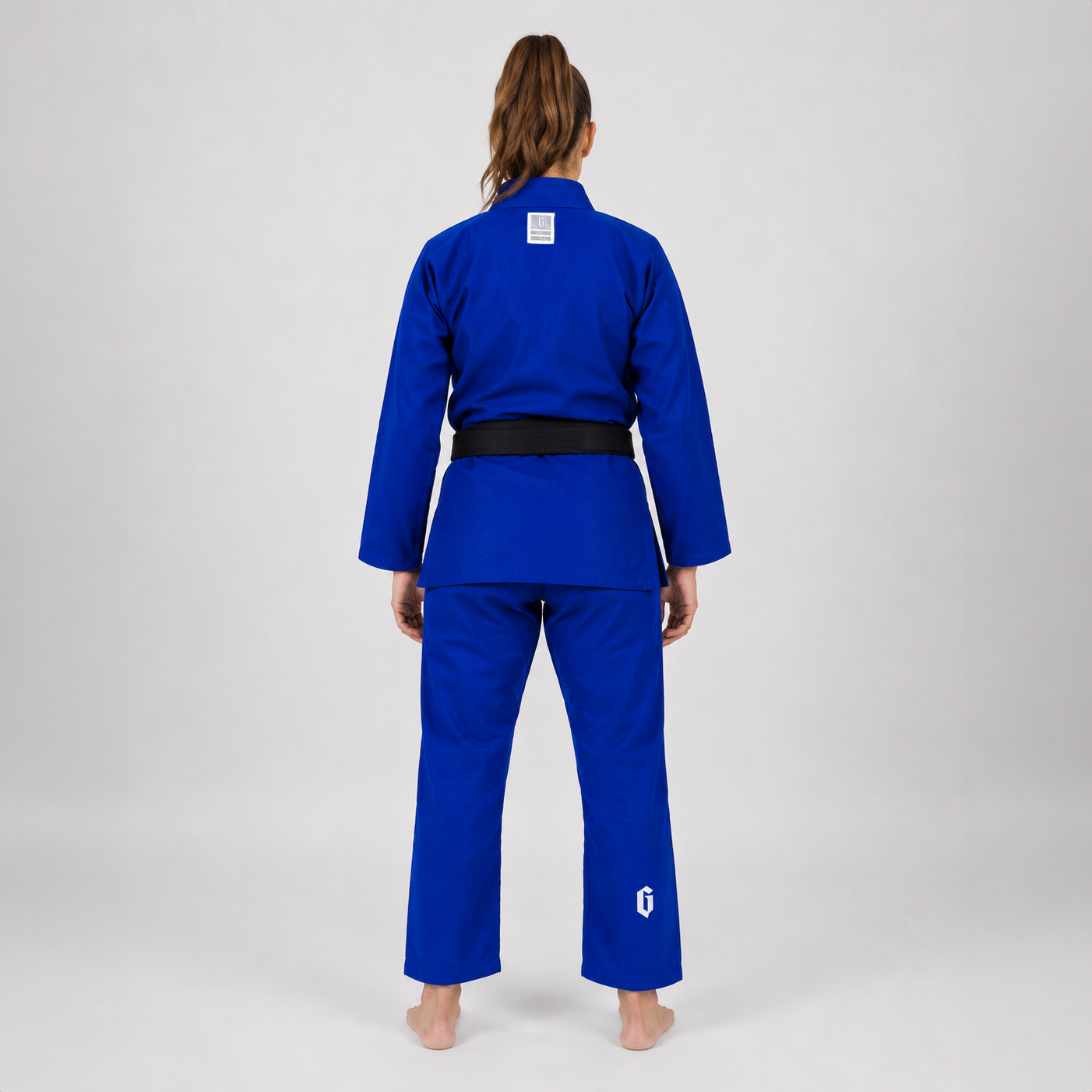
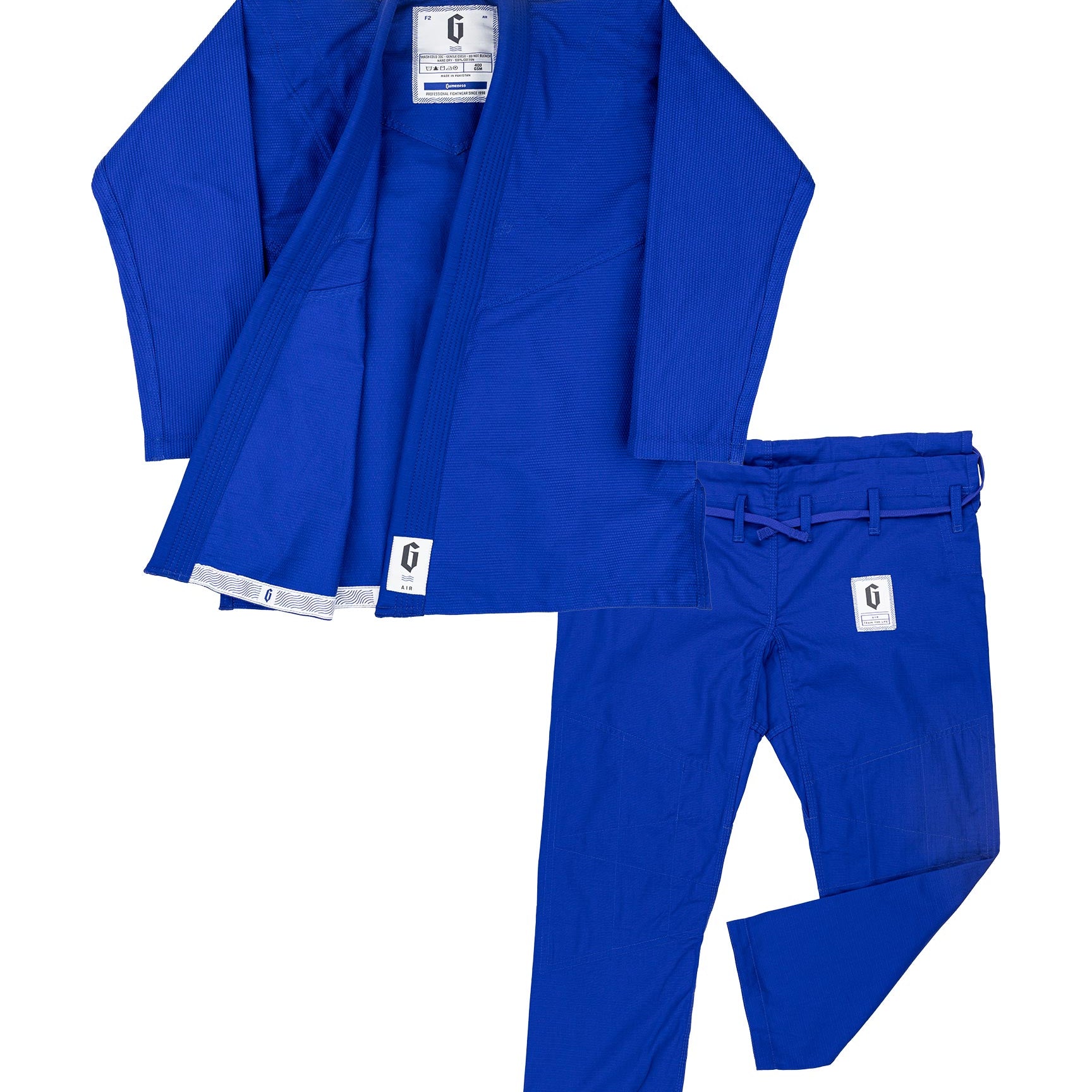
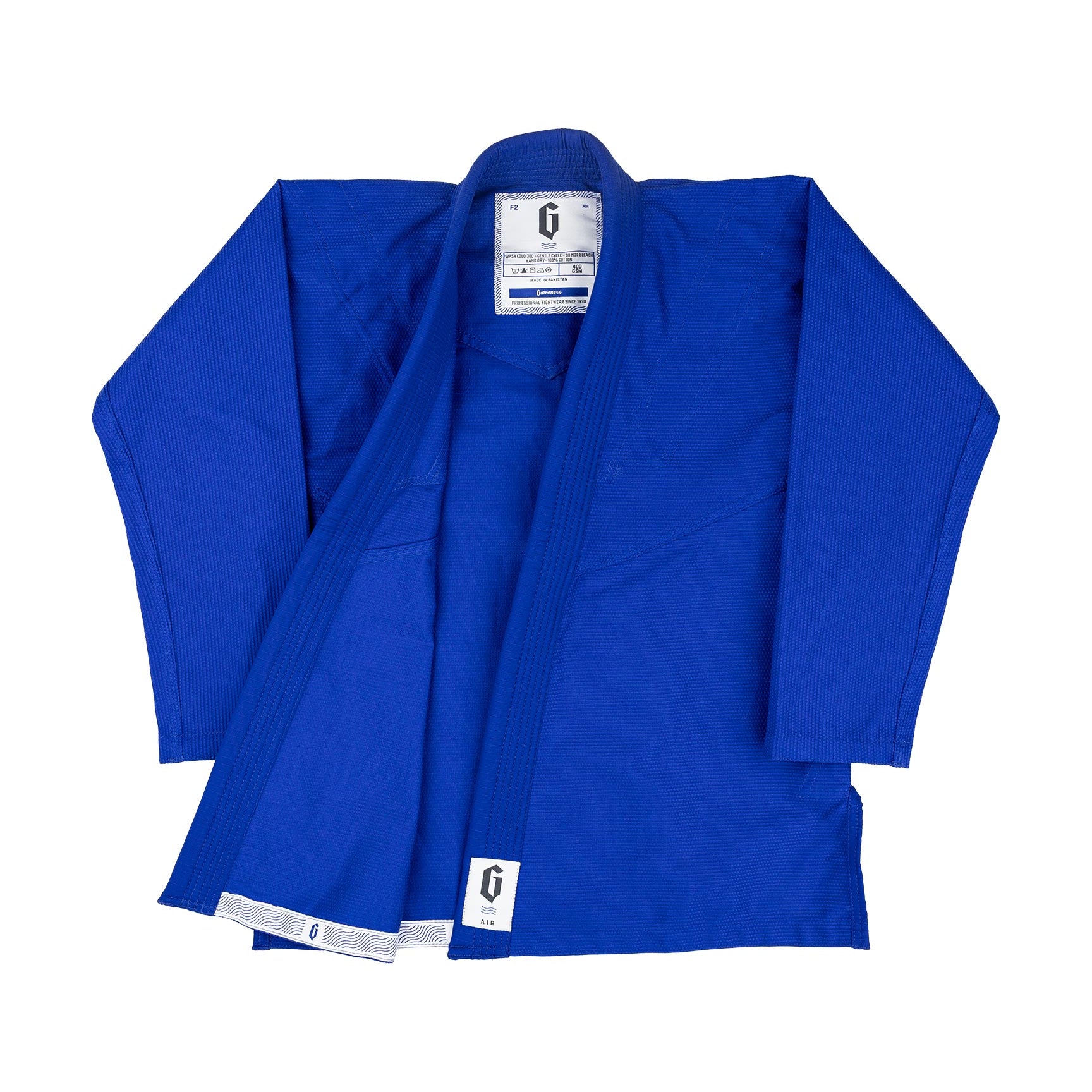
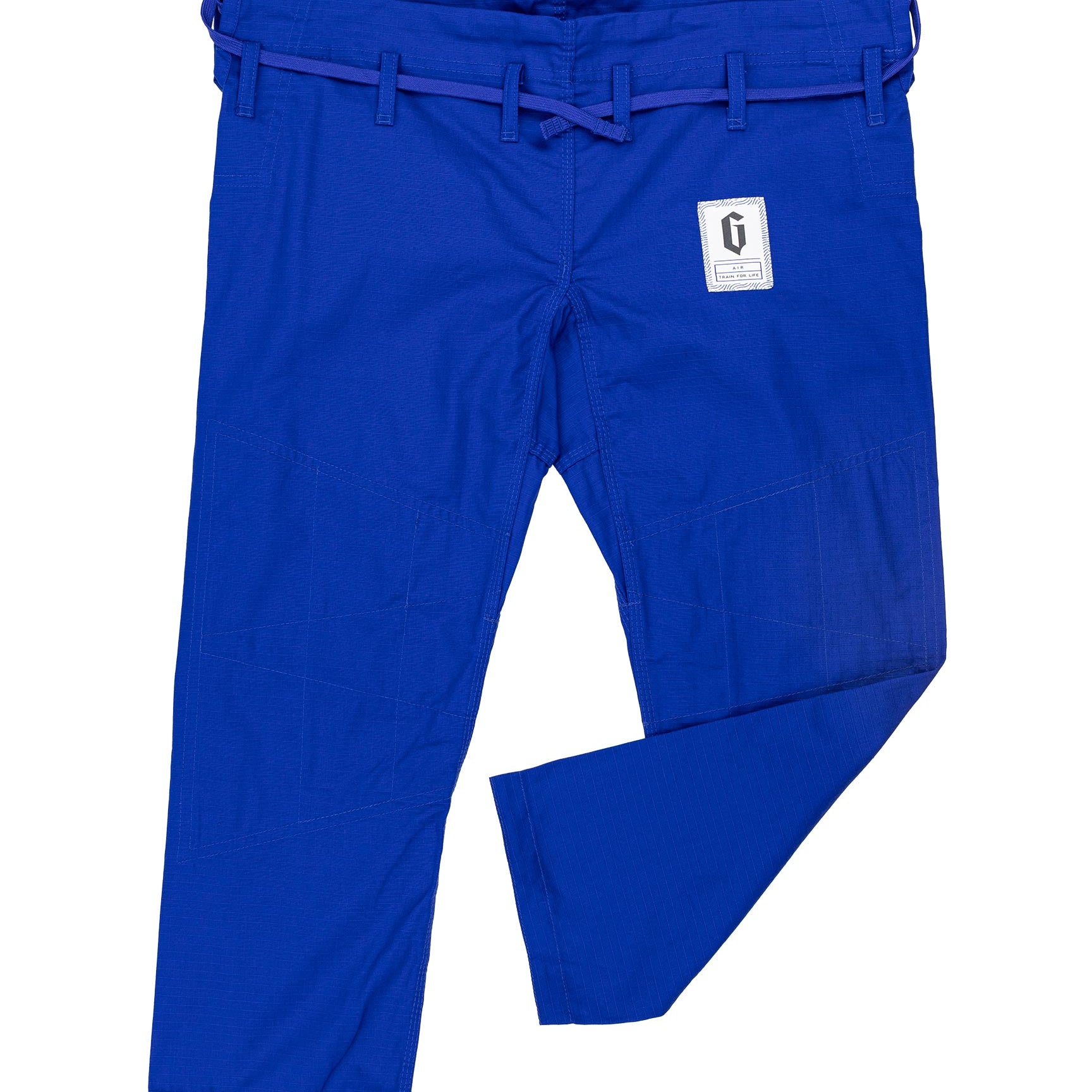


Fast & Free Shipping!


Fast & Free Shipping!
Fast & Free Shipping!




Fast & Free Shipping!














Fast & Free Shipping!



Fast & Free Shipping!