How to Tie Your Belt Properly for Jiu Jitsu

A loose belt is one of those small problems that becomes surprisingly annoying once class starts. It slides open during shrimp drills, catches on your partner’s hands while passing, and leaves you stopping between rounds to retie it. Learning how to tie a belt properly for Brazilian Jiu Jitsu takes about a minute, and it makes every warm-up, drill, and roll a little less distracting.
The standard BJJ belt knot is practical because it lies relatively flat, keeps both ends even, and is easy to redo when it eventually comes undone. That last part matters: even a well-tied belt can loosen after hard guard rounds or several stand-up exchanges. The goal is not a permanent knot. It is a secure, clean tie that stays put long enough for you to train without thinking about it.
How to Tie Your Belt Properly

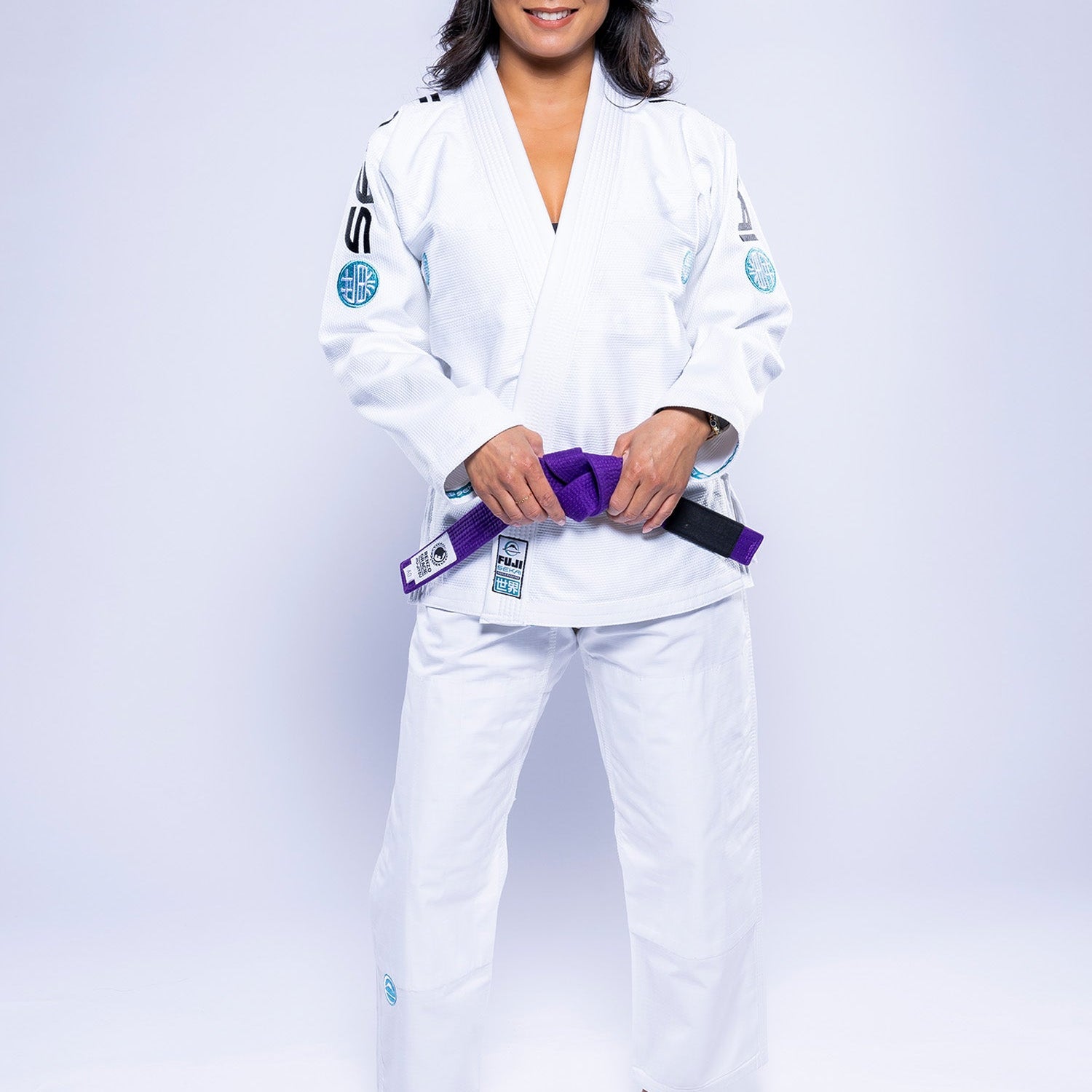
Start by finding the center of your belt. Fold it in half lightly, then place that midpoint across your stomach, usually just below the navel. You do not need to crease the belt. You only need a rough center so the ends finish at a similar length.
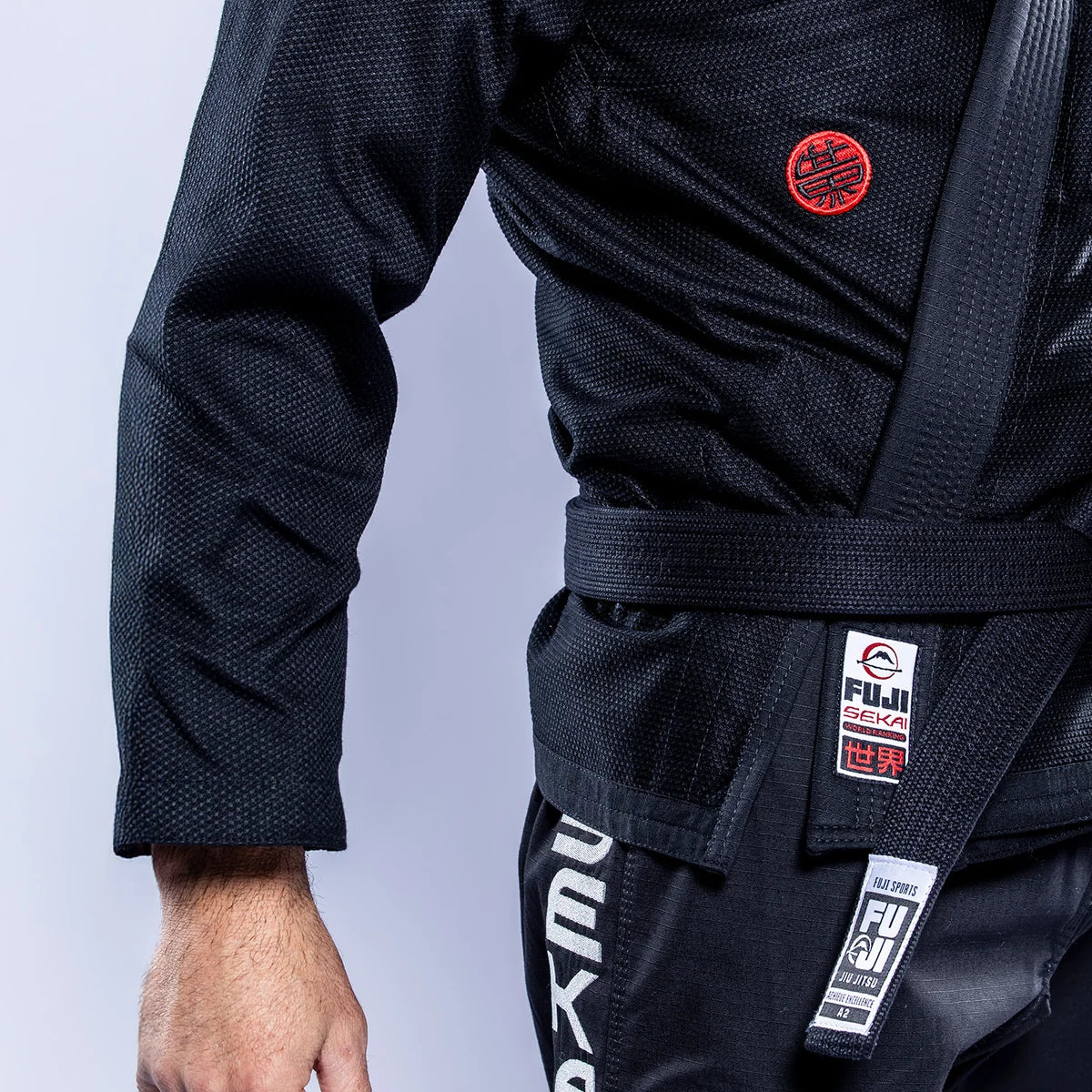
Wrap both ends around your waist toward your back. Keep the belt flat as it travels around your body. This is the first place many new students create a problem: one side twists at the lower back, and that twist carries all the way to the front. A twisted belt is less comfortable under your bjj gi jacket and makes the finished knot bulky.
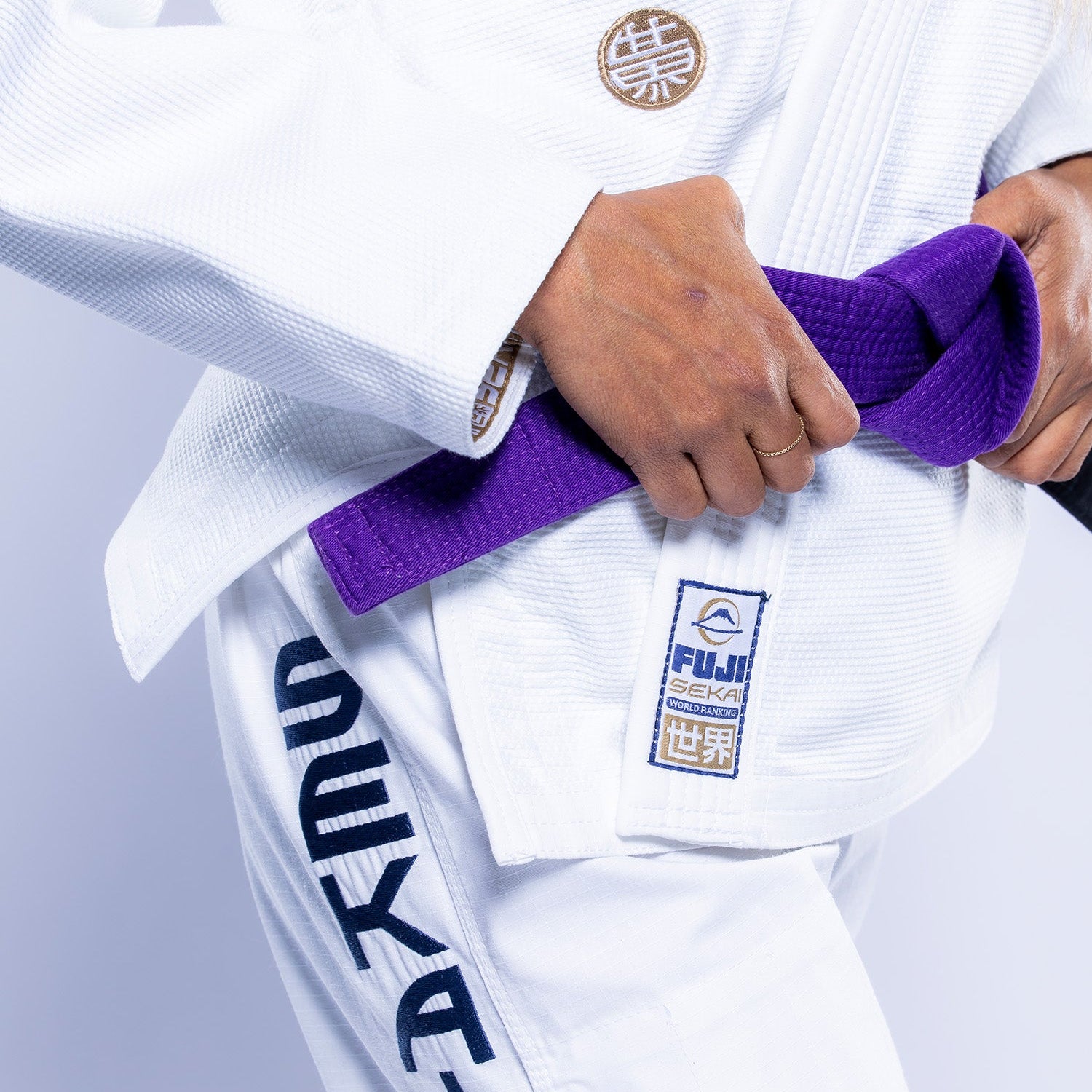
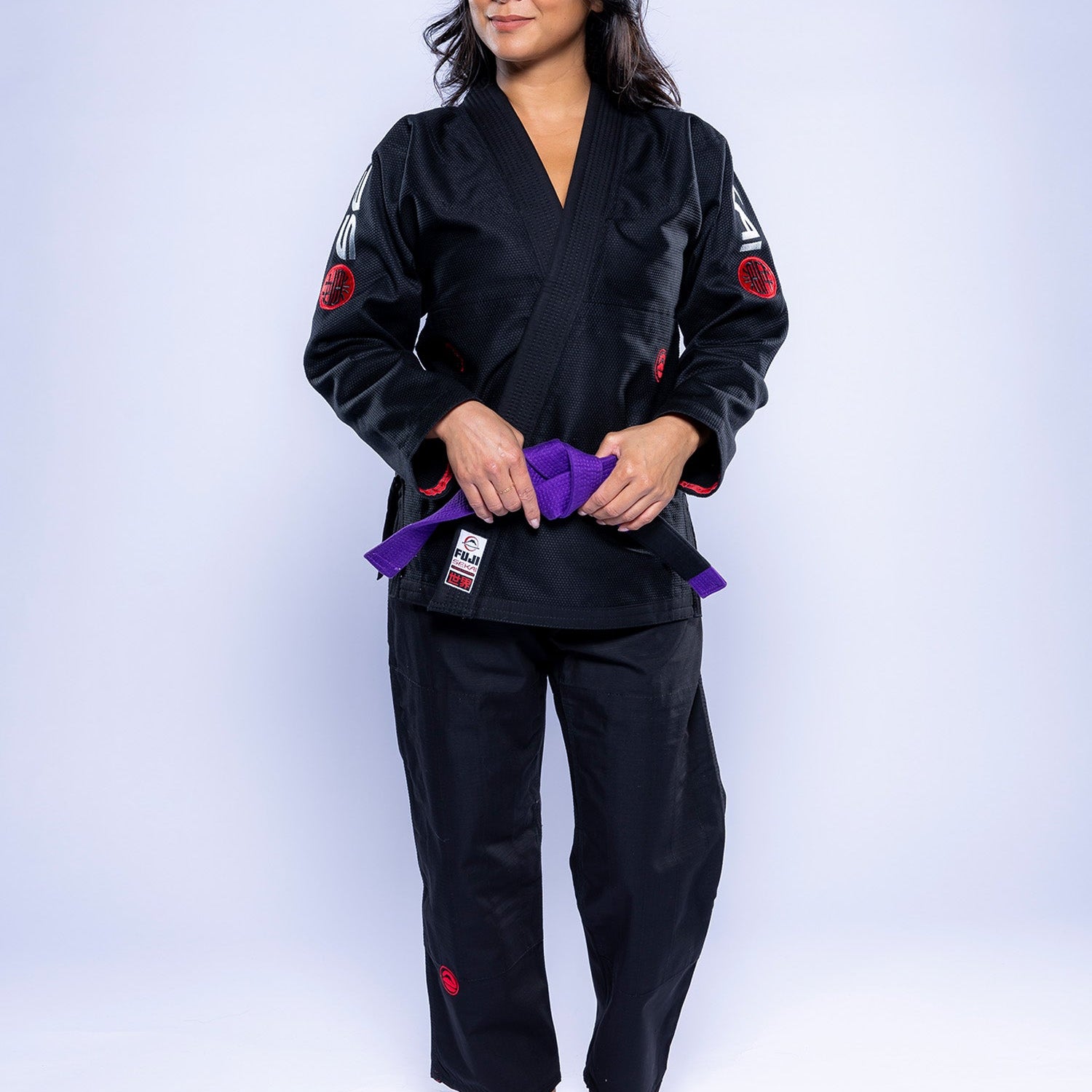
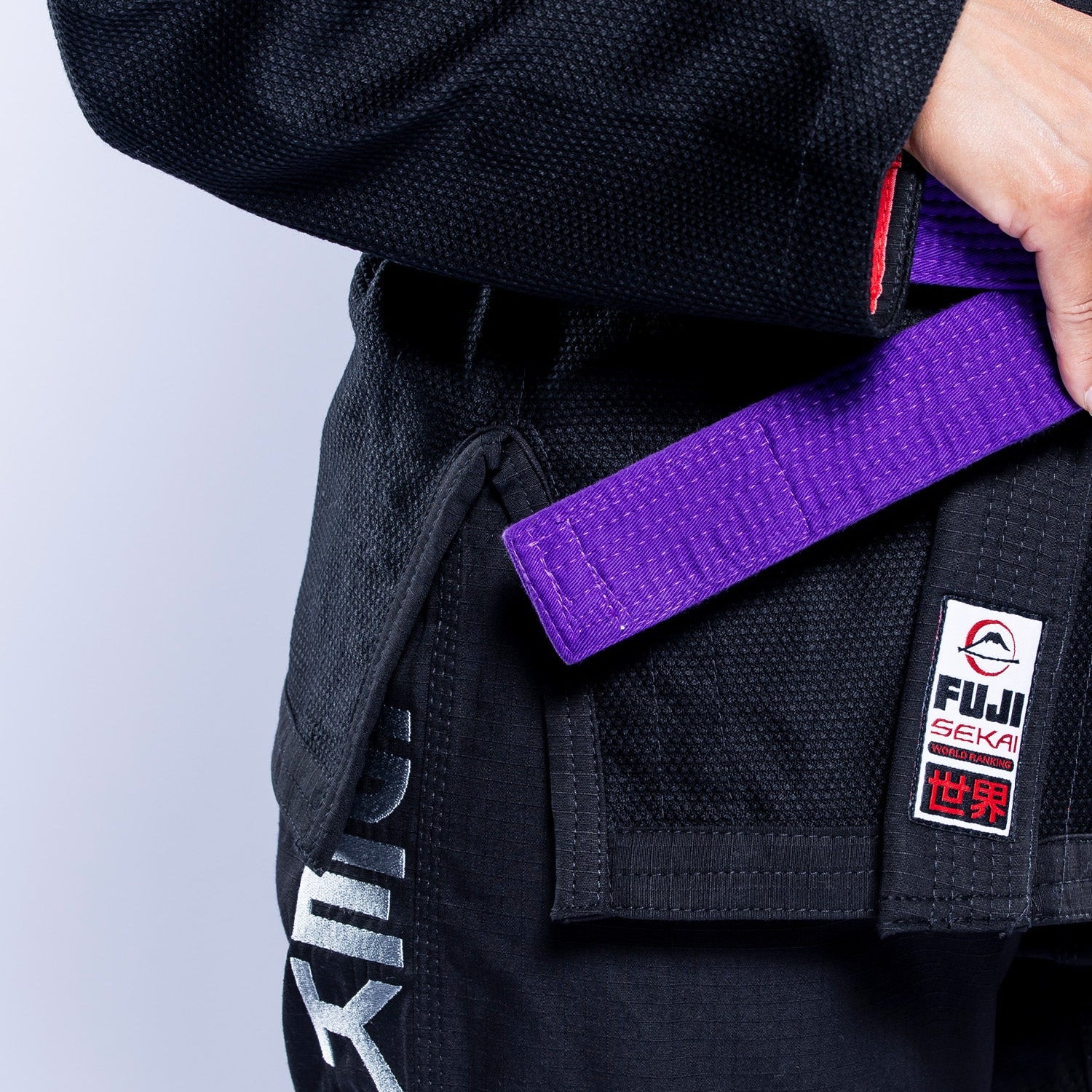
Bring both ends back to the front. At this stage, you should have two horizontal layers around your waist, with the belt sitting flat and reasonably snug. It should not feel restrictive when you breathe, but it also should not hang loose enough to slide down when you move.
Cross the right-hand end over the left-hand end. Feed that top end upward underneath both layers of belt at your waist, then pull it through. Pull both ends outward to tighten the wrap. You now have the foundation of the knot, with one end coming down from the top and the other sitting underneath it.
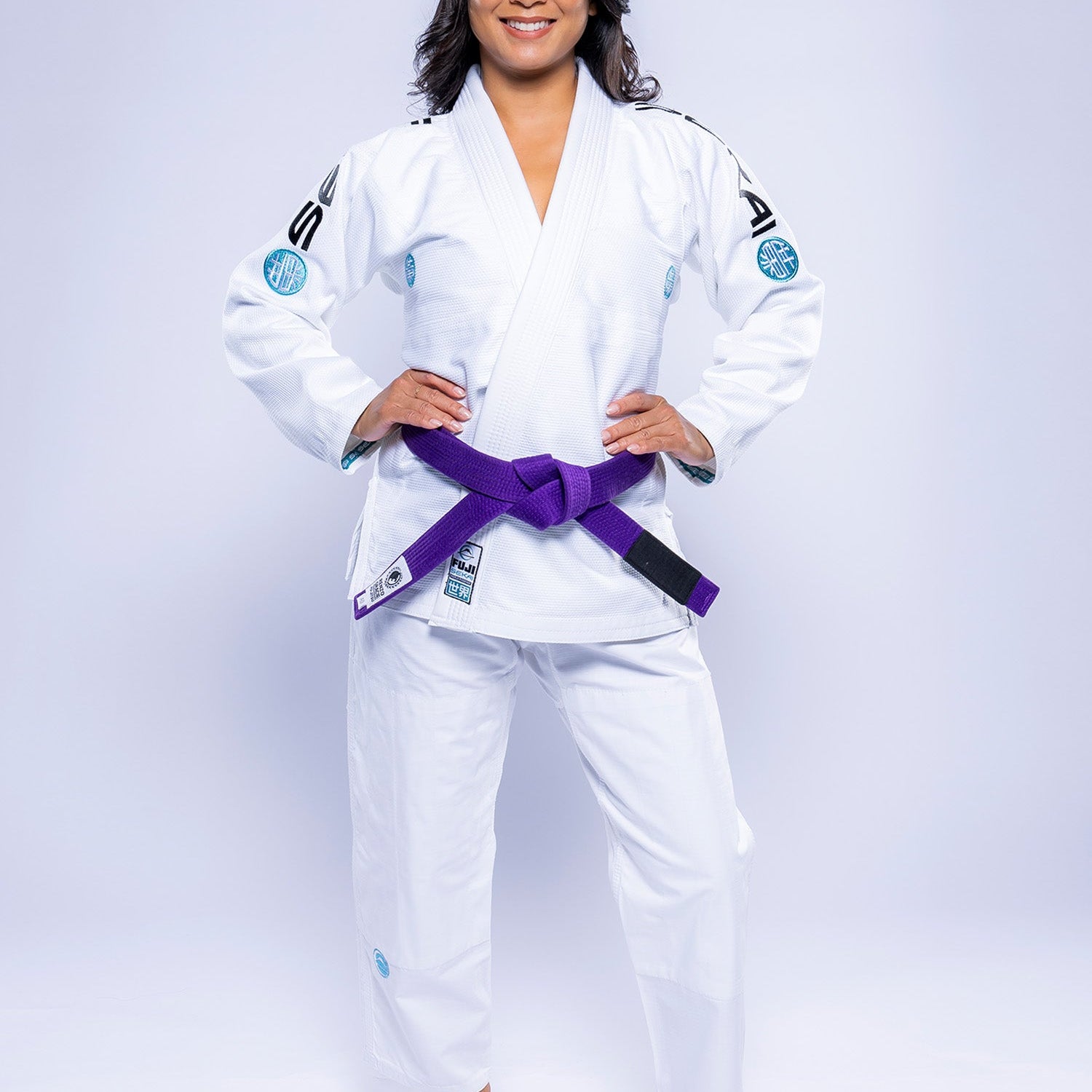
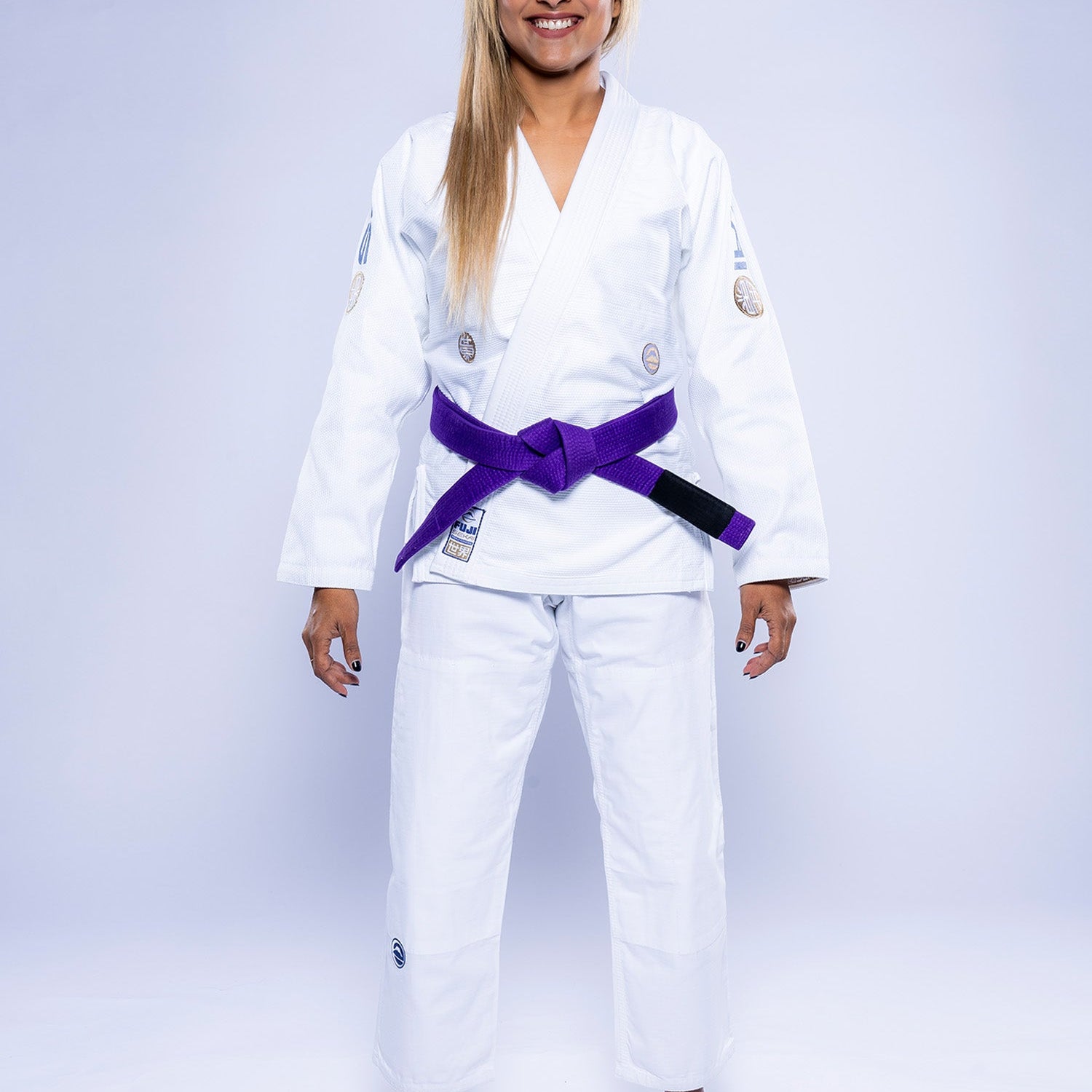
Next, take the end that is now on top and cross it over the other end. Pass it through the opening you created, just like finishing a square knot. Pull both ends outward and slightly down. The finished knot should look flat and horizontal, not vertical or bunched into a ball.
There are small variations in which hand starts on top, especially because academies and instructors may teach the sequence from different angles. That is fine. What matters is that your final knot is flat, secure, and balanced rather than which side crossed first.
Check the knot before you step on the mat
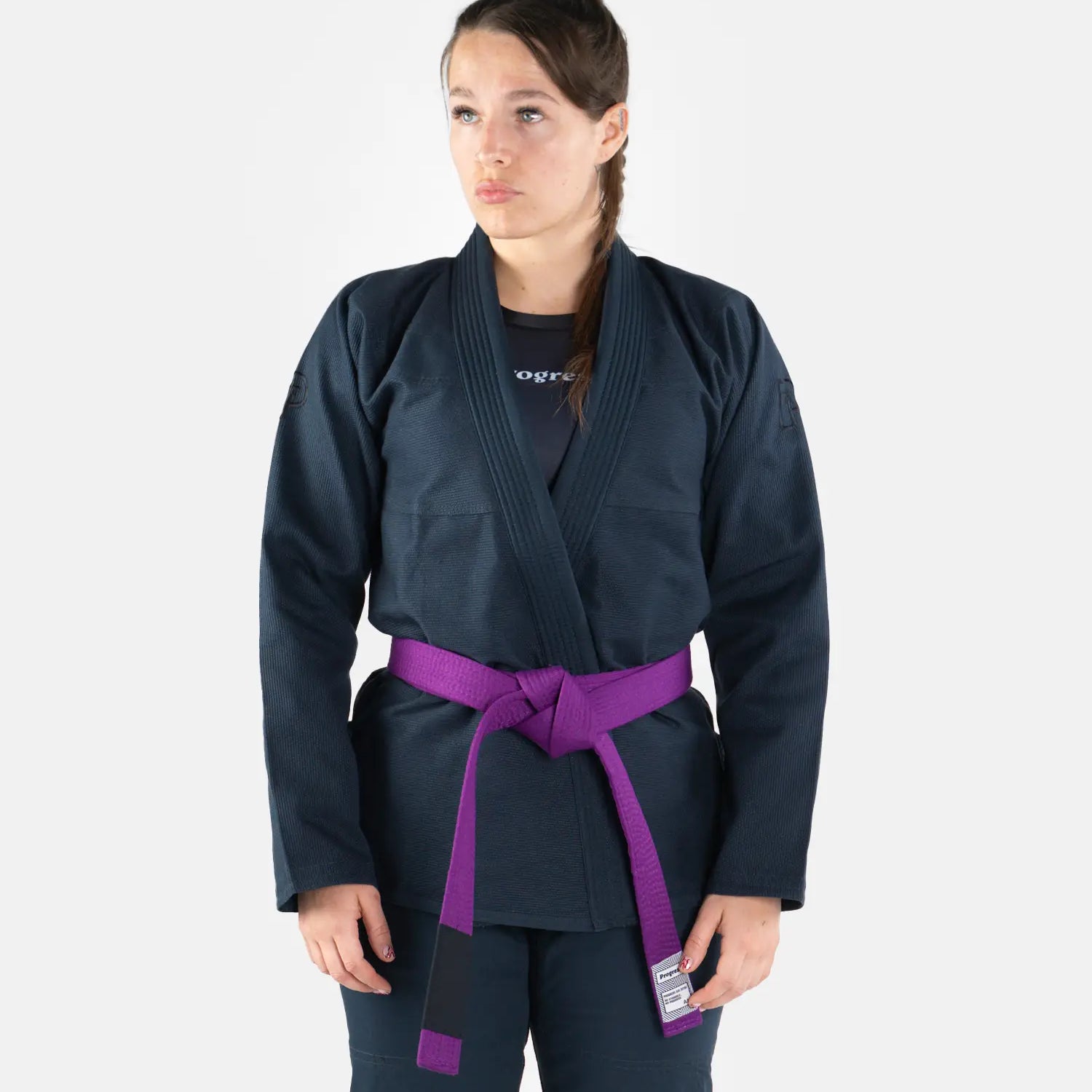
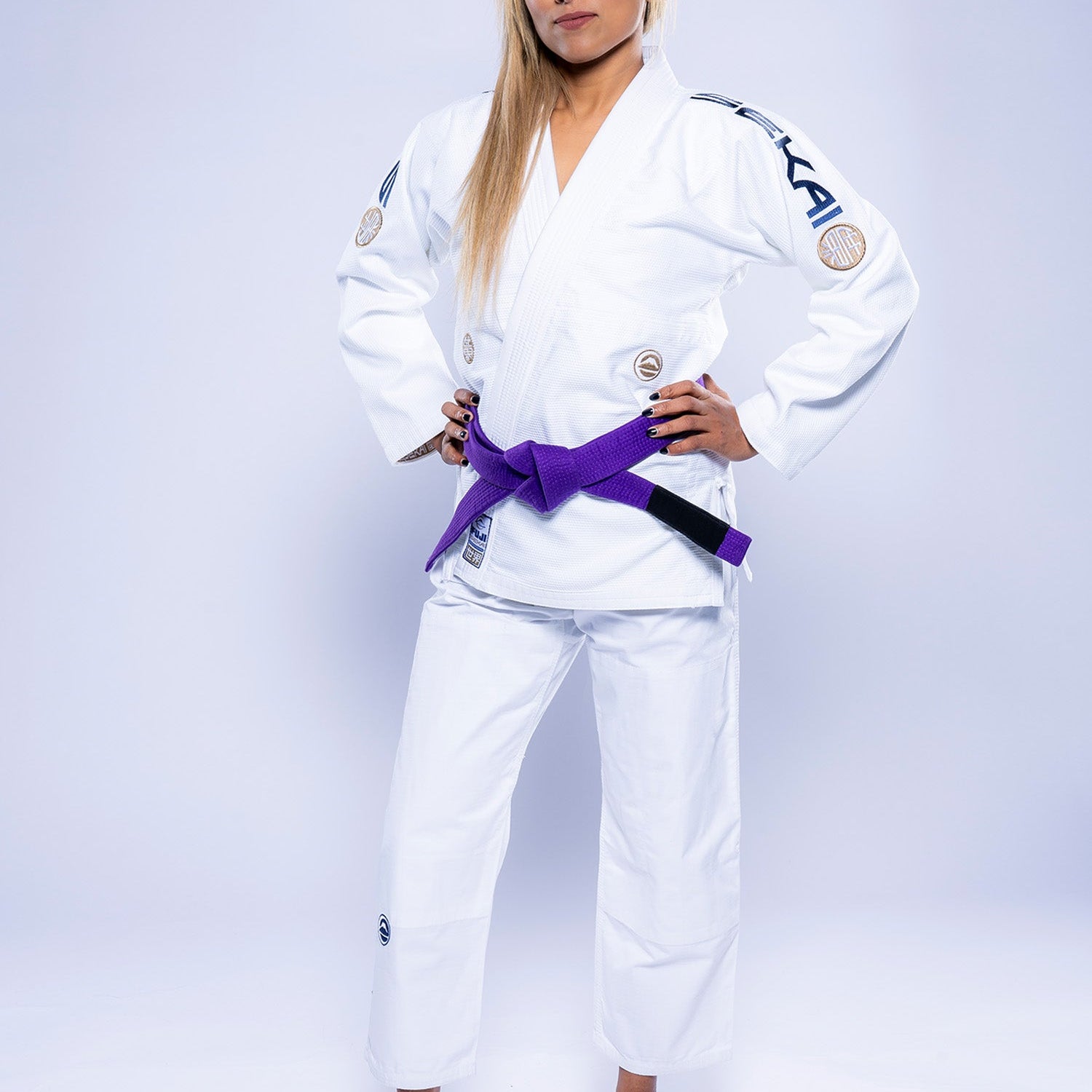
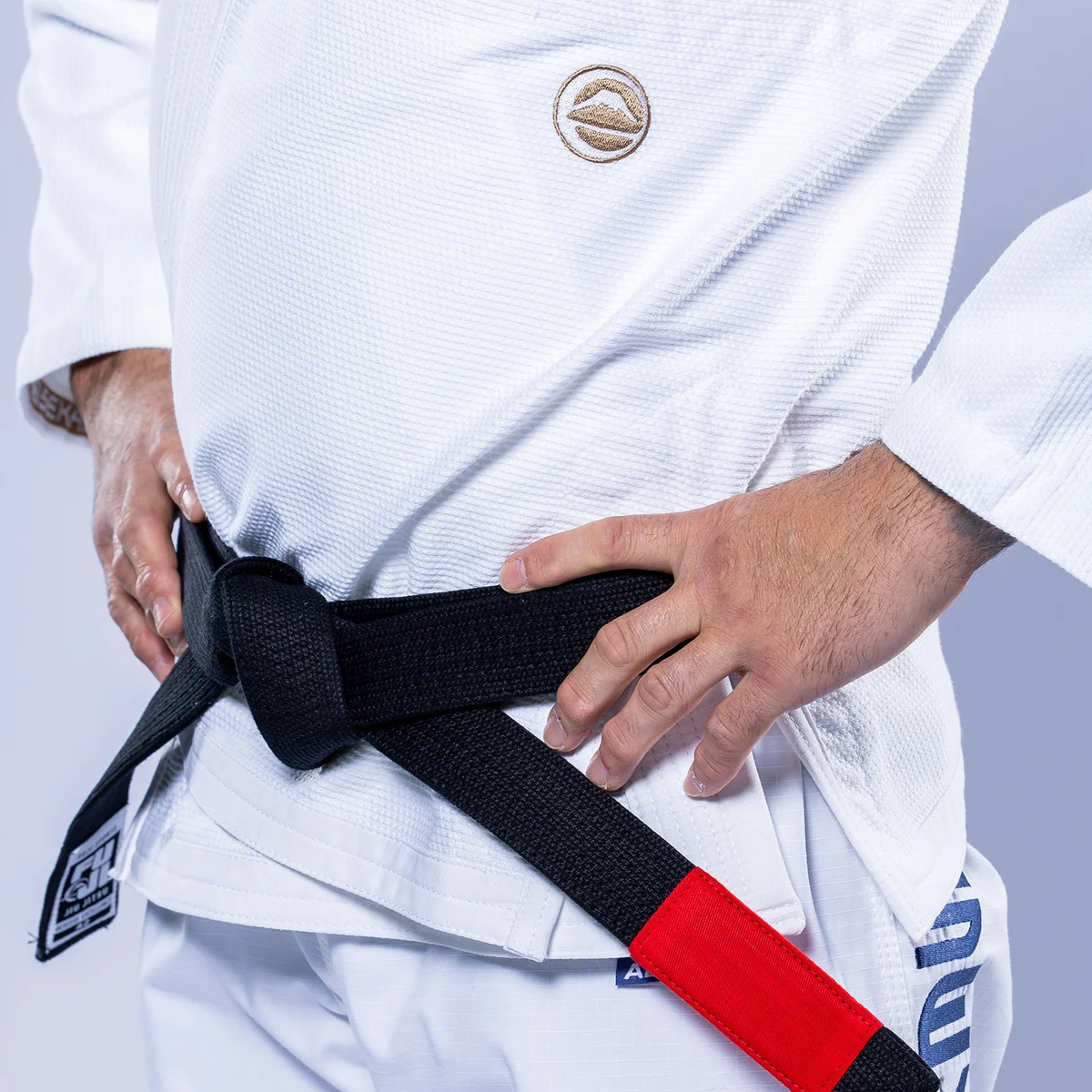
A properly tied BJJ belt has two signs: the ends are close to the same length, and the knot sits centered at the front of your body. If one end is much longer, reset the midpoint and wrap again. Trying to fix an uneven belt by pulling one side after the knot is finished usually shifts the whole belt out of position.
Give each end a firm pull. Then bend, squat, and raise your knees a few times. If the belt immediately rides up toward your ribs or feels like it will fall open, tighten the first wrap around your waist before tying the finishing knot.
Why a Flat Belt Tie Matters in Brazilian Jiu Jitsu
This is not just about looking organized in line-up. A flat belt is more comfortable when you are working from closed guard, sitting in butterfly guard, or drilling hip escapes. A twisted, overly tight belt can dig into your stomach when your partner puts pressure through a knee-cut pass. A loose belt can shift under your gi and become another thing to manage while you are trying to learn the sequence.
It also makes a difference in partner drilling. During an armbar setup from closed guard or a collar-and-sleeve passing drill, loose belt ends can get caught under hands, knees, or fabric. Nobody expects a belt knot to survive every five-minute round, but starting with a solid tie means fewer unnecessary resets.
For competitors, a clean belt tie is part of basic tournament preparation. Check it before your match, especially after you have warmed up and your gi has settled. You may be required to retie it during a match if it comes undone, and while that is normal, there is no reason to begin with a loose or uneven knot.
Common Belt-Tying Mistakes New Students Make
The most common mistake is starting with the belt off-center. If you grab an approximate middle and wrap quickly, one tail often ends up near your hip while the other reaches past your thigh. Take the extra second to find the center first.
Another issue is wrapping the belt around the body in two separate passes instead of keeping the layers aligned. When the first layer sits high and the second sits low, the knot can feel unstable. Try to stack the layers directly over one another all the way around your waist. If you cannot see what happened at your back, run your hands around the belt before tying the front.
Some students pull the final knot as hard as possible. A belt should be secure, but it does not need to feel like a lifting belt. If it is too tight, breathing during positional sparring becomes uncomfortable, and the belt may roll or bunch as your body moves. Snug is the target.
Finally, do not overthink reties. Your belt will come undone in class. That happens to white belts and black belts alike, particularly after hard rounds with lots of guard work. Step to the side, retie it efficiently, and get back to training. In most academies, repeatedly fussing with your belt while your partner is ready is more disruptive than simply tying it again when needed.
Belt Etiquette at Your Academy
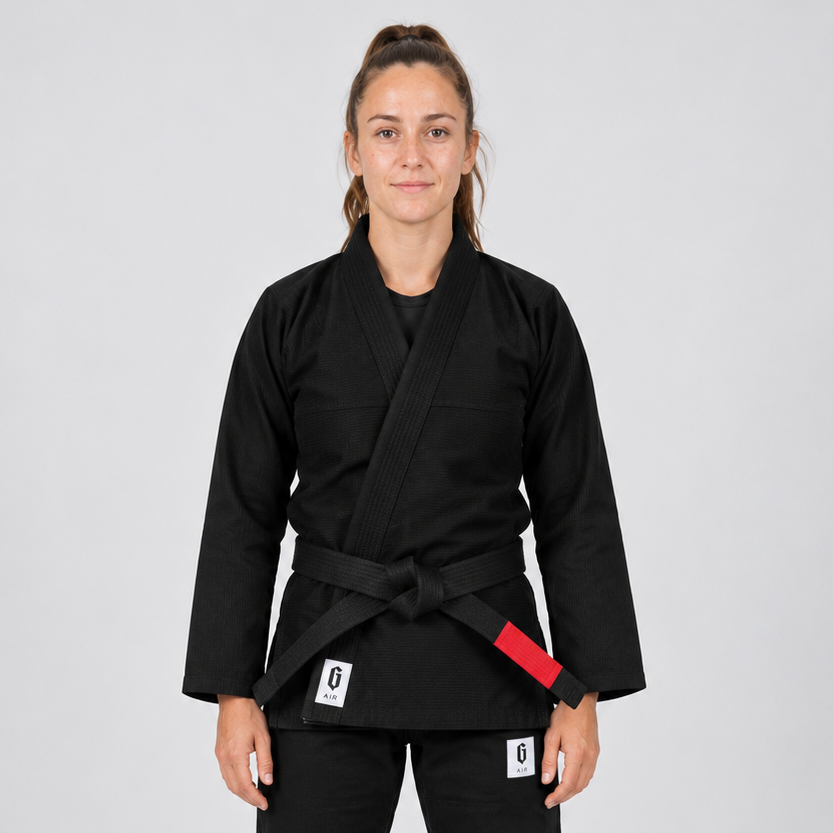
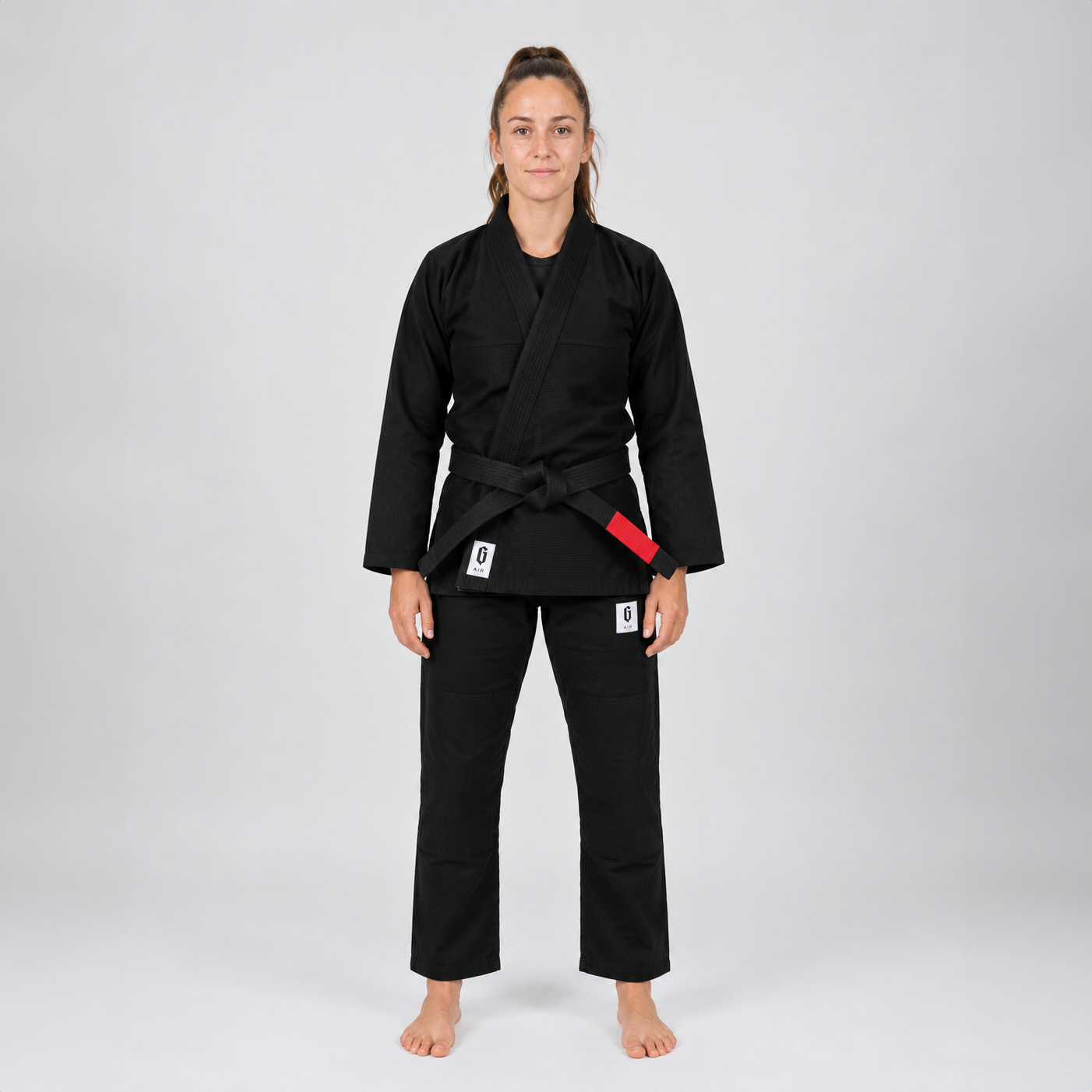
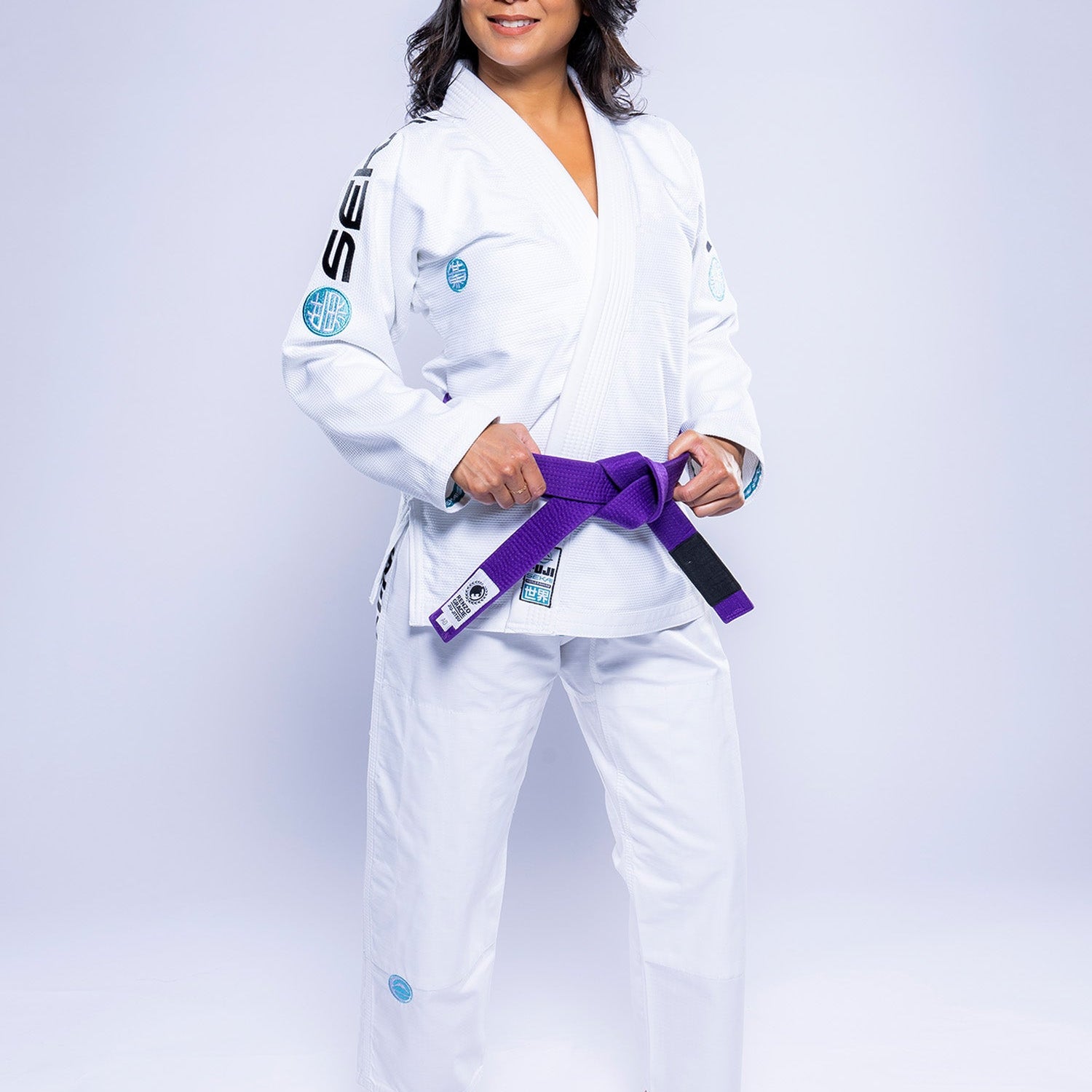
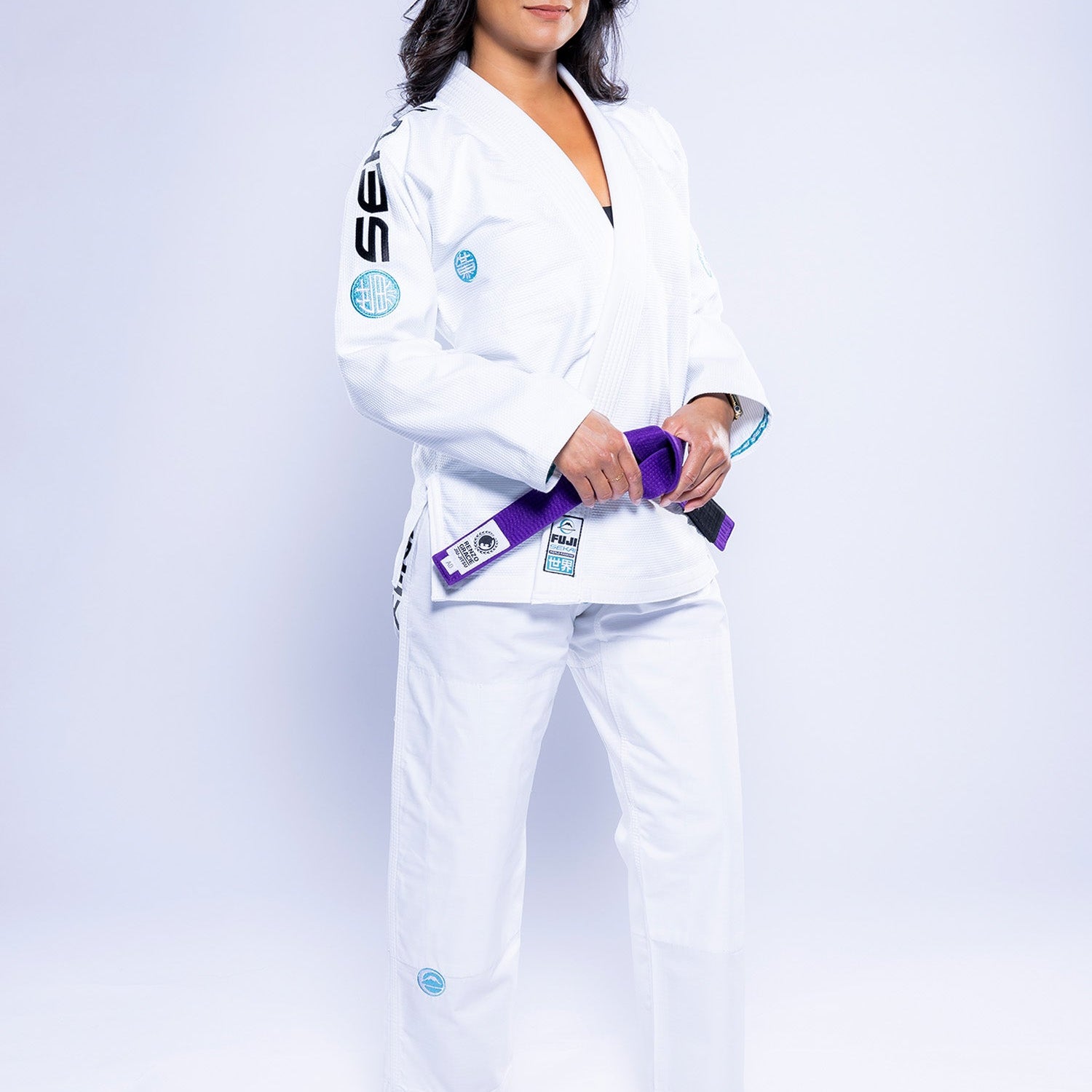
Every academy has small differences in how formal it is about uniforms and lining up, so follow your instructor’s expectations. At many schools, students wear their belt over the closed gi jacket during class, remove shoes before stepping on the mat, and straighten their uniform before lining up or speaking with the instructor. Those habits show consideration for the room and the people training in it.
If you are a brand-new white belt, it is completely normal to ask someone to show you the knot after class. Most training partners remember struggling with it on day one. Ask a higher belt to check whether your wrap is flat, then practice tying it a few times at home with your gi on. It will feel much easier when you are not trying to do it while everyone waits for the next drill.
Parents helping kids with Brazilian Jiu Jitsu uniforms can use the same method, but keep the knot comfortable. Children often need a slightly less tight wrap because they move constantly during warm-ups, games, and technique practice. Check that the belt is centered and that the ends are not long enough to become a tripping distraction.
Practice It Until It Is Automatic
The best time to learn the knot is before it matters. Tie your belt before leaving for class, untie it, and repeat the process a few times. After a week or two, you will be able to reset it between rounds without missing much instruction.
A belt that stays flat and centered will not improve your guard retention or make your takedowns sharper. It will, however, remove one small source of friction from training. Get the tie right, then put your attention where it belongs: listening to the details, helping your partner drill, and getting quality rounds in.
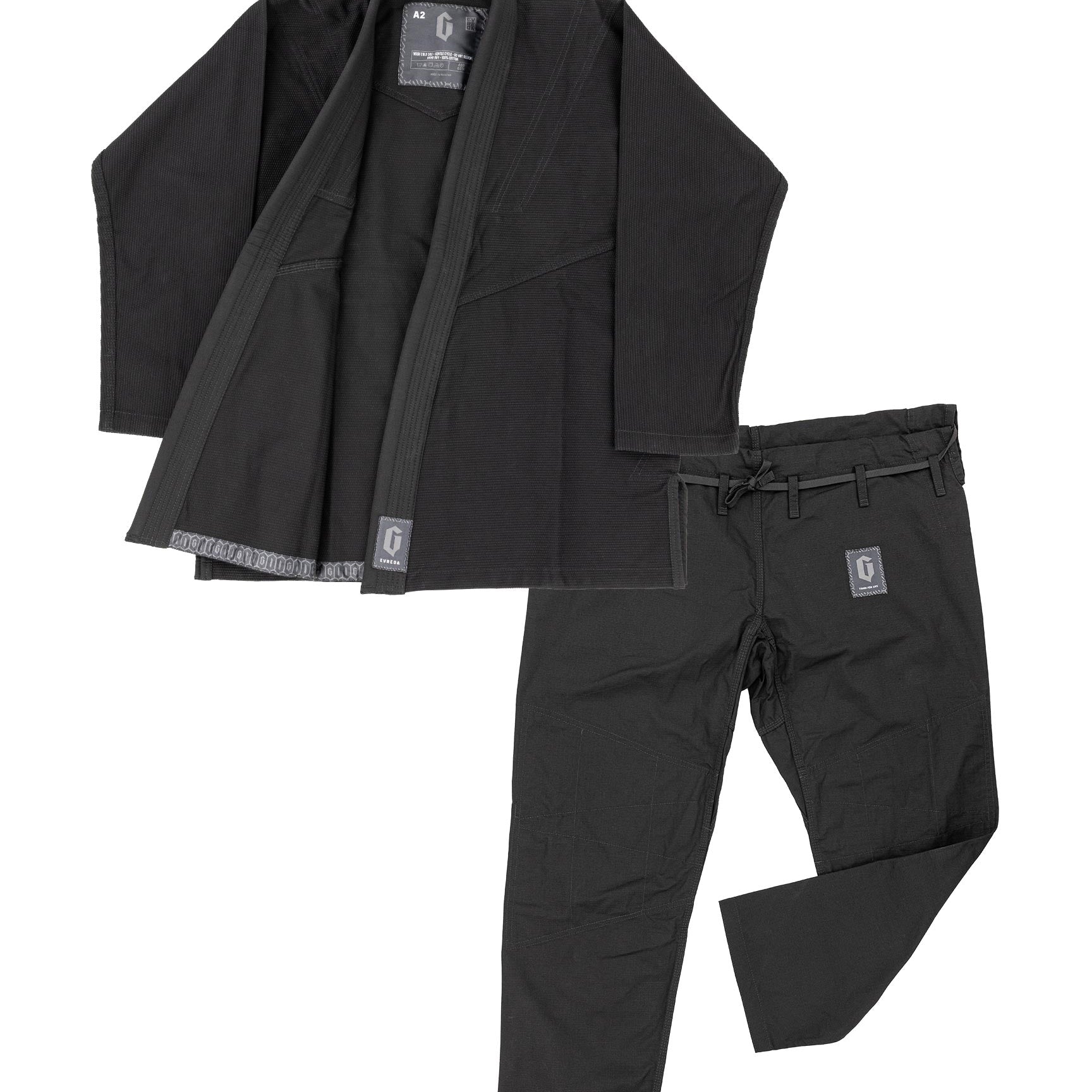
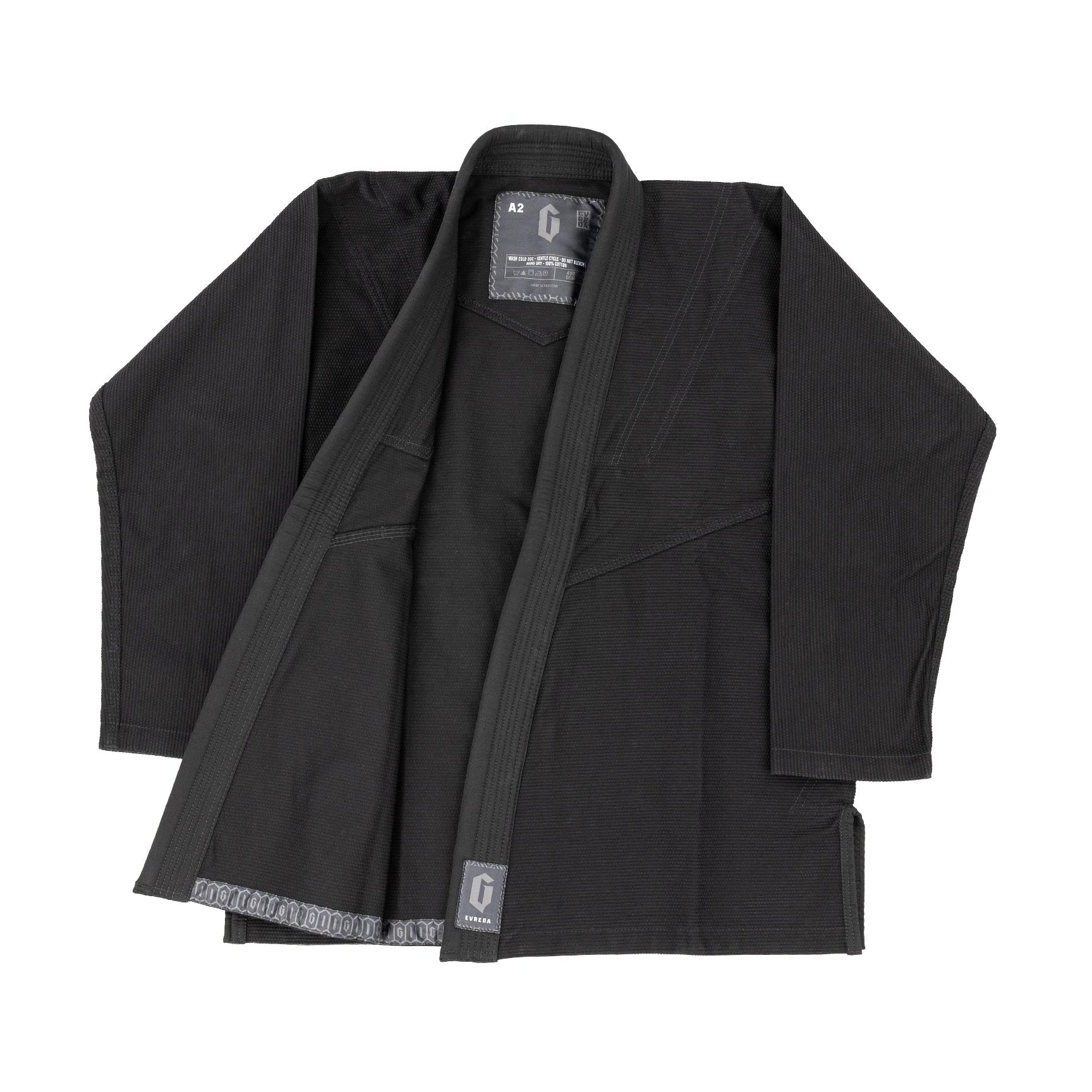
Shop Our New Releases
Fast & Free Shipping!

Fast & Free Shipping!
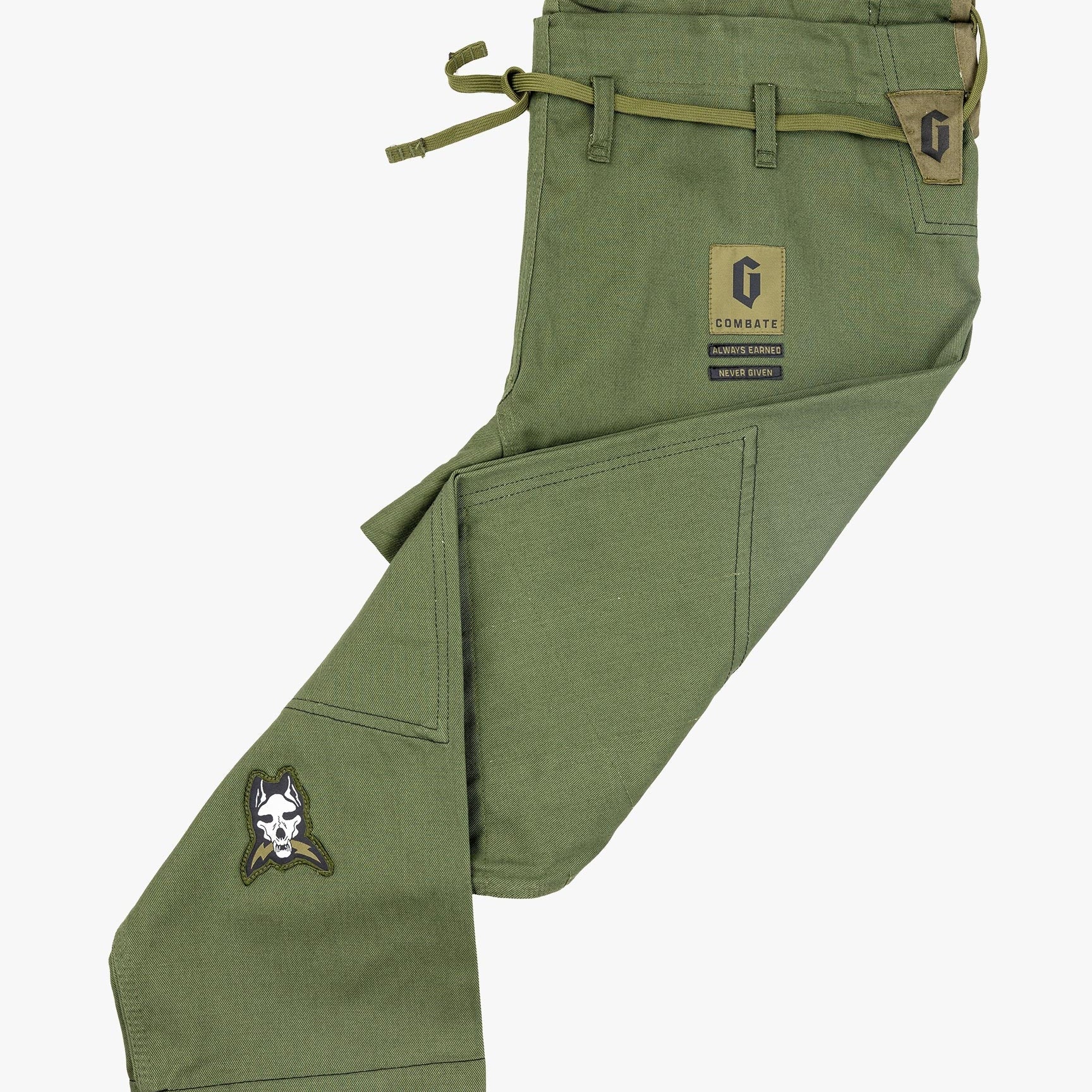
Fast & Free Shipping!
Fast & Free Shipping!


Fast & Free Shipping!

Fast & Free Shipping!