How to Size a BJJ Gi for Training and Competition
A gi that is too large becomes an easy handle for your training partners. One that is too small can bind at the shoulders, ride up during guard work, and leave you worried about a torn sleeve after a hard round. Learning how to size a BJJ gi means looking beyond the letter on the tag and considering how you actually train, wash, and compete.
Gi sizing is not perfectly standardized. An A2 from one brand may feel roomier through the chest than an A2 from another, while a lightweight competition cut can fit much closer than the durable gi you wear for daily academy classes. Start with the size chart for the specific gi, then use the checks below to make a decision you will still be happy with after a few washes.
Start With the Brand's Size Chart
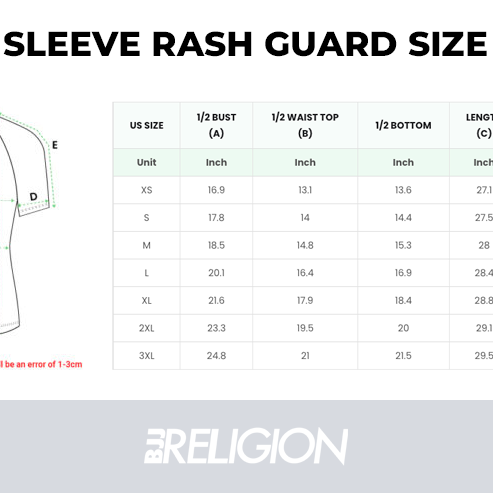
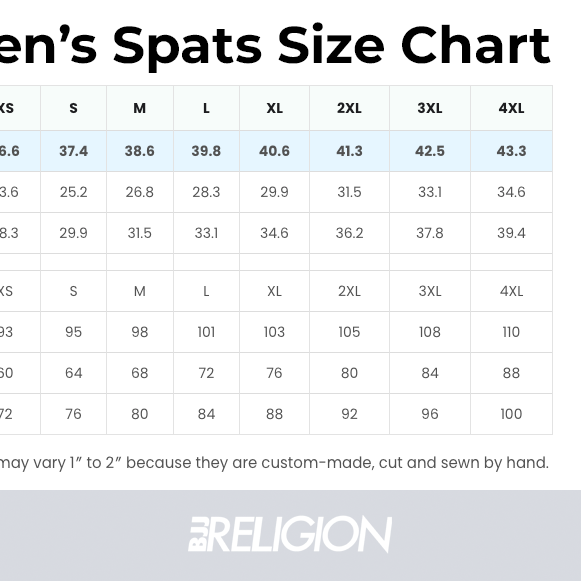
Most adult Brazilian Jiu Jitsu gis use A sizes, such as A0 through A5. The "A" generally refers to adult sizing, but the number is only a starting point. Size charts usually pair a height range with a weight range, and some include chest, waist, or inseam measurements. Women-specific cuts may use F sizes, while youth gis commonly use M sizes or age-based labels.
Use your current, normal body weight rather than a weight you hope to reach. If you are 5'10" and 175 pounds, for example, do not automatically choose the same size as a 5'10", 205-pound lifter. Height may be similar, but shoulder width, chest circumference, thigh size, and preferred fit can be very different.
When your height and weight fall neatly into one listed size, that is usually the sensible place to begin. The harder call comes when you land between sizes. In that case, prioritize the measurement that is hardest to fix:
- Choose the larger option if a smaller jacket may be tight across your shoulders, chest, hips, or thighs.
- Choose the longer option if your limbs are the issue, especially if you regularly find sleeves or pants short.
- Choose the smaller option only when the larger size will leave significant extra material at the cuffs, ankles, or torso.
- Consider a long or husky variation, such as A2L or A2H, when the brand offers it instead of trying to force a standard cut to work.
How to Size a BJJ Gi With Your Measurements
A tape measure gives you better information than guessing from your jeans size. Measure your height without shoes and record your weight. Then measure around the fullest part of your chest, around your natural waist, and around the widest part of your hips if the chart calls for those numbers.
For the jacket, pay close attention to shoulder and chest room. You should be able to reach forward, frame, pummel for underhooks, and post on the mat without the back of the jacket pulling painfully across your shoulders. A gi can feel fine standing still and become restrictive the first time you spend a round fighting from closed guard.
For pants, check the waist, seat, thighs, and length. You need enough room to squat, knee-cut, and sit into a deep combat-base position without feeling the fabric pull hard across the seat. At the same time, pants with a very loose waist can twist and bunch during passing drills. Most gi pants use a drawstring, which helps fine-tune the waist, but it cannot solve pants that are too narrow through the thighs or too short at the ankle.
If you already own a gi that fits well, lay it flat and measure its jacket chest width, sleeve length, pant outseam, and inseam. Comparing those numbers with a new gi's garment measurements is often more useful than comparing labels. Just confirm whether the brand lists pre-wash or post-wash measurements.
Account for Shrinkage Before Your First Roll
Cotton gis shrink, particularly when they are new. Preshrunk fabric reduces the change, but it does not make the gi shrink-proof. Hot water and high dryer heat can take a comfortable new fit and turn it into a jacket with short sleeves and a tight collar.
If you are near the upper edge of a size range, assume some shrinkage is likely and avoid an aggressively small cut. This matters most for someone who is 6'1" at the top end of an A2 range, or a competitor whose cuffs are already close to the minimum allowed length. Buy the size that fits properly after normal care, not the one that looks sharp for five minutes out of the package.
The first wash is also a useful test. Wash according to the care instructions, preferably in cold water, and hang dry if you want to preserve the current dimensions. Try it on again once it is fully dry. Do a few controlled movements at home: squat, reach overhead, sit into a guard position, and pull your knees toward your chest. Those movements reveal fit problems that a mirror will not.
Intentional shrinking can work when a new gi is slightly too roomy, but do it gradually. A short dryer cycle is easier to control than repeatedly blasting a gi with maximum heat. Once sleeves and pant legs have shrunk too far, there is no practical way to add length back.
Check the Jacket Where It Matters Most
The jacket should overlap comfortably across your torso when tied, without feeling like it is wrapping around you twice. A little extra material is normal, especially in a durable training gi. Excess fabric becomes a problem when lapels hang so low or the body is so wide that it constantly bunches under your belt.
Sleeves deserve special attention. Bend your arms, grip an imaginary collar, and extend your hands as if you are establishing sleeve control. The cuffs should not climb dramatically toward your forearms. During live sparring, short sleeves give your partner less usable grip and may keep a gi out of a tournament division even if the rest of the uniform fits.
Also look at the collar. It should sit flat and allow you to turn your head and breathe normally. A stiff collar is common on a new gi and softens with use. A collar that feels overly tight at rest is a sign to reassess the jacket size rather than hoping it will become more comfortable after several hard rounds.
Make Sure the Pants Work for Guard and Passing
Gi pants need functional room, not just enough length to stand upright. Put them through positions you use in class. A half-guard player should be able to pinch their knees and recover knee shield without the fabric binding. Someone who spends a lot of time wrestling up from seated guard needs enough room through the hips to step and drive forward. If you drill leg drags or torreando passes, overly long pants can catch under your heel and feel sloppy.
At the ankle, leave enough length that the hem does not ride high when you bend your knees. For competition, review the rules of the organization and event you are entering before making final alterations. Uniform requirements can vary, and officials assess sleeve, pant, patch, and color rules on the day.
Training Fit and Competition Fit Are Not Always the Same
For everyday academy use, many people prefer a slightly roomier gi. It is comfortable for long fundamentals classes, allows layers in a cold academy, and tends to feel less restrictive while learning unfamiliar positions. The trade-off is that a roomier gi gives training partners more cloth to grip during collar drags, sleeve controls, and lapel-based attacks.
For competition, a closer but legal fit is common. Less excess fabric can feel cleaner during grips and scrambles, but close-fitting does not mean undersized. A gi that restricts your shoulders can hurt your ability to frame and escape side control. A gi with borderline-short sleeves can create an avoidable issue at uniform inspection.
If you are buying your first gi and only own one, favor a durable training fit that meets your academy's uniform policy. You can add a lighter or more competition-focused gi later once you know how you like your sleeves, pants, and jacket cut.
A Few Common Sizing Mistakes
New students sometimes buy a gi too big because they expect it to shrink dramatically. Others buy too small because they want a fitted look. Both choices tend to become annoying quickly when the gi is sweaty, your belt is tied, and you are trying to survive another round from mount.
Do not size solely by belt rank, either. An A3 gi does not mean you are supposed to be a certain kind of practitioner. It is just a garment size. Your white belt and a black belt in the same room may wear the same labeled size for completely different body types.
Finally, do not remove tags, wash the gi, or make alterations until you have tried it on carefully and checked the seller's return policy. Wear the pants and jacket together, tie the belt, and move through the positions that matter to you. A few minutes of honest fit testing before the first wash can save you from owning a gi that lives at the back of the gear bag.
The right gi should disappear into the background once class starts. If you can grip fight, drill armbars, work your escapes, and roll hard without thinking about short cuffs, tight shoulders, or falling pants, you picked the right size.