Grappling Recovery: Train More, Hurt Less
A hard round that leaves you breathing through your mouth is normal. Feeling like your grips are still cooked two days later after open mat, your neck is stiff from getting stacked, and every warm-up shrimp feels slow is a different signal. Good grappling recovery is not about turning every post-training routine into a science project. It is about putting enough back into the system that you can keep showing up, drilling with attention, and rolling safely.
That matters whether you train twice a week after work or are building toward a tournament. Brazilian Jiu Jitsu has a way of hiding fatigue. You may feel fine during positional sparring, then realize your timing is late, your frames are weak, and you are making bad choices from bottom side control. Recovery gives you a better chance of recognizing the difference between a tough session and a schedule that is quietly running you into the ground.
What Grappling Recovery Actually Means
Recovery starts with the basics: enough sleep, enough food, fluids, and a training schedule that matches your current capacity. It also includes how you manage the hours after class and whether you adjust when life gets demanding. The most useful recovery plan is usually boring, repeatable, and realistic on a Tuesday night.
It is not the same as doing nothing. A rest day can include an easy walk, light mobility work, or a few relaxed movement drills. The point is to finish feeling better than when you started, not to turn “active recovery” into another hard workout.
For Jiu Jitsu students, recovery also means managing the total load. Three technical classes with controlled rounds can be easier to recover from than one competition-style open mat where every roll becomes a scramble. A white belt learning to relax under pressure may be tired from the mental effort alone. A brown belt preparing for a major event may tolerate more volume but still needs easy days around hard sessions.
Start With Sleep and Food
The best recovery tool is the one most grapplers already know they need more of: sleep. Late-night class makes this tricky. You get home energized, eat too little or too much, scroll for an hour, then wonder why morning training feels terrible. Create a short post-class landing routine instead. Eat, shower, pack tomorrow’s gear, and give yourself a little time away from screens before bed.
You do not need a perfect bedtime to improve this. Adding even a consistent 30 to 60 minutes on nights before your hardest sessions can make a noticeable difference in energy, attention, and soreness. If you train at 6 a.m., your recovery decision often happens the night before, not when the alarm goes off.
Food is equally practical. A hard session of takedown rounds, guard passing, and live sparring uses energy. If you leave class and only have coffee the next morning, do not be surprised when your second training day of the week feels flat. Get a normal meal with protein and carbohydrates around your training when possible. The exact timing depends on your work schedule and stomach, but regularly under-eating is not a toughness test.
Hydration matters more than most people notice, especially in a crowded academy during summer or when you train in a heavy gi. Start class already hydrated and keep water available. If you finish every session with a headache, cramps, or unusually dark urine, take a closer look at what you are drinking before, during, and after class.
Make the Hours After Class Work for You
The first hour after training does not require an elaborate routine. Change out of damp gear, eat something useful, rehydrate, and avoid staying up late because you are still replaying a sweep that almost worked. Those simple habits cover a lot of ground.
A few minutes of easy movement can help you come down from hard rolling. Think controlled hip movement, gentle shoulder range of motion, or an easy walk after dinner. This is especially useful after a class full of wrestling entries or pressure passing, when your hips, upper back, and hands may feel tight. Do not force stretches into painful ranges or try to “fix” a sore joint with aggressive mobility work.
Heat, cold, massage tools, and recovery products can feel good for some people, but they are supporting players. If a hot shower helps you relax before sleep, use it. If light self-massage makes your forearms feel better after a night of grip fighting, that is reasonable. Just do not let a recovery gadget distract from the bigger levers: sleep, food, hydration, and sensible training volume.
Control Intensity Instead of Skipping Training
Many students treat every class like it has only two settings: all-out rounds or staying home. There is a better middle ground. Tell your training partner you want to work from a specific position, use a controlled pace, and focus on clean repetitions. You can still get valuable mat time without trying to win every exchange.
For example, after a tough Saturday open mat, Monday may be the right day for guard retention drills and positional rounds starting from half guard rather than six hard rounds from standing. If your fingers are beaten up from spider guard grips, work no-gi style grips, frames, underhooks, or a passing sequence that does not depend on death-gripping sleeves. If your neck is generally tired after wrestling-heavy rounds, choose technical drilling and avoid adding more hard takedown exchanges that day.
This is not backing down. It is training with enough awareness to be consistent. The person who can train steadily for six months will usually make more progress than the person who has one heroic week followed by two weeks off the mats.
Use an Honest Readiness Check
Before class, take 30 seconds to assess how you feel. You are looking for patterns, not perfection. Poor sleep, unusually high soreness, low motivation, a lingering ache that changes how you move, and difficulty concentrating can all be signs that today should be lighter.
One rough night of sleep does not mean cancel training. But three poor nights combined with hard rolling, a demanding work week, and an upcoming tournament may call for an adjustment. Drill, attend fundamentals, or sit out the final rounds. Good academy culture leaves room for that. A reliable partner who communicates clearly is more valuable than someone who insists on going hard every night.
Build a Week You Can Repeat
The right training schedule depends on your experience, age, work, family demands, and goals. A new student might thrive with two or three classes per week and a day between harder sessions. An experienced competitor may train more often but organize the week around hard sparring days, technical sessions, strength work, and real rest.
Avoid stacking hard demands without a reason. A late-night competition class, early morning lifting, and another hard evening class can work occasionally, but doing it repeatedly catches up with most people. The same applies to open mats. Rolling for two hours because everyone is there can be fun, but it changes what the rest of your weekend and Monday should look like.
Keep a simple record for a few weeks: classes attended, how hard the rounds felt, sleep, and any recurring soreness. You do not need a complicated spreadsheet. A note on your phone is enough. Patterns become clearer quickly. Maybe Thursday is always a bad session because Wednesday night class runs late. Maybe your body handles three weekly classes well until you add Saturday wrestling. That information is useful because it is yours.
Recover Better Around Competition
Competition preparation can make common sense disappear. Students add extra rounds, cut sleep trying to make weight, and keep sparring hard until the final days because they are afraid of losing sharpness. Usually, the goal close to an event is to arrive fresh enough to use the skills you already built.
Keep technical work crisp, reduce unnecessary wars, and prioritize sleep and regular meals. A tournament is not the time to test a new supplement, extreme diet, or punishing recovery routine. If you need guidance on competition preparation, a qualified coach who knows your training history is more useful than copying the schedule of someone with a completely different life and body.
Know When to Step Back
Normal training fatigue improves with rest and a lighter session. Pain that is sharp, worsening, causes numbness or instability, or changes how you can use a limb deserves professional attention. Do not let embarrassment turn a manageable issue into a longer layoff. Tell your instructor, train within what you can do safely, and seek appropriate care when needed.
The mat will still be there next class. Take the recovery habits seriously enough that you can return ready to learn, give your partners good rounds, and enjoy Brazilian Jiu Jitsu for the long haul.
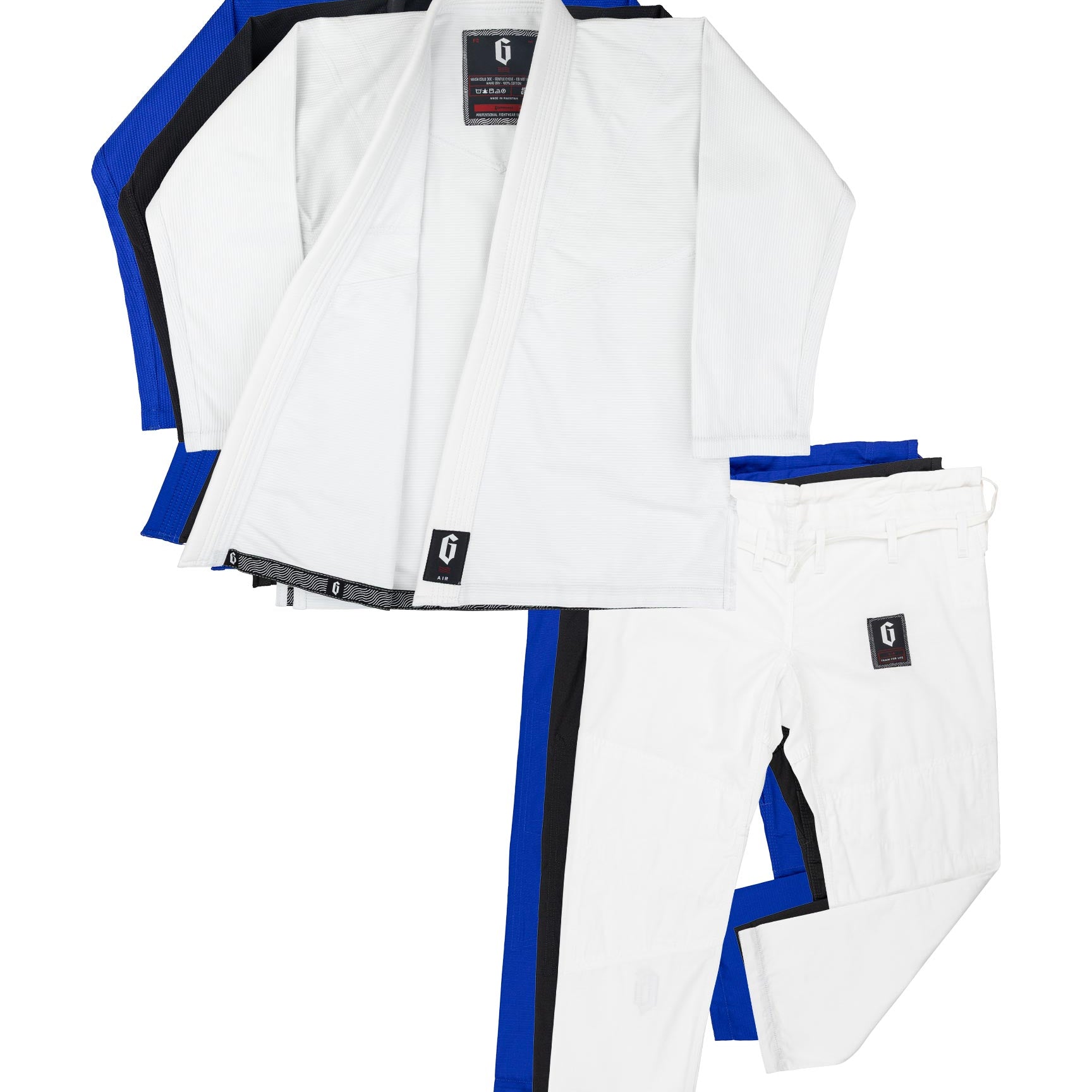
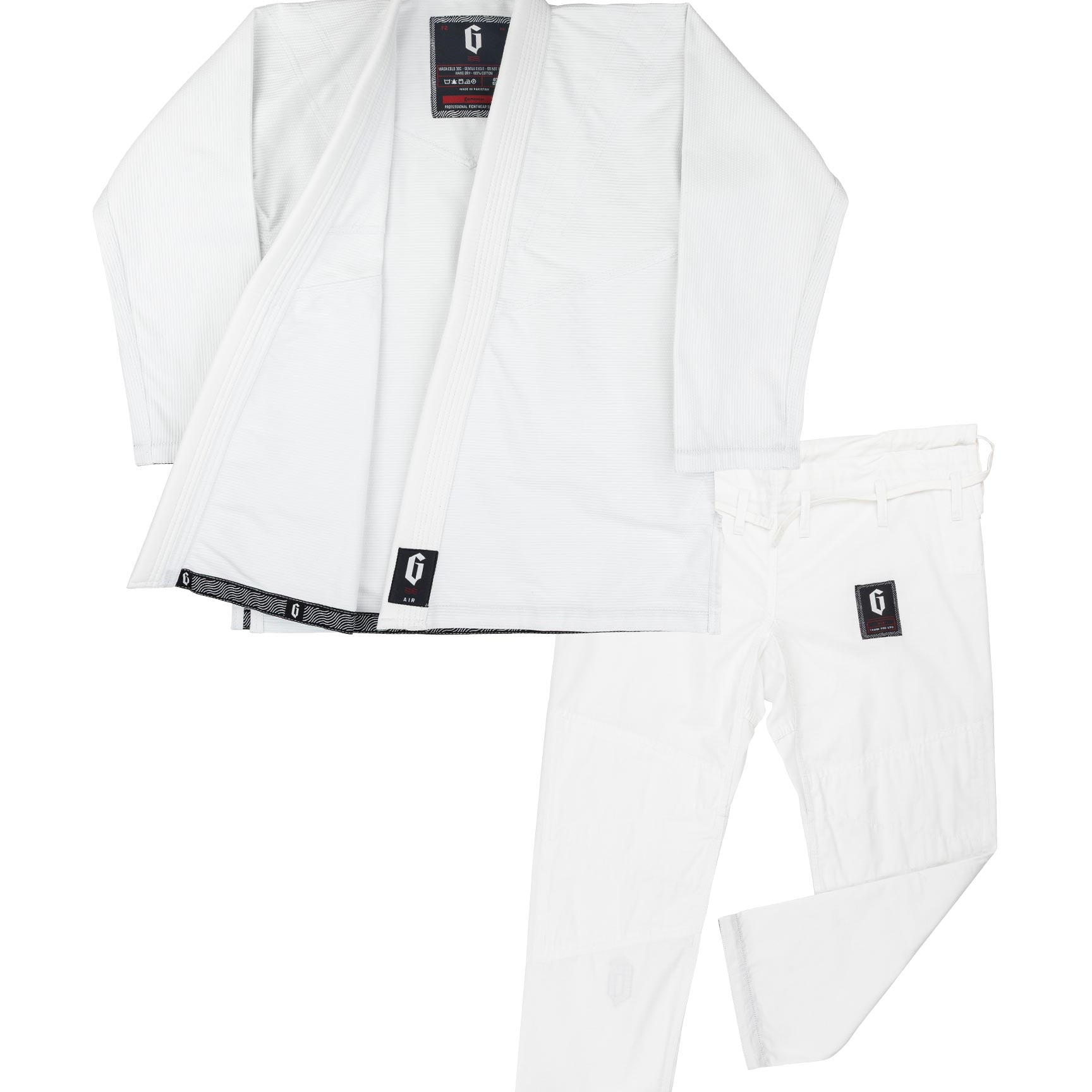
Shop Our New Releases






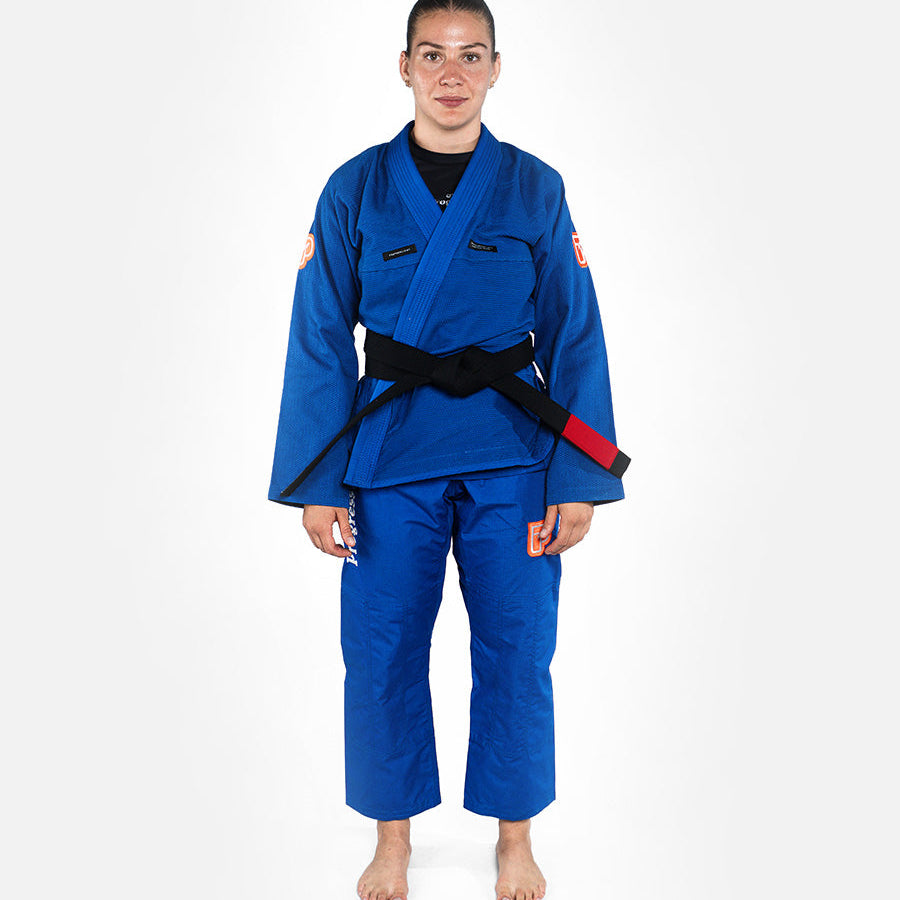
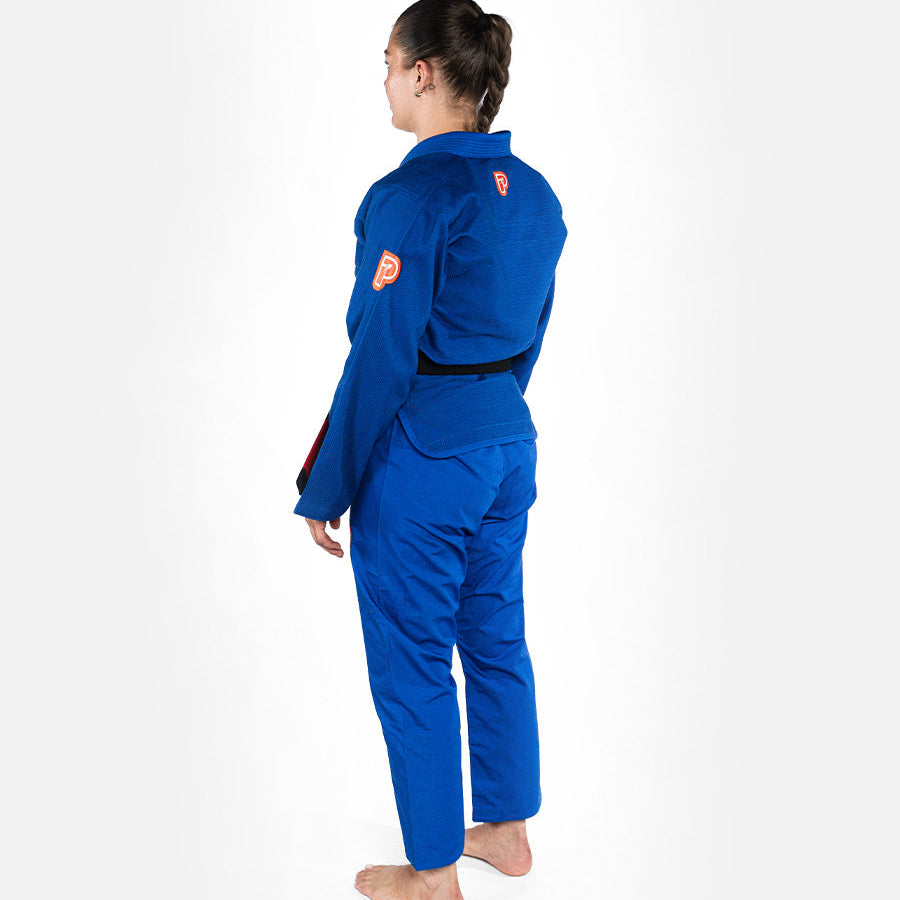
Fast & Free Shipping!
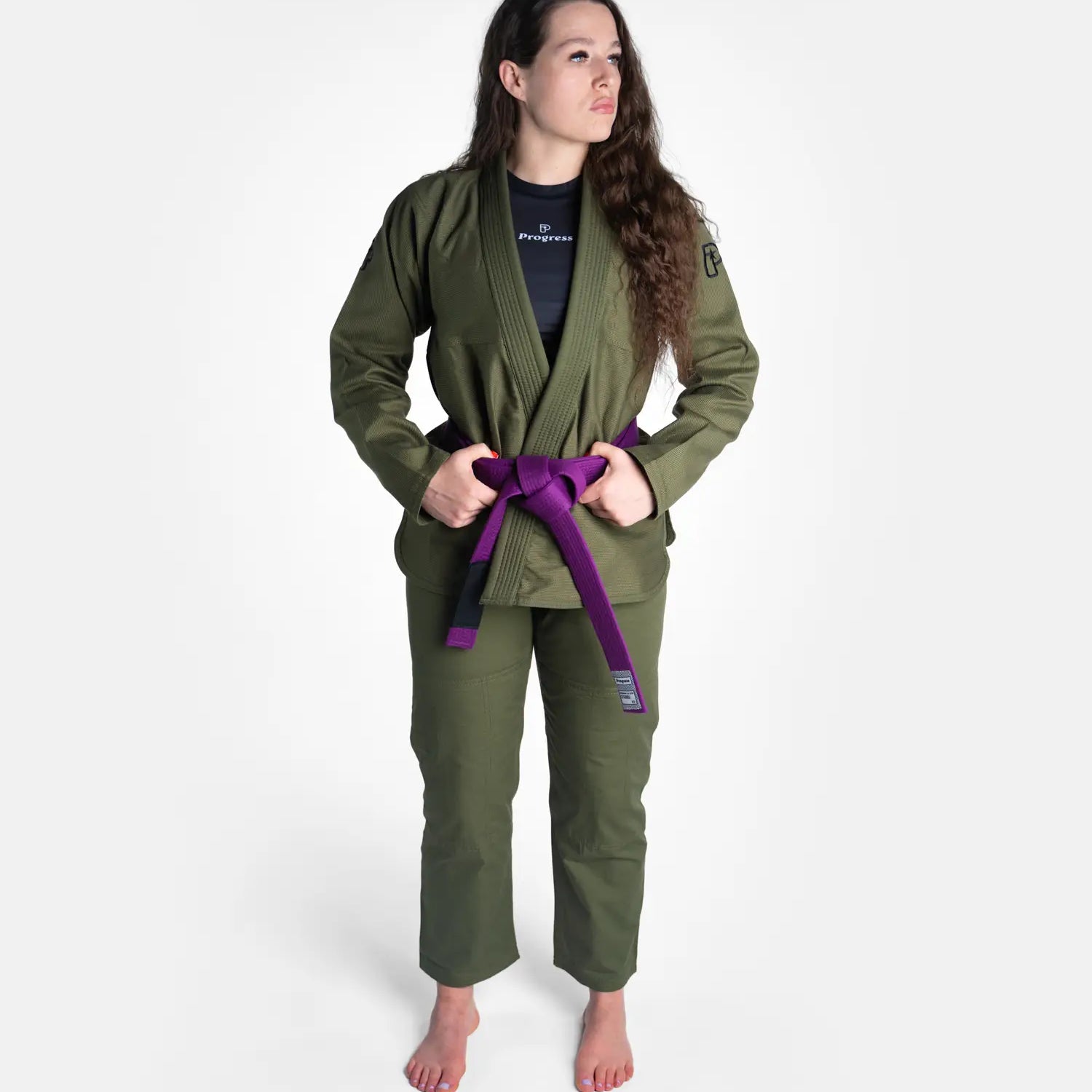
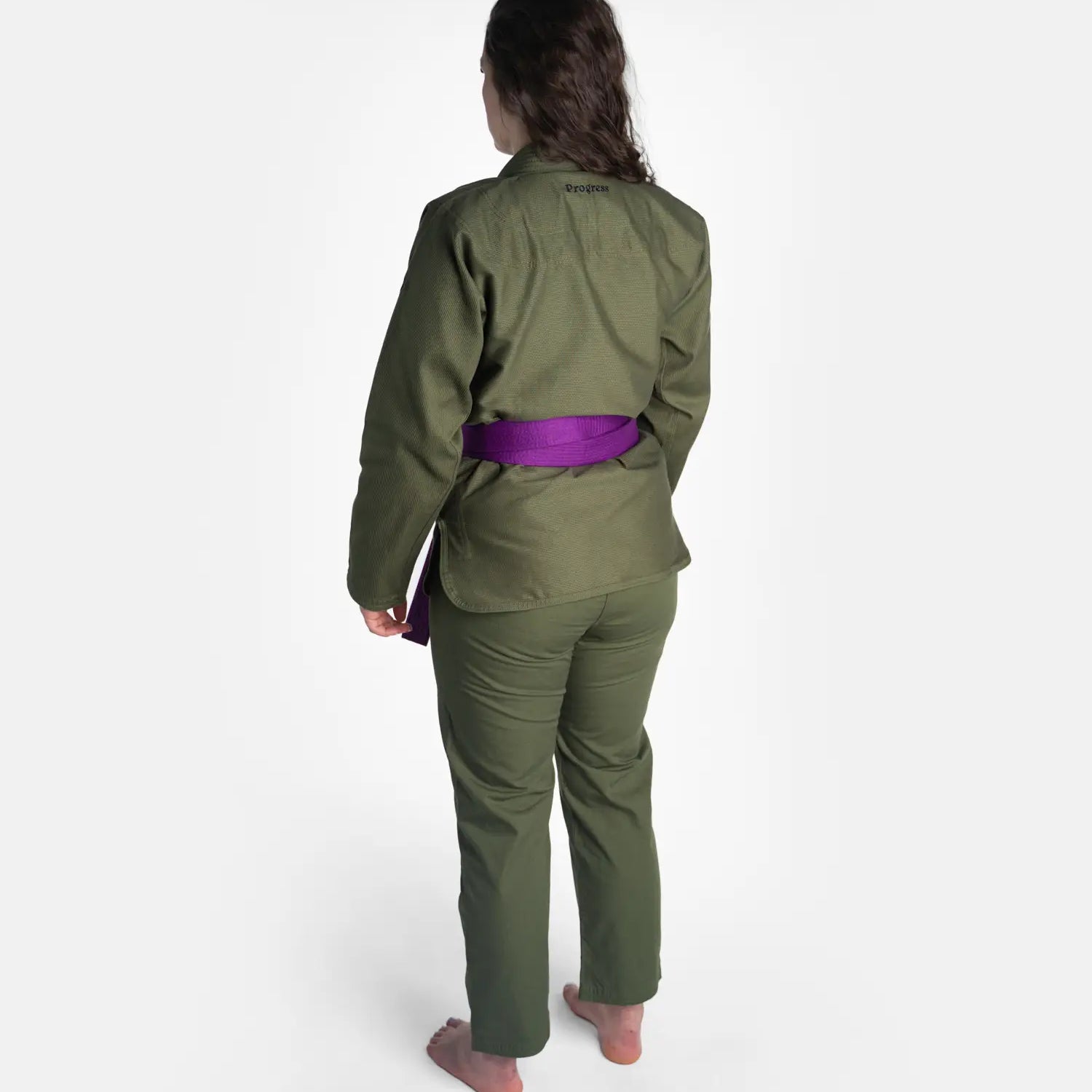




Fast & Free Shipping!


Fast & Free Shipping!







Fast & Free Shipping!






Fast & Free Shipping!






Fast & Free Shipping!