Don’t Quit Jiu Jitsu
Why Taking “Just a Short Break” Can End Your Journey

Every Jiu Jitsu practitioner hits rough patches. It does not matter if you are a brand new white belt, a blue belt who just realized how deep the ocean really is, a purple belt bored with your own A game, or a black belt who has been around long enough to have a favorite brand of athletic tape. At some point, Jiu Jitsu becomes hard in a way that has nothing to do with armbars.
Life gets busy. Work gets heavier. Your kids need you. Your body starts talking back. Motivation drops. You get tired of being tired. You get injured, come back, get injured again, and start wondering if your hobby is just a complicated way to ruin your shoulders. Then the thought comes in: “Maybe I’ll just take a little time off.”
It sounds reasonable. Mature, even. You are not quitting. You are just taking a break. A short reset. A month or two. You will come back fresh. But here is the uncomfortable truth: in Jiu Jitsu, “just a short break” is often how people quit without admitting they are quitting.
I have seen it too many times. Good students. Talented students. People who loved the art. People who were one good season away from a major breakthrough. They step away for a little while, and somehow that little while becomes six months, then two years, then “I used to train.” That last sentence hits different when you hear it from someone who still misses it.
Jiu Jitsu Is Not Like Other Sports
People compare Jiu Jitsu to other activities all the time, but taking time off from Jiu Jitsu is not the same as taking time off from golf, tennis, softball, or lifting weights. If you stop playing basketball for a few months, you come back rusty. Your shot is off. Your legs burn. Your timing is bad. But after a few runs, you start to feel like yourself again. If you stop lifting weights, your numbers drop. Annoying, but measurable. You go back, put in the work, and climb again.
Jiu Jitsu is different because it is not just a physical skill. It is physical, technical, social, psychological, and emotional all at once. When you step away from Jiu Jitsu, you do not only lose conditioning. You lose rhythm. You lose timing. You lose your feel for pressure. You lose mat awareness. You lose your comfort in bad positions. You lose your place in the room.
That last one is bigger than people admit. In most sports, your absence affects your performance. In Jiu Jitsu, your absence affects your identity. You used to be the person who trained. You had your regular class, your regular partners, your jokes in the locker room, and your role in the room. Maybe you were the tough blue belt. Maybe you were the older guy with sneaky half guard. Maybe you were the wrestler everyone hated passing against. Maybe you were the smaller person who could survive anything.
When you stop showing up, the room keeps moving. New people join. Old people improve. The beginners you helped become dangerous. The people you used to beat start getting better rounds with your old training partners. The class schedule changes. The inside jokes change. The team evolves. Then when you come back, the mats feel familiar, but not quite yours. That can be hard to swallow.
The Ego Problem Nobody Wants To Talk About

The hardest part of returning to Jiu Jitsu usually is not the cardio. It is the ego. Yes, your lungs will burn. Yes, your grips will be weak. Yes, your hips will feel like they were replaced with office furniture. But the real problem is what happens when someone you used to handle starts handling you.
That is where a lot of people disappear again. A returning practitioner walks back in expecting to be a slightly rusty version of their old self. Instead, they find out the room has changed. The blue belt they used to smash is now a purple belt with sharp passing. The white belt who used to panic in mount now has a real knee cut. The guy you used to armbar every round now knows exactly how to shut your closed guard down.
Your techniques feel late. Your timing is off. Your reactions are slow. You see the sweep, but your body does not make it happen. You recognize the pass, but you do not frame in time. You know you should move, but there is a half second delay between your brain and your body. Then the story starts: “Man, I got so much worse.”
No, you did not. You stopped. They did not.
That distinction matters. You did not lose all your knowledge. You did not become bad at Jiu Jitsu. You just stepped off the moving walkway while everyone else kept walking. When you get back on, it feels like you went backward, but really the room went forward.
That can mess with people because Jiu Jitsu is already an ego management practice disguised as a combat sport. You spend years learning how to lose, how to be pinned, how to be submitted, and how to not take every round personally. Then you take a break, come back, and all those lessons get tested again. This is why returning requires humility. Not fake humility. Real humility. The kind where you say, “I am not who I was three months ago, six months ago, or two years ago. I have to earn my way back.” That is hard, but it is also the only way back.
Your Body Remembers Less Than Your Brain Thinks It Does
There is another danger when people return after time off: the mind remembers the old speed, but the body does not have the same capacity. Your brain remembers explosive scrambles, inversions, fast guard recoveries, wrestling exchanges, late stage escapes, and hard rounds with the biggest guy in class. Your body may remember the concept, but it may not have the mobility, strength, conditioning, tissue tolerance, or timing to perform it safely.
This mismatch is where injuries happen. A returning grappler often gets hurt because they try to train like the person they used to be, instead of the person they currently are. If you took three months off, your body is different. If you took a year off, your body is very different. If you took five years off, you might still have the same brain for Jiu Jitsu, but your knees, neck, back, and shoulders may have renegotiated the contract.
The most dangerous version of a returning student is not the one who forgot everything. It is the one who remembers just enough to go too hard. They almost pass. They almost escape. They almost win the scramble. They almost move like they used to. And “almost” is where the hamstring pops, the knee twists, the rib flares, the back locks up, or the shoulder gets caught in a bad angle. When you come back, you cannot let nostalgia coach your rounds. Your old self is not your coach. Your current body is.
The Break Becomes A Story
Most people do not quit Jiu Jitsu in one dramatic moment. They quit through a series of reasonable decisions. “I’ll take a week off to recover” becomes “I’ll come back once work slows down.” Then it becomes “I’ll restart after this trip,” then “I do not want to come back out of shape,” then “I should probably lose some weight first,” then “I need to find the right time.”
Then years pass.
This is how Jiu Jitsu disappears from people’s lives. Not because they stopped caring. Not because they hated it. Not because they made a clear decision to quit forever. They just kept postponing the return. The longer you are away, the heavier the return feels. After two weeks, you feel rusty. After two months, you feel behind. After two years, you feel like a stranger. The academy that used to feel like a second home starts to feel like a place where you need permission to exist again.
That emotional weight becomes its own barrier. Eventually, the person does not just stop training. They become someone who used to train. That phrase bothers me because I have heard it with regret in people’s voices. “I used to train” is usually not said like “I used to play trumpet in high school.” It is said like there is unfinished business there.
If You Are Burned Out, Don’t Quit. Downshift.
I am not saying everyone should train five days a week forever. That is not realistic, and for a lot of people it is not even smart. There are seasons of life where hard training makes sense. There are seasons where maintenance is the goal. There are seasons where survival is the goal. The mistake is thinking your only choices are full intensity or nothing.
If you are burned out, do not quit. Downshift. If you normally train five days a week, train twice. If you cannot make night classes, go to one morning class. If you are too exhausted for sparring, drill. If your body is beat up, do positional rounds. If competition training is crushing your soul, stop training like you are in camp.
The goal is to stay connected. One or two sessions per week may not make you progress at the fastest rate, but it keeps your identity intact. It keeps your body familiar with the movements. It keeps your relationships alive. It keeps the academy from becoming foreign. It keeps Jiu Jitsu as something you do, not something you used to do.
A student training twice a week for ten years will usually go further than the student who trains six days a week for six months and then vanishes. Consistency beats intensity over the long haul. Not because intensity is bad. Intensity is useful. There are times to push. But intensity without sustainability is just a bonfire. It burns hot, looks impressive, and then it is gone.
Train Lighter Before You Train Less
A lot of people think they need a break when what they really need is to stop treating every round like a life or death situation. This is especially true for hobbyists in their 20s, 30s, and 40s who train like they have a world championship final on Saturday but also have a mortgage, a job, and a lower back that clicks when they stand up.
Not every roll needs to be hard. In fact, if every roll is hard, your development is probably worse than you think. You are not learning as much as you could because you are always in survival mode. You are not exploring. You are not testing new positions. You are not letting yourself fail intelligently. You are just trying to win five minute arguments with people wearing gis.
There is a place for hard rounds. I love hard rounds. You need them. They reveal truth. But technical rounds are where a lot of growth happens. Flow rolling, positional sparring, specific training, starting from bad positions, rolling with lower belts while giving yourself constraints, and rounds where you are not allowed to use your A game all have real value. Rounds where your goal is breathing, posture, and timing instead of domination are not soft. They are mature.
If your body is wearing down and your motivation is fading, try changing how you train before you decide you need to stop training. Sometimes burnout is not from Jiu Jitsu. Sometimes burnout is from your relationship with intensity.
Sometimes The Gym Is The Problem

Here is another thing people do not want to say out loud: sometimes the problem is not Jiu Jitsu. Sometimes it is the room.
Not every academy is the right fit forever. Your needs change. Your body changes. Your goals change. The gym culture may change too. Maybe you are training in a room where every round is too aggressive. Maybe the schedule no longer fits your life. Maybe the instruction does not line up with how you learn. Maybe you need more fundamentals. Maybe you need more advanced rooms. Maybe you need less competition energy. Maybe you need more of it.
There is no shame in visiting another academy, trying a different class time, or changing your training environment. People get weirdly loyal to suffering in Jiu Jitsu. They will say, “I don’t know, I’m just not feeling it anymore,” but what they mean is, “This particular setup is no longer working for me.” That is not the same thing.
A new room can wake you back up. Different partners expose different problems. Different instructors say the same concept in a way that finally lands. Different class formats can make training feel fresh again. Even just visiting open mats can remind you that Jiu Jitsu is bigger than your current routine. Before you quit the art, make sure you are not just tired of one version of it.
Stay Connected Outside The Academy
There will be times when you genuinely cannot train much. A newborn at home. A demanding work season. A move. An injury. Financial stress. Illness. Family obligations. These are real. Adults have adult lives, and pretending otherwise is childish. But even when you cannot train normally, you can stay connected.
Watch instructionals with a purpose. Do not just collect them like digital trophies. Pick one position and study it. Take notes. Visualize the entries. Think about where it fits into your game. Drill with a friend if you can. Even thirty minutes of movement, grip fighting, guard retention patterns, or positional reps can keep the art alive in your body.
Do solo movement. Shrimping, technical stand ups, hip switches, bridges, sprawls, shoulder mobility, deep squat work, neck and spine care. It is not the same as rolling, but it keeps your body from becoming a stranger to grappling movement. Stay in touch with your teammates. Show up to watch a competition. Drop by the gym even if you are injured. Keep the thread alive.
The worst thing you can do is vanish completely, because when you vanish, you do not just lose training time. You lose friction. And sometimes friction is what gets you back through the door.
Motivation Is Overrated
A lot of people wait to feel motivated before they return. That is backward. Motivation is not the engine. It is the exhaust. It often shows up after action, not before it. If you wait until you feel perfectly inspired, perfectly healthy, perfectly confident, perfectly in shape, and perfectly ready, you may never go back.
The people who last in Jiu Jitsu are not always the most motivated. They are not always the most talented. They are not always the toughest. They are the people who build training into their lives in a way that can survive bad moods. They train when they are excited, when they are annoyed, when they feel sharp, when they feel slow, when they are plateaued, and when life is messy.
Not always at the same pace. Not always with the same intensity. But they keep some kind of contact with the mats. That is the secret, if there is one. Longevity in Jiu Jitsu is not about never struggling. It is about learning how to struggle without disappearing.
The Plateau Is Not A Reason To Leave
One of the most common times people take breaks is during a plateau. They feel like they are not improving. They keep getting stuck in the same spots. Their A game stops working. Lower belts are catching up. Higher belts feel impossibly far away. Training starts to feel repetitive.
This is normal. Plateaus are not proof that you are failing. They are often proof that your standards have improved. At white belt, improvement is obvious because everything is new. You learn how to shrimp, how to frame, how to escape mount, and how to recognize danger. Every week gives you something clear.
Later, improvement becomes more subtle. You do not suddenly become a different grappler every month. You sharpen details. You make fewer mistakes. You lose later in the sequence. You survive longer. You force better reactions. You understand why something failed. That kind of progress is easy to miss.
A lot of people quit right before the next layer opens up because they mistake discomfort for stagnation. Sometimes the answer to a plateau is not time off. It is better questions. Where am I consistently losing position? What grip is beating me? What happens right before I get passed? Am I avoiding a position I need to study? Do I have a real plan from guard, or just reactions? Am I training to improve, or training to prove I am good?
Those questions keep you engaged. Quitting does not.
If You Do Take A Break, Be Honest About It
There are legitimate reasons to take time away. Major injuries. Surgery. Family emergencies. Mental health. Financial reality. Big life transitions. Sometimes stepping away is necessary, and nobody should shame you for that. But be honest about what you are doing.
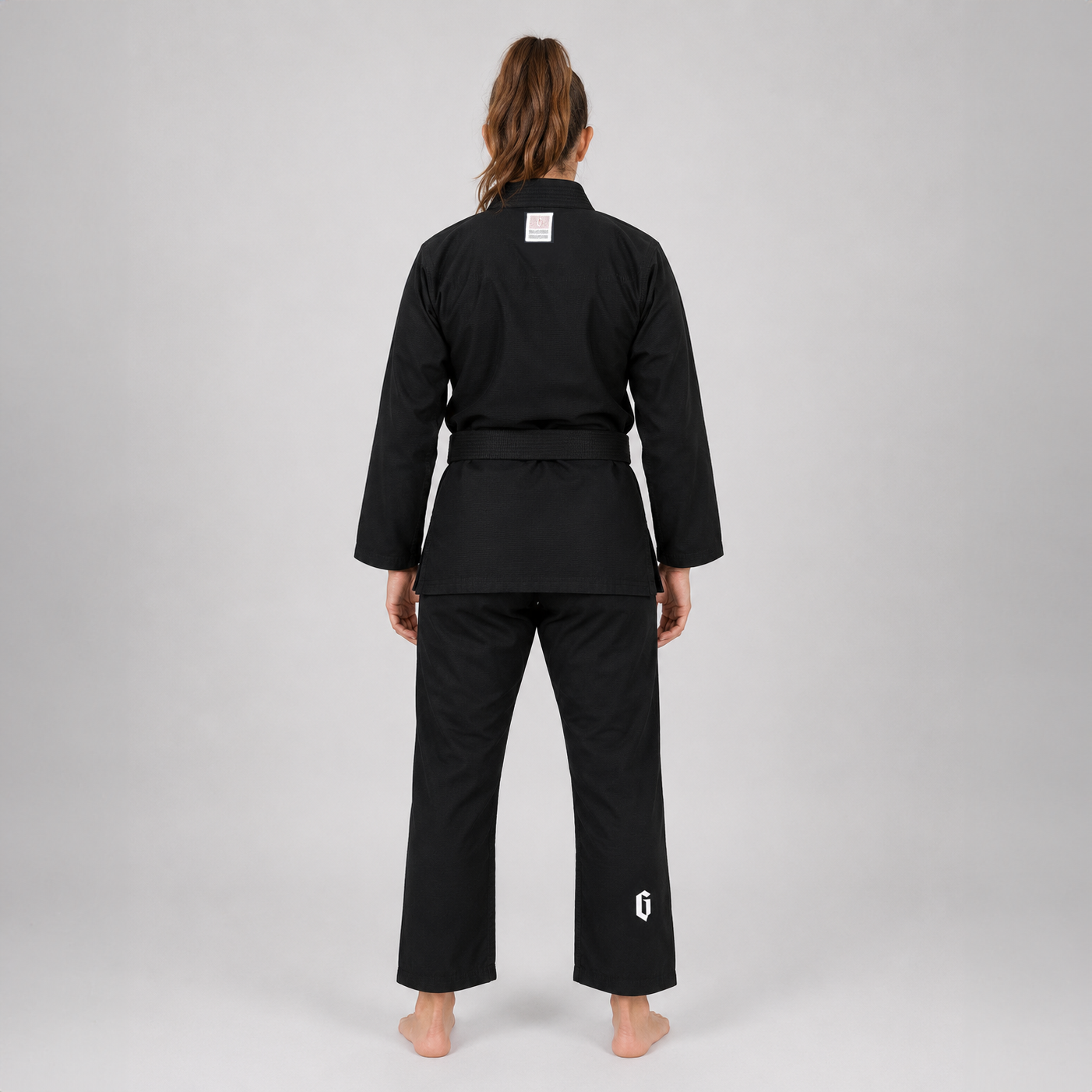
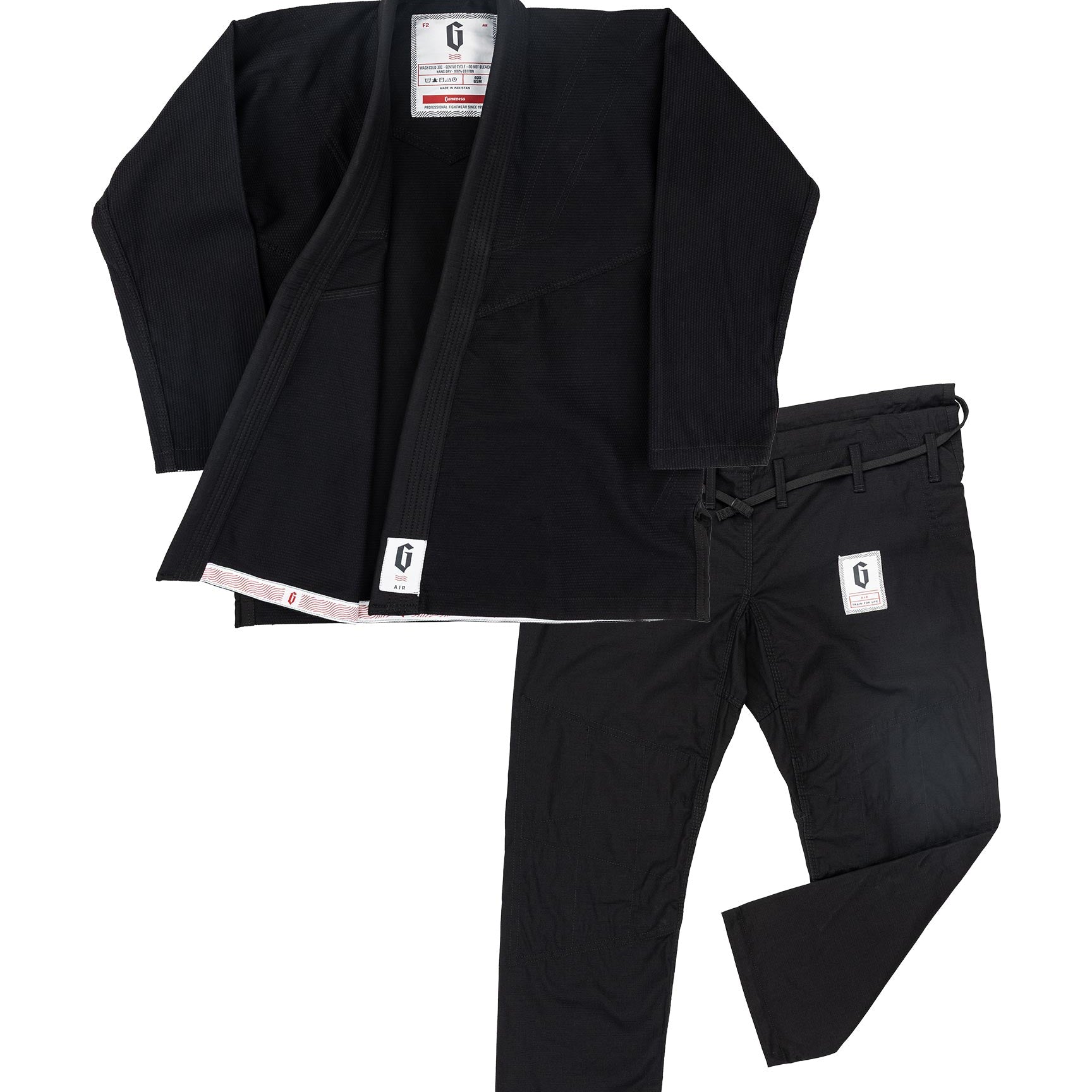
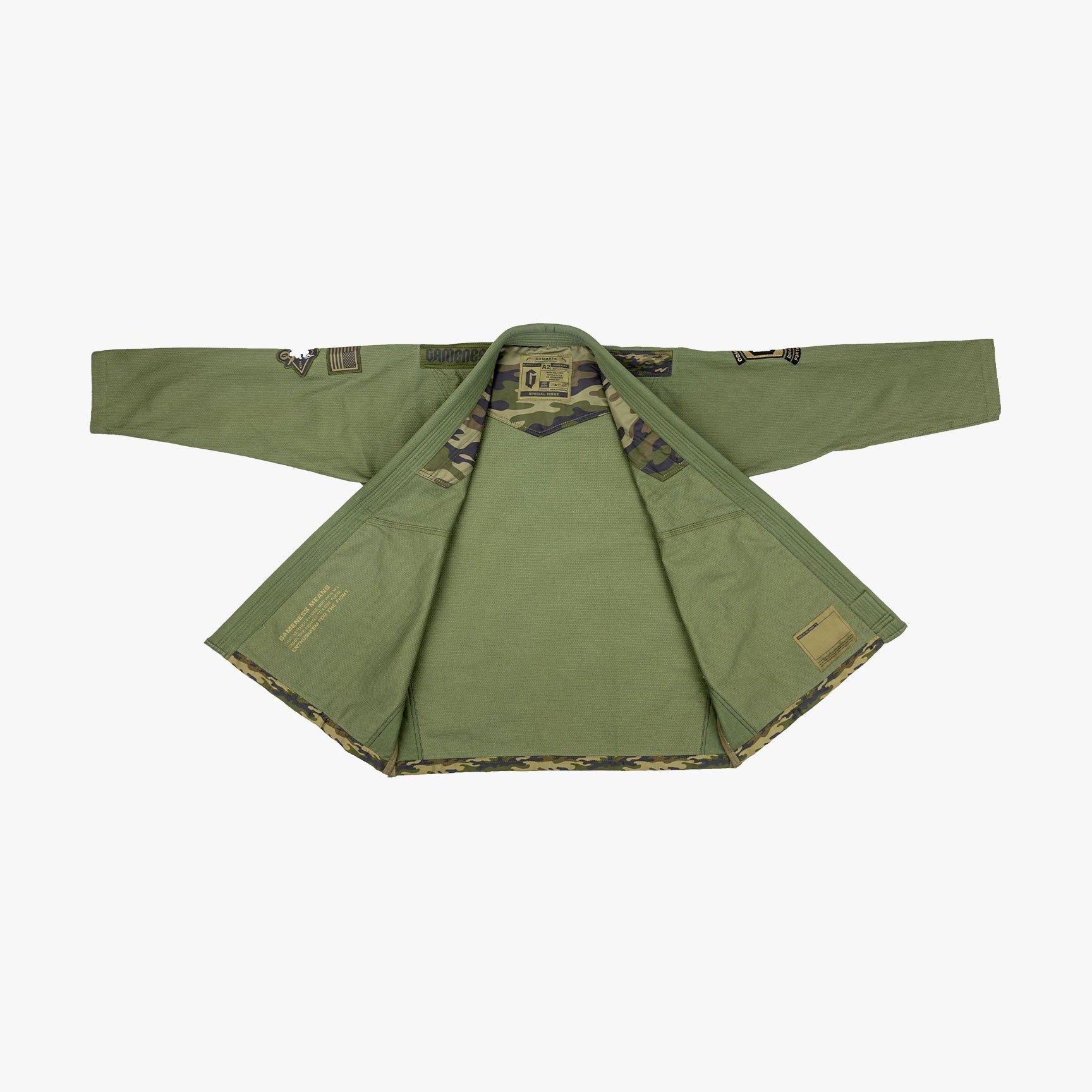
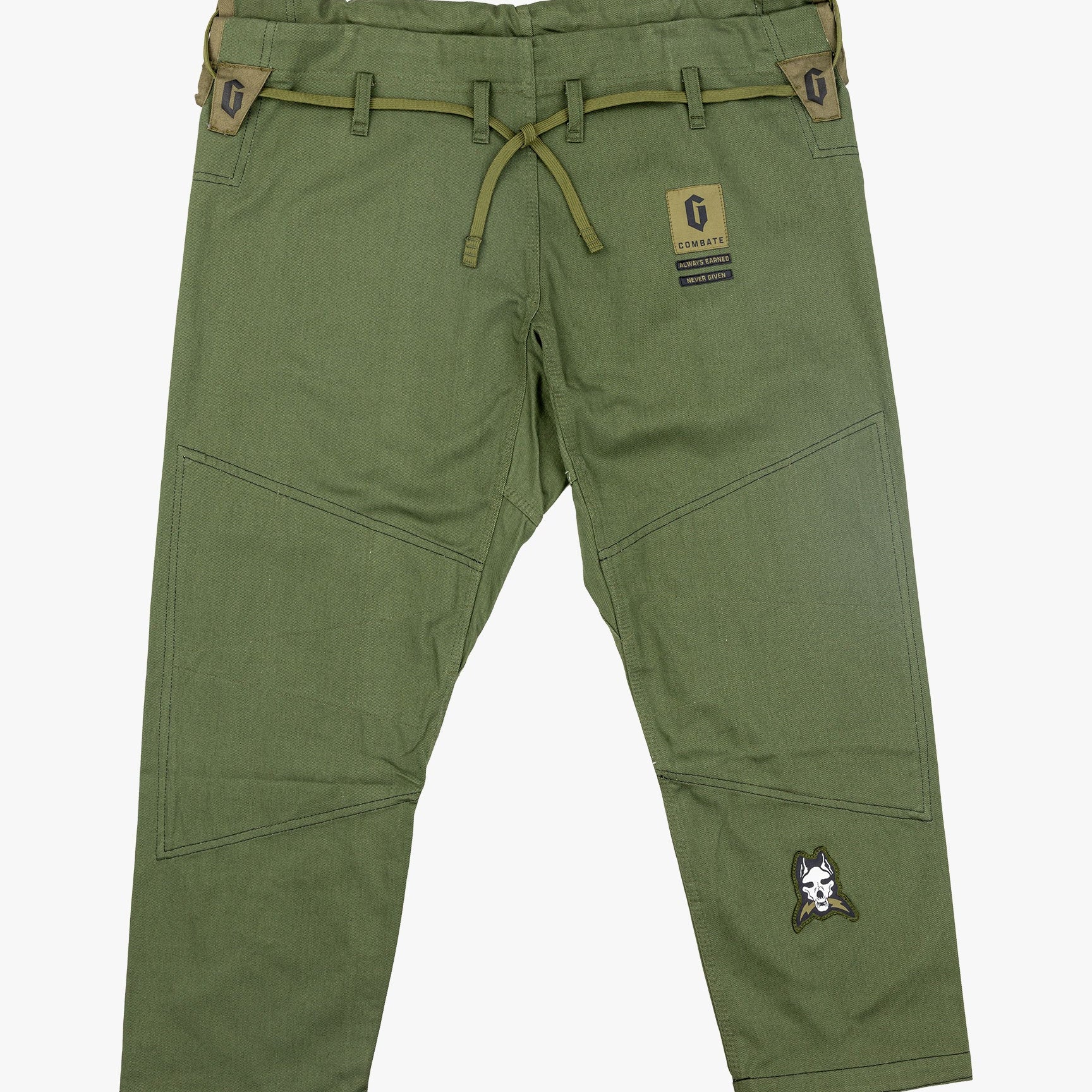
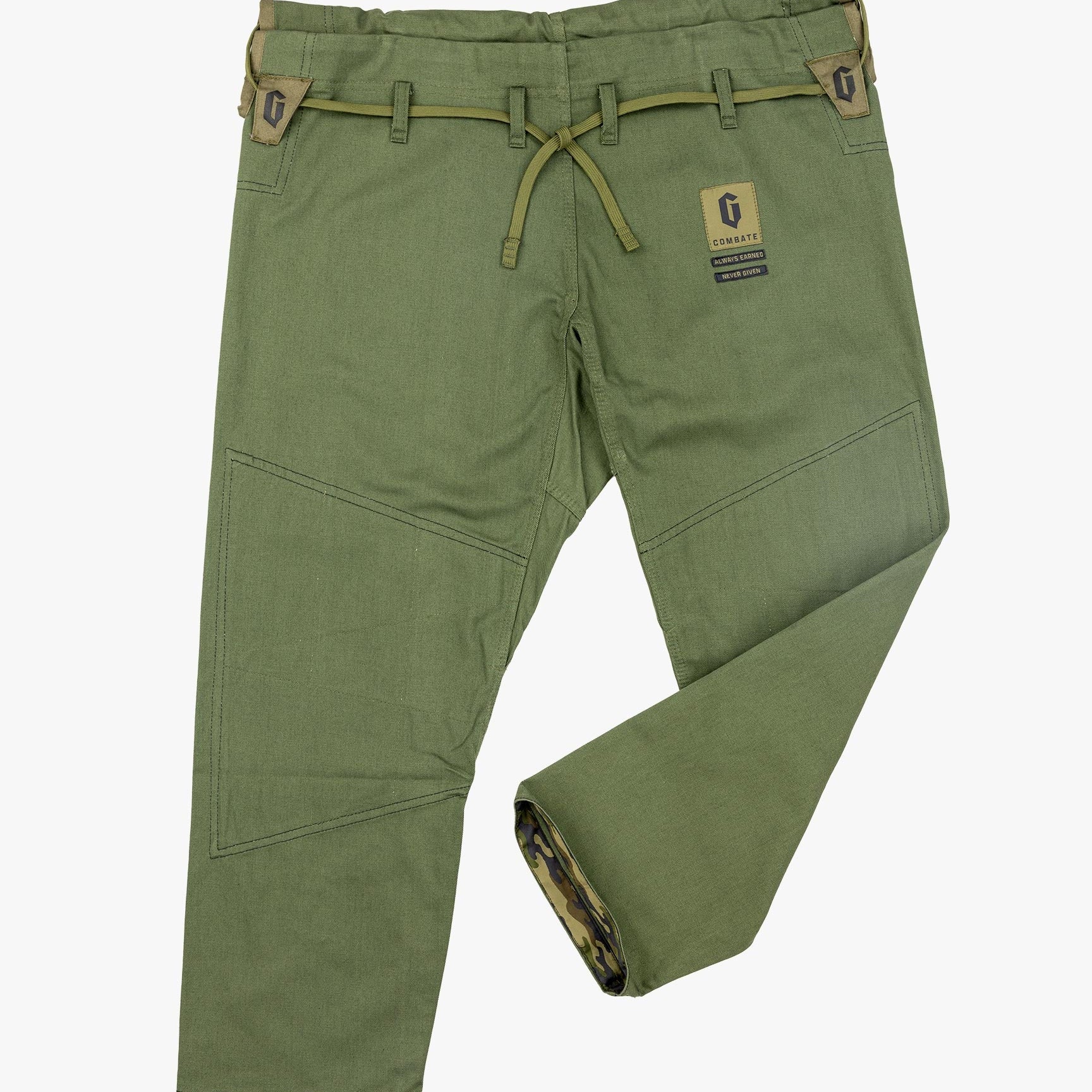
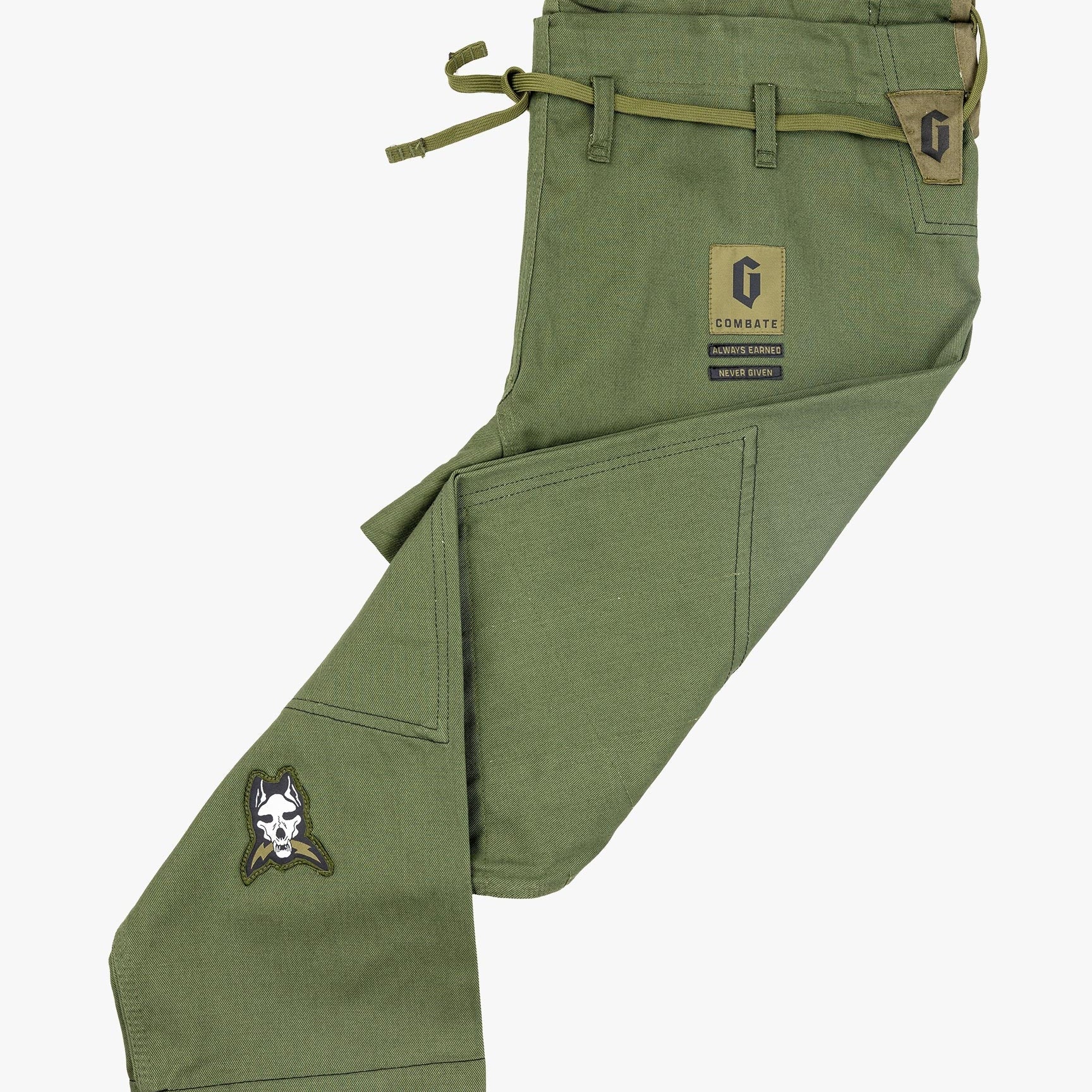
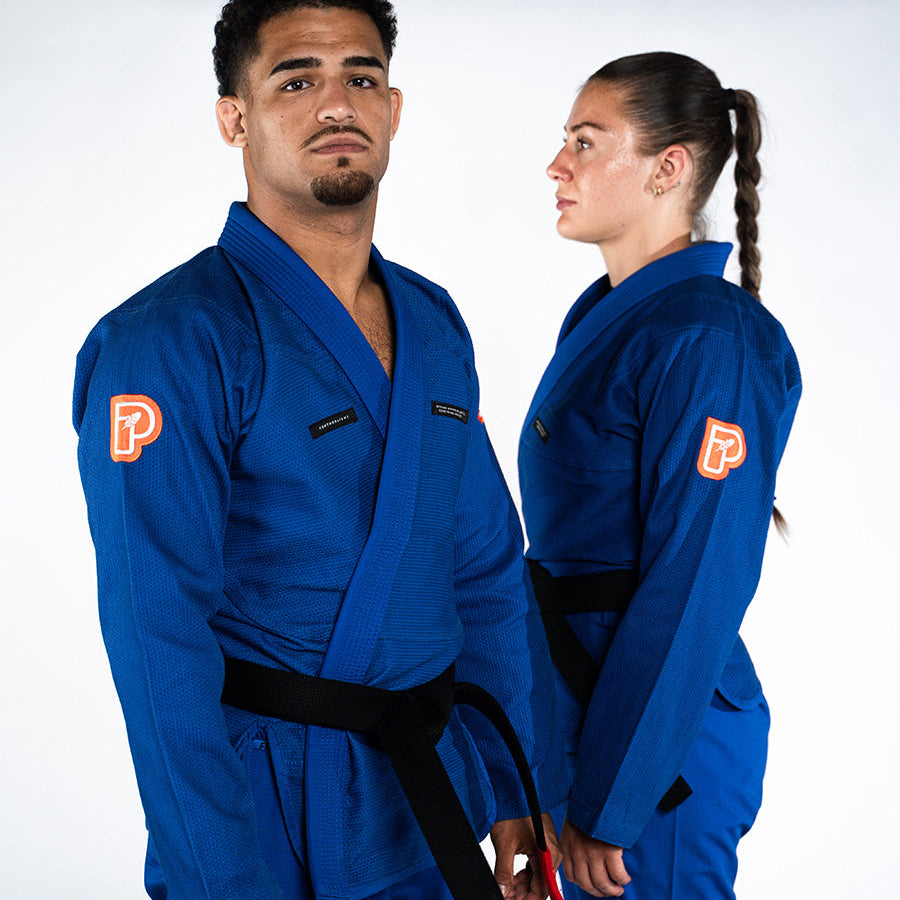
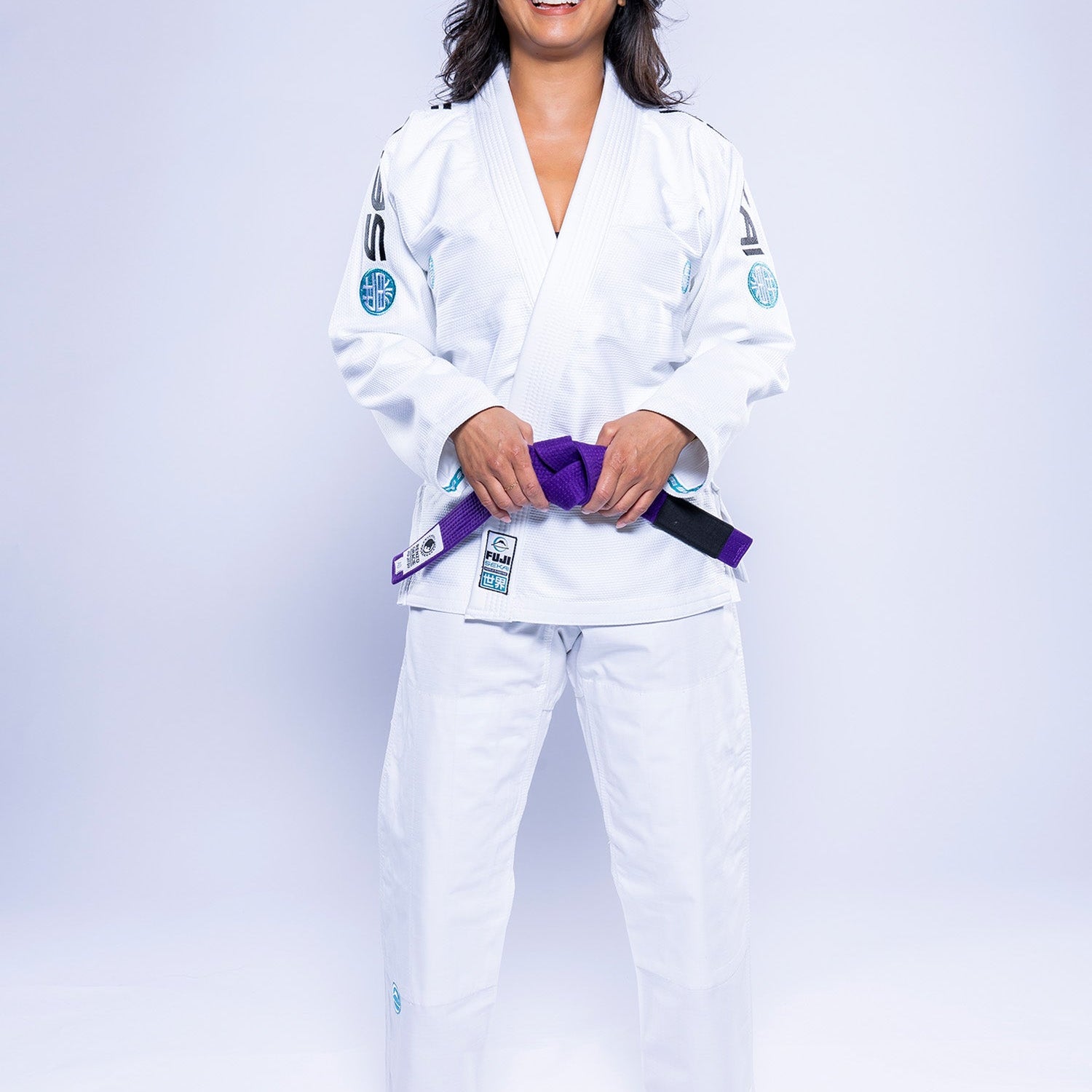
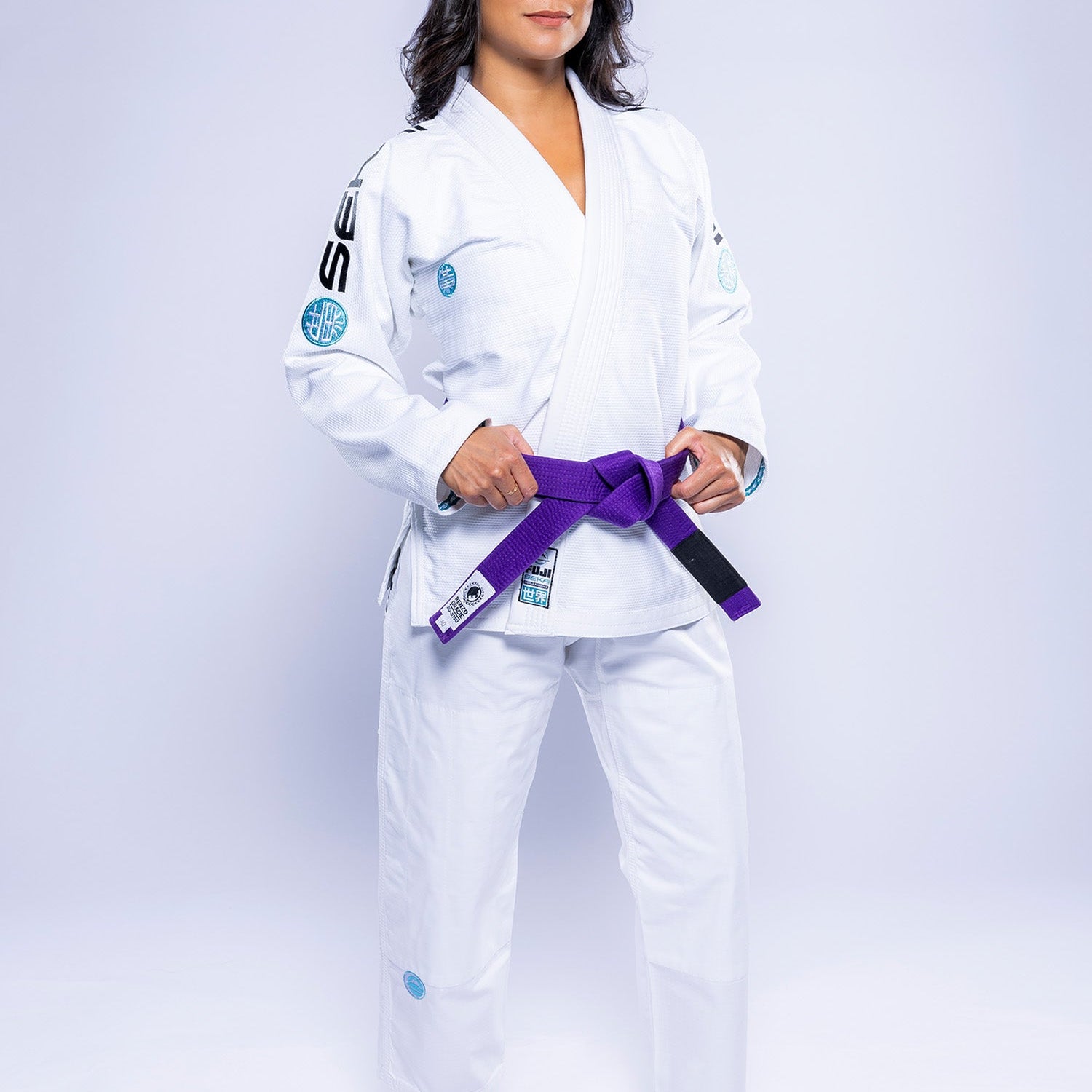
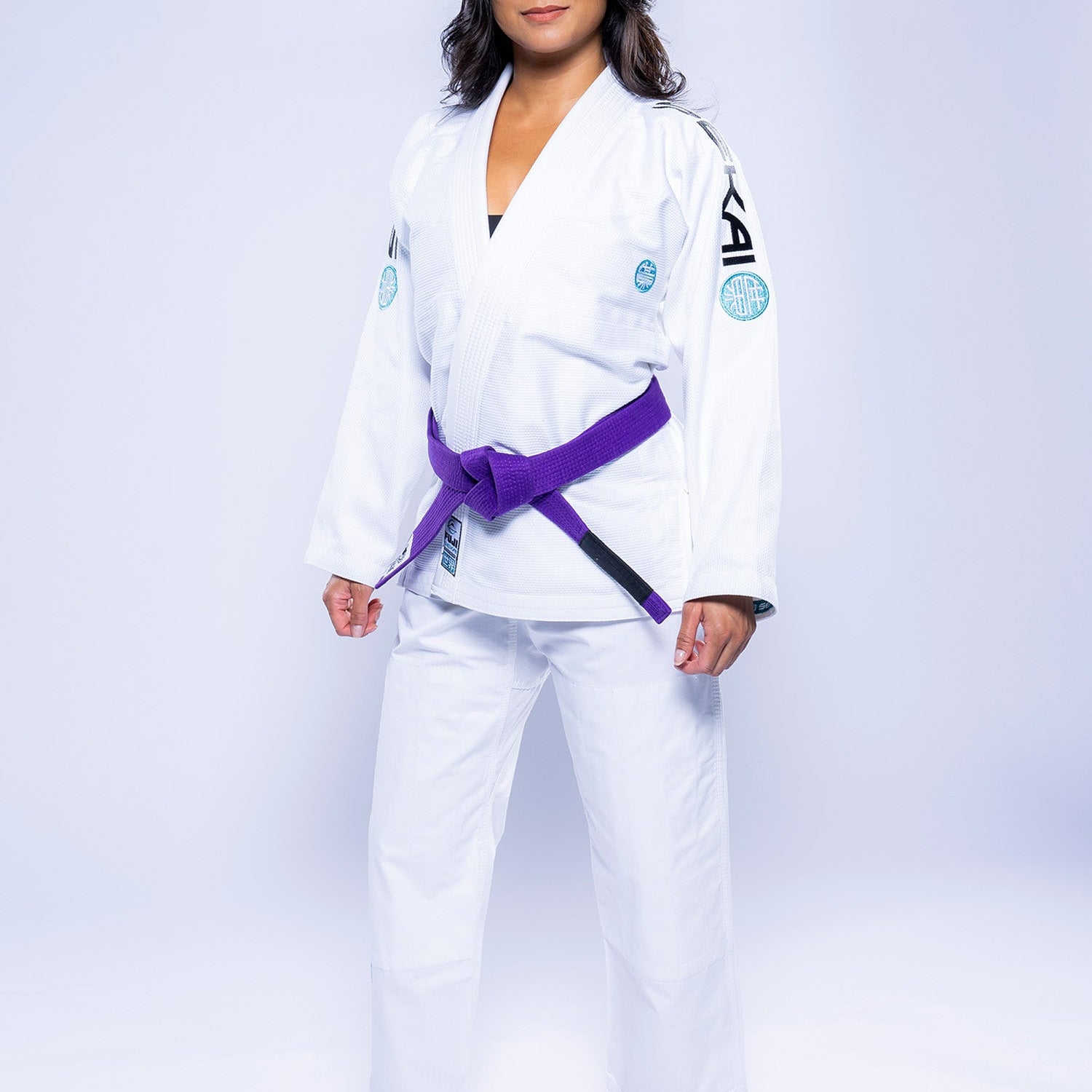
A planned break is different from drifting. If you need two weeks, take two weeks. Put the return date on the calendar. Tell your coach. Tell your training partners. Keep your bjj gi visible. Stay connected. If you need to heal, heal like an athlete. Rehab. Walk. Lift if you can. Do mobility. Study. Do not turn recovery into total disconnection.
If your life is overloaded, decide what minimum contact looks like. Maybe it is one class per week. Maybe it is open mat twice a month. Maybe it is drilling at home. Maybe it is just staying in the group chat and watching class when you can. The danger is not rest. The danger is vague rest with no return path.
Coming Back The Right Way
If you have already taken time off, the answer is not shame. Shame is useless. Just come back intelligently. Start smaller than your ego wants. Your first month back should be boring on purpose. That is a good thing.
Do not chase your old rank’s performance immediately. Do not try to prove you still belong. Do not pick the hardest rounds in the room to make a statement. Do not measure your current self against your peak self. Give yourself time to rebuild.
Focus on fundamentals. Frames, posture, breathing, base, pressure, guard retention, and escapes are not beneath you. They are what make everything else work. Tap early, especially in the beginning. Your submission defense timing may be off, and your joints may not tolerate late escapes the way they used to.
Communicate with partners. Tell them you are easing back in. Good training partners will respect that. If someone does not, do not roll with them yet. Leave class wanting more. That is better than crawling out destroyed and missing the next two weeks. The first goal is not to become great again. The first goal is to become regular again.
The Art Rewards The People Who Stay
Jiu Jitsu is humbling because it does not care about your intentions. It only responds to time, attention, and honest effort. You can love Jiu Jitsu and still lose progress. You can miss Jiu Jitsu and still not return. You can plan to come back and still become someone who never does.
That sounds harsh, but it is not meant to be discouraging. It is meant to be clarifying. The mats reward contact. Not perfection. Not constant motivation. Not endless intensity. Contact. Keep showing up in some form, and Jiu Jitsu keeps a place for you. Step away completely, and the return gets harder every month.
Final Thoughts

If you are close to quitting Jiu Jitsu, do not make the decision when you are tired, injured, frustrated, or embarrassed. Adjust first. Train less. Train lighter. Change your schedule. Change your partners. Visit another academy. Study more. Compete less. Compete more. Focus on fundamentals. Take care of your body. Lower the intensity. Redefine what a successful week of training looks like.
Do whatever you need to do to stay connected to the art, because for many practitioners, the end of Jiu Jitsu does not look like a dramatic goodbye. It looks like a short break, then another week, then another month, then the quiet, uncomfortable realization that the thing you loved has become something you used to do.
And that is a bigger loss than a few bad rounds, a bruised ego, or a season of training less than you wanted. Don’t quit just because you need to slow down. Slow down. Then keep going.
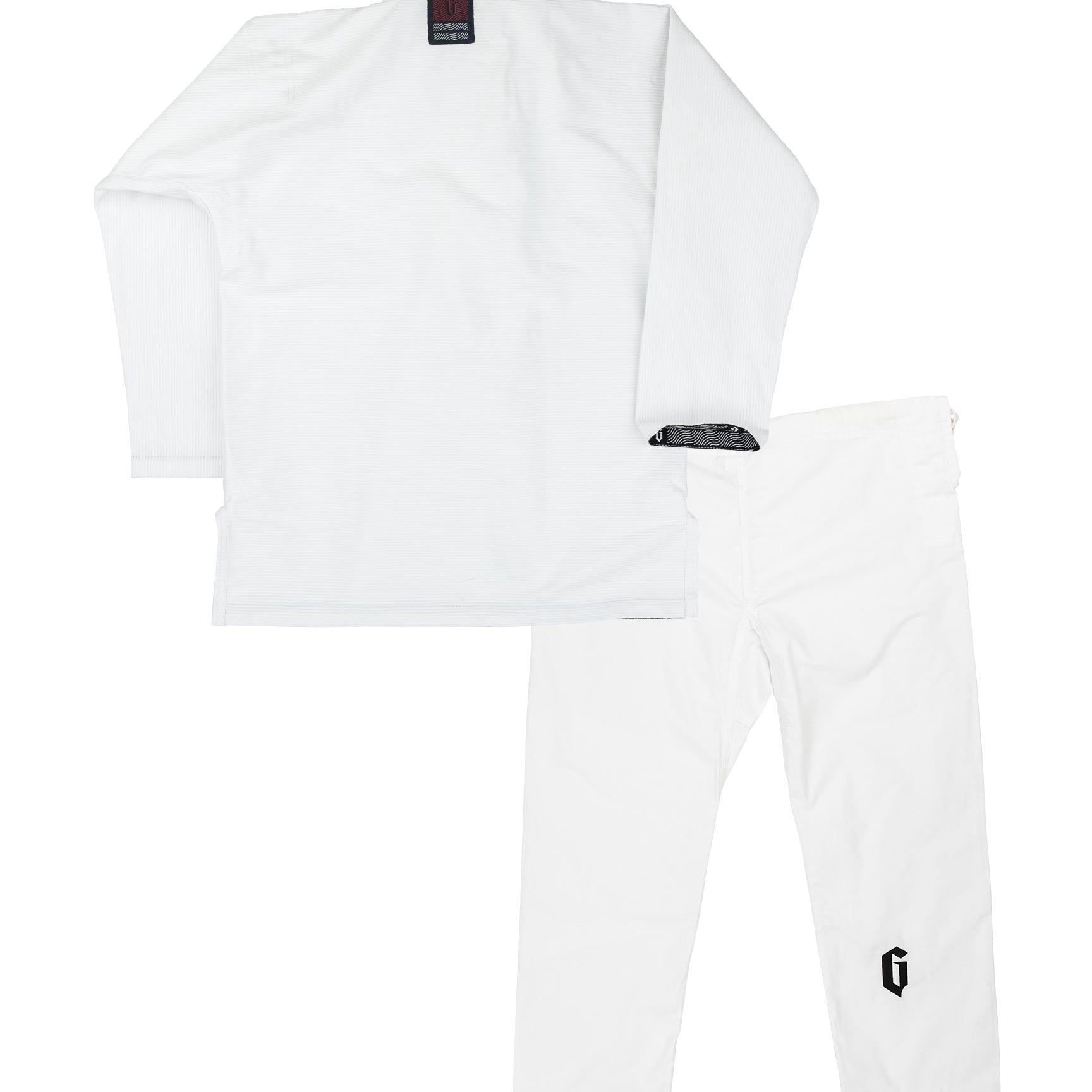
Shop Our New Releases


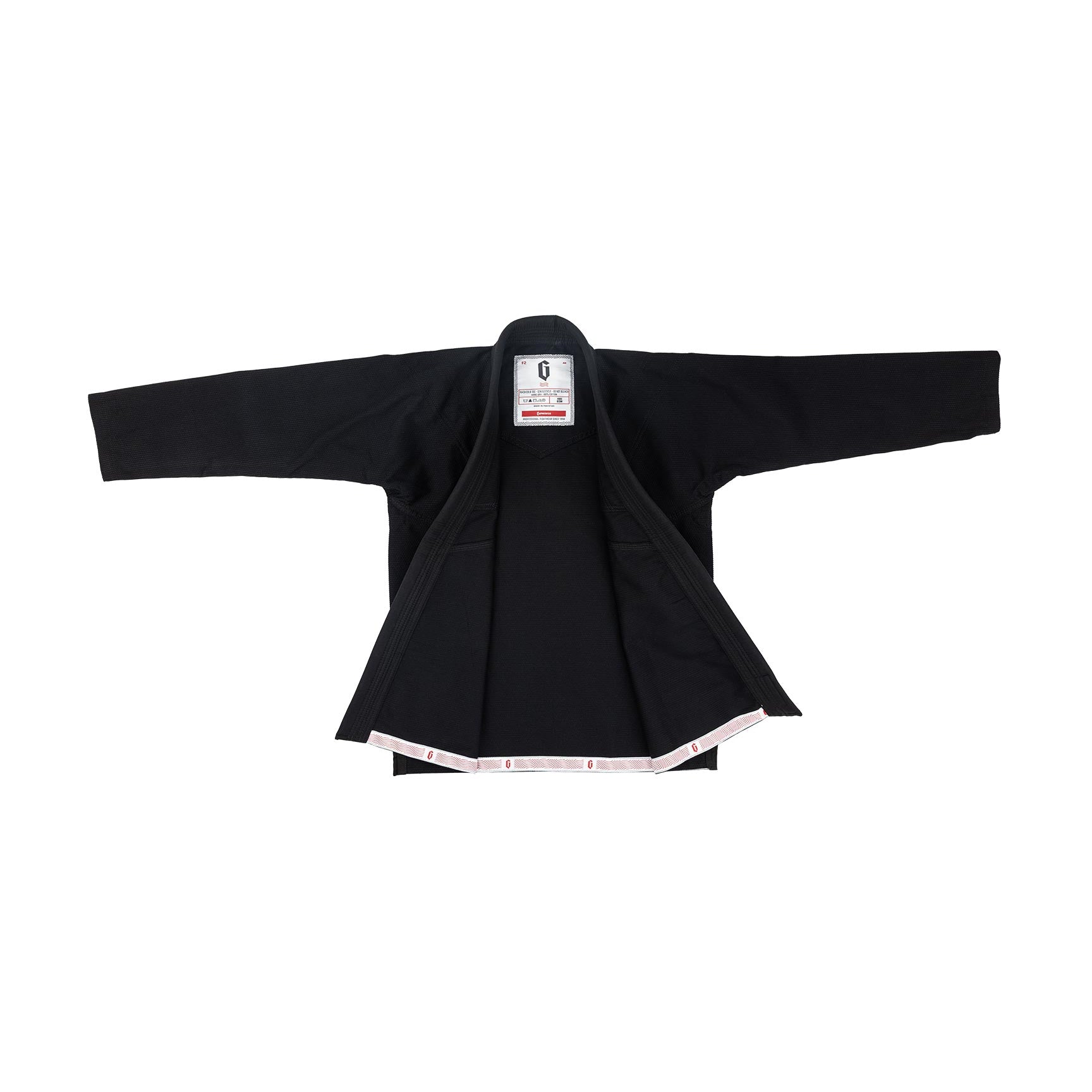
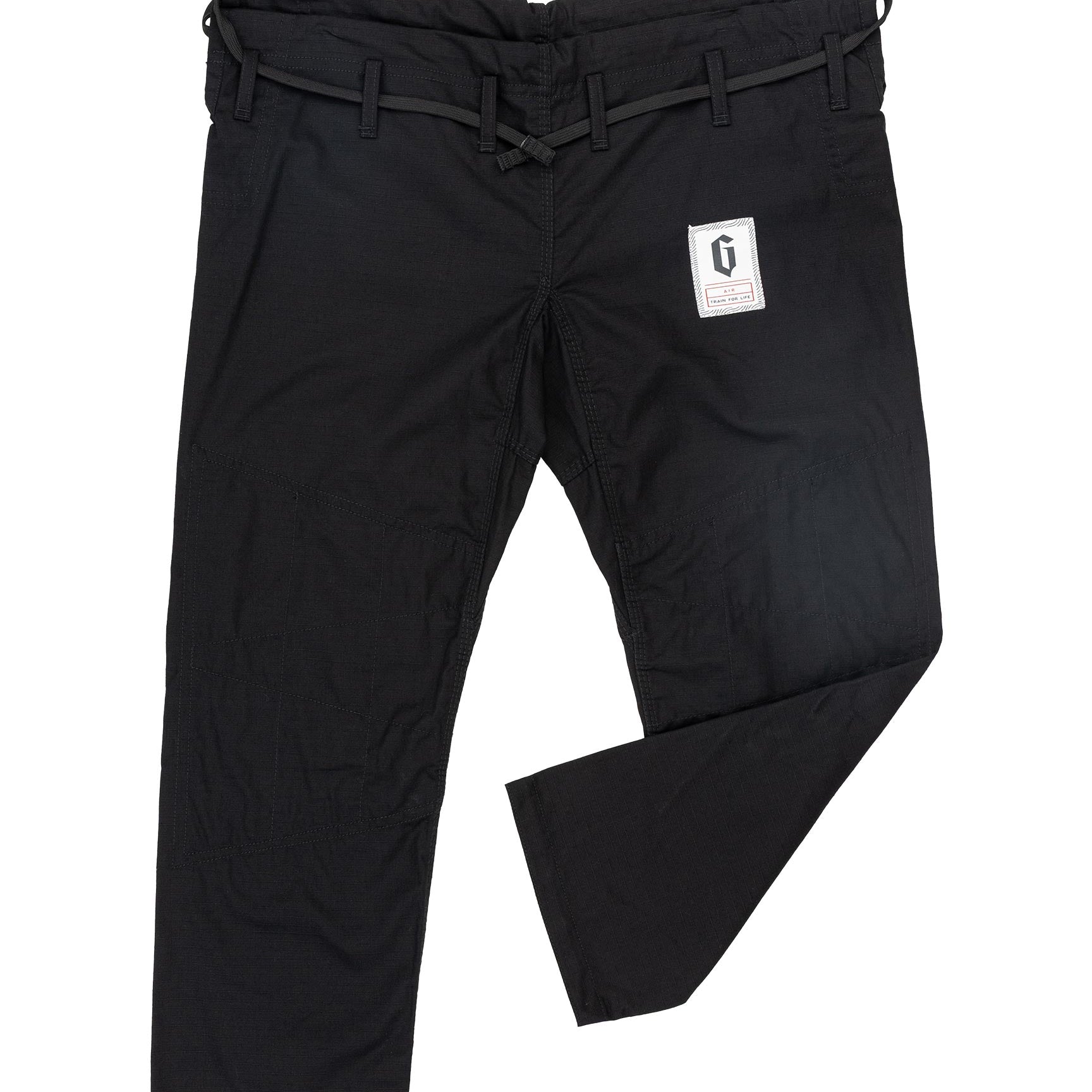
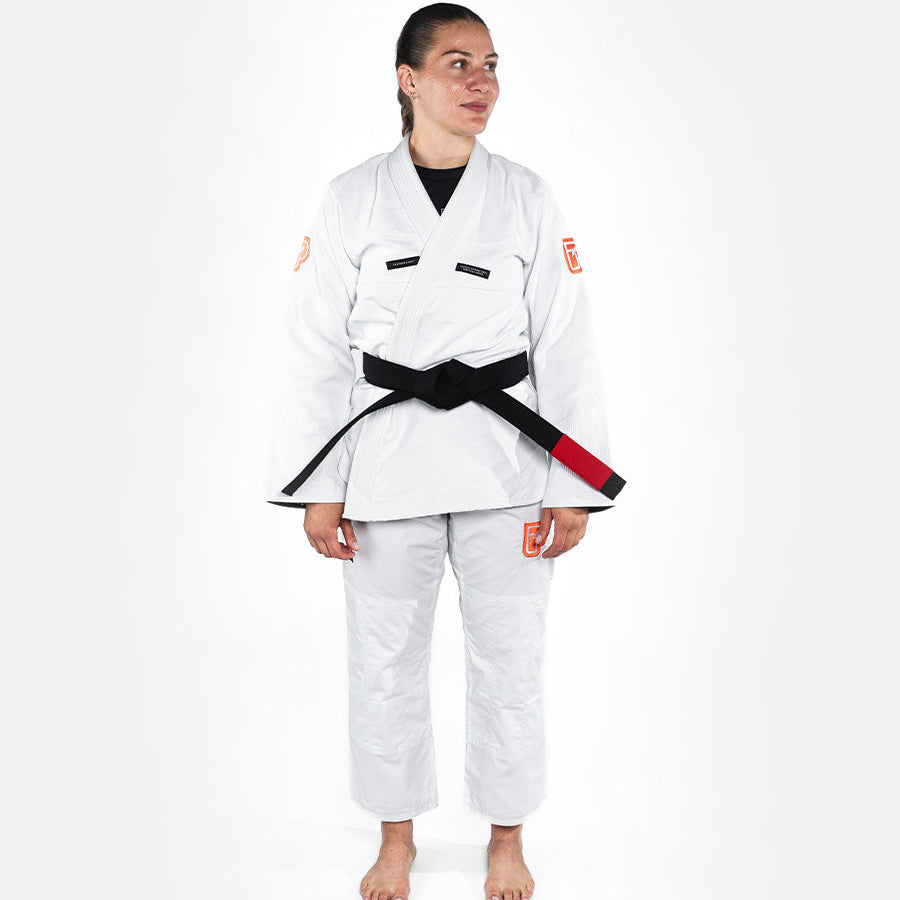
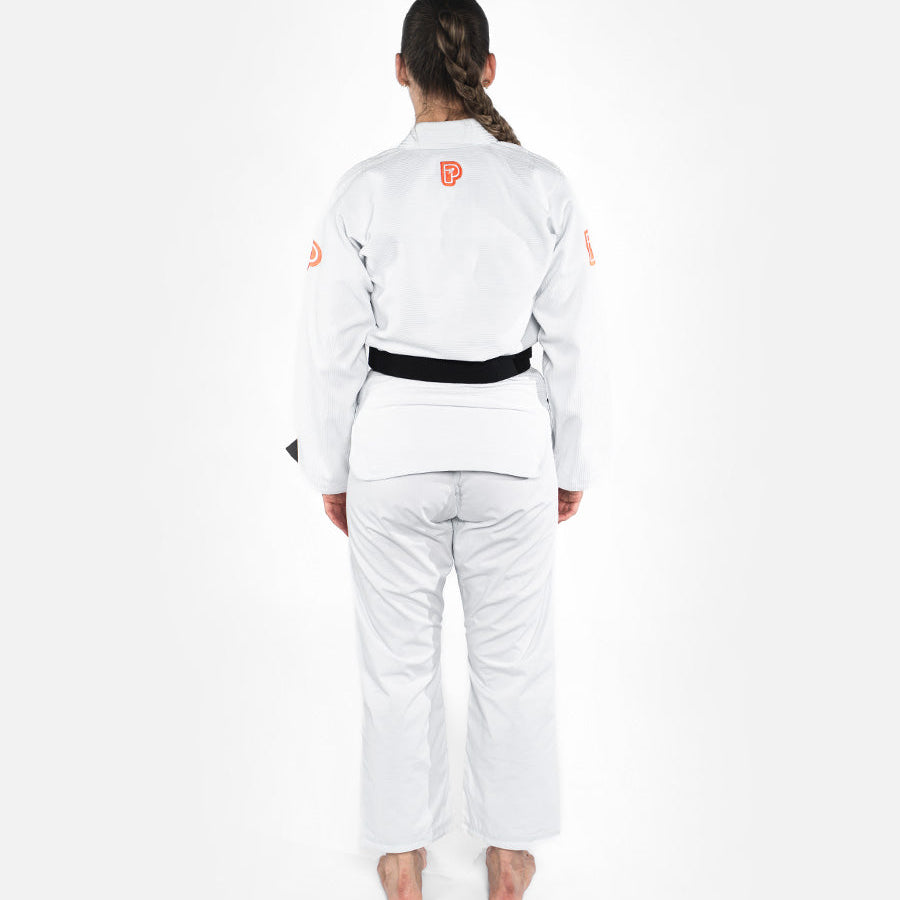






Fast & Free Shipping!










Fast & Free Shipping!


Fast & Free Shipping!








Fast & Free Shipping!




















Fast & Free Shipping!







Fast & Free Shipping!