Can You Train BJJ Every Day? Train Smarter
A packed evening class can make it tempting to answer yes without hesitation. You feel sharp after a few rounds, your guard retention is improving, and there is always one more open mat on the schedule. But can you train BJJ every day and actually get better? For some grapplers, yes. For others, seven days of hard rounds is the fast lane to stalled progress, nagging aches, and skipped classes.
The better question is not whether you can show up every day. It is whether you can manage the total work your body, schedule, and current skill level can recover from. Brazilian Jiu Jitsu gives you plenty of ways to train, and not all of them carry the same cost.
Can You Train BJJ Every Day Without Burning Out?
You can train Brazilian Jiu Jitsu every day if daily training does not mean daily war. A technical drilling session, a positional sparring class, and a competition-style room full of hard rounds are all BJJ, but they ask very different things of you.
A newer white belt may be exhausted after three five-minute rounds because every grip, escape, and scramble is inefficient. A brown belt can train more often because years of movement patterns help them stay relaxed, concede bad positions when needed, and avoid turning every exchange into a strength contest. Neither approach is tougher or better. They are simply different training realities.
Your academy matters, too. Some schools run mostly mixed-level classes with live rolling at the end. Others offer fundamentals, drilling sessions, wrestling classes, competition training, and open mats. If your only option is a hard evening class, training seven days straight is harder to sustain than if you can rotate through different kinds of sessions.
The biggest mistake is treating attendance as the only measure of commitment. Five productive sessions per week beat seven sessions where you are too tired to remember what your coach showed, your grips are cooked, and you spend every round defending because you cannot move well.
Separate Training Frequency From Training Intensity
Think of your week in terms of hard, moderate, and light mat time. Hard training includes long live rounds, tough competition classes, hard takedown rounds, and rolling with training partners who push your pace. Moderate work might be positional sparring from side control, specific rounds starting from your preferred guard, or a normal class where you choose controlled partners. Light work can include drilling, flow rolling, reviewing a sequence, or helping a newer student understand a basic escape.
A person preparing for a tournament may train six or seven days in a week, but only two or three of those days should feel like a real test. For example, they might do hard rounds Tuesday and Saturday, a tough wrestling session Thursday, technical classes on Monday and Wednesday, light drilling Friday, and take Sunday fully off or keep it to mobility work.
A hobbyist with a demanding job and family schedule may make faster progress with three regular classes, one open mat, and one short drilling session. That is not a lesser commitment. It is a plan that leaves enough energy to train consistently next week, next month, and next year.
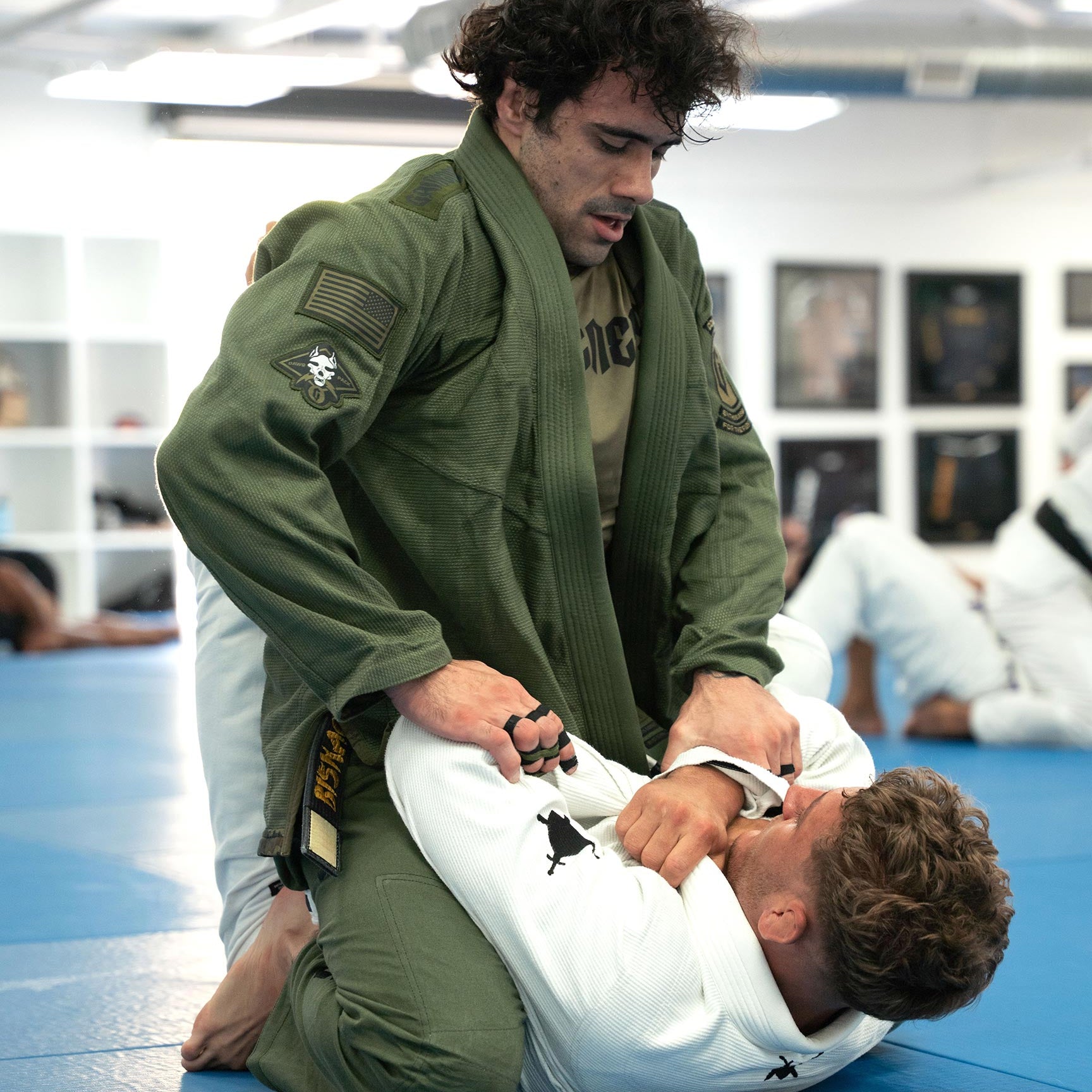
Intensity is also something you control inside class. You do not have to match the pace of the most competitive person in the room every round. If you rolled hard with the academy wrestler last round, choose a technical round with a trusted partner next. Work a specific problem, such as recovering half guard after a crossface or holding mount without rushing for a submission. Those rounds still count.
What Daily BJJ Training Can Look Like
Training every day works best when you give each session a purpose. Showing up with no plan often turns into accidental hard sparring, especially at open mat.
Here is a realistic example of a high-frequency week for an experienced grappler:
- Monday: Regular class and controlled live rounds.
- Tuesday: Hard competition rounds and takedown work.
- Wednesday: Technique drilling and light positional sparring.
- Thursday: Regular class, with most rounds kept moderate.
- Friday: Short drilling session focused on one guard pass or escape.
- Saturday: Open mat with a few hard rounds.
- Sunday: Full rest, or no-gi movement drills at an intentionally easy pace.
For a beginner, daily training may be better framed as four days on the mat plus one day of reviewing notes, watching the academy's technique video, or practicing a simple solo movement. A fresh white belt does not need a complicated system. Learn how to frame from side control, stand safely in base, recognize basic closed-guard posture, and survive rounds with enough composure to apply what was taught.
Signs Your Schedule Needs Adjustment
A tough class should leave you tired. It should not make every following class feel worse. Look at patterns rather than one rough day after an intense round with a bigger training partner.
Your schedule likely needs adjustment if your technique gets noticeably sloppier for several sessions in a row, you are constantly skipping warm-ups because you arrive drained, or you start avoiding positions you normally want to practice. Another common sign is that every roll becomes a survival round. When your timing is gone, you may start muscling basic movements such as hip escapes, underhooks, and guard retention.
Pay attention to your attitude toward training as well. Everyone has off days, but persistent dread is useful information. Sometimes the answer is not quitting or forcing another hard class. It is replacing one rolling session with drilling, arriving for technique and leaving before the hardest rounds, or scheduling a true rest day.
Sleep, food, work stress, travel, and parenting all affect what you can recover from. A seven-day schedule during a quiet month may be fine, then become a bad idea during a week of overtime or poor sleep. Good training plans change with real life.
Make More Classes Count
If you want to increase frequency, first improve the quality of your existing sessions. Pick one or two goals before class. Maybe you are working on getting to an elbow frame before attempting to recover guard from side control. Maybe you want to enter headquarters position more cleanly during passing rounds. Maybe your goal is simply to attempt one reliable takedown instead of pulling guard automatically.
Specific goals prevent you from treating every roll as a scoreboard. They also make lighter sessions useful. You can get valuable repetitions by asking a partner to start in mount, work your escape sequence, reset, and repeat. Ten clean repetitions can teach more than ten frantic minutes of random rolling.
Choose partners with intention. A hard round with someone you trust can be excellent training. So can a technical round with an upper belt who gives you room to work. Academy culture matters here: communicate. Say you are keeping it light, preparing for a tournament, protecting a sore area, or looking to start from a certain position. Most good partners appreciate the clarity.
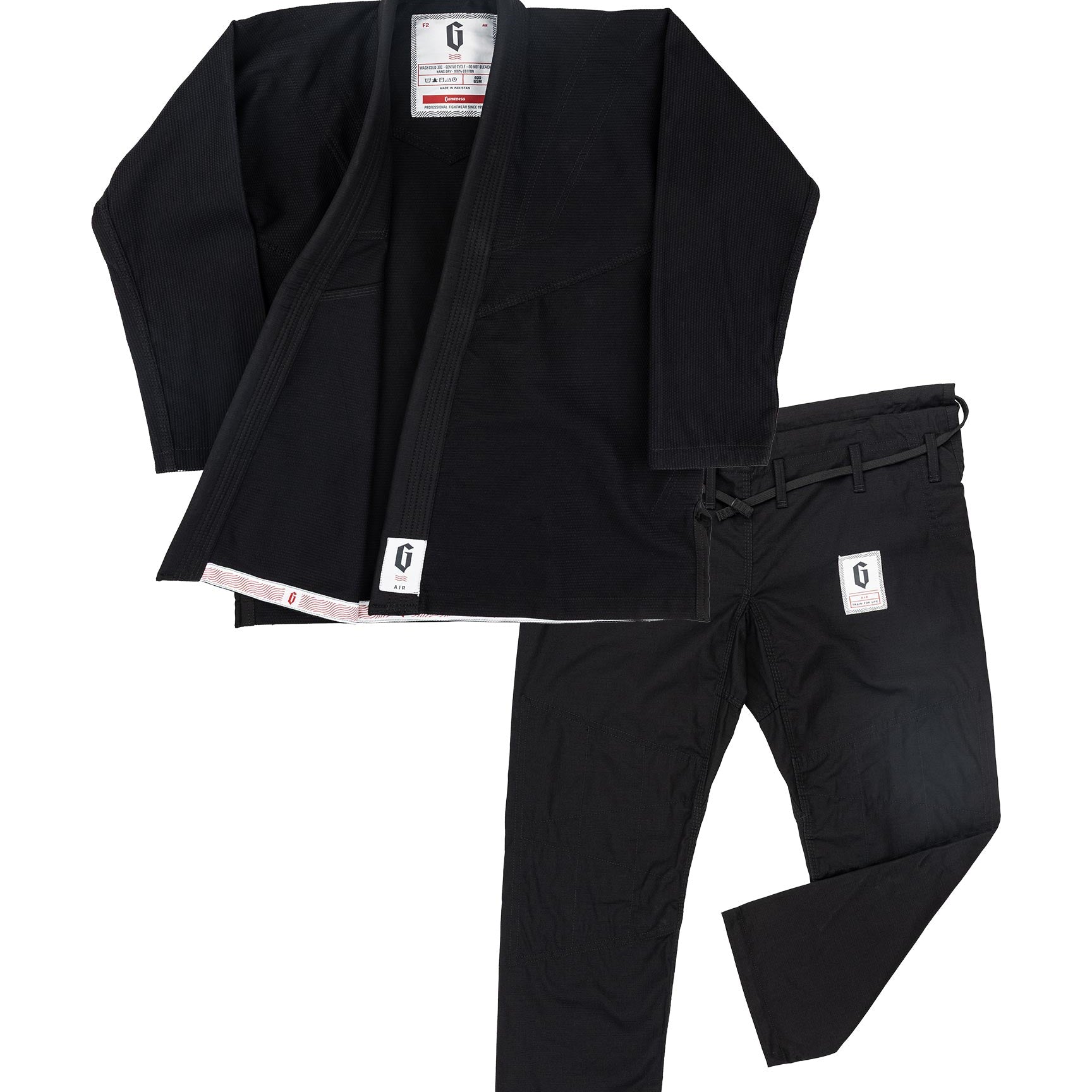
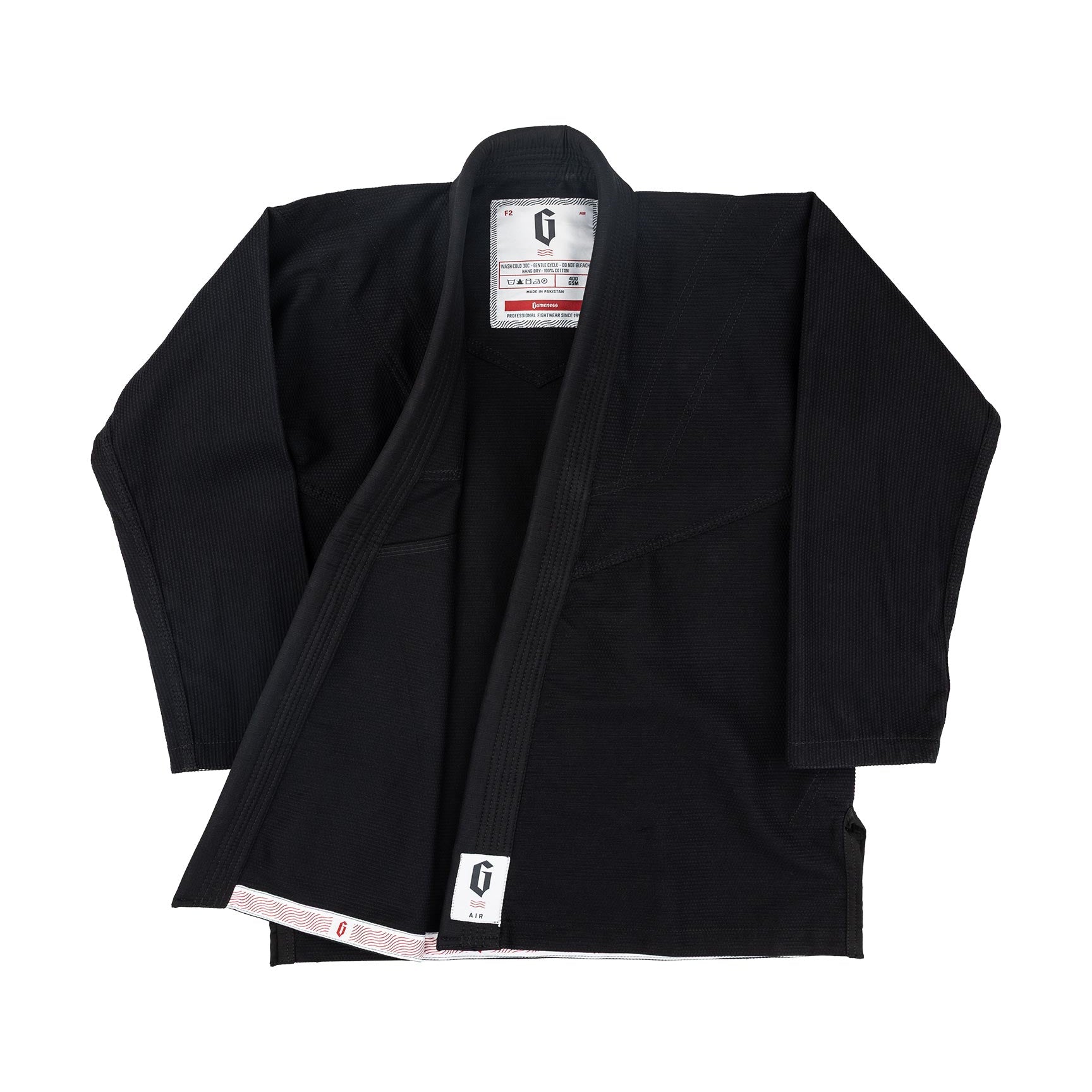
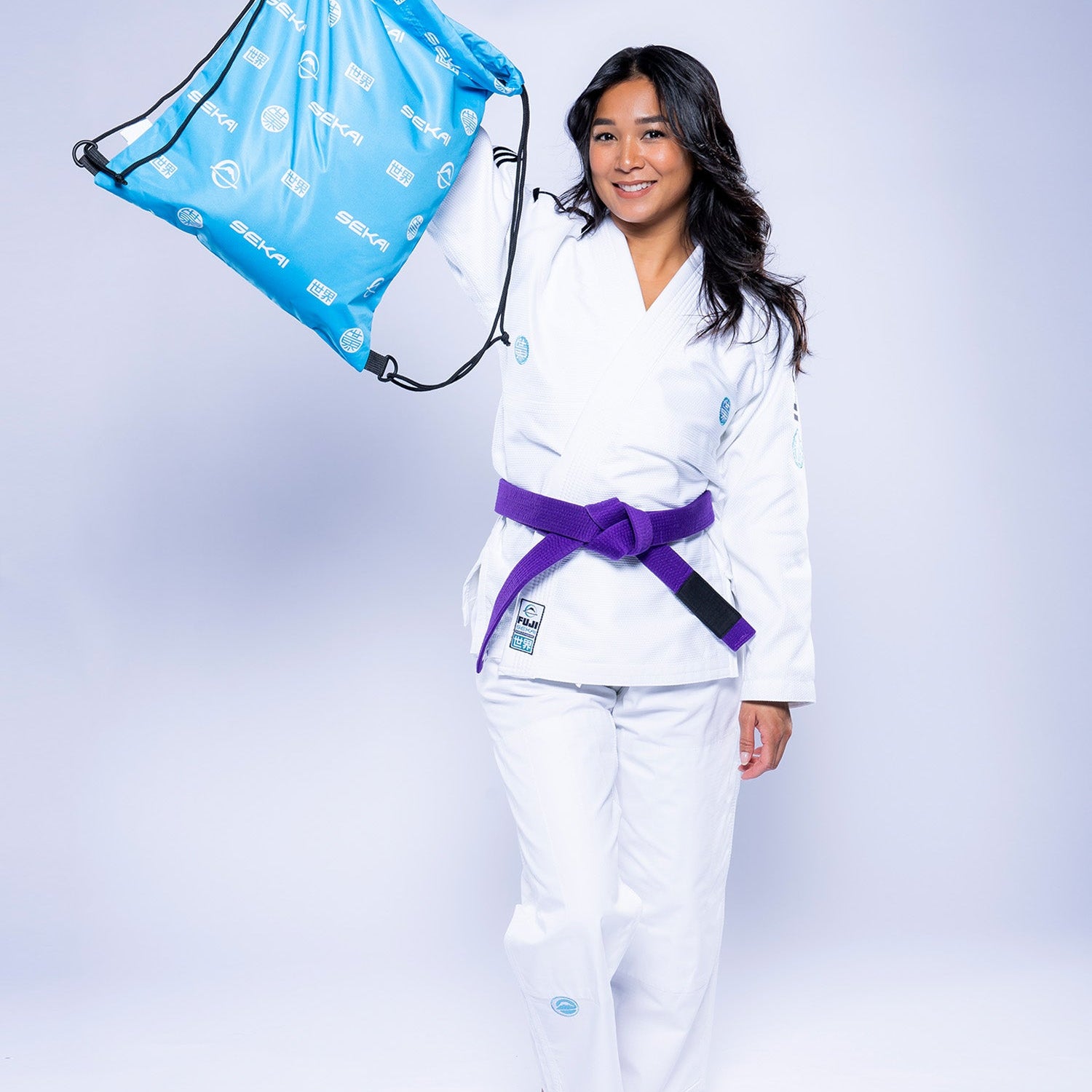
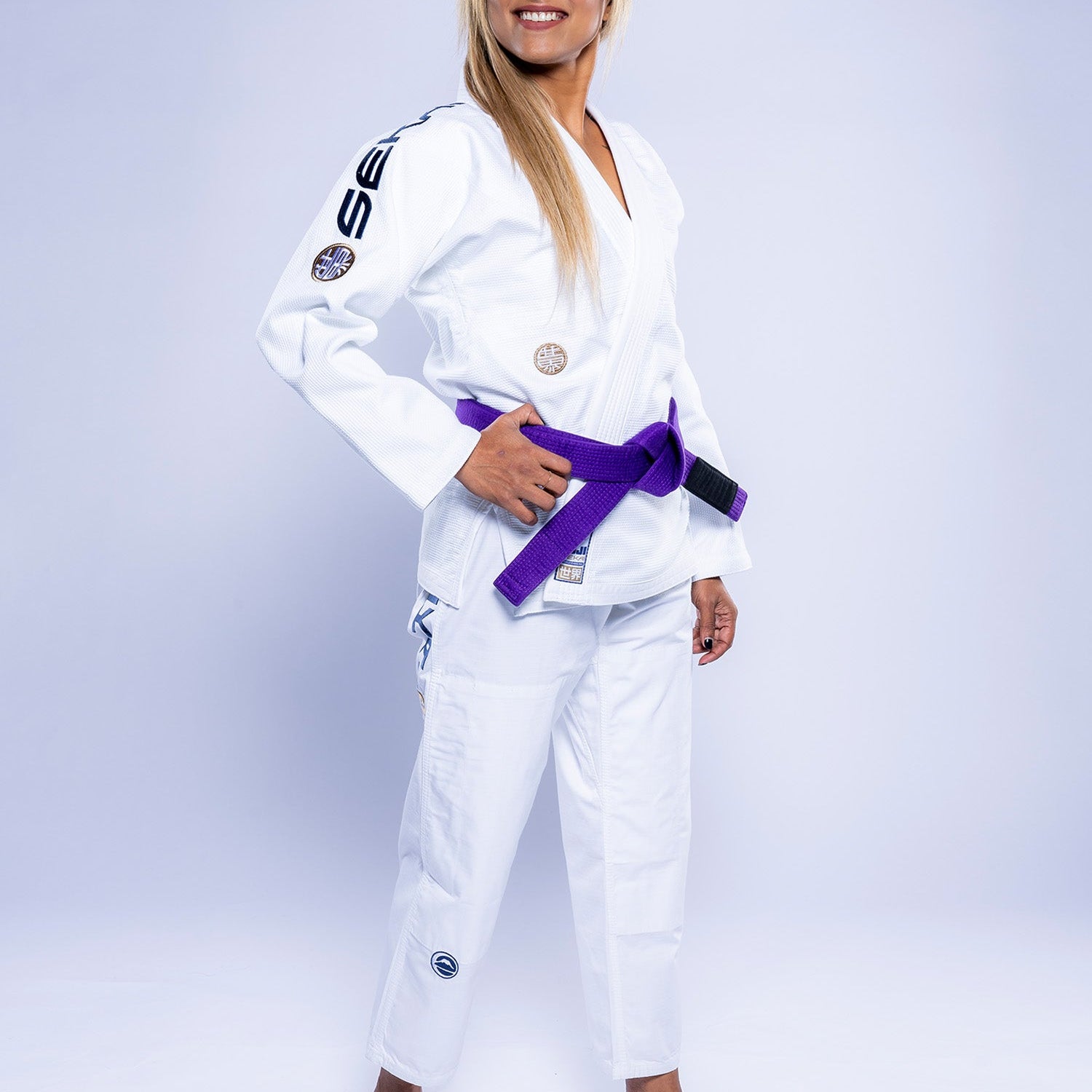
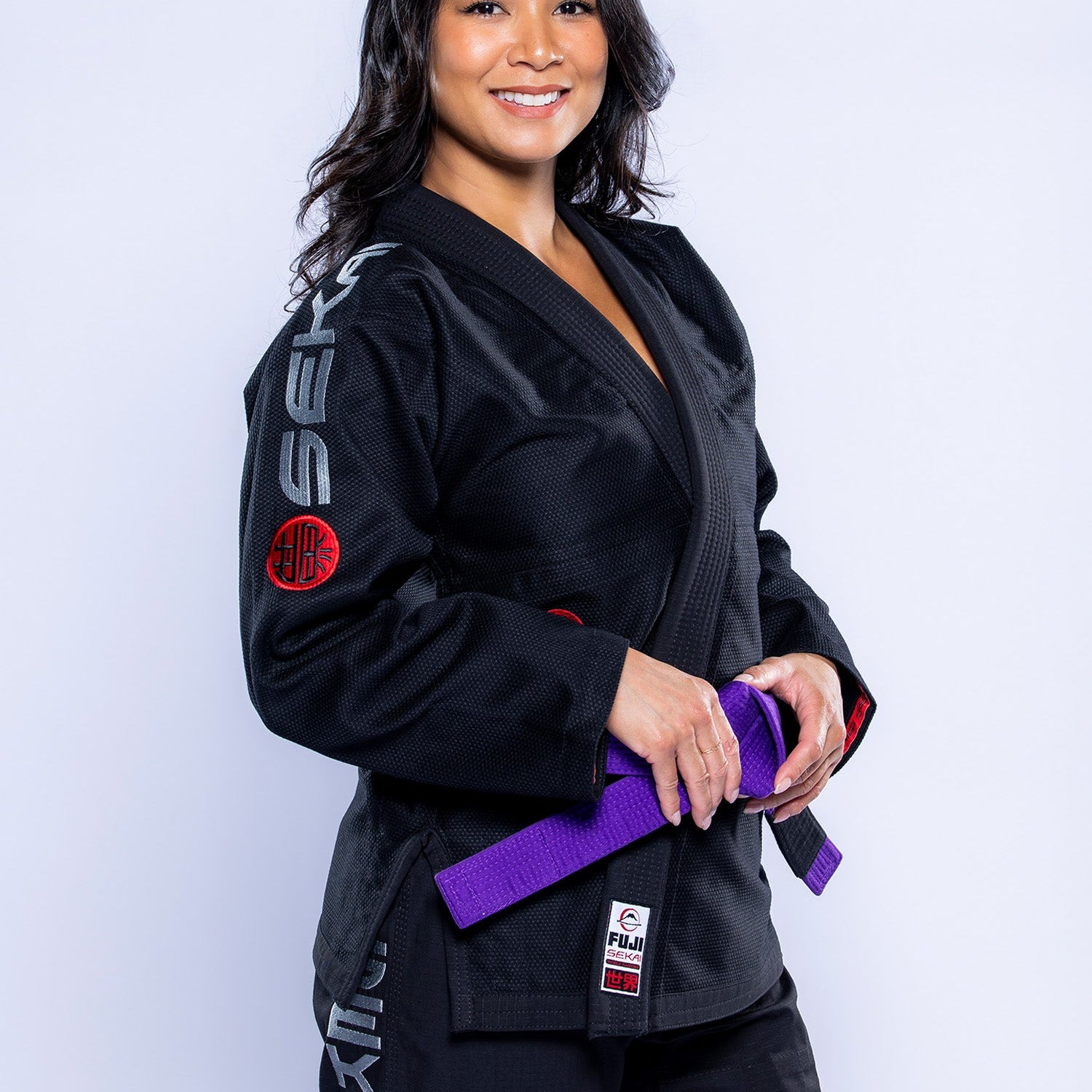
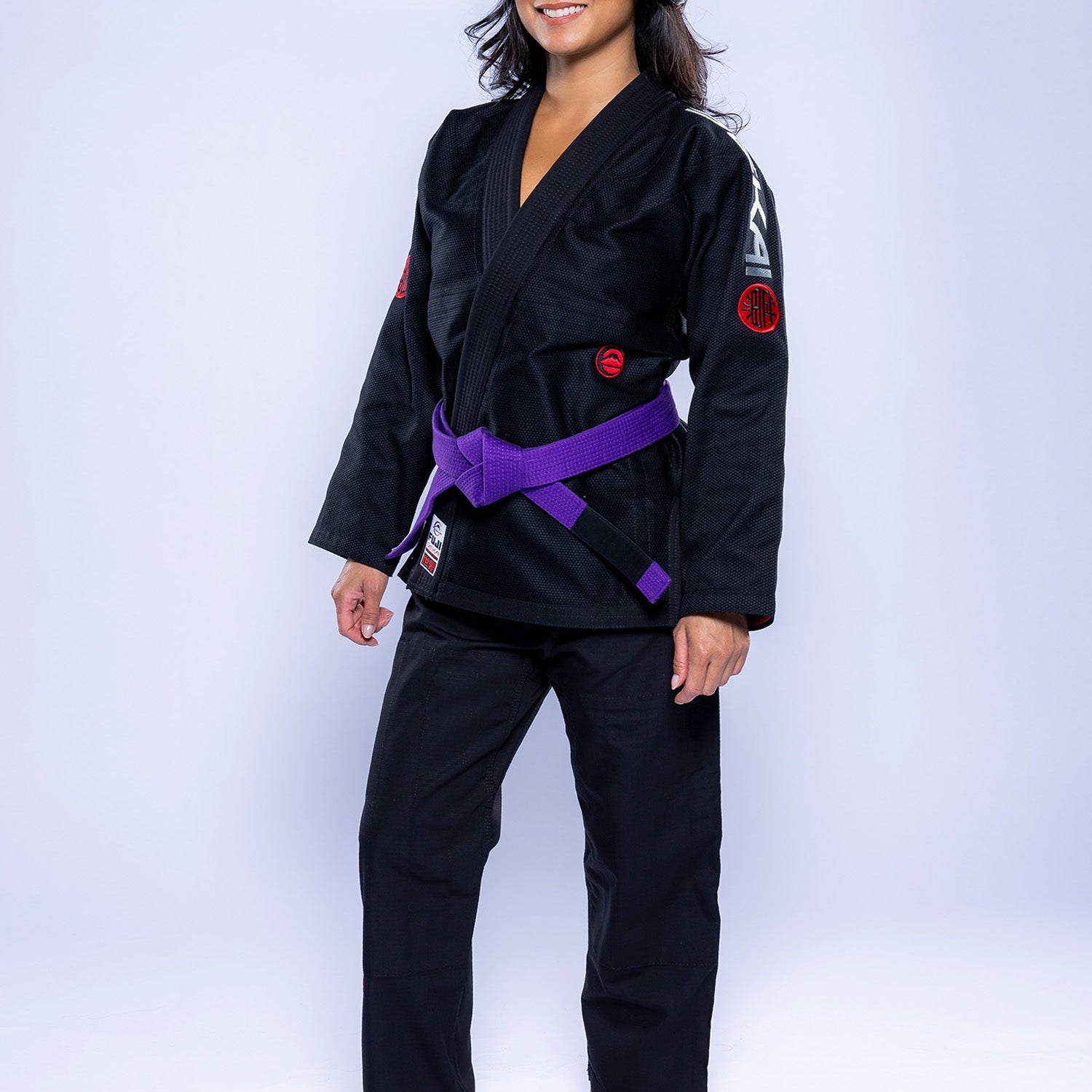
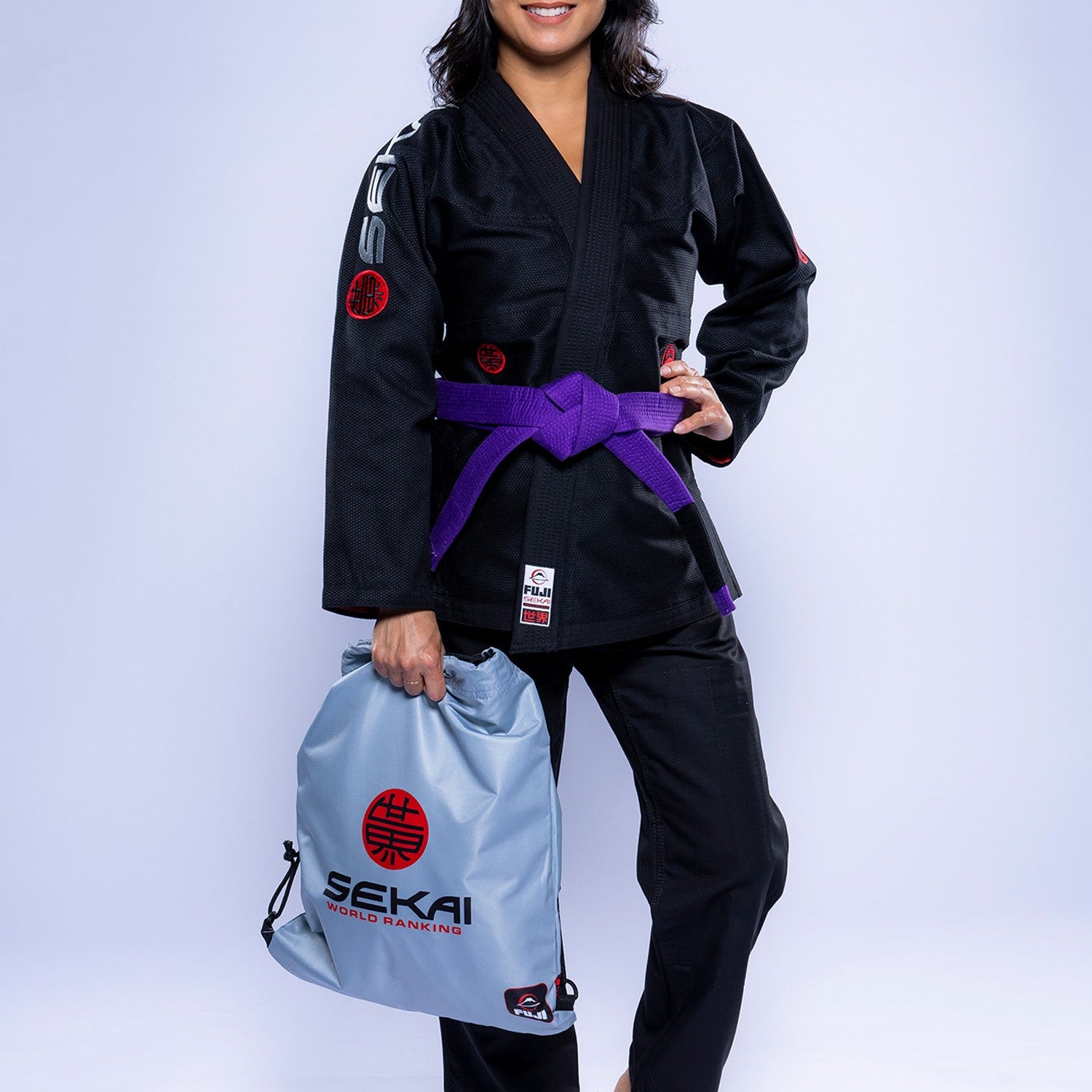
Gear preparation is part of training frequency, too. If you train often, rotate clean gis and rash guards rather than relying on one damp kit from the previous session. Keep tape, water, a mouthguard if you use one, and a change of clothes in your gear bag. Small habits remove the excuses that turn a planned technical session into a missed class.
When Taking a Day Off Is the Smart Move
Rest is not a failure of discipline. It is part of keeping Brazilian Jiu Jitsu in your life for the long run. A day away from the mats can make you more focused during your next class, especially after a stretch of hard rounds or a tournament weekend.
Taking a day off is particularly sensible when you are no longer learning from the work you are doing. If you cannot maintain safe movement, cannot focus on instruction, or are repeatedly forcing positions that normally come with technique, more volume is unlikely to help. Come back with more energy and give yourself a chance to train well.
The best weekly schedule is the one you can repeat without making Jiu Jitsu feel like another obligation you are failing to meet. Train hard when the day calls for it, drill when drilling is the better choice, and leave room to recover. The mats will still be there tomorrow.
Shop Our New Releases






























Fast & Free Shipping!




















Fast & Free Shipping!














Fast & Free Shipping!






















Fast & Free Shipping!



























Fast & Free Shipping!
















Fast & Free Shipping!